AB 2294: The California State University: employees: leaves of absence without loss of compensation.
- Session Year: 2015-2016
- House: Assembly
- Latest Version Date: 2016-09-24
Existing law establishes the California State University, under the administration of the Board of Trustees of the California State University, as one of the 3 segments of public postsecondary education in California. Existing law requires the trustees to provide by rule for the government of their appointees and employees, and authorizes the trustees to grant a leave of absence without compensation to any nonacademic employee.
This bill would require the California State University to grant to any employee, upon a request that provides at least 30 days notice before commencement and, when possible, 30 days notice before the academic term, a leave of absence without loss of compensation, including retirement fund contributions, for the purpose of enabling the employee to serve as an elected officer of any California State University campus public employee organization or any statewide or national public employee organization with which the university campus organization is affiliated. The bill would require the university or campus of the university to be reimbursed by the employee organization for all compensation paid during the leave of absence. The bill would provide that the leave of absence without loss of compensation provided by these provisions would be in addition to the released time without loss of compensation granted to representatives of an exclusive representative for purposes of meeting and conferring or for the processing of grievances. The bill would provide that the employee, upon expiration of the leave of absence, is entitled to reinstatement in the position the employee held at the time leave was granted, if it still exists, or to a comparable existing position for which the employee is qualified.
Existing law establishes the California State University, under the administration of the Board of Trustees of the California State University, as one of the 3 segments of public postsecondary education in California. Existing law requires the trustees to provide by rule for the government of their appointees and employees, and authorizes the trustees to grant a leave of absence without compensation to any nonacademic employee.
This bill would require the California State University to grant to any employee, upon a request that provides at least 30 days notice before commencement and, when possible, 30 days notice before the academic term, a leave of absence without loss of compensation, including retirement fund contributions, for the purpose of enabling the employee to serve as an elected officer of any California State University campus public employee organization or any statewide or national public employee organization with which the university campus organization is affiliated. The bill would require the university or campus of the university to be reimbursed by the employee organization for all compensation paid during the leave of absence. The bill also would provide that the leave of absence without loss of compensation provided by these provisions would be in addition to the released time without loss of compensation granted to representatives of an exclusive representative for purposes of meeting and conferring or for the processing of grievances. The bill would provide that the employee, upon expiration of the leave of absence, is entitled to reinstatement in the position the employee held at the time leave was granted, if it still exists, or to a comparable existing position for which the employee is qualified.
Existing law establishes the California State University, under the administration of the Board of Trustees of the California State University, as one of the 3 segments of public postsecondary education in California. Existing law requires the trustees to provide by rule for the government of their appointees and employees, and authorizes the trustees to grant a leave of absence without compensation to any nonacademic employee.
This bill would require the trustees California State University to grant to any employee, upon a request that provides at least 30 days notice before commencement, commencement and, when possible, 30 days notice before the academic term, a leave of absence without loss of compensation, including retirement fund contributions, for the purpose of enabling the employee to serve as an elected officer of any California State University campus public employee organization or any statewide or national public employee organization with which the university campus organization is affiliated. The bill would require the university or campus of the university to be reimbursed by the employee organization for all compensation paid during the leave of absence. The bill also would provide that the leave of absence without loss of compensation provided by these provisions would be in addition to the released time without loss of compensation granted to representatives of an exclusive representative for purposes of meeting and conferring or for the processing of grievances.
Existing law establishes the California State University, under the administration of the Board of Trustees of the California State University, as one of the 3 segments of public postsecondary education in California. Existing law requires the trustees to provide by rule for the government of their appointees and employees, and authorizes the trustees to grant a leave of absence without compensation to any nonacademic employee.
This bill would require the trustees to grant to any employee, upon request, a request that provides at least 30 days notice before commencement, a leave of absence without loss of compensation, including retirement fund contributions, for the purpose of enabling the employee to serve as an elected officer of any California State University campus public employee organization, organization or of any statewide or national public employee organization with which the university campus organization is affiliated. The bill would require the university or campus of the university to be reimbursed by the employee organization for all compensation paid during the leave of absence. The bill also would provide that the leave of absence without loss of compensation provided by these provisions would be in addition to the released time without loss of compensation granted to representatives of an exclusive representative for purposes of meeting and conferring or for the processing of grievances.
Existing law establishes the California State University, under the administration of the Board of Trustees of the California State University, as one of the 3 segments of public postsecondary education in California. Existing law requires the trustees to provide by rule for the government of their appointees and employees, and authorizes the trustees to grant a leave of absence without compensation to any nonacademic employee.
This bill would require the trustees to grant to any employee, upon request, a leave of absence without loss of compensation, including retirement fund contributions, for the purpose of enabling the employee to serve as an elected officer of any California State University campus public employee organization, or of any statewide or national public employee organization with which the university campus organization is affiliated. The bill would require the university or campus of the university to be reimbursed by the employee organization for all compensation paid during the leave of absence. The bill also would provide that the leave of absence without loss of compensation provided by these provisions would be in addition to the released time without loss of compensation granted to representatives of an exclusive representative for purposes of meeting and conferring or for the processing of grievances.
(a)(1)The California State University shall grant to any employee, upon a request that provides at least 30 days notice before commencement, a leave of absence without loss of compensation for the purpose of enabling the employee to serve as an elected officer of any California State University campus public employee organization or any statewide or national public employee organization with which the university campus organization is affiliated.
(2)When possible, the employee shall provide the request described in paragraph (1) at least 30 days before the start of the academic term during which the leave will occur.
(b)The leave shall include, but is not limited to, absence for purposes of attendance by the employee at periodic, stated, special, or regular meetings of the body of the organization on which the employee serves as an officer. Compensation during the leave shall include retirement fund contributions required of the university or a campus of the university as employer. Required retirement contributions shall include the amount necessary to pay any unfunded liability cost for the retirement plan. The employee shall earn full service credit during the leave of absence and shall pay member contributions as prescribed by Chapter 8 (commencing with Section 20671) of Part 3 of Division 5 of Title 2 of the Government Code. The maximum amount of the service credit earned shall not exceed 12 calendar years. Any employee who serves as a full-time officer of a public employee organization shall not be eligible for disability benefits under the Public Employees Retirement System while on the leave of absence.
(c)Following the universitys or campus of the universitys payment of the employee for the leave of absence, the university or campus of the university shall be reimbursed by the employee organization of which the employee is an elected officer for all compensation paid the employee on account of the leave. Reimbursement by the employee organization shall be made within 10 days after its receipt of the certification of payment of compensation to the employee.
(d)The leave of absence without loss of compensation provided for by this section is in addition to the released time without loss of compensation granted to representatives of an exclusive representative by Section 3569 of the Government Code.
SEC. 2.Section 89512 of the Education Code is amended to read:89512.(a)Upon the expiration of the leave of absence granted pursuant to Section 89510 or 89511, the employee to whom the leave of absence was granted is entitled to reinstatement in the position the employee held at the time the leave of absence was granted, if the position is still in existence, or to any other comparable existing vacant position for which the employee is qualified.
(b)If the provisions of this section are in conflict with the provisions of a memorandum of understanding reached pursuant to Chapter 12 (commencing with Section 3560) of Division 4 of Title 1 of the Government Code, the memorandum of understanding shall be controlling without further legislative action, except that if provisions of a memorandum of understanding require the expenditure of funds, the provisions shall not become effective unless approved by the Legislature in the annual Budget Act.
(a)(1)The California State University shall grant to any employee, upon a request that provides at least 30 days notice before commencement, a leave of absence without loss of compensation for the purpose of enabling the employee to serve as an elected officer of any California State University campus public employee organization or any statewide or national public employee organization with which the university campus organization is affiliated.
(2)When possible, the employee shall provide the request described in paragraph (1) at least 30 days before the start of the academic term during which the leave will occur.
(b)The leave shall include, but is not limited to, absence for purposes of attendance by the employee at periodic, stated, special, or regular meetings of the body of the organization on which the employee serves as an officer. Compensation during the leave shall include retirement fund contributions required of the university or a campus of the university as employer. Required retirement contributions shall include the amount necessary to pay any unfunded liability cost for the retirement plan. The employee shall earn full service credit during the leave of absence and shall pay member contributions as prescribed by Chapter 8 (commencing with Section 20671) of Part 3 of Division 5 of Title 2 of the Government Code. The maximum amount of the service credit earned shall not exceed 12 calendar years. Any employee who serves as a full-time officer of a public employee organization shall not be eligible for disability benefits under the Public Employees Retirement System while on the leave of absence.
(c)Following the universitys or campus of the universitys payment of the employee for the leave of absence, the university or campus of the university shall be reimbursed by the employee organization of which the employee is an elected officer for all compensation paid the employee on account of the leave. Reimbursement by the employee organization shall be made within 10 days after its receipt of the certification of payment of compensation to the employee.
(d)The leave of absence without loss of compensation provided for by this section is in addition to the released time without loss of compensation granted to representatives of an exclusive representative by Section 3569 of the Government Code.
SEC. 2.Section 89512 of the Education Code is amended to read:89512.(a)Upon the expiration of the leave of absence granted pursuant to Section 89510 or 89511, the employee to whom the leave of absence was granted is entitled to reinstatement in the position he the employee held at the time the leave of absence was granted him, granted, if the position is still in existence, or to any other comparable existing vacant position for which he the employee is qualified.
(b)If the provisions of this section are in conflict with the provisions of a memorandum of understanding reached pursuant to Chapter 12 (commencing with Section 3560) of Division 4 of Title 1 of the Government Code, the memorandum of understanding shall be controlling without further legislative action, except that if such provisions of a memorandum of understanding require the expenditure of funds, the provisions shall not become effective unless approved by the Legislature in the annual Budget Act.
(a)(1)The trustees California State University shall grant to any employee, upon a request that provides at least 30 days notice before commencement, a leave of absence without loss of compensation for the purpose of enabling the employee to serve as an elected officer of any California State University campus public employee organization or any statewide or national public employee organization with which the university campus organization is affiliated.
(2)When possible, the employee shall provide the request described in paragraph (1) at least 30 days before the start of the academic term during which the leave will occur.
(b)The leave shall include, but is not limited to, absence for purposes of attendance by the employee at periodic, stated, special, or regular meetings of the body of the organization on which the employee serves as an officer. Compensation during the leave shall include retirement fund contributions required of the university or a campus of the university as employer. Required retirement contributions shall include the amount necessary to pay any unfunded liability cost for the retirement plan. The employee shall earn full service credit during the leave of absence and shall pay member contributions as prescribed by Chapter 8 (commencing with Section 20671) of Part 3 of Division 5 of Title 2 of the Government Code. The maximum amount of the service credit earned shall not exceed 12 calendar years. Any employee who serves as a full-time officer of a public employee organization shall not be eligible for disability benefits under the Public Employees Retirement System while on the leave of absence.
(c)Following the universitys or campus of the universitys payment of the employee for the leave of absence, the university or campus of the university shall be reimbursed by the employee organization of which the employee is an elected officer for all compensation paid the employee on account of the leave. Reimbursement by the employee organization shall be made within 10 days after its receipt of the certification of payment of compensation to the employee.
(d)The leave of absence without loss of compensation provided for by this section is in addition to the released time without loss of compensation granted to representatives of an exclusive representative by Section 3569 of the Government Code.
(a)The trustees shall grant to any employee, upon request, a request that provides at least 30 days notice before commencement, a leave of absence without loss of compensation for the purpose of enabling the employee to serve as an elected officer of any California State University campus public employee organization, organization or of any statewide or national public employee organization with which the university campus organization is affiliated.
(b)The leave shall include, but is not limited to, absence for purposes of attendance by the employee at periodic, stated, special, or regular meetings of the body of the organization on which the employee serves as an officer. Compensation during the leave shall include retirement fund contributions required of the university or a campus of the university as employer. Required retirement contributions shall include the amount necessary to pay any unfunded liability cost for the retirement plan. The employee shall earn full service credit during the leave of absence and shall pay member contributions as prescribed by Chapter 8 (commencing with Section 20671) of part Part 3 of Division 5 of title Title 2 of the Government Code. The maximum amount of the service credit earned shall not exceed 12 calendar years. Any employee who serves as a full-time officer of a public employee organization shall not be eligible for disability benefits under the Public Employees Retirement System while on the leave of absence.
(c)Following the universitys or campus of the universitys payment of the employee for the leave of absence, the university or campus of the university shall be reimbursed by the employee organization of which the employee is an elected officer for all compensation paid the employee on account of the leave. Reimbursement by the employee organization shall be made within 10 days after its receipt of the certification of payment of compensation to the employee.
(d)The leave of absence without loss of compensation provided for by this section is in addition to the released time without loss of compensation granted to representatives of an exclusive representative by Section 3569 of the Government Code.
(a)The trustees shall grant to any employee, upon request, a leave of absence without loss of compensation for the purpose of enabling the employee to serve as an elected officer of any California State University campus public employee organization, or of any statewide or national public employee organization with which the university campus organization is affiliated.
(b)The leave shall include, but is not limited to, absence for purposes of attendance by the employee at periodic, stated, special, or regular meetings of the body of the organization on which the employee serves as an officer. Compensation during the leave shall include retirement fund contributions required of the university or a campus of the university as employer. Required retirement contributions shall include the amount necessary to pay any unfunded liability cost for the retirement plan. The employee shall earn full service credit during the leave of absence and shall pay member contributions as prescribed by Chapter 8 (commencing with Section 20671) of part 3 of Division 5 of title 2 of the Government Code. The maximum amount of the service credit earned shall not exceed 12 calendar years. Any employee who serves as a full-time officer of a public employee organization shall not be eligible for disability benefits under the Public Employees Retirement System while on the leave of absence.
(c)Following the universitys or campus of the universitys payment of the employee for the leave of absence, the university or campus of the university shall be reimbursed by the employee organization of which the employee is an elected officer for all compensation paid the employee on account of the leave. Reimbursement by the employee organization shall be made within 10 days after its receipt of the certification of payment of compensation to the employee.
(d)The leave of absence without loss of compensation provided for by this section is in addition to the released time without loss of compensation granted to representatives of an exclusive representative by Section 3569 of the Government Code.
|
Date
|
Status
|
|---|---|
| Jun 14, 2016 | From committee: Amend, and do pass as amended and re-refer to Com. on APPR. (Ayes 7. Noes 2.) (June 8). |
| Sep 7, 2016 | Enrolled and presented to the Governor at 12 p.m. |
| Aug 29, 2016 | Senate amendments concurred in. To Engrossing and Enrolling. (Ayes 52. Noes 27. Page 6356.). |
| Aug 29, 2016 | Senate amendments concurred in. To Engrossing and Enrolling. |
| Aug 24, 2016 | In Assembly. Concurrence in Senate amendments pending. May be considered on or after August 26 pursuant to Assembly Rule 77. |
| Aug 23, 2016 | Read third time. Passed. Ordered to the Assembly. (Ayes 25. Noes 14. Page 5268.). |
| Aug 23, 2016 | Read third time. Passed. Ordered to the Assembly. |
| Aug 19, 2016 | Read second time. Ordered to third reading. |
| Aug 18, 2016 | Read third time and amended. Ordered to second reading. |
| Aug 15, 2016 | Read second time. Ordered to third reading. |
| Aug 11, 2016 | From committee: Do pass. (Ayes 5. Noes 2.) (August 11). |
| Aug 1, 2016 | In committee: Referred to APPR. suspense file. |
| Jun 15, 2016 | Read second time and amended. Re-referred to Com. on APPR. |
| Feb 18, 2016 | Read first time. To print. |
| May 19, 2016 | Referred to Com. on ED. |
| May 12, 2016 | Read third time. Passed. Ordered to the Senate. (Ayes 51. Noes 26.) |
| May 12, 2016 | Read third time. Passed. Ordered to the Senate. (Ayes 51. Noes 26. Page 4782.) |
| May 12, 2016 | Read third time. Passed. Ordered to the Senate. |
| May 12, 2016 | In Senate. Read first time. To Com. on RLS. for assignment. |
| May 10, 2016 | Read second time. Ordered to third reading. |
| May 9, 2016 | Read second time and amended. Ordered returned to second reading. |
| May 5, 2016 | From committee: Amend, and do pass as amended. (Ayes 14. Noes 6.) (May 4). |
| Apr 20, 2016 | From committee: Do pass and re-refer to Com. on APPR. (Ayes 10. Noes 3.) (April 19). Re-referred to Com. on APPR. |
| Mar 17, 2016 | Referred to Com. on HIGHER ED. |
| Feb 19, 2016 | From printer. May be heard in committee March 20. |
|
Date
|
Description
|
Location
|
Votes
|
|
|---|---|---|---|---|
| Aug 29, 2016 | AB 2294 GOMEZ Concurrence in Senate Amendments | Assembly Floor |
Passed |
|
| Aug 23, 2016 | Assembly 3rd Reading AB2294 Gomez By Allen | Senate Floor |
Passed |
|
| Aug 11, 2016 | Do pass | Senate Standing Committee on Appropriations |
Passed |
|
| Aug 1, 2016 | Placed on suspense file | Senate Standing Committee on Appropriations |
Passed |
|
| Jun 8, 2016 | Do pass as amended, but first amend, and re-refer to the Committee on [Appropriations] | Senate Standing Committee on Education |
Passed |
|
| May 12, 2016 | AB 2294 GOMEZ Assembly Third Reading | Assembly Floor |
Passed |
|
| May 4, 2016 | Do pass as amended. | Assembly Standing Committee on Appropriations |
Passed |
|
| Apr 19, 2016 | Do pass and be re-referred to the Committee on [Appropriations] | Assembly Standing Committee on Higher Education |
Passed |
This list shows positions taken on this bill by organizations on the date displayed, which is linked to the original source.
Positions by individuals are not included.
|
Organization
|
Position
|
Date
|
|---|---|---|
| California Faculty Association | ** Support | Aug 23, 2016 |
| California Labor Federation, Afl-Cio | * Support | Jun 8, 2016 |
| California State University | ** Against | Aug 23, 2016 |
| California State University Employees Union (Csueu) | * Support | Jun 8, 2016 |
| California State University, Chico | * Support | Jun 8, 2016 |
| California Teachers Association | ** Support | Aug 23, 2016 |
| CSUS | * Against Unless Amend | Jun 8, 2016 |
| u California State University | ** Against | Aug 23, 2016 |
CONCURRENCE IN SENATE AMENDMENTS
CSA1 Bill Id:AB 2294
Author:(Gomez)
As Amended Ver:August 18, 2016
Majority vote
ASSEMBLY: | 51-26 | (May 12, 2016) | SENATE: | 25-14 | (August 23, 2016) |
Original Committee Reference: HIGHER ED.
SUMMARY: Requires the California State University (CSU) to grant an employee a leave of absence to serve as an elected officer of any CSU campus public employee organization.
The Senate amendments require, when possible, the employee to provide the request for leave at least 30 days before the start of the academic term during which the leave will occur; and, would entitle that employee to reinstatement in the position he or she held at the time the leave was granted, if it still exists, or a comparable position, as specified.
EXISTING LAW: Establishes the CSU governed by the Board of Trustees (Trustees) and provides that that the Trustees are responsible for the rule of government of their appointees and employees (Education Code Section 89500 et seq.). Establishes the Higher Education Employer-Employee Relations Act (HEERA) to provide a statutory framework to regulate labor relations at University of California (UC), CSU, and Hastings College of Law and their employees; provides the Public Employment Relations Board (PERB) authority to enforce HEERA. (Government Code Sections 3560-3599)
FISCAL EFFECT: According to the Senate Appropriations Committee:
- Though this bill requires the employment organization to reimburse the CSU salary and benefits, including the CSU retirement fund contribution, this bill could result in one-time costs to recruit, hire, or train replacement employees to fill in while the employee is on a leave of absence. In some cases the replacement employee could be compensated less than the employee on leave in which case any upfront recruiting and training costs could be recovered and ongoing savings could be achieved. However, to the extent the CSU is unable to fill the temporary vacancy with an employee at a lower compensation the CSU may incur some ongoing costs to pay the employee's compensation while on leave, in addition to the one-time costs.
- According to the CSU's Web site there are 47,000 faculty and staff employed at the university. CSU indicates that the California Faculty Association is currently using two or three of the 16 leaves available they have in their collective bargaining agreements. To the extent this bill encourages additional use of leaves and five employees go on a leave of absence in a year resulting in costs of $10,000 per employee to recruit a replacement, statewide costs could be about $50,000. However, the effect of this bill on the number of employees taking a leave of absence in the future is unknown. (General Fund)
COMMENTS: Background. Pursuant to Education Code Section 44987, governing boards of a school district are required to provide paid leaves of absence to employees serving on a local district public employee organization or affiliated statewide or national employee organization consistent with the requirements proposed by this bill. Similarly, Education Code Section 87768.5 requires the same accommodations for community college district employees.
CSU policy governing faculty union leave is governed by the CSU/California Faculty Association (CFA) Collective Bargaining Agreement, which requires, upon the request of CFA, the CSU shall grant in a timely manner union leave without loss of compensation. Such leaves shall be granted up to the equivalent of 16 full-time positions per year. An employee on such leave shall continue to earn all campus service credit and retirement credit. Vacation time, holiday time, and sick leave shall not accrue during such leave. A faculty unit employee on such leave shall have the right to return to his/her former position upon expiration of the leave. CFA is required to reimburse CSU for all compensation paid to the faculty unit employee on leave and for any incidental costs, including the cost of benefits in an amount equal to the cost of CSU contributions for Public Employees' Retirement System (PERS) retirement and an additional 10% of salary. Additionally, the agreement reads, "whenever possible, the foregoing shall be implemented only if the CFA notifies the CSU of the names of faculty unit members requesting leave 30 days before the start of each academic term during which the leave will occur. The CFA agrees to meet with the CSU to discuss concerns regarding how release time under this provision impacts departmental instructional requirements."
Purpose of this bill. According to the author, this bill will bring parity to the CSU it does not currently have with other segments. The author argues that legislation is necessary to ensure that CSU employees have the right to take leave time to participate in leadership roles with their union affiliates. The author notes that CSU faculty participation in a union elected leadership position is subject to the discretion of the CSU, under relevant memorandums of understanding (MOUs) and Bargaining Agreements, and is not guaranteed in statute.
Analysis Prepared by: Laura Metune / HIGHER ED. / (916) 319-3960 FN: 0004872
Office of Senate Floor Analyses (916) 651-1520 Fax: (916) 327-4478 | AB |
THIRD READING
Bill No: AB 2294
:
SENATE EDUCATION COMMITTEE: 7-2, 6/8/16
AYES: Liu, Block, Hancock, Leyva, Mendoza, Monning, Pan
NOES: Huff, Vidak
SENATE APPROPRIATIONS COMMITTEE: 5-2, 8/11/16
AYES: Lara, Beall, Hill, McGuire, Mendoza
NOES: Bates, Nielsen
ASSEMBLY FLOOR: 51-26, 5/12/16 - See last page for vote
SOURCE: California Faculty Association
DIGEST: This bill requires the California State University (CSU) to grant an employee a leave of absence without loss of compensation to serve as an elected officer of any CSU campus public employee organization.
Senate Floor Amendments of 8/18/16 make conforming changes by providing that an employee who takes a leave of absence to serve as an elected officer of a CSU campus public employee organization shall be entitled to reinstatement in the position that he or she previously held.
Existing law:
- Establishes the CSU governed by the Board of Trustees (Trustees) and provides that that the Trustees are responsible for the rule of government of their appointees and employees. (Education Code § 89500, et seq.)
- Establishes the Higher Education Employer-Employee Relations Act (HEERA) to provide a statutory framework to regulate labor relations at the University of California, the CSU, and Hastings College of Law and their employees and provides the Public Employment Relations Board (PERB) with the authority to enforce HEERA. (Government Code § 3560-3599)
- Requires the governing board of a school district to grant any employee, upon request, a leave of absence without loss of compensation for the purpose of enabling the employee to serve as an elected officer of any local school district public employee organization or any statewide or national public employee organization with which the local organization is affiliated. Provides that following the district’s payment of the employee for the leave of absence, the district shall be reimbursed by the employee organization of which the employee is an elected officer for all compensation paid the employee on account of the leave. (Education Code § 44987)
- Requires the governing board of a community college district to grant any employee, upon request, a leave of absence without loss of compensation for the purpose of enabling the employee to serve as an elected officer of any local school district public employee organization or any statewide or national public employee organization with which the local organization is affiliated. Provides that following the district’s payment of the employee for the leave of absence, the district shall be reimbursed by the employee organization of which the employee is an elected officer for all compensation paid the employee on account of the leave. (Education Code § 87768.5)
This bill:
- Requires the CSU Trustees to grant any employee, upon a request that provides at least 30 days of notice before commencement, a leave of absence without loss of compensation for the purpose of enabling the employee to serve as an elected officer of any CSU campus public employee organization or any statewide or national public employee organization with which the university campus organization is affiliated. Provides that these employees are entitled reinstatement to their previous positions upon expiration of the leave of absence, as specified.
- Specifies that when possible, an employee shall provide a notice of at least 30 days before the start of the academic term during which the leave will occur.
- Provides that the leave shall include, but is not limited to, absence for purposes of attendance by the employee at meetings of the organization, as specified.
- Provides that compensation during the leave shall include retirement fund contributions required of the employer, including any amount necessary to pay any unfunded liability cost for the retirement plan.
- Provides that the employee shall earn full service credit during the leave of absence and shall pay member contributions as prescribed, and provides that the maximum amount of the service credit earned shall not exceed 12 calendar years.
- Provides that any employee who serves as a full-time officer of a public employee organization shall not be eligible for disability benefits under the Public Employees’ Retirement System while on the leave of absence.
- Provides that following payment of the employee for the leave of absence, the CSU or campus shall be reimbursed by the employee organization of which the employee is an elected officer for all compensation paid the employee on account of the leave. Requires reimbursement by the employee organization to be made within 10 days after its receipt of the certification of payment of compensation to the employee.
- Provides that the leave of absence without loss of compensation provided for by this bill is in addition to the released time without loss of compensation granted to representatives of an exclusive representative by Section 3569 of the Government Code.
Comments
Consistency with K-12 school districts and community colleges. Current law requires school districts and the community colleges to grant employees a leave of absence without loss of compensation to serve as elected officers of a union. The districts are then reimbursed by the employee organization of which the employee is an elected officer for all compensation paid to the employee while on leave, including any retirement costs. While each of the CSU’s 13 bargaining groups have agreements that provide some level of leave for academic employees to work on behalf of their union, the amounts may vary and are not specified in statute.
FISCAL EFFECT: Appropriation: Fiscal Com.: Local:
According to the Senate Appropriations Committee, though this bill requires the employment organization to reimburse the CSU salary and benefits, including the CSU retirement fund contribution, this bill could result in one-time costs to recruit, hire, or train replacement employees to fill in while the employee is on a leave of absence. In some cases the replacement employee could be compensated less than the employee on leave in which case any upfront recruiting and training costs could be recovered and ongoing savings could be achieved. However, to the extent the CSU is unable to fill the temporary vacancy with an employee at a lower compensation the CSU may incur some ongoing costs to pay the employee’s compensation while on leave, in addition to the one-time costs.
Additionally, according to the CSU’s Web site there are 47,000 faculty and staff employed at the university. CSU indicates that the California Faculty Association is currently using two or three of the 16 leaves available they have in their collective bargaining agreements. To the extent this bill encourages additional use of leaves and five employees go on a leave of absence in a year resulting in costs of $10,000 per employee to recruit a replacement, statewide costs could be about $50,000. However, the effect of this bill on the number of employees taking a leave of absence in the future is unknown. (General Fund)
California Faculty Association (source)
California Labor Federation
California State University Employees Union
California Teachers Association
Service Employees International Union
OPPOSITION: (Verified 8/12/16)
ARGUMENTS IN SUPPORT: According to the author’s office, “in the state’s K-12 and community college systems, employees are routinely granted leaves of absence without loss of pay to enable the employee to serve as an elected officer of a union with which his or her labor union is affiliated. Education Code Sections 44987 (K-12) and 87768.5 (community colleges) specify that compensation during the leave includes retirement costs while on the leave of absence. A recent review of the California Education Code revealed that CSU faculty lack statutory parity for identical leaves of absence.” The author argues that legislation is necessary to ensure that CSU employees have the right to take leave time to participate in leadership roles with their union affiliates. The author’s office indicates that CSU faculty participation in a union elected leadership position is subject to the discretion of the CSU, under relevant memorandums of understanding (MOUs) and local bargaining agreements.
ARGUMENTS IN OPPOSITION: The CSU opposes this bill, arguing that the measure sidesteps the collective bargaining process where union leave requests are a negotiated term of employment and therefore would impact 13 collective bargaining units. This would hinder the CSU’s ability to consider these leave requests in the context of its impact on campus operations and instruction. For example, CSU notes that under the current faculty agreement there is a notice requirement and an opportunity to discuss the impact of the release time on academic departments.
ASSEMBLY FLOOR: 51-26, 5/12/16
AYES: Alejo, Arambula, Atkins, Bloom, Bonilla, Bonta, Brown, Calderon, Campos, Chau, Chiu, Chu, Cooley, Cooper, Dababneh, Daly, Dodd, Eggman, Frazier, Cristina Garcia, Eduardo Garcia, Gatto, Gipson, Gomez, Gonzalez, Gordon, Gray, Roger Hernández, Holden, Irwin, Levine, Linder, Lopez, Low, McCarty, Medina, Mullin, Nazarian, O'Donnell, Quirk, Ridley-Thomas, Rodriguez, Salas, Santiago, Mark Stone, Thurmond, Ting, Weber, Williams, Wood, Rendon
NOES: Achadjian, Travis Allen, Baker, Bigelow, Brough, Chang, Dahle, Beth Gaines, Gallagher, Grove, Hadley, Harper, Jones, Kim, Lackey, Maienschein, Mathis, Mayes, Melendez, Obernolte, Olsen, Patterson, Steinorth, Wagner, Waldron, Wilk
NO VOTE RECORDED: Burke, Chávez, Jones-Sawyer
8/19/16 18:44:33
**** END ****
Office of Senate Floor Analyses (916) 651-1520 Fax: (916) 327-4478 | AB |
THIRD READING
Bill No: AB 2294
:
SENATE EDUCATION COMMITTEE: 7-2, 6/8/16
AYES: Liu, Block, Hancock, Leyva, Mendoza, Monning, Pan
NOES: Huff, Vidak
SENATE APPROPRIATIONS COMMITTEE: 5-2, 8/11/16
AYES: Lara, Beall, Hill, McGuire, Mendoza
NOES: Bates, Nielsen
ASSEMBLY FLOOR: 51-26, 5/12/16 - See last page for vote
SOURCE: California Faculty Association
DIGEST: This bill requires the California State University (CSU) to grant an employee a leave of absence without loss of compensation to serve as an elected officer of any CSU campus public employee organization.
Existing law:
- Establishes the CSU governed by the Board of Trustees (Trustees) and provides that that the Trustees are responsible for the rule of government of their appointees and employees. (Education Code § 89500, et seq.)
- Establishes the Higher Education Employer-Employee Relations Act (HEERA) to provide a statutory framework to regulate labor relations at the University of California, the CSU, and Hastings College of Law and their employees and provides the Public Employment Relations Board (PERB) with the authority to enforce HEERA. (Government Code § 3560-3599)
- Requires the governing board of a school district to grant any employee, upon request, a leave of absence without loss of compensation for the purpose of enabling the employee to serve as an elected officer of any local school district public employee organization or any statewide or national public employee organization with which the local organization is affiliated. Provides that following the district’s payment of the employee for the leave of absence, the district shall be reimbursed by the employee organization of which the employee is an elected officer for all compensation paid the employee on account of the leave. (Education Code § 44987)
- Requires the governing board of a community college district to grant any employee, upon request, a leave of absence without loss of compensation for the purpose of enabling the employee to serve as an elected officer of any local school district public employee organization or any statewide or national public employee organization with which the local organization is affiliated. Provides that following the district’s payment of the employee for the leave of absence, the district shall be reimbursed by the employee organization of which the employee is an elected officer for all compensation paid the employee on account of the leave. (Education Code § 87768.5)
This bill:
- Requires the CSU Trustees to grant any employee, upon a request that provides at least 30 days of notice before commencement, a leave of absence without loss of compensation for the purpose of enabling the employee to serve as an elected officer of any CSU campus public employee organization or any statewide or national public employee organization with which the university campus organization is affiliated.
- Specifies that when possible, an employee shall provide a notice of at least 30 days before the start of the academic term during which the leave will occur.
- Provides that the leave shall include, but is not limited to, absence for purposes of attendance by the employee at meetings of the organization, as specified.
- Provides that compensation during the leave shall include retirement fund contributions required of the employer, including any amount necessary to pay any unfunded liability cost for the retirement plan.
- Provides that the employee shall earn full service credit during the leave of absence and shall pay member contributions as prescribed, and provides that the maximum amount of the service credit earned shall not exceed 12 calendar years.
- Provides that any employee who serves as a full-time officer of a public employee organization shall not be eligible for disability benefits under the Public Employees’ Retirement System while on the leave of absence.
- Provides that following payment of the employee for the leave of absence, the CSU or campus shall be reimbursed by the employee organization of which the employee is an elected officer for all compensation paid the employee on account of the leave. Requires reimbursement by the employee organization to be made within 10 days after its receipt of the certification of payment of compensation to the employee.
- Provides that the leave of absence without loss of compensation provided for by this bill is in addition to the released time without loss of compensation granted to representatives of an exclusive representative by Section 3569 of the Government Code.
Comments
Consistency with K-12 school districts and community colleges. Current law requires school districts and the community colleges to grant employees a leave of absence without loss of compensation to serve as elected officers of a union. The districts are then reimbursed by the employee organization of which the employee is an elected officer for all compensation paid to the employee while on leave, including any retirement costs. While each of the CSU’s 13 bargaining groups have agreements that provide some level of leave for academic employees to work on behalf of their union, the amounts may vary and are not specified in statute.
FISCAL EFFECT: Appropriation: Fiscal Com.: Local:
According to the Senate Appropriations Committee, though this bill requires the employment organization to reimburse the CSU salary and benefits, including the CSU retirement fund contribution, this bill could result in one-time costs to recruit, hire, or train replacement employees to fill in while the employee is on a leave of absence. In some cases the replacement employee could be compensated less than the employee on leave in which case any upfront recruiting and training costs could be recovered and ongoing savings could be achieved. However, to the extent the CSU is unable to fill the temporary vacancy with an employee at a lower compensation the CSU may incur some ongoing costs to pay the employee’s compensation while on leave, in addition to the one-time costs.
Additionally, according to the CSU’s website there are 47,000 faculty and staff employed at the university. CSU indicates that the California Faculty Association is currently using two or three of the 16 leaves available they have in their collective bargaining agreements. To the extent this bill encourages additional use of leaves and five employees go on a leave of absence in a year resulting in costs of $10,000 per employee to recruit a replacement, statewide costs could be about $50,000. However, the effect of this bill on the number of employees taking a leave of absence in the future is unknown. (General Fund)
California Faculty Association (source)
California Labor Federation
California State University Employees Union
California Teachers Association
Service Employees International Union
OPPOSITION: (Verified 8/12/16)
ARGUMENTS IN SUPPORT: According to the author’s office, “in the state’s K-12 and community college systems, employees are routinely granted leaves of absence without loss of pay to enable the employee to serve as an elected officer of a union with which his or her labor union is affiliated. Education Code Sections 44987 (K-12) and 87768.5 (community colleges) specify that compensation during the leave includes retirement costs while on the leave of absence. A recent review of the California Education Code revealed that CSU faculty lack statutory parity for identical leaves of absence.” The author argues that legislation is necessary to ensure that CSU employees have the right to take leave time to participate in leadership roles with their union affiliates. The author’s office indicates that CSU faculty participation in a union elected leadership position is subject to the discretion of the CSU, under relevant memorandums of understanding (MOUs) and local bargaining agreements.
ARGUMENTS IN OPPOSITION: The CSU opposes this bill, arguing that the measure sidesteps the collective bargaining process where union leave requests are a negotiated term of employment and therefore would impact 13 collective bargaining units. This would hinder the CSU’s ability to consider these leave requests in the context of its impact on campus operations and instruction. For example, CSU notes that under the current faculty agreement there is a notice requirement and an opportunity to discuss the impact of the release time on academic departments.
ASSEMBLY FLOOR: 51-26, 5/12/16
AYES: Alejo, Arambula, Atkins, Bloom, Bonilla, Bonta, Brown, Calderon, Campos, Chau, Chiu, Chu, Cooley, Cooper, Dababneh, Daly, Dodd, Eggman, Frazier, Cristina Garcia, Eduardo Garcia, Gatto, Gipson, Gomez, Gonzalez, Gordon, Gray, Roger Hernández, Holden, Irwin, Levine, Linder, Lopez, Low, McCarty, Medina, Mullin, Nazarian, O'Donnell, Quirk, Ridley-Thomas, Rodriguez, Salas, Santiago, Mark Stone, Thurmond, Ting, Weber, Williams, Wood, Rendon
NOES: Achadjian, Travis Allen, Baker, Bigelow, Brough, Chang, Dahle, Beth Gaines, Gallagher, Grove, Hadley, Harper, Jones, Kim, Lackey, Maienschein, Mathis, Mayes, Melendez, Obernolte, Olsen, Patterson, Steinorth, Wagner, Waldron, Wilk
NO VOTE RECORDED: Burke, Chávez, Jones-Sawyer
8/15/16 19:39:48
**** END ****
SENATE COMMITTEE ON
Senator Ricardo Lara, Chair
2015 - 2016 Regular Session
AB 2294 (Gomez) - The California State University: employees: leaves of absence without loss of compensation
Version: | Policy Vote: |
Urgency: | Mandate: |
Hearing Date: | Consultant: |
This bill meets the criteria for referral to the Suspense File.
Bill Summary:
This bill requires the California State University (CSU) to grant an employee a leave of absence without loss of compensation to serve as an elected officer of any CSU campus public employee organization.
Fiscal Impact:
- Though this bill requires the employment organization to reimburse the CSU salary and benefits, including the CSU retirement fund contribution, this bill could result in one-time costs to recruit, hire, or train replacement employees to fill in while the employee is on a leave of absence. In some cases the replacement employee could be compensated less than the employee on leave in which case any upfront recruiting and training costs could be recovered and ongoing savings could be achieved. However, to the extent the CSU is unable to fill the temporary vacancy with an employee at a lower compensation the CSU may incur some ongoing costs to pay the employee’s compensation while on leave, in addition to the one-time costs.
According to the CSU’s website there are 47,000 faculty and staff employed at the university. CSU indicates that the California Faculty Association is currently using two or three of the 16 leaves available they have in their collective bargaining agreements. To the extent this bill encourages additional use of leaves and five employees go on a leave of absence in a year resulting in costs of $10,000 per employee to recruit a replacement, statewide costs could be about $50,000. However, the effect of this bill on the number of employees taking a leave of absence in the future is unknown. (General Fund)
Background:
Existing law requires the governing board of a school district and the governing board of a community college district to grant any employee, upon a request that provides a notice of at least 30 days, a leave of absence without loss of compensation for the purpose of enabling the employee to serve as an elected officer of any local school district public employee organization or any statewide or national public employee organization with which the local organization is affiliated. Provides that following the district’s payment of the employee for the leave of absence, the district shall be reimbursed by the employee organization of which the employee is an elected officer for all compensation paid the employee on account of the leave. (Education Code § 44987 and 87768.5)
While each of the CSU’s 13 bargaining groups have agreements that provide some level of leave for academic employees to work on behalf of their union, the amounts may vary and are not specified in statute. According to the author, this bill is necessary to ensure that CSU employees have the right to take leave time to participate in leadership roles with their union affiliates.
Proposed Law:
This bill requires the CSU to grant an employee, upon request, a leave of absence without loss of compensation so that he or she may serve as an elected officer of any CSU campus public employee organization, or statewide or national public employee organization with which the university campus organization is affiliated.
In addition, this bill:
- Requires the employee to provide the request at least 30 days before the start of the academic term, when possible.
- Provides that the leave includes, but is not limited to, absence for an employee to attend meetings of the organization on which the employee serves as an officer.
- Compensation during the leave must include:
- Retirement fund contributions required of the university as employer, including the amount necessary to pay any unfunded liability cost for the retirement plan.
- Full service credit to be earned, up to 12 years, by the employee during the leave of absence and the employee must pay member contributions.
- Provides that any employee who serves as a full-time officer of a public employee organization is prohibited from being eligible for disability benefits under the Public Employees’ Retirement System while on the leave of absence.
- Provides that following the university’s payment of the leave of absence for the employee, it must be reimbursed by the employee organization of which the employee is an elected officer for all compensation the employee for the leave. Reimbursement by the employee organization is required to be made within 10 days after its receipt of the certification of payment of compensation to the employee.
- Provides that the leave of absence without loss of compensation is in addition to the released time without loss of compensation to the representatives of an exclusive representative, as specified.
-- END --
SENATE COMMITTEE ON EDUCATION
Senator Carol Liu, Chair
2015 - 2016 Regular
Bill No:
Author: | Gomez | ||
Version: | Hearing Date: June 8, 2016 | ||
Urgency: | Fiscal: | ||
Consultant: | |||
Subject:
SUMMARY
This bill requires the California State University (CSU) to grant an employee a leave of absence without loss of compensation to serve as an elected officer of any CSU campus public employee organization.
BACKGROUND
Existing law:
- Establishes the CSU governed by the Board of Trustees (Trustees) and provides that that the Trustees are responsible for the rule of government of their appointees and employees. (Education Code § 89500, et seq.)
- Establishes the Higher Education Employer-Employee Relations Act (HEERA) to provide a statutory framework to regulate labor relations at the University of California, the CSU, and Hastings College of Law and their employees and provides the Public Employment Relations Board (PERB) with the authority to enforce HEERA. (Government Code § 3560-3599)
- Requires the governing board of a school district to grant any employee, upon request, a leave of absence without loss of compensation for the purpose of enabling the employee to serve as an elected officer of any local school district public employee organization or any statewide or national public employee organization with which the local organization is affiliated. Provides that following the district’s payment of the employee for the leave of absence, the district shall be reimbursed by the employee organization of which the employee is an elected officer for all compensation paid the employee on account of the leave. (Education Code § 44987)
- Requires the governing board of a community college district to grant any employee, upon request, a leave of absence without loss of compensation for the purpose of enabling the employee to serve as an elected officer of any local school district public employee organization or any statewide or national public employee organization with which the local organization is affiliated. Provides that following the district’s payment of the employee for the leave of absence, the district shall be reimbursed by the employee organization of which the employee is an elected officer for all compensation paid the employee on account of the leave. (Education Code § 87768.5)
ANALYSIS
This bill:
- Requires the California State University (CSU) Trustees to grant any employee, upon a request that provides at least 30 days of notice before commencement, a leave of absence without loss of compensation for the purpose of enabling the employee to serve as an elected officer of any CSU campus public employee organization or any statewide or national public employee organization with which the university campus organization is affiliated.
- Provides that the leave shall include, but is not limited to, absence for purposes of attendance by the employee at meetings of the organization, as specified.
- Provides that compensation during the leave shall include retirement fund contributions required of the employer, including any amount necessary to pay any unfunded liability cost for the retirement plan.
- Provides that the employee shall earn full service credit during the leave of absence and shall pay member contributions as prescribed, and provides that the maximum amount of the service credit earned shall not exceed 12 calendar years.
- Provides that any employee who serves as a full-time officer of a public employee organization shall not be eligible for disability benefits under the Public Employees’ Retirement System while on the leave of absence.
- Provides that following payment of the employee for the leave of absence, the CSU or campus shall be reimbursed by the employee organization of which the employee is an elected officer for all compensation paid the employee on account of the leave. Requires reimbursement by the employee organization to be made within 10 days after its receipt of the certification of payment of compensation to the employee.
- Provides that the leave of absence without loss of compensation provided for by this bill is in addition to the released time without loss of compensation granted to representatives of an exclusive representative by Section 3569 of the Government Code.
STAFF COMMENTS
- Need for the bill. According to the author’s office, “in the state’s K-12 and community college systems, employees are routinely granted leaves of absence without loss of pay to enable the employee to serve as an elected officer of a union with which his or her labor union is affiliated. Education Code Sections 44987 (K-12) and 87768.5 (community colleges) specify that compensation during the leave includes retirement costs while on the leave of absence. A recent review of the California Education Code revealed that California State University (CSU) faculty lack statutory parity for identical leaves of absence.” The author argues that legislation is necessary to ensure that CSU employees have the right to take leave time to participate in leadership roles with their union affiliates. The author’s office indicates that CSU faculty participation in a union elected leadership position is subject to the discretion of the CSU, under relevant memorandums of understanding (MOUs) and local bargaining agreements.
- Consistency with K-12 school districts and community colleges. Current law requires school districts and the community colleges to grant employees a leave of absence without loss of compensation to serve as elected officers of a union. The districts are then reimbursed by the employee organization of which the employee is an elected officer for all compensation paid to the employee while on leave, including any retirement costs. While each of the CSU’s 13 bargaining groups have agreements that provide some level of leave for academic employees to work on behalf of their union, the amounts may vary and are not specified in statute.
- Arguments in opposition. The CSU opposes this bill, arguing that the measure sidesteps the collective bargaining process where union leave requests are a negotiated term of employment and therefore would impact 13 collective bargaining units. This would hinder the CSU’s ability to consider these leave requests in the context of its impact on campus operations and instruction. For example, CSU notes that under the current faculty agreement there is a notice requirement and an opportunity to discuss the impact of the release time on academic departments. Additionally, the bill only provides a 30 day notification blanket waiver for all requests, without reference to the academic term. CSU indicates that a campus should be notified before the academic terms begin so that students taking a course with a faculty member that goes on leave are not negatively impacted by mid-term changes in instructors. For this reason, staff recommends that the bill be amended to specify that “when possible, an employee shall provide a notice of at least 30 days before the start of the academic term during which the leave will occur.”
- Technical amendment. The bill currently requires the trustees of the CSU to grant the employee leave requests that would be authorized, upon request. However, the CSU believes that for practical purposes, the request should be made to the CSU Chancellor’s Office or campus rather than the trustees. For example, the CSU indicates that “the Board of Trustees only meets every other month for two days and therefore it seems impractical for the Board to grant a leave within the time constraints provided by this measure.” Therefore, staff recommends an amendment to replace “trustees” with the “California State University.”
- Fiscal impact. According to the Assembly Appropriations Committee, this bill would result in net minor costs or savings to CSU. To the extent more employees take leave, CSU could experience increased administrative costs to fill the additional vacant positions. It is assumed that the replacement employee would generally receive less, or at most, the same compensation as the employee on leave, whose compensation (salary, retirement contribution, health care benefits) would be fully reimbursed by the union.
SUPPORT
California Faculty Association
California Labor Federation
California State University Employees Union
California Teachers Association
Service Employees International Union
OPPOSITION
California State University
-- END --
ASSEMBLY THIRD READING
ATR Bill Id:AB 2294
Author:(Gomez)
As Amended Ver:May 9, 2016
Majority vote
Committee | Votes | Ayes | Noes |
Higher Education | 10-3 | Medina, Bloom, Irwin, Jones-Sawyer, Levine, Linder, Low, Santiago, Weber, Williams | Baker, Chávez, Olsen |
Appropriations | 14-6 | Gonzalez, Bloom, Bonilla, Bonta, Calderon, Daly, Eggman, Eduardo Garcia, McCarty, Holden, Quirk, Santiago, Weber, Wood | Bigelow, Chang, Gallagher, Jones, Obernolte, Wagner |
SUMMARY: Requires the California State University (CSU) Trustees to grant an employee a leave of absence to serve as an elected officer of any CSU campus public employee organization. Specifically, this bill:
- Requires the CSU Trustees to grant any employee, upon request that provides at least 30 days notice before commencement, a leave of absence without loss of compensation for the purpose of enabling the employee to serve as an elected officer of any CSU campus public employee organization, or of any statewide or national public employee organization with which the university campus organization is affiliated.
- Provides that the leave shall include, but is not limited to, absence for purposes of attendance by the employee at meetings of the organization.
- Provides that compensation during the leave shall include retirement fund contributions required of the employer, including any amount necessary to pay any unfunded liability cost for the retirement plan.
- Provides that the employee shall earn full service credit during the leave of absence and shall pay member contributions as prescribed, and provides that the maximum amount of the service credit earned shall not exceed 12 calendar years.
- Provides that any employee who serves as a full-time officer of a public employee organization shall not be eligible for disability benefits under the Public Employees' Retirement System while on the leave of absence.
- Provides that following payment of the employee for the leave of absence, the CSU or campus shall be reimbursed by the employee organization of which the employee is an elected officer for all compensation paid the employee on account of the leave. Requires reimbursement by the employee organization to be made within 10 days after its receipt of the certification of payment of compensation to the employee.
- Provides that the leave of absence without loss of compensation provided for by this bill is in addition to the released time without loss of compensation granted to representatives of an exclusive representative by Section 3569 of the Government Code.
EXISTING LAW: Establishes the CSU governed by the Board of Trustees (Trustees) and provides that that the Trustees are responsible for the rule of government of their appointees and employees (Education Code Section 89500 et seq.). Establishes the Higher Education Employer-Employee Relations Act (HEERA) to provide a statutory framework to regulate labor relations at University of California (UC), CSU, and Hastings College of Law and their employees; provides the Public Employment Relations Board (PERB) authority to enforce HEERA. (Government Code Sections 3560-3599)
FISCAL EFFECT: According to the Assembly Appropriations Committee, net minor costs or savings to CSU. Unlike the bargaining agreement described below, this bill does not limit the number of employees who could be granted leave. To the extent more employees take leave, CSU could experience increased administrative costs to fill the additional vacant positions. It is assumed that the replacement employee would generally receive less, or at most, the same compensation as the employee on leave, whose compensation (salary, retirement contribution, health care benefits) would be fully reimbursed by the union.
COMMENTS: Background. Pursuant to Education Code Section 44987, governing boards of a school district are required to provide paid leaves of absence to employees serving on a local district public employee organization or affiliated statewide or national employee organization consistent with the requirements proposed by this bill. Similarly, Education Code Section 87768.5 requires the same accommodations for community college district employees.
CSU policy governing faculty union leave is governed by the CSU/California Faculty Association (CFA) Collective Bargaining Agreement, which requires, upon the request of CFA, the CSU shall grant in a timely manner union leave without loss of compensation. Such leaves shall be granted up to the equivalent of 16 full-time positions per year. An employee on such leave shall continue to earn all campus service credit and retirement credit. Vacation time, holiday time, and sick leave shall not accrue during such leave. A faculty unit employee on such leave shall have the right to return to his/her former position upon expiration of the leave. CFA is required to reimburse CSU for all compensation paid to the faculty unit employee on leave and for any incidental costs, including the cost of benefits in an amount equal to the cost of CSU contributions for PERS retirement and an additional 10% of salary. Additionally, the agreement reads, "whenever possible, the foregoing shall be implemented only if the CFA notifies the CSU of the names of faculty unit members requesting leave thirty (30) days before the start of each academic term during which the leave will occur. The CFA agrees to meet with the CSU to discuss concerns regarding how release time under this provision impacts departmental instructional requirements."
CSU opposition. The CSU opposes this bill, arguing the measure would sidestep the collective bargaining process and impact 13 collective bargaining units, hindering the system's ability to consider the leave request in the context of its impact on campus operations and instruction. For example, CSU notes that under the current faculty agreement there is a notice requirement and an opportunity to discuss the impact of the release time on academic departments.
Analysis Prepared by: Laura Metune / HIGHER ED. / (916) 319-3960 FN: 0002934
Date of Hearing: May 4, 2016
ASSEMBLY COMMITTEE ON APPROPRIATIONS
Lorena Gonzalez, Chair
ABPCA Bill Id:AB 2294
Author:(Gomez) – As Introduced Ver:February 18, 2016
Policy Committee: | Higher Education | Vote: | 10 - 3 |
|
|
Urgency: No State Mandated Local Program: No Reimbursable: No
SUMMARY:
This bill:
- Requires the California State University (CSU) to grant any employee, upon request, a leave of absence without loss of compensation for the purpose of enabling the employee to serve as an elected officer of any CSU campus public employee organization, or of any statewide or national public employee organization with which the university campus organization is affiliated.
- Provides that, following payment of the employee for the leave of absence, CSU shall be reimbursed by the employee organization for all such compensation.
FISCAL EFFECT:
Net minor costs or savings to CSU. Unlike the bargaining agreement described below, this bill does not limit the number of employees who could be granted leave. To the extent more employees take leave, CSU could experience increased administrative costs to fill the additional vacant positions. It is assumed that the replacement employee would generally receive less, or at most, the same compensation as the employee on leave, whose compensation (salary, retirement contribution, health care benefits) would be fully reimbursed by the union.
COMMENTS:
- Background. CSU faculty union leave is governed by the CSU/California Faculty Association (CFA) Collective Bargaining Agreement, which requires, upon the request of CFA, that CSU grant leave without loss of compensation. Up to the equivalent of 16 full-time positions per year of such leaves can be granted. Any employee on such leave continues to earn all campus service and retirement credit. CFA is required to reimburse CSU for all compensation paid to the faculty unit employee on leave and for any incidental costs, including the cost of benefits in an amount equal to the cost of CSU contributions for PERS retirement and an additional 10 percent of salary. Additionally, the agreement reads, "whenever possible, the foregoing shall be implemented only if the CFA notifies the CSU of the names of faculty unit members requesting leave thirty (30) days before the start of each academic term during which the leave will occur. The CFA agrees to meet with the CSU to discuss concerns regarding how release time under this provision impacts departmental instructional requirements."
- Purpose. According to the author, this bill brings statutory parity to the CSU it does not currently have with K-12 teachers and community college faculty. The author notes that CSU faculty participation in a union elected leadership position is subject to the discretion of the CSU, under relevant MOUs and Bargaining Agreements, and is not currently guaranteed in statute.
- Opposition. CSU argues the measure sidesteps the collective bargaining process and would impact 13 collective bargaining units, hindering the system’s ability to consider the leave request in the context of its impact on campus operations and instruction.
- Comment. Aside from the question of whether the current process reached through collective bargaining is reasonable and generally working well for CSU and the unions, it would seem that this bill should at least require prior notification of a pending leave of absence, to allow the university time to adjust accordingly.
Analysis Prepared by: Chuck Nicol / APPR. / (916) 319-2081
Date of Hearing: April 19, 2016
ASSEMBLY COMMITTEE ON HIGHER EDUCATION
Jose Medina, Chair
ABPCA Bill Id:AB 2294 (
Author:Gomez) – As Introduced Ver:February 18, 2016
SUBJECT: The California State University: employees: leaves of absence without loss of compensation
SUMMARY: Requires the CSU Trustees to grant an employee a leave of absence to serve as an elected officer of any CSU campus public employee organization. Specifically, this bill:
- Requires the CSU Trustees to grant any employee, upon request, a leave of absence without loss of compensation for the purpose of enabling the employee to serve as an elected officer of any CSU campus public employee organization, or of any statewide or national public employee organization with which the university campus organization is affiliated.
- Provides that the leave shall include, but is not limited to, absence for purposes of attendance by the employee at meetings of the organization.
- Provides that compensation during the leave shall include retirement fund contributions required of the employer, including any amount necessary to pay any unfunded liability cost for the retirement plan.
- Provides that the employee shall earn full service credit during the leave of absence and shall pay member contributions as prescribed, and provides that the maximum amount of the service credit earned shall not exceed 12 calendar years.
- Provides that any employee who serves as a full-time officer of a public employee organization shall not be eligible for disability benefits under the Public Employees’ Retirement System while on the leave of absence.
- Provides that following payment of the employee for the leave of absence, the CSU or campus shall be reimbursed by the employee organization of which the employee is an elected officer for all compensation paid the employee on account of the leave. Requires reimbursement by the employee organization to be made within 10 days after its receipt of the certification of payment of compensation to the employee.
- Provides that the leave of absence without loss of compensation provided for by this bill is in addition to the released time without loss of compensation granted to representatives of an exclusive representative by Section 3569 of the Government Code.
EXISTING LAW: Establishes the CSU governed by the Board of Trustees (Trustees) and provides that that the Trustees are responsible for the rule of government of their appointees and employees (Education Code Section 89500 et seq.). Establishes the Higher Education Employer-Employee Relations Act (HEERA) to provide a statutory framework to regulate labor relations at UC, CSU, and Hastings College of Law and their employees; provides the Public Employment Relations Board (PERB) authority to enforce HEERA. (Government Code Sections 3560-3599)
FISCAL EFFECT: Unknown.
COMMENTS: Background. Pursuant to Education Code Section 44987, governing boards of a school district are required to provide paid leaves of absence to employees serving on a local district public employee organization or affiliated statewide or national employee organization consistent with the requirements proposed by this bill. Similarly, Education Code Section 87768.5 requires the same accommodations for community college district employees.
CSU policy governing faculty union leave is governed by the CSU/California Faculty Association (CFA) Collective Bargaining Agreement, which requires, upon the request of CFA, the CSU shall grant in a timely manner union leave without loss of compensation. Such leaves shall be granted up to the equivalent of 16 full-time positions per year. An employee on such leave shall continue to earn all campus service credit and retirement credit. Vacation time, holiday time, and sick leave shall not accrue during such leave. A faculty unit employee on such leave shall have the right to return to his/her former position upon expiration of the leave. CFA is required to reimburse CSU for all compensation paid to the faculty unit employee on leave and for any incidental costs, including the cost of benefits in an amount equal to the cost of CSU contributions for PERS retirement and an additional 10 percent of salary. Additionally, the agreement reads, "whenever possible, the foregoing shall be implemented only if the CFA notifies the CSU of the names of faculty unit members requesting leave thirty (30) days before the start of each academic term during which the leave will occur. The CFA agrees to meet with the CSU to discuss concerns regarding how release time under this provision impacts departmental instructional requirements."
Arguments in support. According to the author, this bill will bring parity to the CSU it does not currently have with other segments. The author argues that legislation is necessary to ensure that CSU employees have the right to take leave time to participate in leadership roles with their union affiliates. The author notes that CSU faculty participation in a union elected leadership position is subject to the discretion of the CSU, under relevant MOUs and Bargaining Agreements, and is not guaranteed in statute.
CSU opposition. The CSU opposes this bill, arguing the measure would sidestep the collective bargaining process and impact 13 collective bargaining units, hindering the system’s ability to consider the leave request in the context of its impact on campus operations and instruction. For example, CSU notes that under the current faculty agreement there is a notice requirement and an opportunity to discuss the impact of the release time on academic departments.
REGISTERED SUPPORT / OPPOSITION:
Support
California Faculty Association (Sponsor)
California Labor Federation
SEIU California
Opposition
California State University
Analysis Prepared by: Laura Metune / HIGHER ED. / (916) 319-3960
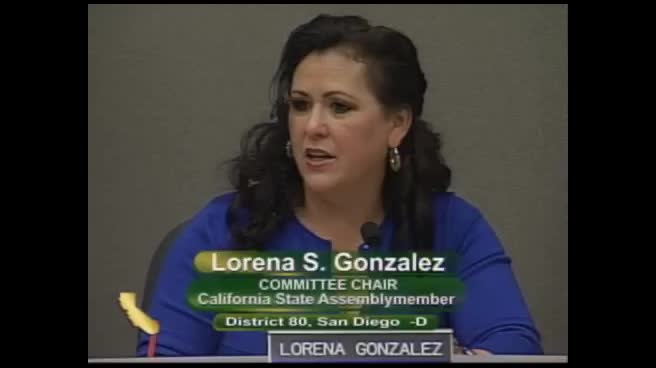
Bill Author

Bill Co-Author(s):