AB 2532: Employment services: verification.
- Session Year: 2015-2016
- House: Assembly
- Latest Version Date: 2016-09-28
Existing law requires each state or local government agency or community action agency, or any private organization contracting with a state or local government agency, that provides specified employment services to verify an individuals legal status or authorization to work prior to providing services to that individual in accordance with procedures established under federal law. Existing law specifies that proof of legal status or authorization to work includes specified documents providing evidence of legal residence or authorization to work in the United States. It also specifies that those provisions requiring verification of an individuals legal status or authorization to work prior to providing employment services do not apply to employment services offered by school districts under secondary school and adult education programs.
Existing law requires each state or local government agency or community action agency, or any private organization contracting with a state or local government agency, that provides specified employment services to post in a prominent location in the workplace a notice stating that only citizens or those persons legally authorized to work in the United States will be permitted to use the agencys or organizations employment services that are funded by the federal or state government, as specified.
This bill would repeal the above-described requirements.
Each state or local government agency or community action agency, or any private organization contracting with a state or local government agency, that provides employment services, including, but not limited to, job training, retraining, or placement, shall verify an individuals legal status or authorization to work prior to providing services to that individual in accordance with procedures established under federal law. For purposes of this section, proof of legal status or authorization to work includes, but is not limited to, a social security card, immigration visa, birth certificate, passport, or other valid document providing evidence of legal residence or authorization to work in the United States. This section shall not apply to employment services offered by school districts under secondary school and adult education programs.
SEC. 2.Section 9601.7 of the Unemployment Insurance Code is repealed.9601.7.(a)Each state or local government agency or community action agency, or any private organization contracting with a state or local government agency, that enters into an agreement with the department to provide employment services including, but not limited to, job training, retraining, or placement, shall post in a prominent location in the workplace, a notice stating that only citizens or those persons legally authorized to work in the United States will be permitted to use the agencys or organizations employment services that are funded by the federal or state government.
(b)The notice shall read:
NOTICE: Attention All Job Seekers
The Immigration and Reform Control Act of 1986 (IRCA) requires that all employers verify the identity and employment authorization of all individuals hired after November 6, 1986. An employer is required to examine documents provided by the job seeker establishing identity and authorization for employment in the United States. In addition, it is a violation of both state and federal law to discriminate against job seekers on the basis of ancestry, race, or national origin. This agency provides employment services funded by the federal or state government that are available only to individuals who are United States citizens or who are legally authorized to work in the United States.
|
Date
|
Status
|
|---|---|
| May 19, 2016 | Read third time. Passed. Ordered to the Senate. (Ayes 54. Noes 20.) |
| Aug 22, 2016 | Enrolled and presented to the Governor at 4 p.m. |
| Aug 16, 2016 | In Assembly. Ordered to Engrossing and Enrolling. |
| Aug 15, 2016 | Read third time. Passed. Ordered to the Assembly. (Ayes 28. Noes 9.). |
| Aug 15, 2016 | Read third time. Passed. Ordered to the Assembly. (Ayes 28. Noes 9. Page 4956.). |
| Aug 15, 2016 | Read third time. Passed. Ordered to the Assembly. |
| Jun 28, 2016 | Read second time. Ordered to third reading. |
| Jun 27, 2016 | From committee: Be placed on second reading file pursuant to Senate Rule 28.8. |
| Jun 8, 2016 | From committee: Do pass and re-refer to Com. on APPR. (Ayes 3. Noes 1.) (June 8). Re-referred to Com. on APPR. |
| May 31, 2016 | In committee: Hearing postponed by committee. |
| May 26, 2016 | Referred to Com. on L. & I.R. |
| Feb 19, 2016 | Introduced. To print. |
| May 19, 2016 | Read third time. Passed. Ordered to the Senate. (Ayes 54. Noes 20. Page 4859.) |
| May 19, 2016 | Read third time. Passed. Ordered to the Senate. |
| May 19, 2016 | In Senate. Read first time. To Com. on RLS. for assignment. |
| May 5, 2016 | Read second time. Ordered to third reading. |
| May 4, 2016 | From committee: Do pass. (Ayes 15. Noes 5.) (May 4). |
| Apr 21, 2016 | From committee: Do pass and re-refer to Com. on APPR. (Ayes 6. Noes 1.) (April 20). Re-referred to Com. on APPR. |
| Mar 30, 2016 | In committee: Hearing postponed by committee. |
| Mar 8, 2016 | Referred to Com. on L. & E. |
| Feb 22, 2016 | Read first time. |
| Feb 21, 2016 | From printer. May be heard in committee March 22. |
|
Date
|
Description
|
Location
|
Votes
|
|
|---|---|---|---|---|
| Aug 15, 2016 | Assembly 3rd Reading AB2532 Chiu By Hueso | Senate Floor |
Passed |
|
| Jun 8, 2016 | Do pass, but first be re-referred to the Committee on [Appropriations] | Senate Standing Committee on Labor and Industrial Relations |
Passed |
|
| May 19, 2016 | AB 2532 CHIU Assembly Third Reading | Assembly Floor |
Passed |
|
| May 4, 2016 | Do pass. | Assembly Standing Committee on Appropriations |
Passed |
|
| Apr 20, 2016 | Do pass and be re-referred to the Committee on [Appropriations] | Assembly Standing Committee on Labor and Employment |
Passed |
This list shows positions taken on this bill by organizations on the date displayed, which is linked to the original source.
Positions by individuals are not included.
|
Organization
|
Position
|
Date
|
|---|---|---|
| American Civil Liberties Union of California | ** Support | Aug 15, 2016 |
| Asian Pacific American Legal Center/California Immigrant Policy Center | * Indeterminate | Jun 8, 2016 |
| California Immigrant Policy Center | ** Support | Aug 15, 2016 |
| Mexican American Legal Defense Education Fund | ** Support | Aug 15, 2016 |
| Worksafe | ** Support | Aug 15, 2016 |
Office of Senate Floor Analyses (916) 651-1520 Fax: (916) 327-4478 | AB |
THIRD READING
Bill No: AB 2532
:
SENATE LABOR & IND. REL. COMMITTEE: 3-1, 6/8/16
AYES: Mendoza, Leno, Mitchell
NOES: Stone
NO VOTE RECORDED: Jackson
SENATE APPROPRIATIONS COMMITTEE: Senate Rule 28.8
ASSEMBLY FLOOR: 54-20, 5/19/16 - See last page for vote
SOURCE: Mexican American Legal Defense Education Fund
DIGEST: This bill repeals the requirement to verify an individual's legal status or authorization to work prior to them receiving employment services from state or local government agencies or any private contracting agencies. This bill also repeals the associated workplace posting requirement regarding the need for such verification.
Existing law:
- Requires each state or local government agency or community action agency, or any private organization contracting with them, that provides employment services such as job training, retraining, or placement, to verify an individual’s legal status or authorization to work prior to providing those services to that individual (Unemployment Insurance (UI) Code §9601.5).
- Specifies that proof of legal status or authorization to work includes a social security card, immigration visa, birth certificate or passport, among others (UI Code §9601.5).
- Requires the agencies or organizations described above that provide specified employment services to post a notice in the workplace stating that only citizens or those persons legally authorized to work in the United States will be permitted to use the agency’s or organization’s employment services that are funded by the federal or state government (UI Code §9601.7).
This bill:
- Repeals the requirement to verify an individual's legal status or authorization to work prior to them receiving employment services from state or local government agencies or any private contracting agencies.
- Repeals the associated workplace posting requirement that informs workers that only citizens or those legally authorized to work in the U.S. can use employment services being provided by these agencies.
Comments
Brief background on the Immigration Reform and Control Act of 1986 (IRCA). IRCA was enacted into U.S. law as an attempt to control and deter unlawful immigration to the United States. Its major provisions called for the legalization of undocumented persons who had been continuously present in the U.S. since 1982, the legalization of certain agricultural workers, sanctions for employers who knowingly hire undocumented workers, and increased enforcement at U.S. borders.
IRCA required employers to attest to their employees' immigration status, through the establishment of the I-9 Form, and made it illegal to hire or recruit undocumented workers knowingly, among other things. IRCA also states that in terms of employment in the United States, it is unlawful for a person or other entity knowingly to recruit or refer for a fee an unauthorized person, or to ignore the verification requirements for providing these services.
Need for this bill? SB 733 (Russell, Chapter 819, Statutes of 1993) added Sections 9601.5 and 9601.7 to the UI Code (see “Existing law” section above). The author argues that the law was always of questionable constitutionality because federal law already regulates those employment agents who “recruit or refer for a fee” or in other words, provide employment services, under IRCA. This law expressly preempts “any State or local law imposing civil or criminal sanctions (other than through licensing and similar laws) upon those who employ, or recruit or refer for a fee for employment, unauthorized aliens.” (8 U.S.C. § 1324a (h)(2).)
In short, the author argues that the sections of the UI Code in question are not necessary and burdensome because they already fall under the purview of federal law. In this case, the IRCA prohibits state preemptions or interference with federal law on this issue. The author states that AB 2532 repeals these sections and eliminates a problematic and discriminatory redundancy with federal law.
FISCAL EFFECT: Appropriation: Fiscal Com.: Local:
Mexican American Legal Defense Education Fund (source)
American Civil Liberties Union of California
California Immigrant Policy Center
Worksafe
OPPOSITION: (Verified 6/27/16)
None received
ARGUMENTS IN SUPPORT: Proponents state that this bill removes two provisions of California law sponsored by the nativist organization Federation for American Immigration Reform (FAIR). California UI Code §9601.5 and 9601.7 were enacted two decades ago in an era of heightened anti-immigrant lawmaking in the state. Proponents assert that these two UI Code sections are preempted by federal law and that their continued enforcement would subject California to potential legal action. Proponents add that the United States Supreme Court recently held that federal law, since the 1986 enactment of IRCA, provides a “comprehensive framework” to address the employment of unauthorized immigrants and does not permit state legislation within the area addressed by the framework. Because UI Code Sections 9601.5 and 9601.7 could result in civil sanctions for a violation, the two provisions are expressly preempted under IRCA so far as they apply to employment services agencies that charge to recruit or refer. Moreover, to the extent the provisions apply to agencies that provide services for free, they are impliedly preempted because Congress, in enacting IRCA, decided not to regulate such free services as part of its comprehensive framework. Also proponents believe that the notice-posting obligation in UI Code Section 9601.7 exacerbates these legal concerns and imposes unnecessary added costs on businesses. Finally, proponents contend that AB 2532 would do nothing to change immigrant eligibility for any government services, which is regulated by other provisions of federal and state law. Nor would this bill change the federal obligation that employers face with respect to employment of authorized workers and the duty to check the work authorization of new hires.
ASSEMBLY FLOOR: 54-20, 5/19/16
AYES: Achadjian, Alejo, Arambula, Atkins, Baker, Bloom, Bonilla, Bonta, Brown, Burke, Calderon, Campos, Chau, Chiu, Chu, Cooley, Cooper, Dababneh, Daly, Dodd, Eggman, Frazier, Cristina Garcia, Eduardo Garcia, Gatto, Gipson, Gomez, Gonzalez, Gordon, Hadley, Roger Hernández, Holden, Irwin, Jones-Sawyer, Lackey, Levine, Linder, Lopez, Low, Medina, Mullin, Nazarian, O'Donnell, Quirk, Ridley-Thomas, Rodriguez, Salas, Santiago, Mark Stone, Thurmond, Ting, Weber, Wood, Rendon
NOES: Travis Allen, Bigelow, Brough, Chávez, Beth Gaines, Gallagher, Gray, Grove, Harper, Jones, Maienschein, Mayes, Melendez, Obernolte, Olsen, Patterson, Steinorth, Wagner, Waldron, Wilk
NO VOTE RECORDED: Chang, Dahle, Kim, Mathis, McCarty, Williams
6/29/16 15:46:02
**** END ****
SENATE COMMITTEE ON LABOR AND INDUSTRIAL RELATIONS
Senator Tony Mendoza, Chair
2015 - 2016 Regular
Bill No: AB 2532 Hearing Date: June 8, 2016
Author: | Chiu | ||
Version: | February 19, 2016 | ||
Urgency: | No | Fiscal: | Yes |
Consultant: | Brandon Seto | ||
Subject: Employment services: verification
KEY ISSUE
Should the Legislature repeal the requirement to verify an individual's legal status or authorization to work prior to them receiving employment services from state or local government agencies or any private contracting agencies?
ANALYSIS
Existing law
- Requires each state or local government agency or community action agency, or any private organization contracting with them, that provides employment services such as job training, retraining, or placement, to verify an individual’s legal status or authorization to work prior to providing those services to that individual (Unemployment Insurance Code §9601.5).
- Specifies that proof of legal status or authorization to work includes a social security card, immigration visa, birth certificate or passport, among others (Unemployment Insurance Code §9601.5).
- Requires the agencies or organizations described above that provide specified employment services to post a notice in the workplace stating that only citizens or those persons legally authorized to work in the United States will be permitted to use the agency’s or organization’s employment services that are funded by the federal or state government (Unemployment Insurance Code §9601.7).
This Bill
- Repeals the requirement to verify an individual's legal status or authorization to work prior to them receiving employment services from state or local government agencies or any private contracting agencies.
- Repeals the associated workplace posting requirement that informs workers that only citizens or those legally authorized to work in the U.S. can use employment services being provided by these agencies.
COMMENTS
1. Brief Background on the Immigration Reform and Control Act of 1986 (IRCA)
IRCA was enacted into U.S. law as an attempt to control and deter unlawful immigration to the United States. Its major provisions called for the legalization of undocumented persons who had been continuously present in the U.S. since 1982, the legalization of certain agricultural workers, sanctions for employers who knowingly hire undocumented workers, and increased enforcement at U.S. borders.
IRCA required employers to attest to their employees' immigration status, through the establishment of the I-9 Form, and made it illegal to hire or recruit undocumented workers knowingly, among other things. IRCA also states that in terms of employment in the United States, it is unlawful for a person or other entity knowingly to recruit or refer for a fee an unauthorized person, or to ignore the verification requirements for providing these services.
2. Need for this bill?
SB 733 (Russell, 1993) added §9601.5 and 9601.7 to the Unemployment Insurance (UI) Code (see “Existing law” section above). The author argues that the law was always of questionable constitutionality because federal law already regulates those employment agents who “recruit or refer for a fee” or in other words, provide employment services, under the Immigration Reform and Control Act. This law expressly preempts “any State or local law imposing civil or criminal sanctions (other than through licensing and similar laws) upon those who employ, or recruit or refer for a fee for employment, unauthorized aliens.” 8 U.S.C. § 1324a (h)(2).
In short, the author argues that the sections of the UI Code in question are not necessary and burdensome because they already fall under the purview of federal law. In this case, the IRCA prohibits state preemptions or interference with federal law on this issue. The author states that AB 2532 repeals these sections and eliminates a problematic and discriminatory redundancy with federal law.
3. Proponent Arguments:
Proponents state that this bill would remove two provisions of California law sponsored by the nativist organization Federation for American Immigration Reform (FAIR). California UI Code §9601.5 and 9601.7 were enacted two decades ago in an era of heightened anti- immigrant lawmaking in the state. Proponents assert that these two UI Code sections are preempted by federal law and that their continued enforcement would subject California to potential legal action.
Proponents add that the United States Supreme Court recently held that federal law, since the 1986 enactment of IRCA, provides a “comprehensive framework” to address the employment of unauthorized immigrants and does not permit state legislation within the area addressed by the framework. Because UI Code §9601.5 and 9601.7 could result in civil sanctions for a violation, the two provisions are expressly preempted under IRCA so far as they apply to employment services agencies that charge to recruit or refer. Moreover, to the extent the provisions apply to agencies that provide services for free, they are impliedly preempted because Congress, in enacting IRCA, decided not to regulate such free services as part of its comprehensive framework. Also proponents believe that the notice-posting obligation in UI Code §9601.7 exacerbates these legal concerns and imposes unnecessary added costs on businesses.
Finally, proponents contend that AB 2532 would do nothing to change immigrant eligibility for any government services, which is regulated by other provisions of federal and state law. Nor would the bill change the federal obligation that employers face with respect to employment of authorized workers and the duty to check the work authorization of new hires.
4. Opponent Arguments:
None received.
5. Prior Legislation:
SB 733 (Russell) Chapter 819, Statutes of 1993 – Added the requirement for state or local government or community action agencies, or any private organization contracting with them to verify an individual’s legal status or authorization to work in the United States before providing them with employment services. Also requires these agencies and organizations to post a notice in the workplace stating that only citizens or those persons legally authorized to work in the U.S. will be permitted to use the employment services that these entities provide.
SUPPORT
Mexican American Legal Defense Education Fund (Sponsor)
American Civil Liberties Union of California
California Immigrant Policy Center
Worksafe
OPPOSITION
None on file.
-- END --
ASSEMBLY THIRD READING
ATR Bill Id:
Author:(Chiu)
As Introduced Ver:February 19, 2016
Majority vote
Committee | Votes | Ayes | Noes |
Labor | 6-1 | Roger Hernández, Chu, Linder, McCarty, O'Donnell, Thurmond | Patterson |
Appropriations | 15-5 | Gonzalez, Bloom, Bonilla, Bonta, Calderon, Chang, Daly, Eggman, Eduardo Garcia, McCarty, Holden, Quirk, Santiago, Weber, Wood | Bigelow, Gallagher, Jones, Obernolte, Wagner |
SUMMARY:
- Repeals the verification requirement of an individual's legal status or authorization to work prior to providing employment services by state or local government agency's or any private organization contracting with the those agencies that provide employment services.
- Repeals the specified workplace posting requirement for employment services being provided by the agencies.
EXISTING LAW:
- Requires each state or local government agency or community action agency, or any private organization contracting with a state or local government agency, that provides specified employment services to verify an individual's legal status or authorization to work prior to providing services to that individual in accordance with procedures established under federal law.
- Specifies that proof of legal status or authorization to work includes specified documents providing evidence of legal residence or authorization to work in the United States (U.S.). It also exempts employment services offered by school districts under secondary school and adult education programs from provisions requiring verification of an individual's legal status or authorization to work prior to providing services.
- Requires each state or local government agency or community action agency, or any private organization contracting with a state or local government agency, that provides specified employment services to post in a prominent location in the workplace a notice stating that only citizens or those persons legally authorized to work in the U.S. will be permitted to use the agency's or organization's employment services that are funded by the federal or state government, as specified.
FISCAL EFFECT: According to the Assembly Appropriations Committee, minor/absorbable costs to the Employee Development Department (EDD) to update current policies, processes and manuals. EDD indicates removing the requirement to verify legal status and authorization to work before providing a staff-assisted service would simplify and streamline the intake process, which would save time for front line staff in the EDD's America's Job Center of California offices.
COMMENTS: According to the EDD Web site, California's workforce services, a part of the U.S. Employment Service, is one of the world's largest public employment service operations. With service points throughout the state, the EDD program serves the state's employers and job seekers. The nationwide U.S. Employment Service was authorized by the federal Wagner Peyser Act (WPA) in 1933 and funded under Title III of the Social Security Act of 1935. The WPA was amended by the Workforce Innovation and Opportunity Act of 2014 to provide a foundation for the Workforce Services and other federal, state, and local workforce development partners to offer services through the America's Job Center of California (AJCC).
The AJCC's offer a variety of services that bring employers with job openings together with qualified job seekers. Customers may access services through self-service or with the assistance of staff. The AJCC provides universal access to an integrated array of labor exchange and Workforce Innovation and Opportunity Act (WIOA) services so that workers, job seekers, and businesses can find the services they need at any of the job centers. The AJCC serves the State's 900,000 employers and the more than a million job seekers who use these services each year.
Currently, California law requires that EDD verify a job seeker's legal status and authorization to work in the U.S. prior to providing an employment-related service. The requirement applies to all employment service applicants, whether or not they are U.S. citizens, temporary or resident aliens, residing in or outside of California.
Should this bill get enacted, under federal law, EDD would still be required to ask each client to indicate eligibility to work in the U.S. prior to providing job training and placement services; however, it does not require agencies to verify an individual's legal status to work prior to providing employment services.
The Immigration Reform and Control Act (IRCA) of 1986
IRCA was passed in order to control and deter unlawful immigration to the U.S. Its major provisions stipulated legalization of undocumented persons who had been continuously unlawfully present since 1982, legalization of certain agricultural workers sanctions for employers who knowingly hire undocumented workers, and increased enforcement at U.S. borders. IRCA required employers to attest to their employees' immigration status, through the establishment of the I-9 Form; IRCA made it illegal to hire or recruit undocumented workers knowingly, among other things. IRCA permits employers to rely on a good faith belief in the proof of work authorization an applicant offers.
In general IRCA also states it is unlawful for a person or other entity to hire, to recruit or refer for a fee, for employment in the United States an unauthorized person knowing the person is an unauthorized worker with respect to employment or without complying with the verification requirements. IRCA does not require agencies to verify an individual's legal status to work prior to providing employment services.
Arguments in Support
The sponsor of this measure, the Mexican American Legal Defense and Educational Fund (MALDEF), argues the two Unemployment Insurance provisions (UIC) this bill repeals impose an unnecessary and redundant burden on businesses providing employment services. Regulation of employment for immigrants is already covered in federal law so any additional state requirements place added costs on businesses. They further argue that by repealing the two UIC sections would do nothing to change immigrant eligibility for any government services which is regulated by other provisions of federal and state law. Nor would the bill change the federal obligation that employers face with respect to employment of authorized workers and the duty to check work authorization of new hires.
No opposition on file.
Analysis Prepared by: Lorie Alvarez / L. & E. / (916) 319-2091 FN: 0002841
Date of Hearing: May 4, 2016
ASSEMBLY COMMITTEE ON APPROPRIATIONS
Lorena Gonzalez, Chair
ABPCA Bill Id:AB 2532
Author:(Chiu) – As Introduced Ver:February 19, 2016
Policy Committee: | Labor and Employment | Vote: | 6 - 1 |
|
|
Urgency: No State Mandated Local Program: No Reimbursable: No
SUMMARY:
This bill repeals requirements in state law that state and local government employers and community action agencies verify an individual’s legal status or authorization to work prior to providing services to that individual.
FISCAL EFFECT:
Minor/absorbable costs to the Employee Development Department (EDD) to update current policies, processes and manuals. EDD indicates removing the requirement to verify legal status and authorization to work before providing a staff-assisted service would simplify and streamline the intake process, which would save time for front line staff in the EDD’s America’s Job Center of California offices.
COMMENTS:
- Purpose. The Mexican American Legal Defense and Educational Fund (MALDEF) are sponsoring this bill to repeal two Unemployment Insurance provisions (UIC) that they state impose an unnecessary and redundant burden on businesses providing employment services. Regulation of employment for immigrants is already covered in federal law so any additional state requirements place added costs on businesses. They further state that repealing the two UIC sections would do nothing to change immigrant eligibility for any government services which is regulated by other provisions of federal and state law. Nor would the bill change the federal obligation that employers face with respect to employment of authorized workers and the duty to check work authorization of new hires.
- Background. State law requires that Employment Development Department (EDD) to verify a job seeker’s legal status and authorization to work in the United States prior to providing an employment-related service. The requirement applies to all employment service applicants, whether or not they are U.S. citizens, temporary or resident aliens, residing in or outside of California. If this bill were enacted, Federal law still requires the EDD to ask each client to indicate eligibility to work in the U.S. prior to providing job training and placement services; however, it does not require agencies to verify an individual's legal status to work prior to providing employment services.
Analysis Prepared by: Misty Feusahrens / APPR. / (916) 319-2081
Date of Hearing: April 20, 2016
ASSEMBLY COMMITTEE ON LABOR AND EMPLOYMENT
Roger Hernández, Chair
ABPCA Bill Id:AB 2532 (
Author:Chiu) – As Introduced Ver:February 19, 2016
SUBJECT: Employment services: verification
SUMMARY:
- Repeals the verification requirement of an individual's legal status or authorization to work prior to providing employment services by state or local government agency's or any private organization contracting with the those agencies that provide employment services.
- Repeals the specified workplace posting requirement for employment services being provided by the agencies.
EXISTING LAW:
- Requires each state or local government agency or community action agency, or any private organization contracting with a state or local government agency, that provides specified employment services to verify an individual’s legal status or authorization to work prior to providing services to that individual in accordance with procedures established under federal law.
- Specifies that proof of legal status or authorization to work includes specified documents providing evidence of legal residence or authorization to work in the United States. It also exempts employment services offered by school districts under secondary school and adult education programs from provisions requiring verification of an individual’s legal status or authorization to work prior to providing services.
- Requires each state or local government agency or community action agency, or any private organization contracting with a state or local government agency, that provides specified employment services to post in a prominent location in the workplace a notice stating that only citizens or those persons legally authorized to work in the United States will be permitted to use the agency’s or organization’s employment services that are funded by the federal or state government, as specified.
FISCAL EFFECT: Unknown
COMMENTS: According to the Employment Development Department's (EDD) website, California’s workforce services, a part of the United States (U.S.) Employment Service, is one of the world’s largest public employment service operations. With service points throughout the state, the EDD program serves the state’s employers and job seekers. The nationwide U.S. Employment Service was authorized by the federal Wagner Peyser Act (WPA) in 1933 and funded under Title III of the Social Security Act of 1935. The WPA was amended by the Workforce Innovation and Opportunity Act of 2014 to provide a foundation for the Workforce Services and other federal, state, and local workforce development partners to offer services through the America’s Job Center of California (AJCC).
The AJCC's offer a variety of services that bring employers with job openings together with qualified job seekers. Customers may access services through self-service or with the assistance of staff. The AJCC provides universal access to an integrated array of labor exchange and Workforce Innovation and Opportunity Act (WIOA) services so that workers, job seekers, and businesses can find the services they need at any of the job centers. The AJCC serves the State’s 900,000 employers and the more than a million job seekers who use these services each year.
Currently, California law requires that EDD verify a job seeker’s legal status and authorization to work in the United States prior to providing an employment-related service. The requirement applies to all employment service applicants, whether or not they are U.S. citizens, temporary or resident aliens, residing in or outside of California.
Should this bill go into effect, under federal law, EDD would still be required to ask each client to indicate eligibility to work in the U.S. prior to providing job training and placement services; however, it does not require agencies to verify an individual's legal status to work prior to providing employment services.
The Immigration Reform and Control Act (IRCA) of 1986
IRCA as passed in order to control and deter unlawful immigration to the United States. Its major provisions stipulated legalization of undocumented persons who had been continuously unlawfully present since 1982, legalization of certain agricultural workers, sanctions for employers who knowingly hire undocumented workers, and increased enforcement at U.S. borders. IRCA required employers to attest to their employees' immigration status, through the establishment of the I-9 Form; IRCA made it illegal to hire or recruit undocumented workers knowingly, among other things. IRCA permits employers to rely on a good faith belief in the proof of work authorization an applicant offers.
In general IRCA also states it is unlawful for a person or other entity to hire, to recruit or refer for a fee, for employment in the United States an unauthorized person knowing the person is an unauthorized worker with respect to employment or without complying with the verification requirements. IRCA does not require agencies to verify an individual's legal status to work prior to providing employment services.
Arguments in Support
The sponsor of this measure, the Mexican American Legal Defense and Educational Fund (MALDEF), argues the two Unemployment Insurance provisions (UIC) this bill repeals impose an unnecessary and redundant burden on businesses providing employment services. Regulation of employment for immigrants is already covered in federal law so any additional state requirements place added costs on businesses. They further argue that by repealing the two UIC sections would do nothing to change immigrant eligibility for any government services which is regulated by other provisions of federal and state law. Nor would the bill change the federal obligation that employers face with respect to employment of authorized workers and the duty to check work authorization of new hires.
REGISTERED SUPPORT / OPPOSITION:
Support
American Civil Liberties Union
California Immigrant Policy Center
Mexican American Legal Defense and Educational Fund (sponsor)
Opposition
None on file.
Analysis Prepared by: Lorie Alvarez / L. & E. / (916) 319-2091
Discussed in Hearing
 3MIN
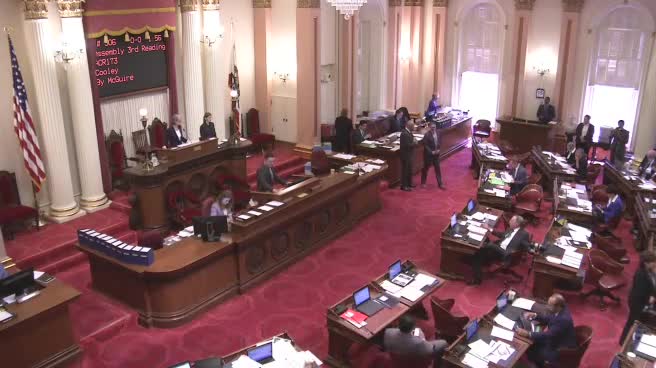
Senate Floor
 4MIN
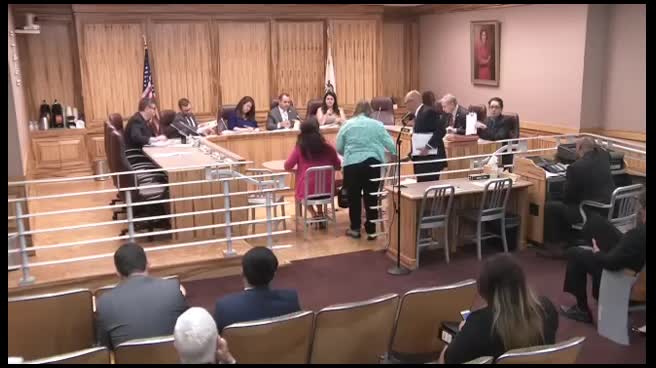
Senate Standing Committee on Labor and Industrial Relations
 1MIN
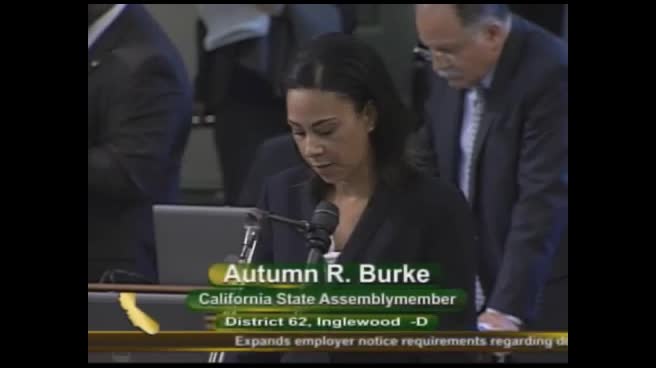
Assembly Floor
 1MIN
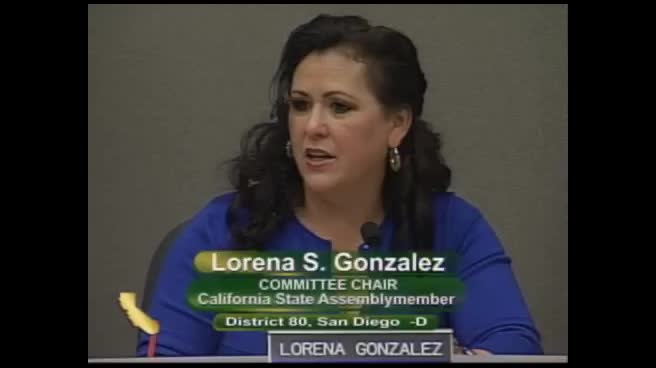
Assembly Standing Committee on Appropriations
Bill Author

Bill Co-Author(s):
