AB 2685: Housing elements: adoption.
- Session Year: 2015-2016
- House: Assembly
- Latest Version Date: 2016-09-09
The Planning and Zoning Law requires a city or county to adopt a comprehensive, long-term general plan for the physical development of the city or county and of any land outside its boundaries that bears relation to its planning. That law also requires the general plan to contain specified mandatory elements, including a housing element for the preservation, improvement, and development of housing. Existing law prescribes requirements for the preparation of the housing element, including a requirement that a planning agency submit a draft of the element or draft amendment to the element to the Department of Housing and Community Development prior to the adoption of the element or amendment to the element.
This bill would require the planning agency staff to collect and compile public comments and provide them to each member of the legislative body prior to the adoption of the housing element. By increasing the duties of local officials, this bill would impose a state-mandated local program.
The California Constitution requires the state to reimburse local agencies and school districts for certain costs mandated by the state. Statutory provisions establish procedures for making that reimbursement.
This bill would provide that no reimbursement is required by this act for a specified reason.
The Planning and Zoning Law requires a city or county to adopt a comprehensive, long-term general plan for the physical development of the city or county and of any land outside its boundaries that bears relation to its planning. That law also requires the general plan to contain specified mandatory elements, including a housing element for the preservation, improvement, and development of housing. Existing law prescribes requirements for the preparation of the housing element, including a requirement that a planning agency submit a draft of the element or draft amendment to the element to the Department of Housing and Community Development prior to the adoption of the element or amendment to the element.
This bill would require the planning agency staff to circulate collect and compile public comments and provide them to each member of the legislative body prior to the adoption of the housing element. By increasing the duties of local officials, this bill would impose a state-mandated local program.
The California Constitution requires the state to reimburse local agencies and school districts for certain costs mandated by the state. Statutory provisions establish procedures for making that reimbursement.
This bill would provide that no reimbursement is required by this act for a specified reason.
The Planning and Zoning Law requires a city or county to adopt a comprehensive, long-term general plan for the physical development of the city or county and of any land outside its boundaries that bears relation to its planning. That law also requires the general plan to contain specified mandatory elements, including a housing element for the preservation, improvement, and development of housing. Existing law prescribes requirements for the preparation of the housing element, including a requirement that a planning agency submit a draft of the element or draft amendment to the element to the Department of Housing and Community Development prior to the adoption of the element or amendment to the element.
This bill would require the planning agency to make the draft element available to the public at least 30 days prior to the submission to the department. The bill would also require the planning agency to circulate public comments prior to the adoption of the housing element. By increasing the duties of local officials, this bill would impose a state-mandated local program.
The California Constitution requires the state to reimburse local agencies and school districts for certain costs mandated by the state. Statutory provisions establish procedures for making that reimbursement.
This bill would provide that no reimbursement is required by this act for a specified reason.
The State Housing Law prescribes requirements for buildings used for human habitation.
This bill would state the intent of the Legislature to enact legislation relating to the regulation of buildings used for human habitation.
The State Housing Law prescribes requirements for buildings used for human habitation.
This bill would state the intent of the Legislature to enact legislation relating to the regulation of buildings used for human habitation.
(a)In the preparation of its housing element, each city and county shall consider the guidelines adopted by the department pursuant to Section 50459 of the Health and Safety Code. Those guidelines shall be advisory to each city or county in the preparation of its housing element.
(b)(1)At least 90 days prior to adoption of its housing element, or at least 60 days prior to the adoption of an amendment to this element, the planning agency shall submit a draft element or draft amendment to the department.
(2)The planning agency staff shall collect and compile the public comments regarding the housing element received by the city, county, or city and county, and provide these comments to each member of the legislative body before it adopts the housing element.
(3)The department shall review the draft and report its written findings to the planning agency within 90 days of its receipt of the draft in the case of an adoption or within 60 days of its receipt in the case of a draft amendment.
(c)In the preparation of its findings, the department may consult with any public agency, group, or person. The department shall receive and consider any written comments from any public agency, group, or person regarding the draft or adopted element or amendment under review.
(d)In its written findings, the department shall determine whether the draft element or draft amendment substantially complies with this article.
(e)Prior to the adoption of its draft element or draft amendment, the legislative body shall consider the findings made by the department. If the departments findings are not available within the time limits set by this section, the legislative body may act without them.
(f)If the department finds that the draft element or draft amendment does not substantially comply with this article, the legislative body shall take one of the following actions:
(1)Change the draft element or draft amendment to substantially comply with this article.
(2)Adopt the draft element or draft amendment without changes. The legislative body shall include in its resolution of adoption written findings which explain the reasons the legislative body believes that the draft element or draft amendment substantially complies with this article despite the findings of the department.
(g)Promptly following the adoption of its element or amendment, the planning agency shall submit a copy to the department.
(h)The department shall, within 90 days, review adopted housing elements or amendments and report its findings to the planning agency.
SEC. 2.No reimbursement is required by this act pursuant to Section 6 of Article XIIIB of the California Constitution because a local agency or school district has the authority to levy service charges, fees, or assessments sufficient to pay for the program or level of service mandated by this act, within the meaning of Section 17556 of the Government Code.
(a)In the preparation of its housing element, each city and county shall consider the guidelines adopted by the department pursuant to Section 50459 of the Health and Safety Code. Those guidelines shall be advisory to each city or county in the preparation of its housing element.
(b)(1)At least 90 days prior to adoption of its housing element, or at least 60 days prior to the adoption of an amendment to this element, the planning agency shall submit a draft element or draft amendment to the department.
(2)The planning agency staff shall circulate collect and compile the public comments regarding the housing element received by the city, county, or city and county, and provide these comments to each member of the legislative body before it adopts the housing element.
(3)The department shall review the draft and report its written findings to the planning agency within 90 days of its receipt of the draft in the case of an adoption or within 60 days of its receipt in the case of a draft amendment.
(c)In the preparation of its findings, the department may consult with any public agency, group, or person. The department shall receive and consider any written comments from any public agency, group, or person regarding the draft or adopted element or amendment under review.
(d)In its written findings, the department shall determine whether the draft element or draft amendment substantially complies with this article.
(e)Prior to the adoption of its draft element or draft amendment, the legislative body shall consider the findings made by the department. If the departments findings are not available within the time limits set by this section, the legislative body may act without them.
(f)If the department finds that the draft element or draft amendment does not substantially comply with this article, the legislative body shall take one of the following actions:
(1)Change the draft element or draft amendment to substantially comply with this article.
(2)Adopt the draft element or draft amendment without changes. The legislative body shall include in its resolution of adoption written findings which explain the reasons the legislative body believes that the draft element or draft amendment substantially complies with this article despite the findings of the department.
(g)Promptly following the adoption of its element or amendment, the planning agency shall submit a copy to the department.
(h)The department shall, within 90 days, review adopted housing elements or amendments and report its findings to the planning agency.
SEC. 2.No reimbursement is required by this act pursuant to Section 6 of Article XIIIB of the California Constitution because a local agency or school district has the authority to levy service charges, fees, or assessments sufficient to pay for the program or level of service mandated by this act, within the meaning of Section 17556 of the Government Code.
(a)In the preparation of its housing element, each city and county shall consider the guidelines adopted by the department pursuant to Section 50459 of the Health and Safety Code. Those guidelines shall be advisory to each city or county in the preparation of its housing element.
(b)(1)At least 90 days prior to adoption of its housing element, or at least 60 days prior to the adoption of an amendment to this element, the planning agency shall submit a draft element or draft amendment to the department.
(2)At least 30 days prior to the submission of the draft element to the department, the planning agency shall make the draft element available to the public. The planning agency shall circulate public comments received to by the legislative body before it adopts the housing element.
(3)The department shall review the draft and report its written findings to the planning agency within 90 days of its receipt of the draft in the case of an adoption or within 60 days of its receipt in the case of a draft amendment.
(c)In the preparation of its findings, the department may consult with any public agency, group, or person. The department shall receive and consider any written comments from any public agency, group, or person regarding the draft or adopted element or amendment under review.
(d)In its written findings, the department shall determine whether the draft element or draft amendment substantially complies with this article.
(e)Prior to the adoption of its draft element or draft amendment, the legislative body shall consider the findings made by the department. If the departments findings are not available within the time limits set by this section, the legislative body may act without them.
(f)If the department finds that the draft element or draft amendment does not substantially comply with this article, the legislative body shall take one of the following actions:
(1)Change the draft element or draft amendment to substantially comply with this article.
(2)Adopt the draft element or draft amendment without changes. The legislative body shall include in its resolution of adoption written findings which explain the reasons the legislative body believes that the draft element or draft amendment substantially complies with this article despite the findings of the department.
(g)Promptly following the adoption of its element or amendment, the planning agency shall submit a copy to the department.
(h)The department shall, within 90 days, review adopted housing elements or amendments and report its findings to the planning agency.
SEC. 2.No reimbursement is required by this act pursuant to Section 6 of Article XIIIB of the California Constitution because a local agency or school district has the authority to levy service charges, fees, or assessments sufficient to pay for the program or level of service mandated by this act, within the meaning of Section 17556 of the Government Code.
(a)In the preparation of its housing element, each city and county shall consider the guidelines adopted by the department pursuant to Section 50459 of the Health and Safety Code. Those guidelines shall be advisory to each city or county in the preparation of its housing element.
(b)(1)At least 90 days prior to adoption of its housing element, or at least 60 days prior to the adoption of an amendment to this element, the planning agency shall submit a draft element or draft amendment to the department. The
(2)At least 30 days prior to the submission of the draft element to the department, the planning agency shall make the draft element available to the public. The planning agency shall circulate public comments received to the legislative body before it adopts the housing element.
(3)The department shall review the draft and report its written findings to the planning agency within 90 days of its receipt of the draft in the case of an adoption or within 60 days of its receipt in the case of a draft amendment.
(c)In the preparation of its findings, the department may consult with any public agency, group, or person. The department shall receive and consider any written comments from any public agency, group, or person regarding the draft or adopted element or amendment under review.
(d)In its written findings, the department shall determine whether the draft element or draft amendment substantially complies with the requirements of this article.
(e)Prior to the adoption of its draft element or draft amendment, the legislative body shall consider the findings made by the department. If the departments findings are not available within the time limits set by this section, the legislative body may act without them.
(f)If the department finds that the draft element or draft amendment does not substantially comply with the requirements of this article, the legislative body shall take one of the following actions:
(1)Change the draft element or draft amendment to substantially comply with the requirements of this article.
(2)Adopt the draft element or draft amendment without changes. The legislative body shall include in its resolution of adoption written findings which explain the reasons the legislative body believes that the draft element or draft amendment substantially complies with the requirements of this article despite the findings of the department.
(g)Promptly following the adoption of its element or amendment, the planning agency shall submit a copy to the department.
(h)The department shall, within 90 days, review adopted housing elements or amendments and report its findings to the planning agency.
SEC. 2.No reimbursement is required by this act pursuant to Section 6 of Article XIIIB of the California Constitution because a local agency or school district has the authority to levy service charges, fees, or assessments sufficient to pay for the program or level of service mandated by this act, within the meaning of Section 17556 of the Government Code.
SECTION 1.It is the intent of the Legislature to enact legislation relating to the regulation of buildings used for human habitation.
It is the intent of the Legislature to enact legislation relating to the regulation of buildings used for human habitation.
|
Date
|
Status
|
|---|---|
| May 18, 2016 | From committee: Do pass. To Consent Calendar. (Ayes 20. Noes 0.) (May 18). |
| Sep 9, 2016 | Chaptered by Secretary of State - Chapter 271, Statutes of 2016. |
| Sep 9, 2016 | Approved by the Governor. |
| Aug 23, 2016 | Enrolled and presented to the Governor at 2 p.m. |
| Aug 17, 2016 | Read third time. Passed. Ordered to the Assembly. (Ayes 38. Noes 0.). |
| Aug 17, 2016 | Read third time. Passed. Ordered to the Assembly. (Ayes 38. Noes 0. Page 5055.). |
| Aug 17, 2016 | Read third time. Passed. Ordered to the Assembly. |
| Aug 17, 2016 | In Assembly. Ordered to Engrossing and Enrolling. |
| Aug 2, 2016 | Read second time. Ordered to third reading. |
| Aug 1, 2016 | From committee: Be placed on second reading file pursuant to Senate Rule 28.8. |
| Jun 22, 2016 | From committee: Do pass and re-refer to Com. on APPR. (Ayes 11. Noes 0.) (June 21). Re-referred to Com. on APPR. |
| Jun 9, 2016 | Referred to Com. on T. & H. |
| May 27, 2016 | Read third time. Passed. Ordered to the Senate. (Ayes 67. Noes 0. Page 4960.) |
| May 27, 2016 | Read third time. Passed. Ordered to the Senate. |
| May 27, 2016 | In Senate. Read first time. To Com. on RLS. for assignment. |
| May 19, 2016 | Read second time. Ordered to Consent Calendar. |
| Feb 19, 2016 | Introduced. To print. |
| May 12, 2016 | Re-referred to Com. on APPR. |
| May 11, 2016 | From committee chair, with author's amendments: Amend, and re-refer to Com. on APPR. Read second time and amended. |
| Apr 26, 2016 | Re-referred to Com. on APPR. |
| Apr 25, 2016 | Read second time and amended. |
| Apr 21, 2016 | From committee: Amend, and do pass as amended and re-refer to Com. on APPR. (Ayes 9. Noes 0.) (April 20). |
| Apr 13, 2016 | From committee: Do pass and re-refer to Com. on L. GOV. (Ayes 6. Noes 0.) (April 13). Re-referred to Com. on L. GOV. |
| Apr 7, 2016 | Assembly Rule 56 suspended. (Page 4218.) |
| Apr 7, 2016 | Assembly Rule 56 suspended. |
| Apr 7, 2016 | (pending re-refer to Com. on L. GOV.) |
| Mar 28, 2016 | Re-referred to Com. on H. & C.D. |
| Mar 18, 2016 | From committee chair, with author's amendments: Amend, and re-refer to Com. on H. & C.D. Read second time and amended. |
| Mar 17, 2016 | Referred to Coms. on H. & C.D. and L. GOV. |
| Feb 22, 2016 | Read first time. |
| Feb 21, 2016 | From printer. May be heard in committee March 22. |
|
Date
|
Description
|
Location
|
Votes
|
|
|---|---|---|---|---|
| Aug 17, 2016 | Assembly 3rd Reading AB2685 Lopez By Hernandez | Senate Floor |
Passed |
|
| Jun 21, 2016 | Do pass, but first be re-referred to the Committee on [Appropriations] | Senate Standing Committee on Transportation and Housing |
Passed |
|
| May 27, 2016 | AB 2685 LOPEZ Consent Calendar Second Day Regular Session | Assembly Floor |
Passed |
|
| May 18, 2016 | Do pass. To Consent Calendar. | Assembly Standing Committee on Appropriations |
Passed |
|
| Apr 20, 2016 | Do pass as amended and be re-referred to the Committee on [Appropriations] | Assembly Standing Committee on Local Government |
Passed |
|
| Apr 13, 2016 | Do pass and be re-referred to the Committee on [Local Government] | Assembly Standing Committee on Housing and Community Development |
Passed |
This list shows positions taken on this bill by organizations on the date displayed, which is linked to the original source.
Positions by individuals are not included.
Office of Senate Floor Analyses (916) 651-1520 Fax: (916) 327-4478 | AB |
THIRD READING
Bill No: AB 2685
:
SENATE TRANS. & HOUSING COMMITTEE: 11-0, 6/21/16
AYES: Beall, Cannella, Allen, Bates, Gaines, Galgiani, Leyva, McGuire, Mendoza, Roth, Wieckowski
SENATE APPROPRIATIONS COMMITTEE: Senate Rule 28.8
ASSEMBLY FLOOR: 67-0, 5/27/16 (Consent) - See last page for vote
DIGEST: This bill requires a local planning agency staff to collect and compile public comments and provide them to each member of the legislative body prior to the adoption of the housing element.
Existing law:
- Requires cities and counties, under existing planning and zoning law, to prepare and adopt a general plan, including a housing element, to guide the future growth of a community. The housing element shall consist of an identification and analysis of existing and projected housing needs and a statement of goals, policies objectives, financial resources, and scheduled programs for the preservation, improvement, and development of housing.
- Requires the housing element to identify adequate sites for housing, including rental housing, factory-built housing, mobile homes, and emergency shelters, and shall make adequate provision for the existing and projected needs of all economic segments of the community.
- Requires cities and counties within the territory of a metropolitan planning organization (MPO) to revise their housing elements every eight years following the adoption of every other regional transportation plan. Cities and counties in rural non-MPO regions must revise their housing elements every five years.
- Requires the housing element to contain a program which sets forth a schedule of actions during the planning period, each with a timeline for implementation. In order to make adequate provision for the housing needs of all economic segments of the community, the program must include a diligent effort by the local government to achieve public participation of all economic segments of the community in the development of the housing element.
- Requires the jurisdiction to submit a draft housing element to the Department of Housing and Community Development (HCD) at least 90 days prior to adopting the housing element or 60 days prior to amending the housing element.
- Requires HCD to review the draft and report its written findings to the local jurisdiction within 90 days of its receipt of the draft in the case of an adoption or within 60 days of its receipt in the case of a draft amendment.
- Requires HCD to consider written comments from any public agency, group, or person regarding the draft or adopted element or amendment under review.
This bill requires local planning agency staff to collect and compile the public comments regarding the housing element received by the city, county, or city and county, and provide these comments to each member of the legislative body before it adopts the housing element.
Comments
- Purpose. According to the author, existing law requires local planning agencies to involve the public during the development of the housing element and allows the public to provide comments. Additionally, local governments must “make a diligent effort to achieve public participation in the development of the housing element…”
Local community advocates in the 39th Assembly District have experienced being left out of the planning process, specifically as it pertains to housing issues. The community feels strongly about engagement in the housing element planning development process and would like more opportunities to voice their views, comments, suggestions, or opposition. More importantly, advocates want to ensure that the local legislative body receives their feedback. Advocates feel that when they do make comments about housing issues, the City does not fully take those comments into account. This bill would codify that the community has one more opportunity to comment and that the City has to review public comments before taking a vote to adopt the plan.
- Housing elements. Existing planning and zoning law requires cities and counties to prepare and adopt a general plan, including a housing element, to guide the future growth of a community. The general plan must contain seven elements, one of which is a housing element. Before each housing element revision, each city and county receives its fair share of housing through the regional housing needs assessment (RHNA) process. First, HCD works with a council of governments to determine the region’s housing need. A council of governments then allocates the region’s need to each city and county within the region. The RHNA allocation includes both an overall housing need number and a breakdown of this overall need into four income categories: above moderate-, moderate-, low-, and very low-income households. The RHNA serves as goals for the development of all income groups that the jurisdictions are expected to meet. A housing element must identify adequate sites with appropriate zoning to meet the city’s or county’s share of the RHNA by income category and ensure that regulatory systems provide opportunities for, and do not unduly constrain, housing development. HCD reviews both draft and adopted housing elements to determine whether or not they are in substantial compliance with the law.
During the planning process, local governments are required to make a “diligent effort” to achieve public participation. Jurisdictions use different approaches to engage the public, including workshops, surveys, and targeted outreach with community representatives; however, these standards are not consistent. Before a local government can adopt or amend its housing element, it must submit a draft to HCD for review. This is another opportunity for public participation, as HCD must consider any written comments it receives from a public agency, group, or person during the review process. HCD’s findings must be considered by the local government prior to its adoption of the housing element or amendment to the housing element.
FISCAL EFFECT: Appropriation: Fiscal Com.: Local:
None received
None received
ASSEMBLY FLOOR: 67-0, 5/27/16
AYES: Achadjian, Alejo, Travis Allen, Arambula, Atkins, Baker, Bigelow, Bonilla, Bonta, Burke, Calderon, Campos, Chang, Chau, Chávez, Chu, Cooley, Cooper, Dababneh, Dahle, Daly, Eggman, Frazier, Beth Gaines, Gallagher, Cristina Garcia, Gatto, Gipson, Gomez, Gonzalez, Gordon, Gray, Harper, Roger Hernández, Holden, Irwin, Jones, Kim, Lackey, Levine, Linder, Lopez, Maienschein, Mathis, Mayes, McCarty, Medina, Mullin, Nazarian, Obernolte, Olsen, Patterson, Quirk, Ridley-Thomas, Rodriguez, Salas, Santiago, Steinorth, Mark Stone, Thurmond, Wagner, Waldron, Weber, Wilk, Williams, Wood, Rendon
NO VOTE RECORDED: Bloom, Brough, Brown, Chiu, Dodd, Eduardo Garcia, Grove, Hadley, Jones-Sawyer, Low, Melendez, O'Donnell, Ting
8/3/16 18:40:32
**** END ****
SENATE COMMITTEE ON TRANSPORTATION AND HOUSING
Senator Jim Beall, Chair
2015 - 2016 Regular
Bill No: Hearing Date: 6/21/2016
Author: | Lopez | ||
Version: | 5/11/2016 | ||
Urgency: | No | Fiscal: | Yes |
Consultant: | Alison Dinmore | ||
SUBJECT:
DIGEST: This bill requires a local planning agency staff to collect and compile public comments and provide them to each member of the legislative body prior to the adoption of the housing element.
ANALYSIS:
Existing law:
- Requires cities and counties, under existing planning and zoning law, to prepare and adopt a general plan, including a housing element, to guide the future growth of a community. The housing element shall consist of an identification and analysis of existing and projected housing needs and a statement of goals, policies objectives, financial resources, and scheduled programs for the preservation, improvement, and development of housing.
- Requires the housing element to identify adequate sites for housing, including rental housing, factory-built housing, mobile homes, and emergency shelters and shall make adequate provision for the existing and projected needs of all economic segments of the community.
- Requires cities and counties within the territory of a metropolitan planning organization (MPO) to revise their housing elements every eight years following the adoption of every other regional transportation plan. Cities and counties in rural non-MPO regions must revise their housing elements every five years.
- Requires the housing element to contain a program which sets forth a schedule of actions during the planning period, each with a timeline for implementation. In order to make adequate provision for the housing needs of all economic segments of the community, the program must include a diligent effort by the local government to achieve public participation of all economic segments of the community in the development of the housing element.
- Requires the jurisdiction to submit a draft housing element to HCD at least 90 days prior to adopting the housing element or 60 days prior to amending the housing element.
- Requires HCD to review the draft and report its written findings to the local jurisdiction within 90 days of its receipt of the draft in the case of an adoption or within 60 days of its receipt in the case of a draft amendment.
- Requires HCD to consider written comments from any public agency, group, or person regarding the draft or adopted element or amendment under review.
This bill requires local planning agency staff to collect and compile the public comments regarding the housing element received by the city, county, or city and county, and provide these comments to each member of the legislative body before it adopts the housing element.
COMMENTS:
- Purpose. According to the author, existing law requires local planning agencies to involve the public during the development of the housing element and allows the public to provide comments. Additionally, local governments must “make a diligent effort to achieve public participation in the development of the housing element…” Local community advocates in the 39th Assembly District have experienced being left out of the planning process, specifically as it pertains to housing issues. The community feels strongly about engagement in the housing element planning development process and would like more opportunities to voice their views, comments, suggestions, or opposition. More importantly, advocates want to ensure that the local legislative body receives their feedback. Advocates feel that when they do make comments about housing issues, the City does not fully take those comments into account. This bill would codify that the community has one more opportunity to comment and that the City has to review public comments before taking a vote to adopt the plan.
- Housing Elements. Existing planning and zoning law requires cities and counties to prepare and adopt a general plan, including a housing element, to guide the future growth of a community. The general plan must contain seven elements, one of which is a housing element. Before each housing element revision, each city and county receives its fair share of housing through the regional housing needs assessment (RHNA) process. First, the Department of Housing and Community Development (HCD) works with a council of governments to determine the region’s housing need. A council of governments then allocates the region’s need to each city and county within the region. The RHNA allocation includes both an overall housing need number and a breakdown of this overall need into four income categories: above moderate-, moderate-, low-, and very low-income households. The RHNA serves as goals for the development of all income groups that the jurisdictions are expected to meet. A housing element must identify adequate sites with appropriate zoning to meet the city’s or county’s share of the RHNA by income category and ensure that regulatory systems provide opportunities for, and do not unduly constrain, housing development. HCD reviews both draft and adopted housing elements to determine whether or not they are in substantial compliance with the law.
During the planning process, local governments are required to make a “diligent effort” to achieve public participation. Jurisdictions use different approaches to engage the public, including workshops, surveys, and targeted outreach with community representatives; however, these standards are not consistent. Before a local government can adopt or amend its housing element, it must submit a draft to HCD for review. This is another opportunity for public participation, as HCD must consider any written comments it receives form a public agency, group, or person during the review process. HCD’s findings must be considered by the local government prior to its adoption of the housing element or amendment to the housing element.
Assembly Votes:
Floor: 67-0
Appr: 20-0
L.Gov: 9-0
H&CD: 6-0
Related Legislation:
AB 2208 (Santiago) — add to the list of types of sites that a local government can identify as suitable for residential development in the housing element. This bill is also being heard in the Senate Transportation and Housing committee.
AB 2684 (Daly) — authorizes a “housing organization” to enforce the Housing Accountability Act (HAA). This bill is also being heard in the Senate Transportation and Housing Committee.
FISCAL EFFECT: Appropriation: No Fiscal Com.: Yes Local: Yes
POSITIONS: (Communicated to the committee before noon on Wednesday,
June 15, 2016.)
SUPPORT:
None received
OPPOSITION:
None received
-- END --
Date of Hearing: May 18, 2016
ASSEMBLY COMMITTEE ON APPROPRIATIONS
Lorena Gonzalez, Chair
ABPCA Bill Id:AB 2685
Author:(Lopez) – As Amended Ver:May 11, 2016
Policy Committee: | Housing and Community Development | Vote: | 6 - 0 |
Local Government | 9 - 0 |
Urgency: No State Mandated Local Program: Yes Reimbursable: No
SUMMARY: This bill requires a local planning agency staff to collect and compile public comments and provide them to each member of the legislative body prior to the adoption of the housing element.
FISCAL EFFECT:
No state cost. Local agencies have the authority to levy fees to cover any costs associated with this bill. Therefore, costs are not reimbursable.
COMMENTS:
- Purpose: According to the author, “The community feels very strongly about the need to be engaged in the public participation process at every opportunity and would like more opportunities to voice their views/comments/suggestions/opposition. Advocates feel that when they do make comments about housing issues, the City does not fully take those comments into account. In the case of the housing element update, it is too late to provide comment because the City is taking a vote on the approved housing elements and is not likely to want to amend the approved housing element. This bill would codify that the community has one more time to comment, that the City has to review public comment before taking a vote to adopt the plan.”
- Background. During the development of the housing element, local governments are required to make a “diligent” effort to achieve public participation. Regarding public participation, HCD has previously stated: “Most jurisdictions use a variety of approaches such as workshops, surveys, and targeted outreach with community representatives to garner public participation. However, there are not consistent standards on what constitutes “diligent” resulting in a variety of strategies and efforts that may or may not achieve successful public participation. As a result, housing elements may not accurately reflect the housing needs of the community.”
Before a local government can adopt or amend its housing element, it must submit a draft to HCD for review. This is another opportunity for public participation, as HCD must consider any written comments it receives from a public agency, group, or person during the review process. The findings of HCD’s review have to be considered by the local government prior to its adoption of the housing element or amendment to the housing element.
Analysis Prepared by: Jennifer Swenson / APPR. / (916) 319-2081
Date of Hearing: April 20, 2016
ASSEMBLY COMMITTEE ON LOCAL GOVERNMENT
Susan Talamantes Eggman, Chair
ABPCA Bill Id:AB 2685 (
Author:Lopez) – As Amended Ver:March 18, 2016
SUBJECT: Housing elements: adoption.
SUMMARY: Requires a local planning agency to make a draft housing element available
to the public prior to the submission to the Department of Housing and Community Development (HCD). Specifically, this bill:
- Requires a planning agency, at least 30 days prior to the submission of a draft housing element to HCD, to make the draft element available to the public.
- Requires the planning agency to circulate public comments received to the legislative body before it adopts the housing element.
- Makes other minor and technical changes.
- Specifies that no reimbursement is required by this act because a local agency or school district has the authority to levy service charges, fees, or assessments sufficient to pay for the program or level of service mandated by this act.
EXISTING LAW:
- Establishes, pursuant to the Ralph M. Brown Act (Brown Act), standards for local public agencies’ open and public meetings. Requires the meetings of local governments’ legislative bodies to be “open and public,” thereby ensuring the people’s access to information so they may retain control over the public agencies that serve them. Prohibits closed meetings, with specified exceptions, and requires local agencies to post hearing notices, provide the public with copies of materials distributed during open meetings, and follow related provisions to ensure public access to the meetings and deliberations of local agencies’ legislative bodies.
- Requires every city and county to prepare and adopt a general plan containing seven mandatory elements, including a housing element.
- Requires a jurisdiction's housing element to identify and analyze existing and projected housing needs, identify adequate sites with appropriate zoning to meet the housing needs
of all income segments of the community, and ensure that regulatory systems provide opportunities for, and do not unduly constrain, housing development. - Requires cities and counties located within the territory of a metropolitan planning organization (MPO) to revise their housing elements every eight years following the adoption of every other regional transportation plan. Cities and counties in rural non-MPO regions must revise their housing elements every five years.
- Requires, prior to each housing element revision, that each council of governments (COG), in conjunction with HCD, prepare a regional housing needs assessment (RHNA) and allocate to each jurisdiction in the region its fair share of the housing need for all income categories.
- Requires the housing element to contain a program, which sets forth a schedule of actions during the planning period, each with a timeline for implementation.
- Requires the jurisdiction to submit a draft housing element to HCD at least 90 days prior to adopting the housing element, or 60 days prior to amending the housing element.
- Requires HCD to review the draft and report its written findings to the local jurisdiction within 90 days of its receipt of the draft in the case of an adoption or within 60 days of its receipt in the case of a draft amendment.
- Requires HCD to consider written comments from any public agency, group, or person regarding the draft or adopted element or amendment under review.
FISCAL EFFECT: This bill is keyed fiscal.
COMMENTS:
- Bill Summary. This bill requires a local planning agency to make a draft housing element available to the public at least 30 days prior to submission to HCD. The bill also requires the planning agency to circulate public comments received to the legislative body before it adopts the housing element.
This bill is an author-sponsored measure.
- Author’s Statement. According to the author, “Existing law requires local planning agencies to involve the public during the development of the housing element and allows the public to provide comments during the process as per Government code section 65583 (c)(8), which requires local governments to “…make a diligent effort to achieve public participation…in the development of the housing element…”
“However, nothing is said regarding public participation after the housing element has been developed and ready for submission to HCD. This bill would ensure that community members have another opportunity to engage in public participation with the housing element. This bill further solidifies the importance of public participation by requiring local planning agencies to make the draft housing element documents available to the public 30 days before they are submitted to HCD and ensures that that their comments are reviewed by local decision makers before they vote to adopt the element.
“According to local community advocates in the 39th Assembly District, they have experienced being left out of the planning process, specifically as it pertains to housing issues. Advocates state that developers do not finish projects or finish projects and do not offer low income housing (mostly privately or city funded). These developers seem to win every bid at the local level to build city projects and/or build housing projects.
“The community feels very strongly about the need to be engaged in the public participation process at every opportunity and would like more opportunities to voice their views/comments/suggestions/opposition. Advocates feel that when they do make comments about housing issues that the City does not fully take those comments into account. In the case of the housing element update, it is too late to provide comments because the City is taking a vote on the approved housing elements and is not likely to want to amend the approved housing element. This bill would codify that the community has one more time to comment, that the City has to review public comment before taking vote to adopt the plan.”
- Background on the Ralph M. Brown Act. The Brown Act establishes standards for local public agencies’ open and public meetings and requires the meetings of local governments’ legislative bodies to be “open and public,” thereby ensuring the people’s access to information so they may retain control over the public agencies that serve them. The Brown Act prohibits closed meetings, with specified exceptions, and requires local agencies to post hearing notices, provide the public with copies of materials distributed during open meetings, and follow related provisions to ensure public access to the meetings and deliberations of local agencies’ legislative bodies.
- Background on the Housing Element. Every local government is required to prepare a housing element as part of its general plan. The housing element process starts when HCD determines the number of new housing units a region is projected to need at all income levels (very low-, low-, moderate-, and above-moderate income) over the course of the next housing element planning period to accommodate population growth and overcome existing deficiencies in the housing supply. This number is known as the regional housing needs assessment (RHNA). The council of governments (COG) for the region, or HCD for areas with no COG, then assigns a share of the RHNA number to every city and county in the region based on a variety of factors.
The housing element must show how the city or county plans to accommodate its share of the RHNA. The housing element must include an inventory of sites already zoned for housing. If a community does not have enough sites within its existing inventory of residentially zoned land to accommodate its entire RHNA, then the community must adopt a program to rezone land within the first three years of the planning period.
During the development of the housing element, local governments are required to make a “diligent” effort to achieve public participation. Regarding public participation, HCD has previously stated: “Most jurisdictions use a variety of approaches such as workshops, surveys, and targeted outreach with community representatives to garner public participation. However, there are not consistent standards on what constitutes “diligent” resulting in a variety of strategies and efforts that may or may not achieve successful public participation. As a result, housing elements may not accurately reflect the housing needs of the community.”
Before a local government can adopt or amend its housing element, it must submit a draft to HCD for review. This is another opportunity for public participation, as HCD must consider any written comments it receives from a public agency, group, or person during the review process. The findings of HCD’s review have to be considered by the local government prior to its adoption of the housing element or amendment to the housing element.
- Policy Considerations. The Committee may wish to consider the following:
- Brown Act. The express purpose of the Brown Act is to assure that local government agencies conduct the public’s business openly and publicly. Meetings of a planning agency must be held pursuant to provisions of the Brown Act. The Committee may wish to ask the author why the existing process of posting hearing notices, providing the public with copies of materials distributed during open meetings, and ensuring public access to the meetings and deliberations of local agencies’ legislative bodies, does not suffice.
- Format for Availability. The bill requires the planning agency to make the draft element “available to the public,” but does not specify how this can be achieved. Is this through the planning agency’s Internet Web site? Is it by posting the draft element on a touch-screen kiosk in city hall? Making paper copies of the draft available at the counter in the planning department?
According to “Open and Public IV: A Guide to the Ralph M. Brown Act” the Brown Act requires that an agenda must be posted at least 72 hours before the regular meeting in a location ‘freely accessible to members of the public’. The courts have not definitely interpreted the ‘freely accessible requirement,’ although the California Attorney General has interpreted this provision to require locations accessible to the public 24 hours a day during the 72-hour period, but any of the 72 hours may fall on a weekend. Posting may also be made on a touch screen electronic kiosk accessible without charge to the public 24 hours a day during the 72-hour period. Only posting an agenda on an agency’s Web site is inadequate since there is no universal access to the internet.
- Potential for Lawsuits? The Committee may wish to consider whether the lack of clarity in the bill’s requirements on making the draft housing element “available to the public” could potentially open local agencies up to lawsuits about whether the local agency has adequately complied with this requirement to make the draft available to the public.
- HCD Housing Policy and Practices Advisory Group. HCD currently has a Housing Policy and Practices Advisory Group subcommittee working on public participation issues. The Committee may wish to ask the author to engage in that process so that her efforts to increase the avenues for public participation are aligned with that subcommittee.
- Committee Amendments. Given the concerns raised previously, the Committee may wish to ask the author to strike language that requires “at least 30 days prior to the submission of the draft element to the department, the planning agency shall make the draft element available to the public.”
- Arguments in Support. None on file.
- Arguments in Opposition. None on file.
- Double-Referral. This bill was heard by the Housing and Community Development Committee on April 13, 2016, where it passed with a 6-0 vote.
REGISTERED SUPPORT / OPPOSITION:
Support
None on file
Concerns
League of California Cities
Opposition
None on file
Analysis Prepared by: Debbie Michel / L. GOV. / (916) 319-3958
Date of Hearing: April 13, 2016
ASSEMBLY COMMITTEE ON HOUSING AND COMMUNITY DEVELOPMENT
David Chiu, Chair
ABPCA Bill Id:AB 2685 (
Author:Lopez) – As Amended Ver:March 18, 2016
SUBJECT: Housing elements: adoption
SUMMARY: Requires a local planning agency to make a draft housing element available to the public prior to the submission to the Department of Housing and Community Development (HCD). Specifically, this bill:
- Requires the planning agency to make the draft housing element available to the public at least 30 days prior to the submission to HCD.
- Requires the planning agency to provide public comments it has received to the legislative body before the housing element is adopted.
3) Makes other non-substantive technical changes.
EXISTING LAW:
- Requires every city and county to prepare and adopt a general plan containing seven mandatory elements, including a housing element. (Government Code Sections 65300 and 65302)
- Requires a jurisdiction's housing element to identify and analyze existing and projected housing needs, identify adequate sites with appropriate zoning to meet the housing needs of all income segments of the community, and ensure that regulatory systems provide opportunities for, and do not unduly constrain, housing development. (Government Code Section 65583)
- Requires cities and counties located within the territory of a metropolitan planning organization (MPO) to revise their housing elements every eight years following the adoption of every other regional transportation plan. Cities and counties in rural non-MPO regions must revise their housing elements every five years. (Government Code 65588)
- Requires, prior to each housing element revision, that each council of governments (COG), in conjunction with HCD, prepare a regional housing needs assessment (RHNA) and allocate to each jurisdiction in the region its fair share of the housing need for all income categories. (Government Code 65584).
- Requires the housing element to contain a program which sets forth a schedule of actions during the planning period, each with a timeline for implementation.
- In order to make adequate provision for the housing needs of all economic segments of the community, the program must include a diligent effort by the local government to achieve public participation of all economic segments of the community in the development of the housing element. (Government Code Section 65583)
- Requires the jurisdiction to submit a draft housing element to HCD at least 90 days prior to adopting the housing element, or 60 days prior amending the housing element. (Government Code Section 65585)
- Requires HCD to review the draft and report its written findings to the local jurisdiction within 90 days of its receipt of the draft in the case of an adoption or within 60 days of its receipt in the case of a draft amendment. (Government Code Section 65585)
- Requires HCD to consider written comments from any public agency, group, or person regarding the draft or adopted element or amendment under review. (Government Code Section 65585)
FISCAL EFFECT: Unknown
COMMENTS:
Every local government is required to prepare a housing element as part of its general plan. The housing element process starts when HCD determines the number of new housing units a region is projected to need at all income levels (very low-, low-, moderate-, and above-moderate income) over the course of the next housing element planning period to accommodate population growth and overcome existing deficiencies in the housing supply. This number is known as the regional housing needs assessment (RHNA). The council of governments (COG) for the region, or HCD for areas with no COG, then assigns a share of the RHNA number to every city and county in the region based on a variety of factors.
The housing element must show how the city or county plans to accommodate its share of the RHNA. The housing element must include an inventory of sites already zoned for housing. If a community does not have enough sites within its existing inventory of residentially zoned land to accommodate its entire RHNA, then the community must adopt a program to rezone land within the first three years of the planning period.
During the development of the housing element, local governments are required to make a “diligent” effort to achieve public participation. Regarding public participation, HCD has previously stated: “Most jurisdictions use a variety of approaches such as workshops, surveys, and targeted outreach with community representatives to garner public participation. However, there are not consistent standards on what constitutes “diligent” resulting in a variety of strategies and efforts that may or may not achieve successful public participation. As a result, housing elements may not accurately reflect the housing needs of the community.” (http://www.hcd.ca.gov/housing-policy-development/docs/staffreport-publicparticipation.pdf).
Before a local government can adopt or amend its housing element, it must submit a draft to HCD for review. This is another opportunity for public participation, as HCD must consider any written comments it receives from a public agency, group, or person during the review process. The findings of HCD’s review have to be considered by the local government prior its adoption of the housing element or amendment to the housing element.
Purpose of the bill: According to the author, “The community feels very strongly about the need to be engaged in the public participation process at every opportunity and would like more opportunities to voice their views/comments/suggestions/opposition. Advocates feel that when they do make comments about housing issues, the City does not fully take those comments into account. In the case of the housing element update, it is too late to provide comment because the City is taking a vote on the approved housing elements and is not likely to want to amend the approved housing element. This bill would codify that the community has one more time to comment, that the City has to review public comment before taking a vote to adopt the plan.”
Staff comments: The bill does not address public access to the draft element after it is submitted to HCD where it may be further amended. The committee may wish to consider directing HCD to provide public access to the draft following each amendment, perhaps within an abbreviated timeframe.
Double referred: If AB 2685 passes this committee, the bill will be referred to the Committee on Local Government.
REGISTERED SUPPORT / OPPOSITION:
Support
None on file
Opposition
None on file
Analysis Prepared by: Ken Spence / H. & C.D. / (916) 319-2085, Ken Spence / H. & C.D. / (961) 319-2085
Discussed in Hearing
 3MIN
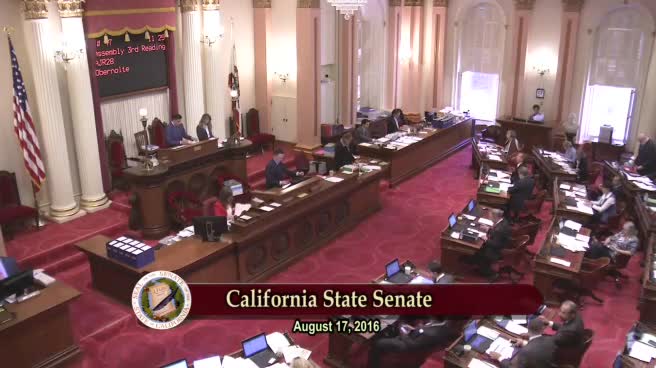
Senate Floor
 2MIN
Senate Standing Committee on Transportation and Housing
 3MIN
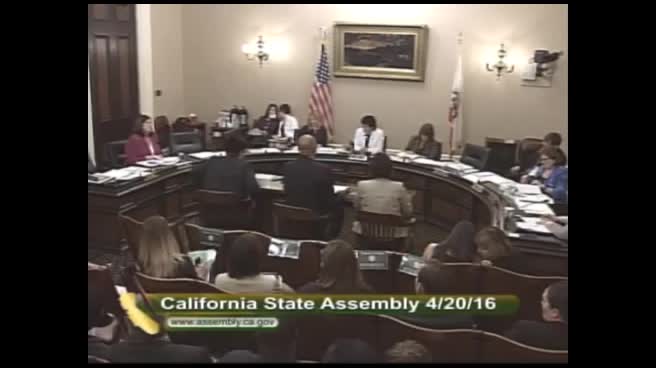
Assembly Standing Committee on Local Government
 5MIN
Assembly Standing Committee on Housing and Community Development
Bill Author

Bill Co-Author(s):