AB 2833: Public investment funds: disclosures.
- Session Year: 2015-2016
- House: Assembly
- Latest Version Date: 2016-09-14
The California Constitution commits to the retirement board of a public pension or retirement system plenary authority and fiduciary responsibility for investment of moneys and administration of the system. Existing law requires a retirement board to develop and implement a policy requiring disclosure of payments to placement agents, as defined, in connection with system investments in or through external managers that includes prescribed elements. Existing law requires disclosure of campaign contributions or gifts made by a placement agent to any member of a public pension retirement board, as specified. Existing law requires a public retirement system to obtain an actuarial valuation of the system not less than triennially and submit audited financial statements to the State Controller who then publishes a report on the financial condition of public retirement systems.
This bill, for new contracts entered into on and after January 1, 2017, and for existing contracts for which a new capital commitment is made on or after January 1, 2017, would require a public investment fund, as defined, to require alternative investment vehicles, as defined, to make specified disclosures regarding fees, expenses, and carried interest in connection with these vehicles and the underlying investments, as well as other specified information. Consistent with requirements relating to public records, the bill would require a public investment fund to disclose the information received in connection with alternative investment vehicles and the gross and net rate of return of each alternative investment vehicle, as specified, at least once annually at a meeting open to the public. The bill would require a public investment fund to undertake reasonable efforts to obtain the above-mentioned information for any existing contract for which the public investment fund has not made a new capital commitment on or after January 1, 2017. The bill would make a statement of legislative intent. Because this bill would impose new requirements on local entities relating to the collection of information and its presentation at an open meeting, it would impose a state-mandated local program.
The California Constitution requires local agencies, for the purpose of ensuring public access to the meetings of public bodies and the writings of public officials and agencies, to comply with a statutory enactment that amends or enacts laws relating to public records or open meetings and contains findings demonstrating that the enactment furthers the constitutional requirements relating to this purpose.
This bill would make legislative findings to that effect.
The California Constitution requires the state to reimburse local agencies and school districts for certain costs mandated by the state. Statutory provisions establish procedures for making that reimbursement.
This bill would provide that no reimbursement is required by this act for a specified reason.
The California Constitution commits to the retirement board of a public pension or retirement system plenary authority and fiduciary responsibility for investment of moneys and administration of the system. Existing law requires a retirement board to develop and implement a policy requiring disclosure of payments to placement agents, as defined, in connection with system investments in or through external managers that includes prescribed elements. Existing law requires disclosure of campaign contributions or gifts made by a placement agent to any member of a public pension retirement board, as specified. Existing law requires a public retirement system to obtain an actuarial valuation of the system not less than triennially and submit audited financial statements to the State Controller who then publishes a report on the financial condition of public retirement systems.
This bill, for new contracts entered into on and after January 1, 2017, and for existing contracts for which a new capital commitment is made on or after January 1, 2017, would require a public investment fund, as defined, to require alternative investment vehicles, as defined, to make specified disclosures regarding fees, expenses, and carried interest in connection with these vehicles and the underlying investments, as well as other specified information. Consistent with requirements relating to public records, the bill would require a public investment fund to disclose the information received in connection with alternative investment vehicles and the gross and net rate of return of each alternative investment vehicle, as specified, at least once annually at a meeting open to the public. The bill would require a public investment fund to undertake reasonable efforts to obtain the above-mentioned information for any existing contract for which the public investment fund has not made a new capital commitment on or after January 1, 2017. The bill would make a statement of legislative intent. Because this bill would impose new requirements on local entities relating to the collection of information and its presentation at an open meeting, it would impose a state-mandated local program.
The California Constitution requires local agencies, for the purpose of ensuring public access to the meetings of public bodies and the writings of public officials and agencies, to comply with a statutory enactment that amends or enacts laws relating to public records or open meetings and contains findings demonstrating that the enactment furthers the constitutional requirements relating to this purpose.
This bill would make legislative findings to that effect.
The California Constitution requires the state to reimburse local agencies and school districts for certain costs mandated by the state. Statutory provisions establish procedures for making that reimbursement.
This bill would provide that no reimbursement is required by this act for a specified reason.
The California Constitution commits to the retirement board of a public pension or retirement system plenary authority and fiduciary responsibility for investment of moneys and administration of the system. Existing law requires a retirement board to develop and implement a policy requiring disclosure of payments to placement agents, as defined, in connection with system investments in or through external managers that includes prescribed elements. Existing law requires disclosure of campaign contributions or gifts made by a placement agent to any member of a public pension retirement board, as specified. Existing law requires a public retirement system to obtain an actuarial valuation of the system not less than triennially and submit audited financial statements to the State Controller who then publishes a report on the financial condition of public retirement systems.
This bill, for new contracts entered into on and after January 1, 2017, and for existing contracts for which a new capital commitment is made on or after January 1, 2017, would require a public pension or retirement system, including that of the University of California, investment fund, as defined, to require alternative investment vehicles, as defined, to make specified disclosures regarding fees, expenses, and the gross and net rate of return carried interest in connection with these vehicles and the underlying investments, as well as other specified information, on a form prescribed by the system. information. Consistent with requirements relating to public records, the bill would require a public pension or retirement system, including that of the University of California, investment fund to disclose the information received in connection with alternative investment vehicles, vehicles and the gross and net rate of return of each alternative investment vehicle, as specified, at least once annually at a meeting open to the public. The bill would require a public investment fund to undertake reasonable efforts to obtain the above-mentioned information for any existing contract for which the public investment fund has not made a new capital commitment on or after January 1, 2017. The bill would make a statement of legislative intent. Because this bill would impose new requirements on local entities relating to the collection of information and its presentation at an open meeting, it would impose a state-mandated local program.
The California Constitution requires local agencies, for the purpose of ensuring public access to the meetings of public bodies and the writings of public officials and agencies, to comply with a statutory enactment that amends or enacts laws relating to public records or open meetings and contains findings demonstrating that the enactment furthers the constitutional requirements relating to this purpose.
This bill would make legislative findings to that effect.
The California Constitution requires the state to reimburse local agencies and school districts for certain costs mandated by the state. Statutory provisions establish procedures for making that reimbursement.
This bill would provide that no reimbursement is required by this act for a specified reason.
The California Constitution commits to the retirement board of a public pension or retirement system plenary authority and fiduciary responsibility for investment of moneys and administration of the system. Existing law requires a retirement board to develop and implement a policy requiring disclosure of payments to placement agents, as defined, in connection with system investments in or through external managers that includes prescribed elements. Existing law requires disclosure of campaign contributions or gifts made by a placement agent to any member of a public pension retirement board, as specified. Existing law requires a public retirement system to obtain an actuarial valuation of the system not less than triennially and submit audited financial statements to the State Controller who then publishes a report on the financial condition of public retirement systems.
This bill, for contracts entered into on and after January 1, 2017, would require a public pension or retirement system, including that of the University of California, to require alternative investment vehicles, as defined, to make specified disclosures regarding fees, expenses, and the gross and net rate of return in connection with these vehicles and the underlying investments investments, as well as other specified information, on a form prescribed by the system. Consistent with requirements relating to public records, the bill would require a public pension or retirement system, including that of the University of California, to disclose the information received in connection with alternative investment vehicles, with other specified information, at least once annually at a meeting open to the public. The bill would make a statement of legislative intent. Because this bill would impose new requirements on local entities relating to the collection of information and its presentation at an open meeting, it would impose a state-mandated local program.
The California Constitution requires local agencies, for the purpose of ensuring public access to the meetings of public bodies and the writings of public officials and agencies, to comply with a statutory enactment that amends or enacts laws relating to public records or open meetings and contains findings demonstrating that the enactment furthers the constitutional requirements relating to this purpose.
This bill would make legislative findings to that effect.
The California Constitution requires the state to reimburse local agencies and school districts for certain costs mandated by the state. Statutory provisions establish procedures for making that reimbursement.
This bill would provide that no reimbursement is required by this act for a specified reason.
The California Constitution commits to the retirement board of a public pension or retirement system plenary authority and fiduciary responsibility for investment of moneys and administration of the system. Existing law requires a retirement board to develop and implement a policy requiring disclosure of payments to placement agents, as defined, in connection with system investments in or through external managers that includes prescribed elements. Existing law requires disclosure of campaign contributions or gifts made by a placement agent to any member of a public pension retirement board, as specified. Existing law requires a public retirement system to obtain an actuarial valuation of the system not less than triennially and submit audited financial statements to the State Controller who then publishes a report on the financial condition of public retirement systems.
This bill, for contracts entered into on and after January 1, 2017, would require a public pension or retirement system, including that of the University of California, to require alternative investment vehicles, as defined, to make specified disclosures regarding fees, expenses, and gross rate of return in connection with these vehicles and the underlying investments on a form prescribed by the system. Consistent with requirements relating to public records, the bill would require a public pension or retirement system, including that of the University of California, to disclose the information received in connection with alternative investment vehicles, with other specified information, at least once annually at a meeting open to the public. The bill would make a statement of legislative intent. Because this bill would impose new requirements on local entities relating to the collection of information and its presentation at an open meeting, it would impose a state-mandated local program.
The California Constitution requires local agencies, for the purpose of ensuring public access to the meetings of public bodies and the writings of public officials and agencies, to comply with a statutory enactment that amends or enacts laws relating to public records or open meetings and contains findings demonstrating that the enactment furthers the constitutional requirements relating to this purpose.
This bill would make legislative findings to that effect.
The California Constitution requires the state to reimburse local agencies and school districts for certain costs mandated by the state. Statutory provisions establish procedures for making that reimbursement.
This bill would provide that no reimbursement is required by this act for a specified reason.
The California Constitution commits to the retirement board of a public pension or retirement system plenary authority and fiduciary responsibility for investment of moneys and administration of the system. Existing law requires a retirement board to develop and implement a policy requiring disclosure of payments to placement agents, as defined, in connection with system investments in or through external managers that includes prescribed elements. Existing law requires disclosure of campaign contributions or gifts made by a placement agent to any member of a public pension retirement board, as specified. Existing law requires a public retirement system to obtain an actuarial valuation of the system not less than triennially and submit audited financial statements to the State Controller who then publishes a report on the financial condition of public retirement systems.
This bill, for contracts entered into on and after January 1, 2017, would require a public pension or retirement system system, including that of the University of California, to require private equity fund managers, partnerships, portfolio companies, and affiliates alternative investment vehicles, as defined, to make specified disclosures regarding fees and expenses fees, expenses, and gross rate of return in connection with limited partner agreements these vehicles and the underlying investments on a form prescribed by the system. Consistent with requirements relating to public records, the bill would require a public pension or retirement system system, including that of the University of California, to disclose the information received in connection with the limited partner agreements alternative investment vehicles, with other specified information, at least once annually at a meeting open to the public. The bill would make a statement of legislative intent. Because this bill would impose new requirements on local entities relating to the collection of information and its presentation at an open meeting, it would impose a state-mandated local program.
The California Constitution requires local agencies, for the purpose of ensuring public access to the meetings of public bodies and the writings of public officials and agencies, to comply with a statutory enactment that amends or enacts laws relating to public records or open meetings and contains findings demonstrating that the enactment furthers the constitutional requirements relating to this purpose.
This bill would make legislative findings to that effect.
The California Constitution requires the state to reimburse local agencies and school districts for certain costs mandated by the state. Statutory provisions establish procedures for making that reimbursement.
This bill would provide that no reimbursement is required by this act for a specified reason.
The California Constitution commits to the retirement board of a public pension or retirement system plenary authority and fiduciary responsibility for investment of moneys and administration of the system. Existing law requires a retirement board to develop and implement a policy requiring disclosure of payments to placement agents, as defined, in connection with system investments in or through external managers that includes prescribed elements. Existing law requires disclosure of campaign contributions or gifts made by a placement agent to any member of a public pension retirement board, as specified. Existing law requires a public retirement system to obtain an actuarial valuation of the system not less than triennially and submit audited financial statements to the State Controller who then publishes a report on the financial condition of public retirement systems.
This bill, for contracts entered into on and after January 1, 2017, would require a public pension or retirement system to require private equity fund managers, partnerships, portfolio companies, and affiliates to make specified disclosures regarding fees and expenses in connection with limited partner agreements on a form prescribed by the system. Consistent with requirements relating to public records, the bill would require a public pension or retirement system to disclose the information received in connection with the limited partner agreements at least once annually at a meeting open to the public. The bill would make a statement of legislative intent. Because this bill would impose new requirements on local entities relating to the collection of information and its presentation at an open meeting, it would impose a state-mandated local program.
The California Constitution requires local agencies, for the purpose of ensuring public access to the meetings of public bodies and the writings of public officials and agencies, to comply with a statutory enactment that amends or enacts laws relating to public records or open meetings and contains findings demonstrating that the enactment furthers the constitutional requirements relating to this purpose.
This bill would make legislative findings to that effect.
The California Constitution requires the state to reimburse local agencies and school districts for certain costs mandated by the state. Statutory provisions establish procedures for making that reimbursement.
This bill would provide that no reimbursement is required by this act for a specified reason.
It is the intent of the Legislature in enacting this section to increase the transparency of fees paid by public investment funds to alternative investment vehicles. Public investment funds pay significant fees to alternative investment vehicles and do not have sufficient information regarding the character and amount of those fees. As fiduciaries, public investment fund trustees have a duty to maximize investment returns in order to ensure promised benefits are adequately funded and to minimize taxpayer costs. Because fees paid to alternative investment vehicles reduce returns, public investment fund trustees need to be able to see and understand all of the fees they are charged.
SEC. 2.Section 7514.7 is added to the Government Code, to read:7514.7.(a)Every public investment fund shall require each alternative investment vehicle in which it invests to make the following disclosures at least annually:
(1)The fees and expenses that the public investment fund pays directly to the alternative investment vehicle, the fund manager, or related parties.
(2)The public investment funds pro rata share of fees and expenses not included in paragraph (1) that are paid from the alternative investment vehicle to the fund manager or related parties. The public investment fund may independently calculate this information based on information contractually required to be provided by the alternative investment vehicle to the public investment fund. If the public investment fund independently calculates this information, then the alternative investment vehicle shall not be required to provide the information identified in this paragraph.
(3)The public investment funds pro rata share of carried interest distributed to the fund manager or related parties.
(4)The public investment funds pro rata share of aggregate fees and expenses paid by all of the portfolio companies held within the alternative investment vehicle to the fund manager or related parties.
(5)Any additional information described in subdivision (b) of Section 6254.26.
(b)Every public investment fund shall disclose the information provided pursuant to subdivision (a) at least once annually in a report presented at a meeting open to the public. The public investment funds report required pursuant to this subdivision shall also include the gross and net rate of return of each alternative investment vehicle, since inception, in which the public investment fund participates. The public investment fund may report the gross and net rate of return and information required by subdivision (a) based on its own calculations or based on calculations provided by the alternative investment vehicle.
(c)For purposes of this section:
(1)Alternative investment means an investment in a private equity fund, venture fund, hedge fund, or absolute return fund.
(2)Alternative investment vehicle means the limited partnership, limited liability company, or similar legal structure through which a public investment fund invests in an alternative investment.
(3)Fund manager means the general partner, managing manager, adviser, or other person or entity with primary investment decisionmaking authority over an alternative investment vehicle and related parties of the fund manager.
(4)Carried interest means any share of profits from an alternative investment vehicle that is distributed to a fund manager, general partner, or related parties, including allocations of alternative investment vehicle profits received by a fund manager in consideration of having waived fees that it might otherwise have been entitled to receive.
(5)Portfolio companies means individual portfolio investments made by the alternative investment vehicle.
(6)Gross rate of return means the internal rate of return for the alternative investment vehicle prior to the reduction of fees and expenses described in subdivision (a).
(7)Public investment fund means any fund of any public pension or retirement system, including that of the University of California.
(8)Operational person means any operational partner, senior advisor, or other consultant or employee whose primary activity for a relevant entity is to provide operational or back office support to any portfolio company of any alternative investment vehicle, account, or fund managed by a related person.
(9)Related person means any current or former employee, manager, or partner of any related entity that is involved in the investment activities or accounting and valuation functions of the relevant entity or any of their respective family members.
(10)Related party means:
(A)Any related person.
(B)Any operational person.
(C)Any entity more than 10 percent of the ownership of which is held directly or indirectly, whether through other entities or trusts, by a related person or operational person regardless if the related person or operational person participates in the carried interest received by the general partner or the special limited partner.
(D)Any consulting, legal, or other service provider regularly engaged by portfolio companies of an alternative investment vehicle, account, or fund managed by a related person and that also provides advice or services to any related person or relevant entity.
(11)Relevant entity means the general partner, any separate carry vehicle, the investor advisor, any of the investment advisors parent or subsidiary entities, or any similar entity related to any other alternative investment vehicle, account, or fund advised or managed by any current or former related person.
(d)(1)This section shall apply to all new contracts the public investment fund enters into on or after January 1, 2017, and to all existing contracts pursuant to which the public investment fund makes a new capital commitment on or after January 1, 2017.
(2) With respect to existing contracts not covered by paragraph (1), the public investment fund shall undertake reasonable efforts to obtain the information described in subdivision (a) and comply with the reporting requirements contained in subdivision (b) with respect to any information obtained after January 1, 2017.
SEC. 3.The Legislature finds and declares that Section 2 of this act, which adds Section 7514.7 to the Government Code, furthers, within the meaning of paragraph (7) of subdivision (b) of Section 3 of Article I of the California Constitution, the purposes of that constitutional section as it relates to the right of public access to the meetings of local public bodies or the writings of local public officials and local agencies. Pursuant to paragraph (7) of subdivision (b) of Section 3 of Article I of the California Constitution, the Legislature makes the following findings:
The information in the disclosures required under subdivisions (a) and (b) of Section 7514.7 of the Government Code is necessary to ensure public confidence in the integrity of investments made by retirement boards pursuant to alternative investment vehicles.
SEC. 4.No reimbursement is required by this act pursuant to Section 6 of Article XIII B of the California Constitution because the only costs that may be incurred by a local agency or school district under this act would result from a legislative mandate that is within the scope of paragraph (7) of subdivision (b) of Section 3 of Article I of the California Constitution.
It is the intent of the Legislature in enacting this section to increase the transparency of fees paid by public investment funds to alternative investment vehicles. Public investment funds pay significant fees to alternative investment vehicles and do not have sufficient information regarding the character and amount of those fees. As fiduciaries, public investment fund trustees have a duty to maximize investment returns in order to ensure promised benefits are adequately funded and to minimize taxpayer costs. Because fees paid to alternative investment vehicles reduce returns, public investment fund trustees need to be able to see and understand all of the fees they are charged.
SEC. 2.Section 7514.7 is added to the Government Code, to read:7514.7.(a)Every public investment fund shall require each alternative investment vehicle in which it invests to make the following disclosures at least annually:
(1)The fees and expenses that the public investment fund pays directly to the alternative investment vehicle, the fund manager, or related parties.
(2)The public investment funds pro rata share of fees and expenses not included in paragraph (1) that are paid from the alternative investment vehicle to the fund manager or related parties. The public investment fund may independently calculate this information based on information contractually required to be provided by the alternative investment vehicle to the public investment fund. If the public investment fund independently calculates this information, then the alternative investment vehicle shall not be required to provide the information identified in this paragraph.
(3)The public investment funds pro rata share of carried interest distributed to the fund manager or related parties.
(4)The public investment funds pro rata share of aggregate fees and expenses paid by all of the portfolio companies held within the alternative investment vehicle to the fund manager or related parties.
(5)Any additional information described in subdivision (b) of Section 6254.26.
(b)Every public investment fund shall disclose the information provided pursuant to subdivision (a) at least once annually in a report presented at a meeting open to the public. The public investment funds report required pursuant to this subdivision shall also include the gross and net rate of return of each alternative investment vehicle, since inception, in which the public investment fund participates. The public investment fund may report the gross and net rate of return and information required by subdivision (a) based on its own calculations or based on calculations provided by the alternative investment vehicle.
(c)For purposes of this section:
(1)Alternative investment means an investment in a private equity fund, venture fund, hedge fund, or absolute return fund.
(2)Alternative investment vehicle means the limited partnership, limited liability company, or similar legal structure through which a public investment fund invests in an alternative investment.
(3)Fund manager means the general partner, managing manager, adviser, or other person or entity with primary investment decisionmaking authority over an alternative investment vehicle and related parties of the fund manager.
(4)Carried interest means any share of profits from an alternative investment vehicle that is distributed to a fund manager, general partner, or related parties, including allocations of alternative investment vehicle profits received by a fund manager in consideration of having waived fees that it might otherwise have been entitled to receive.
(5)Portfolio companies means individual portfolio investments made by the alternative investment vehicle.
(6)Gross rate of return means the internal rate of return for the alternative investment vehicle prior to the reduction of fees and expenses described in subdivision (a).
(7)Public investment fund means any fund of any public pension or retirement system, including that of the University of California.
(8)Operational person means any operational partner, senior advisor, or other consultant or employee whose primary activity for a relevant entity is to provide operational or back office support to any portfolio company of any alternative investment vehicle, account, or fund managed by a related person.
(9)Related person means any current or former employee, manager, or partner of any related entity that is involved in the investment activities or accounting and valuation functions of the relevant entity or any of their respective family members.
(10)Related party means:
(A)Any related person.
(B)Any operational person.
(C)Any entity more than 10 percent of the ownership of which is held directly or indirectly, whether through other entities or trusts, by a related person or operational person regardless if the related person or operational person participates in the carried interest received by the general partner or the special limited partner.
(D)Any consulting, legal, or other service provider regularly engaged by portfolio companies of an alternative investment vehicle, account, or fund managed by a related person and that also provides advice or services to any related person or relevant entity.
(11)Relevant entity means the general partner, any separate carry vehicle, the investor advisor, any of the investment advisors parent or subsidiary entities, or any similar entity related to any other alternative investment vehicle, account, or fund advised or managed by any current or former related person.
(d)(1)This section shall apply to all new contracts the public investment fund enters into on or after January 1, 2017, and to all existing contracts pursuant to which the public investment fund makes a new capital commitment on or after January 1, 2017.
(2) With respect to existing contracts not covered by paragraph (1), the public investment fund shall undertake reasonable efforts to obtain the information described in subdivision (a) and comply with the reporting requirements contained in subdivision (b) with respect to any information obtained after January 1, 2017.
SEC. 3.The Legislature finds and declares that Section 2 of this act, which adds Section 7514.7 to the Government Code, furthers, within the meaning of paragraph (7) of subdivision (b) of Section 3 of Article I of the California Constitution, the purposes of that constitutional section as it relates to the right of public access to the meetings of local public bodies or the writings of local public officials and local agencies. Pursuant to paragraph (7) of subdivision (b) of Section 3 of Article I of the California Constitution, the Legislature makes the following findings:
The information in the disclosures required under subdivisions (a) and (b) of Section 7514.7 of the Government Code is necessary to ensure public confidence in the integrity of investments made by retirement boards pursuant to alternative investment vehicles.
SEC. 4.No reimbursement is required by this act pursuant to Section 6 of Article XIII B of the California Constitution because the only costs that may be incurred by a local agency or school district under this act would result from a legislative mandate that is within the scope of paragraph (7) of subdivision (b) of Section 3 of Article I of the California Constitution.
It is the intent of the Legislature in enacting this section to increase the transparency of fees paid by public pension investment funds to alternative investment vehicles. Pension Public investment funds pay significant fees to alternative investment vehicles and do not have sufficient information regarding the character and amount of those fees. As fiduciaries, public investment fund trustees have a duty to maximize investment returns in order to ensure promised benefits are adequately funded and to minimize taxpayer costs. Because fees paid to alternative investment vehicles reduce returns, public investment fund trustees need to be able to see and understand all of the fees they are charged.
SEC. 2.Section 7514.7 is added to the Government Code, to read:7514.7.(a)Every public pension or retirement system, including that of the University of California, investment fund shall require each alternative investment vehicle in which it invests to make the following disclosures, at least annually, and on a form prescribed by the system: disclosures at least annually:
(1)The fees and expenses that the retirement system public investment fund pays directly to the alternative investment vehicle, the fund manager, or related parties.
(2)The public investment funds pro rata share of fees and expenses not included in paragraph (1) that are paid from the alternative investment vehicle, including carried interest, vehicle to the fund manager or related parties. The public investment fund may independently calculate this information based on information contractually required to be provided by the alternative investment vehicle to the public investment fund. If the public investment fund independently calculates this information, then the alternative investment vehicle shall not be required to provide the information identified in this paragraph.
(3)The public investment funds pro rata share of carried interest distributed to the fund manager or related parties.
(3)
(4)The public investment funds pro rata share of aggregate fees and expenses paid by all of the portfolio positions companies held within the alternative investment vehicle to the fund manager or related parties.
(4)The gross and net rate of return of each alternative investment vehicle since inception.
(5)Any additional information described in subdivision (b) of Section 6254.26.
(b)Every public pension or retirement system, including that of the University of California, investment fund shall disclose the information provided pursuant to subdivision (a) at least once annually in a report presented at a meeting open to the public. The public investment funds report required pursuant to this subdivision shall also include the gross and net rate of return of each alternative investment vehicle, since inception, in which the public investment fund participates. The public investment fund may report the gross and net rate of return and information required by subdivision (a) based on its own calculations or based on calculations provided by the alternative investment vehicle.
(c)For purposes of this section:
(1)Alternative investment means an investment in a private equity fund, venture fund, hedge fund, or absolute return fund.
(2)Alternative investment vehicle means the limited partnership, limited liability company, or similar legal structure through which a public pension or retirement system, including the University of California, investment fund invests in an alternative investment.
(3)Fund manager means the general partner, managing manager, adviser, or other person or entity with primary investment decisionmaking authority over an alternative investment vehicle and related parties of the fund manager.
(4)Carried interest means any share of profits from an alternative investment vehicle that is allocated distributed to a fund manager or manager, general partner, or related parties, including allocations of alternative investment vehicle profits received by a fund manager in consideration of having waived fees that the fund manager it might otherwise have been entitled to receive.
(5)Portfolio positions companies means individual portfolio investments made by the alternative investment vehicle.
(6)Gross rate of return means the internal rate of return for the alternative investment vehicle prior to the reduction of fees and expenses described in subdivision (a).
(7)Public investment fund means any fund of any public pension or retirement system, including that of the University of California.
(8)Operational person means any operational partner, senior advisor, or other consultant or employee whose primary activity for a relevant entity is to provide operational or back office support to any portfolio company of any alternative investment vehicle, account, or fund managed by a related person.
(9)Related person means any current or former employee, manager, or partner of any related entity that is involved in the investment activities or accounting and valuation functions of the relevant entity or any of their respective family members.
(10)Related party means:
(A)Any related person.
(B)Any operational person.
(C)Any entity more than 10 percent of the ownership of which is held directly or indirectly, whether through other entities or trusts, by a related person or operational person regardless if the related person or operational person participates in the carried interest received by the general partner or the special limited partner.
(D)Any consulting, legal, or other service provider regularly engaged by portfolio companies of an alternative investment vehicle, account, or fund managed by a related person and that also provides advice or services to any related person or relevant entity.
(11)Relevant entity means the general partner, any separate carry vehicle, the investor advisor, any of the investment advisors parent or subsidiary entities, or any similar entity related to any other alternative investment vehicle, account, or fund advised or managed by any current or former related person.
(d)(1)This section shall apply to all new contracts the system entered into, extended, renewed, or amended public investment fund enters into on or after January 1, 2017. 2017, and to all existing contracts pursuant to which the public investment fund makes a new capital commitment on or after January 1, 2017.
(2) With respect to existing contracts not covered by paragraph (1), the public investment fund shall undertake reasonable efforts to obtain the information described in subdivision (a) and comply with the reporting requirements contained in subdivision (b) with respect to any information obtained after January 1, 2017.
SEC. 3.The Legislature finds and declares that Section 2 of this act, which adds Section 7514.7 to the Government Code, furthers, within the meaning of paragraph (7) of subdivision (b) of Section 3 of Article I of the California Constitution, the purposes of that constitutional section as it relates to the right of public access to the meetings of local public bodies or the writings of local public officials and local agencies. Pursuant to paragraph (7) of subdivision (b) of Section 3 of Article I of the California Constitution, the Legislature makes the following findings:
The information in the disclosures required under subdivisions (a) and (b) of Section 7514.7 of the Government Code is necessary to ensure public confidence in the integrity of investments made by retirement boards pursuant to alternative investment vehicles.
SEC. 4.No reimbursement is required by this act pursuant to Section 6 of Article XIII B of the California Constitution because the only costs that may be incurred by a local agency or school district under this act would result from a legislative mandate that is within the scope of paragraph (7) of subdivision (b) of Section 3 of Article I of the California Constitution.
It is the intent of the Legislature in enacting this section to increase the transparency of fees paid by public pension funds to alternative investment vehicles. Pension funds pay significant fees to alternative investment vehicles and do not have sufficient information regarding the character and amount of those fees. As fiduciaries, public fund trustees have a duty to maximize investment returns in order to ensure promised benefits are adequately funded and to minimize taxpayer costs. Because fees paid to alternative investment vehicles reduce returns, public fund trustees need to be able to see and understand all of the fees they are charged.
SEC. 2.Section 7514.7 is added to the Government Code, to read:7514.7.(a)Every public pension or retirement system, including that of the University of California, shall require each alternative investment vehicle in which it invests to make the following disclosures, at least annually, and on a form prescribed by the system:
(1)The annual fees and expenses that the retirement system pays directly to the alternative investment vehicle. vehicle, the fund manager, or related parties.
(2)The annual fees and expenses not included in paragraph (1) that are paid from the alternative investment, investment vehicle, including carried interest, to the alternative investment vehicle. fund manager or related parties.
(3)The annual fees and expenses paid by the portfolio companies positions held within the alternative investment vehicle to the alternative investment vehicle. fund manager or related parties.
(4)The gross and net rate of return of each alternative investment vehicle since inception.
(5)Any additional information described in subdivision (b) of Section 6254.26.
(b)Every public pension or retirement system, including that of the University of California, shall disclose the following information provided pursuant to subdivision (a) at least once annually in a report presented at a meeting open to the public: public.
(1)The information received pursuant to subdivision (a). The disclosure of this information shall be consistent with the restrictions described in subdivision (a) of Section 6254.26.
(2)The information described in subdivision (b) of Section 6254.26.
(c)For purposes of this section:
(1)Alternative investment means an investment in a private equity fund, venture fund, hedge fund, or absolute return fund.
(2)Alternative investment vehicle means the limited partnership, limited liability company, or similar legal structure through which the state or local a public pension or retirement system system, including the University of California, invests in an alternative investment.
(3)Fund manager means the general partner, managing manager, adviser, or other person or entity with primary investment decisionmaking authority over an alternative investment vehicle and related parties of the fund manager.
(3)
(4)Carried interest means a any share of the profits of from an alternative investment vehicle that is due allocated to a fund manager or general partner. partner, including allocations of alternative investment vehicle profits received by a fund manager in consideration of having waived fees that the fund manager might otherwise have been entitled to receive.
(5)Portfolio positions means individual portfolio investments made by the alternative investment vehicle.
(d)This section shall apply to contracts the system entered into, extended, renewed, or amended on or after January 1, 2017.
SEC. 3.The Legislature finds and declares that Section 2 of this act, which adds Section 7514.7 to the Government Code, furthers, within the meaning of paragraph (7) of subdivision (b) of Section 3 of Article I of the California Constitution, the purposes of that constitutional section as it relates to the right of public access to the meetings of local public bodies or the writings of local public officials and local agencies. Pursuant to paragraph (7) of subdivision (b) of Section 3 of Article I of the California Constitution, the Legislature makes the following findings:
The information in the disclosures required under subdivisions (a) and (b) of Section 7514.7 of the Government Code is necessary to ensure public confidence in the integrity of investments made by retirement boards pursuant to alternative investment vehicles.
SEC. 4.No reimbursement is required by this act pursuant to Section 6 of Article XIII B of the California Constitution because the only costs that may be incurred by a local agency or school district under this act would result from a legislative mandate that is within the scope of paragraph (7) of subdivision (b) of Section 3 of Article I of the California Constitution.
It is the intent of the Legislature in enacting this section to increase the transparency of fees paid by public pension funds to alternative investment vehicles. Pension funds pay significant fees to alternative investment vehicles and do not have sufficient information regarding the character and amount of those fees. As fiduciaries, public fund trustees have a duty to maximize investment returns in order to ensure promised benefits are adequately funded and to minimize taxpayer costs. Because fees paid to alternative investment vehicles reduce returns, public fund trustees need to be able to see and understand all of the fees they are charged.
SEC. 2.Section 7514.7 is added to the Government Code, to read:7514.7.(a)Every public pension or retirement system, including that of the University of California, shall require each alternative investment vehicle in which it invests to make the following disclosures, on a form prescribed by the system:
(1)The annual fees and expenses that the retirement system pays directly to the alternative investment vehicle.
(2)The annual fees and expenses not included in paragraph (1) that are paid from the alternative investment, including carried interest, to the alternative investment vehicle.
(3)The annual fees and expenses paid by the portfolio companies held within the alternative investment to the alternative investment vehicle.
(4)The gross rate of return of each alternative investment vehicle since inception.
(b)Every public pension or retirement system, including that of the University of California, shall disclose the following at least once annually at a meeting open to the public:
(1)The information received pursuant to subdivision (a). The disclosure of this information shall be consistent with the restrictions described in subdivision (a) of Section 6254.26.
(2)The information described in subdivision (b) of Section 6254.26.
(c)For purposes of this section:
(1)Alternative investment means an investment in a private equity fund, venture fund, hedge fund, or absolute return fund.
(2)Alternative investment vehicle means the limited partnership, limited liability company, or similar legal structure through which the state or local public pension or retirement system invests in an alternative investment.
(3)Carried interest means a share of the profits of an alternative investment vehicle that is due to a fund manager or general partner.
(d)This section shall apply to contracts the system entered into, extended, renewed, or amended on or after January 1, 2017.
SEC. 3.The Legislature finds and declares that Section 1 2 of this act, which adds Section 7514.7 to the Government Code, furthers, within the meaning of paragraph (7) of subdivision (b) of Section 3 of Article I of the California Constitution, the purposes of that constitutional section as it relates to the right of public access to the meetings of local public bodies or the writings of local public officials and local agencies. Pursuant to paragraph (7) of subdivision (b) of Section 3 of Article I of the California Constitution, the Legislature makes the following findings:
The information in the disclosures required under subdivisions (a) and (b) of Section 7514.7 of the Government Code is necessary to ensure public confidence in the integrity of investments made by retirement boards pursuant to alternative investment vehicles.
SEC. 4.No reimbursement is required by this act pursuant to Section 6 of Article XIII B of the California Constitution because the only costs that may be incurred by a local agency or school district under this act would result from a legislative mandate that is within the scope of paragraph (7) of subdivision (b) of Section 3 of Article I of the California Constitution.
It is the intent of the Legislature in enacting this section to increase the transparency of fees paid by public pension funds to private equity general partners. alternative investment vehicles. Pension funds pay significant fees to private equity firms alternative investment vehicles and do not have sufficient information regarding the character and amount of those fees. As fiduciaries, public fund trustees have a duty to maximize investment returns in order to ensure promised benefits are adequately funded and to minimize taxpayer costs. Because fees paid to private equity general partners alternative investment vehicles reduce returns, public fund trustees need to be able to see and understand all of the fees they are charged.
SEC. 2.Section 7514.7 is added to the Government Code, to read:7514.7.(a)Every public pension or retirement system system, including that of the University of California, shall require its private equity fund managers, partnerships, portfolio companies, and affiliates each alternative investment vehicle in which it invests to make the following disclosures, on a form prescribed by the system, in regard to each limited partner agreement: system:
(1)The annual fees and expenses that the retirement system pays directly to the private equity fund managers and partnerships subject to the agreement. alternative investment vehicle.
(2)The annual fees and expenses not included in paragraph (1) that are paid from the private equity fund, alternative investment, including carried interest, to the private equity fund general partners and affiliates. alternative investment vehicle.
(3)The annual fees and expenses paid by the private equity portfolio companies to the private equity fund general partners and affiliates. the portfolio companies held within the alternative investment to the alternative investment vehicle.
(4)The gross rate of return of each alternative investment vehicle since inception.
(b)Consistent with the requirements of Section 6254.26, a Every public pension or retirement system system, including that of the University of California, shall disclose the information received pursuant to subdivision (a) the following at least once annually at a meeting open to the public. public:
(1)The information received pursuant to subdivision (a). The disclosure of this information shall be consistent with the restrictions described in subdivision (a) of Section 6254.26.
(2)The information described in subdivision (b) of Section 6254.26.
(c)For purposes of this section, the following definitions shall apply: section:
(1)Alternative investment means an investment in a private equity fund, venture fund, hedge fund, or absolute return fund.
(2)Alternative investment vehicle means the limited partnership, limited liability company, or similar legal structure through which the state or local public pension or retirement system invests in an alternative investment.
(1)
(3)Carried interest means a share of the profits of a private equity fund an alternative investment vehicle that is due to the a fund manager or general partner.
(2)
Private equity means an asset class consisting of equity securities and debt in operating companies that are not publicly traded on a stock exchange.
(d)This section shall apply to contracts the system entered into, extended, renewed, or amended on or after January 1, 2017.
SEC. 3.The Legislature finds and declares that Section 1 of this act, which adds Section 7514.7 to the Government Code, furthers, within the meaning of paragraph (7) of subdivision (b) of Section 3 of Article I of the California Constitution, the purposes of that constitutional section as it relates to the right of public access to the meetings of local public bodies or the writings of local public officials and local agencies. Pursuant to paragraph (7) of subdivision (b) of Section 3 of Article I of the California Constitution, the Legislature makes the following findings:
The information in the disclosures required under subdivisions (a) and (b) of Section 7514.7 of the Government Code are is necessary to ensure public confidence in the integrity of investments made by retirement boards pursuant to limited partner agreements. alternative investment vehicles.
SEC. 4.No reimbursement is required by this act pursuant to Section 6 of Article XIII B of the California Constitution because the only costs that may be incurred by a local agency or school district under this act would result from a legislative mandate that is within the scope of paragraph (7) of subdivision (b) of Section 3 of Article I of the California Constitution.
It is the intent of the Legislature in enacting this section to increase the transparency of fees paid by public pension funds to private equity general partners. Pension funds pay significant fees to private equity firms and do not have sufficient information regarding the character and amount of those fees. As fiduciaries, public fund trustees have a duty to maximize investment returns in order to ensure promised benefits are adequately funded and to minimize taxpayer costs. Because fees paid to private equity general partners reduce returns, public fund trustees need to be able to see and understand all of the fees they are charged.
SEC. 2.Section 7514.7 is added to the Government Code, to read:7514.7.(a)Every public pension or retirement system shall require its private equity fund managers, partnerships, portfolio companies, and affiliates to make the following disclosures, on a form prescribed by the system, in regard to each limited partner agreement:
(1)The fees and expenses that the retirement system pays directly to the private equity fund managers and partnerships subject to the agreement.
(2)The fees and expenses not included in paragraph (1) that are paid from the private equity fund, including carried interest, to the private equity fund general partners and affiliates.
(3)The fees and expenses paid by the private equity portfolio companies to the private equity fund general partners and affiliates.
(b)Consistent with the requirements of Section 6254.26, a public pension or retirement system shall disclose the information received pursuant to subdivision (a) at least once annually at a meeting open to the public.
(c)For purposes of this section, the following definitions shall apply:
(1)Carried interest means a share of the profits of a private equity fund that is due to the fund manager or general partner.
(2)Private equity means an asset class consisting of equity securities and debt in operating companies that are not publicly traded on a stock exchange.
(d)This section shall apply to contracts the system entered into, extended, renewed, or amended on or after January 1, 2017.
SEC. 3.The Legislature finds and declares that Section 1 of this act, which adds Section 7514.7 to the Government Code, furthers, within the meaning of paragraph (7) of subdivision (b) of Section 3 of Article I of the California Constitution, the purposes of that constitutional section as it relates to the right of public access to the meetings of local public bodies or the writings of local public officials and local agencies. Pursuant to paragraph (7) of subdivision (b) of Section 3 of Article I of the California Constitution, the Legislature makes the following findings:
The information in the disclosures required under subdivisions (a) and (b) of Section 7514.7 of the Government Code are necessary to ensure public confidence in the integrity of investments made by retirement boards pursuant to limited partner agreements.
SEC. 4.No reimbursement is required by this act pursuant to Section 6 of Article XIII B of the California Constitution because the only costs that may be incurred by a local agency or school district under this act would result from a legislative mandate that is within the scope of paragraph (7) of subdivision (b) of Section 3 of Article I of the California Constitution.
|
Date
|
Status
|
|---|---|
| May 31, 2016 | Read third time. Passed. Ordered to the Senate. (Ayes 80. Noes 0.) |
| Sep 14, 2016 | Chaptered by Secretary of State - Chapter 361, Statutes of 2016. |
| Sep 14, 2016 | Approved by the Governor. |
| Sep 2, 2016 | Enrolled and presented to the Governor at 12 p.m. |
| Aug 24, 2016 | Senate amendments concurred in. To Engrossing and Enrolling. (Ayes 80. Noes 0. Page 6187.). |
| Aug 24, 2016 | Senate amendments concurred in. To Engrossing and Enrolling. |
| Aug 16, 2016 | Read third time. Passed. Ordered to the Assembly. (Ayes 38. Noes 0.). |
| Aug 16, 2016 | Read third time. Passed. Ordered to the Assembly. (Ayes 38. Noes 0. Page 5014.). |
| Aug 16, 2016 | Read third time. Passed. Ordered to the Assembly. |
| Aug 16, 2016 | In Assembly. Concurrence in Senate amendments pending. May be considered on or after August 18 pursuant to Assembly Rule 77. |
| Aug 2, 2016 | Read second time. Ordered to third reading. |
| Aug 1, 2016 | From committee: Be placed on second reading file pursuant to Senate Rule 28.8. |
| Jun 27, 2016 | From committee: Do pass and re-refer to Com. on APPR. (Ayes 5. Noes 0.) (June 27). Re-referred to Com. on APPR. |
| Jun 21, 2016 | From committee chair, with author's amendments: Amend, and re-refer to committee. Read second time, amended, and re-referred to Com. on P.E. & R. |
| Jun 9, 2016 | Referred to Com. on P.E. & R. |
| Jun 1, 2016 | In Senate. Read first time. To Com. on RLS. for assignment. |
| Feb 19, 2016 | Introduced. To print. |
| May 31, 2016 | Read third time. Passed. Ordered to the Senate. (Ayes 80. Noes 0. Page 5046.) |
| May 27, 2016 | Read second time. Ordered to third reading. |
| May 27, 2016 | From committee: Do pass. (Ayes 20. Noes 0.) (May 27). |
| May 4, 2016 | In committee: Set, first hearing. Referred to APPR. suspense file. |
| Apr 20, 2016 | From committee: Do pass and re-refer to Com. on APPR. with recommendation: To Consent Calendar. (Ayes 7. Noes 0.) (April 20). Re-referred to Com. on APPR. |
| Apr 13, 2016 | Re-referred to Com. on P.E., R., & S.S. |
| Apr 12, 2016 | From committee chair, with author's amendments: Amend, and re-refer to Com. on P.E., R., & S.S. Read second time and amended. |
| Mar 31, 2016 | In committee: Hearing postponed by committee. |
| Mar 29, 2016 | Re-referred to Com. on P.E., R., & S.S. |
| Mar 28, 2016 | Re-referred to Com. on P.E., R., & S.S. |
| Mar 28, 2016 | From committee chair, with author's amendments: Amend, and re-refer to Com. on P.E., R., & S.S. Read second time and amended. |
| Mar 17, 2016 | From committee chair, with author's amendments: Amend, and re-refer to Com. on P.E., R., & S.S. Read second time and amended. |
| Mar 14, 2016 | Referred to Com. on P.E., R., & S.S. |
| Feb 22, 2016 | Read first time. |
| Feb 21, 2016 | From printer. May be heard in committee March 22. |
|
Date
|
Description
|
Location
|
Votes
|
|
|---|---|---|---|---|
| Aug 24, 2016 | AB 2833 COOLEY Concurrence in Senate Amendments | Assembly Floor |
Passed |
|
| Aug 16, 2016 | Assembly 3rd Reading AB2833 Cooley By Morrell | Senate Floor |
Passed |
|
| Jun 27, 2016 | Do pass, but first be re-referred to the Committee on [Appropriations] | Senate Standing Committee on Public Employment and Retirement |
Passed |
|
| May 31, 2016 | AB 2833 COOLEY Assembly Third Reading | Assembly Floor |
Passed |
|
| May 27, 2016 | Do pass. | Assembly Standing Committee on Appropriations |
Passed |
|
| Apr 20, 2016 | Do pass and be re-referred to the Committee on [Appropriations] with recommendation: To Consent Calendar | Assembly Standing Committee on Public Employees, Retirement, and Social Security |
Passed |
This list shows positions taken on this bill by organizations on the date displayed, which is linked to the original source.
Positions by individuals are not included.
|
Organization
|
Position
|
Date
|
|---|---|---|
| American Federation Of State, County And Municipal Employees, Afl-Cio | ** Support | Aug 16, 2016 |
| California Federation Of Teachers | ** Support | Aug 16, 2016 |
| California Nurses Association | ** Support | Aug 16, 2016 |
| California State Treasurer | ** Support | Aug 16, 2016 |
| State Treasurer John Chiang | ** Support | May 31, 2016 |
| Unite Here | ** Support | Aug 16, 2016 |
CONCURRENCE IN SENATE AMENDMENTS
CSA1 Bill Id:AB 2833
Author:(Cooley)
As Amended Ver:June 21, 2016
Majority vote
ASSEMBLY: | 80-0 | (May 31, 2016) | SENATE: | 38-0 | (August 16, 2016) |
Original Committee Reference: P.E.,R., & S.S.
SUMMARY: Requires every public investment fund to require each alternative investment vehicle in which it invests to make specified disclosures regarding fees and expenses and to present the disclosed information in a report at a public meeting at least annually. Specifically, this bill:
- Expresses the intent of the legislature to increase the transparency of fees paid by public investment funds to alternative investment vehicles. Because fees paid to alternative investment vehicles reduce returns, public investment fund trustees need to see and understand all fees that are changed.
- Requires every public investment fund to require each alternative investment vehicle in which it invests to disclose the following:
- The fees and expenses that the public investment fund pays directly to the alternative investment vehicle, the fund manager, or related parties.
- The public investment fund's pro rata share of fees and expenses that are paid from the alternative investment vehicle to the fund manager or related parties. In lieu of having the alternative investment vehicle provide this information, the fund may calculate it using information contractually required to be provided by the alternative investment vehicle.
- The public investment fund's pro rata share of carried interest distributed to the fund manager or related parties.
- The public investment fund's pro rata share of aggregate fees and expenses paid by all of the portfolio companies held within the alternative investment vehicle to the fund manager or related parties.
- Any additional information already required to be disclosed under the California Public Records Act (CPRA).
- Requires every public investment fund to disclose the information received in connection with alternative investment vehicles at least annually in a report presented at a public meeting. The report must also include the gross and net rate of return of each alternative investment vehicle since inception, which can, along with the other disclosed information, be calculated by either the fund or the alternative investment vehicle.
- Defines the following terms: alternative investment, alternative investment vehicle, fund manager, carried interest, portfolio companies, gross rate of return, public investment fund, operational person, related person, related party and relevant entity.
- Specifies that these provisions apply to all new contracts the public investment fund enters into on or after January 1, 2017, and to all existing contracts pursuant to which the public investment fund make a new capital commitment on or after January 1, 2017.
- Requires the public investment funds to undertake reasonable efforts to obtain and disclose the same information with respect to other existing contracts.
- Contains legislative findings and declarations stating that the information and disclosures required by this bill further the purposes of constitutional provisions providing for the right of public access and is necessary to ensure public confidence in the integrity of investments made by retirement boards pursuant to alternative investments.
- Specifies that no reimbursement for a state mandated cost is required by this act because the only cost that may be incurred by a local agency or school district under this act would result from a state mandate that is within the scope of provisions in the California Constitution that require local agencies to comply with a statutory enactment that is related to public records or open meetings, as specified.
EXISTING LAW:
- Provides, under the provisions of California Constitution Article XVI Section 17, that a public retirement board has plenary authority and fiduciary responsibility over the investment of retirement plan assets and is required to discharge its duties solely in the interest of the members and beneficiaries for the exclusive purpose of providing benefits. The board must invest the assets of the plan with the care, skill and diligence of a prudent person engaged in a similar enterprise so as to maximize the investments and minimize the risk of loss. When considering investments, the preservation of principal and maximization of income is the primary and underlying criteria for the selection and retention of securities.
- Establishes the CPRA which mandates that public records are open to inspection at all time during the office hours of the state or local agency and every person has a right to inspect any public record, except as provided.
- Exempts the following information regarding alternative investments in which public investment funds invest from disclosure under the CPRA unless the information has already been publicly released by the keeper of the information:
- Due diligence materials that are proprietary to the public investment fund or the alternative investment vehicle;
- Quarterly and annual financial statements of alternative investment vehicles;
- Meeting materials of alternative investment vehicles;
- Records containing information regarding the portfolio positions in which alternative investment funds invest;
- Capital call and distribution notices; and,
- Alternative investment agreements and all related documents.
- Provides that the following information regarding alternative investments in which public investment funds invest is subject to disclosure under the CPRA and may not be considered a trade secret exempt from CPRA disclosure:
- The name, address, and vintage year of each alternative investment vehicle;
- The dollar amount of the commitment made to each alternative investment vehicle by the public investment fund since inception;
- The dollar amount of cash contributions made by the public investment fund to each alternative investment vehicle since inception;
- The dollar amount, on a fiscal yearend basis, of cash distributions received by the public investment fund from each alternative investment vehicle;
- The dollar amount, on a fiscal yearend basis, of cash distributions received by the public investment fund plus remaining value of partnership assets attributable to the public investment fund's investment in each alternative investment vehicle;
- The net internal rate of return of each alternative investment vehicle since inception;
- The investment multiple of each alternative investment vehicle since inception;
- The dollar amount of the total management fees and costs paid on an annual fiscal yearend basis, by the public investment fund to each alternative investment vehicle; and,
- The dollar amount of cash profit received by public investment funds from each alternative investment vehicle on a fiscal year-end basis.
The Senate amendments:
- Revise the description of the fees and expenses required to be disclosed by alternative investment vehicles.
- Remove the requirement that disclosures be made on a system-prescribed form.
- Allow public investment funds to calculate certain information in lieu of having the alternative investment vehicle provide the information.
- Define several terms.
- Apply the provisions to new contracts entered into, and to existing contracts pursuant to which the fund makes a new capital commitment, on or after January 1, 2017.
- Require public investment funds to undertake reasonable efforts to obtain and disclose the same information with respect to other existing contracts.
FISCAL EFFECT: According to the Senate Appropriations Committee, pursuant to Senate Rule 28.8, negligible state costs.
COMMENTS: In June 2003, the Alameda County Superior Court, citing the CPRA, required the University of California (UC) to reveal information regarding individual venture-capital partnerships. In 2005, in response to concerns that this disclosure would lead to some funds discontinuing partnership with UC, SB 439 (Simitian), Chapter 258, Statutes of 2005, established Government Code Section 6254.26 to require the public disclosure of some information regarding investment performance, but to protect the confidentiality of some proprietary information.
According to the author, "Administration of California's pension funds carries with it a fiduciary responsibility to act exclusively for the plan's participants. This is a moving standard as financial markets evolve and the resulting complexity of investments increase. This bill's requirement for more systematic disclosure of affected fees and charges will ensure that, as fiduciaries, plan administrators will have this information in a clear format that is both transparent but which can also be understood in comparison to other investments. This more assertive disclosure coupled with comparison will advance the fiduciary duties of these plans."
The author concludes, "All public pension plans are funded by employee contributions and taxpayer dollars. These funds pay significant fees to their alternative investment general partners but lack sufficient insight into the amount and nature of those fees. The investment portfolios of California's public pension plans require certain levels of returns to fund constitutionally guaranteed benefits for government workers. Both management and carried interest payments to general partners decrease the net returns on the portfolio. If net returns of the portfolio are reported to pension plans without specific disclosure of the amount of fees paid to general partners, public pension plans and the public have no means of assessing whether the amount of compensation paid to private equity managers or hedge fund managers is appropriate."
The California Public Employees' Retirement System and the California State Teachers' Retirement System (CalSTRS) both have indicated that they have worked with the author and the sponsor to address several concerns regarding this bill. The CalSTRS analysis of the bill states that, "Even though AB 2833 seeks to drive fees down, fund-by-fund disclosure could result in some managers choosing to forgo California public pension plan partnerships and instead accept commitments from other investors without the same requirements." Additionally, the analysis notes that better performing private equity funds that are oversubscribed and more selective about limited partners may exclude California public investment funds requiring fee disclosures or "may not offer favorable fees to CalSTRS if those lowered fees are disclosed to the public, including other investors."
Analysis Prepared by: Karon Green / P.E.,R., & S.S. / (916) 319-3957 FN: 0003740
Office of Senate Floor Analyses (916) 651-1520 Fax: (916) 327-4478 | AB |
THIRD READING
Bill No: AB 2833
:
SENATE PUBLIC EMP. & RET. COMMITTEE: 5-0, 6/27/16
AYES: Pan, Morrell, Beall, Hall, Moorlach
SENATE APPROPRIATIONS COMMITTEE: Senate Rule 28.8
ASSEMBLY FLOOR: 80-0, 5/31/16 - See last page for vote
SOURCE: California State Treasurer
DIGEST: This bill requires every public investment fund, as defined, to require each alternative investment vehicle in which it invests to make specified disclosures related to management fees and charges and to present the disclosed information in a report at a public meeting at least annually.
ANALYSIS:
Existing law:
- Provides, under the provisions of Section 17 of Article XVI of the California Constitution, that a public retirement board has plenary authority and fiduciary responsibility over the investment of retirement plan assets and is required to discharge its duties solely in the interest of the members and beneficiaries for the exclusive purpose of providing benefits. The board must invest the assets of the plan with the care, skill and diligence of a prudent person engaged in a similar enterprise so as to maximize the investments and minimize the risk of loss. When considering investments, the preservation of principal and maximization of income is the primary and underlying criteria for the selection and retention of securities.
- Establishes the California Public Records Act (CPRA) which mandates that public records are open to inspection at all times during the office hours of the state or local agency and every person has a right to inspect any public record, except as provided.
- Requires, except with respect to public records exempt from disclosure by express provisions of law, that each state or local agency, upon a request for a copy of records that reasonably describes an identifiable record or records, shall make the records promptly available to any person upon payment of fees covering direct costs of duplication, or a statutory fee if applicable. Upon request, an exact copy shall be provided unless impracticable to do so.
- Exempts the following information regarding alternative investments in which public investment funds invest from disclosure under the CPRA unless the information has already been released publicly by the keeper of the information:
- Due diligence materials that are proprietary to the public investment fund or the alternative investment vehicle;
- Quarterly and annual financial statements of alternative investment vehicles;
- Meeting materials of alternative investment vehicles;
- Records containing information regarding the portfolio positions in which alternative investment funds invest;
- Capital call and distribution notices; and,
- Alternative investment agreements and all related documents.
- Provides that specified information regarding alternative investments in which public investment funds invest is subject to disclosure under the CPRA and may not be considered a trade secret exempt from CPRA disclosure, including:
- The name, address, and vintage year of each alternative investment vehicle;
- The dollar amount of the commitment made to each alternative investment vehicle by the public investment fund since inception;
- The dollar amount of cash contributions made by the public investment fund to each alternative investment vehicle since inception;
- The dollar amount, on a fiscal year-end basis, of cash distributions received by the public investment fund from each alternative investment vehicle;
- The dollar amount, on a fiscal yearend basis, of cash distributions received by the public investment fund plus remaining value of partnership assets attributable to the public investment fund's investment in each alternative investment vehicle;
- The net internal rate of return of each alternative investment vehicle since inception;
- The investment multiple of each alternative investment vehicle since inception;
- The dollar amount of the total management fees and costs paid on an annual fiscal year-end basis, by the public investment fund to each alternative investment vehicle; and,
- The dollar amount of cash profit received by public investment funds from each alternative investment vehicle on a fiscal year-end basis.
This bill:
- Expresses the intent of the Legislature to increase the transparency of fees paid by public investment funds to alternative investment vehicles. Because fees paid to alternative investment vehicles reduce returns, public investment fund trustees need to see and understand all fees they are charged.
- Requires every public investment fund to require each alternative investment vehicle in which it invests to disclose the following:
- The fees and expenses that the public investment fund pays directly to the alternative investment vehicle, the fund manager, or related parties.
- The public investment fund’s pro rata share of fees and expenses that are paid from the alternative investment vehicle to the fund manager or related parties, including carried interest, to the fund manager or related parties. The public investment fund may independently calculate the same information based on information contractually required to be provided by the alternative investment vehicle to the public investment fund.
- The public investment fund’s pro rata share of carried interest distributed to the fund manager or related parties.
- The public investment fund’s pro rata share of aggregate fees and expenses paid by all of the portfolio companies held within the alternative investment vehicle to the fund manager or related parties.
- Any additional information described in subdivision (b) of Section 6254.26 of the CPRA.
- Provides that every public investment fund shall disclose the information required pursuant to this bill at least once annually in a report presented at a meeting open to the public. The report shall also include the gross and net rate of return of each alternative investment vehicle since inception in which the public investment fund participates.
- Authorizes the public investment fund to report the gross and net rate of return and disclosable information required by this bill based on its own calculations or based on calculations provided by the alternative investment vehicle.
- Defines terms relative to alternative investments.
- Applies to all new contracts the public investment fund enters into on or after January 1, 2017, and to all existing contracts pursuant to which the public investment fund makes a new capital commitment on or after January 1, 2017.
- Provides that the public investment fund should undertake reasonable efforts to obtain the information described in and comply with the reporting requirements contained in this bill with respect to any information so obtained after January 1, 2017, for existing contracts.
- Contains legislative findings and declarations stating that the information and disclosures required by this bill further the purposes of constitutional provisions providing for the right of public access and is necessary to ensure public confidence in the integrity of investments made by retirement boards pursuant to alternative investments.
- Specifies that no reimbursement for a state mandated cost is required by this act because the only cost that may be incurred by a local agency or school district under this act would result from a state mandate that is within the scope of provisions in the California Constitution, as specified.
Background
California Public Records Act (CPRA). In June 2003, the Alameda County Superior Court, citing the CPRA, required the University of California (UC) to reveal information regarding individual venture-capital partnerships. In 2005, in response to concerns that this disclosure would lead to some funds discontinuing partnership with UC, SB 439 (Simitian, Chapter 258, Statutes of 2005) established Government Code 6254.26 to require the public disclosure of some information regarding investment performance, but to protect the confidentiality of some proprietary information.
Securities and Exchange Commission (SEC) Enforcement. According to the Director of the Securities and Exchange Commission (SEC) Division of Enforcement,
Prior to 2010, private equity fund advisers typically did not register with the Commission, and the Commission staff often had limited visibility into their practices. However, in 2010, two significant events occurred: (i) Dodd-Frank was enacted; and (ii) the SEC’s Division of Enforcement announced the creation of specialized units — including the Asset Management Unit. Dodd-Frank required many private equity fund advisers to register with the Commission and be subject to periodic examination by the Office of Compliance Inspections and Examinations (OCIE), giving us increased visibility into the advisers. At the same time, the Asset Management Unit began developing the expertise necessary to understand private equity fund advisers and their practices. In October 2012, OCIE launched the Presence Exam Initiative, which included extensive engagement with the private equity industry, and created its own specialized unit — the Private Funds Unit. OCIE examined many private equity advisers (often for the first time) and identified a number of deficiencies. And we have continued our focus on private equity firms under Chair White’s leadership.
Additionally, the SEC Director noted,
Our sense is that through the Commission’s focus on the industry, we have helped to significantly increase the level of transparency into fees, expenses, and conflicts of interest, and have prompted real change for the benefit of investors.
As a preliminary matter, beginning in 2014, a number of advisers revised their Form ADV filings to more fully disclose their fee and expense practices. Perhaps more significantly, certain private equity advisers have taken affirmative steps to change their fee and expense practices and bring them in line with their organizational documents. For example, as the Commission noted in the Blackstone enforcement action, in 2014, Blackstone announced certain changes to its business practices, including that it would no longer take accelerated monitoring fees when it completely exits a portfolio company through a private sale. I hope that these actions will lead other advisers as well to proactively change their practices to seek to avoid conflicts of interest with clients and to ensure, at a minimum, that they are in line with their organizational documents.
Finally, there has been a significant and encouraging uptick in investors seeking additional transparency concerning advisers’ fee and expense practices. For example, the Institutional Limited Partners Association (ILPA) released a Fee Transparency Initiative in 2015 which aims to establish consistent standards for fee and expense reporting and compliance disclosures. Similarly, a group of comptrollers and treasurers has sought clearer and more consistent disclosures in order to strengthen their retirement systems’ negotiating position, which they believe will result in more efficient investment options.
California Public Pension Plans. CalPERS and CalSTRS both have indicated that they have worked with the author and the sponsor to address several concerns regarding AB 2833. The CalSTRS analysis of the bill states that, “Even though AB 2833 seeks to drive fees down, fund-by-fund disclosures could result in some managers choosing to forgo California public pension plan partnerships and instead accept commitments from other investors without the same requirements.” Additionally, the analysis notes that better performing private equity funds that are oversubscribed and more selective about limited partners may exclude California public investment funds requiring fee disclosures or “may not offer favorable fees to CalSTRS if those lowered fees are disclosed to the public, including other investors.”
Related/Prior Legislation
SB 574 (Pan, 2015) would have required the University of California (UC) to obtain the information required in Government Code Section 6254.26(b) from each private equity fund, venture fund, hedge fund, or absolute return fund in which the UC provides or has provided funds for investment. The bill was held in Assembly Appropriations.
SB 439 (Simitian, Chapter 258, Statutes of 2005) required the public disclosure of some information regarding investment performance while protecting the confidentiality of some proprietary information.
FISCAL EFFECT: Appropriation: Fiscal Com.: Local:
California State Treasurer (source)
American Federation of State, County and Municipal Employees, AFL-CIO
California Federation of Teachers
California Nurses Association
Unite Here
None received
ARGUMENTS IN SUPPORT: According to the sponsor, “Every dollar that is paid to the general partner of an alternative investment vehicle is one less dollar in the funds of California’s public pension plans. Once public pension funds and their trustees receive information on fee payments annually, they can assess whether the management fees on these alternative investment vehicles are justified and continue to be a responsible investment choice for public employees and California taxpayers.”
According to the California Federation of Teachers, “Fees and expenses that are overly burdensome can result in a direct transfer of wealth from taxpayers and members to the wealthy managers of these alternative investment vehicles.”
ASSEMBLY FLOOR: 80-0, 5/31/16
AYES: Achadjian, Alejo, Travis Allen, Arambula, Atkins, Baker, Bigelow, Bloom, Bonilla, Bonta, Brough, Brown, Burke, Calderon, Campos, Chang, Chau, Chávez, Chiu, Chu, Cooley, Cooper, Dababneh, Dahle, Daly, Dodd, Eggman, Frazier, Beth Gaines, Gallagher, Cristina Garcia, Eduardo Garcia, Gatto, Gipson, Gomez, Gonzalez, Gordon, Gray, Grove, Hadley, Harper, Roger Hernández, Holden, Irwin, Jones, Jones-Sawyer, Kim, Lackey, Levine, Linder, Lopez, Low, Maienschein, Mathis, Mayes, McCarty, Medina, Melendez, Mullin, Nazarian, Obernolte, O'Donnell, Olsen, Patterson, Quirk, Ridley-Thomas, Rodriguez, Salas, Santiago, Steinorth, Mark Stone, Thurmond, Ting, Wagner, Waldron, Weber, Wilk, Williams, Wood, Rendon
8/3/16 18:32:00
**** END ****
SENATE COMMITTEE ON
PUBLIC EMPLOYMENT AND RETIREMENT
Dr. Richard Pan, Chair
2015 - 2016 Regular
Bill No: AB 2833 Hearing Date: 6/27/16
Author: | Cooley | ||
Version: | 6/21/16 As amended | ||
Urgency: | No | Fiscal: | Yes |
Consultant: | Glenn Miles | ||
Subject: Public retirement systems: funds: disclosures
SOURCE: California State Treasurer
ASSEMBLY VOTES:
Assembly Floor: | 80 - 0 |
Assembly Appropriations Committee: | 20 - 0 |
Assembly Public Employees, Retirement/Soc Sec Committee: | 7 - 0 |
DIGEST: This bill requires every public investment fund, as defined, to require each alternative investment vehicle in which it invests to make specified disclosures related to management fees and charges and to present the disclosed information in a report at a public meeting at least annually.
ANALYSIS:
Existing law:
- Provides, under the provisions of Section 17 of Article XVI of the California Constitution, that a public retirement board has plenary authority and fiduciary responsibility over the investment of retirement plan assets and is required to discharge its duties solely in the interest of the members and beneficiaries for the exclusive purpose of providing benefits. The board must invest the assets of the plan with the care, skill and diligence of a prudent person engaged in a similar enterprise so as to maximize the investments and minimize the risk of loss. When considering investments, the preservation of principal and maximization of income is the primary and underlying criteria for the selection and retention of securities.
- Establishes the California Public Records Act (CPRA) which mandates that public records are open to inspection at all times during the office hours of the state or local agency and every person has a right to inspect any public record, except as provided.
- Requires, except with respect to public records exempt from disclosure by express provisions of law, that each state or local agency, upon a request for a copy of records that reasonably describes an identifiable record or records, shall make the records promptly available to any person upon payment of fees covering direct costs of duplication, or a statutory fee if applicable. Upon request, an exact copy shall be provided unless impracticable to do so.
- Exempts the following information regarding alternative investments in which public investment funds invest from disclosure under the CPRA unless the information has already been released publicly by the keeper of the information:
- Due diligence materials that are proprietary to the public investment fund or the alternative investment vehicle;
- Quarterly and annual financial statements of alternative investment vehicles;
- Meeting materials of alternative investment vehicles;
- Records containing information regarding the portfolio positions in which alternative investment funds invest;
- Capital call and distribution notices; and,
- Alternative investment agreements and all related documents.
- Provides that specified information regarding alternative investments in which public investment funds invest is subject to disclosure under the CPRA and may not be considered a trade secret exempt from CPRA disclosure, including:
- The name, address, and vintage year of each alternative investment vehicle;
- The dollar amount of the commitment made to each alternative investment vehicle by the public investment fund since inception;
- The dollar amount of cash contributions made by the public investment fund to each alternative investment vehicle since inception;
- The dollar amount, on a fiscal year-end basis, of cash distributions received by the public investment fund from each alternative investment vehicle;
- The dollar amount, on a fiscal yearend basis, of cash distributions received by the public investment fund plus remaining value of partnership assets attributable to the public investment fund's investment in each alternative investment vehicle;
- The net internal rate of return of each alternative investment vehicle since inception;
- The investment multiple of each alternative investment vehicle since inception;
- The dollar amount of the total management fees and costs paid on an annual fiscal year-end basis, by the public investment fund to each alternative investment vehicle; and,
- The dollar amount of cash profit received by public investment funds from each alternative investment vehicle on a fiscal year-end basis.
This bill:
- Expresses the intent of the Legislature to increase the transparency of fees paid by public investment funds to alternative investment vehicles. Because fees paid to alternative investment vehicles reduce returns, public investment fund trustees need to see and understand all fees they are charged.
- Requires every public investment fund to require each alternative investment vehicle in which it invests to disclose the following:
- The fees and expenses that the public investment fund pays directly to the alternative investment vehicle, the fund manager, or related parties.
- The public investment fund’s pro rata share of fees and expenses that are paid from the alternative investment vehicle to the fund manager or related parties, including carried interest, to the fund manager or related parties. The public investment fund may independently calculate the same information based on information contractually required to be provided by the alternative investment vehicle to the public investment fund.
- The public investment fund’s pro rata share of carried interest distributed to the fund manager or related parties.
- The public investment fund’s pro rata share of aggregate fees and expenses paid by all of the portfolio companies held within the alternative investment vehicle to the fund manager or related parties.
- Any additional information described in subdivision (b) of Section 6254.26 of the CPRA.
- Provides that every public investment fund shall disclose the information required pursuant to this bill at least once annually in a report presented at a meeting open to the public. The report shall also include the gross and net rate of return of each alternative investment vehicle since inception in which the public investment fund participates.
- Authorizes the public investment fund to report the gross and net rate of return and disclosable information required by this bill based on its own calculations or based on calculations provided by the alternative investment vehicle.
- Defines terms relative to alternative investments.
- Applies to all new contracts the public investment fund enters into on or after January 1, 2017, and to all existing contracts pursuant to which the public investment fund makes a new capital commitment on or after January 1, 2017.
- Provides that the public investment fund should undertake reasonable efforts to obtain the information described in and comply with the reporting requirements contained in this bill with respect to any information so obtained after January 1, 2017, for existing contracts.
- Contains legislative findings and declarations stating that the information and disclosures required by this bill further the purposes of constitutional provisions providing for the right of public access and is necessary to ensure public confidence in the integrity of investments made by retirement boards pursuant to alternative investments.
- Specifies that no reimbursement for a state mandated cost is required by this act because the only cost that may be incurred by a local agency or school district under this act would result from a state mandate that is within the scope of provisions in the California Constitution, as specified.
Background
California Public Records Act (CPRA)
In June 2003, the Alameda County Superior Court, citing the CPRA, required the University of California (UC) to reveal information regarding individual venture-capital partnerships. In 2005, in response to concerns that this disclosure would lead to some funds discontinuing partnership with UC, SB 439 (Simitian), Chapter 258, established Government Code 6254.26 to require the public disclosure of some information regarding investment performance, but to protect the confidentiality of some proprietary information.
Securities and Exchange Commission (SEC) Enforcement
According to the Director of the Securities and Exchange Commission (SEC) Division of Enforcement,
Prior to 2010, private equity fund advisers typically did not register with the Commission, and the Commission staff often had limited visibility into their practices. However, in 2010, two significant events occurred: (i) Dodd-Frank was enacted; and (ii) the SEC’s Division of Enforcement announced the creation of specialized units — including the Asset Management Unit. Dodd-Frank required many private equity fund advisers to register with the Commission and be subject to periodic examination by the Office of Compliance Inspections and Examinations (OCIE), giving us increased visibility into the advisers. At the same time, the Asset Management Unit began developing the expertise necessary to understand private equity fund advisers and their practices. In October 2012, OCIE launched the Presence Exam Initiative, which included extensive engagement with the private equity industry, and created its own specialized unit — the Private Funds Unit. OCIE examined many private equity advisers (often for the first time) and identified a number of deficiencies. And we have continued our focus on private equity firms under Chair White’s leadership.
Additionally, the SEC Director noted,
Our sense is that through the Commission’s focus on the industry, we have helped to significantly increase the level of transparency into fees, expenses, and conflicts of interest, and have prompted real change for the benefit of investors.
As a preliminary matter, beginning in 2014, a number of advisers revised their Form ADV filings to more fully disclose their fee and expense practices. Perhaps more significantly, certain private equity advisers have taken affirmative steps to change their fee and expense practices and bring them in line with their organizational documents. For example, as the Commission noted in the Blackstone enforcement action, in 2014, Blackstone announced certain changes to its business practices, including that it would no longer take accelerated monitoring fees when it completely exits a portfolio company through a private sale. I hope that these actions will lead other advisers as well to proactively change their practices to seek to avoid conflicts of interest with clients and to ensure, at a minimum, that they are in line with their organizational documents.
Finally, there has been a significant and encouraging uptick in investors seeking additional transparency concerning advisers’ fee and expense practices. For example, the Institutional Limited Partners Association (ILPA) released a Fee Transparency Initiative in 2015 which aims to establish consistent standards for fee and expense reporting and compliance disclosures. Similarly, a group of comptrollers and treasurers has sought clearer and more consistent disclosures in order to strengthen their retirement systems’ negotiating position, which they believe will result in more efficient investment options.
California Public Pension Plans
CalPERS and CalSTRS both have indicated that they have worked with the author and the sponsor to address several concerns regarding AB 2833. The CalSTRS analysis of the bill states that, “Even though AB 2833 seeks to drive fees down, fund-by-fund disclosures could result in some managers choosing to forgo California public pension plan partnerships and instead accept commitments from other investors without the same requirements.” Additionally, the analysis notes that better performing private equity funds that are oversubscribed and more selective about limited partners may exclude California public investment funds requiring fee disclosures or “may not offer favorable fees to CalSTRS if those lowered fees are disclosed to the public, including other investors.”
Related/Prior Legislation
SB 574 (Pan, 2015) would have required the University of California (UC) to obtain the information required in Government Code Section 6254.26(b) from each private equity fund, venture fund, hedge fund, or absolute return fund in which the UC provides or has provided funds for investment. The bill was held in Assembly Appropriations.
SB 439 (Simitian, Chapter 258, Statutes of 2005) required the public disclosure of some information regarding investment performance while protecting the confidentiality of some proprietary information.
FISCAL EFFECT: Appropriation: No Fiscal Com.: Yes Local: Yes
According to the Assembly Appropriations Committee, this bill will result in “Significant ongoing administrative costs to public retirement systems, including California State Teachers Retirement System (CalSTRS), California Public Employees’ Retirement System (CalPERS), and the University of California Retirement System (UCRS), to update procedures and to collect data not already being collected. Across these public retirement systems, administrative costs are estimated to be in the range of $800,000 annually.”
SUPPORT:
California State Treasurer (source)
American Federation of State, County and Municipal Employees, AFL-CIO
California Federation of Teachers
California Nurses Association
Unite Here
OPPOSITION:
None received
ARGUMENTS IN SUPPORT: According to the sponsor, “Every dollar that is paid to the general partner of an alternative investment vehicle is one less dollar in the funds of California’s public pension plans. Once public pension funds and their trustees receive information on fee payments annually, they can assess whether the management fees on these alternative investment vehicles are justified and continue to be a responsible investment choice for public employees and California taxpayers.”
According to the California Federation of Teachers, “Fees and expenses that are overly burdensome can result in a direct transfer of wealth from taxpayers and members to the wealthy managers of these alternative investment vehicles.”
ASSEMBLY THIRD READING
ATR Bill Id:AB 2833
Author:(Cooley)
As Amended Ver:April 12, 2016
Majority vote
Committee | Votes | Ayes | Noes |
Public Employees | 7-0 | Bonta, Waldron, Cooley, Cooper, Cristina Garcia, O'Donnell, Wagner |
|
Appropriations | 20-0 | Gonzalez, Bigelow, Bloom, Bonilla, Bonta, Calderon, Chang, Daly, Eggman, Gallagher, Eduardo Garcia, Roger Hernández, Holden, Jones, Obernolte, Quirk, Santiago, Wagner, Weber, Wood |
|
SUMMARY: Requires every public retirement system, including the University of California Retirement System (UCRS), to require alternative investment vehicles in which they invest to annually make various disclosures, as specified, and requires the public retirement systems to disclose that information, along with other specified information, at least annually in a report presented at a public meeting. Specifically, this bill:
- Expresses the intent of the legislature to increase the transparency of fees paid by public pension funds to alternative investment vehicles. Because fees paid to alternative investment vehicles reduce returns, public fund trustees need to see and understand all fees that are changed.
- Requires every public pension or retirement system, including the UCRS, to require each alternative investment vehicle in which it invests to disclose specified fees, expenses, and the gross and net rate of return associated with these vehicles and the underlying investments on a form prescribed by the system.
- Requires every public pension or retirement system, including the UCRS, to disclose the information received in connection with alternative investment vehicles at least annually in a report presented at a public meeting.
- Defines the following terms:
- "Alternative investment" means an investment in a private equity fund, venture fund, hedge fund, or absolute return fund.
- "Alternative investment vehicle" means the limited partnership, limited liability company, or similar legal structure through which a public pension or retirement system invests in an alternative investment.
- "Fund manager" means the general partner, managing manager, adviser, or other person with primary investment decision making authority over an alternative investment vehicle and related parties of the fund manager.
- "Carried interest" means any share of profits from an alternative investment vehicle that is allocated to a fund manager or general partner, including allocations of profits received by a fund manager in consideration of having waived fees that the fund manager might otherwise be entitled to receive.
- "Portfolio positions" means individual portfolio investments made by the alternative investment vehicle.
- Contains legislative findings and declarations stating that the information and disclosures required by this bill are necessary to ensure public confidence in the integrity of investments made by retirement boards pursuant to alternative investments.
- Specifies that no reimbursement for a state mandated cost is required by this act because the only cost that may be incurred by a local agency or school district under this act would result from a state mandate that is within the scope of provisions in the California Constitution that require local agencies to comply with a statutory enactment that is related to public records or open meetings, as specified.
EXISTING LAW:
- Pursuant to Government Code Section 6254.26(b), the following information regarding alternative investments in which public investment funds invest are subject to disclosure:
- The name, address, and vintage year of each alternative investment vehicle;
- The dollar amount of the commitment made to each alternative investment vehicle by the public investment fund since inception;
- The dollar amount of cash contributions made by the public investment fund to each alternative investment vehicle since inception;
- The dollar amount, on a fiscal yearend basis, of cash distributions received by the public investment fund from each alternative investment vehicle;
- The dollar amount, on a fiscal yearend basis, of cash distributions received by the public investment fund plus remaining value of partnership assets attributable to the public investment fund's investment in each alternative investment vehicle;
- The net internal rate of return of each alternative investment vehicle since inception;
- The investment multiple of each alternative investment vehicle since inception;
- The dollar amount of the total management fees and costs paid on an annual fiscal yearend basis, by the public investment fund to each alternative investment vehicle; and,
- The dollar amount of cash profit received by public investment funds from each alternative investment vehicle on a fiscal year-end basis.
- Pursuant to Government Code Section 6254.26(a), the following records regarding alternative investments in which public investment funds invest are not subject to disclosure, unless the information has already been publicly released by the keeper of the information:
- Due diligence materials that are proprietary to the public investment fund or the alternative investment vehicle;
- Quarterly and annual financial statements of alternative investment vehicles;
- Meeting materials of alternative investment vehicles;
- Records containing information regarding the portfolio positions in which alternative investment funds invest;
- Capital call and distribution notices; and,
- Alternative investment agreements and all related documents.
FISCAL EFFECT: According to the Assembly Appropriations Committee, "Significant ongoing administrative costs to public retirement systems, including California State Teachers Retirement System (CalSTRs), California Public Employees' Retirement System (CalPERS), and the University of California Retirement System (UCRS), to update procedures and to collect data not already being collected. Across these public retirement systems, administrative costs are estimated to be in the range of $800,000 annually."
COMMENTS: In June 2003, the Alameda County Superior Court, citing the California Public Records Act (CPRA), required the University of California (UC) to reveal information regarding individual venture-capital partnerships. In 2005, in response to concerns that this disclosure would lead to some funds discontinuing partnership with UC, SB 439 (Simitian), Chapter 258, Statutes of 2005, established Government Code 6254.26 to require the public disclosure of some information regarding investment performance, but to protect the confidentiality of some proprietary information.
According to the author, "Administration of California's pension funds carries with it a fiduciary responsibility to act exclusively for the plan's participants. This is a moving standard as financial markets evolve and the resulting complexity of investments increase. This bill's requirement for more systematic disclosure of affected fees and charges will ensure that, as fiduciaries, plan administrators will have this information in a clear format that is both transparent but which can also be understood in comparison to other investments. This more assertive disclosure coupled with comparison will advance the fiduciary duties of these plans."
The author concludes, "All public pension plans are funded by employee contributions and taxpayer dollars. These funds pay significant fees to their alternative investment general partners but lack sufficient insight into the amount and nature of those fees. The investment portfolios of California's public pension plans require certain levels of returns to fund constitutionally guaranteed benefits for government workers. Both management and carried interest payments to general partners decrease the net returns on the portfolio. If net returns of the portfolio are reported to pension plans without specific disclosure of the amount of fees paid to general partners, public pension plans and the public have no means of assessing whether the amount of compensation paid to private equity managers or hedge fund managers is appropriate."
Analysis Prepared by: Karon Green / P.E.,R., & S.S. / (916) 319-3957 FN: 0003120
Date of Hearing: May 4, 2016
ASSEMBLY COMMITTEE ON APPROPRIATIONS
Lorena Gonzalez, Chair
ABPCA Bill Id:AB 2833
Author:(Cooley) – As Amended Ver:April 12, 2016
Policy Committee: | Public Employees, Retirement/Soc Sec | Vote: | 7 - 0 |
Urgency: No State Mandated Local Program: Yes Reimbursable: No
SUMMARY:
This bill requires public retirement systems to require alternative investment vehicles in which they invest to annually make various disclosures, as specified, and requires the public retirement systems to disclose that information, along with other specified information, at least annually in a report presented at a public meeting. Specifically, this bill:
- Defines the following terms:
- "Alternative investment" means an investment in a private equity fund, venture fund, hedge fund, or absolute return fund and an “alternative investment vehicle” means the limited partnership, limited liability company, or similar legal structure through which a public pension or retirement system invests in an alternative investment.
- "Fund manager" means the general partner, managing manager, adviser, or other person with primary investment decision making authority over an alternative investment vehicle and related parties of the fund manager.
- "Carried interest" means any share of profits from an alternative investment vehicle that is allocated to a fund manager or general partner, including allocations of profits received by a fund manager in consideration of having waived fees that the fund manager might otherwise be entitled to receive.
- "Portfolio positions" means individual portfolio investments made by the alternative investment vehicle.
- Requires every public pension or retirement system to require each alternative investment vehicle in which it invests to disclose specified fees, expenses, and the gross and net rate of return associated with these vehicles and the underlying investments on a form prescribed by the system. This applies to contracts entered into, extended, renewed, or amended after January 1, 2017.
- Requires every public pension or retirement system to disclose the information received in connection with alternative investment vehicles at least annually in a report presented at a public meeting.
FISCAL EFFECT:
Significant ongoing administrative costs to public retirement systems, including California State Teachers Retirement System (CalSTRs), California Public Employees’ Retirement System (CalPERS), and the University of California Retirement System (UCRS), to update procedures and to collect data not already being collected. Across these public retirement systems, administrative costs are estimated to be in the range of $800,000 annually.
COMMENTS:
- Purpose. According to the sponsor, State Treasurer John Chiang, AB 2833 will help public pension funds and their trustees assess whether the management fees on alternative investment vehicles, such as private equity funds, hedge funds, and real estate investments, are justified. Supporters of the bill argue that this will result in information in a clear format that is transparent and can be understood in comparison to other investments.
- Alternative investments. Venture capital is a source of financing for start-up companies that entails some investment risk but offers the potential for above-average profits. A hedge fund is usually used by wealthy individuals and institutions to employ aggressive strategies that are unavailable to holders of mutual funds, including selling short, leverage, program trading, swaps, arbitrage, and derivatives.
- The California Public Records Act (CPRA). CPRA is designed to provide the public access to information managed by all public local and state agencies. Covered records include all communications related to public business. Public agencies must provide immediate access to information and aid in identifying relevant information. Certain exemptions to the CPRA exist, including court records, material covered by attorney-client privilege, and certain police records.
CPRA also requires that public retirement systems disclose certain information about alternative investments if they have it. This information includes fees and the rate of return. However, supporters argue that current disclosure rules do not require state retirement systems from retrieving this information, which means that current disclosure requirements have not resulted in sustained, consistent disclosures on the hidden costs of these alternative investments. Moreover, other types of fees and payment structures – such as carried interest – are not subject to current disclosure rules.
Analysis Prepared by: Luke Reidenbach / APPR. / (916) 319-2081
Discussed in Hearing
View Older Hearings
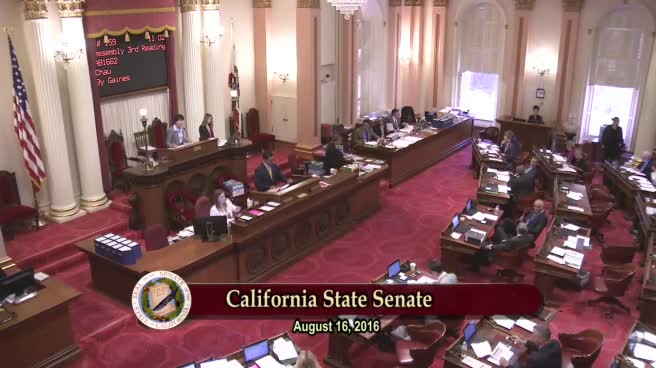
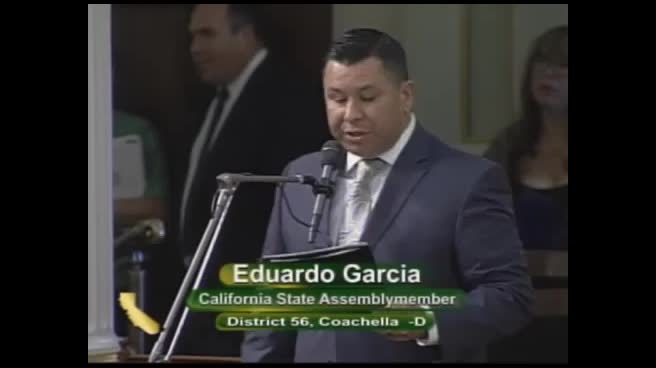
Bill Author

Bill Co-Author(s):