AB 2862: Pupil instruction: visual and performing arts: revision of content standards.
- Session Year: 2015-2016
- House: Assembly
- Latest Version Date: 2016-09-26
Existing law requires the State Board of Education, on or before June 1, 2001, to adopt content standards in the curriculum area of visual and performing arts pursuant to recommendations developed by the Superintendent of Public Instruction.
This bill would require the Superintendent, in consultation with the Instructional Quality Commission, to recommend revisions to the visual and performing arts content standards in certain subjects to the state board, and would require the state board to adopt, reject, or modify the recommendations on or before January 31, 2019. The bill would require the Superintendent, in consultation with the Instructional Quality Commission and the state board, to select a group of experts in visual and performing arts for purposes of assisting the Superintendent in developing recommendations under the bill.
The bill would require that the National Core Arts Standards developed by the National Coalition for Core Arts Standards serve as the basis for deliberations regarding revisions to the visual and performing arts content standards. The bill would require the Superintendent, in consultation with the Instructional Quality Commission, to hold a minimum of 2 public hearings in order for the public to provide input on the Superintendents recommendations, and would require the state board to adopt, reject, or modify the recommendations at a subsequent public meeting, in accordance with specified procedures.
The bill would also provide, if the visual and performing arts content standards are adopted pursuant to the bill: (1) that the state board would be required to consider the adoption of a curriculum framework and evaluation criteria for instructional materials that are aligned to the visual and performing arts content standards no later than July 31, 2020, as specified; and (2) that the state board would be authorized to adopt instructional materials for kindergarten and grades 1 to 8, inclusive, that are aligned to the visual and performing arts content standards no later than November 30, 2021, as specified.
Existing law requires the State Board of Education, on or before June 1, 2001, to adopt content standards in the curriculum area of visual and performing arts pursuant to recommendations developed by the Superintendent of Public Instruction.
This bill would require the Superintendent, in consultation with the Instructional Quality Commission, to recommend revisions to the visual and performing arts content standards in certain subjects to the state board, and would require the state board to adopt, reject, or modify the recommendations on or before January 31, 2019. The bill would require the Superintendent, in consultation with the Instructional Quality Commission and the state board, to select a group of experts in visual and performing arts for purposes of assisting the Superintendent in developing recommendations under the bill. The
The bill would require that the National Core Arts Standards developed by the National Coalition for Core Arts Standards serve as the basis for deliberations regarding revisions to the visual and performing arts content standards. The bill would require the Superintendent, in consultation with the Instructional Quality Commission, to hold a minimum of 2 public hearings in order for the public to provide input on the Superintendents recommendations, and would require the state board to adopt, reject, or modify the recommendations at a subsequent public meeting, in accordance with specified procedures.
The bill would also provide, if the visual and performing arts content standards are adopted pursuant to the bill: (1) that the state board would be required to consider the adoption of a curriculum framework and evaluation criteria for instructional materials that are aligned to the visual and performing arts content standards no later than July 31, 2020, as specified; and (2) that the state board would be authorized to adopt instructional materials for kindergarten and grades 1 to 8, inclusive, that are aligned to the visual and performing arts content standards no later than November 30, 2021, as specified.
Existing law requires the State Board of Education, on or before June 1, 2001, to adopt content standards in the curriculum area of visual and performing arts pursuant to recommendations developed by the Superintendent of Public Instruction.
This bill would authorize require the Superintendent Superintendent, in consultation with the Instructional Quality Commission, to recommend revisions to the visual and performing arts content standards in certain subjects to the state board board, and would require the state board to adopt, reject, or modify the recommendations on or before January 1, 31, 2019. The bill would require the state board to explain, in writing, to the Governor and the Legislature the reasons for modifying the recommendations of the Superintendent, as assisted by Superintendent, in consultation with the Instructional Quality Commission and the state board, to select a group of experts in visual and performing arts. arts for purposes of assisting the Superintendent in developing recommendations under the bill. The bill would require that the National Core Arts Standards developed by the National Coalition for Core Arts Standards serve as the basis for deliberations regarding revisions to the visual and performing arts content standards. The bill would require the Superintendent Superintendent, in consultation with the Instructional Quality Commission, to hold a minimum of 2 public hearings in order for the public to provide input on the Superintendents recommendations recommendations, and would require the state board to adopt, reject, or modify the recommendations at a subsequent public meeting. meeting, in accordance with specified procedures.
Existing law requires the State Board of Education, on or before June 1, 2001, to adopt content standards in the curriculum area of visual and performing arts pursuant to recommendations developed by the Superintendent of Public Instruction.
This bill would authorize the Superintendent to recommend revisions to the visual and performing arts content standards to the state board and would require the state board to adopt, reject, or modify the recommendations on or before January 1, 2019. The bill would require the state board to explain, in writing, to the Governor and the Legislature the reasons for modifying the recommended of recommendations of the Superintendent, as assisted by a group of experts in visual and performing arts for purposes of assisting the Superintendent in developing the recommendations. arts. The bill would require that the National Core Arts Standards developed by the National Coalition for Core Arts Standards serve as the basis for deliberations regarding revisions to the visual and performing arts content standards. The bill would require the Superintendent to hold a minimum of 2 public hearings in order for the public to provide input on the Superintendents recommendations and would require the state board to adopt, reject, or modify the recommendations at a subsequent public meeting. The bill would require that revisions to the visual and performing arts content standards be incorporated into the curriculum framework and the evaluation criteria for visual and performing arts for purposes of adopting instructional materials.
Existing law requires the State Board of Education, on or before June 1, 2001, to adopt content standards in the curriculum area of visual and performing arts pursuant to recommendations developed by the Superintendent of Public Instruction.
This bill would authorize the Superintendent to recommend revisions to the visual and performing arts content standards to the state board and would require the state board to adopt, reject, or modify the recommendations on or before January 1, 2019. The bill would require the state board to explain, in writing, to the Governor and the Legislature the reasons for modifying the recommended of experts in visual and performing arts for purposes of assisting the Superintendent in developing the recommendations. The bill would require the Superintendent to hold a minimum of 2 public hearings in order for the public to provide input on the Superintendents recommendations and would require the state board to adopt, reject, or modify the recommendations at a subsequent public meeting. The bill would require that revisions to the visual and performing arts content standards be incorporated into the curriculum framework and the evaluation criteria for visual and performing arts for purposes of adopting instructional materials.
Existing law requires each school district that has one or more pupils who are English learners, and, to the extent required by federal law, a county office of education and a charter school, to assess the English language development of each of those pupils in order to determine the pupils level of proficiency. Existing law requires the State Department of Education, with the approval of the State Board of Education, to establish procedures for conducting the assessment and for the reclassification of a pupil from English learner to English proficient.
This bill would state that the English Language Arts/English Language Development Framework adopted by the State Board of Education in 2014 requires that English learners at all English proficiency levels and at all ages receive both integrated English language development and specialized attention to their particular language learning needs, otherwise known as designated English language development, as part of their daily curriculum. The bill would define designated English Language development and integrated English language development for purposes of this framework.
Existing law establishes the State Board of Education to consist of 10 members appointed by the Governor with the advice and consent of 2/3 of the Senate.
Existing law establishes the State Department of Education in state government, and vests the department with specified powers and duties relating to the states public school system.
This bill would express the Legislatures intent to enact legislation that outlines the powers and duties of state educational agencies.
(a)The Superintendent, in consultation with the Instructional Quality Commission, shall recommend to the state board revisions to the visual and performing arts content standards in the subjects of dance, theater, music, and visual arts adopted by the state board pursuant to Section 60605.1.
(b)In consultation with the Instructional Quality Commission and the state board, the Superintendent shall select a group of experts in visual and performing arts for purposes of assisting the Superintendent in developing recommendations pursuant to this section. A majority of this group of experts shall be current public school elementary or secondary classroom teachers who have a professional teaching credential that is valid under state law.
(c)The National Core Arts Standards in the subjects of dance, theater, music, and visual arts developed by the National Coalition for Core Arts Standards shall serve as the basis for deliberations regarding revisions to the visual and performing arts content standards.
(d)(1)The Superintendent, in consultation with the Instructional Quality Commission, shall hold a minimum of two public hearings in order for the public to provide input on the revisions recommended pursuant to this section and the state board shall adopt, reject, or modify those recommendations at a subsequent public meeting.
(2)The public hearings and meetings required by this subdivision shall be held pursuant to the Bagley-Keene Open Meeting Act (Article 9 (commencing with Section 11120) of Chapter 1 of Part 1 of Division 3 of Title 2 of the Government Code).
(e)On or before November 30, 2018, the Superintendent shall present to the state board the revised visual and performing arts content standards, based on the work of the group of experts convened pursuant to subdivision (b), conducted in consultation with the Instructional Quality Commission.
(f)(1)On or before January 31, 2019, the state board shall adopt, reject, or modify any revisions to the visual and performing arts standards recommended by the Superintendent. If the state board modifies the revisions recommended by the Superintendent, the state board shall explain, in writing, the reasons for modifying the recommended revised content standards to the Governor and the Legislature.
(2)If the state board modifies the visual and performing arts content standards recommended by the Superintendent pursuant to subdivision (e), the state board shall, in a meeting conducted pursuant to the Bagley-Keene Open Meeting Act (Article 9 (commencing with Section 11120) of Chapter 1 of Part 1 of Division 3 of Title 2 of the Government Code), provide written reasons for its revisions. The state board shall not adopt revised visual and performing arts content standards at the same meeting it provides its written reasons, but, instead, shall adopt these revisions at a subsequent meeting conducted no later than March 31, 2019.
(3)If the state board rejects the visual and performing arts content standards recommended by the Superintendent pursuant to subdivision (e), the state board shall transmit to the Superintendent, the Governor, and the appropriate policy and fiscal committees of the Legislature a specific written explanation of the reasons for the rejection of the standards presented by the Superintendent.
(g)If the visual and performing arts content standards are adopted pursuant to subdivision (f), the state board shall consider the adoption of a curriculum framework and evaluation criteria for instructional materials that are aligned to the visual and performing arts content standards no later than July 31, 2020, based on recommendations of the Instructional Quality Commission.
(h)If the visual and performing arts content standards are adopted pursuant to subdivision (f), the state board may adopt instructional materials for kindergarten and grades 1 to 8, inclusive, that are aligned to the visual and performing arts content standards no later than November 30, 2021, based on recommendations of the Instructional Quality Commission.
(a)The Superintendent may Superintendent, in consultation with the Instructional Quality Commission, shall recommend to the state board revisions to the visual and performing arts content standards in the subjects of dance, theater, music, and visual arts adopted by the state board pursuant to Section 60605.1. On or before January 1, 2019, the state board shall adopt, reject, or modify any revisions recommended by the Superintendent. If the state board modifies the revisions recommended by the Superintendent, the state board shall explain, in writing, to the Governor and the Legislature the reasons for modifying the recommended revised content standards.
(b)In consultation with the Instructional Quality Commission and the state board, the Superintendent shall select a group of experts in visual and performing arts for purposes of assisting the Superintendent in developing recommendations pursuant to this section. A majority of this group of experts shall be current public school elementary or secondary classroom teachers who have a professional teaching credential that is valid under state law.
(c)The National Core Arts Standards in the subjects of dance, theater, music, and visual arts developed by the National Coalition for Core Arts Standards shall serve as the basis for deliberations regarding revisions to the visual and performing arts content standards.
(d)(1)The Superintendent Superintendent, in consultation with the Instructional Quality Commission, shall hold a minimum of two public hearings in order for the public to provide input on the revisions recommended pursuant to this section and the state board shall adopt, reject, or modify those recommendations at a subsequent public meeting.
(2)The public hearings and meetings required by this subdivision shall be held pursuant to the Bagley-Keene Open Meeting Act (Article 9 (commencing with Section 11120) of Chapter 1 of Part 1 of Division 3 of Title 2 of the Government Code).
(e)On or before November 30, 2018, the Superintendent shall present to the state board the revised visual and performing arts content standards, based on the work of the group of experts convened pursuant to subdivision (b), conducted in consultation with the Instructional Quality Commission.
(f)(1)On or before January 31, 2019, the state board shall adopt, reject, or modify any revisions to the visual and performing arts standards recommended by the Superintendent. If the state board modifies the revisions recommended by the Superintendent, the state board shall explain, in writing, the reasons for modifying the recommended revised content standards to the Governor and the Legislature.
(2)If the state board modifies the visual and performing arts content standards recommended by the Superintendent pursuant to subdivision (e), the state board shall, in a meeting conducted pursuant to the Bagley-Keene Open Meeting Act (Article 9 (commencing with Section 11120) of Chapter 1 of Part 1 of Division 3 of Title 2 of the Government Code), provide written reasons for its revisions. The state board shall not adopt revised visual and performing arts content standards at the same meeting it provides its written reasons, but, instead, shall adopt these revisions at a subsequent meeting conducted no later than March 31, 2019.
(3)If the state board rejects the visual and performing arts content standards recommended by the Superintendent pursuant to subdivision (e), the state board shall transmit to the Superintendent, the Governor, and the appropriate policy and fiscal committees of the Legislature a specific written explanation of the reasons for the rejection of the standards presented by the Superintendent.
(a)The Superintendent may recommend to the state board revisions to the visual and performing arts content standards adopted by the state board pursuant to Section 60605.1. On or before January 1, 2019, the state board shall adopt, reject, or modify any revisions recommended by the Superintendent. If the state board modifies the revisions recommended by the Superintendent, the state board shall explain, in writing, to the Governor and the Legislature the reasons for modifying the recommended revised content standards.
(b)In consultation with the state board, the Superintendent shall select a group of experts in visual and performing arts for purposes of assisting the Superintendent in developing recommendations pursuant to this section. A majority of this group of experts shall be current public school elementary or secondary classroom teachers who have a professional teaching credential that is valid under state law.
(c)The National Core Arts Standards developed by the National Coalition for Core Arts Standards shall serve as the basis for deliberations regarding revisions to the visual and performing arts content standards.
(c)
(d)(1)The Superintendent shall hold a minimum of two public hearings in order for the public to provide input on the revisions recommended pursuant to this section and the state board shall adopt, reject, or modify those recommendations at a subsequent public meeting.
(2)The public hearings and meetings required by this subdivision shall be held pursuant to the Bagley-Keene Open Meeting Act (Article 9 (commencing with Section 11120) of Chapter 1 of Part 1 of Division 3 of Title 2 of the Government Code).
(d)If the visual and performing arts content standards are revised pursuant to subdivision (a), during the next revision of the visual and performing arts curriculum framework and evaluation criteria, the Instructional Quality Commission shall ensure that the revisions are incorporated into the visual and performing arts curriculum framework and evaluation criteria for purposes of adopting instructional materials.
(a)The Superintendent may recommend to the state board revisions to the visual and performing arts content standards adopted by the state board pursuant to Section 60605.1. On or before January 1, 2019, the state board shall adopt, reject, or modify any revisions recommended by the Superintendent. If the state board modifies the revisions recommended by the Superintendent, the state board shall explain, in writing, to the Governor and the Legislature the reasons for modifying the recommended revised content standards.
(b)In consultation with the state board, the Superintendent shall select a group of experts in visual and performing arts for purposes of assisting the Superintendent in developing recommendations pursuant to this section.
(c)(1) The Superintendent shall hold a minimum of two public hearings in order for the public to provide input on the revisions recommended pursuant to this section and the state board shall adopt, reject, or modify those recommendations at a subsequent public meeting.
(2)The public hearings and meetings required by this subdivision shall be held pursuant to the Bagley-Keene Open Meeting Act (Article 9 (commencing with Section 11120) of Chapter 1 of Part 1 of Division 3 of Title 2 of the Government Code).
(d)If the visual and performing arts content standards are revised pursuant to subdivision (a), during the next revision of the visual and performing arts curriculum framework and evaluation criteria, the Instructional Quality Commission shall ensure that the revisions are incorporated into the visual and performing arts curriculum framework and evaluation criteria for purposes of adopting instructional materials.
SECTION 1.Chapter 3.5 (commencing with Section 345) is added to Part 1 of Division 1 of Title 1 of the Education Code, to read:3.5.English Learners345.(a)The English Language Arts/English Language Development Framework adopted by the state board in 2014 states that English learners at all English proficiency levels and at all ages require both integrated English language development and specialized attention to their particular language learning needs, otherwise known as designated English language development, as part of their daily curriculum.
(b)With respect to the framework referenced above, the following definitions shall apply:
(1)Designated English language development means instruction designed for English learners, according to their level of English proficiency, to overcome language barriers in a reasonable amount of time, during a protected time in the regular schoolday, in which teachers use the California English Language Development Standards as the focal standards in ways that build into and from content instruction in order to develop critical language English learners need for content learning in English.
(2)Integrated English language development means instruction in which all teachers with English learners in their classrooms, regardless of the course content, use the California English Language Development Standards in tandem with the California state standards.
(a)The English Language Arts/English Language Development Framework adopted by the state board in 2014 states that English learners at all English proficiency levels and at all ages require both integrated English language development and specialized attention to their particular language learning needs, otherwise known as designated English language development, as part of their daily curriculum.
(b)With respect to the framework referenced above, the following definitions shall apply:
(1)Designated English language development means instruction designed for English learners, according to their level of English proficiency, to overcome language barriers in a reasonable amount of time, during a protected time in the regular schoolday, in which teachers use the California English Language Development Standards as the focal standards in ways that build into and from content instruction in order to develop critical language English learners need for content learning in English.
(2)Integrated English language development means instruction in which all teachers with English learners in their classrooms, regardless of the course content, use the California English Language Development Standards in tandem with the California state standards.
SECTION 1.It is the intent of the Legislature to enact legislation that outlines the powers and duties of state educational agencies.
It is the intent of the Legislature to enact legislation that outlines the powers and duties of state educational agencies.
|
Date
|
Status
|
|---|---|
| Jun 1, 2016 | Read third time. Passed. Ordered to the Senate. (Ayes 80. Noes 0.) |
| Sep 9, 2016 | Enrolled and presented to the Governor at 2:30 p.m. |
| Aug 30, 2016 | Senate amendments concurred in. To Engrossing and Enrolling. (Ayes 80. Noes 0. Page 6449.). |
| Aug 30, 2016 | Senate amendments concurred in. To Engrossing and Enrolling. |
| Aug 26, 2016 | In Assembly. Concurrence in Senate amendments pending. May be considered on or after August 28 pursuant to Assembly Rule 77. |
| Aug 23, 2016 | Read third time. Passed. Ordered to the Assembly. (Ayes 39. Noes 0. Page 5275.). |
| Aug 23, 2016 | Read third time. Passed. Ordered to the Assembly. |
| Aug 22, 2016 | Read second time. Ordered to third reading. |
| Aug 19, 2016 | Read third time and amended. Ordered to second reading. |
| Aug 15, 2016 | Read second time. Ordered to third reading. |
| Aug 11, 2016 | From committee: Do pass. (Ayes 7. Noes 0.) (August 11). |
| Aug 1, 2016 | In committee: Referred to APPR. suspense file. |
| Aug 1, 2016 | From committee chair, with author's amendments: Amend, and re-refer to committee. Read second time, amended, and re-referred to Com. on APPR. |
| Jun 15, 2016 | From committee: Do pass and re-refer to Com. on APPR. (Ayes 9. Noes 0.) (June 15). Re-referred to Com. on APPR. |
| Jun 9, 2016 | Referred to Com. on ED. |
| Jun 2, 2016 | In Senate. Read first time. To Com. on RLS. for assignment. |
| Feb 19, 2016 | Introduced. To print. |
| Jun 1, 2016 | Read third time. Passed. Ordered to the Senate. (Ayes 80. Noes 0. Page 5110.) |
| Jun 1, 2016 | Read third time. Passed. Ordered to the Senate. |
| May 31, 2016 | Read second time. Ordered to third reading. |
| May 27, 2016 | Read second time and amended. Ordered returned to second reading. |
| May 27, 2016 | From committee: Amend, and do pass as amended. (Ayes 20. Noes 0.) (May 27). |
| May 4, 2016 | In committee: Set, first hearing. Referred to APPR. suspense file. |
| Apr 21, 2016 | From committee: Do pass and re-refer to Com. on APPR. (Ayes 7. Noes 0.) (April 20). Re-referred to Com. on APPR. |
| Apr 13, 2016 | Re-referred to Com. on ED. |
| Apr 12, 2016 | From committee chair, with author's amendments: Amend, and re-refer to Com. on ED. Read second time and amended. |
| Mar 28, 2016 | Re-referred to Com. on ED. |
| Mar 17, 2016 | Referred to Com. on ED. |
| Mar 17, 2016 | From committee chair, with author's amendments: Amend, and re-refer to Com. on ED. Read second time and amended. |
| Feb 22, 2016 | Read first time. |
| Feb 21, 2016 | From printer. May be heard in committee March 22. |
|
Date
|
Description
|
Location
|
Votes
|
|
|---|---|---|---|---|
| Aug 30, 2016 | AB 2862 O'DONNELL Concurrence in Senate Amendments | Assembly Floor |
Passed |
|
| Aug 23, 2016 | Assembly 3rd Reading AB2862 O'Donnell By Hancock | Senate Floor |
Passed |
|
| Aug 11, 2016 | Do pass | Senate Standing Committee on Appropriations |
Passed |
|
| Aug 1, 2016 | Placed on suspense file | Senate Standing Committee on Appropriations |
Passed |
|
| Jun 15, 2016 | Do pass, but first be re-referred to the Committee on [Appropriations] | Senate Standing Committee on Education |
Passed |
|
| Jun 1, 2016 | AB 2862 O'DONNELL Assembly Third Reading | Assembly Floor |
Passed |
|
| May 27, 2016 | Do pass as amended. | Assembly Standing Committee on Appropriations |
Passed |
|
| Apr 20, 2016 | Do pass and be re-referred to the Committee on [Appropriations] | Assembly Standing Committee on Education |
Passed |
This list shows positions taken on this bill by organizations on the date displayed, which is linked to the original source.
Positions by individuals are not included.
|
Organization
|
Position
|
Date
|
|---|---|---|
| Association Of California School Administrators | ** Support | Aug 23, 2016 |
| California Alliance For Arts Education | ** Support | Aug 23, 2016 |
| California Art Education Association | ** Support | Aug 23, 2016 |
| California Association For Bilingual Education | ** Support | Aug 23, 2016 |
| California Dance Education Association | ** Support | Aug 23, 2016 |
| California Dance Educator Association | * Support | Jun 15, 2016 |
| California Department of Education | * Support | Jun 15, 2016 |
| California Educational Theatre Association | ** Support | Aug 23, 2016 |
| California Federation Of Teachers | ** Support | Aug 23, 2016 |
| California Music Educators Association | ** Support | Aug 23, 2016 |
| California School Boards Association | ** Support | Aug 23, 2016 |
| California State PTA | ** Support | Aug 23, 2016 |
| California Teachers Association | ** Support | Aug 23, 2016 |
| Common Sense Kids Action | ** Support | Aug 23, 2016 |
| Los Angeles Unified School District | ** Support | Aug 23, 2016 |
| National Association for Music Education | ** Support | Aug 23, 2016 |
| National Association of Music Merchants | ** Support | Aug 23, 2016 |
| San Diego Unified School District | ** Support | Aug 23, 2016 |
| San Francisco Unified School District | ** Support | Aug 23, 2016 |
| u None received. | ** Against | Aug 23, 2016 |
CONCURRENCE IN SENATE AMENDMENTS
CSA1 Bill Id:AB 2862
Author:(O'Donnell)
As Amended Ver:August 19, 2016
Majority vote
ASSEMBLY: | 80-0 | (June 1, 2016) | SENATE: | 39-0 | (August 23, 2016) |
Original Committee Reference: ED.
SUMMARY: Authorizes the Superintendent of Public Instruction (SPI), in consultation with the Instructional Quality Commission (IQC), to recommend to the State Board of Education (SBE) revisions to the visual and performing arts (VAPA) standards and requires the SBE to adopt, reject, or modify any revisions by January 31, 2019.
The Senate amendments:
- Require that the IQC consult with the SPI on the selection of subject matter experts, holding public hearings, and recommending revised standards to the SBE.
- Specify dance, theatre, music, and visual arts as the subjects in which standards are to be revised.
- Require that, by November 30, 2018, the SPI present to the SBE the revised standards.
- Change from January 1, 2019, to January 31, 2019, the date by which the SBE is required adopt, reject, or modify any revisions to the VAPA standards recommended by the SPI.
- Require that, if the SBE modifies standards it provide written reasons for the revisions in a public meeting, and requires that the standards be adopted at a subsequent meeting, no later than March 31, 2019.
- Require that if the SBE rejects the standards it transmit a written explanation to the SPI, the Governor, and the appropriate policy and fiscal committees of the Legislature.
- Require the SBE, once the standards are adopted, to consider the adoption of an aligned curriculum framework and evaluation criteria for instructional materials by July 31, 2020.
- Authorize the SBE to adopt instructional materials for grades one to eight which are aligned to the revised VAPA standards by November 30, 2021.
FISCAL EFFECT: According to the Senate Appropriations Committee:
- Costs to the California Department of Education (CDE) of approximately $660,000 General Fund if the SPI chooses to recommend to the SBE revisions to the standards. These costs are attributable to selecting and consulting with a group of subject matter experts in developing the standards and for expert writer contracts.
- Cost pressure in the millions General Fund/Proposition 98 of 1988 to make corresponding revisions to the visual and performing arts curriculum framework and evaluation criteria for instructional materials. Cost pressure also related to the implementation of instructional materials and providing professional development to implement the revised standards.
COMMENTS:
Need for the bill. According to the author's office, "Extensive research demonstrates the connection between visual and performing arts education and student engagement. Arts education contributes to higher test scores and reduces truancy and dropout rates.
"Adopted in 2001, California's visual and performing arts standards are one of the oldest sets of state standards that have not been revised (or had a framework revision), and are in urgent need of an update to allow students to benefit from current curriculum, instruction, and instructional materials. Since 2001 major changes have occurred in teaching and learning.
"Arts education provides key opportunities for critical thinking and inquiry – hallmarks of the state's Common Core State Standards – but our current arts curriculum is out of alignment with these standards. This represents a tremendous missed opportunity for students and teachers. Ten percent of California's jobs are in the creative industry, and 8% of the state's productivity is related to the arts. It is in the economic interest of students and the state to provide students the most current and relevant instruction so that they are career-ready in the arts."
VAPA standards the oldest set not revised in some manner. Apart from History-Social Science (for which a new framework was recently adopted), the VAPA standards adopted in 2001 are the oldest set of state standards.
According to the author, California's 2001 standards are not reflective of many changes in the field of VAPA, and create a mixed message for educators in the field. The College Board notes that while "arts educators commonly report expectations in their districts that arts teaching and learning practices will be aligned with the goals and objectives of the Common Core," California's standards are not aligned with the Common Core state standards. The author states that teaching credential candidates being trained in preparation programs are being trained with the new National Core Arts Standards because they are aligned to the Common Core state standards, but when hired to teach in the public schools are expected to teach – and are evaluated on the basis of - the state's outdated standards. In addition, the VAPA curriculum framework is due to be revised in 2020, and an update to content standards is needed prior to the framework revision, or the new framework will reflect outdated standards.
Process similar to SB 1200 (Hancock), Chapter 654, Statutes of 2012, for revising math and science standards. The process proposed by this bill for the updating of VAPA standards is very similar to the one required by SB 1200, for the revising of standards in mathematics and science. In both of those content areas, state standards were updated to align with national standards (Common Core State Standards in mathematics, and the Next Generation Science Standards). That bill authorized the SPI to consult with a group of experts and to recommend revised standards to the SBE. The SBE was authorized to adopt, reject, or modify the standards, and was required to provide a written explanation for any modifications. One difference between this bill and prior standards revision bills is the role of the IQC. In this bill the IQC is required to consult with the SPI through several steps of the revision process.
Analysis Prepared by: Tanya Lieberman / ED. / (916) 319-2087 FN: 0004814
Office of Senate Floor Analyses (916) 651-1520 Fax: (916) 327-4478 | AB |
THIRD READING
Bill No: AB 2862
:
SENATE EDUCATION COMMITTEE: 9-0, 6/15/16
AYES: Liu, Block, Hancock, Huff, Leyva, Mendoza, Monning, Pan, Vidak
SENATE APPROPRIATIONS COMMITTEE: 7-0, 8/11/16
AYES: Lara, Bates, Beall, Hill, McGuire, Mendoza, Nielsen
ASSEMBLY FLOOR: 80-0, 6/1/16 - See last page for vote
SOURCE: California Art Education Association
California Music Educators Association
DIGEST: This bill requires the Superintendent of Public Instruction (SPI) to recommend to the State Board of Education (SBE) revisions to the visual and performing arts content standards by January 1, 2019.
Senate Floor Amendments of 8/19/16 require the SBE to consider the adoption of a curriculum framework and evaluation criteria, and instructional materials based on the recommendations of the Instructional Quality Commission (IQC).
Existing law:
- Authorizes the SPI to recommend, and for the SBE to approve, modifications to the common core academic content standards in mathematics, as specified.
- Requires the SBE to adopt statewide academic content standards in the core curriculum areas of reading, writing, and mathematics, and requires the Academic Content Standards Commission to develop academic content standards in language arts and mathematics.
Academic content standards define the knowledge, concepts, and skills that students should acquire at each grade level. Curricular frameworks are the blueprint for implementing the standards, and include criteria by which instructional materials are evaluated.
Standards in several subject areas were adopted by the SBE beginning in the late 1990s. There is no statutory authority for the review or updating of standards. A schedule once existed for the review and update of frameworks and instructional materials in many subject areas, but those processes were suspended on July 28, 2009 due to budget constraints. Specific authority has since been provided to develop new standards in specific subjects (statutory authority was also provided to develop frameworks and instructional materials in some of these subjects).
The SBE has adopted, or is scheduled to adopt, the following standards:
- The California Common Core Standards in English language arts and mathematics were adopted on August 2, 2010. (Education Code § 60605.8)
- English language development standards that are aligned with the common core standards in English language arts in November 7, 2012. (Former EC § 60811.3)
- A modification of the previously adopted common core standards in mathematics in January 2013. (EC § 60605.11)
- Revised Career Technical Education Model Curriculum Standards on January 16, 2013. (EC § 51226)
- The Next Generation Science Standards on September 4, 2013. (Former EC § 60605.85)
- English language development standards that are aligned with the common core standards in mathematics and science. The resource, Integrating the CA ELD Standards into K–12 Mathematics and Science Teaching and Learning, was released in December 2015. (EC § 60811.4)
- The IQC is required to consider developing and recommending to the SBE standards in computer science by July 31, 2019. (EC § 60605.4)
This bill:
- Requires the SPI, in consultation with the IQC, to recommend to the SBE revisions to the world language content standards that were adopted by the SBE in the subjects of dance, theater, music, and visual arts.
- Requires the SPI, by November 30, 2018, to present to the SBE the revised visual and performing arts standards, based on the work of the group of experts, conducted in consultation with the IQC.
- Requires the SBE, by January 31, 2019, to adopt, reject, or modify and revisions recommended by the SPI.
- Requires the SPI, in consultation with the IQC and the SBE, to select a group of experts in visual and performing arts for purposes of assisting the SPI in developing recommendations for revisions to the standards. This bill requires a majority of this group of experts to be current public school elementary or secondary classroom teachers who have a valid California professional teaching credential.
- Requires the National Core Arts Standards in the subjects of dance, theater, music, and visual arts, developed by the National Coalition for Core Arts Standards, to serve as the basis for deliberations regarding revisions to the visual and performing arts content standards.
- Requires the SPI, in consultation with the IQC, to hold a minimum of two public hearings in order for the public to provide input on the recommended revisions, and requires the SBE to adopt, reject, or modify those recommendations at a subsequent public meeting.
- Requires the SBE, if it modifies any revisions recommended to these content standards, to explain in writing to the Governor and the Legislature the reasons for modifying the recommended revised content standards.
- Requires the SBE, if it modifies the visual and performing arts standards recommended by the SPI, in a meeting conducted pursuant to the Bagley-Keene Open Meeting Act, provide written reasons for its revisions. This bill prohibits the SBE from adopting revised standards at the same meeting it provides its written reasons, but must adopt the revisions at a subsequent meeting conducted no later than March 31, 2019.
- Requires the SBE, if it rejects the visual and performing arts standards recommended by the SPI, to transmit to the SPI, the Governor, and the appropriate policy and fiscal committees of the Legislature a specific written explanation of the reasons for the rejection of the standards presented by the SPI.
- Requires the SBE, if the visual and performing arts standards are adopted, to consider the adoption of a curriculum framework and evaluation criteria for instructional materials that are aligned to the standards by July 31, 2020, based on recommendations of the IQC.
- Authorizes the SBE, if the visual and performing arts standards are adopted, to adopt instructional materials for K-8 that are aligned to the standards by November 30, 2021, based on recommendations of the IQC.
- Requires the public hearings and meetings to be held pursuant to the Bagley-Keene Open Meeting Act.
Comments
Comprehensive approach stalled. There is no statutory authority for the regular review or updating of standards. Statutory authority has been provided to develop new standards in specific subjects, such as the California common core standards in English language arts and mathematics, and the Next Generation Science standards. The Legislature has made several unsuccessful attempts to require updates to the standards in additional subject areas. AB 740 (Weber, 2015) requires the SPI to recommend to the SBE a schedule for the regular update of academic content standards. AB 740 stalled in the Senate Appropriations Committee due to a disagreement with the Administration over which entity should update the standards, a panel of subject matter experts for each standard or the IQC. AB 740 provides a comprehensive and thoughtful approach to the revision of all standards and frameworks, a better approach than one-off measures that address one subject area at a time.
FISCAL EFFECT: Appropriation: Fiscal Com.: Local:
According to the Senate Appropriations Committee:
- Costs to the California Department of Education of approximately $660,000 General Fund if the SPI chooses to recommend to the SBE revisions to the standards. These costs are attributable to selecting and consulting with a group of subject matter experts in developing the standards and for expert writer contracts.
- Cost pressure in the millions General Fund/Proposition 98 to make corresponding revisions to the visual and performing arts curriculum framework and evaluation criteria for instructional materials. Cost pressure also related to the implementation of instructional materials and providing professional development to implement the revised content standards.
California Art Education Association (co-source)
California Music Educators Association (co-source)
OPPOSITION: (Verified 8/19/16)
None received
ASSEMBLY FLOOR: 80-0, 6/1/16
AYES: Achadjian, Alejo, Travis Allen, Arambula, Atkins, Baker, Bigelow, Bloom, Bonilla, Bonta, Brough, Brown, Burke, Calderon, Campos, Chang, Chau, Chávez, Chiu, Chu, Cooley, Cooper, Dababneh, Dahle, Daly, Dodd, Eggman, Frazier, Beth Gaines, Gallagher, Cristina Garcia, Eduardo Garcia, Gatto, Gipson, Gomez, Gonzalez, Gordon, Gray, Grove, Hadley, Harper, Roger Hernández, Holden, Irwin, Jones, Jones-Sawyer, Kim, Lackey, Levine, Linder, Lopez, Low, Maienschein, Mathis, Mayes, McCarty, Medina, Melendez, Mullin, Nazarian, Obernolte, O'Donnell, Olsen, Patterson, Quirk, Ridley-Thomas, Rodriguez, Salas, Santiago, Steinorth, Mark Stone, Thurmond, Ting, Wagner, Waldron, Weber, Wilk, Williams, Wood, Rendon
8/22/16 23:10:20
Office of Senate Floor Analyses (916) 651-1520 Fax: (916) 327-4478 | AB |
THIRD READING
Bill No: AB 2862
:
SENATE EDUCATION COMMITTEE: 9-0, 6/15/16
AYES: Liu, Block, Hancock, Huff, Leyva, Mendoza, Monning, Pan, Vidak
SENATE APPROPRIATIONS COMMITTEE: 7-0, 8/11/16
AYES: Lara, Bates, Beall, Hill, McGuire, Mendoza, Nielsen
ASSEMBLY FLOOR: 80-0, 6/1/16 - See last page for vote
SOURCE: California Art Education Association
California Music Educators Association
DIGEST: This bill requires the Superintendent of Public Instruction (SPI) to recommend to the State Board of Education (SBE) revisions to the visual and performing arts content standards by January 1, 2019.
Existing law:
- Authorizes the SPI to recommend, and for the SBE to approve, modifications to the common core academic content standards in mathematics, as specified.
- Required the SBE to adopt statewide academic content standards in the core curriculum areas of reading, writing, and mathematics, and requires the Academic Content Standards Commission to develop academic content standards in language arts and mathematics.
Academic content standards define the knowledge, concepts, and skills that students should acquire at each grade level. Curricular frameworks are the blueprint for implementing the standards, and include criteria by which instructional materials are evaluated.
Standards in several subject areas were adopted by the SBE beginning in the late 1990s. There is no statutory authority for the review or updating of standards. A schedule once existed for the review and update of frameworks and instructional materials in many subject areas, but those processes were suspended on July 28, 2009 due to budget constraints. Specific authority has since been provided to develop new standards in specific subjects (statutory authority was also provided to develop frameworks and instructional materials in some of these subjects).
The SBE has adopted, or is scheduled to adopt, the following standards:
- The California Common Core Standards in English language arts and mathematics were adopted on August 2, 2010. (Education Code § 60605.8)
- English language development standards that are aligned with the common core standards in English language arts in November 7, 2012. (Former EC § 60811.3)
- A modification of the previously adopted common core standards in mathematics in January 2013. (EC § 60605.11)
- Revised Career Technical Education Model Curriculum Standards on January 16, 2013. (EC § 51226)
- The Next Generation Science Standards on September 4, 2013. (Former EC § 60605.85)
- English language development standards that are aligned with the common core standards in mathematics and science. The resource, Integrating the CA ELD Standards into K–12 Mathematics and Science Teaching and Learning, was released in December 2015. (EC § 60811.4)
- The Instructional Quality Commission is required to consider developing and recommending to the SBE standards in computer science by July 31, 2019. (EC § 60605.4)
This bill:
- Requires the SPI, in consultation with the IQC, to recommend to the SBE revisions to the world language content standards that were adopted by the SBE in the subjects of dance, theater, music, and visual arts.
- Requires the SPI, by November 30, 2018, to present to the SBE the revised visual and performing arts standards, based on the work of the group of experts, conducted in consultation with the IQC.
- Requires the SBE, by January 31, 2019, to adopt, reject, or modify and revisions recommended by the SPI.
- Requires the SPI, in consultation with the IQC and the SBE, to select a group of experts in visual and performing arts for purposes of assisting the SPI in developing recommendations for revisions to the standards. This bill requires a majority of this group of experts to be current public school elementary or secondary classroom teachers who have a valid California professional teaching credential.
- Requires the National Core Arts Standards in the subjects of dance, theater, music, and visual arts, developed by the National Coalition for Core Arts Standards, to serve as the basis for deliberations regarding revisions to the visual and performing arts content standards.
- Requires the SPI, in consultation with the IQC, to hold a minimum of two public hearings in order for the public to provide input on the recommended revisions, and requires the SBE to adopt, reject, or modify those recommendations at a subsequent public meeting.
- Requires the SBE, if it modifies any revisions recommended to these content standards, to explain in writing to the Governor and the Legislature the reasons for modifying the recommended revised content standards.
- Requires the SBE, if it modifies the visual and performing arts standards recommended by the SPI, in a meeting conducted pursuant to the Bagley-Keene Open Meeting Act, provide written reasons for its revisions. This bill prohibits the SBE from adopting revised standards at the same meeting it provides its written reasons, but must adopt the revisions at a subsequent meeting conducted no later than March 31, 2019.
- Requires the SBE, if it rejects the visual and performing arts standards recommended by the SPI, to transmit to the SPI, the Governor, and the appropriate policy and fiscal committees of the Legislature a specific written explanation of the reasons for the rejection of the standards presented by the SPI.
- Requires the public hearings and meetings to be held pursuant to the Bagley-Keene Open Meeting Act.
Comments
Comprehensive approach stalled. There is no statutory authority for the regular review or updating of standards. Statutory authority has been provided to develop new standards in specific subjects, such as the California common core standards in English language arts and mathematics, and the Next Generation Science standards. The Legislature has made several unsuccessful attempts to require updates to the standards in additional subject areas. AB 740 (Weber, 2015) requires the Superintendent of Public Instruction to recommend to the SBE a schedule for the regular update of academic content standards. AB 740 stalled in the Senate Appropriations Committee due to a disagreement with the Administration over which entity should update the standards, a panel of subject matter experts for each standard or the IQC. AB 740 provides a comprehensive and thoughtful approach to the revision of all standards and frameworks, a better approach than one-off measures that address one subject area at a time.
FISCAL EFFECT: Appropriation: Fiscal Com.: Local:
According to the Senate Appropriations Committee:
- Costs to the California Department of Education of approximately $660,000 General Fund if the SPI chooses to recommend to the SBE revisions to the standards. These costs are attributable to selecting and consulting with a group of subject matter experts in developing the standards and for expert writer contracts.
- Cost pressure in the millions General Fund/Proposition 98 to make corresponding revisions to the visual and performing arts curriculum framework and evaluation criteria for instructional materials. Cost pressure also related to the implementation of instructional materials and providing professional development to implement the revised content standards.
California Art Education Association (co-source)
California Music Educators Association (co-source)
State Superintendent of Public Instruction Tom Torlakson
Association of California School Administrators
California Alliance for Arts Education
California Association for Bilingual Education
California Association for Health, Physical Education, Recreation and Dance
California Dance Education Association
California Federation of Teachers
California School Boards Association
California State PTA
California Teachers Association
Los Angeles Unified School District
National Association of Music Merchants
San Diego Unified School District
San Francisco Unified School District
OPPOSITION: (Verified 8/12/16)
None received
ASSEMBLY FLOOR: 80-0, 6/1/16
AYES: Achadjian, Alejo, Travis Allen, Arambula, Atkins, Baker, Bigelow, Bloom, Bonilla, Bonta, Brough, Brown, Burke, Calderon, Campos, Chang, Chau, Chávez, Chiu, Chu, Cooley, Cooper, Dababneh, Dahle, Daly, Dodd, Eggman, Frazier, Beth Gaines, Gallagher, Cristina Garcia, Eduardo Garcia, Gatto, Gipson, Gomez, Gonzalez, Gordon, Gray, Grove, Hadley, Harper, Roger Hernández, Holden, Irwin, Jones, Jones-Sawyer, Kim, Lackey, Levine, Linder, Lopez, Low, Maienschein, Mathis, Mayes, McCarty, Medina, Melendez, Mullin, Nazarian, Obernolte, O'Donnell, Olsen, Patterson, Quirk, Ridley-Thomas, Rodriguez, Salas, Santiago, Steinorth, Mark Stone, Thurmond, Ting, Wagner, Waldron, Weber, Wilk, Williams, Wood, Rendon
8/15/16 20:30:07
**** END ****
SENATE COMMITTEE ON APPROPRIATIONS
Senator Ricardo Lara, Chair
2015 - 2016 Regular Session
AB 2862 (O'Donnell) - Pupil instruction: visual and performing arts: revision of content standards
Version: August 1, 2016 | Policy Vote: ED. 9 - 0 |
Urgency: No | Mandate: No |
Hearing Date: August 1, 2016 | Consultant: Jillian Kissee |
This bill meets the criteria for referral to the Suspense File.
Bill Summary:
This bill authorizes the Superintendent of Public Instruction (Superintendent), in consultation with the Instructional Quality Commission (Commission), to recommend to the State Board of Education (Board) revisions to the visual and performing arts standards and requires the Board to adopt, reject, or modify any revisions by January 1, 2019.
Fiscal Impact:
- Costs to the California Department of Education (CDE) of approximately $660,000 General Fund if the Superintendent chooses to recommend to the Board revisions to the standards. These costs are attributable to selecting and consulting with a group of subject matter experts in developing the standards and for expert writer contracts.
- Cost pressure in the millions General Fund/Proposition 98 to make corresponding revisions to the visual and performing arts curriculum framework and evaluation criteria for instructional materials. Cost pressure also related to the implementation of instructional materials and providing professional development to implement the revised content standards.
Background:
Academic content standards define the knowledge, concepts, and skills that students should acquire at each grade level. Curricular frameworks are the blueprint for implementing the standards, and include criteria by which instructional materials are evaluated. The Commission advises the Board on curriculum and instruction matters.
The visual and performing arts content standards were last updated in 2001. The history-social science standards are the only other standards that are older as they were adopted in 1998. There is no statutory authority for the review or updating of standards. Specific authority, and one-time funding, has historically been provided to develop new standards in specific subjects.
A schedule once existed for the review and update of frameworks and instructional materials in many subject areas, but those processes were suspended in 2009, due to budget constraints, through the 2015-16 fiscal year. During the suspension special authority and one-time funding has been provided to develop certain curriculum frameworks and adopt instructional materials.
Proposed Law:
This bill authorizes the Superintendent, in consultation with the Commission, to recommend to the Board revisions to the visual and performing arts standards in the subjects of dance, theater, music, and visual arts.
The Superintendent and the Commission are required, in consultation with the Board, to select a group of subject matter experts, mostly teachers, to assist in the development of recommendations. The Superintendent, in consultation with the Commission, is also required to hold a minimum of two public hearings to obtain public input.
This bill requires the National Core Arts Standards in the subjects of dance, theater, music, and visual arts to serve as the basis for deliberations for the revisions to the visual and performing arts content standards.
By November 30, 2018, the Superintendent is required to present to the Board the revised standards. By January 31, 2019, the Board is required to adopt, reject, or modify any revisions to the standards. If the Board makes modifications, the Board is required to explain, in writing, to the Governor and the Legislature the reasons for those changes and wait to adopt the revised standards in a subsequent meeting but before March 31, 2019. If the Board rejects the standards, it is required to notify the Governor and the Legislature the reasons for the rejection.
Related Legislation:
AB 2290 (Santiago, 2016) authorizes the Superintendent to recommend to the Board revisions to the world language content standards by January 31, 2019. AB 2290 is pending in this committee.
AB 1539 (Hagman, Chapter 876, Statutes of 2014) requires the Instructional Quality Commission and the Board to consider developing computer science content standards by July 31, 2019.
Staff Comments:
Revising academic content standards triggers the need to update the corresponding the curriculum frameworks and evaluation criteria for the instructional materials adoption so that they are all in alignment. Similarly, there would be a state and local cost pressure to provide and purchase instructional materials and to provide professional development to implement the new content standards.
-- END --
SENATE COMMITTEE ON EDUCATION
Senator Carol Liu, Chair
2015 - 2016 Regular
Bill No:
Author: | O'Donnell | ||
Version: | Hearing Date: June 15, 2016 | ||
Urgency: | Fiscal: | ||
Consultant: | |||
Subject:
SUMMARY
This bill authorizes the Superintendent of Public Instruction (SPI) to recommend to the State Board of Education (SBE) revisions to the visual and performing arts content standards by January 1, 2019.
BACKGROUND
Academic content standards define the knowledge, concepts, and skills that students should acquire at each grade level. Curricular frameworks are the blueprint for implementing the standards, and include criteria by which instructional materials are evaluated.
Standards in several subject areas were adopted by the SBE beginning in the late 1990s. There is no statutory authority for the review or updating of standards. A schedule once existed for the review and update of frameworks and instructional materials in many subject areas, but those processes were suspended on July 28, 2009, due to budget constraints. Specific authority has since been provided to develop new standards in specific subjects (statutory authority was also provided to develop frameworks and instructional materials in some of these subjects).
The SBE has adopted, or is scheduled to adopt, the following standards:
- The California Common Core Standards in English language arts and mathematics were adopted on August 2, 2010. (Education Code § 60605.8)
- English language development standards that are aligned with the common core standards in English language arts in November 7, 2012.
(Former EC § 60811.3)
- A modification of the previously adopted common core standards in mathematics in January 2013. (EC § 60605.11)
- Revised Career Technical Education Model Curriculum Standards on January 16, 2013. (EC § 51226)
- The Next Generation Science Standards on September 4, 2013.
(Former EC § 60605.85)
- English language development standards that are aligned with the common core standards in mathematics and science. The resource, Integrating the CA ELD Standards into K–12 Mathematics and Science Teaching and Learning, was released in December 2015. (EC § 60811.4)
- The Instructional Quality Commission (IQC) is required to consider developing and recommending to the State Board of Education (SBE) standards in computer science by July 31, 2019. (EC § 60605.4)
ANALYSIS
This bill authorizes the Superintendent of Public Instruction to recommend to the State Board of Education revisions to the visual and performing arts content standards by January 1, 2019. Specifically, this bill:
- Authorizes the Superintendent of Public Instruction (SPI) to recommend to the SBE revisions to the world language content standards that were adopted by the SBE.
- Requires the SBE, by January 1, 2019, to adopt, reject, or modify and revisions recommended by the SPI.
- Requires the SPI, in consultation with the SBE, to select a group of experts in visual and performing arts for purposes of assisting the SPI in developing recommendations for revisions to the standards. This bill requires a majority of this group of experts to be current public school elementary or secondary classroom teachers who have a valid California professional teaching credential.
- Requires the National Core Arts Standards developed by the National Coalition for Core Arts Standards to serve as the basis for deliberations regarding revisions to the visual and performing arts content standards.
- Requires the SPI to hold a minimum of two public hearings in order for the public to provide input on the recommended revisions, and requires the SBE to adopt, reject, or modify those recommendations at a subsequent public meeting.
- Requires the SBE, if it modifies any revisions recommended to these content standards, to explain in writing to the Governor and the Legislature the reasons for modifying the recommended revised content standards.
- Requires the public hearings and meetings to be held pursuant to the Bagley-Keene Open Meeting Act.
STAFF COMMENTS
- Need for the bill. According to the author, “Extensive research demonstrates that connection between visual and performing arts education and student engagement. Arts education contributes to higher test scores and reduces truancy and dropout rates. Adopted in 2001, California’s visual and performing arts standards are one of the oldest sets of state standards that have not been revised, and are in urgent need of an update to allow students to benefit from current curriculum, instruction, and instructional materials. Since 2001, major changes have occurred in teaching and learning. Arts education provide key opportunities for critical thinking and inquiry – hallmarks of the state’s common core standards – but our current arts curriculum is out of alignment with these standards. This represents a tremendous missed opportunity for students and teachers.”
- Comprehensive approach stalled. There is no statutory authority for the regular review or updating of standards. Statutory authority has been provided to develop new standards in specific subjects, such as the California common core standards in English language arts and mathematics, and the Next Generation Science standards. The Legislature has made several unsuccessful attempts to require updates to the standards in additional subject areas. AB 740 (Weber, 2015) requires the Superintendent of Public Instruction to recommend to the State Board of Education (SBE) a schedule for the regular update of academic content standards. AB 740 stalled in the Senate Appropriations Committee due to a disagreement with the Administration over which entity should update the standards, a panel of subject matter experts for each standard or the Instructional Quality Commission. AB 740 provides a comprehensive and thoughtful approach to the revision of all standards and frameworks, a better approach than one-off measures that address one subject area at a time.
- How old are the standards? The most recent adoption of content standards (original or updated version of the standard) in each subject area, and date of adoption by the SBE, is as follows:
- Next Generation Science, September 2013.
- Common core standards for Mathematics, adopted August 2010 and modified January 2013.
- Career Technical Education, January 2013.
- English language development, November 2012.
- Common core standards in English language arts, August 2010.
- World Language, January 2009.
- Health, March 2008.
- Physical Education, January 2005.
- Visual and Performing Arts, January 2001.
- History-Social Science, October 1998.
- Next Generation Science, September 2013.
This bill requires the Superintendent of Public Instruction (SPI) to select a group of subject matter experts to assist the SPI in developing recommendations for updates to the standard, which is generally consistent with the process utilized in the past for the initial adoption of standards, as well as the process for the adoption of the California common core standards (convening a panel of subject matter experts).
- Which standards have priority? There is no established schedule for the revision to academic content standards and as such, the Legislature has acted in a piecemeal approach to require the development, update or revision to standards (the common core standards in mathematics and English language arts, and the Next Generation Science standards). The Legislature also acted to require the Instructional Quality Commission to consider developing and recommending to the State Board of Education (SBE) standards in computer science by July 31, 2019.
Absent a schedule, should there be a priority for the revision of the standards in certain subject areas, such as those that are high school graduation requirements? As an example, history-social science is the oldest standard, with the last adoption in 1998. This bill authorizes the revision of standards for visual and performing arts by January 1, 2019, and AB 2290 (Santiago, 2016) authorizes the revision of standards for world languages by January 31, 2019. Completion of one course in visual or performing arts, foreign language, or career technical education is a high school graduation requirement. Is it appropriate to authorize the revision to standards in two subject areas, for which high school graduation requirements exist, prior to the existing requirement for consideration of the development of new standards in computer science? - Fiscal impact. According to the Assembly Appropriations Committee’s analysis, this bill would impose General Fund costs to the California Department of Education of approximately $660,000 to develop the content standards.
- Related legislation. AB 2290 (Santiago) authorizes the Superintendent of Public Instruction to recommend to the State Board of Education revisions to the world language content standards by January 31, 2019. AB 2290 is scheduled to be heard by this Committee on June 15.
AB 740 (Weber, 2015) requires the SPI, by January 1, 2017, to recommend to the SBE a schedule for the regular update of academic content standards. AB 740 grants the SBE the authority to convene academic content standards advisory committees to update the standards, and requires that the SBE adopt or reject them. AB 740 is pending in the Senate Appropriations Committee.
SB 725 (Hancock, 2015) required the SBE to adopt content standards in visual and performing arts by June 30, 2017. SB 725 was pending in the Assembly Appropriations Committee when it was amended to address a different topic.
AB 711 (Santiago, 2015) requires the State Board of Education (SBE) to adopt world languages content standards that are in accordance with the World-Readiness Standards for Learning Languages by June 1, 2017. AB 711 was held in the Assembly Appropriations Committee.
- Prior legislation. SB 1057 (Corbett, 2014) required the Superintendent of Public Instruction (SPI) to recommended history-social science content standards to the SBE on or before March 30, 2018, and requires the SBE to adopt, reject, or modify the history-social science content standards by July 30, 2018. SB 1057 was vetoed by the Governor, whose veto message read:
I agree that providing up to date instructional guidance to educators for use in their classrooms is important. This is precisely why the State Board of Education is currently updating the history-social science framework which is on track to be adopted next spring. I am concerned that this bill may slow progress that is already underway, and does not include a role for the Instructional Quality Commission.
AB 1033 (Feuer, 2011) established a content standards review commission, if the SPI and the SBE jointly found a need to revise or modify the academic content standards. AB 1033 was held in the Assembly Appropriations Committee.
AB 97 (Torlakson, 2010) established the Academic Content Standards Commission for Science and History-Social Science to review and update the standards. AB 97 was vetoed by the Governor, whose veto message read:
Given California's participation in the Common Core initiative and the anticipated reauthorization of the federal Elementary and Secondary Education Act, this bill is premature. This bill could create an unnecessary, duplicative process in the development of content standards and in the integration of those standards into the state's assessment system.
AB 1454 (Richardson, 2007) required the SPI to convene content standards review panels in English language arts and mathematics and repealed the authority of the SBE to modify proposed academic content standards. AB 1454 was held in this Committee.
AB 1100 (Mullin, 2005) authorized the SPI to appoint a content standards review panel in each subject area two years prior to the curriculum framework adoption for each subject area, and specifying that the panel review and revise the content standards. This bill was held in the Assembly Appropriations Committee.
AB 2744 (Goldberg, 2004) established a process for the updating of academic content standards by requiring the SPI to convene content standards review panels in each subject area and requiring the SBE to adopt or reject the recommendations of each panel. AB 2744 was vetoed by the Governor; staff is unable to locate the veto message.
AB 642 (Mullin, 2003) required the Superintendent of Public Instruction (SPI) to periodically review and update academic content standards for the State Board of Education (SBE) to adopt or reject. AB 642 was vetoed by the Governor; staff is unable to locate the veto message.
SB 1367 (Karnette, 2002) required the SBE to periodically review and update core curriculum content standards. SB 1367 was vetoed by the Governor; staff is unable to locate the veto message.
SUPPORT
Association of California School Administrators
California Alliance for Arts Education
California Arts Education Association
California Association for Bilingual Education
California Association for Health, Physical Education, Recreation and Dance
California Dance Education Association
California Educational Theatre Association
California Federation of Teachers
California Music Educators Association
California State PTA
California Teachers Association
Common Sense Kids Action
National Association for Music Education
National Association of Music Merchants
San Diego Unified School District
OPPOSITION
None received.
-- END --
SENATE COMMITTEE ON EDUCATION
Senator Carol Liu, Chair
2015 - 2016 Regular
Bill No: AB 2862
Author: | |||
Version: | May 27, 2016 Hearing Date: June 15, 2016 | ||
Urgency: | No | Fiscal: | Yes |
Consultant: | Lynn Lorber | ||
Subject: Pupil instruction: visual and performing arts: revision of content standards
SUMMARY
This bill authorizes the Superintendent of Public Instruction (SPI) to recommend to the State Board of Education (SBE) revisions to the visual and performing arts content standards by January 1, 2019.
BACKGROUND
Academic content standards define the knowledge, concepts, and skills that students should acquire at each grade level. Curricular frameworks are the blueprint for implementing the standards, and include criteria by which instructional materials are evaluated.
Standards in several subject areas were adopted by the SBE beginning in the late 1990s. There is no statutory authority for the review or updating of standards. A schedule once existed for the review and update of frameworks and instructional materials in many subject areas, but those processes were suspended on July 28, 2009, due to budget constraints. Specific authority has since been provided to develop new standards in specific subjects (statutory authority was also provided to develop frameworks and instructional materials in some of these subjects).
The SBE has adopted, or is scheduled to adopt, the following standards:
- The California Common Core Standards in English language arts and mathematics were adopted on August 2, 2010. (Education Code § 60605.8)
- English language development standards that are aligned with the common core standards in English language arts in November 7, 2012.
(Former EC § 60811.3)
- A modification of the previously adopted common core standards in mathematics in January 2013. (EC § 60605.11)
- Revised Career Technical Education Model Curriculum Standards on January 16, 2013. (EC § 51226)
- The Next Generation Science Standards on September 4, 2013.
(Former EC § 60605.85)
- English language development standards that are aligned with the common core standards in mathematics and science. The resource, Integrating the CA ELD Standards into K–12 Mathematics and Science Teaching and Learning, was released in December 2015. (EC § 60811.4)
- The Instructional Quality Commission (IQC) is required to consider developing and recommending to the State Board of Education (SBE) standards in computer science by July 31, 2019. (EC § 60605.4)
ANALYSIS
This bill authorizes the Superintendent of Public Instruction to recommend to the State Board of Education revisions to the visual and performing arts content standards by January 1, 2019. Specifically, this bill:
- Authorizes the Superintendent of Public Instruction (SPI) to recommend to the SBE revisions to the world language content standards that were adopted by the SBE.
- Requires the SBE, by January 1, 2019, to adopt, reject, or modify and revisions recommended by the SPI.
- Requires the SPI, in consultation with the SBE, to select a group of experts in visual and performing arts for purposes of assisting the SPI in developing recommendations for revisions to the standards. This bill requires a majority of this group of experts to be current public school elementary or secondary classroom teachers who have a valid California professional teaching credential.
- Requires the National Core Arts Standards developed by the National Coalition for Core Arts Standards to serve as the basis for deliberations regarding revisions to the visual and performing arts content standards.
- Requires the SPI to hold a minimum of two public hearings in order for the public to provide input on the recommended revisions, and requires the SBE to adopt, reject, or modify those recommendations at a subsequent public meeting.
- Requires the SBE, if it modifies any revisions recommended to these content standards, to explain in writing to the Governor and the Legislature the reasons for modifying the recommended revised content standards.
- Requires the public hearings and meetings to be held pursuant to the Bagley-Keene Open Meeting Act.
STAFF COMMENTS
- Need for the bill. According to the author, “Extensive research demonstrates that connection between visual and performing arts education and student engagement. Arts education contributes to higher test scores and reduces truancy and dropout rates. Adopted in 2001, California’s visual and performing arts standards are one of the oldest sets of state standards that have not been revised, and are in urgent need of an update to allow students to benefit from current curriculum, instruction, and instructional materials. Since 2001, major changes have occurred in teaching and learning. Arts education provide key opportunities for critical thinking and inquiry – hallmarks of the state’s common core standards – but our current arts curriculum is out of alignment with these standards. This represents a tremendous missed opportunity for students and teachers.”
- Comprehensive approach stalled. There is no statutory authority for the regular review or updating of standards. Statutory authority has been provided to develop new standards in specific subjects, such as the California common core standards in English language arts and mathematics, and the Next Generation Science standards. The Legislature has made several unsuccessful attempts to require updates to the standards in additional subject areas. AB 740 (Weber, 2015) requires the Superintendent of Public Instruction to recommend to the State Board of Education (SBE) a schedule for the regular update of academic content standards. AB 740 stalled in the Senate Appropriations Committee due to a disagreement with the Administration over which entity should update the standards, a panel of subject matter experts for each standard or the Instructional Quality Commission. AB 740 provides a comprehensive and thoughtful approach to the revision of all standards and frameworks, a better approach than one-off measures that address one subject area at a time.
- How old are the standards? The most recent adoption of content standards (original or updated version of the standard) in each subject area, and date of adoption by the SBE, is as follows:
- Next Generation Science, September 2013.
- Common core standards for Mathematics, adopted August 2010 and modified January 2013.
- Career Technical Education, January 2013.
- English language development, November 2012.
- Common core standards in English language arts, August 2010.
- World Language, January 2009.
- Health, March 2008.
- Physical Education, January 2005.
- Visual and Performing Arts, January 2001.
- History-Social Science, October 1998.
- Next Generation Science, September 2013.
This bill requires the Superintendent of Public Instruction (SPI) to select a group of subject matter experts to assist the SPI in developing recommendations for updates to the standard, which is generally consistent with the process utilized in the past for the initial adoption of standards, as well as the process for the adoption of the California common core standards (convening a panel of subject matter experts).
- Which standards have priority? There is no established schedule for the revision to academic content standards and as such, the Legislature has acted in a piecemeal approach to require the development, update or revision to standards (the common core standards in mathematics and English language arts, and the Next Generation Science standards). The Legislature also acted to require the Instructional Quality Commission to consider developing and recommending to the State Board of Education (SBE) standards in computer science by July 31, 2019.
Absent a schedule, should there be a priority for the revision of the standards in certain subject areas, such as those that are high school graduation requirements? As an example, history-social science is the oldest standard, with the last adoption in 1998. This bill authorizes the revision of standards for world languages by January 31, 2019, and AB 2863 (O’Donnell, 2016) authorizes the revision of standards for visual and performing arts by January 1, 2019. Completion of one course in visual or performing arts, foreign language, or career technical education is a high school graduation requirement. Is it appropriate to authorize the revision to standards in two subject areas, for which high school graduation requirements exist, prior to the existing requirement for consideration of the development of new standards in computer science? - Fiscal impact. According to the Assembly Appropriations Committee’s analysis, this bill would impose General Fund costs to the California Department of Education of approximately $660,000 to develop the content standards.
- Related legislation. AB 2290 (Santiago) authorizes the Superintendent of Public Instruction to recommend to the State Board of Education revisions to the world language content standards by January 31, 2019. AB 2290 is scheduled to be heard by this Committee on June 15.
AB 740 (Weber, 2015) requires the SPI, by January 1, 2017, to recommend to the SBE a schedule for the regular update of academic content standards. AB 740 grants the SBE the authority to convene academic content standards advisory committees to update the standards, and requires that the SBE adopt or reject them. AB 740 is pending in the Senate Appropriations Committee.
SB 725 (Hancock, 2015) required the SBE to adopt content standards in visual and performing arts by June 30, 2017. SB 725 was pending in the Assembly Appropriations Committee when it was amended to address a different topic.
AB 711 (Santiago, 2015) requires the State Board of Education (SBE) to adopt world languages content standards that are in accordance with the World-Readiness Standards for Learning Languages by June 1, 2017. AB 711 was held in the Assembly Appropriations Committee.
- Prior legislation. SB 1057 (Corbett, 2014) required the Superintendent of Public Instruction (SPI) to recommended history-social science content standards to the SBE on or before March 30, 2018, and requires the SBE to adopt, reject, or modify the history-social science content standards by July 30, 2018. SB 1057 was vetoed by the Governor, whose veto message read:
I agree that providing up to date instructional guidance to educators for use in their classrooms is important. This is precisely why the State Board of Education is currently updating the history-social science framework which is on track to be adopted next spring. I am concerned that this bill may slow progress that is already underway, and does not include a role for the Instructional Quality Commission.
AB 1033 (Feuer, 2011) established a content standards review commission, if the SPI and the SBE jointly found a need to revise or modify the academic content standards. AB 1033 was held in the Assembly Appropriations Committee.
AB 97 (Torlakson, 2010) established the Academic Content Standards Commission for Science and History-Social Science to review and update the standards. AB 97 was vetoed by the Governor, whose veto message read:
Given California's participation in the Common Core initiative and the anticipated reauthorization of the federal Elementary and Secondary Education Act, this bill is premature. This bill could create an unnecessary, duplicative process in the development of content standards and in the integration of those standards into the state's assessment system.
AB 1454 (Richardson, 2007) required the SPI to convene content standards review panels in English language arts and mathematics and repealed the authority of the SBE to modify proposed academic content standards. AB 1454 was held in this Committee.
AB 1100 (Mullin, 2005) authorized the SPI to appoint a content standards review panel in each subject area two years prior to the curriculum framework adoption for each subject area, and specifying that the panel review and revise the content standards. This bill was held in the Assembly Appropriations Committee.
AB 2744 (Goldberg, 2004) established a process for the updating of academic content standards by requiring the SPI to convene content standards review panels in each subject area and requiring the SBE to adopt or reject the recommendations of each panel. AB 2744 was vetoed by the Governor; staff is unable to locate the veto message.
AB 642 (Mullin, 2003) required the Superintendent of Public Instruction (SPI) to periodically review and update academic content standards for the State Board of Education (SBE) to adopt or reject. AB 642 was vetoed by the Governor; staff is unable to locate the veto message.
SB 1367 (Karnette, 2002) required the SBE to periodically review and update core curriculum content standards. SB 1367 was vetoed by the Governor; staff is unable to locate the veto message.
SUPPORT
Association of California School Administrators
California Alliance for Arts Education
California Arts Education Association
California Association for Bilingual Education
California Association for Health, Physical Education, Recreation and Dance
California Dance Education Association
California Educational Theatre Association
California Federation of Teachers
California Music Educators Association
California State PTA
California Teachers Association
Common Sense Kids Action
National Association for Music Education
National Association of Music Merchants
San Diego Unified School District
OPPOSITION
None received.
-- END --
ASSEMBLY THIRD READING
ATR Bill Id:AB 2862
Author:(O'Donnell)
As Amended Ver:
Majority vote
Committee | Votes | Ayes | Noes |
Education | 7-0 | O'Donnell, Olsen, Kim, McCarty, Santiago, Thurmond, Weber | |
Appropriations | 20-0 | Gonzalez, Bigelow, Bloom, Bonilla, Bonta, Calderon, Chang, Daly, Eggman, Gallagher, Eduardo Garcia, Roger Hernández, Holden, Jones, Obernolte, Quirk, Santiago, Wagner, Weber, Wood |
SUMMARY: Authorizes the Superintendent of Public Instruction (SPI) to recommend to the State Board of Education (SBE) revisions to the content standards in visual and performing arts (VAPA), and authorizes the SBE to adopt, reject, or modify the revised standards by January 1, 2019. Specifically, this bill:
- Authorizes the SPI to recommend to the SBE revisions to the visual and performing arts standards.
- Requires that, on or before January 1, 2019, the SBE adopt, reject, or modify any modifications proposed by the SPI.
- Requires that if the SBE modifies these revised standards, it explain, in writing, to the Governor and the Legislature the reasons for modifying the standards.
- Requires the SPI, in consultation with the SBE to select a group of experts in VAPA for purposes of assisting the SPI in developing recommendations on modifications to the standards. Requires that a majority of this group are current classroom teachers who have valid professional teaching credentials under state law.
- Requires that the National Core Arts Standards, developed by the National Coalition for Core Arts Standards serve as the basis for deliberations regarding revisions to the standards.
- Requires the SPI to hold a minimum of two public hearings in order for the public to provide input on the modifications, prior to action by the SBE.
- Requires the public meetings to be held pursuant to the Bagley-Keene Open Meeting Act.
FISCAL EFFECT: According to the Assembly Appropriations Committee, General Fund costs to the California Department of Education (CDE) of approximately $660,000 to develop the content standards.
Need for the bill. According to the author's office, "Extensive research demonstrates the connection between visual and performing arts education and student engagement. Arts education contributes to higher test scores and reduces truancy and dropout rates.
Adopted in 2001, California's visual and performing arts standards are one of the oldest sets of state standards that have not been revised, and are in urgent need of an update to allow students to benefit from current curriculum, instruction, and instructional materials. Since 2001 major changes have occurred in teaching and learning.
Arts education provides key opportunities for critical thinking and inquiry – hallmarks of the state's Common Core State Standards – but our current arts curriculum is out of alignment with these standards. This represents a tremendous missed opportunity for students and teachers.
Ten percent of California's jobs are in the creative industry, and 8% of the state's productivity is related to the arts. It is in the economic interest of students and the state to provide students the most current and relevant instruction so that they are career-ready in the arts."
Should VAPA be next? Apart from History-Social Science (for which a new framework is under development), the VAPA standards adopted in 2001 are the oldest set of state standards.
According to the author, California's 2001 standards are not reflective of many changes in the field of VAPA, and create a mixed message for educators in the field. The College Board notes that while "arts educators commonly report expectations in their districts that arts teaching and learning practices will be aligned with the goals and objectives of the Common Core," California's standards are not aligned with the Common Core state standards. The author states that teaching credential candidates being trained in preparation programs are being trained with the new National Core Arts Standards because they are aligned to the Common Core state standards, but when hired to teach in the public schools are expected to teach – and are evaluated on the basis of - the state's outdated standards. In addition, the VAPA curriculum framework is due to be revised in 2020, and an update to content standards is needed prior to the framework revision, or the new framework will reflect outdated standards.
VAPA instructional materials out-of-date. The state's current VAPA standards date to 2001. Instructional materials were also adopted that year. The VAPA framework was subsequently adopted in 2004, but there was no instructional materials adoption. As a result, the state-adopted instructional materials in this content area are 15 years old, and are viewed as highly out-of-date.
Process similar to SB 1200 for revising math and science standards. The process proposed by this bill for the updating of VAPA standards is very similar to the one required by SB 1200 (Hancock), Chapter 654, Statutes of 2012, for the revising of standards in mathematics and science. In both of those content areas, state standards were updated to align with national standards (Common Core State Standards in mathematics, and the Next Generation Science Standards). That bill authorized the SPI to consult with a group of experts and to recommend revised standards to the SBE. The SBE was authorized to adopt, reject, or modify the standards, and was required to provide a written explanation for any modifications.
Analysis Prepared by: Tanya Lieberman / ED. / (916) 319-2087 FN: 0003329
Date of Hearing: May 4, 2016
ASSEMBLY COMMITTEE ON APPROPRIATIONS
Lorena Gonzalez, Chair
ABPCA Bill Id:AB 2862
Author:(O'Donnell) – As Amended Ver:April 12, 2016
Policy Committee: | Education | Vote: | 7 - 0 |
Urgency: No State Mandated Local Program: No Reimbursable: No
SUMMARY:
This bill authorizes the Superintendent of Public Instruction (SPI) to recommend to the State Board of Education (SBE), revisions to the visual and performing arts (VAPA) content standards, and requires the SBE to adopt, reject, or modify recommendations by January 1, 2019. Specifically, this bill:
- Requires, if the SBE modifies the revisions recommended by the SPI, the SBE to explain, in writing, to the Governor and the Legislature the reasons for modifying the recommended revised content standards.
- Requires the SPI, in consultation with the SBE, to select a group of experts in VAPA for purposes of assisting in developing recommendations.
- Requires the SPI to hold a minimum of two public hearings to receive input on the revisions. Requires the SBE to adopt, reject, or modify those recommendations at a subsequent public meeting.
- Requires that, if the VAPA standards
FISCAL EFFECT:
- General Fund costs to the California Department of Education (CDE) of approximately $660,000 to develop VAPA content standards. CDE would need to develop a timeline to implement standards development, costs would be ongoing until the process is complete. Costs are also associated with hiring experts in visual and performing arts to consult on the standards.
- The adoption of new content standards has a multiplier effect that will lead to additional costs. Once new curriculum standards are adopted, frameworks aligned to those standards must be adopted. After frameworks are adopted, instructional materials adoption follows. General Fund administrative costs for these activities average about $1 million each. In addition to these costs, local education agencies would incur additional Proposition 98/GF costs in the millions of dollars to purchase instructional materials and provide professional development.
COMMENTS:
- Purpose. California’s visual and performing arts standards, adopted in 2001, are one of the oldest sets of state standards that have not been revised. According to the author, these standards are in urgent need of an update to allow students to benefit from current curriculum, instruction, and instructional materials. The state’s visual and performing arts standards are also not aligned with current career technical education instruction - curriculum necessary for career readiness in the arts. The author states it is in the economic interest of students and the state to provide students the most current and relevant instruction in the visual and performing arts.
- Background. Academic content standards define the knowledge, concepts, and skills that students should acquire at each grade level. Curricular frameworks are the blueprint for implementing the standards, and include criteria by which instructional materials are evaluated.
There is no statutory authority for the review or updating of standards. A schedule once existed for the review and update of frameworks and instructional materials in many subject areas, but those processes were suspended in July of 2009 due to budget constraints. AB 740 (Weber), pending in the Senate, proposes a process for the regular updating of content standards. Such a comprehensive approach would create a predictable and rational system of curriculum for local school districts.
- Prior legislation. This bill is similar to SB 725 (Hancock) of 2015 which would have required the VAPA standards be updated if a schedule for the regular updating of standards were adopted by the SBE. That bill was amended to address a different topic before being heard in this committee. This bill is different from SB 725 in that it does not reference the National Core Arts standards as the basis for the revision; however, it is likely that the process of updating the VAPA standards would begin with a review of the National Core Arts Standards.
Analysis Prepared by: Misty Feusahrens / APPR. / (916) 319-2081
Date of Hearing: April 20, 2016
ASSEMBLY COMMITTEE ON EDUCATION
Patrick O'Donnell, Chair
ABPCA Bill Id:AB 2862 (
Author:O'Donnell) – As Amended Ver:April 12, 2016
SUBJECT: Standards: visual and performing arts
SUMMARY: Authorizes the Superintendent of Public Instruction (SPI) to recommend to the State Board of Education (SBE) revisions to the content standards in visual and performing arts (VAPA), and authorizes the SBE to adopt, reject, or modify the revised standards by January 1, 2019. Specifically, this bill:
- Authorizes the SPI to recommend to the SBE revisions to the visual and performing arts standards.
- Requires that, on or before January 1, 2019, the SBE adopt, reject, or modify any modifications proposed by the SPI.
- Requires that if the SBE modifies these revised standards, it explain, in writing, to the Governor and the Legislature the reasons for modifying the standards.
- Requires the SPI, in consultation with the SBE to select a group of experts in VAPA for purposes of assisting the SPI in developing recommendations on modifications to the standards.
- Requires the SPI to hold a minimum of two public hearings in order for the public to provide input on the modifications, prior to action by the SBE.
- Requires the public meetings to be held pursuant to the Bagley-Keene Open Meeting Act.
- Requires that, if the VAPA standards
EXISTING LAW:
- Requires, no later than June 1, 2001, the SBE to adopt content standards, pursuant to recommendations developed by the SPI, in the curriculum area of VAPA.
- States that these standards are intended to provide a framework for programs that a school may offer in the instruction of VAPA, and that this authorization shall not be construed to require a school to follow the content standards or mandating an assessment of students in VAPA.
- Requires that students take a course in either VAPA, foreign language, or career technical education in order to graduate from high school.
- Requires the SBE to adopt or reject content standards in language arts and mathematics and requires that at least 85% of those standards to be those developed by the Common Core State Standards Initiative consortium.
- Establishes, through policy of the University of California (UC) and the California State University (CSU), A-G requirements for admission to the UC and CSU, which include one year of VAPA.
FISCAL EFFECT: Unknown
Need for the bill. According to the author’s office, “Extensive research demonstrates the connection between visual and performing arts education and student engagement. Arts education contributes to higher test scores and reduces truancy and dropout rates.
Adopted in 2001, California’s visual and performing arts standards are one of the oldest sets of state standards that have not been revised, and are in urgent need of an update to allow students to benefit from current curriculum, instruction, and instructional materials. Since 2001 major changes have occurred in teaching and learning.
Arts education provides key opportunities for critical thinking and inquiry – hallmarks of the state’s Common Core State Standards – but our current arts curriculum is out of alignment with these standards. This represents a tremendous missed opportunity for students and teachers.
The state’s visual and performing arts standards are also not aligned with current career technical education instruction - curriculum necessary for career readiness in the arts. 10% of California’s jobs are in the creative industry, and 8% of the state’s productivity is related to the arts. It is in the economic interest of students and the state to provide students the most current and relevant instruction in the visual and performing arts.”
Similar bill introduced last year. SB 725 (Hancock) of this Session would have required that the VAPA standards be updated if a schedule for the regular updating of standards were adopted by the SBE. That bill was approved by this Committee but was subsequently amended to address a different education issue.
Should VAPA be next? Apart from History-Social Science (for which a new framework is under development), the VAPA standards adopted in 2001 are the oldest set of state standards. The most recent adoption (original or last update) of content standards in each subject area is shown below:
1998: History-Social Science
2001: Visual and Performing Arts
2005: Physical Education
2008: Health Education
2009: World Languages
2010: English Language Arts
2010: Mathematics
2012: English Language Development
2013: Career Technical Education
2013: Science
2015: English Language Development (aligned to new Mathematics, Science standards)
2019: Computer Science (first standards)
According to the author, California’s 2001 standards are not reflective of many changes in the field of VAPA, and create a mixed message for educators in the field. The College Board, in a report cited below, notes that while “arts educators commonly report expectations in their districts that arts teaching and learning practices will be aligned with the goals and objectives of the Common Core,” California’s standards are not aligned with the Common Core state standards. The author states that teaching credential candidates being trained in preparation programs are being trained with the new National Core Arts Standards because they are aligned to the Common Core state standards, but when hired to teach in the public schools are expected to teach – and are evaluated on the basis of - the state’s outdated standards. The Committee may also wish to consider that the VAPA curriculum framework is due to be revised in 2020, and an update to content standards is needed prior to the framework revision, or the new framework will reflect outdated standards.
VAPA instructional materials highly out of date. The state’s current VAPA standards date to 2001. Instructional materials were also adopted that year. The VAPA framework was subsequently adopted in 2004, but there was no instructional materials adoption. As a result, the state-adopted instructional materials in this content area are 15 years old, and are viewed as highly out-of-date.
Unpredictable state curriculum updating process disadvantages students and burdens teachers; comprehensive approach is needed. During the standards movement in the 1990’s, when the state began adopting content standards in a number of subject areas, no process was established in state law to allow for regular revisions to these standards. In contrast, curriculum frameworks – which are built on those standards - are updated on an eight year cycle.
But as curriculum and instruction have continued to evolve, it has become clear that the regular updating of standards is a necessary part of the state’s curriculum-setting function. As the list of bills below (under the comment “Related legislation”) illustrates, many legislative attempts at revising content standards in different areas have failed, resulting in an unpredictable system of curriculum revision for teachers and students.
This problem has broad and deep consequences for teaching and learning. It means that students’ access to updated content necessary for college and career readiness is limited; that students are taught with instructional materials which are not aligned to the assessments they must take; that teachers are expected to teach with outdated instructional materials and must use their own time and money to create and purchase appropriate materials; and that teacher preparation programs must instruct new teachers in outdated content and methods.
A bill pending in the Senate, AB 740 (Weber), would establish a process for the regular updating of content standards. Such a comprehensive approach would create a predictable and rational system of curriculum for local school districts.
Process similar to SB 1200 for revising math and science standards. The process proposed by this bill for the updating of VAPA standards is very similar to the one required by SB 1200 (Hancock), Chapter 654, Statutes of 2012, for the revising of standards in mathematics and science. In both of those content areas, state standards were updated to align with national standards (Common Core State Standards in mathematics, and the Next Generation Science Standards). That bill authorized the SPI to consult with a group of experts and to recommend revised standards to the SBE. The SBE was authorized to adopt, reject, or modify the standards, and was required to provide a written explanation for any modifications.
National Core Arts Standards. Unlike SB 725 (Hancock) of this Session, this bill does not reference the National Core Arts standards as the basis for the revision of VAPA standards. However, it is likely that the process of updating the VAPA standards would begin with a review of the National Core Arts Standards.
In 2014 the National Coalition for Core Arts Standards produced the National Core Arts Standards. The Coalition membership included eight organizations representing the breadth of arts education, including representatives of state agencies. The standards cover five areas of arts instruction (dance, visual arts, theater, music, and media arts), with four “process” categories common to all arts instruction: creating, performing/presenting/producing, responding, and connecting. For each of these processes there are several “anchor standards” (eleven in total) which cut across the different forms of the arts.
The primary way in which the NCAS differ from the California’s current VAPA standards is in the alignment of the standards with the Common Core state standards. Consistent with the Common Core standards, the NCAS place greater emphasis on critical thinking and deeper inquiry. For example, according to a report by EdSource, in the area of music the NCAS encourage students to arrange, compose and improvise, instead of relying solely on teachers’ instructions, and some content, such as how to read a music score, is taught earlier. The new standards also reflect changes in technology, encouraging students to take advantage of new means of composing, producing, and performing music. Overall, the NCAS are viewed as more rigorous than California’s current standards.
To measure the extent to which the NCAS are aligned to the Common Core state standards, the National Coalition for Core Arts Standards engaged the College Board to perform a comparison between the NCAS anchor standards and the Common Core’s anchor standards, as well as the Common Core Standards for Mathematical Practice. This review concluded that “meaningful connections to the Common Core are found throughout all of NCAS Anchor Standards, including those associated with creating as well as those concerned with performing or presenting, in addition to responding and connecting. The arts standards connect to all segments of the Common Core, extending beyond the standards for reading to include writing, speaking and listening, and the Standards for Mathematical Practice.”
California’s VAPA standards cover four areas: dance, visual art, music, and theater. The NCAS cover a fifth area – media arts. California’s current Career Technical Education standards, adopted in 2013, also covers media arts in its Arts, Media, and Entertainment section, in the Design, Visual, and Media Arts Pathway, though in a very different manner than the National Core Arts Standards. This bill limits the work of the advisory committee to the four areas currently covered by the state’s VAPA standards.
Related legislation this session. SB 725 (Hancock), Chapter 225, Statutes of 2015, as approved by this Committee, required the SBE to adopt revised state content standards in VAPA, if the SBE also adopts a schedule for the regular update of content standards. This bill was later amended to address another topic.
AB 2290 (Santiago) of this Session authorizes the SPI to SBE modifications to the content standards in world languages, and authorizes the SBE to adopt, reject, or modify the modified standards by July 30, 2018. AB 2290 is pending in the Assembly Appropriations Committee.
AB 740 (Weber) of this Session would require the SPI, by January 1, 2017, to recommend to the SBE a schedule for the regular update of academic content standards. This bill grants the SBE the authority to convene academic content standards advisory committees to update the standards, and requires that the SBE adopt or reject them. AB 740 is pending in the Senate Appropriations Committee.
AB 711 (Santiago) would have required the SBE to adopt national content standards by June 1, 2017, which are in accordance with the World-Readiness Standards for Learning Languages, pursuant to the recommendations of the SPI. This bill was held in the Assembly Appropriations Committee.
Prior legislation. SB 1057 (Corbett) of the 2013-14 Session would have created a process to update the history-social science content standards. This bill was vetoed by the Governor, who expressed a concern that the Instructional Quality Commission did not have a role in the proposed revision process, among other issues.
AB 1033 (Feuer) of the 2011-12 Session would have established a content standards review commission, if the SPI and the SBE jointly found a need to revise or modify the academic content standards. The SBE could adopt or reject the recommendations. This bill was held in the Assembly Appropriations Committee.
AB 124 (Fuentes), Chapter 605, Statutes of 2011, requires the SPI, in consultation with the SBE, to convene a group of experts in English language instruction, curriculum, and assessment to align the English language development standards to English language arts content standards. The SBE could adopt, reject, or modify the recommendations.
SB 300 (Hancock), Chapter 624, Statutes of 2011, requires the SPI to convene a group of science experts to recommend science content standards which the SBE could adopt, reject, or modify.
AB 97 (Torlakson) of the 2009-10 Session would have established the Academic Content Standards Commission for Science and History-Social Science consisting of 21 appointed members to review and update the standards, and required the SBE to adopt or reject the recommendations of the commission. This bill was vetoed.
SB 1 X5 (Steinberg) Chapter 2, Statutes of 2010, requires the SBE to adopt or reject content standards in language arts and mathematics and requires that at least 85% of those standards to be those developed by the Common Core State Standards Initiative consortium.
AB 1454 (Richardson) of the 2007-08 Session would have required the SPI to convene content standards review panels in English language arts and mathematics and required the SBE to adopt or reject the recommendations of the review panel. This bill was held in the Senate Education Committee.
AB 1100 (Mullin) of the 2005-06 Session would have authorized the SPI to appoint a content standards review panel in each subject area two years prior to the curriculum framework adoption for each subject area, and specifying that the panel review and revise the content standards. This bill was held in the Assembly Appropriations Committee.
AB 2744 (Goldberg) of the 2003-04 Session would have established a process for the updating of academic content standards by requiring the SPI to convene content standards review panels in each subject area and requiring the SBE to adopt or reject the recommendations of each panel. This bill was vetoed.
AB 642 (Mullin) of the 2003-04 Session would have required the SPI to periodically review and update academic content standards for the SBE to adopt or reject. This bill was vetoed.
SB 1367 (Karnette) of the 2001-02 Session would have required the SBE to periodically review and update core curriculum content standards. This bill was vetoed.
REGISTERED SUPPORT / OPPOSITION:
Support
California Art Education Association (sponsor)
California Music Educators Association (sponsor)
California Alliance for Arts Education
California Dance Education Association
California Educational Theatre Association
Opposition
None on file
Analysis Prepared by: Tanya Lieberman / ED. / (916) 319-2087
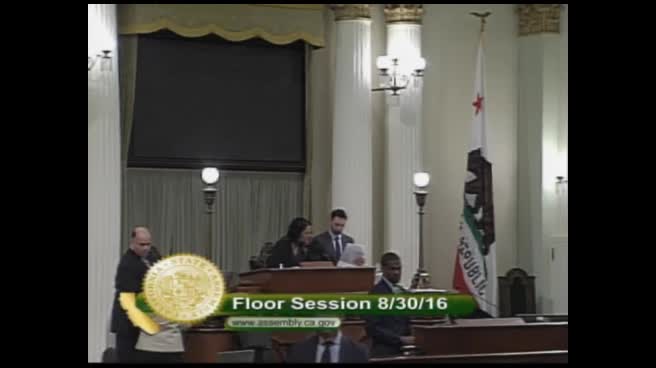
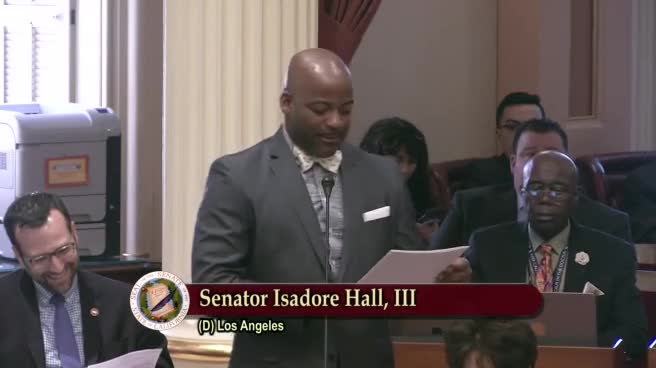
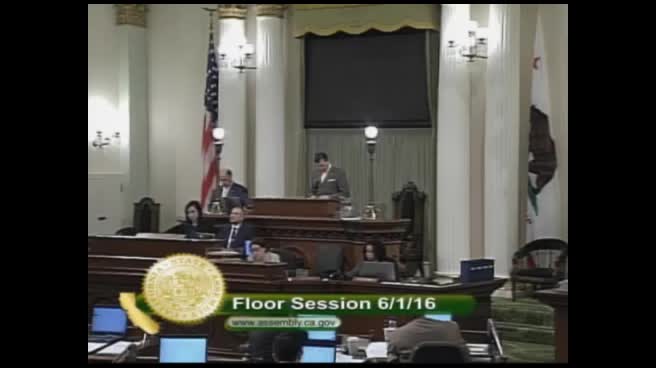
Bill Author




