AB 303: Searches: county jails.
- Session Year: 2015-2016
- House: Assembly
- Latest Version Date: 2015-10-03
Existing law establishes a statewide policy strictly limiting strip and body cavity searches of prearraignment detainees arrested for infraction or misdemeanor offenses and of minors detained prior to a detention hearing on the grounds that he or she is alleged to have committed a misdemeanor or infraction offense. Existing law provides that if a person is arrested and taken into custody, that person may be subjected to patdown searches, metal detector searches, and thorough clothing searches in order to discover and retrieve concealed weapons and contraband substances prior to being placed in a booking cell. Existing law requires, among other things, that all persons conducting or otherwise present during a strip search or visual or physical body cavity search to be of the same sex as the person being searched, except for physicians or licensed medical personnel. Under existing law, a person who knowingly and willfully authorizes or conducts a strip, visual, or physical body cavity search in violation of the prescribed provisions is guilty of a misdemeanor.
This bill would additionally require that all persons within sight of the inmate during a strip search or visual or physical body cavity search be of the same sex as the person being searched, except for physicians or licensed medical personnel. The bill would extend the protections regarding the manner in which a strip search is conducted to all minors held in a juvenile detention facility. By expanding the definition of a crime, creating a new crime, and imposing additional requirements on local law enforcement, this bill would create a state-mandated local program.
The California Constitution requires the state to reimburse local agencies and school districts for certain costs mandated by the state. Statutory provisions establish procedures for making that reimbursement.
This bill would provide that with regard to certain mandates no reimbursement is required by this act for a specified reason.
With regard to any other mandates, this bill would provide that, if the Commission on State Mandates determines that the bill contains costs so mandated by the state, reimbursement for those costs shall be made pursuant to the statutory provisions noted above.
Existing law establishes a statewide policy strictly limiting strip and body cavity searches of prearraignment detainees arrested for infraction or misdemeanor offenses and of minors detained prior to a detention hearing on the grounds that he or she is alleged to have committed a misdemeanor or infraction offense. Existing law provides that if a person is arrested and taken into custody, that person may be subjected to patdown searches, metal detector searches, and thorough clothing searches in order to discover and retrieve concealed weapons and contraband substances prior to being placed in a booking cell. Existing law requires, among other things, that all persons conducting or otherwise present during a strip search or visual or physical body cavity search to be of the same sex as the person being searched, except for physicians or licensed medical personnel. Under existing law, a person who knowingly and willfully authorizes or conducts a strip, visual, or physical body cavity search in violation of the prescribed provisions is guilty of a misdemeanor.
This bill would additionally require that all persons within sight of the inmate during a strip search or visual or physical body cavity search be of the same sex as the person being searched, except for physicians or licensed medical personnel. The bill would extend the protections regarding the manner in which a strip search is conducted to all juvenile inmates. minors held in a juvenile detention facility. By expanding the definition of a crime, creating a new crime, and imposing additional requirements on local law enforcement, this bill would create a state-mandated local program.
The California Constitution requires the state to reimburse local agencies and school districts for certain costs mandated by the state. Statutory provisions establish procedures for making that reimbursement.
This bill would provide that with regard to certain mandates no reimbursement is required by this act for a specified reason.
With regard to any other mandates, this bill would provide that, if the Commission on State Mandates determines that the bill contains costs so mandated by the state, reimbursement for those costs shall be made pursuant to the statutory provisions noted above.
Existing law establishes a statewide policy strictly limiting strip and body cavity searches of prearraignment detainees arrested for infraction or misdemeanor offenses and of minors detained prior to a detention hearing on the grounds that he or she is alleged to have committed a misdemeanor or infraction offense. Existing law provides that if a person is arrested and taken into custody, that person may be subjected to patdown searches, metal detector searches, and thorough clothing searches in order to discover and retrieve concealed weapons and contraband substances prior to being placed in a booking cell. Existing law requires requires, among other things, that all persons conducting or otherwise present during a strip search or visual or physical body cavity search to be of the same sex as the person being searched, except for physicians or licensed medical personnel. Under existing law, a person who knowingly and willfully authorizes or conducts a strip, visual, or physical body cavity search in violation of the prescribed provisions is guilty of a misdemeanor.
This bill would additionally require that all persons within sight of the inmate during a strip search or visual or physical body cavity search be of the same sex as the person being searched, except for physicians or licensed medical personnel. The bill would extend the protections regarding the manner in which a strip search is conducted to all juvenile inmates. By expanding the definition of a crime crime, creating a new crime, and imposing additional requirements on local law enforcement, this bill would create a state-mandated local program.
The California Constitution requires the state to reimburse local agencies and school districts for certain costs mandated by the state. Statutory provisions establish procedures for making that reimbursement.
This bill would provide that with regard to certain mandates no reimbursement is required by this act for a specified reason.
With regard to any other mandates, this bill would provide that, if the Commission on State Mandates determines that the bill contains costs so mandated by the state, reimbursement for those costs shall be made pursuant to the statutory provisions noted above.
Existing law establishes a statewide policy strictly limiting strip and body cavity searches of prearraignment detainees arrested for infraction or misdemeanor offenses and of minors detained prior to a detention hearing on the grounds that he or she is alleged to have committed a misdemeanor or infraction offense. Existing law provides that if a person is arrested and taken into custody, that person may be subjected to patdown searches, metal detector searches, and thorough clothing searches in order to discover and retrieve concealed weapons and contraband substances prior to being placed in a booking cell. Existing law requires all persons conducting or otherwise present during a strip search or visual or physical body cavity search to be of the same sex as the person being searched, except for physicians or licensed medical personnel. Under existing law, a person who knowingly and willfully authorizes or conducts a strip, visual, or physical body cavity search in violation of the prescribed provisions is guilty of a misdemeanor.
This bill would additionally require that all persons within sight of the inmate during a strip search or visual or physical body cavity search be of the same sex as the person being searched, except for physicians or licensed medical personnel. By expanding the definition of a crime and imposing additional requirements on local law enforcement, this bill would create a state-mandated local program.
The California Constitution requires the state to reimburse local agencies and school districts for certain costs mandated by the state. Statutory provisions establish procedures for making that reimbursement.
This bill would provide that with regard to certain mandates no reimbursement is required by this act for a specified reason.
With regard to any other mandates, this bill would provide that, if the Commission on State Mandates determines that the bill contains costs so mandated by the state, reimbursement for those costs shall be made pursuant to the statutory provisions noted above.
Existing law allows a probation officer, parole officer, or peace officer to arrest a person without warrant or other process during the period that a person is released on probation, conditional sentence or summary probation, or mandatory supervision, or when the person is subject to revocation of postrelease community supervision or parole supervision, if the officer has probable cause to believe that the supervised person is violating the terms of his or her supervision. Under existing law, the revocation of supervision, summary or otherwise, serves to toll the running of the period of supervision.
This bill would make technical, nonsubstantive changes to those provisions.
(a)(1)The Legislature finds and declares that law enforcement policies and practices for conducting strip or body cavity searches of detained persons vary widely throughout California. Consequently, some people have been arbitrarily subjected to unnecessary strip and body cavity searches after arrests for minor misdemeanor and infraction offenses. Some present search practices violate state and federal constitutional rights to privacy and freedom from unreasonable searches and seizures.
(2)It is the intent of the Legislature in enacting this section to protect the state and federal constitutional rights of the people of California by establishing a statewide policy strictly limiting strip and body cavity searches.
(b)The provisions of this section shall apply only to prearraignment detainees arrested for infraction or misdemeanor offenses and to any minor detained prior to a detention hearing on the grounds that he or she is a person described in Section 300, 601, or 602 of the Welfare and Institutions Code alleged to have committed a misdemeanor or infraction offense. The provisions of this section shall not apply to a person in the custody of the Secretary of the Department of Corrections and Rehabilitation or the Director of the Division of Juvenile Justice in the Department of Corrections and Rehabilitation.
(c)As used in this section the following definitions shall apply:
(1)Body cavity only means the stomach or rectal cavity of a person, and vagina of a female person.
(2)Physical body cavity search means physical intrusion into a body cavity for the purpose of discovering any object concealed in the body cavity.
(3)Strip search means a search which requires a person to remove or arrange some or all of his or her clothing so as to permit a visual inspection of the underclothing, breasts, buttocks, or genitalia of such person.
(4)Visual body cavity search means visual inspection of a body cavity.
(d)Notwithstanding any other law, including Section 40304.5 of the Vehicle Code, when a person is arrested and taken into custody, that person may be subjected to patdown searches, metal detector searches, and thorough clothing searches in order to discover and retrieve concealed weapons and contraband substances prior to being placed in a booking cell.
(e)A person arrested and held in custody on a misdemeanor or infraction offense, except those involving weapons, controlled substances, or violence, or a minor detained prior to a detention hearing on the grounds that he or she is a person described in Section 300, 601 or 602 of the Welfare and Institutions Code, except for those minors alleged to have committed felonies or offenses involving weapons, controlled substances, or violence, shall not be subjected to a strip search or visual body cavity search prior to placement in the general jail population, unless a peace officer has determined there is reasonable suspicion, based on specific and articulable facts, to believe that person is concealing a weapon or contraband, and a strip search will result in the discovery of the weapon or contraband. A strip search or visual body cavity search, or both, shall not be conducted without the prior written authorization of the supervising officer on duty. The authorization shall include the specific and articulable facts and circumstances upon which the reasonable suspicion determination was made by the supervisor.
(f)(1)Except pursuant to the provisions of paragraph (2), a person arrested and held in custody on a misdemeanor or infraction offense not involving weapons, controlled substances, or violence, shall not be confined in the general jail population unless all of the following are true:
(A)The person is not cited and released.
(B)The person is not released on his or her own recognizance pursuant to Article 9 (commencing with Section 1318) of Chapter 1 of Title 10 of Part 2.
(C)The person is not able to post bail within a reasonable time, not less than three hours.
(2)A person shall not be housed in the general jail population prior to release pursuant to the provisions of paragraph (1) unless a documented emergency exists and there is no reasonable alternative to that placement. The person shall be placed in the general population only upon prior written authorization documenting the specific facts and circumstances of the emergency. The written authorization shall be signed by the uniformed supervisor of the facility or by a uniformed watch commander. A person confined in the general jail population pursuant to paragraph (1) shall retain all rights to release on citation, his or her own recognizance, or bail that were preempted as a consequence of the emergency.
(g)A person arrested on a misdemeanor or infraction offense, or a minor described in subdivision (b), shall not be subjected to a physical body cavity search except under the authority of a search warrant issued by a magistrate specifically authorizing the physical body cavity search.
(h)A copy of the prior written authorization required by subdivisions (e) and (f) and the search warrant required by subdivision (g) shall be placed in the agencys records and made available, on request, to the person searched or his or her authorized representative. With regard to a strip search or visual or physical body cavity search, the time, date, and place of the search, the name and sex of the person conducting the search, and a statement of the results of the search, including a list of items removed from the person searched, shall be recorded in the agencys records and made available, upon request, to the person searched or his or her authorized representative.
(i)Persons conducting a strip search or a visual body cavity search shall not touch the breasts, buttocks, or genitalia of the person being searched.
(j)A physical body cavity search shall be conducted under sanitary conditions, and only by a physician, nurse practitioner, registered nurse, licensed vocational nurse, or emergency medical technician Level II licensed to practice in this state. A physician engaged in providing health care to detainees and inmates of the facility may conduct physical body cavity searches.
(k)A person conducting or otherwise present or within sight of the inmate during a strip search or visual or physical body cavity search shall be of the same sex as the person being searched, except for physicians or licensed medical personnel.
(l)All strip, visual, and physical body cavity searches shall be conducted in an area of privacy so that the search cannot be observed by persons not participating in the search. Persons are considered to be participating in the search if their official duties relative to search procedure require them to be present at the time the search is conducted.
(m)A person who knowingly and willfully authorizes or conducts a strip search or visual or physical body cavity search in violation of this section is guilty of a misdemeanor.
(n)Nothing in this section shall be construed as limiting the common law or statutory rights of a person regarding an action for damages or injunctive relief, or as precluding the prosecution under another law of a peace officer or other person who has violated this section.
(o)Any person who suffers damage or harm as a result of a violation of this section may bring a civil action to recover actual damages, or one thousand dollars ($1,000), whichever is greater. In addition, the court may, in its discretion, award punitive damages, equitable relief as it deems necessary and proper, and costs, including reasonable attorneys fees.
SEC. 2.Section 4031 is added to the Penal Code, to read:4031.(a)This section applies to all minors detained in a juvenile detention center on the grounds that he or she is a person described in Section 300, 601, or 602 of the Welfare and Institutions Code, and all minors adjudged a ward of the court and held in a juvenile detention center on the grounds he or she is a person described in Section 300, 601, or 602 of the Welfare and Institutions Code.
(b)Persons conducting a strip search or a visual body cavity search shall not touch the breasts, buttocks, or genitalia of the person being searched.
(c)A physical body cavity search shall be conducted under sanitary conditions, and only by a physician, nurse practitioner, registered nurse, licensed vocational nurse, or emergency medical technician Level II licensed to practice in this state. A physician engaged in providing health care to detainees, wards, and inmates of the facility may conduct physical body cavity searches.
(d)A person conducting or otherwise present or within sight of the inmate during a strip search or visual or physical body cavity search shall be of the same sex as the person being searched, except for physicians or licensed medical personnel.
(e)All strip searches and visual and physical body cavity searches shall be conducted in an area of privacy so that the search cannot be observed by persons not participating in the search. Persons are considered to be participating in the search if their official duties relative to search procedure require them to be present at the time the search is conducted.
(f)A person who knowingly and willfully authorizes or conducts a strip searches and visual or physical body cavity search in violation of this section is guilty of a misdemeanor.
(g)Nothing in this section shall be construed as limiting the common law or statutory rights of a person regarding an action for damages or injunctive relief, or as precluding the prosecution under another law of a peace officer or other person who has violated this section.
(h)Any person who suffers damage or harm as a result of a violation of this section may bring a civil action to recover actual damages, or one thousand dollars ($1,000), whichever is greater. In addition, the court may, in its discretion, award punitive damages, equitable relief as it deems necessary and proper, and costs, including reasonable attorneys fees.
(i)This section does not limit the protections granted by Section 4030 to individuals described in subdivision (b) of that section.
SEC. 3.No reimbursement is required by this act pursuant to Section 6 of Article XIIIB of the California Constitution for certain costs that may be incurred by a local agency or school district because, in that regard, this act creates a new crime or infraction, eliminates a crime or infraction, or changes the penalty for a crime or infraction, within the meaning of Section 17556 of the Government Code, or changes the definition of a crime within the meaning of Section 6 of Article XIIIB of the California Constitution.
However, if the Commission on State Mandates determines that this act contains other costs mandated by the state, reimbursement to local agencies and school districts for those costs shall be made pursuant to Part 7 (commencing with Section 17500) of Division 4 of Title 2 of the Government Code.
(a)(1)The Legislature finds and declares that law enforcement policies and practices for conducting strip or body cavity searches of detained persons vary widely throughout California. Consequently, some people have been arbitrarily subjected to unnecessary strip and body cavity searches after arrests for minor misdemeanor and infraction offenses. Some present search practices violate state and federal constitutional rights to privacy and freedom from unreasonable searches and seizures.
It
(2)It is the intent of the Legislature in enacting this section to protect the state and federal constitutional rights of the people of California by establishing a statewide policy strictly limiting strip and body cavity searches.
(b)The provisions of this section shall apply only to prearraignment detainees arrested for infraction or misdemeanor offenses and to any minor detained prior to a detention hearing on the grounds that he or she is a person described in Section 300, 601, or 602 of the Welfare and Institutions Code alleged to have committed a misdemeanor or infraction offense. The provisions of this section shall not apply to any a person in the custody of the Director Secretary of the Department of Corrections and Rehabilitation or the Director of the Youth Authority. Division of Juvenile Justice in the Department of Corrections and Rehabilitation.
(c)As used in this section the following definitions shall apply:
(1)Body cavity only means the stomach or rectal cavity of a person, and vagina of a female person.
(2)Physical body cavity search means physical intrusion into a body cavity for the purpose of discovering any object concealed in the body cavity.
(c)As used in this section and Section 4031, strip
(3)Stripsearch means a search which requires a person to remove or arrange some or all of his or her clothing so as to permit a visual inspection of the underclothing, breasts, buttocks, or genitalia of such person.
(d)As used in this section and Section 4031:
(1)Body cavity only means the stomach or rectal cavity of a person, and vagina of a female person.
(2)
(4)Visual body cavity search means visual inspection of a body cavity.
(3)Physical body cavity search means physical intrusion into a body cavity for the purpose of discovering any object concealed in the body cavity.
(e)
(d)Notwithstanding any other provision of law, including Section 40304.5 of the Vehicle Code, when a person is arrested and taken into custody, that person may be subjected to patdown searches, metal detector searches, and thorough clothing searches in order to discover and retrieve concealed weapons and contraband substances prior to being placed in a booking cell.
(f)No
(e)A person arrested and held in custody on a misdemeanor or infraction offense, except those involving weapons, controlled substances or violence nor any substances, or violence, or a minor detained prior to a detention hearing on the grounds that he or she is a person described in Section 300, 601 or 602 of the Welfare and Institutions Code, except for those minors alleged to have committed felonies or offenses involving weapons, controlled substances substances, or violence, shall not be subjected to a strip search or visual body cavity search prior to placement in the general jail population, unless a peace officer has determined there is reasonable suspicion suspicion, based on specific and articulable facts facts, to believe such that person is concealing a weapon or contraband, and a strip search will result in the discovery of the weapon or contraband. No A strip search or visual body cavity search or both may search, or both, shall not be conducted without the prior written authorization of the supervising officer on duty. The authorization shall include the specific and articulable facts and circumstances upon which the reasonable suspicion determination was made by the supervisor.
(g)
(f)(1)Except pursuant to the provisions of paragraph (2), no a person arrested and held in custody on a misdemeanor or infraction offense not involving weapons, controlled substances substances, or violence, shall not be confined in the general jail population unless all of the following are true:
(A)The person is not cited and released.
(B)The person is not released on his or her own recognizance pursuant to Article 9 (commencing with Section 1318) of Chapter 1 of Title 10 of Part 2.
(C)The person is not able to post bail within a reasonable time time, not less than three hours.
(2)No A person may shall not be housed in the general jail population prior to release pursuant to the provisions of paragraph (1) unless a documented emergency exists and there is no reasonable alternative to such that placement. Such The person shall be placed in the general population only upon prior written authorization documenting the specific facts and circumstances of the emergency. The written authorization shall be signed by the uniformed supervisor of the facility or by a uniformed watch commander. Any A person confined in the general jail population pursuant to paragraph (1) shall retain all rights to release on citation, his or her own recognizance, or bail which that were preempted as a consequence of the emergency.
(h)No
(g)A person arrested on a misdemeanor or infraction offense, nor any or a minor described in subdivision (b), shall not be subjected to a physical body cavity search except under the authority of a search warrant issued by a magistrate specifically authorizing the physical body cavity search.
(i)
(h)A copy of the prior written authorization required by subdivisions (e) and (f) and (g) and the search warrant required by subdivision (h) (g) shall be placed in the agencys records and made available, on request, to the person searched or his or her authorized representative. With regard to any strip, visual or body a strip search or visual or physical body cavity search, the time, date date, and place of the search, the name and sex of the person conducting the search search, and a statement of the results of the search, including a list of any items removed from the person searched, shall be recorded in the agencys records and made available, upon request, to the person searched or his or her authorized representative.
(j)
(i)Persons conducting a strip search or a visual body cavity search shall not touch the breasts, buttocks, or genitalia of the person being searched.
(k)
(j)A physical body cavity search shall be conducted under sanitary conditions, and only by a physician, nurse practitioner, registered nurse, licensed vocational nurse nurse, or emergency medical technician Level II licensed to practice in this state. Any A physician engaged in providing health care to detainees and inmates of the facility may conduct physical body cavity searches.
(l)All persons
(k)A person conducting or otherwise present or within sight of the inmate during a strip search or visual or physical body cavity search shall be of the same sex as the person being searched, except for physicians or licensed medical personnel.
(m)
(l)All strip, visual, and physical body cavity searches shall be conducted in an area of privacy so that the search cannot be observed by persons not participating in the search. Persons are considered to be participating in the search if their official duties relative to search procedure require them to be present at the time the search is conducted.
(n)
(m)A person who knowingly and willfully authorizes or conducts a strip, visual, strip search or visual or physical body cavity search in violation of this section is guilty of a misdemeanor.
(o)
(n)Nothing in this section shall be construed as limiting any the common law or statutory rights of any a person regarding any an action for damages or injunctive relief, or as precluding the prosecution under another provision of law of any a peace officer or other person who has violated this section.
(p)
(o)Any person who suffers damage or harm as a result of a violation of this section may bring a civil action to recover actual damages, or one thousand dollars ($1,000), whichever is greater. In addition, the court may, in its discretion, award punitive damages, equitable relief as it deems necessary and proper, and costs, including reasonable attorneys fees.
SEC. 2.Section 4031 is added to the Penal Code, to read:4031.(a)This section applies to all minors detained in a juvenile detention center on the grounds that he or she is a person described in Section 300, 601, or 602 of the Welfare and Institutions Code, and all minors adjudged a ward of the court and held in a juvenile detention center on the grounds he or she is a person described in Section 300, 601, or 602 of the Welfare and Institutions Code.
(b)Persons conducting a strip search or a visual body cavity search shall not touch the breasts, buttocks, or genitalia of the person being searched.
(c)A physical body cavity search shall be conducted under sanitary conditions, and only by a physician, nurse practitioner, registered nurse, licensed vocational nurse nurse, or emergency medical technician Level II licensed to practice in this state. Any A physician engaged in providing health care to detainees detainees, wards, and inmates of the facility may conduct physical body cavity searches.
(d)All persons A person conducting or otherwise present or within sight of the inmate during a strip search or visual or physical body cavity search shall be of the same sex as the person being searched, except for physicians or licensed medical personnel.
(e)All strip, visual, strip searches and visual and physical body cavity searches shall be conducted in an area of privacy so that the search cannot be observed by persons not participating in the search. Persons are considered to be participating in the search if their official duties relative to search procedure require them to be present at the time the search is conducted.
(f)A person who knowingly and willfully authorizes or conducts a strip, visual, strip searches and visual or physical body cavity search in violation of this section is guilty of a misdemeanor.
(g)Nothing in this section shall be construed as limiting any the common law or statutory rights of any a person regarding any an action for damages or injunctive relief, or as precluding the prosecution under another provision of law of any a peace officer or other person who has violated this section.
(h)Any person who suffers damage or harm as a result of a violation of this section may bring a civil action to recover actual damages, or one thousand dollars ($1,000), whichever is greater. In addition, the court may, in its discretion, award punitive damages, equitable relief as it deems necessary and proper, and costs, including reasonable attorneys fees.
(i)This section does not limit the protections granted by Section 4030 to individuals described in subdivision (b) of that section.
SEC. 3.No reimbursement is required by this act pursuant to Section 6 of Article XIIIB of the California Constitution for certain costs that may be incurred by a local agency or school district because, in that regard, this act creates a new crime or infraction, eliminates a crime or infraction, or changes the penalty for a crime or infraction, within the meaning of Section 17556 of the Government Code, or changes the definition of a crime within the meaning of Section 6 of Article XIIIB of the California Constitution.
However, if the Commission on State Mandates determines that this act contains other costs mandated by the state, reimbursement to local agencies and school districts for those costs shall be made pursuant to Part 7 (commencing with Section 17500) of Division 4 of Title 2 of the Government Code.
(a)The Legislature finds and declares that law enforcement policies and practices for conducting strip or body cavity searches of detained persons vary widely throughout California. Consequently, some people have been arbitrarily subjected to unnecessary strip and body cavity searches after arrests for minor misdemeanor and infraction offenses. Some present search practices violate state and federal constitutional rights to privacy and freedom from unreasonable searches and seizures.
It is the intent of the Legislature in enacting this section to protect the state and federal constitutional rights of the people of California by establishing a statewide policy strictly limiting strip and body cavity searches.
(b)The provisions of this section shall apply only to prearraignment detainees arrested for infraction or misdemeanor offenses and to any minor detained prior to a detention hearing on the grounds that he or she is a person described in Section 300, 601, or 602 of the Welfare and Institutions Code alleged to have committed a misdemeanor or infraction offense. The provisions of this section shall not apply to any person in the custody of the Director of the Department of Corrections or the Director of the Youth Authority.
(c)As used in this section, section and Section 4031, strip search means a search which requires a person to remove or arrange some or all of his or her clothing so as to permit a visual inspection of the underclothing, breasts, buttocks, or genitalia of such person.
(d)As used in this section: section and Section 4031:
(1)Body cavity only means the stomach or rectal cavity of a person, and vagina of a female person.
(2)Visual body cavity search means visual inspection of a body cavity.
(3)Physical body cavity search means physical intrusion into a body cavity for the purpose of discovering any object concealed in the body cavity.
(e)Notwithstanding any other provision of law, including Section 40304.5 of the Vehicle Code, when a person is arrested and taken into custody, that person may be subjected to patdown searches, metal detector searches, and thorough clothing searches in order to discover and retrieve concealed weapons and contraband substances prior to being placed in a booking cell.
(f)No person arrested and held in custody on a misdemeanor or infraction offense, except those involving weapons, controlled substances or violence nor any minor detained prior to a detention hearing on the grounds that he or she is a person described in Section 300, 601 or 602 of the Welfare and Institutions Code, except for those minors alleged to have committed felonies or offenses involving weapons, controlled substances or violence, shall be subjected to a strip search or visual body cavity search prior to placement in the general jail population, unless a peace officer has determined there is reasonable suspicion based on specific and articulable facts to believe such person is concealing a weapon or contraband, and a strip search will result in the discovery of the weapon or contraband. No strip search or visual body cavity search or both may be conducted without the prior written authorization of the supervising officer on duty. The authorization shall include the specific and articulable facts and circumstances upon which the reasonable suspicion determination was made by the supervisor.
(g)(1)Except pursuant to the provisions of paragraph (2), no person arrested and held in custody on a misdemeanor or infraction offense not involving weapons, controlled substances or violence, shall be confined in the general jail population unless all of the following are true:
(A)The person is not cited and released.
(B)The person is not released on his or her own recognizance pursuant to Article 9 (commencing with Section 1318) of Chapter 1 of Title 10 of Part 2.
(C)The person is not able to post bail within a reasonable time not less than three hours.
(2)No person may be housed in the general jail population prior to release pursuant to the provisions of paragraph (1) unless a documented emergency exists and there is no reasonable alternative to such placement. Such person shall be placed in the general population only upon prior written authorization documenting the specific facts and circumstances of the emergency. The written authorization shall be signed by the uniformed supervisor of the facility or by a uniformed watch commander. Any person confined in the general jail population pursuant to paragraph (1) shall retain all rights to release on citation, his or her own recognizance, or bail which were preempted as a consequence of the emergency.
(h)No person arrested on a misdemeanor or infraction offense, nor any minor described in subdivision (b), shall be subjected to a physical body cavity search except under the authority of a search warrant issued by a magistrate specifically authorizing the physical body cavity search.
(i)A copy of the prior written authorization required by subdivisions (f) and (g) and the search warrant required by subdivision (h) shall be placed in the agencys records and made available, on request, to the person searched or his or her authorized representative. With regard to any strip, visual or body search, the time, date and place of the search, the name and sex of the person conducting the search and a statement of the results of the search, including a list of any items removed from the person searched, shall be recorded in the agencys records and made available, upon request, to the person searched or his or her authorized representative.
(j)Persons conducting a strip search or a visual body cavity search shall not touch the breasts, buttocks, or genitalia of the person being searched.
(k)A physical body cavity search shall be conducted under sanitary conditions, and only by a physician, nurse practitioner, registered nurse, licensed vocational nurse or emergency medical technician Level II licensed to practice in this state. Any physician engaged in providing health care to detainees and inmates of the facility may conduct physical body cavity searches.
(l)All persons conducting or otherwise present or within sight of the inmate during a strip search or visual or physical body cavity search shall be of the same sex as the person being searched, except for physicians or licensed medical personnel.
(m)All strip, visual visual, and physical body cavity searches shall be conducted in an area of privacy so that the search cannot be observed by persons not participating in the search. Persons are considered to be participating in the search if their official duties relative to search procedure require them to be present at the time the search is conducted.
(n)A person who knowingly and willfully authorizes or conducts a strip, visual visual, or physical body cavity search in violation of this section is guilty of a misdemeanor.
(o)Nothing in this section shall be construed as limiting any common law or statutory rights of any person regarding any action for damages or injunctive relief, or as precluding the prosecution under another provision of law of any peace officer or other person who has violated this section.
(p)Any person who suffers damage or harm as a result of a violation of this section may bring a civil action to recover actual damages, or one thousand dollars ($1,000), whichever is greater. In addition, the court may, in its discretion, award punitive damages, equitable relief as it deems necessary and proper, and costs, including reasonable attorneys fees.
SEC. 2.Section 4031 is added to the Penal Code, to read:4031.(a)This section applies to all minors detained on the grounds that he or she is a person described in Section 300, 601, or 602 of the Welfare and Institutions Code, and all minors adjudged a ward of the court on the grounds he or she is a person described in Section 300, 601, or 602 of the Welfare and Institutions Code.
(b)Persons conducting a strip search or a visual body cavity search shall not touch the breasts, buttocks, or genitalia of the person being searched.
(c)A physical body cavity search shall be conducted under sanitary conditions, and only by a physician, nurse practitioner, registered nurse, licensed vocational nurse or emergency medical technician Level II licensed to practice in this state. Any physician engaged in providing health care to detainees and inmates of the facility may conduct physical body cavity searches.
(d)All persons conducting or otherwise present or within sight of the inmate during a strip search or visual or physical body cavity search shall be of the same sex as the person being searched, except for physicians or licensed medical personnel.
(e)All strip, visual, and physical body cavity searches shall be conducted in an area of privacy so that the search cannot be observed by persons not participating in the search. Persons are considered to be participating in the search if their official duties relative to search procedure require them to be present at the time the search is conducted.
(f)A person who knowingly and willfully authorizes or conducts a strip, visual, or physical body cavity search in violation of this section is guilty of a misdemeanor.
(g)Nothing in this section shall be construed as limiting any common law or statutory rights of any person regarding any action for damages or injunctive relief, or as precluding the prosecution under another provision of law of any peace officer or other person who has violated this section.
(h)Any person who suffers damage or harm as a result of a violation of this section may bring a civil action to recover actual damages, or one thousand dollars ($1,000), whichever is greater. In addition, the court may, in its discretion, award punitive damages, equitable relief as it deems necessary and proper, and costs, including reasonable attorneys fees.
SEC. 2.SEC. 3.No reimbursement is required by this act pursuant to Section 6 of Article XIIIB of the California Constitution for certain costs that may be incurred by a local agency or school district because, in that regard, this act creates a new crime or infraction, eliminates a crime or infraction, or changes the penalty for a crime or infraction, within the meaning of Section 17556 of the Government Code, or changes the definition of a crime within the meaning of Section 6 of Article XIIIB of the California Constitution.
However, if the Commission on State Mandates determines that this act contains other costs mandated by the state, reimbursement to local agencies and school districts for those costs shall be made pursuant to Part 7 (commencing with Section 17500) of Division 4 of Title 2 of the Government Code.
(a)The Legislature finds and declares that law enforcement policies and practices for conducting strip or body cavity searches of detained persons vary widely throughout California. Consequently, some people have been arbitrarily subjected to unnecessary strip and body cavity searches after arrests for minor misdemeanor and infraction offenses. Some present search practices violate state and federal constitutional rights to privacy and freedom from unreasonable searches and seizures.
It is the intent of the Legislature in enacting this section to protect the state and federal constitutional rights of the people of California by establishing a statewide policy strictly limiting strip and body cavity searches.
(b)The provisions of this section shall apply only to prearraignment detainees arrested for infraction or misdemeanor offenses and to any minor detained prior to a detention hearing on the grounds that he or she is a person described in Section 300, 601, or 602 of the Welfare and Institutions Code alleged to have committed a misdemeanor or infraction offense. The provisions of this section shall not apply to any person in the custody of the Director of the Department of Corrections or the Director of the Youth Authority.
(c)As used in this section, strip search means a search which requires a person to remove or arrange some or all of his or her clothing so as to permit a visual inspection of the underclothing, breasts, buttocks, or genitalia of such person.
(d)As used in this section:
(1)Body cavity only means the stomach or rectal cavity of a person, and vagina of a female person.
(2)Visual body cavity search means visual inspection of a body cavity.
(3)Physical body cavity search means physical intrusion into a body cavity for the purpose of discovering any object concealed in the body cavity.
(e)Notwithstanding any other provision of law, including Section 40304.5 of the Vehicle Code, when a person is arrested and taken into custody, that person may be subjected to patdown searches, metal detector searches, and thorough clothing searches in order to discover and retrieve concealed weapons and contraband substances prior to being placed in a booking cell.
(f)No person arrested and held in custody on a misdemeanor or infraction offense, except those involving weapons, controlled substances or violence nor any minor detained prior to a detention hearing on the grounds that he or she is a person described in Section 300, 601 or 602 of the Welfare and Institutions Code, except for those minors alleged to have committed felonies or offenses involving weapons, controlled substances or violence, shall be subjected to a strip search or visual body cavity search prior to placement in the general jail population, unless a peace officer has determined there is reasonable suspicion based on specific and articulable facts to believe such person is concealing a weapon or contraband, and a strip search will result in the discovery of the weapon or contraband. No strip search or visual body cavity search or both may be conducted without the prior written authorization of the supervising officer on duty. The authorization shall include the specific and articulable facts and circumstances upon which the reasonable suspicion determination was made by the supervisor.
(g)(1)Except pursuant to the provisions of paragraph (2), no person arrested and held in custody on a misdemeanor or infraction offense not involving weapons, controlled substances or violence, shall be confined in the general jail population unless all of the following are true:
(i)
(A)The person is not cited and released.
(ii)
(B)The person is not released on his or her own recognizance pursuant to Article 9 (commencing with Section 1318) of Chapter 1 of Title 10 of Part 2.
(iii)
(C)The person is not able to post bail within a reasonable time not less than three hours.
(2)No person may be housed in the general jail population prior to release pursuant to the provisions of paragraph (1) unless a documented emergency exists and there is no reasonable alternative to such placement. Such person shall be placed in the general population only upon prior written authorization documenting the specific facts and circumstances of the emergency. The written authorization shall be signed by the uniformed supervisor of the facility or by a uniformed watch commander. Any person confined in the general jail population pursuant to paragraph (1) shall retain all rights to release on citation, his or her own recognizance, or bail which were preempted as a consequence of the emergency.
(h)No person arrested on a misdemeanor or infraction offense, nor any minor described in subdivision (b), shall be subjected to a physical body cavity search except under the authority of a search warrant issued by a magistrate specifically authorizing the physical body cavity search.
(i)A copy of the prior written authorization required by subdivisions (f) and (g) and the search warrant required by subdivision (h) shall be placed in the agencys records and made available, on request, to the person searched or his or her authorized representative. With regard to any strip, visual or body search, the time, date and place of the search, the name and sex of the person conducting the search and a statement of the results of the search, including a list of any items removed from the person searched, shall be recorded in the agencys records and made available, upon request, to the person searched or his or her authorized representative.
(j)Persons conducting a strip search or a visual body cavity search shall not touch the breasts, buttocks, or genitalia of the person being searched.
(k)A physical body cavity search shall be conducted under sanitary conditions, and only by a physician, nurse practitioner, registered nurse, licensed vocational nurse or emergency medical technician Level II licensed to practice in this state. Any physician engaged in providing health care to detainees and inmates of the facility may conduct physical body cavity searches.
(l)All persons conducting or otherwise present or within sight of the inmate during a strip search or visual or physical body cavity search shall be of the same sex as the person being searched, except for physicians or licensed medical personnel.
(m)All strip, visual and physical body cavity searches shall be conducted in an area of privacy so that the search cannot be observed by persons not participating in the search. Persons are considered to be participating in the search if their official duties relative to search procedure require them to be present at the time the search is conducted.
(n)A person who knowingly and willfully authorizes or conducts a strip, visual or physical body cavity search in violation of this section is guilty of a misdemeanor.
(o)Nothing in this section shall be construed as limiting any common law or statutory rights of any person regarding any action for damages or injunctive relief, or as precluding the prosecution under another provision of law of any peace officer or other person who has violated this section.
(p)Any person who suffers damage or harm as a result of a violation of this section may bring a civil action to recover actual damages, or one thousand dollars ($1,000), whichever is greater. In addition, the court may, in its discretion, award punitive damages, equitable relief as it deems necessary and proper, and costs, including reasonable attorneys fees.
SEC. 2.No reimbursement is required by this act pursuant to Section 6 of Article XIIIB of the California Constitution for certain costs that may be incurred by a local agency or school district because, in that regard, this act creates a new crime or infraction, eliminates a crime or infraction, or changes the penalty for a crime or infraction, within the meaning of Section 17556 of the Government Code, or changes the definition of a crime within the meaning of Section 6 of Article XIIIB of the California Constitution.
However, if the Commission on State Mandates determines that this act contains other costs mandated by the state, reimbursement to local agencies and school districts for those costs shall be made pursuant to Part 7 (commencing with Section 17500) of Division 4 of Title 2 of the Government Code.
SECTION 1.Section 1203.2 of the Penal Code is amended to read:1203.2.(a)At any time during the period of supervision of a person (1) released on probation under the care of a probation officer pursuant to this chapter, (2) released on conditional sentence or summary probation not under the care of a probation officer, (3) placed on mandatory supervision pursuant to subparagraph (B) of paragraph (5) of subdivision (h) of Section 1170, (4) subject to revocation of postrelease community supervision pursuant to Section 3455, or (5) subject to revocation of parole supervision pursuant to Section 3000.08, if any probation officer, parole officer, or peace officer has probable cause to believe that the supervised person is violating any term or condition of his or her supervision, the officer may, without warrant or other process and at any time until the final disposition of the case, rearrest the supervised person and bring him or her before the court or the court may, in its discretion, issue a warrant for his or her rearrest. Upon rearrest, or upon the issuance of a warrant for rearrest the court may revoke and terminate the supervision of the person if the interests of justice so require and the court, in its judgment, has reason to believe from the report of the probation or parole officer or otherwise that the person has violated any of the conditions of his or her supervision, has become abandoned to improper associates or a vicious life, or has subsequently committed other offenses, regardless of whether he or she has been prosecuted for those offenses. However, the court shall not terminate parole pursuant to this section. Supervision shall not be revoked for failure of a person to make restitution imposed as a condition of supervision unless the court determines that the defendant has willfully failed to pay and has the ability to pay. Restitution shall be consistent with a persons ability to pay. The revocation, summary or otherwise, shall serve to toll the running of the period of supervision.
(b)(1)Upon its own motion or upon the petition of the supervised person, the probation or parole officer, or the district attorney, the court may modify, revoke, or terminate supervision of the person pursuant to this subdivision, except that the court shall not terminate parole pursuant to this section. The court in the county in which the person is supervised has jurisdiction to hear the motion or petition, or for those on parole, either the court in the county of supervision or the court in the county in which the alleged violation of supervision occurred. A person supervised on parole or postrelease community supervision pursuant to Section 3455 may not petition the court pursuant to this section for early release from supervision, and a petition under this section shall not be filed solely for the purpose of modifying parole. This section does not prohibit the court in the county in which the person is supervised or in which the alleged violation of supervision occurred from modifying a persons parole when acting on the courts own motion or a petition to revoke parole. The court shall give notice of its motion, and the probation or parole officer or the district attorney shall give notice of his or her petition to the supervised person, his or her attorney of record, and the district attorney or the probation or parole officer, as the case may be. The supervised person shall give notice of his or her petition to the probation or parole officer and notice of any motion or petition shall be given to the district attorney in all cases. The court shall refer its motion or the petition to the probation or parole officer. After the receipt of a written report from the probation or parole officer, the court shall read and consider the report and either its motion or the petition and may modify, revoke, or terminate the supervision of the supervised person upon the grounds set forth in subdivision (a) if the interests of justice so require.
(2)The notice required by this subdivision may be given to the supervised person upon his or her first court appearance in the proceeding. Upon the agreement by the supervised person in writing to the specific terms of a modification or termination of a specific term of supervision, any requirement that the supervised person make a personal appearance in court for the purpose of a modification or termination shall be waived. Prior to the modification or termination and waiver of appearance, the supervised person shall be informed of his or her right to consult with counsel, and if indigent the right to secure court appointed counsel. If the supervised person waives his or her right to counsel a written waiver shall be required. If the supervised person consults with counsel and thereafter agrees to a modification, revocation, or termination of the term of supervision and waiver of personal appearance, the agreement shall be signed by counsel showing approval for the modification or termination and waiver.
(c)Upon any revocation and termination of probation the court may, if the sentence has been suspended, pronounce judgment for any time within the longest period for which the person might have been sentenced. However, if the judgment has been pronounced and the execution thereof has been suspended, the court may revoke the suspension and order that the judgment shall be in full force and effect. In either case, the person shall be delivered over to the proper officer to serve his or her sentence, less any credits herein provided for.
(d)In any case of revocation and termination of probation, including, but not limited to, cases in which the judgment has been pronounced and the execution thereof has been suspended, upon the revocation and termination, the court may, in lieu of any other sentence, commit the person to the Department of Corrections and Rehabilitation, Division of Juvenile Facilities if he or she is otherwise eligible for that commitment.
(e)If probation has been revoked before the judgment has been pronounced, the order revoking probation may be set aside for good cause upon motion made before pronouncement of judgment. If probation has been revoked after the judgment has been pronounced, the judgment and the order which revoked the probation may be set aside for good cause within 30 days after the court has notice that the execution of the sentence has commenced. If an order setting aside the judgment, the revocation of probation, or both is made after the expiration of the probationary period, the court may again place the person on probation for that period and with those terms and conditions as it could have done immediately following conviction.
(f)As used in this section, the following definitions shall apply:
(1)Court means a judge, magistrate, or revocation hearing officer described in Section 71622.5 of the Government Code.
(2)Probation officer means a probation officer as described in Section 1203 or an officer of the agency designated by the board of supervisors of a county to implement postrelease community supervision pursuant to Section 3451.
(3)Supervised person means a person who satisfies any of the following:
(A)He or she is released on probation subject to the supervision of a probation officer.
(B)He or she is released on conditional sentence or summary probation not under the care of a probation officer.
(C)He or she is subject to mandatory supervision pursuant to subparagraph (B) of paragraph (5) of subdivision (h) of Section 1170.
(D)He or she is subject to revocation of postrelease community supervision pursuant to Section 3455.
(E)He or she is subject to revocation of parole pursuant to Section 3000.08.
(g)This section does not affect the authority of the supervising agency to impose intermediate sanctions, including flash incarceration, to persons supervised on parole pursuant to Section 3000.8 or postrelease community supervision pursuant to Part 3 (commencing with Section 3450) of Title 2.05.
(a)At any time during the period of supervision of a person (1) released on probation under the care of a probation officer pursuant to this chapter, (2) released on conditional sentence or summary probation not under the care of a probation officer, (3) placed on mandatory supervision pursuant to subparagraph (B) of paragraph (5) of subdivision (h) of Section 1170, (4) subject to revocation of postrelease community supervision pursuant to Section 3455, or (5) subject to revocation of parole supervision pursuant to Section 3000.08, if any probation officer, parole officer, or peace officer has probable cause to believe that the supervised person is violating any term or condition of his or her supervision, the officer may, without warrant or other process and at any time until the final disposition of the case, rearrest the supervised person and bring him or her before the court or the court may, in its discretion, issue a warrant for his or her rearrest. Upon such rearrest, or upon the issuance of a warrant for rearrest the court may revoke and terminate the supervision of the person if the interests of justice so require and the court, in its judgment, has reason to believe from the report of the probation or parole officer or otherwise that the person has violated any of the conditions of his or her supervision, has become abandoned to improper associates or a vicious life, or has subsequently committed other offenses, regardless of whether he or she has been prosecuted for such those offenses. However, the court shall not terminate parole pursuant to this section. Supervision shall not be revoked for failure of a person to make restitution imposed as a condition of supervision unless the court determines that the defendant has willfully failed to pay and has the ability to pay. Restitution shall be consistent with a persons ability to pay. The revocation, summary or otherwise, shall serve to toll the running of the period of supervision.
(b)(1)Upon its own motion or upon the petition of the supervised person, the probation or parole officer, or the district attorney, the court may modify, revoke, or terminate supervision of the person pursuant to this subdivision, except that the court shall not terminate parole pursuant to this section. The court in the county in which the person is supervised has jurisdiction to hear the motion or petition, or for those on parole, either the court in the county of supervision or the court in the county in which the alleged violation of supervision occurred. A person supervised on parole or postrelease community supervision pursuant to Section 3455 may not petition the court pursuant to this section for early release from supervision, and a petition under this section shall not be filed solely for the purpose of modifying parole. Nothing in this section shall This section does not prohibit the court in the county in which the person is supervised or in which the alleged violation of supervision occurred from modifying a persons parole when acting on the courts own motion or a petition to revoke parole. The court shall give notice of its motion, and the probation or parole officer or the district attorney shall give notice of his or her petition to the supervised person, his or her attorney of record, and the district attorney or the probation or parole officer, as the case may be. The supervised person shall give notice of his or her petition to the probation or parole officer and notice of any motion or petition shall be given to the district attorney in all cases. The court shall refer its motion or the petition to the probation or parole officer. After the receipt of a written report from the probation or parole officer, the court shall read and consider the report and either its motion or the petition and may modify, revoke, or terminate the supervision of the supervised person upon the grounds set forth in subdivision (a) if the interests of justice so require.
(2)The notice required by this subdivision may be given to the supervised person upon his or her first court appearance in the proceeding. Upon the agreement by the supervised person in writing to the specific terms of a modification or termination of a specific term of supervision, any requirement that the supervised person make a personal appearance in court for the purpose of a modification or termination shall be waived. Prior to the modification or termination and waiver of appearance, the supervised person shall be informed of his or her right to consult with counsel, and if indigent the right to secure court appointed counsel. If the supervised person waives his or her right to counsel a written waiver shall be required. If the supervised person consults with counsel and thereafter agrees to a modification, revocation, or termination of the term of supervision and waiver of personal appearance, the agreement shall be signed by counsel showing approval for the modification or termination and waiver.
(c)Upon any revocation and termination of probation the court may, if the sentence has been suspended, pronounce judgment for any time within the longest period for which the person might have been sentenced. However, if the judgment has been pronounced and the execution thereof has been suspended, the court may revoke the suspension and order that the judgment shall be in full force and effect. In either case, the person shall be delivered over to the proper officer to serve his or her sentence, less any credits herein provided for.
(d)In any case of revocation and termination of probation, including, but not limited to, cases in which the judgment has been pronounced and the execution thereof has been suspended, upon the revocation and termination, the court may, in lieu of any other sentence, commit the person to the Department of Corrections and Rehabilitation, Division of Juvenile Facilities if he or she is otherwise eligible for such that commitment.
(e)If probation has been revoked before the judgment has been pronounced, the order revoking probation may be set aside for good cause upon motion made before pronouncement of judgment. If probation has been revoked after the judgment has been pronounced, the judgment and the order which revoked the probation may be set aside for good cause within 30 days after the court has notice that the execution of the sentence has commenced. If an order setting aside the judgment, the revocation of probation, or both is made after the expiration of the probationary period, the court may again place the person on probation for that period and with those terms and conditions as it could have done immediately following conviction.
(f)As used in this section, the following definitions shall apply:
(1)Court means a judge, magistrate, or revocation hearing officer described in Section 71622.5 of the Government Code.
(2)Probation officer means a probation officer as described in Section 1203 or an officer of the agency designated by the board of supervisors of a county to implement postrelease community supervision pursuant to Section 3451.
(3)Supervised person means a person who satisfies any of the following:
(A)He or she is released on probation subject to the supervision of a probation officer.
(B)He or she is released on conditional sentence or summary probation not under the care of a probation officer.
(C)He or she is subject to mandatory supervision pursuant to subparagraph (B) of paragraph (5) of subdivision (h) of Section 1170.
(D)He or she is subject to revocation of postrelease community supervision pursuant to Section 3455.
(E)He or she is subject to revocation of parole pursuant to Section 3000.08.
(g)Nothing in this section affects This section does not affect the authority of the supervising agency to impose intermediate sanctions, including flash incarceration, to persons supervised on parole pursuant to Section 3000.8 or postrelease community supervision pursuant to Part 3 (commencing with Section 3450) of Title 2.05.
|
Date
|
Status
|
|---|---|
| May 21, 2015 | Referred to Com. on PUB. S. |
| Oct 3, 2015 | Chaptered by Secretary of State - Chapter 464, Statutes of 2015. |
| Oct 3, 2015 | Approved by the Governor. |
| Sep 16, 2015 | Enrolled and presented to the Governor at 4 p.m. |
| Sep 3, 2015 | Senate amendments concurred in. To Engrossing and Enrolling. (Ayes 77. Noes 0.). |
| Sep 3, 2015 | Senate amendments concurred in. To Engrossing and Enrolling. (Ayes 77. Noes 0. Page 2866.). |
| Sep 3, 2015 | Assembly Rule 77 suspended. (Page 2859.) |
| Sep 3, 2015 | Assembly Rule 77 suspended. |
| Sep 2, 2015 | Read third time. Passed. Ordered to the Assembly. (Ayes 38. Noes 0. Page 2403.). |
| Sep 2, 2015 | Read third time. Passed. Ordered to the Assembly. |
| Sep 2, 2015 | In Assembly. Concurrence in Senate amendments pending. May be considered on or after September 4 pursuant to Assembly Rule 77. |
| Aug 31, 2015 | Read second time and amended. Ordered to third reading. |
| Aug 27, 2015 | From committee: Amend, and do pass as amended. (Ayes 7. Noes 0.) (August 27). |
| Jun 22, 2015 | In committee: Referred to suspense file. |
| Jun 9, 2015 | From committee: Do pass and re-refer to Com. on APPR. (Ayes 7. Noes 0.) (June 9). Re-referred to Com. on APPR. |
| Feb 12, 2015 | Read first time. To print. |
| May 7, 2015 | Read third time. Passed. Ordered to the Senate. (Ayes 77. Noes 0. Page 1347.) |
| May 7, 2015 | Read third time. Passed. Ordered to the Senate. |
| May 7, 2015 | In Senate. Read first time. To Com. on RLS. for assignment. |
| Apr 30, 2015 | Read second time. Ordered to Consent Calendar. |
| Apr 29, 2015 | From committee: Do pass. To Consent Calendar. (Ayes 17. Noes 0.) (April 29). |
| Apr 22, 2015 | From committee: Do pass and re-refer to Com. on APPR. with recommendation: To Consent Calendar. (Ayes 7. Noes 0.) (April 21). Re-referred to Com. on APPR. |
| Apr 20, 2015 | Re-referred to Com. on PUB. S. |
| Apr 16, 2015 | From committee chair, with author's amendments: Amend, and re-refer to Com. on PUB. S. Read second time and amended. |
| Apr 14, 2015 | In committee: Set, first hearing. Hearing canceled at the request of author. |
| Apr 6, 2015 | Re-referred to Com. on PUB. S. |
| Mar 26, 2015 | Referred to Com. on PUB. S. |
| Mar 26, 2015 | From committee chair, with author's amendments: Amend, and re-refer to Com. on PUB. S. Read second time and amended. |
| Feb 13, 2015 | From printer. May be heard in committee March 15. |
|
Date
|
Description
|
Location
|
Votes
|
|
|---|---|---|---|---|
| Sep 3, 2015 | AB 303 GONZALEZ Concurrence in Senate Amendments | Assembly Floor |
Passed |
|
| Sep 2, 2015 | Assembly 3rd Reading AB303 Gonzalez By Nguyen | Senate Floor |
Passed |
|
| Aug 27, 2015 | Do pass as amended | Senate Standing Committee on Appropriations |
Passed |
|
| Jun 22, 2015 | Placed on suspense file | Senate Standing Committee on Appropriations |
Passed |
|
| Jun 9, 2015 | Do pass, but first be re-referred to the Committee on [Appropriations] | Senate Standing Committee on Public Safety |
Passed |
|
| May 7, 2015 | AB 303 GONZALEZ Consent Calendar Second Day Regular Session | Assembly Floor |
Passed |
|
| Apr 29, 2015 | Do pass. To Consent Calendar. | Assembly Standing Committee on Appropriations |
Passed |
|
| Apr 21, 2015 | Do pass and be re-referred to the Committee on [Appropriations] with recommendation: To Consent Calendar | Assembly Standing Committee on Public Safety |
Passed |
This list shows positions taken on this bill by organizations on the date displayed, which is linked to the original source.
Positions by individuals are not included.
|
Organization
|
Position
|
Date
|
|---|---|---|
| California Attorneys For Criminal Justice | ** Support | Sep 2, 2015 |
| California Public Defenders Association | ** Support | Sep 2, 2015 |
| L.A. County Probation Officers Union | ** Support | Jun 22, 2015 |
| Legal Services for Prisoners with Children | ** Support | Sep 2, 2015 |
| Los Angeles County Probation Officers Union | ** Support | Sep 2, 2015 |
| Orange County Employees Association | ** Support | Sep 2, 2015 |
| Riverside Sheriffs' Association | ** Support | Sep 2, 2015 |
| State Coalition Of Probation Organizations | ** Support | Sep 2, 2015 |
| Youth Law Center | ** Support | Sep 2, 2015 |
AB 303
Page 3
CONCURRENCE IN SENATE AMENDMENTS
AB 303
(Gonzalez)
As Amended August 31, 2015
Majority vote
ASSEMBLY: |
77-0 |
(May 7, 2015) |
SENATE: |
38-0 |
(September 2, 2015) |
Original Committee Reference: PUB. S.
SUMMARY: Requires that all persons within sight of specified detainees and incarcerated juveniles during a strip search or visual or physical body cavity search be of the same sex as the person being searched, except for physicians or licensed medical personnel.
The Senate amendments specify that the provisions of this bill shall apply to minors held in juvenile detention facilities.
EXISTING LAW:
Makes legislative findings and declarations that law enforcement policies and practices for conducting strip or body cavity searches of detained persons vary widely throughout California. Consequently, some people have been arbitrarily subjected to unnecessary strip and body cavity searches after arrests for minor misdemeanor and infraction offenses. Some present search practices violate state and federal constitutional rights to privacy and freedom from unreasonable searches and seizures.
States the intent of the Legislature in enacting this section to protect the state and federal constitutional rights of the people of California by establishing a statewide policy strictly limiting strip and body cavity searches.
Provides that all persons conducting or otherwise present during a strip search or visual or physical body cavity search shall be of the same sex as the person being searched, except for physicians or licensed medical personnel.
Provides that the provisions these specified searches shall apply only to pre-arraignment detainees arrested for infraction or misdemeanor offenses and to any minor detained prior to a detention hearing on the grounds that he or she is a person described in specified sections of the Welfare and Institutions Code alleged to have committed a misdemeanor or infraction offense. The provisions of this section shall not apply to any person in the custody of the Director of the Department of Corrections or the Director of the Youth Authority.
Defines "strip search" as a search which requires a person to remove or arrange some or all of his or her clothing so as to permit a visual inspection of the underclothing, breasts, buttocks, or genitalia of such person.
Defines "body cavity" as the stomach or rectal cavity of a person, and vagina of a female person.
Defines "visual body cavity search" as the visual inspection of a body cavity.
Defines physical body cavity search" as the physical intrusion into a body cavity for the purpose of discovering any object concealed in the body cavity.
States that when a person is arrested and taken into custody, that person may be subjected to pat-down searches, metal detector searches, and thorough clothing searches in order to discover and retrieve concealed weapons and contraband substances prior to being placed in a booking cell.
Provides that no person arrested and held in custody on a misdemeanor or infraction offense, except those involving weapons, controlled substances or violence nor any minor detained prior to a detention hearing on the grounds that he or she is a person described in specified sections of the Welfare and Institutions Code, except for those minors alleged to have committed felonies or offenses involving weapons, controlled substances or violence, shall be subjected to a strip search or visual body cavity search prior to placement in the general jail population, unless a peace officer has determined there is reasonable suspicion based on specific and articulable facts to believe such person is concealing a weapon or contraband, and a strip search will result in the discovery of the weapon or contraband. No strip search or visual body cavity search or both may be conducted without the prior written authorization of the supervising officer on duty. The authorization shall include the specific and articulable facts and circumstances upon which the reasonable suspicion determination was made by the supervisor.
Provides that no person arrested on a misdemeanor or infraction offense, nor any minor, shall be subjected to a physical body cavity search except under the authority of a search warrant issued by a magistrate specifically authorizing the physical body cavity search.
Provides that persons conducting a strip search or a visual body cavity search shall not touch the breasts, buttocks, or genitalia of the person being searched.
AS PASSED BY THE ASSEMBLY, this bill required that all persons within sight of specified detainees and incarcerated juveniles during a strip search or visual or physical body cavity search be of the same sex as the person being searched, except for physicians or licensed medical personnel.
FISCAL EFFECT: According to the Senate Appropriations Committee:
Minor ongoing costs (General Fund) to local jails to comply with the added requirement that all persons within sight of a prearraignment detainee charged with a misdemeanor or infraction offense be of the same sex as the person being searched.
Potentially significant one-time and ongoing costs in excess of $150,000 (General Fund*) statewide for local jails and county juvenile facilities to comply with the protections regarding the manner in which a strip search or body cavity search is conducted on all detained minors and wards of the court. According to DOJ statistics, nearly 97,000 arrests of juveniles occurred in 2013, of which nearly 32% (30,800) accounted for felony arrests.
Minor and absorbable ongoing costs (General Fund) to the CDCR to comply with the search requirements for all minors placed in CDCR facilities.
Non-reimbursable local costs for enforcement, offset to a degree by fine revenue to the extent misdemeanor violations are charged.
COMMENTS: According to the author, "AB 303 will strengthen current law regarding strip searches – which already prohibits officers of the opposite sex to be present – and give further clarification to prevent the unnecessary visual contact between individuals during these procedures. This is a small but necessary step to protect the state and federal constitutional rights of inmates, especially those in juvenile detention centers."
Analysis Prepared by: Gabriel Caswell / PUB. S. / (916) 319-3744 FN: 0001804
AB 303
Page 6
|
Office of Senate Floor Analyses (916) 651-1520 Fax: (916) 327-4478 |
THIRD READING
Bill No: AB 303
Amended: 8/31/15 in Senate
SENATE PUBLIC SAFETY COMMITTEE: 7-0, 6/9/15
AYES: Hancock, Anderson, Glazer, Leno, Liu, Monning, Stone
SENATE APPROPRIATIONS COMMITTEE: 7-0, 8/27/15
AYES: Lara, Bates, Beall, Hill, Leyva, Mendoza, Nielsen
ASSEMBLY FLOOR: 77-0, 5/7/15 (Consent) - See last page for vote
SUBJECT: Searches: county jails
DIGEST: This bill requires that during a strip search or body cavity search of a juvenile, all persons within sight be of the same sex as the person being searched, except for physicians or licensed medical personnel, as specified.
Existing law:
Makes legislative findings and declarations that law enforcement policies and practices for conducting strip or body cavity searches of detained persons vary widely throughout California. Consequently, some people have been arbitrarily subjected to unnecessary strip and body cavity searches after arrests for minor misdemeanor and infraction offenses. Some present search practices violate state and federal constitutional rights to privacy and freedom from unreasonable searches and seizures. (Penal Code § 4030(a).)
States the intent of the Legislature in enacting this section to protect the state and federal constitutional rights of the people of California by establishing a statewide policy strictly limiting strip and body cavity searches. (Penal Code § 4030(a).)
Provides that all persons conducting or otherwise present during a strip search or visual or physical body cavity search shall be of the same sex as the person being searched, except for physicians or licensed medical personnel. (Penal Code § 4030(l).)
Provides that the provisions of these specified searches shall apply only to pre-arraignment detainees arrested for infraction or misdemeanor offenses and to any minor detained prior to a detention hearing on the grounds that he or she is a person described in specified sections of the Welfare and Institutions Code alleged to have committed a misdemeanor or infraction offense. The provisions of this section shall not apply to any person in the custody of the Director of the Department of Corrections or the Director of the Youth Authority. (Penal Code § 4030(b).)
Defines “strip search” as a search which requires a person to remove or arrange some or all of his or her clothing so as to permit a visual inspection of the underclothing, breasts, buttocks, or genitalia of such person. (Penal Code § 4030(c).)
Defines “body cavity” as the stomach or rectal cavity of a person, and vagina of a female person. (Penal Code § 4030(d)(1).)
Defines “visual body cavity search” as the visual inspection of a body cavity. (Penal Code § 4030(d)(2).)
Defines “physical body cavity search” as the physical intrusion into a body cavity for the purpose of discovering any object concealed in the body cavity. (Penal Code § 4030(d)(3).)
States that when a person is arrested and taken into custody, that person may be subjected to pat-down searches, metal detector searches, and thorough clothing searches in order to discover and retrieve concealed weapons and contraband substances prior to being placed in a booking cell. (Penal Code § 4030(e).)
Provides that no person arrested and held in custody on a misdemeanor or infraction offense, except those involving weapons, controlled substances or violence nor any minor detained prior to a detention hearing on the grounds that he or she is a person described in specified sections of the Welfare and Institutions Code, except for those minors alleged to have committed felonies or offenses involving weapons, controlled substances or violence, shall be subjected to a strip search or visual body cavity search prior to placement in the general jail population, unless a peace officer has determined there is reasonable suspicion based on specific and articulable facts to believe such person is concealing a weapon or contraband, and a strip search will result in the discovery of the weapon or contraband. No strip search or visual body cavity search or both may be conducted without the prior written authorization of the supervising officer on duty. The authorization shall include the specific and articulable facts and circumstances upon which the reasonable suspicion determination was made by the supervisor. (Penal Code § 4030(f).)
Provides that no person arrested on a misdemeanor or infraction offense, nor any minor, shall be subjected to a physical body cavity search except under the authority of a search warrant issued by a magistrate specifically authorizing the physical body cavity search. (Penal Code § 4030(h).)
Provides that persons conducting a strip search or a visual body cavity search shall not touch the breasts, buttocks, or genitalia of the person being searched. (Penal Code § 4030(j).)
States that a physical body cavity search shall be conducted under sanitary conditions, and only by a physician, nurse practitioner, registered nurse, licensed vocational nurse or emergency medical technician Level II licensed to practice in this state. Any physician engaged in providing health care to detainees and inmates of the facility may conduct physical body cavity searches. (Penal Code § 4030(k).)
Provides that all strip, visual and physical body cavity searches shall be conducted in an area of privacy so that the search cannot be observed by persons not participating in the search. Persons are considered to be participating in the search if their official duties relative to search procedure require them to be present at the time the search is conducted. (Penal Code § 4030(m).)
States that a person who knowingly and willfully authorizes or conducts a strip, visual or physical body cavity search in violation of this section is guilty of a misdemeanor. (Penal Code § 4030(n).)
States that nothing in this section shall be construed as limiting any common law or statutory rights of any person regarding any action for damages or injunctive relief, or as precluding the prosecution under another provision of law of any peace officer or other person who has violated this section. (Penal Code § 4030(o).)
States that any person who suffers damage or harm as a result of a violation of this section may bring a civil action to recover actual damages, or one thousand dollars ($1,000), whichever is greater. In addition, the court may, in its discretion, award punitive damages, equitable relief as it deems necessary and proper, and costs, including reasonable attorney’s fees. (Penal Code § 4030(p).)
This bill:
States that all persons conducting or otherwise present or within sight of the juvenile during a strip search or visual or physical body cavity search must be of the same sex as the person being searched, except for physicians or licensed medical personnel.
Authorizes any person who suffers damage or harm as a result of a violation of this section to bring a civil action to recover actual damages, or one thousand dollars ($1,000), whichever is greater. In addition, the court may, in its discretion, award punitive damages, equitable relief as it deems necessary and proper, and costs, including reasonable attorney’s fees.
Comments
On April 2, 2012, the Supreme Court upheld the validity of strip searches by jail officials for even minor offenses when a person is being placed in the general population. (Florence v. Board of Chosen Freeholders of County of Burlington, 2012 US Lexis 2712.) The Court, however, did not directly address the issue of strip searches before a person’s detention is reviewed by a judicial officer. (Id.)
California
law regulates when and how strip searches occur in local detention
facilities. The provision, which was passed in 1984, has the
codified legislative intent to strictly limit strip and body cavity
searches. The provisions of the law apply only to adult and juvenile
pre-arraignment detainees arrested for infractions or misdemeanors.
This bill maintains the existing practice of permitting strip
searches of inmates prior to them entering the general population and
simply specifies that all persons within view of the search must also
be of the same gender. According to those in support, this
modification, while small, will make a significant difference to
those persons being searched and will not impose a significant burden
on law enforcement agencies conducting these searches.
FISCAL EFFECT: Appropriation: No Fiscal Com.: Yes Local: Yes
According to the Senate Appropriations Committee:
Minor ongoing costs (General Fund) to local jails to comply with the added requirement that all persons within sight of a prearraignment detainee charged with a misdemeanor or infraction offense be of the same sex as the person being searched.
Potentially significant one-time and ongoing costs in excess of $150,000 (General Fund) statewide for local jails and county juvenile facilities to comply with the protections regarding the manner in which a strip search or body cavity search is conducted on all detained minors and wards of the court. According to DOJ statistics, nearly 97,000 arrests of juveniles occurred in 2013, of which nearly 32 percent (30,800) accounted for felony arrests.
Minor and absorbable ongoing costs (General Fund) to the California Department of Corrections and Rehabilitation (CDCR) to comply with the search requirements for all minors placed in CDCR facilities.
Non-reimbursable local costs for enforcement, offset to a degree by fine revenue to the extent misdemeanor violations are charged.
American Civil Liberties Union
California Attorneys for Criminal Justice
California Public Defenders Association
Los Angeles County Probation Officers Union
Legal Services for Prisoners with Children
Orange County Employees Association
Riverside Sheriffs’ Association
State Coalition of Probation Organizations
Youth Law Center
OPPOSITION: (Verified 8/28/15)
None received
ARGUMENTS IN SUPPORT:
According to the California Public Defenders Association (CPDA):
Current law requires that any strip search, physical body cavity search, or visual body cavity search of an arrestee be conducted by a person of the same sex as the arrestee, and only in the presence of others of the same sex as the arrestee. AB 303 would amend Penal Code section 4030 to also require that when such searches are conducted, any person “within sight of the inmate” be of the same sex as the person being searched. The new requirement will maintain current exceptions for physicians or licensed medical personnel. Penal Code section 4030 applies only to prearrangement detainees, including minors, arrested for infraction or misdemeanor cases.
CPDA supports the goal of AB 303, which is to ensure that such searches are conducted in a manner that helps to minimize, at least in some measure, the indignity suffered by those arrested for low-level offenses.
ASSEMBLY FLOOR: 77-0, 5/7/15
AYES: Achadjian, Alejo, Travis Allen, Baker, Bigelow, Bloom, Bonilla, Bonta, Brough, Brown, Burke, Calderon, Chang, Chau, Chávez, Chiu, Chu, Cooley, Cooper, Dababneh, Dahle, Daly, Dodd, Eggman, Frazier, Beth Gaines, Gallagher, Cristina Garcia, Eduardo Garcia, Gatto, Gipson, Gomez, Gonzalez, Gordon, Gray, Grove, Hadley, Harper, Holden, Irwin, Jones, Jones-Sawyer, Kim, Lackey, Levine, Linder, Lopez, Low, Maienschein, Mathis, Mayes, McCarty, Medina, Melendez, Mullin, Nazarian, Obernolte, O'Donnell, Olsen, Patterson, Perea, Quirk, Rendon, Ridley-Thomas, Rodriguez, Salas, Santiago, Mark Stone, Thurmond, Ting, Wagner, Waldron, Weber, Wilk, Williams, Wood, Atkins
NO VOTE RECORDED: Campos, Roger Hernández, Steinorth
Prepared by: Jessica Devencenzi / PUB. S. /
8/31/15 8:55:03
**** END ****
AB 303 (Gonzalez) Page 2 of 2
SENATE COMMITTEE ON APPROPRIATIONS
Senator Ricardo Lara, Chair
2015 - 2016 Regular Session
AB 303 (Gonzalez) - Searches: county jails
|
|
Version: April 16, 2015 |
Policy Vote: PUB. S. 7 - 0 |
Urgency: No |
Mandate: Yes |
Hearing Date: August 27, 2015 |
Consultant: Jolie Onodera |
*********** ANALYSIS ADDENDUM – SUSPENSE FILE ***********
The following information is revised to reflect amendments
adopted by the committee on August 27, 2015
Bill Summary:
AB 303 would do the following:
Requires that during a strip search or body cavity search of a prearraignment detainee or a minor detained prior to a detention hearing and charged with a misdemeanor or infraction offense, all persons within sight of the detainee be of the same sex as the person being searched, except for physicians or licensed medical personnel, as specified.
Extends the protections regarding the manner in which a strip search or visual or physical body cavity search is conducted to all detained minors (including those charged with felony offenses, post-detention hearing, and in the custody of the Department of Corrections and Rehabilitation (CDCR)), and all minors adjudged a ward of the court, as specified
Fiscal Impact:
Minor ongoing costs (General Fund*) to local jails to comply with the added requirement that all persons within sight of a prearraignment detainee charged with a misdemeanor or infraction offense be of the same sex as the person being searched.
Potentially significant one-time and ongoing costs in excess of $150,000 (General Fund*) statewide for local jails and county juvenile facilities to comply with the protections regarding the manner in which a strip search or body cavity search is conducted on all detained minors and wards of the court. According to DOJ statistics, nearly 97,000 arrests of juveniles occurred in 2013, of which nearly 32 percent (30,800) accounted for felony arrests.
Minor and absorbable ongoing costs (General Fund) to the CDCR to comply with the search requirements for all minors placed in CDCR facilities.
Non-reimbursable local costs for enforcement, offset to a degree by fine revenue to the extent misdemeanor violations are charged.
Author Amendments:
Clarify that the bill’s provisions do not limit the additional protections provided under existing law to minors charged with misdemeanor or infraction offenses, and make other technical changes.
-- END --
AB 303 (Gonzalez) Page 4 of 4
SENATE COMMITTEE ON APPROPRIATIONS
Senator Ricardo Lara, Chair
2015 - 2016 Regular Session
AB 303 (Gonzalez) - Searches: county jails
|
|
Version: April 16, 2015 |
Policy Vote: PUB. S. 7 - 0 |
Urgency: No |
Mandate: Yes |
Hearing Date: June 22, 2015 |
Consultant: Jolie Onodera |
This bill meets the criteria for referral to the Suspense File.
Bill Summary:
AB 303 would do the following:
Requires that during a strip search or body cavity search of a prearraignment detainee or a minor detained prior to a detention hearing and charged with a misdemeanor or infraction offense, all persons within sight of the detainee be of the same sex as the person being searched, except for physicians or licensed medical personnel, as specified.
Extends the protections regarding the manner in which a strip search or visual or physical body cavity search is conducted to all detained minors (including those charged with felony offenses, post-detention hearing, and in the custody of the Department of Corrections and Rehabilitation (CDCR)), and all minors adjudged a ward of the court, as specified.
Fiscal Impact:
Minor ongoing costs (General Fund*) to local jails to comply with the added requirement that all persons within sight of a prearraignment detainee charged with a misdemeanor or infraction offense be of the same sex as the person being searched.
Potentially significant one-time and ongoing costs in excess of $150,000 (General Fund*) statewide for local jails and county juvenile facilities to comply with the protections regarding the manner in which a strip search or body cavity search is conducted on all detained minors and wards of the court. According to DOJ statistics, nearly 97,000 arrests of juveniles occurred in 2013, of which nearly 32 percent (30,800) accounted for felony arrests.
Minor and absorbable ongoing costs (General Fund) to the CDCR to comply with the search requirements for all minors placed in CDCR facilities.
Potential impact (General Fund) to the Department of Social Services (DSS) to comply with the requirements relating to minors adjudged wards of the court and placed in DSS-licensed facilities.
Non-reimbursable local costs for enforcement, offset to a degree by fine revenue to the extent misdemeanor violations are charged.
*Proposition 30 exempts the State from mandate reimbursement for realigned programs, however, legislation that has an overall effect of increasing the costs already borne by a local agency for realigned programs, including public safety services such as managing local jails and providing supervision of juvenile and adult offenders, apply to local agencies only to the extent that the State provides annual funding for the cost increase. To the extent the provisions of this measure create a higher level of service and increase the overall costs to local jails and county juvenile facilities, could require the provision of General Fund support.
Background:
Existing law states the conditions and manner in which strip searches may occur in local detention facilities. AB 1367 (Waters) Chapter 35/1984 includes codified language stating the intent of the Legislature to protect the state and federal constitutional rights of the people of California by establishing a statewide policy strictly limiting strip search and body cavity searches.
These provisions apply only to pre-arraignment detainees arrested for infraction or misdemeanor offenses and to minors detained prior to a detention hearing, as specified. Existing law provides that no person as just described held in custody on a misdemeanor or infraction offense, except those involving weapons, controlled substances, or violence, shall be subjected to a strip or visual body cavity search prior to the placement in the general jail population unless a peace officer has determined there is a reasonable suspicion to believe the person is concealing a weapon or contraband, and a strip search will result in the discovery of the weapon or contraband. A strip search may only occur with the prior written authorization of the supervising officer on duty. (Penal Code (PC) § 4030(b)-(f).)
Existing law requires, among other things, that all persons conducting or otherwise present during a strip search or visual or physical body cavity search to be of the same sex as the person being searched, except for physicians or licensed medical personnel. (PC § 4030(l).). Under existing law, a person who knowingly and willfully authorizes or conducts a strip, visual, or physical body cavity search in violation of the prescribed provisions is guilty of a misdemeanor. (PC § 4030(n).).
Proposed Law:
This bill requires that during a strip search or body cavity search of a prearraignment detainee or a minor detained prior to a detention hearing and charged with a misdemeanor or infraction offense, all persons within sight of the detainee be of the same sex as the person being searched, except for physicians or licensed medical personnel, as specified. Additionally, this bill extends the following protections regarding the manner in which a strip search or visual or physical body cavity search is conducted to all detained minors and all minors adjudged a ward of the court:
Persons conducting a strip search or a visual body cavity search shall not touch the breasts, buttocks, or genitalia of the person being searched.
A physical body cavity search shall be conducted under sanitary conditions, and only by a physician, nurse practitioner, registered nurse, licensed vocational nurse or emergency medical technician Level II licensed to practice in this state.
All persons conducting or otherwise present or within sight of the inmate during a strip search or visual or physical body cavity search shall be of the same sex as the person being searched, except for physicians or licensed medical personnel.
All strip, visual, and physical body cavity searches shall be conducted in an area of privacy so that the search cannot be observed by persons not participating in the search. Persons are considered to be participating in the search if their official duties relative to search procedure require them to be present at the time the search is conducted.
Provides that a person who knowingly and willfully authorizes or conducts a strip, visual, or physical body cavity search in violation of the specified provisions is guilty of a misdemeanor.
Authorizes any person who suffers damage or harm as a result of a violation of this section to bring a civil action to recover actual damages, or $1,000, whichever is greater.
Related Legislation:
None applicable.
Staff Comments:
By imposing additional requirements on local agencies, this bill creates a state-mandated local program. Proposition 30 (2012) exempts the State from mandate reimbursement for realigned programs, however, legislation that has an overall effect of increasing the costs already borne by a local agency for realigned programs, including public safety services such as managing local jails and providing supervision of juvenile and adult offenders, apply to local agencies only to the extent that the State provides annual funding for the cost increase.
This bill revises existing law to require that all persons within sight during a strip search or body cavity search of a prearraignment detainee charged with a misdemeanor or infraction offense be of the same sex as the person being searched. As existing law already requires all persons conducting or otherwise present during a strip search or body cavity search to be of the same sex as the person being searched, with the exception of physicians or licensed medical personnel, this change is estimated to result in minimal impact to local agencies.
This bill also extends the protections regarding the manner in which a strip search or visual or physical body cavity search is conducted to 1) all detained minors, regardless of the offense charged, at any time during custody, and inclusive of minors in the custody of CDCR; and, 2) all minors adjudged a ward of the court.
This provision could result in one-time and ongoing costs potentially in excess of $150,000 (General Fund) statewide for local jails and county juvenile facilities to comply with these provisions, which could include the need to revise policies and procedures to comply operationally with these requirements.
The CDCR has indicated minor and absorbable ongoing costs to comply with the search requirements for all minors placed in CDCR facilities.
The Department of Social Services (DSS) may incur additional workload and costs to comply with the requirements relating to minors adjudged wards of the court and placed in DSS-licensed facilities. The magnitude of this impact, while still being determined at the time of this analysis, could be significant.
To the extent misdemeanor charges are filed due to violations of the bill’s provisions would result in non-reimbursable local costs for enforcement, offset to a degree by fine revenue.
Recommended Amendments:
To clarify that the provisions of new PC § 4031 do not limit the additional protections provided under existing law to minors charged with misdemeanor or infraction offenses, staff recommends the following amendment:
On page 6, between lines 33 and 34 insert:
(i) Nothing in this section shall be construed to limit the protections provided by Section 4030 for individuals described in subdivision (b) of that section.
-- END --
AB 303 (Gonzalez ) Page 6 of 6
SENATE COMMITTEE ON PUBLIC SAFETY
Senator Loni Hancock, Chair
2015 - 2016 Regular
Bill No: AB 303 Hearing Date: June 9, 2015
Author: |
Gonzalez |
||
Version: |
April 16, 2015 |
||
Urgency: |
No |
Fiscal: |
Yes |
Consultant: |
JRD |
||
Subject: Searches: County Jails
HISTORY
Source: Author
Prior Legislation: AB 1367 (Waters) – Chapter 35, Statutes of 1984.
Support: American Civil Liberties Union; California Attorneys for Criminal Justice;
California Public Defenders Association; L.A. County Probation Officers Union; Legal Services for Prisoners with Children; Orange County Employees Association; Riverside Sheriffs’ Association; State Coalition of Probation Organizations; Youth Law Center
Opposition: None Known
Assembly Floor Vote: 77 - 0
PURPOSE
The purpose of this legislation is to require that during a strip search or body cavity search of a juvenile, all persons within sight be of the same sex as the person being searched, except for physicians or licensed medical personnel, as specified.
Existing
law makes legislative
findings and declarations that law
enforcement policies and practices for conducting strip or body
cavity searches of detained persons vary widely throughout
California. Consequently, some people have been arbitrarily subjected
to unnecessary strip and body cavity searches after arrests for minor
misdemeanor and infraction offenses. Some present search practices
violate state and federal constitutional rights to privacy and
freedom from unreasonable searches and seizures. (Penal Code §
4030(a).)
Existing law states the intent of the Legislature in enacting this section to protect the state and federal constitutional rights of the people of California by establishing a statewide policy strictly limiting strip and body cavity searches. (Penal Code § 4030(a).)
Existing law provides that all persons conducting or otherwise present during a strip search or visual or physical body cavity search shall be of the same sex as the person being searched, except for physicians or licensed medical personnel. (Penal Code § 4030(l).)
Existing
law provides
that the provisions these specified searches shall apply only to
pre-arraignment detainees arrested for infraction or misdemeanor
offenses and to any minor detained prior to a detention hearing on
the grounds that he or she is a person described in specified
sections of the Welfare and Institutions Code alleged to have
committed a misdemeanor or infraction offense. The provisions of
this section shall not apply to any person in the custody of the
Director of the Department of Corrections or the Director of the
Youth Authority. (Penal Code § 4030(b).)
Existing law defines:
“Strip search” as a search which requires a person to remove or arrange some or all of his or her clothing so as to permit a visual inspection of the underclothing, breasts, buttocks, or genitalia of such person. (Penal Code § 4030(c).)
“Body cavity” as the stomach or rectal cavity of a person, and vagina of a female person. (Penal Code § 4030(d)(1).)
"Visual body cavity search” as the visual inspection of a body cavity. (Penal Code § 4030(d)(2).)
“Physical body cavity search” as the physical intrusion into a body cavity for the purpose of discovering any object concealed in the body cavity. (Penal Code § 4030(d)(3).)
Existing
law
states that when a person is arrested and taken into custody, that
person may be subjected to pat-down searches, metal detector
searches, and thorough clothing searches in order to discover and
retrieve concealed weapons and contraband substances prior to being
placed in a booking cell. (Penal Code § 4030(e).)
Existing
law
provides that no person arrested and held in custody on a misdemeanor
or infraction offense, except those involving weapons, controlled
substances or violence nor any minor detained prior to a detention
hearing on the grounds that he or she is a person described in
specified sections of the Welfare and Institutions Code, except for
those minors alleged to have committed felonies or offenses involving
weapons, controlled substances or violence, shall be subjected to a
strip search or visual body cavity search prior to placement in the
general jail population, unless a peace officer has determined there
is reasonable suspicion based on specific and articulable facts to
believe such person is concealing a weapon or contraband, and a strip
search will result in the discovery of the weapon or contraband. No
strip search or visual body cavity search or both may be conducted
without the prior written authorization of the supervising officer on
duty. The authorization shall include the specific and articulable
facts and circumstances upon which the reasonable suspicion
determination was made by the supervisor. (Penal Code § 4030(f).)
Existing
law
provides that no person arrested on a misdemeanor or infraction
offense, nor any minor, shall be subjected to a physical body cavity
search except under the authority of a search warrant issued by a
magistrate specifically authorizing the physical body cavity search.
(Penal Code § 4030(h).)
Existing
law
provides that persons conducting a strip search or a visual body
cavity search shall not touch the breasts, buttocks, or genitalia of
the person being searched. (Penal Code § 4030(j).)
Existing
law
states that a physical body cavity search shall be conducted under
sanitary conditions, and only by a physician, nurse practitioner,
registered nurse, licensed vocational nurse or emergency medical
technician Level II licensed to practice in this state. Any
physician engaged in providing health care to detainees and inmates
of the facility may conduct physical body cavity searches. (Penal
Code § 4030(k).)
Existing
law
provides that all strip, visual and physical body cavity searches
shall be conducted in an area of privacy so that the search cannot be
observed by persons not participating in the search. Persons are
considered to be participating in the search if their official duties
relative to search procedure require them to be present at the time
the search is conducted. (Penal Code § 4030(m).)
Existing
law
states that a person who knowingly and willfully authorizes or
conducts a strip, visual or physical body cavity search in violation
of this section is guilty of a misdemeanor. (Penal Code § 4030(n).)
Existing
law
states that nothing in this section shall be construed as limiting
any common law or statutory rights of any person regarding any action
for damages or injunctive relief, or as precluding the prosecution
under another provision of law of any peace officer or other person
who has violated this section. (Penal Code § 4030(o).)
Existing law states that any person who suffers damage or harm as a result of a violation of this section may bring a civil action to recover actual damages, or one thousand dollars ($1,000), whichever is greater. In addition, the court may, in its discretion, award punitive damages, equitable relief as it deems necessary and proper, and costs, including reasonable attorney’s fees. (Penal Code § 4030(p).)
This bill states that all persons conducting or otherwise present or within sight of the juvenile during a strip search or visual or physical body cavity search must be of the same sex as the person being searched, except for physicians or licensed medical personnel.
This bill authorizes any person who suffers damage or harm as a result of a violation of this section to bring a civil action to recover actual damages, or one thousand dollars ($1,000), whichever is greater. In addition, the court may, in its discretion, award punitive damages, equitable relief as it deems necessary and proper, and costs, including reasonable attorney’s fees.
RECEIVERSHIP/OVERCROWDING CRISIS AGGRAVATION
For the past eight years, this Committee has scrutinized legislation referred to its jurisdiction for any potential impact on prison overcrowding. Mindful of the United States Supreme Court ruling and federal court orders relating to the state’s ability to provide a constitutional level of health care to its inmate population and the related issue of prison overcrowding, this Committee has applied its “ROCA” policy as a content-neutral, provisional measure necessary to ensure that the Legislature does not erode progress in reducing prison overcrowding.
On February 10, 2014, the federal court ordered California to reduce its in-state adult institution population to 137.5% of design capacity by February 28, 2016, as follows:
143% of design bed capacity by June 30, 2014;
141.5% of design bed capacity by February 28, 2015; and,
137.5% of design bed capacity by February 28, 2016.
In February of this year the administration reported that as “of February 11, 2015, 112,993 inmates were housed in the State’s 34 adult institutions, which amounts to 136.6% of design bed capacity, and 8,828 inmates were housed in out-of-state facilities. This current population is now below the court-ordered reduction to 137.5% of design bed capacity.” ( Defendants’ February 2015 Status Report In Response To February 10, 2014 Order, 2:90-cv-00520 KJM DAD PC, 3-Judge Court, Coleman v. Brown, Plata v. Brown (fn. omitted).
While significant gains have been made in reducing the prison population, the state now must stabilize these advances and demonstrate to the federal court that California has in place the “durable solution” to prison overcrowding “consistently demanded” by the court. (Opinion Re: Order Granting in Part and Denying in Part Defendants’ Request For Extension of December 31, 2013 Deadline, NO. 2:90-cv-0520 LKK DAD (PC), 3-Judge Court, Coleman v. Brown, Plata v. Brown (2-10-14). The Committee’s consideration of bills that may impact the prison population therefore will be informed by the following questions:
Whether a proposal erodes a measure which has contributed to reducing the prison population;
Whether a proposal addresses a major area of public safety or criminal activity for which there is no other reasonable, appropriate remedy;
Whether a proposal addresses a crime which is directly dangerous to the physical safety of others for which there is no other reasonably appropriate sanction;
Whether a proposal corrects a constitutional problem or legislative drafting error; and
Whether a proposal proposes penalties which are proportionate, and cannot be achieved through any other reasonably appropriate remedy.
COMMENTS
1. Need for This Legislation
According to the author:
Under existing law, all persons conducting a strip search must be of the same sex as the person being searched, except for physicians or licensed medical personnel. Unfortunately, there have been some cases where officers of the opposite sex are within sight of the person being strip searched, causing distress among detainees.
Last year, the Youth Law Center filed a formal complaint to the U.S. Department of Justice on the excessive use of pepper spray in San Diego. According to report, one of the incidents presented involved a girl who was in suicide watch and refused to strip because a male staffer was within sight during the search. Due to the guidelines established by the local department of probation, the girl was pepper sprayed immediately as she would not follow orders. She was pepper sprayed four times until she finally gave up.
The lack of guidance and a potential loophole in current law have led to officers’ use of pepper spray on inmates who correctly object to the presence of opposite sex personnel during strip searches. One way to reduce confrontation between officers and inmates is to clarify that no person present or “within sight” of the inmate can be of the opposite sex during these procedures. According to reports, it appears that the prohibition against officers of the opposite sex being “present” could be plausibly denied because of the term’s lack of a definition.
While the “present” standard for strip searches existing in current law is vague and prone to abuse, AB 303 will clarify who can and cannot be “within sight” of an inmate being stripped search in order to prevent cases like the ones seen in San Diego County.
By adding “within sight” of the victim, the bill closes a loophole where a probation officer conducting the strip search was of the same sex as the victim but all other officers present or visible to the inmate were not. The bill is limited to Juvenile Detention Centers in California.
2. Effect of Legislation
On April 2, 2012, the Supreme Court upheld the validity of strip searches by jail officials for even minor offenses when a person is being placed in the general population. (Florence v. Board of Chosen Freeholders of County of Burlington, 2012 US Lexis 2712.) The Court, however, did not directly address the issue of strip searches before a person’s detention is reviewed by a judicial officer. (Id.)
California
law regulates when and how strip searches occur in local detention
facilities. The provision, which was passed in 1984, has the
codified legislative intent to strictly limit strip and body cavity
searches. The provisions of the law apply only to adult and juvenile
pre-arraignment detainees arrested for infractions or misdemeanors.
This bill maintains the existing practice of permitting strip
searches of inmates prior to them entering the general population and
simply specifies that all persons within view of the search must also
be of the same gender. According to those in support, this
modification, while small, will make a significant difference to
those persons being searched and will not impose a significant burden
on law enforcement agencies conducting these searches.
3. Argument in Support
According to the California Public Defenders Association:
Current law requires that any strip search, physical body cavity search, or visual body cavity search of an arrestee be conducted by a person of the same sex as the arrestee, and only in the presence of others of the same sex as the arrestee. AB 303 would amend Penal Code section 4030 to also require that when such searches are conducted, any person “within sight of the inmate” be of the same sex as the person being searched. The new requirement will maintain current exceptions for physicians or licensed medical personnel. Penal Code section 4030 applies only to prearrangement detainees, including minors, arrested for infraction or misdemeanor cases.
CPDA supports the goal of AB 303, which is to ensure that such searches are conducted in a manner that helps to minimize, at least in some measure, the indignity suffered by those arrested for low-level offenses.
-- END –
AB 303
Page 2
Date of Hearing: April 29, 2015
ASSEMBLY COMMITTEE ON APPROPRIATIONS
Jimmy Gomez, Chair
AB 303
(Gonzalez) – As Amended April 16, 2015
Policy Committee: |
Public Safety |
Vote: |
7 - 0 |
|
|
|
|
|
|
|
|
Urgency: No State Mandated Local Program: Yes Reimbursable: Yes
SUMMARY:
This bill requires that all persons within sight of specified pre-arraignment detainees and incarcerated juveniles during a strip search, as defined, or a visual or physical body cavity search, as defined, be of the same sex as the person being searched, except for licensed medical personnel.
FISCAL EFFECT:
Minor, potentially reimbursable mandated costs, if additional same sex personnel are required beyond existing staff resources at the time the qualifying strip is conducted.
COMMENTS:
Purpose. According to the author, "AB 303 will strengthen current law regarding strip searches – which already prohibits officers of the opposite sex to be present—and give further clarification to prevent the unnecessary visual contact between individuals during these procedures. This is a small but necessary step to protect the state and federal constitutional rights of inmates, especially those in juvenile detention centers."
Modification of Current Law. This bill maintains the existing practice of permitting strip searches of inmates prior to them entering the general population. However, the bill mandates that these searches be conducted out of view of all persons not of the same gender as the person being searched. This bill seeks a clarification which is wholly consistent with existing law. This bill specifies that all persons within view of the search must also be of the same gender. There have been reports of officers being in view of searches, who were not in the immediate vicinity.
Argument in Support: According to the California Public Defenders Association, "Current law requires that any strip search, physical body cavity search, or visual body cavity search of an arrestee be conducted by a person of the same sex as the arrestee, and only in the presence of others of the same sex as the arrestee. AB 303 would amend Penal Code section 4030 to also require that when such searches are conducted, any person “within sight of the inmate” be of the same sex as the person being searched. The new requirement will maintain current exceptions for physicians or licensed medical personnel. Penal Code section 4030 applies only to prearrangement detainees, including minors, arrested for infraction or misdemeanor cases.
"CPDA supports the goal of AB 303, which is to ensure that such
searches are conducted in a manner that helps to minimize, at least
in some measure, the indignity suffered by those arrested for
low-level offenses."
Prior Legislation:
SB 1536 (Leno), 2011-2012 Legislative Session, would have clarified that a person charged with a misdemeanor or infraction shall be brought before a magistrate before being confined in the general population of the jail. SB 1536 failed passage in the Senate Appropriations.
AB 1367 (Waters), Chapter 35, Statutes of 1984, created the current statute authorizing strip searches for inmates prior to release into the general population.
Analysis Prepared by: Pedro R. Reyes / APPR. / (916) 319-2081
AB 303
Page 5
Date of Hearing: April 21, 2015
Counsel: Gabriel Caswell
ASSEMBLY COMMITTEE ON PUBLIC SAFETY
Bill Quirk, Chair
AB 303
(Gonzalez) – As Amended: April 16, 2015
SUMMARY:
Requires that all persons within sight of specified pre-arraignment detainees and incarcerated juveniles during a strip search or visual or physical body cavity search be of the same sex as the person being searched, except for physicians or licensed medical personnel.
EXISTING LAW:
Makes legislative findings and declarations that law enforcement policies and practices for conducting strip or body cavity searches of detained persons vary widely throughout California. Consequently, some people have been arbitrarily subjected to unnecessary strip and body cavity searches after arrests for minor misdemeanor and infraction offenses. Some present search practices violate state and federal constitutional rights to privacy and freedom from unreasonable searches and seizures. (Pen. Code, § 4030, subd. (a).)
States the intent of the Legislature in enacting this section to protect the state and federal constitutional rights of the people of California by establishing a statewide policy strictly limiting strip and body cavity searches. (Pen. Code, § 4030, subd. (a).)
Provides that all persons conducting or otherwise present during a strip search or visual or physical body cavity search shall be of the same sex as the person being searched, except for physicians or licensed medical personnel. (Pen. Code, § 4030, subd. (l).)
Provides that the provisions these specified searches shall apply only to pre-arraignment detainees arrested for infraction or misdemeanor offenses and to any minor detained prior to a detention hearing on the grounds that he or she is a person described in specified sections of the Welfare and Institutions Code alleged to have committed a misdemeanor or infraction offense. The provisions of this section shall not apply to any person in the custody of the Director of the Department of Corrections or the Director of the Youth Authority. (Pen. Code, § 4030, subd. (b).)
Defines “strip search” as a search which requires a person to remove or arrange some or all of his or her clothing so as to permit a visual inspection of the underclothing, breasts, buttocks, or genitalia of such person. (Pen. Code, § 4030, subd. (c).)
Defines “body cavity” as the stomach or rectal cavity of a person, and vagina of a female person. (Pen. Code, § 4030, subd. (d)(1).)
Defines "visual body cavity search” as the visual inspection of a body cavity. (Pen. Code, § 4030, subd. (d)(2).)
Defines “physical body cavity search” as the physical intrusion into a body cavity for the purpose of discovering any object concealed in the body cavity. (Pen. Code, § 4030, subd. (d)(3).)
States that when a person is arrested and taken into custody, that person may be subjected to pat-down searches, metal detector searches, and thorough clothing searches in order to discover and retrieve concealed weapons and contraband substances prior to being placed in a booking cell. (Pen. Code, § 4030, subd. (e).)
Provides that no person arrested and held in custody on a misdemeanor or infraction offense, except those involving weapons, controlled substances or violence nor any minor detained prior to a detention hearing on the grounds that he or she is a person described in specified sections of the Welfare and Institutions Code, except for those minors alleged to have committed felonies or offenses involving weapons, controlled substances or violence, shall be subjected to a strip search or visual body cavity search prior to placement in the general jail population, unless a peace officer has determined there is reasonable suspicion based on specific and articulable facts to believe such person is concealing a weapon or contraband, and a strip search will result in the discovery of the weapon or contraband. No strip search or visual body cavity search or both may be conducted without the prior written authorization of the supervising officer on duty. The authorization shall include the specific and articulable facts and circumstances upon which the reasonable suspicion determination was made by the supervisor. (Pen. Code, § 4030, subd. (f).)
Provides that no person arrested on a misdemeanor or infraction offense, nor any minor, shall be subjected to a physical body cavity search except under the authority of a search warrant issued by a magistrate specifically authorizing the physical body cavity search. (Pen. Code, § 4030, subd. (h).)
Provides that persons conducting a strip search or a visual body cavity search shall not touch the breasts, buttocks, or genitalia of the person being searched. (Pen. Code, § 4030, subd. (j).)
States that a physical body cavity search shall be conducted under sanitary conditions, and only by a physician, nurse practitioner, registered nurse, licensed vocational nurse or emergency medical technician Level II licensed to practice in this state. Any physician engaged in providing health care to detainees and inmates of the facility may conduct physical body cavity searches. (Pen. Code, § 4030, subd. (k).)
Provides that all strip, visual and physical body cavity searches shall be conducted in an area of privacy so that the search cannot be observed by persons not participating in the search. Persons are considered to be participating in the search if their official duties relative to search procedure require them to be present at the time the search is conducted. (Pen. Code, § 4030, subd. (m).)
States that a person who knowingly and willfully authorizes or conducts a strip, visual or physical body cavity search in violation of this section is guilty of a misdemeanor. (Pen. Code, § 4030, subd. (n).)
States that nothing in this section shall be construed as limiting any common law or statutory rights of any person regarding any action for damages or injunctive relief, or as precluding the prosecution under another provision of law of any peace officer or other person who has violated this section. (Pen. Code, § 4030, subd. (o).)
States that any person who suffers damage or harm as a result of a violation of this section may bring a civil action to recover actual damages, or one thousand dollars ($1,000), whichever is greater. In addition, the court may, in its discretion, award punitive damages, equitable relief as it deems necessary and proper, and costs, including reasonable attorney’s fees. (Pen. Code, § 4030, subd. (p).)
FISCAL EFFECT:
Unknown
COMMENTS:
Author's Statement: According to the author, ""AB 303 will strengthen current law regarding strip searches – which already prohibits officers of the opposite sex to be present—and give further clarification to prevent the unnecessary visual contact between individuals during these procedures. This is a small but necessary step to protect the state and federal constitutional rights of inmates, especially those in juvenile detention centers."
Modification of Current Law: This bill is a small modification of existing law, which already requires that persons conducting strip searches of persons in police custody must be of the same gender as the person being searched. This bill simply specifies that all persons within view of the search must also be of the same gender. There have been reports of officers being in view of searches, who were not in the immediate vicinity. This modification, while small, will make a significant difference to those persons being searched and will not impose a significant burden on law enforcement agencies conducting these searches.
Strip Searches before Entering General Population: On April 2, 2012, the Supreme Court upheld the validity of strip searches by jail officials for even minor offenses when a person is being placed in the general population. (Florence v. Board of Chosen Freeholders of County of Burlington, 2012 US Lexis 2712.) However, the Court did not directly address the issue of strip searches before a person’s detention is reviewed by a judicial officer and who could be held in a facility apart from the general population. (See Justice Alioto Concurrence, id.)
California law currently regulates when and how strip searches occur in local detention facilities. The provision, which was passed in 1984, has the codified legislative intent to strictly limit strip and body cavity searches. The provisions of the law apply only to adult and juvenile pre-arraignment detainees arrested for infractions or misdemeanors. The legislative history is interesting on this provision. The original bill was vetoed. That same year the language appears to have been put into a number of other bills one of which was signed. The language of the original bill and the one signed was not substantially different. The Senate Judiciary Committee analysis of the vetoed bill discusses the expected concerns by the law enforcement opposition regarding jail safety and potential contraband but also discusses the intent of the bill to not subject minor offenders to strip searches before they are arraigned. The intent of the bill to not allow strip searches prior to arraignment is clear in the exception which allows strip searches when a person has to enter general population because of a documented emergency. The legislative history of passing more than one bill in the same year with the same language may point to the importance the Legislature placed on protecting people charged with infractions or misdemeanors from these searches.
This bill maintains the existing practice of permitting strip searches of inmates prior to them entering the general population. However, the bill mandates that these searches be conducted out of view of all persons not of the same gender as the person being searched. This bill seeks a minor clarification which is wholly consistent with existing law.
Argument in Support: According to the California Public Defenders Association, "Current law requires that any strip search, physical body cavity search, or visual body cavity search of an arrestee be conducted by a person of the same sex as the arrestee, and only in the presence of others of the same sex as the arrestee. AB 303 would amend Penal Code section 4030 to also require that when such searches are conducted, any person “within sight of the inmate” be of the same sex as the person being searched. The new requirement will maintain current exceptions for physicians or licensed medical personnel. Penal Code section 4030 applies only to prearrangement detainees, including minors, arrested for infraction or misdemeanor cases.
"CPDA supports the goal of AB 303, which is to ensure that such
searches are conducted in a manner that helps to minimize, at least
in some measure, the indignity suffered by those arrested for
low-level offenses."
Prior Legislation:
SB 1536 (Leno), 2011-2012 Legislative Session, would have clarified that a person charged with a misdemeanor or infraction shall be brought before a magistrate before being confined in the general population of the jail. SB 1536 failed passage in the Senate Appropriations Committee.
AB 1367 (Waters), Chapter 35, Statutes of 1984, created the current statute authorizing strip searches for inmates prior to release into the general population.
REGISTERED SUPPORT / OPPOSITION:
Support
American Civil Liberties Union
California Attorneys for Criminal Justice
California Public Defenders Association
L.A. County Probation Officers Union
Riverside Sheriffs' Association
Youth Law Center
Opposition
None
Analysis Prepared by:
Gabriel Caswell / PUB. S. / (916) 319-3744
Discussed in Hearing
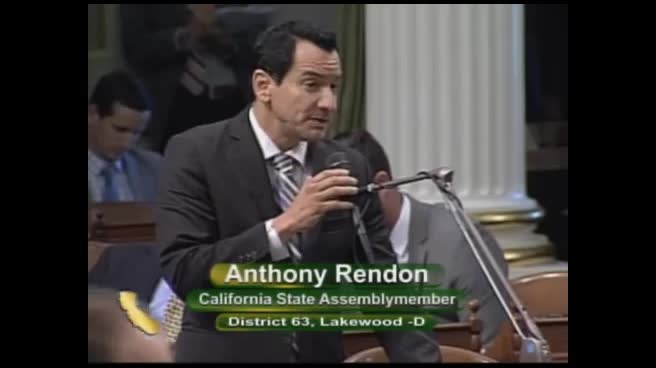 52SEC
Assembly Floor
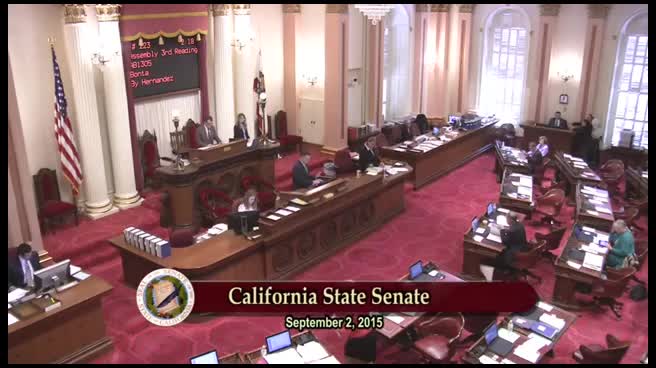 1MIN
Senate Floor
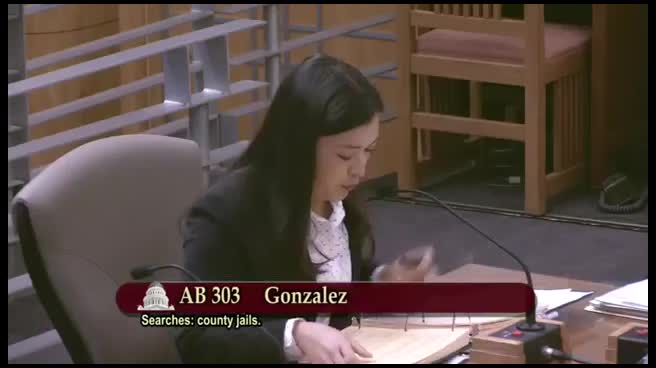 36SEC
Senate Standing Committee on Appropriations
Bill Author

Bill Co-Author(s):