AB 333: Healing arts: continuing education.
- Session Year: 2015-2016
- House: Assembly
- Latest Version Date: 2015-09-30
Existing law provides for the licensure and regulation of various healing arts licensees by various boards, as defined, within the Department of Consumer Affairs and imposes various continuing education requirements for license renewal.
This bill would allow specified healing arts licensees to apply one unit, as defined, of continuing education credit, once per renewal cycle, towards any required continuing education units for attending certain courses that result in the licensee becoming a certified instructor of cardiopulmonary resuscitation (CPR) or the proper use of an automated external defibrillator (AED), and would allow specified healing arts licensees to apply up to 2 units of continuing education credit, once per renewal cycle, towards any required continuing education units for conducting CPR or AED training sessions for employees of school districts and community college districts in the state. The bill would specify that these provisions would only apply if a licensing boards laws or regulations establishing continuing education requirements include the courses or activities mentioned above.
Existing law provides for the licensure and regulation of various healing arts licensees by various boards, as defined, within the Department of Consumer Affairs and imposes various continuing education requirements for license renewal.
This bill would allow specified healing arts licensees to apply one unit, as defined, of continuing education credit credit, once per renewal cycle cycle, towards any required continuing education units for attending certain courses that result in the licensee becoming a certified instructor of cardiopulmonary resuscitation (CPR) or the proper use of an automated external defibrillator (AED), and would allow specified healing arts licensees to apply up to 2 units of continuing education credit credit, once per renewal cycle cycle, towards any required continuing education units for conducting board-approved CPR or AED training sessions for employees of school districts and community college districts in the state. The bill would specify that these provisions would not only apply if a licensing boards laws or regulations establishing continuing education requirements exclude include the courses or activities mentioned above.
Existing law provides for the licensure and regulation of various healing arts licensees by various boards, as defined, within the Department of Consumer Affairs and imposes various continuing education requirements for license renewal.
This bill would allow specified healing arts licensees to apply one unit, as defined, of continuing education credit once per renewal cycle towards any required continuing education units for attending a course certain courses that results result in the licensee becoming a certified instructor of cardiopulmonary resuscitation (CPR) or the proper use of an automated external defibrillator (`AED), (AED), and would allow specified healing arts licensees to apply up to 2 units of continuing education credit once per renewal cycle towards any required continuing education units for conducting board-approved CPR or AED training sessions for employees of school districts and community college districts in the state. The bill would specify that these provisions would not apply if a licensing boards laws or regulations establishing continuing education requirements exclude the courses or activities mentioned above.
Existing law provides for the licensure and regulation of various healing arts licensees by various boards, as defined, within the Department of Consumer Affairs and imposes various continuing education requirements for license renewal.
This bill would allow specified healing arts licensees to apply one unit, as defined, of continuing education credit towards any required continuing education units for attending a course that results in the licensee becoming a certified instructor of cardiopulmonary resuscitation (CPR) or the proper use of an automated external defibrillator (`AED), and would allow specified healing arts licensees to apply up to 2 units of continuing education credit towards any required continuing education units for conducting CPR or AED training sessions for employees of school districts and community college districts in the state.
Existing law authorizes a public school to solicit and receive nonstate funds to acquire and maintain an automated external defibrillator (AED). Existing law provides that the employees of the school district are not liable for civil damages resulting from certain uses, attempted uses, or nonuses of an AED, except as provided. Existing law provides that a public school or school district that complies with certain requirements related to an AED is not liable for any civil damages resulting from any act or omission in the rendering of the emergency care or treatment, except as provided.
This bill would make a nonsubstantive change to these provisions.
(a)(1)A person licensed pursuant to this division who is required to complete continuing education units as a condition of renewing his or her license may, once per renewal cycle, apply one unit of continuing education credit, pursuant to paragraph (2), towards that requirement for attending a course that results in the licensee becoming a certified instructor of cardiopulmonary resuscitation (CPR) or the proper use of an automated external defibrillator (AED).
(2)A licensee may only apply continuing education credit for attending one of the following courses:
(A)An instructional program developed by the American Heart Association.
(B)An instructional program developed by the American Red Cross.
(C)An instructional program that is nationally recognized and based on the most current national evidence-based emergency cardiovascular care guidelines for the performance of CPR and the use of an AED.
(b)A person licensed pursuant to this division who is required to complete continuing education units as a condition of renewing his or her license may, once per renewal cycle, apply up to two units of continuing education credit towards that requirement for conducting CPR or AED training sessions for employees of school districts and community college districts in the state.
(c)For purposes of this section, unit means any measurement for continuing education, such as hours or course credits.
(d)This section shall only apply to a person licensed under this division if the applicable licensing boards laws or regulations establishing continuing education requirements include the courses or activities described in subdivisions (a) and (b).
(a)(1)A person licensed pursuant to this division who is required to complete continuing education units as a condition of renewing his or her license may, once per renewal cycle, apply one unit of continuing education credit, pursuant to paragraph (2), towards that requirement for attending a course that results in the licensee becoming a certified instructor of cardiopulmonary resuscitation (CPR) or the proper use of an automated external defibrillator (AED).
(2)A licensee may only apply continuing education credit for attending one of the following courses:
(A)An instructional program developed by the American Heart Association.
(B)An instructional program developed by the American Red Cross.
(C)An instructional program that is nationally recognized and based on the most current national evidence-based emergency cardiovascular care guidelines for the performance of CPR and the use of an AED.
(b)(1)A person licensed pursuant to this division who is required to complete continuing education units as a condition of renewing his or her license may, once per renewal cycle, apply up to two units of continuing education credit, pursuant to paragraph (2), credit towards that requirement for conducting CPR or AED training sessions for employees of school districts and community college districts in the state.
(2)A licensee may only apply continuing education credit for holding a training session if the training session is approved by the applicable licensing board.
(c)For purposes of this section, unit means any measurement for continuing education, such as hours or course credits.
(d)This section shall not only apply to a person licensed under this division if the applicable licensing boards laws or regulations establishing continuing education requirements exclude include the courses or activities described in subdivisions (a) and (b).
(a)(1)A person licensed pursuant to this division who is required to complete continuing education units as a condition of renewing his or her license may may, once per renewal cycle, apply one unit of continuing education credit credit, pursuant to paragraph (2), towards that requirement for attending a course that results in the licensee becoming a certified instructor of cardiopulmonary resuscitation (CPR) or the proper use of an automated external defibrillator (AED).
(2)A licensee may only apply continuing education credit for attending one of the following courses:
(A)An instructional program developed by the American Heart Association.
(B)An instructional program developed by the American Red Cross.
(C)An instructional program that is nationally recognized and based on the most current national evidence-based emergency cardiovascular care guidelines for the performance of CPR and the use of an AED.
(b)(1)A person licensed pursuant to this division who is required to complete continuing education units as a condition of renewing his or her license may may, once per renewal cycle, apply up to two units of continuing education credit credit, pursuant to paragraph (2), towards that requirement for conducting CPR or AED training sessions for employees of school districts and community college districts in the state.
(2)A licensee may only apply continuing education credit for holding a training session if the training session is approved by the applicable licensing board.
(c)For purposes of this section, unit means any measurement for continuing education, such as hours or course credits.
(d)This section shall not apply to a person licensed under this division if the applicable licensing boards laws or regulations establishing continuing education requirements exclude the courses or activities described in subdivisions (a) and (b).
(a)A person licensed pursuant to this division who is required to complete continuing education units as a condition of renewing his or her license may apply one unit of continuing education credit towards that requirement for attending a course that results in the licensee becoming a certified instructor of cardiopulmonary resuscitation (CPR) or the proper use of an automated external defibrillator (AED).
(b)A person licensed pursuant to this division who is required to complete continuing education units as a condition of renewing his or her license may apply up to two units of continuing education credit towards that requirement for conducting CPR or AED training sessions for employees of school districts and community college districts in the state.
(c)For purposes of this section, unit means any measurement for continuing education, such as hours or course credits.
SECTION 1.Section 49417 of the Education Code is amended to read:49417.(a)A public school may solicit and receive nonstate funds to acquire and maintain an automated external defibrillator (AED). These funds shall only be used to acquire and maintain an AED and to provide training to school employees regarding the use of an AED.
(b)Except as provided in subdivision (d), if an employee of a school district complies with Section 1714.21 of the Civil Code in rendering emergency care or treatment through the use, attempted use, or nonuse of an AED at the scene of an emergency, the employee shall not be liable for any civil damages resulting from any act or omission in the rendering of the emergency care or treatment.
(c)Except as provided in subdivision (d), if a public school or school district complies with the requirements of Section 1797.196 of the Health and Safety Code, the public school or school district shall be covered by Section 1714.21 of the Civil Code and shall not be liable for any civil damages resulting from any act or omission in the rendering of the emergency care or treatment.
(d)Subdivisions (b) and (c) do not apply in the case of personal injury or wrongful death that results from gross negligence or willful or wanton misconduct on the part of the person who uses, attempts to use, or maliciously fails to use an AED to render emergency care or treatment.
(e)This section does not alter the requirements of Section 1797.196 of the Health and Safety Code.
(a)A public school may solicit and receive nonstate funds to acquire and maintain an automated external defibrillator (AED). These funds shall only be used to acquire and maintain an AED and to provide training to school employees regarding the use of an AED.
(b)Except as provided in subdivision (d), if an employee of a school district complies with Section 1714.21 of the Civil Code in rendering emergency care or treatment through the use, attempted use, or nonuse of an AED at the scene of an emergency, the employee shall not be liable for any civil damages resulting from any act or omission in the rendering of the emergency care or treatment.
(c)Except as provided in subdivision (d), if a public school or school district complies with the requirements of Section 1797.196 of the Health and Safety Code, the public school or school district shall be covered by Section 1714.21 of the Civil Code and shall not be liable for any civil damages resulting from any act or omission in the rendering of the emergency care or treatment.
(d)Subdivisions (b) and (c) do not apply in the case of personal injury or wrongful death that results from gross negligence or willful or wanton misconduct on the part of the person who uses, attempts to use, or maliciously fails to use an AED to render emergency care or treatment.
(e)This section does not alter the requirements of Section 1797.196 of the Health and Safety Code.
|
Date
|
Status
|
|---|---|
| Jun 23, 2015 | From committee: Amend, and do pass as amended and re-refer to Com. on APPR. (Ayes 9. Noes 0.) (June 22). |
| Sep 30, 2015 | Chaptered by Secretary of State - Chapter 360, Statutes of 2015. |
| Sep 30, 2015 | Approved by the Governor. |
| Sep 10, 2015 | Enrolled and presented to the Governor at 4 p.m. |
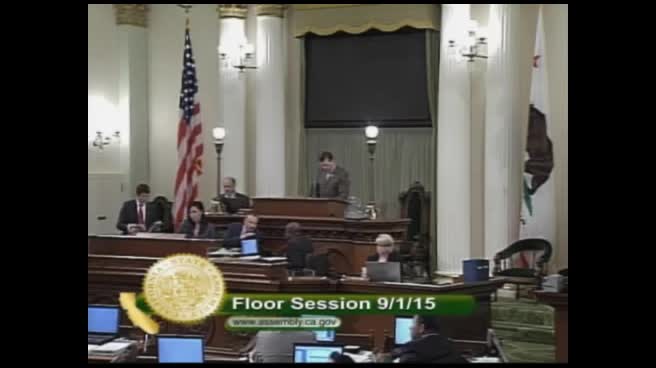
| Sep 1, 2015 | Senate amendments concurred in. To Engrossing and Enrolling. (Ayes 79. Noes 0.). |
| Sep 1, 2015 | Senate amendments concurred in. To Engrossing and Enrolling. (Ayes 79. Noes 0. Page 2733.). |
| Sep 1, 2015 | Assembly Rule 77 suspended. (Page 2729.) |
| Sep 1, 2015 | Assembly Rule 77 suspended. |
| Aug 31, 2015 | Read third time. Passed. Ordered to the Assembly. (Ayes 40. Noes 0. Page 2290.). |
| Aug 31, 2015 | Read third time. Passed. Ordered to the Assembly. |
| Aug 31, 2015 | In Assembly. Concurrence in Senate amendments pending. May be considered on or after September 2 pursuant to Assembly Rule 77. |
| Jul 7, 2015 | Read second time. Ordered to third reading. |
| Jul 6, 2015 | From committee: Be placed on second reading file pursuant to Senate Rule 28.8. |
| Jun 24, 2015 | Read second time and amended. Re-referred to Com. on APPR. |
| Feb 13, 2015 | Read first time. To print. |
| Jun 4, 2015 | Referred to Com. on B., P. & E.D. |
| May 22, 2015 | Read third time. Passed. Ordered to the Senate. (Ayes 74. Noes 0. Page 1561.) |
| May 22, 2015 | Read third time. Passed. Ordered to the Senate. |
| May 22, 2015 | In Senate. Read first time. To Com. on RLS. for assignment. |
| May 14, 2015 | Read second time. Ordered to Consent Calendar. |
| May 13, 2015 | From committee: Do pass. To Consent Calendar. (Ayes 17. Noes 0.) (May 13). |
| May 4, 2015 | Re-referred to Com. on APPR. |
| Apr 30, 2015 | Read second time and amended. |
| Apr 29, 2015 | From committee: Amend, and do pass as amended and re-refer to Com. on APPR. (Ayes 14. Noes 0.) (April 28). |
| Apr 6, 2015 | Re-referred to Com. on B. & P. |
| Mar 26, 2015 | Referred to Com. on B. & P. |
| Mar 26, 2015 | From committee chair, with author's amendments: Amend, and re-refer to Com. on B. & P. Read second time and amended. |
| Feb 17, 2015 | From printer. May be heard in committee March 19. |
|
Date
|
Description
|
Location
|
Votes
|
|
|---|---|---|---|---|
| Sep 1, 2015 | AB 333 MELENDEZ Concurrence in Senate Amendments | Assembly Floor |
Passed |
|
| Aug 31, 2015 | Assembly 3rd Reading AB333 Melendez By Jackson | Senate Floor |
Passed |
|
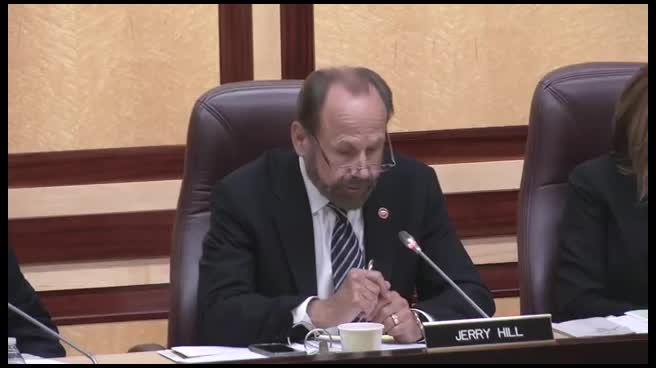
| Jun 22, 2015 | Do pass as amended, but first amend, and re-refer to the Committee on [Appropriations] | Senate Standing Committee on Business, Professions and Economic Development |
Passed |
|
| May 22, 2015 | AB 333 MELENDEZ Consent Calendar Second Day Regular Session | Assembly Floor |
Passed |
|
| May 13, 2015 | Do pass. To Consent Calendar. | Assembly Standing Committee on Appropriations |
Passed |
|
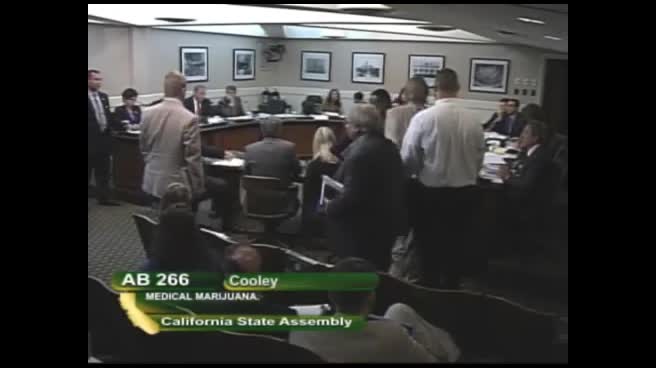
| Apr 28, 2015 | Do pass as amended and be re-referred to the Committee on [Appropriations] | Assembly Standing Committee on Business and Professions |
Passed |
This list shows positions taken on this bill by organizations on the date displayed, which is linked to the original source.
Positions by individuals are not included.
|
Organization
|
Position
|
Date
|
|---|---|---|
| American Red Cross | ** Support | Aug 31, 2015 |
AB 333
Page 2
CONCURRENCE IN SENATE AMENDMENTS
AB 333
(Melendez)
As Amended June 24, 2015
Majority vote
ASSEMBLY: |
74-0 |
(May 22, 2015) |
SENATE: |
40-0 |
(August 31, 2015) |
Original Committee Reference: B. & P.
SUMMARY: Clarifies that a healing arts licensee may earn one unit of continuing education (CE) credit for attending a course in cardiopulmonary resuscitation (CPR) or the proper use of an automated external defibrillator (AED) and up to two units of CE credit for conducting CPR or AED training sessions, if the licensing board includes the courses in its CE requirements.
The Senate amendments provide that the licensee may apply CE units if the licensee's licensing board includes the courses in the CE requirements, rather than when the courses and activities are not excluded.
FISCAL EFFECT: According to the Senate Appropriations Committee, pursuant to Senate Rule 28.8, negligible state costs.
COMMENTS:
Purpose. This bill is sponsored by the author. According to the author, "As cardiac emergencies become more common on school campuses, it is not only imperative that our schools have lifesaving resources available to faculty and administration, but the ability to provide the faculty and administration with hands-on training with those resources. By incentivizing licensed medical professionals to provide this training in turn for continual education credit, we are providing a no-cost solution that will allow school officials to become familiar with the technology. This will ultimately lead to less hesitation in emergency environments and increases in the success rate of cardiac emergency care."
Background. All 20 healing arts boards under the Department of Consumer Affairs develop their own CE curriculum for licensees and approve the providers that offer the CE courses. However, they are limited to CE that is relevant to the profession. Current law specifies that the purpose of CE is "to create a more competent licensing population, thereby enhancing public protection" (Business and Professions Code (BPC) Section 166).
Further, the boards often have limiting language within their practice acts. For instance, the Dental Board is permitted to establish its own CE curriculum within the general areas of patient care, health and safety, and law and ethics (BPC Section 1645). The Medical Board's standards are aimed at maintaining, developing, or increasing the knowledge, skills, and professional performance that licensees use to provide care (BPC Section 2190.1).
Using the criteria set out in statute, the boards then determine relevant CE courses and approve the providers that teach the courses. This bill would clarify that licensees of healing arts boards to use CPR and AED instructor certification courses and teaching sessions may earn credit towards the CE requirements when included in the licensee's board CE laws and regulations.
Analysis Prepared by: Vincent Chee / B. & P. / (916) 319-3301 FN: 0001200
AB 333
Page 4
|
Office of Senate Floor Analyses (916) 651-1520 Fax: (916) 327-4478 |
THIRD READING
Bill No: AB 333
Amended: 6/24/15 in Senate
SENATE BUS, PROF. & ECON. DEV. COMMITTEE: 9-0, 6/22/15
AYES: Hill, Bates, Berryhill, Block, Galgiani, Hernandez, Jackson, Mendoza, Wieckowski
SENATE APPROPRIATIONS COMMITTEE: Senate Rule 28.8
ASSEMBLY FLOOR: 74-0, 5/22/15 (Consent) - See last page for vote
SUBJECT: Healing arts: continuing education
DIGEST: This bill authorizes a healing arts licensee to apply credits toward continuing education (CE) requirements for becoming an instructor and teaching a course on cardiopulmonary resuscitation (CPR) or the proper use of an automated external defibrillator (AED), if authorized by his or her licensing board.
Existing law:
Provides for the licensure and regulation of various healing arts licensees by boards within the Department of Consumer Affairs (DCA) and imposes CE requirements for license renewal. (Business and Professions Code (BPC) §§ 500-4999.129)
Requires the Director of the DCA to establish guidelines for mandatory CE administered by the boards under the DCA, including, among other things, the CE’s relevancy to the occupation. (BPC § 166)
States that topics and subject matter for all CE shall be pertinent to the practice of psychology. Course or learning material must have a relevance or direct application to a consumer of psychological services. (Title 16, California Code of Regulations (CCR) § 1397.61 (c)(2))
Requires health studios to acquire, maintain, and train personnel in the use of an AED. (Health and Safety Code (HSC) § 104113)
Requires that CPR and AED training for lay rescuers comply with the American Heart Association or American Red Cross CPR and AED guidelines.
(Title 22, CCR § 100038)
States that it is unprofessional conduct for a dentist with patients who are undergoing conscious sedation to have dental office personnel directly involved with the care of those patients who are not certified in basic cardiac life support (CPR) and recertified biennially. (BPC § 1682)
Requires at least one director or teacher at each day care center and each family day care home to have CPR training. (HSC § 1596.866)
This
bill:
Authorizes a healing arts licensee who is required to complete CE units as a condition of renewing his or her license to, once per renewal cycle, apply one unit of CE credit for attending a course that results in the licensee becoming a certified instructor of CPR or the proper use of an AED.
Declares the following courses eligible for the CE credit:
An instructional program developed by the American Heart Association.
An instructional program developed by the American Red Cross.
An instructional program that is nationally recognized and based on the most current national evidence-based emergency cardiovascular care guidelines for the performance of CPR and use of an AED.
Authorizes a healing arts licensee who is required to complete CE units as a condition of renewing his or her license to, once per renewal cycle, apply up to two units of CE credit for conducting a CPR or AED training session for employees of school districts and community college districts in California.
Applies only to a healing arts licensee if his or her licensing board includes this bill’s CE courses or training in its laws or regulations.
Background
According to the author’s office, “AB 333 would allow licensed medical professionals to receive one CE credit for becoming a licensed instructor in CPR and the proper use of an AED. They would also receive up to two credits for conducting CPR/AED training sessions for employees of K-12 and college districts.
“While training is not required for AED operation, it provides a chance for school faculty and staff to become familiar with the device and its operation, resulting in an increase in comfort and familiarity with the device.
“AB 333 creates a cost-neutral incentive that would benefit both the instructor and school which results in school officials being more likely to utilize an AED in a real world medical situation.”
California law requires teachers to take a CPR class as part of the qualifications for a teaching credential. AEDs are not required in K-12 schools or community colleges, but many have them. AED technology has adapted to the point that most of the models available in public spaces do not require training to use safely.
This bill allows healing arts licensees to apply credits toward their professional education requirements for becoming an AED or CPR instructor and two credits for teaching an AED or CPR class if his or her regulatory board specifically authorizes it. CE credits are intended to further the professional knowledge in a licensee’s profession.
FISCAL EFFECT: Appropriation: No Fiscal Com.: Yes Local: No
American Red Cross
None received
ARGUMENTS IN SUPPORT: The American Red Cross writes, “AEDs are used to treat the effects of sudden cardiac arrest, which is triggered by an electrical malfunction in the heart – with the heart unable to pump blood to the brain, lungs, and other vital organs, death can happen in minutes. Each year nearly 424,000 people experience sudden cardiac arrest outside the hospital. Only 10% of these individuals survive. Encouraging school employees to be prepared in time of emergency, including the use of an AED, can save lives.”
AYES: Achadjian, Travis Allen, Baker, Bigelow, Bloom, Bonilla, Bonta, Brough, Brown, Burke, Calderon, Campos, Chang, Chau, Chávez, Chiu, Chu, Cooley, Cooper, Dababneh, Dahle, Daly, Dodd, Eggman, Frazier, Beth Gaines, Gallagher, Cristina Garcia, Eduardo Garcia, Gatto, Gipson, Gomez, Gonzalez, Gordon, Gray, Grove, Hadley, Harper, Roger Hernández, Holden, Irwin, Jones-Sawyer, Kim, Lackey, Levine, Linder, Lopez, Low, Maienschein, Mathis, Mayes, McCarty, Medina, Melendez, Mullin, Nazarian, Obernolte, Patterson, Perea, Quirk, Rendon, Ridley-Thomas, Rodriguez, Salas, Santiago, Steinorth, Mark Stone, Thurmond, Ting, Wagner, Wilk, Williams, Wood, Atkins
NO VOTE RECORDED: Alejo, Jones, O'Donnell, Olsen, Waldron, Weber
Prepared by: Sarah Huchel / B., P. & E.D. / (916) 651-4104
7/7/15 17:15:19
**** END ****
AB 333 (Melendez) Page 4 of 4
SENATE COMMITTEE ON
BUSINESS, PROFESSIONS AND ECONOMIC DEVELOPMENT
Senator Jerry Hill, Chair
2015 - 2016 Regular
Bill No: AB 333 Hearing Date: June 22, 2015
Author: |
Melendez |
||
Version: |
April 30, 2015 |
||
Urgency: |
No |
Fiscal: |
Yes |
Consultant: |
Sarah Huchel |
||
Subject: Healing arts: continuing education.
SUMMARY:
Authorizes a healing arts licensee to apply credits toward continuing education (CE) requirements for becoming an instructor and teaching a course on cardiopulmonary resuscitation (CPR) or the proper use of an automated external defibrillator (AED).
Existing law:
Provides for the licensure and regulation of various healing arts licensees by boards within the Department of Consumer Affairs (DCA) and imposes CE requirements for license renewal. (Business and Professions Code (BPC) §§ 500-4999.129)
Requires the Director of the DCA to establish guidelines for mandatory CE administered by the boards under the DCA, including, among other things, the CE’s relevancy to the occupation. (BPC § 166)
States that topics and subject matter for all CE shall be pertinent to the practice of psychology. Course or learning material must have a relevance or direct application to a consumer of psychological services. (Title 16, California Code of Regulations (CCR) § 1397.61 (c)(2))
Requires health studios to acquire, maintain, and train personnel in the use of an AED. (Health and Safety Code (HSC) § 104113)
Requires that CPR and AED training for lay rescuers comply with the American Heart Association or American Red Cross CPR and AED guidelines.
(Title 22 CCR § 100038)
States that it is unprofessional conduct for a dentist with patients who are undergoing conscious sedation to have dental office personnel directly involved with the care of those patients who are not certified in basic cardiac life support (CPR) and recertified biennially. (BPC § 1682)
Requires at least one director or teacher at each day care center and each family day care home to have CPR training. (HSC § 1596.866)
This
bill:
Authorizes a healing arts licensee who is required to complete CE units as a condition of renewing his or her license to, once per renewal cycle, apply one unit of CE credit for attending a course that results in the licensee becoming a certified instructor of CPR or the proper use of an AED.
Declares the following courses eligible for the CE credit:
An instructional program developed by the American Heart Association.
An instructional program developed by the American Red Cross.
An instructional program that is nationally recognized and based on the most current national evidence-based emergency cardiovascular care guidelines for the performance of CPR and use of an AED.
Authorizes a healing arts licensee who is required to complete CE units as a condition of renewing his or her license to, once per renewal cycle, apply up to two units of CE credit for conducting a CPR or AED training session for employees of school districts and community college districts in the California.
States that a licensee may only apply CE credits for holding a training session if the training session is approved by the licensee’s board.
States that this bill shall not apply to healing arts licensee if the applicable licensing board’s laws or regulations exclude this bill’s courses or training from applying to CE requirements.
FISCAL EFFECT:
This bill is keyed “fiscal” by Legislative counsel. According to the Assembly Appropriations analysis dated May 13, 2015, this bill will incur minor and absorbable costs to healing arts boards within the DCA to adjust CE protocols to accept or exclude this training.
COMMENTS:
Purpose. This bill is Author sponsored. According to the Author’s office, “AB 333 would allow licensed medical professionals to receive one CE credit for becoming a licensed instructor in CPR and the proper use of an AED. They would also receive up to two credits for conducting CPR/AED training sessions for employees of K-12 and college districts.
“While training is not required for AED operation, it provides a chance for school faculty and staff to become familiar with the device and its operation, resulting in an increase in comfort and familiarity with the device.
“AB 333 creates a cost-neutral incentive that would benefit both the instructor and school which results in school officials being more likely to utilize an AED in a real world medical situation.”
Background. California law requires teachers to take a CPR class as part of the qualifications for a teaching credential. AEDs are not required in K-12 schools or community colleges, but many have them. AED technology has adapted to the point that most of the models available in public spaces do not require training to use safely.
This bill would allow healing arts licensees to apply credits toward their professional education requirements for becoming an AED or CPR instructor and two credits for teaching an AED or CPR class unless the regulatory board specifically states otherwise.
CE credits are intended to further the professional knowledge in a licensee’s profession. While CPR and AEDs are related to healthcare, it is unclear as to the direct nexus between training K-12 and community college employees and advancing professional education. Further, it is unclear as to the nature and extent of the purported shortage of AED and CPR teachers. While the Author’s office asserts that “pro bono instructors and training resources are in short supply and many of the private alternatives are cost prohibitive,” no evidence or data has been submitted in support.
While this bill gives regulatory boards some discretion regarding the acceptance of the credits, it is effectively an “opt-out” rather than an “opt-in.” This bill requires boards to affirmatively declare that AED and CPR trainings are not allowed via statute or regulation, which would require each board to either sponsor a bill or submit a regulatory package, at great time and expense.
Related Legislation. AB 2217 (Melendez), Chapter 812, Statutes of 2014, authorizes a public school to solicit and receive non-state funds to acquire and maintain an AED. The bill provides that the employees of the school district are not liable for civil damages resulting from certain uses, attempted uses, or non uses of an AED, except as provided.
AB 1312 (Swanson) of 2009, would have extended the requirements to acquire an automatic external defibrillator to July 1, 2014 for health studios. The bill also, beginning July 1, 2010, applies these requirements and this immunity to golf courses and amusement parks, as defined. (Status. This bill was vetoed by the Governor.)
Arguments in Support. The American Red Cross writes, “AEDs are used to treat the effects of sudden cardiac arrest, which is triggered by an electrical malfunction in the heart – with the heart unable to pump blood to the brain, lungs, and other vital organs, death can happen in minutes. Each year nearly 424,000 people experience sudden cardiac arrest outside the hospital. Only 10% of these individuals survive. Encouraging school employees to be prepared in time of emergency, including the use of an AED, can save lives.”
Arguments in Opposition. The California Board of Psychology writes, “Current law specifies that CE must incorporate either aspects of the discipline that are fundamental to the practice of the profession, aspects of the discipline where significant recent developments have occurred, or aspects of other disciplines that enhance the understanding or practice of the profession….
“While CPR/AED training is important, it cannot be argued that it is fundamental to, or enhances the understanding of, the practice of psychology. Licensees may engage in many important and beneficial activities, but only those that are directly relevant to the practice of psychology should count towards the renewal of the license.”
The Board of Behavioral Sciences writes, “The Board does not believe that CPR or AED training is fundamental to the practice of psychotherapy. While it appreciates the amendments attempting to clarify that the coursework would count only if the licensee’s licensing entity allows the coursework, the Board believes this bill could lead to confusion among the Board’s licensees about whether or not the coursework is acceptable.”
SUPPORT AND OPPOSITION:
Support:
American Red Cross
Opposition:
California Board of Psychology
Board of Behavioral Sciences
-- END --
AB 333
Page 1
Date of Hearing: May 13, 2015
ASSEMBLY COMMITTEE ON APPROPRIATIONS
Jimmy Gomez, Chair
AB 333
(Melendez) – As Amended April 30, 2015
Policy Committee: |
Business and Professions |
Vote: |
14 - 0 |
|
|
|
|
|
|
|
|
Urgency: No State Mandated Local Program: No Reimbursable: No
SUMMARY:
This bill allows a licensee of a healing arts board to apply credits gained by becoming a certified trainer for cardiopulmonary resuscitation (CPR) or the proper use of an automated external defibrillator (AED) to their continuing education (CE) requirement. It also allows boards to opt out of allowing their licensees to apply this training to their CE requirements.
FISCAL EFFECT:
Minor and absorbable costs to healing arts boards within the Department of Consumer Affairs to adjust CE protocols to accept or exclude this training.
COMMENTS:
Purpose. The author considers this bill a no-cost means of incentivizing licensed medical professionals to become certified and to provide CPR and AED training. The purpose is to increase the amount of training in the community and in schools. The author states this will ultimately lead to less hesitation in emergency environments and increases in the success rate of cardiac emergency care. The bill is supported by the American Red Cross and has no opposition.
Analysis Prepared by: Lisa Murawski / APPR. / (916) 319-2081
AB 333
Page 4
Date of Hearing: April 28, 2015
ASSEMBLY COMMITTEE ON BUSINESS AND PROFESSIONS
Susan Bonilla, Chair
AB 333
(Melendez) – As Amended March 26, 2015
SUBJECT: Healing arts: continuing education.
SUMMARY: Authorizes healing arts licensees to earn one unit of continuing education (CE) credit by attending a course that results in the licensee becoming a certified instructor of cardiopulmonary resuscitation (CPR) or the proper use of an automated external defibrillator (AED) and up to two units of CE credit for conducting CPR or AED training sessions for employees of school districts and community college districts in the state.
EXISTING LAW:
Provides for the licensure and regulation of various healing arts licensees by various boards within the Department of Consumer Affairs (DCA) and imposes various continuing education (CE) requirements for license renewal. (Business and Professions Code (BPC) §§ 500-4999.129)
Requires the Director of the DCA to establish guidelines for mandatory CE administered by the boards under the DCA, including, among other things, the CE’s relevancy to the occupation. (BPC § 166)
THIS BILL:
Authorizes healing arts licensees, who are required to complete CE units as a condition of renewing their license, to earn one unit of CE credit by attending a course that results in the licensee becoming a certified instructor of CPR or the proper use of an AED.
Authorizes healing arts licensees, who are required to complete CE units as a condition of renewing their license, to apply up to two units of CE credit towards the requirement for conducting CPR or AED training sessions for employees of school districts and community college districts in the state.
Defines “unit” as a measurement for continuing education, such as hours or course credits.
FISCAL EFFECT: Unknown. This bill is keyed fiscal by the Legislative Counsel.
COMMENTS:
Purpose. This bill is sponsored by the author. According to the author, “As cardiac emergencies become more common on school campuses, it is not only imperative that our schools have lifesaving resources available to faculty and administration, but the ability to provide the faculty and administration with hands-on training with those resources. By incentivizing licensed medical professionals to provide this training in turn for continual education credit, we are providing a no-cost solution that will allow school officials to become familiar with the technology. This will ultimately lead to less hesitation in emergency environments and increases in the success rate of cardiac emergency care.”
Background. All 20 healing arts boards under the DCA develop their own CE curriculum for licensees and approve the providers that offer the CE courses. However, they are limited to CE that is relevant to the profession. Current law specifies that the purpose of CE is “…to create a more competent licensing population, thereby enhancing public protection” (BPC § 166).
Further, the boards often have limiting language within their practice acts. For instance, the Dental Board is permitted to establish its own CE curriculum within the general areas of patient care, health and safety, and law and ethics (BPC § 1645). The Medical Board’s standards are aimed at maintaining, developing, or increasing the knowledge, skills, and professional performance that licensees use to provide care (BPC § 2190.1).
Using the criteria set out in statute, the boards then determine relevant CE courses and approve the providers that teach the courses. This bill would permit the licensees of healing arts boards to use CPR and AED instructor certification courses and teaching sessions to earn credit towards the CE requirements established by the boards, regardless of the approved CE courses.
ARGUMENTS IN SUPPORT:
The American Red Cross writes in support, “The American Red Cross is pleased to support your AB 333, which would incentivize the training of K-12 school faculty and administrators in the use of [AEDs], by allowing individuals the ability to earn continuing education units.
AEDs are used to treat the effects of sudden cardiac arrest, which is triggered by an electrical malfunction in the heart—with the heart unable to pump blood to the brain, lungs, and other vital organs, death can happen in minutes. Each year nearly 424,000 people experience sudden cardiac arrest outside of a hospital. Only 10% of these individuals survive. Encouraging school employees to be prepared in time of emergency, including the use of an AED, can save lives.”
ARGUMENTS IN OPPOSITION:
None on file.
IMPLEMENTATION ISSUES:
This bill may conflict with the California Emergency Medical Services Authority’s (EMSA) regulations regarding “lay rescuers” and AED training (California Code of Regulations Title 22, § 100031-100043). The author may wish to work with EMSA to ensure that the requirements for lay rescuers, as spelled out in the EMSA regulations, is consistent with the requirements for healing arts licensees that would be impacted by this bill.
POLICY ISSUES:
Some boards, such as the Board for Behavioral Sciences (BBS), may wish to opt out of this bill. For instance, at the April 23, 2015 BBS Policy and Advocacy Committee meeting, a board analysis noted that this bill may conflict with the board’s continuing education statutory and regulatory requirements. The analysis stated that:
“Current law specifies that continuing education must incorporate either aspects of the discipline for which licensed that are fundamental to the practice of the profession, aspects of the discipline where significant recent developments have occurred, or aspects of other disciplines that enhance the understanding or practice of the profession.
While CPR/AED training is important, it may be difficult to argue that it is fundamental to, or enhances the understanding of, the practice of psychotherapy.”
Therefore, the author should make the following amendments to provide boards the authority to opt out and to exclude boards with conflicting statutes.
AMENDMENTS:
Ensure that licensees only apply the credits once per renewal cycle:
On page 2, line 5, strike: may and after “license”
insert:
may, once per renewal cycle,
On page 2, line 12, strike: may and after “license”
insert:
may, once per renewal cycle,
Specify which certification courses apply:
On page 2, line 9, after “state” insert:
The licensee may attend the following courses:
(1) An instructional program developed by the American Heart Association.
(2) An instructional program developed by the American Red Cross.
(3) An instructional program that is nationally recognized and based on the most current national evidence-based emergency cardiovascular care guidelines for the performance of CPR and the use of an AED.
Ensure the training sessions are approved by the appropriate board:
On page 2, line 15, after “state” insert:
The training session must be approved by the applicable licensing entity.
and exclude boards that do not wish to participate or have conflicting statutory or regulatory requirements:
On page 2, after line 17, insert:
(e) This section does not apply to a person licensed under this division if the applicable board’s laws establishing continuing education exclude the courses or activities described in subdivisions (a) and (b).
REGISTERED SUPPORT:
The American Red Cross
REGISTERED OPPOSITION:
None on file.
Analysis Prepared by: Vincent Chee / B. & P. / (916) 319-3301
Discussed in Hearing
 28SEC
Assembly Floor
 2MIN
Senate Floor
 5MIN
Senate Standing Committee on Business, Professions and Economic Development
 2MIN
Assembly Standing Committee on Business and Professions
Bill Author

Bill Co-Author(s):