AB 362: State printing: demonstration project: process free printing.
- Session Year: 2015-2016
- House: Assembly
- Latest Version Date: 2015-09-04
Existing law establishes the Office of State Printing within the Department of General Services. Existing law requires that all state printing be done in the Office of State Printing.
This bill would authorize the department to engage in a demonstration project to show the economic and environmental advantages of sustainable printing practices, including the use of process free printing plates, as defined, and associated technology for specified types of printing jobs. The bill would permit a vendor that participates in the demonstration project to pay any costs associated with the demonstration. The bill would make legislative findings in support of the project.
Existing law requires that all state printing be done in the Office of State Printing.
This bill would authorize the Office of State Printing to engage in a demonstration project to show the economic and environmental advantages of sustainable printing practices, including the use of process free printing plates, as defined, and associated technology. technology for specified types of printing jobs. The bill would require permit a vendor that participates in the demonstration project to pay any costs associated with the demonstration. The bill would make legislative findings in support of the project.
Existing law requires that all state printing be done in the Office of State Printing.
This bill would authorize the Office of State Printing to engage in a demonstration project to show the economic and environmental advantages of process free printing plates, as defined, and associated technology. The bill would require a vendor that participates in the demonstration project to pay any costs associated with the demonstration. The bill would provide make legislative findings in support of the project.
Existing law requires that all state printing be done in the Office of State Printing.
This bill would authorize the Office of State Printing to engage in a demonstration project to show the economic and environmental advantages of process free printing technology. The bill would provide legislative findings in support of the project.
The Legislature finds and declares all of the following:
(a)State government is a major consumer of materials and energy. The states policies include conserving, improving, and protecting natural resources and the environment, preventing water, air, and land pollution, and enhancing the health, safety, and welfare of state residents and their overall economic and social well-being.
(b)It is the policy of the state to promote cost-effective methods to reduce energy and resource consumption, and to reduce or eliminate the use of hazardous substances and the generation of hazardous substances, pollution, and waste at the source.
(c)The states solid waste management priorities include reducing the generation of solid waste, reusing materials, and recycling materials that cannot be reused, and making sound choices regarding the consumption of commodities, services, and technology and the amount of waste they generate. State agencies and public authorities can minimize potential environmental and health impacts on workers and the public.
(d)The states procurement of commodities, services, and technology can be enhanced through state and public agency choices that minimize the potential environmental and health impacts of their activities. State government can be a leader in environmental stewardship through the use of green procurement and sustainable management practices.
SEC. 2.Section 14861 is added to the Government Code, to read:14861.(a)The department may engage in a demonstration project that shows the environmental and economic benefits that may be achieved by utilizing sustainable printing practices which may include, but are not limited to, the use of process free printing plates and associated technology for state printing jobs that utilize offset or lithographic printing. In engaging in a process free printing plate pilot project, the department shall make best efforts to adhere to the following best practices:
(1)Reduce overall chemical usage in making printing plates.
(2)Maximize the use of low-volatile organic compounds and less hazardous chemicals.
(3)Minimize water usage.
(4)Reduce electricity usage.
(5)Maximize the recycling of paper, ink, aluminum plates, and related materials.
(6)Reduce the carbon footprint.
(b)A private vendor electing to participate in a demonstration project with the department may pay for costs associated with the demonstration project, including process free printing plates, necessary for the demonstration, as agreed upon with the department.
(c)For purposes of this chapter, process free printing plates are defined as printing plates that can be put on press in offset printing, also known as lithography, immediately after imaging on a platesetter, with no intermediary plate processing step required.
The Legislature finds and declares all of the following:
(a)State government is a major consumer of materials and energy. The states policies include conserving, improving, and protecting natural resources and the environment, preventing water, air, and land pollution, and enhancing the health, safety, and welfare of state residents and their overall economic and social well-being.
(b)It is the policy of the state to promote cost-effective methods to reduce energy and resource consumption, and to reduce or eliminate the use of hazardous substances and the generation of hazardous substances, pollution, and waste at the source.
(c)The states solid waste management priorities include reducing the generation of solid waste, reusing materials, and recycling materials that cannot be reused, and making sound choices regarding the consumption of commodities, services, and technology and the amount of waste they generate. State agencies and public authorities can minimize potential environmental and health impacts on workers and the public.
(d)The states procurement of commodities, services, and technology can be enhanced through state and public agency choices that minimize the potential environmental and health impacts of their activities. State government can be a leader in environmental stewardship through the use of green procurement and sustainable management practices.
SEC. 2.Section 14861 is added to the Government Code, to read:14861.(a)The department may engage in a demonstration project that shows the environmental and economic benefits that may be achieved by utilizing process sustainable printing practices which may include, but are not limited to, the use of process free printing plates plates and associated technology for state printing jobs. jobs that utilize offset or lithographic printing. In engaging in a process process free printing plate plate pilot project, the department shall make best efforts to adhere to the following best practices:
(1)Reduce overall chemical usage in making printing plates.
(2)Maximize the use of low-volatile organic compounds and less hazardous chemicals.
(3)Minimize water usage.
(4)Reduce electricity usage.
(5)Maximize the recycling of paper, ink, aluminum plates, and related materials.
(6)Reduce the carbon footprint.
(b)A private vendor electing to participate in a demonstration project with the department shall may pay for costs associated with the demonstration project, including process free printing plates, necessary for the demonstration, as agreed upon with the department.
(c)For purposes of this chapter, process free printing plates are defined as printing plates that can be put on press in offset printing, also known as lithography, immediately after imaging on a platesetter, with no intermediary plate processing step required.
The Legislature finds and declares all of the following:
(a)State government is a major consumer of materials and energy. The states policies include conserving, improving, and protecting natural resources and the environment, preventing water, air, and land pollution, and enhancing the health, safety, and welfare of state residents and their overall economic and social well-being.
(b)It is the policy of the state to promote cost-effective methods to reduce energy and resource consumption, and to reduce or eliminate the use of hazardous substances and the generation of hazardous substances, pollution, and waste at the source.
(c)The states solid waste management priorities include reducing the generation of solid waste, reusing materials, and recycling materials that cannot be reused, and making sound choices regarding the consumption of commodities, services, and technology and the amount of waste they generate. State agencies and public authorities can minimize potential environmental and health impacts on workers and the public.
(d)The states procurement of commodities, services, and technology can be enhanced through state and public agency choices that minimize the potential environmental and health impacts of their activities. State government can be a leader in environmental stewardship through the use of green procurement and sustainable management practices.
SEC. 2.Section 14861 is added to the Government Code, to read:14861.(a)The department may engage in a demonstration project that shows the environmental and economic benefits that may be achieved by utilizing process free printing plate process free printing plates and associated technology for state printing jobs. In engaging in a process free printing free printing plate pilot project, the department shall make best efforts to adhere to the following best practices:
(a)Avoid the use of heavy metals.
(b)Maximize the use of low-volatile organic compounds and less hazardous chemicals.
(c)Maximize the use of digital on-demand printing, direct-to-plate prepress systems, and automatic blanket washers.
(d)Maximize the recovery of silver.
(e)Maximize the recycling of paper, ink, film, and related materials.
(f)Make printed materials easier to recycle, by maximizing the use of glueless bindings and uncoated paper and avoiding heavy ink coverage and dark or fluorescent papers.
(1)Reduce overall chemical usage in making printing plates.
(2)Maximize the use of low-volatile organic compounds and less hazardous chemicals.
(3)Minimize water usage.
(4)Reduce electricity usage.
(5)Maximize the recycling of paper, ink, aluminum plates, and related materials.
(6)Reduce the carbon footprint.
(b)A private vendor electing to participate in a demonstration project with the department shall pay for costs associated with the demonstration project, including process free printing plates, necessary for the demonstration, as agreed upon with the department.
(c)For purposes of this chapter, process free printing plates are defined as printing plates that can be put on press in offset printing, also known as lithography, immediately after imaging on a platesetter, with no intermediary plate processing step required.
The Legislature finds and declares all of the following:
(a)State government is a major consumer of materials and energy. The states policies include conserving, improving, and protecting natural resources and the environment, preventing water, air, and land pollution, and enhancing the health, safety, and welfare of state residents and their overall economic and social well-being.
(b)It is the policy of the state to promote cost-effective methods to reduce energy and resource consumption, and to reduce or eliminate the use of hazardous substances and the generation of hazardous substances, pollution, and waste at the source.
(c)The states solid waste management priorities include reducing the generation of solid waste, reusing materials, and recycling materials that cannot be reused, and making sound choices regarding the consumption of commodities, services, and technology and the amount of waste they generate. State agencies and public authorities can minimize potential environmental and health impacts on workers and the public.
(d)The states procurement of commodities, services, and technology can be enhanced through state and public agency choices that minimize the potential environmental and health impacts of their activities. State government can be a leader in environmental stewardship through the use of green procurement and sustainable management practices.
SEC. 2.Section 14861 is added to the Government Code, to read:14861.The department may engage in a demonstration project that shows the environmental and economic benefits that may be achieved by utilizing process free printing plate and associated technology for state printing jobs. In engaging in a process free printing pilot project, the department shall make best efforts to adhere to the following best practices:
(a)Avoid the use of heavy metals.
(b)Maximize the use of low-volatile organic compounds and less hazardous chemicals.
(c)Maximize the use of digital on-demand printing, direct-to-plate prepress systems, and automatic blanket washers.
(d)Maximize the recovery of silver.
(e)Maximize the recycling of paper, ink, film, and related materials.
(f)Make printed materials easier to recycle, by maximizing the use of glueless bindings and uncoated paper and avoiding heavy ink coverage and dark or fluorescent papers.
|
Date
|
Status
|
|---|---|
| Jun 22, 2015 | From committee: Be placed on second reading file pursuant to Senate Rule 28.8. |
| Jan 15, 2016 | Consideration of Governor's veto stricken from file. |
| Sep 21, 2015 | Vetoed by Governor. |
| Sep 14, 2015 | Enrolled and presented to the Governor at 4 p.m. |
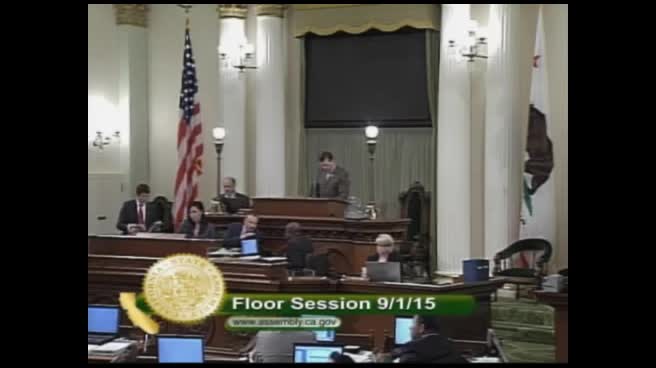
| Sep 1, 2015 | Senate amendments concurred in. To Engrossing and Enrolling. (Ayes 80. Noes 0.). |
| Sep 1, 2015 | Senate amendments concurred in. To Engrossing and Enrolling. (Ayes 80. Noes 0. Page 2734.). |
| Sep 1, 2015 | Assembly Rule 77 suspended. (Page 2729.) |
| Sep 1, 2015 | Assembly Rule 77 suspended. |
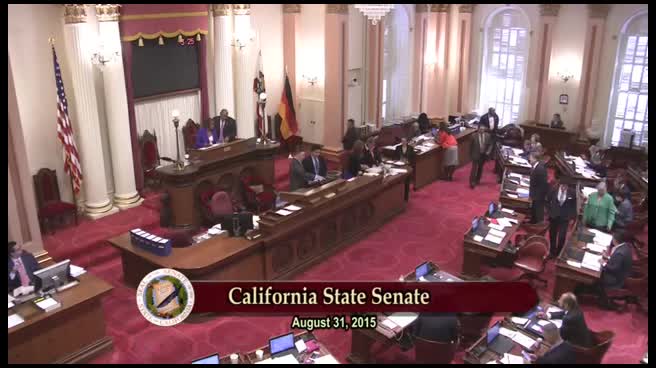
| Aug 31, 2015 | Read third time. Passed. Ordered to the Assembly. (Ayes 40. Noes 0. Page 2300.). |
| Aug 31, 2015 | Read third time. Passed. Ordered to the Assembly. |
| Aug 31, 2015 | In Assembly. Concurrence in Senate amendments pending. May be considered on or after September 2 pursuant to Assembly Rule 77. |
| Aug 25, 2015 | Read second time. Ordered to third reading. |
| Aug 24, 2015 | Read third time and amended. Ordered to second reading. |
| Jun 23, 2015 | Read second time. Ordered to third reading. |
| Feb 17, 2015 | Read first time. To print. |
| Jun 9, 2015 | From committee: Do pass and re-refer to Com. on APPR. (Ayes 13. Noes 0.) (June 9). Re-referred to Com. on APPR. |
| May 7, 2015 | Referred to Com. on G.O. |
| Apr 23, 2015 | Read third time. Passed. Ordered to the Senate. (Ayes 78. Noes 0.) |
| Apr 23, 2015 | Read third time. Passed. Ordered to the Senate. (Ayes 78. Noes 0. Page 1108.) |
| Apr 23, 2015 | In Senate. Read first time. To Com. on RLS. for assignment. |
| Apr 16, 2015 | Read second time. Ordered to consent calendar. |
| Apr 15, 2015 | From committee: Do pass. To Consent Calendar. (Ayes 16. Noes 0.) (April 15). |
| Apr 15, 2015 | From committee: Do pass. Ordered to Consent Calendar. (Ayes 16. Noes 0.) (April 15). |
| Mar 25, 2015 | From committee: Do pass and re-refer to Com. on APPR. (Ayes 9. Noes 0.) (March 25). Re-referred to Com. on APPR. |
| Mar 17, 2015 | Re-referred to Com. on A. & A.R. |
| Mar 16, 2015 | From committee chair, with author's amendments: Amend, and re-refer to Com. on A. & A.R. Read second time and amended. |
| Mar 2, 2015 | Referred to Com. on A. & A.R. |
| Feb 18, 2015 | From printer. May be heard in committee March 20. |
|
Date
|
Description
|
Location
|
Votes
|
|
|---|---|---|---|---|
| Sep 1, 2015 | AB 362 WALDRON Concurrence in Senate Amendments | Assembly Floor |
Passed |
|
| Aug 31, 2015 | Assembly 3rd Reading AB362 Waldron By Leyva | Senate Floor |
Passed |
|
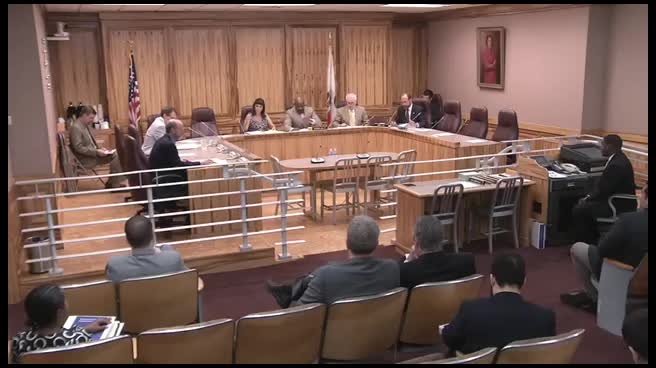
| Jun 9, 2015 | Do pass, but first be re-referred to the Committee on [Appropriations] | Senate Standing Committee on Governmental Organization |
Passed |
|
| Apr 23, 2015 | AB 362 WALDRON Consent Calendar Second Day Regular Session | Assembly Floor |
Passed |
|
| Apr 15, 2015 | Do pass. To Consent Calendar. | Assembly Standing Committee on Appropriations |
Passed |
|
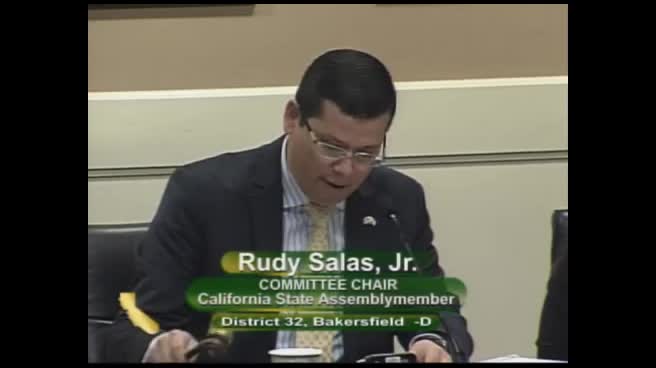
| Mar 25, 2015 | Do pass and be re-referred to the Committee on [Appropriations] | Assembly Standing Committee on Accountability and Administrative Review |
Passed |
This list shows positions taken on this bill by organizations on the date displayed, which is linked to the original source.
Positions by individuals are not included.
|
Organization
|
Position
|
Date
|
|---|---|---|
| Kodak | ** Support | Aug 31, 2015 |
GOVERNOR'S VETO
AB 362
(Waldron)
As Enrolled September 4, 2015
2/3 vote
ASSEMBLY: |
78-0 |
(April 23, 2015) |
SENATE: |
40-0 |
(August 31, 2015) |
ASSEMBLY: |
80-0 |
(September 1, 2015) |
|
|
|
Original Committee Reference: A. & A.R.
SUMMARY: Allows the Department of General Services (DGS) to engage in a pilot printing program that could be funded by a participating vendor.
The Senate amendments:
Broaden the type of pilot printing program allowed.
Allow, but do not require, the participating vendor to cover pilot costs.
EXISTING LAW requires the Office of State Printing (OSP), under DGS to conduct all state printing and generally provides OSP with discretion to determine appropriate printing methods.
FISCAL EFFECT: This bill, as amended, has not been analyzed by a Senate fiscal committee.
COMMENTS: Senate amendments broaden the type of printing pilot allowed to include those that use sustainable printing practices. The previous version of this bill specified that the pilot could be for the process free printing plates method only. Amendments allow for this method or other sustainable practices.
Senate amendments also allow, but do not require, the participating vendor to pay pilot costs. The previous version of this bill required the vendor to cover these costs.
This bill authorizes the Department of General Services to engage in a demonstration project to use sustainable practices which may include but are not limited to, the use of "process free printing plates."
I support efforts to reduce the water, chemical, and energy use associated with printing, however, the Department currently has sufficient authority to explore new methods of achieving such reductions without this legislation. In fact, the Office of State Publishing is currently prioritizing the procurement and use of new printing technologies that lessen environmental impacts, and continues to seek new methods of conserving water, energy, and paper. A new law authorizing an optional demonstration project is simply unnecessary.
Analysis Prepared by: Scott Herbstman / A. & A.R. / (916) 319-3600 FN: 0002447
AB 362
Page 1
CONCURRENCE IN SENATE AMENDMENTS
AB 362
(Waldron)
As Amended August 24, 2015
Majority vote
ASSEMBLY: |
78-0 |
(April 23, 2015) |
SENATE: |
40-0 |
(August 31, 2015) |
Original Committee Reference: A. & A.R.
SUMMARY: Allows the Department of General Services (DGS) to engage in a pilot printing program that could be funded by a participating vendor.
The Senate amendments:
Broaden the type of pilot printing program allowed.
Allow, but do not require, the participating vendor to cover pilot costs.
EXISTING LAW requires the Office of State Printing (OSP), under DGS to conduct all state printing and generally provides OSP with discretion to determine appropriate printing methods.
FISCAL EFFECT: This bill, as amended, has not been analyzed by a Senate fiscal committee.
COMMENTS: Senate amendments broaden the type of printing pilot allowed to include those that use sustainable printing practices. The previous version of this bill specified that the pilot could be for the process free printing plates method only. Amendments allow for this method or other sustainable practices.
Senate amendments also allow, but do not require, the participating vendor to pay pilot costs. The previous version of the bill required the vendor to cover these costs.
Analysis Prepared by: Scott Herbstman / A. & A.R. / (916) 319-3600 FN: 0001699
AB 362
Page 4
|
Office of Senate Floor Analyses (916) 651-1520 Fax: (916) 327-4478 |
THIRD READING
Bill No: AB 362
Amended: 8/24/15 in Senate
SENATE GOVERNMENTAL ORG. COMMITTEE: 13-0, 6/9/15
AYES: Hall, Berryhill, Block, Gaines, Galgiani, Glazer, Hernandez, Hill, Hueso, Lara, McGuire, Runner, Vidak
SENATE APPROPRIATIONS COMMITTEE: Senate Rule 28.8
ASSEMBLY FLOOR: 78-0, 4/23/15 (Consent) - See last page for vote
SUBJECT: State printing: demonstration project: process free printing
DIGEST: This bill allows the Department of General Services (DGS) to engage in a pilot program to show the environmental and economic benefits that may be achieved by utilizing sustainable printing practices which may include, but are not limited to, the use of “process free printing plates.”
Senate Floor Amendments on 8/24/15 specify that sustainable printing practices may include, but are not limited to, the use of process free printing plates and specify that the private vendor may pay for costs associated with the demonstration project. The bill previously required the private vendor to pay for the costs associated with the demonstration project. The amendments also add Assembly Member Lackey as coauthor.
ANALYSIS:
Existing law:
Requires that all the state printing shall be done in the Office of State Printing.
Specifies that DGS shall execute promptly all order for printing or binding received from the various state agencies.
This bill:
Authorizes DGS to engage in a pilot program to show the environmental and economic benefits that may be achieved by utilizing sustainable printing practices which may include, but are not limited, the use of “process free printing plates.”
Specifies that DGS shall make best efforts to adhere to the following best practices:
Reduce the overall chemical usage in making printing plates.
Maximize the use of low-volatile organic compounds and less hazardous chemicals.
Minimize water usage.
Reduce electricity usage.
Maximize the recycling of paper, ink, aluminum plates, and related materials.
Reduce the carbon footprint.
Requires that if DGS conducts such a pilot, the participating private vendor may pay for costs associated with the demonstration project, including process free printing plates, necessary for the pilot project.
Defines “process free printing plates” as printing plates that can be put on press in offset printing, also known as lithography, immediately after imaging on a platesetter, with no intermediary plate processing step required.
Background
Purpose of the bill. According to the author, traditional printing plates are imaged on a platesetter, and then the plates are run through a bath of chemical developer and water in the plate processing equipment. Once processed, the plates are put on the printing press to begin the printing. The author argues that this process uses a lot of water and a lot of chemicals that are hard on the environment.
The author concludes that process free plates use newer technology to skip the chemical processing step completely which dramatically reduces water and chemical use compared to the traditional printing process.
Kodak’s SONORA XP Process Free Plate. Kodak’s SONORA XP Process Free Plate is a thermal plate that requires no processing equipment or chemistry, using press-ready technology to enable a printer to go directly from platesetter to press with no intermediary processing or clean-out step. According to the Kodak Web site, benefits of Process Free Plates include the reduction of energy, water, and chemistry costs; freeing up space by eliminating processing equipment; eliminating the variability from processing to improve consistency and quality; getting to press faster; reducing maintenance costs and downtime with less equipment; and providing a cleaner and safer working environment.
Prior/Related Legislation
SB 1079 (Walters, Chapter 513, Statutes of 2010) clarified the placement of paid advertisements in state agency publications to reflect current practice.
SB 528 (Maldonado, Chapter 381, Statutes of 2005) struck the sunset on the Advertising Pilot Project which allows state agencies to include advertisements in their publications as a means of reducing printing costs.
AB 2315 (Chu, Chapter 220, Statutes of 2002) allowed the Office of State Printing to accept paid advertisements in materials printed or published by the state.
FISCAL EFFECT: Appropriation: No Fiscal Com.: Yes Local: No
Kodak
OPPOSITION: (Verified 8/25/15)
None received
ARGUMENTS IN SUPPORT: According to Kodak, “offset printing, the dominant printing method, typically uses traditional printing plates that are developed in a bath of chemicals, consuming much precious water in the process. Kodak argues that process free printing plates use newer technology that skips the chemical processing stem completely; saving water and energy, removing chemical and waste, and reducing the overall carbon footprint of printing.”
Kodak concludes that, “this bill would show state government how it could exercise more leadership in environmental stewardship through the use of green procurement and sustainable management practices while maintaining high quality print projects for all government clients it serves.”
AYES: Achadjian, Alejo, Travis Allen, Baker, Bigelow, Bloom, Bonilla, Bonta, Brough, Brown, Burke, Calderon, Chang, Chau, Chávez, Chiu, Chu, Cooley, Cooper, Dababneh, Dahle, Daly, Dodd, Eggman, Frazier, Beth Gaines, Gallagher, Cristina Garcia, Eduardo Garcia, Gatto, Gipson, Gomez, Gonzalez, Gordon, Gray, Grove, Hadley, Harper, Roger Hernández, Holden, Irwin, Jones, Jones-Sawyer, Kim, Lackey, Levine, Linder, Lopez, Low, Maienschein, Mathis, Mayes, McCarty, Medina, Melendez, Mullin, Nazarian, Obernolte, O'Donnell, Olsen, Patterson, Perea, Quirk, Rendon, Ridley-Thomas, Rodriguez, Santiago, Steinorth, Mark Stone, Thurmond, Ting, Wagner, Waldron, Weber, Wilk, Williams, Wood, Atkins
NO VOTE RECORDED: Campos, Salas
Prepared by: Felipe Lopez / G.O. / (916) 651-1530
8/25/15 15:48:21
**** END ****
AB 362
Page 4
|
Office of Senate Floor Analyses (916) 651-1520 Fax: (916) 327-4478 |
THIRD READING
Bill No: AB 362
Amended: 3/16/15 in Assembly
SENATE GOVERNMENTAL ORG. COMMITTEE: 13-0, 6/9/15
AYES: Hall, Berryhill, Block, Gaines, Galgiani, Glazer, Hernandez, Hill, Hueso, Lara, McGuire, Runner, Vidak
SENATE APPROPRIATIONS COMMITTEE: Senate Rule 28.8
ASSEMBLY FLOOR: 78-0, 4/23/15 (Consent) - See last page for vote
SUBJECT: State printing: demonstration project: process free printing
DIGEST: This bill allows the Department of General Services (DGS) to engage in a pilot program to show the environmental and economic benefits that may be achieved by utilizing “process free printing plates.” This bill requires that if DGS conducts such a pilot, that the participating private vendor will pay for the project’s cost.
ANALYSIS:
Existing law:
Requires that all the state printing shall be done in the Office of State Printing.
Specifies that DGS shall execute promptly all order for printing or binding received from the various state agencies.
This bill:
Authorizes DGS to engage in a “process free printing plates” pilot project to demonstrate the possible environmental and economic benefits of this technology and associated technology for state printing jobs.
Specifies that DGS shall make best efforts to adhere to the following best practices:
Reduce the overall chemical usage in making printing plates.
Maximize the use of low-volatile organic compounds and less hazardous chemicals.
Minimize water usage.
Reduce electricity usage.
Maximize the recycling of paper, ink, aluminum plates, and related materials.
Reduce the carbon footprint.
Requires that if DGS conducts such a pilot, the participating private vendor shall pay for costs associated with the demonstration project, including process free printing plates, necessary for the pilot project.
Defines “process free printing plates” as printing plates that can be put on press in offset printing, also known as lithography, immediately after imaging on a platesetter, with no intermediary plate processing step required.
Background
Purpose of the bill. According to the author, traditional printing plates are imaged on a platesetter, and then the plates are run through a bath of chemical developer and water in the plate processing equipment. Once processed, the plates are put on the printing press to begin the printing. The author argues that this process uses a lot of water and a lot of chemicals that are hard on the environment.
The author concludes that process free plates use newer technology to skip the chemical processing step completely which dramatically reduces water and chemical use compared to the traditional printing process.
Kodak’s SONORA XP Process Free Plate. Kodak’s SONORA XP Process Free Plate is a thermal plate that requires no processing equipment or chemistry, using press-ready technology to enable a printer to go directly from platesetter to press with no intermediary processing or clean-out step. According to the Kodak Web site, benefits of Process Free Plates include the reduction of energy, water, and chemistry costs; freeing up space by eliminating processing equipment; eliminating the variability from processing to improve consistency and quality; getting to press faster; reducing maintenance costs and downtime with less equipment; and providing a cleaner and safer working environment.
Prior/Related Legislation
SB 1079 (Walters, Chapter 513, Statutes of 2010) clarified the placement of paid advertisements in state agency publications to reflect current practice.
SB 528 (Maldonado, Chapter 381, Statutes of 2005) struck the sunset on the Advertising Pilot Project which allows state agencies to include advertisements in their publications as a means of reducing printing costs.
AB 2315 (Chu, Chapter 220, Statutes of 2002) allowed the Office of State Printing to accept paid advertisements in materials printed or published by the state.
FISCAL EFFECT: Appropriation: No Fiscal Com.: Yes Local: No
Kodak
OPPOSITION: (Verified 6/22/15)
None received
ARGUMENTS IN SUPPORT: According to Kodak, “offset printing, the dominant printing method, typically uses traditional printing plates that are developed in a bath of chemicals, consuming much precious water in the process. Kodak argues that process free printing plates use newer technology that skips the chemical processing stem completely; saving water and energy, removing chemical and waste, and reducing the overall carbon footprint of printing.”
Kodak concludes that, “this bill would show state government how it could exercise more leadership in environmental stewardship through the use of green procurement and sustainable management practices while maintaining high quality print projects for all government clients it serves.”
AYES: Achadjian, Alejo, Travis Allen, Baker, Bigelow, Bloom, Bonilla, Bonta, Brough, Brown, Burke, Calderon, Chang, Chau, Chávez, Chiu, Chu, Cooley, Cooper, Dababneh, Dahle, Daly, Dodd, Eggman, Frazier, Beth Gaines, Gallagher, Cristina Garcia, Eduardo Garcia, Gatto, Gipson, Gomez, Gonzalez, Gordon, Gray, Grove, Hadley, Harper, Roger Hernández, Holden, Irwin, Jones, Jones-Sawyer, Kim, Lackey, Levine, Linder, Lopez, Low, Maienschein, Mathis, Mayes, McCarty, Medina, Melendez, Mullin, Nazarian, Obernolte, O'Donnell, Olsen, Patterson, Perea, Quirk, Rendon, Ridley-Thomas, Rodriguez, Santiago, Steinorth, Mark Stone, Thurmond, Ting, Wagner, Waldron, Weber, Wilk, Williams, Wood, Atkins
NO VOTE RECORDED: Campos, Salas
Prepared by: Felipe Lopez / G.O. / (916) 651-1530
7/9/15 8:57:42
**** END ****
AB 362 (Waldron) Page 3 of 3
SENATE COMMITTEE ON GOVERNMENTAL ORGANIZATION
Senator Isadore Hall, III
Chair
2015 - 2016 Regular
Bill No: AB 362 Hearing Date: 6/9/2015
Author: |
Waldron |
||
Version: |
3/16/2015 Amended |
||
Urgency: |
No |
Fiscal: |
Yes |
Consultant: |
Felipe Lopez |
||
SUBJECT: State printing: demonstration project: process free printing.
DIGEST: This bill allows the Department of General Services (DGS) to engage in a pilot program to show the environmental and economic benefits that may be achieved by utilizing “process free printing plates.” The bill requires that if DGS conducts such a pilot, that the participating private vendor will pay for the project’s cost.
ANALYSIS:
Existing law:
Requires that all the state printing shall be done in the Office of State Printing.
Specifies that DGS shall execute promptly all order for printing or binding received from the various state agencies.
This bill:
Authorizes DGS to engage in a “process free printing plates” pilot project to demonstrate the possible environmental and economic benefits of this technology and associated technology for state printing jobs.
Specifies that DGS shall make best efforts to adhere to the following best practices:
Reduce the overall chemical usage in making printing plates.
Maximize the use of low-volatile organic compounds and less hazardous chemicals.
Minimize water usage.
Reduce electricity usage.
Maximize the recycling of paper, ink, aluminum plates, and related materials.
Reduce the carbon footprint.
Requires that if DGS conducts such a pilot, the participating private vendor shall pay for costs associated with the demonstration project, including process free printing plates, necessary for the pilot project.
Defines “process free printing plates” as printing plates that can be put on press in offset printing, also known as lithography, immediately after imaging on a platesetter, with no intermediary plate processing step required.
Background
Purpose of the bill. According to the author, traditional printing plates are imaged on a platesetter, and then the plates are run through a bath of chemical developer and water in the plate processing equipment. Once processed, the plates are put on the printing press to begin the printing. The author argues that this process uses a lot of water and a lot of chemicals that are hard on the environment.
The author concludes that process free plates use newer technology to skip the chemical processing step completely which dramatically reduces water and chemical use compared to the traditional printing process.
Kodak’s SONORA XP Process Free Plate. Kodak’s SONORA XP Process Free Plate is a thermal plate that requires no processing equipment or chemistry, using press-ready technology to enable a printer to go directly from platesetter to press with no intermediary processing or clean-out step. According to the Kodak website, benefits of Process Free Plates include the reduction of energy, water, and chemistry costs; freeing up space by eliminating processing equipment; eliminating the variability from processing to improve consistency and quality; getting to press faster; reducing maintenance costs and downtime with less equipment; and providing a cleaner, and safer working environment.
Prior/Related Legislation
SB 1079 (Walters, Chapter 513, Statutes of 2010) clarified the placement of paid advertisements in state agency publications to reflect current practice.
SB 528 (Maldonado, Chapter 381, Statutes 2005) struck the sunset on the Advertising Pilot Project which allows state agencies to include advertisements in their publications as a means of reducing printing costs.
AB 2315 (Chu, Chapter 220, Statutes of 2002) allowed the Office of State Printing to accept paid advertisements in materials printed or published by the state.
FISCAL EFFECT: Appropriation: No Fiscal Com.: Yes Local: No
SUPPORT:
Kodak
OPPOSITION:
None received
ARGUMENTS IN SUPPORT: According to Kodak, offset printing, the dominant printing method, typically uses traditional printing plates that are developed in a bath of chemicals, consuming much precious water in the process. Kodak argues that process free printing plates use newer technology that skips the chemical processing stem completely; saving water and energy, removing chemical and waste, and reducing the overall carbon footprint of printing.
Kodak concludes that this bill would show state government how it could exercise more leadership in environmental stewardship through the use of green procurement and sustainable management practices while maintaining high quality print projects for all government clients it serves.
AB 362
Page 2
Date of Hearing: April 15, 2015
ASSEMBLY COMMITTEE ON APPROPRIATIONS
Jimmy Gomez, Chair
AB 362
(Waldron) – As Amended March 16, 2015
Policy Committee: |
Accountability and Administrative Review |
Vote: |
9 - 0 |
|
|
|
|
|
|
|
|
Urgency: No State Mandated Local Program: No Reimbursable: No
SUMMARY:
This bill allows the Department of General Services (DGS) to engage in a pilot printing program that would be paid for by a participating vendor. Specifically, this bill:
Authorizes DGS to engage in a demonstration project using "process free printing plates," as defined, to show the possible environmental and economic benefits of this technology.
Specifies best practices the department must strive to adhere to, including reducing overall chemical usage, maximizing the use of less hazardous chemicals, minimizing water usage, reducing electricity usage, maximizing recycling of materials used, and reducing the carbon footprint.
Requires that if DGS conducts such a pilot, the participating private vendor will pay for the project's cost.
FISCAL EFFECT:
Negligible state cost. The bill requires a private vendor engaging in a demonstration project with DGS to cover the costs of the project.
Staff notes that the details of the pilot project, such as the scope and location, are not included in the bill. Depending on the details, there could be indirect cost implications for the Office of State Publishing (OSP) that go beyond the plates and are more difficult to identify. For example, if the pilot is held in-house, existing equipment may need to be moved or existing production schedules may be disrupted or delayed. It is not clear whether or how those costs would be covered by the vendor. In contrast, if the pilot were held off site, OSP costs would be primarily limited to staff travel time.
COMMENTS:
Purpose. According to the author, traditional printing requires the development of plates that are run through a bath of chemical developer and water. This process is not the most efficient method available and requires more water, energy, and produces more waste than other available methods. This bill would authorize a pilot project for a "process-free" approach, designed to demonstrate any economic or environmental advantages of this process.
Background. Established in 1965, the OSP, under DGS, provides a variety of programs, services, and support to all state, federal, county and city agencies. Among its key services are project planning and initiation, creative print and web design, mass mailing and interagency mail, state records center, and digital and offset print production. OSP is committed to energy and cost efficient production. Regarding printing, OSP has not used process free printing plates for its printing, but has moved towards digital printing, a method which also does not require the development of plates.
State Contracting Considerations. This bill leaves the decision to participate in a pilot program to DGS, but requires that a vendor participating in the pilot will cover its costs. While this approach could reduce state expenses, it is potentially inconsistent with procurement guidance to state agencies, as specified in the State Contracting Manual (SCM).
Specifically, the SCM "recommends that departments do not accept suppliers’ offers of goods or services without cost or obligation to the State. If a department’s decision is contrary to this recommendation, the department must execute a purchase document to document the agreement." According to DGS, this direction is to prevent a vendor from receiving preferential treatment or the perception of preferential treatment. The SCM further advises that, "Before accepting any suppliers’ goods and services offered at no cost or obligation to the department, the department must consider the perception of the acceptance to other suppliers."
Need for the Bill. DGS is authorized under current law to decide the manner of printing it uses. It does not appear to need additional authority to observe or engage in alternative printing methods.
Analysis Prepared by: Jennifer Swenson / APPR. / (916) 319-2081
AB 362
Page 2
Date of Hearing: March 25, 2015
ASSEMBLY COMMITTEE ON ACCOUNTABILITY AND ADMINISTRATIVE REVIEW
Rudy Salas, Chair
AB 362
Waldron – As Amended March 16, 2015
SUBJECT: State printing: demonstration project: process free printing
SUMMARY: Allows the Department of General Services (DGS) to engage in a pilot printing program that would be paid for by a participating vendor. Specifically, this bill:
Authorizes DGS to engage in a "process free printing plates" pilot project to demonstrate the possible environmental and economic benefits of this technology.
Requires that if DGS conducts such a pilot, the participating private vendor will pay for the project's cost.
EXISTING LAW: requires that the Office of State Printing (OSP), under DGS, shall conduct all state printing and generally provides OSP with discretion to determine appropriate printing methods.
FISCAL EFFECT: Unknown
COMMENTS: This bill authorizes, but does not require, DGS to conduct a "process free printing plates" pilot program. Traditional printing requires the development of plates that are created with chemical developers. The process-free approach, proposed in this bill, eliminates chemical processing. The sponsor of this bill, Kodak, states that besides eliminating chemicals, the use of process free printing plates reduces water and energy uses.
While the OSP has not used process free printing plates for its printing, it has been moving towards digital printing. This method also does not require the chemical development of plates.
This bill leaves the decision to participate in a pilot program to DGS, but requires that a vendor participating in the pilot will cover its costs. While such an approach could reduce state expenses, it is potentially inconsistent with procurement guidance to state agencies, as specified in the State Contracting Manual (SCM).
Specifically, the SCM "recommends that departments do not accept suppliers’ offers of goods or services without cost or obligation to the State. If a department’s decision is contrary to this recommendation, the department must execute a purchase document to document the agreement." According to DGS, this direction is to prevent a vendor from receiving preferential treatment or the perception of preferential treatment. The SCM further advises that, "Before accepting any suppliers’ goods and services offered at no cost or obligation to the department, the department must consider the perception of the acceptance to other suppliers."
Additionally, DGS is authorized under current law to decide the manner of printing it uses and does not appear to need additional authority to try different printing methods.
REGISTERED SUPPORT / OPPOSITION:
Support
Kodak (sponsor)
Opposition
None on file
Analysis Prepared by: Scott Herbstman / A. & A.R. / (916) 319-3600
Discussed in Hearing
 48SEC
Assembly Floor
 2MIN
Senate Floor
 3MIN
Senate Standing Committee on Governmental Organization
 7MIN
Assembly Standing Committee on Accountability and Administrative Review
Bill Author

Bill Co-Author(s):
