AB 363: Closing of the polls.
- Session Year: 2015-2016
- House: Assembly
- Latest Version Date: 2015-10-10
Existing law requires a precinct board to account for ballots at the closing of the polls.
This bill would authorize a county elections official to account for ballots at the central counting place.
Existing law prescribes the procedures for a precinct board to follow as soon as the polls close, including removing the voted ballots from the ballot container, sealing the ballots, and delivering the ballots to the receiving centers or central counting places.
This bill would authorize a county elections official to direct the precinct board to seal the ballots and to record certain information prior to the closing of the polls. The bill would also authorize the county elections official to direct other elections officials to remove the sealed ballots prior to the closing of the polls and to deliver them to a receiving center or central counting place. The bill would require the county elections official, at least 48 hours before an election, to notify the public of the dates, times, and places to which ballot containers will be delivered. The bill would also require the Secretary of State to adopt regulations addressing the secure delivery and transfer of ballots to a receiving center or central counting place.
Existing law requires a precinct board to account for ballots at the closing of the polls.
This bill would authorize a county elections official to account for ballots at the central counting place.
Existing law prescribes the procedures for a precinct board to follow as soon as the polls close, including removing the voted ballots from the ballot container, sealing the ballots, and delivering the ballots to the receiving centers or central counting places.
This bill would authorize a county elections official to direct the precinct board to seal the ballots and to record certain information prior to the closing of the polls. This The bill would also authorize the county elections official to direct other elections officials to remove the sealed ballots prior to the closing of the polls and to deliver them to a receiving center or central counting place. The bill would require the county elections official, at least 48 hours before an election, to notify the public of the dates, times, and places to which ballot containers will be delivered. The bill would also require the Secretary of State to adopt regulations addressing the secure delivery and transfer of ballots to a receiving center or central counting place.
Existing law requires a precinct board to account for ballots at the closing of the polls.
This bill would authorize a county elections official to account for ballots at the central counting place.
Existing law prescribes the procedures for a precinct board to follow as soon as the polls close, including removing the voted ballots from the ballot container, sealing the ballots, and delivering the ballots to the receiving centers or central counting places.
This bill would authorize a county elections official to direct the precinct board to seal the ballots and to record certain information prior to the closing of the polls. This bill would also authorize the county elections official to direct other elections officials to remove the sealed ballots prior to the closing of the polls and to deliver them to a receiving center or central counting place.
(a)The members of the precinct board shall account for the ballots delivered to them by returning a sufficient number of unused ballots to make up, when added to the number of official ballots cast and the number of spoiled and canceled ballots returned, the number of ballots given to them. The accounting of ballots may either:
(1)Take place at the polling place.
(2)Be performed by the elections official at the central counting place.
(b)The precinct board shall complete the roster as required in Section 14107, and shall also complete and sign the certificate of performance prescribed in Section 15280, if that section applies.
SEC. 2.Section 14420 of the Elections Code is amended to read:14420.(a)Except as provided in subdivision (c), before or as soon as the polls are closed, the precinct board shall remove the voted ballots from the ballot container and take them out of the secrecy envelopes or detach them from the secrecy stubs. Where the envelope or stub is also the write-in ballot, and a write-in vote has been registered thereon, the ballot card shall not be separated from the envelope or stub. If two or more separate ballot cards have been used in the election, the precinct board shall sort them into groups, each of which shall contain the same series of ballot cards.
(b)After completing the action described in subdivision (a), the precinct board shall count the number of ballot cards in each group, and certify the number of ballots cast on the voting roster as provided by Section 14107. If there is any discrepancy between the number of voters listed in the roster and the number of ballots voted, this fact shall be noted with an explanation of the difference and signed by all the members of the precinct board.
(c)Before or at the close of the polls, the county elections official may direct the precinct board to seal the ballot container and record on forms provided by the elections official the information needed for the reconciliation of ballots required by Section 14405.
SEC. 3.Section 14421 of the Elections Code is amended to read:14421.Unless the county elections official has directed the precinct board to seal the ballot container and record information pursuant to subdivision (c) of Section 14420, the precinct board shall group voted ballot cards and voted separate write-in ballots, as directed by the elections official, and place them in containers. The board shall also place spoiled and void ballots, if any, in containers as directed by the elections official. All of these ballots, along with the containers for voted ballot cards, shall be placed in one or more boxes, which shall then be sealed and delivered as soon as possible to the receiving centers or central counting places with the unused ballots, supplies, and other materials as directed by the elections official.
SEC. 4.Section 14422 is added to the Elections Code, to read:14422.(a)(1)Notwithstanding any other provision of law, the county elections official may direct a precinct board to seal the ballot container prior to the closing of the polls, in accordance with the procedures set forth in Sections 14420 and 14421.
(2)Notwithstanding Section 14215, as soon as the container is sealed, the county elections official may direct at least two elections officials to remove the sealed ballot container of voted untallied ballots from the polling place and the presence of any bystanders and to deliver the container to a receiving center or central counting place as directed.
(3)At least 48 hours in advance of an election, the elections official shall notify the public of the dates, times, and places at which ballot containers will be delivered pursuant to this subdivision.
(b)Upon receipt of a container at a receiving center or central counting place pursuant to subdivision (a), the county elections official may process the voted untallied ballots, but shall not tally the ballots or release any results prior to the closing of the polls.
(c)The Secretary of State shall adopt regulations addressing the secure delivery and transfer of ballots to a receiving center or central counting place pursuant to this section.
(d)This section shall not be construed as relieving a precinct board of its responsibility to account for ballots pursuant to Section 14405.
(a)The members of the precinct board shall account for the ballots delivered to them by returning a sufficient number of unused ballots to make up, when added to the number of official ballots cast and the number of spoiled and canceled ballots returned, the number of ballots given to them. The accounting of ballots may either:
(1)Take place at the polling place.
(2)Be performed by the elections official at the central counting place.
(b)The precinct board shall complete the roster as required in Section 14107, and shall also complete and sign the certificate of performance prescribed in Section 15280, if that section applies.
SEC. 2.Section 14420 of the Elections Code is amended to read:14420.(a)Except as provided in subdivision (c), before or as soon as the polls are closed, the precinct board shall remove the voted ballots from the ballot container and take them out of the secrecy envelopes or detach them from the secrecy stubs. Where the envelope or stub is also the write-in ballot, and a write-in vote has been registered thereon, the ballot card shall not be separated from the envelope or stub. If two or more separate ballot cards have been used in the election, the precinct board shall sort them into groups, each of which shall contain the same series of ballot cards.
(b)After completing the action described in subdivision (a), the precinct board shall count the number of ballot cards in each group, and certify the number of ballots cast on the voting roster as provided by Section 14107. If there is any discrepancy between the number of voters listed in the roster and the number of ballots voted, this fact shall be noted with an explanation of the difference and signed by all the members of the precinct board.
(c)Before or at the close of the polls, the county elections official may direct the precinct board to seal the ballot container and record on forms provided by the elections official the information needed for the reconciliation of ballots required by Section 14405.
SEC. 3.Section 14421 of the Elections Code is amended to read:14421.Unless the county elections official has directed the precinct board to seal the ballot container and record information pursuant to subdivision (c) of Section 14420, the precinct board shall group voted ballot cards and voted separate write-in ballots, as directed by the elections official, and place them in containers. The board shall also place spoiled and void ballots, if any, in containers as directed by the elections official. All of these ballots, along with the containers for voted ballot cards, shall be placed in one or more boxes, which shall then be sealed and delivered as soon as possible to the receiving centers or central counting places with the unused ballots, supplies, and other materials as directed by the elections official.
SEC. 4.Section 14422 is added to the Elections Code, to read:14422.(a)(1)Notwithstanding any other provision of law, the county elections official may direct a precinct board to seal the ballot container prior to the closing of the polls, in accordance with the procedures set forth in Sections 14420 and 14421.
(2)As Notwithstanding Section 14215, as soon as the container is sealed, the county elections official may direct at least two elections officials to remove the sealed ballot container of voted untallied ballots from the polling place and the presence of any bystanders and to deliver the container to a receiving center or central counting place as directed.
(3)At least 48 hours in advance of an election, the elections official shall notify the public of the dates, times, and places at which ballot containers will be delivered pursuant to this subdivision.
(b)Upon receipt of a container at a receiving center or central counting place pursuant to subdivision (a), the county elections official may process the voted untallied ballots, but shall not tally the ballots or release any results prior to the closing of the polls.
(c)The Secretary of State shall adopt regulations addressing the secure delivery and transfer of ballots to a receiving center or central counting place pursuant to this section.
(d)This section shall not be construed as relieving a precinct board of its responsibility to account for ballots pursuant to Section 14405.
(a)The members of the precinct board shall account for the ballots delivered to them by returning a sufficient number of unused ballots to make up, when added to the number of official ballots cast and the number of spoiled and canceled ballots returned, the number of ballots given to them. The accounting of ballots may either:
(1)Take place at the polling place.
(2)Be performed by the elections official at the central counting place.
(b)The precinct board shall complete the roster as required in Section 14107, and shall also complete and sign the certificate of performance prescribed in Section 15280, if that section applies.
SEC. 2.Section 14420 of the Elections Code is amended to read:14420.(a)Except as provided in subdivision (c), before or as soon as the polls are closed, the precinct board shall remove the voted ballots from the ballot container and take them out of the secrecy envelopes or detach them from the secrecy stubs. Where the envelope or stub is also the write-in ballot, and a write-in vote has been registered thereon, the ballot card shall not be separated from the envelope or stub. If two or more separate ballot cards have been used in the election, the precinct board shall sort them into groups, each of which shall contain the same series of ballot cards.
(b)After completing the action described in subdivision (a), the precinct board shall count the number of ballot cards in each group, and certify the number of ballots cast on the voting roster as provided by Section 14105. 14107. If there is any discrepancy between the number of voters listed in the roster and the number of ballots voted, this fact shall be noted with an explanation of the difference and signed by all the members of the precinct board.
(c)Before or at the close of the polls, the county elections official may direct the precinct board to seal the ballot container and record on forms provided by the elections official the information needed for the reconciliation of ballots required by Section 14405.
SEC. 3.Section 14421 of the Elections Code is amended to read:14421.Unless the county elections official has directed the precinct board to seal the ballot container and record information pursuant to subdivision (c) of Section 14420, the precinct board shall group voted ballot cards and voted separate write-in ballots, as directed by the elections official, and place them in containers. The board shall also place spoiled and void ballots, if any, in containers as directed by the elections official. All of these ballots, along with the containers for voted ballot cards, shall be placed in one or more boxes, which shall then be sealed and delivered as soon as possible to the receiving centers or central counting places with the unused ballots, supplies, and other materials as directed by the elections official.
SEC. 4.Section 14422 is added to the Elections Code, to read:14422.(a)(1)Notwithstanding any other provision of law, the county elections official may direct a precinct board to seal the ballot container prior to the closing of the polls, in accordance with the procedures set forth in Sections 14420 and 14421.
(2)As soon as the container is sealed, the county elections official may direct at least two elections officials to remove the sealed ballot container of voted untallied ballots from the polling place and the presence of any bystanders and to deliver the container to a receiving center or central counting place as directed.
(3)At least 48 hours in advance of an election, the elections official shall notify the public of the dates, times, and places at which ballot containers will be delivered pursuant to this subdivision.
(b)Upon receipt of a container at a receiving center or central counting place pursuant to subdivision (a), the county elections official may process the voted untallied ballots, but shall not tally the ballots or release any results prior to the closing of the polls.
(c)The Secretary of State shall adopt regulations addressing the secure delivery and transfer of ballots to a receiving center or central counting place pursuant to this section.
(c)
(d)This section shall not be construed as relieving a precinct board of its responsibility to account for ballots pursuant to Section 14405.
(a)The members of the precinct board shall account for the ballots delivered to them by returning a sufficient number of unused ballots to make up, when added to the number of official ballots cast and the number of spoiled and canceled ballots returned, the number of ballots given to them. The accounting of ballots may either:
(1)Take place at the polling place.
(2)Be performed by the elections official at the central counting place.
(b)The precinct board shall complete the roster as required in Section 14107, and shall also complete and sign the certificate of performance prescribed in Section 15280, if that section applies.
SEC. 2.Section 14420 of the Elections Code is amended to read:14420.(a)Except as provided in subdivision (c), prior to before or as soon as the polls are closed, the precinct board shall remove the voted ballots from the ballot container and take them out of the secrecy envelopes or detach them from the secrecy stubs. Where the envelope or stub is also the write-in ballot, and a write-in vote has been registered thereon, the ballot card shall not be separated from the envelope or stub. If two or more separate ballot cards have been used in the election, the precinct board shall sort them into groups, each of which shall contain the same series of ballot cards.
(b)After completing the action described in subdivision (a), the precinct board shall count the number of ballot cards in each group, and certify the number of ballots cast on the voting roster as provided by Section 14105. If there is any discrepancy between the number of voters listed in the roster and the number of ballots voted, this fact shall be noted with an explanation of the difference and signed by all the members of the precinct board.
(c)Prior to Before or at the close of the polls, the county elections official may direct the precinct board to seal the ballot container and record on forms provided by the elections official the information needed for the reconciliation of ballots required by Section 14405.
SEC. 3.Section 14421 of the Elections Code is amended to read:14421.Unless the county elections official has directed the precinct board to seal the ballot container and record information pursuant to subdivision (c) of Section 14420, the precinct board shall group voted ballot cards and voted separate write-in ballots, as directed by the elections official, and place them in containers. The board shall also place spoiled and void ballots, if any, in containers as directed by the elections official. All of these ballots, along with the containers for voted ballot cards, shall be placed in one or more boxes, which shall then be sealed and delivered as soon as possible to the receiving centers or central counting places with the unused ballots, supplies, and other materials as directed by the elections official.
SEC. 4.Section 14422 is added to the Elections Code, to read:14422.(a)(1)Notwithstanding any other provision of law, the county elections official may direct a precinct board to seal the ballot container prior to the closing of the polls, in accordance with the procedures set forth in Sections 14420 and 14421.
(2)As soon as the container is sealed, the county elections official may direct at least two elections officials to remove the sealed ballot container of voted untallied ballots from the polling place and the presence of any bystanders and to deliver the container to a receiving center or central counting place as directed.
(b)Upon receipt of a container at a receiving center or central counting place pursuant to subdivision (a), the county elections official may process the voted untallied ballots, but shall not tally the ballots or release any results prior to the closing of the polls.
(c)This section shall not be construed as relieving a precinct board of its responsibility to account for ballots pursuant to Section 14405.
(a)The members of the precinct board shall account for the ballots delivered to them by returning a sufficient number of unused ballots to make up, when added to the number of official ballots cast and the number of spoiled and canceled ballots returned, the number of ballots given to them. The officers receiving returned ballots shall compel this accounting. accounting of ballots may either:
(1)Take place at the polling place.
(2)Be performed by the elections official at the central counting place.
(b)The precinct board shall complete the roster as required in Section 14107, and shall also complete and sign the certificate of performance prescribed in Section 15280, if that section applies.
SEC. 2.Section 14420 of the Elections Code is amended to read:14420.(a)As Except as provided in subdivision (c), prior to or as soon as the polls are closed, the precinct board shall remove the voted ballots from the ballot container and take them out of the secrecy envelopes or detach them from the secrecy stubs. Where the envelope or stub is also the write-in ballot, and a write-in vote has been registered thereon, the ballot card shall not be separated from the envelope or stub. If two or more separate ballot cards have been used in the election, the precinct board shall sort them into groups, each of which shall contain the same series of ballot cards.
(b)After completing the action described in subdivision (a), the precinct board shall count the number of ballot cards in each group, and certify the number of ballots cast on the voting roster as provided by Section 14105. If there is any discrepancy between the number of voters listed in the roster and the number of ballots voted, this fact shall be noted with an explanation of the difference and signed by all the members of the precinct board.
(c)Prior to or at the close of the polls, the county elections official may direct the precinct board to seal the ballot container and record on forms provided by the elections official the information needed for the reconciliation of ballots required by Section 14405.
SEC. 3.Section 14421 of the Elections Code is amended to read:14421.The Unless the county elections official has directed the precinct board to seal the ballot container and record information pursuant to subdivision (c) of Section 14420, the precinct board shall group voted ballot cards and voted separate write-in ballots, as directed by the elections official, and place them in containers. The board shall also place spoiled and void ballots, if any, in containers as directed by the elections official. All of these ballots, along with the containers for voted ballot cards, shall be placed in one or more boxes, which shall then be sealed and delivered as soon as possible to the receiving centers or central counting places with the unused ballots, supplies, and other materials as directed by the elections official.
SEC. 4.Section 14422 is added to the Elections Code, to read:14422.(a)(1)Notwithstanding any other provision of law, the county elections official may direct a precinct board to seal the ballot container prior to the closing of the polls, in accordance with the procedures set forth in Sections 14420 and 14421.
(2)As soon as the container is sealed, the county elections official may direct at least two elections officials to remove the sealed ballot container of voted untallied ballots from the polling place and the presence of any bystanders and to deliver the container to a receiving center or central counting place as directed.
(b)Upon receipt of a container at a receiving center or central counting place pursuant to subdivision (a), the county elections official may process the voted untallied ballots, but shall not tally the ballots or release any results prior to the closing of the polls.
(c)This section shall not be construed as relieving a precinct board of its responsibility to account for ballots pursuant to Section 14405.
|
Date
|
Status
|
|---|---|
| Jun 11, 2015 | Referred to Com. on E. & C.A. |
| Oct 10, 2015 | Chaptered by Secretary of State - Chapter 725, Statutes of 2015. |
| Oct 10, 2015 | Approved by the Governor. |
| Sep 16, 2015 | Enrolled and presented to the Governor at 4 p.m. |
| Sep 3, 2015 | Senate amendments concurred in. To Engrossing and Enrolling. (Ayes 79. Noes 0.). |
| Sep 3, 2015 | Senate amendments concurred in. To Engrossing and Enrolling. (Ayes 79. Noes 0. Page 2867.). |
| Sep 3, 2015 | Assembly Rule 77 suspended. (Page 2859.) |
| Sep 3, 2015 | Assembly Rule 77 suspended. |
| Sep 2, 2015 | Read third time. Passed. Ordered to the Assembly. (Ayes 40. Noes 0. Page 2397.). |
| Sep 2, 2015 | Read third time. Passed. Ordered to the Assembly. |
| Sep 2, 2015 | In Assembly. Concurrence in Senate amendments pending. May be considered on or after September 4 pursuant to Assembly Rule 77. |
| Aug 31, 2015 | Read second time. Ordered to third reading. |
| Aug 27, 2015 | From committee: Do pass. (Ayes 7. Noes 0.) (August 27). |
| Aug 17, 2015 | In committee: Referred to APPR. suspense file. |
| Aug 17, 2015 | From committee chair, with author's amendments: Amend, and re-refer to committee. Read second time, amended, and re-referred to Com. on APPR. |
| Jul 1, 2015 | From committee: Do pass and re-refer to Com. on APPR. with recommendation: To Consent Calendar. (Ayes 4. Noes 0.) (June 30). Re-referred to Com. on APPR. |
| Feb 17, 2015 | Read first time. To print. |
| Jun 2, 2015 | Read third time. Passed. Ordered to the Senate. (Ayes 78. Noes 0. Page 1816.) |
| Jun 2, 2015 | Read third time. Passed. Ordered to the Senate. |
| Jun 2, 2015 | In Senate. Read first time. To Com. on RLS. for assignment. |
| May 28, 2015 | Read second time. Ordered to Consent Calendar. |
| May 27, 2015 | From committee: Do pass. To Consent Calendar. (Ayes 17. Noes 0.) (May 27). |
| May 20, 2015 | Read second time. Ordered to third reading. |
| May 20, 2015 | Re-referred to Com. on APPR. pursuant to Joint Rule 10.5. |
| May 19, 2015 | Read second time and amended. Ordered returned to second reading. |
| May 18, 2015 | From committee: Amend, and do pass as amended. (Ayes 7. Noes 0.) (May 13). |
| May 7, 2015 | Re-referred to Com. on E. & R. |
| May 6, 2015 | From committee chair, with author's amendments: Amend, and re-refer to Com. on E. & R. Read second time and amended. |
| Mar 16, 2015 | In committee: Set, first hearing. Hearing canceled at the request of author. |
| Mar 2, 2015 | Referred to Com. on E. & R. |
| Feb 18, 2015 | From printer. May be heard in committee March 20. |
|
Date
|
Description
|
Location
|
Votes
|
|
|---|---|---|---|---|
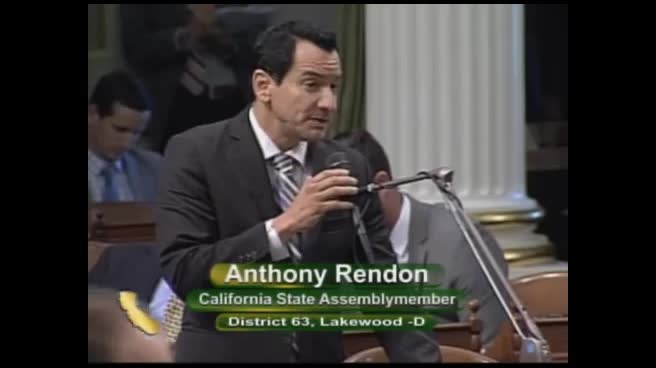
| Sep 3, 2015 | AB 363 STEINORTH Concurrence in Senate Amendments | Assembly Floor |
Passed |
|
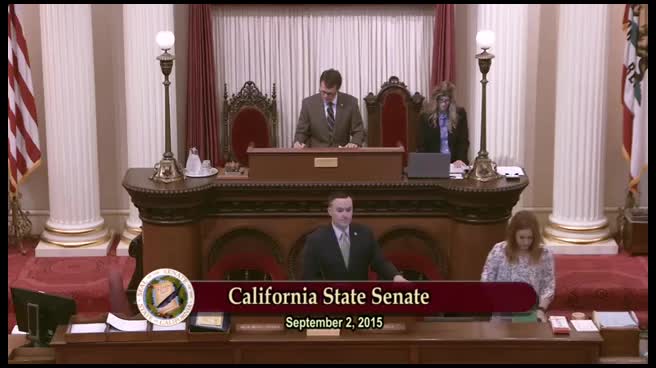
| Sep 2, 2015 | Assembly 3rd Reading AB363 Steinorth By Stone | Senate Floor |
Passed |
|
| Aug 27, 2015 | Do pass | Senate Standing Committee on Appropriations |
Passed |
|
| Aug 17, 2015 | Placed on suspense file | Senate Standing Committee on Appropriations |
Passed |
|
| Jun 30, 2015 | Do pass, but first be re-referred to the Committee on [Appropriations] with the recommendation: To Consent Calendar | Senate Standing Committee on Elections and Constitutional Amendments |
Passed |
|
| Jun 2, 2015 | AB 363 STEINORTH Consent Calendar Second Day | Assembly Floor |
Passed |
|
| May 27, 2015 | Do pass. To Consent Calendar. | Assembly Standing Committee on Appropriations |
Passed |
|
| May 13, 2015 | Do pass as amended. | Assembly Standing Committee on Elections and Redistricting |
Passed |
This list shows positions taken on this bill by organizations on the date displayed, which is linked to the original source.
Positions by individuals are not included.
|
Organization
|
Position
|
Date
|
|---|---|---|
| California Association of Clerks and Election Officials | ** Support | Sep 2, 2015 |
| California State Association Of Counties | ** Support | Sep 2, 2015 |
| County of San Bernardino | ** Support | Sep 2, 2015 |
| Rural County Representatives of California | ** Support | Sep 2, 2015 |
| Santa Clara County Board of Supervisors | ** Support | Sep 2, 2015 |
| Urban Counties Caucus | ** Support | Sep 2, 2015 |
AB 363
Page 2
CONCURRENCE IN SENATE AMENDMENTS
AB 363
(Steinorth)
As Amended August 17, 2015
Majority vote
ASSEMBLY: |
78-0 |
(June 2, 2015) |
SENATE: |
40-0 |
(September 2, 2015) |
Original Committee Reference: E. & R.
SUMMARY: Authorizes county elections officials, on election day, to begin accounting and processing polling place ballots during the day, instead of waiting until the closing of the polls, as specified. Specifically, this bill:
Authorizes a precinct board, when accounting for ballots at the closing of the polls, as specified, to either account for the ballots at a polling place or to be performed by the elections official at a central counting place, instead of only allowing a precinct board to account for ballots at a polling place.
Permits a county elections official, before the closing of the polls instead of at the close of the polls, to direct a precinct board to seal the ballot container and record on forms prescribed by the elections official the information needed for the reconciliation of ballots, as specified.
Allows a county elections official to direct a precinct board to seal the ballot container prior to the closing of the polls in accordance with existing law. Permits a county elections official, as soon as the container is sealed, to direct at least two elections officials to remove the sealed ballot container of voted untallied ballots from the polling place and, in the presence of any bystanders, to deliver the container to a receiving center or central counting place as directed. Allows a county elections official, upon receipt of a container at a receiving center or central counting place, to process the voted untallied ballots. Prohibits the tally of ballots or release of any results prior to the closing of the polls.
Requires the elections officials to notify the public 48 hours before election day of the dates, times and places where ballot containers will be delivered.
Requires the Secretary of State (SOS) to adopt regulations addressing the secure delivery and transfer of ballots to a receiving center or central counting place.
Makes other technical changes.
The Senate amendments make non-substantive technical changes.
AS PASSED BY THE ASSEMBLY, this bill was substantially similar to the version approved by the Senate.
FISCAL EFFECT: According to the Senate Appropriations Committee, the SOS indicates that it would incur a one-time General Fund cost of $55,000 to promulgate regulations resulting from this bill.
COMMENTS: According to the author, "AB 363 will improve election efficiency by allowing for ballots to be picked up from Election Day polling places and processed at a central counting location before the polls are closed. In doing so, election results will be reported much sooner on election night, and counties will save taxpayer dollars by reducing overtime costs. Further, this bill will give election officials the option to modify current ballot reconciliation procedures in an attempt to make them more effective and secure.
"Existing law allows for [vote by mail] ballots which have been dropped off at polling places to be transported prior to the close of polls, but inconsistently, the law does not allow for early pick-up of ballots which had been cast at the polling place. Allowing for early pick-up of all ballots will make a critical difference in geographically expansive counties, within which it may take hours to transport ballots from a remote polling location to the counting location."
Existing law establishes procedures for processing ballots following the closing of the polls on election day. Specifically, once the polls close, current law requires members of the precinct board to account for ballots delivered to them whether voted, unused, spoiled, or canceled. This process is commonly known as ballot reconciliation. Existing law prohibits a ballot container from being opened until after the polls are closed and further prohibits the removal of a ballot container from a polling place until all ballots are counted. Once reconciliation is completed, ballot containers are allowed to be delivered to their assigned receiving center or central counting location for processing.
This bill authorizes county elections officials to use an additional reconciliation procedure. First, this bill permits the ballot reconciliation process to begin before the polls close, instead of after the polls close. Second, this bill allows ballot containers to be transported to a receiving center or central counting place for ballot reconciliation and processing before the polls close. These are significant departures from current practice which prohibits the removal of a ballot container from a polling place until all ballots are counted and further prohibits a ballot container from being opened until after the polls are closed. According to the author and the proponents of this bill, this new procedure is a much needed option for county elections officials, especially those counties that are geographically expansive. Proponents contend that the new ballot reconciliation process outlined in this bill will expedite ballot processing by allowing ballots to be processed and transported to counting locations prior to the closing of the polls as well as provide for more timely results, reduce election administrative costs, and increase overall election efficiency.
The Senate amendments make non-substantive technical changes. This bill, as amended in the Senate, is consistent with Assembly actions.
Analysis Prepared by: Nichole Becker / E. & R. / (916) 319-2094 FN: 0001681
AB 363
Page 4
|
Office of Senate Floor Analyses (916) 651-1520 Fax: (916) 327-4478 |
THIRD READING
Bill No: AB 363
Amended: 8/17/15 in Senate
SENATE ELECTIONS & C.A. COMMITTEE: 4-0, 6/30/15
AYES: Allen, Anderson, Hertzberg, Liu
NO VOTE RECORDED: Hancock
SENAE APPROPRIATIONS COMMITTEE: 7-0, 8/27/15
AYES: Lara, Bates, Beall, Hill, Leyva, Mendoza, Nielsen
ASSEMBLY FLOOR: 78-0, 6/2/15 (Consent) - See last page for vote
SOURCE: County of San Bernardino
DIGEST: This bill authorizes county elections officials, on Election Day, to begin accounting and processing polling place ballots during the day, instead of waiting until the closing of the polls.
Existing law:
Requires members of a precinct board to account for ballots delivered to them by returning a sufficient number of unused ballots to make up, when added to the number of official ballots cast and the number of spoiled and canceled ballots returned, the number of ballots given to them.
Requires members of a precinct board, as soon as the polls are closed, to remove the voted ballots from the ballot container. Requires the precinct board to count the number of ballot cards in each group, and certify the number of ballots cast on the voting roster, as specified. Requires the precinct board, if there is any discrepancy between the number of voters listed in the roster and the number of ballots voted, to note this fact with an explanation of the difference signed by all the members of the precinct board.
Requires precinct board members to group voted ballot cards and voted separate write-in ballots, as directed by the elections official, and place them in containers. Requires the board to place spoiled and voided ballots, if any, in containers as directed by the elections official. Requires all the containers to be placed in one or more boxes and sealed and delivered as soon as possible to the receiving centers or central counting places with the unused ballots, supplies, and other materials as directed by the elections officials.
Prohibits the removal of a ballot container from a polling place or the presence of any persons assembled at the polling place until all the ballots are counted and prohibits the ballot container from being opened until after the polls are closed.
This bill authorizes county elections officials, on Election Day, to begin accounting and processing polling place ballots during the day, instead of waiting until the closing of the polls. Specifically, this bill:
Authorizes a precinct board, when accounting for ballots to either account for the ballots at a polling place or be performed by the elections official at a central counting place.
Permits a county elections official, before or at the close of the polls, to direct a precinct board to seal the ballot container and record on forms prescribed by the elections official the information needed for the reconciliation of ballots, as specified.
Allows a county elections official to direct a precinct board to seal the ballot container prior to the closing of the polls in accordance with existing law. Permits a county elections official, as soon as the container is sealed, to direct at least two elections officials to remove the sealed ballot container of voted, untallied ballots from the polling place and, in the presence of any bystanders, to deliver the container to a receiving center or central counting place as directed.
Requires the elections officials to notify the public 48 hours before Election Day of the dates, times and places where ballot containers will be delivered.
Allows a county elections official, upon receipt of a container at a receiving center or central counting place, to process the voted untallied ballots. Prohibits the tally of ballots or release of any results prior to the closing of the polls. Provides that the procedures described shall not be construed as relieving a precinct board of its responsibility to account for ballots in accordance with existing law.
Requires the Secretary of State (SOS) to adopt regulations addressing the secure delivery and transfer of ballots to a receiving center or central counting place.
Makes other technical changes.
Background
Existing law establishes procedures for processing ballots following the closing of the polls on Election Day. Specifically, once the polls close, existing law requires members of the precinct board to account for ballots delivered to them whether voted, unused, spoiled, or canceled. This process is commonly known as ballot reconciliation. Existing law prohibits a ballot container from being opened until after the polls are closed and further prohibits the removal of a ballot container from a polling place until all ballots are counted. Once reconciliation is completed ballot containers are allowed to be delivered to their assigned receiving center or central counting location for processing.
Comments
According to the author, AB 363 will improve election efficiency by allowing for ballots to be picked up and processed prior to the close of polls. In doing so, election results may be reported earlier on election night, and counties will save taxpayer dollars by reducing overtime costs. Further, this bill will give election officials the option to modify current ballot reconciliation procedures in an attempt to make them more effective and secure.
Existing law allows for absentee ballots to be processed prior to the close of polls, however, does not treat ballots cast at a polling place the same way. Allowing for election officials to begin counting these ballots as well will improve the election process.
AB 363’s improved ballot reconciliation process will make results more accurate and secure, because reconciliation will take place in a controlled environment, under the supervision of election professionals. If a discrepancy is found by the elections officials, he/she has the authority to investigate further, as opposed to poll workers who have no authority to act upon any inconsistencies. Voters may feel more secure in knowing that their voted ballot cannot be tampered with by poll workers, because the ballot box will be sealed and securely moved to the counting location without being handled by poll workers at the polling place.
FISCAL EFFECT: Appropriation: No Fiscal Com.: Yes Local: No
According to the Senate Appropriations Committee, the SOS indicates that it would incur a one-time General Fund cost of $55,000 to promulgate regulations resulting from this bill.
County of San Bernardino (source)
California Association of Clerks and Election Officials
California State Association of Counties
Rural County Representatives of California
Santa Clara County Board of Supervisors
Urban Counties Caucus
OPPOSITION: (Verified 8/28/15)
None received
ASSEMBLY FLOOR: 78-0, 6/2/15
AYES: Achadjian, Alejo, Travis Allen, Baker, Bigelow, Bloom, Bonilla, Bonta, Brough, Brown, Burke, Calderon, Campos, Chang, Chau, Chiu, Chu, Cooley, Cooper, Dababneh, Dahle, Daly, Dodd, Eggman, Frazier, Beth Gaines, Gallagher, Cristina Garcia, Eduardo Garcia, Gatto, Gipson, Gomez, Gonzalez, Gordon, Gray, Hadley, Harper, Roger Hernández, Holden, Irwin, Jones, Jones-Sawyer, Kim, Lackey, Levine, Linder, Lopez, Low, Maienschein, Mathis, Mayes, McCarty, Medina, Melendez, Mullin, Nazarian, Obernolte, O'Donnell, Olsen, Patterson, Perea, Quirk, Rendon, Ridley-Thomas, Rodriguez, Salas, Santiago, Steinorth, Mark Stone, Thurmond, Ting, Wagner, Waldron, Weber, Wilk, Williams, Wood, Atkins
NO VOTE RECORDED: Chávez, Grove
Prepared by: Frances Tibon Estoista / E. & C.A. / (916) 651-4106
8/31/15 8:54:58
**** END ****
AB 363 (Steinorth) Page 2 of 2
SENATE COMMITTEE ON APPROPRIATIONS
Senator Ricardo Lara, Chair
2015 - 2016 Regular Session
AB 363 (Steinorth) - Closing of the polls
|
|
Version: August 17, 2015 |
Policy Vote: E. & C.A. 4 - 0 |
Urgency: No |
Mandate: No |
Hearing Date: August 17, 2015 |
Consultant: Robert Ingenito |
This bill meets the criteria for referral to the Suspense File.
Bill Summary:
AB 363 would authorize county elections officials, on Election Day, to begin accounting and processing polling place ballots during the day, by delivery to a receiving center or central counting place, instead of waiting until the closing of the polls, as specified.
Fiscal Impact:
The Secretary of State’s Office (SOS) indicates that it would incur a one-time General Fund cost of $55,000 to promulgate regulations resulting from the bill.
Background:
Once the polls close, current law requires members of the precinct board to account for ballots delivered to them, a process is commonly known as ballot reconciliation. Existing law prohibits (1) a ballot container from being opened until after the polls are closed, and (2) the removal of a ballot container from a polling place until all ballots are counted. Once reconciliation is completed, ballot containers are allowed to be delivered to their assigned receiving center or central counting location for processing.
Proposed Law:
This bill would, among other things, do all of the following:
Authorize a precinct board, when accounting for ballots to either (1) account for them at a polling place, or (2) have the accounting be done by the elections official at a central counting place.
Permit a county elections official, before or at the close of the polls, to direct a precinct board to seal the ballot container and record on forms prescribed by the elections official the information needed for the reconciliation of ballots, as specified.
Permit a county elections official (1) to direct a precinct board to seal the ballot container prior to the closing of the polls in accordance with existing law, and (2) as soon as the container is sealed, to direct at least two elections officials to remove the sealed ballot container of voted, untallied ballots from the polling place, as specified.
Require the elections officials to notify the public 48 hours before Election Day of the dates, times and places where ballot containers will be delivered.
Allow a county elections official, upon receipt of a container at a receiving center or central counting place, to process the voted untallied ballots, but prohibit the tally of ballots or release of any results prior to the closing of the polls.
Require SOS to adopt regulations addressing the secure delivery and transfer of ballots to a receiving center or central counting place.
Staff Comments:
As noted above, this bill would (1) permit the ballot reconciliation process to begin before the polls close, and (2) allow ballot containers to be transported to a receiving center or central counting place for ballot reconciliation and processing before the polls close. For counties with larger land area, this proposal would likely provide for more timely election results and increase overall efficiency.
SOS would incur a cost of $55,000 to adopt regulations addressing the secure delivery and transfer of ballots pursuant to the bill’s proposal.
-- END --
AB 363 (Steinorth) Page 4 of 4
SENATE COMMITTEE ON
ELECTIONS AND CONSTITUTIONAL AMENDMENTS
Senator Benjamin Allen, Chair
2015 - 2016 Regular
Bill No: AB 363 Hearing Date: 6/30/15
Author: |
Steinorth |
||
Version: |
5/19/15 Amended |
||
Urgency: |
No |
Fiscal: |
Yes |
Consultant: |
Frances Tibon Estoista |
||
Subject: Closing of the polls
DIGEST
Authorizes county elections officials, on Election Day, to begin accounting and processing polling place ballots during the day, instead of waiting until the closing of the polls. Requires county elections officials, at least 48 hours before an election, to notify the public of the dates, times, and places ballot containers will be delivered and also requires the Secretary of State (SOS) to adopt regulations addressing secure delivery and transfer of ballots to a receiving center or central county place.
ANALYSIS
Existing law:
Requires members of a precinct board to account for ballots delivered to them by returning a sufficient number of unused ballots to make up, when added to the number of official ballots cast and the number of spoiled and canceled ballots returned, the number of ballots given to them.
Requires members of a precinct board, as soon as the polls are closed, to remove the voted ballots from the ballot container and take them out of the secrecy envelopes or detach them from the secrecy stubs. Requires the precinct board to count the number of ballot cards in each group, and certify the number of ballots cast on the voting roster, as specified. Requires the precinct board, if there is any discrepancy between the number of voters listed in the roster and the number of ballots voted, to note this fact with an explanation of the difference signed by all the members of the precinct board.
Requires precinct board members to group voted ballot cards and voted separate write-in ballots, as directed by the elections official, and place them in containers. Requires the board to place spoiled and void ballots, if any, in containers as directed by the elections official. Requires all the containers to be placed in one or more boxes and sealed and delivered as soon as possible to the receiving centers or central counting places with the unused ballots, supplies, and other materials as directed by the elections officials.
Prohibits the removal of a ballot container from a polling place or the presence of any persons assembled at the polling place until all the ballots are counted and prohibits the ballot container from being opened until after the polls are closed.
This bill:
Authorizes county elections officials, on Election Day, to begin accounting and processing polling place ballots during the day, instead of waiting until the closing of the polls. Specifically, this bill:
Authorizes a precinct board, when accounting for ballots at the closing of the polls, as specified, to either account for the ballots at a polling place or to be performed by the elections official at the central counting place.
Permits a county elections official, before the closing of the polls instead of at the close of the polls, to direct a precinct board to seal the ballot container and record on forms prescribed by the elections official the information needed for the reconciliation of ballots, as specified.
Allows a county elections official to direct a precinct board to seal the ballot container prior to the closing of the polls in accordance with existing law. Permits a county elections official, as soon as the container is sealed, to direct at least two elections officials to remove the sealed ballot container of voted untallied ballots from the polling place and, in the presence of any bystanders, to deliver the container to a receiving center or central counting place as directed.
Requires the elections officials, to notify the public 48 hours before election day of the dates, times and places where ballot containers will be delivered.
Allows a county elections official, upon receipt of a container at a receiving center or central counting place, to process the voted untallied ballots, but prohibits the tally of ballots or release of any results prior to the closing of the polls. Provides that the procedures described shall not be construed as relieving a precinct board of its responsibility to account for ballots in accordance with existing law.
Requires the Secretary of State (SOS) to adopt regulations addressing the secure delivery and transfer of ballots to a receiving center or central counting place.
Makes other technical changes.
BACKGROUND
Closing of the Polls Procedures: Once the polls close, existing law requires members of the precinct board to account for ballots delivered to them whether voted, unused, spoiled, or canceled. This process is commonly known as ballot reconciliation. Existing law prohibits a ballot container from being opened until after the polls are closed and further prohibits the removal of a ballot container from a polling place until all ballots are counted. Once reconciliation is completed ballot containers are allowed to be delivered to their assigned receiving center or central counting location for processing.
COMMENTS
According to the author, AB 363 will improve election efficiency by allowing for ballots to be picked up and processed prior to the close of polls. In doing so, election results may be reported earlier on election night, and counties will save taxpayer dollars by reducing overtime costs. Further, this bill will give election officials the option to modify current ballot reconciliation procedures in an attempt to make them more effective and secure. Existing law allows for absentee ballots to be processed prior to the close of polls, however, does not treat ballots cast at a polling place the same way. Allowing for election officials to begin counting these ballots as well will improve the election process.
AB 363’s improved ballot reconciliation process will make results more accurate and secure, because reconciliation will take place in a controlled environment, under the supervision of election professionals. If a discrepancy is found by the elections officials, he/she has the authority to investigate further, as opposed to poll workers who have no authority to act upon any inconsistencies. Voters may feel more secure in knowing that their voted ballot cannot be tampered with by poll workers, because the ballot box will be sealed and securely moved to the counting location without being handled by poll workers at the polling place.
Greater Transparency? Many counties, especially large counties, encounter late reconciliation issues partly due to the size of the county which requires elections staff to be on the road for hours driving to remote polling places to pick up ballot containers and then delivering them back to a central processing location. Due to their large geographical size, these large counties are unable to report election night reports until late into the morning of the day after Election Day. Moreover, while existing law requires the reconciliation process to be open to the public, in practice, once the polls close many individuals are not around to monitor and ensure ballot reconciliation is done properly. This bill, which permits the reconciliation of ballots to be accomplished at a central counting location, may provide more transparency by making it easier for the public to ensure ballots are properly being handled as the ballots will be reconciled, processed, scanned, and tabulated at the same place at certain times throughout the election day.
RELATED/PRIOR LEGISLATION
SB 417 Stone of this session is similar to this bill, but only applies to counties with a geographic area of at least 2,500 square miles. SB 417 was recently referred to the Assembly Elections and Redistricting Committee.
PRIOR ACTION
Assembly Floor: |
78 - 0 |
Assembly Appropriations Committee: |
17 - 0 |
Assembly Elections and Redistricting Committee: |
7 - 0 |
POSITIONS
Sponsor: San Bernardino County
Support: California Association of Clerks and Election Officials
California State Association of Counties
Rural County Representatives of California
Santa Clara County Board of Supervisors
Urban Counties Caucus
Oppose: None received
-- END --
AB 363 (Steinorth) Page 4 of 4
SENATE COMMITTEE ON
ELECTIONS AND CONSTITUTIONAL AMENDMENTS
Senator Ben Allen, Chair
2015 - 2016 Regular
Bill No: AB 363 Hearing Date: 6/30/15
Author: |
Steinorth |
||
Version: |
5/19/15 |
||
Urgency: |
No |
Fiscal: |
Yes |
Consultant: |
Frances Tibon Estoista |
||
Subject: Closing of the polls
DIGEST
Authorizes county elections officials, on Election Day, to begin accounting and processing polling place ballots during the day, instead of waiting until the closing of the polls.
ANALYSIS
Existing law:
Requires members of a precinct board to account for ballots delivered to them by returning a sufficient number of unused ballots to make up, when added to the number of official ballots cast and the number of spoiled and canceled ballots returned, the number of ballots given to them.
Requires members of a precinct board, as soon as the polls are closed, to remove the voted ballots from the ballot container. Requires the precinct board to count the number of ballot cards in each group, and certify the number of ballots cast on the voting roster, as specified. Requires the precinct board, if there is any discrepancy between the number of voters listed in the roster and the number of ballots voted, to note this fact with an explanation of the difference signed by all the members of the precinct board.
Requires precinct board members to group voted ballot cards and voted separate write-in ballots, as directed by the elections official, and place them in containers. Requires the board to place spoiled and voided ballots, if any, in containers as directed by the elections official. Requires all the containers to be placed in one or more boxes and sealed and delivered as soon as possible to the receiving centers or central counting places with the unused ballots, supplies, and other materials as directed by the elections officials.
Prohibits the removal of a ballot container from a polling place or the presence of any persons assembled at the polling place until all the ballots are counted and prohibits the ballot container from being opened until after the polls are closed.
This bill:
Authorizes county elections officials, on Election Day, to begin accounting and processing polling place ballots during the day, instead of waiting until the closing of the polls. Specifically, this bill:
Authorizes a precinct board, when accounting for ballots to either account for the ballots at a polling place or be performed by the elections official at a central counting place.
Permits a county elections official, before or at the close of the polls, to direct a precinct board to seal the ballot container and record on forms prescribed by the elections official the information needed for the reconciliation of ballots, as specified.
Allows a county elections official to direct a precinct board to seal the ballot container prior to the closing of the polls in accordance with existing law. Permits a county elections official, as soon as the container is sealed, to direct at least two elections officials to remove the sealed ballot container of voted, untallied ballots from the polling place and, in the presence of any bystanders, to deliver the container to a receiving center or central counting place as directed.
Requires the elections officials to notify the public 48 hours before Election Day of the dates, times and places where ballot containers will be delivered.
Allows a county elections official, upon receipt of a container at a receiving center or central counting place, to process the voted untallied ballots. Prohibits the tally of ballots or release of any results prior to the closing of the polls. Provides that the procedures described shall not be construed as relieving a precinct board of its responsibility to account for ballots in accordance with existing law.
Requires the Secretary of State (SOS) to adopt regulations addressing the secure delivery and transfer of ballots to a receiving center or central counting place.
Makes other technical changes.
BACKGROUND
Existing law establishes procedures for processing ballots following the closing of the polls on Election Day. Specifically, once the polls close, existing law requires members of the precinct board to account for ballots delivered to them whether voted, unused, spoiled, or canceled. This process is commonly known as ballot reconciliation. Existing law prohibits a ballot container from being opened until after the polls are closed and further prohibits the removal of a ballot container from a polling place until all ballots are counted. Once reconciliation is completed ballot containers are allowed to be delivered to their assigned receiving center or central counting location for processing.
COMMENTS
According to the author, AB 363 will improve election efficiency by allowing for ballots to be picked up and processed prior to the close of polls. In doing so, election results may be reported earlier on election night, and counties will save taxpayer dollars by reducing overtime costs. Further, this bill will give election officials the option to modify current ballot reconciliation procedures in an attempt to make them more effective and secure.
Existing law allows for absentee ballots to be processed prior to the close of polls, however, does not treat ballots cast at a polling place the same way. Allowing for election officials to begin counting these ballots as well will improve the election process.
AB 363’s improved ballot reconciliation process will make results more accurate and secure, because reconciliation will take place in a controlled environment, under the supervision of election professionals. If a discrepancy is found by the elections officials, he/she has the authority to investigate further, as opposed to poll workers who have no authority to act upon any inconsistencies. Voters may feel more secure in knowing that their voted ballot cannot be tampered with by poll workers, because the ballot box will be sealed and securely moved to the counting location without being handled by poll workers at the polling place.
RELATED/PRIOR LEGISLATION
SB 417 (Stone of this session) is similar to this bill, but only applies to counties of 2,500 square miles or more. SB 417 is currently in the Assembly Elections and Redistricting Committee. However Senator Stone’s office has informed Committee staff that he will no longer pursue SB 417.
PRIOR ACTION
Assembly Floor: |
78 - 0 |
Assembly Appropriations Committee: |
17 - 0 |
Assembly Elections and Redistricting Committee: |
7 - 0 |
POSITIONS
Sponsor: County of San Bernardino
Support: California Association of Clerks and Election Officials
California State Association of Counties
Rural County Representatives of California
Santa Clara County Board of Supervisors
Urban Counties Caucus
Oppose: None received
-- END --
AB 363
Page 1
Date of Hearing: May 27, 2015
ASSEMBLY COMMITTEE ON APPROPRIATIONS
Jimmy Gomez, Chair
AB 363
(Steinorth) – As Amended May 19, 2015
Policy Committee: |
Elections and Redistricting |
Vote: |
7 - 0 |
|
|
|
|
|
|
|
|
Urgency: No State Mandated Local Program: No Reimbursable: No
SUMMARY:
This bill:
Authorizes county elections officials, on election day, to begin accounting and processing polling place ballots during the day, by delivery to a receiving center or central counting place, instead of waiting until the closing of the polls, as specified.
Requires the elections officials, to notify the public 48 hours before election day of the times and places where ballot containers would be delivered per the above.
Requires the Secretary of State (SOS) to adopt regulations addressing the secure delivery and transfer of ballots per the above.
FISCAL EFFECT:
One-time General Fund costs of around $50,000 to the SOS to adopt regulations.
COMMENTS:
Background. Once the polls close, current law requires members of the precinct board to account for ballots delivered to them whether voted, unused, spoiled, or canceled. This process is commonly known as ballot reconciliation. Existing law prohibits a ballot container from being opened until after the polls are closed and further prohibits the removal of a ballot container from a polling place until all ballots are counted. Once reconciliation is completed ballot containers are allowed to be delivered to their assigned receiving center or central counting location for processing.
Purpose. This bill permits the ballot reconciliation process to begin before the polls close, instead of after the polls close, and allows ballot containers to be transported to a receiving center or central counting place for ballot reconciliation and processing before the polls close. According to the author and the proponents, this new procedure is a much needed option for county elections officials, especially for counties with large land area. Proponents contend this new ballot reconciliation process will provide for more timely results, reduce election administrative costs, and increase overall election efficiency.
Analysis Prepared by: Chuck Nicol / APPR. / (916) 319-2081
AB 363
Page 5
Date of Hearing: May 13, 2015
ASSEMBLY COMMITTEE ON ELECTIONS AND REDISTRICTING
Sebastian Ridley-Thomas, Chair
AB 363
(Steinorth) – As Amended May 6, 2015
SUBJECT: Closing of the polls.
SUMMARY: Authorizes county elections officials, on election day, to begin accounting and processing polling place ballots during the day, instead of waiting until the closing of the polls, as specified. Specifically, this bill:
Authorizes a precinct board, when accounting for ballots at the closing of the polls, as specified, to either account for the ballots at a polling place or to be performed by the elections official at a central counting place, instead of only allowing a precinct board to account for ballots at a polling place.
Permits a county elections official, before the closing of the polls instead of at the close of the polls, to direct a precinct board to seal the ballot container and record on forms prescribed by the elections official the information needed for the reconciliation of ballots, as specified.
Allows a county elections official to direct a precinct board to seal the ballot container prior to the closing of the polls in accordance with existing law. Permits a county elections official, as soon as the container is sealed, to direct at least two elections officials to remove the sealed ballot container of voted untallied ballots from the polling place and, in the presence of any bystanders, to deliver the container to a receiving center or central counting place as directed. Allows a county elections official, upon receipt of a container at a receiving center or central counting place, to process the voted untallied ballots. Prohibits the tally of ballots or release of any results prior to the closing of the polls. Provides that the procedures described shall not be construed as relieving a precinct board of its responsibility to account for ballots in accordance with existing law.
Makes other technical changes.
EXISTING LAW:
Requires members of a precinct board to account for ballots delivered to them by returning a sufficient number of unused ballots to make up, when added to the number of official ballots cast and the number of spoiled and canceled ballots returned, the number of ballots given to them.
Requires members of a precinct board, as soon as the polls are closed, to remove the voted ballots from the ballot container and take them out of the secrecy envelopes or detach them from the secrecy stubs. Requires the precinct board to count the number of ballot cards in each group, and certify the number of ballots cast on the voting roster, as specified. Requires the precinct board, if there is any discrepancy between the number of voters listed in the roster and the number of ballots voted, to note this fact with an explanation of the difference signed by all the members of the precinct board.
Requires precinct board members to group voted ballot cards and voted separate write-in ballots, as directed by the elections official, and place them in containers. Requires the board to place spoiled and void ballots, if any, in containers as directed by the elections official. Requires all the containers to be placed in one or more boxes and sealed and delivered as soon as possible to the receiving centers or central counting places with the unused ballots, supplies, and other materials as directed by the elections officials.
Prohibits the removal of a ballot container from a polling place or the presence of any persons assembled at the polling place until all the ballots are counted and prohibits the ballot container from being opened until after the polls are closed.
FISCAL EFFECT: None. This bill is keyed non-fiscal by the Legislative Counsel.
COMMENTS:
Purpose of the Bill: According to the author:
AB
363 will improve election efficiency by allowing for ballots to be
picked up from Election Day polling places and processed at a central
counting location before the polls are closed. In doing so, election
results will be reported much sooner on election night, and counties
will save taxpayer dollars by reducing overtime costs. Further, this
bill will give election officials the option to modify current ballot
reconciliation procedures in an attempt to make them more effective
and secure.
Existing
law allows for absentee ballots which have been dropped off at
polling places to be transported prior to the close of polls, but
inconsistently, the law does not allow for early pick-up of ballots
which had been cast at the polling place. Allowing for early pick-up
of all ballots will make a critical difference in geographically
expansive counties, within which it may take hours to transport
ballots from a remote polling location to the counting location.
AB
363’s improved ballot reconciliation process will make results more
accurate and secure, because reconciliation will take place in a
controlled environment, under the supervision of election
professionals. If a discrepancy is found by the elections official,
he/she has the authority to investigate further, as opposed to poll
workers who have no authority to act upon any inconsistencies. Voters
may feel more secure in knowing that their voted ballot cannot be
tampered with, because the ballot box will be sealed and quickly
moved to the counting location, rather than counted and handled by
poll workers at the polling place.
This practice exists in many other counties in the United States and has proven to be highly effective and secure.
Closing of the Polls Procedures: Existing law establishes procedures for processing ballots following the closing of the polls on election day. Specifically, once the polls close, current law requires members of the precinct board to account for ballots delivered to them whether voted, unused, spoiled, or canceled. This process is commonly known as ballot reconciliation. Existing law prohibits a ballot container from being opened until after the polls are closed and further prohibits the removal of a ballot container from a polling place until all ballots are counted. Once reconciliation is completed ballot containers are allowed to be delivered to their assigned receiving center or central counting location for processing.
This bill creates and authorizes county elections officials to utilize an additional reconciliation procedure. First, this bill permits the ballot reconciliation process to begin before the polls close, instead of after the polls close. Second, this bill allows ballot containers to be transported to a receiving center or central counting place for ballot reconciliation and processing before the polls close. These are significant departures from current practice which prohibits the removal of a ballot container from a polling place until all ballots are counted and further prohibits a ballot container from being opened until after the polls are closed. According to the author and the proponents of this bill, this new procedure is a much needed option for county elections officials, especially those counties that are geographically expansive. Proponents contend that the new ballot reconciliation process outlined in this bill will expedite ballot processing by allowing ballots to be processed and transported to counting locations prior to the closing of the polls as well as provide for more timely results, reduce election administrative costs, and increase overall election efficiency.Security Concerns: As mentioned above, current law only allows ballot reconciliation to begin once the polls close. This bill instead permits ballot reconciliation to begin before the polls close and allows county elections officials to collect and transport voted ballots to receiving centers or central counting locations multiple times on election day. This bill, however, does not place any limitations on how many times throughout election day ballot containers may be transported. As a result, ballots may be transported multiple times and ballot reconciliation will need to occur each time. Because this bill does not place any limitations on how many times ballot containers may be transported, the ability to identify and correct any error during ballot reconciliation may be challenging.
Moreover, this bill does not contain any security measures to ensure
the secure delivery and transfer of the ballots to the receiving
center or central counting place. If an elections official chooses
to utilize the option to transport ballot containers before the polls
close, the bill only requires that there are at least two elections
officials to remove the sealed ballot containers of voted ballots
from the polling place, and in the presence of any bystanders,
deliver the container to a receiving center or central counting
place. The bill does not contain any security requirements beyond
those provisions.
While an argument can be made that
placing a limitation on the number of times ballots may be
transported in statute may be too prescriptive, the lack of security
requirements is still concerning. The committee may wish to consider
whether the lack of security measures may lead to mishandling of
voted ballots. Furthermore, the author and the committee may wish to
consider whether the bill should be amended to require the Secretary
of State (SOS) to adopt regulations to ensure ballot containers are
securely transported.
Greater Transparency? Many counties, especially large counties, encounter late reconciliation issues partly due to the size of the county which requires elections staff to be on the road for hours driving to remote polling places to pick up ballot containers and then delivering them back to a central processing location. Due to their large geographical size, these large counties are unable to report election night reports until late into the morning of the day after election day. Moreover, while current law requires the reconciliation process to be open to the public, in practice, once the polls close many individuals are not around to monitor and ensure ballot reconciliation is done properly. This bill, which permits the reconciliation of ballots to be accomplished at a central counting location, may provide more transparency by making it easier for the public to ensure ballots are properly being handled as the ballots will be reconciled, processed, scanned, and tabulated at the same place at certain times throughout the election day.
As mentioned above, this bill permits ballot reconciliation to begin before the polls close and allows county elections officials to collect and transport voted ballots to receiving centers or central counting locations multiple times on election day. However, this bill, does not prescribe when the new reconciliation process will occur nor does the bill contain any public notice requirements to ensure the public is made aware of when and where the reconciliation process will occur during election day. The committee may wish to amend the bill to require the elections official to provide a public announcement to ensure the public is made aware of when and where ballots are being processed.
Logistics: This bill permits ballot reconciliation to begin before the polls close and allows county elections officials to collect and transport ballot containers to receiving centers or central counting locations multiple times on election day. What happens once a ballot container is removed from a polling place? Is it replaced with a new ballot container? Will polling places be required to have more ballot containers now that this bill allows for a ballot container to be removed during election day? The committee may wish to amend the bill to resolve this issue.
Related Legislation: SB 417 (Stone), authorizes the precinct board of a county with a geographic area of at least 2500 square miles to remove the ballot container or containers from the polling place while the polls remain open only to facilitate the early delivery of ballots to the receiving centers or central counting places. SB 417 also requires the SOS to adopt regulations for the secure delivery and transfer of the ballots to the receiving center or central counting place. SB 417 is pending on the Senate Appropriations Committee's suspense file.
Arguments in Support: In support, the California Association of Clerks and Election Officials, writes:
Many
large counties' final election night reports are late into the
morning of the day after the election due to technological,
logistical, and geographic limitations. This bill does not require
election officials without such challenges to change any current
procedures.
The bill permits the sealing and delivery of
ballot containers to a central location where the containers will be
opened and the ballots will be processed. The complex and time
consuming reconciliation of the ballots cast would be performed
centrally with greater accuracy. This would have the dual effect of
speeding up the return of ballots on Election Night as well as
reducing the time required to complete the count and produce a final
unofficial report of results. A further benefit would be a reduction
in labor and overtime costs.
We appreciate your recognition of the challenges faced by large counties that count ballots centrally. This bill represents a viable solution for many until new voting technology, without these constraints and limitations, is authorized and fielded in the state.
REGISTERED SUPPORT / OPPOSITION:
Support
County of San Bernardino (sponsor)
California Association of Clerks and Election Officials
California State Association of Counties
Rural County Representatives of California
Santa Clara County Board of Supervisors
Urban Counties Caucus
Opposition
None on file.
Analysis Prepared by: Nichole Becker / E. & R. / (916) 319-2094
Discussed in Hearing
 44SEC
Assembly Floor
 1MIN
Senate Floor
 25SEC
Senate Standing Committee on Appropriations
Bill Author