AB 559: Monarch butterflies: conservation.
- Session Year: 2015-2016
- House: Assembly
- Latest Version Date: 2015-10-04
Existing law establishes the Department of Fish and Wildlife and sets forth the duties of that department, which include administering various programs for the protection and conservation of fish and wildlife resources.
This bill would authorize the department to take feasible actions to conserve monarch butterflies and the unique habitats they depend upon for successful migration. The bill would authorize the department to partner with federal agencies, nonprofit organizations, academic programs, private landowners, and other entities that undertake actions to conserve monarch butterflies and aid their successful migration, including the Monarch Joint Venture. The bill would require the department, when undertaking actions to conserve monarch butterflies and their habitats, to use the best available science and consider taking specified actions.
Existing law establishes the Department of Fish and Wildlife and sets forth the duties of that department, which include administering various programs for the protection and conservation of fish and wildlife resources.
This bill would authorize the department to take actions to conserve monarch butterflies and the unique habitats they depend upon for successful migration. The bill would authorize the department to partner with federal agencies, nonprofit organizations, academic programs, private landowners, and other entities that undertake actions to conserve monarch butterflies and aid their successful migration, including the Monarch Joint Venture. The bill would require the department, when undertaking actions to conserve monarch butterflies and their habitats, to use the best available science and consider taking specified actions.
Existing law establishes the Department of Fish and Wildlife and sets forth the duties of that department, which include administering various programs for the protection and conservation of fish and wildlife resources.
This bill would authorize the department to take actions to conserve monarch butterflies and the unique habitats they depend upon for successful migration. The bill would authorize the department to partner with federal agencies, nonprofit organizations, academic programs, private landowners, and other entities that undertake actions to conserve monarch butterflies and aid their successful migration, including the Monarch Joint Venture.
The Legislature hereby finds and declares the following:
(a)Monarch butterflies are a favorite butterfly of people throughout North America and concern for their survival brings people together like few other wildlife species such that, in February 2014, the United States, Mexico, and Canada joined efforts to ensure monarch butterfly recovery.
(b)Monarch butterfly populations have declined significantly in the past 20 years to where the eastern population has lost 90 percent of historical numbers and the western population has shrunk to 50 percent of historical numbers. California is the only state to host significant numbers of overwintering monarch butterflies.
(c)While adult butterflies may obtain nectar from many different plants, monarch caterpillars can only survive when native milkweed plants are available for food. Of the 72 native milkweed species in the United States, several exist in California, including six that are endemic.
(d)Milkweed habitat and density have declined significantly in the eastern United States, and it is suspected that they have also declined in the West. This has negatively impacted monarch butterflies as well as native bees, honeybees, and other beneficial insects, including insect predators of crop pests.
(e)Since nearly one-third of the most promising California winter habitat for monarch butterflies is on privately owned land, collaboration with landowners is critical. Fortunately, many landowners are some of the strongest advocates for protecting and restoring overwintering and breeding habitat for the monarch butterfly.
(f)Current environmental protection laws, including those concerning conservation planning, have not adequately protected monarch butterflies, creating a need for additional collaborative measures.
(g)While several federal agencies, including the Natural Resource Conservation Service, the Farm Service Agency, the United States Forest Service, the United States Fish and Wildlife Service, and the Federal Highway Administration, are undertaking initiatives to protect and restore monarch butterflies, California needs to take additional initiatives to guide and support monarch butterfly conservation.
(h)Numerous public and private research entities and nongovernmental organizations are undertaking research and gathering information that could significantly contribute to Californias efforts to protect and conserve monarch butterflies.
SEC. 2.Section 1021 is added to the Fish and Game Code, to read:1021.(a)The department may take feasible actions to conserve monarch butterflies and the unique habitats they depend upon for successful migration. These actions may include, but are not limited to, habitat restoration on department lands, education programs, and voluntary agreements with private landowners.
(b)The department may partner with federal agencies, nonprofit organizations, academic programs, private landowners, and other entities that undertake actions to conserve monarch butterflies and aid their successful migration, including the Monarch Joint Venture.
(c)When undertaking actions to conserve monarch butterflies and their habitats pursuant to this section, the department shall use the best available science and consider, as appropriate and feasible, all of the following:
(1)Restoring or revegetating monarch caterpillar habitat using regionally or locally appropriate native milkweed species.
(2)Restoring or revegetating adult monarch butterfly habitat using regionally or locally appropriate native nectar plant species.
(3)Controlling nonnative weed species that threaten native milkweed species, and controlling pests and disease, using current best management practices consistent with integrated pest management principles that pose low risk to monarch butterflies and their habitat.
(4) Incorporating diverse tree species, structures, and arrangements when restoring or establishing winter habitat sites to match monarch butterfly preferences for temperature, light, moisture, wind, and other microclimate characteristics.
(5)Increasing the number of partnerships and making the most of partnerships to use residential and institutional landscaped areas, agricultural noncropped lands, transportation corridors, and conservation easements to create, restore, or enhance monarch butterfly habitat.
(d)The fact that a project applicant or landowner does not enter into a voluntary agreement to protect monarch butterflies shall not be grounds for denying a permit or agreement or requiring additional mitigation beyond what would be required to mitigate project impacts under other applicable laws, including, but not limited to, the California Environmental Quality Act (Division 13 (commencing with Section 21000) of the Public Resources Code).
The Legislature hereby finds and declares the following:
(a)Monarch butterflies are a favorite butterfly of people throughout North America and concern for their survival brings people together like few other wildlife species such that, in February 2014, the United States, Mexico, and Canada joined efforts to ensure monarch butterfly recovery.
(b)Monarch butterfly populations have declined significantly in the past 20 years to where the eastern population has lost 90 percent of historical numbers and the western population has shrunk to 50 percent of historical numbers. California is the only state to host significant numbers of overwintering monarch butterflies.
(c)While adult butterflies may obtain nectar from many different plants, monarch caterpillars can only survive when native milkweed plants are available for food. Of the 72 native milkweed species in the United States, several exist in California, including six that are endemic.
(d)Milkweed habitat and density have declined significantly in the eastern United States, and it is suspected that they have also declined in the West. This has negatively impacted monarch butterflies as well as native bees, honey bees, honeybees, and other beneficial insects, including insect predators of crop pests.
(e)Since nearly one-third of the most promising California winter habitat for monarch butterflies is on privately owned land, collaboration with landowners is critical. Fortunately, many landowners are some of the strongest advocates for protecting and restoring overwintering and breeding habitat for the monarch butterfly.
(f)Current environmental protection laws, including those concerning conservation and land use planning, have not adequately protected monarch butterflies, creating a need for additional collaborative restoration measures.
(g)While several federal agencies, including the Natural Resource Conservation Service, the Farm Service Agency, the United States Forest Service, the United States Fish and Wildlife Service, and the Federal Highway Administration, are undertaking initiatives to protect and restore monarch butterflies, California needs to take additional initiatives to guide and support monarch butterfly conservation.
(h)Numerous public and private research entities and nongovernmental organizations are undertaking research and gathering information that could significantly contribute to Californias efforts to protect and conserve monarch butterflies.
SEC. 2.Section 1021 is added to the Fish and Game Code, to read:1021.(a)The department may take feasible actions to conserve monarch butterflies and the unique habitats they depend upon for successful migration. These actions may include, but are not limited to, habitat restoration on department lands, education programs, and voluntary agreements with private landowners.
(b)The department may partner with federal agencies, nonprofit organizations, academic programs, private landowners, and other entities that undertake actions to conserve monarch butterflies and aid their successful migration, including the Monarch Joint Venture.
(c)When undertaking actions to conserve monarch butterflies and their habitats pursuant to this section or other authority, section, the department shall use the best available science and consider, as appropriate, appropriate and feasible, all of the following:
(1)Restoring or revegetating monarch caterpillar habitat using regionally or locally appropriate native milkweed species.
(2)Restoring or revegetating adult monarch butterfly habitat using regionally or locally appropriate native nectar plant species.
(3)Controlling nonnative weed species that threaten native milkweed species species, and controlling pests and disease, using current best management practices consistent with integrated pest management principles that pose low risk to monarch butterflies and their habitat.
(4) Incorporating diverse tree species, structures, and arrangements when restoring or establishing winter habitat sites to match monarch butterfly preferences for temperature, light, moisture, wind, and other microclimate characteristics.
(5)Controlling pests and disease in monarch butterfly habitat using natural biological measures and alternative nonspray weed management strategies.
(6)
(5)Increasing the number of partnerships and making the most of partnerships to use residential and institutional landscaped areas, agricultural noncropped lands, transportation corridors, and conservation easements to create, restore, or enhance monarch butterfly habitat.
(d)The fact that a project applicant or land owner does not enter into a voluntary agreement to protect monarch butterflies shall not be grounds for denying a permit or agreement or requiring additional mitigation beyond what would be required to mitigate project impacts under other applicable laws, including, but not limited to, the California Environmental Quality Act (Division 13 (commencing with Section 21000) of the Public Resources Code).
The Legislature hereby finds and declares the following:
(a)Monarch butterflies are a favorite butterfly of people throughout North America and concern for their survival brings people together like few other wildlife species such that, in February 2014, the United States, Mexico, and Canada joined efforts to ensure monarch butterfly recovery.
(b)Monarch butterfly populations have declined significantly in the past 20 years to where the eastern population has lost 90 percent of historical numbers and the western population has shrunk to 50 percent of historical numbers. California is the only state to host significant numbers of overwintering monarch butterflies.
(c)While adult butterflies may obtain nectar from many different plants, monarch caterpillars can only survive when native milkweed plants are available for food. Of the 72 native milkweed species in the United States, several exist in California, including six that are endemic.
(d)Milkweed habitat and density have declined significantly in the eastern United States, and it is suspected that they have also declined in the West. This has negatively impacted monarch butterflies as well as native bees, honey bees, and other beneficial insects, including insect predators of crop pests.
(e)Since nearly one-third of the most promising California winter habitat for monarch butterflies is on privately owned land, collaboration with landowners is critical. Fortunately, many landowners are some of the strongest advocates for protecting and restoring overwintering and breeding habitat for the monarch butterfly.
(f)Current environmental protection laws, including those concerning conservation and land use planning, have not adequately protected monarch butterflies, creating a need for additional collaborative restoration measures.
(g)While several federal agencies, including the Natural Resource Conservation Service, the Farm Service Agency, the United States Forest Service, the United States Fish and Wildlife Service, and the Federal Highway Administration, are undertaking initiatives to protect and restore monarch butterflies, California needs to take additional initiatives to guide and support monarch butterfly conservation.
(h)Numerous public and private research entities and nongovernmental organizations are undertaking research and gathering information that could significantly contribute to Californias efforts to protect and conserve monarch butterflies.
SEC. 2.Section 1021 is added to the Fish and Game Code, to read:1021.(a)The department may take actions to conserve monarch butterflies and the unique habitats they depend upon for successful migration. These actions may include, but are not limited to, habitat restoration on department lands, education programs, and voluntary agreements with private landowners.
(b)The department may partner with federal agencies, nonprofit organizations, academic programs, private landowners, and other entities that undertake actions to conserve monarch butterflies and aid their successful migration, including the Monarch Joint Venture.
(c)When undertaking actions to conserve monarch butterflies and their habitats pursuant to this section or other authority, the department shall use the best available science and consider, as appropriate, all of the following:
(1)Restoring or revegetating monarch caterpillar habitat using regionally or locally appropriate native milkweed species.
(2)Restoring or revegetating adult monarch butterfly habitat using regionally or locally appropriate native nectar plant species.
(3)Controlling nonnative weed species that threaten native milkweed species using current best management practices consistent with integrated pest management principles that pose low risk to monarch butterflies and their habitat.
(3)
(4)Incorporating diverse tree species, structures, and arrangements when restoring or establishing winter habitat sites to match monarch butterfly preferences for temperature, light, moisture, wind, and other microclimate characteristics.
(4)
(5)Controlling pests and disease in monarch butterfly habitat using natural biological measures and alternative nonspray weed management strategies.
(5)
(6)Increasing the number of partnerships and making the most of partnerships to use residential and institutional landscaped areas, agricultural noncropped lands, transportation corridors, and conservation easements to create, restore, or enhance monarch butterfly habitat.
The Legislature hereby finds and declares the following:
(a)Monarch butterflies are a favorite butterfly of people throughout North America and concern for their survival brings people together like few other wildlife species such that, in February 2014, the United States, Mexico, and Canada joined efforts to ensure monarch butterfly recovery.
(b)Monarch butterfly populations have declined significantly in the past 20 years to where the eastern population has lost 90 percent of historical numbers and the western population has shrunk to 50 percent of historical numbers. California is the only state to host significant numbers of overwintering monarch butterflies.
(c)While adult butterflies may obtain nectar from many different plants, monarch caterpillars can only survive when native milkweed plants are available for food. Of the 72 native milkweed species in the United States, several exist in California, including six that are endemic.
(d)Milkweed habitat and density have declined significantly in the eastern United States, and it is suspected that they have also declined in the West. This has negatively impacted monarch butterflies as well as native bees, honey bees, and other beneficial insects, including insect predators of crop pests.
(e)Since nearly one-third of the most promising California winter habitat for monarch butterflies is on privately owned land, collaboration with landowners is critical. Fortunately, many landowners are some of the strongest advocates for protecting and restoring overwintering and breeding habitat for the monarch butterfly.
(f)Current environmental protection laws, including those concerning conservation and land use planning, have not adequately protected monarch butterflies, creating a need for additional collaborative restoration measures.
(g)While several federal agencies, including the Natural Resource Conservation Service, the Farm Service Agency, the United States Forest Service, the United States Fish and Wildlife Service, and the Federal Highway Administration, are undertaking initiatives to protect and restore monarch butterflies, California needs to take additional initiatives to guide and support monarch butterfly conservation.
(h)Numerous public and private research entities and nongovernmental organizations are undertaking research and gathering information that could significantly contribute to Californias efforts to protect and conserve monarch butterflies.
SECTION 1.SEC. 2.Section 1021 is added to the Fish and Game Code, to read:1021.(a)The department may take actions to conserve monarch butterflies and the unique habitats they depend upon for successful migration. These actions may include, but are not limited to, habitat restoration on department lands, education programs, and voluntary agreements with private landowners.
(b)The department may partner with federal agencies, nonprofit organizations, academic programs, private landowners, and other entities that undertake actions to conserve monarch butterflies and aid their successful migration, including the Monarch Joint Venture.
(c)When undertaking actions to conserve monarch butterflies and their habitats pursuant to this section or other authority, the department shall use the best available science and consider, as appropriate, all of the following:
(1)Restoring or revegetating monarch caterpillar habitat using regionally or locally appropriate native milkweed species.
(2)Restoring or revegetating adult monarch butterfly habitat using regionally or locally appropriate native nectar plant species.
(3)Incorporating diverse tree species, structures, and arrangements when restoring or establishing winter habitat sites to match monarch butterfly preferences for temperature, light, moisture, wind, and other microclimate characteristics.
(4)Controlling pests and disease in monarch butterfly habitat using natural biological measures and alternative nonspray weed management strategies.
(5)Increasing the number of partnerships and making the most of partnerships to use residential and institutional landscaped areas, agricultural noncropped lands, transportation corridors, and conservation easements to create, restore, or enhance monarch butterfly habitat.
(a)The department may take actions to conserve monarch butterflies and the unique habitats they depend upon for successful migration. These actions may include, but are not limited to, habitat restoration on department lands, education programs, and voluntary agreements with private landowners.
(b)The department may partner with federal agencies, nonprofit organizations, academic programs, private landowners, and other entities that undertake actions to conserve monarch butterflies and aid their successful migration, including the Monarch Joint Venture.
|
Date
|
Status
|
|---|---|
| Sep 10, 2015 | In Assembly. Concurrence in Senate amendments pending. |
| Aug 31, 2015 | Read third time. Passed. Ordered to the Assembly. |
| Aug 31, 2015 | Read third time. Passed. Ordered to the Assembly. (Ayes 28. Noes 12. Page 2308.). |
| Sep 3, 2015 | In Senate. Held at Desk. |
| Sep 3, 2015 | Ordered to the Senate. |
| Sep 4, 2015 | Action rescinded whereby the bill was read third time, passed, and to Assembly. |
| Sep 4, 2015 | Ordered to third reading. |
| Sep 4, 2015 | Read third time and amended. Ordered to second reading. |
| Sep 8, 2015 | Read second time. Ordered to third reading. |
| Aug 31, 2015 | In Assembly. Concurrence in Senate amendments pending. May be considered on or after September 2 pursuant to Assembly Rule 77. |
| Sep 10, 2015 | Read third time. Passed. Ordered to the Assembly. |
| Sep 10, 2015 | Read third time. Passed. Ordered to the Assembly. (Ayes 27. Noes 11. Page 2691.). |
| Sep 11, 2015 | Senate amendments concurred in. To Engrossing and Enrolling. |
| Sep 11, 2015 | Senate amendments concurred in. To Engrossing and Enrolling. (Ayes 63. Noes 13. Page 3142.). |
| Sep 11, 2015 | Senate amendments concurred in. To Engrossing and Enrolling. (Ayes 63. Noes 13.). |
| Sep 23, 2015 | Enrolled and presented to the Governor at 4 p.m. |
| Oct 4, 2015 | Approved by the Governor. |
| Oct 4, 2015 | Chaptered by Secretary of State - Chapter 478, Statutes of 2015. |
| May 14, 2015 | Referred to Com. on N.R. & W. |
| Feb 24, 2015 | From printer. May be heard in committee March 26. |
| Mar 5, 2015 | Referred to Com. on W., P., & W. |
| Apr 14, 2015 | From committee: Do pass and re-refer to Com. on APPR. (Ayes 10. Noes 4.) (April 14). Re-referred to Com. on APPR. |
| Apr 22, 2015 | From committee: Do pass. (Ayes 12. Noes 4.) (April 22). |
| Apr 23, 2015 | Read second time. Ordered to third reading. |
| Apr 30, 2015 | In Senate. Read first time. To Com. on RLS. for assignment. |
| Apr 30, 2015 | Read third time. Passed. Ordered to the Senate. |
| Apr 30, 2015 | Read third time. Passed. Ordered to the Senate. (Ayes 58. Noes 18. Page 1218.) |
| Feb 23, 2015 | Read first time. To print. |
| Jun 4, 2015 | In committee: Set, first hearing. Hearing canceled at the request of author. |
| Jun 16, 2015 | From committee chair, with author's amendments: Amend, and re-refer to committee. Read second time, amended, and re-referred to Com. on N.R. & W. |
| Jun 24, 2015 | From committee: Do pass and re-refer to Com. on APPR. (Ayes 7. Noes 2.) (June 23). Re-referred to Com. on APPR. |
| Jul 6, 2015 | From committee: Do pass. (Ayes 5. Noes 2.) (July 6). |
| Jul 7, 2015 | Read second time. Ordered to third reading. |
| Aug 26, 2015 | Read third time and amended. Ordered to second reading. |
| Aug 27, 2015 | Read second time. Ordered to third reading. |
|
Date
|
Description
|
Location
|
Votes
|
|
|---|---|---|---|---|
| Sep 11, 2015 | AB 559 LOPEZ Concurrence in Senate Amendments | Assembly Floor |
Passed |
|
| Sep 10, 2015 | Assembly 3rd Reading AB559 Lopez By Jackson | Senate Floor |
Passed |
|
| Aug 31, 2015 | Assembly 3rd Reading AB559 Lopez By Jackson | Senate Floor |
Passed |
|
| Jul 6, 2015 | Do pass | Senate Standing Committee on Appropriations |
Passed |
|
| Jun 23, 2015 | Do pass, but first be re-referred to the Committee on [Appropriations] | Senate Standing Committee on Natural Resources and Water |
Passed |
|
| Apr 30, 2015 | AB 559 LOPEZ Assembly Third Reading | Assembly Floor |
Passed |
|
| Apr 22, 2015 | Do pass. | Assembly Standing Committee on Appropriations |
Passed |
|
| Apr 14, 2015 | Do pass and be re-referred to the Committee on [Appropriations] | Assembly Standing Committee on Water, Parks, and Wildlife |
Passed |
This list shows positions taken on this bill by organizations on the date displayed, which is linked to the original source.
Positions by individuals are not included.
|
Organization
|
Position
|
Date
|
|---|---|---|
| California League Of Conservation Voters | ** Support | Sep 10, 2015 |
| California Native Plant Society | ** Support | Sep 10, 2015 |
| California Urban Streams Partnership | ** Support | Sep 10, 2015 |
| Clear Lake | * Indeterminate | Apr 14, 2015 |
| Monarch Joint Venture | ** Support | Aug 31, 2015 |
| Sierra Club California | ** Support | Sep 10, 2015 |
| The Xerces Society | ** Support | Aug 31, 2015 |
AB 559
Page 3
CONCURRENCE IN SENATE AMENDMENTS
AB 559
(Lopez)
As Amended September 4, 2015
Majority vote
ASSEMBLY: |
58-18 |
(April 30, 2015) |
SENATE: |
27-11 |
(September 10, 2015) |
Original Committee Reference: W., P., & W.
SUMMARY: Authorizes the Department of Fish and Wildlife (DFW) to take feasible actions to conserve monarch butterflies and the habitats they depend on for migration, and requires DFW to use best available science, as specified.
The Senate amendments:
Add legislative findings and declarations regarding monarch butterflies, including international recovery efforts, reductions in monarch populations, the importance of California as a host for overwintering monarchs, the importance of native milkweed plants for monarch survival, the impacts of the decline in milkweed habitat on monarchs, the importance of collaboration with private landowners, the need for additional collaborative measures, the importance of California initiatives to support monarch conservation, and the value of public and private research efforts.
Require DFW when undertaking actions to conserve monarch butterflies and their habitats to use best available science and consider, as appropriate and feasible, all of the following:
Restoring or revegetating monarch caterpillar habitat using regionally or locally appropriate native milkweed species;
Restoring or revegetating adult monarch butterfly habitat using regionally or locally appropriate native nectar plant species;
Incorporating diverse tree species, structures, and arrangements when restoring or establishing winter habitat sites to match monarch butterfly preferences for temperature, light, moisture, wind, and other microclimate characteristics;
Increasing the number of partnerships and making the most of partnerships to use residential and institutional landscaped areas, agricultural noncropped lands, transportation corridors, and conservation easements to create, restore, or enhance monarch butterfly habitat.
Controlling nonnative weed species that threaten native milkweed species, and controlling pests and disease, using current best management practices consistent with integrated pest management principles that pose low risk to monarch butterflies and their habitat.
Prohibit the fact that a project applicant or land owner does not enter into a voluntary agreement to protect monarch butterflies from being used as grounds for denying a permit or agreement or requiring additional mitigation beyond what would be required to mitigate project impacts under other applicable laws, including but not limited to the California Environmental Quality Act (CEQA).
EXISTING LAW:
Establishes the DFW and sets forth the duties of the DFW, which include administering various programs for protection and conservation of fish and wildlife, including restoration and conservation of habitat. Defines "wildlife" to include all wild animals, birds, plants, fish, amphibians, reptiles, and related ecological communities, including the habitat upon which the wildlife depends.
Provides a process for the listing of threatened and endangered species under the federal Endangered Species Act (ESA) and the California Endangered Species Act (CESA). The federal ESA covers insect species whereas CESA does not.
Establishes a policy of the state that the DFW and Fish and Game Commission (FGC) use ecosystem-based management informed by credible science in all resource management decisions to the extent feasible. Establishes a policy of the state that the DFW and FGC seek to actively participate in effective partnerships.
As part of the California Wildlife, Coastal and Park Land Conservation Fund of 1988 (Proposition 70), authorized expenditure of $2 million in bond funds by the Wildlife Conservation Board (WCB) for acquisition of monarch butterfly habitat.
FISCAL EFFECT: According to the Senate Appropriations Committee, unknown additional potential cost pressures, but likely minor, to the Fish and Game Preservation Fund (special fund) to take conservation actions including habitat restoration projects, to conserve monarch butterflies.
COMMENTS: This bill clarifies that the DFW has authority to take feasible actions to conserve monarch butterflies and their special habitats for successful migration. This bill also encourages the DFW to partner with other organizations that undertake actions to protect monarchs, including the Monarch Joint Venture.
The author notes there has been a rapid decrease in monarch butterfly populations, which is particularly troubling because monarchs have long been considered both an indicator of our ecological health and a representative of pollinator populations. The main food source of the caterpillars is milkweed. As noted in the legislative findings in this bill, milkweed habitat and density have declined significantly, which has negatively impacted monarch as well as bees and other pollinators. The California drought has also contributed to the lack of food sources for the caterpillars and butterflies.
This bill, as passed by the Assembly clarified the DFW's authority to take actions and participate in partnerships to conserve monarch butterflies. Currently, the Fish and Game Code does not expressly address butterflies or other insects, although the DFW has broad authority to take actions to conserve all wildlife. The definition of wildlife in the code includes "all wild animals" and "related ecological communities" including the "habitat" upon which they depend. Since butterflies and other insects are part of the animal kingdom, and are part of the ecological communities of other wildlife, a good argument can be made that the DFW has existing authority to take actions to conserve them. This bill removes any ambiguity or uncertainty by expressly granting DFW such authority.
The Senate amendments add legislative findings and declarations, and require DFW to use best available science and to take into account specific considerations, as appropriate. They also add language to address concerns of some stakeholders that the fact that a permit applicant or land owner has not taken voluntary steps to protect monarch butterflies shall not be used as grounds for denying a permit or agreement, or requiring additional mitigation beyond what would be required under other applicable laws including but not limited to CEQA. There is no known opposition to this bill as amended.
Analysis Prepared by: Diane Colborn / W., P., & W. / (916) 319-2096 FN: 0002371
AB 559
Page 5
|
Office of Senate Floor Analyses (916) 651-1520 Fax: (916) 327-4478 |
THIRD READING
Bill No: AB 559
Amended: 9/4/15 in Senate
SENATE NATURAL RES. & WATER COMMITTEE: 7-2, 6/23/15
AYES: Pavley, Allen, Hertzberg, Hueso, Jackson, Monning, Wolk
NOES: Stone, Vidak
SENATE APPROPRIATIONS COMMITTEE: 5-2, 7/6/15
AYES: Lara, Beall, Hill, Leyva, Mendoza
NOES: Bates, Nielsen
ASSEMBLY FLOOR: 58-18, 4/30/15 - See last page for vote
SUBJECT: Monarch butterflies: conservation
DIGEST: This bill authorizes the Department of Fish and Wildlife (DFW) to take actions to conserve monarch butterflies and their habitat.
Senate Floor Amendments of 9/4/15 provide additional clarity into the actions DFW can and should consider in order to conserve monarch butterflies and their habitats, and reiterate the voluntary nature of any partnerships with DFW undertaken for monarch butterfly conservation.
Senate Floor Amendments of 8/26/15 provide additional clarity into the actions DFW should consider in order to conserve monarch butterflies and their habitats.
Existing law:
Tasks DFW with managing California's diverse fish, wildlife, and plant resources, and the habitats upon which they depend, for their ecological values and for their use and enjoyment by the public.
Defines “wildlife” as “all wild animals, birds, plants, fish, amphibians, reptiles, and related ecological communities, including the habitat upon which the wildlife depends for its continued viability.” (Fish and Game Code (FGC) Section 711.2)
Allows DFW to expend the monies necessary for research and “the conservation, propagation, protection, and perpetuation of birds and the nests and eggs thereof, and of mammals, reptiles, and fish.” (FGC Section 1000).
States that it is California’s policy to “anticipate and resolve potential conflicts between the management, conservation, and protection of fish and wildlife resources and their habitat and private and public activities that may affect them.” (FGC Section 1017)
Declares that California should “conserve, protect, restore, and enhance any endangered species or any threatened species and its habitat and that it is the intent of the Legislature, consistent with conserving the species, to acquire lands for habitat for these species.” (FGC Section 2052)
This bill adds Section 1021 to FGC, relating to monarch butterflies. Specifically, this bill:
Authorizes DFW to take feasible actions to conserve monarch butterflies and their habitat. These actions may include, but are not limited to:
Habitat restoration on department lands
Education programs
Voluntary agreements with private landowners
Authorized DFW to partner with federal agencies, nonprofit organizations, academic programs, private landowners, and other entities that undertake actions to conserve monarch butterflies and aid their successful migration, including the Monarch Joint Venture.
Instructs DFW to use the best available science and consider, as appropriate and feasible, all of the following actions:
Restoring or revegetating monarch caterpillar habitat using regionally or locally appropriate native milkweed species.
Restoring or revegetating adult monarch butterfly habitat using regionally or locally appropriate native nectar plant species.
Controlling nonnative weed species that threaten native milkweed species and controlling pests and disease using current best management practices consistent with integrated pest management principles that pose low risk to monarch butterflies and their habitat.
Incorporating diverse tree species, structures, and arrangements when restoring or establishing winter habitat sites to match monarch butterfly preferences for temperature, light, moisture, wind, and other microclimate characteristics.
Increasing the number of partnerships and making the most of partnerships to use residential and institutional landscaped areas, agricultural noncropped lands, transportation corridors, and conservation easements to create, restore, or enhance monarch butterfly habitat.
Specifies that decisions to enter into an agreement with DFW for the purpose of protecting monarch butterflies and their habitat is voluntary, and that choosing not to enter into such an agreement is not grounds for denying a permit or other agreement, or for requiring additional mitigation measures beyond what is otherwise required under law.
Comments
Overwintering habitat. California is one of the few places that monarch butterflies settle in over the winter. The maintenance of their habitat is crucial to ensuring the continued existence of monarch butterflies within the United States. In addition, maintaining the health of these habitats will likely have positive benefits for a number of other pollinator species.
Clarification of DFW authority. Although DFW is tasked with protecting wildlife within California, insects are not included in the codified definition of wildlife. In addition, the California Endangered Species Act does not include a category for insects. This bill clarifies that DFW has the authority to take steps to protect monarch butterflies and their habitat. It also provides them with the authority to partner with outside agencies, such as the Monarch Joint Venture, to increase education about and oversight of monarchs within California.
Related/Prior Legislation
In 1987, the Legislature passed AB 1671 to recognize monarch butterfly overwintering sites as a natural resource. In 1988, California voters approved Prop 70, which included a $2 million bond allocation to purchase monarch butterfly habitat (Public Resources Code Section 5907).
FISCAL EFFECT: Appropriation: No Fiscal Com.: Yes Local: No
According to the Senate Appropriations Committee, unknown additional potential cost pressures, but likely minor, to the Fish and Game Preservation Fund (special) to take conservation actions, including habitat restoration projects, to conserve monarch butterflies.
California League of Conservation Voters
California Native Plant Society
California Urban Streams Partnership
Sierra Club California
None received
ARGUMENTS IN SUPPORT: The Sierra Club California writes that “monarch butterflies hold an important position in the ecosystem as pollinators and depend on their habitats to complete a successful migration through California.” This bill will “help to protect these essential habitats through restoration, education programs, and voluntary agreements with private landowners.”
ASSEMBLY FLOOR: 58-18, 4/30/15
AYES: Achadjian, Alejo, Travis Allen, Baker, Bloom, Bonilla, Bonta, Brown, Burke, Calderon, Chiu, Chu, Cooley, Cooper, Dababneh, Dahle, Daly, Dodd, Eggman, Frazier, Cristina Garcia, Eduardo Garcia, Gatto, Gipson, Gomez, Gonzalez, Gordon, Hadley, Roger Hernández, Holden, Irwin, Jones-Sawyer, Lackey, Levine, Linder, Lopez, Low, Maienschein, McCarty, Medina, Mullin, Nazarian, O'Donnell, Perea, Quirk, Rendon, Ridley-Thomas, Rodriguez, Salas, Santiago, Mark Stone, Thurmond, Ting, Weber, Wilk, Williams, Wood, Atkins
NOES: Bigelow, Brough, Chang, Beth Gaines, Gallagher, Grove, Harper, Jones, Kim, Mathis, Mayes, Melendez, Obernolte, Olsen, Patterson, Steinorth, Wagner, Waldron
NO VOTE RECORDED: Campos, Chau, Chávez, Gray
Prepared by: Angee Doerr / N.R. & W. / (916) 651-4116
9/8/15 17:29:48
**** END ****
AB 559
Page 3
CONCURRENCE IN SENATE AMENDMENTS
AB 559
(Lopez)
As Amended August 26, 2015
Majority vote
ASSEMBLY: |
58-18 |
(April 30, 2015) |
SENATE: |
28-12 |
(August 31, 2015) |
Original Committee Reference: W., P., & W.
SUMMARY: Authorizes the Department of Fish and Wildlife (DFW) to take actions to conserve monarch butterflies and the habitats they depend on for migration, and requires DFW to use best available science, as specified.
The Senate amendments:
Add legislative findings and declarations regarding monarch butterflies, including international recovery efforts, reductions in monarch populations, the importance of California as a host for overwintering monarchs, the importance of native milkweed plants for monarch survival, the impacts of the decline in milkweed habitat on monarchs, the importance of collaboration with private landowners, the need for additional collaborative restoration measures, the importance of California initiatives to support monarch conservation, and the value of public and private research efforts.
Require DFW when undertaking actions to conserve monarch butterflies and their habitats to use best available science and consider, as appropriate, all of the following:
Restoring or revegetating monarch caterpillar habitat using regionally or locally appropriate native milkweed species;
Restoring or revegetating adult monarch butterfly habitat using regionally or locally appropriate native nectar plant species;
Incorporating diverse tree species, structures, and arrangements when restoring or establishing winter habitat sites to match monarch butterfly preferences for temperature, light, moisture, wind, and other microclimate characteristics;
Controlling pests and disease in monarch butterfly habitat using natural biological measures and alternative nonspray weed management strategies;
Increasing the number of partnerships and making the most of partnerships to use residential and institutional landscaped areas, agricultural noncropped lands, transportation corridors, and conservation easements to create, restore, or enhance monarch butterfly habitat.
Controlling nonnative weed species that threaten native milkweed species using current best management practices consistent with integrated pest management principles that pose low risk to monarch butterflies and their habitat.
EXISTING LAW:
Establishes the DFW and sets forth the duties of the DFW, which include administering various programs for protection and conservation of fish and wildlife, including restoration and conservation of habitat. Defines "wildlife" to include all wild animals, birds, plants, fish, amphibians, reptiles, and related ecological communities, including the habitat upon which the wildlife depends.
Provides a process for the listing of threatened and endangered species under the federal Endangered Species Act (ESA) and the California Endangered Species Act (CESA). The federal ESA covers insect species whereas CESA does not.
Establishes a policy of the state that the DFW and Fish and Game Commission (FGC) use ecosystem-based management informed by credible science in all resource management decisions to the extent feasible. Establishes a policy of the state that the DFW and FGC seek to actively participate in effective partnerships.
As part of the California Wildlife, Coastal and Park Land Conservation Fund of 1988 (Proposition 70), authorized expenditure of $2 million in bond funds by the Wildlife Conservation Board (WCB) for acquisition of monarch butterfly habitat.
FISCAL EFFECT: According to the Senate Appropriations Committee, unknown additional potential cost pressures, but likely minor, to the Fish and Game Preservation Fund (special fund) to take conservation actions including habitat restoration projects, to conserve monarch butterflies.
COMMENTS: This bill clarifies that the DFW has authority to take actions to conserve monarch butterflies and their special habitats for successful migration. This bill also encourages the DFW to partner with other organizations that undertake actions to protect monarchs, including the Monarch Joint Venture.
The author notes there has been a rapid decrease in monarch butterfly populations, which is particularly troubling because monarchs have long been considered both an indicator of our ecological health and a representative of pollinator populations. The main food source of the caterpillars is milkweed. As noted in the legislative findings in this bill, milkweed habitat and density have declined significantly, which has negatively impacted monarch as well as bees and other pollinators. The California drought has also contributed to the lack of food sources for the caterpillars and butterflies.
This bill, as passed by the Assembly clarified the DFW's authority to take actions and participate in partnerships to conserve monarch butterflies. Currently, the Fish and Game Code does not expressly address butterflies or other insects, although the DFW has broad authority to take actions to conserve all wildlife. The definition of wildlife in the code includes "all wild animals" and "related ecological communities" including the "habitat" upon which they depend. Since butterflies and other insects are part of the animal kingdom, and are part of the ecological communities of other wildlife, a good argument can be made that the DFW has existing authority to take actions to conserve them. This bill removes any ambiguity or uncertainty by expressly granting DFW such authority.
The Senate amendments add legislative findings and declarations, and require DFW to use best available science and to take into account specific considerations, as appropriate.
Analysis Prepared by: Diane Colborn / W., P., & W. / (916) 319-2096 FN: 0001752
AB 559
Page 5
|
Office of Senate Floor Analyses (916) 651-1520 Fax: (916) 327-4478 |
THIRD READING
Bill No: AB 559
Amended: 8/26/15 in Senate
SENATE NATURAL RES. & WATER COMMITTEE: 7-2, 6/23/15
AYES: Pavley, Allen, Hertzberg, Hueso, Jackson, Monning, Wolk
NOES: Stone, Vidak
SENATE APPROPRIATIONS COMMITTEE: 5-2, 7/6/15
AYES: Lara, Beall, Hill, Leyva, Mendoza
NOES: Bates, Nielsen
ASSEMBLY FLOOR: 58-18, 4/30/15 - See last page for vote
SUBJECT: Monarch butterflies: conservation
DIGEST: This bill authorizes the Department of Fish and Wildlife (DFW) to take actions to conserve monarch butterflies and their habitat.
Senate Floor Amendments of 8/26/15 provide additional clarity into the actions DFW should consider in order to conserve monarch butterflies and their habitats.
Existing law:
Tasks DFW with managing California's diverse fish, wildlife, and plant resources, and the habitats upon which they depend, for their ecological values and for their use and enjoyment by the public.
Defines ‘wildlife’ as “all wild animals, birds, plants, fish, amphibians, reptiles, and related ecological communities, including the habitat upon which the wildlife depends for its continued viability.” (Fish and Game Code (FGC) Section 711.2)
Allows DWF to expend the monies necessary for research and “the conservation, propagation, protection, and perpetuation of birds and the nests and eggs thereof, and of mammals, reptiles, and fish.” (FGC Section 1000).
States that it is California’s policy to “anticipate and resolve potential conflicts between the management, conservation, and protection of fish and wildlife resources and their habitat and private and public activities that may affect them.” (FGC Section 1017)
Declares that California should “conserve, protect, restore, and enhance any endangered species or any threatened species and its habitat and that it is the intent of the Legislature, consistent with conserving the species, to acquire lands for habitat for these species.” (FGC Section 2052)
This bill adds Section 1021 to FGC. Specifically, this bill allows DFW to:
Take actions to conserve monarch butterflies and their habitat. These actions may include, but are not limited to:
Habitat restoration on department lands
Education programs
Voluntary agreements with private landowners
Partner with federal agencies, nonprofit organizations, academic programs, private landowners, and other entities that undertake actions to conserve monarch butterflies and aid their successful migration, including the Monarch Joint Venture.
Use the best available science and consider, as appropriate, all of the following actions:
Restoring or revegetating monarch caterpillar habitat using regionally or locally appropriate native milkweed species.
Restoring or revegetating adult monarch butterfly habitat using regionally or locally appropriate native nectar plant species.
Controlling nonnative weed species that threaten native milkweed species using current best management practices consistent with integrated pest management principles that pose low risk to monarch butterflies and their habitat.
Incorporating diverse tree species, structures, and arrangements when restoring or establishing winter habitat sites to match monarch butterfly preferences for temperature, light, moisture, wind, and other microclimate characteristics.
Controlling pests and disease in monarch butterfly habitat using natural biological measures and alternative nonspray weed management strategies.
Increasing the number of partnerships and making the most of partnerships to use residential and institutional landscaped areas, agricultural noncropped lands, transportation corridors, and conservation easements to create, restore, or enhance monarch butterfly habitat.
Comments
Overwintering habitat. California is one of the few places that monarch butterflies settle in over the winter. The maintenance of their habitat is crucial to ensuring the continued existence of monarch butterflies within the United States. In addition, maintaining the health of these habitats will likely have positive benefits for a number of other pollinator species.
Clarification of DFW authority. Although DFW is tasked with protecting wildlife within California, insects are not included in the codified definition of wildlife. In addition, the California Endangered Species Act does not include a category for insects. This bill clarifies that DFW has the authority to take steps to protect monarch butterflies and their habitat. It also provides them with the authority to partner with outside agencies, such as the Monarch Joint Venture, to increase education about and oversight of monarchs within California.
Related/Prior Legislation
In 1987, the Legislature passed AB 1671 to recognize monarch butterfly overwintering sites as a natural resource. In 1988, California voters approved Prop 70, which included a $2 million bond allocation to purchase monarch butterfly habitat (Public Resources Code Section 5907).
FISCAL EFFECT: Appropriation: No Fiscal Com.: Yes Local: No
According to the Senate Appropriations Committee, there are unknown additional potential cost pressures, but likely minor, to the Fish and Game Preservation Fund (special) to take conservation actions, including habitat restoration projects, to conserve monarch butterflies.
California League of Conservation Voters
California Native Plant Society
Monarch Joint Venture
Sierra Club California
The Xerces Society
OPPOSITION: (Verified 8/27/15)
None received
ARGUMENTS IN SUPPORT: The Sierra Club California writes that “monarch butterflies hold an important position in the ecosystem as pollinators and depend on their habitats to complete a successful migration through California.” This bill will “help to protect these essential habitats through restoration, education programs, and voluntary agreements with private landowners
ASSEMBLY FLOOR: 58-18, 4/30/15
AYES: Achadjian, Alejo, Travis Allen, Baker, Bloom, Bonilla, Bonta, Brown, Burke, Calderon, Chiu, Chu, Cooley, Cooper, Dababneh, Dahle, Daly, Dodd, Eggman, Frazier, Cristina Garcia, Eduardo Garcia, Gatto, Gipson, Gomez, Gonzalez, Gordon, Hadley, Roger Hernández, Holden, Irwin, Jones-Sawyer, Lackey, Levine, Linder, Lopez, Low, Maienschein, McCarty, Medina, Mullin, Nazarian, O'Donnell, Perea, Quirk, Rendon, Ridley-Thomas, Rodriguez, Salas, Santiago, Mark Stone, Thurmond, Ting, Weber, Wilk, Williams, Wood, Atkins
NOES: Bigelow, Brough, Chang, Beth Gaines, Gallagher, Grove, Harper, Jones, Kim, Mathis, Mayes, Melendez, Obernolte, Olsen, Patterson, Steinorth, Wagner, Waldron
NO VOTE RECORDED: Campos, Chau, Chávez, Gray
Prepared by: Angee Doerr / N.R. & W. / (916) 651-4116
8/27/15 13:47:59
**** END ****
AB 559
Page 4
|
Office of Senate Floor Analyses (916) 651-1520 Fax: (916) 327-4478 |
THIRD READING
Bill No: AB 559
Amended: 6/16/15 in Senate
SENATE NATURAL RES. & WATER COMMITTEE: 7-2, 6/23/15
AYES: Pavley, Allen, Hertzberg, Hueso, Jackson, Monning, Wolk
NOES: Stone, Vidak
SENATE APPROPRIATIONS COMMITTEE: 5-2, 7/6/15
AYES: Lara, Beall, Hill, Leyva, Mendoza
NOES: Bates, Nielsen
ASSEMBLY FLOOR: 58-18, 4/30/15 - See last page for vote
SUBJECT: Monarch butterflies: conservation
DIGEST: This bill explicitly authorizes the Department of Fish and Wildlife (DFW) to take actions to conserve monarch butterflies and their habitat.
Existing law:
Tasks DFW with managing California’s diverse fish, wildlife, and plant resources, and the habitats upon which they depend, for their ecological values and for their use and enjoyment by the public.
Defines “wildlife” as “all wild animals, birds, plants, fish, amphibians, reptiles, and related ecological communities, including the habitat upon which the wildlife depends for its continued viability.” (Fish and Game Code (FGC) Section 711.2)
Allows DWF to expend the monies necessary for research and “the conservation, propagation, protection, and perpetuation of birds and the nests and eggs thereof, and of mammals, reptiles, and fish.” (FGC Section 1000)
States that it is California’s policy to “anticipate and resolve potential conflicts between the management, conservation, and protection of fish and wildlife resources and their habitat and private and public activities that may affect them.” (FGC Section 1017)
Declares that California should “conserve, protect, restore, and enhance any endangered species or any threatened species and its habitat and that it is the intent of the Legislature, consistent with conserving the species, to acquire lands for habitat for these species.” (FGC Section 2052)
This bill adds Section 1021 to the Fish and Game Code. Specifically, this bill allows DFW to:
Take actions to conserve monarch butterflies and their habitat. These actions may include, but are not limited to:
Habitat restoration on department lands
Education programs
Voluntary agreements with private landowners
Partner with federal agencies, nonprofit organizations, academic programs, private landowners, and other entities that undertake actions to conserve monarch butterflies and aid their successful migration, including the Monarch Joint Venture.
Use the best available science and consider, as appropriate, all of the following actions:
Restoring or revegetating monarch caterpillar habitat using regionally or locally appropriate native milkweed species.
Restoring or revegetating adult monarch butterfly habitat using regionally or locally appropriate native nectar plant species.
Incorporating diverse tree species, structures, and arrangements when restoring or establishing winter habitat sites to match monarch butterfly preferences for temperature, light, moisture, wind, and other microclimate characteristics.
Controlling pests and disease in monarch butterfly habitat using natural biological measures and alternative nonspray weed management strategies.
Increasing the number of partnerships and making the most of partnerships to use residential and institutional landscaped areas, agricultural noncropped lands, transportation corridors, and conservation easements to create, restore, or enhance monarch butterfly habitat.
Comments
Overwintering habitat. California is one of the few places that monarch butterflies settle in over the winter. The maintenance of their habitat is crucial to ensuring the continued existence of monarch butterflies within the United States. In addition, maintaining the health of these habitats will likely have positive benefits for a number of other pollinator species.
Clarification of DFW authority. Although DFW is tasked with protecting wildlife within California, insects are not included in the codified definition of wildlife. In addition, the California Endangered Species Act does not include a category for insects. This bill clarifies that DFW has the authority to take steps to protect monarch butterflies and their habitat. It also provides them with the authority to partner with outside agencies, such as the Monarch Joint Venture, to increase education about and oversight of monarchs within California.
Related/Prior Legislation
In 1987, the Legislature passed AB 1671 to recognize monarch butterfly overwintering sites as a natural resource. In 1988, California voters approved Prop 70, which included a $2 million bond allocation to purchase monarch butterfly habitat (Public Resources Code Section 5907).
FISCAL EFFECT: Appropriation: No Fiscal Com.: Yes Local: No
According to the Senate Appropriations Committee, there are unknown additional potential cost pressures, but likely minor, to the Fish and Game Preservation Fund (special) to take conservation actions, including habitat restoration projects, to conserve monarch butterflies.
California League of Conservation Voters
California Native Plant Society
Monarch Joint Venture
Sierra Club California
The Xerces Society
None received
ARGUMENTS IN SUPPORT: The Sierra Club California writes that “monarch butterflies hold an important position in the ecosystem as pollinators and depend on their habitats to complete a successful migration through California.” This bill will “help to protect these essential habitats through restoration, education programs, and voluntary agreements with private landowners.”
ASSEMBLY FLOOR: 58-18, 4/30/15
AYES: Achadjian, Alejo, Travis Allen, Baker, Bloom, Bonilla, Bonta, Brown, Burke, Calderon, Chiu, Chu, Cooley, Cooper, Dababneh, Dahle, Daly, Dodd, Eggman, Frazier, Cristina Garcia, Eduardo Garcia, Gatto, Gipson, Gomez, Gonzalez, Gordon, Hadley, Roger Hernández, Holden, Irwin, Jones-Sawyer, Lackey, Levine, Linder, Lopez, Low, Maienschein, McCarty, Medina, Mullin, Nazarian, O’Donnell, Perea, Quirk, Rendon, Ridley-Thomas, Rodriguez, Salas, Santiago, Mark Stone, Thurmond, Ting, Weber, Wilk, Williams, Wood, Atkins
NOES: Bigelow, Brough, Chang, Beth Gaines, Gallagher, Grove, Harper, Jones, Kim, Mathis, Mayes, Melendez, Obernolte, Olsen, Patterson, Steinorth, Wagner, Waldron
NO VOTE RECORDED: Campos, Chau, Chávez, Gray
Prepared by: Angee Doerr / N.R. & W. / (916) 651-4116
7/8/15 16:34:34
AB 559 (Lopez) Page 2 of 2
SENATE COMMITTEE ON APPROPRIATIONS
Senator Ricardo Lara, Chair
2015 - 2016 Regular Session
AB 559 (Lopez) - Monarch butterflies: conservation.
|
|
Version: June 16, 2015 |
Policy Vote: N.R. & W. 7 - 2 |
Urgency: No |
Mandate: No |
Hearing Date: July 6, 2015 |
Consultant: Marie Liu |
This bill does not meet the criteria for referral to the Suspense File.
Bill Summary:
AB 559 would explicitly authorize the Department of Fish and Wildlife (DFW) to take actions to conserve monarch butterflies and their habitat.
Fiscal Impact:
Unknown additional potential cost pressures, but likely minor, to the Fish and Game Preservation Fund (special) to take conservation actions, including habitat restoration projects, to conserve monarch butterflies.
Background:
DFW is generally tasked with managing California’s wildlife and plant resources, and the habitats upon which they depend. Wildlife is defined in the Fish and Game Code as “all wild animals, birds, plants, fish, amphibians, reptiles, and related ecological communities, including the habitat upon which the wildlife depends on for its continued viability.”
Proposed Law:
This bill would explicitly authorize DFW to take actions to conserve monarch butterflies and their habitats, including habitat restoration on department lands, educational programs, and voluntary agreements with private landowners. The bill would also explicitly authorize DFW to partner with other governmental and nongovernmental agencies and private individuals to undertake actions to conserve monarchs.
The bill would require DFW, when undertaking actions to conserve monarch butterflies, to use the best available science and to make specific considerations.
Staff Comments:
By giving DFW explicit authority to take conservation actions on behalf of monarchs, this bill arguably would encourage DFW to take such actions, thereby imposing cost pressures on the Fish and Game Preservation Account. As an illustration of potential costs, DFW notes that a full-scale restoration project to provide high quality foraging habitat, including follow-up treatments and management, is estimated to cost at least $4,000 per acre. Given that DFW currently manages approximately 230 acres over five of its properties for monarchs, restoration costs could be in the high hundreds of thousands of dollars to low millions.
While there are cost pressures associated with monarch conservation, staff believes that these cost pressures are at least largely preexisting because of DFW’s general authority over wild animals, which includes butterflies.
-- END --
AB 559 (Lopez) Page 3 of 3
SENATE COMMITTEE ON NATURAL RESOURCES AND WATER
Senator Fran Pavley, Chair
2015 - 2016 Regular
Bill No: AB 559 Hearing Date: June 9, 2015
Author: |
Lopez |
|
|
Version: |
June 16, 2015 Amended |
||
Urgency: |
No |
Fiscal: |
Yes |
Consultant: |
Angee Doerr |
||
Subject: Monarch butterflies: conservation.
BACKGROUND AND EXISTING LAW
Background:
Over the past twenty years, monarch butterfly populations within the United States have declined by approximately 90%. This decline has been readily noticeable in California, where congregations of overwintering monarchs have historically been very common. Such congregations can be found at more than 200 sites along the California coast, from Mendocino County in the north to San Diego in the south.
The U.S. Fish and Wildlife Service is currently determining whether to propose federal protections for monarch butterflies. The population decline is driven primarily by the widespread planting of herbicide-resistant crops. These crops allow for increased use of herbicides, which have largely eliminated milkweed, the monarch caterpillar’s sole food source.
The Monarch Joint Venture (MJV) is a partnership of 26 federal and state agencies, non-governmental organizations, and academic programs that work together to support and coordinate efforts to protect the monarch migration within the United States. The MJV is committed to a science-based approach to monarch conservation work, guided by the North American Monarch Conservation Plan (2008).
Existing Law:
Within California, the Department of Fish and Wildlife (DFW) is tasked with managing California's diverse fish, wildlife, and plant resources, and the habitats upon which they depend, for their ecological values and for their use and enjoyment by the public.
Fish and Game Code (FGC) section 711.2 defines ‘wildlife’ as “all wild animals, birds, plants, fish, amphibians, reptiles, and related ecological communities, including the habitat upon which the wildlife depends for its continued viability.” Section 1000 of the FGC allows DWF to expend the monies necessary for research and “the conservation, propagation, protection, and perpetuation of birds and the nests and eggs thereof, and of mammals, reptiles, and fish.”
FGC Section 1017 states that it is California’s policy to “anticipate and resolve potential conflicts between the management, conservation, and protection of fish and wildlife resources and their habitat and private and public activities that may affect them.”
FGC Section 2052 declares that California should “conserve, protect, restore, and enhance any endangered species or any threatened species and its habitat and that it is the intent of the Legislature, consistent with conserving the species, to acquire lands for habitat for these species.”
In 1987, the legislature passed AB 1671 to recognize monarch butterfly overwintering sites as a natural resource. In 1988, California voters approved Prop 70, which included a two million dollar bond allocation to purchase monarch butterfly habitat (Public Resources Code Section 5907).
PROPOSED LAW
This bill would add Section 1021 to the Fish and Game Code. Specifically, it would allow the Department of Fish and Wildlife to:
take actions to conserve monarch butterflies and their habitat. These actions may include, but are not limited to:
Habitat restoration on department lands
Education programs
Voluntary agreements with private landowners
partner with federal agencies, nonprofit organizations, academic programs, private landowners, and other entities that undertake actions to conserve monarch butterflies and aid their successful migration, including the Monarch Joint Venture.
(3) use the best available science and consider, as appropriate, all of the following actions:
(1) Restoring or revegetating monarch caterpillar habitat using regionally or locally appropriate native milkweed species.
(2) Restoring or revegetating adult monarch butterfly habitat using regionally or locally appropriate native nectar plant species.
(3) Incorporating diverse tree species, structures, and arrangements when restoring or establishing winter habitat sites to match monarch butterfly preferences for temperature, light, moisture, wind, and other microclimate characteristics.
(4) Controlling pests and disease in monarch butterfly habitat using natural biological measures and alternative nonspray weed management strategies.
(5) Increasing the number of partnerships and making the most of partnerships to use residential and institutional landscaped areas, agricultural noncropped lands, transportation corridors, and conservation easements to create, restore, or enhance monarch butterfly habitat.
ARGUMENTS IN SUPPORT
The Sierra Club California writes that “monarch butterflies hold an important position in the ecosystem as pollinators and depend on their habitats to complete a successful migration through California.” The bill would “help to protect these essential habitats through restoration, education programs, and voluntary agreements with private landowners.”
ARGUMENTS IN OPPOSITION
None Received
COMMENTS
Overwintering habitat: California is one of the few places that monarch butterflies settle in over the winter. The maintenance of their habitat is crucial to ensuring the continued existence of monarch butterflies within the United States. In addition, maintaining the health of these habitats will likely have positive benefits for a number of other pollinator species.
Clarification of DFW authority: Although DFW is tasked with protecting wildlife within California, insects are not included in the codified definition of wildlife. In addition, the California Endangered Species Act does not include a category for insects. This bill clarifies that DFW has the authority to take steps to protect monarch butterflies and their habitat. It also provides them with the authority to partner with outside agencies, such as the Monarch Joint Venture, to increase education about and oversight of monarchs within California.
SUPPORT
California League of Conservation Voters
California Native Plant Society
Monarch Joint Venture
Sierra Club California
The Xerces Society
OPPOSITION
None Received
-- END --
AB 559
Page 3
ASSEMBLY THIRD READING
AB 559
(Lopez)
As Introduced February 23, 2015
Majority vote
Committee |
Votes |
Ayes |
Noes |
Water |
10-4 |
Levine, Dahle, Dodd, Cristina Garcia, Gomez, Lopez, Medina, Rendon, Ridley-Thomas, Williams |
Bigelow, Beth Gaines, Harper, Mathis |
Appropriations |
12-4 |
Gomez, Bloom, Bonta, Calderon, Daly, Eggman, Eduardo Garcia, Holden, Quirk, Rendon, Weber, Wood |
Bigelow, Chang, Jones, Wagner |
SUMMARY: Authorizes the Department of Fish and Wildlife (DFW) to take actions to conserve Monarch butterflies and their habitats. Specifically, this bill:
Authorizes the DFW to take actions to conserve Monarch butterflies and the unique habitats they depend on for successful migration. Specifies that such actions may include, but are not limited to habitat restoration on department lands, education programs, and voluntary agreements with private landowners.
Authorizes DFW to partner with federal agencies, nonprofit organizations, academic programs, private landowners, and others that undertake actions to conserve Monarch butterflies and aid their migration, including the Monarch Joint Venture (MJV).
EXISTING LAW:
Establishes the DFW and sets forth the duties of the DFW which include administering various programs for protection and conservation of fish and wildlife, including restoration and conservation of habitat. Defines wildlife to include all wild animals, birds, plants, fish, amphibians, reptiles, and related ecological communities, including the habitat upon which the wildlife depends.
Provides a process for the listing of threatened and endangered species under the federal Endangered Species Act (ESA) and the California Endangered Species Act (CESA). The federal ESA covers insect species whereas CESA does not.
Establishes a policy of the state that the DFW and Fish and Game Commission (FGC) use ecosystem-based management informed by credible science in all resource management decisions to the extent feasible. Establishes a policy of the state that the DFW and FGC seek to actively participate in effective partnerships.
As part of the California Wildlife, Coastal and Park Land Conservation Fund of 1988 (Proposition 70), authorized expenditure of $2 million in bond funds by the Wildlife Conservation Board (WCB) for acquisition of Monarch butterfly habitat.
FISCAL EFFECT: According to the Assembly Appropriations Committee:
Minimal state costs. DFW currently has broad authority for activities including those listed in this bill.
Potential unknown cost pressures. DFW estimates the costs of a full-scale restoration project to be approximately $4,000 per acre or higher depending on site conditions. Partnering with other entities would result in smaller costs per project or acre. It is unknown how many acres or projects would be attempted under the provisions of this bill. However, this bill authorizes but does not require DFW to participate in any projects. It is assumed DFW would not initiate a project without adequate funding.
COMMENTS: The author has introduced this bill to clarify that the DFW has authority to take action to conserve Monarch butterflies and their special habitats for successful migration. This bill also encourages the DFW to partner with other organizations that undertake actions to protect monarchs, including the MJV. Background information provided to the policy committee indicates that there has been a rapid decrease in the Monarch butterfly population, which is particularly troubling because monarchs have long been considered both an indicator of ecological health and a representative of pollinator populations, according to National Geographic. The main food source of the caterpillars is milkweed. Conversion of prairies to cropland and increased use of herbicides has significantly reduced the amount of milkweed. The California drought has also contributed to the lack of food sources for the caterpillars and butterflies.
The MJV is a partnership of federal and state agencies, non-governmental organizations and academic programs that are working together to support and coordinate efforts to protect the monarch migration across the lower 48 states. The MJV reports that the largest factors impacting monarch populations in North America are loss of habitat for breeding, migrating and overwintering, in addition to pesticides, herbicides, fungicides, and climate change. The MJV notes that ensuring the availability of quality habitat is critical for the conservation of any species and that today monarchs in the United States are particularly vulnerable due to reduced abundance of milkweed and nectar plants in the landscape, and diminishing overwintering habitat in California. The report notes that monarchs to the west of the Rocky Mountains overwinter along the Pacific coastline of California and move inland in the spring to reproduce, and that research, monitoring and land management planning in this area are needed to sustain both breeding and overwintering habitats for the western monarch population.
According to the annual census taken at the monarch's wintering grounds in Mexico in 2013, the population dropped by 59% compared to the prior year's census, bringing the monarch's numbers to the smallest registered population in almost two decades. While monarch populations made some modest gains in 2014, the population continues to be at significant risk. A petition to list the Monarch butterfly as a threatened species under the ESA is currently under review at the United States Fish and Wildlife Service.
This bill clarifies the state DFW's authority to take actions and participate in partnerships to conserve Monarch butterflies. Currently, the Fish and Game Code does not expressly address butterflies or other insects, although the DFW has broad authority to take actions to conserve all wildlife. The definition of wildlife in the code includes all wild animals and related ecological communities including the habitat upon which they depend. Since butterflies and other insects are part of the animal kingdom, and are part of the ecological communities of other wildlife, a good argument can be made that the DFW has existing authority to take actions to conserve them. This bill removes any ambiguity or uncertainty by expressly granting DFW such authority.
Prior legislation related to this bill includes: AB 1671, Chapter 540, Statutes of 1987, which required DFW to inventory areas of critical habitat for winter roosting sites for Monarch butterflies on or before July 1, 1988, and appropriated $12,000 from the Environmental License Plate Fund to DFW for purposes of preparing the inventory; and SCR 66 (McPherson), Resolution Chapter 54, Statutes of 2004, which declared February 5, 2004, as California Western Monarch Day.
Supporters of this bill assert that Monarch butterflies hold an important position in the ecosystem as pollinators and depend on their habitats to complete a successful migration through California. Monarch butterflies have experienced a population decline of more than 80% since the 1990s and without the ability to protect these habitats there is a risk of these butterflies suffering further population loss. This bill would help to protect these essential habitats through restoration, education programs, and voluntary agreements with private landowners.
There is no opposition on file.
Analysis Prepared by: Diane Colborn / W., P., & W. / (916) 319-2096 FN: 0000202
AB 559
Page 2
Date of Hearing: April 22, 2015
ASSEMBLY COMMITTEE ON APPROPRIATIONS
Jimmy Gomez, Chair
AB 559
(Lopez) – As Introduced February 23, 2015
Policy Committee: |
Water, Parks and Wildlife |
Vote: |
10-4
|
|
|
|
|
|
|
|
|
Urgency: No State Mandated Local Program: No Reimbursable:
SUMMARY:
This bill authorizes the Department of Fish and Wildlife (DFW) to take actions to conserve Monarch butterflies and their habitats. Specifically, this bill:
Authorizes DFW to take actions to conserve Monarch butterflies and the unique habitats they depend on for successful migration. Specifies that such actions may include, but are not limited to habitat restoration on department lands, education programs, and voluntary agreements with private landowners.
Authorizes DFW to partner with federal agencies, nonprofit organizations, academic programs, private landowners, and others that undertake actions to conserve Monarch butterflies and aid their migration, including the Monarch Joint Venture.
FISCAL EFFECT:
Minimal state costs. DFW currently has broad authority for activities including those listed in the bill.
Potential unknown cost pressures.
DFW estimates the costs of a full-scale restoration project to be approximately $4000 per acre or higher depending on site conditions. Partnering with other entities would result in smaller costs per project or acre. It is unknown how many acres or projects would be attempted under the provisions of the bill.
However, this bill authorizes but does not require DFW to participate in any projects. It is assumed DFW would not initiate a project without adequate funding
COMMENTS:
Purpose. According to the author, there has been a rapid decrease in the Monarch Butterfly population, which is particularly troubling because monarchs have long been considered both an indicator of our ecological health and a representative of pollinator populations.
In California, drought has contributed to the lack of food sources for the caterpillars and butterflies. The decrease in monarchs has adverse effects on the food chain for birds and other animals. Due to the significant risk to the population, a petition to list the Monarch butterfly as a threatened species is currently under review by the United States Fish and Wildlife Service.
This bill clarifies DFW has authority to take action to conserve Monarch butterflies and their special habitats for successful migration. This bill also encourages the DFW to partner with other organizations that undertake actions to protect monarchs, including the Monarch Joint Venture.
DFW Authority. DFW has broad authority to take actions to conserve all wildlife. The definition of wildlife in existing law includes all wild animals and related ecological communities including the habitat upon which they depend. Since butterflies and other insects are part of the animal kingdom, and are part of the ecological communities of other wildlife, DFW has existing authority to take actions to conserve them. This bill expressly grants DFW authority to take action to conserve Monarch butterflies.
Monarch Joint Venture. The Monarch Joint Venture is a partnership of federal and state agencies, non-governmental organizations and academic programs that are working together to support and coordinate efforts to protect the monarch migration across the lower 48 states.
The Monarch Joint Venture reports that the largest factors impacting monarch populations in North America are loss of habitat for breeding, migrating and overwintering, in addition to pesticides, herbicides, fungicides, and climate change.
Analysis Prepared by: Jennifer Galehouse / APPR. / (916) 319-2081
Discussed in Hearing
 3MIN
Assembly Floor
 5MIN
Senate Floor
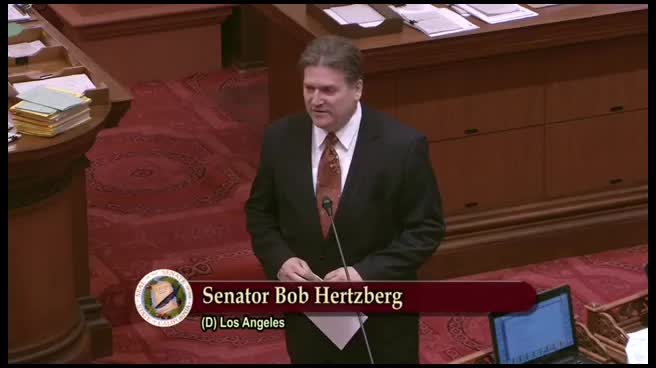 8MIN
Senate Floor
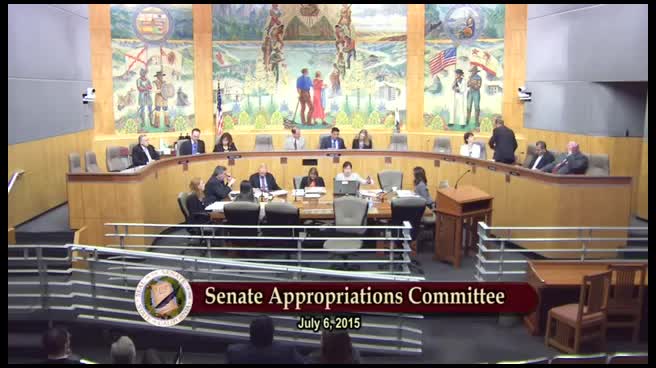 2MIN
Senate Standing Committee on Appropriations
 1MIN
Assembly Floor
 2MIN
Assembly Standing Committee on Appropriations
 5MIN
Assembly Standing Committee on Water, Parks, and Wildlife
Bill Author

Bill Co-Author(s):