AB 561: Agricultural labor relations.
- Session Year: 2015-2016
- House: Assembly
- Latest Version Date: 2015-09-11
(1)The Alatorre-Zenovich-Dunlap-Berman Agricultural Labor Relations Act of 1975 regulates employer-employee relations in agriculture. The act, among other things, prohibits agricultural employers and employees from engaging in unfair labor practices, as defined, and empowers the Agricultural Labor Relations Board to prevent any person from engaging in those practices. The act provides for a general counsel of the board and grants the general counsel final authority with respect to the investigation of charges and the issuance and prosecution of complaints regarding unfair labor practices.
This bill would require the board to process to final board order all decisions concerning make-whole awards, backpay, and other monetary awards to employees within one year or any board order finding liability for an award. The bill would also make related technical, nonsubstantive changes.
(2)The act grants employees the right to engage in collective bargaining with respect to wages, terms of employment, and other employment conditions, and authorizes employees to elect exclusive bargaining representatives for these purposes. The act, if certain conditions are met, requires the employer and exclusive bargaining representative to engage in mandatory mediation and conciliation of their issues, and authorizes both parties to appeal orders of the board based on this mandatory mediation and conciliation, as specified.
This bill would require an employer who appeals or petitions for a writ of review of any order of the board under the act involving make-whole, backpay, or other monetary awards to employees to post a bond in the amount of the entire economic value of the order, as specified, and would provide for the bond to be forfeited under specified conditions.
(1)The Alatorre-Zenovich-Dunlap-Berman Agricultural Labor Relations Act of 1975 regulates employer-employee relations in agriculture. The act, among other things, prohibits agricultural employers and employees from engaging in unfair labor practices, as defined, and empowers the Agricultural Labor Relations Board to prevent any person from engaging in those practices. The act provides for a general counsel of the board and grants the general counsel final authority with respect to the investigation of charges and the issuance and prosecution of complaints regarding unfair labor practices.
This bill would require the board to process to final board order all decisions concerning make-whole awards, backpay, and other monetary awards to employees within one year or any board order finding liability for an award. The bill would also make related technical, nonsubstantive changes.
(2)The act grants employees the right to engage in collective bargaining with respect to wages, terms of employment, and other employment conditions, and authorizes employees to elect exclusive bargaining representatives for these purposes. The act, if certain conditions are met, requires the employer and exclusive bargaining representative to engage in mandatory mediation and conciliation of their issues, and authorizes both parties to appeal orders of the board based on this mandatory mediation and conciliation, as specified.
This bill would require an employer who appeals or petitions for a writ of review of any order of the board under the act involving make-whole, backpay or other monetary awards to employees to post a bond in the amount of the entire economic value of the order, as specified, and would provide for a portion or the entire amount of the bond to be forfeited under specified conditions.
(1)The Alatorre-Zenovich-Dunlap-Berman Agricultural Labor Relations Act of 1975 regulates employer-employee relations in agriculture. The act, among other things, prohibits agricultural employers and employees from engaging in unfair labor practices, as defined, and empowers the Agricultural Labor Relations Board to prevent any person from engaging in those practices. The act provides for a general counsel of the board, board and grants the general counsel final authority with respect to the investigation of charges and the issuance and prosecution of complaints regarding unfair labor practices.
This bill would require the board and general counsel, within one year of an order of the board finding liability for a makewhole award, backpay calculation, or other monetary award, to process any compliance decision concerning the award to final board order. to process to final board order all decisions concerning make-whole awards, backpay, and other monetary awards to employees within one year or any board order finding liability for an award. The bill would also make related technical, nonsubstantive changes.
(2)The act grants employees the right to engage in collective bargaining with respect to wages, terms of employment, and other employment conditions, and authorizes employees to elect exclusive bargaining representatives for these purposes. The act, if certain conditions are met, requires the employer and exclusive bargaining representative to engage in mandatory mediation and conciliation of their issues, and authorizes both parties to appeal orders of the board based on this mandatory mediation and conciliation, as specified.
This bill would require an employer who appeals or petitions for a writ of review of any order of the board under the act to post a bond in the amount of the entire economic value of the order, as specified. specified, and would provide for a portion or the entire amount of the bond to be forfeited under specified conditions.
(1)The Alatorre-Zenovich-Dunlap-Berman Agricultural Labor Relations Act of 1975 regulates employer-employee relations in agriculture. The act, among other things, prohibits agricultural employers and employees from engaging in unfair labor practices, as defined, and empowers the Agricultural Labor Relations Board to prevent any person from engaging in those practices. The act provides for a general counsel of the board, and grants the general counsel final authority with respect to the investigation of charges and issuance and prosecution of complaints regarding unfair labor practices.
This bill would grant the general counsel primary authority with respect to the calculation and litigation of makewhole awards, backpay calculations, and other monetary awards in compliance proceedings before the board, as specified. The bill would require the board and general counsel, within one year of an order of the board finding liability for a makewhole award, backpay calculation, or other monetary award, to process any compliance decision concerning the award to final board order. The bill would also make related technical, nonsubstantive changes.
(2)The act grants employees the right to engage in collective bargaining with respect to wages, terms of employment, and other employment conditions, and authorizes employees to elect exclusive bargaining representatives for these purposes. The act, if certain conditions are met, requires the employer and exclusive bargaining representative to engage in mandatory mediation and conciliation of their issues, and authorizes both parties to appeal orders of the board based on this mandatory mediation and conciliation, as specified.
This bill would require an employer who appeals or petitions for a writ of review of any order of the board under the act to post a bond in the amount of the entire economic value of the order, as specified.
(1)The Alatorre-Zenovich-Dunlap-Berman Agricultural Labor Relations Act of 1975 regulates employer-employee relations in agriculture. The act, among other things, prohibits agricultural employers and employees from engaging in unfair labor practices, as defined, and empowers the Agricultural Labor Relations Board to prevent any person from engaging in those practices. The act provides for a general counsel of the board, and grants the general counsel final authority with respect to the investigation of charges and issuance and prosecution of complaints regarding unfair labor practices.
This bill would grant the general counsel primary authority with respect to the calculation and litigation of makewhole awards, backpay calculations, and other monetary awards in compliance proceedings before the board, as specified. The bill would require the board and general counsel, within one year of an order of the board finding liability for a makewhole award, backpay calculation, or other monetary award, to process any compliance decision concerning the award to final board order.
(2)The act grants employees the right to engage in collective bargaining with respect to wages, terms of employment, and other employment conditions, and authorizes employees to elect exclusive bargaining representatives for these purposes. The act, if certain conditions are met, requires the employer and exclusive bargaining representative to engage in mandatory mediation and conciliation of their issues, and authorizes both parties to appeal orders of the board based on this mandatory mediation and conciliation, as specified.
This bill would require an employer who appeals or petitions for a writ of review of an any order of the board under the act to post a bond in the amount of the entire economic value of the order, as specified.
(1)The Alatorre-Zenovich-Dunlap-Berman Agricultural Labor Relations Act of 1975 regulates employer-employee relations in agriculture. The act, among other things, prohibits agricultural employers and employees from engaging in unfair labor practices, as defined, and empowers the Agricultural Labor Relations Board to prevent any person from engaging in those practices. The act provides for a general counsel of the board, and grants the general counsel final authority with respect to the investigation of charges and issuance and prosecution of complaints regarding unfair labor practices.
This bill would grant the general counsel primary authority with respect to the calculation and litigation of makewhole awards, backpay calculations, and other monetary awards in compliance proceedings before the board, as specified. The bill would require the board and general counsel, within one year of an order of the board finding liability for a makewhole award, backpay calculation, or other monetary award, to process any compliance decision concerning the award to final board order.
(2)The act grants employees the right to engage in collective bargaining with respect to wages, terms of employment, and other employment conditions, and authorizes employees to elect exclusive bargaining representatives for these purposes. The act, if certain conditions are met, requires the employer and exclusive bargaining representative to engage in mandatory mediation and conciliation of their issues, and authorizes both parties to appeal orders of the board based on this mandatory mediation and conciliation, as specified.
This bill would require an employer who appeals or petitions for a writ of review of an order of the board to post a bond in the amount of the entire economic value of the order, as specified.
There shall be a general counsel of the board who shall be appointed by the Governor, subject to confirmation by a majority of the Senate, for a term of four years. The general counsel shall have the power to appoint those attorneys, administrative assistants, and other employees as necessary for the proper exercise of his or her duties. The general counsel of the board shall exercise general supervision over all attorneys employed by the board (other than administrative law officers and legal assistants to board members), and over the officers and employees in the regional offices. The general counsel shall have final authority, on behalf of the board, with respect to the investigation of charges and issuance of complaints under Chapter 6 (commencing with Section 1160) of this part, and with respect to the prosecution of those complaints before the board. The general counsel shall have those other duties as the board may prescribe or as may be provided by law. All employees appointed by the general counsel shall perform their duties in an objective and impartial manner without prejudice toward any party subject to the jurisdiction of the board. In case of a vacancy in the office of the general counsel, the Governor is authorized to designate the officer or employee who shall act as general counsel during that vacancy, but no person or persons so designated shall so act either (1) for more than 40 days when the Legislature is in session unless a nomination to fill that vacancy has been submitted to the Senate, or (2) after the adjournment sine die of the session of the Senate in which the nomination was submitted.
SEC. 2.Section 1149.3 is added to the Labor Code, to read:1149.3.The board shall be required to process to final board order all decisions concerning make-whole awards, backpay, and other monetary awards to employees, within one year of any board order finding liability for that award. If the board has already made a finding that an employer is liable for a make-whole, backpay, or any other monetary award to an employee or employees, and a compliance proceeding is necessary to determine the specific amount owed by the employer, the board shall be required to process to final board order a decision concerning the amount or amounts owed within one year of the time that a final decision on employer liability has been made by the board. For purposes of this section, a final decision on employer liability shall be defined as either the date when a board order concerning liability becomes final because no appeal was sought or the date when a reviewing court dismisses an employers appeal or decides in favor of the board concerning the employers liability. If an employers liability and compliance proceedings are consolidated, the board shall act reasonably and without delay in reaching a final decision concerning the liability and amounts owed to workers.
SEC. 3.Section 1162 is added to the Labor Code, to read:1162.(a)An employer who petitions for a writ of review in the court of appeal or the California Supreme Court or otherwise appeals or seeks to overturn or stay any order of the board under the Alatorre-Zenovich-Dunlap-Berman Agricultural Labor Relations Act of 1975 involving make-whole, backpay, or other monetary awards to employees shall, as a condition to seeking review or appeal, post a bond, in the amount of the entire economic value of the order as determined by the board, to ensure that employees receive the benefits of the order if the employer does not prevail.
(b)The bond shall consist of an appeal bond issued by a licensed surety or a cash deposit with the board in the amount of the order, decision, or award. The employer shall provide written notification to all of the parties of the posting of the bond. The bond shall be on the condition that, if any judgment is entered against the employer, the employer shall pay the amount owed pursuant to the judgment, and if the appeal is withdrawn or dismissed without entry of judgment, the employer shall pay the amount owed pursuant to the order, decision, or award of the board unless the parties have executed a settlement agreement for payment of some other amount, in which case the employer shall pay the amount that the employer is obligated to pay under the terms of the settlement agreement. If the employer fails to pay the amount owed within 10 days of entry of the judgment, dismissal, or withdrawal of the appeal, or the execution of a settlement agreement, the bond is forfeited to the employee or employees.
There shall be a general counsel of the board who shall be appointed by the Governor, subject to confirmation by a majority of the Senate, for a term of four years. The general counsel shall have the power to appoint those attorneys, administrative assistants, and other employees as necessary for the proper exercise of his or her duties. The general counsel of the board shall exercise general supervision over all attorneys employed by the board (other than administrative law officers and legal assistants to board members), and over the officers and employees in the regional offices. The general counsel shall have final authority, on behalf of the board, with respect to the investigation of charges and issuance of complaints under Chapter 6 (commencing with Section 1160) of this part, and with respect to the prosecution of those complaints before the board. The general counsel shall have those other duties as the board may prescribe or as may be provided by law. All employees appointed by the general counsel shall perform their duties in an objective and impartial manner without prejudice toward any party subject to the jurisdiction of the board. In case of a vacancy in the office of the general counsel, the Governor is authorized to designate the officer or employee who shall act as general counsel during that vacancy, but no person or persons so designated shall so act either (1) for more than 40 days when the Legislature is in session unless a nomination to fill that vacancy has been submitted to the Senate, or (2) after the adjournment sine die of the session of the Senate in which the nomination was submitted.
SEC. 2.Section 1149.3 is added to the Labor Code, to read:1149.3.The board shall be required to process to final board order all decisions concerning make-whole awards, backpay, and other monetary awards to employees, within one year of any board order finding liability for that award. If the board has already made a finding that an employer is liable for a make-whole, backpay, or any other monetary award to an employee or employees, and a compliance proceeding is necessary to determine the specific amount owed by the employer, the board shall be required to process to final board order a decision concerning the amount or amounts owed within one year of the time that a final decision on employer liability has been made by the board. For purposes of this section, a final decision on employer liability shall be defined as either the date when a board order concerning liability becomes final because no appeal was sought or the date when a reviewing court dismisses an employers appeal or decides in favor of the board concerning the employers liability. If an employers liability and compliance proceedings are consolidated, the board shall act reasonably and without delay in reaching a final decision concerning the liability and amounts owed to workers.
SEC. 3.Section 1164.6 is added to the Labor Code, to read:1164.6.(a)An employer who petitions for a writ of review in the court of appeal or the California Supreme Court or otherwise appeals or seeks to overturn or stay any order of the board under the Alatorre-Zenovich-Dunlap-Berman Agricultural Labor Relations Act of 1975 shall, as a condition to seeking review or appeal, post a bond, in the amount of the entire economic value of the order as determined by the board, to ensure that employees receive the benefits of the order if the employer does not prevail.
(b)The bond shall consist of an appeal bond issued by a licensed surety or a cash deposit with the board in the amount of the order, decision, or award. The employer shall provide written notification to all of the parties of the posting of the bond. The bond shall be on the condition that, if any judgment is entered against the employer, the employer shall pay the amount owed pursuant to the judgment, and if the appeal is withdrawn or dismissed without entry of judgment, the employer shall pay the amount owed pursuant to the order, decision, or award of the board unless the parties have executed a settlement agreement for payment of some other amount, in which case the employer shall pay the amount that the employer is obligated to pay under the terms of the settlement agreement. If the employer fails to pay the amount owed within 10 days of entry of the judgment, dismissal, or withdrawal of the appeal, or the execution of a settlement agreement, a portion of the bond equal to the amount owed, or the entire bond if the amount owned is equal to or exceeds the bond, is forfeited to the employee or employees.
(c)With respect to an order of the board issued pursuant to mandatory mediation and conciliation procedures, the board shall reasonably determine the entire economic value of the terms, conditions, and benefits of the ordered collective bargaining agreement based upon submissions from the parties and a recommended finding from the assigned mediator in the case.
SEC. 3.Section 1162 is added to the Labor Code, to read:1162.(a)An employer who petitions for a writ of review in the court of appeal or the California Supreme Court or otherwise appeals or seeks to overturn or stay any order of the board under the Alatorre-Zenovich-Dunlap-Berman Agricultural Labor Relations Act of 1975 involving make-whole, backpay, or other monetary awards to employees shall, as a condition to seeking review or appeal, post a bond, in the amount of the entire economic value of the order as determined by the board, to ensure that employees receive the benefits of the order if the employer does not prevail.
(b)The bond shall consist of an appeal bond issued by a licensed surety or a cash deposit with the board in the amount of the order, decision, or award. The employer shall provide written notification to all of the parties of the posting of the bond. The bond shall be on the condition that, if any judgment is entered against the employer, the employer shall pay the amount owed pursuant to the judgment, and if the appeal is withdrawn or dismissed without entry of judgment, the employer shall pay the amount owed pursuant to the order, decision, or award of the board unless the parties have executed a settlement agreement for payment of some other amount, in which case the employer shall pay the amount that the employer is obligated to pay under the terms of the settlement agreement. If the employer fails to pay the amount owed within 10 days of entry of the judgment, dismissal, or withdrawal of the appeal, or the execution of a settlement agreement, the bond is forfeited to the employee or employees.
There shall be a general counsel of the board who shall be appointed by the Governor, subject to confirmation by a majority of the Senate, for a term of four years. The general counsel shall have the power to appoint those attorneys, administrative assistants, and other employees as necessary for the proper exercise of his or her duties. The general counsel of the board shall exercise general supervision over all attorneys employed by the board (other than administrative law officers and legal assistants to board members), and over the officers and employees in the regional offices. The general counsel shall have final authority, on behalf of the board, with respect to the investigation of charges and issuance of complaints under Chapter 6 (commencing with Section 1160) of this part, and with respect to the prosecution of those complaints before the board. The general counsel shall have those other duties as the board may prescribe or as may be provided by law. All employees appointed by the general counsel shall perform their duties in an objective and impartial manner without prejudice toward any party subject to the jurisdiction of the board. In case of a vacancy in the office of the general counsel, the Governor is authorized to designate the officer or employee who shall act as general counsel during that vacancy, but no person or persons so designated shall so act either (1) for more than 40 days when the Legislature is in session unless a nomination to fill that vacancy has been submitted to the Senate, or (2) after the adjournment sine die of the session of the Senate in which the nomination was submitted.
SEC. 2.Section 1149.3 is added to the Labor Code, to read:1149.3.Within one year of an order of the board finding liability for a makewhole award, backpay calculation, or other monetary award to employees, the board and general counsel shall process any compliance decision concerning the award to final board order. The board shall be required to process to final board order all decisions concerning make-whole awards, backpay, and other monetary awards to employees, within one year of any board order finding liability for that award. If the board has already made a finding that an employer is liable for a make-whole, backpay, or any other monetary award to an employee or employees, and a compliance proceeding is necessary to determine the specific amount owed by the employer, the board shall be required to process to final board order a decision concerning the amount or amounts owed within one year of the time that a final decision on employer liability has been made by the board. For purposes of this section, a final decision on employer liability shall be defined as either the date when a board order concerning liability becomes final because no appeal was sought or the date when a reviewing court dismisses an employers appeal or decides in favor of the board concerning the employers liability. If an employers liability and compliance proceedings are consolidated, the board shall act reasonably and without delay in reaching a final decision concerning the liability and amounts owed to workers.
SEC. 3.Section 1164.6 is added to the Labor Code, to read:1164.6.(a)An employer who petitions for a writ of review in the court of appeal or the California Supreme Court or otherwise appeals or seeks to overturn or stay any order of the board under the Alatorre-Zenovich-Dunlap-Berman Agricultural Labor Relations Act of 1975 shall shall, as a condition to seeking review or appeal, post a bond, in the amount of the entire economic value of the order as determined by the board, to ensure that employees receive the benefits of the order if the employer does not prevail. The board shall reasonably determine the entire economic value of the order based on submissions from the parties.
(b)The bond shall consist of an appeal bond issued by a licensed surety or a cash deposit with the board in the amount of the order, decision, or award. The employer shall provide written notification to all of the parties of the posting of the bond. The bond shall be on the condition that, if any judgment is entered against the employer, the employer shall pay the amount owed pursuant to the judgment, and if the appeal is withdrawn or dismissed without entry of judgment, the employer shall pay the amount owed pursuant to the order, decision, or award of the board unless the parties have executed a settlement agreement for payment of some other amount, in which case the employer shall pay the amount that the employer is obligated to pay under the terms of the settlement agreement. If the employer fails to pay the amount owed within 10 days of entry of the judgment, dismissal, or withdrawal of the appeal, or the execution of a settlement agreement, a portion of the bond equal to the amount owed, or the entire bond if the amount owned is equal to or exceeds the bond, is forfeited to the employee or employees.
(c)With respect to an order of the board issued pursuant to mandatory mediation and conciliation procedures, the board shall reasonably determine the entire economic value of the terms, conditions, and benefits of the ordered collective bargaining agreement based upon submissions from the parties and a recommended finding from the assigned mediator in the case.
There shall be a general counsel of the board who shall be appointed by the Governor, subject to confirmation by a majority of the Senate, for a term of four years. The general counsel shall have the power to appoint those attorneys, administrative assistants, and other employees as necessary for the proper exercise of his or her duties. The general counsel of the board shall exercise general supervision over all attorneys employed by the board (other than administrative law officers and legal assistants to board members), and over the officers and employees in the regional offices. The general counsel shall have final authority, on behalf of the board, with respect to the investigation of charges and issuance of complaints under Chapter 6 (commencing with Section 1160) of this part, and with respect to the prosecution of those complaints before the board. The general counsel shall have primary authority with respect to the calculation and litigation of makewhole awards, backpay calculations, and other monetary awards to employees in compliance proceedings before the board, and may be relieved of this primary authority upon application by a charging party and a finding by the board that the general counsel has been negligent in his or her duties or has unreasonably delayed in processing or litigating the makewhole award, backpay calculation, or other monetary award. The general counsel shall have those other duties as the board may prescribe or as may be provided by law. All employees appointed by the general counsel shall perform their duties in an objective and impartial manner without prejudice toward any party subject to the jurisdiction of the board. In case of a vacancy in the office of the general counsel, the Governor is authorized to designate the officer or employee who shall act as general counsel during that vacancy, but no person or persons so designated shall so act either (1) for more than 40 days when the Legislature is in session unless a nomination to fill that vacancy has been submitted to the Senate, or (2) after the adjournment sine die of the session of the Senate in which the nomination was submitted.
SEC. 2.Section 1149.3 is added to the Labor Code, to read:1149.3.Within one year of an order of the board finding liability for a makewhole award, backpay calculation, or other monetary award to employees, the board and general counsel shall process any compliance decision concerning the award to final board order.
SEC. 3.Section 1164.6 is added to the Labor Code, to read:1164.6.An employer who petitions for a writ of review in the court of appeal or the California Supreme Court or otherwise appeals or seeks to overturn or stay any order of the board under the Alatorre-Zenovich-Dunlap-Berman Agricultural Labor Relations Act of 1975 shall post a bond, in the amount of the entire economic value of the order as determined by the board, to ensure that employees receive the benefits of the order if the employer does not prevail. The board shall reasonably determine the entire economic value of the order based on submissions from the parties.
There shall be a general counsel of the board who shall be appointed by the Governor, subject to confirmation by a majority of the Senate, for a term of four years. The general counsel shall have the power to appoint those attorneys, administrative assistants, and other employees as necessary for the proper exercise of his or her duties. The general counsel of the board shall exercise general supervision over all attorneys employed by the board (other than administrative law officers and legal assistants to board members), and over the officers and employees in the regional offices. The general counsel shall have final authority, on behalf of the board, with respect to the investigation of charges and issuance of complaints under Chapter 6 (commencing with Section 1160) of this part, and with respect to the prosecution of those complaints before the board. The general counsel shall have primary authority with respect to the calculation and litigation of makewhole awards, backpay calculations, and other monetary awards to employees in compliance proceedings before the board, and may be relieved of this primary authority upon application by a charging party and a finding by the board that the general counsel has been negligent in his or her duties or has unreasonably delayed in processing or litigating the makewhole award, backpay calculation, or other monetary award. The general counsel shall have those other duties as the board may prescribe or as may be provided by law. All employees appointed by the general counsel shall perform their duties in an objective and impartial manner without prejudice toward any party subject to the jurisdiction of the board. In case of a vacancy in the office of the general counsel, the Governor is authorized to designate the officer or employee who shall act as general counsel during such that vacancy, but no person or persons so designated shall so act either (1) for more than 40 days when the Legislature is in session unless a nomination to fill that vacancy has been submitted to the Senate, or (2) after the adjournment sine die of the session of the Senate in which the nomination was submitted.
SEC. 2.Section 1149.3 is added to the Labor Code, to read:1149.3.Within one year of an order of the board finding liability for a makewhole award, backpay calculation, or other monetary award to employees, the board and general counsel shall process any compliance decision concerning the award to final board order.
SEC. 3.Section 1164.6 is added to the Labor Code, to read:1164.6.An employer who petitions for a writ of review in the court of appeal or the California Supreme Court or otherwise appeals or seeks to overturn or stay an any order of the board under the Alatorre-Zenovich-Dunlap-Berman Agricultural Labor Relations Act of 1975 shall post a bond, in the amount of the entire economic value of the order as determined by the board, to ensure that employees receive the benefits of the order if the employer does not prevail. The board shall reasonably determine the entire economic value of the order based on submissions from the parties.
There shall be a general counsel of the board who shall be appointed by the Governor, subject to confirmation by a majority of the Senate, for a term of four years. The general counsel shall have the power to appoint such those attorneys, administrative assistants, and other employees as necessary for the proper exercise of his or her duties. The general counsel of the board shall exercise general supervision over all attorneys employed by the board (other than administrative law officers and legal assistants to board members), and over the officers and employees in the regional offices. He The general counsel shall have final authority, on behalf of the board, with respect to the investigation of charges and issuance of complaints under Chapter 6 (commencing with Section 1160) of this part, and with respect to the prosecution of such those complaints before the board. He The general counsel shall have primary authority with respect to the calculation and litigation of makewhole awards, backpay calculations, and other monetary awards to employees in compliance proceedings before the board, and may be relieved of this primary authority upon application by a charging party and a finding by the board that the general counsel has been negligent in his or her duties or has unreasonably delayed in processing or litigating the makewhole award, backpay calculation, or other monetary award. The general counsel shall have such those other duties as the board may prescribe or as may be provided by law. All employees appointed by the general counsel shall perform their duties in an objective and impartial manner without prejudice toward any party subject to the jurisdiction of the board. In case of a vacancy in the office of the general counsel, the Governor is authorized to designate the officer or employee who shall act as general counsel during such vacancy, but no person or persons so designated shall so act either (1) for more than 40 days when the Legislature is in session unless a nomination to fill such that vacancy shall have has been submitted to the Senate, or (2) after the adjournment sine die of the session of the Senate in which such the nomination was submitted.
SEC. 2.Section 1149.3 is added to the Labor Code, to read:1149.3.Within one year of an order of the board finding liability for a makewhole award, backpay calculation, or other monetary award to employees, the board and general counsel shall process any compliance decision concerning the award to final board order.
SEC. 3.Section 1164.6 is added to the Labor Code, to read:1164.6.An employer who petitions for a writ of review in the court of appeal or the California Supreme Court or otherwise appeals or seeks to overturn or stay an order of the board shall post a bond, in the amount of the entire economic value of the order as determined by the board, to ensure that employees receive the benefits of the order if the employer does not prevail. The board shall reasonably determine the entire economic value of the order based on submissions from the parties.
|
Date
|
Status
|
|---|---|
| Jun 22, 2015 | In committee: Hearing postponed by committee. |
| Jan 15, 2016 | Consideration of Governor's veto stricken from file. |
| Oct 9, 2015 | Vetoed by Governor. |
| Sep 17, 2015 | Enrolled and presented to the Governor at 11:30 a.m. |
| Sep 8, 2015 | Senate amendments concurred in. To Engrossing and Enrolling. (Ayes 43. Noes 30.). |
| Sep 8, 2015 | Senate amendments concurred in. To Engrossing and Enrolling. (Ayes 43. Noes 30. Page 2970.). |
| Sep 8, 2015 | Senate amendments concurred in. To Engrossing and Enrolling. |
| Sep 3, 2015 | Read third time. Passed. Ordered to the Assembly. (Ayes 21. Noes 15. Page 2453.). |
| Sep 3, 2015 | Read third time. Passed. Ordered to the Assembly. |
| Sep 3, 2015 | In Assembly. Concurrence in Senate amendments pending. May be considered on or after September 5 pursuant to Assembly Rule 77. |
| Aug 31, 2015 | Read second time and amended. Ordered to third reading. |
| Aug 27, 2015 | From committee: Amend, and do pass as amended. (Ayes 5. Noes 2.) (August 27). |
| Aug 17, 2015 | In committee: Referred to APPR. suspense file. |
| Jul 13, 2015 | From committee: Do pass and re-refer to Com. on APPR. (Ayes 4. Noes 1.) (July 13). Re-referred to Com. on APPR. |
| Jun 23, 2015 | From committee chair, with author's amendments: Amend, and re-refer to committee. Read second time, amended, and re-referred to Com. on L. & I.R. |
| Feb 24, 2015 | Read first time. To print. |
| Jun 11, 2015 | Referred to Com. on L. & I.R. |
| Jun 2, 2015 | Read third time. Passed. Ordered to the Senate. (Ayes 42. Noes 30. Page 1786.) |
| Jun 2, 2015 | Read third time. Passed. Ordered to the Senate. |
| Jun 2, 2015 | In Senate. Read first time. To Com. on RLS. for assignment. |
| Jun 1, 2015 | Read second time. Ordered to third reading. |
| May 28, 2015 | From committee: Do pass. (Ayes 12. Noes 5.) (May 28). |
| Apr 29, 2015 | In committee: Set, first hearing. Referred to APPR. suspense file. |
| Apr 15, 2015 | Re-referred to Com. on APPR. |
| Apr 14, 2015 | Read second time and amended. |
| Apr 13, 2015 | From committee: Amend, and do pass as amended and re-refer to Com. on APPR. (Ayes 5. Noes 2.) (April 8). |
| Mar 18, 2015 | Re-referred to Com. on L. & E. |
| Mar 17, 2015 | From committee chair, with author's amendments: Amend, and re-refer to Com. on L. & E. Read second time and amended. |
| Mar 9, 2015 | Referred to Com. on L. & E. |
| Feb 25, 2015 | From printer. May be heard in committee March 27. |
|
Date
|
Description
|
Location
|
Votes
|
|
|---|---|---|---|---|
| Sep 8, 2015 | AB 561 CAMPOS Concurrence in Senate Amendments | Assembly Floor |
Passed |
|
| Sep 3, 2015 | Assembly 3rd Reading AB561 Campos By Mendoza | Senate Floor |
Passed |
|
| Aug 27, 2015 | Do pass as amended | Senate Standing Committee on Appropriations |
Passed |
|
| Aug 17, 2015 | Placed on suspense file | Senate Standing Committee on Appropriations |
Passed |
|
| Jul 13, 2015 | Do pass, but first be re-referred to the Committee on [Appropriations] | Senate Standing Committee on Labor and Industrial Relations |
Passed |
|
| Jun 2, 2015 | AB 561 CAMPOS Assembly Third Reading | Assembly Floor |
Passed |
|
| May 28, 2015 | Do pass. | Assembly Standing Committee on Appropriations |
Passed |
|
| Apr 8, 2015 | Do pass as amended and be re-referred to the Committee on [Appropriations] | Assembly Standing Committee on Labor and Employment |
Passed |
This list shows positions taken on this bill by organizations on the date displayed, which is linked to the original source.
Positions by individuals are not included.
|
Organization
|
Position
|
Date
|
|---|---|---|
| Agricultural Council Of California | ** Against | Sep 3, 2015 |
| Association Of California Egg Farmers | ** Against | Sep 3, 2015 |
| CalChamber | ** Against | Apr 8, 2015 |
| California Association Of Nurseries And Garden Centers | * Against | Apr 8, 2015 |
| California Association Of Nurseries And Garden Centers | * Indeterminate | Apr 8, 2015 |
| California Association Of Wheat Growers | ** Against | Sep 3, 2015 |
| California Association of Wine Grape Growers | ** Against | Sep 3, 2015 |
| California Bean Shippers Association | ** Against | Sep 3, 2015 |
| California Cotton Ginners Association | ** Against | Sep 3, 2015 |
| California Cotton Growers Association | ** Against | Sep 3, 2015 |
| California Farm Bureau Federation | ** Against | Sep 3, 2015 |
| California Fresh Fruit Association | ** Against | Sep 3, 2015 |
| California Grain and Feed Association | ** Against | Sep 3, 2015 |
| California Pear Growers Association | ** Against | Sep 3, 2015 |
| California Rural Legal Assistance Foundation, Inc. | ** Support | Sep 3, 2015 |
| California Seed Association | ** Against | Sep 3, 2015 |
| Family Winemakers Of California | ** Against | Sep 3, 2015 |
| Neisei Farmers League | ** Against | Sep 3, 2015 |
| Pacific Egg and Poultry Association | ** Against | Sep 3, 2015 |
| United Farm Workers | ** Support | Sep 3, 2015 |
| Ventura County Agricultural Association | ** Against | Sep 3, 2015 |
| Western Agricultural Processors Association | ** Against | Sep 3, 2015 |
| Western Growers Association | ** Against | Sep 3, 2015 |
| Western United Dairymen | ** Against | Aug 17, 2015 |
GOVERNOR'S VETO
AB 561
(Campos)
As Enrolled September 11, 2015
2/3 vote
ASSEMBLY: |
42-30 |
(June 2, 2015) |
SENATE: |
21-15 |
(September 3, 2015) |
ASSEMBLY: |
43-30 |
(September 8, 2015) |
|
|
|
Original Committee Reference: L. & E.
SUMMARY: Makes various changes to the Agricultural Labor Relations Act.
The Senate amendments:
Provide that the Agricultural Labor Relations Board (ALRB) shall be required to process to final board order all decisions concerning make-whole awards, backpay, and other monetary awards to employees, within one year of any board order finding liability for that award.
Provide that if the ALRB has already made a finding that an employer is liable for a make-whole, backpay, or any other monetary award to an employee or employees, and a compliance proceeding is necessary to determine the specific amount owed by the employer, the ALRB shall be required to process to final board order a decision concerning the amount or amounts owed within one year of the time that a final decision on employer liability has been made by the ALRB.
Specify that for purposes of this bill, a final decision on employer liability shall be defined as either the date when a board order concerning liability becomes final because no appeal was sought or the date when a reviewing court dismisses an employer's appeal or decides in favor of the ALRB concerning the employer's liability.
Provide that if an employer's liability and compliance proceedings are consolidated, the ALRB shall act reasonably and without delay in reaching a final decision concerning the liability and amounts owed to workers.
Provide that the bond required by the bill shall be required for a writ of review or appeal involving make-whole, backpay, or other monetary awards to employees.
Provide that the bond required by the bill shall consist of an appeal bond issued by a licensed surety or a cash deposit with the ALRB in the amount of the order, decision, or award. The employer shall provide written notification to all of the parties of the posting of the bond. The bond shall be on the condition that, if any judgment is entered against the employer, the employer shall pay the amount owed pursuant to the judgment, and if the appeal is withdrawn or dismissed without entry of judgment, the employer shall pay the amount owed pursuant to the order, decision, or award of the ALRB unless the parties have executed a settlement agreement for payment of some other amount, in which case the employer shall pay the amount that the employer is obligated to pay under the terms of the settlement agreement. If the employer fails to pay the amount owed within 10 days of entry of the judgment, dismissal, or withdrawal of the appeal, or the execution of a settlement agreement, the bond is forfeited to the employee or employees.
FISCAL EFFECT: According to the Senate Appropriations Committee, the ALRB would incur annual General Fund costs of $2 million to implement the provisions of this bill. A 2015-16 augmentation to ALRB's budget could potentially be used to perform some of the bill's workload.
COMMENTS: This bill is sponsored by the United Farm Workers (UFW), who argues that it will create an expedited process to help recover backpay and benefits owed to farm workers and their families. Specifically, the sponsor cites to a case involving Ace Tomato Company dating back to 1989 (which is still not resolved) and a related case as highlighting the need for this bill. Those cases were also the subject of an oversight hearing by the Assembly Labor and Employment Committee and Budget Subcommittee No. 4 in 2010. The sponsor contends that this bill is needed because there may be future cases where farm worker families are held back economically by the current law's faulty resolution system.
A large coalition of agricultural employers opposes this measure, stating that it would require an employer seeking a writ of review of any ALRB decision to first post a bond in the amount of the entire economic value of the order as determined by the ALRB. Such a requirement could deter many employers from seeking their right to appeal. In many cases, the entire economic value of the order cannot be known or is in dispute which would limit the possibility of obtaining a bond.
This bill requires the Agricultural Labor Relation's Board to process all decision orders within one year upon finding an employer liable for benefits due to unfair labor practices. This bill also requires employers who appeal a Board order to post a bond in the amount of the entire economic value of the order.
While I support the overall goal of this bill, I am concerned that the timeline proposed does not provide for unexpected delays or litigation. In most cases the Board is able to expedite final adjudication of monetary awards within 18 months.
As I stated in my veto message on SB 25 last year, I believe what is needed is a balanced approach to resolving issues concerning the fair and effective enforcement of the Agricultural Labor Relations Act. As such, I am directing the Board to examine the current process and make the necessary internal reforms to provide for more timely orders.
Analysis Prepared by: Ben Ebbink / L. & E. / (916) 319-2091 FN: 0002479
AB 561
Page 2
CONCURRENCE IN SENATE AMENDMENTS
AB 561
(Campos)
As Amended 31, 2015
Majority vote
ASSEMBLY: |
42-30 |
(June 2, 2015) |
SENATE: |
21-15 |
(September 3, 2015) |
Original Committee Reference: L. & E.
SUMMARY: Makes various changes to the Agricultural Labor Relations Act.
The Senate amendments:
Provide that the Agricultural Labor Relations Board (ALRB) shall be required to process to final board order all decisions concerning make-whole awards, backpay, and other monetary awards to employees, within one year of any board order finding liability for that award.
Provide that if the ALRB has already made a finding that an employer is liable for a make-whole, backpay, or any other monetary award to an employee or employees, and a compliance proceeding is necessary to determine the specific amount owed by the employer, the ALRB shall be required to process to final board order a decision concerning the amount or amounts owed within one year of the time that a final decision on employer liability has been made by the ALRB.
Specify that for purposes of this bill, a final decision on employer liability shall be defined as either the date when a board order concerning liability becomes final because no appeal was sought or the date when a reviewing court dismisses an employer's appeal or decides in favor of the ALRB concerning the employer's liability.
Provide that if an employer's liability and compliance proceedings are consolidated, the ALRB shall act reasonably and without delay in reaching a final decision concerning the liability and amounts owed to workers.
Provide that the bond required by the bill shall be required for a writ of review or appeal involving make-whole, backpay, or other monetary awards to employees.
Provide that the bond required by the bill shall consist of an appeal bond issued by a licensed surety or a cash deposit with the ALRB in the amount of the order, decision, or award. The employer shall provide written notification to all of the parties of the posting of the bond. The bond shall be on the condition that, if any judgment is entered against the employer, the employer shall pay the amount owed pursuant to the judgment, and if the appeal is withdrawn or dismissed without entry of judgment, the employer shall pay the amount owed pursuant to the order, decision, or award of the ALRB unless the parties have executed a settlement agreement for payment of some other amount, in which case the employer shall pay the amount that the employer is obligated to pay under the terms of the settlement agreement. If the employer fails to pay the amount owed within 10 days of entry of the judgment, dismissal, or withdrawal of the appeal, or the execution of a settlement agreement, the bond is forfeited to the employee or employees.
FISCAL EFFECT: According to the Senate Appropriations Committee, the ALRB would incur annual General Fund costs of $2 million to implement the provisions of this bill. A 2015-16 augmentation to ALRB's budget could potentially be used to perform some of the bill's workload.
COMMENTS: This bill is sponsored by the United Farm Workers (UFW), who argues that it will create an expedited process to help recover backpay and benefits owed to farm workers and their families. Specifically, the sponsor cites to a case involving Ace Tomato Company dating back to 1989 (which is still not resolved) and a related case as highlighting the need for this bill. Those cases were also the subject of an oversight hearing by the Assembly Labor and Employment Committee and Budget Subcommittee No. 4 in 2010. The sponsor contends that this bill is needed because there may be future cases where farm worker families are held back economically by the current law's faulty resolution system.
A large coalition of agricultural employers opposes this measure, stating that it would require an employer seeking a writ of review of any ALRB decision to first post a bond in the amount of the entire economic value of the order as determined by the ALRB. Such a requirement could deter many employers from seeking their right to appeal. In many cases, the entire economic value of the order cannot be known or is in dispute which would limit the possibility of obtaining a bond.
Analysis Prepared by: Ben Ebbink / L. & E. / (916) 319-2091 FN: 0001646
AB 561
Page 6
|
Office of Senate Floor Analyses (916) 651-1520 Fax: (916) 327-4478 |
THIRD READING
Bill No: AB 561
Amended: 8/31/15 in Senate
SENATE LABOR & IND. REL. COMMITTEE: 4-1, 7/13/15
AYES: Mendoza, Jackson, Leno, Mitchell
NOES: Stone
SENATE APPROPRIATIONS COMMITTEE: 5-2, 8/27/15
AYES: Lara, Beall, Hill, Leyva, Mendoza
NOES: Bates, Nielsen
ASSEMBLY FLOOR: 42-30, 6/2/15 - See last page for vote
SUBJECT: Agricultural labor relations
DIGEST: This bill creates an expedited process from the enforcement of monetary penalties ordered by the Agricultural Labor Relations Board (ALRB) and also requires agricultural employers to post a bond if they wish to appeal a final order in the amount equal to the economic value of the monetary penalties.
Existing law:
Provides for a secret ballot election process for agricultural workers where a petition has been submitted, as specified, asking for the opportunity for workers to decide whether to select a particular union as their collective bargaining representative. (Labor Code §§1140 to 1166.3)
Requires that if the ALRB rules that any person has engaged in or is engaging in any such unfair labor practice, the Board must issue order requiring such person to cease and desist from such unfair labor practice and to take affirmative action. Affirmative action may include:
Reinstatement of employees with or without backpay;
Making employees whole, when the board deems such relief appropriate, for the loss of pay resulting from the employer’s refusal to bargain; and
Such other relief as will effectuate the policies of this part.
(Labor Code §1160.3)
Provides for a mandatory mediation process for negotiating a collective bargaining agreement between an agricultural employer and a certified labor organization if all of the following conditions are met:
The parties have failed to reach agreement for at least one year after the date on which the labor organization made its initial request to bargain;
The employer has committed an unfair labor practice, and
The parties have not previously had a binding contract between them.
The mandatory mediation process only applies to agricultural employers of 25 or more employees.
(Labor Code §1164 & §1164.3)
This bill:
Provides that within one year of an order of the ALRB finding liability for a makewhole award, back pay calculation, or other monetary award to employees, the ALRB and general counsel shall process any compliance decision concerning the award to final board order.
Provides that, if the ALRB finds liability as discussed above but requires a compliance proceeding to determine monetary damages, then the ALRB order must be processed as a final board order within one year of the date when a board order concerning liability becomes final because no appeal was sought or the date when a reviewing court dismisses an employer’s appeal or decides in favor of the board concerning the employer’s liability.
Provides that, if the if an employer’s liability and compliance proceedings are consolidated, the ALRB must act reasonably and without delay in reaching a final decision concerning the liability and amounts owed to workers.
Requires an employer to post a bond if he or she petitions for a writ of review or otherwise appeals or seeks to overturn or stay any order of the ALRB involving make-whole, backpay, or other monetary awards to workers. The bond must be in the amount of the entire economic value of the order as determined by the ALRB, to ensure that employees receive the benefits of the order if the employer does not prevail.
Requires that the bond discussed above must be an appeal bond issued by a licensed surety or a cash deposit with the ALRB in the amount of the order, decision, or award. The bond must be on the condition that, if any judgment is entered against the employer, the employer shall pay the amount owed pursuant to the judgment, and if the appeal is withdrawn or dismissed without entry of judgment, the employer shall pay the amount owed pursuant to the order, decision, or award of the board unless the parties have executed a settlement agreement for payment of some other amount.
Background
Both the author and sponsor point to the Ace Tomato Co. union election and subsequent cases as the inspiration for this bill. In 1989, a majority of workers voted to be represented by United Farm Workers (UFW). After legal proceedings, the ALRB certified the UFW as the bargaining representative of the workers in 1992. The employer refused to negotiate with UFW, leading to the ALRB ordering that Ace Tomato Co. pay makewhole penalties to its employees.
However, it wasn’t until 2013 that UFW and Ace Tomato Co. were able to reach a partial settlement on the monetary penalties due to workers. In 2010, the Executive Secretary of ALRB explained why the case remained unresolved:
The payroll and other records needed to determine what employees earned during the makewhole period are no longer available. Their unavailability resulted initially from the legally unsupported position of employers’ counsel that no makewhole relief was owing and his resultant refusal to produce those records in 1995 when this case was originally released for compliance. Given the passage of years since the inception of this case, the current unavailability of the payroll records is not surprising. Fault for this state of affairs lies with the parties, for not fully producing employee records or other relevant information; with the regional office, for not using all legal means available to it to procure the necessary records and achieve final adjudication; and with the Board, which is ultimately responsible for enforcing its own orders. ALRB Administrative Order 2010-04, Pg. 4. (Emphasis added)
In short, the ALRB acknowledged that both the regional offices and the Board itself allowed for significant time to pass, leading to the destruction of documents necessary to enforce the order.
AB 561 seeks to prevent a similar situation by requiring that process monetary penalties within one year if there is no compliance proceeding, one year or at the cessation of appeals if there is a compliance hearing, or reasonably and without delay by the ALRB if the liability and compliance proceedings are combined.
AB 561 also requires employers to file a bond in order to appeal an order of the ALRB, echoing the bond requirements for employers who appeal unpaid wage rulings. The author and sponsor believe that requiring the filing of a bond will ensure that aggrieved agricultural receive owed back wages and benefits should the employer lose his or her appeal.
FISCAL EFFECT: Appropriation: No Fiscal Com.: Yes Local: No
According to the Senate Appropriations Committee, the ALRB indicates that it would incur annual General Fund costs of $2 million to implement the provisions of this bill. A 2015-16 augmentation to ALRB’s budget could potentially be used to perform some of this bill’s workload.
United Farm Workers (source)
California Rural Legal Assistance Foundation
OPPOSITION: (Verified 8/28/15)
Agricultural Council of California
Association of California Egg Farmers
California Chamber of Commerce
California Association of Nurseries and Garden Centers
California Association of Wheat Growers
California Association of Wine Grape Growers
California Bean Shippers Association
California Cotton Ginners Association
California Cotton Growers Association
California Farm Bureau Federation
California Fresh Fruit Association
California Grain and Feed Association
California Seed Association
California Pear Growers Association
Family Winemakers of California
Neisei Farmers League
Pacific Egg and Poultry Association
Ventura County Agricultural Association
Western Agricultural Processors Association
Western Growers Association
Western United Dairymen
ARGUMENTS IN SUPPORT: Proponents argue that that AB 561 will create an expedited process that will help aggrieved farmworkers recover the back pay and benefits that they are owed. Proponents cite the case of Ace Tomato Co., where a union election occurred more than 25 years ago and makewhole payments have yet to be made. Proponents believe that, by creating an expedited process and requiring bonding that will pay the worker in the event of employer insolvency, AB 561 will ensure that workers receive the back pay and benefits that is their rightful due.
ARGUMENTS IN OPPOSITION: Opponents argue that AB 561 limits the due process rights of employers. Specifically, employers argue that the bonding requirements could deter employers from appealing adverse decisions. Moreover, employers also note that the bonding provisions are a departure from the National Labor Relations Act, upon which the Agricultural Labor Relations Act is based. Finally, opponents note that the Ace Tomato Co. case is extreme exception and argue that the case should not be used alone as a justification to change the law.
ASSEMBLY FLOOR: 42-30, 6/2/15
AYES: Bloom, Bonta, Brown, Burke, Calderon, Campos, Chau, Chiu, Chu, Cooley, Eggman, Frazier, Cristina Garcia, Eduardo Garcia, Gatto, Gipson, Gomez, Gonzalez, Gordon, Gray, Hadley, Roger Hernández, Holden, Jones-Sawyer, Lopez, Low, McCarty, Medina, Mullin, O'Donnell, Quirk, Rendon, Ridley-Thomas, Rodriguez, Salas, Santiago, Mark Stone, Thurmond, Ting, Weber, Williams, Atkins
NOES: Achadjian, Travis Allen, Baker, Bigelow, Brough, Chang, Dababneh, Dahle, Dodd, Beth Gaines, Gallagher, Grove, Harper, Jones, Kim, Lackey, Levine, Linder, Maienschein, Mathis, Mayes, Melendez, Obernolte, Olsen, Patterson, Steinorth, Wagner, Waldron, Wilk, Wood
NO VOTE RECORDED: Alejo, Bonilla, Chávez, Cooper, Daly, Irwin, Nazarian, Perea
Prepared by: Gideon L. Baum / L. & I.R. / (916) 651-1556
8/31/15 16:00:31
**** END ****
AB 561 (Campos) Page 0 of 1
SENATE COMMITTEE ON APPROPRIATIONS
Senator Ricardo Lara, Chair
2015 - 2016 Regular Session
AB 561 (Campos) - Agricultural labor relations.
|
|
Version: June 23, 2015 |
Policy Vote: L. & I.R. 4 - 1 |
Urgency: No |
Mandate: No |
Hearing Date: August 27, 2015 |
Consultant: Robert Ingenito |
*********** ANALYSIS ADDENDUM – SUSPENSE FILE ***********
The following information is revised to reflect amendments
adopted by the committee on August 27, 2015
Bill Summary:
AB 561 would (1) create an expedited process from the enforcement of monetary penalties ordered by the Agricultural Labor Relations Board (ALRB), and (2) require agricultural employers to post a bond, as specified, if they wish to appeal a final order.
Fiscal Impact:
ALRB indicates that it would incur annual General Fund costs of $2 million to implement the provisions of the bill. A 2015-16 augmentation to ALRB’s budget could potentially be used to perform some of the bill’s workload.
Author Amendments:
Make technical changes.
-- END --
AB 561 (Campos) Page 3 of 3
SENATE COMMITTEE ON APPROPRIATIONS
Senator Ricardo Lara, Chair
2015 - 2016 Regular Session
AB 561 (Campos) - Agricultural labor relations.
|
|
Version: June 23, 2015 |
Policy Vote: L. & I.R. 4 - 1 |
Urgency: No |
Mandate: No |
Hearing Date: August 17, 2015 |
Consultant: Robert Ingenito |
This bill meets the criteria for referral to the Suspense File.
Bill Summary:
AB 561 would (1) create an expedited process from the enforcement of monetary penalties ordered by the Agricultural Labor Relations Board (ALRB), and (2) require agricultural employers to post a bond, as specified, if they wish to appeal a final order.
Fiscal Impact:
ALRB indicates that it would incur annual General Fund costs of $2 million to implement the provisions of the bill (see Staff Comments).
Background:
Current law establishes the Agricultural Labor Relations Act (ALRA), which delineates the rights of California farm workers. The ALRA states it is the policy of the State to (1) protect the right of farm workers to act together to help themselves, (2) engage in union organizational activity, and (3) select their own representatives for the purpose of bargaining with their employer for a contract covering their wages, hours, and working conditions. The ALRA is enforced by ALRB. Current law requires that if ALRB rules that any person has engaged in or is engaging in any specified unfair labor practice, it must issue an order requiring such person to cease and desist from such unfair labor practice and to take affirmative action, which may include (1) reinstatement of employees with or without backpay, and (2) making employees whole, when the board deems such relief appropriate, for the loss of pay resulting from the employer’s refusal to bargain.
Proposed Law:
This bill would do the following:
Provide that within one year of an order of the ALRB finding liability for a makewhole award, back pay calculation, or other monetary award to employees, the ALRB and general counsel shall process any compliance decision concerning the award to final board order.
Provide that, if the ALRB finds liability as discussed above but requires a compliance proceeding to determine monetary damages, then the ALRB order must be processed as a final board order within one year of the date when a board order concerning liability becomes final because no appeal was sought or the date when a reviewing court dismisses an employer’s appeal or decides in favor of the board concerning the employer’s liability.
Provide that, if the if an employer’s liability and compliance proceedings are consolidated, the ALRB must act reasonably and without delay in reaching a final decision concerning the liability and amounts owed to workers.
Require an employer who petitions for a writ of review or otherwise appeals or seeks to overturn or stay any order of the ALRB to post a bond, in the amount of the entire economic value of the order as determined by the ALRB, to ensure that employees receive the benefits of the order if the employer does not prevail. The ALRB shall reasonably determine the entire economic value of the order based on submissions from the parties.
Require that the bond discussed above must be an appeal bond issued by a licensed surety or a cash deposit with the ALRB in the amount of the order, decision, or award. The bond must be on the condition that, if any judgment is entered against the employer, the employer shall pay the amount owed pursuant to the judgment, and if the appeal is withdrawn or dismissed without entry of judgment, the employer shall pay the amount owed pursuant to the order, decision, or award of the board unless the parties have executed a settlement agreement for payment of some other amount.
Require that, for an ALRB order regarding mandatory mediation and conciliation procedures, the ALRB must fix the bond amount by reasonably determining the entire economic value of the terms, conditions, and benefits of the ordered collective bargaining agreement based upon submissions from the parties and a recommended finding from the assigned mediator in the case.
Related Legislation:
SB 126 (Steinberg), Chapter 697, Statutes of 2011, empowers ALRB to require an employer to bargain with a labor organization if that employer is guilty of significant misconduct during a secret ballot election for union representation.
Staff Comments:
This bill would create an expedited process that will help aggrieved farmworkers recover the back pay and benefits that they are owed, and appears to be largely driven by one dispute dating back to the late 1980s.
ALRB administrative would incur annual costs of approximately $2 million to create the expedited process. A total of eleven positions would be needed (three of which would reflect the conversion of existing positions limited-term to full time). Just over half would be legal staff, with the remainder would be compliance officers, field examiners, and analytical staff.
Staff notes that the enacted 2015-16 state budget provides ALRB with $3.5 million in additional funding (and nearly 20 positions) over the 2013-14 level. The extent to which these new resources may be able to absorb some of the workload required of this bill is unclear.
-- END --
AB 561 (Campos) Page 4 of 4
SENATE COMMITTEE ON LABOR AND INDUSTRIAL RELATIONS
Senator Tony Mendoza, Chair
2015 - 2016 Regular
Bill No: AB 561 Hearing Date: July 13, 2015
Author: |
Campos |
||
Version: |
April 14, 2015 |
||
Urgency: |
No |
Fiscal: |
Yes |
Consultant: |
Gideon Baum |
||
Subject: Agricultural labor relations.
KEY ISSUE
Should the Legislature create an expedited process from the enforcement of monetary penalties ordered by the Agricultural Labor Relations Board (ALRB)?
Should the Legislature require agricultural employers to post a bond if they wish to appeal a final order in the amount equal to the economic value of the monetary penalties?
ANALYSIS
Existing law provides for a secret ballot election process for agricultural workers where a petition has been submitted, as specified, asking for the opportunity for workers to decide whether to select a particular union as their collective bargaining representative.
(Labor Code §§1140 to 1166.3)
Existing law requires that if the Agricultural Labor Relations Board (ALRB) rules that any person has engaged in or is engaging in any such unfair labor practice, the board must issue order requiring such person to cease and desist from such unfair labor practice and to take affirmative action. Affirmative action may include:
Reinstatement of employees with or without backpay;
Making employees whole, when the board deems such relief appropriate, for the loss of pay resulting from the employer’s refusal to bargain; and
Such other relief as will effectuate the policies of this part.
(Labor Code §1160.3)
Existing law provides for a mandatory mediation process for negotiating a collective bargaining agreement between an agricultural employer and a certified labor organization if all of the following conditions are met:
The parties have failed to reach agreement for at least one year after the date on which the labor organization made its initial request to bargain;
The employer has committed an unfair labor practice, and
The parties have not previously had a binding contract between them.
The mandatory mediation process only applies to agricultural employers of 25 or more employees.
(Labor Code §1164 & §1164.3)
This Bill would:
Provides that within one year of an order of the ALRB finding liability for a makewhole award, back pay calculation, or other monetary award to employees, the ALRB and general counsel shall process any compliance decision concerning the award to final board order.
Provides that, if the ALRB finds liability as discussed above but requires a compliance proceeding to determine monetary damages, then the ALRB order must be processed as a final board order within one year of the date when a board order concerning liability becomes final because no appeal was sought or the date when a reviewing court dismisses an employer’s appeal or decides in favor of the board concerning the employer’s liability.
Provides that, if the if an employer’s liability and compliance proceedings are consolidated, the ALRB must act reasonably and without delay in reaching a final decision concerning the liability and amounts owed to workers.
Requires an employer who petitions for a writ of review or otherwise appeals or seeks to overturn or stay any order of the ALRB to post a bond, in the amount of the entire economic value of the order as determined by the ALRB, to ensure that employees receive the benefits of the order if the employer does not prevail. The ALRB shall reasonably determine the entire economic value of the order based on submissions from the parties.
Requires that the bond discussed above must be an appeal bond issued by a licensed surety or a cash deposit with the ALRB in the amount of the order, decision, or award. The bond must be on the condition that, if any judgment is entered against the employer, the employer shall pay the amount owed pursuant to the judgment, and if the appeal is withdrawn or dismissed without entry of judgment, the employer shall pay the amount owed pursuant to the order, decision, or award of the board unless the parties have executed a settlement agreement for payment of some other amount.
Requires that, for an ALRB order regarding mandatory mediation and conciliation procedures, the ALRB must fix the bond amount by reasonably determining the entire economic value of the terms, conditions, and benefits of the ordered collective bargaining agreement based upon submissions from the parties and a recommended finding from the assigned mediator in the case.
COMMENTS
1. Need for this bill?
Both the author and sponsor point to the Ace Tomato Co. union election and subsequent cases as the inspiration for this bill. In 1989, a majority of workers voted to be represented by United Farm Workers (UFW). After legal proceedings, the ALRB certified the UFW as the bargaining representative of the workers in 1992. The employer refused to negotiate with UFW, leading to the ALRB ordering that Ace Tomato Co. pay makewhole penalties to its employees.
However, it wasn’t until 2013 that UFW and Ace Tomato Co. were able to reach a partial settlement on the monetary penalties due to workers. In 2010, the Executive Secretary of ALRB explained why the case remained unresolved:
The payroll and other records needed to determine what employees earned during the makewhole period are no longer available. Their unavailability resulted initially from the legally unsupported position of employers’ counsel that no makewhole relief was owing and his resultant refusal to produce those records in 1995 when this case was originally released for compliance. Given the passage of years since the inception of this case, the current unavailability of the payroll records is not surprising. Fault for this state of affairs lies with the parties, for not fully producing employee records or other relevant information; with the regional office, for not using all legal means available to it to procure the necessary records and achieve final adjudication; and with the Board, which is ultimately responsible for enforcing its own orders. ALRB Administrative Order 2010-04, Pg. 4. (Emphasis added)
In short, the ALRB acknowledged that both the regional offices and the Board itself allowed for significant time to pass, leading to the destruction of documents necessary to enforce the order.
AB 561 seeks to prevent a similar situation by requiring that process monetary penalties within one year if there is no compliance proceeding, one year or at the cessation of appeals if there is a compliance hearing, or reasonably and without delay by the ALRB if the liability and compliance proceedings are combined.
AB 561 also requires employers to file a bond in order to appeal an order of the ALRB, echoing the bond requirements for employers who appeal unpaid wage rulings. The author and sponsor believe that requiring the filing of a bond will ensure that aggrieved agricultural receive owed back wages and benefits should the employer lose his or her appeal.
2. Proponent Arguments:
Proponents argue that that AB 561 will create an expedited process that will help aggrieved farmworkers recover the back pay and benefits that they are owed. Proponents cite the case of Ace Tomato Co., where a union election occurred more than 25 years ago and makewhole payments have yet to be made. Proponents believe that, by creating an expedited process and requiring bonding that will pay the worker in the event of employer insolvency, AB 561 will ensure that workers receive the back pay and benefits that is their rightful due.
3. Opponent Arguments:
Opponents argue that AB 561 limits the due process rights of employers. Specifically, employers argue that the bonding requirements could deter employers from appealing adverse decisions. Moreover, employers also note that the bonding provisions are a departure from the National Labor Relations Act (NLRA), upon which the Agricultural Labor Relations Act (ALRA) is based. Finally, opponents note that the Ace Tomato Co. case is extreme exception and argue that the case should not be used alone as a justification to change the law.
4. Prior Legislation:
SB 126 (Steinberg), Chapter 697, Statutes of 2011, empowers the Agricultural Labor Relations Board (ALRB) to require an employer to bargain with a labor organization if that employer is guilty of significant misconduct during a secret ballot election for union representation.
SUPPORT
United Farm Workers (Sponsor)
California Rural Legal Assistance Foundation
OPPOSITION
Agricultural Council of California
Association of California Egg Farmers
California Chamber of Commerce
California Association of Nurseries and Garden Centers
California Association of Wheat Growers
California Association of Wine Grape Growers
California Bean Shippers Association
California Cotton Ginners Association
California Cotton Growers Association
California Farm Bureau Federation
California Fresh Fruit Association
California Grain and Feed Association
California Seed Association
California Pear Growers Association
Family Winemakers of California
Neisei Farmers League
Pacific Egg and Poultry Association
Ventura County Agricultural Association
Western Agricultural Processors Association
Western Growers Association
Western United Dairymen
-- END --
AB 561
Page 2
ASSEMBLY THIRD READING
AB 561
(Campos)
As Amended April 14, 2015
Majority vote
Committee |
Votes |
Ayes |
Noes |
Labor |
5-2 |
Roger Hernández, Chu, Low, McCarty, Thurmond |
Harper, Patterson
|
Appropriations |
12-5 |
Gomez, Bonta, Calderon, Daly, Eggman, Eduardo Garcia, Gordon, Holden, Quirk, Rendon, Weber, Wood |
Bigelow, Chang, Gallagher, Jones, Wagner
|
SUMMARY: Makes various changes to the Agricultural Labor Relations Act. Specifically, this bill:
Provides that within one year of an order of the Agricultural Labor Relations Board (ALRB) finding liability for a makewhole award, backpay calculation, or other monetary award to employees, the ALRB and general counsel shall process any compliance decision concerning the award to final board order.
Requires an employer who petitions for a writ of review or otherwise appeals or seeks to overturn or stay any order of the ALRB to post a bond, in the amount of the entire economic value of the order as determined by the ALRB, to ensure that employees receive the benefits of the order if the employer does not prevail. The ALRB shall reasonably determine the entire economic value of the order based on submissions from the parties.
FISCAL EFFECT: According to the Assembly Appropriations Committee:
General Fund administrative costs of approximately $1.3 million for a compliance unit in each of the five field offices to process compliance decisions within one year of an order for a makewhole award, backpay calculation or other monetary award.
General Fund administrative costs of approximately $500,000 for the ALRB to process compliance decisions.
COMMENTS: This bill is sponsored by the United Farm Workers (UFW), who argues that it will create an expedited process to help recover backpay and benefits owed to farm workers and their families. Specifically, the sponsor cites to a case involving Ace Tomato Company dating back to 1989 (which is still not resolved) and a related case as highlighting the need for this bill. Those cases were also the subject of an oversight hearing by the Assembly Labor and Employment Committee and Budget Subcommittee No. 4 in 2010. The sponsor contends that this bill is needed because there may be future cases where farm worker families are held back economically by the current law's faulty resolution system.
A large coalition of agricultural employers opposes this measure, stating that it would require an employer seeking a writ of review of any ALRB decision to first post a bond in the amount of the entire economic value of the order as determined by the ALRB. Such a requirement could deter many employers from seeking their right to appeal. In many cases, the entire economic value of the order cannot be known or is in dispute which would limit the possibility of obtaining a bond.
Analysis Prepared by: Ben Ebbink / L. & E. / (916) 319-2091 FN: 0000567
AB 561
Page 2
Date of Hearing: April 29, 2015
ASSEMBLY COMMITTEE ON APPROPRIATIONS
Jimmy Gomez, Chair
AB 561
(Campos) – As Amended April 14, 2015
Policy Committee: |
Labor and Employment |
Vote: |
5 - 2 |
|
|
|
|
|
|
|
|
Urgency: No State Mandated Local Program: No Reimbursable: No
SUMMARY:
This bill makes changes to the Agricultural Labor Relations Act. Specifically, this bill:
Provides that within one year of an order of the Agricultural Labor Relations Board (ALRB) finding liability for a makewhole award, backpay calculation, or other monetary award to employees, the ALRB and general counsel shall process any compliance decision concerning the award to final ALRB order.
Requires an employer who petitions for a writ of review or otherwise appeals or seeks to overturn or stay any order of the ALRB to post a bond, in the amount of the entire economic value of the order as determined by the ALRB, to ensure that employees receive the benefits of the order if the employer does not prevail. The ALRB shall reasonably determine the entire economic value of the order based on submissions from the parties.
FISCAL EFFECT:
General Fund administrative costs of approximately $1.3 million for a compliance unit in each of the five field offices to process compliance decisions within one year of an order for a makewhole award, backpay calculation or other monetary award.
General Fund administrative costs of approximately $500,000 for the ALRB to process compliance decisions.
The Governor's January budget proposes $1.627 million (General Fund) and 13 positions to support and expand the Agricultural Labor Relations Board services to farmworkers, improve the timeliness of hearings, and increase efficiency and accountability. It is not clear to what extent these new resources may be able to absorb some of the workload required pursuant to this bill.
COMMENTS:
Background. Existing law establishes the Agricultural Labor Relations Act (ALRA), which delineates the rights of California farm workers. The ALRA states it is the policy of the state to protect the right of farm workers to act together to help themselves; to engage in union organizational activity; and to select their own representatives for the purpose of bargaining with their employer for a contract covering their wages, hours, and working conditions. The ALRA is enforced by ALRB.
Two cases associated with the organization of farmworkers at specific companies have moved through the regulatory and civil court process since 1989. Specifically, farmworkers employed by the Ace Tomato Company and the San Joaquin Tomato Growers Inc. went out on strike to protest pay and working conditions. They also demanded union representation. What followed is an extremely complex adjudication process involving both the ALRB and the civil courts, a process that is not yet completely resolved.
On September 11, 2013, after over two decades of adjudication, the ALRB General Counsel released a press release announcing a $1.05 million dollar global settlement in the Ace Tomato case. Of the settlement, $300,000 was proposed to be dedicated to several non-profit organizations to be used for programs that benefit the children of farm workers. The proposed agreement, however, was subject to the approval of the ALRB. The ALRB had concerns with the $300,000 because it did not directly benefit the agricultural employees actually affected by the alleged failure to give notice and bargain.
The ALRB granted conditional approval, however, the settlement agreement was never finalized by the parties, resulting in additional litigation. Subsequently, disputes have occurred between the ALRB and the General Counsel regarding who had the authority and responsibility to litigate the case further. In a series of decisions, the ALRB indicated that the Regional Director of the ALRB, not the General Counsel, had such responsibility.
Recently, the case was back before an Administrative Law Judge for several days of hearing to determine the amount of the makewhole award. It may take several months for the Administrative Law Judge to render a decision.
Purpose. The United Farm Workers (UFW) is sponsoring this bill to create an expedited process to help recover back pay and benefits owed to farm workers and their families. Specifically, this bill:
Provides that within one year of an order of the ALRB finding liability for a makewhole award, backpay calculation, or other monetary award to employees, the ALRB and General Counsel shall process any compliance decision concerning the award to final board order.
Requires an employer who petitions for a writ of review or otherwise appeals or seeks to overturn or stay any order of the ALRB to post a bond, in the amount of the entire economic value of the order as determined by the ALRB, to ensure that employees receive the benefits of the order if the employer does not prevail. The ALRB shall reasonably determine the entire economic value of the order based on submissions from the parties.
Opposition. A large coalition of agricultural employers opposes this measure, stating concerns with the requirement that an employer seeking a writ of review of any Board decision to first post a bond in the amount of the entire economic value of the order as determined by the Board. Such a requirement, they argue, could deter many employers from seeking their right to appeal. Further, they contend that, in many cases, the entire economic value of the order cannot be known, or is in dispute, which would limit the possibility of obtaining a bond.
Analysis Prepared by: Misty Feusahrens / APPR. / (916) 319-2081
AB 561
Page 9
Date of Hearing: April 8, 2015
ASSEMBLY COMMITTEE ON LABOR AND EMPLOYMENT
Roger Hernández, Chair
AB 561
(Campos) – As Amended March 17, 2015
SUBJECT: Agricultural labor relations
SUMMARY: Makes various changes to the Agricultural Labor Relations Act. Specifically, this bill:
Provides that the general counsel of the Agricultural Labor Relations Board (ALRB) shall have primary authority with respect to the calculation and litigation of makewhole awards, backpay calculations, and other monetary awards to employees in compliance proceedings before the ALRB.
Specifies that the general counsel may be relieved of this primary authority upon application by a charging party and a finding by the ALRB that the general counsel has been negligent in his or her duties or has unreasonably delayed in processing or litigating the makewhole award, backpay calculation, or other monetary award.
Provides that within one year of an order of the ALRB finding liability for a makewhole award, backpay calculation, or other monetary award to employees, the ALRB and general counsel shall process any compliance decision concerning the award to final board order.
Requires an employer who petitions for a writ of review or otherwise appeals or seeks to overturn or stay any order of the ALRB to post a bond, in the amount of the entire economic value of the order as determined by the ALRB, to ensure that employees receive the benefits of the order if the employer does not prevail. The ALRB shall reasonably determine the entire economic value of the order based on submissions from the parties.
FISCAL EFFECT: Unknown
COMMENTS: This bill is sponsored by the United Farm Workers (UFW), who argues that it will create an expedited process to help recover back pay and benefits owed to farm workers and their families. Specifically, the sponsor cites to a case involving Ace Tomato Company dating back to 1989 (which is still not resolved) and a related case as highlighting the need for this bill. Those cases were also the subject of an oversight hearing by this Committee and Budget Subcommittee No. 4 in 2010. The sponsor contends that this bill is needed because there may be future cases where farm worker families are held back economically by the current law's faulty resolution system.
BRIEF BACKGROUND ON THE AGRICULTURAL LABOR RELATIONS ACT
Collective bargaining rights of private sector employees generally fall under the exclusive purview of federal labor law under the National Labor Relations Act (NLRA). However, Section 2(3) of the NLRA explicitly excludes "agricultural laborers" from the protections of the federal law.
Therefore, in 1975, the California Legislature passed the Agricultural Labor Relations Act (Act) guaranteeing certain rights to California farm workers. The purpose of the Act is to "ensure peace in the agricultural fields by guaranteeing justice for all agricultural workers and stability in labor relations."
The Act states that it is the policy of the State of California to encourage and protect the right of farm workers to act together to help themselves, to engage in union organizational activity and to select their own representatives for the purpose of bargaining with their employer for a contract covering their wages, hours, and working conditions. The Act prohibits employers from interfering with these rights, protects the rights of workers to be free from restraint or coercion by unions or employers, and it prohibits unions from engaging in certain types of strikes and picketing.
The agency established to implement the Act is the Agricultural Labor Relations Board (ALRB), which functions in two primary manners. First, the ALRB determines and implements, through secret ballot elections, the right of agricultural employees to choose whether or not they wish to be represented by a labor organization for the purpose of collective bargaining with their employer. Second, the Act gives authority to the ALRB to investigate, process and take to trial employers or unions who engage in actions which the Act describes as “unfair labor practices."
The most significant legislative change to the Act occurred in 2002 when Governor Davis signed two companion pieces of legislation, SB 1156 and AB 2956. As a result of those bills, effective January 1, 2003, the Act was amended to provide for mandatory mediation in selected circumstances where the parties have been unable to reach a collective bargaining agreement. Under that process, the mediator attempts to help the union and the employer reach agreement on a contract, but if that is not successful, the mediator issues a report that contains the terms of a contract.
The mediation process applies only if the employer has employed 25 or more agricultural employees during any calendar week in the year preceding the filing of the request for mediation. If the union was certified after January 1, 2003, the mediation process may be triggered where at least 180 days have elapsed after the initial demand to bargain. If the union was certified before January 1, 2003, the process may be triggered 90 days after a renewed demand to bargain, and where the following conditions are met: (1) the parties have failed to reach agreement for at least one year after the union made its initial demand to bargain; (2) the employer has committed an unfair labor practice; and (3) the parties have not previously had a binding contract between them.
BACKGROUND ON THE AGRICULTURAL LABOR RELATIONS BOARD
The ALRB's authority is divided between a Board composed of five members and a General Counsel, all of whom are appointed by the Governor and subject to confirmation by the Senate. Together, they are responsible for the prevention of those practices which the Act declares to be impediments to the free exercise of employee rights. When a charge is filed, the General Counsel conducts an investigation to determine whether an unfair labor practice has been committed. If he or she believes that there has been a violation, he or she issues a complaint. The Board provides for a hearing to determine whether a respondent has committed the unfair labor practice alleged in the complaint.
Under the statute, the Board may delegate, and in practice has delegated, its authority to hear such cases to Administrative Law Judges (ALJs) who take evidence and make initial recommendations in the form of written decisions with respect to issues of fact or law raised by the parties. Any party may appeal any of the findings, conclusions or recommendations of the ALJ to the Board, which then reviews the record and issues its own decision and order in the case. Parties dissatisfied with the Board's order may petition for review in the Court of Appeal. Attorneys for the Board defend the decisions rendered by the Board. If review is not sought or is denied, the Board may seek enforcement of its order in superior court.
When a final remedial order requires that parties be made whole for unfair labor practices committed against them, the Board has followed the practice of the National Labor Relations Board (NLRB) in holding supplemental proceedings to determine the amount of liability. These hearings, called compliance hearings, are also typically held before ALJs who write recommended decisions for review by the Board. Once again, parties dissatisfied with the decision and order issued by the Board upon review of the ALJ's decision may petition for review of the Board's decision in the Court of Appeal. If the court denies the petition for review or orders the Board's order in a compliance case enforced, the Board may seek enforcement in superior court.
In addition to the Board's authority to issue decisions in unfair labor practice cases, the Board, through personnel in various regional offices, is responsible for conducting elections to determine whether a majority of the employees of an agricultural employer wishes to be represented by a labor organization or, if the employees are already so represented, to determine whether they wish to continue to be represented by that labor organization, a rival labor organization or no labor organization at all. Chapter 5 of the ALRA empowers the Board to direct an election provided that Board investigation reveals the existence of a bona fide question concerning such representation. Because of the seasonal nature of agriculture and the relatively short periods of peak employment, the Act provides for a speedy election process, mandating that elections be held within seven days from the date an election petition is filed, and within 48 hours after a petition has been filed in the case of a strike. Any party believing that an election ought not to have been conducted, or that misconduct occurred which tended to affect the outcome of the election, or that the election was otherwise not fairly conducted, may file objections to the election. The objections are reviewed by the Board's Executive Secretary, who determines whether they establish a prima facie case that the election should not have been held or that the conduct complained of affected its outcome. If such a prima facie case is found, a hearing is held before an Administrative Law Judge acting in the capacity of an Investigative Hearing Examiner to determine whether the Board should refuse to certify the election as a valid expression of the will of the employees. The Investigative Hearing Examiner's conclusions may be appealed to the Board. Except in very limited circumstances, court review of any decision of the Board in representation matters may be had only in connection with an order in an unfair labor practice case which is based upon the Board's certification.
THE ACE TOMATO COMPANY AND SAN JOAQUIN TOMATO GROWERS, INC. CASES
As discussed above, the sponsor points to two related cases dating from 1989 as highlighting the need for this bill. These cases were addresses in an oversight hearing in 2010, but at least one of the cases is still unresolved (over 25 years later). The following summary of the cases is taken largely from this Committee's oversight materials from 2010.
Both of these cases arose in 1989 when the employees of two separate employers went out on strike to protest their pay and working conditions, and subsequently demanded union representation. The employers involved were Ace Tomato Company, Inc. and San Joaquin Tomato Growers, Inc.
What followed is an extremely complex adjudication process involving both the ALRB and the civil courts, a process that is not yet completely resolved.
However, a 2010 Administrative Law Judge (ALJ) decision in the Ace Tomato Company case (issued August 23, 2010) provides a concise summary of the general facts as follows1:
"In summary, 21 years ago, [the employer's] employees voted for representation by the [union]. [The employer] filed objections to the election. More than three years later, the objections were overruled, and a certification issued. [The employer] refused to bargain with [the union], resulting in the filing of an unfair labor practice charge. The Board issued its decision…, finding an unlawful refusal to bargain, which [the employer] appealed. The Court of Appeal summarily denied the appeal, and the case was released for compliance in March 1995. One aspect of the Board's Order issued in this case was that [the employer] preserve and, upon request, make available to the Board, payroll records to establish any bargaining makewhole due to the unit employees.
Compliance with the Order was initially assigned to the El Centro region. The first indication of any attempt to seek compliance in this matter was a letter to [the employer], dated almost a year after the case was released, seeking various information. Among the requests were payroll records of bargaining unit employees, so that a makewhole determination could be made. [The employer] did not furnish those records, instead contending that no makewhole was due. Despite several subsequent requests, [the employer] has never produced those records, other than a small sampling to support this contention. The Board contemplated seeking enforcement of the request, but never did so. At the hearing, testimony established that [the employer] had these records in its possession, including both its direct hires, and those of the contractor employees, until about 2004, when they were destroyed.
Responsibility for compliance was transferred to the Visalia Region, until 2001. The ending date for the makewhole period was determined, resulting in a fixed liability of slightly over one year, plus interest. The Region considered [the employer's] arguments against any makewhole award and, apparently found merit to them. At this hearing, [the employer's] counsel testified he was repeatedly told the Region agreed with his position, and the case would be closed. Nevertheless, as of April 20, 2001, six years after the case was released for compliance, no makewhole specification or, alternatively, motion to close the case without compliance, had issued.
On April 21, 2001, the Board ordered the case transferred to the General Counsel's office in Sacramento. That office investigated alternative makewhole formulas and, apparently, determined to issue a specification based on such a methodology. Nevertheless, almost nine years passed without such a specification being issued…"
On May 15, 2009, ALRB Regional Director Lawrence Alderete filed a "Motion to Close Case Without Full Compliance" in both the Ace Tomato Company and San Joaquin Tomato Growers cases. The motion stated that there was "good cause to believe that the collection of such monetary relief, under the particular facts of this case, is not warranted and further compliance efforts would not further the purposes of the Agricultural Labor Relations Act." The Board granted the motion to close the cases on February 4, 2010. In its order, the Board stated:
“Regrettably, we grant the Regional Director’s motion to close this matter because the state of the record, the unavailability of crucial records, the unsubstantiated nature of many of the representations made thus far, and the passage of time make it highly unlikely that material issues of fact regarding whether any makewhole relief is owing and, if so, the amount owed, can ever be fairly resolved.”
The Board further stated that:
“The payroll and other records needed to determine what employees earned during the makewhole period are no longer available. Their unavailability resulted initially from the legally unsupported position of employers’ counsel that no makewhole relief was owing and his resultant refusal to produce those records in 1995 when this case was originally released for compliance. Given the passage of years since the inception of this case, the current unavailability of the payroll records is not surprising. Fault for this state of affairs lies with the parties, for not fully producing employee records or other relevant information; with the regional office, for not using all legal means available to it to procure the necessary records and achieve final adjudication; and with the Board, which is ultimately responsible for enforcing its own orders. The necessity to close this matter is unfortunate; however, under the unique circumstances present, the Board finds granting the Regional Director’s motion to close is the most reasonable course of action. We stress that this case and its sister case, Ace Tomato Co., Case Number 93-CE-37-VI (20 ALRB No. 7) are anomalies.”
On February 12, 2010, the United Farm Workers filed a Motion for Reconsideration in each of the cases, asking that the cases not be closed. The Board subsequently denied the motion but reopened the matters on its own motion, and set the matters for further hearing before an Administrative Law Judge (ALJ).
Several more years of litigation followed. On September 11, 2013, the ALRB general counsel released a press release announcing a $1.05 million dollar global settlement in the Ace Tomato case. Of the settlement, $300,000 was proposed to be dedicated to several non-profit organizations to be used for programs that benefit the children of farm workers.
However, the proposed settlement agreement was subject to the approval of the ALRB. On September 24, 2013, the ALRB conditionally approved the agreement, subject to several important changes. Most notably, the ALRB noted that the $300,000 portion of the proposed settlement was impermissible because it "cannot be said to substantially remedy the unfair labor practices alleged in the Amended Consolidated Complaint because no part of the $300,000 is for the benefit of the agricultural employees actually affected by the alleged failure to give notice and bargain. While the Board supports the essential work of addressing the needs of farmworker children, under the circumstances presented here, the terms of the formal settlement agreement fail to effectuate the policies of the Act and are contrary to National Labor Relations Board (NLRB) precedent."
However, after the ALRB conditional approval, the settlement agreement was never finalized by the parties, resulting in additional litigation.
Subsequently, there appears to have developed a dispute2 between the ALRB and the general counsel regarding who had the authority and responsibility to litigate the case further. In a series of decisions, the ALRB indicated that the Regional Director of the ALRB, not the general counsel, had such responsibility.
For example, the ALRB held that, “Both with respect to the litigation of the compliance matter and with respect to the negotiation of a settlement of the compliance matter, the participation of the General Counsel is not contemplated in the Board’s regulations and is not necessary.” In re Ace Tomato Co., Inc. (May 2014) Admin. Order 2014-07, at p. 7-8. Elsewhere the ALRB stated: “[O]n May 13, 2014, [we said] that responsibility for litigating and settling the instant matter did not lie with the General Counsel, but rather with the Regional Director for the Visalia Regional Office of the Board.” In re Ace Tomato Co., Inc. (Nov. 2014) Admin. Order 2014-39, at p. 3.
In a subsequent administrative decision, the ALRB stated:
“On November 20, the Regional Director filed a Notice of Representation (Notice) with the Board. The Notice purported to fully authorize certain attorneys, including some from the General Counsel’s office, to assist and represent the Regional Director in the litigation and resolution of this matter. . .
The plain language and clear terms of Admin. Orders No. 2014-07, No. 2014-39, and No. 2014-41 instruct the Regional Director to take responsibility for the makewhole proceedings in this case. The Board reminds the Regional Director that its previous orders explicitly prohibit the General Counsel from having any involvement in this matter. The Notice constitutes a conscious disregard of the Board’s prior orders, and evidences a continuing failure to comprehend the proper role of the Regional Director, the lack of a role for the General Counsel in compliance matters generally, and the Board’s unequivocal directions in the instant case specifically.
The Board reemphasizes that all attorneys working on this makewhole matter are directly subordinate to the Regional Director in his litigation of the case. The General Counsel may not have any involvement in the instant litigation. The Board admonishes the Regional Director to heed Admin. Order No. 2014-41 . . . " In re Ace Tomato Co., Inc. (Nov. 2014) Admin. Order 2014-43, at p. 2-4.
Recently, the case was back before an Administrative Law Judge for several days of hearing to determine the amount of the makewhole award. It may take several months for the Administrative Law Judge to render a decision.
SPECIFIC CHANGES PROPOSED BY THIS BILL
This bill proposes to make three specific changes to existing law. Each proposed change will be discussed in turn:
Authority for Makewhole and Backpay Awards
This bill grants the general counsel primary authority with respect to the calculation and litigation of makewhole awards, backpay calculations, and other monetary awards to employees in compliance proceedings before the ALRB. However, the bill specifies that the general counsel may be relieved of this primary authority upon application by a charging party and a finding by the ALRB that the general counsel has been negligent in his or her duties or has unreasonably delayed in processing or litigating the makewhole award, backpay calculation, or other monetary award.
One-Year Time Limit
This bill also provides that within one year of an order of the ALRB finding liability for a makewhole award, backpay calculation, or other monetary award to employees, the ALRB and general counsel shall process any compliance decision concerning the award to final board order.
Requirement for Posting of Employer Bond
This bill requires an employer who petitions for a writ of review or otherwise appeals or seeks to overturn or stay any order of the ALRB to post a bond, in the amount of the entire economic value of the order as determined by the ALRB, to ensure that employees receive the benefits of the order if the employer does not prevail. The ALRB shall reasonably determine the entire economic value of the order based on submissions from the parties.
The requirement for an employer bond upon appeals of claims is not without precedent in the Labor Code. For example, Labor Code Section 98.2 requires an employer who appeals a decision of the Labor Commissioner to superior court (where the claim is heard de novo) to file an undertaking (a surety bond or a cash deposit) in the amount of the order. Such legislation was enacted in response to concerns that employers were delaying litigation by filing meritless appeals to superior court in an effort to hide assets or otherwise avoid payment of valid claims.
SB 25 (Steinberg) of 2014, among other things, attempted to address this issue (at least with respect to appeals of an award under the mandatory mediation provisions of the law), albeit in a different fashion. Under existing law, within 30 days after the ALRB has issued an order affirming a mediator's order, either party may petition for a writ of review in the court of appeal or the California Supreme Court. SB 25 would have provided that, during such a petition for a writ of review, the parties would be required to implement the terms of the ALRB's order. However, SB 25 was vetoed by Governor Brown.
This bill does not require an employer to implement the terms of a mediator's contract during appeal, but would require the employer to post a bond in the amount of the entire economic value of the order, as determined by the ALRB.
ARGUMENTS IN SUPPORT
UFW argues that this bill would create an expedited process to help recover back pay and benefits owed to farm workers and their families. They argue that, as the Ace Tomato case demonstrates, farmworkers may have to wait nearly 30 years to be compensated with fair wages. They contend that, in large part, this delay happened because Ace Tomato refused to hand over, and then destroyed, its payroll records, so the ALRB has not been able to calculate the amount the farmworkers are owed. The injustice from the Ace Tomato case is only the latest outcome of the ALRB’s lack of enforcement against farmworker employers who fail to follow the Agricultural Labor Relations Act. There may be future cases around the state where farm worker families are held back economically by the system’s faulty resolution system.
UFW also states that the ALRB's treatment of the farm workers in the Ace Tomato case has contributed to the unconscionable delay in that matter, and is "an example of a state agency neglecting its duties to follow decades of state policy that protects low-wage workers, especially when there is employer misconduct."
This bill would establish a mechanism for organized farm workers to recover back wages and benefits in a fair and speedy manner.
ARGUMENTS IN OPPOSITION
A large coalition of agricultural employers opposes this measure, stating:
"[This bill] would require an employer seeking a writ of review of any Board decision to first post a bond in the amount of the entire economic value of the order as determined by the Board. Such a requirement could deter many employers from seeking their right to appeal. In many cases, the entire economic value of the order cannot be known or is in dispute which would limit the possibility of obtaining a bond.
We understand a bond is required pursuant to Labor Code Section 98.2 when an appeal is sought from a “Berman” hearing on wages. However, in that situation the standard of the review by the Superior Court is de novo. Under the ALRA, the standard of review is “substantial evidence on the record as a whole” which provides great deference to the Board’s decision.
It is also important to note that the ALRA is modeled after the National Labor Relations Act (NLRA) which has appeal rights for employers to the federal appeals courts seeking review of the National Labor Relations Board decisions. In Universal Camera Corp. v. NLRB (1951)(340 US 474), the Court held that an appeals court’s “responsibility is not less real because it is limited to enforcing the requirement that evidence appear substantial when viewed, on the record as a whole.” The NLRA does not require a bond to be filed by the employer as a prerequisite for an appeal.
[This bill] also seeks to expand the authority of the Board’s General Counsel. The justification used for this change is the amount of time it took to resolve the ACE Tomato matter. The background provided focused much of the blame on the Board when in fact a reading of the case shows there was blame on all parties which resulted in the inordinate amount of time to reach a decision. While 19 years is far too long, we find the ACE Tomato decision to be an extreme exception and do not see it alone as justification to change this section of the law, which has worked in a number of other cases with previous Boards and General Counsels."
REGISTERED SUPPORT / OPPOSITION:
Support
California Rural Legal Assistance Foundation
United Farm Workers (Sponsor)
Opposition
Agricultural Council of California
Association of California Egg Farmers
CalChamber
California Association of Nurseries and Garden Centers
California Association of Wheat Growers
California Association of Winegrape Growers
California Bean Shippers Association
California Citrus Mutual
California Cotton Ginners Association
California Cotton Growers Association
California Farm Bureau Federation
California Fresh Fruit Association
California Grain and Feed Association
California Pear Growers Association
California Seed Association
Family Winemakers of California
Nisei Farmers League
Pacific Egg and Poultry Association
Ventura County Agricultural Association
Western Agricultural Processors Association
Western Growers Association
Western United Dairymen
Analysis Prepared by: Ben Ebbink / L. & E. / (916) 319-2091
1 Although the ALJ decision involved only the Ace Tomato Company case, which had unique facts and circumstances, the general factual allegations and procedural process of the two cases is quite similar. Therefore, this factual summary (although involving only one case) gives a general overview of the process that both companion cases followed.
2 There appear to be other areas of conflict between the general counsel and the ALRB as well. On March 6, 2015, the ALRB announced that it was revising its 2010 delegation of authority to the general counsel to seek injunctive relief under Labor Code Section 1160.4. Going forward, the general counsel is required to obtain case specific authorization to seek injunctive relief before initiating any proceedings (which the ALRB states was historic practice). The Chair of ALRB stated, "We do so because we believe that the litigation positions taken by your office do not comport with settled law and are not only erroneous, but even prejudicial to this Board's role as the primary interpreter of the rights and responsibilities arising under the ALRA."
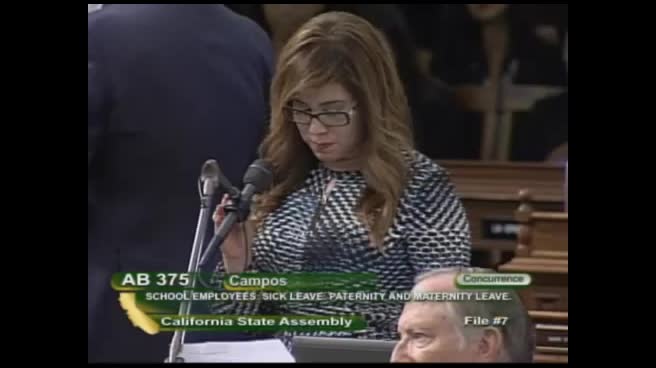
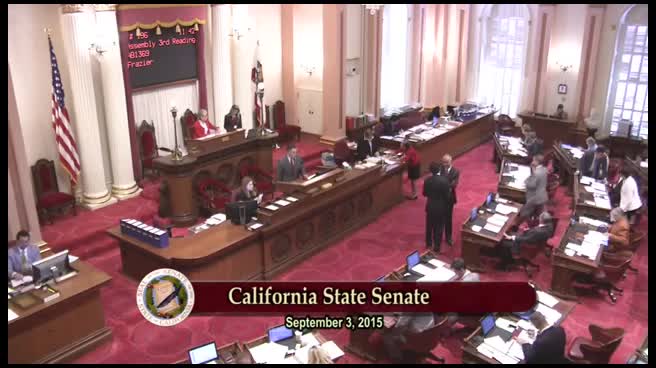
Bill Author

Bill Co-Author(s):