AB 681: State Board of Equalization: surveys: assessment procedures and practices: county assessor.
- Session Year: 2015-2016
- House: Assembly
- Latest Version Date: 2015-10-01
Existing law requires the State Board of Equalization to make surveys in each county and city and county to determine the adequacy of the procedures and practices employed by the county assessor in the valuation of property. Existing law requires the board to proceed with the surveys of the assessment procedures and practices in the several counties and cities and counties as rapidly as feasible, and to repeat or supplement each survey at least once in 5 years. Existing law requires the surveys of the 10 largest counties and cities and counties to include a sampling of assessments of the local assessment rolls, and requires the board, each year, to select at random at least 3 of the remaining counties or cities and counties to conduct a sample of assessments on the local assessment roll in those counties.
This bill would eliminate the boards requirement to select at random at least 3 remaining counties or cities and counties to conduct a sample of assessments on the local assessment roll, and would instead require the board, commencing January 1, 2016, and each of the next 4 calendar years, to survey the assessment procedures of qualified counties or cities and counties and to conduct sample assessments on the local roll of other qualified counties or cities and counties. This bill would define qualified counties or cities and counties for these purposes. This bill would additionally require the board to conduct a sample of assessments in a county or city and county that the board determines has significant assessment problems, as specified. This bill would require the qualified counties and cities and counties to be stratified and selected at random by the board, in consultation with the California Assessors Association.
Existing law requires the board, upon completion of the survey of the procedures and practices of a county assessor, to prepare a written survey report setting forth its findings and recommendations, and requires the board, before preparing its written survey report, to meet with the assessor to discuss and confer on those matters which may be included in the written survey report. Existing law requires the survey report, together with the assessors response and the boards comments, to constitute the final survey report. Existing law requires the final survey report to be issued by the board within 2 years after the date the board began the survey.
This bill would require the board, before preparing its written survey report, to notify the former assessor if the survey reviews the former assessors procedures and practices, and to also meet with the former assessor, upon his or her request if the survey reviews, to discuss and confer on those matters that may be included in the survey report. This bill would require an addendum to the final survey report to be published to include the former assessors written response and the boards comments, if any. This bill would shorten the period of time the board has to issue the final survey report from 2 years to 15 months for any survey commenced on or after July 1, 2016, to June 30, 2017, inclusive, and to 12 months for any survey commenced on or after July 1, 2017.
Existing law requires the State Board of Equalization to make surveys in each county and city and county to determine the adequacy of the procedures and practices employed by the county assessor in the valuation of property. Existing law requires the board to proceed with the surveys of the assessment procedures and practices in the several counties and cities and counties as rapidly as feasible, and to repeat or supplement each survey at least once in 5 years. Existing law requires the surveys of the 10 largest counties and cities and counties to include a sampling of assessments of the local assessment rolls, and requires the board, each year, to select at random at least 3 of the remaining counties or cities and counties to conduct a sample of assessments on the local assessment roll in those counties.
This bill would eliminate the boards requirement to select at random at least 3 remaining counties or cities and counties to conduct a sample of assessments on the local assessment roll, and would instead require the board, commencing January 1, 2016, and each of the next 4 calendar years, to survey the assessment procedures of qualified counties or cities and counties and to conduct sample assessments on the local roll of other qualified counties or cities and counties. This bill would define qualified counties or cities and counties for these purposes. This bill would additionally require the board to conduct a sample of assessments in a county or city and county that the board determines has significant assessment problems, as specified. This bill would require the qualified counties and cities and counties to be stratified and selected at random by the board, in consultation with the California Assessors Association.
Existing law requires the board, upon completion of the survey of the procedures and practices of a county assessor, to prepare a written survey report setting forth its findings and recommendations, and requires the board, before preparing its written survey report, to meet with the assessor to discuss and confer on those matters which may be included in the written survey report. Existing law requires the survey report, together with the assessors response and the boards comments, to constitute the final survey report. Existing law requires the final survey report to be issued by the board within 2 years after the date the board began the survey.
This bill would require the board, before preparing its written survey report, to notify the former assessor if the survey reviews the former assessors procedures and practices, and to also meet with the former assessor, upon his or her request if the survey reviews, to discuss and confer on those matters that may be included in the survey report. This bill would require an addendum to the final survey report to be published to include the former assessors written response and the boards comments, if any. This bill would shorten the period of time the board has to issue the final survey report from 2 years to 15 months for any survey commenced on or after July 1, 2016, to June 30, 2017, inclusive, and to 12 months for any survey commenced on or after July 1, 2017.
Existing law requires the State Board of Equalization to make surveys in each county and city and county to determine the adequacy of the procedures and practices employed by the county assessor in the valuation of property. Existing law requires the board to proceed with the surveys of the assessment procedures and practices in the several counties and cities and counties as rapidly as feasible, and to repeat or supplement each survey at least once in 5 years. Existing law requires the surveys of the 10 largest counties and cities and counties to include a sampling of assessments of the local assessment rolls, and requires the board, each year, to select at random at least 3 of the remaining counties or cities and counties to conduct a sample of assessments on the local assessment roll in those counties.
This bill would eliminate the boards requirement to select at random at least 3 remaining counties or cities and counties to conduct a sample of assessments on the local assessment roll, and would instead require the board, commencing January 1, 2016, and each of the next 4 calendar years, to survey the assessment procedures of qualified counties or cities and counties and to conduct sample assessments on the local roll of other qualified counties or cities and counties. This bill would define qualified counties or cities and counties for these purposes. This bill would additionally require the board to conduct a sample of assessments in a county or city and county that the board determines has significant assessment problems, as specified. This bill would require the qualified counties and cities and counties to be stratified and selected at random by the board, in consultation with the California Assessors Association.
Existing law requires the board, upon completion of the survey of the procedures and practices of a county assessor, to prepare a written survey report setting forth its findings and recommendations, and requires the board, before preparing its written survey report, to meet with the assessor to discuss and confer on those matters which may be included in the written survey report. Existing law requires the survey report, together with the assessors response and the boards comments, to constitute the final survey report. Existing law requires the final survey report to be issued by the board within 2 years after the date the board began the survey.
This bill would require the board, before preparing its written survey report, to notify the former assessor if the survey reviews the former assessors procedures and practices, and to also meet with the former assessor, upon his or her request if the survey reviews, to discuss and confer on those matters that may be included in the survey report. This bill would require an addendum to the final survey report to be published to include the former assessors written response and the boards comments, if any. This bill would shorten the period of time the board has to issue the final survey report from 2 years to 15 months for any survey commenced on or after July 1, 2016, to June 30, 2017, inclusive, and to 12 months for any survey commenced on or after July 1, 2017.
Existing law requires the State Board of Equalization to make surveys in each county and city and county to determine the adequacy of the procedures and practices employed by the county assessor in the valuation of property. Existing law requires the board to proceed with the surveys of the assessment procedures and practices in the several counties and cities and counties as rapidly as feasible, and to repeat or supplement each survey at least once in 5 years. Existing law requires the surveys of the 10 largest counties and cities and counties to include a sampling of assessments of the local assessment rolls, and requires the board, each year, to select at random at least 3 of the remaining counties or cities and counties to conduct a sample of assessments on the local assessment roll in those counties.
This bill would eliminate the boards requirement to select at random at least 3 remaining counties or cities and counties to conduct a sample of assessments on the local assessment roll, and would instead require the board, commencing January 1, 2016, and each of the next 4 calendar years, to survey the assessment procedures of qualified counties or cities and counties and to conduct sample assessments on the local roll of other qualified counties or cities and counties. This bill would define qualified counties or cities and counties for these purposes. This bill would require the qualified counties and cities and counties to be stratified and selected at random by the board, in consultation with the California Assessors Association.
Existing law requires the board, upon completion of the survey of the procedures and practices of a county assessor, to prepare a written survey report setting forth its findings and recommendations, and requires the board, before preparing its written survey report, to meet with the assessor to discuss and confer on those matters which may be included in the written survey report. Existing law requires the survey report, together with the assessors response and the boards comments, to constitute the final survey report. Existing law requires the final survey report to be issued by the board within 2 years after the date the board began the survey.
This bill would require the board, before preparing its written survey report, to notify the former assessor if the survey reviews the former assessors procedures and practices, and to also meet with the former assessor, upon his or her request if the survey reviews, to discuss and confer on those matters that may be included in the survey report. This bill would require an addendum to the final survey report to be published to include the former assessors written response and the boards comments, if any. This bill would shorten the period of time the board has to issue the final survey report from 2 years to one year after the date the board began the survey. 15 months for any survey commenced on or after July 1, 2016, to June 30, 2017, inclusive, and to 12 months for any survey commenced on or after July 1, 2017.
Existing law requires the State Board of Equalization to make surveys in each county and city and county to determine the adequacy of the procedures and practices employed by the county assessor in the valuation of property. Existing Existing law requires the board to proceed with the surveys of the assessment procedures and practices in the several counties and cities and counties as rapidly as feasible, and to repeat or supplement each survey at least once in 5 years. Existing law requires the surveys of the 10 largest counties and cities and counties to include a sampling of assessments of the local assessment rolls, and requires the board, each year, to select at random at least 3 of the remaining counties or cities and counties to conduct a sample of assessments on the local assessment roll in those counties.
This bill would eliminate the boards requirement to select at random at least 3 remaining counties or cities and counties to conduct a sample of assessments on the local assessment roll, and would instead require the board, commencing January 1, 2016, and each of the next 4 calendar years, to survey the assessment procedures of qualified counties or cities and counties and to conduct sample assessments on the local roll of other qualified counties or cities and counties. This bill would define qualified counties or cities and counties for these purposes. This bill would require the qualified counties and cities and counties to be stratified and selected at random by the board, in consultation with the California Assessors Association.
Existing law requires the board, upon completion of the survey of the procedures and practices of a county assessor, to prepare a written survey report setting forth its findings and recommendations, and requires the board, before preparing its written survey report, to meet with the assessor to discuss and confer on those matters which may be included in the written survey report. Existing law requires the survey report, together with the assessors response and the boards comments, to constitute the final survey report. Existing law requires the final survey report to be issued by the board within 2 years after the date the board began the survey.
This bill would require the board, before preparing its written survey report, to notify the former assessor if the survey reviews the former assessors procedures and practices, and to also meet with the former assessor, upon his or her request if the survey reviews, to discuss and confer on those matters that may be included in the survey report. This bill would require an addendum to the final survey report to be published to include the former assessors written response and the boards comments, if any. This bill would shorten the period of time the board has to issue the final survey report from 2 years to one year after the date the board began the survey.
Existing law requires the State Board of Equalization to make surveys in each county and city and county to determine the adequacy of the procedures and practices employed by the county assessor in the valuation of property. Existing law requires the board, upon completion of the survey of the procedures and practices of a county assessor, to prepare a written survey report setting forth its findings and recommendations, and requires the board, before preparing its written survey report, to meet with the assessor to discuss and confer on those matters which may be included in the written survey report. Existing law requires the survey report, together with the assessors response and the boards comments, to constitute the final survey report.
This bill would require the board, before preparing its written survey report, to notify the former assessor if the survey reviews the former assessors procedures and practices, and to also meet with the former assessor, upon his or her request if the survey reviews, to discuss and confer on those matters that may be included in the survey report. This bill would require an addendum to the final survey report to be published to include the former assessors written response and the boards comments, if any.
(a)(1)The board shall proceed with the surveys of the assessment procedures and practices in the 10 largest counties and cities and counties as rapidly as feasible, and shall repeat or supplement each survey at least once in five years.
(2)The surveys of the 10 largest counties and cities and counties shall include a sampling of assessments on the local assessment rolls as described in Section 15640. The 10 largest counties and cities and counties shall be determined based upon the total value of locally assessed property located in the counties and cities and counties on the lien date that falls within the calendar year of 1995 and every fifth calendar year thereafter.
(b)The board shall, commencing January 1, 2016, and each of the next four calendar years, do all of the following:
(1)(A)Survey the assessment procedures of one qualified county or city and county and conduct a sample of assessments on the local assessment roll of another qualified county or city and county.
(B)For purposes of this paragraph, qualified county or city and county means the 11th to the 20th, inclusive, largest counties and cities and counties. The 11th to the 20th, inclusive, largest counties and cities and counties shall be determined based upon the total value of locally assessed property located in the counties and cities and counties on the lien date that falls within the calendar year of 2015 and every fifth calendar year thereafter.
(C)The qualified counties and cities and counties shall be stratified and selected at random by the board, in consultation with the California Assessors Association.
(2)(A)Survey the assessment procedures of three qualified counties or cities and counties and conduct a sample of assessments on the local assessment roll of two other qualified counties or cities and counties.
(B)For purposes of this paragraph, qualified counties or cities and counties means the 21st to the 58th, inclusive, largest counties and cities and counties. The 21st to the 58th, inclusive, largest counties and cities and counties shall be determined based upon the total value of locally assessed property located in the counties and cities and counties on the lien date that falls within the calendar year 2015 and every fifth calendar year thereafter.
(3)Conduct a sample of assessments on the local assessment roll in a county or city or county that the board determines has significant assessment problems pursuant to Section 75.60 of the Revenue and Taxation Code.
(C)The qualified counties and cities and counties shall be stratified and selected at random by the board, in consultation with the California Assessors Association.
(c)The statewide surveys which are limited in scope to specific topics, issues, or problems may be conducted whenever the board determines that a need exists to conduct a survey.
(d)When requested by the legislative body or the assessor of any county or city and county to perform a survey not otherwise scheduled, the board may enter into a contract with the requesting local agency to conduct that survey. The contract may provide for a board sampling of assessments on the local roll. The amount of the contracts shall not be less than the cost to the board, and shall be subject to regulations approved by the Director of General Services.
(e)This section shall remain in effect only until January 1, 2021, and as of that date is repealed.
SEC. 2.Section 15643 is added to the Government Code, to read:15643.(a)The board shall proceed with the surveys of the assessment procedures and practices in the several counties and cities and counties as rapidly as feasible, and shall repeat or supplement each survey at least once in five years.
(b)The surveys of the 10 largest counties and cities and counties shall include a sampling of assessments on the local assessment rolls as described in Section 15640. In addition, the board shall each year, in accordance with procedures established by the board by regulation, select at random at least three of the remaining counties or cities and counties, and conduct a sample of assessments on the local assessment roll in those counties. If the board finds that a county or city and county has significant assessment problems, as provided in Section 75.60 of the Revenue and Taxation Code, a sample of assessments will be conducted in that county or city and county in lieu of a county or city and county selected at random. The 10 largest counties and cities and counties shall be determined based upon the total value of locally assessed property located in the counties and cities and counties on the lien date that falls within the calendar year of 2021 and every fifth calendar year thereafter.
(c)The statewide surveys which are limited in scope to specific topics, issues, or problems may be conducted whenever the board determines that a need exists to conduct a survey.
(d)When requested by the legislative body or the assessor of any county or city and county to perform a survey not otherwise scheduled, the board may enter into a contract with the requesting local agency to conduct that survey. The contract may provide for a board sampling of assessments on the local roll. The amount of the contracts shall not be less than the cost to the board, and shall be subject to regulations approved by the Director of General Services.
(e)This section shall become operative on January 1, 2021.
SEC. 3.Section 15645 of the Government Code is amended to read:15645.(a)Upon completion of a survey of the procedures and practices of a county assessor, the board shall prepare a written survey report setting forth its findings and recommendations and transmit a copy to the assessor. In addition the board may file with the assessor a confidential report containing matters relating to personnel. Before preparing its written survey report, the board shall do both of the following:
(1)Meet with the assessor to discuss and confer on those matters which may be included in the written survey report.
(2)Notify the former assessor if the survey reviews the former assessors procedures and practices, and meet with the former assessor, upon his or her request, to discuss and confer on those matters that may be included in the survey report.
(b)Within 30 days after receiving a copy of the survey report, the assessor may file with the board a written response to the findings and recommendations in the survey report.
The board may, for good cause, extend the period for filing the response.
(c)(1)The survey report, together with the assessors response, if any, and the boards comments, if any, shall constitute the final survey report. An addendum to the final survey report shall be published to include a former assessors written response to the findings and recommendations in the survey report that reviewed the former assessors procedures and practices, if any, and the boards comments, if any. The final survey report shall be issued by the board as follows:
(A)For any survey commenced before July 1, 2016, within two years after the date the board began the survey.
(B)For any survey commenced on or after July 1, 2016, to June 30, 2017, within 15 months after the date the board began the survey.
(C)For any survey commenced on or after July 1, 2017, within 12 months after the date the board began the survey.
(2)Within a year after receiving a copy of the final survey report, and annually thereafter, no later than the date on which the initial report was issued by the board and until all issues are resolved, the assessor shall file with the board of supervisors a report, indicating the manner in which the assessor has implemented or intends to implement, or the reasons for not implementing, the recommendations of the survey report, with copies of that response being sent to the Governor, the Attorney General, the State Board of Equalization, the Senate and Assembly, and to the grand juries and assessment appeals boards of the counties to which they relate.
(a)(1)The board shall proceed with the surveys of the assessment procedures and practices in the 10 largest counties and cities and counties as rapidly as feasible, and shall repeat or supplement each survey at least once in five years.
(2)The surveys of the 10 largest counties and cities and counties shall include a sampling of assessments on the local assessment rolls as described in Section 15640. The 10 largest counties and cities and counties shall be determined based upon the total value of locally assessed property located in the counties and cities and counties on the lien date that falls within the calendar year of 1995 and every fifth calendar year thereafter.
(b)The board shall, commencing January 1, 2016, and each of the next four calendar years, do all of the following:
(1)(A)Survey the assessment procedures of one qualified county or city and county and conduct a sample of assessments on the local assessment roll of another qualified county or city and county.
(B)For purposes of this paragraph, qualified county or city and county means the 11th to the 20th, inclusive, largest counties and cities and counties. The 11th to the 20th, inclusive, largest counties and cities and counties shall be determined based upon the total value of locally assessed property located in the counties and cities and counties on the lien date that falls within the calendar year of 2015 and every fifth calendar year thereafter.
(C)The qualified counties and cities and counties shall be stratified and selected at random by the board, in consultation with the California Assessors Association.
(2)(A)Survey the assessment procedures of three qualified counties or cities and counties and conduct a sample of assessments on the local assessment roll of two other qualified counties or cities and counties.
(B)For purposes of this paragraph, qualified counties or cities and counties means the 21st to the 58th, inclusive, largest counties and cities and counties. The 21st to the 58th, inclusive, largest counties and cities and counties shall be determined based upon the total value of locally assessed property located in the counties and cities and counties on the lien date that falls within the calendar year 2015 and every fifth calendar year thereafter.
(3)Conduct a sample of assessments on the local assessment roll in a county or city or county that the board determines has significant assessment problems pursuant to Section 75.60 of the Revenue and Taxation Code.
(C)The qualified counties and cities and counties shall be stratified and selected at random by the board, in consultation with the California Assessors Association.
(c)The statewide surveys which are limited in scope to specific topics, issues, or problems may be conducted whenever the board determines that a need exists to conduct a survey.
(d)When requested by the legislative body or the assessor of any county or city and county to perform a survey not otherwise scheduled, the board may enter into a contract with the requesting local agency to conduct that survey. The contract may provide for a board sampling of assessments on the local roll. The amount of the contracts shall not be less than the cost to the board, and shall be subject to regulations approved by the Director of General Services.
(e)This section shall remain in effect only until January 1, 2021, and as of that date is repealed.
SEC. 2.Section 15643 is added to the Government Code, to read:15643.(a)The board shall proceed with the surveys of the assessment procedures and practices in the several counties and cities and counties as rapidly as feasible, and shall repeat or supplement each survey at least once in five years.
(b)The surveys of the 10 largest counties and cities and counties shall include a sampling of assessments on the local assessment rolls as described in Section 15640. In addition, the board shall each year, in accordance with procedures established by the board by regulation, select at random at least three of the remaining counties or cities and counties, and conduct a sample of assessments on the local assessment roll in those counties. If the board finds that a county or city and county has significant assessment problems, as provided in Section 75.60 of the Revenue and Taxation Code, a sample of assessments will be conducted in that county or city and county in lieu of a county or city and county selected at random. The 10 largest counties and cities and counties shall be determined based upon the total value of locally assessed property located in the counties and cities and counties on the lien date that falls within the calendar year of 2021 and every fifth calendar year thereafter.
(c)The statewide surveys which are limited in scope to specific topics, issues, or problems may be conducted whenever the board determines that a need exists to conduct a survey.
(d)When requested by the legislative body or the assessor of any county or city and county to perform a survey not otherwise scheduled, the board may enter into a contract with the requesting local agency to conduct that survey. The contract may provide for a board sampling of assessments on the local roll. The amount of the contracts shall not be less than the cost to the board, and shall be subject to regulations approved by the Director of General Services.
(e)This section shall become operative on January 1, 2021.
SEC. 3.Section 15645 of the Government Code is amended to read:15645.(a)Upon completion of a survey of the procedures and practices of a county assessor, the board shall prepare a written survey report setting forth its findings and recommendations and transmit a copy to the assessor. In addition the board may file with the assessor a confidential report containing matters relating to personnel. Before preparing its written survey report, the board shall do both of the following:
(1)Meet with the assessor to discuss and confer on those matters which may be included in the written survey report.
(2)Notify the former assessor if the survey reviews the former assessors procedures and practices, and meet with the former assessor, upon his or her request, to discuss and confer on those matters that may be included in the survey report.
(b)Within 30 days after receiving a copy of the survey report, the assessor may file with the board a written response to the findings and recommendations in the survey report.
The board may, for good cause, extend the period for filing the response.
(c)(1)The survey report, together with the assessors response, if any, and the boards comments, if any, shall constitute the final survey report. An addendum to the final survey report shall be published to include a former assessors written response to the findings and recommendations in the survey report that reviewed the former assessors procedures and practices, if any, and the boards comments, if any. The final survey report shall be issued by the board as follows:
(A)For any survey commenced before July 1, 2016, within two years after the date the board began the survey.
(B)For any survey commenced on or after July 1, 2016, to June 30, 2017, within 15 months after the date the board began the survey.
(C)For any survey commenced on or after July 1, 2017, within 12 months after the date the board began the survey.
(2)Within a year after receiving a copy of the final survey report, and annually thereafter, no later than the date on which the initial report was issued by the board and until all issues are resolved, the assessor shall file with the board of supervisors a report, indicating the manner in which the assessor has implemented or intends to implement, or the reasons for not implementing, the recommendations of the survey report, with copies of that response being sent to the Governor, the Attorney General, the State Board of Equalization, the Senate and Assembly, and to the grand juries and assessment appeals boards of the counties to which they relate.
(a)(1)The board shall proceed with the surveys of the assessment procedures and practices in the 10 largest counties and cities and counties as rapidly as feasible, and shall repeat or supplement each survey at least once in five years.
(2)The surveys of the 10 largest counties and cities and counties shall include a sampling of assessments on the local assessment rolls as described in Section 15640. The 10 largest counties and cities and counties shall be determined based upon the total value of locally assessed property located in the counties and cities and counties on the lien date that falls within the calendar year of 1995 and every fifth calendar year thereafter.
(b)The board shall, commencing January 1, 2016, and each of the next four calendar years, do both all of the following:
(1)(A)Survey the assessment procedures of one qualified county or city and county and conduct a sample of assessments on the local assessment roll of another qualified county or city and county.
(B)For purposes of this paragraph, qualified county or city and county means the eleventh 11th to the twentieth, 20th, inclusive, largest counties and cities and counties. The eleventh 11th to the twentieth, 20th, inclusive, largest counties and cities and counties shall be determined based upon the total value of locally assessed property located in the counties and cities and counties on the lien date that falls within the calendar year of 2016 and each of the next four calendar years. 2015 and every fifth calendar year thereafter.
(C)The qualified counties and cities and counties shall be stratified and selected at random by the board, in consultation with the California Assessors Association.
(2)(A)Survey the assessment procedures of three qualified counties or cities and counties and conduct a sample of assessments on the local assessment roll of two other qualified counties or cities and counties.
(B)For purposes of this paragraph, qualified counties or cities and counties means the twenty-first 21st to the fifty-eighth, 58th, inclusive, largest counties and cities and counties. The twenty-first 21st to the fifty-eighth, 58th, inclusive, largest counties and cities and counties shall be determined based upon the total value of locally assessed property located in the counties and cities and counties on the lien date that falls within the calendar year 2016 and each of the next four calendar years. 2015 and every fifth calendar year thereafter.
(3)Conduct a sample of assessments on the local assessment roll in a county or city or county that the board determines has significant assessment problems pursuant to Section 75.60 of the Revenue and Taxation Code.
(C)The qualified counties and cities and counties shall be stratified and selected at random by the board, in consultation with the California Assessors Association.
(c)The statewide surveys which are limited in scope to specific topics, issues, or problems may be conducted whenever the board determines that a need exists to conduct a survey.
(d)When requested by the legislative body or the assessor of any county or city and county to perform a survey not otherwise scheduled, the board may enter into a contract with the requesting local agency to conduct that survey. The contract may provide for a board sampling of assessments on the local roll. The amount of the contracts shall not be less than the cost to the board, and shall be subject to regulations approved by the Director of General Services.
(e)This section shall remain in effect only until January 1, 2021, and as of that date is repealed.
SEC. 2.Section 15643 is added to the Government Code, to read:15643.(a)The board shall proceed with the surveys of the assessment procedures and practices in the several counties and cities and counties as rapidly as feasible, and shall repeat or supplement each survey at least once in five years.
(b)The surveys of the 10 largest counties and cities and counties shall include a sampling of assessments on the local assessment rolls as described in Section 15640. In addition, the board shall each year, in accordance with procedures established by the board by regulation, select at random at least three of the remaining counties or cities and counties, and conduct a sample of assessments on the local assessment roll in those counties. If the board finds that a county or city and county has significant assessment problems, as provided in Section 75.60 of the Revenue and Taxation Code, a sample of assessments will be conducted in that county or city and county in lieu of a county or city and county selected at random. The 10 largest counties and cities and counties shall be determined based upon the total value of locally assessed property located in the counties and cities and counties on the lien date that falls within the calendar year of 2021 and every fifth calendar year thereafter.
(c)The statewide surveys which are limited in scope to specific topics, issues, or problems may be conducted whenever the board determines that a need exists to conduct a survey.
(d)When requested by the legislative body or the assessor of any county or city and county to perform a survey not otherwise scheduled, the board may enter into a contract with the requesting local agency to conduct that survey. The contract may provide for a board sampling of assessments on the local roll. The amount of the contracts shall not be less than the cost to the board, and shall be subject to regulations approved by the Director of General Services.
(e)This section shall become operative on January 1, 2021.
SEC. 3.Section 15645 of the Government Code is amended to read:15645.(a)Upon completion of a survey of the procedures and practices of a county assessor, the board shall prepare a written survey report setting forth its findings and recommendations and transmit a copy to the assessor. In addition the board may file with the assessor a confidential report containing matters relating to personnel. Before preparing its written survey report, the board shall do both of the following:
(1)Meet with the assessor to discuss and confer on those matters which may be included in the written survey report.
(2)Notify the former assessor if the survey reviews the former assessors procedures and practices, and meet with the former assessor, upon his or her request, to discuss and confer on those matters that may be included in the survey report.
(b)Within 30 days after receiving a copy of the survey report, the assessor may file with the board a written response to the findings and recommendations in the survey report.
The board may, for good cause, extend the period for filing the response.
(c)(1)The survey report, together with the assessors response, if any, and the boards comments, if any, shall constitute the final survey report. An addendum to the final survey report shall be published to include a former assessors written response to the findings and recommendations in the survey report that reviewed the former assessors procedures and practices, if any, and the boards comments, if any. The final survey report shall be issued by the board within one year after the date the board began the survey, except as follows:
(A)For any survey commenced before July 1, 2016, within two years after the date the board began the survey.
(A)
(B)For any survey commenced on or after July 1, 2016, to June 30, 2017, within 15 months after the date the board began the survey.
(B)
(C)For any survey commenced on or after July 1, 2017, within 12 months after the date the board began the survey.
(2)Within a year after receiving a copy of the final survey report, and annually thereafter, no later than the date on which the initial report was issued by the board and until all issues are resolved, the assessor shall file with the board of supervisors a report, indicating the manner in which the assessor has implemented, implemented or intends to implement implement, or the reasons for not implementing, the recommendations of the survey report, with copies of that response being sent to the Governor, the Attorney General, the State Board of Equalization, the Senate and Assembly Assembly, and to the grand juries and assessment appeals boards of the counties to which they relate.
(a)(1)The board shall proceed with the surveys of the assessment procedures and practices in the 10 largest counties and cities and counties as rapidly as feasible, and shall repeat or supplement each survey at least once in five years.
(2)The surveys of the 10 largest counties and cities and counties shall include a sampling of assessments on the local assessment rolls as described in Section 15640. The 10 largest counties and cities and counties shall be determined based upon the total value of locally assessed property located in the counties and cities and counties on the lien date that falls within the calendar year of 1995 and every fifth calendar year thereafter.
(b)The board shall, commencing January 1, 2016, and each of the next four calendar years, do both of the following:
(1)(A)Survey the assessment procedures of one qualified county or city and county and conduct a sample of assessments on the local assessment roll of another qualified county or city and county.
(B)For purposes of this paragraph, qualified county or city and county means the eleventh to the twentieth, inclusive, largest counties and cities and counties. The eleventh to the twentieth, inclusive, largest counties and cities and counties shall be determined based upon the total value of locally assessed property located in the counties and cities and counties on the lien date that falls within the calendar year of 2016 and each of the next four calendar years.
(C)The qualified counties and cities and counties shall be stratified and selected at random by the board, in consultation with the California Assessors Association.
(2)(A)Survey the assessment procedures of three qualified counties or cities and counties and conduct a sample of assessments on the local assessment roll of two other qualified counties or cities and counties.
(B)For purposes of this paragraph, qualified counties or cities and counties means the twenty-first to the fifty-eighth, inclusive, largest counties and cities and counties. The twenty-first to the fifty-eighth, inclusive, largest counties and cities and counties shall be determined based upon the total value of locally assessed property located in the counties and cities and counties on the lien date that falls within the calendar year 2016 and each of the next four calendar years.
(C)The qualified counties and cities and counties shall be stratified and selected at random by the board, in consultation with the California Assessors Association.
(c)The statewide surveys which are limited in scope to specific topics, issues, or problems may be conducted whenever the board determines that a need exists to conduct a survey.
(d)When requested by the legislative body or the assessor of any county or city and county to perform a survey not otherwise scheduled, the board may enter into a contract with the requesting local agency to conduct that survey. The contract may provide for a board sampling of assessments on the local roll. The amount of the contracts shall not be less than the cost to the board, and shall be subject to regulations approved by the Director of General Services.
(e)This section shall remain in effect only until January 1, 2021, and as of that date is repealed.
SEC. 2.Section 15643 is added to the Government Code, to read:15643.(a)The board shall proceed with the surveys of the assessment procedures and practices in the several counties and cities and counties as rapidly as feasible, and shall repeat or supplement each survey at least once in five years.
(b)The surveys of the 10 largest counties and cities and counties shall include a sampling of assessments on the local assessment rolls as described in Section 15640. In addition, the board shall each year, in accordance with procedures established by the board by regulation, select at random at least three of the remaining counties or cities and counties, and conduct a sample of assessments on the local assessment roll in those counties. If the board finds that a county or city and county has significant assessment problems, as provided in Section 75.60 of the Revenue and Taxation Code, a sample of assessments will be conducted in that county or city and county in lieu of a county or city and county selected at random. The 10 largest counties and cities and counties shall be determined based upon the total value of locally assessed property located in the counties and cities and counties on the lien date that falls within the calendar year of 2021 and every fifth calendar year thereafter.
(c)The statewide surveys which are limited in scope to specific topics, issues, or problems may be conducted whenever the board determines that a need exists to conduct a survey.
(d)When requested by the legislative body or the assessor of any county or city and county to perform a survey not otherwise scheduled, the board may enter into a contract with the requesting local agency to conduct that survey. The contract may provide for a board sampling of assessments on the local roll. The amount of the contracts shall not be less than the cost to the board, and shall be subject to regulations approved by the Director of General Services.
(e)This section shall become operative on January 1, 2021.
SEC. 3.Section 15645 of the Government Code is amended to read:15645.(a)Upon completion of a survey of the procedures and practices of a county assessor, the board shall prepare a written survey report setting forth its findings and recommendations and transmit a copy to the assessor. In addition the board may file with the assessor a confidential report containing matters relating to personnel. Before preparing its written survey report, the board shall do both of the following:
(1)Meet with the assessor to discuss and confer on those matters which may be included in the written survey report.
(2)Notify the former assessor if the survey reviews the former assessors procedures and practices, and meet with the former assessor, upon his or her request, to discuss and confer on those matters that may be included in the survey report.
(b)Within 30 days after receiving a copy of the survey report, the assessor may file with the board a written response to the findings and recommendations in the survey report.
The board may, for good cause, extend the period for filing the response.
(c)(1)The survey report, together with the assessors response, if any, and the boards comments, if any, shall constitute the final survey report. An addendum to the final survey report shall be published to include a former assessors written response to the findings and recommendations in the survey report that reviewed the former assessors procedures and practices, if any, and the boards comments, if any. The final survey report shall be issued by the board within one year after the date the board began the survey. Within survey, except as follows:
(A)For any survey commenced on or after July 1, 2016, to June 30, 2017, within 15 months after the date the board began the survey.
(B)For any survey commenced on or after July 1, 2017, within 12 months after the date the board began the survey.
(2)Within a year after receiving a copy of the final survey report, and annually thereafter, no later than the date on which the initial report was issued by the board and until all issues are resolved, the assessor shall file with the board of supervisors a report, indicating the manner in which the assessor has implemented, intends to implement or the reasons for not implementing, the recommendations of the survey report, with copies of that response being sent to the Governor, the Attorney General, the State Board of Equalization, the Senate and Assembly and to the grand juries and assessment appeals boards of the counties to which they relate.
(a)(1)The board shall proceed with the surveys of the assessment procedures and practices in the several 10 largest counties and cities and counties as rapidly as feasible, and shall repeat or supplement each survey at least once in five years.
(b)
(2)The surveys of the 10 largest counties and cities and counties shall include a sampling of assessments on the local assessment rolls as described in Section 15640. In addition, the board shall each year, in accordance with procedures established by the board by regulation, select at random at least three of the remaining counties or cities and counties, and conduct a sample of assessments on the local assessment roll in those counties. If the board finds that a county or city and county has significant assessment problems, as provided in Section 75.60 of the Revenue and Taxation Code, a sample of assessments will be conducted in that county or city and county in lieu of a county or city and county selected at random. The 10 largest counties and cities and counties shall be determined based upon the total value of locally assessed property located in the counties and cities and counties on the lien date that falls within the calendar year of 1995 and every fifth calendar year thereafter.
(b)The board shall, commencing January 1, 2016, and each of the next four calendar years, do both of the following:
(1)(A)Survey the assessment procedures of one qualified county or city and county and conduct a sample of assessments on the local assessment roll of another qualified county or city and county.
(B)For purposes of this paragraph, qualified county or city and county means the eleventh to the twentieth, inclusive, largest counties and cities and counties. The eleventh to the twentieth, inclusive, largest counties shall be determined based upon the total value of locally assessed property located in the counties and cities and counties on the lien date that falls within the calendar year of 2016 and each of the next four calendar years.
(C)The qualified counties and cities and counties shall be stratified and selected at random by the board, in consultation with the California Assessors Association.
(2)(A)Survey the assessment procedures of three qualified counties or cities and counties and conduct a sample of assessments on the local assessment roll of two other qualified counties or cities and counties.
(B)For purposes of this paragraph, qualified counties or cities and counties means the twenty-first to the fifty-eighth, inclusive, largest counties and cities and counties. The twenty-first to the fifty-eighth, inclusive, largest counties shall be determined based upon the total value of locally assessed property located in the counties and cities and counties on the lien date that falls within the calendar year 2016 and each of the next four calendar years.
(C)The qualified counties and cities and counties shall be stratified and selected at random by the board, in consultation with the California Assessors Association.
(c)The statewide surveys which are limited in scope to specific topics, issues, or problems may be conducted whenever the board determines that a need exists to conduct a survey.
(d)When requested by the legislative body or the assessor of any county or city and county to perform a survey not otherwise scheduled, the board may enter into a contract with the requesting local agency to conduct that survey. The contract may provide for a board sampling of assessments on the local roll. The amount of the contracts shall not be less than the cost to the board, and shall be subject to regulations approved by the Director of General Services.
(e)This section shall remain in effect only until January 1, 2021, and as of that date is repealed.
SEC. 2.Section 15643 is added to the Government Code, to read:15643.(a)The board shall proceed with the surveys of the assessment procedures and practices in the several counties and cities and counties as rapidly as feasible, and shall repeat or supplement each survey at least once in five years.
(b)The surveys of the 10 largest counties and cities and counties shall include a sampling of assessments on the local assessment rolls as described in Section 15640. In addition, the board shall each year, in accordance with procedures established by the board by regulation, select at random at least three of the remaining counties or cities and counties, and conduct a sample of assessments on the local assessment roll in those counties. If the board finds that a county or city and county has significant assessment problems, as provided in Section 75.60 of the Revenue and Taxation Code, a sample of assessments will be conducted in that county or city and county in lieu of a county or city and county selected at random. The 10 largest counties and cities and counties shall be determined based upon the total value of locally assessed property located in the counties and cities and counties on the lien date that falls within the calendar year of 2021 and every fifth calendar year thereafter.
(c)The statewide surveys which are limited in scope to specific topics, issues, or problems may be conducted whenever the board determines that a need exists to conduct a survey.
(d)When requested by the legislative body or the assessor of any county or city and county to perform a survey not otherwise scheduled, the board may enter into a contract with the requesting local agency to conduct that survey. The contract may provide for a board sampling of assessments on the local roll. The amount of the contracts shall not be less than the cost to the board, and shall be subject to regulations approved by the Director of General Services.
(e)This section shall become operative on January 1, 2021.
SECTION 1.SEC. 3.Section 15645 of the Government Code is amended to read:15645.(a)Upon completion of a survey of the procedures and practices of a county assessor, the board shall prepare a written survey report setting forth its findings and recommendations and transmit a copy to the assessor. In addition the board may file with the assessor a confidential report containing matters relating to personnel. Before preparing its written survey report, the board shall do both of the following:
(1)Meet with the assessor to discuss and confer on those matters which may be included in the written survey report.
(2)Notify the former assessor if the survey reviews the former assessors procedures and practices, and meet with the former assessor, upon his or her request, to discuss and confer on those matters that may be included in the survey report.
(b)Within 30 days after receiving a copy of the survey report, the assessor may file with the board a written response to the findings and recommendations in the survey report.
The board may, for good cause, extend the period for filing the response.
(c)The survey report, together with the assessors response, if any, and the boards comments, if any, shall constitute the final survey report. An addendum to the final survey report shall be published to include a former assessors written response to the findings and recommendations in the survey report that reviewed the former assessors procedures and practices, if any, and the boards comments, if any. The final survey report shall be issued by the board within two years one year after the date the board began the survey. Within a year after receiving a copy of the final survey report, and annually thereafter, no later than the date on which the initial report was issued by the board and until all issues are resolved, the assessor shall file with the board of supervisors a report, indicating the manner in which the assessor has implemented, intends to implement or the reasons for not implementing, the recommendations of the survey report, with copies of that response being sent to the Governor, the Attorney General, the State Board of Equalization, the Senate and Assembly and to the grand juries and assessment appeals boards of the counties to which they relate.
(a)Upon completion of a survey of the procedures and practices of a county assessor, the board shall prepare a written survey report setting forth its findings and recommendations and transmit a copy to the assessor. In addition the board may file with the assessor a confidential report containing matters relating to personnel. Before preparing its written survey report, the board shall meet with do both of the following:
(1)Meet with the assessor to discuss and confer on those matters which may be included in the written survey report.
(2)Notify the former assessor if the survey reviews the former assessors procedures and practices, and meet with the former assessor, upon his or her request, to discuss and confer on those matters that may be included in the survey report.
(b)Within 30 days after receiving a copy of the survey report, the assessor may file with the board a written response to the findings and recommendations in the survey report.
The board may, for good cause, extend the period for filing the response.
(c)The survey report, together with the assessors response, if any, and the boards comments, if any, shall constitute the final survey report. An addendum to the final survey report shall be published to include a former assessors written response to the findings and recommendations in the survey report that reviewed the former assessors procedures and practices, if any, and the boards comments, if any. The final survey report shall be issued by the board within two years after the date the board began the survey. Within a year after receiving a copy of the final survey report, and annually thereafter, no later than the date on which the initial report was issued by the board and until all issues are resolved, the assessor shall file with the board of supervisors a report, indicating the manner in which the assessor has implemented, intends to implement or the reasons for not implementing, the recommendations of the survey report, with copies of that response being sent to the Governor, the Attorney General, the State Board of Equalization, the Senate and Assembly and to the grand juries and assessment appeals boards of the counties to which they relate.
|
Date
|
Status
|
|---|---|
| Jun 23, 2015 | In committee: Hearing postponed by committee. |
| Oct 1, 2015 | Chaptered by Secretary of State - Chapter 404, Statutes of 2015. |
| Oct 1, 2015 | Approved by the Governor. |
| Sep 14, 2015 | Enrolled and presented to the Governor at 4 p.m. |
| Sep 2, 2015 | Senate amendments concurred in. To Engrossing and Enrolling. (Ayes 80. Noes 0.). |
| Sep 2, 2015 | Senate amendments concurred in. To Engrossing and Enrolling. (Ayes 80. Noes 0. Page 2812.). |
| Sep 2, 2015 | Assembly Rule 77 suspended. (Page 2795.) |
| Sep 2, 2015 | Assembly Rule 77 suspended. |
| Sep 1, 2015 | Read third time. Passed. Ordered to the Assembly. (Ayes 40. Noes 0. Page 2346.). |
| Sep 1, 2015 | Read third time. Passed. Ordered to the Assembly. |
| Sep 1, 2015 | In Assembly. Concurrence in Senate amendments pending. May be considered on or after September 3 pursuant to Assembly Rule 77. |
| Aug 31, 2015 | Read second time. Ordered to third reading. |
| Aug 27, 2015 | From committee: Do pass. (Ayes 7. Noes 0.) (August 27). |
| Aug 17, 2015 | In committee: Referred to APPR. suspense file. |
| Jul 15, 2015 | Read second time and amended. Re-referred to Com. on APPR. |
| Jul 14, 2015 | From committee: Amend, and do pass as amended and re-refer to Com. on APPR. (Ayes 7. Noes 0.) (July 8). |
| Feb 25, 2015 | Read first time. To print. |
| Jun 11, 2015 | Referred to Com. on GOV. & F. |
| Jun 2, 2015 | Read third time. Passed. Ordered to the Senate. (Ayes 79. Noes 0. Page 1772.) |
| Jun 2, 2015 | Read third time. Passed. Ordered to the Senate. |
| Jun 2, 2015 | In Senate. Read first time. To Com. on RLS. for assignment. |
| May 28, 2015 | Read second time. Ordered to third reading. |
| May 28, 2015 | From committee: Do pass. (Ayes 17. Noes 0.) (May 28). |
| May 13, 2015 | In committee: Set, first hearing. Referred to APPR. suspense file. |
| Apr 23, 2015 | Re-referred to Com. on APPR. |
| Apr 22, 2015 | Read second time and amended. |
| Apr 21, 2015 | From committee: Amend, and do pass as amended and re-refer to Com. on APPR. (Ayes 7. Noes 0.) (April 20). |
| Apr 14, 2015 | Re-referred to Com. on REV. & TAX. |
| Apr 13, 2015 | From committee chair, with author's amendments: Amend, and re-refer to Com. on REV. & TAX. Read second time and amended. |
| Mar 9, 2015 | Referred to Com. on REV. & TAX. |
| Feb 26, 2015 | From printer. May be heard in committee March 28. |
|
Date
|
Description
|
Location
|
Votes
|
|
|---|---|---|---|---|
| Sep 2, 2015 | AB 681 TING Concurrence in Senate Amendments | Assembly Floor |
Passed |
|
| Sep 1, 2015 | Assembly 3rd Reading AB681 Ting By Nguyen | Senate Floor |
Passed |
|
| Aug 27, 2015 | Do pass | Senate Standing Committee on Appropriations |
Passed |
|
| Aug 17, 2015 | Placed on suspense file | Senate Standing Committee on Appropriations |
Passed |
|
| Jul 8, 2015 | Do pass as amended, but first amend, and re-refer to the Committee on [Appropriations] | Senate Standing Committee on Governance and Finance |
Passed |
|
| Jun 2, 2015 | AB 681 TING Assembly Third Reading | Assembly Floor |
Passed |
|
| May 28, 2015 | Do pass. | Assembly Standing Committee on Appropriations |
Passed |
|
| Apr 20, 2015 | Do pass as amended and be re-referred to the Committee on [Appropriations] | Assembly Standing Committee on Revenue and Taxation |
Passed |
This list shows positions taken on this bill by organizations on the date displayed, which is linked to the original source.
Positions by individuals are not included.
|
Organization
|
Position
|
Date
|
|---|---|---|
| board of equalization | ** Support | Sep 1, 2015 |
| California Assess Association | * Indeterminate | Jul 8, 2015 |
| Jerome Horton, State Board of Equalization | * Support | Apr 20, 2015 |
| Office of Fiona Ma | * Support | Apr 20, 2015 |
AB 681
Page 4
CONCURRENCE IN SENATE AMENDMENTS
AB 681
(Ting)
As Amended July 15, 2015
Majority vote
ASSEMBLY: |
79-0 |
(June 2, 2015) |
SENATE: |
40-0 |
(September 1, 2015) |
Original Committee Reference: REV. & TAX.
SUMMARY: Makes specified changes to survey requirements applicable to the Board of Equalization (BOE) in determining the adequacy of the procedures and practices employed by the county assessors in their valuation of property.
The Senate amendments:
Provide that if the board finds that a county or city and county has 'significant assessment problems,' as provided in Revenue and Taxation Code Section 75.60, a sample of assessments will be conducted in that county or city and county.
Specify that a survey report is due within two years if the survey commenced before July 1, 2016.
Strike out "2016 and each of the next four calendar years" and insert "2015 and every fifth calendar year thereafter."
Make technical amendments.
AS PASSED BY THE ASSEMBLY, this bill:
Provided that the BOE shall proceed with the surveys of the assessment procedures and practices in the 10 largest counties as rapidly as feasible, and shall repeat or supplement each survey at least once in five years.
Required, commencing on or after January 1, 2016, and each of the next four calendar years, to survey the assessment procedures of one qualified county and conduct a sample of assessments on the local assessment roll of another qualified county. For purposes of conducting one survey and one assessment on two separate counties, a "qualified county or city and county" means the eleventh to twentieth largest counties.
Required, commencing on or after January 1, 2016, and each of the next four calendar years, to survey the assessment procedures of three qualified counties and conduct a sample of assessments on the local assessment roll of two other qualified counties. For purposes of conducting the three surveys and two samples, a qualified county or city and county" means the 21st to the 58th largest counties.
Required that the size of the counties be determined based upon the total value of locally assessed property located in the counties on the lien date that falls within the 2016 calendar year and each of the next four calendar years.
Provided that qualified counties shall be stratified and selected at random by the board, in consultation with the California Assessors' Association (CAA).
Provided that changes to the survey requirements shall remain in effect until January 1, 2021, and as of that date is repealed.
Required the BOE, before preparing its written survey report, to notify the former assessor if the survey reviews the former assessor's procedures and practices, and meet with the former assessor to discuss and confer on those matters that may be included in the survey report.
Provided that an addendum to the final survey report shall be published to include a former assessor's written response to the findings and recommendations in the survey report that reviewed the former assessor's procedures and practices along with the BOE's comments, if any.
Required the BOE to issue the final survey report within one year after the date the BOE began the survey, except as follows:
For a survey commenced on or after July 1, 2016, to June 30, 2017, within 15 months after the date the board began the survey; and,
For any survey commenced on or after July 1, 2017, within 12 months after the date the board began the survey.
FISCAL EFFECT: According to the Senate Appropriations Committee, the BOE indicates that it would require additional staff to complete the proposed surveys and samples within one year, as this bill requires. These costs are estimated to be $629,000 in 2016-17 and $571,000 annually thereafter (General Fund). This bill would not impact property tax revenues.
COMMENTS:
Author's Statement: The author has provided the following statement in support of this bill:
AB 681 improves the efficiency of performance audits conducted on every county assessor's office throughout the State by allowing BOE to focus its energy on a larger portion of the assessment roll in a shorter period of time. Under a new three-tiered system, the BOE will be able to reduce the time needed to complete a survey report by 50% to a full year. Performance audits are further improved by providing former assessors with an opportunity to address issues relating to the former assessor's procedures and practices. By reducing the time needed to finalize a survey report and allowing former assessors to address issues that may have occurred during their term, AB 681 will ensure performance audits reveal meaningful and timely information that can immediately be incorporated into existing assessment practices.
Background. The assessment practices survey program is one of California's ways of promoting uniformity, fairness, and integrity in the property tax assessment process. The BOE periodically reviews the practices and procedures of every county assessor's office. Although local governments are primarily responsible for assessing local property taxes, assessment practices surveys fulfill the state's public policy interest of addressing the inherent subjective nature of assessing property, and the financial interest that comes from state law requiring minimum funding for schools. The BOE must proceed with the surveys as rapidly as feasible, and must repeat the survey at least once every five years.
Assessors are required to respond to the survey and provide an explanation as to how they have implemented, intend to implement, or the reasons for not implementing recommendations made by the BOE. A copy the response is then made available to the Assembly, Senate, BOE, and the local county board of supervisors. Annual responses are required until all of the issues expressed by the BOE have been resolved.
Scope of Assessment. Under Government Code Sections 1564 and 15642, the scope of assessment shall include the adequacy of the procedures and practices employed by the assessor in the valuation of property for tax purposes. The survey shall assess the practices as they relate to the uniform treatment of property so that all property is treated equitably and no class of property systematically undervalued or overvalued. Additionally, the survey must show the volume of assessment work, the responsibilities of the assessor, and the extent to which the practices of the assessor is consistent with or different from law and regulation.
Current Length of Survey. The survey process, from the initial field work to the publication process, takes on average 24 months. Quality control and the write-up take up the most amount of time, 4.8 months and 3.9 months, respectively. On-site field work is generally completed in a little over two months. Over the last year, the BOE has been working on improving the way in which surveys are conducted so as to complete them in a shorter period of time. Last year, in an effort to reduce time for the assessment surveys from two years to 18 months, the BOE implemented the following changes: a) reducing the size of the survey report, b) providing questionnaires to assessors prior to commencement of field work on non-core assessment topics to determine if further inquiry is required, c) rearranging and having simultaneous internal reviews of the report by different BOE divisions and county-assessed properties divisions, and d) shortening review times where appropriate. In general, it is unclear to committee staff whether the current two-year timeframe is an appropriate length of time for completing audits of county assessment procedures and practices. The benefits of a speedy audit must be weighed against any possible degradation in quality.
What Does this Bill Do? This bill creates a three-tiered survey program that focuses BOE's energy on the largest portion of the assessment role. The first tier, in general, maintains existing law by requiring a survey of the assessment procedures and practices and a sampling of assessments for two of the ten largest counties. The 10 largest counties will receive a survey and a sampling within five years. The second tier consists of the next 10 largest counties (i.e. counties 11 through 20). For tier two, a survey will be conducted for one county and a sampling of the assessments will be conducted on another county. All of the tier two counties will be either surveyed or assessed within five years. For the remaining 38 counties, three surveys and two samples will be conducted on five separate counties every year. In general, the BOE should be able to either survey or sample all 38 counties in a little over seven years. The counties shall be stratified and selected at random by the BOE, in consultation with the CAA. Finally, the BOE is required to issue the final survey report within one year for surveys commenced on or after July 1, 2017.
This three-tiered system allows BOE to survey and sample nearly all of the state's assessment roll within five years, focusing BOE's resources on the largest portion of the assessment roll. The biggest benefit is that the BOE is now able to complete survey reports within one year instead of two. Unfortunately, because this bill expedites the completion rate of survey and sample reports, it will take the BOE a little over seven years to cycle through the bottom 38 counties.
Analysis Prepared by: Carlos Anguiano / REV. & TAX. / (916) 319-2098 FN: 0001723
AB 681
Page 5
|
Office of Senate Floor Analyses (916) 651-1520 Fax: (916) 327-4478 |
THIRD READING
Bill No: AB 681
Amended: 7/15/15 in Senate
SENATE GOVERNANCE & FIN. COMMITTEE: 7-0, 7/8/15
AYES: Hertzberg, Nguyen, Beall, Hernandez, Lara, Moorlach, Pavley
SENATE APPROPRIATIONS COMMITTEE: 7-0, 8/27/15
AYES: Lara, Bates, Beall, Hill, Leyva, Mendoza, Nielsen
ASSEMBLY FLOOR: 79-0, 6/2/15 - See last page for vote
SUBJECT: State Board of Equalization: surveys: assessments procedures and practices: county assessor
DIGEST: This bill changes Board of Equalization’s (BOE’s) process for surveying counties’ assessment practices.
Existing law:
Establishes BOE to equalize rates and assessment practices among counties.
Allows BOE to enact rules and regulations which generally bind county assessors.
Requires BOE to survey each county assessor to determine whether a county’s practices and procedures are adequate, as well as its general performance, as part of this oversight role, the results of which BOE publishes as public documents known as “Assessment Practices Surveys.”
Requires Assessment Practices Surveys to include a review with respect to the uniformity of treatment of all classes of property to ensure that no class receives a systematic overvaluation or undervaluation, and allows BOE to include a sampling from assessment rolls, so long as it’s of adequate size and dispersion to determine adequate representation of the several classes of property within the county. BOE assesses the property on its own, and then compares its value to the assessor’s.
Allows BOE to access and make copies of any of the assessor’s records, or audit any book or record provided by a taxpayer in the survey, but grants assessors a right to appeal BOE appraisals within his or her county where differences haven’t been resolved before a field review.
Directs BOE to complete survey reports as rapidly as possible, but requires them of all counties every five years, and additionally requires:
BOE to sample assessments when surveying the ten largest counties or cities and counties in the state, plus samples from three other counties selected at random.
BOE to sample assessments from a county if it finds that it has significant problems in its last survey.
Establishes a process for BOE to interact with the assessor regarding the survey prior to publishing:
BOE must send the survey report to the assessor once complete, setting forth specific findings and recommendations; however, before preparing the survey report, BOE must meet with the assessor to discuss matters included therein.
After receiving the survey report, the assessor may file a written response with BOE within 30 days, unless the BOE extends the period for good cause, which is included in the final survey report.
Within a year after receiving the final survey report, assessors must file a report with the Board of Supervisors indicating the manner in which the assessor implemented, intends to implement, or reasons for not implementing its recommendations.
The assessor’s response must be sent to the Governor, the Attorney General, BOE, the Senate, and the Assembly, as well as any grand jury and assessment appeals board in the county.
The survey report, the assessor’s response, and any additional BOE notes constitute the final report, which must be completed within two years after BOE begins the survey.
Allows assessors to direct auditors to allocate supplement costs of assessment of 5% when BOE certifies that the county’s assessment ratio exceeds 95% based on the most recent survey, and allows BOE to continue to certify following a survey that does not include sampling if the board finds in the survey that there are no significant assessment problems.
This bill:
Reforms the assessment practices survey county selection process, effective January 1, 2016, by instead requiring BOE to:
Survey and sample assessments from each of the ten largest counties by assessed value once every five years, instead of all counties every five years.
Survey one county ranking in size from 11th to 20th by assessed value each year, and sample assessments from another county from that group each year too.
Survey three counties ranking in size from 21st to 58th by assessed value each year, and sample assessments from two others from that group too.
Stratify and select counties at random within each category in consultation with the California Assessors Association.
Sunsets these changes on January 1, 2021.
Directs BOE to distinguish between surveys of former assessors and current ones by requiring it to:
Notify the former assessor if the survey applies to that former assessor’s assessment practices.
Meet and confer on matters in the survey report at the former assessor’s request.
Allow an addendum to the final survey report to include a former assessor’s written response, and the board’s comments, if any.
Requires BOE to issue the final survey report within one year of beginning the survey, except for:
Surveys BOE begins before July 1, 2016, which BOE must complete in two years.
Surveys BOE begins after July 1, 2016, but before to June 30, 2017, which BOE must complete in 15 months.
Comments
Currently, BOE has 22 surveys in the pipeline, after which, the timeline accelerates should AB 681 be enacted. To compensate, BOE will be surveying fewer counties (58 to 30 over five years), but sampling the same (26 to 25), because the measure replaces the requirement to survey all counties every five years with a statutory schedule. Under the schedule, BOE either samples or surveys each of the 11th through 20th largest counties in a five year period, and then survey three and samples two from the remaining counties over that same time. As such, BOE would only survey 47 of 58 counties every five years, but would both survey and sample the counties with the overwhelming share of the state’s value, and do either for most of the rest.
FISCAL EFFECT: Appropriation: No Fiscal Com.: Yes Local: No
According to Senate Appropriations, AB 681 has costs estimated to be $629,000 in 2016-17 and $571,000 annually thereafter (General Fund). The bill would not impact property tax revenues.
Board of Equalization
California Assessors Association
OPPOSITION: (Verified 8/28/15)
None received
According to the author, “AB 681 improves the efficiency of performance audits conducted on every county assessor’s office throughout the State by allowing BOE to focus its energy on a larger portion of the assessment roll in a shorter period of time. Under a new three-tiered system, the BOE will be able to reduce the time needed to complete a survey report by 50% to a full year. Performance audits are further improved by providing former assessors with an opportunity to address issues relating to the former assessor's procedures and practices. By reducing the time needed to finalize a survey report and allowing former assessors to address issues that may have occurred during their term, AB 681 will ensure performance audits reveal meaningful and timely information that can immediately be incorporated into existing assessment practices.”
ASSEMBLY FLOOR: 79-0, 6/2/15
AYES: Achadjian, Alejo, Travis Allen, Baker, Bigelow, Bloom, Bonilla, Bonta, Brough, Brown, Burke, Calderon, Campos, Chang, Chau, Chiu, Chu, Cooley, Cooper, Dababneh, Dahle, Daly, Dodd, Eggman, Frazier, Beth Gaines, Gallagher, Cristina Garcia, Eduardo Garcia, Gatto, Gipson, Gomez, Gonzalez, Gordon, Gray, Grove, Hadley, Harper, Roger Hernández, Holden, Irwin, Jones, Jones-Sawyer, Kim, Lackey, Levine, Linder, Lopez, Low, Maienschein, Mathis, Mayes, McCarty, Medina, Melendez, Mullin, Nazarian, Obernolte, O'Donnell, Olsen, Patterson, Perea, Quirk, Rendon, Ridley-Thomas, Rodriguez, Salas, Santiago, Steinorth, Mark Stone, Thurmond, Ting, Wagner, Waldron, Weber, Wilk, Williams, Wood, Atkins
NO VOTE RECORDED: Chávez
Prepared by: Colin Grinnell / GOV. & F. / (916) 651-4119
8/31/15 15:46:32
**** END ****
AB 681 (Ting) Page 3 of 3
SENATE COMMITTEE ON APPROPRIATIONS
Senator Ricardo Lara, Chair
2015 - 2016 Regular Session
AB 681 (Ting) - State Board of Equalization: surveys: assessment procedures and practices: county assessor.
|
|
Version: July 15, 2015 |
Policy Vote: GOV. & F. 7 - 0 |
Urgency: No |
Mandate: No |
Hearing Date: August 17, 2015 |
Consultant: Robert Ingenito |
This bill meets the criteria for referral to the Suspense File.
Bill Summary:
AB 681 would make specified modifications to the Board of Equalization’s (BOE’s) county assessment practices survey cycle.
Fiscal Impact:
BOE indicates that it would require additional staff to complete the proposed surveys and samples within one year, as the bill requires. These costs are estimated to be $629,000 in 2016-17 and $571,000 annually thereafter (General Fund). The bill would not impact property tax revenues.
Background:
In 1850, the Legislature first directed county assessors to tax property; however, assessors in different counties often applied different tax rates and methodologies. Inconsistencies were especially acute between counties dominated by mining and agriculture. In 1879, BOE was created to equalize rates and assessment practices among counties. Additionally, the Board enacts rules and regulations which generally bind county assessors.
As part of its oversight role, BOE surveys each county assessor to assess that county’s practices, procedures, and general performance. The results of BOE’s survey are published into public documents known as “Assessment Practices Surveys.” BOE’s survey must include a review with respect to the uniformity of treatment of all classes of property to ensure that no class receives a systematic overvaluation or undervaluation. Additionally, BOE’s survey may include a statistical sampling from a county’s assessment rolls to determine adequate representation of the several classes of property within the county. Specifically, BOE staff draws a sample of representative parcels, assesses the property on its own, and then compares its value to the assessor’s.
BOE staff, during the course of a survey, can access and make copies of any of the assessor’s records, or audit any book or record provided by a taxpayer. Assessors have a right to appeal BOE appraisals within his or her county where differences haven’t been resolved before a field review.
Current law directs BOE to complete survey reports as rapidly as possible, but requires surveys of all counties every five years. BOE must sample assessments from the ten largest counties or cities and counties in the State each year plus three other counties selected at random, determined by level of assessed value of property. BOE must sample assessments from a county if it finds that it has significant problems as a result of the last survey instead of a large county selected at random.
BOE sends the survey report to the assessor once complete, setting forth specific findings and recommendations; however, before preparing the survey report, BOE must meet with the assessor to discuss matters included therein. After receiving the survey report, the assessor may file a written response with BOE within 30 days, unless the BOE extends the period for good cause, which is included in the final survey report. The survey report, the assessor’s response, and any additional BOE notes constitute the final report, which must be completed within two years after BOE begins the survey.
After the survey is complete, BOE is required to prepare a written survey report setting forth its findings and recommendations. Before preparing its written survey report, the law requires the BOE to meet with the assessor to discuss and confer on those matters that may be included in the written survey report. Existing law requires the BOE to issue the final survey report within two years after the date the BOE begins the survey.
Current law does not require BOE to meet with the former county assessor if the survey reviews the former assessor's administration. In addition, it does not provide a process for the former assessor to formally respond to a BOE survey.
Proposed Law: This bill would make several changes to BOE’s survey process. First, it would require the Board, for surveys started on or after July 1, 2017, to issue a final survey report within 12 months after the date the survey was begun. The bill would permit a gradual transition from 24 months down to 12 months, as specified. Second, the bill would make specified modifications to the survey cycle to reduce the number of surveys that BOE is required to conduct. Finally, the bill would (1) require BOE to notify and meet with the former assessor whose administration is being reviewed upon request, prior to publishing its written survey report, and (2) allow the former assessor to prepare a written response to the BOE report that must be published as an addendum to the final survey report.
Related Legislation:
AB 2234 (Ting) would have made similar changes to survey requirements applicable to BOE in determining the adequacy of the procedures and practices by used by county assessors. The bill was held on the Assembly Appropriations Committee’s Suspense File.
Staff Comments:
Without modifying the survey schedule, publishing written surveys within one year would not be possible. The bill would ultimately shorten the time to complete the written survey report from two years to one year. To mitigate this impact, the bill would reduce the number of county surveys that BOE must complete over a 5-year cycle, from 58 to 30. The bill reduces the number of county samplings the BOE must undertake as well.
To complete the surveys in the allotted time using existing staff resources would require the BOE to curtail each audit’s scope and depth. Thus, additional staff would be needed to meet the compressed schedule and maintain the audit's scope. BOE notes that hiring and retaining qualified staff could be difficult, as the state’s compensation package for individuals with the proper skill set has lagged behind those offered at the county level.
-- END --
AB 681 (Ting) 4/22/15 Page 4 of 4
SENATE COMMITTEE ON GOVERNANCE AND FINANCE
Senator Robert M. Hertzberg, Chair
2015 - 2016 Regular
Bill No: |
AB 681 |
Hearing Date: |
7/8/15 |
Author: |
Ting |
Tax Levy: |
No |
Version: |
4/22/15 |
Fiscal: |
Yes |
Consultant: |
Grinnell |
||
State Board of Equalization: surveys: assessment procedures and practices: county assessor
Changes BOE’s process for surveying counties’ assessment practices.
Background and Existing Law
In 1850, the Legislature first directed county assessors to tax property; however, assessors in different counties often applied different tax rates and methods of assessment. The California Constitution of 1879 created BOE to equalize rates and assessment practices among counties. BOE enacts rules and regulations which generally bind county assessors.
As part of its oversight role, BOE surveys each county assessor to determine whether a county’s practices and procedures are adequate, as well as its general performance. The results of BOE’s survey are published into public documents known as “Assessment Practices Surveys.” BOE’s survey:
Must include a review with respect to the uniformity of treatment, of all classes of property to ensure that no class receives a systematic overvaluation or undervaluation,
May include a sampling from assessment rolls, so long as it’s of adequate size and dispersion to determine adequate representation of the several classes of property within the county. BOE assesses the property on its own, and then compares its value to the assessor’s.
BOE staff can access and make copies of any of the assessor’s records, or audit any book or record provided by a taxpayer in the survey. Assessors have a right to appeal BOE appraisals within his or her county where differences haven’t been resolved before a field review.
State law directs BOE to complete survey reports as rapidly as possible, but requires them of all counties every five years. BOE must sample assessments from the ten largest counties or cities and counties in the state each year plus three other counties selected at random, determined by assessed value of property. BOE must sample assessments from a county if it finds that it has significant problems as a result of the last survey instead of a large county selected at random.
BOE sends the survey report to the assessor once complete, setting forth specific findings and recommendations; however, before preparing the survey report, BOE must meet with the assessor to discuss matters included therein. After receiving the survey report, the assessor may file a written response with BOE within 30 days, unless the BOE extends the period for good cause, which is included in the final survey report. Within a year after receiving the final report, assessors must file a report with the Board of Supervisors indicating the manner in which the assessor implemented, intends to implement, or reasons for not implementing recommendations in the final survey report. The assessor’s response is then sent to the Governor, the Attorney General, BOE, the Senate, and the Assembly, as well as any grand jury and assessment appeals board in the county. The survey report, the assessor’s response, and any additional BOE notes constitute the final report, which must be completed within two years after BOE begins the survey.
Assessors can only direct auditors to allocate supplement costs of assessment of 5% when BOE certifies that the county’s assessment ratio exceeds 95% based on the most recent survey. BOE may continue to certify following a survey that does not include sampling if the board finds in the survey conducted without sampling that there are no significant assessment problems, as defined by BOE. The author wants to make several changes to BOE’s assessment survey process.
Proposed Law
Assembly Bill 681 reforms BOE’s assessment practices surveys by:
Requiring BOE to survey and sample assessments from the ten largest counties by assessed value each year, and sample assessments once every five years, instead of all counties every five years,
Survey one county ranking in size from 11th to 20th by assessed value each year, and sample assessments from another county from that group each year too. BOE must stratify and select these counties at random in consultation with the California Assessors Association.
Survey three counties ranking in size from 21st to 58th by assessed value each year, and sample assessments from two others from that group too. BOE must again stratify and select these counties at random in consultation with the California Assessors Association.
Deleting the requirement for BOE to sample assessments from counties with significant assessment problems, as determined by BOE’s most recent survey.
On January 1, 2021, AB 681’s above changes to BOE’s survey and sampling selection process sunset, thereby restoring existing law.
AB 681 directs BOE to distinguish between surveys of former assessors and current ones by notifying the former assessor if the survey applies to that former assessor’s assessment practices, and meet and confer on matters in the survey report at his or her request. The bill also allows an addendum to the final survey report to include a former assessor’s written response, and the board’s comments, if any.
The bill also requires BOE to issue the final survey report within one year of beginning the survey, except for surveys BOE begins on or after July 1, 2016, to June 30, 2017, within 15 months, or any survey commenced on or after July 1, 2017, within 12 months after the date the board began.
State Revenue Impact
According to BOE, AB 681 doesn’t impact property tax revenues.
Comments
1. Purpose of the bill. According to the author, “AB 681 improves the efficiency of performance audits conducted on every county assessor’s office throughout the State by allowing BOE to focus its energy on a larger portion of the assessment roll in a shorter period of time. Under a new three-tiered system, the BOE will be able to reduce the time needed to complete a survey report by 50% to a full year. Performance audits are further improved by providing former assessors with an opportunity to address issues relating to the former assessor's procedures and practices. By reducing the time needed to finalize a survey report and allowing former assessors to address issues that may have occurred during their term, AB 681 will ensure performance audits reveal meaningful and timely information that can immediately be incorporated into existing assessment practices.”
2. Better, faster, cheaper? Currently, BOE has 22 surveys in the pipeline, after which, the timeline accelerates should AB 681 be enacted. After the current 22 are finished, BOE would have 15 months instead of two years to complete 2016 surveys, and 12 months to finish reports on or after 2017. To compensate, BOE will be surveying fewer counties (58 to 30 over five years), but sampling the same (26 to 25), because the measure replaces the requirement to survey all counties every five years with a statutory schedule. Under the schedule, BOE either samples or surveys each of the 11th through 20th largest counties in a five year period, and then survey three and samples two from the remaining counties over that same time. As such, BOE would only survey 47 of 58 counties every five years, but would both survey and sample the counties with the overwhelming share of the state’s value, and do either for most of the rest.
3. Technicals. BOE and Committee staff recommends the following technical amendments:
On Page 3, Lines 22-23 and 37-38, strike out “2016 and each of the next four calendar years” and insert “2015 and every fifth calendar year thereafter.”
On Page 4, before Line 1, insert: “(b)(3) If the board finds that a county or city and county has ‘significant assessment problems,’ as provided in Section 75.60 of the Revenue and Taxation Code, a sample of assessments will be conducted in that county or city and county.”
On Page 6, before line 3, insert “(A) for any survey commenced before July 1, 2016, within two years after the date the board began the survey,” and re-letter as appropriate.:
Assembly Actions
Assembly
Floor 79 - 0
Assembly Appropriations 17 - 0
Assembly
Revenue and Taxation 7 - 0
Support and Opposition
Support: Board of Equalization, California Assessors Association.
Opposition: None received.
-- END --
AB 681
Page 4
ASSEMBLY THIRD READING
AB 681
(Ting)
As Amended April 22, 2015
Majority vote
Committee |
Votes |
Ayes |
Noes |
Revenue & Taxation |
7-0 |
Ting, Brough, Gipson, Roger Hernández, Mullin, Quirk, Wagner |
|
Appropriations |
17-0 |
Gomez, Bigelow, Bonta, Calderon, Chang, Daly, Eggman, Gallagher, Eduardo Garcia, Gordon, Holden, Jones, Quirk, Rendon, Wagner, Weber, Wood |
|
SUMMARY: Makes specified changes to survey requirements applicable to the Board of Equalization (BOE) in determining the adequacy of the procedures and practices employed by the county assessors in their valuation of property. Specifically, this bill:
Provides that the BOE shall proceed with the surveys of the assessment procedures and practices in the 10 largest counties as rapidly as feasible, and shall repeat or supplement each survey at least once in five years.
Requires, commencing on or after January 1, 2016, and each of the next four calendar years, to survey the assessment procedures of one qualified county and conduct a sample of assessments on the local assessment roll of another qualified county. For purposes of conducting one survey and one assessment on two separate counties, a "qualified county or city and county" means the eleventh to twentieth largest counties.
Requires, commencing on or after January 1, 2016, and each of the next four calendar years, to survey the assessment procedures of three qualified counties and conduct a sample of assessments on the local assessment roll of two other qualified counties. For purposes of conducting the three surveys and two samples, a qualified county or city and county" means the 21st to the 58th largest counties.
Requires that the size of the counties be determined based upon the total value of locally assessed property located in the counties on the lien date that falls within the 2016 calendar year and each of the next four calendar years.
Provides that qualified counties shall be stratified and selected at random by the board, in consultation with the California Assessors' Association (CAA).
Provides that changes to the survey requirements shall remain in effect until January 1, 2021, and as of that date is repealed.
Require the BOE, before preparing its written survey report, to notify the former assessor if the survey reviews the former assessor's procedures and practices, and meet with the former assessor to discuss and confer on those matters that may be included in the survey report.
Provides that an addendum to the final survey report shall be published to include a former assessor's written response to the findings and recommendations in the survey report that reviewed the former assessor's procedures and practices along with the BOE's comments, if any.
Requires the BOE to issue the final survey report within one year after the date the BOE began the survey, except as follows:
For a survey commenced on or after July 1, 2016, to June 30, 2017, within 15 months after the date the board began the survey; and,
For any survey commenced on or after July 1, 2017, within 12 months after the date the board began the survey.
FISCAL EFFECT: According to the Assembly Appropriations Committee, annual General Fund costs of approximately $400,000 to BOE to increase staffing needed to comply with the compressed periods for issuing the final reports.
COMMENTS:
Author's Statement: The author has provided the following statement in support of this bill:
AB 681 improves the efficiency of performance audits conducted on every county assessor's office throughout the State by allowing BOE to focus its energy on a larger portion of the assessment roll in a shorter period of time. Under a new three-tiered system, the BOE will be able to reduce the time needed to complete a survey report by 50% to a full year. Performance audits are further improved by providing former assessors with an opportunity to address issues relating to the former assessor's procedures and practices. By reducing the time needed to finalize a survey report and allowing former assessors to address issues that may have occurred during their term, AB 681 will ensure performance audits reveal meaningful and timely information that can immediately be incorporated into existing assessment practices.
Arguments in Support: The BOE states that the "law requires the BOE to conduct surveys of all 58 county assessor's offices every five years. This schedule requires the BOE to use the two full years the law allows to publish the final reports. While the BOE has always met the two-year deadline, the agency supports reducing the number of surveys to achieve the goal of publishing surveys within one year."
Arguments in Opposition: None submitted.
Background. The assessment practices survey program is one of California's ways of promoting uniformity, fairness, and integrity in the property tax assessment process. The BOE periodically reviews the practices and procedures of every county assessor's office. Although local governments are primarily responsible for assessing local property taxes, assessment practices surveys fulfill the state's public policy interest of addressing the inherent subjective nature of assessing property, and the financial interest that comes from state law requiring minimum funding for schools. The BOE must proceed with the surveys as rapidly as feasible, and must repeat the survey at least once every five years.
Assessors are required to respond to the survey and provide an explanation as to how they have implemented, intend to implement, or the reasons for not implementing recommendations made by the BOE. A copy the response is then made available to the Assembly, Senate, BOE, and the local county board of supervisors. Annual responses are required until all of the issues expressed by the BOE have been resolved.
Scope of Assessment. Under Government Code Sections 1564 and 15642, the scope of assessment shall include the adequacy of the procedures and practices employed by the assessor in the valuation of property for tax purposes. The survey shall assess the practices as they relate to the uniform treatment of property so that all property is treated equitably and no class of property systematically undervalued or overvalued. Additionally, the survey must show the volume of assessment work, the responsibilities of the assessor, and the extent to which the practices of the assessor is consistent with or different from law and regulation.
Current Length of Survey. The survey process, from the initial field work to the publication process, takes on average 24 months. Quality control and the write-up take up the most amount of time, 4.8 months and 3.9 months, respectively. On-site field work is generally completed in a little over two months. Over the last year, the BOE has been working on improving the way in which surveys are conducted so as to complete them in a shorter period of time. Last year, in an effort to reduce time for the assessment surveys from two years to 18 months, the BOE implemented the following changes: a) reducing the size of the survey report, b) providing questionnaires to assessors prior to commencement of field work on non-core assessment topics to determine if further inquiry is required, c) rearranging and having simultaneous internal reviews of the report by different BOE divisions and county-assessed properties divisions, and d) shortening review times where appropriate. In general, it is unclear to committee staff whether the current two-year timeframe is an appropriate length of time for completing audits of county assessment procedures and practices. The benefits of a speedy audit must be weighed against any possible degradation in quality.
What Does this Bill Do? This bill creates a three-tiered survey program that focuses BOE's energy on the largest portion of the assessment role. The first tier, in general, maintains existing law by requiring a survey of the assessment procedures and practices and a sampling of assessments for two of the ten largest counties. The 10 largest counties will receive a survey and a sampling within five years. The second tier consists of the next 10 largest counties (i.e. counties 11 through 20). For tier two, a survey will be conducted for one county and a sampling of the assessments will be conducted on another county. All of the tier two counties will be either surveyed or assessed within five years. For the remaining 38 counties, three surveys and two samples will be conducted on five separate counties every year. In general, the BOE should be able to either survey or sample all 38 counties in a little over seven years. The counties shall be stratified and selected at random by the BOE, in consultation with the CAA. Finally, the BOE is required to issue the final survey report within one year for surveys commenced on or after July 1, 2017.
This three-tiered system allows BOE to survey and sample nearly all of the state's assessment roll within five years, focusing BOE's resources on the largest portion of the assessment roll. The biggest benefit is that the BOE is now able to complete survey reports within one year instead of two. Unfortunately, because this bill expedites the completion rate of survey and sample reports, it will take the BOE a little over seven years to cycle through the bottom 38 counties.
Analysis Prepared by: Carlos Anguiano / REV. & TAX. / (916) 319-2098 FN: 0000668
AB 681
Page 2
Date of Hearing: May 13, 2015
ASSEMBLY COMMITTEE ON APPROPRIATIONS
Jimmy Gomez, Chair
AB 681
(Ting) – As Amended April 22, 2015
Policy Committee: |
Revenue and Taxation |
Vote: |
7 - 0 |
Urgency: No State Mandated Local Program: No Reimbursable: No
SUMMARY:
This bill makes the following changes to the survey requirements applicable to the Board of Equalization (BOE) in determining the adequacy of procedures and practices employed by county assessors in their valuation of property:
1) Requires BOE to proceed with surveys of the assessment procedures and practices in the 10 largest counties as rapidly as feasible, and requires the BOE to repeat or supplement each survey at least once in 5 years. For purposes of the bill, county size must be determined based on the total value of locally assessed property.
2) Requires BOE, commencing on or after January 1, 2016, and for each of the next 4 calendar years, to survey the assessment procedures of 1 county from the next 10 largest counties and 3 counties from the remaining counties, and conduct a sample of assessments on the local assessment roll of 1 county from the next 10 largest counties and 2 counties from the remaining counties. The bill requires that counties be selected at random.
3) Requires BOE, before preparing its written survey report, to notify the former assessor if the survey reviews the former assessor's procedures and practices, meet with the former assessor to discuss and confer on those matters that may be included in the survey report, and publish an addendum to the final survey report with the former assessor's written response to the findings and recommendations.
4) Requires BOE to issue the final survey report within the following periods from the date BOE commences the survey:
a) For surveys commenced on or before June 30, 2016, within two years.
b) For surveys commenced after July 1, 2016 to June 30, 2017, within 15 months.
c) For surveys commenced on or after July 1, 2017, within 12 months.
5) Requires that changes to the survey to remain in effect until January 1, 2021, and as of that date is repealed.
FISCAL EFFECT:
Annual GF costs of approximately $400,000 to BOE to increase staffing needed to comply with the compressed periods for issuing the final reports.
COMMENTS:
1) Purpose. According to the author, this bill will improve the efficiency of performance audits conducted on county assessors by having BOE focus its energy on a larger portion of the assessment roll and complete audits in a shorter period of time. Under the proposed three-tiered system, the author believes BOE will be able to reduce the time needed to complete a survey report to one year. The author asserts performance audits will be further improved by providing former assessors an opportunity to address issues relating to their procedures and practices in the audits. The author believes AB 681 will result in more meaningful and timely information for assessors, enhancing assessment practices statewide.
2) Existing Law on Assessor Surveys and Reports. Current law requires BOE to conduct surveys in each county and city to determine the adequacy of practices and procedures used by the county assessor in the valuation of property for purposes of taxation. BOE is required to conduct those surveys "as rapidly as feasible" and repeat or supplement each survey at least once every five years.
Current law requires BOE to prepare a written report that details its findings and recommendations upon completion of the survey, and meet with the assessor to discuss and confer on those matters that may be included in the report prior to publication. BOE is required to produce the final survey report within two years of the date it began the survey.
3) BOE Improvements to Survey Audits. Over the past year, BOE has been working to improve the manner in which surveys are conducted and complete them faster. In 2014, BOE implemented the following changes to reduce completion time to 18 months: (i) reduced the size of the survey report; (ii) provided questionnaires to assessors prior to commencement of field work; (iii) simultaneously conducted BOE division and county division reviews; and (iv) shortened review times where appropriate. In light of BOE efforts to address audit review times and survey report quality, the Committee may wish to consider whether mandating potentially redundant requirements in statute is necessary or appropriate.
4) Related Legislation. AB 2234 (Ting) of 2014 would have made similar changes to survey requirements applicable to BOE in determining the adequacy of the procedures and practices employed by county assessors in their valuation of property. AB 2334 was held on the Suspense File of this committee.
Analysis Prepared by: Joel Tashjian / APPR. / (916) 319-2081
AB 681
Page 4
Date of Hearing: April 20, 2015
ASSEMBLY COMMITTEE ON REVENUE AND TAXATION
Philip Ting, Chair
AB 681
(Ting) – As Amended April 13, 2015
Majority vote. Fiscal committee.
SUBJECT: State Board of Equalization: surveys: assessment procedures and practices: county assessor
SUMMARY: Makes specified changes to survey requirements applicable to the Board of Equalization (BOE) in determining the adequacy of the procedures and practices employed by the county assessors in their valuation of property. Specifically, this bill:
Provides that the BOE shall proceed with the surveys of the assessment procedures and practices in the 10 largest counties as rapidly as feasible, and shall repeat or supplement each survey at least once in five years.
Requires, commencing on or after January 1, 2016, and each of the next four calendar years, to survey the assessment procedures of one qualified county and conduct a sample of assessments on the local assessment roll of another qualified county. For purposes of conducting one survey and one assessment on two separate counties, a "qualified county or city and county" means the eleventh to twentieth largest counties.
Requires, commencing on or after January 1, 2016, and each of the next four calendar years, to survey the assessment procedures of three qualified counties and conduct a sample of assessments on the local assessment roll of two other qualified counties. For purposes of conducting the three surveys and two samples, a qualified county or city and county" means the twenty-first to the fifty-eighth largest counties.
Requires that the size of the counties be determined based upon the total value of locally assessed property located in the counties on the lien date that falls within the 2016 calendar year and each of the next four calendar years.
Provides that qualified counties shall be stratified and selected at random by the board, in consultation with the California Assessors' Association (CAA).
Provides that changes to the survey requirements shall remain in effect until January 1, 2021, and as of that date is repealed.
Require the BOE, before preparing its written survey report, to notify the former assessor if the survey reviews the former assessor's procedures and practices, and meet with the former assessor to discuss and confer on those matters that may be included in the survey report.
Provides that an addendum to the final survey report shall be published to include a former assessor's written response to the findings and recommendations in the survey report that reviewed the former assessor's procedures and practices along with the BOE's comments, if any.
Requires the BOE to issue the final survey report within one year after the date the BOE began the survey.
EXISTING LAW:
Requires the BOE to make surveys in each county and city and county to determine the adequacy of the procedures and practices employed by the county assessor in the valuation of property for the purposes of taxation. [Government Code (GC) Section 15640.]
Provides a county assessor with the right to appeal appraisals made within the county where differences have not been resolved before completion of a field review. (GC Section 15640.)
Requires the BOE to conduct surveys of the assessment procedures and practices in the several counties and cities and counties as rapidly as feasible, and shall repeat or supplement each survey at least once in five years. (GC 15643.) (Emphasis added.)
Requires the BOE to prepare a written report setting forth its finding and recommendations upon completion of a survey of the procedures and practices of a county assessor. Before preparing its written survey report, the BOE shall meet with the assessor to discuss and confer on those matters which may be included in the written survey report. (GC Section 15645.)
Requires the BOE to issue the final survey report within two years after the date the board began the survey. (GC Section 15645.)
FISCAL EFFECT: This bill does not impact revenues.
COMMENTS:
Author's Statement: The author has provided the following statement in support of this bill:
AB 681 improves the efficiency of performance audits conducted on every county assessor’s office throughout the State by allowing BOE to focus its energy on a larger portion of the assessment roll in a shorter period of time. Under a new three-tiered system, the BOE will be able to reduce the time needed to complete a survey report by 50% to a full year. Performance audits are further improved by providing former assessors with an opportunity to address issues relating to the former assessor's procedures and practices. By reducing the time needed to finalize a survey report and allowing former assessors to address issues that may have occurred during their term, AB 681 will ensure performance audits reveal meaningful and timely information that can immediately be incorporated into existing assessment practices
Background. The assessment practices survey program is one of California's ways of promoting uniformity, fairness, and integrity in the property tax assessment process. The BOE periodically reviews the practices and procedures of every county assessor's office. Although local governments are primarily responsible for assessing local property taxes, assessment practices surveys fulfill the State's public policy interest of addressing the inherent subjective nature of assessing property, and the financial interest that comes from state law requiring minimum funding for schools. The BOE must proceed with the surveys as rapidly as feasible, and must repeat the survey at least once every five years.
Assessors are required to respond to the survey and provide an explanation as to how they have implemented, intend to implement, or the reasons for not implementing recommendations made by the BOE. A copy the response is then made available to the Assembly, Senate, BOE, and the local county board of supervisors. Annual responses are required until all of the issues expressed by the BOE have been resolved.
Scope of Assessment. Under GC Sections 1564 and 15642, the scope of assessment shall include the adequacy of the procedures and practices employed by the assessor in the valuation of property for tax purposes. The survey shall assess the practices as they relate to the uniform treatment of property so that all property is treated equitably and no class of property systematically undervalued or overvalued. Additionally, the survey must show the volume of assessment work, the responsibilities of the assessor, and the extent to which the practices of the assessor is consistent with or different from law and regulation.
Current Length of Survey. The survey process, from the initial field work to the publication process, takes on average 24 months. Quality control and the write-up take up the most amount of time, 4.8 months and 3.9 months, respectively. On-site field work is generally completed in a little over two months. Over the last year, the BOE has been working on improving the way in which surveys are conducted so as to complete them in a shorter period of time. Last year, in an effort to reduce time for the assessment surveys from two years to 18 months, the BOE implemented the following changes: (a) reducing the size of the survey report, (b) providing questionnaires to assessors prior to commencement of field work on non-core assessment topics to determine if further inquiry is required, (c) rearranging and having simultaneous internal reviews of the report by different BOE divisions and county-assessed properties divisions, and (d) shortening review times where appropriate. In general, it is unclear to committee staff whether the current two-year timeframe is an appropriate length of time for completing audits of county assessment procedures and practices. The benefits of a speedy audit must be weighed against any possible degradation in quality.
What Does this Bill Do? This bill creates a three-tiered survey program that focuses BOE's energy on the largest portion of the assessment role. The first tier, in general, maintains existing law by requiring a survey of the assessment procedures and practices and a sampling of assessments for two of the ten largest counties. The 10 largest counties will receive a survey and a sampling within five years. The second tier consists of the next 10 largest counties (i.e. counties 11 through 20). For tier two, a survey will be conducted for one county and a sampling of the assessments will be conducted on another county. All of the tier two counties will be either surveyed or assessed within five years. For the remaining 38 counties, three surveys and two samples will be conducted on five separate counties every year. In general, the BOE should be able to either survey or sample all 38 counties in a little over seven years. The counties shall be stratified and selected at random by the BOE, in consultation with the CAA. Finally, the BOE is required to issue the final survey report within one year after the date the survey began.
This three-tiered system allows BOE to survey and sample nearly all of the state's assessment roll within five years, focusing BOE's resources on the largest portion of the assessment roll. The biggest benefit is that the BOE is now able to complete survey reports within one year instead of two. Unfortunately, because this bill expedites the completion rate of survey and sample reports, it will take the BOE a little over seven years to cycle through the bottom 38 counties.
Proposed Amendment: In order to provide BOE the appropriate time needed to implement the modifications to the survey program, the author has agreed to take the following amendment in Committee:
Government Code 15645 (c)(2) The final survey report shall be issued by the board in the following manner:
(A) For any survey commenced on or after July 1, 2016, to June 30, 2017, within 15 months after the date the board began the survey.
(B) For any survey commenced on or July 1, 2017, within twelve months after the date the board began the survey.
Related Legislation: AB 2234 (Ting), of the 2013-14 Legislative Session, would have made specified changes to survey requirements applicable to the BOE in determining the adequacy of the procedures and practices employed by county assessors in their valuation of property. AB 2334 was held on Assembly Appropriations Committee's Suspense File.
REGISTERED SUPPORT / OPPOSITION:
Support
None on file
Opposition
None on file
Analysis Prepared by: Carlos Anguiano / REV. & TAX. / (916) 319-2098
Discussed in Hearing
 1MIN
Assembly Floor
 1MIN
Senate Floor
 40SEC
Senate Standing Committee on Appropriations
 2MIN
Senate Standing Committee on Governance and Finance
 48SEC
Assembly Floor
 5MIN
Assembly Standing Committee on Revenue and Taxation
Bill Author
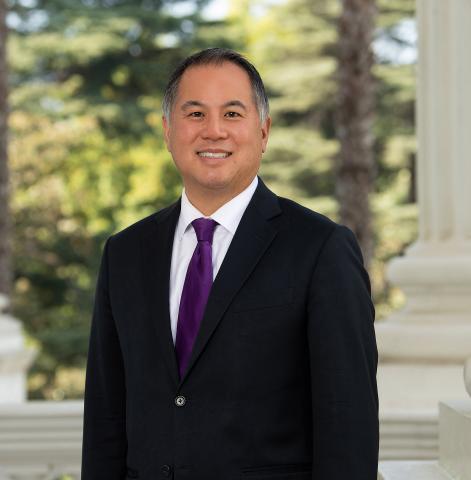
Bill Co-Author(s):