AB 705: Psychologists: licensure exemption.
- Session Year: 2015-2016
- House: Assembly
- Latest Version Date: 2015-08-17
The Psychology Licensing Law provides for the licensure and regulation of psychologists by the Board of Psychology and makes a violation of its provisions a misdemeanor. Existing law prohibits a person from engaging in the practice of psychology or representing himself or herself to be a psychologist without a license, except as specified. Existing law provides that a person, including, but not limited to, a person who holds a valid and current credential as a school psychologist issued by the State Department of Education, is not restricted or prevented from conducting activities of a psychological nature or the use of the official title of his or her position, provided that person is performing those activities as part of the duties for which he or she was employed, is performing those activities solely within the confines of or under the jurisdiction of the organization in which he or she is employed, and does not offer to render or render psychological services, as specified, to the public for a fee over and above the salary he or she receives for the performance of his or her official duties with the organization.
This bill would revise and recast those provisions, including modifying those permissive provisions to not restrict or prevent from conducting activities of a psychological nature, or the use of the official title of his or her position, a person who holds a valid and current credential as a school psychologist issued by the Commission on Teacher Credentialing.
The bill would similarly not so restrict or prevent a person employed in a position as a psychologist or psychological assistant by one of specified entities from conducting research and disseminating his or her research findings and scientific information.
The bill would also not so restrict or prevent a person with specified education and training employed as prescribed by a nonprofit community agency that receives a certain percentage of financial support from governmental organizations for the purpose of training and providing services. The bill would require those persons to be registered by the agency with the board at the time of employment and identify such a person in the setting as a registered psychologist. The bill would exempt those registered psychologists from licensure for a maximum period of 30 months from the date of registration.
Existing law also provides that the licensing law does not restrict or prevent activities of a psychological nature on the part of a person who is a salaried employee of an accredited or approved academic institution, public school, or governmental agency, provided that, among other restrictions, the person does not offer services to the public for a fee or provide direct health or mental health services.
This bill would instead provide that the licensing law does not restrict the practice of psychology on the part of a person who is a salaried employee of an accredited or approved academic institution, public school, or governmental agency, in accordance with specified restrictions. The bill would delete the existing restrictions on offering services to the public for a fee and on providing direct health or mental health services. The bill would additionally require such an employee to primarily be gaining the supervised professional experience required for licensure, as specified, in order to practice psychology without a license. That exemption would apply to an individual employee for a cumulative total of 5 years of employment after January 1, 2016.
The Psychology Licensing Law provides for the licensure and regulation of psychologists by the Board of Psychology and makes a violation of its provisions a misdemeanor. Existing law prohibits a person from engaging in the practice of psychology or representing himself or herself to be a psychologist without a license, except as specified. Existing law provides that a person, including, but not limited to, a person who holds a valid and current credential as a school psychologist issued by the State Department of Education, is not restricted or prevented from conducting activities of a psychological nature or the use of the official title of his or her position, provided that person is performing those activities as part of the duties for which he or she was employed, is performing those activities solely within the confines of or under the jurisdiction of the organization in which he or she is employed, and does not offer to render or render psychological services, as specified, to the public for a fee over and above the salary he or she receives for the performance of his or her official duties with the organization.
This bill would revise and recast those provisions, including modifying those permissive provisions to not restrict or prevent from conducting activities of a psychological nature, or the use of the official title of his or her position, a person who holds a valid and current credential as a school psychologist issued by the Commission on Teacher Credentialing.
The bill would similarly not so restrict or prevent a person employed in a position as a psychologist or psychological assistant by one of specified entities from conducting research and disseminating his or her research findings and scientific information. Such a person would be authorized to offer lectures to the public for a fee, monetary or otherwise, without being licensed under the licensing law.
The bill would also not so restrict or prevent a person with specified education and training employed as prescribed by a nonprofit community agency that receives a certain percentage of financial support from governmental organizations for the purpose of training and providing services. The bill would require those persons to be registered by the agency with the board at the time of employment and identify such a person in the setting as a registered psychologist. The bill would exempt those registered psychologists from licensure for a maximum period of 30 months from the date of registration.
Existing law also provides that the Psychology Licensing Law licensing law does not restrict or prevent activities of a psychological nature on the part of a person who is a salaried employee of an accredited or approved academic institution, public school, or governmental agency, provided that, among other things, restrictions, the person does not offer services to the public for a fee or provide direct health or mental health services.
This bill would instead provide that the licensing law does not restrict the practice of psychology on the part of a person who is a salaried employee of an accredited or approved academic institution, public school, or governmental agency, and agency, in accordance with specified restrictions. The bill would delete the prohibition existing restrictions on offering services to the public for a fee and on providing direct health or mental health services. The bill would additionally require such an employee of an accredited or approved academic institution, public school, or governmental agency to primarily be gaining the supervised professional experience required for licensure, as specified, in order to practice psychology without a license. The bill would limit the application of that That exemption would apply to an individual employee to for a cumulative total of 5 years of employment after January 1, 2016.
The Psychology Licensing Law provides for the licensure and regulation of psychologists by the Board of Psychology and makes a violation of its provisions a misdemeanor. Existing law prohibits a person from engaging in the practice of psychology or representing himself or herself to be a psychologist without a license, except as specified. Existing law provides that a person, including, but not limited to, a person who holds a valid and current credential as a school psychologist issued by the State Department of Education, is not restricted or prevented from conducting activities of a psychological nature or the use of the official title of his or her position, provided that person is performing those activities as part of the duties for which he or she was employed, is performing those activities solely within the confines of or under the jurisdiction of the organization in which he or she is employed, and does not offer to render or render psychological services, as specified, to the public for a fee over and above the salary he or she receives for the performance of his or her official duties with the organization.
This bill would revise and recast those provisions, and specify that those persons are not restricted or prevented from conducting activities of a psychological nature or using the official title of their position provided that they do not offer to render psychological services, as specified. including modifying those permissive provisions to not restrict or prevent from conducting activities of a psychological nature, or the use of the official title of his or her position, a person who holds a valid and current credential as a school psychologist issued by the Commission on Teacher Credentialing.
The bill would similarly not so restrict or prevent a person employed in a position as a psychologist or psychological assistant by one of specified entities from conducting research and disseminating his or her research findings and scientific information. Such a person would be authorized to offer lectures to the public for a fee, monetary or otherwise, without being licensed under the licensing law.
The bill would also not so restrict or prevent a person with specified education and training employed as prescribed by a nonprofit community agency that receives a certain percentage of financial support from governmental organizations for the purpose of training and providing services. The bill would require those persons to be registered by the agency with the board at the time of employment and identify such a person in the setting as a registered psychologist. The bill would exempt those registered psychologists from licensure for a maximum period of 30 months from the date of registration.
Existing law also provides that the Psychology Licensing Law does not restrict or prevent activities of a psychological nature on the part of a person who is a salaried employee of an accredited or approved academic institution, public school, or governmental agency, provided that, among other things, the person does not provide direct health or mental health services.
This bill would instead provide that the licensing law does not restrict the practice of psychology on the part of a person who is a salaried employee of an accredited or approved academic institution, public school, or governmental agency, and would delete the prohibition on providing direct health or mental health services. The bill would additionally require an employee of an accredited or approved academic institution, public school, or governmental agency to primarily be gaining the supervised professional experience required for licensure, as specified, in order to practice psychology without a license. The bill would exempt those persons from licensure for no more than 5 years from the date of employment. limit the application of that exemption to an individual employee to a cumulative total of 5 years of employment after January 1, 2016.
The Psychology Licensing Law provides for the licensure and regulation of psychologists by the Board of Psychology and makes a violation of its provisions a misdemeanor. Existing law prohibits a person from engaging in the practice of psychology or representing himself or herself to be a psychologist without a license, except as specified. Existing law provides that a person, including, but not limited to, a person who holds a valid and current credential as a school psychologist issued by the State Department of Education, is not restricted or prevented from conducting activities of a psychological nature or the use of the official title of his or her position, provided that person is performing those activities as part of the duties for which he or she was employed, is performing those activities solely within the confines of or under the jurisdiction of the organization in which he or she is employed, and does not offer to render or render psychological services, as specified, to the public for a fee over and above the salary he or she receives for the performance of his or her official duties with the organization.
This bill would revise and recast those provisions, and specify that those persons are not restricted or prevented from conducting activities of a psychological nature or using the official title of their position provided that they do not offer to render psychological services, as specified.
Existing law also provides that the Psychology Licensing Law does not restrict or prevent activities of a psychological nature on the part of a person who is a salaried employee of an accredited or approved academic institution, public school, or governmental agency, provided that, among other things, the person does not provide direct health or mental health services.
This bill would instead provide that the law does not restrict the practice of psychology on the part of a person who is a salaried employee of an accredited or approved academic institution, public school, or governmental agency, and would delete the prohibition on providing direct health or mental health services. The bill would additionally require an employee of an accredited or approved academic institution, public school, or governmental agency to primarily be gaining the supervised professional experience required for licensure, as specified, in order to practice psychology without a license. The bill would exempt those persons from licensure for no more than 5 years from the date of employment.
This chapter shall not be construed as restricting or preventing activities of a psychological nature or the use of the official title of the position for which they were employed on the part of the following persons, provided those persons are performing those activities as part of the duties for which they were employed, are performing those activities solely within the confines of or under the jurisdiction of the organization in which they are employed, and do not render or offer to render psychological services, as defined in Section 2903:
(a)Persons who hold a valid and current credential as a school psychologist issued by the Commission on Teacher Credentialing.
(b)Persons who are employed in positions as psychologists or psychological assistants by accredited or approved colleges, junior colleges, or universities, or by federal, state, county, or municipal governmental organizations that are not primarily involved in the provision of direct health or mental health services, may conduct research and disseminate their research findings and scientific information.
SEC. 2.Section 2909.5 is added to the Business and Professions Code, to read:2909.5.This chapter shall not be construed as restricting or preventing activities of a psychological nature or the use of the official title of the position for which persons were employed on the part of persons who meet the educational requirements of subdivision (b) of Section 2914 and who have one year or more of the supervised professional experience referenced in subdivision (c) of Section 2914, if they are employed by nonprofit community agencies that receive a minimum of 25 percent of their financial support from any federal, state, county, or municipal governmental organizations for the purpose of training and providing services, provided those persons are performing those activities as part of the duties for which they were employed, are performing those activities solely within the confines of or under the jurisdiction of the organization in which they are employed and do not render or offer to render psychological services, as defined in Section 2903. Those persons shall be registered by the agency with the board at the time of employment and shall be identified in the setting as a registered psychologist. Those persons shall be exempt from this chapter for a maximum period of 30 months from the date of registration.
SEC. 3.Section 2910 of the Business and Professions Code is amended to read:2910.(a)This chapter shall not be construed to restrict the practice of psychology on the part of persons who are salaried employees of accredited or approved academic institutions, public schools, or governmental agencies, if those employees are complying with the following:
(1)Performing those psychological activities as part of the duties for which they were hired.
(2)Performing those activities solely within the jurisdiction or confines of those organizations.
(3)Do not hold themselves out to the public by any title or description of activities incorporating the words psychology, psychological, or psychologist.
(4)Are primarily gaining the supervised professional experience required for licensure that is being accrued consistent with the boards regulations and the employees have as the primary supervisor a psychologist licensed in the state.
(b)Commencing January 1, 2016, an individual employed or who becomes employed by one or more employers as described in subdivision (a) shall be exempt under this section for a cumulative total of five years.
This chapter shall not be construed as restricting or preventing activities of a psychological nature or the use of the official title of the position for which they were employed on the part of the following persons, provided those persons are performing those activities as part of the duties for which they were employed, are performing those activities solely within the confines of or under the jurisdiction of the organization in which they are employed, and do not render or offer to render psychological services, as defined in Section 2903:
(a)Persons who hold a valid and current credential as a school psychologist issued by the Commission on Teacher Credentialing.
(b)Persons who are employed in positions as psychologists or psychological assistants by accredited or approved colleges, junior colleges, or universities, or by federal, state, county, or municipal governmental organizations that are not primarily involved in the provision of direct health or mental health services, may conduct research and disseminate their research findings and scientific information. They may also offer lectures to the public for a fee, monetary or otherwise, without being licensed under this chapter.
SEC. 2.Section 2909.5 is added to the Business and Professions Code, to read:2909.5.This chapter shall not be construed as restricting or preventing activities of a psychological nature or the use of the official title of the position for which persons were employed on the part of persons who meet the educational requirements of subdivision (b) of Section 2914 and who have one year or more of the supervised professional experience referenced in subdivision (c) of Section 2914, if they are employed by nonprofit community agencies that receive a minimum of 25 percent of their financial support from any federal, state, county, or municipal governmental organizations for the purpose of training and providing services, provided those persons are performing those activities as part of the duties for which they were employed, are performing those activities solely within the confines of or under the jurisdiction of the organization in which they are employed and do not render or offer to render psychological services, as defined in Section 2903. Those persons shall be registered by the agency with the board at the time of employment and shall be identified in the setting as a registered psychologist. Those persons shall be exempt from this chapter for a maximum period of 30 months from the date of registration.
SEC. 3.Section 2910 of the Business and Professions Code is amended to read:2910.(a)This chapter shall not be construed to restrict the practice of psychology on the part of persons who are salaried employees of accredited or approved academic institutions, public schools, or governmental agencies, if those employees are complying with the following:
(1)Performing those psychological activities as part of the duties for which they were hired.
(2)Performing those activities solely within the jurisdiction or confines of those organizations.
(3)Do not hold themselves out to the public by any title or description of activities incorporating the words psychology, psychological, psychologist, psychometry, psychometrics, or psychometrist. or psychologist.
(4)Do not offer their services to the public for a fee, monetary or otherwise.
(5)
(4)Are primarily gaining the supervised professional experience required for licensure that is being accrued consistent with the boards regulations and the employees have as the primary supervisor a psychologist licensed in the state.
(b)Commencing January 1, 2016, an individual employed or who becomes employed by one or more employers as described in subdivision (a) may shall be exempt under this section for a cumulative total of five years.
This chapter shall not be construed as restricting or preventing activities of a psychological nature or the use of the official title of the position for which they were employed on the part of the following persons, provided those persons are performing those activities as part of the duties for which they were employed, are performing those activities solely within the confines of or under the jurisdiction of the organization in which they are employed, and do not offer to render or offer to render psychological services services, as defined in Section 2903:
(a)Persons who hold a valid and current credential as a school psychologist issued by the State Department of Education. Commission on Teacher Credentialing.
(b)Persons who hold a valid and current credential as a psychometrist issued by the State Department of Education.
(c)
(b)Persons who are employed in positions as psychologists or psychological assistants by accredited or approved colleges, junior colleges, or universities, or by federal, state, county, or municipal governmental organizations that are not primarily involved in the provision of direct health or mental health services, may conduct research and disseminate their research findings and scientific information. They may also offer lectures to the public for a fee, monetary or otherwise, without being licensed under this chapter.
SEC. 2.Section 2909.5 is added to the Business and Professions Code, to read:2909.5.This chapter shall not be construed as restricting or preventing activities of a psychological nature or the use of the official title of the position for which persons were employed on the part of persons who meet the educational requirements of subdivision (b) of Section 2914 and who have one year or more of the supervised professional experience referenced in subdivision (c) of Section 2914, if they are employed by nonprofit community agencies that receive a minimum of 25 percent of their financial support from any federal, state, county, or municipal governmental organizations for the purpose of training and providing services, provided those persons are performing those activities as part of the duties for which they were employed, are performing those activities solely within the confines of or under the jurisdiction of the organization in which they are employed and do not offer to render or offer to render psychological services services, as defined in Section 2903. Those persons shall be registered by the agency with the board at the time of employment and shall be identified in the setting as a registered psychologist. Those persons shall be exempt from this chapter for a maximum period of 30 months from the date of registration.
SEC. 3.Section 2910 of the Business and Professions Code is amended to read:2910.(a)This chapter shall not be construed to restrict the practice of psychology on the part of persons who are salaried employees of accredited or approved academic institutions, public schools, or governmental agencies, provided: if those employees are complying with the following:
(1)Such employees are performing such Performing those psychological activities as part of the duties for which they were hired.
(2)Such employees are performing Performing those activities solely within the jurisdiction or confines of such those organizations.
(3)Such employees do Do not hold themselves out to the public by any title or description of activities incorporating the words psychology, psychological, psychologist, psychometry, psychometrics, or psychometrist.
(4)Such employees do Do not offer their services to the public for a fee, monetary or otherwise.
(5)Such employees are Are primarily gaining the supervised professional experience required for licensure that is being accrued consistent with the boards regulations and the employees have as the primary supervisor a psychologist licensed in the state.
(b)The limited exception granted under this section may not exceed five years from the date of employment.
(b)Commencing January 1, 2016, an individual employed or who becomes employed by one or more employers as described in subdivision (a) may be exempt under this section for a cumulative total of five years.
This chapter shall not be construed as restricting or preventing activities of a psychological nature or the use of the official title of the position for which they were employed on the part of the following persons, provided those persons are performing those activities as part of the duties for which they were employed, are performing those activities solely within the confines of or under the jurisdiction of the organization in which they are employed employed, and do not offer to render or render psychological services as defined in Section 2903: 2903:
(a)Persons who hold a valid and current credential as a school psychologist issued by the State Department of Education.
(b)Persons who hold a valid and current credential as a psychometrist issued by the State Department of Education.
(c)Persons who are employed in positions as psychologists or psychological assistants by accredited or approved colleges, junior colleges colleges, or universities; universities, or by federal, state, county county, or municipal governmental organizations that are not primarily involved in the provision of direct health or mental health services; or in a private setting that is not primarily involved in the provision of direct health or mental health services. Those persons services, may conduct research and disseminate their research findings and scientific information. They may also offer lectures to the public for a fee, monetary or otherwise, without being licensed under this chapter.
SEC. 2.Section 2909.5 is added to the Business and Professions Code, to read:2909.5.This chapter shall not be construed as restricting or preventing activities of a psychological nature or the use of the official title of the position for which persons were employed on the part of persons who meet the educational requirements of subdivision (b) of Section 2914 and who have one year or more of the supervised professional experience referenced in subdivision (c) of Section 2914, if they are employed by nonprofit community agencies that receive a minimum of 25 percent of their financial support from any federal, state, county, or municipal governmental organizations for the purpose of training and providing services, provided those persons are performing those activities as part of the duties for which they were employed, are performing those activities solely within the confines of or under the jurisdiction of the organization in which they are employed and do not offer to render or render psychological services as defined in Section 2903. Those persons shall be registered by the agency with the board at the time of employment and shall be identified in the setting as a registered psychologist. Those persons shall be exempt from this chapter for a maximum period of 30 months from the date of registration.
SEC. 3.Section 2910 of the Business and Professions Code is amended to read:2910.(a)This chapter shall not be construed to restrict the practice of psychology on the part of persons who are salaried employees of accredited or approved academic institutions, public schools, or governmental agencies, provided:
(1)Such employees are performing such psychological activities as part of the duties for which they were hired.
(2)Such employees are performing those activities solely within the jurisdiction or confines of such organizations.
(3)Such employees do not hold themselves out to the public by any title or description of activities incorporating the words psychology, psychological, psychologist, psychometry, psychometrics psychometrics, or psychometrist.
(4)Such employees do not offer their services to the public for a fee, monetary or otherwise.
(5)Such employees are primarily gaining the supervised professional experience required for licensure that is being accrued consistent with the boards regulations and the employees have as the primary supervisor a psychologist licensed in the state.
(b)The limited exception granted under this section may not exceed five years from the date of employment.
Nothing in this This chapter shall not be construed as restricting or preventing activities of a psychological nature or the use of the official title of the position for which they were employed on the part of the following persons, provided those persons are performing those activities as part of the duties for which they were employed, are performing those activities solely within the confines of or under the jurisdiction of the organization in which they are employed and do not offer to render or render psychological services as defined in Section 2903 to the public for a fee, monetary or otherwise, over and above the salary they receive for the performance of their official duties with the organization in which they are employed:
(a)Persons who hold a valid and current credential as a school psychologist issued by the California State Department of Education.
(b)Persons who hold a valid and current credential as a psychometrist issued by the California State Department of Education.
(c)Persons who are employed in positions as psychologists or psychological assistants, or in a student counseling service, assistants by accredited or approved colleges, junior colleges or universities; by federal, state, county or municipal governmental organizations which that are not primarily involved in the provision of direct health or mental health services. However, those persons may, without obtaining a license under this act, consult or services; or in a private setting that is not primarily involved in the provision of direct health or mental health services. Those persons may conduct research and disseminate their research findings and scientific information to other such accredited or approved academic institutions or governmental agencies. information. They may also offer lectures to the public for a fee, monetary or otherwise, without being licensed under this chapter.
(d)Persons who meet the educational requirements of subdivision (b) of Section 2914 and who have one year or more of the supervised professional experience referenced in subdivision (c) of Section 2914, if they are employed by nonprofit community agencies that receive a minimum of 25 percent of their financial support from any federal, state, county, or municipal governmental organizations for the purpose of training and providing services. Those persons shall be registered by the agency with the board at the time of employment and shall be identified in the setting as a registered psychologist. Those persons shall be exempt from this chapter for a maximum period of 30 months from the date of registration.
SEC. 2.Section 2909.5 is added to the Business and Professions Code, to read:2909.5.This chapter shall not be construed as restricting or preventing activities of a psychological nature or the use of the official title of the position for which persons were employed on the part of persons who meet the educational requirements of subdivision (b) of Section 2914 and who have one year or more of the supervised professional experience referenced in subdivision (c) of Section 2914, if they are employed by nonprofit community agencies that receive a minimum of 25 percent of their financial support from any federal, state, county, or municipal governmental organizations for the purpose of training and providing services, provided those persons are performing those activities as part of the duties for which they were employed, are performing those activities solely within the confines of or under the jurisdiction of the organization in which they are employed and do not offer to render or render psychological services as defined in Section 2903. Those persons shall be registered by the agency with the board at the time of employment and shall be identified in the setting as a registered psychologist. Those persons shall be exempt from this chapter for a maximum period of 30 months from the date of registration.
SEC. 3.Section 2910 of the Business and Professions Code is amended to read:2910.Nothing in this (a)This chapter shall not be construed to restrict or prevent activities of a psychological nature the practice of psychology on the part of persons who are salaried employees of accredited or approved academic institutions, public schools, or governmental agencies, provided:
(a)
(1)Such employees are performing such psychological activities as part of the duties for which they were hired; hired.
(b)
(2)Such employees are performing those activities solely within the jurisdiction or confines of such organizations; organizations.
(c)
(3)Such persons employees do not hold themselves out to the public by any title or description of activities incorporating the words psychology, psychological, psychologist, psychometry, psychometrics or psychometrist; psychometrist.
(d)
(4)Such persons employees do not offer their services to the public for a fee, monetary or otherwise; otherwise.
(e)Such persons do not provide direct health or mental health services.
(5)Such employees are primarily gaining the supervised professional experience required for licensure that is being accrued consistent with the boards regulations and the employees have as the primary supervisor a psychologist licensed in the state.
(b)The limited exception granted under this section may not exceed five years from the date of employment.
|
Date
|
Status
|
|---|---|
| Jun 1, 2015 | From committee chair, with author's amendments: Amend, and re-refer to committee. Read second time, amended, and re-referred to Com. on B., P. & E.D. |
| Aug 17, 2015 | Chaptered by Secretary of State - Chapter 218, Statutes of 2015. |
| Aug 17, 2015 | Approved by the Governor. |
| Aug 3, 2015 | Enrolled and presented to the Governor at 3 p.m. |
| Jul 6, 2015 | Senate amendments concurred in. To Engrossing and Enrolling. (Ayes 80. Noes 0.). |
| Jul 6, 2015 | Senate amendments concurred in. To Engrossing and Enrolling. (Ayes 80. Noes 0. Page 2255.). |
| Jul 2, 2015 | Read third time. Passed. Ordered to the Assembly. (Ayes 38. Noes 0. Page 1755.). |
| Jul 2, 2015 | Read third time. Passed. Ordered to the Assembly. |
| Jul 2, 2015 | In Assembly. Concurrence in Senate amendments pending. May be considered on or after July 4 pursuant to Assembly Rule 77. |
| Jun 30, 2015 | Read second time. Ordered to Consent Calendar. |
| Jun 29, 2015 | From committee: Be placed on second reading file pursuant to Senate Rule 28.8 and ordered to consent calendar. |
| Jun 11, 2015 | Read second time and amended. Re-referred to Com. on APPR. |
| Jun 10, 2015 | From committee: Amend, and do pass as amended and re-refer to Com. on APPR. with recommendation: To Consent Calendar. (Ayes 9. Noes 0.) (June 8). |
| Feb 25, 2015 | Read first time. To print. |
| May 14, 2015 | Referred to Com. on B., P. & E.D. |
| Apr 30, 2015 | Read third time. Passed. Ordered to the Senate. (Ayes 77. Noes 0. Page 1224.) |
| Apr 30, 2015 | Read third time. Passed. Ordered to the Senate. |
| Apr 30, 2015 | In Senate. Read first time. To Com. on RLS. for assignment. |
| Apr 23, 2015 | Read second time. Ordered to Consent Calendar. |
| Apr 22, 2015 | From committee: Do pass. To Consent Calendar. (Ayes 17. Noes 0.) (April 22). |
| Apr 9, 2015 | Re-referred to Com. on APPR. |
| Apr 8, 2015 | Read second time and amended. |
| Apr 7, 2015 | From committee: Amend, and do pass as amended and re-refer to Com. on APPR. (Ayes 14. Noes 0.) (April 7). |
| Mar 12, 2015 | Referred to Com. on B. & P. |
| Feb 26, 2015 | From printer. May be heard in committee March 28. |
|
Date
|
Description
|
Location
|
Votes
|
|
|---|---|---|---|---|
| Jul 6, 2015 | AB 705 EGGMAN Concurrence in Senate Amendments | Assembly Floor |
Passed |
|
| Jul 2, 2015 | Consent Calendar 2nd AB705 Eggman | Senate Floor |
Passed |
|
| Jun 8, 2015 | Do pass as amended, but first amend, and re-refer to the Committee on [Appropriations] with the recommendation: To Consent Calendar | Senate Standing Committee on Business, Professions and Economic Development |
Passed |
|
| Apr 30, 2015 | AB 705 EGGMAN Consent Calendar Second Day Regular Session | Assembly Floor |
Passed |
|
| Apr 22, 2015 | Do pass. To Consent Calendar. | Assembly Standing Committee on Appropriations |
Passed |
|
| Apr 7, 2015 | Do pass as amended and be re-referred to the Committee on [Appropriations] | Assembly Standing Committee on Business and Professions |
Passed |
This list shows positions taken on this bill by organizations on the date displayed, which is linked to the original source.
Positions by individuals are not included.
|
Organization
|
Position
|
Date
|
|---|---|---|
| California Board of Psychology | ** Support | Jul 6, 2015 |
| California Psychological Association | ** Support | Jul 6, 2015 |
AB 705
Page 3
CONCURRENCE IN SENATE AMENDMENTS
AB 705
(Eggman)
As Amended June 11, 2015
Majority vote
ASSEMBLY: |
77-0 |
(April 30, 2015) |
SENATE: |
38-0 |
(July 2, 2015) |
Original Committee Reference: B. & P.
SUMMARY: Requires individuals performing psychological activities, within specified exempt settings, to work under the supervision of a licensed psychologist; accumulate the supervised hours required for licensure; and, become licensed within five years. This bill also makes other technical and clarifying amendments. Specifically, this bill:
Deletes a limitation on the compensation, monetary or otherwise, an exempt individual may receive who is providing psychological services, as specified.
Permits exempt persons who are employed in a private setting that is not primarily involved in providing direct health or mental services to conduct research and disseminate their research findings and scientific information.
Requires individuals who are salaried employees of accredited or approved academic institutions, public schools, or government agencies, who are practicing psychology, as specified, to be employees who are primarily gaining the supervised professional experience required for licensure that is being accrued consistent with the Board of Psychology (BOP) regulations and the employee's primary supervisor is a psychologist licensed in the state.
Requires individuals who are salaried employees of accredited or approved academic institutions, public schools, or government agencies, who are practicing psychology, as specified above, to obtain licensure within cumulative total of five years from the date of employment, beginning January 1, 2016.
Makes other technical and clarifying amendments.
The Senate amendments make a clarifying change by updating an outdated reference to the California Department of Education as an issuer of credentials and replace it with the Commission on Teacher Credentialing; remove references to psychometrist, psychometry, and psychometrics, and makes other minor, technical and clarifying changes.
FISCAL EFFECT: According to the Senate Appropriations Committee, pursuant to Senate Rule 28.8, negligible state costs.
COMMENTS:
Purpose. This bill is sponsored by the BOP. According to the author, "[This bill] will clarify the original intent of the Psychology Practice Act (Act), which is to have qualified, licensed individuals performing psychological functions in both private and public settings. Currently, a loop hole allows employees in government settings serving vulnerable populations to continue practicing indefinitely without supervision by a licensed psychologist. Persons serving in non-exempt (private) settings are required to be supervised by a licensed psychologist and accumulate hours towards licensure from the onset. This bill will provide consumer protection to the vulnerable individuals being served in exempt settings by making employees subject to oversight and competency standards set forth by the [BOP]."
Background. This bill revises supervised experience requirements for individuals who are performing psychological services in exempt settings by requiring an employee of an accredited or approved academic institution, public school, or governmental agency, who is not licensed to practice psychology to be supervised by a psychologist for purposes of gaining experience hours, and become licensed within five years from the date of employment and makes other technical and clarifying amendments.
Psychologists. Licensed psychologists may practice independently in any private or public setting using psychological methods to diagnose, treat, prevent, and ameliorate emotional and mental disorders of individuals and groups. There are currently 20,000 licensed psychologists in California. Licensed psychologists practicing in private practice must hold a license from the BOP.
Licensure requirements. Licensed psychologists are required to obtain a doctoral degree from an accredited institution in psychology, educational psychology, or in a field specializing in counseling psychology or educational psychology. Psychologists are required to complete 3,000 hours (minimum two years) of supervised experience, of which 1,500 must be completed after obtaining a doctoral degree. Registered psychologists are required to register with the BOP and are authorized to engage in psychological activities at nonprofit community agencies that receive a minimum of 25% of their funding from some government source. Registered psychologists may not engage in psychology practice outside of the nonprofit community agency where they are registered and may nor may not be fully licensed. There are approximately 321 registered psychologists.
Many post-doctoral psychologists gain supervision experience requirements while employed at schools, colleges or universities and government entities, which provide opportunities to gain the required supervisory hours needed for licensure. However, these employment settings are considered "exempt" by the BOP.
Exempt settings. Under current law there are certain types of organizations which are referred to as "exempt settings," where employees are not required to have a license or a registration in order to perform activities of a psychological nature as long as those individuals are providing the services within the scope of their employment. Exempt settings include places such as an educational institution (approved or accredited), a school district, or a governmental entity.
Most individuals working in an exempt setting have completed their doctoral program and are in the process of acquiring the required 1,500 hours of supervised experience necessary for licensure. However, the Act does not restrict the number of years that an individual may work in an exempt setting without becoming licensed nor does it specify that a person working in an exempt setting is required to work under a licensed supervisor, unless they are obtaining their 1,500 hours of supervised experience. These individuals are also not required to register with the BOP prior to or during their employment, unless they are working for a non-profit community agency which received 25% or more of its funding from government sources. Many exempt settings do not meet this threshold, meaning individuals employed in these positions are not registered with the BOP and the BOP has no enforcement authority.
According to the author, the BOP has no way of determining how many unlicensed individuals are practicing in exempt settings as these individuals are not required to register with the BOP. In addition, the BOP does not know how many individuals are employed in exempt settings who have attempted to take and failed the licensure examination or the number of individuals who are employed in these settings and have not applied for licensure. Effectively, this means that individuals employed in exempt settings may be providing services of a psychological nature without a license issued by the BOP. It is not clear under the Act that individuals employed in these exempt settings are required to work under the supervision of a licensed psychologist nor does it restrict their length of employment.
Welfare and Institutions Code Section 5751.2 and Health and Safety Code Section 1277 regulate community mental health and health facilities and include provisions which allow for the employment of individuals to perform psychological services for the purpose of gaining supervised hours and experience, but require individuals employed in all exempt settings to become licensed within five years. This bill seeks to make licensing requirements consistent for individuals employed in exempt settings by requiring individuals employed in all exempt settings to obtain licensure within five years of the start of their employment.
According to the BOP, gaining 1,500 hours of required supervision can take as little as one year. The BOP contends that five years is more than enough time to complete the required supervised hours. The BOP states that it takes approximately six months to complete the application and licensing process.
Court Case. According to the author, there was a recent court case, Brown v. County of Los Angeles (2012) 203 Cal. App. 4th 1529, in which the California Second Appellate Court found that the Los Angeles County Department of Mental Health wrongfully terminated a Mental Health Clinician II for failing to obtain her psychology license. The woman argued that she was exempt, but the county argued that she had to obtain a license within five years and failed to do so. However, the court ruled that current law as specified in the Business and Professions Code was not clear in stating that there was a time requirement.
Analysis Prepared by: Elissa Silva / B. & P. / (916) 319-3301 FN: 0001135
AB 705
Page 7
|
Office of Senate Floor Analyses (916) 651-1520 Fax: (916) 327-4478 |
CONSENT
Bill No: AB 705
Amended: 6/11/15 in Senate
SENATE BUS, PROF. & ECON. DEV. COMMITTEE: 9-0, 6/8/15
AYES: Hill, Bates, Berryhill, Block, Galgiani, Hernandez, Jackson, Mendoza, Wieckowski
SENATE APPROPRIATIONS COMMITTEE: Senate Rule 28.8
ASSEMBLY FLOOR: 77-0, 4/30/15 (Consent) - See last page for vote
SUBJECT: Psychologists: licensure exemption
SOURCE: California Board of Psychology
DIGEST: This bill updates the Psychology Licensing Law (Law) to require employees in exempt settings be supervised by a licensed psychologist and become licensed within five years of practice, and makes technical and clarifying changes.
Existing law:
Prohibits a person from engaging in the practice of psychology or representing himself or herself to be a psychologist without a license unless specifically exempt. (Business and Professions Code (BPC) § 2903)
Defines “the practice of psychology” to mean “rendering or offering to render for a fee to individuals, groups, organizations, or the public any psychological service involving the application of principles, methods, and procedures of understanding, predicting, and influencing behavior, such as the principles pertaining to learning, perception, motivation, emotions, and interpersonal relationships,” as specified. (BPC § 2903)
Permits the following persons to perform activities of a psychological nature and use of the official title for which they are employed, provided they are performing those activities as part of the duties for which they are employed, solely within the confines of or under the jurisdiction of the organization in which they are employed and do not offer or render psychological services to the public for a fee, over and above the salary they receive for the performance of their professional duties with the organization which they are employed:
Persons who hold a valid and current credential as a school psychologist issued by the California Department of Education.
Persons who hold a valid and current credential as a psychometrist issued by the California Department of Education.
Persons employed in positions as psychologists or psychological assistants, or in a student counseling service, by accredited or approved colleges, junior colleges or universities; federal, state, county or municipal governmental organizations which are not primarily involved in the provision of direct health or mental health services. Those persons may, without obtaining a license, consult or disseminate their research findings and scientific information to other such accredited or approved academic institutions or governmental agencies, and may also offer lectures to the public for a fee, monetary or otherwise, without being licensed, as specified.
Persons who meet specified educational requirements and have one year or more of the supervised professional experience if they are employed by nonprofit community agencies that receive a minimum of 25% of their financial support from any federal, state, county, or municipal governmental organizations for the purpose of training and providing services, and are registered by the agency with the California Board of Psychology (BOP) at the time of employment and identified in the setting as a “registered psychologist.” Those persons shall be exempt from licensure requirements for a maximum period of 30 months from the date of registration. (BPC § 2909)
Permits persons who are salaried employees of accredited or approved academic institutions, public schools or governmental agencies to perform activities of a psychological nature, provided:
Such employees are performing such psychological activities as part of the duties for which they were hired.
Such employees are performing those activities solely within the jurisdiction or confines of such organizations.
Such persons do not hold themselves out to the public by any title or description of activities incorporating the words “psychology,” “psychological,” “psychologist,” “psychometry,” “psychometrics,” or “psychometrist.”
Such persons do not offer their services to the public for a fee, monetary or otherwise.
Such persons do not provide direct health or mental health services.
(BPC § 2910)
Specifies that persons employed or under contract to provide county mental health services, as specified, are subject to all applicable requirements of law regarding professional licensure, and no person shall be employed in local mental health programs, as specified, to provide services for which a license is required, unless the person possesses a valid license. (Welfare and Institutions Code (WIC) § 5751.2(a))
Permits the State Department of Health Care Services to exempt individuals from licensing provisions if the persons are employed or under contract to provide mental health services as psychologists and are gaining the experience required for licensure, as specified, and provides that the exemption may not exceed five years from the date of employment by, or contract with, a local mental health program. (WIC § 5751.2(d)).
Permits the State Department of Public Health to waive specified licensure requirements in health facilities solely for persons in the professions of psychology, marriage and family therapy, clinical social work, or professional clinical counseling who are gaining qualifying experience for licensure, and prohibits the waiver from exceeding three years from the date of employment for psychologists, or four years from the date of employment for marriage and family therapists, clinical social workers, and professional clinical counselors, unless an extension of a waiver is granted, as specified. (Health and Safety Code (HSC) § 1277(b)(3))
This
bill:
Strikes references to the payment of a fee, monetary or otherwise, in the provision of psychological services for specified individuals.
Strikes reference to the allowance to offer lectures to the public for a fee without being licensed for persons who are employed in positions as psychologists or psychological assistants by specified entities.
Deletes persons employed in a student counseling service from provisions of law allowing activities of a psychological nature or use of the official title of the position for which they are employed, as specified, without a psychologist license.
Allows unlicensed individuals, as specified, to conduct research and disseminate their research findings and scientific information in an unrestricted manner.
Allows an unlicensed individual practicing psychology to provide direct health and mental health services, as specified.
Requires that to qualify for exemptions to restrictions on the practice of psychology by an unlicensed individual, a salaried employee of an accredited or approved academic institution, public school, or governmental agency, to primarily use their professional position to gain the supervised professional experience required for licensure and have a licensed psychologist as his or her primary supervisor.
Specifies that an individual employed by or who becomes employed by an accredited or approved academic institution, public school, or governmental agency shall be exempt from provisions of law that restrict the practice of psychology without a license for a cumulative total of five years after January 1, 2016.
Strikes obsolete references to psychometrists.
Makes other technical and clarifying changes.
Comments
Purpose. This bill is sponsored by the California Board of Psychology. According to the author’s office, this bill amends the Law to require employees in exempt settings (salaried employees of accredited or approved academic institutions, public schools, or governmental agencies) to be supervised by a licensed psychologist and become licensed within five years of practice.
California Board of Psychology. The BOP serves the public by:
Protecting the health, safety, and welfare of consumers of psychological services with integrity honesty, and efficiency.
Advocating the highest principles of professional psychological practice.
Empowering the consumer through education on licensee/registrant disciplinary actions and through providing the best available information on current trends in psychological service options.
This bill carries out the original intent of the Law by clarifying and limiting exemptions to individuals practicing psychology without a license.
According to the author’s office, those who provide psychological services to vulnerable individuals in county mental health departments and health care agencies, universities, state hospitals, and prisons – all of which are exempt settings – are currently able to practice indefinitely without supervision, and may continue to practice even if they take and fail the licensure exams. Only some exempt employers, including the Department of Corrections and University of California system, have policies requiring employees to become licensed within a specified time.
AB 705 reconciles the Law with practice exemptions in WIC and HSC and provides a grace period that will allow individuals time to complete the required supervised professional experience necessary and pass exams toward licensure.
FISCAL EFFECT: Appropriation: No Fiscal Com.: Yes Local: No
California Board of Psychology (source)
California Psychological Association
None received
ARGUMENTS IN SUPPORT: The California Board of Psychology writes, “This bill will enhance consumer protection of particularly vulnerable populations by ensuring that employees in exempt settings are properly supervised and working towards licensure. This will be done by requiring employees to be supervised by licensed psychologists, to be earning supervised professional experience hours, and to be working towards licensure within a given timeframe of five years…. [BOP’s] mission is to advance quality psychological services for Californians by ensuring ethical and legal practice and supporting the evolution of the profession.”
The California Psychological Association (CPA) writes, “Currently, individuals practicing psychology in settings described as ‘exempt’ in the Business and Professions Code, do not have to be supervised by a licensed psychologist or working towards licensure while seeing clients. However, Welfare and Institutions Code and Health and Safety Code state that individuals in exempt settings have five or three years, respectively, to become licensed. Further, this bill aligns standards to individuals working in non-exempt settings, such as private clinics and hospitals, who are required to be supervised by a licensed psychologist and accumulate hours towards licensure from the onset. Without clarity in all code sections, there is a concern that individuals in an exempt setting might be able to practice indefinitely without supervision even if they fail the licensure exams.
“CPA supports this bill as it strengthens consumer protection, aligns current practice standards, and closes any previous loopholes to practice.”
ASSEMBLY FLOOR: 77-0, 4/30/15
AYES: Achadjian, Alejo, Travis Allen, Baker, Bigelow, Bloom, Bonilla, Bonta, Brough, Brown, Burke, Calderon, Chang, Chau, Chiu, Chu, Cooley, Cooper, Dababneh, Dahle, Daly, Dodd, Eggman, Frazier, Beth Gaines, Gallagher, Cristina Garcia, Eduardo Garcia, Gatto, Gipson, Gonzalez, Gordon, Gray, Grove, Hadley, Harper, Roger Hernández, Holden, Irwin, Jones, Jones-Sawyer, Kim, Lackey, Levine, Linder, Lopez, Low, Maienschein, Mathis, Mayes, McCarty, Medina, Melendez, Mullin, Nazarian, Obernolte, O'Donnell, Olsen, Patterson, Perea, Quirk, Rendon, Ridley-Thomas, Rodriguez, Salas, Santiago, Steinorth, Mark Stone, Thurmond, Ting, Wagner, Waldron, Weber, Wilk, Williams, Wood, Atkins
NO VOTE RECORDED: Campos, Chávez, Gomez
Prepared by: Sarah Huchel / B., P. & E.D. / (916) 651-4104
7/1/15 16:37:17
**** END ****
AB 705 (Eggman) Page 6 of 6
SENATE COMMITTEE ON
BUSINESS, PROFESSIONS AND ECONOMIC DEVELOPMENT
Senator Jerry Hill, Chair
2015 - 2016 Regular
Bill No: AB 705 Hearing Date: June 8, 2015
Author: |
Eggman |
||
Version: |
June 1, 2015 Amended |
||
Urgency: |
No |
Fiscal: |
Yes |
Consultant: |
Sarah Huchel |
||
Subject: Psychologists: licensure exemption.
SUMMARY:
Updates the Psychology Licensing Law (Law) to require employees in exempt settings be supervised by a licensed psychologist and become licensed within five years of practice, and makes technical and clarifying changes.
Existing law:
Prohibits a person from engaging in the practice of psychology or representing himself or herself to be a psychologist without a license unless specifically exempt. (Business and Professions Code (BPC) § 2903)
Defines "the practice of psychology" to mean "rendering or offering to render for a fee to individuals, groups, organizations, or the public any psychological service involving the application of principles, methods, and procedures of understanding, predicting, and influencing behavior, such as the principles pertaining to learning, perception, motivation, emotions, and interpersonal relationships,” as specified. (BPC § 2903)
Permits the following persons to perform activities of a psychological nature and use of the official title for which they are employed, provided they are performing those activities as part of the duties for which they are employed, solely within the confines of or under the jurisdiction of the organization in which they are employed and do not offer or render psychological services to the public for a fee, over and above the salary they receive for the performance of their professional duties with the organization which they are employed:
Persons who hold a valid and current credential as a school psychologist issued by the California Department of Education.
Persons who hold a valid and current credential as a psychometrist issued by the California Department of Education.
Persons employed in positions as psychologists or psychological assistants, or in a student counseling service, by accredited or approved colleges, junior colleges or universities; federal, state, county or municipal governmental organizations which are not primarily involved in the provision of direct health or mental health services. Those persons may, without obtaining a license, consult or disseminate their research findings and scientific information to other such accredited or approved academic institutions or governmental agencies, and may also offer lectures to the public for a fee, monetary or otherwise, without being licensed, as specified.
Persons who meet specified educational requirements and have one year or more of the supervised professional experience if they are employed by nonprofit community agencies that receive a minimum of 25 percent of their financial support from any federal, state, county, or municipal governmental organizations for the purpose of training and providing services, and are registered by the agency with the Board of Psychology (BOP) at the time of employment and identified in the setting as a “registered psychologist.” Those persons shall be exempt from licensure requirements for a maximum period of 30 months from the date of registration. (BPC § 2909)
Permits persons who are salaried employees of accredited or approved academic institutions, public schools or governmental agencies to perform activities of a psychological nature, provided:
Such employees are performing such psychological activities as part of the duties for which they were hired.
Such employees are performing those activities solely within the jurisdiction or confines of such organizations.
Such persons do not hold themselves out to the public by any title or description of activities incorporating the words "psychology," "psychological," "psychologist," "psychometry," "psychometrics," or "psychometrist."
Such persons do not offer their services to the public for a fee, monetary or otherwise.
Such persons do not provide direct health or mental health services.
(BPC § 2910)
Specifies that persons employed or under contract to provide county mental health services, as specified, are subject to all applicable requirements of law regarding professional licensure, and no person shall be employed in local mental health programs, as specified, to provide services for which a license is required, unless the person possesses a valid license. (Welfare and Institutions Code (WIC) § 5751.2(a))
Permits the State Department of Health Care Services to exempt individuals from licensing provisions if the persons are employed or under contract to provide mental health services as psychologists and are gaining the experience required for licensure, as specified, and provides that the exemption may not exceed five years from the date of employment by, or contract with, a local mental health program. (WIC § 5751.2(d)).
Permits the State Department of Public Health to waive specified licensure requirements in health facilities solely for persons in the professions of psychology, marriage and family therapy, clinical social work, or professional clinical counseling who are gaining qualifying experience for licensure, and prohibits the waiver from exceeding three years from the date of employment for psychologists, or four years from the date of employment for marriage and family therapists, clinical social workers, and professional clinical counselors, unless an extension of a waiver is granted, as specified. (Health and Safety Code § 1277(b)(3))
This
bill:
Strikes references to the payment of a fee, monetary or otherwise, in the provision of psychological services for specified individuals.
Deletes persons employed in a student counseling service from provisions of law allowing activities of a psychological nature or use of the official title of the position for which they are employed, as specified, without a psychologist license.
Allows unlicensed individuals, as specified, to conduct research and disseminate their research findings and scientific information in an unrestricted manner.
Allows an unlicensed individual practicing psychology to provide direct health and mental health services, as specified.
Requires, to qualify for exemptions to restrictions on the practice of psychology by an unlicensed individual, a salaried employee of an accredited or approved academic institution, public school, or governmental agency to primarily use their professional position to gain the supervised professional experience required for licensure and have a licensed psychologist as his or her primary supervisor.
Allows an individual employed by or who becomes employed by an accredited or approved academic institution, public school, or governmental agency to be exempt from provisions of law that restrict the practice of psychology without a license for a cumulative total of five years after January 1, 2016.
Strikes obsolete references to psychometrists.
Makes other technical and clarifying changes.
FISCAL EFFECT:
This measure has been keyed “fiscal” by Legislative Counsel. According to the Assembly Appropriations analysis, dated April 22, 2015:
The fiscal effect is likely negligible. The bill does not substantially change processes or the magnitude of workload at the BOP.
BOP states it does not know how many individuals are employed to practice psychology in exempt facilities, and who would be required to seek licensure to continue practicing under this bill. However, if a small number of new licensees registered or became licensed, any additional workload would be supported by fee revenue. BOP is supported by fees paid by licensees through the Psychology Fund.
COMMENTS:
Purpose. This bill is sponsored by the Board of Psychology. According to the Author’s office, this bill amends the [Law] to require employees in exempt settings (salaried employees of accredited or approved academic institutions, public schools, or governmental agencies) to be supervised by a licensed psychologist and become licensed within five years of [practice].
Board of Psychology. The BOP serves the public by:
Protecting the health, safety, and welfare of consumers of psychological services with integrity honesty, and efficiency.
Advocating the highest principles of professional psychological practice.
Empowering the consumer through education on licensee/registrant disciplinary actions and through providing the best available information on current trends in psychological service options.
This bill carries out the original intent of the Law by clarifying and limiting exemptions to individuals practicing psychology without a license.
According to the Author’s office, those who provide psychological services to vulnerable individuals in county mental health departments and health care agencies, universities, state hospitals, and prisons – all of which are exempt settings – are currently able to practice indefinitely without supervision, and may continue to practice even if they take and fail the licensure exams. Only some exempt employers, including the Department of Corrections and University of California system, have policies requiring employees to become licensed within a specified time.
AB 705 reconciles the Law with practice exemptions in WIC and HSC and provides a grace period that will allow individuals time to complete the required supervised professional experience necessary and pass exams toward licensure.
Related Legislation. AB 773 (Baker) of 2015 makes technical changes to the expiration date of a psychologist license. (Status: This bill will be heard in the Senate Committee on Business, Professions, and Economic Development Committee on June 8, 2015.)
SB 479 (Bates) creates a Behavioral Analyst license to be regulated by the BOP. (Status: This bill will be heard in the Senate Committee on Business, Professions, and Economic Development Committee on June 8, 2015.)
AB 1374 (Levine) eliminates the requirement for a fee in the practice of psychology, revises terms related to the practice of psychology, amends the process by which an applicant submits a verification of experience to the BOP, and makes technical and clarifying changes. (Status: This bill will be heard in the Senate Committee on Business, Professions, and Economic Development Committee on June 8, 2015.)
Arguments in Support. The California Board of Psychology writes, “This bill will enhance consumer protection of particularly vulnerable populations by ensuring that employees in exempt settings are properly supervised and working towards licensure. This will be done by requiring employees to be supervised by licensed psychologists, to be earning supervised professional experience hours, and to be working towards licensure within a given timeframe of five years…. [BOP’s] mission is to advance quality psychological services for Californians by ensuring ethical and legal practice and supporting the evolution of the profession.”
The California Psychological Association writes, “Currently, individuals practicing psychology in settings described as ‘exempt’ in the Business and Professions Code, do not have to be supervised by a licensed psychologist or working towards licensure while seeing clients. However, Welfare and Institutions Code and Health and Safety Code state that individuals in exempt settings have five or three years, respectively, to become licensed. Further, this bill aligns standards to individuals working in non-exempt settings, such as private clinics and hospitals, who are required to be supervised by a licensed psychologist and accumulate hours towards licensure from the onset. Without clarity in all code sections, there is a concern that individuals in an exempt setting might be able to practice indefinitely without supervision even if they fail the licensure exams.
“CPA supports this bill as it strengthens consumer protection, aligns current practice standards, and closes any previous loopholes to practice.”
Recommended Amendments.
Psychometry is no longer regulated in California, and for consistency across other code sections, it is recommended that references in this bill be stricken.
On page 4, line 31, strike “’psychologist,” “psychometry,” and insert “or ‘psychologist.’”
On page 4, strike line 32.
Fee language is stricken in one portion of Section 1 of this bill and in another BOP-sponsored bill, AB 1374 (Levine) of 2015, to remove the necessity of a fee from the definition of the practice of psychology. For consistency’s sake, it should also be deleted elsewhere in this bill:
On page 3, line 24, delete “They may also offer lectures to the public for a fee,”
On page 3, delete line 25.
On page 4, delete lines 33 and 34.
It appears to be the Author’s intent that all individuals practicing in specified settings receive a five year grace period to become licensed. However, the existing language is permissive, indicating discretion by the BOP. This can be made certain for those affected by amending the following:
On page 5, line 3, delete “may” and insert “shall.”
SUPPORT AND OPPOSITION:
Support:
The Board of Psychology (Sponsor)
California Psychological Association
Opposition:
None on file as of June 2, 2015
.
-- END --
AB 705
Page 1
Date of Hearing: April 22, 2015
ASSEMBLY COMMITTEE ON APPROPRIATIONS
Jimmy Gomez, Chair
AB 705
(Eggman) – As Amended April 8, 2015
Policy Committee: |
Business and Professions |
Vote: |
14 - 0 |
|
|
|
|
|
|
|
|
Urgency: No State Mandated Local Program: No Reimbursable: No
SUMMARY:
This bill requires individuals performing psychology within specified "exempt" settings, to work under the supervision of a licensed psychologist, accumulate the supervised hours required for licensure, and become licensed within five years.
FISCAL EFFECT:
The fiscal effect is likely negligible. The bill does not substantially change processes or the magnitude of workload at the Board of Psychology (BOP).
BOP states it does not know how many individuals are employed to practice psychology in exempt facilities, and who would be required to seek licensure to continue practicing under this bill. However, if a small number of new licensees registered or became licensed, any additional workload would be supported by fee revenue. BOP is supported by fees paid by licensees through the Psychology Fund.
COMMENTS:
Purpose. This bill, sponsored by the BOP, intends to clarify the original intent of the Psychology Practice Act, which is to have qualified, licensed individuals performing psychological functions in both private and public settings. BOP indicates a loophole in current law allows employees in government settings to continue practicing without a license indefinitely without supervision by a licensed psychologist. Persons serving in non-exempt (private) settings are required to be supervised by a licensed psychologist and accumulate hours towards licensure, as well as gain licensure within five years. They state this bill will enhance consumer protection by applying the same high standards to all persons practicing psychology.
Analysis Prepared by: Lisa Murawski / APPR. / (916) 319-2081
AB 705
Page 6
Date of Hearing: April 7, 2015
ASSEMBLY COMMITTEE ON BUSINESS AND PROFESSIONS
Susan Bonilla, Chair
AB 705
Eggman – As Introduced February 25, 2015
SUBJECT: Psychologists: licensure exemption.
SUMMARY: Requires individuals performing psychological activities, within specified exempt settings, to work under the supervision of a licensed psychologist; accumulate the supervised hours required for licensure; and, become licensed within five years. This bill also makes other technical and clarifying amendments.
EXISTING LAW
Prohibits a person from engaging in the practice of psychology or representing himself or herself to be a psychologist without a license unless specifically exempt. (Business and Professions Code (BPC) Section 2903)
Defines "the practice of psychology" to mean "rendering or offering to render for a fee to individuals, groups, organizations, or the public any psychological service involving the application of principles, methods, and procedures of understanding, predicting, and influencing behavior, such as the principles pertaining to learning, perception, motivation, emotions, and interpersonal relationships as specified. (BPC Section 2903)
Permits the following persons to perform activities of a psychological nature and use of the official title for which they are employed, provided they are performing those activities as part of the duties for which they are employed, solely within the confines of or under the jurisdiction of the organization in which they are employed and do not offer or render psychological services to the public for a fee, over and above the salary they receive for the performance of their professional duties with the organization which they are employed:
Persons who hold a valid and current credential as a school psychologist issued by the California Department of Education;
Persons who hold a valid and current credential as a psychometrist issued by the California Department of Education;
Persons employed in positions as psychologists or psychological assistants, or in a student counseling service, by accredited or approved colleges, junior colleges or universities; federal, state, county or municipal governmental organizations which are not primarily involved in the provision of direct health or mental health services. Those persons may, without obtaining a license, consult or disseminate their research findings and scientific information to other such accredited or approved academic institutions or governmental agencies, and may also offer lectures to the public for a fee, monetary or otherwise, without being licensed as specified; and,
Persons who meet specified educational requirements and have one year or more of the supervised professional experience if they are employed by nonprofit community agencies that receive a minimum of 25 percent of their financial support from any federal, state, county, or municipal governmental organizations for the purpose of training and providing services; and are registered by the agency with the Board of Psychology at the time of employment and identified in the setting as a “registered psychologist.” Those persons may be exempt from licensure requirements for a maximum period of 30 months from the date of registration. (BPC Section 2909)
Permits persons who are salaried employees of accredited or approved academic institutions, public schools or governmental agencies to perform activities of a psychological nature, provided:
Such employees are performing such psychological activities as part of the duties for which they were hired;
Such employees are performing those activities solely within the jurisdiction or confines of such organizations;
Such persons do not hold themselves out to the public by any title or description of activities incorporating the words "psychology," "psychological," "psychologist," "psychometry," "psychometrics," or "psychometrist;"
Such persons do not offer their services to the public for a fee, monetary or otherwise; and,
Such persons do not provide direct health or mental health services. (BPC Section 2910)
Specifies that persons employed or under contract to provide county mental health services, as specified, are subject to all applicable requirements of law regarding professional licensure, and no person shall be employed in local mental health programs, as specified, to provide services for which a license is required, unless the person possesses a valid license. (Welfare and Institutions Code (WIC) Section 5751.2(a)
Permits the State Department of Health Care Services to exempt individuals from the provisions above if the persons are employed or under contract to provide mental health services as psychologists, as specified, who are gaining the experience required for licensure, and provides that the exemption may not exceed five years from the date of employment by, or contract with, a local mental health program for persons in the profession of psychology. (WIC Section 5751.2(d).
Permits the State Department of Public Health to waive specified licensure requirements in health facilities solely for persons in the professions of psychology, marriage and family therapy, clinical social work, or professional clinical counseling who are gaining qualifying experience for licensure, and prohibits the waiver from exceeding three years from the date of employment for psychologists, or four years from the date of employment for marriage and family therapists, clinical social workers, and professional clinical counselors, unless an extension of a waiver is granted as specified. (Health and Safety Code (HSC) Section 1277(b)(3)
THIS BILL
Deletes a limitation on the compensation, monetary or otherwise, an exempt individual may receive who is providing psychological services, as specified.
Permits exempt persons who are employed in a private setting that is not primarily involved in providing direct health or mental services to conduct research and disseminate their research findings and scientific information.
Requires individuals who are salaried employees of accredited or approved academic institutions, public schools, or government agencies, who are practicing psychology, as specified, to be employees who are primarily gaining the supervised professional experience required for licensure that is being accrued consistent with the Board of Psychology (BOP) regulations and the employee's primary supervisor is a psychologist licensed in the state.
Requires individuals who are salaried employees of accredited or approved academic institutions, public schools, or government agencies, who are practicing psychology, as specified above, to obtain licensure within five years from the date of employment.
Makes other technical and clarifying amendments.
FISCAL EFFECT: Unknown. This bill is keyed fiscal by the Legislative Counsel.
COMMENTS
Purpose. This bill is sponsored by the BOP. According to the author, "[This bill] will clarify the original intent of the Psychology Practice Act (Act), which is to have qualified, licensed individuals performing psychological functions in both private and public settings. Currently, a loop hole allows employees in government settings serving vulnerable populations to continue practicing indefinitely without supervision by a licensed psychologist. Persons serving in non-exempt (private) settings are required to be supervised by a licensed psychologist and accumulate hours towards licensure from the onset. This bill will provide consumer protection to the vulnerable individuals being served in exempt settings by making employees subject to oversight and competency standards set forth by the [BOP]."
Background. This bill revises supervised experience requirements for individuals who are performing psychological services in exempt settings by requiring an employee of an accredited or approved academic institution, public school, or governmental agency, who is not licensed to practice psychology to be supervised by a psychologist for purposes of gaining experience hours, and become licensed within five years from the date of employment and makes other technical and clarifying amendments.
Psychologists. Licensed psychologists may practice
independently in any private or public setting using psychological
methods to diagnose, treat, prevent, and ameliorate emotional and
mental disorders of individuals and groups. There are currently
20,000 licensed psychologists in California. Licensed psychologists
practicing in private practice must hold a license from the BOP.
Licensure requirements. Licensed psychologists are required to obtain a doctoral degree from an accredited institution in psychology, educational psychology, or in a field specializing in counseling psychology or educational psychology. Psychologists are required to complete 3000 hours (minimum two-years) of supervised experience, of which 1500 must be completed after obtaining a doctoral degree. Registered psychologists are required to register with the BOP and are authorized to engage in psychological activities at nonprofit community agencies that receive a minimum of 25 percent of their funding from some government source. Registered psychologists may not engage in psychology practice outside of the nonprofit community agency where they are registered and may nor may not be fully licensed. There are approximately 321 registered psychologists.
Many post-doctoral psychologists gain supervision experience
requirements while employed at schools, colleges or universities and
government entities, which provide opportunities to gain the required
supervisory hours needed for licensure. However, these employment
settings are considered "exempt" by the BOP.
Exempt settings. Under current law there are certain types of organizations which are referred to as “exempt settings,” where employees are not required to have a license or a registration in order to perform activities of a psychological nature as long as those individuals are providing the services within the scope of their employment. Exempt settings include places such as an educational institution (approved or accredited), a school district, or a governmental entity.
Most individuals working in an exempt setting have completed their doctoral program and are in the process of acquiring the required 1500 hours of supervised experience necessary for licensure. However, the Act does not restrict the number of years that an individual may work in an exempt setting without becoming licensed nor does it specify that a person working in an exempt setting is required to work under a licensed supervisor, unless they are obtaining their 1500 hours of supervised experience. These individuals are also not required to register with the BOP prior to or during their employment, unless they are working for a non-profit community agency which received 25 percent or more of its funding from government sources. Many exempt settings do not meet this threshold, meaning individuals employed in these positions are not registered with the BOP and the BOP has no enforcement authority.
According to the author, the BOP has no way of determining how many unlicensed individuals are practicing in exempt settings as these individuals are not required to register with the BOP. In addition, the BOP does not know how many individuals are employed in exempt settings who have attempted to take and failed the licensure examination or the number of individuals who are employed in these settings and have not applied for licensure. Effectively, this means that individuals employed in exempt settings may be providing services of a psychological nature without a license issued by the BOP. It is not clear under the Act that individuals employed in these exempt settings are required to work under the supervision of a licensed psychologist nor does it restrict their length of employment.
WIC Section 5751.2 and HSC Section 1277 regulate community mental health and health facilities and include provisions which allow for the employment of individuals to perform psychological services for the purpose of gaining supervised hours and experience, but require individuals employed in all exempt settings to become licensed within five years. This bill seeks to make licensing requirements consistent for individuals employed in exempt settings by requiring individuals employed in all exempt settings to obtain licensure within five years of the start of their employment.
According to the BOP, gaining 1500 hours of required supervision can
take as little as one year. The BOP contends that five years is more
than enough time to complete the required supervised hours. The BOP
states that it takes approximately six months to complete the
application and licensing process.
Court
Case. According to the author, there was a recent court case,
Brown v. County of Los Angeles (2012) 203 Cal. App. 4th 1529,
in which the California Second Appellate Court found that the Los
Angeles County Department of Mental Health wrongfully terminated a
Mental Health Clinician II for failing to obtain her psychology
license. The woman argued that she was exempt, but the County argued
that she had to obtain a license within five years and failed to do
so. However, the Court ruled that current law as specified in the
BPC was not clear in stating that there was a time requirement.
Related Legislation. AB 1374 (Levine) of 2015, requires a supervisor to submit verification of supervised hours directly to the BOP and authorizes an individual to submit the hours to the BOP, as determined by the BOP, if the supervisor fails to do so. (Note: This bill is currently pending in the Assembly Committee on Business and Professions)
ARGUMENTS IN SUPPORT. The BOP writes in support, "This bill will enhance consumer protection of particularly vulnerable populations by ensuring that employees in exempt settings are properly supervised and working towards licensure. This will be done by requiring employees to be supervised by licensed psychologists, to be earning supervised professional experience hours, and to be working towards licensure within a given timeframe of five years."
SUGGESTED AUTHOR'S AMENDMENTS
On page 3, strike line 14.
On page 3, in line 15, strike "of direct health or mental health services. Those persons"
ARGUMENTS IN OPPOSITION
None on file.
REGISTERED SUPPORT / OPPOSITION:
Support
California Board of Psychology (sponsor)
California Psychological Association
Opposition
None on file.
Analysis Prepared by: Elissa Silva / B. & P. / (916) 319-3301
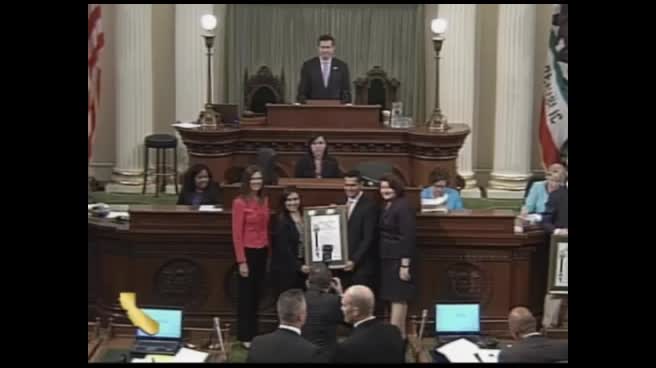
Bill Author

Bill Co-Author(s):