AB 707: Agricultural land: Williamson Act contracts: cancellation.
- Session Year: 2015-2016
- House: Assembly
- Latest Version Date: 2015-10-08
Existing law establishes the California Land Conservation Act of 1965, otherwise known as the Williamson Act, and authorizes a city or county to enter into 10-year contracts with owners of land devoted to agricultural use, whereby the owners agree to continue using the property for that purpose, and the city or county agrees to value the land accordingly for purposes of property taxation, as specified. Existing law provides for the procedure to cancel a contract entered into under these provisions, and provides that the landowner and the Department of Conservation may agree on the cancellation value of the land.
This bill would require the department to provide a preliminary valuation of the land to the county assessor and the city council or board of supervisors at least 60 days prior to the effective date of the agreed upon cancellation valuation if the contract includes an additional cancellation fee, as specified.
Existing law establishes the California Land Conservation Act of 1965, otherwise known as the Williamson Act, and authorizes a city or county to enter into 10-year contracts with owners of land devoted to agricultural use, whereby the owners agree to continue using the property for that purpose, and the city or county agrees to value the land accordingly for purposes of property taxation, as specified. Existing law provides for the procedure to cancel a contract entered into under these provisions, and provides that the landowner and the Department of Conservation may agree on the cancellation value of the land.
This bill would provide that the authority for the landowner and the department to agree on the cancellation value of the land does not apply to a contract between a landowner and a city or county if that require the department to provide a preliminary valuation of the land to the county assessor and the city council or board of supervisors at least 60 days prior to the effective date of the agreed upon cancellation valuation if the contract includes an additional cancellation fee, as specified.
Existing law establishes the California Land Conservation Act of 1965, otherwise known as the Williamson Act, and authorizes a city or county to enter into 10-year contracts with owners of land devoted to agricultural use, whereby the owners agree to continue using the property for that purpose, and the city or county agrees to value the land accordingly for purposes of property taxation, as specified. Existing law provides for the procedure to cancel a contract entered into under these provisions, and provides that the landowner and the Department of Conservation may agree on the cancellation value of the land.
This bill would repeal the authorization for provide that the authority for the landowner and the department to agree on the cancellation value of the land does not apply to a contract between a landowner and a city or county if that contract includes an additional cancellation fee, as specified.
Existing law establishes the California Land Conservation Act of 1965, otherwise known as the Williamson Act, and authorizes a city or county to enter into 10-year contracts with owners of land devoted to agricultural use, whereby the owners agree to continue using the property for that purpose, and the city or county agrees to value the land accordingly for purposes of property taxation, as specified. Existing law provides for the procedure to cancel a contract entered into under these provisions, and provides that the landowner and the Department of Conservation may agree on the cancellation value of the land.
This bill would repeal the authorization for the landowner and the department to agree on the cancellation value of the land.
(a)The assessor shall determine the current fair market value of the land as if it were free of the contractual restriction pursuant to Section 51283. The Department of Conservation or the landowner, also referred to in this section as parties, may provide information to assist the assessor to determine the value. Any information provided to the assessor shall be served on the other party, unless the information was provided at the request of the assessor, and would be confidential under law if required of an assessee.
(b)Within 45 days of receiving the assessors notice pursuant to subdivision (a) of Section 51283 or Section 51283.4, if the Department of Conservation or the landowner believes that the current fair market valuation certified pursuant to subdivision (b) of Section 51283 or Section 51283.4 is not accurate, the department or the landowner may request formal review from the county assessor in the county considering the petition to cancel the contract. The department or the landowner shall submit to the assessor and the other party the reasons for believing the valuation is not accurate and the additional information the requesting party believes may substantiate a recalculation of the property valuation. The assessor may recover his or her reasonable costs of the formal review from the party requesting the review, and may provide an estimate of those costs to the requesting party. The recovery of these costs from the department may be deducted by the city or county from cancellation fees received pursuant to this chapter prior to transmittal to the Controller for deposit in the Soil Conservation Fund. The assessor may require a deposit from the landowner to cover the contingency that payment of a cancellation fee will not necessarily result from the completion of a formal review. This subdivision shall not be construed as a limitation on the authority provided in Section 51287 for cities or counties to recover their costs in the cancellation process, except that the assessors costs of conducting a formal review shall not be borne by the nonrequesting party.
(1)If no request is made within 45 days of receiving notice by certified mail of the valuation, the assessors valuation shall be used to calculate the fee.
(2)Upon receiving a request for formal review, the assessor shall formally review his or her valuation if, based on the determination of the assessor, the information may have a material effect on valuation of the property. The assessor shall notify the parties that the formal review is being undertaken and that information to aid the assessors review shall be submitted within 30 days of the date of the notice to the parties. Any information submitted to the assessor shall be served on the other party who shall have 30 days to respond to that information to the assessor. If the response to the assessor contains new information, the party receiving that response shall have 20 days to respond to the assessor as to the new information. All submittals and responses to the assessor shall be served on the other party by personal service or an affidavit of mailing. The assessor shall avoid ex parte contacts during the formal review and shall report any such contacts to the department and the landowner at the same time the review is complete. The assessor shall complete the review no later than 120 days of receiving the request.
(3)At the conclusion of the formal review, the assessor shall either revise the cancellation valuation or determine that the original cancellation valuation is accurate. The assessor shall send the revised valuation or notice of the determination that the valuation is accurate to the department, the landowner, and the board or council considering the petition to cancel the contract. The assessor shall include a brief narrative of what consideration was given to the items of information and responses directly relating to the cancellation value submitted by the parties. The assessor shall give no consideration to a partys information or response that was not served on the other party. If the assessor denies a formal review, a brief narrative shall be provided to the parties indicating the basis for the denial, if requested.
(c)For purposes of this section, the valuation date of any revised valuation pursuant to formal review or following judicial challenge shall remain the date of the assessors initial valuation, or his or her initial recomputation pursuant to Section 51283.4. For purposes of cancellation fee calculation in a tentative cancellation as provided in Section 51283, or in a recomputation for final cancellation as provided in Section 51283.4, a cancellation value shall be considered current for one year after its determination and certification by the assessor.
(d)Notwithstanding any other provision of this section, the department and the landowner may agree on a cancellation valuation of the land. The agreed valuation shall serve as the cancellation valuation pursuant to Section 51283 or Section 51283.4. The agreement shall be transmitted to the board or council considering the petition to cancel the contract.
(e)If a contract with a city or county includes an additional cancellation fee pursuant to Section 51240, the department shall provide a preliminary valuation to the county assessor of the county in which the land is located and the board of supervisors or the city council at least 60 days prior to the effective date of the final cancellation valuation pursuant to subdivision (d). The preliminary valuation shall include a description of the rationale and facts considered by the department in determining the cancellation value. The assessor may provide comments on the preliminary valuation to the board of supervisors or city council. The board of supervisors or city council may provide comments on the preliminary valuation and cancellation value, if submitted, to the department. Prior to determining the final cancellation valuation, the department shall consider the comments of the board or council concerning the preliminary valuation and cancellation valuation, if submitted.
(f)This section represents the exclusive administrative procedure for appealing a cancellation valuation calculated pursuant to this section. The Department of Conservation shall represent the interests of the state in the administrative and judicial remedies for challenging the determination of a cancellation valuation or cancellation fee.
(a)The assessor shall determine the current fair market value of the land as if it were free of the contractual restriction pursuant to Section 51283. The Department of Conservation or the landowner, also referred to in this section as parties, may provide information to assist the assessor to determine the value. Any information provided to the assessor shall be served on the other party, unless the information was provided at the request of the assessor, and would be confidential under law if required of an assessee.
(b)Within 45 days of receiving the assessors notice pursuant to subdivision (a) of Section 51283 or Section 51283.4, if the Department of Conservation or the landowner believes that the current fair market valuation certified pursuant to subdivision (b) of Section 51283 or Section 51283.4 is not accurate, the department or the landowner may request formal review from the county assessor in the county considering the petition to cancel the contract. The department or the landowner shall submit to the assessor and the other party the reasons for believing the valuation is not accurate and the additional information the requesting party believes may substantiate a recalculation of the property valuation. The assessor may recover his or her reasonable costs of the formal review from the party requesting the review, and may provide an estimate of those costs to the requesting party. The recovery of these costs from the department may be deducted by the city or county from cancellation fees received pursuant to this chapter prior to transmittal to the Controller for deposit in the Soil Conservation Fund. The assessor may require a deposit from the landowner to cover the contingency that payment of a cancellation fee will not necessarily result from the completion of a formal review. This subdivision shall not be construed as a limitation on the authority provided in Section 51287 for cities or counties to recover their costs in the cancellation process, except that the assessors costs of conducting a formal review shall not be borne by the nonrequesting party.
(1)If no request is made within 45 days of receiving notice by certified mail of the valuation, the assessors valuation shall be used to calculate the fee.
(2)Upon receiving a request for formal review, the assessor shall formally review his or her valuation if, based on the determination of the assessor, the information may have a material effect on valuation of the property. The assessor shall notify the parties that the formal review is being undertaken and that information to aid the assessors review shall be submitted within 30 days of the date of the notice to the parties. Any information submitted to the assessor shall be served on the other party who shall have 30 days to respond to that information to the assessor. If the response to the assessor contains new information, the party receiving that response shall have 20 days to respond to the assessor as to the new information. All submittals and responses to the assessor shall be served on the other party by personal service or an affidavit of mailing. The assessor shall avoid ex parte contacts during the formal review and shall report any such contacts to the department and the landowner at the same time the review is complete. The assessor shall complete the review no later than 120 days of receiving the request.
(3)At the conclusion of the formal review, the assessor shall either revise the cancellation valuation or determine that the original cancellation valuation is accurate. The assessor shall send the revised valuation or notice of the determination that the valuation is accurate to the department, the landowner, and the board or council considering the petition to cancel the contract. The assessor shall include a brief narrative of what consideration was given to the items of information and responses directly relating to the cancellation value submitted by the parties. The assessor shall give no consideration to a partys information or response that was not served on the other party. If the assessor denies a formal review, a brief narrative shall be provided to the parties indicating the basis for the denial, if requested.
(c)For purposes of this section, the valuation date of any revised valuation pursuant to formal review or following judicial challenge shall remain the date of the assessors initial valuation, or his or her initial recomputation pursuant to Section 51283.4. For purposes of cancellation fee calculation in a tentative cancellation as provided in Section 51283, or in a recomputation for final cancellation as provided in Section 51283.4, a cancellation value shall be considered current for one year after its determination and certification by the assessor.
(d)Notwithstanding any other provision of this section, the department and the landowner may agree on a cancellation valuation of the land. The agreed valuation shall serve as the cancellation valuation pursuant to Section 51283 or Section 51283.4. The agreement shall be transmitted to the board or council considering the petition to cancel the contract. This subdivision does not apply to the cancellation of a contract between a landowner and a city or county if that contract includes an additional cancellation fee included pursuant to Section 51240.
(e)If a contract with a city or county includes an additional cancellation fee pursuant to Section 51240, the department shall provide a preliminary valuation to the county assessor of the county in which the land is located and the board of supervisors or the city council at least 60 days prior to the effective date of the final cancellation valuation pursuant to subdivision (d). The preliminary valuation shall include a description of the rationale and facts considered by the department in determining the cancellation value. The assessor may provide comments on the preliminary valuation to the board of supervisors or city council. The board of supervisors or city council may provide comments on the preliminary valuation and cancellation value, if submitted, to the department. Prior to determining the final cancellation valuation, the department shall consider the comments of the board or council concerning the preliminary valuation and cancellation valuation, if submitted.
(e)
(f)This section represents the exclusive administrative procedure for appealing a cancellation valuation calculated pursuant to this section. The Department of Conservation shall represent the interests of the state in the administrative and judicial remedies for challenging the determination of a cancellation valuation or cancellation fee.
(a)The assessor shall determine the current fair market value of the land as if it were free of the contractual restriction pursuant to Section 51283. The Department of Conservation or the landowner, also referred to in this section as parties, may provide information to assist the assessor to determine the value. Any information provided to the assessor shall be served on the other party, unless the information was provided at the request of the assessor, and would be confidential under law if required of an assessee.
(b)Within 45 days of receiving the assessors notice pursuant to subdivision (a) of Section 51283 or Section 51283.4, if the Department of Conservation or the landowner believes that the current fair market valuation certified pursuant to subdivision (b) of Section 51283 or Section 51283.4 is not accurate, the department or the landowner may request formal review from the county assessor in the county considering the petition to cancel the contract. The department or the landowner shall submit to the assessor and the other party the reasons for believing the valuation is not accurate and the additional information the requesting party believes may substantiate a recalculation of the property valuation. The assessor may recover his or her reasonable costs of the formal review from the party requesting the review, and may provide an estimate of those costs to the requesting party. The recovery of these costs from the department may be deducted by the city or county from cancellation fees received pursuant to this chapter prior to transmittal to the Controller for deposit in the Soil Conservation Fund. The assessor may require a deposit from the landowner to cover the contingency that payment of a cancellation fee will not necessarily result from the completion of a formal review. This subdivision shall not be construed as a limitation on the authority provided in Section 51287 for cities or counties to recover their costs in the cancellation process, except that the assessors costs of conducting a formal review shall not be borne by the nonrequesting party.
(1)If no request is made within 45 days of receiving notice by certified mail of the valuation, the assessors valuation shall be used to calculate the fee.
(2)Upon receiving a request for formal review, the assessor shall formally review his or her valuation if, based on the determination of the assessor, the information may have a material effect on valuation of the property. The assessor shall notify the parties that the formal review is being undertaken and that information to aid the assessors review shall be submitted within 30 days of the date of the notice to the parties. Any information submitted to the assessor shall be served on the other party who shall have 30 days to respond to that information to the assessor. If the response to the assessor contains new information, the party receiving that response shall have 20 days to respond to the assessor as to the new information. All submittals and responses to the assessor shall be served on the other party by personal service or an affidavit of mailing. The assessor shall avoid ex parte contacts during the formal review and shall report any such contacts to the department and the landowner at the same time the review is complete. The assessor shall complete the review no later than 120 days of receiving the request.
(3)At the conclusion of the formal review, the assessor shall either revise the cancellation valuation or determine that the original cancellation valuation is accurate. The assessor shall send the revised valuation or notice of the determination that the valuation is accurate to the department, the landowner, and the board or council considering the petition to cancel the contract. The assessor shall include a brief narrative of what consideration was given to the items of information and responses directly relating to the cancellation value submitted by the parties. The assessor shall give no consideration to a partys information or response that was not served on the other party. If the assessor denies a formal review, a brief narrative shall be provided to the parties indicating the basis for the denial, if requested.
(c)For purposes of this section, the valuation date of any revised valuation pursuant to formal review or following judicial challenge shall remain the date of the assessors initial valuation, or his or her initial recomputation pursuant to Section 51283.4. For purposes of cancellation fee calculation in a tentative cancellation as provided in Section 51283, or in a recomputation for final cancellation as provided in Section 51283.4, a cancellation value shall be considered current for one year after its determination and certification by the assessor.
(d)Notwithstanding any other provision of this section, the department and the landowner may agree on a cancellation valuation of the land. The agreed valuation shall serve as the cancellation valuation pursuant to Section 51283 or Section 51283.4. The agreement shall be transmitted to the board or council considering the petition to cancel the contract. This subdivision does not apply to the cancellation of a contract between a landowner and a city or county if that contract includes an additional cancellation fee included pursuant to Section 51240.
(d)
(e)This section represents the exclusive administrative procedure for appealing a cancellation valuation calculated pursuant to this section. The Department of Conservation shall represent the interests of the state in the administrative and judicial remedies for challenging the determination of a cancellation valuation or cancellation fee.
(a)The assessor shall determine the current fair market value of the land as if it were free of the contractual restriction pursuant to Section 51283. The Department of Conservation or the landowner, also referred to in this section as parties, may provide information to assist the assessor to determine the value. Any information provided to the assessor shall be served on the other party, unless the information was provided at the request of the assessor, and would be confidential under law if required of an assessee.
(b)Within 45 days of receiving the assessors notice pursuant to subdivision (a) of Section 51283 or Section 51283.4, if the Department of Conservation or the landowner believes that the current fair market valuation certified pursuant to subdivision (b) of Section 51283 or Section 51283.4 is not accurate, the department or the landowner may request formal review from the county assessor in the county considering the petition to cancel the contract. The department or the landowner shall submit to the assessor and the other party the reasons for believing the valuation is not accurate and the additional information the requesting party believes may substantiate a recalculation of the property valuation. The assessor may recover his or her reasonable costs of the formal review from the party requesting the review, and may provide an estimate of those costs to the requesting party. The recovery of these costs from the department may be deducted by the city or county from cancellation fees received pursuant to this chapter prior to transmittal to the Controller for deposit in the Soil Conservation Fund. The assessor may require a deposit from the landowner to cover the contingency that payment of a cancellation fee will not necessarily result from the completion of a formal review. This subdivision shall not be construed as a limitation on the authority provided in Section 51287 for cities or counties to recover their costs in the cancellation process, except that the assessors costs of conducting a formal review shall not be borne by the nonrequesting party.
(1)If no request is made within 45 days of receiving notice by certified mail of the valuation, the assessors valuation shall be used to calculate the fee.
(2)Upon receiving a request for formal review, the assessor shall formally review his or her valuation if, based on the determination of the assessor, the information may have a material effect on valuation of the property. The assessor shall notify the parties that the formal review is being undertaken and that information to aid the assessors review shall be submitted within 30 days of the date of the notice to the parties. Any information submitted to the assessor shall be served on the other party who shall have 30 days to respond to that information to the assessor. If the response to the assessor contains new information, the party receiving that response shall have 20 days to respond to the assessor as to the new information. All submittals and responses to the assessor shall be served on the other party by personal service or an affidavit of mailing. The assessor shall avoid ex parte contacts during the formal review and shall report any such contacts to the department and the landowner at the same time the review is complete. The assessor shall complete the review no later than 120 days of receiving the request.
(3)At the conclusion of the formal review, the assessor shall either revise the cancellation valuation or determine that the original cancellation valuation is accurate. The assessor shall send the revised valuation or notice of the determination that the valuation is accurate to the department, the landowner, and the board or council considering the petition to cancel the contract. The assessor shall include a brief narrative of what consideration was given to the items of information and responses directly relating to the cancellation value submitted by the parties. The assessor shall give no consideration to a partys information or response that was not served on the other party. If the assessor denies a formal review, a brief narrative shall be provided to the parties indicating the basis for the denial, if requested.
(c)For purposes of this section, the valuation date of any revised valuation pursuant to formal review or following judicial challenge shall remain the date of the assessors initial valuation, or his or her initial recomputation pursuant to Section 51283.4. For purposes of cancellation fee calculation in a tentative cancellation as provided in Section 51283, or in a recomputation for final cancellation as provided in Section 51283.4, a cancellation value shall be considered current for one year after its determination and certification by the assessor.
(d)Notwithstanding any other provision of this section, the department and the landowner may agree on a cancellation valuation of the land. The agreed valuation shall serve as the cancellation valuation pursuant to Section 51283 or Section 51283.4. The agreement shall be transmitted to the board or council considering the petition to cancel the contract.
(e)
(d)This section represents the exclusive administrative procedure for appealing a cancellation valuation calculated pursuant to this section. The Department of Conservation shall represent the interests of the state in the administrative and judicial remedies for challenging the determination of a cancellation valuation or cancellation fee.
|
Date
|
Status
|
|---|---|
| Jun 29, 2015 | From committee: Be placed on second reading file pursuant to Senate Rule 28.8. |
| Oct 8, 2015 | Chaptered by Secretary of State - Chapter 631, Statutes of 2015. |
| Oct 8, 2015 | Approved by the Governor. |
| Sep 10, 2015 | Enrolled and presented to the Governor at 4 p.m. |
| Sep 1, 2015 | Senate amendments concurred in. To Engrossing and Enrolling. (Ayes 80. Noes 0.). |
| Sep 1, 2015 | Senate amendments concurred in. To Engrossing and Enrolling. (Ayes 80. Noes 0. Page 2739.). |
| Sep 1, 2015 | Assembly Rule 77 suspended. (Page 2729.) |
| Sep 1, 2015 | Assembly Rule 77 suspended. |
| Aug 31, 2015 | Read third time. Passed. Ordered to the Assembly. (Ayes 40. Noes 0. Page 2301.). |
| Aug 31, 2015 | Read third time. Passed. Ordered to the Assembly. |
| Aug 31, 2015 | In Assembly. Concurrence in Senate amendments pending. May be considered on or after September 2 pursuant to Assembly Rule 77. |
| Aug 25, 2015 | Read second time. Ordered to third reading. |
| Aug 24, 2015 | Read third time and amended. Ordered to second reading. |
| Jun 30, 2015 | Read second time. Ordered to third reading. |
| Feb 25, 2015 | Read first time. To print. |
| Jun 17, 2015 | From committee: Do pass and re-refer to Com. on APPR. (Ayes 7. Noes 0.) (June 17). Re-referred to Com. on APPR. |
| Jun 4, 2015 | Referred to Com. on GOV. & F. |
| May 22, 2015 | Read third time. Passed. Ordered to the Senate. (Ayes 74. Noes 0. Page 1562.) |
| May 22, 2015 | Read third time. Passed. Ordered to the Senate. |
| May 22, 2015 | In Senate. Read first time. To Com. on RLS. for assignment. |
| May 14, 2015 | Read second time. Ordered to Consent Calendar. |
| May 13, 2015 | From committee: Do pass. To Consent Calendar. (Ayes 17. Noes 0.) (May 13). |
| Apr 30, 2015 | From committee: Do pass and re-refer to Com. on APPR. with recommendation: To Consent Calendar. (Ayes 9. Noes 0.) (April 29). Re-referred to Com. on APPR. |
| Apr 16, 2015 | From committee: Do pass and re-refer to Com. on L. GOV. (Ayes 10. Noes 0.) (April 15). Re-referred to Com. on L. GOV. |
| Apr 7, 2015 | Re-referred to Com. on AGRI. |
| Apr 6, 2015 | From committee chair, with author's amendments: Amend, and re-refer to Com. on AGRI. Read second time and amended. |
| Mar 12, 2015 | Referred to Coms. on AGRI. and L. GOV. |
| Feb 26, 2015 | From printer. May be heard in committee March 28. |
|
Date
|
Description
|
Location
|
Votes
|
|
|---|---|---|---|---|
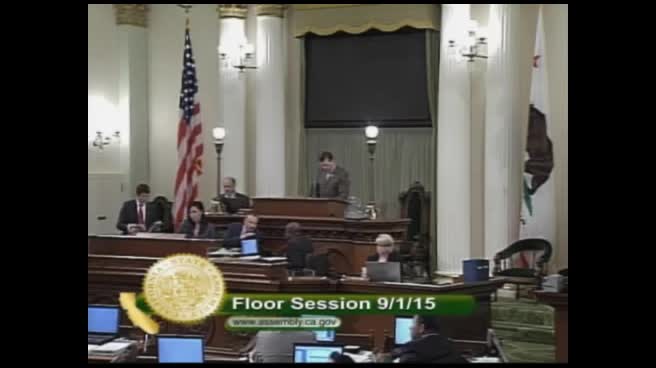
| Sep 1, 2015 | AB 707 WOOD Concurrence in Senate Amendments | Assembly Floor |
Passed |
|
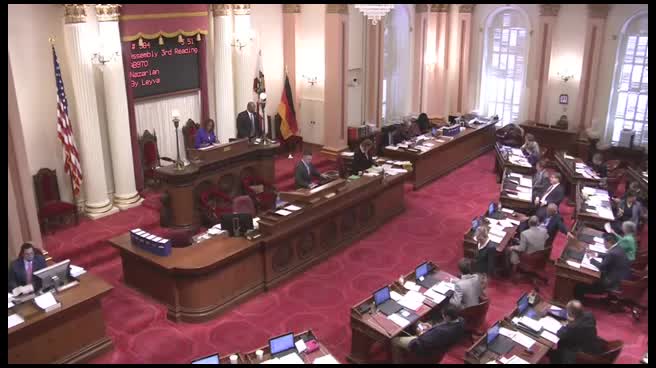
| Aug 31, 2015 | Assembly 3rd Reading AB707 Wood By Hertzberg | Senate Floor |
Passed |
|
| Jun 17, 2015 | Do pass, but first be re-referred to the Committee on [Appropriations] | Senate Standing Committee on Governance and Finance |
Passed |
|
| May 22, 2015 | AB 707 WOOD Consent Calendar Second Day Regular Session | Assembly Floor |
Passed |
|
| May 13, 2015 | Do pass. To Consent Calendar. | Assembly Standing Committee on Appropriations |
Passed |
|
| Apr 29, 2015 | Do pass and be re-referred to the Committee on [Appropriations] with recommendation: To Consent Calendar | Assembly Standing Committee on Local Government |
Passed |
|
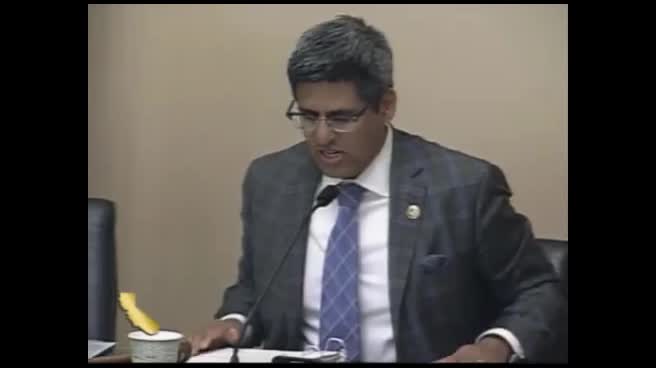
| Apr 15, 2015 | Do pass and be re-referred to the Committee on [Local Government] | Assembly Standing Committee on Agriculture |
Passed |
This list shows positions taken on this bill by organizations on the date displayed, which is linked to the original source.
Positions by individuals are not included.
|
Organization
|
Position
|
Date
|
|---|---|---|
| California State Association Of Counties | ** Support | Aug 31, 2015 |
| County of Humboldt | ** Support | Aug 31, 2015 |
| County of Humboldt [SPONSOR] | ** Support | Aug 31, 2015 |
| Rural County Representatives of California | ** Support | Aug 31, 2015 |
AB 707
Page 2
CONCURRENCE IN SENATE AMENDMENTS
AB 707
(Wood)
As Amended August 24, 2015
Majority vote
ASSEMBLY: |
74-0 |
(May 22, 2015) |
SENATE: |
40-0 |
(August 31, 2015) |
Original Committee Reference: AGRI.
SUMMARY: Requires the Department of Conservation (DOC) to provide a preliminary valuation of the Williamson Act (Act) contract land to the county assessor and the city council or board of supervisors (local government) at least 60 days prior to the effective date of the agreed upon cancellation valuation if the contract includes additional local cancellation fees.
The Senate amendments:
Delete the provision that removes the ability of a land owner and DOC to negotiate Act cancellation fees, if the land in an Act contract is within a county that has a local cancellation assessment for Act contract lands.
Require the DOC, if an Act contract has additional local government cancellation fees, to provide to the county assessor and local government preliminary valuation of the land with the reason for the cancellation value, as specified.
Allow the county assessor to provide information on the preliminary valuation to the local government and allow the local government to provide comments to DOC on the preliminary valuation and cancellation value.
EXISTING LAW:
Creates the Act, also known as the California Land Conservation Act of 1965, which authorizes local governments to enter into agricultural land preservation contracts with landowners who agree to restrict the use of their land for a minimum of 10 years in exchange for lower assessed valuations for property tax purposes. The Division of Land Resource Protection in DOC administers the Act.
Provides for a 12.5% cancellation fee, based on the value of the land, for canceling a Williamson Act contract, as specified.
Allows DOC and the landowner to agree on a cancellation valuation of the land.
Allows a city or county to pass an ordinance that requires an additional cancellation fee that goes to the local jurisdiction.
FISCAL EFFECT: According to the Senate Appropriations Committee, pursuant to Senate Rule 28.8, negligible state costs.
COMMENTS: The Act conserves agricultural and open space land by allowing private property owners to sign voluntary contracts with counties and cities, restricting their land to agriculture, open space, and other compatible uses. In return, county assessors must lower the assessed value of the contracted lands to reflect their use as agricultural or open space instead of the market value. Making sure that private property owners use their Act land appropriately is essential to maintaining the statute's constitutional integrity.
Due to the elimination of state subvention payments to the counties, some local jurisdictions passed ordinances that impose an additional cancellation penalty fee. If a property owner wanted to cancel an Act contract before the ten-year period, the landowner must petition the local board or council to terminate a contract. The board/council may grant cancellation if certain statutory findings are met. If the local government approves the cancellation, the landowner is required to pay a cancellation fee equal to 12.5% of the cancellation valuation of the property to the state. Merced County and Humboldt County (Humboldt) are the only counties to have local cancellation fees, in addition to the state cancellation fee. Humboldt's local cancellation fee is 12.5%.
According to the author, this bill is needed to address situations where a local government has imposed an Act cancellation fee in addition to the state Act cancellation fee. The need was demonstrated by the following incident: On August 21, 2011, the Ambrosini Dairy Property (Riverside Ranch), in Humboldt, requested to cancel their Act contract. The cancellation was initiated by the Western Rivers Conservancy (WRC), who purchased the land. The request for cancellation triggered the Humboldt County Assessor's Office to begin to determine the fair market value of the land, which determines the Act cancellation fee. The WRC requested a waiver to the Humboldt's fee. The Humboldt's Act Advisory Committee recommended to the Board of Supervisors that the local cancellation fee not be waived. On April 23, 2012, the DOC sent a letter to Humboldt informing the local jurisdiction that WRC and the DOC had reached an agreement on a cancellation valuation, as allowed by current law. This negotiation between the DOC and WRC took place without Humboldt's input. This bill addresses this issue by allowing the county, if it has a local cancellation fee, to be part of the discussion of land valuation.
This bill is substantially similar to the version passed by the Assembly.
Analysis Prepared by: Victor Francovich / AGRI. / (916) 319-2084 FN: 0001576
AB 707
Page 4
|
Office of Senate Floor Analyses (916) 651-1520 Fax: (916) 327-4478 |
THIRD READING
Bill No: AB 707
Amended: 8/24/15 in Senate
SENATE GOVERNANCE & FIN. COMMITTEE: 7-0, 6/17/15
AYES: Hertzberg, Nguyen, Beall, Hernandez, Lara, Moorlach, Pavley
SENATE APPROPRIATIONS COMMITTEE: Senate Rule 28.8
ASSEMBLY FLOOR: 74-0, 5/22/15 (Consent) - See last page for vote
SUBJECT: Agricultural land: Williamson Act contracts: cancellation
DIGEST: This bill establishes a process for cities and counties to provide comments on some Williamson Act cancellation valuations negotiated by the Department of Conservation (DOC).
Senate Floor Amendments of 8/24/15 establish this comment process, instead of prohibiting the DOC and landowner from agreeing on a cancellation value in some counties.
Existing law:
Creates the Williamson Act, also known as the California Land Conservation Act of 1965, which authorizes cities and counties to enter into agricultural land preservation contracts with landowners who agree to restrict the use of their land for a minimum of 10 years in exchange for lower assessed valuations for property tax purposes. The Division of Land Resource Protection in the DOC administers the Williamson Act.
Provides for a 12.5% cancellation fee, based on the value of the land, for canceling a Williamson Act contract, as specified.
Allows DOC and the landowner to agree on a cancellation valuation of the land.
Allows a city or county to pass an ordinance that requires an additional cancellation fee that goes to the local jurisdiction.
This bill:
Requires DOC to notify the county assessor and applicable city council or board of supervisors 60 days before DOC plans to cancel a Williamson Act contract in a city or county that has imposed an additional local cancellation fee. At that time, DOC must provide a preliminary cancellation valuation and a rationale for the selection of that valuation.
Allows the county assessor and city council or board of supervisors to provide comments to DOC on the valuation.
Requires DOC to consider those comments before determining the final cancellation valuation of the land.
Background
The California Land Conservation Act of 1965, also known as the Williamson Act, is a program administered by DOC to conserve agricultural and open space land. The Williamson Act allows private property owners to sign voluntary contracts with counties and cities that restrict their land to agriculture, open space, and compatible uses for the next 10 years. Williamson Act contracts automatically renew each year, so that the term is always 10 years in the future. In return for these voluntary contracts, county assessors lower the value of Williamson Act contracted lands to reflect the value of their use as agriculture, or open space instead of their market value under Proposition 13. Historically, the state made subvention payments to counties in order to make up for a portion of the resulting losses in local property tax revenue. These payments totaled about $35 million to $40 million each year from 1994 to 2008. However, the state stopped making subvention payments in Fiscal Year 2009-10 in response to budgetary pressures.
A landowner wants to develop land restricted by a Williamson Act contract has two options. The normal way to end a Williamson Act contract is for either the landowner or local officials to give "notice of nonrenewal," which stops the automatic annual renewals and allows the contract to run down over the next 10 years. Alternatively, local officials can cancel a contract at the request of the landowner. To do so, local officials must make findings that cancellation is in the public interest and that cancellation is consistent with the purposes of the Williamson Act. In addition, the landowner must pay a cancellation fee that is equal to 12.5% of the “cancellation valuation” of the property. Typically, the county assessor determines the cancellation valuation, which is set at the property's unrestricted market value. However, a landowner and DOC can separately agree on a cancellation valuation for the land, which takes the place of the value identified by the county assessor. According to DOC, this process has only been used once: in 2012 for a property in Humboldt County. Local officials may approve or deny a cancellation once the cancellation value is determined.
Revenues from this cancellation fee are remitted to the state. However, the Williamson Act also allows local jurisdictions to levy their own cancellation fees in addition to the state cancellation fee. The local government retains revenues from the local cancellation fee. So, some local jurisdictions established fees in response to the loss of subvention payments in 2009-10. Merced County and Humboldt County are the only counties to have local cancellation fees, in addition to the state cancellation fee. Humboldt's local cancellation fee is 12.5% of the cancellation value of the land. Since the cancellation value of the land can affect how much revenue the city or county receives from their own cancellation fees, some counties want greater say over determining the cancellation value than is afforded by the current process.
Comments
Purpose of the bill. AB 707 enhances local control by ensuring that local governments that have established their own Williamson Act cancellation fees have the opportunity to weigh in on decisions that affect their communities and revenues. Local governments have specific knowledge about the value of the land under contract, the circumstances on the ground, and other factors that should be considered when setting the cancellation valuation of the land. However, current law can leave counties out of this discussion. For example, in 2011, DOC agreed on a cancellation valuation significantly below the County Assessor's determined fair market value for a property in Humboldt County, resulting in a significantly lower cancellation fee than would have otherwise occurred. Significantly reducing the cancellation fee undermines the financial disincentive to terminate Williamson Act contracts and undermines the goal of preserving open space. AB 707 remedies this defect in current law by requiring DOC to consult with counties prior to determining a final cancellation valuation for the land.
FISCAL EFFECT: Appropriation: No Fiscal Com.: Yes Local: No
County of Humboldt (source)
California State Association of Counties
Rural County Representatives of California
OPPOSITION: (Verified 8/25/15)
None received
ASSEMBLY FLOOR: 74-0, 5/22/15
AYES: Achadjian, Travis Allen, Baker, Bigelow, Bloom, Bonilla, Bonta, Brough, Brown, Burke, Calderon, Campos, Chang, Chau, Chávez, Chiu, Chu, Cooley, Cooper, Dababneh, Dahle, Daly, Dodd, Eggman, Frazier, Beth Gaines, Gallagher, Cristina Garcia, Eduardo Garcia, Gatto, Gipson, Gomez, Gonzalez, Gordon, Gray, Grove, Hadley, Harper, Roger Hernández, Holden, Irwin, Jones-Sawyer, Kim, Lackey, Levine, Linder, Lopez, Low, Maienschein, Mathis, Mayes, McCarty, Medina, Melendez, Mullin, Nazarian, Obernolte, Patterson, Perea, Quirk, Rendon, Ridley-Thomas, Rodriguez, Salas, Santiago, Steinorth, Mark Stone, Thurmond, Ting, Wagner, Wilk, Williams, Wood, Atkins
NO VOTE RECORDED: Alejo, Jones, O'Donnell, Olsen, Waldron, Weber
Prepared by: Anton Favorini-Csorba / GOV. & F. / (916) 651-4119
8/26/15 12:23:12
**** END ****
AB 707
Page 4
|
Office of Senate Floor Analyses (916) 651-1520 Fax: (916) 327-4478 |
THIRD READING
Bill No: AB 707
Amended: 4/6/15 in Assembly
SENATE GOVERNANCE & FIN. COMMITTEE: 7-0, 6/17/15
AYES: Hertzberg, Nguyen, Beall, Hernandez, Lara, Moorlach, Pavley
SENATE APPROPRIATIONS COMMITTEE: Senate Rule 28.8
ASSEMBLY FLOOR: 74-0, 5/22/15 (Consent) - See last page for vote
SUBJECT: Agricultural land: Williamson Act contracts: cancellation
DIGEST: This bill repeals the authority of landowners and the Department of Conservation to agree on cancellation valuations for land restricted by a Williamson Act contract in some cities and counties.
Existing law:
Creates the Williamson Act, also known as the California Land Conservation Act of 1965, which authorizes cities and counties to enter into agricultural land preservation contracts with landowners who agree to restrict the use of their land for a minimum of 10 years in exchange for lower assessed valuations for property tax purposes. The Division of Land Resource Protection in the Department of Conservation (DOC) administers the Williamson Act.
Provides for a 12.5% cancellation fee, based on the value of the land, for canceling a Williamson Act contract, as specified.
Allows DOC and the landowner to agree on a cancellation valuation of the land.
Allows a city or county to pass an ordinance that requires an additional cancellation fee that goes to the local jurisdiction.
This bill prohibits landowners and DOC from agreeing on a cancellation valuation of land under a Williamson Act contract if the land under contract is in a county that has imposed an additional local cancellation fee.
Background
The California Land Conservation Act of 1965, also known as the Williamson Act, is a program administered by DOC to conserve agricultural and open space land. The Williamson Act allows private property owners to sign voluntary contracts with counties and cities that restrict their land to agriculture, open space, and compatible uses for the next 10 years. Williamson Act contracts automatically renew each year, so that the term is always 10 years in the future. In return for these voluntary contracts, county assessors lower the value of Williamson Act contracted lands to reflect the value of their use as agriculture, or open space instead of their market value under Proposition 13. Historically, the state made subvention payments to counties in order to make up for a portion of the resulting losses in local property tax revenue. These payments totaled about $35 million to $40 million each year from 1994 to 2008. However, the state stopped making subvention payments in Fiscal Year 2009-10 in response to budgetary pressures.
A landowner wants to develop land restricted by a Williamson Act contract has two options. The normal way to end a Williamson Act contract is for either the landowner or local officials to give "notice of nonrenewal," which stops the automatic annual renewals and allows the contract to run down over the next 10 years. Alternatively, local officials can cancel a contract at the request of the landowner. To do so, local officials must make findings that cancellation is in the public interest and that cancellation is consistent with the purposes of the Williamson Act. In addition, the landowner must pay a cancellation fee that is equal to 12.5% of the “cancellation valuation” of the property. Typically, the county assessor determines the cancellation valuation, which is set at the property's unrestricted market value. However, a landowner and DOC can separately agree on a cancellation valuation for the land, which takes the place of the value identified by the county assessor. According to DOC, this process has only been used once: in 2012 for a property in Humboldt County. Local officials may approve or deny a cancellation once the cancellation value is determined.
Revenues from this cancellation fee are remitted to the state. However, the Williamson Act also allows local jurisdictions to levy their own cancellation fees in addition to the state cancellation fee. The local government retains revenues from the local cancellation fee. So, some local jurisdictions established fees in response to the loss of subvention payments in 2009-10. Merced County and Humboldt County are the only counties to have local cancellation fees, in addition to the state cancellation fee. Humboldt's local cancellation fee is 12.5% of the cancellation value of the land. Since the cancellation value of the land can affect how much revenue the city or county receives from their own cancellation fees, some counties want greater say over determining the cancellation value than is afforded by the current process.
Comments
Purpose of the bill. AB 707 enhances local control by ensuring that local governments that have established their own Williamson Act cancellation fees have the opportunity to weigh in on decisions that affect their communities and revenues. Local governments have specific knowledge about the value of the land under contract, the circumstances on the ground, and other factors that should be considered when setting the cancellation valuation of the land. However, current law can leave counties out of this discussion. A recent example in Humboldt County illustrates the challenges that this creates. In 2011, a dairy property was sold to the Western Rivers Conservancy (WRC), which intended to conserve the land as a critical natural habitat, as part of a larger restoration project. WRC requested a waiver of the Humboldt County cancellation fee, but this request was denied. Subsequently, WRC and DOC agreed on a cancellation valuation significantly below the Humboldt County Assessor's determined fair market value, resulting in a significantly lower cancellation fee than would have otherwise occurred. Significantly reducing the cancellation fee undermines the financial disincentive to terminate Williamson Act contracts and undermines the goal of preserving open space.
Another way. Because determining the unrestricted fair market value of a parcel involves making judgment calls, there can be significant differences of opinion about the correct cancellation valuation of the land. Allowing a landowner and DOC to agree on a cancellation valuation provides an alternative method for resolving disputes over what the unrestricted fair market value of the land is. In addition, there may be a legitimate public interest in setting a cancellation valuation that differs from the valuation preferred by a local government. For example, in the case of the WRC, the cost of a cancellation fee was a potential barrier to a project that would continue to preserve open space, thereby furthering the purposes of the Williamson Act. The negotiation between DOC and the landowner resolved that issue and allowed the restoration project to move forward. Thus, it may not make sense to remove the ability of DOC and landowners to set their own cancellation values in cities or counties that levy local cancellation fees and instead include other provisions to ensure that an agreement between DOC and a landowner furthers the public interest.
Where’s the beef? The Williamson Act gives the final say over whether to approve or deny a cancellation request to the local government that is a party to the contract. Thus, if a local government strongly disagrees with the cancellation valuation agreed upon by DOC and the landowner, the local government can deny the cancellation. This authority already provides the local government leverage over the cancellation valuation.
FISCAL EFFECT: Appropriation: No Fiscal Com.: Yes Local: No
County of Humboldt (source)
California State Association of Counties
Rural County Representatives of California
None received
ASSEMBLY FLOOR: 74-0, 5/22/15
AYES: Achadjian, Travis Allen, Baker, Bigelow, Bloom, Bonilla, Bonta, Brough, Brown, Burke, Calderon, Campos, Chang, Chau, Chávez, Chiu, Chu, Cooley, Cooper, Dababneh, Dahle, Daly, Dodd, Eggman, Frazier, Beth Gaines, Gallagher, Cristina Garcia, Eduardo Garcia, Gatto, Gipson, Gomez, Gonzalez, Gordon, Gray, Grove, Hadley, Harper, Roger Hernández, Holden, Irwin, Jones-Sawyer, Kim, Lackey, Levine, Linder, Lopez, Low, Maienschein, Mathis, Mayes, McCarty, Medina, Melendez, Mullin, Nazarian, Obernolte, Patterson, Perea, Quirk, Rendon, Ridley-Thomas, Rodriguez, Salas, Santiago, Steinorth, Mark Stone, Thurmond, Ting, Wagner, Wilk, Williams, Wood, Atkins
NO VOTE RECORDED: Alejo, Jones, O'Donnell, Olsen, Waldron, Weber
Prepared by: Anton Favorini-Csorba / GOV. & F. / (916) 651-4119
7/1/15 16:49:55
**** END ****
AB 707 (Wood) 4/6/15 Page 3 of 3
SENATE COMMITTEE ON GOVERNANCE AND FINANCE
Senator Robert M. Hertzberg, Chair
2015 - 2016 Regular
Bill No: |
AB 707 |
Hearing Date: |
6/17/15 |
Author: |
Wood |
Tax Levy: |
No |
Version: |
4/6/15 |
Fiscal: |
Yes |
Consultant: |
Favorini-Csorba |
||
AGRICULTURAL LANDS: WILLIAMSON ACT CONTRACTS: CANCELLATION
Repeals the authority of landowners and the Department of Conservation to agree on cancellation valuations for land restricted by a Williamson Act contract in some cities and counties.
Background and Existing Law
The California Land Conservation Act of 1965, also known as the Williamson Act, is a program administered by the California Department of Conservation (DOC) to conserve agricultural and open space land. The Williamson Act allows private property owners to sign voluntary contracts with counties and cities that restrict their land to agriculture, open space, and compatible uses for the next 10 years. Williamson Act contracts automatically renew each year, so that the term is always 10 years in the future. In return for these voluntary contracts, county assessors lower the value of Williamson Act contracted lands to reflect the value of their use as agriculture, or open space instead of their market value under Proposition 13. Historically, the state made subvention payments to counties in order to make up for a portion of the resulting losses in local property tax revenue. These payments totaled about $35 million to $40 million each year from 1994 to 2008. However, the state stopped making subvention payments in Fiscal Year 2009-10 in response to budgetary pressures.
A landowner wants to develop land restricted by a Williamson Act contract has two options. The normal way to end a Williamson Act contract is for either the landowner or local officials to give "notice of nonrenewal," which stops the automatic annual renewals and allows the contract to run down over the next 10 years. Alternatively, local officials can cancel a contract at the request of the landowner. To do so, local officials must make findings that cancellation is in the public interest and that cancellation is consistent with the purposes of the Williamson Act. In addition, the landowner must pay a cancellation fee that is equal to 12.5% of the “cancellation valuation” of the property. Typically, the county assessor determines the cancellation valuation, which is set at the property's unrestricted market value. However, a landowner and DOC can separately agree on a cancellation valuation for the land, which takes the place of the value identified by the county assessor. According to DOC, this process has only been used once: in 2012 for a property in Humboldt County. Local officials may approve or deny a cancellation once the cancellation value is determined.
Revenues from this cancellation fee are remitted to the state. However, the Williamson Act also allows local jurisdictions to levy their own cancellation fees in addition to the state cancellation fee. The local government retains revenues from the local cancellation fee. So, some local jurisdictions established fees in response to the loss of subvention payments in 2009-10. Merced County and Humboldt County are the only counties to have local cancellation fees, in addition to the state cancellation fee. Humboldt's local cancellation fee is 12.5% of the cancellation value of the land. Since the cancellation value of the land can affect how much revenue the city or county receives from their own cancellation fees, some counties want greater say over determining the cancellation value than is afforded by the current process.
Proposed Law
Assembly Bill 707 removes the ability of landowners and DOC to agree on a cancellation valuation of land under a Williamson Act contract if the city or county that is a party to the contract levies a separate local cancellation fee.
State Revenue Impact
No estimate.
Comments
1. Purpose of the bill. AB 707 enhances local control by ensuring that local governments that have established their own Williamson Act cancellation fees have the opportunity to weigh in on decisions that affect their communities and revenues. Local governments have specific knowledge about the value of the land under contract, the circumstances on the ground, and other factors that should be considered when setting the cancellation valuation of the land. However, current law can leave counties out of this discussion. A recent example in Humboldt County illustrates the challenges that this creates. In 2011, a dairy property was sold to the Western Rivers Conservancy (WRC), which intended to conserve the land as a critical natural habitat, as part of a larger restoration project. WRC requested a waiver of the Humboldt County cancellation fee, but this request was denied. Subsequently, WRC and DOC agreed on a cancellation valuation significantly below the Humboldt County Assessor's determined fair market value, resulting in a significantly lower cancellation fee than would have otherwise occurred. Significantly reducing the cancellation fee undermines the financial disincentive to terminate Williamson Act contracts and undermines the goal of preserving open space.
2. Another way. Because determining the unrestricted fair market value of a parcel involves making judgment calls, there can be significant differences of opinion about the correct cancellation valuation of the land. Allowing a landowner and DOC to agree on a cancellation valuation provides an alternative method for resolving disputes over what the unrestricted fair market value of the land is. In addition, there may be a legitimate public interest in setting a cancellation valuation that differs from the valuation preferred by a local government. For example, in the case of the Western River Conservancy, the cost of a cancellation fee was a potential barrier to a project that would continue to preserve open space, thereby furthering the purposes of the Williamson Act. The negotiation between DOC and the landowner resolved that issue and allowed the restoration project to move forward. Thus, it may not make sense to remove the ability of DOC and landowners to set their own cancellation values in cities or counties that levy local cancellation fees and instead include other provisions to ensure that an agreement between DOC and a landowner furthers the public interest.
3. Where’s the beef? The Williamson Act gives the final say over whether to approve or deny a cancellation request to the local government that is a party to the contract. Thus, if a local government strongly disagrees with the cancellation valuation agreed upon by DOC and the landowner, the local government can deny the cancellation. This authority already provides the local government leverage over the cancellation valuation. Accordingly, the Committee may wish to consider whether this legislation is necessary to ensure that local governments are adequately involved in the process.
Assembly Actions
Assembly Agriculture Committee: 10-0
Assembly Local Government Committee: 9-0
Assembly Appropriations Committee: 17-0
Assembly Floor: 74-0
Support and Opposition
(6/11/15)
Support: County of Humboldt (sponsor). California State Association of Counties.
Opposition: Unknown.
-- END --
AB 707
Page 2
Date of Hearing: May 13, 2015
ASSEMBLY COMMITTEE ON APPROPRIATIONS
Jimmy Gomez, Chair
AB 707
(Wood) – As Amended April 6, 2015
Policy Committee: |
Agriculture |
Vote: |
10 - 0 |
|
Local Government |
|
9 - 0 |
Urgency: No State Mandated Local Program: No Reimbursable: No
SUMMARY:
This bill amends a provision in the Williamson Act with respect to cancellation fees, removing the ability of the Department of Conservation (DOC) and a land owner to agree on a cancellation valuation if the contracted land is in a city, or a county that includes its own cancellation fee.
FISCAL EFFECT:
Negligible fiscal impact to DOC.
COMMENTS:
1) Purpose. In general, property owners may cancel Williamson Act contracts upon approval from the local city council or county board and payment of a cancellation fee of 12.5% of the "cancellation value" to the state. The cancellation value is intended to reflect the fair market value of the property, however, the landowner and DOC may agree on a cancellation value notwithstanding any other valuation process, including assessment by a county.
According to the author, the elimination of Williamson Act subvention payments from the state resulted in some local jurisdictions imposing their own additional cancellation fees based on cancellation value. Yet, agreement on cancellation value need not involve any input or representation from the local jurisdiction. Supporters, led by Humboldt County, argue agreements over cancellation value can result in significantly lower cancellation fees, potentially harming the local jurisdiction's interests. Currently, only Merced and Humboldt counties have local cancellation fees.
2) Williamson Act Contracts. The Williamson Act permits private landowners to voluntarily agree with cities and counties to restrict their land use to agriculture, open space, and compatible uses. In return for preservation of open space, county assessors must reduce the assessed value of the contracted lands. Approximately 16.6 million acres are under Williamson Act contracts. The state historically provided subvention payments from the General Fund to counties to compensate for lost county funds related to Williamson Act contracts, but these subvention payments were ended during the budget crises of 2008-2010.
3) Humboldt Cancellation. According to the author, an incident involving the cancellation of a Williamson Act property in Humboldt County gave rise to the present bill. In that situation, a dairy property was sold to the Western Rivers Conservancy (WRC), which intended to conserve the land as a critical natural habitat. WRC requested a cancellation of the Humboldt County cancellation fee, but this request was denied. Subsequently, WRC and DOC agreed on a cancellation value significantly below the Humboldt County Assessor's determined fair market value, resulting in a significantly lower fee paid to Humboldt County. The agreed land value did not involve input from the county. This bill is intended to remedy similar situations by removing the ability of DOC and the landowner to agree on cancellation value if a city or county has established its own cancellation fee.
4) A Step Too Far? The provision allowing DOC and landowners to agree on cancellation value facilitates contract cancellations where the fair market value does not reflect the intended use of the land after cancellation, or would otherwise frustrate the interests of the landowner and the state with respect to ending a Williamson Act contract.
The situation cited by the author is such a case, where the dairy farm owner wished to sell to a non-profit land conservancy that intended to preserve the land instead of using it for commercial purposes. In such instances, the fair market value of the land, reflecting the commercial potential of the land, may be too high to allow the parties to agree to the sale, essentially frustrating the owner, the purchaser, and the state.
The author's proposed solution in this bill removes the ability of the landowner and DOC to agree on a lower cancellation value in cases where the local jurisdiction also has a cancellation fee, which may effectively prevent sales in circumstances like the above example. The author and Committee may wish to consider whether this solution leaves too few options for future agreements, and whether a local jurisdiction's interest would be better served by being made party to the agreement on the cancellation value, permitting the state, local jurisdiction, and landowner to collectively agree on a cancellation value when their interests align.
Analysis Prepared by: Joel Tashjian / APPR. / (916) 319-2081
AB 707
Page 3
Date of Hearing: April 29, 2015
ASSEMBLY COMMITTEE ON LOCAL GOVERNMENT
Brian Maienschein, Chair
AB 707
(Wood) – As Amended April 6, 2015
SUBJECT: Agricultural land: Williamson Act contracts: cancellation.
SUMMARY: Removes the ability of a land owner and the California Department of Conservation to negotiate Williamson Act land values for the purpose of establishing cancellation fees, if the contracted land is in a city or county that has its own cancellation fee.
EXISTING LAW:
Creates the Williamson Act (Act), also known as the California Land Conservation Act
of 1965, which authorizes cities and counties to enter into agricultural land preservation contracts with landowners who agree to restrict the use of their land for a minimum of
10 years in exchange for lower assessed valuations for property tax purposes. The Division of Land Resource Protection in the Department of Conservation (DOC) administers the Act.Provides for a 12.5% cancellation fee, based on the value of the land, for canceling an Act contract, as specified.
Allows DOC and the landowner to agree on a cancellation valuation of the land.
Allows a city or county to pass an ordinance that requires an additional cancellation fee that goes to the local jurisdiction.
FISCAL EFFECT: This bill is keyed fiscal.
COMMENTS:
Bill Summary. This bill eliminates the ability of a land owner and DOC to negotiate Williamson Act land values for the purpose of establishing cancellation fees, if the contracted land is in a city or county that has its own cancellation fee. This bill is sponsored by the County of Humboldt.
Author's Statement. According to the author, "Under the Williamson Act, if a property owner wants to cancel a contract early, they must petition the local board or council to terminate the contract. The board/council may grant cancellation if certain statutory findings are met. If the localities approve the cancelation, the landowner is required to pay a cancellation fee equal to 12.5% of the cancelation valuation of the property to the State. Due to the elimination of subvention payments to local jurisdictions, some localities have passed ordinances that impose an additional cancelation penalty fee. The County of Humboldt is one locality that requires a separate 12.5% cancellation fee be paid to the County by the landowner when terminating a Williamson Act contract.
"The County Assessor, the landowner, and the California Department of Conservation (the Department) are charged with coming up with an assessment of the property that is reflective of the fair market value. The assessment determination is then used as the base for setting the cost of the cancellation penalty fee. Unfortunately, existing law allows a landowner and the Department to negotiate a cancellation penalty fee that leaves the County out of the discussion, despite the critical knowledge that a county representative may have about the value of the land and other factors that should be taken into account to more precisely determine the value of the contract’s cancellation.
"AB 707 repeals the ability for a landowner and the Department of Conservation to negotiate a cancellation penalty fee, of the Williamson Act, without the County’s input when the contract cancellation would occur within a county with a local cancellation assessment."
Background. The Williamson Act conserves agricultural and open space land by allowing private property owners to sign voluntary contracts with counties and cities, enforceably restricting their land to agriculture, open space, and compatible uses. In return, county assessors must reduce the assessed value of the contracted lands to reflect their use as agriculture or open space instead of assessing them at market value. Approximately 16.6 million acres are under Williamson Act contracts. Williamson Act contracts generally run for 10 years, but the duration is 20 years under more restrictive Farmland Security Zones. The contracts automatically renew each year, unless an action is taken to non-renew or cancel the contract, as specified.
The state historically provided subvention payments from the General Fund to counties for the loss of county General Fund resources related to lands under Williamson Act contracts. However, when Governor Schwarzenegger’s proposed 2003-04 Budget sought to save approximately $39 million by ending the state subventions, the Legislative Analyst’s Office recommended a 10-year phase-out. The first cuts came in 2008-09 when a budget trailer bill reduced the state subventions by 10%. The Legislature’s 2009-10 Budget reduced the subventions to $27.8 million. However, Governor Schwarzenegger essentially eliminated the subventions by cutting the appropriation to $1,000.
Due to the elimination of subvention payments, some local jurisdictions passed ordinances that impose an additional cancellation penalty fee. If a property owner wants to cancel an Act contract before the ten-year period, the landowner must petition the local board or council to terminate a contract. The board/council may grant cancellation if certain statutory findings are met. If the local government approves the cancellation, the landowner is required to pay to the state a cancellation fee equal to 12.5% of the cancellation valuation of the property, and an additional fee to the local jurisdiction. Merced County and Humboldt County are the only counties to have local cancellation fees, in addition to the state cancellation fee. Humboldt's local cancellation fee is 12.5%.
Humboldt County Cancellation. According to the author, this bill is needed to address situations where a local government has imposed an Act cancellation fee in addition to the state Act cancellation fee. The need was demonstrated by the following incident: On August 21, 2011, the Ambrosini Dairy Property (Riverside Ranch) in Humboldt County requested a cancellation of their Act contract. The cancellation was initiated by the Western Rivers Conservancy (WRC), which purchased the land. The request for cancellation prompted the Humboldt County Assessor's Office to begin determining the fair market value of the land, which is the basis of the Act cancellation fee. The WRC requested a waiver of Humboldt County's additional fee. Humboldt County's Act Advisory Committee recommended to the Board of Supervisors that the local cancellation fee not be waived.
On April 23, 2012, the DOC sent a letter to Humboldt County informing the local jurisdiction that WRC and the DOC had reached an agreement on a cancellation valuation, as allowed by current law. This negotiation between the DOC and WRC took place without Humboldt County's input. This bill addresses this issue by allowing a city or county, if it has an additional local cancellation fee, to be part of the discussion of land valuation.
Humboldt County and Merced County are the only counties to have local cancellation fees, in addition to the state cancellation fee. Humboldt's local cancellation fee is 12.5%. This bill would only apply to those counties, until such time as any other local jurisdictions adopt their own cancellation fees.
Arguments in Support. The County of Humboldt, sponsor of this bill, states, "Negotiations between (the DOC and the landowner) can significantly reduce the cancellation fee. (Existing law) eliminates any input from county or city governing bodies for approval of the valuation. Significantly reducing the cancellation fee undermines the financial penalty for Williamson Act contract cancellations and allows a landholder to receive a property tax benefit without any repercussions for terminating a Williamson Act contract. This issue has become more critical due to the loss of subvention funding from the State and all program costs are now borne by local jurisdictions."
Arguments in Opposition. None on file.
Double-Referral. This bill was heard by the Agriculture Committee on April 15, 2015, where it passed with a 10-0 vote.
REGISTERED SUPPORT / OPPOSITION:
Support
County of Humboldt [SPONSOR]
California State Association of Counties
Opposition
None on file
Analysis Prepared by: Angela Mapp / L. GOV. / (916) 319-3958
AB 707
Page 2
Date of Hearing: April 15, 2015
ASSEMBLY COMMITTEE ON AGRICULTURE
Henry T. Perea, Chair
AB 707
Wood – As Amended April 6, 2015
SUBJECT: Agricultural land: Williamson Act contracts: cancellation.
SUMMARY: This bill removes the ability of a land owner and the California Department of Conservation (DOC) to negotiate Williamson Act (Act) cancellation fees, if the land in an Act contract is within a county that has a local cancellation assessment for Act contract lands.
EXISTING LAW:
Creates the Act, also known as the California Land Conservation Act of 1965, which authorizes cities and counties to enter into agricultural land preservation contracts with landowners who agree to restrict the use of their land for a minimum of 10 years in exchange for lower-assessed valuations for property tax purposes.
Provides for a 12.5% cancellation fee, based on the value of the land, for canceling an Act contract, as specified.
Allows DOC and the landowner may agree on a cancellation valuation of the land.
Allows a city or county to pass an ordinance that requires an additional cancellation penalty fee that goes to the local jurisdiction.
FISCAL EFFECT: Unknown.
COMMENTS: The Act conserves agricultural and open space land by allowing private property owners to sign voluntary contracts with counties and cities, restricting their land to agriculture, open space, and other compatible uses. In return, county assessors must lower the assessed value of the contracted lands to reflect their use as agricultural or open space instead of the market value. Making sure that private property owners use their Act land appropriately is essential to maintaining the statute's constitutional integrity.
Approximately 16.6 million acres are under Act contracts. When the proposed 2003-04 budget wanted to save approximately $39 million by ending the state subventions, the Legislative Analyst’s Office recommended a 10-year phase-out. The Legislature’s 2009-10 budget reduced the subventions to $27.8 million. The subventions were essentially eliminated in the 2009-10 budget by cutting the appropriation to $1,000. There were several attempts to restore this funding by the Legislature in 2010, which were unsuccessful.
Due to the elimination of subvention payments, some local jurisdictions passed ordinances that impose an additional cancellation penalty fee. If a property owner wanted to cancel an Act contract before the ten year period, the landowner must petition the local board or council to terminate a contract. The board/council may grant cancellation if certain statutory findings are met. If the local government approves the cancellation, the landowner is required to pay a cancellation fee equal to 12.5% of the cancellation valuation of the property to the state. Merced County and Humboldt County (Humboldt) are the only counties to have local cancellation fees, in addition to the state cancellation fee. Humboldt's local cancellation fee is 12.5%.
According the
author, this bill is needed to address situations where a local
government has imposed an Act cancellation fee in addition to the
state Act cancellation fee. The need was demonstrated by the
following incident: On August 21, 2011, the Ambrosini Dairy Property
(Riverside Ranch), in Humboldt, requested to cancel their Act
contract. The cancellation was initiated by the Western Rivers
Conservancy (WRC), who purchased the land. The request for
cancellation triggered Humboldt County Assessor Office to begin to
determine the fair market value of the land, which determines the Act
cancellation fee. The WRC requested a waiver to the Humboldt’s
fee. The Humboldt’s Act Advisory Committee recommended to the
Board of Supervisors that the local cancellation fee not be waived.
On April 23, 2012, the DOC sent a letter to Humboldt informing the
local jurisdiction that WRC and the DOC had reached an agreement on a
cancellation valuation, as allowed by current law. This negotiation
between the DOC and WRC took place without the Humboldt's input.
This bill addresses this issue by allowing the county, if it has a
local cancellation fee, to be part of the discussion of land
valuation.
REGISTERED SUPPORT / OPPOSITION:
Support
County of Humboldt (sponsor)
California State Association of Counties
Rural County Representative of California
Opposition
None on file
Analysis Prepared by: Victor Francovich / AGRI. / (916) 319-2084
Discussed in Hearing
 1MIN
Assembly Floor
 3MIN
Senate Floor
 5MIN
Assembly Standing Committee on Agriculture
Bill Author

Bill Co-Author(s):