AB 821: Sales and use taxes: administration: payments: dispensaries.
- Session Year: 2015-2016
- House: Assembly
- Latest Version Date: 2016-09-29
The Sales and Use Tax Law, which is administered by the State Board of Equalization, requires any person whose estimated tax liability averages $10,000 or more per month to remit amounts due by electronic funds transfer, as provided. The Medical Cannabis Regulation and Safety Act provides for the licensure and regulation of medical cannabis.
This bill would authorize, before January 1, 2022, a person issued a sellers permit for a place of business that is a dispensary, as defined in the Medical Cannabis Regulation and Safety Act, to remit amounts due for retail sales at the dispensary by a means other than electronic funds transfer.
The Sales and Use Tax Law, which is administered by the State Board of Equalization, requires any person whose estimated tax liability averages $10,000 or more per month to remit amounts due by electronic funds transfer, as provided. The Medical Cannabis Regulation and Safety Act provides for the licensure and regulation of medical cannabis.
This bill would authorize, before January 1, 2022, a person issued a sellers permit for a place of business that is a dispensary, as defined in the Medical Cannabis Regulation and Safety Act, to remit amounts due for retail sales at the dispensary by a means other than electronic funds transfer.
The Sales and Use Tax Law, which is administered by the State Board of Equalization, requires any person whose estimated tax liability averages $10,000 or more per month to remit amounts due by electronic funds transfer, as provided. The Medical Marijuana Regulation and Safety Act provides for the licensure and regulation of medical marijuana.
This bill would authorize the board to allow persons to remit amounts due by other than an electronic funds transfer if the board deems it necessary to facilitate collection of amounts due. authorize, before January 1, 2022, a person issued a sellers permit for a place of business that is a dispensary, as defined in Medical Marijuana Regulation and Safety Act, to remit amounts due for retail sales at the dispensary by a means other than electronic funds transfer.
The Sales and Use Tax Law, which is administered by the State Board of Equalization, requires any person whose estimated tax liability averages $10,000 or more per month to remit amounts due by electronic funds transfer, as provided.
This bill would authorize the board to allow persons to remit amounts due by other than an electronic funds transfer if the board deems it necessary to facilitate collection of amounts due.
Existing sales and use tax laws impose taxes on retailers measured by the gross receipts from the sale of tangible personal property sold at retail in this state, or on the storage, use, or other consumption in this state of tangible personal property purchased from a retailer for storage, use, or other consumption in this state and provides various exemptions from those taxes. Existing law relieves the seller from liability for the sales tax if an exemption certificate is taken in good faith, and imposes liability for sales tax on the purchaser if the tangible personal property purchased is used in a manner or for a purpose not qualifying for the exemption, as provided.
This bill would exempt from those taxes the gross receipts from the sale of, and the storage, use, or other consumption of, medical marijuana for consumption by a terminally ill patient, and would require the purchaser to provide an exemption certificate as provided.
The Bradley-Burns Uniform Local Sales and Use Tax Law authorizes counties and cities to impose local sales and use taxes in conformity with the Sales and Use Tax Law, and existing law authorizes districts, as specified, to impose transactions and use taxes in accordance with the Transactions and Use Tax Law, which conforms to the Sales and Use Tax Law. Amendments to state sales and use taxes are incorporated into these laws.
Section 2230 of the Revenue and Taxation Code provides that the state will reimburse counties and cities for revenue losses caused by the enactment of sales and use tax exemptions.
This bill would provide that, notwithstanding Section 2230 of the Revenue and Taxation Code, no appropriation is made and the state shall not reimburse any local agencies for sales and use tax revenues lost by them pursuant to this bill.
This bill would take effect immediately as a tax levy, but its operative date would depend on its effective date.
Existing sales and use tax laws impose taxes on retailers measured by the gross receipts from the sale of tangible personal property sold at retail in this state, or on the storage, use, or other consumption in this state of tangible personal property purchased from a retailer for storage, use, or other consumption in this state and provides various exemptions from those taxes. Existing law relieves the seller from liability for the sales tax if an exemption certificate is taken in good faith, and imposes liability for sales tax on the purchaser if the tangible personal property purchased is used in a manner or for a purpose not qualifying for the exemption, as provided.
This bill would exempt from those taxes the gross receipts from the sale of, and the storage, use, or other consumption of, medical marijuana for consumption by a terminally ill patient, and would require the purchaser to provide an exemption certificate as provided.
The Bradley-Burns Uniform Local Sales and Use Tax Law authorizes counties and cities to impose local sales and use taxes in conformity with the Sales and Use Tax Law, and existing law authorizes districts, as specified, to impose transactions and use taxes in accordance with the Transactions and Use Tax Law, which conforms to the Sales and Use Tax Law. Amendments to state sales and use taxes are incorporated into these laws.
Section 2230 of the Revenue and Taxation Code provides that the state will reimburse counties and cities for revenue losses caused by the enactment of sales and use tax exemptions.
This bill would provide that, notwithstanding Section 2230 of the Revenue and Taxation Code, no appropriation is made and the state shall not reimburse any local agencies for sales and use tax revenues lost by them pursuant to this bill.
This bill would take effect immediately as a tax levy, but its operative date would depend on its effective date.
(a)Except as provided in subdivision (k), any person whose estimated tax liability under this part averages ten thousand dollars ($10,000) or more per month, as determined by the board pursuant to methods of calculation prescribed by the board, shall remit amounts due by an electronic funds transfer under procedures prescribed by the board. Any person who collects use tax on a voluntary basis is not required to remit amounts due by electronic funds transfer.
(b)Any person whose estimated tax liability under this part averages less than ten thousand dollars ($10,000) per month or any person who voluntarily collects use tax may elect to remit amounts due by electronic funds transfer with the approval of the board.
(c)Any person remitting amounts due pursuant to subdivision (a) or (b) shall perform electronic funds transfer in compliance with the due dates set forth in Article 1 (commencing with Section 6451) and Article 1.1 (commencing with Section 6470). Payment is deemed complete on the date the electronic funds transfer is initiated, if settlement to the states demand account occurs on or before the banking day following the date the transfer is initiated. If settlement to the states demand account does not occur on or before the banking day following the date the transfer is initiated, payment is deemed to occur on the date settlement occurs.
(d)Any person remitting taxes by electronic funds transfer shall, on or before the due date of the remittance, file a return for the preceding reporting period in the form and manner prescribed by the board. Any person who fails to timely file the required return shall pay a penalty of 10 percent of the amount of taxes, exclusive of prepayments, with respect to the period for which the return is required.
(e)(1)Except as provided in paragraph (2), any person required to remit taxes pursuant to this article who remits those taxes by means other than appropriate electronic funds transfer shall pay a penalty of 10 percent of the taxes incorrectly remitted.
(2)A person required to remit prepayments pursuant to this article who remits a prepayment by means other than an appropriate electronic funds transfer shall pay a penalty of 6 percent of the prepayment amount incorrectly remitted.
(f)Except as provided in Sections 6476 and 6477, any person who fails to pay any tax to the state or any amount of tax required to be collected and paid to the state, except amounts of determinations made by the board under Article 2 (commencing with Section 6481) or Article 3 (commencing with Section 6511), within the time required shall pay a penalty of 10 percent of the tax or amount of tax, in addition to the tax or amount of tax, plus interest at the modified adjusted rate per month, or fraction thereof, established pursuant to Section 6591.5, from the date on which the tax or the amount of tax required to be collected became due and payable to the state until the date of payment.
(g)In determining whether a persons estimated tax liability averages ten thousand dollars ($10,000) or more per month, the board may consider tax returns filed pursuant to this part and any other information in the boards possession.
(h)Except as provided in subdivision (i), the penalties imposed by subdivisions (d), (e), and (f) shall be limited to a maximum of 10 percent of the taxes due, exclusive of prepayments, for any one return. Any person remitting taxes by electronic funds transfer shall be subject to the penalties under this section and not Section 6591.
(i)The penalties imposed with respect to paragraph (2) of subdivision (e) and Sections 6476 and 6477 shall be limited to a maximum of 6 percent of the prepayment amount.
(j)The board shall promulgate regulations pursuant to Chapter 3.5 (commencing with Section 11340) of Part 1 of Division 3 of Title 2 of the Government Code for purposes of implementing this section.
(k)Before January 1, 2022, a person issued a sellers permit for a place of business that is a dispensary, as defined in subdivision (n) of Section 19300.5 of the Business and Professions Code, may remit amounts due for retail sales at the dispensary by a means other than electronic funds transfer.
(a)Except as provided in subdivision (k), any person whose estimated tax liability under this part averages ten thousand dollars ($10,000) or more per month, as determined by the board pursuant to methods of calculation prescribed by the board, shall remit amounts due by an electronic funds transfer under procedures prescribed by the board. Any person who collects use tax on a voluntary basis is not required to remit amounts due by electronic funds transfer.
(b)Any person whose estimated tax liability under this part averages less than ten thousand dollars ($10,000) per month or any person who voluntarily collects use tax may elect to remit amounts due by electronic funds transfer with the approval of the board.
(c)Any person remitting amounts due pursuant to subdivision (a) or (b) shall perform electronic funds transfer in compliance with the due dates set forth in Article 1 (commencing with Section 6451) and Article 1.1 (commencing with Section 6470). Payment is deemed complete on the date the electronic funds transfer is initiated, if settlement to the states demand account occurs on or before the banking day following the date the transfer is initiated. If settlement to the states demand account does not occur on or before the banking day following the date the transfer is initiated, payment is deemed to occur on the date settlement occurs.
(d)Any person remitting taxes by electronic funds transfer shall, on or before the due date of the remittance, file a return for the preceding reporting period in the form and manner prescribed by the board. Any person who fails to timely file the required return shall pay a penalty of 10 percent of the amount of taxes, exclusive of prepayments, with respect to the period for which the return is required.
(e)(1)Except as provided in paragraph (2), any person required to remit taxes pursuant to this article who remits those taxes by means other than appropriate electronic funds transfer shall pay a penalty of 10 percent of the taxes incorrectly remitted.
(2)A person required to remit prepayments pursuant to this article who remits a prepayment by means other than an appropriate electronic funds transfer shall pay a penalty of 6 percent of the prepayment amount incorrectly remitted.
(f)Except as provided in Sections 6476 and 6477, any person who fails to pay any tax to the state or any amount of tax required to be collected and paid to the state, except amounts of determinations made by the board under Article 2 (commencing with Section 6481) or Article 3 (commencing with Section 6511), within the time required shall pay a penalty of 10 percent of the tax or amount of tax, in addition to the tax or amount of tax, plus interest at the modified adjusted rate per month, or fraction thereof, established pursuant to Section 6591.5, from the date on which the tax or the amount of tax required to be collected became due and payable to the state until the date of payment.
(g)In determining whether a persons estimated tax liability averages ten thousand dollars ($10,000) or more per month, the board may consider tax returns filed pursuant to this part and any other information in the boards possession.
(h)Except as provided in subdivision (i), the penalties imposed by subdivisions (d), (e), and (f) shall be limited to a maximum of 10 percent of the taxes due, exclusive of prepayments, for any one return. Any person remitting taxes by electronic funds transfer shall be subject to the penalties under this section and not Section 6591.
(i)The penalties imposed with respect to paragraph (2) of subdivision (e) and Sections 6476 and 6477 shall be limited to a maximum of 6 percent of the prepayment amount.
(j)The board shall promulgate regulations pursuant to Chapter 3.5 (commencing with Section 11340) of Part 1 of Division 3 of Title 2 of the Government Code for purposes of implementing this section.
(k)Before January 1, 2022, a person issued a sellers permit for a place of business that is a dispensary, as defined in subdivision (n) of Section 19300.5 of the Business and Professions Code, may remit amounts due for retail sales at the dispensary by a means other than electronic funds transfer.
(a)Except as provided in subdivision (k), any person whose estimated tax liability under this part averages ten thousand dollars ($10,000) or more per month, as determined by the board pursuant to methods of calculation prescribed by the board, shall remit amounts due by an electronic funds transfer under procedures prescribed by the board. Any person who collects use tax on a voluntary basis is not required to remit amounts due by electronic funds transfer.
(b)Any person whose estimated tax liability under this part averages less than ten thousand dollars ($10,000) per month or any person who voluntarily collects use tax may elect to remit amounts due by electronic funds transfer with the approval of the board.
(c)Any person remitting amounts due pursuant to subdivision (a) or (b) shall perform electronic funds transfer in compliance with the due dates set forth in Article 1 (commencing with Section 6451) and Article 1.1 (commencing with Section 6470). Payment is deemed complete on the date the electronic funds transfer is initiated, if settlement to the states demand account occurs on or before the banking day following the date the transfer is initiated. If settlement to the states demand account does not occur on or before the banking day following the date the transfer is initiated, payment is deemed to occur on the date settlement occurs.
(d)Any person remitting taxes by electronic funds transfer shall, on or before the due date of the remittance, file a return for the preceding reporting period in the form and manner prescribed by the board. Any person who fails to timely file the required return shall pay a penalty of 10 percent of the amount of taxes, exclusive of prepayments, with respect to the period for which the return is required.
(e)(1)Except as provided in paragraph (2), any person required to remit taxes pursuant to this article who remits those taxes by means other than appropriate electronic funds transfer shall pay a penalty of 10 percent of the taxes incorrectly remitted.
(2)A person required to remit prepayments pursuant to this article who remits a prepayment by means other than an appropriate electronic funds transfer shall pay a penalty of 6 percent of the prepayment amount incorrectly remitted.
(f)Except as provided in Sections 6476 and 6477, any person who fails to pay any tax to the state or any amount of tax required to be collected and paid to the state, except amounts of determinations made by the board under Article 2 (commencing with Section 6481) or Article 3 (commencing with Section 6511), within the time required shall pay a penalty of 10 percent of the tax or amount of tax, in addition to the tax or amount of tax, plus interest at the modified adjusted rate per month, or fraction thereof, established pursuant to Section 6591.5, from the date on which the tax or the amount of tax required to be collected became due and payable to the state until the date of payment.
(g)In determining whether a persons estimated tax liability averages ten thousand dollars ($10,000) or more per month, the board may consider tax returns filed pursuant to this part and any other information in the boards possession.
(h)Except as provided in subdivision (i), the penalties imposed by subdivisions (d), (e), and (f) shall be limited to a maximum of 10 percent of the taxes due, exclusive of prepayments, for any one return. Any person remitting taxes by electronic funds transfer shall be subject to the penalties under this section and not Section 6591.
(i)The penalties imposed with respect to paragraph (2) of subdivision (e) and Sections 6476 and 6477 shall be limited to a maximum of 6 percent of the prepayment amount.
(j)The board shall promulgate regulations pursuant to Chapter 3.5 (commencing with Section 11340) of Part 1 of Division 3 of Title 2 of the Government Code for purposes of implementing this section.
(k)If the board deems it necessary to facilitate collection of amounts due, the board may allow persons to remit amounts due by other than an electronic funds transfer.
(k)Before January 1, 2022, a person issued a sellers permit for a place of business that is a dispensary, as defined in subdivision (n) of Section 19300.5 of the Business and Professions Code, may remit amounts due for retail sales at the dispensary by a means other than electronic funds transfer.
(a)Any Except as provided in subdivision (k), any person whose estimated tax liability under this part averages ten thousand dollars ($10,000) or more per month, as determined by the board pursuant to methods of calculation prescribed by the board, shall remit amounts due by an electronic funds transfer under procedures prescribed by the board. Any person who collects use tax on a voluntary basis is not required to remit amounts due by electronic funds transfer.
(b)Any person whose estimated tax liability under this part averages less than ten thousand dollars ($10,000) per month or any person who voluntarily collects use tax may elect to remit amounts due by electronic funds transfer with the approval of the board.
(c)Any person remitting amounts due pursuant to subdivision (a) or (b) shall perform electronic funds transfer in compliance with the due dates set forth in Article 1 (commencing with Section 6451) and Article 1.1 (commencing with Section 6470). Payment is deemed complete on the date the electronic funds transfer is initiated, if settlement to the states demand account occurs on or before the banking day following the date the transfer is initiated. If settlement to the states demand account does not occur on or before the banking day following the date the transfer is initiated, payment is deemed to occur on the date settlement occurs.
(d)Any person remitting taxes by electronic funds transfer shall, on or before the due date of the remittance, file a return for the preceding reporting period in the form and manner prescribed by the board. Any person who fails to timely file the required return shall pay a penalty of 10 percent of the amount of taxes, exclusive of prepayments, with respect to the period for which the return is required.
(e)(1)Except as provided in paragraph (2), any person required to remit taxes pursuant to this article who remits those taxes by means other than appropriate electronic funds transfer shall pay a penalty of 10 percent of the taxes incorrectly remitted.
(2)A person required to remit prepayments pursuant to this article who remits a prepayment by means other than an appropriate electronic funds transfer shall pay a penalty of 6 percent of the prepayment amount incorrectly remitted.
(f)Except as provided in Sections 6476 and 6477, any person who fails to pay any tax to the state or any amount of tax required to be collected and paid to the state, except amounts of determinations made by the board under Article 2 (commencing with Section 6481) or Article 3 (commencing with Section 6511), within the time required shall pay a penalty of 10 percent of the tax or amount of tax, in addition to the tax or amount of tax, plus interest at the modified adjusted rate per month, or fraction thereof, established pursuant to Section 6591.5, from the date on which the tax or the amount of tax required to be collected became due and payable to the state until the date of payment.
(g)In determining whether a persons estimated tax liability averages ten thousand dollars ($10,000) or more per month, the board may consider tax returns filed pursuant to this part and any other information in the boards possession.
(h)Except as provided in subdivision (i), the penalties imposed by subdivisions (d), (e), and (f) shall be limited to a maximum of 10 percent of the taxes due, exclusive of prepayments, for any one return. Any person remitting taxes by electronic funds transfer shall be subject to the penalties under this section and not Section 6591.
(i)The penalties imposed with respect to paragraph (2) of subdivision (e) and Sections 6476 and 6477 shall be limited to a maximum of 6 percent of the prepayment amount.
(j)The board shall promulgate regulations pursuant to Chapter 3.5 (commencing with Section 11340) of Part 1 of Division 3 of Title 2 of the Government Code for purposes of implementing this section.
(k)This section shall be operative on January 1, 2006. If the board deems it necessary to facilitate collection of amounts due, the board may allow persons to remit amounts due by other than an electronic funds transfer.
SECTION 1.Section 6369.6 is added to the Revenue and Taxation Code, to read:6369.6.(a)There are exempted from the taxes imposed by this part the gross receipts from the sale of, and the storage, use, or other consumption in this state of, medical marijuana for consumption by a terminally ill patient.
(b)(1)No exemption shall be allowed under this section unless the purchaser furnishes the retailer with a medical marijuana exemption certificate, completed in accordance with any instructions or regulations as the board may prescribe, and the retailer retains the exemption certificate in its records. The medical marijuana exemption certificate shall contain the cost of the medical marijuana that is exempt pursuant to subdivision (a), identification card serial number, and any other information deemed necessary by the board.
(2)The board shall establish and maintain a program for the issuance of a medical marijuana exemption certificate. A medical marijuana exemption certificate shall be issued to a person or his or her primary caregiver upon satisfactory proof of terminal illness, and shall be valid for the same period as the identification card issued to the terminally ill patient pursuant to Article 2.5 (commencing with Section 11362.7) of Chapter 6 of Division 10 of the Health and Safety Code and may be renewed once, unless otherwise authorized by the board under regulations adopted pursuant to this section.
(c)A person who seeks a medical marijuana exemption certificate shall provide all of the following to the board, in a manner as determined by the board:
(1)The name of the terminally ill patient.
(2)Written documentation by the patients attending physician that certifies the patient is terminally ill based on the circumstances and information available to the physician at the time of diagnosis.
(3)The name, office address, office telephone number, and California medical license number of the patients attending physician.
(4)The name and the duties of the primary caregiver.
(5)A government-issued photo identification card of the person and of the designated primary caregiver, if any.
(6)The identification card issued by the Department of Public Health.
(7)Any other information deemed necessary by the board.
(d)For purposes of this section:
(1)Attending physician has the same meaning as that term is defined in Section 11362.7 of the Health and Safety Code.
(2)Marijuana has the same meaning as that term is defined in Section 11018 of the Health and Safety Code.
(3)Medical marijuana means marijuana used for medical purposes in accordance with Sections 11362.5 and 11362.7 of the Health and Safety Code.
(4)Primary caregiver has the same meaning as that term is defined in Section 11362.7 of the Health and Safety Code.
(5)Terminally ill has the same meaning as that term is defined in subdivision (c) of Section 11159.2 of the Health and Safety Code.
(6)Written documentation means certification by the attending physician that the patient is terminally ill.
(e)Any person that uses a medical marijuana exemption certificate in a manner contrary to the requirements of this section shall be liable for payment of sales tax as if the purchaser were a retailer making a retail sale of the property at the time of that use and the cost of the marijuana to the purchaser shall be deemed the gross receipts from the retail sale.
SEC. 2.Notwithstanding Section 2230 of the Revenue and Taxation Code, no appropriation is made by this act and the state shall not reimburse any local agency for any sales and use tax revenues lost by it under this act.
SEC. 3.This act provides for a tax levy within the meaning of Article IV of the Constitution and shall go into immediate effect. However, the provisions of this act shall become operative on the first day of the first calendar quarter commencing more than 90 days after the effective date of this act.
(a)There are exempted from the taxes imposed by this part the gross receipts from the sale of, and the storage, use, or other consumption in this state of, medical marijuana for consumption by a terminally ill patient.
(b)(1)No exemption shall be allowed under this section unless the purchaser furnishes the retailer with a medical marijuana exemption certificate, completed in accordance with any instructions or regulations as the board may prescribe, and the retailer retains the exemption certificate in its records. The medical marijuana exemption certificate shall contain the cost of the medical marijuana that is exempt pursuant to subdivision (a), identification card serial number, and any other information deemed necessary by the board.
(2)The board shall establish and maintain a program for the issuance of a medical marijuana exemption certificate. A medical marijuana exemption certificate shall be issued to a person or his or her primary caregiver upon satisfactory proof of terminal illness, and shall be valid for the same period as the identification card issued to the terminally ill patient pursuant to Article 2.5 (commencing with Section 11362.7) of Chapter 6 of Division 10 of the Health and Safety Code and may be renewed once, unless otherwise authorized by the board under regulations adopted pursuant to this section.
(c)A person who seeks a medical marijuana exemption certificate shall provide all of the following to the board, in a manner as determined by the board:
(1)The name of the terminally ill patient.
(2)Written documentation by the patients attending physician that certifies the patient is terminally ill based on the circumstances and information available to the physician at the time of diagnosis.
(3)The name, office address, office telephone number, and California medical license number of the patients attending physician.
(4)The name and the duties of the primary caregiver.
(5)A government-issued photo identification card of the person and of the designated primary caregiver, if any.
(6)The identification card issued by the Department of Public Health.
(7)Any other information deemed necessary by the board.
(d)For purposes of this section:
(1)Attending physician has the same meaning as that term is defined in Section 11362.7 of the Health and Safety Code.
(2)Marijuana has the same meaning as that term is defined in Section 11018 of the Health and Safety Code.
(3)Medical marijuana means marijuana used for medical purposes in accordance with Sections 11362.5 and 11362.7 of the Health and Safety Code.
(4)Primary caregiver has the same meaning as that term is defined in Section 11362.7 of the Health and Safety Code.
(5)Terminally ill has the same meaning as that term is defined in subdivision (c) of Section 11159.2 of the Health and Safety Code.
(6)Written documentation means certification by the attending physician that the patient is terminally ill.
(e)Any person that uses a medical marijuana exemption certificate in a manner contrary to the requirements of this section shall be liable for payment of sales tax as if the purchaser were a retailer making a retail sale of the property at the time of that use and the cost of the marijuana to the purchaser shall be deemed the gross receipts from the retail sale.
SEC. 2.Notwithstanding Section 2230 of the Revenue and Taxation Code, no appropriation is made by this act and the state shall not reimburse any local agency for any sales and use tax revenues lost by it under this act.
SEC. 3.This act provides for a tax levy within the meaning of Article IV of the Constitution and shall go into immediate effect. However, the provisions of this act shall become operative on the first day of the first calendar quarter commencing more than 90 days after the effective date of this act.
|
Date
|
Status
|
|---|---|
| Jan 25, 2016 | Read second time. Ordered to third reading. |
| Aug 22, 2016 | Enrolled and presented to the Governor at 4 p.m. |
| Aug 16, 2016 | Read third time. Passed. Ordered to the Assembly. (Ayes 28. Noes 9.). |
| Aug 16, 2016 | Read third time. Passed. Ordered to the Assembly. (Ayes 28. Noes 9. Page 5030.). |
| Aug 16, 2016 | Read third time. Passed. Ordered to the Assembly. |
| Aug 16, 2016 | In Assembly. Ordered to Engrossing and Enrolling. |
| Jun 28, 2016 | Read second time. Ordered to third reading. |
| Jun 27, 2016 | From committee: Be placed on second reading file pursuant to Senate Rule 28.8. |
| May 11, 2016 | From committee: Do pass and re-refer to Com. on APPR. (Ayes 6. Noes 1.) (May 11). Re-referred to Com. on APPR. |
| Feb 18, 2016 | Referred to Com. on GOV. & F. |
| Jan 28, 2016 | Read third time. Passed. Ordered to the Senate. (Ayes 57. Noes 17. Page 3524.) |
| Jan 28, 2016 | In Senate. Read first time. To Com. on RLS. for assignment. |
| Feb 26, 2015 | Read first time. To print. |
| Jan 21, 2016 | From committee: Do pass. (Ayes 12. Noes 5.) (January 21). |
| Jan 14, 2016 | Re-referred to Com. on APPR. |
| Jan 13, 2016 | Read second time and amended. |
| Jan 12, 2016 | From committee: Amend, and do pass as amended and re-refer to Com. on APPR. (Ayes 5. Noes 3.) (January 11). |
| Jan 5, 2016 | From committee: Be re-referred to Com. on REV. & TAX. Re-referred. (Ayes 11. Noes 0.) (January 5). Re-referred to Com. on REV. & TAX. |
| Jan 4, 2016 | Re-referred to Com. on RLS. pursuant to Assembly Rule 96. |
| Jan 4, 2016 | Re-referred to Com. on REV. & TAX. |
| Jan 4, 2016 | From committee chair, with author's amendments: Amend, and re-refer to Com. on REV. & TAX. Read second time and amended. |
| May 11, 2015 | In committee: Set, first hearing. Hearing canceled at the request of author. |
| Mar 12, 2015 | Referred to Com. on REV. & TAX. |
| Feb 27, 2015 | From printer. May be heard in committee March 29. |
|
Date
|
Description
|
Location
|
Votes
|
|
|---|---|---|---|---|
| Aug 16, 2016 | Assembly 3rd Reading AB821 Gipson By Pavley | Senate Floor |
Passed |
|
| May 11, 2016 | Do pass, but first be re-referred to the Committee on [Appropriations] | Senate Standing Committee on Governance and Finance |
Passed |
|
| Jan 28, 2016 | AB 821 GIPSON Assembly Third Reading | Assembly Floor |
Passed |
|
| Jan 21, 2016 | Do pass. | Assembly Standing Committee on Appropriations |
Passed |
|
| Jan 11, 2016 | Do pass as amended and be re-referred to the Committee on [Appropriations] | Assembly Standing Committee on Revenue and Taxation |
Passed |
|
| Jan 5, 2016 | Be re-referred to the Committee on [Revenue and Taxation] | Assembly Standing Committee on Rules |
Passed |
This list shows positions taken on this bill by organizations on the date displayed, which is linked to the original source.
Positions by individuals are not included.
|
Organization
|
Position
|
Date
|
|---|---|---|
| 3C Medical, LP | ** Support | Aug 16, 2016 |
| Americans for Safe Access | ** Support | Aug 16, 2016 |
| Board of Equalization Member Fiona Ma | ** Support | Aug 16, 2016 |
| Board of Equalization Member George Runner | ** Support | Aug 16, 2016 |
| Board of Equalization Member, District 1 | ** Support | Jan 21, 2016 |
| Board of Equalization Member, District 2 | ** Support | Jan 21, 2016 |
| Board of Equalization Member, District 3 | ** Support | Jan 21, 2016 |
| California Growers Association | ** Support | Aug 16, 2016 |
| California Tax Reform Association | ** Support | Aug 16, 2016 |
Office of Senate Floor Analyses (916) 651-1520 Fax: (916) 327-4478 | AB 821 |
THIRD READING
Bill No: AB 821
Amended: 1/13/16 in Assembly
SENATE GOVERNANCE & FIN. COMMITTEE: 6-1, 5/11/16
AYES: Hertzberg, Beall, Hernandez, Lara, Moorlach, Pavley
NOES: Nguyen
SENATE APPROPRIATIONS COMMITTEE: Senate Rule 28.8
ASSEMBLY FLOOR: 58-17, 1/28/16 - See last page for vote
SUBJECT: Sales and use taxes: administration: payments: dispensaries
DIGEST:
This bill allows a medical marijuana dispensary to remit tax liability due in a method other than an electronic funds transfer.
Existing law:
- Imposes a sales and use tax on the sale, storage, or use of tangible personal property unless exempted by state law.
- Provides a sales and use tax exemption related to medicine. To be exempt, medication must be:
- Prescribed by an authorized person and dispensed on a prescription filled by a pharmacist;
- Furnished by a licensed physician to his or her own patient; or
- Furnished by a health facility for treatment pursuant to a licensed physician’s order, or sold to a licensed physician.
This bill:
- Allows medical marijuana dispensaries to remit tax liability due in a method other than an electronic funds transfer.
- Remains in effect until January 1, 2022.
Comments
Nowhere to bank. Individuals who run a marijuana dispensary in compliance with California law are currently shut off from the banking system. Marijuana is classified as a Class I drug and the cultivation, sale, and possession can constitute a felony. Therefore, the majority of banks and credit unions have decided not to accept marijuana dispensaries as customers for fear of federal sanctions. As such, less than 1% of all banks and credit unions nationwide provide banking services to cannabis businesses.
Burden on dispensaries. Taxpayers must remit tax liability due by an electronic funds transfer (EFT) if the estimated tax liability averages $10,000 or more per month, otherwise a 10% penalty of the tax amount due is assessed on the taxpayer. Because many banks and credit unions refuse to accept medical dispensaries as customers for fear of federal sanctions, dispensaries that are remitting their tax liability in a form other than an EFT are assessed a 10% penalty. The Board of Equalization may waive the 10% penalty for medical marijuana dispensaries if it can be shown that the failure to utilize an EFT is due to reasonable cause and circumstances beyond the person’s control, and occurred notwithstanding the exercise of ordinary care and in the absence of willful neglect. However, taxpayers must request a waiver every time amounts due are remitted in a manner other than EFT, which creates an unfair administrative burden for cash-only industries. It appears, therefore, that the problem is not the imposition of a penalty but the burden of having to request the waiver.
FISCAL EFFECT: Appropriation: No Fiscal Com.: Yes Local: No
3C Medical, LP
Americans for Safe Access
Board of Equalization Member Fiona Ma
Board of Equalization Member George Runner
California Growers Association
California Tax Reform Association
Four individuals
OPPOSITION: (Verified 6/28/16)
None received
ARGUMENTS IN SUPPORT: According to the author, “Currently, due to the fact that marijuana is still federally classified as a Schedule 1 substance, the medical marijuana industry has been rendered unbankable. This leads to companies having to hold large amounts of cash and requires that tax payments be made in cash as well. This bill seeks to support the state’s collection of tax payments by removing the penalty associated with cash tax payments above $10,000 a month in cases where an industry has lack of access to banking services.”
ASSEMBLY FLOOR: 58-17, 1/28/16
AYES: Alejo, Baker, Bloom, Bonilla, Bonta, Brown, Burke, Calderon, Campos, Chau, Chiu, Chu, Cooley, Dababneh, Daly, Dodd, Eggman, Frazier, Cristina Garcia, Eduardo Garcia, Gipson, Gomez, Gonzalez, Gordon, Gray, Hadley, Roger Hernández, Holden, Irwin, Jones, Kim, Lackey, Levine, Linder, Lopez, Low, McCarty, Medina, Mullin, Nazarian, O'Donnell, Olsen, Quirk, Rendon, Ridley-Thomas, Rodriguez, Salas, Santiago, Steinorth, Mark Stone, Thurmond, Ting, Waldron, Weber, Wilk, Williams, Wood, Atkins
NOES: Achadjian, Travis Allen, Bigelow, Brough, Cooper, Dahle, Beth Gaines, Gallagher, Gatto, Grove, Harper, Maienschein, Mayes, Melendez, Obernolte, Patterson, Wagner
NO VOTE RECORDED: Chang, Chávez, Jones-Sawyer, Mathis
Prepared by: Myriam Bouaziz / GOV. & F. / (916) 651-4119
6/29/16 15:45:51
**** END ****
SENATE COMMITTEE ON GOVERNANCE AND FINANCE
Senator Robert M. Hertzberg, Chair
2015 - 2016 Regular
Bill No: | AB 821 | Hearing Date: | 5/11/16 |
Author: | Gipson | Tax Levy: | No |
Version: | 1/13/16 | Fiscal: | Yes |
Consultant: | Bouaziz | ||
Sales and use taxes: administration: payments: dispensaries
Allows a medical marijuana dispensary to remit tax liability due in a method other than an electronic funds transfer.
Background
State law imposes a sales and use tax (SUT) on the sale, storage, or use of tangible personal property unless exempted by state law. The current state SUT is 7.5%, but beginning January 1, 2017, the state SUT rate on tangible personal property will be 7.25%. Cities and Counties may increase the SUT rate up to 2% as a transactions and use tax for either specific or general purposes with a vote of the people.
Generally, medicine is exempt from the sales and use tax, but medical marijuana does not satisfy the following elements to qualify for the exemption. To be exempt, medication must be:
- Prescribed by an authorized person and dispensed on a prescription filled by a pharmacist;
- Furnished by a licensed physician to his or her own patient, or;
- Furnished by a health facility for treatment pursuant to a licensed physician’s order, or sold to a licensed physician.
Thus, the sale of medical marijuana is subject to both the state and local sales and use tax.
State law provides that any person whose estimated tax liability due to the Board of Equalization (BOE) averages $10,000 or more per month shall remit the amounts due by an electronic funds transfer (EFT). If a person fails to remit taxes by EFT, a 10% penalty of the amount of taxes due is assessed, but BOE may relieve a person of the 10% penalty if that person's failure to utilize an EFT is due to reasonable cause and circumstances beyond the person's control, and occurred notwithstanding the exercise of ordinary care and in the absence of willful neglect.
Proposed Law
Senate Bill 821 allows medical marijuana dispensaries to remit tax liability due in a method other than an electronic funds transfer. SB 821 shall remain in effect until January 1, 2022.
State Revenue Impact
According to BOE, AB 821 would not significantly affect state revenues.
Comments
1. Purpose of the bill. According to the author, “Currently, due to the fact that marijuana is still federally classified as a Schedule 1 substance, the medical marijuana industry has been rendered unbankable. This leads to companies having to hold large amounts of cash and requires that tax payments be made in cash as well. This bill seeks to support the state’s collection of tax payments by removing the penalty associated with cash tax payments above $10,000 a month in cases where an industry has lack of access to banking services.”
2. Nowhere to bank. Individuals who run a marijuana dispensary in compliance with California law are currently shut off from the banking system. Marijuana is classified as a Class I drug and the cultivation, sale, and possession can constitute a felony. Therefore, the majority of banks and credit unions have decided not to accept marijuana dispensaries as customers for fear of federal sanctions. As such, less than 1% of all banks and credit unions nationwide provide banking services to cannabis businesses.
3. Burden on dispensaries. Taxpayers must remit tax liability due by an EFT if the estimated tax liability averages $10,000 or more per month, otherwise a 10% penalty of the tax amount due is assessed on the taxpayer. Because many banks and credit unions refuse to accept medical dispensaries as customers for fear of federal sanctions, dispensaries that are remitting their tax liability in a form other than an EFT are assessed a 10% penalty. BOE may waive the 10% penalty for medical marijuana dispensaries if it can be shown that the failure to utilize an EFT is due to reasonable cause and circumstances beyond the person’s control, and occurred notwithstanding the exercise of ordinary care and in the absence of willful neglect. However, taxpayers must request a waiver every time amounts due are remitted in a manner other than EFT, which creates an unfair administrative burden for cash-only industries. It appears, therefore, that the problem is not the imposition of a penalty but the burden of having to request the waiver.
Assembly Actions
Assembly Rules 11-0
Assembly Revenue and Taxation 5-3
Assembly Appropriations 12-5
Assembly Floor 58-17
Support and Opposition
(5/4/16)
Support: 3C Medical, LP; Americans for Safe Access; Board of Equalization Member, Fiona Ma; Board of Equalization Member, George Runner; Board of Equalization Member, Jerome Horton; California Growers Association; California Tax Reform Association; 4 individuals.
Opposition: Unknown.
-- END --
ASSEMBLY THIRD READING
ATR Bill Id:AB 821
Author:(Gipson)
As Amended Ver:January 13, 2016
Majority vote
Committee | Votes | Ayes | Noes |
Revenue & Taxation | 5-3 | Ting, Dababneh, Gipson, Mullin, Quirk | Brough, Patterson, Wagner |
Appropriations | 12-5 | Gomez, Bloom, Bonilla, Bonta, Calderon, Daly, Eggman, Eduardo Garcia, Holden, Quirk, Weber, Wood | Bigelow, Chang, Gallagher, Jones, Wagner |
SUMMARY: Authorizes that the Board of Equalization (BOE), until January 1, 2022, to allow medical marijuana dispensaries to remit tax liability due in a method other than an electronic funds transfer (EFT).
EXISTING LAW:
- Provides that any person whose estimated tax liability averages $10,000 or more per month shall remit the amounts due by an EFT. (Revenue and Taxation Code (R&TC) Section 6479.3.)
- Provides that any person required to remit taxes who remits those taxes by means other than appropriate EFT shall pay a penalty of 10% of the amount of taxes. (R&TC Section 6479.3.)
- Allows the BOE to relieve a person of the 10% penalty if that person's failure to utilize an EFT is due to reasonable cause and circumstances beyond the person's control, and occurred notwithstanding the exercise of ordinary care and in the absence of willful neglect. (R&TC Section 6479.4.)
FISCAL EFFECT: According to the Assembly Appropriations Committee, minor administrative savings to the BOE in reduced requests for relief of penalties to specific individuals who currently make cash payments in excess of $10,000.
COMMENTS:
The author has provided the following statement in support of this bill:
Currently, due to the fact that marijuana is still federally classified as a Schedule 1 substance, the medical marijuana industry has been rendered "unbankable." This leads to companies having to hold large amounts of cash and requires that tax payments be made in cash as well.
This bill seeks to support the state's collection of tax payments by removing the penalty associated with cash tax payments above $10,000 a month in cases where an industry has lack of access to banking services.
Assembly Revenue and Taxation Committee staff comments:
- Background. Individuals who run a marijuana dispensary in compliance with California law are currently shut off from the banking system. Marijuana is classified as a Class I drug and the cultivation, sale, and possession can constitute a felony. Therefore, the majority of banks and credit unions have decided not to accept marijuana dispensaries as customers for fear of federal sanctions. As such, less than 1% of all banks and credit unions nationwide provide banking services to cannabis businesses.
- What is the Problem? Existing law requires that a person remit tax liability due by an EFT if the estimated tax liability averages $10,000 or more per month. A 10% penalty of the tax amount due is added if other means are utilized. Because many banks and credit unions refuse to accept medical dispensaries as customers for fear of federal sanctions, dispensaries that are remitting their tax liability have to pay a 10% penalty in order to comply with the law. Existing law also allows the BOE to waive the 10% penalty for medical marijuana dispensaries if it can be shown that the failure to utilize an EFT is due to reasonable cause and circumstances beyond the person’s control, and occurred notwithstanding the exercise of ordinary care and in the absence of willful neglect. However, the waiver must be requested and obtained every time amounts due are remitted in a manner other than EFT, which creates an unfair administrative burden for cash-only industries. It appears, therefore, that the problem is not the imposition of a penalty but the burden of having to request the waiver. This bill alleviates the administrative burden on both parties by allowing medical marijuana dispensaries to remit tax liability due, until January 1, 2021, in a method other than an EFT.
Analysis Prepared by: Carlos Anguiano / REV. & TAX. / (916) 319-2098 FN: 0002579
Date of Hearing: January 21, 2016
ASSEMBLY COMMITTEE ON APPROPRIATIONS
Jimmy Gomez, Chair
ABPCA Bill Id:AB 821
Author:(Gipson) – As Amended Ver:January 13, 2016
Policy Committee: | Revenue and Taxation | Vote: | 5 - 3 |
|
| ||
|
|
Urgency: No State Mandated Local Program: No Reimbursable: No
SUMMARY:
This bill, until January 1, 2022, authorizes the Board of Equalization (BOE) to allow medicinal marijuana dispensaries whose tax liability averages $10,000 or more per month, to make payment by other than electronic fund transfers.
FISCAL EFFECT:
Minor administrative savings to the BOE in reduced requests for relief of penalties to specific individuals who currently make cash payments in excess of $10,000.
COMMENTS:
- Background. Current law requires that any person whose estimated tax liability to the BOE exceeds $10,000 per month remit those amounts by electronic fund transfers. Failure to make the payments by electronic fund transfer results in a penalty equal to 10% of the funds incorrectly transmitted. Current law does allow the BOE to waive the penalty for good reason, if a waiver request is made; however the penalty is waived after a taxpayer is billed for the penalty, and the taxpayer is billed every time these excessive cash payments are made.
Currently, nearly all financial institutions refuse to do business with medical marijuana dispensaries due to federal law implications. Consequently, these establishments are unable to comply with existing law and the corresponding penalty is waived, but not before a taxpayer is billed and a waiver request is submitted to the BOE.
- Purpose. According to the author, "AB 821 seeks to increase voluntary payments of sales and use taxes by providing businesses that are "unbankable" with an exemption to current requirements that sales and use taxes over $10,000 be paid through an electronic funds transfer."
This bill will provide the BOE with the ability to establish an ongoing electronic funds transfer exemption for medicinal marijuana dispensaries in order to collect tax revenues due. This authority will sunset in five years.
Analysis Prepared by: Pedro R. Reyes / APPR. / (916) 319-2081
Date of Hearing: January 11, 2016
ASSEMBLY COMMITTEE ON REVENUE AND TAXATION
Philip Ting, Chair
ABPCA Bill Id:AB 821 (
Author:Gipson) – As Amended Ver:January 4, 2016
Majority vote. Fiscal committee.
SUBJECT: Sales and use taxes: administration: payments
SUMMARY: Authorizes that the Board of Equalization (BOE) to allow a person to remit tax liability due in a method other than an electronic funds transfer (EFT) if the BOE deems it necessary to facilitate the collection of amounts due.
EXISTING LAW:
- Provides that any person whose estimated tax liability averages $10,000 or more per month shall remit the amounts due by an EFT. (Revenue and Taxation Code (R&TC) 6479.3.)
- Provides that any person required to remit taxes who remits those taxes by means other than appropriate EFT shall pay a penalty of 10% of the amount of taxes. (R&TC Section 6479.3.)
- Allows the BOE to relieve a person of the 10% penalty if that person’s failure to utilize an EFT is due to reasonable cause and circumstances beyond the person’s control, and occurred notwithstanding the exercise of ordinary care and in the absence of willful neglect. (R&TC Section 6479.4.)
FISCAL EFFECT: Unknown
COMMENTS:
- Author’s Statement. The author has provided the following statement in support of this bill:
Currently, due to the fact that marijuana is still federally classified as a Schedule 1 substance, the medical marijuana industry has been rendered “unbankable.” This leads to companies having to hold large amounts of cash and requires that tax payments be made in cash as well.
This bill seeks to support the state’s collection of tax payments by removing the penalty associated with cash tax payments above $10,000 a month in cases where an industry has lack of access to banking services.
- Arguments in Support. According to proponents of this bill, “[c]urrent law states taxpayers whose estimated liabilities average $10,000 or more per month are required to remit their tax amounts due by EFT and must pay penalties of 10 percent (or six percent for prepayments) if they fail to do so. These penalties can be voluntarily waived for good reason, but the waiver must be requested and obtained with every payment. This creates an unfair burden on those who, for a variety of reasons, must pay with cash – for example, operators of catering trucks”
- Background. Individuals who run a marijuana dispensary in compliance with California law are currently shut off from the banking system. Marijuana is classified as a Class I drug and the cultivation, sale, and possession can constitute a felony. Therefore, the majority of banks and credit unions have decided not to accept marijuana dispensaries as customers for fear of federal sanctions. As such, less than 1% of all banks and credit unions nationwide provide banking services to cannabis businesses.
- What is the Problem? Existing law requires that a person remit tax liability due by an EFT if the estimated tax liability averages $10,000 or more per month. A 10% penalty of the tax amount due is added if other means are utilized. Because many banks and credit unions refuse to accept medical dispensaries as customers for fear of federal sanctions, dispensaries that are remitting their tax liability have to pay a 10% penalty in order to comply with the law. Existing law also allows the BOE to waive the 10% penalty for medical marijuana dispensaries if it can be shown that the failure to utilize an EFT is due to reasonable cause and circumstances beyond the person’s control, and occurred notwithstanding the exercise of ordinary care and in the absence of willful neglect. However, the waiver must be requested and obtained every time amounts due are remitted in a manner other than EFT, which creates an unfair administrative burden for cash-only industries. It appears, therefore, that the problem is not the imposition of a penalty but the burden of having to request the waiver. It is unclear, however, how this bill will eliminate the administrative burden currently experienced by cash industries. Since this bill does not exempt the medical marijuana industry, it appears that dispensaries would still be subject to the 10% tax penalty and a request for a waiver under the provisions of this bill would still have to be submitted to the BOE.
- Overly Broad Solution. Under the broad language of this bill, the BOE may eliminate the 10% penalty provision for any reason that the BOE deems to be necessary to facilitate the collection of amounts due, which may include businesses beyond medical marijuana dispensaries. The broad language may also make it difficult for taxpayers to challenge an unfavorable ruling by the BOE since this bill provides no clear standard by which to judge a decision. Therefore, the Committee may wish to amend the bill to ensure that the EFT requirement is not mandated on medical marijuana dispensaries. Additionally, the Committee may wish to add a five year sunset in case the federal government makes changes in the future that would allow medical marijuana dispensaries to utilize the banking system.
REGISTERED SUPPORT / OPPOSITION:
Support
Americans for Safe Access
Board of Equalization Member, District 3
Board of Equalization Member, District 2
Board of Equalization Member, District 1
California Growers Association
3C Medical, LP
4 individuals
Opposition
None on file
Analysis Prepared by: Carlos Anguiano / REV. & TAX. / (916) 319-2098
Discussed in Hearing
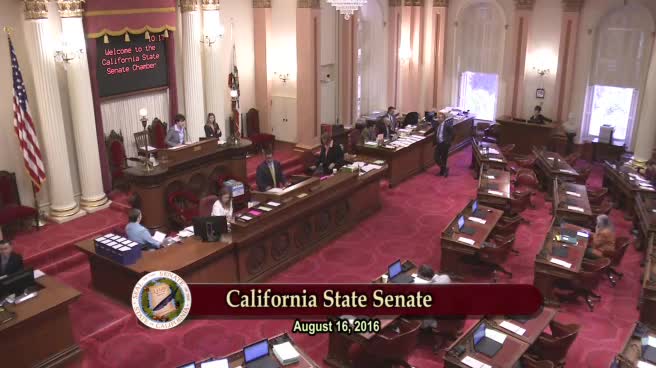 5MIN
Senate Floor
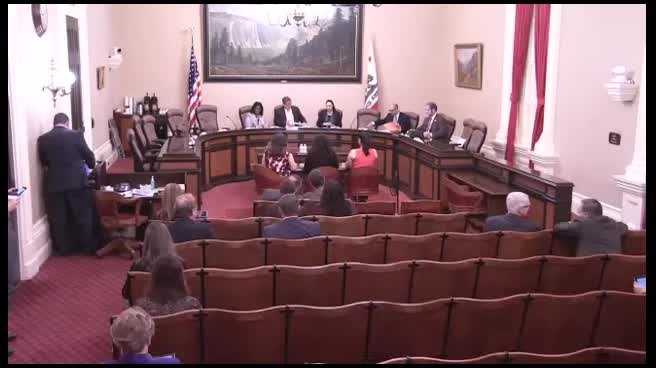 3MIN
Senate Standing Committee on Governance and Finance
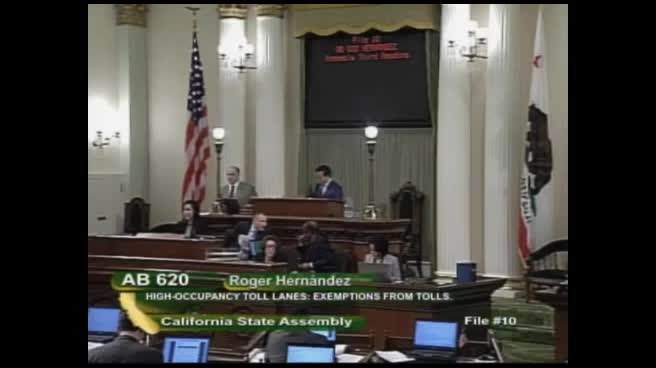 5MIN
Assembly Floor
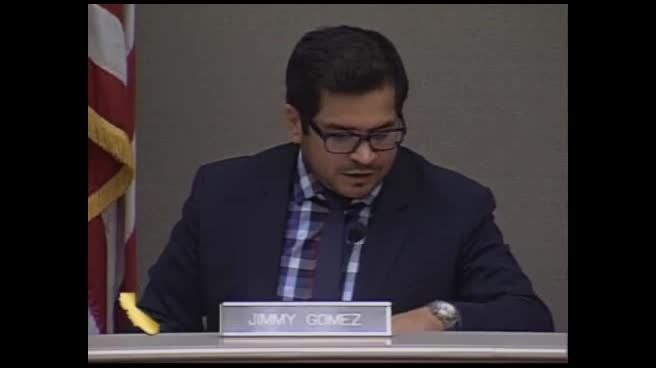 4MIN
Assembly Standing Committee on Appropriations
Bill Author

Bill Co-Author(s):