AB 881: Pupils: grounds for suspension and expulsion: bullying.
- Session Year: 2015-2016
- House: Assembly
- Latest Version Date: 2015-07-14
Existing law prohibits the suspension, or recommendation for expulsion, of a pupil from school unless the superintendent of the school district or the principal of the school determines that the pupil has committed any of various specified acts, including, but not limited to, engaging in an act of bullying by means of an electronic act. Existing law further defines electronic act as both the creation and transmission originated on or off the schoolsite, by means of an electronic device, including, but not limited to, a telephone, wireless telephone, or other wireless communication device, computer, or pager, of a communication, as specified.
This bill would instead, for purposes of pupil suspension or recommendation for expulsion from a school, define electronic act as either the creation or transmission of that communication, as specified.
A pupil shall not be suspended from school or recommended for expulsion, unless the superintendent of the school district or the principal of the school in which the pupil is enrolled determines that the pupil has committed an act as defined pursuant to any of subdivisions (a) to (r), inclusive:
(a)(1)Caused, attempted to cause, or threatened to cause physical injury to another person.
(2)Willfully used force or violence upon the person of another, except in self-defense.
(b)Possessed, sold, or otherwise furnished a firearm, knife, explosive, or other dangerous object, unless, in the case of possession of an object of this type, the pupil had obtained written permission to possess the item from a certificated school employee, which is concurred in by the principal or the designee of the principal.
(c)Unlawfully possessed, used, sold, or otherwise furnished, or been under the influence of, a controlled substance listed in Chapter 2 (commencing with Section 11053) of Division 10 of the Health and Safety Code, an alcoholic beverage, or an intoxicant of any kind.
(d)Unlawfully offered, arranged, or negotiated to sell a controlled substance listed in Chapter 2 (commencing with Section 11053) of Division 10 of the Health and Safety Code, an alcoholic beverage, or an intoxicant of any kind, and either sold, delivered, or otherwise furnished to a person another liquid, substance, or material and represented the liquid, substance, or material as a controlled substance, alcoholic beverage, or intoxicant.
(e)Committed or attempted to commit robbery or extortion.
(f)Caused or attempted to cause damage to school property or private property.
(g)Stole or attempted to steal school property or private property.
(h)Possessed or used tobacco, or products containing tobacco or nicotine products, including, but not limited to, cigarettes, cigars, miniature cigars, clove cigarettes, smokeless tobacco, snuff, chew packets, and betel. However, this section does not prohibit the use or possession by a pupil of his or her own prescription products.
(i)Committed an obscene act or engaged in habitual profanity or vulgarity.
(j)Unlawfully possessed or unlawfully offered, arranged, or negotiated to sell drug paraphernalia, as defined in Section 11014.5 of the Health and Safety Code.
(k)(1)Disrupted school activities or otherwise willfully defied the valid authority of supervisors, teachers, administrators, school officials, or other school personnel engaged in the performance of their duties.
(2)Except as provided in Section 48910, a pupil enrolled in kindergarten or any of grades 1 to 3, inclusive, shall not be suspended for any of the acts enumerated in this subdivision, and this subdivision shall not constitute grounds for a pupil enrolled in kindergarten or any of grades 1 to 12, inclusive, to be recommended for expulsion. This paragraph shall become inoperative on July 1, 2018, unless a later enacted statute that becomes operative before July 1, 2018, deletes or extends that date.
(l)Knowingly received stolen school property or private property.
(m)Possessed an imitation firearm. As used in this section, imitation firearm means a replica of a firearm that is so substantially similar in physical properties to an existing firearm as to lead a reasonable person to conclude that the replica is a firearm.
(n)Committed or attempted to commit a sexual assault as defined in Section 261, 266c, 286, 288, 288a, or 289 of the Penal Code or committed a sexual battery as defined in Section 243.4 of the Penal Code.
(o)Harassed, threatened, or intimidated a pupil who is a complaining witness or a witness in a school disciplinary proceeding for purposes of either preventing that pupil from being a witness or retaliating against that pupil for being a witness, or both.
(p)Unlawfully offered, arranged to sell, negotiated to sell, or sold the prescription drug Soma.
(q)Engaged in, or attempted to engage in, hazing. For purposes of this subdivision, hazing means a method of initiation or preinitiation into a pupil organization or body, whether or not the organization or body is officially recognized by an educational institution, that is likely to cause serious bodily injury or personal degradation or disgrace resulting in physical or mental harm to a former, current, or prospective pupil. For purposes of this subdivision, hazing does not include athletic events or school-sanctioned events.
(r)Engaged in an act of bullying. For purposes of this subdivision, the following terms have the following meanings:
(1) Bullying means any severe or pervasive physical or verbal act or conduct, including communications made in writing or by means of an electronic act, and including one or more acts committed by a pupil or group of pupils as defined in Section 48900.2, 48900.3, or 48900.4, directed toward one or more pupils that has or can be reasonably predicted to have the effect of one or more of the following:
(A)Placing a reasonable pupil or pupils in fear of harm to that pupils or those pupils person or property.
(B)Causing a reasonable pupil to experience a substantially detrimental effect on his or her physical or mental health.
(C)Causing a reasonable pupil to experience substantial interference with his or her academic performance.
(D)Causing a reasonable pupil to experience substantial interference with his or her ability to participate in or benefit from the services, activities, or privileges provided by a school.
(2)(A)Electronic act means the creation or transmission originated on or off the schoolsite, by means of an electronic device, including, but not limited to, a telephone, wireless telephone, or other wireless communication device, computer, or pager, of a communication, including, but not limited to, any of the following:
(i)A message, text, sound, or image.
(ii)A post on a social network Internet Web site, including, but not limited to:
(I)Posting to or creating a burn page. Burn page means an Internet Web site created for the purpose of having one or more of the effects listed in paragraph (1).
(II)Creating a credible impersonation of another actual pupil for the purpose of having one or more of the effects listed in paragraph (1). Credible impersonation means to knowingly and without consent impersonate a pupil for the purpose of bullying the pupil and such that another pupil would reasonably believe, or has reasonably believed, that the pupil was or is the pupil who was impersonated.
(III)Creating a false profile for the purpose of having one or more of the effects listed in paragraph (1). False profile means a profile of a fictitious pupil or a profile using the likeness or attributes of an actual pupil other than the pupil who created the false profile.
(B)Notwithstanding paragraph (1) and subparagraph (A), an electronic act shall not constitute pervasive conduct solely on the basis that it has been transmitted on the Internet or is currently posted on the Internet.
(3)Reasonable pupil means a pupil, including, but not limited to, an exceptional needs pupil, who exercises average care, skill, and judgment in conduct for a person of his or her age, or for a person of his or her age with his or her exceptional needs.
(s)A pupil shall not be suspended or expelled for any of the acts enumerated in this section unless the act is related to a school activity or school attendance occurring within a school under the jurisdiction of the superintendent of the school district or principal or occurring within any other school district. A pupil may be suspended or expelled for acts that are enumerated in this section and related to a school activity or school attendance that occur at any time, including, but not limited to, any of the following:
(1)While on school grounds.
(2)While going to or coming from school.
(3)During the lunch period whether on or off the campus.
(4)During, or while going to or coming from, a school-sponsored activity.
(t)A pupil who aids or abets, as defined in Section 31 of the Penal Code, the infliction or attempted infliction of physical injury to another person may be subject to suspension, but not expulsion, pursuant to this section, except that a pupil who has been adjudged by a juvenile court to have committed, as an aider and abettor, a crime of physical violence in which the victim suffered great bodily injury or serious bodily injury shall be subject to discipline pursuant to subdivision (a).
(u)As used in this section, school property includes, but is not limited to, electronic files and databases.
(v)For a pupil subject to discipline under this section, a superintendent of the school district or principal may use his or her discretion to provide alternatives to suspension or expulsion that are age appropriate and designed to address and correct the pupils specific misbehavior as specified in Section 48900.5.
(w)It is the intent of the Legislature that alternatives to suspension or expulsion be imposed against a pupil who is truant, tardy, or otherwise absent from school activities.
A pupil shall not be suspended from school or recommended for expulsion, unless the superintendent of the school district or the principal of the school in which the pupil is enrolled determines that the pupil has committed an act as defined pursuant to any of subdivisions (a) to (r), inclusive:
(a)(1)Caused, attempted to cause, or threatened to cause physical injury to another person.
(2)Willfully used force or violence upon the person of another, except in self-defense.
(b)Possessed, sold, or otherwise furnished a firearm, knife, explosive, or other dangerous object, unless, in the case of possession of an object of this type, the pupil had obtained written permission to possess the item from a certificated school employee, which is concurred in by the principal or the designee of the principal.
(c)Unlawfully possessed, used, sold, or otherwise furnished, or been under the influence of, a controlled substance listed in Chapter 2 (commencing with Section 11053) of Division 10 of the Health and Safety Code, an alcoholic beverage, or an intoxicant of any kind.
(d)Unlawfully offered, arranged, or negotiated to sell a controlled substance listed in Chapter 2 (commencing with Section 11053) of Division 10 of the Health and Safety Code, an alcoholic beverage, or an intoxicant of any kind, and either sold, delivered, or otherwise furnished to a person another liquid, substance, or material and represented the liquid, substance, or material as a controlled substance, alcoholic beverage, or intoxicant.
(e)Committed or attempted to commit robbery or extortion.
(f)Caused or attempted to cause damage to school property or private property.
(g)Stole or attempted to steal school property or private property.
(h)Possessed or used tobacco, or products containing tobacco or nicotine products, including, but not limited to, cigarettes, cigars, miniature cigars, clove cigarettes, smokeless tobacco, snuff, chew packets, and betel. However, this section does not prohibit the use or possession by a pupil of his or her own prescription products.
(i)Committed an obscene act or engaged in habitual profanity or vulgarity.
(j)Unlawfully possessed or unlawfully offered, arranged, or negotiated to sell drug paraphernalia, as defined in Section 11014.5 of the Health and Safety Code.
(k)(1)Disrupted school activities or otherwise willfully defied the valid authority of supervisors, teachers, administrators, school officials, or other school personnel engaged in the performance of their duties.
(2)Except as provided in Section 48910, a pupil enrolled in kindergarten or any of grades 1 to 3, inclusive, shall not be suspended for any of the acts enumerated in this subdivision, and this subdivision shall not constitute grounds for a pupil enrolled in kindergarten or any of grades 1 to 12, inclusive, to be recommended for expulsion. This paragraph shall become inoperative on July 1, 2018, unless a later enacted statute that becomes operative before July 1, 2018, deletes or extends that date.
(l)Knowingly received stolen school property or private property.
(m)Possessed an imitation firearm. As used in this section, imitation firearm means a replica of a firearm that is so substantially similar in physical properties to an existing firearm as to lead a reasonable person to conclude that the replica is a firearm.
(n)Committed or attempted to commit a sexual assault as defined in Section 261, 266c, 286, 288, 288a, or 289 of the Penal Code or committed a sexual battery as defined in Section 243.4 of the Penal Code.
(o)Harassed, threatened, or intimidated a pupil who is a complaining witness or a witness in a school disciplinary proceeding for purposes of either preventing that pupil from being a witness or retaliating against that pupil for being a witness, or both.
(p)Unlawfully offered, arranged to sell, negotiated to sell, or sold the prescription drug Soma.
(q)Engaged in, or attempted to engage in, hazing. For purposes of this subdivision, hazing means a method of initiation or preinitiation into a pupil organization or body, whether or not the organization or body is officially recognized by an educational institution, which that is likely to cause serious bodily injury or personal degradation or disgrace resulting in physical or mental harm to a former, current, or prospective pupil. For purposes of this subdivision, hazing does not include athletic events or school-sanctioned events.
(r)Engaged in an act of bullying. For purposes of this subdivision, the following terms have the following meanings:
(1) Bullying means any severe or pervasive physical or verbal act or conduct, including communications made in writing or by means of an electronic act, and including one or more acts committed by a pupil or group of pupils as defined in Section 48900.2, 48900.3, or 48900.4, directed toward one or more pupils that has or can be reasonably predicted to have the effect of one or more of the following:
(A)Placing a reasonable pupil or pupils in fear of harm to that pupils or those pupils person or property.
(B)Causing a reasonable pupil to experience a substantially detrimental effect on his or her physical or mental health.
(C)Causing a reasonable pupil to experience substantial interference with his or her academic performance.
(D)Causing a reasonable pupil to experience substantial interference with his or her ability to participate in or benefit from the services, activities, or privileges provided by a school.
(2)(A)Electronic act means the creation and or transmission originated on or off the schoolsite, by means of an electronic device, including, but not limited to, a telephone, wireless telephone, or other wireless communication device, computer, or pager, of a communication, including, but not limited to, any of the following:
(i)A message, text, sound, or image.
(ii)A post on a social network Internet Web site, including, but not limited to:
(I)Posting to or creating a burn page. Burn page means an Internet Web site created for the purpose of having one or more of the effects listed in paragraph (1).
(II)Creating a credible impersonation of another actual pupil for the purpose of having one or more of the effects listed in paragraph (1). Credible impersonation means to knowingly and without consent impersonate a pupil for the purpose of bullying the pupil and such that another pupil would reasonably believe, or has reasonably believed, that the pupil was or is the pupil who was impersonated.
(III)Creating a false profile for the purpose of having one or more of the effects listed in paragraph (1). False profile means a profile of a fictitious pupil or a profile using the likeness or attributes of an actual pupil other than the pupil who created the false profile.
(B)Notwithstanding paragraph (1) and subparagraph (A), an electronic act shall not constitute pervasive conduct solely on the basis that it has been transmitted on the Internet or is currently posted on the Internet.
(3)Reasonable pupil means a pupil, including, but not limited to, an exceptional needs pupil, who exercises average care, skill, and judgment in conduct for a person of his or her age, or for a person of his or her age with his or her exceptional needs.
(s)A pupil shall not be suspended or expelled for any of the acts enumerated in this section unless the act is related to a school activity or school attendance occurring within a school under the jurisdiction of the superintendent of the school district or principal or occurring within any other school district. A pupil may be suspended or expelled for acts that are enumerated in this section and related to a school activity or school attendance that occur at any time, including, but not limited to, any of the following:
(1)While on school grounds.
(2)While going to or coming from school.
(3)During the lunch period whether on or off the campus.
(4)During, or while going to or coming from, a school-sponsored activity.
(t)A pupil who aids or abets, as defined in Section 31 of the Penal Code, the infliction or attempted infliction of physical injury to another person may be subject to suspension, but not expulsion, pursuant to this section, except that a pupil who has been adjudged by a juvenile court to have committed, as an aider and abettor, a crime of physical violence in which the victim suffered great bodily injury or serious bodily injury shall be subject to discipline pursuant to subdivision (a).
(u)As used in this section, school property includes, but is not limited to, electronic files and databases.
(v)For a pupil subject to discipline under this section, a superintendent of the school district or principal may use his or her discretion to provide alternatives to suspension or expulsion that are age appropriate and designed to address and correct the pupils specific misbehavior as specified in Section 48900.5.
(w)It is the intent of the Legislature that alternatives to suspension or expulsion be imposed against a pupil who is truant, tardy, or otherwise absent from school activities.
|
Date
|
Status
|
|---|---|
| May 7, 2015 | Referred to Com. on ED. |
| Jul 14, 2015 | Chaptered by Secretary of State - Chapter 87, Statutes of 2015. |
| Jul 14, 2015 | Approved by the Governor. |
| Jul 2, 2015 | Enrolled and presented to the Governor at 1 p.m. |
| Jun 25, 2015 | Read third time. Passed. Ordered to the Assembly. (Ayes 38. Noes 0. Page 1612.). |
| Jun 25, 2015 | Read third time. Passed. Ordered to the Assembly. |
| Jun 25, 2015 | In Assembly. Ordered to Engrossing and Enrolling. |
| Jun 11, 2015 | Read second time. Ordered to third reading. |
| Jun 10, 2015 | From committee: Do pass. (Ayes 8. Noes 0.) (June 10). |
| Feb 26, 2015 | Read first time. To print. |
| Apr 16, 2015 | Read third time. Passed. Ordered to the Senate. (Ayes 78. Noes 0. Page 973.) |
| Apr 16, 2015 | Read third time. Passed. Ordered to the Senate. |
| Apr 16, 2015 | In Senate. Read first time. To Com. on RLS. for assignment. |
| Apr 13, 2015 | Read second time. Ordered to third reading. |
| Apr 9, 2015 | From committee: Do pass. (Ayes 7. Noes 0.) (April 8). |
| Mar 16, 2015 | Referred to Com. on ED. |
| Feb 27, 2015 | From printer. May be heard in committee March 29. |
|
Date
|
Description
|
Location
|
Votes
|
|
|---|---|---|---|---|
| Jun 25, 2015 | Assembly 3rd Reading AB881 Cristina Garcia By Liu | Senate Floor |
Passed |
|
| Jun 10, 2015 | Do pass | Senate Standing Committee on Education |
Passed |
|
| Apr 16, 2015 | AB 881 GARCIA, C. Assembly Third Reading | Assembly Floor |
Passed |
|
| Apr 8, 2015 | Do pass. | Assembly Standing Committee on Education |
Passed |
This list shows positions taken on this bill by organizations on the date displayed, which is linked to the original source.
Positions by individuals are not included.
|
Organization
|
Position
|
Date
|
|---|---|---|
| American Civil Liberties Union of California | ** Against | Jun 25, 2015 |
| Arc and United Cerebral Palsy California Coalition | * Support | Jun 10, 2015 |
| Association of California Regional Center Agencies | ** Support | Apr 8, 2015 |
| California Federation Of Teachers | ** Support | Jun 25, 2015 |
| California School Boards Association | ** Support | Jun 25, 2015 |
| California Teacher Association | ** Support | Jun 25, 2015 |
| Gay-Straight Alliance Network of California | ** Against | Jun 10, 2015 |
| GSA Network of California | ** Against | Jun 25, 2015 |
| Junior League of Long Beach | ** Support | Jun 25, 2015 |
| Legal Services for Children | ** Against | Apr 8, 2015 |
| National Center for Youth Law | ** Against | Jun 25, 2015 |
| Public Counsel | ** Against | Jun 25, 2015 |
| San Francisco Unified School District | ** Support | Jun 25, 2015 |
| State Council on Developmental Disabilities | ** Support | Jun 25, 2015 |
AB 881
Page 4
|
Office of Senate Floor Analyses (916) 651-1520 Fax: (916) 327-4478 |
THIRD READING
Bill No: AB 881
Introduced: 2/26/15
SENATE EDUCATION COMMITTEE: 8-0, 6/10/15
AYES: Liu, Runner, Block, Leyva, Mendoza, Monning, Pan, Vidak
NO VOTE RECORDED: Hancock
ASSEMBLY FLOOR: 78-0, 4/16/15 - See last page for vote
SUBJECT: Pupils: grounds for suspension and expulsion: bullying
DIGEST: This bill expands the definition of “bullying by an electronic act,” from the “creation and transmission” of a communication to the “creation or transmission” of a communication by means of an electronic device.
Existing law:
Prohibits a pupil from being suspended or recommended for expulsion unless the principal of the school determines that the pupil has committed certain acts, and gives schools the discretion to take action for most offenses. (Education Code § 48900)
Authorizes, schools to suspend or recommend for expulsion a pupil who engages in an act of bullying, which is defined as any severe or pervasive physical or verbal act or conduct, including communications made in writing or by means of an electronic act, directed toward one or more pupils that has or can be reasonably predicted to have the effect of one or more of the following:
Placing a reasonable student or students in fear of harm to that student’s or those students’ person or property.
Causing a reasonable student to experience a substantially detrimental effect on his or her physical or mental health.
Causing a reasonable student to experience substantial interference with his or her academic performance.
Causing a reasonable student to experience substantial interference with his or her ability to participate in or benefit from the services, activities, or privileges provided by a school. (EC § 48900(r)(1))
Defines “electronic act” as the creation and transmission of a communication originated on or off school sites, by means of an electronic device, including but not limited to a telephone, wireless telephone, or other wireless communication device, computer, or pager, of a communication, including but not limited to any of the following:
A message, text, sounds, or image.
A post on a social network website including, but not limited to:
Posting to or creating a burn page, as defined, created for the purpose of having one or more of the effects listed above.
Creating a credible impersonation of another actual student, as defined, for the purpose of having one or more of the effects listed above.
Creating a false profile, as defined, for the purpose of having one or more of the effects listed above. (EC § 48900(r)(2))
This bill expands the definition of “bullying by an electronic act,” from the “creation and transmission” of a communication to the “creation or transmission” of a communication by means of an electronic device.
Comments
Need for the bill: According to the author, concerns have been raised that prior legislation, AB 256 (Garcia, Chapter 700, Statutes of 2013), may have inadvertently narrowed the definition of bullying via an electronic act, by defining "electronic act" as the creation and transmission of a communication. These provisions limit a principal or superintendent's ability to suspend or expel a student to only those incidences where a student created and transmitted a communication via an electronic device. A principal or superintendent is unable to suspend or recommend expulsion if a student did not create the communication but took part in transmitting it to others.
This bill broadens the definition of bullying via an electronic act, by clarifying that an “electronic act” means the creation or transmission of any communication.
Currently authorized to suspend or recommend for expulsion. Existing law authorizes schools to suspend, or recommend for expulsion, a student who has been found to engage in an act of bullying provided that the behavior is related to attendance or school activity regardless of the time of day.
Prior to suspending a student for bullying, schools must first
determine that the victim is in fear of harm, the act has a
substantially detrimental effect on the victim’s health, academic
performance, or the victim experiences substantial interference with
his or her ability to participate in or benefit from school services
or activities. As such, a student cannot be suspended or recommended
for expulsion unless the act disrupts a school activity or
attendance.
Alternatives to out-of-school suspension. Existing law provides that suspension may be imposed only when other means of correction fail to bring about proper conduct. Before a student can be suspended, an informal conference between the principal, student and whenever practicable, the teacher, supervisor or school employee must take place. Schools may also consider alternative forms of corrective action, such as in-school suspension.
This bill provides an additional tool for addressing student conduct issues should alternative means of corrective action fail.
FISCAL EFFECT: Appropriation: No Fiscal Com.: No Local: No
California Association for Health, Physical Education, Recreation, and Dance
California Federation of Teachers
California School Boards Association
California Teacher Association
Junior League of Long Beach
Public Affairs Committee of the Junior Leagues of California
San Francisco Unified School District
State Council on Developmental Disabilities
OPPOSITION: (Verified 6/11/15)
American Civil Liberties Union of California
GSA Network of California
National Center for Youth Law
Public Counsel
AYES: Achadjian, Alejo, Travis Allen, Baker, Bigelow, Bloom, Bonilla, Bonta, Brough, Brown, Burke, Calderon, Campos, Chang, Chau, Chávez, Chiu, Chu, Cooley, Cooper, Dababneh, Dahle, Daly, Dodd, Eggman, Frazier, Beth Gaines, Gallagher, Cristina Garcia, Eduardo Garcia, Gatto, Gipson, Gomez, Gonzalez, Gordon, Gray, Grove, Hadley, Harper, Roger Hernández, Holden, Irwin, Jones, Jones-Sawyer, Kim, Lackey, Levine, Linder, Lopez, Low, Maienschein, Mathis, Mayes, McCarty, Medina, Melendez, Mullin, Nazarian, O'Donnell, Olsen, Patterson, Perea, Rendon, Ridley-Thomas, Rodriguez, Salas, Santiago, Steinorth, Mark Stone, Thurmond, Ting, Wagner, Waldron, Weber, Wilk, Williams, Wood, Atkins
NO VOTE RECORDED: Obernolte, Quirk
Prepared by: Olgalilia Ramirez / ED. / (916) 651-4105
6/18/15 14:33:00
**** END ****
AB 881
Page 4
|
Office of Senate Floor Analyses (916) 651-1520 Fax: (916) 327-4478 |
THIRD READING
Bill No: AB 881
Introduced: 2/26/15
SENATE EDUCATION COMMITTEE: 8-0, 6/10/15
AYES: Liu, Runner, Block, Leyva, Mendoza, Monning, Pan, Vidak
NO VOTE RECORDED: Hancock
ASSEMBLY FLOOR: 78-0, 4/16/15 - See last page for vote
SUBJECT: Pupils: grounds for suspension and expulsion: bullying
DIGEST: This bill expands the definition of “bullying by an electronic act,” from the “creation and transmission” of a communication to the “creation or transmission” of a communication by means of an electronic device.
Existing law:
Prohibits a pupil from being suspended or recommended for expulsion unless the principal of the school determines that the pupil has committed certain acts, and gives schools the discretion to take action for most offenses. (Education Code § 48900)
Authorizes, schools to suspend or recommend for expulsion a pupil who engages in an act of bullying, which is defined as any severe or pervasive physical or verbal act or conduct, including communications made in writing or by means of an electronic act, directed toward one or more pupils that has or can be reasonably predicted to have the effect of one or more of the following:
Placing a reasonable student or students in fear of harm to that student’s or those students’ person or property.
Causing a reasonable student to experience a substantially detrimental effect on his or her physical or mental health.
Causing a reasonable student to experience substantial interference with his or her academic performance.
Causing a reasonable student to experience substantial interference with his or her ability to participate in or benefit from the services, activities, or privileges provided by a school. (EC § 48900(r)(1))
Defines “electronic act” as the creation and transmission of a communication originated on or off school sites, by means of an electronic device, including but not limited to a telephone, wireless telephone, or other wireless communication device, computer, or pager, of a communication, including but not limited to any of the following:
A message, text, sounds, or image.
A post on a social network website including, but not limited to:
Posting to or creating a burn page, as defined, created for the purpose of having one or more of the effects listed above.
Creating a credible impersonation of another actual student, as defined, for the purpose of having one or more of the effects listed above.
Creating a false profile, as defined, for the purpose of having one or more of the effects listed above. (EC § 48900(r)(2))
This bill expands the definition of “bullying by an electronic act,” from the “creation and transmission” of a communication to the “creation or transmission” of a communication by means of an electronic device.
Comments
Need for the bill: According to the author, concerns have been raised that prior legislation, AB 256 (Garcia, Chapter 700, Statutes of 2013), may have inadvertently narrowed the definition of bullying via an electronic act, by defining "electronic act" as the creation and transmission of a communication. These provisions limit a principal or superintendent's ability to suspend or expel a student to only those incidences where a student created and transmitted a communication via an electronic device. A principal or superintendent is unable to suspend or recommend expulsion if a student did not create the communication but took part in transmitting it to others.
This bill broadens the definition of bullying via an electronic act, by clarifying that an “electronic act” means the creation or transmission of any communication.
Currently authorized to suspend or recommend for expulsion. Existing law authorizes schools to suspend, or recommend for expulsion, a student who has been found to engage in an act of bullying provided that the behavior is related to attendance or school activity regardless of the time of day.
Prior to suspending a student for bullying, schools must first
determine that the victim is in fear of harm, the act has a
substantially detrimental effect on the victim’s health, academic
performance, or the victim experiences substantial interference with
his or her ability to participate in or benefit from school services
or activities. As such, a student cannot be suspended or recommended
for expulsion unless the act disrupts a school activity or
attendance.
Alternatives to out-of-school suspension. Existing law provides that suspension may be imposed only when other means of correction fail to bring about proper conduct. Before a student can be suspended, an informal conference between the principal, student and whenever practicable, the teacher, supervisor or school employee must take place. Schools may also consider alternative forms of corrective action, such as in-school suspension.
This bill provides an additional tool for addressing student conduct issues should alternative means of corrective action fail.
FISCAL EFFECT: Appropriation: No Fiscal Com.: No Local: No
California Association for Health, Physical Education, Recreation, and Dance
California Federation of Teachers
California School Boards Association
California Teacher Association
Junior League of Long Beach
Public Affairs Committee of the Junior Leagues of California
San Francisco Unified School District
State Council on Developmental Disabilities
American Civil Liberties Union of California
GSA Network of California
National Center for Youth Law
Public Counsel
AYES: Achadjian, Alejo, Travis Allen, Baker, Bigelow, Bloom, Bonilla, Bonta, Brough, Brown, Burke, Calderon, Campos, Chang, Chau, Chávez, Chiu, Chu, Cooley, Cooper, Dababneh, Dahle, Daly, Dodd, Eggman, Frazier, Beth Gaines, Gallagher, Cristina Garcia, Eduardo Garcia, Gatto, Gipson, Gomez, Gonzalez, Gordon, Gray, Grove, Hadley, Harper, Roger Hernández, Holden, Irwin, Jones, Jones-Sawyer, Kim, Lackey, Levine, Linder, Lopez, Low, Maienschein, Mathis, Mayes, McCarty, Medina, Melendez, Mullin, Nazarian, O'Donnell, Olsen, Patterson, Perea, Rendon, Ridley-Thomas, Rodriguez, Salas, Santiago, Steinorth, Mark Stone, Thurmond, Ting, Wagner, Waldron, Weber, Wilk, Williams, Wood, Atkins
NO VOTE RECORDED: Obernolte, Quirk
Prepared by: Olgalilia Ramirez / ED. / (916) 651-4105
6/12/15 10:10:37
**** END ****
AB 881 (Cristina Garcia) Page 3 of 3
SENATE COMMITTEE ON EDUCATION
Senator Carol Liu, Chair
2015 - 2016 Regular
Bill No: AB 881
Author: |
Cristina Garcia |
||
Version: |
February 26, 2015 Hearing Date: June 10, 2015 |
||
Urgency: |
No |
Fiscal: |
No |
Consultant: |
Olgalilia Ramirez |
||
Subject: Pupils: grounds for suspension and expulsion: bullying
SUMMARY
This bill expands the definition of” bullying by an electronic act,” from the “creation and transmission” of a communication to the “creation or transmission” of a communication by means of an electronic device.
BACKGROUND
Existing law:
Prohibits a pupil from being suspended or recommended for expulsion unless the principal of the school determines that the pupil has committed certain acts, and gives schools the discretion to take action for most offenses.
(Education Code § 48900)
Authorizes, schools to suspend or recommend for expulsion a pupil who engages in an act of bullying, which is defined as any severe or pervasive physical or verbal act or conduct, including communications made in writing or by means of an electronic act, directed toward one or more pupils that has or can be reasonably predicted to have the effect of one or more of the following:
Placing a reasonable student or students in fear of harm to that student’s or those students’ person or property.
Causing a reasonable student to experience a substantially detrimental effect on his or her physical or mental health.
Causing a reasonable student to experience substantial interference with his or her academic performance.
Causing a reasonable student to experience substantial interference with his or her ability to participate in or benefit from the services, activities, or privileges provided by a school. (EC § 48900(r)(1))
Defines “electronic act” as the creation and transmission of a communication originated on or off school sites, by means of an electronic device, including but not limited to a telephone, wireless telephone, or other wireless communication device, computer, or pager, of a communication, including but not limited to any of the following:
A message, text, sounds, or image.
A post on a social network website including, but not limited to:
Posting to or creating a burn page, as defined, created for the purpose of having one or more of the effects listed above.
Creating a credible impersonation of another actual student, as defined, for the purpose of having one or more of the effects listed above.
Creating a false profile, as defined, for the purpose of having one or more of the effects listed above. (EC § 48900(r)(2))
ANALYSIS
This bill expands the definition of “bullying by an electronic act,” from the “creation and transmission” of a communication to the “creation or transmission” of a communication by means of an electronic device.
STAFF COMMENTS
Need for the bill: According to the author, concerns have been raised that prior legislation, AB 256, may have inadvertently narrowed the definition of bullying via an electronic act, by defining "electronic act" as the creation and transmission of a communication. These provisions limit a principal or superintendent's ability to suspend or expel a student to only those incidences where a student created and transmitted a communication via an electronic device. A principal or superintendent is unable to suspend or recommend expulsion if a student did not create the communication but took part in transmitting it to others.
This bill broadens the definition of bullying via an electronic act, by clarifying that an “electronic act” means the creation or transmission of any communication.
Currently authorized to suspend or recommend for expulsion. Existing law authorizes schools to suspend, or recommend for expulsion, a student who has been found to engage in an act of bullying provided that the behavior is related to attendance or school activity regardless of the time of day.
Prior to suspending a student for bullying, schools must first
determine that the victim is in fear of harm, the act has a
substantially detrimental effect on the victim’s health, academic
performance, or the victim experiences substantial interference with
his or her ability to participate in or benefit from school services
or activities. As such, a student cannot be suspended or recommended
for expulsion unless the act disrupts a school activity or
attendance.
Alternatives to out-of-school suspension. Existing law provides that suspension may be imposed only when other means of correction fail to bring about proper conduct. Before a student can be suspended, an informal conference between the principal, student and whenever practicable, the teacher, supervisor or school employee must take place. Schools may also consider alternative forms of corrective action, such as in-school suspension.
This bill provides an additional tool for addressing student conduct issues should alternative means of corrective action fail.
4)
PRIOR LEGISLATION
AB 1450 (Garcia, 2014) which is identical to this bill was subsequently gutted and amended on the Senate floor. AB 1450 passed this committee 7-2 and was transmitted to the Senate Floor.
SUPPORT
California Association for Health, Physical Education, Recreation and Dance (CAHPERD)
California Federation of Teachers
California School Boards Association
California Teachers Association
San Francisco Unified School District
State Public Affairs Committee Junior Leagues of California
OPPOSITION
American Civil Liberties Union of California
Gay-Straight Alliance Network of California
National Center for Youth Law
Public Counsel
-- END --
AB 881
Page 2
ASSEMBLY THIRD READING
AB 881
(Cristina Garcia)
As Introduced February 26, 2015
Majority vote
Committee |
Votes |
Ayes |
Noes |
Education |
7-0 |
O'Donnell, Chávez, Kim, McCarty, Santiago, Thurmond, Weber |
|
SUMMARY: Revises, for the purposes of pupil suspension and expulsion, the definition of bullying via an electronic act from the "creation and transmission" of a communication to the "creation or transmission" of a communication, via an electronic device, originated on or off the schoolsite.
FISCAL EFFECT: None. This bill is keyed non-fiscal by the Legislative Counsel.
COMMENTS: Under existing law, a principal or a superintendent may suspend or recommend expulsion of a pupil for committing any of a number of specified acts, including bullying and bullying via an electronic act (cyberbullying). "Bullying" is defined as any severe or pervasive physical or verbal act or conduct, including communications made in writing or by means of an electronic act, and including one or more acts committed by a pupil or group of pupils engaging in sexual harassment, hate violence, harassment, threats, or intimidation, directed toward one or more pupils that has or can be reasonably predicted to cause fear and have an impact on a student's physical and mental health, academic performance, or a student's ability to participate in school and school activities.
AB 256 (Garcia), Chapter 700, Statutes of 2013, amended the definition of an "electronic act" to mean the creation and transmission of a communication, by means of an electronic device, that may be originated on or off the schoolsite. Prior to AB 256, the definition of an "electronic act" only referenced the transmission of a communication via an electronic device, and was silent on whether the act must be generated and/or transmitted on or off the schoolsite. While the courts have ruled that cyberbullying is contingent on whether an action causes a substantial disruption to school activities or work of a school, regardless of where the action took place, AB 256 made it clear in the law that where the communication was created and transmitted does not matter. Concerns have been raised that AB 256 may have inadvertently narrowed the definition of bullying via an electronic act, by defining "electronic act" as the creation and transmission of a communication, which limits a principal or superintendent's ability to suspend or expel a pupil to only those incidences where a pupil created and transmitted a communication via an electronic device, and prevents a principal or superintendent from suspending or recommending expulsion if a pupil did not create the communication but took part in transmitting it to others. This bill changes "creation and transmission" to "creation or transmission." This bill will not result in automatic suspension or expulsion. Principals and superintendents continue to have the discretion to determine whether the act causes a substantial disruption to school activities or work of a school.
Arguments in support. The Association of Regional Center Agencies supports the bill and states, "Cyber-bullying has made it possible for individuals whose torment might be somewhat more limited and public be pervasive, constant, and (literally) global. Current law describes, for the purposes of bullying, text messages and social media posts, among other new methods of communication. But it erroneously limits the definition to mean both the act of creation and transmission. This eliminates every act of forwarding, copying, or sharing onwards any act of bullying. This bill solves this oversight with a very concise stroke of the pen, ensuring a closer adherence to the intent of the law."
Arguments in opposition. Public Counsel opposes the bill and argues that suspension of pupils is ineffective in preventing or stopping bullying. "Instead of reducing the likelihood of behavioral incidents, school suspension in general appears to predict higher future rates of misbehavior and suspension among those students who are suspended," states the organization.
Previous legislation. AB 1450 (Garcia) introduced last year, is identical to this bill. The bill passed the Assembly Education Committee, the Assembly Floor, and the Senate Education Committee with no "no" votes. The author later struck the contents of the bill and used the vehicle for another subject.
Analysis Prepared by: Sophia Kwong Kim / ED. / (916) 319-2087 FN: 0000133
AB 881
Page 3
Date of Hearing: April 8, 2015
ASSEMBLY COMMITTEE ON EDUCATION
Patrick O'Donnell, Chair
AB 881
(Cristina Garcia) – As Introduced February 26, 2015
SUBJECT: Pupils: grounds for suspension and expulsion: bullying
SUMMARY: Revises, for the purposes of pupil suspension and expulsion, the definition of bullying via an electronic act from the "creation and transmission" of a communication to the "creation or transmission" of a communication, via an electronic device, originated on or off the schoolsite.
EXISTING LAW:
Provides that a pupil may be suspended or expelled for committing any of a number of specified acts. (Education Code (EC) Sections 48900, 48900.2, 48900.3, 48900.4, 48900.7)
Defines "bullying" to mean any severe or pervasive physical or verbal act or conduct, including communications made in writing or by means of an electronic act, and including one or more acts committed by a pupil or group of pupils as defined in EC Sections 48900.2, 48900.3, or 48900.4, directed toward one or more pupils that has or can be reasonably predicted to have the effect of one or more of the following:
Placing a reasonable pupil or pupils in fear of harm to that pupil's or those pupils' person or property.
Causing a reasonable pupil to experience a substantially detrimental effect on his or her physical or mental health.
Causing a reasonable pupil to experience substantial interference with his or her academic performance.
Causing a reasonable pupil to experience substantial interference with his or her ability to participate in or benefit from the services, activities, or privileges provided by a school. (EC 48900)
Defines "electronic act" to mean the creation and transmission of a communication, originated on or off the schoolsite, by means of an electronic device, including, but not limited to, a telephone, wireless telephone, or other wireless communication device, computer, or pager, including, but not limited to, any of the following:
A message, text, sound, or image.
A post on a social network Internet Web site including, but not limited to:
Posting to or creating a burn page. "Burn page" means an Internet Web site created for the purpose of having one or more of the effects specified under the definition of bullying.
Creating a credible impersonation of another actual pupil for the purpose of having one or more of the effects specified under the definition of bullying. "Credible impersonation" means to knowingly and without consent impersonate a pupil for the purpose of bullying the pupil and such that another pupil would reasonably believe, or has reasonably believed, that the pupil was or is the pupil who was impersonated.
Creating a false profile for the purpose of having one or more of the effects specified under the definition of bullying. "False profile" means a profile of a fictitious pupil or a profile using the likeness or attributes of an actual pupil other than the pupil who created the false profile. (EC 48900)
Specifies that an electronic act shall not constitute pervasive conduct solely on the basis that it has been transmitted on the Internet or is currently posted on the Internet. (EC 48900)
FISCAL EFFECT: None. This bill is keyed non-fiscal by the Legislative Counsel.
COMMENTS: Under existing law, a principal or a superintendent may suspend or recommend expulsion of a pupil for committing any of a number of specified acts, including bullying and bullying via an electronic act (cyberbullying). "Bullying" is defined as any severe or pervasive physical or verbal act or conduct, including communications made in writing or by means of an electronic act, and including one or more acts committed by a pupil or group of pupils engaging in sexual harassment, hate violence, harassment, threats, or intimidation, directed toward one or more pupils that has or can be reasonably predicted to cause fear and have an impact on a student's physical and mental health, academic performance, or a student's ability to participate in school and school activities.
AB 256 (Garcia), Chapter 700, Statutes of 2013, amended the definition of an "electronic act" to mean the creation and transmission of a communication, by means of an electronic device, that may be originated on or off the schoosite. Prior to AB 256, the definition of an "electronic act" only referenced the transmission of a communication via an electronic device, and was silent on whether the act must be generated and/or transmitted on or off the schoolsite. While the courts have ruled that cyberbullying is contingent on whether an action causes a substantial disruption to school activities or work of a school, regardless of where the action took place, AB 256 made it clear in the law that where the communication was created and transmitted does not matter. Concerns have been raised that AB 256 may have inadvertently narrowed the definition of bullying via an electronic act, by defining "electronic act" as the creation and transmission of a communication, which limits a principal or superintendent's ability to suspend or expel a pupil to only those incidences where a pupil created and transmitted a communication via an electronic device, and prevents a principal or superintendent from suspending or recommending expulsion if a pupil did not create the communication but took part in transmitting it to others. This bill changes "creation and transmission" to "creation or transmission." This bill will not result in automatic suspension or expulsion. Principals and superintendents continue to have the discretion to determine whether the act causes a substantial disruption to school activities or work of a school.
Arguments in support. The Association of Regional Center Agencies supports the bill and states, "Cyber-bullying has made it possible for individuals whose torment might be somewhat more limited and public be pervasive, constant, and (literally) global. Current law describes, for the purposes of bullying, text messages and social media posts, among other new methods of communication. But it erroneously limits the definition to mean both the act of creation and transmission. This eliminates every act of forwarding, copying, or sharing onwards any act of bullying. This bill solves this oversight with a very concise stroke of the pen, ensuring a closer adherence to the intent of the law."
Arguments in opposition. Public Counsel opposes the bill and argues that suspension of pupils is ineffective in preventing or stopping bullying. "Instead of reducing the likelihood of behavioral incidents, school suspension in general appears to predict higher future rates of misbehavior and suspension among those students who are suspended," states the organization.
Previous legislation. AB 1450 (Garcia) introduced last year, is identical to this bill. The bill passed this Committee, the Assembly, and the Senate Education Committee with no "no" votes. The author later struck the contents of the bill and used the vehicle for another subject.
Previous related legislation. AB 256 (Garcia), Chapter 700, Statutes of 2013, specifies, for the purposes of pupil suspensions and expulsions, that bullying via an "electronic act" means the creation and transmission of a communication by means of an electronic device, as specified, that was originated on or off the schoolsite.
AB 1732 (Campos), Chapter 157, Statutes of 2012, specifies that bullying via an electronic act using a post on a social network Internet Web site includes a posting to or creating a burn page, creating a credible impersonation of another actual person, and creating a false profile.
AB 746 (Campos), Chapter 72, Statutes of 2011, expands the definition of bullying by means of an electronic act to include a post on a social network Internet Web site.
AB 1156 (Eng), Chapter 732, Statutes of 2011, authorizes training in the prevention of bullying, gives priority for interdistrict transfers to victims of bullying, and revises the definition of bullying.
REGISTERED SUPPORT / OPPOSITION:
Support
Association of California Regional Center Agencies
California Association for Health, Physical Education, Recreation and Dance
California Federation of Teachers
State Public Affairs Committee of the Junior Leagues of California
Opposition
ACLU
GSA Network of California
Legal Services for Children
Public Counsel
Analysis Prepared by: Sophia Kwong Kim / ED. / (916) 319-2087
Discussed in Hearing
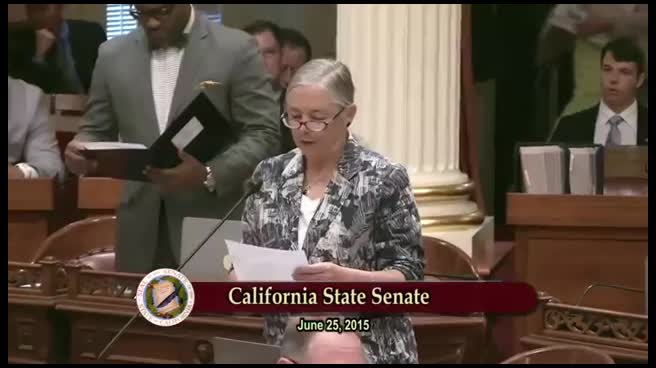 1MIN
Senate Floor
 5MIN
Senate Standing Committee on Education
 54SEC
Assembly Floor
 5MIN
Assembly Standing Committee on Education
Bill Author

Bill Co-Author(s):