AB 895: Utility rate refunds: energy crisis litigation: Public Utilities Commission: judicial review.
- Session Year: 2015-2016
- House: Assembly
- Latest Version Date: 2015-09-16
Under existing law, the Public Utilities Commission has regulatory authority over public utilities. Existing law authorizes the commission to fix the rates and charges for every public utility, and requires that those rates and charges be just and reasonable. When the commission orders rate refunds to be distributed, existing law requires the commission to require the public utility to pay refunds to all current utility customers, and, when practicable, to prior customers, on an equitable pro rata basis without regard as to whether or not the customer is classifiable as a residential or commercial tenant, landlord, homeowner, business, industrial, educational, governmental, nonprofit, agricultural, or any other type of entity.
Existing law establishes the Ratepayer Relief Fund in the State Treasury to benefit electricity and natural gas ratepayers and to fund investigation and litigation costs of the state in pursuing allegations of overcharges and unfair business practices against generators, suppliers, or marketers of electricity or natural gas arising from the energy crisis of 200002. Existing law requires that any energy settlement agreement, as defined, entered into by the Attorney General, after reimbursing the Attorney Generals litigation and investigation expenses, direct settlement funds to the following purposes in priority order: (1) to reduce ratepayer costs of those utility ratepayers harmed by the actions of the settling parties; and (2) for deposit in the Ratepayer Relief Fund. Existing law authorizes the moneys deposited in the Ratepayer Relief Fund to be appropriated for certain purposes for the benefit of ratepayers.
This bill would require the Attorney General or the Public Utilities Commission to enter into an energy settlement agreement solely on a monetary basis and would prohibit the agreement from including nonmonetary compensation in lieu of monetary compensation. The bill would prohibit the commission from distributing or expending the proceeds of claims in any litigation or settlement to obtain ratepayer recovery for the effects of the 200002 energy crisis and would require that the proceeds, after reimbursing the commissions litigation and investigation expenses, be deposited into the Ratepayer Relief Fund. The bill would require the moneys in the fund to be appropriated for those purposes for the benefit of ratepayers.
The California Constitution provides that the Legislature has plenary power to establish the manner and scope of review of commission action in a court of record. Existing law provides that only the Supreme Court and the court of appeal have jurisdiction to review, reverse, correct, or annul any order or decision of the commission or to suspend or delay the execution or operation thereof, or to enjoin, restrain, or interfere with the commission in the performance of its official duties.
This bill would authorize an action to enforce the requirements of the Bagley-Keene Open Meeting Act or the California Public Records Act to be brought against the commission in the superior court.
Under existing law, the Public Utilities Commission has regulatory authority over public utilities. Existing law authorizes the commission to fix the rates and charges for every public utility, and requires that those rates and charges be just and reasonable. When the commission orders rate refunds to be distributed, existing law requires the commission to require the public utility to pay refunds to all current utility customers, and, when practicable, to prior customers, on an equitable pro rata basis without regard as to whether or not the customer is classifiable as a residential or commercial tenant, landlord, homeowner, business, industrial, educational, governmental, nonprofit, agricultural, or any other type of entity.
Existing law establishes the Ratepayer Relief Fund in the State Treasury to benefit electricity and natural gas ratepayers and to fund investigation and litigation costs of the state in pursuing allegations of overcharges and unfair business practices against generators, suppliers, or marketers of electricity or natural gas arising from the energy crisis of 200002. Existing law requires that any energy settlement agreement, as defined, entered into by the Attorney General, after reimbursing the Attorney Generals litigation and investigation expenses, direct settlement funds to the following purposes in priority order: (1) to reduce ratepayer costs of those utility ratepayers harmed by the actions of the settling parties; and (2) for deposit in the Ratepayer Relief Fund. Existing law authorizes the moneys deposited in the Ratepayer Relief Fund to be appropriated for certain purposes for the benefit of ratepayers.
This bill would require the Attorney General or the Public Utilities Commission to enter into an energy settlement agreement solely on a monetary basis and would prohibit the agreement from including nonmonetary compensation in lieu of monetary compensation. The bill would prohibit the Public Utilities Commission commission from distributing or expending the proceeds of claims in any litigation or settlement to obtain ratepayer recovery for the effects of the 200002 energy crisis and would require that the proceeds proceeds, after reimbursing the commissions litigation and investigation expenses, be deposited into the Ratepayer Relief Fund. The bill would require the moneys in the fund to be appropriated for those purposes for the benefit of ratepayers.
Under existing law, the Public Utilities Commission has regulatory authority over public utilities. Existing law authorizes the commission to fix the rates and charges for every public utility, and requires that those rates and charges be just and reasonable. When the commission orders rate refunds to be distributed, existing law requires the commission to require the public utility to pay refunds to all current utility customers, and, when practicable, to prior customers, on an equitable pro rata basis without regard as to whether or not the customer is classifiable as a residential or commercial tenant, landlord, homeowner, business, industrial, educational, governmental, nonprofit, agricultural, or any other type of entity.
Existing law establishes the Ratepayer Relief Fund in the State Treasury to benefit electricity and natural gas ratepayers and to fund investigation and litigation costs of the state in pursuing allegations of overcharges and unfair business practices against generators, suppliers, or marketers of electricity or natural gas arising from the energy crisis of 200002. Existing law requires that any energy settlement agreement, as defined, entered into by the Attorney General, after reimbursing the Attorney Generals litigation and investigation expenses, direct settlement funds to the following purposes in priority order: (1) to reduce ratepayer costs of those utility ratepayers harmed by the actions of the settling parties; and (2) for deposit in the Ratepayer Relief Fund. Existing law authorizes the moneys deposited in the Ratepayer Relief Fund to be appropriated for certain purposes for the benefit of ratepayers.
This bill would prohibit the Public Utilities Commission from distributing or expending the proceeds of claims in any litigation or settlement to obtain ratepayer recovery for the effects of the 200002 energy crisis and would require that the proceeds be deposited into the Ratepayer Relief Fund.
(a)The Attorney General or the Public Utilities Commission shall enter into an energy settlement agreement solely on a monetary basis. The energy settlement agreement shall not include any nonmonetary compensation in lieu of monetary compensation.
(b)The section does not apply to a settlement agreement entered into before January 1, 2016.
SEC. 2.Section 16428.3 of the Government Code is amended to read:16428.3.Any energy settlement agreement entered into by the Attorney General, after reimbursing the Attorney Generals litigation and investigation expenses, to the maximum extent possible, shall direct settlement funds to the following purposes in priority order:
(a)To reduce ratepayer costs of those utility ratepayers harmed by the actions of the settling parties. To the extent the ratepayers of the investor-owned utilities were harmed, the settlement funds shall be directed to reduce their costs, to the maximum extent possible, through reduction of rates or the reduction of ratepayer debt obligations incurred as a result of the energy crisis.
(b)For deposit in the fund.
SEC. 3.Section 16428.5 of the Government Code is amended to read:16428.5.Moneys in the fund shall be expended upon appropriation by the Legislature, for the benefit of ratepayers. Moneys in the fund shall be appropriated for the following purposes:
(a)To reduce rates for customers in the affected service areas of electrical utilities and gas utilities.
(b)To reduce the debt service on bonds issued pursuant to Division 27 (commencing with Section 80000) of the Water Code.
SEC. 4.Section 453.5 of the Public Utilities Code is amended to read:453.5.(a)(1)If the commission orders rate refunds to be distributed, the commission shall require public utilities to pay refunds to all current utility customers, and, when practicable, to prior customers, on an equitable pro rata basis without regard as to whether or not the customer is classifiable as a residential or commercial tenant, landlord, homeowner, business, industrial, educational, governmental, nonprofit, agricultural, or any other type of entity.
(2)For the purposes of this section, equitable pro rata basis means in proportion to the amount originally paid for the utility service involved, or in proportion to the amount of the utility service actually received.
(3)This section shall not prevent the commission from authorizing refunds to residential and other small customers to be based on current usage.
(b)(1)The commission shall not distribute or expend the proceeds of claims in any litigation or settlement to obtain ratepayer recovery for the effects of the 200002 energy crisis.
(2)Proceeds of any claims recovered by the commission arising out of the energy crisis of 200002, after reimbursing the commissions litigation and investigation expenses, to the maximum extent possible, shall be deposited into the Ratepayer Relief Fund established pursuant to Section 16428.15 of the Government Code and expended, upon appropriation, for purposes set forth in Section 16428.5 of the Government Code.
SEC. 5.Section 1759 of the Public Utilities Code is amended to read:1759.(a)No court of this state, except the Supreme Court and the court of appeal, to the extent specified in this article, shall have jurisdiction to review, reverse, correct, or annul an order or decision of the commission or to suspend or delay the execution or operation thereof, or to enjoin, restrain, or interfere with the commission in the performance of its official duties, as provided by law and the rules of court.
(b)The writ of mandamus shall lie from the Supreme Court and from the court of appeal to the commission in all proper cases as prescribed in Section 1085 of the Code of Civil Procedure.
(c)This section does not apply to the following actions, which may be brought in superior court:
(1)An action brought against the commission to enforce the requirements of the Bagley-Keene Open Meeting Act (Article 9 (commencing with Section 11120) of Chapter 1 of Part 1 of Division 3 of Title 2 of the Government Code).
(2)An action arising from the California Public Records Act (Chapter 3.5 (commencing with Section 6250) of Division 7 of Title 1 of the Government Code) or to review a determination made under subdivision (c) of Section 6253 of the Government Code.
SEC. 6.(a)With regard to Section 5 of this act, the Legislature finds and declares all of the following:
(1)On June 3, 2014, Californias Fourth District Court of Appeal, in Disenhouse v. Peevey (2014) 226 Cal.App.4th 1096, held that an interested person desiring to enforce the Bagley-Keene Open Meeting Act (Article 9 (commencing with Section 11120) of Chapter 1 of Part 1 of Division 3 of Title 2 of the Government Code) against the Public Utilities Commission must do so by filing a petition for writ of mandamus in the Supreme Court or the court of appeal and may not do so by filing an action for injunctive relief in the superior court.
(2)Also in 2014, the Public Utilities Commission argued in the Superior Court of San Francisco that Section 1759 of the Public Utilities Code prevents the superior court from ordering the commission to provide the City of San Bruno, pursuant to the California Public Records Act (Chapter 3.5 (commencing with Section 6250) of Division 7 of Title 1 of the Government Code), with emails documenting improper communications between commissioners and utility executives.
(3)The Public Utilities Commission continues to maintain the position that the superior court does not have jurisdiction to hear actions arising out of the California Public Records Act, and has cited the Disenhouse case defending this position.
(4)The intent of the Bagley-Keene Open Meeting Act is that actions of state agencies be taken openly and that their deliberation be conducted openly.
(5)The intent of the California Public Records Act is to protect the fundamental right of every person in this state to access information concerning the conduct of the peoples business.
(6)The peoples right to remain informed so that they may retain control over the instruments of government that they have created is not less of a right for some agencies than for other agencies, nor shall the peoples ability to enforce the Bagley-Keene Open Meeting Act and the California Public Records Act be more hampered for some agencies than for other agencies.
(7)The duties, responsibilities, and actions of the Public Utilities Commission affect the well-being of current and future generations, and the public interest and principles of fundamental fairness and due process of law require that the commission conduct its affairs in an open, objective, and impartial manner, free of undue influence and the abuse of power and authority.
(b)It is the intent of the Legislature that the Public Utilities Commission should be subject to the judicial review provisions of the Bagley-Keene Open Meeting Act and the California Public Records Act.
SEC. 7.Sections 1, 2, 3, and 4 of this act do not apply to any claims brought by an electrical corporation, as defined in Section 218 of the Public Utilities Code, that arise from the energy crisis of 200002.
(a)The Attorney General or the Public Utilities Commission shall enter into an energy settlement agreement solely on a monetary basis. The energy settlement agreement shall not include any nonmonetary compensation in lieu of monetary compensation.
(b)The section does not apply to a settlement agreement entered into before January 1, 2016.
SEC. 2.Section 16428.3 of the Government Code is amended to read:16428.3.Any energy settlement agreement entered into by the Attorney General, after reimbursing the Attorney Generals litigation and investigation expenses, to the maximum extent possible, shall direct settlement funds to the following purposes in priority order:
(a)To reduce ratepayer costs of those utility ratepayers harmed by the actions of the settling parties. To the extent the ratepayers of the investor-owned utilities were harmed, the settlement funds shall be directed to reduce their costs, to the maximum extent possible, through reduction of rates or the reduction of ratepayer debt obligations incurred as a result of the energy crisis.
(b)For deposit in the fund.
SEC. 3.Section 16428.5 of the Government Code is amended to read:16428.5.Moneys in the fund shall be expended upon appropriation by the Legislature, for the benefit of ratepayers. Moneys in the fund shall be appropriated for the following purposes:
(a)To reduce rates for customers in the affected service areas of electrical utilities and gas utilities.
(b)To reduce the debt service on bonds issued pursuant to Division 27 (commencing with Section 80000) of the Water Code.
SEC. 4.Section 453.5 of the Public Utilities Code is amended to read:453.5.(a)(1)If the commission orders rate refunds to be distributed, the commission shall require public utilities to pay refunds to all current utility customers, and, when practicable, to prior customers, on an equitable pro rata basis without regard as to whether or not the customer is classifiable as a residential or commercial tenant, landlord, homeowner, business, industrial, educational, governmental, nonprofit, agricultural, or any other type of entity.
(2)For the purposes of this section, equitable pro rata basis means in proportion to the amount originally paid for the utility service involved, or in proportion to the amount of the utility service actually received.
(3)This section shall not prevent the commission from authorizing refunds to residential and other small customers to be based on current usage.
(b)(1)The commission shall not distribute or expend the proceeds of claims in any litigation or settlement to obtain ratepayer recovery for the effects of the 200002 energy crisis.
(2)Proceeds of any claims recovered by the commission arising out of the energy crisis of 200002, after reimbursing the commissions litigation and investigation expenses, to the maximum extent possible, shall be deposited into the Ratepayer Relief Fund established pursuant to Section 16428.15 of the Government Code and expended, upon appropriation, for purposes set forth in Section 16428.5 of the Government Code.
SEC. 5.Section 1759 of the Public Utilities Code is amended to read:1759.(a)No court of this state, except the Supreme Court and the court of appeal, to the extent specified in this article, shall have jurisdiction to review, reverse, correct, or annul any an order or decision of the commission or to suspend or delay the execution or operation thereof, or to enjoin, restrain, or interfere with the commission in the performance of its official duties, as provided by law and the rules of court.
(b)The writ of mandamus shall lie from the Supreme Court and from the court of appeal to the commission in all proper cases as prescribed in Section 1085 of the Code of Civil Procedure.
(c)This section does not apply to the following actions, which may be brought in superior court:
(1)An action brought against the commission to enforce the requirements of the Bagley-Keene Open Meeting Act (Article 9 (commencing with Section 11120) of Chapter 1 of Part 1 of Division 3 of Title 2 of the Government Code).
(2)An action arising from the California Public Records Act (Chapter 3.5 (commencing with Section 6250) of Division 7 of Title 1 of the Government Code) or to review a determination made under subdivision (c) of Section 6253 of the Government Code.
SEC. 6.(a)With regard to Section 5 of this act, the Legislature finds and declares all of the following:
(1)On June 3, 2014, Californias Fourth District Court of Appeal, in Disenhouse v. Peevey (2014) 226 Cal.App.4th 1096, held that an interested person desiring to enforce the Bagley-Keene Open Meeting Act (Article 9 (commencing with Section 11120) of Chapter 1 of Part 1 of Division 3 of Title 2 of the Government Code) against the Public Utilities Commission must do so by filing a petition for writ of mandamus in the Supreme Court or the court of appeal and may not do so by filing an action for injunctive relief in the superior court.
(2)Also in 2014, the Public Utilities Commission argued in the Superior Court of San Francisco that Section 1759 of the Public Utilities Code prevents the superior court from ordering the commission to provide the City of San Bruno, pursuant to the California Public Records Act (Chapter 3.5 (commencing with Section 6250) of Division 7 of Title 1 of the Government Code), with emails documenting improper communications between commissioners and utility executives.
(3)The Public Utilities Commission continues to maintain the position that the superior court does not have jurisdiction to hear actions arising out of the California Public Records Act, and has cited the Disenhouse case defending this position.
(4)The intent of the Bagley-Keene Open Meeting Act is that actions of state agencies be taken openly and that their deliberation be conducted openly.
(5)The intent of the California Public Records Act is to protect the fundamental right of every person in this state to access information concerning the conduct of the peoples business.
(6)The peoples right to remain informed so that they may retain control over the instruments of government that they have created is not less of a right for some agencies than for other agencies, nor shall the peoples ability to enforce the Bagley-Keene Open Meeting Act and the California Public Records Act be more hampered for some agencies than for other agencies.
(7)The duties, responsibilities, and actions of the Public Utilities Commission affect the well-being of current and future generations, and the public interest and principles of fundamental fairness and due process of law require that the commission conduct its affairs in an open, objective, and impartial manner, free of undue influence and the abuse of power and authority.
(b)It is the intent of the Legislature that the Public Utilities Commission should be subject to the judicial review provisions of the Bagley-Keene Open Meeting Act and the California Public Records Act.
SEC. 5.This act does
SEC. 7.Sections 1, 2, 3, and 4 of this act do not apply to any claims brought by an electrical corporation, as defined in Section 218 of the Public Utilities Code, that arise from the energy crisis of 200002.
(a)The Attorney General or the Public Utilities Commission shall enter into an energy settlement agreement solely on a monetary basis. The energy settlement agreement shall not include any nonmonetary compensation in lieu of monetary compensation.
(b)The section does not apply to a settlement agreement entered into before January 1, 2016.
SEC. 2.Section 16428.3 of the Government Code is amended to read:16428.3.(a)Any energy settlement agreement entered into by the Attorney General, after reimbursing the Attorney Generals litigation and investigation expenses, to the maximum extent possible, shall direct settlement funds to the following purposes in priority order:
(1)
(a)To reduce ratepayer costs of those utility ratepayers harmed by the actions of the settling parties. To the extent the ratepayers of the investor-owned utilities were harmed, the settlement funds shall be directed to reduce their costs, to the maximum extent possible, through reduction of rates or the reduction of ratepayer debt obligations incurred as a result of the energy crisis.
(2)
(b)For deposit in the fund.
(b)Nothing in this article shall preclude nonmonetary compensation to the state through an energy settlement agreement, provided that the allocation of benefits from any nonmonetary compensation is consistent with paragraph (1) of subdivision (a).
SEC. 3.Section 16428.5 of the Government Code is amended to read:16428.5.Moneys in the fund shall be expended upon appropriation by the Legislature, for the benefit of ratepayers. Moneys in the fund may shall be appropriated for the following purposes:
(a)To finance energy litigation and investigation expenses of state entities.
(b)
(a)To reduce rates for customers in the affected service areas of electrical utilities and gas utilities.
(c)
(b)To reduce the debt service on bonds issued pursuant to Division 27 (commencing with Section 80000) of the Water Code.
SECTION 1.SEC. 4.Section 453.5 of the Public Utilities Code is amended to read:453.5.(a)(1)If the commission orders rate refunds to be distributed, the commission shall require public utilities to pay refunds to all current utility customers, and, when practicable, to prior customers, on an equitable pro rata basis without regard as to whether or not the customer is classifiable as a residential or commercial tenant, landlord, homeowner, business, industrial, educational, governmental, nonprofit, agricultural, or any other type of entity.
(2)For the purposes of this section, equitable pro rata basis means in proportion to the amount originally paid for the utility service involved, or in proportion to the amount of the utility service actually received.
(3)This section shall not prevent the commission from authorizing refunds to residential and other small customers to be based on current usage.
(b)(1)The commission shall not distribute or expend the proceeds of claims in any litigation or settlement to obtain ratepayer recovery for the effects of the 200002 energy crisis.
(2)Proceeds of any claims recovered by the commission arising out of the energy crisis of 200002 200002, after reimbursing the commissions litigation and investigation expenses, to the maximum extent possible, shall be deposited into the Ratepayer Relief Fund established pursuant to Article 9.5 (commencing with Section 16428.1) of Chapter 2 of Part 2 of Division 4 of Title 2 Section 16428.15 of the Government Code and expended, upon appropriation, for purposes set forth in Section 16428.5 of the Government Code.
SEC. 5.This act does not apply to any claims brought by an electrical corporation, as defined in Section 218 of the Public Utilities Code, that arise from the energy crisis of 200002.
Whenever (a)(1)If the commission orders rate refunds to be distributed, the commission shall require public utilities to pay refunds to all current utility customers, and, when practicable, to prior customers, on an equitable pro rata basis without regard as to whether or not the customer is classifiable as a residential or commercial tenant, landlord, homeowner, business, industrial, educational, governmental, nonprofit, agricultural, or any other type of entity.
For
(2)For the purposes of this section, equitable pro rata basis shall mean means in proportion to the amount originally paid for the utility service involved, or in proportion to the amount of such the utility service actually received.
Nothing in this
(3)This section shall not prevent the commission from authorizing refunds to residential and other small customers to be based on current usage.
(b)(1)The commission shall not distribute or expend the proceeds of claims in any litigation or settlement to obtain ratepayer recovery for the effects of the 200002 energy crisis.
(2)Proceeds of any claims arising out of the energy crisis of 200002 shall be deposited into the Ratepayer Relief Fund established pursuant to Article 9.5 (commencing with Section 16428.1) of Chapter 2 of Part 2 of Division 4 of Title 2 of the Government Code.
|
Date
|
Status
|
|---|---|
| Jul 13, 2015 | In committee: Referred to suspense file. |
| Jan 19, 2016 | Consideration of Governor's veto stricken from file. |
| Oct 9, 2015 | Vetoed by Governor. |
| Sep 23, 2015 | Enrolled and presented to the Governor at 4 p.m. |
| Sep 11, 2015 | Senate amendments concurred in. To Engrossing and Enrolling. (Ayes 79. Noes 0.). |
| Sep 11, 2015 | Senate amendments concurred in. To Engrossing and Enrolling. (Ayes 79. Noes 0. Page 3145.). |
| Sep 11, 2015 | Senate amendments concurred in. To Engrossing and Enrolling. |
| Sep 10, 2015 | Read third time. Passed. Ordered to the Assembly. (Ayes 39. Noes 0. Page 2713.). |
| Sep 10, 2015 | Read third time. Passed. Ordered to the Assembly. |
| Sep 10, 2015 | In Assembly. Concurrence in Senate amendments pending. |
| Sep 8, 2015 | Read second time. Ordered to third reading. |
| Sep 4, 2015 | Read third time and amended. Ordered to second reading. |
| Sep 1, 2015 | Read second time and amended. Ordered to third reading. |
| Aug 31, 2015 | From committee: Amend, and do pass as amended. (Ayes 5. Noes 0.) (August 27). |
| Feb 26, 2015 | Read first time. To print. |
| Jun 30, 2015 | From committee: Do pass and re-refer to Com. on APPR. (Ayes 10. Noes 0.) (June 30). Re-referred to Com. on APPR. |
| Jun 11, 2015 | Referred to Com. on E., U., & C. |
| Jun 1, 2015 | Read third time. Passed. Ordered to the Senate. (Ayes 79. Noes 0. Page 1719.) |
| Jun 1, 2015 | Read third time. Passed. Ordered to the Senate. |
| Jun 1, 2015 | In Senate. Read first time. To Com. on RLS. for assignment. |
| May 28, 2015 | Read second time. Ordered to third reading. |
| May 28, 2015 | From committee: Do pass. (Ayes 17. Noes 0.) (May 28). |
| May 20, 2015 | In committee: Set, first hearing. Referred to APPR. suspense file. |
| May 20, 2015 | In committee: Set, first hearing. Referred to suspense file. |
| Apr 28, 2015 | From committee: Do pass and re-refer to Com. on APPR. (Ayes 15. Noes 0.) (April 27). Re-referred to Com. on APPR. |
| Mar 16, 2015 | Referred to Com. on U. & C. |
| Feb 27, 2015 | From printer. May be heard in committee March 29. |
|
Date
|
Description
|
Location
|
Votes
|
|
|---|---|---|---|---|
| Sep 11, 2015 | AB 895 RENDON Concurrence in Senate Amendments | Assembly Floor |
Passed |
|
| Sep 10, 2015 | Assembly 3rd Reading AB895 Rendon By Hueso | Senate Floor |
Passed |
|
| Aug 27, 2015 | Do pass as amended | Senate Standing Committee on Appropriations |
Passed |
|
| Jul 13, 2015 | Placed on suspense file | Senate Standing Committee on Appropriations |
Passed |
|
| Jun 30, 2015 | Do pass, but first be re-referred to the Committee on [Appropriations] | Senate Standing Committee on Energy, Utilities and Communications |
Passed |
|
| Jun 1, 2015 | AB 895 RENDON Assembly Third Reading | Assembly Floor |
Passed |
|
| May 28, 2015 | Do pass. | Assembly Standing Committee on Appropriations |
Passed |
|
| Apr 27, 2015 | Do pass and be re-referred to the Committee on [Appropriations] | Assembly Standing Committee on Utilities and Commerce |
Passed |
This list shows positions taken on this bill by organizations on the date displayed, which is linked to the original source.
Positions by individuals are not included.
|
Organization
|
Position
|
Date
|
|---|---|---|
| California Manufacturers And Technology Association | ** Support | Jun 1, 2015 |
| Office of Ratepayer Advocates | ** Support | Sep 10, 2015 |
| The Utility Reform Network | ** Support | Sep 10, 2015 |
GOVERNOR'S VETO
AB 895
(Rendon)
As Enrolled September 16, 2015
2/3 vote
ASSEMBLY: |
79-0 |
(June 1, 2015) |
SENATE: |
39-0 |
(September 10, 2015) |
ASSEMBLY: |
79-0 |
(September 11, 2015) |
|
|
|
Original Committee Reference: U. & C.
SUMMARY: Requires proceeds of any claims arising out of the 2000 to 2002 energy crisis to be monetary and deposited into the Ratepayer Relief Fund, to be appropriated for the benefit of ratepayers, as specified.
The Senate amendments do the following:
Require that all settlements entered into by the Attorney General (AG) or the California Public Utilities Commission (CPUC) be monetary.
Limit the restrictions on the distribution and expending of proceeds to claims recovered by the CPUC.
Restrict the use of the Ratepayer Relief Fund to reducing rates for customers or to reduce debt service on bonds.
Allow the CPUC to recover its litigation and investigation costs.
Provide that actions to enforce the CPUC's process for handling and determining disclosable public records, as well as actions to enforce Bagley-Keene Open Meetings Act requirements, may be taken to the superior court.
Make various legislative findings regarding the judicial review provisions of the Bagley-Keene Open Meetings Act.
EXISTING LAW:
Establishes the Ratepayer Relief Fund in the State Treasury to benefit electricity and natural gas ratepayers, and to fund investigation and litigation costs of the state in pursuing allegations of overcharges and unfair business practices against generators, suppliers, or marketers of electricity or natural gas. (Government Code Section 16428.15)
Requires that any energy settlement agreement entered into by the AG, after reimbursing the AG's litigation and investigation expenses, to be directed for the following purposes in priority order: a) to reduce ratepayer costs of those utility ratepayers harmed by the actions of the settling parties, and b) for deposit in the Ratepayer Relief Fund. (Government Code Section 16428.3)
Authorizes funds deposited in the Ratepayer Relief Fund to be appropriated by the Legislature for purposes that benefit ratepayers. Money in the fund may be appropriated to finance energy litigation and investigation expenses of state entities, to reduce rates for customers in the affected service areas of electrical utilities and gas utilities, and to reduce the debt service on bonds issued, as specified. (Government Code Section 16428.5)
FISCAL EFFECT: According to the Senate Appropriations Committee, this bill would have increased revenues, potentially in the billions of dollars, to the Ratepayer Relief Fund.
COMMENTS:
Authors Statement: "After the 2000-02 energy crisis, various lawsuits were filed seeking billions in refunds to California ratepayers. Litigation continues to this day. However, a recent out-of-court case settlement (Dynegy 2012), negotiated by the CPUC, resulted in money being spent on developing a statewide electric vehicle charging program, rather than on refunding ratepayers. Using settlement refunds for purposes other than direct refunds to ratepayers is a policy decision the Legislature should make. AB 895 ensures legislative oversight over the use of ratepayer refunds resulting from electricity crisis litigation, so that the funds will be used to benefit ratepayers instead of used for other purposes by the CPUC."
Background: In 1996, legislation established a competitive deregulated electricity market in California which worked well until May 2000, after a serious drought diminished the supply of inexpensive hydropower. This led to the Western Electricity Crisis of 2000 to 2001. California's increasing electricity prices, partnered with inadequate infrastructure and the deteriorating financial stability of major investor-owned utilities, triggered a crisis in California. These problems made market manipulation possible, and caused all-time high retail electricity prices and power outages throughout California.
Since that time, various lawsuits have sought billions of dollars in refunds. Litigation continues to this day, resulting in settlements and judgments in favor of California electric ratepayers. Most recently, on April 21, 2015, the United States Supreme Court ruled that a federal law governing the natural gas market does not shield energy companies from state antitrust claims made over the 2000 to 2002 energy crisis, opening the door to further litigation.
CPUC Handling of Electric Crisis Settlement Funds: The CPUC has directed most funds from energy crisis litigation to ratepayers. However, a recent out-of-court case settlement (Dynegy 2012), negotiated by the CPUC, resulted in money being spent on developing a statewide electric vehicle charging program, rather than on refunding ratepayers. This program is not meeting the milestones specified in the settlement order, raising questions about the supposed benefit to ratepayers and the effectiveness of the current process.
Ratepayer Relief Fund: The Ratepayer Relief Fund was established primarily to benefit ratepayers, and fund investigation and litigation costs of the state in pursuing allegations of overcharges or unfair practices that adversely affected ratepayers. Money in the fund may be appropriated to finance energy litigation and investigation expenses of state entities, to reduce rates for customers in the affected service areas of electrical utilities and gas utilities, and to reduce the debt service on bonds issued, as specified.
This bill ensures legislative oversight over electric crisis settlement funds by requiring that settlement funds be deposited into the Ratepayer Relief Fund, to be appropriated by the Legislature, for the benefit of ratepayers.
Bagley-Keene Open Meeting Act: The CPUC is subject to the Bagley-Keene Open Meeting Act, which requires state entities take "action" only at a public meeting following public posting of an agenda describing the item for proposed action. Any private gathering of a majority of the members of a state body at the same time and place to hear, discuss, or deliberate upon any item that is within its jurisdiction is unlawful.
In June 2014, a court decision held that Californian can enforce transparency laws, such as the Bagley-Keene Act, on the CPUC only in a court of appeals or the Supreme Court. Yet, any superior court can enforce such laws against other state agencies. Current law only allows a review of procedural issues of an agency's decision, not the substance; for the CPUC, however, current law does not allow a review of either.
This bill provides that actions to enforce the Bagley-Keene Open Meeting Act and the CPUC's process for disclosing public records may be taken to the superior court. In addition, this bill makes various legislative findings regarding the judicial review provisions of the Bagley-Keene Open Meeting Act.
This bill requires all energy crisis settlement agreements entered into by the Attorney General and Public Utilities Commission to be monetary, and specifies that the priority use of settlement funds is to reduce ratepayer rates.
Although I agree with the intent to maximize ratepayer benefits from energy crisis settlements, this bill unreasonably limits the range of solutions that may well serve the public interest.
Analysis Prepared by: Edmond Cheung / U. & C. / (916) 319-2083 FN: 0002518
AB 895
Page 3
CONCURRENCE IN SENATE AMENDMENTS
AB 895
(Rendon)
As Amended September 4, 2015
Majority vote
ASSEMBLY: |
79-0 |
(June 1, 2015) |
SENATE: |
39-0 |
(September 10, 2015) |
Original Committee Reference: U. & C.
SUMMARY: Requires proceeds of any claims arising out of the 2000 to 2002 energy crisis to be monetary and deposited into the Ratepayer Relief Fund, to be appropriated for the benefit of ratepayers, as specified.
The Senate amendments do the following:
Require that all settlements entered into by the Attorney General (AG) or the California Public Utilities Commission (CPUC) be monetary.
Limit the restrictions on the distribution and expending of proceeds to claims recovered by the CPUC.
Restrict the use of the Ratepayer Relief Fund to reducing rates for customers or to reduce debt service on bonds.
Allow the CPUC to recover its litigation and investigation costs.
Provide that actions to enforce the CPUC's process for handling and determining disclosable public records, as well as actions to enforce Bagley-Keene Open Meetings Act requirements, may be taken to the superior court.
Make various legislative findings regarding the judicial review provisions of the Bagley-Keene Open Meetings Act.
EXISTING LAW:
Establishes the Ratepayer Relief Fund in the State Treasury to benefit electricity and natural gas ratepayers, and to fund investigation and litigation costs of the state in pursuing allegations of overcharges and unfair business practices against generators, suppliers, or marketers of electricity or natural gas. (Government Code Section 16428.15)
Requires that any energy settlement agreement entered into by the AG, after reimbursing the AG's litigation and investigation expenses, to be directed for the following purposes in priority order: a) to reduce ratepayer costs of those utility ratepayers harmed by the actions of the settling parties; and b) for deposit in the Ratepayer Relief Fund. (Government Code Section 16428.3)
Authorizes funds deposited in the Ratepayer Relief Fund to be appropriated by the Legislature for purposes that benefit ratepayers. Money in the fund may be appropriated a) to finance energy litigation and investigation expenses of state entities, b) to reduce rates for customers in the affected service areas of electrical utilities and gas utilities, and (c) to reduce the debt service on bonds issued, as specified. (Government Code Section 16428.5)
FISCAL EFFECT: According to the Senate Appropriations Committee, this bill would have increased revenues, potentially in the billions of dollars, to the Ratepayer Relief Fund.
COMMENTS:
Authors Statement: "After the 2000-02 energy crisis, various lawsuits were filed seeking billions in refunds to California ratepayers. Litigation continues to this day. However, a recent out-of-court case settlement (Dynegy 2012), negotiated by the CPUC, resulted in money being spent on developing a statewide electric vehicle charging program, rather than on refunding ratepayers. Using settlement refunds for purposes other than direct refunds to ratepayers is a policy decision the Legislature should make. AB 895 ensures legislative oversight over the use of ratepayer refunds resulting from electricity crisis litigation, so that the funds will be used to benefit ratepayers instead of used for other purposes by the CPUC."
Background: In 1996, legislation established a competitive deregulated electricity market in California which worked well until May 2000, after a serious drought diminished the supply of inexpensive hydropower. This led to the Western Electricity Crisis of 2000 to 2001. California's increasing electricity prices, partnered with inadequate infrastructure and the deteriorating financial stability of major investor-owned utilities, triggered a crisis in California. These problems made market manipulation possible, and caused all-time high retail electricity prices and power outages throughout California.
Since that time, various lawsuits have sought billions of dollars in refunds. Litigation continues to this day, resulting in settlements and judgments in favor of California electric ratepayers. Most recently, on April 21, 2015, the United States Supreme Court ruled that a federal law governing the natural gas market does not shield energy companies from state antitrust claims made over the 2000 to 2002 energy crisis, opening the door to further litigation.
CPUC Handling of Electric Crisis Settlement Funds: The CPUC has directed most funds from energy crisis litigations to ratepayers. However, a recent out-of-court case settlement (Dynegy 2012), negotiated by the CPUC, resulted in money being spent on developing a statewide electric vehicle charging program, rather than on refunding ratepayers. This program is not meeting the milestones specified in the settlement order, raising questions about the supposed benefit to ratepayers and the effectiveness of the current process.
Ratepayer Relief Fund: The Ratepayer Relief Fund was established primarily to benefit ratepayers, and fund investigation and litigation costs of the state in pursuing allegations of overcharges or unfair practices that adversely affected ratepayers. Money in the fund may be appropriated a) to finance energy litigation and investigation expenses of state entities, b) to reduce rates for customers in the affected service areas of electrical utilities and gas utilities, and c) to reduce the debt service on bonds issued, as specified.
This bill ensures legislative oversight over electric crisis settlement funds by requiring that settlement funds be deposited into the Ratepayer Relief Fund, to be appropriated by the legislature, for the benefit of ratepayers.
Bagley-Keene Open Meeting Act: The CPUC is subject to the Bagley-Keene Open Meeting Act, which requires state entities take "action" only at a public meeting following public posting of an agenda describing the item for proposed action. Any private gathering of a majority of the members of a state body at the same time and place to hear, discuss, or deliberate upon any item that is within its jurisdiction is unlawful.
In June 2014, a court decision held that Californian can enforce transparency laws, such as the Bagley-Keene Act, on the CPUC only in a court of appeals or the Supreme Court. Yet, any superior court can enforce such laws against other state agencies. Current law only allows a review of procedural issues of an agency's decision, not the substance; for the CPUC, however, current law does not allow a review of either.
This bill provides that actions to enforce the Bagley-Keene Open Meeting Act and the CPUC's process for disclosing public records may be taken to the superior court. In addition, this bill makes various legislative findings regarding the judicial review provisions of the Bagley-Keene Open Meeting Act.
Analysis Prepared by: Edmond Cheung / U. & C. / (916) 319-2083 FN: 0002262
AB 895
Page 5
|
Office of Senate Floor Analyses (916) 651-1520 Fax: (916) 327-4478 |
THIRD READING
Bill No: AB 895
Amended: 9/4/15 in Senate
SENATE ENERGY, U. & C. COMMITTEE: 10-0, 6/30/15
AYES: Hueso, Fuller, Cannella, Hertzberg, Hill, Lara, Leyva, McGuire, Morrell, Pavley
NO VOTE RECORDED: Wolk
SENATE APPROPRIATIONS COMMITTEE: 5-0, 8/27/15
AYES: Lara, Beall, Hill, Leyva, Mendoza
NO VOTE RECORDED: Bates, Nielsen
ASSEMBLY FLOOR: 79-0, 6/1/15 - See last page for vote
SUBJECT: Utility rate refunds: energy crisis litigation: Public Utilities Commission: judicial review
DIGEST: This bill allows actions to be brought in superior court to enforce against the California Public Utilities Commission (CPUC) the provisions of the Bagley-Keene Open Meeting Act and the Public Records Act. This bill prospectively allows the Attorney General (AG) or the CPUC to enter into an energy settlement agreement only on a monetary basis. This bill also prohibits the CPUC from distributing or expending the proceeds of claims recovered by the CPUC in any litigation or settlement to obtain ratepayer recovery for the effects of the 2000-02 energy crisis, and requires the proceeds of any claims arising from that crisis be deposited into the Ratepayer Relief Fund for appropriation by the Legislature.
Senate Floor Amendments of 9/4/15 seek to relax limitations on judicial review of CPUC actions related to the Bagley-Keene Open Meeting Act or the Public Records Act.
Existing law:
Establishes the CPUC with five members appointed by the Governor and confirmed by the Senate and empowers it to regulate privately owned public utilities in California. Specifies that the Legislature may prescribe that additional classes of private corporations or other persons are public utilities. (Article XII of the California Constitution; Public Utilities Code §301 et seq.)
Provides that only the California Supreme Court and the court of appeal may review appeals of CPUC decisions. (Public Utilities Code §1701.6)
Requires state agencies to conduct business via open public meetings, as described in Bagley-Keene Open Meeting Act. (Government Code § 11120 et seq.)
Requires state and local agencies to generally make public documents available upon request, as described in the Public Records Act. (Government Code § 6250 et seq.)
Establishes the Ratepayer Relief Fund in the State Treasury to benefit electricity and natural gas ratepayers, and to fund investigation and litigation costs of the state in pursuing allegations of overcharges and unfair business practices. (Government Code §16428.15)
Requires that any energy settlement agreement direct settlement funds to the following purposes in priority order: (a) to reduce ratepayer costs of those utility ratepayers harmed by the actions of the settling parties; and (b) for deposit in the Ratepayer Relief Fund. (Government Code §16428.3)
Authorizes funds deposited in the Ratepayer Relief Fund to be appropriated by the Legislature for purposes that benefit ratepayers. (Government Code §16428.3)
This bill:
Provides that actions to enforce the requirements of the Bagley-Keene Open
Meeting Act or the Public Records Act against the CPUC may be brought in superior court.
Prohibits the CPUC from distributing or expending the proceeds of claims in any litigation or settlement to obtain ratepayer recovery for the effects of the 2000-02 energy crisis.
Requires the proceeds of any claims arising from that crisis be deposited into the Ratepayer Relief Fund for appropriation by the Legislature.
Background
Limits on legal challenge to CPUC actions. The CPUC was established to act with considerable independence. One example of this independence is a limit on the ability of a party to challenge in court an action of the CPUC. Specifically, statute allows only the state Supreme Court and the court of appeal to affect a decision of the CPUC.
The CPUC is subject to the Bagley-Keene Open Meeting Act. The Act requires a state body to take "action" (collective decision or an actual vote) only at a public meeting following the public posting of an agenda describing the item for proposed action at least 10 days prior to the meeting. Any private congregation of a majority of the members of a state body at the same time and place to hear, discuss, or deliberate upon any item that is within its jurisdiction is unlawful. Violations of the Act can result in members of the state body facing misdemeanor penalties and action taken rendered invalid, with attorney's fees awarded to prevailing plaintiffs.
The CPUC is also subject to the Public Records Act. Generally, the Act requires a state or local agency, upon request, to make records available to any person upon payment of fees to cover the costs of providing the records. There are many specific exemptions to the general requirement.
Amendments made in the most recent version of this bill expressly authorizes actions to enforce the Bagley-Keene Open Meeting Act or the Public Records Act to be brought in superior court.
Electricity crisis litigation. In the latter half of the 1990s, the state restructured its electricity markets to provide more competition. These efforts were codified in AB 1890 (Brulte, Chapter 854, Statutes of 1996). Soon thereafter, in 2000 and 2001, the state experienced extraordinary wholesale electricity prices in what has become known as the California electricity crisis. Pacific Gas and Electric declared bankruptcy; Southern California Edison nearly did so.
Subsequent investigation revealed numerous instances of illegal market manipulation on the part of electricity suppliers. The state – through the CPUC and the now-defunct Energy Oversight Board and, subsequently, the AG – has been party to litigation related to the energy crisis. The U.S. Supreme Court recently ruled that energy companies can be sued under state antitrust laws for illegally manipulating natural gas prices during California's 2000-2002 energy crisis. As a result, there will likely be additional claims relating to the energy crisis, as well as, potentially, additional judgments and settlements that compensate the state.
In the past, proceeds of claims arising from the energy crisis have been handled differently. In some instances, the CPUC has directed settlement monies be returned directly to ratepayers. In one instance, however, the CPUC settled with parties to allow in-kind payments to fund installation of electric vehicle charging infrastructure.
This bill allows the AG or CPUC to enter into an energy settlement agreement only on a monetary basis and expressly prohibits nonmonetary compensation in lieu of monetary compensation. This provision applies only to settlement agreements entered into before January 1, 2016. Finally, this bill requires that the proceeds of any claims arising from that crisis be deposited into the Ratepayer Relief Fund for appropriation by the Legislature and specifies that the requirement does not apply to claims brought by an electrical corporation that arise from the energy crisis.
Prior/Related Legislation
AB 1890 (Brulte, Chapter 854, Statutes of 1996) established a competitive deregulated electricity market in California.
FISCAL EFFECT: Appropriation: No Fiscal Com.: Yes Local: No
According to the Senate Appropriations Committee:
Increased revenues, potentially in the billions of dollars, to the Ratepayer Relief Fund (special).
Potential costs to the General Fund for litigation costs for the AG and the Department of Water Resources (DWR) associated with energy crisis.
Unknown costs to the state, as a ratepayer, (General Fund and various special funds) to the extent that settlement monies are not deposited in the Electric Power Fund to repay bonds and long-term power contracts entered into by DWR.
Potential impacts to settlement amounts.
California Manufacturers & Technology Association
Office of Ratepayer Advocates
The Utility Reform Network
None received
ARGUMENTS IN SUPPORT: The author and proponents contend that the ratepayers should directly benefit from any proceeds resulting from litigation related to the energy crisis. This bill helps ensure this benefit occurs, unless the Legislature – rather than the CPUC – determines the money should be used for other purposes.
ASSEMBLY FLOOR: 79-0, 6/1/15
AYES: Achadjian, Alejo, Travis Allen, Baker, Bigelow, Bloom, Bonilla, Bonta, Brown, Burke, Calderon, Campos, Chang, Chau, Chávez, Chiu, Chu, Cooley, Cooper, Dababneh, Dahle, Daly, Dodd, Eggman, Frazier, Beth Gaines, Gallagher, Cristina Garcia, Eduardo Garcia, Gatto, Gipson, Gomez, Gonzalez, Gordon, Gray, Grove, Hadley, Harper, Roger Hernández, Holden, Irwin, Jones, Jones-Sawyer, Kim, Lackey, Levine, Linder, Lopez, Low, Maienschein, Mathis, Mayes, McCarty, Medina, Melendez, Mullin, Nazarian, Obernolte, O'Donnell, Olsen, Patterson, Perea, Quirk, Rendon, Ridley-Thomas, Rodriguez, Salas, Santiago, Steinorth, Mark Stone, Thurmond, Ting, Wagner, Waldron, Weber, Wilk, Williams, Wood, Atkins
NO VOTE RECORDED: Brough
Prepared by: Jay Dickenson / E., U., & C. / (916) 651-4107
9/8/15 20:56:32
AB 895
Page 4
|
Office of Senate Floor Analyses (916) 651-1520 Fax: (916) 327-4478 |
THIRD READING
Bill No: AB 895
Introduced: 9/1/15 in Senate
SENATE ENERGY, U. & C. COMMITTEE: 10-0, 6/30/15
AYES: Hueso, Fuller, Cannella, Hertzberg, Hill, Lara, Leyva, McGuire, Morrell, Pavley
NO VOTE RECORDED: Wolk
SENATE APPROPRIATIONS COMMITTEE: 5-0, 8/27/15
AYES: Lara, Beall, Hill, Leyva, Mendoza
NO VOTE RECORDED: Bates, Nielsen
ASSEMBLY FLOOR: 79-0, 6/1/15 - See last page for vote
SUBJECT: Utility rate refunds: energy crisis litigation
DIGEST: This bill prospectively allows the Attorney General (AG) or the California Public Utilities Commission (CPUC) to enter into an energy settlement agreement only on a monetary basis. This bill also prohibits the CPUC from distributing or expending the proceeds of claims recovered by the CPUC in any litigation or settlement to obtain ratepayer recovery for the effects of the 2000–02 energy crisis, and requires the proceeds of any claims arising from that crisis be deposited into the Ratepayer Relief Fund for appropriation by the Legislature.
Existing law:
Establishes the Ratepayer Relief Fund in the State Treasury to benefit electricity and natural gas ratepayers, and to fund investigation and litigation costs of the state in pursuing allegations of overcharges and unfair business practices. (Government Code §16428.15)
Requires that any energy settlement agreement direct settlement funds to the following purposes in priority order: (a) to reduce ratepayer costs of those utility ratepayers harmed by the actions of the settling parties; and (b) for deposit in the Ratepayer Relief Fund. (Government Code §16428.3)
Authorizes funds deposited in the Ratepayer Relief Fund to be appropriated by the Legislature for purposes that benefit ratepayers. (Government Code §16428.3)
This bill:
Prohibits the CPUC from distributing or expending the proceeds of claims in any litigation or settlement to obtain ratepayer recovery for the effects of the 2000-02 energy crisis.
Requires the proceeds of any claims arising from that crisis be deposited into the Ratepayer Relief Fund for appropriation by the Legislature.
Background
In the latter half of the 1990s, the state restructured its electricity markets to provide more competition. These efforts were codified in AB 1890 (Brulte, Chapter 854, Statutes of 1996). Soon thereafter, in 2000 and 2001, the state experienced extraordinary wholesale electricity prices in what has become known as the California electricity crisis. Pacific Gas and Electric declared bankruptcy; Southern California Edison nearly did so.
Subsequent investigation revealed numerous instances of illegal market manipulation on the part of electricity suppliers. The state – through the CPUC and the now-defunct Energy Oversight Board and, subsequently, the AG – has been party to litigation related to the energy crisis. The U.S. Supreme Court recently ruled that energy companies can be sued under state antitrust laws for illegally manipulating natural gas prices during California's 2000-2002 energy crisis. As a result, there will likely be additional claims relating to the energy crisis, as well as, potentially, additional judgments and settlements that compensate the state.
In the past, proceeds of claims arising from the energy crisis have been handled differently. In some instances, the CPUC has directed settlement monies be returned directly to ratepayers. In one instance, however, the CPUC settled with parties to allow in-kind payments to fund installation of electric vehicle charging infrastructure.
This bill allows the AG or CPUC to enter into an energy settlement agreement only on a monetary basis and expressly prohibits nonmonetary compensation in lieu of monetary compensation. This provision applies only to settlement agreements entered into before January 1, 2016. Finally, this bill requires that the proceeds of any claims arising from that crisis be deposited into the Ratepayer Relief Fund for appropriation by the Legislature and specifies that the requirement does not apply to claims brought by an electrical corporation that arise from the energy crisis.
Prior/Related Legislation
AB 1890 (Brulte, Chapter 854, Statutes of 1996) established a competitive deregulated electricity market in California.
FISCAL EFFECT: Appropriation: No Fiscal Com.: Yes Local: No
According to the Senate Appropriations Committee:
Increased revenues, potentially in the billions of dollars, to the Ratepayer Relief Fund (special).
Potential costs to the General Fund for litigation costs for the AG and the Department of Water Resources (DWR) associated with energy crisis.
Unknown costs to the state, as a ratepayer, (General Fund and various special funds) to the extent that settlement monies are not deposited in the Electric Power Fund to repay bonds and long-term power contracts entered into by DWR.
Potential impacts to settlement amounts.
California Manufacturers & Technology Association
Office of Ratepayer Advocates
The Utility Reform Network
OPPOSITION: (Verified 8/28/15)
None received
ARGUMENTS IN SUPPORT: The author and proponents contend that the ratepayers should directly benefit from any proceeds resulting from litigation related to the energy crisis. This bill helps ensure this benefit occurs, unless the Legislature – rather than the CPUC – determines the money should be used for other purposes.
ASSEMBLY FLOOR: 79-0, 6/1/15
AYES: Achadjian, Alejo, Travis Allen, Baker, Bigelow, Bloom, Bonilla, Bonta, Brown, Burke, Calderon, Campos, Chang, Chau, Chávez, Chiu, Chu, Cooley, Cooper, Dababneh, Dahle, Daly, Dodd, Eggman, Frazier, Beth Gaines, Gallagher, Cristina Garcia, Eduardo Garcia, Gatto, Gipson, Gomez, Gonzalez, Gordon, Gray, Grove, Hadley, Harper, Roger Hernández, Holden, Irwin, Jones, Jones-Sawyer, Kim, Lackey, Levine, Linder, Lopez, Low, Maienschein, Mathis, Mayes, McCarty, Medina, Melendez, Mullin, Nazarian, Obernolte, O'Donnell, Olsen, Patterson, Perea, Quirk, Rendon, Ridley-Thomas, Rodriguez, Salas, Santiago, Steinorth, Mark Stone, Thurmond, Ting, Wagner, Waldron, Weber, Wilk, Williams, Wood, Atkins
NO VOTE RECORDED: Brough
Prepared by: Jay Dickenson / E., U., & C. / (916) 651-4107
9/1/15 21:19:44
**** END ****
AB 895 (Rendon) Page 0 of 1
SENATE COMMITTEE ON APPROPRIATIONS
Senator Ricardo Lara, Chair
2015 - 2016 Regular Session
AB 895 (Rendon) - Utility rate refunds: energy crisis litigation.
|
|
Version: February 26, 2015 |
Policy Vote: E., U., & C. 10 - 0 |
Urgency: No |
Mandate: No |
Hearing Date: August 27, 2015 |
Consultant: Marie Liu |
*********** ANALYSIS ADDENDUM – SUSPENSE FILE ***********
The following information is revised to reflect amendments
adopted by the committee on August 27, 2015
Bill Summary:
AB 895 would require that proceeds of any claims arising out of the energy crisis of 2000-02 recovered by the California Public Utilities Commission (CPUC), less its litigation and investigation costs, be monetary and deposited into the Ratepayer Relief Fund, where it would be required to be used to lower rates for customers.
Fiscal Impact:
Increased revenues, potentially in the billions of dollars, to the Ratepayer Relief Fund (special).
Author Amendments:
Require that all settlements entered into by the Attorney General or the CPUC be monetary
Limit the restrictions on the distribution and expending of proceeds to claims recovered by the CPUC.
Restrict the use of the Ratepayer Relief Fund to reducing rates for customers or to reduce debt service on bonds.
Allow the CPUC to recover its litigation and investigation costs.
-- END --
AB 895 (Rendon) Page 3 of 3
SENATE COMMITTEE ON APPROPRIATIONS
Senator Ricardo Lara, Chair
2015 - 2016 Regular Session
AB 895 (Rendon) - Utility rate refunds: energy crisis litigation.
|
|
Version: February 26, 2015 |
Policy Vote: E., U., & C. 10 - 0 |
Urgency: No |
Mandate: No |
Hearing Date: July 13, 2015 |
Consultant: Marie Liu |
This bill meets the criteria for referral to the Suspense File.
Bill Summary:
AB 895 would require that proceeds of any claims arising out of the energy crisis of 2000-02 be deposited into the Ratepayer Relief Fund, subject to appropriation by the Legislature, and would prohibit the California Public Utilities Commission (CPUC) from expending or distributing the proceeds of any claims.
Fiscal Impact:
Increased revenues, potentially in the billions of dollars, to the Ratepayer Relief Fund (special).
Potential costs to the General Fund for litigation costs for the Attorney General (AG) and the Department of Water Resources (DWR) associated with energy crisis.
Unknown costs to the state, as a ratepayer, (General Fund and various special funds) to the extent that settlement monies are not deposited in the Electric Power Fund to repay bonds and long-term power contracts entered into by DWR
Potential impacts to settlement amounts.
Background:
In the latter half of the 1990s, the state restructured its electricity markets to provide more competition. These efforts were codified in AB 1890 (Brulte, Chapter 854, Statutes of 1996). Soon thereafter, in 2000 and 2001, the state experienced extraordinary wholesale electricity prices in what has become known as the California electricity crisis. Pacific Gas and Electric declared bankruptcy; Southern California Edison nearly did so.
Subsequent investigation revealed numerous instances of illegal market manipulation on the part of electricity suppliers. The state – through the CPUC and the now-defunct Energy Oversight Board and, subsequently, the Attorney General – has been party to litigation related to the energy crisis. Ligation is continuing, and given a recent US Supreme Court ruling that found that energy companies can be sued under state antitrust laws for illegally manipulating natural gas prices during the energy crisis. This ruling may result in several more years of litigation, and potentially millions, if not billions, in additional settlement monies to the state and ratepayers. The state has received approximately $5.3 billion in settlements to date.
Existing law requires that any energy settlement agreement entered into by the AG, after reimbursing the AG’s litigation and investigation expenses, shall direct settlement funds according to the following priority: (1) to reduce ratepayer costs of those utility ratepayers harmed by the actions of the settling parties, including through the reduction of rates or the reduction of ratepayer debt obligations incurred as a result of the energy crisis, and (2) deposit into the Ratepayer Relief Fund. (GOV §16428.3)
Existing law also requires that all funds recovered on behalf of DWR, after deduction of litigation and investigation expenses, shall be deposited in the Electric Power Fund, which is used to pay down bonds issued for DWR to procure electricity during the crisis and to pay down long-term contracts. (GOV §16428.4)
The purpose of the Ratepayer Relief Fund, established in GOV §16428.15, is to benefit electricity and natural gas ratepayers and to fund investigation and litigation costs of the state in the pursuing allegations of overcharges. Section 16428.5 of the Government Code requires that the fund be expended, upon appropriation by the Legislature, for the following purposes: (1) to repay or finance litigation and investigation expenses, (2) to reduce ratepayer costs of those ratepayers harmed, and (3) To reduce or pay debt service on bonds. The Ratepayer Relief Fund may be used by the controller for loans to the General Fund, repayable with interest.
Proposed Law:
This bill would prohibit the CPUC from distributing or expending the proceeds of any claims in any litigation or settlement related to the 2000-02 energy crisis and would require all proceeds to be deposited into the Ratepayer Relief Fund.
Staff Comments:
This bill is drafted in the Public Utilities Code and does not reference Article 9.5 of Chapter 2, Part 2, Division 4, Title 2 of the Government Code (commencing with §16428.1) other than to identify the Ratepayer Relief Fund. As such, it is unclear whether the requirement in this bill for all claims to be deposited into the Ratepayer Relief Fund would allow the AG and DWR to first recover their litigation costs, as is currently provided in the Government Code. Because one of the purposes of the Ratepayer Relief Fund is to reimburse the state’s litigation costs, the Legislature could appropriate funds for this purpose, but the Legislature would not be bound to do. In contrast, existing law allows the recovery of litigation costs without legislative action. Should this bill result in litigation costs not being repaid to AG or DWR, this bill would result in costs to those agencies.
Similarly, while past settlements have almost all been directed as refunds to ratepayers or to pay down bonds or long-term contracts via the Electric Power Fund, the Legislature would not be bond to continue this practice as statute cannot bind future Legislatures. Because the bonds and long-term contracts must be paid by the ratepayers, to the extent that future Legislatures do not appropriate Ratepayer Relief Funds to the electric Power Fund, there would be costs to the state as a ratepayer of electricity and natural gas.
Past settlements have been constructed differently depending on the case. The claimants of cases involving short-term settlements have been the large IOUs, DWR, and the AG. In these cases, the CPUC directs the IOUs on how to return proceeds to the ratepayers. DWR’s proceeds go to the Electric Power Fund and AG proceeds pay litigation costs. In cases involving long-term contracts, the CPUC and the AG are the claimants, with the settlement proceeds going to the CPUC after AG’s litigation costs are recovered. The CPUC has sent the proceeds to the Electric Power Fund, with one exception- a case against the subsidiaries of Dynergy Inc. In the Dynergy settlement, the CPUC entered into a settlement that allowed in-kind payments to fund installation of electric vehicle charging infrastructure.
This bill is unclear as to which settlement proceeds would be affected- only the CPUC awards (as the bill is written in the PUC Code), state awards, or all awards including the awards to IOUs. Staff recommends that the bill’s intent be clarified, noting that the state may not be able to require the proceeds awarded to the IOUs to be deposited into the Ratepayer Relief Fund without creating a takings.
This bill would put spending of the settlement proceeds in the hands of the Legislature. As mentioned above, while there is statutory direction on how the Ratepayer Relief Fund must be spent, statute cannot bind future Legislatures. Therefore there is the possibility that the fund could be spent in ways that may affect future settlements. That is, in determining settlement amounts and divisions, the courts are likely to consider how past settlements have been used. The ultimate impacts of this bill on future settlements, however, are speculative.
-- END --
AB 895 (Rendon) Page 3 of 3
SENATE COMMITTEE ON ENERGY, UTILITIES AND COMMUNICATIONS
Senator Ben Hueso, Chair
2015 - 2016 Regular
Bill No: AB 895 Hearing Date: 6/30/2015
Author: |
Rendon |
||
Version: |
2/26/2015 As Introduced |
||
Urgency: |
No |
Fiscal: |
Yes |
Consultant: |
Jay Dickenson |
||
SUBJECT: Utility rate refunds: energy crisis litigation
DIGEST: This bill prohibits the California Public Utilities Commission (CPUC) from distributing or expending the proceeds of claims in any litigation or settlement to obtain ratepayer recovery for the effects of the 2000–02 energy crisis, and requires the proceeds of any claims arising from that crisis be deposited into the Ratepayer Relief Fund for appropriation by the Legislature.
ANALYSIS:
Existing law:
Establishes the Ratepayer Relief Fund in the State Treasury to benefit electricity and natural gas ratepayers, and to fund investigation and litigation costs of the state in pursuing allegations of overcharges and unfair business practices. (Government Code §16428.15)
Requires that any energy settlement agreement direct settlement funds to the following purposes in priority order: (1) to reduce ratepayer costs of those utility ratepayers harmed by the actions of the settling parties; and (2) for deposit in the Ratepayer Relief Fund. (Government Code §16428.3)
Authorizes funds deposited in the Ratepayer Relief Fund to be appropriated by the Legislature for purposes that benefit ratepayers. (Government Code §16428.3)
This bill:
Prohibits the CPUC from distributing or expending the proceeds of claims in any litigation or settlement to obtain ratepayer recovery for the effects of the 2000–02 energy crisis.
Requires the proceeds of any claims arising from that crisis be deposited into the Ratepayer Relief Fund for appropriation by the Legislature.
Background
In the latter half of the 1990s, the state restructured its electricity markets to provide more competition. These efforts were codified in AB 1890 (Brulte, Chapter 854, Statutes of 1996). Soon thereafter, in 2000 and 2001, the state experienced extraordinary wholesale electricity prices in what has become known as the California electricity crisis. Pacific Gas and Electric declared bankruptcy; Southern California Edison nearly did so.
Subsequent investigation revealed numerous instances of illegal market manipulation on the part of electricity suppliers. The state – through the CPUC and the now-defunct Energy Oversight Board and, subsequently, the Attorney General – has been party to litigation related to the energy crisis. The U.S. Supreme Court recently ruled that energy companies can be sued under state antitrust laws for illegally manipulating natural gas prices during California's 2000-2002 energy crisis. As a result, there will likely be additional claims relating to the energy crisis, as well as, potentially, additional judgements and settlements that compensate the state.
In the past, proceeds of claims arising from the energy crisis have been handled differently. In some instances, the CPUC has directed settlement monies be returned directly to ratepayers. In one instance, however, the CPUC settled with parties to allow in-kind payments to fund installation of electric vehicle charging infrastructure.
This bill requires that the proceeds of any claims arising from that crisis be deposited into the Ratepayer Relief Fund for appropriation by the Legislature. The requirement appropriately leaves the Legislature in charge appropriations of the proceeds of claims related to the energy crisis.
Prior/Related Legislation
AB 1890 (Brulte, Chapter 854, Statutes of 1996) established a competitive deregulated electricity market in California.
FISCAL EFFECT: Appropriation: No Fiscal Com.: Yes Local: No
ASSEMBLY VOTES:
Assembly Floor (79-0)
Assembly Appropriations Committee (17-0)
Assembly Utilities and Commerce Committee (15-0)
SUPPORT:
California Manufacturers & Technology Association
The Utility Reform Network
OPPOSITION:
None received
ARGUMENTS IN SUPPORT: Ratepayers should directly benefit from any proceeds resulting from litigation related to the energy crisis. This bill helps ensure this benefit occurs, unless the Legislature – rather than the CPUC – determines the money should be used for other purposes.
-- END --
AB 895
Page 2
ASSEMBLY THIRD READING
AB 895
(Rendon)
As Introduced February 26, 2015
Majority vote
Committee |
Votes |
Ayes |
Noes |
Utilities |
15-0 |
Rendon, Patterson, Achadjian, Bonilla, Burke, Dahle, Eggman, Cristina Garcia, Hadley, Roger Hernández, Obernolte, Quirk, Santiago, Ting, Williams |
|
Appropriations |
17-0 |
Gomez, Bigelow, Bonta, Calderon, Chang, Daly, Eggman, Gallagher, Eduardo Garcia, Gordon, Holden, Jones, Quirk, Rendon, Wagner, Weber, Wood |
|
SUMMARY: Directs money collected from litigation claims associated with the 2000 to 2002 energy crisis away from the California Public Utilities Commission (CPUC) programs and towards the Ratepayer Relief Fund, ensuring legislative oversight over the use of these funds.
FISCAL EFFECT: According to the Assembly Appropriations Committee, unknown future, likely significant, revenues available for Legislature to expend on programs to benefit ratepayers. To date, energy crisis litigation has gleaned over $5 billion for the state.
COMMENTS:
Purpose: The purpose of this bill is to ensure legislative oversight of the use of ratepayer refunds resulting from electricity crisis litigation.
Energy crisis background: In 1996, the Legislature established a deregulated electricity market. In 2000, a serious drought diminished the supply of inexpensive hydropower. The resulting increased electricity prices, inadequate infrastructure, and the deteriorating financial stability of the investor-owned utilities triggered an electricity crisis. During the crisis, market manipulation resulted in high retail electricity prices and power outages throughout the state. Since that time, various lawsuits have sought billions of dollars in refunds. Litigation continues to this day, resulting in settlements and judgments in favor of California electric ratepayers. The Attorney General's Office has negotiated upwards of $2 billion in settlement agreements related to the energy crisis.
A recent out-of-court case settlement (Dynegy 2012), negotiated by the CPUC, resulted in money being spent on developing a statewide electric vehicle charging program, rather than on refunding ratepayers. This program is not meeting the milestones specified in the settlement order, raising questions about the supposed benefit to ratepayers and the effectiveness of the current process.
Role of the Ratepayer Relief Fund: The Ratepayer Relief Fund was established primarily to benefit ratepayers, and fund investigation and litigation costs of the state in pursuing allegations of overcharges or unfair practices that adversely affected ratepayers. In directing settlement money into the Ratepayer Relief Fund, this bill ensures that the money truly benefits ratepayers and is spent in accordance with the principles of the Ratepayer Relief Fund and the legislature.
Analysis Prepared by: Allegra Roth / U. & C. / (916) 319-2083 FN: 0000711
AB 895
Page 2
Date of Hearing: May 20, 2015
ASSEMBLY COMMITTEE ON APPROPRIATIONS
Jimmy Gomez, Chair
AB 895
(Rendon) – As Introduced February 26, 2015
Policy Committee: |
Utilities and Commerce |
Vote: |
15 - 0 |
|
|
|
|
|
|
|
|
Urgency: No State Mandated Local Program: No Reimbursable: No
SUMMARY:
This bill prohibits the Public Utilities Commission (PUC) from distributing proceeds collected from litigation claims to obtain ratepayer recovery for the effects of the 2000 to 2002 energy crisis. Instead, this bill requires all proceeds collected from litigation claims to be deposited into the Ratepayer Relief Fund to be appropriated by the Legislature for the benefit of ratepayers.
FISCAL EFFECT:
Unknown future, likely significant, revenues available for Legislature to expend on programs to t benefit ratepayers. To date, energy crisis litigation has gleaned over $5 billion for the state.
COMMENTS:
Purpose. According to the author, the purpose of this bill is to ensure legislative oversight of the use of ratepayer refunds resulting from electricity crisis litigation.
Background. In 1996, the Legislature established a deregulated electricity market. In 2000, a serious drought diminished the supply of inexpensive hydropower. The resulting increased electricity prices, inadequate infrastructure, and the deteriorating financial stability of the investor-owned utilities (IOUs) triggered an electricity crisis. During the crisis, market manipulation resulted in high retail electricity prices and power outages throughout the state.
Since then, various lawsuits have sought billions of dollars in refunds. Litigation continues resulting in settlements and judgments in favor of California electric ratepayers. Currently there are about 10 more contracts subject to litigation.
AB 1756, Chapter 228, Statutes of 2003, required any funds paid to the state as a result of energy litigation are to be allocated in the following priority order: 1) to reimburse the state's costs of investigation and litigation; 2) to reduce the costs of ratepayers harmed by the actions of the defendants; and 3) to reduce or pay debt service on the energy bonds issued by the Department of Water Resources
The PUC has directed most funds from the energy crisis litigation to ratepayers. However, the PUC spent funds from a recent out-of-court settlement (Dynegy 2012) on developing a statewide electric vehicle charging program, rather than refunding ratepayers. This program is not meeting the milestones specified in the settlement order, raising questions about the supposed benefit to ratepayers and the effectiveness of the current process.
Analysis Prepared by: Jennifer Galehouse / APPR. / (916) 319-2081
AB 895
Page 3
Date of Hearing: April 27, 2015
ASSEMBLY COMMITTEE ON UTILITIES AND COMMERCE
Anthony Rendon, Chair
AB 895
(Rendon) – As Introduced February 26, 2015
SUBJECT: Utility rate refunds: energy crisis litigation
SUMMARY: Directs money collected from litigation claims associated with the 2000 to 2002 energy crisis away from the Public Utilities Commission programs and towards the Ratepayer Relief Fund, ensuring legislative oversight over the use of these funds.
Specifically, this bill:
Prohibits the Public Utilities Commission from distributing proceeds collected from litigation claims to obtain ratepayer recovery for the effects of the 2000 to 2002 energy crisis, and
Requires that all proceeds collected from litigation claims be deposited into the Ratepayer Relief Fund to be appropriated by the Legislature for the benefit of ratepayers.
EXISTING LAW:
Authorizes the commission to fix the rates and charges for every public utility, and requires that those rates and charges be just and reasonable. (Public Utilities Code Section 451) When the commission orders rate refunds to be distributed, existing law requires the commission to require the public utility to pay refunds to all current utility customers, and, when practicable, to prior customers. (Public Utilities Code Section 453.5)
Establishes the Ratepayer Relief Fund in the State Treasury to benefit electricity and natural gas ratepayers, and to fund investigation and litigation costs of the state in pursuing allegations of overcharges and unfair business practices. (Public Utilities Code Section 16428.15)
Requires that any energy settlement agreement direct settlement funds to the following purposes in priority order: (1) to reduce ratepayer costs of those utility ratepayers harmed by the actions of the settling parties; and (2) for deposit in the Ratepayer Relief Fund. (Public Utilities Code Section 16428.3)
Authorizes funds deposited in the Ratepayer Relief Fund to be appropriated by the legislature for purposes that benefit ratepayers. (Public Utilities Code Section 16428.3)
FISCAL EFFECT: Unknown.
COMMENTS: The purpose of this bill is to ensure legislative oversight of the use of ratepayer refunds resulting from electricity crisis litigation.
2000 to 2002 Energy Crisis: In 1996, legislation established a competitive deregulated electricity market in California which worked well until May 2000, after a serious drought diminished the supply of inexpensive hydropower. This led to the Western Electricity Crisis of 2000 to 2001. California’s increasing electricity prices, partnered with inadequate infrastructure and the deteriorating financial stability of major investor-owned utilities triggered a crisis in California. These problems made market manipulation possible, and caused all-time high retail electricity prices and power outages throughout California.
Since that time, various lawsuits have sought billions of dollars in refunds. Litigation continues to this day, resulting in settlements and judgments in favor of California electric ratepayers. The Attorney General's Office has negotiated upwards of $2 billion in settlement agreements related to the energy crisis.
CPUC Handling of Electric Crisis Settlement Funds: The CPUC has directed most funds from the energy crisis litigation to ratepayers. Currently, there are about 10 more contracts being litigated.
A recent out-of-court case settlement (Dynegy 2012), negotiated by the CPUC, resulted in money being spent on developing a statewide electric vehicle charging program, rather than on refunding ratepayers. This program is not meeting the milestones specified in the settlement order, raising questions about the supposed benefit to ratepayers and the effectiveness of the current process.
Litigation continues to work its way through the court system. Most recently, on April 21, 2015 the United States Supreme Court ruled that a federal law governing the natural gas market does not shield energy companies from state antitrust claims made over the 2000 to 2001 energy crisis.
Role of the Ratepayer Relief Fund: The Ratepayer Relief Fund was established primarily to benefit ratepayers, and fund investigation and litigation costs of the state in pursuing allegations of overcharges or unfair practices that adversely affected ratepayers. In directing settlement money into the Ratepayer Relief Fund, this bill ensures that the money truly benefits ratepayers and is spent in accordance with the principles of the Ratepayer Relief Fund and the legislature.
Related legislation:
AB 1756 (Committee on Budget): Provides that any funds paid to the state as a result of energy litigation are to be allocated in the following priority order: "(1) to reimburse state funds for, or to finance, litigation and investigation expenses," (2) to reduce ratepayer costs of those utility ratepayers harmed by the actions of the defendants, and (3) to reduce or pay debt service on the energy bonds issued by the Department of Water Resources. (Chapter 228, Statutes of 2003)
REGISTERED SUPPORT / OPPOSITION:
Support
California Manufacturers and Technology Association
Office of Ratepayer Advocates
Opposition
None on file.
Analysis Prepared by: Allegra Roth / U. & C. / (916) 319-2083
Discussed in Hearing
 1MIN
Assembly Floor
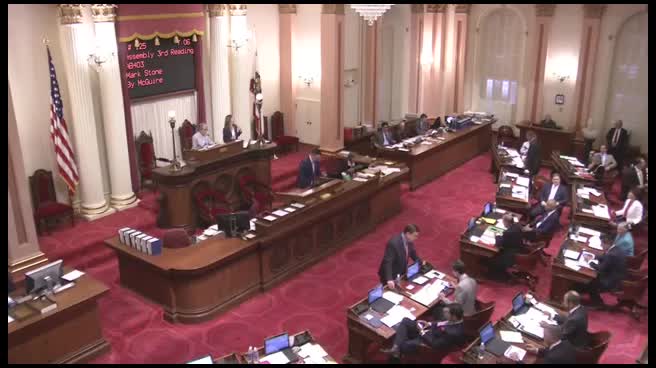 2MIN
Senate Floor
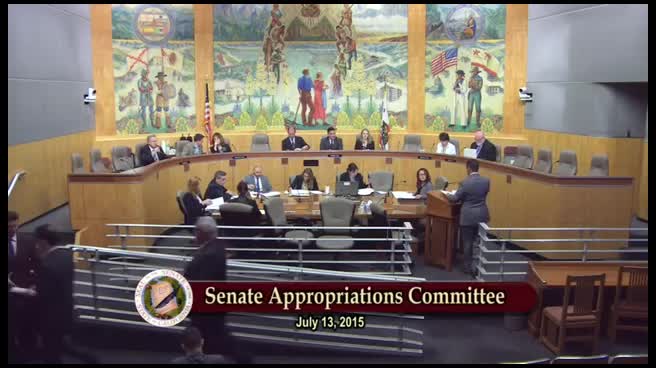 34SEC
Senate Standing Committee on Appropriations
 40SEC
Assembly Floor
Bill Author

Bill Co-Author(s):