ACR 33: Women veterans.
- Session Year: 2015-2016
- House: Assembly
- Latest Version Date: 2015-06-23
This measure would proclaim June 12, 2015, as Women Veterans Day and urge all citizens to join in celebrating the many contributions of women to our military forces.
This measure would proclaim June 12, 2015, as Women Veterans Day and urge all citizens to join in celebrating the many contributions of women to our military forces.
This measure would proclaim June 12, 2015, as Women Veterans Day and urge all citizens to join in celebrating the many contributions of women to our military forces.
This measure would proclaim June 12, 2015, as Women Veterans Day and urge all citizens to join in celebrating the many contributions of women to our military forces.
This measure would proclaim June 12, 2015, as Women Veterans Day and urge all citizens to join in celebrating the many contributions of women to our military forces.
WHEREAS, Women have proudly served their country throughout all periods of the history of the United States, whether disguised as male soldiers during the American Revolution and Civil War, as nurses in World War I, or as combat helicopter pilots in Afghanistan; and
WHEREAS, Women have formally been a part of the United States Armed Forces since the inception of the Army Nurse Corps in 1901, but have informally served since the inception of our nations military; and
WHEREAS, During the American Revolution, women served on the battlefield alongside the men, mainly as nurses, water bearers, often called Molly Pitchers, cooks, laundresses, and saboteurs, and despite Army regulations that only men could enlist, women who wanted to join in the fighting circumvented the rules by masquerading as young men or boys; and
WHEREAS, In 1917, the Navy announced it would open enlistment to women and about 12,000 female yeomen entered the Navy and filled a variety of jobs, including draftsmen, interpreters, couriers, and translators; and
WHEREAS, Three hundred seven women enlisted in the Marine Corps during World War I. Like their sisters in the Navy, they were limited to the enlisted ranks and worked mainly in Washington, D.C., doing various administrative jobs. Womens service contributions in World War I showed that they either had, or could quickly learn, nontraditional skills needed by the military; and
WHEREAS, Following Pearl Harbor, Congress authorized new womens components for each of the services and increased the number of active duty positions in the Army and Navy Nurse Corps. In May 1942, the Army was given the authority to establish the Womens Army Auxiliary Corps, also known as the WAACs. The Navy, Coast Guard, and Marine Corps followed suit, but rather than making women an auxiliary component, they opted to enroll them in the reserves on the same basis as their male counterparts, while the Army Air Forces enlisted nearly 1,100 female civilian volunteers who earned their silver wings as Women Airforce Service Pilots (WASP); and
WHEREAS, At the end of World War II in 1945, of the approximately 12 million people remaining in the Armed Forces, about 280,000 were women; and
WHEREAS, With the passage of the Womens Armed Services Integration Act of 1948, women became a permanent part of the United States military, but women continued to be restricted to 2 percent of the military population. That restriction was finally lifted in 1967 with the amendment of the Womens Armed Services Integration Act, which also opened senior officer ranks to women; and
WHEREAS, The early 1990s were a historic time for women in the military with over 40,000 women deploying in support of the Persian Gulf War, making women service members more visible in the eyes of the public. In addition, in 1992, the Defense Authorization Act repealed combat exclusion laws that had prevented women from flying combat aircrafts; and
WHEREAS, Women who have served in the United States military are often referred to as invisible veterans because their service contributions, until the 1970s, went largely unrecognized by politicians, the media, academia, and the general public; and
WHEREAS, Even though women have been officially serving in the military since the creation of the Army Nurse Corps in 1901, they have not always been considered qualified for veteran status for the purpose of receiving benefits from the Department of Veterans Affairs. Even after women were granted veteran status, issues of access, exclusion, and improper management of their health care still remained; and
WHEREAS, It was not until well after World War II that women who served in the military began to officially be recognized as veterans; and
WHEREAS, In the late 1970s and early 1980s, many of the contributions made by women in World War II were formally recognized through laws that granted these women with veteran status for their time in service. This opened the doors for women to take advantage of programs, opportunities, and benefits from the federal and state governments, the Department of Veterans Affairs, and other veteran service organizations; and
WHEREAS, The 1980 decennial census marked the first time that information on women veterans was ever captured in a large national survey. At the time of the 1980 decennial census, women made up just over 2 percent of the veteran population. Today, that proportion has increased to almost 8 percent; and
WHEREAS, Over the past 20 years, the Veterans Health Administration (VHA) has introduced initiatives designed to improve health care access and quality of care for women veterans; and
WHEREAS, In 2008, VHAs Women Veterans Health Strategic Health Care Group began a five-year plan to redesign the nations health care delivery system for women. A fundamental component of this plan was to ensure that all women veterans had access to comprehensive primary care from skilled womens health providers; and
WHEREAS, There are currently over 2 million women veterans living in the United States and Puerto Rico, and of those 2 million, 165,962 make California their home; now, therefore, be it
Resolved by the Assembly of the State of California, the Senate thereof concurring, That the Legislature hereby proclaims June 12, 2015, as Women Veterans Day, and urges all citizens to join in celebrating the many contributions of women to our military forces; and be it further
Resolved, That the Chief Clerk of the Assembly transmit copies of this resolution to the author for appropriate distribution.
WHEREAS, Women have proudly served their country throughout all periods of the history of the United States, whether disguised as male soldiers during the American Revolution and Civil War, as nurses in World War I, or as combat helicopter pilots in Afghanistan; and
WHEREAS, Women have formally been a part of the United States Armed Forces since the inception of the Army Nurse Corps in 1901, but have informally served since the inception of our nations military; and
WHEREAS, During the American Revolution, women served on the battlefield alongside the men, mainly as nurses, water bearers, often called Molly Pitchers, cooks, laundresses, and saboteurs, and despite Army regulations that only men could enlist, women who wanted to join in the fighting circumvented the rules by masquerading as young men or boys; and
WHEREAS, In 1917, the Navy announced it would open enlistment to women and about 12,000 female yeomen entered the Navy and filled a variety of jobs, including draftsmen, interpreters, couriers, and translators; and
WHEREAS, Three hundred seven women enlisted in the Marine Corps during World War I. Like their sisters in the Navy, they were limited to the enlisted ranks and worked mainly in Washington, D.C., doing various administrative jobs. Womens service contributions in World War I showed that they either had, or could quickly learn, nontraditional skills needed by the military; and
WHEREAS, Following Pearl Harbor, Congress authorized new womens components for each of the services and increased the number of active duty positions in the Army and Navy Nurse Corps. In May 1942, the Army was given the authority to establish the Womens Army Auxiliary Corps, also known as the WAACs. The Navy, Coast Guard, and Marine Corps followed suit, but rather than making women an auxiliary component, they opted to enroll them in the reserves on the same basis as their male counterparts, while the Army Air Forces enlisted nearly 1,100 female civilian volunteers who earned their silver wings as Women Airforce Service Pilots (WASP);and
WHEREAS, At the end of World War II in 1945, of the approximately 12 million people remaining in the Armed Forces, about 280,000 were women; and
WHEREAS, With the passage of the Womens Armed Services Integration Act of 1948, women became a permanent part of the United States military, but women continued to be restricted to 2 percent of the military population. That restriction was finally lifted in 1967 with the amendment of the Womens Armed Services Integration Act, which also opened senior officer ranks to women; and
WHEREAS, The early 1990s were a historic time for women in the military with over 40,000 women deploying in support of the Persian Gulf War, making women service members more visible in the eyes of the public. In addition, in 1992, the Defense Authorization Act repealed combat exclusion laws that had prevented women from flying combat aircrafts; and
WHEREAS, Women who have served in the United States military are often referred to as invisible veterans because their service contributions, until the 1970s, went largely unrecognized by politicians, the media, academia, and the general public; and
WHEREAS, Even though women have been officially serving in the military since the creation of the Army Nurse Corps in 1901, they have not always been considered qualified for veteran status for the purpose of receiving benefits from the Department of Veterans Affairs. Even after women were granted veteran status, issues of access, exclusion, and improper management of their health care still remained; and
WHEREAS, It was not until well after World War II that women who served in the military began to officially be recognized as veterans; and
WHEREAS, In the late 1970s and early 1980s, many of the contributions made by women in World War II were formally recognized through laws that granted these women with veteran status for their time in service. This opened the doors for women to take advantage of programs, opportunities, and benefits from the federal and state governments, the Department of Veterans Affairs, and other veteran service organizations; and
WHEREAS, The 1980 decennial census marked the first time that information on women veterans was ever captured in a large national survey. At the time of the 1980 decennial census, women made up just over 2 percent of the veteran population. Today, that proportion has increased to almost 8 percent; and
WHEREAS, Over the past 20 years, the Veterans Health Administration (VHA) has introduced initiatives designed to improve health care access and quality of care for women veterans; and
WHEREAS, In 2008, VHAs Women Veterans Health Strategic Health Care Group began a five-year plan to redesign the nations health care delivery system for women. A fundamental component of this plan was to ensure that all women veterans had access to comprehensive primary care from skilled womens health providers; and
WHEREAS, There are currently over 2 million women veterans living in the United States and Puerto Rico, and of those 2 million, 165,962 make California their home; now, therefore, be it
Resolved by the Assembly of the State of California, the Senate thereof concurring, That the Legislature hereby proclaims June 12, 2015, as Women Veterans Day, and urges all citizens to join in celebrating the many contributions of women to our military forces; and be it further
Resolved, That the Chief Clerk of the Assembly transmit copies of this resolution to the author for appropriate distribution.
WHEREAS, Women have proudly served their country throughout all periods of the history of the United States, whether disguised as male soldiers during the American Revolution and Civil War, as nurses in World War I, or as combat helicopter pilots in Afghanistan; and
WHEREAS, Women have formally been a part of the United States Armed Forces since the inception of the Army Nurse Corps in 1901, but have informally served since the inception of our nations military; and
WHEREAS, During the American Revolution, women served on the battlefield alongside the men, mainly as nurses, water bearers, often called Molly Pitchers, cooks, laundresses, and saboteurs, and despite Army regulations that only men could enlist, women who wanted to join in the fighting circumvented the rules by masquerading as young men or boys; and
WHEREAS, In 1917, the Navy announced it would open enlistment to women and about 12,000 female yeomen entered the Navy and filled a variety of jobs jobs, including draftsmen, interpreters, couriers, and translators; and
WHEREAS, Three hundred seven women enlisted in the Marine Corps during World War I. Like their sisters in the Navy, they were limited to the enlisted ranks and worked mainly in Washington, D.C., doing various administrative jobs. Womens service contributions in World War I showed that they either had, or could quickly learn, nontraditional skills needed by the military; and
WHEREAS, Following Pearl Harbor, Congress authorized new womens components for each of the services and increased the number of active duty positions in the Army and Navy Nurse Corps. In May 1942, the Army was given the authority to establish the Womens Army Auxiliary Corps, also known as the WAACs. The Navy, Coast Guard, and Marine Corps followed suit, but rather than making women an auxiliary component, they opted to enroll them in the reserves on the same basis as their male counterparts; counterparts, while the Army Air Forces enlisted nearly 1,100 female civilian volunteers who earned their silver wings as Women Airforce Service Pilots (WASP);and
WHEREAS, At the end of the war World War II in 1945, of the approximately 12 million people remaining in the Armed Forces, about 280,000 were women; and
WHEREAS, With the passage of the Womens Armed Services Integration Act of 1948, women became a permanent part of the United States military, but women continued to be restricted to 2 percent of the military population. That restriction was finally lifted in 1967 with the amendment of the Womens Armed Services Integration Act, which also opened senior officer ranks to women; and
WHEREAS, The early 1990s were a historic time for women in the military with over 40,000 women deploying in support of the Persian Gulf War, making women service members more visible in the eyes of the public. In addition, in 1992, the Defense Authorization Act repealed combat exclusion laws that had prevented women from flying combat aircrafts; and
WHEREAS, Women who have served in the United States military are often referred to as invisible veterans because their service contributions contributions, until the 1970s 1970s, went largely unrecognized by politicians, the media, academia, and the general public; and
WHEREAS, Even though women have been officially serving in the military since the creation of the Army Nurse Corps in 1901, they have not always been considered qualified for veteran status for the purpose of receiving benefits from the Department of Veterans Affairs. Even after women were granted veteran status, issues of access, exclusion, and improper management of their health care still remained; and
WHEREAS, It was not until well after World War II that women who served in the military began to officially be recognized as veterans; and
WHEREAS, In the late 1970s and early 1980s, many of the contributions made by women in World War II were formally recognized through laws that granted these women with veteran status for their time in service. This opened the doors for women to take advantage of programs, opportunities, and benefits from the federal and state governments, the Department of Veterans Affairs, and other veteran service organizations; and
WHEREAS, The 1980 decennial census marked the first time that information on women veterans was ever captured in a large national survey. At the time of the 1980 decennial census, women made up just over 2 percent of the veteran population. Today, that proportion has increased to almost 8 percent; and
WHEREAS, Over the past 20 years, the Veterans Health Administration (VHA) has introduced initiatives designed to improve health care access and quality of care for women veterans; and
WHEREAS, In 2008, VHAs Women Veterans Health Strategic Health Care Group began a five-year plan to redesign the nations health care delivery system for women. A fundamental component of this plan was to ensure that all women veterans had access to comprehensive primary care from skilled womens health providers; and
WHEREAS, There are currently over 2 million women veterans living in the United States and Puerto Rico Puerto Rico, and of those 2 million, 165,962 make California their home; now, therefore, be it
Resolved by the Assembly of the State of California, the Senate thereof concurring, That the Legislature, Legislature hereby proclaims June 12, 2015, as Women Veterans Day, and urges all citizens to join in celebrating the many contributions of women to our military forces; and be it further
Resolved, That the Chief Clerk of the Assembly transmit copies of this resolution to the author for appropriate distribution.
WHEREAS, Women have proudly served their country throughout all periods of the history of the United States, whether disguised as male soldiers during the American Revolution and Civil War, as nurses in World War I, or as combat helicopter pilots in Afghanistan; and
WHEREAS, Women have formally been a part of the United States Armed Forces since the inception of the Army Nurse Corps in 1901, but have informally served since the inception of our nations military; and
WHEREAS, During the American Revolution, women served on the battlefield alongside the men, mainly as nurses, water bearers, often called Molly Pitchers, cooks, laundresses, and saboteurs, and despite Army regulations that only men could enlist, women who wanted to join in the fighting circumvented the rules by masquerading as young men or boys; and
WHEREAS, In 1917, the Navy announced it would open enlistment to women and about 12,000 female yeomen entered the Navy and filled a variety of jobs including draftsmen, interpreters, couriers, and translators; and
WHEREAS, Three hundred seven women enlisted in the Marine Corps during World War I. Like their sisters in the Navy, they were limited to the enlisted ranks and worked mainly in Washington, D.C., doing various administrative jobs. Womens service contributions in World War I showed that they either had, or could quickly learn, nontraditional skills needed by the military; and
WHEREAS, Following Pearl Harbor, Congress authorized new womens components for each of the services and increased the number of active duty positions in the Army and Navy Nurse Corps. In May 1942, the Army was given the authority to establish the Womens Army Auxiliary Corps, also known as the WAACs. The Navy, Coast Guard, and Marine Corps followed suit, but rather than making women an auxiliary component, they opted to enroll them in the reserves on the same basis as their male counterparts; and
WHEREAS, At the end of the war in 1945, of the approximately 12 million people remaining in the Armed Forces, about 280,000 were women; and
WHEREAS, With the passage of the Womens Armed Services Integration Act of 1948, women became a permanent part of the United States military, but women continued to be restricted to 2 percent of the military population. That restriction was finally lifted in 1967 with the amendment of the Womens Armed Services Integration Act, which also opened senior officer ranks to women; and
WHEREAS, The early 1990s were a historic time for women in the military with over 40,000 women deploying in support of the Persian Gulf War, making women service members more visible in the eyes of the public. In addition, in 1992, the Defense Authorization Act repealed combat exclusion laws that had prevented women from flying combat aircrafts; and
WHEREAS, Women who have served in the United States military are often referred to as invisible veterans because their service contributions until the 1970s went largely unrecognized by politicians, the media, academia, and the general public; and
WHEREAS, Even though women have been officially serving in the military since the creation of the Army Nurse Corps in 1901, they have not always been considered qualified for veteran status for the purpose of receiving benefits from the Department of Veterans Affairs. Even after women were granted veteran status, issues of access, exclusion, and improper management of their health care still remained; and
WHEREAS, It was not until well after World War II that women who served in the military began to officially be recognized as veterans; and
WHEREAS, In the late 1970s and early 1980s, many of the contributions made by women in World War II were formally recognized through laws that granted these women with veteran status for their time in service. This opened the doors for women to take advantage of programs, opportunities, and benefits from the federal and state governments, the Department of Veterans Affairs, and other veteran service organizations; and
WHEREAS, The 1980 decennial census marked the first time that information on women veterans was ever captured in a large national survey. At the time of the 1980 decennial census, women made up just over 2 percent of the veteran population. Today, that proportion has increased to almost 8 percent; and
WHEREAS, Over the past 20 years, the Veterans Health Administration (VHA) has introduced initiatives designed to improve health care access and quality of care for women veterans; and
WHEREAS, In 2008, VHAs Women Veterans Health Strategic Health Care Group began a five-year plan to redesign the nations health care delivery system for women. A fundamental component of this plan was to ensure that all women veterans had access to comprehensive primary care from skilled womens health providers; and
WHEREAS, There are currently over 2 million women veterans living in the United States and Puerto Rico and of those 2 million, 165,962 make California their home; now, therefore, be it
Resolved by the Assembly of the State of California, the Senate thereof concurring, That the Legislature, hereby proclaims June 12, 2015, as Women Veterans Day, and urges all citizens to join in celebrating the many contributions of women to our military forces; and be it further
Resolved, That the Chief Clerk of the Assembly transmit copies of this resolution to the author for appropriate distribution.
|
Date
|
Status
|
|---|---|
| Feb 25, 2015 | Introduced. To print. |
| Feb 26, 2015 | From printer. |
| Mar 5, 2015 | Referred to Com. on RLS. |
| May 19, 2015 | From committee chair, with author's amendments: Amend, and re-refer to Com. on RLS. Amended. |
| May 20, 2015 | Re-referred to Com. on RLS. |
| May 22, 2015 | From committee: Be adopted. Ordered to Third Reading. (Ayes 10. Noes 0.) (May 22). |
| Jun 1, 2015 | Amended, adopted, and to Senate. |
| Jun 1, 2015 | Amended, adopted, and to Senate. (Page 1687.) |
| Jun 2, 2015 | In Senate. To Com. on RLS. |
| Jun 11, 2015 | From committee: Ordered to third reading. |
| Jun 17, 2015 | Ordered to special consent calendar. |
| Jun 18, 2015 | Adopted and to Assembly. (Ayes 38. Noes 0. Page 1486.) |
| Jun 18, 2015 | In Assembly. Ordered to Engrossing and Enrolling. |
| Jun 18, 2015 | Ordered to third reading. |
| Jun 23, 2015 | Chaptered by Secretary of State - Res. Chapter 67, Statutes of 2015. |
| Jun 23, 2015 | Enrolled and filed with the Secretary of State at 2:30 p.m. |
|
Date
|
Description
|
Location
|
Votes
|
|
|---|---|---|---|---|
| Jun 18, 2015 | Special Consent #3 ACR33 Atkins By Fuller | Senate Floor |
Passed |
|
| May 22, 2015 | Be adopted. To third reading. | Assembly Standing Committee on Rules |
Passed |
This list shows positions taken on this bill by organizations on the date displayed, which is linked to the original source.
Positions by individuals are not included.
|
Organization
|
Position
|
Date
|
|---|---|---|
| America, California State Council | ** Support | Jun 18, 2015 |
| American Legion, Department Of California | ** Support | Jun 18, 2015 |
| Amvets, Department Of California | ** Support | Jun 18, 2015 |
| California Association Of County Veterans Service Officers | ** Support | Jun 18, 2015 |
| California State Commanders Veterans Council | ** Support | Jun 18, 2015 |
| Chapters | ** Support | Jun 18, 2015 |
| Commission to Recruit Women to the Fire Service | ** Support | Jun 18, 2015 |
| Military Officers Association of America, California Council 0 | ** Support | Jun 18, 2015 |
| Military Officers Association Of America, California Council Of Chapters | ** Support | Jun 1, 2015 |
| The Veterans Of Foreign Wars, Department Of California | ** Support | Jun 1, 2015 |
| Veterans of Foreign Wars, Department o | ** Support | Jun 18, 2015 |
| Vietnam Veterans 0 | ** Support | Jun 18, 2015 |
| Vietnam Veterans Of America, California State Council | ** Support | Jun 1, 2015 |
ACR 33
Page 2
|
Office of Senate Floor Analyses (916) 651-1520 Fax: (916) 327-4478 |
THIRD READING
Bill No: ACR 33
Amended: 6/1/15 in Assembly
ASSEMBLY FLOOR: Read and adopted, 6/1/15
DIGEST: This resolution proclaims June 12, 2015, as Women Veterans' Day and urges all citizens to join in celebrating the many contributions of women to our military forces.
ANALYSIS: This resolution makes the following legislative findings:
Women have formally been a part of the United States Armed Forces since the inception of the Army Nurse Corps in 1901, but have informally served since the inception of our nation's military.
In 1917, the Navy announced they would open enlistment to women and about 12,000 female yeomen entered the Navy and filled a variety of jobs including draftsmen, interpreters, couriers, and translators; and over 300 women enlisted in the Marine Corps during World War I doing various administrative jobs and eventually showed that they either had, or could quickly learn, nontraditional skills needed by the military.
With the passage of the Women's Armed Services Integration Act of 1948, women became a permanent part of the United States military, but it wasn't until that act was amended in 1967 that the restriction of 2% was lifted and women could also become senior ranked officers in the military.
Even though women have been officially serving in the military since the creation of the Army Nurse Corps in 1901; they have not always been considered qualified for veteran status for the purpose of receiving benefits from the Department of Veterans Affairs; and, it wasn't until well after World War II that women who served in the military began to officially be recognized as veterans and were able to take advantage of programs, opportunities, and benefits from the federal and state government, the Department of Veterans Affairs, and other veteran service organizations.
This resolution proclaims June 12, 2015, as Women Veterans' Day and urges all citizens to join in celebrating the many contributions of women to our military forces.
Prior Legislation
ACR 126 (Atkins, Resolution Chapter 94, Statutes of 2014) proclaimed June 12, 2014, as Women Veterans’ Day and urge all citizens to join in celebrating the many contributions of women to our military forces.
ACR 158 (Yamada, 2010) would have proclaimed the month of May to be Women Veterans Recognition Month. This resolution died in the Senate Rules Committee.
FISCAL EFFECT: Appropriation: No Fiscal Com.: No Local: No
American Legion, Department of California
AMVETS, Department of California
California Association of County Veterans Service Officers
California State Commanders Veterans Council
Commission to Recruit Women to the Fire Service
Military Officers Association of America, California Council 0/Chapters
Veterans of Foreign Wars, Department o/California
Vietnam Veterans 0/America, California State Council
None received
Prepared by: Jonas Austin / SFA / (916) 651-1520
6/15/15 13:00:13
**** END ****
ACR 33
Page 2
|
Office of Senate Floor Analyses (916) 651-1520 Fax: (916) 327-4478 |
THIRD READING
Bill No: ACR 33
Amended: 6/1/15 in Assembly
ASSEMBLY FLOOR: Read and adopted, 6/1/15
DIGEST: This resolution proclaims June 12, 2015, as Women Veterans' Day and urges all citizens to join in celebrating the many contributions of women to our military forces.
ANALYSIS: This resolution makes the following legislative findings:
Women have formally been a part of the United States Armed Forces since the inception of the Army Nurse Corps in 1901, but have informally served since the inception of our nation's military.
In 1917, the Navy announced they would open enlistment to women and about 12,000 female yeomen entered the Navy and filled a variety of jobs including draftsmen, interpreters, couriers, and translators; and over 300 women enlisted in the Marine Corps during World War I doing various administrative jobs and eventually showed that they either had, or could quickly learn, nontraditional skills needed by the military.
With the passage of the Women's Armed Services Integration Act of 1948, women became a permanent part of the United States military, but it wasn't until that act was amended in 1967 that the restriction of 2% was lifted and women could also become senior ranked officers in the military.
Even though women have been officially serving in the military since the creation of the Army Nurse Corps in 1901; they have not always been considered qualified for veteran status for the purpose of receiving benefits from the Department of Veterans Affairs; and, it wasn't until well after World War II that women who served in the military began to officially be recognized as veterans and were able to take advantage of programs, opportunities, and benefits from the federal and state government, the Department of Veterans Affairs, and other veteran service organizations.
This resolution proclaims June 12, 2015, as Women Veterans' Day and urges all citizens to join in celebrating the many contributions of women to our military forces.
Prior Legislation
ACR 126 (Atkins, Resolution Chapter 94, Statutes of 2014) proclaimed June 12, 2014, as Women Veterans’ Day and urge all citizens to join in celebrating the many contributions of women to our military forces.
ACR 158 (Yamada, 2010) would have proclaimed the month of May to be Women Veterans Recognition Month. This resolution died in the Senate Rules Committee.
FISCAL EFFECT: Appropriation: No Fiscal Com.: No Local: No
American Legion, Department of California
AMVETS, Department of California
California Association of County Veterans Service Officers
California State Commanders Veterans Council
Military Officers Association of America, California Council 0/Chapters
Veterans of Foreign Wars, Department o/California
Vietnam Veterans 0/America, California State Council
None received
Prepared by: Jonas Austin / SFA / (916) 651-1520
6/8/15 16:19:42
**** END ****
ACR 33
Page 1
ASSEMBLY THIRD READING
ACR 33
(Atkins)
As Amended May 19, 2015
Majority vote
Committee |
Votes |
Ayes |
Noes |
Rules |
10-0 |
Gordon, Chang, Burke, Campos, Cooley, Dodd, Jones, Mayes, Rodriguez, Wood |
|
SUMMARY: Proclaims June 12, 2015, as Women Veterans' Day and urges all citizens to join in celebrating the many contributions of women to our military forces. Specifically, this resolution makes the following legislative findings:
Women have formally been a part of the United States Armed Forces since the inception of the Army Nurse Corps in 1901, but have informally served since the inception of our nation's military.
In 1917, the Navy announced they would open enlistment to women and about 12,000 female yeomen entered the Navy and filled a variety of jobs including draftsmen, interpreters, couriers, and translators; and over 300 women enlisted in the Marine Corps during World War I doing various administrative jobs and eventually showed that they either had, or could quickly learn, nontraditional skills needed by the military.
With the passage of the Women's Armed Services Integration Act of 1948, women became a permanent part of the United States military, but it wasn't until that act was amended in 1967 that the restriction of 2% was lifted and women could also become senior ranked officers in the military.
Even though women have been officially serving in the military since the creation of the Army Nurse Corps in 1901; they have not always been considered qualified for veteran status for the purpose of receiving benefits from the Department of Veterans Affairs; and, it wasn't until well after World War II that women who served in the military began to officially be recognized as veterans and were able to take advantage of programs, opportunities, and benefits from the federal and state government, the Department of Veterans Affairs, and other veteran service organizations.
FISCAL EFFECT: None
Analysis Prepared by: Nicole Willis / RLS. / (916) 319-2800 FN: 0000504
ACR 33
Page 2
Date of Hearing: May 22, 2015
ASSEMBLY COMMITTEE ON RULES
Richard Gordon, Chair
ACR 33 (
Atkins) – As Amended May 19, 2015
SUBJECT: Women veterans.
SUMMARY: Proclaims June 12, 2015, as Women Veterans' Day and urges all citizens to join in celebrating the many contributions of women to our military forces. Specifically, this resolution makes the following legislative findings:
Women have formally been a part of the United States Armed Forces since the inception of the Army Nurse Corps in 1901, but have informally served since the inception of our nation's military.
In 1917, the Navy announced they would open enlistment to women and about 12,000 female yeomen entered the Navy and filled a variety of jobs including draftsmen, interpreters, couriers, and translators; and over 300 women enlisted in the Marine Corps during World War I doing various administrative jobs and eventually showed that they either had, or could quickly learn, nontraditional skills needed by the military.
With the passage of the Women's Armed Services Integration Act of 1948, women became a permanent part of the United States military, but it wasn't until that act was amended in 1967 that the restriction of 2% was lifted and women could also become senior ranked officers in the military.
Even though women have been officially serving in the military since the creation of the Army Nurse Corps in 1901; they have not always been considered qualified for veteran status for the purpose of receiving benefits from the Department of Veterans Affairs; and, it wasn't until well after World War II that women who served in the military began to officially be recognized as veterans and were able to take advantage of programs, opportunities, and benefits from the federal and state government, the Department of Veterans Affairs, and other veteran service organizations.
FISCAL EFFECT: None
REGISTERED SUPPORT / OPPOSITION:
Support
American Legion, Department of California
AMVETS, Department of California
California Association of County Veterans Service Officers
California State Commanders Veterans Council
Military Officers Association of America, California Council of Chapters
Veterans of Foreign Wars, Department of California
Vietnam Veterans of America, California State Council
Opposition
None on file
Analysis Prepared by: Nicole Willis / RLS. / (916) 319-2800
Discussed in Hearing
View Older Hearings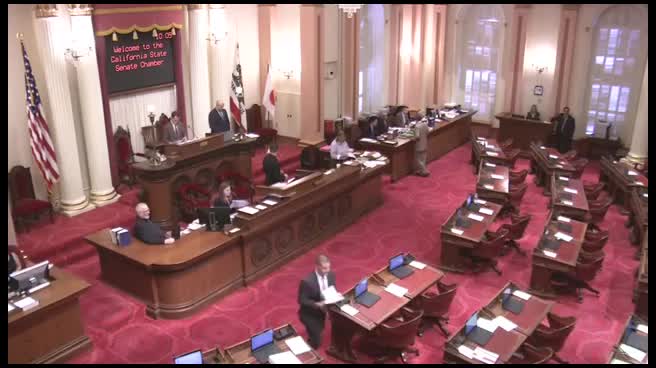
Bill Author

Bill Co-Author(s):