AJR 13: The Voting Rights Act of 1965
- Session Year: 2015-2016
- House: Assembly
- Latest Version Date: 2015-09-21
This measure would recognize August 6, 2015, as the 50th anniversary of the signing of the federal Voting Rights Act of 1965. This measure would also urge the Congress and President of the United States to continue to secure citizens right to vote and remedy any racial discrimination in voting.
This measure would recognize August 6, 2015, as the 50th anniversary of the signing of the federal Voting Rights Act of 1965. This measure would also urge the Congress and President of the United States to continue to secure citizens right to vote and remedy any racial discrimination in voting.
This measure would recognize August 6, 2015, as the 50th anniversary of the signing of the federal Voting Rights Act of 1965. This measure would also urge the Congress and President of the United states to continue to secure citizens right to vote and remedy any racial discrimination in voting.
This measure would recognize August 6, 2015, as the 50th anniversary of the signing of the federal Voting Rights Act of 1965. This measure would also urge the Congress and President of the United states to continue to secure citizens right to vote and remedy any racial discrimination in voting.
WHEREAS, Signed into law on August 6, 1965, by President Lyndon B. Johnson, the Voting Rights Act of 1965 is a landmark piece of federal legislation in the United States; and
WHEREAS, One hundred and forty-five years ago, in 1870, Congress ratified the 15th Amendment, which declared that the right to vote shall not be denied or abridged on the basis of race, color, or previous condition of servitude; and
WHEREAS, By 1910, violence and intimidation resulted in nearly all black citizens being disenfranchised and removed from the voter rolls in the former Confederate States, undermining the promise of equal protection under the law; and
WHEREAS, Native American, Latino, and Asian American/Pacific Islander communities experienced similar attempts to disenfranchise citizens in their communities throughout the United States; and
WHEREAS, Between 1870 and 1965, voters faced, first-generation barriers, such as poll taxes, literacy tests, vouchers of good character, disqualification for crimes of moral turpitude, and other tactics intended to keep African Americans from the polls on Election Day; and
WHEREAS, During the 1920s, African Americans in Selma, Alabama formed the Dallas County Voters League (DCVL). During the 1960s in partnership with organizers from the Student Nonviolent Coordinating Committee, the DCVL held registration drives and classes to help African Americans in Dallas County pass the literacy tests required to register to vote. On March 7th, 1965, the first march from Selma to Montgomery took place. The march, nicknamed Bloody Sunday for the horrific attack on unarmed marchers by armed police, was broadcast nationwide and led to a national outcry for the passage of the Voting Rights Act; and
WHEREAS, Often regarded as one of the most effective civil rights laws, the Voting Rights Act was passed with the intent to ban discriminatory voting policies at all levels of government; and
WHEREAS, The Voting Rights Act is credited for the enfranchisement of millions of minority voters as well as the diversification of the electorate and legislative bodies throughout all levels of government; and
WHEREAS, Before Section 203 of the Voting Rights Act was added in 1975, language minorities were disenfranchised from the electoral process. Section 203 required certain jurisdictions to provide registration or voting notices, forms, instructions, assistance, or other materials and information regarding the electoral precess in the language of the applicable minority group; and
WHEREAS, In June of 2013, the Supreme Court struck down key sections of the Voting Rights Act that were designed to prevent discriminatory voting policies that can disenfranchise minority voters; and
WHEREAS, Despite 50 years of progress, racial minorities continue to face voting barriers in jurisdictions with a history of discrimination; and
WHEREAS, To build a stronger and more cohesive state and nation, we must continue to help advance the cause of voter equality and equal access to the political process for all people in order to protect the rights of every American; and
WHEREAS, We must continue to educate the next generation about the importance of civic engagement in our communities; now, therefore, be it
Resolved by the Assembly and the Senate of the State of California, jointly, That the Legislature recognizes August 6, 2015, as the 50th Anniversary of the signing of the Voting Rights Act of 1965, and recognizes the significant progress made by the Voting Rights Act to protect every citizens right to vote; and be it further
Resolved, That the Legislature honors and remembers those who struggled and died for this freedom; and be it further
Resolved, That the Legislature urges the Congress and the President of the United States to continue to secure citizens right to vote and remedy any racial discrimination in voting; and be it further
Resolved, That the Chief Clerk of the Assembly transmit copies of this resolution to the President and Vice President of the United States, to the Speaker of the House of Representatives, to the Majority Leader of the United States Senate, and to each Senator and Representative from California in the Congress of the United States.
|
Date
|
Status
|
|---|---|
| Apr 7, 2015 | Introduced. To print. |
| Apr 8, 2015 | From printer. |
| Apr 16, 2015 | Referred to Com. on E. & R. |
| Jul 1, 2015 | From committee: Be adopted. Ordered to Third Reading. (Ayes 6. Noes 0.) (July 1). |
| Aug 17, 2015 | Amended, adopted, and to Senate. (Ayes 78. Noes 0. Page 2464.) |
| Aug 17, 2015 | Amended, adopted, and to Senate. (Ayes 78. Noes 0.) |
| Aug 18, 2015 | In Senate. To Com. on RLS. |
| Aug 26, 2015 | From committee: Ordered to third reading. |
| Sep 8, 2015 | Adopted and to Assembly. |
| Sep 8, 2015 | Adopted and to Assembly. (Ayes 40. Noes 0. Page 2567.) |
| Sep 8, 2015 | In Assembly. Ordered to Engrossing and Enrolling. |
| Sep 21, 2015 | Chaptered by Secretary of State - Res. Chapter 193, Statutes of 2015. |
| Sep 21, 2015 | Enrolled and filed with the Secretary of State at 4 p.m. |
|
Date
|
Description
|
Location
|
Votes
|
|
|---|---|---|---|---|
| Sep 8, 2015 | Assembly 3rd Reading AJR13 Ridley-Thomas By Hall | Senate Floor |
Passed |
|
| Aug 17, 2015 | AJR 13 RIDLEY-THOMAS Assembly Third Reading | Assembly Floor |
Passed |
|
| Jul 1, 2015 | Be adopted. To third reading. | Assembly Standing Committee on Elections and Redistricting |
Passed |
This list shows positions taken on this bill by organizations on the date displayed, which is linked to the original source.
Positions by individuals are not included.
|
Organization
|
Position
|
Date
|
|---|---|---|
| Asian Americans Advancing Justice | ** Support | Sep 8, 2015 |
| California Association of Clerks and Election Officials | ** Support | Sep 8, 2015 |
| Future of California Elections | ** Support | Sep 8, 2015 |
| MALDEF | ** Support | Sep 8, 2015 |
AJR 13
Page 3
|
Office of Senate Floor Analyses (916) 651-1520 Fax: (916) 327-4478 |
THIRD READING
Bill No: AJR 13
Author: Ridley-Thomas (D), et al.
Amended: 8/17/15 in Assembly
ASSEMBLY FLOOR: 78-0, 8/17/15 - See last page for vote
SUBJECT: The Voting Rights Act of 1965
DIGEST:
This resolution recognizes August 6, 2015, as the 50th anniversary of the signing of the federal Voting Rights Act of 1965. This resolution also urges the Congress and President of the United states to continue to secure citizens’ right to vote and remedy any racial discrimination in voting.
ANALYSIS: This resolution makes the following legislative findings:
Signed into law on August 6, 1965, by President Lyndon B. Johnson, the Voting Rights Act of 1965 is a landmark piece of federal legislation in the United States.
One hundred and forty-five years ago, in 1870, Congress ratified the 15th Amendment, which declared that the right to vote shall not be denied or abridged on the basis of race, color, or previous condition of servitude.
During the 1920s, African Americans in Selma, Alabama formed the Dallas County Voters League (DCVL). During the 1960s in partnership with organizers from the Student Nonviolent Coordinating Committee, the DCVL held registration drives and classes to help African Americans in Dallas County pass the literacy tests required to register to vote. On March 7th, 1965, the first march from Selma to Montgomery took place. The march, nicknamed “Bloody Sunday” for the horrific attack on unarmed marchers by armed police, was broadcast nationwide and led to a national outcry for the passage of the Voting Rights Act.
Often regarded as one of the most effective civil rights laws, the Voting Rights Act was passed with the intent to ban discriminatory voting policies at all levels of government.
The Voting Rights Act is credited for the enfranchisement of millions of minority voters as well as the diversification of the electorate and legislative bodies throughout all levels of government.
Before Section 203 of the Voting Rights Act was added in 1975, language minorities were disenfranchised from the electoral process. Section 203 required certain jurisdictions to provide registration or voting notices, forms, instructions, assistance, or other materials and information regarding the electoral precess in the language of the applicable minority group.
In June of 2013, the Supreme Court struck down key sections of the Voting Rights Act that were designed to prevent discriminatory voting policies that can disenfranchise minority voters. Despite 50 years of progress, racial minorities continue to face voting barriers in jurisdictions with a history of discrimination.
This resolution:
Recognizes August 6, 2015, as the 50th Anniversary of the signing of the Voting Rights Act of 1965, and recognizes the significant progress made by the Voting Rights Act to protect every citizen’s right to vote.
Honors and remembers those who struggled and died for this freedom.
Urges the Congress and the President of the United States to continue to secure citizens’ right to vote and remedy any racial discrimination in voting.
Prior Legislation
AJR 15 (Alejo, Resolution Chapter 60, Statutes of 2013) urged the Supreme Court of the United States to affirm the constitutionality of Section 5 of the Voting Rights Act of 1965.
SJR 14 (Yee, Resolution Chapter 133, Statutes of 2013) urged the Congress and President of the United States to enact amendments to the Voting Rights Act of 1965 that would restore Section 4 of the Act with a new coverage formula and update the entire Act in order to address ongoing violations of voting rights in the states.
FISCAL EFFECT: Appropriation: No Fiscal Com.: No Local: No
Asian Americans Advancing Justice
California Association of Clerks and Election Officials
Future of California Elections
MALDEF
OPPOSITION: (Verified 8/26/15)
None received
ASSEMBLY FLOOR: 78-0, 8/17/15
AYES: Achadjian, Alejo, Travis Allen, Baker, Bigelow, Bloom, Bonilla, Bonta, Brough, Brown, Burke, Calderon, Campos, Chang, Chau, Chávez, Chiu, Chu, Cooley, Cooper, Dababneh, Dahle, Daly, Dodd, Eggman, Frazier, Gallagher, Cristina Garcia, Eduardo Garcia, Gatto, Gipson, Gomez, Gonzalez, Gordon, Gray, Grove, Hadley, Roger Hernández, Holden, Irwin, Jones, Jones-Sawyer, Kim, Lackey, Levine, Linder, Lopez, Low, Maienschein, Mathis, Mayes, McCarty, Medina, Melendez, Mullin, Nazarian, Obernolte, O'Donnell, Olsen, Patterson, Perea, Quirk, Rendon, Ridley-Thomas, Rodriguez, Salas, Santiago, Steinorth, Mark Stone, Thurmond, Ting, Wagner, Waldron, Weber, Wilk, Williams, Wood, Atkins
NO VOTE RECORDED: Beth Gaines, Harper
Prepared by: Karen Chow / SFA / (916) 651-1520
8/26/15 16:14:09
**** END ****
AJR 13
Page 2
ASSEMBLY THIRD READING
AJR 13
(Ridley-Thomas)
As Introduced April 7, 2015
Majority vote
Committee |
Votes |
Ayes |
Noes |
Elections |
6-0 |
Ridley-Thomas, Grove, Gatto, Gordon, Mullin, Perea |
|
SUMMARY: Recognizes August 6, 2015, as the 50th anniversary of the signing of the federal Voting Rights Act of 1965 (VRA) and urges the Congress and President of the United States (U.S.) to continue to secure citizens' rights to vote and remedy any racial discrimination in voting. Specifically, this resolution:
Recognizes August 6, 2015, as the 50th Anniversary of the signing of the VRA, and recognizes the significant progress made by the VRA to protect every citizen's right to vote.
Honors and remembers those who struggled and died for this freedom.
Urges the Congress and President of the U.S. to continue to secure citizens' rights to vote and remedy any racial discrimination in voting.
Makes the following findings and declarations:
Signed into law on August 6, 1965, by President Lyndon B. Johnson, the VRA is a landmark piece of federal legislation in the U.S.;
One hundred and forty-five years ago, in 1870, Congress ratified the 15th Amendment, which declared that the right to vote shall not be denied or abridged on the basis of race, color, or previous condition of servitude;
By 1910, violence and intimidation resulted in nearly all black citizens being disenfranchised and removed from the voter rolls in the former Confederate States, undermining the promise of equal protection under the law;
Native American, Latino, and Asian American/Pacific Islander communities experienced similar attempts to disenfranchise citizens in their communities throughout the U.S.;
Between 1870 and 1965, voters faced "first-generation barriers," such as poll taxes, literacy tests, vouchers of "good character," disqualification for "crimes of moral turpitude," and other tactics intended to keep African Americans from the polls on election day;
During the 1920s, African Americans in Selma, Alabama formed the Dallas County Voters League (DCVL). During the 1960s in partnership with organizers from the Student Nonviolent Coordinating Committee, the DCVL held registration drives and classes to help African Americans in Dallas County pass the literacy tests required to register to vote. On March 7, 1965, the first march from Selma to Montgomery took place. The march, nicknamed "Bloody Sunday" for the horrific attack on unarmed marchers by armed police, was broadcast nationwide and led to a national outcry for the passage of the VRA;
Often regarded as one of the most effective civil rights laws, the VRA was passed with the intent to ban discriminatory voting policies at all levels of government;
The VRA is credited for the enfranchisement of millions of minority voters as well as the diversification of the electorate and legislative bodies throughout all levels of government;
Before Section 203 of the VRA was added in 1975, language minorities were disenfranchised from the electoral process. Section 203 required certain jurisdictions to provide registration or voting notices, forms, instructions, assistance, or other materials and information regarding the electoral process in the language of the applicable minority group;
In June of 2013, the Supreme Court struck down key sections of the VRA that were designed to prevent discriminatory voting policies that can disenfranchise minority voters;
Despite 50 years of progress, racial minorities continue to face voting barriers in jurisdictions with a history of discrimination;
To build a stronger and more cohesive state and nation, we must continue to help advance the cause of voter equality and equal access to the political process for all people in order to protect the rights of every American; and,
We must continue to educate the next generation about the importance of civic engagement in our communities now.
FISCAL EFFECT: None. This resolution is keyed non-fiscal by the Legislative Counsel.
COMMENTS: According to the author, "Fifty years ago, civil rights activists from all over Alabama faced an angry mob of state and local lawmen at the foot of the Edmund Pettis bridge in Selma, Alabama. Over 600 peaceful marchers led by Reverend Hosea Williams of the Southern Christian Leadership Conference and John Lewis of the Student Nonviolent Coordinating Committee, suffered horrific attacks from the lawmen to demonstrate their demand for equal protection under the law guaranteeing all minorities the right to vote. In this resolution, I recognize the 'Bloody Sunday' march for the important role the demonstration played in sparking a national outcry leading to the passage of the Voting Rights Act..."
Please see the policy committee analysis for a full discussion of this bill.
Analysis Prepared by: Nichole Becker / E. & R. / (916) 319-2094 FN: 0001120
AJR 13
Page 5
Date of Hearing: July 1, 2015
ASSEMBLY COMMITTEE ON ELECTIONS AND REDISTRICTING
Sebastian Ridley-Thomas, Chair
AJR 13 (
Ridley-Thomas) – As Introduced April 7, 2015
SUBJECT: The Voting Rights Act of 1965.
SUMMARY: Recognizes August 6, 2015, as the 50th anniversary of the signing of the federal Voting Rights Act of 1965 (VRA) and urges the Congress and President of the United States (U.S.) to continue to secure citizens' rights to vote and remedy any racial discrimination in voting. Specifically, this resolution:
Recognizes August 6, 2015, as the 50th Anniversary of the signing of the VRA, and recognizes the significant progress made by the VRA to protect every citizen's right to vote.
Honors and remembers those who struggled and died for this freedom.
Urges the Congress and President of the U.S. to continue to secure citizens' rights to vote and remedy any racial discrimination in voting.
Makes the following findings and declarations:
Signed into law on August 6, 1965, by President Lyndon B. Johnson, the VRA is a landmark piece of federal legislation in the U.S.;
One hundred and forty-five years ago, in 1870, Congress ratified the 15th Amendment, which declared that the right to vote shall not be denied or abridged on the basis of race, color, or previous condition of servitude;
By 1910, violence and intimidation resulted in nearly all black citizens being disenfranchised and removed from the voter rolls in the former Confederate States, undermining the promise of equal protection under the law;
Native American, Latino, and Asian American/Pacific Islander communities experienced similar attempts to disenfranchise citizens in their communities throughout the U.S.;
Between 1870 and 1965, voters faced "first-generation barriers," such as poll taxes, literacy tests, vouchers of "good character," disqualification for "crimes of moral turpitude," and other tactics intended to keep African Americans from the polls on election day;
During the 1920s, African Americans in Selma, Alabama formed the Dallas County Voters League (DCVL). During the 1960s in partnership with organizers from the Student Nonviolent Coordinating Committee, the DCVL held registration drives and classes to help African Americans in Dallas County pass the literacy tests required to register to vote. On March 7, 1965, the first march from Selma to Montgomery took place. The march, nicknamed "Bloody Sunday" for the horrific attack on unarmed marchers by armed police, was broadcast nationwide and led to a national outcry for the passage of the VRA;
Often regarded as one of the most effective civil rights laws, the VRA was passed with the intent to ban discriminatory voting policies at all levels of government;
The VRA is credited for the enfranchisement of millions of minority voters as well as the diversification of the electorate and legislative bodies throughout all levels of government;
Before Section 203 of the VRA was added in 1975, language minorities were disenfranchised from the electoral process. Section 203 required certain jurisdictions to provide registration or voting notices, forms, instructions, assistance, or other materials and information regarding the electoral process in the language of the applicable minority group;
In June of 2013, the Supreme Court struck down key sections of the VRA that were designed to prevent discriminatory voting policies that can disenfranchise minority voters;
Despite 50 years of progress, racial minorities continue to face voting barriers in jurisdictions with a history of discrimination;
To build a stronger and more cohesive state and nation, we must continue to help advance the cause of voter equality and equal access to the political process for all people in order to protect the rights of every American; and,
We must continue to educate the next generation about the importance of civic engagement in our communities now.
EXISTING LAW:
Provides, pursuant to the 15th Amendment to the U.S. Constitution, that the right of citizens of the U.S. to vote shall not be denied or abridged by the U.S. or by any state on account of race, color, or previous condition of servitude. Gives Congress the power to enforce this provision by appropriate legislation.
Prohibits, pursuant to Section 2 of the VRA, voting practices or procedures that discriminate on the basis of race, color, or membership in specified language minority groups.
Prohibits, pursuant to Section 5 of the VRA, any change with respect to voting from being enforced in specified covered jurisdictions (and political subunits within those covered jurisdictions) unless and until the jurisdiction first obtains a determination by the U.S. Department of Justice (DOJ) or the U.S. District Court for the District of Columbia that the proposed voting change does not deny or abridge the right to vote on account of race, color, or membership in a language minority group.
FISCAL
EFFECT: This resolution is keyed non-fiscal by the Legislative
Counsel.
COMMENTS:
Purpose of the Resolution: According to the author:
Fifty
years ago, civil rights activists from all over Alabama faced an
angry mob of state and local lawmen at the foot of the Edmund Pettis
bridge in Selma, Alabama. Over 600 peaceful marchers led by Reverend
Hosea Williams of the Southern Christian Leadership Conference and
John Lewis of the Student Nonviolent Coordinating Committee, suffered
horrific attacks from the lawmen to demonstrate their demand for
equal protection under the law guaranteeing all minorities the right
to vote. In this resolution, I recognize the “Bloody Sunday”
march for the important role the demonstration played in sparking a
national outcry leading to the passage of the Voting Rights Act.
Often
regarded as one of the most effective civil rights laws, the Voting
Rights Act was passed with the intent to ban discriminatory voting
policies at all levels of government. African American, Latino,
Native American, and Asian American and Pacific Islander communities
all experienced similar attempts to disenfranchise citizens in their
communities throughout the United States. During this time, voters
faced, “first-generation barriers,” such as poll taxes, literacy
tests, vouchers of “good character,” disqualification for “crimes
of moral turpitude”, and other tactics intended to keep minorities
from the polls on Election Day.
This resolution recognizes the significant progress made by the legislation to protect every citizen’s right to vote and further honors and remembers those who struggled and died for this freedom. To build a stronger and more cohesive state and nation, we must continue to help advance the cause of voter equality and equal access to the political process for all people and to educate the next generation on the importance of civic engagement in our communities.
Voting Rights Act of 1965: The 15th Amendment to the U.S. Constitution provides, in part, that "[t]he right of citizens of the United States to vote shall not be denied or abridged by the United States or by any state on account of race, color, or previous condition of servitude." Additionally, the 15th Amendment authorizes Congress to enact legislation to enforce its provisions. The 15th Amendment was ratified in February 1870.
In 1965, Congress determined that state officials were failing to comply with the provisions of the 15th Amendment. Congressional hearings found that litigation to eliminate discriminatory election practices was largely ineffective, because states and local jurisdictions would institute new discriminatory practices to replace any such practices that were struck down in court. As a result, Congress passed and President Johnson signed the VRA. The VRA, among other provisions, prohibits any "voting qualification or prerequisite to voting or standard, practice, or procedure" from being imposed by any "State or political subdivision in a manner which results in a denial or abridgement of the right of any citizen of the United States to vote on account of race or color."
Section 5 of the VRA requires certain covered jurisdictions to receive approval for any changes to law and practices affecting voting from the U.S. DOJ or the U.S. District Court for the District of Columbia to ensure that the changes do not have the purpose or effect of "denying or abridging the right to vote on account of race or color." The requirement to obtain approval under Section 5 is commonly referred to as a "preclearance" requirement.
In addition, in 1975 Congress adopted the language minority provisions of Sections 4(f)(4) and 203 of the VRA. Sections 4(f)(4) and 203 of the VRA require certain jurisdictions with significant populations of voting age citizens who belong to a language minority community to provide voting materials in a language other than English. These determinations are based on data from the most recent Census. Specifically, Sections 203 and 4(f)(4) require that when a covered state or political subdivision "[p]rovides registration or voting notices, forms, instructions, assistance, or other materials or information relating to the electoral process, including ballots, it shall provide them in the language of the applicable minority group as well as in the English language."
Constitutionality of Section 5 and Shelby County v. Holder: While much of the VRA is permanent, certain special provisions of the VRA are temporary, including Section 5. When the VRA was enacted, Section 5 was scheduled to expire in five years. Subsequently, Congress extended those provisions for another five years in 1970, an additional seven years in 1975, and an additional 25 years in 1982, and again for an additional 25 years in 2006. As a result, Section 5 currently is scheduled to expire in 2031.
In April 2010, Shelby County in Alabama filed suit in the U.S. District Court for the District of Columbia challenging the constitutionality of Section 5 of the VRA, and of the coverage formulas contained in Section 4(b) of the VRA. Because the State of Alabama was covered under the preclearance requirements of Section 5, Shelby County was also covered as a political subdivision of Alabama. In the lawsuit, Shelby County contended that Congress exceeded its authority under the 15th Amendment and thus violated the 10th Amendment and Article IV of the U.S. Constitution when it voted to reauthorize Section 5 without changing or updating the formulas that determined which jurisdictions were covered under Section 5. The District Court rejected Shelby County's arguments, and upheld the constitutionality of the Section 5 reauthorization and the coverage formulas contained in Section 4 (b). On appeal, the U.S. Court of Appeals for the District of Columbia Circuit affirmed the ruling of the District Court, and Shelby County subsequently appealed to the U.S. Supreme Court.
On June 25, 2013, the U.S. Supreme Court, in Shelby County v. Holder, held that the coverage formula in Section 4(b) of the VRA is unconstitutional and can no longer be used as a basis for subjecting jurisdictions to preclearance under Section 5 of the VRA. The Court stated that although the formula was rational and necessary at the time of its enactment, it is no longer responsive to current conditions. The Court, however, did not strike down Section 5, which contains the preclearance conditions. Without Section 4(b), however, no jurisdiction will be subject to Section 5 preclearance unless Congress enacts a new coverage formula.
The effect of the Shelby County decision is that the jurisdictions identified by the coverage formula in Section 4(b) no longer need to seek preclearance from the Attorney General or the U.S. District Court for the District of Columbia before implementing new voting changes, unless they are covered by a separate court order entered under Section 3(c) of the VRA.
All or specific portions of the following states were required to have their voting changes precleared before the U.S. Supreme Court decision in Shelby County: Alabama, Alaska, Arizona, Florida, Georgia, Louisiana, Michigan, Mississippi, New Hampshire, New York, North Carolina, South Carolina, South Dakota, Texas, and Virginia. Also included were the California counties of Kings, Monterey, and Yuba. Merced County previously was subject to the preclearance requirement, but it successfully bailed out from Section 5 coverage in 2012.
According to the U.S. DOJ, the ruling in Shelby County does not affect Section 3(c) of the VRA. Jurisdictions covered by a preclearance requirement pursuant to court orders under Section 3(c) remain subject to the terms of those court orders. Additionally, the Supreme Court's decision states that Section 2 of the VRA, which prohibits discrimination in voting based on race or language minority status, and which applies on a permanent nationwide basis, is unaffected by the decision. Likewise, other provisions of the VRA that prohibit discrimination in voting remain in full force and effect, as do other federal laws that protect voting rights, including the Uniformed and Overseas Citizens Absentee Voting Act, the National Voter Registration Act, and the Help America Vote Act.
Related Resolutions: HR 10 (Jones-Sawyer, et al.) of 2015, commemorates March 7, 2015 in honor of the Foot Soldiers who participated in Bloody Sunday, Turnaround Tuesday, or the final Selma to Montgomery Voting Rights March during March of 1965, which served as a catalyst for the VRA. HR 10 was adopted on the Assembly floor on March 12, 2015.
Previous Resolutions: AJR 15 (Alejo), Resolution Chapter 60, Statutes of 2013, urged the U.S. Supreme Court to affirm the constitutionality of Section 5 of the VRA.
SJR 14 (Yee), Resolution Chapter 133, Statutes of 2013, urged the
Congress and the President of the U.S. to enact amendments to the VRA
that would restore Section 4 of the VRA with a new coverage formula
and update the entire VRA in order to address ongoing violations of
voting rights in the states.
REGISTERED SUPPORT / OPPOSITION:
Support
Asian Americans Advancing Justice – Los Angeles
Future of California Elections
Opposition
None on file.
Analysis Prepared by: Nichole Becker / E. & R. / (916) 319-2094
Discussed in Hearing
 2MIN
Senate Floor
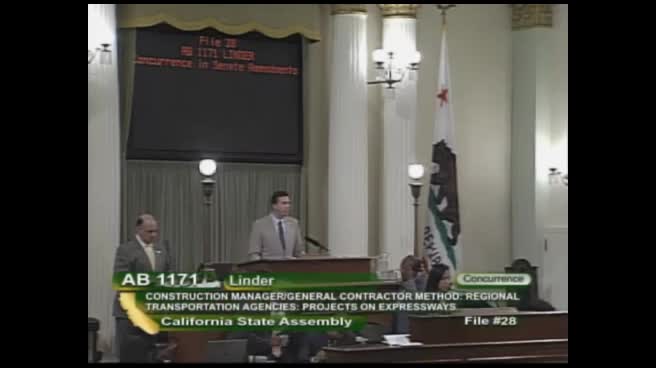 19MIN
Assembly Floor
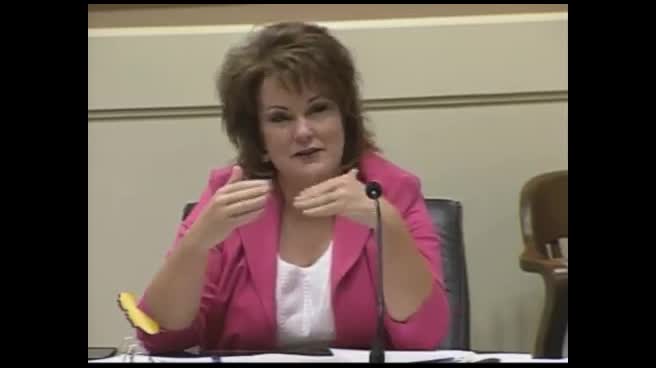 10MIN
Assembly Standing Committee on Elections and Redistricting
Bill Author
Bill Co-Author(s):