AJR 17: Foster Care Tax Credit Act.
- Session Year: 2015-2016
- House: Assembly
- Latest Version Date: 2015-09-10
This measure would urge the President and the Congress of the United States to enact Senate Bill 664, known as the Foster Care Tax Credit Act, which would provide tax relief to short-term foster parents by helping to cover the actual costs of caring for a foster child.
This measure would urge the President and the Congress of the United States to enact Senate Bill 664, known as the Foster Care Tax Credit Act, which would provide tax relief to short-term foster parents by helping to cover the actual costs of caring for a foster child.
This measure would urge the President and the Congress of the United States to enact Senate Bill 664, known as the Foster Care Tax Credit Act, which would provide tax relief to short-term foster parents by helping to cover the actual costs of caring for a foster child.
This measure would urge the President and the Congress of the United States to enact Senate Bill 664, known as the Foster Care Tax Credit Act, which would provide tax relief to short term short-term foster parents by helping to cover the actual costs of caring for a foster child.
This measure would urge the President and the Congress of the United States to enact Senate Bill 664, known as the Foster Care Tax Credit Act, which would provide tax relief to short term foster parents by helping to cover the actual costs of caring for a foster child.
WHEREAS, Foster parents make a positive and tremendous difference in the lives of so many vulnerable children by opening their hearts and homes, and yet California faces constant challenges in recruiting and retaining enough foster families to ensure each child is placed in a family-like setting; and
WHEREAS, Caring for a child in foster care can be more expensive than caring for ones own biological children. Children placed into foster care often have experienced significant emotional and physical trauma and have higher incidences of medical and behavioral health issues, resulting in additional costs to foster parents. On average, current foster care rates would have to increase almost 40 percent nationwide to provide for basic care; and
WHEREAS, Foster parents do not always begin full-time foster parenting immediately. It is not uncommon for foster parents to first provide shorter-term respite or emergency care before graduating into more full-time foster parenthood. Likewise, foster parents may intend to be full-time; however, children placed with them may be reunified with their biological families after short lengths of time. Foster parents may have multiple placements for three to four months at a time. According to the Public Policy Institute of California, in California in 2010, 31 percent of children left foster care within three months; and
WHEREAS, The shortage of foster homes has been widely reported. According to the Los Angeles Times in 2015, Demand for foster beds exceeds supply by more than 30% nationally. Forty percent of parents withdraw during their first year, and an additional 20% say they want out, national studies show. Those families that remain are often stuck in deep poverty themselves; and
WHEREAS, Encouraging individuals to become foster parents can contribute to a greater number of children being adopted from foster care. According to the United States Department of Health and Human Services, of the children adopted from foster care in 2012, 54 percent were adopted by former foster parents. In 2012, that would have equated to 27,358 children adopted by former foster parents; and
WHEREAS, Senate Bill 664 of the 114th United States Congress, known as the federal Foster Care Tax Credit Act, would seek to help the many families who care for foster children for six months or less, who unlike longer term foster families, are not eligible for tax credit assistance under the federal Child Tax Credit, to cover the actual cost of caring for foster children; and
WHEREAS, The Foster Care Tax Credit Act provides tax relief to short-term foster parents and helps cover the actual costs of caring for a foster child by establishing an inflation-adjusted, refundable tax credit of up to $1,000 per year, per foster child, which is prorated by the number of months a foster child is in a familys care; now, therefore, be it
Resolved by the Assembly and the Senate of the State of California, jointly, That because foster parents make significant and meaningful contributions to the lives of so many vulnerable children by opening their hearts and homes, the Legislature urges the President and the Congress of the United States to enact Senate Bill 664 of the 114th United States Congress, known as the Foster Care Tax Credit Act, which would provide tax relief to short term foster parents by helping to cover the actual costs of caring for a foster child; and be it further
Resolved, That the Chief Clerk of the Assembly transmit copies of this resolution to the President and Vice President of the United States, the Speaker and Minority Leader of the House of Representatives, the Majority Leader and Minority Leader of the Senate, and each member of the California delegation to the United States Congress.
WHEREAS, Foster parents make a positive and tremendous difference in the lives of so many vulnerable children by opening their hearts and homes, and yet California faces constant challenges in recruiting and retaining enough foster families to ensure each child is placed in a family-like setting; and
WHEREAS, Caring for a child in foster care can be more expensive than caring for ones own biological children. Children placed into foster care often have experienced significant emotional and physical trauma and have higher incidences of medical and behavioral health issues, resulting in additional costs to foster parents. On average, current foster care rates would have to increase almost 40 percent nationwide to provide for basic care; and
WHEREAS, Foster parents do not always begin full-time foster parenting immediately. It is not uncommon for foster parents to first provide shorter-term respite or emergency care before graduating into more full-time foster parenthood. Likewise, foster parents may intend to be full-time; however, children placed with them may be reunified with their biological families after short lengths of time. Foster parents may have multiple placements for three to four months at a time. According to the Public Policy Institute of California, in California in 2010, 31 percent of children left foster care within three months; and
WHEREAS, The shortage of foster homes has been widely reported. According to the Los Angeles Times in 2015, Demand for foster beds exceeds supply by more than 30% nationally. Forty percent of parents withdraw during their first year, and an additional 20% say they want out, national studies show. Those families that remain are often stuck in deep poverty themselves; and
WHEREAS, Encouraging individuals to become foster parents can contribute to a greater number of children being adopted from foster care. According to the United States Department of Health and Human Services, of the children adopted from foster care in 2012, 54 percent were adopted by former foster parents. In 2012, that would have equated to 27,358 children adopted by former foster parents; and
WHEREAS, Senate Bill 664 of the 114th United States Congress, known as the federal Foster Care Tax Credit Act, would seek to help the many families who care for foster children for six months or less, who unlike longer term foster families, are not eligible for tax credit assistance under the federal Child Tax Credit, to cover the actual cost of caring for foster children; and
WHEREAS, The Foster Care Tax Credit Act provides tax relief to short-term foster parents and helps cover the actual costs of caring for a foster child by establishing an inflation-adjusted, refundable tax credit of up to $1,000 per year, per foster child, which is prorated by the number of months a foster child is in a familys care; now, therefore, be it
Resolved by the Assembly and the Senate of the State of California, jointly, That because foster parents make significant and meaningful contributions to the lives of so many vulnerable children by opening their hearts and homes, the Legislature urges the President and the Congress of the United States to enact Senate Bill 664 of the 114th United States Congress, known as the Foster Care Tax Credit Act, which would provide tax relief to short term foster parents by helping to cover the actual costs of caring for a foster child; and be it further
Resolved, That the Chief Clerk of the Assembly transmit copies of this resolution to the President and Vice President of the United States, the Speaker and Minority Leader of the House of Representatives, the Majority Leader and Minority Leader of the Senate, and each member of the California delegation to the United States Congress.
WHEREAS, Foster parents make a positive and tremendous difference in the lives of so many vulnerable children by opening their hearts and homes, and yet California faces constant challenges in recruiting and retaining enough foster families to ensure each child is placed in a family-like setting; and
WHEREAS, Caring for a child in foster care can be more expensive than caring for ones own biological children. Children placed into foster care often have experienced significant emotional and physical trauma and have higher incidences of medical and behavioral health issues, resulting in additional costs to foster parents. On average, current foster care rates would have to increase almost 40 percent nationwide to provide for basic care; and
WHEREAS, Foster parents do not always begin full-time foster parenting immediately. It is not uncommon for foster parents to first provide shorter-term respite or emergency care before graduating into more full-time foster parenthood. Likewise, foster parents may intend to be full-time; however, children placed with them may be reunified with their biological families after short lengths of time. Foster parents may have multiple placements for three to four months at a time. According to the Public Policy Institute of California, in California in 2010, 31 percent of children left foster care within three months; and
WHEREAS, The shortage of foster homes has been widely reported. According to the Los Angeles Times in 2015, Demand for foster beds exceeds supply by more than 30% nationally. Forty percent of parents withdraw during their first year, and an additional 20% say they want out, national studies show. Those families that remain are often stuck in deep poverty themselves; and
WHEREAS, Encouraging individuals to become foster parents can contribute to a greater number of children being adopted from foster care. According to the United States Department of Health and Human Services, of the children adopted from foster care in 2012, 54 percent were adopted by former foster parents. In 2012, that would have equated to 27,358 children adopted by former foster parents; and
WHEREAS, Senate Bill 664 of the 114th United States Congress, known as the federal Foster Care Tax Credit Act, would seek to help the many families who care for foster children for six months or less, who unlike longer term foster families, are not eligible for tax credit assistance under the federal Child Tax Credit, to cover the actual cost of caring for foster children; and
WHEREAS, The Foster Care Tax Credit Act provides tax relief to short-term foster parents and helps cover the actual costs of caring for a foster child by establishing an inflation-adjusted, refundable tax credit of up to $1,000 per year, per foster child, which is prorated by the number of months a foster child is in a familys care; now, therefore, be it
Resolved by the Assembly and the Senate of the State of California, jointly, That because foster parents make significant and meaningful contributions to the lives of so many vulnerable children by opening their hearts and homes, the Legislature urges the President and the Congress of the United States to enact Senate Bill 664 of the 114th United States Congress, known as the Foster Care Tax Credit Act, which would provide tax relief to short term foster parents by helping to cover the actual costs of caring for a foster child; and be it further
Resolved, That the Chief Clerk of the Assembly transmit copies of this resolution to the President and Vice President of the United States, the Speaker and Minority Leader of the House of Representatives, the Majority Leader and Minority Leader of the Senate, and each member of the California delegation to the United States Congress.
WHEREAS, Foster parents make a positive and tremendous difference in the lives of so many vulnerable children by opening their hearts and homes. However, it is a constant challenge to recruit and retain homes, and yet California faces constant challenges in recruiting and retaining enough foster families to ensure each child is placed in a family-like setting; and
WHEREAS, Caring for a child in foster care can be more expensive than caring for ones own biological children. Children placed into foster care often have experienced significant emotional and physical trauma and have higher incidences of medical and behavioral health issues, resulting in additional costs to foster parents. On average, current foster care rates would have to increase almost 40 percent nationwide to provide for basic care; and
WHEREAS, Foster parents do not always jump into begin full-time foster parenting immediately. It is not uncommon for foster parents to begin by providing first provide shorter-term respite or emergency care before graduating into more full-time foster parenthood. Likewise, foster parents may intend to be full-time; however, their placements are children placed with them may be reunified with their biological families after short lengths of time, but these foster time. Foster parents may have multiple placements for 3 to 4 three to four months at a time. One-quarter (26 percent) of all children who exited foster care in 2013 lived in foster care for less than six According to the Public Policy Institute of California, in California in 2010, 31 percent of children left foster care within three months; and
WHEREAS, The shortage of foster homes has been widely reported. According to the Los Angeles Times, Times in 2015, Demand for foster beds exceeds supply by more than 30% nationally. Forty percent of parents withdraw during their first year, and an additional 20% say they want out, national studies show. Those families that remain are often stuck in deep poverty themselves; and
WHEREAS, The more people we can encourage to become foster parents, the greater the number of children who will be adopted from foster care. In the 2012 fiscal year, 50,663 of the children who exited foster care nationwide were adopted. Of Encouraging individuals to become foster parents can contribute to a greater number of children being adopted from foster care. According to the United States Department of Health and Human Services, of the children adopted from foster care in 2012, 54 percent were adopted by former foster parents. In 2012, that would have equated to 27,358 children adopted by former foster parents; and
WHEREAS, Senate Bill 664 of the 114th United States Congress, known as the federal Foster Care Tax Credit Act, would seek to help the many families who care for foster children for six months or less, who unlike longer term foster families, are not eligible for tax credit assistance under the federal Child Tax Credit, to cover the actual cost of caring for foster children; and
WHEREAS, The Foster Care Tax Credit Act provides tax relief to short term short-term foster parents and helps cover the actual costs of caring for a foster child by establishing an inflation-adjusted, refundable tax credit of up to $1,000 per year, per foster child, which is prorated by the number of months a foster child is in a familys care; now, therefore, be it
Resolved by the Assembly and the Senate of the State of California, jointly, That because foster parents make significant and meaningful contributions to the lives of so many vulnerable children by opening their hearts and homes, the Legislature urges the President and the Congress of the United States to enact Senate Bill 664 of the 114th United States Congress, known as the Foster Care Tax Credit Act, which would provide tax relief to short term foster parents by helping to cover the actual costs of caring for a foster child; and be it further
Resolved, That the Chief Clerk of the Assembly transmit copies of this resolution to the President and Vice President of the United States, the Speaker and Minority Leader of the House of Representatives, the Majority Leader and Minority Leader of the Senate, and each member of the California delegation to the United States Congress.
WHEREAS, Foster parents make a positive and tremendous difference in the lives of so many vulnerable children by opening their hearts and homes. However, it is a constant challenge to recruit and retain enough foster families to ensure each child is placed in a family-like setting; and
WHEREAS, Caring for a child in foster care can be more expensive than caring for ones own biological children. Children placed into foster care often have experienced significant emotional and physical trauma and have higher incidences of medical and behavioral health issues, resulting in additional costs to foster parents. On average, current foster care rates would have to increase almost 40 percent nationwide to provide for basic care; and
WHEREAS, Foster parents do not always jump into full-time foster parenting immediately. It is not uncommon for foster parents to begin by providing shorter-term respite or emergency care before graduating into more full-time foster parenthood. Likewise, foster parents may intend to be full-time; however, their placements are reunified with biological families after short lengths of time, but these foster parents may have multiple placements for 3 to 4 months at a time. One-quarter (26 percent) of all children who exited foster care in 2013 lived in foster care for less than six months; and
WHEREAS, The shortage of foster homes has been widely reported. According to the Los Angeles Times, Demand for foster beds exceeds supply by more than 30% nationally. Forty percent of parents withdraw during their first year, and an additional 20% say they want out, national studies show. Those families that remain are often stuck in deep poverty themselves; and
WHEREAS, The more people we can encourage to become foster parents, the greater the number of children who will be adopted from foster care. In the 2012 fiscal year, 50,663 of the children who exited foster care nationwide were adopted. Of the children adopted from foster care in 2012, 54 percent were adopted by former foster parents. In 2012, that would have equated to 27,358 children adopted by former foster parents; and
WHEREAS, Senate Bill 664 of the 114th United States Congress, known as the federal Foster Care Tax Credit Act, would seek to help the many families who care for foster children for six months or less, who unlike longer term foster families, are not eligible for tax credit assistance under the federal Child Tax Credit, to cover the actual cost of caring for foster children; and
WHEREAS, The Foster Care Tax Credit Act provides tax relief to short term foster parents and helps cover the actual costs of caring for a foster child by establishing an inflation-adjusted, refundable tax credit of up to $1,000 per year, per foster child, which is prorated by the number of months a foster child is in a familys care; now, therefore, be it
Resolved by the Assembly and the Senate of the State of California, jointly, That because foster parents make significant and meaningful contributions to the lives of so many vulnerable children by opening their hearts and homes, the Legislature urges the President and the Congress of the United States to enact Senate Bill 664 of the 114th United States Congress, known as the Foster Care Tax Credit Act, which would provide tax relief to short term foster parents by helping to cover the actual costs of caring for a foster child; and be it further
Resolved, That the Chief Clerk of the Assembly transmit copies of this resolution to the President and Vice President of the United States, the Speaker and Minority Leader of the House of Representatives, the Majority Leader and Minority Leader of the Senate, and each member of the California delegation to the United States Congress.
|
Date
|
Status
|
|---|---|
| May 22, 2015 | Introduced. To print. |
| May 26, 2015 | From printer. |
| Jun 4, 2015 | Referred to Com. on HUM. S. |
| Jun 25, 2015 | From committee chair, with author's amendments: Amend, and re-refer to Com. on HUM. S. Amended. |
| Jun 29, 2015 | Re-referred to Com. on HUM. S. |
| Jul 1, 2015 | From committee: Be adopted. Ordered to Third Reading. (Ayes 6. Noes 0.) (June 30). |
| Jul 9, 2015 | Amended, adopted, and to Senate. |
| Jul 9, 2015 | Amended, adopted, and to Senate. (Ayes 74. Noes 0. Page 2318.) |
| Jul 13, 2015 | In Senate. To Com. on RLS. |
| Jul 16, 2015 | From committee: Ordered to third reading. |
| Aug 26, 2015 | Ordered to special consent calendar. |
| Aug 31, 2015 | Adopted and to Assembly. |
| Aug 31, 2015 | Adopted and to Assembly. (Ayes 40. Noes 0. Page 2311.) |
| Aug 31, 2015 | In Assembly. Ordered to Engrossing and Enrolling. |
| Sep 10, 2015 | Chaptered by Secretary of State - Res. Chapter 176, Statutes of 2015. |
| Sep 10, 2015 | Enrolled and filed with the Secretary of State at 10:30 a.m. |
|
Date
|
Description
|
Location
|
Votes
|
|
|---|---|---|---|---|
| Aug 31, 2015 | Special Consent #8 AJR17 Lopez By Liu | Senate Floor |
Passed |
|
| Jul 9, 2015 | AJR 17 LOPEZ Assembly Third Reading | Assembly Floor |
Passed |
|
| Jun 30, 2015 | Be adopted. To third reading. | Assembly Standing Committee on Human Services |
Passed |
This list shows positions taken on this bill by organizations on the date displayed, which is linked to the original source.
Positions by individuals are not included.
|
Organization
|
Position
|
Date
|
|---|---|---|
| Foster Coalition | * Indeterminate | Jun 30, 2015 |
| Social Mission Central | ** Support | Jun 30, 2015 |
| The Village Family Services | ** Support | Jun 30, 2015 |
AJR 17
Page 4
|
Office of Senate Floor Analyses (916) 651-1520 Fax: (916) 327-4478 |
THIRD READING
Bill No: AJR 17
Amended: 7/9/15 in Assembly
ASSEMBLY FLOOR: 74-0, 7/9/15 - See last page for vote
SUBJECT: Foster Care Tax Credit Act
DIGEST: This resolution urges the President and the Congress of the United States to enact S. 664, the Foster Care Tax Credit Act, which provides tax relief to short-term foster parents by helping to cover the actual costs of caring for a foster child.
ANALYSIS: This resolution makes legislative findings related to foster care, pertaining to:
The importance of foster parents,
The shortage of foster homes,
The state's difficulty in recruiting and retaining a sufficient supply of foster families,
The expenses involved in caring for foster children,
The frequency of short-term foster care placements,
The likelihood that children adopted from foster care will be adopted by former foster parents, and
The benefits that the recently proposed federal legislation, S. 664 (Heitkamp) – the Foster Care Tax Credit Act, will bring to foster parents offering short-term placements to foster children.
This resolution urges the President and Congress to enact S. 664, the Foster Care Tax Credit Act, which provides tax relief to short-term foster parents by helping to cover the actual costs of caring for a foster child.
Background
On January 1, 2015, there were 62,898 children in foster care in California. Approximately 35% of these youth were placed with relatives, non-relative extended family members, or in a tribe-specified home. Another 25% were placed with foster family agencies (FFAs) or FFA-certified homes, and almost 9% were placed in foster family homes (FFHs) and small family homes.
For Fiscal Year 2014-15, the FFH basic rate (which varies by age of the foster youth) ranged from $671 per month for children zero through four years old to $838 per month for youth ages 15 to 20. The same basic rate applies for youth placed in homes through non-treatment FFA programs, while rates are higher for youth placed through treatment FFAs. A 2007 report from Children’s Rights, the National Foster Parent Association, and the University of Maryland School of Social Work found that California’s foster care rates covered only 61% of the costs of raising a two-year-old foster child, 59% of raising a nine-year-old, and 44% of raising a 16-year-old.
Short-term foster care. Available Child Welfare Services (CWS) data do not provide an exact picture of the number of all foster youth that are placed less than six months, at any given time, in FFHs and FFA-certified homes. However, some data are available for median lengths of stay and for youth entering CWS within specified periods. For example, for youth who exited care to reunification in 2014, the median length of stay for those placed in FFHs was 4.8 months; for those placed in FFA-certified homes, the median length of stay was 6.3 months. Additionally, 5,951 youth entered foster care for the first time during the first six months of 2014 and were placed into FFHs or FFA-certified homes; 1,905 (32%) of those youth were reunified with their families within that six months.
Foster Care Tax Credit Act: Introduced in March 2015 and referred to the Senate Finance Committee, the Foster Care Tax Credit Act (S. 664) proposed to extend the benefits of the Child Tax Credit to foster parents with whom foster youth are placed for shorter periods of time. The federal Child Tax Credit allows taxpayers to reduce their federal income tax by up to $1,000 per qualifying child, including eligible foster children. However, the Child Tax Credit has a residency requirement stating that, to render a taxpayer eligible for the credit, a qualifying child must have lived with the taxpayer for more than half of the calendar year for which taxes are being filed. (Note that California, while offering certain tax benefits related to children, dependents, and adoption, does not offer a state equivalent of the Child Tax Credit.)
The Foster Care Tax Credit Act offers foster parents a refundable tax credit of up to $1,000 per year, per foster child, that is pro-rated by the number of months a foster child is in a family’s care.
Comments
According to the author’s office, this resolution urges the enactment of the Foster Care Tax Credit Act which will “encourage more families to become foster parents via tax credit incentives in order to cut down on group home costs in the short-term and encourage more permanent adoptions in the long-term. A tax credit can make it more financially feasible for more Americans to offer safe loving homes for foster children. Recruiting more foster parents also increases the chance that children will be adopted into permanent families. Children who are adopted versus those who ‘age out’ of foster care are less likely to be incarcerated, homeless and require public welfare assistance.”
FISCAL EFFECT: Appropriation: No Fiscal Com.: No Local: No
Foster Coalition (source)
Lilliput Children’s Services
Marin Foster Parent Association
Social Mission Central
The Village Family Services
OPPOSITION: (Verified 7/31/15)
None received
ASSEMBLY FLOOR: 74-0, 7/09/15
AYES: Achadjian, Alejo, Travis Allen, Baker, Bloom, Bonilla, Bonta, Brough, Brown, Burke, Calderon, Campos, Chang, Chau, Chávez, Chiu, Chu, Cooley, Cooper, Dababneh, Daly, Dodd, Eggman, Frazier, Beth Gaines, Gallagher, Cristina Garcia, Eduardo Garcia, Gatto, Gipson, Gomez, Gonzalez, Gordon, Gray, Hadley, Harper, Roger Hernández, Holden, Irwin, Jones, Jones-Sawyer, Kim, Lackey, Levine, Linder, Lopez, Low, Maienschein, Mathis, McCarty, Medina, Melendez, Mullin, Nazarian, O'Donnell, Olsen, Perea, Quirk, Rendon, Ridley-Thomas, Rodriguez, Salas, Santiago, Steinorth, Mark Stone, Thurmond, Ting, Wagner, Waldron, Weber, Wilk, Williams, Wood, Atkins
NO VOTE RECORDED: Bigelow, Dahle, Grove, Mayes, Obernolte, Patterson
Prepared by: Melissa Ward / SFA / (916) 651-1520
8/13/15 13:38:53
**** END ****
AJR 17
Page 3
ASSEMBLY THIRD READING
AJR 17
(Lopez)
As Amended June 25, 2015
Majority vote
Committee |
Votes |
Ayes |
Noes |
Human Services |
6-0 |
Chu, Calderon, Lopez, Maienschein, Mark Stone, Thurmond |
|
SUMMARY: Memorializes the Legislature's request for the President and Congress to pass the Foster Care Tax Credit Act. Specifically, this bill:
Makes a number of legislative findings related to foster care, pertaining to: the importance of foster parents, the shortage of foster homes, the state's difficulty in recruiting and retaining a sufficient supply of foster families, the expenses involved in caring for foster children, the frequency of short-term foster care placements, the likelihood that children adopted from foster care will be adopted by former foster parents, and the benefits that the recently-proposed federal S. 664 (Heitkamp) – the Foster Care Tax Credit Act – would bring to foster parents offering short-term placements to foster children.
Resolves that the California State Assembly and Senate urge the President and the United States Congress to enact S. 664 of the 114th Congress.
EXISTING LAW:
Establishes a state and local system of child welfare services, including foster care, for children who have been adjudged by the court to be at risk or have been abused or neglected, as specified. (Welfare and Institutions Code (WIC) Section 202)
Allows a juvenile court to adjudge a child a ward or a dependent of the court for specified reasons, including but not limited to if the child has been left without any provision for support, as specified. (WIC Section 300)
States that the purpose of foster care law is to provide maximum safety and protection for children who are currently being physically, sexually, or emotionally abused, neglected, or exploited, and to ensure the safety, protection, and physical and emotional well-being of children who are at risk of harm. (WIC Section 300.2)
Requires out-of-home placement of a child in foster care to be based upon selection of a safe setting that is the least restrictive or most family-like and the most appropriate setting available and in close proximity to the parent’s home, the child’s school, and best suited to meet the child’s special needs and best interests. Further requires the selection of placement to consider, in order of priority, placement with relatives, nonrelated extended family members, tribal members, and foster family homes, certified homes of foster family agencies, intensive treatment or multidimensional treatment foster care homes, group care placements, such as group homes and community treatment facilities, and residential treatment, as specified. (WIC Section 16501.1(c)(1))
Establishes in federal law the Child Tax Credit, allowing individuals to reduce their federal income tax by up to $1,000 per qualifying child, including foster children, as specified. Further delineates a number of criteria that must be met for children to qualify, including but not limited to a residence test, whereby a child must have lived with the taxpayer for more than half of the calendar year for which taxes are being filed. (26 United States Code Section 24)
FISCAL EFFECT: Unknown. This resolution is keyed non-fiscal by the Legislative Counsel.
COMMENTS:
Child Welfare Services: California's Child Welfare Services (CWS) system provides a number of services, supports, and interventions aimed at protecting children and their health and safety. Under certain circumstances defined in state law, the juvenile court may deem a child to be a dependent or ward of the court. The court may then keep the child in his or her home or remove the child from the home; removal may either result in eventual reunification with the family, or the court may determine that an alternate permanent placement is more fitting. In this latter case, the court must give preference to potential placements in this order: relatives, nonrelative extended family members, or family foster homes. Placement in group homes or other intensive treatment placement settings are considered only in more challenging situations where a child may need stabilization services in order to transition to a less restrictive placement, such as with a relative or foster caregiver.
On January 1, 2015, there were 62,898 children in foster care in California. Approximately 35% of these youth were placed with relatives, non-relative extended family members, or in a tribe-specified home. Another 25% were placed with foster family agencies (FFAs) or FFA-certified homes, and almost 9% were placed in foster family homes (FFHs) and small family homes.
For Fiscal Year 2014-15, the FFH basic rate (which varies by age of the foster youth) ranged from $671 per month for children zero through four years old to $838 per month for youth ages 15 to 20. The same basic rate applies for youth placed in homes through non-treatment FFA programs, while rates are higher for youth placed through treatment FFAs. A 2007 report from Children’s Rights, the National Foster Parent Association, and the University of Maryland School of Social Work found that California’s foster care rates covered only 61% of the costs of raising a two-year-old foster child, 59% of raising a nine-year-old, and 44% of raising a 16-year-old.
“Short-term” foster care: Available CWS data do not provide an exact picture of the number of all foster youth that are placed less than six months, at any given time, in FFHs and FFA-certified homes. However, some data are available for median lengths of stay and for youth entering CWS within specified periods. For example, for youth who exited care to reunification in 2014, the median length of stay for those placed in FFHs was 4.8 months; for those placed in FFA-certified homes, the median length of stay was 6.3 months. Additionally, 5,951 youth entered foster care for the first time during the first six months of 2014 and were placed into FFHs or FFA-certified homes; 1,905 (32%) of those youth were reunified with their families within that six months.
Foster Care Tax Credit Act: Introduced in March 2015 and referred to the Senate Finance Committee, the Foster Care Tax Credit Act proposed to extend the benefits of the Child Tax Credit to foster parents with whom foster youth are placed for shorter periods of time. The federal Child Tax Credit allows taxpayers to reduce their federal income tax by up to $1,000 per qualifying child, including eligible foster children. However, the Child Tax Credit has a residency requirement stating that, to render a taxpayer eligible for the credit, a qualifying child must have lived with the taxpayer for more than half of the calendar year for which taxes are being filed. (Note that California, while offering certain tax benefits related to children, dependents, and adoption, does not offer a state equivalent of the Child Tax Credit.)
The Foster Care Tax Credit Act would offer foster parents a refundable tax credit of up to $1,000 per year, per foster child, that is pro-rated by the number of months a foster child is in a family’s care.
Need for this bill: According to the author:
"Caring for a child in foster care can be more expensive than caring for one's own biological children. Children placed into foster care often have experienced significant emotional and physical trauma and have higher incidences of medical and behavioral health issues, resulting in additional costs to foster parents. Foster families often incur additional monetary costs when parenting these children for even just a short time, and this legislation would make sure those costs don’t prevent families from taking in children who need homes.
"We need to encourage more families to become foster parents. The shortage of foster homes has been widely reported, and placing children in foster homes is more cost effective with better outcomes than placing them in group homes. We should be working towards recruiting more foster parents so that children, hopefully, will be adopted into permanent families."
Analysis Prepared by: Daphne Hunt / HUM. S. / (916) 319-2089 FN: 0001118
AJR 17
Page 4
Date of Hearing: June 30, 2015
ASSEMBLY COMMITTEE ON HUMAN SERVICES
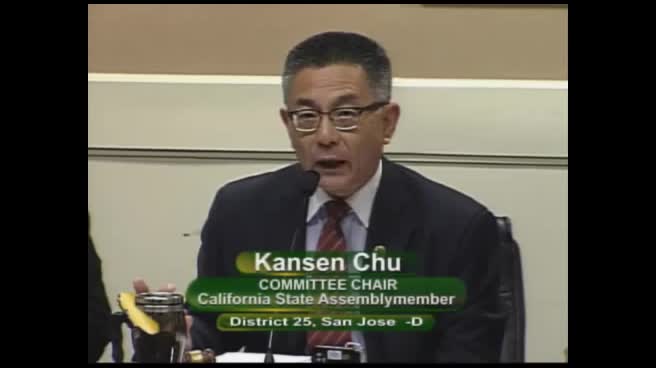
Kansen Chu, Chair
AJR 17 (
Lopez) – As Amended June 25, 2015
SUBJECT: Foster Care Tax Credit Act.
SUMMARY: Memorializes the Legislature’s request for the President and Congress to pass the Foster Care Tax Credit Act.
Specifically, this bill:
Makes a number of legislative findings related to foster care, pertaining to:
The importance of foster parents, the shortage of foster homes, and the state’s difficulty in recruiting and retaining a sufficient supply of foster families;
The expenses involved in caring for foster children relative to caring for one’s own biological children, due largely to heightened need for medical and supportive services;
The frequency of short-term foster care placements due to youth being reunified with their families;
The likelihood that children adopted from foster care will be adopted by former foster parents; and
The benefits that the recently-proposed federal Senate Bill 664 – the Foster Care Tax Credit Act – would bring to foster parents offering short-term placements to foster children.
Resolves that the California State Assembly and Senate urge the President and the United States Congress to enact Senate Bill 664 of the 114th Congress.
EXISTING LAW:
Establishes a state and local system of child welfare services, including foster care, for children who have been adjudged by the court to be at risk or have been abused or neglected, as specified. (WIC 202)
Allows a juvenile court to adjudge a child a ward or a dependent of the court for specified reasons, including but not limited to if the child has been left without any provision for support, as specified. (WIC 300)
States that the purpose of foster care law is to provide maximum safety and protection for children who are currently being physically, sexually, or emotionally abused, neglected, or exploited, and to ensure the safety, protection, and physical and emotional well-being of children who are at risk of harm. (WIC 300.2)
Requires out-of-home placement of a child in foster care to be based upon selection of a safe setting that is the least restrictive or most family-like and the most appropriate setting available and in close proximity to the parent’s home, the child’s school, and best suited to meet the child’s special needs and best interests. Further requires the selection of placement to consider, in order of priority, placement with relatives, nonrelated extended family members, tribal members, and foster family homes, certified homes of foster family agencies, intensive treatment or multidimensional treatment foster care homes, group care placements, such as group homes and community treatment facilities, and residential treatment, as specified. (WIC 16501.1(c)(1))
Establishes in federal law the Child Tax Credit, allowing individuals to reduce their federal income tax by up to $1,000 per qualifying child, including foster children, as specified. Further delineates a number of criteria that must be met for children to qualify, including but not limited to a residence test, whereby a child must have lived with the taxpayer for more than half of the calendar year for which taxes are being filed. (26 USC § 24)
FISCAL EFFECT: Unknown.
COMMENTS:
Child Welfare
Services: California’s Child Welfare Services (CWS)
system provides a number of services, supports, and interventions
aimed at protecting children and their health and safety.
Ultimately, the system seeks to preserve and strengthen families by
reuniting children with their biological parents whenever
appropriate. When this reunification is not possible or appropriate,
children are placed in the setting deemed least restrictive and most
suitable; this can include placement with relatives or guardians
(such as a nonrelative extended family member) or adoption.
Under certain
circumstances defined in state law, the juvenile court may deem a
child to be a dependent or ward of the court. The court may then
keep the child in his or her home or remove the child from the home;
removal may either result in eventual reunification with the family,
or the court may determine that an alternate permanent placement is
more fitting. In this latter case, the court must give preference to
potential placements in this order: relatives, nonrelative extended
family members, or family foster homes. Placement in group homes or
other intensive treatment placement settings are considered only in
more challenging situations where a child may need stabilization
services in order to transition to a less restrictive placement, such
as with a relative or foster caregiver.
On January 1, 2015, there were 62,898 children in foster care in California. Approximately 35% of these youth were placed with relatives, non-relative extended family members, or in a tribe-specified home. Another 25% were placed with foster family agencies (FFAs) or FFA-certified homes, and almost 9% were placed in foster family homes (FFHs) and small family homes.
For fiscal year 2014-15, the FFH basic rate (which varies by age of the foster youth) ranged from $671 per month for children zero through 4 years old to $838 per month for youth ages 15 to 20. The same basic rate applies for youth placed in homes through non-treatment FFA programs, while rates are higher for youth placed through treatment FFAs. A 2007 report from Children’s Rights, the National Foster Parent Association, and the University of Maryland School of Social Work found that California’s foster care rates covered only 61% of the costs of raising a 2-year-old foster child, 59% of raising a 9-year-old, and 44% of raising a 16-year-old.
“Short-term” foster care: Available CWS data do not provide an exact picture of the number of all foster youth that are placed less than six months, at any given time, in FFHs and FFA-certified homes. However, some data are available for median lengths of stay and for youth entering CWS within specified periods. For example, for youth who exited care to reunification in 2014, the median length of stay for those placed in FFHs was 4.8 months; for those placed in FFA-certified homes, the median length of stay was 6.3 months. Additionally, 5,951 youth entered foster care for the first time during the first six months of 2014 and were placed into FFHs or FFA-certified homes; 1,905 (32%) of those youth were reunified with their families within that six months.
Foster Care Tax Credit Act: Introduced in March 2015 and referred to the Senate Finance Committee, the Foster Care Tax Credit Act proposed to extend the benefits of the Child Tax Credit to foster parents with whom foster youth are placed for shorter periods of time. The federal Child Tax Credit allows taxpayers to reduce their federal income tax by up to $1,000 per qualifying child, including eligible foster children. However, the Child Tax Credit has a residency requirement stating that, to render a taxpayer eligible for the credit, a qualifying child must have lived with the taxpayer for more than half of the calendar year for which taxes are being filed. (Note that California, while offering certain tax benefits related to children, dependents, and adoption, does not offer a state equivalent of the Child Tax Credit.)
The Foster Care Tax Credit Act would offer foster parents a refundable tax credit of up to $1,000 per year, per foster child, that is pro-rated by the number of months a foster child is in a family’s care.
Need for this bill: A fundamental goal of the foster care system in California is reunification of children and youth in the CWS system with their families. Attending this goal is an emphasis on the use of home-based, family-like settings for the temporary placement of youth while reunification services are provided to those youth and their families. The provision of short-term care by foster families plays a crucial role. Enactment by Congress of the Foster Care Tax Credit Act will assist foster families providing short-term care by lessening their federal income tax burden.
According to the author:
“Caring for a child in foster care can be more expensive than caring for one’s own biological children. Children placed into foster care often have experienced significant emotional and physical trauma and have higher incidences of medical and behavioral health issues, resulting in additional costs to foster parents. Foster families often incur additional monetary costs when parenting these children for even just a short time, and this legislation would make sure those costs don’t prevent families from taking in children who need homes.
We need to encourage more families to become foster parents. The shortage of foster homes has been widely reported, and placing children in foster homes is more cost effective with better outcomes than placing them in group homes. We should be working towards recruiting more foster parents so that children, hopefully, will be adopted into permanent families.”
REGISTERED SUPPORT / OPPOSITION:
Support
Social Mission Central
The Village Family Services
Opposition
None on file.
Analysis Prepared by: Daphne Hunt / HUM. S. / (916) 319-2089
Discussed in Hearing
View Older Hearings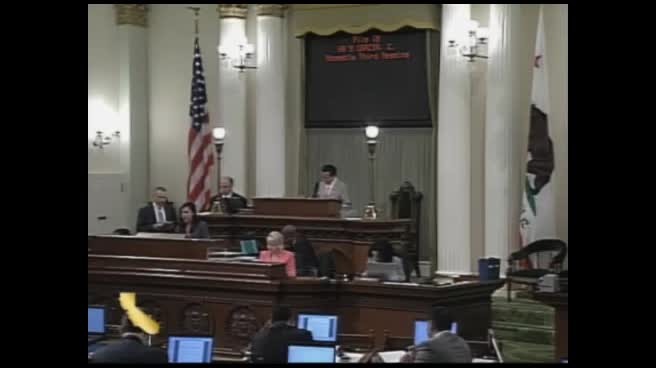
Bill Author

Bill Co-Author(s):