AJR 37: Filipino veterans.
- Session Year: 2015-2016
- House: Assembly
- Latest Version Date: 2016-08-16
This measure would request that the Congress of the United States pass H.R. 2737 and Sen. 1555.
This measure would request that the Congress of the United States pass H.R. 2737 and Sen. 1555.
This measure would request that the Congress of the United States pass H.R. 2737 and Sen. 1555.
This measure would request that the Congress of the United States award the Congressional Gold Medal to Filipino veterans of World War II in recognition of their loyal and selfless duty to the Philippines and to the United States. pass H.R. 2737 and Sen. 1555.
This measure would request that the Congress of the United States award the Congressional Gold Medal to Filipino veterans of World War II in recognition of their loyal and selfless duty to the Philippines and to the United States.
WHEREAS, The Legislature has always properly recognized the service and sacrifice of all veterans and, in August 2011, passed Assembly Bill 199 to encourage the inclusion of the role of Filipinos during World War II in the social sciences curriculum for grades 7 to 12, inclusive, in California; and
WHEREAS, On July 26, 1941, the United States Army Forces in the Far East (USAFFE) was created by a military order by the United States War Department and signed by President Franklin D. Roosevelt, which federalized all military units in the United States Commonwealth of the Philippines into the service of the United States Army under the command of General Douglas MacArthur; and
WHEREAS, On December 8, 1941, just six hours after the bombing of Pearl Harbor, the Philippines was invaded by Japan. On December 24, 1941, in accordance with War Plan Orange 3 (WPO3), the USAFFE made a strategic retreat to the Bataan Peninsula which guarded the entrance of Manila Bay. Filipino soldiers of the USAFFE made up seven-eighths of the main line of resistance in the Battle of Bataan. Despite the lack of training and equipment and fighting without any air support, the Filipino and American soldiers of the USAFFE fought with great distinction and inflicted heavy losses on the Japanese Army in the Battle of Abucay, Battle of the Points, and Battle of the Pockets in January and February 1942. Because of the Europe First Policy, the USAFFE troops were unable to receive necessary reinforcement, which led to massive disease and starvation. However, they performed a delaying action that disrupted the timetable of the Japanese Army of 52 days, defending the Bataan Peninsula for 99 days; and
WHEREAS, On April 9, 1942, General Edward P. King, Jr., Commanding General of the Luzon Forces, was forced to surrender 75,000 USAFFE troops consisting of 63,000 Filipino and 12,000 American soldiers, most suffering from disease and starvation. Those soldiers were forced to march some 60 miles to their prison camp at Camp ODonnell in searing heat with barely any provisions for food, water, shelter, or medicine. Those who could no longer go on were beaten, bayoneted, shot, and some even beheaded by their captors. Approximately 10,000 Filipino and 750 American soldiers died along the way in what became known as the Bataan Death March. Once inside Camp ODonnell, another 20,000 Filipino and 1,600 American soldiers died. On May 6, 1942, Lt. General Jonathan Wainwright, Commanding General of the United States Forces in the Philippines, surrendered Corregidor and the rest of the Philippines to General Masaharu Homma of the Japanese Army; and
WHEREAS, From 1942 until 1945, Filipinos made up a majority of the Guerrilla groups which laid the groundwork for the eventual liberation of the Philippines which started in October 1944 with the Leyte Landing and the Battle of Leyte Gulf and ended on September 3, 1945, with the surrender of General Tomoyuki Yamashita of the Japanese Army to the Allied Forces; and
WHEREAS, The Philippine nation suffered heavy casualties from December 8, 1941, until September 3, 1945. Beginning in 1944, a systematic extermination of civilians (Zonas) and prisoners of war took place all over the Philippines. During the Battle of Manila between February and March 1945, approximately 100,000 civilians perished in Manila, many by massacres. By the end of the war, approximately 1,000,000 civilians had perished in the Philippines and Manila, once called the Pearl of the Orient, became the second most devastated city during World War II after Warsaw, Poland; and
WHEREAS, The men and women of the Philippines and United States performed an invaluable service in defense of the United States and the Philippines from July 26, 1941, to December 31, 1946. In the Philippines it consisted of the Philippine Scouts (part of the Philippine Department), the Philippine Commonwealth Army, Recognized Guerrillas, and the New Philippine Scouts. In the United States, the First Filipino Infantry Regiment, 2nd Filipino Infantry Battalion (Separate), and First Reconnaissance Battalion were activated between July and October 1942, in California; and
WHEREAS, In February and May 1946, a great injustice was inflicted on the Filipino soldiers with the passage of the First and Second Surplus Rescission Acts, which deemed the service of the organized military forces of the Government of the Commonwealth of the Philippines including organized guerrilla forces, while such forces were in the service of the United States Armed Forces pursuant to the military order of the President dated July 26, 1941, as not to have been active military, naval, or air service for the purposes of any law of the United States conferring rights, privileges, or benefits upon any person by reason of the service of such person or the service of any other person in the United States Armed Forces; now, therefore, be it
Resolved by the Assembly and the Senate of the State of California, jointly, That the Legislature requests that the Congress of the United States pass H.R. 2737 and Sen. 1555 in recognition of the loyal and selfless duty of Filipino veterans of World War II to the Philippines and to the United States; and be it further
Resolved, That the Chief Clerk of the Assembly transmit copies of this resolution to the President and Vice President of the United States, to the Speaker of the House of Representatives, to the Majority Leader of the Senate, to each Senator and Representative from California in the Congress of the United States, and to the author for appropriate distribution.
WHEREAS, The Legislature has always properly recognized the service and sacrifice of all veterans and, in August 2011, passed Assembly Bill 199 to encourage the inclusion of the role of Filipinos during World War II in the social sciences curriculum for grades 7 to 12, inclusive, in California; and
WHEREAS, On July 26, 1941, the United States Army Forces in the Far East (USAFFE) was created by a military order by the United States War Department and signed by President Franklin D. Roosevelt, which federalized all military units in the United States Commonwealth of the Philippines into the service of the United States Army under the command of General Douglas MacArthur; and
WHEREAS, On December 8, 1941, just six hours after the bombing of Pearl Harbor, the Philippines was invaded by Japan. On December 24, 1941, in accordance with War Plan Orange 3 (WPO3), the USAFFE made a strategic retreat to the Bataan Peninsula which guarded the entrance of Manila Bay. Filipino soldiers of the USAFFE made up seven-eighths of the main line of resistance in the Battle of Bataan. Despite the lack of training and equipment and fighting without any air support, the Filipino and American soldiers of the USAFFE fought with great distinction and inflicted heavy losses on the Japanese Army in the Battle of Abucay, Battle of the Points, and Battle of the Pockets in January and February 1942. Because of the Europe First Policy, the USAFFE troops were unable to receive necessary reinforcement, which led to massive disease and starvation. However, they performed a delaying action that disrupted the timetable of the Japanese Army of 52 days, defending the Bataan peninsula Peninsula for 99 days; and
WHEREAS, On April 9, 1942, General Edward P. King, Jr., Commanding General of the Luzon Forces, was forced to surrender 75,000 USAFFE troops consisting of 63,000 Filipino and 12,000 American soldiers, mostly most suffering from disease and starvation. Those soldiers were forced to march some 60 miles to their prison camp at Camp ODonnell in searing heat with barely any provisions for food, water, shelter, or medicine. Those who could no longer go on were beaten, bayoneted, shot, and some even beheaded by their captors. Approximately 10,000 Filipino and 750 American soldiers died along the way in what became known as the Bataan Death March. Once inside Camp ODonnell, another 20,000 Filipino and 1,600 American soldiers died. On May 6, 1942, Lt. General Jonathan Wainwright, Commanding General of the United States Forces in the Philippines, surrendered Corregidor and the rest of the Philippines to General Masaharu Homma of the Japanese Army; and
WHEREAS, From 1942 until 1945, Filipinos made up a majority of the Guerrilla groups which laid the groundwork for the eventual liberation of the Philippines which started on in October 1944 with the Leyte Landing and the Battle of Leyte Gulf and ended on September 3, 1945, with the surrender of General Tomoyuki Yamashita of the Japanese Army to the Allied Forces; and
WHEREAS, The Philippine nation suffered heavy casualties from December 8, 1941, until September 3, 1945. Beginning in 1944, a systematic extermination of civilians (Zonas) and prisoners of war took place all over the Philippines. During the Battle of Manila between February and March 1945, approximately 100,000 civilians perished in Manila, many by massacres. By the end of the war, approximately 1,000,000 civilians had perished in the Philippines and Manila, once called the Pearl of the Orient, became the second most devastated city during World War II after Warsaw, Poland; and
WHEREAS, The men and women of the Philippines and United States performed an invaluable service in defense of the United States and the Philippines from July 26, 1941, to December 31, 1946. In the Philippines it consisted of the Philippine Scouts (part of the Philippine Department), the Philippine Commonwealth Army, Recognized Guerrillas, and the New Philippine Scouts. In the United States, the First Filipino Infantry Regiment, 2nd Filipino Infantry Battalion (Separate), and First Reconnaissance Battalion were activated between July and October 1942, in California; and
WHEREAS, In February and May 1946, a great injustice was inflicted on the Filipino soldiers with the passage of the First and Second Surplus Rescission Acts, which deemed the service of the organized military forces of the Government of the Commonwealth of the Philippines including organized guerrilla forces, while such forces were in the service of the United States Armed Forces pursuant to the military order of the President dated July 26, 1941, as not to have been active military, naval, or air service for the purposes of any law of the United States conferring rights, privileges, or benefits upon any person by reason of the service of such person or the service of any other person in the United States Armed Forces; now, therefore therefore, be it
Resolved by the Assembly and the Senate of the State of California, jointly, That the California Legislature requests that the Congress of the United States award the Congressional Gold Medal to Filipino veterans of World War II in recognition of their loyal and selfless duty to the Philippines and to the United States; pass H.R. 2737 and Sen. 1555 in recognition of the loyal and selfless duty of Filipino veterans of World War II to the Philippines and to the United States; and be it further
Resolved, That the Chief Clerk of the Assembly transmit copies of this resolution to the President and Vice President of the United States, to the Speaker of the House of Representatives, to the Majority Leader of the Senate, to each Senator and Representative from California in the Congress of the United States, and to the author for appropriate distribution.
WHEREAS, The Legislature has always properly recognized the service and sacrifice of all veterans and, in August 2011, passed Assembly Bill 199 to encourage the inclusion of the role of Filipinos during World War II in the social sciences curriculum for grades 7 to 12, inclusive, in California; and
WHEREAS, On July 26, 1941, the United States Army Forces in the Far East (USAFFE) was created by a military order by the United States War Department and signed by President Franklin D. Roosevelt, which federalized all military units in the United States Commonwealth of the Philippines into the service of the United States Army under the command of General Douglas MacArthur; and
WHEREAS, On December 8, 1941, just six hours after the bombing of Pearl Harbor, the Philippines was invaded by Japan. On December 24, 1941, in accordance with War Plan Orange 3 (WPO3), the USAFFE made a strategic retreat to the Bataan Peninsula which guarded the entrance of Manila Bay. Filipino soldiers of the USAFFE made up seven-eighths of the main line of resistance in the Battle of Bataan. Despite the lack of training and equipment and fighting without any air support, the Filipino and American soldiers of the USAFFE fought with great distinction and inflicted heavy losses on the Japanese Army in the Battle of Abucay, Battle of the Points, and Battle of the Pockets in January and February 1942. Because of the Europe First Policy, the USAFFE troops were unable to receive necessary reinforcement, which led to massive disease and starvation. However, they performed a delaying action that disrupted the timetable of the Japanese Army of 52 days, defending the Bataan peninsula for 99 days; and
WHEREAS, On April 9, 1942, General Edward P. King, Jr., Commanding General of the Luzon Forces, was forced to surrender 75,000 USAFFE troops consisting of 63,000 Filipino and 12,000 American soldiers, mostly suffering from disease and starvation. Those soldiers were forced to march some 60 miles to their prison camp at Camp ODonnell in searing heat with barely any provisions for food, water, shelter, or medicine. Those who could no longer go on were beaten, bayoneted, shot, and some even beheaded by their captors. Approximately 10,000 Filipino and 750 American soldiers died along the way in what became known as the Bataan Death March. Once inside Camp ODonnell, another 20,000 Filipino and 1,600 American soldiers died. On May 6, 1942, Lt. General Jonathan Wainwright, Commanding General of the United States Forces in the Philippines, surrendered Corregidor and the rest of the Philippines to General Masaharu Homma of the Japanese Army; and
WHEREAS, From 1942 until 1945, Filipinos made up a majority of the Guerrilla groups which laid the groundwork for the eventual liberation of the Philippines which started on October 1944 with the Leyte Landing and the Battle of Leyte Gulf and ended on September 3, 1945, with the surrender of General Tomoyuki Yamashita of the Japanese Army to the Allied Forces; and
WHEREAS, The Philippine nation suffered heavy casualties from December 8, 1941, until September 3, 1945. Beginning in 1944, a systematic extermination of civilians (Zonas) and prisoners of war took place all over the Philippines. During the Battle of Manila between February and March 1945, approximately 100,000 civilians perished in Manila, many by massacres. By the end of the war, approximately 1,000,000 civilians had perished in the Philippines and Manila, once called the Pearl of the Orient, became the second most devastated city during World War II after Warsaw, Poland; and
WHEREAS, The men and women of the Philippines and United States performed an invaluable service in defense of the United States and Philippines from July 26, 1941, to December 31, 1946. In the Philippines it consisted of the Philippine Scouts (part of the Philippine Department), the Philippine Commonwealth Army, Recognized Guerrillas, and the New Philippine Scouts. In the United States, the First Filipino Infantry Regiment, 2nd Filipino Infantry Battalion (Separate), and First Reconnaissance Battalion were activated between July and October 1942, in California; and
WHEREAS, In February and May 1946, a great injustice was inflicted on the Filipino soldiers with the passage of the First and Second Surplus Rescission Acts, which deemed the service of the organized military forces of the Government of the Commonwealth of the Philippines including organized guerrilla forces, while such forces were in the service of the United States Armed Forces pursuant to the military order of the President dated July 26, 1941, as not to have been active military, naval, or air service for the purposes of any law of the United States conferring rights, privileges, or benefits upon any person by reason of the service of such person or the service of any other person in the United States Armed Forces; now, therefore be it
Resolved by the Assembly and the Senate of the State of California, jointly, That the California Legislature requests that the Congress of the United States award the Congressional Gold Medal to Filipino veterans of World War II in recognition of their loyal and selfless duty to the Philippines and to the United States; and be it further
Resolved, That the Chief Clerk of the Assembly transmit copies of this resolution to the President and Vice President of the United States, to the Speaker of the House of Representatives, to the Majority Leader of the Senate, to each Senator and Representative from California in the Congress of the United States, and to the author for appropriate distribution.
|
Date
|
Status
|
|---|---|
| Jun 30, 2016 | Re-referred to Com. on V.A. |
| Aug 16, 2016 | Enrolled and filed with the Secretary of State at 2:30 p.m. |
| Aug 16, 2016 | Chaptered by Secretary of State - Res. Chapter 114, Statutes of 2016. |
| Aug 11, 2016 | In Assembly. Ordered to Engrossing and Enrolling. |
| Aug 11, 2016 | Adopted and to Assembly. (Ayes 37. Noes 0. Page 4877.) |
| Aug 11, 2016 | Adopted and to Assembly. |
| Aug 3, 2016 | Ordered to special consent calendar. |
| Aug 2, 2016 | Read second time. Ordered to third reading. |
| Aug 1, 2016 | Withdrawn from committee. |
| Aug 1, 2016 | Ordered to second reading. |
| Apr 21, 2016 | Introduced. To print. |
| Jun 28, 2016 | In Senate. To Com. on RLS. |
| Jun 27, 2016 | Amended, adopted, and to Senate. (Ayes 75. Noes 0. Page 5511.) |
| Jun 27, 2016 | Amended, adopted, and to Senate. |
| Jun 15, 2016 | From committee: Be adopted. Ordered to Third Reading. (Ayes 8. Noes 0.) (June 14). |
| Jun 13, 2016 | Re-referred to Com. on V.A. |
| Jun 10, 2016 | From committee chair, with author's amendments: Amend, and re-refer to Com. on V.A. Amended. |
| Apr 25, 2016 | Referred to Com. on V.A. |
| Apr 22, 2016 | From printer. |
|
Date
|
Description
|
Location
|
Votes
|
|
|---|---|---|---|---|
| Aug 11, 2016 | Special Consent AJR37 Bonta By Pan | Senate Floor |
Passed |
|
| Jun 27, 2016 | AJR 37 BONTA Assembly Third Reading | Assembly Floor |
Passed |
|
| Jun 14, 2016 | Be adopted. To third reading. | Assembly Standing Committee on Veterans Affairs |
Passed |
This list shows positions taken on this bill by organizations on the date displayed, which is linked to the original source.
Positions by individuals are not included.
|
Organization
|
Position
|
Date
|
|---|---|---|
| California State Commanders Veterans Council | * Support | Jun 14, 2016 |
| The American Legion Department California | * Support | Jun 14, 2016 |
Office of Senate Floor Analyses (916) 651-1520 Fax: (916) 327-4478 | AJR 37 |
THIRD READING
Bill No: AJR 37
Amended: 6/27/16 in Assembly
ASSEMBLY FLOOR: 75-0, 6/27/16 - See last page for vote
DIGEST: This resolution requests that the Congress of the United States pass specified federal legislation pertaining to Filipino veterans of World War II in recognition of their loyal and selfless duty to the Philippines and to the United States.
ANALYSIS: This resolution makes the following legislative findings:
- The Legislature has always properly recognized the service and sacrifice of all veterans and, in August 2011, passed Assembly Bill 199 to encourage the inclusion of the role of Filipinos during World War II in the social sciences curriculum for grades 7 to 12, inclusive, in California.
- On July 26, 1941, the United States Army Forces in the Far East (USAFFE) was created by a military order by the United States War Department and signed by President Franklin D. Roosevelt, which federalized all military units in the United States Commonwealth of the Philippines into the service of the United States Army under the command of General Douglas MacArthur.
- On December 8, 1941, just six hours after the bombing of Pearl Harbor, the Philippines was invaded by Japan. On December 24, 1941, in accordance with War Plan Orange 3, the USAFFE made a strategic retreat to the Bataan Peninsula which guarded the entrance of Manila Bay. Filipino soldiers of the USAFFE made up seven-eighths of the main line of resistance in the Battle of Bataan. Despite the lack of training and equipment and fighting without any air support, the Filipino and American soldiers of the USAFFE fought with great distinction and inflicted heavy losses on the Japanese Army in the Battle of Abucay, Battle of the Points, and Battle of the Pockets in January and February 1942. Because of the Europe First Policy, the USAFFE troops were unable to receive necessary reinforcement, which led to massive disease and starvation. However, they performed a delaying action that disrupted the timetable of the Japanese Army of 52 days, defending the Bataan Peninsula for 99 days.
- On April 9, 1942, General Edward P. King, Jr., Commanding General of the Luzon Forces, was forced to surrender 75,000 USAFFE troops consisting of 63,000 Filipino and 12,000 American soldiers, most suffering from disease and starvation. Those soldiers were forced to march some 60 miles to their prison camp at Camp O’Donnell in searing heat with barely any provisions for food, water, shelter, or medicine. Those who could no longer go on were beaten, bayoneted, shot, and some even beheaded by their captors. Approximately 10,000 Filipino and 750 American soldiers died along the way in what became known as the Bataan Death March. Once inside Camp O’Donnell, another 20,000 Filipino and 1,600 American soldiers died. On May 6, 1942, Lt. General Jonathan Wainwright, Commanding General of the United States Forces in the Philippines, surrendered Corregidor and the rest of the Philippines to General Masaharu Homma of the Japanese Army.
- From 1942 until 1945, Filipinos made up a majority of the Guerrilla groups which laid the groundwork for the eventual liberation of the Philippines which started in October 1944 with the Leyte Landing and the Battle of Leyte Gulf and ended on September 3, 1945, with the surrender of General Tomoyuki Yamashita of the Japanese Army to the Allied Forces.
- The Philippine nation suffered heavy casualties from December 8, 1941, until September 3, 1945. Beginning in 1944, a systematic extermination of civilians (Zonas) and prisoners of war took place all over the Philippines. During the Battle of Manila between February and March 1945, approximately 100,000 civilians perished in Manila, many by massacres. By the end of the war, approximately 1,000,000 civilians had perished in the Philippines and Manila, once called the Pearl of the Orient, became the second most devastated city during World War II after Warsaw, Poland.
- The men and women of the Philippines and United States performed an invaluable service in defense of the United States and the Philippines from July 26, 1941, to December 31, 1946. In the Philippines it consisted of the Philippine Scouts (part of the Philippine Department), the Philippine Commonwealth Army, Recognized Guerrillas, and the New Philippine Scouts. In the United States, the First Filipino Infantry Regiment, 2nd Filipino Infantry Battalion (Separate), and First Reconnaissance Battalion were activated between July and October 1942, in California.
- In February and May 1946, a great injustice was inflicted on the Filipino soldiers with the passage of the First and Second Surplus Rescission Acts, which deemed the service of the organized military forces of the Government of the Commonwealth of the Philippines including organized guerrilla forces, while such forces were in the service of the United States Armed Forces pursuant to the military order of the President dated July 26, 1941, as not to have been active military, naval, or air service for the purposes of any law of the United States conferring rights, privileges, or benefits upon any person by reason of the service of such person or the service of any other person in the United States Armed Forces.
This resolution resolves that the Legislature requests that the Congress pass H.R. 2737 and S. 1555 in recognition of the loyal and selfless duty of Filipino veterans of World War II to the Philippines and the United States.
Background
The 114th Congress (2015-2016) has been considering two identical measures – S. 1555 and H.R. 2737 – which authorizes award of the Congressional Gold Medal to the Filipino Veterans of World War II in recognition of their dedicated during World War II.
According to the United States House of Representatives History, Art, and Archives Web site:
Since the American Revolution, Congress has commissioned gold medals as its highest expression of national appreciation for distinguished achievements and contributions. Each medal honors a particular individual, institution, or event. Although the first recipients included citizens who participated in the American Revolution, the War of 1812 and the Mexican War, Congress broadened the scope of the medal to include actors, authors, entertainers, musicians, pioneers in aeronautics and space, explorers, lifesavers, notables in science and medicine, athletes, humanitarians, public servants, and foreign recipients. (http://history.house.gov/Institution/Gold-Medal/Gold-Medal-Recipients/)
FISCAL EFFECT: Appropriation: No Fiscal Com.: No Local: No
None received
OPPOSITION: (Verified 7/26/16)
None received
ASSEMBLY FLOOR: 75-0, 6/27/16
AYES: Achadjian, Alejo, Travis Allen, Arambula, Baker, Bigelow, Bloom, Bonilla, Bonta, Brough, Brown, Burke, Calderon, Campos, Chang, Chau, Chávez, Chiu, Chu, Cooley, Cooper, Dababneh, Dahle, Daly, Dodd, Eggman, Frazier, Beth Gaines, Gallagher, Cristina Garcia, Eduardo Garcia, Gatto, Gipson, Gomez, Gonzalez, Gordon, Gray, Grove, Hadley, Roger Hernández, Holden, Irwin, Jones, Jones-Sawyer, Kim, Lackey, Levine, Linder, Lopez, Low, Maienschein, Mathis, Mayes, McCarty, Melendez, Mullin, Nazarian, Obernolte, O'Donnell, Olsen, Patterson, Quirk, Ridley-Thomas, Rodriguez, Salas, Santiago, Steinorth, Mark Stone, Ting, Wagner, Waldron, Weber, Wilk, Williams, Wood
NO VOTE RECORDED: Atkins, Harper, Medina, Thurmond, Rendon
Prepared by: Wade Teasdale / V.A. / (916) 651-1503
8/3/16 19:14:35
**** END ****
ASSEMBLY THIRD READING
ATR Bill Id:AJR 37
Author:(Bonta)
As Amended Ver:June 10, 2016
Majority vote
Committee | Votes | Ayes | Noes |
Veterans Affairs | 8-0 | Irwin, Chávez, Achadjian, Alejo, Brown, Daly, Frazier, Salas |
SUMMARY: Requests that the Congress of the United States pass H.R. 2737 and Sen. 1555 pertaining to Filipino veterans of World War II in recognition of their loyal and selfless duty to the Philippines and to the United States.
EXISTING LAW: Not applicable.
FISCAL EFFECT: None.
COMMENTS:
According to the United States House of Representatives History, Art, and Archives Web site:
Since the American Revolution, Congress has commissioned gold medals as its highest expression of national appreciation for distinguished achievements and contributions. Each medal honors a particular individual, institution, or event. Although the first recipients included citizens who participated in the American Revolution, the War of 1812 and the Mexican War, Congress broadened the scope of the medal to include actors, authors, entertainers, musicians, pioneers in aeronautics and space, explorers, lifesavers, notables in science and medicine, athletes, humanitarians, public servants, and foreign recipients.
As stated above, typically the Gold Medal is given to individuals (E.g., George Washington, Jesse Owens), though in more recent times, there is precedent for groups, (E.g., the Little Rock Nine, the 100th Infantry Battalion and 442nd Regimental Combat Team, and the Military Intelligence Service, United States Army).
H.R.2737 — 114th Congress (2015-2016) states in pertinent part:
Award Authorized.—The President pro tempore of the Senate and the Speaker of the House of Representatives shall make appropriate arrangements for the award, on behalf of Congress, of a single gold medal of appropriate design to the Filipino Veterans of World War II in recognition of the dedicated service of the veterans during World War II.
S.1555 — 114th Congress (2015-2016) contains the same provision.
According to the author:
The Filipino Veterans of World War II have become a symbol of injustice for Filipinos in the United States and in the Philippines. During World War II, more than 250,000 Filipinos and Filipino Americans were called into action and promised full benefits, including citizenship, for their courageous and selfless efforts. However, the veterans never received the benefits they were promised.
Rather than being honored for the roles they played, Philippine military personnel were rendered ineligible for benefits or public recognition when Truman signed the Rescission Acts of 1946. For decades, there have been efforts to grant equity compensation to Filipino World War II Veterans. In 2009, Congress provided $15,000 to eligible veterans who are U.S. citizens and $9,000 to non-citizens. Although 18,800 Filipino Veterans have received some payment, the United States government has denied over 25,000 Filipino Veterans payments.
Analysis Prepared by: John Spangler / V.A. / (916) 319-3550 FN: 0003462
Date of Hearing: June 14, 2016
ASSEMBLY COMMITTEE ON VETERANS AFFAIRS
Jacqui Irwin, Chair
ABPCA Bill Id:AJR 37 (
Author:Bonta) – As Introduced Ver:April 21, 2016
SUBJECT: Filipino veterans
SUMMARY: Requests that the Congress of the United States pass H.R. 2737 and Sen. 1555 pertaining to Filipino veterans of World War II in recognition of their loyal and selfless duty to the Philippines and to the United States.
EXISTING LAW: Not applicable.
FISCAL EFFECT: This measure is not keyed fiscal.
COMMENTS:
According to the United States House of Representatives History, Art, and Archives website:
Since the American Revolution, Congress has commissioned gold medals as its highest expression of national appreciation for distinguished achievements and contributions. Each medal honors a particular individual, institution, or event. Although the first recipients included citizens who participated in the American Revolution, the War of 1812 and the Mexican War, Congress broadened the scope of the medal to include actors, authors, entertainers, musicians, pioneers in aeronautics and space, explorers, lifesavers, notables in science and medicine, athletes, humanitarians, public servants, and foreign recipients.
As stated above, typically the Gold Medal is given to individuals (E.g., George Washington, Jesse Owens), though in more recent times, there is precedent for groups, (E.g., the Little Rock Nine, the 100th Infantry Battalion and 442nd Regimental Combat Team, and the Military Intelligence Service, United States Army).
H.R.2737 — 114th Congress (2015-2016) states in pertinent part:
Award Authorized.—The President pro tempore of the Senate and the Speaker of the House of Representatives shall make appropriate arrangements for the award, on behalf of Congress, of a single gold medal of appropriate design to the Filipino Veterans of World War II in recognition of the dedicated service of the veterans during World War II.
S.1555 — 114th Congress (2015-2016) contains the same provision.
According to the author:
The Filipino Veterans of World War II have become a symbol of injustice for Filipinos in the United States and in the Philippines. During World War II, more than 250,000 Filipinos and Filipino Americans were called into action and promised full benefits, including citizenship, for their courageous and selfless efforts. However, the veterans never received the benefits they were promised.
Rather than being honored for the roles they played, Philippine military personnel were rendered ineligible for benefits or public recognition when Truman signed the Rescission Acts of 1946.
For decades, there have been efforts to grant equity compensation to Filipino World War II Veterans. In 2009, Congress provided $15,000 to eligible veterans who are U.S. citizens and $9,000 to non-citizens. Although 18,800 Filipino Veterans have received some payment, the United States government has denied over 25,000 Filipino Veterans payments.
REGISTERED SUPPORT / OPPOSITION:
Support
None
Opposition
None.
Analysis Prepared by: John Spangler / V.A. / (916) 319-3550
Discussed in Hearing
View Older Hearings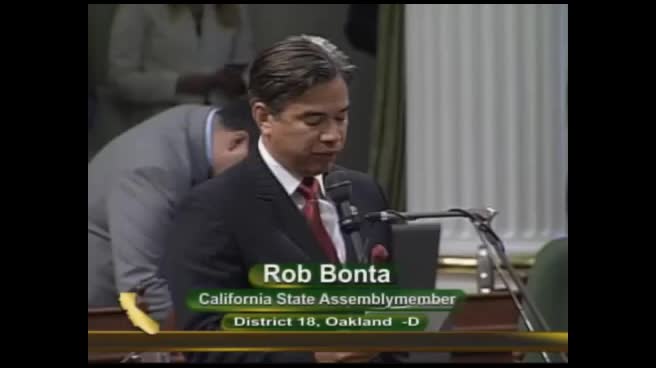
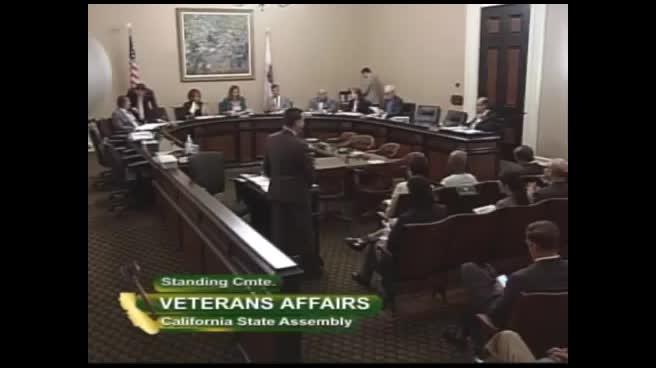
Bill Author

Bill Co-Author(s):