SB 1004: Young adults: deferred entry of judgment pilot program.
- Session Year: 2015-2016
- House: Senate
- Latest Version Date: 2016-09-30
Existing law provides that entry of judgment may be deferred with respect to a defendant who is charged with certain crimes involving possession of controlled substances, who pleads guilty to the charge or charges, and who meets certain criteria, including that he or she has no prior convictions for any offense involving controlled substances and has had no felony convictions within the 5 years prior, as specified. Existing law requires the criminal charge or charges to be dismissed if the defendant has performed satisfactorily in a specified program during the period in which deferred entry of judgment was granted.
This bill would authorize specified counties to establish a pilot program to operate a deferred entry of judgment pilot program for eligible defendants. The bill would authorize a defendant to participate in the program within the countys juvenile hall if that person is charged with committing a felony offense, except as specified, he or she pleads guilty to the charge or charges, and the probation department determines that the person meets specified requirements, including that the defendant is 18 years of age or older, but under 21 years of age on the date the offense was committed, is suitable for the program, and shows the ability to benefit from services generally reserved for delinquents. The bill would require the probation department to develop a plan for reentry services.
The bill would require the court to grant deferred entry of judgment if the eligible defendant consents to participate in the program, waives his or her right to a speedy trial or a speedy preliminary hearing, pleads guilty to the charge or charges, and waives time for the pronouncement of judgment. The bill would also require the court to render a finding of guilt to the charge or charges pleaded, enter judgment, and schedule a sentencing hearing, and would require the return of the defendant to custody in a county jail if the court finds that the defendant is performing unsatisfactorily in the program or that the defendant is not benefiting from the services in the program. If the defendant has performed satisfactorily during the period in which deferred entry of judgment was granted, at the end of that period, the bill would require the court to dismiss the criminal charge or charges.
The bill would require a county, prior to establishing a pilot program, to apply to the Board of State and Community Corrections for approval of a county institution as a suitable place for confinement for the purpose of the pilot program. The bill would require the board to review and approve or deny the application of the county within 30 days of receiving notice of this proposed use. The bill would also require each county to establish a multidisciplinary team consisting of representatives of specified local entities. The team would be required to meet periodically to review and discuss the implementation, practices, and impact of the program.
The bill would require the probation department to submit data relating to the effectiveness of the program to the Division of Recidivism Reduction and Re-Entry, within the Department of Justice. The bill would prohibit a defendant participating in the program from coming into contact with minors within the juvenile hall, would prohibit a defendant from serving longer than one year in custody within a countys juvenile hall pursuant to the program, and would require the board to review a countys pilot program to ensure compliance with the federal Juvenile Justice and Delinquency Prevention Act of 1974, as specified.
The bill would require a county that establishes a pilot program pursuant to these provisions to submit data regarding the pilot program to the board, and would require the board to conduct an evaluation of the pilot programs impact and effectiveness, as specified. The bill would require the evaluation to be combined into a comprehensive report and submitted to the Assembly and Senate Committees on Public Safety. The bill would also authorize the board to contract with an independent entity, including, but not limited to, the Regents of the University of California, to carry out these duties.
The authority conferred by this bill would be repealed on January 1, 2020.
This bill would make legislative findings and declarations as to the necessity of a special statute for the Counties of Alameda, Butte, Napa, Nevada, and Santa Clara.
Existing law provides that entry of judgment may be deferred with respect to a defendant who is charged with certain crimes involving possession of controlled substances, who pleads guilty to the charge or charges, and who meets certain criteria, including that he or she has no prior convictions for any offense involving controlled substances and has had no felony convictions within the 5 years prior, as specified. Existing law requires the criminal charge or charges to be dismissed if the defendant has performed satisfactorily in a specified program during the period in which deferred entry of judgment was granted.
This bill would authorize specified counties to establish a pilot program to operate a deferred entry of judgment pilot program for eligible defendants. The bill would authorize a defendant to participate in the program within the countys juvenile hall if that person is charged with committing a felony offense, except as specified, he or she pleads guilty to the charge or charges, and the probation department determines that the person meets specified requirements, including that the defendant is 18 years of age or older, but under 21 years of age on the date the offense was committed, is suitable for the program, and shows the ability to benefit from services generally reserved for delinquents. The bill would require the probation department to develop a plan for reentry services.
The bill would require the court to grant deferred entry of judgment if the eligible defendant consents to participate in the program, waives his or her right to a speedy trial or a speedy preliminary hearing, pleads guilty to the charge or charges, and waives time for the pronouncement of judgment. The bill would also require the court to render a finding of guilt to the charge or charges pleaded, enter judgment, and schedule a sentencing hearing, and would require the return of the defendant to custody in a county jail if the court finds that the defendant is performing unsatisfactorily in the program or that the defendant is not benefiting from the services in the program. If the defendant has performed satisfactorily during the period in which deferred entry of judgment was granted, at the end of that period, the bill would require the court to dismiss the criminal charge or charges.
The bill would require a county, prior to establishing a pilot program, to apply to the Board of State and Community Corrections for approval of a county institution as a suitable place for confinement for the purpose of the pilot program. The bill would require the board to review and approve or deny the application of the county within 30 days of receiving notice of this proposed use. The bill would also require each county to establish a multidisciplinary team consisting of representatives of specified local entities. The team would be required to meet periodically to review and discuss the implementation, practices, and impact of the program.
The bill would require the probation department to submit data relating to the effectiveness of the program to the Division of Recidivism Reduction and Re-Entry, within the Department of Justice. The bill would prohibit a defendant participating in the program from coming into contact with minors within the juvenile hall, would prohibit a defendant from serving longer than one year in custody within a countys juvenile hall pursuant to the program, and would require the board to review a countys pilot program to ensure compliance with the federal Juvenile Justice and Delinquency Prevention Act of 1974, as specified.
The bill would require a county that establishes a pilot program pursuant to these provisions to submit data regarding the pilot program to the board, and would require the board to conduct an evaluation of the pilot programs impact and effectiveness, as specified. The bill would require the evaluation to be combined into a comprehensive report and submitted to the Assembly and Senate Public Safety Committees. Committees on Public Safety. The bill would also authorize the board to contract with an independent entity, including, but not limited to, the Regents of the University of California, to carry out these duties.
The authority conferred by this bill would be repealed on January 1, 2020.
This bill would make legislative findings and declarations as to the necessity of a special statute for the Counties of Alameda, Butte, Napa, Nevada, and Santa Clara.
Existing law provides that entry of judgment may be deferred with respect to a defendant who is charged with certain crimes involving possession of controlled substances, who pleads guilty to the charge or charges, and who meets certain criteria, including that he or she has no prior convictions for any offense involving controlled substances and has had no felony convictions within the 5 years prior, as specified. Existing law requires the criminal charge or charges to be dismissed if the defendant has performed satisfactorily in a specified program during the period in which deferred entry of judgment was granted.
This bill would authorize specified counties to establish a pilot program to operate a transitional youth diversion program deferred entry of judgment pilot program for eligible defendants. The bill would authorize a defendant to participate in the diversion program within the countys juvenile hall if that person is charged with committing a felony offense, except as specified, he or she pleads guilty to the charge or charges, and the probation department determines that the person meets specified requirements, including that the defendant is 18 years of age or older, but under 21 years of age on the date the offense was committed, is suitable for the program, and shows the ability to benefit from services generally reserved for delinquents. The bill would require the probation department to develop a plan for reentry services.
The bill would require the court to grant deferred entry of judgment if the eligible defendant consents to participate in the program, waives his or her right to a speedy trial or a speedy preliminary hearing, pleads guilty to the charge or charges, and waives time for the pronouncement of judgment. The bill would also require the court to render a finding of guilt to the charge or charges pleaded, enter judgment, and schedule a sentencing hearing, and would require the return of the defendant to custody in a county jail if the court finds that the defendant is performing unsatisfactorily in the program or that the defendant is not benefiting from the services in the program. If the defendant has performed satisfactorily during the period in which deferred entry of judgment was granted, at the end of that period, the bill would require the court to dismiss the criminal charge or charges.
The bill would require a county, prior to establishing a pilot program, to apply to the Board of State and Community Corrections for approval of a county institution as a suitable place for confinement for the purpose of the pilot program. The bill would require the board to review and approve or deny the application of the county within 30 days of receiving notice of this proposed use. The bill would also require each county to establish a multidisciplinary team consisting of representatives of specified local entities. The team would be required to meet periodically to review and discuss the implementation, practices, and impact of the program. The bill would also require the county to evaluate the pilot program.
The bill would require the probation department to submit data relating to the effectiveness of the program to the Division of Recidivism Reduction and Re-Entry, within the Department of Justice. The bill would prohibit a defendant participating in the program from coming into contact with minors within the juvenile hall, would prohibit a defendant from serving longer than one year in custody within a countys juvenile hall pursuant to the program, and would require the board to review a countys pilot program to ensure compliance with the federal Juvenile Justice and Delinquency Prevention Act of 1974, as specified.
The bill would require a county that establishes a pilot program pursuant to these provisions to submit data regarding the pilot program to the board, and would require the board to conduct an evaluation of the pilot programs impact and effectiveness, as specified. The bill would require the evaluation to be combined into a comprehensive report and submitted to the Assembly and Senate Public Safety Committees. The bill would also authorize the board to contract with an independent entity, including, but not limited to, the Regents of the University of California, to carry out these duties.
The authority conferred by this bill would be repealed on January 1, 2020.
This bill would make legislative findings and declarations as to the necessity of a special statute for the Counties of Alameda, Butte, Napa, Nevada, and Santa Clara.
Existing law provides that entry of judgment may be deferred with respect to a defendant who is charged with certain crimes involving possession of controlled substances, who pleads guilty to the charge or charges, and who meets certain criteria, including that he or she has no prior convictions for any offense involving controlled substances and has had no felony convictions within the 5 years prior, as specified. Existing law requires the criminal charge or charges to be dismissed if the defendant has performed satisfactorily in a specified program during the period in which deferred entry of judgment was granted.
This bill would authorize specified counties to establish a pilot program to operate a transitional youth diversion program for eligible defendants. The bill would authorize a defendant to participate in the diversion program within the countys juvenile hall if that person is charged with committing a felony offense, except as specified, he or she pleads guilty to the charge or charges, and the probation department determines that the person meets specified requirements, including that the defendant is 18 years of age or older, but under 21 years of age on the date the offense was committed, is suitable for the program, and shows the ability to benefit from services generally reserved for delinquents. The bill would require the probation department to develop a plan for reentry services.
The bill would require the court to grant deferred entry of judgment if the eligible defendant consents to participate in the program, waives his or her right to a speedy trial or a speedy preliminary hearing, pleads guilty to the charge or charges, and waives time for the pronouncement of judgment. The bill would also require the court to render a finding of guilt to the charge or charges pleaded pleaded, enter judgment, and schedule a sentencing hearing, and would require the return of the defendant to custody in a county jail if the court finds that the defendant is performing unsatisfactorily in the program or that the defendant is not benefiting from the services in the program. If the defendant has performed satisfactorily during the period in which deferred entry of judgment was granted, at the end of that period, the bill would require the court to dismiss the criminal charge or charges.
The bill would require a county, prior to establishing a pilot program, to apply to the Board of State and Community Corrections for approval of a county institution as a suitable place for confinement for the purpose of the pilot program. The bill would require the board to review and approve or deny the application of the county within 30 days of receiving notice of this proposed use. The bill would also require each county to establish a multidisciplinary team consisting of representatives of specified local entities. The team would be required to meet periodically to review and discuss the implementation, practices, and impact of the program. The bill would also require the county to evaluate the pilot program.
The bill would require the probation department to submit data relating to the effectiveness of the program to the Division of Recidivism Reduction and Re-Entry, within the Department of Justice. The bill would prohibit a defendant participating in the program from coming into contact with minors within the juvenile hall, would prohibit a defendant from serving longer than one year in custody within a countys juvenile hall pursuant to the program, and would require the board to review a countys pilot program to ensure compliance with the federal Juvenile Justice and Delinquency Prevention Act of 1974, as specified.
The bill would require a county that establishes a pilot program pursuant to these provisions to submit data regarding the pilot program to the board, and would require the board to conduct an evaluation of the pilot programs impact and effectiveness, as specified. The bill would require the evaluation to be combined into a comprehensive report and submitted to the Assembly and Senate Public Safety Committees. The bill would also authorize the board to contract with an independent entity, including, but not limited to, the Regents of the University of California, to carry out these duties.
The authority conferred by this bill would be repealed on January 1, 2020.
This bill would make legislative findings and declarations as to the necessity of a special statute for the Counties of Alameda, Butte, Napa, Nevada, and Santa Clara.
Existing law provides that entry of judgment may be deferred with respect to a defendant who is charged with certain crimes involving possession of controlled substances, who pleads guilty to the charge or charges, and who meets certain criteria, including that he or she has no prior convictions for any offense involving controlled substances and has had no felony convictions within the 5 years prior, as specified. Existing law requires the criminal charge or charges to be dismissed if the defendant has performed satisfactorily in a specified program during the period in which deferred entry of judgment was granted.
This bill would authorize specified counties to establish a pilot program to operate a transitional youth diversion program for eligible defendants. The bill would authorize a defendant to participate in the diversion program within the countys juvenile hall if that person is charged with committing an a felony offense, except as specified, he or she pleads guilty to the charge or charges, and the probation department determines that the person meets specified requirements, including that the defendant is 18 years of age or older, but under 21 years of age on the date the offense was committed, is suitable for the program, and shows the ability to benefit from services generally reserved for delinquents. The bill would require the probation department to develop a plan for reentry services.
The bill would require the court to grant deferred entry of judgment if the eligible defendant consents to participate in the program, waives his or her right to a speedy trial or a speedy preliminary hearing, pleads guilty to the charge or charges, and waives time for the pronouncement of judgment. The bill would also require the court to render a finding of guilt to the charge or charges pled, pleaded enter judgment, and schedule a sentencing hearing, and would require the return of the defendant to custody in a county jail if the court finds that the defendant is performing unsatisfactorily in the program or that the defendant is not benefiting from the services in the program. If the defendant has performed satisfactorily during the period in which deferred entry of judgment was granted, at the end of that period, the bill would require the court to dismiss the criminal charge or charges.
The bill would require a county, prior to establishing a pilot program, to apply to the Board of State and Community Corrections for approval of a county institution as a suitable place for confinement for the purpose of the pilot program. The bill would require the board to review and approve or deny the application of the county within 30 days of receiving notice of this proposed use. The bill would also require each county to establish a multidisciplinary team consisting of representatives of specified local entities. The team would be required to meet periodically to review and discuss the implementation, practices, and impact of the program. The bill would also require the county to evaluate the pilot program.
The bill would require the probation department to submit data relating to the effectiveness of the program to the Division of Recidivism Reduction and Re-Entry, within the Department of Justice. The bill would prohibit a defendant participating in the program from coming into contact with minors within the juvenile hall, would prohibit a defendant from serving longer than one year in custody within a countys juvenile hall pursuant to the program, and would require the board to review a countys pilot program to ensure compliance with the federal Juvenile Justice and Delinquency Prevention Act of 1974, as specified.
The authority conferred by this bill would be repealed on January 1, 2020.
This bill would make legislative findings and declarations as to the necessity of a special statute for the Counties of Alameda, Butte, Napa, Nevada, and Santa Clara.
Existing law provides that entry of judgment may be deferred with respect to a defendant who is charged with certain crimes involving possession of controlled substances, who pleads guilty to the charge or charges, and who meets certain criteria, including that he or she has no prior convictions for any offense involving controlled substances and has had no felony convictions within the 5 years prior, as specified. Existing law requires the criminal charge or charges to be dismissed if the defendant has performed satisfactorily in a specified program during the period in which deferred entry of judgment was granted.
This bill would authorize specified counties to establish a pilot program to operate a transitional youth diversion program for eligible defendants. The bill would authorize a defendant to participate in the diversion program within the countys juvenile hall if that person is charged with committing an offense, except as specified, he or she pleads guilty to the charge or charges, and the probation department determines that the person meets specified requirements, including that the defendant is 18 years of age or older, but under 21 years of age on the date the offense was committed, is suitable for the program, and shows the ability to benefit from services generally reserved for delinquents. The bill would require the probation department to develop a plan for reentry services.
The bill would require the court to grant deferred entry of judgment if the eligible defendant consents to participate in the program, waives his or her right to a speedy trial or a speedy preliminary hearing, pleads guilty to the charge or charges, and waives time for the pronouncement of judgment. The bill would also require the court to render a finding of guilt to the charge or charges pled, enter judgment, and schedule a sentencing hearing, and would require the return of the defendant to custody in a county jail if the court finds that the defendant is performing unsatisfactorily in the program or that the defendant is not benefiting from the services in the program. If the defendant has performed satisfactorily during the period in which deferred entry of judgment was granted, at the end of that period, the bill would require the court to dismiss the criminal charge or charges.
The bill would require a county, prior to establishing a pilot program, to apply to the Board of State and Community Corrections for approval of a county institution as a suitable place for confinement for the purpose of the pilot program. The bill would require the board to review and approve or deny the application of the county within 30 days of receiving notice of this proposed use. The bill would also require each county to establish a multidisciplinary team consisting of representatives of specified local entities. The team would be required to meet periodically to review and discuss the implementation, practices, and impact of the program. The bill would also require the county to evaluate the pilot program.
The bill would require the probation department to submit data relating to the effectiveness of the program to the Division of Recidivism Reduction and Re-Entry, within the Department of Justice. The bill would prohibit a defendant participating in the program from coming into contact with minors within the juvenile hall and would require a participating county to work with the Board of State and Community Corrections hall, would prohibit a defendant from serving longer than one year in custody within a countys juvenile hall pursuant to the program, and would require the board to review a countys pilot program to ensure compliance with the federal Juvenile Justice and Delinquency Prevention Act of 1974, as specified.
The authority conferred by this bill would be repealed on January 1, 2020.
This bill would make legislative findings and declarations as to the necessity of a special statute for the Counties of Alameda, Butte, Napa, Nevada, and Santa Clara.
Existing law provides that entry of judgment may be deferred with respect to a defendant who is charged with certain crimes involving possession of controlled substances substances, who pleads guilty to the charge or charges, and who meets certain criteria, including that he or she has no prior convictions for any offense involving controlled substances and has had no felony convictions within the 5 years prior, as specified. Existing law requires the criminal charge or charges to be dismissed if the defendant has performed satisfactorily in a specified program during the period in which deferred entry of judgment was granted.
This bill would state the intent of the Legislature to enact legislation to create a transitional youth diversion pilot program for eligible defendants who are 18 years of age or older, but under 21 years of age on the date the offense was committed.
This bill would authorize specified counties to establish a pilot program to operate a transitional youth diversion program for eligible defendants. The bill would authorize a defendant to participate in the diversion program within the countys juvenile hall if that person is charged with committing an offense, except as specified, he or she pleads guilty to the charge or charges, and the probation department determines that the person meets specified requirements, including that the defendant is 18 years of age or older, but under 21 years of age on the date the offense was committed, is suitable for the program, and shows the ability to benefit from services generally reserved for delinquents. The bill would require the probation department to develop a plan for reentry services.
The bill would require the court to grant deferred entry of judgment if the eligible defendant consents to participate in the program, waives his or her right to a speedy trial or a speedy preliminary hearing, pleads guilty to the charge or charges, and waives time for the pronouncement of judgment. The bill would also require the court to render a finding of guilt to the charge or charges pled, enter judgment, and schedule a sentencing hearing, and would require the return of the defendant to custody in a county jail if the court finds that the defendant is performing unsatisfactorily in the program or that the defendant is not benefiting from the services in the program. If the defendant has performed satisfactorily during the period in which deferred entry of judgment was granted, at the end of that period, the bill would require the court to dismiss the criminal charge or charges.
The bill would require the probation department to submit data relating to the effectiveness of the program to the Division of Recidivism Reduction and Re-Entry, within the Department of Justice. The bill would prohibit a defendant participating in the program from coming into contact with minors within the juvenile hall and would require a participating county to work with the Board of State and Community Corrections to ensure compliance with the federal Juvenile Justice and Delinquency Prevention Act of 1974, as specified.
The authority conferred by this bill would be repealed on January 1, 2020.
This bill would make legislative findings and declarations as to the necessity of a special statute for the Counties of Alameda, Butte, Napa, Nevada, and Santa Clara.
Existing law provides that entry of judgment may be deferred with respect to a defendant who is charged with certain crimes involving possession of controlled substances and who meets certain criteria, including that he or she has no prior convictions for any offense involving controlled substances and has had no felony convictions within the 5 years prior, as specified. Existing law requires the criminal charge or charges to be dismissed if the defendant has performed satisfactorily during the period in which deferred entry of judgment was granted.
This bill would state the intent of the Legislature to enact legislation to create a transitional youth diversion pilot program for eligible defendants who are 18 years of age or older, but under 21 years of age on the date the offense was committed.
(a)The following counties may establish a pilot program pursuant to this section to operate a deferred entry of judgment pilot program for eligible defendants described in subdivision (b):
(1)County of Alameda.
(2)County of Butte.
(3)County of Napa.
(4)County of Nevada.
(5)County of Santa Clara.
(b)A defendant may participate in a deferred entry of judgment pilot program within the countys juvenile hall if that person is charged with committing a felony offense, other than the offenses listed under subdivision (d), he or she pleads guilty to the charge or charges, and the probation department determines that the person meets all of the following requirements:
(1)Is 18 years of age or older, but under 21 years of age on the date the offense was committed.
(2)Is suitable for the program after evaluation using a risk assessment tool, as described in subdivision (c).
(3)Shows the ability to benefit from services generally reserved for delinquents, including, but not limited to, cognitive behavioral therapy, other mental health services, and age-appropriate educational, vocational, and supervision services, that are currently deployed under the jurisdiction of the juvenile court.
(4)Meets the rules of the juvenile hall developed in accordance with the applicable regulations set forth in Title 15 of the California Code of Regulations.
(5)Does not have a prior or current conviction for committing an offense listed under subdivision (c) of Section 1192.7 or subdivision (c) of Section 667.5, or subdivision (b) of Section 707 of the Welfare and Institutions Code.
(6)Is not required to register as a sex offender pursuant to Chapter 5.5 (commencing with Section 290) of Title 9 of Part 1.
(c)The probation department, in consultation with the superior court, district attorney, and sheriff of the county or the governmental body charged with operating the county jail, shall develop an evaluation process using a risk assessment tool to determine eligibility for the program.
(d)If the defendant is required to register as a sex offender pursuant to Chapter 5.5 (commencing with Section 290) of Title 9 of Part 1, or if he or she has been convicted of one or more of the following offenses, he or she is not eligible for the program:
(1)An offense listed under subdivision (c) of Section 1192.7.
(2)An offense listed under subdivision (c) of Section 667.5.
(3)An offense listed under subdivision (b) of Section 707 of the Welfare and Institutions Code.
(e)The court shall grant deferred entry of judgment if an eligible defendant consents to participate in the program, waives his or her right to a speedy trial or a speedy preliminary hearing, pleads guilty to the charge or charges, and waives time for the pronouncement of judgment.
(f)(1)If the probation department determines that the defendant is not eligible for the deferred entry of judgment pilot program or the defendant does not consent to participate in the program, the proceedings shall continue as in any other case.
(2)If it appears to the probation department that the defendant is performing unsatisfactorily in the program as a result of the commission of a new crime or the violation of any of the rules of the juvenile hall or that the defendant is not benefiting from the services in the program, the probation department may make a motion for entry of judgment. After notice to the defendant, the court shall hold a hearing to determine whether judgment should be entered. If the court finds that the defendant is performing unsatisfactorily in the program or that the defendant is not benefiting from the services in the program, the court shall render a finding of guilt to the charge or charges pleaded, enter judgment, and schedule a sentencing hearing as otherwise provided in this code, and the probation department, in consultation with the county sheriff, shall remove the defendant from the program and return him or her to custody in county jail. The mechanism of when and how the defendant is moved from custody in juvenile hall to custody in a county jail shall be determined by the local multidisciplinary team specified in paragraph (2) of subdivision (m).
(3)If the defendant has performed satisfactorily during the period in which deferred entry of judgment was granted, at the end of that period, the court shall dismiss the criminal charge or charges.
(g)A defendant shall serve no longer than one year in custody within a countys juvenile hall pursuant to the program.
(h)The probation department shall develop a plan for reentry services, including, but not limited to, housing, employment, and education services, as a component of the program.
(i)The probation department shall submit data relating to the effectiveness of the program to the Division of Recidivism Reduction and Re-Entry, within the Department of Justice, including recidivism rates for program participants as compared to recidivism rates for similar populations in the adult system within the county.
(j)A defendant participating in the program pursuant to this section shall not come into contact with minors within the juvenile hall for any purpose, including, but not limited to, housing, recreation, or education.
(k)Prior to establishing a pilot program pursuant to this section, the county shall apply to the Board of State and Community Corrections for approval of a county institution as a suitable place for confinement for the purpose of the pilot program. The board shall review and approve or deny the application of the county within 30 days of receiving notice of this proposed use. In its review, the board shall take into account the available programming, capacity, and safety of the institution as a place for the confinement and rehabilitation of individuals within the jurisdiction of the criminal court, and those within the jurisdiction of the juvenile court.
(l)The Board of State and Community Corrections shall review a countys pilot program to ensure compliance with requirements of the federal Juvenile Justice and Delinquency Prevention Act of 1974 (42 U.S.C. Sec. 5601 et seq.), as amended, relating to sight and sound separation between juveniles and adult inmates.
(m)(1)This section applies to a defendant who would otherwise serve time in custody in a county jail. Participation in a program pursuant to this section shall not be authorized as an alternative to a sentence involving community supervision.
(2)Each county shall establish a multidisciplinary team that shall meet periodically to review and discuss the implementation, practices, and impact of the program. The team shall include representatives from the following:
(A)Probation department.
(B)The district attorneys office.
(C)The public defenders office.
(D)The sheriffs department.
(E)Courts located in the county.
(F)The county board of supervisors.
(G)The county health and human services department.
(H)A youth advocacy group.
(n)(1)A county that establishes a pilot program pursuant to this section shall submit data regarding the pilot program to the Board of State and Community Corrections. The data submitted shall be used for the purposes of paragraph (2).
(2)The board shall conduct an evaluation of the pilot programs impact and effectiveness. The evaluation shall include, but not be limited to, evaluating each pilot programs impact on sentencing and impact on opportunities for community supervision, monitoring the programs effect on minors in the juvenile facility, if any, and its effectiveness with respect to program participants, including outcome-related data for program participants compared to young adult offenders sentenced for comparable crimes.
(3)Each evaluation shall be combined into a comprehensive report and submitted to the Assembly and Senate Committees on Public Safety.
(4)The board may contract with an independent entity, including, but not limited to, the Regents of the University of California, for the purposes of carrying out the duties of the board pursuant to this subdivision.
(o)This chapter shall remain in effect only until January 1, 2020, and as of that date is repealed, unless a later enacted statute, that is enacted before January 1, 2020, deletes or extends that date.
SEC. 2.The Legislature finds and declares that a special law is necessary and that a general law cannot be made applicable within the meaning of Section 16 of Article IV of the California Constitution because of the unique circumstances in the Counties of Alameda, Butte, Napa, Nevada, and Santa Clara. Recent research on the adolescent brain development has found that brain development continues well after an individual reaches 18 years of age. This bill would therefore allow for the criminal justice system to apply the most recent brain development research to its practices in these counties by allowing certain transitional age youth access to age-appropriate rehabilitative services available in the juvenile justice system when an assessment determines that the individual would benefit from the services, with the aim of reducing the likelihood of the youth continuing in the criminal justice system.
(a)The following counties may establish a pilot program pursuant to this section to operate a deferred entry of judgment pilot program for eligible defendants described in subdivision (b):
(1)County of Alameda.
(2)County of Butte.
(3)County of Napa.
(4)County of Nevada.
(5)County of Santa Clara.
(b)A defendant may participate in a deferred entry of judgment pilot program within the countys juvenile hall if that person is charged with committing a felony offense, other than the offenses listed under subdivision (d), he or she pleads guilty to the charge or charges, and the probation department determines that the person meets all of the following requirements:
(1)Is 18 years of age or older, but under 21 years of age on the date the offense was committed.
(2)Is suitable for the program after evaluation using a risk assessment tool, as described in subdivision (c).
(3)Shows the ability to benefit from services generally reserved for delinquents, including, but not limited to, cognitive behavioral therapy, other mental health services, and age-appropriate educational, vocational, and supervision services, that are currently deployed under the jurisdiction of the juvenile court.
(4)Meets the rules of the juvenile hall. hall developed in accordance with the applicable regulations set forth in Title 15 of the California Code of Regulations.
(5)Does not have a prior or current conviction for committing an offense listed under subdivision (c) of Section 1192.7 or subdivision (c) of Section 667.5. 667.5, or subdivision (b) of Section 707 of the Welfare and Institutions Code.
(6)Is not required to register as a sex offender pursuant to Chapter 5.5 (commencing with Section 290) of Title 9 of Part 1.
(c)The probation department, in consultation with the superior court, district attorney, and sheriff of the county or the governmental body charged with operating the county jail, shall develop an evaluation process using a risk assessment tool to determine eligibility for the program.
(d)The commission by the defendant of If the defendant is required to register as a sex offender pursuant to Chapter 5.5 (commencing with Section 290) of Title 9 of Part 1, or if he or she has been convicted of one or more of the following offenses makes him or her offenses, he or she is not eligible for the program:
(1)An offense listed under subdivision (c) of Section 1192.7.
(2)An offense listed under subdivision (c) of Section 667.5.
(3)An offense listed under subdivision (b) of Section 707 of the Welfare and Institutions Code.
(e)The court shall grant deferred entry of judgment if an eligible defendant consents to participate in the program, waives his or her right to a speedy trial or a speedy preliminary hearing, pleads guilty to the charge or charges, and waives time for the pronouncement of judgment.
(f)(1)If the probation officer department determines that the defendant is not eligible for the deferred entry of judgment pilot program or the defendant does not consent to participate in the program, the proceedings shall continue as in any other case.
(2)If it appears to the probation department that the defendant is performing unsatisfactorily in the program as a result of the commission of a new crime or the violation of any of the rules of the juvenile hall or that the defendant is not benefiting from the services in the program, the probation department may make a motion for entry of judgment. After notice to the defendant, the court shall hold a hearing to determine whether judgment should be entered. If the court finds that the defendant is performing unsatisfactorily in the program or that the defendant is not benefiting from the services in the program, the court shall render a finding of guilt to the charge or charges pleaded, enter judgment, and schedule a sentencing hearing as otherwise provided in this code, and the probation department, in consultation with the county sheriff, shall remove the defendant from the program and return him or her to custody in county jail. The mechanism of when and how the defendant is moved from custody in juvenile hall to custody in a county jail shall be determined by the local justice stakeholders. multidisciplinary team specified in paragraph (2) of subdivision (m).
(3)If the defendant has performed satisfactorily during the period in which deferred entry of judgment was granted, at the end of that period, the court shall dismiss the criminal charge or charges.
(g)A defendant shall serve no longer than one year in custody within a countys juvenile hall pursuant to the program.
(h)The probation department shall develop a plan for reentry services, including, but not limited to, housing, employment, and education services, as a component of the program.
(i)The probation department shall submit data relating to the effectiveness of the program to the Division of Recidivism Reduction and Re-Entry, within the Department of Justice, including recidivism rates for program participants as compared to recidivism rates for similar populations in the adult system within the county.
(j)A defendant participating in the program pursuant to this section shall not come into contact with minors within the juvenile hall for any purpose, including, but not limited to, housing, recreation, or education.
(k)Prior to establishing a pilot program pursuant to this section, the county shall apply to the Board of State and Community Corrections for approval of a county institution as a suitable place for confinement for the purpose of the pilot program. The board shall review and approve or deny the application of the county within 30 days of receiving notice of this proposed use. In its review, the board shall take into account the available programming, capacity, and safety of the institution as a place for the confinement and rehabilitation of individuals within the jurisdiction of the criminal court, and those within the jurisdiction of the juvenile court.
(l)The Board of State and Community Corrections shall review a countys pilot program to ensure compliance with requirements of the federal Juvenile Justice and Delinquency Prevention Act of 1974 (42 U.S.C. Sec. 5601 et seq.), as amended, relating to sight and sound separation between juveniles and adult inmates.
(m)(1)This section applies to a defendant who would otherwise serve time in custody in a county jail. Participation in a program pursuant to this section shall not be authorized as an alternative to a sentence involving community supervision.
(2)Each county shall establish a multidisciplinary team that shall meet periodically to review and discuss the implementation, practices, and impact of the program. The team shall include representatives from the following:
(A)Probation department.
(B)The district attorneys office.
(C)The public defenders office.
(D)The sheriffs department.
(E)Courts located in the county.
(F)The county board of supervisors.
(G)The county health and human services department.
(H)A youth advocacy group.
(n)(1)A county that establishes a pilot program pursuant to this section shall submit data regarding the pilot program to the Board of State and Community Corrections. Corrections. The data submitted shall be used for the purposes of paragraph (2).
(2)The board shall conduct an evaluation of the pilot programs impact and effectiveness. The evaluation shall include, but not be limited to, evaluating each pilot programs impact on sentencing and impact on opportunities for community supervision, monitoring the programs effect on minors in the juvenile facility, if any, and its effectiveness with respect to program participants, including outcome-related data for program participants compared to young adult offenders sentenced for comparable crimes.
(3)Each evaluation shall be combined into a comprehensive report and submitted to the Assembly and Senate Committees on Public Safety.
(4)The board may contract with an independent entity, including, but not limited to, the Regents of the University of California, for the purposes of carrying out the duties of the board pursuant to this subdivision.
(o)This chapter shall remain in effect only until January 1, 2020, and as of that date is repealed, unless a later enacted statute, that is enacted before January 1, 2020, deletes or extends that date.
SEC. 2.The Legislature finds and declares that a special law is necessary and that a general law cannot be made applicable within the meaning of Section 16 of Article IV of the California Constitution because of the unique circumstances in the Counties of Alameda, Butte, Napa, Nevada, and Santa Clara. Recent research on the adolescent brain development has found that brain development continues well after an individual reaches 18 years of age. This bill would therefore allow for the criminal justice system to apply the most recent brain development research to its practices in these counties by allowing certain transitional age youth access to age-appropriate rehabilitative services available in the juvenile justice system when an assessment determines that the individual would benefit from the services, with the aim of reducing the likelihood of the youth continuing in the criminal justice system.
(a)The following counties may establish a pilot program pursuant to this section to operate a transitional youth diversion deferred entry of judgment pilot program for eligible defendants described in subdivision (b):
(1)County of Alameda.
(2)County of Butte.
(3)County of Napa.
(4)County of Nevada.
(5)County of Santa Clara.
(b)A defendant may participate in a transitional youth diversion deferred entry of judgment pilot program within the countys juvenile hall if that person is charged with committing a felony offense, other than the offenses listed under subdivision (d), he or she pleads guilty to the charge or charges, and the probation department determines that the person meets all of the following requirements:
(1)Is 18 years of age or older, but under 21 years of age on the date the offense was committed.
(2)Is suitable for the program after evaluation using a risk assessment tool, as described in subdivision (c).
(3)Shows the ability to benefit from services generally reserved for delinquents, including, but not limited to, cognitive behavioral therapy, other mental health services, and age-appropriate educational, vocational, and supervision services, that are currently deployed under the jurisdiction of the juvenile court.
(4)Meets the rules of the juvenile hall.
(5)Does not have a prior or current conviction for committing an offense listed under subdivision (c) of Section 1192.7 or subdivision (c) of Section 667.5.
(6)Is not required to register as a sex offender pursuant to Chapter 5.5 (commencing with Section 290) of Title 9 of Part 1.
(c)The probation department, in consultation with the superior court, district attorney, and sheriff of the county or the governmental body charged with operating the county jail, shall develop an evaluation process using a risk assessment tool to determine eligibility for the program.
(d)The commission by the defendant of one or more of the following offenses makes him or her not eligible for the program:
(1)An offense listed under subdivision (c) of Section 1192.7.
(2)An offense listed under subdivision (c) of Section 667.5.
(3)An offense listed under subdivision (b) of Section 707 of the Welfare and Institutions Code.
(e)The court shall grant deferred entry of judgment if an eligible defendant consents to participate in the program, waives his or her right to a speedy trial or a speedy preliminary hearing, pleads guilty to the charge or charges, and waives time for the pronouncement of judgment.
(f)(1)If the probation officer determines that the defendant is not eligible for the transitional youth diversion deferred entry of judgment pilot program or the defendant does not consent to participate in the program, the proceedings shall continue as in any other case.
(2)If it appears to the probation department that the defendant is performing unsatisfactorily in the program as a result of the commission of a new crime or the violation of any of the rules of the juvenile hall or that the defendant is not benefiting from the services in the program, the probation department may make a motion for entry of judgment. After notice to the defendant, the court shall hold a hearing to determine whether judgment should be entered. If the court finds that the defendant is performing unsatisfactorily in the program or that the defendant is not benefiting from the services in the program, the court shall render a finding of guilt to the charge or charges pleaded, enter judgment, and schedule a sentencing hearing as otherwise provided in this code, and the probation department, in consultation with the county sheriff, shall remove the defendant from the program and return him or her to custody in county jail. The mechanism of when and how the defendant is moved from custody in juvenile hall to custody in a county jail shall be determined by the local justice stakeholders.
(3)If the defendant has performed satisfactorily during the period in which deferred entry of judgment was granted, at the end of that period, the court shall dismiss the criminal charge or charges.
(g)A defendant shall serve no longer than one year in custody within a countys juvenile hall pursuant to the program.
(h)The probation department shall develop a plan for reentry services, including, but not limited to, housing, employment, and education services, as a component of the program.
(i)The probation department shall submit data relating to the effectiveness of the program to the Division of Recidivism Reduction and Re-Entry, within the Department of Justice, including recidivism rates for program participants as compared to recidivism rates for similar populations in the adult system within the county.
(j)A defendant participating in the program pursuant to this section shall not come into contact with minors within the juvenile hall for any purpose, including, but not limited to, housing, recreation, or education.
(k)Prior to establishing a pilot program pursuant to this section, the county shall apply to the Board of State and Community Corrections for approval of a county institution as a suitable place for confinement for the purpose of the pilot program. The board shall review and approve or deny the application of the county within 30 days of receiving notice of this proposed use. In its review, the board shall take into account the available programming, capacity, and safety of the institution as a place for the confinement and rehabilitation of individuals within the jurisdiction of the criminal court, and those within the jurisdiction of the juvenile court.
(l)The Board of State and Community Corrections shall review a countys pilot program to ensure compliance with requirements of the federal Juvenile Justice and Delinquency Prevention Act of 1974 (42 U.S.C. Sec. 5601 et seq.), as amended, relating to sight and sound separation between juveniles and adult inmates.
(m)(1)This section applies to a defendant who would otherwise serve time in custody in a county jail. Participation in a program pursuant to this section shall not be authorized as an alternative to a sentence involving community supervision.
(2)Each county shall establish a multidisciplinary team that shall meet periodically to review and discuss the implementation, practices, and impact of the program. The team shall include representatives from the following:
(A)Probation department.
(B)The district attorneys office.
(C)The public defenders office.
(D)The sheriffs department.
(E)Courts located in the county.
(F)The county board of supervisors.
(G)The county health and human services department.
(H)A youth advocacy group.
(n)(1)A county that establishes a pilot program pursuant to this section shall submit data regarding the pilot program to the Board of State and Community Corrections.
(2)The board shall conduct an evaluation of the pilot programs impact and effectiveness. The evaluation shall include, but not be limited to, evaluating each pilot programs impact on sentencing and impact on opportunities for community supervision, monitoring the programs effect on minors in the juvenile facility, if any, and its effectiveness with respect to program participants, including outcome-related data for program participants compared to young adult offenders sentenced for comparable crimes.
(3)Each evaluation shall be combined into a comprehensive report and submitted to the Assembly and Senate Committees on Public Safety.
(4)The board may contract with an independent entity, including, but not limited to, the Regents of the University of California, for the purposes of carrying out the duties of the board pursuant to this subdivision.
(o)This chapter shall remain in effect only until January 1, 2020, and as of that date is repealed, unless a later enacted statute, that is enacted before January 1, 2020, deletes or extends that date.
SEC. 2.The Legislature finds and declares that a special law is necessary and that a general law cannot be made applicable within the meaning of Section 16 of Article IV of the California Constitution because of the unique circumstances in the Counties of Alameda, Butte, Napa, Nevada, and Santa Clara. Recent research on the adolescent brain development has found that brain development continues well after an individual reaches 18 years of age. This bill would therefore allow for the criminal justice system to apply the most recent brain development research to its practices in these counties by allowing certain transitional age youth access to age-appropriate rehabilitative services available in the juvenile justice system when an assessment determines that the individual would benefit from the services, with the aim of reducing the likelihood of the youth continuing in the criminal justice system.
(a)The following counties may establish a pilot program pursuant to this section to operate a transitional youth diversion program for eligible defendants described in subdivision (b):
(1)County of Alameda.
(2)County of Butte.
(3)County of Napa.
(4)County of Nevada.
(5)County of Santa Clara.
(b)A defendant may participate in a transitional youth diversion program within the countys juvenile hall if that person is charged with committing a felony offense, other than the offenses listed under subdivision (d), he or she pleads guilty to the charge or charges, and the probation department determines that the person meets all of the following requirements:
(1)Is 18 years of age or older, but under 21 years of age on the date the offense was committed.
(2)Is suitable for the program after evaluation using a risk assessment tool, as described in subdivision (c).
(3)Shows the ability to benefit from services generally reserved for delinquents, including, but not limited to, cognitive behavioral therapy, other mental health services, and age-appropriate educational, vocational, and supervision services, that are currently deployed under the jurisdiction of the juvenile court.
(4)Meets the rules of the juvenile hall.
(5)Does not have a prior or current conviction for committing an offense listed under subdivision (c) of Section 1192.7 or subdivision (c) of Section 667.5.
(6)Is not required to register as a sex offender pursuant to Chapter 5.5 (commencing with Section 290) of Title 9 of Part 1.
(c)The probation department, in consultation with the superior court, district attorney, and sheriff of the county or the governmental body charged with operating the county jail, shall develop an evaluation process using a risk assessment tool to determine eligibility for the program.
(d)The commission by the defendant of one or more of the following offenses makes him or her not eligible for the program:
(1)An offense listed under subdivision (c) of Section 1192.7.
(2)An offense listed under subdivision (c) of Section 667.5.
(3)An offense listed under subdivision (b) of Section 707 of the Welfare and Institutions Code.
(e)The court shall grant deferred entry of judgment if an eligible defendant consents to participate in the program, waives his or her right to a speedy trial or a speedy preliminary hearing, pleads guilty to the charge or charges, and waives time for the pronouncement of judgment.
(f)(1)If the probation officer determines that the defendant is not eligible for the transitional youth diversion program or the defendant does not consent to participate in the program, the proceedings shall continue as in any other case.
(2)If it appears to the probation department that the defendant is performing unsatisfactorily in the program as a result of the commission of a new crime or the violation of any of the rules of the juvenile hall or that the defendant is not benefiting from the services in the program, the probation department may make a motion for entry of judgment. After notice to the defendant, the court shall hold a hearing to determine whether judgment should be entered. If the court finds that the defendant is performing unsatisfactorily in the program or that the defendant is not benefiting from the services in the program, the court shall render a finding of guilt to the charge or charges pled, pleaded, enter judgment, and schedule a sentencing hearing as otherwise provided in this code, and the probation department, in consultation with the county sheriff, shall remove the defendant from the program and return him or her to custody in county jail. The mechanism of when and how the defendant is moved from custody in juvenile hall to custody in a county jail shall be determined by the local justice stakeholders.
(3)If the defendant has performed satisfactorily during the period in which deferred entry of judgment was granted, at the end of that period, the court shall dismiss the criminal charge or charges.
(g)A defendant shall serve no longer than one year in custody within a countys juvenile hall pursuant to the program.
(h)The probation department shall develop a plan for reentry services, including, but not limited to, housing, employment, and education services, as a component of the program.
(i)The probation department shall submit data relating to the effectiveness of the program to the Division of Recidivism Reduction and Re-Entry, within the Department of Justice, including recidivism rates for program participants as compared to recidivism rates for similar populations in the adult system within the county.
(j)A defendant participating in the program pursuant to this section shall not come into contact with minors within the juvenile hall for any purpose, including, but not limited to, housing, recreation, or education.
(k)Prior to establishing a pilot program pursuant to this section, the county shall apply to the Board of State and Community Corrections for approval of a county institution as a suitable place for confinement for the purpose of the pilot program. The board shall review and approve or deny the application of the county within 30 days of receiving notice of this proposed use. In its review, the board shall take into account the available programming, capacity, and safety of the institution as a place for the confinement and rehabilitation of individuals within the jurisdiction of the criminal court, and those within the jurisdiction of the juvenile court.
(l)The Board of State and Community Corrections shall review a countys pilot program to ensure compliance with requirements of the federal Juvenile Justice and Delinquency Prevention Act of 1974 (42 U.S.C. Sec. 5601 et seq.), as amended, relating to sight and sound separation between juveniles and adult inmates.
(m)(1)This section applies to a defendant who would otherwise serve time in custody in a county jail. Participation in a program pursuant to this section shall not be authorized as an alternative to a sentence involving community supervision.
(2)Each county shall establish a multidisciplinary team that shall meet periodically to review and discuss the implementation, practices, and impact of the program. The team shall include representatives from the following:
(A)Probation department.
(B)The district attorneys office.
(C)The public defenders office.
(D)The sheriffs department.
(E)Courts located in the county.
(F)The county board of supervisors.
(G)The county health and human services department.
(H)A youth advocacy group.
(n)(1)A county that establishes a pilot program pursuant to this section shall conduct submit data regarding the pilot program to the Board of State and Community Corrections.
(2)The board shall conduct an evaluation of its the pilot programs impact and effectiveness. The evaluation shall include, but not be limited to, evaluating each pilot programs impact on sentencing and impact on opportunities for community supervision, monitoring the programs effect on minors in the juvenile facility, if any, and its effectiveness with respect to program participants, including outcome-related data for program participants compared to young adult offenders sentenced for comparable crimes.
(3)Each evaluation shall be combined into a comprehensive report and submitted to the Assembly and Senate Committees on Public Safety.
(4)The board may contract with an independent entity, including, but not limited to, the Regents of the University of California, for the purposes of carrying out the duties of the board pursuant to this subdivision.
(o)This chapter shall remain in effect only until January 1, 2020, and as of that date is repealed, unless a later enacted statute, that is enacted before January 1, 2020, deletes or extends that date.
SEC. 2.The Legislature finds and declares that a special law is necessary and that a general law cannot be made applicable within the meaning of Section 16 of Article IV of the California Constitution because of the unique circumstances in the Counties of Alameda, Butte, Napa, Nevada, and Santa Clara. Recent research on the adolescent brain development has found that brain development continues well after an individual reaches 18 years of age. This bill would therefore allow for the criminal justice system to apply the most recent brain development research to its practices in these counties by allowing certain transitional age youth access to age-appropriate rehabilitative services available in the juvenile justice system when an assessment determines that the individual would benefit from the services, with the aim of reducing the likelihood of the youth continuing in the criminal justice system.
(a)The following counties may establish a pilot program pursuant to this section to operate a transitional youth diversion program for eligible defendants described in subdivision (b):
(1)County of Alameda.
(2)County of Butte.
(3)County of Napa.
(4)County of Nevada.
(5)County of Santa Clara.
(b)A defendant may participate in a transitional youth diversion program within the countys juvenile hall if that person is charged with committing an a felony offense, other than the offenses listed under subdivision (d), he or she pleads guilty to the charge or charges, and the probation department determines that the person meets all of the following requirements:
(1)Is 18 years of age or older, but under 21 years of age on the date the offense was committed.
(2)Is suitable for the program after evaluation using a risk assessment tool, as described in subdivision (c).
(3)Shows the ability to benefit from services generally reserved for delinquents, including, but not limited to, cognitive behavioral therapy, other mental health services, and age appropriate age-appropriate educational, vocational, and supervision services, that are currently deployed under the jurisdiction of the juvenile court.
(4)Meets the rules of the juvenile hall.
(5)Does not have a prior or current conviction for committing an offense listed under subdivision (c) of Section 1192.7 or subdivision (c) of Section 667.5.
(6)Is not required to register as a sex offender pursuant to Chapter 5.5 (commencing with Section 290) of Title 9 of Part 1.
(c)The probation department, in consultation with the superior court, district attorney, and sheriff of the county or the governmental body charged with operating the county jail, shall develop an evaluation process using a risk assessment tool to determine eligibility for the program.
(d)The commission by the defendant of one or more of the following offenses makes him or her not eligible for the program:
(1)An offense listed under subdivision (c) of Section 1192.7.
(2)An offense listed under subdivision (c) of Section 667.5.
(3)An offense listed under subdivision (b) of Section 707 of the Welfare and Institutions Code.
(e)The court shall grant deferred entry of judgment if an eligible defendant consents to participate in the program, waives his or her right to a speedy trial or a speedy preliminary hearing, pleads guilty to the charge or charges, and waives time for the pronouncement of judgment.
(f)(1)If the probation officer determines that the defendant is not eligible for the transitional youth diversion program or the defendant does not consent to participate in the program, the proceedings shall continue as in any other case.
(2)If it appears to the probation department that the defendant is performing unsatisfactorily in the program as a result of the commission of a new crime or the violation of any of the rules of the juvenile hall or that the defendant is not benefiting from the services in the program, the probation department may make a motion for entry of judgment. After notice to the defendant, the court shall hold a hearing to determine whether judgment should be entered. If the court finds that the defendant is performing unsatisfactorily in the program or that the defendant is not benefiting from the services in the program, the court shall render a finding of guilt to the charge or charges pled, enter judgment, and schedule a sentencing hearing as otherwise provided in this code, and the probation department, in consultation with the county sheriff, shall remove the defendant from the program and return him or her to custody in county jail. The mechanism of when and how the defendant is moved from custody in juvenile hall to custody in a county jail shall be determined by the local justice stakeholders.
(3)If the defendant has performed satisfactorily during the period in which deferred entry of judgment was granted, at the end of that period, the court shall dismiss the criminal charge or charges.
(g)A defendant shall serve no longer than one year in custody within a countys juvenile hall pursuant to the program.
(h)The probation department shall develop a plan for reentry services, including, but not limited to, housing, employment, and education services, as a component of the program.
(i)The probation department shall submit data relating to the effectiveness of the program to the Division of Recidivism Reduction and Re-Entry, within the Department of Justice, including recidivism rates for program participants as compared to recidivism rates for similar populations in the adult system within the county.
(j)A defendant participating in the program pursuant to this section shall not come into contact with minors within the juvenile hall for any purpose, including, but not limited to, housing, recreation, or education.
(k)Prior to establishing a pilot program pursuant to this section, the county shall apply to the Board of State and Community Corrections for approval of a county institution as a suitable place for confinement for the purpose of the pilot program. The board shall review and approve or deny the application of the county within 30 days of receiving notice of this proposed use. In its review, the board shall take into account the available programming, capacity, and safety of the institution as a place for the confinement and rehabilitation of individuals within the jurisdiction of the criminal court, and those within the jurisdiction of the juvenile court.
(l)The Board of State and Community Corrections shall review a countys pilot program to ensure compliance with requirements of the federal Juvenile Justice and Delinquency Prevention Act of 1974 (42 U.S.C. Sec. 5601 et seq.), as amended, relating to sight and sound separation between juveniles and adult inmates.
(m)(1)This section applies to a defendant who would otherwise serve time in custody in a county jail. Participation in a program pursuant to this section shall not be authorized as an alternative to a sentence involving community supervision.
(2)Each county shall establish a multidisciplinary team that shall meet periodically to review and discuss the implementation, practices, and impact of the program. The team shall include representatives from the following:
(A)Probation department.
(B)The district attorneys office.
(C)The public defenders office.
(D)The sheriffs department.
(E)Courts located in the county.
(F)The county board of supervisors.
(G)The county health and human services department.
(H)A youth advocacy group.
(n)A county that establishes a pilot program pursuant to this section shall conduct an evaluation of its impact and effectiveness. The evaluation shall include, but not be limited to, monitoring the programs effect on minors in the juvenile facility, if any, and its effectiveness with respect to program participants, including outcome-related data for program participants compared to young adult offenders sentenced for comparable crimes.
(o)This chapter shall remain in effect only until January 1, 2020, and as of that date is repealed, unless a later enacted statute, that is enacted before January 1, 2020, deletes or extends that date.
SEC. 2.The Legislature finds and declares that a special law is necessary and that a general law cannot be made applicable within the meaning of Section 16 of Article IV of the California Constitution because of the unique circumstances in the Counties of Alameda, Butte, Napa, Nevada, and Santa Clara. Recent research on the adolescent brain development has found that brain development continues well after an individual reaches 18 years of age. This bill would therefore allow for the criminal justice system to apply the most recent brain development research to its practices in these counties by allowing certain transitional age youth access to age-appropriate rehabilitative services available in the juvenile justice system when an assessment determines that the individual would benefit from the services, with the aim of reducing the likelihood of the youth continuing in the criminal justice system.
(a)The following counties may establish a pilot program pursuant to this section to operate a transitional youth diversion program for eligible defendants described in subdivision (b):
(1)County of Alameda.
(2)County of Butte.
(3)County of Napa.
(4)County of Nevada.
(5)County of Santa Clara.
(b)A defendant may participate in a transitional youth diversion program within the countys juvenile hall if that person is charged with committing an offense, other than the offenses listed under subdivision (d), he or she pleads guilty to the charge or charges, and the probation department determines that the person meets all of the following requirements:
(1)Is 18 years of age or older, but under 21 years of age on the date the offense was committed.
(2)Is suitable for the program after evaluation using a risk assessment tool, as described in subdivision (c).
(3)Shows the ability to benefit from services generally reserved for delinquents, including, but not limited to, cognitive behavioral therapy, other mental health services, and age appropriate educational, vocational, and supervision services, that are currently deployed under the jurisdiction of the juvenile court.
(4)Meets the rules of the juvenile hall.
(5)Does not have a prior or current conviction for committing an offense listed under subdivision (c) of Section 1192.7 or subdivision (c) of Section 667.5.
(6)Is not required to register as a sex offender pursuant to Chapter 5.5 (commencing with Section 290) of Title 9 of Part 1.
(c)The probation department, in consultation with the superior court, district attorney, and sheriff of the county or the governmental body charged with operating the county jail, shall develop an evaluation process using a risk assessment tool to determine eligibility for the program.
(d)The commission by the defendant of one or more of the following offenses makes him or her not eligible for the program:
(1)An offense listed under subdivision (c) of Section 1192.7.
(2)An offense listed under subdivision (c) of Section 667.5.
(3)An offense listed under subdivision (b) of Section 707 of the Welfare and Institutions Code.
(e)The court shall grant deferred entry of judgment if an eligible defendant consents to participate in the program, waives his or her right to a speedy trial or a speedy preliminary hearing, pleads guilty to the charge or charges, and waives time for the pronouncement of judgment.
(f)(1)If the probation officer determines that the defendant is not eligible for the transitional youth diversion program or the defendant does not consent to participate in the program, the proceedings shall continue as in any other case.
(2)If it appears to the probation department that the defendant is performing unsatisfactorily in the program as a result of the commission of a new crime or the violation of any of the rules of the juvenile hall or that the defendant is not benefiting from the services in the program, the probation department may make a motion for entry of judgment. After notice to the defendant, the court shall hold a hearing to determine whether judgment should be entered. If the court finds that the defendant is performing unsatisfactorily in the program or that the defendant is not benefiting from the services in the program, the court shall render a finding of guilt to the charge or charges pled, enter judgment, and schedule a sentencing hearing as otherwise provided in this code, and the probation department, in consultation with the county sheriff, shall remove the defendant from the program and return him or her to custody in county jail. The mechanism of when and how the defendant is moved from custody in juvenile hall to custody in a county jail shall be determined by the local justice stakeholders.
(3)If the defendant has performed satisfactorily during the period in which deferred entry of judgment was granted, at the end of that period, the court shall dismiss the criminal charge or charges.
(g)A defendant shall serve no longer than one year in custody within a countys juvenile hall pursuant to the program.
(g)
(h)The probation department shall develop a plan for reentry services, including, but not limited to, housing, employment, and education services, as a component of the program.
(h)
(i)The probation department shall submit data relating to the effectiveness of the program to the Division of Recidivism Reduction and Re-Entry, within the Department of Justice, including recidivism rates for program participants as compared to recidivism rates for similar populations in the adult system within the county.
(i)
(j)A defendant participating in the program pursuant to this section shall not come into contact with minors within the juvenile hall for any purpose, including, but not limited to, housing, recreation, or education.
(k)Prior to establishing a pilot program pursuant to this section, the county shall apply to the Board of State and Community Corrections for approval of a county institution as a suitable place for confinement for the purpose of the pilot program. The board shall review and approve or deny the application of the county within 30 days of receiving notice of this proposed use. In its review, the board shall take into account the available programming, capacity, and safety of the institution as a place for the confinement and rehabilitation of individuals within the jurisdiction of the criminal court, and those within the jurisdiction of the juvenile court.
(j)A county that establishes a pilot program pursuant to this section shall work with the
(l)The Board of State and Community Corrections shall review a countys pilot program to ensure compliance with requirements of the federal Juvenile Justice and Delinquency Prevention Act of 1974 (42 U.S.C. Sec. 5601 et seq.), as amended, relating to sight and sound separation between juveniles and adult inmates.
(k)
(m)(1)This section applies to a defendant that who would otherwise serve time in custody in a county jail. Participation in a program pursuant to this section shall not be authorized as an alternative to a sentence involving community supervision.
(2)Each county shall establish a multidisciplinary team that shall meet periodically to review and discuss the implementation, practices, and impact of the program. The team shall include representatives from the following:
(A)Probation department.
(B)The district attorneys office.
(C)The public defenders office.
(D)The sheriffs department.
(E)Courts located in the county.
(F)The county board of supervisors.
(G)The county health and human services department.
(H)A youth advocacy group.
(n)A county that establishes a pilot program pursuant to this section shall conduct an evaluation of its impact and effectiveness. The evaluation shall include, but not be limited to, monitoring the programs effect on minors in the juvenile facility, if any, and its effectiveness with respect to program participants, including outcome-related data for program participants compared to young adult offenders sentenced for comparable crimes.
(l)
(o)This chapter shall remain in effect only until January 1, 2020, and as of that date is repealed, unless a later enacted statute, that is enacted before January 1, 2020, deletes or extends that date.
SEC. 2.The Legislature finds and declares that a special law is necessary and that a general law cannot be made applicable within the meaning of Section 16 of Article IV of the California Constitution because of the unique circumstances in the Counties of Alameda, Butte, Napa, Nevada, and Santa Clara. Recent research on the adolescent brain development has found that brain development continues well after an individual reaches 18 years of age. This bill would therefore allow for the criminal justice system to apply the most recent brain development research to its practices in these counties by allowing certain transitional age youth access to age-appropriate rehabilitative services available in the juvenile justice system when an assessment determines that the individual would benefit from the services, with the aim of reducing the likelihood of the youth continuing in the criminal justice system.
(a)The following counties may establish a pilot program pursuant to this section to operate a transitional youth diversion program for eligible defendants described in subdivision (b):
(1)County of Alameda.
(2)County of Butte.
(3)County of Napa.
(4)County of Nevada.
(5)County of Santa Clara.
(b)A defendant may participate in a transitional youth diversion program within the countys juvenile hall if that person is charged with committing an offense, other than the offenses listed under subdivision (d), he or she pleads guilty to the charge or charges, and the probation department determines that the person meets all of the following requirements:
(1)Is 18 years of age or older, but under 21 years of age on the date the offense was committed.
(2)Is suitable for the program after evaluation using a risk assessment tool, as described in subdivision (c).
(3)Shows the ability to benefit from services generally reserved for delinquents, including, but not limited to, cognitive behavioral therapy, other mental health services, and age-appropriate educational, vocational, and supervision services, that are currently deployed under the jurisdiction of the juvenile court.
(4)Meets the rules of the juvenile hall.
(5)Does not have a prior or current conviction for committing an offense listed under subdivision (c) of Section 1192.7 or subdivision (c) of Section 667.5.
(6)Is not required to register as a sex offender pursuant to Chapter 5.5 (commencing with Section 290) of Title 9 of Part 1.
(c)The probation department, in consultation with the superior court, district attorney, and sheriff of the county or the governmental body charged with operating the county jail, shall develop an evaluation process using a risk assessment tool to determine eligibility for the program.
(d)The commission by the defendant of one or more of the following offenses makes him or her not eligible for the program:
(1)An offense listed under subdivision (c) of Section 1192.7.
(2)An offense listed under subdivision (c) of Section 667.5.
(3)An offense listed under subdivision (b) of Section 707 of the Welfare and Institutions Code.
(e)The court shall grant deferred entry of judgment if an eligible defendant consents to participate in the program, waives his or her right to a speedy trial or a speedy preliminary hearing, pleads guilty to the charge or charges, and waives time for the pronouncement of judgment.
(f)(1)If the probation officer determines that the defendant is not eligible for the transitional youth diversion program or the defendant does not consent to participate in the program, the proceedings shall continue as in any other case.
(2)If it appears to the probation department that the defendant is performing unsatisfactorily in the program as a result of the commission of a new crime or the violation of any of the rules of the juvenile hall or that the defendant is not benefiting from the services in the program, the probation department may make a motion for entry of judgment. After notice to the defendant, the court shall hold a hearing to determine whether judgment should be entered. If the court finds that the defendant is performing unsatisfactorily in the program or that the defendant is not benefiting from the services in the program, the court shall render a finding of guilt to the charge or charges pled, enter judgment, and schedule a sentencing hearing as otherwise provided in this code, and the probation department, in consultation with the county sheriff, shall remove the defendant from the program and return him or her to custody in county jail. The mechanism of when and how the defendant is moved from custody in juvenile hall to custody in a county jail shall be determined by the local justice stakeholders.
(3)If the defendant has performed satisfactorily during the period in which deferred entry of judgment was granted, at the end of that period, the court shall dismiss the criminal charge or charges.
(g)The probation department shall develop a plan for reentry services, including, but not limited to, housing, employment, and education services, as a component of the program.
(h)The probation department shall submit data relating to the effectiveness of the program to the Division of Recidivism Reduction and Re-Entry, within the Department of Justice, including recidivism rates for program participants as compared to recidivism rates for similar populations in the adult system within the county.
(i)A defendant participating in the program pursuant to this section shall not come into contact with minors within the juvenile hall for any purpose, including, but not limited to, housing, recreation, or education.
(j)A county that establishes a pilot program pursuant to this section shall work with the Board of State and Community Corrections to ensure compliance with requirements of the federal Juvenile Justice and Delinquency Prevention Act of 1974 (42 U.S.C. Sec. 5601 et seq.), as amended, relating to sight and sound separation between juveniles and adult inmates.
(k)This section applies to a defendant that would otherwise serve time in custody in a county jail. Participation in a program pursuant to this section shall not be authorized as an alternative to a sentence involving community supervision.
(l)This chapter shall remain in effect only until January 1, 2020, and as of that date is repealed, unless a later enacted statute, that is enacted before January 1, 2020, deletes or extends that date.
SEC. 2.The Legislature finds and declares that a special law is necessary and that a general law cannot be made applicable within the meaning of Section 16 of Article IV of the California Constitution because of the unique circumstances in the Counties of Alameda, Butte, Napa, Nevada, and Santa Clara. Recent research on the adolescent brain development has found that brain development continues well after an individual reaches 18 years of age. This bill would therefore allow for the criminal justice system to apply the most recent brain development research to its practices in these counties by allowing certain transitional age youth access to age-appropriate rehabilitative services available in the juvenile justice system when an assessment determines that the individual would benefit from the services, with the aim of reducing the likelihood of the youth continuing in the criminal justice system.
SECTION 1.It is the intent of the Legislature to enact legislation to create a transitional youth diversion pilot program for eligible defendants who are 18 years of age or older, but under 21 years of age on the date the offense was committed.
It is the intent of the Legislature to enact legislation to create a transitional youth diversion pilot program for eligible defendants who are 18 years of age or older, but under 21 years of age on the date the offense was committed.
|
Date
|
Status
|
|---|---|
| Aug 18, 2016 | Ordered to third reading. |
| Jun 2, 2016 | Read third time. Passed. (Ayes 29. Noes 8.) Ordered to the Assembly. |
| Jun 9, 2016 | Referred to Com. on PUB. S. |
| Jun 21, 2016 | June 21 set for first hearing. Failed passage in committee. (Ayes 3. Noes 3.) Reconsideration granted. |
| Jun 28, 2016 | From committee: Do pass as amended and re-refer to Com. on APPR. (Ayes 5. Noes 2.) (June 28). |
| Jun 29, 2016 | Read second time and amended. Re-referred to Com. on APPR. |
| Aug 1, 2016 | From committee with author's amendments. Read second time and amended. Re-referred to Com. on APPR. |
| Aug 3, 2016 | From committee: Do pass. (Ayes 15. Noes 5.) (August 3). |
| Aug 4, 2016 | Read second time. Ordered to third reading. |
| Jun 2, 2016 | Read third time. Passed. (Ayes 29. Noes 8. Page 4140.) Ordered to the Assembly. |
| Aug 18, 2016 | Read third time and amended. |
| Aug 22, 2016 | In Senate. Concurrence in Assembly amendments pending. |
| Aug 22, 2016 | Read third time. Passed. Ordered to the Senate. |
| Aug 22, 2016 | Read third time. Passed. (Ayes 58. Noes 18. Page 6015.) Ordered to the Senate. |
| Aug 25, 2016 | Assembly amendments concurred in. (Ayes 28. Noes 10. Page 5423.) Ordered to engrossing and enrolling. |
| Aug 25, 2016 | Assembly amendments concurred in. (Ayes 28. Noes 10.) Ordered to engrossing and enrolling. |
| Aug 31, 2016 | Enrolled and presented to the Governor at 3 p.m. |
| Feb 10, 2016 | Introduced. Read first time. To Com. on RLS. for assignment. To print. |
| Jun 2, 2016 | In Assembly. Read first time. Held at Desk. |
| May 31, 2016 | Read second time and amended. Ordered to third reading. |
| May 27, 2016 | From committee: Do pass as amended. (Ayes 5. Noes 1.) (May 27). |
| May 27, 2016 | From committee: Do pass as amended. (Ayes 5. Noes 1. Page 4001.) (May 27). |
| May 20, 2016 | Set for hearing May 27. |
| May 9, 2016 | May 9 hearing: Placed on APPR. suspense file. |
| Apr 29, 2016 | Set for hearing May 9. |
| Apr 21, 2016 | Read second time and amended. Re-referred to Com. on APPR. |
| Apr 20, 2016 | From committee: Do pass as amended and re-refer to Com. on APPR. (Ayes 5. Noes 1.) (April 12). |
| Apr 20, 2016 | From committee: Do pass as amended and re-refer to Com. on APPR. (Ayes 5. Noes 1. Page 3521.) (April 12). |
| Apr 1, 2016 | Set for hearing April 12. |
| Mar 31, 2016 | Re-referred to Com. on PUB. S. |
| Mar 28, 2016 | From committee with author's amendments. Read second time and amended. Re-referred to Com. on RLS. |
| Feb 18, 2016 | Referred to Com. on RLS. |
| Feb 11, 2016 | From printer. May be acted upon on or after March 12. |
|
Date
|
Description
|
Location
|
Votes
|
|
|---|---|---|---|---|
| Aug 25, 2016 | Unfinished Business SB1004 Hill Concurrence | Senate Floor |
Passed |
|
| Aug 22, 2016 | SB 1004 Hill Senate Third Reading By GALLAGHER | Assembly Floor |
Passed |
|
| Aug 3, 2016 | Do pass. | Assembly Standing Committee on Appropriations |
Passed |
|
| Jun 28, 2016 | Do pass as amended and be re-referred to the Committee on [Appropriations] | Assembly Standing Committee on Public Safety |
Passed |
|
| Jun 21, 2016 | Reconsideration. | Assembly Standing Committee on Public Safety |
Passed |
|
| Jun 21, 2016 | Do pass and be re-referred to the Committee on [Appropriations] | Assembly Standing Committee on Public Safety |
Failed |
|
| Jun 2, 2016 | Senate 3rd Reading SB1004 Hill | Senate Floor |
Passed |
|
| May 27, 2016 | Do pass as amended | Senate Standing Committee on Appropriations |
Passed |
|
| May 9, 2016 | Placed on suspense file | Senate Standing Committee on Appropriations |
Passed |
|
| Apr 12, 2016 | Do pass as amended, but first amend, and re-refer to the Committee on [Appropriations] | Senate Standing Committee on Public Safety |
Passed |
This list shows positions taken on this bill by organizations on the date displayed, which is linked to the original source.
Positions by individuals are not included.
|
Organization
|
Position
|
Date
|
|---|---|---|
| Alameda County Board of Supervisors | ** Support | Aug 25, 2016 |
| Alamo Community Board of Supervisors | * Support | Aug 3, 2016 |
| Butte County Board of Supervisors | ** Support | Aug 25, 2016 |
| California Attorneys For Criminal Justice | ** Against | Aug 3, 2016 |
| California Police Chiefs Association | ** Support | Aug 25, 2016 |
| California Public Defenders Association | ** Support | Aug 25, 2016 |
| California Youth Empowerment Network | ** Support | Aug 25, 2016 |
| Center on Juvenile and Criminal Justice | ** Against | Aug 3, 2016 |
| Chief Probation Officers Of California | ** Support | Aug 25, 2016 |
| Commonweal The Juvenile Justice Program | ** Against | Aug 25, 2016 |
| Pacific Juvenile Defender Center | ** Against | Aug 25, 2016 |
| Prison Law Office | ** Against | Aug 3, 2016 |
| Professor Barry Krisberg, U.C. Berkeley School of Law | ** Against | Aug 3, 2016 |
| PUB. S. | ** Against | Aug 3, 2016 |
| Santa Clara Board of Supervisors | ** Support | Aug 3, 2016 |
| Santa Clara County Board of Supervisors | ** Support | Aug 25, 2016 |
Office of Senate Floor Analyses (916) 651-1520 Fax: (916) 327-4478 | SB |
UNFINISHED BUSINESS
Bill No: SB 1004
:
SENATE PUBLIC SAFETY COMMITTEE: 5-1, 4/12/16
AYES: Hancock, Glazer, Leno, Liu, Monning
NOES: Stone
NO VOTE RECORDED: Anderson
SENATE APPROPRIATIONS COMMITTEE: 5-1, 5/27/16
AYES: Lara, Beall, Hill, McGuire, Mendoza
NOES: Nielsen
NO VOTE RECORDED: Bates
SENATE FLOOR: 29-8, 6/2/16
AYES: Allen, Anderson, Beall, Block, Cannella, De León, Galgiani, Glazer, Hall, Hancock, Hernandez, Hertzberg, Hill, Hueso, Huff, Jackson, Lara, Leno, Liu, McGuire, Mendoza, Mitchell, Monning, Moorlach, Pan, Pavley, Roth, Wieckowski, Wolk
NOES: Berryhill, Fuller, Gaines, Morrell, Nguyen, Nielsen, Stone, Vidak
NO VOTE RECORDED: Bates, Leyva, Runner
ASSEMBLY FLOOR: 58-18, 8/22/16 - See last page for vote
DIGEST: This bill authorizes specified counties, until January 1, 2020, to operate a deferred entry of judgment pilot program whereby certain convicted young adult offenders would serve time in juvenile hall rather than county jail.
Assembly Amendments change the name of the program from Transitional Youth Diversion to Deferred Entry of Judgment; require the Board of State and Community Corrections (BSCC) to conduct an evaluation, as specified; require pilots to submit data to the BSCC, as specified; narrow program eligibility to exclude offenses enumerated in Welfare and Institutions Code Section 707(b) and persons required to register as sex offenders; and make additional largely technical revisions consistent with the purposes of the bill.
Existing law:
- States that when any person under 18 years of age is detained in or sentenced to any institution in which adults are confined, it shall be unlawful to permit such person to come or remain in contact with such adults. "Contact" does not include participation in supervised group therapy or other supervised treatment activities, participation in work furlough programs, or participation in hospital recreational activities which are directly supervised by employees of the hospital, so long as living arrangements are strictly segregated and all precautions are taken to prevent unauthorized associations.
- Provides, notwithstanding any other law, in any case in which a minor who is detained in or committed to a county institution established for the purpose of housing juveniles attains 18 years of age prior to or during the period of detention or confinement he or she may be allowed to come or remain in contact with those juveniles until 19 years of age, at which time he or she, upon the recommendation of the probation officer, shall be delivered to the custody of the sheriff for the remainder of the time he or she remains in custody, unless the juvenile court orders continued detention in a juvenile facility. If continued detention is ordered for a ward under the jurisdiction of the juvenile court who is 19 years of age or older but under 21 years of age, the detained person may be allowed to come into or remain in contact with any other person detained in the institution subject to the specified requirements.
- Requires the county to apply to the Corrections Standard Authority (now BSCC) for approval of a county institution established for the purpose of housing juveniles as a suitable place for confinement before the institution is used for the detention or commitment of an individual under the jurisdiction of the juvenile court who is 19 years of age or older but under 21 years of age where the detained person will come into or remain in contact with persons under 18 years of age who are detained in the institution. The authority shall review and approve or deny the application of the county within 30 days of receiving notice of this proposed use. In its review, the authority shall take into account the available programming, capacity, and safety of the institution as a place for the combined confinement and rehabilitation of individuals under the jurisdiction of the juvenile court who are over 19 years of age and those who are under 19 years of age.
- Authorizes various diversion programs and deferred entry of judgment programs under which a person arrested for and charged with a crime is diverted from the prosecution system and placed in a program of rehabilitation or restorative justice. Generally, deferred entry of judgment programs are created and run at the discretion of the district attorney.
This bill:
- Authorizes the Counties of Alameda, Butte, Napa, Nevada and Santa Clara to operate a deferred entry of judgment pilot program.
- Provides that a defendant may participate in the program within the county's juvenile hall if that person is charged with committing a felony offense, other than the offenses listed, he or she pleads guilty to the charge or charges, and the probation department determines that the person meets all of the following requirements:
- Is 18 years of age or older, but under 21 years of age on the date the offense was committed;
- Is suitable for the program after evaluation using a risk assessment tool, as described;
- Shows the ability to benefit from services generally reserved for delinquents, including, but not limited to, cognitive behavioral therapy, other mental health services, and age-appropriate educational, vocational, and supervision services, that are currently deployed under the jurisdiction of the juvenile court;
- Meets the rules of the juvenile hall;
- Does not have a current or prior conviction a violent or serious felony or other specified serious offenses; and,
- Is not required to register as a sex offender.
- Requires the probation department, in consultation with the superior court, district attorney, and sheriff of the county or the governmental body charged with operating the county jail, to develop an evaluation process using a risk assessment tool to determine eligibility for the program.
- Excludes a defendant who is required to register as a sex offender or if he or she has been convicted of committing a violent felony, serious felony, or one of the offenses enumerated in existing provisions of law authorizing juveniles to be tried in adult court.
- States that the court shall grant deferred entry of judgment if an eligible defendant consents to participate in the program, waives his or her right to a speedy trial or a speedy preliminary hearing, pleads guilty to the charge or charges, and waives time for the pronouncement of judgment.
- Provides that if the probation department determines that the defendant is not eligible for the deferred entry of judgment program or the defendant does not consent to participate in the program, the proceedings shall continue as in any other case.
- Authorizes the probation department to file a motion for entry of judgment if it appears to the probation department that the defendant is performing unsatisfactorily in the program as a result of the commission of a new crime or the violation of any of the rules of the juvenile hall or that the defendant is not benefiting from the services in the program.
- States that if the defendant has performed satisfactorily during the period in which deferred entry of judgment was granted, at the end of that period, the court shall dismiss the criminal charge or charges.
- Limits the time a defendant may serve in juvenile hall to one year.
- Requires the probation department to develop a plan for reentry services, including, but not limited to, housing, employment, and education services, as a component of the program.
- States that the probation department shall submit data relating to the effectiveness of the program to the Division of Recidivism Reduction and Re-Entry, within the Department of Justice, including recidivism rates for program participants as compared to recidivism rates for similar populations in the adult system within the county.
- Prohibits defendants participating in the program from coming into contact with minors within the juvenile hall for any purpose.
- Requires a county to apply to BSCC for approval of a county institution as a suitable place for confinement for the purpose of the pilot program prior to establishing the program, as specified.
- Requires that a county that establishes this program to work with the BSCC to ensure compliance with requirements of the federal Juvenile Justice and Delinquency Prevention Act relating to "sight and sound" separation between juveniles and adult inmates.
- Specifies that the program applies to a defendant who would otherwise serve time in custody in a county jail, and participation in the program shall not be authorized as an alternative to a sentence involving community supervision.
- Requires each county to establish a multidisciplinary team that meets periodically to review and discuss the implementation, practices, and impact of the program, and specifies groups that shall be represented on the team.
- Requires a county that establishes a pilot program pursuant to the provisions in this bill to submit data to BSCC and requires BSCC to conduct an evaluation of the pilot program's impact and effectiveness.
- Specifies that the data submitted to BSCC must be used for purposes of evaluating the pilot program's impact and effectiveness.
- Specifies that BSCC's evaluation shall include, but not be limited to, evaluating each pilot program's impact on sentencing and impact on opportunities for community supervision, monitoring the program's effect on minors in the juvenile facility, if any, and its effectiveness with respect to program participants, including outcome-related data for program participants compared to young adult offenders sentenced for comparable crimes.
- Requires each evaluation to be combined into an inclusive report and submitted to the Assembly and Senate Public Safety Committees.
- Provides that BSCC may contract out to an independent entity, including, but not limited to, the University of California, to perform the evaluation.
FISCAL EFFECT: Appropriation: Fiscal Com.: Local:
According to the Assembly Appropriations Committee:
- Unknown nonreimbursable cost to the five participating counties for housing and programming; however, these costs are offset by avoiding longer terms served in county jails and by keeping participating young offenders out of the system in the future.
- Minor absorbable cost to the Department of Justice to process recidivism data submitted by the participating counties.
- Minor absorbable cost to BSCC to review the suitability of the county institution for confinement of program participants prior to county's participation. The required review can take place as part of the existing audit/certification role over juvenile halls.
Alameda County Board of Supervisors
Butte County Board of Supervisors
California Police Chiefs Association
California Public Defenders Association
California Youth Empowerment Network
Chief Probation Officers of California
Santa Clara County Board of Supervisors
OPPOSITION: (Verified 8/22/16)
Commonweal The Juvenile Justice Program
Pacific Juvenile Defender Center
ARGUMENTS IN SUPPORT: The author states in part:
Under current law, young adult offenders convicted of specified crimes serve their sentence locally in county jails. But while legally they are adults, young offenders age 18-21 are still undergoing significant brain development and it’s becoming clear that this age group may be better served by the juvenile justice system with corresponding age appropriate intensive services. Research shows that people do not develop adult-quality decision-making skills until their early 20’s. This can be referred to as the “maturity gap.” Because of this, young adults are more likely to engage in risk-seeking behavior which may be cultivated in adult county jails where the young adults are surrounded by older, more hardened criminals.
As such, in order to address the criminogenic and behavioral needs of young adults, it is important that age appropriate services are provided, services they may not get in adult county jails. Juvenile detention facilities have such services available for young adults including, but not limited to, cognitive behavioral therapy, mental health treatment, vocational training, and education, among others.
ARGUMENTS IN OPPOSITION: The Pacific Juvenile Defender Center states in part:
Though we strongly support efforts to allow transitional age youth to access rehabilitative services, the approach taken by SB 1004 runs counter to the research that shows that incarceration and detention of youth may increase recidivism and impede successful life outcomes.
The program outlined in SB 1004 is troubling primarily because the program is based in a custodial setting and appears to be intended for those charged with misdemeanor offenses. Such individuals would be better served by a community-based, out-of-custody rehabilitation setting than an in-custody program provided by probation. Studies have shown that incarcerating youth can increase recidivism. Researchers have reported higher levels of substance abuse, school difficulties, delinquency, violence and adjustment difficulties in adulthood for those who have been treated in settings where deviant/delinquent youth are brought together for treatment.
. . . (T)his bill is troubling because this program could very well have a greater impact on communities of color. As it stands, African Americans and Latinos make up a disproportionate percentage of drug arrests and jail and prison populations. Without any purposeful measures to ensure against such overrepresentation by African American and Latino defendants, these diversion programs could he yet another reflection of that disproportionate impact.
ASSEMBLY FLOOR: 58-18, 8/22/16
AYES: Achadjian, Alejo, Arambula, Atkins, Baker, Bloom, Bonilla, Bonta, Brown, Burke, Calderon, Campos, Chau, Chiu, Chu, Cooley, Dababneh, Daly, Dodd, Eggman, Frazier, Gallagher, Cristina Garcia, Eduardo Garcia, Gatto, Gipson, Gomez, Gonzalez, Gordon, Gray, Hadley, Roger Hernández, Holden, Irwin, Jones-Sawyer, Lackey, Levine, Lopez, Low, McCarty, Medina, Mullin, Nazarian, O'Donnell, Olsen, Quirk, Ridley-Thomas, Rodriguez, Salas, Santiago, Mark Stone, Thurmond, Ting, Weber, Wilk, Williams, Wood, Rendon
NOES: Travis Allen, Bigelow, Brough, Chávez, Dahle, Beth Gaines, Grove, Harper, Jones, Linder, Maienschein, Mathis, Mayes, Obernolte, Patterson, Steinorth, Wagner, Waldron
NO VOTE RECORDED: Chang, Cooper, Kim, Melendez
8/23/16 18:11:38
**** END ****
Office of Senate Floor Analyses (916) 651-1520 Fax: (916) 327-4478 | SB 1004 |
UNFINISHED BUSINESS
Bill No: SB 1004
Amended: 8/18/16
SENATE PUBLIC SAFETY COMMITTEE: 5-1, 4/12/16
AYES: Hancock, Glazer, Leno, Liu, Monning
NOES: Stone
NO VOTE RECORDED: Anderson
SENATE APPROPRIATIONS COMMITTEE: 5-1, 5/27/16
AYES: Lara, Beall, Hill, McGuire, Mendoza
NOES: Nielsen
NO VOTE RECORDED: Bates
SENATE FLOOR: 29-8, 6/2/16
AYES: Allen, Anderson, Beall, Block, Cannella, De León, Galgiani, Glazer, Hall, Hancock, Hernandez, Hertzberg, Hill, Hueso, Huff, Jackson, Lara, Leno, Liu, McGuire, Mendoza, Mitchell, Monning, Moorlach, Pan, Pavley, Roth, Wieckowski, Wolk
NOES: Berryhill, Fuller, Gaines, Morrell, Nguyen, Nielsen, Stone, Vidak
NO VOTE RECORDED: Bates, Leyva, Runner
ASSEMBLY FLOOR: 58-18, 8/22/16 - See last page for vote
SUBJECT: Young adults: deferred entry of judgment pilot program
DIGEST:
This bill authorizes specified counties, until January 1, 2020, to operate a deferred entry of judgment pilot program whereby certain convicted young adult offenders would serve time in juvenile hall rather than county jail.
Assembly Amendments change the name of the program from Transitional Youth Diversion to Deferred Entry of Judgment; require the Board of State and Community Corrections (BSCC) to conduct an evaluation, as specified; require pilots to submit data to the BSCC, as specified; narrow program eligibility to exclude offenses enumerated in Welfare and Institutions Code Section 707(b) and persons required to register as sex offenders; and make additional largely technical revisions consistent with the purposes of the bill.
Existing law:
- States that when any person under 18 years of age is detained in or sentenced to any institution in which adults are confined, it shall be unlawful to permit such person to come or remain in contact with such adults. "Contact" does not include participation in supervised group therapy or other supervised treatment activities, participation in work furlough programs, or participation in hospital recreational activities which are directly supervised by employees of the hospital, so long as living arrangements are strictly segregated and all precautions are taken to prevent unauthorized associations.
- Provides, notwithstanding any other law, in any case in which a minor who is detained in or committed to a county institution established for the purpose of housing juveniles attains 18 years of age prior to or during the period of detention or confinement he or she may be allowed to come or remain in contact with those juveniles until 19 years of age, at which time he or she, upon the recommendation of the probation officer, shall be delivered to the custody of the sheriff for the remainder of the time he or she remains in custody, unless the juvenile court orders continued detention in a juvenile facility. If continued detention is ordered for a ward under the jurisdiction of the juvenile court who is 19 years of age or older but under 21 years of age, the detained person may be allowed to come into or remain in contact with any other person detained in the institution subject to the specified requirements.
- Requires the county to apply to the Corrections Standard Authority (now BSCC) for approval of a county institution established for the purpose of housing juveniles as a suitable place for confinement before the institution is used for the detention or commitment of an individual under the jurisdiction of the juvenile court who is 19 years of age or older but under 21 years of age where the detained person will come into or remain in contact with persons under 18 years of age who are detained in the institution. The authority shall review and approve or deny the application of the county within 30 days of receiving notice of this proposed use. In its review, the authority shall take into account the available programming, capacity, and safety of the institution as a place for the combined confinement and rehabilitation of individuals under the jurisdiction of the juvenile court who are over 19 years of age and those who are under 19 years of age.
- Authorizes various diversion programs and deferred entry of judgment programs under which a person arrested for and charged with a crime is diverted from the prosecution system and placed in a program of rehabilitation or restorative justice. Generally, deferred entry of judgment programs are created and run at the discretion of the district attorney.
This bill:
- Authorizes the Counties of Alameda, Butte, Napa, Nevada and Santa Clara to operate a deferred entry of judgment pilot program.
- Provides that a defendant may participate in the program within the county's juvenile hall if that person is charged with committing a felony offense, other than the offenses listed, he or she pleads guilty to the charge or charges, and the probation department determines that the person meets all of the following requirements:
- Is 18 years of age or older, but under 21 years of age on the date the offense was committed;
- Is suitable for the program after evaluation using a risk assessment tool, as described;
- Shows the ability to benefit from services generally reserved for delinquents, including, but not limited to, cognitive behavioral therapy, other mental health services, and age-appropriate educational, vocational, and supervision services, that are currently deployed under the jurisdiction of the juvenile court;
- Meets the rules of the juvenile hall;
- Does not have a current or prior conviction a violent or serious felony or other specified serious offenses; and,
- Is not required to register as a sex offender.
- Requires the probation department, in consultation with the superior court, district attorney, and sheriff of the county or the governmental body charged with operating the county jail, to develop an evaluation process using a risk assessment tool to determine eligibility for the program.
- Excludes a defendant who is required to register as a sex offender or if he or she has been convicted of committing a violent felony, serious felony, or one of the offenses enumerated in existing provisions of law authorizing juveniles to be tried in adult court.
- States that the court shall grant deferred entry of judgment if an eligible defendant consents to participate in the program, waives his or her right to a speedy trial or a speedy preliminary hearing, pleads guilty to the charge or charges, and waives time for the pronouncement of judgment.
- Provides that if the probation department determines that the defendant is not eligible for the deferred entry of judgment program or the defendant does not consent to participate in the program, the proceedings shall continue as in any other case.
- Authorizes the probation department to file a motion for entry of judgment if it appears to the probation department that the defendant is performing unsatisfactorily in the program as a result of the commission of a new crime or the violation of any of the rules of the juvenile hall or that the defendant is not benefiting from the services in the program.
- States that if the defendant has performed satisfactorily during the period in which deferred entry of judgment was granted, at the end of that period, the court shall dismiss the criminal charge or charges.
- Limits the time a defendant may serve in juvenile hall to one year.
- Requires the probation department to develop a plan for reentry services, including, but not limited to, housing, employment, and education services, as a component of the program.
- States that the probation department shall submit data relating to the effectiveness of the program to the Division of Recidivism Reduction and Re-Entry, within the Department of Justice, including recidivism rates for program participants as compared to recidivism rates for similar populations in the adult system within the county.
- Prohibits defendants participating in the program from coming into contact with minors within the juvenile hall for any purpose.
- Requires a county to apply to BSCC for approval of a county institution as a suitable place for confinement for the purpose of the pilot program prior to establishing the program, as specified.
- Requires that a county that establishes this program to work with the BSCC to ensure compliance with requirements of the federal Juvenile Justice and Delinquency Prevention Act relating to "sight and sound" separation between juveniles and adult inmates.
- Specifies that the program applies to a defendant who would otherwise serve time in custody in a county jail, and participation in the program shall not be authorized as an alternative to a sentence involving community supervision.
- Requires each county to establish a multidisciplinary team that meets periodically to review and discuss the implementation, practices, and impact of the program, and specifies groups that shall be represented on the team.
- Requires a county that establishes a pilot program pursuant to the provisions in this bill to submit data to BSCC and requires BSCC to conduct an evaluation of the pilot program's impact and effectiveness.
- Specifies that the data submitted to BSCC must be used for purposes of evaluating the pilot program's impact and effectiveness.
- Specifies that BSCC's evaluation shall include, but not be limited to, evaluating each pilot program's impact on sentencing and impact on opportunities for community supervision, monitoring the program's effect on minors in the juvenile facility, if any, and its effectiveness with respect to program participants, including outcome-related data for program participants compared to young adult offenders sentenced for comparable crimes.
- Requires each evaluation to be combined into an inclusive report and submitted to the Assembly and Senate Public Safety Committees.
- Provides that BSCC may contract out to an independent entity, including, but not limited to, the University of California, to perform the evaluation.
FISCAL EFFECT: Appropriation: No Fiscal Com.: Yes Local: No
According to the Assembly Appropriations Committee:
- Unknown nonreimbursable cost to the five participating counties for housing and programming; however, these costs are offset by avoiding longer terms served in county jails and by keeping participating young offenders out of the system in the future.
- Minor absorbable cost to the Department of Justice to process recidivism data submitted by the participating counties.
- Minor absorbable cost to BSCC to review the suitability of the county institution for confinement of program participants prior to county's participation. The required review can take place as part of the existing audit/certification role over juvenile halls.
Alameda County Board of Supervisors
Butte County Board of Supervisors
California Police Chiefs Association
California Public Defenders Association
California Youth Empowerment Network
Chief Probation Officers of California
Santa Clara County Board of Supervisors
OPPOSITION: (Verified 8/22/16)
Commonweal The Juvenile Justice Program
Pacific Juvenile Defender Center
ARGUMENTS IN SUPPORT: The author states in part:
Under current law, young adult offenders convicted of specified crimes serve their sentence locally in county jails. But while legally they are adults, young offenders age 18-21 are still undergoing significant brain development and it’s becoming clear that this age group may be better served by the juvenile justice system with corresponding age appropriate intensive services. Research shows that people do not develop adult-quality decision-making skills until their early 20’s. This can be referred to as the “maturity gap.” Because of this, young adults are more likely to engage in risk-seeking behavior which may be cultivated in adult county jails where the young adults are surrounded by older, more hardened criminals.
As such, in order to address the criminogenic and behavioral needs of young adults, it is important that age appropriate services are provided, services they may not get in adult county jails. Juvenile detention facilities have such services available for young adults including, but not limited to, cognitive behavioral therapy, mental health treatment, vocational training, and education, among others.
ARGUMENTS IN OPPOSITION: The Pacific Juvenile Defender Center states in part:
Though we strongly support efforts to allow transitional age youth to access rehabilitative services, the approach taken by SB 1004 runs counter to the research that shows that incarceration and detention of youth may increase recidivism and impede successful life outcomes.
The program outlined in SB 1004 is troubling primarily because the program is based in a custodial setting and appears to be intended for those charged with misdemeanor offenses. Such individuals would be better served by a community-based, out-of-custody rehabilitation setting than an in-custody program provided by probation. Studies have shown that incarcerating youth can increase recidivism. Researchers have reported higher levels of substance abuse, school difficulties, delinquency, violence and adjustment difficulties in adulthood for those who have been treated in settings where deviant/delinquent youth are brought together for treatment.
. . . (T)his bill is troubling because this program could very well have a greater impact on communities of color. As it stands, African Americans and Latinos make up a disproportionate percentage of drug arrests and jail and prison populations. Without any purposeful measures to ensure against such overrepresentation by African American and Latino defendants, these diversion programs could he yet another reflection of that disproportionate impact.
ASSEMBLY FLOOR: 58-18, 8/22/16
AYES: Achadjian, Alejo, Arambula, Atkins, Baker, Bloom, Bonilla, Bonta, Brown, Burke, Calderon, Campos, Chau, Chiu, Chu, Cooley, Dababneh, Daly, Dodd, Eggman, Frazier, Gallagher, Cristina Garcia, Eduardo Garcia, Gatto, Gipson, Gomez, Gonzalez, Gordon, Gray, Hadley, Roger Hernández, Holden, Irwin, Jones-Sawyer, Lackey, Levine, Lopez, Low, McCarty, Medina, Mullin, Nazarian, O'Donnell, Olsen, Quirk, Ridley-Thomas, Rodriguez, Salas, Santiago, Mark Stone, Thurmond, Ting, Weber, Wilk, Williams, Wood, Rendon
NOES: Travis Allen, Bigelow, Brough, Chávez, Dahle, Beth Gaines, Grove, Harper, Jones, Linder, Maienschein, Mathis, Mayes, Obernolte, Patterson, Steinorth, Wagner, Waldron
NO VOTE RECORDED: Chang, Cooper, Kim, Melendez
Prepared by: Alison Anderson / PUB. S
8/22/16 22:53:13
**** END ****
SENATE THIRD READING
STR Bill Id:SB 1004
Author:(Hill)
As Amended Ver:August 18, 2016
Majority vote
SENATE VOTE: 29-8
Committee | Votes | Ayes | Noes |
Public Safety | 5-2 | Jones-Sawyer, Lopez, Low, Quirk, Santiago | Melendez, Lackey |
Appropriations | 15-5 | Gonzalez, Bloom, Bonilla, Bonta, Calderon, Daly, Eggman, Gallagher, Eduardo Garcia, Holden, Quirk, Santiago, Weber, Wood, Chau | Bigelow, Chang, Jones, Obernolte, Wagner |
SUMMARY: Authorizes specified counties, until January 1, 2020, to operate a deferred entry of judgment pilot program whereby certain young offenders would serve time in juvenile hall rather than county jail. Specifically, this bill:
- Authorizes the counties of Alameda, Butte, Napa, Nevada and Santa Clara to operate a deferred entry of judgment pilot program.
- Provides that a defendant may participate in the program within the county's juvenile hall if that person is charged with committing a felony offense, other than the offenses listed, he or she pleads guilty to the charge or charges, and the probation department determines that the person meets all of the following requirements:
- Is 18 years of age or older, but under 21 years of age on the date the offense was committed;
- Is suitable for the program after evaluation using a risk assessment tool, as described;
- Shows the ability to benefit from services generally reserved for delinquents, including, but not limited to, cognitive behavioral therapy, other mental health services, and age-appropriate educational, vocational, and supervision services, that are currently deployed under the jurisdiction of the juvenile court;
- Meets the rules of the juvenile hall;
- Does not have a current or prior conviction a violent or serious felony or other specified serious offenses; and,
- Is not required to register as a sex offender.
- Requires the probation department, in consultation with the superior court, district attorney, and sheriff of the county or the governmental body charged with operating the county jail, to develop an evaluation process using a risk assessment tool to determine eligibility for the program.
- Excludes a defendant who is required to register as a sex offender or if he or she has been convicted of committing a violent felony, serious felony, or one of the offenses enumerated in existing provisions of law authorizing juveniles to be tried in adult court.
- States that the court shall grant deferred entry of judgment if an eligible defendant consents to participate in the program, waives his or her right to a speedy trial or a speedy preliminary hearing, pleads guilty to the charge or charges, and waives time for the pronouncement of judgment.
- Provides that if the probation department determines that the defendant is not eligible for the deferred entry of judgment program or the defendant does not consent to participate in the program, the proceedings shall continue as in any other case.
- Authorizes the probation department to file a motion for entry of judgment if it appears to the probation department that the defendant is performing unsatisfactorily in the program as a result of the commission of a new crime or the violation of any of the rules of the juvenile hall or that the defendant is not benefiting from the services in the program.
- States that if the defendant has performed satisfactorily during the period in which deferred entry of judgment was granted, at the end of that period, the court shall dismiss the criminal charge or charges.
- Limits the time a defendant may serve in juvenile hall to one year.
- Requires the probation department to develop a plan for reentry services, including, but not limited to, housing, employment, and education services, as a component of the program.
- States that the probation department shall submit data relating to the effectiveness of the program to the Division of Recidivism Reduction and Re-Entry, within the Department of Justice, including recidivism rates for program participants as compared to recidivism rates for similar populations in the adult system within the county.
- Prohibits defendants participating in the program from coming into contact with minors within the juvenile hall for any purpose.
- Requires a county to apply to the Board of State and Community Corrections (BSCC) for approval of a county institution as a suitable place for confinement for the purpose of the pilot program prior to establishing the program, as specified.
- Requires that a county that establishes this program to work with the BSCC to ensure compliance with requirements of the federal Juvenile Justice and Delinquency Prevention Act relating to "sight and sound" separation between juveniles and adult inmates
- Specifies that the program applies to a defendant who would otherwise serve time in custody in a county jail, and participation in the program shall not be authorized as an alternative to a sentence involving community supervision.
- Requires each county to establish a multidisciplinary team that meets periodically to review and discuss the implementation, practices, and impact of the program, and specifies groups that shall be represented on the team.
- Requires a county that establishes a pilot program pursuant to the provisions in this bill to submit data to BSCC and requires BSCC to conduct an evaluation of the pilot program's impact and effectiveness.
- Specifies that the data submitted to BSCC must be used for purposes of evaluating the pilot program's impact and effectiveness.
- Specifies that BSCC's evaluation shall include, but not be limited to, evaluating each pilot program's impact on sentencing and impact on opportunities for community supervision, monitoring the program's effect on minors in the juvenile facility, if any, and its effectiveness with respect to program participants, including outcome-related data for program participants compared to young adult offenders sentenced for comparable crimes.
- Requires each evaluation to be combined into an inclusive report and submitted to the Assembly and Senate Public Safety Committees.
- Provides that BSCC may contract out to an independent entity, including, but not limited to, the University of California, to perform the evaluation.
EXISTING LAW:
- States that when any person under 18 years of age is detained in or sentenced to any institution in which adults are confined, it shall be unlawful to permit such person to come or remain in contact with such adults. "Contact" does not include participation in supervised group therapy or other supervised treatment activities, participation in work furlough programs, or participation in hospital recreational activities which are directly supervised by employees of the hospital, so long as living arrangements are strictly segregated and all precautions are taken to prevent unauthorized associations.
- Provides, notwithstanding any other law, in any case in which a minor who is detained in or committed to a county institution established for the purpose of housing juveniles attains 18 years of age prior to or during the period of detention or confinement he or she may be allowed to come or remain in contact with those juveniles until 19 years of age, at which time he or she, upon the recommendation of the probation officer, shall be delivered to the custody of the sheriff for the remainder of the time he or she remains in custody, unless the juvenile court orders continued detention in a juvenile facility. If continued detention is ordered for a ward under the jurisdiction of the juvenile court who is 19 years of age or older but under 21 years of age, the detained person may be allowed to come into or remain in contact with any other person detained in the institution subject to the specified requirements.
- Requires the county to apply to the Corrections Standard Authority (now BSCC) for approval of a county institution established for the purpose of housing juveniles as a suitable place for confinement before the institution is used for the detention or commitment of an individual under the jurisdiction of the juvenile court who is 19 years of age or older but under 21 years of age where the detained person will come into or remain in contact with persons under 18 years of age who are detained in the institution. The authority shall review and approve or deny the application of the county within 30 days of receiving notice of this proposed use. In its review, the authority shall take into account the available programming, capacity, and safety of the institution as a place for the combined confinement and rehabilitation of individuals under the jurisdiction of the juvenile court who are over 19 years of age and those who are under 19 years of age.
- Authorizes various diversion programs and deferred entry of judgment programs under which a person arrested for and charged with a crime is diverted from the prosecution system and placed in a program of rehabilitation or restorative justice. Generally, deferred entry of judgment programs are created and run at the discretion of the district attorney.
FISCAL EFFECT: According to the Assembly Appropriations Committee:
- Unknown nonreimbursable cost to the five participating counties for housing and programming; however, these costs are offset by avoiding longer terms served in county jails and by keeping participating young offenders out of the system in the future.
- Minor absorbable cost to the Department of Justice to process recidivism data submitted by the participating counties.
- Minor absorbable cost to the Board of State and Community Corrections to review the suitability of the county institution for confinement of program participants prior to county's participation. The required review can take place as part of the existing audit/certification role over juvenile halls.
COMMENTS: According to the author, "While legally they are adults, young offenders age 18-21 are still undergoing significant brain development and it's becoming clear that this age group may be better served by the juvenile justice system with corresponding age appropriate intensive services. Research shows that people do not develop adult-quality decision-making skills until their early 20s. This can be referred to as the 'maturity gap.' Because of this, young adults are more likely to engage in risk-seeking behavior.
"SB 1004 will allow specific counties to adopt a pilot program that gives young adult offenders the opportunity to take advantage of the supportive and educational services in the juvenile justice system, rather than serve their time in an adult county jail."
Please see the policy committee analysis for a full discussion of this bill.
Analysis Prepared by: Stella Choe / PUB. S. / (916) 319-3744 FN: 0004466
SENATE THIRD READING
STR Bill Id:SB 1004
Author:(Hill)
As Amended Ver:August 1, 2016
Majority vote
SENATE VOTE: 29-8
Committee | Votes | Ayes | Noes |
Public Safety | 5-2 | Jones-Sawyer, Lopez, Low, Quirk, Santiago | Melendez, Lackey |
Appropriations | 15-5 | Gonzalez, Bloom, Bonilla, Bonta, Calderon, Daly, Eggman, Gallagher, Eduardo Garcia, Holden, Quirk, Santiago, Weber, Wood, Chau | Bigelow, Chang, Jones, Obernolte, Wagner |
SUMMARY: Establishes a pilot program, until January 1, 2020, authorizing specified counties to operate a deferred entry of judgment program whereby certain young offenders would serve time in juvenile hall rather than county jail. Specifically, this bill:
- Authorizes the counties of Alameda, Butte, Napa, Nevada and Santa Clara to operate a deferred entry of judgment pilot program.
- Provides that a defendant may participate in the program within the county's juvenile hall if that person is charged with committing a felony offense, other than the offenses listed, he or she pleads guilty to the charge or charges, and the probation department determines that the person meets all of the following requirements:
- Is 18 years of age or older, but under 21 years of age on the date the offense was committed;
- Is suitable for the program after evaluation using a risk assessment tool, as described;
- Shows the ability to benefit from services generally reserved for delinquents, including, but not limited to, cognitive behavioral therapy, other mental health services, and age-appropriate educational, vocational, and supervision services, that are currently deployed under the jurisdiction of the juvenile court;
- Meets the rules of the juvenile hall;
- Does not have a prior or current conviction for committing a violent or serious felony; and,
- Is not required to register as a sex offender.
- Requires the probation department, in consultation with the superior court, district attorney, and sheriff of the county or the governmental body charged with operating the county jail, to develop an evaluation process using a risk assessment tool to determine eligibility for the program.
- Excludes defendants who commit a violent felony, serious felony, or one of the offenses enumerated in existing provisions of law authorizing juveniles to be tried in adult court.
- States that the court shall grant deferred entry of judgment if an eligible defendant consents to participate in the program, waives his or her right to a speedy trial or a speedy preliminary hearing, pleads guilty to the charge or charges, and waives time for the pronouncement of judgment.
- Provides that if the probation officer determines that the defendant is not eligible for the transitional youth diversion program or the defendant does not consent to participate in the program, the proceedings shall continue as in any other case.
- Authorizes the probation department to file a motion for entry of judgment if it appears to the probation department that the defendant is performing unsatisfactorily in the program as a result of the commission of a new crime or the violation of any of the rules of the juvenile hall or that the defendant is not benefiting from the services in the program.
- States that if the defendant has performed satisfactorily during the period in which deferred entry of judgment was granted, at the end of that period, the court shall dismiss the criminal charge or charges.
- Limits the time a defendant may serve in juvenile hall to one year.
- Requires the probation department to develop a plan for reentry services, including, but not limited to, housing, employment, and education services, as a component of the program.
- States that the probation department shall submit data relating to the effectiveness of the program to the Division of Recidivism Reduction and Re-Entry, within the Department of Justice, including recidivism rates for program participants as compared to recidivism rates for similar populations in the adult system within the county.
- Prohibits defendants participating in the program from coming into contact with minors within the juvenile hall for any purpose.
- Requires a county to apply to the Board of State and Community Corrections (BSCC) for approval of a county institution as a suitable place for confinement for the purpose of the pilot program prior to establishing the program, as specified.
- Requires that a county that establishes this program to work with the BSCC to ensure compliance with requirements of the federal Juvenile Justice and Delinquency Prevention Act relating to "sight and sound" separation between juveniles and adult inmates
- Specifies that the program applies to a defendant who would otherwise serve time in custody in a county jail, and participation in the program shall not be authorized as an alternative to a sentence involving community supervision.
- Requires each county to establish a multidisciplinary team that meets periodically to review and discuss the implementation, practices, and impact of the program, and specifies groups that shall be represented on the team.
- Requires a county that establishes a pilot program pursuant to the provisions in this bill to submit data to BSCC and requires BSCC to conduct an evaluation of the pilot program's impact and effectiveness.
- Specifies that BSCC's evaluation shall include, but not be limited to, evaluating each pilot program's impact on sentencing and impact on opportunities for community supervision, monitoring the program's effect on minors in the juvenile facility, if any, and its effectiveness with respect to program participants, including outcome-related data for program participants compared to young adult offenders sentenced for comparable crimes.
- Requires each evaluation to be combined into an inclusive report and submitted to the Assembly and Senate Public Safety Committees.
- Provides that BSCC may contract out to an independent entity, including, but not limited to, the University of California, to perform the evaluation.
EXISTING LAW:
- States that when any person under 18 years of age is detained in or sentenced to any institution in which adults are confined, it shall be unlawful to permit such person to come or remain in contact with such adults. "Contact" does not include participation in supervised group therapy or other supervised treatment activities, participation in work furlough programs, or participation in hospital recreational activities which are directly supervised by employees of the hospital, so long as living arrangements are strictly segregated and all precautions are taken to prevent unauthorized associations.
- Provides, notwithstanding any other law, in any case in which a minor who is detained in or committed to a county institution established for the purpose of housing juveniles attains 18 years of age prior to or during the period of detention or confinement he or she may be allowed to come or remain in contact with those juveniles until 19 years of age, at which time he or she, upon the recommendation of the probation officer, shall be delivered to the custody of the sheriff for the remainder of the time he or she remains in custody, unless the juvenile court orders continued detention in a juvenile facility. If continued detention is ordered for a ward under the jurisdiction of the juvenile court who is 19 years of age or older but under 21 years of age, the detained person may be allowed to come into or remain in contact with any other person detained in the institution subject to the specified requirements.
- Requires the county to apply to the Corrections Standard Authority [now BSCC] for approval of a county institution established for the purpose of housing juveniles as a suitable place for confinement before the institution is used for the detention or commitment of an individual under the jurisdiction of the juvenile court who is 19 years of age or older but under 21 years of age where the detained person will come into or remain in contact with persons under 18 years of age who are detained in the institution. The authority shall review and approve or deny the application of the county within 30 days of receiving notice of this proposed use. In its review, the authority shall take into account the available programming, capacity, and safety of the institution as a place for the combined confinement and rehabilitation of individuals under the jurisdiction of the juvenile court who are over 19 years of age and those who are under 19 years of age.
- Authorizes various diversion programs and deferred entry of judgment programs under which a person arrested for and charged with a crime is diverted from the prosecution system and placed in a program of rehabilitation or restorative justice. Generally, deferred entry of judgment programs are created and run at the discretion of the district attorney.
FISCAL EFFECT: According to the Assembly Appropriations Committee:
- Unknown nonreimbursable cost to the five participating counties for housing and programming; however, these costs are offset by avoiding longer terms served in county jails and by keeping participating young offenders out of the system in the future.
- Minor absorbable cost to the Department of Justice to process recidivism data submitted by the participating counties.
- Minor absorbable cost to the Board of State and Community Corrections to review the suitability of the county institution for confinement of program participants prior to county's participation. The required review can take place as part of the existing audit/certification role over juvenile halls.
COMMENTS: According to the author, "While legally they are adults, young offenders age 18-21 are still undergoing significant brain development and it's becoming clear that this age group may be better served by the juvenile justice system with corresponding age appropriate intensive services. Research shows that people do not develop adult-quality decision-making skills until their early 20s. This can be referred to as the 'maturity gap.' Because of this, young adults are more likely to engage in risk-seeking behavior.
"SB 1004 will allow specific counties to adopt a pilot program that gives young adult offenders the opportunity to take advantage of the supportive and educational services in the juvenile justice system, rather than serve their time in an adult county jail."
Please see the policy committee analysis for a full discussion of this bill.
Analysis Prepared by: Stella Choe / PUB. S. / (916) 319-3744 FN: 0003769
Date of Hearing: August 3, 2016
ASSEMBLY COMMITTEE ON APPROPRIATIONS
Lorena Gonzalez, Chair
SBPCA Bill Id:SB 1004
Author:(Hill) – As Amended Ver:August 1, 2016
Policy Committee: | Public Safety | Vote: | 5 - 2 |
Urgency: No State Mandated Local Program: No Reimbursable: No
SUMMARY:
This bill authorizes a pilot program in the counties of Alameda, Butte, Napa, Nevada and Santa Clara, until January 1, 2020, to operate a deferred entry of judgment pilot program whereby certain offenders, between 18 and 21 years of age, can serve time in juvenile hall rather than county jail.
FISCAL EFFECT:
- Unknown nonreimbursable cost to the five participating counties for housing and programming; however, these costs are offset by avoiding longer terms served in county jails and by keeping participating young offenders out of the system in the future.
- Minor absorbable cost to the Department of Justice to process recidivism data submitted by the participating counties.
- Minor absorbable cost to the Board of State and Community Corrections to review the suitability of the county institution for confinement of program participants prior to county’s participation. The required review can take place as part of the existing audit/certification role over juvenile halls.
COMMENTS:
- Background. Under current law, when any person under 18 years of age is detained in or sentenced to any institution in which adults are confined, it is unlawful to permit such person to come or remain in contact with such adults. "Contact" does not include participation in supervised group therapy or other supervised treatment activities, participation in work furlough programs, or participation in hospital recreational activities which are directly supervised by employees of the hospital, so long as living arrangements are strictly segregated and all precautions are taken to prevent unauthorized associations.
Current law also provides that in any case in which a minor who is detained in or committed to a county institution established for the purpose of housing juveniles attains 18 years of age prior to or during the period of detention or confinement he or she may be allowed to come or remain in contact with those juveniles until 19 years of age, at which time he or she, upon the recommendation of the probation officer, must be delivered to the custody of the sheriff for the remainder of the time he or she remains in custody, unless the juvenile court orders continued detention in a juvenile facility. If continued detention is ordered for a ward under the jurisdiction of the juvenile court who is 19 years of age or older but under 21 years of age, the detained person may be allowed to come into or remain in contact with any other person detained in the institution subject to the specified requirements.
- Purpose. According to the author, "While legally they are adults, young offenders age 18-21 are still undergoing significant brain development and it’s becoming clear that this age group may be better served by the juvenile justice system with corresponding age appropriate intensive services. Research shows that people do not develop adult-quality decision-making skills until their early 20’s. This can be referred to as the 'maturity gap.' Because of this, young adults are more likely to engage in risk-seeking behavior.
"SB 1004 will allow specific counties to adopt a pilot program that gives young adult offenders the opportunity to take advantage of the supportive and educational services in the juvenile justice system, rather than serve their time in an adult county jail."
- Support. Chief Probation Officers of California write, "it’s becoming clear that this age group represents a population that may be better served in the juvenile justice system with age appropriate intensive services.”
- Opposition: Commonweal, the Juvenile Justice Program, states, “The juvenile hall education program is presently geared to meet school-age requirements, not to serve continuing education needs of young adults. Vocational and re-entry services are largely non-existent in the context of juvenile hall operations. Mental health services vary greatly by county and may not be oriented to a young adult population; for example, counties with Mentally Ill Offender Crime Reduction (MIOCR) - Juvenile grants may not be able to apply those resources to young adults. The bill does not outline or include program elements that are specific to the proposed young adult population.”
- Prior Legislation: SB 261 (Hancock), Chapter 471, Statutes of 2015, expanded the youth offender parole process, a parole process for persons sentenced to lengthy prison terms for crimes committed before attaining 18 years of age, to include those who have committed their crimes before attaining the age of 23.
Analysis Prepared by: Pedro Reyes / APPR. / (916) 319-2081
Date of Hearing: June 28, 2016
Counsel: Stella Choe
ASSEMBLY COMMITTEE ON PUBLIC SAFETY
Reginald Byron Jones-Sawyer, Sr., Chair
SBPCA Bill Id:SB 1004
Author:(Hill) – As Amended Ver:May 31, 2016
As Proposed to be Amended in Committee
FOR VOTE ONLY
SUMMARY: Establishes a pilot program, until January 1, 2020, authorizing specified counties to operate a transitional youth diversion program whereby certain young offenders would serve time in juvenile hall rather than county jail. Specifically, this bill:
- Authorizes the counties of Alameda, Butte, Napa, Nevada and Santa Clara to operate a transitional youth diversion program.
- Provides that a defendant may participate in the program within the county’s juvenile hall if that person is charged with committing a felony offense, other than the offenses listed, he or she pleads guilty to the charge or charges, and the probation department determines that the person meets all of the following requirements:
- Is 18 years of age or older, but under 21 years of age on the date the offense was committed;
- Is suitable for the program after evaluation using a risk assessment tool, as described;
- Shows the ability to benefit from services generally reserved for delinquents, including, but not limited to, cognitive behavioral therapy, other mental health services, and age-appropriate educational, vocational, and supervision services, that are currently deployed under the jurisdiction of the juvenile court;
- Meets the rules of the juvenile hall;
- Does not have a prior or current conviction for committing a violent or serious felony; and,
- Is not required to register as a sex offender.
- Is 18 years of age or older, but under 21 years of age on the date the offense was committed;
- Requires the probation department, in consultation with the superior court, district attorney, and sheriff of the county or the governmental body charged with operating the county jail, to develop an evaluation process using a risk assessment tool to determine eligibility for the program.
- Excludes defendants who commit a violent felony, serious felony, or one of the offenses enumerated in existing provisions of law authorizing juveniles to be tried in adult court.
- States that the court shall grant deferred entry of judgment if an eligible defendant consents to participate in the program, waives his or her right to a speedy trial or a speedy preliminary hearing, pleads guilty to the charge or charges, and waives time for the pronouncement of judgment.
- Provides that if the probation officer determines that the defendant is not eligible for the transitional youth diversion program or the defendant does not consent to participate in the program, the proceedings shall continue as in any other case.
- Authorizes the probation department to file a motion for entry of judgment if it appears to the probation department that the defendant is performing unsatisfactorily in the program as a result of the commission of a new crime or the violation of any of the rules of the juvenile hall or that the defendant is not benefiting from the services in the program.
- States that if the defendant has performed satisfactorily during the period in which deferred entry of judgment was granted, at the end of that period, the court shall dismiss the criminal charge or charges.
- Limits the time a defendant may serve in juvenile hall to one year.
- Requires the probation department to develop a plan for reentry services, including, but not limited to, housing, employment, and education services, as a component of the program.
- States that the probation department shall submit data relating to the effectiveness of the program to the Division of Recidivism Reduction and Re-Entry, within the Department of Justice, including recidivism rates for program participants as compared to recidivism rates for similar populations in the adult system within the county.
- Prohibits defendants participating in the program from coming into contact with minors within the juvenile hall for any purpose.
- Requires a county to apply to the Board of State and Community Corrections (BSCC) for approval of a county institution as a suitable place for confinement for the purpose of the pilot program prior to establishing the program, as specified.
- Requires that a county that establishes this program to work with the BSCC to ensure compliance with requirements of the federal Juvenile Justice and Delinquency Prevention Act relating to "sight and sound" separation between juveniles and adult inmates
- Specifies that the program applies to a defendant who would otherwise serve time in custody in a county jail, and participation in the program shall not be authorized as an alternative to a sentence involving community supervision.
- Requires each county to establish a multidisciplinary team that meets periodically to review and discuss the implementation, practices, and impact of the program, and specifies groups that shall be represented on the team.
- Requires a county that establishes a pilot program pursuant to the provisions in this bill to submit data to BSCC and requires BSCC to conduct an evaluation of the pilot program's impact and effectiveness.
- Specifies that BSCC's evaluation shall include, but not be limited to, evaluating each pilot program's impact on sentencing and impact on opportunities for community supervision, monitoring the program's effect on minors in the juvenile facility, if any, and its effectiveness with respect to program participants, including outcome-related data for program participants compared to young adult offenders sentenced for comparable crimes.
- Requires each evaluation to be combined into an inclusive report and submitted to the Assembly and Senate Public Safety Committees.
- Provides that BSCC may contract out to an independent entity, including, but not limited to, the University of California, to perform the evaluation.
EXISTING LAW:
- States that when any person under 18 years of age is detained in or sentenced to any institution in which adults are confined, it shall be unlawful to permit such person to come or remain in contact with such adults. "Contact" does not include participation in supervised group therapy or other supervised treatment activities, participation in work furlough programs, or participation in hospital recreational activities which are directly supervised by employees of the hospital, so long as living arrangements are strictly segregated and all precautions are taken to prevent unauthorized associations. (Welf. & Inst. Code, § 208.)
- Provides, notwithstanding any other law, in any case in which a minor who is detained in or committed to a county institution established for the purpose of housing juveniles attains 18 years of age prior to or during the period of detention or confinement he or she may be allowed to come or remain in contact with those juveniles until 19 years of age, at which time he or she, upon the recommendation of the probation officer, shall be delivered to the custody of the sheriff for the remainder of the time he or she remains in custody, unless the juvenile court orders continued detention in a juvenile facility. If continued detention is ordered for a ward under the jurisdiction of the juvenile court who is 19 years of age or older but under 21 years of age, the detained person may be allowed to come into or remain in contact with any other person detained in the institution subject to the specified requirements. (Welf. & Inst. Code, § 208.5, subd. (a).)
- Requires the county to apply to the Corrections Standard Authority [now BSCC] for approval of a county institution established for the purpose of housing juveniles as a suitable place for confinement before the institution is used for the detention or commitment of an individual under the jurisdiction of the juvenile court who is 19 years of age or older but under 21 years of age where the detained person will come into or remain in contact with persons under 18 years of age who are detained in the institution. The authority shall review and approve or deny the application of the county within 30 days of receiving notice of this proposed use. In its review, the authority shall take into account the available programming, capacity, and safety of the institution as a place for the combined confinement and rehabilitation of individuals under the jurisdiction of the juvenile court who are over 19 years of age and those who are under 19 years of age. (Welf. & Inst. Code, § 208.5, subd. (c).)
- Authorizes various diversion programs and deferred entry of judgment programs under which a person arrested for and charged with a crime is diverted from the prosecution system and placed in a program of rehabilitation or restorative justice. Generally, deferred entry of judgment programs are created and run at the discretion of the district attorney. (Pen. Code § 1000 et seq.)
FISCAL EFFECT: Unknown.
COMMENTS:
- Author's Statement: According to the author, "While legally they are adults, young offenders age 18-21 are still undergoing significant brain development and it’s becoming clear that this age group may be better served by the juvenile justice system with corresponding age appropriate intensive services. Research shows that people do not develop adult-quality decision-making skills until their early 20’s. This can be referred to as the 'maturity gap.' Because of this, young adults are more likely to engage in risk-seeking behavior.
"SB 1004 will allow specific counties to adopt a pilot program that gives young adult offenders the opportunity to take advantage of the supportive and educational services in the juvenile justice system, rather than serve their time in an adult county jail."
- Diversion Generally: Diversion is the suspension of criminal proceedings for a prescribed time period with certain conditions. A defendant may not be required to admit guilt as a prerequisite for placement in a pretrial diversion program. If diversion is successfully completed, the criminal charges are dismissed and the defendant may, with certain exceptions, legally answer that he or she has never been arrested or charged for the diverted offense. If diversion is not successfully completed, the criminal proceedings resume, however, a hearing to terminate diversion is required.
This bill creates a post-plea diversion program for young offenders who committed a non-violent, non-serious felony that does not require sex offender registration. Typically, diversion programs require defendants to participate in an out-of-custody program, whereas this bill creates an in-custody diversion program. - Will this Bill Lead to Increased Incarceration? This bill authorizes five counties to place young adult offenders in juvenile hall facilities instead of county jails for certain felony offenses. Although the bill provides that "the program applies to a defendant who would otherwise serve time in custody in a county jail, and participation in the program shall not be authorized as an alternative to a sentence involving community supervision," in practice it would be difficult to ascertain whether a defendant would receive a term of incarceration until he or she is actually sentenced. Since this is a deferred entry of judgment program, the program would be offered to the defendant prior to sentencing. Thus, as brought up by one of the opponents, there would have to be an assumption made as to the sentence that would be received in adult court. Additionally, it is quite possible that a young defendant who committed a non-serious, non-violent, non-sex-based offense would receive probation rather than a term of custody. As written, the bill authorizes any custodial term up to a year to be applied to these defendants. The determination on the length of custody will likely be determined by each local probation department participating in the pilot program.
Could this bill make it more likely that these defendants would receive a custodial sentence rather than a non-custodial sentence or probation? Additionally, since the program would be offered prior to sentencing and requires the defendant to enter a guilty plea, is there a likelihood that this bill would influence people to plead their case out rather than going forward to trial and risk a felony conviction on their record? Is there sufficient oversight provided in the bill by requiring each county to establish a multidisciplinary team with representatives from the county Public Defender's office and youth advocate organization to periodically review and discuss the implementation, practices, and impact of the program?
- Argument in Support: Chief Probation Officers of California writes, "Recent research on adolescent brain development notes that young adults are continuing to develop and mature during the early adult years and it’s becoming clear that this age group represents a population that may be better served in the juvenile justice system with age appropriate intensive services.
"The pilot program proposed under SB 1004 will allow the Counties of Alameda, Butte, Napa, Nevada and Santa Clara to voluntarily enact a pilot program creating a new category of 'transitional adult youth' that allows young adult offenders ages 18-21 to be housed in a juvenile detention facility in separate units so no comingling will occur in housing, education or recreation. Juvenile detention facilities have such services available for adolescents including, but not limited to, cognitive behavioral therapy, mental health treatment, vocational training, and education among others. The program would enable these young adults to enter into deferred entry of judgement and have their charges dismissed upon successful completion of the program. Eligibility is based upon a risk assessment and determination of suitability; additionally, persons with serious or violent felonies or sex offenses are not eligible for the program. Further, this bill provides for a reentry plan for these young adults and outcome measures to determine effectiveness of the pilot." - Argument in Opposition: Commonweal, the Juvenile Justice Program, is opposed and raises the following concerns:
"1. We view the basic premise of the bill—that juvenile halls are appropriate as facilities that can provide good remedial programming to young adults-- as flawed. Juvenile halls are principally designed and operated to serve as short-term detention facilities for minors charged with public offenses, pending trial and disposition or placement. While some minors serve commitment time in juvenile halls, the statewide average length of stay (per BSCC data) is 26 days. The programming capacity in juvenile halls is therefore limited by facility design and by the service capacity of the probation departments operating the halls. We have grave doubt that the programming benefits referenced obliquely in SB 1004 can be implemented in a meaningful way for the proposed young adult population, having up to one year of confinement. The juvenile hall education program is presently geared to meet school-age requirements, not to serve continuing education needs of young adults. Vocational and re-entry services are largely non-existent in the context of juvenile hall operations. Mental health services vary greatly by county and may not be oriented to a young adult population; for example, counties with Mentally Ill Offender Crime Reduction (MIOCR) - Juvenile grants may not be able to apply those resources to young adults. The bill does not outline or include program elements that are specific to the proposed young adult population. We fear that the bill may serve more as a measure of convenience, to shift young adults from crowded jails to available juvenile hall space, than as a viable 'transition' program for young adults.
"2. Even with BSCC inspection and certification, some juvenile halls simply lack the available space to maintain separation (as required by the bill) between the juvenile and confined adult populations. In smaller county facilities, there may be only one program, recreation or dining space. The movements of juvenile and adult populations, in these smaller facilities, would inevitably result in sight or sound contact between children and young adults. Three-fourths of juvenile hall youth in California are between 15-17 years of age, and 12 percent are age 12-to 14, according to BSCC data. While developmental science tells us that brain progression to maturity continues to age 25, there remain important differences (and vulnerabilities) between 12-15 year olds and 18-22 year olds in custody.
"3. From a defense perspective, we continue to ask how the pilots will operate with respect to the bill’s requirement that the bill will apply only to defendants 'who would otherwise serve time in custody in a county jail'. At the time a defendant is plea bargained or offered the juvenile hall custody option, the adult sentencing outcome will not yet be known. Thus the ability to meet this requirement of the bill is based on speculation as to the adult outcome. A better approach, in our view, would be to offer the juvenile hall transition custody option at sentencing in the adult court, when the jail-time status of the defendant can be more clearly ascertained. We do not want to see the measure become a net-widening custody program for young adults who would otherwise receive non-custodial adult court sentences."
- Prior Legislation: SB 261 (Hancock), Chapter 471, Statutes of 2015, expanded the youth offender parole process, a parole process for persons sentenced to lengthy prison terms for crimes committed before attaining 18 years of age, to include those who have committed their crimes before attaining the age of 23.
REGISTERED SUPPORT / OPPOSITION:
Support
Alameda County Board of Supervisors
Butte County Board of Supervisors
California Police Chiefs Association
California Public Defenders Association
California Youth Empowerment Network
Chief Probation Officers of California
Santa Clara Board of Supervisors
Opposition
California Attorneys for Criminal Justice
Center on Juvenile and Criminal Justice
Commonweal, the Juvenile Justice Program
Pacific Juvenile Defender Center
Prison Law Office
Professor Barry Krisberg, U.C. Berkeley School of Law
Analysis Prepared by: Stella Choe / PUB. S. / (916) 319-3744
Date of Hearing: June 21, 2016
Counsel: Stella Choe
ASSEMBLY COMMITTEE ON PUBLIC SAFETY
Reginald Byron Jones-Sawyer, Sr., Chair
SBPCA Bill Id:SB 1004
Author:(Hill) – As Amended Ver:May 31, 2016
SUMMARY: Establishes a pilot program, until January 1, 2020, authorizing specified counties to operate a transitional youth diversion program whereby certain young offenders would serve time in juvenile hall rather than county jail. Specifically, this bill:
- Authorizes the counties of Alameda, Butte, Napa, Nevada and Santa Clara to operate a transitional youth diversion program.
- Provides that a defendant may participate in the program within the county’s juvenile hall if that person is charged with committing a felony offense, other than the offenses listed, he or she pleads guilty to the charge or charges, and the probation department determines that the person meets all of the following requirements:
- Is 18 years of age or older, but under 21 years of age on the date the offense was committed;
- Is suitable for the program after evaluation using a risk assessment tool, as described;
- Shows the ability to benefit from services generally reserved for delinquents, including, but not limited to, cognitive behavioral therapy, other mental health services, and age-appropriate educational, vocational, and supervision services, that are currently deployed under the jurisdiction of the juvenile court;
- Meets the rules of the juvenile hall;
- Does not have a prior or current conviction for committing a violent or serious felony; and,
- Is not required to register as a sex offender.
- Is 18 years of age or older, but under 21 years of age on the date the offense was committed;
- Requires the probation department, in consultation with the superior court, district attorney, and sheriff of the county or the governmental body charged with operating the county jail, to develop an evaluation process using a risk assessment tool to determine eligibility for the program.
- Excludes defendants who commit a violent felony, serious felony, or one of the offenses enumerated in existing provisions of law authorizing juveniles to be tried in adult court.
- States that the court shall grant deferred entry of judgment if an eligible defendant consents to participate in the program, waives his or her right to a speedy trial or a speedy preliminary hearing, pleads guilty to the charge or charges, and waives time for the pronouncement of judgment.
- Provides that if the probation officer determines that the defendant is not eligible for the transitional youth diversion program or the defendant does not consent to participate in the program, the proceedings shall continue as in any other case.
- Authorizes the probation department to file a motion for entry of judgment if it appears to the probation department that the defendant is performing unsatisfactorily in the program as a result of the commission of a new crime or the violation of any of the rules of the juvenile hall or that the defendant is not benefiting from the services in the program.
- States that if the defendant has performed satisfactorily during the period in which deferred entry of judgment was granted, at the end of that period, the court shall dismiss the criminal charge or charges.
- Limits the time a defendant may serve in juvenile hall to one year.
- Requires the probation department to develop a plan for reentry services, including, but not limited to, housing, employment, and education services, as a component of the program.
- States that the probation department shall submit data relating to the effectiveness of the program to the Division of Recidivism Reduction and Re-Entry, within the Department of Justice, including recidivism rates for program participants as compared to recidivism rates for similar populations in the adult system within the county.
- Prohibits defendants participating in the program from coming into contact with minors within the juvenile hall for any purpose.
- Requires a county to apply to the Board of State and Community Corrections (BSCC) for approval of a county institution as a suitable place for confinement for the purpose of the pilot program prior to establishing the program, as specified.
- Requires that a county that establishes this program to work with the BSCC to ensure compliance with requirements of the federal Juvenile Justice and Delinquency Prevention Act relating to “sight and sound” separation between juveniles and adult inmates
- Specifies that the program applies to a defendant who would otherwise serve time in custody in a county jail, and participation in the program shall not be authorized as an alternative to a sentence involving community supervision.
- Requires each county to establish a multidisciplinary team that meets periodically to review and discuss the implementation, practices, and impact of the program, and specifies groups that shall be represented on the team.
- Requires a county that establishes a pilot program to conduct an evaluation of its impact and effectiveness.
EXISTING LAW:
- States that when any person under 18 years of age is detained in or sentenced to any institution in which adults are confined, it shall be unlawful to permit such person to come or remain in contact with such adults. "Contact" does not include participation in supervised group therapy or other supervised treatment activities, participation in work furlough programs, or participation in hospital recreational activities which are directly supervised by employees of the hospital, so long as living arrangements are strictly segregated and all precautions are taken to prevent unauthorized associations. (Welf. & Inst. Code, § 208.)
- Provides, notwithstanding any other law, in any case in which a minor who is detained in or committed to a county institution established for the purpose of housing juveniles attains 18 years of age prior to or during the period of detention or confinement he or she may be allowed to come or remain in contact with those juveniles until 19 years of age, at which time he or she, upon the recommendation of the probation officer, shall be delivered to the custody of the sheriff for the remainder of the time he or she remains in custody, unless the juvenile court orders continued detention in a juvenile facility. If continued detention is ordered for a ward under the jurisdiction of the juvenile court who is 19 years of age or older but under 21 years of age, the detained person may be allowed to come into or remain in contact with any other person detained in the institution subject to the specified requirements. (Welf. & Inst. Code, § 208.5, subd. (a).)
- Requires the county to apply to the Corrections Standard Authority [now BSCC] for approval of a county institution established for the purpose of housing juveniles as a suitable place for confinement before the institution is used for the detention or commitment of an individual under the jurisdiction of the juvenile court who is 19 years of age or older but under 21 years of age where the detained person will come into or remain in contact with persons under 18 years of age who are detained in the institution. The authority shall review and approve or deny the application of the county within 30 days of receiving notice of this proposed use. In its review, the authority shall take into account the available programming, capacity, and safety of the institution as a place for the combined confinement and rehabilitation of individuals under the jurisdiction of the juvenile court who are over 19 years of age and those who are under 19 years of age. (Welf. & Inst. Code, § 208.5, subd. (c).)
- Authorizes various diversion programs and deferred entry of judgment programs under which a person arrested for and charged with a crime is diverted from the prosecution system and placed in a program of rehabilitation or restorative justice. Generally, deferred entry of judgment programs are created and run at the discretion of the district attorney. (Pen. Code § 1000.)
FISCAL EFFECT: Unknown.
COMMENTS:
- Author's Statement: According to the author, "While legally they are adults, young offenders age 18-21 are still undergoing significant brain development and it’s becoming clear that this age group may be better served by the juvenile justice system with corresponding age appropriate intensive services. Research shows that people do not develop adult-quality decision-making skills until their early 20’s. This can be referred to as the 'maturity gap.' Because of this, young adults are more likely to engage in risk-seeking behavior.
"SB 1004 will allow specific counties to adopt a pilot program that gives young adult offenders the opportunity to take advantage of the supportive and educational services in the juvenile justice system, rather than serve their time in an adult county jail."
- Diversion Generally: Diversion is the suspension of criminal proceedings for a prescribed time period with certain conditions. A defendant may not be required to admit guilt as a prerequisite for placement in a pretrial diversion program. If diversion is successfully completed, the criminal charges are dismissed and the defendant may, with certain exceptions, legally answer that he or she has never been arrested or charged for the diverted offense. If diversion is not successfully completed, the criminal proceedings resume, however, a hearing to terminate diversion is required.
This bill creates a post-plea diversion program for young offenders who committed a non-violent, non-serious felony that does not require sex offender registration. Typically, diversion programs require defendants to participate in an out-of-custody program, whereas this bill creates an in-custody diversion program. - Will this Bill Lead to Increased Incarceration? This bill authorizes five counties to place young adult offenders in juvenile hall facilities instead of county jails for certain felony offenses. Although the bill provides that "the program applies to a defendant who would otherwise serve time in custody in a county jail, and participation in the program shall not be authorized as an alternative to a sentence involving community supervision," in practice it would be difficult to ascertain whether a defendant would receive a term of incarceration until he or she is actually sentenced. Since this is a deferred entry of judgment program, the program would be offered to the defendant prior to sentencing. Thus, as brought up by one of the opponents, there would have to be an assumption made as to the sentence that would be received in adult court. Additionally, it is quite possible that a young defendant who committed a non-serious, non-violent, non-sex-based offense would receive probation rather than term of custody. As written, the bill authorizes any custodial term up to a year to be applied to these defendants. The determination on the length of custody will likely be determined by each local probation department participating in the pilot program.
Could this bill make it more likely that these defendants would receive a custodial sentence rather than a non-custodial sentence or probation? Additionally, since the program would be offered prior to sentencing and requires the defendant to enter a guilty plea, is there a likelihood that this bill would influence people to plead their case out rather than going forward to trial and risk a felony conviction on their record? Is there sufficient oversight provided in the bill by requiring each county to establish a multidisciplinary team with representatives from the county Public Defender's office and youth advocate organization to periodically review and discuss the implementation, practices, and impact of the program?
- Argument in Support: Chief Probation Officers of California writes, "Recent research on adolescent brain development notes that young adults are continuing to develop and mature during the early adult years and it’s becoming clear that this age group represents a population that may be better served in the juvenile justice system with age appropriate intensive services.
"The pilot program proposed under SB 1004 will allow the Counties of Alameda, Butte, Napa, Nevada and Santa Clara to voluntarily enact a pilot program creating a new category of 'transitional adult youth' that allows young adult offenders ages 18-21 to be housed in a juvenile detention facility in separate units so no comingling will occur in housing, education or recreation. Juvenile detention facilities have such services available for adolescents including, but not limited to, cognitive behavioral therapy, mental health treatment, vocational training, and education among others. The program would enable these young adults to enter into deferred entry of judgement and have their charges dismissed upon successful completion of the program. Eligibility is based upon a risk assessment and determination of suitability; additionally, persons with serious or violent felonies or sex offenses are not eligible for the program. Further, this bill provides for a reentry plan for these young adults and outcome measures to determine effectiveness of the pilot." - Argument in Opposition: Commonweal, the Juvenile Justice Program, is opposed and raises the following concerns:
"1. We view the basic premise of the bill—that juvenile halls are appropriate as facilities that can provide good remedial programming to young adults-- as flawed. Juvenile halls are principally designed and operated to serve as short-term detention facilities for minors charged with public offenses, pending trial and disposition or placement. While some minors serve commitment time in juvenile halls, the statewide average length of stay (per BSCC data) is 26 days. The programming capacity in juvenile halls is therefore limited by facility design and by the service capacity of the probation departments operating the halls. We have grave doubt that the programming benefits referenced obliquely in SB 1004 can be implemented in a meaningful way for the proposed young adult population, having up to one year of confinement. The juvenile hall education program is presently geared to meet school-age requirements, not to serve continuing education needs of young adults. Vocational and re-entry services are largely non-existent in the context of juvenile hall operations. Mental health services vary greatly by county and may not be oriented to a young adult population; for example, counties with Mentally Ill Offender Crime Reduction (MIOCR) - Juvenile grants may not be able to apply those resources to young adults. The bill does not outline or include program elements that are specific to the proposed young adult population. We fear that the bill may serve more as a measure of convenience, to shift young adults from crowded jails to available juvenile hall space, than as a viable “transition” program for young adults.
"2. Even with BSCC inspection and certification, some juvenile halls simply lack the available space to maintain separation (as required by the bill) between the juvenile and confined adult populations. In smaller county facilities, there may be only one program, recreation or dining space. The movements of juvenile and adult populations, in these smaller facilities, would inevitably result in sight or sound contact between children and young adults. Three-fourths of juvenile hall youth in California are between 15-17 years of age, and 12 percent are age 12-to 14, according to BSCC data. While developmental science tells us that brain progression to maturity continues to age 25, there remain important differences (and vulnerabilities) between 12-15 year olds and 18-22 year olds in custody.
"3. From a defense perspective, we continue to ask how the pilots will operate with respect to the bill’s requirement that the bill will apply only to defendants 'who would otherwise serve time in custody in a county jail'. At the time a defendant is plea bargained or offered the juvenile hall custody option, the adult sentencing outcome will not yet be known. Thus the ability to meet this requirement of the bill is based on speculation as to the adult outcome. A better approach, in our view, would be to offer the juvenile hall transition custody option at sentencing in the adult court, when the jail-time status of the defendant can be more clearly ascertained. We do not want to see the measure become a net-widening custody program for young adults who would otherwise receive non-custodial adult court sentences."
- Prior Legislation: SB 261 (Hancock), Chapter 471, Statutes of 2015, expanded the youth offender parole process, a parole process for persons sentenced to lengthy prison terms for crimes committed before attaining 18 years of age, to include those who have committed their crimes before attaining the age of 23.
REGISTERED SUPPORT / OPPOSITION:
Support
Alameda County Board of Supervisors
Butte County Board of Supervisors
California Police Chiefs Association
California Public Defenders Association
California Youth Empowerment Network
Chief Probation Officers of California
Santa Clara Board of Supervisors
Opposition
Commonweal, The Juvenile Justice Program
Pacific Juvenile Defender Center
Professor Barry Krisberg, U.C. Berkeley School of Law
Analysis Prepared by: Stella Choe / PUB. S. / (916) 319-3744
Office of Senate Floor Analyses (916) 651-1520 Fax: (916) 327-4478 | SB |
THIRD READING
Bill No: SB 1004
:
SENATE PUBLIC SAFETY COMMITTEE: 5-1, 4/12/16
AYES: Hancock, Glazer, Leno, Liu, Monning
NOES: Stone
NO VOTE RECORDED: Anderson
SENATE APPROPRIATIONS COMMITTEE: 5-1, 5/27/16
AYES: Lara, Beall, Hill, McGuire, Mendoza
NOES: Nielsen
NO VOTE RECORDED: Bates
DIGEST: This bill authorizes five specified counties to establish a three-year deferred entry of judgment pilot program under which young adults (18-20) convicted of non-violent, non-serious and non-sex felonies and who are otherwise suitable would serve their custodial time in a juvenile hall instead of a jail, as specified.
Existing law:
- Includes various diversion and deferred entry of judgment programs under which a person arrested for and charged with a crime is diverted from the prosecution system and placed in a program of rehabilitation or restorative justice. Upon successful completion of the program, the charges and underling arrest are deemed to not have occurred, with specified exceptions.
- Provides that when any person under 18 years of age is detained in or sentenced to any institution in which adults are confined, it shall be unlawful to permit such person to come or remain in contact with such adults.
- Provides that in any case in which a minor who is detained in or committed to a county juvenile institution attains 18 years of age prior to or during the period of detention or confinement he or she may be allowed to come or remain in contact with those juveniles until 19 years of age, at which time he or she, upon the recommendation of the probation officer, shall be delivered to the custody of the sheriff for the remainder of the time he or she remains in custody, unless the juvenile court orders continued detention in a juvenile facility. If continued detention is ordered for a ward under the jurisdiction of the juvenile court who is 19 years of age or older but under 21 years of age, the detained person may be allowed to come into or remain in contact with any other person detained in the institution, as specified and limited. The person shall be advised of his or her ability to petition the court for continued detention in a juvenile facility at the time of his or her attainment of 19 years of age. The sheriff may allow the person to come into and remain in contact with other adults in the county jail or in any other county correctional facility in which he or she is housed.
- Provides that a county is required to apply to the Board of State and Community Corrections (BSCC) for approval of a county institution established for the purpose of housing juveniles as a suitable place for confinement before the institution is used for the detention or commitment of an individual under the jurisdiction of the juvenile court who is 19 years of age or older but under 21 years of age where the detained person will come into or remain in contact with persons under 18 years of age who are detained in the institution, as specified. (WIC § 208.5.)
This bill:
- Authorizes the counties of Alameda, Butte, Napa, Nevada and Santa Clara to establish a pilot juvenile hall program entitled the “Transitional Youth Diversion Program” (program), as specified.
- Provides that the program applies to persons charged with committing a felony, other than the offenses listed (below), who plead guilty to the charge or charges, and the probation department determines that the person meets all of the following requirements:
- Is 18 years of age or older, but under 21 years of age on the date the offense was committed.
- Is suitable for the program after evaluation using a risk assessment tool, as specified.
- Shows the ability to benefit from services generally reserved for delinquents, including, but not limited to, cognitive behavioral therapy, other mental health services, and age-appropriate educational, vocational, and supervision services, that are currently deployed under the jurisdiction of the juvenile court.
- Meets the rules of the juvenile hall.
- Does not have a prior or current serious or violent offense conviction, as specified.
- Is not required to register as a sex offender.
- Requires an evaluation process using a risk assessment tool to determine eligibility for the program, as specified.
- Excludes non-felonies, serious and violent felonies, and sex crimes from the program, as specified.
- Provides that the program would apply to a defendant who would otherwise serve time in custody in a county jail, and would not be authorized as an alternative to a sentence involving community supervision.
- Provides that a defendant shall serve no longer than one year in custody within a county’s juvenile hall pursuant to the program.
- Requires a county to apply to the BSCC for approval of a county institution as a suitable place for confinement for the purpose of the pilot program prior to establishing the program, as specified.
- Requires that a defendant participating in the program “shall not come into contact with minors within the juvenile hall for any purpose, including, but not limited to, housing, recreation, or education.”
- Requires that a county that establishes this program to work with the BSCC to ensure compliance with requirements of the federal Juvenile Justice and Delinquency Prevention Act relating to “sight and sound” separation between juveniles and adult inmates.
- Provides for dismissal of the criminal charges of the defendant performs satisfactorily during the program, and for entry of judgment if and when the defendant performs unsatisfactorily, as specified.
- Requires probation to develop a plan for reentry services, as specified.
- Requires probation to submit data relating to the effectiveness of the program to the Division of Recidivism Reduction and Re-Entry, within the Department of Justice, as specified.
- Require participating counties to establish a multidisciplinary team with specified members, which meets periodically to review and discuss the implementation, practices, and impact of the program.
- Requires participating counties to conduct an evaluation of its impact and effectiveness, as specified.
- Sunsets this program on January 1, 2020.
- Contains legislative findings authorizing the specification of certain counties in the bill.
Background
This bill authorizes five counties – Alameda, Butte, Napa, Nevada, and Santa Clara – to operative a pilot program where certain young adult offenders would serve their time in a juvenile hall instead of a jail. The young adults must be under the age of 21, and not convicted of a serious, violent or sex crime. They also would have to be assessed and found suitable for the program.
As structured by this bill, this would be a deferred entry of judgment program – which means while participants would have to plead guilty to be eligible for the program, if they succeed in the program the criminal charges would be dismissed. Probation would be required to develop a plan for reentry services, including, but not limited to, housing, employment, and education services, as a component of the program. This bill has a three-year sunset.
As discussed by the Senate Public Safetly Committee in many hearings on juvenile law and sentencing youthful offenders over the past several years, the science of adolescent brain development has become very relevant in crafting state and national law and policy.
A 2014 policy paper quoted in the policy analysis of this bill noted in part, “There is now incontrovertible evidence that adolescence is a period of significant changes in brain structure and function. Although most of this work has appeared just in the past 15 years, there is already strong consensus among developmental neuroscientists about the nature of these changes. And the most important conclusion to emerge from recent research is that important changes in brain anatomy and activity take place far longer into development than had been previously thought. . . . These structural and functional changes do not all take place along one uniform timetable, and the differences in their timing raise two important points relevant to the use of neuroscience in public policy. First, there is no simple answer to the question of when an adolescent brain becomes an adult brain. Brain systems implicated in basic cognitive processes reach adult levels of maturity by mid-adolescence, whereas those that are active in self-regulation do not fully mature until late adolescence or even early adulthood. In other words, adolescents mature intellectually before they mature socially or emotionally, a fact that helps explain why teenagers who are so smart in some respects sometimes do surprisingly dumb things.”
FISCAL EFFECT: Appropriation: Fiscal Com.: Local:
According to the Senate Appropriations Committee:
- County probation: Major increase in custodial and operational costs to county probation departments, potentially in the millions of dollars (Local Funds/General Fund*/General Fund**) each year of the pilot for young adults (non-minors) to spend custodial time in juvenile halls (ranging from $26/day in Lake County to over $500/day in Santa Clara County) in lieu of county jail. Costs would be dependent on the number of counties electing to participate in the pilot and the number of young adults eligible and participating in the program. Pilot counties would incur costs to develop an evaluation process in consultation with specified agencies, arrange for treatment and other services, and provide case management activities.
- Local jails: Major local cost savings (Local Funds) resulting from reduced incarceration of non-minors in county jail facilities.
- BSCC: Minor costs (General Fund) to review and approve applications from five counties for suitability of county facilities for confinement of program participants.
- Department of Justice: Minor ongoing workload to accept program data submitted by probation departments of the pilot counties.
- Proposition 30*: Exempts the state from mandate reimbursement for realigned responsibilities for “public safety services” including the provision of treatment and services for juvenile and adult offenders, however, legislation enacted after September 30, 2012, that has an overall effect of increasing the costs already borne by a local agency for public safety services apply to local agencies only to the extent that the state provides annual funding for the cost increase. The provisions of Proposition 30 have not been interpreted through the formal court process to date, however, to the extent the local agency costs resulting from this measure are determined to be applicable under the provisions of Proposition 30, could result in additional costs to the state.
- Proposition 47**: Appropriations Committee staff notes the funds to be disbursed to the BSCC under the Safe Neighborhoods and Schools Act (65 percent of calculated savings) for mental health services and substance abuse treatment for people in the criminal justice system, with emphasis on programs that reduce recidivism of people convicted of less serious crimes could potentially be used for the purposes specified in this measure.
**Safe Neighborhoods and Schools Fund (annual transfer from the General Fund)
Alameda County Board of Supervisors
Butte County Board of Supervisors
California Police Chiefs Association
California Public Defenders Association
Chief Probation Officers of California
California Youth Empowerment Network
Santa Clara County Board of Supervisors
OPPOSITION: (Verified 5/31/16)
Commonweal The Juvenile Justice Program
Pacific Juvenile Defender Center
ARGUMENTS IN SUPPORT: The author states in part:
Under current law, young adult offenders convicted of specified crimes serve their sentence locally in county jails. But while legally they are adults, young offenders age 18-21 are still undergoing significant brain development and it’s becoming clear that this age group may be better served by the juvenile justice system with corresponding age appropriate intensive services. Research shows that people do not develop adult-quality decision-making skills until their early 20’s. This can be referred to as the “maturity gap.” Because of this, young adults are more likely to engage in risk-seeking behavior which may be cultivated in adult county jails where the young adults are surrounded by older, more hardened criminals.
As such, in order to address the criminogenic and behavioral needs of young adults, it is important that age appropriate services are provided, services they may not get in adult county jails. Juvenile detention facilities have such services available for young adults including, but not limited to, cognitive behavioral therapy, mental health treatment, vocational training, and education, among others.
ARGUMENTS IN OPPOSITION: The Pacific Juvenile Defender Center states in part:
Though we strongly support efforts to allow transitional age youth to access rehabilitative services, the approach taken by SB 1004 runs counter to the research that shows that incarceration and detention of youth may increase recidivism and impede successful life outcomes.
The program outlined in SB 1004 is troubling primarily because the program is based in a custodial setting and appears to be intended for those charged with misdemeanor offenses. Such individuals would be better served by a community-based, out-of-custody rehabilitation setting than an in-custody program provided by probation. Studies have shown that incarcerating youth can increase recidivism. Researchers have reported higher levels of substance abuse, school difficulties, delinquency, violence and adjustment difficulties in adulthood for those who have been treated in settings where deviant/delinquent youth are brought together for treatment.
. . . (T)his bill is troubling because this program could very well have a greater impact on communities of color. As it stands, African Americans and Latinos make up a disproportionate percentage of drug arrests and jail and prison populations. Without any purposeful measures to ensure against such overrepresentation by African American and Latino defendants, these diversion programs could he yet another reflection of that disproportionate impact.
5/31/16 21:31:44
SENATE COMMITTEE ON
Senator Ricardo Lara, Chair
2015 - 2016 Regular Session
SB 1004 (Hill) - Transitional youth diversion program
Version: | Policy Vote: |
Urgency: | Mandate: |
Hearing Date: | Consultant: |
Bill Summary:
SB 1004 would authorize five specified counties to establish a pilot program, until January 1, 2020, to operate a deferred entry of judgment program that would allow young adults (aged 18-20 years) charged with non-serious, non-violent, non-sex offenses, to serve custodial time in juvenile hall rather than county jail, as specified.
*********** ANALYSIS ADDENDUM – SUSPENSE FILE ***********
The following information is revised to reflect amendments
adopted by the committee on May 27, 2016
Fiscal Impact:
- County probation: Major increase in custodial and operational costs to county probation departments, potentially in the millions of dollars (Local Funds/General Fund*/General Fund**) each year of the pilot for young adults (non-minors) to spend custodial time in juvenile halls (ranging from $26/day in Lake County to over $500/day in Santa Clara County) in lieu of county jail. Costs would be dependent on the number of counties electing to participate in the pilot and the number of young adults eligible and participating in the program. Pilot counties would incur costs to develop an evaluation process in consultation with specified agencies, arrange for treatment and other services, and provide case management activities.
- Local jails: Major local cost savings (Local Funds) resulting from reduced incarceration of non-minors in county jail facilities.
- BSCC: Minor costs (General Fund) to review and approve applications from five counties for suitability of county facilities for confinement of program participants.
- Department of Justice (DOJ): Minor ongoing workload to accept program data submitted by probation departments of the pilot counties.
- Proposition 30*: Exempts the State from mandate reimbursement for realigned responsibilities for “public safety services” including the provision of treatment and services for juvenile and adult offenders, however, legislation enacted after September 30, 2012, that has an overall effect of increasing the costs already borne by a local agency for public safety services apply to local agencies only to the extent that the State provides annual funding for the cost increase. The provisions of Proposition 30 have not been interpreted through the formal court process to date, however, to the extent the local agency costs resulting from this measure are determined to be applicable under the provisions of Proposition 30, could result in additional costs to the State.
- Proposition 47**: Staff notes the funds to be disbursed to the BSCC under the Safe Neighborhoods and Schools Act (65 percent of calculated savings) for mental health services and substance abuse treatment for people in the criminal justice system, with emphasis on programs that reduce recidivism of people convicted of less serious crimes could potentially be used for the purposes specified in this measure.
**Safe Neighborhoods and Schools Fund (annual transfer from the General Fund)
Committee Amendments:
Narrow program eligibility to young adults charged with a felony offense.
-- END --
SENATE COMMITTEE ON
Senator Ricardo Lara, Chair
2015 - 2016 Regular Session
SB 1004 (Hill) - Transitional youth diversion program
Version: | Policy Vote: |
Urgency: | Mandate: |
Hearing Date: | Consultant: |
This bill meets the criteria for referral to the Suspense File.
Bill Summary:
SB 1004 would authorize five specified counties to establish a pilot program, until January 1, 2020, to operate a deferred entry of judgment program that would allow young adults (aged 18-20 years) charged with non-serious, non-violent, non-sex offenses, to serve custodial time in juvenile hall rather than county jail, as specified.
Fiscal Impact:
- County probation: Major increase in custodial and operational costs to county probation departments, potentially in the millions of dollars (Local Funds/General Fund*/General Fund**) each year of the pilot for young adults (non-minors) to spend custodial time in juvenile halls (ranging from $26/day in Lake County to over $500/day in Santa Clara County) in lieu of county jail. Costs would be dependent on the number of counties electing to participate in the pilot and the number of young adults eligible and participating in the program. Pilot counties would incur costs to develop an evaluation process in consultation with specified agencies, arrange for treatment and other services, and provide case management activities.
- Local jails: Major local cost savings (Local Funds) resulting from reduced incarceration of non-minors in county jail facilities.
- BSCC: Minor costs (General Fund) to review and approve applications from five counties for suitability of county facilities for confinement of program participants.
- Department of Justice (DOJ): Minor ongoing workload to accept program data submitted by probation departments of the pilot counties.
- Proposition 30*: Exempts the State from mandate reimbursement for realigned responsibilities for “public safety services” including the provision of treatment and services for juvenile and adult offenders, however, legislation enacted after September 30, 2012, that has an overall effect of increasing the costs already borne by a local agency for public safety services apply to local agencies only to the extent that the State provides annual funding for the cost increase. The provisions of Proposition 30 have not been interpreted through the formal court process to date, however, to the extent the local agency costs resulting from this measure are determined to be applicable under the provisions of Proposition 30, could result in additional costs to the State.
- Proposition 47**: Staff notes the funds to be disbursed to the BSCC under the Safe Neighborhoods and Schools Act (65 percent of calculated savings) for mental health services and substance abuse treatment for people in the criminal justice system, with emphasis on programs that reduce recidivism of people convicted of less serious crimes could potentially be used for the purposes specified in this measure.
**Safe Neighborhoods and Schools Fund (annual transfer from the General Fund)
Background:
Existing law provides that entry of judgment may be deferred with respect to a defendant charged with specific controlled substance offenses, who pleads guilty to the charge(s), and who meets certain criteria including that he or she has no prior convictions for any offense involving controlled substances and has had no felony convictions within the past five years. Under existing law, the criminal charges are to be dismissed if the defendant performs satisfactorily in a specified program during the period in which deferred entry of judgment (DEJ) was granted. (Penal Code (PC) § 1000.)
Existing law provides that a record pertaining to an arrest resulting in successful completion of a DEJ program shall not, without the defendant's consent, be used in any way that could result in the denial of any employment, benefit, license, or certificate. (PC § 1000.4 (a).)
Existing law requires that a defendant be advised that regardless of his or her successful completion of a DEJ program, the arrest upon which the case was based may be disclosed by the DOJ in response to any peace officer application request, and that the defendant is obligated to disclose the arrest in response to any direct question on the application. (PC § 1000.4 (b).)
This bill seeks to establish a three-year pilot project in five counties to operate a DEJ program for transitional youth who are at least 18 years old but younger than 21 years of age, as specified.
Proposed Law:
This bill would authorize the following five counties to establish a three-year pilot program to operate a “transitional youth diversion program” (program) for eligible defendants: Alameda, Butte, Napa, Nevada, and Santa Clara. This bill:
- Provides that a defendant may participate in a program within the county’s juvenile hall if that person is charged with committing an offense, with specified exceptions, he or she pleads guilty to the charge or charges, and the probation department determines that the person meets all of the following requirements:
- Is 18 years of age or older, but under 21 years of age on the date the offense was committed.
- Is suitable for the program after evaluation using a risk assessment tool.
- Shows the ability to benefit from services generally reserved for delinquents, including, but not limited to, cognitive behavioral therapy, other mental health services, and age appropriate educational, vocational, and supervision services.
- Meets the rules of the juvenile hall.
- Does not have a prior or current conviction for committing a serious or violent offense.
- Is not required to register as a sex offender, as specified.
- Requires the probation department, in consultation with the superior court, district attorney, and sheriff of the county or the governmental body charged with operating the county jail, to develop an evaluation process using a risk assessment tool to determine eligibility for the program.
- Requires the court to grant deferred entry of judgment (DEJ) if an eligible defendant consents to participate in the program, waives his or her right to a speedy trial or a speedy preliminary hearing, pleads guilty to the charge or charges, and waives time for the pronouncement of judgment.
- Specifies that if the probation officer determines that the defendant is not eligible for the program or the defendant does not consent to participate in the program, the proceedings shall continue as in any other case.
- If it appears to the probation department that the defendant is performing unsatisfactorily in the program as a result of the commission of a new crime or the violation of any of the rules of the juvenile hall or that the defendant is not benefiting from the services in the program, the probation department may make a motion for entry of judgment.
- After notice to the defendant, requires the court to hold a hearing to determine whether judgment should be entered. If the court finds that the defendant is performing unsatisfactorily in the program or that the defendant is not benefiting from the services in the program, the court shall render a finding of guilt to the charge or charges pled, enter judgment, and schedule a sentencing hearing as otherwise provided in this code, and the probation department, in consultation with the county sheriff, shall remove the defendant from the program and return him or her to custody in county jail. The mechanism of when and how the defendant is moved from custody in juvenile hall to custody in a county jail shall be determined by the local justice stakeholders.
- If the defendant has performed satisfactorily during the period in which DEJ was granted, at the end of that period, the court shall dismiss the criminal charge or charges.
- Provides that a defendant shall serve no longer than one year in custody within a county’s juvenile hall pursuant to the program.
- Requires the probation department to develop a plan for reentry services, including, but not limited to, housing, employment, and education services, as a component of the program.
- Requires the probation department to submit data relating to the effectiveness of the program to the DOJ, including recidivism rates for program participants as compared to recidivism rates for similar populations in the adult system within the county.
- Specifies that a defendant participating in the program shall not come into contact with minors within the juvenile hall for any purpose, including, but not limited to, housing, recreation, or education.
- Requires counties to apply to the BSCC for approval of a county institution as a suitable place for confinement for the purpose of the pilot program. Requires the BSCC to review and approve or deny the applications within 30 days of receiving notice of this proposed use.
- Requires the BSCC to review a county’s pilot program to ensure compliance with requirements of federal laws relating to “sight and sound” separation between juveniles and adult inmates.
- Provides that this section applies to a defendant who would otherwise serve time in custody in a county jail. Specifies that participation in a program is not to be authorized as an alternative to a sentence involving community supervision.
- Requires each county to establish a multidisciplinary team (MDT) to meet periodically to review and discuss the implementation, practices, and impact of the program. Specifies MDT representatives from law enforcement, judiciary, county health and human services department, and a youth advocacy group.
- Requires a county that establishes a pilot program to conduct an evaluation of its impact and effectiveness. The evaluation shall include, but not be limited to, monitoring the program’s effect on minors in the juvenile facility, if any, and its effectiveness with respect to program participants, including outcome-related data for program participants compared to young adult offenders sentenced for comparable crimes.
- Repeals the bill’s provisions on January 1, 2020.
-- END --
SENATE COMMITTEE ON PUBLIC SAFETY
Senator Loni Hancock, Chair
2015 - 2016 Regular
Bill No: SB 1004 Hearing Date: April 12, 2016
Author: | Hill | ||
Version: | March 28, 2016 | ||
Urgency: | No | Fiscal: | Yes |
Consultant: | AA | ||
Subject: Transitional Youth Diversion Program
HISTORY
Source: Author
Prior Legislation: None
Support: California Police Chiefs Association; California Public Defenders Association Chief Probation Officers of California
Opposition: Pacific Juvenile Defender Center
PURPOSE
The purpose of this bill is to authorize specified counties to establish a 3-year deferred entry of judgment pilot program under which young adults (18-20) convicted of non-violent, non-serious and non-sex crimes and who are otherwise suitable would serve their custodial time in a juvenile hall instead of a jail, as specified.
Existing law includes various diversion and deferred entry of judgment programs under which a person arrested for and charged with a crime is diverted from the prosecution system and placed in a program of rehabilitation or restorative justice. Upon successful completion of the program, the charges and underling arrest are deemed to not have occurred, with specified exceptions. Generally, deferred entry of judgment programs are created and run at the discretion of the district attorney. (See Penal Code § 1000.) Pre-plea, true drug diversion programs are implemented upon the agreement of the district attorney, the court and the public defender. Some examples of these provisions are:
- Post-plea deferred entry of judgment (Penal Code § 1000);
- Pre-plea diversion for drug possession. (Pen. Code 1000.5);
- Misdemeanor diversion, excluding driving under the influence, crimes requiring registration as a sex offender, crimes involving violence, as specified (Pen. Code §§ 1001, 1001.50-1001.55.) ; and
- Bad check diversion. (Pen. Code §1001.60.)
Existing law provides that when “any person under 18 years of age is detained in or sentenced to any institution in which adults are confined, it shall be unlawful to permit such person to come or remain in contact with such adults.
(b) No person who is a ward or dependent child of the juvenile court who is detained in or committed to any state hospital or other state facility shall be permitted to come or remain in contact with any adult person who has been committed to any state hospital or other state facility as a mentally disordered sex offender under the provisions of Article 1 (commencing with Section 6300) of Chapter 2 of Part 2 of Division 6, or with any adult person who has been charged in an accusatory pleading with the commission of any sex offense for which registration of the convicted offender is required under Section 290 of the Penal Code and who has been committed to any state hospital or other state facility pursuant to Section 1026 or 1370 of the Penal Code.
(c) As used in this section, “contact” does not include participation in supervised group therapy or other supervised treatment activities, participation in work furlough programs, or participation in hospital recreational activities which are directly supervised by employees of the hospital, so long as living arrangements are strictly segregated and all precautions are taken to prevent unauthorized associations. (WIC § 208.)
Existing law provides that “(a) Notwithstanding any other law, in any case in which a minor who is detained in or committed to a county institution established for the purpose of housing juveniles attains 18 years of age prior to or during the period of detention or confinement he or she may be allowed to come or remain in contact with those juveniles until 19 years of age, at which time he or she, upon the recommendation of the probation officer, shall be delivered to the custody of the sheriff for the remainder of the time he or she remains in custody, unless the juvenile court orders continued detention in a juvenile facility. If continued detention is ordered for a ward under the jurisdiction of the juvenile court who is 19 years of age or older but under 21 years of age, the detained person may be allowed to come into or remain in contact with any other person detained in the institution subject to the requirements of subdivision (b). The person shall be advised of his or her ability to petition the court for continued detention in a juvenile facility at the time of his or her attainment of 19 years of age. Notwithstanding any other law, the sheriff may allow the person to come into and remain in contact with other adults in the county jail or in any other county correctional facility in which he or she is housed.
(b) The county shall apply to the Corrections Standards Authority for approval of a county institution established for the purpose of housing juveniles as a suitable place for confinement before the institution is used for the detention or commitment of an individual under the jurisdiction of the juvenile court who is 19 years of age or older but under 21 years of age where the detained person will come into or remain in contact with persons under 18 years of age who are detained in the institution. The authority shall review and approve or deny the application of the county within 30 days of receiving notice of this proposed use. In its review, the authority shall take into account the available programming, capacity, and safety of the institution as a place for the combined confinement and rehabilitation of individuals under the jurisdiction of the juvenile court who are over 19 years of age and those who are under 19 years of age. (WIC § 208.5.)
This bill would enact a deferred entry of judgment program for certain young adult offenders entitled the “Transitional Youth Diversion Program” (“program”), with the following features and requirements.
Permissive Juvenile Hall Pilot Program in Specified Counties
This bill would provide that the following counties may establish a pilot juvenile hall program “to operate a transitional youth diversion program for eligible defendants,” as specified below:
- County of Alameda.
- County of Butte.
- County of Napa.
- County of Nevada.
- County of Santa Clara.
Eligibility: Ages 18 – 20, Qualified Offenses, Guilty Plea, and Suitability
This bill would provide that a “defendant may participate in a transitional youth diversion program within the county’s juvenile hall if that person is charged with committing an offense, other than the offenses listed (below), he or she pleads guilty to the charge or charges, and the probation department determines that the person meets all of the following requirements:
- Is 18 years of age or older, but under 21 years of age on the date the offense was committed.
- Is suitable for the program after evaluation using a risk assessment tool, as specified.
- Shows the ability to benefit from services generally reserved for delinquents, including, but not limited to, cognitive behavioral therapy, other mental health services, and age-appropriate educational, vocational, and supervision services, that are currently deployed under the jurisdiction of the juvenile court.
- Meets the rules of the juvenile hall.
- Does not have a prior or current serious or violent offense conviction, as specified.
- Is not required to register as a sex offender.
This bill would require probation, in consultation with the superior court, district attorney, and sheriff or other operator of the county jail, to develop an evaluation process using a risk assessment tool to determine eligibility for the program.
Ineligible Offenses and Sentences
This bill would provide that the “commission by the defendant of one or more of the following offenses makes him or her not eligible for the program:
- A “serious” felony, as defined in Penal Code section 1192.7(c).
- A “violent” felony, as defined in Penal Code section 667.5(c).
- A serious or violent crime as defined in juvenile law, WIC section 707(b).
This bill would provide that the program would apply “to a defendant that would otherwise serve time in custody in a county jail. Participation in a program pursuant to this section shall not be authorized as an alternative to a sentence involving community supervision.”
Deferred Entry of Judgment if Defendant Agrees to Participate in the Program
This bill would require the court to “grant deferred entry of judgment if an eligible defendant consents to participate in the program, waives his or her right to a speedy trial or a speedy preliminary hearing, pleads guilty to the charge or charges, and waives time for the pronouncement of judgment.”
Standard Criminal Proceedings if Defendant is not Diverted to the Program
This bill would provide that if the probation officer determines that the defendant is not eligible for, or does not consent to participating in the program, the proceedings shall continue as in any other case.
Return to Court if Probation Concludes Defendant Performing Unsatisfactorily
This bill would provide that, it “it appears to the probation department that the defendant is performing unsatisfactorily in the program as a result of the commission of a new crime or the violation of any of the rules of the juvenile hall or that the defendant is not benefiting from the services in the program, the probation department may make a motion for entry of judgment. After notice to the defendant, the court shall hold a hearing to determine whether judgment should be entered. If the court finds that the defendant is performing unsatisfactorily in the program or that the defendant is not benefiting from the services in the program, the court shall render a finding of guilt to the charge or charges pled, enter judgment, and schedule a sentencing hearing as otherwise provided in this code, and the probation department, in consultation with the county sheriff, shall remove the defendant from the program and return him or her to custody in county jail. The mechanism of when and how the defendant is moved from custody in juvenile hall to custody in a county jail shall be determined by the local justice stakeholders.”
Dismissal of Criminal Charge(s) if Defendant Performs Satisfactorily
This bill provides that, if “the defendant has performed satisfactorily during the period in which deferred entry of judgment was granted, at the end of that period, the court shall dismiss the criminal charge or charges.”
Reentry Services
This bill would require probation to “develop a plan for reentry services, including, but not limited to, housing, employment, and education services, as a component of the program.”
This bill would require probation to “submit data relating to the effectiveness of the program to the Division of Recidivism Reduction and Re-Entry, within the Department of Justice, including recidivism rates for program participants as compared to recidivism rates for similar populations in the adult system within the county.”
No Contact with Minors
This bill would require that a defendant participating in the program “shall not come into contact with minors within the juvenile hall for any purpose, including, but not limited to, housing, recreation, or education.”
This bill would require that a county that establishes this program “shall work with the Board of State and Community Corrections to ensure compliance with requirements of the federal Juvenile Justice and Delinquency Prevention Act of 1974 (42 U.S.C. Sec. 5601 et seq.), as amended, relating to “sight and sound” separation between juveniles and adult inmates.”
Sunset
This bill would sunset on January 1, 2020.
Legislative Findings
The California Constitution provides that, “(a) All laws of a general nature have uniform operation. (b) A local or special statute is invalid in any case if a general statute can be made applicable.” (Cal. Const., Art. IV, Sec. 16.)
This bill contains legislative findings that “a special law is necessary and that a general law cannot be made applicable within the meaning of Section 16 of Article IV of the California Constitution because of the unique circumstances in the Counties of Alameda, Butte, Napa, Nevada, and Santa Clara. Recent research on the adolescent brain development has found that brain development continues well after an individual reaches 18 years of age. This bill would therefore allow for the criminal justice system to apply the most recent brain development research to its practices in these counties by allowing certain transitional age youth access to age-appropriate rehabilitative services available in the juvenile justice system when an assessment determines that the individual would benefit from the services, with the aim of reducing the likelihood of the youth continuing in the criminal justice system.”
RECEIVERSHIP/OVERCROWDING CRISIS AGGRAVATION
For the past several years this Committee has scrutinized legislation referred to its jurisdiction for any potential impact on prison overcrowding. Mindful of the United States Supreme Court ruling and federal court orders relating to the state’s ability to provide a constitutional level of health care to its inmate population and the related issue of prison overcrowding, this Committee has applied its “ROCA” policy as a content-neutral, provisional measure necessary to ensure that the Legislature does not erode progress in reducing prison overcrowding.
On February 10, 2014, the federal court ordered California to reduce its in-state adult institution population to 137.5% of design capacity by February 28, 2016, as follows:
- 143% of design bed capacity by June 30, 2014;
- 141.5% of design bed capacity by February 28, 2015; and,
- 137.5% of design bed capacity by February 28, 2016.
In December of 2015 the administration reported that as “of December 9, 2015, 112,510 inmates were housed in the State’s 34 adult institutions, which amounts to 136.0% of design bed capacity, and 5,264 inmates were housed in out-of-state facilities. The current population is 1,212 inmates below the final court-ordered population benchmark of 137.5% of design bed capacity, and has been under that benchmark since February 2015.” (Defendants’ December 2015 Status Report in Response to February 10, 2014 Order, 2:90-cv-00520 KJM DAD PC, 3-Judge Court, Coleman v. Brown, Plata v. Brown (fn. omitted).) One year ago, 115,826 inmates were housed in the State’s 34 adult institutions, which amounted to 140.0% of design bed capacity, and 8,864 inmates were housed in out-of-state facilities. (Defendants’ December 2014 Status Report in Response to February 10, 2014 Order, 2:90-cv-00520 KJM DAD PC, 3-Judge Court, Coleman v. Brown, Plata v. Brown (fn. omitted).)
While significant gains have been made in reducing the prison population, the state must stabilize these advances and demonstrate to the federal court that California has in place the “durable solution” to prison overcrowding “consistently demanded” by the court. (Opinion Re: Order Granting in Part and Denying in Part Defendants’ Request For Extension of December 31, 2013 Deadline, NO. 2:90-cv-0520 LKK DAD (PC), 3-Judge Court, Coleman v. Brown, Plata v. Brown (2-10-14). The Committee’s consideration of bills that may impact the prison population therefore will be informed by the following questions:
- Whether a proposal erodes a measure which has contributed to reducing the prison population;
- Whether a proposal addresses a major area of public safety or criminal activity for which there is no other reasonable, appropriate remedy;
- Whether a proposal addresses a crime which is directly dangerous to the physical safety of others for which there is no other reasonably appropriate sanction;
- Whether a proposal corrects a constitutional problem or legislative drafting error; and
- Whether a proposal proposes penalties which are proportionate, and cannot be achieved through any other reasonably appropriate remedy.
COMMENTS
1. Stated Need for This Bill
The author states:
Under current law, young adult offenders convicted of specified crimes serve their sentence locally in county jails. But while legally they are adults, young offenders age 18-21 are still undergoing significant brain development and it’s becoming clear that this age group may be better served by the juvenile justice system with corresponding age appropriate intensive services. Research shows that people do not develop adult-quality decision-making skills until their early 20’s. This can be referred to as the “maturity gap.” Because of this, young adults are more likely to engage in risk-seeking behavior which may be cultivated in adult county jails where the young adults are surrounded by older, more hardened criminals.
As such, in order to address the criminogenic and behavioral needs of young adults, it is important that age appropriate services are provided, services they may not get in adult county jails. Juvenile detention facilities have such services available for young adults including, but not limited to, cognitive behavioral therapy, mental health treatment, vocational training, and education, among others.
2. What This Bill Would Do
As explained in detail above, this bill would authorize five counties – Alameda, Butte, Napa, Nevada, and Santa Clara – to operative a pilot program where certain young adult offenders would serve their time in a juvenile hall instead of a jail. The young adults must be under the age of 21, and not convicted of a serious, violent or sex crime. They also would have to be assessed and found suitable for the program.
As structured by the bill, this would be a deferred entry of judgment program – which means while participants would have to plead guilty to be eligible for the program, if they succeed in the program the criminal charges would be dismissed. Probation would be required to develop a plan for reentry services, including, but not limited to, housing, employment, and education services, as a component of the program. The bill has a 3-year sunset.
Members and the author may wish to discuss why the pilots this bill would authorize are limited to the five counties specified in the bill.
3. Human Brain Development
As noted by the author, and considered by the Committee in many prior hearings on juvenile law and sentencing youthful offenders, the science of adolescent brain development has become very relevant in crafting state and national law and policy. With respect to the importance and progression of that development, Laurence Steinberg, Ph.D., the Distinguished University Professor and Laura H. Carnell Professor of Psychology at Temple University and a leading expert on adolescence, explained in a 2014 white paper:
There is now incontrovertible evidence that adolescence is a period of significant changes in brain structure and function. Although most of this work has appeared just in the past 15 years, there is already strong consensus among developmental neuroscientists about the nature of these changes. And the most important conclusion to emerge from recent research is that important changes in brain anatomy and activity take place far longer into development than had been previously thought. Reasonable people may disagree about what these findings may mean as society decides how to treat young people, but there is little room for disagreement about the fact that adolescence is a period of substantial brain maturation with respect to both structure and function.
. . . These structural and functional changes do not all take place along one uniform timetable, and the differences in their timing raise two important points relevant to the use of neuroscience in public policy. First, there is no simple answer to the question of when an adolescent brain becomes an adult brain. Brain systems implicated in basic cognitive processes reach adult levels of maturity by mid-adolescence, whereas those that are active in self-regulation do not fully mature until late adolescence or even early adulthood. In other words, adolescents mature intellectually before they mature socially or emotionally, a fact that helps explain why teenagers who are so smart in some respects sometimes do surprisingly dumb things.
To the extent that society wishes to use developmental neuroscience to inform public policy decisions on where to draw age boundaries between adolescence and adulthood, it is important to match the policy question with the right science.[1]
4. Opposition
The Pacific Juvenile Defender Center, which opposes this bill, argues in part:
Though we strongly support efforts to allow transitional age youth to access rehabilitative services, the approach taken by SB 1004 runs counter to the research that shows that incarceration and detention of youth may increase recidivism and impede successful life outcomes.
The program outlined in SB 1004 is troubling primarily because the program is based in a custodial setting and appears to be intended for those charged with misdemeanor offenses.^ Such individuals would be better served by a community-based, out-of-custody rehabilitation setting than an in-custody program provided by probation. Studies have shown that incarcerating youth can increase recidivism.^ Researchers have reported higher levels of substance ahuse, school difficulties, delinquency, violence and adjustment difficulties in adulthood for those who have been treated in settings where deviant/delinquent youth are brought together for treatment.'*
. . . Of equal concern to PJDC is that the creation of such a program for misdemeanants will have the unintended consequence of net-widening of the criminal justice system: increasing the number of incarcerated individuals at a time when jurisdictions across the country are turning away from incarceration as a solution and pursuing community-based alternatives for treatment and rehabilitation. . . . The proposed legislation states that only individuals who would otherwise serve time in custody are eligible for this program; however, this provision alone does not provide enough protection that individuals who would otherwise get probation, or a minimal number of days in county jail, could still he placed in this program. And though the program also provides reentry services, even the best-laid reentry plan often fails because of the difficulties of transitioning hack to the community after a period of incarceration . . .
Lastly, this bill is troubling because this program could very well have a greater impact on communities of color. As it stands, African Americans and Latinos make up a disproportionate percentage of drug arrests and jail and prison populations. Without any purposeful measures to ensure against such overrepresentation by African American and Latino defendants, these diversion programs could he yet another reflection of that disproportionate impact.
Members may wish to discuss these and other potential unanswered concerns or details about the bill. For example:
- The bill provides that the pilot “applies to a defendant that would otherwise serve time in custody in a county jail. Participation in a program pursuant to this section shall not be authorized as an alternative to a sentence involving community supervision.” Is this language sufficient to ensure that the pilot would not increase the likelihood that a youthful offender would receive a custodial sanction instead of community supervision?
- Could this pilot influence plea bargaining, and cause defendants to plead to custodial sanctions (in the juvenile hall instead of the jail) which otherwise may not have been part of their sentence?
- What would be the time limits on these sentences -- how long could a young adult end up serving in juvenile hall?
- The bill is silent on oversight of these piloted projects except for ensuring federal sight and sound separation laws between juveniles and adults are met. Should the Board of State and Community Corrections, which now inspects juvenile hall, have a stronger role in inspecting these pilot programs, including to ensure minors in juvenile hall are not being adversely affected, even remotely, by the new population of young adults?
- While the bill would require pilots to “submit data relating to the effectiveness of the program to the Division of Recidivism Reduction and Re-Entry, within the Department of Justice, including recidivism rates for program participants as compared to recidivism rates for similar populations in the adult system within the county,” is this sufficient to evaluate the impact of the pilot?
-- END –
Steinberg, Should the Science of Adolescent Brain Development Inform Public Policy? (2014) (https://drive.google.com/folderview?id=0B4e3FILdCIeReTNUb3M5Sk1adVU&usp=sharing&tid=0B4e3FILdCIeRVjhmX1M2SlY0YzQ ↑
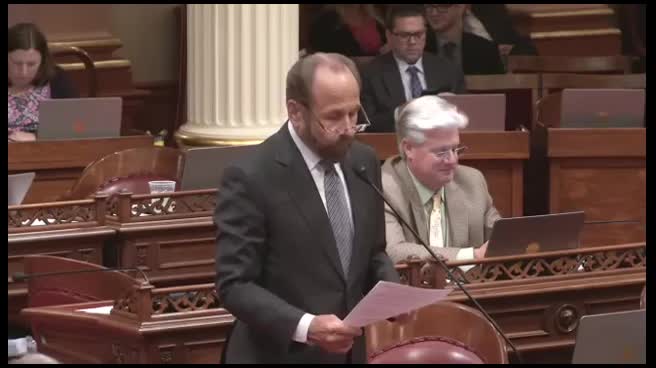
Bill Author

Bill Co-Author(s):