SB 1284: Human remains: conservator of the person or estate.
- Session Year: 2015-2016
- House: Senate
- Latest Version Date: 2016-06-27
Under existing law, if a decedent has not otherwise given directions, the right to control the disposition of the remains of the deceased person, the location and conditions of interment, and arrangements for funeral goods and services vests in, and the specified corresponding duty devolves upon, certain persons in a specified order of succession. Existing law lists these persons, in order, as an agent under a power of attorney for health care who has the right and duty of disposition, the surviving spouse, other specified relatives, and, when the decedent has sufficient assets, a conservator of the person, a conservator of the estate, and the public administrator.
Existing law requires, if the agent under a power of attorney, the surviving spouse, or any of the other specified relatives who have the right to control the disposition and arrange for funeral goods and services fails to act or cannot be found within a specified period, that the persons right to control the disposition and arrange for funeral goods and services be relinquished and passed on to the person or persons of the next degree of kinship in accordance with the above list. Existing law also provides that if any of those persons who would otherwise have equal rights to control the disposition and arrange for funeral goods and services fail to agree on disposition and funeral goods and services to be provided within 7 days of the date on which the right and duty of disposition devolved upon the persons, a funeral establishment or a cemetery authority having possession of the remains, or any person who has equal right to control the disposition of the remains, may file a petition in the superior court, as specified, seeking an order of the court determining, as appropriate, who among those parties will have the control of disposition and to direct that person to make interment of the remains. These provisions do not apply to a conservator of the person or a conservator of the estate that fails to act or cannot be found within the specified period.
This bill would add a conservator of the person and a conservator of the estate to the above provisions for purposes of relinquishment or petition, as specified.
Under existing law, if a decedent has not otherwise given directions, the right to control the disposition of the remains of the deceased person, the location and conditions of internment, interment, and arrangements for funeral goods and services vests in, and the specified corresponding duty devolves upon, certain persons in a specified order of succession. Existing law lists these persons, in order, as an agent under a power of attorney for health care who has the right and duty of disposition, the surviving spouse, other specified relatives, and, when the decedent has sufficient assets, a conservator of the person, a conservator of the estate, and the public administrator.
Existing law requires, if the agent under a power of attorney, the surviving spouse, or any of the other specified relatives who have the right to control the disposition and arrange for funeral goods and services fails to act or cannot be found within a specified period, that the persons right to control the disposition and arrange for funeral goods and services be relinquished and passed on to the person or persons of the next degree of kinship in accordance with the above list. This provision does Existing law also provides that if any of those persons who would otherwise have equal rights to control the disposition and arrange for funeral goods and services fail to agree on disposition and funeral goods and services to be provided within 7 days of the date on which the right and duty of disposition devolved upon the persons, a funeral establishment or a cemetery authority having possession of the remains, or any person who has equal right to control the disposition of the remains, may file a petition in the superior court, as specified, seeking an order of the court determining, as appropriate, who among those parties will have the control of disposition and to direct that person to make interment of the remains. These provisions do not apply to a conservator of the person or a conservator of the estate that fails to act or cannot be found within the specified timeframe period.
This bill would add a conservator of the person and a conservator of the estate to the above provision provisions for purposes of relinquishment, relinquishment or petition, as specified.
Under existing law, if a decedent has not otherwise given directions, the right to control the disposition of the remains of the deceased person, the location and conditions of internment, and arrangements for funeral goods and services vests in, and the specified corresponding duty devolves upon, certain persons in a specified order of succession. Existing law lists these persons, in order, as an agent under a power of attorney for health care who has the right and duty of disposition, the surviving spouse, other specified relatives, and, when the decedent has sufficient assets, a conservator of the person, a conservator of the estate, and the public administrator.
Existing law requires, if the agent under a power of attorney, the surviving spouse, or any of the other specified relatives who have the right to control the disposition and arrange for funeral goods and services fails to act or cannot be found within a specified period, that the persons right to control the disposition and arrange for funeral goods and services be relinquished and passed on to the person or persons of the next degree of kinship in accordance with the above list. This provision does not apply to a conservator of the person or a conservator of the estate that fails to act or cannot be found within the specified timeframe period.
This bill would add a conservator of the person and a conservator of the estate to the above provision for purposes of relinquishment, as specified.
(a)If the person or persons listed in paragraphs (1), (3), (4), (5), (6), (7), and (8) of subdivision (a) of Section 7100 who would otherwise have the right to control the disposition and arrange for funeral goods and services fails to act, or fails to delegate his or her authority to act to some other person within seven days of the date when the right and duty devolves upon the person or persons, or in the case of a person listed in paragraph (2) of subdivision (a) of Section 7100, within 10 days of the date when the right and duty devolves upon the person, the right to control the disposition and arrange for funeral goods and services shall be relinquished and passed on to the person or persons of the next degree of kinship in accordance with subdivision (a) of Section 7100.
(b)If the person or persons listed in paragraphs (1), (3), (4), (5), (6), (7), and (8) of subdivision (a) of Section 7100 who would otherwise have the right to control the disposition and arrange for funeral goods and services cannot be found within seven days of the date when the right and duty devolves upon the person or persons, or in the case of a person listed in paragraph (2) of subdivision (a) of Section 7100, within 10 days of the date when the right and duty devolves upon the person, after reasonable inquiry, the right to control the disposition and arrange for funeral goods and services shall be relinquished and passed on to the person or persons of the next degree of kinship in accordance with subdivision (a) of Section 7100.
(c)If any persons listed in paragraphs (1), (3), (4), (5), (6), (7), and (8) of subdivision (a) of Section 7100 who would otherwise have equal rights to control the disposition and arrange for funeral goods and services fail to agree on disposition and funeral goods and services to be provided within seven days of the date on which the right and duty of disposition devolved upon the persons, a funeral establishment or a cemetery authority having possession of the remains, or any person who has equal right to control the disposition of the remains may file a petition in the superior court in the county in which the decedent resided at the time of his or her death, or in which the remains are located, naming as a party to the action those persons who would otherwise have equal rights to control the disposition and seeking an order of the court determining, as appropriate, who among those parties will have the control of disposition and to direct that person to make interment of the remains. The court, at the time of determining the person to whom the right of disposition will vest, shall, from the remaining parties to the action, establish an alternate order to whom the right to control disposition will pass if the person vested with the right to control disposition fails to act within seven days.
(d)If the person vested with the duty of interment has criminal charges pending against him or her for the unlawful killing of the decedent, in violation of Section 187 of, or subdivision (a) or (b) of Section 192 of, the Penal Code, the person or persons with the next highest priority prescribed by Section 7100 may petition a court of competent jurisdiction for an order for control of the disposition of the decedents remains. For this purpose, it shall be conclusively presumed that the petitioner is the person entitled to control the disposition of the remains if the petitioner is next in the order of priority specified in Section 7100.
(a)If the person or persons listed in paragraphs (1), (3), (4), (5), (6), (7), and (8) of subdivision (a) of Section 7100 that who would otherwise have the right to control the disposition and arrange for funeral goods and services fails to act, or fails to delegate his or her authority to act to some other person within seven days of the date when the right and duty devolves upon the person or persons, or in the case of a person listed in paragraph (2) of subdivision (a) of Section 7100, within 10 days of the date when the right and duty devolves upon the person, the right to control the disposition and arrange for funeral goods and services shall be relinquished and passed on to the person or persons of the next degree of kinship in accordance with subdivision (a) of Section 7100.
(b)If the person or persons listed in paragraphs (1), (3), (4), (5), (6), (7), and (8) of subdivision (a) of Section 7100 that who would otherwise have the right to control the disposition and arrange for funeral goods and services cannot be found within seven days of the date when the right and duty devolves upon the person or persons, or in the case of a person listed in paragraph (2) of subdivision (a) of Section 7100, within 10 days of the date when the right and duty devolves upon the person, after reasonable inquiry, the right to control the disposition and arrange for funeral goods and services shall be relinquished and passed on to the person or persons of the next degree of kinship in accordance with subdivision (a) of Section 7100.
(c)If any persons listed in paragraphs (1), (3), (4), (5), and (6), (6), (7), and (8) of subdivision (a) of Section 7100 that who would otherwise have equal rights to control the disposition and arrange for funeral goods and services fail to agree on disposition and funeral goods and services to be provided within seven days of the date on which the right and duty of disposition devolved upon the persons, a funeral establishment or a cemetery authority having possession of the remains, or any person who has equal right to control the disposition of the remains may file a petition in the superior court in the county in which the decedent resided at the time of his or her death, or in which the remains are located, naming as a party to the action those persons who would otherwise have equal rights to control the disposition and seeking an order of the court determining, as appropriate, who among those parties will have the control of disposition and to direct that person to make interment of the remains. The court, at the time of determining the person to whom the right of disposition will vest, shall, from the remaining parties to the action, establish an alternate order to whom the right to control disposition will pass if the person vested with the right to control disposition fails to act within seven days.
(d)If the person vested with the duty of interment has criminal charges pending against him or her for the unlawful killing of the decedent, in violation of Section 187 of, or subdivision (a) or (b) of Section 192 of, the Penal Code, the person or persons with the next highest priority prescribed by Section 7100 may petition a court of competent jurisdiction for an order for control of the disposition of the decedents remains. For this purpose, it shall be conclusively presumed that the petitioner is the person entitled to control the disposition of the remains if the petitioner is next in the order of priority specified in Section 7100.
(a)If the person or persons listed in paragraphs (1), (3), (4), (5), and (6) (6), (7), and (8) of subdivision (a) of Section 7100 that would otherwise have the right to control the disposition and arrange for funeral goods and services fails to act, or fails to delegate his or her authority to act to some other person within seven days of the date when the right and duty devolves upon the person or persons, or in the case of a person listed in paragraph (2) of subdivision (a) of Section 7100, within 10 days of the date when the right and duty devolves upon the person, the right to control the disposition and arrange for funeral goods and services shall be relinquished and passed on to the person or persons of the next degree of kinship in accordance with subdivision (a) of Section 7100.
(b)If the person or persons listed in paragraphs (1), (3), (4), (5), and (6) (6), (7), and (8) of subdivision (a) of Section 7100 that would otherwise have the right to control the disposition and arrange for funeral goods and services cannot be found within seven days of the date when the right and duty devolves upon the person or persons, or in the case of a person listed in paragraph (2) of subdivision (a) of Section 7100, within 10 days of the date when the right and duty devolves upon the person, after reasonable inquiry, the right to control the disposition and arrange for funeral goods and services shall be relinquished and passed on to the person or persons of the next degree of kinship in accordance with subdivision (a) of Section 7100.
(c)If any persons listed in paragraphs (1), (3), (4), (5), and (6), of subdivision (a) of Section 7100 that would otherwise have equal rights to control the disposition and arrange for funeral goods and services fail to agree on disposition and funeral goods and services to be provided within seven days of the date on which the right and duty of disposition devolved upon the persons, a funeral establishment or a cemetery authority having possession of the remains, or any person who has equal right to control the disposition of the remains may file a petition in the superior court in the county in which the decedent resided at the time of his or her death, or in which the remains are located, naming as a party to the action those persons who would otherwise have equal rights to control the disposition and seeking an order of the court determining, as appropriate, who among those parties will have the control of disposition and to direct that person to make interment of the remains. The court, at the time of determining the person to whom the right of disposition will vest, shall, from the remaining parties to the action, establish an alternate order to whom the right to control disposition will pass if the person vested with the right to control disposition fails to act within seven days.
(d)If the person vested with the duty of interment has criminal charges pending against him or her for the unlawful killing of the decedent, in violation of Section 187 of, or subdivision (a) or (b) of Section 192 of, the Penal Code, the person or persons with the next highest priority prescribed by Section 7100 may petition a court of competent jurisdiction for an order for control of the disposition of the decedents remains. For this purpose, it shall be conclusively presumed that the petitioner is the person entitled to control the disposition of the remains if the petitioner is next in the order of priority specified in Section 7100.
|
Date
|
Status
|
|---|---|
| Apr 11, 2016 | Read third time. Passed. (Ayes 36. Noes 0. Page 3463.) Ordered to the Assembly. |
| Jun 27, 2016 | Chaptered by Secretary of State. Chapter 39, Statutes of 2016. |
| Jun 27, 2016 | Approved by the Governor. |
| Jun 20, 2016 | Enrolled and presented to the Governor at 1:30 p.m. |
| Jun 16, 2016 | Read third time. Passed. Ordered to the Senate. |
| Jun 16, 2016 | In Senate. Ordered to engrossing and enrolling. |
| Jun 13, 2016 | Read second time. Ordered to consent calendar. |
| Jun 9, 2016 | From committee: Do pass. Ordered to consent calendar. (Ayes 9. Noes 0.) (June 8). |
| Apr 28, 2016 | Referred to Com. on JUD. |
| Apr 11, 2016 | Read third time. Passed. (Ayes 36. Noes 0.) Ordered to the Assembly. |
| Feb 19, 2016 | Introduced. To Com. on RLS. for assignment. To print. |
| Apr 11, 2016 | In Assembly. Read first time. Held at Desk. |
| Apr 6, 2016 | Read second time. Ordered to consent calendar. |
| Apr 5, 2016 | From committee: Do pass. Ordered to consent calendar. (Ayes 7. Noes 0.) (April 5). |
| Apr 5, 2016 | From committee: Do pass. Ordered to consent calendar. (Ayes 7. Noes 0. Page 3394.) (April 5). |
| Mar 28, 2016 | From committee with author's amendments. Read second time and amended. Re-referred to Com. on JUD. |
| Mar 24, 2016 | Set for hearing April 5. |
| Mar 3, 2016 | Referred to Com. on JUD. |
| Feb 22, 2016 | Read first time. |
| Feb 22, 2016 | From printer. May be acted upon on or after March 23. |
|
Date
|
Description
|
Location
|
Votes
|
|
|---|---|---|---|---|
| Jun 16, 2016 | SB 1284 Hernandez Consent Calendar Second Day Regular Session | Assembly Floor |
Passed |
|
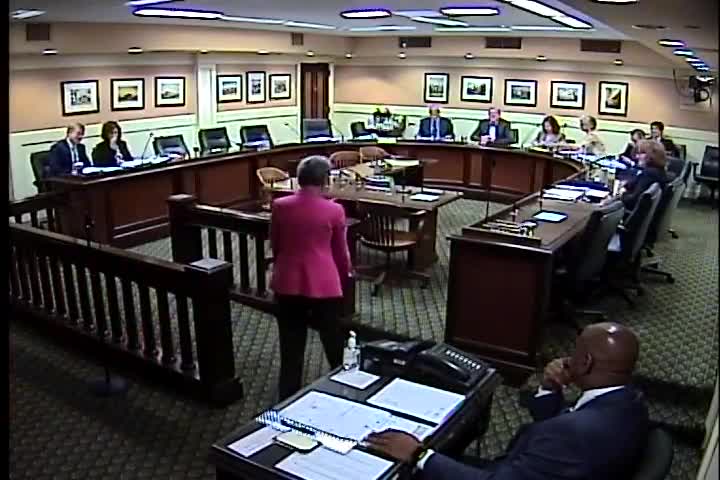
| Jun 8, 2016 | Do pass. To Consent Calendar. | Assembly Standing Committee on Judiciary |
Passed |
|
| Apr 11, 2016 | Consent Calendar 2nd SB1284 Hernandez | Senate Floor |
Passed |
|
| Apr 5, 2016 | Do pass and be ordered to the Consent Calendar | Senate Standing Committee on Judiciary |
Passed |
This list shows positions taken on this bill by organizations on the date displayed, which is linked to the original source.
Positions by individuals are not included.
|
Organization
|
Position
|
Date
|
|---|---|---|
| ACLU of California | * Support | Jun 26, 2018 |
| American Association Of University Women California | * Support | Jun 26, 2018 |
| American Staffing Association | * Against | Jun 26, 2018 |
| California Ambulance Association | * Against | Jun 26, 2018 |
| California Chamber Of Commerce | * Against | Jun 26, 2018 |
| California Employment Lawyers Association | * Support | Jun 26, 2018 |
| California Labor Federation | * Support | Jun 26, 2018 |
| California League of Food Producers | * Against | Jun 26, 2018 |
| California Restaurant Association | * Against | Jun 26, 2018 |
| California Staffing Professionals (Csp) | * Against | Jun 26, 2018 |
| Computing Technology Industry Association CompTIA | ** Against | Jun 26, 2018 |
| National Electrical Contractors Association | ** Against | Jun 26, 2018 |
| National Federation Of Independent Business | * Against | Jun 26, 2018 |
| Retail Industry Leaders Association (Rila) | * Against | Jun 26, 2018 |
| The California Legislative Conference of the Plumbing, Heating, and Piping Industry | ** Against | Jun 26, 2018 |
| United Contractors | * Against | Jun 26, 2018 |
| Western Growers | * Against | Jun 26, 2018 |
Date of Hearing: June 8, 2016
ASSEMBLY COMMITTEE ON JUDICIARY
Mark Stone, Chair
SBPCA Bill Id:SB 1284
Author:(Hernandez) – As Amended Ver:March 28, 2016
PROPOSED CONSENT
SENATE VOTE: 36-0
SUBJECT: HUMAN REMAINS: CONSERVATOR OF THE PERSON OR ESTATE
KEY ISSUE: SHOULD A DECEDENT'S CONSERVATOR DETERMINE THE DISPOSITION AND INTERMENT OF THE DECEDENT’S HUMAN REMAINS, INCLUDING FUNERAL ARRANGEMENTS, WHEN THE DECEDENT’S NEXT OF KIN DOES NOT ACT OR CANNOT BE LOCATED?
SYNOPSIS
If a decedent neglects to leave behind instructions about the interment or disposition of his or her human remains, specified individuals are given the duty to take control of the remains, and to make arrangements, including funeral goods and services. Mostly, this list is made up of next of kin, and prioritizes family members based on the following successive order: an agent under a power of attorney, a surviving spouse, child, parent, sibling, next-of-kin, a conservator, and a public administrator (or coroner). When an individual with a higher level of priority is unavailable, or unable to perform the duty described above, the duty is relinquished and reassigned to the next person on the list with priority. Although many interment decisions, if not made by the decedent, are generally made by the next of kin, it is not uncommon for a decedent to be survived by only a conservator – a person appointed by a court to manage the care of another person who cannot properly provide for him- or herself. Although the list of empowered individuals includes a conservator, the current procedures involving relinquishment and reassignment do not consider the conservator. In other words, if a decedent is survived by only a conservator, the conservator is empowered to make interment decisions; however, if a decedent is survived by family members and a conservator, and those family members do not make a decision, current law does not reassign that interment duty to a conservator.
This non-controversial bill adds conservators to the list of persons who have the right to take control of the decedent’s remains if the decedent’s next of kin fails to make interment arrangements or cannot be found, and allows the court to intervene in those few instances when there are multiple conservators assigned with the interment duty and those conservators cannot agree on interment arrangements. This bill is sponsored by the California Funeral Directors Association and has no opposition.
SUMMARY: Allows a conservator of the person and a conservator of the estate to control the disposition of a decedent’s remains when a decedent’s specified next of kin fails to act on interment arrangements, or cannot be found. Specifically, this bill:
- Adds the conservator of the person and the conservator of the estate to the list of persons who have the right to control and the duty of disposition of the decedent’s remains if the decedent’s next of kin fails to make interment arrangements or cannot be found.
- Provides that when multiple conservators share the duty to control the disposition of a decedent’s remains and disagree over interment arrangements, a conservator may petition the court for an order to determine who among the multiple conservators has control over the disposition of the decedent’s remains.
EXISTING LAW:
- Provides that a decedent, prior to death, may direct the disposition of his or her remains and specify funeral goods and services to be provided as specified. (Health and Safety Code Section 7100.1. Unless otherwise provided, all further statutory references are to the Health and Safety Code Section.)
- Lists the individuals who, in order of succession, have the right to control the disposition of the remains of a decedent who has not provided interment instructions, as provided. The kinship-based order of succession is specified as follows:
- An agent under a power of attorney for health care who has the right and duty of disposition, except that the agent is only liable for costs, as specified;
- The competent surviving spouse;
- The sole surviving competent adult child of the decedent or, if there is more than one competent adult child of the decedent, the majority of the surviving competent adult children; however, less than the majority of the surviving competent adult children shall be vested with these rights and duties if they have used reasonable efforts to notify all other surviving competent adult children of their instructions and are not aware of any opposition to those instructions by the majority of all surviving competent adult children;
- The surviving competent parent or parents of the decedent, but if one of the surviving competent parents is absent, the remaining competent parent is vested with the rights and duties after reasonable efforts have been unsuccessful in locating the absent surviving competent parent;
- The sole surviving competent adult sibling of the decedent or, if there is more than one surviving competent adult sibling of the decedent, the majority of the surviving competent adult siblings; however, less than the majority of the surviving competent adult siblings are vested with the rights and duties if they have used reasonable efforts to notify all other surviving competent adult siblings of their instructions and are not aware of any opposition to those instructions by the majority of all surviving competent adult siblings;
- The surviving competent adult person or persons respectively in the next degrees of kinship, or, if there is more than one surviving competent adult person of the same degree of kinship, the majority of those persons;
- A conservator of the person when the decedent has sufficient assets;
- A conservator of the estate when the decedent has sufficient assets; and
- The public administrator when the deceased has sufficient assets. (Section 7100 (a)(1)-(9).)
- Provides that if a person authorized to dispose the decedent’s remains either fails to act on the disposition, fails to delegate the responsibility, or cannot be found, within a specified period, the right to control the disposition and arrange for funeral goods and services shall be relinquished and passed on to the next authorized person in succession. (Section 7105 (a) and 7105 (c).)
- Provides that if multiple persons authorized to dispose of the decedent’s remains fail to agree on the disposition within a specified period, a funeral establishment or a cemetery authority having possession of the remains, or any person who has equal right to control the disposition of the remains may file a petition in court to obtain an order to determine who among the parties has control over the disposition and to direct that person to make interment of the remains, as provided. (Section 7105 (b).)
- Provides that a cemetery authority or crematory may make an interment or cremation of any remains upon the receipt of a written authorization of a person representing himself or herself to be a person having the right to control the disposition of the remains as provided. (Section 7111.)
- Provides that when no provision is made by the decedent, or where the estate is insufficient to provide for interment and the duty of interment does not devolve upon any other person residing in the state or if such person cannot after reasonable diligence be found within the state, the person who has custody of the remains may require the coroner of the county to take possession of the remains and the coroner shall inter the remains in the manner provided for the interment of indigent dead. (Section 7104.)
FISCAL EFFECT: As currently in print this bill is keyed non-fiscal.
COMMENTS: If a decedent neglects to leave behind instructions about the interment or disposition of his or her human remains, specified individuals are given the duty to take control of the decedent’s remains, and to make arrangements, including funeral goods and services. Mostly, this list is made up of next of kin, and prioritizes family members based on the following successive order: an agent under a power of attorney, a surviving spouse, child, parent, sibling, next-of-kin, a conservator, and a public administrator (or coroner). When an individual with a higher level of priority is unavailable, or unable to perform the duty described above, the duty is relinquished and reassigned to the next person on the list with priority. To promote prompt funeral arrangements, the relinquishment and reassignment of the duty generally occurs within seven or ten days (depending on the individual).
In the event that several individuals in a given category (e.g., surviving children or surviving parents) are assigned the duty, and those individuals cannot agree on interment arrangements, existing law allows specified parties, including a funeral establishment, to file a petition in court to establish who among the individuals has the right to control the disposition, and to order that individual to inter the remains.
Although many interment decisions, if not made by the decedent, are generally made by the next of kin, it is not uncommon for a decedent to be survived by only a conservator – a person appointed by a court to manage the care of another person who cannot properly provide for him- or herself. Although the list of empowered individuals includes a conservator, the current procedures involving relinquishment and reassignment do not consider the conservator. In other words, if a decedent is survived by only a conservator, the conservator is empowered to make interment decisions; however, if a decedent is survived by family members and a conservator, and those family members do not make a decision, current law does not reassign that interment duty to a conservator.
In support of this bill, the author writes:
At times, conservators of the person or the estate are the only people who have a relationship with the decedent. Recently, the list, in order of priority, of individuals who have the right to take control of the remains of the decedent, arrange for the location and conditions of interment, and arrange for funeral goods and services was updated to include the right of the conservator of the person or the conservator of the estate. However, the corresponding code section that provides for the list of succession of that right if an individual fails to act or cannot be found was not also updated to include conservators.
This bill, in accordance with the line of consanguinity, adds conservators of the person and estate, thereby aligning the list of individuals who succeed to the right to control the disposition and arrange for funeral goods and services if an individual in a higher order of priority fails to … act or cannot be found, with the list of individuals who have the right to take control of the decedent’s remains and arrange for the location and conditions of interment, and arrange for funeral goods and services.
To address the problem described by the author, this bill adds the conservator of the person and the conservator of the estate to the list of persons who have the right to control and to dispose the decedent’s remains if the decedent’s next of kin fails to make interment arrangements or cannot be found. Given that a conservator may already control and dispose a decedent’s remains when the conservator is the lone survivor of a decedent, the ability for a conservator to make interment decisions when next of kin do not make the decisions or are unavailable is consistent with existing law.
This bill also adds conservators to the court procedure that is established to resolve disagreements among multiple parties equally empowered to make interment decisions. In other words, if there are multiple conservators of the person or multiple conservators of the estate, and each category of conservators disagree on interment arrangements, this bill allows for the funeral or cemetery establishment, or one of the conservators, to petition the court for an order to determine who is empowered to make the interment decision. Although the appointment of multiple conservators is not generally advised, this bill merely extends an existing court process to address the rare instance when multiple conservators are appointed and disagree over interment arrangements.
REGISTERED SUPPORT / OPPOSITION:
Support
California Funeral Directors Association (sponsor)
Cemetery and Mortuary Association of California
Opposition
None on file
Analysis Prepared by: Eric Dang / JUD. / (916) 319-2334
Office of Senate Floor Analyses (916) 651-1520 Fax: (916) 327-4478 | SB |
CONSENT
Bill No: SB 1284
:
SENATE JUDICIARY COMMITTEE: 7-0, 4/5/16
AYES: Jackson, Moorlach, Anderson, Hertzberg, Leno, Monning, Wieckowski
SOURCE: California Funeral Directors Association
DIGEST: This bill provides that the right and duty to control the disposition of the remains of a decedent passes successively to the conservator of the person and conservator of the estate if a person in a higher order of succession fails to act or cannot be found.
Existing law:
- Provides a list, in order of priority, of the person or persons who have the right to control the disposition of and arrange for funeral goods and services for a decedent, and the liability for costs of the disposition and funeral goods and services, if other directions have not been given by the decedent. (Health & Saf. Code Sec. 7100.) The kinship-based list of priority is specified as follows:
- an agent under a power of attorney for health care who has the right and duty of disposition, except that the agent is only liable for costs, as specified;
- the competent surviving spouse;
- the sole surviving competent adult child of the decedent or, if there is more than one competent adult child of the decedent, the majority of the surviving competent adult children; however, less than the majority of the surviving competent adult children shall be vested with these rights and duties if they have used reasonable efforts to notify all other surviving competent adult children of their instructions and are not aware of any opposition to those instructions by the majority of all surviving competent adult children;
- the surviving competent parent or parents of the decedent, but if one of the surviving competent parents is absent, the remaining competent parent is vested with the rights and duties after reasonable efforts have been unsuccessful in locating the absent surviving competent parent;
- the sole surviving competent adult sibling of the decedent or, if there is more than one surviving competent adult sibling of the decedent, the majority of the surviving competent adult siblings; however, less than the majority of the surviving competent adult siblings are vested with the rights and duties if they have used reasonable efforts to notify all other surviving competent adult siblings of their instructions and are not aware of any opposition to those instructions by the majority of all surviving competent adult siblings;
- the surviving competent adult person or persons respectively in the next degrees of kinship, or, if there is more than one surviving competent adult person of the same degree of kinship, the majority of those persons;
- a conservator of the person when the decedent has sufficient assets;
- a conservator of the estate when the decedent has sufficient assets; and
- the public administrator when the deceased has sufficient assets. (Health & Saf. Code Sec. 7100(a)(1)-(9).)
- Provides first priority of the rights and duties to control the decedent’s remains to a person designated as a person authorized to direct disposition on a United States Department of Defense Record of Emergency Data, DD Form 93, as specified by the decedent who died while on duty in any branch or component of the Armed Forces. (Health & Saf. Code Sec. 7100(h).)
- Provides that where a specified person authorized to dispose of the decedent’s remains fails to act or to delegate this responsibility within seven days of the date when the right and duty devolves upon the person or persons, or where the competent surviving spouse fails to act or to delegate this responsibility within 10 days after the date when the right and duty devolves upon the person or persons, the right to control the disposition and arrange for funeral goods and services is relinquished and passes on to the next person, according to the list of priority. The same rule would apply if the person authorized to dispose of the remains cannot be found. (Health & Safety Code Section 7105(a), (b).)
- Provides that if any of the persons in the list who would otherwise have equal rights to control the disposition and arrange for funeral goods and services fail to agree on disposition and funeral goods and services to be provided within seven days of the date on which the right and duty of disposition devolved upon the persons, a funeral establishment or a cemetery authority having possession of the remains, or any person who has equal right to control the disposition of the remains may file a petition in the superior court in the county in which the decedent resided at the time of his or her death, or in which the remains are located, naming as a party to the action those persons who would otherwise have equal rights to control the disposition and seeking an order of the court determining, as appropriate, who among those parties will have the control of disposition and to direct that person to make interment of the remains. (Health & Saf. Code Sec. 7105(c).) The court, at the time of determining the person to whom the right of disposition will vest, is required, from the remaining parties to the action, to establish an alternate order to whom the right to control disposition will pass if the person vested with the right to control disposition fails to act within seven days. (Id.)
This bill:
- Adds the conservator of the person and conservator of the estate to the list of persons who have the right to control and the duty of disposition of the decedent’s remains before the right and duty passes to the next person on the priority list if the conservator fails to act or cannot be found, as specified.
- Includes a conservator of the person and conservator of the estate in the list of persons against or by whom a petition to compel a responsible party to make interment of the remains could be brought.
Background
When an individual dies, existing law provides a list, in order of priority, of individuals who have the right to take control of the remains of the decedent, arrange for the location and conditions of interment, and arrange for funeral goods and services. The list of priority was first established in 1931, and has been amended several times over the years to include additional individuals. Most recently, SB 647 (Committee on Judiciary, Chapter 308, Statutes of 2011) amended the list to include a conservator of the person or a conservator of the estate of the decedent.
Separately, existing law provides for the successive rights of persons that may take disposition of the decedent’s remains when a person who otherwise has the right to control the disposition fails to act or cannot be found. This bill updates the passage of rights and duties of control of the decedent’s remains in accordance with SB 647 and incorporates the rights and duties of the conservator of the person or the conservator of the estate.
Comments
The author writes:
At times, conservators of the person or the estate are the only people who have a relationship with the decedent. Recently, the list, in order of priority, of individuals who have the right to take control of the remains of the decedent, arrange for the location and conditions of interment, and arrange for funeral goods and services was updated to include the right of the conservator of the person or the conservator of the estate. However, the corresponding code section that provides for the list of succession of that right if an individual fails to act or cannot be found was not also updated to include conservators.
This bill, in accordance with the line of consanguinity established under SB 647, adds conservators of the person and estate, thereby aligning the list of individuals who succeed to the right to control the disposition and arrange for funeral goods and services if an individual in a higher order of priority fails to … act or cannot be found, with the list of individuals who have the right to take control of the decedent’s remains and arrange for the location and conditions of interment, and arrange for funeral goods and services.
Prior Legislation
SB 647 (Committee on Judiciary, Chapter 308, Statutes of 2011) See Background; Comments.
AB 886 (Committee on Business and Professions, Chapter 96, Statutes of 2005) clarified that the authority to dispose of human remains, which is passed according to a statutorily defined list of persons, commences on the day the right and the duty devolves upon that person, not on the date of death of the decedent.
AB 2811 (Runner, Chapter 307, Statutes of 2004) added siblings to the list of persons authorized to dispose of human remains.
FISCAL EFFECT: Appropriation: No Fiscal Com.: No Local: No
California Funeral Directors Association (source)
None received
Prepared by: Tara Welch / JUD. / (916) 651-4113
4/6/16 14:42:10
**** END ****
Senator Hannah-Beth Jackson, Chair
2015-2016 Regular Session
Bill No: SB 1284 (Author:Hernandez)
Version: March 28, 2016
Hearing Date: April 5, 2016
Fiscal: No
Urgency: No
Consultant: TMW
SUBJECT
Human remains: conservator of the person or estate
DESCRIPTION
This bill would provide that the right and duty to control the disposition of the remains of a decedent passes successively to the conservator of the person and conservator of the estate if a person in a higher order of succession fails to act or cannot be found.
BACKGROUND
When an individual dies, existing law provides a list, in order of priority, of individuals who have the right to take control of the remains of the decedent, arrange for the location and conditions of interment, and arrange for funeral goods and services. The list of priority was first established in 1931, and has been amended several times over the years to include additional individuals. Most recently, SB 647 (Committee on Judiciary, Chapter 308, Statutes of 2011) amended the list to include a conservator of the person or a conservator of the estate of the decedent.
Separately, existing law provides for the successive rights of persons that may take disposition of the decedent’s remains when a person who otherwise has the right to control the disposition fails to act or cannot be found. This bill would update the passage of rights and duties of control of the decedent’s remains in accordance with SB 647 and incorporate the rights and duties of the conservator of the person or the conservator of the estate.
CHANGES TO EXISTING LAW
Existing law, if other directions have not been given by the decedent, provides a list, in order of priority, of the person or persons who have the right to control the disposition of and arrange for funeral goods and services for a decedent, and the liability for costs of the disposition and funeral goods and services. (Health & Saf. Code Sec. 7100.) The kinship-based list of priority is specified as follows:
- an agent under a power of attorney for health care who has the right and duty of disposition, except that the agent is only liable for costs, as specified;
- the competent surviving spouse;
- the sole surviving competent adult child of the decedent or, if there is more than one competent adult child of the decedent, the majority of the surviving competent adult children; however, less than the majority of the surviving competent adult children shall be vested with these rights and duties if they have used reasonable efforts to notify all other surviving competent adult children of their instructions and are not aware of any opposition to those instructions by the majority of all surviving competent adult children;
- the surviving competent parent or parents of the decedent, but if one of the surviving competent parents is absent, the remaining competent parent is vested with the rights and duties after reasonable efforts have been unsuccessful in locating the absent surviving competent parent;
- the sole surviving competent adult sibling of the decedent or, if there is more than one surviving competent adult sibling of the decedent, the majority of the surviving competent adult siblings; however, less than the majority of the surviving competent adult siblings are vested with the rights and duties if they have used reasonable efforts to notify all other surviving competent adult siblings of their instructions and are not aware of any opposition to those instructions by the majority of all surviving competent adult siblings;
- the surviving competent adult person or persons respectively in the next degrees of kinship, or, if there is more than one surviving competent adult person of the same degree of kinship, the majority of those persons;
- a conservator of the person when the decedent has sufficient assets;
- a conservator of the estate when the decedent has sufficient assets; and
- the public administrator when the deceased has sufficient assets. (Health & Saf. Code Sec. 7100(a)(1)-(9).)
Existing law provides first priority of the rights and duties to control the decedent’s remains to a person designated as a person authorized to direct disposition on a United States Department of Defense Record of Emergency Data, DD Form 93, as specified by the decedent who died while on duty in any branch or component of the Armed Forces. (Health & Saf. Code Sec. 7100(h).)
Existing law provides that where a specified person authorized to dispose of the decedent’s remains fails to act or to delegate this responsibility within seven days of the date when the right and duty devolves upon the person or persons, or where the competent surviving spouse fails to act or to delegate this responsibility within 10 days after the date when the right and duty devolves upon the person or persons, the right to control the disposition and arrange for funeral goods and services is relinquished and passes on to the next person, according to the list of priority. The same rule would apply if the person authorized to dispose of the remains cannot be found. (Health & Safety Code Section 7105(a), (b).)
Existing law provides that if any of the persons in the list who would otherwise have equal rights to control the disposition and arrange for funeral goods and services fail to agree on disposition and funeral goods and services to be provided within seven days of the date on which the right and duty of disposition devolved upon the persons, a funeral establishment or a cemetery authority having possession of the remains, or any person who has equal right to control the disposition of the remains may file a petition in the superior court in the county in which the decedent resided at the time of his or her death, or in which the remains are located, naming as a party to the action those persons who would otherwise have equal rights to control the disposition and seeking an order of the court determining, as appropriate, who among those parties will have the control of disposition and to direct that person to make interment of the remains. (Health & Saf. Code Sec. 7105(c).) The court, at the time of determining the person to whom the right of disposition will vest, is required, from the remaining parties to the action, to establish an alternate order to whom the right to control disposition will pass if the person vested with the right to control disposition fails to act within seven days. (Id.)
This bill would add the conservator of the person and conservator of the estate to the list of persons who have the right to control and the duty of disposition of the decedent’s remains before the right and duty passes to the next person on the priority list if the conservator fails to act or cannot be found, as specified.
This bill would include a conservator of the person and conservator of the estate in the list of persons against or by whom a petition to compel a responsible party to make interment of the remains could be brought.
COMMENT
1. Stated need for the bill
The author writes:
At times, conservators of the person or the estate are the only people who have a relationship with the decedent. Recently, the list, in order of priority, of individuals who have the right to take control of the remains of the decedent, arrange for the location and conditions of interment, and arrange for funeral goods and services was updated to include the right of the conservator of the person or the conservator of the estate. However, the corresponding code section that provides for the list of succession of that right if an individual fails to act or cannot be found was not also updated to include conservators.
This bill, in accordance with the line of consanguinity established under SB 647, adds conservators of the person and estate, thereby aligning the list of individuals who succeed to the right to control the disposition and arrange for funeral goods and services if an individual in a higher order of priority fails to … act or cannot be found, with the list of individuals who have the right to take control of the decedent’s remains and arrange for the location and conditions of interment, and arrange for funeral goods and services.
2. Expanding successive right to control and duty of disposition of remains
Existing law, if the decedent did not otherwise provide, establishes a list of successors having the right and duty to control the disposition of the remains of a decedent. In the event a person on the list fails to take control of the remains or cannot be found, existing law provides that the rights and duties to control the remains devolves to the next person on the list. Existing law also authorizes a petition to compel a person to take control of the remains if another person on the list of succession fails to act. This bill would expand the list of successor rights and duties to include the conservator of the person and the conservator of the estate.
The California Funeral Directors Association, sponsor, states that the bill is “the result of our review of the statutes and an effort to clarify the rights and responsibilities of those individuals in line to handle the disposition of a body (the line of consanguinity). This legislation recognizes that for a range of circumstances[,] such as our increasingly transient society, longer life[,] or more fractured families[, . . .] there are instances in which the conservators of the person or the estate have the most significant relationship with the decedent. . . . This legislation amends the corresponding code section that includes conservator of the person or estate if the individual in line fails to act or cannot be found. California has always been in the forefront of clarifying and protecting the rights of consumers, [. . .] especially during those difficult times when dealing with loss of life.”
This bill seeks to conform recent changes made by SB 647 (Committee on Judiciary, Chapter 308, Statutes of 2011) to the list of individuals who have the right and duties to control a decedent’s remains. In accordance with the list of individuals specified in SB 647, this bill would add a conservator of the person or a conservator of the estate of the decedent to the list below all persons who are in any degree of kinship with the decedent and just above the public administrator. As such, pursuant to the bill, if the conservator of the person and the conservator of the estate failed to act or could not be found to assume the rights and duties to disposition of the remains, only the public administrator would succeed to these rights and duties.
The bill also conforms the list of successorship by adding the conservator of the person or estate in order to accommodate a scenario where the conservator of the person or estate are unable to be located or fail to act so that a funeral establishment or cemetery authority having the possession of the remains or a relative of the decedent would be able to petition the court to direct a person on the list to assume the rights and duties to control the remains. This provision would also provide a conservator of the person or estate the ability to petition the court to direct another person on the list to assume the rights and duties. Notably, this bill would impose the rights and duties of disposition of the remains on the conservator of the person and the conservator of the estate only if the decedent had sufficient assets to cover the cost of disposition.
Support: None Known
Opposition: None Known
HISTORY
Source: California Funeral Directors Association
Related Pending Legislation: None Known
Prior Legislation:
SB 647 (Committee on Judiciary, Chapter 308, Statutes of 2011) See Background, Comments 1, 2.
AB 886 (Committee on Business and Professions, Chapter 96, Statutes of 2005) clarified that the authority to dispose of human remains, which is passed according to a statutorily defined list of persons, commences on the day the right and the duty devolves upon that person, not on the date of death of the decedent.
AB 2811 (Runner, Chapter 307, Statutes of 2004) added siblings to the list of persons authorized to dispose of human remains.
**************
Discussed in Hearing
 19MIN
Assembly Standing Committee on Judiciary
Bill Author

Bill Co-Author(s):