SB 1383: Short-lived climate pollutants: methane emissions: dairy and livestock: organic waste: landfills.
- Session Year: 2015-2016
- House: Senate
- Latest Version Date: 2016-09-19
(1)The California Global Warming Solutions Act of 2006 designates the State Air Resources Board as the state agency charged with monitoring and regulating sources of emissions of greenhouse gases. The state board is required to approve a statewide greenhouse gas emissions limit equivalent to the statewide greenhouse gas emissions level in 1990 to be achieved by 2020. The state board is also required to complete a comprehensive strategy to reduce emissions of short-lived climate pollutants, as defined, in the state.
This bill would require the state board, no later than January 1, 2018, to approve and begin implementing that comprehensive strategy to reduce emissions of short-lived climate pollutants to achieve a reduction in methane by 40%, hydrofluorocarbon gases by 40%, and anthropogenic black carbon by 50% below 2013 levels by 2030, as specified. The bill also would establish specified targets for reducing organic waste in landfills.
This bill would require the state board, in consultation with the Department of Food and Agriculture, to adopt regulations to reduce methane emissions from livestock manure management operations and dairy manure management operations, as specified. The bill would require the state board to take certain actions prior to adopting those regulations. This bill would require the regulations to take effect on or after January 1, 2024, if the state board, in consultation with the department, makes certain determinations.
This bill would require the state board, the Public Utilities Commission, and the State Energy Resources Conservation and Development Commission to undertake various actions related to reducing short-lived climate pollutants in the state. The bill would require state agencies to consider and, as appropriate, adopt policies and incentives to significantly increase the sustainable production and use of renewable gas.
(2)The California Integrated Waste Management Act of 1989, which is administered by the Department of Resources Recycling and Recovery, establishes an integrated waste management program that requires each county and city and county to prepare and submit to the department a countywide integrated waste management plan.
The bill would require the department, in consultation with the state board, to adopt regulations that achieve the specified targets for reducing organic waste in landfills. The bill would authorize local jurisdictions to charge and collect fees to recover the local jurisdictions costs incurred in complying with the regulations. The bill would require, no later than July 1, 2020, the department, in consultation with the state board, to analyze the progress that the waste sector, state government, and local governments have made in achieving the specified targets for reducing organic waste in landfills. The bill would authorize the department, depending on the outcome of that analysis, to amend the regulations to include incentives or additional requirements, as specified. By adding to the duties of local governments related to organic waste in landfills, this bill would impose a state-mandated local program.
(3)The California Constitution requires the state to reimburse local agencies and school districts for certain costs mandated by the state. Statutory provisions establish procedures for making that reimbursement.
This bill would provide that no reimbursement is required by this act for a specified reason.
(1)The California Global Warming Solutions Act of 2006 designates the State Air Resources Board as the state agency charged with monitoring and regulating sources of emissions of greenhouse gases. The state board is required to adopt approve a statewide greenhouse gas emissions limit equivalent to the statewide greenhouse gas emissions level in 1990 to be achieved by 2020. The state board is also required to complete a comprehensive strategy to reduce emissions of short-lived climate pollutants, as defined, in the state.
This bill would require the state board, no later than January 1, 2018, to approve and begin implementing that comprehensive strategy to reduce emissions of short-lived climate pollutants to achieve a reduction in methane by 40%, hydrofluorocarbon gases by 40%, and anthropogenic black carbon by 50% below 2013 levels by 2030, as specified. The bill also would establish specified targets for reducing organic waste in landfills.
This bill would require the state board, in consultation with the Department of Food and Agriculture, to adopt regulations to reduce methane emissions from livestock manure management operations and dairy manure management operations, as specified. The bill would require the state board to take certain actions prior to adopting those regulations. This bill would require the regulations to take effect on or after January 1, 2024, if the state board, in consultation with the department, makes certain determinations.
This bill would require the state board, the Public Utilities Commission, and the State Energy Resources Conservation and Development Commission to undertake various actions related to reducing short-lived climate pollutants in the state. The bill would require state agencies to consider and, as appropriate, adopt policies and incentives to significantly increase the sustainable production and use of renewable gas.
(2)The California Integrated Waste Management Act of 1989, which is administered by the Department of Resources Recycling and Recovery, establishes an integrated waste management program that requires each county and city and county to prepare and submit to the department a countywide integrated waste management plan.
The bill would require the department, in consultation with the state board, to adopt regulations that achieve the specified targets for reducing organic waste in landfills. The bill would authorize local jurisdictions to charge and collect fees to recover the local jurisdictions costs incurred in complying with the regulations. The bill would require, no later than July 1, 2020, the department, in consultation with the state board, to analyze the progress that the waste sector, state government, and local governments have made in achieving the specified targets for reducing organic waste in landfills. The bill would authorize the department, depending on the outcome of that analysis, to amend the regulations to include incentives or additional requirements, as specified. By adding to the duties of local governments related to organic waste in landfills, this bill would impose a state-mandated local program.
(3)The California Constitution requires the state to reimburse local agencies and school districts for certain costs mandated by the state. Statutory provisions establish procedures for making that reimbursement.
This bill would provide that no reimbursement is required by this act for a specified reason.
The
(1)The California Global Warming Solutions Act of 2006 designates the State Air Resources Board as the state agency charged with monitoring and regulating sources of emissions of greenhouse gases. The state board is required to adopt a statewide greenhouse gas emissions limit equivalent to the statewide greenhouse gas emissions level in 1990 to be achieved by 2020. The state board is also required to complete a comprehensive strategy to reduce emissions of short-lived climate pollutants, as defined, in the state.
This bill would require the state board, no later than January 1, 2018, to approve and begin implementing that comprehensive strategy to reduce emissions of short-lived climate pollutants to achieve a reduction in methane by 40%, hydrofluorocarbon gases by 40%, and anthropogenic black carbon by 50% below 2013 levels by 2030, as specified. The bill also would establish specified targets for reducing organic waste in landfills.
(2)The California Integrated Waste Management Act of 1989, which is administered by the Department of Resources Recycling and Recovery, establishes an integrated waste management program that requires each county and city and county to prepare and submit to the department a countywide integrated waste management plan.
The bill would require the department, in consultation with the state board, to adopt regulations that achieve the specified targets for reducing organic waste in landfills. The bill would authorize local jurisdictions to charge and collect fees to recover the local jurisdictions costs incurred in complying with the regulations. The bill would require, no later than July 1, 2020, the department, in consultation with the state board, to analyze the progress that the waste sector, state government, and local governments have made in achieving the specified targets for reducing organic waste in landfills. The bill would authorize the department, depending on the outcome of that analysis, to amend the regulations to include incentives or additional requirements, as specified. By adding to the duties of local governments related to organic waste in landfills, this bill would impose a state-mandated local program.
(3)The California Constitution requires the state to reimburse local agencies and school districts for certain costs mandated by the state. Statutory provisions establish procedures for making that reimbursement.
This bill would provide that no reimbursement is required by this act for a specified reason.
The California Global Warming Solutions Act of 2006 designates the State Air Resources Board as the state agency charged with monitoring and regulating sources of emissions of greenhouse gases. The state board is required to adopt a statewide greenhouse gas emissions limit equivalent to the statewide greenhouse gas emissions level in 1990 to be achieved by 2020. The state board is also required to complete a comprehensive strategy to reduce emissions of short-lived climate pollutants, as defined, in the state.
This bill would require the state board, no later than January 1, 2018, to approve and begin implementing that comprehensive strategy to reduce emissions of short-lived climate pollutants to achieve a reduction in methane by 40%, hydrofluorocarbon gases by 40%, and anthropogenic black carbon by 50% below 2013 levels by 2030, as specified.
The California Global Warming Solutions Act of 2006 designates the State Air Resources Board as the state agency charged with monitoring and regulating sources of emissions of greenhouse gases. The state board is required to adopt a statewide greenhouse gas emissions limit equivalent to the statewide greenhouse gas emissions level in 1990 to be achieved by 2020. The state board is also required to complete a comprehensive strategy to reduce emissions of short-lived climate pollutants, as defined, in the state.
This bill would require the state board board, no later than January 1, 2018, to approve and implement begin implementing that comprehensive strategy to reduce emissions of short-lived climate pollutants to achieve a reduction in methane by 40%, hydrofluorocarbon gases by 40%, and anthropogenic black carbon by 50% below 2013 levels by 2030, as specified.
The California Global Warming Solutions Act of 2006 designates the State Air Resources Board as the state agency charged with monitoring and regulating sources of emissions of greenhouse gases. The state board is required to adopt a statewide greenhouse gas emissions limit equivalent to the statewide greenhouse gas emissions level in 1990 to be achieved by 2020. The state board is also required to complete a comprehensive strategy to reduce emissions of short-lived climate pollutants, as defined, in the state.
This bill would require the state board to approve and implement that comprehensive strategy to reduce emissions of short-lived climate pollutants to achieve a reduction in methane by 40%, hydrofluorocarbon gases by 40%, and anthropogenic black carbon by 50% below 2013 levels by 2030, as specified.
(a)The Legislature finds and declares all of the following:
(1)Short-lived climate pollutants, such as black carbon, fluorinated gases, and methane, are powerful climate forcers that have a dramatic and detrimental effect on air quality, public health, and climate change.
(2)These pollutants create a warming influence on the climate that is many times more potent than that of carbon dioxide.
(3)Short-lived climate pollutants that are toxic air contaminants also are a significant environmental risk factor for premature death.
(4)Reducing emissions of these pollutants can have an immediate beneficial impact on climate change and on public health.
(5)To the extent possible, efforts to reduce emissions of short-lived climate pollutants should focus on areas of the state that are disproportionately affected by poor air quality.
(b)It is the intent of the Legislature to support the adoption of policies that improve organics recycling and innovative, cost effective, and environmentally beneficial uses of biomethane derived from solid waste facilities.
(c)It is intent of the Legislature that the disposal reduction targets established pursuant to Section 39730.6 of the Health and Safety Code shall serve as a statewide average target and not as a minimum requirement for each jurisdiction.
SEC. 2.Section 39730.5 is added to the Health and Safety Code, to read:39730.5.(a)No later than January 1, 2018, the state board shall approve and begin implementing the comprehensive short-lived climate pollutant strategy developed pursuant to Section 39730 to achieve a reduction in the statewide emissions of methane by 40 percent, hydrofluorocarbon gases by 40 percent, and anthropogenic black carbon by 50 percent below 2013 levels by 2030.
(b)Prior to approving the short-lived climate pollutant strategy pursuant to subdivision (a), the state board shall do all of the following:
(1)Coordinate with other state and local agencies and districts to develop measures identified as part of the strategy.
(2)Provide a forum for public engagement by holding at least three public hearings in geographically diverse locations throughout the state.
(3)Evaluate the best-available scientific, technological, and economic information to ensure that the strategy is cost effective and technologically feasible.
(4)Incorporate and prioritize, as appropriate, measures and actions that provide the following cobenefits:
(A)Job growth and local economic benefits in the state.
(B)Public health benefits.
(C)Potential for new innovation in technology, energy, and resource management practices.
(c)The state board shall publicly notice the strategy described in subdivision (a) and post a copy of that strategy on the state boards Internet Web site at least one month prior to the state board approving the strategy pursuant to subdivision (a).
SEC. 3.Section 39730.6 is added to the Health and Safety Code, to read:39730.6.(a)Consistent with Section 39730.5, methane emissions reduction goals shall include the following targets to reduce the landfill disposal of organics:
(1)A 50-percent reduction in the level of the statewide disposal of organic waste from the 2014 level by 2020.
(2)A 75-percent reduction in the level of the statewide disposal of organic waste from the 2014 level by 2025.
(b)Except as provided in this section and Section 42652.5 of the Public Resources Code, the state board shall not adopt, prior to January 1, 2025, requirements to control methane emissions associated with the disposal of organic waste in landfills other than through landfill methane emissions control regulations.
SEC. 4.Section 39730.7 is added to the Health and Safety Code, to read:39730.7.(a)For purposes of this section, the following terms have the following meanings:
(1)Department means the Department of Food and Agriculture.
(2)Commission means the Public Utilities Commission.
(3)Energy commission means the State Energy Resources Conservation and Development Commission.
(4)Strategy means the strategy to reduce short-lived climate pollutants developed pursuant to Section 39730.
(b)(1)The state board, in consultation with the department, shall adopt regulations to reduce methane emissions from livestock manure management operations and dairy manure management operations, consistent with this section and the strategy, by up to 40 percent below the dairy sectors and livestock sectors 2013 levels by 2030.
(2)Prior to adopting regulations pursuant to paragraph (1), the state board shall do all of the following:
(A)Work with stakeholders to identify and address technical, market, regulatory, and other challenges and barriers to the development of dairy methane emissions reduction projects. The group of stakeholders shall include a broad range of stakeholders involved in the development of dairy methane reduction projects, including, but not limited to, project developers, dairy and livestock industry representatives, state and local permitting agencies, energy agency representatives, compost producers with experience composting dairy manure, environmental and conservation stakeholders, public health experts, and others with demonstrated expertise relevant to the success of dairy methane emissions reduction efforts.
(B)Provide a forum for public engagement by holding at least three public meetings in geographically diverse locations throughout the state where dairy operations and livestock operations are present.
(C)In consultation with the department, do both of the following:
(i)Conduct or consider livestock and dairy operation research on dairy methane emissions reduction projects, including, but not limited to, scrape manure management systems, solids separation systems, and enteric fermentation.
(ii)Consider developing and adopting methane emissions reduction protocols.
(3)The state board shall make available to the public by posting on its Internet Web site a report on the progress made in implementing paragraph (2). Pursuant to Section 9795 of the Government Code, the state board shall notify the Legislature of the report.
(4)Notwithstanding the Administrative Procedure Act (Chapter 3.5 (commencing with Section 11340) of Part 1 of Division 3 of Title 2 of the Government Code), the regulations adopted pursuant to paragraph (1) shall be implemented on or after January 1, 2024, if the state board, in consultation with the department, determines all of the following:
(A)The regulations are technologically feasible.
(B)The regulations are economically feasible considering milk and live cattle prices and the commitment of state, federal, and private funding, among other things, and that markets exist for the products generated by dairy manure management and livestock manure management methane emissions reduction projects, including composting, biomethane, and other products. The analysis shall include consideration of both of the following:
(i)Electrical interconnection of onsite electrical generation facilities using biomethane.
(ii)Access to common carrier pipelines available for the injection of digester biomethane.
(C)The regulations are cost effective.
(D)The regulations include provisions to minimize and mitigate potential leakage to other states or countries, as appropriate.
(E)The regulations include an evaluation of the achievements made by incentive-based programs.
(c)No later than July 1, 2020, the state board, in consultation with the department, shall analyze the progress the dairy and livestock sector has made in achieving the goals identified in the strategy and specified in paragraph (1) of subdivision (b). The analysis shall determine if sufficient progress has been made to overcome technical and market barriers, as identified in the strategy. If the analysis determines that progress has not been made in meeting the targets due to insufficient funding or technical or market barriers, the state board, in consultation with the department and upon consultation with stakeholders, may reduce the goal in the strategy for the dairy and livestock sectors, as identified pursuant to paragraph (1).
(d)(1)(A)No later than January 1, 2018, the state board, in consultation with the commission and the energy commission, shall establish energy infrastructure development and procurement policies needed to encourage dairy biomethane projects to meet the goal identified pursuant to paragraph (1) of subdivision (b).
(B)The state board shall develop a pilot financial mechanism to reduce the economic uncertainty associated with the value of environmental credits, including credits pursuant to the Low-Carbon Fuel Standard regulations (Subarticle 7 (commencing with Section 95480) of Title 17 of the California Code of Regulations) from dairy-related projects producing low-carbon transportation fuels. The state board shall make recommendations to the Legislature for expanding this mechanism to other sources of biogas.
(2)No later than January 1, 2018, the commission, in consultation with the state board and the department, shall direct gas corporations to implement not less than five dairy biomethane pilot projects to demonstrate interconnection to the common carrier pipeline system. For the purposes of these pilot projects, gas corporations may recover in rates the reasonable cost of pipeline infrastructure developed pursuant to the pilot projects.
(e)No later than January 1, 2018, the state board shall provide guidance on credits generated pursuant to the Low-Carbon Fuel Standard regulations (Subarticle 7 (commencing with Section 95480) of Title 17 of the California Code of Regulations) and the market-based compliance mechanism developed pursuant to Part 5 (commencing with Section 38570) of Division 25.5 from the methane reduction protocols described in the strategy and shall ensure that projects developed before the implementation of regulations adopted pursuant to subdivision (b) receive credit for at least 10 years. Projects shall be eligible for an extension of credits after the first 10 years to the extent allowed by regulations adopted pursuant to the California Global Warming Solutions Act of 2006 (Division 25.5 (commencing with Section 38500)).
(f)Enteric emissions reductions shall be achieved only through incentive-based mechanisms until the state board, in consultation with the department, determines that a cost-effective, considering the impact on animal productivity, and scientifically proven method of reducing enteric emissions is available and that adoption of the enteric emissions reduction method would not damage animal health, public health, or consumer acceptance. Voluntary enteric emissions reductions may be used toward satisfying the goals of this chapter.
(g)Except as provided in this section, the state board shall not adopt methane emissions reduction regulations controlling the emissions of methane from dairy operations or livestock operations to achieve the 2020 and 2030 greenhouse gas emissions reduction goals established pursuant to the California Global Warming Solutions Act of 2006 (Division 25.5 (commencing with Section 38500)).
(h)Nothing in this section shall limit the authority of the state board to acquire planning and baseline information, including requiring the monitoring and reporting of emissions.
(i)This section does not in any way affect the state boards or districts authority to regulate emissions of criteria pollutants, toxic air contaminants, or other pollutants pursuant to other provisions of this division.
SEC. 5.Section 39730.8 is added to the Health and Safety Code, to read:39730.8.(a)For purposes of this section, the following terms have the following meanings:
(1)Commission means the Public Utilities Commission.
(2)Energy commission means the State Energy Resources Conservation and Development Commission.
(3)Strategy means the strategy to reduce short-lived climate pollutants developed pursuant to Section 39730.
(b)The energy commission, in consultation with the state board and the commission, shall develop recommendations for the development and use of renewable gas, including biomethane and biogas, as a part of its 2017 Integrated Energy Policy Report prepared pursuant to Section 25302 of the Public Resources Code. In developing the recommendations, the energy commission shall identify cost-effective strategies that are consistent with existing state policies and climate change goals by considering priority end uses of renewable gas, including biomethane and biogas, and their interactions with state policies, including biomethane and all of the following:
(1)The Renewables Portfolio Standard program (Article 16 (commencing with Section 399.11) of Chapter 2.3 of Part 1 of Division 1 of the Public Utilities Code).
(2)The Low-Carbon Fuel Standard regulations (Subarticle 7 (commencing with Section 95480) of Title 17 of the California Code of Regulations).
(3)Waste diversion goals established pursuant to Division 30 (commencing with Section 40000) of the Public Resources Code.
(4)The market-based compliance mechanism developed pursuant to Part 5 (commencing with Section 38570) of Division 25.5.
(5)The strategy.
(c)Based on the recommendations developed pursuant to subdivision (b), and to meet the states climate change, renewable energy, low-carbon fuel, and short-lived climate pollutants goals, including black carbon, landfill diversion, and dairy methane targets identified in the strategy, state agencies shall consider and, as appropriate, adopt policies and incentives to significantly increase the sustainable production and use of renewable gas, including biomethane and biogas.
(d)Based on the recommendations developed pursuant to subdivision (b), the commission, in consultation with the energy commission and the state board, shall consider additional policies to support the development and use in the state of renewable gas, including biomethane and biogas, that reduce short-lived climate pollutants in the state.
(e)In implementing this section, priority shall be given to fuels with the greatest greenhouse gas emissions benefits, including the consideration of carbon intensity and reduction in short-lived climate pollutants, as appropriate.
SEC. 6.Chapter 13.1 (commencing with Section 42652) is added to Part 3 of Division 30 of the Public Resources Code, to read:13.1.Short-Lived Climate Pollutants42652.The Legislature finds and declares all of the following:
(a)The organic disposal reduction targets are essential to achieving the statewide recycling goal identified in Section 41780.01.
(b)Achieving organic waste disposal reduction targets requires significant investment to develop organics recycling capacity.
(c)More robust state and local funding mechanisms are needed to support the expansion of organics recycling capacity.
42652.5.(a)The department, in consultation with the State Air Resources Board, shall adopt regulations to achieve the organic waste reduction goals for 2020 and 2025 established in Section 39730.6 of the Health and Safety Code. The regulations shall comply with all of the following:
(1)May require local jurisdictions to impose requirements on generators or other relevant entities within their jurisdiction and may authorize local jurisdictions to impose penalties on generators for noncompliance.
(2)Shall include requirements intended to meet the goal that not less than 20 percent of edible food that is currently disposed of is recovered for human consumption by 2025.
(3)Shall not establish a numeric organic waste disposal limit for individual landfills.
(4)May include different levels of requirements for local jurisdictions and phased timelines based upon their progress in meeting the organic waste reduction goals for 2020 and 2025 established in Section 39730.6 of the Health and Safety Code. The department shall base its determination of progress on relevant factors, including, but not limited to, reviews conducted pursuant to Section 41825, the amount of organic waste disposed compared to the 2014 level, per capita disposal rates, the review required by Section 42653, and other relevant information provided by a jurisdiction.
(5)May include penalties to be imposed by the department for noncompliance. If penalties are included, they shall not exceed the amount authorized pursuant to Section 41850.
(6)Shall take effect on or after January 1, 2022, except the imposition of penalties pursuant to paragraph (1) shall not take effect until two years after the effective date of the regulations.
(b)A local jurisdiction may charge and collect fees to recover the local jurisdictions costs incurred in complying with the regulations adopted pursuant to this section.
42653.(a)No later than July 1, 2020, the department, in consultation with the State Air Resources Board, shall analyze the progress that the waste sector, state government, and local governments have made in achieving the organic waste reduction goals for 2020 and 2025 established in Section 39730.6 of the Health and Safety Code. The analysis shall include all of the following:
(1)The status of new organics recycling infrastructure development, including the commitment of state funding and appropriate rate increases for solid waste and recycling services to support infrastructure expansion.
(2)The progress in reducing regulatory barriers to the siting of organics recycling facilities and the timing and effectiveness of policies that will facilitate the permitting of organics recycling infrastructure.
(3)The status of markets for the products generated by organics recycling facilities, including cost-effective electrical interconnection and common carrier pipeline injection of digester biomethane and the status of markets for compost, biomethane, and other products from the recycling of organic waste.
(b)If the department determines that significant progress has not been made on the items analyzed pursuant to subdivision (a), the department may include incentives or additional requirements in the regulations described in Section 42652 to facilitate progress towards achieving the organic waste reduction goals for 2020 and 2025 established in Section 39730.6 of the Health and Safety Code. The department may, upon consultation with stakeholders, recommend to the Legislature revisions to those organic waste reduction goals.
42654.This chapter shall not limit the authority of a local jurisdiction to adopt, implement, or enforce requirements in addition to those set forth in the regulations adopted pursuant to this chapter.
SEC. 7.No reimbursement is required by this act pursuant to Section 6 of Article XIIIB of the California Constitution because a local agency or school district has the authority to levy service charges, fees, or assessments sufficient to pay for the program or level of service mandated by this act, within the meaning of Section 17556 of the Government Code.
(a)The Legislature finds and declares all of the following:
(1)Short-lived climate pollutants, such as black carbon, fluorinated gases, and methane, are powerful climate forces forcers that have a dramatic and detrimental effect on air quality, public health, and climate change.
(2)These pollutants create a warming influence on the climate that is many times more potent than that of carbon dioxide.
(3)These Short-lived climate pollutants that are toxic air contaminants also are a significant environmental risk factor for premature death.
(4)Reducing these emissions of these pollutants can have an immediate beneficial impact on climate change and on public health.
(5)To the extent possible, efforts to reduce emissions of short-lived climate pollutants should focus on areas of the state that are disproportionally disproportionately affected by poor air quality.
(b)It is the intent of the Legislature to support the adoption of policies that improve organics recycling and innovative, cost-effective, and environmentally beneficial uses of biomethane derived from solid waste facilities.
(c)It is intent of the Legislature that the disposal reduction targets established pursuant to Section 39730.6 of the Health and Safety Code shall serve as a statewide average target and not as a minimum requirement for each jurisdiction.
SEC. 2.Section 39730.5 is added to the Health and Safety Code, to read:39730.5.(a)No later than January 1, 2018, the state board shall approve and begin implementing the comprehensive short-lived climate pollutant strategy developed pursuant to Section 39730 to achieve a reduction in the statewide emissions of methane by 40 percent, hydrofluorocarbon gases by 40 percent, and anthropogenic black carbon by 50 percent below 2013 levels by 2030.
(b)Prior to approving the short-lived climate pollutant strategy pursuant to subdivision (a), the state board shall do all of the following:
(1)Coordinate with other state and local agencies and districts to develop measures identified as part of the strategy.
(2)Provide a forum for public engagement by holding at least three public hearings in geographically diverse locations throughout the state.
(3)Evaluate the best-available scientific, technological, and economic information to ensure that the strategy is cost effective and technologically feasible.
(4)Incorporate and prioritize, as appropriate, measures and actions that provide the following cobenefits:
(A)Job growth and local economic benefits in the state.
(B)Public health benefits for residents, particularly in disadvantaged communities identified pursuant to Section 39711. benefits.
(C)Potential for new innovation in technology, energy, and resource management practices.
(c)The state board shall publicly notice the strategy described in subdivision (a) and post a copy of that strategy on the state boards Internet Web site at least one month prior to the state board approving the strategy pursuant to subdivision (a).
SEC. 3.Section 39730.6 is added to the Health and Safety Code, to read:39730.6.(a)Consistent with Section 39730.5, methane emissions reduction goals shall include the following targets to reduce the landfill disposal of organics:
(a)
(1)A 50 percent reduction in the level of the statewide disposal of organic waste from the 2014 level by 2020.
(b)
(2)A 75 percent reduction in the level of the statewide disposal of organic waste from the 2014 level by 2025.
(b)Except as provided in this section and Section 42652.5 of the Public Resources Code, the state board shall not adopt, prior to January 1, 2025, requirements to control methane emissions associated with the disposal of organic waste in landfills other than through landfill methane emissions control regulations.
SEC. 4.Section 39730.7 is added to the Health and Safety Code, to read:39730.7.(a)For purposes of this section, the following terms have the following meanings:
(1)Department means the Department of Food and Agriculture.
(2)Commission means the Public Utilities Commission.
(3)Energy commission means the State Energy Resources Conservation and Development Commission.
(4)Strategy means the strategy to reduce short-lived climate pollutants developed pursuant to Section 39730.
(b)(1)The state board, in consultation with the department, shall adopt regulations to reduce methane emissions from livestock manure management operations and dairy manure management operations, consistent with this section and the strategy, by up to 40 percent below the dairy sectors and livestock sectors 2013 levels by 2030.
(2)Prior to adopting regulations pursuant to paragraph (1), the state board shall do all of the following:
(A)Work with stakeholders to identify and address technical, market, regulatory, and other challenges and barriers to the development of dairy methane emissions reduction projects. The group of stakeholders shall include a broad range of stakeholders involved in the development of dairy methane reduction projects, including, but not limited to, project developers, dairy and livestock industry representatives, state and local permitting agencies, energy agency representatives, compost producers with experience composting dairy manure, environmental and conservation stakeholders, public health experts, and others with demonstrated expertise relevant to the success of dairy methane emissions reduction efforts.
(B)Provide a forum for public engagement by holding at least three public meetings in geographically diverse locations throughout the state where dairy operations and livestock operations are present.
(C)In consultation with the department, do both of the following:
(i)Conduct or consider livestock and dairy operation research on dairy methane emissions reduction projects, including, but not limited to, scrape manure management systems, solids separation systems, and enteric fermentation.
(ii)Consider developing and adopting methane emissions reduction protocols.
(3)The state board shall make available to the public by posting on its Internet Web site a report on the progress made in implementing paragraph (2). Pursuant to Section 9795 of the Government Code, the state board shall notify the Legislature of the report.
(4)Notwithstanding the Administrative Procedure Act (Chapter 3.5 (commencing with Section 11340) of Part 1 of Division 3 of Title 2 of the Government Code), the regulations adopted pursuant to paragraph (1) shall be implemented on or after January 1, 2024, if the state board, in consultation with the department, determines all of the following:
(A)The regulations are technologically feasible.
(B)The regulations are economically feasible considering milk and live cattle prices and the commitment of state, federal, and private funding, among other things, and that markets exist for the products generated by dairy manure management and livestock manure management methane emissions reduction projects, including composting, biomethane, and other products. The analysis shall include consideration of both of the following:
(i)Electrical interconnection of onsite electrical generation facilities using biomethane.
(ii)Access to common carrier pipelines available for the injection of digester biomethane.
(C)The regulations are cost effective.
(D)The regulations include provisions to minimize and mitigate potential leakage to other states or countries, as appropriate.
(E)The regulations include an evaluation of the achievements made by incentive-based programs.
(c)No later than July 1, 2020, the state board, in consultation with the department, shall analyze the progress the dairy and livestock sector has made in achieving the goals identified in the strategy and specified in paragraph (1) of subdivision (b). The analysis shall determine if sufficient progress has been made to overcome technical and market barriers, as identified in the strategy. If the analysis determines that progress has not been made in meeting the targets due to insufficient funding or technical or market barriers, the state board, in consultation with the department and upon consultation with stakeholders, may reduce the goal in the strategy for the dairy and livestock sectors, as identified pursuant to paragraph (1).
(d)(1)(A)No later than January 1, 2018, the state board, in consultation with the commission and the energy commission, shall establish energy infrastructure development and procurement policies needed to encourage dairy biomethane projects to meet the goal identified pursuant to paragraph (1) of subdivision (b).
(B)The state board shall develop a pilot financial mechanism to reduce the economic uncertainty associated with the value of environmental credits, including credits pursuant to the Low-Carbon Fuel Standard regulations (Subarticle 7 (commencing with Section 95480) of Title 17 of the California Code of Regulations) from dairy-related projects producing low-carbon transportation fuels. The state board shall make recommendations to the Legislature for expanding this mechanism to other sources of biogas.
(2)No later than January 1, 2018, the commission, in consultation with the state board and the department, shall direct gas corporations to implement not less than five dairy biomethane pilot projects to demonstrate interconnection to the common carrier pipeline system. For the purposes of these pilot projects, gas corporations may recover in rates the reasonable cost of pipeline infrastructure developed pursuant to the pilot projects.
(e)No later than January 1, 2018, the state board shall provide guidance on credits generated pursuant to the Low-Carbon Fuel Standard regulations (Subarticle 7 (commencing with Section 95480) of Title 17 of the California Code of Regulations) and the market-based compliance mechanism developed pursuant to Part 5 (commencing with Section 38570) of Division 25.5 from the methane reduction protocols described in the strategy and shall ensure that projects developed before the implementation of regulations adopted pursuant to subdivision (b) receive credit for at least 10 years. Projects shall be eligible for an extension of credits after the first 10 years to the extent allowed by regulations adopted pursuant to the California Global Warming Solutions Act of 2006 (Division 25.5 (commencing with Section 38500)).
(f)Enteric emissions reductions shall be achieved only through incentive-based mechanisms until the state board, in consultation with the department, determines that a cost-effective, considering the impact on animal productivity, and scientifically proven method of reducing enteric emissions is available and that adoption of the enteric emissions reduction method would not damage animal health, public health, or consumer acceptance. Voluntary enteric emissions reductions may be used toward satisfying the goals of this chapter.
(g)Except as provided in this section, the state board shall not adopt methane emissions reduction regulations controlling the emissions of methane from dairy operations or livestock operations to achieve the 2020 and 2030 greenhouse gas emissions reduction goals established pursuant to the California Global Warming Solutions Act of 2006 (Division 25.5 (commencing with Section 38500)).
(h)Nothing in this section shall limit the authority of the state board to acquire planning and baseline information, including requiring the monitoring and reporting of emissions.
(i)This section does not in any way affect the state boards or districts authority to regulate emissions of criteria pollutants, toxic air contaminants, or other pollutants pursuant to other provisions of this division.
SEC. 5.Section 39730.8 is added to the Health and Safety Code, to read:39730.8.(a)For purposes of this section, the following terms have the following meanings:
(1)Commission means the Public Utilities Commission.
(2)Energy commission means the State Energy Resources Conservation and Development Commission.
(3)Strategy means the strategy to reduce short-lived climate pollutants developed pursuant to Section 39730.
(b)The energy commission, in consultation with the state board and the commission, shall develop recommendations for the development and use of renewable gas, including biomethane and biogas, as a part of its 2017 Integrated Energy Policy Report prepared pursuant to Section 25302 of the Public Resources Code. In developing the recommendations, the energy commission shall identify cost-effective strategies that are consistent with existing state policies and climate change goals by considering priority end uses of renewable gas, including biomethane and biogas, and their interactions with state policies, including biomethane and all of the following:
(1)The Renewables Portfolio Standard program (Article 16 (commencing with Section 399.11) of Chapter 2.3 of Part 1 of Division 1 of the Public Utilities Code).
(2)The Low-Carbon Fuel Standard regulations (Subarticle 7 (commencing with Section 95480) of Title 17 of the California Code of Regulations).
(3)Waste diversion goals established pursuant to Division 30 (commencing with Section 40000) of the Public Resources Code.
(4)The market-based compliance mechanism developed pursuant to Part 5 (commencing with Section 38570) of Division 25.5.
(5)The strategy.
(c)Based on the recommendations developed pursuant to subdivision (b), and to meet the states climate change, renewable energy, low-carbon fuel, and short-lived climate pollutants goals, including black carbon, landfill diversion, and dairy methane targets identified in the strategy, state agencies shall consider and, as appropriate, adopt policies and incentives to significantly increase the sustainable production and use of renewable gas, including biomethane and biogas.
(d)Based on the recommendations developed pursuant to subdivision (b), the commission, in consultation with the energy commission and the state board, shall consider additional policies to support the development and use in the state of renewable gas, including biomethane and biogas, that reduce short-lived climate pollutants in the state.
(e)In implementing this section, priority shall be given to fuels with the greatest greenhouse gas emissions benefits, including the consideration of carbon intensity and reduction in short-lived climate pollutants, as appropriate.
SEC. 4.SEC. 6.Chapter 13.1 (commencing with Section 42652) is added to Part 3 of Division 30 of the Public Resources Code, to read:13.1.Short-Lived Climate Pollutants42652.The Legislature finds and declares all of the following:
(a)The organic disposal reduction targets are essential to achieving the statewide recycling goal identified in Section 41780.01.
(b)Achieving organic waste disposal reduction targets requires significant investment to develop organics recycling capacity.
(c)More robust state and local funding mechanisms are needed to support the expansion of organics recycling capacity.
42652.42652.5.(a)The department, in consultation with the State Air Resources Board, shall adopt regulations to achieve the organic waste reduction goals for 2020 and 2025 established in Section 39730.6 of the Health and Safety Code. The regulations shall comply with all of the following:
(1)May require local jurisdictions to impose requirements on generators or other relevant entities within their jurisdiction and may authorize local jurisdictions to impose penalties on generators for noncompliance.
(2)Shall include requirements intended to meet the goal that not less than 20 percent of edible food that is currently disposed of is recovered for human consumption by 2025.
(3)Shall not establish a numeric organic waste disposal limit for individual landfills.
(4)May include different levels of requirements for local jurisdictions and phased timelines based upon their progress in meeting the organic waste reduction goals for 2020 and 2025 established in Section 39730.6 of the Health and Safety Code. The department shall base its determination of progress on relevant factors, including, but not limited to, reviews conducted pursuant to Section 41825, the amount of organic waste disposed compared to the 2014 level, per capita disposal rates, the review required by Section 42653, and other relevant information provided by a jurisdiction.
(5)May include penalties to be imposed by the department for noncompliance. If penalties are included, they shall be imposed using the processes authorized by Sections 41825 and not exceed the amount authorized pursuant to Section 41850.
(6)Shall take effect on or after January 1, 2022, except the imposition of penalties pursuant to paragraph (5) (1) shall not take effect until two years after the effective date of the regulations.
(b)A local jurisdiction may charge and collect fees to recover the local jurisdictions costs incurred in complying with the regulations adopted pursuant to this section.
42653.(a)No later than July 1, 2020, the department, in consultation with the State Air Resources Board, shall analyze the progress that the waste sector, state government, and local governments have made in achieving the organic waste reduction goals for 2020 and 2025 established in Section 39730.6 of the Health and Safety Code. The analysis shall include all of the following:
(1)The status of new organics recycling infrastructure development, including the commitment of state funding and appropriate rate increases for solid waste and recycling services to support infrastructure expansion.
(2)The progress in reducing regulatory barriers to the siting of organics recycling facilities and the timing and effectiveness of policies that will facilitate the permitting of organics recycling infrastructure.
(3)The status of markets for the products generated by organics recycling facilities, including cost-effective electrical interconnection and common carrier pipeline injection of digester biomethane and the status of markets for compost, biomethane, and other products from the recycling of organic waste.
(b)If the department determines that significant progress has not been made on the items analyzed pursuant to subdivision (a), the department may include incentives or additional requirements in the regulations described in Section 42652 to facilitate progress towards achieving the organic waste reduction goals for 2020 and 2025 established in Section 39730.6 of the Health and Safety Code. The department may, upon consultation with stakeholders, recommend to the Legislature revisions to those organic waste reduction goals.
42654.This chapter shall not limit the authority of a local jurisdiction to adopt, implement, or enforce requirements in addition to those set forth in the regulations adopted pursuant to this chapter.
SEC. 5.SEC. 7.No reimbursement is required by this act pursuant to Section 6 of Article XIIIB of the California Constitution because a local agency or school district has the authority to levy service charges, fees, or assessments sufficient to pay for the program or level of service mandated by this act, within the meaning of Section 17556 of the Government Code.
(a)The Legislature finds and declares all of the following:
(a)
(1)Short-lived climate pollutants, such as black carbon, fluorinated gases, and methane, are powerful climate forces that have a dramatic and detrimental effect on air quality, public health, and climate change.
(b)
(2)These pollutants create a warming influence on the climate that is many times more potent than that of carbon dioxide.
(c)
(3)These toxic air contaminants also are a significant environmental risk factor for premature death.
(d)
(4)Reducing these emissions can have an immediate beneficial impact on climate change and on public health.
(e)
(5)To the extent possible, efforts to reduce emissions of short-lived climate pollutants should focus on areas of the state that are disproportionally affected by poor air quality.
(b)It is the intent of the Legislature to support the adoption of policies that improve organics recycling and innovative, cost-effective, and environmentally beneficial uses of biomethane derived from solid waste facilities.
(c)It is intent of the Legislature that the disposal reduction targets established pursuant to Section 39730.6 of the Health and Safety Code shall serve as a statewide average target and not as a minimum requirement for each jurisdiction.
SEC. 2.Section 39730.5 is added to the Health and Safety Code, to read:39730.5.(a)No later than January 1, 2018, the state board shall approve and begin implementing the comprehensive short-lived climate pollutant strategy developed pursuant to Section 39730 to achieve a reduction in the statewide emissions of methane by 40 percent, hydrofluorocarbon gases by 40 percent, and anthropogenic black carbon by 50 percent below 2013 levels by 2030.
(b)Prior to approving the short-lived climate pollutant strategy pursuant to subdivision (a), the state board shall do all of the following:
(1)Coordinate with other state and local agencies and districts to develop measures identified as part of the strategy.
(2)Provide a forum for public engagement by holding at least three public hearings in geographically diverse locations throughout the state.
(3)Evaluate the best-available scientific, technological, and economic information to ensure that the strategy is cost effective and technologically feasible.
(4)Incorporate and prioritize, as appropriate, measures and actions that provide the following cobenefits:
(A)Job growth and local economic benefits in the state.
(B)Public health benefits for residents, particularly in disadvantaged communities identified pursuant to Section 39711.
(C)Potential for new innovation in technology, energy, and resource management practices.
(c)The state board shall publicly notice the strategy described in subdivision (a) and post a copy of that strategy on the state boards Internet Web site at least one month prior to the state board approving the strategy pursuant to subdivision (a).
SEC. 3.Section 39730.6 is added to the Health and Safety Code, to read:39730.6.Consistent with Section 39730.5, methane emissions reduction goals shall include the following targets to reduce the landfill disposal of organics:
(a)A 50 percent reduction in the level of the statewide disposal of organic waste from the 2014 level by 2020.
(b)A 75 percent reduction in the level of the statewide disposal of organic waste from the 2014 level by 2025.
SEC. 4.Chapter 13.1 (commencing with Section 42652) is added to Part 3 of Division 30 of the Public Resources Code, to read:13.1.Short-Lived Climate Pollutants42652.(a)The department, in consultation with the State Air Resources Board, shall adopt regulations to achieve the organic waste reduction goals for 2020 and 2025 established in Section 39730.6 of the Health and Safety Code. The regulations shall comply with all of the following:
(1)May require local jurisdictions to impose requirements on generators or other relevant entities within their jurisdiction and may authorize local jurisdictions to impose penalties for noncompliance.
(2)Shall include requirements intended to meet the goal that not less than 20 percent of edible food that is currently disposed of is recovered for human consumption by 2025.
(3)Shall not establish a numeric organic waste disposal limit for individual landfills.
(4)May include different levels of requirements for local jurisdictions and phased timelines based upon their progress in meeting the organic waste reduction goals for 2020 and 2025 established in Section 39730.6 of the Health and Safety Code. The department shall base its determination of progress on relevant factors, including, but not limited to, reviews conducted pursuant to Section 41825, the amount of organic waste disposed compared to the 2014 level, per capita disposal rates, the review required by Section 42653, and other relevant information provided by a jurisdiction.
(5)May include penalties to be imposed by the department for noncompliance. If penalties are included, they shall be imposed using the processes authorized by Sections 41825 and 41850.
(6)Shall take effect on or after January 1, 2022, except the imposition of penalties pursuant to paragraph (5) shall not take effect until two years after the effective date of the regulations.
(b)A local jurisdiction may charge and collect fees to recover the local jurisdictions costs incurred in complying with the regulations adopted pursuant to this section.
42653.(a)No later than July 1, 2020, the department, in consultation with the State Air Resources Board, shall analyze the progress that the waste sector, state government, and local governments have made in achieving the organic waste reduction goals for 2020 and 2025 established in Section 39730.6 of the Health and Safety Code. The analysis shall include all of the following:
(1)The status of new organics recycling infrastructure development, including the commitment of state funding and appropriate rate increases for solid waste and recycling services to support infrastructure expansion.
(2)The progress in reducing regulatory barriers to the siting of organics recycling facilities and the timing and effectiveness of policies that will facilitate the permitting of organics recycling infrastructure.
(3)The status of markets for the products generated by organics recycling facilities, including cost-effective electrical interconnection and common carrier pipeline injection of digester biomethane and the status of markets for compost, biomethane, and other products from the recycling of organic waste.
(b)If the department determines that significant progress has not been made on the items analyzed pursuant to subdivision (a), the department may include incentives or additional requirements in the regulations described in Section 42652 to facilitate progress towards achieving the organic waste reduction goals for 2020 and 2025 established in Section 39730.6 of the Health and Safety Code. The department may, upon consultation with stakeholders, recommend to the Legislature revisions to those organic waste reduction goals.
42654.This chapter shall not limit the authority of a local jurisdiction to adopt, implement, or enforce requirements in addition to those set forth in the regulations adopted pursuant to this chapter.
SEC. 5.No reimbursement is required by this act pursuant to Section 6 of Article XIIIB of the California Constitution because a local agency or school district has the authority to levy service charges, fees, or assessments sufficient to pay for the program or level of service mandated by this act, within the meaning of Section 17556 of the Government Code.
The Legislature finds and declares all of the following:
(a)Short-lived climate pollutants, such as black carbon, fluorinated gases, and methane, are powerful climate forces that have a dramatic and detrimental effect on air quality, public health, and climate change.
(b)These pollutants create a warming influence on the climate that is many times more potent than that of carbon dioxide.
(c)These toxic air contaminants also are a significant environmental risk factor for premature death.
(d)Reducing these emissions can have an immediate beneficial impact on climate change and on public health.
(e)To the extent possible, efforts to reduce emissions of short-lived climate pollutants should focus on areas of the state that are disproportionally affected by poor air quality.
SEC. 2.Section 39730.5 is added to the Health and Safety Code, to read:39730.5.(a)No later than January 1, 2018, the state board shall approve and begin implementing the comprehensive short-lived climate pollutant strategy developed pursuant to Section 39730 to achieve a reduction in the statewide emissions of methane by 40 percent, hydrofluorocarbon gases by 40 percent, and anthropogenic black carbon by 50 percent below 2013 levels by 2030.
(b)Prior to approving the short-lived climate pollutant strategy pursuant to subdivision (a), the state board shall do all of the following:
(1)Coordinate with other state and local agencies and districts to develop measures identified as part of the strategy.
(2)Provide a forum for public engagement by holding at least three public hearings in geographically diverse locations throughout the state.
(3)Evaluate the best-available scientific, technological, and economic information to ensure that the strategy is cost effective and technologically feasible.
(4)Incorporate and prioritize, as appropriate, measures and actions that provide the following cobenefits:
(A)Job growth and local economic benefits in the state.
(B)Public health benefits for residents, particularly in disadvantaged communities identified pursuant to Section 39711.
(C)Potential for new innovation in technology, energy, and resource management practices.
(c)The state board shall publicly notice the strategy described in subdivision (a) and post a copy of that strategy on the state boards Internet Web site at least one month prior to the state board approving it the strategy pursuant to subdivision (a).
The Legislature finds and declares all of the following:
(a)Short-lived climate pollutants, such as black carbon, fluorinated gases, and methane, are powerful climate forces that have a dramatic and detrimental effect on air quality, public health, and climate change.
(b)These pollutants create a warming influence on the climate that is many times more potent than that of carbon dioxide.
(c)These toxic air contaminants also are a significant environmental risk factor for premature death.
(d)Reducing these emissions can have an immediate beneficial impact on climate change and on public health.
(e)To the extent possible, efforts to reduce emissions of short-lived climate pollutants should focus on areas of the state that are disproportionally affected by poor air quality.
SEC. 2.Section 39731 39730.5 is added to the Health and Safety Code, to read:39731. 39730.5.(a)No later than January 1, 2018, the state board shall approve and implement begin implementing the comprehensive short-lived climate pollutant strategy developed pursuant to Section 39730 to achieve a reduction in the statewide emissions of methane by 40 percent, hydrofluorocarbon gases by 40 percent, and anthropogenic black carbon by 50 percent below 2013 levels by 2030.
(b)It is the intent of the Legislature that the state board consider, when Prior to approving and implementing the short-lived climate pollutant strategy pursuant to subdivision (a), the state board shall do all of the following:
(1)Coordinating Coordinate with other state and local agencies and districts to develop measures identified as part of the strategy.
(2)Providing Provide a forum for public engagement by holding at least three public hearings in geographically diverse locations throughout the state.
(3)Evaluating Evaluate the best-available scientific, technological, and economic information to ensure that the strategy is cost effective and technologically feasible.
(4)Considering the impact of the strategy on all of the following:
(4)Incorporate and prioritize, as appropriate, measures and actions that provide the following cobenefits:
(A)Job growth and local economic benefits in the state.
(B)Public health benefits for residents, particularly in disadvantaged communities identified pursuant to Section 39711.
(C)Potential for new innovation in technology, energy, and resource management practices.
(c)The state board shall publicly notice the strategy described in subdivision (a) and post a copy of that strategy on the state boards Internet Web site at least one month prior to the state board approving it pursuant to subdivision (a).
The Legislature finds and declares all of the following:
(a)Short-lived climate pollutants, such as black carbon, fluorinated gases, and methane, are powerful climate forces that have a dramatic and detrimental effect on air quality, public health, and climate change.
(b)These pollutants create a warming influence on the climate that is many times more potent than that of carbon dioxide.
(c)These toxic air contaminants also are a significant environmental risk factor for premature death.
(d)Reducing these emissions can have an immediate beneficial impact on climate change and on public health.
(e)To the extent possible, efforts to reduce emissions of short-lived climate pollutants should focus on areas of the state that are disproportionally affected by poor air quality.
SEC. 2.Section 39731 is added to the Health and Safety Code, to read:39731.(a)No later than January 1, 2018, the state board shall approve and implement the comprehensive short-lived climate pollutant strategy developed pursuant to Section 39730 to achieve a reduction in the statewide emissions of methane by 40 percent, hydrofluorocarbon gases by 40 percent, and anthropogenic black carbon by 50 percent below 2013 levels by 2030.
(b)It is the intent of the Legislature that the state board consider, when approving and implementing the short-lived climate pollutant strategy pursuant to subdivision (a), all of the following:
(1)Coordinating with other state and local agencies and districts to develop measures identified as part of the strategy.
(2)Providing a forum for public engagement by holding at least three public hearings in geographically diverse locations throughout the state.
(3)Evaluating the best-available scientific, technological, and economic information to ensure that the strategy is cost effective and technologically feasible.
(4)Considering the impact of the strategy on all of the following:
(A)Job growth and local economic benefits in the state.
(B)Public health benefits for residents, particularly in disadvantaged communities identified pursuant to Section 39711.
(C)Potential for new innovation in technology, energy, and resource management practices.
|
Date
|
Status
|
|---|---|
| Aug 31, 2016 | From committee: Be re-referred to Com. on E.Q. pursuant to Senate Rule 29.10(d). (Ayes 5. Noes 0.) Re-referred to Com. on E.Q. |
| Aug 16, 2016 | Read second time. Ordered to third reading. |
| Aug 19, 2016 | Ordered to third reading. |
| Aug 19, 2016 | Re-referred to Com. on NAT. RES. pursuant to Assembly Rule 77.2. |
| Aug 19, 2016 | Read third time and amended. |
| Aug 19, 2016 | Read third time and amended. (Ayes 46. Noes 22. Page 5990.) |
| Aug 29, 2016 | Joint Rule 62(a) suspended. |
| Aug 31, 2016 | Assembly amendments concurred in. (Ayes 25. Noes 12. Page 5597.) Ordered to engrossing and enrolling. |
| Aug 31, 2016 | Assembly amendments concurred in. (Ayes 25. Noes 12.) Ordered to engrossing and enrolling. |
| Aug 31, 2016 | Assembly Rule 63 suspended. |
| Aug 31, 2016 | From committee: Be re-referred to Com. on E.Q. pursuant to Senate Rule 29.10(d). (Ayes 5. Noes 0. Page 5591.) Re-referred to Com. on E.Q. |
| Aug 15, 2016 | Read second time and amended. Ordered to second reading. |
| Aug 31, 2016 | From committee: That the Assembly amendments be concurred in. (Ayes 5. Noes 2. Page 5607.) |
| Aug 31, 2016 | From committee: That the Assembly amendments be concurred in. (Ayes 5. Noes 2.) |
| Aug 31, 2016 | From committee: Do pass as amended. (Ayes 6. Noes 1.) (August 30). |
| Aug 31, 2016 | In Senate. Concurrence in Assembly amendments pending. |
| Aug 31, 2016 | Ordered to third reading. |
| Aug 31, 2016 | Re-referred to Com. on RLS. pursuant to Senate Rule 29.10(d). |
| Aug 31, 2016 | Read second time and amended. Ordered to second reading. |
| Aug 31, 2016 | Read third time. Passed. Ordered to the Senate. |
| Aug 31, 2016 | Read third time. Passed. (Ayes 44. Noes 24. Page 6573.) Ordered to the Senate. |
| Sep 7, 2016 | Enrolled and presented to the Governor at 11 a.m. |
| May 27, 2016 | From committee: Do pass. (Ayes 5. Noes 2. Page 4009.) (May 27). |
| Feb 22, 2016 | From printer. May be acted upon on or after March 23. |
| Feb 22, 2016 | Read first time. |
| Mar 10, 2016 | Referred to Com. on E.Q. |
| Mar 15, 2016 | Set for hearing April 6. |
| Apr 11, 2016 | From committee: Do pass as amended and re-refer to Com. on APPR. (Ayes 4. Noes 2. Page 3419.) (April 6). |
| Apr 11, 2016 | From committee: Do pass as amended and re-refer to Com. on APPR. (Ayes 4. Noes 2.) (April 6). |
| Apr 12, 2016 | Read second time and amended. Re-referred to Com. on APPR. |
| Apr 22, 2016 | Set for hearing May 2. |
| May 2, 2016 | May 2 hearing: Placed on APPR. suspense file. |
| May 20, 2016 | Set for hearing May 27. |
| Feb 19, 2016 | Introduced. To Com. on RLS. for assignment. To print. |
| May 27, 2016 | From committee: Do pass. (Ayes 5. Noes 2.) (May 27). |
| May 27, 2016 | Read second time. Ordered to third reading. |
| Jun 1, 2016 | Read third time. Passed. (Ayes 21. Noes 13. Page 4105.) Ordered to the Assembly. |
| Jun 1, 2016 | Read third time. Passed. (Ayes 21. Noes 13.) Ordered to the Assembly. |
| Jun 2, 2016 | In Assembly. Read first time. Held at Desk. |
| Jun 13, 2016 | Referred to Com. on NAT. RES. |
| Jun 28, 2016 | From committee: Do pass and re-refer to Com. on APPR. (Ayes 6. Noes 1.) (June 27). Re-referred to Com. on APPR. |
| Aug 3, 2016 | August 3 set for first hearing. Placed on APPR. suspense file. |
| Aug 12, 2016 | From committee: Do pass as amended. (Ayes 11. Noes 4.) (August 11). |
|
Date
|
Description
|
Location
|
Votes
|
|
|---|---|---|---|---|
| Aug 31, 2016 | W/O REF. TO FILE SB1383 Lara | Senate Floor |
Passed |
|
| Aug 31, 2016 | SB 1383 Lara Senate Third Reading By THURMOND | Assembly Floor |
Passed |
|
| Aug 31, 2016 | That the Assembly amendments be concurred in | Senate Standing Committee on Environmental Quality |
Passed |
|
| Aug 30, 2016 | Do pass as amended. | Assembly Standing Committee on Natural Resources |
Passed |
|
| Aug 19, 2016 | SB 1383 Lara Senate Third Reading Amend By THURMOND Set #1 | Assembly Floor |
Passed |
|
| Aug 11, 2016 | Do pass as amended. | Assembly Standing Committee on Appropriations |
Passed |
|
| Jun 27, 2016 | Do pass and be re-referred to the Committee on [Appropriations] | Assembly Standing Committee on Natural Resources |
Passed |
|
| Jun 1, 2016 | Senate 3rd Reading SB1383 Lara | Senate Floor |
Passed |
|
| May 27, 2016 | Do pass | Senate Standing Committee on Appropriations |
Passed |
|
| May 2, 2016 | Placed on suspense file | Senate Standing Committee on Appropriations |
Passed |
|
| Apr 6, 2016 | Do pass as amended, but first amend, and re-refer to the Committee on [Appropriations] | Senate Standing Committee on Environmental Quality |
Passed |
This list shows positions taken on this bill by organizations on the date displayed, which is linked to the original source.
Positions by individuals are not included.
|
Organization
|
Position
|
Date
|
|---|---|---|
| Ag Energy Consumers Association | * Support | Aug 31, 2016 |
| Agricultural Council Of California | * Neutral | Aug 30, 2016 |
| All Power Labs | ** Support | Aug 30, 2016 |
| Alliance of Nurses for Healthy Environment | ** Support | Aug 30, 2016 |
| American Academy of Pediatrics - California | ** Support | Aug 30, 2016 |
| American Cancer Society Cancer Action Network, California | ** Support | Aug 30, 2016 |
| American Heart Association, California | ** Support | Aug 30, 2016 |
| American Lung Association in California | * Support | Aug 31, 2016 |
| Arwan California | * Support | Jun 27, 2016 |
| Asian Pacific Environmental Network | ** Support | Aug 30, 2016 |
| Association Of California Egg Farmers | ** Against | Jun 27, 2016 |
| Association Of Home Appliance Manufacturers | ** Against | Aug 30, 2016 |
| Asthma Coalition of Los Angeles County | ** Support | Aug 30, 2016 |
| Atlas ReFuel | ** Support | Aug 30, 2016 |
| Audubon California | ** Support | Aug 30, 2016 |
| Bay Area District | * Support | Apr 6, 2016 |
| Bay Area Regional Health Inequities Initiative | ** Support | Aug 30, 2016 |
| Baz Allergy, Asthma and Sinus Center | ** Support | Jun 27, 2016 |
| Ben & Jerry's | * Support | Jun 27, 2016 |
| Ben and Jerry's | * Support | Jun 27, 2016 |
| Bioenergy Association of California | * Support | Aug 30, 2016 |
| Bloom Energy | ** Support | Jun 27, 2016 |
| Bonnie J. Adario Lung Cancer Foundation | ** Support | Jun 1, 2016 |
| Breathe California | ** Support | Aug 30, 2016 |
| Burton | ** Support | Jun 27, 2016 |
| California Association of Environmental Health Officers | ** Support | Aug 30, 2016 |
| California Association Of Sanitation Agencies | ** Support | Aug 30, 2016 |
| California Bicycle Coalition | ** Support | Aug 30, 2016 |
| California Business Properties Association | ** Against | Aug 30, 2016 |
| California Cattleman's Association | * Neutral | Aug 30, 2016 |
| California Chamber Of Commerce | * Against | Aug 31, 2016 |
| California Citrus Mutual | ** Against | Jun 27, 2016 |
| California Compost Coalition | * Support | Jun 27, 2016 |
| California Conference of Directors of Environmental Health | ** Support | Aug 30, 2016 |
| California Cotton Ginners and Growers Association | ** Against | Jun 1, 2016 |
| California Council For Environmental And Economic Balance | * Against | Aug 31, 2016 |
| California Dairies Incorporated | * Neutral | Aug 30, 2016 |
| California Department of Justice Alliance | * Support | Jun 27, 2016 |
| California Environmental Justice Alliance | * Against Unless Amend | Aug 30, 2016 |
| California Farm Bureau Federation | * Neutral | Aug 30, 2016 |
| California Fresh Fruit Association | ** Against | Aug 30, 2016 |
| California Grain & Feed Association | * Against | Aug 30, 2016 |
| California Grain & Feed Association | * Neutral | Aug 30, 2016 |
| California Hydrogen Business Council | ** Support | Aug 30, 2016 |
| California Independent Petroleum Association (Cipa) | * Against | Aug 31, 2016 |
| California League Of Conservation Voters | ** Support | Aug 30, 2016 |
| California Manufacturers And Technology Association | * Against | Aug 31, 2016 |
| California Medical Association, Inc. | ** Support | Aug 30, 2016 |
| California Natural Gas Vehicle Coalition | * Support | Aug 30, 2016 |
| California Nurses Association | ** Support | Aug 30, 2016 |
| California Pan-Ethnic Health Network | ** Support | Aug 30, 2016 |
| California Poultry | ** Against | Jun 27, 2016 |
| California Public Health Association - North | ** Support | Aug 30, 2016 |
| California Refuse Recycling Council | ** Support | Aug 30, 2016 |
| California Retailers Association | ** Against | Aug 30, 2016 |
| California State PTA | ** Support | Jun 27, 2016 |
| California Teachers Association | * Indeterminate | Jun 27, 2018 |
| California Thoracic Society | ** Support | Aug 30, 2016 |
| California Walks | ** Support | Aug 30, 2016 |
| Californians Against Waste | * Support | Aug 31, 2016 |
| CALPIRG | ** Support | Aug 30, 2016 |
| Calstar | * Support | Aug 31, 2016 |
| Center for Climate Change and Health | * Support | Jun 27, 2016 |
| Center For Food Safety, The | * Support | Aug 30, 2016 |
| Center on Race, Poverty & Environment | * Against | Aug 30, 2016 |
| Central California Asthma Collaborative | ** Support | Aug 30, 2016 |
| Central California Environmental Justice Network | ** Support | Jun 27, 2016 |
| Clean Energy | * Support | Aug 30, 2016 |
| Clean Energy Renewables | * Support | Aug 31, 2016 |
| Clean Power Campaign | * Support | Jun 27, 2016 |
| CLIF Bar & Company | ** Support | Jun 27, 2016 |
| Climate 911 | ** Support | Aug 30, 2016 |
| Climate Resolve | ** Support | Aug 30, 2016 |
| Coalition For Clean Air | * Support | Aug 30, 2016 |
| Coalition For Clean Air | * Neutral | Aug 30, 2016 |
| Coastal Environmental Rights Foundation | ** Support | Aug 30, 2016 |
| Common Sense Kids Action | * Support | Jun 27, 2016 |
| Community Alliance for Agroecology | ** Support | Jun 27, 2016 |
| CR & R | ** Support | Aug 30, 2016 |
| Dignity Health | ** Support | Aug 30, 2016 |
| Eileen Fisher | ** Support | Jun 27, 2016 |
| Environment California | ** Support | Aug 30, 2016 |
| Environmental Defense Fund | ** Support | Aug 30, 2016 |
| Environmental Health Coalition | ** Support | Jun 27, 2016 |
| Environmental Health Directors | * Support | Aug 31, 2016 |
| Fetzer Vineyards | ** Support | Jun 27, 2016 |
| Food and Water Watch | * Against Unless Amend | Aug 30, 2016 |
| Global Compost Project | * Support | Aug 31, 2016 |
| Health African American Families II | ** Support | Aug 30, 2016 |
| Health Care Without Harm | ** Support | Aug 30, 2016 |
| Health Officers Association Of California | ** Support | Aug 30, 2016 |
| Inland Empire Disposal Association | ** Support | Aug 30, 2016 |
| Institute for Agriculture and Trade Policy | ** Support | Jun 27, 2016 |
| Integrated | ** Against | Aug 30, 2016 |
| Ivan Environmental Justice reporting Network | * Support | Jun 27, 2016 |
| Land O'Lakes Inc. | * Neutral | Aug 30, 2016 |
| Leadership Council for Justice and Accountability | * Against Unless Amend | Aug 30, 2016 |
| Levi Strauss | * Support | Jun 27, 2016 |
| Long Beach Alliance for Children with Asthma | ** Support | Aug 30, 2016 |
| Los Angeles County Department of Public Works | ** Support | Aug 30, 2016 |
| Los Angeles County Waste Management | ** Support | Aug 30, 2016 |
| Los Angeles County, Solid Waste Management Committee | ** Against | Aug 30, 2016 |
| Lutheran Office Of Public Policy - California | ** Support | Aug 30, 2016 |
| Maternal and Child Health Access | ** Support | Aug 30, 2016 |
| Medical Advocates for Healthy Air | ** Support | Jun 27, 2016 |
| Milk Producers Council | * Against | Jun 27, 2016 |
| National Federation Of Independent Business | ** Against | Jun 1, 2016 |
| Natural Resources Defense Council | ** Support | Aug 30, 2016 |
| Network for Ethnic Physician Organizations | ** Support | Jun 1, 2016 |
| Network of Ethnic Physician Organizations | ** Support | Aug 30, 2016 |
| NexGen Climate Action | * Support | Jun 27, 2016 |
| Next Gen Climate | ** Support | Aug 30, 2016 |
| Nike Inc. | ** Support | Jun 27, 2016 |
| Pacific Gas & Electric Company | * Against | Aug 30, 2016 |
| Patagonia | * Support | Jun 27, 2016 |
| Phoenix Energy | ** Support | Aug 30, 2016 |
| Physician Engineers and Scientists Healthy Energy | ** Support | Jun 1, 2016 |
| Physicians for Social Responsibility | ** Support | Aug 30, 2016 |
| Physicians for Social Responsibility, Los Angeles | ** Support | Aug 30, 2016 |
| Physicians for Social Responsibility, Los Angeles Chapter | ** Support | Jun 1, 2016 |
| Physicians, Scientists and Engineers Healthy Energy | ** Support | Aug 30, 2016 |
| Placer Land Trust | * Support | Jun 27, 2016 |
| Positions for Social Responsibility | * Support | Jun 27, 2016 |
| Prevention Institute | ** Support | Aug 30, 2016 |
| PSE Healthy Energy | ** Support | Jun 27, 2016 |
| Public Health Institute | * Support | Jun 27, 2016 |
| RAMP and Community Action to Fight Asthma | ** Support | Aug 30, 2016 |
| Recology | ** Support | Aug 30, 2016 |
| Republic Services | * Support | Aug 31, 2016 |
| Sacramento | ** Support | Aug 30, 2016 |
| San Diego Gas & Electric | * Support | Aug 30, 2016 |
| San Joaquin County Asthma and COPD Coalition | ** Support | Aug 30, 2016 |
| Santa Clara County Board of Supervisors | ** Support | Jun 27, 2016 |
| Santa Clara County Public Health Department | ** Support | Aug 30, 2016 |
| Seventh Generation, Inc. | * Support | Jun 27, 2016 |
| Sierra Business Council | * Support | Jun 27, 2016 |
| Sierra Club California | ** Support | Aug 30, 2016 |
| Sierra Energy | ** Support | Aug 30, 2016 |
| Sierra Foothill Conservancy | * Support | Jun 27, 2016 |
| Social Compassion In Legislation | * Support | Jun 27, 2016 |
| Solid Waste Association Of Orange County | ** Support | Aug 30, 2016 |
| St. John's Well Child and Family Centers | ** Support | Aug 30, 2016 |
| State Department of Public Health | * Support | Jun 27, 2016 |
| The North Face | ** Support | Jun 27, 2016 |
| Timberland | ** Support | Jun 27, 2016 |
| Truckee Daughter Land Trust | * Support | Jun 27, 2016 |
| Truckee Donner Land Trust | ** Support | Jun 27, 2016 |
| Trust For Public Land, The | ** Support | Aug 30, 2016 |
| TSS Consultants | ** Support | Aug 30, 2016 |
| Union Of Concerned Scientists | ** Support | Aug 30, 2016 |
| Vans | ** Support | Jun 27, 2016 |
| VF Corporation | ** Support | Jun 27, 2016 |
| Voices for Progress | ** Support | Aug 30, 2016 |
| Waste Management Task | ** Against | Aug 30, 2016 |
| West Biofuels | ** Support | Aug 30, 2016 |
| Western States Petroleum Association | * Against | Aug 31, 2016 |
| Western United Dairymen | * Against | Jun 27, 2016 |
SENATE COMMITTEE ON ENVIRONMENTAL QUALITY
Senator Wieckowski, Chair
2015 - 2016 Regular
Bill No: SB 1383
Author: | Lara | ||
Version: | 8/31/2016 | Hearing Date: | 8/31/2016 |
Urgency: | No | Fiscal: | Yes |
Consultant: | Rebecca Newhouse | ||
SUBJECT: Short-lived climate pollutants: methane emissions: organic waste: landfills.
ANALYSIS:
Existing law:
- Existing law, under the California Global Warming Solutions Act of 2006 requires the California Air Resources Control Board (ARB) to determine the 1990 statewide greenhouse gas (GHG) emissions level and approve a statewide GHG emissions limit that is equivalent to that level, to be achieved by 2020, and to adopt GHG emissions reductions measures by regulation (Health and Safety Code §38500 et seq.).
- Requires ARB to complete, by January 1, 2016, a comprehensive strategy to reduce emissions of short-lived climate pollutants (SLCPs) in the state.
- Requires businesses that generate specified amounts of organic waste to arrange for recycling services for that material. (PRC §42649.81)
- Requires California Energy Resources Development and Conservation Commission (CEC) to hold public hearings to identify impediments that limit procurement of biomethane in California, including, but not limited to, impediments to interconnection, and requires CEC to offer solutions to those impediments as part of the integrated energy policy report. (PRC §25326)
- Requires the California Public Utilities Commission (PUC) to adopt policies and programs that promote the in-state production and distribution of biomethane. (PUC §399.24 )
This bill:
- Requires ARB to approve and begin implementing the comprehensive strategy to reduce SLCPs in the state to achieve, from 2013 levels, a 40% reduction in methane, a 40% reduction in hydrofluorocarbon gases, and a 50% reduction in anthropogenic black carbon, by 2030.
- Requires ARB, prior to approving the strategy, to coordinate with other state and local governments; hold at least three public hearings; evaluate the best available scientific, technological, and economic information to ensure the strategy is cost effective and technologically feasible; and incorporate and prioritize, as appropriate, measures and actions that provide cobenefits, as specified.
- Requires ARB to publicly notice the strategy and post a copy of the strategy on their Internet Web site at least one month prior to approval.
- Establishes a target of 50% reduction in the statewide disposal of organic waste from the 2014 level by 2020 and a 75% reduction by 2025, and requires CalRecycle and ARB to adopt regulations to achieve the organic waste reduction targets.
- Prohibits the above regulations from establishing numeric organic waste disposal limits for individual landfills and authorizes the regulations to:
- Require local jurisdictions to impose requirements on generators, as specified, and penalties for noncompliance.
- Include different levels of requirements for local jurisdictions and phased timelines for meeting 2020, and 2025 goals, as specified.
- Include penalties for noncompliance, as specified.
- Requires the above CalRecycle and ARB regulations to:
- Take effect on or after January 1, 2022, as specified.
- Include requirements intended to recover at least 20% of edible food currently disposed of, by 2025.
- Authorizes a local jurisdiction to charge and collect fees to recover costs incurred in complying with the organic waste reduction targets.
- Requires CalRecycle, in consultation with ARB, to analyze progress in achieving the organic waste reduction goals, as specified.
- Authorizes CalRecycle to include incentives or additional requirements in the regulations to facilitate progress in meeting the organic waste reduction goals if CalRecycle determines that significant progress has not been made.
- Prohibits ARB from adopting additional requirements to control methane emissions from the disposal of organics before January 1, 2025, other than through landfill methane control.
- Requires ARB, in consultation with the California Department of Food and Agriculture (CDFA) to adopt regulations to reduce methane emissions from livestock and dairy manure management operations by up to 40% below 2013 levels by 2030.
- Requires ARB, prior to adopting manure management regulations, to do the following:
- Work with stakeholders, as specified, to address challenges and barriers to the development of dairy methane reduction projects.
- Hold a minimum of three public meetings, as specified.
- Conduct or consider livestock and dairy operation research on dairy methane reduction projects and consider developing and adopting methane reduction protocols.
- Requires ARB post a report on their Internet Web site on the progress in meeting with stakeholders, holding public meetings, conducting research, and developing protocols, as required above.
- Specifies that the regulations shall be implemented on or after January 1, 2024, if ARB, in consultation with CDFA, determines that the regulations are technologically feasible, economically feasible, as specified, and cost effective and that they include provisions to minimize and mitigate potential leakage, and evaluate achievements made by incentives.
- Requires ARB, in consultation with CDFA, to analyze progress by July 1, 2020, toward achieving the methane reduction targets for the dairy and livestock sector, and authorizes ARB, in consultation with CDFA and stakeholders to reduce the methane reduction goal for the dairy and livestock sector if it is determined that progress has not been made in meeting targets due to insufficient funding, or technical or market barriers.
- Requires ARB, in consultation with PUC and CEC, to establish energy infrastructure development and procurement policies to encourage dairy biomethane projects to meet the methane reduction goals for that sector, and requires PUC and CEC to direct gas corporations to implement at least five dairy biomethane pilot projects, as specified.
- Requires ARB to provide guidance on credits generated pursuant to the low carbon fuels standard, and cap-and-trade program, and ensure that projects developed prior to implementation of adopted regulations in the dairy and livestock sector receive credit for at least 10 years, and be eligible for an extension of credits, as specified.
- Requires ARB to develop a pilot financial mechanism to reduce economic uncertainty associated with the value of environmental credits, including credits generated pursuant to the low carbon fuels standard, and cap-and-trade program, and make recommendations, as specified.
- Specifies enteric emissions reductions may only be achieved through incentive based mechanisms, until ARB, in consultation with CDFA makes specified findings, but authorizes voluntary enteric emissions reductions to be used toward meeting the methane emission reduction goals for the livestock and dairy sector.
- Specifies that the requirements in adopting dairy and livestock regulations do not limit the authority of ARB to acquire planning and baseline information.
- Prohibits ARB from adopting methane emission reduction regulations controlling methane emissions from dairy and livestock operation to achieve GHG emissions reductions other than those required pursuant to this bill.
- Requires CEC, in consultation with ARB and PUC, to develop recommendations for the development and use of renewable gas as part of the 2017 Integrated Energy Policy Report, as specified.
- Requires state agencies to consider, and as appropriate, adopt policies and incentives to significantly increase the sustainable production and use of renewable gas, based on the above recommendations, and requires PUC, in consultation with CEC and ARB, to consider additional policies to support the development and use of renewable gas in the state to reduce short-lived climate pollutants, based on the above recommendations.
- Requires priority for the consideration and adoption of policies above, be given to fuels with the greatest GHG emissions benefits, as specified.
Background
- Short-lived Climate Pollutants. Greenhouse gases or climate pollutants, such as CO2, work to warm the earth by trapping solar radiation in the earth’s atmosphere. Depending on the molecule, these pollutants can vary greatly in their ability to trap heat, which is termed their global warming potential, and the length of time they remain in the atmosphere. CO2 remains in the atmosphere for centuries, which makes it the most critical greenhouse gas to reduce in order to limit long-term climate change. However, climate pollutants including methane, tropospheric ozone, hydrofluorocarbons (HFCs), and soot (black carbon), are relatively short-lived (anywhere from a few days to a few decades), but when measured in terms of how they heat the atmosphere (global warming potential, of GWP), can be tens, hundreds, or even thousands of times greater than that of CO2. These climate forcers are termed short-lived climate pollutants (SLCPs).
Because SLCPs remain in the atmosphere for a relatively short period of time, but have a much higher global warming potential than CO2, efforts aimed at reducing their emissions in their near term would result in more immediate climate, air quality, and public health benefits, than a strategy focused solely on CO2. According to ARB’s SLCP draft strategy, “while the climate impacts of CO2 reductions take decades or more to materialize, cutting emissions of SLCPs can immediately slow global warming and reduce the impacts of climate change.” Recent research estimates that SCLPs are responsible for about 40% of global warming to date and that actions to reduce SLCP emissions could cut the amount of warming that would occur over the next few decades by half.
According to ARB’s 2015 updated Scoping Plan, the three short-lived climate pollutants with the greatest implications for California are the following:
Black carbon: Black carbon, a component of soot, also known as PM 2.5, comes from diesel engines and incomplete burning of carbon sources. Wildfires contribute almost 50% of the total black carbon emissions in the state. Black carbon also darkens the surface of snow and ice, which accelerates heat absorption and melting, and is thought be the second greatest contributor to global climate change, after CO2. In addition to being a powerful global warming pollutant, black carbon is associated with numerous negative health impacts and is designated a potential human carcinogen. Black carbon is not listed under AB 32 as a greenhouse gas subject to AB 32 regulations. However, due to known health and air quality impacts, ARB adopted truck and bus regulations in 2008 to control diesel PM emissions. ARB also administers the Carl Moyer Program, which provides grants to fund “cleaner than required” engine upgrades, or retrofits that reduce PM 2.5 and other pollutants. Black Carbon has a global warming potential 3200 times that of CO2 on a 20-year time scale.
Methane: Methane (CH4) is the principal component of natural gas and is also produced biologically from the decomposition of organic matter under anaerobic conditions in ruminants (enteric fermentation), landfills, and waste handling. Atmospheric methane concentrations have been increasing as a result of human activities related to agriculture, fossil fuel extraction and distribution, and waste generation and processing. Many emissions sources of methane are unregulated (e.g., methane from dairy production and fugitive methane emissions from landfills and natural gas distribution). In fact, a 2014 Stanford University study found that methane emissions may be 50% higher than official estimates from the US EPA. In 2010, ARB approved a regulatory measure as an AB 32 discrete early action measure that requires installation of landfill gas collection and control systems. ARB has also released draft regulations to reduce fugitive methane from the oil and gas sector. Methane is about 80 times more powerful as a global warming pollutant than CO2 on a 20-year time scale.
Hydrofluorocarbons (HFC): HFCs (also known as F-gases) are synthetic gases used in refrigeration, air conditioning, insulation foams, solvents, aerosol products, and fire protection. They are primarily produced for use as substitutes for ozone-depleting substances which are being phased out globally. Currently, HFCs are a small fraction of the total climate forcing, but they are the fastest growing source of carbon pollution. ARB has implemented several measures to reduce HFC emissions including low-global warming potential (GWP) requirements for aerosol propellants, a deposit-return recycling program for small cans of air conditioner refrigerant and a refrigerant management program. HFCs, on average, have a global warming potential 1600 times that of CO2 on a 20-year time scale.
- Climate change, environmental quality, and public health. In addition to increasing sea levels and dwindling biodiversity, climate change will have significant impacts on environmental quality and public health.
A number of impacts from climate change can lead to worsening air quality. Longer, hotter days during the dry seasons result in more ground-level pollutants like ozone. Additionally, dry conditions from high temperatures and worsening drought lead to longer fire seasons and increasing wildfire frequency and intensity.
Climate change can also lead to more frequent and extreme weather. This includes heavy rainfall events, which can trigger landslides and debris flows that are especially problematic in areas where wildfires have occurred. Heavy rain events can also overwhelm sewage and water treatment facilities with negative impacts to water quality. Additionally, drought is an important consideration for water quality. Because of reduced water reserves, groundwater pumping may continue to increase, resulting in higher concentration of pollutants in drinking water.
High heat and drought can also facilitate the spread of West Nile Virus (WNV) by aiding the development of mosquitoes, which spread the virus to people, birds, and other animals. Last year in California, the number of mosquitoes carrying WNV surged to unprecedented levels.
- SLCP Strategy. SB 605 (Lara and Pavley, Chapter 523, Statutes of 2014) directs ARB to develop a comprehensive short-lived climate pollutant strategy by January 1, 2016. In developing the strategy, ARB is required to complete an inventory of sources and emissions of SLCPs in the state based on available data, identify research needs to address data gaps and existing and potential new control measures to reduce emissions.
In September of 2015, ARB released a draft SLCP strategy required by SB 605. The draft strategy sets targets for methane, black carbon, and reductions in F-gases, of 40%, 50%, and 40%, respectively, by 2030. Some of the proposed measures to achieve black carbon emissions reductions include replacement of wood-burning stoves, and implementing a sustainable freight strategy. To meet the methane reduction target, the draft strategy proposes manure and enteric management measures, including regulations on new dairies, prohibiting organics in landfills, oil and gas sector methane regulations, and others. F-gases are targeted in the strategy through proposals to provide financial incentives to low GWP refrigerants and bans on very high GWP refrigerants and equipment.
Comments
- Purpose of Bill. According to the author, “California has been a proud and bold leader in pursuing environmental policies to reduce climate change and address the sources that cause it. Those policies have mostly focused on reducing emissions of CO2, the most significant long-term driver of climate change. This strategy represents the next step in those efforts, to establish a goal to reduce short lived climate pollutants that are among the most harmful emissions to both human health and global climate change.
“There is an urgent need to develop a strategy to address and reduce these deadly pollutants. Extensive research links particulate pollution and increased ozone levels to severe and chronic health conditions such as cancer, heart disease, and asthma. This impact is most profound in children. One in eleven children in Los Angeles County suffers from asthma. For Black children, the number is one in four.
“The impact of air pollution on children is not limited to just heart and lung problems. Asthma is now the leading medical cause of absenteeism in LA schools, impacting children’s learning and development. Limited opportunities for physical activity due to respiratory illness and poor air quality also contribute to an epidemic of overweight and childhood diabetes that disproportionally impacts Black and Latino communities.
“Although the problem is statewide, these challenges disproportionally impact poor families and communities of color. According to the 2015 State of the Air Report from the American Lung Association, the top five most polluted cities in the United States are all in California.
“A Southern California Children's Health study that examined the long-term effects of particle pollution on teenagers found that those who grew up in more polluted areas face the increased risk of having underdeveloped lungs, which may never recover to their full capacity. The average drop in lung function was 20 percent below what was expected for the child's age, similar to the impact of growing up in a home with parents who smoked.
“Reducing super pollutants in California will have an immediate beneficial effect – dramatically reducing the serious impacts these pollutants have on our air quality and on the health of our children.”
- What measures will be implemented? SB 1383 directs ARB to implement the SLCP strategy, required by January 1, 2016 pursuant to SB 605 (Lara). ARB has not yet formally approved the SLCP strategy, and it currently exists in draft form. The draft outlines numerous actions that could be taken, and in some cases are already underway, to address methane, black carbon, and F-gases in the state to meet the 2030 targets. Some of the proposals include:
- Removal and replacement of old fireplaces and woodstoves;
- Implementing a sustainable freight strategy;
- Regulations for best management practices for new dairies;
- Financial incentives for manure management and dairy digesters;
- Requiring organics diversion from landfills;
- Regulations to reduce methane emissions from oil and gas production, processing and storage;
- Financial incentives for low-GWP refrigeration early adoption; and
- Bans on the sale of very-high GWP refrigerants and prohibitions on new equipment using high GWP gases.
The draft strategy has not yet been approved by the Board, and is subject to review under CEQA. Additionally, SB 1383 includes requirements for ARB to conduct public hearings and ensure the strategy is cost effective and technologically feasible, as well as incorporate measures that provide public health, job growth, and technological innovation benefits, prior to approving the strategy. Because of the additional actions and evaluations needed, the approved strategy may change significantly, and it is not clear to what extent all the measures and actions identified in the draft strategy will be implemented as part of the approved strategy pursuant to SB 1383 to meet the targets.
However, ARB does note in the report that any regulatory measures developed pursuant to the SLCP Strategy would undergo a public rulemaking process, including workshops, and economic and environmental evaluations.
- SB 1383 and existing organic waste goals. While the bill does not set a specific methane reduction target for the waste sector, it does set goals of reducing statewide disposal of organic waste by 50% from 2014 levels by 2020 and 75% by 2030. The bill also requires CalRecycle’s regulations to achieve a reduction in edible food currently disposed of by at least 20%. SB 1383 prohibits CalRecycle’s regulations to meet these goals from taking effect before January 1, 2022.
Existing law sets a statewide solid waste diversion goal of 75% by 2020. Organic materials make up one-third of the waste stream and food continues to be the greatest single item disposed, comprising over 15% of materials landfilled. CalRecycle is also charged with implementing its Strategic Directive 6.1, which calls for reducing organic waste disposal by 50% by 2020. According to CalRecycle, significant gains in organic waste diversion are necessary to meet the 75% goal and implement Strategic Directive 6.1. Additionally, AB 1826 (Chesbro, Chapter 727, Statutes of 2014) requires generators of significant quantities of organic waste to ensure the material is recycled, and lowers the organic thresholds for businesses subject to recycling requirements if at least 50% of organic waste is not diverted by 2020.
SB 1383 goals and timelines for reducing organic waste are consistent with CalRecycle’s strategic directive, as well as current statute mandating commercial recycling of organic waste.
- Limits ARB's authority to reduce dairy and livestock methane emissions. Currently, methane is defined as a GHG under AB 32, and ARB has the authority to regulate methane emissions from all sectors, including the agricultural and waste sectors, pursuant to AB 32. Additionally, the Legislature recently passed SB 32 (Pavley), awaiting action by the Governor, which would grant ARB the authority to reduce GHG emissions, including methane, by at least 40% by 2030.
The dairy and livestock sector is not currently regulated under AB 32, although over 50% of statewide methane emissions are due to dairy and livestock operations. However, as noted, ARB’s recent SLCP strategy outlines several potential measures for this sector, including regulations for best management practices for new dairies and financial incentives for manure management and dairy digesters, to contribute toward a statewide reduction in methane emissions of 40% below 2013 levels by 2030.
Recent amendments to the bill would prevent implementation of methane emissions reduction regulations for the dairy and livestock sector before 2024. The amendments also limit the dairy and livestock sector's reduction obligation to 40% below 2013 levels, even if additional reductions are feasible and cost-effective relative to other sectors. The proposed amendments also authorize ARB to reduce the goal for the dairy and livestock sector if specified findings are made. Additionally, ARB is prohibited from regulating emissions from enteric fermentation until ARB, in consultation with CDFA, determines that a cost-effective, considering the impact on animal productivity, scientifically proven means of reducing enteric emissions is available and that adoption of the enteric emissions reduction method would not damage animal health, public health, or consumer acceptance.
By delaying implementation of regulations until 2024, capping the dairy and livestock sector’s methane reductions to 40%, and requiring a number of specific findings prior to implementation, these amendments limit ARB’s existing authority under AB 32 and ARB’s authority to reduce methane emissions from the dairy and livestock sector under SB 32 (Pavley), if that bill and its companion measure, AB 197 (E. Garcia), are signed by the Governor.
- Dairy industry concerns. As noted above, recent amendments to the bill lay out a number of provisions that limit the scope and timing of the regulations ARB can adopt to control methane emissions from the dairy and livestock industry.
In a March 23, 2016 letter from agricultural, dairy, and livestock stakeholders regarding SB 1383, they argued that unlike other entities regulated by ARB, the dairy industry cannot pass costs through to customers who purchase milk, cheese, and other dairy products, since milk prices are set by the state. The letter also stated that, because the California dairy industry produces low levels of enteric fermentation emissions, directly regulating enteric emission from cows is unrealistic, and could lead to greatly reducing the number of dairy cattle in the state, or eliminating most pasture and organic dairies, or both. Recent amendments limiting the scope and delaying the implementation of manure management regulations remove the dairy and livestock industry opposition to the bill.
- Renewable gas policies. Recent amendments require CEC, in consultation with ARB and PUC, to develop recommendations for the development and use of renewable gas. The amendments also require state agencies to consider, and adopt, as appropriate, policies and incentives to significantly increase the sustainable production and use of renewable gas, based on those recommendations. By authorizing any state agency to adopt policies based on recommendations made by other agencies, does this bill sidestep the role of the Legislature in granting authority and direction to state agencies?
- Referral to the Committee pursuant to Senate Rule 29.10. SB 1383 was originally introduced by Senator Lara on February 2, 2016, to require ARB to approve and implement the comprehensive short-lived climate pollutant strategy to achieve, from 2013 levels, a 40% reduction in methane, a 40% reduction in hydrofluorocarbon gases, and a 50% reduction in anthropogenic black carbon, by 2030. On August 30, 2016, Assembly amendments added new sub-targets for organic waste, and for the dairy and livestock sector, as well as a number of additional requirements for ARB, and other agencies, in implementing regulations to achieve the emissions reduction targets. The measure passed the Assembly Floor on August 31, 2016, by a vote of 41-22.
Consistent with Senate Rule 29.10 the Senate Rules Committee has referred the amended bill to the Senate Environmental Quality Committee for a hearing of the Assembly amendments.
Related/Prior Legislation
SB 605 (Lara and Pavley, Chapter 523, Statutes of 2014) requires ARB to develop a short-lived climate pollutant strategy by January 1, 2016.
The following support and opposition was verified by the author’s office on 8/31/2016:
SOURCE:
Author
SUPPORT:
Alliance of Nurses for Healthy Environment
All Power Labs
American Academy of Pediatrics – California
American Cancer Society Cancer Action Network, California
American Heart Association, California
American Lung Association in California
Anaergia
Asthma Coalition of Los Angeles County
Atlas ReFuel
Audubon California
Bay Area Regional Health Inequities Initiative
Baz Allergy, Asthma and Sinus Center, Central Valley and Bay Area
Bioenergy Association of California
Bonnie J. Addario Lung Cancer Foundation
Breathe California
California Association of Environmental Health Officers
California Association of Sanitation Agencies
California Bicycle Coalition
California Black Health Network, Inc.
California Conference of Directors of Environmental Health
California Hydrogen Business Council
California League of Conservation Voters
California Medical Association
California Natural Gas Vehicle Coalition
Californians Against Waste
California Nurses Association
California Pan-Ethnic Health Network
California Public Health Association – North
California Refuse Recycling Council
California Thoracic Society
California Walks
CalPIRG
Center for Climate Change and Health, Public Health Institute
Central California Asthma Collaborative
Clean Energy Renewables
Climate Resolve
Climate 911
Coalition for Clean Air
Coastal Environmental Rights Foundation
CR & R
Dignity Health
Environmental Defense Fund
Environment California
Harvest Power, Inc.
Health Care Without Harm
Health African American Families II
Health Officers Association of California
Inland Empire Disposal Association
Long Beach Alliance for Children with Asthma
Los Angeles County Department of Public Works
Los Angeles County Waste Management
Lutheran Office of Public Policy - California
Maternal and Child Health Access (Los Angeles)
Natural Resources Defense Council
Network of Ethnic Physician Organizations
Next Gen Climate
Phoenix Energy
Physicians for Social Responsibility, Los Angeles
Physicians, Scientists and Engineers Healthy Energy
Physicians for Social Responsibility/Sacramento
Prevention Institute
RAMP and Community Action to Fight Asthma
Recology
Republic Services, Inc.
San Francisco Bay Area Chapter, Physicians for Social Responsibility
San Joaquin County Asthma and COPD Coalition
Sierra Energy
Santa Clara County Public Health Department
Solid Waste Association of Orange County
St. John’s Well Child and Family Centers (Los Angeles)
The Trust for Public Land
TSS Consultants
Voices for Progress
West Biofuels
29 Individuals
OPPOSITION:
Asian Pacific Environmental Network
Association of Home Appliance Manufacturers
California Business Properties Association
California Chamber of Commerce
California Fresh Fruit Association
California Grain & Feed Association
California Independent Petroleum Association
California Manufacturers & Technology Association
California Retailers Association
Center for Food Safety
Center for Race Poverty & the Environment Food and Water Watch Leadership Counsel for Justice and Accountability Communities for a Better Environment Center for Community Action for Environmental Justice
Comite ROSAS
Committee for a Better Arvin
Committee for a Better Shafter
Delano Guardians
Greenfield Walking Group.
Lamont Parent Partners
Los Angeles County, Solid Waste Management Committee/Integrated Waste Management Task Force
National Federation of Independent Business
Nisei Farmers League
Western Agricultural Processors Association
Western Growers Association
Western Plant Health Association
Western States Petroleum Association
-- END –
(Without Reference to File)
SENATE THIRD READING
STR Bill Id:SB 1383
Author:(Lara)
As Amended Ver:August 31, 2016
Majority vote
SENATE VOTE: 21-13
Committee | Votes | Ayes | Noes |
Natural Resources | 6-1 | Williams, Cristina Garcia, Gomez, McCarty, Mark Stone, Wood | Harper |
Appropriations | 11-4 | Gonzalez, Bloom, Bonilla, Bonta, Eggman, Eduardo Garcia, Quirk, Santiago, Weber, Wood, McCarty | Bigelow, Chang, Jones, Obernolte |
Natural Resources | 6-1 | Williams, Cristina Garcia, Gomez, McCarty, Mark Stone, Wood | Harper |
SUMMARY: Requires the Air Resources Board (ARB) to approve and implement the comprehensive short-lived climate pollutant (SLCP) strategy to achieve, from 2013 levels, a 40% reduction in methane, a 40% reduction in hydrofluorocarbon gases (HFCs), and a 50% reduction in anthropogenic black carbon, by 2030. Establishes specific procedures to regulate landfill and dairy sources of methane. Requires the California Energy Commission (CEC), ARB and the Public Utilities Commission (PUC) to develop recommendations for development and use of renewable gas, then consider and adopt policies and incentives to increase production and use of renewable gas, including biomethane and biogas, that reduces SLCPs in the state. Specifically, this bill:
- Requires ARB to approve and begin implementing the comprehensive strategy to reduce SLCPs in the state to achieve, from 2013 levels, a 40% reduction in methane, a 40% reduction in HFCs, and a 50% reduction in anthropogenic (i.e., non-forest) black carbon, by 2030.
- Requires ARB, prior to approving the strategy, to do all of the following:
- Coordinate with other state and local governments to develop measures identified in the strategy;
- Hold at least three public hearings in geographically diverse locations in the state;
- Evaluate the best available scientific, technological, and economic information to ensure the strategy is cost effective and technologically feasible; and
- Incorporate and prioritize, as appropriate, measures and actions that provide cobenefits, as specified.
- Requires ARB to publicly notice the strategy and post a copy of the strategy on their Web site at least one month prior to approval.
- States the intent of the Legislature:
- To support the adoption of policies that improve organics recycling and innovative, cost-effective, and environmentally beneficial uses of biomethane derived from solid waste facilities; and;
- That the disposal reduction targets established by the bill serve as a statewide average target and not as a minimum requirement for any jurisdiction.
- States that methane emission reduction goals shall include targets to reduce the landfill disposal of organic waste 50% by 2020 and 75% by 2025 from the 2014 level.
- Requires the California Department of Resources Recycling and Recovery (CalRecycle), in consultation with ARB, to adopt regulations to achieve the organics reduction targets. Specifies that the regulations:
- May require local jurisdictions to impose requirements on generators or other relevant entities within their jurisdiction and impose penalties for noncompliance;
- Include requirements intended to meet the goal that not less than 20% of edible food that is currently disposed is recovered for human consumption by 2025;
- Shall not establish a numeric organic waste disposal limit for individual landfills;
- Include different levels of requirements for local jurisdictions and phased timelines based upon their progress in meeting the organic waste reduction goals, as specified;
- May include penalties to be imposed by CalRecycle for noncompliance; and,
- Take effect on or after January 1, 2022, except the imposition of penalties imposed by CalRecycle shall not take effect until two years after the effective date of the regulations.
- Specifies that a local jurisdiction may charge and collect fees to cover the costs incurred in complying with the regulations.
- Requires CalRecycle, in consultation with ARB, to analyze the progress that the waste sector, state government, and local governments have made in achieving the organic waste reduction goals. Requires the analysis to include:
- The status of new organics recycling infrastructure development;
- The progress in reducing regulatory barriers to the siting of organics recycling facilities and the timing and effectiveness of policies that will facilitate the permitting of organics recycling infrastructure; and
- The status of markets for the products generated by organic recycling facilities, including cost-effective electrical interconnection and common carrier pipeline injection of digester biomethane and the status of markets for compost, biomethane, and other products from the recycling of organic waste.
- Authorizes CalRecycle, if it determines that significant progress has not been made, to include incentives or additional requirements in the regulations.
- Declares that the bill does not limit the authority of a local jurisdiction to adopt, implement, or enforce requirements in addition to the requirements of the bill or the regulations.
- Requires ARB to adopt regulations to reduce methane emissions from dairy and livestock manure management operations, subject to the following conditions:
- Reductions are limited to 40% below 2013 levels by 2030;
- Requires emission reduction regulations to be implemented on or after 2024;
- ARB must first complete specified steps, including stakeholder consultation, public meetings, and research;
- ARB must determine the regulations are technologically feasible, economically feasible, cost-effective, and minimize and mitigate potential leakage;
- Requires ARB to analyze progress toward the targets and authorizes ARB to reduce the 40% by 2030 goal if the analysis determines that progress has not been made due to insufficient funding, technical or market barriers;
- Requires ARB and PUC to establish energy infrastructure development and procurement policies for dairy biomethane projects, including directing gas utilities to implement at least five dairy biomethane pilot projects; and
- Enteric emission reductions shall be achieved only through incentive-based mechanisms until ARB determines that a cost-effective, considering the impact on animal productivity, scientifically proven means of reducing enteric emissions is available and that adoption of the enteric emissions reduction method would not damage animal health, public health, or consumer acceptance.
- Requires the CEC, ARB, and PUC to develop recommendations for development and use of renewable gas, then consider and adopt policies and incentives to increase production and use of renewable gas, including biomethane and biogas, that reduces SLCPs in the state. Requires prioritization of fuels with the greatest GHG benefits, including consideration of carbon intensity and reduction in SLCPs.
EXISTING LAW:
- Requires ARB, pursuant to California Global Warming Solutions Act of 2006 (AB 32 (Núñez), Chapter 488, Statutes of 2006), to adopt a statewide greenhouse gas (GHG) emissions limit equivalent to the 1990 level by 2020, and adopt regulations to achieve maximum technologically feasible and cost-effective GHG emission reductions.
- Requires ARB, pursuant to SB 605 (Lara), Chapter 523, Statutes of 2014, to complete, by January 1, 2016, a comprehensive strategy to reduce emissions of SLCPs, defined as an agent that has a relatively short lifetime in the atmosphere and a climate-warming influence that is more potent than carbon dioxide.
- Establishes, pursuant to AB 341 (Chesbro), Chapter 476, Statutes of 2011, a statewide waste diversion goal of 75% by 2020. Requires a commercial waste generator, including multi-family dwellings, to arrange for recycling services and requires local governments to implement commercial solid waste recycling programs designed to divert solid waste from businesses.
- Requires, pursuant to AB 1826 (Chesbro), Chapter 727, Statutes of 2014, generators of specified amounts of organic waste to arrange for recycling services for that material. Defines "organic waste" as food waste, green waste, landscape and pruning waste, nonhazardous wood waste, and food-soiled paper that is mixed in with food waste.
FISCAL EFFECT: According to the Assembly Appropriations Committee, unknown cost pressures, potentially in the tens of millions of dollars or more, to fund programs to implement the strategies (Greenhouse Gas Reduction Fund or other special funds).
COMMENTS: The 5th assessment report from the Intergovernmental Panel on Climate Change (IPCC) notes that atmospheric concentrations of global warming pollutants have risen to levels unseen in the past 800,000 years. Carbon dioxide concentrations have increased by 40% since pre-industrial times. There is broad scientific consensus that these global GHG emission increases are leading to higher air and water temperatures, as well as rising sea levels. Sea level is expected to rise 17 to 66 inches by 2100, and the frequency of extreme events such as heat waves, wildfires, floods, and droughts is expected to increase.
Pursuant to AB 32, ARB approved the first Scoping Plan in 2008. The Scoping Plan outlined a suite of measures aimed at achieving 1990-level emissions, a reduction of 80 million metric tons of CO2 (MMT CO2e). Average emission data in the Scoping Plan reveal that transportation accounts for almost 40% of statewide GHG emissions, and electricity and commercial and residential energy sector account for over 30% of statewide GHG emissions. The industrial sector, including refineries, oil and gas production, cement plants, and food processors, was shown to contribute 20% of California's total GHG emissions.
The 2008 Scoping Plan recommended that reducing GHG emissions from the wide variety of sources that make up the state's emissions profile could best be accomplished through a cap-and-trade program along with a mix of other strategies, including a low carbon fuel standard (LCFS), light-duty vehicle GHG standards, expanding and strengthening existing energy efficiency programs, and building and appliance standards, a 33% Renewable Portfolio Standard (RPS), and regional transportation-related GHG targets. Pursuant to authority under AB 32, the ARB adopted a Low Carbon Fuel Standard in 2009, and a cap-and-trade program approved on December 13, 2011.
ARB approved an update to the Scoping Plan in 2014. The update describes policies, actions, and strategies in the energy, transportation, fuels, agriculture, waste, and natural lands sectors as a means to continue emissions reductions in each of these sectors. The update also asserts that California is on track to meet the near-term 2020 GHG limit and is well positioned to maintain and continue reductions beyond 2020 as required by AB 32.
CO2 remains in the atmosphere for centuries, which makes it the most critical GHG to reduce in order to limit long-term climate change. However, climate pollutants, including methane, HFCs, and soot (black carbon), are relatively short-lived (anywhere from a few weeks to 15 years), but have much higher global warming potentials than CO2. New research suggests that aggressively reducing these short-lived climate pollutants in the short-term, compared to only cutting CO2 emissions, can do more to slow sea level rise and other climate change impacts in the near-term.
- Methane (CH4) is the principal component of natural gas and is also produced biologically under anaerobic conditions in ruminants, landfills, and waste handling. Atmospheric methane concentrations have been increasing as a result of human activities related to agriculture, fossil fuel extraction and distribution, and waste generation and processing. Many emissions sources of methane are unregulated (e.g., methane from dairy production and fugitive methane emissions from landfills and natural gas distribution). Methane is about 80 times more powerful as a global warming pollutant than CO2 on a 20-year time scale.
- HFCs (also known as F-gases) are synthetic gases used in refrigeration, air conditioning, insulation foams, solvents, aerosol products, and fire protection. They are primarily produced for use as substitutes for ozone-depleting substances which are being phased out globally. Currently, HFCs are a small fraction of the total climate forcing gases, but they are the fastest growing source of carbon pollution. HFCs, on average, have a global warming potential 1600 times that of CO2 on a 20-year time scale.
- Black carbon, a component of soot, also known as PM 2.5, comes from diesel engines and incomplete burning of carbon sources. Wildfires contribute two-thirds of the total black carbon emissions in the state. In addition to being a powerful global warming pollutant, black carbon is associated with numerous negative health impacts and is designated a potential human carcinogen. Black carbon is not listed under AB 32 as a GHG subject to AB 32 regulations. However, due to known health and air quality impacts, ARB has several programs to reduce PM emissions from heavy-duty vehicles. Black carbon has a global warming potential 3200 times that of CO2 on a 20-year time scale.
SB 605 requires ARB to complete a comprehensive strategy to reduce emissions of SLCPs by January 1, 2016. Following the release of a concept paper and a draft strategy, on April 11, 2016, ARB published a proposed SLCP Reduction Strategy, which is scheduled for adoption in September. The ARB Strategy recommends the same 40/40/50 targets for methane, HFCs, and black carbon as established by this bill. In addition to the targets, the Strategy proposes specific measures, including:
- Removal and replacement of old fireplaces and woodstoves;
- Implementing a sustainable freight strategy;
- Regulations for best management practices for new dairies;
- Financial incentives for manure management and dairy digesters;
- Requiring organics diversion from landfills;
- Regulations to reduce methane emissions from oil and gas production, processing and storage;
- Financial incentives for low-global warming potential (GWP) refrigeration early adoption; and
- Bans on the sale of very-high GWP refrigerants and prohibitions on new equipment using high GWP gases.
ARB indicates that each proposed regulation will be subject to its own public process with workshops, opportunities for stakeholder discussion, consideration of environmental justice, and legally required analyses of the economic and environmental impacts.
CalRecycle has been engaged with ARB in developing ARB's Strategy to reduce methane emissions from landfills. It is also is tasked with diverting at least 75% of solid waste generated statewide by 2020. Organic materials make up one-third of the waste stream and food continues to be the greatest single item disposed, comprising over 15% of materials landfilled. CalRecycle is also charged with implementing its Strategic Directive 6.1, which calls for reducing organic waste disposal by 50% by 2020. According to CalRecycle, significant gains in organic waste diversion are necessary to meet the 75% goal and implement Strategic Directive 6.1. Recycling technologies for organic waste include composting, anaerobic digestion, and other types of processing that generate renewable fuels, energy, soil amendments, and mulch. AB 1826 requires generators of significant quantities of organic waste to ensure the material is recycled.
Recycling organic waste provides significant GHG reductions over landfilling. Composting and other organics processing technologies, including anaerobic digestion, reduce GHGs by avoiding the emissions that would be generated by the material's decomposition in a landfill, as well as by displacing fossil fuels. While most modern landfills have systems in place to capture methane, significant amounts continue to escape into the atmosphere. According to ARB's GHG inventory, nearly 8.28 million metric tons of CO2 equivalent are released annually by landfills in California.
According to the author, California has been a proud and bold leader in pursuing environmental policies to reduce climate change and address the sources that cause it. Those policies have mostly focused on reducing emissions of CO2, the most significant long-term driver of climate change. This bill represents the next step in those efforts, to establish a goal to reduce SLCPs that are among the most harmful emissions to both human health and global climate change. There is an urgent need to develop a strategy to address and reduce these deadly pollutants. Extensive research links particulate pollution and increased ozone levels to severe and chronic health conditions such as cancer, heart disease, and asthma. Reducing super pollutants in California will have an immediate beneficial effect – dramatically reducing the serious impacts these pollutants have on our air quality and the health of our children.
The August 31 "dairy" amendments prevent implementation of emission reduction regulations before 2024. What appears to be a delay of up to seven years is mitigated by the fact that the bill does not limit ARB's authority to adopt and implement other regulations prior to 2024, such as requiring reporting and monitoring of emissions, and even to develop and adopt emission reduction regulations prior to 2024, as long as reduction obligations don't begin before 2024.
The amendments limit the dairy sector's reduction obligation to 40% below 2013 levels, even if additional reductions are feasible and cost-effective relative to other sectors. The amendments also authorize ARB to reduce the goal for the dairy and livestock sector if specified findings are made.
The amendments prohibit ARB from regulating emissions from enteric fermentation until ARB, in consultation with the Department of Food and Agriculture, determines that a cost-effective, considering the impact on animal productivity, scientifically proven means of reducing enteric emissions is available and that adoption of the enteric emissions reduction method would not damage animal health, public health, or consumer acceptance.
The proposed amendments impose additional procedural and analytical requirements on ARB, including considering milk prices and the commitment of public funds, which are inconsistent with AB 32 and the recently passed requirements of AB 197 (E. Garcia) of the current legislative session, which provides direction to ARB regarding its actions to achieve GHG reductions beyond the 2020 statewide limit, including introducing the consideration of "social costs."
Analysis Prepared by: Lawrence Lingbloom / NAT. RES. / (916) 319-2092 FN: 0005027
Office of Senate Floor Analyses (916) 651-1520 Fax: (916) 327-4478 | SB |
UNFINISHED BUSINESS
Bill No: SB 1383
:
SENATE ENVIRONMENTAL QUALITY COMMITTEE: 4-2, 4/6/16
AYES: Wieckowski, Hill, Leno, Pavley
NOES: Gaines, Bates
NO VOTE RECORDED: Jackson
SENATE APPROPRIATIONS COMMITTEE: 5-2, 5/27/16
AYES: Lara, Beall, Hill, McGuire, Mendoza
NOES: Bates, Nielsen
SENATE FLOOR: 21-13, 6/1/16
AYES: Allen, Beall, Block, De León, Glazer, Hall, Hancock, Hernandez, Hertzberg, Hill, Jackson, Lara, Leno, Leyva, Liu, Mendoza, Mitchell, Monning, Pavley, Wieckowski, Wolk
NOES: Anderson, Bates, Berryhill, Cannella, Fuller, Gaines, Huff, Moorlach, Morrell, Nguyen, Nielsen, Stone, Vidak
NO VOTE RECORDED: Galgiani, Hueso, McGuire, Pan, Roth, Runner
ASSEMBLY FLOOR: Not available
DIGEST: This bill requires the Air Resources Board (ARB) to approve and implement the comprehensive short-lived climate pollutant strategy to achieve, from 2013 levels, a 40% reduction in methane, a 40% reduction in hydrofluorocarbon gases, and a 50% reduction in anthropogenic black carbon, by 2030.
Assembly Amendments add new sector-specific targets for organic waste, and methane reductions from the dairy and livestock sector, as well as a number of additional requirements for ARB, and other agencies, in implementing regulations to achieve the emissions targets. Assembly amendments also require state agencies to adopt and consider, as appropriate, policies and incentives to increase the production of renewable gas.
Existing law:
- Requires, under the California Global Warming Solutions Act of 2006, ARB to determine the 1990 statewide greenhouse gas (GHG) emissions level and approve a statewide GHG emissions limit that is equivalent to that level, to be achieved by 2020, and to adopt GHG emissions reductions measures by regulation (Health and Safety Code §38500 et seq.).
- Requires ARB to complete, by January 1, 2016, a comprehensive strategy to reduce emissions of short-lived climate pollutants (SLCPs) in the state.
This bill:
- Requires ARB to approve and begin implementing the comprehensive strategy to reduce SLCPs in the state to achieve, from 2013 levels, a 40% reduction in methane, a 40% reduction in hydrofluorocarbon gases, and a 50% reduction in anthropogenic black carbon, by 2030.
- Requires ARB, prior to approving the strategy, to coordinate with other state and local governments; hold at least three public hearings; evaluate the best available scientific, technological, and economic information to ensure the strategy is cost effective and technologically feasible; and incorporate and prioritize, as appropriate, measures and actions that provide cobenefits, as specified.
- Requires ARB to publicly notice the strategy and post a copy of the strategy on their Internet Web site at least one month prior to approval.
- Establishes a target of 50% reduction in the statewide disposal of organic waste from the 2014 level by 2020 and a 75% reduction by 2025, and requires CalRecycle and ARB to adopt regulations to achieve the organic waste reduction targets.
- Prohibits the above regulations from establishing numeric organic waste disposal limits for individual landfills and authorizes the regulation to:
- Require local jurisdictions to impose requirements on generators, as specified, and penalties for noncompliance.
- Include different levels of requirements for local jurisdictions and phased timelines for meeting 2020, and 2025 goals, as specified.
- Include penalties for noncompliance, as specified.
- Requires the above CalRecycle and ARB regulations to:
- Take effect on or after January 1, 2022, as specified.
- Include requirements intended to recover at least 20% of edible food currently disposed of, by 2025.
- Authorizes a local jurisdiction to charge and collect fees to recover costs incurred in complying with the organic waste reduction targets.
- Requires CalRecycle, in consultation with ARB, to analyze progress in achieving the organic waste reduction goals, as specified.
- Authorizes CalRecycle to include incentives or additional requirements in the regulations to facilitate progress in meeting the organic waste reduction goals if CalRecycle determines that significant progress has not been made.
- Prohibits ARB from adopting additional requirements to control methane emissions from the disposal of organics before January 1, 2025, other than through landfill methane control.
- Requires ARB, in consultation with the California Department of Food and Agriculture (CDFA) to adopt regulations to reduce methane emissions from livestock and dairy manure management operations by up to 40% below 2013 levels by 2030.
- Requires ARB, prior to adopting manure management regulations, to do the following:
- Work with stakeholders, as specified, to address challenges and barriers to the development of dairy methane reduction projects.
- Hold a minimum of three public meetings, as specified.
- Conduct or consider livestock and dairy operation research on dairy methane reduction projects and consider developing and adopting methane reduction protocols.
- Requires ARB post a report on their Internet Web site on their progress in meeting with stakeholders, holding public meetings, conducting research, and developing protocols, as required above.
- Specifies that the regulations shall be implemented on or after January 1, 2024, if ARB, in consultation with CDFA, determines that the regulations are technologically feasible, economically feasible, as specified, and cost effective and that they include provisions to minimize and mitigate potential leakage, and evaluate achievements made by incentives.
- Requires ARB, in consultation with CDFA, to analyze progress by July 1, 2020, toward achieving the methane reduction targets for the dairy and livestock sector, and authorizes ARB, in consultation with CDFA and stakeholders to reduce the methane reduction goal for the dairy and livestock sector if it is determined that progress has not been made in meeting targets due to insufficient funding, or technical or market barriers.
- Requires ARB, in consultation with PUC and CEC, to establish energy infrastructure development and procurement policies to encourage dairy biomethane projects to meet the methane reduction goals for that sector, and requires PUC and CEC to direct gas corporations to implement at least five dairy biomethane pilot projects, as specified.
- Requires ARB to provide guidance on credits generated pursuant to the low carbon fuels standard, and cap-and-trade program, and ensure that projects developed prior to implementation of adopted regulations in the dairy and livestock sector receive credit for at least 10 years, and be eligible for an extension of credits, as specified.
- Requires ARB to develop a pilot financial mechanism to reduce economic uncertainty associated with the value of environmental credits, including credits generated pursuant to the low carbon fuels standard, and cap-and-trade program, and make recommendations, as specified.
- Specifies enteric emissions reductions may only be achieved through incentive based mechanisms, until ARB, in consultation with CDFA makes specified findings, but authorizes voluntary enteric emissions reductions to be used toward meeting the methane emission reduction goals for the livestock and dairy sector.
- Specifies that the requirements in adopting dairy and livestock regulations do not limit the authority of ARB to acquire planning and baseline information.
- Prohibits ARB from adopting methane emission reduction regulations controlling methane emissions from dairy and livestock operation to achieve GHG emissions reductions other than those required pursuant to this bill.
- Requires CEC, in consultation with ARB and PUC, to develop recommendations for the development and use of renewable gas as part of the 2017 Integrated Energy Policy Report, as specified.
- Requires state agencies to consider, and as appropriate, adopt policies and incentives to significantly increase the sustainable production and use of renewable gas, based on the above recommendations, and requires PUC, in consultation with CEC and ARB, to consider additional policies to support the development and use of renewable gas in the state to reduce short-lived climate pollutants, based on the above recommendations.
- Requires priority for the consideration and adoption of policies above, be given to fuels with the greatest GHG emissions benefits, as specified.
Background
- Short-lived Climate Pollutants. Greenhouse gases or climate pollutants, such as CO2, work to warm the earth by trapping solar radiation in the earth’s atmosphere. Depending on the molecule, these pollutants can vary greatly in their ability to trap heat, which is termed their global warming potential, and the length of time they remain in the atmosphere. CO2 remains in the atmosphere for centuries, which makes it the most critical greenhouse gas to reduce in order to limit long-term climate change. However, climate pollutants including methane, tropospheric ozone, hydrofluorocarbons (HFCs), and soot (black carbon), are relatively short-lived (anywhere from a few days to a few decades), but when measured in terms of how they heat the atmosphere (global warming potential, or GWP), can be tens, hundreds, or even thousands of times greater than that of CO2. These climate forcers are termed short-lived climate pollutants (SLCPs).
Because SLCPs remain in the atmosphere for a relatively short period of time, but have a much higher global warming potential than CO2, efforts aimed at reducing their emissions in their near term would result in more immediate climate, air quality, and public health benefits, than a strategy focused solely on CO2. According to ARB’s SLCP draft strategy, “while the climate impacts of CO2 reductions take decades or more to materialize, cutting emissions of SLCPs can immediately slow global warming and reduce the impacts of climate change.” Recent research estimates that SLCPs are responsible for about 40% of global warming to date and that actions to reduce SLCP emissions could cut the amount of warming that would occur over the next few decades by half.
According to ARB’s 2015 updated Scoping Plan and the proposed Short-Lived Climate Pollutant Strategy, the three short-lived climate pollutants with the greatest implications for California are the following:
Black carbon: Black carbon, a component of soot, also known as PM 2.5, comes from diesel engines and incomplete burning of carbon sources. Wildfires contribute two-thirds of the total black carbon emissions in the state. In addition to being a powerful global warming pollutant, black carbon is associated with numerous negative health impacts and is designated a potential human carcinogen. Black carbon has a global warming potential 3200 times that of CO2 on a 20-year time scale.
Methane: Methane (CH4) is the principal component of natural gas and is also produced biologically under anaerobic conditions in ruminants, landfills, and waste handling. Atmospheric methane concentrations have been increasing as a result of human activities related to agriculture, fossil fuel extraction and distribution, and waste generation and processing. Methane is about 80 times more powerful as a global warming pollutant than CO2 on a 20-year time scale.
Hydrofluorocarbons (HFC): HFCs (also known as F-gases) are synthetic gases used in refrigeration, air conditioning, insulation foams, solvents, aerosol products, and fire protection. They are primarily produced for use as substitutes for ozone-depleting substances which are being phased out globally. HFCs, on average, have a global warming potential 1600 times that of CO2 on a 20-year time scale.
- SLCP Strategy. SB 605 (Lara and Pavley, Chapter 523, Statutes of 2014) directs ARB to develop a comprehensive short-lived climate pollutant strategy by January 1, 2016. In developing the strategy, ARB is required to complete an inventory of sources and emissions of SLCPs in the state based on available data, identify research needs to address data gaps and existing and potential new control measures to reduce emissions.
In September of 2015, ARB released a draft SLCP strategy required by SB 605, which was updated in April of this year. The proposed strategy sets targets for methane, black carbon, and reductions in F-gases, of 40%, 50%, and 40%, respectively, by 2030.
Comments
- Purpose of Bill. According to the author, “California has been a proud and bold leader in pursuing environmental policies to reduce climate change and address the sources that cause it. Those policies have mostly focused on reducing emissions of CO2, the most significant long-term driver of climate change. This strategy represents the next step in those efforts, to establish a goal to reduce short lived climate pollutants that are among the most harmful emissions to both human health and global climate change.
“There is an urgent need to develop a strategy to address and reduce these deadly pollutants. Extensive research links particulate pollution and increased ozone levels to severe and chronic health conditions such as cancer, heart disease, and asthma. This impact is most profound in children. One in eleven children in Los Angeles County suffers from asthma. For black children, the number is one in four.
“The impact of air pollution on children is not limited to just heart and lung problems. Asthma is now the leading medical cause of absenteeism in LA schools, impacting children’s learning and development. Limited opportunities for physical activity due to respiratory illness and poor air quality also contribute to an epidemic of overweight and childhood diabetes that disproportionally impacts Black and Latino communities.
“Although the problem is statewide, these challenges disproportionally impact poor families and communities of color. According to the 2015 State of the Air Report from the American Lung Association, the top five most polluted cities in the United States are all in California.
“A Southern California Children's Health study that examined the long-term effects of particle pollution on teenagers found that those who grew up in more polluted areas face the increased risk of having underdeveloped lungs, which may never recover to their full capacity. The average drop in lung function was 20 percent below what was expected for the child's age, similar to the impact of growing up in a home with parents who smoked.
“Reducing super pollutants in California will have an immediate beneficial effect – dramatically reducing the serious impacts these pollutants have on our air quality and on the health of our children.”
- What measures will be implemented? SB 1383 directs ARB to implement the SLCP strategy, required by January 1, 2016 pursuant to SB 605 (Lara). ARB has not formally approved the SLCP strategy, and it currently exists in draft form. The strategy outlines numerous actions that could be taken, and in some cases are already underway, to address methane, black carbon, and F-gases in the state to meet the 2030 targets. Some of the proposals include:
- Removal and replacement of old fireplaces and woodstoves;
- Implementing a sustainable freight strategy;
- Regulations for best management practices for new dairies;
- Financial incentives for manure management and dairy digesters;
- Requiring organics diversion from landfills;
- Regulations to reduce methane emissions from oil and gas production, processing and storage;
- Financial incentives for low-GWP refrigeration early adoption; and
- Bans on the sale of very-high GWP refrigerants and prohibitions on new equipment using high GWP gases.
SB 1383 requires ARB to conduct public hearings and ensure the strategy is cost effective and technologically feasible, as well as consider other public health, job growth, and technological innovation benefits. Because of the additional actions and evaluations needed, the approved strategy may change significantly, and it is not clear to what extent all the measures and actions identified in the draft strategy will be implemented as part of the approved strategy pursuant to SB 1383 to meet the targets.
However, ARB does note in the report that any regulatory measures developed pursuant to the SLCP Strategy would undergo a public rulemaking process, including workshops, and economic and environmental evaluations.
FISCAL EFFECT: Appropriation: Fiscal Com.: Local:
According to the Assembly Appropriations Committee: Unknown cost pressures, potentially in the tens of millions of dollars or more, to fund programs to implement the strategies (Greenhouse Gas Reduction Fund or other special funds).
Alliance of Nurses for Healthy Environment
All Power Labs
American Academy of Pediatrics – California
American Cancer Society Cancer Action Network, California
American Heart Association, California
American Lung Association in California
Anaergia
Asthma Coalition of Los Angeles County
Atlas ReFuel
Audubon California
Bay Area Regional Health Inequities Initiative
Baz Allergy, Asthma and Sinus Center, Central Valley and Bay Area
Bioenergy Association of California
Bonnie J. Addario Lung Cancer Foundation
Breathe California
California Association of Environmental Health Officers
California Association of Sanitation Agencies
California Bicycle Coalition
California Black Health Network, Inc.
California Conference of Directors of Environmental Health
California Hydrogen Business Council
California League of Conservation Voters
California Medical Association
California Natural Gas Vehicle Coalition
Californians Against Waste
California Nurses Association
California Pan-Ethnic Health Network
California Public Health Association – North
California Refuse Recycling Council
California Thoracic Society
California Walks
CalPIRG
Center for Climate Change and Health, Public Health Institute
Central California Asthma Collaborative
Clean Energy Renewables
Climate Resolve
Climate 911
Coalition for Clean Air
Coastal Environmental Rights Foundation
CR & R
Dignity Health
Environmental Defense Fund
Environment California
Harvest Power, Inc.
Health Care Without Harm
Health African American Families II
Health Officers Association of California
Inland Empire Disposal Association
Long Beach Alliance for Children with Asthma
Los Angeles County Department of Public Works
Los Angeles County Waste Management
Lutheran Office of Public Policy - California
Maternal and Child Health Access (Los Angeles)
Natural Resources Defense Council
Network of Ethnic Physician Organizations
Next Gen Climate
Phoenix Energy
Physicians for Social Responsibility, Los Angeles
Physicians, Scientists and Engineers Healthy Energy
Physicians for Social Responsibility/Sacramento
Prevention Institute
RAMP and Community Action to Fight Asthma
Recology
Republic Services, Inc.
San Francisco Bay Area Chapter, Physicians for Social Responsibility
San Joaquin County Asthma and COPD Coalition
Sierra Energy
Santa Clara County Public Health Department
Solid Waste Association of Orange County
St. John’s Well Child and Family Centers (Los Angeles)
The Trust for Public Land
TSS Consultants
Voices for Progress
West Biofuels
29 Individuals
OPPOSITION: (Verified 8/31/16)
Asian Pacific Environmental Network
Association of Home Appliance Manufacturers
California Business Properties Association
California Chamber of Commerce
California Fresh Fruit Association
California Grain & Feed Association
California Independent Petroleum Association
California Manufacturers & Technology Association
California Retailers Association
Center for Food Safety
Center for Race Poverty & the Environment Food and Water Watch Leadership Counsel for Justice and Accountability Communities for a Better Environment Center for Community Action for Environmental Justice
Comite ROSAS
Committee for a Better Arvin
Committee for a Better Shafter
Delano Guardians
Greenfield Walking Group.
Lamont Parent Partners
Los Angeles County, Solid Waste Management Committee/Integrated Waste Management Task Force
National Federation of Independent Business
Nisei Farmers League
Western Agricultural Processors Association
Western Growers Association
Western Plant Health Association
Western States Petroleum Association
8/31/16 22:02:54
Date of Hearing: August 30, 2016
ASSEMBLY COMMITTEE ON NATURAL RESOURCES
Das Williams, Chair
SBPCA Bill Id:SB 1383
Author:(Lara) – As Amended Ver:August 19, 2016
SENATE VOTE: 21-13
SUBJECT: Short-lived climate pollutants: methane emissions: organic waste: landfills
SUMMARY: Requires the Air Resources Board (ARB) to approve and implement the comprehensive short-lived climate pollutant (SLCP) strategy to achieve, from 2013 levels, a 40% reduction in methane, a 40% reduction in hydrofluorocarbon gases (HFCs), and a 50% reduction in anthropogenic black carbon, by 2030. Establishes specific procedures to regulate landfill and dairy sources of methane, including delaying ARB's authority to require emission reductions from livestock and dairy sources until 2024.
Specifically, this bill:
- Requires ARB to approve and begin implementing the comprehensive strategy to reduce SLCPs in the state to achieve, from 2013 levels, a 40% reduction in methane, a 40% reduction in HFCs, and a 50% reduction in anthropogenic (i.e., non-forest) black carbon, by 2030.
- Requires ARB, prior to approving the strategy, to do all of the following:
- Coordinate with other state and local governments to develop measures identified in the strategy;
- Hold at least three public hearings in geographically diverse locations in the state;
- Evaluate the best available scientific, technological, and economic information to ensure the strategy is cost effective and technologically feasible; and
- Incorporate and prioritize, as appropriate, measures and actions that provide cobenefits, as specified.
- Requires ARB to publicly notice the strategy and post a copy of the strategy on their Web site at least one month prior to approval.
- States the intent of the Legislature:
- To support the adoption of policies that improve organics recycling and innovative, cost-effective, and environmentally beneficial uses of biomethane derived from solid waste facilities; and;
- That the disposal reduction targets established by the bill serve as a statewide average target and not as a minimum requirement for any jurisdiction.
- States that methane emission reduction goals shall include targets to reduce the landfill disposal of organic waste 50% by 2020 and 75% by 2025 from the 2014 level.
- Requires the California Department of Resources Recycling and Recovery (CalRecycle), in consultation with ARB, to adopt regulations to achieve the organics reduction targets. Specify that the regulations:
- May require local jurisdictions to impose requirements on generators or other relevant entities within their jurisdiction and impose penalties for noncompliance;
- Include requirements intended to meet the goal that not less than 20% of edible food that is currently disposed is recovered for human consumption by 2025;
- Shall not establish a numeric organic waste disposal limit for individual landfills;
- Include different levels of requirements for local jurisdictions and phased timelines based upon their progress in meeting the organic waste reduction goals, as specified;
- May include penalties to be imposed by CalRecycle for noncompliance; and,
- Take effect on or after January 1, 2022, except the imposition of penalties imposed by CalRecycle shall not take effect until two years after the effective date of the regulations.
- Specifies that a local jurisdiction may charge and collect fees to cover the costs incurred in complying with the regulations.
- Requires CalRecycle, in consultation with ARB, to analyze the progress that the waste sector, state government, and local governments have made in achieving the organic waste reduction goals. Require the analysis to include:
- The status of new organics recycling infrastructure development;
- The progress in reducing regulatory barriers to the siting of organics recycling facilities and the timing and effectiveness of policies that will facilitate the permitting of organics recycling infrastructure; and
- The status of markets for the products generated by organic recycling facilities, including cost-effective electrical interconnection and common carrier pipeline injection of digester biomethane and the status of markets for compost, biomethane, and other products from the recycling of organic waste.
- Authorizes CalRecycle, if it determines that significant progress has not been made, to include incentives or additional requirements in the regulations.
- Declares that the bill does not limit the authority of a local jurisdiction to adopt, implement, or enforce requirements in addition to the requirements of the bill or the regulations.
EXISTING LAW:
- Requires ARB, pursuant to California Global Warming Solutions Act of 2006 [AB 32 (Nunez), Chapter 488, Statutes of 2006], to adopt a statewide greenhouse gas (GHG) emissions limit equivalent to the 1990 level by 2020, and adopt regulations to achieve maximum technologically feasible and cost-effective GHG emission reductions.
- Requires ARB, pursuant to SB 605 (Lara), Chapter 523, Statutes of 2014, to complete, by January 1, 2016, a comprehensive strategy to reduce emissions of SLCPs, defined as an agent that has a relatively short lifetime in the atmosphere and a climate-warming influence that is more potent than carbon dioxide.
- Establishes, pursuant to AB 341 (Chesbro), Chapter 476, Statutes of 2011, a statewide waste diversion goal of 75% by 2020. Requires a commercial waste generator, including multi-family dwellings, to arrange for recycling services and requires local governments to implement commercial solid waste recycling programs designed to divert solid waste from businesses.
- Requires, pursuant to AB 1826 (Chesbro), Chapter 727, Statutes of 2014, generators of specified amounts of organic waste to arrange for recycling services for that material. Defines "organic waste" as food waste, green waste, landscape and pruning waste, nonhazardous wood waste, and food-soiled paper that is mixed in with food waste.
FISCAL EFFECT: According to the Assembly Appropriations Committee, unknown cost pressures, potentially in the tens of millions of dollars or more, to fund programs to implement the strategies (Greenhouse Gas Reduction Fund or other special funds).
COMMENTS:
- Background. The 5th assessment report from the Intergovernmental Panel on Climate Change (IPCC) notes that atmospheric concentrations of global warming pollutants have risen to levels unseen in the past 800,000 years. Carbon dioxide concentrations have increased by 40% since pre-industrial times. There is broad scientific consensus that these global GHG emission increases are leading to higher air and water temperatures, as well as rising sea levels. Sea level is expected to rise 17 to 66 inches by 2100, and the frequency of extreme events such as heat waves, wildfires, floods, and droughts is expected to increase.
Pursuant to AB 32, ARB approved the first Scoping Plan in 2008. The Scoping Plan outlined a suite of measures aimed at achieving 1990-level emissions, a reduction of 80 million metric tons of CO2 (MMT CO2e). Average emission data in the Scoping Plan reveal that transportation accounts for almost 40% of statewide GHG emissions, and electricity and commercial and residential energy sector account for over 30% of statewide GHG emissions. The industrial sector, including refineries, oil and gas production, cement plants, and food processors, was shown to contribute 20% of California’s total GHG emissions.
The 2008 Scoping Plan recommended that reducing GHG emissions from the wide variety of sources that make up the state’s emissions profile could best be accomplished through a cap-and-trade program along with a mix of other strategies, including a low carbon fuel standard (LCFS), light-duty vehicle GHG standards, expanding and strengthening existing energy efficiency programs, and building and appliance standards, a 33% Renewable Portfolio Standard (RPS), and regional transportation-related GHG targets. Pursuant to authority under AB 32, the ARB adopted a Low Carbon Fuel Standard in 2009, and a cap-and-trade program approved on December 13, 2011.
ARB approved an update to the Scoping Plan in 2014. The update describes policies, actions, and strategies in the energy, transportation, fuels, agriculture, waste, and natural lands sectors as a means to continue emissions reductions in each of these sectors. The update also asserts that California is on track to meet the near-term 2020 GHG limit and is well positioned to maintain and continue reductions beyond 2020 as required by AB 32.
CO2 remains in the atmosphere for centuries, which makes it the most critical GHG to reduce in order to limit long-term climate change. However, climate pollutants, including methane, HFCs, and soot (black carbon), are relatively short-lived (anywhere from a few weeks to 15 years), but have much higher global warming potentials than CO2. New research suggests that aggressively reducing these short-lived climate pollutants in the short-term, compared to only cutting CO2 emissions, can do more to slow sea level rise and other climate change impacts in the near-term.
- Methane (CH4) is the principal component of natural gas and is also produced biologically under anaerobic conditions in ruminants, landfills, and waste handling. Atmospheric methane concentrations have been increasing as a result of human activities related to agriculture, fossil fuel extraction and distribution, and waste generation and processing. Many emissions sources of methane are unregulated (e.g., methane from dairy production and fugitive methane emissions from landfills and natural gas distribution). Methane is about 80 times more powerful as a global warming pollutant than CO2 on a 20-year time scale.
- HFCs (also known as F-gases) are synthetic gases used in refrigeration, air conditioning, insulation foams, solvents, aerosol products, and fire protection. They are primarily produced for use as substitutes for ozone-depleting substances which are being phased out globally. Currently, HFCs are a small fraction of the total climate forcing gases, but they are the fastest growing source of carbon pollution. HFCs, on average, have a global warming potential 1600 times that of CO2 on a 20-year time scale.
- Black carbon, a component of soot, also known as PM 2.5, comes from diesel engines and incomplete burning of carbon sources. Wildfires contribute two-thirds of the total black carbon emissions in the state. In addition to being a powerful global warming pollutant, black carbon is associated with numerous negative health impacts and is designated a potential human carcinogen. Black carbon is not listed under AB 32 as a GHG subject to AB 32 regulations. However, due to known health and air quality impacts, ARB has several programs to reduce PM emissions from heavy-duty vehicles. Black carbon has a global warming potential 3200 times that of CO2 on a 20-year time scale.
SB 605 requires ARB to complete a comprehensive strategy to reduce emissions of SLCPs by January 1, 2016. Following the release of a concept paper and a draft strategy, on April 11, 2016, ARB published a proposed SLCP Reduction Strategy, which is scheduled for adoption in September. The ARB Strategy recommends the same 40/40/50 targets for methane, HFCs, and black carbon as established by this bill. In addition to the targets, the Strategy proposes specific measures, including:
- Removal and replacement of old fireplaces and woodstoves;
- Implementing a sustainable freight strategy;
- Regulations for best management practices for new dairies;
- Financial incentives for manure management and dairy digesters;
- Requiring organics diversion from landfills;
- Regulations to reduce methane emissions from oil and gas production, processing and storage;
- Financial incentives for low-global warming potential (GWP) refrigeration early adoption; and
- Bans on the sale of very-high GWP refrigerants and prohibitions on new equipment using high GWP gases.
ARB indicates that each proposed regulation will be subject to its own public process with workshops, opportunities for stakeholder discussion, consideration of environmental justice, and legally required analyses of the economic and environmental impacts.
CalRecycle has been engaged with ARB in developing ARB's Strategy to reduce methane emissions from landfills. It is also is tasked with diverting at least 75% of solid waste generated statewide by 2020. Organic materials make up one-third of the waste stream and food continues to be the greatest single item disposed, comprising over 15% of materials landfilled. CalRecycle is also charged with implementing its Strategic Directive 6.1, which calls for reducing organic waste disposal by 50% by 2020. According to CalRecycle, significant gains in organic waste diversion are necessary to meet the 75% goal and implement Strategic Directive 6.1. Recycling technologies for organic waste include composting, anaerobic digestion, and other types of processing that generate renewable fuels, energy, soil amendments, and mulch. AB 1826 requires generators of significant quantities of organic waste to ensure the material is recycled.
Recycling organic waste provides significant GHG reductions over landfilling. Composting and other organics processing technologies, including anaerobic digestion, reduce GHGs by avoiding the emissions that would be generated by the material’s decomposition in a landfill, as well as by displacing fossil fuels. While most modern landfills have systems in place to capture methane, significant amounts continue to escape into the atmosphere. According to ARB’s GHG inventory, nearly 8.28 million metric tons of CO2 equivalent are released annually by landfills in California.
According to the author, California has been a proud and bold leader in pursuing environmental policies to reduce climate change and address the sources that cause it. Those policies have mostly focused on reducing emissions of CO2, the most significant long-term driver of climate change. This bill represents the next step in those efforts, to establish a goal to reduce SLCPs that are among the most harmful emissions to both human health and global climate change. There is an urgent need to develop a strategy to address and reduce these deadly pollutants. Extensive research links particulate pollution and increased ozone levels to severe and chronic health conditions such as cancer, heart disease, and asthma. Reducing super pollutants in California will have an immediate beneficial effect – dramatically reducing the serious impacts these pollutants have on our air quality and the health of our children.
- Proposed amendments. The author proposes amendments for adoption by the committee relating to emission reductions from the dairy sector and development and use of renewable gas, as follows:
- Require ARB to adopt regulations to reduce methane emissions from dairy and livestock manure management operations, subject to the following limitations:
- Reductions are limited to 40% below 2013 levels by 2030;
- Reduction regulations may not be implemented before 2024;
- ARB must first complete specified steps, including stakeholder consultation, public meetings, and research;
- ARB must determine the regulations are technologically feasible, economically feasible, cost-effective, and minimize and mitigate potential leakage;
- Requires ARB to analyze progress toward the targets and authorizes ARB to reduce the 40% by 2030 goal if the analysis determines that progress has not been made due to insufficient funding, technical or market barriers;
- Requires ARB and PUC to establish energy infrastructure development and procurement policies for dairy biomethane projects, including directing gas utilities to implement at least five dairy biomethane pilot projects; and
- Enteric emission reductions shall be achieved only through incentive-based mechanisms until ARB determines that a cost-effective, considering the impact on animal productivity, scientifically proven means of reducing enteric emissions is available and that adoption of the enteric emissions reduction method would not damage animal health, public health, or consumer acceptance.
- Require the Energy Commission, ARB and Public Utilities Commission to develop recommendations for development and use of renewable gas, then consider and adopt policies and incentives to increase production and use of renewable gas, including biomethane and biogas, that reduces SLCPs in the state.
- Require ARB to adopt regulations to reduce methane emissions from dairy and livestock manure management operations, subject to the following limitations:
- Dairy amendments delay and otherwise limit ARB's existing authority to require emission reductions from dairy and livestock operations. The proposed amendments prevent implementation of emission reduction regulations before 2024. What appears to be a delay of up to seven years is mitigated by the fact that the bill does not limit ARB's authority to adopt and implement other regulations prior to 2024, such as requiring reporting and monitoring of emissions, and even to develop and adopt emission reduction regulations prior to 2024, as long as reduction obligations don't begin before 2024.
The proposed amendments limit the dairy sector's reduction obligation to 40% below 2013 levels, even if additional reductions are feasible and cost-effective relative to other sectors. The proposed amendments also authorize ARB to reduce the goal for the dairy and livestock sector if specified findings are made.
The proposed amendments prohibit ARB from regulating emissions from enteric fermentation until ARB, in consultation with the Department of Food and Agriculture, determines that a cost-effective, considering the impact on animal productivity, scientifically proven means of reducing enteric emissions is available and that adoption of the enteric emissions reduction method would not damage animal health, public health, or consumer acceptance.
The proposed amendments impose additional procedural and analytical requirements on ARB, including considering milk prices and the commitment of public funds, which are inconsistent with AB 32 and the recently passed requirements of AB 197 (E. Garcia), which provides direction to ARB regarding its actions to achieve GHG reductions beyond the 2020 statewide limit, including introducing the consideration of "social costs."
The author and the committee may wish to clarify that all of these limitations apply only to the 2020 and 2030 targets.
REGISTERED SUPPORT / OPPOSITION:
Support
Alliance of Nurses for Healthy Environment
All Power Labs
American Academy of Pediatrics – California
American Cancer Society Cancer Action Network, California
American Heart Association, California
American Lung Association in California
Anaergia
Asian Pacific Environmental Network
Asthma Coalition of Los Angeles County
Atlas ReFuel
Audubon California
Bay Area Regional Health Inequities Initiative
Baz Allergy, Asthma and Sinus Center, Central Valley and Bay Area
Bioenergy Association of California
Bonnie J. Addario Lung Cancer Foundation
Breathe California
California Association of Environmental Health Officers
California Association of Sanitation Agencies
California Bicycle Coalition
California Black Health Network, Inc.
California Conference of Directors of Environmental Health
California Hydrogen Business Council
California League of Conservation Voters
California Medical Association
California Natural Gas Vehicle Coalition
Californians Against Waste
California Nurses Association
California Pan-Ethnic Health Network
California Public Health Association – North
California Refuse Recycling Council
California Thoracic Society
California Walks
CalPIRG
Center for Climate Change and Health, Public Health Institute
Central California Asthma Collaborative
Clean Energy Renewables
Climate Resolve
Climate 911
Coalition for Clean Air
Coastal Environmental Rights Foundation
CR & R
Dignity Health
Environmental Defense Fund
Environment California
Harvest Power, Inc.
Health Care Without Harm
Health African American Families II
Health Officers Association of California
Inland Empire Disposal Association
Long Beach Alliance for Children with Asthma
Los Angeles County Department of Public Works
Los Angeles County Waste Management
Lutheran Office of Public Policy - California
Maternal and Child Health Access (Los Angeles)
Natural Resources Defense Council
Network of Ethnic Physician Organizations
Next Gen Climate
Phoenix Energy
Physicians for Social Responsibility, Los Angeles
Physicians, Scientists and Engineers Healthy Energy
Physicians for Social Responsibility/Sacramento
Prevention Institute
RAMP and Community Action to Fight Asthma
Recology
Republic Services, Inc.
San Francisco Bay Area Chapter, Physicians for Social Responsibility
San Joaquin County Asthma and COPD Coalition
Sierra Club California
Sierra Energy
Santa Clara County Public Health Department
Solid Waste Association of Orange County
St. John’s Well Child and Family Centers (Los Angeles)
The Trust for Public Land
TSS Consultants
Union of Concerned Scientists
Voices for Progress
West Biofuels
29 Individuals
Opposition
Association of Home Appliance Manufacturers
California Business Properties Association
California Chamber of Commerce
California Fresh Fruit Association
California Grain & Feed Association
California Independent Petroleum Association
California Manufacturers & Technology Association
California Retailers Association
Los Angeles County, Solid Waste Management Committee/Integrated Waste Management Task
Force
Milk Producers Council
National Federation of Independent Business
Nisei Farmers League
Western Agricultural Processors Association
Western Growers Association
Western Plant Health Association
Western States Petroleum Association
Analysis Prepared by: Lawrence Lingbloom / NAT. RES. / (916) 319-2092
SENATE THIRD READING
STR Bill Id:SB 1383
Author:(Lara)
As Amended Ver:August 15, 2016
Majority vote
SENATE VOTE: 21-13
Committee | Votes | Ayes | Noes |
Natural Resources | 6-1 | Williams, Cristina Garcia, Gomez, McCarty, Mark Stone, Wood | Harper |
Appropriations | 11-4 | Gonzalez, Bloom, Bonilla, Bonta, Eggman, Eduardo Garcia, Quirk, Santiago, Weber, Wood, McCarty | Bigelow, Chang, Jones, Obernolte |
SUMMARY: Requires the Air Resources Board (ARB) to approve and implement the comprehensive short-lived climate pollutant (SLCP) strategy to achieve, from 2013 levels, a 40% reduction in methane, a 40% reduction in hydrofluorocarbon gases (HFCs), and a 50% reduction in anthropogenic black carbon, by 2030. Specifically, this bill:
- Requires ARB to approve and begin implementing the comprehensive strategy to reduce SLCPs in the state to achieve, from 2013 levels, a 40% reduction in methane, a 40% reduction in HFCs, and a 50% reduction in anthropogenic (i.e., non-forest) black carbon, by 2030.
- Requires ARB, prior to approving the strategy, to do all of the following:
- Coordinate with other state and local governments to develop measures identified in the strategy;
- Hold at least three public hearings in geographically diverse locations in the state;
- Evaluate the best available scientific, technological, and economic information to ensure the strategy is cost effective and technologically feasible; and
- Incorporate and prioritize, as appropriate, measures and actions that provide cobenefits, as specified.
- Requires ARB to publicly notice the strategy and post a copy of the strategy on their Web site at least one month prior to approval.
EXISTING LAW:
- Requires ARB, pursuant to California Global Warming Solutions Act of 2006 (AB 32 (Núñez), Chapter 488, Statutes of 2006), to adopt a statewide greenhouse gas (GHG) emissions limit equivalent to the 1990 level by 2020 and adopt regulations to achieve maximum technologically feasible and cost-effective GHG emission reductions.
- Requires ARB, pursuant to SB 605 (Lara), Chapter 523, Statutes of 2014, to complete, by January 1, 2016, a comprehensive strategy to reduce emissions of SLCPs, defined as an agent that has a relatively short lifetime in the atmosphere and a climate-warming influence that is more potent than carbon dioxide.
FISCAL EFFECT: According to the Assembly Appropriations Committee, unknown cost pressures, potentially in the tens of millions of dollars or more, to fund programs to implement the strategies (Greenhouse Gas Reduction Fund or other special funds).
COMMENTS: The 5th assessment report from the Intergovernmental Panel on Climate Change (IPCC) notes that atmospheric concentrations of global warming pollutants have risen to levels unseen in the past 800,000 years. Carbon dioxide concentrations have increased by 40% since pre-industrial times. There is broad scientific consensus that these global GHG emission increases are leading to higher air and water temperatures as well as rising sea levels. Sea level is expected to rise 17 to 66 inches by 2100, and the frequency of extreme events such as heat waves, wildfires, floods, and droughts is expected to increase.
Pursuant to AB 32, ARB approved the first Scoping Plan in 2008. The Scoping Plan outlined a suite of measures aimed at achieving 1990-level emissions, a reduction of 80 million metric tons of CO2 (MMT CO2e). Average emission data in the Scoping Plan reveal that transportation accounts for almost 40% of statewide GHG emissions, and electricity and commercial and residential energy sector account for over 30% of statewide GHG emissions. The industrial sector, including refineries, oil and gas production, cement plants, and food processors, was shown to contribute 20% of California's total GHG emissions.
The 2008 Scoping Plan recommended that reducing GHG emissions from the wide variety of sources that make up the state's emissions profile could best be accomplished through a cap-and-trade program along with a mix of other strategies, including a low carbon fuel standard (LCFS), light-duty vehicle GHG standards, expanding and strengthening existing energy efficiency programs, and building and appliance standards, a 33% Renewable Portfolio Standard (RPS), and regional transportation-related GHG targets. Pursuant to authority under AB 32, the ARB adopted a Low Carbon Fuel Standard in 2009, and a cap-and-trade program approved on December 13, 2011.
ARB approved an update to the Scoping Plan in 2014. The update describes policies, actions, and strategies in the energy, transportation, fuels, agriculture, waste, and natural lands sectors as a means to continue emissions reductions in each of these sectors. The update also asserts that California is on track to meet the near-term 2020 GHG limit and is well positioned to maintain and continue reductions beyond 2020 as required by AB 32.
CO2 remains in the atmosphere for centuries, which makes it the most critical GHG to reduce in order to limit long-term climate change. However, climate pollutants including methane, HFCs, and soot (black carbon), are relatively short-lived (anywhere from a few weeks to 15 years), but have much higher global warming potentials than CO2. New research suggests that aggressively reducing these short-lived climate pollutants in the short-term, compared to only cutting CO2 emissions, can do more to slow sea level rise and other climate change impacts in the near-term.
Methane (CH4) is the principal component of natural gas and is also produced biologically under anaerobic conditions in ruminants, landfills, and waste handling. Atmospheric methane concentrations have been increasing as a result of human activities related to agriculture, fossil fuel extraction and distribution, and waste generation and processing. Many emissions sources of methane are unregulated (e.g., methane from dairy production and fugitive methane emissions from landfills and natural gas distribution). Methane is about 80 times more powerful as a global warming pollutant than CO2 on a 20-year time scale.
HFCs (also known as F-gases) are synthetic gases used in refrigeration, air conditioning, insulation foams, solvents, aerosol products, and fire protection. They are primarily produced for use as substitutes for ozone-depleting substances which are being phased out globally. Currently, HFCs are a small fraction of the total climate forcing gases, but they are the fastest growing source of carbon pollution. HFCs, on average, have a global warming potential 1600 times that of CO2 on a 20-year time scale.
Black carbon, a component of soot, also known as PM 2.5, comes from diesel engines and incomplete burning of carbon sources. Wildfires contribute two-thirds of the total black carbon emissions in the state. In addition to being a powerful global warming pollutant, black carbon is associated with numerous negative health impacts and is designated a potential human carcinogen. Black carbon is not listed under AB 32 as a GHG subject to AB 32 regulations. However, due to known health and air quality impacts, ARB has several programs to reduce PM emissions from heavy-duty vehicles. Black carbon has a global warming potential 3200 times that of CO2 on a 20-year time scale.
SB 605 requires ARB to complete a comprehensive strategy to reduce emissions of SLCPs by January 1, 2016. Following the release of a concept paper and a draft strategy, on April 11, 2016, ARB published a proposed SLCP Reduction Strategy, which is scheduled for adoption in September. The ARB Strategy recommends the same 40/40/50 targets for methane, HFCs, and black carbon as established by this bill. In addition to the targets, the Strategy proposes specific measures, including:
- Removal and replacement of old fireplaces and woodstoves;
- Implementing a sustainable freight strategy
- Regulations for best management practices for new dairies;
- Financial incentives for manure management and dairy digesters;
- Requiring organics diversion from landfills;
- Regulations to reduce methane emissions from oil and gas production, processing and storage;
- Financial incentives for low-GWP refrigeration early adoption; and
- Bans on the sale of very-high GWP refrigerants and prohibitions on new equipment using high GWP gases.
ARB indicates that each proposed regulation will be subject to its own public process with workshops, opportunities for stakeholder discussion, consideration of environmental justice, and legally required analyses of the economic and environmental impacts.
According to the author, California has been a proud and bold leader in pursuing environmental policies to reduce climate change and address the sources that cause it. Those policies have mostly focused on reducing emissions of CO2, the most significant long-term driver of climate change. This (bill) represents the next step in those efforts, to establish a goal to reduce SLCPs that are among the most harmful emissions to both human health and global climate change. There is an urgent need to develop a strategy to address and reduce these deadly pollutants. Extensive research links particulate pollution and increased ozone levels to severe and chronic health conditions such as cancer, heart disease, and asthma…Reducing super pollutants in California will have an immediate beneficial effect – dramatically reducing the serious impacts these pollutants have on our air quality and the health of our children.
Analysis Prepared by: Lawrence Lingbloom / NAT. RES. / (916) 319-2092 FN: 0004385
Date of Hearing: August 3, 2016
ASSEMBLY COMMITTEE ON APPROPRIATIONS
Lorena Gonzalez, Chair
SBPCA Bill Id:SB 1383
Author:(Lara) – As Amended Ver:April 12, 2016
Policy Committee: | Natural Resources | Vote: | 6 - 1 |
Urgency: No State Mandated Local Program: No Reimbursable: No
SUMMARY:
This bill requires the Air Resources Board (ARB) to approve and begin implementing the comprehensive short-lived climate pollutant (SLCP) strategy by January 1, 2018. Specifically, this bill:
- Requires ARB to approve and begin implementing the comprehensive strategy to reduce SLCPs in the state to achieve, from 2013 levels, a 40% reduction in methane, a 40% reduction in hydrofluorocarbon gases (HFCs), and a 50% reduction in anthropogenic (i.e., non-forest) black carbon, by 2030.
- Requires ARB, prior to approving the strategy, to do all of the following:
- Coordinate with other state and local governments to develop measures identified in the strategy.
- Hold at least three public hearings in geographically diverse locations in the state.
- Evaluate the best available scientific, technological, and economic information to ensure the strategy is cost effective and technologically feasible.
- Incorporate and prioritize, as appropriate, measures and actions that provide cobenefits, as specified.
- Requires ARB to publicly notice the strategy and post a copy of the strategy on their Web site at least one month prior to approval.
FISCAL EFFECT:
Unknown cost pressures, potentially in the tens of millions of dollars or more, to fund programs to implement the strategies (Greenhouse Gas Reduction Fund or other special funds).
COMMENTS:
- Purpose. According to the author, California has been a proud and bold leader in pursuing environmental policies to reduce climate change and address the sources that cause it. However, those policies have mostly focused on reducing emissions of CO2, the most significant long-term driver of climate change. This bill establishes a goal to reduce SLCPs that are among the most harmful emissions for both human health and global climate change.
- Background. SB 605 (Lara and Pavley, Chapter 523, Statutes of 2014) directed ARB to develop a comprehensive SLCP strategy by January 1, 2016. In developing the strategy, SB 605 required ARB to complete an inventory of SLCP sources and emissions, identify research needs and data gaps, and identify existing and potential new control measures to reduce SLCP emissions.
In April of 2016, ARB released a proposed SLCP strategy that set reduction targets for methane, black carbon, and HFCs, of 40%, 50%, and 40%, respectively, by 2030. Some of the proposed measures to achieve black carbon emissions reductions include the replacement of wood-burning stoves, and implementation of a sustainable freight strategy.
To meet the methane reduction target, the proposed strategies included manure management measures, regulations on new dairies, prohibiting organics in landfills, and oil and gas sector methane regulations.
HFCs are targeted in the proposed strategy through initiatives to provide financial incentives to low global warming potential (GWP) refrigerants and bans on very high GWP refrigerants and equipment.
ARB staff will receive and consider comments on this proposed strategy and prepare a final strategy to present to the Board for consideration in fall 2016.
- GGRF funding for SLCP. The California Global Warming Solutions Act of 2006 (AB 32, Chapter 488, Statutes of 2006) required ARB to adopt a statewide greenhouse gas (GHG) emissions limit equivalent to 1990 levels by 2020 and adopt regulations to achieve maximum technologically feasible and cost-effective GHG emission reductions. As part of its AB 32 implementation, ARB adopted a cap-and-trade program for which the proceeds from the auction or sale of GHG allowances are deposited in the GGRF available for appropriation by the Legislature.
To date, cap-and-trade auction revenues have generated over $4 billion. However, the most recent auction, held last month, generated just over $10 million, much less than expected. The previous auction (February, 2016) generated over $500 million.
The Governor proposed several GGRF appropriations in the 2016-17 budget for programs aimed at reducing short-lived climate pollutants including: $40 million to support a grant program for a residential wood burning device replacement incentive program; $20 million for refrigeration incentive program; and $35 million for dairy digester research and methane reduction. The Legislature did not act on these items. According to the Assembly Budget Committee, due to lower-than-expected auction revenues, decisions on cap-and-trade funding were deferred until after June 15, 2016.
Analysis Prepared by: Jennifer Galehouse / APPR. / (916) 319-2081
Date of Hearing: June 27, 2016
ASSEMBLY COMMITTEE ON NATURAL RESOURCES
Das Williams, Chair
SBPCA Bill Id:SB 1383
Author:(Lara) – As Amended Ver:April 12, 2016
SENATE VOTE: 21-13
SUBJECT: Short-lived climate pollutants
SUMMARY: Requires the Air Resources Board (ARB) to approve and implement the comprehensive short-lived climate pollutant (SLCP) strategy to achieve, from 2013 levels, a 40% reduction in methane, a 40% reduction in hydrofluorocarbon gases (HFCs), and a 50% reduction in anthropogenic black carbon, by 2030.
EXISTING LAW:
- Requires ARB, pursuant to California Global Warming Solutions Act of 2006 [AB 32 (Nunez), Chapter 488, Statutes of 2006], to adopt a statewide greenhouse gas (GHG) emissions limit equivalent to the 1990 level by 2020 and adopt regulations to achieve maximum technologically feasible and cost-effective GHG emission reductions.
- Requires ARB, pursuant to SB 605 (Lara), Chapter 523, Statutes of 2014, to complete, by January 1, 2016, a comprehensive strategy to reduce emissions of SLCPs, defined as an agent that has a relatively short lifetime in the atmosphere and a climate-warming influence that is more potent than carbon dioxide.
THIS BILL:
- Requires ARB to approve and begin implementing the comprehensive strategy to reduce SLCPs in the state to achieve, from 2013 levels, a 40% reduction in methane, a 40% reduction in HFCs, and a 50% reduction in anthropogenic (i.e., non-forest) black carbon, by 2030.
- Requires ARB, prior to approving the strategy, to do all of the following:
- Coordinate with other state and local governments to develop measures identified in the strategy;
- Hold at least three public hearings in geographically diverse locations in the state;
- Evaluate the best available scientific, technological, and economic information to ensure the strategy is cost effective and technologically feasible; and
- Incorporate and prioritize, as appropriate, measures and actions that provide cobenefits, as specified.
- Requires ARB to publicly notice the strategy and post a copy of the strategy on their Web site at least one month prior to approval.
FISCAL EFFECT: According to the Senate Appropriations Committee, unknown, but potentially millions of dollars in cost pressures to implement the comprehensive strategy (Greenhouse Gas Reduction Fund).
COMMENTS:
- Background. The 5th assessment report from the Intergovernmental Panel on Climate Change (IPCC) notes that atmospheric concentrations of global warming pollutants have risen to levels unseen in the past 800,000 years. Carbon dioxide concentrations have increased by 40% since pre-industrial times. There is broad scientific consensus that these global GHG emission increases are leading to higher air and water temperatures as well as rising sea levels. Sea level is expected to rise 17 to 66 inches by 2100, and the frequency of extreme events such as heat waves, wildfires, floods, and droughts is expected to increase.
Pursuant to AB 32, ARB approved the first Scoping Plan in 2008. The Scoping Plan outlined a suite of measures aimed at achieving 1990-level emissions, a reduction of 80 million metric tons of CO2 (MMT CO2e). Average emission data in the Scoping Plan reveal that transportation accounts for almost 40% of statewide GHG emissions, and electricity and commercial and residential energy sector account for over 30% of statewide GHG emissions. The industrial sector, including refineries, oil and gas production, cement plants, and food processors, was shown to contribute 20% of California’s total GHG emissions.
The 2008 Scoping Plan recommended that reducing GHG emissions from the wide variety of sources that make up the state’s emissions profile could best be accomplished through a cap-and-trade program along with a mix of other strategies, including a low carbon fuel standard (LCFS), light-duty vehicle GHG standards, expanding and strengthening existing energy efficiency programs, and building and appliance standards, a 33% Renewable Portfolio Standard (RPS), and regional transportation-related GHG targets. Pursuant to authority under AB 32, the ARB adopted a Low Carbon Fuel Standard in 2009, and a cap-and-trade program approved on December 13, 2011.
ARB approved an update to the Scoping Plan on May 22, 2014. The update describes policies, actions, and strategies in the energy, transportation, fuels, agriculture, waste, and natural lands sectors as a means to continue emissions reductions in each of these sectors. The update also asserts that California is on track to meet the near-term 2020 GHG limit and is well positioned to maintain and continue reductions beyond 2020 as required by AB 32.
CO2 remains in the atmosphere for centuries, which makes it the most critical GHG to reduce in order to limit long-term climate change. However, climate pollutants including methane, hydrofluorocarbons (HFCs), and soot (black carbon), are relatively short-lived (anywhere from a few weeks to 15 years), but have much higher global warming potentials than CO2. New research suggests that aggressively reducing these short-lived climate pollutants in the short-term, compared to only cutting CO2 emissions, can do more to slow sea level rise and other climate change impacts in the near-term.
- Black carbon, a component of soot, also known as PM 2.5, comes from diesel engines and incomplete burning of carbon sources. Wildfires contribute two-thirds of the total black carbon emissions in the state. In addition to being a powerful global warming pollutant, black carbon is associated with numerous negative health impacts and is designated a potential human carcinogen. Black carbon is not listed under AB 32 as a GHG subject to AB 32 regulations. However, due to known health and air quality impacts, ARB has several programs to reduce PM emissions from heavy-duty vehicles. Black carbon has a global warming potential 3200 times that of CO2 on a 20-year time scale.
- Methane (CH4) is the principal component of natural gas and is also produced biologically under anaerobic conditions in ruminants, landfills, and waste handling. Atmospheric methane concentrations have been increasing as a result of human activities related to agriculture, fossil fuel extraction and distribution, and waste generation and processing. Many emissions sources of methane are unregulated (e.g., methane from dairy production and fugitive methane emissions from landfills and natural gas distribution). Methane is about 80 times more powerful as a global warming pollutant than CO2 on a 20-year time scale.
- HFCs (also known as F-gases) are synthetic gases used in refrigeration, air conditioning, insulation foams, solvents, aerosol products, and fire protection. They are primarily produced for use as substitutes for ozone-depleting substances which are being phased out globally. Currently, HFCs are a small fraction of the total climate forcing, but they are the fastest growing source of carbon pollution. HFCs, on average, have a global warming potential 1600 times that of CO2 on a 20-year time scale.
SB 605 (Lara, Chapter 523, Statutes of 2014) requires ARB to complete a comprehensive strategy to reduce emissions of short-lived climate pollutants by January 1, 2016. Following the release of a concept paper and a draft strategy, on April 11, 2016, ARB published a proposed SLCP Reduction Strategy, which is scheduled for adoption in September. The ARB Strategy recommends the same 40/40/50 targets for methane, HFCs, and black carbon as established by this bill. In addition to the targets, the Strategy proposes specific measures, including:
- Removal and replacement of old fireplaces and woodstoves;
- Implementing a sustainable freight strategy
- Regulations for best management practices for new dairies;
- Financial incentives for manure management and dairy digesters;
- Requiring organics diversion from landfills;
- Regulations to reduce methane emissions from oil and gas production, processing and storage;
- Financial incentives for low-GWP refrigeration early adoption; and
- Bans on the sale of very-high GWP refrigerants and prohibitions on new equipment using high GWP gases.
ARB indicates that each proposed regulation will be subject to its own public process with workshops, opportunities for stakeholder discussion, consideration of environmental justice, and legally required analyses of the economic and environmental impacts.
- Author's statement:
California has been a proud and bold leader in pursuing environmental policies to reduce climate change and address the sources that cause it. Those policies have mostly focused on reducing emissions of CO2, the most significant long-term driver of climate change. This (bill) represents the next step in those efforts, to establish a goal to reduce SLCPs that are among the most harmful emissions to both human health and global climate change.
There is an urgent need to develop a strategy to address and reduce these deadly pollutants. Extensive research links particulate pollution and increased ozone levels to severe and chronic health conditions such as cancer, heart disease, and asthma…
Reducing super pollutants in California will have an immediate beneficial effect – dramatically reducing the serious impacts these pollutants have on our air quality and the health of our children.
- Prior legislation.
SB 605 (Lara, Chapter 523, Statutes of 2014) requires ARB to complete a comprehensive strategy to reduce emissions of short-lived climate pollutants by January 1, 2016.
AB 1496 (Thurmond, Chapter 604, Statutes of 2015) requires ARB to monitor high-emission methane hot-spots in the state; consult with specified entities to gather information for purposes of carrying out life-cycle GHG emissions analyses of natural gas imports; update relevant policies and programs based on those updated life-cycle analyses; and, review scientific information on atmospheric reactivity of methane as a precursor to the formation of photochemical oxidants.
REGISTERED SUPPORT / OPPOSITION:
Support
Alliance of Nurses for Healthy Environment
American Academy of Pediatrics – California
American Cancer Society Cancer Action Network, California
American Lung Association
American Heart Association, California
Asthma Coalition of Los Angeles County
Bay Area Regional Health Inequities Initiative
Baz Allergy, Asthma and Sinus Center
Ben & Jerry’s
Bloom Energy
Bonnie J. Addario Lung Cancer Foundation
Breathe California
Burton
California Black Health Network, Inc.
Californians Against Waste
California Conference of Directors of Environmental Health
California Environmental Justice Alliance
California Medical Association
California Nurses Association
California Pan-Ethic Health Network
California Public Health Association – North
California State PTA
California Thoracic Society
California Walks
Center for Climate Change and Health , Public Health Institute
Center for Food Safety
Center on Race, Poverty & the Environment
Central California Asthma Collaborative
Central California Environmental Justice Network
Clean Power Campaign
Clif Bar & Company
Climate 911
Common Sense Kids Action
Community Alliance for Agroecology
Dignity Health
Eileen Fisher
Environmental Defense Fund
Environmental Health Coalition
Fetzer Vineyards
Food & Water Watch
Health African American Families II
Health Care Without Harm
Health Officers Association of California
Institute for Agriculture and Trade Policy
Leadership Counsel for Justice and Accountability
Levi Strauss & Co.
Long Beach Alliance for Children with Asthma
Maternal and Child Health Access (Los Angeles)
Medical Advocates for Healthy Air
Network of Ethnic Physician Organizations
Nike, Inc.
Patagonia
Placer Land Trust
PSE Healthy Energy (Physicians, Scientists and Engineers)
Physicians for Social Responsibility, Sacramento
Physicians for Social Responsibility, San Francisco Bay Area Chapter
Prevention Institute
St. John’s Well Child and Family Centers (Los Angeles)
Santa Clara County Board of Supervisors
Santa Clara County Public Health Department
Seventh Generation
Sierra Business Council
Sierra Club California
Sierra Foothill Conservancy
The North Face
Timberland
Truckee Donner Land Trust
Vans
VF Corporation
Voices for Progress
30 Individuals
Opposition
Agricultural Council of California
Association of California Egg Farmers
Association of Home Appliance Manufacturers
California Poultry
California Business Properties Association
California Cattlemen’s Association
California Chamber of Commerce
California Citrus Mutual
California Cattlemen’s Association
California Cotton Ginners and Growers Association
California Council for Environmental and Economic Balance
California Dairies, Inc.
California Farm Bureau Federation
California Fresh Fruit Association
California Grain & Feed Association
California Manufacturers & Technology Association
California Poultry
California Retailers Association
CIPA
Milk Producers Council
NFIB
Nisei Farmers League
Pacific Coast Rendering Association
Western Agricultural Processors Association
Western Growers
Western Plant Health Association
WSPA
Waste Management
Western United Dairymen
Analysis Prepared by: Lawrence Lingbloom / NAT. RES. / (916) 319-2092
Office of Senate Floor Analyses (916) 651-1520 Fax: (916) 327-4478 | SB |
THIRD READING
Bill No: SB 1383
:
SENATE ENVIRONMENTAL QUALITY COMMITTEE: 4-2, 4/6/16
AYES: Wieckowski, Hill, Leno, Pavley
NOES: Gaines, Bates
NO VOTE RECORDED: Jackson
SENATE APPROPRIATIONS COMMITTEE: 5-2, 5/27/16
AYES: Lara, Beall, Hill, McGuire, Mendoza
NOES: Bates, Nielsen
DIGEST: This bill requires the Air Resources Board (ARB) to approve and implement the comprehensive short-lived climate pollutant strategy to achieve, from 2013 levels, a 40% reduction in methane, a 40% reduction in hydrofluorocarbon gases, and a 50% reduction in anthropogenic black carbon, by 2030.
Existing law:
- Requires, under the California Global Warming Solutions Act of 2006, ARB to determine the 1990 statewide greenhouse gas (GHG) emissions level and approve a statewide GHG emissions limit that is equivalent to that level, to be achieved by 2020, and to adopt GHG emissions reductions measures by regulation (Health and Safety Code §38500 et seq.).
- Requires ARB to complete, by January 1, 2016, a comprehensive strategy to reduce emissions of short-lived climate pollutants (SLCPs) in the state.
This bill:
- Requires ARB to approve and begin implementing the comprehensive strategy to reduce SLCPs in the state to achieve, from 2013 levels, a 40% reduction in methane, a 40% reduction in hydrofluorocarbon gases, and a 50% reduction in anthropogenic black carbon, by 2030.
- Requires ARB, prior to approving the strategy, to do all of the following:
- Coordinate with other state and local governments to develop measures identified in the strategy;
- Hold at least three public hearings in geographically diverse locations in the state;
- Evaluate the best available scientific, technological, and economic information to ensure the strategy is cost effective and technologically feasible;
- Incorporate and prioritize, as appropriate, measures and actions that provide cobenefits, as specified.
- Requires ARB to publicly notice the strategy and post a copy of the strategy on their Web site at least one month prior to approval.
Background
- Short-lived Climate Pollutants. Greenhouse gases or climate pollutants, such as CO2, work to warm the earth by trapping solar radiation in the earth’s atmosphere. Depending on the molecule, these pollutants can vary greatly in their ability to trap heat, which is termed their global warming potential, and the length of time they remain in the atmosphere. CO2 remains in the atmosphere for centuries, which makes it the most critical greenhouse gas to reduce in order to limit long-term climate change. However, climate pollutants including methane, tropospheric ozone, hydrofluorocarbons (HFCs), and soot (black carbon), are relatively short-lived (anywhere from a few days to a few decades), but when measured in terms of how they heat the atmosphere (global warming potential, or GWP), can be tens, hundreds, or even thousands of times greater than that of CO2. These climate forcers are termed short-lived climate pollutants (SLCPs).
Because SLCPs remain in the atmosphere for a relatively short period of time, but have a much higher global warming potential than CO2, efforts aimed at reducing their emissions in their near term would result in more immediate climate, air quality, and public health benefits, than a strategy focused solely on CO2. According to ARB’s SLCP draft strategy, “while the climate impacts of CO2 reductions take decades or more to materialize, cutting emissions of SLCPs can immediately slow global warming and reduce the impacts of climate change.” Recent research estimates that SLCPs are responsible for about 40% of global warming to date and that actions to reduce SLCP emissions could cut the amount of warming that would occur over the next few decades by half.
According to ARB’s 2015 updated Scoping Plan and the proposed Short-Lived Climate Pollutant Strategy, the three short-lived climate pollutants with the greatest implications for California are the following:
Black carbon: Black carbon, a component of soot, also known as PM 2.5, comes from diesel engines and incomplete burning of carbon sources. Wildfires contribute two-thirds of the total black carbon emissions in the state. In addition to being a powerful global warming pollutant, black carbon is associated with numerous negative health impacts and is designated a potential human carcinogen. Black carbon is not listed under AB 32 as a greenhouse gas subject to AB 32 regulations. However, due to known health and air quality impacts, ARB has several programs to reduce PM emissions from heavy-duty vehicles. Black carbon has a global warming potential 3200 times that of CO2 on a 20-year time scale.
Methane: Methane (CH4) is the principal component of natural gas and is also produced biologically under anaerobic conditions in ruminants, landfills, and waste handling. Atmospheric methane concentrations have been increasing as a result of human activities related to agriculture, fossil fuel extraction and distribution, and waste generation and processing. Many emissions sources of methane are unregulated (e.g., methane from dairy production and fugitive methane emissions from landfills and natural gas distribution). Methane is about 80 times more powerful as a global warming pollutant than CO2 on a 20-year time scale.
Hydrofluorocarbons (HFC): HFCs (also known as F-gases) are synthetic gases used in refrigeration, air conditioning, insulation foams, solvents, aerosol products, and fire protection. They are primarily produced for use as substitutes for ozone-depleting substances which are being phased out globally. Currently, HFCs are a small fraction of the total climate forcing, but they are the fastest growing source of carbon pollution. HFCs, on average, have a global warming potential 1600 times that of CO2 on a 20-year time scale.
- Budget and SLCPs. Several appropriations in the Governor’s proposed 2016-17 budget proposal are aimed at reducing short-lived climate pollutants through GGRF investments, including $40 million to support a grant program for a new residential wood burning device replacement and incentive program; $20 million for an incentive program to provide new refrigeration technologies with refrigerants with much lower global warming potentials; and $35 million for dairy digester research and development to reduce methane.
- SLCP Strategy. SB 605 (Lara and Pavley, Chapter 523, Statutes of 2014) directs ARB to develop a comprehensive short-lived climate pollutant strategy by January 1, 2016. In developing the strategy, ARB is required to complete an inventory of sources and emissions of SLCPs in the state based on available data, identify research needs to address data gaps and existing and potential new control measures to reduce emissions.
In September of 2015, ARB released a draft SLCP strategy required by SB 605, which was updated in April of this year. The proposed strategy sets targets for methane, black carbon, and reductions in F-gases, of 40%, 50%, and 40%, respectively, by 2030.
Comments
- Purpose of Bill. According to the author, “California has been a proud and bold leader in pursuing environmental policies to reduce climate change and address the sources that cause it. Those policies have mostly focused on reducing emissions of CO2, the most significant long-term driver of climate change. This strategy represents the next step in those efforts, to establish a goal to reduce short lived climate pollutants that are among the most harmful emissions to both human health and global climate change.
“There is an urgent need to develop a strategy to address and reduce these deadly pollutants. Extensive research links particulate pollution and increased ozone levels to severe and chronic health conditions such as cancer, heart disease, and asthma. This impact is most profound in children. One in eleven children in Los Angeles County suffers from asthma. For black children, the number is one in four.
“The impact of air pollution on children is not limited to just heart and lung problems. Asthma is now the leading medical cause of absenteeism in LA schools, impacting children’s learning and development. Limited opportunities for physical activity due to respiratory illness and poor air quality also contribute to an epidemic of overweight and childhood diabetes that disproportionally impacts Black and Latino communities.
“Although the problem is statewide, these challenges disproportionally impact poor families and communities of color. According to the 2015 State of the Air Report from the American Lung Association, the top five most polluted cities in the United States are all in California.
“A Southern California Children's Health study that examined the long-term effects of particle pollution on teenagers found that those who grew up in more polluted areas face the increased risk of having underdeveloped lungs, which may never recover to their full capacity. The average drop in lung function was 20 percent below what was expected for the child's age, similar to the impact of growing up in a home with parents who smoked.
“Reducing super pollutants in California will have an immediate beneficial effect – dramatically reducing the serious impacts these pollutants have on our air quality and on the health of our children.”
- What measures will be implemented? SB 1383 directs ARB to implement the SLCP strategy, required by January 1, 2016 pursuant to SB 605 (Lara). ARB has not formally approved the SLCP strategy, and it currently exists in draft form. The strategy outlines numerous actions that could be taken, and in some cases are already underway, to address methane, black carbon, and F-gases in the state to meet the 2030 targets. Some of the proposals include:
- Removal and replacement of old fireplaces and woodstoves;
- Implementing a sustainable freight strategy;
- Regulations for best management practices for new dairies;
- Financial incentives for manure management and dairy digesters;
- Requiring organics diversion from landfills;
- Regulations to reduce methane emissions from oil and gas production, processing and storage;
- Financial incentives for low-GWP refrigeration early adoption; and
- Bans on the sale of very-high GWP refrigerants and prohibitions on new equipment using high GWP gases.
The strategy is subject to review under CEQA. Additionally, SB 1383 requires ARB to conduct public hearings and ensure the strategy is cost effective and technologically feasible, as well as considering other public health, job growth, and technological innovation benefits. Because of the additional actions and evaluations needed, the approved strategy may change significantly, and it is not clear to what extent all the measures and actions identified in the draft strategy will be implemented as part of the approved strategy pursuant to SB 1383 to meet the targets.
However, ARB does note in the report that any regulatory measures developed pursuant to the SLCP Strategy would undergo a public rulemaking process, including workshops, and economic and environmental evaluations.
FISCAL EFFECT: Appropriation: No Fiscal Com.: Yes Local: No
According to the Senate Appropriations Committee, the fiscal impact is “unknown, but potentially millions of dollars, in cost pressures to implement the comprehensive strategy. (Greenhouse Gas Reduction Fund).”
Alliance of Nurses for Healthy Environment
American Academy of Pediatrics, California
American Lung Association in California
American Heart Association, California
Asthma Coalition of Los Angeles County
Bay Area Regional Health Inequities Initiative
Baz Allergy, Asthma and Sinus Center
Bloom Energy
Bonnie J. Adario Lung Cancer Foundation
Breathe California
California Black Health Network, Inc.
California Conference of Directors of Environmental Health
California Nurses Association
California Public Health Association-North
California Thoracic Society
California Walks
CALPIRG
Center for Climate Change and Health
Central California Asthma Collaborative
Climate 911
Coalition for Clean Air
Common Sense Kids Action
Dignity Health
Environmental Defense Fund
Health Care Without Harm
Long Beach Alliance for Children with Asthma
Maternal and Child Health Access, Los Angeles
Network for Ethnic Physician Organizations
Physician Engineers and Scientists Healthy Energy
Physicians for Social Responsibility, Los Angeles Chapter
Physicians for Social Responsibility, San Francisco Bay Area Chapter
Public Health Institute
Santa Clara County Board of Supervisors
St. John’s Well Child and Family Centers, Los Angeles
Voices for Progress
18 Individuals
OPPOSITION: (Verified 5/27/16)
Agricultural Council of California
Association of California Egg Farmers
California Business Properties Association
California Cattlemen’s Association
California Chamber of Commerce
California Citrus Mutual
California Cotton Ginners and Growers Association
California Council for Environmental and Economic Balance
California Dairies, Inc.
California Farm Bureau Federation
California Fresh Fruit Association
California Grain & Feed Association
California Independent Petroleum Association
California Manufacturers &Technology Association
California Poultry Federation
California Retailers Association
Milk Producers Council
National Federation of Independent Business
Nisei Farmers League
Pacific Coast Rendering Association
Waste Management
Western Agricultural Processors Association
Western Growers Association
Western Plant Health Association
Western States Petroleum Association
Western United Dairymen
ARGUMENTS IN SUPPORT: Supporters state that this bill is the logical
follow-up to SB 605, which put a much-needed priority on SLCPs, which have a
much higher global warming potential than carbon dioxide. Supporters also state
that the bill is a vital public health measure that will protect residents across the
state, and especially in the most disadvantaged communities, from health-
damaging air pollution, and bring additional health benefits while reducing the
health impacts of climate change.
ARGUMENTS IN OPPOSITION: Opponents state that SB 1383 will lead to
duplicative regulations and increased costs for operations within the state, while
sacrificing legislative oversight, and will result in economic and emissions leakage.
They also note that direct regulations of methane from dairies will eliminate the
potential for offsets under the cap-and-trade program. Agricultural sector
opponents state that the reduction mandates in the bill are unrealistic, and that
incentives and voluntary reductions can get California to SLCP goals much more
quickly than direct regulation. They also note that a vote for SB 1383 is essentially
supporting ARB’s SLCP strategy, which they state has numerous problems.
5/28/16 17:15:09
**** END ****
SENATE COMMITTEE ON APPROPRIATIONS
Senator Ricardo Lara, Chair
2015 - 2016 Regular Session
SB 1383 (Lara) - Short-lived climate pollutants
Version: April 12, 2016 | Policy Vote: E.Q. 4 - 2 |
Urgency: No | Mandate: No |
Hearing Date: May 2, 2016 | Consultant: Narisha Bonakdar |
This bill meets the criteria for referral to the Suspense File.
Bill Summary:
SB 1383 requires the Air Resources Board (ARB) to approve and implement the comprehensive strategy to achieve, from 2013 levels, a 40% reduction in methane, a 40% reduction in hydrofluorocarbon gases, and a 50% reduction in anthropogenic black carbon, by 2030.
Fiscal Impact:
Unknown, but potentially millions of dollars, in cost pressures to implement the comprehensive strategy. (Greenhouse Gas Reduction Fund).
Background:
According to ARB’s 2015 updated Scoping Plan, black carbon, methane, and hydrofluorocarbon gases are the three short-lived climate pollutants (SLCP) with the greatest implications for California. Several appropriations in the Governor’s proposed 2016-17 budget proposal are aimed at reducing short-lived climate pollutants through GGRF investments, including $40 million to support a grant program for a new residential wood burning device replacement and incentive program; $20 million for an incentive program to provide new refrigeration technologies with refrigerants with much lower global warming potentials; and $35 million for dairy digester research and development to reduce methane.
SB 605 (Lara and Pavley, Chapter 523, Statutes of 2014) directed ARB to develop a comprehensive short-lived climate pollutant strategy by January 1, 2016. In developing the strategy, ARB is required to complete an inventory of sources and emissions of SLCPs in the state based on available data, identify research needs to address data gaps and existing and potential new control measures to reduce emissions.
In September of 2015, ARB released a draft SLCP strategy required by SB 605. The draft strategy sets targets for methane, black carbon, and reductions in F-gases, of 40%, 50%, and 40%, respectively, by 2030. Some of the proposed measures to achieve black carbon emissions reductions include replacement of wood-burning stoves, and implementing a sustainable freight strategy. To meet the methane reduction target, the draft strategy proposes manure and enteric management measures, including regulations on new dairies, prohibiting organics in landfills, oil and gas sector methane regulations, and others. F-gases are targeted in the strategy through proposals to provide financial incentives to low global warming potential (GWP) refrigerants and bans on very high GWP refrigerants and equipment.
Proposed Law:
This bill:
- Requires the ARB to approve and implement the comprehensive strategy to achieve, from 2013 levels, a 40% reduction in methane, a 40% reduction in hydrofluorocarbon gases, and a 50% reduction in anthropogenic black carbon, by 2030.
- Provides that it is the intent of the Legislature that ARB consider coordinating with other state and local governments to develop measures identified in the strategy; holding at least three public hearings in geographically diverse locations in the state; and evaluating the best available scientific, technological, and economic information to ensure the strategy is cost effective and technologically feasible, among others.
Related Legislation:
SB 605 (Lara and Pavley, Chapter 523, Statutes of 2014) required ARB to develop a short-lived climate pollutant strategy by January 1, 2016.
Staff Comments:
SB 1383 directs ARB to implement the SLCP strategy, required by January 1, 2016 pursuant to SB 605 (Lara). ARB has not yet formally approved the SLCP strategy, though it currently exists in draft form. The draft outlines numerous actions that could be taken, and in some cases are already underway, to address methane, black carbon, and F-gases in the state to meet the 2030 targets.
The draft strategy has not yet been approved by the Board, and is subject to review under CEQA. Additionally, SB 1383 includes legislative intent for ARB to conduct public hearings and ensure the strategy is cost effective and technologically feasible, as well as considering other public health, job growth, and technological innovation benefits. Because of the additional actions and evaluations needed, the approved strategy may change significantly, and it is not clear to what extent all the measures and actions identified in the draft strategy will be implemented as part of the approved strategy pursuant to SB 1383 to meet the targets.
-- END --
SENATE COMMITTEE ON ENVIRONMENTAL QUALITY
Senator Wieckowski, Chair
2015 - 2016 Regular
Bill No: SB 1383
Author: | Lara | ||
Version: | 2/19/2016 | Hearing Date: | 4/6/2016 |
Urgency: | No | Fiscal: | Yes |
Consultant: | Rebecca Newhouse | ||
SUBJECT: Short-lived climate pollutants
ANALYSIS:
Existing law:
- Existing law, under the California Global Warming Solutions Act of 2006 requires the California Air Resources Control Board (ARB) to determine the 1990 statewide greenhouse gas (GHG) emissions level and approve a statewide GHG emissions limit that is equivalent to that level, to be achieved by 2020, and to adopt GHG emissions reductions measures by regulation (Health and Safety Code §38500 et seq.).
- Requires ARB to complete, by January 1, 2016, a comprehensive strategy to reduce emissions of short-lived climate pollutants (SLCPs) in the state.
This bill:
- Requires ARB to approve and implement the comprehensive strategy to reduce SLCPs in the state to achieve, from 2013 levels, a 40% reduction in methane, a 40% reduction in hydrofluorocarbon gases, and a 50% reduction in anthropogenic black carbon, by 2030.
- Provides that it is the intent of the Legislature that ARB consider, when approving and implementing the plan, all of the following:
- Coordinating with other state and local governments to develop measures identified in the strategy;
- Holding at least three public hearings in geographically diverse locations in the state;
- Evaluating the best available scientific, technological, and economic information to ensure the strategy is cost effective and technologically feasible;
- Consider the impact of the strategy on:
- Job growth and local economic benefits in the state;
- Public health benefits for residents, particularly in disadvantaged communities;
- Potential for innovation in technology, energy, and resource management practices.
Background
- Short-lived Climate Pollutants. Greenhouse gases or climate pollutants, such as CO2, work to warm the earth by trapping solar radiation in the earth’s atmosphere. Depending on the molecule, these pollutants can vary greatly in their ability to trap heat, which is termed their global warming potential, and the length of time they remain in the atmosphere. CO2 remains in the atmosphere for centuries, which makes it the most critical greenhouse gas to reduce in order to limit long-term climate change. However, climate pollutants including methane, tropospheric ozone, hydrofluorocarbons (HFCs), and soot (black carbon), are relatively short-lived (anywhere from a few days to a few decades), but when measured in terms of how they heat the atmosphere (global warming potential, of GWP), can be tens, hundreds, or even thousands of times greater than that of CO2. These climate forcers are termed short-lived climate pollutants (SLCPs).
Because SLCPs remain in the atmosphere for a relatively short period of time, but have a much higher global warming potential than CO2, efforts aimed at reducing their emissions in their near term would result in more immediate climate, air quality, and public health benefits, than a strategy focused solely on CO2. According to ARB’s SLCP draft strategy, “while the climate impacts of CO2 reductions take decades or more to materialize, cutting emissions of SLCPs can immediately slow global warming and reduce the impacts of climate change.” Recent research estimates that SCLPs are responsible for about 40% of global warming to date and that actions to reduce SLCP emissions could cut the amount of warming that would occur over the next few decades by half.
According to ARB’s 2015 updated Scoping Plan, the three short-lived climate pollutants with the greatest implications for California are the following:
Black carbon: Black carbon, a component of soot, also known as PM 2.5, comes from diesel engines and incomplete burning of carbon sources. Wildfires contribute almost 50% of the total black carbon emissions in the state. Black carbon also darkens the surface of snow and ice, which accelerates heat absorption and melting, and is thought be the second greatest contributor to global climate change, after CO2. In addition to being a powerful global warming pollutant, black carbon is associated with numerous negative health impacts and is designated a potential human carcinogen. Black carbon is not listed under AB 32 as a greenhouse gas subject to AB 32 regulations. However, due to known health and air quality impacts, ARB adopted truck and bus regulations in 2008 to control diesel PM emissions. ARB also administers the Carl Moyer Program, which provides grants to fund “cleaner than required” engine upgrades, or retrofits that reduce PM 2.5 and other pollutants. Black Carbon has a global warming potential 3200 times that of CO2 on a 20-year time scale.
Methane: Methane (CH4) is the principal component of natural gas and is also produced biologically under anaerobic conditions in ruminants, landfills, and waste handling. Atmospheric methane concentrations have been increasing as a result of human activities related to agriculture, fossil fuel extraction and distribution, and waste generation and processing. Many emissions sources of methane are unregulated (e.g., methane from dairy production and fugitive methane emissions from landfills and natural gas distribution). In fact, a 2014 Stanford University study found that methane emissions may be 50% higher than official estimates from the US EPA. In 2010, ARB approved a regulatory measure as an AB 32 discrete early action measure that requires installation of landfill gas collection and control systems. ARB has also released draft regulations to reduce fugitive methane from the oil and gas sector. Methane is about 80 times more powerful as a global warming pollutant than CO2 on a 20-year time scale.
Hydrofluorocarbons (HFC): HFCs (also known as F-gases) are synthetic gases used in refrigeration, air conditioning, insulation foams, solvents, aerosol products, and fire protection. They are primarily produced for use as substitutes for ozone-depleting substances which are being phased out globally. Currently, HFCs are a small fraction of the total climate forcing, but they are the fastest growing source of carbon pollution. ARB has implemented several measures to reduce HFC emissions including low-global warming potential (GWP) requirements for aerosol propellants, a deposit-return recycling program for small cans of air conditioner refrigerant and a refrigerant management program. HFCs, on average, have a global warming potential 1600 times that of CO2 on a 20-year time scale.
- Climate change, environmental quality, and public health. In addition to increasing sea levels and dwindling biodiversity, climate change will have significant impacts on environmental quality and public health.
A number of impacts from climate change can lead to worsening air quality. Longer, hotter days during the dry seasons result in more ground-level pollutants like ozone. Additionally, dry conditions from high temperatures and worsening drought lead to longer fire seasons and increasing wildfire frequency and intensity.
Climate change can also lead to more frequent and extreme weather. This includes heavy rainfall events, which can trigger landslides and debris flows that are especially problematic in areas where wildfires have occurred. Heavy rain events can also overwhelm sewage and water treatment facilities with negative impacts to water quality. Additionally, drought is an important consideration for water quality. Because of reduced water reserves, groundwater pumping may continue to increase, resulting in higher concentration of pollutants in drinking water.
High heat and drought can also facilitate the spread of West Nile Virus (WNV) by aiding the development of mosquitoes, which spread the virus to people, birds, and other animals. Last year in California, the number of mosquitoes carrying WNV surged to unprecedented levels.
- Budget and SLCPs. Several appropriations in the Governor’s proposed 2016-17 budget proposal are aimed at reducing short-lived climate pollutants through GGRF investments, including $40 million to support a grant program for a new residential wood burning device replacement and incentive program; $20 million for an incentive program to provide new refrigeration technologies with refrigerants with much lower global warming potentials; and $35 million for dairy digester research and development to reduce methane.
- SLCP Strategy. SB 605 (Lara and Pavley, Chapter 523, Statutes of 2014) directs ARB to develop a comprehensive short-lived climate pollutant strategy by January 1, 2016. In developing the strategy, ARB is required to complete an inventory of sources and emissions of SLCPs in the state based on available data, identify research needs to address data gaps and existing and potential new control measures to reduce emissions.
In September of 2015, ARB released a draft SLCP strategy required by SB 605. The draft strategy sets targets for methane, black carbon, and reductions in F-gases, of 40%, 50%, and 40%, respectively, by 2030. Some of the proposed measures to achieve black carbon emissions reductions include replacement of wood-burning stoves, and implementing a sustainable freight strategy. To meet the methane reduction target, the draft strategy proposes manure and enteric management measures, including regulations on new dairies, prohibiting organics in landfills, oil and gas sector methane regulations, and others. F-gases are targeted in the strategy through proposals to provide financial incentives to low GWP refrigerants and bans on very high GWP refrigerants and equipment.
Comments
- Purpose of Bill. According to the author, “California has been a proud and bold leader in pursuing environmental policies to reduce climate change and address the sources that cause it. Those policies have mostly focused on reducing emissions of CO2, the most significant long-term driver of climate change. This strategy represents the next step in those efforts, to establish a goal to reduce short lived climate pollutants that are among the most harmful emissions to both human health and global climate change.
“There is an urgent need to develop a strategy to address and reduce these deadly pollutants. Extensive research links particulate pollution and increased ozone levels to severe and chronic health conditions such as cancer, heart disease, and asthma. This impact is most profound in children. One in eleven children in Los Angeles County suffers from asthma. For Black children, the number is one in four.
“The impact of air pollution on children is not limited to just heart and lung problems. Asthma is now the leading medical cause of absenteeism in LA schools, impacting children’s learning and development. Limited opportunities for physical activity due to respiratory illness and poor air quality also contribute to an epidemic of overweight and childhood diabetes that disproportionally impacts Black and Latino communities.
“Although the problem is statewide, these challenges disproportionally impact poor families and communities of color. According to the 2015 State of the Air Report from the American Lung Association, the top five most polluted cities in the United States are all in California.
“A Southern California Children's Health study that examined the long-term effects of particle pollution on teenagers found that those who grew up in more polluted areas face the increased risk of having underdeveloped lungs, which may never recover to their full capacity. The average drop in lung function was 20 percent below what was expected for the child's age, similar to the impact of growing up in a home with parents who smoked.
“Reducing super pollutants in California will have an immediate beneficial effect – dramatically reducing the serious impacts these pollutants have on our air quality and on the health of our children.”
- What measures will be implemented? SB 1383 directs ARB to implement the SLCP strategy, required by January 1, 2016 pursuant to SB 605 (Lara). ARB has not yet formally approved the SLCP strategy, and it currently exists in draft form. The draft outlines numerous actions that could be taken, and in some cases are already underway, to address methane, black carbon, and F-gases in the state to meet the 2030 targets. Some of the proposals include:
- Removal and replacement of old fireplaces and woodstoves;
- Implementing a sustainable freight strategy;
- Regulations for best management practices for new dairies;
- Financial incentives for manure management and dairy digesters;
- Requiring organics diversion from landfills;
- Regulations to reduce methane emissions from oil and gas production, processing and storage;
- Financial incentives for low-GWP refrigeration early adoption; and
- Bans on the sale of very-high GWP refrigerants and prohibitions on new equipment using high GWP gases.
The draft strategy has not yet been approved by the Board, and is subject to review under CEQA. Additionally, SB 1383 includes legislative intent for ARB to conduct public hearings and ensure the strategy is cost effective and technologically feasible, as well as considering other public health, job growth, and technological innovation benefits. Because of the additional actions and evaluations needed, the approved strategy may change significantly, and it is not clear to what extent all the measures and actions identified in the draft strategy will be implemented as part of the approved strategy pursuant to SB 1383 to meet the targets.
However, ARB does note in the report that any regulatory measures developed pursuant to the SLCP Strategy would undergo a public rulemaking process, including workshops, and economic and environmental evaluations.
- AB 32 authority. HFCs and methane are defined as greenhouse gas emissions under AB 32. Pursuant to that authority, ARB has implemented several regulations targeting those two short-lived pollutants. Because those pollutants are included in AB 32, and AB 32 expresses legislative intent that the 2020 GHG emissions limit remains in effect indefinitely, it is unclear whether SB 1383 expands ARB’s existing authority to regulate HFCs and methane.
However, black carbon is not included as a greenhouse gas under AB 32. As SB 1383 would establish black carbon as a short-lived climate pollutant, and by definition a greenhouse gas, SB 1383 may expand ARB’s current authority to regulate black carbon.
- Approving and implementing the strategy. SB 1383 directs ARB to approve and implement the strategy they are currently required to complete by January 1, 2016, pursuant to SB 605 (Lara). However, the bill specifies legislative intent that ARB consider, while approving and implementing the strategy, holding public hearings, coordinating with other governmental agencies, evaluating cost-effectiveness and technological feasibility, and assessing cobenefits. How will these considerations be incorporated into the strategy after that strategy has been fully developed, and is in the approval and implementation phase?
Additionally, instead of requiring ARB to hold public hearings, coordinate with other agencies, evaluate to ensure the strategy is cost effective and technologically feasible, and assess economic, public health, and technological benefits of the strategy, SB 1383 specifies that it is the intent of the Legislature that ARB consider doing all of the above, while approving and implementing the strategy.
For these efforts to inform and be incorporated into the approved strategy, amendments are needed to require ARB, prior to approval of the strategy, to do all of the following:
- Coordinate with state and local governments on measures in the strategy;
- Provide three public hearings in geographically diverse locations of the state;
- Evaluate the best-available scientific, technological, and economic information to ensure that the strategy is cost effective and technologically feasible.
- Incorporate, and prioritize, as appropriate, measures and actions that provide job growth and local economic benefits in state, public health benefits, particularly in disadvantaged communities, and potential for new innovation in technology, energy, and resource management practices.
- Implementation. SB 1383 requires ARB implement the strategy by January 1, 2018. As implementing the strategy will likely involve a full rulemaking process, a clarifying amendment is needed to specify that ARB is required to begin implementation of the strategy by January 1, 2018.
- Review prior to approval. Amendments are needed to require ARB, at least one month prior to approval, to publicly notice consideration of the strategy and post the strategy on their website.
- Technical amendment. An amendment is needed to amend the section number for SB 1383, since Section 39731 in the Health and Safety Code already exists.
Related/Prior Legislation
SB 605 (Lara and Pavley, Chapter 523, Statutes of 2014) requires ARB to develop a short-lived climate pollutant strategy by January 1, 2016.
SOURCE:
Author
SUPPORT:
Alliance of Nurses for Healthy Environment
American Academy of Pediatrics, California
American Lung Association in California
American Heart Association, California
Asthma Coalition of Los Angeles County
Bay Area Regional Health Inequities Initiative
Baz Allergy, Asthma and Sinus Center
Bonnie J. Adario Lung Cancer Foundation
Breathe California
California Black Health Network, Inc.
California Conference of Directors of Environmental Health
California Nurses Association
California Public Health Association-North
California Thoracic Society
California Walks
CALPIRG
Center for Climate Change and Health
Central California Asthma Collaborative
Climate 911
Coalition for Clean Air
Common Sense Kids Action
Dignity Health
Environmental Defense Fund
Health Care Without Harm
Long Beach Alliance for Children with Asthma
Maternal and Child Health Access, Los Angeles
Network for Ethnic Physician Organizations
Physician Engineers and Scientists Healthy Energy
Physicians for Social Responsibility, Los Angeles Chapter
Physicians for Social Responsibility, San Francisco Bay Area Chapter
Public Health Institute
St. John’s Well Child and Family Centers, Los Angeles
Voices for Progress
Eighteen individuals
OPPOSITION:
Agricultural Council of California
Association of California Egg Farmers
California Business Properties Association
California Cattlemen’s Association
California Chamber of Commerce
California Citrus Mutual
California Cotton Ginners and Growers Association
California Council for Environmental and Economic Balance
California Dairies, Inc.
California Farm Bureau Federation
California Fresh Fruit Association
California Grain & Feed Association
California Manufacturers &Technology Association
California Poultry Federation
Milk Producers Council
Nisei Farmers League
Pacific Coast Rendering Association
Waste Management
Western Agricultural Processors Association
Western Growers Association
Western Plant Health Association
Western States Petroleum Association
Western United Dairymen
ARGUMENTS IN SUPPORT:
Supporters state that this bill is the logical
follow-up to SB 605, which put a much-needed priority on SLCPs, which have a
much higher global warming potential than carbon dioxide. Supporters also state
that the bill is a vital public health measure that will protect residents across the
state, and especially in the most disadvantaged communities, from health-
damaging air pollution, and bring additional health benefits while reducing the
health impacts of climate change.
ARGUMENTS IN OPPOSITION:
Opponents state that SB 1383 will lead to
duplicative regulations and increased costs for operations within the state, while
sacrificing legislative oversight, and will result in economic and emissions leakage.
They also note that direct regulations of methane from dairies will eliminate the
potential for offsets under the cap-and-trade program. Agricultural sector
opponents state that the reduction mandates in the bill are unrealistic, and that
incentives and voluntary reductions can get California to SLCP goals much more
quickly than direct regulation. They also note that a vote for SB 1383 is essentially
supporting ARB’s SLCP strategy, which they state has numerous problems.
-- END –
Discussed in Hearing
 4MIN
Assembly Standing Committee on Education
 13MIN
Senate Standing Committee on Environmental Quality
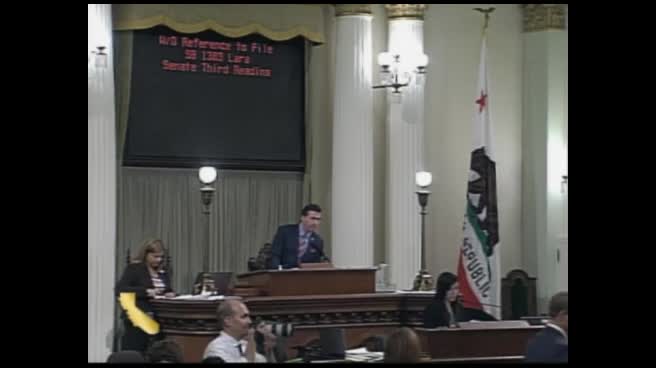 12MIN
Assembly Floor
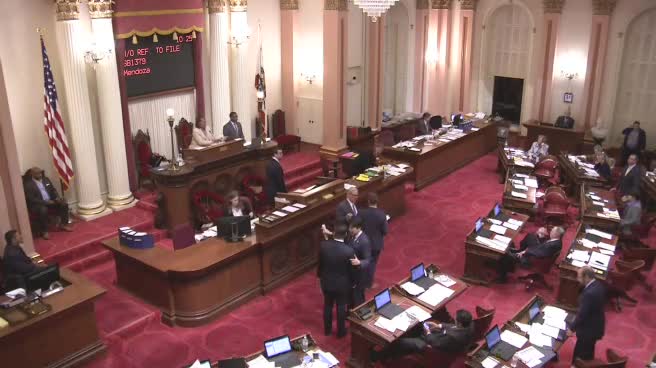 14MIN
Senate Floor
 1H
Assembly Standing Committee on Natural Resources
 1MIN
Assembly Floor
 24MIN
Assembly Standing Committee on Natural Resources
 9MIN
Senate Floor
Bill Author