SB 200: Pupils: school district residency requirements.
- Session Year: 2015-2016
- House: Senate
- Latest Version Date: 2015-08-11
Existing law requires persons between 6 and 18 years of age, inclusive, to attend a public school within the school district in which the pupils parent or legal guardian resides, unless otherwise exempted. Existing law provides that a pupil complies with a school districts residency requirements for school attendance in that school district if the pupil meets one of the specified requirements.
This bill would provide that a pupil complies with a school districts residency requirements in instances where the pupils parent or legal guardian resides outside of the boundaries of that school district but is employed and lives with the pupil at the place of his or her employment within the boundaries of the school district for a minimum of 3 days during the school week. By requiring a school district to allow those pupils to attend a public school within the school district, thereby increasing the duties of a school district, this bill would impose a state-mandated local program.
The California Constitution requires the state to reimburse local agencies and school districts for certain costs mandated by the state. Statutory provisions establish procedures for making that reimbursement.
This bill would provide that, if the Commission on State Mandates determines that the bill contains costs mandated by the state, reimbursement for those costs shall be made pursuant to these statutory provisions.
Existing law requires persons between years of age, inclusive, 6 and 18 years of age, inclusive, to attend a public school within the school district in which the pupils parent or legal guardian resides, unless otherwise exempted. Existing law provides that a pupil complies with a school districts residency requirements for school attendance in that school district if the pupil meets one of the specified requirements.
This bill would provide that a pupil complies with a school districts residency requirements in instances where the pupils parent or legal guardian resides outside of the boundaries of that school district but is employed and lives with the pupil at the place of his or her employment within the boundaries of the school district for a minimum of 3 days during the school week. By requiring a school district to allow those pupils to attend a public school within the school district, thereby increasing the duties of a school district, this bill would impose a state-mandated local program.
The California Constitution requires the state to reimburse local agencies and school districts for certain costs mandated by the state. Statutory provisions establish procedures for making that reimbursement.
This bill would provide that, if the Commission on State Mandates determines that the bill contains costs mandated by the state, reimbursement for those costs shall be made pursuant to these statutory provisions.
Existing law requires persons between years of age, inclusive, 6 and 18 to attend a public school within the school district in which the pupils parent or legal guardian resides, unless otherwise exempted. Existing law provides that a pupil complies with a school districts residency requirements for school attendance in that school district if the pupil meets one of the specified requirements.
This bill would provide that a pupil complies with a school districts residency requirements in instances where the pupils parent or legal guardian resides outside of the boundaries of that school district but is employed and lives at the place of his or her employment within the boundaries of the school district for a minimum of 3 days during the school week. By requiring a school district to allow those pupils to attend the school district, thereby increasing the duties of a school district, this bill would impose a state-mandated local program.
The California Constitution requires the state to reimburse local agencies and school districts for certain costs mandated by the state. Statutory provisions establish procedures for making that reimbursement.
This bill would provide that, if the Commission on State Mandates determines that the bill contains costs mandated by the state, reimbursement for those costs shall be made pursuant to these statutory provisions.
(a)Notwithstanding Section 48200, a pupil complies with the residency requirements for school attendance in a school district, if he or she is any of the following:
(1)(A)A pupil placed within the boundaries of that school district in a regularly established licensed childrens institution, or a licensed foster home, or a family home pursuant to a commitment or placement under Chapter 2 (commencing with Section 200) of Part 1 of Division 2 of the Welfare and Institutions Code.
(B)An agency placing a pupil in a home or institution described in subparagraph (A) shall provide evidence to the school that the placement or commitment is pursuant to law.
(2)A pupil who is a foster child who remains in his or her school of origin pursuant to subdivisions (e) and (f) of Section 48853.5.
(3)A pupil for whom interdistrict attendance has been approved pursuant to Chapter 5 (commencing with Section 46600) of Part 26.
(4)A pupil whose residence is located within the boundaries of that school district and whose parent or legal guardian is relieved of responsibility, control, and authority through emancipation.
(5)A pupil who lives in the home of a caregiving adult that is located within the boundaries of that school district. Execution of an affidavit under penalty of perjury pursuant to Part 1.5 (commencing with Section 6550) of Division 11 of the Family Code by the caregiving adult is a sufficient basis for a determination that the pupil lives in the home of the caregiver, unless the school district determines from actual facts that the pupil is not living in the home of the caregiver.
(6)A pupil residing in a state hospital located within the boundaries of that school district.
(7)A pupil whose parent or legal guardian resides outside of the boundaries of that school district but is employed and lives with the pupil at the place of his or her employment within the boundaries of the school district for a minimum of three days during the school week.
(b)A school district may deem a pupil to have complied with the residency requirements for school attendance in the school district if at least one parent or the legal guardian of the pupil is physically employed within the boundaries of that school district for a minimum of 10 hours during the school week.
(1)This subdivision does not require the school district within which at least one parent or the legal guardian of a pupil is employed to admit the pupil to its schools. A school district shall not, however, refuse to admit a pupil under this subdivision on the basis, except as expressly provided in this subdivision, of race, ethnicity, sex, parental income, scholastic achievement, or any other arbitrary consideration.
(2)The school district in which the residency of either the parents or the legal guardian of the pupil is established, or the school district to which the pupil is to be transferred under this subdivision, may prohibit the transfer of the pupil under this subdivision if the governing board of the school district determines that the transfer would negatively impact the court-ordered or voluntary desegregation plan of the school district.
(3)The school district to which the pupil is to be transferred under this subdivision may prohibit the transfer of the pupil if the school district determines that the additional cost of educating the pupil would exceed the amount of additional state aid received as a result of the transfer.
(4)The governing board of a school district that prohibits the transfer of a pupil pursuant to paragraph (1), (2), or (3) is encouraged to identify, and communicate in writing to the parents or the legal guardian of the pupil, the specific reasons for that determination and is encouraged to ensure that the determination, and the specific reasons for the determination, are accurately recorded in the minutes of the board meeting in which the determination was made.
(5)The average daily attendance for pupils admitted pursuant to this subdivision is calculated pursuant to Section 46607.
(6)Unless approved by the sending school district, this subdivision does not authorize a net transfer of pupils out of a school district, calculated as the difference between the number of pupils exiting the school district and the number of pupils entering the school district, in a fiscal year in excess of the following amounts:
(A)For a school district with an average daily attendance for that fiscal year of less than 501, 5 percent of the average daily attendance of the school district.
(B)For a school district with an average daily attendance for that fiscal year of 501 or more, but less than 2,501, 3 percent of the average daily attendance of the school district or 25 pupils, whichever amount is greater.
(C)For a school district with an average daily attendance of 2,501 or more, 1 percent of the average daily attendance of the school district or 75 pupils, whichever amount is greater.
(7)Once a pupil is deemed to have complied with the residency requirements for school attendance pursuant to this subdivision and is enrolled in a school in a school district the boundaries of which include the location where at least one parent or the legal guardian of a pupil is physically employed, the pupil does not have to reapply in the next school year to attend a school within that school district and the governing board of the school district shall allow the pupil to attend school through grade 12 in that school district if the parent or legal guardian so chooses and if at least one parent or the legal guardian of the pupil continues to be physically employed by an employer situated within the attendance boundaries of the school district, subject to paragraphs (1) to (6), inclusive.
(c)This section shall become inoperative on July 1, 2017, and as of January 1, 2018, is repealed, unless a later enacted statute, that becomes operative on or before January 1, 2018, deletes or extends the dates on which it becomes inoperative and is repealed.
SEC. 2.Section 48204 of the Education Code, as amended by Section 2 of Chapter 93 of the Statutes of 2012, is amended to read:48204.(a)Notwithstanding Section 48200, a pupil complies with the residency requirements for school attendance in a school district, if he or she is:
(1)(A)A pupil placed within the boundaries of that school district in a regularly established licensed childrens institution, or a licensed foster home, or a family home pursuant to a commitment or placement under Chapter 2 (commencing with Section 200) of Part 1 of Division 2 of the Welfare and Institutions Code.
(B)An agency placing a pupil in the home or institution described in subparagraph (A) shall provide evidence to the school that the placement or commitment is pursuant to law.
(2)A pupil who is a foster child who remains in his or her school of origin pursuant to subdivisions (e) and (f) of Section 48853.5.
(3)A pupil for whom interdistrict attendance has been approved pursuant to Chapter 5 (commencing with Section 46600) of Part 26.
(4)A pupil whose residence is located within the boundaries of that school district and whose parent or legal guardian is relieved of responsibility, control, and authority through emancipation.
(5)A pupil who lives in the home of a caregiving adult that is located within the boundaries of that school district. Execution of an affidavit under penalty of perjury pursuant to Part 1.5 (commencing with Section 6550) of Division 11 of the Family Code by the caregiving adult is a sufficient basis for a determination that the pupil lives in the home of the caregiver, unless the school district determines from actual facts that the pupil is not living in the home of the caregiver.
(6)A pupil residing in a state hospital located within the boundaries of that school district.
(7)A pupil whose parent or legal guardian resides outside of the boundaries of that school district but is employed and lives with the pupil at the place of his or her employment within the boundaries of the school district for a minimum of three days during the school week.
(b)This section shall become operative on July 1, 2017.
SEC. 3.If the Commission on State Mandates determines that this act contains costs mandated by the state, reimbursement to local agencies and school districts for those costs shall be made pursuant to Part 7 (commencing with Section 17500) of Division 4 of Title 2 of the Government Code.
(a)Notwithstanding Section 48200, a pupil complies with the residency requirements for school attendance in a school district, if he or she is any of the following:
(1)(A)A pupil placed within the boundaries of that school district in a regularly established licensed childrens institution, or a licensed foster home, or a family home pursuant to a commitment or placement under Chapter 2 (commencing with Section 200) of Part 1 of Division 2 of the Welfare and Institutions Code.
(B)An agency placing a pupil in a home or institution described in subparagraph (A) shall provide evidence to the school that the placement or commitment is pursuant to law.
(2)A pupil who is a foster child who remains in his or her school of origin pursuant to subdivisions (d) and (e) and (f) of Section 48853.5.
(3)A pupil for whom interdistrict attendance has been approved pursuant to Chapter 5 (commencing with Section 46600) of Part 26.
(4)A pupil whose residence is located within the boundaries of that school district and whose parent or legal guardian is relieved of responsibility, control, and authority through emancipation.
(5)A pupil who lives in the home of a caregiving adult that is located within the boundaries of that school district. Execution of an affidavit under penalty of perjury pursuant to Part 1.5 (commencing with Section 6550) of Division 11 of the Family Code by the caregiving adult is a sufficient basis for a determination that the pupil lives in the home of the caregiver, unless the school district determines from actual facts that the pupil is not living in the home of the caregiver.
(6)A pupil residing in a state hospital located within the boundaries of that school district.
(7)A pupil whose parent or legal guardian resides outside of the boundaries of that school district but is employed and lives with the pupil at the place of his or her employment within the boundaries of the school district for a minimum of three days during the school week.
(b)A school district may deem a pupil to have complied with the residency requirements for school attendance in the school district if at least one parent or the legal guardian of the pupil is physically employed within the boundaries of that school district for a minimum of 10 hours during the school week.
(1)This subdivision does not require the school district within which at least one parent or the legal guardian of a pupil is employed to admit the pupil to its schools. A school district shall not, however, refuse to admit a pupil under this subdivision on the basis, except as expressly provided in this subdivision, of race, ethnicity, sex, parental income, scholastic achievement, or any other arbitrary consideration.
(2)The school district in which the residency of either the parents or the legal guardian of the pupil is established, or the school district to which the pupil is to be transferred under this subdivision, may prohibit the transfer of the pupil under this subdivision if the governing board of the school district determines that the transfer would negatively impact the court-ordered or voluntary desegregation plan of the school district.
(3)The school district to which the pupil is to be transferred under this subdivision may prohibit the transfer of the pupil if the school district determines that the additional cost of educating the pupil would exceed the amount of additional state aid received as a result of the transfer.
(4)The governing board of a school district that prohibits the transfer of a pupil pursuant to paragraph (1), (2), or (3) is encouraged to identify, and communicate in writing to the parents or the legal guardian of the pupil, the specific reasons for that determination and is encouraged to ensure that the determination, and the specific reasons for the determination, are accurately recorded in the minutes of the board meeting in which the determination was made.
(5)The average daily attendance for pupils admitted pursuant to this subdivision is calculated pursuant to Section 46607.
(6)Unless approved by the sending school district, this subdivision does not authorize a net transfer of pupils out of a school district, calculated as the difference between the number of pupils exiting the school district and the number of pupils entering the school district, in a fiscal year in excess of the following amounts:
(A)For a school district with an average daily attendance for that fiscal year of less than 501, 5 percent of the average daily attendance of the school district.
(B)For a school district with an average daily attendance for that fiscal year of 501 or more, but less than 2,501, 3 percent of the average daily attendance of the school district or 25 pupils, whichever amount is greater.
(C)For a school district with an average daily attendance of 2,501 or more, 1 percent of the average daily attendance of the school district or 75 pupils, whichever amount is greater.
(7)Once a pupil is deemed to have complied with the residency requirements for school attendance pursuant to this subdivision and is enrolled in a school in a school district the boundaries of which include the location where at least one parent or the legal guardian of a pupil is physically employed, the pupil does not have to reapply in the next school year to attend a school within that school district and the governing board of the school district shall allow the pupil to attend school through grade 12 in that school district if the parent or legal guardian so chooses and if at least one parent or the legal guardian of the pupil continues to be physically employed by an employer situated within the attendance boundaries of the school district, subject to paragraphs (1) to (6), inclusive.
(c)This section shall become inoperative on July 1, 2017, and as of January 1, 2018, is repealed, unless a later enacted statute, that becomes operative on or before January 1, 2018, deletes or extends the dates on which it becomes inoperative and is repealed.
SEC. 2.Section 48204 of the Education Code, as amended by Section 2 of Chapter 93 of the Statutes of 2012, is amended to read:48204.(a)Notwithstanding Section 48200, a pupil complies with the residency requirements for school attendance in a school district, if he or she is:
(1)(A)A pupil placed within the boundaries of that school district in a regularly established licensed childrens institution, or a licensed foster home, or a family home pursuant to a commitment or placement under Chapter 2 (commencing with Section 200) of Part 1 of Division 2 of the Welfare and Institutions Code.
(B)An agency placing a pupil in the home or institution described in subparagraph (A) shall provide evidence to the school that the placement or commitment is pursuant to law.
(2)A pupil who is a foster child who remains in his or her school of origin pursuant to subdivisions (d) and (e) and (f) of Section 48853.5.
(3)A pupil for whom interdistrict attendance has been approved pursuant to Chapter 5 (commencing with Section 46600) of Part 26.
(4)A pupil whose residence is located within the boundaries of that school district and whose parent or legal guardian is relieved of responsibility, control, and authority through emancipation.
(5)A pupil who lives in the home of a caregiving adult that is located within the boundaries of that school district. Execution of an affidavit under penalty of perjury pursuant to Part 1.5 (commencing with Section 6550) of Division 11 of the Family Code by the caregiving adult is a sufficient basis for a determination that the pupil lives in the home of the caregiver, unless the school district determines from actual facts that the pupil is not living in the home of the caregiver.
(6)A pupil residing in a state hospital located within the boundaries of that school district.
(7)A pupil whose parent or legal guardian resides outside of the boundaries of that school district but is employed and lives with the pupil at the place of his or her employment within the boundaries of the school district for a minimum of three days during the school week.
(b)This section shall become operative on July 1, 2017.
SEC. 3.If the Commission on State Mandates determines that this act contains costs mandated by the state, reimbursement to local agencies and school districts for those costs shall be made pursuant to Part 7 (commencing with Section 17500) of Division 4 of Title 2 of the Government Code.
(a)Notwithstanding Section 48200, a pupil complies with the residency requirements for school attendance in a school district, if he or she is any of the following:
(1)(A)A pupil placed within the boundaries of that school district in a regularly established licensed childrens institution, or a licensed foster home, or a family home pursuant to a commitment or placement under Chapter 2 (commencing with Section 200) of Part 1 of Division 2 of the Welfare and Institutions Code.
(B)An agency placing a pupil in a home or institution described in subparagraph (A) shall provide evidence to the school that the placement or commitment is pursuant to law.
(2)A pupil who is a foster child who remains in his or her school of origin pursuant to subdivisions (d) and (e) of Section 48853.5.
(3)A pupil for whom interdistrict attendance has been approved pursuant to Chapter 5 (commencing with Section 46600) of Part 26.
(4)A pupil whose residence is located within the boundaries of that school district and whose parent or legal guardian is relieved of responsibility, control, and authority through emancipation.
(5)A pupil who lives in the home of a caregiving adult that is located within the boundaries of that school district. Execution of an affidavit under penalty of perjury pursuant to Part 1.5 (commencing with Section 6550) of Division 11 of the Family Code by the caregiving adult is a sufficient basis for a determination that the pupil lives in the home of the caregiver, unless the school district determines from actual facts that the pupil is not living in the home of the caregiver.
(6)A pupil residing in a state hospital located within the boundaries of that school district.
(7)A pupil whose parent or legal guardian resides outside of the boundaries of that school district but is employed and lives at the place of his or her employment within the boundaries of the school district for a minimum of three days during the school week.
(b)A school district may deem a pupil to have complied with the residency requirements for school attendance in the school district if at least one parent or the legal guardian of the pupil is physically employed within the boundaries of that school district for a minimum of 10 hours during the school week.
(1)This subdivision does not require the school district within which at least one parent or the legal guardian of a pupil is employed to admit the pupil to its schools. A school district shall not, however, refuse to admit a pupil under this subdivision on the basis, except as expressly provided in this subdivision, of race, ethnicity, sex, parental income, scholastic achievement, or any other arbitrary consideration.
(2)The school district in which the residency of either the parents or the legal guardian of the pupil is established, or the school district to which the pupil is to be transferred under this subdivision, may prohibit the transfer of the pupil under this subdivision if the governing board of the school district determines that the transfer would negatively impact the court-ordered or voluntary desegregation plan of the school district.
(3)The school district to which the pupil is to be transferred under this subdivision may prohibit the transfer of the pupil if the school district determines that the additional cost of educating the pupil would exceed the amount of additional state aid received as a result of the transfer.
(4)The governing board of a school district that prohibits the transfer of a pupil pursuant to paragraph (1), (2), or (3) is encouraged to identify, and communicate in writing to the parents or the legal guardian of the pupil, the specific reasons for that determination and is encouraged to ensure that the determination, and the specific reasons therefor, for the determination, are accurately recorded in the minutes of the board meeting in which the determination was made.
(5)The average daily attendance for pupils admitted pursuant to this subdivision is calculated pursuant to Section 46607.
(6)Unless approved by the sending school district, this subdivision does not authorize a net transfer of pupils out of a school district, calculated as the difference between the number of pupils exiting the school district and the number of pupils entering the school district, in a fiscal year in excess of the following amounts:
(A)For a school district with an average daily attendance for that fiscal year of less than 501, 5 percent of the average daily attendance of the school district.
(B)For a school district with an average daily attendance for that fiscal year of 501 or more, but less than 2,501, 3 percent of the average daily attendance of the school district or 25 pupils, whichever amount is greater.
(C)For a school district with an average daily attendance of 2,501 or more, 1 percent of the average daily attendance of the school district or 75 pupils, whichever amount is greater.
(7)Once a pupil is deemed to have complied with the residency requirements for school attendance pursuant to this subdivision and is enrolled in a school in a school district the boundaries of which include the location where at least one parent or the legal guardian of a pupil is physically employed, the pupil does not have to reapply in the next school year to attend a school within that school district and the district governing board of the school district shall allow the pupil to attend school through grade 12 in that school district if the parent or legal guardian so chooses and if at least one parent or the legal guardian of the pupil continues to be physically employed by an employer situated within the attendance boundaries of the school district, subject to paragraphs (1) to (6), inclusive.
(c)This section shall become inoperative on July 1, 2017, and as of January 1, 2018, is repealed, unless a later enacted statute, that becomes operative on or before January 1, 2018, deletes or extends the dates on which it becomes inoperative and is repealed.
SEC. 2.Section 48204 of the Education Code, as amended by Section 2 of Chapter 93 of the Statutes of 2012, is amended to read:48204.(a)Notwithstanding Section 48200, a pupil complies with the residency requirements for school attendance in a school district, if he or she is:
(1)(A)A pupil placed within the boundaries of that school district in a regularly established licensed childrens institution, or a licensed foster home, or a family home pursuant to a commitment or placement under Chapter 2 (commencing with Section 200) of Part 1 of Division 2 of the Welfare and Institutions Code.
(B)An agency placing a pupil in the home or institution described in subparagraph (A) shall provide evidence to the school that the placement or commitment is pursuant to law.
(2)A pupil who is a foster child who remains in his or her school of origin pursuant to subdivisions (d) and (e) of Section 48853.5.
(3)A pupil for whom interdistrict attendance has been approved pursuant to Chapter 5 (commencing with Section 46600) of Part 26.
(4)A pupil whose residence is located within the boundaries of that school district and whose parent or legal guardian is relieved of responsibility, control, and authority through emancipation.
(5)A pupil who lives in the home of a caregiving adult that is located within the boundaries of that school district. Execution of an affidavit under penalty of perjury pursuant to Part 1.5 (commencing with Section 6550) of Division 11 of the Family Code by the caregiving adult is a sufficient basis for a determination that the pupil lives in the home of the caregiver, unless the school district determines from actual facts that the pupil is not living in the home of the caregiver.
(6)A pupil residing in a state hospital located within the boundaries of that school district.
(7)A pupil whose parent or legal guardian resides outside of the boundaries of that school district but is employed and lives at the place of his or her employment within the boundaries of the school district for a minimum of three days during the school week.
(b)This section shall become operative on July 1, 2017.
SEC. 3.If the Commission on State Mandates determines that this act contains costs mandated by the state, reimbursement to local agencies and school districts for those costs shall be made pursuant to Part 7 (commencing with Section 17500) of Division 4 of Title 2 of the Government Code.
|
Date
|
Status
|
|---|---|
| Apr 30, 2015 | Read third time. Passed. (Ayes 35. Noes 0.) Ordered to the Assembly. |
| Aug 11, 2015 | Chaptered by Secretary of State. Chapter 174, Statutes of 2015. |
| Aug 11, 2015 | Approved by the Governor. |
| Jul 30, 2015 | Enrolled and presented to the Governor at 10 a.m. |
| Jul 16, 2015 | Read third time. Passed. (Ayes 78. Noes 0. Page 2429.) Ordered to the Senate. |
| Jul 16, 2015 | Read third time. Passed. Ordered to the Senate. |
| Jul 16, 2015 | In Senate. Ordered to engrossing and enrolling. |
| Jul 13, 2015 | Ordered to third reading. |
| Jul 13, 2015 | From consent calendar. |
| Jul 9, 2015 | Read second time. Ordered to consent calendar. |
| Jul 8, 2015 | From committee: Do pass. Ordered to consent calendar. (Ayes 14. Noes 0.) (July 8). |
| Jun 18, 2015 | From committee: Do pass and re-refer to Com. on APPR. with recommendation: To consent calendar. (Ayes 7. Noes 0.) (June 17). Re-referred to Com. on APPR. |
| May 14, 2015 | Referred to Com. on ED. |
| Feb 10, 2015 | Introduced. Read first time. To Com. on RLS. for assignment. To print. |
| Apr 30, 2015 | Read third time. Passed. (Ayes 35. Noes 0. Page 841.) Ordered to the Assembly. |
| Apr 30, 2015 | In Assembly. Read first time. Held at Desk. |
| Apr 28, 2015 | Read second time. Ordered to third reading. |
| Apr 27, 2015 | From committee: Do pass. (Ayes 6. Noes 0. Page 779.) (April 27). |
| Apr 27, 2015 | April 27 hearing: Reconsideration of a favorable vote granted. |
| Apr 22, 2015 | Set for hearing April 27. |
| Mar 25, 2015 | Read second time and amended. Re-referred to Com. on APPR. |
| Mar 24, 2015 | From committee: Do pass as amended and re-refer to Com. on APPR. (Ayes 8. Noes 0.) (March 18). |
| Mar 6, 2015 | Set for hearing March 18. |
| Feb 19, 2015 | Referred to Com. on ED. |
| Feb 11, 2015 | From printer. May be acted upon on or after March 13. |
|
Date
|
Description
|
Location
|
Votes
|
|
|---|---|---|---|---|
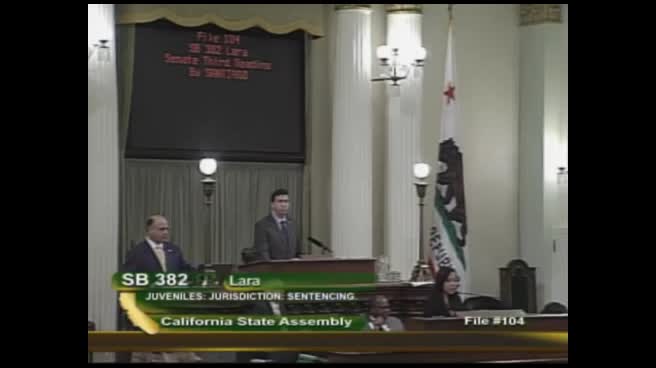
| Jul 16, 2015 | SB 200 Lara Senate Third Reading By BONILLA | Assembly Floor |
Passed |
|
| Jul 8, 2015 | Do pass. To Consent Calendar. | Assembly Standing Committee on Appropriations |
Passed |
|
| Jun 17, 2015 | Do pass and be re-referred to the Committee on [Appropriations] with recommendation: To Consent Calendar | Assembly Standing Committee on Education |
Passed |
|
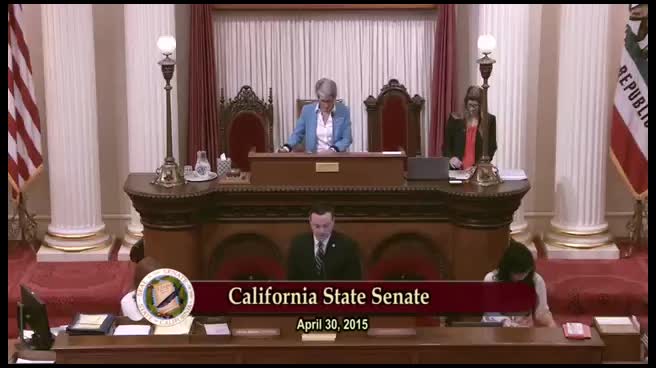
| Apr 30, 2015 | Senate 3rd Reading SB200 Lara | Senate Floor |
Passed |
|
| Apr 27, 2015 | Do pass | Senate Standing Committee on Appropriations |
Passed |
|
| Apr 27, 2015 | [04-27-2015] hearing: Reconsideration granted | Senate Standing Committee on Appropriations |
Passed |
|
| Apr 27, 2015 | Do pass as amended | Senate Standing Committee on Appropriations |
Passed |
|
| Mar 18, 2015 | Do pass as amended, but first amend, and re-refer to the Committee on [Appropriations] | Senate Standing Committee on Education |
Passed |
This list shows positions taken on this bill by organizations on the date displayed, which is linked to the original source.
Positions by individuals are not included.
|
Organization
|
Position
|
Date
|
|---|---|---|
| Advancement Project | ** Support | Jul 16, 2015 |
| American Federation of u | ** Support | Mar 18, 2015 |
| California Domestic Workers Coalition | ** Support | Apr 30, 2015 |
| California Immigrant Policy Center | ** Support | Jul 16, 2015 |
| California Teachers Association | ** Support | Jul 16, 2015 |
| Mujeres Unidas Y Activas | ** Support | Apr 30, 2015 |
| Public Advocates | ** Support | Jul 16, 2015 |
| State, County and | ** Support | Mar 18, 2015 |
| The Homecare Providers Union | ** Support | Jul 16, 2015 |
| United Domestic Workers Of America | ** Support | Apr 30, 2015 |
SB 200
Page 2
SENATE THIRD READING
SB 200
(Lara)
As Amended March 25, 2015
Majority vote
SENATE VOTE: 35-0
Committee |
Votes |
Ayes |
Noes |
Education |
7-0 |
O'Donnell, Chávez, Kim, McCarty, Santiago, Thurmond, Weber |
|
Appropriations |
14-0 |
Gomez, Bigelow, Bloom, Bonta, Calderon, Chang, Eggman, Gallagher, Eduardo Garcia, Jones, Quirk, Rendon, Weber, Wood |
|
SUMMARY: Provides that a pupil complies with the residency requirements for school attendance in a school district if the pupil's parent or legal guardian resides outside of the boundaries of that school district but is employed and lives with the pupil at the place of his or her employment within the boundaries of the school district for a minimum of three days during the school week.
EXISTING LAW: Provides that a pupil complies with the residency requirements for school attendance in a school district if he or she is any of the following:
A pupil placed within the boundaries of that school district in a regularly established licensed children’s institution, or a licensed foster home, or a family home pursuant to a commitment or placement under Welfare and Institutions Code Division 2, Part 1, Chapter 2 (commencing with Section 200);
A pupil who is a foster child who remains in his or her school of origin;
A pupil for whom interdistrict attendance has been approved;
A pupil whose residence is located within the boundaries of that school district and whose parent or legal guardian is relieved of responsibility, control, and authority through emancipation;
A pupil who lives in the home of a caregiving adult that is located within the boundaries of that school district; or
A pupil residing in a state hospital located within the boundaries of that school district.
FISCAL EFFECT: According to the Assembly Appropriations Committee"
State fiscal impact is likely minor. This bill could result in a shift of per pupil funding from one school district to another, to the extent a student is not already attending the school district of the parent's employer where the parent and pupil live at least three days per week.
This bill may also result in a reimbursable state mandate; however, because state funding is provided to school districts for student attendance, it is unlikely to impose significant costs to the state.
COMMENTS: This bill is in response to an event in which the Orinda Unified School District (USD) expelled the second-grade daughter of a live-in nanny of a family that resides in the district. According to newspaper accounts, the nanny and her daughter live in the district in the house of the nanny's employer five days a week, but stay with relatives outside of the district on weekends. The district hired a private investigator to gather information related to the student's residency. Citing the need for student confidentiality, the district did not disclose the reasons for its decision. After negative publicity, however, the district reversed its decision on the basis of unspecified "additional information" it had received. Although this case was ultimately resolved, the author's office asserts that this is not an isolated situation, and that "across the state caregivers, nannies, and other workers whose jobs require them to stay overnight are faced with major obstacles to enrolling their children in school."
While existing law authorizes districts to enroll such children, they are not required to do so. This bill would require districts to enroll them if they reside with a parent or legal guardian at their place of employment within the boundaries of the district at least three days during the school week.
Related legislation. AB 1101 (Bonilla) of the current legislative session, which is pending in the Senate Education Committee, provides that, if a school district elects to undertake an investigation to determine a pupil's residency, the governing board of the school district first shall adopt a policy regarding the conduct of such investigations. AB 1101 is in response the Orinda USD's use of a private investigator to surreptitiously gather information on the student.
Analysis Prepared by: Rick Pratt / ED. / (916) 319-2087 FN: 0001228
Date of Hearing: July 8, 2015
ASSEMBLY COMMITTEE ON APPROPRIATIONS
Jimmy Gomez, Chair
SB 200
(Lara) – As Amended March 25, 2015
Policy Committee: |
Education |
Vote: |
7-0 |
|
|
|
|
|
|
|
|
Urgency: No State Mandated Local Program: Yes Reimbursable: Yes
SUMMARY:
This bill specifies a student is compliant with the residency requirements for attendance in a school district if the student's parent or legal guardian resides outside of the boundaries of that school district but is employed and lives with the student at the place of his or her employment within the boundaries of the school district for a minimum of three days during the school week.
FISCAL EFFECT:
State fiscal impact is likely minor. This bill could result in a shift of per pupil funding from one school district to another, to the extent a student is not already attending the school district of the parent’s employer where the parent and pupil live at least three days per week.
This bill may also result in a reimbursable state mandate; however, because state funding is provided to school districts for student attendance, it is unlikely to impose significant costs to the state.
COMMENTS:
Purpose. This bill is in response to the disenrollment of a second-grade student in the Orinda Unified School District (Orinda USD) based on residency. According to media reports, a nanny and her daughter live in the district in the house of the nanny's employer five days a week, but stay with relatives outside of the district on weekends. The student was expelled after the district investigated the student's residency. After negative publicity, the district reversed its decision and allowed the student to attend school in the Orinda USD. Although this case was ultimately resolved, according to the author, this is not an isolated situation. Existing law authorizes districts to enroll children in these situations but the district is not required to do so. This bill would require districts to enroll a student if they reside with a parent or legal guardian at their place of employment within the boundaries of the district at least three days during the school week.
Related legislation. AB 1101 (Bonilla), pending in the Senate, requires a school district that elects to undertake an investigation to determine whether a pupil meets residency requirements, to adopt a policy regarding the investigation of a pupil before conducting any investigations. AB 1101 is in response the Orinda USD's use of a private investigator to gather information on the student.
Analysis Prepared by: Misty Feusahrens / APPR. / (916) 319-2081
SB 200
Page 2
Date of Hearing: June 17, 2015
ASSEMBLY COMMITTEE ON EDUCATION
Patrick O'Donnell, Chair
SB 200
(Lara) – As Amended March 25, 2015
SENATE VOTE: 35-0
SUBJECT: Pupils: school district residency requirements.
SUMMARY: Provides that a pupil complies with the residency requirements for school attendance in a school district if the pupil's parent or legal guardian resides outside of the boundaries of that school district but is employed and lives with the pupil at the place of his or her employment within the boundaries of the school district for a minimum of three days during the school week.
EXISTING LAW: Provides that a pupil complies with the residency requirements for school attendance in a school district if he or she is any of the following:
A pupil placed within the boundaries of that school district in a regularly established licensed children’s institution, or a licensed foster home, or a family home pursuant to a commitment or placement under Chapter 2 (commencing with Section 200) of Part 1 of Division 2 of the Welfare and Institutions Code;
A pupil who is a foster child who remains in his or her school of origin;
A pupil for whom interdistrict attendance has been approved;
A pupil whose residence is located within the boundaries of that school district and whose parent or legal guardian is relieved of responsibility, control, and authority through emancipation;
A pupil who lives in the home of a caregiving adult that is located within the boundaries of that school district; or
A pupil residing in a state hospital located within the boundaries of that school district.
FISCAL EFFECT: According to the Senate Appropriations Committee, " Any costs associated with this bill are estimated to be minor, as it would generally constitute a shift in funding to the school district of the parent’s employer where the parent and pupil live at least three days per week, to the extent these students are not already attending school in that school district as authorized by current law. The net effects of students transferring to other school districts as a result of this bill are unlikely to cause significant costs to the state. This bill may result in a reimbursable state mandate; however, because state funding is provided to school districts for student attendance, it is unlikely to impose significant costs to the state.
COMMENTS: This bill is in response to an event in which the Orinda Unified School District expelled the second-grade daughter of a live-in nanny of a family that resides in the district. According to newspaper accounts, the nanny and her daughter live in the district in the house of the nanny's employer five days a week, but stay with relatives outside of the district on weekends. The district hired a private investigator to gather information related to the student's residency. Citing the need for student confidentiality, the district did not disclose the reasons for its decision. After negative publicity, however, the district reversed its decision on the basis of unspecified "additional information" it had received. Although this case was ultimately resolved, the author's office asserts that this is not an isolated situation, and that "across the state caregivers, nannies, and other workers whose jobs require them to stay overnight are faced with major obstacles to enrolling their children in school."
While existing law authorizes districts to enroll such children, they are not required to do so. This bill would require districts to enroll them if they reside with a parent or legal guardian at their place of employment within the boundaries of the district at least three days during the school week.
Related legislation. AB 1101 (Bonilla), which is pending in the Senate Education Committee, provides that, if a school district elects to undertake an investigation to determine a pupil's residency, the governing board of the school district first shall adopt a policy regarding the conduct of such investigations. AB 1101 is in response the Orinda USD's use of a private investigator to surreptitiously gather information on the student.
REGISTERED SUPPORT / OPPOSITION:
Support
Advancement Project
California Immigrant Policy Center
California Teachers Association
The Homecare Providers Union
Public Advocates
Opposition
None received
Analysis Prepared by: Rick Pratt / ED. / (916) 319-2087
SB 200
Page 3
|
Office of Senate Floor Analyses (916) 651-1520 Fax: (916) 327-4478 |
THIRD READING
Bill No: SB 200
Amended: 3/25/15
SENATE EDUCATION COMMITTEE: 8-0, 3/18/15
AYES: Liu, Huff, Block, Hancock, Leyva, Mendoza, Pan, Vidak
SENATE APPROPRIATIONS COMMITTEE: 6-0, 4/27/15
AYES: Lara, Bates, Hill, Leyva, Mendoza, Nielsen
NO VOTE RECORDED: Beall
SUBJECT: Pupils: school district residency requirements
DIGEST: This bill provides that a student meets residency requirements for school attendance if the student’s parent or legal guardian is employed and lives with the student at the place of employment within the boundaries of the school district for at least three days during the school week.
Existing law:
Requires students to attend the public full-time day school or continuation school or classes in which the residency of either the parent or legal guardian is located. (Education Code § 48200)
Provides that a student complies with the residency requirements for school attendance in a school district if the student:
Is placed within the boundaries of the school district in a licensed children’s institution, licensed foster home, or a foster family home.
Is a foster child who remains in his or her school of origin.
Has been approved for interdistrict attendance.
Resides within the boundaries of the school districts and whose parent or legal guardian is relieved of responsibility, control, and authority through emancipation.
Lives in the home of a caregiving adult that is located within the boundaries of that school district.
Resides in a state hospital located within the boundaries of the school district. (EC § 48204)
Authorizes, until July 1, 2017, school districts to deem a student to have complied with the residency requirements for school attendance in a school district if at least one parent or the legal guardian is physically employed within the boundaries of that district for a minimum of 10 hours during the school week.
School districts are not required to admit a student with at least one parent or legal guardian who is physically employed in the district.
A school district may prohibit the transfer of a student if the district determines that the transfer would negatively impact the court-ordered or voluntary desegregation plan of the district, or if the district determines that the additional cost of educating the student would exceed the amount of additional state aid received as a result of the transfer. (EC § 48204)
This bill provides that a student meets residency requirements for school attendance if the student’s parent or legal guardian resides outside of the school district boundaries but is employed and lives with the student at the place of employment within the boundaries of the school district for at least three days during the school week.
NOTE: See the Senate Education Committee analysis for a full discussion of this bill.
FISCAL EFFECT: Appropriation: No Fiscal Com.: Yes Local: Yes
According to the Senate Appropriations Committee:
Any costs associated with this bill are estimated to be minor, as it generally constitutes a shift in funding to the school district of the parent’s employer where the parent and pupil live at least three days per week, to the extent these students are not already attending school in that school district as authorized by current law. The net effects of students transferring to other school districts as a result of this bill are unlikely to cause significant costs to the state.
This bill may result in a reimbursable state mandate; however, because state funding is provided to school districts for student attendance, it is unlikely to impose significant costs to the state.
AFSCME
California Domestic Workers Coalition
California Immigrant Policy Center
Mujeres Unidas y Activas
Public Advocates
United Domestic Workers of America
OPPOSITION: (Verified 4/27/15)
None received
ARGUMENTS IN SUPPORT: According to the author, school districts currently have the ability to allow live-in workers’ children to attend school where they work, but many districts refuse to do so, creating undue hardships for working families. SB 200 recognizes that live-in employees, like nannies, caregivers and others, have a greater need than other workers to enroll their children in a school near their place of employment. These workers do not fit the traditional family model, but should not face undue hardship to keep their family together.
Prepared by: Lynn Lorber / ED. / (916) 651-4105
4/28/15 15:31:17
**** END ****
SB 200 (Lara) Page 3 of 3
SENATE COMMITTEE ON APPROPRIATIONS
Senator Ricardo Lara, Chair
2015 - 2016 Regular Session
SB 200 (Lara) - Pupils: school district residency requirements
|
|
Version: March 25, 2015 |
Policy Vote: ED. 8 - 0 |
Urgency: No |
Mandate: Yes |
Hearing Date: April 27, 2015 |
Consultant: Jillian Kissee |
This bill does not meet the criteria for referral to the Suspense File.
Bill Summary:
This bill provides that a pupil complies with the school district residency requirements for attendance if the student’s parent or legal guardian is employed and lives at the place of employment within the boundaries of the school district for at least three days during the school week.
Fiscal Impact:
Any costs associated with this bill are estimated to be minor, as it would generally constitute a shift in funding to the school district of the parent’s employer where the parent and pupil live at least three days per week, to the extent these students are not already attending school in that school district as authorized by current law. The net effects of students transferring to other school districts as a result of this bill are unlikely to cause significant costs to the state.
This bill may result in a reimbursable state mandate; however, because state funding is provided to school districts for student attendance, it is unlikely to impose significant costs to the state.
Background:
Current law:
Requires students to attend the public full-time day school or continuation school or classes in which the residency of either the parent or legal guardian is located. (Education Code § 48200)
Provides that a student complies with the residency requirements for school attendance in a school district if the student:
Is placed within the boundaries of the school district in a licensed children’s institution, licensed foster home, or a foster family home.
Is a foster child who remains in his or her school of origin.
Has been approved for interdistrict attendance.
Resides within the boundaries of the school districts and whose parent or legal guardian is relieved of responsibility, control, and authority through emancipation.
Lives in the home of a caregiving adult that is located within the boundaries of that school district.
Resides in a state hospital located within the boundaries of the school district. (EC § 48204)
Until July 1, 2017, authorizes school districts to deem a student to have complied with the residency requirements for school attendance in a school district if at least one parent or the legal guardian is physically employed within the boundaries of that district for a minimum of 10 hours during the school week. The school district is not required to admit the student in its schools. (EC § 48204)
Requires school districts to accept from the parent or legal guardian reasonable evidence that the student meets the residency requirements for school attendance in the district. Current law requires reasonable evidence of residency to be established by documentation, as specified, showing the name and address of the parent or legal guardian within the school district. (EC § 48204.1)
Authorizes school districts to make reasonable efforts to determine that the student actually meets the residency requirements if an employee of the district reasonably believes that the parent or legal guardian has provided false or unreliable evidence of residency. (EC § 48204.1)
Proposed Law:
This bill adds to the list of conditions under which pupils may meet residency requirements for school attendance to include a student whose parent or legal guardian is employed and lives with the student at the place of employment within the boundaries of the school district for at least three days during the school week.
Related Legislation:
AB 1101 (Bonilla, 2015) requires a school district that investigates whether a student actually meets residency requirements to adopt a policy regarding the investigation and provide written notice to the parent.
SB 445 (Liu,
2015) extends to homeless youth the right to remain in the school of
origin, as is currently provided to foster youth.
AB 207
(Ammiano, Ch. 435, 2011) required school districts to accept
reasonable evidence that the student meets residency requirements,
and requires reasonable evidence to be established by documentation,
as specified, showing the name and address of the parent within the
school district.
Staff Comments:
Current law requires students to attend the public full-time day school or continuation school or classes in which the residency of either the parent or legal guardian is located.
This bill requires school districts to enroll students whose parent or legal guardian works and resides with their employer in that district, thus potentially creating a reimbursable state mandate. However, given that school districts receive state funding when students are enrolled, it is unlikely that this requirement would impose significant costs to the state. Students that transfer to other school districts as a result of this bill are unlikely to cause significant costs to the state.
SB 200 (Lara) Page 4 of 4
SENATE COMMITTEE ON EDUCATION
Senator Liu, Chair
2015 - 2016 Regular
Bill No: SB 200
Author: |
Lara |
||
Version: |
February 10, 2015 |
Hearing Date: |
March 18, 2015 |
Urgency: |
No |
Fiscal: |
Yes |
Consultant: |
Lynn Lorber |
||
Subject: Pupils: school district residency requirements
SUMMARY
This bill provides that a student meets residency requirements for school attendance if the student’s parent or legal guardian is employed and lives at the place of employment within the boundaries of the school district for at least three days during the school week.
BACKGROUND
Current law:
Requires students to attend the public full-time day school or continuation school or classes in which the residency of either the parent or legal guardian is located. (Education Code § 48200)
Provides that a student complies with the residency requirements for school attendance in a school district if the student:
Is placed within the boundaries of the school district in a licensed children’s institution, licensed foster home, or a foster family home.
Is a foster child who remains in his or her school of origin.
Has been approved for interdistrict attendance.
Resides within the boundaries of the school districts and whose parent or legal guardian is relieved of responsibility, control, and authority through emancipation.
Lives in the home of a caregiving adult that is located within the boundaries of that school district.
Resides in a state hospital located within the boundaries of the school district. (EC § 48204)
Until July 1, 2017, authorizes school districts to deem a student to have complied with the residency requirements for school attendance in a school district if at least one parent or the legal guardian is physically employed within the boundaries of that district for a minimum of 10 hours during the school week.
School districts are not required to admit a student with at least one parent or legal guardian who is physically employed in the district.
A school district may prohibit the transfer of a student if the district determines that the transfer would negatively impact the court-ordered or voluntary desegregation plan of the district, or if the district determines that the additional cost of educating the student would exceed the amount of additional state aid received as a result of the transfer. (EC § 48204)
Requires school districts to accept from the parent or legal guardian reasonable evidence that the student meets the residency requirements for school attendance in the district. Current law requires reasonable evidence of residency to be established by documentation showing the name and address of the parent or legal guardian within the school district, including but not limited to the following:
Property tax payment receipts.
Rental property contract, lease, or payment receipts.
Utility service contract, statement, or payment receipts.
Pay stubs.
Voter registration.
Correspondence from a government agency.
Declaration of residency executed by the parent or legal guardian.
(EC § 48204.1)
Authorizes school districts to make reasonable efforts to determine that the student actually meets the residency requirements if an employee of the district reasonably believes that the parent or legal guardian has provided false or unreliable evidence of residency. (EC § 48204.1)
ANALYSIS
This bill provides that a student meets residency requirements for school attendance if the student’s parent or legal guardian resides outside of the school district boundaries but is employed and lives at the place of employment within the boundaries of the school district for at least three days during the school week.
STAFF COMMENTS
Need for the bill. According to the author, “While school districts currently have the ability to allow live-in workers’ children to attend school where they work, many districts refuse to do so, creating undue hardships for working families. SB 200 recognizes that live-in employees, like nannies, caregivers and others, have a greater need than other workers to enroll their children in a school near their place of employment. These workers do not fit the traditional family model, but should not face undue hardship to keep their family together.”
Author’s amendment. The author wishes to amend this bill to specify that the student must live with the parent within the boundaries of the school district for a minimum of three days each school week. Staff recommends the bill be so amended.
Existing authority. Current law authorizes, until July 1, 2017, school districts to deem a student to have complied with the residency requirements for school attendance in a school district if at least one parent or the legal guardian is physically employed within the boundaries of that district for a minimum of 10 hours during the school week. This bill requires districts to accept as compliant with residency requirements a student whose parent works and lives within the boundaries of the district at least three days during the school week.
It is unclear why a sunset was imposed on the existing authority for school districts to accept students whose parent works within the district for a minimum of 10 hours per week. Staff was able to trace legislation back only so far as 1994; the sunset was already in place at that time. Records show that this sunset has been extended five times since 1994, with no apparent rationale listed in the analyses of the bills extending the sunset.
Staff was unable to obtain data regarding the extent to which school districts exercise their authority to deny residency to students whose parent works within the district boundaries.
It appears possible for existing provisions to co-exist with the provisions of this bill; school districts have the authority to admit a student but parents have fewer conditions to meet, and districts would be required to admit a student but parents would be required to meet a higher threshold of conditions.
Can a student be a resident of two school districts? For purposes of school attendance, a student is generally a resident of only one school district, even when living in more than one household. This concept is not unprecedented; many students have parents that are divorced, or otherwise not living in the same school district, where children reside at both residences but attend school in only one school district.
Four-day school week. Current law authorizes nine school districts to operate on a four-day school week. This bill does not provide allowances for four-day school weeks or shortened weeks such as the first and last weeks of the school year; parents would still need to work and live in the district for a minimum of three days per school week.
Related and prior legislation.
RELATED LEGISLATION
AB 1101 (Bonilla, 2015) requires a school district that investigates whether a student actually meets residency requirements to adopt a policy regarding the investigation and provide written notice to the parent. AB 1101 is pending referral in the Assembly.
SB 445 (Liu, 2015) extends to homeless youth the right to remain in the school of origin, as is currently provided to foster youth. SB 445 is pending referral in the Senate.
PRIOR LEGISLATION
AB 207 (Ammiano, Ch. 435, 2011) required school districts to accept reasonable evidence that the student meets residency requirements, and requires reasonable evidence to be established by documentation showing the name and address of the parent within the school district. AB 207 further specified that such documentation includes, but is not limited to, property tax payment receipts; rental property contract, lease or payment receipts; utility service contract, statement, or payment receipts; pay stubs; voter registration; correspondence from a government agency; and, declaration of residency executed by the parent or legal guardian.
SUPPORT
American Federation of State, County and Municipal Employees
California Domestic Workers Coalition
California Immigrant Policy Center
Mujeres Unidas y Activas
United Domestic Workers of America/American Federation of State, County and
Municipal Employees Local 3930
OPPOSITION
None on file.
-- END --
Discussed in Hearing
 2MIN
Assembly Floor
 3MIN
Senate Floor
 1MIN
Senate Standing Committee on Appropriations
 7MIN
Senate Standing Committee on Education
Bill Author

Bill Co-Author(s):
