SB 212: Controlled substances: factors in aggravation.
- Session Year: 2015-2016
- House: Senate
- Latest Version Date: 2015-08-07
Existing law makes it a felony, punishable by imprisonment in a county jail for 3, 5, or 7 years, to manufacture, compound, convert, produce, derive, process, or prepare by chemical extraction, or by means of chemical synthesis, any controlled substance. Existing law requires the sentencing court to consider the fact that a person under 16 years of age resided in a structure in which a violation of these provisions occurred as a factor in aggravation, except when a specified enhancement is pled and proved.
This bill would specifically authorize the sentencing court to consider the fact that a violation involving methamphetamine occurred within 200 feet of an occupied residence as a factor in aggravation, except when a specified enhancement is pled and proved. The bill would also specifically authorize the sentencing court to consider the fact that a violation of this section involving the use of a volatile solvent to chemically extract concentrated cannabis occurred within 300 feet of an occupied residence as a factor in aggravation.
Existing law makes it a felony, punishable by imprisonment in a county jail for 3, 5, or 7 years, to manufacture, compound, convert, produce, derive, process, or prepare by chemical extraction, or by means of chemical synthesis, any controlled substance. Existing law requires the sentencing court to consider the fact that a person under 16 years of age resided in a structure in which a violation of these provisions occurred as a factor in aggravation. aggravation, except when a specified enhancement is pled and proved.
This bill would specifically authorize the sentencing court to consider the fact that a violation involving methamphetamine occurred within 200 feet of an occupied residence as a factor in aggravation. aggravation, except when a specified enhancement is pled and proved. The bill would also specifically authorize the sentencing court to consider the fact that a violation of this section involving the use of a volatile solvent to chemically extract concentrated cannabis occurred within 300 feet of an occupied residence as a factor in aggravation.
Existing law makes it a felony, punishable by imprisonment in a county jail for 3, 5, or 7 years, to manufacture, compound, convert, produce, derive, process, or prepare by chemical extraction, or by means of chemical synthesis, any controlled substance. Existing law requires the sentencing court to consider the fact that a person under 16 years of age resided in a structure in which a violation of these provisions occurred as a factor in aggravation.
This bill would require specifically authorize the sentencing court to consider the fact that a violation involving methamphetamine occurred within 200 feet of an occupied residence as a factor in aggravation. The bill would also require specifically authorize the sentencing court to consider the fact that a violation of this section involving the use of a volatile solvent to chemically extract concentrated cannabis occurred within 300 feet of an occupied residence as a factor in aggravation. By increasing the punishment for an existing crime, this bill would impose a state-mandated local program.
The California Constitution requires the state to reimburse local agencies and school districts for certain costs mandated by the state. Statutory provisions establish procedures for making that reimbursement.
This bill would provide that no reimbursement is required by this act for a specified reason.
Existing law, the Juvenile Drug Trafficking and Schoolyard Act of 1988, provides that any person 18 years of age or over who is convicted of specified drug offenses is subject to an additional punishment of 3, 4, or 5 years imprisonment, at the courts discretion, where the offense takes place upon the grounds of, or within 1,000 feet of, a public or private elementary, vocational, junior high, or high school during hours that the school is open for classes or school-related programs, or at any time when minors are using the facility where the offense occurs. Existing law defines within 1,000 feet of a public or private elementary, vocational, junior high, or high school, as a public area or business establishment where minors are legally permitted to conduct business that is located within 1,000 feet of a public or private elementary, vocational, junior high, or high school.
This bill would include a public or private preschool within the provisions described above. The bill would define preschool as a school for children under 6 years of age. The bill would delete the definition of within 1,000 feet a public or private elementary, vocational, junior high, or high school described above, and instead define within 1,000 feet of a public or private preschool, elementary, vocational, junior high, or high school as a public or private area that is located within 1,000 feet of a public or private preschool, elementary, vocational, junior high, or high school. By expanding the scope of an existing crime, the bill would impose a state-mandated local program.
Existing law makes it a felony, punishable by imprisonment in a county jail for 3, 5, or 7 years, to manufacture, compound, convert, produce, derive, process, or prepare by chemical extraction, or by means of chemical synthesis, any controlled substance. Existing law requires the sentencing court to consider the fact that a person under 16 years of age resided in a structure in which a violation of these provisions occurred as a factor in aggravation.
This bill would require the sentencing court to consider the fact that a violation involving methamphetamine occurred within 200 feet of an occupied residence as a factor in aggravation. The bill would also require the sentencing court to consider the fact that a violation of this section involving the use of a volatile solvent to chemically extract concentrated cannabis occurred within 300 feet of an occupied residence as a factor in aggravation. By increasing the punishment for an existing crime, this bill would impose a state-mandated local program.
The California Constitution requires the state to reimburse local agencies and school districts for certain costs mandated by the state. Statutory provisions establish procedures for making that reimbursement.
This bill would provide that no reimbursement is required by this act for a specified reason.
Existing law, the Juvenile Drug Trafficking and Schoolyard Act of 1988, provides that any person 18 years of age or over who is convicted of specified drug offenses is subject to an additional punishment of 3, 4, or 5 years imprisonment, at the courts discretion, where the offense takes place upon the grounds of, or within 1,000 feet of, a public or private elementary, vocational, junior high, or high school during hours that the school is open for classes or school-related programs, or at any time when minors are using the facility where the offense occurs. Existing law defines within 1,000 feet of a public or private elementary, vocational, junior high, or high school, as a public area or business establishment where minors are legally permitted to conduct business that is located within 1,000 feet of a public or private elementary, vocational, junior high, or high school.
This bill would include a public or private preschool within the provisions described above. The bill would define preschool as a school for children under 6 years of age. The bill would delete the definition of within 1,000 feet a public or private elementary, vocational, junior high, or high school described above, and instead define within 1,000 feet of a public or private preschool, elementary, vocational, junior high, or high school as a public or private area that is located within 1,000 feet of a public or private preschool, elementary, vocational, junior high, or high school. By expanding the scope of an existing crime, the bill would impose a state-mandated local program.
The California Constitution requires the state to reimburse local agencies and school districts for certain costs mandated by the state. Statutory provisions establish procedures for making that reimbursement.
This bill would provide that no reimbursement is required by this act for a specified reason.
(a)Except as otherwise provided by law, every person who manufactures, compounds, converts, produces, derives, processes, or prepares, either directly or indirectly by chemical extraction or independently by means of chemical synthesis, any controlled substance specified in Section 11054, 11055, 11056, 11057, or 11058 shall be punished by imprisonment pursuant to subdivision (h) of Section 1170 of the Penal Code for three, five, or seven years and by a fine not exceeding fifty thousand dollars ($50,000).
(b)Except when an enhancement pursuant to Section 11379.7 is pled and proved, the fact that a person under 16 years of age resided in a structure in which a violation of this section involving methamphetamine occurred shall be considered a factor in aggravation by the sentencing court.
(c)Except when an enhancement pursuant to Section 11379.7 is pled and proved, the fact that a violation of this section involving methamphetamine occurred within 200 feet of an occupied residence or any structure where another person was present at the time the offense was committed may be considered a factor in aggravation by the sentencing court.
(d)The fact that a violation of this section involving the use of a volatile solvent to chemically extract concentrated cannabis occurred within 300 feet of an occupied residence or any structure where another person was present at the time the offense was committed may be considered a factor in aggravation by the sentencing court.
(e)Except as otherwise provided by law, every person who offers to perform an act which is punishable under subdivision (a) shall be punished by imprisonment pursuant to subdivision (h) of Section 1170 of the Penal Code for three, four, or five years.
(f)All fines collected pursuant to subdivision (a) shall be transferred to the State Treasury for deposit in the Clandestine Drug Lab Clean-up Account, as established by Section 5 of Chapter 1295 of the Statutes of 1987. The transmission to the State Treasury shall be carried out in the same manner as fines collected for the state by the county.
(a)Except as otherwise provided by law, every person who manufactures, compounds, converts, produces, derives, processes, or prepares, either directly or indirectly by chemical extraction or independently by means of chemical synthesis, any controlled substance specified in Section 11054, 11055, 11056, 11057, or 11058 shall be punished by imprisonment pursuant to subdivision (h) of Section 1170 of the Penal Code for three, five, or seven years and by a fine not exceeding fifty thousand dollars ($50,000).
(b)Except when an enhancement pursuant to Section 11379.7 is pled and proved, the fact that a person under 16 years of age resided in a structure in which a violation of this section involving methamphetamine occurred shall be considered a factor in aggravation by the sentencing court.
(c)The Except when an enhancement pursuant to Section 11379.7 is pled and proved, the fact that a violation of this section involving methamphetamine occurred within 200 feet of an occupied residence or any structure where another person was present at the time the offense was committed may be considered a factor in aggravation by the sentencing court.
(d)The fact that a violation of this section involving the use of a volatile solvent to chemically extract concentrated cannabis occurred within 300 feet of an occupied residence or any structure where another person was present at the time the offense was committed may be considered a factor in aggravation by the sentencing court.
(e)Except as otherwise provided by law, every person who offers to perform an act which is punishable under subdivision (a) shall be punished by imprisonment pursuant to subdivision (h) of Section 1170 of the Penal Code for three, four, or five years.
(f)All fines collected pursuant to subdivision (a) shall be transferred to the State Treasury for deposit in the Clandestine Drug Lab Clean-up Account, as established by Section 5 of Chapter 1295 of the Statutes of 1987. The transmission to the State Treasury shall be carried out in the same manner as fines collected for the state by the county.
(a)Except as otherwise provided by law, every person who manufactures, compounds, converts, produces, derives, processes, or prepares, either directly or indirectly by chemical extraction or independently by means of chemical synthesis, any controlled substance specified in Section 11054, 11055, 11056, 11057, or 11058 shall be punished by imprisonment pursuant to subdivision (h) of Section 1170 of the Penal Code for three, five, or seven years and by a fine not exceeding fifty thousand dollars ($50,000).
(b)Except when an enhancement pursuant to Section 11379.7 is pled and proved, the fact that a person under 16 years of age resided in a structure in which a violation of this section involving methamphetamine occurred shall be considered a factor in aggravation by the sentencing court.
(c)The fact that a violation of this section involving methamphetamine occurred within 200 feet of an occupied residence or any structure where another person was present at the time the offense was committed shall may be considered a factor in aggravation by the sentencing court.
(d)The fact that a violation of this section involving the use of a volatile solvent to chemically extract concentrated cannabis occurred within 300 feet of an occupied residence or any structure where another person was present at the time the offense was committed shall may be considered a factor in aggravation by the sentencing court.
(e)Except as otherwise provided by law, every person who offers to perform an act which is punishable under subdivision (a) shall be punished by imprisonment pursuant to subdivision (h) of Section 1170 of the Penal Code for three, four, or five years.
(f)All fines collected pursuant to subdivision (a) shall be transferred to the State Treasury for deposit in the Clandestine Drug Lab Clean-up Account, as established by Section 5 of Chapter 1295 of the Statutes of 1987. The transmission to the State Treasury shall be carried out in the same manner as fines collected for the state by the county.
SEC. 2.No reimbursement is required by this act pursuant to Section 6 of Article XIIIB of the California Constitution because the only costs that may be incurred by a local agency or school district will be incurred because this act creates a new crime or infraction, eliminates a crime or infraction, or changes the penalty for a crime or infraction, within the meaning of Section 17556 of the Government Code, or changes the definition of a crime within the meaning of Section 6 of Article XIIIB of the California Constitution.
(a) This section shall be known, and may be cited, as the Juvenile Drug Trafficking and Schoolyard Act of 1988.
(b) Any person 18 years of age or over who is convicted of a violation of Section 11351.5, 11352, or 11379.6, as those sections apply to paragraph (1) of subdivision (f) of Section 11054, or of Section 11351, 11352, or 11379.6, as those sections apply to paragraph (11) of subdivision (c) of Section 11054, or of Section 11378, 11379, or 11379.6, as those sections apply to paragraph (2) of subdivision (d) of Section 11055, or of a conspiracy to commit one of those offenses, where the violation takes place upon the grounds of, or within 1,000 feet of, a public or private preschool, elementary, vocational, junior high, or high school during hours that the school is open for classes or school-related programs, or at any time when minors are using the facility where the offense occurs, shall receive an additional punishment of three, four, or five years at the courts discretion.
(c) Any person 18 years of age or older who is convicted of a violation pursuant to subdivision (b) which involves a minor who is at least four years younger than that person, as a full and separately served enhancement to that provided in subdivision (b), shall be punished by imprisonment pursuant to subdivision (h) of Section 1170 of the Penal Code for three, four, or five years at the courts discretion.
(d) The additional terms provided in this section shall not be imposed unless the allegation is charged in the accusatory pleading and admitted or found to be true by the trier of fact.
(e) The additional terms provided in this section shall be in addition to any other punishment provided by law and shall not be limited by any other provision of law.
(f) Notwithstanding any other provision of law, the court may strike the additional punishment for the enhancements provided in this section if it determines that there are circumstances in mitigation of the additional punishment and states on the record its reasons for striking the additional punishment.
(g)For purposes of this section, the following definitions shall apply:
(1)Preschool means a school for children under six years of age.
(2)Within 1,000 feet of a public or private preschool, elementary, vocational, junior high, or high school means a public or private area that is located within 1,000 feet of a public or private preschool, elementary, vocational, junior high, or high school.
SECTION 1.Section 11379.6 of the Health and Safety Code is amended to read:11379.6.(a)Except as otherwise provided by law, every person who manufactures, compounds, converts, produces, derives, processes, or prepares, either directly or indirectly by chemical extraction or independently by means of chemical synthesis, any controlled substance specified in Section 11054, 11055, 11056, 11057, or 11058 shall be punished by imprisonment pursuant to subdivision (h) of Section 1170 of the Penal Code for three, five, or seven years and by a fine not exceeding fifty thousand dollars ($50,000).
(b)Except when an enhancement pursuant to Section 11379.7 is pled and proved, the fact that a person under 16 years of age resided in a structure in which a violation of this section involving methamphetamine occurred shall be considered a factor in aggravation by the sentencing court.
(c)The fact that a violation of this section involving methamphetamine occurred within 200 feet of an occupied residence or any structure where another person was present at the time the offense was committed shall be considered a factor in aggravation by the sentencing court.
(d)The fact that a violation of this section involving the use of a volatile solvent to chemically extract concentrated cannabis occurred within 300 feet of an occupied residence or any structure where another person was present at the time the offense was committed shall be considered a factor in aggravation by the sentencing court.
(c)
(e)Except as otherwise provided by law, every person who offers to perform an act which is punishable under subdivision (a) shall be punished by imprisonment pursuant to subdivision (h) of Section 1170 of the Penal Code for three, four, or five years.
(d)
(f)All fines collected pursuant to subdivision (a) shall be transferred to the State Treasury for deposit in the Clandestine Drug Lab Clean-up Account, as established by Section 5 of Chapter 1295 of the Statutes of 1987. The transmission to the State Treasury shall be carried out in the same manner as fines collected for the state by the county.
SEC. 2.No reimbursement is required by this act pursuant to Section 6 of Article XIIIB of the California Constitution because the only costs that may be incurred by a local agency or school district will be incurred because this act creates a new crime or infraction, eliminates a crime or infraction, or changes the penalty for a crime or infraction, within the meaning of Section 17556 of the Government Code, or changes the definition of a crime within the meaning of Section 6 of Article XIIIB of the California Constitution.
(a) This section shall be known, and may be cited, as the Juvenile Drug Trafficking and Schoolyard Act of 1988.
(b) Any person 18 years of age or over who is convicted of a violation of Section 11351.5, 11352, or 11379.6, as those sections apply to paragraph (1) of subdivision (f) of Section 11054, or of Section 11351, 11352, or 11379.6, as those sections apply to paragraph (11) of subdivision (c) of Section 11054, or of Section 11378, 11379, or 11379.6, as those sections apply to paragraph (2) of subdivision (d) of Section 11055, or of a conspiracy to commit one of those offenses, where the violation takes place upon the grounds of, or within 1,000 feet of, a public or private preschool, elementary, vocational, junior high, or high school during hours that the school is open for classes or school-related programs, or at any time when minors are using the facility where the offense occurs, shall receive an additional punishment of three, four, or five years at the courts discretion.
(c) Any person 18 years of age or older who is convicted of a violation pursuant to subdivision (b) which involves a minor who is at least four years younger than that person, as a full and separately served enhancement to that provided in subdivision (b), shall be punished by imprisonment pursuant to subdivision (h) of Section 1170 of the Penal Code for three, four, or five years at the courts discretion.
(d) The additional terms provided in this section shall not be imposed unless the allegation is charged in the accusatory pleading and admitted or found to be true by the trier of fact.
(e) The additional terms provided in this section shall be in addition to any other punishment provided by law and shall not be limited by any other provision of law.
(f) Notwithstanding any other provision of law, the court may strike the additional punishment for the enhancements provided in this section if it determines that there are circumstances in mitigation of the additional punishment and states on the record its reasons for striking the additional punishment.
(g) Within 1,000 feet of a public or private elementary, vocational, junior high, or high school means any public area or business establishment where minors are legally permitted to conduct business which is located within 1,000 feet of any public or private elementary, vocational, junior high, or high school.
(g)For purposes of this section, the following definitions shall apply:
(1)Preschool means a school for children under six years of age.
(2)Within 1,000 feet of a public or private preschool, elementary, vocational, junior high, or high school means a public or private area that is located within 1,000 feet of a public or private preschool, elementary, vocational, junior high, or high school.
SEC. 2.No reimbursement is required by this act pursuant to Section 6 of Article XIIIB of the California Constitution because the only costs that may be incurred by a local agency or school district will be incurred because this act creates a new crime or infraction, eliminates a crime or infraction, or changes the penalty for a crime or infraction, within the meaning of Section 17556 of the Government Code, or changes the definition of a crime within the meaning of Section 6 of Article XIIIB of the California Constitution.
|
Date
|
Status
|
|---|---|
| Jun 2, 2015 | Read second time and amended. Ordered to third reading. |
| Aug 7, 2015 | Chaptered by Secretary of State. Chapter 141, Statutes of 2015. |
| Aug 7, 2015 | Approved by the Governor. |
| Jul 30, 2015 | Enrolled and presented to the Governor at 10 a.m. |
| Jul 16, 2015 | Assembly amendments concurred in. (Ayes 36. Noes 0.) Ordered to engrossing and enrolling. |
| Jul 16, 2015 | Assembly amendments concurred in. (Ayes 36. Noes 0. Page 1981.) Ordered to engrossing and enrolling. |
| Jul 9, 2015 | Read third time. Passed. (Ayes 78. Noes 0. Page 2328.) Ordered to the Senate. |
| Jul 9, 2015 | Read third time. Passed. Ordered to the Senate. |
| Jul 9, 2015 | In Senate. Concurrence in Assembly amendments pending. |
| Jul 6, 2015 | Read second time. Ordered to third reading. |
| Jul 2, 2015 | Read second time and amended. Ordered to second reading. |
| Jul 1, 2015 | From committee: Do pass as amended. (Ayes 7. Noes 0.) (June 30). |
| Jun 11, 2015 | Referred to Com. on PUB. S. |
| Jun 4, 2015 | In Assembly. Read first time. Held at Desk. |
| Jun 3, 2015 | Read third time. Passed. (Ayes 40. Noes 0.) Ordered to the Assembly. |
| Jun 3, 2015 | Read third time. Passed. (Ayes 40. Noes 0. Page 1296.) Ordered to the Assembly. |
| Feb 11, 2015 | Introduced. Read first time. To Com. on RLS. for assignment. To print. |
| Jun 1, 2015 | From committee: Do pass as amended. (Ayes 7. Noes 0.) (May 28). |
| Jun 1, 2015 | From committee: Do pass as amended. (Ayes 7. Noes 0. Page 1149.) (May 28). |
| May 23, 2015 | Set for hearing May 28. |
| May 11, 2015 | May 11 hearing: Placed on APPR. suspense file. |
| May 1, 2015 | Set for hearing May 11. |
| Apr 28, 2015 | Read second time and amended. Re-referred to Com. on APPR. |
| Apr 27, 2015 | From committee: Do pass as amended and re-refer to Com. on APPR. (Ayes 6. Noes 0.) (April 14). |
| Apr 27, 2015 | From committee: Do pass as amended and re-refer to Com. on APPR. (Ayes 6. Noes 0. Page 594.) (April 14). |
| Apr 7, 2015 | Set for hearing April 14. |
| Apr 1, 2015 | April 7 hearing postponed by committee. |
| Mar 25, 2015 | Set for hearing April 7. |
| Mar 24, 2015 | March 24 hearing postponed by committee. |
| Mar 10, 2015 | Set for hearing March 24. |
| Feb 19, 2015 | Referred to Com. on PUB. S. |
| Feb 12, 2015 | From printer. May be acted upon on or after March 14. |
|
Date
|
Description
|
Location
|
Votes
|
|
|---|---|---|---|---|
| Jul 16, 2015 | Unfinished Business SB212 Mendoza Concurrence | Senate Floor |
Passed |
|
| Jul 9, 2015 | SB 212 Mendoza Senate Third Reading By LACKEY | Assembly Floor |
Passed |
|
| Jun 30, 2015 | Do pass as amended. | Assembly Standing Committee on Public Safety |
Passed |
|
| Jun 3, 2015 | Senate 3rd Reading SB212 Mendoza | Senate Floor |
Passed |
|
| May 28, 2015 | Do pass as amended | Senate Standing Committee on Appropriations |
Passed |
|
| May 11, 2015 | Placed on suspense file | Senate Standing Committee on Appropriations |
Passed |
|
| Apr 14, 2015 | Do pass as amended, but first amend, and re-refer to the Committee on [Appropriations] | Senate Standing Committee on Public Safety |
Passed |
This list shows positions taken on this bill by organizations on the date displayed, which is linked to the original source.
Positions by individuals are not included.
|
Organization
|
Position
|
Date
|
|---|---|---|
| Alameda County District Attorney's Office | ** Support | Jul 16, 2015 |
| Association For Los Angeles Deputy Sheriffs | ** Support | Jul 16, 2015 |
| California Association Of Code Enforcement Officers | ** Support | Jul 16, 2015 |
| California Attorneys For Criminal Justice | ** Against | Jun 3, 2015 |
| California College and University Police Chiefs | ** Support | Jul 16, 2015 |
| California Contract Cities Association | ** Support | Jun 3, 2015 |
| California District Attorneys Association | ** Support | Jul 16, 2015 |
| California Peace Officers Association | ** Support | Jun 3, 2015 |
| California Police Chiefs Association | ** Support | Jul 16, 2015 |
| California Professional Firefighters | ** Support | Jun 3, 2015 |
| California Public Defenders Association | ** Against | Jul 16, 2015 |
| California State Lodge, Fraternal Order of Police | ** Support | Jul 16, 2015 |
| California State Sheriffs' Association | ** Support | Jul 16, 2015 |
| Chief Probation Officers Of California | ** Support | Jun 3, 2015 |
| City if Whittier | ** Support | Jul 16, 2015 |
| City of Montebello | ** Support | Jul 16, 2015 |
| Crime Victims Action Alliance | ** Support | Jul 16, 2015 |
| Crime Victims United Of California | ** Support | Jun 3, 2015 |
| Legal Services for Prisoners with Children | ** Against | Jul 16, 2015 |
| Long Beach Police Officers Association | ** Support | Jul 16, 2015 |
| Los Angeles County District Attorney'S Office | ** Support | Jul 16, 2015 |
| Los Angeles County Professional Peace Officers Association | ** Support | Jul 16, 2015 |
| Los Angeles Police Protective League | ** Support | Jul 16, 2015 |
| Norwalk, City Of And Norwalk Redevelopment Agency | ** Support | Jul 16, 2015 |
| Riverside Sheriffs' Association | ** Support | Jun 3, 2015 |
| Sacramento County Deputy Sheriffs' Association | ** Support | Jul 16, 2015 |
SB 212
Page 5
|
Office of Senate Floor Analyses (916) 651-1520 Fax: (916) 327-4478 |
UNFINISHED BUSINESS
Bill No: SB 212
Amended: 7/2/15
SENATE PUBLIC SAFETY COMMITTEE: 6-0, 4/14/15
AYES: Hancock, Anderson, Leno, McGuire, Monning, Stone
NO VOTE RECORDED: Liu
SENATE APPROPRIATIONS COMMITTEE: 7-0, 5/28/15
AYES: Lara, Bates, Beall, Hill, Leyva, Mendoza, Nielsen
SENATE FLOOR: 40-0, 6/3/15
AYES: Allen, Anderson, Bates, Beall, Berryhill, Block, Cannella, De León, Fuller, Gaines, Galgiani, Glazer, Hall, Hancock, Hernandez, Hertzberg, Hill, Hueso, Huff, Jackson, Lara, Leno, Leyva, Liu, McGuire, Mendoza, Mitchell, Monning, Moorlach, Morrell, Nguyen, Nielsen, Pan, Pavley, Roth, Runner, Stone, Vidak, Wieckowski, Wolk
ASSEMBLY FLOOR: 78-0, 7/9/15 - See last page for vote
SUBJECT: Controlled substances: factors in aggravation
SOURCE: California District Attorneys Association
DIGEST: This bill authorizes the court to apply a specified factor in aggravation in cases when sentencing a defendant for manufacturing methamphetamine or concentrated cannabis based on the distance from the scene of the offense to an occupied residence or any structure in which persons are present at the time of the offense. The applicable distance is 200 feet in methamphetamine cases and 300 feet in concentrated cannabis cases.
Assembly Amendments are essentially technical and specify, consistent with general sentencing rules, that the aggravating factor defined in this bill does not apply if the court imposes an enhancement based on the fact that a person in a residence where the crime occurred was a minor under the age of 16 years.
Existing law:
Provides that any person who manufactures, compounds, converts, produces, derives, processes, or prepares specified controlled substances is guilty of a felony, punishable by imprisonment in the state prison for three, five or seven years. (Health & Saf. Code § 11379.6.)
Any person convicted of the manufacture of methamphetamine or PCP where the offense occurs in a structure where a child under 16 years of age is present shall be punished by an additional and consecutive two years in state prison. (Health & Saf. Code § 11379.7, subd , (a).)
Provides that any person convicted of manufacturing or attempting to manufacture methamphetamine or Phencyclidine (PCP), or possessing or attempting to possess specified substances with the intent to manufacture methamphetamine or PCP, when the commission or attempted commission of the crime occurs in a structure where any child under 16 years of age is present, shall, in addition and consecutive to the punishment prescribed for the felony of which he or she has been convicted, be punished by an additional term of two years in the state prison. (Health & Saf. Code § 11379.7, subd. (a).)
States that any person convicted of manufacturing or attempting to manufacture methamphetamine or PCP, or possessing or attempting to possess specified substances with the intent to manufacture methamphetamine or PCP, where the commission of the crime causes any child under 16 years of age to suffer great bodily injury, shall, in addition and consecutive to the punishment prescribed for the felony of which he or she has been convicted, be punished by an additional term of five years in the state prison. (Health & Saf. Code § 11379.7, subd. (b).)
Provides that any person convicted of the manufacture of methamphetamine or PCP where the commission of the offense causes a child under 16 years of age to suffer great bodily injury shall be punished by an additional and consecutive five years in state prison. (Health & Saf. Code § 11379.7 subd. (b).)
This bill:
Provides, except where a specified enhancement applies, that where a defendant is convicted of manufacturing methamphetamine by chemical extraction or synthesis, the court may consider as a factor in aggravation that the crime was committed within 200 feet of an occupied residence or any structure where another person was present at the time the offense was committed;
Provides, except where a specified enhancement applies. that where the defendant manufactured concentrated cannabis by such a method, the court may consider as a factor in aggravation that the crime was committed within 300 feet of an occupied residence or any structure where another person was present at the time the offense was committed.
Background
The dangers of manufacturing methamphetamine - explosions, fires and toxic waste - are relatively well known. Persons near the site of methamphetamine manufacturing are placed in danger of injury or illness from the manufacturing itself and the toxic waste that is often dumped at the place of manufacturing. This bill authorizes the court to consider that manufacturing occurred within 200 feet of any place where a person resided or was present at the time of the crime as a factor in aggravation justifying the upper term. A factor in aggravation is a fact that demonstrates that the offense committed by the defendant was more egregious than the average crime involving a violation of the same law.
Concentrated cannabis comes in many forms. Hash oil is generally made by using a solvent to strip the essential oils from marijuana plant matter. The resulting material is often described as “honey oil” or “wax,” reflecting the appearance of the product. A relatively new and popular form of concentrated cannabis is “butane honey oil” or “BHO.” BHO is commonly made by packing marijuana in a steel or glass tube, introducing or injecting butane in one end of the tube and straining the liquid material that emerges from the other end of the tube. The liquid may be heated – in warm water – to purge the butane. The resulting product is a resin or oil. Butane is volatile and highly flammable. Using too much heat or exposing the butane to a spark can cause an explosion, especially inside a structure, as evaporated butane gas can fill a room. Extracting BHO outside allows the butane vapors to dissipate into the air. Other solvents – including alcohol – can be used to produce hash oil.
This bill authorizes the court to consider that the defendant manufactured concentrated cannabis through the use of a chemical solvent within 300 feet of an occupied residence or place where others were present at the time of manufacturing as a factor in aggravation. The 300 feet proximity standard applies to concentrated cannabis manufacturing by chemical extraction because explosions from that process can be quite powerful. BHO manufacturing explosion can severely damage or destroy the place of manufacturing, severely damage nearby structures and injure or kill nearby persons. Where property is damaged or persons are injured or killed, additional charges and penalties would apply. This bill addresses the dangers presented by manufacturing concentrated cannabis through use of a chemical solvent, not actual damage caused by the process.
FISCAL EFFECT: Appropriation: No Fiscal Com.: No Local: No
California District
Attorneys Association (source)
Alameda County District
Attorney's Office
Association for Los Angeles Deputy Sheriffs
California Association of Code Enforcement Officers
California College and University Police Chiefs
California Narcotics Officers Association
California State
Lodge, Fraternal Order of Police
California State Sheriffs'
Association
California Peace
Officers' Association
California Police Chiefs Association
City of
Montebello
City of Norwalk
City if Whittier
Crime
Victims Action Alliance
Long Beach Police Officers Association
Los Angeles County District Attorney's Office
Los Angeles
County Professional Peace Officers Association
Los Angeles
Police Protective League
Riverside Sheriffs
Association
Sacramento County Deputy Sheriffs’ Association
California Public
Defenders Association
Legal services for Prisoners with
Children
ASSEMBLY FLOOR: 78-0, 7/9/15
AYES: Achadjian, Alejo, Travis Allen, Baker, Bigelow, Bloom, Bonilla, Bonta, Brough, Brown, Burke, Calderon, Campos, Chang, Chau, Chávez, Chiu, Chu, Cooley, Cooper, Dababneh, Dahle, Daly, Dodd, Eggman, Frazier, Beth Gaines, Gallagher, Cristina Garcia, Eduardo Garcia, Gatto, Gipson, Gomez, Gonzalez, Gordon, Gray, Hadley, Roger Hernández, Holden, Irwin, Jones, Jones-Sawyer, Kim, Lackey, Levine, Linder, Lopez, Low, Maienschein, Mathis, Mayes, McCarty, Medina, Melendez, Mullin, Nazarian, Obernolte, O'Donnell, Olsen, Patterson, Perea, Quirk, Rendon, Ridley-Thomas, Rodriguez, Salas, Santiago, Steinorth, Mark Stone, Thurmond, Ting, Wagner, Waldron, Weber, Wilk, Williams, Wood, Atkins
NO VOTE RECORDED: Grove, Harper
Prepared by: Jerome McGuire / PUB. S. /
7/13/15 9:52:19
**** END ****
SB 212
Page 2
SENATE THIRD READING
SB 212
(Mendoza)
As Amended July 2, 2015
Majority vote
SENATE VOTE: 40-0
Committee |
Votes |
Ayes |
Noes |
Public Safety |
7-0 |
Quirk, Melendez, Jones-Sawyer, Lackey, Lopez, Low, Santiago |
|
SUMMARY: Provides that where a defendant is convicted of manufacturing methamphetamine or concentrated cannabis by chemical extraction within a specified distance of an occupied residence or a structure where another person was present at the time the offense was committed, the sentencing court may consider that fact as a factor in aggravation. Specifically, this bill:
Provides that if methamphetamine is manufactured, compounded, converted, produced, derived, processed, or prepared within 200 feet of an occupied residence or any structure where another person was present at the time the offense was committed, a sentencing court may consider that fact as a factor in aggravation.
States that if concentrated cannabis is chemically extracted by means of a volatile solvent within 300 feet of an occupied residence or any structure where another person was present at the time the offense was committed, a sentencing court may consider that fact as a factor in aggravation.
EXISTING LAW:
Provides that any person who manufactures, compounds, converts, produces, derives, processes, or prepares specified controlled substances is guilty of a felony, punishable by imprisonment in the state prison for three, five or seven years.
Any person convicted of the manufacture of methamphetamine or phencyclidine (PCP) where the offense occurs in a structure where a child under 16 years of age is present shall be punished by an additional and consecutive two years in state prison.
Provides that any person convicted of manufacturing or attempting to manufacture methamphetamine or PCP, or possessing or attempting to possess specified substances with the intent to manufacture methamphetamine or PCP, when the commission or attempted commission of the crime occurs in a structure where any child under 16 years of age is present, shall, in addition and consecutive to the punishment prescribed for the felony of which he or she has been convicted, be punished by an additional term of two years in the state prison.
States that any person convicted of manufacturing or attempting to manufacture methamphetamine or PCP, or possessing or attempting to possess specified substances with the intent to manufacture methamphetamine or PCP, where the commission of the crime causes any child under 16 years of age to suffer great bodily injury, shall, in addition and consecutive to the punishment prescribed for the felony of which he or she has been convicted, be punished by an additional term of five years in the state prison.
Provides that any person convicted of the manufacture of methamphetamine or PCP where the commission of the offense causes a child under 16 years of age to suffer great bodily injury shall be punished by an additional and consecutive five years in state prison.
Any person who possesses specified chemicals with the intent to manufacture methamphetamine or PCP shall be punished by two, four, or six years in state prison.
Provides that any person 18 or older who is convicted of the sale, possession for sale or manufacture of certain controlled substances, as specified, or of a conspiracy to commit one of those offenses, upon the grounds of, or within 1,000 feet of, a public or private elementary, vocational, junior high, or high school during hours that the school is open for classes or school-related programs, or at any time when minors are using the facility, shall be punished by an additional of three, four, or five years in state prison at the court's discretion. This penalty is to be served in addition to the penalty for the underlying drug offense.
FISCAL EFFECT: Unknown. This bill is keyed non-fiscal by the Legislative Counsel.
COMMENTS: According to the author, "The manufacture of methamphetamine and butane honey oil (BHO) poses significant risks to residents and school aged children in the areas surrounding the locations where these crimes take place. Mixing chemicals in clandestine labs is an inherently dangerous activity that creates substantial risk of explosions, fires, chemical burns, and toxic fume inhalation from the off-gassing of chemical compounds. These risks extend well beyond the walls of the lab itself, placing nearby residents, students, and property in danger. In an effort to protect our neighborhoods and schools, SB 212 provides for an aggravated felony for the manufacturing of methamphetamine within 200 feet and BHO within 300 feet from an occupied residence or structure."
Analysis Prepared by: Gregory Pagan / PUB. S. / (916) 319-3744 FN: 0001111
SB 212
Page 4
Date of Hearing: June 30, 2015
Chief Counsel: Gregory Pagan
ASSEMBLY COMMITTEE ON PUBLIC SAFETY
Bill Quirk, Chair
SB 212
(Mendoza) – As Amended June 2, 2015
As Proposed to be Amended in Committee
SUMMARY:
Provides that where a defendant is convicted of manufacturing
methamphetamine or concentrated cannabis by chemical extraction
within a specified distance of an occupied residence or a structure
where another person was present at the time the offense was
committed, the sentencing court may consider that fact as a factor in
aggravation. Specifically, this bill:
Provides that if methamphetamine is manufactured, compounded, converted, produced, derived, processed, or prepared within 200 feet of an occupied residence or any structure where another person was present at the time the offense was committed, a sentencing court may consider that fact as a factor in aggravation.
States that if concentrated cannabis is chemically extracted by means of a volatile solvent within 300 feet of an occupied residence or any structure where another person was present at the time the offense was committed, a sentencing court may consider that fact as a factor in aggravation.
EXISTING LAW:
Provides that any person who manufactures, compounds, converts, produces, derives, processes, or prepares specified controlled substances is guilty of a felony, punishable by imprisonment in the state prison for three, five or seven years. (Health & Saf. Code, § 11379.6.)
Any person convicted of the manufacture of methamphetamine or PCP where the offense occurs in a structure where a child under 16 years of age is present shall be punished by an additional and consecutive two years in state prison. (Health & Saf. Code, § 11379.7, subd , (a).)
Provides that any person convicted of manufacturing or attempting to manufacture methamphetamine or Phencyclidine (PCP), or possessing or attempting to possess specified substances with the intent to manufacture methamphetamine or PCP, when the commission or attempted commission of the crime occurs in a structure where any child under 16 years of age is present, shall, in addition and consecutive to the punishment prescribed for the felony of which he or she has been convicted, be punished by an additional term of two years in the state prison. (Health & Saf. Code, § 11379.7, subd. (a).)
States that any person convicted of manufacturing or attempting to manufacture methamphetamine or PCP, or possessing or attempting to possess specified substances with the intent to manufacture methamphetamine or PCP, where the commission of the crime causes any child under 16 years of age to suffer great bodily injury, shall, in addition and consecutive to the punishment prescribed for the felony of which he or she has been convicted, be punished by an additional term of five years in the state prison. (Health & Saf. Code, § 11379.7, subd. (b).)
Provides that any person convicted of the manufacture of methamphetamine or PCP where the commission of the offense causes a child under 16 years of age to suffer great bodily injury shall be punished by an additional and consecutive five years in state prison. (Health & Saf. Code, § 11379.7 subd. (b).)
Any person who possesses specified chemicals with the intent to manufacture methamphetamine or PCP shall be punished by two, four, or six years in state prison. (Health & Saf. Code, § 11383.)
Provides that any person 18 or older who is convicted of the sale, possession for sale or manufacture of certain controlled substances, as specified, or of a conspiracy to commit one of those offenses, upon the grounds of, or within 1,000 feet of, a public or private elementary, vocational, junior high, or high school during hours that the school is open for classes or school-related programs, or at any time when minors are using the facility, shall be punished by an additional of three, four, or five years in state prison at the court's discretion. This penalty is to be served in addition to the penalty for the underlying drug offense. (Health & Saf. Code, § 11353.6, subd. (b).)
FISCAL EFFECT: Unknown
COMMENTS:
Author's Statement: According to the author, "The manufacture of methamphetamine and butane honey oil (BHO) poses significant risks to residents and school aged children in the areas surrounding the locations where these crimes take place. Mixing chemicals in clandestine labs is an inherently dangerous activity that creates substantial risk of explosions, fires, chemical burns, and toxic fume inhalation from the off-gassing of chemical compounds. These risks extend well beyond the walls of the lab itself, placing nearby residents, students, and property in danger. In an effort to protect our neighborhoods and schools, SB 212 provides for an aggravated felony for the manufacturing of methamphetamine within 200 feet and BHO within 300 feet from an occupied residence or structure."
Argument in Support: The California State Sheriffs' Association states, "Senate Bill 212, which provides that certain facts may be considered as factors in aggravation during sentencing for the offense of controlled substance manufacture preparation, or extraction.
“It goes without saying that the manufacture and extraction of controlled substances is a dangerous activity. When it takes place in the proximity of other persons, the threat is heightened and the potential for injury and death of innocent persons grows. Court should be permitted to consider the fact that controlled substance manufacturing and extraction offenses took place within certain distances of occupied residences or any structures where others are present at the time of sentencing. “
Argument in Opposition: Legal Services for Prisoners with Children argues, "Sentencing augmentation zones of the kind proposed by SB 212 are, of course, intended to protect residents from the potential harms of drug production. In practice, however, these zones do very little to protect the public, and instead serve only to exacerbate racial and economic disparity in drug crime sentencing.
“Under existing California law, production of a controlled substance by chemical extraction is a felony punishable by 3, 5, or 7 years imprisonment, with potential sentencing enhancements when production or methamphetamine occurs in a structure where a person age 16 or younger resides. SB 212 would create the possibility of further lengthening sentences for individuals convicted of methamphetamine production within 200 feet or concentrated cannabis production within 300 feet of a residence.
“Like most sentencing augmentation zones, the distance proposed by SB 212 is too large to be effective. The 200 to 300 foot zone is about equivalent of the length of a city block. In dense urban areas like San Francisco or downtown Los Angeles, where the vast majority of the geography contains residential or mixed-use zoning. SB 212 would create the effect of blanketing most of the city in potential sentence increases. When these zones cover such a large area, they undermine the intended effect of encouraging individuals to move their drug-related activity away from protected zones because it is nearly impossible to detect when one is in a protected zone or not.”
Related Legislation: AB 849 (Bonilla) makes it a felony for any person to extract tetrahydrocannabinol (THC) or any other cannabinoids, by means of solvent extraction, from marijuana and cause an explosion resulting in great bodily injury, or damage to structures, property, or forest land. AB 849 is pending hearing in the Senate Public Safety Committee.
REGISTERED SUPPORT / OPPOSITION:
Support
California District
Attorneys Association (Sponsor)
Alameda County District
Attorney's Office
Association for Los Angeles Deputy Sheriffs
California Association of Code Enforcement Officers
California College and University Police Chiefs
California Narcotics Officers Association
California State
Lodge, Fraternal Order of Police
California State Sheriffs'
Association
California Peace
Officers' Association
California Police Chiefs Association
City of
Montebello
City of Norwalk
City if Whittier
Crime
Victims Action Alliance
Long Beach Police Officers Association
Los Angeles County District Attorney's Office
Los Angeles
County Professional Peace Officers Association
Los
Angeles Police Protective League
Riverside Sheriffs
Association
Sacramento County Deputy Sheriffs’ Association
Opposition
California Public
Defenders Association
Legal services for Prisoners with
Children
Analysis Prepared by: Gregory Pagan / PUB. S. / (916) 319-3744
SB 212
Page 4
|
Office of Senate Floor Analyses (916) 651-1520 Fax: (916) 327-4478 |
THIRD READING
Bill No: SB 212
Amended: 6/2/15
SENATE PUBLIC SAFETY COMMITTEE: 6-0, 4/14/15
AYES: Hancock, Anderson, Leno, McGuire, Monning, Stone
NO VOTE RECORDED: Liu
SENATE APPROPRIATIONS COMMITTEE: 7-0, 5/28/15
AYES: Lara, Bates, Beall, Hill, Leyva, Mendoza, Nielsen
SUBJECT: Controlled substances: factors in aggravation
DIGEST: This bill: 1) provides that where a defendant is convicted of manufacturing methamphetamine or concentrated cannabis by chemical extraction or synthesis, the court may consider as a factor in aggravation the fact that the crime was committed within 200 feet of an occupied residence or any structure where another person was present at the time the offense was committed in the case of methamphetamine; and 2) where the defendant manufactured concentrated cannabis by such a method, the factor in aggravation may apply if the crime was committed within 300 feet of an occupied residence or any structure where another person was present at the time the offense was committed.
Existing law:
Classifies controlled substances in five schedules according to their medical utility and potential for abuse. Schedule I controlled substances are deemed to have no accepted medical uses and cannot be prescribed. Examples of drugs in the California Schedule include the following:
Cocaine, heroin and marijuana are Schedule I drugs.
Methamphetamine, oxycodone and codeine are Schedule II drugs.
Barbiturates (tranquilizers, anabolic steroids and specified narcotic, pain medications are Schedule III drugs.
Benzodiazepines (Valium) and phentermine (diet drug) are Schedule IV drugs.
Specified narcotic pain medications with active non-narcotic active ingredients are Schedule V drugs. (Health & Saf. Code §§ 11054-11058.)
Provides penalties for possession, possession for purposes of sale, and manufacturing of controlled substances. (Health & Saf. Code §§ 11350-11401.)
Provides that manufacturing any controlled substance by chemical extraction or synthesis is guilty of a felony, punishable pursuant to Penal Code Section 1170, subdivision (h) for a term of three, five or seven years and a fine not to exceed $50,000.
The fact that a minor under the age of 16 years resided in a structure in which methamphetamine was manufactured by chemical extraction or synthesis is a factor in aggravation, indicating that the defendant should be sentenced to the upper term of seven years, unless an enhancement of two or five years is imposed under Section 11397.7 for manufacturing methamphetamine where a minor under the age of 16 resides or the crime caused great bodily injury to such a child.
The sentence for any person who offers to manufacture a controlled substance by chemical extraction or synthesis is three, four or five years.
Fines collected under this section are to be transferred to the State Treasurer for deposit in the Drug Lab Clean-up Account. (Health & Saf. Code § 11379.6.)
This bill:
Provides that where a defendant is convicted of manufacturing methamphetamine by chemical extraction or synthesis, the court may consider as a factor in aggravation that the crime was committed within 200 feet of an occupied residence or any structure where another person was present at the time the offense was committed.
Provides that where the defendant manufactured concentrated cannabis by such a method, the court may consider as a factor in aggravation that the crime was committed within 300 feet of an occupied residence or any structure where another person was present at the time the offense was committed.
Background
The dangers of manufacturing methamphetamine are relatively well known. The manufacturing process can produce explosions, fires and toxic waste. Persons who live, work, shop or engage in recreation near the site of methamphetamine manufacturing are placed in danger of injury or illness from the manufacturing itself and the toxic waste that is often dumped at the place of manufacturing. This bill authorizes the court to consider that manufacturing occurred within 200 feet of any place where a person resided or was present at the time of the crime as a factor in aggravation justifying the upper term. A factor in aggravation is a fact that demonstrates that the offense committed by the defendant was more egregious than the average crime involving a violation of the same law. It appears that a sentencing court could validly rely on the proximity of other persons to the manufacturing site as an aggravating factor in sentencing a defendant for manufacturing of methamphetamine.
Concentrated cannabis comes in many forms. Hash oil is generally made by using a solvent to strip the essential oils from marijuana plant matter. The resulting material is often described as “honey oil” or “wax,” reflecting the appearance of the product. A relatively new and popular form of concentrated cannabis is “butane honey oil” or “BHO.” BHO is commonly made by packing marijuana in a steel or glass tube, introducing or injecting butane in one end of the tube and straining the liquid material that emerges from the other end of the tube. The liquid may be heated – in warm water – to purge the butane. The resulting product is a resin or oil. Butane is volatile and highly flammable. Using too much heat or exposing the butane to a spark can cause an explosion, especially inside a structure, as evaporated butane gas can fill a room. Extracting BHO outside allows the butane vapors to dissipate into the air. Other solvents – including alcohol – can be used to produce hash oil.
This bill authorizes the court to consider that the defendant manufactured concentrated cannabis through the use of a chemical solvent within 300 feet of an occupied residence or place where others were present at the time of manufacturing as a factor in aggravation. The 300 feet proximity standard applies to concentrated cannabis manufacturing by chemical extraction because explosions from that process can be quite powerful. BHO manufacturing explosion can severely damage or destroy the place of manufacturing, severely damage nearby structures and injure or kill nearby persons. Where property is damaged or persons are injured or killed, additional charges and penalties would apply. This bill addresses the dangers presented by manufacturing concentrated cannabis through use of a chemical solvent, not actual damage caused by the process.
FISCAL EFFECT: Appropriation: No Fiscal Com.: No Local: No
According to the Senate Appropriations Committee, this bill has no fiscal impact.
Alameda County District Attorney
Association for Los Angeles Deputy Sheriffs
California Association of Code Enforcement Officers
California College and University Police Chiefs Association
California Contract Cities Association
California Narcotic Officers Association
California Peace Officers Association
California Professional Firefighters
California State Sheriffs’ Association
Chief Probation Officers of California
Crime Victims United of California
Los Angeles Police Protective League
Riverside Sheriffs’ Association
California Attorneys for Criminal Justice
California Public Defenders Association
Drug Policy Alliance
Prepared by: Jerome McGuire / PUB. S. /
6/3/15 14:15:44
SB 212
Page 4
|
Office of Senate Floor Analyses (916) 651-1520 Fax: (916) 327-4478 |
THIRD READING
Bill No: SB 212
Amended: 6/2/15
SENATE PUBLIC SAFETY COMMITTEE: 6-0, 4/14/15
AYES: Hancock, Anderson, Leno, McGuire, Monning, Stone
NO VOTE RECORDED: Liu
SENATE APPROPRIATIONS COMMITTEE: 7-0, 5/28/15
AYES: Lara, Bates, Beall, Hill, Leyva, Mendoza, Nielsen
SUBJECT: Controlled substances: factors in aggravation
DIGEST: This bill: 1) provides that where a defendant is convicted of manufacturing methamphetamine or concentrated cannabis by chemical extraction or synthesis, the court may consider as a factor in aggravation the fact that the crime was committed within 200 feet of an occupied residence or any structure where another person was present at the time the offense was committed in the case of methamphetamine; and 2) where the defendant manufactured concentrated cannabis by such a method, the factor in aggravation may apply if the crime was committed within 300 feet of an occupied residence or any structure where another person was present at the time the offense was committed.
Existing law:
Classifies controlled substances in five schedules according to their medical utility and potential for abuse. Schedule I controlled substances are deemed to have no accepted medical uses and cannot be prescribed. Examples of drugs in the California Schedule include the following:
Cocaine, heroin and marijuana are Schedule I drugs.
Methamphetamine, oxycodone and codeine are Schedule II drugs.
Barbiturates (tranquilizers, anabolic steroids and specified narcotic, pain medications are Schedule III drugs.
Benzodiazepines (Valium) and phentermine (diet drug) are Schedule IV drugs.
Specified narcotic pain medications with active non-narcotic active ingredients are Schedule V drugs. (Health & Saf. Code §§ 11054-11058.)
Provides penalties for possession, possession for purposes of sale, and manufacturing of controlled substances. (Health & Saf. Code §§ 11350-11401.)
Provides that manufacturing any controlled substance by chemical extraction or synthesis is guilty of a felony, punishable pursuant to Penal Code Section 1170, subdivision (h) for a term of three, five or seven years and a fine not to exceed $50,000.
The fact that a minor under the age of 16 years resided in a structure in which methamphetamine was manufactured by chemical extraction or synthesis is a factor in aggravation, indicating that the defendant should be sentenced to the upper term of seven years, unless an enhancement of two or five years is imposed under Section 11397.7 for manufacturing methamphetamine where a minor under the age of 16 resides or the crime caused great bodily injury to such a child.
The sentence for any person who offers to manufacture a controlled substance by chemical extraction or synthesis is three, four or five years.
Fines collected under this section are to be transferred to the State Treasurer for deposit in the Drug Lab Clean-up Account. (Health & Saf. Code § 11379.6.)
This bill:
Provides that where a defendant is convicted of manufacturing methamphetamine by chemical extraction or synthesis, the court may consider as a factor in aggravation that the crime was committed within 200 feet of an occupied residence or any structure where another person was present at the time the offense was committed.
Provides that where the defendant manufactured concentrated cannabis by such a method, the court may consider as a factor in aggravation that the crime was committed within 300 feet of an occupied residence or any structure where another person was present at the time the offense was committed.
Background
The dangers of manufacturing methamphetamine are relatively well known. The manufacturing process can produce explosions, fires and toxic waste. Persons who live, work, shop or engage in recreation near the site of methamphetamine manufacturing are placed in danger of injury or illness from the manufacturing itself and the toxic waste that is often dumped at the place of manufacturing. This bill authorizes the court to consider that manufacturing occurred within 200 feet of any place where a person resided or was present at the time of the crime as a factor in aggravation justifying the upper term. A factor in aggravation is a fact that demonstrates that the offense committed by the defendant was more egregious than the average crime involving a violation of the same law. It appears that a sentencing court could validly rely on the proximity of other persons to the manufacturing site as an aggravating factor in sentencing a defendant for manufacturing of methamphetamine.
Concentrated cannabis comes in many forms. Hash oil is generally made by using a solvent to strip the essential oils from marijuana plant matter. The resulting material is often described as “honey oil” or “wax,” reflecting the appearance of the product. A relatively new and popular form of concentrated cannabis is “butane honey oil” or “BHO.” BHO is commonly made by packing marijuana in a steel or glass tube, introducing or injecting butane in one end of the tube and straining the liquid material that emerges from the other end of the tube. The liquid may be heated – in warm water – to purge the butane. The resulting product is a resin or oil. Butane is volatile and highly flammable. Using too much heat or exposing the butane to a spark can cause an explosion, especially inside a structure, as evaporated butane gas can fill a room. Extracting BHO outside allows the butane vapors to dissipate into the air. Other solvents – including alcohol – can be used to produce hash oil.
This bill authorizes the court to consider that the defendant manufactured concentrated cannabis through the use of a chemical solvent within 300 feet of an occupied residence or place where others were present at the time of manufacturing as a factor in aggravation. The 300 feet proximity standard applies to concentrated cannabis manufacturing by chemical extraction because explosions from that process can be quite powerful. BHO manufacturing explosion can severely damage or destroy the place of manufacturing, severely damage nearby structures and injure or kill nearby persons. Where property is damaged or persons are injured or killed, additional charges and penalties would apply. This bill addresses the dangers presented by manufacturing concentrated cannabis through use of a chemical solvent, not actual damage caused by the process.
FISCAL EFFECT: Appropriation: No Fiscal Com.: Yes Local: Yes
According to the Senate Appropriations Committee, this bill has no fiscal impact.
Alameda County District Attorney
Association for Los Angeles Deputy Sheriffs
California Association of Code Enforcement Officers
California College and University Police Chiefs Association
California Contract Cities Association
California Narcotic Officers Association
California Peace Officers Association
California Professional Firefighters
California State Sheriffs’ Association
Chief Probation Officers of California
Crime Victims United of California
Los Angeles Police Protective League
Riverside Sheriffs’ Association
American Civil Liberties Union
California Attorneys for Criminal Justice
California Public Defenders Association
Drug Policy Alliance
Prepared by: Jerome McGuire / PUB. S. /
6/2/15 12:22:51
SB 212 (Mendoza) Page 3 of 3
SENATE COMMITTEE ON APPROPRIATIONS
Senator Ricardo Lara, Chair
2015 - 2016 Regular Session
SB 212 (Mendoza) - Controlled substances: factors in aggravation
|
|
Version: April 28, 2015 |
Policy Vote: PUB. S. 6 - 0 |
Urgency: No |
Mandate: Yes |
Hearing Date: May 28, 2015 |
Consultant: Jolie Onodera |
SUSPENSE FILE. AS AMENDED.
Bill Summary:
SB 212 would authorize the sentencing court to consider the following facts as factors in aggravation involving the offense of manufacturing a controlled substance by chemical extraction or synthesis:
The violation involving methamphetamine occurred within 200 feet of an occupied residence or structure where another person was present, as specified.
The violation involving the use of a volatile solvent to chemically extract concentrated cannabis occurred within 300 feet of an occupied residence or structure where another person was present, as specified.
Fiscal Impact (as approved May 28, 2015):
No fiscal impact.
Background:
Existing law provides that manufacturing, converting, producing, processing, or preparing any controlled substance by chemical extraction or synthesis is guilty of a felony, punishable by imprisonment in county jail or state prison in specified circumstances, for a term of three, five or seven years and a fine not to exceed $50,000. (Health and Safety Code (HSC) § 11379.6(a).)
Existing law provides that the fact that a minor under the age of 16 years resided in a structure in which methamphetamine was manufactured by chemical extraction or synthesis is a factor in aggravation, indicating that the defendant should be sentenced to the upper term of seven years, unless an enhancement of two or five years is imposed under HSC § 11397.7 for manufacturing methamphetamine where a minor under the age of 16 resides or the crime caused great bodily injury to such a child. (HSC 11379.6(b).)
Under existing law, the fines collected under this section are to be transferred to the State Treasurer for deposit in the Clandestine Drug Lab Clean-up Account, as specified. (HSC § 11379.6(d).)
Proposed Law:
This bill would require the sentencing court to consider the following facts as factors in aggravation involving the offense of manufacturing a controlled substance by chemical extraction or synthesis:
The violation involving methamphetamine occurred within 200 feet of an occupied residence or structure where another person was present at the time the offense was committed.
The violation involving the use of a volatile solvent to chemically extract concentrated cannabis occurred within 300 feet of an occupied residence or structure where another person was present at the time the offense was committed.
Related Legislation: SB 305 (Bates) 2015 would authorize enhanced sentences for the commission or attempted commission of manufacturing controlled substances by chemical extraction or synthesis related to concentrated cannabis, as defined, when the offense occurs in a structure where a child under 16 years of age is present or causes the child to suffer great bodily injury. This bill is scheduled to be heard today by this Committee.
Prior Legislation:
AB 104 (Quackenbush) Chapter 551/1993 provided that a person who possesses for sale, manufactures, or sells methamphetamine on the grounds of, or within 1,000 feet of, a school, receive a sentence enhancement of three, four, or five years.
Staff Comments:
By adding the specified facts to be considered factors in aggravation in sentencing for felony violations of this measure, this bill could potentially result in an increase in costs to state and local agencies for longer sentences served in state prison and county jail. To the extent the facts specified in this measure could potentially be considered a factor in aggravation in sentencing under existing law, the potential fiscal impacts of this measure would be somewhat mitigated.
The felony relevant to this measure is punishable by imprisonment pursuant to PC §1170(h) for three, five, or seven years. DOJ statistics indicate over 1,300 arrests and nearly 270 convictions for this offense in 2014. CDCR data indicates 58 admissions to state prison in 2014 for this offense. As the impacts of this measure depend on sentencing behavior, it is unknown with certainty how many sentences will be impacted by this measure.
Pursuant to Proposition 30 (2012), legislation enacted after September 30, 2012, that has an overall effect of increasing the costs already borne by a local agency for programs or levels of service mandated by the 2011 Realignment Legislation apply to local agencies only to the extent that the state provides annual funding for the cost increase. Although Proposition 30 specifies that legislation defining a new crime or changing the definition of an existing crime is not subject to this provision, changing the penalty for a crime is not specifically exempted and could potentially require a subvention of funds from the state. While it is not known with certainty, to the extent it is determined that the provisions of this bill change the penalty for the existing crime by adding additional factors in aggravation, any increase in costs to local agencies attributable to provisions of this legislation could potentially require annual funding from the State.
The Three-Judge Court has ordered the State to reduce its prison population to 137.5 percent of the prison system’s design capacity by February 28, 2016. Pursuant to its February 10, 2014 order, the Court has ordered the CDCR to implement several population reduction measures, prohibited an increase in the population of inmates housed in out-of-state facilities, and indicated the Court will maintain jurisdiction over the State for as long as necessary to ensure that the State’s compliance with the 137.5 percent final benchmark is durable, and that such durability is firmly established. Any future increases to the State's prison population challenge the ability of the State to reach and maintain such a “durable solution,” and could require the State to pursue one of several options, including contracting-out for additional bed space or releasing current inmates early onto parole.
Author amendments (as adopted May 28, 2015): make the specified factors in aggravation for the court to consider permissive instead of mandated.
-- END --
SB 212 (Mendoza) Page 3 of 3
SENATE COMMITTEE ON APPROPRIATIONS
Senator Ricardo Lara, Chair
2015 - 2016 Regular Session
SB 212 (Mendoza) - Controlled substances: factors in aggravation
|
|
Version: April 28, 2015 |
Policy Vote: PUB. S. 6 - 0 |
Urgency: No |
Mandate: Yes |
Hearing Date: May 11, 2015 |
Consultant: Jolie Onodera |
This bill meets the criteria for referral to the Suspense File.
Bill Summary:
SB 212 would require the sentencing court to consider the following facts as factors in aggravation involving the offense of manufacturing a controlled substance by chemical extraction or synthesis:
The violation involving methamphetamine occurred within 200 feet of an occupied residence or structure where another person was present, as specified.
The violation involving the use of a volatile solvent to chemically extract concentrated cannabis occurred within 300 feet of an occupied residence or structure where another person was present, as specified.
Fiscal Impact:
State prisons: Potential minor increase in future state costs (General Fund) to the extent the added factors in aggravation for future convictions result in longer prison sentences. CDCR data indicates 58 commitments in 2014 for this offense. To the extent even two cases in any one year are impacted by the provisions of this bill, costs would exceed $65,000 based on in the in-state contract bed cost per case. These costs would be incurred after the term that otherwise would have been imposed under existing law has been served.
County jails: Potential increase in non-reimbursable local costs (Local or General Fund*) to the extent the added factors in aggravation result in longer jail sentences. DOJ indicates over 1,300 arrests and nearly 270 felony convictions for this offense in 2014. Any increased costs to local agencies could potentially require a subvention of funds from the State (General Fund*).
*Proposition 30 (2012) provides that legislation enacted after September 30, 2012, that has an overall effect of increasing the costs already borne by a local agency for public safety services, as defined, are not subject to mandate reimbursement, however, apply to local agencies only to the extent the State provides annual funding for the cost increase. Legislation creating a new crime or changing the definition of an existing crime is exempt from this funding provision, however, legislation changing the penalty for a crime is not similarly exempted. To the extent it is determined that the provisions of this bill change the penalty for the existing crime by adding additional factors in aggravation, any increase in costs to local agencies attributable to provisions of this legislation could potentially require annual funding from the State.
Background:
Existing law provides that manufacturing, converting, producing, processing, or preparing any controlled substance by chemical extraction or synthesis is guilty of a felony, punishable by imprisonment in county jail or state prison in specified circumstances, for a term of three, five or seven years and a fine not to exceed $50,000. (Health and Safety Code (HSC) § 11379.6(a).)
Existing law provides that the fact that a minor under the age of 16 years resided in a structure in which methamphetamine was manufactured by chemical extraction or synthesis is a factor in aggravation, indicating that the defendant should be sentenced to the upper term of seven years, unless an enhancement of two or five years is imposed under HSC § 11397.7 for manufacturing methamphetamine where a minor under the age of 16 resides or the crime caused great bodily injury to such a child. (HSC 11379.6(b).)
Under existing law, the fines collected under this section are to be transferred to the State Treasurer for deposit in the Clandestine Drug Lab Clean-up Account, as specified. (HSC § 11379.6(d).)
Proposed Law:
This bill would require the sentencing court to consider the following facts as factors in aggravation involving the offense of manufacturing a controlled substance by chemical extraction or synthesis:
The violation involving methamphetamine occurred within 200 feet of an occupied residence or structure where another person was present at the time the offense was committed.
The violation involving the use of a volatile solvent to chemically extract concentrated cannabis occurred within 300 feet of an occupied residence or structure where another person was present at the time the offense was committed.
Related Legislation: SB 305 (Bates) 2015 would authorize enhanced sentences for the commission or attempted commission of manufacturing controlled substances by chemical extraction or synthesis related to concentrated cannabis, as defined, when the offense occurs in a structure where a child under 16 years of age is present or causes the child to suffer great bodily injury. This bill is scheduled to be heard today by this Committee.
Prior Legislation:
AB 104 (Quackenbush) Chapter 551/1993 provided that a person who possesses for sale, manufactures, or sells methamphetamine on the grounds of, or within 1,000 feet of, a school, receive a sentence enhancement of three, four, or five years.
Staff Comments:
By adding the specified facts to be considered factors in aggravation in sentencing for felony violations of this measure, this bill could potentially result in an increase in costs to state and local agencies for longer sentences served in state prison and county jail. To the extent the facts specified in this measure could potentially be considered a factor in aggravation in sentencing under existing law, the potential fiscal impacts of this measure would be somewhat mitigated.
The felony relevant to this measure is punishable by imprisonment pursuant to PC §1170(h) for three, five, or seven years. DOJ statistics indicate over 1,300 arrests and nearly 270 convictions for this offense in 2014. CDCR data indicates 58 admissions to state prison in 2014 for this offense. As the impacts of this measure depend on sentencing behavior, it is unknown with certainty how many sentences will be impacted by this measure.
Pursuant to Proposition 30 (2012), legislation enacted after September 30, 2012, that has an overall effect of increasing the costs already borne by a local agency for programs or levels of service mandated by the 2011 Realignment Legislation apply to local agencies only to the extent that the state provides annual funding for the cost increase. Although Proposition 30 specifies that legislation defining a new crime or changing the definition of an existing crime is not subject to this provision, changing the penalty for a crime is not specifically exempted and could potentially require a subvention of funds from the state. While it is not known with certainty, to the extent it is determined that the provisions of this bill change the penalty for the existing crime by adding additional factors in aggravation, any increase in costs to local agencies attributable to provisions of this legislation could potentially require annual funding from the State.
The Three-Judge Court has ordered the State to reduce its prison population to 137.5 percent of the prison system’s design capacity by February 28, 2016. Pursuant to its February 10, 2014 order, the Court has ordered the CDCR to implement several population reduction measures, prohibited an increase in the population of inmates housed in out-of-state facilities, and indicated the Court will maintain jurisdiction over the State for as long as necessary to ensure that the State’s compliance with the 137.5 percent final benchmark is durable, and that such durability is firmly established. Any future increases to the State's prison population challenge the ability of the State to reach and maintain such a “durable solution,” and could require the State to pursue one of several options, including contracting-out for additional bed space or releasing current inmates early onto parole.
-- END --
SB 212 (Mendoza ) Page 13 of 13
SENATE COMMITTEE ON PUBLIC SAFETY
Senator Loni Hancock, Chair
2015 - 2016 Regular
Bill No: SB 212 Hearing Date: April 14, 2015
Author: |
Mendoza |
||
Version: |
February 11, 2015 |
||
Urgency: |
No |
Fiscal: |
Yes |
Consultant: |
JM |
||
Subject: Controlled Substances: Enhanced Penalties
HISTORY
Source: California District Attorneys Association
Prior Legislation: AB 3451 (O’Connell) – Ch.1248, Stats. 1988
AB 2124 (Umberg) – Ch. 989, Stats. 1992
AB 104 (Quackenbush) – Ch. 551, Stats. 1993
Support: Association for Los Angeles Deputy Sheriffs; California Association of Code Enforcement Officers; California College and University Police Chiefs Association; California Contract Cities Association; California Professional Firefighters; California Narcotic Officers Association; California State Sheriffs’ Association; Chief Probation Officers of California; Crime Victims United of California; Los Angeles Police Protective League; Riverside Sheriffs’ Association; California Peace Officers Association; Alameda County District Attorney
Opposition: American Civil Liberties Union; California Attorneys for Criminal Justice; California Public Defenders Association; Drug Policy Alliance
PURPOSE
The purpose of this bill is to extend the enhancement for a drug commerce crime committed on property that is accessible to the public within 1,000 feet of a school to such crimes committed on private property not accessible to the public, and to “preschools,” as defined.
Existing law classifies controlled substances in five schedules according to their medical utility and potential for abuse. Schedule I controlled substances are deemed to have no accepted medical uses and cannot be prescribed. Examples of drugs in the California Schedule include the following:
Cocaine, heroin and marijuana are Schedule I drugs.
Methamphetamine, oxycodone and codeine are Schedule II drugs.
Barbiturates (tranquilizers, anabolic steroids and specified narcotic, pain medications are Schedule III drugs.
Benzodiazepines (Valium) and phentermine (diet drug) are Schedule IV drugs.
Specified narcotic pain medications with active non-narcotic active ingredients are Schedule V drugs. (Health & Saf. Code §§ 11054-11058.)
Existing law provides penalties for possession, possession for purposes of sale, and manufacturing of controlled substances. (Health & Saf. Code §§ 11350-11401.)
Existing law provides enhancement based on the weight of the heroin, cocaine, possessed for sale, sold or transported. Enhancement ranges from three years for one kilogram to 25 years for 80 kilograms. The increments of the enhancement are three, five, 10, 15, 20, and 25 years. (Health and Saf. Code §§ 11370.4, subd. (a).)
Existing law provides enhancements based on the weight or volume of the methamphetamine or PCP possessed for sale, sold or transported. The enhancements range from three years for one kilogram/30 liters to 15 years for 20 kilograms/400 liters. The increments of the enhancement are three, five, 10, and 20 years. (Health and Saf. Code §§ 11370.4, subd. (b).)
Existing law provides that manufacturing any controlled substance by chemical extraction or synthesis is guilty of a felony, punishable pursuant to Penal Code Section 1170, subdivision (h) for a term of three, five or seven years and a fine not to exceed $50,000.
The fact that a minor under the age of 16 years resided in a structure in which methamphetamine was manufactured by chemical extraction or synthesis is a factor in aggravation, indicating that the defendant should be sentenced to the upper term of seven years, unless an enhancement of two or five years is imposed under Section 11397.7 for manufacturing methamphetamine where a minor under the age of 16 resides or the crime caused great bodily injury to such a child.
The sentence for any person who offers to manufacture a controlled substance by chemical extraction or synthesis is three, four or five years.
Fines collected under this section are to be transferred to the State Treasurer for deposit in the Drug Lab Clean-up Account. (Health & Saf. Code § 11379.6.)
Existing law provides enhancement based on the weight or volume of methamphetamine or PCP the defendant manufactured by chemical extraction or synthesis: Enhancement ranges from three years for one pound/three gallons to 15 years for 105 gallons/44 pounds. Health & Saf. Code § 11379.8.)
Existing law provides that any person convicted of unlawfully manufacturing, or possessing specified precursor chemicals with the intent to manufacture, methamphetamine or phencyclidine, when the commission or attempted commission of the crime occurs in a structure where any child under 16 years of age is present, shall be punished by an additional 2 years, pursuant to Penal Code Section 1179, subdivision (h). (Health and Saf. Code § 11379.7, subd. (A).)
Existing law includes enhancements for controlled substance crimes that directly involve or affect minors. These include:
Involving minor in controlled substance crimes concerning a very wide range of drugs, such as opiates, opiate derivatives, specified hallucinogens and depressants, methamphetamine and others – 3, 6 or 9 year enhancement. (Health & Saf. Code § 11353.)
Involving minor in specified heroin and cocaine crimes on the grounds of a church, synagogue, playground, youth center, child care facility when open for business or when children are using the facility – 1 year enhancement in addition to the 3, 6, 9 year enhancement for using the minor in the commission of the underlying crime. (Health & Saf. Code §§ 11353 and 11353.1.)
Involving minor in specified heroin and cocaine crimes on the grounds of a school, or within 1000 feet thereof, when open for classes, or when children are using the facility: 2 enhancement in addition to the 3, 6, 9 year term for using the minor in the commission of the crime. An additional enhancement of 1, 2 or 3 years where the defendant is at least four years older than the minor. (Health & Saf. Code §§ 11353 and 11353.1.)
Involving minor in cocaine base crimes on the grounds of a school, or within 1000 feet thereof, when open for classes, or when children are using the facility, with a prior conviction of that crime – Enhancement of 1, 2 or 3 years. (There are two forms of the enhancement: 1) where the defendant was imprisoned in the prior crime, and 2) where the current crime involved a minor under the age of 14.) (Health & Saf. Code § 11353.4.)
Selling or providing specified drugs (other than included in other enhancements) to a minor on school ground: Enhancement of 5, 7, or 9 years. (Health & Saf. Code § 11353.5.)
Manufacturing methamphetamine or PCP in a place where a 16-year-old person resides – Enhancement of 2 years and 5 years where great bodily injury occurs. (Health & Saf. Code § 11379.7.)
Using minor for drug transactions involving methamphetamine, PCP, LSD on grounds of a church, school, playground et cetera (Health & Saf. Code § 11380.1.) – Enhancement of 1 year (church, playground, et cetera), 2 years (school), 1, 2 or 3 years (minor used was four years younger than the perpetrator).
Existing law provides that where an adult defendant possesses for sale, sells, transports or manufactures cocaine, heroin or methamphetamine within 1,000 feet of a school, he or she shall be punished by an enhancement of 3, 4 or 5 years. (Health & Saf. Code § 11353.6, subd. (b).)
Where the crime “involves a minor who is at least four years younger” than the adult defendant, the defendant shall be punished by an enhancement of 3, 4 or 5 years, in addition to the enhancement – defined in subdivision (b) of Section 11353.6 - based solely on the proximity to the school. (Health & Saf. Code § 11353.6, subd. (c).)
Within 1,000 feet of a ….. “school” …means any public area or business establishment where minors are legally permitted to conduct business… within 1,000 feet of any public or private elementary, vocational, junior high or high school.
Decisional law holds that a public area includes private property that is accessible to the public. (People v. Jimenez (1995) 33 Cal.App.4th 54, 58.)
Decisional law holds that if the charged crime involves a charged or uncharged conspiracy – an agreement to commit a crime and an overt act in furtherance of the conspiracy – and any overt act that is done on property accessible to the public, the enhancement applies. (People v. Marzet (1997) 57 Cal.App.4th 329, 332.)
This bill provides that the crimes of possession for sale, transportation and manufacturing of cocaine, heroin or methamphetamine are subject to a sentence enhancement of 3, 4 or 5 years, with an additional 3, 4 or 5 years if the crime involves a minor who is at least four years younger than the defendant, if the crime occurs on private property inaccessible to the public that is within 1,000 feet of a school.
This bill extends the enhancement for committing a drug commerce crime involving cocaine, heroin or methamphetamine within 1,000 feet of a school to such crimes committed near a preschool.
This bill defines a preschool as “a school for children under six years of age.”
RECEIVERSHIP/OVERCROWDING CRISIS AGGRAVATION
For the past eight years, this Committee has scrutinized legislation referred to its jurisdiction for any potential impact on prison overcrowding. Mindful of the United States Supreme Court ruling and federal court orders relating to the state’s ability to provide a constitutional level of health care to its inmate population and the related issue of prison overcrowding, this Committee has applied its “ROCA” policy as a content-neutral, provisional measure necessary to ensure that the Legislature does not erode progress in reducing prison overcrowding.
On February 10, 2014, the federal court ordered California to reduce its in-state adult institution population to 137.5% of design capacity by February 28, 2016, as follows:
143% of design bed capacity by June 30, 2014;
141.5% of design bed capacity by February 28, 2015; and,
137.5% of design bed capacity by February 28, 2016.
In its most recent status report to the court (February 2015), the administration reported that as “of February 11, 2015, 112,993 inmates were housed in the State’s 34 adult institutions, which
amounts to 136.6% of design bed capacity, and 8,828 inmates were housed in out-of-state
facilities. This current population is now below the court-ordered reduction to 137.5% of design
bed capacity.”( Defendants’ February 2015 Status Report In Response To February 10, 2014 Order, 2:90-cv-00520 KJM DAD PC, 3-Judge Court, Coleman v. Brown, Plata v. Brown (fn. omitted).
While significant gains have been made in reducing the prison population, the state now must stabilize these advances and demonstrate to the federal court that California has in place the “durable solution” to prison overcrowding “consistently demanded” by the court. (Opinion Re: Order Granting in Part and Denying in Part Defendants’ Request For Extension of December 31, 2013 Deadline, NO. 2:90-cv-0520 LKK DAD (PC), 3-Judge Court, Coleman v. Brown, Plata v. Brown (2-10-14). The Committee’s consideration of bills that may impact the prison population therefore will be informed by the following questions:
Whether a proposal erodes a measure which has contributed to reducing the prison population;
Whether a proposal addresses a major area of public safety or criminal activity for which there is no other reasonable, appropriate remedy;
Whether a proposal addresses a crime which is directly dangerous to the physical safety of others for which there is no other reasonably appropriate sanction;
Whether a proposal corrects a constitutional problem or legislative drafting error; and
Whether a proposal proposes penalties which are proportionate, and cannot be achieved through any other reasonably appropriate remedy.
COMMENTS
Need for This Bill
According to the author:
The manufacturing and sale of illicit drugs poses a serious risk to those in areas where these crimes occur, especially children. A child walking home from school can easily come in contact with a drug deal turned violent or a drug dealer selling to children. Additionally, clandestine labs pose a substantial risk of harm to children.
A loophole in the existing law has been exposed by defense attorneys in recent court rulings. Current law adds a sentencing enhancement for drug sale or manufacture within 1,000 feet of school. However, the enhancement cannot be applied if the sale or manufacture occurs on private property, and current law does not clearly protect preschools. SB 212 protects our children by strengthening current law to include illicit drug trafficking of manufacturing on private property and by adding preschools to the definition of schools.
2. History of the “Juvenile Drug Trafficking and Schoolyard Act of 1988”
The Health and Safety Code contains a bewildering array of controlled substance enhancements. A different punishment, or multiple punishments, can be imposed based on relatively small differences between the particular circumstances of many drug crimes.
This bill amends “The Juvenile Drug Trafficking and Schoolyard Act of 1988” - AB 3451 (O’Connell) Ch.1248, Stats. 1988. That legislation defined an enhancement for cocaine commerce crimes committed near schools. The legislation appears to have been part of a series of new laws intended to address concerns about the use of, and commerce in, cocaine, especially crack cocaine.
The Assembly concurrence analysis of the 1988 legislation stated:
The Senate amendments limit the newly created sentence enhancements in this bill to persons over 18 who are convicted of sale, possession for sale, transportation or manufacture of cocaine or cocaine base upon school grounds, or within 1,000 feet of a school. The 1992 amendments to the law added numerous drug crimes and provided that the enhancement applies where the offense occurred in a public area.
In 1992, AB 2124 (Umberg) added heroin commerce to the enhancement and limited the enhancement to public places. Methamphetamine was added to the enhancement in 1993 by AB 104 (Quackenbush).
The school proximity enhancement statute currently provides that “where the violation takes place upon the grounds of, or within 1,000 feet of, a public or private elementary, vocational, junior high, or high school [while]… the school is open for classes or…programs, or…when minors are using the facility … [the defendant]...shall receive an additional punishment of three, four, or five years at the court’s discretion.” (Health & Saf. Code § 11353.6, subd. (a).)
Subdivision (g) of Section 11356.6 states: “’Within 1,000 feet of a public or private elementary, vocational, junior high, or high school’ means any public area or business establishment where minors are legally permitted to conduct business which is located within 1,000 feet of any public or private elementary, vocational, junior high, or high school.”
This bill expands the enhancement to a qualifying crime committed in any “public or private area” within 1,000 feet of a school. The bill also defines a school to include a preschool.
Appellate Decisions Concerning the Purpose of the Enhancement
History and Purpose of the Law
The court in People v. Jimenez (1995) 34 Cal.App.4th 54, explained the purpose of the school proximity enhancement and interpreted the term “public area.” The court noted that the law initially applied to any place within 1,000 feet of a school. In 1992, the Legislature expanded the enhancement to heroin commerce and tailored the enhancement to any “public area,” rather than defining the enhancement solely in terms of distance from the school.
The court found that the 1992 amendments “focus[ed] …on preventing the sale of drugs to students on their way to and from school and, equally important, protecting them from exposure to drug dealers and buyers so they will not be influenced to emulate …either.” (Id., at p. 59.) The Legislature limited the enhancement to times when a school is open for classes or programs and recognized that drug sales in purely private places inaccessible to minors do not present the harm addressed by the enhancement. The enhancement would apply to any business where minors are allowed to go, such as a convenience store, but not to a bar or an interior room in a private residence. (Ibid.)
Broadening the enhancement to include any offense committed within 1,000 feet of a school – regardless of the absence of actual risk to students – may not necessarily reflect the culpability of the defendant. For example, the enhancement would apply a hand-to-hand drug sale inside a private residence within 1,000 feet of a school, but across a walled freeway from the school. The enhancement would not apply to sales in a restaurant frequented by students less than 1/5 of a mile, or a few city blocks, from a school.
Public Place Includes Private Property Readily Accessible to the Public
The court in Jimenez noted that the term “public place,” as used in Penal Code Section 647, includes “an area where a member of the public may be lawfully present.” (People v. Jimenez at p. 60; quoting People v. White (1991) 227 Cal.App.3d 886, 891.) These areas include a barber shop, common hallway in an apartment building, front yard of a residence, or an automobile parked on a public street. The court in Jimenez specifically found that a public area included a private driveway or other private property “readily accessible to the public.” The court noted that limiting the enhancement to public property “would allow a drug dealer who openly sold narcotics within a few feet of a school to avoid the enhancement if he stepped off of the street and onto a private driveway.” Such a construction would greatly frustrate the purpose of the statute. (Jimenez, at p. 60.)
Other appellate cases have applied the enhancement to crimes where an element of the crime – an essential fact that the prosecution must prove – occurred in a public place. For example, the court in People v. Marzet (1997) 57 Cal.App.4th 329 applied the enhancement to a case involving a conspiracy to possess heroin for sale.1 A conspiracy is an agreement by two or more persons to commit a crime and an overt act in furtherance of the conspiracy. The defendants in Marzet possessed the crime inside a private residence and would have sold the heroin inside the residence. However, because some of the overt acts in furtherance of the conspiracy occurred outside the residence - negotiations on a street corner within 1,000 feet of a school - the school proximity enhancement was properly imposed.
The Case Addressed by This Bill: People v. Garcia
The Ruling affects only the Garcia Case and has no Precedential Value
This bill was introduced to address an unpublished opinion of the Sixth District of the Court of Appeal of California in San Jose. The 6th district has jurisdiction over the counties of Santa Clara, San Benito, Santa Cruz, and Monterey. The case at issue is People v. Garcia, appellate docket number H040555; Santa Clara County docket number C1241645, filed September 23, 2014. An unpublished case has no precedential value. Prosecutors and superior courts across the state are not bound or limited by the decision and it cannot be cited authority in any other court case. An unpublished opinion is only relevant or citable in other proceedings in that case.
Facts of the Case and the Court's Ruling
In Garcia, three defendants were charged with numerous drug crimes, including manufacturing of a methamphetamine, possession for sale of methamphetamine, transportation for sale of methamphetamine, and other relatively minor charges. The drug commerce charges included sentence enhancements that the drugs weighed more than 10 pounds, that a child resided in the place of manufacture and that the crimes occurred within 1,000 feet of a school.
The trial court dismissed the school proximity enhancement because the crimes did not occur in a “public area,” as required by the enhancement (Health & Saf. Code § 11353.6, subd. (g)). (Garcia Opinion, pp. 8; “Op”.)
The Santa Clara County District Attorney relied on the Marzet case in arguing that the defendants had engaged in an uncharged conspiracy and the overt acts in furtherance of the conspiracy included transporting chemicals used in manufacturing over the sidewalk and driveway. The court agreed that this argument would have prevailed had the prosecutor proved at the preliminary hearing that such acts occurred while school was in session or open for school-related programs. (Op. pp. 7-8.)
The court ruled that the crime was committed in a “private, enclosed laboratory” that did not meet the statutory definition of a public area. This bill would prevent similar rulings in other cases. It would also extend the school proximity enhancement to preschools.
Available Penalties in the Garcia Case under Current Law
After the court in Garcia struck the school proximity enhancements, Garcia and his codefendants still faced long felony jail terms if convicted on all the charges. Specifically, Garcia faced a likely sentence of 16 years, 8 months.2 The other defendants faced a likely term of 15 years and 8 months. Had the enhancement not been stricken, Garcia could have been sentenced to 22 years, 8 months in jail. The other defendants would have been sentenced to 21 years in jail.
Actual Sentences imposed pursuant to Plea Bargains
The committee obtained the Abstract of Judgment for defendant Garcia and the minute orders or related documents for the plea bargains for all three defendants. Garcia was sentenced to a term of 11 years in jail, pursuant to what appears to be a particularly complicated plea agreement. Garcia received a term of two years for sale of methamphetamine, a one-year-and-eight-month consecutive term for manufacturing and an eight months consecutive term for possession for sale. The 10-year enhancement based on the weight in pounds of the methamphetamine manufactured in the offense was stricken from the sentence. The court did impose an enhancement of five years based on the weight of the methamphetamine that was sold or transported. A consecutive enhancement based on the weight of the methamphetamine possessed for sale was also imposed. Seven years were to be served in jail and four on mandatory supervision. Defendant Francisco Magdaleno pleaded guilty to one charge of sale or transportation of methamphetamine, was granted probation and ordered to serve 180 days as a condition of probation. Defendant Gabriel Magdalenoi pleaded guilty to misdemeanor resisting arrest and was sentenced to serve a term of 364 days in jail.
It is unclear what benefit the prosecutor would have gained had the court not dismissed the school trafficking enhancement. It appears likely that the enhancement would have simply added to the plea bargaining leverage of the prosecutor in Garcia’s case. Prosecutors can often choose from an array of enhancements that apply in cases involving drug commerce. The enhancement based on the weight of the methamphetamine involved in manufacturing crime was dismissed as part of the bargain in the Garcia case. The additional enhancement allegation for manufacturing within 1,000 feet of a school would thus not likely have substantially affected the bargain or the resulting sentence.
IN THE CASE THAT PROMPTED INTRODUCTION OF THIS BILL, WOULD THE ENHANCEMENT DISMISSED BY THE COURT HAVE ACTUALLY AFFECTED THE SENTENCE THE DEFENDANTS RECEIVED THROUGH PLEA BARGAINS?
Sponsor’s Argument Focuses on Manufacturing of a Controlled Substance
The California District Attorneys Association – the sponsor of the bill – emphasizes that “mixing chemicals in clandestine labs is an inherently dangerous activity that creates substantial risk of explosions, fires, chemical burns and toxic fume inhalation…” Such dangers are inherent in the manufacture of methamphetamine, but are not presented by sale or possession for sale of drugs that occur in a private residence.
It appears that the danger from methamphetamine manufacturing largely extends to persons in nearby residences. Arguably, any enhancement or sentencing aggravation for manufacturing should reflect that danger. Manufacturing methamphetamine does not appear to present any special danger to children at a school up to three blocks from the manufacturing site.
In recent years, media and law enforcement reports have noted that a new process for making methamphetamine on a small scale is rapidly growing in popularity. This process is typically called "shake and bake" or "one pot" because the drug is usually made in a 2-liter bottle or a similar closable container and typically produces an amount for personal use. This method requires much less pseudoephedrine than required to make methamphetamine in a full clandestine lab. Although the chemicals in a one-pot process can explode, the method does not present the same degree of danger of explosion as a full lab, and would not produce the large amounts of toxic waste and fumes produced by a large lab.
Expanding the Enhancement to Crimes Within 1,000 Feet of a Preschool
Vagueness Concerns
This bill defines a “preschool” as “a school for children under six years of age.” The bill does not further define “school” or describe what a school for children under the age of 3 would teach or provide.
A statute punishing a crime committed near a “school for children under six years of age” arguably may be unconstitutionally vague. A statute is invalid if a person of ordinary intelligence cannot reasonably determine what the statute requires of prohibits. (Connally v. General Const. Co. (1926) 269 U.S. 385, 391.) The basic premise of the void-for-vagueness doctrine is that "[n]o one may be required at peril of life, liberty or property to speculate as to the meaning of penal statutes." (Lanzetta v. New Jersey (1939) 306 U.S. 451, 453.)
The term “preschool” can be used to refer to a “state preschool” - a statutorily defined and state-funded program to prepare three and four-year-old children for kindergarten. A state preschool must provide the following: “Developmentally appropriate … educational development, health services, social services, nutritional services, parent education and parent participation, evaluation, and staff development.” (Ed. Code § 8235.)
“Preschool” is also a widely-used colloquial term that can include any child care or day care facility for children not yet in kindergarten, including infants. It is not unusual for a child care facility that does not provide specialized education programs to be described by its operators as a school. Under this broader definition, preschools can be located in private homes, government buildings, business, churches and secondary schools or colleges. A defendant may not know that he or she is within 1,000 feet of such an entity.
As included in this bill, does the term “school” mean an entity that provides educational and other services consistent with “state preschool” standards? Does it mean any child care facility described as a school? Does it mean any child care facility? Existing law - Health and Safety Code Section 11353.1 for example - provides enhanced penalties for crimes committed on the grounds of a child care facility. A child care facility is defined as a “facility that provides nonmedical care to children under 18 years of age … essential for sustaining the activities of daily living or for the protection of the individual.” No similar specificity is included in this bill as to the definition of a preschool. Arguably, a defendant would not know what constitutes a preschool within the meaning of this bill, and the term could be applied differently by prosecutors from county-to-county.
Policy Considerations for Including Preschools in the School Proximity Enhancement
The court decisions interpreting and applying the school proximity enhancement have found that the enhancement was intended to prevent students from being exposed to drug dealers and buyers so that they would not be influenced to emulate either. (People v. Jimenez, supra, 33 Cal.4th 54, 59.) The committee may wish to consider whether preschool students would be likely to emulate the conduct of drug sellers and buyers they might pass by when being brought to preschool by their parents. Member also might wish to consider whether preschool students could be injured or harmed by explosions and fumes from a methamphetamine laboratory.
IS THE TERM “PRESCHOOL” UNCONSTITUTIONALLY VAGUE?
DO DRUG COMMERCE CRIMES COMMITTED NEAR PRESCHOOLS CREATE THE RISK OF HARM THAT THE EXISTING SCHOOL PROXIMITY ENHANCEMENT WAS INTENDED TO ADDRESS – PREVENTING STUDENTS FROM BEING INDUCED OR TEMPTED TO EMULATE DRUG BUYERS OR SELLERS?
Sentencing Project Study of Drug-Free School Zone Laws
In December of 2013 the Sentencing Project published a study of drug-free school zone laws.3 The study found the laws problematic for two major reasons:
1. Many drug-free zone laws are too broadly written, often creating long prison terms for crimes that did not endanger children. Such penalties are costly, but provide little or no public safety benefit.
2. Drug-free school zones are clustered in high-density urban areas that are home to minority and economically disadvantaged residents. Residents of these areas convicted of drug crimes are subject to much harsher penalties than persons convicted of the same crimes in other areas, exacerbating the economic and social barriers attendant to felony convictions.
5. Research on Sentences as a Deterrent to Crime
Criminal justice experts and commentators have noted that, with regard to sentencing, “a key question for policy development regards whether enhanced sanctions or an enhanced possibility of being apprehended provide any additional deterrent benefits.
Research to date generally indicates that increases in the certainty of punishment, as opposed to the severity of punishment, are more likely to produce deterrent benefits.4
A comprehensive report published in 2014, entitled The Growth of Incarceration in the United States, discusses the effects on crime reduction through incapacitation and deterrence, and describes general deterrence compared to specific deterrence:
A large body of research has studied the effects of incarceration and other criminal penalties on crime. Much of this research is guided by the hypothesis that incarceration reduces crime through incapacitation and deterrence. Incapacitation refers to the crimes averted by the physical isolation of convicted offenders during the period of their incarceration. Theories of deterrence distinguish between general and specific behavioral responses. General deterrence refers to the crime prevention effects of the threat of punishment, while specific deterrence concerns the aftermath of the failure of general deterrence—that is, the effect on reoffending that might result from the experience of actually being punished. Most of this research studies the relationship between criminal sanctions and crimes other than drug offenses. A related literature focuses specifically on enforcement of drug laws and the relationship between those criminal sanctions and the outcomes of drug use and drug prices.5
In regard to deterrence, the authors note that in “the classical theory of deterrence, crime is averted when the expected costs of punishment exceed the benefits of offending. Much of the empirical research on the deterrent power of criminal penalties has studied sentence enhancements and other shifts in penal policy. . . .
Deterrence theory is underpinned by a rationalistic view of crime. In this view, an individual considering commission of a crime weighs the benefits of offending against the costs of punishment. Much offending, however, departs from the strict decision calculus of the rationalistic model. Robinson and Darley (2004) review the limits of deterrence through harsh punishment. They report that offenders must have some knowledge of criminal penalties to be deterred from committing a crime, but in practice often do not.”6
Members may wish to discuss whether the “rationalistic view” of crime described above likely would apply to persons who manufacture concentrated cannabis – that is, whether the sentencing enhancements proposed by this bill would be known by these offenders and, if so, whether the additional time would discourage commission of the crime.
WOULD A SENTENCE ENHANCEMENT DISCOURAGE PERSONS FROM MANUFACTURING METHAMPHETAMINE?
The authors of the 2014 report discussed above conclude that incapacitation of certain dangerous offenders can have “large crime prevention benefits,” but that incremental, lengthy prison sentences are ineffective for crime deterrence:
Whatever the estimated average effect of the incarceration rate on the crime rate, the available studies on imprisonment and crime have limited utility for policy. The incarceration rate is the outcome of policies affecting who goes to prison and for how long and of policies affecting parole revocation. Not all policies can be expected to be equally effective in preventing crime. Thus, it is inaccurate to speak of the crime prevention effect of incarceration in the singular. Policies that effectively target the incarceration of highly dangerous and frequent offenders can have large crime prevention benefits, whereas other policies will have a small prevention effect or, even worse, increase crime in the long run if they have the effect of increasing postrelease criminality.
Evidence is limited on the crime prevention effects of most of the policies that contributed to the post-1973 increase in incarceration rates. Nevertheless, the evidence base demonstrates that lengthy prison sentences are ineffective as a crime control measure. Specifically, the incremental deterrent effect of increases in lengthy prison sentences is modest at best. Also, because recidivism rates decline markedly with age and prisoners necessarily age as they serve their prison sentence, lengthy prison sentences are an inefficient approach to preventing crime by incapacitation unless they are specifically targeted at very high-rate or extremely dangerous offenders. For these reasons, statutes mandating lengthy prison sentences cannot be justified on the basis of their effectiveness in preventing crime.7
With regard to the drug trade, the authors state:
For several categories of offenders, an incapacitation strategy of crime prevention can misfire because most or all of those sent to prison are rapidly replaced in the criminal networks in which they participate. Street-level drug trafficking is the
paradigm case. Drug dealing is part of a complex illegal market with low barriers to entry. Net earnings are low, and probabilities of eventual arrest and imprisonment are high . . . Drug policy research has nonetheless shown consistently that arrested dealers are quickly replaced by new recruits . . . . At the corner of Ninth and Concordia in Milwaukee in the mid-1990s, for example, 94 drug arrests were made within a 3-month period. “These arrests, [the police officer] pointed out, were easy to prosecute to conviction. But . . . the drug market continued to thrive at the intersection” . . . .
Despite the risks of drug dealing and the low average profits, many young disadvantaged people with little social capital and limited life chances choose
to sell drugs on street corners because it appears to present opportunities not
otherwise available. However, such people tend to overestimate the benefits of
that activity and underestimate the risks . . . . This perception is compounded by peer influences, social pressures, and deviant role models provided by successful dealers who live affluent lives and manage to avoid arrest. Similar analyses apply to many members of deviant youth groups and gangs: as members and even leaders are arrested and removed from circulation, others take their place. Arrests and imprisonments of easily replaceable offenders create illicit “opportunities” for others.8
Members may wish to discuss whether the sentence enhancement proposed by this bill would provide any appreciable crime deterrent benefits, and whether greater incapacitation for these offenders could generate the “misfire” consequence described above.
BASED ON THE RESEARCH DESCRIBED ABOVE, WOULD THE SENTENCING ENHANCEMENTS PROPOSED BY THIS BILL IMPROVE PUBLIC SAFETY?
IN A COST-BENEFIT ANALYSIS, WOULD THE ADDED COSTS OF INCARCERATION FROM THE EXPANSION OF THIS SENTENCING ENHANCEMENT BE OUTWEIGHED BY ITS PUBLIC SAFETY BENEFIT, EITHER THROUGH INCAPACITATION OR DETERRENCE?
-- END –
1 Marzet specifically concerned the element of an overt act in a conspiracy. Arguably, the decision would apply to a case where any other element is committed within the school zone. However, committee staff has not found a case addressing that particular issue.
2 The sentencing calculations assume that the defendants would receive the middle term of five years on the manufacturing count and that the possession for sale count was separately punishable. The sentences would be two years higher or lower if the court imposed the higher or lower term respectively. If the possession for sale conviction was not separately punishable, each sentence would be eight months lower.
3 http://www.sentencingproject.org/detail/publication.cfm?publication_id=526
4 Valerie Wright, Ph.D., Deterrence in Criminal Justice Evaluating Certainty vs. Severity of Punishment (November 2010), The Sentencing Project (http://www.sentencingproject.org/doc/Deterrence%20Briefing%20.pdf.)
5 The Growth of Incarceration in the United States (2014), Jeremy Travis, Bruce Western and Steve Redburn, Editors, Committee on Causes and Consequences of High Rates of Incarceration, The National Research Council, p. 131 (citations omitted) (http://johnjay.jjay.cuny.edu/nrc/NAS_report_on_incarceration.pdf,)
6 Id. at 132-133.
7 Id. at 155-156 (emphasis added).
8 Id. at 146 (citations omitted).
SB 212 (Mendoza) Page 9 of 9
SENATE COMMITTEE ON PUBLIC SAFETY
Senator Loni Hancock, Chair
2015 - 2016 Regular
Bill No: SB 212 Hearing Date: March 24, 2015
Author: |
Mendoza |
||
Version: |
February 11, 2015 |
||
Urgency: |
No |
Fiscal: |
Yes |
Consultant: |
JM |
||
Subject: Controlled Substances: Enhanced Penalties
HISTORY
Source: California District Attorneys Association
Prior Legislation: AB 3451 (O’Connell) – Ch.1248, Stats. 1988
AB 2124 (Umberg) – Ch. 989, Stats. 1992
AB 104 (Quackenbush) – Ch. 551, Stats. 1993
Support: Association for Los Angeles Deputy Sheriffs; California Association of Code Enforcement Officers; California College and University Police Chiefs Association; California Contract Cities Association; California Narcotic Officers Association; California State Sheriffs’ Association; Chief Probation Officers of California; Los Angeles Police Protective League; Riverside Sheriffs’ Association
Opposition: California Attorneys for Criminal Justice; California Public Defenders Association; Drug Policy Alliance
PURPOSE
The purpose of this bill is to extend the enhancement for a drug commerce crime committed on property that is accessible to the public within 1,000 feet of a school to such crimes committed on private property not accessible to the public, and to “preschools,” as defined.
Existing law classifies controlled substances in five schedules according to their medical utility and potential for abuse. Schedule I controlled substances are deemed to have no accepted medical uses and cannot be prescribed. Examples of drugs in the California Schedule include the following:
Cocaine, heroin and marijuana are Schedule I drugs.
Methamphetamine, oxycodone and codeine are Schedule II drugs.
Barbiturates (tranquilizers, anabolic steroids and specified narcotic, pain medications are Schedule III drugs.
Benzodiazepines (Valium) and phentermine (diet drug) are Schedule IV drugs.
Specified narcotic pain medications with active non-narcotic active ingredients are Schedule V drugs. (Health & Saf. Code §§ 11054-11058.)
Existing law provides penalties for possession, possession for purposes of sale, and manufacturing of controlled substances. (Health & Saf. Code §§ 11350-11401.)
Existing law provides that any person convicted of unlawfully manufacturing, or possessing specified precursors with the intent to manufacture, methamphetamine or phencyclidine, when the commission or attempted commission of the crime occurs in a structure where any child under 16 years of age is present, shall be punished by an additional 2 years, pursuant to Penal Code Section 1179, subdivision (h). (Health and Saf. Code § 11379.7, subd. (A).)
Existing law includes enhancements for controlled substance crimes that directly involve or affect minors. These include:
Involving minor in controlled substance crimes concerning a very wide range of drugs, such as opiates, opiate derivatives, specified hallucinogens and depressants, methamphetamine and others – 3, 6 or 9 year enhancement. (Health & Saf. Code § 11353.)
Involving minor in specified heroin and cocaine crimes on the grounds of a church, synagogue, playground, youth center, child care facility when open for business or when children are using the facility – 1 year enhancement in addition to the 3, 6, 9 year enhancement for using the minor in the commission of the underlying crime. (Health & Saf. Code §§ 11353 and 11353.1.)
Involving minor in specified heroin and cocaine crimes on the grounds of a school, or within 1000 feet thereof, when open for classes, or when children are using the facility: 2 enhancement in addition to the 3, 6, 9 year term for using the minor in the commission of the crime. An additional enhancement of 1, 2 or 3 years where the defendant is at least four years older than the minor. (Health & Saf. Code §§ 11353 and 11353.1.)
Involving minor in cocaine base crimes on the grounds of a school, or within 1000 feet thereof, when open for classes, or when children are using the facility, with a prior conviction of that crime – Enhancement of 1, 2 or 3 years. (There are two forms of the enhancement: 1) where the defendant was imprisoned in the prior crime, and 2) where the current crime involved a minor under the age of 14.) (Health & Saf. Code § 11353.4.)
Selling or providing specified drugs (other than included in other enhancements) to a minor on school ground: Enhancement of 5, 7, or 9 years. (Health & Saf. Code § 11353.5.)
Manufacturing methamphetamine or PCP in a place where a 16-year-old person resides – Enhancement of 2 years and 5 years where great bodily injury occurs. (Health & Saf. Code § 11379.7.)
Using minor for drug transactions involving methamphetamine, PCP, LSD on grounds of a church, school, playground et cetera (Health & Saf. Code § 11380.1.) – Enhancement of 1 year (church, playground, et cetera), 2 years (school), 1, 2 or 3 years (minor used was four years younger than the perpetrator).
Existing law provides that where an adult defendant possesses for sale, sells, transports or manufactures cocaine, heroin or methamphetamine within 1,000 feet of a school, he or she shall be punished by an enhancement of 3, 4 or 5 years. (Health & Saf. Code § 11353.6, subd. (b).)
Where the crime “involves a minor who is at least four years younger” than the adult defendant, the defendant shall be punished by an enhancement of 3, 4 or 5 years, in addition to the enhancement – defined in subdivision (b) of Section 11353.6 - based solely on the proximity to the school. (Health & Saf. Code § 11353.6, subd. (c).)
Within 1,000 feet of a ….. “school” …means any public area or business establishment where minors are legally permitted to conduct business… within 1,000 feet of any public or private elementary, vocational, junior high or high school.
Decisional law holds that a public area includes private property that is accessible to the public. (People v. Jimenez (1995) 33 Cal.App.4th 54, 58.)
Decisional law holds that if the charged crime involves a charged or uncharged conspiracy – an agreement to commit a crime and an overt act in furtherance of the conspiracy – and any overt act that is done on property accessible to the public, the enhancement applies. (People v. Marzet (1997) 57 Cal.App.4th 329, 332.)
This bill provides that the crimes of possession for sale, transportation and manufacturing of cocaine, heroin or methamphetamine are subject to a sentence enhancement of 3, 4 or 5 years, with an additional 3, 4 or 5 years if the crime involves a minor who is at least four years younger than the defendant, if the crime occurs on private property inaccessible to the public that is within 1,000 feet of a school.
This bill extends the enhancement for committing a drug commerce crime involving cocaine, heroin or methamphetamine within 1,000 feet of a school to such crimes committed near a preschool.
This bill defines a preschool as “a school for children under six years of age.”
RECEIVERSHIP/OVERCROWDING CRISIS AGGRAVATION
For the past eight years, this Committee has scrutinized legislation referred to its jurisdiction for any potential impact on prison overcrowding. Mindful of the United States Supreme Court ruling and federal court orders relating to the state’s ability to provide a constitutional level of health care to its inmate population and the related issue of prison overcrowding, this Committee has applied its “ROCA” policy as a content-neutral, provisional measure necessary to ensure that the Legislature does not erode progress in reducing prison overcrowding.
On February 10, 2014, the federal court ordered California to reduce its in-state adult institution population to 137.5% of design capacity by February 28, 2016, as follows:
143% of design bed capacity by June 30, 2014;
141.5% of design bed capacity by February 28, 2015; and,
137.5% of design bed capacity by February 28, 2016.
In its most recent status report to the court (February 2015), the administration reported that as “of February 11, 2015, 112,993 inmates were housed in the State’s 34 adult institutions, which
amounts to 136.6% of design bed capacity, and 8,828 inmates were housed in out-of-state
facilities. This current population is now below the court-ordered reduction to 137.5% of design
bed capacity.”( Defendants’ February 2015 Status Report In Response To February 10, 2014 Order, 2:90-cv-00520 KJM DAD PC, 3-Judge Court, Coleman v. Brown, Plata v. Brown (fn. omitted).
While significant gains have been made in reducing the prison population, the state now must stabilize these advances and demonstrate to the federal court that California has in place the “durable solution” to prison overcrowding “consistently demanded” by the court. (Opinion Re: Order Granting in Part and Denying in Part Defendants’ Request For Extension of December 31, 2013 Deadline, NO. 2:90-cv-0520 LKK DAD (PC), 3-Judge Court, Coleman v. Brown, Plata v. Brown (2-10-14). The Committee’s consideration of bills that may impact the prison population therefore will be informed by the following questions:
Whether a proposal erodes a measure which has contributed to reducing the prison population;
Whether a proposal addresses a major area of public safety or criminal activity for which there is no other reasonable, appropriate remedy;
Whether a proposal addresses a crime which is directly dangerous to the physical safety of others for which there is no other reasonably appropriate sanction;
Whether a proposal corrects a constitutional problem or legislative drafting error; and
Whether a proposal proposes penalties which are proportionate, and cannot be achieved through any other reasonably appropriate remedy
COMMENTS
Need for This Bill
According to the author:
The manufacturing and sale of illicit drugs poses a serious risk to those in areas where these crimes occur, especially children. A child walking home from school can easily come in contact with a drug deal turned violent or a drug dealer selling to children. Additionally, clandestine labs pose a substantial risk of harm to children.
A loophole in the existing law has been exposed by defense attorneys in recent court rulings. Current law adds a sentencing enhancement for drug sale or manufacture within 1,000 feet of school. However, the enhancement cannot be applied if the sale or manufacture occurs on private property, and current law does not clearly protect preschools. SB 212 protects our children by strengthening current law to include illicit drug trafficking of manufacturing on private property and by adding preschools to the definition of schools.
2. History of the “Juvenile Drug Trafficking and Schoolyard Act of 1988”
The Health and Safety Code contains a bewildering array of controlled substance enhancements. A different punishment, or multiple punishments, can be imposed based on relatively small differences between the particular circumstances of many drug crimes.
This bill amends “The Juvenile Drug Trafficking and Schoolyard Act of 1988” - AB 3451 (O’Connell) Ch.1248, Stats. 1988. That legislation defined an enhancement for cocaine commerce crimes committed near schools. The legislation appears to have been part of a series of new laws intended to address concerns about the use of, and commerce in, cocaine, especially crack cocaine.
The Assembly concurrence analysis of the 1988 legislation stated:
The Senate amendments limit the newly created sentence enhancements in this bill to persons over 18 who are convicted of sale, possession for sale, transportation or manufacture of cocaine or cocaine base upon school grounds, or within 1,000 feet of a school. The 1992 amendments to the law added numerous drug crimes and provided that the enhancement applies where the offense occurred in a public area.
In1992, AB 2124 (Umberg) added heroin commerce to the enhancement and limited the enhancement to public places. Methamphetamine was added to the enhancement in 1993 by AB 104 (Quackenbush).
The school proximity enhancement statute currently provides that “where the violation takes place upon the grounds of, or within 1,000 feet of, a public or private elementary, vocational, junior high, or high school [while]… the school is open for classes or…programs, or…when minors are using the facility … [the defendant]...shall receive an additional punishment of three, four, or five years at the court’s discretion.” (Health & Saf. Code § 11353.6, subd. (a).)
Subdivision (g) of Section 11356.6 states: “’Within 1,000 feet of a public or private elementary, vocational, junior high, or high school’ means any public area or business establishment where minors are legally permitted to conduct business which is located within 1,000 feet of any public or private elementary, vocational, junior high, or high school.”
This bill expands the enhancement to a qualifying crime committed in any “public or private area” within 1,000 feet of a school. The bill also defines a school to include a preschool.
Appellate Decisions Concerning the Purpose of the Enhancement
History and Purpose of the Law
The court in People v. Jimenez (1995) 34 Cal.App.4th 54, explained the purpose of the school proximity enhancement and interpreted the term “public area.” The court noted that the law initially applied to any place within 1,000 feet of a school. In 1992, the Legislature expanded the enhancement to heroin commerce and tailored the enhancement to any “public area,” rather than defining the enhancement solely in terms of distance from the school.
The court found that the 1992 amendments “focus[ed] …on preventing the sale of drugs to students on their way to and from school and, equally important, protecting them from exposure to drug dealers and buyers so they will not be influenced to emulate …either.” (Id., at p. 59.) The Legislature limited the enhancement to times when a school is open for classes or programs and recognized that drug sales in purely private places inaccessible to minors do not present the harm addressed by the enhancement. The enhancement would apply to any business where minors are allowed to go, such as a convenience store, but not to a bar or an interior room in a private residence. (Ibid.)
Broadening the enhancement to include any offense committed within 1,000 feet of a school – regardless of the absence of actual risk to students – may not necessarily reflect the culpability of the defendant. For example, the enhancement would apply a hand-to-hand drug sale inside a private residence within 1,000 feet of a school, but across a walled freeway from the school. The enhancement would not apply to sales in a restaurant frequented by students less than 1/5 of a mile, or a few city blocks, from a school.
Public Place Includes Private Property Readily Accessible to the Public
The court in Jimenez noted that the term “public place,” as used in Penal Code Section 647, includes “an area where a member of the public may be lawfully present.” (People v. Jimenez at p. 60; quoting People v. White (1991) 227 Cal.App.3d 886, 891.) These areas include a barber shop, common hallway in an apartment building, front yard of a residence, or an automobile parked on a public street. The court in Jimenez specifically found that a public area included a private driveway or other private property “readily accessible to the public.” The court noted that limiting the enhancement to public property “would allow a drug dealer who openly sold narcotics within a few feet of a school to avoid the enhancement if he stepped off of the street and onto a private driveway.” Such a construction would greatly frustrate the purpose of the statute. (Jimenez, at p. 60.)
Other appellate cases have applied the enhancement to crimes where an element of the crime – an essential fact that the prosecution must prove – occurred in a public place. For example, the court in People v. Marzet (1997) 57 Cal.App.4th 329 applied the enhancement to a case involving a conspiracy to possess heroin for sale.1 A conspiracy is an agreement by two or more persons to commit a crime and an overt act in furtherance of the conspiracy. The defendants in Marzet possessed the crime inside a private residence and would have sold the heroin inside the residence. However, because some of the overt acts in furtherance of the conspiracy occurred outside the residence - negotiations on a street corner within 1,000 feet of a school - the school proximity enhancement was properly imposed.
The Case Addressed by This Bill: People v. Garcia
The Ruling affects only the Garcia Case and has no Precedential Value
This bill was introduced to address an unpublished opinion of the Sixth District of the Court of Appeal of California in San Jose. The 6th district has jurisdiction over the counties of Santa Clara, San Benito, Santa Cruz, and Monterey. The case at issue is People v. Garcia, appellate docket number H040555; Santa Clara County docket number C1241645, filed September 23, 2014. An unpublished case has no precedential value. Prosecutors and superior courts across the state are not bound or limited by the decision and it cannot be cited authority in any other court case. An unpublished opinion is only relevant or citable in other proceedings in that case.
Facts of the Case and the Court's Ruling
In Garcia, three defendants were charged with numerous drug crimes, including manufacturing
of a methamphetamine, possession for sale of methamphetamine, transportation for sale of methamphetamine, and other relatively minor charges. The drug commerce charges included sentence enhancements that the drugs weighed more than 10 pounds, that a child resided in the place of manufacture and that the crimes occurred within 1,000 feet of a school. The trial court dismissed the school proximity enhancement because the crimes did not occur in a “public area,”
as required by the enhancement (Health & Saf. Code § 11353.6, subd. (g)). (Garcia Opinion, pp. 8; “Op”.)
The Santa Clara County District Attorney relied on the Marzet case in arguing that the defendants had engaged in an uncharged conspiracy and the overt acts in furtherance of the conspiracy included transporting chemicals used in manufacturing over the sidewalk and driveway. The court agreed that this argument would have prevailed had the prosecutor proved at the preliminary hearing that such acts occurred while school was in session or open for school-related programs. (Op. pp. 7-8.)
The court ruled that the crime was committed in a “private, enclosed laboratory” that did not meet the statutory definition of a public area. This bill would prevent similar rulings in other cases. It would also extend the school proximity enhancement to preschools.
Penalties Under Current Law
After the court in Garcia struck the school proximity enhancements, Garcia and his codefendants still faced long felony jail terms. Specifically, Garcia faced a likely sentence of 16 years, 8 months.2 The other defendants faced a likely term of 15 years and 8 months. Had the enhancement not been stricken, Garcia would likely been sentenced to 22 years, 8 months in jail? The other defendants would have been sentenced to 21 years in jail.
Sponsor’s Argument Focuses on Manufacturing of a Controlled Substance
The California District Attorneys Association – the sponsor of the bill – emphasizes that “mixing chemicals in clandestine labs is an inherently dangerous activity that creates substantial risk of explosions, fires, chemical burns and toxic fume inhalation…” Such dangers are inherent in the manufacture of methamphetamine, but are not presented by sale or possession for sale of drugs that occur in a private residence. Committee members may wish to determine if the bill should be tailored to apply to manufacturing of methamphetamine or other drugs that create a risk of injury or illness to children at a nearby school.
In recent years, media and law enforcement reports have noted that a new process for making methamphetamine on a small scale is rapidly growing in popularity. This process is typically called "shake and bake" or "one pot" because the drug is usually made in a 2-liter bottle or a similar closable container and typically produces an amount for personal use. This method requires much less pseudoephedrine than required to make methamphetamine in a full clandestine lab. Although the chemicals in a one-pot process can explode, the method does not present the same degree of danger of explosion as a full lab, and would not produce the large amounts of toxic waste and fumes produced by a large lab. Nevertheless, methamphetamine manufacturing enhancements would appear to apply to one-pot or shake and bake incidents.
SHOULD THE BILL BE LIMITED TO MANUFACTURING OF METHAMPHETAMINE?
Expanding the Enhancement to Crimes Within 1,000 Feet of a Preschool
Vagueness Concerns
This bill defines a “preschool” as “a school for children under six years of age.” The bill does not further define “school” or describe what a school for children under the age of 3 would teach or provide.
A statute punishing a crime committed near a “school for children under six years of age” arguably may be unconstitutionally vague. A statute is invalid if a person of ordinary intelligence cannot reasonably determine what the statute requires of prohibits. (Connally v. General Const. Co. (1926) 269 U.S. 385, 391.) The basic premise of the void-for-vagueness doctrine is that "[n]o one may be required at peril of life, liberty or property to speculate as to the meaning of penal statutes." (Lanzetta v. New Jersey (1939) 306 U.S. 451, 453.)
The term “preschool” can be used to refer to a “state preschool” - a statutorily defined and state-funded program to prepare three and four-year-old children for kindergarten. A state preschool must provide the following: “Developmentally appropriate … educational development, health services, social services, nutritional services, parent education and parent participation, evaluation, and staff development.” (Ed. Code § 8235.)
“Preschool” is also a widely-used colloquial term that can include any child care or day care facility for children not yet in kindergarten, including infants. It is not unusual for a child care facility that does not provide specialized education programs to be described by its operators as a school. Under this broader definition, preschools can be located in private homes, government buildings, business, churches and secondary schools or colleges. A defendant may not know that he or she is within 1,000 feet of such an entity.
As included in this bill, does the term “school” mean an entity that provides educational and other services consistent with “state preschool” standards? Does it mean any child care facility described as a school? Does it mean any child care facility? Existing law - Health and Safety Code Section 11353.1 for example - provides enhanced penalties for crimes committed on the grounds of a child care facility. A child care facility is defined as a “facility that provides nonmedical care to children under 18 years of age … essential for sustaining the activities of daily living or for the protection of the individual.” No similar specificity is included in this bill as to the definition of a preschool. Arguably, a defendant would not know what constitutes a preschool within the meaning of this bill, and the term could be applied differently by prosecutors from county-to-county.
Policy Considerations for Including Preschools in the School Proximity Enhancement
The court decisions interpreting and applying the school proximity enhancement have found that the enhancement was intended to prevent students from being exposed to drug dealers and buyers so that they would not be influenced to emulate either. (People v. Jimenez, supra, 33 Cal.4th 54, 59.) The committee may wish to consider whether preschool students would be likely to emulate the conduct of drug sellers and buyers they might pass by when being brought to preschool by their parents. Member also might wish to consider whether preschool students could be injured or harmed by explosions and fumes from a methamphetamine laboratory.
IS THE TERM “PRESCHOOL” UNCONSTITUTIONALLY VAGUE?
DO DRUG COMMERCE CRIMES COMMITTED NEAR PRESCHOOLS CREATE THE RISK OF HARM THAT THE EXISTING SCHOOL PROXIMITY ENHANCEMENT WAS INTENDED TO ADDRESS – PREVENTING STUDENTS FROM BEING INDUCED OR TEMPTED TO EMULATE DRUG BUYERS OR SELLERS?
Sentencing Project Study of Drug-Free School Zone Laws
In December of 2013 the Sentencing Project published a study of drug-free school zone laws.3 The study found the laws problematic for two major reasons:
1. Many drug-free zone laws are too broadly written, often creating long prison terms for crimes that did not endanger children. Such penalties are costly, but provide little or no public safety benefit.
2. Drug-free school zones are clustered in high-density urban areas that are home to minority and economically disadvantaged residents. Residents of these areas convicted of drug crimes are subject to much harsher penalties than persons convicted of the same crimes in other areas, exacerbating the economic and social barriers attendant to felony convictions.
-- END --
1 Marzet specifically concerned the element of an overt act in a conspiracy. Arguably, the decision would apply to a case where any other element is committed within the school zone. However, committee staff has not found a case addressing that particular issue.
2 The sentencing calculations assume that the defendants would receive the middle term of five years on the manufacturing count and that the possession for sale count was separately punishable. The sentences would be two years higher or lower if the court imposed the higher or lower term respectively. If the possession for sale conviction was not separately punishable, each sentence would be eight months lower.
3 http://www.sentencingproject.org/detail/publication.cfm?publication_id=526
Discussed in Hearing
View Older Hearings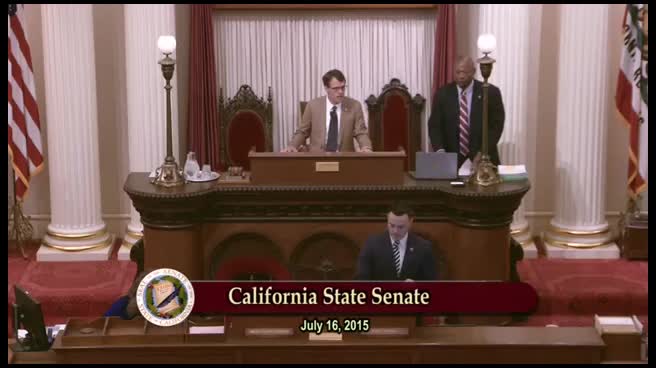
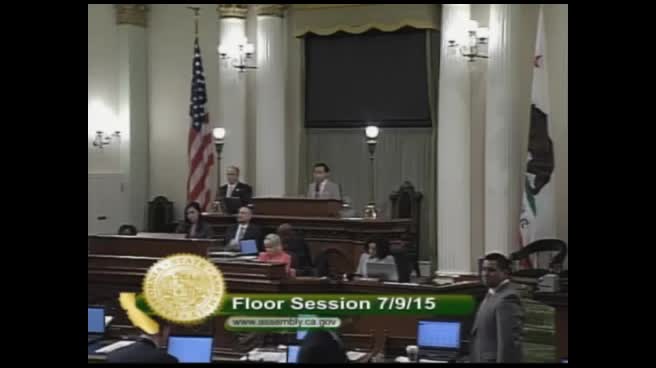
Bill Author
Bill Co-Author(s):