SB 399: Tidelands and submerged lands: City of Los Angeles.
- Session Year: 2015-2016
- House: Senate
- Latest Version Date: 2015-10-02
Existing law grants to the City of Los Angeles all the right, title, and interest of the State of California in and to all tidelands and submerged lands situated below the line of mean high tide of the Pacific Ocean within the boundaries of the city in trust for specified purposes, including promotion of commerce, navigation, and fishery, and for certain uses relating to those purposes. Existing law authorizes the City of Los Angeles to grant franchises and permits on, and leases of, those lands, or any part thereof, for those specified purposes and for limited terms, not exceeding 50 years.
This bill would instead authorize the City of Los Angeles to grant franchises and permits on, or leases of, those lands for those specified purposes for limited terms, not exceeding 66 years.
Existing law grants to the City of Los Angeles all the right, title, and interest of the State of California in and to all tidelands and submerged lands situated below the line of mean high tide of the Pacific Ocean within the boundaries of the city in trust for certain specified purposes, including promotion of commerce, navigation, and fishery, and for certain specific uses relating to these those purposes. Existing law authorizes the City of Los Angeles to grant franchises and permits on, and leases of, those lands, or any part thereof, for those specified purposes and for a term limited terms, not exceeding 50 years.
This bill would instead authorize the City of Los Angeles to renew a franchise or permit grant franchises and permits on, or lease leases of, those lands for those specified purposes for an additional term, not to exceed 25 years. limited terms, not exceeding 66 years.
Existing law grants to the City of Los Angeles all the right, title, and interest of the State of California in and to all tidelands and submerged lands situated below the line of mean high tide of the Pacific Ocean within the boundaries of the city in trust for certain purposes, including promotion of commerce, navigation, and fishery, and for certain specific uses relating to these purposes. Existing law authorizes the City of Los Angeles to grant franchises and permits on, and leases of, those lands, or any part thereof, for specified purposes and for a term not exceeding 50 years.
This bill would authorize the City of Los Angeles to renew a franchise or permit on, or lease of, those lands for those specified purposes for an additional such term or terms term, not to exceed 25 years.
Existing law grants to the City of Los Angeles all the right, title, and interest of the State of California in and to all tidelands and submerged lands situated below the line of mean high tide of the Pacific Ocean within the boundaries of the city in trust for certain purposes, including promotion of commerce, navigation, and fishery, and for certain specific uses relating to these purposes. Existing law authorizes the City of Los Angeles to grant franchises and permits on, and leases of, those lands, or any part thereof, for specified purposes and for a term not exceeding 50 years.
This bill would authorize the City of Los Angeles to renew a franchise or permit on, or lease of, those lands for those specified purposes for an additional such term or terms.
Existing law, the Gambling Control Act, provides for the licensure and regulation of various legalized gambling activities and establishments by the California Gambling Control Commission and the investigation and enforcement of those activities and establishments by the Department of Justice. The act requires 5 members to be appointed to the commission by the Governor, subject to confirmation by the Senate. The act specifies that a majority of the appointed members of the commission is a quorum and that the concurring vote of 3 members of the commission is required for any official action of the commission or for the exercise of any of the commissions duties, powers, or functions. Existing law requires that a public record of every vote of the commission be maintained at its principal office.
This bill would additionally require that a public record of every vote of the commission be posted on the commissions Internet Web site no later than 48 hours after the vote is taken.
There is hereby granted to the City of Los Angeles, hereinafter called city, a municipal corporation of the State of California, and to its successors, all the right, title, and interest of the State of California, held by the state by virtue of its sovereignty, in and to all tidelands and submerged lands, whether filled or unfilled, situated below the line of mean high tide of the Pacific Ocean, within the present boundaries of the city, or of any harbor, estuary, bay, or inlet within those boundaries, except as hereinafter provided, to be forever held by the city, and by its successors, in trust for the following uses and purposes, and upon the following conditions:
(a)The lands shall be held by the city, and by its successors, in accordance with the provisions of this act, for purposes in connection with, or for the promotion and accommodation of, commerce, navigation, and fishery, and for those purposes specified in Section 3 of this act.
(b)Except as otherwise provided in this act, the city, or its successors, shall not grant, convey, give, or alienate the lands, or any part thereof, to any individual firm or corporation for any purpose whatsoever; provided that the city, or its successors, may grant franchises and permits thereon for limited terms, not to exceed 66 years, for purposes in connection with, or for the promotion and accommodation of, commerce, navigation, fishery, and for any purposes specified in Section 3 of this act, and may lease the lands, or any part thereof, for limited terms, not to exceed 66 years, for any and all purposes which shall not interfere with the trusts upon which the lands are held by the state.
(c)The tide and submerged lands shall be improved by the city without expense to the state, and any harbor constructed thereon shall always remain a public harbor for all purposes of commerce and navigation, and the state shall have, at all times, the right to use, without charge, all wharves, docks, piers, slips, quays, and other improvements constructed by the city on the lands, or any part thereof, for any vessel or other watercraft, or railroad, owned or operated by the state.
(d)In the management, conduct, or operation of any harbor, or of any of the utilities, structures, or appliances constructed in connection therewith, no discrimination in rates, tolls, or charges, or in facilities, for any use or service in connection therewith shall ever be made, authorized, or permitted by the city, or by its successors.
There is reserved in the people of the State of California the absolute right to fish in the waters, with the right of convenient access to the waters over the lands for those purposes. The grant herein made shall not include those tidelands or submerged lands within those certain areas known as the Westgate addition acquired by the City of Los Angeles by annexation on June 14, 1916, or the Santa Monica canyon addition acquired by the City of Los Angeles by annexation on April 28, 1925, or the Venice addition acquired by the City of Los Angeles by consolidation on November 25, 1925.
There is hereby granted to the City of Los Angeles, hereinafter called city, a municipal corporation of the State of California, and to its successors, all the right, title, and interest of the State of California, held by the state by virtue of its sovereignty, in and to all tidelands and submerged lands, whether filled or unfilled, situated below the line of mean high tide of the Pacific Ocean, within the present boundaries of the city, or of any harbor, estuary, bay, or inlet within those boundaries, except as hereinafter provided, to be forever held by the city, and by its successors, in trust for the following uses and purposes, and upon the following conditions:
(a)The lands shall be held by the city, and by its successors, in accordance with the provisions of this act, for purposes in connection with, or for the promotion and accommodation of, commerce, navigation, and fishery, and for those purposes specified in Section 3 of this act.
(b)Except as otherwise provided in this act, the city, or its successors, shall not grant, convey, give, or alienate the lands, or any part thereof, to any individual firm or corporation for any purpose whatsoever; provided that the city, or its successors, may grant franchises and permits thereon for a limited term, not to exceed 50 years, subject to the right of renewal by the city for a further term, not to exceed 25 years, limited terms, not to exceed 66 years, for purposes in connection with, or for the promotion and accommodation of, commerce, navigation, fishery, and for any purposes specified in Section 3 of this act, and may lease the lands, or any part thereof, for a limited term, not to exceed 50 years, subject to the right of renewal by the city for a further term, not to exceed 25 years, limited terms, not to exceed 66 years, for any and all purposes which shall not interfere with the trusts upon which the lands are held by the state.
(c)The tide and submerged lands shall be improved by the city without expense to the state, and any harbor constructed thereon shall always remain a public harbor for all purposes of commerce and navigation, and the state shall have, at all times, the right to use, without charge, all wharves, docks, piers, slips, quays, and other improvements constructed by the city on the lands, or any part thereof, for any vessel or other watercraft, or railroad, owned or operated by the state.
(d)In the management, conduct, or operation of any harbor, or of any of the utilities, structures, or appliances constructed in connection therewith, no discrimination in rates, tolls, or charges, or in facilities, for any use or service in connection therewith shall ever be made, authorized, or permitted by the city, or by its successors.
There is reserved in the people of the State of California the absolute right to fish in the waters, with the right of convenient access to the waters over the lands for those purposes. The grant herein made shall not include those tidelands or submerged lands within those certain areas known as the Westgate addition acquired by the City of Los Angeles by annexation on June 14, 1916, or the Santa Monica canyon addition acquired by the City of Los Angeles by annexation on April 28, 1925, or the Venice addition acquired by the City of Los Angeles by consolidation on November 25, 1925.
There is hereby granted to the City of Los Angeles, hereinafter called city, a municipal corporation of the State of California, and to its successors, all the right, title, and interest of the State of California, held by the state by virtue of its sovereignty, in and to all tidelands and submerged lands, whether filled or unfilled, situated below the line of mean high tide of the Pacific Ocean, within the present boundaries of the city, or of any harbor, estuary, bay, or inlet within those boundaries, except as hereinafter provided, to be forever held by the city, and by its successors, in trust for the following uses and purposes, and upon the following conditions:
(a)The lands shall be held by the city, and by its successors, in accordance with the provisions of this act, for purposes in connection with, or for the promotion and accommodation of, commerce, navigation, and fishery, and for those purposes specified in Section 3 of this act.
(b)Except as otherwise provided in this act, the city, or its successors, shall not grant, convey, give, or alienate the lands, or any part thereof, to any individual firm or corporation for any purpose whatsoever; provided that the city, or its successors, may grant franchises and permits thereon for a limited terms, term, not to exceed 50 years, subject to the right of renewal by the city for a further such term or terms, term, not to exceed 25 years, for purposes in connection with, or for the promotion and accommodation of, commerce, navigation, fishery, and for any purposes specified in Section 3 of this act, and may lease the lands, or any part thereof thereof, for a limited terms, term, not to exceed 50 years, subject to the right of renewal by the city for a further such term, or terms term, not to exceed 25 years, for any and all purposes which shall not interfere with the trusts upon which the lands are held by the State of California. state.
(c)The tide and submerged lands shall be improved by the city without expense to the state, and any harbor constructed thereon shall always remain a public harbor for all purposes of commerce and navigation, and the state shall have, at all times, the right to use, without charge, all wharves, docks, piers, slips, quays, and other improvements constructed by the city on the lands, or any part thereof, for any vessel or other watercraft, or railroad, owned or operated by the state.
(d)In the management, conduct, or operation of any harbor, or of any of the utilities, structures, or appliances constructed in connection therewith, no discrimination in rates, tolls, or charges, or in facilities, for any use or service in connection therewith shall ever be made, authorized, or permitted by the city, or by its successors.
There is reserved in the people of the State of California the absolute right to fish in the waters, with the right of convenient access to the waters over the lands for those purposes. The grant herein made shall not include those tidelands or submerged lands within those certain areas known as the Westgate addition acquired by the City of Los Angeles by annexation on June 14, 1916, or the Santa Monica canyon addition acquired by the City of Los Angeles by annexation on April 28, 1925, or the Venice addition acquired by the City of Los Angeles by consolidation on November 25, 1925.
There is hereby granted to the City of Los Angeles, hereinafter called city, a municipal corporation of the State of California, and to its successors, all the right, title title, and interest of the State of California, held by the state by virtue of its sovereignty, in and to all tidelands and submerged lands, whether filled or unfilled, situated below the line of mean high tide of the Pacific Ocean, within the present boundaries of the city, or of any harbor, estuary, bay bay, or inlet within those boundaries, except as hereinafter provided, to be forever held by the city, and by its successors, in trust for the following uses and purposes, and upon the following conditions:
(a)The lands shall be held by the city, and by its successors, in accordance with the applicable provisions of this act, for purposes in connection with, or for the promotion and accommodation of, commerce, navigation, and fishery, and for those purposes specified in Section 3 of this act.
(b)Except as otherwise provided in this act, the city, or its successors, shall not grant, convey, give or alien give, or alienate the lands, or any part thereof, to any individual firm or corporation for any purpose whatsoever; provided that the city, or its successors, may grant franchises and permits thereon for limited periods, but terms, not to exceed 50 years, subject to the right of renewal by the city for a further such term or terms, for purposes in connection with, or for the promotion and accommodation of, commerce, navigation, fishery, and for any purposes specified in Section 3 of this act, and may lease the lands, or any part thereof for limited periods, but terms, not to exceed 50 years, subject to the right of renewal by the city for a further such term, or terms for any and all purposes which shall not interfere with the trusts upon which the lands are held by the State of California.
(c)The tide and submerged lands shall be improved by the city without expense to the state, and any harbor constructed thereon shall always remain a public harbor for all purposes of commerce and navigation, and the State of California state shall have, at all times, the right to use, without charge, all wharves, docks, piers, slips, quays, and other improvements constructed by the city on the lands, or any part thereof, for any vessel or other watercraft, or railroad, owned or operated by the State Of California. state.
(d)In the management, conduct conduct, or operation of any such harbor, or of any of the utilities, structures structures, or appliances constructed in connection therewith, no discrimination in rates, tolls, or charges, or in facilities, for any use or service in connection therewith shall ever be made, authorized, or permitted by the city, or by its successors.
There is reserved in the people of the State of California the absolute right to fish in the waters, with the right of convenient access to the waters over the lands for those purposes. The grant herein made shall not include those tidelands or submerged lands within those certain areas known as the Westgate addition acquired by the City of Los Angeles by annexation on June 14, 1916, or the Santa Monica canyon addition acquired by the City of Los Angeles by annexation on April 28, 1925, or the Venice addition acquired by the City of Los Angeles by consolidation on November 25, 1925.
SECTION 1.Section 19819 of the Business and Professions Code is amended to read:19819.(a)The commission shall establish and maintain a general office for the transaction of its business in Sacramento. The commission may hold meetings at any place within the state when the interests of the public may be better served.
(b)A public record of every vote shall be maintained at the commissions principal office and posted on the commissions Internet Web site no later than 48 hours after the vote is taken.
(c)A majority of the membership of the commission is a quorum of the commission. The concurring vote of three members of the commission shall be required for any official action of the commission or for the exercise of any of the commissions duties, powers, or functions.
(d)Except as otherwise provided in this chapter, Article 9 (commencing with Section 11120) of Chapter 1 of Part 1 of Division 3 of Title 2 of the Government Code applies to meetings of the commission. Notwithstanding Section 11125.1 of the Government Code, documents that are filed with the commission by the department for the purpose of evaluating the qualifications of an applicant are exempt from disclosure under Chapter 3.5 (commencing with Section 6250) of Division 7 of Title 1 of the Government Code.
(a)The commission shall establish and maintain a general office for the transaction of its business in Sacramento. The commission may hold meetings at any place within the state when the interests of the public may be better served.
(b)A public record of every vote shall be maintained at the commissions principal office. office and posted on the commissions Internet Web site no later than 48 hours after the vote is taken.
(c)A majority of the membership of the commission is a quorum of the commission. The concurring vote of three members of the commission shall be required for any official action of the commission or for the exercise of any of the commissions duties, powers, or functions.
(d)Except as otherwise provided in this chapter, Article 9 (commencing with Section 11120) of Chapter 1 of Part 1 of Division 3 of Title 2 of the Government Code applies to meetings of the commission. Notwithstanding Section 11125.1 of the Government Code, documents, which documents that are filed with the commission by the department for the purpose of evaluating the qualifications of an applicant, applicant are exempt from disclosure under Chapter 3.5 (commencing with Section 6250) of Division 7 of Title 1 of the Government Code.
|
Date
|
Status
|
|---|---|
| Sep 4, 2015 | Re-referred to Com. on RLS. pursuant to Senate Rule 29.10(d). |
| Jul 16, 2015 | Read second time and amended. Ordered to second reading. |
| Aug 17, 2015 | Read second time. Ordered to third reading. |
| Sep 1, 2015 | Ordered to third reading. |
| Sep 1, 2015 | Read third time and amended. |
| Sep 3, 2015 | In Senate. Concurrence in Assembly amendments pending. |
| Sep 3, 2015 | Read third time. Passed. Ordered to the Senate. |
| Sep 3, 2015 | Read third time. Passed. (Ayes 80. Noes 0. Page 2842.) Ordered to the Senate. |
| Sep 4, 2015 | From committee: Be re-referred to Com. on N.R. & W. pursuant to Senate Rule 29.10(d). (Ayes 5. Noes 0.) Re-referred to Com. on N.R. & W. |
| Sep 4, 2015 | Re-referred to Com. on N.R. & W. pursuant to Senate Rule 29.10(d). |
| Jul 15, 2015 | From committee: Do pass as amended. (Ayes 9. Noes 0.) (July 15). |
| Sep 9, 2015 | From committee: That the Assembly amendments be concurred in. (Ayes 9. Noes 0.) |
| Sep 9, 2015 | Set for hearing September 9. |
| Sep 10, 2015 | Assembly amendments concurred in. (Ayes 39. Noes 0.) Ordered to engrossing and enrolling. |
| Sep 10, 2015 | Assembly amendments concurred in. (Ayes 40. Noes 0. Page 2674.) Ordered to engrossing and enrolling. |
| Sep 10, 2015 | Assembly amendments concurred in. (Ayes 40. Noes 0.) Ordered to engrossing and enrolling. |
| Sep 11, 2015 | Enrolled and presented to the Governor at 10:45 p.m. |
| Oct 2, 2015 | Approved by the Governor. |
| Oct 2, 2015 | Chaptered by Secretary of State. Chapter 450, Statutes of 2015. |
| May 18, 2015 | Read third time. Passed. (Ayes 36. Noes 0. Page 1027.) Ordered to the Assembly. |
| Feb 26, 2015 | From printer. May be acted upon on or after March 28. |
| Mar 5, 2015 | Referred to Com. on G.O. |
| Apr 16, 2015 | Set for hearing April 28. |
| Apr 28, 2015 | From committee: Do pass and re-refer to Com. on APPR. with recommendation: To consent calendar. (Ayes 7. Noes 0. Page 796.) (April 28). Re-referred to Com. on APPR. |
| May 1, 2015 | Set for hearing May 11. |
| May 11, 2015 | From committee: Be ordered to second reading pursuant to Senate Rule 28.8 and ordered to consent calendar. |
| May 12, 2015 | Read second time. Ordered to consent calendar. |
| May 18, 2015 | In Assembly. Read first time. Held at Desk. |
| Feb 25, 2015 | Introduced. Read first time. To Com. on RLS. for assignment. To print. |
| May 18, 2015 | Read third time. Passed. (Ayes 36. Noes 0.) Ordered to the Assembly. |
| May 28, 2015 | Referred to Com. on G.O. |
| Jun 25, 2015 | From committee with author's amendments. Read second time and amended. Re-referred to Com. on G.O. |
| Jun 29, 2015 | Re-referred to Com. on RLS. pursuant to Assembly Rule 96. |
| Jul 2, 2015 | From committee: Be re-referred to Coms. on NAT. RES. and L. GOV. (Ayes 10. Noes 0.) (July 2). Re-referred to Com. on NAT. RES. |
| Jul 9, 2015 | Assembly Rule 56 suspended. |
| Jul 9, 2015 | Assembly Rule 56 suspended. (Page 2303.) |
| Jul 14, 2015 | From committee: Do pass and re-refer to Com. on L. GOV. (Ayes 9. Noes 0.) (July 13). Re-referred to Com. on L. GOV. |
|
Date
|
Description
|
Location
|
Votes
|
|
|---|---|---|---|---|
| Sep 10, 2015 | Unfinished Business SB399 Hall Concurrence | Senate Floor |
Passed |
|
| Sep 9, 2015 | That the Assembly amendments be concurred in | Senate Standing Committee on Natural Resources and Water |
Passed |
|
| Sep 3, 2015 | SB 399 Hall Senate Third Reading By O'DONNELL | Assembly Floor |
Passed |
|
| Jul 15, 2015 | Do pass as amended. | Assembly Standing Committee on Local Government |
Passed |
|
| Jul 13, 2015 | Do pass and be re-referred to the Committee on [Local Government] | Assembly Standing Committee on Natural Resources |
Passed |
|
| Jul 2, 2015 | Be re-referred to the Committee on [Natural Resources] | Assembly Standing Committee on Rules |
Passed |
|
| May 18, 2015 | Consent Calendar 2nd SB399 Hall | Senate Floor |
Passed |
|
| Apr 28, 2015 | Do pass, but first be re-referred to the Committee on [Appropriations] with the recommendation: To Consent Calendar | Senate Standing Committee on Governmental Organization |
Passed |
This list shows positions taken on this bill by organizations on the date displayed, which is linked to the original source.
Positions by individuals are not included.
|
Organization
|
Position
|
Date
|
|---|---|---|
| Advanced Energy Economy Coalition of Businesses | * Support | Jul 13, 2015 |
| California Association Of Harbor Masters And Port Captains | ** Support | Sep 9, 2015 |
| California State Lands Commission | ** Support | Sep 9, 2015 |
| California Yacht Brokers Association | ** Support | Sep 9, 2015 |
| City of Los Angeles Mayor Eric Garcetti | ** Support | Sep 9, 2015 |
| Council | ** Support | Sep 9, 2015 |
| Council Member Joe Buscaino, City of Los Angeles | ** Support | Sep 1, 2015 |
| Los Angeles | ** Support | Sep 9, 2015 |
| Los Angeles Area Chamber Of Commerce | ** Support | Sep 9, 2015 |
| Los Angeles City Councilmember Joe Buscaino | ** Support | Sep 9, 2015 |
| Los Angeles, City Of | * Support | Sep 9, 2015 |
| Marina Recreation Association | ** Support | Sep 9, 2015 |
| National Marine Manufacturers Association | ** Support | Sep 9, 2015 |
| Orange Counties Building and Construction Trades | ** Support | Sep 9, 2015 |
| Pacific Merchant Shipping Association | ** Support | Sep 9, 2015 |
| San Pedro Chamber of Commerce | ** Support | Sep 9, 2015 |
| SBCC Thrive LA | ** Support | Sep 9, 2015 |
| Worldwide Boaters Safety Group | ** Support | Sep 9, 2015 |
SB 399
Page 4
|
Office of Senate Floor Analyses (916) 651-1520 Fax: (916) 327-4478 |
UNFINISHED BUSINESS
Bill No: SB 399
Amended: 9/1/15
SENATE NATURAL RES. & WATER COMMITTEE: 9-0, 9/9/15 (pursuant to Senate Rule 29.10)
AYES: Pavley, Stone, Allen, Hertzberg, Hueso, Jackson, Monning, Vidak, Wolk
ASSEMBLY FLOOR: 80-0, 9/3/15 - See last page for vote
SUBJECT: Tidelands and submerged lands: City of Los Angeles
SOURCE: Los Angeles City Councilmember Joe Buscaino
DIGEST: This bill extends from 50 to 66 years the maximum term that the City of Los Angeles may lease or grant, as specified, its tidelands and submerged lands for specified purposes.
Assembly Amendments delete the Senate version of the bill, relating to the posting of votes by the California Gambling Control Commission, and instead add the current language.
Existing law:
Protects, pursuant to the common law doctrine of the public trust, the public's right to use California's waterways for commerce, navigation, fishing, boating, natural habitat protection, and other water oriented activities. The public trust doctrine provides that filled and unfilled tide and submerged lands and the beds of lakes, streams, and other navigable waterways are to be held in trust by the state for the benefit of the people of the state.
Requires the State Lands Commission (commission) to be the steward and manager of the state's public trust lands. The commission has direct administrative control over the state's public trust lands and oversight authority over public trust lands granted by the Legislature to local governments.
Grants, in trust, public trust lands to over 80 local public agencies to be managed for the benefit of all the people of the state and pursuant to the public trust doctrine and terms of the applicable granting statutes.
Prohibits any public trust lands, granted to any city by the state, from being leased more than 66 years unless the grantee's statute specifies the term for which granted lands may be leased (Civil Code Section 718).
Requires public trust lands to be leased only for those uses consistent with the public trust.
Grants to the City of Los Angeles all the right, title and interest in the state in and to all tidelands and submerged lands, as specified, within the boundaries of the city in trust for specified purposes, including promotion of commerce, navigation and fishery, among others.
Authorizes the City of Los Angeles to grant franchises and permits on, and leases of, those lands, or any part thereof, for these purposes and a for limited terms of not more than 50 years.
This bill extends from 50 to 66 years the maximum term that the City of Los Angeles may lease or grant, as specified, its tidelands and submerged lands for specified purposes.
Background
The foundation of the common law public trust doctrine is that there is an affirmative duty of the state to protect the people's common heritage in navigable waters for their common use. The traditional uses allowed under the public trust doctrine were water-related commerce, navigation, and fisheries. As a common law doctrine, however, the public trust doctrine has evolved and been extended by the courts. The courts have found that the public uses to which sovereign lands are subject are sufficiently flexible to encompass changing public needs. These include preservation of these lands in their natural state and as environments that provide food and habitat for birds and marine life. Sovereign lands subject to the public trust cannot be sold into private ownership.
For over 100 years, the Legislature has granted public trust lands to local governments so the lands can be managed locally for the benefit of the people of California. There are over 80 trustees in the state, including the Ports of Los Angeles, Long Beach, San Diego, San Francisco, Oakland, Richmond, Benicia, and Eureka. While these trust lands are managed locally, the commission retains oversight authority to ensure those local trustees are complying with the public trust doctrine and the applicable granting statutes.
In 1911, the Legislature granted, in trust, three public trust parcels to the City of Los Angeles. Since then there have been many revisions to the statutes granting the City of Los Angeles those lands. The original statute allowed for 25 year leases. This term was later amended to 30 years and, in 1951, lengthened to 50 years.
FISCAL EFFECT: Appropriation: No Fiscal Com.: No Local: No
Los Angeles City Councilmember Joe Buscaino (source)
California Association of Harbor Masters and Port Captains
California State Lands Commission
California Yacht Brokers Association
City of Los Angeles Mayor Eric Garcetti
Los Angeles Area Chamber of Commerce
Los Angeles/Orange Counties Building and Construction Trades Council
Marina Recreation Association
National Marine Manufacturers Association
Pacific Merchant Shipping Association
San Pedro Chamber of Commerce
SBCC Thrive LA
Worldwide Boaters Safety Group
OPPOSITION: (Verified 8/28/15)
None received
ARGUMENTS IN SUPPORT: According to the author, “The Port of Los Angeles and the surrounding San Pedro-Wilmington communities are closely linked to their history and commercial activity along its waterfront. Over the years, due to an expansion in port activity and a reduction of other commercial or residential development, the waterfront area now offers only isolated areas of successful visitor-oriented commercial enterprises amidst a growing inventory of abandoned, vacant or underutilized areas.”
“To address this inconsistent land use, the City of Los Angeles and the Los Angeles Harbor Department initiated the LA Waterfront planning and development program.” This program is intended to provide “waterfront access with landscaped boulevards, promenades, parks and urban squares as well as development opportunities.”
“This bill will support bold actions taken by the City of Los Angeles to improve and better connect the Los Angeles waterfront area to tourists and the community, generate enhanced public and private investments, promote transit use, create jobs and increase public access to their waterfront.”
AYES: Achadjian, Alejo, Travis Allen, Baker, Bigelow, Bloom, Bonilla, Bonta, Brough, Brown, Burke, Calderon, Campos, Chang, Chau, Chávez, Chiu, Chu, Cooley, Cooper, Dababneh, Dahle, Daly, Dodd, Eggman, Frazier, Beth Gaines, Gallagher, Cristina Garcia, Eduardo Garcia, Gatto, Gipson, Gomez, Gonzalez, Gordon, Gray, Grove, Hadley, Harper, Roger Hernández, Holden, Irwin, Jones, Jones-Sawyer, Kim, Lackey, Levine, Linder, Lopez, Low, Maienschein, Mathis, Mayes, McCarty, Medina, Melendez, Mullin, Nazarian, Obernolte, O'Donnell, Olsen, Patterson, Perea, Quirk, Rendon, Ridley-Thomas, Rodriguez, Salas, Santiago, Steinorth, Mark Stone, Thurmond, Ting, Wagner, Waldron, Weber, Wilk, Williams, Wood, Atkins
Prepared by: Katharine Moore / N.R. & W. / (916) 651-4116
9/9/15 14:15:28
SB 399 (Hall) Page 2 of 2
SENATE COMMITTEE ON NATURAL RESOURCES AND WATER
Senator Fran Pavley, Chair
2015 - 2016 Regular
Bill No: SB 399 Hearing Date: September 9, 2015
Author: |
Hall |
|
|
Version: |
September 1, 2015 Amended |
||
Urgency: |
No |
Fiscal: |
No |
Consultant: |
Katharine Moore |
||
Subject: Tidelands and submerged lands: City of Los Angeles.
BACKGROUND AND EXISTING LAW
Existing law protects, pursuant to the common law doctrine of the public trust, the public's right to use California's waterways for commerce, navigation, fishing, boating, natural habitat protection, and other water oriented activities. The public trust doctrine provides that filled and unfilled tide and submerged lands and the beds of lakes, streams, and other navigable waterways are to be held in trust by the state for the benefit of the people of the state.
Existing law also requires the State Lands Commission (commission) to be the steward and manager of the state's public trust lands. The commission has direct administrative control over the state's public trust lands and oversight authority over public trust lands granted by the Legislature to local governments. The Legislature has granted, in trust, public trust lands to over 80 local public agencies to be managed for the benefit of all the people of the state and pursuant to the public trust doctrine and terms of the applicable granting statutes. There local agencies include, for example, Ports of Los Angeles, and San Diego among others. Public trust lands can be leased only for those uses consistent with the public trust. The commission retains oversight authority.
In 1911, the Legislature granted, in trust to the City of Los Angeles, to all tidelands and submerged lands within the boundaries of the city and situated below the mean high tide line subject to certain conditions and specified purposes (c. 656, Stats. 1911). The purposes include promotion of commerce, navigation, and fishery purposes, among others. Since 1911 there have been several revisions to the statutes granting the City of Los Angeles these public trust lands. The original statute allowed for the City of Los Angeles to grant franchises on or agree to leases for limited terms. The maximum length of the limited term was later amended to 30 years (c. 115, Stats. 1917) and, in 1951, further extended to 50 years (c. 443, Stats. 1951).
Existing law prohibits any public trust lands, granted to any city by the state, from being leased more than 66 years unless the grantee's statute specifies the term for which granted lands may be leased (Civil Code Section 718).
PROPOSED LAW
This bill would extend from 50 to 66 years the maximum term that the City of Los Angeles may lease or grant, as specified, its tidelands and submerged lands for specified purposes.
ARGUMENTS IN SUPPORT
According to the author, “The Port of Los Angeles and the surrounding San Pedro-Wilmington communities are closely linked to their history and commercial activity along its waterfront. Over the years, due to an expansion in port activity and a reduction of other commercial or residential development, the waterfront area now offers only isolated areas of successful visitor-oriented commercial enterprises amidst a growing inventory of abandoned, vacant or underutilized areas.”
“To address this inconsistent land use, the City of Los Angeles and the Los Angeles Harbor Department initiated the LA Waterfront planning and development program.” This program is intended to provide “waterfront access with landscaped boulevards, promenades, parks and urban squares as well as development opportunities.”
“This bill will support bold actions taken by the City of Los Angeles to improve and better connect the Los Angeles waterfront area to tourists and the community, generate enhanced public and private investments, promote transit use, create jobs and increase public access to their waterfront.”
ARGUMENTS IN OPPOSITION
None received
COMMENTS
The public trust. The foundation of the common law public trust doctrine is that there is an affirmative duty of the state to protect the people's common heritage in navigable waters for their common use. The traditional uses allowed under the public trust doctrine were water-related commerce, navigation, and fisheries. As a common law doctrine, however, the public trust doctrine has evolved and been extended by the courts. The courts have found that the public uses to which sovereign lands are subject are sufficiently flexible to encompass changing public needs. These include preservation of these lands in their natural state and as environments that provide food and habitat for birds and marine life. Sovereign lands subject to the public trust cannot be sold into private ownership.
SUPPORT
Los Angeles City Councilmember Joe Buscaino (sponsor)
California Association of Harbor Masters and Port Captains
California State Lands Commission
California Yacht Brokers Association
City of Los Angeles Mayor Eric Garcetti
Los Angeles Area Chamber of Commerce
Los Angeles/Orange Counties Building and Construction Trades Council
Marina Recreation Association
National Marine Manufacturers Association
Pacific Merchant Shipping Association
San Pedro Chamber of Commerce
SBCC Thrive LA
Worldwide Boaters Safety Group
OPPOSITION
None Received
SB 399
Page 4
|
Office of Senate Floor Analyses (916) 651-1520 Fax: (916) 327-4478 |
UNFINISHED BUSINESS
Bill No: SB 399
Amended: 9/1/15
ASSEMBLY FLOOR: 80-0, 9/3/15 - See last page for vote
SUBJECT: Tidelands and submerged lands: City of Los Angeles
SOURCE: Los Angeles City Councilmember Joe Buscaino
DIGEST: This bill extends from 50 to 66 years the maximum term that the City of Los Angeles may lease or grant, as specified, its tidelands and submerged lands for specified purposes.
Assembly Amendments delete the Senate version of the bill, relating to the posting of votes by the California Gambling Control Commission, and instead add the current language.
Existing law:
Protects, pursuant to the common law doctrine of the public trust, the public's right to use California's waterways for commerce, navigation, fishing, boating, natural habitat protection, and other water oriented activities. The public trust doctrine provides that filled and unfilled tide and submerged lands and the beds of lakes, streams, and other navigable waterways are to be held in trust by the state for the benefit of the people of the state.
Requires the State Lands Commission (commission) to be the steward and manager of the state's public trust lands. The commission has direct administrative control over the state's public trust lands and oversight authority over public trust lands granted by the Legislature to local governments.
Grants, in trust, public trust lands to over 80 local public agencies to be managed for the benefit of all the people of the state and pursuant to the public trust doctrine and terms of the applicable granting statutes.
Prohibits any public trust lands, granted to any city by the state, from being leased more than 66 years unless the grantee's statute specifies the term for which granted lands may be leased (Civil Code Section 718).
Requires public trust lands to be leased only for those uses consistent with the public trust.
Grants to the City of Los Angeles all the right, title and interest in the state in and to all tidelands and submerged lands, as specified, within the boundaries of the city in trust for specified purposes, including promotion of commerce, navigation and fishery, among others.
Authorizes the City of Los Angeles to grant franchises and permits on, and leases of, those lands, or any part thereof, for these purposes and a for limited terms of not more than 50 years.
This bill extends from 50 to 66 years the maximum term that the City of Los Angeles may lease or grant, as specified, its tidelands and submerged lands for specified purposes.
Background
The foundation of the common law public trust doctrine is that there is an affirmative duty of the state to protect the people's common heritage in navigable waters for their common use. The traditional uses allowed under the public trust doctrine were water-related commerce, navigation, and fisheries. As a common law doctrine, however, the public trust doctrine has evolved and been extended by the courts. The courts have found that the public uses to which sovereign lands are subject are sufficiently flexible to encompass changing public needs. These include preservation of these lands in their natural state and as environments that provide food and habitat for birds and marine life. Sovereign lands subject to the public trust cannot be sold into private ownership.
For over 100 years, the Legislature has granted public trust lands to local governments so the lands can be managed locally for the benefit of the people of California. There are over 80 trustees in the state, including the Ports of Los Angeles, Long Beach, San Diego, San Francisco, Oakland, Richmond, Benicia, and Eureka. While these trust lands are managed locally, the commission retains oversight authority to ensure those local trustees are complying with the public trust doctrine and the applicable granting statutes.
In 1911, the Legislature granted, in trust, three public trust parcels to the City of Los Angeles. Since then there have been many revisions to the statutes granting the City of Los Angeles those lands. The original statute allowed for 25 year leases. This term was later amended to 30 years and, in 1951, lengthened to 50 years.
FISCAL EFFECT: Appropriation: No Fiscal Com.: No Local: No
Los Angeles City Councilmember Joe Buscaino (source)
California Association of Harbor Masters and Port Captains
California State Lands Commission
California Yacht Brokers Association
City of Los Angeles Mayor Eric Garcetti
Los Angeles Area Chamber of Commerce
Los Angeles/Orange Counties Building and Construction Trades Council
Marina Recreation Association
National Marine Manufacturers Association
San Pedro Chamber of Commerce
SBCC Thrive LA
Worldwide Boaters Safety Group
OPPOSITION: (Verified 8/28/15)
None received
ARGUMENTS IN SUPPORT: According to the author, “The Port of Los Angeles and the surrounding San Pedro-Wilmington communities are closely linked to their history and commercial activity along its waterfront. Over the years, due to an expansion in port activity and a reduction of other commercial or residential development, the waterfront area now offers only isolated areas of successful visitor-oriented commercial enterprises amidst a growing inventory of abandoned, vacant or underutilized areas.”
“To address this inconsistent land use, the City of Los Angeles and the Los Angeles Harbor Department initiated the LA Waterfront planning and development program.” This program is intended to provide “waterfront access with landscaped boulevards, promenades, parks and urban squares as well as development opportunities.”
“This bill will support bold actions taken by the City of Los Angeles to improve and better connect the Los Angeles waterfront area to tourists and the community, generate enhanced public and private investments, promote transit use, create jobs and increase public access to their waterfront.”
AYES: Achadjian, Alejo, Travis Allen, Baker, Bigelow, Bloom, Bonilla, Bonta, Brough, Brown, Burke, Calderon, Campos, Chang, Chau, Chávez, Chiu, Chu, Cooley, Cooper, Dababneh, Dahle, Daly, Dodd, Eggman, Frazier, Beth Gaines, Gallagher, Cristina Garcia, Eduardo Garcia, Gatto, Gipson, Gomez, Gonzalez, Gordon, Gray, Grove, Hadley, Harper, Roger Hernández, Holden, Irwin, Jones, Jones-Sawyer, Kim, Lackey, Levine, Linder, Lopez, Low, Maienschein, Mathis, Mayes, McCarty, Medina, Melendez, Mullin, Nazarian, Obernolte, O'Donnell, Olsen, Patterson, Perea, Quirk, Rendon, Ridley-Thomas, Rodriguez, Salas, Santiago, Steinorth, Mark Stone, Thurmond, Ting, Wagner, Waldron, Weber, Wilk, Williams, Wood, Atkins
Prepared by: Katharine Moore / N.R. & W. / (916) 651-4116
9/3/15 18:23:43
SB 399
Page 3
SENATE THIRD READING
SB 399
(Hall)
As Amended September 1, 2015
Majority vote
SENATE VOTE: 36-0
Committee |
Votes |
Ayes |
Noes |
Natural Resources |
9-0 |
Williams, Dahle, Cristina Garcia, Hadley, Harper, McCarty, Rendon, Mark Stone, Wood |
|
Local Government |
9-0 |
Maienschein, Gonzalez, Alejo, Chiu, Cooley, Linder, Low, Mullin, Waldron |
|
SUMMARY: Increases the maximum allowable term for franchises, permits, and leases for the City of Los Angeles' (City) granted tidelands and submerged lands (public trust lands) from 50 years to 66 years.
EXISTING LAW:
Protects, pursuant to the common law doctrine of the Public Trust (Public Trust Doctrine), the public's right to use California's waterways for commerce, navigation, fishing, boating, natural habitat protection, and other water oriented activities. The Public Trust Doctrine provides that filled and unfilled tide and submerged lands and the beds of lakes, streams, and other navigable waterways are to be held in trust by the state for the benefit of the people of California.
Requires the State Lands Commission (SLC) to be the steward and manager of the state's public trust lands. SLC has direct administrative control over the state's public trust lands and oversight authority over public trust lands granted by the Legislature to local governments.
Grants, in trust, public trust lands to over 80 local public agencies (local trustees) to be managed for the benefit of all the people of the state and pursuant to the Public Trust Doctrine and terms of the applicable granting statutes.
Prohibits any public trust lands, granted to any city by the state, from being leased more than 66 years unless the grantee's statute specifies the term for which granted lands may be leased.
Require public trust lands to be leased only for industrial uses; the improvement and development of any harbor or harbors of the city; the construction and maintenance of wharves, docks, piers, or bulkhead piers; or any other public use or purpose consistent with the requirements of commerce or navigation at, or in, any such harbor or harbors.
Grants to the City all the right, title, and interest of the State of California in and to all public trust lands situated below the line of mean high tide of the Pacific Ocean within the boundaries of the City in trust for certain purposes, including promotion of commerce, navigation, and fisheries, and for certain specific uses relating to these purposes.
Allows the City to grant franchises and permits on, and leases of, its granted lands for specified purposes for a maximum term of 50 years.
FISCAL EFFECT: Unknown. This bill is keyed non-fiscal by the Legislative Counsel.
COMMENTS:
Author's Statement. According the author's office:
Historically, the Port of Los Angeles (Port) and the surrounding San Pedro-Wilmington communities have been closely linked and mutually interdependent. Unfortunately, this connection has diminished in recent decades, and while there are isolated areas of successful visitor-oriented commercial enterprises along the waterfront, there is a growing issue of abandoned, vacant, or underutilized sites.
Recognizing that these issues needed to be addressed in a comprehensive fashion, Los Angeles [LA] City Councilman Joe Buscaino, in close cooperation with Mayor Eric Garcetti and the Los Angeles Harbor Department, initiated the LA Waterfront planning and development program. This program is focused on establishing a framework for enhancing the San Pedro-Wilmington communities by providing waterfront access with landscaped boulevards, promenades, parks, and urban squares as well as development opportunities that will provide one-of-a-kind experiences for both tourists and residents alike.
Unfortunately, major public and private stakeholders, including the Los Angeles County Economic Development Corporation (LAEDC), have concluded that having the ability to exceed the current 50-year regulatory restriction on franchises, permits and leases granted for port and waterfront area activities is necessary for the success of the LA Waterfront program. In order for the LA Waterfront program to realize its full potential of generating new community benefits and private development opportunities, restrictions on lease terms must be addressed.
Public Trust. The foundational principle of the common law Public Trust Doctrine is that it is an affirmative duty of the state to protect the people's common heritage in navigable waters for their common use. The traditional uses allowed under the Public Trust Doctrine were described as water-related commerce, navigation, and fisheries. As a common law doctrine, the courts have significantly shaped the Public Trust Doctrine in a number of important ways. Courts have found that the public uses to which sovereign lands are subject are sufficiently flexible to encompass changing public needs. The courts have also found that preservation of these lands in their natural state, so that they may serve as ecological units for scientific study, as open space, and as environments that provide food and habitat for birds and marine life, are appropriate uses under the common law Public Trust Doctrine. Courts have also made clear that sovereign lands subject to the Public Trust Doctrine cannot be sold into private ownership.
Background on Granted Lands. For over 100 years, the Legislature has granted public trust lands to local governments so the lands can be managed locally for the benefit of the people of California. There are over 80 trustees in the state, including the Ports of Los Angeles, Long Beach, San Diego, San Francisco, Oakland, Richmond, Benicia, and Eureka. While these trust lands are managed locally, SLC has oversight authority to ensure those local trustees are complying with the Public Trust Doctrine and the applicable granting statutes. In 1911, the Legislature granted, in trust, three public trust parcels to the City. Since then there have been numerous revisions to the statutes granting the City those lands. Originally the statute allowed 25-year leases. It was later amended to 30 years and finally in 1951 it was lengthened to 50 years.
Analysis Prepared by: Michael Jarred / NAT. RES. / (916) 319-2092 FN: 0001920
SB 399
Page 3
SENATE THIRD READING
SB 399
(Hall)
As Amended July 16, 2015
Majority vote
SENATE VOTE: 36-0
Committee |
Votes |
Ayes |
Noes |
Natural Resources |
9-0 |
Williams, Dahle, Cristina Garcia, Hadley, Harper, McCarty, Rendon, Mark Stone, Wood |
|
Local Government |
9-0 |
Maienschein, Gonzalez, Alejo, Chiu, Cooley, Linder, Low, Mullin, Waldron |
|
SUMMARY: Allows the City of Los Angeles (City) to grant one renewal to franchises, permits, and leases of its granted tidelands and submerged lands (public trust lands) for a period not to exceed 25 years.
EXISTING LAW:
Protects, pursuant to the common law doctrine of the Public Trust (Public Trust Doctrine), the public's right to use California's waterways for commerce, navigation, fishing, boating, natural habitat protection, and other water oriented activities. The Public Trust Doctrine provides that filled and unfilled tide and submerged lands and the beds of lakes, streams, and other navigable waterways are to be held in trust by the state for the benefit of the people of California.
Requires the State Lands Commission (SLC) to be the steward and manager of the state's public trust lands. SLC has direct administrative control over the state's public trust lands and oversight authority over public trust lands granted by the Legislature to local governments.
Grants, in trust, public trust lands to over 80 local public agencies (local trustees) to be managed for the benefit of all the people of the state and pursuant to the Public Trust Doctrine and terms of the applicable granting statutes.
Prohibits any public trust lands, granted to any city by the state, from being leased more than 66 years unless the grantee's statute specifies the term for which granted lands may be leased.
Require public trust lands to be leased only for industrial uses; the improvement and development of any harbor or harbors of the city; the construction and maintenance of wharves, docks, piers, or bulkhead piers; or any other public use or purpose consistent with the requirements of commerce or navigation at, or in, any such harbor or harbors.
Grants to the City all the right, title, and interest of the State of California in and to all public trust lands situated below the line of mean high tide of the Pacific Ocean within the boundaries of the City in trust for certain purposes, including promotion of commerce, navigation, and fisheries, and for certain specific uses relating to these purposes.
Allows the City to grant franchises and permits on, and leases of, its granted lands for specified purposes for a maximum term of 50 years.
FISCAL EFFECT: Unknown. This bill is keyed non-fiscal by the Legislative Counsel.
COMMENTS:
Author's Statement. According the author's office:
Historically, the Port of Los Angeles (Port) and the surrounding San Pedro-Wilmington communities have been closely linked and mutually interdependent. Unfortunately, this connection has diminished in recent decades, and while there are isolated areas of successful visitor-oriented commercial enterprises along the waterfront, there is a growing issue of abandoned, vacant, or underutilized sites.
Recognizing that these issues needed to be addressed in a comprehensive fashion, Los Angeles [LA] City Councilman Joe Buscaino, in close cooperation with Mayor Eric Garcetti and the Los Angeles Harbor Department, initiated the LA Waterfront planning and development program. This program is focused on establishing a framework for enhancing the San Pedro-Wilmington communities by providing waterfront access with landscaped boulevards, promenades, parks, and urban squares as well as development opportunities that will provide one-of-a-kind experiences for both tourists and residents alike.
Unfortunately, major public and private stakeholders, including the Los Angeles County Economic Development Corporation (LAEDC), have concluded that having the ability to exceed the current 50-year regulatory restriction on franchises, permits and leases granted for port and waterfront area activities is necessary for the success of the LA Waterfront program. In order for the LA Waterfront program to realize its full potential of generating new community benefits and private development opportunities, restrictions on lease terms must be addressed.
Public Trust. The foundational principle of the common law Public Trust Doctrine is that it is an affirmative duty of the state to protect the people's common heritage in navigable waters for their common use. The traditional uses allowed under the Public Trust Doctrine were described as water-related commerce, navigation, and fisheries. As a common law doctrine, the courts have significantly shaped the Public Trust Doctrine in a number of important ways. Courts have found that the public uses to which sovereign lands are subject are sufficiently flexible to encompass changing public needs. The courts have also found that preservation of these lands in their natural state, so that they may serve as ecological units for scientific study, as open space, and as environments that provide food and habitat for birds and marine life, are appropriate uses under the common law Public Trust Doctrine. Courts have also made clear that sovereign lands subject to the Public Trust Doctrine cannot be sold into private ownership.
Background on Granted Lands. For over 100 years, the Legislature has granted public trust lands to local governments so the lands can be managed locally for the benefit of the people of California. There are over 80 trustees in the state, including the Ports of Los Angeles, Long Beach, San Diego, San Francisco, Oakland, Richmond, Benicia, and Eureka. While these trust lands are managed locally, SLC has oversight authority to ensure those local trustees are complying with the Public Trust Doctrine and the applicable granting statutes. In 1911, the Legislature granted, in trust, three public trust parcels to the City. Since then there have been numerous revisions to the statutes granting the City those lands. Originally the statute allowed 25-year leases. It was later amended to 30 years and finally in 1951 it was lengthened to 50 years.
Analysis Prepared by: Michael Jarred / NAT. RES. / (916) 319-2092 FN: 0001329
SB 399
Page 4
Date of Hearing: July 15, 2015
ASSEMBLY COMMITTEE ON LOCAL GOVERNMENT
Brian Maienschein, Chair
SB 399
(Hall) – As Amended June 25, 2015
SENATE VOTE: 36-0
SUBJECT: Tidelands and submerged lands: City of Los Angeles.
SUMMARY: Allows the City of Los Angeles (City) to renew a franchise or permit on, or lease of, specified tidelands and submerged lands, for unspecified periods of time.
EXISTING LAW:
Protects, pursuant to the common law doctrine of the Public Trust, the public's right to use California's waterways for commerce, navigation, fishing, boating, natural habitat protection, and other water-oriented activities. The Public Trust Doctrine provides that filled and unfilled tide and submerged lands and the beds of lakes, streams, and other navigable waterways are to be held in trust by the state for the benefit of the people of California.
Requires the State Lands Commission (SLC) to be the steward and manager of the state's public trust lands, and specifies that SLC has direct administrative control over the state's public trust lands and oversight authority over public trust lands granted by the Legislature to local governments.
Grants, to the City, a municipal corporation of the State of California, and to its successors, all the right, title and interest of the State of California, held by the state by virtue of its sovereignty, in and to all tidelands and submerged lands, whether filled or unfilled, situated below the line of mean high tide of the Pacific Ocean, within the present boundaries of the City, or of any harbor, estuary, bay or inlet whose boundaries, except as specified, to be forever held by the City, and by its successors, in trust for the following uses and purposes, and upon the following conditions:
The lands shall be held by the City, and by its successors, in accordance with the applicable provisions, for purposes in connection with, or for the promotion and the accommodation of, commerce, navigation, and fishery, and for those purposes, as specified;
Except as other provided, the City, or its successors, shall not grant, convey, give or alien the lands, or any part thereof, to any individual firm or corporation for any purpose whatsoever; provided that the City, or its successors, may grant franchises and permits thereon for limited period, but not to exceed 50 years, for purposes in connection with, or for the promotion and accommodation of, commerce, navigation, fishery, and for any purposes, as specified, and may lease the lands, or any part thereof for limited period, but not to exceed 50 years, for any and all purposes which shall not interfere with the trusts upon which the lands are held by the State of California;
The tide and submerged lands shall be improved by the City without expense to the state, and any harbor constructed thereon shall always remain a public harbor for all purposes of commerce and navigation, and the State of California shall have, at all times, the right to use, without charge, all wharves, docks, piers, slips, quays, and other improvements constructed by the City on the lands, or any part thereof, for any vessel or other watercraft, or railroad, owned or operated by the State of California; and,
In the management, conduct or operation of any such harbor, or any of the utilities, structures or appliances constructed in connection therewith, no discrimination in rates, tolls, or charges, or in facilities, for any use or service in connection therewith shall ever be made, authorized, or permitted by the City, or by its successors.
Declares that there is reserved in the people of the State of California the absolute right to fish in the waters, with the right of convenient access to the waters over the lands for those purposes. The grant herein made shall not include those tidelands or submerged lands within those certain areas known as the Westgate addition acquired by the City of Los Angeles by annexation on June 14, 1916, or the Santa Monica canyon addition acquired by the City of Los Angeles by annexation on April 28, 1925, or the Venice addition acquired by the City of Los Angeles by consolidation on November 25, 1925.
FISCAL EFFECT: None
COMMENTS:
Bill Summary. This bill allows the City to renew a franchise or permit on, or lease of, specified tidelands and submerged lands, for unspecified periods of time.
This bill is sponsored by Los Angeles City Councilman Joe Buscaino.
Author's Statement. According to the author, "Historically, the Port of Los Angeles and the surrounding San Pedro-Wilmington communities have been closely linked and mutually interdependent. Unfortunately, this connection has diminished in recent decades and while there are isolated areas of successful visitor-oriented commercial enterprises along the waterfront, there is a growing issue of abandoned, vacant, or underutilized sites.
"Recognizing that these issues need to be addressed in a comprehensive fashion, Los Angeles City Councilman Joe Buscaino, in close cooperation with Mayor Eric Garcetti and the Los Angeles Harbor Department, initiated the LA Waterfront planning and development program. This program is focused on establishing a framework for enhancing the San Pedro-Wilmington communities by providing waterfront access with landscaped boulevards, promenades, parks, and urban squares as well as development opportunities that will provide one-of-a-kind experiences for both tourists and residents alike.
"Unfortunately, major public and private stakeholders, including the Los Angeles County Economic Development Corporation (LAEDC), have concluded that having the ability to exceed the current 50-year regulatory restriction on franchises, permits and leases granted for port and waterfront area activities is necessary for the success of the LA Waterfront program. In order for the LA Waterfront program to realize its full potential of generating new community benefits and private development opportunities, restrictions on lease terms must be addressed.
"SB 399 will allow the City of Los Angeles to grant lease extensions in the Port of Los Angeles. This will give the City the ability to promote new waterfront related enhancements and economic opportunities benefiting underserved communities while maintaining the integrity of the State Tidelands Trust."
Background. For over 100 years, the Legislature has granted public trust lands to local governments so the lands can be managed locally for the benefit of the people of California. Currently, there are over 80 trustees in the state, including the ports of Los Angeles, Long Beach, San Diego, San Francisco, Oakland, Richmond, Benicia, and Eureka. The SLC has oversight authority to ensure those local trustees are complying with the Public Trust Doctrine and the applicable granting statutes, even though these trust lands are managed locally.
The Legislature granted, in trust, three public trust parcels to the City in 1911, and since that time, there have been many revisions to the statutes granting the City those lands. The statute originally allowed 25-year leases, which was later amended to 30 years, and in 1951, the lease term was lengthened to 50 years. Because of efforts in the City to redevelop the Los Angeles Waterfront, including its granted public trust lands, the 50-year lease length may present an obstacle for such efforts. The author and sponsors point to a competitive disadvantage with the City of Long Beach, which is allowed to have one 25-year renewal in addition to their 50-year lease term.
State Lands Commission. The SLC, in their letter of concerns dates July 10, 2015, writes that the SLC staff "believes it is poor public policy to lease the State's Public trust lands for 75-year periods under the same lease terms. Based on our own experience with long-term legacy leases, 75-year leases will not reflect and keep pace with evolving environmental policies and practices, contemporary liability, insurance and indemnification provisions, market rates, modern land and resource management principles, and current public trust needs. Additionally, [SLC] believes that allowing 75-year leases prevents the City from fulfilling its duties as trustee of public trust land managed on the State's behalf, including the duties specified in Public Resources Code Section 6009.1, such as the duty of loyalty, care, and to keep control and to preserve the trust property….[SLC] believes that a maximum lease term of 66 years is sufficient for the City to meet its trustee responsibilities."
Arguments in Support. Mayor Garcetti writes that this bill will promote tourism, development, and investment in the Port of Los Angeles, and ensure that the Port remains a prime commercial destination for decades to come.
Arguments in Opposition. None on file.
Double-Referral and Amendments. This bill was heard by the Natural Resources Committee on July 13, 2015, and passed with a 9-0 vote.
Due to timing, amendments agreed to in the Natural Resources Committee will be adopted in this Committee. The current language in the bill would allow for unlimited renewal without a clear definition of whether the renewals would create an opportunity to evaluate whether the use is consistent with the Public Trust Doctrine. Amendments proposed by the Natural Resources Committee will give the City parity with the City of Long Beach by allowing one 25-year renewal. Please see the Natural Resources Committee analysis for further information
REGISTERED SUPPORT / OPPOSITION:
Support
Council Member Joe Buscaino, City of Los Angeles
Mayor Eric Garcetti, Mayor of Los Angeles
Los Angeles Chamber of Commerce
Los Angeles/Orange Counties Building and Construction Trades Council
San Pedro Chamber of Commerce
SBCC Thrive LA
Concerns
California State Lands Commission
Opposition
None on file
Analysis Prepared by: Debbie Michel / L. GOV. / (916) 319-3958
SB 399
Page 3
Date of Hearing: July 13, 2015
ASSEMBLY COMMITTEE ON NATURAL RESOURCES
Das Williams, Chair
SB 399
(Hall) – As Amended June 25, 2015
SENATE VOTE: 36-0
SUBJECT: Tidelands and submerged lands: City of Los Angeles
SUMMARY: Allows the City of Los Angeles (City) to grant one or more renewals to franchises, permits, and leases of its granted tidelands and submerged lands (public trust lands) for unspecified periods of time.
EXISTING LAW:
Protects, pursuant to the common law doctrine of the Public Trust (Public Trust Doctrine), the public's right to use California's waterways for commerce, navigation, fishing, boating, natural habitat protection, and other water oriented activities. The Public Trust Doctrine provides that filled and unfilled tide and submerged lands and the beds of lakes, streams, and other navigable waterways are to be held in trust by the state for the benefit of the people of California.
Requires the State Lands Commission (SLC) to be the steward and manager of the state's public trust lands. SLC has direct administrative control over the state's public trust lands and oversight authority over public trust lands granted by the Legislature to local governments.
Grants, in trust, public trust lands to over 80 local public agencies (local trustees) to be managed for the benefit of all the people of the state and pursuant to the Public Trust Doctrine and terms of the applicable granting statutes.
Prohibits any public trust lands, granted to any city by the state, from being leased more than 66 years unless the grantee’s statute specifies the term for which granted lands may be leased.
Require public trust lands to be leased only for industrial uses; the improvement and development of any harbor or harbors of the city; the construction and maintenance of wharves, docks, piers, or bulkhead piers; or any other public use or purpose consistent with the requirements of commerce or navigation at, or in, any such harbor or harbors.
Grants to the City all the right, title, and interest of the State of California in and to all public trust lands situated below the line of mean high tide of the Pacific Ocean within the boundaries of the City in trust for certain purposes, including promotion of commerce, navigation, and fisheries, and for certain specific uses relating to these purposes.
Allows the City to grant franchises and permits on, and leases of, its granted lands for specified purposes for a maximum term of 50 years.
FISCAL EFFECT: Unknown
COMMENTS:
Author’s Statement. According the author’s office:
Historically, the Port of Los Angeles (Port) and the surrounding San Pedro-Wilmington communities have been closely linked and mutually interdependent. Unfortunately, this connection has diminished in recent decades, and while there are isolated areas of successful visitor-oriented commercial enterprises along the waterfront, there is a growing issue of abandoned, vacant, or underutilized sites.
Recognizing that these issues needed to be addressed in a comprehensive fashion, Los Angeles City Councilman Joe Buscaino, in close cooperation with Mayor Eric Garcetti and the Los Angeles Harbor Department, initiated the LA Waterfront planning and development program. This program is focused on establishing a framework for enhancing the San Pedro-Wilmington communities by providing waterfront access with landscaped boulevards, promenades, parks, and urban squares as well as development opportunities that will provide one-of-a-kind experiences for both tourists and residents alike.
Unfortunately, major public and private stakeholders, including the Los Angeles County Economic Development Corporation (LAEDC), have concluded that having the ability to exceed the current 50-year regulatory restriction on franchises, permits and leases granted for port and waterfront area activities is necessary for the success of the LA Waterfront program. In order for the LA Waterfront program to realize its full potential of generating new community benefits and private development opportunities, restrictions on lease terms must be addressed.
Public Trust. The foundational principle of the common law Public Trust Doctrine is that it is an affirmative duty of the state to protect the people’s common heritage in navigable waters for their common use. The traditional uses allowed under the Public Trust Doctrine were described as water-related commerce, navigation, and fisheries. As a common law doctrine, the courts have significantly shaped the Public Trust Doctrine in a number of important ways. Courts have found that the public uses to which sovereign lands are subject are sufficiently flexible to encompass changing public needs. The courts have also found that preservation of these lands in their natural state, so that they may serve as ecological units for scientific study, as open space, and as environments that provide food and habitat for birds and marine life, are appropriate uses under the common law Public Trust Doctrine. Courts have also made clear that sovereign lands subject to the Public Trust Doctrine cannot be sold into private ownership.
Background on Granted Lands. For over 100 years, the Legislature has granted public trust lands to local governments so the lands can be managed locally for the benefit of the people of California. There are over 80 trustees in the state, including the ports of Los Angeles, Long Beach, San Diego, San Francisco, Oakland, Richmond, Benicia, and Eureka. While these trust lands are managed locally, SLC has oversight authority to ensure those local trustees are complying with the Public Trust Doctrine and the applicable granting statutes.
City of Los Angeles. In 1911, the Legislature granted, in trust, three public trust parcels to the City. Since then there have been numerous revisions to the statutes granting the City those lands. Originally the statute allowed 25-year leases. It was later amended to 30 years and finally in 1951 it was lengthened to 50 years. There are efforts in the City to redevelop the Los Angeles Waterfront including its granted public trust lands. One obstacle to redevelopment the City and the Port have identified is the 50-year lease. While no specific potential lessor has been identified as not wanting to enter into a lease that is only 50 years the author and the supporters point to a competitive disadvantage with the City of Long Beach, which is allowed to have one 25-year renewal in addition to their 50-year lease. Granted public trust lands that don’t have specific lease requirements are held to a general 66 year limit. A concern with long leases is that they prohibit the grantee or the state from reevaluating whether the use of the land is consistent with the Public Trust Doctrine. If the local trustees enter into a lease that is not consistent with the Public Trust Doctrine and SLC discovers that after buildings have been constructed and put to use, there is little SLC can do until the lease expires. There are examples of public trust lands being used for narrow private interests that interfere with allowing the public to use their waters. The current language of the bill would allow for unlimited renewal without a clear definition whether the renewals would create an opportunity to evaluate whether the use is consistent with Public Trust Doctrine. The author and committee may wish to consider amending the bill to give the City parity with the City of Long Beach by allowing one 25-year renewal.
Double referral. This bill is double referred to the Local Government Committee and will be heard on July 15. Due to timing constraints any amendments agreed to in this committee will have to be taken in the Local Government Committee.
REGISTERED SUPPORT / OPPOSITION:
Support
Mayor Eric Garcetti, City of Los Angeles
Opposition
None on file
Analysis Prepared by: Michael Jarred / NAT. RES. / (916) 319-2092
SB 399
Page 3
|
Office of Senate Floor Analyses (916) 651-1520 Fax: (916) 327-4478 |
CONSENT
Bill No: SB 399
Introduced: 2/25/15
SENATE GOVERNMENTAL ORG. COMMITTEE: 7-0, 4/28/15
AYES: Hall, Block, Hernandez, Hill, Hueso, Lara, McGuire
NO VOTE RECORDED: Berryhill, Gaines, Galgiani, Vidak
SENATE APPROPRIATIONS COMMITTEE: Senate Rule 28.8
SUBJECT: Gambling: California Gambling Control Commission
DIGEST: This bill requires that a public record of every vote of the California Gambling Control Commission (CGCC) be posted on the CGCC’s Internet Web site no later than 48 hours after the vote is taken.
ANALYSIS:
Existing law:
Provides, under the Gambling Control Act, for the licensure and regulation of various legalized gambling activities and establishments by the CGCC and the investigation and enforcement of those activities and establishments by the Department of Justice (DOJ).
Requires five members to be appointed to the CGCC by the Governor, subject to confirmation by the California State Senate.
Specifies that a majority of the appointed members of the CGCC is a quorum and that a concurring vote of three members of the CGCC is required for any official action of the CGCC or for the exercise of any of the CGCC’s duties, powers, or functions.
Requires that a public record of every vote of the CGCC be maintained at its principal office.
Requires, under the Bagley-Keene Act, that all meetings of state bodies be open to the public, with certain specific exceptions.
This bill requires that a public record of every vote of the CGCC be posted on the CGCC’s Internet Web site no later than 48 hours after the vote is taken.
Background
Purpose of the bill. According to the author, while existing law requires that votes of the CGCC be maintained at its principal office, there is currently no requirement that votes that are taken by members of the CGCC be made available to the public on its Internet Web site.
The author contends that by requiring that these votes are posted on the CGCC’s Internet Web site we are ensuring that the public is aware of the decisions that are being made by the CGCC.
CGCC. The CGCC is the official gambling commission of the State of California. The five member CGCC acts as the regulatory body over gambling establishments, all persons or transactions regarding ownership interest of gambling enterprises, third party providers and proposition players services, and tribal casinos. The CGCC is responsible for setting policy, establishing regulations, making determinations of suitability for gaming employees and other individuals and entities, issuing licenses, acting as administrator of gaming revenues deposited into the Indian Gaming Special Distribution Fund and the trustee over the revenues deposited into the Gaming Revenue Sharing Trust Fund, and administering the provisions of the Gambling Control Act and the Tribal State Gaming Compacts.
The Bureau of Gambling Control within the DOJ is the state law enforcement authority with special jurisdiction over gambling activities within the State of California. The Bureau of Gambling Control is also the entity that receives application and fees and conducts criminal background investigations and audits.
Prior/Related Legislation
SB 650 (Hall, 2015) clarifies that the CGCC shall keep a record pertaining to its regular and special meetings and a record of all applications for licenses under the Gambling Control Act open to public inspection during normal business hours. (Pending in the Assembly Rules Committee)
AB 2720 (Ting, Chapter 510, Statutes of 2014) required a state body to publicly report any action taken and the vote or abstention on that action of each member present for the action.
SB 962 (Liu, Chapter 482, Statutes of 2010) allowed the use of videoconferencing and teleconferencing at the court’s discretion and subject to availability for prisoners to participate in court proceedings for the termination of their parental rights or the court ordered dependency petition of their child.
SB 95 (Ayala, Chapter 949, Statutes of 1997) made various changes to the Bagley-Keene Act by expanding the notice, disclosure and reporting requirements for open and closed meetings of state bodies.
FISCAL EFFECT: Appropriation: No Fiscal Com.: Yes Local: No
SUPPORT:
(Verified 5/11/15)
None received
OPPOSITION: (Verified 5/11/15)
Prepared by: Felipe Lopez / G.O. / (916) 651-1530
5/13/15 17:17:53
**** END ****
SB 399 (Hall) Page 4 of 4
SENATE COMMITTEE ON GOVERNMENTAL ORGANIZATION
Senator Isadore Hall, III
Chair
2015 - 2016 Regular
Bill No: SB 399 Hearing Date: 4/28/2015
Author: |
Hall |
||
Version: |
2/25/2015 |
||
Urgency: |
No |
Fiscal: |
Yes |
Consultant: |
Felipe Lopez |
||
SUBJECT: Gambling: California Gambling Control Commission
DIGEST: This bill requires that a public record of every vote of the California Gambling Control Commission (CGCC) be posted on the CGCC’s Internet Web site no later than 48 hours after the vote is taken.
ANALYSIS:
Existing law:
Provides, under the Gambling Control Act, for the licensure and regulation of various legalized gambling activities and establishments by the CGCC and the investigation and enforcement of those activities and establishments by the Department of Justice (DOJ).
Requires five members to be appointed to the CGCC by the Governor, subject to confirmation by the California State Senate.
Specifies that a majority of the appointed members of the CGCC is a quorum and that a concurring vote of three members of the CGCC is required for any official action of the CGCC or for the exercise of any of the CGCC’s duties, powers, or functions.
Requires that a public record of every vote of the CGCC be maintained at its principal office.
Requires, under the Bagley-Keene Act, that all meetings of state bodies be open to the public, with certain specific exceptions.
This bill requires that a public record of every vote of the CCGC be posted on the CGCC’s Internet Web site no later than 48 hours after the vote is taken.
Background
Purpose of the bill: According to the author, while current law requires that votes of the CGCC be maintained at its principal office, there is currently no requirement that votes that are taken by members of the CGCC be made available to the public on its Internet Web site.
The author contends that by requiring that these votes are posted on the CGCC’s Internet Web site we are ensuring that the public is aware of the decisions that are being made by the CGCC.
CGCC: The CGCC is the official gambling commission of the State of California. The five member CGCC acts as the regulatory body over gambling establishments, all persons or transactions regarding ownership interest of gambling enterprises, third party providers and proposition players services, and tribal casinos. The CGCC is responsible for setting policy, establishing regulations, making determinations of suitability for gaming employees and other individuals and entities, issuing licenses, acting as administrator of gaming revenues deposited into the Indian Gaming Special Distribution Fund and the trustee over the revenues deposited into the Gaming Revenue Sharing Trust Fund, and administering the provisions of the Gambling Control Act and the Tribal State Gaming Compacts.
The Bureau of Gambling Control within the DOJ is the state law enforcement authority with special jurisdiction over gambling activities within the State of California. The Bureau of Gambling Control is also the entity that receives application and fees and conducts criminal background investigations and audits.
Bagley-Keene Act: When the Legislature enacted the Bagley-Keene Act of 1967 it essentially said that when a body sits down to develop its consensus, there needs to be a seat at the table reserved for the public. In doing so, the Legislature has provided the public with the ability to monitor and be part of the decision-making process. The Bagley-Keene Act explicitly mandates open meetings for California State agencies, boards, and commissions. It facilitates transparency of government activities and protects the rights of citizens to participate in state government deliberations. Therefore, absent a specific reason to keep the public out of meetings, the public should be allowed to monitor and participate in the decision-making process. Similarly, California's Brown Act of 1953 protects citizen's rights to open meetings at the local and county government levels.
California Public Records Act (Act): The Act presumes that all records held by government are accessible to the public unless expressly made exempt from disclosure. It gives members of the public two main rights: the right to inspect records free of charge and the right to obtain a copy of records after paying for the direct costs of duplication or a statutory fee. The law gives agencies time periods for responding to a request; once a request is made, the agency must either produce the records in a reasonable amount of time, as specified, or justify its decision to withhold the record by showing that the record is exempt under an expressed provision of law or that the public interest in disclosure of the record is clearly outweighed by the public interest in nondisclosure. There are 30 general categories of documents or information that are exempt from disclosure, essentially due to the character of the information. The Act allows a member of the public to sue to enforce the law and provides that a prevailing plaintiff can recover attorney fees and costs of bringing the suit.
Prior/Related Legislation
SB 650 (Hall), 2015-2016 Legislative Session. The bill clarifies that the CGCC shall keep a record pertaining to its regular and special meetings and a record of all applications for licenses under the Gambling Control Act open to public inspection during normal business hours. (Pending in Senate Governmental Organization Committee)
AB 2720 (Ting), Chapter 510, Statutes of 2014. The bill required a state body to publicly report any action taken and the vote or abstention on that action of each member present for the action.
SB 103 (Liu), 2011-2012 Legislative Session. The bill would have required, upon the request of a member of a state body, a state body to hold an open or closed meeting by teleconference. In addition, the bill would have required state agencies that operate internet websites to provide a live audio or video feed on the website for any board meetings that are open to the public. (Held in Assembly Appropriations Committee)
SB 962 (Liu), Chapter 482, Statutes of 2010. The bill allowed the use of videoconferencing and teleconferencing at the court’s discretion and subject to availability for prisoners to participate in court proceedings for the termination of their parental rights or the court ordered dependency petition of their child.
SB 95 (Ayala), Chapter 949, Statutes of 1997. The bill made various changes to the Bagley-Keene Act by expanding the notice, disclosure and reporting requirements for open and closed meetings of state bodies.
FISCAL EFFECT: Appropriation: No Fiscal Com.: Yes Local: No
SUPPORT:
None received
OPPOSITION:
None received
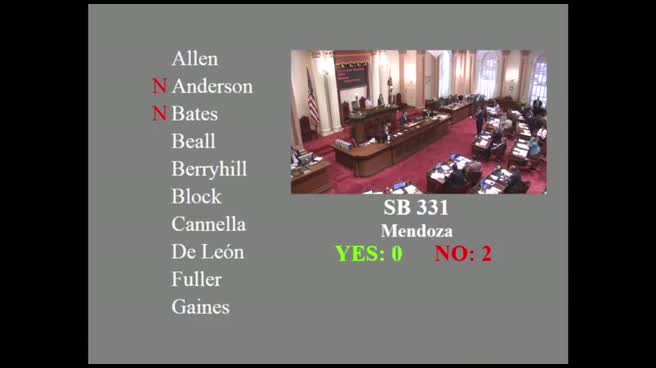
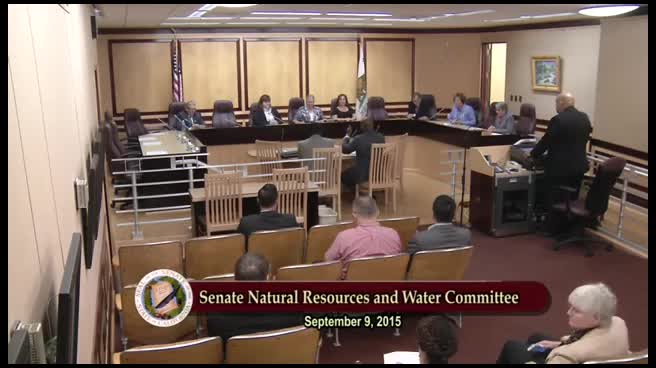
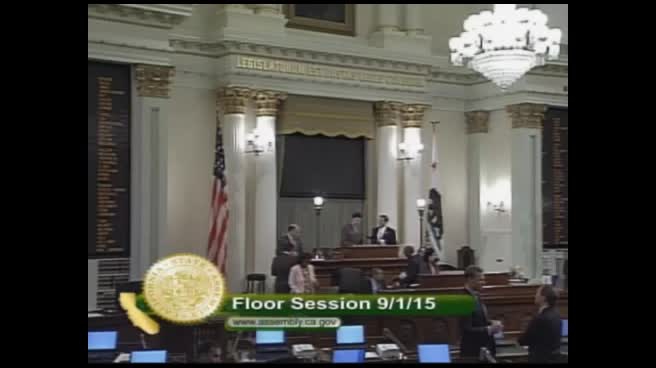
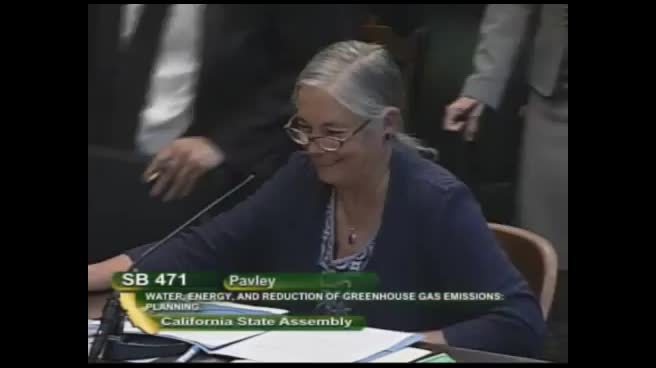
Bill Author
Bill Co-Author(s):