SB 408: Midwife assistants.
- Session Year: 2015-2016
- House: Senate
- Latest Version Date: 2015-09-08
The Licensed Midwifery Practice Act of 1993 provides for the licensing and regulation of midwives by the Medical Board of California. The license to practice midwifery authorizes the holder to attend cases of normal childbirth and to provide prenatal, intrapartum, and postpartum care, including family planning care, for the mother, and immediate care for the newborn. The Licensed Midwifery Practice Act of 1993 requires a midwife to refer to a physician and surgeon under prescribed circumstances. A violation of the Licensed Midwifery Practice Act of 1993 is a crime.
The Nursing Practice Act provides for the licensure and regulation of the practice of nursing by the Board of Registered Nursing and authorizes the board to issue a certificate to practice nurse-midwifery to a person who meets educational standards established by the board or the equivalent of those educational standards. The Nursing Practice Act authorizes a certified nurse-midwife, under the supervision of a licensed physician and surgeon, to attend cases of normal childbirth and to provide prenatal, intrapartum, and postpartum care, including family-planning care, for the mother, and immediate care for the newborn, and provides that the practice of nurse-midwifery constitutes the furthering or undertaking by a certified person, under the supervision of a licensed physician and surgeon who has current practice or training in obstetrics, to assist a woman in childbirth so long as progress meets criteria accepted as normal.
This bill would authorize a midwife assistant to perform certain assistive activities under the supervision of a licensed midwife or certified nurse-midwife, including the administration of medicine, the withdrawing of blood, and midwife technical support services. The bill would define terms for these purposes. The bill would prohibit a midwife assistant from being employed for inpatient care in a licensed general acute care hospital. By adding new requirements and prohibitions to the Licensed Midwifery Practice Act of 1993, the violation of which would be a crime, the bill would impose a state-mandated local program.
The California Constitution requires the state to reimburse local agencies and school districts for certain costs mandated by the state. Statutory provisions establish procedures for making that reimbursement.
This bill would provide that no reimbursement is required by this act for a specified reason.
The Licensed Midwifery Practice Act of 1993 provides for the licensing and regulation of midwives by the Medical Board of California. The license to practice midwifery authorizes the holder, under the supervision of a licensed physician and surgeon, as specified, holder to attend cases of normal childbirth and to provide prenatal, intrapartum, and postpartum care, including family planning care, for the mother, and immediate care for the newborn. The act Licensed Midwifery Practice Act of 1993 requires a midwife to immediately refer all complications to a physician and surgeon. surgeon under prescribed circumstances. A violation of the act Licensed Midwifery Practice Act of 1993 is a crime.
The Nursing Practice Act provides for the licensure and regulation of the practice of nursing by the Board of Registered Nursing and authorizes the board to issue a certificate to practice nurse-midwifery to a person who meets educational standards established by the board or the equivalent of those educational standards. The Nursing Practice Act authorizes a certified nurse-midwife, under the supervision of a licensed physician and surgeon, to attend cases of normal childbirth and to provide prenatal, intrapartum, and postpartum care, including family-planning care, for the mother, and immediate care for the newborn, and provides that the practice of nurse-midwifery constitutes the furthering or undertaking by a certified person, under the supervision of a licensed physician and surgeon who has current practice or training in obstetrics, to assist a woman in childbirth so long as progress meets criteria accepted as normal.
This bill would authorize a midwife assistant to perform certain assistive activities under the supervision of a licensed midwife, midwife or certified nurse-midwife, including the administration of medicine, the withdrawing of blood, and midwife technical support services. The bill would define terms for these purposes. The bill would prohibit a midwife assistant from being employed for inpatient care in a licensed general acute care hospital. By adding new requirements and prohibitions to the act, Licensed Midwifery Practice Act of 1993, the violation of which would be a crime, the bill would impose a state-mandated local program.
The California Constitution requires the state to reimburse local agencies and school districts for certain costs mandated by the state. Statutory provisions establish procedures for making that reimbursement.
This bill would provide that no reimbursement is required by this act for a specified reason.
The Licensed Midwifery Practice Act of 1993 provides for the licensing and regulation of midwives by the Board of Licensing of the Medical Board of California. The license to practice midwifery authorizes the holder, under the supervision of a licensed physician and surgeon, as specified, to attend cases of normal childbirth and to provide prenatal, intrapartum, and postpartum care, including family-planning family planning care, for the mother, and immediate care for the newborn. The act requires a midwife to immediately refer all complications to a physician and surgeon. A violation of the act is a crime.
This bill would authorize a midwife assistant to perform certain assistive activities under the supervision of a licensed midwife, including the administration of medicine, the withdrawing of blood, and midwife technical support services. The bill would define terms for these purposes. The bill would prohibit a midwife assistant from being employed for inpatient care in a licensed general acute care hospital. By adding new requirements and prohibitions to the act, the violation of which would be a crime, the bill would impose a state-mandated local program.
The California Constitution requires the state to reimburse local agencies and school districts for certain costs mandated by the state. Statutory provisions establish procedures for making that reimbursement.
This bill would provide that no reimbursement is required by this act for a specified reason.
The Licensed Midwifery Practice Act of 1993 provides for the licensing and regulation of midwives by the Board of Licensing of the Medical Board of California. The license to practice midwifery authorizes the holder, under the supervision of a licensed physician and surgeon, as specified, to attend cases of normal childbirth and to provide prenatal, intrapartum, and postpartum care, including family-planning care, for the mother, and immediate care for the newborn. The act requires a midwife to immediately refer all complications to a physician and surgeon. A violation of the act is a crime.
This bill would authorize a midwife assistant to perform certain assistive activities under the supervision of a licensed midwife, including the administration of medicine, the withdrawing of blood, and midwife technical support services. The bill would define terms for these purposes. The bill would prohibit a midwife assistant from being employed for inpatient care in a licensed general acute care hospital. By adding new requirements and prohibitions to the act, the violation of which would be a crime, the bill would impose a state-mandated local program.
The California Constitution requires the state to reimburse local agencies and school districts for certain costs mandated by the state. Statutory provisions establish procedures for making that reimbursement.
This bill would provide that no reimbursement is required by this act for a specified reason.
(a)As used in this section, the following definitions apply:
(1)Midwife assistant means a person, who may be unlicensed, who performs basic administrative, clerical, and midwife technical supportive services in accordance with this chapter for a licensed midwife or certified nurse-midwife, is at least 18 years of age, and has had at least the minimum amount of hours of appropriate training pursuant to standards established by the board for a medical assistant pursuant to Section 2069. The midwife assistant shall be issued a certificate by the training institution or instructor indicating satisfactory completion of the required training. Each employer of the midwife assistant or the midwife assistant shall retain a copy of the certificate as a record.
(2)Midwife technical supportive services means simple routine medical tasks and procedures that may be safely performed by a midwife assistant who has limited training and who functions under the supervision of a licensed midwife or certified nurse-midwife.
(3)Specific authorization means a specific written order prepared by the supervising midwife or supervising nurse-midwife authorizing the procedures to be performed on a patient, which shall be placed in the patients medical record, or a standing order prepared by the supervising midwife or supervising nurse-midwife authorizing the procedures to be performed. A notation of the standing order shall be placed in the patients medical record.
(4)Supervision means the supervision of procedures authorized by this section by a licensed midwife or certified nurse-midwife, within his or her scope of practice, who is physically present on the premises during the performance of those procedures.
(b)Notwithstanding any other provision of law, a midwife assistant may do all of the following:
(1)Administer medication only by intradermal, subcutaneous, or intramuscular injections and perform skin tests and additional technical support services upon the specific authorization and supervision of a licensed midwife or certified nurse-midwife. A midwife assistant may also perform all these tasks and services in a clinic licensed in accordance with subdivision (a) of Section 1204 of the Health and Safety Code upon the specific authorization of a licensed midwife or certified nurse-midwife.
(2)Perform venipuncture or skin puncture for the purposes of withdrawing blood upon specific authorization and under the supervision of a licensed midwife or certified nurse-midwife, if the midwife assistant has met the educational and training requirements for medical assistants as established in Section 2070. Each employer of the assistant shall retain a copy of any related certificates as a record.
(3)Perform the following midwife technical support services:
(A)Administer medications orally, sublingually, topically, or rectally, or by providing a single dose to a patient for immediate self-administration, and administer oxygen at the direction of the supervising licensed midwife or certified nurse-midwife. The licensed midwife or certified nurse-midwife shall verify the correct medication and dosage before the midwife assistant administers medication.
(B)Assist in immediate newborn care when the licensed midwife or certified nurse-midwife is engaged in a concurrent activity that precludes the licensed midwife or certified nurse-midwife from doing so.
(C)Assist in placement of the device used for auscultation of fetal heart tones when a licensed midwife or certified nurse-midwife is engaged in a concurrent activity that precludes the licensed midwife or certified nurse-midwife from doing so.
(D)Collect by noninvasive techniques and preserve specimens for testing, including, but not limited to, urine.
(E)Assist patients to and from a patient examination room, bed, or bathroom.
(F)Assist patients in activities of daily living, such as assisting with bathing or clothing.
(G)As authorized by the licensed midwife or certified nurse-midwife, provide patient information and instructions.
(H)Collect and record patient data, including height, weight, temperature, pulse, respiration rate, blood pressure, and basic information about the presenting and previous conditions.
(I)Perform simple laboratory and screening tests customarily performed in a medical or midwife office.
(4)Perform additional midwife technical support services under regulations and standards established by the board.
(c)(1)Nothing in this section shall be construed as authorizing the licensure of midwife assistants. Nothing in this section shall be construed as authorizing the administration of local anesthetic agents by a midwife assistant. Nothing in this section shall be construed as authorizing the board to adopt any regulations that violate the prohibitions on diagnosis or treatment in Section 2052.
(2)Nothing in this section shall be construed as authorizing a midwife assistant to perform any clinical laboratory test or examination for which he or she is not authorized under Chapter 3 (commencing with Section 1200).
(d)Notwithstanding any other law, a midwife assistant shall not be employed for inpatient care in a licensed general acute care hospital as defined in subdivision (a) of Section 1250 of the Health and Safety Code.
SEC. 2.No reimbursement is required by this act pursuant to Section 6 of Article XIIIB of the California Constitution because the only costs that may be incurred by a local agency or school district will be incurred because this act creates a new crime or infraction, eliminates a crime or infraction, or changes the penalty for a crime or infraction, within the meaning of Section 17556 of the Government Code, or changes the definition of a crime within the meaning of Section 6 of Article XIIIB of the California Constitution.
(a)As used in this section, the following definitions apply:
(1)Midwife assistant means a person, who may be unlicensed, who performs basic administrative, clerical, and midwife technical supportive services in accordance with this chapter for a licensed midwife, midwife or certified nurse-midwife, is at least 18 years of age, and has had at least the minimum amount of hours of appropriate training pursuant to standards established by the board for a medical assistant pursuant to Section 2069. The midwife assistant shall be issued a certificate by the training institution or instructor indicating satisfactory completion of the required training. Each employer of the midwife assistant or the midwife assistant shall retain a copy of the certificate as a record.
(2)Midwife technical supportive services means simple routine medical tasks and procedures that may be safely performed by a midwife assistant who has limited training and who functions under the supervision of a licensed midwife. midwife or certified nurse-midwife.
(3)Specific authorization means a specific written order prepared by the supervising midwife or supervising nurse-midwife authorizing the procedures to be performed on a patient, which shall be placed in the patients medical record, or a standing order prepared by the supervising midwife or supervising nurse-midwife authorizing the procedures to be performed. A notation of the standing order shall be placed in the patients medical record.
(4)Supervision means the supervision of procedures authorized by this section by a licensed midwife, midwife or certified nurse-midwife, within his or her scope of practice, who is physically present on the premises during the performance of those procedures.
(b)Notwithstanding any other provision of law, a midwife assistant may do all of the following:
(1)Administer medication only by intradermal, subcutaneous, or intramuscular injections and perform skin tests and additional technical support services upon the specific authorization and supervision of a licensed midwife. midwife or certified nurse-midwife. A midwife assistant may also perform all these tasks and services in a clinic licensed in accordance with subdivision (a) of Section 1204 of the Health and Safety Code upon the specific authorization of a licensed midwife. midwife or certified nurse-midwife.
(2)Perform venipuncture or skin puncture for the purposes of withdrawing blood upon specific authorization and under the supervision of a licensed midwife or certified nurse-midwife, if the midwife assistant has met the educational and training requirements for medical assistants as established in Section 2070. Each employer of the assistant shall retain a copy of any related certificates as a record.
(3)Perform the following midwife technical support services:
(A)Administer medications orally, sublingually, topically, or rectally, or by providing a single dose to a patient for immediate self-administration, and administer oxygen at the direction of the supervising licensed midwife. midwife or certified nurse-midwife. The licensed midwife or certified nurse-midwife shall verify the correct medication and dosage before the midwife assistant administers medication.
(B)Assist in immediate newborn care when the licensed midwife or certified nurse-midwife is engaged in a concurrent activity that precludes the licensed midwife or certified nurse-midwife from doing so.
(C)Assist in placement of the device used for auscultation of fetal heart tones when a licensed midwife or certified nurse-midwife is engaged in a concurrent activity that precludes the licensed midwife or certified nurse-midwife from doing so.
(D)Collect by noninvasive techniques and preserve specimens for testing, including, but not limited to, urine.
(E)Assist patients to and from a patient examination room, bed, or bathroom.
(F)Assist patients in activities of daily living, such as assisting with bathing or clothing.
(G)As authorized by the licensed midwife, midwife or certified nurse-midwife, provide patient information and instructions.
(H)Collect and record patient data, including height, weight, temperature, pulse, respiration rate, blood pressure, and basic information about the presenting and previous conditions.
(I)Perform simple laboratory and screening tests customarily performed in a medical or midwife office.
(4)Perform additional midwife technical support services under regulations and standards established by the board.
(c)(1)Nothing in this section shall be construed as authorizing the licensure of midwife assistants. Nothing in this section shall be construed as authorizing the administration of local anesthetic agents by a midwife assistant. Nothing in this section shall be construed as authorizing the board to adopt any regulations that violate the prohibitions on diagnosis or treatment in Section 2052.
(2)Nothing in this section shall be construed as authorizing a midwife assistant to perform any clinical laboratory test or examination for which he or she is not authorized under Chapter 3 (commencing with Section 1200).
(d)Notwithstanding any other law, a midwife assistant shall not be employed for inpatient care in a licensed general acute care hospital as defined in subdivision (a) of Section 1250 of the Health and Safety Code.
SEC. 2.No reimbursement is required by this act pursuant to Section 6 of Article XIIIB of the California Constitution because the only costs that may be incurred by a local agency or school district will be incurred because this act creates a new crime or infraction, eliminates a crime or infraction, or changes the penalty for a crime or infraction, within the meaning of Section 17556 of the Government Code, or changes the definition of a crime within the meaning of Section 6 of Article XIIIB of the California Constitution.
(a)As used in this section, the following definition definitions apply:
(1)Midwife assistant means a person, who may be unlicensed, who performs basic administrative, clerical, and midwife technical supportive services in accordance with this chapter for a licensed midwife, is at least 18 years of age, and has had at least the minimum amount of hours of appropriate training pursuant to standards established by the board for a medical assistant pursuant to Section 2069. The midwife assistant shall be issued a certificate by the training institution or instructor indicating satisfactory completion of the required training. Each employer of the midwife assistant or the midwife assistant shall retain a copy of the certificate as a record.
(2)Midwife technical supportive services means simple routine medical tasks and procedures that may be safely performed by a midwife assistant who has limited training and who functions under the supervision of a licensed midwife.
(3)Specific authorization means a specific written order prepared by the supervising midwife authorizing the procedures to be performed on a patient, which shall be placed in the patients medical record, or a standing order prepared by the supervising midwife authorizing the procedures to be performed. A notation of the standing order shall be placed in the patients medical record.
(4)Supervision means the supervision of procedures authorized by this section by a licensed midwife, within his or her scope of practice, who is physically present on the premises during the performance of those procedures.
(b)Notwithstanding any other provision of law, a midwife assistant may do all of the following:
(1)Administer medication only by intradermal, subcutaneous, or intramuscular injections and perform skin tests and additional technical support services upon the specific authorization and supervision of a licensed midwife. A midwife assistant may also perform all these tasks and services in a clinic licensed in accordance with subdivision (a) of Section 1204 of the Health and Safety Code upon the specific authorization of a licensed midwife.
(2)Perform venipuncture or skin puncture for the purposes of withdrawing blood upon specific authorization and under the supervision of a licensed midwife if the midwife assistant has met the educational and training requirements for medical assistants as established in Section 2070. Each employer of the assistant shall retain a copy of any related certificates as a record.
(3)Perform the following midwife technical support services:
(A)Administer medications orally, sublingually, topically, vaginally, or rectally, or by providing a single dose to a patient for immediate self-administration, and administer oxygen at the direction of the supervising licensed midwife. The licensed midwife shall verify the correct medication and dosage before the midwife assistant administers medication.
(B)Assist in performing neonatal resuscitation. immediate newborn care when the licensed midwife is engaged in a concurrent activity that precludes the licensed midwife from doing so.
(C)Assist in placement of the device used for auscultation of fetal heart tones when a licensed midwife is engaged in a concurrent activity that precludes the licensed midwife from doing so.
(D)Collect by noninvasive techniques and preserve specimens for testing, including, but not limited to, urine.
(E)Assist patients to and from a patient examination room, bed, or bathroom.
(F)Assist patient patients in activities of daily living, such as assisting with bathing or clothing.
(G)As authorized by the licensed midwife, provide patient information and instructions.
(H)Collect and record patient data, including height, weight, temperature, pulse, respiration rate, blood pressure, and basic information about the presenting and previous conditions.
(I)Perform simple laboratory and screening tests customarily performed in a medical or midwife office.
(4)Perform additional midwife technical support services under regulations and standards established by the board.
(c)(1)Nothing in this section shall be construed as authorizing the licensure of midwife assistants. Nothing in this section shall be construed as authorizing the administration of local anesthetic agents by a midwife assistant. Nothing in this section shall be construed as authorizing the board to adopt any regulations that violate the prohibitions on diagnosis or treatment in Section 2052.
(2)Nothing in this section shall be construed as authorizing a midwife assistant to perform any clinical laboratory test or examination for which he or she is not authorized under Chapter 3 (commencing with Section 1200).
(d)Notwithstanding any other law, a midwife assistant shall not be employed for inpatient care in a licensed general acute care hospital as defined in subdivision (a) of Section 1250 of the Health and Safety Code.
SEC. 2.No reimbursement is required by this act pursuant to Section 6 of Article XIIIB of the California Constitution because the only costs that may be incurred by a local agency or school district will be incurred because this act creates a new crime or infraction, eliminates a crime or infraction, or changes the penalty for a crime or infraction, within the meaning of Section 17556 of the Government Code, or changes the definition of a crime within the meaning of Section 6 of Article XIIIB of the California Constitution.
(a)As used in this section, the following definition apply:
(1)Midwife assistant means a person, who may be unlicensed, who performs basic administrative, clerical, and midwife technical supportive services in accordance with this chapter for a licensed midwife, is at least 18 years of age, and has had at least the minimum amount of hours of appropriate training pursuant to standards established by the board for a medical assistant pursuant to Section 2069. The midwife assistant shall be issued a certificate by the training institution or instructor indicating satisfactory completion of the required training. Each employer of the midwife assistant or the midwife assistant shall retain a copy of the certificate as a record.
(2)Midwife technical supportive services means simple routine medical tasks and procedures that may be safely performed by a midwife assistant who has limited training and who functions under the supervision of a licensed midwife.
(3)Specific authorization means a specific written order prepared by the supervising midwife authorizing the procedures to be performed on a patient, which shall be placed in the patients medical record, or a standing order prepared by the supervising midwife authorizing the procedures to be performed. A notation of the standing order shall be placed in the patients medical record.
(4)Supervision means the supervision of procedures authorized by this section by a licensed midwife, within his or her scope of practice, who is physically present on the premises during the performance of those procedures.
(b)Notwithstanding any other provision of law, a midwife assistant may do all of the following:
(1)Administer medication only by intradermal, subcutaneous, or intramuscular injections and perform skin tests and additional technical support services upon the specific authorization and supervision of a licensed midwife. A midwife assistant may also perform all these tasks and services in a clinic licensed in accordance with subdivision (a) of Section 1204 of the Health and Safety Code upon the specific authorization of a licensed midwife.
(2)Perform venipuncture or skin puncture for the purposes of withdrawing blood upon specific authorization and under the supervision of a licensed midwife if the midwife assistant has met the educational and training requirements for medical assistants as established in Section 2070. Each employer of the assistant shall retain a copy of any related certificates as a record.
(3)Perform the following midwife technical support services:
(A)Administer medications orally, sublingually, topically, vaginally, or rectally, or by providing a single dose to a patient for immediate self-administration, and administer oxygen at the direction of the supervising licensed midwife. The licensed midwife shall verify the correct medication and dosage before the midwife assistant administers medication.
(B)Assist in performing neonatal resuscitation.
(C)Assist in auscultation of fetal heart tones when a licensed midwife is engaged in a concurrent activity that precludes the licensed midwife from doing so.
(D)Collect by noninvasive techniques and preserve specimens for testing, including, but not limited to, urine.
(E)Assist patients to and from a patient examination room, bed, or bathroom.
(F)Assist patient in activities of daily living, such as assisting with bathing or clothing.
(G)As authorized by the licensed midwife, provide patient information and instructions.
(H)Collect and record patient data, including height, weight, temperature, pulse, respiration rate, blood pressure, and basic information about the presenting and previous conditions.
(I)Perform simple laboratory and screening tests customarily performed in a medical or midwife office.
(4)Perform additional midwife technical support services under regulations and standards established by the board.
(c)(1)Nothing in this section shall be construed as authorizing the licensure of midwife assistants. Nothing in this section shall be construed as authorizing the administration of local anesthetic agents by a midwife assistant. Nothing in this section shall be construed as authorizing the board to adopt any regulations that violate the prohibitions on diagnosis or treatment in Section 2052.
(2)Nothing in this section shall be construed as authorizing a midwife assistant to perform any clinical laboratory test or examination for which he or she is not authorized under Chapter 3 (commencing with Section 1200).
(d)Notwithstanding any other law, a midwife assistant shall not be employed for inpatient care in a licensed general acute care hospital as defined in subdivision (a) of Section 1250 of the Health and Safety Code.
SEC. 2.No reimbursement is required by this act pursuant to Section 6 of Article XIIIB of the California Constitution because the only costs that may be incurred by a local agency or school district will be incurred because this act creates a new crime or infraction, eliminates a crime or infraction, or changes the penalty for a crime or infraction, within the meaning of Section 17556 of the Government Code, or changes the definition of a crime within the meaning of Section 6 of Article XIIIB of the California Constitution.
|
Date
|
Status
|
|---|---|
| May 11, 2015 | In Assembly. Read first time. Held at Desk. |
| Sep 8, 2015 | Chaptered by Secretary of State. Chapter 280, Statutes of 2015. |
| Sep 8, 2015 | Approved by the Governor. |
| Aug 26, 2015 | Enrolled and presented to the Governor at 4:30 p.m. |
| Aug 20, 2015 | Read third time. Passed. (Ayes 79. Noes 0. Page 2534.) Ordered to the Senate. |
| Aug 20, 2015 | Read third time. Passed. Ordered to the Senate. |
| Aug 20, 2015 | In Senate. Ordered to engrossing and enrolling. |
| Jul 16, 2015 | Read second time. Ordered to consent calendar. |
| Jul 15, 2015 | From committee: Do pass. Ordered to consent calendar. (Ayes 16. Noes 0.) (July 15). |
| Jun 23, 2015 | From committee: Do pass and re-refer to Com. on APPR. (Ayes 14. Noes 0.) (June 23). Re-referred to Com. on APPR. |
| May 22, 2015 | Referred to Com. on B. & P. |
| May 11, 2015 | Read third time. Passed. (Ayes 36. Noes 0.) Ordered to the Assembly. |
| May 11, 2015 | Read third time. Passed. (Ayes 36. Noes 0. Page 951.) Ordered to the Assembly. |
| Feb 25, 2015 | Introduced. Read first time. To Com. on RLS. for assignment. To print. |
| May 7, 2015 | Read second time. Ordered to third reading. |
| May 6, 2015 | Read third time and amended. |
| May 6, 2015 | Ordered to second reading. |
| Apr 21, 2015 | Read second time. Ordered to third reading. |
| Apr 20, 2015 | From committee: Be ordered to second reading pursuant to Senate Rule 28.8. |
| Apr 10, 2015 | Set for hearing April 20. |
| Apr 6, 2015 | From committee: Do pass and re-refer to Com. on APPR. (Ayes 9. Noes 0. Page 506.) (April 6). Re-referred to Com. on APPR. |
| Apr 6, 2015 | From committee with author's amendments. Read second time and amended. Re-referred to Com. on B., P. & E.D. |
| Mar 18, 2015 | Set for hearing April 6. |
| Mar 5, 2015 | Referred to Com. on B., P. & E.D. |
| Feb 26, 2015 | From printer. May be acted upon on or after March 28. |
|
Date
|
Description
|
Location
|
Votes
|
|
|---|---|---|---|---|
| Aug 20, 2015 | SB 408 Morrell Consent Calendar Second Day Regular Session | Assembly Floor |
Passed |
|
| Jul 15, 2015 | Do pass. To Consent Calendar. | Assembly Standing Committee on Appropriations |
Passed |
|
| Jun 23, 2015 | Do pass and be re-referred to the Committee on [Appropriations] | Assembly Standing Committee on Business and Professions |
Passed |
|
| May 11, 2015 | Senate 3rd Reading SB408 Morrell | Senate Floor |
Passed |
|
| Apr 6, 2015 | Do pass, but first be re-referred to the Committee on [Appropriations] | Senate Standing Committee on Business, Professions and Economic Development |
Passed |
This list shows positions taken on this bill by organizations on the date displayed, which is linked to the original source.
Positions by individuals are not included.
|
Organization
|
Position
|
Date
|
|---|---|---|
| American Nurses Association of California | ** Support | May 11, 2015 |
| California Association of Midwives | * Indeterminate | Apr 6, 2015 |
| California Families for Access to Midwives | * Indeterminate | Apr 6, 2015 |
| Jane Parker, Monterey County Supervisor, Fourth District | ** Support | Apr 6, 2015 |
| Medical Board of California | ** Support | May 11, 2015 |
| Planned Parenthood | ** Support | May 11, 2015 |
| Supervisor Jane Parker, Monterey County, Fourth District | ** Support | May 11, 2015 |
Date of Hearing: July 15, 2015
ASSEMBLY COMMITTEE ON APPROPRIATIONS
Jimmy Gomez, Chair
SB 408
(Morrell) – As Amended May 6, 2015
Policy Committee: |
Business and Professions |
Vote: |
14 - 0 |
|
|
|
|
|
|
|
|
Urgency: No State Mandated Local Program: Yes Reimbursable: No
SUMMARY:
This bill establishes minimum training requirements for, and defines activities that may performed by, a midwife assistant.
FISCAL EFFECT:
Minor administrative staff costs to each the Medical Board of California (MBC, Contingent Fund of the MBC) and the Board of Registered Nursing (BRN Fund), if regulations are necessary. Both the MBC and BRN have advisory councils that are expected to assist in the development of any required regulations, which should minimize staff time.
COMMENTS:
Purpose. This bill defines the role of a midwife assistant, and allows these individuals to perform duties similar to those of a traditional medical assistant. The duties include routine tasks such as administering medicine, drawing blood, and recording patient data. The intent is to create a standard of training for assistants that protects both the consumer and the supervising midwife. This bill is sponsored by the MBC.
Background. Licensed midwives are regulated by the MBC, and certified nurse midwives are regulated by the BRN. Both types of midwives are authorized to attend to cases of normal childbirth. The MBC’s 2012 sunset review report raised the issue of licensed midwives using assistants, which is not specifically addressed or authorized in statute. Because no standards exist, midwives appear to be using assistants with a wide variety of skill and training levels, and allowing them to perform a variety of duties. This bill will essentially codify current practice, but place minimum standards on the training and duties for midwife assistants. The standards in this bill are similar to existing standards for medical assistants, who perform basic administrative, clerical and technical supportive services under the supervision of physicians. This bill does not create a state license or certification for midwife assistants; the assistant works under the supervision of the midwife. However, a certificate of completion of required training hours is required.
Related Legislation.
AB 1306 (Burke), pending in the Senate, removes the physician supervision requirement for CNMs.
SB 407 (Morrell), pending in the Assembly, authorizes a health care provider to employ or contract licensed midwives for the purpose of providing comprehensive perinatal services, and expands the definition of “comprehensive perinatal provider” to include a licensed midwife.
Analysis Prepared by: Lisa Murawski / APPR. / (916) 319-2081
SB 408
Page 7
Date of Hearing: June 23, 2015
ASSEMBLY COMMITTEE ON BUSINESS AND PROFESSIONS
Susan Bonilla, Chair
SB 408
(Morrell) – As Amended May 6, 2015
SENATE VOTE: 36-0
SUBJECT: Midwife assistants.
SUMMARY: Establishes minimum training requirements and duties that may be performed by a midwife assistant.
EXISTING LAW:
Establishes the Medical Board of California (MBC), within the Department of Consumer Affairs (DCA), to enforce the provisions of the Medical Practice Act and to regulate the practice of licensed midwifery. (Business and Professions Code (BPC) §§ 2001; 2004; 2505)
Requires the MBC to create a Midwifery Advisory Council to make recommendations to the MBC on matters related to the practice of midwifery. (BPC § 2509)
Establishes the Board of Registered Nursing (BRN), within the Department of Consumer Affairs (DCA), to enforce the provisions of the Nursing Practice Act. (BPC § 2700 et seq.)
Authorizes the BRN to issue a certificate to practice nurse midwifery to a person who meets educational standards established by the BRN. (BPC § 2746)
Authorizes certified nurse midwife (CNMs), under the supervisions of a licensed physician and surgeon, to attend to cases of normal childbirth and to provide prenatal, intrapartum, and postpartum care. Also authorizes CNMs to furnish drugs or devices. (BPC § 2746.5 ; 2746.51)
Permits the BRN, with the permission of the Director of the DCA, to create advisory committees. (BPC § 2710.5)
Defines “medical assistant” as someone who may be unlicensed, who performs basic administrative, clerical, and technical supportive services for a physician, podiatrist, physician assistant, nurse practitioner, or CNM. (BPC § 2069)
Defines “technical supportive services” as simple routine medical tasks and procedures that may be safely performed by a medical assistant who has limited training and who functions under the supervision of a licensed physician, surgeon, podiatrist, physician assistant, nurse practitioner or CNM. (BPC § 2070(4))
Establishes training requirements and permitted functions for medical assistants. (Title 16, California Code of Regulations §§ 1366 et seq.)
THIS BILL:
Authorizes a midwife assistant to do all of the following:
Administer medication only by intradermal, subcutaneous, or intramuscular injections and perform skin tests and additional technical support services upon the specific authorization and supervision of a LM or CNM. A midwife assistant may also perform these tasks and services in a licensed clinic upon the specific authorization of a LM or CNM.
Perform venipuncture or skin puncture for the purposes of drawing blood upon specific authorization and under the supervision of a LM or CNM, if the midwife assistant has met the educational and training requirements for medical assistants, as specified. Requires each employer of the assistant to retain a copy of any related certificates as a record.
Administer medications orally, sublingually, topically, rectally, or by providing a single dose to a patient for immediate self-administration, and administer oxygen at the direction of the supervising LM or CNM. The LM or CNM shall verify the correct medication and dosage before the midwife assistant administers medication.
Assist in immediate newborn care when a LM or CNM is engaged in a concurrent activity that precludes the licensed midwife or CNM from doing so.
Assist in placement of the device used for auscultation of fetal heart tones when a LM or CNM is engaged in a concurrent activity that precludes the LM or CNM from doing so.
Collect by noninvasive techniques and preserve specimens for testing, including, but not limited to, urine.
Assist patients to and from a patient examination room, bed, or bathroom.
Assist patient in activities of daily living, such as assisting with bathing or clothing.
Provide patient information and instructions as authorized by the LM or CNM.
Collect and record patient data, including height, weight, temperature, pulse, respiration rate, blood pressure, and basic information about the presenting and previous conditions.
Perform simple laboratory and screening tests customarily performed in a medical or midwife office.
Perform additional midwife technical support services under regulations and standards established by the MBC.
Shall not be construed as authorizing:
The licensure of midwife assistants.
The administration of local anesthetic agents by a midwife assistant.
The MBC to adopt any regulations that violate the prohibitions on diagnosis or treatment, as specified.
A midwife assistant to perform any clinical laboratory test or examination for which he or she is not authorized, as specified
Prohibits the employment of a midwife assistant for inpatient care in a licensed general acute care hospital.
Defines the following terms:
A “midwife assistant” is a person, who may be unlicensed, who performs basic administrative, clerical, and midwife technical supportive services, is at least 18 years of age, and has met the same minimum amount of training hours established for a medical assistant. The midwife assistant shall be issued a certificate by the training institution or instructor indicating satisfactory completion of the required training.
“Midwife technical supportive services” are simple, routine medical tasks and procedures that may be safely performed by a midwife assistant who has limited training and who functions under the supervision of a LM or CNM.
“Specific authorization” means a specific written order prepared by the supervising midwife authorizing the procedures to be performed on a patient, that shall be placed in the patient’s medical record, or a standing order prepared by the supervising midwife or supervising nurse-midwife authorizing the procedures to be performed. A notation of the standing order shall be placed in the patient’s medical record.
“Supervision” means the supervision of procedures by a licensed midwife or certified nurse midwife, within his or her scope of practice, who is physically present on the premises during the performance of those procedures.
FISCAL EFFECT: According to the Senate Appropriations Committee, pursuant to Senate Rule 28.8, this bill will result in negligible state costs.
COMMENTS:
Purpose. This bill is sponsored by the Medical Board of California. According to the author, “The proposed legislation would define the role of a midwife assistant and allow these individuals to perform duties very similar to those of a traditional medical assistant. Specific duties listed…are tasks such as: administering medicine, drawing blood, and recording patient data. By defining a midwife assistant’s duties, this bill would create a standard of training for assistants and would protect the consumer and the midwife.”
Background. The Midwifery Practice Act was implemented in 1994 and the first midwives were licensed in 1995. A LM is an individual who has been issued a license to practice midwifery by the MBC under the supervision of a licensed physician. LMs may attend to cases of normal childbirth in a home, birthing clinic, or hospital environment.
LM Training and Education. LMs complete a three year post-secondary education program in an accredited school approved by the MBC. All midwives must take and pass the North American Registry of Midwives examination. LMs are also required to complete 36 hours of continuing education every two years in areas that fall within the scope of the practice of midwifery as specified by the MBC.
Midwifery Advisory Council (Council). The MBC created the Council in 2007. The Council is comprised of LMs, a MBC member, a physician, and a member of the public. The MBC specifies issues for the Council to discuss/resolve and the Council also identifies issues and request approval from the MBC to develop solutions to various issues.
MBC 2012 Sunset Review Report. In its 2012 Sunset Review Report, the MBC highlighted the issue of “Midwife Students, Apprentices and Assistants.” The MBC indicated that it had concerns about the use of assistants by LMs. Specifically, they indicated that LMs were using midwife assistants despite the fact that there is no definition of a midwife assistant in statute. They indicated that because statute does not authorize a LM to train or supervise a midwife assistant to assist with the delivery of an infant, the issue needed to be addressed by defining the qualifications of a midwife assistant in statute.
CNM Training and Education. A CNM is a registered nurse who is a graduate of a BRN approved nurse midwifery program and who possesses evidence of certification issued by the BRN. CNMs have acquired additional training in the field of obstetrics and are certified by the American College of Nurse Midwives. Certificates must be renewed biennially.
CNM Scope and Supervision. The CNM scope of practice includes the comprehensive management of women’s health care in a variety of settings focusing particularly on pregnancy, childbirth, and the postpartum period. It also includes the care of the newborn, and the family planning and gynecological needs of women throughout the life cycle. CNMs practice in collaboration and consultation with physicians. The degree of collaboration in this team approach depends upon the medical needs of the individual woman or infant and the practice setting. By law, nurse midwifery care requires the supervision of a licensed physician and surgeon, but supervision does not require the physical presence of the physician. However, if any complications outside of the scope of the CNM arise, the CNM is mandated to refer the patient to a physician immediately. Additionally, the CNM is authorized to provide emergency care until physician assistance can be obtained.
Nurse Midwife Advisory Committee (Committee). The BRN is statutorily mandated to appoint a Committee, and the first Committee was appointed in 1984. The Committee is comprised of at least one CNM and one physician, who have demonstrated familiarity with consumer needs, collegial practice and accompanied liability, and related educational standards in the delivery of maternal child health care. The Committee also has at least one public member and may include such other members as the BRN deems appropriate. The purpose of this Committee is to advise the board on all matters pertaining to nurse midwifery as established by the BRN, and, if necessary, to assist the BRN or its designated representatives in the evaluation of applications for nurse midwifery certification.
Medical Assistants’ Certification and Training. Medical assistants are unlicensed, but certificated, individuals. Medical assistants are regulated by the MBC. There are two medical assistant certifying agencies that are recognized by the National Commission for Certifying Agencies. These include: 1) the American Association of Medical Assistants, who provide Certified Medical Assistant certification and 2) the American Medical Technologists who provide Registered Medical Assistant certification.
A medical assistant must receive training either directly from a physician, surgeon, podiatrist, registered nurse, licensed vocational nurse, physician assistant or a qualified medical assistant. Alternatively, a medical assistant may receive training from a secondary, postsecondary or adult education program in a public school authorized by the Department of Education, in a community college program, or a postsecondary institution accredited by an accreditation agency recognized by the United States Department of Education or approved by the Bureau for Private Postsecondary Education. Medical assistants must also complete a minimum of 60 hours of continuing education over 5 years.
Medical Assistant Scope and Supervision. Medical assistants can perform basic administrative, clerical and technical supportive services when conditions regarding supervision, training, specific authorization and records are met. Medical assistants can be supervised by physicians, surgeons, podiatrists or optometrists. Additionally, if a medical assistant is working in a community or free clinic, they may work under the direct supervision of a physician assistant, nurse practitioner or CNM when the supervising physician or surgeon is not on site, only if the physician or surgeon has created a written protocol for the activities of the medical assistant.
Current Related Legislation. AB 1306 (Burke) of the current Legislative Session, removes the physician supervision requirement for CNMs allowing them to manage a full range of primary health services, perform peripartum care, provide emergency care when a physician is not present, and perform and repair episiotomies in all practice settings. STATUS: This bill is pending in the Senate Committee on Business, Professions and Economic Development.
SB 407 (Morrell) of the current Legislative Session, authorizes a health care provider to employ or contract LMs for the purpose of providing comprehensive perinatal services. The bill would expand the definition of “comprehensive perinatal provider” to include a Licensed Midwife. STATUS: This bill is pending in the Assembly Health Committee.
Previous Related Legislation. AB 1308 (Bonilla), Chapter 665, States of 2013, removed the requirement for a LM to practice under the supervision of a physician and surgeon and instead permitted a LM to assist in normal pregnancy and birth, and for pregnancies that are not considered normal, the LM must refer or transfer the client to a physician and surgeon. The bill authorized a LM to directly obtain supplies, devices, obtain and administer drugs and diagnostic tests, order testing and receive reports that are necessary to his or her practice of midwifery. The bill also indicated that it is a cause for disciplinary action by the MBC for a LM to fail to refer or transfer a client to a physician and surgeon when required to do so by law.
SB 1638 (Figueroa), Chapter 536, Statutes of 2006, established the Midwifery Advisory Council. The bill also required each LM who assists, or supervises a student midwife in assisting, in childbirth occurring in an out-of-hospital setting, to annually report to the Office of Statewide Health Planning and Development certain information regarding his or her practice for the previous year. The bill required the office to report annually to the MBC those licensees who have complied with the bill’s requirements, and required the board to send a notice of non-compliance to those licensees who have not. The bill required the office to report the aggregate information to the MBC, and required the MBC to report that aggregate information to the Legislature in its own annual report.
SB 298 (Figueroa), Chapter 289, Statutes of 2001, authorized a CNM to furnish or order controlled substances under certain conditions. The bill defined the term “furnishing” to include the ordering of a drug or device pursuant to a standardized procedure or protocol and the transmitting of an order of a supervising physician and surgeon.
SB 1479 (Figueroa), Chapter 303, Statutes of 2000, required a LM in attendance at a live birth outside the hospital, where no physician is present, to prepare and register a birth certificate. This bill also made these provisions applicable to live births that occur outside a state-licensed alternative birth center.
ARGUMENTS IN SUPPORT:
The Medical Board of California supports the bill and writes, “Currently there is no definition of a midwife assistant in statute, or the specific training requirements or duties that a midwife assistant may perform. Some LMs use other LMs as assistants, while some use a midwife student who is enrolled in a recognized midwifery school and who has an official agreement with the students and midwifery school to provide clinical training to the student midwife. Other LMs use someone who may or may not have formal midwifery training and/or someone that the LM has trained. The duties that a midwife assistant performs also varies greatly from LM to LM. This unregulated practice is a serious consumer protection issue.”
Planned Parenthood supports the bill and writes, “SB 408 will expand midwifery care- particularly in rural and other underserved areas- by allowing midwife assistant to legally assist licensed midwives at out-of-hospital births. Typically, two providers attend each birth, bur licensed midwives are scarce in some areas of the state…By creating a new class of medical personnel, licensed midwives will have a specifically trained assistant to assist them in their practices.”
The American Nurses Association of California supports the bill and writes, “SB 408 would authorize a midwife assistant to perform certain assistive tasks and duties under the supervision of a LM or CNM…The bill would prohibit a midwife assistant from being employed for inpatient care in a licensed general acute care hospital. For these reasons, ANAC supports SB 408.”
ARGUMENTS IN OPPOSITION:
None on file.
REGISTERED SUPPORT/OPPOSITION:
Support:
Medical Board of California (sponsor)
American Nurses Association of California
County of Santa Cruz Board of Supervisors
Monterey County Board of Supervisors
Planned Parenthood
Opposition:
None on file.
Analysis Prepared by: Le Ondra Clark Harvey, Ph.D. / B. & P. / (916) 319-3301
SB 408
Page 5
|
Office of Senate Floor Analyses (916) 651-1520 Fax: (916) 327-4478 |
THIRD READING
Bill No: SB 408
Amended: 5/6/15
SENATE BUS, PROF. & ECON. DEV. COMMITTEE: 9-0, 4/6/15
AYES: Hill, Bates, Berryhill, Block, Galgiani, Hernandez, Jackson, Mendoza, Wieckowski
SENATE APPROPRIATIONS COMMITTEE: Senate Rule 28.8
SOURCE: Medical Board of California
DIGEST: This bill establishes minimum training requirements and duties that may be performed by a midwife assistant.
Senate Floor Amendments of 5/6/15 authorize a certified nurse-midwife to supervise midwife assistants.
Existing law:
Establishes the Medical Board of California (MBC) to enforce the provisions of the Medical Practice Act. (Business and Professions Code (BPC) §§ 2001 and 2004)
Defines “medical assistant” as someone who may be unlicensed, who performs basic administrative, clerical, and technical supportive services for a physician, podiatrist, physician assistant, nurse practitioner, or certified nurse-midwife.
(BPC § 2069)
Establishes training requirements and permitted functions for medical assistants. (Title 16, California Code of Regulations §§ 1366 et seq.)
Requires the MBC to create a Midwifery Advisory Council to make recommendations on matters specified by MBC. (BPC § 2509)
Regulates the practice of licensed midwifery (BPC §§ 2505 et seq.)
This bill:
Authorizes a midwife assistant to do all of the following:
Administer medication only by intradermal, subcutaneous, or intramuscular injections and perform skin tests and additional technical support services upon the specific authorization and supervision of a licensed midwife or certified nurse-midwife. A midwife assistant may also perform these tasks and services in a licensed clinic upon the specific authorization of a licensed midwife or certified nurse-midwife.
Perform venipuncture or skin puncture for the purposes of drawing blood upon specific authorization and under the supervision of a licensed midwife or certified nurse-midwife, if the midwife assistant has met the educational and training requirements for medical assistants, as specified. Requires each employer of the assistant to retain a copy of any related certificates as a record.
Administer medications orally, sublingually, topically, rectally, or by providing a single dose to a patient for immediate self-administration, and administer oxygen at the direction of the supervising licensed midwife or certified nurse-midwife. The licensed midwife or certified nurse-midwife shall verify the correct medication and dosage before the midwife assistant administers medication.
Assist in immediate newborn care when a licensed midwife or certified nurse-midwife is engaged in a concurrent activity that precludes the licensed midwife or certified nurse-midwife from doing so.
Assist in placement of the device used for auscultation of fetal heart tones when a licensed midwife or certified nurse-midwife is engaged in a concurrent activity that precludes the licensed midwife or certified nurse-midwife from doing so.
Collect by noninvasive techniques and preserve specimens for testing, including, but not limited to, urine.
Assist patients to and from a patient examination room, bed, or bathroom.
Assist patient in activities of daily living, such as assisting with bathing or clothing.
Provide patient information and instructions as authorized by the licensed midwife or certified nurse-midwife.
Collect and record patient data, including height, weight, temperature, pulse, respiration rate, blood pressure, and basic information about the presenting and previous conditions.
Perform simple laboratory and screening tests customarily performed in a medical or midwife office.
Perform additional midwife technical support services under regulations and standards established by the Medical Board of California (MBC).
Shall not be construed as authorizing:
The licensure of midwife assistants.
The administration of local anesthetic agents by a midwife assistant.
MBC to adopt any regulations that violate the prohibitions on diagnosis or treatment, as specified.
A midwife assistant to perform any clinical laboratory test or examination for which he or she is not authorized, as specified
Prohibits the employment of a midwife assistant for inpatient care in a licensed general acute care hospital.
Defines the following terms:
A “midwife assistant” is a person, who may be unlicensed, who performs basic administrative, clerical, and midwife technical supportive services, is at least 18 years of age, and has met the same minimum amount of training hours established for a medical assistant. The midwife assistant shall be issued a certificate by the training institution or instructor indicating satisfactory completion of the required training.
“Midwife technical supportive services” are simple, routine medical tasks and procedures that may be safely performed by a midwife assistant who has limited training and who functions under the supervision of a licensed midwife or certified nurse-midwife.
“Specific authorization” means a specific written order prepared by the supervising midwife authorizing the procedures to be performed on a patient that shall be placed in the patient’s medical record, or a standing order prepared by the supervising midwife authorizing the procedures to be performed. A notation of the standing order shall be placed in the patient’s medical record.
“Supervision” means the supervision of procedures by a licensed midwife or certified nurse-midwife, within his or her scope of practice, who is physically present on the premises during the performance of those procedures.
Background
Licensed midwives are not authorized to supervise medical assistants, but there is a practice need for support. According to the sponsor, the MBC, licensed midwives are currently using assistants in various forms; some use other licensed midwives as assistants, while others use a midwife student who has an official agreement with a midwifery school to provide clinical training. Others may even use someone with no formal midwifery training or someone that the licensed midwife has trained. This has led to a wide variation in assistant quality and potentially serious consumer protection issues. This issue was raised in the MBC’s 2012 Sunset Review Report and it was recommended that legislation authorizing midwife assistants be pursued.
This bill is modeled on the current regulation of medical assistants by the MBC. Medical assistants are unlicensed, but certificated, individuals. A medical assistant must have a high school diploma or GED equivalent and take a certificate course at an approved school. The exact duration of these programs vary, but San Francisco State University, for example, requires 140 classroom hours and a clinical externship. Medical assistants also must complete a minimum of 60 hours of continuing education over five years.
This bill provides for the similar training, scope of practice, and supervision of midwife assistants, as it relates to a licensed midwife’s or certified nurse-midwife’s practice needs.
FISCAL EFFECT: Appropriation: No Fiscal Com.: Yes Local: Yes
Medical Board of California (source)
American Nurses Association of California
Planned Parenthood
Supervisor Jane Parker, Monterey County, Fourth District
None received
ARGUMENTS IN SUPPORT: The MBC writes, “Putting training requirements in statute for midwife assistants and parameters on what services can be provided by midwife assistants furthers the Board’s mission of consumer protection and the Board is pleased to be able to sponsor this important piece of legislation.”
Prepared by: Sarah Huchel / B., P. & E.D. / (916) 651-4104
5/8/15 15:09:21
**** END ****
SB 408
Page 5
|
Office of Senate Floor Analyses (916) 651-1520 Fax: (916) 327-4478 |
THIRD READING
Bill No: SB 408
Amended: 4/6/15
SENATE BUS, PROF. & ECON. DEV. COMMITTEE: 9-0, 4/6/15
AYES: Hill, Bates, Berryhill, Block, Galgiani, Hernandez, Jackson, Mendoza, Wieckowski
SENATE APPROPRIATIONS COMMITTEE: Senate Rule 28.8
SOURCE: Medical Board of California
DIGEST: This bill establishes minimum training requirements and duties that may be performed by a midwife assistant.
Existing law:
Establishes the Medical Board of California (MBC) to enforce the provisions of the Medical Practice Act. (Business and Professions Code (BPC) §§ 2001 and 2004)
Defines “medical assistant” as someone who may be unlicensed, who performs basic administrative, clerical, and technical supportive services for a physician, podiatrist, physician assistant, nurse practitioner, or certified nurse-midwife.
(BPC § 2069)
Establishes training requirements and permitted functions for medical assistants. (Title 16, California Code of Regulations §§ 1366 et seq.)
Requires the MBC to create a Midwifery Advisory Council to make recommendations on matters specified by MBC. (BPC § 2509)
Regulates the practice of licensed midwifery (BPC §§ 2505 et seq.)
This bill:
Authorizes a midwife assistant to do all of the following:
Administer medication only by intradermal, subcutaneous, or intramuscular injections and perform skin tests and additional technical support services upon the specific authorization and supervision of a licensed midwife. A midwife assistant may also perform these tasks and services in a licensed clinic upon the specific authorization of a licensed midwife.
Perform venipuncture or skin puncture for the purposes of drawing blood upon specific authorization and under the supervision of a licensed midwife, if the midwife assistant has met the educational and training requirements for medical assistants, as specified. Requires each employer of the assistant to retain a copy of any related certificates as a record.
Administer medications orally, sublingually, topically, rectally, or by providing a single dose to a patient for immediate self-administration, and administer oxygen at the direction of the supervising licensed midwife. The licensed midwife shall verify the correct medication and dosage before the midwife assistant administers medication.
Assist in immediate newborn care when a licensed midwife is engaged in a concurrent activity that precludes the licensed midwife from doing so.
Assist in placement of the device used for auscultation of fetal heart tones when a licensed midwife is engaged in a concurrent activity that precludes the licensed midwife from doing so.
Collect by noninvasive techniques and preserve specimens for testing, including, but not limited to, urine.
Assist patients to and from a patient examination room, bed, or bathroom.
Assist patient in activities of daily living, such as assisting with bathing or clothing.
Provide patient information and instructions as authorized by the licensed midwife.
Collect and record patient data, including height, weight, temperature, pulse, respiration rate, blood pressure, and basic information about the presenting and previous conditions.
Perform simple laboratory and screening tests customarily performed in a medical or midwife office.
Perform additional midwife technical support services under regulations and standards established by the MBC.
Shall not be construed as authorizing:
The licensure of midwife assistants.
The administration of local anesthetic agents by a midwife assistant.
MBC to adopt any regulations that violate the prohibitions on diagnosis or treatment, as specified.
A midwife assistant to perform any clinical laboratory test or examination for which he or she is not authorized, as specified.
Prohibits the employment of a midwife assistant for inpatient care in a licensed general acute care hospital.
Defines the following terms:
A “midwife assistant” is a person, who may be unlicensed, who performs basic administrative, clerical, and midwife technical supportive services, is at least 18 years of age, and has met the same minimum amount of training hours established for a medical assistant. The midwife assistant shall be issued a certificate by the training institution or instructor indicating satisfactory completion of the required training.
“Midwife technical supportive services” are simple, routine medical tasks and procedures that may be safely performed by a midwife assistant who has limited training and who functions under the supervision of a licensed midwife.
“Specific authorization” means a specific written order prepared by the supervising midwife authorizing the procedures to be performed on a patient that shall be placed in the patient’s medical record, or a standing order prepared by the supervising midwife authorizing the procedures to be performed. A notation of the standing order shall be placed in the patient’s medical record.
“Supervision” means the supervision of procedures by a licensed midwife, within his or her scope of practice, who is physically present on the premises during the performance of those procedures.
Background
Licensed midwives are not authorized to supervise medical assistants, but there is a practice need for support. According to the sponsor, the MBC, licensed midwives are currently using assistants in various forms; some use other licensed midwives as assistants, while others use a midwife student who has an official agreement with a midwifery school to provide clinical training. Others may even use someone with no formal midwifery training or someone that the licensed midwife has trained. This has led to a wide variation in assistant quality and potentially serious consumer protection issues. This issue was raised in the MBC’s 2012 Sunset Review Report and it was recommended that legislation authorizing midwife assistants be pursued.
This bill is modeled on the current regulation of medical assistants by the MBC. Medical assistants are unlicensed, but certificated, individuals. A medical assistant must have a high school diploma or GED equivalent and take a certificate course at an approved school. The exact duration of these programs vary, but San Francisco State University, for example, requires 140 classroom hours and a clinical externship. Medical assistants also must complete a minimum of 60 hours of continuing education over five years.
This bill provides for the similar training, scope of practice, and supervision of midwife assistants, as it relates to a licensed midwife’s practice needs.
FISCAL EFFECT: Appropriation: No Fiscal Com.: Yes Local: Yes
Medical Board of California (source)
Planned Parenthood
Supervisor Jane Parker, Monterey County, Fourth District
OPPOSITION: (Verified 4/20/15)
None received
ARGUMENTS IN SUPPORT: The MBC writes, “Putting training requirements in statute for midwife assistants and parameters on what services can be provided by midwife assistants furthers the Board’s mission of consumer protection and the Board is pleased to be able to sponsor this important piece of legislation.”
Prepared by: Sarah Huchel / B., P. & E.D. / (916) 651-4104
4/22/15 16:20:07
**** END ****
SB 408 (Morrell) Page 4 of 4
SENATE COMMITTEE ON
BUSINESS, PROFESSIONS AND ECONOMIC DEVELOPMENT
Senator Jerry Hill, Chair
2015 - 2016 Regular
Bill No: SB 408 Hearing Date: April 6, 2015
Author: |
Morrell |
||
Version: |
April 6, 2015 |
||
Urgency: |
No |
Fiscal: |
Yes |
Consultant: |
Sarah Huchel |
||
Subject: Midwife assistants.
SUMMARY:
Establishes minimum training requirements and duties that may be performed by a midwife assistant.
Existing law:
Establishes the Medical Board of California (MBC) to enforce the provisions of the Medical Practice Act. (Business and Professions Code (BPC) Sections 2001and 2004)
Defines “medical assistant” as someone who may be unlicensed, who performs basic administrative, clerical, and technical supportive services for a physician, podiatrist, physician assistant, nurse practitioner, or certified nurse-midwife.
(BPC § 2069)
Establishes training requirements and permitted functions for medical assistants. (Title 16, California Code of Regulations §§ 1366 et seq.)
Requires the MBC to create a Midwifery Advisory Council to make recommendations on matters specified by MBC. (BPC § 2509)
Regulates the practice of licensed midwifery (BPC §§ 2505 et seq.)
This
bill:
Authorizes a midwife assistant to do all of the following:
Administer medication only by intradermal, subcutaneous, or intramuscular injections and perform skin tests and additional technical support services upon the specific authorization and supervision of a licensed midwife. A midwife assistant may also perform these tasks and services in a licensed clinic upon the specific authorization of a licensed midwife.
Perform venipuncture or skin puncture for the purposes of drawing blood upon specific authorization and under the supervision of a licensed midwife, if the midwife assistant has met the educational and training requirements for medical assistants, as specified. Requires each employer of the assistant to retain a copy of any related certificates as a record.
Administer medications orally, sublingually, topically, rectally, or by providing a single dose to a patient for immediate self-administration, and administer oxygen at the direction of the supervising licensed midwife. The licensed midwife shall verify the correct medication and dosage before the midwife assistant administers medication.
Assist in immediate newborn care when a licensed midwife is engaged in a concurrent activity that precludes the licensed midwife from doing so.
Assist in placement of the device used for auscultation of fetal heart tones when a licensed midwife is engaged in a concurrent activity that precludes the licensed midwife from doing so.
Collect by noninvasive techniques and preserve specimens for testing, including, but not limited to, urine.
Assist patients to and from a patient examination room, bed, or bathroom.
Assist patient in activities of daily living, such as assisting with bathing or clothing.
Provide patient information and instructions as authorized by the licensed midwife.
Collect and record patient data, including height, weight, temperature, pulse, respiration rate, blood pressure, and basic information about the presenting and previous conditions.
Perform simple laboratory and screening tests customarily performed in a medical or midwife office.
Perform additional midwife technical support services under regulations and standards established by the MBC.
Shall not be construed as authorizing:
The licensure of midwife assistants.
The administration of local anesthetic agents by a midwife assistant.
MBC to adopt any regulations that violate the prohibitions on diagnosis or treatment, as specified.
A midwife assistant to perform any clinical laboratory test or examination for which he or she is not authorized, as specified
Prohibits the employment of a midwife assistant for inpatient care in a licensed general acute care hospital.
Defines the following terms:
A “midwife assistant” is a person, who may be unlicensed, who performs basic administrative, clerical, and midwife technical supportive services, is at least 18 years of age, and has met the same minimum amount of training hours established for a medical assistant. The midwife assistant shall be issued a certificate by the training institution or instructor indicating satisfactory completion of the required training.
“Midwife technical supportive services” are simple, routine medical tasks and procedures that may be safely performed by a midwife assistant who has limited training and who functions under the supervision of a licensed midwife.
“Specific authorization” means a specific written order prepared by the supervising midwife authorizing the procedures to be performed on a patient, that shall be placed in the patient’s medical record, or a standing order prepared by the supervising midwife authorizing the procedures to be performed. A notation of the standing order shall be placed in the patient’s medical record.
“Supervision” means the supervision of procedures by a licensed midwife, within his or her scope of practice, who is physically present on the premises during the performance of those procedures.
FISCAL EFFECT:
Unknown. This bill is keyed “fiscal” by Legislative Counsel.
COMMENTS:
Purpose. This bill is sponsored by the Medical Board of California (MBC). According to the Author, it has been brought to MBC’s attention that licensed midwives need to use, and are using, assistants. However, there is no regulation of midwife assistants, and licensed midwives are not authorized to use medical assistants. This bill creates a regulatory framework for the qualifications of and services that may be provided by midwife assistants modelled after those for medical assistants.
Unregulated Current Practice. Licensed midwives are not authorized to supervise medical assistants, but there is a practice need for support. According to the sponsor, licensed midwives are currently using assistants in various forms; some use other licensed midwives as assistants, while others use a midwife student who has an official agreement with a midwifery school to provide clinical training. Others may even use someone with no formal midwifery training or someone that the licensed midwife has trained. This has led to a wide variation in assistant quality and potentially serious consumer protection issues. This issue was raised in the MBC’s 2012 Sunset Review Report and it was recommended that legislation authorizing midwife assistants be pursued.
This bill is modeled on the current regulation of medical assistants by the MBC. Medical assistants are unlicensed, but certificated, individuals. A medical assistant must have a high school diploma or GED equivalent and take a certificate course at an approved school. The exact duration of these programs vary, but San Francisco State University, for example, requires 140 classroom hours and a clinical externship. Medical assistants also must complete a minimum of 60 hours of continuing education over 5 years.
This bill provides for the similar training, scope of practice, and supervision of midwife assistants, as it relates to a licensed midwife’s practice needs.
Supervision by Certified Nurse Midwives. Current law allows certified nurse midwives, but not licensed midwives, to supervise medical assistants. This bill allows licensed midwives, but not certified nurse midwives, to supervise midwife assistants. Given that both licensed midwives and certified nurse midwives practice in many of the same non-hospital settings, it may be in the Author’s interest to explore allowing supervision by certified nurse midwives as well, to reconcile potential staffing issues.
Arguments in Support. The Medical Board of California (MBC) writes, “Putting training requirements in statute for midwife assistants and parameters on what services can be provided by midwife assistants furthers the Board’s mission of consumer protection and the Board is pleased to be able to sponsor this important piece of legislation.”
SUPPORT AND OPPOSITION:
Support:
Medical Board of California (Sponsor)
Jane Parker, Monterey County Supervisor, Fourth District
Opposition:
None received as of March 31, 2015.
-- END --
Discussed in Hearing
 1MIN
Senate Floor
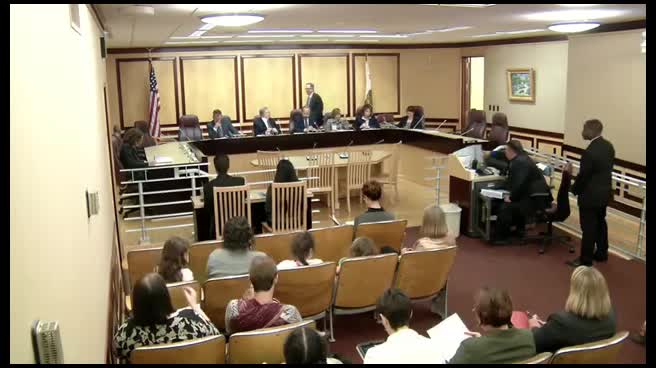 3MIN
Senate Standing Committee on Business, Professions and Economic Development
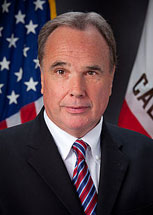
Bill Author
Bill Co-Author(s):