SB 432: Public works: aliens.
- Session Year: 2015-2016
- House: Senate
- Latest Version Date: 2015-08-10
Existing law, with certain exceptions, requires the payment of not less than the general prevailing rate of per diem wages, for work of a similar character in the locality in which a public works project is performed, to all workers employed on a public works project. With respect to the extension of public works, existing law extends preference for employment first to California citizens, next to citizens of other states who are in California at the time of application, and next to aliens who are in California at the time of application. Existing law defines alien as any person who is not a born or fully naturalized citizen of the United States.
Under existing law, the Department of Finance is required to ascertain and secure from state agencies tentative plans for the extension of public works that are best adapted to supply increased opportunities for advantageous public labor during periods of temporary unemployment in the state. These employment opportunities are available according to the hiring preferences described above.
This bill would repeal this definition of alien and the provision requiring those preferences to be applied to the extension of public works employment during periods of unemployment in the state.
Existing law, with certain exceptions, requires the payment of not less than the general prevailing rate of per diem wages, for work of a similar character in the locality in which a public works project is performed, to all workers employed on a public works project. With respect to the extension of public works, existing law extends preference for employment first to California citizens, next to citizens of other states who are in California at the time of application, and next to aliens who are in California at the time of application. Existing law defines alien as any person who is not a born or fully naturalized citizen of the United States.
Under existing law, the Department of Finance is required to ascertain and secure from state agencies tentative plans for the extension of public works that are best adapted to supply increased opportunities for advantageous public labor during periods of temporary unemployment in the state. These employment opportunities are available according to the hiring preferences described above.
This bill would repeal this definition of alien. alien and the provision requiring those preferences to be applied to the extension of public works employment during periods of unemployment in the state.
Existing law, with certain exceptions, requires the payment of not less than the general prevailing rate of per diem wages, for work of a similar character in the locality in which a public works project is performed, to all workers employed on a public works project. With respect to the extension of public works, existing law extends preference for employment first to California citizens, next to citizens of other states who are in California at the time of application, and next to aliens who are in California at the time of application. Existing law defines alien as any person who is not a born or fully naturalized citizen of the United States.
This bill would repeal this definition of alien.
Preference for employment under this chapter shall be extended: First, to citizens of this State. Second, to citizens of other States within the United States, who are within the State at the time of making application. Third, to aliens who are within the State at the time of making application.
Alien means any person who is not a born or fully naturalized citizen of the United States.
|
Date
|
Status
|
|---|---|
| Apr 30, 2015 | Read third time. Passed. (Ayes 35. Noes 0. Page 841.) Ordered to the Assembly. |
| Aug 10, 2015 | Chaptered by Secretary of State. Chapter 160, Statutes of 2015. |
| Aug 10, 2015 | Approved by the Governor. |
| Jul 30, 2015 | Enrolled and presented to the Governor at 10 a.m. |
| Jul 9, 2015 | Read third time. Passed. (Ayes 70. Noes 1. Page 2326.) Ordered to the Senate. |
| Jul 9, 2015 | Read third time. Passed. Ordered to the Senate. |
| Jul 9, 2015 | In Senate. Ordered to engrossing and enrolling. |
| Jun 29, 2015 | Read second time. Ordered to third reading. |
| Jun 25, 2015 | From committee: Do pass. (Ayes 6. Noes 1.) (June 24). |
| May 14, 2015 | Referred to Com. on L. & E. |
| Apr 30, 2015 | Read third time. Passed. (Ayes 35. Noes 0.) Ordered to the Assembly. |
| Feb 25, 2015 | Introduced. Read first time. To Com. on RLS. for assignment. To print. |
| Apr 30, 2015 | In Assembly. Read first time. Held at Desk. |
| Apr 28, 2015 | Read second time. Ordered to third reading. |
| Apr 27, 2015 | Read third time and amended. |
| Apr 27, 2015 | Ordered to second reading. |
| Apr 9, 2015 | Read second time. Ordered to third reading. |
| Apr 8, 2015 | From committee: Do pass. (Ayes 5. Noes 0.) (April 8). |
| Apr 8, 2015 | From committee: Do pass. (Ayes 5. Noes 0. Page 1702.) (April 8). |
| Mar 27, 2015 | Set for hearing April 8. |
| Mar 5, 2015 | Referred to Com. on L. & I.R. |
| Feb 26, 2015 | From printer. May be acted upon on or after March 28. |
|
Date
|
Description
|
Location
|
Votes
|
|
|---|---|---|---|---|
| Jul 9, 2015 | SB 432 Mendoza Senate Third Reading By ALEJO | Assembly Floor |
Passed |
|
| Jun 24, 2015 | Do pass. | Assembly Standing Committee on Labor and Employment |
Passed |
|
| Apr 30, 2015 | Senate 3rd Reading SB432 Mendoza | Senate Floor |
Passed |
|
| Apr 8, 2015 | Do pass | Senate Standing Committee on Labor and Industrial Relations |
Passed |
This list shows positions taken on this bill by organizations on the date displayed, which is linked to the original source.
Positions by individuals are not included.
|
Organization
|
Position
|
Date
|
|---|---|---|
| California Applicants' Attorneys Association | ** Support | Jun 24, 2015 |
| California Rural Legal Assistance Foundation, Inc. | ** Support | Jun 24, 2015 |
| MALDEF | ** Support | Jun 24, 2015 |
| National Association of Social Workers of California | * Indeterminate | Jun 24, 2015 |
| National Association of Social Workers, CA | ** Support | Jun 24, 2015 |
| Northern California District Council of the International Longshore and Warehouse Union | * Indeterminate | Jun 24, 2015 |
SB 432
Page 2
SENATE THIRD READING
SB 432
(Mendoza)
As Amended April 27, 2015
Majority vote
SENATE VOTE: 35-0
Committee |
Votes |
Ayes |
Noes |
Labor |
6-1 |
Roger Hernández, Chu, Low, McCarty, Patterson, Thurmond |
Harper |
SUMMARY: Deletes the definition of "alien" from the Labor Code to describe any person who is not born in or a fully naturalized citizen of the United States and also deletes a prescribed order for the issuance of employment under public works contracts in the limited instance of extraordinary unemployment, as specified.
EXISTING FEDERAL LAW:
States that it is illegal for a person or other entity to "knowingly" hire, recruit, or refer for employment an unauthorized individual or any individual without complying with specified employment verification procedures.
Requires employers to verify that every new hire is either a United States (U.S.) citizen or authorized to work in the U.S.
Requires that all employers have new employees complete form I-9, Employment Eligibility Verification, upon hire.
EXISTING STATE LAW:
States that all protections, rights, and remedies available under state law, except any reinstatement remedy prohibited by federal law, are available to all individuals regardless of immigration status who have applied for employment, or who are or have been employed in the state. In addition, for purposes of enforcing state labor and employment laws, a person's immigration status is irrelevant to the issue of liability or in proceedings, where no inquiry is permitted into a person's immigration status except where the person seeking the inquiry has shown, by clear and convincing evidence, that the inquiry is necessary in order to comply with federal immigration law.
Prohibits an employer from engaging in (or directing another person or entity to engage in) unfair immigration-related practices against any person for the purpose of, or with the intent of, retaliating against any person for exercising any right protected under Labor Code or by any local ordinance applicable to employees. "Unfair immigration-related practice" means any of the following practices when undertaken for retaliatory purposes:
Requesting more or different employment verification documents than are required under law, or refusing to honor documents that on their face reasonably appear to be genuine.
Using the federal E-Verify system to check the employment authorization status of a person at a time or in a manner not required under federal law, or not authorized under any memorandum of understanding governing the use of the federal E-Verify system.
Threatening to file or the filing of a false police report, or a false report or complaint with any state or federal agency.
Threatening to contact or contacting immigration authorities.
FISCAL EFFECT: None
COMMENTS: According to the author, the U.S. is a country of immigrants who not only form an integral part of our culture and society, but are also critical contributors to our economic success. Immigrants work and pay taxes, as well as-create new products, businesses, and technologies, which generate jobs for all Americans. Additionally, the author points out, the Bureau of Labor Statistics (BLS) Report "Foreign-Born Workers: Labor Force Characteristics in 2013", there were 25.3 million foreign-born persons in the U.S. labor force, comprising 16.3% of the total workforce. The BLS Report also noted that foreign-born workers were more likely than native-born workers to be employed in service occupations. Furthermore, the U.S. Department of Treasury notes that immigrants own 10.8% of all firms with employees thus providing job opportunities for thousands of Americans.
In 1937, the state Legislature enacted various provisions regarding the employment of "aliens," who are defined as any person who is not born in or a fully naturalized citizen of the U.S. The Legislature repealed most of these Labor Code statutes in 1970. However, the definition for "alien" was not repealed and is still found in the Labor Code. Under current law, all employment protections, rights, and remedies available under state law, except as prohibited by federal law, are available to all individuals regardless of immigration status. Over the last few years, bills have been signed into law, which have strengthened labor law protections for immigrant workers.
Proponents argue that California is among the top destination states for immigrants in the U.S. and given the abundant evidence of their many contributions, the author believes it is imperative that any derogative references to foreign-born individuals be repealed from state law. Further, proponents argue that the word "alien" and any statutes prescribing an order for the issuance of employment to "aliens" has no place in the laws of our state and more importantly, should never be the basis of an employment hiring protocol.
No opposition on file.
Analysis Prepared by: Lorie Alvarez / L. & E. / (916) 319-2091 FN: 0001076
SB 432
Page 2
Date of Hearing: June 24, 2015
ASSEMBLY COMMITTEE ON LABOR AND EMPLOYMENT
Roger Hernández, Chair
SB 432
(Mendoza) – As Amended April 27, 2015
SENATE VOTE: 35-0
SUBJECT: Public works: aliens.
SUMMARY: Deletes the definition of “alien” from the Labor Code to describe any person who is not born in or a fully naturalized citizen of the United States and also deletes a prescribed order for the issuance of employment under public works contracts in the limited instance of extraordinary unemployment, as specified.
EXISTING FEDERAL LAW:
States that it is illegal for a person or other entity to “knowingly” hire, recruit, or refer for employment an unauthorized individual or any individual without complying with specified employment verification procedures.
Requires employers to verify that every new hire is either a U.S. citizen or authorized to work in the U.S.
Requires that all employers have new employees complete form I-9, Employment Eligibility Verification, upon hire.
EXISTING STATE LAW:
States that all protections, rights, and remedies available under state law, except any reinstatement remedy prohibited by federal law, are available to all individuals regardless of immigration status who have applied for employment, or who are or have been employed in the state. In addition, for purposes of enforcing state labor and employment laws, a person’s immigration status is irrelevant to the issue of liability or in proceedings, where no inquiry is permitted into a person’s immigration status except where the person seeking the inquiry has shown, by clear and convincing evidence, that the inquiry is necessary in order to comply with federal immigration law.
Prohibits an employer from engaging in (or directing another person or entity to engage in) unfair immigration-related practices against any person for the purpose of, or with the intent of, retaliating against any person for exercising any right protected under Labor Code or by any local ordinance applicable to employees. “Unfair immigration-related practice” means any of the following practices when undertaken for retaliatory purposes:
Requesting more or different employment verification documents than are required under law, or refusing to honor documents that on their face reasonably appear to be genuine.
Using the federal E-Verify system to check the employment authorization status of a person at a time or in a manner not required under federal law, or not authorized under any memorandum of understanding governing the use of the federal E-Verify system.
Threatening to file or the filing of a false police report, or a false report or complaint with any state or federal agency.
Threatening to contact or contacting immigration authorities.
FISCAL EFFECT: None
COMMENTS: According to the author, the U.S. is a country of immigrants who not only form an integral part of our culture and society, but are also critical contributors to our economic success. Immigrants work and pay taxes, as well as-create new products, businesses, and technologies, which generate jobs for all Americans. Additionally, the author points out, the Bureau of Labor Statistics (BLS) Report “Foreign-Born Workers: Labor Force Characteristics in 2013”, there were 25.3 million foreign-born persons in the U.S. labor force, comprising 16.3 percent of the total workforce. The BLS Report also noted that foreign-born workers were more likely than native-born workers to be employed in service occupations. Furthermore, the U.S. Department of Treasury notes that immigrants own 10.8 percent of all firms with employees thus providing job opportunities for thousands of Americans.
In 1937, the state Legislature enacted various provisions regarding the employment of “aliens,” who are defined as any person who is not born in or a fully naturalized citizen of the U.S. The Legislature repealed most of these Labor Code statutes in 1970. However, the definition for “alien” was not repealed and is still found in the Labor Code. Under current law, all employment protections, rights, and remedies available under state law, except as prohibited by federal law, are available to all individuals regardless of immigration status. Over the last few years, bills have been signed into law, which have strengthened labor law protections for immigrant workers.
Proponents argue that California is among the top destination states for immigrants in the U.S. and given the abundant evidence of their many contributions, the author believes it is imperative that any derogative references to foreign-born individuals be repealed from state law. Further, proponents argue that the word “alien” and any statutes prescribing an order for the issuance of employment to “aliens” has no place in the laws of our state and more importantly, should never be the basis of an employment hiring protocol.
REGISTERED SUPPORT / OPPOSITION:
Support
California Applicants’ Attorneys Association
California Rural Legal Assistance Foundation
MALDEF
National Association of Social Workers, CA
Northern CA District Council of International Longshore and Warehouse Union
Opposition
None on file.
Analysis Prepared by: Lorie Alvarez / L. & E. / (916) 319-2091
SB 432
Page 4
|
Office of Senate Floor Analyses (916) 651-1520 Fax: (916) 327-4478 |
THIRD READING
Bill No: SB 432
Amended: 4/27/15
SENATE LABOR & IND. REL. COMMITTEE: 5-0, 4/8/15
AYES: Mendoza, Stone, Jackson, Leno, Mitchell
DIGEST: This bill deletes the definition of “alien” from the Labor Code to describe any person who is not a born or fully naturalized citizen of the United States. This bill also deletes a prescribed order for the issuance of employment under public works contracts in the limited instance of extraordinary unemployment, as specified.
Senate Floor Amendments of 4/27/15 repeal a section of the Labor Code that prescribes an order for the issuance of unemployment under public works contracts in the limited instance of extraordinary unemployment, as specified.
Existing federal law:
States that it is illegal for a person or other entity to “knowingly” hire, recruit, or refer for employment an unauthorized individual or any individual without complying with specified employment verification procedures.
Requires employers to verify that every new hire is either a U.S. citizen or authorized to work in the U.S.
Requires that all employers have new employees complete form I-9, Employment Eligibility Verification, upon hire.
Existing state law:
States that all protections, rights, and remedies available under state law, except any reinstatement remedy prohibited by federal law, are available to all individuals regardless of immigration status who have applied for employment, or who are or have been employed in the state. In addition, for purposes of enforcing state labor and employment laws, a person’s immigration status is irrelevant to the issue of liability or in proceedings, where no inquiry is permitted into a person’s immigration status except where the person seeking the inquiry has shown, by clear and convincing evidence, that the inquiry is necessary in order to comply with federal immigration law. (Labor Code § 1171.5; Civil Code § 3339; Health and Safety Code § 24000; Government Code § 7285)
Prohibits an employer from engaging in (or directing another person or entity to engage in) unfair immigration-related practices against any person for the purpose of, or with the intent of, retaliating against any person for exercising any right protected under Labor Code or by any local ordinance applicable to employees. “Unfair immigration-related practice” means any of the following practices when undertaken for retaliatory purposes (Labor Code § 1019):
Requesting more or different employment verification documents than are required under law, or refusing to honor documents that on their face reasonably appear to be genuine.
Using the federal E-Verify system to check the employment authorization status of a person at a time or in a manner not required under federal law, or not authorized under any memorandum of understanding governing the use of the federal E-Verify system.
Threatening to file or the filing of a false police report, or a false report or complaint with any state or federal agency.
Threatening to contact or contacting immigration authorities.
This bill:
Deletes the definition of “alien” from the Labor Code to describe any person who is not a born or fully naturalized citizen of the U.S.
Deletes a code section which specifies that under a period of extraordinary unemployment caused by an industrial depression, the preference of employment in public works projects shall be extended as follows: first, to citizens of this State; second, to citizens of other States within the U.S., who are within the State at the time of making application; and third, to aliens who are within the State at the time of application.
Background
In 1937, the Legislature enacted various provisions regarding the employment of “aliens,” who are defined as any person who is not a born or fully naturalized citizen of the U.S. The Legislature repealed most of these Labor Code statutes in 1970. The definition for “alien” was not repealed and is still found in the Labor Code. Under current law, all employment protections, rights, and remedies available under state law, except as prohibited by federal law, are available to all individuals regardless of immigration status. Over the last few years, several bills have been passed and signed into law which has strengthened labor law protections for immigrant workers.
This bill continues these efforts by repealing from the Labor Code the term “alien” as a definition for an immigrant individual.
This bill also strikes from the Labor Code an outdated requirement that prescribes an order for the issuance of employment under public works contracts first to citizens of the U.S., second to citizens of other States in the U.S., and third to aliens.
FISCAL EFFECT: Appropriation: No Fiscal Com.: No Local: No
California Applicants’ Attorneys Association
California Rural Legal Assistance Foundation
OPPOSITION: (Verified 4/28/15)
None received
ARGUMENTS IN SUPPORT: According to the author, the U.S. is a country of immigrants who not only form an integral part of our culture and society, but are also critical contributors to our economic success. Immigrants work and pay taxes as well as create new products, businesses, and technologies which generate jobs for all Americans. According to the Bureau of Labor Statistics (BLS), in 2013, there were 25.3 million foreign-born persons in the U.S. labor force, comprising 16.3 percent of the total (BLS, “Foreign-Born Workers: Labor Force Characteristics in 2013”). The BLS also found that foreign-born workers were more likely than native-born workers to be employed in service occupations. Furthermore, the U.S. Department of Treasury notes that immigrants own 10.8 percent of all firms with employees, providing job opportunities for thousands of Americans. Proponents argue that California is among the top destination states for immigrants in the U.S. and given the abundant evidence of their many contributions, the author believes it is imperative that any derogative references to foreign-born individuals be repealed from state law. Further, proponents argue that the word “alien,” and any statutes prescribing an order for the issuance of employment to “aliens,” has no place in the laws of our state and more importantly, should never be the basis of an employment hiring protocol.
Prepared by: Alma Perez / L. & I.R. / (916) 651-1556
4/29/15 16:07:41
**** END ****
SB 432
Page 3
|
Office of Senate Floor Analyses (916) 651-1520 Fax: (916) 327-4478 |
THIRD READING
Bill No: SB 432
Introduced: 2/25/15
SENATE LABOR & IND. REL. COMMITTEE: 5-0, 4/8/15
AYES: Mendoza, Stone, Jackson, Leno, Mitchell
DIGEST: This bill deletes the definition of “alien” from the Labor Code to describe any person who is not a born or fully naturalized citizen of the United States.
Existing federal law:
States that it is illegal for a person or other entity to “knowingly” hire, recruit, or refer for employment an unauthorized individual or any individual without complying with specified employment verification procedures.
Requires employers to verify that every new hire is either a U.S. citizen or authorized to work in the U.S.
Requires that all employers have new employees complete form I-9, Employment Eligibility Verification, upon hire.
Existing state law:
States that all protections, rights, and remedies available under state law, except any reinstatement remedy prohibited by federal law, are available to all individuals regardless of immigration status who have applied for employment, or who are or have been employed in the state. In addition, for purposes of enforcing state labor and employment laws, a person’s immigration status is irrelevant to the issue of liability or in proceedings, where no inquiry is permitted into a person’s immigration status except where the person seeking the inquiry has shown, by clear and convincing evidence, that the inquiry is necessary in order to comply with federal immigration law. (Labor Code § 1171.5; Civil Code § 3339; Health and Safety Code § 24000; Government Code § 7285)
Prohibits an employer from engaging in (or directing another person or entity to engage in) unfair immigration-related practices against any person for the purpose of, or with the intent of, retaliating against any person for exercising any right protected under Labor Code or by any local ordinance applicable to employees. “Unfair immigration-related practice” means any of the following practices when undertaken for retaliatory purposes (Labor Code § 1019):
Requesting more or different employment verification documents than are required under law, or refusing to honor documents that on their face reasonably appear to be genuine.
Using the federal E-Verify system to check the employment authorization status of a person at a time or in a manner not required under federal law, or not authorized under any memorandum of understanding governing the use of the federal E-Verify system.
Threatening to file or the filing of a false police report, or a false report or complaint with any state or federal agency.
Threatening to contact or contacting immigration authorities.
This bill deletes the definition of “alien” from the Labor Code to describe any person who is not a born or fully naturalized citizen of the U.S.
Background
In 1937, the Legislature enacted various provisions regarding the employment of “aliens,” who are defined as any person who is not a born or fully naturalized citizen of the U.S. The Legislature repealed most of these Labor Code statutes in 1970. The definition for “alien” was not repealed and is still found in the Labor Code. Under current law, all employment protections, rights, and remedies available under state law, except as prohibited by federal law, are available to all individuals regardless of immigration status. Over the last few years, several bills have been passed and signed into law which has strengthened labor law protections for immigrant workers.
This bill continues these efforts by repealing from the Labor Code the term “alien” as a definition for an immigrant individual.
FISCAL EFFECT: Appropriation: No Fiscal Com.: No Local: No
California Applicants’ Attorneys Association
California Rural Legal Assistance Foundation
None received
ARGUMENTS IN SUPPORT: According to the author, the U.S. is a country of immigrants who not only form an integral part of our culture and society, but are also critical contributors to our economic success. Immigrants work and pay taxes as well as create new products, businesses, and technologies which generate jobs for all Americans. According to the Bureau of Labor Statistics (BLS), in 2013, there were 25.3 million foreign-born persons in the U.S. labor force, comprising 16.3 percent of the total (BLS, “Foreign-Born Workers: Labor Force Characteristics in 2013”). The BLS also found that foreign-born workers were more likely than native-born workers to be employed in service occupations. Furthermore, the U.S. Department of Treasury notes that immigrants own 10.8 percent of all firms with employees, providing job opportunities for thousands of Americans. Proponents argue that California is among the top destination states for immigrants in the U.S. and given the abundant evidence of their many contributions, the author believes it is imperative that any derogative references to foreign-born individuals be repealed from state law. Further, proponents argue that the word “alien” has no place in the laws of our state and more importantly, should never be the basis of an employment hiring protocol.
Prepared by: Alma Perez / L. & I.R. / (916) 651-1556
4/10/15 12:06:34
SB 432 (Mendoza) Page 3 of 3
SENATE COMMITTEE ON LABOR AND INDUSTRIAL RELATIONS
Senator Tony Mendoza, Chair
2015 - 2016 Regular
Bill No: SB 432 Hearing Date: April 8, 2015
Author: |
Mendoza |
||
Version: |
February 25, 2015 |
||
Urgency: |
No |
Fiscal: |
No |
Consultant: |
Alma Perez-Schwab |
||
Subject: Public works: aliens
KEY ISSUE
Should the outdated and derogatory reference to foreign-born individuals as “aliens” be repealed from the Labor Code?
ANALYSIS
Under existing law, it is illegal for a person or other entity to “knowingly” hire, recruit, or refer for employment an unauthorized individual or any individual without complying with specified employment verification procedures. Among other things, the law requires employers to verify that every new hire is either a U.S. citizen or authorized to work in the United States. Existing federal law requires that all employers have new employees complete form I-9, Employment Eligibility Verification, upon hire.
Under existing California law, all protections, rights, and remedies available under state law, except any reinstatement remedy prohibited by federal law, are available to all individuals regardless of immigration status who have applied for employment, or who are or have been employed in the state. In addition, for purposes of enforcing state labor and employment laws, a person’s immigration status is irrelevant to the issue of liability or in proceedings, where no inquiry is permitted into a person’s immigration status except where the person seeking the inquiry has shown, by clear and convincing evidence, that the inquiry is necessary in order to comply with federal immigration law. (Labor Code §1171.5; Civic Code §3339; Health and Safety Code §24000; Government Code §7285)
Existing law prohibits an employer from engaging in (or directing another person or entity to engage in) unfair immigration-related practices against any person for the purpose of, or with the intent of, retaliating against any person for exercising any right protected under Labor Code or by any local ordinance applicable to employees. “Unfair immigration-related practice” means any of the following practices when undertaken for retaliatory purposes (Labor Code §1019):
Requesting more or different employment verification documents than are required under law, or refusing to honor documents that on their face reasonably appear to be genuine.
Using the federal E-Verify system to check the employment authorization status of a person at a time or in a manner not required under federal law, or not authorized under any memorandum of understanding governing the use of the federal E-Verify system.
Threatening to file or the filing of a false police report, or a false report or complaint with any state or federal agency.
Threatening to contact or contacting immigration authorities.
This Bill would delete the definition of “alien” to describe any person who is not a born or fully naturalized citizen of the United States.
COMMENTS
1. Need for this bill?
In 1937, the Legislature enacted various provisions regarding the employment of “aliens”, who are defined as any person who is not a born or fully naturalized citizen of the United States. The Legislature repealed most of these Labor Code statutes in 1970. Unfortunately, the definition for “alien” was not repealed and is still found in the Labor Code. Under current law, all employment protections, rights, and remedies available under state law, except as prohibited by federal law, are available to all individuals regardless of immigration status. Over the last few years, several bills have been passed and signed into law which has strengthened labor law protections for immigrant workers. SB 432 would continue these efforts by repealing from the Labor Code the term “alien” as a definition for an immigrant individual.
2. Proponent Arguments:
According to the author, the United States is a country of immigrants who not only form an integral part of our culture and society, but are also critical contributors to our economic success. Immigrants work and pay taxes as well as create new products, businesses, and technologies which generate jobs for all Americans. According to the Bureau of Labor Statistics (BLS), in 2013, there were 25.3 million foreign-born persons in the U.S. labor force, comprising 16.3 percent of the total (Bureau of Labor Statistics, “Foreign-Born Workers: Labor Force Characteristics in 2013”). The BLS also found that foreign-born workers were more likely than native-born workers to be employed in service occupations. Furthermore, the U.S. Department of Treasure notes that immigrants own 10.8 percent of all firms with employees, providing job opportunities for thousands of Americans. Proponents aruge that California is among the top destination states for immigrants in the U.S. and given the abundant evidence of their many contributions, the author believes it is imperative that any derogative references to foreign-born individuals be repealed from state law.
3. Opponent Arguments:
None received.
SUPPORT
California Applicants’ Attorney Association
California Rural Legal Assistance Foundation
OPPOSITION
None on File.
-- END --
Discussed in Hearing
 1MIN
Assembly Floor
 2MIN
Assembly Standing Committee on Labor and Employment
 4MIN
Senate Floor
 2MIN
Senate Standing Committee on Labor and Industrial Relations
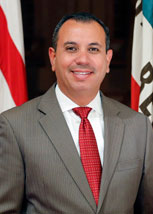
Bill Author
Bill Co-Author(s):