SB 502: San Francisco Bay Area Rapid Transit District: purchase and delivery of electricity.
- Session Year: 2015-2016
- House: Senate
- Latest Version Date: 2015-08-07
Under existing law, the Public Utilities Commission has regulatory authority over public utilities, including electrical corporations. Existing law authorizes the San Francisco Bay Area Rapid Transit Districts (BART) system to elect to obtain electricity from multiple sources, including (1) preference power purchased from a federal power marketing agency or its successor, (2) electricity supplied by one or more direct transactions, and (3) electricity supplied by any electric utility regulated by the commission that owns and operates transmission and distribution facilities that deliver electricity at one or more locations to the BART Districts system. Existing law requires any electrical corporation that owns and operates transmission and distribution facilities that deliver electricity to BART, upon request by BART, to deliver preference power purchased from a federal power marketing agency, or its successor, or deliver electricity purchased from a local publicly owned electric utility without discrimination or delay.
This bill would additionally require any electrical corporation that owns and operates transmission and distribution facilities that deliver electricity to BART, upon request by BART, to deliver electricity generated by an eligible renewable energy resource without discrimination or delay. For these purposes, an eligible renewable energy resource would have the same meaning as defined in a specified provision of the California Renewables Portfolio Standard Program.
Under existing law, the Public Utilities Commission has regulatory authority over public utilities, including electrical corporations. Existing law authorizes the San Francisco Bay Area Rapid Transit Districts (BART) system to elect to obtain electricity from multiple sources, including (1) preference power purchased from a federal power marketing agency or its successor, (2) electricity supplied by one or more direct transactions, and (3) electricity supplied by any electric utility regulated by the commission that owns and operates transmission and distribution facilities that deliver electricity at one or more locations to the BART Districts system. Existing law requires any electrical corporation that owns and operates transmission and distribution facilities that deliver electricity to BART, upon request by BART, to deliver preference power purchased from a federal power marketing agency, or its successor, or deliver electricity purchased from a local publicly owned electric utility without discrimination or delay.
This bill would additionally require any electrical corporation that owns and operates transmission and distribution facilities that deliver electricity to BART, upon request by BART, to deliver electricity generated by an eligible renewable energy resource without discrimination or delay. For these purposes, an eligible renewable energy resource would have the same meaning as in the California Renewables Portfolio Standard Program.
(a)To ensure that electrical corporations do not operate their transmission and distribution monopolies in a manner that impedes the ability of the San Francisco Bay Area Rapid Transit District (BART District) to reduce its electricity cost through the purchase and delivery of preference power, electrical corporations shall meet the requirements of this section.
(b)Any electrical corporation that owns and operates transmission and distribution facilities that deliver electricity at one or more locations to the BART Districts system shall, upon request by the BART District, and without discrimination or delay, use the same facilities to do any or all of the following:
(1)Deliver preference power purchased from a federal power marketing agency or its successor.
(2)Deliver electricity purchased from a local publicly owned electric utility.
(3)Deliver electricity generated by an eligible renewable energy resource.
(c)Where the BART District purchases electricity at more than one location, at any voltage, from an electric utility under tariffs regulated by the commission, the utility shall bill the BART District for usage as though all the electricity purchased at transmission level voltages were metered by a single meter at one location and all the electricity purchased at subtransmission voltages were metered by a single meter at one location, provided that any billing for demand charges would be based on the coincident demand of transmission and distribution metering.
(d)If, on or after January 1, 1996, the BART District leases or has agreed to lease, as special facilities, utility plants for the purpose of receiving power at transmission level voltages, an electrical corporation may not terminate the lease without concurrence from the BART District.
(e)When the BART District elects to have electricity delivered pursuant to subdivision (b), neither Sections 365 and 366, and any commission regulations, orders, or tariffs, that implement direct transactions, are applicable, nor is the BART District an electricity supplier. Neither the commission, nor any electrical corporation that delivers the federal power or electricity purchased from a local publicly owned electric utility or generated by an eligible renewable energy resource to the BART District, shall require that an electricity supplier be designated as a condition of the delivery of that electricity.
(f)The BART District may elect to obtain electricity from the following multiple sources at the same time:
(1)Electricity delivered pursuant to subdivision (b).
(2)Electricity supplied by one or more direct transactions.
(3)Electricity from any electrical corporation that owns and operates transmission and distribution facilities that deliver electricity at one or more locations to the BART Districts system.
(g)For purposes of this section, eligible renewable energy resources has the same meaning as defined in subdivision (e) of Section 399.12.
(a)To ensure that electrical corporations do not operate their transmission and distribution monopolies in a manner that impedes the ability of the San Francisco Bay Area Rapid Transit District (BART District) to reduce its electricity cost through the purchase and delivery of preference power, electrical corporations shall meet the requirements of this section.
(b)Any electrical corporation that owns and operates transmission and distribution facilities that deliver electricity at one or more locations to the BART Districts system shall, upon request by the BART District, and without discrimination or delay, use the same facilities to do any or all of the following:
(1)Deliver preference power purchased from a federal power marketing agency or its successor.
(2)Deliver electricity purchased from a local publicly owned electric utility.
(3)Deliver electricity generated by an eligible renewable energy resource.
(c)Where the BART District purchases electricity at more than one location, at any voltage, from an electric utility under tariffs regulated by the commission, the utility shall bill the BART District for usage as though all the electricity purchased at transmission level voltages were metered by a single meter at one location and all the electricity purchased at subtransmission voltages were metered by a single meter at one location, provided that any billing for demand charges would be based on the coincident demand of transmission and distribution metering.
(d)If, on or after January 1, 1996, the BART District leases or has agreed to lease, as special facilities, utility plants for the purpose of receiving power at transmission level voltages, an electrical corporation may not terminate the lease without concurrence from the BART District.
(e)When the BART District elects to have electricity delivered pursuant to subdivision (b), neither Sections 365 and 366, and any commission regulations, orders, or tariffs, that implement direct transactions, are applicable, nor is the BART District an electricity supplier. Neither the commission, nor any electrical corporation that delivers the federal power or electricity purchased from a local publicly owned electric utility or generated by an eligible renewable energy resource to the BART District, shall require that an electricity supplier be designated as a condition of the delivery of that electricity.
(f)The BART District may elect to obtain electricity from the following multiple sources at the same time:
(1)Electricity delivered pursuant to subdivision (b).
(2)Electricity supplied by one or more direct transactions.
(3)Electricity from any electrical corporation that owns and operates transmission and distribution facilities that deliver electricity at one or more locations to the BART Districts system.
(g)For purposes of this section, eligible renewable energy resources has the same meaning as in Article 16 (commencing with Section 399.11) of Chapter 2.3. defined in subdivision (e) of Section 399.12.
(a)To ensure that electrical corporations do not operate their transmission and distribution monopolies in a manner that impedes the ability of the San Francisco Bay Area Rapid Transit District (BART District) to reduce its electricity cost through the purchase and delivery of preference power, electrical corporations shall meet the requirements of this section.
(b)Any electrical corporation that owns and operates transmission and distribution facilities that deliver electricity at one or more locations to the BART Districts system shall, upon request by the BART District, and without discrimination or delay, use the same facilities to deliver do any or all of the following:
(1)Deliver preference power purchased from a federal power marketing agency or its successor, or successor.
(2)Deliver electricity purchased from a local publicly owned electric utility.
(3)Deliver electricity generated by an eligible renewable energy resource.
(c)Where the BART District purchases electricity at more than one location, at any voltage, from an electric utility under tariffs regulated by the commission, the utility shall bill the BART District for usage as though all the electricity purchased at transmission level voltages were metered by a single meter at one location and all the electricity purchased at subtransmission voltages were metered by a single meter at one location, provided that any billing for demand charges would be based on the coincident demand of transmission and distribution metering.
(d)If, on or after January 1, 1996, the BART District leases or has agreed to lease, as special facilities, utility plants for the purpose of receiving power at transmission level voltages, an electrical corporation may not terminate the lease without concurrence from the BART District.
(e)When the BART District elects to have electricity delivered pursuant to subdivision (b), neither Sections 365 and 366, and any commission regulations, orders, or tariffs, that implement direct transactions, are applicable, nor is the BART District an electricity supplier. Neither the commission, nor any electrical corporation that delivers the federal power or electricity purchased from a local publicly owned electric utility or generated by an eligible renewable energy resource to the BART District, shall require that an electricity supplier be designated as a condition of the delivery of that power. electricity.
(f)The BART District may elect to obtain electricity from the following multiple sources at the same time:
(1)Electricity delivered pursuant to subdivision (b).
(2)Electricity supplied by one or more direct transactions.
(3)Electricity from any electrical corporation that owns and operates transmission and distribution facilities that deliver electricity at one or more locations to the BART Districts system.
(g)For purposes of this section, eligible renewable energy resources has the same meaning as in Article 16 (commencing with Section 399.11) of Chapter 2.3.
|
Date
|
Status
|
|---|---|
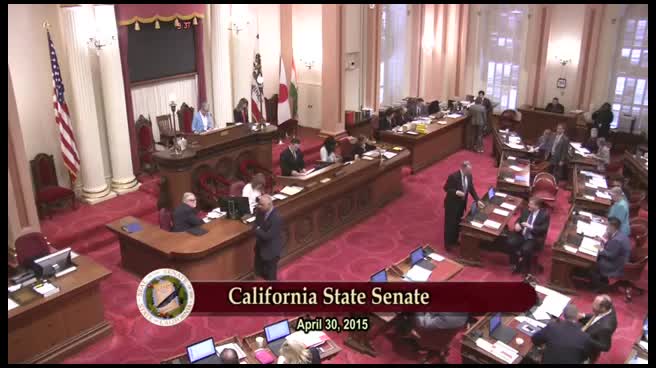
| Apr 30, 2015 | Read third time. Passed. (Ayes 37. Noes 0.) Ordered to the Assembly. |
| Aug 7, 2015 | Chaptered by Secretary of State. Chapter 146, Statutes of 2015. |
| Aug 7, 2015 | Approved by the Governor. |
| Jul 30, 2015 | Enrolled and presented to the Governor at 10 a.m. |
| Jul 16, 2015 | Read third time. Passed. (Ayes 79. Noes 0. Page 2433.) Ordered to the Senate. |
| Jul 16, 2015 | In Senate. Ordered to engrossing and enrolling. |
| Jul 9, 2015 | Read second time. Ordered to consent calendar. |
| Jul 8, 2015 | From committee: Do pass. Ordered to consent calendar. (Ayes 14. Noes 0.) (July 8). |
| Jun 23, 2015 | From committee: Do pass and re-refer to Com. on APPR. (Ayes 14. Noes 0.) (June 22). Re-referred to Com. on APPR. |
| Jun 8, 2015 | June 15 set for first hearing canceled at the request of author. |
| May 18, 2015 | Referred to Com. on U. & C. |
| Feb 26, 2015 | Introduced. Read first time. To Com. on RLS. for assignment. To print. |
| Apr 30, 2015 | Read third time. Passed. (Ayes 37. Noes 0. Page 836.) Ordered to the Assembly. |
| Apr 30, 2015 | In Assembly. Read first time. Held at Desk. |
| Apr 21, 2015 | Read second time. Ordered to third reading. |
| Apr 20, 2015 | From committee: Be ordered to second reading pursuant to Senate Rule 28.8. |
| Apr 10, 2015 | Set for hearing April 20. |
| Apr 8, 2015 | Read second time and amended. Re-referred to Com. on APPR. |
| Apr 7, 2015 | From committee: Do pass as amended and re-refer to Com. on APPR. (Ayes 11. Noes 0. Page 508.) (April 7). |
| Mar 24, 2015 | Set for hearing April 7. |
| Mar 12, 2015 | Referred to Com. on E., U., & C. |
| Feb 27, 2015 | From printer. May be acted upon on or after March 29. |
|
Date
|
Description
|
Location
|
Votes
|
|
|---|---|---|---|---|
| Jul 16, 2015 | SB 502 Leno Consent Calendar Second Day Regular Session | Assembly Floor |
Passed |
|
| Jul 8, 2015 | Do pass. To Consent Calendar. | Assembly Standing Committee on Appropriations |
Passed |
|
| Jun 22, 2015 | Do pass and be re-referred to the Committee on [Appropriations] | Assembly Standing Committee on Utilities and Commerce |
Passed |
|
| Apr 30, 2015 | Senate 3rd Reading SB502 Leno | Senate Floor |
Passed |
|
| Apr 7, 2015 | Do pass as amended, but first amend, and re-refer to the Committee on [Appropriations] | Senate Standing Committee on Energy, Utilities and Communications |
Passed |
This list shows positions taken on this bill by organizations on the date displayed, which is linked to the original source.
Positions by individuals are not included.
|
Organization
|
Position
|
Date
|
|---|---|---|
| BART | * Support | Jun 22, 2015 |
| California Municipal Utilities Association | ** Support | Jun 22, 2015 |
| California Solar Energy Industries Association | * Support | Jun 22, 2015 |
| California Transit Association | ** Support | Jun 22, 2015 |
| Center for Sustainable Energy | * Support | Jun 22, 2015 |
| Clean Power Campaign | ** Support | Jun 22, 2015 |
| Coalition For Clean Air | ** Support | Jun 22, 2015 |
| Environment California | ** Support | Jun 22, 2015 |
| Environmental Defense Fund | ** Support | Jun 22, 2015 |
| Large Scale Solar Associaiton | * Support | Jun 22, 2015 |
| Large-Scale Solar Association | * Support | Jun 22, 2015 |
| Natural Resources Defense Council | ** Support | Jun 22, 2015 |
| Northern California Power Agency | ** Support | Jun 22, 2015 |
| San Francisco Bay Area Rapid Transit District | * Support | Jun 22, 2015 |
| Sierra Club California | ** Support | Jun 22, 2015 |
| Solar Energy Industries Association | * Support | Jun 22, 2015 |
| Union Of Concerned Scientists | ** Support | Jun 22, 2015 |
| Vote Solar | ** Support | Jun 22, 2015 |
Date of Hearing: July 8, 2015
ASSEMBLY COMMITTEE ON APPROPRIATIONS
Jimmy Gomez, Chair
SB 502
(Leno) – As Amended April 8, 2015
Policy Committee: |
Utilities and Commerce |
Vote: |
14 - 0 |
|
|
|
|
|
|
|
|
Urgency: No State Mandated Local Program: No Reimbursable: No
SUMMARY:
This bill authorizes the San Francisco Bay Area Rapid Transit District (BART) to purchase electricity generated by a renewable energy resource. Specifically, this bill:
Requires an electrical corporation that owns and operates transmission and distribution facilities that deliver electricity at one or more locations to BART, upon request by BART, and without discrimination or delay, use the facilities to deliver electricity generated by an eligible renewable energy resource.
Defines eligible renewable energy resources as renewable energy resources eligible under California’s Renewable Portfolio Standard (RPS) program.
FISCAL EFFECT:
Negligible state costs.
COMMENTS:
Rationale. According to the author, BART trains are 100% electric, fueled by a power mix with a high percentage of clean hydropower. Each weekday, BART riders prevent over 4.5 million pounds of polluting CO2 from entering the atmosphere.
The BART Board of Directors would like the ability to procure more renewable energy by contracting directly with RPS eligible renewable electric generation resources. Under current law, those procurements would have to be done through third party transactions managed by one of the sources of electricity authorized for BART in state law. This constitutes an unnecessary barrier this bill eliminates.
Background. BART is a regional rapid transit system built in 1972 that services communities in the Bay Area, including Alameda, Contra Costa, San Francisco, and San Mateo Counties, with plans to expand to Santa Clara County. The BART system has 44 stations and 104 miles of track with an estimated average weekday ridership of 403,680 and 122 million trips annually. BART trains are 100% electric with 53% of its power coming from clean hydro and renewable sources. In addition, the Federal Transportation Agency considers BART the cleanest transit system in the United States.
Until 1995, BART procured its energy from its regional investor owned utility (IOU), Pacific Gas & Electric Company (PG&E). In 1995, the Legislature passed SB 184 (Kopp, Chapter 681, Statues of 1995), to allow BART to procure energy from a federal power marketing agency or its successor. In 2004, the Legislature passed SB 1201 (Torlakson, Chapter 613, Statutes of 2004), to allow BART to also procure energy from a publicly owned utility (POU).
As a result, BART currently procures its electricity from the Northern California Power Agency, a local POU, and the Western Area Power Administration, a federal agency. BART also generates electricity from solar facilities located at BART facilities
Currently, if BART wishes to procure renewable energy, it can only do so through a federal power marketing authority or a local POU. Allowing BART to directly procure electricity from an eligible renewable energy resource would remove this barrier and allow it to directly contract with eligible renewable resources.
BART compensates PG&E for the use of the utility’s transmission and distribution system. As a result, other customers of PG&E are not impacted by transactions proposed by this bill.
Analysis Prepared by: Jennifer Galehouse / APPR. / (916) 319-2081
SB 502
Page 4
Date of Hearing: June 22, 2015
ASSEMBLY COMMITTEE ON UTILITIES AND COMMERCE
Anthony Rendon, Chair
SB 502
(Leno) – As Amended April 8, 2015
SENATE VOTE: 37-0
SUBJECT: San Francisco Bay Area Rapid Transit District: purchase and delivery of electricity.
SUMMARY: This bill authorizes the San Francisco Bay Area Rapid Transit District (BART) to purchase electricity generated by a renewable energy resource as defined in California’s Renewable Portfolio Standards (RPS) Program. Specifically, this bill:
Requires an electrical corporation that owns and operates transmission and distribution facilities that deliver electricity at one or more locations to BART, upon request by BART, and without discrimination or delay, use the facilities to deliver electricity generated by an eligible renewable energy resource.
Defines “eligible renewable energy resources” to mean renewable energy resources eligible under California’s RPS program.
EXISTING LAW:
Requires any electrical corporation that owns and operates transmission and distribution facilities that deliver electricity at one or more locations to BART, upon request by BART, and without discrimination or delay, use the same facilities to deliver preference power purchased from a federal power marketing agency or its successor, or deliver electricity purchased from a local publicly owned electric utility (POU). (Public Utilities Code Section 701.8)
Requires the electric utility to bill BART for usage as though all the electricity purchased at transmission level voltages were metered by a single meter at one location and all the electricity purchased at subtransmission voltages were metered by a single meter at one location, as specified. (Public Utilities Code Section 701.8)
Prohibits an electrical corporation from terminating any lease entered into between BART and an electrical utility for special facilities for the purpose of receiving power at transmission level voltages to be terminated without the consent of BART. (Public Utilities Code Section 701.8)
Establishes the RPS program, which expresses the intent of the Legislature that the amount of electricity generated per year from eligible renewable energy resources be increased to an amount that equals at least 33% of the total electricity sold to retail customers in California per year by December 31, 2020. (Public Utilities Code Section 399.11)
Directs the State Air Resources Board to monitor and regulate sources of emission of greenhouse gases that cause global warming in order to reduce emissions of greenhouse gases. (Health and Safety Code Section 38510)
FISCAL EFFECT: Unknown.
COMMENTS:
Author’s Statement: “BART trains are 100% electric, fueled by a power mix with a high percentage of clean hydropower. Each weekday, BART riders prevent over 4.5 million pounds of polluting CO2 from entering the atmosphere. The elected members of the BART Board of Directors would like the ability to procure more renewable energy by contracting directly with RPS eligible renewable electric generation resources. Under current law, those procurements would have to be done through third party transactions managed by one of the sources of electricity authorized for BART in state law. This constitutes an unnecessary barrier that the BART District seeks to eliminate.”
Background: California’s RPS was established in 2002 under SB 1078 (Sher, Chapter 516, Statues of 2002), and was accelerated in 2006 under SB 107 (Simitian, Chapter 464, Statutes of 2006) to require that 20% of electricity retail sales be served by renewable energy resources by 2010. The RPS was again increased in 2011, through SBX1-2 (Simitian, Chapter 1, Statues of 2011), to require that 33% of electricity retail sales be served by renewable energy resources by 2020.
Furthermore, in 2006, the Legislature enacted AB 32 (Nunez, Chapter 488, Statutes of 2006), which tasked the Air Resources Board to adopt rules and regulations that would reduce greenhouse gas emissions in the state to 1990 levels by 2020. The RPS and AB 32 represent active steps taken by the state to reduce the adverse impact and threat global warming poses to the economic wellbeing, public health, natural resources, and environment of California.
In January 2015, Governor Brown proposed in his inaugural address three ambitious goals to be accomplished within the next 15 years. These goals are:
Increase from 33% to 50% our electricity derived from renewable sources;
Reduce today’s petroleum use in cars and trucks by up to 50%; and
Double the efficiency of existing buildings and make heating fuels cleaner.
BART: BART is a regional rapid transit system built in 1972 that services communities in the Bay Area, including Alameda, Contra Costa, San Francisco, and San Mateo Counties, with plans to expand to Santa Clara County. The BART system has 44 stations and 104 miles of track with an estimated average weekday ridership of 403,680 and 122 million trips annually. BART trains are 100% electric with 53% of its power coming from clean hydro and renewable sources. In addition, the Federal Transportation Agency considers BART the cleanest transit system in the United States.
Procurement of Energy: Until 1995, BART procured its energy from its regional investor owned utility (IOU), Pacific Gas & Electric Company (PG&E). In 1995, the Legislature passed SB 184 (Kopp, Chapter 681, Statues of 1995), allowing BART to procure energy from a federal power marketing agency or its successor. In 2004, the Legislature passed SB 1201 (Torlakson, Chapter 613, Statutes of 2004), allowing BART to also procure energy from a POU. These measures allowed BART to access inexpensive federal hydropower. As a result, BART currently procures its electricity from the Northern California Power Agency, a local POU, and the Western Area Power Administration, a federal agency. BART also generates electricity from solar facilities located at BART facilities. BART was given the authority to procure electricity through a municipal utility, subject to fulfilling transmission and distribution cost responsibilities. Other transit systems seeking to procure power from a source other than their regional electricity provider would be required to do so through existing "direct access" programs. Direct access is not available in areas served by POUs.
This bill would authorize BART to procure eligible renewable resources defined under the RPS. Although BART is the cleanest transit system in the US, its Board of Directors further seeks to reduce the system’s carbon emissions by seeking to procure more energy from renewable resources. Currently, if BART wishes to procure renewable energy, it can only do so through a federal power marketing authority or a local POU. Allowing BART to directly procure electricity from an eligible renewable energy resource would remove this barrier and allow it to directly contract with eligible renewable resources.
BART compensates PG&E for the use of the utility’s transmission and distribution system. As a result, other customers of PG&E are not impacted by transactions proposed by this bill.
Arguments in Support: According to BART, the sponsor of the bill, “BART is the backbone of the Bay Area transit system, providing more than 400,000 daily passenger trips throughout Alameda, Contra Costa, San Francisco, and San Mateo Counties. BART’s all-electric trains provide reliable and efficient transit service – a critical alternative to driving – that reduces the Bay Area’s carbon footprint by nearly 4.5 million pounds of CO2 a day. SB 502 will authorize BART to procure electricity from generation facilities that qualify as renewable under the [RPS], and will go a long way into assisting the BART Board in its effort to procure more renewable energy and further reduce the local carbon foot.”
Related Legislation:
AB 197 (E. Garcia) 2015: This bill revises the RPS procurement process to emphasize greenhouse gas emissions and reliability factors.
AB 645 (Williams) 2015: This bill establishes a RPS target of 50% by 2030, including interim targets of 38% by 2023, and 44% by 2026.
SB 286 (Hertzberg) would expand the limit on Direct Access (DA) service for nonresidential customers of electrical IOUs.
SB 350 (De Leon) 2015: This bill enacts goals that would direct a 50% reduction in petroleum use, require that 50% of electricity come from renewable resources, and require a doubling of the energy efficiency of existing buildings by 2030.
Prior Legislation:
SBX1-2 (Simitian) 2011: Increases California's RPS to require all retail sellers of electricity and all IOUs to procure at least 33% of electricity delivered to their retail customers from renewable resources by 2020. Chaptered by the Secretary of State – Chapter 1, Statutes of 2011-12 First Extraordinary Session.
AB 32 (Nunez) 2006: Creates a statewide greenhouse gas emission limit that would reduce emissions by 25% by 2020. Chaptered by the Secretary of State – Chapter 488, Statutes of 2006.
SB 107 (Simitian) 2006: Requires retail sellers of electricity to procure at least 20% of their retail sales from renewable power by 2010. Chaptered by the Secretary of State – Chapter 464, Statutes of 2006.
SB 1201 (Torlakson) 2004: Authorizes BART to receive power from a POU without discrimination or delay from any electrical corporation. Chaptered by the Secretary of State – Chapter 613, Statutes of 2004.
SB 1078 (Sher) 2002: Requires utilities to increase procurement of electricity from renewable energy sources by at least 1% per year. Chaptered by the Secretary of State – Chapter 516, Statutes of 2002.
SB 184 (Kopp) 1995: Authorizes BART to receive power from a federal power marketing agency or its successor without discrimination or delay from any electrical corporation. Chaptered by the Secretary of State – Chapter 681, Statutes of 1995.
REGISTERED SUPPORT / OPPOSITION:
Support
San Francisco Bay Area Rapid Transit District (BART) (Sponsor)
California Municipal Utilities Association
California Transit Association
Center for Sustainable Energy
Clean Power Campaign
Coalition for Clean Air
Environment California
Environmental Defense Fund
Large-scale Solar Association
Natural Resources Defense Council
Northern California Power Agency
Recurrent Energy
Sierra Club California
Solar Energy Industries Association
Union of Concerned Scientists
Vote Solar
Opposition
None on file.
Analysis Prepared by: Edmond Cheung / U. & C. / (916) 319-2083
SB 502
Page 4
|
Office of Senate Floor Analyses (916) 651-1520 Fax: (916) 327-4478 |
THIRD READING
Bill No: SB 502
Amended: 4/8/15
SENATE ENERGY, U. & C. COMMITTEE: 11-0, 4/7/15
AYES: Hueso, Fuller, Cannella, Hertzberg, Hill, Lara, Leyva, McGuire, Morrell, Pavley, Wolk
SENATE APPROPRIATIONS COMMITTEE: Senate Rule 28.8
SUBJECT: San Francisco Bay Area Rapid Transit District: purchase and delivery of electricity
SOURCE: San Francisco Bay Area Rapid Transit District
DIGEST: This bill allows the San Francisco Bay Area Rapid Transit District (BART) to purchase wholesale electricity from a renewable energy resource that is eligible under California’s Renewable Portfolio Standard (RPS).
Existing law:
Requires any electric utility which owns and operates transmission and distribution facilities that deliver electricity to BART, upon request by BART, to deliver preference power purchased from a federal power marketing agency or local publicly-owned utility (POU). (Public Utilities Code §701.8)
Requires the electric utility to bill BART as though all the electricity purchased were metered by a single meter at one location. (Public Utilities Code §701.8)
Provides that any lease entered into between BART and an electrical utility, for special facilities to receive power at transmission level voltages, cannot be terminated without BART's consent. (Public Utilities Code §701.8)
Requires investor-owned utilities (IOUs), electric service providers (ESPs), and community choice aggregators (CCA) to increase procurement from eligible renewable energy resources to 33 percent of total procurement by 2020. (Public Utilities Code §399.11 et seq.)
Requires California to reduce its greenhouse gas emissions to 1990 levels by 2020. (Health and Safety Code §38500)
This bill requires any electric utility which owns and operates transmission and distribution facilities that deliver electricity to BART, upon request by BART, to deliver electricity generated by an eligible renewable energy resource as defined within the state’s RPS.
Background
BART is a regional light rail system that includes 104 route miles of track and 44 stations serving communities in the Bay Area region, including the counties of Alameda, Contra Costa, San Francisco, and San Mateo. BART averages nearly 400,000 weekday trips, each trip averaging a distance of 14 miles. The BART system provides nearly half of all transit passenger miles travelled in the Bay Area.
BART trains are 100 percent electric. According to the “BART Green Factsheet,” clean hydroelectric power and renewable resources account for 53 percent of the power BART uses. Specifically, the BART District procures electricity from a local POU, the Northern California Power Agency (NCPA), a federal agency known as the Western Area Power Administration (WAPA), a 2.5 MW solar facility through an NCPA arrangement, and net energy metered solar electric generation located at three BART facilities. BART is the cleanest transit system in the country as defined by the carbon dioxide emissions per passenger mile (based on a 2007 National Transit Database joint analysis by the Federal Transportation Agency, U.S. Department of Energy and U.S. Environmental Protection Agency).
Until the passage of SB 184 (Kopp, Chapter 681, Statutes of 1995), BART was procuring all its energy from the region’s IOU, PG&E. SB 184 allowed BART to procure electricity directly from the federal power marketing authority. Under the federal Reclamation Project Act of 1939, BART qualifies as a preference entity to purchase and receive hydropower from the Central Valley Project (CVP). Additionally, SB 1838 (Kopp, Chapter 206, Statutes of 1998), exempts BART District’s preference from federal power delivery from statutes and California Public Utilities Commission (CPUC) regulations governing direct access transactions related to electric power. These bills permitted BART to diversify its sources of energy. However, current rules also require BART to compensate PG&E for the use of its transmission and distributed network under tariffs regulated by the Federal Energy Regulatory Commission (FERC) and the CPUC.
Although BART maintains the least carbon emitting transit system in the country, the BART District Board is interested in further reducing the system’s carbon footprint while balancing costs that could raise fare prices. However, current law limits BART’s ability to procure renewable energy directly as those procurements would need to be done through a third party transaction, such as the federal power marketing authority or a local POU.
Comments
Has This Train Left the Station? Prior legislation provided BART the unique opportunity to procure energy directly from sources other than the local regulated utility, while continuing to compensate the local regulated utility for the transmission and distribution costs associated with the delivery of service. SB 502 does not impact any of those prior arrangements. Instead, as currently written, the bill would merely add eligible renewable resources to the list of energy sources that can be procured by BART.
Prior/Related Legislation
SB 184 (Kopp, Chapter 681, Statutes of 1995), allowed BART to procure electricity directly from the federal power marketing authority.
SB 1838 (Kopp, Chapter 206, Statutes of 1998), exempted BART District’s preference from federal power delivery from statutes and CPUC regulations governing direct access transactions related to electric power.
SB X1-2 (Simitian, Chapter 1, Statutes of 2011), required all electricity retailers in the state including POUs, IOUs, ESPs, and CCA to adopt new RPS goals. Specifically: that 20 percent of electricity retail sales are served by renewable energy resources by 2013, 25 percent by the end of 2016 and 33 percent by 2020.
AB 32 (Pavley/Nuñez, Chapter 488, Statutes of 2006), California Global Warming Solutions Act required California to reduce GHG emissions to 1990 levels by 2020.
SB 350 (De León, 2015) proposes to create or expand three related clean-energy goals, including updating the state’s RPS to 50 percent of total retail sales of electricity from renewable resources by 2030.
FISCAL EFFECT: Appropriation: No Fiscal Com.: Yes Local: No
San Francisco Bay Area Rapid Transit District (source)
Clean Power Campaign
Coalition for Clean Air
Environment California
Large-scale Solar Association
Natural Resources Defense Council
Northern California Power Agency
Sierra Club California
Solar Energy Industries Association
Union of Concerned Scientists
Vote Solar
ARGUMENTS IN SUPPORT: The BART Board of Directors voted to work towards increasing the District’s use of renewable energy. However, they argue that current state law limits the sources from which BART can procure renewable electricity. The author argues that SB 502 would provide BART added flexibility to procure additional renewable resources should it choose to do so. The author states that the existing arrangements to compensate the local regulated utility for transmission and distribution costs would be maintained and that SB 502 allows BART to contribute to the state’s goals and efforts to further reduce carbon emissions.
Prepared by: Nidia Bautista / E., U., & C. / (916) 651-4107
4/22/15 16:20:08
**** END ****
SB 502 (Leno) Page 4 of 4
SENATE COMMITTEE ON ENERGY, UTILITIES AND COMMUNICATIONS
Senator Ben Hueso, Chair
2015 - 2016 Regular
Bill No: SB 502 Hearing Date: 4/7/2015
Author: |
Leno |
||
Version: |
2/26/2015 As Introduced |
||
Urgency: |
No |
Fiscal: |
Yes |
Consultant: |
Nidia Bautista |
||
SUBJECT: San Francisco Bay Area Rapid Transit District: purchase and delivery of electricity.
DIGEST: This bill will allow the San Francisco Bay Area Rapid Transit District (BART) to purchase wholesale electricity from a renewable energy resource that is eligible under California’s Renewable Portfolio Standard (RPS).
ANALYSIS:
Existing law:
Requires any electric utility which owns and operates transmission and distribution facilities that deliver electricity to BART, upon request by BART, to deliver preference power purchased from a federal power marketing agency or local publicly-owned utility (POU). (Public Utilities Code §701.8)
Requires the electric utility to bill BART as though all the electricity purchased were metered by a single meter at one location. (Public Utilities Code §701.8)
Provides that any lease entered into between BART and an electrical utility, for special facilities to receive power at transmission level voltages, cannot be terminated without BART's consent. (Public Utilities Code §701.8)
Requires investor-owned utilities (IOUs), electric service providers, and community choice aggregators (CCA) to increase procurement from eligible renewable energy resources to 33 percent of total procurement by 2020. (Public Utilities Code §399.11 et seq.)
5. Requires California to reduce its greenhouse gas (GHG) emissions to 1990 levels by 2020. (Health and Safety Code §38500)
Background
BART is a regional light rail system that includes 104 route miles of track and 44 stations serving communities in the Bay Area region, including the counties of Alameda, Contra Costa, San Francisco, and San Mateo. BART averages nearly 400,000 weekday trips, each trip averaging a distance of 14 miles. The BART system provides nearly half of all transit passenger miles travelled in the Bay Area.
BART trains are 100 percent electric. According to the “BART Green Factsheet,” clean hydroelectric power and renewable resources account for 53 percent of the power BART uses. Specifically, the BART District procures electricity from a local POU, the Northern California Power Agency (NCPA), a federal agency known as the Western Area Power Administration (WAPA), a 2.5 MW solar facility through an NCPA arrangement, and net energy metered solar electric generation located at three BART facilities. BART is the cleanest transit system in the country as defined by the carbon dioxide emissions per passenger mile (based on a 2007 National Transit Database joint analysis by the Federal Transportation Agency, U.S. Department of Energy and U.S. Environmental Protection Agency).
Up until the passage of SB 184 (Kopp, 1995), BART was procuring all its energy from the region’s IOU, PG&E. SB 184 allowed BART to procure electricity directly from the federal power marketing authority. Under the federal Reclamation Project Act of 1939, BART qualifies as a preference entity to purchase and receive hydropower from the Central Valley Project (CVP). Additionally, SB 1838 (Kopp, 1998) exempts BART District’s preference from federal power delivery from statutes and California Public Utilities Commission (CPUC) regulations governing direct access transactions related to electric power. While the bills provided for BART to diversify its sources of energy, they also require BART to compensate PG&E for the use of its transmission and distributed network under tariffs regulated by the Federal Energy Regulatory Commission (FERC) and the CPUC.
While BART maintains the least carbon emitting transit system in the country, the BART District Board is interested in further reducing the system’s carbon footprint while balancing costs that could raise fare prices. However, current law limits BART’s ability to procure more renewable energy as those procurements would need to be done through a third party transaction, such as the federal power marketing authority or a local POU.
Comments
Has This Train Left the Station? Prior legislation provided BART the unique opportunity to procure energy directly from sources other than the local regulated utility, while continuing to compensate the local regulated utility for the transmission and distribution costs associated with the delivery of service. SB 502 does not impact any of those prior arrangements. Instead, as currently written, the bill would merely add eligible renewable resources to the list of energy sources that can be procured by BART.
Amendments:
The author and committee may consider amending the bill to further narrow the definition of eligible renewable energy sources to the specific definition in the state’s RPS.
Additional Consideration. Should this bill move forward, the author and committee may wish to ensure continued consistency with pending legislation with regards to the definition of eligible renewable energy resources.
Prior/Related Legislation
SB 184 (Kopp, Chapter 681, Statutes of 1995), allows BART to procure electricity directly from the federal power marketing authority.
SB 1838 (Kopp, Chapter 206, Statutes of 1998), exempts BART District’s preference from federal power delivery from statutes and CPUC regulations governing direct access transactions related to electric power.
SB X1-2 (Simitian, Chapter 1, Statutes of 2011), requires all electricity retailers in the state including POUs, IOUs, electricity service providers, and CCA to adopt new RPS goals. Specifically: that 20 percent of electricity retail sales are served by renewable energy resources by 2013, 25 percent by the end of 2016 and 33 percent by 2020.
AB 32 (Pavley/Nunez, Chapter 488, Statutes of 2006), California Global Warming Solutions Act requires California to reduce GHG emissions to 1990 levels by 2020.
SB 350 (De León) proposes to create or expand three related clean-energy goals, including updating the state’s RPS to 50 percent of total retail sales of electricity from renewable resources by 2030.
FISCAL EFFECT: Appropriation: No Fiscal Com.: Yes Local: No
SUPPORT:
Clean Power Campaign
Coalition for Clean Air
Environment California
Northern California Power Agency
San Francisco Bay Area Rapid Transit District
Sierra Club California
Solar Energy Industries Association
Union of Concerned Scientists
Vote Solar
OPPOSITION:
None on file.
ARGUMENTS IN SUPPORT: The BART Board of Directors has voted to work towards increasing the District’s use of renewable energy. However, they argue that current state law limits the sources from which BART can procure renewable electricity. The author argues that SB 502 would provide BART added flexibility to procure additional renewable resources should it choose to do so. The author states that the existing arrangements to compensate the local regulated utility for transmission and distribution costs would be maintained. SB 502 would allow BART to contribute to the state’s goals and efforts to further reduce carbon emissions.
ARGUMENTS IN OPPOSITION: None on file.
-- END --
Discussed in Hearing
 9MIN
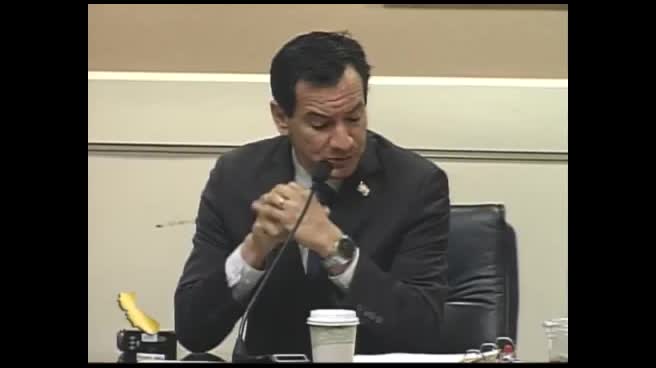
Assembly Standing Committee on Utilities and Commerce
 2MIN
Senate Floor
 1MIN
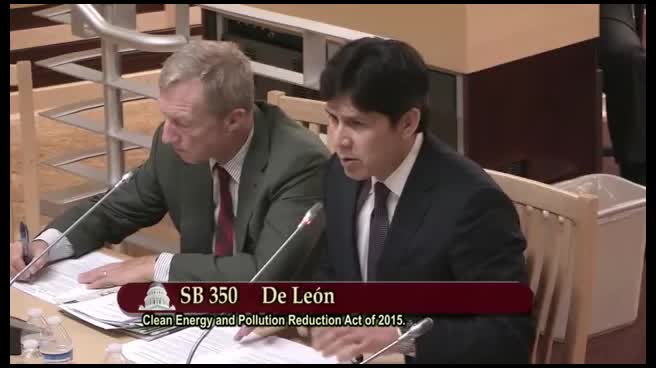
Senate Standing Committee on Energy, Utilities and Communications
Bill Author