SB 536: Armories.
- Session Year: 2015-2016
- House: Senate
- Latest Version Date: 2015-09-28
Existing law authorizes the Director of General Services, with the approval of the Adjutant General, to lease and sell real property held for armory purposes, subject to legislative approval. Existing law establishes the Armory Fund and requires that all proceeds from the sale or lease of armories be deposited into the fund, for use, upon appropriation by the Legislature, for specified purposes related to armories.
This bill would instead require the net proceeds, as defined, from the sale or lease of an armory to be deposited into the Armory Fund. The bill would, upon appropriation by the Legislature, require the Department of General Services to use moneys from the Property Acquisition Law Money Account for the purposes of selling armory properties. The bill would also specify that the sale of an armory is on an as is basis, and is exempt from specified laws. The bill would authorize the Director of General Services, with the approval of the Adjutant General, to sell specified armories pursuant to these provisions.
Existing law authorizes the Director of General Services, with the approval of the Adjutant General, to lease and sell real property held for armory purposes, subject to legislative approval. Existing law establishes the Armory Fund and requires that all proceeds from the sale or lease of armories be deposited into the fund, for use, upon appropriation by the Legislature, for specified purposes related to armories.
This bill would instead require the net proceeds, as defined, from the sale or lease of an armory to be deposited into the Armory Fund. The bill would, upon appropriation by the Legislature, authorize require the Department of General Services to use moneys from the Property Acquisition Law Money Account for the purposes of selling armory properties. The bill would also specify that the sale of an armory is on an as is basis, and is exempt from specified laws. The bill would authorize the Director of General Services, with the approval of the Adjutant General, to sell specified armories pursuant to these provisions.
Existing law authorizes the Director of General Services, with the approval of the Adjutant General, to lease and sell real property held for armory purposes, subject to legislative approval. Existing law establishes the Armory Fund and requires that all proceeds from the sale or lease of armories be deposited into the fund, for use, upon appropriation by the Legislature, for specified purposes related to armories.
This bill would instead require the net proceeds, as defined, from the sale or lease of an armory to be deposited into the Armory Fund. The bill would, upon appropriation by the Legislature, authorize the Department of General Services to use moneys from the Property Acquisition Law Money Account for the purposes of selling armory properties. The bill would also specify that the sale of an armory is on an as is basis, and is exempt from specified laws. The bill would authorize the Director of General Services, with the approval of the Adjutant General, to sell specified armories pursuant to these provisions.
Existing law establishes in state government the Military Department, which includes the Office of the Adjutant General, the California National Guard, the State Military Reserve, the California Cadet Corps, and the Naval Militia.
This bill would make technical, nonsubstantive changes to that provision.
(a)The Director of General Services, with the approval of the Adjutant General, may lease for not more than 99 years or sell for fair market value upon terms and conditions and subject to any reservations and exceptions as may be determined to be in the best interests of the state any real property held for armory purposes. Real property shall not be sold or leased pursuant to this subdivision unless the Legislature, by statute, approves the sale or lease of the property.
(b)There is in the State Treasury the Armory Fund. All net proceeds from the sale or lease of an armory shall be deposited in the fund. The money in the fund is available, upon appropriation by the Legislature, for the maintenance of existing armories, and for the acquisition or construction of new or replacement armories, including, but not limited to, the cost of design. The disposition of armory properties is not subject to subdivision (g) of Section 11011 of the Government Code.
(c)For the purposes of this section, net proceeds are the gross proceeds less:
(1)Outstanding reimbursements due to the Property Acquisition Law Money Account for costs incurred by the Department of General Services in selling an armory property.
(2)All costs directly related to the disposition of an armory, including, but not limited to, all costs and expenses incurred by the Department of General Services, as specified in subdivision (d).
(d)Notwithstanding subdivision (b), the Department of General Services shall, upon appropriation by the Legislature, use funds from the Property Acquisition Law Money Account for the purposes of selling armory properties. The Director of Finance may approve loans from the General Fund to the Property Acquisition Law Money Account.
(e)The sale of an armory shall be made on an as is basis and is exempt from Division 13 (commencing with Section 21100) of the Public Resources Code. Upon vesting title of the armory to the purchaser or transferee of the armory, the purchaser or transferee shall be subject to any local governmental land use entitlement requirements and to Division 13 (commencing with Section 21100) of the Public Resources Code.
SEC. 2.Notwithstanding any other law and pursuant to Section 435 of the Military and Veterans Code, the Director of General Services, with the approval of the Adjutant General, may sell any of the following properties:
(a)(1)Approximately 1.53 acres of real property with improvements made thereon, located at 340 North Orange Avenue, Azusa, California, known as the Azusa-Orange Armory.
(2)(A)The Director of General Services, with the approval of the Adjutant General, shall grant to the City of Azusa an option to purchase the Azusa-Orange Armory. The option shall expire on July 1, 2016. The purchase agreement may consider the contributory value of all capital improvements made to the Azusa-Orange Armory by the City of Azusa less the value of improvements made in lieu of rents during the term of the use of the Azusa-Orange Armory by the City of Azusa, and any state costs incurred in the sale of the Azusa-Orange Armory to the City of Azusa.
(B)On and after July 1, 2016, the Azusa-Orange Armory shall be offered for sale by general bid. Any purchase agreement pursuant to this paragraph shall include terms and conditions determined by the Director of General Services to be in the best interest of the state based on the fair market value of the armory as determined by an appraisal undertaken and approved by the Department of General Services.
(b)Approximately 1.78 acres of real property with improvements made thereon, located at 650 North Second Street, Brawley, California, known as the Brawley Armory.
(c)Approximately 3.35 acres of real property with improvements made thereon, located at 43-143 N. Jackson Street, Indio, California, known as the Indio Armory.
(d)Approximately 1.03 acres of real property with improvements made thereon, located at 11398 Bullis Road, Lynwood, California, known as the Lynwood Armory.
(e)Approximately .50 acres of real property with improvements made thereon, located at 600 South Park Avenue, Pomona, California, known as the Pomona Park Armory.
(f)Approximately 3.03 acres of real property with improvements made thereon, located at 700 E. Canon Perdido Street, Santa Barbara, California, known as the Santa Barbara Armory.
(g)Approximately 1.34 acres of real property with improvements made thereon, located at Route 1, Box 120, Yreka, California, known as the Yreka Armory.
(a)The Director of General Services, with the approval of the Adjutant General, may lease for not more than 99 years or sell for fair market value upon terms and conditions and subject to any reservations and exceptions as may be determined to be in the best interests of the state any real property held for armory purposes. No real Real property shall not be sold or lease entered into leased pursuant to this subdivision unless the Legislature, by statute, approves the sale or lease of the property.
(b)There is in the State Treasury the Armory Fund. All net proceeds from the sale or lease of an armory shall be deposited in the fund. The money in the fund is available, upon appropriation by the Legislature, for the maintenance of existing armories, and for the acquisition or construction of new or replacement armories, including, but not limited to, the cost of design. The disposition of armory properties shall is not be subject to subdivision (g) of Section 11011 of the Government Code.
(c)For the purposes of this section, net proceeds shall be defined as are the gross proceeds less:
(1)Outstanding reimbursements due to the Property Acquisition Law Money Account for costs incurred by the Department of General Services in selling an armory property.
(2)All costs directly related to the disposition of an armory, including, but not limited to, all costs and expenses incurred by the Department of General Services, as specified in subdivision (d).
(d)Notwithstanding subdivision (b), the Department of General Services shall, upon appropriation by the Legislature, use funds from the Property Acquisition Law Money Account for the purposes of selling armory properties. The Director of Finance may approve loans from the General Fund to the Property Acquisition Law Money Account.
(e)The sale of an armory shall be made on an as is basis and shall be is exempt from Division 13 (commencing with Section 21100) of the Public Resources Code. Upon vesting title of the armory to the purchaser or transferee of the armory, the purchaser or transferee shall be subject to any local governmental land use entitlement requirements and to Division 13 (commencing with Section 21100) of the Public Resources Code.
SEC. 2.Notwithstanding any other law and pursuant to Section 435 of the Military and Veterans Code, the Director of General Services, with the approval of the Adjutant General, may sell any of the following properties:
(a)(1)Approximately 1.53 acres of real property with improvements made thereon, located at 340 North Orange Avenue, Azusa, California, known as the Azusa-Orange Armory.
(2)(A)The Director of General Services, with the approval of the Adjutant General, shall grant to the City of Azusa an option to purchase the Azusa-Orange Armory. The option shall expire on July 1, 2016. The purchase agreement may consider the contributory value of all capital improvements made to the Azusa-Orange Armory by the City of Azusa less the value of improvements made in lieu of rents during the term of the use of the Azusa-Orange Armory by the City of Azusa, and any state costs incurred in the sale of the Azusa-Orange Armory to the City of Azusa.
(B)On and after July 1, 2016, the Azusa-Orange Armory shall be offered for sale by general bid. Any purchase agreement pursuant to this paragraph shall include terms and conditions determined by the Director of General Services to be in the best interest of the state based on the fair market value of the armory as determined by an appraisal undertaken and approved by the Department of General Services.
(b)Approximately 1.78 acres of real property with improvements made thereon, located at 650 North Second Street, Brawley, California, known as the Brawley Armory.
(c)Approximately 3.35 acres of real property with improvements made thereon, located at 43-143 N. Jackson Street, Indio, California, known as the Indio Armory.
(d)Approximately 1.03 acres of real property with improvements made thereon, located at 11398 Bullis Road, Lynwood, California, known as the Lynwood Armory.
(e)Approximately .50 acres of real property with improvements made thereon, located at 600 South Park Avenue, Pomona, California, known as the Pomona Park Armory.
(f)Approximately 3.03 acres of real property with improvements made thereon, located at 700 E. Canon Perdido Street, Santa Barbara, California, known as the Santa Barbara Armory.
(g)Approximately 1.34 acres of real property with improvements made thereon, located at Route 1, Box 120, Yreka, California, known as the Yreka Armory.
(a)The Director of General Services, with the approval of the Adjutant General, may lease for not more than 99 years or sell for fair market value upon terms and conditions and subject to any reservations and exceptions as may be determined to be in the best interests of the state any real property held for armory purposes. No real property shall be sold or lease entered into pursuant to this subdivision unless the Legislature, by statute, approves the sale or lease of the property.
(b)There is in the State Treasury the Armory Fund. All net proceeds from the sale or lease of an armory shall be deposited in the fund. The money in the fund is available, upon appropriation by the Legislature, for the maintenance of existing armories, and for the acquisition or construction of new or replacement armories, including, but not limited to, the cost of design. The disposition of armory properties shall not be subject to subdivision (g) of Section 11011 of the Government Code.
(c)For the purposes of this section, net proceeds shall be defined as the gross proceeds less:
(1)Outstanding reimbursements due to the Property Acquisition Law Money Account for costs incurred by the Department of General Services in selling an armory property.
(2)All costs directly related to the disposition of an armory, including, but not limited to, all costs and expenses incurred by the Department of General Services, as specified in subdivision (d).
(d)Notwithstanding subdivision (b), the Department of General Services shall, upon appropriation by the Legislature, use funds from the Property Acquisition Law Money Account for the purposes of selling armory properties. The Director of Finance may approve loans from the General Fund to the Property Acquisition Law Money Account.
(e)The sale of an armory shall be made on an as is basis and shall be exempt from Division 13 (commencing with Section 21100) of the Public Resources Code. Upon vesting title of the armory to the purchaser or transferee of the armory, the purchaser or transferee shall be subject to any local governmental land use entitlement requirements and to Division 13 (commencing with Section 21100) of the Public Resources Code.
SEC. 2.Notwithstanding any other law and pursuant to Section 435 of the Military and Veterans Code, the Director of General Services, with the approval of the Adjutant General, may sell any of the following properties:
(a)Approximately 1.53 acres of real property with improvements made thereon, located at 340 North Orange Avenue, Azusa, California, known as the Azusa-Orange Armory.
(b)Approximately 1.78 acres of real property with improvements made thereon, located at 650 North Second Avenue, Street, Brawley, California, known as the Brawley Armory.
(c)Approximately 2.12 acres of real property with improvements made thereon, located at 200 N. Alameda Street, Compton, California, known as the Compton-Alameda Armory.
(d)
(c)Approximately 3.35 acres of real property with improvements made thereon, located at 43-143 N. Jackson Street, Indio, California, known as the Indio Armory.
(e)
(d)Approximately 1.03 acres of real property with improvements made thereon, located at 11398 Bullis Road, Lynwood, California, known as the Lynwood Armory.
(f)
(e)Approximately .50 acres of real property with improvements made thereon, located at 600 South Park Avenue, Pomona, California, known as the Pomona Park Armory.
(g)
(f)Approximately 3.03 acres of real property with improvements made thereon, located at 700 E. Canon Perdido Street, Santa Barbara, California, known as the Santa Barbara Armory.
(h)
(g)Approximately 1.34 acres of real property with improvements made thereon, located at Route 1, Box 120, Yreka, California, known as the Yreka Armory.
(a)The Director of General Services, with the approval of the Adjutant General, may lease for not more than 99 years or sell for fair market value upon terms and conditions and subject to any reservations and exceptions as may be determined to be in the best interests of the state any real property held for armory purposes. No real property shall be sold or lease entered into pursuant to this subdivision unless the Legislature, by statute, approves the sale or lease of the property.
(b)There is in the State Treasury the Armory Fund. All net proceeds from the sale or lease of an armory shall be deposited in the fund. The money in the fund is available, upon appropriation by the Legislature, for the maintenance of existing armories, and for the acquisition or construction of new or replacement armories, including, but not limited to, the cost of design. The disposition of armory properties shall not be subject to subdivision (g) of Section 11011 of the Government Code.
(c)For the purposes of this section, net proceeds shall be defined as the gross proceeds less:
(1)Outstanding reimbursements due to the Property Acquisition Law Account for costs incurred by the Department of General Services in selling an armory property.
(2)All costs directly related to the disposition of an armory, including, but not limited to, all costs and expenses incurred by the Department of General Services, as specified in subdivision (d).
(d)Notwithstanding subdivision (b), the Department of General Services may, shall, upon appropriation by the Legislature, use funds from the Property Acquisition Law Account for the purposes of selling armory properties. The Director of Finance may approve loans from the General Fund to the Property Acquisition Law Account.
(e)The sale of an armory shall be made on an as is basis and shall be exempt from Division 13 (commencing with Section 21100) of the Public Resources Code. Upon vesting title of the armory to the purchaser or transferee of the armory, the purchaser or transferee shall be subject to any local governmental land use entitlement requirements and to Division 13 (commencing with Section 21100) of the Public Resources Code.
SEC. 2.Notwithstanding any other law and pursuant to Section 435 of the Military and Veterans Code, the Director of General Services, with the approval of the Adjutant General, may sell any of the following properties:
(a)Approximately 1.53 acres of real property with improvements made thereon, located at 340 North Orange Avenue, Azusa, California, known as the Azusa-Orange Armory.
(b)Approximately 1.78 acres of real property with improvements made thereon, located at 650 North Second Avenue, Brawley, California, known as the Brawley Armory.
(c)Approximately 2.12 acres of real property with improvements made thereon, located at 200 N. Alameda Street, Compton, California, known as the Compton-Alameda Armory.
(d)Approximately 3.35 acres of real property with improvements made thereon, located at 43-143 N. Jackson Street, Indio, California, known as the Indio Armory.
(e)Approximately 1.03 acres of real property with improvements made thereon, located at 11398 Bullis Road, Lynwood, California, known as the Lynwood Armory.
(f)Approximately .50 acres of real property with improvements made thereon, located at 600 South Park Avenue, Pomona, California, known as the Pomona Park Armory.
(g)Approximately 3.03 acres of real property with improvements made thereon, located at 700 E. Canon Perdido Street, Santa Barbara, California, known as the Santa Barbara Armory.
(h)Approximately 1.34 acres of real property with improvements made thereon, located at Route 1, Box 120, Yreka, California, known as the Yreka Armory.
(a)The Director of General Services, with the approval of the Adjutant General, may lease for not more than 99 years or sell for fair market value upon terms and conditions and subject to any reservations and exceptions as may be determined to be in the best interests of the state any real property held for armory purposes. No real property shall be sold or lease entered into pursuant to this subdivision unless the Legislature, by statute, approves the sale or lease of the property.
(b)There is in the State Treasury the Armory Fund. All net proceeds from the sale or lease of armories an armory shall be deposited in the fund. The money in the fund is available, upon appropriation by the Legislature, for the maintenance of existing armories, and for the acquisition or construction of new or replacement armories, including, but not limited to, the cost of design. The disposition of armory properties shall not be subject to subdivision (g) of Section 11011 of the Government Code.
(c)For the purposes of this section, net proceeds shall be defined as the gross proceeds less:
(1)Outstanding reimbursements due to the Property Acquisition Law Account for costs incurred by the Department of General Services in selling an armory property.
(2)All costs directly related to the disposition of an armory, including, but not limited to, all costs and expenses incurred by the Department of General Services, as specified in subdivision (d).
(d)Notwithstanding subdivision (b), the Department of General Services may, upon appropriation by the Legislature, use funds from the Property Acquisition Law Account for the purposes of selling armory properties. The Director of Finance may approve loans from the General Fund to the Property Acquisition Law Account.
(e)The sale of an armory shall be made on an as is basis and shall be exempt from Division 13 (commencing with Section 21100) of the Public Resources Code. Upon vesting title of the armory to the purchaser or transferee of the armory, the purchaser or transferee shall be subject to any local governmental land use entitlement requirements and to Division 13 (commencing with Section 21100) of the Public Resources Code.
SEC. 2.Notwithstanding any other law and pursuant to Section 435 of the Military and Veterans Code, the Director of General Services, with the approval of the Adjutant General, may sell any of the following properties:
(a)Approximately 1.53 acres of real property with improvements made thereon, located at 340 North Orange Avenue, Azusa, California, known as the Azusa-Orange Armory.
(b)Approximately 1.78 acres of real property with improvements made thereon, located at 650 North Second Avenue, Brawley, California, known as the Brawley Armory.
(c)Approximately 2.12 acres of real property with improvements made thereon, located at 200 N. Alameda Street, Compton, California, known as the Compton-Alameda Armory.
(d)Approximately 3.35 acres of real property with improvements made thereon, located at 43-143 N. Jackson Street, Indio, California, known as the Indio Armory.
(e)Approximately 1.03 acres of real property with improvements made thereon, located at 11398 Bullis Road, Lynwood, California, known as the Lynwood Armory.
(f)Approximately .50 acres of real property with improvements made thereon, located at 600 South Park Avenue, Pomona, California, known as the Pomona Park Armory.
(g)Approximately 3.03 acres of real property with improvements made thereon, located at 700 E. Canon Perdido Street, Santa Barbara, California, known as the Santa Barbara Armory.
(h)Approximately 1.34 acres of real property with improvements made thereon, located at Route 1, Box 120, Yreka, California, known as the Yreka Armory.
SECTION 1.Section 51 of the Military and Veterans Code is amended to read:51.The Military Department includes all of the following:
(a)The Office of the Adjutant General.
(b)The California National Guard.
(c)The State Military Reserve.
(d)The California Cadet Corps.
(e)The Naval Militia.
The Military Department includes the office all of the following:
(a)The Office of the Adjutant General, the General.
(b)The California National Guard, the Guard.
(c)The State Military Reserve, the Reserve.
(d)The California Cadet Corps, and the Corps.
(e)The Naval Militia.
|
Date
|
Status
|
|---|---|
| Aug 28, 2015 | Read second time. Ordered to third reading. |
| Jun 1, 2015 | Read third time. Passed. (Ayes 40. Noes 0.) Ordered to the Assembly. |
| Jun 2, 2015 | In Assembly. Read first time. Held at Desk. |
| Jun 18, 2015 | Referred to Coms. on A. & A.R. and V.A. |
| Jul 1, 2015 | From committee: Do pass and re-refer to Com. on V.A. (Ayes 9. Noes 0.) (July 1). Re-referred to Com. on V.A. |
| Jul 1, 2015 | From committee: Do pass and re-refer to Com. on V.A. with recommendation: To consent calendar. (Ayes 9. Noes 0.) (July 1). Re-referred to Com. on V.A. |
| Jul 8, 2015 | From committee with author's amendments. Read second time and amended. Re-referred to Com. on V.A. |
| Jul 15, 2015 | From committee: Do pass and re-refer to Com. on APPR. (Ayes 9. Noes 0.) (July 14). Re-referred to Com. on APPR. |
| Aug 19, 2015 | August 19 set for first hearing. Placed on APPR. suspense file. |
| Aug 28, 2015 | From committee: Do pass. (Ayes 17. Noes 0.) (August 27). |
| Jun 1, 2015 | Read third time. Passed. (Ayes 40. Noes 0. Page 1204.) Ordered to the Assembly. |
| Aug 31, 2015 | In Senate. Concurrence in Assembly amendments pending. |
| Aug 31, 2015 | Read third time. Passed. Ordered to the Senate. |
| Aug 31, 2015 | Read third time. Passed. (Ayes 78. Noes 0. Page 2696.) Ordered to the Senate. |
| Sep 1, 2015 | Assembly amendments concurred in. (Ayes 39. Noes 0. Page 2371.) Ordered to engrossing and enrolling. |
| Sep 1, 2015 | Assembly amendments concurred in. (Ayes 39. Noes 0.) Ordered to engrossing and enrolling. |
| Sep 3, 2015 | Enrolled and presented to the Governor at 5:45 p.m. |
| Sep 28, 2015 | Approved by the Governor. |
| Sep 28, 2015 | Chaptered by Secretary of State. Chapter 355, Statutes of 2015. |
| May 4, 2015 | From committee: Do pass as amended and re-refer to Com. on APPR. (Ayes 8. Noes 0. Page 796.) (April 28). |
| Feb 27, 2015 | From printer. May be acted upon on or after March 29. |
| Mar 12, 2015 | Referred to Com. on RLS. |
| Apr 6, 2015 | From committee with author's amendments. Read second time and amended. Re-referred to Com. on RLS. |
| Apr 9, 2015 | Re-referred to Coms. on V.A. and G.O. |
| Apr 10, 2015 | Set for hearing April 14. |
| Apr 16, 2015 | From committee: Do pass as amended and re-refer to Com. on G.O. (Ayes 5. Noes 0. Page 596.) (April 14). |
| Apr 20, 2015 | Read second time and amended. Re-referred to Com. on G.O. |
| Apr 21, 2015 | Set for hearing April 28. |
| Feb 26, 2015 | Introduced. Read first time. To Com. on RLS. for assignment. To print. |
| May 4, 2015 | From committee: Do pass as amended and re-refer to Com. on APPR. (Ayes 8. Noes 0.) (April 28). |
| May 5, 2015 | Read second time and amended. Re-referred to Com. on APPR. |
| May 8, 2015 | Set for hearing May 18. |
| May 18, 2015 | May 18 hearing: Placed on APPR. suspense file. |
| May 23, 2015 | Set for hearing May 28. |
| May 28, 2015 | From committee: Do pass. (Ayes 7. Noes 0. Page 1156.) (May 28). |
| May 28, 2015 | From committee: Do pass. (Ayes 7. Noes 0.) (May 28). |
| May 28, 2015 | Read second time. Ordered to third reading. |
|
Date
|
Description
|
Location
|
Votes
|
|
|---|---|---|---|---|
| Sep 1, 2015 | Unfinished Business SB536 Roth Concurrence | Senate Floor |
Passed |
|
| Aug 31, 2015 | SB 536 Roth Senate Third Reading By IRWIN | Assembly Floor |
Passed |
|
| Aug 27, 2015 | Do pass. | Assembly Standing Committee on Appropriations |
Passed |
|
| Jul 14, 2015 | Do pass and be re-referred to the Committee on [Appropriations] | Assembly Standing Committee on Veterans Affairs |
Passed |
|
| Jul 1, 2015 | Do pass and be re-referred to the Committee on [Veterans Affairs] with recommendation: To Consent Calendar | Assembly Standing Committee on Accountability and Administrative Review |
Passed |
|
| Jun 1, 2015 | Senate 3rd Reading SB536 Roth | Senate Floor |
Passed |
|
| May 28, 2015 | Do pass | Senate Standing Committee on Appropriations |
Passed |
|
| May 18, 2015 | Placed on suspense file | Senate Standing Committee on Appropriations |
Passed |
|
| Apr 28, 2015 | Do pass as amended, but first amend, and re-refer to the Committee on [Appropriations] | Senate Standing Committee on Governmental Organization |
Passed |
|
| Apr 14, 2015 | Do pass as amended, but first amend, and re-refer to the Committee on [Governmental Organization] | Senate Standing Committee on Veterans Affairs |
Passed |
This list shows positions taken on this bill by organizations on the date displayed, which is linked to the original source.
Positions by individuals are not included.
|
Organization
|
Position
|
Date
|
|---|---|---|
| California Military Department | ** Support | Aug 31, 2015 |
| Department Of Finance | ** Support | Aug 31, 2015 |
| Military Department | ** Support | Aug 31, 2015 |
| The Adjutant general- California National Guard | ** Support | Aug 31, 2015 |
SB 536
Page 7
|
Office of Senate Floor Analyses (916) 651-1520 Fax: (916) 327-4478 |
UNFINISHED BUSINESS
Bill No: SB 536
Amended: 7/8/15
SENATE VETERANS AFFAIRS COMMITTEE: 5-0, 4/14/15
AYES: Nielsen, Hueso, Allen, Nguyen, Roth
SENATE GOVERNMENTAL ORG. COMMITTEE: 8-0, 4/28/15
AYES: Hall, Berryhill, Block, Hernandez, Hill, Hueso, Lara, McGuire
NO VOTE RECORDED: Gaines, Galgiani, Vidak
SENATE APPROPRIATIONS COMMITTEE: 7-0, 5/28/15
AYES: Lara, Bates, Beall, Hill, Leyva, Mendoza, Nielsen
SENATE FLOOR: 40-0, 6/1/15
AYES: Allen, Anderson, Bates, Beall, Berryhill, Block, Cannella, De León, Fuller, Gaines, Galgiani, Glazer, Hall, Hancock, Hernandez, Hertzberg, Hill, Hueso, Huff, Jackson, Lara, Leno, Leyva, Liu, McGuire, Mendoza, Mitchell, Monning, Moorlach, Morrell, Nguyen, Nielsen, Pan, Pavley, Roth, Runner, Stone, Vidak, Wieckowski, Wolk
ASSEMBLY FLOOR: 78-0, 8/31/15 - See last page for vote
SOURCE: California Military Department
DIGEST: This bill (1) requires the Department of General Services (DGS) to draw on funds in the Property Acquisition Law Money Account (PAL Account) in order to pay for ongoing costs associated with the marketing and sales of unused National Guard armories, and (2) requires net proceeds from the sale or lease of an armory to be deposited into the Armory Fund.
Assembly Amendments add provisions pertaining specifically to the Azusa-Orange Armory: (1) provide the City of Azusa with an option to purchase the armory, and (2) authorize the purchase agreement for the armory to take several factors into consideration, including the value of contributory capital improvements made by the City of Azusa.
Existing law:
Authorizes the Director of DGS, with the approval of the Adjutant General (TAG), to lease and sell armories, subject to legislative approval.
Establishes the PAL Account to provide funding for the maintenance, improvement, and care of property acquired under the Property Acquisition Act, while under the control of DGS.
Establishes the Armory Fund and requires that all proceeds from the sale or lease of armories be deposited into the Fund, for use, upon appropriation by the Legislature, for specified purposes related to armories.
Provides that disposition of armory properties are not subject to certain constitutional and statutory provisions, which require that proceeds from the sale of surplus property monies be used for payment of principal and interest on Economic Recovery Bonds.
This bill:
Requires net proceeds from the sale or lease of an armory to be deposited into the Armory Fund.
Defines “net proceeds” to mean the gross proceeds less: (a) outstanding reimbursements due to the PAL Account for costs incurred by DGS in selling an armory property and (b) all costs directly related to the disposition of an armory, including, but not limited to, all costs and expenses incurred by DGS, as specified.
Authorizes, upon appropriation by the Legislature, DGS to use monies from the PAL Account for the purposes of selling armory properties.
Specifies that the sale of an armory is on an “as is” basis, and is exempt from provisions of the California Environmental Quality Act (CEQA).
Provides that upon vesting title of the armory to the purchaser or transferee of the armory, the purchaser or transferee shall be subject to any local governmental land use entitlement requirements and CEQA.
Authorizes the Director of DGS, with the approval of the TAG, to sell seven specific armories. (Listed below under Background.)
Provides that regarding the Azusa-Orange Armory:
Directs that the Director of DGS, with the approval of the TAG, shall grant to the City of Azusa an option to purchase the Armory which shall expire on July 1, 2016.
Authorizes the purchase agreement for the sale of the Armory to take into consideration the contributory value of all capital improvements made to the Armory by the City of Azusa less the value of improvements made in lieu of rents during the term of the use of the Armory by the City, and any state costs incurred in the sale of the Armory to the City.
Mandates that, on after July 1, 2016, the Armory shall be offered for sale by general bid and that any purchase agreement shall include terms and conditions determined by the Director of DGS to be in the best interest of the state based on the fair market value of the armory as determined by an appraisal undertaken and approved by DGS.
Background
Armories. The California Military Department (CMD) comprises several organizations, the largest being the approximately 22,000-member California National Guard (Guard), which includes official components of the U.S. Army and U.S. Air Force. The CMD operates approximately 99 active armory sites throughout the state. Armories (or “readiness centers”) are the primary sites for unit training and are integral to the readiness and responsiveness of Guard personnel for both federal and state missions and other CMD personnel for state purposes.
Armories are routinely used to mobilize and house troops when the Guard responds to wildfires, while also serving as emergency operations centers for other first-responder agencies. Armories also are used to shelter displaced civilians, who have been evacuated from their homes due to fires, floods or other state emergencies. Several armories throughout the state serve as homeless shelters in the winter months.
Under the traditional model, the federal government (through the U.S. National Guard Bureau) pays for 75% of an armory’s construction costs; the state pays the remaining 25% and contributes the land. After construction, the state manages the armory and pays for all operational and maintenance repair costs. After 25 years, the federal government fully transfers all ownership rights to the state.
In relatively rare cases, where an armory is located on federally owned land, title to the armory building may be shared between the federal and state governments or even be held solely by the federal government. In such cases, the state has no unilateral authority to sell the armory.
Sale of unused armories. Military and Veterans Code (MVC) Section 435(a) allows for the sale of any real property used for armory purposes, when such a sale is “determined to be in the best interest of the state.” Because California’s armories are critical to the mission success of Guard troops, the state created the Armory Fund to assist in “recycling” the value of sold armories. MVC Section 435(b) provides that the proceeds from the sale, lease, or exchange of armories are to be deposited into the Armory Fund. These deposits are available, upon appropriation by the Legislature, for the acquisition and construction of replacement armories and renovation of operational armories.
Every state agency is required to review annually all proprietary state lands under its jurisdiction to determine if any are in excess of the agency’s foreseeable needs, and to report such properties to DGS. The state employs DGS as its real estate agent, authorizing DGS to sell, lease or exchange surplus properties in the best interests of the state.
In general, when selling surplus state property, DGS uses the PAL Account to pay the upfront costs (appraisals, advertising, title searches, etc.) required to sell the property. Once a property is sold, the PAL Account is reimbursed from the proceeds.
Existing law treats the CMD differently from other state agencies, granting it separate authority to manage, sell and lease its property. Legally and functionally, an unused armory is not a surplus property and should not be considered surplus. The facility has not been deemed surplus, but unusable, perhaps even unsafe, and, therefore, inadequate to meet its intended purpose.
Nevertheless, the CMD employs DGS as its real estate agent, which sells the unused armories using the same general process used to sell surplus state properties, including use of the PAL Account. Some have suggested that the Legislature should provide explicit statutory authorization for DGS to use the PAL Account for selling armories because armories are non-surplus.
Armories proposed for sale. The following is a description of the armories the CMD seeks authorization to divest:
Azusa-Orange Armory
60-person armory property located on 1.53 acres at 340 North Orange Avenue in the City of Azusa, within the county of Los Angeles. Constructed in 1949.
Brawley Armory
60-person armory located on 1.78 acres at 650 North Second Avenue in the City of Brawley, within the County of Imperial. Constructed in 1955.
Indio Armory
60-person armory located on 3.35 acres at 43-143 N. Jackson Street in the City of Indio, within the County of Riverside. Constructed in 1957.
Lynwood Armory
60-person armory located on 1.03 acres at 11398 Bullis Road in the City of Lynwood, within the County of Los Angeles. Constructed in 1949.
Pomona Park Armory
150-person armory located on .50 acres at 600 South Park Avenue in the City of Pomona, within the County of Los Angeles. Constructed in 1933.
Santa Barbara Armory
600-person armory located on 3.03 acres at 700 E. Canon Perdido Street in the City of Santa Barbara, within the County of Santa Barbara. Constructed in 1936.
Yreka Armory
60-person armory located on 1.34 acres at Route 1, Box 120 in the City of Yreka, within the County of Siskiyou. Constructed in 1956.
Related/Prior Legislation
SB 1580 (Committee on Governmental Organization, Chapter 798, Statutes of 2012), with regard to the sale of armories, requires the proceeds from the sale to be deposited in the Armory Fund.
SB 1481 (Committee on Governmental Organization, Chapter 528, Statutes of 2010) stipulates that proceeds from the sale or lease of California State Militia armories be deposited in the Armory Fund, regardless of existing Government Code provisions that require such proceeds be applied to pay the principal and interest on the Economic Recovery Bond Act (Proposition 57, approved in March 2004).
AB 600 (Hall, 2009) would have authorized DGS, with the approval of the TAG, to complete a lease to the City of Compton at fair market value of specified state-owned property known as the Compton Armory for an initial term of five years, and authorizes renewal of the lease or other lease agreements of the Compton Armory for a total term not to exceed 25 additional years. The bill was vetoed by the Governor.
FISCAL EFFECT: Appropriation: No Fiscal Com.: Yes Local: No
According to the Assembly Appropriations Committee, based on DGS’s estimated average cost of $25,000 per site to sell other armory properties, total estimated costs are $175,000. These costs will be borne by the Property Acquisition Law Account and subsequently reimbursed from armory sale proceeds. Per existing law, the net proceeds from the sale will be deposited into the Armory Fund and, upon appropriation by the Legislature, must be used for the maintenance of existing armories and the acquisition and construction of new armories.
California Military Department (source)
Department of Finance
OPPOSITION: (Verified 8/31/15)
None received
ASSEMBLY FLOOR: 78-0, 8/31/15
AYES: Achadjian, Alejo, Travis Allen, Baker, Bigelow, Bloom, Bonilla, Bonta, Brough, Brown, Burke, Calderon, Campos, Chang, Chau, Chávez, Chiu, Chu, Cooley, Cooper, Dababneh, Dahle, Daly, Dodd, Eggman, Frazier, Beth Gaines, Gallagher, Cristina Garcia, Eduardo Garcia, Gatto, Gipson, Gomez, Gonzalez, Gordon, Gray, Grove, Hadley, Harper, Holden, Irwin, Jones, Jones-Sawyer, Kim, Lackey, Linder, Lopez, Low, Maienschein, Mathis, Mayes, McCarty, Medina, Melendez, Mullin, Nazarian, Obernolte, O'Donnell, Olsen, Patterson, Perea, Quirk, Rendon, Ridley-Thomas, Rodriguez, Salas, Santiago, Steinorth, Mark Stone, Thurmond, Ting, Wagner, Waldron, Weber, Wilk, Williams, Wood, Atkins
NO VOTE RECORDED: Roger Hernández, Levine
Prepared by: Wade Cooper Teasdale / V.A. / (916) 651-1503
8/31/15 18:01:50
**** END ****
SB 536
Page 2
SENATE THIRD READING
SB 536
(Roth)
As Amended July 8, 2015
Majority vote
SENATE VOTE: 40-0
Committee |
Votes |
Ayes |
Noes |
Accountability |
9-0 |
Salas, Lackey, Brough, Burke, Frazier, Beth Gaines, Irwin, Medina, Rodriguez |
|
Veterans Affairs |
9-0 |
Irwin, Mathis, Alejo, Brough, Brown, Chávez, Daly, Frazier, Salas |
|
Appropriations |
17-0 |
Gomez, Bigelow, Bloom, Bonta, Calderon, Chang, Nazarian, Eggman, Gallagher, Eduardo Garcia, Holden, Jones, Quirk, Rendon, Wagner, Weber, Wood |
|
SUMMARY: Allows the Department of General Services (DGS) with the approval of the Adjutant General of the California Military Department (Military Department) to sell seven specified armory properties and sets terms for how the costs of the sales will be paid.
EXISTING LAW:
Authorizes the Director of DGS, with the approval of the Adjutant General, to lease and sell armories, subject to approval by the Legislature.
Establishes the Armory Fund and requires that all proceeds from the sale or lease of armories be deposited into the Fund, for use, upon appropriation by the Legislature, for specified purposes related to armories.
FISCAL EFFECT: According to the Assembly Appropriations Committee, based on DGS's estimated average cost of $25,000 per site to sell other armory properties, total estimated costs are $175,000. These costs will be borne by the Property Acquisition Law Account and subsequently reimbursed from armory sale proceeds. Per current law, the net proceeds from the sale will be deposited into the Armory Fund and, upon appropriation by the Legislature, must be used for the maintenance of existing armories and the acquisition and construction of new armories.
COMMENTS: This bill, which is sponsored by the Military Department, allows DGS with the approval of the Military Department to sell seven armory sites. Armories are the primary sites for unit training and are integral to the readiness and responsiveness of National Guard personnel. The Military Department has approximately 100 active armory sites throughout the state.
The Military Department has identified the sites specified in this bill as obsolete, stating that "these aged, undersized armories have decayed to a point where their ongoing maintenance costs far outweigh their utility."
This bill authorizes the sale of the following armories:
Approximately 1.53 acres of real property with improvements made thereon, located at 340 North Orange Avenue, Azusa, California, known as the Azusa-Orange Armory.
Approximately 1.78 acres of real property with improvements made thereon, located at 650 North Second Street, Brawley, California, known as the Brawley Armory.
Approximately 3.35 acres of real property with improvements made thereon, located at 43-143 N. Jackson Street, Indio, California, known as the Indio Armory.
Approximately 1.03 acres of real property with improvements made thereon, located at 11398 Bullis Road, Lynwood, California, known as the Lynwood Armory.
Approximately 0.50 acres of real property with improvements made thereon, located at 600 South Park Avenue, Pomona, California, known as the Pomona Park Armory.
Approximately 3.03 acres of real property with improvements made thereon, located at 700 E. Canon Perdido Street, Santa Barbara, California, known as the Santa Barbara Armory.
Approximately 1.34 acres of real property with improvements made thereon, located at Route 1, Box 120, Yreka, California, known as the Yreka Armory.
For the sale of the Azusa site, this bill allows DGS with the approval of the Military Department to grant to the City of Azusa an option to purchase the armory, as specified. The option shall expire on July 1, 2016, after which the armory shall be offered for sale at fair market value. Currently, the City of Azusa leases the armory and uses it as a community center.
This bill also specifies how the costs to sell the armories will be funded. It requires DGS to pay expenses for the sales costs from the Property Acquisition Law Money Account (PAL), an existing fund in the State Treasury that supports the management of the State's real property assets. Proceeds from the sales would reimburse the PAL for the sales costs and the remainder would be deposited into the Armory Fund. Money in this fund, upon appropriation by the Legislature, can be used to maintain existing armories and to acquire and build new or replacement armories.
Analysis Prepared by: Scott Herbstman / A. & A.R. / (916) 319-3600 FN: 0001623
Date of Hearing: August 19, 2015
ASSEMBLY COMMITTEE ON APPROPRIATIONS
Jimmy Gomez, Chair
SB 536
(Roth) – As Amended July 8, 2015
Policy Committee: |
Accountability and Administrative Review |
Vote: |
9 - 0 |
|
Veterans Affairs |
|
9 - 0 |
|
|
|
|
Urgency: No State Mandated Local Program: No Reimbursable: No
SUMMARY:
This bill authorizes the Department of General Services (DGS) to sell seven California National Guard armories. Specifically, this bill:
Authorizes DGS, with approval of the Adjutant General of the Military Department, to sell the following armory properties on an as-is basis.
Azusa-Orange Armory (1.53 acres).
Brawley Armory (1.78 acres).
Indio Armory (3.35 acres).
Lynwood Armory (1.03 acres).
Pomona Park Armory (.50 acres).
Santa Barbara Armory (3.03 acres).
Yreka Armory (1.34 acres).
Directs that, with respect to the Azusa-Orange Armory, DGS shall grant to the City of Azusa an option to purchase the Azusa-Orange Armory, as specified, which shall expire on July 1, 2016, after which the armory shall be offered for sale at fair market value.
Stipulates that DGS's transaction costs shall be reimbursed from the proceeds of sales and that the net proceeds.
FISCAL EFFECT:
Based on DGS's estimated average cost of $25,000 per site to sell other armory properties, total estimated costs are $175,000. These costs will be borne by the Property Acquisition Law Account and subsequently reimbursed from armory sale proceeds. Per current law, the net proceeds from the sale will be deposited into the Armory Fund and, upon appropriation by the Legislature, must be used for the maintenance of existing armories and the acquisition and construction of new armories.
COMMENTS:
Background. The Military Department operates 110 armory sites throughout the state that are used for unit training, to mobilize and house troops when the National Guard responds to wildfires, and to serve as emergency operations centers for other first-responder agencies. Armories are also sometimes used to shelter displaced civilians who have been evacuated from their homes dues to fires, floods, or other state emergencies, and some serve as homeless shelters during winter months.
The federal government pays for 75% of an armory’s construction costs, while the state pays the remaining 25% and donates the land. Upon completion of construction, the state manages the armory and pays for all operational and maintenance costs. After 25 years, the federal government fully transfers all ownership rights to the state.
Purpose. The seven armories being authorized for sale have reached the end of their service life, with the cost of ongoing maintenance outweighing their utility. The average age of these armories is 50 years and they are no longer practical or safe for assembly or training purposes.
With respect to the Azusa-Orange Armory, the National Guard indicates the following:
The Azusa-Orange Armory is the subject of a long-term lease (approximately five years remain on the term) on the property. The City of Azusa uses the leased property for a community center and related functions. The City has made a substantial capital investment in the property to support the functions of the community center.
The law and terms of the lease permit the National Guard to terminate the lease at any time. However, while the need for sale of the armories impacted by this bill is great, it was not deemed so urgent as to merit the immediate eviction of a valuable community asset like a community center. The provisions of this bill unique to the Azusa-Orange Armory are an effort to balance the equities and to guarantee that the state will receive fair market value for the property when it is sold.
Analysis Prepared by: Chuck Nicol / APPR. / (916) 319-2081
SB 536
Page 4
Date of Hearing: July 14, 2015
ASSEMBLY COMMITTEE ON VETERANS AFFAIRS
Jacqui Irwin, Chair
SB 536
(Roth) – As Amended July 8, 2015
SENATE VOTE: 40-0
SUBJECT: Armories.
SUMMARY: Allows the Department of General Services (DGS) with the approval of the Adjutant General of the California Military Department (Military Department) to sell seven specified armory properties and sets terms for how the costs of the sales will be paid. Specifically, this bill:
Defines the term “net” proceeds as specified.
Requires the Department of General Services, upon appropriation by the Legislature, to use funds from the Property Acquisition Law Money Account for the purposes of selling armory properties.
Authorizes the Director of Finance to approve loans from the General Fund to the Property Acquisition Law Money Account.
Mandates that the sale of an armory shall be made on an “as is” basis and is exempt from Division 13 (commencing with Section 21100) of the Public Resources Code.
Mandates that upon vesting title of the armory to the purchaser or transferee of the armory, the purchaser or transferee shall be subject to any local governmental land use entitlement requirements and to Division 13 (commencing with Section 21100) of the Public Resources Code.
Authorizes the Director of General Services, with the approval of the Adjutant General, to sell any of the following properties:
Approximately 1.53 acres of real property located in Azusa, California, known as the Azusa-Orange Armory.
Approximately 1.78 acres of real property located in Brawley, California, known as the Brawley Armory.
Approximately 3.35 acres of real property located in Indio, California, known as the Indio Armory.
Approximately 1.03 acres of real property in Lynwood, California, known as the Lynwood Armory.
Approximately .50 acres of real property located in Pomona, California, known as the Pomona Park Armory.
Approximately 3.03 acres of real property located in Santa Barbara, California, known as the Santa Barbara Armory.
Approximately 1.34 acres of real property located in Yreka, California, known as the Yreka Armory.
Directs that, with respect to the Azusa-Orange Armory, the Director of DGS, with the approval of the Adjutant General, shall grant to the City of Azusa an option to purchase the Azusa-Orange Armory which shall expire on July 1, 2016.
Authorizes the purchase agreement for the sale of the Azusa-Orange Armory to take into consideration the contributory value of all capital improvements made to the Azusa-Orange Armory by the City of Azusa less the value of improvements made in lieu of rents during the term of the use of the Azusa-Orange Armory by the City of Azusa, and any state costs incurred in the sale of the Azusa-Orange Armory to the City of Azusa.
Mandates that on after July 1, 2016, the Azusa-Orange Armory shall be offered for sale by general bid and that any purchase agreement shall include terms and conditions determined by the Director of General Services to be in the best interest of the state based on the fair market value of the armory as determined by an appraisal undertaken and approved by the Department of General Services.
EXISTING LAW: Authorizes the Director of General Services, with the approval of the Adjutant General, to lease and sell real property held for armory purposes, subject to legislative approval. Existing law establishes the Armory Fund and requires that all proceeds from the sale or lease of armories be deposited into the fund, for use, upon appropriation by the Legislature, for specified purposes related to armories.
FISCAL EFFECT: According to Senate Appropriations, there will be administrative costs of up to $160,000 (General Fund).
The Department of General Services estimates the selling expenses for each of the eight armories at about $20,000. The funds will come from the Property Acquisition Law Money (PAL) Account which will be reimbursed from the sale of each property. Generally, money is loaned from the General Fund to the PAL and is then reimbursed upon the sale of the property. The excess revenue from the sale is deposited into the Armory Fund.
COMMENTS: According to the author:
The armories identified in this proposal have reached the end of their service life and are no longer practical or safe for the California National Guard (CNG) Soldiers to assemble and train in. The ongoing maintenance costs required by these armories deplete the Guard’s limited maintenance budget. Pursuant to Military and Veterans Code Section 435, the CMD would like to sell these armories and deposit any net proceeds into the Armory Fund to be used for the future renovation and repair of operational National Guard Armories.
The sale of CMD properties that are no longer usable represents a critical source of income for the Armory Fund, and goes toward fulfilling the State’s responsibility of maintaining the aging inventory of operational armories.
The Military Department, which manages and oversees the CNG, has separate authority to sell property pursuant to MVC 435. Armories are not surplus property, but rather assets that the Military Department must properly manage. When an armory has reached the end of its service life, there is still a critical need for that armory space for troops to assemble and train in; as well as storing the federal equipment assigned to Guard units. This federal equipment is routinely utilized by the unit during a state emergency response mission.
According to the Department’s 2014 report on “The Status of all CNG Armories,” the California Guard’s backlog of needed repairs and renovation for armories is estimated at over $104 million. During the last few years, the State has traditionally only appropriated $2 million annually towards this backlog of armory maintenance and repair. Only a few of California’s armories meet federal requirements, as set forth in the Americans with Disabilities Act, and current state seismic standards. This presents a substantial liability if a citizen were to be injured or a disabled person could not be sheltered due to lack of accessibility.
Primary responsibility for providing armory facilities rests with each individual state. (NGR 405-80). The great majority of the cost of the California National Guard is borne by the federal government, including equipment and manpower, however, housing National Guard units is almost exclusively California’s responsibility.
Recent Amendments:
Recent amendments not previously heard in any policy committee added the provisions concerning the option to purchase the Azusa-Orange Armory. Committee Staff contacted the author and sponsor for further information.
According to the National Guard:
The Azusa-Orange Armory is the subject of a long-term lease (approximately five years remain on the term) on the property. The City of Azusa uses the leased property for a community center and related functions. The City has made a substantial capital investment in the property to support the functions of the community center.
The law and terms of the lease permit the National Guard to terminate the lease at any time. However, while the need for sale of the armories impacted by this bill is great, it was not deemed so urgent as to merit the immediate eviction of a valuable community asset like a community center. The provisions of this bill unique to the Azusa-Orange Armory are an effort to balance the equities and to guarantee that the state will receive fair market value for the property when it is sold.
REGISTERED SUPPORT / OPPOSITION:
Support
The Adjutant general- California National Guard/California Military Department
Department of Finance
Opposition
None on File.
Analysis Prepared by: John Spangler / V.A. / (916) 319-3550
SB 536
Page 2
Date of Hearing: July 1, 2015
ASSEMBLY COMMITTEE ON ACCOUNTABILITY AND ADMINISTRATIVE REVIEW
Rudy Salas, Chair
SB 536
(Roth) – As Amended May 5, 2015
SENATE VOTE: 40-0
SUBJECT: Armories.
SUMMARY: Allows the Department of General Services (DGS) with the approval of the Adjutant General of the California Military Department (Military Department) to sell seven specified armory properties and sets terms for how the costs of the sales will be paid.
EXISTING LAW:
Authorizes the Director of DGS, with the approval of the Adjutant General, to lease and sell armories, subject to approval by the Legislature.
Establishes the Armory Fund and requires that all proceeds from the sale or lease of armories be deposited into the Fund, for use, upon appropriation by the Legislature, for specified purposes related to armories.
FISCAL EFFECT: According to the Senate Appropriations Committee:
Administrative costs of up to $140,000 (General Fund)
DGS estimates the selling expenses for each of the seven armories at about $20,000. The funds will come from the Property Acquisition Law Money Account (PAL) which will be reimbursed from the sale of each property. Generally, money is loaned from the General Fund to the PAL and is then reimbursed upon the sale of the property. The excess revenue from the sale is deposited into the Armory Fund.
COMMENTS: This bill, which is sponsored by the Military Department, allows DGS with the approval of the Military Department to sell seven armory sites. Armories are the primary sites for unit training and are integral to the readiness and responsiveness of National Guard personnel. The Military Department has approximately 100 active armory sites throughout the state.
The Military Department has identified the sites specified in this bill as obsolete, stating that "these aged, undersized armories have decayed to a point where their ongoing maintenance costs far outweigh their utility."
This bill authorizes the sale of the following armories:
Approximately 1.53 acres of real property with improvements made thereon, located at 340 North Orange Avenue, Azusa, California, known as the Azusa-Orange Armory.
Approximately 1.78 acres of real property with improvements made thereon, located at 650 North Second Street, Brawley, California, known as the Brawley Armory.
Approximately 3.35 acres of real property with improvements made thereon, located at 43-143 N. Jackson Street, Indio, California, known as the Indio Armory.
Approximately 1.03 acres of real property with improvements made thereon, located at 11398 Bullis Road, Lynwood, California, known as the Lynwood Armory.
Approximately .50 acres of real property with improvements made thereon, located at 600 South Park Avenue, Pomona, California, known as the Pomona Park Armory.
Approximately 3.03 acres of real property with improvements made thereon, located at 700 E. Canon Perdido Street, Santa Barbara, California, known as the Santa Barbara Armory.
Approximately 1.34 acres of real property with improvements made thereon, located at Route 1, Box 120, Yreka, California, known as the Yreka Armory.
This bill also specifies how the costs to sell the armories will be funded. It requires DGS to pay expenses for the sales costs from the Property Acquisition Law Money Account (PAL), an existing fund in the State Treasury that supports the management of the State's real property assets. Proceeds from the sales would reimburse the PAL for the sales costs and the remainder would be deposited into the Armory Fund. Money in this fund, upon appropriation by the Legislature, can be used to maintain existing armories and to acquire and build new or replacement armories.
PRIOR LEGISLTATION:
SB 1580 (Committee on Governmental Organization, Chapter 798, Statutes of 2012) authorizes the sale of specified armories and requires the proceeds from the sales to be deposited in the Armory Fund.
DOUBLE REFERRAL: Should this bill pass the committee, it will be referred to the Assembly Veterans Affairs Committee.
REGISTERED SUPPORT / OPPOSITION:
Support
Military Department (sponsor)
Opposition
None on file
Analysis Prepared by: Scott Herbstman / A. & A.R. / (916) 319-3600
SB 536
Page 6
|
Office of Senate Floor Analyses (916) 651-1520 Fax: (916) 327-4478 |
THIRD READING
Bill No: SB 536
Amended: 5/5/15
SENATE VETERANS AFFAIRS COMMITTEE: 5-0, 4/14/15
AYES: Nielsen, Hueso, Allen, Nguyen, Roth
SENATE GOVERNMENTAL ORG. COMMITTEE: 8-0, 4/28/15
AYES: Hall, Berryhill, Block, Hernandez, Hill, Hueso, Lara, McGuire
NO VOTE RECORDED: Gaines, Galgiani, Vidak
SENATE APPROPRIATIONS COMMITTEE: 7-0, 5/28/15
AYES: Lara, Bates, Beall, Hill, Leyva, Mendoza, Nielsen
DIGEST: This bill (1) requires the Department of General Services (DGS) to draw on funds in the Property Acquisition Law Money (PAL) Account in order to pay for ongoing costs associated with the marketing and sales of unused National Guard armories, and (2) requires net proceeds from the sale or lease of an armory to be deposited into the Armory Fund.
Existing law:
Authorizes the Director of DGS, with the approval of the Adjutant General, to lease and sell armories, subject to legislative approval.
Establishes the PAL Account to provide funding for the maintenance, improvement, and care of property acquired under the Property Acquisition Act, while under the control of DGS.
Establishes the Armory Fund and requires that all proceeds from the sale or lease of armories be deposited into the Fund, for use, upon appropriation by the Legislature, for specified purposes related to armories.
Provides that disposition of armory properties are not subject to certain constitutional and statutory provisions, which require that proceeds from the sale of surplus property monies be used for payment of principal and interest on Economic Recovery Bonds.
This bill:
Requires net proceeds from the sale or lease of an armory to be deposited into the Armory Fund.
Defines “net proceeds” to mean the gross proceeds less: (a) outstanding reimbursements due to the PAL Account for costs incurred by DGS in selling an armory property and (b) all costs directly related to the disposition of an armory, including, but not limited to, all costs and expenses incurred by DGS, as specified.
Authorizes, upon appropriation by the Legislature, DGS to use monies from the PAL Account for the purposes of selling armory properties.
Specifies that the sale of an armory is on an “as is” basis, and is exempt from provisions of the California Environmental Quality Act (CEQA).
Authorizes the Director of DGS, with the approval of the Adjutant General, to sell seven specific armories.
Background
Armories. The California Military Department (CMD) comprises several organizations, the largest being the approximately 22,000-member California National Guard (Guard), which includes official components of the U.S. Army and U.S. Air Force. The CMD operates approximately 99 active armory sites throughout the state. Armories (or “readiness centers”) are the primary sites for unit training and are integral to the readiness and responsiveness of Guard personnel for both federal and state missions and other CMD personnel for state purposes.
Armories are routinely used to mobilize and house troops when the Guard responds to wildfires, while also serving as emergency operations centers for other first-responder agencies. Armories also are used to shelter displaced civilians, who have been evacuated from their homes due to fires, floods or other state emergencies. Several armories throughout the state serve as homeless shelters in the winter months.
Under the traditional model, the federal government (through the U.S. National Guard Bureau) pays for 75% of an armory’s construction costs; the state pays the remaining 25% and contributes the land. After construction, the state manages the armory and pays for all operational and maintenance repair costs. After 25 years, the federal government fully transfers all ownership rights to the state.
In relatively rare cases, where an armory is located on federally owned land, title to the armory building may be shared between the federal and state governments or even be held solely by the federal government. In such cases, the state has no unilateral authority to sell the armory.
Sale of unused armories. Military and Veterans Code Section 435(a) allows for the sale of any real property used for armory purposes, when such a sale is “determined to be in the best interest of the state.” Because California’s armories are critical to the mission success of Guard troops, the state created the Armory Fund to assist in “recycling” the value of sold armories. MVC Section 435(b) provides that the proceeds from the sale, lease, or exchange of armories are to be deposited into the Armory Fund. These deposits are available, upon appropriation by the Legislature, for the acquisition and construction of replacement armories and renovation of operational armories.
Every state agency is required to review annually all proprietary state lands under its jurisdiction to determine if any are in excess of the agency’s foreseeable needs, and to report such properties to DGS. The state employs DGS as its real estate agent, authorizing DGS to sell, lease or exchange surplus properties in the best interests of the state.
In general, when selling surplus state property, DGS uses the PAL Account to pay the upfront costs (appraisals, advertising, title searches, etc.) required to sell the property. Once a property is sold, the PAL Account is reimbursed from the proceeds.
Existing law treats the CMD differently from other state agencies, granting it separate authority to manage, sell and lease its property. Legally and functionally, an unused armory is not a surplus property and should not be considered surplus. The facility has not been deemed surplus, but unusable, perhaps even unsafe, and, therefore, inadequate to meet its intended purpose.
Nevertheless, the CMD employs DGS as its real estate agent, which sells the unused armories using the same general process used to sell surplus state properties, including use of the PAL Account. Some have suggested that the Legislature should provide explicit statutory authorization for DGS to use the PAL Account for selling armories because they are non-surplus.
Armories [roposed for sale. The following is a description of the armories the CMD seeks authorization to divest:
Azusa-Orange Armory
60-person armory property located on 1.53 acres at 340 North Orange Avenue in the City of Azusa, within the county of Los Angeles. Constructed in 1949.
Brawley Armory
60-person armory located on 1.78 acres at 650 North Second Avenue in the City of Brawley, within the County of Imperial. Constructed in 1955.
Indio Armory
60-person armory located on 3.35 acres at 43-143 N. Jackson Street in the City of Indio, within the County of Riverside. Constructed in 1957.
Lynwood Armory
60-person armory located on 1.03 acres at 11398 Bullis Road in the City of Lynwood, within the County of Los Angeles. Constructed in 1949.
Pomona Park Armory
150-person armory located on .50 acres at 600 South Park Avenue in the City of Pomona, within the County of Los Angeles. Constructed in 1933.
Santa Barbara Armory
600-person armory located on 3.03 acres at 700 E. Canon Perdido Street in the City of Santa Barbara, within the County of Santa Barbara. Constructed in 1936.
Yreka Armory
60-person armory located on 1.34 acres at Route 1, Box 120 in the City of Yreka, within the County of Siskiyou. Constructed in 1956.
Related/Prior Legislation
SB 1580 (Committee on Governmental Organization, Chapter 798, Statutes of 2012), with regard to the sale of armories, requires the proceeds from the sale to be deposited in the Armory Fund.
SB 1481 (Committee on Governmental Organization, Chapter 528, Statutes of 2010) stipulates that proceeds from the sale or lease of California State Militia armories be deposited in the Armory Fund, regardless of existing Government Code provisions that require such proceeds be applied to pay the principal and interest on the Economic Recovery Bond Act (Proposition 57, approved in March 2004).
AB 600 (Hall, 2009) would have authorized DGS, with the approval of the Adjutant General, to complete a lease to the City of Compton at fair market value of specified state-owned property known as the Compton Armory for an initial term of five years, and authorizes renewal of the lease or other lease agreements of the Compton Armory for a total term not to exceed 25 additional years. The bill was vetoed by the Governor.
FISCAL EFFECT: Appropriation: No Fiscal Com.: Yes Local: No
According to the Senate Appropriations Committee:
Administrative costs of up to $160,000 (General Fund)
DGS estimates the selling expenses for each of the seven armories at about $20,000. The funds will come from the PAL Account which will be reimbursed from the sale of each property. Generally, money is loaned from the General Fund to the PAL and is then reimbursed upon the sale of the property. The excess revenue from the sale is deposited into the Armory Fund.
None received
OPPOSITION: (Verified 5/28/15)
None received
Prepared by: Wade Cooper Teasdale / V.A. / (916) 651-1503
5/29/15 13:23:35
**** END ****
SB 536 (Roth) Page 3 of 3
SENATE COMMITTEE ON APPROPRIATIONS
Senator Ricardo Lara, Chair
2015 - 2016 Regular Session
SB 536 (Roth) - Armories
|
|
Version: May 5, 2015 |
Policy Vote: V.A. 5 - 0, G.O. 8 - 0 |
Urgency: No |
Mandate: No |
Hearing Date: May 28, 2015 |
Consultant: Maureen Ortiz |
SUSPENSE FILE.
Bill Summary:
SB 536 authorizes the Director of the Department of General Services (DGS), with the approval of the Adjutant General, to sell eight specified armories and outlines the process for DGS reimbursements for the costs associated with the sales.
Fiscal Impact:
Administrative costs of up to $160,000 (General Fund)
The Department of General Services estimates the selling expenses for each of the eight armories at about $20,000. The funds will come from the Property Acquisition Law Money (PAL) Account which will be reimbursed from the sale of each property. Generally, money is loaned from the General Fund to the PAL and is then reimbursed upon the sale of the property. The excess revenue from the sale is deposited into the Armory Fund.
Background:
The Military Department operates approximately 100 active armory sites throughout the state which are used for unit training, to mobilize and house troops when the National Guard responds to wildfires, and serve as emergency operations centers for other first-responder agencies. Armories are sometimes used to shelter displaced civilians who have been evacuated from their homes dues to fires, floods, or other state emergencies, and some serve as homeless shelters during winter months.
The federal government pays for 75 percent of an armory’s construction costs; while the state pays the remaining 25 percent and donates the land. Upon completion of construction, the state manages the armory and pays for all operational and maintenance costs. After 25 years, the federal government fully transfers all ownership rights to the state. Only in instances where the armory sits on federal land does the state lack the authority to sell the armory.
Existing law requires each state agency to annually review all proprietary state lands under its jurisdiction to determine if any properties are in excess of the agency’s foreseeable needs, and to report such properties to DGS. DGS is then authorized to sell, lease or exchange surplus properties in the best interests of the state. DGS uses the Property Acquisition Law account to pay the upfront costs such as appraisal fees, advertising expenses, title searches, etc. that are required to sell the property. Once a property is sold, the PAL account is reimbursed from the proceeds.
Proposed Law:
SB 536 authorizes DGS to sell the following state armory properties:
Azusa-Orange Armory
60-person armory property located on 1.53 acres at 340 North Orange Avenue in the city of Azusa, within the county of Los Angeles. Constructed in 1949.
Brawley Armory
60-person armory located on 1.78 acres at 650 North Second Avenue in the city of Brawley, within the county of Imperial. Constructed in 1955.
Compton-Alameda Armory
60-person armory located on 2.12 acres at 200 N. Alameda Street in the city of Compton, within the county of Los Angeles. Constructed in 1949.
Indio Armory
60-person armory located on 3.35 acres at 43-143 N. Jackson Street in the city of Indio, within the county of Riverside. Constructed in 1957.
Lynwood Armory
60-person armory located on 1.03 acres at 11398 Bullis Road in the city of Lynwood, within the county of Los Angeles. Constructed in 1949.
Pomona Park Armory
150-person armory located on .50 acres at 600 South Park Avenue in the city of Pomona, within the county of Los Angeles. Constructed in 1933.
Santa Barbara Armory
600-person armory located on 3.03 acres at 700 E. Canon Perdido Street in the city of Santa Barbara, within the county of Santa Barbara. Constructed in 1936.
Yreka Armory
60-person armory located on 1.34 acres at Route 1, Box 120 in the city of Yreka, within the county of Siskiyou. Constructed in 1956.
Additionally, SB 536 does the following:
1) Provides that all net proceeds from the sale of an armory shall be deposited into the Armory Fund.
2) Provides that DGS shall, upon appropriation by the Legislature, use funds from the Property Acquisition Law Money Account for the purposes of selling the armory.
3) Authorizes the Director of Finance to approve loans from the General Fund to the PAL Account.
4) Clarifies that “net proceeds” are the gross proceeds from the sale less outstanding reimbursements that are due to the Property Acquisition Law Money Account for costs incurred by DGS in selling an armory.
5) Provides that the sale of the armories shall be on an “as is” basis and shall be exempt from CEQA, but requires the purchaser or transferee to comply with any local governmental land use entitlement requirements and to CEQA.
Staff Comments:
The eight armories being authorized for sale have reached the end of their service life with the cost of ongoing maintenance outweighing their utility. The average age of these armories is 50 years and they are no longer practical or safe for California National Guard soldiers to assemble in or use for training purposes.
Proceeds from the sale of these armories will be deposited into the Armory Fund and can be used later for the acquisition of new armories, or to modernize existing armories.
When DGS undertakes the sale of surplus state property it uses the PAL Account to pay the upfront costs associated with marketing the property, appraisals, and title searches. Once the property is sold, the PAL Account is reimbursed from the proceeds of the sale. SB 536 will enable DGS to use the PAL Account for upfront selling expenses of these armories.
-- END --
SB 536 (Roth) Page 3 of 3
SENATE COMMITTEE ON APPROPRIATIONS
Senator Ricardo Lara, Chair
2015 - 2016 Regular Session
SB 536 (Roth) - Armories
|
|
Version: May 5, 2015 |
Policy Vote: V.A. 5 - 0, G.O. 8 - 0 |
Urgency: No |
Mandate: No |
Hearing Date: May 18, 2015 |
Consultant: Maureen Ortiz |
This bill meets the criteria for referral to the Suspense File.
Bill Summary:
SB 536 authorizes the Director of the Department of General Services (DGS), with the approval of the Adjutant General, to sell eight specified armories and outlines the process for DGS reimbursements for the costs associated with the sales.
Fiscal Impact:
Administrative costs of up to $160,000 (General Fund)
The Department of General Services estimates the selling expenses for each of the eight armories at about $20,000. The funds will come from the Property Acquisition Law Money (PAL) Account which will be reimbursed from the sale of each property. Generally, money is loaned from the General Fund to the PAL and is then reimbursed upon the sale of the property. The excess revenue from the sale is deposited into the Armory Fund.
Background:
The Military Department operates approximately 100 active armory sites throughout the state which are used for unit training, to mobilize and house troops when the National Guard responds to wildfires, and serve as emergency operations centers for other first-responder agencies. Armories are sometimes used to shelter displaced civilians who have been evacuated from their homes dues to fires, floods, or other state emergencies, and some serve as homeless shelters during winter months.
The federal government pays for 75 percent of an armory’s construction costs; while the state pays the remaining 25 percent and donates the land. Upon completion of construction, the state manages the armory and pays for all operational and maintenance costs. After 25 years, the federal government fully transfers all ownership rights to the state. Only in instances where the armory sits on federal land does the state lack the authority to sell the armory.
Existing law requires each state agency to annually review all proprietary state lands under its jurisdiction to determine if any properties are in excess of the agency’s foreseeable needs, and to report such properties to DGS. DGS is then authorized to sell, lease or exchange surplus properties in the best interests of the state. DGS uses the Property Acquisition Law account to pay the upfront costs such as appraisal fees, advertising expenses, title searches, etc. that are required to sell the property. Once a property is sold, the PAL account is reimbursed from the proceeds.
Proposed Law:
SB 536 authorizes DGS to sell the following state armory properties:
Azusa-Orange Armory
60-person armory property located on 1.53 acres at 340 North Orange Avenue in the city of Azusa, within the county of Los Angeles. Constructed in 1949.
Brawley Armory
60-person armory located on 1.78 acres at 650 North Second Avenue in the city of Brawley, within the county of Imperial. Constructed in 1955.
Compton-Alameda Armory
60-person armory located on 2.12 acres at 200 N. Alameda Street in the city of Compton, within the county of Los Angeles. Constructed in 1949.
Indio Armory
60-person armory located on 3.35 acres at 43-143 N. Jackson Street in the city of Indio, within the county of Riverside. Constructed in 1957.
Lynwood Armory
60-person armory located on 1.03 acres at 11398 Bullis Road in the city of Lynwood, within the county of Los Angeles. Constructed in 1949.
Pomona Park Armory
150-person armory located on .50 acres at 600 South Park Avenue in the city of Pomona, within the county of Los Angeles. Constructed in 1933.
Santa Barbara Armory
600-person armory located on 3.03 acres at 700 E. Canon Perdido Street in the city of Santa Barbara, within the county of Santa Barbara. Constructed in 1936.
Yreka Armory
60-person armory located on 1.34 acres at Route 1, Box 120 in the city of Yreka, within the county of Siskiyou. Constructed in 1956.
Additionally, SB 536 does the following:
1) Provides that all net proceeds from the sale of an armory shall be deposited into the Armory Fund.
2) Provides that DGS shall, upon appropriation by the Legislature, use funds from the Property Acquisition Law Money Account for the purposes of selling the armory.
3) Authorizes the Director of Finance to approve loans from the General Fund to the PAL Account.
4) Clarifies that “net proceeds” are the gross proceeds from the sale less outstanding reimbursements that are due to the Property Acquisition Law Money Account for costs incurred by DGS in selling an armory.
5) Provides that the sale of the armories shall be on an “as is” basis and shall be exempt from CEQA, but requires the purchaser or transferee to comply with any local governmental land use entitlement requirements and to CEQA.
Staff Comments:
The eight armories being authorized for sale have reached the end of their service life with the cost of ongoing maintenance outweighing their utility. The average age of these armories is 50 years and they are no longer practical or safe for California National Guard soldiers to assemble in or use for training purposes.
Proceeds from the sale of these armories will be deposited into the Armory Fund and can be used later for the acquisition of new armories, or to modernize existing armories.
When DGS undertakes the sale of surplus state property it uses the PAL Account to pay the upfront costs associated with marketing the property, appraisals, and title searches. Once the property is sold, the PAL Account is reimbursed from the proceeds of the sale. SB 536 will enable DGS to use the PAL Account for upfront selling expenses of these armories.
-- END --
SB 536 (Roth) Page 6 of 6
SENATE COMMITTEE ON GOVERNMENTAL ORGANIZATION
Senator Isadore Hall, III
Chair
2015 - 2016 Regular
Bill No: SB 536 Hearing Date: 4/28/2015
Author: |
Roth |
||
Version: |
4/20/2015 |
||
Urgency: |
No |
Fiscal: |
Yes |
Consultant: |
Arthur Terzakis |
||
SUBJECT: Armories
DIGEST: This bill authorizes the Director of General Services (DGS), with the approval of the Adjutant General, to sell eight specified state armory properties that are no longer considered needed by the Military Department. In addition, this bill grants DGS the authority, upon appropriation by the Legislature, to use funds from the Property Acquisition Law Money Account (PAL Account) to pay for costs associated with the sale of armory properties.
ANALYSIS:
Existing law:
Authorizes DGS, subject to legislative approval, to sell, lease, exchange, or transfer various specified properties for current market value, or upon such other terms and conditions that DGS determines are in the best interests of the state.
Requires, unless otherwise specified by law, that the proceeds from the sale of surplus state property be used to pay the principal and interest on the Economic Recovery Bond Act of 2004.
Requires DGS to dispose of surplus state real property in a specified manner, and prescribes the priority of disposition of the property before DGS may offer it for sale to private entities or individuals.
Authorizes DGS, with the approval of the Adjutant General, to lease and sell real property held for armory purposes, subject to legislative approval.
|
This
bill:
Clarifies that all “net” proceeds, instead of “all” proceeds, from the sale or lease of an armory shall be deposited in the Armory Fund.
Defines “net proceeds” to mean the gross proceeds less: (a) outstanding reimbursements due to the PAL Account for costs incurred by DGS in selling an armory property and (b) all costs directly related to the disposition of an armory, including, but not limited to, all costs and expenses incurred by DGS, as specified.
Authorizes DGS, upon appropriation by the Legislature, to use funds from the PAL Account to pay for costs associated with the sale of armory properties.
Provides that the Director of Finance may approve loans from the General Fund to the PAL Account.
Stipulates that the sale of an armory shall be on an “as is” basis and shall be exempt from provisions of the California Environmental Quality Act (CEQA).
Also, makes it explicit that upon vesting title of the armory to the purchaser or transferee of the armory, the purchaser or transferee shall be subject to any local government land use entitlement requirements and CEQA.
Grants DGS, with the approval of the Adjutant General, the authority to sell any of the following 8 armory properties:
Azusa-Orange Armory – approximately1.53 acres, located at 340 North Orange Avenue in the City of Azusa, within the County of Los Angeles.
Brawley Armory – approximately 1.78 acres, located at 650 North Second Avenue in the City of Brawley, within the County of Imperial.
Compton-Alameda Armory – approximately 2.12 acres, located at 200 N. Alameda Street in the City of Compton, within the County of Los Angeles.
Indio Armory – approximately 3.35 acres, located at 43-143 N. Jackson Street in the City of Indio, within the County of Riverside.
Lynwood Armory – approximately 1.03 acres, located at 11398 Bullis Road in the City of Lynwood, within the County of Los Angeles.
Pomona Park Armory – approximately 0.50 acres, located at 600 South Park Avenue in the City of Pomona, within the County of Los Angeles.
Santa Barbara Armory – approximately 3.03 acres, located at 700 E. Canon Perdido Street in the City of Santa Barbara, within the County of Santa Barbara.
Yreka Armory – approximately 1.34 acres, located at Route 1, Box 120 in the City of Yreka, within the County of Siskiyou.
Background
California’s Armories: According to the Military Department, California has approximately 100 active armory sites throughout the state. Armories are the primary place for unit training and are integral to the readiness and responsiveness of National Guard personnel. The National Guard has dual responsibilities: to federal authorities to ensure the readiness of forces for national security missions and to the Governor for state missions. The use of armories for emergency operations is common. Armories are routinely used to mobilize and house soldiers when the Guard responds to wildfires, while also serving as emergency operations centers for other first-responder agencies. Armories are also commonly used as shelters for displaced civilians who have been evacuated from their homes due to fires, floods or other state emergencies. Several armories throughout the state routinely serve as homeless shelters during the winter months.
Under the traditional model, the federal government (through the U.S. National Guard Bureau) pays for 75% of an armory’s construction costs and the state pays the remaining 25% and contributes the land. After construction, the state manages the armory and pays for all operational and maintenance repairs. After 25 years, the federal government fully transfers all ownership rights to the state.
Purpose of SB 536: According to the author's office, the eight armories identified in this bill for sale have reached the end of their service life – they are antiquated, undersized armories that have decayed to a point where their ongoing maintenance costs far outweigh their utility. The average age of these armories is 60 years and they are no longer practical or safe for California National Guard soldiers to assemble and train in. Additionally, the Military Department has determined that these facilities are no longer necessary for it carry out its core mission. Therefore, the properties should be sold and the proceeds retained by the Armory Fund for use in acquiring new properties better suited to serve the mission of the Military Department, or to retrofit and modernize existing facilities.
The author’s office points out that when DGS undertakes the sale of surplus state property it uses the PAL Account to pay the upfront costs associated with marketing the property, appraisals, and title searches. Once the property is sold, the PAL Account is reimbursed from the proceeds of the sale. This bill would enable DGS to use the same process when selling armory property.
Proposition 60A of 2004: Proposition 60A of November 2004 (SCA 18, Johnson, Resolution Chapter 103/04) was adopted by the electorate (73% margin) and requires, among other things, that the proceeds of the sale of surplus state property, with specified exceptions (such as Caltrans property and armories), be used to pay the holders of the state's deficit reduction bonds. These payments are intended to accelerate the redemption of the state's debt, and reduce future General Fund payments to the bondholders.
According to the State Treasurer’s March 1, 2015 General Obligation Bond Debt Report, there is $944 million left to pay off the Economic Recovery Bond Act. The Governor’s 2015-16 Budget seeks to make the final payment on the $15 billion in Economic Recovery Bonds and thus retire that debt.
Prior/Related Legislation
AB 826 (Jones-Sawyer), Chapter 505, Statutes of 2013. Authorized DGS to dispose of 8 specified parcels of state property. Also, required that the proceeds from one specific parcel be used to pay off any indebtedness secured by the property and attributable to any federal equity financing, as required under applicable state and federal law.
SB 1580 (Governmental Organization), Chapter 798, Statutes of 2012. Authorized DGS, with the approval of the Adjutant General, to sell the Compton Armory (Los Angeles County), the Healdsburg Armory (Sonoma County), the Nevada City Armory (Placer County), and the Willows Armory (Mendocino County), including improvements made to those armories. Also, required the proceeds from the sale of the armories to be deposited in the Armory Fund. Additionally, required that DGS be reimbursed for any reasonable costs or expenses incurred in conducting a transaction involving those armories. Furthermore, authorized DGS to sell 3 additional parcels of state property, as specified.
SB 1481 (Governmental Organization), Chapter 528, Statutes of 2010. Provided that the disposition of armory properties shall not be subject to the statutory provisions that require proceeds from the sale or lease of surplus state property be applied to retire state deficit recovery bonds and thereafter be deposited in the Special Fund for Economic Uncertainties.
SB 1167 (Cogdill), Chapter 327, Statutes of 2010. Authorized DGS to dispose of all or any portion of two parcels of real property (the Veterinary Laboratory for the Department of Food and Agriculture located in Fresno and the Department of Motor Vehicles field office located in Roseville, Placer County).
AB 2279 (Evans), Chapter 595, Statutes of 2010. Authorized DGS to sell or exchange, at fair market value based upon an appraisal approved by DGS, all or part of a specified parcel of state property only to the County of Napa upon terms, conditions, reservations, and exceptions that DGS determines are in the best interest of the state, by January 1, 2015.
SB 136 (Huff), Chapter 166, Statutes of 2009. Authorized DGS to dispose of three specified parcels of real property pursuant to certain provisions.
AB 8xx (Nestande), Chapter 6, Statutes of 2009-10 Second Extraordinary Session. Among other things, exempted the sale of surplus state real property made on an “as is” basis from designated provisions of CEQA. Also, exempted from those provisions of CEQA the execution of the purchase and sale agreement or the exchange agreement for surplus state real property if the disposition is not made on an “as is” basis and the close of escrow is contingent on a specified requirement or compliance with CEQA.
AB 600 (Hall) 2009-10 Session. Would have authorized DGS, with the approval of the Adjutant General, to complete a lease to the City of Compton at fair market value, of specified state-owned property known as the Compton Armory. (Vetoed by Governor on the basis that current law already authorizes DGS to enter into long-term leases on state-owned land that may have some potential future use to the program needs.)
AB 887 (De La Torre), Chapter 651, Statutes of 2008. Authorized DGS, with the approval of the Adjutant General, and until January 1, 2010, to complete a lease to the City of Lynwood at fair market value, of state-owned property known as the Lynwood Armory. Also, provided for a 5-year term for the lease and authorized renewal of the lease or other lease agreements of the Lynwood Armory for a total term not to exceed 25 additional years. Additionally, notwithstanding the requirement for payment of lease proceeds into the Deficit Recovery Bond Retirement Sinking Fund Subaccount, required the proceeds of the lease to be deposited into the Armory Fund pursuant to a specified provision of law.
AB 1123 (Berg), Chapter 625, Statutes of 2007. Authorized DGS, with the approval of the Adjutant General, to lease to the City of Healdsburg at fair market value and for a period of up to 30 years specified state property known as the Healdsburg Armory. Also, required that proceeds from the lease be deposited into the Armory Fund.
FISCAL EFFECT: Appropriation: No Fiscal Com.: Yes Local: No
SUPPORT:
None received
OPPOSITION:
None received
SB 536 (Roth) Page 5 of 5
SENATE COMMITTEE ON VETERANS AFFAIRS
Senator Jim Nielsen, Chair
2015 - 2016 Regular
Bill No: SB 536 Hearing Date: 4/14/15
Author: |
Roth |
||
Version: |
4/6/15 |
||
Urgency: |
No |
Fiscal: |
Yes |
Consultant: |
Wade Teasdale |
||
Subject: Armories
DESCRIPTION
Summary:
Clarifies that the Department of General Services (DGS) is authorized to draw on funds in the Property Acquisition Law Money Account (PAL) in order to pay for ongoing costs associated with the marketing and sales of unused National Guard armories.
Existing law:
Authorizes the Director of DGS, with the approval of the Adjutant General, to lease and sell National Guard armories, subject to legislative approval.
Establishes the PAL Account to provide funding for the maintenance, improvement, and care of property acquired under the Property Acquisition Act, while under the control of the Department of General Services
Establishes the Armory Fund and requires that all proceeds from the sale or lease of armories be deposited into the fund, for use, upon appropriation by the Legislature, for specified purposes related to armories.
This bill:
Requires net proceeds, as defined, from the sale or lease of an armory to be deposited into the Armory Fund.
Upon appropriation by the Legislature, authorizes DGS to use moneys from the Property Acquisition Law Money Account for the purposes of selling armory properties.
Specifies that the sale of an armory is on an “as is” basis, and is exempt from specified laws.
Authorizes the Director of DGS, with the approval of the Adjutant General, to sell eight specific armories.
BACKGROUND
The California Military Department (CMD) comprises several organizations, the largest being the approximately 22,000-member California National Guard (Guard), which includes official components of the U.S. Army and U.S. Air Force. The Adjutant General (TAG) is “dual-hatted” and has separate authorities and responsibilities from the federal and state governments; therefore, the TAG serves both as commander of the federally trained and paid Guard and also as “state director” of the CMD.
Armories
The CMD operates approximately 99 active armory sites throughout the state. Armories (or “readiness centers”) are the primary sites for unit training and are integral to the readiness and responsiveness of Guard personnel for both federal and state missions and non-Guard personnel for state purposes.
Armories are routinely used to mobilize and house troops when the Guard responds to wildfires, while also serving as emergency operations centers for other first-responder agencies. Armories also are used to shelter displaced civilians, who have been evacuated from their homes due to fires, floods or other state emergencies. Several armories throughout the state serve as homeless shelters in the winter months.
Under the traditional model, the federal government (through U.S. National Guard Bureau) pays for 75 percent of an armory’s construction costs; the state pays the remaining 25 percent and contributes the land. After construction, the state manages the armory and pays for all operational and maintenance repair costs. After 25 years, the federal government fully transfers all ownership rights to the state.1
In relatively rare cases, where an armory is located on federal owned land, title to the armory building may be shared between the federal and state governments or even be held solely by the federal government. In such cases, the state has no unilateral authority to sell the armory.
Sale of Unused Armories
Military and Veterans Code §435(a) allows for the sale of any real property used for armory purposes, when such a sale is "determined to be in the best interest of the state." Because California’s armories are critical to the mission success of Guard troops, the state created the Armory Fund to assist in “recycling” the value of sold armories. MVC §435(b) provides that all net proceeds from the sale, lease, or exchange of armories are to be deposited into the Armory Fund. These deposits are available, upon appropriation by the Legislature, for the acquisition and construction of replacement armories and renovation of operational armories.
Every state agency is required to review annually all proprietary state lands under its jurisdiction to determine if any are in excess of the agency’s foreseeable needs, and to report such properties to DGS. The state employs DGS as its real estate agent, authorizing DGS to sell, lease or exchange surplus properties in the best interests of the state.
In general, when selling surplus state property, DGS uses the Property Acquisition Law (PAL) account to pay the upfront costs (appraisals, advertising, title searches, etc.) required to sell the property. Once a property is sold, the PAL Account is reimbursed from the proceeds.
Existing law treats the CMD differently from other state agencies, granting it separate authority to manage, sell and lease its property. Legally and functionally, an unused armory is not a surplus property and should not be considered surplus. The facility has been deemed not surplus, but unusable, perhaps even unsafe, and, therefore, inadequate to meet its purpose.
Nevertheless, the CMD employs DGS as its real estate agent, which sells the unused armories using the same general process used to sell surplus state properties.
Armories Proposed for Sale
The following is a description of the armories the CMD seeks authorization to divest:
Azusa-Orange Armory
60-person armory property located on 1.53 acres at 340 North Orange Avenue in the city of Azusa, within the county of Los Angeles. Constructed in 1949.
Brawley Armory
60-person armory located on 1.78 acres at 650 North Second Avenue in the city of Brawley, within the county of Imperial. Constructed in 1955.
Compton-Alameda Armory
60-person armory located on 2.12 acres at 200 N. Alameda Street in the city of Compton, within the county of Los Angeles. Constructed in 1949.
Indio Armory
60-person armory located on 3.35 acres at 43-143 N. Jackson Street in the city of Indio, within the county of Riverside. Constructed in 1957.
Lynwood Armory
60-person armory located on 1.03 acres at 11398 Bullis Road in the city of Lynwood, within the county of Los Angeles. Constructed in 1949.
Pomona Park Armory
150-person armory located on .50 acres at 600 South Park Avenue in the city of Pomona, within the county of Los Angeles. Constructed in 1933.
Santa Barbara Armory
600-person armory located on 3.03 acres at 700 E. Canon Perdido Street in the city of Santa Barbara, within the county of Santa Barbara. Constructed in 1936.
Yreka Armory
60-person armory located on 1.34 acres at Route 1, Box 120 in the city of Yreka, within the county of Siskiyou. Constructed in 1956.
In 2012 the Legislature enacted SB 1580 (Govt Org Comm, 2012).
SB 1580 (GO Comm, 2012), which authorized the sale of the following state armory properties:
Compton Parmelee Armory in Los Angeles County (4.59 acres).
Healdsburg Armory in Sonoma County (2.0 acres).
Nevada City Armory in Placer County (1.57 acres).
Willows Armory in Mendocino County (2.84 acres).
COMMENT
Suggested amendments:
In recent years, DGS has used the PAL Account to cover its upfront costs in selling armories, with the PAL Account reimbursed from the sales proceeds; however, there has been some question as to the propriety of using the PAL Account for this purpose. This bill clarifies that DGS is authorized to use the PAL Account, but makes such use discretionary on DGS’ part.
The author might consider amending the proposed subdivision (d) of MVC §435 to remove that discretion:
(d) Notwithstanding subdivision (b), the Department of
General Services may shall,
upon appropriation by the Legislature, use funds from the Property
Acquisition Law Account for the purposes of selling armory
properties. The Director of Finance may approve loans from the
General Fund to the Property Acquisition Law Account.
Allowing the word “MAY” to be used could prevent the CMD from accurately estimating the time it will take to sell an armory and also makes it difficult to project the Department’s costs for current budget year.
Example: If DGS decides that it will not use the PAL Account to sell an armory, then the CMD would have to pay the typical upfront costs (about $20,000 per property) directly to DGS before any work is done to prepare the property for sale. To obtain those funds, the CMD would have to submit a BCP during the next budget cycle to get the spending authority required to transfer the funds. This adds almost a year to the time it takes to sell an armory and use the proceeds towards replacement capacity.
The “armory sales” bill takes until the next year to be effective in law, and the CMD must determine if DGS is willing to use the PAL Account. If the PAL Account is not used, then the CMD must submit a BCP the following budget year. If the BCP is approved and included in the budget, DGS could finally begin the work necessary to sell the property. To make matters worse, the entire DGS sales process can take another year, or longer.
Alternatively, if the CMD could forecast, one way or the other, whether PAL Account funds will be used, the department could program a BCP to correspond with the armory sales bill. This would save time, allow the department to forecast revenue (net proceeds from the sale of armories are deposited in the Armory Fund), and allow the Armory Fund to be programmed out over several years for use in other projects (like fixing armories).
Related legislation
SB 1580 (Comm on Govt Org, Ch. 798, Stats. 2012) With regard to the sale of armories, requires the proceeds from the sale to be deposited in the Armory Fund.
SB 1481 (Comm on Govt Org, Ch. 528, Stats. 2010) stipulates that proceeds from the sale or lease of California State Militia armories be deposited in the Armory Fund, regardless of existing Government Code provisions that require such proceeds be applied to pay the principal and interest on the Economic Recovery Bond Act (Proposition 57, approved in March 2004).
AB 600 (Hall, vetoed, 2009) would have authorized DGS, with the approval of the Adjutant General, to complete a lease to the City of Compton at fair market value of specified state-owned property known as the Compton Armory for an initial term of five years, and authorizes renewal of the lease or other lease agreements of the Compton Armory for a total term not to exceed 25 additional years.
POSITIONS
Sponsor: Author
Support: None on file
Oppose: None on file
-- END --
1 National Guard Bureau Pamphlet 415-5 (31 July 2003), Ch. 7-1, pg. 34.
Discussed in Hearing
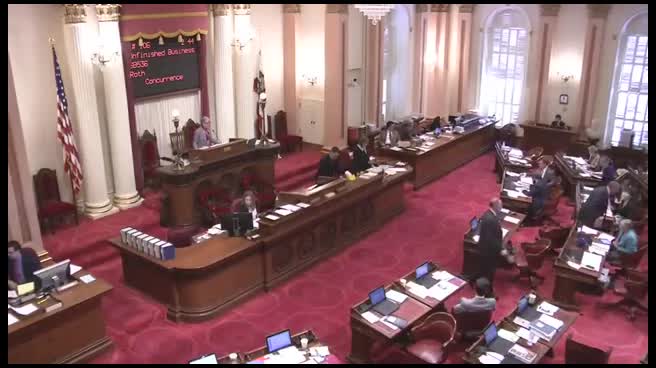 1MIN
Senate Floor
 1MIN
Assembly Floor
 1MIN
Senate Floor
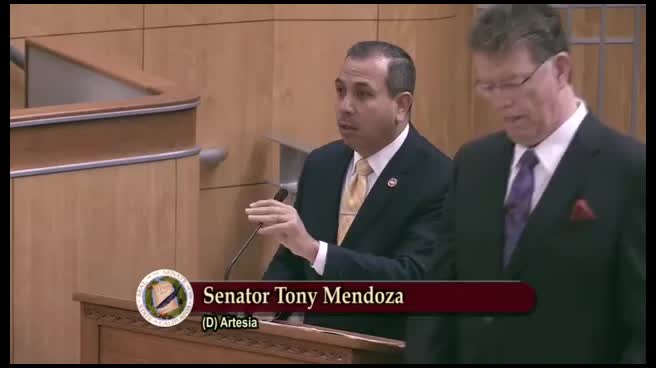 4MIN
Senate Standing Committee on Governmental Organization
Bill Author

Bill Co-Author(s):