SB 540: Franchise Tax Board: Taxpayers’ Rights Advocate.
- Session Year: 2015-2016
- House: Senate
- Latest Version Date: 2015-10-06
The Katz-Harris Taxpayers Bill of Rights Act establishes the position of Taxpayers Rights Advocate and provides specified protections for taxpayers for purposes of, among other things, determining their correct tax liability. Existing law, until January 1, 2016, authorizes the Taxpayers Rights Advocate to abate penalties, fees, additions to tax, or interest attributable to error of or unreasonable delay caused by the Franchise Tax Board, as specified. Existing law requires any relief granted in which the total reduction exceeds $500, as adjusted, to be submitted to the executive officer of the board for concurrence, and limits the total relief granted to $7,500, as adjusted. Existing law authorizes relief to be granted only if no significant aspect of the boards error or delay is attributed to the taxpayer, as provided.
This bill, on and after January 1, 2016, would instead require the Taxpayers Rights Advocate, in coordination with the Chief Counsel of the Franchise Tax Board, to abate penalties, fees, additions to tax, or interest attributable to error of or unreasonable delay caused by the Franchise Tax Board, increase the limit on the amount of relief that may be granted from $7,500 to $10,000, revise the adjustment provision relating to that amount, and specify the retention period for records of relief granted by the chief counsel. The bill would require the advocate and the board to provide relief to the taxpayer only if no significant aspect of the boards error or delay is attributed to the taxpayer and would require the board itself to be notified whenever relief is granted.
The Katz-Harris Taxpayers Bill of Rights Act establishes the position of Taxpayers Rights Advocate and provides specified protections for taxpayers for purposes of, among other things, determining their correct tax liability. Existing law, until January 1, 2016, authorizes the Taxpayers Rights Advocate to abate penalties, fees, additions to tax, or interest attributable to error of or unreasonable delay caused by the Franchise Tax Board, as specified. Existing law requires any relief granted in which the total reduction exceeds $500, as adjusted, to be submitted to the executive officer of the board for concurrence, and limits the total relief granted to $7,500, as adjusted. Existing law authorizes relief to be granted only if no significant aspect of the boards error or delay is attributed to the taxpayer, as provided.
This bill, on and after January 1, 2016, would instead require the Taxpayers Rights Advocate, in coordination with the Chief Counsel of the Franchise Tax Board, to abate penalties, fees, additions to tax, or interest attributable to error of or unreasonable delay caused by the Franchise Tax Board, increase the limit on the amount of relief that may be granted from $7,500 to $10,000, revise the adjustment provision relating to that amount, and specify the retention period for records of relief granted by the chief counsel. The bill would require the advocate and the board to provide relief to the taxpayer only if no significant aspect of the boards error or delay is attributed to the taxpayer and would require the board itself to be notified whenever relief is granted.
The Katz-Harris Taxpayers Bill of Rights Act establishes the position of Taxpayers Rights Advocate and provides specified protections for taxpayers for purposes of, among other things, determining their correct tax liability. Existing law, until January 1, 2016, authorizes the Taxpayers Rights Advocate to abate penalties, fees, additions to tax, or interest attributable to error of or unreasonable delay caused by the Franchise Tax Board, as specified. Existing law requires any relief granted in which the total reduction exceeds $500, as adjusted, to be submitted to the executive officer of the board for concurrence, and limits the total relief granted to $7,500, as adjusted. Existing law authorizes relief to be granted only if no significant aspect of the boards error or delay is attributed to the taxpayer, as provided.
This bill, on and after January 1, 2016, would instead require the Taxpayers Rights Advocate, in coordination with the Chief Counsel of the Franchise Tax Board, to abate penalties, fees, additions to tax, or interest attributable to error of or unreasonable delay caused by the Franchise Tax Board, increase the limit on the amount of relief that may be granted from $7,500 to $10,000, revise the adjustment provision relating to that amount, and specify the retention period for records of relief granted by the chief counsel. The bill would require the advocate and the board to provide relief to the taxpayer only if no significant aspect of the boards error or delay is attributed to the taxpayer. taxpayer and would require the board itself to be notified whenever relief is granted.
The Katz-Harris Taxpayers Bill of Rights Act establishes the position of Taxpayers Rights Advocate and provides specified protections for taxpayers for purposes of, among other things, determining their correct tax liability. Existing law, until January 1, 2016, authorizes the Taxpayers Rights Advocate to abate penalties, fees, additions to tax, or interest attributable to error of or unreasonable delay caused by the Franchise Tax Board, as specified. Existing law requires any relief granted in which the total reduction exceeds $500, as adjusted, to be submitted to the executive officer of the board for concurrence, and limits the total relief granted to $7,500, as adjusted. Existing law authorizes relief to be granted only if no significant aspect of the boards error or delay is attributed to the taxpayer, as provided.
This bill, on and after January 1, 2016, would instead require the Taxpayers Rights Advocate, in coordination with the Chief Counsel of the Franchise Tax Board, to abate penalties, fees, additions to tax, or interest attributable to error of or unreasonable delay caused by the Franchise Tax Board, remove increase the limit on the amount of relief that may be granted and from $7,500 to $10,000, revise the adjustment provision relating to that amount, and specify the retention period for records of relief granted by the chief counsel. The bill would require the advocate and the board to provide relief to the taxpayer only if no significant aspect of the boards error or delay is attributed to the taxpayer.
The Katz-Harris Taxpayers Bill of Rights Act establishes the position of Taxpayers Rights Advocate and provides specified protections for taxpayers for purposes of, among other things, determining their correct tax liability. Existing law, until January 1, 2016, authorizes the Taxpayers Rights Advocate to abate penalties, fees, additions to tax, or interest attributable to error of or unreasonable delay caused by the Franchise Tax Board, as specified. Existing law requires any relief granted in which the total reduction exceeds $500, as adjusted, to be submitted to the executive officer of the board for concurrence, and limits the total relief granted to $7,500, as adjusted. Existing law authorizes relief to be granted only if no significant aspect of the boards error or delay is attributed to the taxpayer, as provided.
This bill would, bill, on and after January 1, 2016, instead authorize would instead require the Taxpayers Rights Advocate, in coordination with the Chief Counsel of the Franchise Tax Board Board, to abate penalties, fees, additions to tax, or interest attributable to error of or unreasonable delay caused by the Franchise Tax Board, remove the limit on the amount of relief that may be granted and the adjustment provision relating to that amount, and specify the retention period for records of relief granted by the chief counsel. The bill would require the advocate and the board to provide relief to the taxpayer only if no significant aspect of the boards error or delay is attributed to the taxpayer.
The Katz-Harris Taxpayers Bill of Rights Act establishes the position of Taxpayers Rights Advocate and provides specified protections for taxpayers for purposes of, among other things, determining their correct tax liability. Existing law, until January 1, 2016, authorizes the Taxpayers Rights Advocate to abate penalties, fees, additions to tax, or interest attributable to error of the Franchise Tax Board, as specified. Existing law requires any relief granted in which the total reduction exceeds $500, as adjusted, to be submitted to the executive officer of the board for concurrence, and limits the total relief granted to $7,500, as adjusted.
This bill would, on and after January 1, 2016, instead authorize the chief counsel Chief Counsel of the Franchise Tax Board to abate penalties, fees, additions to tax, or interest attributable to error of the Franchise Tax Board, remove the limit on the amount of relief that may be granted and the adjustment provision relating to that amount, and specify the retention period for records of relief granted by the chief counsel, and remove the sunset date, thus extending these provisions indefinitely. counsel.
The Katz-Harris Taxpayers Bill of Rights Act establishes the position of Taxpayers Rights Advocate and provides specified protections for taxpayers for purposes of, among other things, determining their correct tax liability. Existing law, until January 1, 2016, authorizes the Taxpayers Rights Advocate to abate penalties, fees, additions to tax, or interest attributable to error of the Franchise Tax Board, as specified. Existing law requires any relief granted in which the total reduction exceeds $500, as adjusted, to be submitted to the executive officer of the board for concurrence, and limits the total relief granted to $7,500, as adjusted.
This bill would, on and after January 1, 2016, instead authorize the chief counsel of the Franchise Tax Board to abate penalties, fees, additions to tax, or interest attributable to error of the Franchise Tax Board, remove the limit on the amount of relief that may be granted and the adjustment provision relating to that amount, specify the retention period for records of relief granted by the chief counsel, and remove the sunset date, thus extending these provisions indefinitely.
(a)The board shall establish the position of the Taxpayers Rights Advocate. The advocate or his or her designee shall be responsible for coordinating resolution of taxpayer complaints and problems, including any taxpayer complaints regarding unsatisfactory treatment of taxpayers by board employees. The advocate shall report directly to the executive officer of the board.
(b)The advocate or his or her designee shall give highest priority to reviewing and taking prompt and appropriate action, including staying actions where taxpayers have suffered or will suffer irreparable loss as the result of board action. Applicable statutes of limitation shall be tolled during the pendency of a stay. Any penalties and interest which would otherwise accrue shall not be affected by the granting of a stay.
(c)(1)On and after January 1, 2016, the Taxpayers Rights Advocate, in coordination with the Chief Counsel of the Franchise Tax Board, shall provide relief pursuant to this subdivision and abate any penalties, fees, additions to tax, or interest assessed if it is determined that the penalties, fees, additions to tax, or interest that have been assessed, or any part thereof, is attributable to any of the following:
(A)Erroneous action or erroneous inaction by the board in processing documents filed or payments made by taxpayers.
(B)Unreasonable delay caused by the board.
(C)Erroneous written advice that does not qualify for relief under Section 21012.
(2)Relief shall be granted pursuant to this subdivision only if no significant aspect of that error or delay can be attributed to the taxpayer involved and relief is not available under any other provision of this part, Part 10 (commencing with Section 17001), Part 10.2 (commencing with Section 18401), or Part 11 (commencing with Section 23001), including any relief granted under any regulation or other administrative pronouncement of the board.
(3)(A)(i)Any relief granted pursuant to this subdivision in which the total reduction in penalties, fees, additions to tax, or interest exceeds five hundred dollars ($500) shall be submitted to the executive officer for concurrence.
(ii)The total relief granted pursuant to this subdivision to a taxpayer with respect to penalties, fees, additions to tax, or interest for a taxable year may not exceed ten thousand dollars ($10,000).
(iii)Beginning on January 1, 2017, and annually thereafter, the amount specified in clause (ii) shall be recomputed in accordance with subparagraph (B) of paragraph (3) of subdivision (b) of Section 19442, modified by substituting January 1, 2017 for January 1, 2004.
(B)Whenever relief is granted under this subdivision, the board itself shall be notified and there shall be placed on file for at least one year in the office of the executive officer of the board a public record with respect to that relief. The public record shall include the following:
(i)The taxpayers name.
(ii)The total amount involved.
(iii)The amount payable or refundable due to the error or delay.
(iv)A summary of why the relief is warranted.
(4)A refund may be paid as a result of relief granted under this subdivision only if the applicable statute of limitations, with respect to filing a claim for refund, remains open as of the date that the basis for providing relief, as authorized in subparagraphs (A) to (C), inclusive, of paragraph (1), as determined by the board.
(d)No other entity may participate in the grant or denial of relief pursuant to this section.
(e)Notwithstanding any other law or rule of law, all determinations made under paragraph (1) of subdivision (c) shall not be subject to review in any administrative or judicial proceeding.
(f)(1)The amendments made by Section 1 of Chapter 349 of the Statutes of 2012 shall become operative on January 1, 2013.
(2)The amendments made by the act adding this paragraph shall become operative on January 1, 2016.
SEC. 2.Section 21004 of the Revenue and Taxation Code, as added by Section 2 of Chapter 349 of the Statutes of 2012, is repealed.(a)The board shall establish the position of the Taxpayers Rights Advocate. The advocate or his or her designee shall be responsible for coordinating resolution of taxpayer complaints and problems, including any taxpayer complaints regarding unsatisfactory treatment of taxpayers by board employees. The advocate shall report directly to the executive officer of the board.
(b)The advocate or his or her designee shall give highest priority to reviewing and taking prompt and appropriate action, including staying actions where taxpayers have suffered or will suffer irreparable loss as the result of board action. Applicable statutes of limitation shall be tolled during the pendency of a stay. Any penalties and interest which would otherwise accrue shall not be affected by the granting of a stay.
(c)(1)On and after January 1, 2016, the Taxpayers Rights Advocate, in coordination with the Chief Counsel of the Franchise Tax Board, shall provide relief pursuant to this subdivision and abate any penalties, fees, additions to tax, or interest assessed if it is determined that the penalties, fees, additions to tax, or interest that have been assessed, or any part thereof, is attributable to any of the following:
(A)Erroneous action or erroneous inaction by the board in processing documents filed or payments made by taxpayers.
(B)Unreasonable delay caused by the board.
(C)Erroneous written advice that does not qualify for relief under Section 21012.
(2)Relief shall be granted pursuant to this subdivision only if no significant aspect of that error or delay can be attributed to the taxpayer involved and relief is not available under any other provision of this part, Part 10 (commencing with Section 17001), Part 10.2 (commencing with Section 18401), or Part 11 (commencing with Section 23001), including any relief granted under any regulation or other administrative pronouncement of the board.
(3)(A)(i)Any relief granted pursuant to this subdivision in which the total reduction in penalties, fees, additions to tax, or interest exceeds five hundred dollars ($500) shall be submitted to the executive officer for concurrence.
(ii)The total relief granted pursuant to this subdivision to a taxpayer with respect to penalties, fees, additions to tax, or interest for a taxable year may not exceed ten thousand dollars ($10,000).
(iii)Beginning on January 1, 2017, and annually thereafter, the amount specified in clause (ii) shall be recomputed in accordance with subparagraph (B) of paragraph (3) of subdivision (b) of Section 19442, modified by substituting January 1, 2017 for January 1, 2004.
(B)Whenever relief is granted under this subdivision, the board itself shall be notified and there shall be placed on file for at least one year in the office of the executive officer of the board a public record with respect to that relief. The public record shall include the following:
(i)The taxpayers name.
(ii)The total amount involved.
(iii)The amount payable or refundable due to the error or delay.
(iv)A summary of why the relief is warranted.
(4)A refund may be paid as a result of relief granted under this subdivision only if the applicable statute of limitations, with respect to filing a claim for refund, remains open as of the date that the basis for providing relief, as authorized in subparagraphs (A) to (C), inclusive, of paragraph (1), as determined by the board.
(d)No other entity may participate in the grant or denial of relief pursuant to this section.
(e)Notwithstanding any other law or rule of law, all determinations made under paragraph (1) of subdivision (c) shall not be subject to review in any administrative or judicial proceeding.
(f)(1)The amendments made by Section 1 of Chapter 349 of the Statutes of 2012 shall become operative on January 1, 2013.
(2)The amendments made by the act adding this paragraph shall become operative on January 1, 2016.
SEC. 2.Section 21004 of the Revenue and Taxation Code, as added by Section 2 of Chapter 349 of the Statutes of 2012, is repealed.(a)The board shall establish the position of the Taxpayers Rights Advocate. The advocate or his or her designee shall be responsible for coordinating resolution of taxpayer complaints and problems, including any taxpayer complaints regarding unsatisfactory treatment of taxpayers by board employees. The advocate shall report directly to the executive officer of the board.
(b)The advocate or his or her designee shall give highest priority to reviewing and taking prompt and appropriate action, including staying actions where taxpayers have suffered or will suffer irreparable loss as the result of board action. Applicable statutes of limitation shall be tolled during the pendency of a stay. Any penalties and interest which would otherwise accrue shall not be affected by the granting of a stay.
(c)(1)On and after January 1, 2016, the Taxpayers Rights Advocate, in coordination with the Chief Counsel of the Franchise Tax Board, shall provide relief pursuant to this subdivision and abate any penalties, fees, additions to tax, or interest assessed if it is determined that the penalties, fees, additions to tax, or interest that have been assessed, or any part thereof, is attributable to any of the following:
(A)Erroneous action or erroneous inaction by the board in processing documents filed or payments made by taxpayers.
(B)Unreasonable delay caused by the board.
(C)Erroneous written advice that does not qualify for relief under Section 21012.
(2)Relief shall be granted pursuant to this subdivision only if no significant aspect of that error or delay can be attributed to the taxpayer involved and relief is not available under any other provision of this part, Part 10 (commencing with Section 17001), Part 10.2 (commencing with Section 18401), or Part 11 (commencing with Section 23001), including any relief granted under any regulation or other administrative pronouncement of the board.
(3)(A)(i)Any relief granted pursuant to this subdivision in which the total reduction in penalties, fees, additions to tax, or interest exceeds five hundred dollars ($500) shall be submitted to the executive officer for concurrence.
(ii)The total relief granted pursuant to this subdivision to a taxpayer with respect to penalties, fees, additions to tax, or interest for a taxable year may not exceed ten thousand dollars ($10,000).
(iii)Beginning on January 1, 2017, and annually thereafter, the amount specified in clause (ii) shall be recomputed in accordance with subparagraph (B) of paragraph (3) of subdivision (b) of Section 19442, modified by substituting January 1, 2017 for January 1, 2004.
(B)Whenever relief is granted under this subdivision, the board itself shall be notified and there shall be placed on file for at least one year in the office of the executive officer of the board a public record with respect to that relief. The public record shall include the following:
(i)The taxpayers name.
(ii)The total amount involved.
(iii)The amount payable or refundable due to the error or delay.
(iv)A summary of why the relief is warranted.
(4)A refund may be paid as a result of relief granted under this subdivision only if the applicable statute of limitations, with respect to filing a claim for refund, remains open as of the date that the basis for providing relief, as authorized in subparagraphs (A) to (C), inclusive, of paragraph (1), as determined by the board.
(d)No other entity may participate in the grant or denial of relief pursuant to this section.
(e)Notwithstanding any other law or rule of law, all determinations made under paragraph (1) of subdivision (c) shall not be subject to review in any administrative or judicial proceeding.
(f)(1)The amendments made by Section 1 of Chapter 349 of the Statutes of 2012 shall become operative on January 1, 2013.
(2)The amendments made by the act adding this paragraph shall become operative on January 1, 2016.
SEC. 2.Section 21004 of the Revenue and Taxation Code, as added by Section 2 of Chapter 349 of the Statutes of 2012, is repealed.(a)The board shall establish the position of the Taxpayers Rights Advocate. The advocate or his or her designee shall be responsible for coordinating resolution of taxpayer complaints and problems, including any taxpayer complaints regarding unsatisfactory treatment of taxpayers by board employees. The advocate shall report directly to the executive officer of the board.
(b)The advocate or his or her designee shall give highest priority to reviewing and taking prompt and appropriate action, including staying actions where taxpayers have suffered or will suffer irreparable loss as the result of board action. Applicable statutes of limitation shall be tolled during the pendency of a stay. Any penalties and interest which would otherwise accrue shall not be affected by the granting of a stay.
(c)(1)On and after January 1, 2016, the Taxpayers Rights Advocate, in coordination with the Chief Counsel of the Franchise Tax Board, shall provide relief pursuant to this subdivision and abate any penalties, fees, additions to tax, or interest assessed if it is determined that the penalties, fees, additions to tax, or interest that have been assessed, or any part thereof, is attributable to any of the following:
(A)Erroneous action or erroneous inaction by the board in processing documents filed or payments made by taxpayers.
(B)Unreasonable delay caused by the board.
(C)Erroneous written advice that does not qualify for relief under Section 21012.
(2)Relief shall be granted pursuant to this subdivision only if no significant aspect of that error or delay can be attributed to the taxpayer involved and relief is not available under any other provision of this part, Part 10 (commencing with Section 17001), Part 10.2 (commencing with Section 18401), or Part 11 (commencing with Section 23001), including any relief granted under any regulation or other administrative pronouncement of the board.
(3)(A)(i)Any relief granted pursuant to this subdivision in which the total reduction in penalties, fees, additions to tax, or interest exceeds five hundred dollars ($500) shall be submitted to the executive officer for concurrence.
(ii)The total relief granted pursuant to this subdivision to a taxpayer with respect to penalties, fees, additions to tax, or interest for a taxable year may not exceed ten thousand dollars ($10,000).
(iii)Beginning on January 1, 2017, and annually thereafter, the amount specified in clause (ii) shall be recomputed in accordance with subparagraph (B) of paragraph (3) of subdivision (b) of Section 19442, modified by substituting January 1, 2017 for January 1, 2004.
(B)Whenever relief is granted under this subdivision, there shall be placed on file for at least one year in the office of the executive officer of the board a public record with respect to that relief. The public record shall include the following:
(i)The taxpayers name.
(ii)The total amount involved.
(iii)The amount payable or refundable due to the error or delay.
(iv)A summary of why the relief is warranted.
(4)A refund may be paid as a result of relief granted under this subdivision only if the applicable statute of limitations, with respect to filing a claim for refund, remains open as of the date that the basis for providing relief, as authorized in subparagraphs (A) to (C), inclusive, of paragraph (1), as determined by the board.
(d)No other entity may participate in the grant or denial of relief pursuant to this section.
(e)Notwithstanding any other law or rule of law, all determinations made under paragraph (1) of subdivision (c) shall not be subject to review in any administrative or judicial proceeding.
(f)(1)The amendments made by Section 1 of Chapter 349 of the Statutes of 2012 shall become operative on January 1, 2013.
(2)The amendments made by the act adding this paragraph shall become operative on January 1, 2016.
SEC. 2.Section 21004 of the Revenue and Taxation Code, as added by Section 2 of Chapter 349 of the Statutes of 2012, is repealed.(a)The board shall establish the position of the Taxpayers Rights Advocate. The advocate or his or her designee shall be responsible for coordinating resolution of taxpayer complaints and problems, including any taxpayer complaints regarding unsatisfactory treatment of taxpayers by board employees. The advocate shall report directly to the executive officer of the board.
(b)The advocate or his or her designee shall give highest priority to reviewing and taking prompt and appropriate action, including staying actions where taxpayers have suffered or will suffer irreparable loss as the result of board action. Applicable statutes of limitation shall be tolled during the pendency of a stay. Any penalties and interest which would otherwise accrue shall not be affected by the granting of a stay.
(c)(1)On and after January 1, 2016, the Taxpayers Rights Advocate, in coordination with the Chief Counsel of the Franchise Tax Board may Board, shall provide relief pursuant to this subdivision and abate any penalties, fees, additions to tax, or interest assessed if it is determined by the Chief Counsel of the Franchise Tax Board that the penalties, fees, additions to tax, or interest that have been assessed, or any part thereof, is attributable to any of the following:
(A)Erroneous action or erroneous inaction by the board in processing documents filed or payments made by taxpayers.
(B)Unreasonable delay caused by the board.
(C)Erroneous written advice that does not qualify for relief under Section 21012.
(2)Relief may shall be granted pursuant to this subdivision only if no significant aspect of that error or delay can be attributed to the taxpayer involved and relief is not available under any other provision of this part, Part 10 (commencing with Section 17001), Part 10.2 (commencing with Section 18401), or Part 11 (commencing with Section 23001), including any relief granted under any regulation or other administrative pronouncement of the board.
(3)(A)Any relief granted pursuant to this subdivision in which the total reduction in penalties, fees, additions to tax, or interest exceeds five hundred dollars ($500) shall be submitted to the executive officer for concurrence.
(B)Whenever relief is granted under this subdivision, there shall be placed on file for at least one year in the office of the executive officer of the board a public record with respect to that relief. The public record shall include the following:
(i)The taxpayers name.
(ii)The total amount involved.
(iii)The amount payable or refundable due to the error or delay.
(iv)A summary of why the relief is warranted.
(4)A refund may be paid as a result of relief granted under this subdivision only if the applicable statute of limitations, with respect to filing a claim for refund, remains open as of the date that the basis for providing relief, as authorized in subparagraphs (A) to (C), inclusive, of paragraph (1), as determined by the board.
(d)No other entity may participate in the grant or denial of relief pursuant to this section.
(e)Notwithstanding any other law or rule of law, all determinations made under paragraph (1) of subdivision (c) shall not be subject to review in any administrative or judicial proceeding.
(f)(1)The amendments made by Section 1 of Chapter 349 of the Statutes of 2012 shall become operative on January 1, 2013.
(2)The amendments made by the act adding this paragraph shall become operative on January 1, 2016.
SEC. 2.Section 21004 of the Revenue and Taxation Code, as added by Section 2 of Chapter 349 of the Statutes of 2012, is repealed.(a)The board shall establish the position of the Taxpayers Rights Advocate. The advocate or his or her designee shall be responsible for coordinating resolution of taxpayer complaints and problems, including any taxpayer complaints regarding unsatisfactory treatment of taxpayers by board employees. The advocate shall report directly to the executive officer of the board.
(b)The advocate or his or her designee shall give highest priority to reviewing and taking prompt and appropriate action, including staying actions where taxpayers have suffered or will suffer irreparable loss as the result of board action. Applicable statutes of limitation shall be tolled during the pendency of a stay. Any penalties and interest which would otherwise accrue shall not be affected by the granting of a stay.
(c)(1)On and after January 1, 2013, and before January 1, 2016, the advocate may review any application for Chief Counsel of the Franchise Tax Board may provide relief pursuant to this subdivision and abate any penalties, fees, additions to tax, or interest assessed on a taxpayer, if it is determined by the advocate Chief Counsel of the Franchise Tax Board that the penalties, fees, additions to tax, or interest that have been assessed, or any part thereof, is attributable to any of the following:
(A)Erroneous action or erroneous inaction by the board in processing documents filed or payments made by taxpayers.
(B)Unreasonable delay caused by the board.
(C)Erroneous written advice that does not qualify for relief under Section 21012.
(2)Relief may be granted pursuant to this subdivision only if no significant aspect of that error or delay can be attributed to the taxpayer involved and relief is not available under any other provision of this part, Part 10 (commencing with Section 17001), Part 10.2 (commencing with Section 18401), or Part 11 (commencing with Section 23001), including any relief granted under any regulation or other administrative pronouncement of the board.
(3)(A)(i)Any relief granted pursuant to this subdivision in which the total reduction in penalties, fees, additions to tax, or interest exceeds five hundred dollars ($500) shall be submitted to the executive officer for concurrence.
(ii)The total relief granted pursuant to this subdivision may not exceed seven thousand five hundred dollars ($7,500).
(B)Whenever relief is granted under this subdivision, there shall be placed on file for at least one year in the office of the executive officer of the board a public record with respect to that relief. The public record shall include the following:
(i)The taxpayers name.
(ii)The total amount involved.
(iii)The amount payable or refundable due to the error or delay.
(iv)A summary of why the relief is warranted.
(4)A refund may be paid as a result of relief granted under this subdivision only if the applicable statute of limitations, with respect to filing a claim for refund, remains open as of the date that the basis for providing relief, as authorized in subparagraphs (A) to (C), inclusive, of paragraph (1), as reflected in a written communication received by the advocate. determined by the board.
(d)(1)On and after January 1, 2016, the chief counsel of the board may provide relief pursuant to this subdivision and abate any penalties, fees, additions to tax, or interest assessed, if it is determined by the chief counsel that the penalties, fees, additions to tax, or interest that have been assessed, or any part thereof, is attributable to any of the following:
(A)Erroneous action or erroneous inaction by the board in processing documents filed or payments made by taxpayers.
(B)Unreasonable delay caused by the board.
(C)Erroneous written advice that does not qualify for relief under Section 21012.
(2)Relief may be granted pursuant to this subdivision only if no significant aspect of that error or delay can be attributed to the taxpayer involved and relief is not available under any other provision of this part, Part 10 (commencing with Section 17001), Part 10.2 (commencing with Section 18401), or Part 11 (commencing with Section 23001), including any relief granted under any regulation or other administrative pronouncement of the board.
(3)(A)Any relief granted pursuant to this subdivision in which the total reduction in penalties, fees, additions to tax, or interest exceeds five hundred dollars ($500) shall be submitted to the executive officer for concurrence.
(B)Whenever relief is granted under this subdivision, there shall be placed on file for at least one year in the office of the executive officer of the board a public record with respect to that relief. The public record shall include the following:
(i)The taxpayers name.
(ii)The total amount involved.
(iii)The amount payable or refundable due to the error or delay.
(iv)A summary of why the relief is warranted.
(4)A refund may be paid as a result of relief granted under this subdivision only if the applicable statute of limitations, with respect to filing a claim for refund, remains open as of the date that the basis for providing relief, as authorized in subparagraphs (A) to (C), inclusive, of paragraph (1), as determined by the board.
(e)No other entity may participate in the grant or denial of relief pursuant to this section.
(f)On January 1 of each calendar year beginning on or after January 1, 2009, and before January 1, 2016, the board shall increase the amount specified in subparagraph (A) of paragraph (3) of subdivision (c) to the amount computed under this subdivision. That adjustment shall be made as follows:
(1)The Department of Industrial Relations shall transmit annually to the board the percentage change in the California Consumer Price Index for All Urban Consumers, as modified for rental equivalent home ownership for all items, from June of the prior calendar year to June of the current calendar year, no later than August 1 of the current calendar year.
(2)The board shall then:
(A)Compute the percentage change in the California Consumer Price Index for All Urban Consumers from the later of June 2008 or June of the calendar year prior to the last increase in the amount specified in paragraph (1).
(B)Compute the inflation adjustment factor by adding 100 percent to the percentage change so computed, and converting the resulting percentage to the decimal equivalent.
(C)Multiply the amount specified in paragraph (1) for the immediately preceding calendar year, as adjusted under this subparagraph, by the inflation adjustment factor determined in subparagraph (B), and round off the resulting product to the nearest one hundred dollars ($100).
(d)No other entity may participate in the grant or denial of relief pursuant to this section.
(g)
(e)Notwithstanding any other law or rule of law, all determinations made under paragraph (1) of subdivision (c) and paragraph (1) of subdivision (d) shall not be subject to review in any administrative or judicial proceeding.
(f)(1)The amendments made by Section 1 of Chapter 349 of the Statutes of 2012 shall become operative on January 1, 2013.
(2)The amendments made by the act adding this paragraph shall become operative on January 1, 2016.
SEC. 2.Section 21004 of the Revenue and Taxation Code, as added by Section 2 of Chapter 349 of the Statutes of 2012, is repealed.(a)The board shall establish the position of the Taxpayers Rights Advocate. The advocate or his or her designee shall be responsible for coordinating resolution of taxpayer complaints and problems, including any taxpayer complaints regarding unsatisfactory treatment of taxpayers by board employees. The advocate shall report directly to the executive officer of the board.
(b)The advocate or his or her designee shall give highest priority to reviewing and taking prompt and appropriate action, including staying actions where taxpayers have suffered or will suffer irreparable loss as the result of board action. Applicable statutes of limitation shall be tolled during the pendency of a stay. Any penalties and interest which would otherwise accrue shall not be affected by the granting of a stay.
(c)(1)On and after January 1, 2013, and before January 1, 2016, the advocate may review any application for relief pursuant to this subdivision and abate any penalties, fees, additions to tax, or interest assessed on a taxpayer, if it is determined by the advocate that the penalties, fees, additions to tax, or interest that have been assessed, or any part thereof, is attributable to any of the following:
(A)Erroneous action or erroneous inaction by the board in processing documents filed or payments made by taxpayers.
(B)Unreasonable delay caused by the board.
(C)Erroneous written advice that does not qualify for relief under Section 21012.
(2)Relief may be granted pursuant to this subdivision only if no significant aspect of that error or delay can be attributed to the taxpayer involved and relief is not available under any other provision of this part, Part 10 (commencing with Section 17001), or Part 11 (commencing with Section 23001), including any relief granted under any regulation or other administrative pronouncement of the board.
(3)(A)(i)Any relief granted pursuant to this subdivision in which the total reduction in penalties, fees, additions to tax, or interest exceeds five hundred dollars ($500) shall be submitted to the executive officer for concurrence.
(ii)The total relief granted pursuant to this subdivision may not exceed seven thousand five hundred dollars ($7,500).
(B)Whenever relief is granted under this subdivision, there shall be placed on file in the office of the executive officer of the board a public record with respect to that relief. The public record shall include the following:
(i)The taxpayers name.
(ii)The total amount involved.
(iii)The amount payable or refundable due to the error or delay.
(iv)A summary of why the relief is warranted.
(4)A refund may be paid as a result of relief granted under this subdivision only if the applicable statute of limitations, with respect to filing a claim for refund, remains open as of the date that the basis for providing relief, as authorized in subparagraphs (A) to (C), inclusive, of paragraph (1), as reflected in a written communication received by the advocate.
(d)(1)On and after January 1, 2016, the chief counsel of the board may provide relief pursuant to this subdivision and abate any penalties, fees, additions to tax, or interest assessed, if it is determined by the chief counsel that the penalties, fees, additions to tax, or interest that have been assessed, or any part thereof, is attributable to any of the following:
(A)Erroneous action or erroneous inaction by the board in processing documents filed or payments made by taxpayers.
(B)Unreasonable delay caused by the board.
(C)Erroneous written advice that does not qualify for relief under Section 21012.
(2)Relief may be granted pursuant to this subdivision only if no significant aspect of that error or delay can be attributed to the taxpayer involved and relief is not available under any other provision of this part, Part 10 (commencing with Section 17001), Part 10.2 (commencing with Section 18401), or Part 11 (commencing with Section 23001), including any relief granted under any regulation or other administrative pronouncement of the board.
(3)(A)Any relief granted pursuant to this subdivision in which the total reduction in penalties, fees, additions to tax, or interest exceeds five hundred dollars ($500) shall be submitted to the executive officer for concurrence.
(B)Whenever relief is granted under this subdivision, there shall be placed on file for at least one year in the office of the executive officer of the board a public record with respect to that relief. The public record shall include the following:
(i)The taxpayers name.
(ii)The total amount involved.
(iii)The amount payable or refundable due to the error or delay.
(iv)A summary of why the relief is warranted.
(4)A refund may be paid as a result of relief granted under this subdivision only if the applicable statute of limitations, with respect to filing a claim for refund, remains open as of the date that the basis for providing relief, as authorized in subparagraphs (A) to (C), inclusive, of paragraph (1), as determined by the board.
(d)
(e)No other entity may participate in the grant or denial of relief pursuant to this section.
(e)
(f)On January 1 of each calendar year beginning on or after January 1, 2009, and before January 1, 2016, the board shall increase the amount specified in subparagraph (A) of paragraph (3) of subdivision (c) to the amount computed under this subdivision. That adjustment shall be made as follows:
(1)The Department of Industrial Relations shall transmit annually to the board the percentage change in the California Consumer Price Index for All Urban Consumers, as modified for rental equivalent home ownership for all items, from June of the prior calendar year to June of the current calendar year, no later than August 1 of the current calendar year.
(2)The board shall then:
(A)Compute the percentage change in the California Consumer Price Index for All Urban Consumers from the later of June 2008 or June of the calendar year prior to the last increase in the amount specified in paragraph (1).
(B)Compute the inflation adjustment factor by adding 100 percent to the percentage change so computed, and converting the resulting percentage to the decimal equivalent.
(C)Multiply the amount specified in paragraph (1) for the immediately preceding calendar year, as adjusted under this subparagraph, by the inflation adjustment factor determined in subparagraph (B), and round off the resulting product to the nearest one hundred dollars ($100).
(f)
(g)Notwithstanding any other law or rule of law, all determinations made under paragraph (1) of subdivision (c) and paragraph (1) of subdivision (d) shall not be subject to review in any administrative or judicial proceeding.
(g)
The amendments made by the act adding this subdivision shall become operative on January 1, 2013.
(h)This section shall remain in effect only until January 1, 2016, and as of that date is repealed.
SEC. 2.Section 21004 of the Revenue and Taxation Code, as added by Section 2 of Chapter 349 of the Statutes of 2012, is repealed.21004.(a)The board shall establish the position of the Taxpayers Rights Advocate. The advocate or his or her designee shall be responsible for coordinating resolution of taxpayer complaints and problems, including any taxpayer complaints regarding unsatisfactory treatment of taxpayers by board employees. The advocate shall report directly to the executive officer of the board.
(b)The advocate or his or her designee shall give highest priority to reviewing and taking prompt and appropriate action, including staying actions where taxpayers have suffered or will suffer irreparable loss as the result of board action. Applicable statutes of limitation shall be tolled during the pendency of a stay. Any penalties and interest which would otherwise accrue shall not be affected by the granting of a stay.
(c)This section shall become operative on January 1, 2016.
|
Date
|
Status
|
|---|---|
| Sep 8, 2015 | In Senate. Concurrence in Assembly amendments pending. |
| Jul 14, 2015 | From committee: Do pass as amended and re-refer to Com. on APPR. (Ayes 9. Noes 0.) (July 13). |
| Jul 15, 2015 | Read second time and amended. Re-referred to Com. on APPR. |
| Aug 19, 2015 | From committee: Do pass. Ordered to consent calendar. (Ayes 17. Noes 0.) (August 19). |
| Aug 20, 2015 | Read second time. Ordered to consent calendar. |
| Aug 24, 2015 | From consent calendar on motion of Assembly Member Cristina Garcia. |
| Aug 24, 2015 | Ordered to third reading. |
| Sep 4, 2015 | Ordered to third reading. |
| Sep 4, 2015 | Read third time and amended. |
| Jun 22, 2015 | June 22 set for first hearing. Placed on REV. & TAX. suspense file. |
| Sep 8, 2015 | Read third time. Passed. Ordered to the Senate. |
| Sep 8, 2015 | Read third time. Passed. (Ayes 79. Noes 0. Page 2959.) Ordered to the Senate. |
| Sep 10, 2015 | Assembly amendments concurred in. (Ayes 39. Noes 0. Page 2668.) Ordered to engrossing and enrolling. |
| Sep 10, 2015 | Assembly amendments concurred in. (Ayes 39. Noes 0.) Ordered to engrossing and enrolling. |
| Sep 15, 2015 | Enrolled and presented to the Governor at 9:30 a.m. |
| Oct 6, 2015 | Approved by the Governor. |
| Oct 6, 2015 | Chaptered by Secretary of State. Chapter 541, Statutes of 2015. |
| Apr 24, 2015 | Set for hearing May 4. |
| Feb 27, 2015 | From printer. May be acted upon on or after March 29. |
| Mar 12, 2015 | Referred to Com. on GOV. & F. |
| Mar 27, 2015 | Set for hearing April 15. |
| Apr 6, 2015 | From committee with author's amendments. Read second time and amended. Re-referred to Com. on GOV. & F. |
| Apr 9, 2015 | April 15 set for first hearing canceled at the request of author. |
| Apr 10, 2015 | Set for hearing April 22. |
| Apr 15, 2015 | From committee with author's amendments. Read second time and amended. Re-referred to Com. on GOV. & F. |
| Apr 22, 2015 | From committee: Do pass and re-refer to Com. on APPR. with recommendation: To consent calendar. (Ayes 7. Noes 0. Page 725.) (April 22). Re-referred to Com. on APPR. |
| Feb 26, 2015 | Introduced. Read first time. To Com. on RLS. for assignment. To print. |
| May 4, 2015 | From committee: Do pass. (Ayes 7. Noes 0. Page 884.) (May 4). |
| May 4, 2015 | From committee: Do pass. (Ayes 7. Noes 0.) (May 4). |
| May 5, 2015 | Read second time. Ordered to third reading. |
| May 11, 2015 | In Assembly. Read first time. Held at Desk. |
| May 11, 2015 | Read third time. Passed. (Ayes 36. Noes 0. Page 949.) Ordered to the Assembly. |
| May 11, 2015 | Read third time. Passed. (Ayes 36. Noes 0.) Ordered to the Assembly. |
| May 22, 2015 | Referred to Com. on REV. & TAX. |
|
Date
|
Description
|
Location
|
Votes
|
|
|---|---|---|---|---|
| Sep 10, 2015 | Unfinished Business SB540 Hertzberg Concurrence | Senate Floor |
Passed |
|
| Sep 8, 2015 | SB 540 Hertzberg Senate Third Reading By BROUGH | Assembly Floor |
Passed |
|
| Aug 19, 2015 | Do pass. To Consent Calendar. | Assembly Standing Committee on Appropriations |
Passed |
|
| Jul 13, 2015 | Do pass as amended and be re-referred to the Committee on [Appropriations] | Assembly Standing Committee on Revenue and Taxation |
Passed |
|
| May 11, 2015 | Senate 3rd Reading SB540 Hertzberg | Senate Floor |
Passed |
|
| May 4, 2015 | Do pass | Senate Standing Committee on Appropriations |
Passed |
|
| Apr 22, 2015 | Do pass, but first be re-referred to the Committee on [Appropriations] with the recommendation: To Consent Calendar | Senate Standing Committee on Governance and Finance |
Passed |
This list shows positions taken on this bill by organizations on the date displayed, which is linked to the original source.
Positions by individuals are not included.
|
Organization
|
Position
|
Date
|
|---|---|---|
| California Chamber Of Commerce | ** Support | Sep 8, 2015 |
| California Taxpayers' Association | ** Support | Sep 8, 2015 |
| Franchise Tax Board | ** Support | Sep 8, 2015 |
| Howard Jarvis Taxpayers Association | ** Support | Sep 8, 2015 |
SB 540
Page 5
|
Office of Senate Floor Analyses (916) 651-1520 Fax: (916) 327-4478 |
UNFINISHED BUSINESS
Bill No: SB 540
Amended: 9/4/15
SENATE GOVERNANCE & FIN. COMMITTEE: 7-0, 4/22/15
AYES: Hertzberg, Nguyen, Beall, Hernandez, Lara, Moorlach, Pavley
SENATE APPROPRIATIONS COMMITTEE: 7-0, 5/4/15
AYES: Lara, Bates, Beall, Hill, Leyva, Mendoza, Nielsen
SENATE FLOOR: 36-0, 5/11/15
AYES: Allen, Bates, Beall, Berryhill, Block, Cannella, Fuller, Gaines, Galgiani, Hall, Hancock, Hernandez, Hertzberg, Hill, Hueso, Huff, Jackson, Lara, Leno, Leyva, McGuire, Mendoza, Mitchell, Monning, Moorlach, Morrell, Nguyen, Nielsen, Pan, Pavley, Roth, Runner, Stone, Vidak, Wieckowski, Wolk
NO VOTE RECORDED: Anderson, De León, Liu
ASSEMBLY FLOOR: 79-0, 9/8/15 - See last page for vote
SUBJECT: Franchise Tax Board: Taxpayers’ Rights Advocate
DIGEST: This bill repeals the sunset provision and increases the maximum relief amount limit for the Taxpayer Advocate Equity Relief Program (Program).
Assembly Amendments reduce the relief amount maximum to $10,000 and require the Franchise Tax Board (FTB) to be notified whenever relief is granted.
Existing law:
Authorizes the Taxpayers’ Rights Advocate (Advocate) to resolve taxpayer issues identified by the FTB, and to grant relief from penalties, fees, or interest attributable to any of the following:
Erroneous action or erroneous inaction by FTB in processing documents filed or payments made by taxpayers.
Unreasonable delay caused by FTB.
Erroneous written advice that does not qualify for relief under the FTB’s Chief Counsel’s (Chief Counsel’s) authority.
Allows the Advocate to grant relief only in situations where no significant aspect of the error is attributable to the taxpayer and relief is unavailable under any other statute or regulation.
Allows a maximum relief amount of $7,600, and relief in excess of $509 must be approved by FTB’s Executive Officer.
Sunsets on January 1, 2016.
This bill:
Extends the Program indefinitely by repealing the January 1, 2016, sunset date.
Requires the Advocate to coordinate with the Chief Counsel, on or after January 1, 2016, in order to abate penalties, fees, additions to tax, or interest attributable to an erroneous action or inaction of, unreasonable delay caused by, or specified written advice issued by the FTB.
Requires that the FTB be notified of relief granted by the Advocate and that records of relief be retained for at least one year.
Increases the maximum annual taxpayer relief amount that may be granted for a taxable year from $7,500 to $10,000 and indexes that amount to inflation.
Comments
The Taxpayers’ Rights Advocate. In 1988, the Katz-Harris Taxpayers’ Bill of Rights Act codified many existing FTB administrative procedures and clarified the rights of California taxpayers. It also established the position of the Advocate to provide specified protections for taxpayers, including a resolution of taxpayer complaints and problems. On July 30, 1996, the federal Taxpayer Bill of Rights was passed, and later, California followed by enacting the Taxpayers’ Rights: Conformity Legislation. A few years later, the California Legislature created the Taxpayers’ Bill of Rights Act of 1999, further increasing protection of taxpayers’ rights.
The Advocate reports directly to the FTB’s Executive Officer. The Advocate or his/her designee coordinates the resolution of taxpayer complaints and problems, and, if appropriate, may postpone enforcement action while the case is under review. In 2008, the Legislature temporarily provided the Advocate with the discretionary authority to grant relief to taxpayers under limited circumstances. Specifically, beginning in January 1, 2009, the Advocate was allowed to provide relief from penalties, fees, additions to tax, or interest imposed on a taxpayer because of erroneous actions or inactions of the FTB.
Is the Taxpayers’ Rights Advocate’s permanent authority justified? FTB notes that, in the absence of the Advocate’s authority to grant relief, eligible taxpayers do have other avenues for obtaining relief from penalties, fees, additions to tax or interest. For example, taxpayers may appeal to the State Board of Equalization, file a lawsuit for refund of taxes with a court, or file a claim with the Victim Compensation and Government Claims Board for refund of tax or losses caused by the action or inaction of a state agency. However, in those cases, the taxpayers most likely will have to incur additional costs, which may exceed the amount of penalties, interest, or other additions to tax. FTB argues that the Advocate has prudently applied the discretionary authority and it is time to re-enact the law without the sunset provision.
Use of the Program. Since the enactment of the law on January 1, 2009, there have been three occurrences where the Advocate exercised its authority and provided relief to taxpayers. These occurrences are described below:
Interest was abated in the amount of $2,100 for a taxpayer because of an erroneous action of processing the taxpayer’s return.
Interest was abated in the amount of $1,800 for a taxpayer because of an unreasonable delay in issuing a bill because of a technology upgrade.
Interest totaling $1.1 million was abated for a group of 50 taxpayers including multiple years because of erroneous written advice contained in the California Fiduciary tax form instructions. The relief granted to each taxpayer was below the statutory limit.
FISCAL EFFECT: Appropriation: No Fiscal Com.: Yes Local: No
According to the Assembly Appropriations Committee:
Minor and absorbable administrative costs to FTB to continue program; possible cost savings if equitable relief actions help reduce cases that would otherwise result in appeal or litigation.
Impact to General Fund revenues will depend on the frequency and magnitude of FTB errors, and is therefore unknown. Historical experience suggests, however, that overall revenue impact will be minor.
California Chamber of Commerce
California Taxpayers Association
Franchise Tax Board
Howard Jarvis Taxpayers Association
None received
ARGUMENTS IN SUPPORT: According to the author, “Filing taxes can be challenging; it's even more frustrating for individuals who fall victim to administrative errors and delays from the tax collection agency. SB 540 improves the Taxpayers' Rights Advocate (TRA) program at the California Franchise Tax Board (FTB). The TRA works on behalf of Californians to correct problems that can cost individual taxpayers thousands of dollars.”
ASSEMBLY FLOOR: 79-0, 9/8/15
AYES: Achadjian, Alejo, Travis Allen, Baker, Bigelow, Bloom, Bonilla, Bonta, Brough, Brown, Burke, Calderon, Campos, Chang, Chau, Chiu, Chu, Cooley, Cooper, Dababneh, Dahle, Daly, Dodd, Eggman, Frazier, Beth Gaines, Gallagher, Cristina Garcia, Eduardo Garcia, Gatto, Gipson, Gomez, Gonzalez, Gordon, Gray, Grove, Hadley, Harper, Roger Hernández, Holden, Irwin, Jones, Jones-Sawyer, Kim, Lackey, Levine, Linder, Lopez, Low, Maienschein, Mathis, Mayes, McCarty, Medina, Melendez, Mullin, Nazarian, Obernolte, O'Donnell, Olsen, Patterson, Perea, Quirk, Rendon, Ridley-Thomas, Rodriguez, Salas, Santiago, Steinorth, Mark Stone, Thurmond, Ting, Wagner, Waldron, Weber, Wilk, Williams, Wood, Atkins
NO VOTE RECORDED: Chávez
Prepared by: Myriam Bouaziz / GOV. & F. / (916) 651-4119
9/8/15 21:47:06
**** END ****
SB 540
Page 4
SENATE THIRD READING
SB 540
(Hertzberg)
As Amended September 4, 2015
Majority vote
SENATE VOTE: 36-0
Committee |
Votes |
Ayes |
Noes |
Revenue & Taxation |
9-0 |
Ting, Brough, Dababneh, Gipson, Roger Hernández, Mullin, Patterson, Quirk, Wagner |
|
Appropriations |
17-0 |
Gomez, Bigelow, Bloom, Bonta, Calderon, Chang, Daly, Eggman, Gallagher, Eduardo Garcia, Holden, Jones, Quirk, Rendon, Wagner, Weber, Wood |
|
SUMMARY: Modifies the Franchise Tax Board (FTB) Taxpayers' Rights Advocate Equity Relief Program (Program). Specifically, this bill:
Extends the Program indefinitely by repealing the January 1, 2016, sunset date.
Requires the Taxpayers' Rights Advocate (Advocate) to coordinate with FTB's Chief Counsel (Chief Counsel), on or after January 1, 2016, in order to abate penalties, fees, additions to tax, or interest attributable to an erroneous action or inaction of, unreasonable delay caused by, or specified written advice issued by the FTB.
Eliminates the requirement for a taxpayer to file an application for relief.
Requires that the FTB be notified of relief granted by the Advocate and that records of relief be retained for at least one year.
Increases the maximum annual taxpayer relief amount that may be granted for a taxable year from $7,500 to $10,000 and indexes that amount to inflation.
Makes technical clarifying changes relating to the administration of the Program and specifies the operative dates for the proposed amendments.
EXISTING STATE LAW:
Allows FTB staff to abate penalties, fees, additions to tax, and interest under very narrow circumstances. Specifically, interest may be abated in any of the following situations:
The interest is attributable to an unreasonable delay by the FTB in performing a ministerial or managerial act.
The FTB issues an assessment based on an Internal Revenue Service (IRS) assessment and the IRS abates interest due to an IRS delay.
The FTB delays mailing notices or correspondence in connection with a presidentially-declared disaster or Governor-declared state of emergency.
A taxpayer is experiencing an extreme financial hardship caused by a significant disability or catastrophic circumstance.
A taxpayer relied on the written advice of a legal ruling by the Chief Counsel.
Provides that interest may be suspended in situations where the FTB fails to provide a notice to the taxpayer stating the amount owed and the basis of the amount owed within 36 months from the date on which the return was filed, or if later, the date it is due without regard to extension. Allows an abatement of some penalties in situations where the penalties carry reasonable-cause exceptions.
Allows an abatement of penalties or fees when the Chief Counsel rescinds the application of tax shelter penalties or fees as authorized.
Establishes the position of Advocate to coordinate the resolution of taxpayer complaints and problems and empowers the Advocate to review actions taken on a taxpayer's account.
Authorized the Advocate, from January 1, 2009, until January 1, 2016, to resolve taxpayer issues identified by the FTB and to waive penalties, fees, additions to tax, or interest attributable to an error or unreasonable delay on the part of the FTB.
Authorizes the Advocate to relieve taxpayers from penalties, fees, additions to tax, or interest, provided that the penalties, fees, additions to tax, or interest are attributable to any of the following:
Erroneous action or inaction by the FTB in processing documents filed or payments made by taxpayers;
Unreasonable delay caused by the FTB; or,
Erroneous written advice that does not qualify for relief under Chief Counsel authority. [Revenue and Taxation Code Section 21012.]
Specifies that relief may be granted only if both of the following conditions are met:
No significant aspect of that error or delay is attributed to the taxpayer involved; and,
Relief is not available under any other provision of the Personal Income Tax Law or the Corporation Tax Law, including any relief granted under any regulation or other FTB administrative pronouncement.
Requires any relief in which the total reduction exceeds $500 to be submitted to Chief Counsel for concurrence.
Limits the amount of relief that may be granted by the Advocate to a taxpayer to $7,500 and authorizes the FTB to adjust the $7,500 amount for inflation, as specified. For tax year 2013, total relief granted by the Advocate may not exceed $7,600.
Provides that a public record with respect to a relief granted shall be placed on file in the office of the FTB's executive officer.
Specifies that a refund may be paid as a result of the relief granted only if the written claim for refund is received by the Advocate within the applicable statute of limitations.
States that a determination made by the Advocate is not subject to administrative or judicial review.
FISCAL EFFECT: According to the Assembly Appropriations Committee:
1) Minor and absorbable administrative costs to FTB to continue program; possible cost savings if equitable relief actions help reduce cases that would otherwise result in appeal or litigation.
2) Impact to General Fund revenues will depend on the frequency and magnitude of FTB errors, and is therefore unknown. Historical experience suggests, however, that overall revenue impact will be minor.
COMMENTS:
Author's Statement. The author has provided the following statement in support of this bill:
Filing taxes can be challenging; it's even more frustrating for individuals who fall victim to administrative errors and delays from the tax collection agency. SB 540 improves the Taxpayers' Rights Advocate (TRA) program at the California Franchise Tax Board (FTB). The TRA works on behalf of Californians to correct problems that can cost individual taxpayers thousands of dollars.
The Taxpayers' Rights Advocate: Background. In 1988, the Katz-Harris Taxpayers' Bill of Rights Act (AB 2788 (Harris), Chapter 1573, Statutes of 1988) codified many existing FTB administrative procedures and clarified the rights of California taxpayers. The Act also established the position of a Taxpayers' Rights Advocate to provide specified protections for taxpayers, including a resolution of taxpayer complaints and problems. On July 30, 1996, the federal Taxpayer Bill of Rights (P.L.104-168) was passed and California followed by enacting the Taxpayers’ Rights: Conformity Legislation [AB 713 (Caldera), Chapter 600, Statutes of 1997]. A few years later, the California Legislature created the Taxpayers' Bill of Rights Act of 1999, further increasing protection of taxpayers' rights.
The Taxpayers' Rights Advocate reports directly to the FTB's Executive Officer. The Advocate or his/her designee coordinates the resolution of taxpayer complaints and problems and, if appropriate, postpones enforcement action while the case is under review. In 2008, the Legislature temporarily provided the Advocate with the discretionary authority to grant relief to taxpayers under limited circumstances. [AB3078 (Revenue and Taxation Committee) Chapter 305, Statutes of 2008.] Specifically, from January 1, 2009, until January 1, 2012, the Advocate was allowed to provide relief from penalties, fees, additions to tax, or interest imposed on a taxpayer due to erroneous actions or inactions of the FTB. The Advocate was able to grant relief only if no significant part of the error or delay was attributable to the taxpayer and relief was not available under existing law. This authority applied to requests received by the Advocate on or after January 1, 2009, and before January 1, 2012, regardless of the year involved. However, the Chief Counsel's concurrence was required to provide relief in excess of $500, as adjusted for inflation. The Chief Counsel was also required to notify the FTB of a relief amount exceeding $7,500.
In 2012, the Legislature extended the Advocate's authority to grant relief until January 1, 2016 [AB 2686 (Revenue and Taxation Committee), Chapter 349, Statutes of 2012]. At that time, the Legislature imposed a $7,500 cap on the amount of relief that may be provided in any given case, as adjusted annually for inflation, and required any relief exceeding $500 to be approved by FTB's executive officer, instead of the Chief Counsel.
According to the FTB, since January 1, 2009, the Taxpayers' Rights Advocate used the discretionary authority three times to grant relief to taxpayers by abating interest. In one case, the interest amount of $2,100 was abated due to an erroneous action by the FTB, which occurred in the processing of the taxpayer's return. In the second case, relief in the amount of $1,800 was granted to the taxpayer because of an unreasonable delay by the FTB in issuing a bill due to a technology upgrade. Lastly, the Advocate abated interest for a group of 50 taxpayers because of the erroneous written advice contained in the California Fiduciary tax form instruction. While the total amount of interest abated in the last case was $1.1 million, the amount of relief granted to each individual taxpayer was below the statutory limit.
The Advocate may only grant a refund when the taxpayer sends the written claim for relief within the applicable statutes of limitations. Whenever relief is granted, a public record must be created in the executive officer's office that documents the taxpayer's name, the total amount involved, the amount payable or refundable due to the error or delay, and a summary of why relief is warranted. However, existing law does not require the Advocate to notify the board whenever relief is granted and does not prescribe a retention period for records of relief granted by the Advocate.
Analysis Prepared by: Oksana Jaffe / REV. & TAX. / (916) 319-2098 FN: 0002115
SB 540
Page 4
SENATE THIRD READING
SB 540
(Hertzberg)
As Amended July 15, 2015
Majority vote
SENATE VOTE: 36-0
Committee |
Votes |
Ayes |
Noes |
Revenue & Taxation |
9-0 |
Ting, Brough, Dababneh, Gipson, Roger Hernández, Mullin, Patterson, Quirk, Wagner |
|
Appropriations |
17-0 |
Gomez, Bigelow, Bloom, Bonta, Calderon, Chang, Daly, Eggman, Gallagher, Eduardo Garcia, Holden, Jones, Quirk, Rendon, Wagner, Weber, Wood |
|
SUMMARY: Modifies the Franchise Tax Board (FTB) Taxpayers' Rights Advocate Equity Relief Program (Program). Specifically, this bill:
Extends the Program indefinitely by repealing the January 1, 2016, sunset date.
Requires the Taxpayers' Rights Advocate (Advocate) to coordinate with FTB's Chief Counsel (Chief Counsel), on or after January 1, 2016, in order to abate penalties, fees, additions to tax, or interest attributable to an erroneous action or inaction of, unreasonable delay caused by, or specified written advice issued by the FTB.
Eliminates the requirement for a taxpayer to file an application for relief.
Requires that records of relief granted to taxpayers be retained for at least one year.
Increases the maximum annual taxpayer relief amount that may be granted for a taxable year from $7,500 to $10,000 and indexes that amount to inflation.
Makes technical clarifying changes relating to the administration of the Program and specifies the operative dates for the proposed amendments.
EXISTING STATE LAW:
Allows FTB staff to abate penalties, fees, additions to tax, and interest under very narrow circumstances. Specifically, interest may be abated in any of the following situations:
The interest is attributable to an unreasonable delay by the FTB in performing a ministerial or managerial act.
The FTB issues an assessment based on an Internal Revenue Service (IRS) assessment and the IRS abates interest due to an IRS delay.
The FTB delays mailing notices or correspondence in connection with a presidentially-declared disaster or Governor-declared state of emergency.
A taxpayer is experiencing an extreme financial hardship caused by a significant disability or catastrophic circumstance.
A taxpayer relied on the written advice of a legal ruling by the Chief Counsel.
Provides that interest may be suspended in situations where the FTB fails to provide a notice to the taxpayer stating the amount owed and the basis of the amount owed within 36 months from the date on which the return was filed, or if later, the date it is due without regard to extension. Allows an abatement of some penalties in situations where the penalties carry reasonable-cause exceptions.
Allows an abatement of penalties or fees when the Chief Counsel rescinds the application of tax shelter penalties or fees as authorized.
Establishes the position of Advocate to coordinate the resolution of taxpayer complaints and problems and empowers the Advocate to review actions taken on a taxpayer's account.
Authorized the Advocate, from January 1, 2009, until January 1, 2016, to resolve taxpayer issues identified by the FTB and to waive penalties, fees, additions to tax, or interest attributable to an error or unreasonable delay on the part of the FTB.
Authorizes the Advocate to relieve taxpayers from penalties, fees, additions to tax, or interest, provided that the penalties, fees, additions to tax, or interest are attributable to any of the following:
Erroneous action or inaction by the FTB in processing documents filed or payments made by taxpayers;
Unreasonable delay caused by the FTB; or,
Erroneous written advice that does not qualify for relief under Chief Counsel authority. [Revenue and Taxation Code (R&TC) Section 21012.]
Specifies that relief may be granted only if both of the following conditions are met:
No significant aspect of that error or delay is attributed to the taxpayer involved; and,
Relief is not available under any other provision of the Personal Income Tax Law or the Corporation Tax Law, including any relief granted under any regulation or other FTB administrative pronouncement.
Requires any relief in which the total reduction exceeds $500 to be submitted to Chief Counsel for concurrence.
Limits the amount of relief that may be granted by the Advocate to a taxpayer to $7,500 and authorizes the FTB to adjust the $7,500 amount for inflation, as specified. For tax year 2013, total relief granted by the Advocate may not exceed $7,600.
Provides that a public record with respect to a relief granted shall be placed on file in the office of the FTB's executive officer.
Specifies that a refund may be paid as a result of the relief granted only if the written claim for refund is received by the Advocate within the applicable statute of limitations.
States that a determination made by the Advocate is not subject to administrative or judicial review.
FISCAL EFFECT: According to the Assembly Appropriations Committee:
1) Minor and absorbable administrative costs to FTB to continue program; possible cost savings if equitable relief actions help reduce cases that would otherwise result in appeal or litigation.
2) Impact to General Fund revenues will depend on the frequency and magnitude of FTB errors, and is therefore unknown. Historical experience suggests, however, that overall revenue impact will be minor.
COMMENTS:
Author's Statement. The author has provided the following statement in support of this bill:
Filing taxes can be challenging; it's even more frustrating for individuals who fall victim to administrative errors and delays from the tax collection agency. SB 540 improves the Taxpayers' Rights Advocate (TRA) program at the California Franchise Tax Board (FTB). The TRA works on behalf of Californians to correct problems that can cost individual taxpayers thousands of dollars.
The Taxpayers' Rights Advocate: Background. In 1988, the Katz-Harris Taxpayers' Bill of Rights Act (AB 2788 (Harris), Chapter 1573, Statutes of 1988) codified many existing FTB administrative procedures and clarified the rights of California taxpayers. The Act also established the position of a Taxpayers' Rights Advocate to provide specified protections for taxpayers, including a resolution of taxpayer complaints and problems. On July 30, 1996, the federal Taxpayer Bill of Rights (P.L.104-168) was passed and California followed by enacting the Taxpayers’ Rights: Conformity Legislation [AB 713 (Caldera), Chapter 600, Statutes of 1997]. A few years later, the California Legislature created the Taxpayers' Bill of Rights Act of 1999, further increasing protection of taxpayers' rights.
The Taxpayers' Rights Advocate reports directly to the FTB's Executive Officer. The Advocate or his/her designee coordinates the resolution of taxpayer complaints and problems and, if appropriate, postpones enforcement action while the case is under review. In 2008, the Legislature temporarily provided the Advocate with the discretionary authority to grant relief to taxpayers under limited circumstances. [AB3078 (Revenue and Taxation Committee) Chapter 305, Statutes of 2008.] Specifically, from January 1, 2009, until January 1, 2012, the Advocate was allowed to provide relief from penalties, fees, additions to tax, or interest imposed on a taxpayer due to erroneous actions or inactions of the FTB. The Advocate was able to grant relief only if no significant part of the error or delay was attributable to the taxpayer and relief was not available under existing law. This authority applied to requests received by the Advocate on or after January 1, 2009, and before January 1, 2012, regardless of the year involved. However, the Chief Counsel's concurrence was required to provide relief in excess of $500, as adjusted for inflation. The Chief Counsel was also required to notify the FTB of a relief amount exceeding $7,500.
In 2012, the Legislature extended the Advocate's authority to grant relief until January 1, 2016 [AB 2686 (Revenue and Taxation Committee), Chapter 349, Statutes of 2012]. At that time, the Legislature imposed a $7,500 cap on the amount of relief that may be provided in any given case, as adjusted annually for inflation, and required any relief exceeding $500 to be approved by FTB's executive officer, instead of the Chief Counsel.
According to the FTB, since January 1, 2009, the Taxpayers' Rights Advocate used the discretionary authority three times to grant relief to taxpayers by abating interest. In one case, the interest amount of $2,100 was abated due to an erroneous action by the FTB, which occurred in the processing of the taxpayer's return. In the second case, relief in the amount of $1,800 was granted to the taxpayer because of an unreasonable delay by the FTB in issuing a bill due to a technology upgrade. Lastly, the Advocate abated interest for a group of 50 taxpayers because of the erroneous written advice contained in the California Fiduciary tax form instruction. While the total amount of interest abated in the last case was $1.1 million, the amount of relief granted to each individual taxpayer was below the statutory limit.
The Advocate may only grant a refund when the taxpayer sends the written claim for relief within the applicable statutes of limitations. Whenever relief is granted, a public record must be created in the executive officer's office that documents the taxpayer's name, the total amount involved, the amount payable or refundable due to the error or delay, and a summary of why relief is warranted. However, existing law does not prescribe any retention period for records of relief granted by the Advocate.
Analysis Prepared by: Oksana Jaffe / REV. & TAX. / (916) 319-2098 FN: 0001533
Date of Hearing: August 19, 2015
ASSEMBLY COMMITTEE ON APPROPRIATIONS
Jimmy Gomez, Chair
SB 540
(Hertzberg) – As Amended July 15, 2015
Policy Committee: |
Revenue and Taxation |
Vote: |
9 - 0 |
Urgency: No State Mandated Local Program: No Reimbursable: No
SUMMARY:
This bill extends indefinitely the Franchise Tax Board (FTB) Taxpayers' Rights Advocate Equity Relief Program, increases the maximum annual taxpayer relief amount from $7,500 to $10,000, indexes that amount to inflation, and makes other minor and technical changes relating to the administration of the program.
FISCAL EFFECT:
1) Minor and absorbable administrative costs to FTB to continue program; possible cost savings if equitable relief actions help reduce cases that would otherwise result in appeal or litigation.
2) Impact to General Fund revenues will depend on the frequency and magnitude of FTB errors, and is therefore unknown. Historical experience suggests, however, that overall revenue impact will be minor.
COMMENTS:
1) Purpose. According to the author, filing taxes is challenging, and administrative errors and delays are particularly frustrating for taxpayers. Supporters argue the FTB Taxpayers' Rights Advocate is necessary to relieve erroneously assessed penalties, fees, additions to tax, and interest, and the state should be held accountable for causing those errors and delays. Supporters contend this program does not result in significant costs to the state, even if the cap is raised, because of strict standards under which the program can grant refunds.
2) The Taxpayers' Rights Advocate. The FTB Taxpayers' Rights Advocate was created in 1988 and its statutory authority has been updated several times since. Beginning January 1, 2009, the Advocate has been able to provide relief from penalties, fees, additions to tax, or interest, subject to concurrence from the Chief Counsel for relief in excess of $500. In 2012, the Legislature imposed a $7,500 cap on the program and extended authorization until January 1, 2016. According to FTB, there have been three instances since January 1, 2009 in which relief was granted, two of which were under $2,500. The final instance involved $1.1 million in relief to 50 taxpayers for multiple years because of erroneous advice contained in fiduciary tax form instructions.
3) Alternative Remedies. Absent the Advocate, taxpayers can still obtain relief from penalties, fees, additions to tax, and interest via appeal to the Board of Equalization or filing suit for refund with a court. In those cases, however, the taxpayer will likely incur additional costs seeking the refund, which may exceed the eventual refund amount.
Analysis Prepared by: Joel Tashjian / APPR. / (916) 319-2081
SB 540
Page 5
Date of Hearing: July 13, 2015
ASSEMBLY COMMITTEE ON REVENUE AND TAXATION
Philip Ting, Chair
SB 540
(Hertzberg) – As Amended April 15, 2015
SUSPENSE
SENATE VOTE: 36-0
SUBJECT: Franchise Tax Board: Taxpayers’ Rights Advocate.
Majority vote. Fiscal committee.
SENATE VOTE: 36-0
SUBJECT: Franchise Tax Board: Taxpayers’ Rights Advocate.
SUMMARY: Modifies the Franchise Tax Board (FTB) Taxpayers' Rights Advocate Equity Relief Program (the "Program"). Specifically, this bill:
Extends the Program indefinitely, by repealing the January 1, 2016 sunset date.
Requires the Taxpayers' Rights Advocate (the "Advocate") to coordinate with FTB's Chief Counsel (Chief Counsel), on or after January 1, 2016, in order to abate penalties, fees, additions to tax, or interest attributable to an erroneous action or inaction of, unreasonable delay caused by, or specified written advice issued by the FTB.
Eliminates the requirement for a taxpayer to file an application for relief.
Requires that records of relief granted to taxpayers be retained for at least one year.
Removes the cap imposed on the amount of total relief that may be granted by the Advocate.
Makes technical clarifying changes relating to the administration of the Program and specifies the operative dates for the proposed amendments.
EXISTING STATE LAW:
Allows FTB staff to abate penalties, fees, additions to tax, and interest under very narrow circumstances. Specifically, interest may be abated in any of the following situations:
The interest is attributable to an unreasonable delay by the FTB in performing a ministerial or managerial act.
The FTB issues an assessment based on an Internal Revenue Service (IRS) assessment and the IRS abates interest due to an IRS delay.
The FTB delays mailing notices or correspondence in connection with a presidentially-declared disaster or Governor-declared state of emergency.
A taxpayer is experiencing an extreme financial hardship caused by a significant disability or catastrophic circumstance.
A taxpayer relied on the written advice of a legal ruling by the Chief Counsel.
Provides that interest may be suspended in situations where the FTB fails to provide a notice to the taxpayer stating the amount owed and the basis of the amount owed within 36 months from the date on which the return was filed, or if later, the date it is due without regard to extension. Allows an abatement of some penalties in situations where the penalties carry reasonable-cause exceptions.
Allows an abatement of penalties or fees when the Chief Counsel rescinds the application of tax shelter penalties or fees as authorized.
Establishes the position of Advocate to coordinate the resolution of taxpayer complaints and problems and empowers the Advocate to review actions taken on a taxpayer's account.
Authorized the Advocate, from January 1, 2009, until January 1, 2016, to resolve taxpayer issues identified by the FTB and to waive penalties, fees, additions to tax, or interest attributable to an error or unreasonable delay on the part of the FTB.
Authorizes the Advocate to relieve taxpayers from penalties, fees, additions to tax, or interest, provided that the penalties, fees, additions to tax, or interest are attributable to any of the following:
Erroneous action or inaction by the FTB in processing documents filed or payments made by taxpayers;
Unreasonable delay caused by the FTB; or,
Erroneous written advice that does not qualify for relief under Chief Counsel authority. [Revenue and Taxation Code (R&TC) Section 21012.]
Specifies that relief may be granted only if both of the following conditions are met:
No significant aspect of that error or delay is attributed to the taxpayer involved; and,
Relief is not available under any other provision of the Personal Income Tax Law or the Corporation Tax Law, including any relief granted under any regulation or other FTB administrative pronouncement.
Requires any relief in which the total reduction exceeds $500 to be submitted to Chief Counsel for concurrence.
Limits the amount of relief that may be granted by the Advocate to a taxpayer to $7,500 and authorizes the FTB to adjust the $7,500 amount for inflation, as specified. For tax year 2013, total relief granted by the Advocate may not exceed $7,600.
Provides that a public record with respect to a relief granted shall be placed on file in the office of the FTB's executive officer. Requires the public record to include all of the following information:
The taxpayer's name;
The total amount involved;
The amount payable or refundable due to the error or delay; and,
A summary of why the relief is warranted.
Specifies that a refund may be paid as a result of the relief granted only if the written claim for refund is received by the Advocate within the applicable statute of limitations.
States that a determination made by the Advocate is not subject to administrative or judicial review.
FISCAL EFFECT: Unknown.
COMMENTS:
Author's Statement. The author has provided the following statement in support of this bill:
"Filing taxes can be challenging; it's even more frustrating for individuals who fall victim to administrative errors and delays from the tax collection agency. SB 540 improves the Taxpayers' Rights Advocate (TRA) program at the California Franchise Tax Board (FTB). The TRA works on behalf of Californians to correct problems that can cost individual taxpayers thousands of dollars."Arguments in Support. The proponents of this bill state that the "[w]hen taxpayers fall victim to FTB errors and delays, prompt action is necessary to relieve erroneously assessed penalties, fees and interest." They note that since the "abatement program was enacted in 2009, relief has been provided to taxpayers for FTB's erroneous processing of tax returns, unreasonable delay in issuing a tax bill (due to a technology upgrade), and erroneous instruction of a specified tax form." The proponents argue that when dealing with the government, "taxpayers should have an advocate looking out for them to ensure that any errors and oversights are addressed in a timely manner," and that SB 540 recognizes that "the state should be held accountable for causing errors and delays." They further argue that eliminating the cap on the potential refund would not increase "the potential for claims or costs to the state," given the "strict standards under which a refund can be granted under this program."
The Taxpayers' Rights Advocate: Background. In 1988, the Katz-Harris Taxpayers' Bill of Rights Act (Chapter 1573, Statutes of 1988) codified many existing FTB administrative procedures and clarified the rights of California taxpayers. The Act also established the position of a Taxpayers' Rights Advocate to provide specified protections for taxpayers, including a resolution of taxpayer complaints and problems. On July 30, 1996, the federal Taxpayer Bill of Rights (P.L.104-168) was passed and California followed by enacting the Taxpayers’ Rights: Conformity Legislation (Chapter 600, Statutes of 1997). A few years later, the California Legislature created the Taxpayers' Bill of Rights Act of 1999, further increasing protection of taxpayers’ rights.
The Taxpayers' Rights Advocate reports directly to the FTB's Executive Officer. The Advocate or his/her designee coordinates the resolution of taxpayer complaints and problems and, if appropriate, postpones enforcement action while the case is under review. In 2008, the Legislature temporarily provided the Advocate with the discretionary authority to grant relief to taxpayers under limited circumstances. (Chapter 305, Statutes of 2008.) Specifically, from January 1, 2009 until January 1, 2012, the Advocate was allowed to provide relief from penalties, fees, additions to tax, or interest imposed on a taxpayer due to erroneous actions or inactions of the FTB. The Advocate was able to grant relief only if no significant part of the error or delay was attributable to the taxpayer and relief was not available under existing law. This authority applied to requests received by the Advocate on or after January 1, 2009, and before January 1, 2012, regardless of the year involved. However, the Chief Counsel's concurrence was required to provide relief in excess of $500, as adjusted for inflation. The Chief Counsel was also required to notify the FTB of a relief amount exceeding $7,500.
In 2012, the Legislature extended the Advocate's authority to grant relief until January 1, 2016 (Chapter 349, Statutes of 2012). At that time, the Legislature imposed a $7,500 cap on the amount of relief that may be provided in any given case, as adjusted annually for inflation, and required any relief exceeding $500 to be approved by FTB’s executive officer, instead Chief Counsel.
According to the FTB, since January 1, 2009, the Taxpayers' Rights
Advocate used the discretionary authority three times to grant relief
to taxpayers by abating interest. In one case, the interest amount
of $2,100 was abated due to an erroneous action by the FTB, which
occurred in the processing of the taxpayer's return. In the second
case, relief in the amount of $1,800 was granted to the taxpayer
because of an unreasonable delay by the FTB in issuing a bill due to
a technology upgrade. Lastly, the Advocate abated interest for a
group of 50 taxpayers because of the erroneous written advice
contained in the California Fiduciary tax form instruction. While
the total amount of interest abated in the last case was $1.1
million, the amount of relief granted to each individual taxpayer was
below the statutory limit.
The Advocate may only grant a
refund when the taxpayer sends the written claim for relief within
the applicable statutes of limitations. Whenever relief is granted,
a public record must be created in the executive officer’s office
that documents the taxpayer’s name, the total amount involved, the
amount payable or refundable due to the error or delay, and a summary
of why relief is warranted. However, existing law does not prescribe
any retention period for records of relief granted by the Advocate.
What Does This Bill Do? This bill proposes to eliminate the sunset date, thus making the Program permanent and remove the $7,500 cap on the amount of relief that may be granted by the Advocate. In addition, this bill requires the Advocate to coordinate with the Chief Counsel, beginning on January 1, 2016, in abating penalties, fees, additions to tax, or interest imposed, but would retain the existing requirement for the FTB Executive Officer to approve the amount of relief in excess of $500. This bill also eliminates the requirement for a taxpayer to file with the Advocate an application for relief and requires that the records of relief granted to taxpayers be placed on file in the office of the FTB Executive Officer for at least one year.
Is the Advocate's Permanent Authority Justified? In the absence of the Advocate's authority to grant relief, eligible taxpayers do have other avenues for obtaining relief from penalties, fees, additions to tax or interest imposed. For example, those taxpayers may appeal to the State Board of Equalization or file a lawsuit for refund of taxes with a court. However, in those cases, the taxpayers most likely will have to incur additional costs, which may exceed the amount of penalties, interest, or other additions to tax. The FTB staff argues that the Advocate has prudently applied the discretionary authority since 2009, and it is time to re-enact the law without the sunset provision.
The Sky is the Limit. Existing law limits the total amount of relief that may be granted by the Advocate to $7,500, as adjusted for inflation. Existing law also authorizes, but does not require, the Advocate to grant relief to taxpayers under the Program. SB 540 proposes to remove the $7,500 ceiling and to require the Advocate to provide relief to taxpayer in coordination with the FTB Chief Counsel. The Committee may wish to consider whether the removal of the $7,500 ceiling is warranted, especially in light of the fact that the Advocate would be required to provide relief, as specified in the Program, and would have little discretion in deciding whether the relief – or its amount - is appropriate under the circumstances, once all of the applicable conditions have been met.
REGISTERED SUPPORT / OPPOSITION:
Support
Franchise Tax Board (Sponsor)
Howard Jarvis Taxpayers Association
California Taxpayers Association
California Chamber of Commerce
Opposition
None on file
Analysis Prepared by: Oksana Jaffe / REV. & TAX. / (916) 319-2098
SB 540
Page 5
Date of Hearing: June 22, 2015
ASSEMBLY COMMITTEE ON REVENUE AND TAXATION
Philip Ting, Chair
SB 540
(Hertzberg) – As Amended April 15, 2015
Majority vote. Fiscal committee.
SENATE VOTE: 36-0
SUBJECT: Franchise Tax Board: Taxpayers’ Rights Advocate.
SUMMARY: Modifies the Franchise Tax Board (FTB) Taxpayers' Rights Advocate Equity Relief Program (the "Program"). Specifically, this bill:
Extends the Program indefinitely, by repealing the January 1, 2016 sunset date.
Requires the Taxpayers' Rights Advocate (the "Advocate") to coordinate with FTB's Chief Counsel (Chief Counsel), on or after January 1, 2016, in order to abate penalties, fees, additions to tax, or interest attributable to an erroneous action or inaction of, unreasonable delay caused by, or specified written advice issued by the FTB.
Eliminates the requirement for a taxpayer to file an application for relief.
Requires that records of relief granted to taxpayers be retained for at least one year.
Removes the cap imposed on the amount of total relief that may be granted by the Advocate.
Makes technical clarifying changes relating to the administration of the Program and specifies the operative dates for the proposed amendments.
EXISTING STATE LAW:
Allows FTB staff to abate penalties, fees, additions to tax, and interest under very narrow circumstances. Specifically, interest may be abated in any of the following situations:
The interest is attributable to an unreasonable delay by the FTB in performing a ministerial or managerial act.
The FTB issues an assessment based on an Internal Revenue Service (IRS) assessment and the IRS abates interest due to an IRS delay.
The FTB delays mailing notices or correspondence in connection with a presidentially-declared disaster or Governor-declared state of emergency.
A taxpayer is experiencing an extreme financial hardship caused by a significant disability or catastrophic circumstance.
A taxpayer relied on the written advice of a legal ruling by the Chief Counsel.
Provides that interest may be suspended in situations where the FTB fails to provide a notice to the taxpayer stating the amount owed and the basis of the amount owed within 36 months from the date on which the return was filed, or if later, the date it is due without regard to extension. Allows an abatement of some penalties in situations where the penalties carry reasonable-cause exceptions.
Allows an abatement of penalties or fees when the Chief Counsel rescinds the application of tax shelter penalties or fees as authorized.
Establishes the position of Advocate to coordinate the resolution of taxpayer complaints and problems and empowers the Advocate to review actions taken on a taxpayer's account.
Authorized the Advocate, from January 1, 2009, until January 1, 2016, to resolve taxpayer issues identified by the FTB and to waive penalties, fees, additions to tax, or interest attributable to an error or unreasonable delay on the part of the FTB.
Authorizes the Advocate to relieve taxpayers from penalties, fees, additions to tax, or interest, provided that the penalties, fees, additions to tax, or interest are attributable to any of the following:
Erroneous action or inaction by the FTB in processing documents filed or payments made by taxpayers;
Unreasonable delay caused by the FTB; or,
Erroneous written advice that does not qualify for relief under Chief Counsel authority. [Revenue and Taxation Code (R&TC) Section 21012.]
Specifies that relief may be granted only if both of the following conditions are met:
No significant aspect of that error or delay is attributed to the taxpayer involved; and,
Relief is not available under any other provision of the Personal Income Tax Law or the Corporation Tax Law, including any relief granted under any regulation or other FTB administrative pronouncement.
Requires any relief in which the total reduction exceeds $500 to be submitted to Chief Counsel for concurrence.
Limits the amount of relief that may be granted by the Advocate to a taxpayer to $7,500 and authorizes the FTB to adjust the $7,500 amount for inflation, as specified. For tax year 2013, total relief granted by the Advocate may not exceed $7,600.
Provides that a public record with respect to a relief granted shall be placed on file in the office of the FTB's executive officer. Requires the public record to include all of the following information:
The taxpayer's name;
The total amount involved;
The amount payable or refundable due to the error or delay; and,
A summary of why the relief is warranted.
Specifies that a refund may be paid as a result of the relief granted only if the written claim for refund is received by the Advocate within the applicable statute of limitations.
States that a determination made by the Advocate is not subject to administrative or judicial review.
FISCAL EFFECT: Unknown.
COMMENTS:
Author's Statement. The author has provided the following statement in support of this bill:
"Filing taxes can be challenging; it's even more frustrating for individuals who fall victim to administrative errors and delays from the tax collection agency. SB 540 improves the Taxpayers' Rights Advocate (TRA) program at the California Franchise Tax Board (FTB). The TRA works on behalf of Californians to correct problems that can cost individual taxpayers thousands of dollars."Arguments in Support. The proponents of this bill state that the "[w]hen taxpayers fall victim to FTB errors and delays, prompt action is necessary to relieve erroneously assessed penalties, fees and interest." They note that since the "abatement program was enacted in 2009, relief has been provided to taxpayers for FTB's erroneous processing of tax returns, unreasonable delay in issuing a tax bill (due to a technology upgrade), and erroneous instruction of a specified tax form." The proponents argue that when dealing with the government, "taxpayers should have an advocate looking out for them to ensure that any errors and oversights are addressed in a timely manner," and that SB 540 recognizes that "the state should be held accountable for causing errors and delays." They further argue that eliminating the cap on the potential refund would not increase "the potential for claims or costs to the state," given the "strict standards under which a refund can be granted under this program."
The Taxpayers' Rights Advocate: Background. In 1988, the Katz-Harris Taxpayers' Bill of Rights Act (Chapter 1573, Statutes of 1988) codified many existing FTB administrative procedures and clarified the rights of California taxpayers. The Act also established the position of a Taxpayers' Rights Advocate to provide specified protections for taxpayers, including a resolution of taxpayer complaints and problems. On July 30, 1996, the federal Taxpayer Bill of Rights (P.L.104-168) was passed and California followed by enacting the Taxpayers’ Rights: Conformity Legislation (Chapter 600, Statutes of 1997). A few years later, the California Legislature created the Taxpayers' Bill of Rights Act of 1999, further increasing protection of taxpayers’ rights.
The Taxpayers' Rights Advocate reports directly to the FTB's Executive Officer. The Advocate or his/her designee coordinates the resolution of taxpayer complaints and problems and, if appropriate, postpones enforcement action while the case is under review. In 2008, the Legislature temporarily provided the Advocate with the discretionary authority to grant relief to taxpayers under limited circumstances. (Chapter 305, Statutes of 2008.) Specifically, from January 1, 2009 until January 1, 2012, the Advocate was allowed to provide relief from penalties, fees, additions to tax, or interest imposed on a taxpayer due to erroneous actions or inactions of the FTB. The Advocate was able to grant relief only if no significant part of the error or delay was attributable to the taxpayer and relief was not available under existing law. This authority applied to requests received by the Advocate on or after January 1, 2009, and before January 1, 2012, regardless of the year involved. However, the Chief Counsel's concurrence was required to provide relief in excess of $500, as adjusted for inflation. The Chief Counsel was also required to notify the FTB of a relief amount exceeding $7,500.
In 2012, the Legislature extended the Advocate's authority to grant relief until January 1, 2016 (Chapter 349, Statutes of 2012). At that time, the Legislature imposed a $7,500 cap on the amount of relief that may be provided in any given case, as adjusted annually for inflation, and required any relief exceeding $500 to be approved by FTB’s executive officer, instead Chief Counsel.
According to the FTB, since January 1, 2009, the Taxpayers' Rights
Advocate used the discretionary authority three times to grant relief
to taxpayers by abating interest. In one case, the interest amount
of $2,100 was abated due to an erroneous action by the FTB, which
occurred in the processing of the taxpayer's return. In the second
case, relief in the amount of $1,800 was granted to the taxpayer
because of an unreasonable delay by the FTB in issuing a bill due to
a technology upgrade. Lastly, the Advocate abated interest for a
group of 50 taxpayers because of the erroneous written advice
contained in the California Fiduciary tax form instruction. While
the total amount of interest abated in the last case was $1.1
million, the amount of relief granted to each individual taxpayer was
below the statutory limit.
The Advocate may only grant a
refund when the taxpayer sends the written claim for relief within
the applicable statutes of limitations. Whenever relief is granted,
a public record must be created in the executive officer’s office
that documents the taxpayer’s name, the total amount involved, the
amount payable or refundable due to the error or delay, and a summary
of why relief is warranted. However, existing law does not prescribe
any retention period for records of relief granted by the Advocate.
What Does This Bill Do? This bill proposes to eliminate the sunset date, thus making the Program permanent and remove the $7,500 cap on the amount of relief that may be granted by the Advocate. In addition, this bill requires the Advocate to coordinate with the Chief Counsel, beginning on January 1, 2016, in abating penalties, fees, additions to tax, or interest imposed, but would retain the existing requirement for the FTB Executive Officer to approve the amount of relief in excess of $500. This bill also eliminates the requirement for a taxpayer to file with the Advocate an application for relief and requires that the records of relief granted to taxpayers be placed on file in the office of the FTB Executive Officer for at least one year.
Is the Advocate's Permanent Authority Justified? In the absence of the Advocate's authority to grant relief, eligible taxpayers do have other avenues for obtaining relief from penalties, fees, additions to tax or interest imposed. For example, those taxpayers may appeal to the State Board of Equalization or file a lawsuit for refund of taxes with a court. However, in those cases, the taxpayers most likely will have to incur additional costs, which may exceed the amount of penalties, interest, or other additions to tax. The FTB staff argues that the Advocate has prudently applied the discretionary authority since 2009, and it is time to re-enact the law without the sunset provision.
The Sky is the Limit. Existing law limits the total amount of relief that may be granted by the Advocate to $7,500, as adjusted for inflation. Existing law also authorizes, but does not require, the Advocate to grant relief to taxpayers under the Program. SB 540 proposes to remove the $7,500 ceiling and to require the Advocate to provide relief to taxpayer in coordination with the FTB Chief Counsel. The Committee may wish to consider whether the removal of the $7,500 ceiling is warranted, especially in light of the fact that the Advocate would be required to provide relief, as specified in the Program, and would have little discretion in deciding whether the relief – or its amount - is appropriate under the circumstances, once all of the applicable conditions have been met.
REGISTERED SUPPORT / OPPOSITION:
Support
Franchise Tax Board (Sponsor)
Howard Jarvis Taxpayers Association
California Taxpayers Association
California Chamber of Commerce
Opposition
None on file
Analysis Prepared by: Oksana Jaffe / REV. & TAX. / (916) 319-2098
SB 540
Page 4
|
Office of Senate Floor Analyses (916) 651-1520 Fax: (916) 327-4478 |
THIRD READING
Bill No: SB 540
Amended: 4/15/15
SENATE GOVERNANCE & FIN. COMMITTEE: 7-0, 4/22/15
AYES: Hertzberg, Nguyen, Beall, Hernandez, Lara, Moorlach, Pavley
SENATE APPROPRIATIONS COMMITTEE: 7-0, 5/4/15
AYES: Lara, Bates, Beall, Hill, Leyva, Mendoza, Nielsen
SUBJECT: Franchise Tax Board: Taxpayers’ Rights Advocate
DIGEST: This bill repeals the sunset provision and removes the relief amount limit for the Taxpayer Advocate Equity Relief Program (Program).
Existing law:
Authorizes the Taxpayers’ Rights Advocate to resolve taxpayer issues identified by the Franchise Tax Board (FTB), and to grant relief from penalties, fees, or interest attributable to any of the following:
Erroneous action or erroneous inaction by FTB in processing documents filed or payments made by taxpayers.
Unreasonable delay caused by FTB.
Erroneous written advice that does not qualify for relief under the Chief Counsel’s authority.
Allows the Taxpayers’ Rights Advocate to grant relief only in situations where no significant aspect of the error is attributable to the taxpayer and relief is unavailable under any other statute or regulation.
Allows a maximum relief amount of $7,600, and relief in excess of $509 must be approved by FTB’s Executive Officer.
Sunsets on January 1, 2016.
This bill:
Removes the sunset provision and the limit on the amount of relief that shall be granted.
Specifies the retention period to be at least one year for records of relief granted.
Allows the Taxpayers’ Rights Advocate to grant relief in coordination with FTB’s Chief Counsel.
Comments
The Taxpayers’ Rights Advocate. In 1988, the Katz-Harris Taxpayers’ Bill of Rights Act codified many existing FTB administrative procedures and clarified the rights of California taxpayers. It also established the position of a Taxpayers’ Rights Advocate to provide specified protections for taxpayers, including a resolution of taxpayer complaints and problems. On July 30, 1996, the federal Taxpayer Bill of Rights was passed, and later, California followed by enacting the Taxpayers’ Rights: Conformity Legislation. A few years later, the California Legislature created the Taxpayers’ Bill of Rights Act of 1999, further increasing protection of taxpayers’ rights.
The Taxpayers’
Rights Advocate reports directly to the FTB’s Executive
Officer. The Taxpayers’ Rights Advocate
or his/her designee coordinates the resolution of taxpayer complaints
and problems, and, if appropriate, may postpone enforcement action
while the case is under review. In 2008, the Legislature temporarily
provided the Taxpayers’ Rights Advocate
with the discretionary authority to grant relief to taxpayers under
limited circumstances. Specifically, beginning in
January 1,
2009, the Taxpayers’ Rights Advocate was
allowed to provide relief from penalties, fees, additions to tax, or
interest imposed on a taxpayer because of erroneous actions or
inactions of the FTB.
Is the Taxpayers’ Rights Advocate’s permanent authority justified? FTB notes that, in the absence of the Taxpayers’ Rights Advocate’s authority to grant relief, eligible taxpayers do have other avenues for obtaining relief from penalties, fees, additions to tax or interest. For example, taxpayers may appeal to the State Board of Equalization, file a lawsuit for refund of taxes with a court, or file a claim with the Victim Compensation and Government Claims Board for refund of tax or losses caused by the action or inaction of a state agency. However, in those cases, the taxpayers most likely will have to incur additional costs, which may exceed the amount of penalties, interest, or other additions to tax. FTB argues that the Taxpayers’ Rights Advocate has prudently applied the discretionary authority and it is time to re-enact the law without the sunset provision.
Use of the Program. Since the enactment of the law on January 1, 2009, there have been three occurrences where the Taxpayers’ Rights Advocate exercised its authority and provided relief to taxpayers. These occurrences are described below:
Interest was abated in the amount of $2,100 for a taxpayer because of an erroneous action of processing the taxpayer’s return.
Interest was abated in the amount of $1,800 for a taxpayer because of an unreasonable delay in issuing a bill because of a technology upgrade.
Interest totaling $1.1 million was abated for a group of 50 taxpayers including multiple years because of erroneous written advice contained in the California Fiduciary tax form instructions. The relief granted to each taxpayer was below the statutory limit.
FISCAL EFFECT: Appropriation: No Fiscal Com.: Yes Local: No
According to the Senate Appropriations Committee, FTB anticipates that the authority provided in this bill will result in a minor General Fund impact. The actual impact is impossible to estimate because it will be attributable to future errors and delays caused by FTB and will depend upon the magnitude of any impacts on taxpayers affected by those errors and delays.
California Taxpayers Association
Franchise Tax Board
None received
ARGUMENTS IN SUPPORT: According to the author, “Filing taxes can be challenging; it’s even more frustrating for individuals who fall victim to administrative errors and delays from the tax collection agency. SB 540 improves the Taxpayers’ Rights Advocate program at the California Franchise Tax Board (FTB). This program allows the Taxpayer Advocate to abate a taxpayer’s penalties, interest, and fees that occur because of erroneous actions by the Franchise Tax Board’s staff. Legislation created this program in 2009 and it is set to expire on January 1, 2016. SB 540 would make improvements to the current program by removing a burdensome application process for taxpayers, removing the dollar limitation on the abatement amount, and by clarifying that the Chief Counsel approves each request. SB 540 will extend and make permanent this valuable taxpayer relief program.”
Prepared by: Myriam Bouaziz / GOV. & F. / (916) 651-4119
5/6/15 17:02:38
**** END ****
SB 540 (Hertzberg) Page 2 of 2
SENATE COMMITTEE ON APPROPRIATIONS
Senator Ricardo Lara, Chair
2015 - 2016 Regular Session
SB 540 (Hertzberg) - Franchise Tax Board: Taxpayers’ Rights Advocate
|
|
Version: April 15, 2015 |
Policy Vote: GOV. & F. 7 - 0 |
Urgency: No |
Mandate: No |
Hearing Date: May 4, 2015 |
Consultant: Robert Ingenito |
This bill does not meet the criteria for referral to the Suspense File.
Bill Summary:
SB 540 would modify the Franchise Tax Board’s (FTB’s) Taxpayer Advocate Equity Relief Program by (1) repealing the sunset provision and (2) removing the current-law relief amount limit.
Fiscal Impact:
FTB indicates that (1) any impacts to the staff of its Taxpayer Right’s Advocate would be minor and absorbable, and (2) the bill would likely result in minor administrative savings related to avoided litigation and appeals costs.
The bill’s impact to General Fund revenues is unknown, and would depend upon the frequency and magnitude of future FTB errors. However, based on historical experience, FTB estimates minor revenue impacts (see Staff Comments).
Background: Under current law, the position of the Taxpayers’ Rights Advocate (Advocate) within FTB coordinates the resolution of taxpayer complaints and problems. Current law provides the Advocate with discretionary authority to abate penalties, interest, fees, or additions to tax owed by a taxpayer as a result of specified FTB errors or delays. The Advocate could only provide relief if no part of the error or delay could be attributable to the taxpayer, and when relief was not otherwise available. Under current law, the Advocate relief provisions will be repealed on January 1, 2016.
The total amount of relief that may be granted under the Advocate’s discretionary authority and the threshold for approval are indexed annually for inflation. For tax year 2013, total relief granted under the Advocate’s discretionary authority may not exceed $7,600, and relief in excess of $509 must be approved by FTB’s Executive Officer.
Relief at any level requires a public record to be placed in the office of FTB’s Executive Officer that includes specified information.
A refund may be paid as a result of the relief granted only if the written claim for relief is received by the Advocate within the applicable statute of limitations. Any decision for relief is not subject to review in any administrative or judicial proceeding and no other entity may participate in the grant or denial of relief.
Proposed Law: This bill would remove the sunset provision and the limit on the amount of relief that shall be granted. Additionally, the bill would specify the retention period to be at least one year for records of relief granted. The bill would provide that the relief shall be granted by the Advocate in coordination with FTB’s Chief Counsel.
Staff Comments: This bill would continue to provide a process for taxpayers to receive relief from penalties, interest, fees, or additional tax liabilities when those amounts are a direct result of FTB errors or delays, and if relief of those charges is not available elsewhere under existing law.
FTB notes that the Advocate exercised the authority to grant relief on three occasions dating back to 2009. One instance resulted in interest relief provided to a single taxpayer of $2,100 related to a processing error of an individual return. The second instance concerned interest totaling $1,800 that was abated because of an unreasonable delay in issuing a bill as a result of a technology upgrade. The third instance was attributable to incorrect instructions in the Fiduciary tax return booklet, which affected about 50 trusts that inadvertently underpaid the Mental Health Services Tax for up to four year each as a result of FTB’s error. In this case, the Advocate abated total interest of about $1.1 million. FTB could not provide relief under the general interest abatement statutes because the error was discovered before notifying taxpayers of the error, but relief would have been available if FTB had contacted taxpayers about the error. In a sense, the Advocate’s authority to refund interest in this case relieved FTB of the administrative burden of notifying taxpayers of the error and processing claims for reimbursement. The ultimate outcome of providing relief would have been available in either case.
Based upon this experience, FTB anticipates that the authority provided in this bill would result in a minor General Fund impact. The actual impact is impossible to estimate because it would be attributable to future errors and delays caused by FTB and would depend upon the magnitude of any impacts on taxpayers affected by those errors and delays.
-- END --
SB 540 (Hertzberg) 4/15/15 Page 3 of 3
SENATE COMMITTEE ON GOVERNANCE AND FINANCE
Senator Robert M. Hertzberg, Chair
2015 - 2016 Regular
Bill No: |
SB 540 |
Hearing Date: |
4/22/15 |
Author: |
Hertzberg |
Tax Levy: |
No |
Version: |
4/15/15 |
Fiscal: |
Yes |
Consultant: |
Bouaziz |
||
FRANCHISE TAX BOARD: TAXPAYERS’ RIGHTS ADVOCATE
Repeals the sunset provision and removes the relief amount limit for the Taxpayer Advocate Equity Relief Program.
Background and Existing Law
Under federal law, the Internal Revenue Service (IRS) may abate any unpaid portion of tax or any liability related to tax assessed erroneously. The IRS also has discretion to abate any interest assessed that is attributable to any unreasonable error or delay by the IRS when performing a managerial or ministerial act, but only if no significant aspect of the error or delay can be attributed to the taxpayer involved. The error or delay must have occurred after the taxpayer was contacted in writing about the deficiency or payment. There is no limit on the amount of relief the IRS may grant and the federal relief provision is permanent.
Under current state law, the office of the Taxpayer Advocate (Advocate) within the Franchise Tax Board (FTB) was created to coordinate the resolution of taxpayer complaints and problems. The Advocate can review actions taken on a taxpayer's account. Existing law authorizes the Advocate to resolve taxpayer issues identified by FTB, and to grant relief from penalties, fees, or interest attributable to any of the following:
Erroneous action or erroneous inaction by FTB in processing documents filed or payments made by taxpayers.
Unreasonable delay caused by FTB.
Erroneous written advice that does not qualify for relief under the Chief Counsel’s authority.
Relief may be granted only in situations where no significant aspect of the error is attributable to the taxpayer and relief is unavailable under any other statute or regulation.
The total amount of relief that may be granted under the Advocate’s discretionary authority and the threshold for approval are indexed annually for inflation. For tax year 2013, total relief granted under the Advocate’s discretionary authority may not exceed $7,600, and relief in excess of $509 must be approved by FTB’s Executive Officer.
Relief at any level requires a public record to be placed in the office of FTB’s Executive Officer that includes the following information:
The taxpayer’s name,
The total amount involved,
The amount payable or refundable due to the error or delay, and
A summary of why the relief is warranted.
A refund may be paid as a result of the relief granted only if the written claim for relief is received by the Advocate within the applicable statute of limitations. Any decision for relief is not subject to review in any administrative or judicial proceeding and no other entity may participate in the grant or denial of relief.
The Advocate relief provisions will be repealed on January 1, 2016, unless an enacted statute extends this date.
Proposed Law
Senate Bill 540 removes the sunset provision and the limit on the amount of relief that shall be granted. Additionally the bill specifies the retention period to be at least one year for records of relief granted. Under SB 540, relief shall be granted by the Advocate in coordination with FTB’s Chief Counsel.
State Revenue Impact
Unknown.
Comments
1. Purpose of the bill. According to the author, “Filing taxes can be challenging; it’s even more frustrating for individuals who fall victim to administrative errors and delays from the tax collection agency. SB 540 improves the Taxpayers’ Rights Advocate program at the California Franchise Tax Board (FTB). This program allows the Taxpayer Advocate to abate a taxpayer’s penalties, interest, and fees that occur because of erroneous actions by the Franchise Tax Board’s staff. Legislation created this program in 2009 and it is set to expire on January 1, 2016. SB 540 would make improvements to the current program by removing a burdensome application process for taxpayers, removing the dollar limitation on the abatement amount, and by clarifying that the Chief Counsel approves each request. SB 540 will extend and make permanent this valuable taxpayer relief program.”
2. The Taxpayers' Rights Advocate: Background. In 1988, the Katz-Harris Taxpayers' Bill of Rights Act codified many existing FTB administrative procedures and clarified the rights of California taxpayers. It also established the position of a Taxpayers' Rights Advocate to provide specified protections for taxpayers, including a resolution of taxpayer complaints and problems. On July 30, 1996, the federal Taxpayer Bill of Rights was passed, and later, California followed by enacting the Taxpayers’ Rights: Conformity Legislation. A few years later, the California Legislature created the Taxpayers’ Bill of Rights Act of 1999, further increasing protection of taxpayers’ rights.
The Advocate reports directly to the FTB's Executive Officer. The Advocate or his/her designee coordinates the resolution of taxpayer complaints and problems, and, if appropriate, may postpone enforcement action while the case is under review. In 2008, the Legislature temporarily provided the Advocate with the discretionary authority to grant relief to taxpayers under limited circumstances. Specifically, beginning in January 1, 2009, the Advocate was allowed to provide relief from penalties, fees, additions to tax, or interest imposed on a taxpayer because of erroneous actions or inactions of the FTB.
3. Is the Advocate's permanent authority justified? FTB notes that, in the absence of the Advocate's authority to grant relief, eligible taxpayers do have other avenues for obtaining relief from penalties, fees, additions to tax or interest. For example, taxpayers may appeal to the State Board of Equalization (BOE), file a lawsuit for refund of taxes with a court, or file a claim with the Victim Compensation and Government Claims Board for refund of tax or losses caused by the action or inaction of a state agency. However, in those cases, the taxpayers most likely will have to incur additional costs, which may exceed the amount of penalties, interest, or other additions to tax. FTB argues that the Advocate has prudently applied the discretionary authority and it is time to re-enact the law without the sunset provision.
4. Use of the Program. Since the enactment of the law on January 1, 2009, there have been three occurrences where the Advocate exercised its authority and provided relief to taxpayers. These occurrences are described below:
Interest was abated in the amount of $2,100 for a taxpayer because of an erroneous action of processing the taxpayer’s return.
Interest was abated in the amount of $1,800 for a taxpayer because of an unreasonable delay in issuing a bill because of a technology upgrade.
Interest totaling $1.1 million was abated for a group of 50 taxpayers including multiple years because of erroneous written advice contained in the California Fiduciary tax form instructions. The relief granted to each taxpayer was below the statutory limit.
Support and Opposition
(4/17/15)
Support: California Taxpayers Association (CalTax); Franchise Tax Board.
Opposition: Unknown.
-- END --
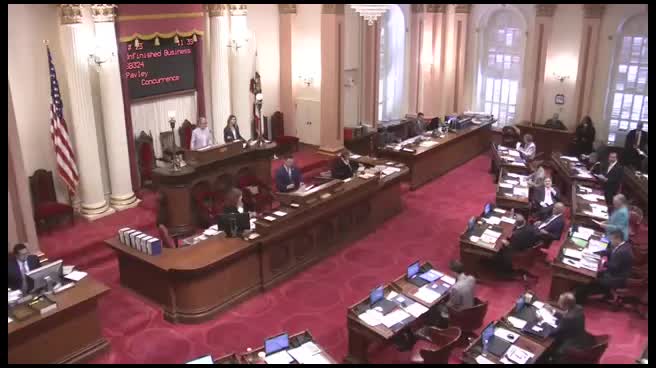
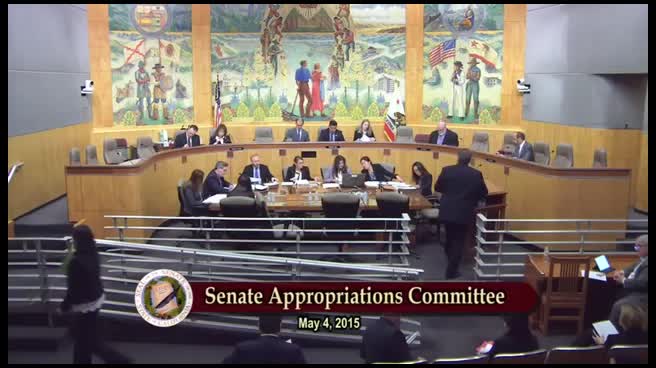
Bill Author

Bill Co-Author(s):