SB 651: Juvenile conduct: victims.
- Session Year: 2015-2016
- House: Senate
- Latest Version Date: 2015-07-16
Existing law provides that a minor who violates a criminal law may be adjudged to be a ward of the court. Existing law generally requires that the minor pay a restitution fine to be deposited into the Restitution Fund and restitution to any victim of his or her conduct. Existing law defines a victim to include the immediate surviving family of the actual victim and governmental entities, as specified.
This bill would expand the definition of victim to include a corporation, estate, or other legal or commercial entity when that entity is a direct victim of a crime. The bill would also expand the definition of victim to include a person who has sustained economic loss as a result of a crime and who satisfies specified conditions.
Existing law provides that a minor who violates a criminal law may be adjudged to be a ward of the court. Existing law generally requires that the minor pay a restitution fine to be deposited into the Restitution Fund and restitution to any victim of his or her conduct. Existing law defines a victim to include the immediate surviving family of the actual victim and governmental entities, as specified.
This bill would expand the definition of victim to include a corporation, estate, or other legal or commercial entity when that entity is a direct victim of a crime. The bill would also expand the definition of victim to include a person who has sustained economic loss as a result of a crime and who satisfies specified conditions. To the extent this bill would result in payment out of the Restitution Fund, this bill would make an appropriation.
(a)(1)It is the intent of the Legislature that a victim of conduct for which a minor is found to be a person described in Section 602 who incurs an economic loss as a result of the minors conduct shall receive restitution directly from that minor.
(2)Upon a minor being found to be a person described in Section 602, the court shall consider levying a fine in accordance with Section 730.5. In addition, the court shall order the minor to pay, in addition to any other penalty provided or imposed under the law, both of the following:
(A)A restitution fine in accordance with subdivision (b).
(B)Restitution to the victim or victims, if any, in accordance with subdivision (h).
(b)If a minor is found to be a person described in Section 602, the court shall impose a separate and additional restitution fine. The restitution fine shall be set at the discretion of the court and commensurate with the seriousness of the offense as follows:
(1)If the minor is found to be a person described in Section 602 by reason of the commission of one or more felony offenses, the restitution fine shall not be less than one hundred dollars ($100) and not more than one thousand dollars ($1,000). A separate hearing for the fine shall not be required.
(2)If the minor is found to be a person described in Section 602 by reason of the commission of one or more misdemeanor offenses, the restitution fine shall not exceed one hundred dollars ($100). A separate hearing for the fine shall not be required.
(c)The restitution fine shall be in addition to any other disposition or fine imposed and shall be imposed regardless of the minors inability to pay. This fine shall be deposited in the Restitution Fund.
(d)(1)In setting the amount of the fine pursuant to subparagraph (A) of paragraph (2) of subdivision (a), the court shall consider any relevant factors including, but not limited to, the minors ability to pay, the seriousness and gravity of the offense and the circumstances of its commission, any economic gain derived by the minor as a result of the offense, and the extent to which others suffered losses as a result of the offense. The losses may include pecuniary losses to the victim or his or her dependents as well as intangible losses such as psychological harm caused by the offense.
(2)The consideration of a minors ability to pay may include his or her future earning capacity. A minor shall bear the burden of demonstrating a lack of his or her ability to pay.
(e)Express findings of the court as to the factors bearing on the amount of the fine shall not be required.
(f)Except as provided in subdivision (g), under no circumstances shall the court fail to impose the separate and additional restitution fine required by subparagraph (A) of paragraph (2) of subdivision (a). This fine shall not be subject to penalty assessments pursuant to Section 1464 of the Penal Code.
(g)(1)In a case in which the minor is a person described in Section 602 by reason of having committed a felony offense, if the court finds that there are compelling and extraordinary reasons, the court may waive imposition of the restitution fine required by subparagraph (A) of paragraph (2) of subdivision (a). If a waiver is granted, the court shall state on the record all reasons supporting the waiver.
(2)If the minor is a person described in subdivision (a) of Section 241.1, the court shall waive imposition of the restitution fine required by subparagraph (A) of paragraph (2) of subdivision (a).
(h)(1)Restitution ordered pursuant to subparagraph (B) of paragraph (2) of subdivision (a) shall be imposed in the amount of the losses, as determined. If the amount of loss cannot be ascertained at the time of sentencing, the restitution order shall include a provision that the amount shall be determined at the direction of the court at any time during the term of the commitment or probation. The court shall order full restitution unless it finds compelling and extraordinary reasons for not doing so, and states them on the record. A minors inability to pay shall not be considered a compelling or extraordinary reason not to impose a restitution order, nor shall inability to pay be a consideration in determining the amount of the restitution order. A restitution order pursuant to subparagraph (B) of paragraph (2) of subdivision (a), to the extent possible, shall identify each victim, unless the court for good cause finds that the order should not identify a victim or victims, and the amount of each victims loss to which it pertains, and shall be of a dollar amount sufficient to fully reimburse the victim or victims for all determined economic losses incurred as the result of the minors conduct for which the minor was found to be a person described in Section 602, including all of the following:
(A)Full or partial payment for the value of stolen or damaged property. The value of stolen or damaged property shall be the replacement cost of like property, or the actual cost of repairing the property when repair is possible.
(B)Medical expenses.
(C)Wages or profits lost due to injury incurred by the victim, and if the victim is a minor, wages or profits lost by the minors parent, parents, guardian, or guardians, while caring for the injured minor. Lost wages shall include any commission income as well as any base wages. Commission income shall be established by evidence of commission income during the 12-month period prior to the date of the crime for which restitution is being ordered, unless good cause for a shorter time period is shown.
(D)Wages or profits lost by the victim, and if the victim is a minor, wages or profits lost by the minors parent, parents, guardian, or guardians, due to time spent as a witness or in assisting the police or prosecution. Lost wages shall include any commission income as well as any base wages. Commission income shall be established by evidence of commission income during the 12-month period prior to the date of the crime for which restitution is being ordered, unless good cause for a shorter time period is shown.
(2)A minor shall have the right to a hearing before a judge to dispute the determination of the amount of restitution. The court may modify the amount on its own motion or on the motion of the district attorney, the victim or victims, or the minor. If a motion is made for modification of a restitution order, the victim shall be notified of that motion at least 10 days prior to the hearing on the motion. If the amount of victim restitution is not known at the time of disposition, the court order shall identify the victim or victims, unless the court finds for good cause that the order should not identify a victim or victims, and state that the amount of restitution for each victim is to be determined. If feasible, the court shall also identify on the court order, any co-offenders who are jointly and severally liable for victim restitution.
(i)A restitution order imposed pursuant to subparagraph (B) of paragraph (2) of subdivision (a) shall identify the losses to which it pertains, and shall be enforceable as a civil judgment pursuant to subdivision (r). The making of a restitution order pursuant to this subdivision shall not affect the right of a victim to recovery from the Restitution Fund in the manner provided elsewhere, except to the extent that restitution is actually collected pursuant to the order. Restitution collected pursuant to this subdivision shall be credited to any other judgments for the same losses obtained against the minor or the minors parent or guardian arising out of the offense for which the minor was found to be a person described in Section 602. Restitution imposed shall be ordered to be made to the Restitution Fund to the extent that the victim, as defined in subdivision (j), has received assistance from the Victims of Crime Program pursuant to Article 5 (commencing with Section 13959) of Chapter 5 of Part 4 of Division 3 of Title 2 of the Government Code.
(j)For purposes of this section, victim shall include:
(1) The immediate surviving family of the actual victim.
(2)A governmental entity that is responsible for repairing, replacing, or restoring public or privately owned property that has been defaced with graffiti or other inscribed material, as defined in subdivision (e) of Section 594 of the Penal Code, and that has sustained an economic loss as the result of a violation of Section 594, 594.3, 594.4, 640.5, 640.6, or 640.7 of the Penal Code.
(3)A corporation, business trust, estate, trust, partnership, association, joint venture, government, governmental subdivision, agency, or instrumentality, or any other legal or commercial entity when that entity is a direct victim of a crime.
(4)A person who has sustained economic loss as the result of a crime and who satisfies any of the following conditions:
(A)At the time of the crime was the parent, grandparent, sibling, spouse, child, or grandchild of the victim.
(B)At the time of the crime was living in the household of the victim.
(C)At the time of the crime was a person who had previously lived in the household of the victim for a period of not less than two years in a relationship substantially similar to a relationship listed in subparagraph (A).
(D)Is another family member of the victim, including, but not limited to, the victims fiance or fiancee, and who witnessed the crime.
(E)Is the primary caretaker of a minor victim.
(k)If the direct victim of an offense is a group home or other facility licensed to provide residential care in which the minor was placed as a dependent or ward of the court, or an employee thereof, restitution shall be limited to out-of-pocket expenses that are not covered by insurance and that are paid by the facility or employee.
(l)Upon a minor being found to be a person described in Section 602, the court shall require, as a condition of probation, the payment of restitution fines and orders imposed under this section. Any portion of a restitution order that remains unsatisfied after a minor is no longer on probation shall continue to be enforceable by a victim pursuant to subdivision (r) until the obligation is satisfied in full.
(m)Probation shall not be revoked for failure of a person to make restitution pursuant to this section as a condition of probation unless the court determines that the person has willfully failed to pay or failed to make sufficient bona fide efforts to legally acquire the resources to pay.
(n)If the court finds and states on the record compelling and extraordinary reasons why restitution should not be required as provided in paragraph (2) of subdivision (a), the court shall order, as a condition of probation, that the minor perform specified community service.
(o)The court may avoid ordering community service as a condition of probation only if it finds and states on the record compelling and extraordinary reasons not to order community service in addition to the finding that restitution pursuant to paragraph (2) of subdivision (a) should not be required.
(p)If a minor is committed to the Division of Juvenile Facilities, Department of Corrections and Rehabilitation, the court shall order restitution to be paid to the victim or victims, if any. Payment of restitution to the victim or victims pursuant to this subdivision shall take priority in time over payment of any other restitution fine imposed pursuant to this section.
(q)At its discretion, the board of supervisors of any county may impose a fee to cover the actual administrative cost of collecting the restitution fine, not to exceed 10 percent of the amount ordered to be paid, to be added to the restitution fine and included in the order of the court, the proceeds of which shall be deposited in the general fund of the county.
(r)If the judgment is for a restitution fine ordered pursuant to subparagraph (A) of paragraph (2) of subdivision (a), or a restitution order imposed pursuant to subparagraph (B) of paragraph (2) of subdivision (a), the judgment may be enforced in the manner provided in Section 1214 of the Penal Code.
(a)(1)It is the intent of the Legislature that a victim of conduct for which a minor is found to be a person described in Section 602 who incurs an economic loss as a result of the minors conduct shall receive restitution directly from that minor.
(2)Upon a minor being found to be a person described in Section 602, the court shall consider levying a fine in accordance with Section 730.5. In addition, the court shall order the minor to pay, in addition to any other penalty provided or imposed under the law, both of the following:
(A)A restitution fine in accordance with subdivision (b).
(B)Restitution to the victim or victims, if any, in accordance with subdivision (h).
(b)If a minor is found to be a person described in Section 602, the court shall impose a separate and additional restitution fine. The restitution fine shall be set at the discretion of the court and commensurate with the seriousness of the offense as follows:
(1)If the minor is found to be a person described in Section 602 by reason of the commission of one or more felony offenses, the restitution fine shall not be less than one hundred dollars ($100) and not more than one thousand dollars ($1,000). A separate hearing for the fine shall not be required.
(2)If the minor is found to be a person described in Section 602 by reason of the commission of one or more misdemeanor offenses, the restitution fine shall not exceed one hundred dollars ($100). A separate hearing for the fine shall not be required.
(c)The restitution fine shall be in addition to any other disposition or fine imposed and shall be imposed regardless of the minors inability to pay. This fine shall be deposited in the Restitution Fund.
(d)(1)In setting the amount of the fine pursuant to subparagraph (A) of paragraph (2) of subdivision (a), the court shall consider any relevant factors including, but not limited to, the minors ability to pay, the seriousness and gravity of the offense and the circumstances of its commission, any economic gain derived by the minor as a result of the offense, and the extent to which others suffered losses as a result of the offense. The losses may include pecuniary losses to the victim or his or her dependents as well as intangible losses such as psychological harm caused by the offense.
(2)The consideration of a minors ability to pay may include his or her future earning capacity. A minor shall bear the burden of demonstrating a lack of his or her ability to pay.
(e)Express findings of the court as to the factors bearing on the amount of the fine shall not be required.
(f)Except as provided in subdivision (g), under no circumstances shall the court fail to impose the separate and additional restitution fine required by subparagraph (A) of paragraph (2) of subdivision (a). This fine shall not be subject to penalty assessments pursuant to Section 1464 of the Penal Code.
(g)(1)In a case in which the minor is a person described in Section 602 by reason of having committed a felony offense, if the court finds that there are compelling and extraordinary reasons, the court may waive imposition of the restitution fine required by subparagraph (A) of paragraph (2) of subdivision (a). If a waiver is granted, the court shall state on the record all reasons supporting the waiver.
(2)If the minor is a person described in subdivision (a) of Section 241.1, the court shall waive imposition of the restitution fine required by subparagraph (A) of paragraph (2) of subdivision (a).
(h)(1)Restitution ordered pursuant to subparagraph (B) of paragraph (2) of subdivision (a) shall be imposed in the amount of the losses, as determined. If the amount of loss cannot be ascertained at the time of sentencing, the restitution order shall include a provision that the amount shall be determined at the direction of the court at any time during the term of the commitment or probation. The court shall order full restitution unless it finds compelling and extraordinary reasons for not doing so, and states them on the record. A minors inability to pay shall not be considered a compelling or extraordinary reason not to impose a restitution order, nor shall inability to pay be a consideration in determining the amount of the restitution order. A restitution order pursuant to subparagraph (B) of paragraph (2) of subdivision (a), to the extent possible, shall identify each victim, unless the court for good cause finds that the order should not identify a victim or victims, and the amount of each victims loss to which it pertains, and shall be of a dollar amount sufficient to fully reimburse the victim or victims for all determined economic losses incurred as the result of the minors conduct for which the minor was found to be a person described in Section 602, including all of the following:
(A)Full or partial payment for the value of stolen or damaged property. The value of stolen or damaged property shall be the replacement cost of like property, or the actual cost of repairing the property when repair is possible.
(B)Medical expenses.
(C)Wages or profits lost due to injury incurred by the victim, and if the victim is a minor, wages or profits lost by the minors parent, parents, guardian, or guardians, while caring for the injured minor. Lost wages shall include any commission income as well as any base wages. Commission income shall be established by evidence of commission income during the 12-month period prior to the date of the crime for which restitution is being ordered, unless good cause for a shorter time period is shown.
(D)Wages or profits lost by the victim, and if the victim is a minor, wages or profits lost by the minors parent, parents, guardian, or guardians, due to time spent as a witness or in assisting the police or prosecution. Lost wages shall include any commission income as well as any base wages. Commission income shall be established by evidence of commission income during the 12-month period prior to the date of the crime for which restitution is being ordered, unless good cause for a shorter time period is shown.
(2)A minor shall have the right to a hearing before a judge to dispute the determination of the amount of restitution. The court may modify the amount on its own motion or on the motion of the district attorney, the victim or victims, or the minor. If a motion is made for modification of a restitution order, the victim shall be notified of that motion at least 10 days prior to the hearing on the motion. If the amount of victim restitution is not known at the time of disposition, the court order shall identify the victim or victims, unless the court finds for good cause that the order should not identify a victim or victims, and state that the amount of restitution for each victim is to be determined. If feasible, the court shall also identify on the court order, any cooffenders co-offenders who are jointly and severally liable for victim restitution.
(i)A restitution order imposed pursuant to subparagraph (B) of paragraph (2) of subdivision (a) shall identify the losses to which it pertains, and shall be enforceable as a civil judgment pursuant to subdivision (r). The making of a restitution order pursuant to this subdivision shall not affect the right of a victim to recovery from the Restitution Fund in the manner provided elsewhere, except to the extent that restitution is actually collected pursuant to the order. Restitution collected pursuant to this subdivision shall be credited to any other judgments for the same losses obtained against the minor or the minors parent or guardian arising out of the offense for which the minor was found to be a person described in Section 602. Restitution imposed shall be ordered to be made to the Restitution Fund to the extent that the victim, as defined in subdivision (j), has received assistance from the Victims of Crime Program pursuant to Article 5 (commencing with Section 13959) of Chapter 5 of Part 4 of Division 3 of Title 2 of the Government Code.
(j)For purposes of this section, victim shall include:
(1) The immediate surviving family of the actual victim.
(2)A governmental entity that is responsible for repairing, replacing, or restoring public or privately owned property that has been defaced with graffiti or other inscribed material, as defined in subdivision (e) of Section 594 of the Penal Code, and that has sustained an economic loss as the result of a violation of Section 594, 594.3, 594.4, 640.5, 640.6, or 640.7 of the Penal Code.
(3)A corporation, business trust, estate, trust, partnership, association, joint venture, government, governmental subdivision, agency, or instrumentality, or any other legal or commercial entity when that entity is a direct victim of a crime.
(4)A person who has sustained economic loss as the result of a crime and who satisfies any of the following conditions:
(A)At the time of the crime was the parent, grandparent, sibling, spouse, child, or grandchild of the victim.
(B)At the time of the crime was living in the household of the victim.
(C)At the time of the crime was a person who had previously lived in the household of the victim for a period of not less than two years in a relationship substantially similar to a relationship listed in subparagraph (A).
(D)Is another family member of the victim, including, but not limited to, the victims fiance or fiancee, and who witnessed the crime.
(E)Is the primary caretaker of a minor victim.
(k)This section shall not prevent a court from ordering restitution to a corporation, business trust, estate, trust, partnership, association, joint venture, government, governmental subdivision, agency, or instrumentality, or any other legal or commercial entity when that entity is a direct victim of an offense. If the direct victim of an offense is a group home or other facility licensed to provide residential care in which the minor was placed as a dependent or ward of the court, or an employee thereof, restitution shall be limited to out-of-pocket expenses that are not covered by insurance and that are paid by the facility or employee.
(l)Upon a minor being found to be a person described in Section 602, the court shall require, as a condition of probation, the payment of restitution fines and orders imposed under this section. Any portion of a restitution order that remains unsatisfied after a minor is no longer on probation shall continue to be enforceable by a victim pursuant to subdivision (r) until the obligation is satisfied in full.
(m)Probation shall not be revoked for failure of a person to make restitution pursuant to this section as a condition of probation unless the court determines that the person has willfully failed to pay or failed to make sufficient bona fide efforts to legally acquire the resources to pay.
(n)If the court finds and states on the record compelling and extraordinary reasons why restitution should not be required as provided in paragraph (2) of subdivision (a), the court shall order, as a condition of probation, that the minor perform specified community service.
(o)The court may avoid ordering community service as a condition of probation only if it finds and states on the record compelling and extraordinary reasons not to order community service in addition to the finding that restitution pursuant to paragraph (2) of subdivision (a) should not be required.
(p)If a minor is committed to the Division of Juvenile Facilities, Department of Corrections and Rehabilitation, the court shall order restitution to be paid to the victim or victims, if any. Payment of restitution to the victim or victims pursuant to this subdivision shall take priority in time over payment of any other restitution fine imposed pursuant to this section.
(q)At its discretion, the board of supervisors of any county may impose a fee to cover the actual administrative cost of collecting the restitution fine, not to exceed 10 percent of the amount ordered to be paid, to be added to the restitution fine and included in the order of the court, the proceeds of which shall be deposited in the general fund of the county.
(r)If the judgment is for a restitution fine ordered pursuant to subparagraph (A) of paragraph (2) of subdivision (a), or a restitution order imposed pursuant to subparagraph (B) of paragraph (2) of subdivision (a), the judgment may be enforced in the manner provided in Section 1214 of the Penal Code.
(a)(1)It is the intent of the Legislature that a victim of conduct for which a minor is found to be a person described in Section 602 who incurs an economic loss as a result of the minors conduct shall receive restitution directly from that minor.
(2)Upon a minor being found to be a person described in Section 602, the court shall consider levying a fine in accordance with Section 730.5. In addition, the court shall order the minor to pay, in addition to any other penalty provided or imposed under the law, both of the following:
(A)A restitution fine in accordance with subdivision (b).
(B)Restitution to the victim or victims, if any, in accordance with subdivision (h).
(b)If a minor is found to be a person described in Section 602, the court shall impose a separate and additional restitution fine. The restitution fine shall be set at the discretion of the court and commensurate with the seriousness of the offense as follows:
(1)If the minor is found to be a person described in Section 602 by reason of the commission of one or more felony offenses, the restitution fine shall not be less than one hundred dollars ($100) and not more than one thousand dollars ($1,000). A separate hearing for the fine shall not be required.
(2)If the minor is found to be a person described in Section 602 by reason of the commission of one or more misdemeanor offenses, the restitution fine shall not exceed one hundred dollars ($100). A separate hearing for the fine shall not be required.
(c)The restitution fine shall be in addition to any other disposition or fine imposed and shall be imposed regardless of the minors inability to pay. This fine shall be deposited in the Restitution Fund.
(d)(1)In setting the amount of the fine pursuant to subparagraph (A) of paragraph (2) of subdivision (a), the court shall consider any relevant factors including, but not limited to, the minors ability to pay, the seriousness and gravity of the offense and the circumstances of its commission, any economic gain derived by the minor as a result of the offense, and the extent to which others suffered losses as a result of the offense. The losses may include pecuniary losses to the victim or his or her dependents as well as intangible losses such as psychological harm caused by the offense.
(2)The consideration of a minors ability to pay may include his or her future earning capacity. A minor shall bear the burden of demonstrating a lack of his or her ability to pay.
(e)Express findings of the court as to the factors bearing on the amount of the fine shall not be required.
(f)Except as provided in subdivision (g), under no circumstances shall the court fail to impose the separate and additional restitution fine required by subparagraph (A) of paragraph (2) of subdivision (a). This fine shall not be subject to penalty assessments pursuant to Section 1464 of the Penal Code.
(g)(1)In a case in which the minor is a person described in Section 602 by reason of having committed a felony offense, if the court finds that there are compelling and extraordinary reasons, the court may waive imposition of the restitution fine required by subparagraph (A) of paragraph (2) of subdivision (a). If a waiver is granted, the court shall state on the record all reasons supporting the waiver.
(2)If the minor is a person described in subdivision (a) of Section 241.1, the court shall waive imposition of the restitution fine required by subparagraph (A) of paragraph (2) of subdivision (a).
(h)(1)Restitution ordered pursuant to subparagraph (B) of paragraph (2) of subdivision (a) shall be imposed in the amount of the losses, as determined. If the amount of loss cannot be ascertained at the time of sentencing, the restitution order shall include a provision that the amount shall be determined at the direction of the court at any time during the term of the commitment or probation. The court shall order full restitution unless it finds compelling and extraordinary reasons for not doing so, and states them on the record. A minors inability to pay shall not be considered a compelling or extraordinary reason not to impose a restitution order, nor shall inability to pay be a consideration in determining the amount of the restitution order. A restitution order pursuant to subparagraph (B) of paragraph (2) of subdivision (a), to the extent possible, shall identify each victim, unless the court for good cause finds that the order should not identify a victim or victims, and the amount of each victims loss to which it pertains, and shall be of a dollar amount sufficient to fully reimburse the victim or victims for all determined economic losses incurred as the result of the minors conduct for which the minor was found to be a person described in Section 602, including all of the following:
(A)Full or partial payment for the value of stolen or damaged property. The value of stolen or damaged property shall be the replacement cost of like property, or the actual cost of repairing the property when repair is possible.
(B)Medical expenses.
(C)Wages or profits lost due to injury incurred by the victim, and if the victim is a minor, wages or profits lost by the minors parent, parents, guardian, or guardians, while caring for the injured minor. Lost wages shall include any commission income as well as any base wages. Commission income shall be established by evidence of commission income during the 12-month period prior to the date of the crime for which restitution is being ordered, unless good cause for a shorter time period is shown.
(D)Wages or profits lost by the victim, and if the victim is a minor, wages or profits lost by the minors parent, parents, guardian, or guardians, due to time spent as a witness or in assisting the police or prosecution. Lost wages shall include any commission income as well as any base wages. Commission income shall be established by evidence of commission income during the 12-month period prior to the date of the crime for which restitution is being ordered, unless good cause for a shorter time period is shown.
(2)A minor shall have the right to a hearing before a judge to dispute the determination of the amount of restitution. The court may modify the amount on its own motion or on the motion of the district attorney, the victim or victims, or the minor. If a motion is made for modification of a restitution order, the victim shall be notified of that motion at least 10 days prior to the hearing on the motion. If the amount of victim restitution is not known at the time of disposition, the court order shall identify the victim or victims, unless the court finds for good cause that the order should not identify a victim or victims, and state that the amount of restitution for each victim is to be determined. If feasible, the court shall also identify on the court order, any cooffenders who are jointly and severally liable for victim restitution.
(i)A restitution order imposed pursuant to subparagraph (B) of paragraph (2) of subdivision (a) shall identify the losses to which it pertains, and shall be enforceable as a civil judgment pursuant to subdivision (r). The making of a restitution order pursuant to this subdivision shall not affect the right of a victim to recovery from the Restitution Fund in the manner provided elsewhere, except to the extent that restitution is actually collected pursuant to the order. Restitution collected pursuant to this subdivision shall be credited to any other judgments for the same losses obtained against the minor or the minors parent or guardian arising out of the offense for which the minor was found to be a person described in Section 602. Restitution imposed shall be ordered to be made to the Restitution Fund to the extent that the victim, as defined in subdivision (j), has received assistance from the Victims of Crime Program pursuant to Article 5 (commencing with Section 13959) of Chapter 5 of Part 4 of Division 3 of Title 2 of the Government Code.
(j)For purposes of this section, victim shall include:
(1) The immediate surviving family of the actual victim.
(2)A governmental entity that is responsible for repairing, replacing, or restoring public or privately owned property that has been defaced with graffiti or other inscribed material, as defined in subdivision (e) of Section 594 of the Penal Code, and that has sustained an economic loss as the result of a violation of Section 594, 594.3, 594.4, 640.5, 640.6, or 640.7 of the Penal Code.
(3)A corporation, business trust, estate, trust, partnership, association, joint venture, government, governmental subdivision, agency, or instrumentality, or any other legal or commercial entity when that entity is a direct victim of a crime.
(4)A person who has sustained economic loss as the result of a crime and who satisfies any of the following conditions:
(A)At the time of the crime was the parent, grandparent, sibling, spouse, child, or grandchild of the victim.
(B)At the time of the crime was living in the household of the victim.
(C)At the time of the crime was a person who had previously lived in the household of the victim for a period of not less than two years in a relationship substantially similar to a relationship listed in subparagraph (A).
(D)Is another family member of the victim, including, but not limited to, the victims fiance or fiancee, and who witnessed the crime.
(E)Is the primary caretaker of a minor victim.
(5)A person who is eligible to receive assistance from the Restitution Fund pursuant to Chapter 5 (commencing with Section 13950) of Part 4 of Division 3 of Title 2 of the Government Code.
(k)This section shall not prevent a court from ordering restitution to a corporation, business trust, estate, trust, partnership, association, joint venture, government, governmental subdivision, agency, or instrumentality, or any other legal or commercial entity when that entity is a direct victim of an offense. If the direct victim is a group home or other facility licensed to provide residential care in which the minor was placed as a dependent or ward of the court, or an employee thereof, restitution shall be limited to out-of-pocket expenses that are not covered by insurance and that are paid by the facility or employee.
(l)Upon a minor being found to be a person described in Section 602, the court shall require, as a condition of probation, the payment of restitution fines and orders imposed under this section. Any portion of a restitution order that remains unsatisfied after a minor is no longer on probation shall continue to be enforceable by a victim pursuant to subdivision (r) until the obligation is satisfied in full.
(m)Probation shall not be revoked for failure of a person to make restitution pursuant to this section as a condition of probation unless the court determines that the person has willfully failed to pay or failed to make sufficient bona fide efforts to legally acquire the resources to pay.
(n)If the court finds and states on the record compelling and extraordinary reasons why restitution should not be required as provided in paragraph (2) of subdivision (a), the court shall order, as a condition of probation, that the minor perform specified community service.
(o)The court may avoid ordering community service as a condition of probation only if it finds and states on the record compelling and extraordinary reasons not to order community service in addition to the finding that restitution pursuant to paragraph (2) of subdivision (a) should not be required.
(p)If a minor is committed to the Division of Juvenile Facilities, Department of Corrections and Rehabilitation, the court shall order restitution to be paid to the victim or victims, if any. Payment of restitution to the victim or victims pursuant to this subdivision shall take priority in time over payment of any other restitution fine imposed pursuant to this section.
(q)At its discretion, the board of supervisors of any county may impose a fee to cover the actual administrative cost of collecting the restitution fine, not to exceed 10 percent of the amount ordered to be paid, to be added to the restitution fine and included in the order of the court, the proceeds of which shall be deposited in the general fund of the county.
(r)If the judgment is for a restitution fine ordered pursuant to subparagraph (A) of paragraph (2) of subdivision (a), or a restitution order imposed pursuant to subparagraph (B) of paragraph (2) of subdivision (a), the judgment may be enforced in the manner provided in Section 1214 of the Penal Code.
(a)(1)It is the intent of the Legislature that a victim of conduct for which a minor is found to be a person described in Section 602 who incurs any an economic loss as a result of the minors conduct shall receive restitution directly from that minor.
(2)Upon a minor being found to be a person described in Section 602, the court shall consider levying a fine in accordance with Section 730.5. In addition, the court shall order the minor to pay, in addition to any other penalty provided or imposed under the law, both of the following:
(A)A restitution fine in accordance with subdivision (b).
(B)Restitution to the victim or victims, if any, in accordance with subdivision (h).
(b)If a minor is found to be a person described in Section 602, the court shall impose a separate and additional restitution fine. The restitution fine shall be set at the discretion of the court and commensurate with the seriousness of the offense as follows:
(1)If the minor is found to be a person described in Section 602 by reason of the commission of one or more felony offenses, the restitution fine shall not be less than one hundred dollars ($100) and not more than one thousand dollars ($1,000). A separate hearing for the fine shall not be required.
(2)If the minor is found to be a person described in Section 602 by reason of the commission of one or more misdemeanor offenses, the restitution fine shall not exceed one hundred dollars ($100). A separate hearing for the fine shall not be required.
(c)The restitution fine shall be in addition to any other disposition or fine imposed and shall be imposed regardless of the minors inability to pay. This fine shall be deposited in the Restitution Fund.
(d)(1)In setting the amount of the fine pursuant to subparagraph (A) of paragraph (2) of subdivision (a), the court shall consider any relevant factors including, but not limited to, the minors ability to pay, the seriousness and gravity of the offense and the circumstances of its commission, any economic gain derived by the minor as a result of the offense, and the extent to which others suffered losses as a result of the offense. The losses may include pecuniary losses to the victim or his or her dependents as well as intangible losses such as psychological harm caused by the offense.
(2)The consideration of a minors ability to pay may include his or her future earning capacity. A minor shall bear the burden of demonstrating a lack of his or her ability to pay.
(e)Express findings of the court as to the factors bearing on the amount of the fine shall not be required.
(f)Except as provided in subdivision (g), under no circumstances shall the court fail to impose the separate and additional restitution fine required by subparagraph (A) of paragraph (2) of subdivision (a). This fine shall not be subject to penalty assessments pursuant to Section 1464 of the Penal Code.
(g)(1)In a case in which the minor is a person described in Section 602 by reason of having committed a felony offense, if the court finds that there are compelling and extraordinary reasons, the court may waive imposition of the restitution fine required by subparagraph (A) of paragraph (2) of subdivision (a). When If a waiver is granted, the court shall state on the record all reasons supporting the waiver.
(2)If the minor is a person described in subdivision (a) of Section 241.1, the court shall waive imposition of the restitution fine required by subparagraph (A) of paragraph (2) of subdivision (a).
(h)(1)Restitution ordered pursuant to subparagraph (B) of paragraph (2) of subdivision (a) shall be imposed in the amount of the losses, as determined. If the amount of loss cannot be ascertained at the time of sentencing, the restitution order shall include a provision that the amount shall be determined at the direction of the court at any time during the term of the commitment or probation. The court shall order full restitution unless it finds compelling and extraordinary reasons for not doing so, and states them on the record. A minors inability to pay shall not be considered a compelling or extraordinary reason not to impose a restitution order, nor shall inability to pay be a consideration in determining the amount of the restitution order. A restitution order pursuant to subparagraph (B) of paragraph (2) of subdivision (a), to the extent possible, shall identify each victim, unless the court for good cause finds that the order should not identify a victim or victims, and the amount of each victims loss to which it pertains, and shall be of a dollar amount sufficient to fully reimburse the victim or victims for all determined economic losses incurred as the result of the minors conduct for which the minor was found to be a person described in Section 602, including all of the following:
(A)Full or partial payment for the value of stolen or damaged property. The value of stolen or damaged property shall be the replacement cost of like property, or the actual cost of repairing the property when repair is possible.
(B)Medical expenses.
(C)Wages or profits lost due to injury incurred by the victim, and if the victim is a minor, wages or profits lost by the minors parent, parents, guardian, or guardians, while caring for the injured minor. Lost wages shall include any commission income as well as any base wages. Commission income shall be established by evidence of commission income during the 12-month period prior to the date of the crime for which restitution is being ordered, unless good cause for a shorter time period is shown.
(D)Wages or profits lost by the victim, and if the victim is a minor, wages or profits lost by the minors parent, parents, guardian, or guardians, due to time spent as a witness or in assisting the police or prosecution. Lost wages shall include any commission income as well as any base wages. Commission income shall be established by evidence of commission income during the 12-month period prior to the date of the crime for which restitution is being ordered, unless good cause for a shorter time period is shown.
(2)A minor shall have the right to a hearing before a judge to dispute the determination of the amount of restitution. The court may modify the amount on its own motion or on the motion of the district attorney, the victim or victims, or the minor. If a motion is made for modification of a restitution order, the victim shall be notified of that motion at least 10 days prior to the hearing on the motion. When If the amount of victim restitution is not known at the time of disposition, the court order shall identify the victim or victims, unless the court finds for good cause that the order should not identify a victim or victims, and state that the amount of restitution for each victim is to be determined. When If feasible, the court shall also identify on the court order, any cooffenders who are jointly and severally liable for victim restitution.
(i)A restitution order imposed pursuant to subparagraph (B) of paragraph (2) of subdivision (a) shall identify the losses to which it pertains, and shall be enforceable as a civil judgment pursuant to subdivision (r). The making of a restitution order pursuant to this subdivision shall not affect the right of a victim to recovery from the Restitution Fund in the manner provided elsewhere, except to the extent that restitution is actually collected pursuant to the order. Restitution collected pursuant to this subdivision shall be credited to any other judgments for the same losses obtained against the minor or the minors parent or guardian arising out of the offense for which the minor was found to be a person described in Section 602. Restitution imposed shall be ordered to be made to the Restitution Fund to the extent that the victim, as defined in subdivision (j), has received assistance from the Victims of Crime Program pursuant to Article 5 (commencing with Section 13959) of Chapter 5 of Part 4 of Division 3 of Title 2 of the Government Code.
(j)For purposes of this section, victim shall include:
(1) The immediate surviving family of the actual victim.
(2)Any A governmental entity that is responsible for repairing, replacing, or restoring public or privately owned property that has been defaced with graffiti or other inscribed material, as defined in subdivision (e) of Section 594 of the Penal Code, and that has sustained an economic loss as the result of a violation of Section 594, 594.3, 594.4, 640.5, 640.6, or 640.7 of the Penal Code.
(3)A corporation, business trust, estate, trust, partnership, association, joint venture, government, governmental subdivision, agency, or instrumentality, or any other legal or commercial entity when that entity is a direct victim of a crime.
(4)A person who has sustained economic loss as the result of a crime and who satisfies any of the following conditions:
(A)At the time of the crime was the parent, grandparent, sibling, spouse, child, or grandchild of the victim.
(B)At the time of the crime was living in the household of the victim.
(C)At the time of the crime was a person who had previously lived in the household of the victim for a period of not less than two years in a relationship substantially similar to a relationship listed in subparagraph (A).
(D)Is another family member of the victim, including, but not limited to, the victims fiance or fiancee, and who witnessed the crime.
(E)Is the primary caretaker of a minor victim.
(5)A person who is eligible to receive assistance from the Restitution Fund pursuant to Chapter 5 (commencing with Section 13950) of Part 4 of Division 3 of Title 2 of the Government Code.
(k)This section shall not prevent a court from ordering restitution to any a corporation, business trust, estate, trust, partnership, association, joint venture, government, governmental subdivision, agency, or instrumentality, or any other legal or commercial entity when that entity is a direct victim of an offense. If the direct victim is a group home or other facility licensed to provide residential care in which the minor was placed as a dependent or ward of the court, or an employee thereof, restitution shall be limited to out-of-pocket expenses that are not covered by insurance and that are paid by the facility or employee.
(l)Upon a minor being found to be a person described in Section 602, the court shall require, as a condition of probation, the payment of restitution fines and orders imposed under this section. Any portion of a restitution order that remains unsatisfied after a minor is no longer on probation shall continue to be enforceable by a victim pursuant to subdivision (r) until the obligation is satisfied in full.
(m)Probation shall not be revoked for failure of a person to make restitution pursuant to this section as a condition of probation unless the court determines that the person has willfully failed to pay or failed to make sufficient bona fide efforts to legally acquire the resources to pay.
(n)If the court finds and states on the record compelling and extraordinary reasons why restitution should not be required as provided in paragraph (2) of subdivision (a), the court shall order, as a condition of probation, that the minor perform specified community service.
(o)The court may avoid ordering community service as a condition of probation only if it finds and states on the record compelling and extraordinary reasons not to order community service in addition to the finding that restitution pursuant to paragraph (2) of subdivision (a) should not be required.
(p)When If a minor is committed to the Department of the Youth Authority Division of Juvenile Facilities, Department of Corrections and Rehabilitation, the court shall order restitution to be paid to the victim or victims, if any. Payment of restitution to the victim or victims pursuant to this subdivision shall take priority in time over payment of any other restitution fine imposed pursuant to this section.
(q)At its discretion, the board of supervisors of any county may impose a fee to cover the actual administrative cost of collecting the restitution fine, not to exceed 10 percent of the amount ordered to be paid, to be added to the restitution fine and included in the order of the court, the proceeds of which shall be deposited in the general fund of the county.
(r)If the judgment is for a restitution fine ordered pursuant to subparagraph (A) of paragraph (2) of subdivision (a), or a restitution order imposed pursuant to subparagraph (B) of paragraph (2) of subdivision (a), the judgment may be enforced in the manner provided in Section 1214 of the Penal Code.
|
Date
|
Status
|
|---|---|
| May 18, 2015 | Read third time. Passed. (Ayes 36. Noes 0.) Ordered to the Assembly. |
| Jul 16, 2015 | Chaptered by Secretary of State. Chapter 131, Statutes of 2015. |
| Jul 16, 2015 | Approved by the Governor. |
| Jul 8, 2015 | Enrolled and presented to the Governor at 4:30 p.m. |
| Jul 6, 2015 | Assembly amendments concurred in. (Ayes 39. Noes 0.) Ordered to engrossing and enrolling. |
| Jul 6, 2015 | Assembly amendments concurred in. (Ayes 39. Noes 0. Page 1791.) Ordered to engrossing and enrolling. |
| Jul 1, 2015 | Ordered to special consent calendar. |
| Jun 29, 2015 | Read third time. Passed. (Ayes 74. Noes 0. Page 2175.) Ordered to the Senate. |
| Jun 29, 2015 | Read third time. Passed. Ordered to the Senate. |
| Jun 29, 2015 | In Senate. Concurrence in Assembly amendments pending. |
| Jun 24, 2015 | Read second time. Ordered to third reading. |
| Jun 23, 2015 | Read second time and amended. Ordered to second reading. |
| Jun 22, 2015 | From committee: Do pass as amended. (Ayes 7. Noes 0.) (June 16). |
| Jun 1, 2015 | Referred to Com. on PUB. S. |
| Feb 27, 2015 | Introduced. To Com. on RLS. for assignment. To print. |
| May 18, 2015 | Read third time. Passed. (Ayes 36. Noes 0. Page 1030.) Ordered to the Assembly. |
| May 18, 2015 | In Assembly. Read first time. Held at Desk. |
| May 13, 2015 | Ordered to special consent calendar. |
| May 4, 2015 | Read second time. Ordered to third reading. |
| Apr 30, 2015 | Withdrawn from committee. |
| Apr 30, 2015 | Ordered to second reading. |
| Apr 29, 2015 | From committee with author's amendments. Read second time and amended. Re-referred to Com. on APPR. |
| Apr 24, 2015 | Set for hearing May 4. |
| Apr 22, 2015 | From committee: Do pass and re-refer to Com. on APPR. (Ayes 7. Noes 0. Page 730.) (April 21). Re-referred to Com. on APPR. |
| Apr 9, 2015 | Set for hearing April 21. |
| Mar 12, 2015 | Referred to Com. on PUB. S. |
| Mar 2, 2015 | Read first time. |
| Mar 2, 2015 | From printer. May be acted upon on or after April 1. |
|
Date
|
Description
|
Location
|
Votes
|
|
|---|---|---|---|---|
| Jul 6, 2015 | Special Consent #4 SB651 Leyva | Senate Floor |
Passed |
|
| Jun 29, 2015 | SB 651 Leyva Senate Third Reading By COOLEY | Assembly Floor |
Passed |
|
| Jun 16, 2015 | Do pass as amended. | Assembly Standing Committee on Public Safety |
Passed |
|
| May 18, 2015 | Special Consent #1 SB651 Leyva | Senate Floor |
Passed |
|
| Apr 21, 2015 | Do pass, but first be re-referred to the Committee on [Appropriations] | Senate Standing Committee on Public Safety |
Passed |
This list shows positions taken on this bill by organizations on the date displayed, which is linked to the original source.
Positions by individuals are not included.
|
Organization
|
Position
|
Date
|
|---|---|---|
| AFSCME, Local 685 | ** Support | Jun 16, 2015 |
| American Federation of State, County and Municipal Employees | ** Support | Jun 16, 2015 |
| Association For Los Angeles Deputy Sheriffs | ** Support | Jun 16, 2015 |
| Association of Deputy District Attorneys | ** Support | Jun 16, 2015 |
| California District Attorneys Association | * Indeterminate | Jun 16, 2015 |
| California District Attorneys Association | * Support | Jun 16, 2015 |
| California Police Chiefs Association | ** Support | Jun 16, 2015 |
| California Public Defenders Association | ** Against | Jun 16, 2015 |
| County Probation Officers Union | ** Support | Jun 16, 2015 |
| Crime Victims Action Alliance | * Indeterminate | Jun 16, 2015 |
| Crime Victims Action Alliance | * Support | Jun 16, 2015 |
| District Attorney's Office of Los Angeles County | * Indeterminate | Jun 16, 2015 |
| Los Angeles County District Attorney | ** Support | Jun 16, 2015 |
| Los Angeles County District Attorney'S Office | ** Support | Jun 16, 2015 |
| Los Angeles County Probation Officers Union | ** Support | Jun 16, 2015 |
| Los Angeles Deputy Sheriffs Association | ** Support | Jun 16, 2015 |
| Los Angeles District Attorney Jackie Lacey's Office | * Support | Apr 22, 2015 |
| Los Angeles Police Protective League | ** Support | Jun 16, 2015 |
| PUB. S. | ** Against | Jun 16, 2015 |
| Youth Law Center | ** Against | Jun 16, 2015 |
SB 651
Page 8
|
Office of Senate Floor Analyses (916) 651-1520 Fax: (916) 327-4478 |
UNFINISHED BUSINESS
Bill No: SB 651
Amended: 6/23/15
SENATE PUBLIC SAFETY COMMITTEE: 7-0, 4/21/15
AYES: Hancock, Anderson, Leno, Liu, McGuire, Monning, Stone
SENATE FLOOR: 36-0, 5/18/15 (Consent)
AYES: Allen, Anderson, Bates, Beall, Block, Cannella, De León, Fuller, Gaines, Galgiani, Hancock, Hernandez, Hertzberg, Hill, Hueso, Huff, Jackson, Lara, Leno, Leyva, Liu, McGuire, Mendoza, Mitchell, Monning, Moorlach, Morrell, Nguyen, Nielsen, Pan, Roth, Runner, Stone, Vidak, Wieckowski, Wolk
NO VOTE RECORDED: Berryhill, Hall, Pavley
ASSEMBLY FLOOR: 74-0, 6/29/15 - See last page for vote
SUBJECT: Juvenile conduct: victims
SOURCE: Crime Victims Action Alliance (co-source)
Los Angeles County District Attorney's Office (co-source)
DIGEST: This bill conforms the definition of "victim" for purposes of restitution in juvenile delinquency proceedings to the definition of "victim" applicable in adult criminal restitution proceedings.
Assembly Amendments strike provisions in the existing juvenile court restitution provisions that are redundant of the more comprehensive provision in this bill.
Existing law:
Provides in the California Constitution that all crime victims have the right to seek and secure restitution from the perpetrators of these crimes. Restitution must be ordered in every case without exception. Where a defendant has been ordered to pay restitution, all money, or property collected from the defendant must be first applied to satisfy restitution orders. (Cal. Const. Art. 1 § 28, subd. (b)(13)(A)-(C).)
Defines, in the California Constitution, a victim as “a person who suffers direct or threatened physical, psychological, or financial harm as a result of the commission or attempted commission of a crime or delinquent act. The term ‘victim’ also includes the person's spouse, parents, children, siblings, or guardian, and includes a lawful representative of a crime victim who is deceased, a minor, or physically or psychologically incapacitated.” (Cal. Const., art. I, § 28, subd. (e), italics added.)
Provides for restitution orders in criminal convictions – enforceable as a civil judgment – to ensure that a victim of a crime who incurs any economic loss shall receive restitution directly from any defendant convicted of that crime. If a restitution order is made, the defendant has the right to a hearing before the court to dispute the determination of the amount of the order. A restitution order may be modified upon motion of the district attorney, the victim or victims, or the defendant. (Pen. Code § 1202.4, subds. (f) and (i).)
Provides that a restitution order shall be prepared by the court and identify each victim and each loss. (Pen. Code § 1202.4, subd. (f)(3).)
Requires who are found in a juvenile delinquency matter must pay victim restitution and a victim restitution fine. (Welf. and Inst. Code § 730.6.)
Defines a victim for purposes of adult criminal sentencing in a comprehensive manner. The definition includes the following:
The immediate surviving family of the actual victim.
A corporation, other specified commercial or legal entity, a government or governmental subdivision, agency, or instrumentality, when such an entity is a direct victim of a crime.
A person who has sustained economic loss from a crime and who, at the time of the crime, had the status or identity of one of the following:
The parent, grandparent, sibling, spouse, child, or grandchild of the victim One who living in the household of the victim;
One who had previously lived in the household of the victim for a period of not less than two years in a relationship substantially similar to a familial relationship;
A more broadly defined family member of the victim who witnessed the crime, such as the victim’s fiancé or fiancé;
The primary caretaker of a minor victim;
A person eligible to receive assistance from the Restitution Fund;
A governmental entity that is responsible for repairing, replacing, or restoring public or private owned property that has been defaced with graffiti or other inscribed material, as specified. (Pen. Code § 1202.4, subd. (k).)
Defines a victim for purposes of restitution in a juvenile case to include:
The immediate surviving family of the actual victim;
A governmental entity that is responsible for repairing, replacing, or restoring public or private owned property that has been defaced with graffiti or other inscribed material, as specified. (Welf. and Inst. Code § 730.6, subd. (j).)
Provides in applicable appellate decisions that a juvenile court has the authority to issue a broad restitution order, consistent with the rehabilitative purposes of the juvenile court and the broad definition of a victim in the California Constitution (In re Alexander A. (2011) 192 Cal.App.4th 847, 854-855; In re Scott H. (2013) 221 Cal.App.4th 515, 522.)
This
bill adds the following to the definition of a "victim" for
purposes of the restitution statute applicable in juvenile dependency
proceedings:
A corporation, business trust, estate, trust, partnership, association, joint venture, government, governmental subdivision, agency, or instrumentality, or any other legal or commercial entity when that entity is a direct victim of a crime; and
A person who has sustained economic loss as the result of a crime and who satisfies any of the following conditions:
At the time of the crime was the parent, grandparent, sibling, spouse, child, or grandchild of the victim;
At the time of the crime was living in the household of the victim;
At the time of the crime was a person who had previously lived in the household of the victim for a period of not less than two years in a relationship substantially similar to a relationship listed above;
Is another family member of the victim, including, but not limited to, the victim’s fiancé or fiancée, and who witnessed the crime; or,
Is the primary caretaker of a minor victim.
Background
Constitutionally
Mandated Right to Victim Restitution. The right of a victim to
restitution from the perpetrator of a crime that caused the victim
suffer a loss became a constitutional right when adopted as part of
Proposition 8 in 1982. Proposition 8 added article I, section 28,
subdivision (b), to the California Constitution, and provided:
"It
is the unequivocal intention of the People of the State of California
that all persons who suffer losses as a result of criminal activity
shall have the right to restitution from the persons convicted of the
crimes for losses they suffer.
Restitution shall be ordered from
the convicted persons in every case, regardless of the sentence or
disposition imposed, in which a crime victim suffers a loss, unless
compelling and extraordinary reasons exist to the contrary. The
Legislature shall adopt provisions to implement this section during
the calendar year following adoption of this section."
The
Proposition was not self-executing, but rather directed the
Legislature to adopt implementing legislation. (People v.
Vega-Hernández (1986) 179 Cal.App.3d 1084.) In response, the
Legislature enacted Penal Code sections 1202.4 and 1203.04 (repealed
section related to restitution as condition of probation). (People
v. Ortiz (1997) 53 Cal.App.4th 791, 795, fn. 3.)
The
constitutional provisions regarding restitution were amended by the
voters again in 2008, when they approved Proposition 9, the Victims'
Bill of Rights Act of 2008, also known as Marsy's Law. Concerning
restitution, the initiative made clear that a victim is entitled to
restitution, expanded the definition of a victim to include a
representative of a deceased victim, and gave that representative the
ability to enforce a victim's right. ( People v. Runyan (2012)
54 Cal.4th 849, 858-859.)
The current definition of a
"victim" under the California Constitution includes the
following: a person who suffers direct or threatened physical,
psychological, or financial harm as a result of the commission or
attempted com-mission of a crime or delinquent act; the person's
spouse, parents, children, siblings, or guardian; and a lawful
representative of a crime victim who is deceased, a minor, or
physically or psychologically incapacitated. (Cal. Const. art I, §
28(e).) The term "victim" excludes a person in custody for
an offense, the accused, and a person whom the court finds would not
act in the best interests of a minor victim. (Ibid.)
The statutory definition of a "victim" differs from
the constitutional definition and is broader in its specific
provision.. (See California Judges Benchguides, Restitution,
revised 2013, §§ 83.53 & 83.54.) A "victim" under
Penal Code section 1202.4 is any individual who has suffered economic
loss as a result of the commission of a crime of which the defendant
was convicted. (Pen. Code §1202.4, subd. (a)(1).) A "victim"
also includes: the immediate surviving family of the actual victim; a
corporation and other specified legal, commercial, or government
entities when the entity is a direct victim of a crime; other
individuals who suffered economic loss and who satisfy certain
familial or other close relationships with the direct victim, such as
a primary caretaker or a minor victim, a fiancée, or present and
former household members; a person eligible to receive assistance
from the Restitution Fund; and a government entity responsible for
repairing public or private property damaged by vandalism. (Pen.
Code §1202.4, subd. (k).)
This bill adopts the
specifically broader, statutory definition of a victim for purposes
of restitution in juvenile cases.
Recent
Case Law. In In re Scott H. (2013) 221 Cal.App.4th 515,
the Second District Court of Appeal held that in light of
constitutional mandates, a victim's family members are included
within the class of "victims" entitled to restitution in
juvenile delinquency proceedings. Appellant, who was 17 years old
when he committed a violation of lewd acts upon a child, appealed the
trial court's order awarding restitution to the victim's family for
mental health counseling. In the first appeal, the court held the
victim's family members, as derivative victims, were not entitled to
restitution under the language of Welfare and Institutions Code
section 730.6, the statute governing the issue of restitution in
delinquency cases. (Id. at pp. 517-518.)
The
California Supreme Court granted review on its own motion and
tranfsferred back to the Court of Appeal to reconsider the opinion in
light of Proposition 9, Marsy's Law. (In re Scott H.,
supra, 221 Cal.App.4th at p. 518.)
In
its analysis, the appellate court noted that in 1999 and 2004 the
Legislature amended Penal Code section 1202.4 - the restitution
statute that applies in adult criminal cases - to include specified
derivative victims; but the Legislature did not similarly amend
section 730.6. (In re Scott H., supra, 221
Cal.App.4th at p. 521.) Despite this difference in statutory
language, the California Constitution requires that section 730.6 be
interpreted to include derivative victims. Article I, section 28 of
the Constitution, as amended by Proposition 9, outlines victim's
rights, including restitution, and more broadly defines "victim."
(Id. at p. 522.) Moreover, the constitutional provisions
specifically refer to juvenile delinquency proceedings. (Id.
at p. 523.) Here, the victim's family members fall within the
constitutional definition, despite the more restrictive language of
section 730.6. The Court of Appeal held that to the extent section
730.6 conflicts with the Constitution, the constitutional provisions
control. (Id. at p. 522.)
FISCAL EFFECT: Appropriation: No Fiscal Com.: No Local: No
Crime Victims Action Alliance (co-source)
Los Angeles County
District Attorney's Office (co-source)
AFSCME
AFSCME, Local
685
Association of Deputy District Attorneys
Association for Los
Angeles Deputy Sheriffs
California District Attorneys
Association
Los Angeles County Probation Officers Union
Los Angeles Police
Protective League
Riverside Sheriffs Association
OPPOSITION: (Verified 6/30/15)
Youth Law Center
ARGUMENTS
IN SUPPORT: The Los Angeles County District Attorney's
Office, a co-sponsor of this bill, states: "Currently there
are conflicting definitions of 'victim' in the Penal Code and the
Welfare and Institutions Code. The Penal Code defines a 'victim' as
the direct victim or a derivative victim (a parent, grandparent,
siblings, spouse, child, or grandchild of the victim, or was at the
time of the crime, living in the household of the victim). Under the
Welfare and Institutions Code, a victim's immediate family members
are not entitled to restitution for their out-of-pocket, crime
related expenses because they do not fall within the section's code
definition of 'victim.' …
"Because the Welfare and
Institution Code definition of 'victim' does not mirror Penal Code
definition of a 'victim,' a victim's immediate family, who suffered a
loss as a result of the criminal activity of a minor, as opposed to
an adult, may not be awarded restitution for out-of-pocket expenses
incurred as a result of the direct victim's losses. (i.e. a mother
of a minor victim may only be compensated for expenses she incurred
paying for her child's mental health counseling, not her
own.)
"Since Welfare and Institutions Code Section
730.6(j) does not mirror Penal Code Section 1202.4(f), as it pertains
to the definition of 'victim,' our office has had to rely on the
court's interpretation of the statute, as opposed to its unambiguous
language to obtain restitution orders on behalf of derivative victims
simply because the offender is a minor as opposed to an adult."
ARGUMENTS
IN OPPOSITION: According to the Youth Law Center,
"Because there are no limits on the amount of restitution that
young people can be ordered to pay and because judges cannot consider
a youth's ability to pay in determining what restitution to order,
many young people leave the juvenile justice system with restitution
debts so high that repaying them is a practical impossibility.
"The
purpose of restitution is three-fold: to aid in a young person's
rehabilitation, to deter future delinquent behavior, and to make the
victim whole. When a juvenile court orders restitution that is
beyond a young person's ability to pay, none of these goals are
achieved. The likelihood that a victim will be made whole is
significantly diminished, and the young person is burdened with a
debt that will make it more difficult to begin his or her life as a
responsible and law-abiding member of the community.
"SB
651 would impose a further burden on young people who are struggling
to turn their lives around by greatly expanding the definition of
victim to include a number of potential new restitution claimants.
Such an expansion increases the odds that restitution will be ordered
in an amount that is beyond a young person's ability to pay. We are
particularly concerned that SB 651 expands the definition of victim
to include a 'corporation, business trust, estate, partnership,
association, joint venture, government, government subdivision,
agency, or instrumentality, or any other legal or commercial entity.'
Adding this large new category to the definition of victim will add
significantly to the costs that are imposed on young people, adding a
further barrier to rehabilitation
ASSEMBLY FLOOR: 74-0, 6/29/15
AYES: Achadjian, Alejo, Travis Allen, Baker, Bigelow, Bloom, Bonilla, Bonta, Brough, Brown, Burke, Calderon, Campos, Chang, Chau, Chávez, Chiu, Chu, Cooley, Cooper, Dababneh, Dahle, Daly, Dodd, Eggman, Frazier, Beth Gaines, Gallagher, Cristina Garcia, Eduardo Garcia, Gatto, Gomez, Gonzalez, Gordon, Gray, Grove, Hadley, Harper, Holden, Irwin, Jones, Jones-Sawyer, Kim, Lackey, Levine, Linder, Lopez, Maienschein, Mathis, Mayes, McCarty, Medina, Melendez, Mullin, Nazarian, Obernolte, Olsen, Patterson, Quirk, Rendon, Rodriguez, Salas, Santiago, Steinorth, Mark Stone, Thurmond, Ting, Wagner, Waldron, Weber, Wilk, Williams, Wood, Atkins
NO VOTE RECORDED: Gipson, Roger Hernández, Low, O'Donnell, Perea, Ridley-Thomas
Prepared by: Jerome McGuire / PUB. S. /
7/1/15 11:49:56
**** END ****
SB 651
Page 3
SENATE THIRD READING
SB 651
(Leyva)
As Amended June 23, 2015
Majority vote
SENATE VOTE: 36-0
Committee |
Votes |
Ayes |
Noes |
Public Safety |
7-0 |
Quirk, Melendez, Jones-Sawyer, Lackey, Lopez, Low, Santiago |
|
SUMMARY: Conforms the definition of "victim" for purposes of restitution in juvenile delinquency proceedings to the definition of "victim" applicable in adult criminal proceedings. Specifically, this bill adds the following to the definition of a "victim" for purposes of the restitution statute applicable in juvenile dependency proceedings:
A corporation, business trust, estate, trust, partnership, association, joint venture, government, governmental subdivision, agency, or instrumentality, or any other legal or commercial entity when that entity is a direct victim of a crime; and
A person who has sustained economic loss as the result of a crime and who satisfies any of the following conditions:
At the time of the crime was the parent, grandparent, sibling, spouse, child, or grandchild of the victim;
At the time of the crime was living in the household of the victim;
At the time of the crime was a person who had previously lived in the household of the victim for a period of not less than two years in a relationship substantially similar to a relationship listed above;
Is another family member of the victim, including, but not limited to, the victim’s fiancé or fiancée, and who witnessed the crime; or,
Is the primary caretaker of a minor victim.
EXISTING LAW:
States that it is the unequivocal intention of the People of the State of California that all persons who suffer losses as a result of criminal activity shall have the right to restitution from the persons convicted of the crimes for losses they suffer.
Provides that restitution shall be ordered from the convicted wrongdoer in every case, regardless of the sentence or disposition imposed, in which a crime victim suffers a loss.
Defines "victim" for purposes of the Victim's Bill of Rights as "a person who suffers direct or threatened physical, psychological, or financial harm as a result of the commission or attempted commission of a crime or delinquent act." The definition "also includes the person's spouse, parents, children, siblings, or guardian, and includes a lawful representative of a crime victim who is deceased, a minor, or physically or psychologically incapacitated."
Requires victim restitution from adult criminal defendants who have been sentenced by the court in every case in which a victim has suffered an economic loss as a result of the defendant's conduct.
Provides for victim restitution from minors who have been found by the juvenile court to have committed a crime.
Creates a rebuttable presumption that a parent who has legal custody of a minor is jointly and severally liable with the minor for the amount of restitution, fines, and penalty assessments.
States that a "victim" for purposes of restitution in a juvenile delinquency proceeding includes the following (in addition to the actual victim):
The immediate surviving family of the actual victim; and
Any governmental entity that is responsible for repairing, replacing, or restoring public or privately owned property that has been defaced with graffiti or other inscribed material and that has sustained an economic loss as the result of specified criminal violations.
States that a victim for purposes of restitution in adult criminal proceedings includes the following:
The immediate surviving family of the actual victim;
A corporation, business trust, estate, trust, partnership, association, joint venture, government, governmental subdivision, agency, or instrumentality, or any other legal or commercial entity when that entity is a direct victim of a crime;
A person who has sustained economic loss as the result of a crime and who satisfies any of the following conditions:
At the time of the crime was the parent, grandparent, sibling, spouse, child, or grandchild of the victim;
At the time of the crime was living in the household of the victim;
At the time of the crime was a person who had previously lived in the household of the victim for a period of not less than two years in a relationship substantially similar to an immediate family member;
Is another family member of the victim, including, but not limited to, the victim's fiancé or fiancée, and who witnessed the crime; or
Is the primary caretaker of a minor victim;
A person who is eligible to receive assistance from the Restitution Fund; and
A governmental entity that is responsible for repairing, replacing, or restoring public or privately owned property that has been defaced with graffiti or other inscribed material, and that has sustained an economic loss as the result of specified criminal violations.
FISCAL EFFECT: Unknown. This bill is keyed non-fiscal by the Legislative Counsel.
COMMENTS: According to the author, "Senate Bill 651 expands the definition of a victim within the Welfare and Institutions Code so that it includes family members, guardians and significant others as 'derivative' victims of a crime committed by a minor. The changes in the definition would match the language in the Penal Code.
"Under the revised definition, direct and derivative victims are eligible for compensation for out-of-pocket costs that resulted from a crime committed against them by a minor. No victim should ever be in a position to not be eligible for restitution simply because of an inconsistency in state law."
Analysis Prepared by: Sandy Uribe / PUB. S. / (916) 319-3744 FN: 0000962
SB 651
Page 6
Date of Hearing: June 16, 2015
Counsel: Sandy Uribe
ASSEMBLY COMMITTEE ON PUBLIC SAFETY
Bill Quirk, Chair
SB 651
(Leyva) – As Amended April 29, 2015
As Proposed to be Amended in Committee
SUMMARY:
Conforms the definition of "victim" for purposes of
restitution in juvenile delinquency proceedings to the definition of
"victim" applicable in adult criminal proceedings.
Specifically, this bill: Adds the following to the definition
of a "victim" for purposes of the restitution statute
applicable in juvenile dependency proceedings:
A corporation, business trust, estate, trust, partnership, association, joint venture, government, governmental subdivision, agency, or instrumentality, or any other legal or commercial entity when that entity is a direct victim of a crime; and
A person who has sustained economic loss as the result of a crime and who satisfies any of the following conditions:
At the time of the crime was the parent, grandparent, sibling, spouse, child, or grandchild of the victim;
At the time of the crime was living in the household of the victim;
At the time of the crime was a person who had previously lived in the household of the victim for a period of not less than two years in a relationship substantially similar to a relationship listed above;
Is another family member of the victim, including, but not limited to, the victim’s fiancé or fiancée, and who witnessed the crime; or,
Is the primary caretaker of a minor victim.
EXISTING LAW:
States that it is the unequivocal intention of the People of the State of California that all persons who suffer losses as a result of criminal activity shall have the right to restitution from the persons convicted of the crimes for losses they suffer. (Cal. Const., art. I, § 28, subd. (b)(13)(A).)
Provides that restitution shall be ordered from the convicted wrongdoer in every case, regardless of the sentence or disposition imposed, in which a crime victim suffers a loss. (Cal. Const., art. I, § 28, subd. (b)(13)(B).)
Defines "victim" for purposes of the Victim's Bill of Rights as "a person who suffers direct or threatened physical, psychological, or financial harm as a result of the commission or attempted commission of a crime or delinquent act." The definition "also includes the person's spouse, parents, children, siblings, or guardian, and includes a lawful representative of a crime victim who is deceased, a minor, or physically or psychologically incapacitated." (Cal. Const., art. I, § 28, subd. (e).)
Requires victim restitution from adult criminal defendants who have been sentenced by the court in every case in which a victim has suffered an economic loss as a result of the defendant's conduct. (Pen. Code, § 1202.4, subd. (f).)
Provides for victim restitution from minors who have been found by the juvenile court to have committed a crime. (Welf. & Inst. Code, § 730.6, subds. (a)(2)(B) & (h).)
Creates a rebuttable presumption that a parent who has legal custody of a minor is jointly and severally liable with the minor for the amount of restitution, fines, and penalty assessments. (Welf. & Inst. Code, § 730.7, subd. (a).)
States that a "victim" for purposes of restitution in a juvenile delinquency proceeding includes the following (in addition to the actual victim):
The immediate surviving family of the actual victim; and
Any governmental entity that is responsible for repairing, replacing, or restoring public or privately owned property that has been defaced with graffiti or other inscribed material and that has sustained an economic loss as the result of specified criminal violations. (Welf. & Inst. Code, § 730.6, subd. (j).)
States that a victim for purposes of restitution in adult criminal proceedings includes the following:
The immediate surviving family of the actual victim;
A corporation, business trust, estate, trust, partnership, association, joint venture, government, governmental subdivision, agency, or instrumentality, or any other legal or commercial entity when that entity is a direct victim of a crime;
A person who has sustained economic loss as the result of a crime and who satisfies any of the following conditions:
At the time of the crime was the parent, grandparent, sibling, spouse, child, or grandchild of the victim;
At the time of the crime was living in the household of the victim;
At the time of the crime was a person who had previously lived in the household of the victim for a period of not less than two years in a relationship substantially similar to an immediate family member;
Is another family member of the victim, including, but not limited to, the victim's fiance or fiancee, and who witnessed the crime; or
Is the primary caretaker of a minor victim;
A person who is eligible to receive assistance from the Restitution Fund; and
A governmental entity that is responsible for repairing, replacing, or restoring public or privately owned property that has been defaced with graffiti or other inscribed material, and that has sustained an economic loss as the result of specified criminal violations. (Pen. Code, § 1202.4, subd. (k).)
FISCAL EFFECT: Unknown
COMMENTS:
Author's Statement: According to the author, "Senate Bill 651 expands the definition of a victim within the Welfare and Institutions Code so that it includes family members, guardians and significant others as ‘derivative’ victims of a crime committed by a minor. The changes in the definition would match the language in the Penal Code.
"Under the revised definition, direct and derivative victims are eligible for compensation for out-of-pocket costs that resulted from a crime committed against them by a minor. No victim should ever be in a position to not be eligible for restitution simply because of an inconsistency in state law."
Constitutionally Protected Right to Victim Restitution: The right of a victim to restitution from the person convicted of a crime from which the victim suffers a loss as result of the criminal activity became a constitutional right when adopted by vote of the people in June 1982 as part of Proposition 8. Proposition 8 added article I, section 28, subdivision (b), to the California Constitution, and provided:
"It is the unequivocal intention of the People of the State of California that all persons who suffer losses as a result of criminal activity shall have the right to restitution from the persons convicted of the crimes for losses they suffer.
"Restitution shall be ordered from the convicted persons in every case, regardless of the sentence or disposition imposed, in which a crime victim suffers a loss, unless compelling and extraordinary reasons exist to the contrary. The Legislature shall adopt provisions to implement this section during the calendar year following adoption of this section."
The Proposition was not self-executing, but rather directed the Legislature to adopt implementing legislation. (People v. Vega-Hernández (1986) 179 Cal.App.3d 1084.) In response, the Legislature enacted Penal Code sections 1202.4 and 1203.04 (repealed section related to restitution as condition of probation). (People v. Ortiz (1997) 53 Cal.App.4th 791, 795, fn. 3.)
The constitutional provisions regarding restitution were amended by the voters again in 2008, when they approved Proposition 9, the Victims' Bill of Rights Act of 2008, also known as Marsy's Law. The amendments, among other things, make clear that a victim is entitled to restitution, expanded the definition of a victim to include a representative of a deceased victim, and gave that representative the ability to enforce a victim's right. (See People v. Runyan (2012) 54 Cal.4th 849, 858-859.)
The current definition of a "victim" under the California Constitution includes the following: a person who suffers direct or threatened physical, psychological, or financial harm as a result of the commission or attempted com-mission of a crime or delinquent act; the person's spouse, parents, children, siblings, or guardian; and a lawful representative of a crime victim who is deceased, a minor, or physically or psychologically incapacitated. (Cal. Const. art I, § 28(e).) The term "victim" excludes a person in custody for an offense, the accused, and a person whom the court finds would not act in the best interests of a minor victim. (Ibid.)
The statutory definition of a "victim" differs from the constitutional definition and is broader. (See California Judges Benchguides, Restitution, revised 2013, §§ 83.53 & 83.54, http://www.vcgcb.ca.gov/docs/forms/victims/restitution/Benchguide.pdf.) A "victim" under Penal Code section 1202.4 is any individual who has suffered economic loss as a result of the commission of a crime of which the defendant was convicted. (Pen. Code, §1202.4, subd. (a)(1).) A "victim" also includes: the immediate surviving family of the actual victim; a corporation and other specified legal, commercial, or government entities when the entity is a direct victim of a crime; other individuals who suffered economic loss and who satisfy certain familial or other close relationships with the direct victim, such as a primary caretaker or a minor victim, a fiancée, or present and former household members; a person eligible to receive assistance from the Restitution Fund; and a government entity responsible for repairing public or private property damaged by vandalism. (Pen. Code, §1202.4, subd. (k).)
This bill adopts the broader, statutory definition of a victim for purposes of restitution in juvenile cases.
Recent Case Law: In In re Scott H. (2013) 221 Cal.App.4th 515, the Second District Court of Appeal held that in light of constitutional mandates, a victim's family members are included within the class of "victims" entitled to restitution in juvenile delinquency proceedings. Appellant, who was 17 years old when he committed a violation of lewd acts upon a child, appealed the trial court's order awarding restitution to the victim's family for mental health counseling. In the first appeal, the court held the victim's family members, as derivative victims, were not entitled to restitution under the language of Welfare and Institutions Code section 730.6, the statute governing the issue of restitution in delinquency cases. (Id. at pp. 517-518.)
The California Supreme Court granted review on its own motion and transferred the case back to the Court of Appeal to reconsider the opinion in light of Proposition 9, Marsy's Law. (In re Scott H., supra, 221 Cal.App.4th at p. 518.)
In its analysis, the appellate court noted that in 1999 and 2004 the Legislature amended the restitution state applicable in adult criminal cases, Penal Code section 1202.4, to include specified derivative victims; but the Legislature did not similarly amend section 730.6. (In re Scott H., supra, 221 Cal.App.4th at p. 521.) Despite this difference in statutory language, the California Constitution requires that section 730.6 be interpreted to include derivative victims. Article I, section 28 of the Constitution, as amended by Proposition 9, outlines victim's rights, including restitution, and more broadly defines "victim." (Id. at p. 522.) Moreover, the constitutional provisions specifically refer to juvenile delinquency proceedings. (Id. at p. 523.) Here, the victim's family members fall within the constitutional definition, despite the more restrictive language of section 730.6. The Court of Appeal held that to the extent section 730.6 conflicts with the Constitution, the constitutional provisions control. (Id. at p. 522.)
Argument in Support: The Los Angeles County District Attorney's Office, a co-sponsor of this bill, states, "Currently there are conflicting definitions of 'victim' in the Penal Code and the Welfare and Institutions Code. The Penal Code defines a 'victim' as the direct victim or a derivative victim (a parent, grandparent, siblings, spouse, child, or grandchild of the victim, or was at the time of the crime, living in the household of the victim). Under the Welfare and Institutions Code, a victim's immediate family members are not entitled to restitution for their out-of-pocket, crime related expenses because they do not fall within the section's code definition of 'victim.' …
"Because the Welfare and Institution Code definition of 'victim' does not mirror Penal Code definition of a 'victim,' a victim's immediate family, who suffered a loss as a result of the criminal activity of a minor, as opposed to an adult, may not be awarded restitution for out-of-pocket expenses incurred as a result of the direct victim's losses. (i.e. a mother of a minor victim may only be compensated for expenses she incurred paying for her child's mental health counseling, not her own.)
"Since Welfare and Institutions Code Section 730.6(j) does not mirror Penal Code Section 1202.4(f), as it pertains to the definition of 'victim,' our office has had to rely on the court's interpretation of the statute, as opposed to its unambiguous language to obtain restitution orders on behalf of derivative victims simply because the offender is a minor as opposed to an adult."
Argument in Opposition: According to the Youth Law Center, "Because there are no limits on the amount of restitution that young people can be ordered to pay and because judges cannot consider a youth's ability to pay in determining what restitution to order, many young people leave the juvenile justice system with restitution debts so high that repaying them is a practical impossibility.
"The purpose of restitution is three-fold: to aid in a young person's rehabilitation, to deter future delinquent behavior, and to make the victim whole. When a juvenile court orders restitution that is beyond a young person's ability to pay, none of these goals are achieved. The likelihood that a victim will be made whole is significantly diminished, and the young person is burdened with a debt that will make it more difficult to begin his or her life as a responsible and law-abiding member of the community.
"SB 651 would impose a further burden on young people who are struggling to turn their lives around by greatly expanding the definition of victim to include a number of potential new restitution claimants. Such an expansion increases the odds that restitution will be ordered in an amount that is beyond a young person's ability to pay. We are particularly concerned that SB 651 expands the definition of victim to include a 'corporation, business trust, estate, partnership, association, joint venture, government, government subdivision, agency, or instrumentality, or any other legal or commercial entity.' Adding this large new category to the definition of victim will add significantly to the costs that are imposed on young people, adding a further barrier to rehabilitation."
Related Legislation: SB 456 (Block) makes an adult or juvenile offender convicted of making a criminal threat to discharge a firearm on campus liable for the reasonable costs of an emergency response by a public agency. SB 456 is pending hearing in this committee today.
Prior Legislation: AB 576 (Torres), Chapter 454, Statutes of 2009, expanded the definition of a "victim" for the purposes of restitution to include any governmental entity responsible for repairing, replacing or restoring public and privately owned property defaced with graffiti or other inscribed material, as specified, and has sustained economic loss as a result.
REGISTERED SUPPORT / OPPOSITION:
Support
Los Angeles County
District Attorney's Office (Co-Sponsor)
Crime Victims Action
Alliance (Co-Sponsor)
American Federation of State, County and
Municipal Employees
Association for Los Angeles Deputy
Sheriffs
Association of Deputy District Attorneys
California
District Attorneys Association
California Police Chiefs
Association
Los Angeles County Probation Officers Union
Los
Angeles Deputy Sheriffs Association
Los Angeles Police
Protective League
Riverside Sheriffs Association
Opposition
California Public
Defenders Association
Youth Law Center
Analysis Prepared by: Sandy Uribe / PUB. S. / (916) 319-3744
SB 651
Page 5
|
Office of Senate Floor Analyses (916) 651-1520 Fax: (916) 327-4478 |
THIRD READING
Bill No: SB 651
Amended: 4/29/15
SENATE PUBLIC SAFETY COMMITTEE: 7-0, 4/21/15
AYES: Hancock, Anderson, Leno, Liu, McGuire, Monning, Stone
SUBJECT: Juvenile conduct: victims
SOURCE: Crime Victims Action Alliance
Los Angeles County District Attorney
DIGEST: This bill makes the statutory definition of a victim in the context of restitution orders in juvenile delinquency matters the same as the definition of a victim in adult criminal sentencing statutes.
Existing law:
States in the California Constitution that all crime victims have the right to seek and secure restitution from the perpetrators of these crimes. Restitution must be ordered in every case without exception. Where a defendant has been ordered to pay restitution, all money, or property collected from the defendant must be first applied to satisfy restitution orders. (Cal. Const. Art. 1 § 28, (b)(13)(A)- (C).)
Broadly defines, in the California Constitution, the term “victim” to mean “a person who suffers direct or threatened physical, psychological, or financial harm as a result of the commission or attempted commission of a crime or delinquent act. The term… also includes the person’s spouse, parents, children, siblings, or guardian, and includes a lawful representative of a crime victim who is deceased, a minor, or physically or psychologically incapacitated.” Cal. Const., Art. 1 § 28 (e).)
Provides for restitution orders in criminal convictions – enforceable as a civil judgment – to ensure that a victim of a crime who incurs any economic loss shall receive restitution directly from any defendant convicted of that crime. If a restitution order is made, the defendant has the right to a hearing before the court to dispute the determination of the amount of the order. A restitution order may be modified upon motion of the district attorney, the victim or victims, or the defendant. (Pen. Code § 1202.4, subds. (f) and (i).)
Provides that a restitution order shall be prepared by the court and identify each victim and each loss. (Pen. Code § 1202.4, subd. (f)(3).)
Generally provides for victim restitution and a victim restitution fine from minors found to have committed a crime by the juvenile court. Juvenile court restitution is largely parallel to or consistent with restitution law applicable to adult criminal cases. (Welf. and Inst. Code § 730.6.)
Comprehensively defines a victim for purposes of adult criminal sentencing. The definition includes the following:
The immediate surviving family of the actual victim.
A corporation, other specified commercial or legal entity, a government or governmental subdivision, agency, or instrumentality, when such an entity is a direct victim of a crime.
A person who has sustained economic loss from a crime and who, at the time of the crime, had the status or identity of one of the following:
The parent, grandparent, sibling, spouse, child, or grandchild of the victim One who living in the household of the victim;
One who had previously lived in the household of the victim for a period of not less than two years in a relationship substantially similar to a familial relationship;
A more broadly defined family member of the victim who witnessed the crime, such as the victim’s fiancé or fiancé;
The primary caretaker of a minor victim;
A person eligible to receive assistance from the Restitution Fund; or
A governmental entity that is responsible for repairing, replacing, or restoring public or private owned property that has been defaced with graffiti or other inscribed material, as specified. (Pen. Code § 1202.4, subd. (k).)
Defines a victim for purposes of restitution in a juvenile case to include:
The immediate surviving family of the actual victim; or
A governmental entity that is responsible for repairing, replacing, or restoring public or private owned property that has been defaced with graffiti or other inscribed material, as specified. (Welf. and Inst. Code § 730.6, subd. (j).)
Provides, in decisional law, that a juvenile court has the authority to issue a broad restitution order, consistent with the rehabilitative purposes of the juvenile court. (In re Alexander A. (2011) 192 Cal.App.4th 847, 854-855.)
Defines in the California Constitution define a victim as “a person who suffers direct or threatened physical, psychological, or financial harm as a result of the commission or attempted commission of a crime or delinquent act. The term ‘victim’ also includes the person's spouse, parents, children, siblings, or guardian, and includes a lawful representative of a crime victim who is deceased, a minor, or physically or psychologically incapacitated.” (Cal. Const., art. I, § 28, subd. (e), italics added.)
Provides, in decisional law, that a juvenile court restitution orders must comply with the broad definition of a victim in the California Constitution. (In re Scott H. (2013) 221 Cal.App.4th 515, 522.)
This bill defines a victim for purposes of restitution in juvenile delinquency matters to be the same as the definition of a victim for purposes of restitution orders in adult criminal sentencing.
Background
Full restitution to a victim of criminal activity is required by the California Constitution. Criminal activity includes a delinquent act. The definition in the California Constitution of a victim is quite broad. Appellate courts have found that the Constitution requires that scope of restitution in juvenile delinquency matters must be essentially equivalent to restitution in adult criminal cases. This bill makes the statutory provisions in juvenile delinquency restitution essentially the same is in adult criminal matters.
FISCAL EFFECT: Appropriation: No Fiscal Com.: No Local: No
Crime Victims Action Alliance (co-source)
Los Angeles County District Attorney (co-source)
AFSCME
AFSCME,
Local 685
Association for Los Angeles Deputy
Sheriffs
Association of Deputy District Attorneys
California District Attorneys Association
County Probation Officers Union
Los
Angeles Police Protective League
Riverside Sheriffs Association
Youth Law Center
ARGUMENTS IN SUPPORT: The author and sponsor argue:
“Currently, [the juvenile court restitution statute does not include a direct victim’s] immediate family members as being entitled to restitution for ….crime-related expenses because they do not fall within the definition of a victim in Welfare and Institutions Code Section 730.6(j).) Because that section does not mirror the definition of a victim in Penal Code Section 1202.4 (f), the Los Angeles County District Attorney has had to rely on the appellate courts’ interpretation of the statute to obtain restitution orders on behalf of victims in juvenile court cases.
“The court in In re Scott H. (2013) 221 Cal.App.4th 515 considered whether the family members of the victim of a lewd conduct offense committed by a juvenile offender were entitled to restitution for mental health counseling fees. The juvenile court ordered restitution for the therapy, but the juvenile court order was reversed by the Court of Appeal because the family members were not specifically defined as victims in the juvenile court restitution statute. The California Supreme Court vacated the decision of the Court of Appeal and directed the court to reconsider its decision in light of [the expansive definition of a victim] in the California Constitution. Had the Welfare and Institutions Code mirrored the Penal Code restitution provisions, the juvenile court restitution order would have stood without the need for a Supreme Court decision.
ARGUMENTS IN OPPOSITION: The Youth Law Center states in opposition, “This bill will amend Welfare and Institutions Code section 730.6 to greatly expand the definition of victim, including adding a wide variety of businesses and legal entities to the definition. S.B. 651 will saddle young people involved in the juvenile justice system with debts that will impede their ability to reintegrate into society and become productive citizens.”
Prepared by: Jerome McGuire / PUB. S. /
5/15/15 14:19:46
**** END ****
SB 651 (Leyva ) Page 4 of 4
SENATE COMMITTEE ON PUBLIC SAFETY
Senator Loni Hancock, Chair
2015 - 2016 Regular
Bill No: SB 651 Hearing Date: April 21, 2015
Author: |
Leyva |
||
Version: |
February 27, 2015 |
||
Urgency: |
No |
Fiscal: |
Yes |
Consultant: |
JM |
||
Subject: Juvenile Conduct: Victims
HISTORY
Source: Los Angeles County District Attorney; Crime Victims Action Alliance
Prior Legislation: None
Support: California District Attorneys Association; Association of Los Angeles Deputy Sheriffs; Los Angeles Police Protective League; Los Angeles County Probation Officers Union; American Federation of State, County and Municipal Employees, Local 685; Association of Deputy District Attorneys
Opposition: None known
PURPOSE
The purpose of this bill is to make the definition of a victim in the context of restitution orders in juvenile delinquency matters the same as the definition of a victim in adult criminal sentencing.
Existing provisions in the California Constitution state that all crime victims have the right to seek and secure restitution from the perpetrators of these crimes. Restitution must be ordered in every case without exception. Where a defendant has been ordered to pay restitution, all money, or property collected from the defendant must be first applied to satisfy restitution orders. (Cal. Const. Art. 1 § 28, subd. (b)(13)(A)-(C).)
Existing law provides for restitution orders in criminal convictions – enforceable as a civil judgment – to ensure that a victim of a crime who incurs any economic loss shall receive restitution directly from any defendant convicted of that crime. If a restitution order is made, the defendant has the right to a hearing before the court to dispute the determination of the amount of the order. A restitution order may be modified upon motion of the district attorney, the victim or victims, or the defendant. (Pen. Code § 1202.4, subds. (f) and (i).)
Existing law provides that a restitution order shall be prepared by the court and identify each victim and each loss. (Pen. Code § 1202.4, subd. (f)(3).)
Existing law generally provides for victim restitution and a victim restitution fine from minors found to have committed a crime by the juvenile court. Juvenile court restitution is largely parallel to or consistent with restitution law applicable to adult criminal cases. (Welf. and Inst. Code § 730.6.)
Existing law comprehensively defines a victim for purposes of adult criminal sentencing. The definition includes the following:
The immediate surviving family of the actual victim.
A corporation, other specified commercial or legal entity, a government or governmental subdivision, agency, or instrumentality, when such an entity is a direct victim of a crime.
A person who has sustained economic loss from a crime and who, at the time of the crime, had the status or identity of one of the following:
The parent, grandparent, sibling, spouse, child, or grandchild of the victim One who living in the household of the victim;
One who had previously lived in the household of the victim for a period of not less than two years in a relationship substantially similar to a familial relationship;
A more broadly defined family member of the victim who witnessed the crime, such as the victim’s fiancé or fiancé;
The primary caretaker of a minor victim;
A person eligible to receive assistance from the Restitution Fund;
A governmental entity that is responsible for repairing, replacing, or restoring public or private owned property that has been defaced with graffiti or other inscribed material, as specified. (Pen. Code § 1202.4, subd. (k).)
Existing law defines a victim for purposes of restitution in a juvenile case to include:
The immediate surviving family of the actual victim;
A governmental entity that is responsible for repairing, replacing, or restoring public or private owned property that has been defaced with graffiti or other inscribed material, as specified. (Welf. and Inst. Code § 730.6, subd. (j).)
Existing decisional law provides that a juvenile court has the authority to issue a broad restitution order, consistent with the rehabilitative purposes of the juvenile court. (In re Alexander A. (2011) 192 Cal.App.4th 847, 854-855.)
Existing provisions of the California Constitution define a victim as “a person who suffers direct or threatened physical, psychological, or financial harm as a result of the commission or attempted commission of a crime or delinquent act. The term ‘victim’ also includes the person's spouse, parents, children, siblings, or guardian, and includes a lawful representative of a crime victim who is deceased, a minor, or physically or psychologically incapacitated.” (Cal. Const., art. I, § 28, subd. (e), italics added.)
Existing decisional law provides that a juvenile court restitution orders must comply with the broad definition of a victim in the California Constitution. (In re Scott H. (2013) 221 Cal.App.4th 515, 522.)
This bill defines a victim for purposes of restitution in juvenile delinquency matters to be the same as the definition of a victim for purposes of restitution orders in adult criminal sentencing.
RECEIVERSHIP/OVERCROWDING CRISIS AGGRAVATION
For the past eight years, this Committee has scrutinized legislation referred to its jurisdiction for any potential impact on prison overcrowding. Mindful of the United States Supreme Court ruling and federal court orders relating to the state’s ability to provide a constitutional level of health care to its inmate population and the related issue of prison overcrowding, this Committee has applied its “ROCA” policy as a content-neutral, provisional measure necessary to ensure that the Legislature does not erode progress in reducing prison overcrowding.
On February 10, 2014, the federal court ordered California to reduce its in-state adult institution population to 137.5% of design capacity by February 28, 2016, as follows:
143% of design bed capacity by June 30, 2014;
141.5% of design bed capacity by February 28, 2015; and,
137.5% of design bed capacity by February 28, 2016.
In February of this year the administration reported that as “of February 11, 2015, 112,993 inmates were housed in the State’s 34 adult institutions, which amounts to 136.6% of design bed capacity, and 8,828 inmates were housed in out-of-state facilities. This current population is now below the court-ordered reduction to 137.5% of design bed capacity.”( Defendants’ February 2015 Status Report In Response To February 10, 2014 Order, 2:90-cv-00520 KJM DAD PC, 3-Judge Court, Coleman v. Brown, Plata v. Brown (fn. omitted).
While significant gains have been made in reducing the prison population, the state now must stabilize these advances and demonstrate to the federal court that California has in place the “durable solution” to prison overcrowding “consistently demanded” by the court. (Opinion Re: Order Granting in Part and Denying in Part Defendants’ Request For Extension of December 31, 2013 Deadline, NO. 2:90-cv-0520 LKK DAD (PC), 3-Judge Court, Coleman v. Brown, Plata v. Brown (2-10-14). The Committee’s consideration of bills that may impact the prison population therefore will be informed by the following questions:
Whether a proposal erodes a measure which has contributed to reducing the prison population;
Whether a proposal addresses a major area of public safety or criminal activity for which there is no other reasonable, appropriate remedy;
Whether a proposal addresses a crime which is directly dangerous to the physical safety of others for which there is no other reasonably appropriate sanction;
Whether a proposal corrects a constitutional problem or legislative drafting error; and
Whether a proposal proposes penalties which are proportionate, and cannot be achieved through any other reasonably appropriate remedy.
COMMENTS
Need for This Bill
According to the author and sponsor:
Currently, [the juvenile court restitution statute does not include a direct victim’s] immediate family members are not entitled to restitution for ….crime-related expenses because they do not fall within the definition of a victim in Welfare and Institutions Code Section 730.6(j).) Because that section does not mirror the definition of a victim in Penal Code Section 1202.4 (f), the Los Angeles County District Attorney has had to rely on the appellate courts’ interpretation of the statute to obtain restitution orders on behalf of victims in juvenile court cases.
The court in In re Scott H. (2013) 221 Cal.App.4th 515 considered whether the family members of the victim of a lewd conduct offense committed by a juvenile offender were entitled to restitution for mental health counseling fees. The juvenile court ordered restitution for the therapy, but the juvenile court order was reversed by the Court of Appeal because the family members were not specifically defined as victims in the juvenile court restitution statute. The California Supreme Court vacated the decision of the Court of Appeal and directed the court to reconsider its decision in light of [the expansive definition of a victim] in the California Constitution. Had the Welfare and Institutions Code mirrored the Penal Code restitution provisions, the juvenile court restitution order would have stood without the need for a Supreme Court decision.
The California Constitution and Appellate Decisions Expansively Define the term “Victim” in the Context of Restitution Orders in Juvenile Delinquency Cases
As noted in the author’s statement, appellate decisions have held that juvenile delinquency restitution orders must comply with the provisions of the California Constitution that broadly define a crime victim. (In re Scott H. (2013) 221 Cal.App.4th 515, 522.) Further, as the major goal or purpose of the juvenile court is rehabilitation of a delinquent minor, restitution orders need not exactly match the economic losses caused by the minor’s conduct. (In re Alexander A. (2011) 192 Cal.App.4th 847, 854-855.)
In considering other bills, committee members have expressed concern about the ability of minors to pay large restitution orders. The Constitution requires full restitution to victims of delinquent acts. The court can decline to order a juvenile to pay full restitution if it finds “compelling and extraordinary reasons” to do so. However, “a minor’s inability to pay [is] not a compelling or extraordinary reason not to impose a restitution order.”
Arguably, the Constitution requires a juvenile court to order a delinquent minor to pay restitution to essentially the same extent as required by criminal sentencing provisions. If that is correct, making the juvenile restitution statute consistent with adult the relevant adult statute will provide clarity for juvenile court judges and will avoid the expenditure of appellate court resources and time for challenges by prosecutors of juvenile court restitution orders.
--END--
Discussed in Hearing
 1MIN
Assembly Floor
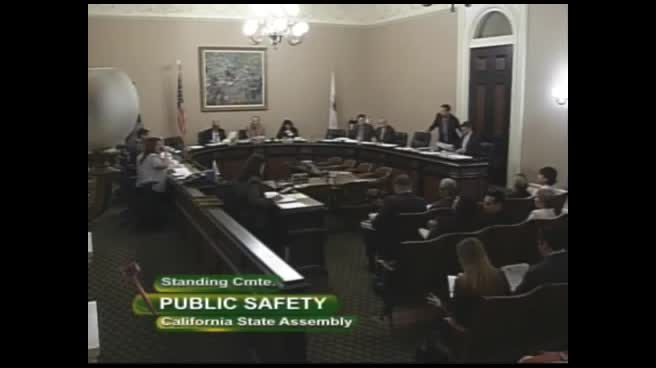 5MIN
Assembly Standing Committee on Public Safety
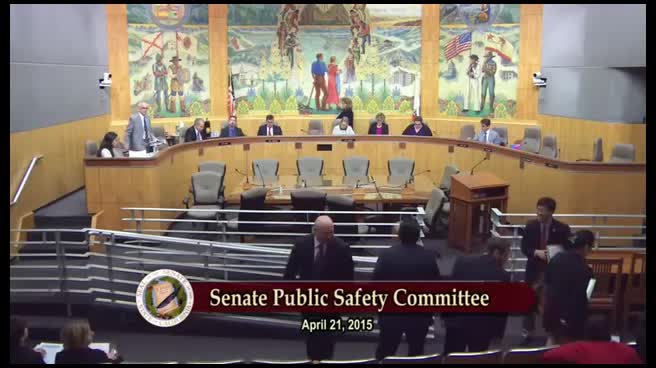 3MIN
Senate Standing Committee on Public Safety
Bill Author

Bill Co-Author(s):