SB 671: Pharmacy: biological product.
- Session Year: 2015-2016
- House: Senate
- Latest Version Date: 2015-10-06
The Pharmacy Law governs the practice of pharmacy in this state, including the permissible duties of licensed pharmacists. The Pharmacy Law authorizes a pharmacist filling a prescription order for a drug product prescribed by its trade or brand name to select another drug product with the same active chemical ingredients of the same strength, quantity, and dosage form, and of the same generic drug name as determined, as specified, of those drug products having the same active chemical ingredients. A knowing violation of the Pharmacy Law is a misdemeanor.
This bill, except as specified, would authorize a pharmacist to select an alternative biological product when filling a prescription order for a prescribed biological product if the alternative biological product is interchangeable, as defined, and the prescriber does not personally indicate in a prescribed manner that a substitution is not to be made. The bill would require a pharmacist or a designee, within a specified period following the dispensing of a biological product, to make an electronically accessible entry in a described entry system of the specific biological product provided to the patient. The bill would provide an alternate means of communicating the name of the biological product dispensed to the prescriber if the pharmacy does not have access to one or more of the described entry systems. The bill would also require that the substitution of a biological product be communicated to the patient. The bill would prohibit a pharmacist from selecting an alternative biological product that meets the requirements of these provisions unless the cost to the patient of the alternative biological product selected is the same or less than the cost of the prescribed biological product. Because a knowing violation of these requirements would be a misdemeanor, the bill would create new crimes, thereby imposing a state-mandated local program.
The bill would also require the California State Board of Pharmacy to maintain on its public Internet Web site a link to the current list, if available, of biological products determined by the federal Food and Drug Administration to be interchangeable.
The California Constitution requires the state to reimburse local agencies and school districts for certain costs mandated by the state. Statutory provisions establish procedures for making that reimbursement.
This bill would provide that no reimbursement is required by this act for a specified reason.
The Pharmacy Law governs the practice of pharmacy in this state, including the permissible duties of licensed pharmacists. Among other permitted acts, The Pharmacy Law authorizes a pharmacist filling a prescription order for a drug product prescribed by its trade or brand name is authorized to select another drug product with the same active chemical ingredients of the same strength, quantity, and dosage form, and of the same generic drug name as determined, as specified, of those drug products having the same active chemical ingredients. A person who knowingly violates knowing violation of the Pharmacy Law is guilty of a misdemeanor, as specified. a misdemeanor.
This bill bill, except as specified, would authorize a pharmacist, in his or her discretion, except as specified, pharmacist to select an alternative biological product when filling a prescription order for a prescribed biological product if the alternative biological product is interchangeable, as defined, and the prescriber does not personally indicate Do not substitute, as specified. in a prescribed manner that a substitution is not to be made. The bill would also require a pharmacist or his or her designee when dispensing a biological product to communicate to the prescriber or a designee, within a specified period following the dispensing of a biological product, to make an electronically accessible entry in a described entry system of the specific biological product provided to the patient, including the name of the product and the manufacturer, except as specified. patient. The bill would provide an alternate means of communicating the name of the biological product dispensed to the prescriber if the pharmacy does not have access to one or more of the described entry systems. The bill would also require that the substitution of a biological product be communicated to the patient. The bill would prohibit a pharmacist from selecting an alternative biological product that meets the requirements of these provisions unless the cost to the patient of the alternative biological product selected is the same or less than the cost of the prescribed biological product. The bill would also require that the substitution of a biological product be communicated to the patient. Because a knowing violation of these requirements would be a misdemeanor, the bill would create new crimes, thereby imposing a state-mandated local program.
The bill would also require the California State Board of Pharmacy to maintain on its public Internet Web site a link to the current list, if available, of biological products determined by the federal Food and Drug Administration to be interchangeable.
The California Constitution requires the state to reimburse local agencies and school districts for certain costs mandated by the state. Statutory provisions establish procedures for making that reimbursement.
This bill would provide that no reimbursement is required by this act for a specified reason.
The Pharmacy Law governs the practice of pharmacy in this state, including the permissible duties of licensed pharmacists. Among other permitted acts, a pharmacist filling a prescription order for a drug product prescribed by its trade or brand name is authorized to select another drug product with the same active chemical ingredients of the same strength, quantity, and dosage form, and of the same generic drug name as determined, as specified, of those drug products having the same active chemical ingredients. A person who knowingly violates the Pharmacy Law is guilty of a misdemeanor, as specified.
This bill would authorize a pharmacist, in his or her discretion, except as specified, to select an alternative biological product when filling a prescription order for a prescribed biological product if the alternative biological product is interchangeable, as defined, and the prescriber does not personally indicate Do not substitute, as specified. The bill would also require a pharmacist or his or her designee when dispensing a biological product to communicate to the prescriber the specific biological product provided to the patient, including the name of the product and the manufacturer, except as specified. The bill would prohibit a pharmacist from selecting an alternative biological product that meets the requirements of these provisions unless the cost to the patient of the alternative biological product selected is the same or less than the cost of the prescribed biological product. The bill would also require that the substitution of a biological product be communicated to the patient. Because a knowing violation of these requirements would be a misdemeanor, the bill would create new crimes, thereby imposing a state-mandated local program.
The bill would also require the California State Board of Pharmacy to maintain on its public Internet Web site a link to the current list, if available, of biological products determined by the federal Food and Drug Administration to be interchangeable.
The California Constitution requires the state to reimburse local agencies and school districts for certain costs mandated by the state. Statutory provisions establish procedures for making that reimbursement.
This bill would provide that no reimbursement is required by this act for a specified reason.
(a)A pharmacist filling a prescription order for a prescribed biological product may select an alternative biological product only if all of the following:
(1)The alternative biological product is interchangeable.
(2)The prescriber does not personally indicate Do not substitute, or words of similar meaning, in the manner provided in subdivision (d).
(b)Within five days following the dispensing of a biological product, a dispensing pharmacist or the pharmacists designee shall make an entry of the specific biological product provided to the patient, including the name of the biological product and the manufacturer. The communication shall be conveyed by making an entry that can be electronically accessed by the prescriber through one or more of the following electronic records systems:
(1)An interoperable electronic medical records system.
(2)An electronic prescribing technology.
(3)A pharmacy benefit management system.
(4)A pharmacy record.
(c)Entry into an electronic records system as described in subdivision (b) is presumed to provide notice to the prescriber.
(d)If the pharmacy does not have access to one or more of the entry systems in subdivision (b), the pharmacist or the pharmacists designee shall communicate the name of the biological product dispensed to the prescriber using facsimile, telephone, electronic transmission, or other prevailing means, except that communication shall not be required in this instance to the prescriber when either of the following apply:
(1)There is no interchangeable biological product approved by the federal Food and Drug Administration for the product prescribed.
(2)A refill prescription is not changed from the product dispensed on the prior filling of the prescription.
(e)In no case shall a selection be made pursuant to this section if the prescriber personally indicates, either orally or in his or her own handwriting, Do not substitute, or words of similar meaning.
(1)This subdivision shall not prohibit a prescriber from checking a box on a prescription marked Do not substitute, provided that the prescriber personally initials the box or checkmark.
(2)To indicate that a selection shall not be made pursuant to this section for an electronic data transmission prescription, as defined in subdivision (c) of Section 4040, a prescriber may indicate Do not substitute, or words of similar meaning, in the prescription as transmitted by electronic data, or may check a box marked on the prescription Do not substitute. In either instance, it shall not be required that the prohibition on substitution be manually initialed by the prescriber.
(f)Selection pursuant to this section is within the discretion of the pharmacist, except as provided in subdivision (e). A pharmacist who selects an alternative biological product to be dispensed pursuant to this section shall assume the same responsibility for substituting the biological product as would be incurred in filling a prescription for a biological product prescribed by name. There shall be no liability on the prescriber for an act or omission by a pharmacist in selecting, preparing, or dispensing a biological product pursuant to this section. In no case shall the pharmacist select a biological product that meets the requirements of subdivision (a) unless the cost to the patient of the biological product selected is the same or less than the cost of the prescribed biological product. Cost, as used in this subdivision, includes any professional fee that may be charged by the pharmacist.
(g)This section shall apply to all prescriptions, including those presented by or on behalf of persons receiving assistance from the federal government or pursuant to the Medi-Cal Act set forth in Chapter 7 (commencing with Section 14000) of Part 3 of Division 9 of the Welfare and Institutions Code.
(h)When a selection is made pursuant to this section, the substitution of a biological product shall be communicated to the patient.
(i)The board shall maintain on its public Internet Web site a link to the current list, if available, of biological products determined by the federal Food and Drug Administration to be interchangeable.
(j)For purposes of this section, the following terms shall have the following meanings:
(1)Biological product has the same meaning that applies to that term under Section 351 of the federal Public Health Service Act (42 U.S.C. Sec. 262(i)).
(2)Interchangeable means a biological product that the federal Food and Drug Administration has determined meets the standards set forth in Section 262(k)(4) of Title 42 of the United States Code, or has been deemed therapeutically equivalent by the federal Food and Drug Administration as set forth in the latest addition or supplement of the Approved Drug Products with Therapeutic Equivalence Evaluations.
(3)Prescription, with respect to a biological product, means a prescription for a product that is subject to Section 503(b) of the Federal Food, Drug, and Cosmetic Act (21 U.S.C. Sec. 353(b)).
(k)This section shall not prohibit the administration of immunizations, as permitted in Sections 4052 and 4052.8.
(l)This section shall not prohibit a disability insurer or health care service plan from requiring prior authorization or imposing other appropriate utilization controls in approving coverage for any biological product.
SEC. 2.No reimbursement is required by this act pursuant to Section 6 of Article XIIIB of the California Constitution because the only costs that may be incurred by a local agency or school district will be incurred because this act creates a new crime or infraction, eliminates a crime or infraction, or changes the penalty for a crime or infraction, within the meaning of Section 17556 of the Government Code, or changes the definition of a crime within the meaning of Section 6 of Article XIIIB of the California Constitution.
(a)A pharmacist filling a prescription order for a prescribed biological product may select an alternative biological product only if all of the following:
(1)The alternative biological product is interchangeable.
(2)The prescriber does not personally indicate Do not substitute, or words of similar meaning, in the manner provided in subdivision (d).
(b)Within five days following the dispensing of a biological product, a dispensing pharmacist or the pharmacists designee shall make an entry of the specific biological product provided to the patient, including the name of the biological product and the manufacturer. The communication shall be conveyed by making an entry that can be electronically accessed by the prescriber through: through one or more of the following electronic records systems:
(1)An interoperable electronic medical records system, system.
(2)An electronic prescribing technology, technology.
(3)A pharmacy benefit management system, or system.
(4)A pharmacy record.
(c)Entry into an electronic records system as described in subdivision (b) is presumed to provide notice to the prescriber. If
(d)If the pharmacy does not have access to one or more of the entry systems in subdivision (b), the pharmacist or the pharmacists designee shall communicate the name of the biological product dispensed to the prescriber using facsimile, telephone, electronic transmission, or other prevailing means, except that communication shall not be required in this instance to the prescriber when either of the following apply:
(1)There is no interchangeable biological product approved by the federal Food and Drug Administration for the product prescribed.
(2)A refill prescription is not changed from the product dispensed on the prior filling of the prescription.
(d)
(e)In no case shall a selection be made pursuant to this section if the prescriber personally indicates, either orally or in his or her own handwriting, Do not substitute, or words of similar meaning.
(1)This subdivision shall not prohibit a prescriber from checking a box on a prescription marked Do not substitute, provided that the prescriber personally initials the box or checkmark.
(2)To indicate that a selection shall not be made pursuant to this section for an electronic data transmission prescription, as defined in subdivision (c) of Section 4040, a prescriber may indicate Do not substitute, or words of similar meaning, in the prescription as transmitted by electronic data, or may check a box marked on the prescription Do not substitute. In either instance, it shall not be required that the prohibition on substitution be manually initialed by the prescriber.
(e)
(f)Selection pursuant to this section is within the discretion of the pharmacist, except as provided in subdivision (d). (e). A pharmacist who selects an alternative biological product to be dispensed pursuant to this section shall assume the same responsibility for substituting the biological product as would be incurred in filling a prescription for a biological product prescribed by name. There shall be no liability on the prescriber for an act or omission by a pharmacist in selecting, preparing, or dispensing a biological product pursuant to this section. In no case shall the pharmacist select a biological product that meets the requirements of subdivision (a) unless the cost to the patient of the biological product selected is the same or less than the cost of the prescribed biological product. Cost, as used in this subdivision, includes any professional fee that may be charged by the pharmacist.
(f)
(g)This section shall apply to all prescriptions, including those presented by or on behalf of persons receiving assistance from the federal government or pursuant to the Medi-Cal Act set forth in Chapter 7 (commencing with Section 14000) of Part 3 of Division 9 of the Welfare and Institutions Code.
(g)
(h)When a selection is made pursuant to this section, the substitution of a biological product shall be communicated to the patient.
(h)
(i)The board shall maintain on its public Internet Web site a link to the current list, if available, of biological products determined by the federal Food and Drug Administration to be interchangeable.
(i)
(j)For purposes of this section, the following terms shall have the following meanings:
(1)Biological product has the same meaning that applies to that term under Section 351 of the federal Public Health Service Act (42 U.S.C. Sec. 262(i)).
(2)Interchangeable means a biological product that the federal Food and Drug Administration has determined meets the standards set forth in 42 U.S.C. Section 262(k)(4), 262(k)(4) of Title 42 of the United States Code, or has been deemed therapeutically equivalent by the federal Food and Drug Administration as set forth in the latest addition or supplement of the Approved Drug Products with Therapeutic Equivalence Evaluations.
(3)Prescription, with respect to a biological product, means a prescription for a product that is subject to Section 503(b) of the Federal Food, Drug, and Cosmetic Act (21 U.S.C. Sec. 353(b)).
(j)
(k)This section shall not prohibit the administration of immunizations, as permitted in Sections 4052 and 4052.8.
(k)
(l)This section shall not prohibit a disability insurer or health care service plan from requiring prior authorization or imposing other appropriate utilization controls in approving coverage for any biological product.
SEC. 2.No reimbursement is required by this act pursuant to Section 6 of Article XIIIB of the California Constitution because the only costs that may be incurred by a local agency or school district will be incurred because this act creates a new crime or infraction, eliminates a crime or infraction, or changes the penalty for a crime or infraction, within the meaning of Section 17556 of the Government Code, or changes the definition of a crime within the meaning of Section 6 of Article XIIIB of the California Constitution.
(a)A pharmacist filling a prescription order for a prescribed biological product may select an alternative biological product only if all of the following:
(1)The alternative biological product is interchangeable.
(2)The prescriber does not personally indicate Do not substitute, or words of similar meaning, in the manner provided in subdivision (c). (d).
(b)Within five days following the dispensing of a biological product, a dispensing pharmacist or the pharmacists designee shall communicate to the prescriber make an entry of the specific biological product provided to the patient, including the name of the biological product and the manufacturer. The communication shall be conveyed by making an entry into an interoperable electronic medical records system, through electronic prescribing technology, or a pharmacy record that is electronically accessible by the prescriber. Otherwise, that can be electronically accessed by the prescriber through:
(1)An interoperable electronic medical records system,
(2)An electronic prescribing technology,
(3)A pharmacy benefit management system, or
(4)A pharmacy record.
(c)Entry into an electronic records system as described in subdivision (b) is presumed to provide notice to the prescriber. If the pharmacy does not have access to one or more of the entry systems in subdivision (b), the pharmacist or the pharmacists designee shall communicate the name of the biological product dispensed to the prescriber using facsimile, telephone, electronic transmission, or other prevailing means, except that communication shall not be required in this instance to the prescriber when either of the following apply:
(1)There is no interchangeable biological product approved by the federal Food and Drug Administration for the product prescribed.
(2)A refill prescription is not changed from the product dispensed on the prior filling of the prescription.
(c)
(d)In no case shall a selection be made pursuant to this section if the prescriber personally indicates, either orally or in his or her own handwriting, Do not substitute, or words of similar meaning.
(1)This subdivision shall not prohibit a prescriber from checking a box on a prescription marked Do not substitute, provided that the prescriber personally initials the box or checkmark.
(2)To indicate that a selection shall not be made pursuant to this section for an electronic data transmission prescription, as defined in subdivision (c) of Section 4040, a prescriber may indicate Do not substitute, or words of similar meaning, in the prescription as transmitted by electronic data, or may check a box marked on the prescription Do not substitute. In either instance, it shall not be required that the prohibition on substitution be manually initialed by the prescriber.
(d)
(e)Selection pursuant to this section is within the discretion of the pharmacist, except as provided in subdivision (c). (d). A pharmacist who selects an alternative biological product to be dispensed pursuant to this section shall assume the same responsibility for substituting the biological product as would be incurred in filling a prescription for a biological product prescribed by name. There shall be no liability on the prescriber for an act or omission by a pharmacist in selecting, preparing, or dispensing a biological product pursuant to this section. In no case shall the pharmacist select a biological product that meets the requirements of subdivision (a) unless the cost to the patient of the biological product selected is the same or less than the cost of the prescribed biological product. Cost, as used in this subdivision, includes any professional fee that may be charged by the pharmacist.
(e)
(f)This section shall apply to all prescriptions, including those presented by or on behalf of persons receiving assistance from the federal government or pursuant to the Medi-Cal Act set forth in Chapter 7 (commencing with Section 14000) of Part 3 of Division 9 of the Welfare and Institutions Code.
(f)
(g)When a selection is made pursuant to this section, the substitution of a biological product shall be communicated to the patient.
(g)
(h)The board shall maintain on its public Internet Web site a link to the current list, if available, of biological products determined by the federal Food and Drug Administration to be interchangeable.
(h)
(i)For purposes of this section, the following terms shall have the following meanings:
(1)Biological product has the same meaning that applies to that term under Section 351 of the federal Public Health Service Act (42 U.S.C. Sec. 262(i)).
(2)Interchangeable means a biological product that the federal Food and Drug Administration has determined meets the standards set forth in 42 U.S.C. Section 262(k)(4), or has been deemed therapeutically equivalent by the federal Food and Drug Administration as set forth in the latest addition or supplement of the Approved Drug Products with Therapeutic Equivalence Evaluations.
(3)Prescription, with respect to a biological product, means a prescription for a product that is subject to Section 503(b) of the Federal Food, Drug, and Cosmetic Act (21 U.S.C. Sec. 353(b)).
(i)
(j)This section shall not prohibit the administration of immunizations, as permitted in Sections 4052 and 4052.8.
(j)
(k)This section shall not prohibit a disability insurer or health care service plan from requiring prior authorization or imposing other appropriate utilization controls in approving coverage for any biological product.
SEC. 2.No reimbursement is required by this act pursuant to Section 6 of Article XIIIB of the California Constitution because the only costs that may be incurred by a local agency or school district will be incurred because this act creates a new crime or infraction, eliminates a crime or infraction, or changes the penalty for a crime or infraction, within the meaning of Section 17556 of the Government Code, or changes the definition of a crime within the meaning of Section 6 of Article XIIIB of the California Constitution.
(a)A pharmacist filling a prescription order for a prescribed biological product may select an alternative biological product only if all of the following:
(1)The alternative biological product is interchangeable, as defined in paragraph (2) of subdivision (h). interchangeable.
(2)The prescriber does not personally indicate Do not substitute, or words of similar meaning, in the manner provided in subdivision (c).
(b)Within five days following the dispensing of a biological product, a dispensing pharmacist or the pharmacists designee shall communicate to the prescriber the specific biological product provided to the patient, including the name of the biological product and the manufacturer. The communication shall be conveyed by making an entry into an interoperable electronic medical records system, through electronic prescribing technology, or a pharmacy record that is electronically accessible by the prescriber. Otherwise, the pharmacist or the pharmacists designee shall communicate the name of the biological product dispensed to the prescriber using facsimile, telephone, electronic transmission, or other prevailing means, except that communication shall not be required in this instance to the prescriber when either of the following apply:
(1)There is no FDA-approved interchangeable biological product, as defined in subdivision (h), product approved by the federal Food and Drug Administration for the product prescribed.
(2)A refill prescription is not changed from the product dispensed on the prior filling of the prescription.
(c)In no case shall a selection be made pursuant to this section if the prescriber personally indicates, either orally or in his or her own handwriting, Do not substitute, or words of similar meaning.
(1)This subdivision shall not prohibit a prescriber from checking a box on a prescription marked Do not substitute, provided that the prescriber personally initials the box or checkmark.
(2)To indicate that a selection shall not be made pursuant to this section for an electronic data transmission prescription, as defined in subdivision (c) of Section 4040, a prescriber may indicate Do not substitute, or words of similar meaning, in the prescription as transmitted by electronic data, or may check a box marked on the prescription Do not substitute. In either instance, it shall not be required that the prohibition on substitution be manually initialed by the prescriber.
(d)Selection pursuant to this section is within the discretion of the pharmacist, except as provided in subdivision (c). A pharmacist who selects the an alternative biological product to be dispensed pursuant to this section shall assume the same responsibility for substituting the biological product as would be incurred in filling a prescription for a biological product prescribed by name. There shall be no liability on the prescriber for an act or omission by a pharmacist in selecting, preparing, or dispensing a biological product pursuant to this section. In no case shall the pharmacist select a biological product that meets the requirements of subdivision (a) unless the cost to the patient of the biological product selected is the same or less than the cost of the prescribed biological product. Cost, as used in this subdivision, includes any professional fee that may be charged by the pharmacist.
(e)This section shall apply to all prescriptions, including those presented by or on behalf of persons receiving assistance from the federal government or pursuant to the Medi-Cal Act set forth in Chapter 7 (commencing with Section 14000) of Part 3 of Division 9 of the Welfare and Institutions Code.
(f)When a selection is made pursuant to this section, the substitution of a biological product shall be communicated to the patient.
(g)The board shall maintain on its public Internet Web site a link to the current list, if available, of biological products determined by the FDA federal Food and Drug Administration to be interchangeable, as defined in paragraph (2) of subdivision (h). interchangeable.
(h)For purposes of this section, the following terms shall have the following meanings:
(1)Biological product has the same meaning that applies to that term under Section 351 of the federal Public Health Service Act (42 U.S.C. Sec. 262(i)).
(2)Interchangeable means a biological product that the FDA federal Food and Drug Administration has determined meets the standards set forth in 42 U.S.C. Section 262(k)(4), or has been deemed therapeutically equivalent by the FDA federal Food and Drug Administration as set forth in the latest addition or supplement of the Approved Drug Products with Therapeutic Equivalence Evaluations.
(3)Prescription, with respect to a biological product, means a prescription for a product that is subject to Section 503(b) of the Federal Food, Drug, and Cosmetic Act (21 U.S.C. Sec. 353(b)).
(i)This section shall not prohibit the administration of immunizations, as permitted in Sections 4052 and 4052.8.
(j)This section shall not prohibit a disability insurer or health care service plan from requiring prior authorization or imposing other appropriate utilization controls in approving coverage for any biological product.
SEC. 2.No reimbursement is required by this act pursuant to Section 6 of Article XIIIB of the California Constitution because the only costs that may be incurred by a local agency or school district will be incurred because this act creates a new crime or infraction, eliminates a crime or infraction, or changes the penalty for a crime or infraction, within the meaning of Section 17556 of the Government Code, or changes the definition of a crime within the meaning of Section 6 of Article XIIIB of the California Constitution.
(a)A pharmacist filling a prescription order for a prescribed biological product may select an alternative biological product only if all of the following:
(1)The alternative biological product is interchangeable, as defined in paragraph (2) of subdivision (h).
(2)The prescriber does not personally indicate Do not substitute, or words of similar meaning, in the manner provided in subdivision (c).
(b)Within a reasonable time five days following the dispensing of a biological product, a dispensing pharmacist or the pharmacists designee shall communicate to the prescriber the specific biological product provided to the patient, including the name of the biological product and the manufacturer. The communication shall be conveyed by making an entry into an interoperable electronic medical records system, through electronic prescribing technology, or a pharmacy record that is electronically accessible by the prescriber. Otherwise, the pharmacist or the pharmacists designee shall communicate the name of the biological product dispensed to the prescriber using facsimile, telephone, electronic transmission, or other prevailing means, except that communication shall not be required in this instance to the prescriber when either of the following apply:
(1)There is no FDA-approved interchangeable biological product, as defined in subdivision (h), for the product prescribed.
(2)A refill prescription is not changed from the product dispensed on the prior filling of the prescription.
(c)In no case shall a selection be made pursuant to this section if the prescriber personally indicates, either orally or in his or her own handwriting, Do not substitute, or words of similar meaning.
(1)This subdivision shall not prohibit a prescriber from checking a box on a prescription marked Do not substitute, provided that the prescriber personally initials the box or checkmark.
(2)To indicate that a selection shall not be made pursuant to this section for an electronic data transmission prescription, as defined in subdivision (c) of Section 4040, a prescriber may indicate Do not substitute, or words of similar meaning, in the prescription as transmitted by electronic data, or may check a box marked on the prescription Do not substitute. In either instance, it shall not be required that the prohibition on substitution be manually initialed by the prescriber.
(d)Selection pursuant to this section is within the discretion of the pharmacist, except as provided in subdivision (c). A pharmacist who selects the biological product to be dispensed pursuant to this section shall assume the same responsibility for substituting the biological product as would be incurred in filling a prescription for a biological product prescribed by name. There shall be no liability on the prescriber for an act or omission by a pharmacist in selecting, preparing, or dispensing a biological product pursuant to this section. In no case shall the pharmacist select a biological product that meets the requirements of subdivision (a) unless the cost to the patient of the biological product selected is the same or less than the cost of the prescribed biological product. Cost, as used in this subdivision, includes any professional fee that may be charged by the pharmacist.
(e)This section shall apply to all prescriptions, including those presented by or on behalf of persons receiving assistance from the federal government or pursuant to the Medi-Cal Act set forth in Chapter 7 (commencing with Section 14000) of Part 3 of Division 9 of the Welfare and Institutions Code.
(f)When a selection is made pursuant to this section, the substitution of a biological product shall be communicated to the patient.
(g)The board shall maintain on its public Internet Web site a link to the current list, if available, of biological products determined by the FDA to be interchangeable, as defined in paragraph (2) of subdivision (h).
(h)For purposes of this section, the following terms shall have the following meanings:
(1)Biological product has the same meaning that applies to that term under Section 351 of the federal Public Health Service Act (42 U.S.C. Sec. 262(i)).
(2)Interchangeable means a biological product that the FDA has determined meets the standards set forth in 42 U.S.C. Section 262(k)(4), or has been deemed therapeutically equivalent by the FDA as set forth in the latest addition or supplement of the Approved Drug Products with Therapeutic Equivalence Evaluations.
(3)Prescription, with respect to a biological product, means a prescription for a product that is subject to Section 503B 503(b) of the federal Food, Drug, and Cosmetic Act (21 U.S.C. Sec. 353(b)).
(i)This section shall not prohibit the administration of immunizations, as permitted in Section 4052. Sections 4052 and 4052.8.
(j)This section shall not prohibit a disability insurer or health care service plan from requiring prior authorization or imposing other appropriate utilization controls in approving coverage for any biological product.
SEC. 2.No reimbursement is required by this act pursuant to Section 6 of Article XIIIB of the California Constitution because the only costs that may be incurred by a local agency or school district will be incurred because this act creates a new crime or infraction, eliminates a crime or infraction, or changes the penalty for a crime or infraction, within the meaning of Section 17556 of the Government Code, or changes the definition of a crime within the meaning of Section 6 of Article XIIIB of the California Constitution.
(a)A pharmacist filling a prescription order for a prescribed biological product may select an alternative biological product only if all of the following:
(1)The alternative biological product is interchangeable, as defined in paragraph (2) of subdivision (h).
(2)The prescriber does not personally indicate Do not substitute, or words of similar meaning, in the manner provided in subdivision (c).
(b)Within a reasonable time following the dispensing of a biological product, a dispensing pharmacist or the pharmacists designee shall communicate to the prescriber the specific biological product provided to the patient, including the name of the biological product and the manufacturer. The communication shall be conveyed by making an entry into an interoperable electronic medical records system, through electronic prescribing technology, or a pharmacy record that is electronically accessible by the prescriber. Otherwise, the pharmacist or the pharmacists designee shall communicate the name of the biological product dispensed to the prescriber using facsimile, telephone, electronic transmission, or other prevailing means, except that communication shall not be required in this instance to the prescriber when either of the following apply:
(1)There is no FDA-approved interchangeable biological product, as defined in subdivision (h), for the product prescribed.
(2)A refill prescription is not changed from the product dispensed on the prior filling of the prescription.
(c)In no case shall a selection be made pursuant to this section if the prescriber personally indicates, either orally or in his or her own handwriting, Do not substitute, or words of similar meaning.
(1)This subdivision shall not prohibit a prescriber from checking a box on a prescription marked Do not substitute, provided that the prescriber personally initials the box or checkmark.
(2)To indicate that a selection shall not be made pursuant to this section for an electronic data transmission prescription, as defined in subdivision (c) of Section 4040, a prescriber may indicate Do not substitute, or words of similar meaning, in the prescription as transmitted by electronic data, or may check a box marked on the prescription Do not substitute. In either instance, it shall not be required that the prohibition on substitution be manually initialed by the prescriber.
(d)Selection pursuant to this section is within the discretion of the pharmacist, except as provided in subdivision (c). A pharmacist who selects the biological product to be dispensed pursuant to this section shall assume the same responsibility for substituting the biological product as would be incurred in filling a prescription for a biological product prescribed by name. There shall be no liability on the prescriber for an act or omission by a pharmacist in selecting, preparing, or dispensing a biological product pursuant to this section. In no case shall the pharmacist select a biological product that meets the requirements of subdivision (a) unless the cost to the patient of the biological product selected is the same or less than the cost of the prescribed biological product. Cost, as used in this subdivision, includes any professional fee that may be charged by the pharmacist.
(e)This section shall apply to all prescriptions, including those presented by or on behalf of persons receiving assistance from the federal government or pursuant to the Medi-Cal Act set forth in Chapter 7 (commencing with Section 14000) of Part 3 of Division 9 of the Welfare and Institutions Code.
(f)When a selection is made pursuant to this section, the substitution of a biological product shall be communicated to the patient.
(g)The board shall maintain on its public Internet Web site a link to the current list, if available, of biological products determined by the FDA to be interchangeable, as defined in paragraph (2) of subdivision (h).
(h)For purposes of this section, the following terms shall have the following meanings:
(1)Biological product has the same meaning that applies to that term under Section 351 of the federal Public Health Service Act (42 U.S.C. Sec. 262(i)).
(2)Interchangeable means a biological product that the FDA has determined meets the standards set forth in 42 U.S.C. Section 262(k)(4), or has been deemed therapeutically equivalent by the FDA as set forth in the latest addition or supplement of the Approved Drug Products with Therapeutic Equivalence Evaluations.
(3)Prescription, with respect to a biological product, means a prescription for a product that is subject to Section 503B of the federal Food, Drug, and Cosmetic Act (21 U.S.C. Sec. 353(b)).
(i)This section shall not prohibit the administration of immunizations, as permitted in Section 4052.
(j)This section shall not prohibit a disability insurer or health care service plan from requiring prior authorization or imposing other appropriate utilization controls in approving coverage for any biological product.
SEC. 2.No reimbursement is required by this act pursuant to Section 6 of Article XIIIB of the California Constitution because the only costs that may be incurred by a local agency or school district will be incurred because this act creates a new crime or infraction, eliminates a crime or infraction, or changes the penalty for a crime or infraction, within the meaning of Section 17556 of the Government Code, or changes the definition of a crime within the meaning of Section 6 of Article XIIIB of the California Constitution.
|
Date
|
Status
|
|---|---|
| Aug 27, 2015 | In Senate. Concurrence in Assembly amendments pending. |
| Jun 11, 2015 | Referred to Coms. on B. & P. and HEALTH. |
| Jun 23, 2015 | From committee with author's amendments. Read second time and amended. Re-referred to Com. on B. & P. |
| Jun 30, 2015 | June 30 hearing postponed by committee. |
| Jul 7, 2015 | From committee: Do pass and re-refer to Com. on HEALTH. (Ayes 14. Noes 0.) (July 7). Re-referred to Com. on HEALTH. |
| Jul 15, 2015 | From committee: Do pass as amended and re-refer to Com. on APPR. (Ayes 18. Noes 0.) (July 14). |
| Jul 16, 2015 | Read second time and amended. Re-referred to Com. on APPR. |
| Aug 19, 2015 | From committee: Do pass. Ordered to consent calendar. (Ayes 17. Noes 0.) (August 19). |
| Aug 20, 2015 | Read second time. Ordered to consent calendar. |
| May 22, 2015 | Read third time. Passed. (Ayes 31. Noes 5.) Ordered to the Assembly. |
| Aug 27, 2015 | Read third time. Passed. Ordered to the Senate. |
| Aug 27, 2015 | Read third time. Passed. (Ayes 78. Noes 0. Page 2638.) Ordered to the Senate. |
| Aug 31, 2015 | Assembly amendments concurred in. (Ayes 38. Noes 0. Page 2273.) Ordered to engrossing and enrolling. |
| Aug 31, 2015 | Assembly amendments concurred in. (Ayes 38. Noes 0.) Ordered to engrossing and enrolling. |
| Sep 1, 2015 | Enrolled and presented to the Governor at 4:30 p.m. |
| Oct 6, 2015 | Approved by the Governor. |
| Oct 6, 2015 | Chaptered by Secretary of State. Chapter 545, Statutes of 2015. |
| Feb 27, 2015 | Introduced. To Com. on RLS. for assignment. To print. |
| May 22, 2015 | Read third time. Passed. (Ayes 31. Noes 5. Page 1067.) Ordered to the Assembly. |
| May 22, 2015 | In Assembly. Read first time. Held at Desk. |
| May 19, 2015 | Read second time. Ordered to third reading. |
| May 18, 2015 | From committee: Be ordered to second reading pursuant to Senate Rule 28.8. |
| May 8, 2015 | Set for hearing May 18. |
| May 5, 2015 | Read second time and amended. Re-referred to Com. on APPR. |
| May 4, 2015 | From committee: Do pass as amended and re-refer to Com. on APPR. (Ayes 9. Noes 0.) (April 29). |
| May 4, 2015 | From committee: Do pass as amended and re-refer to Com. on APPR. (Ayes 9. Noes 0. Page 862.) (April 29). |
| Apr 15, 2015 | Set for hearing April 29. |
| Apr 14, 2015 | From committee: Do pass and re-refer to Com. on HEALTH. (Ayes 7. Noes 0. Page 591.) (April 13). Re-referred to Com. on HEALTH. |
| Apr 14, 2015 | From committee with author's amendments. Read second time and amended. Re-referred to Com. on HEALTH. |
| Mar 24, 2015 | Set for hearing April 13. |
| Mar 12, 2015 | Referred to Coms. on B., P. & E.D. and HEALTH. |
| Mar 2, 2015 | Read first time. |
| Mar 2, 2015 | From printer. May be acted upon on or after April 1. |
|
Date
|
Description
|
Location
|
Votes
|
|
|---|---|---|---|---|
| Aug 31, 2015 | Unfinished Business SB671 Hill Concurrence | Senate Floor |
Passed |
|
| Aug 27, 2015 | SB 671 Hill Consent Calendar Second Day Regular Session | Assembly Floor |
Passed |
|
| Aug 19, 2015 | Do pass. To Consent Calendar. | Assembly Standing Committee on Appropriations |
Passed |
|
| Jul 14, 2015 | Do pass as amended and be re-referred to the Committee on [Appropriations] | Assembly Standing Committee on Health |
Passed |
|
| Jul 7, 2015 | Do pass and be re-referred to the Committee on [Health] | Assembly Standing Committee on Business and Professions |
Passed |
|
| May 22, 2015 | Senate 3rd Reading SB671 Hill | Senate Floor |
Passed |
|
| Apr 29, 2015 | Do pass as amended, but first amend, and re-refer to the Committee on [Appropriations] | Senate Standing Committee on Health |
Passed |
|
| Apr 13, 2015 | Do pass, but first be re-referred to the Committee on [Health] | Senate Standing Committee on Business, Professions and Economic Development |
Passed |
This list shows positions taken on this bill by organizations on the date displayed, which is linked to the original source.
Positions by individuals are not included.
|
Organization
|
Position
|
Date
|
|---|---|---|
| Academy of Managed Care Pharmacy | ** Against | May 22, 2015 |
| AIM at Melanoma | ** Support | Aug 31, 2015 |
| AIM at Melanoma Foundation | ** Support | Apr 29, 2015 |
| AIM at Melanona | ** Support | Jul 14, 2015 |
| Alliance for Patient Access | ** Support | Aug 31, 2015 |
| Alliance of Specialty Medicine | ** Support | Aug 31, 2015 |
| American Academy of Facial Plastic & Reconstructive Surgery | ** Support | Aug 31, 2015 |
| American Association of Neurological Surgeons | ** Support | Aug 31, 2015 |
| American Cancer Society | ** Support | Aug 31, 2015 |
| American College of Mohs Surgery | ** Support | Aug 31, 2015 |
| American Gastroenterological Association | ** Support | Aug 31, 2015 |
| American Society of Cataract and Refractive Surgery | ** Support | Aug 31, 2015 |
| American Society of Echocardiography | ** Support | Aug 31, 2015 |
| American Society of Plastic Surgeons | ** Support | Aug 31, 2015 |
| Amgen | ** Support | Aug 31, 2015 |
| Arthritis Foundation | ** Support | Aug 31, 2015 |
| Association of California Life | * Against | Jul 14, 2015 |
| Association Of California Life & Health Insurance Companies | * Against | Apr 29, 2015 |
| Association Of Northern California Oncologists | ** Support | Aug 31, 2015 |
| BayBio | * Support | Apr 13, 2015 |
| Biocom | ** Support | Aug 31, 2015 |
| Biotechnology Industry Organization | ** Support | Aug 31, 2015 |
| Board of Pharmacy | ** Support | Aug 31, 2015 |
| Boehringer-Ingelheim Pharmaceutical Company | ** Support | Jul 14, 2015 |
| Bristol-Myers Squibb | * Support | Jul 7, 2015 |
| California Association Of Health Plans | ** Against | Aug 31, 2015 |
| California Healthcare Institute | ** Support | Aug 31, 2015 |
| California Healthcare Institute (Chi) | * Support | Apr 13, 2015 |
| California Life Sciences Association | ** Support | Jul 14, 2015 |
| California Pharmacists Association | ** Support | Aug 31, 2015 |
| California Retailers Association | ** Support | Aug 31, 2015 |
| California Rheumatology Alliance | ** Support | Aug 31, 2015 |
| CalPERS | ** Support | Aug 31, 2015 |
| Children Now | * Support | Apr 29, 2015 |
| Clinical Development Medical Affairs | * Indeterminate | Apr 13, 2015 |
| Coalition of State Rheumatology Organizations | ** Support | Aug 31, 2015 |
| Congress of Neurological Surgeons | ** Support | Aug 31, 2015 |
| Crohn's & Colitis Foundation of America | ** Support | Aug 31, 2015 |
| CVS Health | ** Against | May 22, 2015 |
| Eli Lilly And Company | * Support | Apr 29, 2015 |
| Express Scripts Holding Company | * Support | Jul 7, 2015 |
| Genentech, Inc. | ** Support | Aug 31, 2015 |
| Generic Pharmaceuticals Association | * Support | Jul 14, 2015 |
| Hospira, Inc. | ** Support | Aug 31, 2015 |
| International Cancer Advocacy Network | ** Support | Aug 31, 2015 |
| Johnson & Johnson | ** Support | Aug 31, 2015 |
| Johnson & Johnson Services, Inc. | * Indeterminate | Apr 13, 2015 |
| Kaiser Permanente | ** Against | Aug 31, 2015 |
| Kidney Cancer Association | ** Support | Aug 31, 2015 |
| Lilly Usa | ** Support | Aug 31, 2015 |
| Lupus Foundation | ** Support | Jul 14, 2015 |
| Medical Oncology Association Of Southern California | ** Support | Aug 31, 2015 |
| Merck | ** Support | Aug 31, 2015 |
| Mylan | * Against | Apr 29, 2015 |
| Myland | * Indeterminate | Apr 13, 2015 |
| National Association Of Chain Drug Stores | ** Support | Aug 31, 2015 |
| National Black Nurses Association | ** Support | Aug 31, 2015 |
| National Community Pharmacists Association | ** Against | May 22, 2015 |
| National Kidney Foundation | ** Support | Aug 31, 2015 |
| National Trade for Pharmacy Benefit Managers | * Against | Apr 29, 2015 |
| North American Spine Society | ** Support | Aug 31, 2015 |
| Novartis | ** Support | Aug 31, 2015 |
| Novo Nordisk, Inc. | ** Support | Aug 31, 2015 |
| Oppose Unless Amended: | ** Support | Apr 13, 2015 |
| Pharma | * Support | Apr 29, 2015 |
| Pharmaceutical Care Management Association | ** Against | May 22, 2015 |
| Pharmaceutical Research And Manufacturers Of America | ** Support | Aug 31, 2015 |
| Sandoz | ** Support | Aug 31, 2015 |
| Sandoz Biopharmaceuticals | * Support | Apr 29, 2015 |
| Sanofi | ** Support | Aug 31, 2015 |
| Society for Cardiovascular Angiography and Interventions | ** Support | Aug 31, 2015 |
| Society for Excellence in Eyecare | ** Support | Aug 31, 2015 |
| State Building and Construction Trades Council, AFL-CIO | ** Support | Jul 14, 2015 |
| u Alliance of Specialty Medicine | ** Support | Apr 13, 2015 |
| U.S. Pain Foundation | ** Support | Aug 31, 2015 |
| Ucb, Inc. | ** Support | Aug 31, 2015 |
| Walgreen's | ** Support | Aug 31, 2015 |
| [inaudible] Pharmacueticals | * Support | Apr 13, 2015 |
SB 671
Page 8
|
Office of Senate Floor Analyses (916) 651-1520 Fax: (916) 327-4478 |
UNFINISHED BUSINESS
Bill No: SB 671
Amended: 7/16/15
SENATE BUS, PROF. & ECON. DEV. COMMITTEE: 7-0, 4/13/15
AYES: Hill, Bates, Block, Galgiani, Hernandez, Jackson, Wieckowski
NO VOTE RECORDED: Berryhill, Mendoza
SENATE HEALTH COMMITTEE: 9-0, 4/29/15
AYES: Hernandez, Nguyen, Hall, Mitchell, Monning, Nielsen, Pan, Roth, Wolk
SENATE APPROPRIATIONS COMMITTEE: Senate Rule 28.8
SENATE FLOOR: 31-5, 5/22/15
AYES: Allen, Anderson, Bates, Beall, Block, Cannella, De León, Galgiani, Hall, Hancock, Hernandez, Hertzberg, Hill, Hueso, Huff, Jackson, Lara, Leno, Leyva, Liu, McGuire, Mendoza, Mitchell, Monning, Moorlach, Nguyen, Pan, Pavley, Roth, Wieckowski, Wolk
NOES: Gaines, Morrell, Nielsen, Stone, Vidak
NO VOTE RECORDED: Berryhill, Fuller, Runner
ASSEMBLY FLOOR: 78-0, 8/27/15 (Consent) - See last page for vote
SUBJECT: Pharmacy: biological product
DIGEST: This bill authorizes a pharmacist to substitute an alternative biological product when filling a prescription for a prescribed biological product if the alternative biological products is designated as interchangeable with the reference product, among other conditions, and communication is provided to the patient and physician that a substitution was made. It also requires the Board of Pharmacy to maintain a link on its Website to the list of biological products recognized as interchangeable by the federal Food and Drug Administration.
Assembly Amendments clarify the types of electronic records systems that a communication to the prescriber could be made through and specify that entry into one of those systems is presumed to provide notice to the prescriber.
Existing federal law:
Creates an abbreviated pathway for biological products that are similar to or interchangeable with licensed biological products, known as the Biologics Price Competition and Innovation Act of 2009 (BPCIA). (42 U.S.C. Sec. 262 (k))
Requires that, for a biological product to be considered biosimilar to a reference product, data must be derived from analytical, animal and clinical studies as specified. (42 U.S.C. Sec. 262 (k)(2))
Clarifies that a product is biosimilar to a reference product under the BPCIA if the proposed biosimilar product is highly similar to the reference product, notwithstanding minor differences in clinically inactive components, and that no clinically meaningful differences exist between the proposed biosimilar product and the reference product in terms of safety, purity and potency. (42 U.S.C. Sec. 262(i)(2)(A) and (B))
Clarifies that state law governs how and when pharmacists may make prescription drug substitutions. (1 Food and Drug Admin. Sec. 13:197 (2011))
Existing state law:
Specifies certain requirements regarding the dispensing and furnishing of dangerous drugs and devices, and prohibits a person from furnishing any dangerous drug or device except upon the prescription of a physician, dentist, podiatrist, optometrist, veterinarian or naturopathic doctor. (BPC § 4059)
Authorizes pharmacists filling prescription orders for drug products prescribed by their trade or brand names to substitute generic drugs for orders if the generic contains the same active chemical ingredients of equivalent strength and duration of therapy, subject to a patient notification and bottle labeling requirement, unless the prescriber specifies that a pharmacist may not substitute another drug product by either indicating on the form submitted for the filling of the prescription drug orders “Do not substitute” or words of similar meaning or selecting a box on the form marked “Do not substitute.” (BPC § 4073)
Authorizes pharmacists filling prescription orders for drug products prescribed by their trade or brand names to substitute a drug product with a different form of medication with the same active chemical ingredients of equivalent strength and duration of therapy as the prescribed drug product when the change will improve the ability of the patient to comply with the prescribed drug therapy, subject to a patient notification and bottle labeling requirement, unless the prescriber specifies that a pharmacist may not substitute another drug product by either indicating on the form submitted for the filling of the prescription drug orders “Do not substitute” or words of similar meaning or selecting a box on the form marked “Do not substitute.” (BPC § 4052.5)
This bill:
Authorizes a pharmacist to substitute an alternative biological product for a prescribed biological product if the alternative biological product is interchangeable or if the prescriber has not personally indicated, either orally or in his or her own handwriting “Do not substitute” or words of similar meaning.
Requires a dispensing pharmacist or pharmacist’s designee, within five days following the dispensing of a biological product, to make an entry of the specific biological product provided to the patient, including the name of the biological product and the manufacturer. Provides that the communication shall be conveyed by making an entry that can be electronically accessed by the prescriber through an electronic records system, including an interoperable electronic medical records system, an electronic prescribing technology, a pharmacy benefit management system, or a pharmacy record.
Specifies that communication is not required to be made to a prescriber when either there is no federal Food and Drug Administration (FDA)-approved interchangeable biological product or a refill prescription is not changed from the product dispensed on the prior filing of the prescription.
Applies these provisions to all prescriptions, including those presented by or on behalf of persons receiving assistance from the federal government or pursuant to the Medi-Cal Act.
Requires a communication be made to the patient when an alternative biological product is substituted for a biological product.
Requires the Board of Pharmacy to maintain a link to the current list, if available, of biological products determined by the FDA to be interchangeable, on its website.
Background
Biologics, often referred to as originator biological products or reference biological products, when discussing interchangeability and therapeutic equivalence, are large, complex protein molecules used in the treatment, diagnosis or prevention of disease. These are quite different from small molecule drugs, pills, which are not as structurally complex and are instead relatively simple, organic substances produced by chemical methods. Biologic medicines, on the other hand, are made in living organisms to produce proteins by genetically modifying cell constructs or cell lines. Biologics are grown, cultivated and purified and are typically administered as injectables. Biologic medicines are sensitive medications that typically treat very serious diseases and conditions, including blood conditions, cancers, immune disorders like Rheumatoid Arthritis, Psoriasis and Crohn’s Disease and neurological disorders like Multiple Sclerosis. According to the FDA, biologics are regulated under the federal Public Health Service Act while drugs, including insulin and other hormone therapies, are regulated under the Food Drug and Cosmetics Act.
Alternative biological products, biosimilars, are similar but not identical versions of the original biologic. The active ingredient of a biosimilar is expected to closely resemble that of the original biologic and unlike generic pills which require the active ingredient to be identical, the exact manufacturing process of an original biologic cannot be exactly duplicated. Biosimilars are not clinically identical to their reference products.
In response to increases in an aging population and larger numbers of patients suffering from chronic disease, there has been a rise in use of biologics, and accordingly a rise in the production efforts of biosimilars. Biosimilars go through an extensive review process and manufacturers are required to submit immense studies and data demonstrating a products’ efficacy and ensuring it is safe for use by consumers.
A pathway for biosimilar regulation in the U.S. was established as a provision of the 2008 Patient Protection and Affordable Care Act (ACA) and in 2012 the FDA issued draft guidelines for biosimilars. The guidance included which types of studies manufacturers should undertake in order to ensure product safety, potency and purity. In addition to the draft guidelines for biosimilars the FDA has also compiled a list of biological products, including any biosimilar and interchangeable biological products licensed by the FDA under the PHSA. This list, known as the “Purple Book”, includes the date a biological product was licensed under the PHSA and whether FDA evaluated the biological product for reference product exclusivity under section 351(k)(7) of the PHSA. The Purple Book will enable a prescriber or dispenser of a biological product to see whether a biological product licensed under the PHSA has been determined by FDA to be biosimilar to or interchangeable with a reference biological product (an already-licensed FDA biological product).
Currently, only one biosimilar product has been approved by the FDA. On March 6, 2015, the FDA approved, Zarxio (filgrastim-sndz). Zarxio is manufactured by Sandoz, Inc. and is biosimilar to Amgen Inc.’s Neupogen (filgrastim). There are currently no interchangeable biological products approved by the FDA and the timeline for approval of an interchangeable biological product is unknown. Biosimilars seen as playing an important part in medication cost reductions by providing cost-effective alternatives to very expensive originator biological products and are anticipated to play a key role in the treatment of illnesses and chronic conditions in the U.S.
The goal of this bill is to make clear the procedures for substitution of biosimilars for a biologic which include communication to the prescriber, intended to provide a record of the substitution, in the event of an adverse reaction, or other clinical responses to the medication.
FISCAL EFFECT: Appropriation: No Fiscal Com.: Yes Local: Yes
According to the Assembly Committee on Appropriations, this bill will result in minor and absorbable additional costs to the Board’s Pharmacy Fund and, contingent on future FDA approval of biosimilars, biosimilar substitution could result in significant future savings in state health programs (primarily Medi-Cal, CalPERS, and correctional health).
AIM at Melanoma
Alliance for Patient Access
Alliance of Specialty Medicine
American Academy of Facial Plastic & Reconstructive Surgery
American Association of Neurological Surgeons
American Cancer Society
American College of Mohs Surgery
American Gastroenterological Association
American Society of Cataract and Refractive Surgery
American Society of Echocardiography
American Society of Plastic Surgeons
Amgen
Arthritis Foundation
Association of Northern California Oncologists
Biotechnology Industry Organization
BIOCOM
California Healthcare Institute
California Rheumatology Alliance
Coalition of State Rheumatology Organizations
Congress of Neurological Surgeons
Crohn’s & Colitis Foundation of America
Express Scripts
Genentech
Hospira
International Cancer Advocacy Network
Johnson & Johnson
Kidney Cancer Association
Lilly USA
Medical Oncology Association of Southern California
Merck
National Black Nurses Association
National Kidney Foundation
North American Spine Society
Novartis
Novo Nordisk
Pharmaceutical Research and Manufacturers of America
Sandoz
Sanofi
Society for Cardiovascular Angiography and Interventions
Society for Excellence in Eyecare
State Building and Construction Trades Council
UCB, Inc.
U.S. Pain Foundation
OPPOSITION: (Verified 8/27/15)
America's Health Insurance Plans
Association of California Life and Health Insurance Companies
California Association of Health Plans
Kaiser Permanente
ARGUMENTS IN SUPPORT: Supporters state that this bill updates Pharmacy Law to allow for substitution of a new class of FDA-approved medicines and will do so in a manner than ensures patient access to these important medications while providing for a communication about the substitution to be shared with the patient’s health care provider. Supporters believe that this bill addresses key policy issues to ensure patient safety is preserved and ensures patients and their physicians remain in control of their medical treatment options as the market for complex biologics evolves.
ARGUMENTS IN OPPOSITION: Opponents believe that the notification requirement in this bill create a false impression about the safety of biologics, will hinder their use and creates unnecessary burdens. Opponents state that legislation that limits biosimilar or interchangeable biologic substitution is unnecessary, will increase costs for consumers and employers and limit access to crucial therapies and state that the price of a biologic should not be a factor in their use. Opponents also argue that before-the-fact administrative burdens like those contained in this bill will do little if anything to ensure public safety and will increase the cost and access to these life savings drugs.
ASSEMBLY FLOOR: 78-0, 8/27/15
AYES: Achadjian, Alejo, Travis Allen, Baker, Bigelow, Bloom, Bonilla, Bonta, Brough, Brown, Burke, Calderon, Campos, Chang, Chau, Chávez, Chiu, Chu, Cooley, Cooper, Dababneh, Dahle, Daly, Dodd, Eggman, Beth Gaines, Gallagher, Cristina Garcia, Eduardo Garcia, Gatto, Gipson, Gomez, Gonzalez, Gordon, Gray, Grove, Hadley, Harper, Roger Hernández, Holden, Irwin, Jones, Jones-Sawyer, Kim, Lackey, Levine, Linder, Lopez, Low, Maienschein, Mathis, Mayes, McCarty, Medina, Melendez, Mullin, Nazarian, Obernolte, O'Donnell, Olsen, Patterson, Perea, Quirk, Rendon, Ridley-Thomas, Rodriguez, Salas, Santiago, Steinorth, Mark Stone, Thurmond, Ting, Wagner, Waldron, Weber, Wilk, Wood, Atkins
NO VOTE RECORDED: Frazier, Williams
Prepared by: Janelle Miyashiro / B., P. & E.D. / (916) 651-4104, Sarah Mason / B., P. & E.D. / (916) 651-4104
8/29/15 10:50:01
**** END ****
SB 671
Page 8
|
Office of Senate Floor Analyses (916) 651-1520 Fax: (916) 327-4478 |
UNFINISHED BUSINESS
Bill No: SB 671
Amended: 7/16/15
SENATE BUS, PROF. & ECON. DEV. COMMITTEE: 7-0, 4/13/15
AYES: Hill, Bates, Block, Galgiani, Hernandez, Jackson, Wieckowski
NO VOTE RECORDED: Berryhill, Mendoza
SENATE HEALTH COMMITTEE: 9-0, 4/29/15
AYES: Hernandez, Nguyen, Hall, Mitchell, Monning, Nielsen, Pan, Roth, Wolk
SENATE APPROPRIATIONS COMMITTEE: Senate Rule 28.8
SENATE FLOOR: 31-5, 5/22/15
AYES: Allen, Anderson, Bates, Beall, Block, Cannella, De León, Galgiani, Hall, Hancock, Hernandez, Hertzberg, Hill, Hueso, Huff, Jackson, Lara, Leno, Leyva, Liu, McGuire, Mendoza, Mitchell, Monning, Moorlach, Nguyen, Pan, Pavley, Roth, Wieckowski, Wolk
NOES: Gaines, Morrell, Nielsen, Stone, Vidak
NO VOTE RECORDED: Berryhill, Fuller, Runner
ASSEMBLY FLOOR: 78-0, 8/27/15 (Consent) - See last page for vote
SUBJECT: Pharmacy: biological product
DIGEST: This bill authorizes a pharmacist to substitute an alternative biological product when filling a prescription for a prescribed biological product if the alternative biological products is designated as interchangeable with the reference product, among other conditions, and communication is provided to the patient and physician that a substitution was made. It also requires the Board of Pharmacy to maintain a link on its Website to the list of biological products recognized as interchangeable by the federal Food and Drug Administration.
Assembly Amendments clarify the types of electronic records systems that a communication to the prescriber could be made through and specify that entry into one of those systems is presumed to provide notice to the prescriber.
Existing federal law:
Creates an abbreviated pathway for biological products that are similar to or interchangeable with licensed biological products, known as the Biologics Price Competition and Innovation Act of 2009 (BPCIA). (42 U.S.C. Sec. 262 (k))
Requires that, for a biological product to be considered biosimilar to a reference product, data must be derived from analytical, animal and clinical studies as specified. (42 U.S.C. Sec. 262 (k)(2))
Clarifies that a product is biosimilar to a reference product under the BPCIA if the proposed biosimilar product is highly similar to the reference product, notwithstanding minor differences in clinically inactive components, and that no clinically meaningful differences exist between the proposed biosimilar product and the reference product in terms of safety, purity and potency. (42 U.S.C. Sec. 262(i)(2)(A) and (B))
Clarifies that state law governs how and when pharmacists may make prescription drug substitutions. (1 Food and Drug Admin. Sec. 13:197 (2011))
Existing state law:
Specifies certain requirements regarding the dispensing and furnishing of dangerous drugs and devices, and prohibits a person from furnishing any dangerous drug or device except upon the prescription of a physician, dentist, podiatrist, optometrist, veterinarian or naturopathic doctor. (BPC § 4059)
Authorizes pharmacists filling prescription orders for drug products prescribed by their trade or brand names to substitute generic drugs for orders if the generic contains the same active chemical ingredients of equivalent strength and duration of therapy, subject to a patient notification and bottle labeling requirement, unless the prescriber specifies that a pharmacist may not substitute another drug product by either indicating on the form submitted for the filling of the prescription drug orders “Do not substitute” or words of similar meaning or selecting a box on the form marked “Do not substitute.” (BPC § 4073)
Authorizes pharmacists filling prescription orders for drug products prescribed by their trade or brand names to substitute a drug product with a different form of medication with the same active chemical ingredients of equivalent strength and duration of therapy as the prescribed drug product when the change will improve the ability of the patient to comply with the prescribed drug therapy, subject to a patient notification and bottle labeling requirement, unless the prescriber specifies that a pharmacist may not substitute another drug product by either indicating on the form submitted for the filling of the prescription drug orders “Do not substitute” or words of similar meaning or selecting a box on the form marked “Do not substitute.” (BPC § 4052.5)
This bill:
Authorizes a pharmacist to substitute an alternative biological product for a prescribed biological product if the alternative biological product is interchangeable or if the prescriber has not personally indicated, either orally or in his or her own handwriting “Do not substitute” or words of similar meaning.
Requires a dispensing pharmacist or pharmacist’s designee, within five days following the dispensing of a biological product, to make an entry of the specific biological product provided to the patient, including the name of the biological product and the manufacturer. Provides that the communication shall be conveyed by making an entry that can be electronically accessed by the prescriber through an electronic records system, including an interoperable electronic medical records system, an electronic prescribing technology, a pharmacy benefit management system, or a pharmacy record.
Specifies that communication is not required to be made to a prescriber when either there is no federal Food and Drug Administration (FDA)-approved interchangeable biological product or a refill prescription is not changed from the product dispensed on the prior filing of the prescription.
Applies these provisions to all prescriptions, including those presented by or on behalf of persons receiving assistance from the federal government or pursuant to the Medi-Cal Act.
Requires a communication be made to the patient when an alternative biological product is substituted for a biological product.
Requires the Board of Pharmacy to maintain a link to the current list, if available, of biological products determined by the FDA to be interchangeable, on its website.
Background
Biologics, often referred to as originator biological products or reference biological products, when discussing interchangeability and therapeutic equivalence, are large, complex protein molecules used in the treatment, diagnosis or prevention of disease. These are quite different from small molecule drugs, pills, which are not as structurally complex and are instead relatively simple, organic substances produced by chemical methods. Biologic medicines, on the other hand, are made in living organisms to produce proteins by genetically modifying cell constructs or cell lines. Biologics are grown, cultivated and purified and are typically administered as injectables. Biologic medicines are sensitive medications that typically treat very serious diseases and conditions, including blood conditions, cancers, immune disorders like Rheumatoid Arthritis, Psoriasis and Crohn’s Disease and neurological disorders like Multiple Sclerosis. According to the FDA, biologics are regulated under the federal Public Health Service Act while drugs, including insulin and other hormone therapies, are regulated under the Food Drug and Cosmetics Act.
Alternative biological products, biosimilars, are similar but not identical versions of the original biologic. The active ingredient of a biosimilar is expected to closely resemble that of the original biologic and unlike generic pills which require the active ingredient to be identical, the exact manufacturing process of an original biologic cannot be exactly duplicated. Biosimilars are not clinically identical to their reference products.
In response to increases in an aging population and larger numbers of patients suffering from chronic disease, there has been a rise in use of biologics, and accordingly a rise in the production efforts of biosimilars. Biosimilars go through an extensive review process and manufacturers are required to submit immense studies and data demonstrating a products’ efficacy and ensuring it is safe for use by consumers.
A pathway for biosimilar regulation in the U.S. was established as a provision of the 2008 Patient Protection and Affordable Care Act (ACA) and in 2012 the FDA issued draft guidelines for biosimilars. The guidance included which types of studies manufacturers should undertake in order to ensure product safety, potency and purity. In addition to the draft guidelines for biosimilars the FDA has also compiled a list of biological products, including any biosimilar and interchangeable biological products licensed by the FDA under the PHSA. This list, known as the “Purple Book”, includes the date a biological product was licensed under the PHSA and whether FDA evaluated the biological product for reference product exclusivity under section 351(k)(7) of the PHSA. The Purple Book will enable a prescriber or dispenser of a biological product to see whether a biological product licensed under the PHSA has been determined by FDA to be biosimilar to or interchangeable with a reference biological product (an already-licensed FDA biological product).
Currently, only one biosimilar product has been approved by the FDA. On March 6, 2015, the FDA approved, Zarxio (filgrastim-sndz). Zarxio is manufactured by Sandoz, Inc. and is biosimilar to Amgen Inc.’s Neupogen (filgrastim). There are currently no interchangeable biological products approved by the FDA and the timeline for approval of an interchangeable biological product is unknown. Biosimilars seen as playing an important part in medication cost reductions by providing cost-effective alternatives to very expensive originator biological products and are anticipated to play a key role in the treatment of illnesses and chronic conditions in the U.S.
The goal of this bill is to make clear the procedures for substitution of biosimilars for a biologic which include communication to the prescriber, intended to provide a record of the substitution, in the event of an adverse reaction, or other clinical responses to the medication.
FISCAL EFFECT: Appropriation: No Fiscal Com.: Yes Local: Yes
According to the Assembly Committee on Appropriations, this bill will result in minor and absorbable additional costs to the Board’s Pharmacy Fund and, contingent on future FDA approval of biosimilars, biosimilar substitution could result in significant future savings in state health programs (primarily Medi-Cal, CalPERS, and correctional health).
AIM at Melanoma
Alliance for Patient Access
Alliance of Specialty Medicine
American Academy of Facial Plastic & Reconstructive Surgery
American Association of Neurological Surgeons
American Cancer Society
American College of Mohs Surgery
American Gastroenterological Association
American Society of Cataract and Refractive Surgery
American Society of Echocardiography
American Society of Plastic Surgeons
Amgen
Arthritis Foundation
Association of Northern California Oncologists
Biotechnology Industry Organization
BIOCOM
California Healthcare Institute
California Rheumatology Alliance
Coalition of State Rheumatology Organizations
Congress of Neurological Surgeons
Crohn’s & Colitis Foundation of America
Express Scripts
Genentech
Hospira
International Cancer Advocacy Network
Johnson & Johnson
Kidney Cancer Association
Lilly USA
Medical Oncology Association of Southern California
Merck
National Black Nurses Association
National Kidney Foundation
North American Spine Society
Novartis
Novo Nordisk
Pharmaceutical Research and Manufacturers of America
Sandoz
Sanofi
Society for Cardiovascular Angiography and Interventions
Society for Excellence in Eyecare
State Building and Construction Trades Council
UCB, Inc.
U.S. Pain Foundation
NEUTRAL: (Verified 8/27/15)
Board
of Pharmacy
CalPERS
California Pharmacists Association
California Retailers Association
CVS
National Association of Chain Drug Stores
Walgreens
OPPOSITION: (Verified 8/27/15)
America's Health Insurance Plans
Association of California Life and Health Insurance Companies
California Association of Health Plans
Kaiser Permanente
ARGUMENTS IN SUPPORT: Supporters state that this bill updates Pharmacy Law to allow for substitution of a new class of FDA-approved medicines and will do so in a manner than ensures patient access to these important medications while providing for a communication about the substitution to be shared with the patient’s health care provider. Supporters believe that this bill addresses key policy issues to ensure patient safety is preserved and ensures patients and their physicians remain in control of their medical treatment options as the market for complex biologics evolves.
ARGUMENTS IN OPPOSITION: Opponents believe that the notification requirement in this bill create a false impression about the safety of biologics, will hinder their use and creates unnecessary burdens. Opponents state that legislation that limits biosimilar or interchangeable biologic substitution is unnecessary, will increase costs for consumers and employers and limit access to crucial therapies and state that the price of a biologic should not be a factor in their use. Opponents also argue that before-the-fact administrative burdens like those contained in this bill will do little if anything to ensure public safety and will increase the cost and access to these life savings drugs.
ASSEMBLY FLOOR: 78-0, 8/27/15
AYES: Achadjian, Alejo, Travis Allen, Baker, Bigelow, Bloom, Bonilla, Bonta, Brough, Brown, Burke, Calderon, Campos, Chang, Chau, Chávez, Chiu, Chu, Cooley, Cooper, Dababneh, Dahle, Daly, Dodd, Eggman, Beth Gaines, Gallagher, Cristina Garcia, Eduardo Garcia, Gatto, Gipson, Gomez, Gonzalez, Gordon, Gray, Grove, Hadley, Harper, Roger Hernández, Holden, Irwin, Jones, Jones-Sawyer, Kim, Lackey, Levine, Linder, Lopez, Low, Maienschein, Mathis, Mayes, McCarty, Medina, Melendez, Mullin, Nazarian, Obernolte, O'Donnell, Olsen, Patterson, Perea, Quirk, Rendon, Ridley-Thomas, Rodriguez, Salas, Santiago, Steinorth, Mark Stone, Thurmond, Ting, Wagner, Waldron, Weber, Wilk, Wood, Atkins
NO VOTE RECORDED: Frazier, Williams
Prepared by: Janelle Miyashiro / B., P. & E.D. / (916) 651-4104, Sarah Mason / B., P. & E.D. / (916) 651-4104
8/28/15 10:13:22
**** END ****
Date of Hearing: August 19, 2015
ASSEMBLY COMMITTEE ON APPROPRIATIONS
Jimmy Gomez, Chair
SB 671
(Hill) – As Amended July 16, 2015
Policy Committee: |
Business and Professions |
Vote: |
14 - 0 |
|
Health |
|
18 - 0 |
|
|
|
|
Urgency: No State Mandated Local Program: Yes Reimbursable: No
SUMMARY:
This bill authorizes a pharmacist to substitute an alternative biological product (biosimilar) when filling a prescription for a prescribed biological product if a biosimilar is designated as interchangeable with the reference product, among other conditions, and communication is provided to the patient and physician that a substitution was made.
It also requires the Board of Pharmacy (Board) to maintain a link on its Website to the list of biological products recognized as interchangeable by the federal Food and Drug Administration (FDA).
FISCAL EFFECT:
Minor and absorbable additional costs to BOP (Pharmacy Fund).
Contingent on future federal Food and Drug Administration (FDA) approval of biosimilars, biosimilar substitution could result in significant future savings in state health programs (primarily Medi-Cal, CalPERS, and correctional health). Like generic versions of brand-name drugs, biosimilars are likely to be lower in cost than brand-name biologics. Given that the FDA's approval process has not been finalized and no interchangeable biosimilars are available, it is difficult to precisely estimate when and to what extent potential savings from biosimilar substitutions will accrue. Actual savings will depend on the biosimilar penetration rate and the cost difference between biosimilars and reference products. However, given plausible estimates of these variables, it is reasonable to assume cost savings to the state could eventually be in the tens of millions of dollars annually.
COMMENTS:
Purpose. This bill seeks to establish conditions under which biosimilar substitution can take place. It appears a law change is necessary to allow pharmacies to substitute biosimilars deemed interchangeable with prescribed biologic products. In addition, proponents believe the future allowance of such substitution based on findings of interchangeability warrants careful tracking and communication to patients and prescribers about whether the prescription was filled with the prescribed biologic or an interchangeable biosimilar.
Biologics and Biosimilars. According to the FDA, biological products (biologics) can include a wide range of products including vaccines, blood and blood components, gene therapy, tissues, and proteins. Federal law defines "biosimilar" as a biological product that is highly similar to a U.S.-licensed reference biological product notwithstanding minor differences in clinically inactive components, and for which there are no clinically meaningful differences between the biological product and the reference product in terms of the safety, purity, and potency of the product.
Unlike most prescription drugs, biologics are generally made from living materials and have complex molecular structures. Whereas generic versions of prescription drugs can be verified as chemically "bioequivalent" to brand-name drugs, the complex structure of biologics makes it more challenging to identify generic versions. Additionally, until recently, FDA did not have the authority to license biosimilars based on a comparison to a reference product already approved as safe and effective. Federal legislation in 2010 created an abbreviated licensure pathway for biosimilars—much like the abbreviated pathway for generic drug development. The FDA has begun to issue guidance pursuant to this act, but regulations on naming and interchangeability have not been issued.
Interchangeability. Federal law establishes a more rigorous standard of "interchangeable biosimilar"—a drug that is both biosimilar and can be expected to produce the same clinical result as the reference product in any given patient, among other safeguards. Federal law provides that, once approved, an interchangeable biosimilar may be substituted for the reference product without the intervention of the health care provider who prescribed the reference product. Consistent with federal law, this bill allows substitution only for biosimilars deemed interchangeable.
Cost Savings. Reports cited by the Government Accountability Office as part of a comprehensive review of the costs savings attributable to generic drugs found that generic substitution has saved the U.S. health care system more than $1 trillion in the 12-year period 1999 through 2010. Various sources estimate biosimilars will be priced at a 20% to 50% discount from the price of reference products.
Support. Pharmaceutical companies and their trade groups support this bill because it includes patient protections that recognize the unique attributes of biosimilar products. Patient advocacy groups support this bill because bringing alternate biological products to market will reduce high patient drug costs.
Opposition. Health plans and insurers oppose this bill. They indicate it is premature to establish a state regulatory regime for biosimilars at this time, given FDA has not yet established the standards biosimilars need to meet for interchangeability. They believe state lawmakers should review FDA rules before deciding whether any restrictions are necessary.
Previous Legislation. SB 598 (Hill) of 2013 was substantially similar to this bill. The bill was vetoed by Governor Brown who noted that “CalPERS and other large purchasers warn that the [notification] requirement itself would cast doubt on the safety and desirability of more cost-effective alternatives to biologics. The FDA, which has jurisdiction for approving all drugs, has not yet determined what standards will be required for biosimilars to meet the higher threshold for “interchangeability.” This bill does not appear to address the veto message, as the FDA still has not defined interchangeability standards.
AB 1139 (Lowenthal), which was never heard, was similar to this bill.
Analysis Prepared by: Lisa Murawski / APPR. / (916) 319-2081
SB 671
Page 8
Date of Hearing: July 14, 2015
ASSEMBLY COMMITTEE ON HEALTH
Rob Bonta, Chair
SB 671
(Hill) – As Amended June 23, 2015
SENATE VOTE: 31-5
SUBJECT: Pharmacy: biological product.
SUMMARY: Authorizes a pharmacist to substitute an alternative biological product when filling a prescription for a prescribed biological product under specified circumstances and requires the Board of Pharmacy (Board) to maintain a link on its Website to the list of biological products recognized as interchangeable by the federal Food and Drug Administration (FDA). Specifically, this bill:
Updates permitted functions for pharmacists to allow a pharmacist to substitute an alternative biological product for a prescribed biological product only if:
The alternative biological product, or biosimilar, is interchangeable. Defines “interchangeable” as a biological product that the FDA has determined meets the standards set forth in federal regulation or has been deemed therapeutically equivalent by the FDA as set forth in the latest addition or supplement of the Approved Drug Products with Therapeutic Equivalence Evaluations (known as the Orange Book); or,
The prescriber has not personally indicated, either orally or in his or her own handwriting “Do not substitute” or words of similar meaning. Clarifies that a prescriber may still check a box on the prescription marked “Do not substitute” if the prescriber personally initials the box or checkmark. Clarifies that for electronic data transmission prescriptions, a prescriber may indicate “Do not substitute” or words of similar meaning, or may check a box on the prescription marked “Do not substitute” but is not required to manually initial this indication.
Requires a pharmacist to communicate to the patient when an interchangeable alternative biological product is substituted for a biological product.
Requires a pharmacist, within five days following the dispensing of any biological product, to communicate to the prescriber the specific biological product provided to the patient, including the name of the biological product and the manufacturer. Requires the communication to be conveyed by:
Making an entry into an interoperable electronic medical records (EMR) system, through electronic prescribing technology, or a pharmacy record that is electronically accessible by the prescriber; or,
Using facsimile, telephone, electronic transmission, or other prevailing means if the pharmacy does not have access to a) above.
Exempts the pharmacist from the communication requirement in 3b) above if there is no FDA-approved interchangeable biological product for the product prescribed or when a refill prescription is not changed from the product dispensed on the prior filling of the prescription.
Specifies that entry into an EMR system is presumed to provide notice to the prescriber.
Provides that selection of an interchangeable alternative biological product is within the discretion of the pharmacist except when a prescriber indicates “Do not substitute.”
States that a pharmacist who selects the biological product according to the provisions of this bill assumes the same responsibility for substituting an alternative biological product as would be incurred in filling a prescription for a biological product prescribed by name.
Removes liability of a prescriber for an act or omission by a pharmacist in selecting, preparing or dispensing an alternative biological product.
Prohibits a pharmacist from selecting an alternative biological product unless the cost to the patient is the same or less than the cost of the prescribed biological product, including any professional fee that may be charged by the pharmacist.
Applies these provisions to all prescriptions, including those presented by or on behalf of persons receiving assistance from the federal government or pursuant to the Medi-Cal Act.
Requires the Board to maintain a link to the current list, if available, of biological products determined by the FDA to be interchangeable, on its website.
Clarifies that a pharmacist may still give immunizations pursuant to a protocol with a prescriber.
Clarifies that a disability insurer or health care service plan is not prohibited from requiring prior authorization or imposing other appropriate utilization controls in approving coverage for any biological product.
Adds all of the above provisions to the section of Pharmacy Law specifying actions for substitution of a generic drug.
EXISTING FEDERAL LAW:
Under the Food, Drug and Cosmetics Act (FDCA), requires drug manufacturers to obtain approval of new drugs from the FDA.
Prohibits a person from delivering for introduction into interstate commerce any biological product unless a license is issued pursuant to the Public Health Service Act (PHSA).
Creates an abbreviated pathway for approval for biological products that are similar to or interchangeable with licensed biological products, known as the Biologics Price Competition and Innovation Act of 2009 (BPCIA).
Requires that, for a biological product to be considered biosimilar to a reference product, data must be derived from analytical, animal and clinical studies as specified.
Clarifies that a product is biosimilar to a reference product under the BPCIA if the proposed biosimilar product is highly similar to the reference product, notwithstanding minor differences in clinically inactive components, and that no clinically meaningful differences exist between the proposed biosimilar product and the reference product in terms of safety, purity and potency.
States that new drugs cannot be introduced into interstate commerce unless an application for approval is filed by either:
Full report of investigations to be filed with an application to the Secretary of the FDA and which contain:
Whether or not the drug is safe and effective for use;
A full list of the components and composition of the drug;
A full description of the methods used in, and the facilities and controls used for the manufacturing, processing, and packing of the drug;
Samples of the drug and of the articles used as components, as the FDA Secretary may require;
Specimens of the labelling proposed to be used for the drug; or,
Any assessments required under Section 355c. (21 U.S.C Section 355(b)).
Abbreviated application of a new drug to be filed with the FDA Secretary and which must contain:
Information to show that the conditions of use prescribed, recommended or suggested in the labeling proposed for the new drug have been previously approved;
Information to show that the new drug has the same active ingredient(s) as the listed drug referred to;
Information to show that the route of administration, the dosage form, and the strength of the new drug are the same as those of the listed drug referred to;
Information to show that the new drug is biologically equivalent to the listed drug, except as specified; or,
Information to show that the labeling proposed for the new drug is the same as the labeling approved for the listed drug referred to unless the new drug and listed drug are produced or distributed by different manufacturers.
Defines a biological product as a virus, therapeutic serum, toxin, antitoxin, vaccine, blood, blood component or derivative, allergenic product, protein (except for any chemically synthesized polypeptide), or analogous product.
Classifies insulin as a hormone and therefore regulates these endocrine system derived drugs under the FDCA and not as biological products under the PHSA.
States that a drug intended for use is limited to use under the professional supervision of a practitioner licensed by law to administer the drug.
EXISTING STATE LAW:
Establishes the Food and Drug Branch within the California Department of Public Health to assure that foods, drugs, medical devices, cosmetics and certain other consumer products are safe and are not adulterated, misbranded nor falsely advertised; and that drugs and medical devices are effective.
Under the Pharmacy Law, provides for the licensure and regulation of pharmacies, pharmacists and wholesalers of dangerous drugs or devices by the Board within the Department of Consumer Affairs.
Authorizes pharmacists filling prescription orders for drug products prescribed by their trade or brand names to substitute generic drugs if the generic contains the same active chemical ingredients of equivalent strength and duration of therapy, subject to a patient notification and bottle labeling requirement, unless the prescriber specifies that a pharmacist may not substitute another drug product.
Authorizes pharmacists filling prescription orders for drug products prescribed by their trade or brand names to substitute a different form of the medication with the same active chemical ingredients of equivalent strength and duration of therapy as the prescribed drug product when the change will improve the ability of the patient to comply with the prescribed drug therapy, subject to a patient notification and bottle labeling requirement, unless the prescriber specifies that a pharmacist may not substitute another drug product.
FISCAL EFFECT: According to the Senate Appropriations Committee, pursuant to Senate Rule 28.8, this bill will result in negligible state costs.
COMMENTS:
PURPOSE OF THIS BILL. According to the author, this bill updates California law so when the federal FDA approves interchangeable biosimilars, California pharmacists can substitute those lower cost biosimilars for brand name biologics. In order for biosimilars to be substituted for a biologic, California must update its Pharmacy Practice Act. The Business and Professions Code does not define biosimilars and existing generic pill definitions do not apply. On March 6th, the FDA approved the first biosimilar (Zarxio) and there are at least four more applications in the approval pipeline. The author contends that it is therefore essential that a bill be passed this year making clear the procedures for substitution so California consumers can save money.
BACKGROUND.
Biologics. Conventional medications—drugs—are generally made from chemicals, or chemically synthesized, and therefore their structure can be relatively easily defined. In contrast to most conventional medications, biological products are generally derived from a living organism. They can come from many sources, including humans, animals, microorganisms, or yeast. Biologic products are large molecules, usually proteins, with complex molecular structures and manufacturing biologics is a far more complex process than manufacturing drugs. Biologics represent a small, but very expensive, section of the prescription drug market. Biologic medicines are currently prescribed to treat blood conditions, cancers, immune disorders such as Rheumatoid Arthritis, Psoriasis, and Crohn’s Disease and neurological disorders like Multiple Sclerosis. They are often administered in physician’s offices, oncology clinics, specialty pharmacies, hospitals or dialysis centers.
Biosimilars. According the FDA, a biosimilar product (also known as an "alternate biological product") is a biological product that is approved based on a showing that it is highly similar to an already-approved biological product, known as a reference product. The biosimilar also must show it has no clinically meaningful differences in terms of safety and effectiveness from the reference product. Only minor differences in clinically inactive components are allowable in biosimilar products.
Biosimilars are expected to create greater competition in the medical marketplace. They can provide additional treatment options for patients, but also lead to less expensive alternatives to comparable products. In Europe, where biosimilars already are available, they have been priced 15-30% less than their name brand versions. This savings would be significant, although not as great as savings from generic versions of conventional drugs, which can be up to 90% cheaper than branded versions.
Interchangeability. According to the FDA, an interchangeable biological product is biosimilar to an FDA-approved reference product and meets additional standards for interchangeability. An interchangeable biological product may be substituted for the reference product by a pharmacist without the intervention of the health care provider who prescribed the reference product. Although the FDA approved the first biosimilar drug in March 2015, the drug has not been classified as an interchangeable biologic. Until the FDA determines standards for interchangeability of biologics, biosimilars cannot be substituted for branded pharmaceuticals. Though the FDA is in the process of creating a pathway for the approval of interchangeable biologics, they have not yet issued guidance to manufacturers of what that process may entail. Specifically, it is not yet known whether the FDA will allow substitution of interchangeable biosimilars without involving the prescribing physician.
Biosimilars are not the same as generics. Like generic drugs, biosimilars generally will cost less than their branded counterparts. Despite the idea that biosimilars are often called "generic versions of biologics", they can never be exact chemical duplicates. In view of the complexity and sensitivity of biologicals to the manufacturing process, no two biologic medicines can be exactly the same, hence the term ‘biosimilar’ and not biogeneric. As a consequence of their complexity, automatic substitution of biologicals could potentially give rise to different clinical consequences and therefore many believe that this should be ruled out for reasons of patient safety.
BIOSIMILARS IN EUROPE. Europe is ahead of the United States when it comes to biosimilar adoption. The European Medicines Agency (similar to U.S. FDA) approved its first biosimilar in 2006, and sixteen biosimilar products are now available in European markets. In the European Union (EU), decisions on pharmacy substitution of biosimilars are made at the Member State level. According to the Generics and Biosimilars Institute, a number of EU Member States have explicitly banned substitution of biologics from different manufacturers. In 2014, France became the first EU country to explicitly authorize substitution.
FEDERAL ACTION ON BIOSIMILARS. The BCPIA was passed as part of the Patient Protection and Affordable Care Act. The BPCIA created an abbreviated licensure pathway for biological products shown to be similar to or interchangeable with the FDA-licensed biological product, also call the reference product. The FDA has begun to issue guidance and review applications for biosimilar drugs, but has not issued guidance for the full implementation of BPCIA. Federal guidelines for naming and interchangeability (among other aspects) of biosimilars are not complete.
Legislative Efforts in Other States. In the past two years, at least 23 states have considered, or are in the process of considering, legislation similar to this bill that outlines procedures by which a pharmacist may substitute a prescribed biologic drug for a biosimilar. The bills and surrounding conversation in these states mirror what is pending in California. Like this bill, many of the 2015 versions create requirements related to all biological product substitution if there is an FDA-approved interchangeable biological product and many do make specific reference to “biosimilars” but rather use the term “alternative biological product”. As reported in a recent Pew Charitable Trusts article, most of the measures proposed this year require notification to occur after the dispensing of the biosimilar and that where possible, notification be made through electronic medical records. Most of the new bills reduce the period of time that pharmacies must keep the record of substitution from five years to two and the new bills use the word “communicate” rather than “notify,” which the article cites as significant to biosimilar manufacturers who want to avoid any hint to the public that biosimilars are inferior products.
SUPPORT. The Pharmaceutical Research and Manufacturers of America states that ensuring patient safety is essential when implementing the BPCIA and for updating state substitution laws to permit the substitution of interchangeable biosimilars. This bill amends California law to put patient protections in place that recognize the unique attributes of biosimilar products. Other supporters point out that inclusion of biosimilars in the Pharmacy Practices Act mirrors California's patient protections for generic pill substitution to ensure patients are afforded the opportunity to consult with their doctor and pharmacist to make informed decisions on their healthcare choices, including using less costly medicines when appropriate. Patient advocacy groups, including Arthritis Foundation, the National Kidney Foundation, and others, support this bill because bringing alternate biological products to market will reduce patient drug costs for patients with complex diseases that often require high-priced specialty drugs, including biologics.
OPPOSITION. The Association of California Life and Health Insurance Companies, California Association of Health Plans, and other insurers oppose this bill because it has the potential to generate doubt about the safety and effectiveness of interchangeable biologics in today's market. When interchangeable drugs are approved by the FDA, they will establish standards laying out when and how those drugs can be substituted. Opponents generally state that administrative burdens, such as physician notification, will do little if anything to ensure public safety and they will increase the cost of access to these life-saving drugs. Additionally, the FDA is expected to do a thorough review of interchangeable biosimilars. Enacting early state regulations could create a potential conflict with federal directives. Instead, state lawmakers should review any FDA rulings before deciding whether any restrictions are necessary.
PREVIOUS LEGISLATION.
SB 538 (Hill) of 2013, was substantially similar to this measure. The bill was vetoed by Governor Brown who noted that “CalPERS and other large purchasers warn that the requirement itself would cast doubt on the safety and desirability of more cost-effective alternatives to biologics. The FDA, which has jurisdiction for approving all drugs, has not yet determined what standards will be required for biosimilars to meet the higher threshold for “interchangeability.”
AB 1139 (Lowenthal) of 2013 would have authorized a pharmacist to substitute a biosimilar for a biological product if the product is deemed by the FDA to be interchangeable with the biological product. The bill was never heard in a policy committee of the Legislature.
POLICY COMMENTS.
Although the FDA has approved the first biosimilar product in the United States, it was not approved as an interchangeable drug, and therefore would not be subject to the substitution allowed in this bill. The FDA has not yet clarified the rules on interchangeability. When those guidelines are finalized, this bill might make California's law for substitution of biological products more stringent than federal law. The committee may wish to consider whether this bill is premature given that FDA still has a lot of work to do before finalizing rules on substitution of interchangeable biosimilars.
This bill requires that pharmacists note the exact brand and manufacturer in an electronic records system for any biologic product dispensed. Given the complex nature of biologic drugs, this information is critical to be tracked in the patient record of any patient receiving any biologic drugs. The language exempts from parts of the communication requirements those pharmacies without access to electronic records systems, such as very small independent pharmacies. Although it is unclear how many small, independent pharmacies in this state would be dispensing biologic products under this bill, the Committee may wish to consider whether this partial exemption from the reporting requirements is necessary.
TECHNICAL AMENDMENT.
Subdivision (c) appears to mix together two separate concepts, possibly due to a drafting error. To clarify legislative intent, the following technical amendment should be taken:
(c) Entry into an electronic records system as described in subdivision (b) is presumed to provide notice to the prescriber.
(d) If the pharmacy does not have access to one or more of the entry systems in subdivision (b), the pharmacist or the pharmacist’s designee shall communicate the name of the biological product dispensed to the prescriber using facsimile, telephone, electronic transmission, or other prevailing means, except that communication shall not be required in this instance to the prescriber when either of the following apply…
REGISTERED SUPPORT / OPPOSITION:
Support
AIM at Melanona
American Cancer Society – Cancer Action Network
Amgen
Arthritis Foundation
Association of Northern California Oncologists
Biocom
Biotechnology Industry Organization
Boehringer-Ingelheim Pharmaceutical Company
California Life Sciences Association
Crohn's & Colitis Foundation of America
Express Scripts
Genentech
Hospira
Johnson & Johnson
Lilly USA, LLC
Lupus Foundation
Medical Oncology Association of Southern California, Inc
Merck
National Black Nurses Association
National Kidney Foundation
Novartis Pharmaceuticals
Novo Nordisk, Inc
Pharmaceutical research and Manufacturers of America
Sandoz
State Building and Construction Trades Council, AFL-CIO
UCB, Inc
Opposition
America's Health Insurance Plans
Association of California Life and Health Insurance Companies
California Association of Health Plans
Kaiser Permanente
Analysis Prepared by: Dharia McGrew / HEALTH / (916) 319-2097
SB 671
Page 10
Date of Hearing: July 7, 2015
ASSEMBLY COMMITTEE ON BUSINESS AND PROFESSIONS
Susan Bonilla, Chair
SB 671
(Hill) – As Amended June 23, 2015
SENATE VOTE: 31-5
NOTE: This bill is double referred, and if passed by this Committee, it will be referred to the Assembly Committee on Health.
SUBJECT: Pharmacy: biological product.
SUMMARY: This bill authorizes a pharmacist to substitute an alternative biological product when filling a prescription for a prescribed biological product under specified circumstances and requires the Board of Pharmacy (Board) to maintain a link on its website to the list of interchangeable biological products recognized as interchangeable by the federal Food and Drug Administration (FDA).
EXISTING LAW:
Federal Law:
Under the Food, Drug and Cosmetics Act (FDCA), requires drug manufacturers to obtain approval of new drugs from the federal Food and Drug Administration (FDA).
(21 U.S.C. Sec. 355)
Prohibits a person from delivering for introduction into interstate commerce any biological product unless a license is issued pursuant to the Public Health Service Act (PHSA). (42 U.S.C. Sec. 262)
Creates an abbreviated pathway for biological products that are similar to or interchangeable with licensed biological products, known as the Biologics Price Competition and Innovation Act of 2009 (BPCIA). (42 U.S.C. Sec. 262(k))
Requires that, for a biological product to be considered biosimilar to a reference product, data must be derived from analytical, animal and clinical studies as specified. (42 U.S.C. Sec. 262(k)(2))
Clarifies that a product is biosimilar to a reference product under the BPCIA if the proposed biosimilar product is highly similar to the reference product, notwithstanding minor differences in clinically inactive components, and that no clinically meaningful differences exist between the proposed biosimilar product and the reference product in terms of safety, purity and potency. (42 U.S.C. Sec. 262(i)(2)(A) and (B))
States that new drugs cannot be introduced into interstate commerce unless an approval of an application is filed by either:
Full report of investigations to be filed with an application to the Secretary of the FDA and which have been made to show:
Whether or not the drug is safe and effective for use.
A full list of the components and composition of the drug.
A full description of the methods used in, and the facilities and controls used for the manufacturing, processing, and packing of the drug.
Samples of the drug and of the articles used as components, as the Secretary may require.
Specimens of the labelling proposed to be used for the drug.
Any assessments required under Section 355c. (21 U.S.C Section 355(b))
Abbreviated application of a new drug to be filed with the Secretary and which must contain:
Information to show that the conditions of use prescribed, recommended or suggested in the labeling proposed for the new drug have been previously approved.
Information to show that the new drug has the same active ingredient(s) as the listed drug referred to.
Information to show that the route of administration, the dosage form, and the strength of the new drug are the same as those of the listed drug referred to.
Information to show that the new drug is biologically equivalent the listed drug, except as specified.
Information to show that the labeling proposed for the new drug is the same as the labeling approved for the listed drug referred to unless the new drug and listed drug are produced or distributed by different manufacturers. (21 U.S.C Section 355(j))
Defines a biological product as a virus, therapeutic serum, toxin, antitoxin, vaccine, blood, blood component or derivative, allergenic product, protein (except for any chemically synthesized polypeptide), or analogous product. (42 U.S.C. Section 262(i)(1))
Classifies insulin as a hormone and therefore regulates these endocrine system derived drugs under the FDCA and not as biological products under the PHSA.
States that a drug intended for use is limited to use under the professional supervision of a practitioner licensed by law to administer the drug. (21 U.S.C. Section 353(b)
California Law:
Establishes the Food and Drug Branch (FDB) within the California Department of Public Health (CDPH) to assure that foods, drugs, medical devices, cosmetics and certain other consumer products are safe and are not adulterated, misbranded nor falsely advertised; and that drugs and medical devices are effective.
Defines biologics as human whole blood, human whole blood derivatives specified by regulations, serum, vaccine, live vaccine, killed vaccine, tissue vaccine, autogenous vaccine, live virus, killed virus, live bacterial culture, killed bacterial culture, bacterin, hormone, tissue extract, gland extract, gland preparation, insulin, and similar products made from human or animal tissues or micro-organisms. (Health and Safety Code § 1600.1)
Under the Pharmacy Law, provides for the licensure and regulation of pharmacies, pharmacists and wholesalers of dangerous drugs or devices by the Board within the Department of Consumer Affairs (DCA). (Business and Professions Code (BPC) § 4000 et seq.)
Specifies certain requirements regarding the dispensing and furnishing of dangerous drugs and devices, and prohibits a person from furnishing any dangerous drug or device except upon the prescription of a physician, dentist, podiatrist, optometrist, veterinarian or naturopathic doctor. (BPC § 4059)
Authorizes pharmacists filling prescription orders for drug products prescribed by their trade or brand names to substitute generic drugs for orders if the generic contains the same active chemical ingredients of equivalent strength and duration of therapy, subject to a patient notification and bottle labeling requirement, unless the prescriber specifies that a pharmacist may not substitute another drug product by either indicating on the form submitted for the filling of the prescription drug orders “Do not substitute” or words of similar meaning or selecting a box on the form marked “Do not substitute.” (BPC § 4073)
Authorizes pharmacists filling prescription orders for drug products prescribed by their trade or brand names to substitute a drug product with a different form of medication with the same active chemical ingredients of equivalent strength and duration of therapy as the prescribed drug product when the change will improve the ability of the patient to comply with the prescribed drug therapy, subject to a patient notification and bottle labeling requirement, unless the prescriber specifies that a pharmacist may not substitute another drug product by either indicating on the form submitted for the filling of the prescription drug orders “Do not substitute” or words of similar meaning or selecting a box on the form marked “Do not substitute.”
(BPC § 4052.5)
THIS BILL:
Defines “biological product” according to the definition within the federal PHSA.
Defines “interchangeable” as a biological product that the FDA has determined meets the standards set forth in the BPCIA or has been deemed therapeutically equivalent by the FDA as set forth in the latest addition or supplement of the Approved Drug Products with Therapeutic Equivalence Evaluations (known as the Orange Book).
Defines “prescription”, with respect to a biological product, as a prescription for a product compounded in an outsourcing facility can qualify for exemptions from the FDA approval requirements, under Section 503B of the FDCA.
Updates permitted functions for pharmacists to allow a pharmacist to substitute an alternative biological product only for a prescribed biological product only if:
The alternative biological product is interchangeable.
The prescriber has not personally indicated, either orally or in his or her own handwriting “Do not substitute” or words of similar meaning. Clarifies that a prescriber may still check a box on the prescription marked “Do not substitute” if the prescriber personally initials the box or checkmark. Clarifies that for electronic data transmission prescriptions, a prescriber may indicate “Do not substitute” or words of similar meaning, or may check a box on the prescription marked “Do not substitute” but is not required to manually initial this indication.
Within five days following the dispensing of a biological product, a dispensing pharmacist or the pharmacist’s designee shall make an entry of the specific biological product provided to the patient, including the name of the biological product and the manufacturer. Provides that the communication shall be conveyed by making an entry that can be electronically accessed by the prescriber through:
An interoperable electronic medical records system;
An electronic prescribing technology;
A pharmacy benefit management system; or,
A pharmacy record.
Entry into an electronic records system is presumed to provide notice to the prescriber. If the pharmacy does not have access to one or more of the aforementioned entry systems, the pharmacist of the pharmacist’s designee shall communicate the name of the biological product dispensed to the prescriber using facsimile, telephone, electronic transmission, or other prevailing means.
Specifies that communication is not required to be made to a prescriber when either there is no FDA-approved interchangeable biological product or a refill prescription is not changed from the product dispensed on the prior filing of the prescription.
Provides that selection of an alternative biological product is within the discretion of the pharmacist except when a prescriber indicates “Do not substitute.”
States that a pharmacist who selects the biological product according to the provisions of this bill assumes the same responsibility for substituting an alternative biological product as would be incurred in filling a prescription for a biological product prescribed by name.
Removes liability of a prescriber for an act or omission by a pharmacist in selecting, preparing or dispensing an alternative biological product.
Prohibits a pharmacist from selecting an alternative biological product unless the cost to the patient is the same or less than the cost of the prescribed biological product, including any professional fee that may be charged by the pharmacist.
Applies these provisions to all prescriptions, including those presented by or on behalf of persons receiving assistance from the federal government or pursuant to the Medi-Cal Act (Welfare and Institutions Code Section 14000 et. seq.).
Requires a communication be made to the patient when an alternative biological product is substituted for a biological product.
Requires the Board to maintain a link to the current list, if available, of biological products determined by the FDA to be interchangeable, on its website.
Clarifies that a pharmacist may still give immunizations pursuant to a protocol with a prescriber.
Clarifies that a disability insurer or health care service plan is not prohibited from requiring prior authorization or imposing other appropriate utilization controls in approving coverage for any biological product.
Adds all of the above provisions to the section of Pharmacy Law specifying actions for substitution of a generic drug.
FISCAL EFFECT: According to the Senate Appropriations Committee, pursuant to Senate Rule 28.8, this bill will result in negligible state costs.
COMMENTS:
Purpose. This bill is sponsored by the author. According to the author, “SB 671 updates California law so when the federal Food and Drug Administration approves interchangeable biosimilars, California pharmacists can substitute those lower cost biosimilars for brand name biologics. In order for biosimilars to be substituted for a biologic, California must update its Pharmacy Practice Act. The Business and Professions Code does not define biosimilars and existing generic pill definitions do not apply. On March 6th, the FDA approved the first biosimilar (Zarxio) and there are at least four more applications in the approval pipeline. Therefore, it is essential that a bill be passed this year making clear the procedures for substitution so California consumers can save money.”
Background. A "biologic" drug is one that is created by biological rather than chemical processes. Biologics have been available for more than 20 years and include enzymes, human growth hormones, human insulins, interleukins, and vaccines. Many biologics are among the most costly medicines available, ranging from $1,000 to $50,000 per treatment.
Biologic drugs represent a fast-growing segment of the pharmaceutical market, constituting 32% of products in the development pipeline and accounting for around 10% of pharmaceutical expenditures (as of 2011). The biologic market is expected to grow more than 20% per year.
Biologic drugs are currently prescribed to treat blood conditions, cancers, immune disorders such as Rheumatoid Arthritis, Psoriasis and Crohn’s Disease and neurological disorders like Multiple Sclerosis and are almost exclusively administered in physician’s offices, oncology clinics, specialty pharmacies, hospitals or dialysis centers.
A "biosimilar" is a biologic drug that is designed to be comparable to a particular existing biologic drug, known as the biologic "reference" drug. It is not generic, the same or identical. In fact, regulatory agencies including the World Health Organization, the FDA and the European Medicines Agency have deemed that biologics cannot scientifically have “generic or identical versions” and instead can only have “similar” versions. Some manufacturers will seek "interchangeable" status for their biosimilar, a designation granted by the FDA that means those biosimilar drugs may be substituted for the biologic reference drug without any expected change in clinical outcomes.
Current Law Relating to Substitutions. In practice, this bill would allow a pharmacist to substitute an interchangeable biosimilar for a prescribed biologic to save money, in the same way a pharmacist may currently substitute a generic for a brand name drug.
Currently, a pharmacist filling a prescription order for a drug prescribed by its brand name may substitute a generic drug instead, unless the prescriber personally indicates verbally or in writing not to substitute. The prescriber is not liable for the pharmacist selecting, preparing, or dispensing a generic drug, and a pharmacist may not substitute a generic drug unless it results in cost savings for the patient.
These existing provisions of law would apply to the substitution of interchangeable biosimilars as well, except that a biosimilar may be substituted which costs the patient the same or less than the prescribed biological product.
Biologics Price Competition and Innovation Act. The Biologics Price Competition and Innovation Act (Act) was enacted as part of the federal Affordable Care Act on March 23, 2010. The Act created an abbreviated licensure pathway for biosimilars.
The Act defines "biosimilarity" to mean that "the biological product is highly similar to the reference product notwithstanding minor differences in clinically inactive components" and that "there are no clinically meaningful differences between the biological product in terms of the safety, purity, and potency of the product."
The FDA sets an even higher standard for biosimilar drugs that a manufacturer wants to deem "interchangeable" with a biologic reference drug. To attain interchangeability, according to the FDA, "a [manufacturer] must provide sufficient information to demonstrate biosimilarity, and also to demonstrate that the [interchangeable biosimilar] can be expected to produce the same clinical result as the reference product in any given patient and, if the [interchangeable biosimilar] product is administered more than once to an individual, the risk in terms of safety or diminished efficacy of alternating or switching between the use of the biological product and the reference product is not greater than the risk of using the reference product without such alteration or switch."
In other words, a patient should not experience a difference between an interchangeable biosimilar and its reference biologic. The Act expressly states that a pharmacist or other dispenser may substitute an interchangeable biological product for the reference product without consulting the prescribing doctor.
Impact on Pharmacies. Only seriously ill patients are prescribed biologic medicines which are almost exclusively prescriber administered. In California, biologics represent a small fraction of prescriptions dispensed at the retail level. According to a July 2014 MarketScan report for the period January 2013 to December 2013, retail pharmacies in California dispensed an average of 3.85 biologic prescriptions per week per location. Walgreens pharmacies in California currently perform over 4.5 million physician notifications per month for traditional prescriptions. In the event of a biosimiliar substitution, this bill requires that within five days the substitution information be made available to the prescriber.
Prescriber Notification. This bill would require a pharmacist to inform the prescriber of the interchangeable biosimilar substitution within five business days of the selection. According to the author, with biologic medicines, adverse reactions, which occur when a patient’s body recognizes a biologic medicine as a foreign matter, may not manifest until 9 to 12 months after the administration of the drug. In order to ensure consumer safety, health records should be updated in the event of any contraindications in patients receiving substituted biosimilars. The purpose of prescriber communication is to provide a record of the substitution, in the event of an adverse reaction, or other clinical responses to the biologic.
Insulin. Biological products are approved by the FDA under two different federal statutes: the Public Health Service Act (PHSA) or the Food, Drug, and Cosmetic Act (FDCA) (insulins, growth hormones and a few others). Biologics have been classified under one statute versus the other solely for historical reasons — not scientific differences. Accordingly, the two categories of biologics will ultimately be “merged” by federal law on March 23, 2020. According to the author, until then, it is necessary to include the FDCA products in SB 671 so they can be automatically substituted when an interchangeable biosimilar is approved. Currently, there are no insulins that have been determined by the FDA to be therapeutically equivalent therefore they are not currently allowed to be automatically substituted.
Prior Related Legislation. SB 538 (Hill) of 2013, was substantially similar to this measure. NOTE: The bill was vetoed by the Governor because the FDA had not determined standards for biosimilars to meet the higher threshold for interchangeability.”
ARGUMENTS IN SUPPORT:
AMGEN supports the bill. In their letter they write, “The pursuit of science-based medicines that restore health or even save lives is fundamental to our values. Amgen’s leading position in biotechnology, long-standing commitment to patient safety and leadership in manufacturing high quality biologic medicines mean that Amgen is equipped to develop and produce safe and effective biosimilars. In fact, we have nine biosimilar molecules in our pipeline.”
The Arthritis Foundation supports the bill and writes, “When therapeutic innovations come to market, patient safety must remain the number one priority in any discussion; even if a drug is less expensive, these advantages mean nothing if the drug does not successfully treat the patient. It is important to remember that these are complex medications, and that interchangeable biological products are not the same as generics. Because of this, the Arthritis Foundation is committed to ensuring that concerns of people who take these medications, and the specialist physicians who treat them, are kept at the forefront. By doing so, the patient and physician can continue a dialogue ensuring they receive the optimal care with these game-changing medications.”
The Biotechnology Industry Organization, BIOCOM, and California Life Sciences Association all support the bill. They write in their joint letter, “This legislation ensures patients and their physicians remain in control of their medical treatment options as the market for complex biologics evolves.”
Boehringer-Ingelheim Pharmaceutical Company also supports the bill and writes, “The leading companies developing and marketing biologic products, including biosimilars and interchangeable biologics, have been engaged in discussions on the various state legislative proposals. Through the legislative process, it has become clear that physicians, and patients, see value in transparent communication on all biologic medicines dispensed in order to maintain a consistent and complete medical record.”
Genentech supports the bill and writes, “SB 671 requires pharmacists to communicate the substitution of an interchangeable biosimilar to a patient’s prescriber. This safeguard is critical in the event of an adverse reaction or change in a patient’s chronic condition. It is important that physicians have access to a patient’s health record to best interpret any health changes or negative clinical responses and respond appropriately.”
The Medical Oncology Association of Southern California, Inc. writes, “SB 671 is a common sense bill that ensures patients may have access to life-saving, lower cost, FDA-approved biosimilars. On behalf of our patients who depend upon safe, affordable, effective medications for their health and well-being, we urge passage of SB 671.”
The Pharmaceutical Research and Manufacturers of America supports the bill and writes, “Ensuring patient safety is essential in the implementation of the Biologic Price Competitions and Innovation Act of 2009 and the amendment of state substitution laws to permit the substitution of interchangeable biosimilars. SB 671 amends California law to put patient protections in place that recognize the unique attributes of biosimilar products.”
UCB Inc. supports the bill and writes, “ If and when the U.S. Food and Drug Administration determines that certain “biosimilars” are interchangeable, it is important to have state substitution laws in place to address issues that are critical for patient safety.”
ARGUMENTS IN OPPOSITION:
The Academy of Managed Care Pharmacy writes in opposition, “The restrictive notification requirements in this legislation will discourage substitution of more affordable interchangeable biologic products and will potentially increase medication costs to patients and payers and, thereby, threaten patient access to these products. It will also discourage drug manufacturers from developing those products because of the administrative burdens in Senate Bill 671 that clearly favor the dispensing of more expensive biologic products.”
The Association of California Life & Health Insurance Companies writes in their letter of opposition, “Recognizing that the FDA is the only U.S. regulatory body with the scientific expertise to determine when and how biosimilars and interchangeable biologics may be substituted for branded biologics, this legislation is especially concerning as it has the potential to generate doubt about the safety and effectiveness of interchangeable biologics in today’s market. For this reason we strongly believe that California should proceed cautiously and allow the FDA the opportunity to do their job and fully and effectively evaluate these products.”
The California Association of Health Plans opposes the bill and writes, “SB 671 creates doubt about the safety of biosimilar drugs by placing notification requirements on drugs that have been available in international markets for over a decade. These before-the-fact administrative burdens will do little if anything to ensure public safety and they will increase the cost of access to these life-saving drugs.”
Molina Healthcare also opposed the bill. In their letter they state, “Earlier this year, the U.S. Centers for Medicare and Medicaid Services released guidance relating to these new medications, calling on state Medicaid programs to see the approval of new biologics “as a unique opportunity to achieve measureable cost savings and greater beneficiary access to expensive therapeutic treatments for chronic conditions” and to “encourage and maximize their use.” SB 671 would instead hinder their use through unnecessary notice burdens.
The Pharmaceutical Care Management Association opposes the bill and writes, “PCMA believes that the notification requirements in SB 671 are unnecessary and will only prevent the cost savings to patients and employers that can be achieved with use of interchangeable biosimilar medication.”
REGISTERED SUPPORT:
AMGEN
Arthritis Foundation
Biotechnology Industry Organization
Biocom
Boehringer-Ingelheim Pharmaceutical Company
California Life Sciences Association
ExpressScripts
Genentech
Medical Oncology Association of Southern California, Inc.
Novartis Pharmaceuticals
Pharmaceutical Research and Manufacturers of America
UCB Inc.
REGISTERED OPPOSITION:
Academy of Managed Care Pharmacy
Association of California Life & Health Insurance Companies
California Association of Health Plans
Kaiser Permanente
Molina Healthcare
Analysis Prepared by: Le Ondra Clark Harvey, Ph.D. / B. & P. / (916) 319-3301
SB 671
Page 7
|
Office of Senate Floor Analyses (916) 651-1520 Fax: (916) 327-4478 |
THIRD READING
Bill No: SB 671
Amended: 5/5/15
SENATE BUS, PROF. & ECON. DEV. COMMITTEE: 7-0, 4/13/15
AYES: Hill, Bates, Block, Galgiani, Hernandez, Jackson, Wieckowski
NO VOTE RECORDED: Berryhill, Mendoza
SENATE HEALTH COMMITTEE: 9-0, 4/29/15
AYES: Hernandez, Nguyen, Hall, Mitchell, Monning, Nielsen, Pan, Roth, Wolk
SENATE APPROPRIATIONS COMMITTEE: Senate Rule 28.8
SUBJECT: Pharmacy: biological product
DIGEST: This bill authorizes a pharmacist to substitute an alternative biological product when filling a prescription for a prescribed biological product under specified circumstances.
Existing law:
Enacts the Food, Drug and Cosmetics Act (FDCA) which requires drug manufacturers to obtain approval of new drugs from the federal Food and Drug Administration (FDA). (21 U.S.C. Sec. 355)
Prohibits a person from delivering for introduction into interstate commerce any biological product unless a license is issued pursuant to the Public Health Service Act (PHSA). (42 U.S.C. Sec. 262)
Creates an abbreviated pathway for biological products that are similar to or interchangeable with licensed biological products, known as the Biologics Price Competition and Innovation Act of 2009 (BPCIA). (42 U.S.C. Sec. 262 (k))
Clarifies that a product is biosimilar to a reference product under the BPCIA if the proposed biosimilar product is highly similar to the reference product, notwithstanding minor differences in clinically inactive components, and that no clinically meaningful differences exist between the proposed biosimilar product and the reference product in terms of safety, purity and potency.
(42 U.S.C. Sec. 262(i)(2)(A) and (B))
Clarifies that state law governs how and when pharmacists may make prescription drug substitutions. (1 Food and Drug Admin. Sec. 13:197 (2011))
Authorizes pharmacists filling prescription orders for drug products prescribed by their trade or brand names to substitute generic drugs for orders if the generic contains the same active chemical ingredients of equivalent strength and duration of therapy, subject to a patient notification and bottle labeling requirement, unless the prescriber specifies that a pharmacist may not substitute another drug product by either indicating on the form submitted for the filling of the prescription drug orders “Do not substitute” or words of similar meaning or selecting a box on the form marked “Do not substitute.” (Business and Professions Code (BPC) § 4073)
Authorizes pharmacists filling prescription orders for drug products prescribed by their trade or brand names to substitute a drug product with a different form of medication with the same active chemical ingredients of equivalent strength and duration of therapy as the prescribed drug product when the change will improve the ability of the patient to comply with the prescribed drug therapy, subject to a patient notification and bottle labeling requirement, unless the prescriber specifies that a pharmacist may not substitute another drug product by either indicating on the form submitted for the filling of the prescription drug orders “Do not substitute” or words of similar meaning or selecting a box on the form marked “Do not substitute.”
(BPC § 4052.5)
This bill:
Updates permitted functions for pharmacists to allow a pharmacist to substitute an alternative biological product only for a prescribed biological product if the alternative biological product is interchangeable; the prescriber has not personally indicated, either orally or in his or her own handwriting “Do not substitute” or words of similar meaning; and within a reasonable time following the dispensing of a biological product, a dispensing pharmacist or the pharmacist’s designee communicates to the prescriber the specific biological product provided to the patient, including the name of the biological product. Provides that the communication shall be conveyed by making an entry into an interoperable electronic medical records system, through electronic prescribing technology, or a pharmacy record that is electronically accessible by the prescriber; and provides that otherwise, the pharmacist or pharmacist’s designee shall communicate the name of the biological product dispensed to the prescriber using facsimile, telephone, electronic transmission or other prevailing means.
Clarifies that communication is not required to be made to a prescriber when either there is no interchangeable biological product approved by the FDA or a refill prescription is not changed from the product dispensed on the prior filing of the prescription.
Provides that selection of an alternative biological product is within the discretion of the pharmacist except when a prescriber indicates “Do not substitute.” States that a pharmacist who selects the biological product according to the provisions of this bill assumes the same responsibility for substituting an alternative biological product as would be incurred in filling a prescription for a biological product prescribed by name.
Removes liability of a prescriber for an act or omission by a pharmacist in selecting, preparing or dispensing an alternative biological product.
Prohibits a pharmacist from selecting an alternative biological product unless the cost to the patient is the same or less than the cost of the prescribed biological product, including any professional fee that may be charged by the pharmacist.
Requires a communication also be made to the patient when an alternative biological product is substituted for a biological product.
Requires the Board of Pharmacy to maintain a link to the current list, if available, of biological products determined by the FDA to be interchangeable, on its Internet Web site.
Clarifies that a disability insurer or health care service plan is not prohibited from requiring prior authorization or imposing other appropriate utilization controls in approving coverage for any biological product.
Background
Biologic medicines are sensitive medications that typically treat very serious diseases and conditions, including blood conditions, cancers, immune disorders like Rheumatoid Arthritis, Psoriasis and Crohn’s Disease and neurological disorders like Multiple Sclerosis. These treatments are not widespread but rather used as specialty drugs to treat very ill patients. According to the FDA, biologics are regulated under the federal PHSA while drugs, including insulin and other hormone therapies, are regulated under the FDCA. Both the FDA’s Center for Drug Evaluation and Research and Center for Biologics Evaluation and Research have regulatory responsibility for therapeutic biological products, including premarket review and oversight. If trials and studies demonstrate that a product is safe and effective for its intended use, the FDA may then approve the market of a biologic by granting a biologics license.
Biosimilars are similar but not identical versions of the original biologic. The active ingredient of a biosimilar is expected to closely resemble that of the original biologic and unlike generic pills which require the active ingredient to be identical, the exact manufacturing process of an original biologic cannot be exactly duplicated in the same way that small molecule drugs like pills, which are not as structurally complex and are instead relatively simple can be exactly duplicated. Generic pills are exact copies of originator drugs. A pathway for biosimilar regulation in the U.S. was established as a provision of the 2008 Patient Protection and Affordable Care Act (ACA) and in 2012 the FDA issued draft guidelines for biosimilars. The guidance included which types of studies manufacturers should undertake in order to ensure product safety, potency and purity. In addition to the draft guidelines for biosimilars the FDA has also compiled a list of biological products, including any biosimilar and interchangeable biological products licensed by the FDA under the PHSA. Currently, only one biosimilar product has been approved by the FDA. On March 6, 2015, the FDA approved, Zarxio (filgrastim-sndz). There are currently no interchangeable biological products approved by the FDA and the timeline for approval of an interchangeable biological product is unknown.
Out-of-pocket costs to patients are typically higher to receive biologics than for generic drugs and biosimilars are seen as playing an important part in medication cost reductions by providing cost-effective alternatives to very expensive originator biological products and are anticipated to play a key role in the treatment of illnesses and chronic conditions in the U.S. According to a 2007 Congressional Budget Office (CBO) report issued when the BPCIA was being considered in Congress, “In recent years, total spending on biologics has grown rapidly, with nominal spending growth averaging roughly between 15 percent and 20 percent annually; spending amounted to about $40 billion in 2006.” The CBO report noted that BPCIA would reduce total expenditures on biologics by $0.2 billion over the 2009-2013 period and by about $25 billion over the 2009-2018 period. (Over that 10-year period, such savings would equal roughly 0.5 percent of national spending on prescription drugs, valued at wholesale prices.) The report estimated that as a result of the BPCIA, direct spending by the federal government would decrease by
$46 million over 2009-2013 period, and by $5.9 billion over the 2009-2018 period. A November 2014 RAND study similarly identified a $44.2 billion reduction in direct spending on biologic drugs from 2014 to 2024, or about 4 percent of total biologic spending over the same period, with a range of $13 billion to $66 billion. In the past two years, at least twenty-three states have considered, or are in the process of considering, legislation similar to this measure that outlines procedures by which a pharmacist may substitute a prescribed biologic drug for a biosimilar.
FISCAL EFFECT: Appropriation: No Fiscal Com.: Yes Local: Yes
AIM at Melanoma
Alliance for Patient Access
Alliance of Specialty Medicine which includes the American Academy of Facial Plastic & Reconstructive Surgery, American Association of Neurological Surgeons, American College of Mohs Surgery, American Gastroenterological Association, American Society of Cataract and Refractive Surgery, American Society of Echocardiography, American Society of Plastic Surgeons, Coalition of State Rheumatology Organizations, Congress of Neurological Surgeons, North American Spine Society, Society for Cardiovascular Angiography and Interventions and Society for Excellence in Eyecare
American Cancer Society
Amgen
Arthritis Foundation
Association of Northern California Oncologists
Biotechnology Industry Organization (BIO)
BIOCOM
California Healthcare Institute
California Rheumatology Alliance
Crohn’s & Colitis Foundation of America
Express Scripts
Genentech
Hospira
International Cancer Advocacy Network
Johnson & Johnson
Kidney Cancer Association
Lilly USA
Medical Oncology Association of Southern California
Merck
National Black Nurses Association
National Kidney Foundation
Novartis
Novo Nordisk
Pharmaceutical Research and Manufacturers of America
Sandoz
Sanofi
State Building and Construction Trades Council
UCB, Inc.
U.S. Pain Foundation
OPPOSITION: (Verified 5/18/15)
Academy of Managed Care Pharmacy
America’s Health Insurance Plans
California Association of Health Plans
California Pharmacists Association
California Retailers Association
CVS Health
Kaiser Permanente
National Community Pharmacists Association
National Association of Chain Drug Stores
Pharmaceutical Care Management Association
Walgreens
ARGUMENTS IN SUPPORT: Supporters believe that this bill addresses key policy issues to ensure patient safety is preserved, including physician authority to prevent substitutions and ensuring that the treating physician is notified if another version of the biologic medicine is substituted for the version prescribed by the doctor. Supporters state that California law already addresses the process pharmacists must follow to substitute traditional, generic drugs for their branded equivalent and this bill would create a similar process for substituting a branded biologic drug with a biosimilar drug the FDA has designated as interchangeable. According to supporters, this bill ensures that all biologics are treated equally in California and ensures that all patients taking biologic medicines are afforded the same patient protections.
ARGUMENTS IN OPPOSITION: Opponents believe that pharmacists will not be able to comply with provisions in the bill related to communication to a prescriber about the substitution of a bioloigical product for an alternative biological product, that the bill creates hurdles that would discourage the dispensing of biosimilar products and that any communication potentially delaying prescriber or patient acceptance or creating doubt as to the safety and/or efficacy of FDA-approved interchangeable biosimilars is wholly unnecessary and a disservice to patients and payers in the U.S. Opponents also state that notifications in this bill are unnecessary and will prevent cost savings to patients and employers that can be achieved with the use of interchangeable biosimilar medications. According to opponents, most pharmacies expected to dispense interchangeable biologics are specialty pharmacies that dispense high complexity, high cost products for patients with complex medical conditions to physician offices or clinics where these can be administered, rather than dispensing to patients and the system outlined in this bill permitting communication to a prescriber would in fact be unavailable for these settings, the majority of pharmacies dispensing interchangeables. Opponents also believe that this bill creates a false impression about the safety of biologics, will hinder their use and creates unnecessary burdens
Prepared by: Janelle Miyashiro / B., P. & E.D. / (916) 651-4104, Sarah Mason / B., P. & E.D. / (916) 651-4104
5/21/15 9:03:55
**** END ****
SB 671
Page 7
|
Office of Senate Floor Analyses (916) 651-1520 Fax: (916) 327-4478 |
THIRD READING
Bill No: SB 671
Amended: 5/5/15
SENATE BUS, PROF. & ECON. DEV. COMMITTEE: 7-0, 4/13/15
AYES: Hill, Bates, Block, Galgiani, Hernandez, Jackson, Wieckowski
NO VOTE RECORDED: Berryhill, Mendoza
SENATE HEALTH COMMITTEE: 9-0, 4/29/15
AYES: Hernandez, Nguyen, Hall, Mitchell, Monning, Nielsen, Pan, Roth, Wolk
SENATE APPROPRIATIONS COMMITTEE: Senate Rule 28.8
SUBJECT: Pharmacy: biological product
DIGEST: This bill authorizes a pharmacist to substitute an alternative biological product when filling a prescription for a prescribed biological product under specified circumstances.
Existing law:
Enacts the Food, Drug and Cosmetics Act (FDCA) which requires drug manufacturers to obtain approval of new drugs from the federal Food and Drug Administration (FDA). (21 U.S.C. Sec. 355)
Prohibits a person from delivering for introduction into interstate commerce any biological product unless a license is issued pursuant to the Public Health Service Act (PHSA). (42 U.S.C. Sec. 262)
Creates an abbreviated pathway for biological products that are similar to or interchangeable with licensed biological products, known as the Biologics Price Competition and Innovation Act of 2009 (BPCIA). (42 U.S.C. Sec. 262 (k))
Clarifies that a product is biosimilar to a reference product under the BPCIA if the proposed biosimilar product is highly similar to the reference product, notwithstanding minor differences in clinically inactive components, and that no clinically meaningful differences exist between the proposed biosimilar product and the reference product in terms of safety, purity and potency.
(42 U.S.C. Sec. 262(i)(2)(A) and (B))
Clarifies that state law governs how and when pharmacists may make prescription drug substitutions. (1 Food and Drug Admin. Sec. 13:197 (2011))
Authorizes pharmacists filling prescription orders for drug products prescribed by their trade or brand names to substitute generic drugs for orders if the generic contains the same active chemical ingredients of equivalent strength and duration of therapy, subject to a patient notification and bottle labeling requirement, unless the prescriber specifies that a pharmacist may not substitute another drug product by either indicating on the form submitted for the filling of the prescription drug orders “Do not substitute” or words of similar meaning or selecting a box on the form marked “Do not substitute.” (Business and Professions Code (BPC) § 4073)
Authorizes pharmacists filling prescription orders for drug products prescribed by their trade or brand names to substitute a drug product with a different form of medication with the same active chemical ingredients of equivalent strength and duration of therapy as the prescribed drug product when the change will improve the ability of the patient to comply with the prescribed drug therapy, subject to a patient notification and bottle labeling requirement, unless the prescriber specifies that a pharmacist may not substitute another drug product by either indicating on the form submitted for the filling of the prescription drug orders “Do not substitute” or words of similar meaning or selecting a box on the form marked “Do not substitute.”
(BPC § 4052.5)
This bill:
Updates permitted functions for pharmacists to allow a pharmacist to substitute an alternative biological product only for a prescribed biological product if the alternative biological product is interchangeable; the prescriber has not personally indicated, either orally or in his or her own handwriting “Do not substitute” or words of similar meaning; and within a reasonable time following the dispensing of a biological product, a dispensing pharmacist or the pharmacist’s designee communicates to the prescriber the specific biological product provided to the patient, including the name of the biological product. Provides that the communication shall be conveyed by making an entry into an interoperable electronic medical records system, through electronic prescribing technology, or a pharmacy record that is electronically accessible by the prescriber; and provides that otherwise, the pharmacist or pharmacist’s designee shall communicate the name of the biological product dispensed to the prescriber using facsimile, telephone, electronic transmission or other prevailing means.
Clarifies that communication is not required to be made to a prescriber when either there is no interchangeable biological product approved by the FDA or a refill prescription is not changed from the product dispensed on the prior filing of the prescription.
Provides that selection of an alternative biological product is within the discretion of the pharmacist except when a prescriber indicates “Do not substitute.” States that a pharmacist who selects the biological product according to the provisions of this bill assumes the same responsibility for substituting an alternative biological product as would be incurred in filling a prescription for a biological product prescribed by name.
Removes liability of a prescriber for an act or omission by a pharmacist in selecting, preparing or dispensing an alternative biological product.
Prohibits a pharmacist from selecting an alternative biological product unless the cost to the patient is the same or less than the cost of the prescribed biological product, including any professional fee that may be charged by the pharmacist.
Requires a communication also be made to the patient when an alternative biological product is substituted for a biological product.
Requires the Board of Pharmacy to maintain a link to the current list, if available, of biological products determined by the FDA to be interchangeable, on its Internet Web site.
Clarifies that a disability insurer or health care service plan is not prohibited from requiring prior authorization or imposing other appropriate utilization controls in approving coverage for any biological product.
Background
Biologic medicines are sensitive medications that typically treat very serious diseases and conditions, including blood conditions, cancers, immune disorders like Rheumatoid Arthritis, Psoriasis and Crohn’s Disease and neurological disorders like Multiple Sclerosis. These treatments are not widespread but rather used as specialty drugs to treat very ill patients. According to the FDA, biologics are regulated under the federal PHSA while drugs, including insulin and other hormone therapies, are regulated under the FDCA. Both the FDA’s Center for Drug Evaluation and Research and Center for Biologics Evaluation and Research have regulatory responsibility for therapeutic biological products, including premarket review and oversight. If trials and studies demonstrate that a product is safe and effective for its intended use, the FDA may then approve the market of a biologic by granting a biologics license.
Biosimilars are similar but not identical versions of the original biologic. The active ingredient of a biosimilar is expected to closely resemble that of the original biologic and unlike generic pills which require the active ingredient to be identical, the exact manufacturing process of an original biologic cannot be exactly duplicated in the same way that small molecule drugs like pills, which are not as structurally complex and are instead relatively simple can be exactly duplicated. Generic pills are exact copies of originator drugs. A pathway for biosimilar regulation in the U.S. was established as a provision of the 2008 Patient Protection and Affordable Care Act (ACA) and in 2012 the FDA issued draft guidelines for biosimilars. The guidance included which types of studies manufacturers should undertake in order to ensure product safety, potency and purity. In addition to the draft guidelines for biosimilars the FDA has also compiled a list of biological products, including any biosimilar and interchangeable biological products licensed by the FDA under the PHSA. Currently, only one biosimilar product has been approved by the FDA. On March 6, 2015, the FDA approved, Zarxio (filgrastim-sndz). There are currently no interchangeable biological products approved by the FDA and the timeline for approval of an interchangeable biological product is unknown.
Out-of-pocket costs to patients are typically higher to receive biologics than for generic drugs and biosimilars are seen as playing an important part in medication cost reductions by providing cost-effective alternatives to very expensive originator biological products and are anticipated to play a key role in the treatment of illnesses and chronic conditions in the U.S. According to a 2007 Congressional Budget Office (CBO) report issued when the BPCIA was being considered in Congress, “In recent years, total spending on biologics has grown rapidly, with nominal spending growth averaging roughly between 15 percent and 20 percent annually; spending amounted to about $40 billion in 2006.” The CBO report noted that BPCIA would reduce total expenditures on biologics by $0.2 billion over the 2009-2013 period and by about $25 billion over the 2009-2018 period. (Over that 10-year period, such savings would equal roughly 0.5 percent of national spending on prescription drugs, valued at wholesale prices.) The report estimated that as a result of the BPCIA, direct spending by the federal government would decrease by
$46 million over 2009-2013 period, and by $5.9 billion over the 2009-2018 period. A November 2014 RAND study similarly identified a $44.2 billion reduction in direct spending on biologic drugs from 2014 to 2024, or about 4 percent of total biologic spending over the same period, with a range of $13 billion to $66 billion. In the past two years, at least twenty-three states have considered, or are in the process of considering, legislation similar to this measure that outlines procedures by which a pharmacist may substitute a prescribed biologic drug for a biosimilar.
FISCAL EFFECT: Appropriation: No Fiscal Com.: Yes Local: Yes
AIM at Melanoma
Alliance for Patient Access
Alliance of Specialty Medicine which includes the American Academy of Facial Plastic & Reconstructive Surgery, American Association of Neurological Surgeons, American College of Mohs Surgery, American Gastroenterological Association, American Society of Cataract and Refractive Surgery, American Society of Echocardiography, American Society of Plastic Surgeons, Coalition of State Rheumatology Organizations, Congress of Neurological Surgeons, North American Spine Society, Society for Cardiovascular Angiography and Interventions and Society for Excellence in Eyecare
American Cancer Society
Amgen
Arthritis Foundation
Association of Northern California Oncologists
Biotechnology Industry Organization (BIO)
BIOCOM
California Healthcare Institute
California Rheumatology Alliance
Crohn’s & Colitis Foundation of America
Express Scripts
Genentech
Hospira
International Cancer Advocacy Network
Johnson & Johnson
Kidney Cancer Association
Lilly USA
Medical Oncology Association of Southern California
Merck
National Black Nurses Association
National Kidney Foundation
Novartis
Novo Nordisk
Pharmaceutical Research and Manufacturers of America
Sandoz
Sanofi
State Building and Construction Trades Council
UCB, Inc.
U.S. Pain Foundation
OPPOSITION: (Verified 5/18/15)
Academy of Managed Care Pharmacy
America’s Health Insurance Plans
Association of California Life & Health Insurance Companies
California Association of Health Plans
California Pharmacists Association
California Retailers Association
CVS Health
Kaiser Permanente
Molina Healthcare
Mylan
National Community Pharmacists Association
National Association of Chain Drug Stores
Pharmaceutical Care Management Association
Rite Aid
Walgreens
ARGUMENTS IN SUPPORT: Supporters believe that this bill addresses key policy issues to ensure patient safety is preserved, including physician authority to prevent substitutions and ensuring that the treating physician is notified if another version of the biologic medicine is substituted for the version prescribed by the doctor. Supporters state that California law already addresses the process pharmacists must follow to substitute traditional, generic drugs for their branded equivalent and this bill would create a similar process for substituting a branded biologic drug with a biosimilar drug the FDA has designated as interchangeable. According to supporters, this bill ensures that all biologics are treated equally in California and ensures that all patients taking biologic medicines are afforded the same patient protections.
ARGUMENTS IN OPPOSITION: Opponents believe that pharmacists will not be able to comply with provisions in the bill related to communication to a prescriber about the substitution of a bioloigical product for an alternative biological product, that the bill creates hurdles that would discourage the dispensing of biosimilar products and that any communication potentially delaying prescriber or patient acceptance or creating doubt as to the safety and/or efficacy of FDA-approved interchangeable biosimilars is wholly unnecessary and a disservice to patients and payers in the U.S. Opponents also state that notifications in this bill are unnecessary and will prevent cost savings to patients and employers that can be achieved with the use of interchangeable biosimilar medications. According to opponents, most pharmacies expected to dispense interchangeable biologics are specialty pharmacies that dispense high complexity, high cost products for patients with complex medical conditions to physician offices or clinics where these can be administered, rather than dispensing to patients and the system outlined in this bill permitting communication to a prescriber would in fact be unavailable for these settings, the majority of pharmacies dispensing interchangeables. Opponents also believe that this bill creates a false impression about the safety of biologics, will hinder their use and creates unnecessary burdens
Prepared by: Janelle Miyashiro / B., P. & E.D. / (916) 651-4104, Sarah Mason / B., P. & E.D. / (916) 651-4104
5/21/15 16:47:58
**** END ****
SB 671 (Hill) Page 9 of 9
SENATE COMMITTEE ON HEALTH
Senator Ed Hernandez, O.D., Chair
BILL NO: SB 671
AUTHOR: |
Hill |
||
VERSION: |
April 14, 2015 |
||
HEARING DATE: |
April 29, 2015 |
|
|
CONSULTANT: |
Melanie Moreno |
||
SUBJECT: Pharmacy: biological product
SUMMARY:
Permits a pharmacist filling a prescription for a biological product to select an alternative, interchangeable biological product if the prescriber does not personally indicate “Do not substitute,” or words of similar meaning, as specified.
Existing federal law:
Requires drug manufacturers to obtain approval of new drugs from the federal Food and Drug Administration (FDA).
Prohibits a person from delivering for introduction into interstate commerce any biological product unless a license is issued pursuant to the Public Health Service Act (PHSA).
Creates an abbreviated pathway for biological products that are similar to or interchangeable with licensed biological products, known as the Biologics Price Competition and Innovation Act of 2009 (BPCIA).
Requires that, for a biological product to be considered biosimilar to a reference product, data must be derived from analytical, animal and clinical studies as specified.
Clarifies that a product is biosimilar to a reference product under the BPCIA if the proposed biosimilar product is highly similar to the reference product notwithstanding minor differences in clinically inactive components and that no clinically meaningful differences exist between the proposed biosimilar product and the reference product in terms of safety, purity and potency.
Existing state law:
Establishes the Food and Drug Branch (FDB) within the California Department of Public Health (DPH) to assure that foods, drugs, medical devices, cosmetics and certain other consumer products are safe and are not adulterated, misbranded nor falsely advertised; and that drugs and medical devices are effective.
Defines biologics as human whole blood; human whole blood derivatives specified by regulations; serum, vaccine, live vaccine, killed vaccine, tissue vaccine, autogenous vaccine, live virus, killed virus, live bacterial culture, killed bacterial culture, bacterin, hormone, tissue extract, gland extract, gland preparation, insulin, and similar products made from human or animal tissues or micro-organisms.
Under the Pharmacy Law, provides for the licensure and regulation of pharmacies, pharmacists and wholesalers of dangerous drugs or devices by the Board within the Department of Consumer Affairs (DCA).
Specifies certain requirements regarding the dispensing and furnishing of dangerous drugs and devices, and prohibits a person from furnishing any dangerous drug or device except upon the prescription of a physician, dentist, podiatrist, optometrist, veterinarian or naturopathic doctor.
Authorizes pharmacists filling prescription orders for drug products prescribed by their trade or brand names to substitute generic drugs for orders if the generic contains the same active chemical ingredients of equivalent strength and duration of therapy, subject to a patient notification and bottle labeling requirement, unless the prescriber specifies that a pharmacist may not substitute another drug product by either indicating on the form submitted for the filling of the prescription drug orders “Do not substitute” or words of similar meaning or selecting a box on the form marked “Do not substitute.”
Authorizes pharmacists filling prescription orders for drug products prescribed by their trade or brand names to substitute a drug product with a different form of medication with the same active chemical ingredients of equivalent strength and duration of therapy as the prescribed drug product when the change will improve the ability of the patient to comply with the prescribed drug therapy, subject to a patient notification and bottle labeling requirement, unless the prescriber specifies that a pharmacist may not substitute another drug product by either indicating on the form submitted for the filling of the prescription drug orders “Do not substitute” or words of similar meaning or selecting a box on the form marked “Do not substitute.”
This bill:
Permits a pharmacist filling a prescription for a biological product to select an alternative biological product only if:
The alternative biological product is interchangeable. Defines “interchangeable” as a biological product that the FDA has determined meets standards specified in federal regulations or has been deemed therapeutically equivalent by the FDA as set forth in the latest addition or supplement of the Approved Drug Products with Therapeutic Equivalence Evaluations; and,
The prescriber does not personally indicate “Do not substitute,” or words of similar meaning, as specified. Specifies that this does not prohibit a prescriber from checking a box on a prescription marked “Do not substitute,” provided that the prescriber personally initials the box or checkmark. For an electronic data transmission prescription, permits a prescriber to indicate “Do not substitute,” or words of similar meaning, in the prescription as transmitted by electronic data, or may check a box marked on the prescription “Do not substitute.” In either instance, specifies that it is not required that the prohibition on substitution be manually initialed by the prescriber.
Requires a dispensing pharmacist or the pharmacists’ designee, within five days following the dispensing of any biological product, to communicate to the prescriber the specific biological product provided to the patient, including the name of the biological product and the manufacturer. Requires the communication to be conveyed by:
Making an entry into an interoperable electronic medical records (EMR) system, through electronic prescribing technology, or a pharmacy record that is electronically accessible by the prescriber; or,
Using facsimile, telephone, electronic transmission, or other prevailing means. In this instance, prohibits that communication from being required to the prescriber when there is no FDA-approved interchangeable biological product for the product prescribed or when a refill prescription is not changed from the product dispensed on the prior filling of the prescription.
Makes a selection of an alternative biological product within the discretion of the pharmacist, except as provided in b) of 1) above. Requires a pharmacist who selects an alternative biological product to assume the same responsibility as would be incurred in filling a prescription for a biological product prescribed by name.
Prohibits any liability on the prescriber for an act or omission by a pharmacist in selecting, preparing, or dispensing an alternative biological product.
Prohibits the pharmacist, in any case, from selecting an alternative biological product unless the cost to the patient is the same or less than the cost of the prescribed biological product. Requires “cost,” for these purposes, to include any professional fee that may be charged by the pharmacist.
Requires this bill to apply to all prescriptions, including for Medi-Cal enrollees.
Requires the substitution of a biological product to be communicated to the patient.
Requires the Board of Pharmacy (BOP) to maintain on its Web site a link to the current list, if available, of biological products determined by the FDA to be interchangeable.
Specifies that this bill does not prohibit the administration of immunizations by pharmacists.
Specifies that this bill does not prohibit a health plan or insurer from requiring prior authorization or imposing other appropriate utilization controls in approving coverage for any biological product.
FISCAL EFFECT:
This bill has not been analyzed by a fiscal committee.
COMMENTS:
Author’s statement. According to the author, SB 671 updates California law so when the FDA approves interchangeable biosimilars, California pharmacists can substitute those lower cost biosimilars for brand name biologics. In order for biosimilars to be substituted for a biologic, California must update its Pharmacy Practice Act. The Business and Professions Code does not define biosimilars and existing generic pill definitions do not apply. On March 6th, the FDA approved the first biosimilar, (Zarxio) and there are at least four more applications in the approval pipeline. Therefore, it is essential that a bill be passed this year making clear the procedures for substitution.
Generics. The FDA defines a generic drug as the same as a brand name drug in dosage, safety, strength, how it is taken, quality, performance, and intended use. Before approving a generic drug product, FDA requires many rigorous tests and procedures to assure that the generic drug can be substituted for the brand name drug. According to the FDA, it bases evaluations of substitutability, or "therapeutic equivalence," of generic drugs on scientific evaluations. Generic drug products must contain the identical amounts of the same active ingredient(s) as the brand name product. A drug that is determined to be "therapeutically equivalent" can be expected to have equal effect and no difference when substituted for the brand name product.
Biologics. According to the FDA, biologics include a wide range of products such as vaccines, blood and blood components, allergenics, somatic cells, gene therapy, tissues, and recombinant therapeutic proteins. Biologics can be composed of sugars, proteins, or nucleic acids or complex combinations of these substances, or may be living entities such as cells and tissues. Biologics are isolated from a variety of natural sources - human, animal, or microorganism - and may be produced by biotechnology methods and other cutting-edge technologies. Gene-based and cellular biologics, for example, often are at the forefront of biomedical research, and may be used to treat a variety of medical conditions for which no other treatments are available. In contrast to most drugs that are chemically synthesized and their structure is known, most biologics are complex mixtures that are not easily identified or characterized. Biological products, including those manufactured by biotechnology, tend to be heat sensitive and susceptible to microbial contamination. Therefore, it is necessary to use aseptic principles from initial manufacturing steps, which is also in contrast to most conventional drugs. Biologic medicines typically treat very serious diseases and conditions, including blood conditions, cancers, immune disorders like Rheumatoid Arthritis, Psoriasis and Crohn’s Disease, and neurological disorders like Multiple Sclerosis. These treatments are almost exclusively administered in physicians’ offices, oncology clinics, specialty pharmacies, hospitals or dialysis centers.
Biosimilars. According to the FDA, a biosimilar is a biological product that is approved based on a showing that it is highly similar to a FDA-approved biological product, known as a reference product, and has no clinically meaningful differences in terms of safety and effectiveness from the reference product. Only minor differences in clinically inactive components are allowable in biosimilar products. An interchangeable biological product is biosimilar to an FDA-approved reference product and meets additional standards for interchangeability. An interchangeable biological product may be substituted for the reference product by a pharmacist without the intervention of the health care provider who prescribed the reference product.
Regulation of biosimilars. A pathway for biosimilar regulation in the U.S. was established as a provision of the 2008 Patient Protection and Affordable Care Act (ACA) and in 2012 the FDA issued draft guidelines for biosimilars. The guidance included which types of studies manufacturers should undertake in order to ensure product safety, potency and purity. In addition to the draft guidelines for biosimilars the FDA has also compiled a list of biological products, including any biosimilar and interchangeable biological products licensed by the FDA under the PHSA. This list, known as the “Purple Book”, includes the date a biological product was licensed under the PHSA and whether FDA evaluated the biological product for reference product exclusivity. The Purple Book will enable a prescriber or dispenser of a biological product to see whether a biological product licensed under the PHSA has been determined by FDA to be biosimilar to or interchangeable with a reference biological product (an already-licensed FDA biological product).
On March 6, 2015, the FDA approved the first biosimilar: Zarxio. Produced by Sandoz, the drug is biosimilar to Amgen’s Neupogen (filgrastim), which was originally licensed in 1991. Zarxio is approved for the same indications as Neupogen, and can be prescribed for patients:
with cancer receiving myelosuppressive chemotherapy;
with acute myeloid leukemia receiving induction or consolidation chemotherapy;
with cancer undergoing bone marrow transplantation;
with severe chronic neutropenia; and,
undergoing autologous peripheral blood progenitor cell collection and therapy.
Similar Legislative Efforts in Other States. In the past two years, at least 23 states have considered, or are in the process of considering, legislation similar to this measure that outlines procedures by which a pharmacist may substitute a prescribed biologic drug for a biosimilar. The bills and surrounding conversation in these states mirror what is pending in California. Like this bill, many of the 2015 versions create requirements related to all biological product substitution if there is an FDA-approved interchangeable biological product and many do make specific reference to “biosimilars” but rather use the term “alternative biological product.” As reported in a recent Pew Charitable Trusts article, most of the measures proposed this year require notification to occur after the dispensing of the biosimilar and that, where possible, notification be made through electronic medical records. Most of the new bills reduce the period of time that pharmacies must keep the record of substitution from five years to two and the new bills use the word “communicate” rather than “notify,” which the article cites as significant to biosimilar manufacturers who want to avoid any hint to the public that biosimilars are inferior products.
Double referral. This bill was heard in the Senate Business, Professions, and Economic Development Committee on April 13, 2015, and passed with a 7-0 vote.
Prior legislation. SB 598 (Hill) of 2013 was substantially similar to this bill. SB 598 was vetoed by the Governor, who stated about the prescriber notification provision of SB 598:
This requirement, which on its face looks reasonable, is for some reason highly controversial. Doctors with whom I have spoken would welcome this information. CalPERS and other large purchasers warn that the requirement itself would cast doubt on the safety and desirability of more cost-effective alternatives to biologics…The FDA… has not yet determined what standards will be required for biosimilars to meet the higher threshold for “interchangeability.” Given this fact, to require physician notification at this point strikes me as immature.
AB 1139 (Lowenthal) of 2013 would have permitted a pharmacist to substitute a biosimilar for a biological product if the product is deemed by the FDA to be interchangeable with the biological product. AB 1139 was not heard in a policy committee.
Support. The Arthritis Foundation states that this bill takes a step in the right direction to ensure that both the patient and the physician are notified and will encourage a high level of communication between all players on the healthcare team. The Biotechnology Industry Organization writes that this bill ensures patients and their physicians remain in control of their medical treatment options as the market for complex biologics evolves. Express Scripts notes that it worked closely with stakeholders on both sides to find consensus and that this bill takes a very important step forward, ensuring that less expensive FDA-approved interchangeable biologics can be automatically substituted by a pharmacist when they become available. Johnson & Johnson states that this bill updates Pharmacy Law to allow for substitution of a new class of FDA-approved medicines and will do so in a manner that ensures patient access to these important medications while providing for a communication about the substitution to be shared with the patient’s health care provider. Lilly USA, LLC supports this bill to ensure that all biologics are treated equally in California and to ensure that all patients taking biologic medicines are afforded the same patient protections. Merck & Co., Inc. and Genentech write that communicating substitution of an interchangeable biosimilar to a patient’s prescriber is a safeguard that is critical in the event of an adverse reaction or change in a patient’s chronic condition. The National Black Nurses Association, Inc. states that the complexity and variability of treatment paradigms using biologics which will be a continuing concern to prescribers serving American Indian and Alaska Native, African-American, Asian American and Hispanic patients and states that to this end, both physicians and patients must be aware of which complex biological product has been dispensed. The National Kidney Foundation states that differences in composition of biosimilars compared to the original innovator product are likely to occur and to monitor for adverse events, it is vital that patients and physicians know which medication was dispensed. Novartis Pharmaceuticals writes that California law already addresses the process pharmacists must follow to substitute traditional, generic drugs for their branded equivalent and this bill would create a similar process for substituting a branded biologic drug with a biosimilar drug the FDA has designated as interchangeable. Novo Nordisk., Inc. states that unless California’s Pharmacy Practice Act is changed, the substitution of several proteins approved under what is known as the 505b pathway numbering more than 30 product categories will provide difficult given an inconsistency between state and federal statute. According to the company, this bill resolves the inconsistency by ensuring that all proteins eligible for potential therapeutic substitution, should the FDA grant such a designation, are treated the same in its defined substitution process. UCB, Inc. writes that it is important to have state substitution laws in place to address the following issues that are critical for patient safety: substitution should only occur when the FDA has designated a biologic product as interchangeable; prescribers should be able to prevent substitution; a pharmacist shall communicate with the prescriber after a substitution occurs; patients should be notified when a substitution occurs and; records should be kept of the substitution.
Support if amended. Alliance of Specialty Medicine, in response to a previous version of this bill, writes that this bill addresses key policy issues to ensure patient safety is preserved, and urges the author to define “reasonable time” for purposes of notifying a prescriber that a biologic had been dispensed. This bill was amended on April 14, 2015 to clarify that the notification is required to be made within five days of a pharmacist dispensing a product.
Opposition. The Academy of Managed Care Pharmacy writes that this bill is problematic because while the overall health industry continued to increase its use of electronic technology, it has not yet reached a level of participation by a majority of prescribers and pharmacies. America’s Health Insurance Plans states that the notification requirement in this bill creates a false impression about the safety of biologics, will hinder their use and creates unnecessary burdens, and legislation that limits biosimilar or interchangeable biologic substitution is unnecessary, will increase costs for consumers and employers and limit access to crucial therapies and that the price of a biologic should not be a factor in their use. The California Association of Health Plans states that the before-the-fact administrative burdens created in this bill will do little if anything to ensure public safety and will increase the cost and access to these life savings drugs. The National Community Pharmacists states that patients have a long standing, trusting relationship with their pharmacist and it is clear that this bill does little more than set cumbersome roadblocks to drive patients to higher cost products while diminishing the ability of pharmacists to substitute extensively evaluated and approved interchangeable cost saving versions of these products, at the request of the prescribing practitioner.
Oppose unless amended. The California Pharmacists Association (CPhA) states that many pharmacists are unable to send the electronic communications authorized in the bill due to current technological limitations, for example, the inability of electronic prescribing technology to allow pharmacies to communicate information back to prescribers. CPhA also states that as the bill is currently drafted, all pharmacists selecting alternative products or dispensing biological products for which there is an approved interchangeable biosimilar product available will face untenable liability exposure, depending upon whether each individual prescriber has access to specific electronic records systems and that it is impossible for pharmacists to know that they are complying with the bill’s mandates unless they first confirm with each prescriber whether or not they access certain electronic records systems.
The California Retailers Association (CRA) writes that it appreciates use of the verb “communicate” over prior efforts using “notification,” the organization still believes this creates access challenges, negatively affects the acceptance of interchangeable biosimilars and slows anticipated cost-savings, forcing patients to pay more out-of-pocket costs. CRA is also concerned that the bill does not require acknowledgement by the prescriber that notification from the pharmacy was made so it remains questionable whether or not all of the effort by CRA-member pharmacies will actually be acknowledged and kept by the prescriber or simply get lost in a physician’s office.
CVS Health writes that any communication potentially delaying prescriber or patient acceptance or creating doubt as to the safety and/or efficacy of FDA-approved interchangeable biosimilars is wholly unnecessary and a disservice to patients and payers in the U.S.
The National Association of Chain Drug Stores, which has also taken an oppose unless amended position on this bill, is concerned that this bill would undermine dispensing of cost-effective biologic medications and that in requiring pharmacies to inform physicians of the drug manufacturer and name for each biologic or biosimilar drug dispensed, this legislation imposes a corresponding obligation on physicians to maintain the information provided by pharmacies in patients’ charts, even if not explicitly stated.
According to the Pharmaceutical Care Management Association, the notifications in this bill are unnecessary and will prevent cost savings to patients and employers that can be achieved with the use of interchangeable biosimilar medications but the group will remove its opposition if the author accepts amendments using language from another of states that will make the notification process workable.
Walgreens states that most pharmacies expected to dispense interchangeable biologics are specialty pharmacies that dispense high complexity, high cost products for patients with complex medical conditions to physician offices or clinics where these can be administered, rather than dispensing to patients and the system outlined in this bill permitting communication to a prescriber would in fact be unavailable for these settings, what Walgreens calls the majority of pharmacies dispensing interchangeables.
Technical amendment.
On page 3, beginning on line 23
(d) Selection pursuant to
this section is within the discretion of the pharmacist, except as
provided in subdivision (c). A pharmacist who selects the
an alternative
biological
product to be dispensed pursuant to this section shall assume the
same responsibility for substituting the biological product as would
be incurred in filling a prescription for a biological product
prescribed by name.
SUPPORT AND OPPOSITION:
Support: AIM at Melanoma Foundation
Amgen
Arthritis Foundation
Biocom
Biotechnology Industry Organization
California Healthcare Institute
Chrohn’s and Colitis Foundation of America
Express Scripts
Genentech
Hospira
Johnson and Johnson
Kidney Cancer Association
Lilly USA, LLC
Medical Oncology Association of Southern California
Merck and Co., Inc.
National Black Nurses Association
National Kidney Foundation
Novartis Pharmaceuticals
Novo Nordisk, Inc.
Pharmaceutical Research and Manufacturers of America
Sandoz
Sanofi
State Building and Construction Trades Council
UCB, Inc.
Oppose: Academy of Managed Care Pharmacy
America’s Health Insurance Plans
Association of California Life and Health Insurance Companies
California Association of Health Plans
California Pharmacists Association (unless amended)
California Retailers Association (unless amended)
CVS Health (unless amended)
Kaiser Permanente
Molina Healthcare of California
Mylan
National Association of Chain Drug Stores (unless amended)
National Community Pharmacists Association
Pharmaceutical Care Management Association (unless amended)
Walgreens (unless amended)
-- END --
SB 671 (Hill) Page 16 of 16
SENATE COMMITTEE ON
BUSINESS, PROFESSIONS AND ECONOMIC DEVELOPMENT
Senator Jerry Hill, Chair
2015 - 2016 Regular
Bill No: SB 671 Hearing Date: April 13, 2015
Author: |
Hill |
||
Version: |
February 27, 2015 |
||
Urgency: |
No |
Fiscal: |
Yes |
Consultant: |
Sarah Mason, Janelle Miyashiro |
||
Subject: Pharmacy: biological product.
SUMMARY: Authorizes a pharmacist to substitute an alternative biological product when filling a prescription for a prescribed biological product under specified circumstances.
Existing Federal law:
The Food, Drug and Cosmetics Act (FDCA) requires drug manufacturers to obtain approval of new drugs from the federal Food and Drug Administration (FDA).
(21 U.S.C. Sec. 355)
Prohibits a person from delivering for introduction into interstate commerce any biological product unless a license is issued pursuant to the Public Health Service Act (PHSA). (42 U.S.C. Sec. 262)
Creates an abbreviated pathway for biological products that are similar to or interchangeable with licensed biological products, known as the Biologics Price Competition and Innovation Act of 2009 (BPCIA). (42 U.S.C. Sec. 262 (k))
Requires that, for a biological product to be considered biosimilar to a reference product, data must be derived from analytical, animal and clinical studies as specified. (42 U.S.C. Sec. 262 (k)(2))
Clarifies that a product is biosimilar to a reference product under the BPCIA if the proposed biosimilar product is highly similar to the reference product, notwithstanding minor differences in clinically inactive components, and that no clinically meaningful differences exist between the proposed biosimilar product and the reference product in terms of safety, purity and potency. (42 U.S.C. Sec. 262(i)(2)(A) and (B))
Clarifies that state law governs how and when pharmacists may make prescription drug substitutions. (1 Food and Drug Admin. Sec. 13:197 (2011))
States that new drugs cannot be introduced into interstate commerce unless an approval of an application is filed by either:
Full report of investigations to be filed with an application to the Secretary and which have been made to show:
Whether or not the drug is safe and effective for use.
A full list of the components and composition of the drug.
A full description of the methods used in, and the facilities and controls used for the manufacturing, processing, and packing of the drug.
Specimens of the labelling proposed to be used for the drug.
Any assessments required under Section 355c. (21 U.S.C Section 355(b))
Abbreviated application of a new drug to be filed with the Secretary and which must contain:
Information to show that the conditions of use prescribed, recommended or suggested in the labeling proposed for the new drug have been previously approved.
Information to show that the new drug has the same active ingredient(s) as the listed drug referred to.
Information to show that the route of administration, the dosage form, and the strength of the new drug are the same as those of the listed drug referred to.
Information to show that the labeling proposed for the new drug is the same as the labeling approved for the listed drug referred to unless the new drug and listed drug are produced or distributed by different manufacturers. (21 U.S.C Section 355(j))
Defines a biological product as a virus, therapeutic serum, toxin, antitoxin, vaccine, blood, blood component or derivative, allergenic product, protein (except for any chemically synthesized polypeptide), or analogous product. (42 U.S.C. Section 252i(1))
Classifies insulin as a hormone and therefore regulates these endocrine system derived drugs under the FDCA and not as biological products under the PHSA.
States that a drug intended for use is limited to use under the professional supervision of a practitioner licensed by law to administer the drug. (21 U.S.C. Section 353(b))
Existing California law:
Establishes the Food and Drug Branch (FDB) within the California Department of Public Health (CDPH) to assure that foods, drugs, medical devices, cosmetics and certain other consumer products are safe and are not adulterated, misbranded nor falsely advertised; and that drugs and medical devices are effective.
Defines biologics as human whole blood; human whole blood derivatives specified by regulations; serum, vaccine, live vaccine, killed vaccine, tissue vaccine, autogenous vaccine, live virus, killed virus, live bacterial culture, killed bacterial culture, bacterin, hormone, tissue extract, gland extract, gland preparation, insulin, and similar products made from human or animal tissues or micro-organisms. (Health and Safety Code § 1600.1)
Under the Pharmacy Law, provides for the licensure and regulation of pharmacies, pharmacists and wholesalers of dangerous drugs or devices by the Board within the Department of Consumer Affairs (DCA). (Business and Professions Code (BPC) § 4000 et seq.)
Specifies certain requirements regarding the dispensing and furnishing of dangerous drugs and devices, and prohibits a person from furnishing any dangerous drug or device except upon the prescription of a physician, dentist, podiatrist, optometrist, veterinarian or naturopathic doctor. (BPC § 4059)
Authorizes pharmacists filling prescription orders for drug products prescribed by their trade or brand names to substitute generic drugs for orders if the generic contains the same active chemical ingredients of equivalent strength and duration of therapy, subject to a patient notification and bottle labeling requirement, unless the prescriber specifies that a pharmacist may not substitute another drug product by either indicating on the form submitted for the filling of the prescription drug orders “Do not substitute” or words of similar meaning or selecting a box on the form marked “Do not substitute.” (BPC § 4073)
Authorizes pharmacists filling prescription orders for drug products prescribed by their trade or brand names to substitute a drug product with a different form of medication with the same active chemical ingredients of equivalent strength and duration of therapy as the prescribed drug product when the change will improve the ability of the patient to comply with the prescribed drug therapy, subject to a patient notification and bottle labeling requirement, unless the prescriber specifies that a pharmacist may not substitute another drug product by either indicating on the form submitted for the filling of the prescription drug orders “Do not substitute” or words of similar meaning or selecting a box on the form marked “Do not substitute.”
(BPC § 4052.5)
This
bill:
Defines “biological product” according to the definition within the federal PHSA.
Defines “interchangeable” as a biological product that the FDA has determined meets the standards set forth in the BPCIA or has been deemed therapeutically equivalent by the FDA as set forth in the latest addition or supplement of the Approved Drug Products with Therapeutic Equivalence Evaluations (known as the Orange Book).
Defines “prescription”, with respect to a biological product, as a prescription for a product compounded in an outsourcing facility can qualify for exemptions from the FDA approval requirements, under Section 503B of the FDCA.
Updates permitted functions for pharmacists to allow a pharmacist to substitute an alternative biological product only for a prescribed biological product only if:
The alternative biological product is interchangeable.
The prescriber has not personally indicated, either orally or in his or her own handwriting “Do not substitute” or words of similar meaning. Clarifies that a prescriber may still check a box on the prescription marked “Do not substitute” if the prescriber personally initials the box or checkmark. Clarifies that for electronic data transmission prescriptions, a prescriber may indicate “Do not substitute” or words of similar meaning, or may check a box on the prescription marked “Do not substitute” but is not required to manually initial this indication.
Within a reasonable time following the dispensing of a biological product, a dispensing pharmacist or the pharmacist’s designee shall communicate to the prescriber the specific biological product provided to the patient, including the name of the biological product. Provides that the communication shall be conveyed by making an entry into an interoperable electronic medical records system, through electronic prescribing technology, or a pharmacy record that is electronically accessible by the prescriber. Provides that otherwise, the pharmacist or pharmacist’s designee shall communicate the name of the biological product dispensed to the prescriber using facsimile, telephone, electronic transmission or other prevailing means.
Clarifies that communication is not required to be made to a prescriber when either there is no FDA-approved interchangeable biological product or a refill prescription is not changed from the product dispensed on the prior filing of the prescription.
Provides that selection of an alternative biological product is within the discretion of the pharmacist except when a prescriber indicates “Do not substitute”. States that a pharmacist who selects the biological product according to the provisions of this bill assumes the same responsibility for substituting an alternative biological product as would be incurred in filling a prescription for a biological product prescribed by name.
Removes liability of a prescriber for an act or omission by a pharmacist in selecting, preparing or dispensing an alternative biological product.
Prohibits a pharmacist from selecting an alternative biological product unless the cost to the patient is the same or less than the cost of the prescribed biological product, including any professional fee that may be charged by the pharmacist.
Applies the provisions to all prescriptions, including those presented by or on behalf of persons receiving assistance from the federal government or pursuant to the Medi-Cal Act (Welfare and Institutions Code, Section 14000-14199.2 et. seq.).
Requires a communication be made to the patient when an alternative biological product is substituted for a biological product.
Requires the Board to maintain a link to the current list, if available, of biological products determined by the FDA to be interchangeable, on its website.
Clarifies that a pharmacist may still give immunizations pursuant to a protocol with a prescriber.
Clarifies that a disability insurer or health care service plan is not prohibited from requiring prior authorization or imposing other appropriate utilization controls in approving coverage for any biological product.
Adds all of the above provisions to the section of Pharmacy Law specifying actions for substitution of a generic drug.
FISCAL EFFECT:
Unknown. This bill has been keyed “fiscal” by Legislative Counsel.
COMMENTS:
Purpose. The Author is the Sponsor of this bill. According to the Author, “SB 671 updates California law so when the federal Food and Drug Administration (FDA) approves interchangeable biosimilars, California pharmacists can substitute lower cost biosimilars for brand name biologics.” According to the Author, “on March 6th, the FDA approved the first biosimilar, (Zarxio) and there are at least four more applications in the approval pipeline. Therefore, it is essential that a bill be passed this year making clear the procedures for substitution.” The Author notes that “in order to reflect the emerging technology of biosimilars and allow for them to be substituted for a biologic, California must update its Pharmacy Practice Act. The Business and Professions Code does not define biosimilars and existing generic pill definitions do not apply.”
According to information provided by the Author, this bill allows a pharmacist to substitute a biosimilar medication for a brand biologic when the biosimilar is deemed interchangeable by the FDA which mirrors California’s patient protections for generic pill substitution and adds a provision that requires a pharmacist, within a reasonable amount of time after the substitution is made, to enter information about the biologic product dispensed into an interoperable patient record system or record system accessible to the prescriber. If that cannot be done, the pharmacy will be required to communicate information about the dispensed product to the patient’s prescriber. The Author states that no communication is required if no interchangeable biosimilar is available or for a refill of an existing prescription.
According to information provided by the Author, “a communication to the prescribing physician after dispensing does not alter the policy goal of offering a lower cost option for patients. The purpose of prescriber communication is to provide a record of the substitution, in the event of an adverse reaction, or other clinical responses to the biologic.” Background information from the Author notes that there is nothing in this legislation that will impact a health plan’s ability to make changes to its preferred drug lists or formularies or any other aspect of a health plans’ commercial business. Existing law and current practice afford health plans the ability to structure their prescription drug benefits in such a way, either through tiered coverage and/or preferred drug lists that would incentivize or require the dispensing of the biosimilar drug product over the biologic. In that background information, the Author adds that, for example, health plans could limit their prescription drug plan coverage to biosimilars or charge higher co-payments for the biologic. In that instance, the health plan formulary would eliminate the substitution issue completely, as the biosimilar would be a “preferred” drug product in the policy. The Author states that ultimately, through use of their formularies, health plans will be able to drive utilization of biosimilars. This is how health plans currently incentivize the use of generic drugs or lower cost therapeutically similar drugs over certain branded drugs.
Biologics. Biologic medicines are sensitive medications that typically treat very serious diseases and conditions, including blood conditions, cancers, immune disorders like Rheumatoid Arthritis, Psoriasis and Crohn’s Disease and neurological disorders like Multiple Sclerosis. These treatments are almost exclusively administered in physician’s offices, oncology clinics, specialty pharmacies, hospitals or dialysis centers. Biological products are generally derived from living material, human, animal, or microorganism and FDA regulations specify that biological products include blood-derived products, vaccines, in vivo diagnostic allergenic products, immunoglobulin products, products containing cells or microorganisms, and most protein products. These treatments are not widespread but rather used as specialty drugs to treat very ill patients; according to a MarketScan report, there were almost 380 million pills dispensed in California in 2011, with only 1.7 biologic prescriptions dispensed per week from the over 5,000 retail pharmacies in California, representing just 13 percent of all prescriptions dispensed by retail pharmacies.
According to the FDA, biologics are regulated under the federal PHSA while drugs, including insulin and other hormone therapies, are regulated under the FDCA. Both the FDA’s Center for Drug Evaluation and Research and Center for Biologics Evaluation and Research have regulatory responsibility for therapeutic biological products, including premarket review and oversight. Following initial laboratory and animal testing that show the use of a particular biological product in humans is reasonably safe, biological products (like other drugs), can be studied in clinical trials in humans under an investigational new drug application. If trials and studies demonstrate that a product is safe and effective for its intended use, the FDA may then approve the market of a biologic by granting a biologics license. There are some individuals who are not good candidates for use of therapeutic biological products, such as those who are immunocompromised. Individuals can also have or develop allergic or other adverse reactions to biological products.
The FDA defines a generic drug as the same as a brand name drug in dosage, safety, strength, how it is taken, quality, performance, and intended use. Before approving a generic drug product, FDA requires many rigorous tests and procedures to assure that the generic drug can be substituted for the brand name drug. According to the FDA, it bases evaluations of substitutability, or “therapeutic equivalence,” of generic drugs on scientific evaluations. Generic drug products must contain the identical amounts of the same active ingredient(s) as the brand name product. A drug that is determined to be “therapeutically equivalent” can be expected to have equal effect and no difference when substituted for the brand name product. The FDA produces a publication titled “Approved Drug Products with Therapeutic Equivalence Evaluations” (the List, commonly known as the Orange Book) which identifies drug products approved on the basis of safety and effectiveness under the FDCA. According to the FDA, since February 2005 it has been providing daily Electronic Orange Book (EOB) updates as a means of providing product information for new generic drug approvals. FDA notes that daily generic updates provide the consumer with the current list of approved generic products which is important for substitution purposes.
Alternative Biological Products - Biosimilars. Biologics, often referred to as originator biological products or reference biological products, when discussing interchangeability and therapeutic equivalence, are large, complex protein molecules used in the treatment, diagnosis or prevention of disease. These are quite different from small molecule drugs, pills, which are not as structurally complex and are instead relatively simple, organic substances produced by chemical methods. Biologic medicines, on the other hand, are made in living organisms to produce proteins by genetically modifying cell constructs or cell lines. Biologics are grown, cultivated and purified and are typically administered as injectables.
Biosimilars are similar but not identical versions of the original biologic. The active ingredient of a biosimilar is expected to closely resemble that of the original biologic and unlike generic pills which require the active ingredient to be identical, the exact manufacturing process of an original biologic cannot be exactly duplicated. Biosimilars are not clinically identical to their reference products. Biosimilars have been defined by the World Health Organization as “a biotherapeutic product which is similar in terms of quality, safety and efficacy to an already licensed biotherapeutic product,” by the European Medicines Agency as a “copy version of an already authorized biological medicine product with demonstrated similarity in physiochemical characteristics, efficacy and safety, based on a comprehensive comparability exercise,” and by the FDA as a biological product which is “highly similar to the reference product notwithstanding minor differences in clinically inactive components and for which there are no clinically meaningful differences between the biological product and the reference product in terms of safety, purity and potency of the product.”
In response to increases in an aging population and larger numbers of patients suffering from chronic disease, there has been a rise in use of biologics, and accordingly a rise in the production efforts of biosimilars. Biosimilars go through an extensive review process and manufacturers are required to submit immense studies and data demonstrating a products’ efficacy and ensuring it is safe for use by consumers. Manufacturers also have to establish ongoing monitoring programs to ensure the safety of biosimilars. While biosimilars are currently available in the EU, and other nations are in the process of adopting guidelines and regulatory processes, biosimilars are still a relatively new option in the larger health care delivery and treatment conversation.
A pathway for biosimilar regulation in the U.S. was established as a provision of the 2008 Patient Protection and Affordable Care Act (ACA) and in 2012 the FDA issued draft guidelines for biosimilars. The guidance included which types of studies manufacturers should undertake in order to ensure product safety, potency and purity. In addition to the draft guidelines for biosimilars the FDA has also compiled a list of biological products, including any biosimilar and interchangeable biological products licensed by the FDA under the PHSA. This list, known as the “Purple Book”, includes the date a biological product was licensed under the PHSA and whether FDA evaluated the biological product for reference product exclusivity under section 351(k)(7) of the PHSA. The Purple Book is analogous to the Orange Book. The Purple Book will enable a prescriber or dispenser of a biological product to see whether a biological product licensed under the PHSA has been determined by FDA to be biosimilar to or interchangeable with a reference biological product (an already-licensed FDA biological product). Biosimilar and interchangeable biological products licensed under section 351(k) of the PHSA will be listed under the reference product to which biosimilarity or interchangeability was demonstrated. These lists will be updated periodically when FDA licenses a biological product and/or makes a determination regarding date of first licensure for a biological product licensed under the PHSA.
Currently, only one biosimilar product has been approved by the FDA. On March 6, 2015, the FDA approved, Zarxio (filgrastim-sndz). Zarxio is manufactured by Sandoz, Inc. and is biosimilar to Amgen Inc.’s Neupogen (filgrastim). Filgrastim is used to treat patients undergoing chemotherapy by stimulating the body’s neutrophil (white blood cell) production. Zarxio has been approved as biosimilar to Neupogen but not as an interchangeable product. The FDA approved Zarxio based on structural and functional characterization, animal study data, human pharmacokinetic and pharmacodynamics data, clinical immunogenicity data and other clinical safety and effectiveness data that demonstrated Zarxio is biosimilar to Neupogen.
There are currently no interchangeable biological products approved by the FDA and the timeline for approval of an interchangeable biological product is unknown.
The Prescription Drug Pinch on Californians' Wallets and Potential Cost Savings From Biosimilars. Costs of prescription medication have skyrocketed over the past number of years. According to a 2008 report issued by the Kaiser Family Foundation on prescription drug trends, spending in the U.S. for prescription drugs was $216.7 billion in 2006, more than 5 times the $40.3 billion spent in 1990. In response, many consumers are turning to a variety of methods to reduce their prescription costs including requesting cheaper drugs or generic drugs from their physicians and pharmacies, using the Internet and other sources to make price comparisons, using the Internet to purchase drugs, buying at discount stores, buying over-the-counter instead of prescribed drugs, buying drugs in bulk and pill-splitting, using mail-order pharmacies, and using pharmaceutical company or state drug assistance programs. The report stated that 62 percent of physicians say they switch patients to less expensive drugs after discussing out-of-pocket costs of medicines with patients. This financial burden leads to many patients with legitimate chronic illnesses to forgo prescribed medications and adversely affect their health.
According to a 2005 Federal Trade Commission report on Pharmacy Benefit Managers (PBMs) and mail-order pharmacies, many health plan sponsors offer their members prescription drug insurance and hire PBMs to manage these pharmacy benefits on their behalf. As part of the management of these benefits, PBMs assemble networks of retail and mail-order pharmacies so that the plan sponsor’s members can fill prescriptions easily and in multiple locations. When a consumer fills a prescription at a local pharmacy, the pharmacist usually asks whether the consumer has insurance to cover the prescription’s cost. If there is coverage, the consumer provides the insurance card to the pharmacist. While the pharmacist fills the prescription, sophisticated computer interactions between the pharmacy and the PBM ensure that the prescription is filled according to the insurance coverage provided by the plan sponsor. According to the report, the consumer usually is unaware of these processing interactions, and the consumer’s only additional responsibility is to pick up the filled prescription and pay the retail pharmacy the copayment that is due.
A 2013 New York Times article noted that drugs account for
about 15 percent of the nation’s health care expenditures and that
while there appear to be small decreases in spending on prescription
drugs, costs associated with specialty drugs like biologics increased
almost 20 percent. Out-of-pocket costs to patients are typically
higher to receive biologics than for generic drugs and while
biosimilars may provide significant cost savings, they will not be
discounted at near the rate as generic drugs. Biosimilars are still
seen, though as playing an important part in medication cost
reductions by providing cost-effective alternatives to very expensive
originator biological products and are anticipated to play a key role
in the treatment of illnesses and chronic conditions in the U.S.
According to a 2007 Congressional Budget Office (CBO) report issued
when the BPCIA was being considered in Congress, “In recent years,
total spending on biologics has grown rapidly, with nominal spending
growth averaging roughly between 15 percent and 20 percent annually;
spending amounted to about $40 billion in 2006.” The CBO report
noted that BPCIA would reduce total expenditures on biologics by $0.2
billion over the 2009-2013 period, and by about $25 billion over the
2009-2018 period. (Over that 10-year period, such savings would equal
roughly 0.5 percent of national spending on prescription drugs,
valued at wholesale prices.) The report estimated that as a result
of the Act, direct spending by the federal government would decrease
by $46 million over 2009-2013 period, and by $5.9 billion over the
2009-2018 period. A November 2014 RAND study similarly identified a
$44.2 billion reduction in direct spending on biologic drugs from
2014 to 2024, or about 4 percent of total biologic spending over the
same period, with a range of $13 billion to $66 billion.
Similar Legislative Efforts in Other States. In the past two years, at least twenty-three states have considered, or are in the process of considering, legislation similar to this measure that outlines procedures by which a pharmacist may substitute a prescribed biologic drug for a biosimilar. The bills and surrounding conversation in these states mirror what is pending in California. Like this bill, many of the 2015 versions create requirements related to all biological product substitution if there is an FDA approved interchangeable biological product and many do make specific reference to “biosimilars” but rather use the term “alternative biological product”. As reported in a recent Pew Charitable Trusts article, most of the measures proposed this year require notification to occur after the dispensing of the biosimilar and that where possible, notification be made through electronic medical records. Most of the new bills reduce the period of time that pharmacies must keep the record of substitution from five years to two and the new bills use the word “communicate” rather than “notify,” which the article cites as significant to biosimilar manufacturers who want to avoid any hint to the public that biosimilars are inferior products.
Prior Related Legislation. SB 598 (Hill) of 2013 would have authorized pharmacists to substitute a biosimilar for a biologic under specified circumstances, including a requirement that notification of the substitution be provided, and defined “biological product,” “biosimilar,” and “interchangeable” according to their definitions within the PHSA. (Status: The bill was vetoed by Governor Brown who noted that “CalPERS and other large purchasers warn that the requirement itself would cast doubt on the safety and desirability of more cost-effective alternatives to biologics….The FDA, which has jurisdiction for approving all drugs, has not yet determined what standards will be required for biosimilars to meet the higher threshold for “interchangeability.”)
AB 1139 (Lowenthal) of 2013 would have authorized a pharmacist to substitute a biosimilar for a biological product if the product is deemed by the FDA to be interchangeable with the biological product. (Status: The bill was never heard in a policy committee of the Legislature.)
Arguments in Support. The Alliance of Specialty Medicine, a coalition of national medical specialty societies representing more than 100,000 physicians and surgeons, is supportive of this bill with amendments, stating that this bill addresses key policy issues to ensure patient safety is preserved, including physician authority to prevent substitutions and ensuring that the treating physician is notified if another version of the biologic medicine is substituted for the version prescribed by the doctor but remains concerned that the bill fails to define reasonable time regarding the timely notification of a substitution to the prescriber and asks that the Author further define “reasonable time”.
According to the Arthritis Foundation, this bill takes a step in the right direction to ensure that both the patient and the physician are notified and will encourage a high level of communication between all players on the healthcare team.
The Biotechnology Industry Organization (BIO) writes that this bill ensures patients and their physicians remain in control of their medical treatment options as the market for complex biologics evolves.
Express Scripts notes that it worked closely with stakeholders on both sides to find consensus and that this bill takes a very important step forward, ensuring that less expensive FDA-approved interchangeable biologics can be automatically substituted by a pharmacist when they become available.
According to Johnson & Johnson, this bill updates Pharmacy Law to allow for substitution of a new class of FDA-approved medicines and will do so in a manner than ensures patient access to these important medications while providing for a communication about the substitution to be shared with the patient’s health care provider.
Lilly USA, LLC supports this bill to ensure that all biologics are treated equally in California and to ensure that all patients taking biologic medicines are afforded the same patient protections.
Merck & Co., Inc and Genentech write that communicating substitution of an interchangeable biosimilar to a patient’s prescriber is a safeguard that is critical in the event of an adverse reaction or change in a patient’s chronic condition.
The National Black Nurses Association, Inc. (NBNA) encourages state legislators and regulators to incorporate strong language requiring active pharmacist-prescriber communication and states that it is critical for prescribing physicians to have knowledge of which biologic has been dispensed to a patient as a means of supporting patient care. NBNA highlights the complexity and variability of treatment paradigms using biologics which will be a continuing concern to prescribers serving American Indian and Alaska Native, African-American, Asian American and Hispanic patients and states that to this end, both physicians and patients must be aware of which complex biological product has been dispensed.
According to the National Kidney Foundation, differences in composition of biosimilars compared to the original innovator product are likely to occur and to monitor for adverse events, it is vital that patients and physicians know which medication was dispensed. The kidney community is especially cautious regarding the possibility of substituting or alternating between reference drugs and biosimilars or between biosimilars based on allergic reactions in patients not seen during clinical trials for treatments used by kidney patients.
According to Novartis Pharmaceuticals, California law already addresses the process pharmacists must follow to substitute traditional, generic drugs for their branded equivalent and this bill would create a similar process for substituting a branded biologic drug with a biosimilar drug the FDA has designated as interchangeable. Novartis states that many provider and patient groups have studies the issue of biologics and interchangeable biologic substitution and agree with the principles for substitution included in this bill.
Novo Nordisk., Inc. states that unless California’s Pharmacy Practice Act is changed, the substitution of several proteins approved under what is known as the 505b pathway numbering more than 30 product categories will provide difficult given an inconsistency between state and federal statute. According to the company, this bill resolves the inconsistency by ensuring that all proteins eligible for potential therapeutic substitution, should the FDA grant such a designation, are treated the same in its defined substitution process. The bill bridges the four year gap (since FDA approval pathways merge in 2020) by creating a substitution process for all protein medications considered biologics per guidance from FDA.
UCB, Inc. writes that it is important to have state substitution laws in place to address the following issues that are critical for patient safety: substitution should only occur when the FDA has designated a biologic product as interchangeable; prescribers should be able to prevent substitution; a pharmacist shall communicate with the prescriber after a substitution occurs; patients should be notified when a substitution occurs and; records should be kept of the substitution.
Arguments in Opposition. The California Pharmacists Association (CPhA) is opposed to this bill unless amendments are taken. According to CPhA, pharmacists and other healthcare providers must be allowed to work together, using their professional judgment to ensure optimal medication therapy for their patients, unhindered by burdensome or unnecessary statutory frameworks. CPhA notes that many pharmacists are unable to send the electronic communications authorized in the bill due to current technological limitations, for example, the inability of electronic prescribing technology to allow pharmacies to communicate information back to prescribers. The group also states that as the bill is currently drafted, all pharmacists selecting alternative products or dispensing biological products for which there is an approved interchangeable biosimilar product available will face untenable liability exposure, depending upon whether each individual prescriber has access to specific electronic records systems and that it is impossible for pharmacists to know that they are complying with the bill’s mandates unless they first confirm with each prescriber whether or not they access certain electronic records systems.
According to the California Retailers Association (CRA), which is also opposed to this bill unless it is amended, this bill creates new and unnecessary requirements for the substitution of interchangeable biosimilar products, effectively putting into place additional hurdles that would discourage the dispensing of biosimilar products. While CRA appreciates use of the verb “communicate” over prior efforts using “notification”, the organization still believes this creates access challenges, negatively affects the acceptance of interchangeable biosimilars and slows anticipated cost-savings, forcing patients to pay more out-of-pocket costs. CRA is also concerned that the bill does not require acknowledgement by the prescriber that notification from the pharmacy was made so it remains questionable whether or not all of the effort by CRA-member pharmacies will actually be acknowledged and kept by the prescriber or simply get lost in a physician’s office.
CVS Health is also opposed to this bill unless amended, writing that any communication potentially delaying prescriber or patient acceptance or creating doubt as to the safety and/or efficacy of FDA-approved interchangeable biosimilars is wholly unnecessary and a disservice to patients and payers in the U.S. CVS Health believes that once the standard for interchangeable is met, pharmacists, health plans and patients should find their path to the least expensive therapy unencumbered.
The National Association of Chain Drug Stores (NACDS), which has also taken an oppose unless amended position on this bill, is concerned that this bill would undermine dispensing of cost-effective biologic medications and that in requiring pharmacies to inform physicians of the drug manufacturer and name for each biologic or biosimilar drug dispensed, this legislation imposes a corresponding obligation on physicians to maintain the information provided by pharmacies in patients’ charts, even if not explicitly stated. NACDS also believes that it is important to maintain focus on patient care issues that need resolution, and not to overwhelm prescribers with information that is likely irrelevant for the vast majority of patients and is not guaranteed to make it into patients’ charts.
According to the Pharmaceutical Care Management Association (PCMA), the notifications in this bill are unnecessary and will prevent cost savings to patients and employers that can be achieved with the use of interchangeable biosimilar medications but the group will remove its opposition if the Author accepts amendments using language from another of states that will make the notification process workable.
Walgreens is also opposed to this bill unless it is amended, stating that it supports updating state laws to recognize and allow for substitution of interchangeable biosimilars consistent with current practice for generic drugs, however it does not support efforts like this bill or efforts in the 22 other states considering identical legislation sponsored by pharmaceutical manufacturers that impose special notification for products the FDA has approved as interchangeable. According to Walgreens, the passive notification process accessible to providers by using an interoperable electronic medical records system as this bill proposes is used for the majority of retail chain prescriptions dispensed but not all prescriptions. Walgreens adds that most pharmacies expected to dispense interchangeable biologics are specialty pharmacies that dispense high complexity, high cost products for patients with complex medical conditions to physician offices or clinics where these can be administered, rather than dispensing to patients and the system outlined in this bill permitting communication to a prescriber would in fact be unavailable for these settings, what Walgreens calls the majority of pharmacies dispensing interchangeables.
The groups above requesting amendments to this bill have proposed language that permits the entry of information into a pharmacy benefit management system to constitute a communication (which has been accepted in some of the other legislation throughout the nation similar to this bill) and exempts biological products paid for in cash from being subject to the notification requirements set forth in this bill.
According to the Academy of Managed Care Pharmacy (AMCP), which is opposed to this bill, the bill is problematic because while the overall health industry continued to increase its use of electronic technology, it has not yet reached a level of participation by a majority of prescribers and pharmacies. AMCP states that at this time, the use of an interoperable health records system or other means of electronic interchange between prescribers and pharmacists is not the primary method of communication and adds that the burdensome restrictions in this bill are intended to discourage substitution.
America’s Health Insurance Plans (AHIP) is opposed to this bill, stating that the notification requirement in this bill creates a false impression about the safety of biologics, will hinder their use and creates unnecessary burdens. According to AHIP, legislation that limits biosimilar or interchangeable biologic substitution is unnecessary, will increase costs for consumers and employers and limit access to crucial therapies and that the price of a biologic should not be a factor in their use.
According to the California Association of Health Plans, which also opposes this bill, the before-the-fact administrative burdens created in this bill will do little if anything to ensure public safety and will increase the cost and access to these life savings drugs.
The National Community Pharmacists Association (NCPA) is also opposed to this bill, stating that patients have a long standing, trusting relationship with their pharmacist and it is clear that this bill does little more than set cumbersome roadblocks to drive patients to higher cost products while diminishing the ability of pharmacists to substitute extensively evaluated and approved interchangeable cost saving versions of these products, at the request of the prescribing practitioner.
Recommended Amendments the Author May Wish to Take in the Senate Committee on Health.
The bill outlines a “reasonable time frame” by which communication must be made to a prescriber when a pharmacist has dispensed an alternative biological product. To ensure clarity for pharmacists as well as for Board enforcement purposes, the Author may wish to further define a time frame by assigning a number of days. The Committee suggests five days as a reasonable amount of time for the communication to be made following substitution of an alternative biological product for a biological product.
On page 2, line 11, strike “a reasonable time” and replace with “five days”.
(b)
Within a reasonable time five days
following the dispensing of a biological product, a dispensing
pharmacist or the pharmacists’ designee shall communicate to the
prescriber the specific biological product provided to the patient,
including the name of the biological product and the manufacturer.
The communication shall be conveyed by making an entry into an
interoperable electronic medical records system, through electronic
prescribing technology, or a pharmacy record that is electronically
accessible by the prescriber. Otherwise, the pharmacist or the
pharmacist’s designee shall communicate the name of the biological
product dispensed to the prescriber using facsimile, telephone,
electronic transmission, or other prevailing means, except that
communication shall not be required in this instance to the
prescriber when either of the following apply:
The bill creates a new definition of prescription for prescriptions of biological product. Within this definition, the bill refers to Section 503B of the FDCA. Section 503B deals with outsource facilities and compounding drugs. It appears that the Author’s intention is instead to reference Section 503(b) of the FDCA which refers to labeling and dispensing of prescription drugs thus the Author may wish to clarify that reference in this bill.
On page 4, line 20, strike “503B” and replace with “503(b)”
(3)
“Prescription,” with respect to a biological product, means a
prescription for a product that is subject to Section 503B
503 (b) of the federal Food, Drug, and Cosmetic
Act (21 U.S.C. Sec. 353(b)).
The bill clarifies that its provisions do not prohibit pharmacists from administering immunizations (biological products in some instances) and references authority for pharmacists to do so in BPC § 4052. Advanced practice pharmacists (APPs) were also provide authority to administer immunizations in 2013 (SB 493, Hernandez, Chapter 469, Statutes of 2013). The Author may wish to add reference to that authority for APPs administering immunizations.
On page 4, line 23, after “4052” add “ and 4052.8”
(i) This section shall not prohibit the administration of immunizations, as permitted in Section 4052 and 4052.8.
NOTE:
Double-referral to Senate Committee on Health.
SUPPORT AND OPPOSITION:
Support:
Arthritis Foundation
Biotechnology Industry Organization (BIO)
BIOCOM
California Healthcare Institute (CHI)
Express Scripts
Genentech
Hospira
Johnson & Johnson
Lilly USA, LLC
Merck & Co., Inc.
National Black Nurses Association, Inc.
National Kidney Foundation
Novartis Pharmaceuticals
Novo Nordisk, Inc.
Sandoz
UCB, Inc.
Support if Amended:
Alliance of Specialty Medicine
Oppose Unless Amended:
California Pharmacists Association (CphA)
California Retailers Association (CRA)
CVS Health
National Association of Chain Drug Stores (NACDS)
Pharmaceutical Care Management Association (PCMA)
Walgreens
Opposition:
Academy of Managed Care Pharmacy (AMCP)
America’s Health Insurance Plans (AHIP)
California Association of Health Plans
Kaiser Permanente
National Community Pharmacists Association
-- END --
Discussed in Hearing
 3MIN
Senate Floor
 13MIN
Assembly Standing Committee on Health
 7MIN
Assembly Standing Committee on Business and Professions
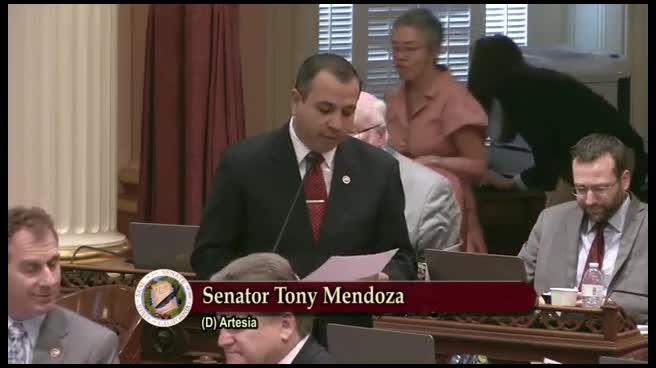 8MIN
Senate Floor
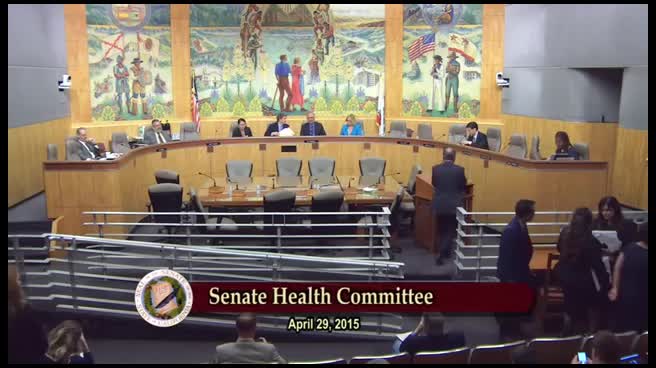 23MIN
Senate Standing Committee on Health
 36MIN
Senate Standing Committee on Business, Professions and Economic Development
Bill Author

Bill Co-Author(s):