SB 770: Department of Food and Agriculture: medicated feed.
- Session Year: 2015-2016
- House: Senate
- Latest Version Date: 2015-10-11
Existing law regulates the manufacture, distribution, and labeling of commercial feed, and requires the Secretary of Food and Agriculture to enforce those provisions and the regulations adopted pursuant to those provisions. Existing law requires the secretary to establish, by regulation, good manufacturing practices, hazard analysis, and preventive control measures relating to commercial feed, including verification and validation activities for all commercial feed and additives, including medicated feed premixes and medicated feeds. Existing law defines medicated feeds as commercial feeds that contain drugs.
This bill would require the Department of Food and Agriculture to continue to be the primary regulatory agency over medicated feed, responsible for regulating medicated feed quality assurance and medicated feed safety, and enforcing any handling and inspecting requirements that are imposed on medicated feed suppliers. The bill would also vest with the department primary responsibility over medicated feed ingredients and the sale of medicated feed that is subject to veterinarian oversight.
Existing law regulates the manufacture, distribution, and labeling of commercial feed, and requires the Secretary of Food and Agriculture to enforce those provisions and the regulations adopted pursuant to those provisions. Existing law requires the secretary to establish, by regulation, good manufacturing practices, hazard analysis, and preventive control measures relating to commercial feed, including verification and validation activities for all commercial feed and additives, including medicated feed premixes and medicated feeds. Existing law defines medicated feeds as commercial feeds that contain drugs.
This bill would require the department Department of Food and Agriculture to continue to be the primary regulatory agency over medicated feed, responsible for regulating medicated feed quality assurance and medicated feed safety, and enforcing any handling and inspecting requirements that are imposed on medicated feed suppliers. The bill would also vest with the department primary responsibility over medicated feed ingredients and the sale of medicated feed that is subject to veterinarian oversight.
Existing law regulates the manufacture, distribution, and labeling of commercial feed, and requires the Secretary of Food and Agriculture to enforce those provisions and the regulations adopted pursuant to those provisions. Existing law requires the secretary to establish, by regulation, good manufacturing practices, hazard analysis, and preventive control measures relating to commercial feed, including verification and validation activities for all commercial feed and additives, including medicated feed premixes and medicated feeds. Existing law defines medicated feeds as commercial feeds that contain drugs.
This bill would require the department to continue to be the primary regulatory agency over medicated feed, responsible for regulating medicated feed quality assurance and medicated feed safety, and enforcing any handling and inspecting requirements that are imposed on medicated feed suppliers. The bill would also vest with the department primary responsibility over medicated feed ingredients and the sale of medicated feed that is subject to veterinarian oversight.
The Legislature finds and declares all of the following:
(a)It is the intent of the Legislature to ensure a safe livestock feed supply by consolidating expertise in governance, feed safety, and enforcement of commercial animal feed, and to maximize the coordination with the federal government on the implementation of feed safety laws and related regulations and recommendations such as the federal Food Safety Modernization Act and the federal Food and Drug Administration (FDA) Guidance for Industry #209 and #213.
(b)It is the intent of the Legislature that the Department of Food and Agriculture be the primary agency responsible for coordinating and implementing feed quality and safety issues in California.
(c)On April 11, 2012, the FDA finalized a guidance document entitled The Judicious Use of Medically Important Antimicrobial Drugs in Food-Producing Animals (Judicious Use Guidance, Guidance for Industry #209), and in December 2013, the FDA finalized Guidance for Industry #213 entitled, New Animal Drugs and New Animal Drug Combination Products Administered in or on Medicated Feed or Drinking Water of Food-Producing Animals: Recommendations for Drug Sponsors for Voluntarily Aligning Product Use Conditions with GFI #209. Combined, the Guidance for Industry #209 and #213 discuss the FDAs concerns regarding the development of antimicrobial resistance in human and animal bacterial pathogens when medically important antimicrobial drugs are used in food-producing animals in an injudicious manner, and recommends veterinary oversight of these drugs when used in the feed or water of food-producing animals. The Department of Food and Agriculture is well positioned to implement these guidance documents as they pertain to medicated feed.
(d)When enforcing existing law, as it relates to medicated feed, the Department of Food and Agriculture should coordinate with all other appropriate agencies, including the State Department of Public Health.
SEC. 2.Section 14902.5 is added to the Food and Agricultural Code, to read:14902.5.Notwithstanding any other law, the department shall continue to be the primary regulatory agency over medicated feed, responsible for regulating medicated feed quality assurance and medicated feed safety, and enforcing any handling and inspecting requirements imposed on medicated feed suppliers. The department shall also have primary responsibility over medicated feed ingredients and the sale of medicated feed that is subject to veterinarian oversight.
The Legislature finds and declares all of the following:
(a)It is the intent of the Legislature to provide maximum benefit for, and safety to, livestock feed consumers ensure a safe livestock feed supply by consolidating expertise in governance, feed safety, and enforcement of commercial animal feed, and to maximize the coordination with the federal government on the implementation of feed safety laws and related regulations and recommendations such as the federal Food Safety Modernization Act and the federal Food and Drug Administration (FDA) Guidance for Industry #209 and #213.
(b)It is the intent of the Legislature that the Department of Food and Agriculture be the primary coordinator and implementing agency responsible for coordinating and implementing feed quality and safety issues in California.
(c)On April 11, 2012, the FDA finalized a guidance document entitled The Judicious Use of Medically Important Antimicrobial Drugs in Food-Producing Animals (Judicious Use Guidance, Guidance for Industry #209), and in December 2013, the FDA finalized Guidance for Industry #213 entitled, New Animal Drugs and New Animal Drug Combination Products Administered in or on Medicated Feed or Drinking Water of Food-Producing Animals: Recommendations for Drug Sponsors for Voluntarily Aligning Product Use Conditions with GFI #209. Combined, the Guidance for Industry #209 and #213 discuss the FDAs concerns regarding the development of antimicrobial resistance in human and animal bacterial pathogens when medically important antimicrobial drugs are used in food-producing animals in an injudicious manner, and recommends veterinary oversight of these drugs when used in the feed or water of food-producing animals. The Department of Food and Agriculture is well positioned to implement these guidance documents as they pertain to medicated feed.
(c)
(d)When enforcing existing law, as it relates to medicated feed, the department Department of Food and Agriculture should coordinate with all other appropriate agencies, including the State Department of Public Health.
SEC. 2.Section 14902.5 is added to the Food and Agricultural Code, to read:14902.5.Notwithstanding any other law, the department shall continue to be the primary regulatory agency over medicated feed, responsible for regulating medicated feed quality assurance and medicated feed safety, and enforcing any handling and inspecting requirements imposed on medicated feed suppliers. The department shall also have primary responsibility over medicated feed ingredients and the sale of medicated feed that is subject to veterinarian oversight.
The Legislature finds and declares all of the following:
(a)It is the intent of the Legislature to provide maximum benefit for, and safety to, livestock feed consumers by consolidating expertise in governance, feed safety, and enforcement of commercial animal feed, and to maximize the coordination with federal government on the implementation of feed safety laws such as the federal Food Safety Modernization Act.
(b)It is the intent of the Legislature that the Department of Food and Agriculture be the primary coordinator and implementing agency for feed quality and safety issues in California.
(c)When enforcing existing law, as it relates to medicated feed, the department should coordinate with all other appropriate agencies, including the State Department of Public Health.
SEC. 2.Section 14902.5 is added to the Food and Agricultural Code, to read:14902.5.Notwithstanding any other law, the department shall continue to be the primary regulatory agency over medicated feed, responsible for regulating medicated feed quality assurance and medicated feed safety, and enforcing any handling and inspecting requirements imposed on medicated feed suppliers. The department shall also have primary responsibility over medicated feed ingredients and the sale of medicated feed that is subject to veterinarian oversight.
|
Date
|
Status
|
|---|---|
| May 4, 2015 | Read third time. Passed. (Ayes 36. Noes 0.) Ordered to the Assembly. |
| Oct 11, 2015 | Chaptered by Secretary of State. Chapter 806, Statutes of 2015. |
| Oct 11, 2015 | Approved by the Governor. |
| Sep 3, 2015 | Enrolled and presented to the Governor at 11:30 a.m. |
| Jul 9, 2015 | Read third time. Passed. (Ayes 79. Noes 0. Page 2328.) Ordered to the Senate. |
| Jul 9, 2015 | Read third time. Passed. Ordered to the Senate. |
| Jul 9, 2015 | In Senate. Ordered to engrossing and enrolling. |
| Jul 2, 2015 | Read second time. Ordered to consent calendar. |
| Jul 1, 2015 | From committee: Do pass. Ordered to consent calendar. (Ayes 9. Noes 0.) (July 1). |
| Jun 1, 2015 | Referred to Com. on AGRI. |
| May 5, 2015 | In Assembly. Read first time. Held at Desk. |
| Feb 27, 2015 | Introduced. To Com. on RLS. for assignment. To print. |
| May 4, 2015 | Read third time. Passed. (Ayes 36. Noes 0. Page 882.) Ordered to the Assembly. |
| Apr 30, 2015 | Read second time. Ordered to third reading. |
| Apr 29, 2015 | Read third time and amended. |
| Apr 29, 2015 | Ordered to second reading. |
| Apr 8, 2015 | Read second time. Ordered to third reading. |
| Apr 7, 2015 | From committee: Do pass. (Ayes 5. Noes 0. Page 508.) (April 7). |
| Mar 24, 2015 | Set for hearing April 7. |
| Mar 19, 2015 | Referred to Com. on AGRI. |
| Mar 2, 2015 | Read first time. |
| Mar 2, 2015 | From printer. May be acted upon on or after April 1. |
|
Date
|
Description
|
Location
|
Votes
|
|
|---|---|---|---|---|
| Jul 9, 2015 | SB 770 Mendoza Consent Calendar Second Day Regular Session | Assembly Floor |
Passed |
|
| Jul 1, 2015 | Do pass. To Consent Calendar. | Assembly Standing Committee on Agriculture |
Passed |
|
| May 4, 2015 | Senate 3rd Reading SB770 Mendoza | Senate Floor |
Passed |
|
| Apr 7, 2015 | Do pass | Senate Standing Committee on Agriculture |
Passed |
This list shows positions taken on this bill by organizations on the date displayed, which is linked to the original source.
Positions by individuals are not included.
|
Organization
|
Position
|
Date
|
|---|---|---|
| Agricultural Council Of California | ** Support | May 4, 2015 |
| Animal Health Institute | ** Support | May 4, 2015 |
| Association Of California Egg Farmers | ** Support | May 4, 2015 |
| California Cattlemen'S Association | ** Support | May 4, 2015 |
| California Farm Bureau Federation | ** Support | May 4, 2015 |
| California Grain and Feed Association | ** Support | May 4, 2015 |
| California Pork Producers Association | ** Support | May 4, 2015 |
| California Poultry Federation | ** Support | May 4, 2015 |
| Pacific Egg and Poultry Association | ** Support | May 4, 2015 |
SB 770
Page 3
Date of Hearing: July 1, 2015
ASSEMBLY COMMITTEE ON AGRICULTURE
Henry Perea, Chair
SB 770
(Mendoza) – As Amended April 29, 2015
SENATE VOTE: 36-0
SUBJECT: Department of Food and Agriculture: medicated feed.
SUMMARY: This bill requires the California Department of Food and Agriculture (CDFA) to continue to be the primary regulatory agency responsible for regulating medicated feed. Specifically, this bill:
States findings and declarations regarding medicated feed, consolidating governance expertise, and coordination with the federal government on the implementation of feed safety laws, including the federal Food and Drug Administration's (FDA) guidance for industry (GIF) on the judicious use of antimicrobial drugs in livestock.
Requires CDFA to be the primary state agency responsible for regulating medicated feed, including medicated feed quality assurance and safety, and enforcing any handling and inspecting requirements imposed on medicated feed suppliers.
Requires CDFA to be the primary state agency responsible for overseeing medicated feed ingredients and the sale of medicated feed that is subject to veterinarian oversight.
EXISTING LAW:
Federal law:
Authorizes FDA to protect public health by ensuring the safety, effectiveness, quality, and security of human and veterinary drugs.
Authorizes the Center for Veterinary Medicine, within FDA, to regulate the manufacture and distribution of drugs that will be administered to animals, as well as medicated feed.
State law:
Requires CDFA, through the Feed Inspection Program, to regulate the manufacture of commercial feed through the establishment of good manufacturing practices, hazard analysis, and preventive control measures. This includes medicated feed premixes and medicated feeds, where regulations shall be based upon federal food and drug laws and regulations.
Requires CDFA, through the Livestock Drug Program, to regulate the manufacture, sale, registration, and use of livestock drugs, except when the livestock drug is sold by prescription only, used exclusively by a veterinarian, or used only under a veterinarian’s direction. CDFA is required to register over-the-counter livestock drugs and regulate their use for safety and efficacy.
Authorizes the California State Board of Pharmacy (CBOP) to license, regulate and enforce laws and regulations regarding prescription drugs and drugs used exclusively by veterinarians.
FISCAL EFFECT: Unknown. This bill has been keyed fiscal by Legislative Counsel.
COMMENTS: Antimicrobial drugs have been widely used in human medicine since the 1940s. Antimicrobial drugs have significant health benefits in both human and animal medicine, and are important and valuable tools used to treat and prevent illness and infection. Incidences of antimicrobial resistance have been recorded over time and, if left unchecked, pose a threat to public health.
CDC notes that the use of antimicrobial is the single most important factor leading to antimicrobial resistance around the world. Up to 50% of all antibiotics prescribed for people are either not needed or not optimally effective as prescribed. Antimicrobials are also used in food-producing animals for the purpose of promoting growth, which CDC recommends phasing out.
In the past decade, FDA has worked on creating GFIs regarding the judicious use of antimicrobial drugs in food producing animals. In December 2013, FDA released the final draft of GFI #213. GFI #213 contains nonbinding recommendations to industry regarding the use of antimicrobial drugs in the feed and drinking water of food-producing animals. The FDA intends to work with drug companies to help them voluntarily implement the recommendations, which include: 1) phasing out the use of antimicrobial drugs in food-producing animals for production purposes (growth promotion and feed efficiency); and, 2) include veterinary oversight of these drugs when used in the feed or water of food-producing animals.
Currently, antimicrobial drugs may be obtained one of three ways: over-the-counter (OTC), through a veterinarian’s prescription, or through a veterinary feed directive (VFD) which does not require a prescription but does require veterinary oversight of a food-animal drug that is administered through feed or drinking water. The FDA’s GFI #213 would change the status of antimicrobial drugs administered in feed from OTC to VFD. Due to this change, the FDA recognizes that current VFD regulations must be revised and streamlined to minimize the impact on veterinarians, the animal feed industry, and producers. These revisions are scheduled to be completed before the three-year implementation timeline for GFI #213.
CDFA currently serves as the regulatory and enforcement authority on livestock feed and has the expertise required to verify that feed is safe and meets all quality assurance and handling and inspection requirements. There are concerns that future state or federal laws could change the status of antimicrobials from OTC to VFD or prescription, which could transfer the jurisdiction of medicated feed to CBOP, which does not have experience regulating feed manufacturers.
According to the author, federal and state legislation is currently being proposed that will transfer the responsibility of defining the usage of drugs or food additives added to commercial feed to CBOP. This transfer will create a situation wherein feed manufacturers could be subject to inspections by two different agencies – CDFA and CBOP. Furthermore, supporters state the existing commercial feed program retaining the oversight of the inspection and regulation of the feed mills within CDFA will increase efficiency and cost effectiveness of the program and provide well-trained staff. Supporters state that feed mills are complex manufacturing facilities and in order to have effective regulations and need inspectors that understand the feed manufacturing process. This bill ensures that CDFA will continue to oversee the manufacture and use of medicated feed in California, regardless of which agency regulates the medication being fed.
REGISTERED SUPPORT / OPPOSITION:
Support
California Grain and Feed Association (Sponsor)
California Farm Bureau Federation
Agricultural Council of California
Association of California Egg Farmers
California Cattlemen’s Association
California Farm Bureau Federation
California Pork Producers Association
California Poultry Federation
Pacific Egg and Poultry Association
Opposition
None on file.
Analysis Prepared by: Victor Francovich / AGRI. / (916) 319-2084
SB 770
Page 4
|
Office of Senate Floor Analyses (916) 651-1520 Fax: (916) 327-4478 |
THIRD READING
Bill No: SB 770
Amended: 4/29/15
SENATE AGRICULTURE COMMITTEE: 5-0, 4/7/15
AYES: Galgiani, Cannella, Berryhill, Pan, Wolk
SUBJECT: Department of Food and Agriculture: medicated feed
SOURCE: California Grain and Feed Association
DIGEST: This bill requires the California Department of Food and Agriculture to continue to be the primary regulatory agency responsible for regulating medicated feed.
Senate Floor Amendments of 4/29/15 add a coauthor and clarify the purpose of the bill through amendments to legislative findings and declarations.
ANALYSIS: Existing federal law authorizes the Food and Drug Administration (FDA) to protect public health by assuring the safety, effectiveness, quality, and security of human and veterinary drugs. Within FDA, the Center for Veterinary Medicine regulates the manufacture and distribution of drugs that will be administered to animals, as well as medicated feed.
Existing state law:
Requires the California Department of Food and Agriculture (CDFA), through the Feed Inspection Program, to regulate the manufacture of commercial feed through the establishment of good manufacturing practices, hazard analysis, and preventive control measures. This includes medicated feed premixes and medicated feeds, where regulations shall be based upon federal food and drug laws and regulations (Food and Agricultural Code § 14901 et seq.).
Requires CDFA, through the Livestock Drug Program, to regulate the manufacture, sale, registration, and use of livestock drugs, except when the livestock drug is sold by prescription only, used exclusively by a veterinarian, or used only under a veterinarian’s direction. CDFA is required to register over-the-counter livestock drugs and regulate their use for safety and efficacy (Food and Agricultural Code §14200 et seq.).
Authorizes the California State Board of Pharmacy to license, regulate and enforce laws and regulations regarding prescription drugs and drugs used exclusively by veterinarians (Business and Professions Code § 4000 et seq.).
This bill:
States findings and declarations regarding medicated feed, consolidating governance expertise, and coordination with the federal government on the implementation of feed safety laws such as the federal Food Safety Modernization Act and federal Food and Drug Administration guidances on the judicious use of antimicrobial drugs in livestock.
Requires CDFA, notwithstanding any other law, to be the primary state agency responsible for regulating medicated feed, including medicated feed quality assurance and safety, and enforcing any handling and inspecting requirements imposed on medicated feed suppliers.
Requires CDFA, notwithstanding any other law, to be the primary state agency responsible for overseeing medicated feed ingredients and the sale of medicated feed that is subject to veterinarian oversight.
Background
Antimicrobial resistance. In December 2013, the FDA released the final draft of the Guidance for Industry #213 (GFI #213), which contains nonbinding recommendations regarding the use of medically important antimicrobial drugs in the feed and drinking water of food-producing animals. These recommendations include: 1) phasing out the use of medically important antimicrobial drugs in food-producing animals for production purposes (growth promotion and feed efficiency) and 2) veterinary oversight of these drugs when used in the feed or water of food-producing animals.
Drug accessibility. Currently, antimicrobial drugs may be obtained one of three ways: over-the-counter (OTC), through a veterinarian’s prescription, or through a veterinary feed directive (VFD) which does not require a prescription but does require veterinary oversight of a food-animal drug that is administered through feed or drinking water. The FDA’s GFI #213 would change the status of antimicrobial drugs administered in feed from OTC to VFD. Due to this change, the FDA recognizes that current VFD regulations must be revised and streamlined to minimize the impact on veterinarians, the animal feed industry, and producers. These revisions are believed to be critically important and are scheduled to be completed before the three-year implementation timeline for GFI #213.
Comments
Feed authority. CDFA currently serves as the regulatory and enforcement authority on livestock feed and has the expertise required to inspect, test, and verify that feed is safe and meets all quality assurance and handling and inspection requirements. However, there are concerns that future state or federal laws could change the status of certain drugs (i.e. antimicrobials) from OTC to VFD or prescription, which could transfer the jurisdiction of medicated feed to the California State Board of Pharmacy, which does not have experience regulating feed manufacturers. This issue was discussed but not fully addressed in SB 835 (Hill, 2014), which was vetoed, and it remains a concern for both the feed and livestock industries.
FISCAL EFFECT: Appropriation: No Fiscal Com.: No Local: No
California Grain and Feed Association (source)
Agricultural Council of California
Animal Health Institute
Association of California Egg Farmers
California Cattlemen’s Association
California Farm Bureau Federation
California Pork Producers Association
California Poultry Federation
Pacific Egg and Poultry Association
None received
ARGUMENTS IN SUPPORT: According to the author, “Federal and state legislation is currently being proposed that will transfer the responsibility of defining the usage of drugs or food additives added to commercial feed to the California State Board of Pharmacy (CBOP). Should this occur, this transfer will create a situation wherein feed manufacturers could be subject to inspections by two different agencies – CDFA and CBOP. SB 770 ensures that the California Department of Food and Agriculture (CDFA) will continue to oversee the manufacture and use of medicated feed in California, regardless of which agency regulates the medication being fed.” [sic]
According to the sponsor, “Because there is an existing Commercial feed program with licensed and trained inspectors, retaining the oversight of the inspection and regulation of the feed mills within CDFA will increase efficiency and cost effectiveness of the program and provide well trained staff. Feed mills are complex manufacturing facilities and in order to have effective regulations, we need inspectors that understand the feed manufacturing process.”
Prepared by: Anne Megaro / AGRI. / (916) 651-1508
5/1/15 14:05:16
**** END ****
SB 770
Page 4
|
Office of Senate Floor Analyses (916) 651-1520 Fax: (916) 327-4478 |
THIRD READING
Bill No: SB 770
Introduced: 2/27/15
SENATE AGRICULTURE COMMITTEE: 5-0, 4/7/15
AYES: Galgiani, Cannella, Berryhill, Pan, Wolk
SUBJECT: Department of Food and Agriculture: medicated feed
SOURCE: California Grain and Feed Association
DIGEST: This bill requires the California Department of Food and Agriculture to continue to be the primary regulatory agency responsible for regulating medicated feed.
ANALYSIS: Existing federal law authorizes the Food and Drug Administration (FDA) to protect public health by assuring the safety, effectiveness, quality, and security of human and veterinary drugs. Within FDA, the Center for Veterinary Medicine regulates the manufacture and distribution of drugs that will be administered to animals, as well as medicated feed.
Existing state law:
Requires the California Department of Food and Agriculture (CDFA), through the Feed Inspection Program, to regulate the manufacture of commercial feed through the establishment of good manufacturing practices, hazard analysis, and preventive control measures. This includes medicated feed premixes and medicated feeds, where regulations shall be based upon federal food and drug laws and regulations (Food and Agricultural Code § 14901 et seq.).
Requires CDFA, through the Livestock Drug Program, to regulate the manufacture, sale, registration, and use of livestock drugs, except when the livestock drug is sold by prescription only, used exclusively by a veterinarian, or used only under a veterinarian’s direction. CDFA is required to register over-the-counter livestock drugs and regulate their use for safety and efficacy (Food and Agricultural Code §14200 et seq.).
Authorizes the California State Board of Pharmacy to license, regulate and enforce laws and regulations regarding prescription drugs and drugs used exclusively by veterinarians (Business and Professions Code § 4000 et seq.).
This bill:
States findings and declarations regarding medicated feed, consolidating governance expertise, and coordination with the federal government on the implementation of feed safety laws such as the federal Food Safety Modernization Act.
Requires CDFA, notwithstanding any other law, to be the primary state agency responsible for regulating medicated feed, including medicated feed quality assurance and safety, and enforcing any handling and inspecting requirements imposed on medicated feed suppliers.
Requires CDFA, notwithstanding any other law, to be the primary state agency responsible for overseeing medicated feed ingredients and the sale of medicated feed that is subject to veterinarian oversight.
Background
Antimicrobial resistance: In December 2013, the FDA released the final draft of the Guidance for Industry #213 (GFI #213), which contains nonbinding recommendations regarding the use of medically important antimicrobial drugs in the feed and drinking water of food-producing animals. These recommendations include: 1) phasing out the use of medically important antimicrobial drugs in food-producing animals for production purposes (growth promotion and feed efficiency) and 2) veterinary oversight of these drugs when used in the feed or water of food-producing animals.
Drug accessibility: Currently, antimicrobial drugs may be obtained one of three ways: over-the-counter (OTC), through a veterinarian’s prescription, or through a veterinary feed directive (VFD) which does not require a prescription but does require veterinary oversight of a food-animal drug that is administered through feed or drinking water. The FDA’s GFI #213 would change the status of antimicrobial drugs administered in feed from OTC to VFD. Due to this change, the FDA recognizes that current VFD regulations must be revised and streamlined to minimize the impact on veterinarians, the animal feed industry, and producers. These revisions are believed to be critically important and are scheduled to be completed before the three-year implementation timeline for GFI #213.
Comments
Feed authority: CDFA currently serves as the regulatory and enforcement authority on livestock feed and has the expertise required to inspect, test, and verify that feed is safe and meets all quality assurance and handling and inspection requirements. However, there are concerns that future state or federal laws could change the status of certain drugs (i.e. antimicrobials) from OTC to VFD or prescription, which could transfer the jurisdiction of medicated feed to the California State Board of Pharmacy, which does not have experience regulating feed manufacturers. This issue was discussed but not fully addressed in SB 835 (Hill, 2014), which was vetoed, and it remains a concern for both the feed and livestock industries.
FISCAL EFFECT: Appropriation: No Fiscal Com.: No Local: No
California Grain and Feed Association (source)
Agricultural Council of California
Animal Health Institute
Association of California Egg Farmers
California Cattlemen’s Association
California Farm Bureau Federation
California Pork Producers Association
California Poultry Federation
Pacific Egg and Poultry Association
None received
ARGUMENTS IN SUPPORT: According to the author, “Federal and state legislation is currently being proposed that will transfer the responsibility of defining the usage of drugs or food additives added to commercial feed to the California State Board of Pharmacy (CBOP). Should this occur, this transfer will create a situation wherein feed manufacturers could be subject to inspections by two different agencies – CDFA and CBOP. SB 770 ensures that the California Department of Food and Agriculture (CDFA) will continue to oversee the manufacture and use of medicated feed in California, regardless of which agency regulates the medication being fed.” [sic]
According to the sponsor, “Because there is an existing Commercial feed program with licensed and trained inspectors, retaining the oversight of the inspection and regulation of the feed mills within CDFA will increase efficiency and cost effectiveness of the program and provide well trained staff. Feed mills are complex manufacturing facilities and in order to have effective regulations, we need inspectors that understand the feed manufacturing process.”
Prepared by: Anne Megaro / AGRI. / (916) 651-1508
4/8/15 15:13:12
**** END ****
SB 770 (Mendoza) Page 5 of 5
SENATE COMMITTEE ON AGRICULTURE
Senator Cathleen Galgiani, Chair
2015 - 2016 Regular
Bill No: SB 770 Hearing Date: 4/7/15
Author: |
Mendoza |
||
Version: |
2/27/15 |
||
Urgency: |
No |
Fiscal: |
No |
Consultant: |
Anne Megaro |
||
Subject: Department of Food and Agriculture: medicated feed
SUMMARY
:
This bill would require the California Department of Food and Agriculture to continue to be the primary regulatory agency responsible for regulating medicated feed.
BACKGROUND AND EXISTING LAW
:
Existing State Law:
The California Department of Food and Agriculture (CDFA), through the Feed Inspection Program, is responsible for regulating the manufacture of commercial feed through the establishment of good manufacturing practices, hazard analysis, and preventive control measures. This includes medicated feed premixes and medicated feeds, where regulations shall be based upon federal food and drug laws and regulations (Food and Agricultural Code § 14901 et seq.).
CDFA, through the Livestock Drug Program, is also responsible for regulating the manufacture, sale, registration, and use of livestock drugs, except when the livestock drug is sold by prescription only, used exclusively by a veterinarian, or used only under a veterinarian’s direction. CDFA is required to register over-the-counter (OTC) livestock drugs and regulate their use for safety and efficacy (Food and Agricultural Code §14200 et seq.).
The California State Board of Pharmacy is responsible for licensing, regulating and enforcing laws and regulations regarding prescription drugs and drugs used exclusively by veterinarians (Business and Professions Code § 4000 et seq.).
Existing Federal Law:
The Food and Drug Administration (FDA) is responsible for protecting public health by assuring the safety, effectiveness, quality, and security of human and veterinary drugs. Within FDA, the Center for Veterinary Medicine regulates the manufacture and distribution of drugs that will be administered to animals, as well as medicated feed.
The Animal Drug Availability Act enacted in 1996 created a new regulatory category for certain animal drugs used in animal feed. Previously, drugs were only available through two means: over-the-counter and by prescription. As new drugs (antimicrobials) were developed, FDA recognized the need for these drugs to be administered though feed. However, FDA wanted to establish greater control and safety measures than were currently available under OTC status since some of these drugs could contribute to drug toxicity and antimicrobial resistance or have other unintended outcomes. Therefore, the Veterinary Feed Directive (VFD) was created to allow more flexibility for new animal drugs to be administered through medicated feed but done so under the supervision of a licensed veterinarian (78 Federal Register 75517, December 12, 2013).
As concerns over antimicrobial resistance grew, the FDA created guidelines for industry regarding the judicious use of medically important antimicrobial drugs. In December 2013, the FDA released the final draft of the Guidance for Industry #213 (GFI #213), which contains nonbinding recommendations regarding the use of medically important antimicrobial drugs in the feed and drinking water of food-producing animals. These recommendations include: 1) phasing out the use of medically important antimicrobial drugs in food-producing animals for production purposes (growth promotion and feed efficiency) and 2) veterinary oversight of these drugs when used in the feed or water of food-producing animals.
The federal Food Safety Modernization Act (FSMA), signed into law on January 4, 2011, enables the FDA to strengthen the food and feed safety system by primarily focusing on preventative rather than response methods. CDFA is actively involved in ensuring compliance with FSMA laws and regulations and has recently been given authority by the legislature to establish hazard analysis and preventive control methods for all commercial feed (AB 1132 of 2013).
PROPOSED LAW
:
This bill:
States findings and declarations regarding medicated feed, consolidating governance expertise, and coordination with the federal government on the implementation of feed safety laws such as the federal Food Safety Modernization Act.
Requires CDFA, notwithstanding any other law, to be the primary state agency responsible for regulating medicated feed, including medicated feed quality assurance and safety, and enforcing any handling and inspecting requirements imposed on medicated feed suppliers.
Requires CDFA, notwithstanding any other law, to be the primary state agency responsible for overseeing medicated feed ingredients and the sale of medicated feed that is subject to veterinarian oversight.
ARGUMENTS IN SUPPORT:
According to the author, “Federal and state legislation is currently being proposed that will transfer the responsibility of defining the usage of drugs or food additives added to commercial feed to the California State Board of Pharmacy (CBOP). Should this occur, this transfer will create a situation wherein feed manufacturers could be subject to inspections by two different agencies – CDFA and CBOP. SB 770 ensures that the California Department of Food and Agriculture (CDFA) will continue to oversee the manufacture and use of medicated feed in California, regardless of which agency regulates the medication being fed.” [sic]
According to those in support, “Because there is an existing Commercial feed program with licensed and trained inspectors, retaining the oversight of the inspection and regulation of the feed mills within CDFA will increase efficiency and cost effectiveness of the program and provide well trained staff. Feed mills are complex manufacturing facilities and in order to have effective regulations, we need inspectors that understand the feed manufacturing process.”
ARGUMENTS IN OPPOSITION:
None received.
COMMENTS
:
Drug Accessibility: Currently, antimicrobial drugs may be obtained one of three ways: over-the-counter (OTC), through a veterinarian’s prescription, or through a veterinary feed directive (VFD) which does not require a prescription but does require veterinary oversight of a food-animal drug that is administered through feed or drinking water. The FDA’s GFI #213 would change the status of antimicrobial drugs administered in feed from OTC to VFD. Due to this change, the FDA recognizes that current VFD regulations must be revised and streamlined to minimize the impact on veterinarians, the animal feed industry, and producers. These revisions are believed to be critically important and are scheduled to be completed before the three-year implementation timeline for GFI #213.
Feed Authority: CDFA currently serves as the regulatory and enforcement authority on livestock feed and has the expertise required to inspect, test, and verify that feed is safe and meets all quality assurance and handling and inspection requirements. However, there are concerns that future state or federal laws could change the status of certain drugs (i.e. antimicrobials) from OTC to VFD or prescription, which could transfer the jurisdiction of medicated feed to the California State Board of Pharmacy (CSBP), which does not have experience regulating feed manufacturers. This issue was discussed but not fully addressed in SB 835 (Hill) of 2014, and it remains a concern for both the feed and livestock industries.
Food Safety Modernization Act: FSMA would strengthen feed and food safety laws primarily through preventative measures as well as improve recall authority. FDA has proposed a regulation for Current Good Manufacturing Practice and Hazard Analysis and Risk-Based Preventative Controls for Food for Animals, which could reduce the occurrences of medicated feed recalls thus preventing unnecessary feed and financial losses. FDA works with CDFA to regulate and enforce these practices.
The committee may wish to consider whether a reference to FDA’s guidances on antimicrobial drugs and other anticipated state and federal changes to livestock antimicrobial drug use would be appropriate to add to the intent language of this bill.
The committee may wish to consider whether CDFA should be required to coordinate with the California Department of Public Health (CDPH) when enforcing laws regarding medicated feed. CDPH is not currently involved in regulating feed, however the reference to CDPH in the intent language of this bill could have been included due to the fact that there are discussions and proposed legislation (SB 27) that would require tracking of antimicrobial use and resistance. The committee may wish to consider whether the intent language should provide better clarity as to the role of CDPH or other agencies.
RELATED LEGISLATION
:
SB 27 (Hill) of 2015. This bill would prohibit the use of any medically important antimicrobial drug in livestock for the purpose of increased weight gain or feed efficiency and would require a veterinarian’s prescription for use in animal feed. This bill would create a tracking program, create antimicrobial stewardship guidelines, and provide penalties for violations of these provisions. Currently in the Senate Committee on Agriculture.
AB 49 (Mullin) of 2015, not yet assigned to a committee, would make findings and declarations regarding antibiotic use in food-producing animals and would state the intent of the legislature to enact legislation that would address the overuse of antibiotics in livestock production.
SB 835 (Hill) of 2014. This bill would have codified the Food and Drug Administration’s Guidance for Industry #213, dated December 2013, by requiring the secretary of the California Department of Food and Agriculture to refuse to register a livestock drug administered in the feed or drinking water of food animals if such drug is a medically important antimicrobial drug. Vetoed.
AB 1132 (Eggman), Chapter 622, Statutes of 2013. Authorizes the secretary of the California Department of Food and Agriculture to establish hazard analysis and preventive control measures for all commercial feed, among other provisions.
|
|
|
|
|
|
SUPPORT
:
California Grain and Feed Association (Sponsor)
Agricultural Council of California
Association of California Egg Farmers
California Cattlemen’s Association
California Farm Bureau Federation
California Pork Producers Association
California Poultry Federation
Pacific Egg and Poultry Association
OPPOSITION
:
None received
-- END --
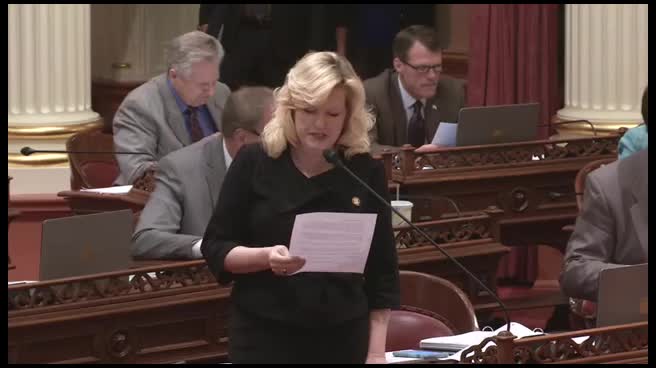
Bill Author
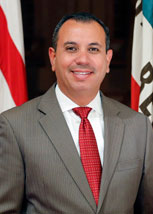
Bill Co-Author(s):
