SCR 134: Diabetes: the “Screen at 23†campaign.
- Session Year: 2015-2016
- House: Senate
- Latest Version Date: 2016-09-09
This measure would urge the State Department of Public Health to endorse the Screen at 23 campaign to screen all adult Asian Americans with a body mass index of 23 or higher for type II diabetes.
This measure would urge the State Department of Public Health to endorse the Screen at 23 campaign to screen all adult Asian Americans with a body mass index of 23 or higher for type II diabetes.
This measure would urge the State Department of Public Health to endorse the Screen at 23 campaign to screen all adult Asian Americans with a body mass index of 23 or higher for type II diabetes.
WHEREAS, Approximately 2.5 million Californians, or 9 percent of the population, are diagnosed with diabetes, 46 percent of Californians are estimated to have prediabetes, and residents of Asian American heritage comprise 14 percent of the population of the State of California; and
WHEREAS, Diabetes is the fifth leading cause of death among Asian Americans; and
WHEREAS, Asian Americans are 30 percent more likely to have diabetes than White Americans and are also at greater risk of developing prediabetes, diabetes, and associated risks at a lower body mass index (BMI) than White, Hispanic, Black, or Native Americans; and
WHEREAS, Asian Americans face a health care disparity in type II diabetes detection and diagnosis, as the current guidelines for screening Asian Americans at a body mass index of 25kg/m2 not only miss 36 percent of diabetes diagnoses, or approximately 116,000 individuals, in California but also underestimate the prevalence of prediabetes among Asian Americans; and
WHEREAS, Two out of three persons with type II diabetes die from heart attack or stroke, and adults with diabetes are at risk for developing end-stage renal disease and kidney failure, blindness, and lower limb loss; and
WHEREAS, The per capita health care cost of diabetes in California is $14,800 per year and the annual cost for diabetes in California is $37.1 billion, including $27.6 billion in medical costs and $9.5 billion in indirect costs and productivity loss; and
WHEREAS, Thirty-eight percent of all hospitalized Asian Americans in California have diabetes, which leads to more expensive hospital care regardless of the reason for hospitalization; and
WHEREAS, Early detection and treatment can mitigate diabetes-related complications, risks and costs; and
WHEREAS, Interventions focusing on nutrition, physical activity, and healthy weight loss have been shown to reverse prediabetes, improve glucose function in diabetics, and reduce the need for multiple medications; and
WHEREAS, Screening Asian American patients at a BMI of 23 instead of 25 would unmask over 67,000 diabetes cases, and many thousands more prediabetes cases in California, thereby initiating treatment or early interventions to reduce negative comorbidities like heart diseases, kidney diseases, and limb amputation; and
WHEREAS, The National Institutes of Health recently found that more than half of Asian Americans with diabetes are undiagnosed and community-based participatory research and studies on Asian American subpopulations have shown that Asian Americans develop diabetes at a lower body mass index; and
WHEREAS, The World Health Organization recommends screening Asian patients at a lower body mass index than non-Hispanic Whites, and the 2015 official guidelines of the American Diabetes Association recommend that Asian Americans should be tested for type II diabetes at a body mass index of 23; and
WHEREAS, The Asian American, Native Hawaiian, and Pacific Islanders Diabetes Coalition has coordinated the Asian BMI efforts of over 15 national and regional organizations, culminating in the launch of the Screen at 23 campaign; and
WHEREAS, California has the opportunity to become one of the first states to formally recognize and recommend screening adult Asian Americans for type II diabetes at a body mass index of 23, enabling thousands of individuals to get the early care and treatment needed to live healthier and happier lives; now, therefore, be it
Resolved by the Senate of the State of California, the Assembly thereof concurring, That the Legislature endorses and supports the Screen at 23 campaign; and be it further
Resolved, That the Legislature urges the State Department of Public Health to endorse and support the Screen at 23 campaigns efforts to increase awareness of diabetes among Asian American communities, including the use of appropriate screening measures for Asian American patients and to eliminate disparities; and be it further
Resolved, That the Legislature urges the State Department of Public Health to encourage all public and private health providers and facilities to also participate in these efforts; and be it further
Resolved, That the Secretary of the Senate transmit copies of this resolution to the author, the Governor, and the Director of the State Department of Public Health for appropriate distribution.
WHEREAS, Approximately 2.5 million Californians, or 9 percent of the population, are diagnosed with diabetes, 46 percent of Californians are estimated to have prediabetes, and residents of Asian American heritage comprise 14 percent of the population of the State of California; and
WHEREAS, Diabetes is the fifth leading cause of death among Asian Americans; and
WHEREAS, Asian Americans are 30 percent more likely to have diabetes than White Americans and are also at greater risk of developing prediabetes, diabetes, and associated risks at a lower body mass index (BMI) than White, Hispanic, Black, or Native Americans; and
WHEREAS, Asian Americans face a health care disparity in type II diabetes detection and diagnosis, as the current guidelines for screening Asian Americans at a body mass index of 25kg/m2 not only miss 36 percent of diabetes diagnoses, or approximately 116,000 individuals, in California but also underestimate the prevalence of prediabetes among Asian Americans; and
WHEREAS, Two out of three persons with type II diabetes die from heart attack or stroke, and adults with diabetes are at risk for developing end-stage renal disease and kidney failure, blindness, and lower limb loss; and
WHEREAS, The per capita health care cost of diabetes in California is $14,800 per year and the annual cost for diabetes in California is $37.1 billion, including $27.6 billion in medical costs and $9.5 billion in indirect costs and productivity loss; and
WHEREAS, Thirty-eight percent of all hospitalized Asian Americans in California have diabetes, which leads to more expensive hospital care regardless of the reason for hospitalization; and
WHEREAS, Early detection and treatment can mitigate diabetes-related complications, risks and costs; and
WHEREAS, Interventions focusing on nutrition, physical activity, and healthy weight loss have been shown to reverse prediabetes, improve glucose function in diabetics, and reduce the need for multiple medications; and
WHEREAS, Screening Asian American patients at a BMI of 23 instead of 25 would unmask over 67,000 diabetes cases, and many thousands more prediabetes cases in California, thereby initiating treatment or early interventions to reduce negative comorbidities like heart diseases, kidney diseases, and limb amputation; and
WHEREAS, The National Institutes of Health recently found that more than half of Asian Americans with diabetes are undiagnosed and community-based participatory research and studies on Asian American subpopulations have shown that Asian Americans develop diabetes at a lower body mass index; and
WHEREAS, The World Health Organization recommends screening Asian patients at a lower body mass index than non-Hispanic Whites, and the 2015 official guidelines of the American Diabetes Association recommend that Asian Americans should be tested for type II diabetes at a body mass index of 23; and
WHEREAS, The Asian American, Native Hawaiian, and Pacific Islanders Diabetes Coalition has coordinated the Asian BMI efforts of over 15 national and regional organizations, culminating in the launch of the Screen at 23 campaign; and
WHEREAS, California has the opportunity to become one of the first states to formally recognize and recommend screening adult Asian Americans for type II diabetes at a body mass index of 23, enabling thousands of individuals to get the early care and treatment needed to live healthier and happier lives; now, therefore, be it
Resolved by the Senate of the State of California, the Assembly thereof concurring, That the Legislature endorses and supports the Screen at 23 campaign; and be it further
Resolved, That the Legislature urges the State Department of Public Health to endorse and support the Screen at 23 campaigns efforts to increase awareness of diabetes among Asian American communities, including the use of appropriate screening measures for Asian American patients and to eliminate disparities; and be it further
Resolved, That the Legislature urges the State Department of Public Health to encourage all public and private health providers and facilities to also participate in these efforts; and be it further
Resolved, That the Secretary of the Senate transmit copies of this resolution to the author, the Governor, and the Director of the State Department of Public Health for appropriate distribution.
WHEREAS, Approximately 2.5 million Californians, or 9 percent of the population, are diagnosed with diabetes, 46 percent of Californians are estimated to have prediabetes, and residents of Asian American heritage comprise 14 percent of the population of the State of California; and
WHEREAS, Diabetes is the fifth leading cause of death among Asian Americans; and
WHEREAS, Asian Americans are 30 percent more likely to have diabetes than White Americans and are also at greater risk of developing prediabetes, diabetes, and associated risks at a lower body mass index (BMI) than White, Hispanic, Black, or Native Americans; and
WHEREAS, Asian Americans face a health care disparity in type II diabetes detection and diagnosis, as the current guidelines for screening Asian Americans at a body mass index of 25kg/m2 not only miss 36 percent of diabetes diagnoses, or approximately 116,000 individuals, in California but also underestimate the prevalence of prediabetes among Asian Americans; and
WHEREAS, Two out of three persons with type II diabetes die from heart attack or stroke, and adults with diabetes are at risk for developing end-stage renal disease and kidney failure, blindness, and lower limb loss; and
WHEREAS, The per capita health care cost of diabetes in California is $14,800 per year and the annual cost for diabetes in California is $37.1 billion, including $27.6 billion in medical costs and $9.5 billion in indirect costs and productivity loss; and
WHEREAS, Thirty-eight percent of all hospitalized Asian Americans in California have diabetes, which leads to more expensive hospital care regardless of the reason for hospitalization; and
WHEREAS, Early detection and treatment can mitigate diabetes-related complications, risks and costs; and
WHEREAS, Interventions focusing on nutrition, physical activity, and healthy weight loss have been shown to reverse prediabetes, improve glucose function in diabetics, and reduce the need for multiple medications; and
WHEREAS, Screening Asian American patients at a BMI of 23 instead of 25 would unmask over 67,000 diabetes cases, and many thousands more prediabetes cases in California, thereby initiating treatment or early interventions to reduce negative co-morbidities like heart diseases, kidney diseases, and limb amputation; and
WHEREAS, The National Institutes of Health recently found that more than half of Asian Americans with diabetes are undiagnosed and community-based participatory research and studies on Asian American subpopulations have shown that Asian Americans develop diabetes at a lower body mass index; and
WHEREAS, The World Health Organization recommends screening Asian patients at a lower body mass index than non-Hispanic Whites, and the 2015 official guidelines of the American Diabetes Association recommend that Asian Americans should be tested for type II diabetes at a body mass index of 23; and
WHEREAS, The Asian American, Native Hawaiian, and Pacific Islanders Diabetes Coalition has coordinated the Asian BMI efforts of over 15 national and regional organizations, culminating in the launch of the Screen at 23 campaign; and
WHEREAS, California has the opportunity to become one of the first states to formally recognize and recommend screening adult Asian Americans for type II diabetes at a body mass index of 23, enabling thousands of individuals to get the early care and treatment needed to live healthier and happier lives; now, therefore, be it
Resolved by the Senate of the State of California, the Assembly thereof concurring, That the Legislature endorses and supports the Screen at 23 campaign; and be it further
Resolved, That the Legislature urges the State Department of Public Health to endorse and support the Screen at 23 campaigns efforts to increase awareness of diabetes among Asian American communities, including the use of appropriate screening measures for Asian American patients and to eliminate disparities; and be it further
Resolved, That the Legislature urges the State Department of Public Health to encourage all public and private health providers and facilities to also participate in these efforts; and be it further
Resolved, That the Secretary of the Senate transmit copies of this resolution to the author, the Governor, and the Director of the State Department of Public Health for appropriate distribution.
|
Date
|
Status
|
|---|---|
| Jun 30, 2016 | Read. Adopted. (Ayes 37. Noes 0.) Ordered to the Assembly. |
| Sep 9, 2016 | Enrolled and filed with the Secretary of State at 11 a.m. |
| Sep 9, 2016 | Chaptered by Secretary of State. Res. Chapter 178, Statutes of 2016. |
| Aug 31, 2016 | Read. Adopted. (Ayes 79. Noes 0. Page 6521.) Ordered to the Senate. |
| Aug 31, 2016 | Read. Adopted. Ordered to the Senate. |
| Aug 31, 2016 | In Senate. Ordered to engrossing and enrolling. |
| Aug 30, 2016 | From committee: Be adopted. Ordered to third reading. (Ayes 16. Noes 0.) (August 30). |
| Aug 29, 2016 | Joint Rule 62(a) suspended. |
| Aug 4, 2016 | August 9 hearing postponed by committee. |
| Aug 1, 2016 | Referred to Com. on HEALTH. |
| Apr 25, 2016 | Introduced. Referred to Com. on RLS. |
| Jun 30, 2016 | Read. Adopted. (Ayes 37. Noes 0. Page 4647.) Ordered to the Assembly. |
| Jun 30, 2016 | In Assembly. Held at Desk. |
| Jun 21, 2016 | Read second time. Ordered to consent calendar. |
| Jun 20, 2016 | From committee: Be ordered to second reading pursuant to Senate Rule 28.8 and ordered to consent calendar. |
| Jun 10, 2016 | Set for hearing June 20. |
| Jun 8, 2016 | From committee: Be adopted and re-refer to Com. on APPR. with recommendation: To consent calendar. (Ayes 7. Noes 0.) (June 8). Re-referred to Com. on APPR. |
| Jun 8, 2016 | From committee: Be adopted and re-refer to Com. on APPR. with recommendation: To consent calendar. (Ayes 7. Noes 0. Page 4207.) (June 8). Re-referred to Com. on APPR. |
| May 24, 2016 | Set for hearing June 8. |
| May 5, 2016 | Re-referred to Com. on HEALTH. |
|
Date
|
Description
|
Location
|
Votes
|
|
|---|---|---|---|---|
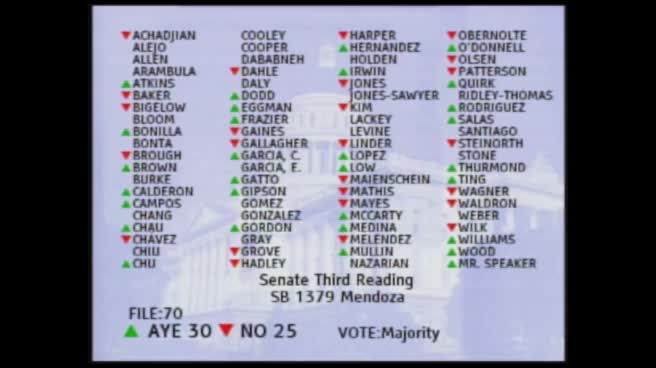
| Aug 31, 2016 | SCR 134 Pan Senate Third Reading By LOW | Assembly Floor |
Passed |
|
| Aug 30, 2016 | Be adopted. To third reading. | Assembly Standing Committee on Health |
Passed |
|
| Jun 30, 2016 | Consent Calendar 2nd SCR134 Pan | Senate Floor |
Passed |
|
| Jun 8, 2016 | Be adopted, but first be re-referred to the Committee on [Appropriations] with recommendation: To Consent Calendar | Senate Standing Committee on Health |
Passed |
This list shows positions taken on this bill by organizations on the date displayed, which is linked to the original source.
Positions by individuals are not included.
|
Organization
|
Position
|
Date
|
|---|---|---|
| American Diabetes Association | ** Support | Aug 31, 2016 |
| American Federation Of State, County And Municipal Employees, Afl-Cio | ** Support | Aug 31, 2016 |
| National Council of Asian Pacific Islander Physicians | ** Support | Aug 31, 2016 |
SENATE THIRD READING
STR Bill Id:SCR 134
Author:(Pan)
As Introduced Ver:April 25, 2016
Majority vote
SENATE VOTE: 37-0
Committee | Votes | Ayes | Noes |
Health | 16-0 | Wood, Maienschein, Bonilla, Campos, Chiu, Lackey, Nazarian, Olsen, Patterson, Ridley-Thomas, Rodriguez, Santiago, Steinorth, Thurmond, Waldron, Gordon |
SUMMARY: Urges the California Department of Public Health (DPH) to endorse the "Screen at 23" campaign to screen all adult Asian Americans with a body mass index (BMI) of 23 or higher for type II diabetes. Specifically, this resolution:
- Finds that approximately 2.5 million Californians, or 9% of the population, are diagnosed with diabetes, 46% are estimated to have prediabetes, and residents of Asian American heritage compromise 14% of the State of California.
- Finds that diabetes is the fifth leading cause of death among Asian Americans.
- Finds that Asian Americans are 30% more likely to have diabetes than white Americans and are also at greater risk of developing prediabetes, diabetes, and associated risks at a lower BMI than white, Hispanic, Black, or Native Americans.
- Finds that the per capita health care cost of diabetes in California is $14,800 per year and the annual cost for diabetes in California is $37.1 billion, including $27.6 billion in medical costs.
- Finds that screening Asian American patients at a BMI of 23 instead of 25 would unmask over 67,000 diabetes cases, and many thousands more prediabetes cases in California, thereby initiating treatment or early interventions to reduce negative co-morbidities like heart diseases, kidney diseases, and limb amputation.
- Finds that the World Health Organization recommends screening Asian patients at a lower BMI than non-Hispanic whites, and the 2015 official guidelines of the American Diabetes Association recommend that Asian Americans should be tested for type II diabetes at a BMI of 23.
- Finds that the Asian American, Native Hawaiian, and Pacific Islanders (AANHPI) Diabetes Coalition has coordinated the "Asian BMI" efforts of over 15 national and regional organizations, culminating in the launch of the "Screen at 23" campaign.
- Urges DPH to endorse and support the "Screen at 23" campaign's efforts to increase awareness of diabetes among Asian American communities, including the use of appropriate screening measures for Asian American patients and to eliminate disparities; and, urges DPH to encourage all public and private health providers and facilities to also participate in these efforts.
FISCAL EFFECT: According to the Senate Appropriations Committee, pursuant to Senate Rule 28.8, negligible state costs.
COMMENTS: According to the author, approximately 2.5 million Californians, or 9% of the population, are diagnosed with diabetes; however, Asian Americans are often not screened for diabetes but are 30% more likely to develop diabetes than white Americans. The author notes that diabetes is the fifth leading cause of death among Asian Americans, and since Asian Americans can develop diabetes at a lower BMI, the current guidelines for diabetes screening miss 36% of Asian American diabetes diagnoses, or approximately 116,000 individuals in California. The author concludes that this resolution raises much needed awareness to screen all Asian American adults for diabetes at a BMI of 23 kg/m2 or greater versus the standard 25 kg/m2.
- Diabetes. Diabetes is a chronic medical condition marked by high levels of blood glucose (a form of sugar) resulting from defects in insulin production, insulin action, or both. Type I diabetes, previously known as juvenile diabetes, is an autoimmune disease in which the body does not produce the hormone insulin. Type II diabetes (previously called non-insulin-dependent diabetes or adult-onset diabetes), accounts for about 90% to 95% of all diagnosed cases of diabetes. It usually begins as insulin resistance, a disorder in which the cells do not use insulin properly. As the need for insulin rises, the pancreas gradually loses its ability to produce it. Gestational diabetes occurs in pregnant women who have never had diabetes before, but have higher than normal blood glucose levels during pregnancy. Prediabetes is a condition in which individuals have blood glucose levels higher than normal but not high enough to be classified as diabetes. People with prediabetes have an increased risk of developing type II diabetes, heart disease, and stroke. Without intervention, about one out of four people with prediabetes will develop diabetes within three to five years. Ethnic minorities and those who are poor or disadvantaged have especially high rates of diabetes.
- The California Wellness Plan (Plan). In February 2014, DPH's Chronic Disease Prevention Branch published the Plan, the result of a statewide process led by DPH to develop a roadmap for DPH and its partners to promote health and eliminate preventable chronic disease in California. The Plan aligns with the Let's Get Healthy California Taskforce priorities and includes 26 priorities and performance measures developed in 2012 that are based upon evidence-based strategies to prevent chronic disease and promote equity. The Plan contains short, intermediate, and long-term objectives with measurable effects on a variety of chronic diseases, of which diabetes is a major focus. The Plan also contains 15 objectives specific to diabetes, including objectives to increase utilization of diabetes prevention and self-management programs, as well as broad objectives to reduce the prevalence of obesity and diabetes among children and adults. DPH's chronic disease programs plan to collaborate with local and state partners, including the Office of Health Equity, that are engaged in diabetes prevention to implement the objectives. DPH intends to monitor the progress of Plan objectives and publish regular reports on outcomes.
- BMI. According to the Centers for Disease Control and Prevention (CDC), BMI is a person's weight in kilograms divided by the square of height in meters. A high BMI can be an indicator of high body fat. BMI can be used to screen for weight categories that may lead to health problems, such as diabetes, but it is not diagnostic of the body fat or health of an individual.
The AANHPI Diabetes Coalition are the sponsors of this resolution and note that over half of all Asian Americans with diabetes are undiagnosed, according to the National Institutes of Health and the CDC. AANHPI Diabetes Coalition notes that the "Screen at 23" campaign is meant to raise awareness and lead to more diabetes and prediabetes diagnoses of Asian Americans, as well as promote the understanding that Asian Americans experience diabetes disparities.
There is no opposition to this resolution.
Analysis Prepared by: Lara Flynn / HEALTH / (916) 319-2097 FN: 0005004
Date of Hearing: August 30, 2016
ASSEMBLY COMMITTEE ON HEALTH
Jim Wood, Chair
SBPCA Bill Id:SCR 134
Author:(Pan) – As Introduced Ver:April 25, 2016
SENATE VOTE: 37-0
SUBJECT: Diabetes: the “Screen at 23” campaign
SUMMARY: Urges the California Department of Public Health (DPH) to endorse the "Screen at 23" campaign to screen all adult Asian Americans with a body mass index (BMI) of 23 or higher for type II diabetes. Specifically, this resolution:
- Finds that approximately 2.5 million Californians, or 9% of the population, are diagnosed with diabetes, 46% are estimated to have prediabetes, and residents of Asian American heritage compromise 14% of the State of California.
- Finds that diabetes is the fifth leading cause of death among Asian Americans.
- Finds that Asian Americans are 30% more likely to have diabetes than white Americans and are also at greater risk of developing prediabetes, diabetes, and associated risks at a lower BMI than white, Hispanic, Black, or Native Americans.
- Finds that the per capita health care cost of diabetes in California is $14,800 per year and the annual cost for diabetes in California is $37.1 billion, including $27.6 billion in medical costs.
- Finds that screening Asian American patients at a BMI of 23 instead of 25 would unmask over 67,000 diabetes cases, and many thousands more prediabetes cases in California, thereby initiating treatment or early interventions to reduce negative co-morbidities like heart diseases, kidney diseases, and limb amputation.
- Finds that the World Health Organization recommends screening Asian patients at a lower BMI than non-Hispanic whites, and the 2015 official guidelines of the American Diabetes Association recommend that Asian Americans should be tested for type II diabetes at a BMI of 23.
- Finds that the Asian American, Native Hawaiian, and Pacific Islanders (AANHPI) Diabetes Coalition has coordinated the "Asian BMI" efforts of over 15 national and regional organizations, culminating in the launch of the "Screen at 23" campaign.
- Urges DPH to endorse and support the “Screen at 23” campaign’s efforts to increase awareness of diabetes among Asian American communities, including the use of appropriate screening measures for Asian American patients and to eliminate disparities; and, urges DPH to encourage all public and private health providers and facilities to also participate in these efforts.
EXISTING LAW:
- Establishes DPH to protect and improve the health of communities through education, promotion of healthy lifestyles, and research for disease and injury prevention. Establishes the California Diabetes Program (CDP) within DPH.
- Provides DPH with the authority to perform activities that protect, preserve, and advance public health, including studies and dissemination of information.
FISCAL EFFECT: According to the Senate Appropriations Committee, pursuant to Senate Rule 28.8, negligible state costs.
COMMENTS:
- PURPOSE OF THIS RESOLUTION. According to the author, approximately 2.5 million Californians, or 9% of the population, are diagnosed with diabetes; however, Asian Americans are often not screened for diabetes but are 30% more likely to develop diabetes than white Americans. The author notes that diabetes is the fifth leading cause of death among Asian Americans, and since Asian Americans can develop diabetes at a lower BMI, the current guidelines for diabetes screening miss 36% of Asian American diabetes diagnoses, or approximately 116,000 individuals in California. The author concludes that this resolution raises much needed awareness to screen all Asian American adults for diabetes at a BMI of 23 kg/m2 or greater versus the standard 25 kg/m2.
- BACKGROUND.
- Diabetes. Diabetes is a chronic medical condition marked by high levels of blood glucose (a form of sugar) resulting from defects in insulin production, insulin action, or both. Type I diabetes, previously known as juvenile diabetes, is an autoimmune disease in which the body does not produce the hormone insulin. Type II diabetes (previously called non-insulin-dependent diabetes or adult-onset diabetes), accounts for about 90% to 95% of all diagnosed cases of diabetes. It usually begins as insulin resistance, a disorder in which the cells do not use insulin properly. As the need for insulin rises, the pancreas gradually loses its ability to produce it. Gestational diabetes occurs in pregnant women who have never had diabetes before, but have higher than normal blood glucose levels during pregnancy. Prediabetes is a condition in which individuals have blood glucose levels higher than normal but not high enough to be classified as diabetes. People with prediabetes have an increased risk of developing type II diabetes, heart disease, and stroke. Without intervention, about one out of four people with prediabetes will develop diabetes within three to five years. Ethnic minorities and those who are poor or disadvantaged have especially high rates of diabetes.
- The California Wellness Plan (Plan). In February 2014, DPH’s Chronic Disease Prevention Branch published the Plan, the result of a statewide process led by DPH to develop a roadmap for DPH and its partners to promote health and eliminate preventable chronic disease in California. The Plan aligns with the Let's Get Healthy California Taskforce priorities and includes 26 priorities and performance measures developed in 2012 that are based upon evidence-based strategies to prevent chronic disease and promote equity. The Plan contains short, intermediate, and long-term objectives with measurable effects on a variety of chronic diseases, of which diabetes is a major focus. The Plan also contains 15 objectives specific to diabetes, including objectives to increase utilization of diabetes prevention and self-management programs, as well as broad objectives to reduce the prevalence of obesity and diabetes among children and adults. DPH's chronic disease programs plan to collaborate with local and state partners, including the Office of Health Equity, that are engaged in diabetes prevention to implement the objectives. DPH intends to monitor the progress of Plan objectives and publish regular reports on outcomes.
- BMI. According to the Centers for Disease Control and Prevention (CDC), BMI is a person's weight in kilograms divided by the square of height in meters. A high BMI can be an indicator of high body fat. BMI can be used to screen for weight categories that may lead to health problems, such as diabetes, but it is not diagnostic of the body fat or health of an individual.
- SUPPORT. The AANHPI Diabetes Coalition are the sponsors of this resolution and note that over half of all Asian Americans with diabetes are undiagnosed, according to the National Institutes of Health and the CDC. AANHPI Diabetes Coalition notes that the "Screen at 23” campaign is meant to raise awareness and lead to more diabetes and prediabetes diagnoses of Asian Americans, as well as promote the understanding that Asian Americans experience diabetes disparities.
- RELATED LEGISLATION.
- AB 2696 (Beth Gaines) Chapter 108, Statutes of 2016 requires the Department of Public Health (DPH) to submit a report to the Legislature on or before January 1, 2019, that includes a summary and compilation of recommendations on diabetes prevention and management.
- AB 2782 (Bloom) would have imposed a health promotion fee of $0.02 per fluid ounce on bottled sugar sweetened beverages and concentrates, and would have established the Healthy California Fund from which moneys would be allocated to various state departments for purposes of reducing the incidence and impact of diabetes, obesity, and dental disease in California. AB 2782 was not set for hearing in the Assembly Health Committee.
- AB 2424 (Gomez), would, among other provisions, create the Community-based Health Improvement and Innovation Fund in the State Treasury from which moneys would be available, upon appropriation by the Legislature, for certain purposes, including, but not limited to, reducing health inequity and disparities in the rates and outcomes of priority chronic health conditions, including diabetes. AB 2424 is pending on the Senate Floor.
- AB 2696 (Beth Gaines) Chapter 108, Statutes of 2016 requires the Department of Public Health (DPH) to submit a report to the Legislature on or before January 1, 2019, that includes a summary and compilation of recommendations on diabetes prevention and management.
- PREVIOUS LEGISLATION.
- SB 203 (Monning) of 2015 would have required a safety warning to be affixed to sugar sweetened beverages that states “STATE OF CALIFORNIA SAFETY WARNING: Drinking beverages with added sugar(s) contributes to obesity, diabetes, and tooth decay.” SB 203 failed passage in the Senate Health Committee.
- AB 1357 (Bloom) of 2015 was substantially similar to AB 2782. AB 1357 failed passage in the Assembly Health Committee.
- AB 572 (Beth Gaines) of 2015 would have required DPH to update the California Wellness Plan for 2014 to include specified items, including priorities and performance measures that are based upon evidence-based strategies to prevent and control diabetes, and to submit a report to the Legislature by January 1, 2018, that includes the progress of those specified plan items. AB 572 was held in the Senate Appropriations Committee.
- AB 270 (Nazarian) of 2015 would have required DPH to apply to the Department of Motor Vehicles to sponsor a diabetes awareness, education, and research specialized license plate program; established the Diabetes Awareness Fund; and specified that revenues from the fund would be used by DPH to fund programs related to diabetes awareness and prevention. AB 270 was held under submission in the Senate Appropriations Committee.
- SB 1316 (Cannella) of 2014 would have required the Department of Health Care Services, DPH, and the Board of Administration of the Public Employees' Retirement System to submit a report to the Legislature regarding their respective diabetes-related programs. SB 1316 was held in Senate Rules Committee.
- AB 1592 (Beth Gaines) of 2014 would have required DPH to complete and submit to the Legislature a Diabetes Burden Report (report) by December 31, 2015, including, among other things, actionable items for consideration by the Legislature that would aid in attaining the goals set forth by DPH in the California Wellness Plan for 2014; and would have required DPH to include in the report guidelines that would reduce the fiscal burden of diabetes to the state. AB 1592 was vetoed by the Governor, who stated that DPH had already submitted its report to the CDC, as required, and would be unable to withdraw the report to include additional information prescribed by the bill.
REGISTERED SUPPORT / OPPOSITION:
Support
Asian American, Native Hawaiian, and Pacific Islander Diabetes Coalition (sponsors)
American Diabetes Association
National Council of Asian Pacific Islander Physicians
Opposition
None on file.
Analysis Prepared by: Lara Flynn / HEALTH / (916) 319-2097
Office of Senate Floor Analyses (916) 651-1520 Fax: (916) 327-4478 | SCR |
CONSENT
Bill No: SCR 134
:
SENATE HEALTH COMMITTEE: 7-0, 6/8/16
AYES: Hernandez, Nguyen, Mitchell, Monning, Nielsen, Pan, Roth
NO VOTE RECORDED: Hall, Wolk
SENATE APPROPRIATIONS COMMITTEE: Senate Rule 28.8
SOURCE: Asian American, Native Hawaiian, and Pacific Islander Diabetes
Coalition
National Council of Asian Pacific Islander Physicians
DIGEST: This resolution urges the Department of Public Health (DPH) to endorse and support the “Screen at 23” campaign’s efforts to increase awareness of diabetes among Asian American communities, including the use of appropriate screening measures for Asian American patients and to eliminate disparities. Urges DPH to encourage all public and private health providers and facilities to also participate in these efforts.
Existing law:
- Establishes DPH to protect and improve the health of communities through education, promotion of healthy lifestyles, and research for disease and injury prevention. Establishes the California Diabetes Program (CDP) within DPH.
- Provides DPH with the authority to perform activities that protect, preserve, and advance public health, including studies and dissemination of information.
This resolution:
- Finds that approximately 2.5 million Californians, or 9% of the population, are diagnosed with diabetes (the fifth leading cause of death among Asian Americans); 46% are estimated to have prediabetes; and residents of Asian American heritage comprise 14% of the state’s population, who are 30% more likely to have diabetes than White Americans and are at greater risk of developing prediabetes, diabetes, and associated risks at a lower body mass index (BMI) than Whites, Hispanics, Blacks, and Native Americans.
- Finds that Asian Americans face health care disparity in type 2 diabetes detection and diagnosis, as the current guidelines for screening Asian Americans at a BMI of 25kg/m2 not only miss 36% of diabetes diagnoses but also underestimate the prevalence of prediabetes among Asian Americans.
- Finds that two out of three people with type 2 diabetes die from heart attack or stroke, and adults with diabetes are at risk for developing end-stage renal disease and kidney failure, blindness, and lower limb loss.
- Finds that the per capita health care cost of diabetes in the state is $14,800 per year, and the annual cost is $37.1 billion, including $27.6 billion in medical costs and $9.5 billion in indirect costs and productivity loss.
- Finds that 38% of all hospitalized Asian Americans in the state have diabetes, which leads to more expensive hospital care regardless of the reason for hospitalization, and that early detection and treatment can mitigate diabetes-related complications, risks, and costs.
- Finds that screening Asian American patients at a BMI of 23 instead of 25 would unmask more than 67,000 diabetes cases and many thousands more prediabetes cases in the state, thereby initiating treatment or early interventions to reduce negative comorbidities like heart disease, kidney disease, and limb amputations.
- States that the National Institutes of Health recently found that more than half of Asian Americans with diabetes are undiagnosed, and community-based participatory research and studies on Asian American subpopulations have shown that Asian Americans develop diabetes at a lower BMI; states that the World Health Organization recommends screening Asian patients at a lower BMI than non-Hispanic Whites, and the 2015 official guidelines of the American Diabetes Association recommend Asian Americans be tested for type 2 diabetes at a BMI of 23.
- Finds that the Asian American, Native Hawaiian, and Pacific Islanders Diabetes Coalition has coordinated the “Asian BMI” efforts of more than 15 national and regional organizations, culminating in the launch of the “Screen at 23” campaign; states that California has the opportunity to become one of the first states to formally recognize and recommend screening adult Asian Americans for type 2 diabetes at a BMI of 23, enabling thousands of individuals to get the early care and treatment needed to live healthier and happier lives.
- Urges DPH to endorse and support the “Screen at 23” campaign’s efforts to increase awareness of diabetes among Asian-American communities, including the use of appropriate screening measures for Asian-American patients and to eliminate disparities; and urges DPH to encourage all public and private health providers and facilities to also participate in these efforts.
Comments
- Author’s statement. According to the author, approximately 2.5 million Californians, or 9% of the population, are diagnosed with diabetes. However, Asian Americans are often not screened for diabetes but are 30% more likely to develop diabetes than White Americans. Additionally, diabetes is the fifth leading cause of death among Asian Americans. Since Asian Americans can develop diabetes at a lower BMI, the current guidelines for diabetes screening miss 36% of Asian American diabetes diagnoses, or approximately 116,000 individuals in California. SCR 134 raises much needed awareness to screen all Asian American adults for diabetes at a body mass index of 23 kg/m2 or greater versus the standard 25 kg/m2.
- Diabetes in California. DPH issued a study, The Burden of Chronic Disease and Injury, in 2013 that highlights some of the leading causes of death, such as heart disease, cancer, stroke, and respiratory disease, all of which have a strong connection to obesity. Diabetes is another serious chronic disease stemming from obesity that adversely affects quality of life and results in serious medical costs. The last decade has witnessed a 32% rise in diabetes prevalence, affecting some 3.9 million people and costing upwards of $24 billion per year. According to the Centers for Disease Control and Prevention (CDC), more than one-third of U.S. adults are obese, and approximately 12.5 million children and adolescents ages two to 19 years are obese. Research indicates a tripling in the youth obesity rate over the past three decades. While this increase has stabilized between the years 2005 and 2010, in 2010, 38% of public school children were overweight and obese. Overweight youth face increased risks for many serious detrimental health conditions that do not commonly occur during childhood, including high cholesterol and type-2 diabetes. Additionally, more than 80% of obese adolescents remain obese as adults.
- CDP. The CDP was established in 1981 and represents a partnership between DPH and the University of California, San Francisco. It primarily receives its funding from the CDC. A few key objectives that the CDP focuses on include:
- Monitoring statewide diabetes health status and risk factors;
- Engaging in outreach to increase awareness about the disease;
- Guiding public policy to support at-risk and vulnerable populations;
- Offering leadership, guidance, and resources to community health interventions;
- Seeking to improve the health care delivery system; and,
- Reducing diabetes-related health disparities.
The CDP achieves these through partnering with different individual, community, health care, policy, and environmental entities.
- The California Wellness Plan. In February 2014, DPH’s Chronic Disease Prevention Branch published the Plan, the result of a statewide process led by DPH to develop a roadmap for DPH and partners to promote health and eliminate preventable chronic disease in California. The Plan aligns with the Let's Get Healthy California Taskforce priorities and includes 26 priorities and performance measures developed in 2012 that are based upon evidence-based strategies to prevent chronic disease and promote equity. The Plan contains short, intermediate, and long-term objectives with measurable effects on a variety of chronic diseases, of which diabetes is a major focus. The Plan also contains 15 objectives specific to diabetes, including objectives to increase utilization of diabetes prevention and self-management programs, as well as broad objectives to reduce the prevalence of obesity and diabetes among children and adults. DPH's chronic disease programs plan to collaborate with local and state partners, including the Office of Health Equity, that are engaged in diabetes prevention to implement the objectives. DPH intends to monitor the progress of Plan objectives and publish regular reports on outcomes.
- State Auditor report. In January 2015, the State Auditor published report 2014-113, titled "Even with a Recent Increase in Federal Funding, Its Efforts to Prevent Diabetes Are Focused on a Limited Number of Counties." The report highlighted the fact that DPH manages federal grants that fund its diabetes prevention efforts. California does not provide any state funding for diabetes prevention. DPH spending on diabetes prevention has declined over time due to reductions in its federal funding. In Fiscal Year (FY) 2013-14, federal funding for diabetes prevention decreased from more than $1 million in previous FYs to $817,000. DPH's maternal diabetes program also experienced significant reductions in federal funding over the last three FYs, declining from $1.2 million in FY 2010-11 to $71,000 in FY 2013-14. In FY 2012-13—the most recent year for which nationwide data is available—California had the lowest per capita funding for diabetes prevention in the nation. The report also found that DPH spent its limited federal funds in an appropriate manner and complied with applicable grant requirements. For the 40 expenditures reviewed from FYs 2009-10 through 2013-14, DPH expenditures were in accordance with federal requirements, and the amounts spent were found reasonable. Additionally, despite a concern that was raised about the relationship between DPH diabetes and tobacco control programs, the report found DPH has not spent its limited diabetes funds on tobacco cessation activities. The Auditor recommended that the state consider providing state funding to support efforts to address diabetes, that DPH should develop a process for identifying and applying for federal funding opportunities, including routinely and proactively searching for grants, and DPH should ensure that staff responsible for diabetes prevention continues to develop appropriate knowledge and skills.
Related/Prior Legislation
AB 2782 (Bloom, 2016) would have imposed a health promotion fee of $0.02 per fluid ounce on bottled sugar sweetened beverages (SSBs) and concentrates, and established the Healthy California Fund from which moneys would be allocated to various state departments for purposes of reducing the incidence and impact of diabetes, obesity, and dental disease in California. AB 2782 failed without being heard in the Assembly Health Committee.
AB 2424 (Gomez, 2016), among other things, creates the Community-based Health Improvement and Innovation Fund in the State Treasury from which moneys would be available, upon appropriation by the Legislature, for certain purposes, including, but not limited to, reducing health inequity and disparities in the rates and outcomes of priority chronic health conditions, including diabetes. AB 2424 is set to be heard in the Senate Health Committee on June 29, 2014.
SB 203 (Monning, 2015) would have required a safety warning to be affixed to SSBs that states: “STATE OF CALIFORIA SAFETY WARNING: Drinking beverages with added sugar(s) contributes to obesity, diabetes, and tooth decay.” SB 203 failed in the Senate Health Committee.
AB 1357 (Bloom, 2015) was substantially similar to AB 2782. AB 1357 failed passage in the Assembly Health Committee.
AB 572 (Beth Gaines, 2015) would have required DPH to update the California Wellness Plan 2014 to include specified items, including priorities and performance measures that are based upon evidence-based strategies to prevent and control diabetes, and to submit a report to the Legislature by January 1, 2018, that includes the progress of those specified plan items. AB 572 was held under submission in the Senate Appropriations Committee.
AB 270 (Nazarian, 2015) would have required DPH to apply to the Department of Motor Vehicles to sponsor a diabetes awareness, education, and research specialized license plate program; established the Diabetes Awareness Fund; and specified that revenues from the fund would be used by DPH to fund programs related to diabetes awareness and prevention. AB 270 was held under submission in the Senate Appropriations Committee.
SB 1316 (Cannella, 2014) would have required the Department of Health Care Services, DPH, and the Board of Administration of the Public Employees' Retirement System to submit a report to the Legislature regarding their respective diabetes-related programs. SB 1316 was never referred out of Senate Rules Committee.
AB 1592 (Beth Gaines, 2014) would have required DPH to complete and submit to the Legislature a Diabetes Burden Report by December 31, 2015, including, among other things, actionable items for consideration by the Legislature that would aid in attaining the goals set forth by DPH in the California Wellness Plan 2014; and would have required DPH to include in the report guidelines that would reduce the fiscal burden of diabetes to the state. AB 1592 was vetoed by the Governor, stating that DPH had already submitted its Diabetes Burden Report to the CDC, as required, and was unable to withdraw the report to include additional information prescribed by the bill.
FISCAL EFFECT: Appropriation: No Fiscal Com.: Yes Local: No
Asian American, Native Hawaiian, and Pacific Islander Diabetes Coalition (co-source)
National Council of Asian Pacific Islander Physicians (co-source)
American Diabetes Association
American Federation of State, County and Municipal Employees, AFL-CIO
OPPOSITION: (Verified 6/17/16)
None received
ARGUMENTS IN SUPPORT: The cosponsors and other supporters of this bill cite information from the National Institutes of Health and the CDC that states over half of all Asian Americans with diabetes are undiagnosed. Supporters argue that this resolution will help doctors be aware of the appropriate screening guidelines for Asian Americans; help Asian Americans be more aware of their risk for developing diabetes; lead to earlier treatment and intervention to manage and care for diabetes; and allow those with prediabetes the opportunity to reverse their diabetes and avoid it completely.
6/22/16 15:15:22
**** END ****
SENATE COMMITTEE ON HEALTH
Senator Ed Hernandez, O.D., Chair
BILL NO: SCR 134
AUTHOR: | Pan | ||
VERSION: | April 25, 2016 | ||
HEARING DATE: | June 8, 2016 | ||
CONSULTANT: | Reyes Diaz | ||
SUBJECT: Diabetes: the “Screen at 23” campaign
SUMMARY:
- Urges the Department of Public Health (DPH) to endorse and support the “Screen at 23” campaign’s efforts to increase awareness of diabetes among Asian-American communities, including the use of appropriate screening measures for Asian-American patients and to eliminate disparities. Urges DPH to encourage all public and private health providers and facilities to also participate in these efforts.
Existing law:
- Establishes DPH to protect and improve the health of communities through education, promotion of healthy lifestyles, and research for disease and injury prevention. Establishes the California Diabetes Program (CDP) within DPH.
- Provides DPH with the authority to perform activities that protect, preserve, and advance public health, including studies and dissemination of information.
This measure:
- Finds that approximately 2.5 million Californians, or 9% of the population, are diagnosed with diabetes (the fifth leading cause of death among Asian Americans); 46% are estimated to have prediabetes; and residents of Asian American heritage comprise 14% of the state’s population, who are 30% more likely to have diabetes than White Americans and are at greater risk of developing prediabetes, diabetes, and associated risks at a lower body mass index (BMI) than Whites, Hispanics, Blacks, and Native Americans.
- Finds that Asian Americans face health care disparity in type 2 diabetes detection and diagnosis, as the current guidelines for screening Asian Americans at a BMI of 25kg/m2 not only miss 36% of diabetes diagnoses but also underestimate the prevalence of prediabetes among Asian Americans.
- Finds that two out of three people with type 2 diabetes die from heart attack or stroke, and adults with diabetes are at risk for developing end-stage renal disease and kidney failure, blindness, and lower limb loss.
- Finds that the per capita health care cost of diabetes in the state is $14,800 per year, and the annual cost is $37.1 billion, including $27.6 billion in medical costs and $9.5 billion in indirect costs and productivity loss.
- Finds that 38% of all hospitalized Asian Americans in the state have diabetes, which leads to more expensive hospital care regardless of the reason for hospitalization, and that early detection and treatment can mitigate diabetes-related complications, risks, and costs.
- Finds that screening Asian American patients at a BMI of 23 instead of 25 would unmask more than 67,000 diabetes cases and many thousands more prediabetes cases in the state, thereby initiating treatment or early interventions to reduce negative comorbidities like heart disease, kidney disease, and limb amputations.
- States that the National Institutes of Health recently found that more than half of Asian Americans with diabetes are undiagnosed, and community-based participatory research and studies on Asian-American subpopulations have shown that Asian Americans develop diabetes at a lower BMI; states that the World Health Organization recommends screening Asian patients at a lower BMI than non-Hispanic Whites, and the 2015 official guidelines of the American Diabetes Association recommend Asian Americans be tested for type 2 diabetes at a BMI of 23.
- Finds that the Asian American, Native Hawaiian, and Pacific Islanders Diabetes Coalition has coordinated the “Asian BMI” efforts of more than 15 national and regional organizations, culminating in the launch of the “Screen at 23” campaign; states that California has the opportunity to become one of the first states to formally recognize and recommend screening adult Asian Americans for type 2 diabetes at a BMI of 23, enabling thousands of individuals to get the early care and treatment needed to live healthier and happier lives.
- Urges DPH to endorse and support the “Screen at 23” campaign’s efforts to increase awareness of diabetes among Asian-American communities, including the use of appropriate screening measures for Asian-American patients and to eliminate disparities; urges DPH to encourage all public and private health providers and facilities to also participate in these efforts.
- Requests the Secretary of the Senate to transmit copies of this measure to the author, the Governor, and the Director of DPH for appropriate distribution.
FISCAL EFFECT:
This measure has not been analyzed by a fiscal committee.
COMMENTS:
- Author’s statement. According to the author, approximately 2.5 million Californians, or 9% of the population, are diagnosed with diabetes. However, Asian Americans are often not screened for diabetes but are 30% more likely to develop diabetes than White Americans. Additionally, diabetes is the fifth leading cause of death among Asian Americans. Since Asian Americans can develop diabetes at a lower body mass index, the current guidelines for diabetes screening miss 36% of Asian American diabetes diagnoses, or approximately 116,000 individuals in California. SCR 134 raises much needed awareness to screen all Asian American adults for diabetes at a body mass index of 23 kg/m2 or greater versus the standard 25 kg/m2.
- Diabetes in California. DPH issued a study, The Burden of Chronic Disease and Injury, in 2013 that highlights some of the leading causes of death, such as heart disease, cancer, stroke, and respiratory disease, all of which have a strong connection to obesity. Diabetes is another serious chronic disease stemming from obesity that adversely affects quality of life and results in serious medical costs. The last decade has witnessed a 32% rise in diabetes prevalence, affecting some 3.9 million people and costing upwards of $24 billion per year. According to the Center for Disease Control and Prevention (CDC), more than one-third of U.S. adults are obese, and approximately 12.5 million children and adolescents ages two to 19 years are obese. Research indicates a tripling in the youth obesity rate over the past three decades. While this increase has stabilized between the years 2005 and 2010, in 2010, 38% of public school children were overweight and obese. Overweight youth face increased risks for many serious detrimental health conditions that do not commonly occur during childhood, including high cholesterol and type-2 diabetes. Additionally, more than 80% of obese adolescents remain obese as adults.
- CDP. The CDP was established in 1981 and represents a partnership between DPH and the University of California, San Francisco. It primarily receives its funding from the CDC. A few key objectives that the CDP focuses on include:
- Monitoring statewide diabetes health status and risk factors;
- Engaging in outreach to increase awareness about the disease;
- Guiding public policy to support at-risk and vulnerable populations;
- Offering leadership, guidance, and resources to community health interventions;
- Seeking to improve the health care delivery system; and,
- Reducing diabetes-related health disparities.
The CDP achieves these through partnering with different individual, community, health care, policy, and environmental entities.
- The California Wellness Plan. In February 2014, DPH’s Chronic Disease Prevention Branch published the Plan, the result of a statewide process led by DPH to develop a roadmap for DPH and partners to promote health and eliminate preventable chronic disease in California. The Plan aligns with the Let's Get Healthy California Taskforce priorities and includes 26 priorities and performance measures developed in 2012 that are based upon evidence-based strategies to prevent chronic disease and promote equity. The Plan contains short, intermediate, and long-term objectives with measurable effects on a variety of chronic diseases, of which diabetes is a major focus. The Plan also contains 15 objectives specific to diabetes, including objectives to increase utilization of diabetes prevention and self-management programs, as well as broad objectives to reduce the prevalence of obesity and diabetes among children and adults. DPH's chronic disease programs plan to collaborate with local and state partners, including the Office of Health Equity, that are engaged in diabetes prevention to implement the objectives. DPH intends to monitor the progress of Plan objectives and publish regular reports on outcomes.
- State Auditor report. In January 2015, the State Auditor published report 2014-113, titled "Even with a Recent Increase in Federal Funding, Its Efforts to Prevent Diabetes Are Focused on a Limited Number of Counties." The report highlighted the fact that DPH manages federal grants that fund its diabetes prevention efforts. California does not provide any state funding for diabetes prevention. DPH spending on diabetes prevention has declined over time due to reductions in its federal funding. In Fiscal Year (FY) 2013-14, federal funding for diabetes prevention decreased from more than $1 million in previous FYs to $817,000. DPH's maternal diabetes program also experienced significant reductions in federal funding over the last three FYs, declining from $1.2 million in FY 2010-11 to $71,000 in FY 2013-14. In FY 2012-13—the most recent year for which nationwide data is available—California had the lowest per capita funding for diabetes prevention in the nation. The report also found that DPH spent its limited federal funds in an appropriate manner and complied with applicable grant requirements. For the 40 expenditures reviewed from FYs 2009-10 through 2013-14, DPH expenditures were in accordance with federal requirements, and the amounts spent were found reasonable. Additionally, despite a concern that was raised about the relationship between DPH diabetes and tobacco control programs, the report found DPH has not spent its limited diabetes funds on tobacco cessation activities. The Auditor recommended that the state consider providing state funding to support efforts to address diabetes, that DPH should develop a process for identifying and applying for federal funding opportunities, including routinely and proactively searching for grants, and DPH should ensure that staff responsible for diabetes prevention continues to develop appropriate knowledge and skills.
- Related legislation. AB 2782 (Bloom), would have imposed a health promotion fee of $0.02 per fluid ounce on bottled sugar sweetened beverages (SSBs) and concentrates, and established the Healthy California Fund from which moneys would be allocated to various state departments for purposes of reducing the incidence and impact of diabetes, obesity, and dental disease in California. AB 2782 failed without being heard in the Assembly Health Committee.
AB 2424 (Gomez), would, among other things, create the Community-based Health Improvement and Innovation Fund in the State Treasury from which moneys would be available, upon appropriation by the Legislature, for certain purposes, including, but not limited to, reducing health inequity and disparities in the rates and outcomes of priority chronic health conditions, including diabetes. AB 2424 is pending on the Senate Floor.
- Prior legislation. SB 203 (Monning, of 2015), would have required a safety warning to be affixed to SSBs that states “STATE OF CALIFORIA SAFETY WARNING: Drinking beverages with added sugar(s) contributes to obesity, diabetes, and tooth decay.” SB 203 failed in the Senate Health Committee.
AB 1357 (Bloom, of 2015), was substantially similar to AB 2782. AB 1357 failed passage in the Assembly Health Committee.
AB 572 (Beth Gaines, of 2015), would have required DPH to update the California Wellness Plan 2014 to include specified items, including priorities and performance measures that are based upon evidence-based strategies to prevent and control diabetes, and to submit a report to the Legislature by January 1, 2018, that includes the progress of those specified plan items. AB 572 was held under submission in the Senate Appropriations Committee.
AB 270 (Nazarian, of 2015), would have required DPH to apply to the Department of Motor Vehicles to sponsor a diabetes awareness, education, and research specialized license plate program; established the Diabetes Awareness Fund; and specified that revenues from the fund would be used by DPH to fund programs related to diabetes awareness and prevention. AB 270 was held under submission in the Senate Appropriations Committee.
SB 1316 (Cannella, of 2014), would have required the Department of Health Care Services, DPH, and the Board of Administration of the Public Employees' Retirement System to submit a report to the Legislature regarding their respective diabetes-related programs. SB 1316 was never referred out of Senate Rules Committee.
AB 1592 (Beth Gaines, 2014), would have required DPH to complete and submit to the Legislature a Diabetes Burden Report by December 31, 2015, including, among other things, actionable items for consideration by the Legislature that would aid in attaining the goals set forth by DPH in the California Wellness Plan for 2014; and would have required DPH to include in the report guidelines that would reduce the fiscal burden of diabetes to the state. AB 1592 was vetoed by the Governor, stating that DPH had already submitted its Diabetes Burden Report to the CDC, as required, and is unable to withdraw the report to include additional information prescribed by the bill.
- Support. The cosponsors and other supporters of this bill cite information from the National Institutes of Health and the CDC that states over half of all Asian Americans with diabetes are undiagnosed. Supporters argue that this measure will help doctors be aware of the appropriate screening guidelines for Asian Americans; help Asian Americans be more aware of their risk for developing diabetes; lead to earlier treatment and intervention to manage and care for diabetes; and allow those with prediabetes the opportunity to reverse their diabetes and avoid it completely.
SUPPORT AND OPPOSITION:
Support: Asian American, Native Hawaiian, and Pacific Islander Diabetes Coalition (cosponsor)
American Federation of State, County and Municipal Employees (AFSCME), AFL-CIO
National Council of Asian Pacific Islander Physicians (cosponsor)
American Diabetes Association
Oppose: None received
-- END --
Bill Author
Bill Co-Author(s):