SJR 2: Immigration.
- Session Year: 2015-2016
- House: Senate
- Latest Version Date: 2015-04-14
This measure would urge Congress and the President of the United States to work together to create a comprehensive and workable approach to reform the nations immigration system according to specified principles.
This measure would urge Congress and the President of the United States to work together to create a comprehensive and workable approach to reform the nations immigration system according to specified principles.
This measure would urge Congress and the President of the United States to work together to create a comprehensive and workable approach to reform the nations immigration system according to specified principles.
This measure would urge Congress and the President of the United States to work together to create a comprehensive and workable approach to reform the nations immigration system according to specified principles.
This measure would urge Congress and the President of the United States to work together to create a comprehensive and workable approach to reform the nations immigration system according to specified principles.
WHEREAS, This country was built by immigrants seeking a better life; and
WHEREAS, Estimates suggest that there are 11 million undocumented immigrants living in the shadows in the United States, including millions of children brought to this country undocumented who have grown up here, call the United States home, and are suffering from our dysfunctional immigration policy; and
WHEREAS, A logical and streamlined path to citizenship for individuals after they gain legal status would stimulate the economy by allowing these individuals to get college degrees and drivers licenses, buy homes, start new companies, and create legal, tax-paying jobs, affording them a chance at the American Dream; and
WHEREAS, The United States Congress last enacted major immigration legislation more than 25 years ago; and
WHEREAS, Since that time, fragmented attempts at immigration reform have failed to create the rational and effective systems needed to maintain international competitiveness. Whether in industries like agriculture, which requires large numbers of workers able to perform physically demanding tasks, or in industries like technology or health care, where the demand for employees with advanced degrees is projected to exceed supply within the next five years, immigration policy must be designed to respond to emerging labor needs in all sectors of the United States economy; and
WHEREAS, Our national interests and security are not served by our outdated, inefficient, and slow-moving immigration system. Patchwork attempts to mend its deficiencies undermine our potential for prosperity and leave us vulnerable and unable to meet the needs of the modern world; and
WHEREAS, Labor mobility is crucial to our economic prosperity and our countrys recovery from the economic crisis. Yet our rigid, outdated immigration policies are making it difficult for our companies and our nation to compete. Information released in a study by the University of California, Los Angeles, states that legalizing the status of undocumented immigrants working and living in the United States would create approximately $1.5 trillion in additional gross domestic product growth over the next 10 years and increase wages for all workers. Another study by the University of California, Davis, indicates that the last large wave of immigrants, from 1990 to 2007, inclusive, raised the income of a native-born American worker by an average of $5,000; and
WHEREAS, California has the largest share of immigrants in the country. These immigrants are a vital and productive part of our states economy and are active in a variety of industries, including technology, biotech, hospitality, agriculture, construction, services, transportation, and textiles. They also represent a large share of our new small business owners and create economic prosperity and needed jobs for everyone; and
WHEREAS, Keeping these families, business owners, and hard workers in the shadows of society serves no one; and
WHEREAS, Our state, for economic, social, health, security, and prosperity reasons, must support policies that allow individuals to become legal and enfranchised participants in our society and economy; and
WHEREAS, Comprehensive immigration reform should include a reasonable and timely path to citizenship for undocumented immigrants who are already living and working in the United States. Immigration reform should also include comprehensive background checks, require demonstrated proficiency in English and payment of all current and back taxes, and have the flexibility to respond to emerging business trends; and
WHEREAS, The Migration Policy Institute, a nonpartisan research group in Washington, D.C., estimates that in 2012, the federal government spent $18 billion on immigration enforcement, and since 2004, the number of United States Border Patrol agents has doubled; and
WHEREAS, Increased enforcement has given the federal government the ability to prioritize the deportation of lawbreakers and dangerous individuals and to ensure our borders security. Nevertheless, this enforcement should not be done in an inhumane way; and
WHEREAS, Immigration enforcement should continue to focus on criminals, not on hardworking immigrant families, and not at the expense of efficient trade with two of our top three economic partners; and
WHEREAS, The United States loses large numbers of necessary, highly skilled workers due to the lengthy and complicated processes currently in place to get or keep a legal residency option; and
WHEREAS, Reform should include an expedited process for those residing abroad and applying for legal visas. Additionally, reform should offer permanent residency opportunities to international students in American universities who are highly trained and in high demand, and in so doing avoid an intellectual vacuum after their graduation; and
WHEREAS, Reform should recognize the societal and cultural benefits of keeping the family unit intact. The system should take into account special circumstances surrounding candidates for probationary legal status, such as those of minors who were brought to the country as children or workers whose labor is essential to maintain our countrys competitiveness; now, therefore, be it
Resolved by the Senate and the Assembly of the State of California, jointly, That the Legislature urges the President and the Congress of the United States to work together and create a comprehensive and workable approach to solving our nations historically broken immigration system, using the principles described in this resolution; and be it further
Resolved, That the Secretary of the Senate transmit copies of this resolution to the President and the Vice President of the United States, to the Speaker of the House of Representatives, to the Majority Leader of the Senate, and to each Senator and Representative from California in the Congress of the United States.
WHEREAS, This country was built by immigrants seeking a better life; and
WHEREAS, Estimates suggest that there are 11 million undocumented immigrants living in the shadows in the United States, including millions of children brought to this country undocumented who have grown up here and here, call the United States home, and who are suffering from our dysfunctional immigration policy; and
WHEREAS, A logical and streamlined path to citizenship for individuals after they gain legal status would stimulate the economy by allowing these individuals to get college degrees and drivers licenses, buy homes, start new companies, and create legal, tax-paying jobs, affording them a chance at the American Dream; and
WHEREAS, The United States Congress last enacted major immigration legislation more than 25 years ago; and
WHEREAS, Since that time, fragmented attempts at immigration reform have failed to create the rational and effective systems needed to maintain international competitiveness. Whether in industries like agriculture, which requires large numbers of workers able to perform physically demanding tasks, or in industries like technology or health care, where the demand for employees with advanced degrees is projected to exceed supply within the next five years, immigration policy must be designed to respond to emerging labor needs in all sectors of the United States economy; and
WHEREAS, Our national interests and security are not served by our outdated, inefficient, and slow-moving immigration system. Patchwork attempts to mend its deficiencies undermine our potential for prosperity and leave us vulnerable and unable to meet the needs of the modern world; and
WHEREAS, Labor mobility is crucial to our economic prosperity and our countrys recovery from the economic crisis. Yet our rigid, outdated immigration policies are making it difficult for our companies and our nation to compete. Information released in a study by the University of California, Los Angeles, states that legalizing the status of undocumented immigrants working and living in the United States would create around approximately $1.5 trillion in additional gross domestic product growth over the next 10 years and increase wages for all workers. A Another study done by the University of California, Davis, indicates that the last large wave of immigrants, from 1990 to 2007, inclusive, raised the income of a native-born American worker by an average of $5,000; and
WHEREAS, California has the largest share of immigrants in the country. These immigrants are a vital and productive part of our states economy and are active in a variety of industries, including technology, biotech, hospitality, agriculture, construction, services, transportation, and textiles. They also represent a large share of our new small business owners and create economic prosperity and needed jobs for everyone; and
WHEREAS, Keeping these families, business owners, and hard workers in the shadows of society serves no one; and
WHEREAS, Our state, for economic, social, health, security, and prosperity reasons, must support policies that allow individuals to become legal and enfranchised participants in our society and economy; and
WHEREAS, Comprehensive immigration reform should include a reasonable and timely path to citizenship for undocumented immigrants who are already living and working in the United States. It Immigration reform should also include comprehensive background checks, require demonstrated proficiency in English and payment of all current and back taxes, and have the flexibility to respond to emerging business trends; and
WHEREAS, The Migration Policy Institute, a nonpartisan research group in Washington, D.C., estimates that in 2012, the federal government spent $18 billion on immigration enforcement, and since 2004, the number of United States Border Patrol agents has doubled; and
WHEREAS, Increased enforcement has given the federal government the ability to prioritize the deportation of lawbreakers and dangerous individuals and to ensure our borders security. Nevertheless, this enforcement should not be done in an inhumane way; and
WHEREAS, Immigration enforcement should continue to focus on criminals, not on hardworking immigrant families, and not at the expense of efficient trade with two of our top three economic partners; and
WHEREAS, The United States loses large numbers of necessary, highly skilled workers due to the lengthy and complicated processes currently in place to get or keep a legal residency option; and
WHEREAS, Reform should include an expedited process for those residing abroad and applying for legal visas. Additionally, reform should offer permanent residency opportunities to international students in American universities who are highly trained and in high demand, and in so doing avoid an intellectual vacuum after their graduation; and
WHEREAS, Reform should recognize the societal and cultural benefits of keeping the family unit intact. The system should take into account special circumstances surrounding candidates for probationary legal status, such as those of minors who were brought to the country as children or workers whose labor is essential to maintain our countrys competitiveness; now, therefore, be it
Resolved by the Senate and the Assembly of the State of California, jointly, That the Legislature urges the President and the Congress of the United States to work together and create a comprehensive and workable approach to solving our nations historically broken immigration system, using the principles described in this resolution; and be it further
Resolved, That the Secretary of the Senate transmit copies of this resolution to the President and the Vice President of the United States, to the Speaker of the House of Representatives, to the Majority Leader of the Senate, and to each Senator and Representative from California in the Congress of the United States.
WHEREAS, This country was built by immigrants seeking a better life; and
WHEREAS, Estimates suggest that there are 11 million undocumented immigrants living in the shadows in the United States, including millions of children brought to this country undocumented who have grown up here and call the United States home, and who are suffering from our dysfunctional immigration policy; and
WHEREAS, A logical and streamlined path to citizenship for individuals after they gain legal status would stimulate the economy by allowing these individuals to get college degrees and drivers licenses, buy homes, start new companies, and create legal, tax-paying jobs, affording them a chance at the American Dream; and
WHEREAS, The United States Congress last enacted major immigration legislation more than 25 years ago; and
WHEREAS, Since that time, fragmented attempts at immigration reform have failed to create the rational and effective systems needed to maintain international competitiveness. Whether in industries like agriculture, which requires large numbers of workers able to perform physically demanding tasks, or in industries like technology or health care, where the demand for employees with advanced degrees is projected to exceed supply within the next five years, immigration policy must be designed to respond to emerging labor needs in all sectors of the United States economy; and
WHEREAS, Our national interests and security are not served by our outdated, inefficient, and slow-moving immigration system. Patchwork attempts to mend its deficiencies undermine our potential for prosperity and leave us vulnerable and unable to meet the needs of the modern world; and
WHEREAS, Labor mobility is crucial to our economic prosperity and our countrys recovery from the economic crisis. Yet our rigid, outdated immigration policies are making it difficult for our companies and our nation to compete. Information released in a study by the University of California, Los Angeles, states that legalizing the status of undocumented immigrants working and living in the United States would create around $1.5 trillion in additional gross domestic product growth over the next 10 years and increase wages for all workers. A study done by the University of California, Davis, indicates that the last large wave of immigrants, from 1990 to 2007, raised the income of a native-born American worker by an average of $5,000; and
WHEREAS, California has the largest share of immigrants in the country. These immigrants are a vital and productive part of our states economy and are active in a variety of industries, including technology, biotech, hospitality, agriculture, construction, services, transportation, and textiles. They also represent a large share of our new small business owners and create economic prosperity and needed jobs for everyone; and
WHEREAS, Keeping these families, business owners, and hard workers in the shadows of society serves no one; and
WHEREAS, Our state, for economic, social, health, security, and prosperity reasons, must support policies that allow individuals to become legal and enfranchised participants in our society and economy; and
WHEREAS, Comprehensive immigration reform should include a reasonable and timely path to citizenship for undocumented immigrants who are already living and working in the United States. It should also include comprehensive background checks, require demonstrated proficiency in English and payment of all current and back taxes, and have the flexibility to respond to emerging business trends; and
WHEREAS, The Migration Policy Institute, a nonpartisan research group in Washington, D.C., estimates that in 2012, the federal government spent $18 billion on immigration enforcement, and since 2004, the number of United States Border Patrol agents has doubled; and
WHEREAS, Increased enforcement has given the federal government the ability to prioritize the deportation of lawbreakers and dangerous individuals and to ensure our borders security. Nevertheless, this enforcement should not be done in an inhumane way; and
WHEREAS, Immigration enforcement should continue to focus on criminals, not on hardworking immigrant families, and not at the expense of efficient trade with two of our top three economic partners; and
WHEREAS, The United States loses large numbers of necessary, highly skilled workers due to the lengthy and complicated processes currently in place to get or keep a legal residency option; and
WHEREAS, Reform should include an expedited process for those residing abroad and applying for legal visas. Additionally, reform should offer permanent residency opportunities to international students in American universities who are highly trained and in high demand, and in so doing avoid an intellectual vacuum after their graduation; and
WHEREAS, Reform should recognize the societal and cultural benefits of keeping the family unit intact. The system should take into account special circumstances surrounding candidates for probationary legal status, such as those of minors who were brought to the country as children or workers whose labor is essential to maintain our countrys competitiveness; now, therefore, be it
Resolved by the Senate and the Assembly of the State of California, jointly, That the Legislature urges the President and the Congress of the United States to work together and create a comprehensive and workable approach to solving our nations historically broken immigration system, using the principles described in this resolution; and be it further
Resolved, That the Secretary of the Senate transmit copies of this resolution to the President and the Vice President of the United States, to the Speaker of the House of Representatives, to the Majority Leader of the Senate, and to each Senator and Representative from California in the Congress of the United States.
|
Date
|
Status
|
|---|---|
| Mar 5, 2015 | Referred to Com. on JUD. |
| Apr 14, 2015 | Enrolled and filed with the Secretary of State at 1:45 p.m. |
| Apr 14, 2015 | Chaptered by Secretary of State. Res. Chapter 23, Statutes of 2015. |
| Apr 9, 2015 | Assembly amendments concurred in. (Ayes 39. Noes 0. Page 531.) Ordered to engrossing and enrolling. |
| Apr 6, 2015 | In Senate. Concurrence in Assembly amendments pending. |
| Mar 26, 2015 | Read. Amended. Adopted. (Ayes 65. Noes 1. Page 715.) Ordered to the Senate. |
| Mar 19, 2015 | Ordered to third reading. |
| Mar 19, 2015 | Amended. |
| Mar 18, 2015 | From committee: Be adopted as amended. (Ayes 9. Noes 1.) (March 17). |
| Dec 9, 2014 | Introduced. Referred to Com. on RLS. |
| Feb 13, 2015 | Read. Adopted. (Ayes 31. Noes 0. Page 165.) Ordered to the Assembly. |
| Feb 13, 2015 | In Assembly. Held at Desk. |
| Feb 5, 2015 | From committee: Ordered to third reading. |
| Jan 28, 2015 | Read second time. Ordered to third reading. |
| Jan 28, 2015 | Re-referred to Com. on RLS. |
| Jan 27, 2015 | Withdrawn from committee. |
| Jan 27, 2015 | Ordered to second reading. |
| Jan 15, 2015 | Re-referred to Com. on JUD. |
|
Date
|
Description
|
Location
|
Votes
|
|
|---|---|---|---|---|
| Apr 9, 2015 | Unfinished Business SJR2 Vidak Concurrence | Senate Floor |
Passed |
|
| Mar 26, 2015 | SJR 2 Vidak Senate Third Reading By LACKEY | Assembly Floor |
Passed |
|
| Mar 17, 2015 | Be adopted as amended. | Assembly Standing Committee on Judiciary |
Passed |
|
| Feb 13, 2015 | Senate 3rd Reading SJR2 Vidak | Senate Floor |
Passed |
This list shows positions taken on this bill by organizations on the date displayed, which is linked to the original source.
Positions by individuals are not included.
|
Organization
|
Position
|
Date
|
|---|---|---|
| AFSCME, AFL-CIO | ** Support | Apr 9, 2015 |
| California Communities United Institute | ** Support | Apr 9, 2015 |
| Prepared by:Karen Chow | ** Support | Feb 13, 2015 |
| SEE ABOVE | ** Against | Feb 13, 2015 |
| Western Growers Association | ** Support | Apr 9, 2015 |
SJR 2
Page 4
|
Office of Senate Floor Analyses (916) 651-1520 Fax: (916) 327-4478 |
UNFINISHED BUSINESS
Bill No: SJR 2
Amended: 3/19/15
AYES: Allen, Anderson, Bates, Beall, Block, De León, Fuller, Gaines, Galgiani, Hall, Hancock, Hertzberg, Hill, Hueso, Huff, Jackson, Lara, Leno, Leyva, Liu, McGuire, Mendoza, Monning, Nguyen, Nielsen, Pavley, Roth, Stone, Vidak, Wieckowski, Wolk
NO VOTE RECORDED: Berryhill, Cannella, Hernandez, Mitchell, Morrell, Pan
ASSEMBLY FLOOR: 65-1, 3/26/15 - See last page for vote
DIGEST: This resolution urges the Congress and the President of the United States to work together to create a comprehensive and workable approach to reform the nation’s immigration system according to specified principles.
Assembly Amendments add coauthors and make technical changes.
ANALYSIS: This resolution makes the following legislative findings:
This country was built by immigrants seeking a better life.
The United States Congress last enacted major immigration legislation more than 25 years ago. Since that time, fragmented attempts at immigration reform have failed to create the rational and effective systems needed to maintain international competitiveness. Whether in industries like agriculture, which requires large numbers of workers able to perform physically demanding tasks, or in industries like technology or health care, where the demand for employees with advanced degrees is projected to exceed supply within the next five years, immigration policy must be designed to respond to emerging labor needs in all sectors of the United States economy.
California has the largest share of immigrants in the country. These immigrants are a vital and productive part of our state’s economy and are active in a variety of industries, including technology, biotech, hospitality, agriculture, construction, services, transportation, and textiles. They also represent a large share of our new small business owners and create economic prosperity and needed jobs for everyone.
Comprehensive immigration reform should include a reasonable and timely path to citizenship for undocumented immigrants who are already living and working in the United States. Immigration reform should also include comprehensive background checks, require demonstrated proficiency in English and payment of all current and back taxes, and have the flexibility to respond to emerging business trends.
Increased immigration enforcement has given the federal government the ability to prioritize the deportation of lawbreakers and dangerous individuals and to ensure our border’s security. Nevertheless, this enforcement should not be done in an inhumane way.
Reform should include an expedited process for those residing abroad and applying for legal visas. Additionally, reform should offer permanent residency opportunities to international students in American universities who are highly trained and in high demand, and in so doing avoid an intellectual vacuum after their graduation. The United States loses large numbers of necessary, highly skilled workers due to the lengthy and complicated processes currently in place to get or keep a legal residency option.
Reform should recognize the societal and cultural benefits of keeping the family unit intact. The system should take into account special circumstances surrounding candidates for probationary legal status, such as those of minors who were brought to the country as children or workers whose labor is essential to maintain our country’s competitiveness.
This resolution urges the Congress and the President of the United States to work together to create a comprehensive and workable approach to reform the nation’s immigration system according to specified principles.
Prior Legislation
SJR 8 (Correa, Resolution Chapter 102, Statutes of 2013) was similar to this resolution.
AJR 3 (Alejo, Resolution Chapter 77, Statutes of 2013) specifies goals for the reform of the nation’s immigration system, and urges the Congress and the President of the United States to take a humane and just approach to solving the nation’s broken immigration system.
FISCAL EFFECT: Appropriation: No Fiscal Com.: No Local: No
AFSCME, AFL-CIO
California Communities United Institute
Western Growers Association
OPPOSITION: (Verified 3/26/15)
None received
AYES: Achadjian, Alejo, Baker, Bigelow, Bloom, Bonilla, Bonta, Brown, Burke, Calderon, Campos, Chau, Chávez, Chiu, Chu, Cooley, Cooper, Dahle, Daly, Dodd, Eggman, Frazier, Cristina Garcia, Eduardo Garcia, Gatto, Gipson, Gomez, Gonzalez, Gordon, Gray, Grove, Hadley, Roger Hernández, Holden, Irwin, Jones, Kim, Lackey, Levine, Linder, Lopez, Low, Maienschein, McCarty, Medina, Mullin, Nazarian, O'Donnell, Olsen, Perea, Quirk, Ridley-Thomas, Rodriguez, Salas, Santiago, Steinorth, Mark Stone, Thurmond, Ting, Wagner, Weber, Wilk, Williams, Wood, Atkins
NOES: Harper
NO VOTE RECORDED: Travis Allen, Brough, Chang, Dababneh, Beth Gaines, Gallagher, Jones-Sawyer, Mathis, Mayes, Melendez, Obernolte, Patterson, Rendon, Waldron
Prepared by: Karen Chow / SFA / (916) 651-1520
4/9/15 10:43:36
**** END ****
SJR 2
Page 3
|
Office of Senate Floor Analyses (916) 651-1520 Fax: (916) 327-4478 |
UNFINISHED BUSINESS
Bill No: SJR 2
Amended: 3/19/15
AYES: Allen, Anderson, Bates, Beall, Block, De León, Fuller, Gaines, Galgiani, Hall, Hancock, Hertzberg, Hill, Hueso, Huff, Jackson, Lara, Leno, Leyva, Liu, McGuire, Mendoza, Monning, Nguyen, Nielsen, Pavley, Roth, Stone, Vidak, Wieckowski, Wolk
NO VOTE RECORDED: Berryhill, Cannella, Hernandez, Mitchell, Morrell, Pan
ASSEMBLY FLOOR: Read and adopted, 3/26/15
DIGEST: This resolution urges the Congress and the President of the United States to work together to create a comprehensive and workable approach to reform the nation’s immigration system according to specified principles.
Assembly Amendments add coauthors and make technical changes.
ANALYSIS: This resolution makes the following legislative findings:
This country was built by immigrants seeking a better life.
The United States Congress last enacted major immigration legislation more than 25 years ago. Since that time, fragmented attempts at immigration reform have failed to create the rational and effective systems needed to maintain international competitiveness. Whether in industries like agriculture, which requires large numbers of workers able to perform physically demanding tasks, or in industries like technology or health care, where the demand for employees with advanced degrees is projected to exceed supply within the next five years, immigration policy must be designed to respond to emerging labor needs in all sectors of the United States economy.
California has the largest share of immigrants in the country. These immigrants are a vital and productive part of our state’s economy and are active in a variety of industries, including technology, biotech, hospitality, agriculture, construction, services, transportation, and textiles. They also represent a large share of our new small business owners and create economic prosperity and needed jobs for everyone.
Comprehensive immigration reform should include a reasonable and timely path to citizenship for undocumented immigrants who are already living and working in the United States. Immigration reform should also include comprehensive background checks, require demonstrated proficiency in English and payment of all current and back taxes, and have the flexibility to respond to emerging business trends.
Increased immigration enforcement has given the federal government the ability to prioritize the deportation of lawbreakers and dangerous individuals and to ensure our border’s security. Nevertheless, this enforcement should not be done in an inhumane way.
Reform should include an expedited process for those residing abroad and applying for legal visas. Additionally, reform should offer permanent residency opportunities to international students in American universities who are highly trained and in high demand, and in so doing avoid an intellectual vacuum after their graduation. The United States loses large numbers of necessary, highly skilled workers due to the lengthy and complicated processes currently in place to get or keep a legal residency option.
Reform should recognize the societal and cultural benefits of keeping the family unit intact. The system should take into account special circumstances surrounding candidates for probationary legal status, such as those of minors who were brought to the country as children or workers whose labor is essential to maintain our country’s competitiveness.
This resolution urges the Congress and the President of the United States to work together to create a comprehensive and workable approach to reform the nation’s immigration system according to specified principles.
Prior Legislation
SJR 8 (Correa, Resolution Chapter 102, Statutes of 2013) was similar to this resolution.
AJR 3 (Alejo, Resolution Chapter 77, Statutes of 2013) specifies goals for the reform of the nation’s immigration system, and urges the Congress and the President of the United States to take a humane and just approach to solving the nation’s broken immigration system.
FISCAL EFFECT: Appropriation: No Fiscal Com.: No Local: No
AFSCME, AFL-CIO
California Communities United Institute
Western Growers Association
OPPOSITION: (Verified 3/26/15)
None received
Prepared by: Karen Chow / SFA / (916) 651-1520
4/8/15 15:13:06
**** END ****
SJR 2
Page 3
SENATE THIRD READING
SJR 2
(Vidak)
As Amended March 19, 2015
Majority vote
SENATE VOTE: 31-0
Committee |
Votes |
Ayes |
Noes |
Judiciary |
9-1 |
Mark Stone, Wagner, Alejo, Chau, Chiu, Cristina Garcia, Holden, Maienschein, O'Donnell |
Gallagher |
SUMMARY:
Makes certain findings regarding immigrants and the nation’s immigration system, and urges Congress and the President of the United States to work together to create a comprehensive and workable approach to improve the nation’s immigration system. Specifically, this measure, among other things:
Declares that the United States of America was founded by immigrants who came from around the world seeking a better life.
Finds that there are an estimated 11 million undocumented immigrants living in the United States who are suffering from our dysfunctional immigration policy, including millions of children brought to this country undocumented who have grown up here and call the United States home.
Finds that a logical and streamlined path to citizenship for individuals after they gain legal status would stimulate the economy by allowing them to get college degrees and driver’s licenses, buy homes, start new companies, and create legal, tax-paying jobs, affording them a chance at the American Dream.
Finds that the United States Congress last enacted major immigration legislation more than 25 years ago, and since that time, fragmented attempts at immigration reform have failed to create rational and effective systems needed to maintain international competitiveness, and that immigration policy must be designed to respond to emerging labor needs in all sectors of the United States economy.
Finds that our national interests and security are not served by our outdated, inefficient, and slow-moving immigration system and that patchwork attempts to mend its deficiencies undermine our potential for prosperity and leave us vulnerable and unable to meet the needs of the modern world.
Finds that labor mobility is crucial to our country's economic prosperity and recovery from economic crisis, yet our rigid, outdated immigration policies are making it difficult for our companies and our nation to compete. Finds that, according to University of California, Los Angeles researchers, legalizing the status of undocumented immigrants working and living in the United States will create approximately $1.5 trillion in additional gross domestic product growth over the next 10 years and increase wages for all workers.
Declares that comprehensive immigration reform should include a reasonable and timely path to citizenship for undocumented immigrants living and working in the United States already, and should also include comprehensive background checks of these individuals, require them to demonstrate proficiency in English, and pay all current and back taxes owed.
Declares that comprehensive immigration reform should have the flexibility to respond to emerging business trends, and that for economic, social, health, security, and prosperity reasons, California must support policies that allow individuals to become legal and enfranchised participants in our society and economy.
Finds that increased enforcement has given the federal government the ability to prioritize the deportation of lawbreakers and dangerous individuals and to ensure our border’s security. Nevertheless, this enforcement should not be done in an inhumane way, but should continue to focus on criminals, not on hardworking immigrant families, and not at the expense of efficient trade with two of our top three economic partners.
Finds that the United States loses large numbers of necessary, highly skilled workers due to the lengthy and complicated processes currently in place to get or keep a legal residency option; and immigration reform should also include an expedited process for those residing abroad and applying for legal visas. Finds that immigration reform should offer permanent residency opportunities to international students in American universities who are highly trained and in high demand, and in so doing, avoid an intellectual vacuum after their graduation.
Finds that immigration reform should recognize the societal and cultural benefits of keeping the family unit intact and take into account special circumstances surrounding candidates for probationary legal status, such as those of minors brought to the country as children or workers whose labor is essential to maintain our country’s competitiveness.
Resolves that the Senate and the Assembly of the State of California, jointly, urge the President and the Congress of the United States to work together and create a comprehensive and workable approach to solving our nation’s historically broken immigration system, using the principles described in this resolution.
FISCAL EFFECT:
None
COMMENTS:
This resolution specifies principles for repairing the nation’s historically broken immigration system, and urges Congress and the President of the United States to take a comprehensive and workable approach to improving the nation’s immigration system using those principles. According to the author:
With a large number of undocumented immigrants living in our state, there is a need for federal action to reform our broken immigration system. Our current immigration system has not seen any major changes for over 25 years. Our national interests and security are not served by an outdated, inefficient, and slow-moving immigration system. Patchwork attempts to mend its deficiencies have not solved the major problems that can only be addressed by a major overhaul.
Current estimates suggest that there are 11 million undocumented immigrants living in the United States, including children who call this nation their home. A large number of these immigrants have been living in California for years and many have family members who are already citizens of the United States. A study by the University of California, Los Angeles, showed that reforming our immigration system and providing a pathway to citizenship would increase the state’s gross domestic product growth by $1.5 trillion over the next 10 years.
Similar resolutions on this subject have been deliberated and approved by the California Legislature in years past. With a new Congress being seated in January 2015 it is important that the Legislature call on the Congress and the President to work together on immigration reform.
Background on S. 744 (Schumer), recent immigration reform legislation. On June 27, 2013, the United States Senate passed S. 744, known as the Border Security, Economic Opportunity, and Immigration Modernization Act of 2013. This historic legislation—approved by a bipartisan 68-32 vote in the Senate—proposed to make sweeping changes to federal immigration law. Among other things, the bill would have created a pathway to citizenship for many immigrants who do not have legal immigration status. These immigrants would have been able to apply for registered provisional immigrant (RPI) status provided that they: 1) have been physically present in the United States on or before December 31, 2011; 2) have been continuously present in the United States from December 21, 2011, until the date of application for RPI status; 3) have settled any assessed federal tax liability; 4) have not been convicted of certain crimes; and 5) have not been a lawful permanent resident, asylee, refugee, or in lawful nonimmigrant status (with some exceptions) on April 16, 2013. (National Immigration Law Center (July 2013) at http://nilc.org/irsenateS744faq.html.) Under the act, individuals admitted to RPI status could have obtained a work permit and be allowed to travel in and out of the United States, and also would have been eligible to apply for lawful permanent resident status after another 10 years.
Although approved by the Senate, S. 744 was never passed by the House of Representatives and died in the 113th Congress without reaching the President's desk. However, the bipartisan cooperation that occurred in the Senate in order to pass this ambitious reform bill was an encouraging sign to many observers that comprehensive immigration reform is achievable when the parties work together. Thus, it is the author's intent with this resolution to continue to urge federal lawmakers and the President to work together on a comprehensive and workable approach to improving the nation’s immigration system.
This measure is substantially similar to several resolutions that were previously approved by the Legislature with bipartisan support, including: SJR 8 (Correa), Resolution Chapter 102, Statutes of 2013; AJR 3 (Alejo), Resolution Chapter 77, Statutes of 2013; and AJR 37 (De León), Resolution Chapter 62, Statutes of 2010.
Analysis Prepared by: Anthony Lew / JUD. / (916) 319-2334 FN: 0000062
SJR 2
Page 5
Date of Hearing: March 17, 2015
ASSEMBLY COMMITTEE ON JUDICIARY
Mark Stone, Chair
SJR 2
(Vidak) – As Introduced December 9, 2014
As Proposed to be Amended
SENATE VOTE:
31-0
SUBJECT:
IMMIGRATION
KEY ISSUE: SHOULD THE LEGISLATURE URGE CONGRESS AND THE PRESIDENT TO WORK TOGETHER AND CREATE A COMPREHENSIVE AND WORKABLE APPROACH TO IMPROVING THE NATION’S IMMIGRATION SYSTEM?
SYNOPSIS
Consistent with prior measures on the issue, this resolution urges Congress and the President to work together and create a comprehensive and workable approach to improving the nation’s immigration system, making certain findings regarding the number and economic importance of immigrants in a nation founded by immigrants, and the problems presented by the current federal immigration system. The author and supporters contend that immigrants constitute a vital and productive part of our state’s economy, and that comprehensive immigration reform should include a reasonable and timely path to citizenship for undocumented immigrants living and working in the United States. This measure passed unanimously in the Senate and has no known opposition.
SUMMARY:
Makes certain findings regarding immigrants and the nation’s immigration system, and urges Congress and the President of the United States to work together to create a comprehensive and workable approach to improving the nation’s immigration system. Specifically, this measure, among other things:
Declares that the United States of America was founded by immigrants who came from around the world seeking a better life.
Finds that there are an estimated 11 million undocumented immigrants living in the United States who are suffering from our dysfunctional immigration policy, including millions of children brought to this country undocumented who have grown up here and call the United States home.
Finds that a logical and streamlined path to citizenship for individuals after they gain legal status would stimulate the economy by allowing them to get college degrees and driver’s licenses, buy homes, start new companies, and create legal, tax-paying jobs, affording them a chance at the American Dream.
Finds that the United States Congress last enacted major immigration legislation more than 25 years ago, and since that time, fragmented attempts at immigration reform have failed to create rational and effective systems needed to maintain international competitiveness, and that immigration policy must be designed to respond to emerging labor needs in all sectors of the United States economy.
Finds that our national interests and security are not served by our outdated, inefficient, and slow-moving immigration system and that patchwork attempts to mend its deficiencies undermine our potential for prosperity and leave us vulnerable and unable to meet the needs of the modern world.
Finds that labor mobility is crucial to our country's economic prosperity and recovery from economic crisis, yet our rigid, outdated immigration policies are making it difficult for our companies and our nation to compete. Finds that, according to UCLA researchers, legalizing the status of undocumented immigrants working and living in the United States will create around $1.5 trillion in additional gross domestic product growth over the next 10 years and increase wages for all workers.
Declares that comprehensive immigration reform should include a reasonable and timely path to citizenship for undocumented immigrants living and working in the United States already, and should also include comprehensive background checks of these individuals, require them to demonstrate proficiency in English, and pay all current and back taxes owed.
Declares that comprehensive immigration reform should have the flexibility to respond to emerging business trends, and that for economic, social, health, security, and prosperity reasons, California must support policies that allow individuals to become legal and enfranchised participants in our society and economy.
Finds that increased enforcement has given the federal government the ability to prioritize the deportation of lawbreakers and dangerous individuals and to ensure our border’s security. Nevertheless, this enforcement should not be done in an inhumane way, but should continue to focus on criminals, not on hardworking immigrant families, and not at the expense of efficient trade with two of our top three economic partners.
Finds that the United States loses large numbers of necessary, highly skilled workers due to the lengthy and complicated processes currently in place to get or keep a legal residency option; and immigration reform should also include an expedited process for those residing abroad and applying for legal visas. Finds that immigration reform should offer permanent residency opportunities to international students in American universities who are highly trained and in high demand, and in so doing, avoid an intellectual vacuum after their graduation.
Finds that immigration reform should recognize the societal and cultural benefits of keeping the family unit intact and take into account special circumstances surrounding candidates for probationary legal status, such as those of minors brought to the country as children or workers whose labor is essential to maintain our country’s competitiveness.
Resolves that the Senate and the Assembly of the State of California, jointly, urge the President and the Congress of the United States to work together and create a comprehensive and workable approach to solving our nation’s historically broken immigration system, using the principles described in this resolution.
EXISTING LAW provides for the regulation of immigration exclusively by the federal government. (E.g., LULAC v. Wilson, 908 F. Supp. 755, 786-87 (C.D. Cal. 1995).)
FISCAL EFFECT:
As currently in print this measure is keyed non-fiscal.
COMMENTS:
This resolution specifies principles for repairing the nation’s historically broken immigration system, and urges Congress and the President of the United States to take a comprehensive and workable approach to improving the nation’s immigration system using those principles.
According to the author:
With a large number of undocumented immigrants living in our state, there is a need for federal action to reform our broken immigration system. Our current immigration system has not seen any major changes for over 25 years. Our national interests and security are not served by an outdated, inefficient, and slow-moving immigration system. Patchwork attempts to mend its deficiencies have not solved the major problems that can only be addressed by a major overhaul.
Current estimates suggest that there are 11 million undocumented immigrants living in the United States, including children who call this nation their home. A large number of these immigrants have been living in California for years and many have family members who are already citizens of the United States. A study by the University of California, Los Angeles, showed that reforming our immigration system and providing a pathway to citizenship would increase the state’s gross domestic product growth by $1.5 trillion over the next 10 years.
Similar resolutions on this subject have been deliberated and approved by the California Legislature in years past. With a new Congress being seated in January 2015 it is important that the Legislature call on the Congress and the President to work together on immigration reform.
Background on S. 744, recent immigration reform legislation. On June 27, 2013, the United States Senate passed S. 744, known as the Border Security, Economic Opportunity, and Immigration Modernization Act of 2013. This historic legislation—approved by a bipartisan 68-32 vote in the Senate—proposed to make sweeping changes to federal immigration law. Among other things, the bill would have created a pathway to citizenship for many immigrants who do not have legal immigration status. These immigrants would have been able to apply for registered provisional immigrant (RPI) status provided that they: (1) have been physically present in the U.S. on or before December 31, 2011; (2) have been continuously present in the U.S. from December 21, 2011 until the date of application for RPI status; (3) have settled any assessed federal tax liability; (4) have not been convicted of certain crimes; and (5) have not been a lawful permanent resident, asylee, refugee, or in lawful nonimmigrant status (with some exceptions) on April 16, 2013. (National Immigration Law Center (July 2013) at http://nilc.org/irsenateS744faq.html.) Under the act, individuals admitted to RPI status could have obtained a work permit and be allowed to travel outside the U.S. and return, and also would have been eligible to apply for lawful permanent resident status after another 10 years.
Although approved by the Senate, S. 744 was never passed by the House of Representatives and died in the 113th Congress without reaching the President's desk. However, the bipartisan cooperation that occurred in the Senate in order to pass this ambitious reform bill was an encouraging sign to many observers that comprehensive immigration reform is achievable when the parties work together. Thus, it is the author's intent with this resolution to continue to urge federal lawmakers and the President to work together on a comprehensive and workable approach to improving the nation’s immigration system.
Author's Amendments: The author proposes to make a technical amendment and to add a number of co-authors to the measure. The amendments are:
On page 1, add the following co-authors: Assemblymembers Alejo, Dahle, Chavez, Maienschein, Olsen, and Steinorth, and Senator Jeff Stone.
On page 2, line 26, strike “A study done” and replace with “Another study”
ARGUMENTS IN SUPPORT: AFSCME writes in support of the bill: "California is home to the largest population of immigrants in all the United States, and they are some of the most essential members of our society. They work to make California the global powerhouse that it is, and we need to honor them for their work and their sacrifices. . . AFSCME stands in solidarity with the California Legislature in full support of SJR 2."
Previous Related Legislation: SJR 8 (Correa), Res. Chapter 102, Stats. 2013, specified principles for repairing the nation’s broken immigration system and urged Congress and the President to take a comprehensive and workable approach to improving the nation’s immigration system using those principles.
AJR 3 (Alejo), Res. Chapter 77, Stats. 2013, specified goals for the reform of the nation’s immigration system, and urged Congress and the President to take a humane and just approach to solving the nation’s broken immigration system.
AJR 37 (De Leon), Res. Chapter 62, Stats. 2010, specified principles for repairing the nation’s broken immigration system and urged Congress and the President to take a comprehensive and workable approach to improving the nation’s immigration system using those principles.
REGISTERED SUPPORT / OPPOSITION:
Support
American Federation of State, County and Municipal Employees (AFSCME)
California Communities United Institute
Western Growers Association
Opposition
None on file
Analysis Prepared by:
Anthony Lew/JUD./(916) 319-2334
SJR 2
Page 3
|
Office of Senate Floor Analyses (916) 651-1520 Fax: (916) 327-4478 |
THIRD READING
Bill No: SJR 2
Introduced: 12/9/14
DIGEST: This resolution urges the Congress and the President of the United States to work together to create a comprehensive and workable approach to reform the nation’s immigration system according to specified principles.
ANALYSIS: This resolution makes the following legislative findings:
This country was built by immigrants seeking a better life.
The United States Congress last enacted major immigration legislation more than 25 years ago. Since that time, fragmented attempts at immigration reform have failed to create the rational and effective systems needed to maintain international competitiveness. Whether in industries like agriculture, which requires large numbers of workers able to perform physically demanding tasks, or in industries like technology or health care, where the demand for employees with advanced degrees is projected to exceed supply within the next five years, immigration policy must be designed to respond to emerging labor needs in all sectors of the United States economy.
California has the largest share of immigrants in the country. These immigrants are a vital and productive part of our state’s economy and are active in a variety of industries, including technology, biotech, hospitality, agriculture, construction, services, transportation, and textiles. They also represent a large share of our new small business owners and create economic prosperity and needed jobs for everyone.
Comprehensive immigration reform should include a reasonable and timely path to citizenship for undocumented immigrants who are already living and working in the United States. It should also include comprehensive background checks, require demonstrated proficiency in English and payment of all current and back taxes, and have the flexibility to respond to emerging business trends.
Increased immigration enforcement has given the federal government the ability to prioritize the deportation of lawbreakers and dangerous individuals and to ensure our border’s security. Nevertheless, this enforcement should not be done in an inhumane way.
Reform should include an expedited process for those residing abroad and applying for legal visas. Additionally, reform should offer permanent residency opportunities to international students in American universities who are highly trained and in high demand, and in so doing avoid an intellectual vacuum after their graduation. The United States loses large numbers of necessary, highly skilled workers due to the lengthy and complicated processes currently in place to get or keep a legal residency option.
Reform should recognize the societal and cultural benefits of keeping the family unit intact. The system should take into account special circumstances surrounding candidates for probationary legal status, such as those of minors who were brought to the country as children or workers whose labor is essential to maintain our country’s competitiveness.
This resolution urges the Congress and the President of the United States to work together to create a comprehensive and workable approach to reform the nation’s immigration system according to specified principles.
Prior Legislation
SJR 8 (Correa, Resolution Chapter 102, Statutes of 2013), which was similar to this resolution, specifies principles for repairing the nation’s historically broken immigration system, and urges the Congress and the President of the United States to take a comprehensive and workable approach to improving the nation’s immigration system using those principles.
AJR 3 (Alejo, Resolution Chapter 77, Statutes of 2013) specifies goals for the reform of the nation’s immigration system, and urges the Congress and the President of the United States to take a humane and just approach to solving the nation’s broken immigration system.
FISCAL EFFECT: Appropriation: No Fiscal Com.: No Local: No
California Communities United Institute
Prepared by: Karen Chow / SFA / (916) 651-1520
2/6/15 13:29:14
SUPPORT/OPPOSITION: SEE ABOVE
Discussed in Hearing
 40MIN
Senate Floor
 7MIN
Assembly Floor
 10MIN
Assembly Standing Committee on Judiciary
 3MIN
Senate Floor
Bill Author
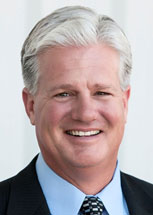
Bill Co-Author(s):