SCR 78: The Convention on the Elimination of All Forms of Discrimination Against Women.
- Session Year: 2017-2018
- House: Senate
- Latest Version Date: 2018-02-27
This measure would acknowledge that there is a continued need for the State of California to protect the human rights of women and girls and to analyze the operations of state departments, policies, and programs to identify discrimination and, if identified, to remedy that discrimination. The measure would support the implementation of the principles underlying the Convention on the Elimination of All Forms of Discrimination Against Women (CEDAW).
This measure would acknowledge that there is a continued need for the State of California to protect the human rights of women and girls and to analyze the operations of state departments, policies, and programs to identify discrimination and, if identified, to remedy that discrimination. The measure would support the implementation of the principles underlying the Convention on the Elimination of All Forms of Discrimination Against Women (CEDAW).
This measure would acknowledge that there is a continued need for the state of California to protect the human rights of women and girls and to analyze the operations of state departments, policies, and programs to identify discrimination and, if identified, to remedy that discrimination. The measure would support the implementation of the principles underlying the Convention on the Elimination of All Forms of Discrimination Against Women (CEDAW).
WHEREAS, The Convention on the Elimination of All Forms of Discrimination Against Women (CEDAW) is an international human rights treaty. The CEDAW, known as an international Bill of Rights for women, is the first and only international instrument that comprehensively addresses womens rights within political, cultural, economic, social, and family life; and
WHEREAS, Discrimination is defined within the CEDAW as any distinction, exclusion or restriction made on the basis of sex which has the effect or purpose of impairing or nullifying the recognition, enjoyment or exercise by women, irrespective of their marital status, on a basis of equality of men and women, of human rights and fundamental freedoms in the political, economic, social, cultural, civil or any other field; and
WHEREAS, Countries that ratify the CEDAW are mandated to condemn all forms of discrimination against women and girls and to ensure equality for women and girls in the areas of civil, political, economic, social, and cultural rights; and
WHEREAS, On December 18, 1979, the United Nations General Assembly adopted the CEDAW, a culmination of decades of work by the United Nations Commission on the Status of Women. The creation of the CEDAW represented the first critical step in developing appropriate human rights language for women; and
WHEREAS, The adoption and ratification of the CEDAW has resulted in millions of girls who were previously denied access receiving basic education; measures have been taken against sex slavery, domestic violence, and trafficking of women and girls; improved health care services, including lifesaving care during pregnancy and childbirth; and millions of women have secured loans and obtained the right to own or inherit property; and
WHEREAS, The United States was active in drafting the CEDAW and former President Jimmy Carter signed the treaty on July 17, 1980. As of 2017, 187 countries have ratified the CEDAW. The United States is among seven states that have not ratified this international instrument which has proved vital to addressing discrimination against women and girls in areas including, but not limited to, economic development, education, employment practices, violence against women and girls, and health care; and
WHEREAS, In 1998, the City of San Francisco unanimously passed an ordinance to implement the principles underlying the CEDAW. In 2003, the City of Los Angeles unanimously adopted a policy to implement the principles underlying the CEDAW; and
WHEREAS, The CEDAW does not supersede federal, state, or local laws. Instead, it provides a framework for governments to examine the existing rights of women and girls in areas that include employment opportunities, education, health care, and equal protection under the law; and
WHEREAS, The 2017 Report on the Status of Women and Girls in California by Mount Saint Marys University details many elements of womens rights within political, cultural, economic, social, and family life. According to the report, California females are highly diverse, with 62 percent identifying as women and girls of color. Twenty-eight percent of Californias women and girls are foreign born, compared to 14 percent across the United States; and
WHEREAS, While 20 percent of California women have only attained a high school diploma, and another 20 percent have also completed a bachelors degree, only 12 percent of women have also earned a graduate or professional degree; and
WHEREAS, Women continue to be paid less than men across virtually all occupational categories reported in California. California females are more likely than males to live below the federal poverty level; females are also more likely to live in extreme poverty with incomes less than 50 percent of the federal poverty level. While more women than men live in poverty, there continues to be a greater inequality in poverty rates among women across ethnic and racial groups; and
WHEREAS, Seven percent of all veterans have an income below the federal poverty level compared to 14 percent of nonveterans. However, since just over 92 percent of Californias veterans are men, this poverty rate masks the percentage of women veterans who are living in poverty. Across the United States, female veterans experience a higher rate of poverty than their male counterparts: 10 percent of women who are veterans live in poverty; and
WHEREAS, Women comprise 19 percent of the 2017 Congress of the United States and 32 percent of the 2017 California House of Representatives delegation. In the history of California, only eight women have been elected to serve in the executive branch of Californias government. California has never had a female governor. In 2016, one-half of the California State Senate and all members of the California State Assembly were up for reelection. Following the election of 2014, California reached the lowest level of female representation in the state since 1998. This trend worsened following the 2016 election; and
WHEREAS, Despite womens success in owning businesses, they continue to be underrepresented in the executive suite of publicly held companies. Among Californias 400 largest publicly held companies, women hold only 13 percent of director seats and account for only 10.5 percent of the highest-paid executives. Among the top 400 California companies, 4 percent have a woman serving as the chief executive officer (CEO); among the top 25 companies, 44 percent have a woman as CEO; and
WHEREAS, For California women and girls there are many aspects of health and well-being that need addressing, including maternal health. Although cesarean delivery brings increased risks of complications for mothers, approximately one in three of all births in California and in the nation are by cesarean section. Significant racial disparities exist within the state in regards to maternal health, with African American mothers continuing to have more than three times the rate of maternal mortality of white women. Additionally, approximately 10 times as many women die from breast cancer as from cervical cancer. The death rate for breast cancer has shown a decrease over time, while the death rate of cervical cancer has remained constant. Behind both these death rates, however, are racial and ethnic disparities, with deaths among African American women the highest for both of these cancers. When the death rate of cervical cancer is corrected for the prevalence of hysterectomy, the rates for all women increase and the racial disparity widens; and
WHEREAS, Across the United States, an estimated 19 percent of women report having been raped during their lifetimes. Nearly one in two women report having experienced other forms of sexual violence, compared with 23 percent of men. In 2015, there were 12,793 rape crimes reported in California: 11,827 rapes and 966 attempts to commit rape. There were 2,467 felony arrests for rape; 98 percent of those arrested were men. As of September 30, 2016, there were 5,748 cases of human trafficking in the United States and 18 percent of reported cases were in California. Eighty-nine percent of victims in Californias human trafficking cases are women and girls; and
WHEREAS, Sexual violence has been a pervasive problem in many academic and career environments, including the United States military. In the 2015 fiscal year, the military services received over 6,000 reports of sexual assault involving a service member as either a victim or perpetrator, representing a 1 percent decrease in reports made in 2014. While women report at a much higher rate, of the 566 formally substantiated sexual violence cases resolved in 2015, 80 percent of the victims were women; and
WHEREAS, In 2015, there were 162,302 domestic violence-related calls for assistance made in California. Over 42 percent of these calls involved a weapon, and a personal weapon (hands, fists, and feet) was used in 80 percent of incidents. Between 2011 and 2015, in just five years, the number of domestic violence-related calls where a weapon was involved has increased by 11 percent; and
WHEREAS, Women continue to hold less than one in five of the key behind-the-scenes occupations in the United States film industry. Only one in three of major on-screen characters in films is a woman, and nearly three-fourths of these women are white. Overall, women are employed in the greatest proportion as producers. Box office figures for the top 100 highest grossing, nonanimated films of 2015 showed that films featuring women earned 19 percent more than films led by men; and
WHEREAS, Disparities in health, education, financial security, career opportunities, and access to justice have lifelong impacts. According to the Aging, Women and Poverty policy brief issued by the California Commission on Aging, Californias older adult population will nearly doubleby four millionover the next two decades. Traditionally, older women live longer than men and make up the majority of older adults. Women who live longer are more likely to develop Alzheimers disease and those who live longest also risk outliving their savings. One in five single older women live below the federal poverty level, while another 32 percent have incomes that are higher, yet are still unable to meet their basic living expenses. Older women of color are at greatest risk of poverty, with over 60 percent of all single elders of color facing economic insecurity; and
WHEREAS, There exists a need to strengthen effective national and local mechanisms, institutions, and procedures and to provide adequate resources, commitment, and authority to advise on the impact of all government policies on women and girls, to monitor the situation of women comprehensively, and to help formulate new policies and effectively carry out strategies and measures to eliminate discrimination; now, therefore, be it
Resolved by the Senate of the State of California, the Assembly thereof concurring, That the Legislature acknowledges that there is a continued need for the State of California to protect the human rights of women and girls by addressing discrimination, including violence, against them and to implement the principles of the CEDAW. Adherence to the principles of the CEDAW on the state level will especially promote equal access to and equity in health care, employment, economic development, and educational opportunities for women and girls and will also address the continuing and critical problems of violence against women and girls. There is a need to analyze the operations of state departments, policies, and programs to identify discrimination in, but not limited to, employment practices, budget allocation, and the provision of direct and indirect services and, if identified, to remedy that discrimination. In addition, there is a need to work toward implementing the principles of the CEDAW in the private sector; and be it further
Resolved, That the Legislature supports the implementation of the principles underlying the Convention on the Elimination of All Forms of Discrimination Against Women (CEDAW) by addressing discrimination against women and girls in areas including, but not limited to, economic development, education, employment practices, violence against women and girls, and health care; and be it further
Resolved, That the Secretary of the Senate transmit copies of this resolution to the author for appropriate distribution.
WHEREAS, The Convention on the Elimination of All Forms of Discrimination Against Women (CEDAW) is an international human rights treaty. The CEDAW, known as an international Bill of Rights for women, is the first and only international instrument that comprehensively addresses womens rights within political, cultural, economic, social, and family life; and
WHEREAS, Discrimination is defined within the CEDAW as any distinction, exclusion or restriction made on the basis of sex which has the effect or purpose of impairing or nullifying the recognition, enjoyment or exercise by women, irrespective of their marital status, on a basis of equality of men and women, of human rights and fundamental freedoms in the political, economic, social, cultural, civil or any other field; and
WHEREAS, Countries that ratify the CEDAW are mandated to condemn all forms of discrimination against women and girls and to ensure equality for women and girls in the areas of civil, political, economic, social, and cultural rights; and
WHEREAS, On December 18, 1979, the United Nations General Assembly adopted the CEDAW, a culmination of decades of work by the United Nations Commission on the Status of Women. The creation of the CEDAW represented the first critical step in developing appropriate human rights language for women; and
WHEREAS, The adoption and ratification of the CEDAW has resulted in millions of girls who were previously denied access receiving basic education; measures have been taken against sex slavery, domestic violence, and trafficking of women and girls; improved health care services, including lifesaving care during pregnancy and childbirth; and millions of women have secured loans and obtained the right to own or inherit property; and
WHEREAS, The United States was active in drafting the CEDAW and former President Jimmy Carter signed the treaty on July 17, 1980. As of 2017, 187 countries have ratified the CEDAW. The United States is among seven states that have not ratified this international instrument which has proved vital to addressing discrimination against women and girls in areas including, but not limited to, economic development, education, employment practices, violence against women and girls, and health care; and
WHEREAS, In 1998, the City of San Francisco unanimously passed an ordinance to implement the principles underlying the CEDAW. In 2003, the City of Los Angeles unanimously adopted a policy to implement the principles underlying the CEDAW; and
WHEREAS, The CEDAW does not supersede federal, state, or local laws. Instead, it provides a framework for governments to examine the existing rights of women and girls in areas that include employment opportunities, education, health care, and equal protection under the law; and
WHEREAS, The 2017 Report on the Status of Women and Girls in California by Mount Saint Marys University details many elements of womens rights within political, cultural, economic, social, and family life. According to the report, California females are highly diverse, with 62 percent identifying as women and girls of color. Twenty-eight percent of Californias women and girls are foreign born, compared to 14 percent across the United States; and
WHEREAS, While 20 percent of California women have only attained a high school diploma, and another 20 percent have also completed a bachelors degree, only 12 percent of women have also earned a graduate or professional degree; and
WHEREAS, Women continue to be paid less than men across virtually all occupational categories reported in California. California females are more likely than males to live below the federal poverty level; females are also more likely to live in extreme poverty with incomes less than 50 percent of the federal poverty level. While more women than men live in poverty, there continues to be a greater inequality in poverty rates among women across ethnic and racial groups; and
WHEREAS, Seven percent of all veterans have an income below the federal poverty level compared to 14 percent of nonveterans. However, since just over 92 percent of Californias veterans are men, this poverty rate masks the percentage of women veterans who are living in poverty. Across the United States, female veterans experience a higher rate of poverty than their male counterparts: 10 percent of women who are veterans live in poverty; and
WHEREAS, Women comprise 19 percent of the 2017 Congress of the United States and 32 percent of the 2017 California House of Representatives delegation. In the history of California, only eight women have been elected to serve in the executive branch of Californias government. California has never had a female governor. In 2016, one-half of the California State Senate and all members of the California State Assembly were up for reelection. Following the election of 2014, California reached the lowest level of female representation in the state since 1998. This trend worsened following the 2016 election; and
WHEREAS, Despite womens success in owning businesses, they continue to be underrepresented in the executive suite of publicly held companies. Among Californias 400 largest publicly held companies, women hold only 13 percent of director seats and account for only 10.5 percent of the highest-paid executives. Among the top 400 California companies, 4 percent have a woman serving as the chief executive officer (CEO); among the top 25 companies, 44 percent have a woman as CEO; and
WHEREAS, For California women and girls there are many aspects of health and well-being that need addressing, including maternal health. Although cesarean delivery brings increased risks of complications for mothers, approximately one in three of all births in California and in the nation are by cesarean section. Significant racial disparities exist within the state in regards to maternal health, with African American mothers continuing to have more than three times the rate of maternal mortality of white women. Additionally, approximately 10 times as many women die from breast cancer as from cervical cancer. The death rate for breast cancer has shown a decrease over time, while the death rate of cervical cancer has remained constant. Behind both these death rates, however, are racial and ethnic disparities, with deaths among African American women the highest for both of these cancers. When the death rate of cervical cancer is corrected for the prevalence of hysterectomy, the rates for all women increase and the racial disparity widens; and
WHEREAS, Across the United States, an estimated 19 percent of women report having been raped during their lifetimes. Nearly one in two women report having experienced other forms of sexual violence, compared with 23 percent of men. In 2015, there were 12,793 rape crimes reported in California: 11,827 rapes and 966 attempts to commit rape. There were 2,467 felony arrests for rape; 98 percent of those arrested were men. As of September 30, 2016, there were 5,748 cases of human trafficking in the United States and 18 percent of reported cases were in California. Eighty-nine percent of victims in Californias human trafficking cases are women and girls; and
WHEREAS, Sexual violence has been a pervasive problem in many academic and career environments, including the United States military. In the 2015 fiscal year, the military services received over 6,000 reports of sexual assault involving a service member as either a victim or perpetrator, representing a 1 percent decrease in reports made in 2014. While women report at a much higher rate, of the 566 formally substantiated sexual violence cases resolved in 2015, 80 percent of the victims were women; and
WHEREAS, In 2015, there were 162,302 domestic violence-related calls for assistance made in California. Over 42 percent of these calls involved a weapon, and a personal weapon (hands, fists, and feet) was used in 80 percent of incidents. Between 2011 and 2015, in just five years, the number of domestic violence-related calls where a weapon was involved has increased by 11 percent; and
WHEREAS, Women continue to hold less than one in five of the key behind-the-scenes occupations in the United States film industry. Only one in three of major on-screen characters in films is a woman, and nearly three-fourths of these women are white. Overall, women are employed in the greatest proportion as producers. Box office figures for the top 100 highest grossing, nonanimated films of 2015 showed that films featuring women earned 19 percent more than films led by men; and
WHEREAS, Disparities in health, education, financial security, career opportunities, and access to justice have lifelong impacts. According to the Aging, Women and Poverty policy brief issued by the California Commission on Aging, Californias older adult population will nearly doubleby four millionover the next two decades. Traditionally, older women live longer than men and make up the majority of older adults. Women who live longer are more likely to develop Alzheimers disease and those who live longest also risk outliving their savings. One in five single older women live below the federal poverty level, while another 32 percent have incomes that are higher, yet are still unable to meet their basic living expenses. Older women of color are at greatest risk of poverty, with over 60 percent of all single elders of color facing economic insecurity; and
WHEREAS, There exists a need to strengthen effective national and local mechanisms, institutions, and procedures and to provide adequate resources, commitment, and authority to advise on the impact of all government policies on women and girls, to monitor the situation of women comprehensively, and to help formulate new policies and effectively carry out strategies and measures to eliminate discrimination; now, therefore, be it
Resolved by the Senate of the State of California, the Assembly thereof concurring, That the Legislature acknowledges that there is a continued need for the state of California to protect the human rights of women and girls by addressing discrimination, including violence, against them and to implement the principles of the CEDAW. Adherence to the principles of the CEDAW on the state level will especially promote equal access to and equity in health care, employment, economic development, and educational opportunities for women and girls and will also address the continuing and critical problems of violence against women and girls. There is a need to analyze the operations of state departments, policies, and programs to identify discrimination in, but not limited to, employment practices, budget allocation, and the provision of direct and indirect services and, if identified, to remedy that discrimination. In addition, there is a need to work toward implementing the principles of the CEDAW in the private sector; and be it further
Resolved, That the Legislature supports the implementation of the principles underlying the Convention on the Elimination of All Forms of Discrimination Against Women (CEDAW) by addressing discrimination against women and girls in areas including, but not limited to, economic development, education, employment practices, violence against women and girls, and health care; and be it further
Resolved, That the Secretary of the Senate transmit copies of this resolution to the author for appropriate distribution.
|
Date
|
Status
|
|---|---|
| Feb 27, 2018 | Chaptered by Secretary of State. Res. Chapter 16, Statutes of 2018. |
| Feb 27, 2018 | Enrolled and filed with the Secretary of State at 2 p.m. |
| Feb 21, 2018 | In Senate. Ordered to engrossing and enrolling. |
| Feb 20, 2018 | Coauthors revised. |
| Feb 13, 2018 | From committee: Be adopted. Ordered to third reading. (Ayes 9. Noes 0.) (February 13). |
| Sep 5, 2017 | Referred to Com. on JUD. |
| Sep 1, 2017 | In Assembly. Held at Desk. |
| Sep 1, 2017 | Read. Adopted. (Ayes 37. Noes 0.) Ordered to the Assembly. |
| Aug 30, 2017 | From committee: Be adopted. Ordered to third reading. (Ayes 6. Noes 0.) (August 29). |
| Aug 25, 2017 | Set for hearing August 29. |
| Aug 23, 2017 | Re-referred to Com. on JUD. |
| Aug 21, 2017 | Introduced. Referred to Com. on RLS. |
|
Date
|
Description
|
Location
|
Votes
|
|
|---|---|---|---|---|
| Feb 13, 2018 | Be adopted. To third reading. | Assembly Standing Committee on Judiciary |
Passed |
|
| Sep 1, 2017 | Senate 3rd Reading SCR78 Jackson et al. | Senate Floor |
Passed |
|
| Aug 29, 2017 | Be adopted. Ordered to third reading | Senate Standing Committee on Judiciary |
Passed |
This list shows positions taken on this bill by organizations on the date displayed, which is linked to the original source.
Positions by individuals are not included.
|
Organization
|
Position
|
Date
|
|---|---|---|
| California Commission on the Status of Women and Girls | * Support | Aug 29, 2017 |
| california freedom coalition | ** Support | Feb 11, 2018 |
| california national party | ** Support | Feb 11, 2018 |
| City and County of San Francisco | ** Support | Feb 11, 2018 |
| City Of Daly City | * Support | Aug 29, 2017 |
| Friends of the Commission on the Status of Women | * Support | Aug 29, 2017 |
| Marin Women'S Commission | ** Support | Feb 11, 2018 |
| San Francisco Commission On The Status Of Women | ** Support | Feb 11, 2018 |
| San Francisco Department on the Status of Women | * Support | Feb 13, 2018 |
| San Francisco State University | * Support | Aug 29, 2017 |
| The Association Of California Commissions For Women | ** Support | Feb 11, 2018 |
| women's intercultural network | ** Support | Feb 11, 2018 |
| Zonta Club Of Silicon Valley | ** Support | Feb 11, 2018 |
| Zonta Int'l. | * Support | Aug 29, 2017 |
SENATE THIRD READING
STR Bill Id:SCR 78
Author:(Jackson)
As Introduced Ver:August 21, 2017
Majority vote
SENATE VOTE: 37-0
Committee | Votes | Ayes | Noes |
Judiciary | 9-0 | Mark Stone, Cunningham, Chau, Chiu, Holden, Kalra, Kiley, Maienschein, Reyes |
SUMMARY: Makes findings and declarations regarding ongoing discrimination against girls and women and calls upon the Legislature to acknowledge this fact and implement the principles of the Convention on the Elimination of All Forms of Discrimination Against Women (CEDAW), as specified. Specifically, this resolution:
- Finds and declares that WHEREAS:
- CEDAW is an international human rights treaty, also known as a "Bill of Rights" for women, and it the first and only international agreement to comprehensively address women's rights and discrimination, as defined, against women.
- Countries that ratify CEDAW are mandated to condemn all forms of discrimination against women and girls and ensure equality for all women and girls in areas of civil, political, economic, social, and cultural rights.
- On December 18, 1979, the United Nations General Assembly adopted CEDAW as a result of decades of work by the United Nations Commission on the Status of Women.
- The adoption and ratification of CEDAW has resulted in millions of girls obtaining opportunities and protections previously denied to them.
- The United States (U.S.) was active in drafting CEDAW and President Carter signed the treaty on July 17, 1980, and as of 2017, most countries across the globe have ratified CEDAW.
- The cities of Los Angeles and San Francisco have unanimously adopted policies to implement CEDAW.
- CEDAW does not supersede federal, state, or local laws, but instead provides a framework for examining the existing rights of women and girls.
- The 2017 Report on the Status of Women and Girls in California by Mount Saint Mary's University highlights the diversity of women and girls in California.
- While 20% of California women have only attained a high school diploma, and another 20% have also completed a bachelor's degree, only 12% of women have earned a graduate or professional degree.
- Women in California continue to be paid less than men across virtually all occupational categories and California women, including veterans, are more likely than men to live in poverty.
- Women comprise 19% of the 2017 Congress and 32% of the California House delegation. In California only eight women have been elected to executive branch offices and no woman has been elected Governor, and in 2014 the number of women serving in the California State Assembly and Senate reached the lowest level since 1998.
- Despite women's success in owning businesses, they continue to be underrepresented in the executive suites and boards of publicly held companies.
- Women continue to face unique health problems related to maternal health, breast cancer, and cervical cancer, and statistics show significant disparities in these outcomes between white women and women of color.
- An estimated 19% of women in the United States reporting having been raped in their lifetimes and nearly 50% have experienced other forms of sexual violence, compared to 23% of men. In California in 2015 there were 12,793 rape crimes reported and 2,467 felony arrests for rape; 98% of those arrested were men. California accounted for 18% of cases of human trafficking in the United States and 89% of the human trafficking victims in California were women.
- Women continue to be victims of domestic violence, and sexual violence, as borne out by statistics, has been a pervasive problem in many academic and career environments, including the U.S. military.
- Women continue to hold less than one in five key behind-the-scenes occupations in the U.S. film industry and only a third of on-screen characters are women.
- Women live longer than men and are more likely to develop Alzheimer's disease. Moreover, a fifth of older women live below the federal poverty line and 60% of older women of color who are single face economic insecurity.
- Resolves on behalf of the State Senate, with the State Assembly concurring, as follows:
- That the Legislature acknowledges that there is a continued need for the state of California to protect the human rights of women and girls by addressing discrimination, including violence, against them and to implement the principles of the CEDAW. Adherence to the principles of the CEDAW on the state level will especially promote equal access to and equity in health care, employment, economic development, and educational opportunities for women and girls and will also address the continuing and critical problems of violence against women and girls. There is a need to analyze the operations of state departments, policies, and programs to identify discrimination in, but not limited to, employment practices, budget allocation, and the provision of direct and indirect services and, if identified, to remedy that discrimination. In addition, there is a need to work toward implementing the principles of the CEDAW in the private sector; and be it further
- That the Legislature supports the implementation of the principles underlying CEDAW by addressing discrimination against women and girls in areas including, but not limited to, economic development, education, employment practices, violence against women and girls, and health care.
- That the Secretary of the Senate transmits copies of this resolution to the author for appropriate distribution.
FISCAL EFFECT: None
COMMENTS: According to the author:
Women's rights are human rights. While our state has been a leader in promoting gender equality, numerous social, economic, political, and public health indicators show that California still has significant work to do. The current federal administration’s hostility to the rights of women makes this mission all the more urgent. The State of California can proactively address persistent inequities while protecting against threats to women’s rights. CEDAW obliges states to introduce legal and policy changes to redress and end discrimination against women. The Convention creates a monitoring and complaint mechanism.
The Convention on the Elimination of all Forms of Discrimination Against Women (CEDAW) is an international human rights treaty which advocates for ending discrimination against girls and women. It was first adopted by the United Nationals General Assembly in 1979 and has been ratified by hundreds of countries. Although President Carter signed it in 1980, the U.S. Senate has not ratified the treaty. This resolution does not call upon the U.S. Senate, or even the California Legislature, to ratify the treaty at this belated point; rather, this resolution simply calls upon the Legislature to acknowledge that there is a continuing need to protect women and girls from discrimination and to implement the principles of CEDAW in our state policy.
CEDAW does not alter the legal rights provided to girls and women under state or federal law, but instead defines what constitutes discrimination and offers a framework for evaluating progress towards reaching gender equity. CEDAW offers a set of principles to help eliminate discriminatory practices against girls and women and to assist decision makers in identifying disparities in the treatment and welfare of girls and women in society. For example, by keeping consistent, reliable records of discrimination complaints by women, government and the private sector can foster practices that seek to correct gender-based inequities. This resolution would acknowledge the ongoing need for the state to protect the rights of women and girls by analyzing and monitoring the operation of public departments, policies, and programs, especially those programs which affect gender-based economic development, education, employment, health care, and violence.
Analysis Prepared by: Sandra Nakagawa / JUD. / (916) 319-2334 FN: 0002582
Date of Hearing: February 13, 2018
ASSEMBLY COMMITTEE ON JUDICIARY
Mark Stone, Chair
SBPCA Bill Id:SCR 78
Author:(Jackson) – As Introduced Ver:August 21, 2017
SENATE VOTE: 37-0
SUBJECT: The Convention on the Elimination of All Forms of Discrimination Against Women
KEY ISSUE: should the legislature acknowledge the continuing need to protect women and girls from discrimination and express its support for implementing the underlying principles of the convention on the elimination of all forms of discrimination against women?
SYNOPSIS
This resolution calls upon the Legislature to express its support for implementing the principles of the Convention on the Elimination of All Forms of Discrimination against Women (CEDAW), a treaty adopted by the United Nations in 1979. The treaty was signed by President Carter in 1980, but has never been ratified by the United State Senate. To date hundreds of nations have ratified the CEDAW treaty. This resolution does not call upon the United States Senate, or even the California Legislature, to ratify the treaty at this belated point; rather, this measure simply calls upon the Legislature to acknowledge that there is a continued need to protect women and girls from discrimination and to implement the principles of CEDAW in our state policy, especially in regard to economic development, education, employment, health care, and violence against women and girls. This resolution is sponsored by the San Francisco Commission on the Status of Women and is supported by numerous organizations that advocate for the rights and opportunities of women and girls. It has no opposition on file.
SUMMARY: Makes findings and declarations regarding ongoing discrimination against girls and women and calls upon the Legislature to acknowledge this fact and implement the principles of CEDAW, as specified. Specifically, this measure:
- Finds and declares that WHEREAS:
- CEDAW is an international human rights treaty, also known as a "Bill of Rights" for women, and it the first and only international agreement to comprehensively address women's rights and discrimination, as defined, against women.
- Countries that ratify CEDAW are mandated to condemn all forms of discrimination against women and girls and ensure equality for all women and girls in areas of civil, political, economic, social, and cultural rights.
- On December 18, 1979, the United Nations General Assembly adopted CEDAW as a result of decades of work by the United Nations Commission on the Status of Women.
- The adoption and ratification of CEDAW has resulted in millions of girls obtaining opportunities and protections previously denied to them.
- The United States was active in drafting CEDAW and President Carter signed the treaty on July 17, 1980, and as of 2017, most countries across the globe have ratified CEDAW.
- The cities of Los Angeles and San Francisco have unanimously adopted policies to implement CEDAW.
- CEDAW does not supersede federal, state, or local laws, but instead provides a framework for examining the existing rights of women and girls.
- The 2017 Report on the Status of Women and Girls in California by Mount Saint Mary's University highlights the diversity of women and girls in California.
- While 20 percent of California women have only attained a high school diploma, and another 20 percent have also completed a bachelor's degree, only 12 percent of women have earned a graduate or professional degree.
- Women in California continue to be paid less than men across virtually all occupational categories and California women, including veterans, are more likely than men to live in poverty.
- Women comprise 19 percent of the 2017 Congress and 32 percent of the California House delegation. In California only eight women have been elected to executive branch offices and no woman has been elected Governor, and in 2014 the number of women serving in the California State Assembly and Senate reached the lowest level since 1998.
- Despite women's success in owning businesses, they continue to be underrepresented in the executive suites and boards of publicly held companies.
- Women continue to face unique health problems related to maternal health, breast cancer, and cervical cancer, and statistics show significant disparities in these outcomes between white women and women of color.
- An estimated 19 percent of women in the United States reporting having been raped in their lifetimes and nearly 50% have experienced other forms of sexual violence, compared to 23% of men. In California in 2015 there were 12,793 rape crimes reported and 2,467 felony arrests for rape; 98 percent of those arrested were men. California accounted for 18 percent of cases of human trafficking in the United States and 89% of the human trafficking victims in California were women.
- Women continue to be victims of domestic violence, and sexual violence, as borne out by statistics, has been a pervasive problem in many academic and career environments, include the U.S. military.
- Women continue to hold less than one in five key behind-the-scenes occupations in the U.S. film industry and only a third of on-screen characters are women.
- Women live longer than men and are more likely to develop Alzheimer’s disease. Moreover, a fifth of older women live below the federal poverty line and 60 percent of older women of color who are single face economic insecurity.
- Resolves on behalf of the State Senate, with the State Assembly concurring, as follows:
- That the Legislature acknowledges that there is a continued need for the state of California to protect the human rights of women and girls by addressing discrimination, including violence, against them and to implement the principles of the CEDAW. Adherence to the principles of the CEDAW on the state level will especially promote equal access to and equity in health care, employment, economic development, and educational opportunities for women and girls and will also address the continuing and critical problems of violence against women and girls. There is a need to analyze the operations of state departments, policies, and programs to identify discrimination in, but not limited to, employment practices, budget allocation, and the provision of direct and indirect services and, if identified, to remedy that discrimination. In addition, there is a need to work toward implementing the principles of the CEDAW in the private sector; and be it further
- That the Legislature supports the implementation of the principles underlying the Convention on the Elimination of All Forms of Discrimination Against Women (CEDAW) by addressing discrimination against women and girls in areas including, but not limited to, economic development, education, employment practices, violence against women and girls, and health care.
- That the Secretary of the Senate transmit copies of this resolution to the author for appropriate distribution.
EXISTING LAW:
- Prohibits disqualification of any person from entering or pursuing a business, profession, vocation, or employment because of sex, race, creed, color, or national or ethnic origin. (Cal Const., art. 1, Section 8.)
- Prohibits discrimination on the basis of sex or gender in employment, housing, and public accommodation. (Civil Code Section 51; Gov. Code Section 12900 et seq.)
- Declares, pursuant to the Unruh Civil Rights Act, that all persons in the state are free and equal, regardless of sex. (Civil Code Section 51.)
- Provides for equal wage rates across genders for substantially similar work. (Labor Code Section 1197.5.)
- Prohibits discrimination in education on the basis of gender. (Ed. Code Section 221.5 et seq.)
- Prohibits gender-based discrimination in higher education. (Ed. Code Section 66270.)
- Bans discrimination based on gender in employment and housing. (Gov. Code Sections 12940 and 12955.)
- Prohibits the State of California from discriminating against, or granting preferential treatment to, any individual on the basis of race, sex, color, ethnicity or national origin in the operation of public employment, public education, or public contracting. (Cal. Const., art. 1, Section 31.)
FISCAL EFFECT: As currently in print this resolution is keyed non-fiscal.
COMMENTS: According to the author:
Women’s rights are human rights. While our state has been a leader in promoting gender equality, numerous social, economic, political, and public health indicators show that California still has significant work to do. The current federal administration’s hostility to the rights of women makes this mission all the more urgent. The State of California can proactively address persistent inequities while protecting against threats to women’s rights. CEDAW obliges states to introduce legal and policy changes to redress and end discrimination against women. The Convention creates a monitoring and complaint mechanism.
The CEDAW is an important and useful tool for rooting out the practices that lead to disparities between the genders. It is shameful that the United States has yet to ratify this fundamental human rights treaty and our nation should wait no longer to do so. In the meantime, this resolution urges California’s government and the private sector to adhere to CEDAW’s principles nonetheless and to utilize the CEDAW framework as a mechanism for proactively identifying and elimination sources of gender discrimination.
The Convention on the Elimination of all Forms of Discrimination Against Women (CEDAW) is an international human rights treaty which advocates for ending discrimination against girls and women. It was first adopted by the United Nationals General Assembly in 1979 and has been ratified by hundreds of countries. Although President Carter signed it in 1980, the U.S. Senate has not ratified the treaty. This resolution does not call upon the United States Senate, or even the California Legislature, to ratify the treaty at this belated point; rather, this measure simply calls upon the Legislature to acknowledge that there is a continuing need to protect women and girls from discrimination and to implement the principles of CEDAW in our state policy.
CEDAW does not alter the legal rights provided to girls and women under state or federal law, but instead defines what constitutes discrimination and offers a framework for evaluating progress towards reaching gender equity. CEDAW offers a set of principles to help organizations and governments eliminate discriminatory practices against girls and women. Its principles are intended to promote equal access to health care, employment, economic resources, and education.
Legal protections intended to prohibit discrimination on the basis of sex and gender do not necessarily guarantee that equitable outcomes will be achieved for all genders. For example, while FEHA bans discrimination based upon gender in employment, wage disparities between men and women still exist. In 2014, women in California made 84 cents for every dollar a man earned. This wage gap extends across almost all occupations reporting in the state.
Despite the fact that this resolution does not call for the adoption or endorsement of CEDAW, it may be helpful in raising awareness of the continuing need to advocate for gender equality. Frameworks such as CEDAW can help decision makers identify disparities in the treatment and welfare of girls and women in society. For example, by keeping consistent, reliable records of discrimination complaints by women, government and the private sector can foster practices that seek to correct gender-based inequities. This measure would acknowledge the ongoing need for the state to protect the rights of women and girls by analyzing and monitoring the operation of public departments, policies, and programs, especially those programs which affect gender-based economic development, education, employment, health care, and violence.
REGISTERED SUPPORT / OPPOSITION:
Support
San Francisco Commission on the Status of Women (sponsor)
American Association of University Women – San Jose Branch
California Freedom Coalition
California National Party
City and County of San Francisco
City and County of San Francisco Department on the Status of Women
Friends of the Commission on the Status of Women – San Francisco
Marin Women’s Commission
The Association of California Commissions for Women
Women's Intercultural Network
Zonta Club of Silicon Valley
Opposition
None on file
Analysis Prepared by: Sandra Nakagawa / JUD. / (916) 319-2334
Office of Senate Floor Analyses (916) 651-1520 Fax: (916) 327-4478 | SCR |
THIRD READING
Bill No: SCR 78
:
SENATE JUDICIARY COMMITTEE: 6-0, 8/29/17
AYES: Jackson, Moorlach, Anderson, Hertzberg, Stern, Wieckowski
NO VOTE RECORDED: Monning
DIGEST:
This resolution makes a series of findings regarding ongoing disparities and discrimination against women in the State of California in contravention of the international Convention on the Elimination of All Forms of Discrimination Against Women (CEDAW). This resolution further urges state government and the private sector to adhere to the principles of CEDAW, to analyze their policies, programs, employment practices, budget allocations, and service provision in light of those principles, and to remedy any identified shortcomings.
Existing law:
- Prohibits the state from discriminating against, or granting preferential treatment to, any individual on the basis of race, sex, color, ethnicity or national origin in the operation of public employment, public education, or public contracting. (Cal. Const., art. 1, Sec. 31.)
- Prohibits the disqualification of any person from entering or pursuing a business, profession, vocation, or employment on the basis of sex. (Cal Const., art. 1, Sec. 8.)
- Prohibits discrimination on the basis of sex or gender in employment, housing, and public accommodation. (Civ. Code Sec. 51; Gov. Code Sec. 12900 et seq.)
- Requires equal pay across genders for substantially similar work. (Lab. Code Sec. 1197.5.)
- Prohibits discrimination in education on the basis of gender. (Ed. Code 221.5 et seq.)
This resolution:
- Declares that:
- CEDAW is the first and only international instrument that comprehensively addresses women’s rights within political, cultural, economic, social, and family life;
- CEDAW defines discrimination as any “distinction, exclusion or restriction made on the basis of sex which has the effect or purpose of impairing or nullifying the recognition, enjoyment or exercise by women, irrespective of their marital status, on a basis of equality of men and women, of human rights and fundamental freedoms in the political, economic, social, cultural, civil or any other field”;
- Countries that ratify the CEDAW are mandated to condemn all forms of discrimination against women and girls and to ensure equality for women and girls in the areas of civil, political, economic, social, and cultural rights;
- The creation of the CEDAW represented the first critical step in developing appropriate human rights language for women;
- The adoption and ratification of the CEDAW has resulted in millions of girls who were previously denied access receiving basic education; measures have been taken against sex slavery, domestic violence, and trafficking of women and girls; improved health care services, including lifesaving care during pregnancy and childbirth; and millions of women have secured loans and obtained the right to own or inherit property;
- The United States is among seven states that have not ratified this international instrument which has proved vital to addressing discrimination against women and girls in areas including, but not limited to, economic development, education, employment practices, violence against women and girls, and health care; and
- The CEDAW does not supersede federal, state, or local laws. Instead, it provides a framework for governments to examine the existing rights of women and girls in areas that include employment opportunities, education, health care, and equal protection under the law.
- Makes a series of findings regarding ongoing discrimination and disparities between men and women in California in the areas of civil, political, economic, social, and cultural rights.
- Declares the need to strengthen effective national and local mechanisms, institutions, and procedures and to provide adequate resources, commitment, and authority to advise on the impact of all government policies on women and girls, to monitor the situation of women comprehensively, and to help formulate new policies and effectively carry out strategies and measures to eliminate discrimination.
- Declares, on behalf of the Senate of the State of California, the Assembly thereof concurring, that the Legislature acknowledges that there is a continued need for the State of California to protect the human rights of women and girls by addressing discrimination, including violence, against them and to implement the principles of the CEDAW. Adherence to the principles of the CEDAW on the state level will especially promote equal access to and equity in health care, employment, economic development, and educational opportunities for women and girls and will also address the continuing and critical problems of violence against women and girls. There is a need to analyze the operations of state departments, policies, and programs to identify discrimination in, but not limited to, employment practices, budget allocation, and the provision of direct and indirect services and, if identified, to remedy that discrimination. In addition, there is a need to work toward implementing the principles of the CEDAW in the private sector.
- Declares that the Legislature supports the implementation of the principles underlying the CEDAW by addressing discrimination against women and girls in areas including, but not limited to, economic development, education, employment practices, violence against women and girls, and health care.
Background
The CEDAW is an international human rights treaty. It sets forth what is, in effect, a “bill of rights” for women. The United Nations adopted the treaty in 1979 and President Carter signed it in 1980. However, for the United States to ratify an international treaty, two-thirds of the U.S. Senate must concur. (U.S. Const., art. II, Sec. 2.) To date, the requisite majority of the U.S. Senate has never concurred in CEDAW. As a result, while 187 countries have ratified CEDAW, the United States remains one of just seven outlier countries that have not.
Comments
The CEDAW principles
This resolution urges California state departments and agencies to adhere to CEDAW principles. Those guiding principles can be found in the first 16 articles of CEDAW, which may be summarized as follows:
Article 1 defines discrimination against women as: “[a]ny distinction, exclusion or restriction made on the basis of sex which has the effect or purpose of impairing or nullifying the recognition, enjoyment or exercise by women, irrespective of their marital status, on a basis of equality of men and women, of human rights and fundamental freedoms in the political, economic, social, cultural, civil or any other field.”
Article 2 requires parties to the CEDAW to make gender equality part of their domestic law, repeal all discriminatory provisions in their laws, and enact new provisions to guard against discrimination against women. In addition, parties to the CEDAW must operate tribunals and public institutions that guarantee women effective protection against discrimination.
Article 3 obligates parties to the CEDAW to guarantee basic human rights and fundamental freedoms to women “on a basis of equality with men” in political, social, economic, and cultural contexts.
Article 4 declares that states may adopt temporary, “special” measures in order to help reach de facto equality between men and women. To the degree to which such “special measures” might refer to affirmative action programs, they might conflict with Section 31 of Article 1 of the California Constitution. Subdivision (a) of that Section reads, in pertinent part: [t]he state shall not discriminate against, or grant preferential treatment to, any individual or group on the basis of… sex…” However, CEDAW merely permits, and does not require, parties to adopt “special measures.”
Article 5 requires parties to the CEDAW to try to eliminate prejudices and customs based on the idea of the inferiority or the superiority of one sex or on stereotyped roles for men and women. It also mandates the states parties “[t]o ensure...the recognition of the common responsibility of men and women in the upbringing and development of their children.”
Article 6 declares that parties to the CEDAW must “suppress all forms of trafficking in women and exploitation of prostitution of women.”
Article 7 requires that parties to the CEDAW guarantee women equality in political and public life, including equality in voting and representation.
Article 8 obligates parties to the CEDAW to provide women with equal opportunity to represent their government at the international level.
Article 9 requires parties to the CEDAW to grant women and men equal rights to acquire, change, or retain their nationality. Women must also be given equal control over the nationality of their children.
Article 10 mandates equal educational opportunity for female students and encourages coeducation. It also provides equal access to athletics, scholarships, and grants and demands that parties to the CEDAW try to equalize the educational dropout rate between boys and girls.
Article 11 sets forth requirements for equal pay for equal work, the right to social security, paid leave and maternity leave “with pay or with comparable social benefits without loss of former employment, seniority or social allowances.” This Article also directs parties to the CEDAW to adopt laws making it illegal to dismiss a worker on the grounds of maternity, pregnancy, or marital status.
Article 12 obligates the parties to the CEDAW to eliminate discrimination against women in the field of health care in order to ensure access to health care services, including those related to family planning.
Article 13 guarantees equality to women in economic and social life, especially with respect to “the right to family benefits, the right to bank loans, mortgages and other forms of financial credit, and the right to participate in recreational activities, sports and all aspects of cultural life.”
Article 14 focuses on protections for rural women, including the right of women to participate in development programs, to have access to adequate health care facilities, to participate in all community activities, to have access to agricultural credit, and, to enjoy adequate living conditions.
Article 15 requires parties to the CEDAW to guarantee men and women equality before the law, including legal capacity identical to that of men. It also provides men and women with “the same rights with regard to the law relating to the movement of persons and the freedom to choose their residence and domicile.”
Article 16 prohibits “discrimination against women in all matters relating to marriage and family relations.” Specifically, the Article states that men and women should have the same right to enter into marriage, the same right freely to choose a spouse, the same rights and responsibilities during marriage and at its dissolution, the same rights and responsibilities as parents, the same rights to decide freely and responsibly on the number and spacing of their children, the same personal rights as husband and wife, including the right to choose a family name, a profession and an occupation, the same rights for both spouses in respect of the ownership, acquisition, management, administration, enjoyment and disposition of property, whether free of charge or for a valuable consideration.
Local implementation of CEDAW
The City of San Francisco, on its own, adopted the principles of CEDAW as a city ordinance in 1998. In December 2003, the City of Los Angeles followed suit and adopted the covenants of CEDAW. According to the Association of California Commissions for Women, Berkeley, Daly City, Long Beach, Santa Monica, and West Hollywood are also among the 60 cities across the nation that have passed local ordinances implementing aspects of CEDAW.
Since adopting CEDAW, San Francisco undertakes ongoing gender analysis of government operations, including workforce, budget, and programs. According to San Francisco’s Department on the Status of Women, these gender analyses have:
Improved family friendly workplace policies in government as well as the private sector, identified budget cuts harmful to women, and increased the percentage of women appointed to commissions and boards to reach gender parity. Through CEDAW, San Francisco has identified ways to improve its response to domestic violence resulting in an unprecedented 44 months (from 2011-2014) without a single domestic violence homicide from what was about 10 murders per year over a decade ago.
In Los Angeles in 2015, Mayor Eric Garcetti announced a five part Gender Study and Plan for enactment of that City’s CEDAW ordinance. The resulting report addresses demographics, leadership, the status of veterans, education and workforce development, and public safety in Los Angeles, all through the lens of gender.[1] Later in 2015, Mayor Garcetti ordered the creation of a Gender Equity Coalition in Los Angeles, comprised of Gender Equity Liaisons in each city department and charged with coordinating with the Los Angeles Commission on Status of Women to fulfill the City’s obligations under CEDAW.[2]
Proactive approach to gender equality
CEDAW encourages adherents to take affirmative steps to evaluate decision-making processes and outcomes with an eye toward identifying gender discrimination and disparities so that these may be addressed proactively. The introductory clause of nearly every provision begins by obligating parties to “take all appropriate measures” to accomplish the particular outcome urged. Article 18 of the treaty requires the parties to CEDAW to undertake self-evaluations at least every four years and to submit a corresponding report to the Secretary-General of the United Nations. The intention, as illustrated by the analyses done by San Francisco and Los Angeles, is to encourage ongoing examination not just of whether women are being granted legal equality with men, but whether or not outcomes reflect greater equality. Thus, while CEDAW does not, in and of itself create additional legal rights, it establishes a framework by which parties must regularly analyze their progress (or lack thereof) toward gender equality.
FISCAL EFFECT: Appropriation: No Fiscal Com.: No Local: No
American Association of University Women – San Jose Branch
City and County of San Francisco Department on the Status of Women
Friends of the Commission on the Status of Women – San Francisco
Marin Women’s Commission
The Association of California Commissions for Women
Women's Intercultural Network
Zonta Club of Silicon Valley
OPPOSITION: (Verified 8/30/17)
None received
ARGUMENTS IN SUPPORT:
According to the author:
Women’s rights are human rights. While our state has been a leader in promoting gender equality, numerous social, economic, political, and public health indicators show that California still has significant work to do. It is shameful that the United States’ Senate, almost four decades after the introduction of the international Convention Against All Forms of Discrimination Against Women (CEDAW), has yet to ratify this fundamental human rights treaty. Our nation should wait no longer to do so. The current federal administration’s hostility to the rights of women makes this mission all the more urgent.
CEDAW is an important and useful tool for rooting out the practices that lead to disparities between the genders. In the absence of federal leadership on the matter, this resolution urges California’s government and the private sector to adhere to CEDAW’s principles nonetheless and to utilize the CEDAW framework as a mechanism for proactively identifying and eliminating sources of gender discrimination.
In support, the Association of California Commissions for Women writes:
Women’s Equality Day on August 26 marked the anniversary of the day in 1920 when women won the right to vote. Yet today, women comprise only 22% of the State Legislature and just 4% of the CEOs of large companies in California. About one-third of all California women report physical violence, rape, or stalking by a partner. More than 60% of women in California are women of color who face even greater gender wage gaps, higher rates of poverty, and disparate health outcomes. This resolution committing the State of California to the principles of CEDAW would help to identify and address discrimination and improve the lives of women and girls.
Prepared by: Timothy Griffiths / JUD. / (916) 651-4113
8/30/17 13:39:54
**** END ****
Report on the Status of Women and Girls, Los Angeles City Commission on Women and Mount Saint Mary’s University <https://www.lamayor.org/report-status-women-girls-los-angeles> (as of Aug. 27, 2017). ↑
Executive Directive No. 11 (Aug. 26, 2015) City of Los Angeles Mayor Eric Garcetti, p. 2 <https://www.lamayor.org/sites/g/files/wph446/f/page/image/ED_11.pdf> (as of Aug. 27, 2017). ↑
Senator Hannah-Beth Jackson, Chair
2017-2018 Regular Session
Bill No: SCR 78 (Author:Jackson)
Version: August 21, 2017
Hearing Date: August 29, 2017
Fiscal: No
Urgency: No
Consultant: TSG
SUBJECT
The Convention on the Elimination of All Forms of Discrimination Against Women
DESCRIPTION
This resolution would make a series of findings regarding ongoing disparities and discrimination against women in the State of California in contravention of CEDAW: the international Convention on the Elimination of All Forms of Discrimination Against Women. The resolution further urges state government and the private sector to adhere to the principles of CEDAW, to analyze their policies, programs, employment practices, budget allocations, and service provision in light of those principles, and to remedy any identified shortcomings.
BACKGROUND
The Convention on the Elimination of All Forms of Discrimination Against Women (CEDAW) is an international human rights treaty. It sets forth what is, in effect, a “bill of rights” for women. The United Nations adopted the treaty in 1979 and President Carter signed it in 1980. However, for the United States to ratify an international treaty, two-thirds of the U.S. Senate must concur. (U.S. Const., art. II, Sec. 2.) To date, the requisite majority of the U.S. Senate has never concurred in CEDAW. As a result, while 187 countries have ratified CEDAW, the United States remains one of just seven outlier countries that have not.
CEDAW provides a comprehensive framework for evaluating, challenging, and remedying the various forces that create and sustain gender discrimination. It reflects an intent to ensure that the state does not discriminate against women and girls (inadvertently or otherwise) in the implementation of state policies and programs or the allocation of funding and delivery of services.
This resolution would point out a variety of ways in which the State of California falls short of achieving equality and the elimination of discrimination against women. It would call on California’s state agencies to adhere to the principles set forth in CEDAW for the elimination of discrimination based on gender and encourage the private sector to do so as well.
CHANGES TO EXISTING LAW
Existing law prohibits the state from discriminating against, or granting preferential treatment to, any individual on the basis of race, sex, color, ethnicity or national origin in the operation of public employment, public education, or public contracting. (Cal. Const., art. 1, Sec. 31.)
Existing law prohibits the disqualification of any person from entering or pursuing a business, profession, vocation, or employment on the basis of sex. (Cal Const., art. 1, Sec. 8.)
Existing law prohibits discrimination on the basis of sex or gender in employment, housing, and public accommodation. (Civ. Code Sec. 51; Gov. Code Sec. 12900 et seq.)
Existing law requires equal pay across genders for substantially similar work. (Lab. Code Sec. 1197.5.)
Existing law prohibits discrimination in education on the basis of gender. (Ed. Code 221.5 et seq.)
This resolution would declare that:
- CEDAW is the first and only international instrument that comprehensively addresses women’s rights within political, cultural, economic, social, and family life;
- CEDAW defines discrimination as any “distinction, exclusion or restriction made on the basis of sex which has the effect or purpose of impairing or nullifying the recognition, enjoyment or exercise by women, irrespective of their marital status, on a basis of equality of men and women, of human rights and fundamental freedoms in the political, economic, social, cultural, civil or any other field”;
- countries that ratify the CEDAW are mandated to condemn all forms of discrimination against women and girls and to ensure equality for women and girls in the areas of civil, political, economic, social, and cultural rights;
- the creation of the CEDAW represented the first critical step in developing appropriate human rights language for women;
- the adoption and ratification of the CEDAW has resulted in millions of girls who were previously denied access receiving basic education; measures have been taken against sex slavery, domestic violence, and trafficking of women and girls; improved health care services, including lifesaving care during pregnancy and childbirth; and millions of women have secured loans and obtained the right to own or inherit property;
- the United States is among seven states that have not ratified this international instrument which has proved vital to addressing discrimination against women and girls in areas including, but not limited to, economic development, education, employment practices, violence against women and girls, and health care; and
- the CEDAW does not supersede federal, state, or local laws. Instead, it provides a framework for governments to examine the existing rights of women and girls in areas that include employment opportunities, education, health care, and equal protection under the law.
This resolution would make a series of findings regarding ongoing discrimination and disparities between men and women in California in the areas of civil, political, economic, social, and cultural rights.
This resolution would declare the need to strengthen effective national and local mechanisms, institutions, and procedures and to provide adequate resources, commitment, and authority to advise on the impact of all government policies on women and girls, to monitor the situation of women comprehensively, and to help formulate new policies and effectively carry out strategies and measures to eliminate discrimination.
This resolution would declare, on behalf of the Senate of the State of California, the Assembly thereof concurring, that the Legislature acknowledges that there is a continued need for the State of California to protect the human rights of women and girls by addressing discrimination, including violence, against them and to implement the principles of the CEDAW. Adherence to the principles of the CEDAW on the state level will especially promote equal access to and equity in health care, employment, economic development, and educational opportunities for women and girls and will also address the continuing and critical problems of violence against women and girls. There is a need to analyze the operations of state departments, policies, and programs to identify discrimination in, but not limited to, employment practices, budget allocation, and the provision of direct and indirect services and, if identified, to remedy that discrimination. In addition, there is a need to work toward implementing the principles of the CEDAW in the private sector.
This resolution would declare that the Legislature supports the implementation of the principles underlying the Convention on the Elimination of All Forms of Discrimination Against Women (CEDAW) by addressing discrimination against women and girls in areas including, but not limited to, economic development, education, employment practices, violence against women and girls, and health care.
COMMENT
1. Stated need for the bill
According to the author:
Women’s rights are human rights. While our state has been a leader in promoting gender equality, numerous social, economic, political, and public health indicators show that California still has significant work to do. It is shameful that the United States’ Senate, almost four decades after the introduction of the international Convention Against All Forms of Discrimination Against Women (CEDAW), has yet to ratify this fundamental human rights treaty. Our nation should wait no longer to do so. The current federal administration’s hostility to the rights of women makes this mission all the more urgent.
CEDAW is an important and useful tool for rooting out the practices that lead to disparities between the genders. In the absence of federal leadership on the matter, this resolution urges California’s government and the private sector to adhere to CEDAW’s principles nonetheless and to utilize the CEDAW framework as a mechanism for proactively identifying and eliminating sources of gender discrimination.
In support, The Association of California Commissions for Women writes:
Women’s Equality Day on August 26 marked the anniversary of the day in 1920 when women won the right to vote. Yet today, women comprise only 22% of the State Legislature and just 4% of the CEOs of large companies in California. About one-third of all California women report physical violence, rape, or stalking by a partner. More than 60% of women in California are women of color who face even greater gender wage gaps, higher rates of poverty, and disparate health outcomes. This resolution committing the State of California to the principles of CEDAW would help to identify and address discrimination and improve the lives of women and girls.
In further support, the American Association of University Women writes:
[W]e know that in this current political climate in Washington, DC, there is very little chance that Congress will finally ratify CEDAW, so it is left to the states to guarantee protection of the rights of women and girls. […] Ratifying SCR78 will send a strong message that the government of California recognizes and will protect our rights as women and girls in California, focusing a gender lens on the very real issues facing women today…
2. The CEDAW principles
This resolution urges California state departments and agencies to adhere to CEDAW principles. Those guiding principles can be found in the first sixteen articles of CEDAW, which may be summarized as follows:
Article 1 defines discrimination against women as: “[a]ny distinction, exclusion or restriction made on the basis of sex which has the effect or purpose of impairing or nullifying the recognition, enjoyment or exercise by women, irrespective of their marital status, on a basis of equality of men and women, of human rights and fundamental freedoms in the political, economic, social, cultural, civil or any other field.”
Article 2 requires parties to the Convention to make gender equality part of their domestic law, repeal all discriminatory provisions in their laws, and enact new provisions to guard against discrimination against women. In addition, parties to the Convention must operate tribunals and public institutions that guarantee women effective protection against discrimination.
Article 3 obligates parties to the Convention to guarantee basic human rights and fundamental freedoms to women “on a basis of equality with men” in political, social, economic, and cultural contexts.
Article 4 declares that states may adopt temporary, “special” measures in order to help reach de facto equality between men and women. To the degree to which such “special measures” might refer to affirmative action programs, they might conflict with Section 31 of Article 1 of the California Constitution. Subdivision (a) of that Section reads, in pertinent part: [t]he state shall not discriminate against, or grant preferential treatment to, any individual or group on the basis of… sex…” However, CEDAW merely permits, and does not require, parties to adopt “special measures.”
Article 5 requires parties to the Convention to try to eliminate prejudices and customs based on the idea of the inferiority or the superiority of one sex or on stereotyped roles for men and women. It also mandates the states parties “[t]o ensure...the recognition of the common responsibility of men and women in the upbringing and development of their children.”
Article 6 declares that parties to the Convent must “suppress all forms of trafficking in women and exploitation of prostitution of women.”
Article 7 requires that parties to the Convention guarantee women equality in political and public life, including equality in voting and representation.
Article 8 obligates parties to the Convention to provide women with equal opportunity to represent their government at the international level.
Article 9 requires parties to the Convention to grant women and men equal rights to acquire, change, or retain their nationality. Women must also be given equal control over the nationality of their children.
Article 10 mandates equal educational opportunity for female students and encourages coeducation. It also provides equal access to athletics, scholarships, and grants and demands that parties to the Convention try to equalize the educational dropout rate between boys and girls.
Article 11 sets forth requirements for equal pay for equal work, the right to social security, paid leave and maternity leave “with pay or with comparable social benefits without loss of former employment, seniority or social allowances.” This Article also directs parties to the Convention to adopt laws making it illegal to dismiss a worker on the grounds of maternity, pregnancy, or marital status.
Article 12 obligates the parties to the Convention to eliminate discrimination against women in the field of health care in order to ensure access to health care services, including those related to family planning.
Article 13 guarantees equality to women in economic and social life, especially with respect to “the right to family benefits, the right to bank loans, mortgages and other forms of financial credit, and the right to participate in recreational activities, sports and all aspects of cultural life.
Article 14 focuses on protections for rural women, including the right of women to participate in development programs, to have access to adequate health care facilities, to participate in all community activities, to have access to agricultural credit, and, to enjoy adequate living conditions.
Article 15 requires parties to the Convention to guarantee men and women equality before the law, including legal capacity identical to that of men. It also provides men and women with “the same rights with regard to the law relating to the movement of persons and the freedom to choose their residence and domicile.”
Article 16 prohibits “discrimination against women in all matters relating to marriage and family relations.” Specifically, the Article states that men and women should have the same right to enter into marriage, the same right freely to choose a spouse, the same rights and responsibilities during marriage and at its dissolution, the same rights and responsibilities as parents, the same rights to decide freely and responsibly on the number and spacing of their children, the same personal rights as husband and wife, including the right to choose a family name, a profession and an occupation, the same rights for both spouses in respect of the ownership, acquisition, management, administration, enjoyment and disposition of property, whether free of charge or for a valuable consideration.
3. Local implementation of CEDAW
The City of San Francisco, on its own, adopted the principles of CEDAW as a city ordinance in 1998. In December 2003, the City of Los Angeles followed suit and adopted the covenants of CEDAW. According to the Association of California Commissions for Women, Berkeley, Daly City, Long Beach, Santa Monica, and West Hollywood are also among the 60 cities across the nation that have passed local ordinances implementing aspects of CEDAW.
Since adopting CEDAW, San Francisco undertakes ongoing gender analysis of government operations, including workforce, budget, and programs. According to San Francisco’s Department on the Status of Women, these gender analyses have:
improved family friendly workplace policies in government as well as the private sector, identified budget cuts harmful to women, and increased the percentage of women appointed to commissions and boards to reach gender parity. Through CEDAW, San Francisco has identified ways to improve its response to domestic violence resulting in an unprecedented 44 months (from 2011-2014) without a single domestic violence homicide from what was about 10 murders per year over a decade ago.
In Los Angeles in 2015, Mayor Eric Garcetti announced a five part Gender Study and Plan for enactment of that city’s CEDAW ordinance. The resulting report addresses demographics, leadership, the status of veterans, education and workforce development, and public safety in Los Angeles, all through the lens of gender.[1] Later in 2015, Mayor Garcetti ordered the creation of a Gender Equity Coalition in Los Angeles, comprised of Gender Equity Liaisons in each city department and charged with coordinating with the Los Angeles Commission on Status of Women to fulfill the City’s obligations under CEDAW.[2]
4. Proactive approach to gender equality
California’s Constitution and a variety of state statutes prohibit discrimination on the basis of gender. (See, e.g., the provisions cited under “Changes to Existing Law,” above.) These rights can be vindicated through individual and class action lawsuits. CEDAW, by contrast, encourages adherents to take affirmative steps to evaluate decision-making processes and outcomes with an eye toward identifying gender discrimination and disparities so that these may be addressed proactively. The introductory clause of nearly every provision begins by obligating parties to “take all appropriate measures” to accomplish the particular outcome urged. Article 18 of the treaty requires the parties to CEDAW to undertake self-evaluations at least every four years and to submit a corresponding report to the Secretary-General of the United Nations. The intention, as illustrated by the analyses done by San Francisco and Los Angeles, is to encourage ongoing examination not just of whether women are being granted legal equality with men, but whether or not outcomes reflect greater equality. Thus, while CEDAW does not, in and of itself create additional legal rights, it establishes a framework by which parties must regularly analyze their progress (or lack thereof) toward gender equality.
Support: American Association of University Women – San Jose Branch; The Association of California Commissions for Women; City and County of San Francisco Department on the Status of Women; Friends of the Commission on the Status of Women -- San Francisco; Marin Women’s Commission; Women's Intercultural Network; Zonta Club of Silicon Valley
Opposition: None known
HISTORY
Source: Author
Related Pending Legislation: None known.
Prior Legislation:
AB 358 (Jackson, 2004) would have required the state to implement the principles underlying CEDAW and would have required the Department of Corrections, the State Department of Education, and the State Department of Health Care Services to conduct, in consultation with the State Commission on the Status of Women, an evaluation of their own departments to ensure that the state does not discriminate against women through the allocation of funding and the delivery of services. AB 358 was vetoed by Governor Schwarzenegger.
AB 2662 (Jackson, 2004) contained the language that, with amendments, would become AB 358. AB 2662 was held in the Assembly Appropriations Committee.
AJR 18 (Shelley, Resolution Chapter 126, Statutes of 1997) commended the national and international efforts of the National Committee on the United Nations to promote the universal adoption of CEDAW, urged the United States Senate to ratify CEDAW, and stated that the Senate and Assembly shall work to ensure the elimination of discrimination against women and girls in California.
AJR 95 (Speier, Resolution Chapter 125, Statutes of 1992) urged President Bush and Secretary of State Baker to support the passage of the United Nations’ CEDAW through the Senate Foreign Relations Committee and urged the United States Senate to ratify the convention.
**************
Report on the Status of Women and Girls, Los Angeles City Commission on Women and Mount Saint Mary’s University <https://www.lamayor.org/report-status-women-girls-los-angeles> (as of Aug. 27, 2017). ↑
Executive Directive No. 11 (Aug. 26, 2015) City of Los Angeles Mayor Eric Garcetti, p. 2 <https://www.lamayor.org/sites/g/files/wph446/f/page/image/ED_11.pdf> (as of Aug. 27, 2017). ↑
Discussed in Hearing
 3MIN
Assembly Floor
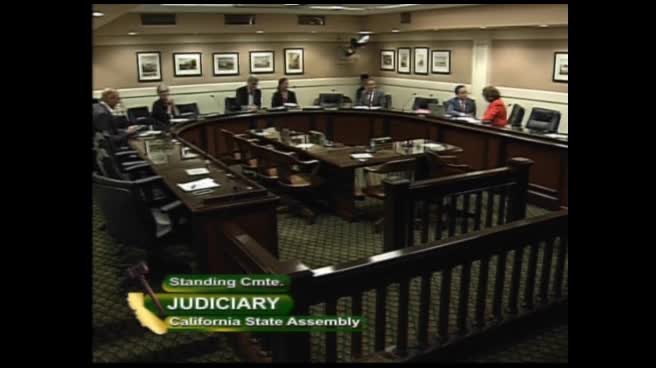 12MIN
Assembly Standing Committee on Judiciary
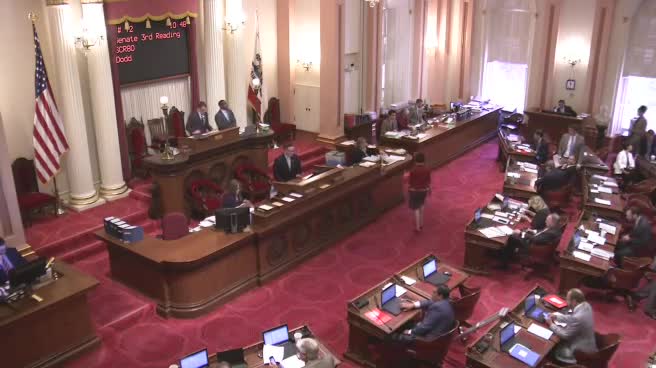 1MIN
Senate Floor
 17MIN
Senate Standing Committee on Judiciary
Bill Author
Bill Co-Author(s):