AB 1335: Sugar-sweetened beverages: safety warnings.
- Session Year: 2017-2018
- House: Assembly
- Latest Version Date: 2018-07-05
(1)Existing federal law, the Federal Food, Drug, and Cosmetic Act, regulates, among other things, the quality and packaging of foods introduced or delivered for introduction into interstate commerce and generally prohibits the misbranding of food. Existing federal law, the Nutrition Labeling and Education Act of 1990, governs state and local labeling requirements, including those that characterize the relationship of any nutrient specified in the labeling of food to a disease or health-related condition. Existing state law, the Sherman Food, Drug, and Cosmetic Law, generally regulates misbranded food and provides that any food is misbranded if its labeling does not conform with the requirements for nutrient content or health claims as set forth in the Federal Food, Drug, and Cosmetic Act and the regulations adopted pursuant to that federal act. Existing law requires that a food facility, as defined, make prescribed disclosures and warnings to consumers, as specified. A violation of these provisions is a crime.
Existing state law, the Pupil Nutrition, Health, and Achievement Act of 2001, also requires the sale of only certain beverages to pupils at schools. The beverages that may be sold include fruit-based and vegetable-based drinks, drinking water with no added sweetener, milk, and in middle and high schools, an electrolyte replacement beverage if those beverages meet certain nutritional requirements.
This bill would establish the Sugar-Sweetened Beverages Safety Warning Act, which would prohibit a person from distributing, selling, or offering for sale a sugar-sweetened beverage in a sealed beverage container, a multipack of sugar-sweetened beverages, or a concentrate, as those terms are defined, in this state unless the sealed beverage container, multipack, or packaging of the concentrate bears a safety warning, as prescribed. The bill also would require every person who owns, leases, or otherwise legally controls the premises where a vending machine or beverage dispensing machine is located, or where a sugar-sweetened beverage is sold in an unsealed container, to place a specified safety warning in certain locations, including on the exterior of any vending machine that includes a sugar-sweetened beverage for sale.
(2)Under existing law, the State Department of Public Health, upon the request of a health officer, as defined, may authorize the local health department of a city, county, city and county, or local health district to enforce the provisions of the Sherman Food, Drug, and Cosmetic Law. Existing law authorizes the State Department of Public Health to assess a civil penalty against any person in an amount not to exceed $1,000 per day, except as specified. Existing law authorizes the Attorney General or any district attorney, on behalf of the State Department of Public Health, to bring an action in a superior court to grant a temporary or permanent injunction restraining a person from violating any provision of the Sherman Food, Drug, and Cosmetic Law.
This bill, commencing July 1, 2019, would provide that any violation of the provisions described in (1) above, or regulations adopted pursuant to those provisions, is punishable by a civil penalty of not less than $50, but no greater than $500.
This bill would also create the Sugar-Sweetened Beverages Safety Warning Fund for the receipt of all moneys collected for violations of those provisions. The bill would allocate moneys in this fund, upon appropriation by the Legislature, to the department for the purpose of enforcing those provisions.
(3)The bill would make legislative findings and declarations relating to the consumption of sugar-sweetened beverages, obesity, and dental disease.
Existing law provides for the licensure and regulation of long-term health facilities by the State Department of Public Health and establishes an inspection and reporting system to ensure that long-term health care facilities are in compliance with state statutes and regulations pertaining to patient care and a system for the imposition of prompt and effective civil sanctions against long-term health care facilities in violation of the laws and regulations of this state. Existing law defines a class A violation as a violation that the department determines presents either (1) imminent danger that death or serious harm to the patients or residents of the long-term health care facility would result therefrom, or (2) substantial probability that death or serious physical harm to patients or residents of the long-term health care facility would result therefrom. Existing law defines a class AA violation as a class A violation that the department determines to have been the direct proximate cause of death of a patient or resident of the facility.This bill would redefine a class AA violation as a class A violation that the department determines to have been a substantial factor, as described, in the death of a patient or resident of a long-term health care facility.Existing law provides for the licensure and regulation of long-term health facilities by the State Department of Public Health and establishes an inspection and reporting system to ensure that long-term health care facilities are in compliance with state statutes and regulations pertaining to patient care and a system for the imposition of prompt and effective civil sanctions against long-term health care facilities in violation of the laws and regulations of this state. Existing law defines a class A violation as a violation that the department determines presents either (1) imminent danger that death or serious harm to the patients or residents of the long-term health care facility would result therefrom, or (2) substantial probability that death or serious physical harm to patients or residents of the long-term health care facility would result therefrom. Existing law defines a class AA violation as a class A violation that the department determines to have been the direct proximate cause of death of a patient or resident of the facility. In order to enforce a class AA citation, existing law requires the department to prove, among other things, that the death resulted from an occurrence of a nature that the regulation was designed to prevent. Existing law requires the department, upon a 2nd class AA violation in a 12-month period, to consider suspending or revoking the facilitys license and, upon a 3rd or subsequent class AA violation in an 18-month period, to commence action to suspend or revoke the facilitys license.
This bill would redefine a class AA violation as a class A violation that the department determines to have been a substantial factor, as defined, described, in the death of a patient or resident of a long-term health care facility and would require the department to prove either that the death resulted from an occurrence of a nature that the regulation was designed to prevent or that the conduct was of a nature that a reasonable person would consider likely to result in death. The bill would also require, when a class A violation occurs that does not meet the requirements to be a class AA violation, but where a resident death occurred, the department to consider suspending or revoking a facilitys license after a 2nd incident of that type in a 12-month period and to commence action to suspend or revoke a facilitys license after a 3rd or subsequent incident of that type in an 18-month period. facility.
Existing law provides for the licensure and regulation of long-term health facilities by the State Department of Public Health and establishes an inspection and reporting system to ensure that long-term health care facilities are in compliance with state statutes and regulations pertaining to patient care and a system for the imposition of prompt and effective civil sanctions against long-term health care facilities in violation of the laws and regulations of this state. Existing law defines a class A violation as a violation that the department determines presents either (1) imminent danger that death or serious harm to the patients or residents of the long-term health care facility would result therefrom, or (2) substantial probability that death or serious physical harm to patients or residents of the long-term health care facility would result therefrom. Existing law defines a class AA violation as a class A violation that the department determines to have been the direct proximate cause of death of a patient or resident of the facility. In order to enforce a class AA citation, existing law requires the department to prove, among other things, that the death resulted from an occurrence of a nature that the regulation was designed to prevent. Existing law requires the department, upon a 2nd class AA violation in a 12-month period, to consider suspending or revoking the facilitys license and, upon a 3rd or subsequent class AA violation in an 18-month period, to commence action to suspend or revoke the facilitys license.
This bill would redefine a class AA violation as a class A violation that the department determines to have been a substantial factor, as defined, in the death of a patient or resident of a long-term health care facility and would require the department to prove either that the death resulted from an occurrence of a nature that the regulation was designed to prevent or that the conduct was of a nature that a reasonable person would consider likely to result in death. The bill would also require, when a class A violation occurs that does not meet the requirements to be a class AA violation, but where a resident death occurred, the department to consider suspending or revoking a facilitys license after a 2nd incident of that type in a 12-month period and to commence action to suspend or revoke a facilitys license after a 3rd or subsequent incident of that type in an 18-month period.
This bill would make technical, nonsubstantive changes to those provisions.Existing law provides for the licensure and regulation of long-term health facilities and establishes an inspection and reporting system to ensure that long-term health care facilities are in compliance with state statutes and regulations pertaining to patient care and a system for the imposition of prompt and effective civil sanctions against long-term health care facilities in violation of the laws and regulations of this state.
This bill would make technical, nonsubstantive changes to those provisions.
The Legislature finds and declares all of the following:
(a)Over the past 30 years, adult diabetes rates have nearly tripled in the United States. Currently, 9 percent of adults in the United States have diabetes and more than one-third have prediabetes. In California, an estimated 14 percent of adults have diabetes. Over the past 10 years, the percentage of teens nationwide that have diabetes or prediabetes has increased from 9 percent to 23 percent. One in three children born today, including one-half of African American and Latino children, is expected to develop diabetes in their lifetime. Complications of diabetes include heart disease, nerve damage, gum infections, kidney disease, hearing impairment, blindness, amputation of toes, feet, or legs, and increased risk of Alzheimers disease.
(b)Diabetes costs the state at least $24.5 billion each year in total health care expenses and lost productivity. Average medical expenditures for people with diabetes are 2.3 times higher than for those without diabetes. One in three California hospital stays is for people with diabetes. Hospital stays for patients with diabetes, regardless of the primary diagnosis, cost $2,200 more than other patients, which adds an extra $1.6 billion each year to Californias hospitalization costs, including $254 million in Medi-Cal costs alone.
(c)The prevalence of obesity in the United States has increased dramatically over the past 30 years. In California, 60 percent of adults are overweight or obese and adult obesity rates have nearly tripled increasing from 8.9 percent in 1984 to 25.0 percent in 2012, and if current trends continue, the rate is expected to increase to 46.6 percent in 2030. Nearly 40 percent of California children are currently overweight or obese and obesity rates have tripled for adolescents and quadrupled for children 6 to 11 years of age. Although no group has escaped the epidemic, low income and communities of color are disproportionately affected.
(d)The obesity epidemic is of particular concern because obesity increases the risk of diabetes, heart disease, arthritis, asthma, and certain types of cancer. Depending on their level of obesity, from 60 percent to over 80 percent of obese adults currently suffer from type 2 diabetes, high blood cholesterol, high blood pressure, or other related conditions.
(e)The medical costs for people who are obese are dramatically higher than those of normal weight. Overweight and obesity account for $147 billion in health care costs nationally, or 9 percent of all medical spending, with one-half of these costs paid publicly through the Medicare and Medicaid programs.
(f)There is overwhelming evidence of the link between obesity and the consumption of sweetened beverages, such as soft drinks, energy drinks, sweet teas, and sports drinks. The 2010 Dietary Guidelines for Americans recommend that everyone reduce their intake of sugar-sweetened beverages. California adults who drink one soda or more per day are 27 percent more likely to be overweight or obese, regardless of income or ethnicity.
(g)According to nutrition experts, sweetened beverages, such as soft drinks, energy drinks, sweet teas, and sports drinks, offer little or no nutritional value, but massive quantities of added sugars. A 20-ounce bottle of soda contains the equivalent of approximately 17 teaspoons of sugar. Yet, the American Heart Association recommends that Americans consume no more than five to nine teaspoons of sugar per day.
(h)Sugar-sweetened beverages are the single largest source of added sugars in the American diet, with the average American drinking nearly 42 gallons of sweetened beverages a year, the equivalent of 39 pounds of extra sugar every year. Over 50 percent of the United States population drinks one or more sugar-sweetened beverages per day.
(i)In California, 19 percent of children 2 to 5 years of age drink a sugar-sweetened beverage each day. That number climbs to 32 percent among children 6 to 11 years of age, and 65 percent among children 12 to 17 years of age. Additionally, major disparities now exist between races and ethnicities. Seventy-four percent of African American adolescents drink at least one sugar-sweetened beverage each day, compared to 73 percent of Latinos, 63 percent of Asians, and 56 percent of whites.
(j)Sugar-sweetened beverages are a unique contributor to excess caloric consumption. Research shows that calories from sugar-sweetened beverages do not satisfy hunger the way calories from solid food or fat or protein-containing beverages, such as those containing milk and plant-based proteins, do. As a result, sugar-sweetened beverages tend to add to the calories people consume rather than replace them. Drinking one or two sodas a day increases the risk of developing type 2 diabetes by 26 percent. Drinking just one soda a day increases an adults likelihood of being overweight by 27 percent, and for children children, the likelihood doubles to 55 percent.
(k)Consistent evidence shows a positive relationship between sugar intake and dental caries (cavities) in adults and fewer caries when sugar intake is restricted. Children who frequently consume beverages high in sugar are at an increased risk for dental caries. Untreated dental caries can lead to pain, infection, tooth loss, and in severe cases, death.
(l)Evidence suggests that safety warnings can increase knowledge and reduce consumption of harmful products. Studies show that prominent safety warnings on the face of cigarette packages can increase health knowledge, perceptions of risk, and can promote smoking cessation of both youth and adults.
SEC. 2.Article 15 (commencing with Section 111224) is added to Chapter 5 of Part 5 of Division 104 of the Health and Safety Code, to read:15.Sugar-Sweetened Beverages Safety Warning Act111224.This article shall be known and may be cited as the Sugar-Sweetened Beverages Safety Warning Act.
111224.05.It is the intent of the Legislature, by enacting this article, to protect consumers and to promote informed purchasing decisions by requiring a warning about the harmful health effects that result from the consumption of drinks with added sugars.
111224.10.For purposes of this article, unless the context clearly requires otherwise, the following definitions shall apply:
(a)Animal milk means natural liquid milk, which is secreted by an animal and consumed by humans. For purposes of this definition, animal milk includes natural milk concentrate and dehydrated natural milk, whether or not reconstituted.
(b)Beverage container means any sealed or unsealed container regardless of size or shape, including, without limitation, those made of glass, metal, paper, plastic, or any other material or combination of materials that is used or intended to be used to hold a sugar-sweetened beverage for individual sale to a consumer.
(c)Beverage dispensing machine means any device that mixes concentrate with any one or more other ingredients and dispenses the resulting mixture into an unsealed container as a ready-to-drink beverage.
(d)Caloric sweetener means any substance containing calories, suitable for human consumption, that humans perceive as sweet and includes, without limitation, sucrose, fructose, glucose, and other sugars and fruit juice concentrates. Caloric means a substance that adds calories to the diet of a person who consumes that substance.
(e)Concentrate means a syrup or powder that is used or intended to be used for mixing, compounding, or making a sugar-sweetened beverage.
(f)Consumer means a person who purchases a sugar-sweetened beverage for a purpose other than resale in the ordinary course of business.
(g)Department means the State Department of Public Health, and any agency or person lawfully designated by the department to enforce or implement this article pursuant to Section 111020.
(h)Distribute means to sell or otherwise provide a product to any person for resale in the ordinary course of business to a consumer within this state.
(i)Milk substitute means a plant-based beverage in which the principal ingredients by weight are (1) water and (2) grains, nuts, legumes, or seeds. For purposes of this definition, milk substitute includes, without limitation, almond milk, coconut milk, flax milk, hazelnut milk, oat milk, rice milk, and soy milk.
(j)Natural fruit juice means the original liquid resulting from the pressing of fruit, the liquid resulting from the reconstitution of natural fruit juice concentrate, or the liquid resulting from the restoration of water to dehydrated natural fruit juice.
(k)Natural vegetable juice means the original liquid resulting from the pressing of vegetables, the liquid resulting from the reconstitution of natural vegetable juice concentrate, or the liquid resulting from the restoration of water to dehydrated natural vegetable juice.
(l)Person means any natural person, partnership, cooperative association, limited liability company, corporation, personal representative, receiver, trustee, assignee, any other legal entity, any city, county, city and county, district, commission, the state, or any department, agency, or political subdivision thereof, any interstate body, and, to the extent permitted by federal law, the United States and its agencies and instrumentalities.
(m)Powder means a solid mixture with added caloric sweetener used in making, mixing, or compounding a sugar-sweetened beverage by mixing the powder with any one or more other ingredients, including, without limitation, water, ice, syrup, simple syrup, fruits, vegetables, fruit juice, or carbonation or other gas.
(n)Sale or sell means any distribution or transfer for a business purpose, whether or not consideration is received.
(o)Sealed beverage container means a beverage container holding a beverage that is closed or sealed before being offered for sale to a consumer.
(p)(1)Sugar-sweetened beverage means any sweetened nonalcoholic beverage, carbonated or noncarbonated, intended for human consumption that has added caloric sweeteners and contains 75 calories or more per 12 fluid ounces. Nonalcoholic beverage means any beverage that contains less than one-half of 1 percent alcohol per volume.
(2)Sugar-sweetened beverage does not include any of the following:
(A)Any beverage containing 100 percent natural fruit juice or natural vegetable juice with no added caloric sweeteners.
(B)Any product manufactured for any of the following uses and commonly referred to as a dietary aid:
(i)An oral nutritional therapy for persons who cannot absorb or metabolize dietary nutrients from food or beverages.
(ii)A source of necessary nutrition used as a result of a medical condition.
(iii)An oral electrolyte solution for infants and children formulated to prevent dehydration due to illness.
(C)Any product for consumption by infants and that is commonly referred to as infant formula.
(D)Any beverage whose principal ingredient by weight is animal milk or a milk substitute.
(q)Syrup means a liquid mixture with added caloric sweetener used in making, mixing, or compounding a sugar-sweetened beverage by mixing the syrup with any one or more other ingredients, including, without limitation, water, ice, powder, simple syrup, fruits, vegetables, fruit juice, vegetable juice, or carbonation or other gas.
(r)Unsealed beverage container means a beverage container into which a beverage is dispensed or poured at the business premises where the beverage is purchased, including, without limitation, a container for fountain drinks.
111224.15.(a)A person shall not distribute, sell, or offer for sale a sugar-sweetened beverage in a sealed beverage container in this state unless the container bears the following safety warning and otherwise meets all of the requirements under this section:
STATE OF CALIFORNIA SAFETY WARNING: Drinking beverages with added sugar(s) contributes to obesity, type 2 diabetes, and tooth decay.
(b)(1)The safety warning required by subdivision (a) shall be prominently displayed and readily legible under ordinary conditions on the front of the sealed beverage container, separate and apart from all other information, and shall be on a contrasting background. The first five words of the safety warning required under subdivision (a), STATE OF CALIFORNIA SAFETY WARNING shall appear in capital letters. The entire safety warning shall appear in bold type.
(2)The safety warning required under subdivision (a) shall appear in a type size and in a maximum number of characters (i.e., letters, numbers, and marks) per inch, as follows:
(A)For sealed beverage containers of eight fluid ounces or less, the safety warning shall be in script, type, or printing not smaller than one millimeter, and there shall be no more than 40 characters per linear inch.
(B)For sealed beverage containers of more than eight fluid ounces and less than one liter, the safety warning shall be in script, type, or printing not smaller than two millimeters, and there shall be no more than 25 characters per linear inch.
(C)For sealed beverage containers of one liter or more, the safety warning shall be in script, type, or printing not smaller than three millimeters, and there shall be no more than 12 characters per linear inch.
(c)If the safety warning required under subdivision (a) is not printed directly on the sealed beverage container, the safety warning shall be affixed to the sealed beverage container in such a manner that it cannot be removed without thorough application of water or other solvents.
(d)A person shall not distribute, sell, or offer for sale a multipack of sugar-sweetened beverages in sealed beverage containers in this state unless the multipack bears the safety warning required under subdivision (a). The safety warning shall be posted conspicuously on at least two sides of the multipack, in addition to being posted on each individual sealed beverage container.
(e)A person shall not distribute, sell, or offer for sale a concentrate in this state unless the packaging of the concentrate, which is intended for retail sale, bears the safety warning required under subdivision (a). The safety warning shall be posted conspicuously on the front of the packaging of the concentrate.
111224.20.(a)Every person who owns, leases, or otherwise legally controls the premises where a vending machine or beverage dispensing machine is located, or where a sugar-sweetened beverage is sold in an unsealed beverage container, shall place, or cause to be placed, a safety warning in each of the following locations:
(1)On the exterior of any vending machine that includes a sugar-sweetened beverage for sale.
(2)On the exterior of any beverage dispensing machine used by a consumer to dispense a sugar-sweetened beverage through self-service.
(3)At the point-of-purchase where any consumer purchases a sugar-sweetened beverage in an unsealed beverage container, when the unsealed beverage container is filled by an employee of a food establishment rather than the consumer.
(b)The safety warning required by subdivision (a) shall contain the following language:
STATE OF CALIFORNIA SAFETY WARNING: Drinking beverages with added sugar(s) contributes to obesity, type 2 diabetes, and tooth decay.
(c)The safety warning required by subdivision (a) shall be prominently displayed and readily legible under ordinary conditions, separate and apart from all other information, and shall be on a contrasting background. The first five words of the safety warning in subdivision (b), STATE OF CALIFORNIA SAFETY WARNING shall appear in capital letters. The entire safety warning shall appear in bold type.
111224.30.(a)Notwithstanding Section 111825, subdivision (b) of Section 111855, or any other law, commencing July 1, 2019, any violation of this article, or a regulation adopted pursuant to this article, is punishable by a civil penalty of not less than fifty dollars ($50), but no greater than five hundred dollars ($500). The department may assess the civil penalty according to the procedures set forth in Section 111855. A person shall not be found to violate this article more than once during any one inspection visit.
(b)There is hereby created in the State Treasury the Sugar-Sweetened Beverages Safety Warning Fund. The fund shall consist of moneys collected for the violation of this article. The department shall remit to the Treasurer any civil penalties collected pursuant to subdivision (a) on a biannual basis, no later than March 15 and September 15 of each year. Notwithstanding any other law, moneys in the fund, upon appropriation by the Legislature, shall be allocated to the department for the purpose of enforcing this article.
111224.35.Notwithstanding Section 111224.15 or 111224.20, if, after appropriate investigation and consultation by the department, with the State Public Health Officer, the department finds that available scientific information would justify a change in the language of the safety warnings set forth in Sections 111224.15 and 111224.20, the department may adopt regulations to develop new language for the safety warning and may require that the alternative language be adopted in lieu of the language set forth in Sections 111224.15 and 111224.20.
111224.40.It is the intent of the Legislature that nothing in this article shall be construed to preempt or prohibit the adoption and implementation of local ordinances related to sugar-sweetened beverages, except any local ordinance that is inconsistent with this article. An ordinance is not deemed inconsistent with this article if it affords greater protection than the requirements set forth in this article.
SEC. 3.The provisions of this act are severable. If any provision of this act or its application is held invalid, that invalidity shall not affect other provisions or applications that can be given effect without the invalid provision or application.
The Legislature finds and declares all of the following:
(a)Over the past 30 years, adult diabetes rates have nearly tripled in the United States. Currently, 9 percent of adults in the United States have diabetes and more than one-third have prediabetes. In California, an estimated 14 percent of adults have diabetes. Over the past 10 years, the percentage of teens nationwide that have diabetes or prediabetes has increased from 9 percent to 23 percent. One in three children born today, including one-half of African American and Latino children, is expected to develop diabetes in their lifetime. Complications of diabetes include heart disease, nerve damage, gum infections, kidney disease, hearing impairment, blindness, amputation of toes, feet, or legs, and increased risk of Alzheimers disease.
(b)Diabetes costs the state at least $24.5 billion each year in total health care expenses and lost productivity. Average medical expenditures for people with diabetes are 2.3 times higher than for those without diabetes. One in three California hospital stays is for people with diabetes. Hospital stays for patients with diabetes, regardless of the primary diagnosis, cost $2,200 more than other patients, which adds an extra $1.6 billion each year to Californias hospitalization costs, including $254 million in Medi-Cal costs alone.
(c)The prevalence of obesity in the United States has increased dramatically over the past 30 years. In California, 60 percent of adults are overweight or obese and adult obesity rates have nearly tripled increasing from 8.9 percent in 1984 to 25.0 percent in 2012, and if current trends continue, the rate is expected to increase to 46.6 percent in 2030. Nearly 40 percent of California children are currently overweight or obese and obesity rates have tripled for adolescents and quadrupled for children 6 to 11 years of age. Although no group has escaped the epidemic, low income and communities of color are disproportionately affected.
(d)The obesity epidemic is of particular concern because obesity increases the risk of diabetes, heart disease, arthritis, asthma, and certain types of cancer. Depending on their level of obesity, from 60 percent to over 80 percent of obese adults currently suffer from type 2 diabetes, high blood cholesterol, high blood pressure, or other related conditions.
(e)The medical costs for people who are obese are dramatically higher than those of normal weight. Overweight and obesity account for $147 billion in health care costs nationally, or 9 percent of all medical spending, with one-half of these costs paid publicly through the Medicare and Medicaid programs.
(f)There is overwhelming evidence of the link between obesity and the consumption of sweetened beverages, such as soft drinks, energy drinks, sweet teas, and sports drinks. The 2010 Dietary Guidelines for Americans recommend that everyone reduce their intake of sugar-sweetened beverages. California adults who drink one soda or more per day are 27 percent more likely to be overweight or obese, regardless of income or ethnicity.
(g)According to nutrition experts, sweetened beverages, such as soft drinks, energy drinks, sweet teas, and sports drinks, offer little or no nutritional value, but massive quantities of added sugars. A 20-ounce bottle of soda contains the equivalent of approximately 17 teaspoons of sugar. Yet, the American Heart Association recommends that Americans consume no more than five to nine teaspoons of sugar per day.
(h)Sugar-sweetened beverages are the single largest source of added sugars in the American diet, with the average American drinking nearly 42 gallons of sweetened beverages a year, the equivalent of 39 pounds of extra sugar every year. Over 50 percent of the United States population drinks one or more sugar-sweetened beverages per day.
(i)In California, 19 percent of children 2 to 5 years of age drink a sugar-sweetened beverage each day. That number climbs to 32 percent among children 6 to 11 years of age, and 65 percent among children 12 to 17 years of age. Additionally, major disparities now exist between races and ethnicities. Seventy-four percent of African American adolescents drink at least one sugar-sweetened beverage each day, compared to 73 percent of Latinos, 63 percent of Asians, and 56 percent of whites.
(j)Sugar-sweetened beverages are a unique contributor to excess caloric consumption. Research shows that calories from sugar-sweetened beverages do not satisfy hunger the way calories from solid food or fat or protein-containing beverages, such as those containing milk and plant-based proteins, do. As a result, sugar-sweetened beverages tend to add to the calories people consume rather than replace them. Drinking one or two sodas a day increases the risk of developing type 2 diabetes by 26 percent. Drinking just one soda a day increases an adults likelihood of being overweight by 27 percent, and for children the likelihood doubles to 55 percent.
(k)Consistent evidence shows a positive relationship between sugar intake and dental caries (cavities) in adults and fewer caries when sugar intake is restricted. Children who frequently consume beverages high in sugar are at an increased risk for dental caries. Untreated dental caries can lead to pain, infection, tooth loss, and in severe cases, death.
(l)Evidence suggests that safety warnings can increase knowledge and reduce consumption of harmful products. Studies show that prominent safety warnings on the face of cigarette packages can increase health knowledge, perceptions of risk, and can promote smoking cessation of both youth and adults.
SEC. 2.Article 15 (commencing with Section 111224) is added to Chapter 5 of Part 5 of Division 104 of the Health and Safety Code, to read:15.Sugar-Sweetened Beverages Safety Warning Act111224.This article shall be known and may be cited as the Sugar-Sweetened Beverages Safety Warning Act.
111224.05.It is the intent of the Legislature, by enacting this article, to protect consumers and to promote informed purchasing decisions by requiring a warning about the harmful health effects that result from the consumption of drinks with added sugars.
111224.10.For purposes of this article, unless the context clearly requires otherwise, the following definitions shall apply:
(a)Animal milk means natural liquid milk, which is secreted by an animal and consumed by humans. For purposes of this definition, animal milk includes natural milk concentrate and dehydrated natural milk, whether or not reconstituted.
(b)Beverage container means any sealed or unsealed container regardless of size or shape, including, without limitation, those made of glass, metal, paper, plastic, or any other material or combination of materials that is used or intended to be used to hold a sugar-sweetened beverage for individual sale to a consumer.
(c)Beverage dispensing machine means any device that mixes concentrate with any one or more other ingredients and dispenses the resulting mixture into an unsealed container as a ready-to-drink beverage.
(d)Caloric sweetener means any substance containing calories, suitable for human consumption, that humans perceive as sweet and includes, without limitation, sucrose, fructose, glucose, and other sugars and fruit juice concentrates. Caloric means a substance that adds calories to the diet of a person who consumes that substance.
(e)Concentrate means a syrup or powder that is used or intended to be used for mixing, compounding, or making a sugar-sweetened beverage.
(f)Consumer means a person who purchases a sugar-sweetened beverage for a purpose other than resale in the ordinary course of business.
(g)Department means the State Department of Public Health, and any agency or person lawfully designated by the department to enforce or implement this article pursuant to Section 111020.
(h)Distribute means to sell or otherwise provide a product to any person for resale in the ordinary course of business to a consumer within this state.
(i)Milk substitute means a plant-based beverage in which the principal ingredients by weight are (1) water and (2) grains, nuts, legumes, or seeds. For purposes of this definition, milk substitute includes, without limitation, almond milk, coconut milk, flax milk, hazelnut milk, oat milk, rice milk, and soy milk.
(j)Natural fruit juice means the original liquid resulting from the pressing of fruit, the liquid resulting from the reconstitution of natural fruit juice concentrate, or the liquid resulting from the restoration of water to dehydrated natural fruit juice.
(k)Natural vegetable juice means the original liquid resulting from the pressing of vegetables, the liquid resulting from the reconstitution of natural vegetable juice concentrate, or the liquid resulting from the restoration of water to dehydrated natural vegetable juice.
(l)Person means any natural person, partnership, cooperative association, limited liability company, corporation, personal representative, receiver, trustee, assignee, any other legal entity, any city, county, city and county, district, commission, the state, or any department, agency, or political subdivision thereof, any interstate body, and, to the extent permitted by federal law, the United States and its agencies and instrumentalities.
(m)Powder means a solid mixture with added caloric sweetener used in making, mixing, or compounding a sugar-sweetened beverage by mixing the powder with any one or more other ingredients, including, without limitation, water, ice, syrup, simple syrup, fruits, vegetables, fruit juice, or carbonation or other gas.
(n)Sale or sell means any distribution or transfer for a business purpose, whether or not consideration is received.
(o)Sealed beverage container means a beverage container holding a beverage that is closed or sealed before being offered for sale to a consumer.
(p)(1)Sugar-sweetened beverage means any sweetened nonalcoholic beverage, carbonated or noncarbonated, intended for human consumption that has added caloric sweeteners and contains 75 calories or more per 12 fluid ounces. Nonalcoholic beverage means any beverage that contains less than one-half of 1 percent alcohol per volume.
(2)Sugar-sweetened beverage does not include any of the following:
(A)Any beverage containing 100 percent natural fruit juice or natural vegetable juice with no added caloric sweeteners.
(B)Any product manufactured for any of the following uses and commonly referred to as a dietary aid:
(i)An oral nutritional therapy for persons who cannot absorb or metabolize dietary nutrients from food or beverages.
(ii)A source of necessary nutrition used as a result of a medical condition.
(iii)An oral electrolyte solution for infants and children formulated to prevent dehydration due to illness.
(C)Any product for consumption by infants and that is commonly referred to as infant formula.
(D)Any beverage whose principal ingredient by weight is animal milk or a milk substitute.
(q)Syrup means a liquid mixture with added caloric sweetener used in making, mixing, or compounding a sugar-sweetened beverage by mixing the syrup with any one or more other ingredients, including, without limitation, water, ice, powder, simple syrup, fruits, vegetables, fruit juice, vegetable juice, or carbonation or other gas.
(r)Unsealed beverage container means a beverage container into which a beverage is dispensed or poured at the business premises where the beverage is purchased, including, without limitation, a container for fountain drinks.
111224.15.(a)A person shall not distribute, sell, or offer for sale a sugar-sweetened beverage in a sealed beverage container in this state unless the container bears the following safety warning and otherwise meets all of the requirements under this section:
STATE OF CALIFORNIA SAFETY WARNING: Drinking beverages with added sugar(s) contributes to obesity, type 2 diabetes, and tooth decay.
(b)(1)The safety warning required by subdivision (a) shall be prominently displayed and readily legible under ordinary conditions on the front of the sealed beverage container, separate and apart from all other information, and shall be on a contrasting background. The first five words of the safety warning required under subdivision (a), STATE OF CALIFORNIA SAFETY WARNING shall appear in capital letters. The entire safety warning shall appear in bold type.
(2)The safety warning required under subdivision (a) shall appear in a type size and in a maximum number of characters (i.e., letters, numbers, and marks) per inch, as follows:
(A)For sealed beverage containers of eight fluid ounces or less, the safety warning shall be in script, type, or printing not smaller than one millimeter, and there shall be no more than 40 characters per linear inch.
(B)For sealed beverage containers of more than eight fluid ounces and less than one liter, the safety warning shall be in script, type, or printing not smaller than two millimeters, and there shall be no more than 25 characters per linear inch.
(C)For sealed beverage containers of one liter or more, the safety warning shall be in script, type, or printing not smaller than three millimeters, and there shall be no more than 12 characters per linear inch.
(c)If the safety warning required under subdivision (a) is not printed directly on the sealed beverage container, the safety warning shall be affixed to the sealed beverage container in such a manner that it cannot be removed without thorough application of water or other solvents.
(d)A person shall not distribute, sell, or offer for sale a multipack of sugar-sweetened beverages in sealed beverage containers in this state unless the multipack bears the safety warning required under subdivision (a). The safety warning shall be posted conspicuously on at least two sides of the multipack, in addition to being posted on each individual sealed beverage container.
(e)A person shall not distribute, sell, or offer for sale a concentrate in this state unless the packaging of the concentrate, which is intended for retail sale, bears the safety warning required under subdivision (a). The safety warning shall be posted conspicuously on the front of the packaging of the concentrate.
111224.20.(a)Every person who owns, leases, or otherwise legally controls the premises where a vending machine or beverage dispensing machine is located, or where a sugar-sweetened beverage is sold in an unsealed beverage container, shall place, or cause to be placed, a safety warning in each of the following locations:
(1)On the exterior of any vending machine that includes a sugar-sweetened beverage for sale.
(2)On the exterior of any beverage dispensing machine used by a consumer to dispense a sugar-sweetened beverage through self-service.
(3)At the point-of-purchase where any consumer purchases a sugar-sweetened beverage in an unsealed beverage container, when the unsealed beverage container is filled by an employee of a food establishment rather than the consumer.
(b)The safety warning required by subdivision (a) shall contain the following language:
STATE OF CALIFORNIA SAFETY WARNING: Drinking beverages with added sugar(s) contributes to obesity, type 2 diabetes, and tooth decay.
(c)The safety warning required by subdivision (a) shall be prominently displayed and readily legible under ordinary conditions, separate and apart from all other information, and shall be on a contrasting background. The first five words of the safety warning in subdivision (b), STATE OF CALIFORNIA SAFETY WARNING shall appear in capital letters. The entire safety warning shall appear in bold type.
111224.30.(a)Notwithstanding Section 111825, subdivision (b) of Section 111855, or any other law, commencing July 1, 2019, any violation of this article, or a regulation adopted pursuant to this article, is punishable by a civil penalty of not less than fifty dollars ($50), but no greater than five hundred dollars ($500). The department may assess the civil penalty according to the procedures set forth in Section 111855. A person shall not be found to violate this article more than once during any one inspection visit.
(b)There is hereby created in the State Treasury the Sugar-Sweetened Beverages Safety Warning Fund. The fund shall consist of moneys collected for the violation of this article. The department shall remit to the Treasurer any civil penalties collected pursuant to subdivision (a) on a biannual basis, no later than March 15 and September 15 of each year. Notwithstanding any other law, moneys in the fund, upon appropriation by the Legislature, shall be allocated to the department for the purpose of enforcing this article.
111224.35.Notwithstanding Section 111224.15 or 111224.20, if, after appropriate investigation and consultation by the department, the State Public Health Officer, the department finds that available scientific information would justify a change in the language of the safety warnings set forth in Sections 111224.15 and 111224.20, the department may adopt regulations to develop new language for the safety warning and may require that the alternative language be adopted in lieu of the language set forth in Sections 111224.15 and 111224.20.
111224.40.It is the intent of the Legislature that nothing in this article shall be construed to preempt or prohibit the adoption and implementation of local ordinances related to sugar-sweetened beverages, except any local ordinance that is inconsistent with this article. An ordinance is not deemed inconsistent with this article if it affords greater protection than the requirements set forth in this article.
SEC. 3.The provisions of this act are severable. If any provision of this act or its application is held invalid, that invalidity shall not affect other provisions or applications that can be given effect without the invalid provision or application.
SECTION 1.Section 1424 of the Health and Safety Code is amended to read:1424.Citations issued pursuant to this chapter shall be classified according to the nature of the violation and shall indicate the classification on the face thereof.(a)In determining the amount of the civil penalty, all relevant facts shall be considered, including, but not limited to, the following:(1)The probability and severity of the risk that the violation presents to the patients or residents mental and physical condition.(2)The patients or residents medical condition.(3)The patients or residents mental condition and his or her history of mental disability or disorder.(4)The good faith efforts exercised by the facility to prevent the violation from occurring.(5)The licensees history of compliance with regulations.(b)Relevant facts considered by the department in determining the amount of the civil penalty shall be documented by the department on an attachment to the citation and available in the public record. This requirement shall not preclude the department or a facility from introducing facts not listed on the citation to support or challenge the amount of the civil penalty in any proceeding set forth in Section 1428.(c)A class AA violation is a violation that meets the criteria for a class A violation and that the department determines to have been a substantial factor in the death of a patient or resident of a long-term health care facility. Except as provided in Section 1424.5, a class AA citation is subject to a civil penalty in the amount of not less than five thousand dollars ($5,000) and not exceeding twenty-five thousand dollars ($25,000) for each citation. In any action to enforce a citation issued under this subdivision, the department shall prove all of the following:(1)The violation was a substantial factor in the death of a patient or resident. A substantial factor shall be more than a remote or trivial factor, but is not required to be the only cause of death. Conduct is not a substantial factor in causing the death if the death would have occurred without the conduct.(2)The death resulted from an occurrence of a nature that the regulation was designed to prevent.(3)The patient or resident suffering the death was among the class of persons for whose protection the regulation was adopted.If the department meets the burden of proof, the licensee shall have the burden of proving that the licensee did what might reasonably be expected of a long-term health care facility licensee, acting under similar circumstances, to comply with the regulation. If the licensee sustains this burden, then the citation shall be dismissed.Except as provided in Section 1424.5, for each class AA citation within a 12-month period that has become final, the department shall consider the suspension or revocation of the facilitys license in accordance with Section 1294. For a third or subsequent class AA citation in a facility within that 12-month period that has been sustained, the department shall commence action to suspend or revoke the facilitys license in accordance with Section 1294.(d)(1)A class A violation is a violation that the department determines presents either (1) imminent danger that death or serious harm to the patients or residents of the long-term health care facility would result therefrom, or (2) substantial probability that death or serious physical harm to patients or residents of the long-term health care facility would result therefrom. A physical condition or one or more practices, means, methods, or operations in use in a long-term health care facility may constitute a class A violation. The condition or practice constituting a class A violation shall be abated or eliminated immediately, unless a fixed period of time, as determined by the department, is required for correction. Except as provided in Section 1424.5, a class A citation is subject to a civil penalty in an amount not less than one thousand dollars ($1,000) and not exceeding ten thousand dollars ($10,000) for each and every citation.(2)If the department establishes that a violation occurred, the licensee shall have the burden of proving that the licensee did what might reasonably be expected of a long-term health care facility licensee, acting under similar circumstances, to comply with the regulation. If the licensee sustains this burden, then the citation shall be dismissed.(e)Except as provided in paragraph (4) of subdivision (a) of Section 1424.5, a class B violation is a violation that the department determines has a direct or immediate relationship to the health, safety, or security of long-term health care facility patients or residents, other than class AA or A violations. Unless otherwise determined by the department to be a class A violation pursuant to this chapter and rules and regulations adopted pursuant thereto, any violation of a patients rights as set forth in Sections 72527 and 73523 of Title 22 of the California Code of Regulations, that is determined by the department to cause or under circumstances likely to cause significant humiliation, indignity, anxiety, or other emotional trauma to a patient is a class B violation. A class B citation is subject to a civil penalty in an amount not less than one hundred dollars ($100) and not exceeding one thousand dollars ($1,000) for each and every citation. A class B citation shall specify the time within which the violation is required to be corrected. If the department establishes that a violation occurred, the licensee shall have the burden of proving that the licensee did what might reasonably be expected of a long-term health care facility licensee, acting under similar circumstances, to comply with the regulation. If the licensee sustains this burden, then the citation shall be dismissed.In the event of a citation under this paragraph, if the department establishes that a violation occurred, the licensee shall have the burden of proving that the licensee did what might reasonably be expected of a long-term health care facility licensee, acting under similar circumstances, to comply with the regulation. If the licensee sustains this burden, then the citation shall be dismissed.(f)(1)A willful material falsification or willful material omission in the health record of a patient of a long-term health care facility is a violation.(2)As used in this section, willful material falsification means an entry in the patient health care record pertaining to the administration of medication, or treatments ordered for the patient, or pertaining to services for the prevention or treatment of decubitus ulcers or contractures, or pertaining to tests and measurements of vital signs, or notations of input and output of fluids, that was made with the knowledge that the records falsely reflect the condition of the resident or the care or services provided.(3)As used in this section, willful material omission means the willful failure to record an untoward event that has affected the health, safety, or security of the specific patient, and that was omitted with the knowledge that the records falsely reflect the condition of the resident or the care or services provided.(g)Except as provided in subdivision (a) of Section 1424.5, a violation of subdivision (f) may result in a civil penalty not to exceed ten thousand dollars ($10,000), as specified in paragraphs (1) to (3), inclusive.(1)The willful material falsification or willful material omission is subject to a civil penalty of not less than two thousand five hundred dollars ($2,500) or more than ten thousand dollars ($10,000) in instances where the health care record is relied upon by a health care professional to the detriment of a patient by affecting the administration of medications or treatments, the issuance of orders, or the development of plans of care. In all other cases, violations of this subdivision are subject to a civil penalty not exceeding two thousand five hundred dollars ($2,500).(2)Where the penalty assessed is one thousand dollars ($1,000) or less, the violation shall be issued and enforced, except as provided in this subdivision, in the same manner as a class B violation, and shall include the right of appeal as specified in Section 1428. Where the assessed penalty is in excess of one thousand dollars ($1,000), or for skilled nursing facilities or intermediate care facilities as specified in paragraphs (1) and (2) of subdivision (a) of Section 1418, in excess of two thousand dollars ($2,000), the violation shall be issued and enforced, except as provided in this subdivision, in the same manner as a class A violation, and shall include the right of appeal as specified in Section 1428.Nothing in this section shall be construed as a change in previous law enacted by Chapter 11 of the Statutes of 1985 relative to this paragraph, but merely as a clarification of existing law.(3)Nothing in this subdivision shall preclude the department from issuing a class A or class B citation for a violation that meets the requirements for that citation, regardless of whether the violation also constitutes a violation of this subdivision. However, no single act, omission, or occurrence may be cited both as a class A or class B violation and as a violation of this subdivision.(h)Where the licensee has failed to post the notices as required by Section 9718 of the Welfare and Institutions Code in the manner required under Section 1422.6, the department shall assess the licensee a civil penalty in the amount of one hundred dollars ($100) for each day the failure to post the notices continues. Where the total penalty assessed is less than two thousand dollars ($2,000), the violation shall be issued and enforced in the same manner as a class B violation, and shall include the right of appeal as specified in Section 1428. Where the assessed penalty is equal to or in excess of two thousand dollars ($2,000), the violation shall be issued and enforced in the same manner as a class A violation and shall include the right of appeal as specified in Section 1428. Fines collected pursuant to this subdivision shall be used to fund the costs incurred by the California Department of Aging in producing and posting the posters.(i)The director shall prescribe procedures for the issuance of a notice of violation with respect to violations having only a minimal relationship to patient safety or health.(j)The department shall provide a copy of all citations issued under this section to the affected residents whose treatment was the basis for the issuance of the citation, to the affected residents designated family member or representative of each of the residents, and to the complainant if the citation was issued as a result of a complaint.(k)Nothing in this section is intended to change existing statutory or regulatory requirements governing the ability of a licensee to contest a citation pursuant to Section 1428.(l)The department shall ensure that district office activities performed under Sections 1419 to 1424, inclusive, are consistent with the requirements of these sections and all applicable laws and regulations. To ensure the integrity of these activities, the department shall establish a statewide process for the collection of postsurvey evaluations from affected facilities.Citations issued pursuant to this chapter shall be classified according to the nature of the violation and shall indicate the classification on the face thereof.
(a)In determining the amount of the civil penalty, all relevant facts shall be considered, including, but not limited to, the following:
(1)The probability and severity of the risk that the violation presents to the patients or residents mental and physical condition.
(2)The patients or residents medical condition.
(3)The patients or residents mental condition and his or her history of mental disability or disorder.
(4)The good faith efforts exercised by the facility to prevent the violation from occurring.
(5)The licensees history of compliance with regulations.
(b)Relevant facts considered by the department in determining the amount of the civil penalty shall be documented by the department on an attachment to the citation and available in the public record. This requirement shall not preclude the department or a facility from introducing facts not listed on the citation to support or challenge the amount of the civil penalty in any proceeding set forth in Section 1428.
(c)A class AA violation is a violation that meets the criteria for a class A violation and that the department determines to have been a substantial factor in the death of a patient or resident of a long-term health care facility. Except as provided in Section 1424.5, a class AA citation is subject to a civil penalty in the amount of not less than five thousand dollars ($5,000) and not exceeding twenty-five thousand dollars ($25,000) for each citation. In any action to enforce a citation issued under this subdivision, the department shall prove all of the following:
(1)The violation was a substantial factor in the death of a patient or resident. A substantial factor shall be more than a remote or trivial factor, but is not required to be the only cause of death. Conduct is not a substantial factor in causing the death if the death would have occurred without the conduct.
(2)The death resulted from an occurrence of a nature that the regulation was designed to prevent or resulted from conduct that a reasonable person would consider likely to result in death. prevent.
(3)The patient or resident suffering the death was among the class of persons for whose protection the regulation was adopted.
If the department meets the burden of proof, the licensee shall have the burden of proving that the licensee did what might reasonably be expected of a long-term health care facility licensee, acting under similar circumstances, to comply with the regulation. If the licensee sustains this burden, then the citation shall be dismissed.
Except as provided in Section 1424.5, for each class AA citation within a 12-month period that has become final, the department shall consider the suspension or revocation of the facilitys license in accordance with Section 1294. For a third or subsequent class AA citation in a facility within that 12-month period that has been sustained, the department shall commence action to suspend or revoke the facilitys license in accordance with Section 1294.
(d)(1)A class A violation is a violation that the department determines presents either (1) imminent danger that death or serious harm to the patients or residents of the long-term health care facility would result therefrom, or (2) substantial probability that death or serious physical harm to patients or residents of the long-term health care facility would result therefrom. A physical condition or one or more practices, means, methods, or operations in use in a long-term health care facility may constitute a class A violation. The condition or practice constituting a class A violation shall be abated or eliminated immediately, unless a fixed period of time, as determined by the department, is required for correction. Except as provided in Section 1424.5, a class A citation is subject to a civil penalty in an amount not less than one thousand dollars ($1,000) and not exceeding ten thousand dollars ($10,000) for each and every citation.
(1)When a class A violation occurs that does not meet the requirements to be a class AA violation, but where a resident death occurred, the department shall do the following:(A)For a second violation of this type in a 12-month period, consider suspending or revoking the facilitys license pursuant to Section 1294.(B)For a third or subsequent violation of this type in an 18-month period, begin proceedings to suspend or revoke the facilitys license pursuant to Section 1294.(2)If the department establishes that a violation occurred, the licensee shall have the burden of proving that the licensee did what might reasonably be expected of a long-term health care facility licensee, acting under similar circumstances, to comply with the regulation. If the licensee sustains this burden, then the citation shall be dismissed.
(e)Except as provided in paragraph (4) of subdivision (a) of Section 1424.5, a class B violation is a violation that the department determines has a direct or immediate relationship to the health, safety, or security of long-term health care facility patients or residents, other than class AA or A violations. Unless otherwise determined by the department to be a class A violation pursuant to this chapter and rules and regulations adopted pursuant thereto, any violation of a patients rights as set forth in Sections 72527 and 73523 of Title 22 of the California Code of Regulations, that is determined by the department to cause or under circumstances likely to cause significant humiliation, indignity, anxiety, or other emotional trauma to a patient is a class B violation. A class B citation is subject to a civil penalty in an amount not less than one hundred dollars ($100) and not exceeding one thousand dollars ($1,000) for each and every citation. A class B citation shall specify the time within which the violation is required to be corrected. If the department establishes that a violation occurred, the licensee shall have the burden of proving that the licensee did what might reasonably be expected of a long-term health care facility licensee, acting under similar circumstances, to comply with the regulation. If the licensee sustains this burden, then the citation shall be dismissed.
In the event of a citation under this paragraph, if the department establishes that a violation occurred, the licensee shall have the burden of proving that the licensee did what might reasonably be expected of a long-term health care facility licensee, acting under similar circumstances, to comply with the regulation. If the licensee sustains this burden, then the citation shall be dismissed.
(f)(1)A willful material falsification or willful material omission in the health record of a patient of a long-term health care facility is a violation.
(2)As used in this section, willful material falsification means an entry in the patient health care record pertaining to the administration of medication, or treatments ordered for the patient, or pertaining to services for the prevention or treatment of decubitus ulcers or contractures, or pertaining to tests and measurements of vital signs, or notations of input and output of fluids, that was made with the knowledge that the records falsely reflect the condition of the resident or the care or services provided.
(3)As used in this section, willful material omission means the willful failure to record an untoward event that has affected the health, safety, or security of the specific patient, and that was omitted with the knowledge that the records falsely reflect the condition of the resident or the care or services provided.
(g)Except as provided in subdivision (a) of Section 1424.5, a violation of subdivision (f) may result in a civil penalty not to exceed ten thousand dollars ($10,000), as specified in paragraphs (1) to (3), inclusive.
(1)The willful material falsification or willful material omission is subject to a civil penalty of not less than two thousand five hundred dollars ($2,500) or more than ten thousand dollars ($10,000) in instances where the health care record is relied upon by a health care professional to the detriment of a patient by affecting the administration of medications or treatments, the issuance of orders, or the development of plans of care. In all other cases, violations of this subdivision are subject to a civil penalty not exceeding two thousand five hundred dollars ($2,500).
(2)Where the penalty assessed is one thousand dollars ($1,000) or less, the violation shall be issued and enforced, except as provided in this subdivision, in the same manner as a class B violation, and shall include the right of appeal as specified in Section 1428. Where the assessed penalty is in excess of one thousand dollars ($1,000), or for skilled nursing facilities or intermediate care facilities as specified in paragraphs (1) and (2) of subdivision (a) of Section 1418, in excess of two thousand dollars ($2,000), the violation shall be issued and enforced, except as provided in this subdivision, in the same manner as a class A violation, and shall include the right of appeal as specified in Section 1428.
Nothing in this section shall be construed as a change in previous law enacted by Chapter 11 of the Statutes of 1985 relative to this paragraph, but merely as a clarification of existing law.
(3)Nothing in this subdivision shall preclude the department from issuing a class A or class B citation for a violation that meets the requirements for that citation, regardless of whether the violation also constitutes a violation of this subdivision. However, no single act, omission, or occurrence may be cited both as a class A or class B violation and as a violation of this subdivision.
(h)Where the licensee has failed to post the notices as required by Section 9718 of the Welfare and Institutions Code in the manner required under Section 1422.6, the department shall assess the licensee a civil penalty in the amount of one hundred dollars ($100) for each day the failure to post the notices continues. Where the total penalty assessed is less than two thousand dollars ($2,000), the violation shall be issued and enforced in the same manner as a class B violation, and shall include the right of appeal as specified in Section 1428. Where the assessed penalty is equal to or in excess of two thousand dollars ($2,000), the violation shall be issued and enforced in the same manner as a class A violation and shall include the right of appeal as specified in Section 1428. Fines collected pursuant to this subdivision shall be used to fund the costs incurred by the California Department of Aging in producing and posting the posters.
(i)The director shall prescribe procedures for the issuance of a notice of violation with respect to violations having only a minimal relationship to patient safety or health.
(j)The department shall provide a copy of all citations issued under this section to the affected residents whose treatment was the basis for the issuance of the citation, to the affected residents designated family member or representative of each of the residents, and to the complainant if the citation was issued as a result of a complaint.
(k)Nothing in this section is intended to change existing statutory or regulatory requirements governing the ability of a licensee to contest a citation pursuant to Section 1428.
(l)The department shall ensure that district office activities performed under Sections 1419 to 1424, inclusive, are consistent with the requirements of these sections and all applicable laws and regulations. To ensure the integrity of these activities, the department shall establish a statewide process for the collection of postsurvey evaluations from affected facilities.
As used in this chapter:
(a)Long-term health care facility means any a facility licensed pursuant to Chapter 2 (commencing with Section 1250) that is any of the following:
(1)Skilled nursing facility.
(2)Intermediate care facility.
(3)Intermediate care facility/developmentally disabled.
(4)Intermediate care facility/developmentally disabled habilitative.
(5)Intermediate care facility/developmentally disabled-nursing.
(6)Congregate living health facility.
(7)Nursing facility.
(8)Intermediate care facility/developmentally disabled-continuous nursing.
(b)Long-term health care facility also includes a pediatric day health and respite care facility licensed pursuant to Chapter 8.6 (commencing with Section 1760).
(c)Long-term health care facility does not include a general acute care hospital or an acute psychiatric hospital, except for that distinct part of the hospital that provides skilled nursing facility, intermediate care facility, intermediate care facility/developmentally disabled, or pediatric day health and respite care facility services.
(d)Licensee means the holder of a license issued under Chapter 2 (commencing with Section 1250) or Chapter 8.6 (commencing with Section 1760) for a long-term health care facility.
(e)Substantial factor means a factor that a reasonable person would consider to have contributed to the harm. It must be more than a remote or trivial factor. It does not have to be the only cause of the harm.
SECTION 1.SEC. 2.Section 1424 of the Health and Safety Code is amended to read:1424.Citations issued pursuant to this chapter shall be classified according to the nature of the violation and shall indicate the classification on the face thereof.
(a)In determining the amount of the civil penalty, all relevant facts shall be considered, including, but not limited to, the following:
(1)The probability and severity of the risk that the violation presents to the patients or residents mental and physical condition.
(2)The patients or residents medical condition.
(3)The patients or residents mental condition and his or her history of mental disability or disorder.
(4)The good faith efforts exercised by the facility to prevent the violation from occurring.
(5)The licensees history of compliance with regulations.
(b)Relevant facts considered by the department in determining the amount of the civil penalty shall be documented by the department on an attachment to the citation and available in the public record. This requirement shall not preclude the department or a facility from introducing facts not listed on the citation to support or challenge the amount of the civil penalty in any proceeding set forth in Section 1428.
(c)A class AA violation is a violation that meets the criteria for a class A violation and that the department determines to have been a direct proximate cause of substantial factor in the death of a patient or resident of a long-term health care facility. Except as provided in Section 1424.5, a class AA citation is subject to a civil penalty in the amount of not less than five thousand dollars ($5,000) and not exceeding twenty-five thousand dollars ($25,000) for each citation. In any action to enforce a citation issued under this subdivision, the department shall prove all of the following:
(1)The violation was a direct proximate cause of substantial factor in the death of a patient or resident.
(2)The death resulted from an occurrence of a nature that the regulation was designed to prevent. prevent or resulted from conduct that a reasonable person would consider likely to result in death.
(3)The patient or resident suffering the death was among the class of persons for whose protection the regulation was adopted.
If the department meets the burden of proof, the licensee shall have the burden of proving that the licensee did what might reasonably be expected of a long-term health care facility licensee, acting under similar circumstances, to comply with the regulation. If the licensee sustains this burden, then the citation shall be dismissed.
Except as provided in Section 1424.5, for each class AA citation within a 12-month period that has become final, the state department shall consider the suspension or revocation of the facilitys license in accordance with Section 1294. For a third or subsequent class AA citation in a facility within that 12-month period that has been sustained, the state department shall commence action to suspend or revoke the facilitys license in accordance with Section 1294.
(d)A class A violation is a violation that the department determines presents either (1) imminent danger that death or serious harm to the patients or residents of the long-term health care facility would result therefrom, or (2) substantial probability that death or serious physical harm to patients or residents of the long-term health care facility would result therefrom. A physical condition or one or more practices, means, methods, or operations in use in a long-term health care facility may constitute a class A violation. The condition or practice constituting a class A violation shall be abated or eliminated immediately, unless a fixed period of time, as determined by the state department, is required for correction. Except as provided in Section 1424.5, a class A citation is subject to a civil penalty in an amount not less than one thousand dollars ($1,000) and not exceeding ten thousand dollars ($10,000) for each and every citation.
(1)When a class A violation occurs that does not meet the requirements to be a class AA violation, but where a resident death occurred, the department shall do the following:
(A)For a second violation of this type in a 12-month period, consider suspending or revoking the facilitys license pursuant to Section 1294.
(B)For a third or subsequent violation of this type in an 18-month period, begin proceedings to suspend or revoke the facilitys license pursuant to Section 1294.
If(2)If the department establishes that a violation occurred, the licensee shall have the burden of proving that the licensee did what might reasonably be expected of a long-term health care facility licensee, acting under similar circumstances, to comply with the regulation. If the licensee sustains this burden, then the citation shall be dismissed.
(e)Except as provided in paragraph (4) of subdivision (a) of Section 1424.5, a class B violation is a violation that the department determines has a direct or immediate relationship to the health, safety, or security of long-term health care facility patients or residents, other than class AA or A violations. Unless otherwise determined by the state department to be a class A violation pursuant to this chapter and rules and regulations adopted pursuant thereto, any violation of a patients rights as set forth in Sections 72527 and 73523 of Title 22 of the California Code of Regulations, that is determined by the state department to cause or under circumstances likely to cause significant humiliation, indignity, anxiety, or other emotional trauma to a patient is a class B violation. A class B citation is subject to a civil penalty in an amount not less than one hundred dollars ($100) and not exceeding one thousand dollars ($1,000) for each and every citation. A class B citation shall specify the time within which the violation is required to be corrected. If the state department establishes that a violation occurred, the licensee shall have the burden of proving that the licensee did what might reasonably be expected of a long-term health care facility licensee, acting under similar circumstances, to comply with the regulation. If the licensee sustains this burden, then the citation shall be dismissed.
In the event of a citation under this paragraph, if the department establishes that a violation occurred, the licensee shall have the burden of proving that the licensee did what might reasonably be expected of a long-term health care facility licensee, acting under similar circumstances, to comply with the regulation. If the licensee sustains this burden, then the citation shall be dismissed.
(f)(1)Any A willful material falsification or willful material omission in the health record of a patient of a long-term health care facility is a violation.
(2)As used in this section, willful material falsification means an entry in the patient health care record pertaining to the administration of medication, or treatments ordered for the patient, or pertaining to services for the prevention or treatment of decubitus ulcers or contractures, or pertaining to tests and measurements of vital signs, or notations of input and output of fluids, that was made with the knowledge that the records falsely reflect the condition of the resident or the care or services provided.
(3)As used in this section, willful material omission means the willful failure to record an untoward event that has affected the health, safety, or security of the specific patient, and that was omitted with the knowledge that the records falsely reflect the condition of the resident or the care or services provided.
(g)Except as provided in subdivision (a) of Section 1424.5, a violation of subdivision (f) may result in a civil penalty not to exceed ten thousand dollars ($10,000), as specified in paragraphs (1) to (3), inclusive.
(1)The willful material falsification or willful material omission is subject to a civil penalty of not less than two thousand five hundred dollars ($2,500) or more than ten thousand dollars ($10,000) in instances where the health care record is relied upon by a health care professional to the detriment of a patient by affecting the administration of medications or treatments, the issuance of orders, or the development of plans of care. In all other cases, violations of this subdivision are subject to a civil penalty not exceeding two thousand five hundred dollars ($2,500).
(2)Where the penalty assessed is one thousand dollars ($1,000) or less, the violation shall be issued and enforced, except as provided in this subdivision, in the same manner as a class B violation, and shall include the right of appeal as specified in Section 1428. Where the assessed penalty is in excess of one thousand dollars ($1,000), or for skilled nursing facilities or intermediate care facilities as specified in paragraphs (1) and (2) of subdivision (a) of Section 1418, in excess of two thousand dollars ($2,000), the violation shall be issued and enforced, except as provided in this subdivision, in the same manner as a class A violation, and shall include the right of appeal as specified in Section 1428.
Nothing in this section shall be construed as a change in previous law enacted by Chapter 11 of the Statutes of 1985 relative to this paragraph, but merely as a clarification of existing law.
(3)Nothing in this subdivision shall preclude the department from issuing a class A or class B citation for a violation that meets the requirements for that citation, regardless of whether the violation also constitutes a violation of this subdivision. However, no single act, omission, or occurrence may be cited both as a class A or class B violation and as a violation of this subdivision.
(h)Where the licensee has failed to post the notices as required by Section 9718 of the Welfare and Institutions Code in the manner required under Section 1422.6, the state department shall assess the licensee a civil penalty in the amount of one hundred dollars ($100) for each day the failure to post the notices continues. Where the total penalty assessed is less than two thousand dollars ($2,000), the violation shall be issued and enforced in the same manner as a class B violation, and shall include the right of appeal as specified in Section 1428. Where the assessed penalty is equal to or in excess of two thousand dollars ($2,000), the violation shall be issued and enforced in the same manner as a class A violation and shall include the right of appeal as specified in Section 1428. Fines collected pursuant to this subdivision shall be used to fund the costs incurred by the California Department of Aging in producing and posting the posters.
(i)The director shall prescribe procedures for the issuance of a notice of violation with respect to violations having only a minimal relationship to patient safety or health.
(j)The department shall provide a copy of all citations issued under this section to the affected residents whose treatment was the basis for the issuance of the citation, to the affected residents designated family member or representative of each of the residents, and to the complainant if the citation was issued as a result of a complaint.
(k)Nothing in this section is intended to change existing statutory or regulatory requirements governing the ability of a licensee to contest a citation pursuant to Section 1428.
(l)The department shall ensure that district office activities performed under Sections 1419 to 1424, inclusive, are consistent with the requirements of these sections and all applicable laws and regulations. To ensure the integrity of these activities, the department shall establish a statewide process for the collection of postsurvey evaluations from affected facilities.
Citations issued pursuant to this chapter shall be classified according to the nature of the violation and shall indicate the classification on the face thereof.
(a)In determining the amount of the civil penalty, all relevant facts shall be considered, including, but not limited to, the following:
(1)The probability and severity of the risk that the violation presents to the patients or residents mental and physical condition.
(2)The patients or residents medical condition.
(3)The patients or residents mental condition and his or her history of mental disability or disorder.
(4)The good faith efforts exercised by the facility to prevent the violation from occurring.
(5)The licensees history of compliance with regulations.
(b)Relevant facts considered by the department in determining the amount of the civil penalty shall be documented by the department on an attachment to the citation and available in the public record. This requirement shall not preclude the department or a facility from introducing facts not listed on the citation to support or challenge the amount of the civil penalty in any proceeding set forth in Section 1428.
(c)Class AA violations are violations that meet A class AA violation is a violation that meets the criteria for a class A violation and that the state department determines to have been a direct proximate cause of death of a patient or resident of a long-term health care facility. Except as provided in Section 1424.5, a class AA citation is subject to a civil penalty in the amount of not less than five thousand dollars ($5,000) and not exceeding twenty-five thousand dollars ($25,000) for each citation. In any action to enforce a citation issued under this subdivision, the state department shall prove all of the following:
(1)The violation was a direct proximate cause of death of a patient or resident.
(2)The death resulted from an occurrence of a nature that the regulation was designed to prevent.
(3)The patient or resident suffering the death was among the class of persons for whose protection the regulation was adopted.
If the state department meets this the burden of proof, the licensee shall have the burden of proving that the licensee did what might reasonably be expected of a long-term health care facility licensee, acting under similar circumstances, to comply with the regulation. If the licensee sustains this burden, then the citation shall be dismissed.
Except as provided in Section 1424.5, for each class AA citation within a 12-month period that has become final, the state department shall consider the suspension or revocation of the facilitys license in accordance with Section 1294. For a third or subsequent class AA citation in a facility within that 12-month period that has been sustained, the state department shall commence action to suspend or revoke the facilitys license in accordance with Section 1294.
(d)Class A violations are violations which the state A class A violation is a violation that the department determines present presents either (1) imminent danger that death or serious harm to the patients or residents of the long-term health care facility would result therefrom, or (2) substantial probability that death or serious physical harm to patients or residents of the long-term health care facility would result therefrom. A physical condition or one or more practices, means, methods, or operations in use in a long-term health care facility may constitute a class A violation. The condition or practice constituting a class A violation shall be abated or eliminated immediately, unless a fixed period of time, as determined by the state department, is required for correction. Except as provided in Section 1424.5, a class A citation is subject to a civil penalty in an amount not less than one thousand dollars ($1,000) and not exceeding ten thousand dollars ($10,000) for each and every citation.
If the state department establishes that a violation occurred, the licensee shall have the burden of proving that the licensee did what might reasonably be expected of a long-term health care facility licensee, acting under similar circumstances, to comply with the regulation. If the licensee sustains this burden, then the citation shall be dismissed.
(e)Except as provided in paragraph (4) of subdivision (a) of Section 1424.5, class B violations are violations that the state a class B violation is a violation that the department determines have has a direct or immediate relationship to the health, safety, or security of long-term health care facility patients or residents, other than class AA or A violations. Unless otherwise determined by the state department to be a class A violation pursuant to this chapter and rules and regulations adopted pursuant thereto, any violation of a patients rights as set forth in Sections 72527 and 73523 of Title 22 of the California Code of Regulations, that is determined by the state department to cause or under circumstances likely to cause significant humiliation, indignity, anxiety, or other emotional trauma to a patient is a class B violation. A class B citation is subject to a civil penalty in an amount not less than one hundred dollars ($100) and not exceeding one thousand dollars ($1,000) for each and every citation. A class B citation shall specify the time within which the violation is required to be corrected. If the state department establishes that a violation occurred, the licensee shall have the burden of proving that the licensee did what might reasonably be expected of a long-term health care facility licensee, acting under similar circumstances, to comply with the regulation. If the licensee sustains this burden, then the citation shall be dismissed.
In the event of any a citation under this paragraph, if the state department establishes that a violation occurred, the licensee shall have the burden of proving that the licensee did what might reasonably be expected of a long-term health care facility licensee, acting under similar circumstances, to comply with the regulation. If the licensee sustains this burden, then the citation shall be dismissed.
(f)(1)Any willful material falsification or willful material omission in the health record of a patient of a long-term health care facility is a violation.
(2)Willful As used in this section, willful material falsification, as used in this section, falsification means any an entry in the patient health care record pertaining to the administration of medication, or treatments ordered for the patient, or pertaining to services for the prevention or treatment of decubitus ulcers or contractures, or pertaining to tests and measurements of vital signs, or notations of input and output of fluids, that was made with the knowledge that the records falsely reflect the condition of the resident or the care or services provided.
(3)Willful As used in this section, willful material omission, as used in this section, omission means the willful failure to record any an untoward event that has affected the health, safety, or security of the specific patient, and that was omitted with the knowledge that the records falsely reflect the condition of the resident or the care or services provided.
(g)Except as provided in subdivision (a) of Section 1424.5, a violation of subdivision (f) may result in a civil penalty not to exceed ten thousand dollars ($10,000), as specified in paragraphs (1) to (3), inclusive.
(1)The willful material falsification or willful material omission is subject to a civil penalty of not less than two thousand five hundred dollars ($2,500) or more than ten thousand dollars ($10,000) in instances where the health care record is relied upon by a health care professional to the detriment of a patient by affecting the administration of medications or treatments, the issuance of orders, or the development of plans of care. In all other cases, violations of this subdivision are subject to a civil penalty not exceeding two thousand five hundred dollars ($2,500).
(2)Where the penalty assessed is one thousand dollars ($1,000) or less, the violation shall be issued and enforced, except as provided in this subdivision, in the same manner as a class B violation, and shall include the right of appeal as specified in Section 1428. Where the assessed penalty is in excess of one thousand dollars ($1,000), or for skilled nursing facilities or intermediate care facilities as specified in paragraphs (1) and (2) of subdivision (a) of Section 1418, in excess of two thousand dollars ($2,000), the violation shall be issued and enforced, except as provided in this subdivision, in the same manner as a class A violation, and shall include the right of appeal as specified in Section 1428.
Nothing in this section shall be construed as a change in previous law enacted by Chapter 11 of the Statutes of 1985 relative to this paragraph, but merely as a clarification of existing law.
(3)Nothing in this subdivision shall preclude the state department from issuing a class A or class B citation for any a violation that meets the requirements for that citation, regardless of whether the violation also constitutes a violation of this subdivision. However, no single act, omission, or occurrence may be cited both as a class A or class B violation and as a violation of this subdivision.
(h)Where the licensee has failed to post the notices as required by Section 9718 of the Welfare and Institutions Code in the manner required under Section 1422.6, the state department shall assess the licensee a civil penalty in the amount of one hundred dollars ($100) for each day the failure to post the notices continues. Where the total penalty assessed is less than two thousand dollars ($2,000), the violation shall be issued and enforced in the same manner as a class B violation, and shall include the right of appeal as specified in Section 1428. Where the assessed penalty is equal to or in excess of two thousand dollars ($2,000), the violation shall be issued and enforced in the same manner as a class A violation and shall include the right of appeal as specified in Section 1428. Any fines Fines collected pursuant to this subdivision shall be used to fund the costs incurred by the California Department of Aging in producing and posting the posters.
(i)The director shall prescribe procedures for the issuance of a notice of violation with respect to violations having only a minimal relationship to patient safety or health.
(j)The department shall provide a copy of all citations issued under this section to the affected residents whose treatment was the basis for the issuance of the citation, to the affected residents designated family member or representative of each of the residents, and to the complainant if the citation was issued as a result of a complaint.
(k)Nothing in this section is intended to change existing statutory or regulatory requirements governing the ability of a licensee to contest a citation pursuant to Section 1428.
(l)The department shall ensure that district office activities performed under Sections 1419 to 1424, inclusive, are consistent with the requirements of these sections and all applicable laws and regulations. To ensure the integrity of these activities, the department shall establish a statewide process for the collection of postsurvey evaluations from affected facilities.
|
Date
|
Status
|
|---|---|
| Aug 6, 2018 | In committee: Referred to APPR. suspense file. |
| Jul 5, 2018 | Read second time and amended. Re-referred to Com. on APPR. |
| Jul 3, 2018 | From committee: Amend, and do pass as amended and re-refer to Com. on APPR. (Ayes 6. Noes 2.) (June 27). |
| Jun 20, 2018 | From committee chair, with author's amendments: Amend, and re-refer to committee. Read second time, amended, and re-referred to Com. on HEALTH. |
| Jul 6, 2017 | In committee: Set, first hearing. Hearing canceled at the request of author. |
| Jun 8, 2017 | Referred to Com. on HEALTH. |
| May 30, 2017 | In Senate. Read first time. To Com. on RLS. for assignment. |
| May 30, 2017 | Read third time. Passed. Ordered to the Senate. (Ayes 77. Noes 0. Page 1858.) |
| May 25, 2017 | Read second time. Ordered to Consent Calendar. |
| May 24, 2017 | From committee: Do pass. To Consent Calendar. (Ayes 17. Noes 0.) (May 24). |
| May 1, 2017 | Re-referred to Com. on APPR. |
| Apr 27, 2017 | Read second time and amended. |
| Apr 26, 2017 | From committee: Amend, and do pass as amended and re-refer to Com. on APPR. (Ayes 14. Noes 0.) (April 25). |
| Apr 24, 2017 | From committee: Do pass and re-refer to Com. on HEALTH. (Ayes 6. Noes 0.) (April 24). Re-referred to Com. on HEALTH. |
| Apr 20, 2017 | Assembly Rule 56 suspended. (Page 1117.) |
| Apr 18, 2017 | In committee: Set, first hearing. Failed passage. Reconsideration granted. |
| Apr 3, 2017 | Re-referred to Com. on AGING & L.T.C. |
| Mar 30, 2017 | From committee chair, with author's amendments: Amend, and re-refer to Com. on AGING & L.T.C. Read second time and amended. |
| Mar 30, 2017 | Referred to Com. on AGING & L.T.C. |
| Feb 19, 2017 | From printer. May be heard in committee March 21. |
| Feb 17, 2017 | Read first time. To print. |
|
Date
|
Description
|
Location
|
Votes
|
|
|---|---|---|---|---|
| Aug 6, 2018 | Placed on suspense file | Senate Standing Committee on Appropriations |
Passed |
|
| Jun 27, 2018 | Do pass as amended, but first amend, and re-refer to the Committee on [Appropriations] | Senate Standing Committee on Health |
Passed |
|
| May 30, 2017 | AB 1335 KALRA Consent Calendar Second Day Regular Session | Assembly Floor |
Passed |
|
| May 24, 2017 | Do pass. To Consent Calendar. | Assembly Standing Committee on Appropriations |
Passed |
|
| Apr 25, 2017 | Do pass as amended and be re-referred to the Committee on [Appropriations] | Assembly Standing Committee on Health |
Passed |
|
| Apr 24, 2017 | Do pass and be re-referred to the Committee on [Health] | Assembly Standing Committee on Aging and Long-Term Care |
Passed |
|
| Apr 18, 2017 | Reconsideration. | Assembly Standing Committee on Aging and Long-Term Care |
Passed |
|
| Apr 18, 2017 | Do pass and be re-referred to the Committee on [Health] | Assembly Standing Committee on Aging and Long-Term Care |
Failed |
This list shows positions taken on this bill by organizations on the date displayed, which is linked to the original source.
Positions by individuals are not included.
|
Organization
|
Position
|
Date
|
|---|---|---|
| American Beverage Association | ** Against | Jun 25, 2018 |
| American Cancer Society Cancer Action Network | ** Support | Jun 25, 2018 |
| CalAsian Chamber of Commerce | ** Against | Jun 25, 2018 |
| California Association Of Health Facilities | * Indeterminate | Apr 24, 2017 |
| California Automatic Vendors Council | ** Against | Jun 25, 2018 |
| California Chamber Of Commerce | ** Against | Jun 25, 2018 |
| California Grocers Association | ** Against | Jun 25, 2018 |
| California Hispanic Chambers Of Commerce | ** Against | Jun 25, 2018 |
| california hospital association - oppose unless amended | ** Against | Apr 21, 2017 |
| California Hotel and Lodging Association | ** Against | Jun 25, 2018 |
| California Independent Oil Marketers Association | ** Against | Jun 25, 2018 |
| California League of Food Processors | ** Against | Jun 25, 2018 |
| California Manufacturers And Technology Association | ** Against | Jun 25, 2018 |
| California Restaurant Association | ** Against | Jun 25, 2018 |
| California Retailers Association | ** Against | Jun 25, 2018 |
| California School Nurses Organization | ** Support | Jun 25, 2018 |
| Can Manufacturers Institute | ** Against | Jun 25, 2018 |
| Civil Justice Association Of California | ** Against | Jun 25, 2018 |
| Consumer Attorneys Of California | ** Support | Apr 21, 2017 |
| Consumer Attorneys Of California | ** Support | Apr 21, 2017 |
| County Health Executives Association Of California | ** Support | Jun 25, 2018 |
| Disability Rights California | * Support | Apr 25, 2017 |
| Grocery Manufacturers Association | ** Against | Jun 25, 2018 |
| Health Officers Association Of California | ** Support | Jun 25, 2018 |
| International Franchise Association | ** Against | Jun 25, 2018 |
| Juice Products Association | ** Against | Jun 25, 2018 |
| Justice in Aging | ** Support | Apr 21, 2017 |
| Justice in Aging | ** Support | Apr 21, 2017 |
| Los Angeles Area Chamber Of Commerce | ** Against | Jun 25, 2018 |
| Los Angeles County Business Federation | ** Against | Jun 25, 2018 |
| National Association Of Automatic Vendors | ** Against | Jun 25, 2018 |
| National Federation Of Independent Business | ** Against | Jun 25, 2018 |
| Office of the State Long-Term Care Ombudsman | ** Support | Apr 21, 2017 |
| Office of the State Long-Term Care Ombudsman | ** Support | Apr 21, 2017 |
| San Gabriel Valley Economic Partnership | ** Against | Jun 25, 2018 |
| Service Employees International Union | ** Support | Jun 25, 2018 |
| The Arc and United Cerebral Palsy California Collaboration | ** Support | Apr 21, 2017 |
| The Arc and United Cerebral Palsy California Collaboration | ** Support | Apr 21, 2017 |
| VALLEY INDUSTRY AND COMMERCE ASSOCIATION | ** Against | Jun 25, 2018 |
SENATE COMMITTEE ON
Senator Anthony Portantino, Chair
2017 - 2018 Regular Session
AB 1335 (Bonta) - Sugar-sweetened beverages: safety warnings
Version: July 5, 2018 | Policy Vote: HEALTH 6 - 2 |
Urgency: No | Mandate: No |
Hearing Date: August 6, 2018 | Consultant: Samantha Lui |
This bill meets the criteria for referral to the Suspense File.
Bill Summary:
Establishes the Sugar-Sweetened Beverages (SSB) Safety Warning Act, and requires a safety warning on all sealed sugar-sweetened beverage containers, as specified. Requires the safety warning label to be posted in a place that is easily visible at the point-of-purchase of an establishment, as specified.
Fiscal Impact:
The Department of Public Health estimates $174,000 (General Fund) in budget year, and $154,000 (General Fund) ongoing for 1.0 investigators to complete the required enforcement workload at retail food facilities, including inspection of the warning label. For additional information about assumptions, please see Staff Comments.
Background:
Public health and scientific literature have found that consuming sugar-sweetened beverages (SSBs) increases the risk of obesity, diabetes, heart disease, and dental caries and has been linked to approximately 184 000 deaths per year worldwide. SSBs are also the largest source of added sugar in the US diet. Many have seen reduction in SSB consumption as an important prevention mechanism to obesity and chronic disease. Several California cities have proposed SSB tax legislation. On November 4, 2014, Berkeley, California, passed a one-cent-per-ounce specific excise tax on the distribution of SSBs (Measure D).
There are approximately 170,000 retail food facilities in California, and a substantial percentage of these facilities, including restaurants, gas stations, convenience stores and grocery stores have beverage-dispensing machines that would be subject to the requirements of this bill. CDPH will be responsible for all inspections and enforcement at the retail level. CDPH currently conducts label reviews during routine inspections of manufacturing and distribution operations, but CDPH does not currently conduct inspections at retail food facilities.
Proposed Law:
The bill establishes the Sugar-Sweetened Beverages Safety Warning Act, which includes the following provisions, among others:
- Defines specified terms, such as “animal milk”, “beverage container”, “caloric sweetener”; “concentrate”; “consumer”; “milk substitute”; “natural fruit juice”; “sealed beverage container”; “nonalcoholic beverage”.
Defines “sugar-sweetened beverage” means any sweetened nonalcoholic beverage, carbonated or noncarbonated, intended for human consumption that has added caloric sweeteners and contains 75 calories or more per 12 fluid ounces;
- Prohibits a person from distributing, selling, or offering for sale a sugar-sweetened beverage in a sealed beverage container in this state unless the container bears the following safety warning and otherwise meets all of the requirements under this section:
“STATE OF CALIFORNIA SAFETY WARNING: Drinking beverages with added sugar(s) contributes to obesity, type 2 diabetes, and tooth decay.”
- Requires the safety warning to be prominently displayed and readily legible under ordinary conditions on the front of the sealed beverage container, separate and apart from all other information, and shall be on a contrasting background, and in specified font and spacing. The first five words of the safety warning required under subdivision (a), “STATE OF CALIFORNIA SAFETY WARNING” must appear in capital letters. The entire safety warning must appear in bold type.
- Prohibits a person from distributing, selling, or offering for sale a multipack of sugar-sweetened beverages in sealed beverage containers in this state unless the multipack bears the safety warning required.
- Prohibits a person from distributing, selling, or offering for sale a concentrate in this state unless the packaging of the concentrate, which is intended for retail sale, bears the safety warning. The safety warning shall be posted conspicuously on the front of the packaging of the concentrate.
- Requires every person who owns, leases, or otherwise legally controls the premises where a vending machine or beverage dispensing machine is located, or where a sugar-sweetened beverage is sold in an unsealed beverage container, shall place, or cause to be placed, a safety warning in specified locations.
- Establishes, effective July 1, 2019, a civil penalty of no less than $50 but no greater than $500 for violation of the bill or adopted regulation pursuant to the bill.
- Authorizes the Department of Public Health to assess the civil penalty according to the specified procedures.
- Provides that a person must not be found to violate this article more than once during any one inspection visit.
- Establishes the Sugar-Sweetened Beverages Safety Warning Fund in the state treasury, which must consist of moneys collected for the violation of this article. The department shall remit to the Treasurer any civil penalties collected on a biannual basis, no later than March 15 and September 15 of each year. The fund must be used by CDPH to enforce the bill.
- Authorizes CDPH, after investigation and consultation with the State Public Health Officer, to change language of the safety warnings, to adopt regulations to develop new regulations.
- Clarifies legislative intent that the bill must not be construed to preempt or prohibit the adoption and implementation of local ordinances related to sugar-sweetened beverages, except any local ordinance that is inconsistent with this article. An ordinance is not deemed inconsistent with this article if it affords greater protection than the requirements set forth in the bill.
Related Legislation:
The Legislature has deliberated proposals related to sugar sweetened beverages, including:
- SB 300 (Monning, 2017) was identical to this bill. SB 300 was not heard in Senate Health Committee.
- AB 1003 (Bloom, 2017) and AB 2782 (Bloom, 2016) would have imposed a $0.02 per fluid ounce tax on SSBs and required moneys collected to be deposited in the California Community Health Fund to be used to reduce costs of diabetes, obesity, heart disease, and dental disease and inequitable disparities in health between population groups in California. AB 1003 was retained in the Assembly Health Committee, and the subject matter was referred to the Committee on Rules for assignment to the proper committee for study. AB 2782 was not heard in the Assembly Health Committee.
- SB 203 (Monning, 2015) was substantially similar to this bill. SB 203 failed passage in Senate Health Committee.
- AB 1357 (Bloom, 2015) was substantially similar to AB 1003 and AB 2782. AB 1357 failed passage in the Assembly Health Committee.
- SCR 34 (Monning, Chapter 99, Statutes of 2015) proclaims the month of September 2015, and each year thereafter, as Childhood Obesity Awareness Month, and expresses the Legislature’s support of various programs that work to reduce obesity among children, including those that increase access to affordable healthful foods and beverages and provide less access to high-calorie foods and SSBs.
- SB 1000 (Monning, 2014) was substantially similar to this bill. SB 1000 failed passage in the Assembly Health Committee.
- SB 622 (Monning, 2013) would have enacted the Sweetened Beverage Tax Law, which imposed a $0.01 per fluid ounce tax on any beverage that adds caloric sweeteners, such as sodas, energy drinks, sweet teas, and sports drinks. SB 622 would have required funds generated by the tax to be directed to the newly created Children’s Health Promotion Fund and allocated to statewide childhood obesity prevention activities and programs. SB 622 was held on the Senate Appropriations Committee suspense file.
Staff Comments:
CDPH provided the following fiscal assumptions:
- CDPH would require General Fund to start the implementation process and continued GF support to fund the full enforcement effort. The civil penalty assessments range from $50-$500. CDPH estimates that it would require at least 350 civil penalty assessments at $500 each in the first year alone to cover the cost for enforcement and this assumes each civil penalty is charged the maximum $500. CDPH estimates a workload of about 50 cases per year, and assumes the first penalties will be $50 per case, generating approximately $2,500. The case load will not generate enough civil penalties in the special fund to cover the cost of enforcement.
- CDPH anticipates receiving approximately 100 complaints per year regarding the warning notice at retail food facilities and would plan to conduct 1,000 spot inspections at retail facilities each year to ensure that operators are complying with the requirements. CDPH would anticipate approximately 50 cases per year that would warrant civil penalty assessments.
Staff notes that a January 2018 Journal of Epidemiology and Community Health study found that an increasing the price of soft-drinks may change purchase patterns for alcohol. Specifically, the study identified how an increase in the price of high-sugar drinks leads to an increase in the purchase of lager; an increase in the price of medium-sugar drinks reduces purchases of alcoholic drinks; and an increase in the price of diet/low-sugar drinks increases purchases of beer, cider and wines. Overall, the effects of price rises are greatest in the low-income group. Increasing the price of medium-sugar drinks has the potential to have a multiplier-effect beneficial to health through reducing alcohol purchases, with the converse for increases in the price of diet-drinks.
-- END --
SENATE COMMITTEE ON HEALTH
Senator Dr. Richard Pan, Chair
BILL NO: AB 1335
AUTHOR: | Bonta | ||
VERSION: | June 20, 2018 | ||
HEARING DATE: | June 27, 2018 | ||
CONSULTANT: | Reyes Diaz | ||
SUBJECT: Sugar-sweetened beverages: safety warnings.
SUMMARY:
Establishes the Sugar-Sweetened Beverages Safety Warning Act, to be administered by the Department of Public Health, and requires a safety warning on all sealed sugar-sweetened beverage containers, as specified. Requires the safety warning label to be posted in a place that is easily visible at the point-of-purchase of an establishment, as specified.
Existing law:
- Establishes the Department of Public Health (DPH) to be vested with all the duties, powers, purposes, functions, responsibilities, and jurisdiction as they relate to public health, as specified. [HSC §131050]
- Establishes the Sherman Food, Drug, and Cosmetic Law (Sherman Law), which is administered by DPH, to regulate the contents, packaging, labeling, and advertising of food, drugs, and cosmetics in California. [HSC §109875, et seq.]
- Permits DPH, upon the request of a health officer, to authorize the local health department of a city, county, city and county, or local health district to enforce the provisions of the Sherman Law and its regulations that pertain to retail food establishments, as defined, if DPH determines that the local health department has sufficient personnel with adequate training to do so. [HSC §111020]
This bill:
- Establishes the Sugar-Sweetened Beverages Safety Warning Act (SSBSWA) whereby a person, as specified, is prohibited from distributing, selling, or offering for sale in this state a sugar-sweetened beverage (SSB) in a sealed beverage container; in a multipack of sealed beverage containers; in concentrate form, as defined; on the premises where a vending machine or beverage dispensing machine, as defined, is located; and, where SSBs are sold in unsealed beverage containers, unless the container bears a safety warning, as specified, or the safety warning is posted on the premises, as specified.
- Defines “SSB” as any sweetened non-alcoholic beverage, carbonated or non-carbonated, intended for human consumption that has added caloric sweeteners and contains 75 calories or more per 12 fluid ounces. Specifies that SSBs do not include any beverages containing 100% natural fruit juice or natural vegetable juice with no added caloric sweeteners; any product commonly referred to as a dietary aid, as specified; any product for consumption by infants that is commonly referred to as infant formula; or, any beverage whose principal ingredient by weight is animal milk or a milk substitute. Defines “animal milk” as natural liquid milk secreted by an animal and consumed by humans, including natural milk concentrate and dehydrated natural milk, whether or not reconstituted. Defines “milk substitute” as a plant-based beverage in which principal ingredients by weight are a) water and b) grains, nuts, legumes, or seeds, including, without limitation, almond, coconut, flax, hazelnut, oat, rice, and soy milks.
- Defines “non-alcoholic beverage” as any beverage that contains less than one-half of 1% alcohol per volume. Defines “caloric sweetener” as any substance containing calories suitable for human consumption that humans perceive as sweet and includes, without limitation, sucrose, fructose, glucose, and other sugars and fruit juice concentrates. Defines “caloric” as a substance that adds calories to the diet of a person who consumes that substance.
- Requires the safety warning to read “STATE OF CALIFORIA SAFETY WARNING: Drinking beverages with added sugar(s) contributes to obesity, type 2 diabetes, and tooth decay” on the front of SSB sealed beverage containers, separate and apart from all other information, on a contrasting background, and in bold type; to be affixed to an SSB beverage container in a manner that it cannot be removed without thorough application of water or other solvents if the warning is not printed directly on a sealed container; to be printed on at least two sides of an SSB multipack and on each individual sealed container inside the multipack; and, to be printed conspicuously on the front of the packaging of a concentrate.
- Requires every person who owns, leases, or otherwise legally controls the premises where a vending machine or beverage dispensing machine is located, or where SSBs are sold in an unsealed container, to place, or cause to be placed, a safety warning a) on the exterior of any vending machine that includes SSBs; b) on the exterior of any self-serve beverage dispensing machine; and, c) at the point-of-purchase where any consumer purchases an SSB in an unsealed beverage container when the container is filled by an employee of a food establishment rather than by the consumer.
- Permits DPH to assess a civil penalty of not less than $50 but no greater than $500 for any violation of the SSBSWA or any regulation by DPH. Specifies that a person is not to be found in violation of the SSBSWA more than once during any one inspection visit.
- Creates in the State Treasury the Sugar-Sweetened Beverages Safety Warning Fund consisting of moneys collected for the violation of the SSBSWA, which is to be appropriated by the Legislature for allocation to DPH for the purpose of enforcing the SSBSWA.
- Requires DPH to adopt regulations to implement the SSBSWA. Permits DPH to adopt regulations to develop new language for the safety warning, as specified, after appropriate investigation and consultation with the state health officer.
- Makes findings and declarations about obesity and type 2 diabetes rates and resulting health costs in the state, as well as the link between SSB consumption and obesity and dental caries, and the increased risk of developing type 2 diabetes by consuming one or two sodas per day.
- Prohibits the provisions in the SSBSWA from preempting or prohibiting the adoption and implementation of local ordinances related to SSBs, except in cases where local ordinances are inconsistent with the SSBSWA.
FISCAL EFFECT:
This bill has not been analyzed by a fiscal committee.
PRIOR VOTES:
Not relevant
COMMENTS:
- Author’s statement. According to the author, evidence overwhelmingly shows a link between obesity and consuming SSBs, such as soft drinks, energy drinks, sweet teas, and sports drinks. Further research shows they are major contributors to diabetes and tooth decay. This bill promotes greater health and encourages better-informed purchasing by requiring safety warning labels. In California, there’s an obesity epidemic. SSBs are the biggest contributor of added calories. A 12-ounce soda contains about 10 teaspoons of sugar. The American Heart Association recommends no more than five to nine teaspoons per day. In California, 19% of children two to five years of age drink an SSB daily. That number climbs to 32% among six to 11 year-olds and 65% among children 12 to 17. This health crisis is especially acute in communities of color, where 74% of African-American, 73% of Latino, and 63% of Asian adolescents consume at least one SSB each day versus 56% of whites. Individuals who drink one or two SSBs per day have a 26% higher risk for developing type 2 diabetes. Diabetes costs the state annually at least $24.5 billion in health care costs and lost productivity. This bill is critically needed to reverse this crisis.
- Obesity and other chronic diseases. DPH issued a study, The Burden of Chronic Disease and Injury, in 2013 that highlights some of the leading causes of death, such as heart disease, cancer, stroke, and respiratory disease, all of which have a strong connection to obesity. Diabetes is another serious chronic disease stemming from obesity that adversely affects quality of life and results in serious medical costs. The last decade has witnessed a 32% rise in diabetes prevalence, affecting some 3.9 million people and costing upwards of $24 billion per year. According to the Centers for Disease Control and Prevention, more than one-third of U.S. adults are obese, and approximately 12.5 million children and adolescents ages two to 19 years are obese. Research indicates a tripling in the youth obesity rate over the past three decades. While this increase has stabilized between the years 2005 and 2010, in 2010, 38% of public school children were overweight and obese. Overweight youth face increased risks for many serious detrimental health conditions that do not commonly occur during childhood, including high cholesterol and type 2 diabetes. Additionally, more than 80% of obese adolescents remain obese as adults.
- SSB consumption. According to the U.S. Department of Agriculture, in 2009, Americans consumed 13.8 billion gallons of SSBs, which equates to nearly 45 gallons per capita annually of SSBs with added caloric sweeteners. According to the UCLA Center for Health Policy Research, in California, 41% of children ages two to 11 and 62% of adolescents ages 12 to 17 drink at least one SSB every day. In addition, 24% of adults drink at least one SSB on average per day. Adults who drink SSBs occasionally (not every day) are 15% more likely to be overweight or obese, and adults who drink one or more SSBs per day are 27% more likely to be overweight or obese than adults who do not. According to a report produced by the Robert Wood Johnson Scholar’s Program, SSBs were the single largest contributor to energy intake during the last decade, and SSB consumption has increased by almost 500% during the past 50 years.
- Consumer view of SSBs. In February 2014, the Field Research Corporation released a poll of 1,002 registered voters in California on behalf of The California Endowment. The poll found that statewide 74% of voters support a requirement that beverage companies post health warning labels on SSBs to alert consumers that their daily consumption contributes to diabetes, obesity, and tooth decay. The requirement also carries strong bipartisan support. The poll also found that nearly two in three voters continue to support taxing the sale of SSBs and to use the proceeds for school nutrition and physical activity programs for kids, and distributing the revenues to schools, public health departments, and local community programs across the state based on each community’s diabetes and obesity rates. The Rudd Center for Food Policy & Obesity at the University of Connecticut released a study in which 982 parents with at least one child aged two to 17, from an ethnically diverse population sample, were asked about SSBs. The survey found that one-third or more of parents relied on packaging claims, such as “low-calorie,” “real/natural,” and “vitamin C” to influence SSB purchasing decisions. Many parents believe that SSBs with such marketing claims, which may imply they provide essential nutrition, are a healthy option for their children, particularly flavored waters, and fruit and sports drinks.
- Providing understandable caloric information to consumers. A study published in December 2014 in the American Journal of Public Health, “Reducing [SSB] Consumption by Providing Caloric Information: How Black Adolescents Alter their Purchases and Whether the Effects Persist,” concluded that one promising environmental program to reduce consumption of SSBs is to provide consumers with easily interpretable caloric information. In an area with six corner stores close to middle and high schools in Maryland, consumers were presented with information about caloric intake on signs posted on the stores’ beverage cases that included the time necessary to burn off those calories in the form of a physical activity, such as running or walking. When provided with easily understandable caloric information, consumers purchased smaller servings of SSBs, switched from an SSB to a beverage with no calories, or opted not to purchase a beverage at all. The study found that providing the easily understandable caloric information had a persistent effect on reducing SSB purchases for approximately six weeks after the signs with the caloric information were removed. A New York Times article from October 2015, “The Decline of ‘Big Soda’” highlights a similar initiative in Philadelphia sponsored by the Food Trust in which signs taped on the glass refrigerator doors inside a convenience store warned customers about the calories contained in the products, such as “Did you know it takes 65 minutes of dancing to work off a bottle of soda?” The owner of the corner store stated that such an initiative, as well as increasing access to fresh fruit and other healthy options, helped in educating customers about the negative impacts of SSBs and in guiding their choices in either lessening consumption of SSBs or forgoing them altogether.
- Nutrition Facts label update. According to the federal Food and Drug Administration’s (FDA) Web site, on May 20, 2016, the FDA announced the new Nutrition Facts label for packaged foods to reflect new scientific information, including the link between diet and chronic diseases such as obesity and heart disease. The new label will make it easier for consumers to make better informed food choices. FDA published the final rules in the Federal Register on May 27, 2016. Changes include increasing the type size for “Calories,” “servings per container,” and the “Serving size” declaration, and bolding the number of calories and the “Serving size” declaration to highlight this information. Also, “added sugars,” in grams and as percent Daily Value will be included on the label. The FDA states that scientific data shows that it is difficult to meet nutrient needs while staying within calorie limits if you consume more than 10% of your total daily calories from added sugar, and this is consistent with the 2015-2020 Dietary Guidelines for Americans. The FDA extended the compliance dates for the Nutrition Facts and Supplement Facts label final rule and the Serving Size final rule, from July 26, 2018, to January 1, 2020, for manufacturers with $10 million or more in annual food sales. Manufacturers with less than $10 million in annual food sales will receive an extra year to comply, until January 1, 2021.
- Balance Calories Initiative (BCI). According to the American Beverage Association (ABA), with major support from Coke, Pepsi, and Dr. Pepper Snapple Group, BCI is a national effort to help fight obesity by reducing sugar and calories consumed from beverages and promoting calorie awareness and balance. The ABA is working with the Alliance for a Healthier Generation and set a goal to reduce beverage calories consumed per person nationally by an additional 20% by 2025. Through the BCI, the ABA fosters relationships with local leaders and community partners who are influential and able to serve as messengers with their constituents. In 2016, BCI started outreach in Little Rock, Ark; East Los Angeles; and the New York neighborhoods of South Bronx and Brooklyn’s Bedford-Stuyvesant and Crown Heights and has since expanded to the Greater Montgomery, Alabama, and the Mississippi Delta regions. Through BCI, the ABA has partnered with community groups in California, such as Barrio Action Youth & Family Network and the Los Angeles Urban League, to train staff in health-focused initiatives and to incorporate BCI’s message into organizations’ programming and community engagement, as well as to increase awareness of and access to lower-calorie, no-calorie, smaller-portion, and water options. ABA states that as it learns what works, efforts will be expanded to similar areas across the country.
- Prior legislation. SB 300 (Monning of 2017) was identical to this bill. SB 300 was not heard in this Committee.
AB 1003 (Bloom of 2017) and AB 2782 (Bloom of 2016) would have imposed a $0.02 per fluid ounce tax on SSBs and required moneys collected to be deposited in the California Community Health Fund to be used to reduce costs of diabetes, obesity, heart disease, and dental disease and inequitable disparities in health between population groups in California. AB 1003 was retained in the Assembly Health Committee, and the subject matter was referred to the Committee on Rules for assignment to the proper committee for study. AB 2782 was not heard in the Assembly Health Committee.
SB 203 (Monning of 2015) was substantially similar to this bill. SB 203 failed passage in this Committee.
AB 1357 (Bloom of 2015) was substantially similar to AB 1003 and AB 2782. AB 1357 failed passage in the Assembly Health Committee.
SCR 34 (Monning, Chapter 99, Statutes of 2015) proclaims the month of September 2015, and each year thereafter, as Childhood Obesity Awareness Month, and expresses the Legislature’s support of various programs that work to reduce obesity among children, including those that increase access to affordable healthful foods and beverages and provide less access to high-calorie foods and SSBs.
SB 1000 (Monning of 2014) was substantially similar to this bill. SB 1000 failed passage in the Assembly Health Committee.
SB 622 (Monning of 2013) would have enacted the Sweetened Beverage Tax Law, which imposed a $0.01 per fluid ounce tax on any beverage that adds caloric sweeteners, such as sodas, energy drinks, sweet teas, and sports drinks. SB 622 would have required funds generated by the tax to be directed to the newly created Children’s Health Promotion Fund and allocated to statewide childhood obesity prevention activities and programs. SB 622 was held on the Senate Appropriations Committee suspense file.
AB 1746 (Williams of 2012) would have, commencing July 1, 2013, restricted the sale of electrolyte replacement beverages in middle schools and high schools to specified times before and after school. AB 1746 was held on the Assembly Appropriations Committee suspense file.
AB 669 (Monning of 2011) was substantially similar to SB 622. AB 669 was held on the Assembly Revenue and Taxation Committee suspense file.
AB 2100 (Coto of 2010) was similar to SB 622. AB 2100 was not heard in the Assembly Revenue and Taxation Committee.
SB 1210 (Florez of 2010) was substantially similar to SB 622. SB 1210 was held on the Senate Revenue and Taxation Committee suspense file.
- Support. The Service Employees International Union, the sponsor of this bill, and other supporters argue that SSBs have added to the increasing number of Californians with obesity, diabetes, and tooth decay, and that obesity is significantly associated with increased rates of chronic diseases, including heart disease, stroke, arthritis, asthma, diabetes, and certain types of cancer. Supporters state that about 40% of our state’s adolescents are either overweight or obese, the highest number in history, and if the trend continues, these children are likely to develop diabetes in their lifetime. Supporters argue that drinking just one SSB per day increases the likelihood of a child becoming overweight by 60%. Supporters state that the cost to the economy is enormous, with an estimated $254 million in hospital costs to Medi-Cal. Supporters argue that in order for people to make healthier decisions, reliable information needs to be made available.
- Opposition. A Coalition of opponents argues that government warning labels on a subset of beverage products will do little to teach Californians that good health comes from balancing physical exercise with diet, and instead it will feed into the confusion by labeling some products and not others as unique contributors to complex health issues. The Coalition states that businesses sell beverages imported from across the globe, and placing the burden on business owners to affix warning labels on products would be an expensive and onerous mandate. The Coalition argues that previous attempts to mandate warning labels have been called job killers because they would expose beverage manufacturers and food retailers to lawsuits, fines, and penalties based on state-only requirements for SSBs.
SUPPORT AND OPPOSITION:
Support: Service Employees International Union (sponsor)
American Cancer Society Cancer Action Network
California School Nurses Organization
County Health Executives Association of California
Health Officers Association of California
Oppose: American Beverage Association
CalAsian Chamber of Commerce
California Automatic Vendors Council
California Chamber of Commerce
California Grocers Association
California Hispanic Chambers of Commerce
California Hotel and Lodging Association
California Independent Oil Marketers Association
California League of Food Processors
California Manufacturers and Technology Association
California Restaurant Association
California Retailers Association
Can Manufacturers Institute
Civil Justice Association of California
Grocery Manufacturers Association
International Franchise Association
Juice Products Association
Los Angeles Area Chamber of Commerce
Los Angeles County Business Federation
National Association of Automatic Vendors
National Federation of Independent Business
San Gabriel Valley Economic Partnership
Valley Industry and Commerce Association
-- END --
Date of Hearing: May 24, 2017
ASSEMBLY COMMITTEE ON APPROPRIATIONS
Lorena Gonzalez Fletcher, Chair
ABPCA Bill Id:AB 1335
Author:(Kalra) – As Amended Ver:April 27, 2017
Policy Committee: | Health | Vote: | 14 - 0 |
Aging and Long Term Care | 6 - 0 |
Urgency: No State Mandated Local Program: No Reimbursable: No
SUMMARY:
This bill changes the causation requirement that the California Department of Public Health (CDPH) must use when making a determination in Class AA violations for long-term care (LTC) facilities, from direct proximate cause to a substantial factor.
It also defines substantial factor to mean something that is more than a remote or trivial factor, but it does not have to be the only cause of the death. It specifies that conduct is not a substantial factor in causing the death if the death would have occurred without that conduct.
FISCAL EFFECT:
- Minor and absorbable costs to CDPH (Licensing and Certification Fund).
- Unknown, likely minor, potential increased penalty revenue.
COMMENTS:
- Purpose. The author states that this will allow the DPH to properly impose Class AA citations when warranted, thereby safeguarding nursing home and other LTC facility residents by enforcing higher penalties for negligent care resulting in death. The sponsor of this bill, Disability Rights California (DRC), states that “direct proximate cause” is an outdated term that has created confusion and inconsistency in determining whether a LTC facility should be given a Class AA or lower level of citation in the case of a resident’s death.
- Background. The CDPH Licensing and Certification Program (L&C) is responsible for regulatory oversight of licensed health facilities and health care professionals to ensure safe, effective, and quality healthcare for Californians. L&C fulfills this role by conducting periodic inspections and complaint investigation of health facilities to ensure they comply with federal and state laws and regulations.
In many cases, LTC facilities correct less serious deficiencies by implementing a written plan of correction without incurring penalties, but civil penalties are imposed for more serious violations. Class AA is the most serious type of violation CDPH can issue against a LTC facility. The related fines are up to $100,000 for skilled nursing facilities or intermediate care facilities, and $25,000 for other facilities. Currently, CDPH can only issue a Class AA violation if the violation was a direct proximate cause of a patient's or resident's death. This bill would require that the violation instead be a proximate cause of death.
Analysis Prepared by: Lisa Murawski / APPR. / (916) 319-2081
Date of Hearing: April 25, 2017
ASSEMBLY COMMITTEE ON HEALTH
Jim Wood, Chair
ABPCA Bill Id:AB 1335
Author:(Kalra) – As Amended March 30, 2017Ver:March 30, 2017
AS PROPOSED TO BE AMENDED
SUBJECT: Long-term health facilities.
SUMMARY: Changes the causation requirement that the Department of Public Health (DPH) must use when making a determination in Class AA violations for long-term care (LTC) facilities from direct proximate cause to a substantial factor. Defines substantial factor to mean a substantial factor is more than a remote or trivial factor, but does not have to be the only cause of the death, and that conduct is not a substantial factor in causing the death if the death would have occurred without that conduct.
EXISTING LAW:
- Provides for the licensure and regulation of LTC facilities by the Licensing and Certification Division (L&C) of DPH.
- Establishes the Long-term Care, Health, Safety, and Security Act of 1973 which allows DPH to assess penalties against LTC facilities for violations of state laws and regulations and applicable federal law and regulations pertaining to patient care.
- Provides that if DPH determines that a violation warrants the issuing of a citation to a LTC facility, it must either: a) recommend the imposition of a federal enforcement remedy; or, b) issue a citation pursuant to state licensing laws, and may recommend the imposition of a federal enforcement remedy.
- Defines three classifications of citations, as follows:
- Class “AA” violations are violations that meet the criteria for a class “A” violation that DPH determines to have been a direct proximate cause of death of a patient or resident of a LTC facility;
- Class “A” violations are violations which DPH determines present either, 1) imminent danger that death or serious harm to the patients or resident of the LTC facility would result therefrom; and,
- Class “B” violations are violations that DPH determines have a direct or immediate relationship to the health, safety, or security of LTC facility patients or residents, other than class “AA” or “A” violations.
- Defines a LTC facility as a licensed facility that is any of the following:
- Skilled Nursing Facility (SNF);
- Intermediate care facility (ICF);
- Intermediate care facility/developmentally disabled (ICF/DD);
- Intermediate care facility/developmentally disabled-nursing;
- Congregate living health facility;
- Nursing facility; or,
- Intermediate care facility/developmentally disabled-continuous nursing.
- Specifies that a LTC facility also includes a pediatric day health and respite care facility, and does not include a general acute care hospital or an acute psychiatric hospital, except for that distinct part of the hospital that provides SNF, ICF, ICF/DD, or pediatric day health and respite care facility services.
FISCAL EFFECT: This bill has not yet been analyzed by a fiscal committee.
COMMENTS:
- PURPOSE OF THIS BILL. According to the author, this bill will establish consistency and conformity in the law by providing a more accurate, updated definition in determining if the actions of staff or a LTC facility substantially contributed to the death of a resident. The author states that this will allow the DPH to properly impose Class AA citations when warranted, thereby safeguarding nursing home and other LTC facility residents by enforcing higher citations for negligent care resulting in death.
- BACKGROUND.
- LTC facility inspections. DPH is responsible for ensuring LTC facilities comply with state laws and regulations. DPH L&C staff conducts approximately 1,320 on-site inspections of LTC facilities and responds to approximately 6,650 complaints and 19,300 events reported by facilities each year. Events that facilities are required to report to DPH (reportable events) include interruptions of services essential to the health and safety of residents; alleged or suspected abuse; all fires, disasters, and other risks to resident life or health resulting from accidents or incidents at the facility; and, administrator or director of nursing personnel changes. Investigation of complaints and reportable events also requires on-site inspections. These inspections, called surveys, evaluate compliance with both state and federal requirements.
- Citations and penalties. In many cases, LTC facilities correct less serious deficiencies by implementing a written plan of correction without incurring fines or other penalties. If warranted, DPH may impose a fine, appoint a temporary manager or receiver, suspend or revoke the facility’s license, or use other remedies for violations as provided by state or federal law. State law categorizes citations that impose a civil monetary penalty as Class B, A, or AA. The associated fines range from $100 to $1,000 for Class B, $5,000 to $20,000 for Class A and $25,000 to $100,000 for Class AA. The citation class and amount of the fine depends upon the significance and severity of the substantiated violation. Federal enforcement remedies include a written plan of correction, directed training, state monitoring, denial of payment for new admissions, ban on admissions, and fines ranging from $50 to $10,000 per day for survey violations and $1,000 to $10,000 for specific instance violations, such as a determination of immediate jeopardy or significant harm to the patient. While DPH can impose state fines, it can only recommend to the Centers for Medicare & Medicaid Services (CMS) that a federal remedy other than a written plan of correction be imposed. CMS may impose, modify, or waive DPH’s recommended remedy.
- AA citations and investigations. As noted above, the highest level of citation is a class AA violation and is issued when DPH determines that the LTC facility’s violation is a “direct proximate cause” of death of a patient or resident. Often, an AA citation is based on an investigation of a complaint received by DPH or a report from a facility about a potential violation. In some cases, the violation may be detected during a recertification or licensing survey. Once identified, DPH staff conducts a thorough investigation using principals of documentation that include record reviews, direct observations and interviews. When the investigation is complete and the findings written, the report is reviewed by the District Office manager. If the manager concurs that the violation warrants an AA citation, the findings are submitted to a medical consultant, the DPH’s Office of Legal Services and the Field Operations Branch Chief for review and approval. If all reviewers concur with the findings, then the District Office issues the citation to the facility. A facility can appeal a citation in the superior court in the county in which the LTC facility is located. The outcome of the citation and collection of any fines assessed are not final until all appeals have been exhausted.
- California precedent for substantial factor vs. proximate cause. In 1991 the California Supreme Court, in Mitchell v. Gonzales 54 Cal.3d 1041 (1991), rejected the term proximate cause in jury instructions, and replaced it with the substantial factor standard for determining causation in civil actions. The court concluded that proximate cause is potentially misleading. In the decision, the judge stated that it is reasonably likely that when jurors hear the term “proximate cause” they may misunderstand its meaning or improperly limit their discussion of what constitutes a cause in fact.
Webster’s Dictionary defines proximate as “very near,” “next,” “immediately preceding,” or “following.” Yet, proximity in point of time or space is no part of the definition of proximate cause. In a legal sense, proximate cause is an act, whether intentional or negligent, that is determined to have caused someone else’s damages, injury, or suffering. The decision also notes that, in contrast, the “substantial factor” test has been comparatively free of criticism. The judge wrote that it is, “sufficiently intelligible to any layman to furnish an adequate guide to the jury, and it is neither possible nor desirable to reduce it to lower terms.”
- LTC facility inspections. DPH is responsible for ensuring LTC facilities comply with state laws and regulations. DPH L&C staff conducts approximately 1,320 on-site inspections of LTC facilities and responds to approximately 6,650 complaints and 19,300 events reported by facilities each year. Events that facilities are required to report to DPH (reportable events) include interruptions of services essential to the health and safety of residents; alleged or suspected abuse; all fires, disasters, and other risks to resident life or health resulting from accidents or incidents at the facility; and, administrator or director of nursing personnel changes. Investigation of complaints and reportable events also requires on-site inspections. These inspections, called surveys, evaluate compliance with both state and federal requirements.
- SUPPORT. Disability Rights California (DRC) is the sponsor of this bill and states that “direct proximate cause” is an outdated term that has created confusion and inconsistency in determining whether a LTC facility should be given a Class AA or lower level of citation in the case of a resident’s death. DRC points to its 2017 report, “Keeping Nursing Home Residents Safe,” which reviewed citations issued between 2000 and 2014; 259 class AA and 1,774 class A citations, of which 287 involved resident deaths. The report concludes that the deaths were inappropriately classified as class A violations, even in cases of severe neglect. DRC states that, in some cases, the confusion created by the direct proximate cause standard may have prevented DPH from issuing a class AA.
The Consumer Attorneys of California (CAOC) supports this bill stating that it would make clear, for the first time, what the standards are for issuing AA and A citations to LTC facilities by defining those standards to conform to well-established legal rules on causation. CAOC notes that over time, courts and legal experts have concluded that “direct proximate cause” is confusing and should be eliminated as the standard for causation for jury instruction, and that California has since adopted the “substantial factor” definition in its jury instruction for causation. CAOC concludes that the continued use of “direct proximate cause” in determining the level of citation for LTC facilities has hindered the ability of DPH to assign class AA violations.
The Arc and United Cerebral Palsy California Collaboration support this bill stating that it makes no sense that California imposes such low penalties in cases of violations in LTC facilities that are so serious they are substantial factors in residents’ deaths.
- OPPOSE UNLESS AMENDED. The California Association of Health Facilities (CAHF) states that currently, this bill seeks to redefine “direct proximate cause” for AA citations from DPH, and makes new protocol for A citations which would lead to license revocations and suspension by DPH. CAHF notes that it has assisted in providing amendments to the “direct proximate cause” definition, which are currently not in print, but hopeful they can come to an understanding with the author and sponsor. CAHF states that it remains opposed to the license suspension or revocation provisions.
The California Hospital Association (CHA) states that as currently drafted, the “substantial factor” definition would not be limited to situations where there has been a patient death, and the bill should be amended to place the “substantial factor” definition in the section of law which creates standards for DPH to issue citations to LTC facilities. CHA also states that the definition is too broad, and, to the extent that it is intended to reflect the current state of law with respect to causation as reflected in California Civil Jury Instructions, the definition is incomplete and thus potentially misleading.
The author’s proposed amendments are intended to address the concerns of both organizations.
- RELATED LEGISLATION. AB 275 (Wood) extends the timeline and notice periods that LTC facilities are required to give residents, their families, DPH, and the Office of the State LTC Ombudsman when they are planning to close. Clarifies and strengthens requirements to medically and socially assess residents in order to prevent and reduce transfer trauma. Requires LTC facilities, as part of their relocation plans, to provide specific information regarding the number of residents who do not have the capacity to make decisions for themselves, the availability of alternative LTC beds in the community, and the reason for the proposed closure, among other things. AB 275 is pending a hearing in the Assembly Appropriations Committee.
- PREVIOUS LEGISLATION. AB 641 (Feuer), Chapter 729, Statutes of 2011, eliminated the citation review conference process from the citation appeals process for LTC facilities, and allowed fines to be levied from both state and federal agencies when an incident violates both state and federal laws.
- DOUBLE REFERRAL. This bill has been double referred. It passed the Assembly Committee on Aging and Long-term Care on April 24, 2017.
REGISTERED SUPPORT / OPPOSITION:
Support
Disability Rights California (sponsor)
Consumer Attorneys of California
Justice in Aging
Office of the State Long-Term Care Ombudsman
The Arc and United Cerebral Palsy California Collaboration
Opposition
None on file.
Analysis Prepared by: Lara Flynn / HEALTH / (916) 319-2097
Date of Hearing: April 24, 2017
ASSEMBLY COMMITTEE ON AGING AND LONG-TERM CARE
Ash Kalra, Chair
ABPCA Bill Id:AB 1335 (
Author:Kalra) – As Amended Ver:March 30, 2017
SUBJECT: Long-term health facilities.
SUMMARY: This bill redefines a class “A” violation issued by the Department of Public Health by replacing the causal connection that must exist between the violation and the death of a patient from direct “approximate” cause, to “substantial factor.” Specifically, this bill:
- Redefines a class “A” violation issued by the Department of Public Health by replacing the causal connection that must exist between the violation and the death of a patient from direct “approximate” cause, to “substantial factor,” and,
- That the death resulted from an occurrence of a nature that the regulation was designed to prevent; or,
- That the conduct was of a nature that a reasonable person would consider likely to result in death.
- Defines “substantial factor” to mean a factor that a reasonable person would consider to have contributed to the harm. It must be more than a remote or trivial factor. It does not have to be the only cause of the harm.
- When a class “A” violation occurs that does not meet the requirements to be a class “AA” violation, but where a resident death occurred, the department shall do the following:
- For a second violation of this type in a 12-month period, consider suspending or revoking the facility’s license.
- For a third or subsequent violation of this type in the same 12-month period, begin proceedings to suspend or revoke the facility’s license.
EXISTING LAW:
- Provides for the licensure and regulation of long-term health facilities by the State Department of Public Health (DPH) and establishes an inspection and reporting system to ensure that long-term health care facilities are in compliance with state statutes and regulations pertaining to patient care.
- Provide a system for the imposition of prompt and effective civil sanctions against long-term health care facilities in violation of the laws and regulations of this state.
- Defines a class “A” violation as a violation that DPH determines presents either:
- Imminent danger that death or serious harm to the patients or residents of the long-term health care facility would result; or,
- Substantial probability that death or serious physical harm to patients or residents of the long-term health care facility would result.
- Defines a class “AA” violation as a class “A” violation that DPH determines to have been the direct proximate cause of death of a patient or resident of the facility. In order to enforce a class “AA” citation, existing law requires DPH to prove, among other things, that the death resulted from an occurrence of a nature that the regulation was designed to prevent.
- Requires DPH, upon a 2nd class “AA” violation in a 12-month period, to consider suspending or revoking the facility’s license and, upon a 3rd or subsequent class “AA” violation in an 18-month period, to commence action to suspend or revoke the facility’s license.
FISCAL EFFECT: Unknown.
COMMENTS:
Author’s Statement: “AB 1335 establishes consistency and conformity in the law by providing a more accurate, updated definition in determining if the actions of staff or the long-term care facility substantially contributed to the death of a resident. This will allow the Department to properly impose Class AA citations when warranted, thereby safeguarding nursing home and other long-term health facility residents by enforcing higher citations for negligent care resulting in death.
“Reoccurring Class A violations resulting in resident death must also be taken seriously because if ignored could lead to further incidents of harm or death that could have been prevented.
AB 1335 sets forth a process for the Department to suspend or revoke a facility’s license when multiple and continuous Class A violations occur that is similar to actions taken in repeated Class AA involving a resident death.”
Background: The Department of Public Health (DPH) Licensing and Certification Division is responsible for investigating suspicious deaths of residents of long-term health care facilities and issuing citations.
DPH defines a LTC facility as a licensed facility that is any of the following:
- Skilled Nursing Facility (SNF);
- Intermediate care facility (ICF);
- Intermediate care facility/developmentally disabled;
- Intermediate care facility/developmentally disabled-habilitative;
- Intermediate care facility/developmentally disabled-nursing;
- Congregate living health facility;
- Nursing facility; or,
- Intermediate care facility/developmentally disabled-continuous nursing.
The highest level of citation that the DPH issues is Class AA and is issued when DPH determines that the facility’s violation is a “direct proximate cause” of death of a patient or resident. Financial penalties for Class AA citations range from $25,000 to $100,000, and if the facility receives more than one Class AA citation in a two-year period, then DPH must begin proceedings to revoke or suspend their license.
If DPH determines there is insufficient evidence that the violation resulting in death was a “direct proximate cause” by the facility, then a lower level of citation, Class A, is issued. For Class A, the DPH determines that the facility’s conduct posed an imminent danger or a substantial probability that death or serious harm to residents would result and financial penalties range from $2,000 to $20,000.
What is the process for issuing an AA citation? Most frequently, an AA citation is based on an investigation of a complaint received by DPH or a report from a facility about a potential violation. In some cases, the violation may be detected during a recertification or licensing survey. Once identified, staff conducts a thorough investigation using principals of documentation that include record reviews, direct observations and interviews. Once the investigation is completed and the findings written, the report is reviewed by the District Office manager. If the manager concurs that the violation warrants an AA citation, the findings are submitted to a medical consultant, the DPH’s Office of Legal Services and the Field Operations Branch Chief for review and approval. If all reviewers concur with the findings, then the District Office issues the citation to the facility.
A facility can appeal either to the DPH for a Citation Review Conference or appeal directly to court. The outcome of the citation and collection of any fines assessed are not final until all appeals have been exhausted.
According to Disability Rights California’s report, Keeping Nursing Home Residents Safe, published January 2017, between 2000 and 2014, DPH issued 259 Class AA citations and 1,774 Class A citations of which 287 involved resident deaths. Their investigative report concluded that deaths in these facilities were inappropriately classified as Class A violations, even in cases of severe neglect. In some cases, the confusion created by the “direct proximate cause” standard may have prevented DPH from issuing a Class AA.
These Class A deaths included:
- Untreated pressure sores;
- Catching on fire while smoking unsupervised;
- Severe, untreated dehydration;
- Punctured G-tube and septic shock; and,
- Choking to death.
Over time, courts, including the California Supreme Court in Mitchell v. Gonzales, and legal experts have concluded that “direct proximate cause” is confusing and should be eliminated as the standard for causation for jury instruction. California has since adopted the “substantial factor” definition in its jury instruction for causation. However, the use of “direct proximate cause” continues. This has hindered the ability of DPH to assign Class AA violations because phrase “direct proximate cause” is unclear and lacks reliable legal precedent.
Arguments in Support: The letter from Disability Rights California states, “‘Direct proximate cause’ is an outdated term that has created confusion and inconsistency in determining whether a long-term care facility should be given a Class AA or lower level of citation in the case of a residents death. In 1991, the California Supreme Court rejected the ‘proximate cause’ term and replaced it with the ‘substantial factor’ standard for determining causation in civil actions.
AB 1335 similarly seeks to confirm the standard now used for determining causation in other actions by replacing ‘direct proximate cause’ with ‘substantial factor.’”
Arguments in Opposition: The California Hospital Association states in their letter, “… the goal of the bill is to modify the standards for ‘A’ citations where a death has occurred, not adding a standard for when harm occurs. However, in its current form, the “substantial factor” definition is placed in Health & Safety Code section 1418, where its application is not limited to situations where there has been a patient death. CHA believes the “substantial factor” definition should be removed from section 1418 and put in section 1424, which creates standards for CDPH to issue citations to long-term care facilities. Further, the bill’s definition of “substantial factor” is that it has “contributed to the harm” (emphasis added); this is unnecessarily broad, given that death is the only harm that is at issue.”
Author Amendments:
If AB 1335 should pass this committee, the author has agreed to take the following amendments in the Assembly Health Committee:
- Removes from Section 1418 of the Health and Safety Code the “substantial factor” definition an places it in Section 1424 of the Health and Safety Code;
- Replaces the current definition of substantial factor in the bill with the definition below:
“A substantial factor must be more than a remote or trivial factor, but does not have to be the only cause of the death. Conduct is not a substantial factor in causing the death if the death would have occurred without that conduct;” and,
- Deletes from Section 1424.5 of the Health and Safety Code the license revocation and suspension provision that allowed the Department of Public Health to suspend or revoke a facilities license for subsequent violations that occurred in a 12 and 18 month period.
Mockup Language:
1424 (c) A class “AA” violation is a violation that meets the criteria for a class “A” violation and that the department determines to have been a direct proximate cause of substantial factor in the death of a patient or resident of a long-term health care facility. Except as provided in Section 1424.5, a class “AA” citation is subject to a civil penalty in the amount of not less than five thousand dollars ($5,000) and not exceeding twenty-five thousand dollars ($25,000) for each citation. In any action to enforce a citation issued under this subdivision, the department shall prove all of the following:
(1) The violation was a direct proximate cause of substantial factor in the death of a patient or resident. A substantial factor must be more than a remote or trivial factor, but does not have to be the only cause of the death. Conduct is not a substantial factor in causing the death if the death would have occurred without that conduct.
(2) The death resulted from an occurrence of a nature that the regulation was designed to prevent. prevent. or resulted from conduct that a reasonable person would consider likely to result in death.
1424.5 A class “A” citation is subject to a civil penalty in an amount not less than one thousand dollars ($1,000) and not exceeding ten thousand dollars ($10,000) for each and every citation.
(1) When a class “A” violation occurs that does not meet the requirements to be a class “AA” violation, but where a resident death occurred, the department shall do the following:
(A) For a second violation of this type in a 12-month period, consider suspending or revoking the facility’s license pursuant to Section 1294.
(B) For a third or subsequent violation of this type in an 18-month period, begin proceedings to suspend or revoke the facility’s license pursuant to Section 1294.
REGISTERED SUPPORT / OPPOSITION:
Support
Disability Rights California – Sponsor
The Arc and United Cerebral Palsy California Collaboration
Justice in Aging
Office of the State Long-Term Care Ombudsman
Opposition
California Association of Health Facilities (CAHF) – Oppose Unless Amended
California Hospital Association (CHA) – Oppose Unless Amended
Analysis Prepared by: Barry Brewer / AGING & L.T.C. / (916) 319-3990
Date of Hearing: April 18, 2017
ASSEMBLY COMMITTEE ON AGING AND LONG-TERM CARE
Ash Kalra, Chair
ABPCA Bill Id:AB 1335 (
Author:Kalra) – As Amended Ver:March 30, 2017
SUBJECT: Long-term health facilities.
SUMMARY: This bill redefines a class “A” violation issued by the Department of Public Health by replacing the casual connection that must exist between the violation and the death of a patient from direct “approximate” cause, to “substantial factor.” Specifically, this bill:
- Redefines a class “A” violation issued by the Department of Public Health by replacing the casual connection that must exist between the violation and the death of a patient from direct “approximate” cause, to “substantial factor,” and,
- That the death resulted from an occurrence of a nature that the regulation was designed to prevent; or,
- That the conduct was of a nature that a reasonable person would consider likely to result in death.
- Defines “substantial factor” to mean a factor that a reasonable person would consider to have contributed to the harm. It must be more than a remote or trivial factor. It does not have to be the only cause of the harm.
- When a class “A” violation occurs that does not meet the requirements to be a class “AA” violation, but where a resident death occurred, the department shall do the following:
- For a second violation of this type in a 12-month period, consider suspending or revoking the facility’s license.
- For a third or subsequent violation of this type in the same 12-month period, begin proceedings to suspend or revoke the facility’s license.
EXISTING LAW:
- Provides for the licensure and regulation of long-term health facilities by the State Department of Public Health (DPH) and establishes an inspection and reporting system to ensure that long-term health care facilities are in compliance with state statutes and regulations pertaining to patient care.
- Provide a system for the imposition of prompt and effective civil sanctions against long-term health care facilities in violation of the laws and regulations of this state.
- Defines a class “A” violation as a violation that DPH determines presents either:
- Imminent danger that death or serious harm to the patients or residents of the long-term health care facility would result; or,
- Substantial probability that death or serious physical harm to patients or residents of the long-term health care facility would result.
- Defines a class “AA” violation as a class “A” violation that DPH determines to have been the direct proximate cause of death of a patient or resident of the facility. In order to enforce a class “AA” citation, existing law requires DPH to prove, among other things, that the death resulted from an occurrence of a nature that the regulation was designed to prevent.
- Requires DPH, upon a 2nd class “AA” violation in a 12-month period, to consider suspending or revoking the facility’s license and, upon a 3rd or subsequent class “AA” violation in an 18-month period, to commence action to suspend or revoke the facility’s license.
FISCAL EFFECT: Unknown.
COMMENTS:
Author’s Statement: “AB 1335 establishes consistency and conformity in the law by providing a more accurate, updated definition in determining if the actions of staff or the long-term care facility substantially contributed to the death of a resident. This will allow the Department to properly impose Class AA citations when warranted, thereby safeguarding nursing home and other long-term health facility residents by enforcing higher citations for negligent care resulting in death.
“Reoccurring Class A violations resulting in resident death must also be taken seriously because if ignored could lead to further incidents of harm or death that could have been prevented.
AB 1335 sets forth a process for the Department to suspend or revoke a facility’s license when multiple and continuous Class A violations occur that is similar to actions taken in repeated Class AA involving a resident death.”
Background: The Department of Public Health (DPH) Licensing and Certification Division is responsible for investigating suspicious deaths of residents of long-term health care facilities and issuing citations.
DPH defines a LTC facility as a licensed facility that is any of the following:
- Skilled Nursing Facility (SNF);
- Intermediate care facility (ICF);
- Intermediate care facility/developmentally disabled;
- Intermediate care facility/developmentally disabled-habilitative;
- Intermediate care facility/developmentally disabled-nursing;
- Congregate living health facility;
- Nursing facility; or,
- Intermediate care facility/developmentally disabled-continuous nursing.
The highest level of citation that the DPH issues is Class AA and is issued when DPH determines that the facility’s violation is a “direct proximate cause” of death of a patient or resident. Financial penalties for Class AA citations range from $25,000 to $100,000, and if the facility receives more than one Class AA citation in a two-year period, then DPH must begin proceedings to revoke or suspend their license.
If DPH determines there is insufficient evidence that the violation resulting in death was a “direct proximate cause” by the facility, then a lower level of citation, Class A, is issued. For Class A, the DPH determines that the facility’s conduct posed an imminent danger or a substantial probability that death or serious harm to residents would result and financial penalties range from $2,000 to $20,000.
What is the process for issuing an AA citation? Most frequently, an AA citation is based on an investigation of a complaint received by DPH or a report from a facility about a potential violation. In some cases, the violation may be detected during a recertification or licensing survey. Once identified, staff conduct a thorough investigation using principals of documentation that include record reviews, direct observations and interviews. Once the investigation is completed and the findings written, the report is reviewed by the District Office manager. If the manager concurs that the violation warrants an AA citation, the findings are submitted to a medical consultant, the DPH’s Office of Legal Services and the Field Operations Branch Chief for review and approval. If all reviewers concur with the findings, then the District Office issues the citation to the facility.
A facility can appeal either to the DPH for a Citation Review Conference or appeal directly to court. The outcome of the citation and collection of any fines assessed are not final until all appeals have been exhausted.
According to Disability Rights California’s report, Keeping Nursing Home Residents Safe, published January 2017, between 2000 and 2014, DPH issued 259 Class AA citations and 1,774 Class A citations of which 287 involved resident deaths. Their investigative report concluded that deaths in these facilities were inappropriately classified as Class A violations, even in cases of severe neglect. In some cases, the confusion created by the “direct proximate cause” standard may have prevented DPH from issuing a Class AA.
These Class A deaths included:
- Untreated pressure sores;
- Catching on fire while smoking unsupervised;
- Severe, untreated dehydration;
- Punctured G-tube and septic shock; and,
- Choking to death.
Over time, courts, including the California Supreme Court in Mitchell v. Gonzales, and legal experts have concluded that “direct proximate cause” is confusing and should be eliminated as the standard for causation for jury instruction. California has since adopted the “substantial factor” definition in its jury instruction for causation. However, the use of “direct proximate cause” continues. This has hindered the ability of DPH to assign Class AA violations because phrase “direct proximate cause” is unclear and lacks reliable legal precedent.
Arguments in Support: The letter from Disability Rights California states, “‘Direct proximate cause’ is an outdated term that has created confusion and inconsistency in determining whether a long-term care facility should be given a Class AA or lower level of citation in the case of a residents death. In 1991, the California Supreme Court rejected the ‘proximate cause’ term and replaced it with the ‘substantial factor’ standard for determining causation in civil actions.
AB 1335 similarly seeks to confirm the standard now used for determining causation in other actions by replacing ‘direct proximate cause’ with substantial factor.’”
Arguments in Opposition: The California Hospital Association states in their letter, “… the goal of the bill is to modify the standards for ‘A’ citations where a death has occurred, not adding a standard for when harm occurs. However, in its current form, the “substantial factor” definition is placed in Health & Safety Code section 1418, where its application is not limited to situations where there has been a patient death. CHA believes the “substantial factor” definition should be removed from section 1418 and put in section 1424, which creates standards for CDPH to issue citations to long-term care facilities. Further, the bill’s definition of “substantial factor” is that it has “contributed to the harm” (emphasis added); this is unnecessarily broad, given that death is the only harm that is at issue.”
REGISTERED SUPPORT / OPPOSITION:
Support
Disability Rights California – Sponsor
The Arc and United Cerebral Palsy California Collaboration
Justice in Aging
Office of the State Long-Term Care Ombudsman
Opposition
California Association of Health Facilities’ (CAHF) – Oppose Unless Amended
California Hospital Association (CHA) – Oppose Unless Amended
Analysis Prepared by: Barry Brewer / AGING & L.T.C. / (916) 319-3990
Discussed in Hearing
 1H
Senate Standing Committee on Appropriations
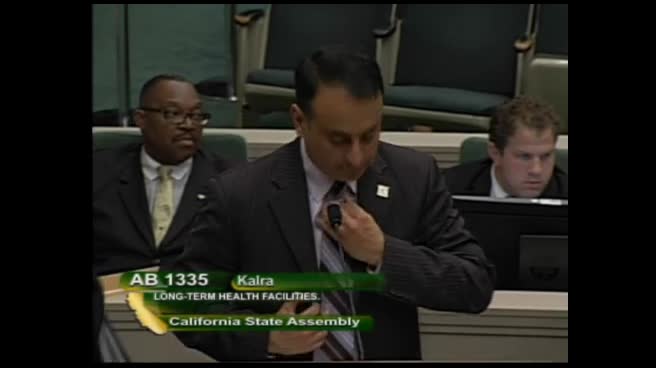 5MIN
Assembly Standing Committee on Health
 5MIN
Assembly Standing Committee on Aging and Long-Term Care
 51MIN
Assembly Standing Committee on Aging and Long-Term Care




Bill Co-Author(s):






