AB 862: Social innovation financing.
- Session Year: 2017-2018
- House: Assembly
- Latest Version Date: 2018-03-21
Existing law, until January 1, 2022, establishes the Social Innovation Financing Program to award grant funding to 3 counties to reduce recidivism through contracts between the government, private investors, and service providers pursuant to which private investors agree to provide financing to service providers to achieve social outcomes agreed upon in advance, and the government agency agrees to pay a return on the investment to the investors if successful programmatic outcomes are achieved by the service provider. Existing law, upon appropriation by the Legislature, requires the Board of State and Community Corrections to issue grants in an amount of not less than $500,000 and not more than $2,000,000 to each county selected, up to a maximum of $5,000,000.
This bill would establish the Social Innovation Financing Program of 2018. The bill would require the board to select 6 3 counties to receive funding and would require the board to issue grants in an amount of not less than $300,000 and not more than $2,000,000, up to a maximum of $10,000,000. $5,000,000. The bill would extend repeal the program until as of January 1, 2025.
Existing law, until January 1, 2022, establishes the Social Innovation Financing Program to award grant funding to 3 counties to reduce recidivism through contracts between the government, private investors, and service providers pursuant to which private investors agree to provide financing to service providers to achieve social outcomes agreed upon in advance, and the government agency agrees to pay a return on the investment to the investors if successful programmatic outcomes are achieved by the service provider. Existing law, upon appropriation by the Legislature, requires the Board of State and Community Corrections to issue grants in an amount of not less than $500,000 and not more than $2,000,000 to each county selected, up to a maximum of $5,000,000.
This bill would make technical, nonsubstantive changes to those provisions. require the board to select 6 counties to receive funding and would require the board to issue grants in an amount of not less than $300,000 and not more than $2,000,000, up to a maximum of $10,000,000. The bill would extend the program until January 1, 2025.
Existing law, until January 1, 2022, establishes the Social Innovation Financing Program to award grant funding to 3 counties to reduce recidivism through contracts between the government, private investors, and service providers pursuant to which private investors agree to provide financing to service providers to achieve social outcomes agreed upon in advance, and the government agency agrees to pay a return on the investment to the investors if successful programmatic outcomes are achieved by the service provider.
This bill would make technical, nonsubstantive changes to those provisions.
(a)There is hereby established the Social Innovation Financing Program of 2018.
(b)The Board of State and Community Corrections shall administer the program.
(c)(1) The board shall solicit proposals for social innovation financing from a city and county or county boards of supervisors and shall select three counties to receive grant funding.
(2)Before awarding a grant pursuant to paragraph (1), the board shall evaluate the quality of the proposal for which the grant is to be awarded.
(3)At a minimum, each application for a grant shall include all of the following:
(A)A description of the proposed social program.
(B)A description of the organizations experience in providing the proposed social program.
(C)A description of the financial stability of the organization.
(D)An identification of each component of the social program to be provided.
(E)A description of the manner in which the social program will be provided.
(F)A description of the recruitment or selection process, or both, for participants in the social program.
(G)The proposed quantifiable results and performance thresholds upon which success of the social program will be measured.
(H)An itemization of all expenses proposed to be reimbursed under the contract.
(I)The amount of matching funds provided by the county.
(J)A description of how the final payments for successful programmatic outcomes will be calculated and structured in the contract.
(K)A description of all parties to the proposed contract, including prospective investors and philanthropic foundations.
97017.(a)Upon appropriation of funds by the Legislature for deposit in the Recidivism Reduction Fund for the purposes of this title, the board shall award a grant in an amount of not less than three hundred thousand dollars ($300,000) and not more than two million dollars ($2,000,000) to each county selected pursuant to Section 97016 for the purposes of entering into a pay for success or social innovation financing contract. The total amount of the grants awarded pursuant to this section shall not exceed five million dollars ($5,000,000). Unused state moneys shall revert to the General Fund.
(b)Each county contract described in subdivision (a) shall include all of the following:
(1)A requirement that the payment be conditioned on the achievement of specific outcomes based upon defined performance targets.
(2)An objective process by which an independent evaluator, selected by the county, will determine whether the performance targets have been achieved. This process shall include defined performance metrics and a monitoring plan.
(3)A calculation of the amount and timing of payments that would be earned by the service provider during each year of the agreement if performance targets are achieved, as determined by the independent evaluator.
(4)A determination by the county that the contract will result in significant performance improvements, such as a reduction in rearrests or an increase in the number of jail days avoided, and budgetary savings if the performance targets are achieved.
(5)A requirement that an amount equal to a minimum of 100 percent of the grant funds awarded to the county be matched by other county, federal, private, or philanthropic funds. The board may adopt regulations allowing in-kind contributions in lieu of monetary contributions for this purpose.
(c)Up to 10 percent of the grant funds awarded pursuant to this title may be used by the counties for administrative expenses related to the development of the pay for success or social innovation financing contract. The remainder of the grant shall be contributed toward final payments to investors for successful programmatic outcomes achieved, as stipulated in the contract.
(d)If, after receiving a grant pursuant to this title, a county does not enter into a contract for which the grant was awarded, the county shall return all moneys awarded by the board pursuant to this title to the state.
97018.(a)Each county receiving an award shall report annually to the board on the status of its ongoing social innovation financing program. The report shall also contain an accounting of the moneys awarded.
(b)The board shall compile the county reports and submit a summary report to the Governor and Legislature annually.
(c)A report made pursuant to this section shall be made in accordance with the requirements of Section 9795.
97019.This title shall remain in effect only until January 1, 2025, and as of that date is repealed.
SECTION 1.Section 97010 of the Government Code is amended to read:97010.(a)There is hereby established the Social Innovation Financing Program.(b)The board shall administer the Social Innovation Financing Program.(c)(1)The board shall solicit proposals for social innovation financing from county boards of supervisors and shall select six counties to receive grant funding.(2)Before awarding a grant pursuant to paragraph (1), the board shall evaluate the quality of the proposal for which the grant is to be awarded.(3)At a minimum, each application for a grant shall include all of the following:(A)A description of the proposed social program.(B)A description of the organizations experience in providing the proposed social program.(C)A description of the financial stability of the organization.(D)An identification of each component of the social program to be provided.(E)A description of the manner in which the social program will be provided.(F)A description of the recruitment or selection process, or both, for participants in the social program.(G)The proposed quantifiable results and performance thresholds upon which success of the social program will be measured.(H)An itemization of all expenses proposed to be reimbursed under the contract.(I)The amount of matching funds provided by the county.(J)A description of how the final payments for successful programmatic outcomes will be calculated and structured in the contract.(K)A description of all parties to the proposed contract, including prospective investors and philanthropic foundations.SEC. 2.Section 97011 of the Government Code is amended to read:97011.(a)Upon appropriation of funds by the Legislature for deposit in the Recidivism Reduction Fund for the purposes of this title, the board shall award a grant in an amount of not less than three hundred thousand dollars ($300,000) and not more than two million dollars ($2,000,000) to each county selected pursuant to Section 97010 for the purposes of entering into a pay for success or social innovation financing contract. The total amount of the grants awarded pursuant to this section shall not exceed ten million dollars ($10,000,000). Any unused state moneys shall revert to the General Fund.(b)Each county contract described in subdivision (a) shall include all of the following:(1)A requirement that the payment be conditioned on the achievement of specific outcomes based upon defined performance targets.(2)An objective process by which an independent evaluator, selected by the county, will determine whether the performance targets have been achieved. This process shall include defined performance metrics and a monitoring plan.(3)A calculation of the amount and timing of payments that would be earned by the service provider during each year of the agreement if performance targets are achieved as determined by the independent evaluator.(4)A determination by the county that the contract will result in significant performance improvements, such as a reduction in rearrests or an increase in the number of jail days avoided, and budgetary savings if the performance targets are achieved.(5)A requirement that an amount equal to a minimum of 100 percent of the Social Innovation Financing Program grant awarded to the county be matched by other county, federal, private, or philanthropic, funds. The board may adopt regulations allowing in-kind contributions in lieu of monetary contributions for this purpose.(c)Up to 10 percent of the grant funds awarded pursuant to this title may be used by the counties for administrative expenses related to the development of the pay for success or social innovation financing contract. The remainder of the grant shall be contributed toward final payments to investors for successful programmatic outcomes achieved, as stipulated in the contract.(d)If, after receiving a grant pursuant to this title, a county does not enter into a contract for which the grant was awarded, the county shall return all moneys awarded by the board pursuant to this title, to the state.SEC. 3.Section 97013 of the Government Code is amended to read:97013.(a)Each county receiving an award shall report annually to the board on the status of its ongoing social innovation financing program. The report shall also contain an accounting of the moneys awarded.(b)The board shall compile the county reports and submit a summary report to the Governor and Legislature annually.(c)A report made pursuant to this section shall be made in accordance with the requirements of Section 9795.SEC. 4.Section 97015 of the Government Code is amended to read:97015.This title shall remain in effect only until January 1, 2025, and as of that date is repealed.(a)There is hereby established the Social Innovation Financing Program.
(b)The board shall administer the Social Innovation Financing Program.
(c)(1)The board shall solicit proposals for social innovation financing from county boards of supervisors and shall select three six counties to receive grant funding.
(2)Before awarding a grant pursuant to paragraph (1), the board shall evaluate the quality of the proposal for which the grant is to be awarded.
(3)At a minimum, each application for a grant shall include all of the following:
(A)A description of the proposed social program.
(B)A description of the organizations experience in providing the proposed social program.
(C)A description of the financial stability of the organization.
(D)An identification of each component of the social program to be provided.
(E)A description of the manner in which the social program will be provided.
(F)A description of the recruitment or selection process, or both, for participants in the social program.
(G)The proposed quantifiable results and performance thresholds upon which success of the social program will be measured.
(H)An itemization of all expenses proposed to be reimbursed under the contract.
(I)The amount of matching funds provided by the county.
(J)A description of how the final payments for successful programmatic outcomes will be calculated and structured in the contract.
(K)A description of all parties to the proposed contract, including prospective investors and philanthropic foundations.
SEC. 2.Section 97011 of the Government Code is amended to read:97011.(a)Upon appropriation of funds by the Legislature for deposit in the Recidivism Reduction Fund for the purposes of this title, the board shall award a grant in an amount of not less than five three hundred thousand dollars ($500,000) ($300,000) and not more than two million dollars ($2,000,000) to each county selected pursuant to Section 97010 for the purposes of entering into a pay for success or social innovation financing contract. The total amount of the grants awarded pursuant to this section shall not exceed five ten million dollars ($5,000,000). ($10,000,000). Any unused state moneys shall revert to the General Fund.
(b)Each county contract described in subdivision (a) shall include all of the following:
(1)A requirement that the payment be conditioned on the achievement of specific outcomes based upon defined performance targets.
(2)An objective process by which an independent evaluator, selected by the county, will determine whether the performance targets have been achieved. This process shall include defined performance metrics and a monitoring plan.
(3)A calculation of the amount and timing of payments that would be earned by the service provider during each year of the agreement if performance targets are achieved as determined by the independent evaluator.
(4)A determination by the county that the contract will result in significant performance improvements, such as a reduction in rearrests or an increase in the number of jail days avoided, and budgetary savings if the performance targets are achieved.
(5)A requirement that an amount equal to a minimum of 100 percent of the Social Innovation Financing Program grant awarded to the county be matched by other county, federal, private, or philanthropic, funds. The board may adopt regulations allowing in-kind contributions in lieu of monetary contributions for this purpose.
(c)Up to 10 percent of the grant funds awarded pursuant to this title may be used by the counties for administrative expenses related to the development of the pay for success or social innovation financing contract. The remainder of the grant shall be contributed toward final payments to investors for successful programmatic outcomes achieved, as stipulated in the contract.
(d)If, after receiving a grant pursuant to this title, a county does not enter into a contract for which the grant was awarded, the county shall return all moneys awarded by the board pursuant to this title, to the state.
SEC. 3.Section 97013 of the Government Code is amended to read:97013.(a)Each county receiving an award shall report annually to the board on the status of its ongoing social innovation financing program. The report shall also contain an accounting of the moneys awarded.
(b)The board shall compile the county reports and submit a summary report to the Governor and Legislature annually.
(c)A report made pursuant to this section shall be made in accordance with the requirements of Section 9795.
(d) This section shall remain in effect only until January 1, 2022, and as of that date is repealed, unless a later enacted statute, that is enacted before January 1, 2022, deletes or extends that date.SEC. 4.Section 97015 of the Government Code is amended to read:97015. This title shall remain in effect only until January 1, 2022, and as of that date is repealed, unless a later enacted statute, that is enacted before January 1, 2022, deletes or extends that date.This title shall remain in effect only until January 1, 2025, and as of that date is repealed.
SECTION 1.Section 97009 of the Government Code is amended to read:97009.(a)It is the intent of the Legislature that, as part of the package to reduce recidivism in California, the concept of pay for success or social innovation financing should be included to take advantage of available philanthropic and private investment.(b)The Legislature hereby declares that a variety of approaches have been shown to be successful in reducing recidivism, including addressing homelessness, substance use disorder, and unemployment among specific demographic groups.(a)It is the intent of the Legislature that that, as part of the package to reduce recidivism in California, the concept of pay for success or social innovation financing should be included to take advantage of available philanthropic and private investment.
(b)The Legislature hereby declares that a variety of approaches have been shown to be successful in reducing recidivism, including addressing homelessness, substance use disorder disorder, and unemployment among specific demographic groups.
|
Date
|
Status
|
|---|---|
| Aug 16, 2018 | In committee: Held under submission. |
| Jun 25, 2018 | In committee: Referred to APPR. suspense file. |
| May 15, 2018 | From committee: Do pass and re-refer to Com. on APPR. with recommendation: To Consent Calendar. (Ayes 7. Noes 0.) (May 15). Re-referred to Com. on APPR. |
| Mar 21, 2018 | From committee chair, with author's amendments: Amend, and re-refer to committee. Read second time, amended, and re-referred to Com. on PUB. S. |
| Mar 15, 2018 | Referred to Com. on PUB. S. |
| Jan 29, 2018 | In Senate. Read first time. To Com. on RLS. for assignment. |
| Jan 29, 2018 | Read third time. Passed. Ordered to the Senate. |
| Jan 22, 2018 | Read second time. Ordered to third reading. |
| Jan 18, 2018 | In committee: Set, first hearing. Referred to APPR. suspense file. |
| Jan 9, 2018 | From committee: Do pass and re-refer to Com. on APPR. with recommendation: To Consent Calendar. (Ayes 7. Noes 0.) (January 9). Re-referred to Com. on APPR. |
| Mar 23, 2017 | From committee chair, with author's amendments: Amend, and re-refer to Com. on PUB. S. Read second time and amended. |
| Mar 27, 2017 | Re-referred to Com. on PUB. S. |
| Mar 23, 2017 | Referred to Com. on PUB. S. |
| Feb 17, 2017 | From printer. May be heard in committee March 19. |
| Feb 16, 2017 | Read first time. To print. |
|
Date
|
Description
|
Location
|
Votes
|
|
|---|---|---|---|---|
| Jun 25, 2018 | Placed on suspense file | Senate Standing Committee on Appropriations |
Passed |
|
| May 15, 2018 | Do pass, but first be re-referred to the Committee on [Appropriations] with the recommendation: To Consent Calendar | Senate Standing Committee on Public Safety |
Passed |
|
| Jan 29, 2018 | AB 862 MAIENSCHEIN Assembly Third Reading | Assembly Floor |
Passed |
|
| Jan 18, 2018 | Do pass. | Assembly Standing Committee on Appropriations |
Passed |
|
| Jan 9, 2018 | Do pass and be re-referred to the Committee on [Appropriations] with recommendation: To Consent Calendar | Assembly Standing Committee on Public Safety |
Passed |
This list shows positions taken on this bill by organizations on the date displayed, which is linked to the original source.
Positions by individuals are not included.
|
Organization
|
Position
|
Date
|
|---|---|---|
| Bay Area Buiders Exchange | ** Support | Jan 8, 2018 |
| Central California Builders Exchange | ** Support | Jan 8, 2018 |
| Federation Of California Builders Exchanges | ** Support | Jan 8, 2018 |
| North Coast Builders Exchange | ** Support | Jan 8, 2018 |
| Sacramento Regional Builders Exchange | ** Support | Jan 8, 2018 |
| Valley Contractors Exchange | ** Support | Jan 8, 2018 |
SENATE COMMITTEE ON
Senator Anthony Portantino, Chair
2017 - 2018 Regular Session
AB 862 (Maienschein) - Social innovation financing
Version: | Policy Vote: |
Urgency: | Mandate: |
Hearing Date: | Consultant: |
This bill meets the criteria for referral to the Suspense File.
Bill Summary:
AB 862 would establish the Social Innovation Financing Program of 2018.
Fiscal Impact:
- Potentially-major cost pressures to the General Fund of up to $5 million to fund the Social Innovation Financing Program of 2018. (General Fund)
- The Board of State and Community Corrections (BSCC) estimates that up to 5 percent of the grant awards could be necessary for general administrative costs to implement and administer this program, resulting in workload costs to the board of up to $250,000. (General Fund)
Background:
A “pay for success” or “social innovation financing contract” is a financing model in which funds are raised from private investors through philanthropic and non-governmental organizations to provide capital for social services traditionally delivered by public entities. Social impact partnerships are intended to provide public funding of service delivery programs only on a reimbursement basis once demonstrated performance measures are achieved by a private entity under contract to perform specified services. This model is intended to shift financial risk to non-governmental entities that are paid for providing traditional services only upon demonstration of results.
Proposed Law:
This bill would repeal the Social Innovation Financing Program that the Legislature established in 2014 and would, instead, establish the Social Innovation Financing Program of 2018 to foster performance improvements, such as a reduction in rearrests or an increase in the number of jail days avoided, and budgetary savings if the performance targets are achieved. Specifically, AB 862 would:
- Require BSCC to administer the program.
- Require the board to solicit proposals for social innovation financing form counties and select three counties to receive grant funding ranging from $300,000 to $2 million. The board would be limited to granting awards totaling no more than $5 million.
- Require that a county match 100 percent of the grant funds awards, either by other county, federal, private, or philanthropic funds. It would allow the board to adopt regulations to allow in-kind contributions in lieu of monetary contributions for this purpose.
- Specify that counties may use up to 10 percent of the grant funds for administrative expenses related to the development of the pay for success or social innovation financing contract.
- Require each county that receives an award to report annually to BSCC on the status of its ongoing program, including an accounting of the moneys awarded. The board, in turn, would be required to compile the county reports and submit a summary report to the governor and the Legislature annually.
- Repeal the program on January 1, 2025.
Related Legislation:
AB 1837 (Atkins, Ch. 820, Stats. 2014) established the Social Innovation Financing Program (now known as the Pay for Success Grant Program), administered by BSCC.
Staff Comments:
As stated in the analysis of this bill by the Senate Committee on Public Safety with respect to the current Social Innovation Financing Program established in 2014:
The BSCC’s report to the Legislature notes that none of the three projects were fully implemented during the first year of the program. The first year of the program was largely consumed by finalizing the program design, completing a contracting process with an intermediary, identifying the service providers needed to launch their programs and drafting the associated contracts, and finalizing contracts with independent evaluators. The focus of the projects in the second year of the program will be on securing investor funding. All three programs anticipate being fully operational during their second year. The second annual report to the Legislature and Governor is due on October 1, 2018. (Pay For Success Grant Program Legislative Report 2017, pp. 9-12.)
The committee may wish to consider the prudence of establishing a substantially-similar program without first receiving a progress report on the current program that examines the effectiveness of the grants in achieving the desired results of reducing recidivism using evidence-based approaches.
-- END --
SENATE COMMITTEE ON PUBLIC SAFETY
Senator Nancy Skinner, Chair
2017 - 2018 Regular
Bill No: AB 862 Hearing Date: May 15, 2018
Author: | Maienschein | ||
Version: | March 21, 2018 | ||
Urgency: | No | Fiscal: | Yes |
Consultant: | SJ | ||
Subject: Social Innovation Financing
HISTORY
Source: Sacramento Regional Builders Exchange
Prior Legislation: AB 1837 (Atkins), Ch. 802, Stats. of 2014
Support: Anti-Recidivism Coalition; Bay Area Builders Exchange; Central California Builders Exchange; Federation of California Builders Exchanges; North Coast Builders Exchange; Riverside County Board of Supervisors; Valley Contractors Exchange
Opposition: None known
Assembly Floor Vote: 77 - 0
PURPOSE
The purpose of this bill is to establish the Social Innovation Financing Program of 2018.
Existing law establishes the Board of State and Community Corrections (BSCC). (Pen. Code, § 6024, subd. (a).)
Existing law provides that it shall be the duty of the Board of State and Community Corrections to collect and maintain available information and data about state and community correctional policies, practices, capacities, and needs, including, but not limited to, prevention, intervention, suppression, supervision, and incapacitation, as they relate to both adult corrections, juvenile justice, and gang problems. The board shall seek to collect and make publicly available up-to-date data and information reflecting the impact of state and community correctional, juvenile justice, and gang-related policies and practices enacted in the state, as well as information and data concerning promising and evidence-based practices from other jurisdictions. (Pen. Code, § 6027, subd. (a).)
Existing law requires the BSCC to do the following, among other things:
- Develop recommendations for the improvement of criminal justice and delinquency and gang prevention activity throughout the state;
- Identify, promote, and provide technical assistance relating to evidence-based programs, practices, and promising and innovative projects consistent with the mission of the board;
- Receive and disburse federal funds, and perform all necessary and appropriate services in the performance of its duties as established by federal acts;
- Develop procedures to ensure that applications for grants are processed fairly, efficiently, and in a manner consistent with the mission of the board;
- Identify delinquency and gang intervention and prevention grants that have the same or similar program purpose, are allocated to the same entities, serve the same target populations, and have the same desired outcomes for the purpose of consolidating grant funds and programs and moving toward a unified single delinquency intervention and prevention grant application process in adherence with all applicable federal guidelines and mandates;
- Cooperate with and render technical assistance to the Legislature, state agencies, local governments, or other public or private agencies, organizations, or institutions in matters relating to criminal justice and delinquency prevention;
- Develop incentives for units of local government to develop comprehensive regional partnerships whereby adjacent jurisdictions pool grant funds in order to deliver services, to a broader target population and maximize the impact of state funds at the local level;
- Conduct evaluation studies of the programs and activities assisted by the federal acts.
- Identify and evaluate state, local, and federal gang and youth violence suppression, intervention, and prevention programs and strategies, along with funding for those efforts. (Pen. Code, § 6027, subd. (b).)
Existing law defines “social innovation financing contract” as a contractual agreement between government, private investors, and service providers pursuant to which private investors agree to provide financing to service providers to achieve social outcomes agreed upon in advance and the government agency agrees to pay a return on the investment to the investors if successful programmatic outcomes are achieved by the service provider. Provides that a social innovation financing contract may also be known and referred to as a “pay for success contract.” (Gov. Code, § 97008, subd. (b).)
Existing law establishes the Social Innovation Financing Program, and requires the BSCC to administer the program. The BSCC shall select three counties to receive grant funding under the program. (Gov. Code, § 97010.)
Existing law authorizes the BSCC, upon appropriation of funds by the Legislature, to award a grant in an amount of not less than $500,000 and not more than $2,000,000 to each county selected for the purposes of entering into a pay for success or social innovation financing contract. The total amount of the grants awarded pursuant to this section shall not exceed $5,000,000. Any unused state moneys shall revert to the General Fund. (Gov. Code, § 97011, subd. (a).)
Existing law specifies what each county social innovation financing contract must include. (Gov. Code, § 97011, subd. (b).)
Existing law requires each county receiving an award to report annually to the board on the status of its ongoing social innovation financing program. The report must contain an accounting of the moneys awarded. (Gov. Code, § 97013, subd. (a).)
Existing law requires the board to compile the county reports and submit a summary report to the Governor and Legislature annually. (Gov. Code, § 97013, subd. (b).)
Existing law provides that this section remain in effect only until January 1, 2022, and as of that date is repealed, unless a later enacted statute, that is enacted before January 1, 2022, deletes or extends that date. (Gov. Code, § 97013, subd. (d).)
This bill establishes the Social Innovation Financing Program of 2018, requires the BSCC to administer the program, and requires the BSCC to select three counties to receive grant funding under the program.
This bill authorizes the BSCC, upon appropriation of funds by the Legislature, to award a grant in an amount of not less than $300,000 and not more than $2,000,000 to each county selected for the purposes of entering into a pay for success or social innovation financing contract. Provides that the total amount of the grants awarded pursuant to this section shall not exceed $5,000,000. Provides that any unused state moneys shall revert to the General Fund.
This bill requires each county receiving an award to report annually to the board on the status of its ongoing social innovation financing program, including an accounting of the moneys awarded.
This bill requires the board to compile the county reports and submit a summary report to the Governor and Legislature annually.
This bill provides that the Social Innovation Financing Program of 2018 will be in effect until January 1, 2025, and as of that date is repealed.
COMMENTS
- Need for This Bill
According to the author:
In 2014, Assembly Bill 1837 (Atkins) was signed into law and…authorize[d] the Board of State and Community Corrections (BSCC) to create a “Social Innovation Financing Program,” in order to solicit proposals for social innovation financing from county boards and award grants (between $500,000 and $2 million not to exceed a total of $5 million) to three counties. AB 1837 was a pilot program limited to merely three (3) counties with a sunset of 2020.
This program is operating at 100% capacity leaving other counties unable to participate and apply for grant funding.
AB 862 will establish the Social Innovation Financing Program of 2018 allowing for an additional 3 counties to receive grant funding, with a sunset date of 2025.
Social Innovation Financing Programs are innovative funding models that help government better serve underserved and vulnerable populations. Under a “Pay for Success” model, governments, service providers, and funders agree on targeted outcomes for underserved populations. Private investors, activists and philanthropy provide flexible multi-year operating costs to fund effective social service providers. If and when targeted outcomes are achieved (determined by an independent evaluator), government makes “success payments” to investors, who may recycle their returns to further impact social change.
- BSCC
The BSCC is responsible for administering various criminal justice grant programs and ensuring compliance with state and federal standards in the operation of local correctional facilities. It is also responsible for providing technical assistance to local authorities and collecting data related to the outcomes of criminal justice policies and practices.
- Background on Social Innovation Funding
Social impact partnerships, also known as social impact bonds, social innovation funds, and pay for success contracts are a financing mechanism for social programs operated and administered by non-governmental organizations (NGOs). The NGO enters into a contract with a local, state or federal government agency to administer a specific program, including goals and quantifiable target results with a set timeframe by which they must be achieved. The NGO pays for the entire up-front costs of providing the service and if the service meets the agreed upon quantifiable results in the specified timeframe, the NGO is, in turn, reimbursed by the government for the cost of the service plus an agreed upon rate of financial return. If the goals are not met, the government does not reimburse the NGO and no public monies are expended. In essence, nonprofit organizations deliver a program and the government only pays if a program succeeds.
Social innovation financing is seen as having a number of benefits, including:
- Transferring risk away from government and taxpayers because public entities are not subject to repay for services if the outside organization is unable to achieve the desired outcome.
- Funding preventive services that may provide future cost savings to the government.
- Overcoming the “silo” problem in government where agencies may find it difficult to pool resources or direct money toward effective programs.
- Pay for Success Grant Program
AB 1837 (Atkins), Chapter 820, Statutes of 2014, established the Social Innovation Financing Program, now known as the Pay for Success Grant Program, which is administered by the BSCC. The purpose of the Pay for Success Grant Program is “to reduce recidivism using evidence-based approaches that may address such issues as homelessness, substance abuse, and unemployment.” (Pay For Success Grant Program Legislative Report 2017, p. 2, <http://www.bscc.ca.gov/downloads/PFS%20Final%20Leg%20Report%2010-3-17.pdf>.) In April 2016, the BSCC awarded three grants totaling $4.75 million to Los Angeles County, Alameda County, and Ventura County. (<http://www.bscc.ca.gov/news.php?id=87> [as of May 1, 2018].)
The first annual report on the Pay for Success Grant Program was released in October 2017. It summarizes the implementation of the program and provides a description of the funded projects and their progress. Summaries of the projects are included below.
“The Los Angeles County’s Pay for Success Project is aimed at reducing recidivism and ending homelessness for frequently incarcerated inmates with histories of homelessness. The project will focus on the end-to-end provision of holistic, supportive jail in-reach services and post-release permanent housing interventions for 300 homeless Los Angeles County male inmates who have frequent contact with the criminal justice system and complex physical and behavioral health conditions that contribute to negative housing and criminal justice outcomes.” (Pay For Success Grant Program Legislative Report 2017, p. 7.)
“Ventura County’s Pay for Success Project will focus on reducing the number of rearrests among 400 Ventura County medium-to-high risk adult probationers. The program model offers an integrated community-based set of evidence-based practices targeting the specific criminogenic factors most related to recidivism…. A customized suite of reentry evidence-based practices are to be used for each individual participant that could include re-entry case management, Moral Reconation Therapy, parenting and reunification services, trauma treatment and job readiness skills.” (Pay For Success Grant Program Legislative Report 2017, p. 8.)
“Alameda County’s Pay for Success Project is designed to engage first-time felons sentenced to local jails (i.e., persons sentenced pursuant to Penal Code section 1170, subdivision (h)) through peer-based interventions that address: 1) chronic unemployment and poverty; 2) substance abuse; 3) limited access to a variety of supports such as subsidized housing, mental and physical health care and education; 4) lack of positive peer relationships and role models; and 5) criminogenic thinking. Services will include pre-and post-release outreach engagement efforts to ensure participant “buy-in.” Once engaged in the program, 945 participants will receive services from a cross-trained peer-based service team that will deliver 24/7 wraparound services, and counselors who provide access to substance use disorder treatment, employment training, adult education, mental health services, intensive case management and housing assistance.” (Pay For Success Grant Program Legislative Report 2017, p. 8.)
The BSCC’s report to the Legislature notes that none of the three projects were fully implemented during the first year of the program. The first year of the program was largely consumed by finalizing the program design, completing a contracting process with an intermediary, identifying the service providers needed to launch their programs and drafting the associated contracts, and finalizing contracts with independent evaluators. The focus of the projects in the second year of the program will be on securing investor funding. All three programs anticipate being fully operational during their second year. The second annual report to the Legislature and Governor is due on October 1, 2018. (Pay For Success Grant Program Legislative Report 2017, pp. 9-12.)
This bill would create a new social innovation financing program so that more counties can participate in this type of program. It would authorize the BSCC to select three counties to receive grants, and would establish a minimum grant amount of $300,000 and a maximum grant amount of $2,000,000. Grant proposals would be required to meet the same criteria as those under the existing program, and participating counties would be subject to the same contract and reporting requirements. The newly created program would sunset on January 1, 2025.
-- END --
ASSEMBLY THIRD READING
ATR Bill Id:
Author:(Maienschein)
As Amended Ver:March 23, 2017
Majority vote
Committee | Votes | Ayes | Noes |
Public Safety | 7-0 | Jones-Sawyer, Lackey, Carrillo, Gonzalez Fletcher, Kiley, Quirk, Santiago | |
Appropriations | 17-0 | Gonzalez Fletcher, Bigelow, Bloom, Bonta, Brough, Calderon, Carrillo, Chau, Eggman, Fong, Friedman, Gallagher, Eduardo Garcia, Jones-Sawyer, Obernolte, Quirk, Reyes |
|
SUMMARY: Expands the Pay for Success Grant Program administered by the Board of State and Community Corrections (BSCC) to authorize grants to six counties to fund social innovation programs, as specified. Specifically, this bill:
- Increases the number of counties eligible to receive social innovation grant funding from three to six.
- Lowers the minimum amount to be awarded in a social innovation grant from $500,000 to $300,000.
- Increases the total amount of grants to be awarded from $5 million to $10 million.
- Extends the social innovation financing program until January 1, 2025, and sunsets it on that date.
- Deletes codified language stating legislative intent.
EXISTING STATE LAW:
- Establishes the BSCC.
- Provides that it shall be the duty of BSCC to collect and maintain available information and data about state and community correctional policies, practices, capacities, and needs, including, but not limited to, prevention, intervention, suppression, supervision, and incapacitation, as they relate to both adult corrections, juvenile justice, and gang problems. The board shall seek to collect and make publicly available up-to-date data and information reflecting the impact of state and community correctional, juvenile justice, and gang-related policies and practices enacted in the state, as well as information and data concerning promising and evidence-based practices from other jurisdictions.
- Requires the BSCC to also do the following, among other things:
- Develop recommendations for the improvement of criminal justice and delinquency and gang prevention activity throughout the state;
- Identify, promote, and provide technical assistance relating to evidence-based programs, practices, and promising and innovative projects consistent with the mission of the board;
- Receive and disburse federal funds, and perform all necessary and appropriate services in the performance of its duties as established by federal acts;
- Develop procedures to ensure that applications for grants are processed fairly, efficiently, and in a manner consistent with the mission of the board;
- Identify delinquency and gang intervention and prevention grants that have the same or similar program purpose, are allocated to the same entities, serve the same target populations, and have the same desired outcomes for the purpose of consolidating grant funds and programs and moving toward a unified single delinquency intervention and prevention grant application process in adherence with all applicable federal guidelines and mandates;
- Cooperate with and render technical assistance to the Legislature, state agencies, local governments, or other public or private agencies, organizations, or institutions in matters relating to criminal justice and delinquency prevention;
- Develop incentives for units of local government to develop comprehensive regional partnerships whereby adjacent jurisdictions pool grant funds in order to deliver services, to a broader target population and maximize the impact of state funds at the local level;
- Conduct evaluation studies of the programs and activities assisted by the federal acts.
- Establishes the Social Innovation Financing Program, and requires the BSCC to administer the program. The BSCC shall select three counties to receive grant funding under the program.
- Authorizes the BSCC, upon appropriation of funds by the Legislature, to award a grant in an amount of not less than $500,000 and not more than $2 million to each county selected for the purposes of entering into a pay for success or social innovation financing contract. The total amount of the grants awarded pursuant to this section shall not exceed $5 million. Any unused state moneys shall revert to the General Fund.
FISCAL EFFECT: According to the Assembly Appropriations Committee, unknown general fund cost pressures, likely in the range of $5 million to fund three additional grants and the associated administrative costs.
COMMENTS: According to the author, "Innovative strategies have proven to be successful, but we must not stifle this success. Counties across the state want to compete for and take advantage of pay for success models to reduce recidivism by empowering individuals with marketable skills to enter into the job market. California should be open to tools that encourage more investment to accomplish measurable social benefit, save taxpayer money, and meet public policy goals. Social innovation financing is one such tool."
Analysis Prepared by: Sandy Uribe / PUB. S. / (916) 319-3744 FN: 0002529
Date of Hearing: January 18, 2018
ASSEMBLY COMMITTEE ON APPROPRIATIONS
Lorena Gonzalez Fletcher, Chair
ABPCA Bill Id:AB 862
Author:(Maienschein) – As Amended Ver:March 23, 2017
Policy Committee: | Public Safety | Vote: | 7 - 0 |
Urgency: No State Mandated Local Program: No Reimbursable: No
SUMMARY:
This bill expands the “Pay for Success Grant Program” administered by the Board of State and Community Corrections (BSCC), which aims to reduce recidivism among individuals involved in the criminal justice system. Specifically, this bill:
- Increases the number of counties eligible to receive social innovation grant funding from three to six.
- Lowers the minimum potential amount of a grant from $500,000 to $300,000.
- Increases the maximum potential amount of a grant from $5,000,000 to $10,000,000.
- Extends the program sunset date from January 1, 2022 until January 1, 2025.
FISCAL EFFECT:
Unknown GF cost pressures, likely in the range of $5,000,000 to fund three additional grants and the associated administrative costs.
COMMENTS:
- Background. AB 1837 (Atkins), Chapter 820, Statutes of 2014, established the Social Innovation Financing Program (now known as the Pay for Success Grant Program), which is administered by the BSCC. Pay for success programs are a financing mechanism for social programs operated and administered by non-government organizations (NGOs) on behalf of public agencies. Each pay for success contract identifies goals and quantifiable results to be achieved within a specified timeframe, such as reducing recidivism on individuals involved with the criminal justice system. The NGO pays for the entire up-front costs of providing the service and is reimbursed by the government for the cost of the service plus an agreed upon rate of financial return if the terms of the contract are achieved. AB 1837 provided roughly $5,000,000 for the program for three local pay for success projects selected through a competitive bid process. From this initial funding, BSCC awarded $4,750,000 in grants and retained the balance of the funding to cover the cost of administering the program.
- Purpose. According to the author, “Innovative strategies have proven to be successful, but we must not stifle this success. Counties across the state want to compete for and take advantage of pay for success models to reduce recidivism by empowering individuals with marketable skills to enter into the job market. California should be open to tools that encourage more investment to accomplish measurable social benefit, save taxpayer money, and meet public policy goals. Social innovation financing is one such tool.”
- Expansion of the Program Appears Premature. The Pay for Success grant program established by AB 1837 is still in the early stages of implementation. According to BSCC’s 2017 annual report on the program, while three grants were awarded to fully commit the initial funding provided, none of the programs funded by the grants have been implemented. The BSCC report indicates that all three programs will become operational in 2018 and begin providing services aimed at reducing recidivism. Given this implementation timeline, it is likely that outcomes and cost effectiveness of the grant program will not be fully known for several more years. This implementation timeline is consistent with existing law, which establishes the program and makes funding available through January 1, 2022. It may be premature to expand the program and incur costs to fund additional grants before information is available on whether the program will successfully reduce recidivism.
Analysis Prepared by: Jessica Peters / APPR. / (916) 319-2081
Date of Hearing: January 9, 2018
Counsel: Sandra Uribe
ASSEMBLY COMMITTEE ON
Reginald Byron Jones-Sawyer, Sr., Chair
ABPCA Bill Id:
Author:() – As Ver:
SUMMARY:
Expands the Pay for Success Grant Program administered by the Board of State and Community Corrections (BSCC) to authorize grants to six counties to fund social innovation programs, as specified. Specifically, this bill:
- Increases the number of counties eligible to receive social innovation grant funding from three to six.
- Lowers the minimum amount to be awarded in a social innovation grant from $500,000 to $300,000.
- Increases the total amount of grants to be awarded from $5,000,000 to $10,000,000.
- Extends the social innovation financing program until January 1, 2025, and sunsets it on that date.
- Deletes codified language stating legislative intent.
EXISTING STATE LAW:
- Establishes the BSCC. (Pen. Code, § 6024, subd. (a).)
- Provides that it shall be the duty of BSCC to collect and maintain available information and data about state and community correctional policies, practices, capacities, and needs, including, but not limited to, prevention, intervention, suppression, supervision, and incapacitation, as they relate to both adult corrections, juvenile justice, and gang problems. The board shall seek to collect and make publicly available up-to-date data and information reflecting the impact of state and community correctional, juvenile justice, and gang-related policies and practices enacted in the state, as well as information and data concerning promising and evidence-based practices from other jurisdictions. (Pen. Code, § 6027, subd. (a).)
- Requires the BSCC to also do the following, among other things:
- Develop recommendations for the improvement of criminal justice and delinquency and gang prevention activity throughout the state;
- Identify, promote, and provide technical assistance relating to evidence-based programs, practices, and promising and innovative projects consistent with the mission of the board;
- Receive and disburse federal funds, and perform all necessary and appropriate services in the performance of its duties as established by federal acts;
- Develop procedures to ensure that applications for grants are processed fairly, efficiently, and in a manner consistent with the mission of the board;
- Identify delinquency and gang intervention and prevention grants that have the same or similar program purpose, are allocated to the same entities, serve the same target populations, and have the same desired outcomes for the purpose of consolidating grant funds and programs and moving toward a unified single delinquency intervention and prevention grant application process in adherence with all applicable federal guidelines and mandates;
- Cooperate with and render technical assistance to the Legislature, state agencies, local governments, or other public or private agencies, organizations, or institutions in matters relating to criminal justice and delinquency prevention;
- Develop incentives for units of local government to develop comprehensive regional partnerships whereby adjacent jurisdictions pool grant funds in order to deliver services, to a broader target population and maximize the impact of state funds at the local level;
- Conduct evaluation studies of the programs and activities assisted by the federal acts. (Pen. Code, § 6027, subd. (b).)
- Develop recommendations for the improvement of criminal justice and delinquency and gang prevention activity throughout the state;
- Establishes the Social Innovation Financing Program, and requires the BSCC to administer the program. The BSCC shall select three counties to receive grant funding under the program. (Gov. Code, § 97010.)
- Authorizes the BSCC, upon appropriation of funds by the Legislature, to award a grant in an amount of not less than $500,000 and not more than $2,000,000 to each county selected for the purposes of entering into a pay for success or social innovation financing contract. The total amount of the grants awarded pursuant to this section shall not exceed $5,000,000. Any unused state moneys shall revert to the General Fund. (Gov. Code, § 97011.)
FISCAL EFFECT:
Unknown
COMMENTS:
- Author's Statement: According to the author, “Innovative strategies have proven to be successful, but we must not stifle this success. Counties across the state want to compete for and take advantage of pay for success models to reduce recidivism by empowering individuals with marketable skills to enter into the job market. California should be open to tools that encourage more investment to accomplish measurable social benefit, save taxpayer money, and meet public policy goals. Social innovation financing is one such tool.”
- Board of State and Community Corrections (BSCC): The BSCC is responsible for administering various criminal justice grant programs and ensuring compliance with state and federal standards in the operation of local correctional facilities. It is also responsible for providing technical assistance to local authorities and collecting data related to the outcomes of criminal justice policies and practices." (LAO, The 2013-14 Budget: The Governor's Criminal Justice Proposals, p. 44 (Feb. 15, 2013).)
- Background on Social Innovation Funding: Social impact partnerships, also known as social impact bonds, social innovation funds, and pay for success programs are a financing mechanism for social programs operated and administered by non-government organizations (NGOs). The NGO enters into a contract with a local, state or federal government agency to administer a specific program, including goals and quantifiable target results with a set timeframe by which they must be achieved. The NGO pays for the entire up-front costs of providing the service and if the service meets the agreed upon quantifiable results in the specified timeframe, the NGO is, in turn, reimbursed by the government for the cost of the service plus an agreed upon rate of financial return. If the goals are not met, the government does not reimburse the NGO and no public monies are expended. In essence, nonprofit organizations deliver a program and the government only pays if a program succeeds.
- Pay for Success Grant Program: AB 1837 (Atkins), Chapter 820, Statutes of 2014, established the Social Innovation Financing Program, now known as the Pay for Success Grant Program, which is to be administered by the BSCC. “AB 1837 provided approximately $4,750,000 for local grant awards in amounts of not less than $500,000 and not more than $2,000,000 for three local pay for success projects selected through a competitive bid process.” (Pay For Success Grant Program Legislative Report 2017, p. 3, http://www.bscc.ca.gov/downloads/PFS%20Final%20Leg%20Report%2010-3-17.pdf .) The BSCC awarded grants to Los Angeles, Ventura, and Alameda Counties.
“The Los Angeles County’s Pay for Success Project is aimed at reducing recidivism and ending homelessness for frequently incarcerated inmates with histories of homelessness. The project will focus on the end-to-end provision of holistic, supportive jail in-reach services and post-release permanent housing interventions for 300 homeless Los Angeles County male inmates who have frequent contact with the criminal justice system and complex physical and behavioral health conditions that contribute to negative housing and criminal justice outcomes.” (Pay For Success Grant Program Legislative Report 2017, p. 7.)
“Ventura County’s Pay for Success Project will focus on reducing the number of rearrests among 400 Ventura County medium-to-high risk adult probationers. The program model offers an integrated community-based set of evidence-based practices targeting the specific criminogenic factors most related to recidivism…. A customized suite of reentry evidence-based practices are to be used for each individual participant that could include re-entry case management, Moral Reconation Therapy, parenting and reunification services, trauma treatment and job readiness skills.” (Pay For Success Grant Program Legislative Report 2017, p. 8.)
“Alameda County’s Pay for Success Project is designed to engage first-time felons sentenced to local jails (i.e., persons sentenced pursuant to Penal Code section1170, subdivision (h)) through peer-based interventions that address: 1) chronic unemployment and poverty; 2) substance abuse; 3) limited access to a variety of supports such as subsidized housing, mental and physical health care and education; 4) lack of positive peer relationships and role models; and 5) criminogenic thinking. Services will include pre-and post-release outreach engagement efforts to ensure participant “buy-in.” Once engaged in the program, 945 participants will receive services from a cross-trained peerbased service team that will deliver 24/7 wraparound services, and counselors who provide access to substance use disorder treatment, employment training, adult education, mental health services, intensive case management and housing assistance.” (Pay For Success Grant Program Legislative Report 2017, p. 8.)
The BSCC’s report to the Legislature notes that during the first year none of the three projects have been fully implemented. All three programs anticipate being fully operational during their second year. The second annual report to the Legislature and Governor is due October 1, 2018. (Pay For Success Grant Program Legislative Report 2017, pp. 11-12.)
This bill would expand the Pay for Success Grant Program to six counties, and increases the maximum amount to be awarded in grants to $10,000,000, thereby letting three additional counties participate. This bill would also extend the sunset date of the program until January 1, 2025. - Argument in Support: According to the Sacramento Regional Builders Exchange, the sponsor of this bill, “Like many industries who are struggling to close the skilled labor gap, the construction industry has been especially hard hit by the last economic downturn when tens of thousands of construction workers left the state or industry. Today, for every five (5) construction workers who are preparing for retirement, there is only one (1) in the pipeline to replace them.
“If enacted, AB 862 will help close the skilled workforce gap for the trades and construction industry, while helping to reduce recidivism by empowering individuals with marketable skills for employment and self-sufficiency.
As you know, social innovation financing programs (SIFPs), also referred to as ‘pay for success’ projects are innovative funding models that help government better serve unserved, underserved, and vulnerable populations. Under a pay for success (PFS) model, governments, service providers, and funders agree on targeted outcomes for underserved populations. Private investors, activists, and philanthropy provide flexible multi-year operating costs to fund effective social service providers. If and when targeted outcomes are achieved (determined by an independent evaluator), government makes ‘success payments’ to investors, who may recycle their returns to further impact social change.
“While AB 1837 permitted up to three (3) counties in the state to utilize this funding model, many more counties and stakeholders across the state are interested in applying to this program….
“Simply put, AB 862 will expand the state’s reach to improve economic opportunity, health, and safety to underserved populations who otherwise might not be in a position to take advantage of them.” - Prior Legislation:
- AB 1837 (Atkins), Chapter 802, Statutes of 2014, enacted, until January 1, 2020, the Social Innovation Financing Program, which the Board of State and Community BSCC administers.
- AB 1056 (Atkins), Chapter 438, Statutes of 2015, extends the Social Innovation Financing Program’s sunset date and reporting requirements until January 1, 2022.
- AB 1837 (Atkins), Chapter 802, Statutes of 2014, enacted, until January 1, 2020, the Social Innovation Financing Program, which the Board of State and Community BSCC administers.
REGISTERED SUPPORT / OPPOSITION:
Support
Sacramento Regional Builders Exchange (Sponsor)
Bay Area Buiders Exchange
Central California Builders Exchange
North Coast Builders Exchange
Valley Contractors Exchange
Federation of California Builders Exchanges
Opposition
None
Analysis Prepared by:
Discussed in Hearing
 1H
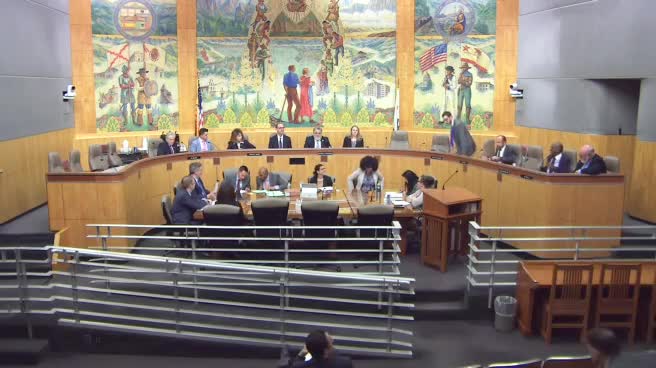
Senate Standing Committee on Appropriations
 1MIN
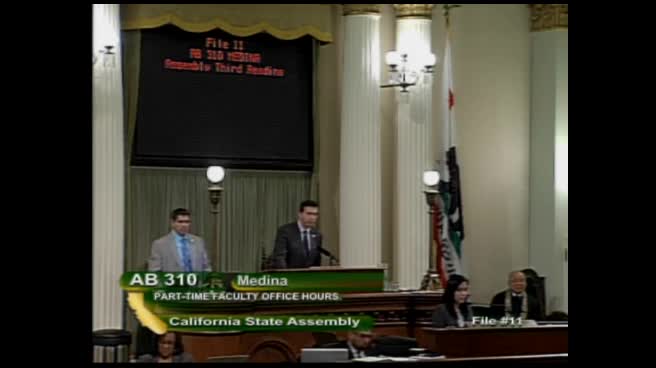
Assembly Floor
 21MIN
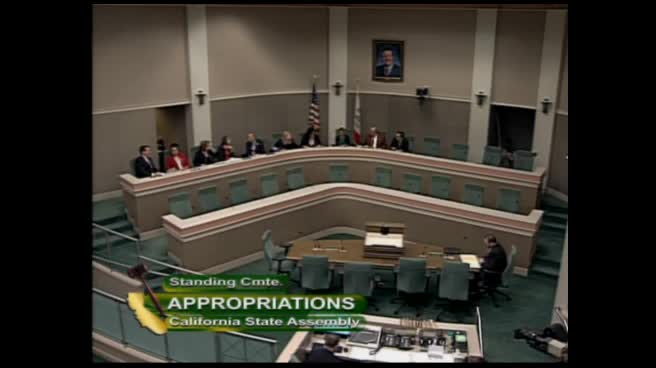
Assembly Standing Committee on Appropriations
Bill Author



