ACR 129: Civic engagement.
- Session Year: 2017-2018
- House: Assembly
- Latest Version Date: 2017-09-28
This measure would recognize the importance of civic engagement across the State of California.
This measure would recognize the importance of civic engagement across the State of California.
This measure would recognize the importance of civic engagement across the State of California.
This measure would recognize the importance of civic engagement across the State of California.
WHEREAS, Civic engagement, including voting in elections, volunteering in the community and for nonprofit services, and participating in the legislative process, to hold representatives accountable, is a critical component of our democratic government; and
WHEREAS, Civic engagement requires the broad involvement of not only representative stakeholders, but people and communities from all walks of life. Civic engagement combines values of inclusion, participation, and transparency, local knowledge, and processes and practices that foster dialogue, mutual understanding, creativity, and collective problem solving, while respecting individual autonomy and difference; and
WHEREAS, Less engaged communities are often more critical of the public engagement process, so it is important to attend and speak at city council meetings or other public forums, join neighborhood associations, grassroots groups, or community organizations; and
WHEREAS, The aspect of civic engagement that gets the most attention is voting, because by voting the people select who will represent them in government. In addition, California voters have the ability to engage in direct democracy through ballot initiatives and propositions; and
WHEREAS, According to data from the United States Elections Project, voter turnout in California has trailed national turnout in seven of the last eight federal general elections; and
WHEREAS, Increasing voter participation is necessary to create a more inclusive democracy. California recently enacted legislation creating an automatic voter registration for eligible citizens who visit the Department of Motor Vehicles, allowing counties to adopt a new election model in which all registered voters will automatically receive their ballot 28 days prior to election day, and giving Californians the opportunity to register or reregister to vote all the way up to election day at county elections offices and other satellite locations; and
WHEREAS, Civic engagement includes many other ways that residents participate with their government, in addition to voting; and
WHEREAS, The Legislature encourages individuals to continue to be engaged after election day, to contribute to, and be a part of, the legislative process. This includes meeting with their elected officials, tracking legislation on http://www.leginfo.legislature.ca.gov/faces/billSearchClient.xhtml, watching legislative committee hearings on http://www.calchannel.com, testifying before legislative committees, voicing support and opposition on specific bills, and participating in a There Ought to be a Law contest, which allows constituents to submit bill ideas with the winner of the contest having his or her bill introduced; and
WHEREAS, The public is encouraged to get involved in their communities as well, and the Legislature offers various opportunities for the public to receive legislative updates, meet with their elected officials to discuss their ideas, questions, and concerns about legislation and state issues, and to learn about local organizations and ways to get involved; and
WHEREAS, Getting youth to become more civically engaged is critical given that at 7.5 percent, the youth share of the states 2016 primary vote was much smaller than the youth share of the eligible voter population, which is 14.2 percent; and
WHEREAS, The Legislature is encouraging youth to get more engaged by revitalizing civic learning and participation in California through the State Seal of Civic Engagement, which allows students who develop a deeper understanding of civics through active engagement in their communities to receive an insignia on their diplomas; and
WHEREAS, People who are 16 and 17 years of age can now preregister with their county elections offices to vote as soon as they turn 18 years of age; and
WHEREAS, Youth involvement in the legislative process is especially important. The Legislature has taken critical steps to further increase youth participation by providing youth with opportunities to become acquainted with the legislative process and integrate themselves into their local communities through service; and
WHEREAS, Because civic engagement has steadily declined both in California and nationally over the last two decades, it is important that we take time to explore what engagement tools and processes will best meet the needs and conditions of specific populations; and
WHEREAS, More programs are needed to encourage civic engagement and involvement in the legislative process from all populations and communities in California, especially minority populations, underrepresented communities, and students; now, therefore, be it
Resolved by the Assembly of the State of California, the Senate thereof concurring, That the Legislature recognizes the importance of civic engagement across the State of California; and be it further
Resolved, That the Chief Clerk of the Assembly transmit copies of this resolution to the author for appropriate distribution.
WHEREAS, Civic engagement, including voting in elections, volunteering in the community and for nonprofit services, and participating in the legislative process, to hold representatives accountable, is a critical component of our democratic government; and
WHEREAS, Civic engagement requires the broad involvement of not only representative stakeholders, but people and communities from all walks of life. Civic engagement combines values of inclusion, participation, and transparency, local knowledge, and processes and practices that foster dialogue, mutual understanding, creativity, and collective problem solving, while respecting individual autonomy and difference; and
WHEREAS, Less engaged communities are often more critical of the public engagement process, so it is important to attend and speak at city council meetings or other public forums, join neighborhood associations, grassroots groups, or community organizations; and
WHEREAS, The aspect of civic engagement that gets the most attention is voting, because by voting the people select who will represent them in government. In addition, California voters have the ability to engage in direct democracy through ballot initiatives and propositions; and
WHEREAS, Participation in elections has been in a steady decline over the past 15 years due to many factors including lack of time, interest, or information, or general skepticism of the process; andWHEREAS, According to data from the United States Elections Project, voter turnout in California has trailed national turnout in seven of the last eight federal general elections; and
WHEREAS, We have a responsibility to increase Increasing voter participation in order is necessary to create a more inclusive democracy. California recently enacted legislation creating an automatic voter registration for eligible citizens who visit the Department of Motor Vehicles, allowing counties to adopt a new election model in which all registered voters will automatically receive their ballot 28 days prior to election day, and giving Californians the opportunity to register or reregister to vote all the way up to election day at county elections offices and other satellite locations; and
WHEREAS, Civic engagement includes many other ways that residents participate with their government, in addition to voting; and
WHEREAS, Legislators legislate based on their experiences, and which bills they introduce, and how they vote, is influenced by their lives and the lives of their families and peers; andWHEREAS, In order for legislators to become more informed, they rely upon their constituents to share their personal knowledge and experiences; andWHEREAS, The Legislature encourages individuals to continue to be engaged after election day, to contribute to, and be a part of, the legislative process. This includes meeting with their elected officials, tracking legislation on http://www.leginfo.legislature.ca.gov/faces/billSearchClient.xhtml, watching legislative committee hearings on http://www.calchannel.com, testifying before legislative committees, and voicing support and opposition on specific bills through telephone calls or letters; and bills, and participating in a There Ought to be a Law contest, which allows constituents to submit bill ideas with the winner of the contest having his or her bill introduced; and
WHEREAS, The public is encouraged to get involved in their communities as well, and the Legislature offers various programs to opportunities for the public including Walk n Talks where legislative updates are given and state and community services are brought to peoples doors with community volunteers; Community Coffees where residents can meet with their elected officials over a cup of coffee to receive legislative updates, meet with their elected officials to discuss their ideas, questions, and concerns about legislation and state issues; #Pride58 which honors deserving individuals, organizations, and businesses that serve their communities with distinction and encourages residents to ensure that those who do good work are recognized; Open Houses where the community is invited to the Downey District Office to meet elected officials and their staff to learn about constituent services; and There Ought to be a Law which allows constituents to submit bill ideas and the winner of the contest has their bill introduced; issues, and to learn about local organizations and ways to get involved; and
WHEREAS, Getting youth to become more civically engaged is critical given that less than one-half of eligible young people 18 to 24 years of age, inclusive, voted in the 2012 elections. In California, less than 50 percent of high school seniors surveyed viewed being actively involved in state and local issues as their responsibility; at 7.5 percent, the youth share of the states 2016 primary vote was much smaller than the youth share of the eligible voter population, which is 14.2 percent; and
WHEREAS, The Legislature is encouraging youth to get more engaged by revitalizing civic learning and participation in California through the State Seal of Civil Civic Engagement, which allows students who develop a deeper understanding of civics through active engagement in their communities to receive an insignia on their diplomas; and
WHEREAS, People who are 16 and 17 years of age can now preregister with their county elections offices to vote as soon as they turn 18 years of age; and
WHEREAS, Youth involvement in the legislative process is especially important. The Legislature has taken critical steps to further increase youth participation through programs like the Young Legislature Program, which provides high school students with the opportunity by providing youth with opportunities to become acquainted with the legislative process and to integrate themselves into their local communities through service; and the Fellows in Government program, which is a month-long interactive program designed to expose 8th graders to how legislation impacts their daily lives and empower them to find their own voice in government; and
WHEREAS, Because civic engagement has steadily declined both in California and nationally over the last two decades, it is important that we take time to explore what engagement tools and processes will best meet the needs and conditions of specific populations; and
WHEREAS, More programs are needed to encourage civic engagement and involvement in the legislative process from all populations and communities in California, especially minority populations, underrepresented communities, and students; now, therefore, be it
Resolved by the Assembly of the State of California, the Senate thereof concurring, That the Legislature recognizes the importance of civic engagement across the State of California; and be it further
Resolved, That the Chief Clerk of the Assembly transmit copies of this resolution to the author for appropriate distribution.
WHEREAS, Civic engagement, including voting in elections, volunteering in the community and for nonprofit services, and participating in the legislative process, to hold representatives accountable, is a critical component of our democratic government; and
WHEREAS, Civic engagement requires the broad involvement of not only representative stakeholders, but people and communities from all walks of life. Civic engagement combines values of inclusion, participation, and transparency, local knowledge, and processes and practices that foster dialogue, mutual understanding, creativity, and collective problem solving, while respecting individual autonomy and difference; and
WHEREAS, Less engaged communities are often more critical of the public engagement process, so it is important to attend and speak at city council meetings or other public forums, join neighborhood associations, grassroots groups, or community organizations; and
WHEREAS, The aspect of civic engagement that gets the most attention is voting, because by voting the people select who will represent them in government. In addition, California voters have the ability to engage in direct democracy through ballot initiatives and propositions; and
WHEREAS, Participation in elections has been in a steady decline over the past 15 years due to many factors including lack of time, interest, or information, or general skepticism of the process; and
WHEREAS, We have a responsibility to increase voter participation in order to create a more inclusive democracy. California recently enacted legislation creating an automatic voter registration for eligible citizens who visit the Department of Motor Vehicles, allowing counties to adopt a new election model in which all registered voters will automatically receive their ballot 28 days prior to election day, and giving Californians the opportunity to register or reregister to vote all the way up to election day at county elections offices and other satellite locations; and
WHEREAS, Civic engagement includes many other ways that residents participate with their government, in addition to voting; and
WHEREAS, Legislators legislate based on their experiences, and which bills they introduce, and how they vote, is influenced by their lives and the lives of their families and peers; and
WHEREAS, In order for legislators to become more informed, they rely upon their constituents to share their personal knowledge and experiences; and
WHEREAS, The Legislature encourages individuals to continue to be engaged after election day, to contribute to, and be a part of, the legislative process. This includes meeting with their elected officials, tracking legislation on http://www.leginfo.legislature.ca.gov/faces/billSearchClient.xhtml, watching legislative committee hearings on http://www.calchannel.com, testifying before legislative committees, and voicing support and opposition on specific bills through telephone calls or letters; and
WHEREAS, The public is encouraged to get involved in their communities as well, and the Legislature offers various programs to the public including Walk n Talks where legislative updates are given and state and community services are brought to peoples doors with community volunteers; Community Coffees where residents can meet with their elected officials over a cup of coffee to discuss their ideas, questions, and concerns about legislation and state issues; #Pride58 which honors deserving individuals, organizations, and businesses that serve their communities with distinction and encourages residents to ensure that those who do good work are recognized; Open Houses where the community is invited to the Downey District Office to meet elected officials and their staff to learn about constituent services; and There Ought to be a Law which allows constituents to submit bill ideas and the winner of the contest has their bill introduced; and
WHEREAS, Getting youth to become more civically engaged is critical given that less than one-half of eligible young people 18 to 24 years of age, inclusive, voted in the 2012 elections. In California, less than 50 percent of high school seniors surveyed viewed being actively involved in state and local issues as their responsibility; and
WHEREAS, The Legislature is encouraging youth to get more engaged by revitalizing civic learning and participation in California through the State Seal of Civil Engagement, which allows students who develop a deeper understanding of civics through active engagement in their communities to receive an insignia on their diplomas; and
WHEREAS, People who are 16 and 17 years of age can now preregister with their county elections offices to vote as soon as they turn 18 years of age; and
WHEREAS, Youth involvement in the legislative process is especially important. The Legislature has taken critical steps to further increase youth participation through programs like the Young Legislature Program, which provides high school students with the opportunity to become acquainted with the legislative process and to integrate themselves into their local communities through service; and the Fellows in Government program, which is a month-long interactive program designed to expose 8th graders to how legislation impacts their daily lives and empower them to find their own voice in government; and
WHEREAS, Because civic engagement has steadily declined both in California and nationally over the last two decades, it is important that we take time to explore what engagement tools and processes will best meet the needs and conditions of specific populations; and
WHEREAS, More programs are needed to encourage civic engagement and involvement in the legislative process from all populations and communities in California, especially minority populations, underrepresented communities, and students; now, therefore, be it
Resolved by the Assembly of the State of California, the Senate thereof concurring, That the Legislature recognizes the importance of civic engagement across the State of California; and be it further
Resolved, That the Chief Clerk of the Assembly transmit copies of this resolution to the author for distribution.
|
Date
|
Status
|
|---|---|
| Sep 28, 2017 | Chaptered by Secretary of State - Res. Chapter 212, Statutes of 2017. |
| Sep 28, 2017 | Enrolled and filed with the Secretary of State at 3 p.m. |
| Sep 15, 2017 | In Assembly. Ordered to Engrossing and Enrolling. |
| Sep 15, 2017 | From committee: Ordered to third reading. |
| Sep 14, 2017 | In Senate. To Com. on RLS. |
| Sep 11, 2017 | From committee: Be adopted. Ordered to Third Reading. (Ayes 7. Noes 0.) (September 11). |
| Sep 13, 2017 | Coauthors revised. |
| Sep 11, 2017 | Re-referred to Com. on RLS. |
| Sep 8, 2017 | From committee chair, with author's amendments: Amend, and re-refer to Com. on RLS. Amended. |
| Sep 1, 2017 | Referred to Com. on RLS. |
| Aug 29, 2017 | From printer. |
| Aug 28, 2017 | Introduced. To print. |
|
Date
|
Description
|
Location
|
Votes
|
|
|---|---|---|---|---|
| Sep 15, 2017 | W/O REF. TO FILE ACR129 Cristina Garcia By Allen | Senate Floor |
Passed |
|
| Sep 11, 2017 | Be adopted. To third reading. | Assembly Standing Committee on Rules |
Passed |
This list shows positions taken on this bill by organizations on the date displayed, which is linked to the original source.
Positions by individuals are not included.
Office of Senate Floor Analyses (916) 651-1520 Fax: (916) 327-4478 | ACR 129 |
THIRD READING
Bill No: ACR 129
Author: Cristina Garcia (D) and Eggman (D), et al.
Amended: 9/8/17 in Assembly
ASSEMBLY FLOOR: Read and adopted, 9/13/17
DIGEST:
This resolution recognizes the importance of civic engagement across the State of California.
ANALYSIS: This resolution makes the following legislative findings:
- Civic engagement, including voting in elections, volunteering in the community and for nonprofit services, and participating in the legislative process, to hold representatives accountable, is a critical component of our democratic government.
- Civic engagement requires the broad involvement of not only representative stakeholders, but people and communities from all walks of life. Civic engagement combines values of inclusion, participation, and transparency, local knowledge, and processes and practices that foster dialogue, mutual understanding, creativity, and collective problem solving, while respecting individual autonomy and difference.
- The aspect of civic engagement that gets the most attention is voting, because by voting the people select who will represent them in government. In addition, California voters have the ability to engage in direct democracy through ballot initiatives and propositions.
- According to data from the United States Elections Project, voter turnout in California has trailed national turnout in seven of the last eight federal general elections.
- Increasing voter participation is necessary to create a more inclusive democracy. California recently enacted legislation creating an automatic voter registration for eligible citizens who visit the Department of Motor Vehicles, allowing counties to adopt a new election model in which all registered voters will automatically receive their ballot 28 days prior to election day, and giving Californians the opportunity to register or reregister to vote all the way up to election day at county elections offices and other satellite locations.
- The public is encouraged to get involved in their communities as well, and the Legislature offers various opportunities for the public to receive legislative updates, meet with their elected officials to discuss their ideas, questions, and concerns about legislation and state issues, and to learn about local organizations and ways to get involved.
- The Legislature is encouraging youth to get more engaged by revitalizing civic learning and participation in California through the State Seal of Civic Engagement, which allows students who develop a deeper understanding of civics through active engagement in their communities to receive an insignia on their diplomas.
- Because civic engagement has steadily declined both in California and nationally over the last two decades, it is important that we take time to explore what engagement tools and processes will best meet the needs and conditions of specific populations.
- More programs are needed to encourage civic engagement and involvement in the legislative process from all populations and communities in California, especially minority populations, underrepresented communities, and student
This resolution recognizes the importance of civic engagement across the State of California.
FISCAL EFFECT: Appropriation: No Fiscal Com.: No Local: No
None received
OPPOSITION: (Verified 9/15/17)
None received
Prepared by: Jonas Austin / SFA / (916) 651-1520
9/15/17 18:54:27
**** END ****
ASSEMBLY THIRD READING
ATR Bill Id:ACR 129
Author:(Cristina Garcia and Eggman)
As Amended Ver:September 8, 2017
Majority vote
Committee | Votes | Ayes | Noes |
Rules | 7-0 | Cooley, Cunningham, Cervantes, Friedman, Grayson, Salas, Waldron |
SUMMARY: Recognizes the importance of civic engagement across the State of California. Specifically, this resolution makes the following legislative findings:
- Civic engagement, including voting in elections, volunteering in the community and for nonprofit services, and participating in the legislative process, to hold representatives accountable, is a critical component of our democratic government.
- Civic engagement requires the broad involvement of not only representative stakeholders, but people and communities from all walks of life. Civic engagement combines values of inclusion, participation, and transparency, local knowledge, and processes and practices that foster dialogue, mutual understanding, creativity, and collective problem solving, while respecting individual autonomy and difference.
- The aspect of civic engagement that gets the most attention is voting, because by voting the people select who will represent them in government. In addition, California voters have the ability to engage in direct democracy through ballot initiatives and propositions.
- According to data from the United States Elections Project, voter turnout in California has trailed national turnout in seven of the last eight federal general elections.
- Increasing voter participation is necessary to create a more inclusive democracy. California recently enacted legislation creating an automatic voter registration for eligible citizens who visit the Department of Motor Vehicles, allowing counties to adopt a new election model in which all registered voters will automatically receive their ballot 28 days prior to election day, and giving Californians the opportunity to register or reregister to vote all the way up to election day at county elections offices and other satellite locations.
- The public is encouraged to get involved in their communities as well, and the Legislature offers various opportunities for the public to receive legislative updates, meet with their elected officials to discuss their ideas, questions, and concerns about legislation and state issues, and to learn about local organizations and ways to get involved.
- The Legislature is encouraging youth to get more engaged by revitalizing civic learning and participation in California through the State Seal of Civic Engagement, which allows students who develop a deeper understanding of civics through active engagement in their communities to receive an insignia on their diplomas.
- Because civic engagement has steadily declined both in California and nationally over the last two decades, it is important that we take time to explore what engagement tools and processes will best meet the needs and conditions of specific populations.
- More programs are needed to encourage civic engagement and involvement in the legislative process from all populations and communities in California, especially minority populations, underrepresented communities, and student
Analysis Prepared by: Nicole Willis / RLS. / (916) 319-2800 FN: 0002245
Date of Hearing: September 11, 2017
ASSEMBLY COMMITTEE ON
, Chair
ABPCA Bill Id:
Author:() – As Amended Ver:
SUBJECT:
SUMMARY: Recognizes the importance of civic engagement across the State of California. Specifically, this resolution makes the following legislative findings:
- Civic engagement, including voting in elections, volunteering in the community and for nonprofit services, and participating in the legislative process, to hold representatives accountable, is a critical component of our democratic government.
- Civic engagement requires the broad involvement of not only representative stakeholders, but people and communities from all walks of life. Civic engagement combines values of inclusion, participation, and transparency, local knowledge, and processes and practices that foster dialogue, mutual understanding, creativity, and collective problem solving, while respecting individual autonomy and difference.
- The aspect of civic engagement that gets the most attention is voting, because by voting the people select who will represent them in government. In addition, California voters have the ability to engage in direct democracy through ballot initiatives and propositions.
- According to data from the United States Elections Project, voter turnout in California has trailed national turnout in seven of the last eight federal general elections.
- Increasing voter participation is necessary to create a more inclusive democracy. California recently enacted legislation creating an automatic voter registration for eligible citizens who visit the Department of Motor Vehicles, allowing counties to adopt a new election model in which all registered voters will automatically receive their ballot 28 days prior to election day, and giving Californians the opportunity to register or reregister to vote all the way up to election day at county elections offices and other satellite locations.
- The public is encouraged to get involved in their communities as well, and the Legislature offers various opportunities for the public to receive legislative updates, meet with their elected officials to discuss their ideas, questions, and concerns about legislation and state issues, and to learn about local organizations and ways to get involved.
- The Legislature is encouraging youth to get more engaged by revitalizing civic learning and participation in California through the State Seal of Civic Engagement, which allows students who develop a deeper understanding of civics through active engagement in their communities to receive an insignia on their diplomas.
- Because civic engagement has steadily declined both in California and nationally over the last two decades, it is important that we take time to explore what engagement tools and processes will best meet the needs and conditions of specific populations.
- More programs are needed to encourage civic engagement and involvement in the legislative process from all populations and communities in California, especially minority populations, underrepresented communities, and students.
FISCAL EFFECT: None
REGISTERED SUPPORT / OPPOSITION:
Support
None on file
Opposition
None on file
Analysis Prepared by:
Discussed in Hearing
View Older Hearings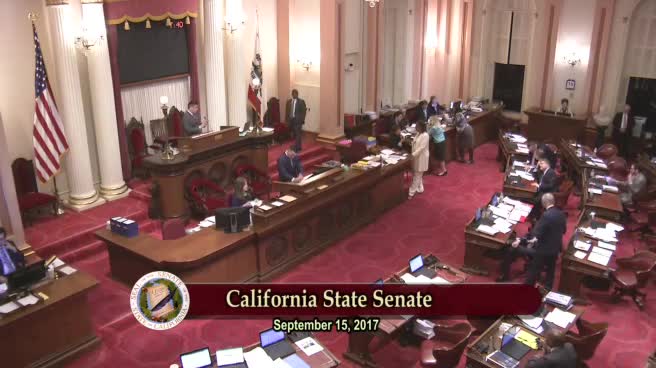


Bill Co-Author(s):