ACR 130: Digital Citizenship Week.
- Session Year: 2017-2018
- House: Assembly
- Latest Version Date: 2017-09-25
This measure would recognize the 3rd week of October 2017, and that week each year thereafter, as Digital Citizenship Week.
This measure would recognize the 3rd week of October 2017, and that week each year thereafter, as Digital Citizenship Week.
This measure would recognize the week of October 16, 2017, to October 22, 3rd week of October 2017, inclusive, and that week each year thereafter, as Digital Citizenship Week.
This measure would recognize the week of October 16, 2017, to October 22, 2017, inclusive, and that week each year thereafter, as Digital Citizenship Week.
WHEREAS, The recognition of Digital Citizenship Week is proposed in simultaneous recognition of National Bullying Prevention Month, Connected Educator Month, and National Cyber Security Awareness Month; and
WHEREAS, The goal of Digital Citizenship Week is to raise awareness about the importance of digital citizenship as a set of defined, teachable skills for children in the 21st century; and
WHEREAS, Digital media is driving significant changes to the ways that children live and learn, and those changes bring exciting opportunities, such as new career paths and innovative means of self-expression; and
WHEREAS, Digital media also poses potential dangers, including cyberbullying and exploitation, if not managed appropriately though education or other means; and
WHEREAS, A Common Sense Media report, Zero to Eight: Childrens Media Use in America 2013, finds that technology and media use begins at an increasingly young age, with as many as 38 percent of children under two years of age using mobile devices for media in 2013; and
WHEREAS, According to the 2015 Common Sense Census: Media Use by Teens and Tweens, teenagers use an average of nine hours of media daily, not including media use for school or homework; and
WHEREAS, The 2015 Common Sense Census also finds that one-half of teens interfere with their own learning by multitasking with social media while doing their homework; and
WHEREAS, Parents, educators, students, and lawmakers play a role in making sure children learn how to navigate the digital world safely and responsibly; and
WHEREAS, Digital citizenship means that children appreciate their responsibility for their choice of content as well as their actions when using the Internet, cell phones, or other digital media; and
WHEREAS, To be responsible digital citizens, children must be digitally literate, which means being able to use and understand the many different types of digital technologies and messages; and
WHEREAS, This new media literacy should become an integral part of childrens education that is woven into the overall curriculum across grade levels, starting as early as kindergarten; and
WHEREAS, The nation whose children best harness the educational and creative powers of digital media will write the economic and education success stories of the 21st century; and
WHEREAS, The Legislature believes in training and educating teachers and parents to help children understand and manage digital medias role in their lives through additional investments in that training and education; now, therefore, be it
Resolved by the Assembly of the State of California, the Senate thereof concurring, That the Legislature recognizes the 3rd week of October 2017, and that week each year thereafter, as Digital Citizenship Week; and be it further
Resolved, That the Chief Clerk of the Assembly transmit copies of this resolution to the author for appropriate distribution.
WHEREAS, The recognition of Digital Citizenship Week is proposed in simultaneous recognition of National Bullying Prevention Month, Connected Educator Month, and National Cyber Security Awareness Month; and
WHEREAS, The goal of Digital Citizenship Week is to raise awareness about the importance of digital citizenship as a set of defined, teachable skills for children in the 21st century; and
WHEREAS, Digital media is driving significant changes to the ways that children live and learn, and those changes bring exciting opportunities, such as new career paths and innovative means of self-expression; and
WHEREAS, Digital media also poses potential dangers, including cyberbullying and exploitation, if not managed appropriately though education or other means; and
WHEREAS, A Common Sense Media report, Zero to Eight: Childrens Media Use in America 2013, finds that technology and media use begins at an increasingly young age, with as many as 38 percent of children under two years of age using mobile devices for media in 2013; and
WHEREAS, According to the 2015 Common Sense Census: Media Use by Teens and Tweens, teenagers use an average of nine hours of media daily, not including media use for school or homework; and
WHEREAS, The 2015 Common Sense Census also finds that one-half of teens interfere with their own learning by multitasking with social media while doing their homework; and
WHEREAS, Parents, educators, students, and lawmakers play a role in making sure children learn how to navigate the digital world safely and responsibly; and
WHEREAS, Digital citizenship means that children appreciate their responsibility for their choice of content as well as their actions when using the Internet, cell phones, or other digital media; and
WHEREAS, To be responsible digital citizens, children must be digitally literate, which means being able to use and understand the many different types of digital technologies and messages; and
WHEREAS, This new media literacy should become an integral part of childrens education that is woven into the overall curriculum across grade levels, starting as early as kindergarten; and
WHEREAS, The nation whose children best harness the educational and creative powers of digital media will write the economic and education success stories of the 21st century; and
WHEREAS, The Legislature believes in training and educating teachers and parents to help children understand and manage digital medias role in their lives through additional investments in that training and education; now, therefore, be it
Resolved by the Assembly of the State of California, the Senate thereof concurring, That the Legislature recognizes October 16, 2017, to October 22, the 3rd week of October 2017, inclusive, and that week each year thereafter, as Digital Citizenship Week; and be it further
Resolved, That the Chief Clerk of the Assembly transmit copies of this resolution to the author for appropriate distribution.
WHEREAS, The recognition of Digital Citizenship Week is proposed in simultaneous recognition of National Bullying Prevention Month, Connected Educator Month, and National Cyber Security Awareness Month; and
WHEREAS, The goal of Digital Citizenship Week is to raise awareness about the importance of digital citizenship as a set of defined, teachable skills for children in the 21st century; and
WHEREAS, Digital media is driving significant changes to the ways that children live and learn, and those changes bring exciting opportunities, such as new career paths and innovative means of self-expression; and
WHEREAS, Digital media also poses potential dangers, including cyberbullying and exploitation, if not managed appropriately though education or other means; and
WHEREAS, A Common Sense Media report, Zero to Eight: Childrens Media Use in America 2013, finds that technology and media use begins at an increasingly young age, with as many as 38 percent of children under two years of age using mobile devices for media in 2013; and
WHEREAS, According to the 2015 Common Sense Census: Media Use by Teens and Tweens, teenagers use an average of nine hours of media daily, not including media use for school or homework; and
WHEREAS, The 2015 Common Sense Census also finds that one-half of teens interfere with their own learning by multitasking with social media while doing their homework; and
WHEREAS, Parents, educators, students, and lawmakers play a role in making sure children learn how to navigate the digital world safely and responsibly; and
WHEREAS, Digital citizenship means that children appreciate their responsibility for their choice of content as well as their actions when using the Internet, cell phones, or other digital media; and
WHEREAS, To be responsible digital citizens, children must be digitally literate, which means being able to use and understand the many different types of digital technologies and messages; and
WHEREAS, This new media literacy should become an integral part of childrens education that is woven into the overall curriculum across grade levels, starting as early as kindergarten; and
WHEREAS, The nation whose children best harness the educational and creative powers of digital media will write the economic and education success stories of the 21st century; and
WHEREAS, The Legislature believes in training and educating teachers and parents to help children understand and manage digital medias role in their lives through additional investments in that training and education; now, therefore, be it
Resolved by the Assembly of the State of California, the Senate thereof concurring, That the Legislature recognizes October 16, 2017, to October 22, 2017, inclusive, and that week each year thereafter, as Digital Citizenship Week; and be it further
Resolved, That the Chief Clerk of the Assembly transmit copies of this resolution to the author for appropriate distribution.
|
Date
|
Status
|
|---|---|
| Sep 25, 2017 | Chaptered by Secretary of State - Res. Chapter 206, Statutes of 2017. |
| Sep 25, 2017 | Enrolled and filed with the Secretary of State at 3 p.m. |
| Sep 15, 2017 | In Assembly. Ordered to Engrossing and Enrolling. |
| Sep 14, 2017 | Adopted and to Assembly. |
| Sep 12, 2017 | From committee: Ordered to third reading. |
| Sep 11, 2017 | In Senate. To Com. on RLS. |
| Sep 8, 2017 | Coauthors revised. |
| Sep 7, 2017 | Amended. Ordered to third reading. |
| Sep 5, 2017 | From committee: Be adopted. Ordered to Third Reading. (Ayes 9. Noes 0.) (September 5). |
| Sep 1, 2017 | Referred to Com. on RLS. |
| Aug 29, 2017 | From printer. |
| Aug 28, 2017 | Introduced. To print. |
|
Date
|
Description
|
Location
|
Votes
|
|
|---|---|---|---|---|
| Sep 14, 2017 | Assembly 3rd Reading ACR130 Chau et al. By Dodd | Senate Floor |
Passed |
|
| Sep 5, 2017 | Be adopted. To third reading. | Assembly Standing Committee on Rules |
Passed |
This list shows positions taken on this bill by organizations on the date displayed, which is linked to the original source.
Positions by individuals are not included.
|
Organization
|
Position
|
Date
|
|---|---|---|
| Common Sense Kids Action | ** Support | Sep 12, 2017 |
Office of Senate Floor Analyses (916) 651-1520 Fax: (916) 327-4478 | ACR 130 |
THIRD READING
Bill No: ACR 130
Amended: 9/7/17 in Assembly
ASSEMBLY FLOOR: Read and adopted, 9/8/17
SUBJECT: Digital Citizenship Week
SOURCE: Common Sense Kids Action
DIGEST:
This resolution recognizes the 3rd week of October 2017, and that week each year thereafter, as Digital Citizenship Week.
ANALYSIS: This resolution makes the following legislative findings:
- The recognition of Digital Citizenship Week is proposed in simultaneous recognition of National Bullying Prevention Month, Connected Educator Month, and National Cyber Security Awareness Month.
- The goal of Digital Citizenship Week is to raise awareness about the importance of digital citizenship as a set of defined, teachable skills for children in the 21st century.
- Digital media is driving significant changes to the ways that children live and learn, and those changes bring exciting opportunities, such as new career paths and innovative means of self-expression.
- Digital media also poses potential dangers, including cyberbullying and exploitation, if not managed appropriately though education or other means.
- Technology and media use begins at an increasingly young age, with as many as 38% of children under two years of age using mobile devices for media in 2013. Teenagers use an average of nine hours of media daily, not including media use for school or homework, and one-half of teens interfere with their own learning by multitasking with social media while doing their homework.
- Digital citizenship means that children appreciate their responsibility for their choice of content as well as their actions when using the Internet, cell phones, or other digital media. To be responsible digital citizens, children must be digitally literate, which means being able to use and understand the many different types of digital technologies and messages.
- This new media literacy should become an integral part of children’s education that is woven into the overall curriculum across grade levels, starting as early as kindergarten.
- The nation whose children best harness the educational and creative powers of digital media will write the economic and education success stories of the 21st century.
- The Legislature believes in training and educating teachers and parents to help children understand and manage digital media’s role in their lives through additional investments in that training and education.
This resolution recognizes the 3rd week of October 2017, and that week each year thereafter, as Digital Citizenship Week.
FISCAL EFFECT: Appropriation: No Fiscal Com.: No Local: No
Common Sense Kids Action (source)
OPPOSITION: (Verified 9/12/17)
None received
Prepared by: Melissa Ward / SFA / (916) 651-1520
9/12/17 21:21:31
**** END ****
ASSEMBLY THIRD READING
ATR Bill Id:ACR 130
Author:(Chau)
As Introduced Ver:September 7, 2017
Majority vote
Committee | Votes | Ayes | Noes |
Rules | 9-0 | Cooley, Cunningham, Travis Allen, Cervantes, Friedman, Grayson, Nazarian, Salas, Waldron |
|
SUMMARY: Recognizes the 3rd week of October and each year thereafter, as Digital Citizenship Week. Specifically, this resolution makes the following legislative findings:
- The goal of Digital Citizenship Week is to raise awareness about the importance of digital citizenship as a set of defined, teachable skills for kids in the 21st century.
- Digital media is driving significant changes to the ways that children live and learn, and those changes bring exciting opportunities, such as new career paths and innovative means of self-expression.
- Digital media also poses potential dangers, including cyber bullying and exploitation, if not managed appropriately through education or other means.
- A Common Sense report, Zero to Eight: Children's Media Use in America, finds that technology and media use begins at an increasingly young age, with as many as 38% of children under two years of age using mobile devices for media in 2013.
- According to the 2015 Common Sense Census: Media Use by Teens and Tweens, teenagers use an average of nine hours of media daily, not including media use for school or homework.
- Parents, educators, students, and lawmakers play a role in making sure children learn how to navigate the digital world safely and responsibly. This new media literacy should become an integral part of children's education that is woven into the overall curriculum across grade levels, starting as early as kindergarten.
- Digital citizenship means that children appreciate their responsibility for their choice of content as well as their actions when using the Internet, cell phones, or other digital media.
- The nation whose children best harness the educational and creative powers of digital media will write the economic and education success stories of the 21st century.
FISCAL EFFECT: None
Analysis Prepared by: Nicole Willis / RLS. / (916) 319-2800 FN: 0002004
ASSEMBLY THIRD READING
ATR Bill Id:ACR 130
Author:(Chau)
As Introduced Ver:August 28, 2017
Majority vote
Committee | Votes | Ayes | Noes |
Rules | 9-0 | Cooley, Cunningham, Travis Allen, Cervantes, Friedman, Grayson, Nazarian, Salas, Waldron |
SUMMARY: Recognizes the week of October 16, 2017, to October 22, 2017, inclusive, and that week each year thereafter, as Digital Citizenship Week. Specifically, this resolution makes the following legislative findings:
- The goal of Digital Citizenship Week is to raise awareness about the importance of digital citizenship as a set of defined, teachable skills for kids in the 21st century.
- Digital media is driving significant changes to the ways that children live and learn, and those changes bring exciting opportunities, such as new career paths and innovative means of self-expression.
- Digital media also poses potential dangers, including cyber bullying and exploitation, if not managed appropriately through education or other means.
- A Common Sense report, Zero to Eight: Children's Media Use in America, finds that technology and media use begins at an increasingly young age, with as many as 38% of children under 2 years of age using mobile devices for media in 2013.
- According to the 2015 Common Sense Census: Media Use by Teens and Tweens, teenagers use an average of nine hours of media daily, not including media use for school or homework.
- Parents, educators, students, and lawmakers play a role in making sure children learn how to navigate the digital world safely and responsibly. This new media literacy should become an integral part of children's education that is woven into the overall curriculum across grade levels, starting as early as kindergarten.
- Digital citizenship means that children appreciate their responsibility for their choice of content as well as their actions when using the Internet, cell phones, or other digital media.
- The nation whose children best harness the educational and creative powers of digital media will write the economic and education success stories of the 21st century.
FISCAL EFFECT: None
Analysis Prepared by: Nicole Willis / RLS. / (916) 319-2800 FN: 0001786
Date of Hearing: September 5, 2017
ASSEMBLY COMMITTEE ON
, Chair
ABPCA Bill Id:
Author:() – As Ver:
SUBJECT:
SUMMARY: Recognizes the week of October 16, 2017, to October 22, 2017, inclusive, and that week each year thereafter, as Digital Citizenship Week. Specifically, this resolution makes the following legislative findings:
- The goal of Digital Citizenship Week is to raise awareness about the importance of digital citizenship as a set of defined, teachable skills for kids in the 21st century.
- Digital media is driving significant changes to the ways that children live and learn, and those changes bring exciting opportunities, such as new career paths and innovative means of self-expression.
- Digital media also poses potential dangers, including cyber bullying and exploitation, if not managed appropriately through education or other means.
- A Common Sense report, Zero to Eight: Children's Media Use in America, finds that technology and media use begins at an increasingly young age, with as many as 38 percent of children under 2 years of age using mobile devices for media in 2013.
- According to the 2015 Common Sense Census: Media Use by Teens and Tweens, teenagers use an average of nine hours of media daily, not including media use for school or homework.
- Parents, educators, students, and lawmakers play a role in making sure children learn how to navigate the digital world safely and responsibly. This new media literacy should become an integral part of children's education that is woven into the overall curriculum across grade levels, starting as early as kindergarten.
- Digital citizenship means that children appreciate their responsibility for their choice of content as well as their actions when using the Internet, cell phones, or other digital media.
- The nation whose children best harness the educational and creative powers of digital media will write the economic and education success stories of the 21st century.
FISCAL EFFECT: None
REGISTERED SUPPORT / OPPOSITION:
Support
None on file
Opposition
None on file
Analysis Prepared by:
Discussed in Hearing
View Older Hearings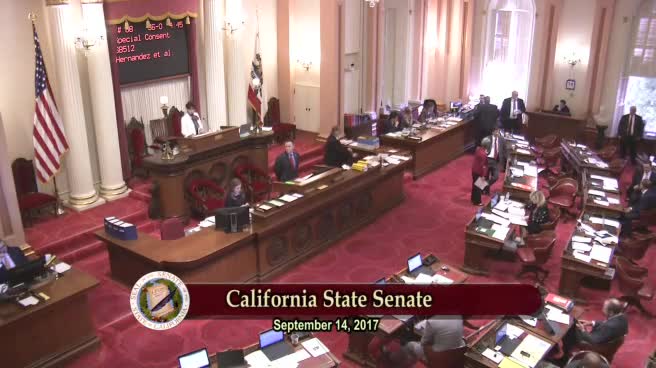

Bill Author

Bill Co-Author(s):