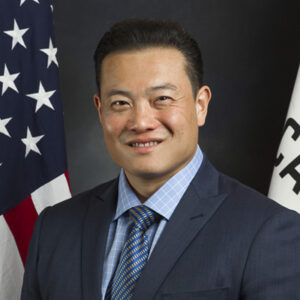
ACR 183: The 50th anniversary of the Chicano Student Walkouts.
- Session Year: 2017-2018
- House: Assembly
- Latest Version Date: 2018-04-13
This measure would recognize the month of March as the 50th anniversary of the Chicano Student Walkouts and would encourage all Californians to join in commemorating this historic event.
This measure would recognize the month of March as the 50th anniversary of the Chicano Student Walkouts and would encourage all Californians to join in commemorating this historic event.
This measure would recognize the month of March as the 50th anniversary of the Chicano Student Walkouts and would encourage all Californians to join in commemorating this historic event.
This measure would recognize the month of March as the 50th anniversary of the Chicano Student Walkouts and would encourage all Californians to join in commemorating this historic event.
WHEREAS, Fifty years ago, beginning on March 1, 1968, and continuing in the month of March, more than 15,000 students, most of Mexican origin, walked out of high schools in east Los Angeles in protest of rampant bias and inequalities in the Los Angeles Unified School District (LAUSD). The protest included thousands of brave Chicano high school students, college students, educators, and community leaders and became known as the Chicano Student Walkouts; and
WHEREAS, The word Chicano, like Mexican American, came to epitomize those who are Mestizos with heritage of both indigenous Native American culture and European culture, mainly Spanish, through colonization and immigration. Inspired by the courage of the farmworkers and by the California strikes led by Cesar Chavez, many Mexican American youth came to participate in the cause for social betterment that became known as the Chicano movement; and
WHEREAS, Chicano protesters demanded changes to conditions leading to decades of institutionalized racism, creating an environment that perpetuated negative stereotypes that led to high dropout rates, sparse resources, overcrowding, and the reinforcement of low academic expectations; and
WHEREAS, Mexican American (Chicano) students demanded changes from LAUSD for bilingual and bicultural education programs and curriculum in order to incorporate a more complete history of Mexican American contributions and people, and the hiring of more teachers and staff of Mexican descent; and
WHEREAS, At the time, educators forbade Chicano students from speaking Spanish and often steered them toward menial jobs rather than college regardless of their academic abilities. Chicano students were guided into vocational courses instead of academic instruction tracks for college-bound students; and
WHEREAS, During the walkouts, frequently termed blowouts by the students, protesters faced harassment and beatings from law enforcement, including arrests for members of the LA 13 such as Sal Castro, one of the few Latino educators in the City of Los Angeles and a lifelong community and education advocate; and
WHEREAS, Sal Castro was a key figure during the walkouts and was one of the few Mexican American educators in the east Los Angeles schools in the 1960s. He inspired thousands of students to fight against their inferior education, unequal conditions, and the unfair policies they faced; and
WHEREAS, These pupils and community members took a courageous stand that laid the groundwork for crucial educational reforms and inspired future Chicano and Latino movements, including the Chicano civil rights movement and a series of walkouts tied to immigration rights, and even now inspire student-led movements across the country; and
WHEREAS, There have been gains for Latino students across the state stemming from the walkouts, including a 78.5 percent graduation rate for Latinos in 2015, an increase of 15 percent since 2010, and a doubling of completed associates and bachelors degrees for Latinos in the last decade; and
WHEREAS, Despite this progress, Latino students still have some of the highest high school dropout rates, limited access to early childhood education, and lower college enrollment rates than their counterparts, which are persistently worrisome trends; and
WHEREAS, Latino students make up the majority of students in California schools, which means they will make up most of our workforce as they age into the workforce; and
WHEREAS, It is critical for our states economic future that we correct this educational injustice by continuing to build on our hard-won progress, and in doing so, honor the organizing efforts of the community to right these wrongs, including the historic walkouts organized 50 years ago by the students themselves; now, therefore, be it
Resolved by the Assembly of the State of California, the Senate thereof concurring, That the Legislature hereby recognizes the month of March as the 50th anniversary of the Chicano Student Walkouts and encourages all Californians to join in commemorating this historic event; and be it further
Resolved, That the Chief Clerk of the Assembly transmit copies of this resolution to the author for appropriate distribution.
WHEREAS, Fifty years ago, beginning on March 1, 1968, and continuing in the month of March, more than 15,000 students, most of Mexican origin, walked out of high schools in east Los Angeles in protest of rampant bias and inequalities in the Los Angeles Unified School District (LAUSD). The protest included thousands of brave Chicano high school students, college students, educators, and community leaders and became known as the Chicano Student Walkouts; and
WHEREAS, The word Chicano, like Mexican American, came to epitomize those who are Mestizos with heritage of both indigenous Native American culture and European culture, mainly Spanish, through colonization and immigration. Inspired by the courage of the farmworkers and by the California strikes led by Cesar Chavez, many Mexican American youth came to participate in the cause for social betterment that became known as the Chicano movement; and
WHEREAS, Chicano protesters demanded changes to conditions leading to decades of institutionalized racism, creating an environment that perpetuated negative stereotypes that led to high dropout rates, sparse resources, overcrowding, and the reinforcement of low academic expectations; and
WHEREAS, Mexican American (Chicano) students demanded changes from LAUSD for bilingual and bicultural education programs and curriculum in order to incorporate a more complete history of Mexican American contributions and people, and the hiring of more teachers and staff of Mexican descent; and
WHEREAS, At the time, educators forbade Chicano students from speaking Spanish and often steered them toward menial jobs rather than college regardless of their academic abilities. Chicano students were guided into vocational courses instead of academic instruction tracks for college-bound students; and
WHEREAS, During the walkouts, frequently termed blowouts by the students, protesters faced harassment and beatings from law enforcement, including arrests for members of the LA 13 such as Sal Castro, one of the few Latino educators in the City of Los Angeles and a lifelong community and education advocate; and
WHEREAS, Sal Castro was a key figure during the walkouts and was one of the few Mexican American educators in the east Los Angeles schools in the 1960s. He inspired thousands of students to fight against their inferior education, unequal conditions, and the unfair policies they faced; and
WHEREAS, These pupils and community members took a courageous stand that laid the groundwork for crucial educational reforms and inspired future Chicano and Latino movements, including the Chicano civil rights movement and a series of walkouts tied to immigration rights; rights, and even now inspire student-led movements across the country; and
WHEREAS, There have been gains for Latino students across the state stemming from the walkouts, including a 78.5 percent graduation rate for Latinos in 2015, an increase of 15 percent since 2010, and a doubling of completed associates and bachelors degrees for Latinos in the last decade; and
WHEREAS, Despite this progress, Latino students still have some of the highest high school dropout rates, limited access to early childhood education, and lower college enrollment rates than their counterparts; counterparts, which are persistently worrisome trends; and
WHEREAS, Latino students make up the majority of students in California schools, which means they will make up most of our workforce as they age into the workforce; and
WHEREAS, It is critical for our states economic future that we correct this injustice and, educational injustice by continuing to build on our hard-won progress, and in doing so, honor the organizing efforts of the community to right these wrongs, including the historic walkouts organized 50 years ago by the students themselves; now, therefore, be it
Resolved by the Assembly of the State of California, the Senate thereof concurring, That the Legislature hereby recognizes the month of March as the 50th anniversary of the Chicano Student Walkouts and encourages all Californians to join in commemorating this historic event; and be it further
Resolved, That the Chief Clerk of the Assembly transmit copies of this resolution to the author for appropriate distribution.
WHEREAS, Fifty years ago, beginning on March 1, 1968, and continuing in the month of March, more than 15,000 students, most of Mexican origin, walked out of high schools in east Los Angeles in protest of rampant bias and inequalities in the Los Angeles Unified School District (LAUSD). The protest included thousands of brave Chicano high school students, college students, educators, and community leaders and became known as the Chicano Student Walkouts; and
WHEREAS, The word Chicano, like Mexican American, came to epitomize those who are Mestizos with heritage of both indigenous Native American culture and European culture, mainly Spanish, through colonization and immigration. Inspired by the courage of the farmworkers and by the California strikes led by Cesar Chavez, many Mexican American youth came to participate in the cause for social betterment that became known as the Chicano movement; and
WHEREAS, Chicano protesters demanded changes to conditions leading to decades of institutionalized racism, creating an environment that perpetuated negative stereotypes that led to high dropout rates, sparse resources, overcrowding, and the reinforcement of low academic expectations; and
WHEREAS, Mexican American (Chicano) students demanded changes from LAUSD for bilingual and bicultural education programs and curriculum in order to incorporate a more complete history of Mexican American contributions and people, and the hiring of more teachers and staff of Mexican descent; and
WHEREAS, At the time, educators forbade Chicano students from speaking Spanish and often steered them toward menial jobs rather than college regardless of their academic abilities. Chicano students were guided into vocational courses instead of academic instruction tracks for college-bound students; and
WHEREAS, During the walkouts, frequently termed blowouts by the students, protesters faced harassment and beatings from law enforcement, including arrests for members of the LA 13 such as Sal Castro, one of the few Latino educators in the City of Los Angeles and a lifelong community and education advocate; and
WHEREAS, Sal Castro was a key figure during the walkouts and was one of the few Mexican American educators in the east Los Angeles schools in the 1960s. He inspired thousands of students to fight against their inferior education, unequal conditions, and the unfair policies they faced; and
WHEREAS, These pupils and community members took a courageous stand that laid the groundwork for crucial educational reforms and inspired future Chicano and Latino movements, including the Chicano civil rights movement and a series of walkouts tied to immigration rights; and
WHEREAS, There have been gains for Latino students across the state stemming from the walkouts, including a 78.5 percent graduation rate for Latinos in 2015, an increase of 15 percent since 2010, and a doubling of completed associates and bachelors degrees for Latinos in the last decade; and
WHEREAS, Despite this progress, Latino students still have some of the highest high school dropout rates, limited access to early childhood education, and lower college enrollment rates than their counterparts; and
WHEREAS, Latino students make up the majority of students in California schools, which means they will make up most of our workforce as they age into the workforce; and
WHEREAS, It is critical for our states future that we correct this injustice and, in doing so, honor the organizing efforts of the community to right these wrongs, including the historic walkouts organized 50 years ago by the students themselves; now, therefore, be it
Resolved by the Assembly of the State of California, the Senate thereof concurring, That the Legislature hereby recognizes the month of March as the 50th anniversary of the Chicano Student Walkouts and encourages all Californians to join in commemorating this historic event; and be it further
Resolved, That the Chief Clerk of the Assembly transmit copies of this resolution to the author for appropriate distribution.
|
Date
|
Status
|
|---|---|
| Apr 13, 2018 | Chaptered by Secretary of State - Res. Chapter 35, Statutes of 2018. |
| Apr 13, 2018 | Enrolled and filed with the Secretary of State at 3:30 p.m. |
| Apr 9, 2018 | In Assembly. Ordered to Engrossing and Enrolling. |
| Apr 9, 2018 | Adopted and to Assembly. |
| Apr 5, 2018 | Ordered to special consent calendar. |
| Apr 4, 2018 | From committee: Ordered to third reading. |
| Mar 20, 2018 | In Senate. To Com. on RLS. |
| Mar 19, 2018 | Coauthors revised. |
| Mar 15, 2018 | From committee: Be adopted. Ordered to Third Reading. (Ayes 6. Noes 0.) (March 15). |
| Mar 14, 2018 | Re-referred to Com. on RLS. |
| Mar 13, 2018 | From committee chair, with author's amendments: Amend, and re-refer to Com. on RLS. Amended. |
| Mar 1, 2018 | Referred to Com. on RLS. |
| Feb 27, 2018 | From printer. |
| Feb 26, 2018 | Introduced. To print. |
|
Date
|
Description
|
Location
|
Votes
|
|
|---|---|---|---|---|
| Apr 9, 2018 | Special Consent ACR183 | Senate Floor |
Passed |
|
| Mar 15, 2018 | Be adopted. To third reading. | Assembly Standing Committee on Rules |
Passed |
This list shows positions taken on this bill by organizations on the date displayed, which is linked to the original source.
Positions by individuals are not included.
Office of Senate Floor Analyses (916) 651-1520 Fax: (916) 327-4478 | ACR 183 |
THIRD READING
Bill No: ACR 183
Amended: 3/13/18 in Assembly
ASSEMBLY FLOOR: Read and adopted, 3/19/18
SUBJECT: The 50th anniversary of the Chicano Student Walkouts
DIGEST:
This resolution recognizes the month of March as the 50th anniversary of the Chicano Student Walkouts and encourages all Californians to join in commemorating this historic event.
ANALYSIS: This resolution makes the following legislative findings:
- Fifty years ago, beginning on March 1, 1968, and continuing in the month of March, more than 15,000 students, most of Mexican origin, walked out of high schools in East Los Angeles in protest of rampant bias and inequalities in the Los Angeles Unified School District (LAUSD). The protest included thousands of brave Chicano high school students, college students, educators, and community leaders and became known as the Chicano Student Walkouts.
- Chicano protestors demanded changes to conditions leading to decades of institutionalized racism, creating an environment that perpetuated negative stereotypes that led to high dropout rates, sparse resources, overcrowding, and the reinforcement of low academic expectations.
- Mexican American (Chicano) students demanded changes from LAUSD for bilingual and bicultural education programs and curriculum in order to incorporate a more complete history of Mexican American contributions and people, and the hiring of more teachers and staff of Mexican descent.
- At the time, educators forbade Chicano students from speaking Spanish and often steered them toward menial jobs rather than college regardless of their academic abilities. Chicano students were guided into vocational courses instead of academic instruction tracks for college-bound students.
- During the walkouts, frequently termed "blowouts" by the students, protestors faced harassment and beatings from law enforcement, including arrests for members of the "LA 13" such as Sal Castro, one of the few Latino educators in the City of Los Angeles and a lifelong community and education advocate.
- Sal Castro was a key figure during the walkouts and was one of the few Mexican American educators in the East Los Angeles schools in the 1960s. He inspired thousands of students to fight against their inferior education, unequal conditions, and the unfair policies they faced.
- There have been gains for Latino students across the state stemming from the walkouts, including a 78.5% graduation rate for Latinos in 2015, an increase of 15% since 2010, and a doubling of completed associate's and bachelor's degrees for Latinos in the last decade.
- Despite this progress, Latino students still have some of the highest high school dropout rates, limited access to early childhood education, and lower college enrollment rates than their counterparts; and, Latino students make up the majority of students in California schools, which means they will make up most of our workforce as they age into the workforce.
- It is critical for our state's future that we correct this educational injustice by continuing to build on the hard-won progress, and, in doing so, honor the organizing efforts of the community to right these wrongs, including the historic walkouts organized 50 years ago by the students themselves.
This resolution recognizes the month of March as the 50th anniversary of the Chicano Student Walkouts and encourages all Californians to join in commemorating this historic event.
FISCAL EFFECT: Appropriation: No Fiscal Com.: No Local: No
None received
None received
Prepared by: Jonas Austin / SFA / (916) 651-1520
4/4/18 15:18:49
**** END ****
ASSEMBLY THIRD READING
ATR Bill Id:ACR 183
Author:(Carrillo)
As Amended Ver:March 13, 2018
Majority
Committee | Votes | Ayes | Noes |
Rules | 6-0 | Cooley, Carrillo, Cervantes, Grayson, Salas, Waldron |
SUMMARY: Recognizes the month of March as the 50th anniversary of the Chicano Student Walkouts and encourages all Californians to join in commemorating this historic event. Specifically, this resolution makes the following legislative findings:
- Fifty years ago, beginning on March 1, 1968, and continuing in the month of March, more than 15,000 students, most of Mexican origin, walked out of high schools in East Los Angeles in protest of rampant bias and inequalities in the Los Angeles Unified School District (LAUSD). The protest included thousands of brave Chicano high school students, college students, educators, and community leaders and became known as the Chicano Student Walkouts.
- Chicano protestors demanded changes to conditions leading to decades of institutionalized racism, creating an environment that perpetuated negative stereotypes that led to high dropout rates, sparse resources, overcrowding, and the reinforcement of low academic expectations.
- Mexican American (Chicano) students demanded changes from LAUSD for bilingual and bicultural education programs and curriculum in order to incorporate a more complete history of Mexican American contributions and people, and the hiring of more teachers and staff of Mexican descent.
- At the time, educators forbade Chicano students from speaking Spanish and often steered them toward menial jobs rather than college regardless of their academic abilities. Chicano students were guided into vocational courses instead of academic instruction tracks for college-bound students.
- During the walkouts, frequently termed "blowouts" by the students, protestors faced harassment and beatings from law enforcement, including arrests for members of the "LA 13" such as Sal Castro, one of the few Latino educators in the City of Los Angeles and a lifelong community and education advocate.
- Sal Castro was a key figure during the walkouts and was one of the few Mexican American educators in the East Los Angeles schools in the 1960s. He inspired thousands of students to fight against their inferior education, unequal conditions, and the unfair policies they faced.
- There have been gains for Latino students across the state stemming from the walkouts, including a 78.5% graduation rate for Latinos in 2015, an increase of 15% since 2010, and a doubling of completed associate's and bachelor's degrees for Latinos in the last decade.
- Despite this progress, Latino students still have some of the highest high school dropout rates, limited access to early childhood education, and lower college enrollment rates than their counterparts; and, Latino students make up the majority of students in California schools, which means they will make up most of our workforce as they age into the workforce.
- It is critical for our state's future that we correct this educational injustice by continuing to build on the hard-won progress, and, in doing so, honor the organizing efforts of the community to right these wrongs, including the historic walkouts organized 50 years ago by the students themselves.
FISCAL EFFECT: None
Analysis Prepared by: Nicole Willis / RLS. / (916) 319-2800 FN: 0002615
Date of Hearing: March 15, 2018
ASSEMBLY COMMITTEE ON
, Chair
ABPCA Bill Id:
Author:() – As Ver:
SUBJECT:
SUMMARY: Recognizes the month of March as the 50th anniversary of the Chicano Student Walkouts and encourages all Californians to join in commemorating this historic event. Specifically, this resolution makes the following legislative findings:
- Fifty years ago, beginning on March 1, 1968, and continuing in the month of March, more than 15,000 students, most of Mexican origin, walked out of high schools in east Los Angeles in protest of rampant bias and inequalities in the Los Angeles Unified School District (LAUSD). The protest included thousands of brave Chicano high school students, college students, educators, and community leaders and became known as the Chicano Student Walkouts.
- Chicano protestors demanded changes to conditions leading to decades of institutionalized racism, creating an environment that perpetuated negative stereotypes that led to high dropout rates, sparse resources, overcrowding, and the reinforcement of low academic expectations.
- Mexican American (Chicano) students demanded changes from LAUSD for bilingual and bicultural education programs and curriculum in order to incorporate a more complete history of Mexican American contributions and people, and the hiring of more teachers and staff of Mexican decent.
- At the time, educators forbade Chicano students from speaking Spanish and often steered them toward menial jobs rather than college regardless of their academic abilities. Chicano students were guided into vocational courses instead of academic instruction tracks for college-bound students.
- During the walkouts, frequently termed “blowouts” by the students, protestors faced harassment and beatings from law enforcement, including arrests for members of the “LA 13” such as Sal Castro, one of the few Latino educators in the City of Los Angeles and a lifelong community and education advocate.
- Sal Castro was a key figure during the walkouts and was one of the few Mexican American educators in the east Los Angeles schools in the 1960s. He inspired thousands of students to fight against their inferior education, unequal conditions, and the unfair policies they faced.
- There have been gains for Latino students across the state stemming from the walkouts, including a 78.5 percent graduation rate for Latinos in 2015, an increase of 15 percent since 2010, and a doubling of completed associate’s and bachelor’s degrees for Latinos in the last decade.
- Despite this progress, Latino students still have some of the highest high school dropout rates, limited access to early childhood education, and lower college enrollment rates than their counterparts; and, Latino students make up the majority of students in California schools, which means they will make up most of our workforce as they age into the workforce.
- It is critical for our state’s future that we correct this educational injustice by continuing to build on the hard-won progress, and, in doing so, honor the organizing efforts of the community to right these wrongs, including the historic walkouts organized 50 years ago by the students themselves.
FISCAL EFFECT: None
REGISTERED SUPPORT / OPPOSITION:
Support
None on file
Opposition
None on file
Analysis Prepared by:
Bill Author

Bill Co-Author(s):