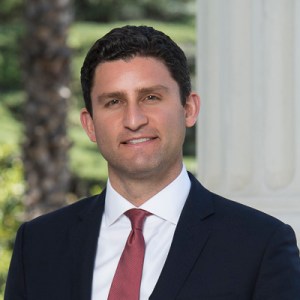
ACR 258: Pre-Exposure Prophylaxis and Post-Exposure Prophylaxis Awareness Day.
- Session Year: 2017-2018
- House: Assembly
- Latest Version Date: 2018-08-28
This measure would designate August 16, 2018, as Pre-Exposure Prophylaxis and Post-Exposure Prophylaxis Awareness Day in California to enhance public awareness of comprehensive human immunodeficiency virus prevention strategies.
This measure would designate August 16, 2018, as Pre-Exposure Prophylaxis and Post-Exposure Prophylaxis Awareness Day in California to enhance public awareness of comprehensive human immunodeficiency virus prevention strategies.
This measure would designate August 16, 2018, as Pre-Exposure Prophylaxis and Post-Exposure Prophylaxis Awareness Day in California to enhance public awareness of comprehensive human immunodeficiency virus prevention strategies.
This measure would designate August 16, 2018, as Pre-Exposure Prophylaxis and Post-Exposure Prophylaxis Awareness Day in California to enhance public awareness of comprehensive human immunodeficiency virus prevention strategies.
WHEREAS, The federal Centers for Disease Control and Prevention estimates that approximately 1.2 million people in the United States, and over 220,000 people in California, are at high risk for exposure to human immunodeficiency virus (HIV), and could benefit from comprehensive HIV prevention strategies; and
WHEREAS, Pre-exposure prophylaxis (PrEP) is an antiretroviral medication that has been shown to be safe and effective in reducing the risk of acquiring HIV among people who are at high risk of acquiring the virus; and
WHEREAS, PrEP is estimated to be over 90 percent effective at preventing HIV infection, but only about 12 percent of the 1.2 million Americans at high risk for HIV exposure have initiated the PrEP regimen; and
WHEREAS, Individuals who have had possible exposure to HIV can take post-exposure prophylaxis (PEP) within 72 hours as an emergency antiretroviral medication that has been shown to be safe and effective in reducing the risk of acquiring HIV; and
WHEREAS, There are approximately 139,000 Californians living with HIV, and annually California has the largest number of new HIV diagnoses in the country, especially in the counties of Los Angeles, San Francisco, and San Diego; and
WHEREAS, Despite a 2.9 percent decline in the rate of new HIV diagnoses in California between 2011 and 2015, racial and ethnic disparities in HIV incidence and prevalence persist; and
WHEREAS, Racial and ethnic disparities also exist in the utilization of PrEP and PEP from lack of awareness of these medications among disadvantaged populations, who are at greatest risk of HIV infection, and from limited access to culturally and linguistically sensitive clinicians with whom patients feel comfortable discussing sexual matters; and
WHEREAS, Among medical and health professionals, there is a lack of education and awareness of PrEP and PEP. The federal Centers for Disease Control and Prevention estimates approximately one-third of primary care doctors and nurses have not learned or heard about PrEP and PEP; and
WHEREAS, There is a need to increase public awareness of PrEP and PEP, and to strengthen local and statewide awareness of comprehensive HIV prevention strategies in order to mitigate the spread of HIV, especially among Californians most at risk of getting infected with the virus; and
WHEREAS, In 2016, the State Department of Public Health released its Integrated HIV Surveillance, Prevention, and Care Plan with an articulated vision of Getting to Zero, where their goal is to reduce new HIV infections to zero, AIDS-related deaths to zero, and to eliminate stigma and discrimination against people with HIV in California; and
WHEREAS, There is a need to encourage primary care physicians and nurses to provide culturally and linguistically competent care of HIV prevention strategies, such as PrEP and PEP; and
WHEREAS, The Legislature wishes to enhance public awareness of PrEP and PEP; now, therefore, be it
Resolved by the Assembly of the State of California, the Senate thereof concurring, That the Legislature hereby recognizes August 16, 2018, as Pre-Exposure Prophylaxis and Post-Exposure Prophylaxis Awareness Day in California to enhance public awareness of PrEP and PEP; and be it further
Resolved, That the Chief Clerk of the Assembly transmit copies of this resolution to the author for appropriate distribution.
WHEREAS, The federal Centers for Disease Control and Prevention estimates that approximately 1.2 million people in the United States, and over 220,000 people in California, are at high risk for exposure to human immunodeficiency virus (HIV), and could benefit from comprehensive HIV prevention strategies; and
WHEREAS, Pre-exposure prophylaxis (PrEP) is an antiretroviral medication that has been shown to be safe and effective in reducing the risk of acquiring HIV among people who are at high risk of acquiring the virus; and
WHEREAS, PrEP is estimated to be over 90 percent effective at preventing HIV infection, but only about 12 percent of the 1.2 million Americans at high risk for HIV exposure have initiated the PrEP regime; regimen; and
WHEREAS, Individuals who have had possible exposure to HIV can take post-exposure prophylaxis (PEP) within 72 hours as an emergency antiretroviral medication that has been shown to be safe and effective in reducing the risk of acquiring HIV; and
WHEREAS, There are approximately 120,000 139,000 Californians living with HIV, and annually California has the largest number of new HIV diagnoses in the country, especially in the Counties counties of Los Angeles, San Francisco, and San Diego; and
WHEREAS, Despite a 2.9 percent decline in the rate of new HIV diagnoses in California between 2011 and 2015, racial and ethnic disparities in HIV incidence and prevalence persist; and
WHEREAS, Racial and ethnic disparities also exist in the utilization of PrEP and PEP from lack of awareness of these medications among disadvantaged populations, who are at greatest risk of HIV infection, and from limited access to culturally and linguistically sensitive clinicians with whom patients feel comfortable discussing sexual matters; and
WHEREAS, Among medical and health professionals, there is a lack of education and awareness of PrEP and PEP. The federal Centers for Disease Control and Prevention estimates approximately one-third of primary care doctors and nurses have not learned or heard about PrEP and PEP; and
WHEREAS, There is a need to increase public awareness of PrEP and PEP, and to strengthen local and statewide awareness of comprehensive HIV prevention strategies in order to mitigate the spread of HIV, especially among Californians most at risk of getting infected with the virus; and
WHEREAS, In 2016, the State Department of Public Health released its Integrated HIV Surveillance, Prevention, and Care Plan with an articulated vision of Getting to Zero, where their goal is to reduce new HIV infections to zero, AIDS-related deaths to zero, and to eliminate stigma and discrimination against people with HIV in California; and
WHEREAS, There is a need to encourage primary care physicians and nurses to provide culturally and linguistically competent care of HIV prevention strategies, such as PrEP and PEP; and
WHEREAS, The Legislature wishes to enhance public awareness of PrEP and PEP; now, therefore, be it
Resolved by the Assembly of the State of California, the Senate thereof concurring, That the Legislature hereby recognizes August 16, 2018, as Pre-Exposure Prophylaxis and Post-Exposure Prophylaxis Awareness Day in California to enhance public awareness of PrEP and PEP; and be it further
Resolved, That the Chief Clerk of the Assembly transmit copies of this resolution to the author for appropriate distribution.
WHEREAS, The federal Centers for Disease Control and Prevention estimates that approximately 1.2 million people in the United States, and over 220,000 people in California, are at high risk for exposure to human immunodeficiency virus (HIV), and could benefit from comprehensive HIV prevention strategies; and
WHEREAS, Pre-exposure prophylaxis (PrEP) is an antiretroviral medication that has been shown to be safe and effective in reducing the risk of acquiring HIV among people who are at high risk of acquiring the virus; and
WHEREAS, PrEP is estimated to be over 90 percent effective at preventing HIV infection, but only about 12 percent of the 1.2 million Americans at high risk for HIV exposure have initiated the PrEP regime; and
WHEREAS, Individuals who have had possible exposure to HIV can take post-exposure prophylaxis (PEP) within 72 hours as an emergency antiretroviral medication that has been shown to be safe and effective in reducing the risk of acquiring HIV; and
WHEREAS, There are approximately 120,000 Californians living with HIV, and annually California has the largest number of new HIV diagnoses in the country, especially in the Counties of Los Angeles, San Francisco, and San Diego; and
WHEREAS, Despite a 2.9 percent decline in the rate of new HIV diagnoses in California between 2011 and 2015, racial and ethnic disparities in HIV incidence and prevalence persist; and
WHEREAS, Racial and ethnic disparities also exist in the utilization of PrEP and PEP from lack of awareness of these medications among disadvantaged populations, who are at greatest risk of HIV infection, and from limited access to culturally and linguistically sensitive clinicians with whom patients feel comfortable discussing sexual matters; and
WHEREAS, Among medical and health professionals, there is a lack of education and awareness of PrEP and PEP. The federal Centers for Disease Control and Prevention estimates approximately one-third of primary care doctors and nurses have not learned or heard about PrEP and PEP; and
WHEREAS, There is a need to increase public awareness of PrEP and PEP, and to strengthen local and statewide awareness of comprehensive HIV prevention strategies in order to mitigate the spread of HIV, especially among Californians most at risk of getting infected with the virus; and
WHEREAS, In 2016, the State Department of Public Health released its Integrated HIV Surveillance, Prevention, and Care Plan with an articulated vision of Getting to Zero, where their goal is to reduce new HIV infections to zero, AIDS-related deaths to zero, and to eliminate stigma and discrimination against people with HIV in California; and
WHEREAS, There is a need to encourage primary care physicians and nurses to provide culturally and linguistically competent care of HIV prevention strategies, such as PrEP and PEP; and
WHEREAS, The Legislature wishes to enhance public awareness of PrEP and PEP; now, therefore be it
Resolved by the Assembly of the State of California, the Senate thereof concurring, That the Legislature hereby recognizes August 16, 2018, as Pre-Exposure Prophylaxis and Post-Exposure Prophylaxis Awareness Day in California to enhance public awareness of PrEP and PEP; and be it further
Resolved, That the Chief Clerk of the Assembly transmit copies of this resolution to the author for appropriate distribution.
|
Date
|
Status
|
|---|---|
| Aug 28, 2018 | Chaptered by Secretary of State - Res. Chapter 171, Statutes of 2018. |
| Aug 28, 2018 | Enrolled and filed with the Secretary of State at 2 p.m. |
| Aug 23, 2018 | In Assembly. Ordered to Engrossing and Enrolling. |
| Aug 23, 2018 | Adopted and to Assembly. |
| Aug 21, 2018 | From committee: Ordered to third reading. |
| Aug 20, 2018 | In Senate. To Com. on RLS. |
| Aug 16, 2018 | Coauthors revised. |
| Aug 9, 2018 | From committee: Be adopted. Ordered to Third Reading. (Ayes 10. Noes 0.) (August 9). |
| Aug 6, 2018 | Re-referred to Com. on RLS. |
| Jul 5, 2018 | From committee chair, with author's amendments: Amend, and re-refer to Com. on RLS. Amended. |
| Jun 28, 2018 | Referred to Com. on RLS. |
| Jun 19, 2018 | From printer. |
| Jun 18, 2018 | Introduced. To print. |
|
Date
|
Description
|
Location
|
Votes
|
|
|---|---|---|---|---|
| Aug 23, 2018 | Assembly 3rd Reading ACR258 Gloria et al. By Wiener | Senate Floor |
Passed |
|
| Aug 9, 2018 | Be adopted. To third reading. | Assembly Standing Committee on Rules |
Passed |
This list shows positions taken on this bill by organizations on the date displayed, which is linked to the original source.
Positions by individuals are not included.
Office of Senate Floor Analyses (916) 651-1520 Fax: (916) 327-4478 | ACR 258 |
THIRD READING
Bill No: ACR 258
Amended: 7/5/18 in Assembly
ASSEMBLY FLOOR: Read and adopted, 8/16/18
SUBJECT: Pre-Exposure Prophylaxis and Post-Exposure Prophylaxis Awareness Day
DIGEST:
This resolution designates August 16, 2018, as Pre-Exposure Prophylaxis and Post-Exposure Prophylaxis Awareness Day in California.
ANALYSIS: This resolution makes the following legislative findings:
- The federal Centers for Disease Control and Prevention estimates that approximately 1.2 million people in the United States, and over 220,000 people in California, are at high risk for exposure to human immunodeficiency virus (HIV), and could benefit from comprehensive HIV prevention strategies.
- Pre-exposure prophylaxis (PrEP) is an antiretroviral medication that has been shown to be safe and effective in reducing the risk of acquiring HIV among people who are at high risk of acquiring the virus.
- Individuals who have had possible exposure to HIV can take post-exposure prophylaxis (PEP) within 72 hours as an emergency antiretroviral medication that has been shown to be safe and effective in reducing the risk of acquiring HIV.
- Racial and ethnic disparities also exist in the utilization of PrEP and PEP from lack of awareness of these medications among disadvantaged populations, who are at greatest risk of HIV infection, and from limited access to culturally and linguistically sensitive clinicians with whom patients feel comfortable discussing sexual matters.
- Among medical and health professionals, there is a lack of education and awareness of PrEP and PEP. The federal Centers for Disease Control and Prevention estimates approximately one-third of primary care doctors and nurses have not learned or heard about PrEP and PEP.
- There is a need to increase public awareness of PrEP and PEP, and to strengthen local and statewide awareness of comprehensive HIV prevention strategies in order to mitigate the spread of HIV, especially among Californians most at risk of getting infected with the virus.
This resolution recognizes August 16, 2018, as Pre-Exposure Prophylaxis and Post-Exposure Prophylaxis Awareness Day in California to enhance public awareness of PrEP and PEP.
FISCAL EFFECT: Appropriation: No Fiscal Com.: No Local: No
None received
OPPOSITION: (Verified 8/21/18)
None received
Prepared by: Karen Chow / SFA / (916) 651-1520
8/21/18 19:06:41
**** END ****
ASSEMBLY THIRD READING
ATR Bill Id:ACR 258
Author:(Gloria)
As Amended Ver:July 5, 2018
Majority vote
Committee | Votes | Ayes | Noes |
Rules | 10-0 | Cooley, Cunningham, Carrillo, Cervantes, Gallagher, Grayson, Kamlager-Dove, Mayes, Nazarian, Salas |
SUMMARY: Designates August 16, 2018, as Pre-Exposure Prophylaxis and Post-Exposure Prophylaxis Awareness Day in California to enhance awareness of comprehensive human immunodeficiency virus prevention strategies. Specifically, this resolution makes the following legislative findings:
- The federal Centers for Disease Control and Prevention estimates that approximately 1.2 million people in the United States, and over 220,000 people in California, are at high risk for exposure to human immunodeficiency virus (HIV), and could benefit from comprehensive HIV prevention strategies.
- Pre-exposure prophylaxis (PrEP) is an antiretroviral medication that has been shown to be safe and effective in reducing the risk of acquiring HIV among people who are at high risk of acquiring the virus; and PrEP is estimated to be over 90% effective at preventing HIV infection, but only about 12% of the 1.2 million Americans at high risk for HIV exposure have initiated the PrEP regimen.
- There are approximately 139,000 Californians living with HIV, and annually California has the largest number of new HIV diagnoses in the country, especially in the counties of Los Angeles, San Francisco, and San Diego.
- Despite a 2.9% decline in the rate of new HIV diagnoses in California between 2011 and 2015, racial and ethnic disparities in HIV incidence and prevalence persist; and, racial and ethnic disparities also exist in the utilization of PrEP and Post-Exposure Prophylaxis from lack of awareness of these medications among disadvantaged populations, who are at greatest risk of HIV infection, and from limited access to culturally and linguistically sensitive clinicians with whom patients feel comfortable discussing sexual matters.
- There is a need to increase public awareness of PrEP and Post-Exposure Prophylaxis, and to strengthen local and statewide awareness of comprehensive HIV prevention strategies in order to mitigate the spread of HIV, especially among Californians most at risk of getting infected with the virus.
- In 2016, the State Department of Public Health released its Integrated HIV Surveillance, Prevention, and Care Plan with an articulated vision of "Getting to Zero," where their goal is to reduce new HIV infections to zero, AIDS-related deaths to zero, and to eliminate stigma and discrimination against people with HIV in California.
- There is a need to encourage primary care physicians and nurses to provide culturally and linguistically competent care of HIV prevention strategies, such as PrEP and Post-Exposure Prophylaxis.
FISCAL EFFECT: None
Analysis Prepared by: Nicole Willis / RLS. / (916) 319-2800 FN: 0003876
Date of Hearing: August 9, 2018
ASSEMBLY COMMITTEE ON RULES
Ken Cooley, Chair
ABPCA Bill Id:ACR 258 (
Author:Gloria) – As Amended Ver:July 5, 2018
SUBJECT: Pre-Exposure Prophylaxis and Post-Exposure Prophylaxis Awareness Day.
SUMMARY: Designates August 16, 2018, as Pre-Exposure Prophylaxis and Post-Exposure Prophylaxis Awareness Day in California to enhance awareness of comprehensive human immunodeficiency virus prevention strategies. Specifically, this resolution makes the following legislative findings:
- The federal Centers for Disease Control and Prevention estimates that approximately 1.2 million people in the United States, and over 220,000 people in California, are at high risk for exposure to human immunodeficiency virus (HIV), and could benefit from comprehensive HIV prevention strategies.
- Pre-exposure prophylaxis (PrEP) is an antiretroviral medication that has been shown to be safe and effective in reducing the risk of acquiring HIV among people who are at high risk of acquiring the virus; and PrEP is estimated to be over 90 percent effective at preventing HIV infection, but only about 12 percent of the 1.2 million Americans at high risk for HIV exposure have initiated the PrEP regimen.
- There are approximately 139,000 Californians living with HIV, and annually California has the largest number of new HIV diagnoses in the country, especially in the counties of Los Angeles, San Francisco, and San Diego.
- Despite a 2.9 percent decline in the rate of new HIV diagnoses in California between 2011 and 2015, racial and ethnic disparities in HIV incidence and prevalence persist; and, racial and ethnic disparities also exist in the utilization of PrEP and Post-Exposure Prophylaxis from lack of awareness of these medications among disadvantaged populations, who are at greatest risk of HIV infection, and from limited access to culturally and linguistically sensitive clinicians with whom patients feel comfortable discussing sexual matters.
- There is a need to increase public awareness of PrEP and Post-Exposure Prophylaxis, and to strengthen local and statewide awareness of comprehensive HIV prevention strategies in order to mitigate the spread of HIV, especially among Californians most at risk of getting infected with the virus.
- In 2016, the State Department of Public Health released its Integrated HIV Surveillance, Prevention, and Care Plan with an articulated vision of “Getting to Zero,” where their goal is to reduce new HIV infections to zero, AIDS-related deaths to zero, and to eliminate stigma and discrimination against people with HIV in California.
- There is a need to encourage primary care physicians and nurses to provide culturally and linguistically competent care of HIV prevention strategies, such as PrEP and Post-Exposure Prophylaxis.
FISCAL EFFECT: None
REGISTERED SUPPORT / OPPOSITION:
Support
None on file
Opposition
None on file
Analysis Prepared by: Nicole Willis / RLS. / (916) 319-2800
Discussed in Hearing
View Older Hearings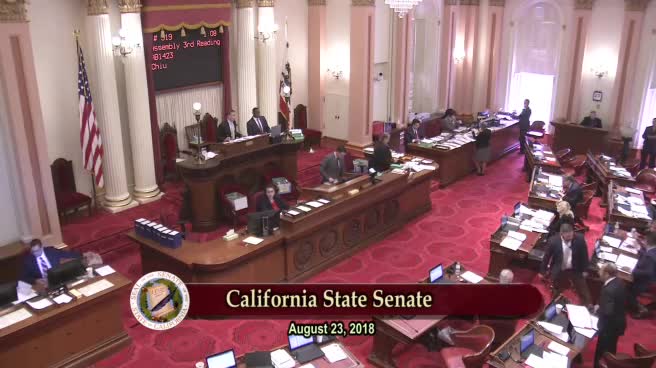
Bill Author

Bill Co-Author(s):