SCR 137: Foster Care Month.
- Session Year: 2017-2018
- House: Senate
- Latest Version Date: 2018-05-29
This measure would recognize the month of May 2018 as Foster Care Month as an opportunity to raise awareness about the challenges that children, and particularly lesbian, gay, bisexual, transgender, queer, and questioning (LGBTQ) youth, face in the foster care system, as specified.
This measure would recognize the month of May 2018 as Foster Care Month as an opportunity to raise awareness about the challenges that children, and particularly lesbian, gay, bisexual, transgender, queer, and questioning (LGBTQ) youth, face in the foster care system, as specified.
This measure would recognize the month of May 2018 as Foster Care Month as an opportunity to raise awareness about the challenges that children, and particularly lesbian, gay, bisexual, transgender, queer, and questioning (LGBTQ) youth, face in the foster care system, as specified.
WHEREAS, Foster Care Month has been observed in the United States during the month of May every year since 1988 and continues to be recognized and celebrated across the nation; and
WHEREAS, Foster Care Month is a time to recognize that we each can play a part in enhancing the lives of children and youth in foster care by acknowledging foster parents, family members, volunteers, mentors, policymakers, child welfare professionals, and other members of the community who help children and youth in foster care find permanent homes and connections; and
WHEREAS, The purpose of the foster care system is to provide children with a safe, loving, and stable home while away from their parents or guardians; and
WHEREAS, Every child unable to live with his or her parents or guardians is entitled to a supportive and affirming foster care placement, regardless of sexual orientation, gender identity, or gender expression; and
WHEREAS, In 2016, there were over 437,000 youth living in foster care nationwide and approximately 54,685 in California; and
WHEREAS, Lesbian, gay, bisexual, transgender, queer, and questioning (LGBTQ) youth are overrepresented in the foster care system; and
WHEREAS, A 2014 study of foster youth in Los Angeles County found that 19 percent of foster youth over 12 years of age identified as LGBTQ and that the percentage of LGBTQ youth in foster care is up to twice that of LGBTQ youth who are not in foster care; and
WHEREAS, Some LGBTQ youth enter foster care for similar reasons as non-LGBTQ youth, such as abuse, neglect, and parental substance abuse, but many LGBTQ youth have further challenges because they have experienced the additional trauma of having been rejected or mistreated by their families and at school because of their sexual orientation, gender identity, or gender expression; and
WHEREAS, LGBTQ youth in foster care have a higher average number of placements and higher likelihood of living in a group home than their non-LGBTQ peers because of the high level of bias and discrimination that they face and the difficulty of finding affirming foster placements; and
WHEREAS, One study showed that 70 percent of LGBTQ youth in foster care reported experiencing violence based on LGBTQ status, 100 percent reported verbal harassment, and 78 percent of youth were removed or ran away from placement due to hostility toward their LGBTQ status; and
WHEREAS, California has laws in place that explicitly protect LGBTQ youth in the foster care system from discrimination based on sexual orientation and gender identity; and
WHEREAS, Only 23 other states and the District of Columbia have similar nondiscrimination laws or policies in place to protect LGBTQ youth in foster care; and
WHEREAS, There is a shortage of qualified individuals willing to foster a child in the child welfare system and, consequently, thousands of foster children nationwide lack a stable and safe home; and
WHEREAS, Children who age out of the foster care system without a permanent family are less likely to graduate high school or attend college and are at a high risk of unemployment, depression, poverty, homelessness, incarceration, and early parenthood; and
WHEREAS, In 2016, approximately 21,000 youth aged out of the foster care system nationwide; and
WHEREAS, In 2015, 4,271 youth in the California foster care system aged out of the foster care system without finding a permanent family; and
WHEREAS, A disproportionate number of LGBTQ children age out of foster care as compared to their non-LGBTQ peers; and
WHEREAS, Discriminatory treatment of willing and qualified LGBTQ individuals and couples continues to create barriers that prohibit them from fostering and adopting children and limits the number of homes available to children in the child welfare system; and
WHEREAS, Same sex couples are six times more likely to foster children and at least four times more likely to adopt than their non-LGBTQ counterparts; and
WHEREAS, California laws explicitly protect LGBTQ individuals who wish to serve as foster parents from discrimination based on sexual orientation and gender identity; and
WHEREAS, Only two other states and the District of Columbia have passed similar laws that explicitly protect LGBTQ adults who are willing to provide foster care homes from discrimination based on sexual orientation and gender identity; and
WHEREAS, While the State of California has reduced barriers for LGBTQ youth and prospective parents in the foster care system, much remains to be done to ensure that all children have a safe, loving, nurturing, and permanent family, regardless of sexual orientation and gender identity or expression of the children and foster parents; now, therefore, be it
Resolved by the Senate of the State of California, the Assembly thereof concurring, That the Legislature recognizes the extraordinary role that LGBTQ parents play in the foster care system, as well as the unique challenges that face LGBTQ foster youth in California; and be it further
Resolved, That the Legislature recognizes the month of May 2018 as Foster Care Month as an opportunity to raise awareness about the challenges that children, and particularly LGBTQ youth, face in the foster care system; and be it further
Resolved, That the Legislature reaffirms its support for LGBTQ foster youth and foster parents and pledges to strengthen its efforts to ensure permanent, safe, and loving homes that reduce instability and measurably improve outcomes for LGBTQ foster youth; and be it further
Resolved, That the Secretary of the Senate transmit copies of this resolution to the author for appropriate distribution.
|
Date
|
Status
|
|---|---|
| May 29, 2018 | Chaptered by Secretary of State. Res. Chapter 78, Statutes of 2018. |
| May 29, 2018 | Enrolled and filed with the Secretary of State at 3 p.m. |
| May 21, 2018 | In Senate. Ordered to engrossing and enrolling. |
| May 17, 2018 | Coauthors revised. |
| May 14, 2018 | From committee: Be adopted. Ordered to third reading. (Ayes 8. Noes 0.) (May 14). |
| May 10, 2018 | Referred to Com. on RLS. |
| May 7, 2018 | In Assembly. Held at Desk. |
| May 7, 2018 | Read. Adopted. (Ayes 32. Noes 2.) Ordered to the Assembly. |
| May 2, 2018 | From committee: Ordered to third reading. |
| Apr 26, 2018 | Introduced. Referred to Com. on RLS. |
|
Date
|
Description
|
Location
|
Votes
|
|
|---|---|---|---|---|
| May 14, 2018 | Be adopted. To third reading. | Assembly Standing Committee on Rules |
Passed |
|
| May 7, 2018 | Senate 3rd Reading SCR137 Lara et al. | Senate Floor |
Passed |
This list shows positions taken on this bill by organizations on the date displayed, which is linked to the original source.
Positions by individuals are not included.
|
Organization
|
Position
|
Date
|
|---|---|---|
| American Civil Liberties Union of California | ** Support | May 11, 2018 |
| Equality California | ** Support | May 2, 2018 |
| Family Equality Council | ** Support | May 11, 2018 |
SENATE THIRD READING
STR Bill Id:SCR 137
Author:(Lara)
As Introduced Ver:April 26, 2018
Majority vote
SENATE VOTE: 32-2
Committee | Votes | Ayes | Noes |
Rules | 8-0 | Cooley, Cunningham, Carrillo, Cervantes, Grayson, Nazarian, Salas, Waldron |
SUMMARY: Recognizes the month of May 2018 as Foster Care Month as an opportunity to raise awareness about the challenges that children, and particularly lesbian, gay, bisexual, transgender, queer, and questioning (LGBTQ) youth, face in the foster care system. Specifically, this resolution makes the following legislative findings:
- Foster Care Month is a time to recognize that we each can play a part in enhancing the lives of children and youth in foster care.
- Every child unable to live with his or her parents or guardians is entitled to a supportive and affirming foster care placement, regardless of sexual orientation, gender identity, or gender expression.
- LGBTQ youth are overrepresented in the foster care system. A 2014 study of foster youth in Los Angeles County found that 19% of foster youth over 12 years of age identified as LGBTQ and that the percentage of LGBTQ youth in foster care is up to twice that of LGBTQ youth who are not in foster care.
- Some LGBTQ youth enter foster care for similar reasons as non-LGBTQ youth, such as abuse, neglect, and parental substance abuse, but many LGBTQ youth have further challenges because they have experienced the additional trauma of having been rejected or mistreated by their families and at school because of their sexual orientation, gender identity, or gender expression.
- LGBTQ youth in foster care have a higher average number of placements and higher likelihood of living in a group home than their non-LGBTQ peers because of the high level of bias and discrimination that they face and the difficulty of finding affirming foster placements.
- One study showed that 70% of LGBTQ youth in foster care reported experiencing violence based on LGBTQ status, 100% reported verbal harassment, and 78% of youth were removed or ran away from placement due to hostility toward their LGBTQ status.
- A disproportionate number of LGBTQ children age out of foster care as compared to their non-LGBTQ peers.
- California has laws in place that explicitly protect LGBTQ youth in the foster care system from discrimination based on sexual orientation and gender identity.
- California laws also explicitly protect LGBTQ individuals who wish to serve as foster parents from discrimination based on sexual orientation and gender identity.
- While California has reduced barriers for LGBTQ youth and prospective parents in the foster care system, much remains to be done to ensure that all children have a safe, loving, nurturing, and permanent family, regardless of sexual orientation and gender identity or expression of the children and foster parents.
FISCAL EFFECT: None
Analysis Prepared by: Nicole Willis / RLS. / (916) 319-2800 FN: 0002931
Date of Hearing: May 14, 2018
ASSEMBLY COMMITTEE ON
, Chair
SBPCA Bill Id:
Author:() – As Ver:April 26, 2018
SENATE VOTE: 32-2
SUBJECT:
SUMMARY: Recognizes the month of May 2018 as Foster Care Month as an opportunity to raise awareness about the challenges that children, and particularly lesbian, gay, bisexual, transgender, queer, and questioning (LGBTQ) youth, face in the foster care system. Specifically, this resolution makes the following legislative findings:
- Foster Care Month is a time to recognize that we each can play a part in enhancing the lives of children and youth in foster care.
- Every child unable to live with his or her parents or guardians is entitled to a supportive and affirming foster care placement, regardless of sexual orientation, gender identity, or gender expression.
- LGBTQ youth are overrepresented in the foster care system. A 2014 study of foster youth in Los Angeles County found that 19% of foster youth over 12 years of age identified as LGBTQ and that the percentage of LGBTQ youth in foster care is up to twice that of LGBTQ youth who are not in foster care.
- Some LGBTQ youth enter foster care for similar reasons as non-LGBTQ youth, such as abuse, neglect, and parental substance abuse, but many LGBTQ youth have further challenges because they have experienced the additional trauma of having been rejected or mistreated by their families and at school because of their sexual orientation, gender identity, or gender expression.
- LGBTQ youth in foster care have a higher average number of placements and higher likelihood of living in a group home than their non-LGBTQ peers because of the high level of bias and discrimination that they face and the difficulty of finding affirming foster placements.
- One study showed that 70% of LGBTQ youth in foster care reported experiencing violence based on LGBTQ status, 100% reported verbal harassment, and 78% of youth were removed or ran away from placement due to hostility toward their LGBTQ status.
- A disproportionate number of LGBTQ children age out of foster care as compared to their non-LGBTQ peers.
- California has laws in place that explicitly protect LGBTQ youth in the foster care system from discrimination based on sexual orientation and gender identity.
- California laws also explicitly protect LGBTQ individuals who wish to serve as foster parents from discrimination based on sexual orientation and gender identity.
- While California has reduced barriers for LGBTQ youth and prospective parents in the foster care system, much remains to be done to ensure that all children have a safe, loving, nurturing, and permanent family, regardless of sexual orientation and gender identity or expression of the children and foster parents.
FISCAL EFFECT: None
REGISTERED SUPPORT / OPPOSITION:
Support
American Civil Liberties Union of California
Family Equality Council
Opposition
None on file
Analysis Prepared by:
Office of Senate Floor Analyses (916) 651-1520 Fax: (916) 327-4478 | SCR 137 |
THIRD READING
Bill No: SCR 137
Introduced: 4/26/18
Family Equality Council
DIGEST:
This resolution recognizes the month of May 2018 as Foster Care Month as an opportunity to raise awareness about the challenges that children, and particularly lesbian, gay, bisexual, transgender, queer, and questioning (LGBTQ) youth, face in the foster care system, as specified.
ANALYSIS: This resolution makes the following legislative findings:
- Foster Care Month is a time to recognize that we each can play a part in enhancing the lives of children and youth in foster care.
- Every child unable to live with his or her parents or guardians is entitled to a supportive and affirming foster care placement, regardless of sexual orientation, gender identity, or gender expression.
- LGBTQ youth are overrepresented in the foster care system. A 2014 study of foster youth in Los Angeles County found that 19% of foster youth over 12 years of age identified as LGBTQ and that the percentage of LGBTQ youth in foster care is up to twice that of LGBTQ youth who are not in foster care.
- Some LGBTQ youth enter foster care for similar reasons as non-LGBTQ youth, such as abuse, neglect, and parental substance abuse, but many LGBTQ youth have further challenges because they have experienced the additional trauma of having been rejected or mistreated by their families and at school because of their sexual orientation, gender identity, or gender expression.
- LGBTQ youth in foster care have a higher average number of placements and higher likelihood of living in a group home than their non-LGBTQ peers because of the high level of bias and discrimination that they face and the difficulty of finding affirming foster placements.
- One study showed that 70% of LGBTQ youth in foster care reported experiencing violence based on LGBTQ status, 100% reported verbal harassment, and 78% of youth were removed or ran away from placement due to hostility toward their LGBTQ status.
- A disproportionate number of LGBTQ children age out of foster care as compared to their non-LGBTQ peers.
- California has laws in place that explicitly protect LGBTQ youth in the foster care system from discrimination based on sexual orientation and gender identity.
- Discriminatory treatment of willing and qualified LGBTQ individuals and couples continues to create barriers that prohibit them from fostering and adopting children and limits the number of homes available to children in the child welfare system. Same sex couples are six times more likely to foster children and at least four times more likely to adopt than their non-LGBTQ counterparts.
- California laws explicitly protect LGBTQ individuals who wish to serve as foster parents from discrimination based on sexual orientation and gender identity.
- While California has reduced barriers for LGBTQ youth and prospective parents in the foster care system, much remains to be done to ensure that all children have a safe, loving, nurturing, and permanent family, regardless of sexual orientation and gender identity or expression of the children and foster parents.
This resolution (1) recognizes the extraordinary role that LGBTQ parents play in the foster care system, as well as the unique challenges that face LGBTQ foster youth in California; (2) recognizes the month of May 2018 as Foster Care Month as an opportunity to raise awareness about the challenges that children, and particularly LGBTQ youth, face in the foster care system; and (3) reaffirms its support for LGBTQ foster youth and foster parents and pledges to strengthen its efforts to ensure permanent, safe, and loving homes that reduce instability and measurably improve outcomes for LGBTQ foster youth.
Related/Prior Legislation
ACR 83 (Cooley, Resolution Chapter 73, Statutes of 2017) declared the month of May 2017 as Foster Care Month.
FISCAL EFFECT: Appropriation: No Fiscal Com.: No Local: No
Equality California (co-source)
Family Equality Council (co-source)
OPPOSITION: (Verified 4/30/18)
None received
Prepared by: Melissa Ward / SFA / (916) 651-1520
5/2/18 14:27:18
**** END ****
Discussed in Hearing
View Older Hearings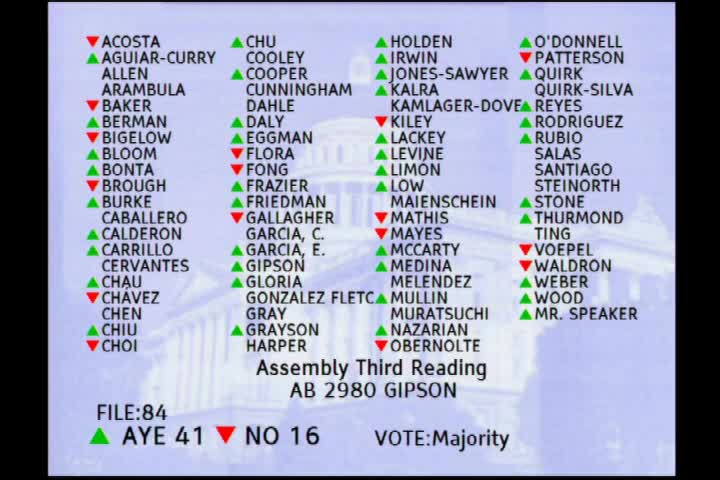
Bill Author

Bill Co-Author(s):

























































