AB 1106: Child care and development services: alternative payment programs.
- Session Year: 2017-2018
- House: Assembly
- Latest Version Date: 2017-10-12
The Child Care and Development Services Act, administered by the State Department of Education, provides that children from infancy to 13 years of age are eligible for federal and state subsidized child development services if their families meet at least one requirement in each of certain areas. The act requires the department to contract with local contracting agencies to provide for alternative payment programs, and authorizes alternative payment programs for services provided in licensed centers and family day care homes and for other types of programs that conform to applicable law. The act requires the department to expand existing alternative payment programs and fund new alternative payment programs to the extent that funds are provided by the Legislature.
This bill would require an alternative payment program, with certain exceptions, to have no less than 36 months to expend funds allocated to that program in any fiscal year, and would require the Superintendent of Public Instruction to develop a process that provides alternative payment programs no less than 36 months to expend funds allocated to that program in any fiscal year.
This bill would require, for purposes of determining eligibility for services under the act, that the income of a person who is on state or federal active duty, active duty for special work, or Active Guard and Reserve duty in the military not include the amount of the basic allowance for housing pursuant to specified federal law, if the allowance is equal to the lowest rate of the allowance for the military housing area in which the person resides.The Child Care and Development Services Act, administered by the State Department of Education, provides that children from infancy to 13 years of age, age are eligible for federal and state subsidized child development services if their families meet at least one requirement in each of certain areas. The act requires the department to contract with local contracting agencies to provide for alternative payment programs, and authorizes alternative payment programs for services provided in licensed centers and family day care homes and for other types of programs that conform to applicable law. The act requires the department to expand existing alternative payment programs and fund new alternative payment programs to the extent that funds are provided by the Legislature.
This bill would require an alternative payment program program, with certain exceptions, to have no less than 36 months to expend funds allocated to that program in any fiscal year, and would require the Superintendent of Public Instruction to develop a contracting process that provides alternative payment programs no less than 36 months to expend funds allocated to that program in any fiscal year.
This bill would require, for purposes of determining eligibility for services under the act, that the income of a person who is on state or federal active duty, active duty for special work, or Active Guard and Reserve duty in the military not include the amount of the basic allowance for housing pursuant to specified federal law, if the allowance is equal to the lowest rate of the allowance for the military housing area in which the person resides.
The Child Care and Development Services Act, administered by the State Department of Education, provides that children from infancy to 13 years of age, are eligible for federal and state subsidized child development services if their families meet at least one requirement in each of certain areas. The act requires the department to contract with local contracting agencies to provide for alternative payment programs, and authorizes alternative payment programs for services provided in licensed centers and family day care homes and for other types of programs that conform to applicable law. The act requires the department to expand existing alternative payment programs and fund new alternative payment programs to the extent that funds are provided by the Legislature.
This bill would require an alternative payment program to have no less than 36 months to expend funds allocated to that program in any fiscal year, and would require the Superintendent of Public Instruction to develop a contracting process that provides alternative payment programs no less than 36 months to expend funds allocated to that program in any fiscal year.
This bill would require, for purposes of determining eligibility for services under the act, that the income of a person who is on state or federal active duty, active duty for special work, or Active Guard and Reserve duty in the military not include the amount of the basic allowance for housing pursuant to specified federal law, if the allowance is equal to the lowest rate of the allowance for the military housing area in which the person resides.
(a)It is the intent of the Legislature that:
(1)Working families be supported with maximum access to child care and development programs that focus on stabilizing families and helping children realize greater education outcomes.
(2)Working families have access to the supportive services needed to ensure the healthy physical, cognitive, social, and emotional growth and development of children.
(3)The Superintendent, in providing funding to child care and development agencies, promote a contracting term for services that will allow parents the opportunity to choose the type of care most suited to their needs.
(4)Working families achieve and maintain their personal, social, economic, and emotional stability through an opportunity to attain financial stability through employment and parental development while maximizing the growth and development of their children, and through enhancing their parenting skills through participation in child care and development programs.
(b)The department shall contract with local contracting agencies for alternative payment programs so that services will be provided throughout the state. The department shall expand existing alternative payment programs and fund new alternative payment programs to the extent that funds are provided by the Legislature.
(c)Funding for the new programs pursuant to this section shall be allocated to programs that meet all of the following requirements:
(1)Applicants shall conform to the requirements of this article.
(2)Applicants shall demonstrate that an alternative payment child development program is an appropriate method of delivering child care services within the county or service area at the level requested in the application by doing either of the following:
(A)Demonstrating the availability of sufficient licensed or exempt child care providers.
(B)Providing a plan for the development of sufficient licensed child care providers working in cooperation with the local resource and referral agency.
(3)Applicants shall demonstrate the administrative viability of the alternative payment agency and its capacity to meet performance requirements.
(4)Existing alternative payment child development programs receiving funds for expansion into a new service area shall be funded at a documented rate appropriate to that community and may contract separately as appropriate.
(d)(1)Except as provided in paragraph (3), an alternative payment program shall have no less than 36 months to expend funds allocated to that program in any fiscal year.
(2)The Superintendent shall develop a process that provides alternative payment programs no less than 36 months to expend funds allocated to that program in any fiscal year.
(3)Paragraphs (1) and (2) do not apply to contracts relating to the administration of child care services described in Sections 8353 and 8354.
(a)It is the intent of the Legislature that:
(1)Working and military families be supported with maximum access to child care and development programs that focus on stabilizing families and helping children realize greater education outcomes.
(2)Working and military families have access to the supportive services needed to ensure the healthy physical, cognitive, social, and emotional growth and development of children.
(3)The Superintendent, in providing funding to child care and development agencies, promote a contracting term for services that will allow parents the opportunity to choose the type of care most suited to their needs.
(4)Working and military families achieve and maintain their personal, social, economic, and emotional stability through an opportunity to attain financial stability through employment and parental development while maximizing the growth and development of their children, and through enhancing their parenting skills through participation in child care and development programs.
(b)The department shall contract with local contracting agencies for alternative payment programs so that services will be provided throughout the state. The department shall expand existing alternative payment programs and fund new alternative payment programs to the extent that funds are provided by the Legislature.
(c)Funding for the new programs pursuant to this section shall be allocated to programs that meet all of the following requirements:
(1)Applicants shall conform to the requirements of this article.
(2)Applicants shall demonstrate that an alternative payment child development program is an appropriate method of delivering child care services within the county or service area at the level requested in the application by doing either of the following:
(A)Demonstrating the availability of sufficient licensed or exempt child care providers.
(B)Providing a plan for the development of sufficient licensed child care providers working in cooperation with the local resource and referral agency.
(3)Applicants shall demonstrate the administrative viability of the alternative payment agency and its capacity to meet performance requirements.
(4)Existing alternative payment child development programs receiving funds for expansion into a new service area shall be funded at a documented rate appropriate to that community and may contract separately as appropriate.
(d)(1)Except as provided in paragraph (3), an alternative payment program shall have no less than 36 months to expend funds allocated to that program in any fiscal year.
(2)The Superintendent shall develop a process that provides alternative payment programs no less than 36 months to expend funds allocated to that program in any fiscal year.
(3)Paragraphs (1) and (2) do not apply to contracts relating to the administration of child care services described in Sections 8353 and 8354.
SEC. 2.Section 8209.5 is added to the Education Code, to read:8209.5.(a)For purposes of determining eligibility for services pursuant to this chapter, the income of a person who is on state or federal active duty, active duty for special work, or Active Guard and Reserve duty in the military shall not include the amount of the basic allowance for housing pursuant to Section 403 of Title 37 of the United States Code provided to that person if the allowance is equal to the lowest rate of the allowance for the military housing area in which the person resides.(b)This section does not affect priority for federal and state subsidized child development services pursuant to subdivision (b) of Section 8263.(a)It is the intent of the Legislature that:
(1)Working and military families be supported with maximum access to child care and development programs that focus on stabilizing families and helping children realize greater education outcomes.
(2)Working and military families have access to the supportive services needed to ensure the healthy physical, cognitive, social, and emotional growth and development of children.
(3)The Superintendent, in providing funding to child care and development agencies, promote a contracting term for services that will allow parents the opportunity to choose the type of care most suited to their needs.
(4)Working and military families achieve and maintain their personal, social, economic, and emotional stability through an opportunity to attain financial stability through employment and parental development while maximizing the growth and development of their children, and through enhancing their parenting skills through participation in child care and development programs.
(b)The department shall contract with local contracting agencies for alternative payment programs so that services will be provided throughout the state. The department shall expand existing alternative payment programs and fund new alternative payment programs to the extent that funds are provided by the Legislature.
(c)Funding for the new programs pursuant to this section shall be allocated to programs that meet all of the following requirements:
(1)Applicants shall conform to the requirements of this article.
(2)Applicants shall demonstrate that an alternative payment child development program is an appropriate method of delivering child care services within the county or service area at the level requested in the application by doing either of the following:
(A)Demonstrating the availability of sufficient licensed or exempt child care providers.
(B)Providing a plan for the development of sufficient licensed child care providers working in cooperation with the local resource and referral agency.
(3)Applicants shall demonstrate the administrative viability of the alternative payment agency and its capacity to meet performance requirements.
(4)Existing alternative payment child development programs receiving funds for expansion into a new service area shall be funded at a documented rate appropriate to that community and may contract separately as appropriate.
(d)(1)An Except as provided in paragraph (3), an alternative payment program shall have no less than 36 months to expend funds allocated to that program in any fiscal year.
(2)The Superintendent shall develop a contracting process that provides alternative payment programs no less than 36 months to expend funds allocated to that program in any fiscal year.
(3)Paragraphs (1) and (2) do not apply to contracts relating to the administration of child care services described in Sections 8353 and 8354.
SEC. 2.Section 8209.5 is added to the Education Code, to read:8209.5.(a)For purposes of determining eligibility for services pursuant to this chapter, the income of a person who is on state or federal active duty, active duty for special work, or Active Guard and Reserve duty in the military shall not include the amount of the basic allowance for housing pursuant to Section 403 of Title 37 of the United States Code provided to that person if the allowance is equal to the lowest rate of the allowance for the military housing area in which the person resides.
(b)This section does not affect priority for federal and state subsidized child development services pursuant to subdivision (b) of Section 8263.
REVISIONS: HeadingLine 2.(a)It is the intent of the Legislature that:
(1)Working and military families be supported with maximum access to child care and development programs that focus on stabilizing families and helping children realize greater education outcomes.
(2)Working and military families have access to the supportive services needed to ensure the healthy physical, cognitive, social, and emotional growth and development of children.
(3)The Superintendent, in providing funding to child care and development agencies, promote a contracting term for services that will allow parents the opportunity to choose the type of care most suited to their needs.
(4)Working and military families achieve and maintain their personal, social, economic, and emotional stability through an opportunity to attain financial stability through employment and parental development while maximizing the growth and development of their children, and through enhancing their parenting skills through participation in child care and development programs.
(b)The State Department of Education department shall contract with local contracting agencies for alternative payment programs so that services will be provided throughout the state. The department shall expand existing alternative payment programs and fund new alternative payment programs to the extent that funds are provided by the Legislature.
(b)(c)Funding for the new programs pursuant to this section shall be allocated to programs which that meet all of the following requirements:
(1)Applicants shall conform to the requirements of this article.
(2)Applicants shall demonstrate that an alternative payment child development program is an appropriate method of delivering child care services within the county or service area at the level requested in the application by doing either of the following:
(A)Demonstrating the availability of sufficient licensed or exempt child care providers.
(B)Providing a plan for the development of sufficient licensed child care providers working in cooperation with the local resource and referral agency.
(3)Applicants shall demonstrate the administrative viability of the alternative payment agency and its capacity to meet performance requirements.
(4)Existing alternative payment child development programs receiving funds for expansion into a new service area shall be funded at a documented rate appropriate to that community and may contract separately as appropriate.
(d)(1)An alternative payment program shall have no less than 36 months to expend funds allocated to that program in any fiscal year.
(2)The Superintendent shall develop a contracting process that provides alternative payment programs no less than 36 months to expend funds allocated to that program in any fiscal year.
SEC. 2.Section 8209.5 is added to the Education Code, to read:8209.5.(a)For purposes of determining eligibility for services pursuant to this chapter, the income of a person who is on state or federal active duty, active duty for special work, or Active Guard and Reserve duty in the military shall not include the amount of the basic allowance for housing pursuant to Section 403 of Title 37 of the United States Code provided to that person if the allowance is equal to the lowest rate of the allowance for the military housing area in which the person resides.
(b)This section does not affect priority for federal and state subsidized child development services pursuant to subdivision (b) of Section 8263.
|
Date
|
Status
|
|---|---|
| Oct 12, 2017 | Chaptered by Secretary of State - Chapter 716, Statutes of 2017. |
| Oct 12, 2017 | Approved by the Governor. |
| Sep 19, 2017 | Enrolled and presented to the Governor at 3 p.m. |
| Sep 11, 2017 | Senate amendments concurred in. To Engrossing and Enrolling. |
| Sep 7, 2017 | In Assembly. Concurrence in Senate amendments pending. May be considered on or after September 9 pursuant to Assembly Rule 77. |
| Sep 7, 2017 | Read third time. Passed. Ordered to the Assembly. |
| Sep 5, 2017 | Read second time. Ordered to third reading. |
| Sep 1, 2017 | From committee: Amend, and do pass as amended. (Ayes 7. Noes 0.) (September 1). |
| Aug 21, 2017 | In committee: Referred to APPR. suspense file. |
| Jul 12, 2017 | From committee: Do pass and re-refer to Com. on APPR. with recommendation: To Consent Calendar. (Ayes 7. Noes 0.) (July 11). Re-referred to Com. on APPR. |
| Jun 21, 2017 | From committee: Do pass and re-refer to Com. on HUMAN S. with recommendation: To Consent Calendar. (Ayes 6. Noes 0.) (June 21). Re-referred to Com. on HUMAN S. |
| Jun 8, 2017 | Referred to Coms. on ED. and HUMAN S. |
| May 30, 2017 | In Senate. Read first time. To Com. on RLS. for assignment. |
| May 30, 2017 | Read third time. Passed. Ordered to the Senate. (Ayes 77. Noes 0. Page 1781.) |
| May 26, 2017 | Coauthors revised. |
| May 17, 2017 | In committee: Set, first hearing. Referred to APPR. suspense file. |
| Apr 4, 2017 | Re-referred to Com. on APPR. |
| Apr 3, 2017 | Read second time and amended. |
| Mar 30, 2017 | From committee: Amend, and do pass as amended and re-refer to Com. on APPR. with recommendation: To Consent Calendar. (Ayes 7. Noes 0.) (March 21). |
| Mar 6, 2017 | Referred to Com. on HUM. S. |
| Feb 19, 2017 | From printer. May be heard in committee March 21. |
| Feb 17, 2017 | Read first time. To print. |
|
Date
|
Description
|
Location
|
Votes
|
|
|---|---|---|---|---|
| Sep 11, 2017 | AB 1106 WEBER Concurrence in Senate Amendments | Assembly Floor |
Passed |
|
| Sep 7, 2017 | Assembly 3rd Reading AB1106 Weber et al. By Dodd | Senate Floor |
Passed |
|
| Sep 1, 2017 | Do pass as amended | Senate Standing Committee on Appropriations |
Passed |
|
| Aug 21, 2017 | Placed on suspense file | Senate Standing Committee on Appropriations |
Passed |
|
| Jul 11, 2017 | Do pass, but first be re-referred to the Committee on [Appropriations] with the recommendation: To Consent Calendar | Senate Standing Committee on Human Services |
Passed |
|
| Jun 21, 2017 | Do pass, but first be re-referred to the Committee on [Human Services] with the recommendation: To Consent Calendar | Senate Standing Committee on Education |
Passed |
|
| May 30, 2017 | AB 1106 WEBER Assembly Third Reading | Assembly Floor |
Passed |
|
| May 26, 2017 | Do pass. | Assembly Standing Committee on Appropriations |
Passed |
|
| Mar 21, 2017 | Do pass as amended, and be re-referred to the Committee on [Appropriations] with recommendation: To Consent Calendar | Assembly Standing Committee on Human Services |
Passed |
This list shows positions taken on this bill by organizations on the date displayed, which is linked to the original source.
Positions by individuals are not included.
|
Organization
|
Position
|
Date
|
|---|---|---|
| 7 Individuals | ** Support | Jul 7, 2017 |
| American G.I. Forum of California | ** Support | Sep 4, 2017 |
| American Legion, Department Of California | ** Support | Sep 4, 2017 |
| Amvets, Department Of California | ** Support | Sep 4, 2017 |
| CA Council of Chapters | ** Support | Mar 17, 2017 |
| California Alternative Payment Program Association | ** Support | Sep 4, 2017 |
| California Association Of County Veterans Service Officers | ** Support | Sep 4, 2017 |
| California Child Care Resource and Referral Network | ** Support | Sep 4, 2017 |
| California Council of Chapters | ** Support | Jul 7, 2017 |
| California School Boards Association | ** Support | Sep 4, 2017 |
| California State PTA | ** Support | Sep 4, 2017 |
| Child Care Resource and Referral Network | ** Support | Mar 17, 2017 |
| First 5 Association | ** Support | Sep 4, 2017 |
| First 5 California | ** Support | Sep 4, 2017 |
| Military Officers Association of America | ** Support | Jul 7, 2017 |
| support : | ** Support | Jul 7, 2017 |
| Vietnam Veterans Of America, California State Council | ** Support | Sep 4, 2017 |
| Vietnam Veterans of America-CA | ** Support | Mar 17, 2017 |
| western center on law and poverty | ** Support | Sep 4, 2017 |
CONCURRENCE IN SENATE AMENDMENTS
CSA1 Bill Id:AB 1106
Author:(Weber)
As Amended Ver:September 1, 2017
Majority vote
ASSEMBLY: | 77-0 | (May 30, 2017) | SENATE: | 40-0 | (September 7, 2017) |
Original Committee Reference: HUM. S.
SUMMARY: Requires an alternative payment program (APP) to have no less than 36 months to expend allocated funds.
Specifically, this bill:
- States the intent of the Legislature that working families be supported with, among other things, access to child care and development programs and supportive services and that the Superintendent of Public Instruction (Superintendent) promote a child care and development contracting term that facilitates parental choice.
- Requires an APP to have at least 36 months to expend funds allocated to that program in any fiscal year and further, requires the Superintendent to develop a contracting process enabling this expenditure timeframe.
- Stipulates that the APP spending timeframe proposed by this bill does not apply to CalWORKs Stages two and three child care contracts.
- Makes technical changes.
The Senate amendments:
- Remove reference to military families in Legislative intent language.
- Delete language that excluded the military basic allowance for housing from inclusion in income-based eligibility determination for the children of military personnel, as specified, for services under the Child Care and Development Services Act, and delete related and conforming technical changes.
EXISTING LAW:
- Establishes the California Child Care and Developmental Services Act (CCDSA) for the purpose of providing a comprehensive, coordinated, and cost-effective system of child care and development services, as specified, for children from infancy to 13 years of age, and their parents, through full- and part-time programs. (Education Code (EDC) Section 8200 et seq.)
- States the intent of the Legislature that all families have access to child care and development services, as specified, regardless of ethnic status, cultural background, or special needs, and the intent that subsidized child care and development services be provided to eligible families, to the extent funding is available. (EDC Section 8202)
- Defines "alternative payments" to include payments made by one child care agency to another agency or provider for the provision of child care and development services, and payments that are made by an agency to a parent for the parent's purchase of child care and development services. (EDC Section 8208 (a))
- Defines "alternative payment program" (APP) as a local government agency or nonprofit organization that has contracted with the California Department of Education (CDE), as specified, to provide alternative payments and to provide support services to parents and providers. (EDC Section 8208 (b))
- Authorizes the use of child care and development funds for APPs in order to maximize parental choice in selecting an appropriate child care setting, and established requirements regarding APPs, as specified. (EDC Section 8220 et seq.)
- Requires CDE to contract with local contracting agencies for APPs in order that services can be provided throughout the state, as specified. (EDC Section 8220.1 (a))
- Requires families to meet certain criteria in order to be eligible for federal and state subsidized child development services, including that a family must be either a current aid recipient, income eligible, homeless, or one whose children are recipients of protective services or have been identified as being abused, or neglected, as specified. Further requires that families establish need for subsidized child care services which can include that a child has been identified by specified entities as homeless or being, or at risk of being, abused, neglected or exploited, or that the parents are engaged in specified training or employment, seeking employment, seeking permanent housing, or incapacitated. (EDC Section 8263 (a))
- Grants first priority for federal and state subsidized child development services to children who are recipients of child protective services or who are at risk of being neglected or abused, and grants second priority equally to eligible families who are income eligible with the requirement that families with the lowest gross monthly income in relation to family size are admitted first, as specified. (EDC Section 8263 (b))
- Establishes the income eligibility limit for child development services at 70% of the State median income that was in use for the 2007-08 fiscal year, adjusted for family size, as specified. (EDC Section 8263.1)
FISCAL EFFECT: According to the Senate Appropriations Committee on September 1, 2017, this bill may result in the following:
- By allowing APPs to have at least 36 months to expend their funding, this bill could reduce the amount of unspent funds that would otherwise revert to the General Fund and become available for other legislative priorities.
- Unknown but likely minor General Fund costs for CDE to develop a contracting process that provides APP programs no less than 36 months to expend their allocated funds.
COMMENTS:
Subsidized child care: California's subsidized child care system is designed to provide assistance to parents and guardians who are working, in training, seeking employment, incapacitated, or in need of respite. This child care is available through a number of programs; additionally, California offers State Preschool Programs to eligible three-and four-year-olds.
Parents participating in California Work Opportunity and Responsibility to Kids (CalWORKs), as well as families transitioning off of and no longer receiving CalWORKs aid, can be eligible for child care, which is offered in three "stages." The Department of Social Services (DSS) administers Stage one, and the CDE administers Stages two and three. CDE also administers non-CalWORKs child care. The largest programs are: General Child Care, which includes contracted centers and family child care homes; the California State Preschool Program, which provides developmentally, culturally, and linguistically appropriate curriculum to eligible three- and four-year olds; and APPs, which provide vouchers that can be used to obtain child care in a center, family child care home, or from a license-exempt provider. Waitlists for non-CalWORKs child care are common.
Certain eligibility and prioritization rules apply to subsidized child care in California. Families are eligible for non-CalWORKs subsidized child care if they meet at least one requirement in each of two areas: eligibility and need. First, they must meet one of the eligibility criteria, which are: currently receiving aid, being income-eligible, being homeless, or having children who are recipients of protective services or who have been identified as being, or at risk of being, abused, neglected, or exploited. Secondly, the family must meet one of the "need" requirements: either the child has to have been identified by a legal, medical, or social services agency or emergency shelter as being a recipient of protective services or being (or at risk of being) abused, neglected or exploited, or the parents need to be employed or seeking employment, engaged in vocational training, seeking permanent housing for family stability, or incapacitated.
Alternative Payment Programs (APPs): Alternative Payment Programs (APPs) do not provide direct child development services or programs; instead, they assist families in arranging child care services and make payments directly to the child care provider selected by the family. As of 2015-16, 76 APPs contracted with CDE: 50 community-based organizations, 14 county offices of education, and 12 other local government entities (such as county welfare departments or school districts). These programs receive state and federal funds to provide a variety of supports and payment services that enable eligible low-income families to access subsidized child care using vouchers. More broadly, APPs are charged with increasing parental choice in child care and addressing the individual needs of the families they serve.
Families who are participating in welfare-to-work activities under the CalWORKs program or who are low-income but do not qualify for CalWORKs receive a voucher from an APP and will then typically be referred to a local child care resource and referral (R&R) network. The R&R network, also funded through state and federal dollars, will assist a family by helping identify and access the appropriate and desired child development program for the child or children. Child care vouchers can be used to access child care at a licensed center or family child care home or from a license-exempt child care provider who meets certain criteria, including passing a background screening. However, due to a lack of state resources and budget cuts, access to programs able to accept vouchers is limited. Should a family be unable to find appropriate care, they will be placed on a waiting list, if one is available. According to the Legislative Analyst's Office (LAO), the total 2015-16 caseload for APPs was 116,825.
Need for this bill: According to the author:
Each year, the State of California allocates funding to support families that do not go through our welfare programs with child care. The funding allocated barely makes a dent in meeting the needs of eligible families. According to a 2015 report by the California Budget and Policy Center, there are 1.5 million eligible in California for child care. Currently we fund less than 33,000 child care slots.
This bill aims to keep the dollars in the programs serving families.
California should be committed to keeping every dollar allocated for child care in the programs earmarked to serve them. The process we currently have in place forces agencies in process of enrolling families to return all monies for families that have not completed the eligibility determination process by June 30.
Analysis Prepared by: FN: 0001886
Office of Senate Floor Analyses (916) 651-1520 Fax: (916) 327-4478 | AB |
THIRD READING
Bill No: AB 1106
:
SENATE EDUCATION COMMITTEE: 6-0, 6/21/17
AYES: Allen, Galgiani, Leyva, Mendoza, Pan, Vidak
NO VOTE RECORDED: Wilk
SENATE HUMAN SERVICES COMMITTEE: 7-0, 7/11/17
AYES: Wiener, Berryhill, Glazer, Leyva, McGuire, Nguyen, Portantino
SENATE APPROPRIATIONS COMMITTEE: 7-0, 9/1/17
AYES: Lara, Bates, Beall, Bradford, Hill, Nielsen, Wiener
ASSEMBLY FLOOR: 77-0, 5/30/17 - See last page for vote
SUBJECT: Child care and development services: alternative payment programs
SOURCE: California alternative Payment Program Association
DIGEST:
This bill provides that alternative payment programs have at least 36 months to expend funds allocated to that program in any fiscal year.
Existing law:
- Establishes the income eligibility limit for child care and development services at 70 percent of the State median income that was in use for the 2007-08 fiscal year, adjusted for family size. (Education Code § 8263.1) Currently, the income eligibility for a family of four is an annual income of $46,896.
- Requires families, in order to be eligible for federal and state subsidized child development services, to meet at least one requirement in each of the following areas:
- Be a family that is either:
- A current aid recipient;
- Income eligible;
- Homeless; or
- One whose children are recipients of protective services, or identified as being, or at risk of being, abused, neglected, or exploited.
- Be a family that needs the child care services because:
- The child is identified by specified entities as either: a recipient of protective services; being, or at risk of being, neglected, abused, or exploited; or being homeless.
- The parents are either: engaged in vocational training leading directly to a recognized trade, paraprofession or profession; employed or seeking employment; seeking permanent housing or family stability; or incapacitated. (EC § 8263)
- Be a family that is either:
- Establishes priority for federal and state subsidized child development services as follows:
- First priority for children who are recipients of child protective services or who are at risk of being neglected or abused.
- Second priority equally for eligible families who are income eligible with the requirement that families with the lowest gross monthly income in relation to family size are admitted first. (EC § 8263)
- Defines "alternative payment program" (APP) as a local government agency or nonprofit organization that has contracted with the California Department of Education (CDE) to provide alternative payments and to provide support services to parents and providers related to child care and development services. (EC § 8208)
- Authorizes the use of child care and development funds for APPs in order to maximize parental choice, and authorizes APPs to include:
- A subsidy that flows the family from one provider to another within a given APP.
- Choices, whenever possible, among hours of service including before and after school, evening, weekends, and split shifts.
- Child care and development services according to parental choice including use of family day care homes, general center based programs, and other state-funded programs. (EC § 8220 et seq.)
This bill:
- Requires an APP to have no less than 36 months to expend funds allocated to that program in any fiscal year.
- Requires the Superintendent of Public Instruction to develop a process that provides APPs no less than 36 months to expend funds.
- Prohibits the 36 month timeline from applying to contracts relating to the administration of child care for participants in Stages 2 or 3 of CalWORKs.
Comments
- APPs. APPs do not provide direct child development services or programs; APP helps families arrange child care in an array of arrangements, such as in-home care, family child care, and center-based care. The CDE contracts with APPs to make payments (vouchers) for those services directly to the child care provider selected by the family. As of 2015-16, 76 APPs contracted with the CDE: 50 community-based organizations, 14 county offices of education, and 12 other local government entities (such as county welfare departments or school districts). These programs receive state and federal funds to provide a variety of supports and payment services that enable eligible low-income families to access subsidized child care using vouchers.
APP providers receive some funding based on projections of how many families will be eligible for subsidized child care through the voucher program, and the remaining funds are issued in increments throughout the contract year. Funds that were appropriated but not expended within the fiscal year revert back to CDE, and eventually back to the state General Fund. The funds remain encumbered (with CDE) while it conducts “audits” of contracts with APPs, and can take up to 36 months to close out contracts (according to the CDE, 36 months is the exception rather than the rule). This bill allows APPs to expend funds over at least a 36 month period rather than within a 12 month period, thereby allowing more funds to remain with APPs and likely increasing the number of families served who begin but do not complete enrollment within one fiscal year.
According to the California APP Association, the following displays funds that were allocated and those that were “unearned” and reverted to the state:
State Appropriation | Unexpended | |||
2012-13 | 216,586,000 | 3,968,823 | ||
2013-14 | 174,031,000 | 6,765,649 | ||
2014-15 | 181,101,000 | 4,557,145 |
NOTE: This bill was heard in the Senate Education and Human Services committees. Please refer to those committees’ policy analyses for additional information.
FISCAL EFFECT: Appropriation: Fiscal Com.: Local:
According to the Senate Appropriations Committee:
- By allowing APPs to have at least 36 months to expend their funding, this bill could reduce the amount of unspent funds that would otherwise revert to the General Fund and become available for other legislative priorities.
- Unknown but likely minor General Fund costs for the CDE to develop a contracting process that provides APP programs no less than 36 months to expend their allocated funds.
California Alternative Payment Program Association (source)
American G.I. Forum of California
American Legion, Department of California
AMVETS, Department of California
California Association of County Veterans Service Officers
California Child Care Resource and Referral Network
California School Boards Association
California State PTA
First 5 Association
First 5 California
Military Officers Association of America, California Council of Chapters
Vietnam Veterans of America, California State Council
Western Center on Law and Poverty
None received
ASSEMBLY FLOOR: 77-0, 5/30/17
AYES: Acosta, Aguiar-Curry, Travis Allen, Arambula, Baker, Berman, Bigelow, Bloom, Bocanegra, Bonta, Brough, Burke, Caballero, Calderon, Cervantes, Chávez, Chen, Chiu, Chu, Cooley, Cooper, Cunningham, Dababneh, Dahle, Daly, Flora, Fong, Frazier, Friedman, Gallagher, Cristina Garcia, Eduardo Garcia, Gipson, Gloria, Gomez, Gonzalez Fletcher, Gray, Grayson, Harper, Holden, Irwin, Jones-Sawyer, Kalra, Kiley, Lackey, Levine, Limón, Low, Maienschein, Mathis, Mayes, McCarty, Medina, Melendez, Mullin, Muratsuchi, Nazarian, Obernolte, O'Donnell, Patterson, Quirk, Quirk-Silva, Reyes, Ridley-Thomas, Rodriguez, Rubio, Salas, Santiago, Steinorth, Mark Stone, Thurmond, Ting, Voepel, Waldron, Weber, Wood, Rendon
NO VOTE RECORDED: Chau, Choi, Eggman
9/4/17 12:40:47
**** END ****
SENATE COMMITTEE ON APPROPRIATIONS
Senator Ricardo Lara, Chair
2017 - 2018 Regular Session
AB 1106 (Weber) - Child care and development services: alternative payment programs: military families
Version: April 3, 2017 | Policy Vote: ED. 6 - 0, HUMAN S. 7 - 0 |
Urgency: No | Mandate: No |
Hearing Date: September 1, 2017 | Consultant: Lenin Del Castillo |
Bill Summary:
This bill provides that alternative payment programs (APPs) have at least 36 months to expend funds allocated to that program in any fiscal year.
*********** ANALYSIS ADDENDUM – SUSPENSE FILE ***********
The following information is revised to reflect amendments
adopted by the committee on September 1, 2017
Fiscal Impact:
- By allowing APPs to have at least 36 months to expend their funding, this bill could reduce the amount of unspent funds that would otherwise revert to the General Fund and become available for other legislative priorities.
- Unknown but likely minor General Fund costs for the California Department of Education to develop a contracting process that provides APP programs no less than 36 months to expend their allocated funds.
Author Amendments:
Remove the provision that excludes the basic housing allowance provided to active duty military personnel from counting as income for purposes of determining eligibility for child care and development programs.
-- END --
SENATE COMMITTEE ON APPROPRIATIONS
Senator Ricardo Lara, Chair
2017 - 2018 Regular Session
AB 1106 (Weber) - Child care and development services: alternative payment programs: military families
Version: April 3, 2017 | Policy Vote: ED. 6 - 0, HUMAN S. 7 - 0 |
Urgency: No | Mandate: No |
Hearing Date: August 21, 2017 | Consultant: Lenin Del Castillo |
This bill meets the criteria for referral to the Suspense File.
Bill Summary:
This bill excludes the basic housing allowance provided to active duty military personnel from counting as income for purposes of determining eligibility for child care and development programs, and provides that alternative payment programs (APPs) have at least 36 months to expend funds allocated to that program in any fiscal year.
Fiscal Impact:
- Unknown, but potentially significant costs and/or cost pressures to the state to provide additional funding for services to the extent that additional families become eligible by meeting the income eligibility requirement from excluding the military housing allowance. Increased eligibility would result in General Fund cost increases in the CalWORKs child care program, as it is an entitlement program, and increased cost pressures resulting from longer waitlists in the capped programs.
- By allowing APPs to have at least 36 months to expend their funding, this bill could reduce the amount of unspent funds that would otherwise revert to the General Fund and become available for other legislative priorities.
- The CDE estimates General Fund costs to implement the military housing exclusion of $60,000 to amend regulations and train staff on new requirements. There could also be minor costs for CDE to develop a contracting process that provides APP programs no less than 36 months to expend allocated funds.
Background:
Existing law establishes the income eligibility limit for child care and development services at 70 percent of the State median income that was in use for the 2007-08 fiscal year, adjusted for family size. Currently, the income eligibility for a family of four is an annual income of $46,896.
Existing law requires families, in order to be eligible for federal and state subsidized child development services, to meet at least one requirement in each of the following areas:
- Be a family that is either a current aid recipient, income eligible, homeless; or one whose children are recipients of protective services, or identified as being, or at risk of being, abused, neglected, or exploited.
- Be a family that needs the child care services because the child is identified by specified entities as either: a recipient of protective services; being, or at risk of being, neglected, abused, or exploited; or being homeless; or the parents are either: engaged in vocational training leading directly to a recognized trade, paraprofession or profession; employed or seeking employment; seeking permanent housing or family stability; or incapacitated.
Existing law provides, pursuant to federal law, that a member of a uniformed service is entitled to a basic allowance for housing if he or she is also entitled to basic pay.
Further, existing law authorizes a child care contractor located on or in close proximity to a military base or base housing, with prior written approval from the Superintendent of Public Instruction or his or her designee, to exclude the amount of the basic allowance for housing for purposes of determining eligibility and income ranking.
Existing law defines an APP as a local government agency or nonprofit organization that has contracted with the CDE to provide alternative payments and to provide support services to parents and providers related to child care and development services. The law authorizes the use of child care and development funds for APPs in order to maximize parental choice.
Proposed Law:
This bill prohibits, for purposes of determining eligibility for child care and development programs, the income of a person who is on state or federal active duty, active duty for special work, or Active Guard and Reserve duty in the military from including the amount of the basic allowance for housing provided to that person if the allowance is equal to the lowest rate of the allowance for the military housing area in which the person resides.
This bill provides that it does not affect priority for federal and state subsidized child development services.
Further, this bill requires an APP to have no less than 36 months to expend funds allocated to that program in any fiscal year. It also requires the Superintendent of Public Instruction to develop a process that provides APPs no less than 36 months to expend funds and prohibits the 36 month timeline from applying to contracts relating to the administration of child care for participants in Stages 2 or 3 of CalWORKs.
Related Legislation:
AB 273 (Aguiar-Curry) expands eligibility for federal and state subsidized child development services to families who need child care because the parents are engaged in an educational program for English learners or to attain a high school diploma or general educational development certificate. AB 273 is also scheduled to be heard by this Committee on August 21, 2017.
AB 1679 (Weber, 2016) excluded the basic allowance for housing from income considerations for purposes of determining eligibility for state preschool. AB 1679 was held in the Senate Appropriations Committee.
AB 427 (Weber, 2015) excluded the basic allowance for housing from counting as income for purposes of determining eligibility for child care and development programs. AB 427 was held in the Senate Appropriations Committee.
Staff Comments: This bill requires that the basic allowance for housing provided to individuals in the military, as specified, be excluded from the income calculation for purposes of determining eligibility for child care and development services.
The basic housing allowance depends on the individual’s geographic duty location, pay grade, and dependency status. According to the Department of Defense, rates for Los Angeles range from about $2,200 per month for lower pay grades and $3,600 per month for higher pay grades, assuming the individual has dependents. This bill requires that the deducted amount be equal to the lowest rate of the allowance for the military housing area in which the individual resides. As an example, this bill could require exclusion of about $26,000 from a family’s income using Los Angeles as an example.
This bill will likely have the effect of prioritizing military families for slots in child care programs as they become available. Since their income will be lower without the inclusion of the basic housing allowance, they will move higher on the waitlist for services, while other families will move down. To the extent this bill results in increased eligibility for services for those families that are marginally above the income eligibility requirement, waitlists for services may grow for the capped programs and General Fund costs could be triggered for the CalWORKs program.
-- END --
SENATE COMMITTEE ON HUMAN SERVICES
Senator Wiener, Chair
2017 - 2018 Regular
Bill No: AB 1106
Author: | Weber | ||
Version: | April 3, 2017 | Hearing Date: | July 11, 2017 |
Urgency: | No | Fiscal: | Yes |
Consultant: | Taryn Smith | ||
Subject: Child care and development services: alternative payment programs: military families
SUMMARY
Requires an alternative payment program (APP) to have no less than 36 months to expend allocated funds in any fiscal year and excludes all or part of the basic allowance for housing (BAH) provided to specified military personnel from counting as income for purposes of determining eligibility for child care and development programs.
ABSTRACT
Existing law:
- Provides, pursuant to federal law, a basic allowance for housing to which a uniformed service member, including a member with dependents, as specified, is entitled if he or she is also entitled to basic pay. (37 USC 403)
- Establishes the California Child Care and Developmental Services Act (CCDSA) for the purpose of providing a comprehensive, coordinated, and cost-effective system of child care and development services, as specified, for children from infancy to 13 years of age, and their parents, through full- and part-time programs. (EDC 8200 et seq.)
- States the intent of the Legislature that all families have access to child care and development services, as specified, regardless of ethnic status, cultural background, or special needs, and the intent that subsidized child care and development services be provided to eligible families, to the extent funding is available. (EDC 8202)
- Defines "alternative payments" to include payments made by one child care agency to another agency or provider for the provision of child care and development services, and payments that are made by an agency to a parent for the parent's purchase of child care and development services. (EDC 8208 (a))
- Authorizes the use of child care and development funds for APPs in order to maximize parental choice, and authorizes APPs to include:
- A subsidy that flows to the family from one provider to another within a given APP.
- Choices, whenever possible, among hours of service including before and after school, evening, weekends, and split shifts.
- Child care and development services according to parental choice including use of family day care homes, general center based programs, and other state-funded programs. (EDC 8220 et seq.)
- Authorizes the use of child care and development funds for APPs in order to maximize parental choice in selecting an appropriate child care setting, and established requirements regarding APPs, as specified. (EDC 8220 et seq.)
- Requires CDE to contract with local contracting agencies for APPs in order that services can be provided throughout the state, as specified. (EDC 8220.1 (a))
- Requires families to meet certain criteria in order to be eligible for federal and state subsidized child development services, including that a family must be either a current aid recipient, income eligible, homeless, or one whose children are recipients of protective services or have been identified as being abused, or neglected, as specified. Further requires that families establish need for subsidized child care services which can include that a child has been identified by specified entities as homeless or being, or at risk of being, abused, neglected or exploited, or that the parents are engaged in specified training or employment, seeking employment, seeking permanent housing, or incapacitated. (EDC 8263 (a))
- Grants first priority for federal and state subsidized child development services to children who are recipients of child protective services or who are at risk of being neglected or abused, and grants second priority equally to eligible families who are income eligible with the requirement that families with the lowest gross monthly income in relation to family size are admitted first, as specified. (EDC 8263 (b))
- Requires families, in order to be eligible for federal and state subsidized child development services, to meet at least one requirement in each of the following areas:
- Be a family that is either:
- A current aid recipient;
- Income eligible;
- Homeless; or
- One who has a child or children who is/are recipients of public services, or identified as being, or at risk of being, abused, neglected, or exploited.
- Have a need for child care services due to:
- Have a child that is identified, by specified entities, as either: a recipient of protective services; being, or at risk of being, neglected, abused, or exploited; or being homeless; or
- The parents being either: engaged in vocational training, as specified; employed or seeking employment; seeking permanent housing or family stability; or incapacitated. (EDC 8263)
- Be a family that is either:
- Establishes the income eligibility limit for child development services at 70 percent of the State median income that was in use for the 2007-08 fiscal year, adjusted for family size, as specified. (EDC 8263.1)
- Establishes priority for federal and state subsidized child development services as follows:
- First priority for children who are recipients of child protective services or who are at risk of being neglected or abused.
- Second priority equally for eligible families who are income eligible with the requirement that families with the lowest gross monthly income in relation to family size are admitted first. (EDC 8263)
- Authorizes a child care contractor located on or in close proximity to a military base or base housing, with prior written approval from the Superintendent of Public Instruction or his or her designee, to exclude the amount of the basic allowance for housing for purposes of determining eligibility and income ranking. (5 CCR 18134)
This bill:
- States Legislative intent that working and military families be supported with maximum access to child care and development programs; have access to the supportive services needed to ensure the healthy physical, cognitive, social, and emotional growth and development of children; and achieve and maintain their personal, social, economic, and emotional stability, as specified.
- States Legislative intent that the Superintendent of Public Education, in providing funding to child care and development agencies, promote a contracting term for services that will allow parents the opportunity to choose the type of care most suited to their needs.
- Requires an APP to have no less than 36 months to expend funds allocated to that program in any fiscal year.
- Requires the Superintendent to develop a process that provides APPs no less than 36 months to expend funds allocated to that program in any fiscal year.
- Prohibits the 36 month timeline from applying to contracts relating to the administration of child care for participants in Stages 2 or 3 of CalWORKs.
- Prohibits, for purposes of determining eligibility for child care and development programs, the income of a person who is on state or federal active duty, active duty for special work, or Active Guard and Reserve duty in the military from including the amount of the basic allowance for housing (BAH) provided to that person if the allowance is equal to the lowest rate of the allowance for the military housing area in which the person resides.
- Stipulates that the provisions of this bill related to eligibility determination for military families do not affect priority for state- and federal-subsidized child development services, as specified.
FISCAL IMPACT
According to the Assembly Appropriations Committee, this bill may result in the following costs:
- Minor costs to CDE to develop a contracting process that provides APP programs no less than 36 months to expend allocated funds;
- Unknown cost pressure, potentially in the low millions of dollars to future state budgets to the extent that money is spent for its allocated purpose rather than returned to the General Fund;
- Estimated costs to CDE to implement the military housing exclusion of $60,000 to amend regulations and train staff on new requirements; and
- Unknown, potentially significant, costs and/or cost pressures to the state to fund additional childcare services to the extent additional families become eligible by meeting the income eligibility requirement from disregarding the military housing allowance. Increased eligibility would result in General Fund cost increases in the CalWORKs child care program and increased cost pressures from longer waitlists in the appropriation-capped programs.
BACKGROUND AND DISCUSSION
Purpose of the bill:
According to a 2015 report by the California Budget and Policy Center, there are 1.5 million families with children in California who are eligible for child care. However, the state funds fewer than 33,000 child care slots. According to the author, this “barely makes a dent in meeting the needs of eligible families.”
Further exacerbating the shortage of childcare is the fact that, under current law, APPs cannot encumber funds for the purpose of providing subsidized childcare to families who have not completed the approval process. Unencumbered funds must be reverted back to the state. According to the sponsor, APPs have reverted about $15 million in the past three fiscal years. This bill aims to keep the dollars in the childcare programs and serving families.
Per the author, “California should be committed to keeping every dollar allocated for childcare in the programs earmarked to serve them. The process we currently have in place forces agencies in process of enrolling families to return all monies for families that have not completed the eligibility determination process by June 30. AB 1106 will do this.”
The bill also would make subsidized child care more attainable for military families by excluding all or part of the housing allowance provided to military personnel from counting as income for purposes of determining eligibility for subsidized child care and development programs.
Subsidized child care
California’s subsidized child care programs are intended to serve two primary purposes: 1) enable low-income families to work, and 2) improve low-income children’s cognitive and educational development. According to the California Budget and Policy Center, child care subsidies provide job stability and have been shown to increase parents’ earnings. Subsidies also allow families to afford higher-quality child care.
California provides child care subsidies to some low-income families, including those participating in CalWORKs and those who are not. Generally, CalWORKs participants are eligible to receive subsidized child care if they are employed or if they are participating in approved Welfare to Work activities. Non-CalWORKs families are eligible if they meet at least one of the following eligibility requirements and one of the following need requirements.
- Eligibility requirements: currently receiving aid, being income-eligible, being homeless, or having children who are recipients of protective services or who have been identified as being, or at risk of being, abused, neglected, or exploited.
- Need requirements: either the child has to have been identified by a legal, medical, or social services agency or emergency shelter as being a recipient of protective services or being (or at risk of being) abused, neglected or exploited, or the parents need to be employed or seeking employment, engaged in vocational training, seeking permanent housing for family stability, or incapacitated.
Income eligibility for families who are not on CalWORKs require that a family cannot earn more than 70 percent of the FY 2007-08 state median income, or $3,519 per month for a family of three, in order to receive subsidized child care from the Alternative Payment program.
Alternative Payment Agencies / Alternative Payment Programs
APPs (referred to in some places in statute as alternative payment agencies) help qualified low-income families pay for and arrange child care through several programs that assist low-income families, including: CalWORKs Stage 2, CalWORKs Stage 3, and the APP.
Parents obtaining child care services through APPs may choose from a variety licensed and license-exempt child care options, including, family childcare, and center-based care. Using state and federal funds, APPs make “voucher-style” payments directly to the child care provider that is selected by the family. As part of their voucher-related administrative duties, APPs collect fees from certain families, ensure families and providers are complying with state rules and regulations and create and maintain detailed records about each family and provider.
Once families get their vouchers, they are typically referred to a local child care resource and referral (R&R) network. The R&R networks, which are funded through state and federal dollars, assist families with identifying and accessing child development program for the child or children. However, due to a lack of state resources and budget cuts, access to programs able to accept vouchers is limited. Should a family be unable to find appropriate care, they will be placed on a waiting list, if one is available. According to the Legislative Analyst’s Office, the total 2015-16 caseload for APPs was 116,825.
As of 2015-16, 76 APPs contracted with CDE: 50 were community-based organizations, 14 were county offices of education, and 12 others were local government entities (such as county welfare departments or school districts).In 2016-17, AP agencies received a total of $999 million to operate these programs — $824 million to pay child care providers on behalf of parents and $175 million for their operational costs.
According to this bill’s sponsor, the California Alternative Payment Program Association (CAPPA), it takes 30 to 90 days to determine eligibility for child care subsidies. During the determination process, families must produce documentation that they meet eligibility and need requirements before they can receive the subsidy.
Under current law, APPs must revert all unallocated funds at the end of the fiscal year, but they cannot allocate funds for a family that has not completed the application process. Therefore, if a family has started but not completed the eligibility determination process on June 30, the APP cannot allocate funds to the family and must return the funds to CDE. The approval process starts all over again, and if the family is determined to be eligible, APPs use funds from the current fiscal year to pay for the childcare.
According to CAPPA, the table below displays funds that were allocated to APPs[1] and those that were unexpended and reverted to the state:
Fiscal year | State Appropriation | Unexpended | ||
2012-13 | 216,586,000 | 3,968,823 | ||
2013-14 | 174,031,000 | 6,765,649 | ||
2014-15 | 181,101,000 | 4,557,145 |
APP providers receive some of their funding based on projections of how many families will be eligible for subsidized child care through the voucher program, and the remaining funds are issued in increments throughout the contract year. Funds that were appropriated but not expended within the fiscal year revert back to CDE, and eventually back to the state General Fund. The funds remain encumbered (with CDE) while it conducts “audits” of contracts with APPs. It can take up to 36 months to close out contracts, however, according to the CDE, 36 months is the exception rather than the rule.
This bill allows APPs to expend funds over at least a 36 month period rather than within a 12 month period, thereby allowing more funds to remain with APPs and likely increasing the number of families served who begin but do not complete enrollment within one fiscal year.
Pay for uniformed military personnel
The basic pay of uniformed service members is determined by their grade (or rank), years of service and number of dependents. They are also provided a number of allowances, including the housing allowance, known as BAH. The BAH is provided to service members that don’t live in government-provided housing. This allowance is adjusted based on the local median rental rates across different geographic locations. In 2017, the beginning BAH amounts for service members with dependents ranges from $804 per month in Twentynine Palms to $4,032 in San Francisco. There were more than 190,000 active duty military personnel in California as of May 2016.
Existing state regulations authorize a child care contractor located on or in close proximity to a military base or base housing, with prior written approval from the Superintendent or his or her designee, to exclude the amount of the BAH for purposes of determining eligibility for subsidized childcare.
This bill excludes from child care eligibility calculations the amount of a service member’s BAH that is equal to the lowest rate of the allowance for the military housing area in which the individual resides, meaning that it will exclude the entire allowance for beginning-rank service members, while excluding only a portion of the rate for higher ranking service members.
Related legislation:
AB 99 (Committee on Budget, Chapter 15, Statutes of 2017, among other things, amends income eligibility rules to use the most recent calculation of state median income based on census data and adjusted for family size for determining initial and ongoing eligibility for subsidized child care services. In addition, specifies that families who meet eligibility and need requirements for subsidized child care services shall receive services for not less than 12 months and makes related changes.
AB 273 (Aguiar-Curry) expands eligibility for federal and state subsidized child development services to families who need child care because the parents are engaged in an educational program for English learners or to attain a high school diploma or general educational development certificate. AB 273 is scheduled to be heard by this Committee on July 11, 2017.
AB 1679 (Weber, 2016) excluded the basic allowance for housing from income considerations for purposes of determining eligibility for state preschool. AB 1679 did not pass out of the Senate Appropriations Committee.
AB 170 (Saldaña, 2007) excluded the basic allowance for housing from income considerations for purposes of determining eligibility for state preschool. AB 170 did not pass out of the Assembly Appropriations Committee.
AB 427 (Weber, 2015) would have excluded all or part of the basic allowance for housing provided to active duty military personnel from counting as income for purposes of determining eligibility for child care and development programs. It did not pass out of the Senate Appropriations Committee.
PRIOR VOTES
Senate Education Committee | 6 - 0 |
Assembly Floor: | 77 - 0 |
Assembly Appropriations Committee: | 17 - 0 |
Assembly Human Services Committee: | 7 - 0 |
POSITIONS
Support:
California Alternative Payment Program Association (Sponsor)
American G.I Forum of California/American Legion Department of California/AMVETS-Department of California/California Association of County Veterans Service Officers/Military Officers Association of America/California Council of Chapters/Vietnam Veterans of America -California State Council
California Child Care Resource & Referral Network
California School Board Association
California State PTA
First 5 Association of California
First 5 California
Support (continued):
Western Center on Law and Poverty
7 Individuals
Oppose:
None received.
-- END --
This does not include funds allocated for State Preschool. ↑
SENATE COMMITTEE ON EDUCATION
Senator Benjamin Allen, Chair
2017 - 2018 Regular
Bill No: AB 1106 Hearing Date: June 21, 2017
Author: | |||
Version: | April 3, 2017 | ||
Urgency: | No | Fiscal: | Yes |
Consultant: | Lynn Lorber | ||
Subject: Child care and development services: alternative payment programs: military families
NOTE: This bill has been referred to the Committees on Education and Human Services. A "do pass" motion should include referral to the Committee on Human Services.
SUMMARY
This bill excludes the basic housing allowance provided to active duty military personnel from counting as income for purposes of determining eligibility for child care and development programs, and provides that alternative payment programs have at least 36 months to expend funds allocated to that program in any fiscal year.
BACKGROUND
Existing law:
- Establishes the income eligibility limit for child care and development services at 70 percent of the State median income that was in use for the 2007-08 fiscal year, adjusted for family size. (Education Code § 8263.1) Currently, the income eligibility for a family of four is an annual income of $46,896.
- Requires families, in order to be eligible for federal and state subsidized child development services, to meet at least one requirement in each of the following areas:
- Be a family that is either:
- A current aid recipient;
- Income eligible;
- Homeless; or
- One whose children are recipients of protective services, or identified as being, or at risk of being, abused, neglected, or exploited.
- Be a family that needs the child care services because:
- The child is identified by specified entities as either: a recipient of protective services; being, or at risk of being, neglected, abused, or exploited; or being homeless.
- The parents are either: engaged in vocational training leading directly to a recognized trade, paraprofession or profession; employed or seeking employment; seeking permanent housing or family stability; or incapacitated. (EC § 8263)
- Be a family that is either:
- Establishes priority for federal and state subsidized child development services as follows:
- First priority for children who are recipients of child protective services or who are at risk of being neglected or abused.
- Second priority equally for eligible families who are income eligible with the requirement that families with the lowest gross monthly income in relation to family size are admitted first. (EC § 8263)
- Provides, pursuant to federal law, that a member of a uniformed service is entitled to a basic allowance for housing if he or she is also entitled to basic pay. (United States Code, Title 37, § 403)
- Authorizes a child care contractor located on or in close proximity to a military base or base housing, with prior written approval from the Superintendent of Public Instruction or his or her designee, to exclude the amount of the basic allowance for housing for purposes of determining eligibility and income ranking. (California Code of Regulations, Title 5, § 18134)
- Defines "alternative payment program" (APP) as a local government agency or nonprofit organization that has contracted with the California Department of Education to provide alternative payments and to provide support services to parents and providers related to child care and development services. (EC § 8208)
- Authorizes the use of child care and development funds for APPs in order to maximize parental choice, and authorizes APPs to include:
- A subsidy that flows the family from one provider to another within a given APP.
- Choices, whenever possible, among hours of service including before and after school, evening, weekends, and split shifts.
- Child care and development services according to parental choice including use of family day care homes, general center based programs, and other state-funded programs. (EC § 8220 et seq.)
ANALYSIS
This bill:
- Prohibits, for purposes of determining eligibility for child care and development programs, the income of a person who is on state or federal active duty, active duty for special work, or Active Guard and Reserve duty in the military from including the amount of the basic allowance for housing provided to that person if the allowance is equal to the lowest rate of the allowance for the military housing area in which the person resides.
- Provides that this bill does not affect priority for federal and state subsidized child development services.
- Requires an alternative payment program (APP) to have no less than 36 months to expend funds allocated to that program in any fiscal year.
- Requires the Superintendent of Public Instruction to develop a process that provides APPs no less than 36 months to expend funds.
- Prohibits the 36 month timeline from applying to contracts relating to the administration of child care for participants in Stages 2 or 3 of CalWORKs.
STAFF COMMENTS
- Need for the bill. According to the author, “Based on data provided by the California Alternative Payment Program Association, families that apply for a child care subsidy must complete a process to determine income eligibility. Parents take anywhere from 30-90 days to complete this process. Based on the data, parents that begin the income eligibility process from April onwards are challenged to complete the process by the end of the fiscal/contract year. If a parent does not complete the process by June 30, the allocated monies to the agency earmarked to serve working families that do not go through CalWORKs must be returned even though there is need.”
- Alternative Payment Programs. APPs do not provide direct child development services or programs; APP helps families arrange child care in an array of arrangements, such as in-home care, family child care, and center-based care. The California Department of Education (CDE) contracts with APPs to make payments (vouchers) for those services directly to the child care provider selected by the family. As of 2015-16, 76 APPs contracted with the CDE: 50 community-based organizations, 14 county offices of education, and 12 other local government entities (such as county welfare departments or school districts). These programs receive state and federal funds to provide a variety of supports and payment services that enable eligible low-income families to access subsidized child care using vouchers.
APP providers receive some funding based on projections of how many families will be eligible for subsidized child care through the voucher program, and the remaining funds are issued in increments throughout the contract year. Funds that were appropriated but not expended within the fiscal year revert back to CDE, and eventually back to the state General Fund. The funds remain encumbered (with CDE) while it conducts “audits” of contracts with APPs, and can take up to 36 months to close out contracts (according to the CDE, 36 months is the exception rather than the rule). This bill allows alternative payment program (APP) to expend funds over at least a 36 month period rather than within a 12 month period, thereby allowing more funds to remain with APPs and likely increasing the number of families served who begin but do not complete enrollment within one fiscal year.
According to the California APP Association, the following displays funds that were allocated and those that were “unearned” and reverted to the state:
State Appropriation | Unexpended | |||
2012-13 | 216,586,000 | 3,968,823 | ||
2013-14 | 174,031,000 | 6,765,649 | ||
2014-15 | 181,101,000 | 4,557,145 |
- Military housing allowance. Uniformed military service members are provided basic pay, determined by their grade (or rank) and years of service. In addition, the federal government provides a basic allowance for housing (BAH), provided to service members that don’t live in government-provided housing. The amount of the BAH is adjusted based on pay grade and whether a service member has dependents. This allowance is also adjusted based on the local median rental rates across different geographic locations.
Existing state regulations authorize a child care contractor located on or in close proximity to a military base or base housing, with prior written approval from the Superintendent of Public Instruction or his or her designee, to exclude the amount of the basic allowance for housing for purposes of determining eligibility and income ranking. This bill prohibits the housing allowance from being considered as income for purposes of determining eligibility for child care and development programs.
This bill excludes from child care eligibility calculations the amount of a service member’s BAH that is equal to the lowest rate of the allowance for the military housing area in which the individual resides, meaning that it will exclude the entire allowance for beginning-rank service members, while excluding only a portion of the rate for higher ranking service members. - Fiscal impact. According to the Assembly Appropriations Committee, this bill would impose:
- Minor costs to the California Department of Education to develop a contracting process that provides APP programs no less than 36 months to expend allocated funds.
- Unknown cost pressure, potentially in the low millions of dollars to future state budgets to the extent that money is spent for its allocated purpose rather than returned to the General Fund.
- Minor costs to the California Department of Education to develop a contracting process that provides APP programs no less than 36 months to expend allocated funds.
- Estimated costs to the California Department of Education (CDE) to implement the military housing exclusion of $60,000 to amend regulations and train staff on new requirements.
- Unknown, potentially significant, costs and/or cost pressures to the state to fund additional childcare services to the extent additional families become eligible by meeting the income eligibility requirement from disregarding the military housing allowance. Increased eligibility would result in General Fund cost increases in the CalWORKs child care program and increased cost pressures from longer waitlists in the appropriation-capped programs. (Staff notes that this bill prohibits the 36 month timeline from applying to contracts relating to the administration of child care for participants in Stages 2 or 3 of CalWORKs.)
- Estimated costs to the California Department of Education (CDE) to implement the military housing exclusion of $60,000 to amend regulations and train staff on new requirements.
- Related legislation. AB 273 (Aguiar-Curry) expands eligibility for federal and state subsidized child development services to families who need child care because the parents are engaged in an educational program for English learners or to attain a high school diploma or general educational development certificate. AB 273 is scheduled to be heard by this Committee on June 21.
- Prior legislation. AB 1679 (Weber, 2016) excluded the basic allowance for housing from income considerations for purposes of determining eligibility for state preschool. AB 1679 was held in the Senate Appropriations Committee.
AB 427 (Weber, 2015) excluded the basic allowance for housing from counting as income for purposes of determining eligibility for child care and development programs. AB 427 was held in the Senate Appropriations Committee.
AB 170 (Saldaña, 2007) excluded the basic allowance for housing from income considerations for purposes of determining eligibility for state preschool. AB 170 was held in the Assembly Appropriations Committee.
SUPPORT
California Alternative Payment Program Association (sponsor)
American G.I. Forum of California
American Legion, Department of California
AMVETS, Department of California
California Association of County Veterans Service Officers
California Child Care Resource and Referral Network
California School Boards Association
California State PTA
First 5 Association
First 5 California
Military Officers Association of America, California Council of Chapters
Vietnam Veterans of America, California State Council
Western Center on Law and Poverty
OPPOSITION
None received
-- END --
11ASSEMBLY THIRD READING
ATR Bill Id:AB 1106
Author:(Weber)
As Amended Ver:April 3, 2017
Majority vote
Committee | Votes | Ayes | Noes |
Human Services | 7-0 | Rubio, Choi, Arambula, Gonzalez Fletcher, Maienschein, Mark Stone, Thurmond | |
Appropriations | 17-0 | Gonzalez Fletcher, Bigelow, Bloom, Bocanegra, Bonta, Brough, Calderon, McCarty, Quirk, Fong, Friedman, Gallagher, Eduardo Garcia, Gray, Muratsuchi, Obernolte, Reyes |
|
SUMMARY: Requires an alternative payment program (APP) to have no less than 36 months to expend allocated funds and excludes all or part of the basic allowance for housing provided to specified military personnel from counting as income for purposes of determining eligibility for child care and development programs. Specifically, this bill:
- States the intent of the Legislature that working and military families be supported with, among other things, access to child care and development programs and supportive services and that the Superintendent of Public Instruction (Superintendent) promote a child care and development contracting term that facilitates parental choice.
- Requires an APP to have at least 36 months to expend funds allocated to that program in any fiscal year and further, requires the Superintendent to develop a contracting process enabling this expenditure timeframe.
- Stipulates that the APP spending timeframe proposed by this bill does not apply to CalWORKs Stages two and three child care contracts.
- Excludes the basic allowance for housing equal to the lowest rate of the allowance for the military housing area in which a person resides from inclusion in income-based eligibility determination for the children of military personnel, as specified, for services under the Child Care and Development Services Act.
- Stipulates that the provisions of this bill related to eligibility determination for military families do not affect priority for state- and federal-subsidized child development services, as specified.
EXISTING LAW:
- Establishes the California Child Care and Developmental Services Act (CCDSA) for the purpose of providing a comprehensive, coordinated, and cost-effective system of child care and development services, as specified, for children from infancy to 13 years of age, and their parents, through full- and part-time programs. (Education Code (EDC) Section 8200 et seq.)
- States the intent of the Legislature that all families have access to child care and development services, as specified, regardless of ethnic status, cultural background, or special needs, and the intent that subsidized child care and development services be provided to eligible families, to the extent funding is available. (EDC Section 8202)
- Defines "alternative payments" to include payments made by one child care agency to another agency or provider for the provision of child care and development services, and payments that are made by an agency to a parent for the parent's purchase of child care and development services. (EDC Section 8208 (a))
- Defines "alternative payment program" (APP) as a local government agency or nonprofit organization that has contracted with the California Department of Education (CDE), as specified, to provide alternative payments and to provide support services to parents and providers. (EDC Section 8208 (b))
- Authorizes the use of child care and development funds for APPs in order to maximize parental choice in selecting an appropriate child care setting, and established requirements regarding APPs, as specified. (EDC Section 8220 et seq.)
- Requires CDE to contract with local contracting agencies for APPs in order that services can be provided throughout the state, as specified. (EDC Section 8220.1 (a))
- Requires families to meet certain criteria in order to be eligible for federal and state subsidized child development services, including that a family must be either a current aid recipient, income eligible, homeless, or one whose children are recipients of protective services or have been identified as being abused, or neglected, as specified. Further requires that families establish need for subsidized child care services which can include that a child has been identified by specified entities as homeless or being, or at risk of being, abused, neglected or exploited, or that the parents are engaged in specified training or employment, seeking employment, seeking permanent housing, or incapacitated. (EDC Section 8263 (a))
- Grants first priority for federal and state subsidized child development services to children who are recipients of child protective services or who are at risk of being neglected or abused, and grants second priority equally to eligible families who are income eligible with the requirement that families with the lowest gross monthly income in relation to family size are admitted first, as specified. (EDC Section 8263 (b))
- Establishes the income eligibility limit for child development services at 70% of the State median income that was in use for the 2007-08 fiscal year, adjusted for family size, as specified. (EDC Section 8263.1)
- Provides, pursuant to federal law, a basic allowance for housing to which a uniformed service member, including a member with dependents, as specified, is entitled if he or she is also entitled to basic pay. (37 United States Code 403)
FISCAL EFFECT: According to the Assembly Appropriations Committee, this bill may result in the following costs:
- Minor costs to CDE to develop a contracting process that provides APP programs no less than 36 months to expend allocated funds;
- Unknown cost pressure, potentially in the low millions of dollars to future state budgets to the extent that money is spent for its allocated purpose rather than returned to the General Fund;
- Estimated costs to CDE to implement the military housing exclusion of $60,000 to amend regulations and train staff on new requirements; and
- Unknown, potentially significant, costs and/or cost pressures to the state to fund additional childcare services to the extent additional families become eligible by meeting the income eligibility requirement from disregarding the military housing allowance. Increased eligibility would result in General Fund cost increases in the CalWORKs child care program and increased cost pressures from longer waitlists in the appropriation-capped programs.
COMMENTS:
Subsidized child care: California’s subsidized child care system is designed to provide assistance to parents and guardians who are working, in training, seeking employment, incapacitated, or in need of respite. This child care is available through a number of programs; additionally, California offers State Preschool Programs to eligible three-and four-year-olds.
Parents participating in California Work Opportunity and Responsibility to Kids (CalWORKs), as well as families transitioning off of and no longer receiving CalWORKs aid, can be eligible for child care, which is offered in three "stages." The Department of Social Services (DSS) administers Stage one, and the CDE administers Stages two and three. CDE also administers non-CalWORKs child care. The largest programs are: General Child Care, which includes contracted centers and family child care homes; the California State Preschool Program, which provides developmentally, culturally, and linguistically appropriate curriculum to eligible three- and four-year olds; and APPs, which provide vouchers that can be used to obtain child care in a center, family child care home, or from a license-exempt provider. Waitlists for non-CalWORKs child care are common.
Certain eligibility and prioritization rules apply to subsidized child care in California. Families are eligible for non-CalWORKs subsidized child care if they meet at least one requirement in each of two areas: eligibility and need. First, they must meet one of the eligibility criteria, which are: currently receiving aid, being income-eligible, being homeless, or having children who are recipients of protective services or who have been identified as being, or at risk of being, abused, neglected, or exploited. Secondly, the family must meet one of the “need” requirements: either the child has to have been identified by a legal, medical, or social services agency or emergency shelter as being a recipient of protective services or being (or at risk of being) abused, neglected or exploited, or the parents need to be employed or seeking employment, engaged in vocational training, seeking permanent housing for family stability, or incapacitated.
Alternative Payment Programs (APPs): Alternative Payment Programs (APPs) do not provide direct child development services or programs; instead, they assist families in arranging child care services and make payments directly to the child care provider selected by the family. As of 2015-16, 76 APPs contracted with CDE: 50 community-based organizations, 14 county offices of education, and 12 other local government entities (such as county welfare departments or school districts). These programs receive state and federal funds to provide a variety of supports and payment services that enable eligible low-income families to access subsidized child care using vouchers. More broadly, APPs are charged with increasing parental choice in child care and addressing the individual needs of the families they serve.
Families who are participating in welfare-to-work activities under the CalWORKs program or who are low-income but do not qualify for CalWORKs receive a voucher from an APP and will then typically be referred to a local child care resource and referral (R&R) network. The R&R network, also funded through state and federal dollars, will assist a family by helping identify and access the appropriate and desired child development program for the child or children. Child care vouchers can be used to access child care at a licensed center or family child care home or from a license-exempt child care provider who meets certain criteria, including passing a background screening. However, due to a lack of state resources and budget cuts, access to programs able to accept vouchers is limited. Should a family be unable to find appropriate care, they will be placed on a waiting list, if one is available. According to the Legislative Analyst’s Office (LAO), the total 2015-16 caseload for APPs was 116,825.
Military compensation and allowances: There were over 190,000 active duty military personnel in California as of May 2016. Uniformed service members are provided basic pay, determined by their grade (or rank) and years of service. In addition, the federal government provides services members a number of allowances. One such allowance is the basic allowance for housing (BAH), provided to service members that don’t live in government-provided housing. The amount of the BAH is adjusted based on pay grade and whether a service member has dependents. This allowance is also adjusted based on the local median rental rates across different geographic locations (called military housing areas), but it is not designed to cover all costs. According to 2017 rates in California, the beginning BAH amounts for service members with dependents range from $804 per month in Twentynine Palms and $855 in China Lake, up to $3,483 per month in Santa Clara County and $4,032 in San Francisco. All of these rates increase according to rank.
This bill proposes to exclude from child care eligibility calculations the amount of a service member’s BAH that is equal to the lowest rate of the allowance for the military housing area in which the individual resides, meaning that it will exclude the entire allowance for beginning-rank service members, while excluding only a portion of the rate for higher ranking service members.
Need for this bill: According to the author:
Each year, the State of California allocates funding to support families that do not go through our welfare programs with child care. The funding allocated barely makes a dent in meeting the needs of eligible families. According to a 2015 report by the California Budget and Policy Center, there are 1.5 million eligible in California for child care. Currently we fund less than 33,000 child care slots.
This bill aims to keep the dollars in the programs serving families.
California should be committed to keeping every dollar allocated for child care in the programs earmarked to serve them. The process we currently have in place forces agencies in process of enrolling families to return all monies for families that have not completed the eligibility determination process by June 30. [This bill] will do this.
PRIOR LEGISLATION:
AB 1679 (Weber) of 2016, would have expanded and codified emergency regulations that exclude all or a portion of the basic allowance for housing provided to active duty military personnel from income considerations for purposes of determining eligibility for state preschool. It died in the Senate Appropriations Committee.
AB 427 (Weber) of 2015, would have excluded all or part of the basic allowance for housing provided to active duty military personnel from counting as income for purposes of determining eligibility for child care and development programs. It died in the Senate Appropriations Committee.
AB 170 (Saldaña) of 2007, would have excluded the basic allowance for housing provided to military families from being counted in state preschool services eligibility determinations. It died in the Assembly Appropriations Committee. California Code of Regulations Title 5, Section 18134 was subsequently established through emergency regulations.
Analysis Prepared by: Daphne Hunt / HUM. S. / (916) 319-2089 FN: 0000796
Date of Hearing: May 17, 2017
ASSEMBLY COMMITTEE ON APPROPRIATIONS
Lorena Gonzalez Fletcher, Chair
ABPCA Bill Id:AB 1106
Author:(Weber) – As Amended Ver:April 3, 2017
Policy Committee: | Human Services | Vote: | 7 - 0 |
|
| ||
|
|
Urgency: No State Mandated Local Program: No Reimbursable: No
SUMMARY: This bill requires an alternative payment program (APP) to have no less than 36 months to expend allocated funds, and disregards all or part of the basic allowance for housing provided to military personnel for purposes of determining eligibility for child care and development programs. Specifically, this bill:
- Requires the Superintendent to develop a contracting process such that APPs have at least 36 months to expend funds allocated to that program in any fiscal year.
- Excludes the basic allowance for housing equal to the lowest rate of the allowance for the military housing area in which a person resides, from inclusion in income-based eligibility determination for the children of military personnel, as specified, for services under the Child Care and Development Services Act.
- Stipulates that the provisions of this bill related to eligibility determination for military families do not affect priority for state- and federal-subsidized child development services, as specified.
FISCAL EFFECT:
- Minor costs to the California Department of Education (CDE) to develop a contracting process that provides APP programs no less than 36 months to expend allocated funds.
- Unknown cost pressure, potentially in the low millions of dollars to future state budgets to the extent that money is spent for its allocated purpose rather than returned to the General Fund.
- Estimated costs to CDE to implement the military housing exclusion of $60,000 to amend regulations and train staff on new requirements.
- Unknown, potentially significant, costs and/or cost pressures to the state to fund additional childcare services to the extent additional families become eligible by meeting the income eligibility requirement from disregarding the military housing allowance. Increased eligibility would result in GF cost increases in the CalWORKs child care program and increased cost pressures from longer waitlists in the appropriation-capped programs.
COMMENTS:
- Purpose. According to the author, “Each year, the State of California allocates funding to support families that do not go through our welfare programs with child care. The funding allocated barely makes a dent in meeting the needs of eligible families. According to a 2015 report by the California Budget and Policy Center, there are 1.5 million eligible in California for child care. Currently we fund less than 33,000 child care slots. This bill aims to keep the dollars in the programs serving families.”
- Alternative Payment Programs. APPs are community based mixed delivery systems of public and private nonprofits that help families arrange for child care, early education and other social services for children from birth on. The program helps working families, especially single mothers, move off of public welfare rolls and towards self-sufficiency.
CDE administers the California Alternative Payment Program (CAPP) “voucher” through contracting with local community based Alternative Payment Program (APP) agencies. The funding for these programs and slots is allocated each year as part of the budget process.
For a fiscal year beginning July 1st, the initial contract allocation released to APP agencies is roughly 25% of the total contract amount. The remaining three allocations come roughly in January, April and oftentimes in August/September after the close of the contract year.
Currently, APP's must use all allocated monies by June 30. When the June 30 deadline is not met, money that was allocated to the APP for childcare services must be returned to the state. Agencies enroll families based on funding availability. If a family begins the eligibility determination process in May or June, the likelihood of completing the eligibility process in time to meet the June 30 deadline is low.
CDE takes up to 36 months to close out its contracts. The monies returned at the end of a fiscal year are held until CDE completes the audits of the contracts. The unused monies are then returned to the General Fund. In 2014-15, over $4.5 million in allocated, but unused money was returned to the state.
- Basic Allowance for Housing. The United States Government, in addition to providing a base salary, provides additional monthly allowances for various purposes (e.g., for clothing, housing), all of which are reported as monthly or annual income on the military's Leave and Earnings statement. The amounts of the allowances vary according to rank, length of service, and geographic location. The basic allowance for housing is provided to military personnel who do not live in military or military-operated housing units. In California, the beginning basic allowance for housing for personnel with dependents ranges from the mid $800's for areas such as Twenty Nine Palms and China Lake, to $3,651 for San Francisco. The ranges increase according to rank. This bill proposes to exclude the basic allowance for housing as income for purposes of determining eligibility for childcare programs.
- Prior Legislation. AB 1679 (Weber), of the 2015-16 Legislative Session, would have expanded and codified emergency regulations that exclude all or a portion of the basic allowance for housing provided to active duty military personnel from income considerations for purposes of determining eligibility for state preschool. It was held on Suspense in the Senate Appropriations Committee.
AB 427 (Weber), of the 2015-16 Legislative Session, would have excluded all or part of the basic allowance for housing provided to active duty military personnel from counting as income for purposes of determining eligibility for child care and development programs. It was held on Suspense in the Senate Appropriations Committee.
AB 170 (Saldaña), of the 2007-08 Legislative Session, would have excluded the basic allowance for housing provided to military families from being counted in state preschool services eligibility determinations. It was held on Suspense in this Committee. Title 5, CCR, Section 18134 was subsequently established through emergency regulations.
Analysis Prepared by: Jennifer Swenson / APPR. / (916) 319-2081
Date of Hearing: March 21, 2017
ASSEMBLY COMMITTEE ON HUMAN SERVICES
Blanca Rubio, Chair
ABPCA Bill Id:AB 1106 (
Author:Weber) – As Introduced Ver:February 17, 2017
SUBJECT: Child care and development services: alternative payment programs: military families
SUMMARY: Requires an alternative payment program (APP) to have no less than 36 months to expend allocated funds and excludes all or part of the basic allowance for housing provided to specified military personnel from counting as income for purposes of determining eligibility for child care and development programs.
Specifically, this bill:
- States the intent of the Legislature that working and military families be supported with, among other things, access to child care and development programs and supportive services and that the Superintendent of Public Instruction (Superintendent) promote a child care and development contracting term that facilitates parental choice.
- Requires an APP to have at least 36 months to expend funds allocated to that program in any fiscal year and further, requires the Superintendent to develop a contracting process enabling this expenditure timeframe.
- Excludes the basic allowance for housing equal to the lowest rate of the allowance for the military housing area in which a person resides from inclusion in income-based eligibility determination for the children of military personnel, as specified, for services under the Child Care and Development Services Act.
- Stipulates that the provisions of this bill related to eligibility determination for military families do not affect priority for state- and federal-subsidized child development services, as specified.
EXISTING LAW:
- Establishes the California Child Care and Developmental Services Act (CCDSA) for the purpose of providing a comprehensive, coordinated, and cost-effective system of child care and development services, as specified, for children from infancy to 13 years of age, and their parents, through full- and part-time programs. (EDC 8200 et seq.)
- States the intent of the Legislature that all families have access to child care and development services, as specified, regardless of ethnic status, cultural background, or special needs, and the intent that subsidized child care and development services be provided to eligible families, to the extent funding is available. (EDC 8202)
- Defines “alternative payments” to include payments made by one child care agency to another agency or provider for the provision of child care and development services, and payments that are made by an agency to a parent for the parent's purchase of child care and development services. (EDC 8208 (a))
- Defines “alternative payment program” (APP) as a local government agency or nonprofit organization that has contracted with the California Department of Education (CDE), as specified, to provide alternative payments and to provide support services to parents and providers. (EDC 8208 (b))
- Authorizes the use of child care and development funds for APPs in order to maximize parental choice in selecting an appropriate child care setting, and established requirements regarding APPs, as specified. (EDC 8220 et seq.)
- Requires CDE to contract with local contracting agencies for APPs in order that services can be provided throughout the state, as specified. (EDC 8220.1 (a))
- Requires families to meet certain criteria in order to be eligible for federal and state subsidized child development services, including that a family must be either a current aid recipient, income eligible, homeless, or one whose children are recipients of protective services or have been identified as being abused, or neglected, as specified. Further requires that families establish need for subsidized child care services which can include that a child has been identified by specified entities as homeless or being, or at risk of being, abused, neglected or exploited, or that the parents are engaged in specified training or employment, seeking employment, seeking permanent housing, or incapacitated. (EDC 8263 (a))
- Grants first priority for federal and state subsidized child development services to children who are recipients of child protective services or who are at risk of being neglected or abused, and grants second priority equally to eligible families who are income eligible with the requirement that families with the lowest gross monthly income in relation to family size are admitted first, as specified. (EDC 8263 (b))
- Establishes the income eligibility limit for child development services at 70% of the State median income that was in use for the 2007-08 fiscal year, adjusted for family size, as specified. (EDC 8263.1)
- Provides, pursuant to federal law, a basic allowance for housing to which a uniformed service member, including a member with dependents, as specified, is entitled if he or she is also entitled to basic pay. (37 U.S.C. 403)
FISCAL EFFECT: Unknown.
COMMENTS:
Subsidized child care: California’s subsidized child care system is designed to provide assistance to parents and guardians who are working, in training, seeking employment, incapacitated, or in need of respite. This child care is available through a number of programs; additionally, California offers State Preschool Programs to eligible three-and four-year-olds.
Parents participating in California Work Opportunity and Responsibility to Kids (CalWORKs), as well as families transitioning off of and no longer receiving CalWORKs aid, can be eligible for child care, which is offered in three “stages.” The Department of Social Services (DSS) administers Stage 1, and the California Department of Education (CDE) administers Stages 2 and 3. CDE also administers non-CalWORKs child care. The largest programs are: General Child Care, which includes contracted centers and family child care homes; the California State Preschool Program, which provides developmentally, culturally, and linguistically appropriate curriculum to eligible three- and four-year olds; and APPs, which provide vouchers that can be used to obtain child care in a center, family child care home, or from a license-exempt provider. Waitlists for non-CalWORKs child care are common.
Certain eligibility and prioritization rules apply to subsidized child care in California. Families are eligible for non-CalWORKs subsidized child care if they meet at least one requirement in each of two areas: eligibility and need. First, they must meet one of the eligibility criteria, which are: currently receiving aid, being income-eligible, being homeless, or having children who are recipients of protective services or who have been identified as being, or at risk of being, abused, neglected, or exploited. Secondly, the family must meet one of the “need” requirements: either the child has to have been identified by a legal, medical, or social services agency or emergency shelter as being a recipient of protective services or being (or at risk of being) abused, neglected or exploited, or the parents need to be employed or seeking employment, engaged in vocational training, seeking permanent housing for family stability, or incapacitated.
Alternative Payment Programs (APPs): Alternative Payment Programs (APPs) do not provide direct child development services or programs; instead, they assist families in arranging child care services and make payments directly to the child care provider selected by the family. As of 2015-16, 76 APPs contracted with CDE: 50 community-based organizations, 14 county offices of education, and 12 other local government entities (such as county welfare departments or school districts). These programs receive state and federal funds to provide a variety of supports and payment services that enable eligible low-income families to access subsidized child care using vouchers. More broadly, APPs are charged with increasing parental choice in child care and addressing the individual needs of the families they serve.
Families who are participating in welfare-to-work activities under the CalWORKs program or who are low-income but do not qualify for CalWORKs receive a voucher from an APP and will then typically be referred to a local child care resource and referral (R&R) network. The R&R network, also funded through state and federal dollars, will assist a family by helping identify and access the appropriate and desired child development program for the child or children. Child care vouchers can be used to access child care at a licensed center or family child care home or from a license-exempt child care provider who meets certain criteria, including passing a background screening. However, due to a lack of state resources and budget cuts, access to programs able to accept vouchers is limited. Should a family be unable to find appropriate care, they will be placed on a waiting list, if one is available. According to the Legislative Analyst’s Office (LAO), the total 2015-16 caseload for APPs was 116,825.
Military compensation and allowances: There were over 190,000 active duty military personnel in California as of May 2016. Uniformed service members are provided basic pay, determined by their grade (or rank) and years of service. In addition, the federal government provides services members a number of allowances. One such allowance is the basic allowance for housing (BAH), provided to service members that don’t live in government-provided housing. The amount of the BAH is adjusted based on pay grade and whether a service member has dependents. This allowance is also adjusted based on the local median rental rates across different geographic locations (called military housing areas), but it is not designed to cover all costs. According to 2017 rates in California, the beginning BAH amounts for service members with dependents range from $804 per month in Twentynine Palms and $855 in China Lake, up to $3,483 per month in Santa Clara County and $4,032 in San Francisco. All of these rates increase according to rank.
This bill proposes to exclude from child care eligibility calculations the amount of a service member’s BAH that is equal to the lowest rate of the allowance for the military housing area in which the individual resides, meaning that it will exclude the entire allowance for beginning-rank service members, while excluding only a portion of the rate for higher ranking service members.
Need for this bill: According to the author:
“Each year, the State of California allocates funding to support families that do not go through our welfare programs with child care. The funding allocated barely makes a dent in meeting the needs of eligible families. According to a 2015 report by the California Budget and Policy Center, there are 1.5 million eligible in California for child care. Currently we fund less than 33,000 child care slots.
This bill aims to keep the dollars in the programs serving families.
California should be committed to keeping every dollar allocated for child care in the programs earmarked to serve them. The process we currently have in place forces agencies in process of enrolling families to return all monies for families that have not completed the eligibility determination process by June 30. [This bill] will do this.”
The California Alternative Payment Program Association (CAPPA, sponsor of this bill), states that the purpose of this bill is:
“to keep the allocated dollars earmarked to support working families with access to child care with the agency contracted to serve the families. This legislation is needed to support those parents that seek a child care subsidy any time after April to be able to complete the eligibility determination process that may oftentimes take them 60 to 90 plus days to complete to have the assurance that a child care subsidy will be there when done.
The public policy behind [this bill] dictates that monies earmarked to serve working families, do just that regardless of whether the process crosses over a fiscal year. Currently, there exists in California numbers that indicate 1.5 million children are eligible for subsidized child care. Further, since the recession from 2010, the subsidized child care program supporting those working families that do not come through the welfare doors, has failed to be restored to pre-recession levels. Coupled with that fact is the reality that the child care eligibility determination process is so cumbersome and time intensive for struggling families, that it nearly ensures that dollars earmarked to serve these working families will be returned to the state’s general fund.
Another component of [this bill] is language to have active military parents that receive a base housing allowance due to living away from a military base, to have this income disregarded for purposes of eligibility determination for a child care subsidy. This language creates parity in the eligibility process for these families that access state preschool programs.”
Suggested amendments: In order to make clear that the changes proposed by this bill to APP spending timeframes do not change the length or nature of the contracts themselves, and that the proposed spending timeframe does not apply to CalWORKs Stages 2 and 3 child care, committee staff recommends the following amendments beginning on line 24 of page 3 of the bill:
21
(d) (1) An alternative payment program shall have no less than
22
36 months to expend funds allocated to that program in any fiscal
23
year.
24
(2) The Superintendent shall develop a contracting process that
25
provides alternative payment programs no less than 36 months to
26
expend funds allocated to that program in any fiscal year.
(3) Nothing in this subdivision shall be construed to apply to the child care programs described in sections 8353 and 8354.
PRIOR LEGISLATION:
AB 1679 (Weber), 2016, would have expanded and codified emergency regulations that exclude all or a portion of the basic allowance for housing provided to active duty military personnel from income considerations for purposes of determining eligibility for state preschool. It died in the Senate Appropriations Committee.
AB 427 (Weber), 2015, would have excluded all or part of the basic allowance for housing provided to active duty military personnel from counting as income for purposes of determining eligibility for child care and development programs. It died in the Senate Appropriations Committee.
AB 170 (Saldaña), 2007, would have excluded the basic allowance for housing provided to military families from being counted in state preschool services eligibility determinations. It died in the Assembly Appropriations Committee. Title 5, CCR, Section 18134 was subsequently established through emergency regulations.
REGISTERED SUPPORT / OPPOSITION:
Support
California Alternative Payment Program Association (CAPPA) (Sponsor)
American G.I. Forum of CA
American Legion-Department of CA
AMVETS-Department of CA
CA Council of Chapters
California Child Care Resource and Referral Network
Child Care Resource and Referral Network
Military Officers Association of America
Vietnam Veterans of America-CA
Western Center on Law and Poverty
Opposition
None on file.
Analysis Prepared by: Daphne Hunt / HUM. S. / (916) 319-2089
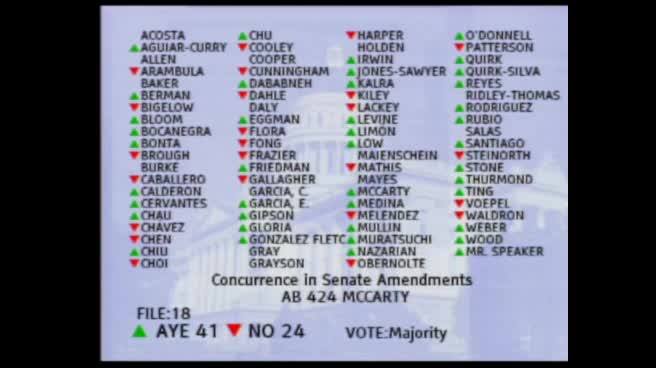


Bill Author




