AB 1153: Podiatry.
- Session Year: 2017-2018
- House: Assembly
- Latest Version Date: 2017-10-14
Existing law provides for the certification and regulation of podiatrists by the California Board of Podiatric Medicine within the jurisdiction of the Medical Board of California. Under existing law, the certificate to practice podiatric medicine authorizes the holder to practice podiatric medicine and defines podiatric medicine to mean the diagnosis, medical, surgical, mechanical, manipulative, and electrical treatment of the human foot, including the ankle and tendons that insert into the foot and the nonsurgical treatment of the muscles and tendons of the leg governing the functions of the foot. Existing law imposes certain limitations on the surgical treatment that a doctor of podiatric medicine may perform, including restricting surgical treatment to specific types of medical facilities.
This bill would authorize a doctor of podiatric medicine with training or experience in wound care to treat ulcers resulting from local and systemic etiologies on the leg no further proximal than the tibial tubercle.
This bill would incorporate additional changes to Section 2472 of the Business and Professions Code proposed by SB 798 to be operative only if this bill and SB 798 are enacted and this bill is enacted last.
Existing law provides for the certification and regulation of podiatrists by the California Board of Podiatric Medicine within the jurisdiction of the Medical Board of California. Under existing law, the certificate to practice podiatric medicine authorizes the holder to practice podiatric medicine and defines podiatric medicine to mean the diagnosis, medical, surgical, mechanical, manipulative, and electrical treatment of the human foot, including the ankle and tendons that insert into the foot and the nonsurgical treatment of the muscles and tendons of the leg governing the functions of the foot. Existing law imposes certain limitations on the surgical treatment that a doctor of podiatric medicine may perform, including limiting restricting surgical treatment to specific types of medical facilities.
This bill would authorize a doctor of podiatric medicine to perform any procedure directly related to the surgical treatment of the ankle and tendons in such a medical facility that grants privileges to the doctor of podiatric medicine to perform the procedure. The bill would also authorize a doctor of podiatric medicine with training or experience in wound care to treat ulcers resulting from local and systemic etiologies on the leg no further proximal than the tibial tubercle.
Existing law provides for the certification and regulation of podiatrists by the California Board of Podiatric Medicine within the jurisdiction of the Medical Board of California. Existing law prohibits a doctor of podiatric medicine from personally administering an anesthetic other than local. Under existing law, the certificate to practice podiatric medicine authorizes the holder to practice podiatric medicine and defines podiatric medicine to mean the diagnosis, medical, surgical, mechanical, manipulative, and electrical treatment of the human foot, including the ankle and tendons that insert into the foot and the nonsurgical treatment of the muscles and tendons of the leg governing the functions of the foot. Existing law imposes certain limitations on the surgical treatment that a doctor of podiatric medicine may perform, including limiting surgical treatment to specific types of medical facilities.
This bill would make a nonsubstantive change to that anesthetic provision.This bill would authorize a doctor of podiatric medicine to perform any procedure directly related to the surgical treatment of the ankle and tendons in such a medical facility that grants privileges to the doctor of podiatric medicine to perform the procedure. The bill would also authorize a doctor of podiatric medicine to treat ulcers resulting from local and systemic etiologies on the leg no further proximal than the tibial tubercle.
Existing law provides for the certification and regulation of podiatrists by the California Board of Podiatric Medicine within the jurisdiction of the Medical Board of California. Existing law prohibits a doctor of podiatric medicine from personally administering an anesthetic other than local.
This bill would make a nonsubstantive change to that anesthetic provision.
(a)The certificate to practice podiatric medicine authorizes the holder to practice podiatric medicine.
(b)As used in this chapter, podiatric medicine means the diagnosis, medical, surgical, mechanical, manipulative, and electrical treatment of the human foot, including the ankle and tendons that insert into the foot and the nonsurgical treatment of the muscles and tendons of the leg governing the functions of the foot.
(c)A doctor of podiatric medicine shall not administer an anesthetic other than local. If an anesthetic other than local is required for any procedure, the anesthetic shall be administered by another licensed health care practitioner who is authorized to administer the required anesthetic within the scope of his or her practice.
(d)(1)A doctor of podiatric medicine who is ankle certified by the board on and after January 1, 1984, may do the following:
(A)Perform surgical treatment of the ankle and tendons at the level of the ankle pursuant to subdivision (e).
(B)Perform services under the direct supervision of a physician and surgeon, as an assistant at surgery, in surgical procedures that are otherwise beyond the scope of practice of a doctor of podiatric medicine.
(C)Perform a partial amputation of the foot no further proximal than the Choparts joint.
(2)Nothing in this subdivision shall be construed to permit a doctor of podiatric medicine to function as a primary surgeon for any procedure beyond his or her scope of practice.
(e)A doctor of podiatric medicine may perform surgical treatment of the ankle and tendons at the level of the ankle only in the following locations:
(1)A licensed general acute care hospital, as defined in Section 1250 of the Health and Safety Code.
(2)A licensed surgical clinic, as defined in Section 1204 of the Health and Safety Code, if the doctor of podiatric medicine has surgical privileges, including the privilege to perform surgery on the ankle, in a general acute care hospital described in paragraph (1) and meets all the protocols of the surgical clinic.
(3)An ambulatory surgical center that is certified to participate in the Medicare program under Title XVIII (42 U.S.C. Sec. 1395 et seq.) of the federal Social Security Act, if the doctor of podiatric medicine has surgical privileges, including the privilege to perform surgery on the ankle, in a general acute care hospital described in paragraph (1) and meets all the protocols of the surgical center.
(4)A freestanding physical plant housing outpatient services of a licensed general acute care hospital, as defined in Section 1250 of the Health and Safety Code, if the doctor of podiatric medicine has surgical privileges, including the privilege to perform surgery on the ankle, in a general acute care hospital described in paragraph (1). For purposes of this section, a freestanding physical plant means any building that is not physically attached to a building where inpatient services are provided.
(5)An outpatient setting accredited pursuant to subdivision (g) of Section 1248.1 of the Health and Safety Code.
(f)Notwithstanding subdivision (b), a doctor of podiatric medicine with training or experience in wound care may treat ulcers resulting from local and systemic etiologies on the leg no further proximal than the tibial tubercle.
SEC. 1.5.Section 2472 of the Business and Professions Code is amended to read:2472.(a)The certificate to practice podiatric medicine authorizes the holder to practice podiatric medicine.
(b)As used in this chapter, podiatric medicine means the diagnosis, medical, surgical, mechanical, manipulative, and electrical treatment of the human foot, including the ankle and tendons that insert into the foot and the nonsurgical treatment of the muscles and tendons of the leg governing the functions of the foot.
(c)A doctor of podiatric medicine shall not administer an anesthetic other than local. If an anesthetic other than local is required for any procedure, the anesthetic shall be administered by another licensed health care practitioner who is authorized to administer the required anesthetic within the scope of his or her practice.
(d)(1)A doctor of podiatric medicine may do the following:
(A)Perform surgical treatment of the ankle and tendons at the level of the ankle pursuant to subdivision (e).
(B)Perform services under the direct supervision of a physician and surgeon, as an assistant at surgery, in surgical procedures that are otherwise beyond the scope of practice of a doctor of podiatric medicine.
(C)Perform a partial amputation of the foot no further proximal than the Choparts joint.
(2)Nothing in this subdivision shall be construed to permit a doctor of podiatric medicine to function as a primary surgeon for any procedure beyond his or her scope of practice.
(e)A doctor of podiatric medicine may perform surgical treatment of the ankle and tendons at the level of the ankle only in the following locations:
(1)A licensed general acute care hospital, as defined in Section 1250 of the Health and Safety Code.
(2)A licensed surgical clinic, as defined in Section 1204 of the Health and Safety Code, if the doctor of podiatric medicine has surgical privileges, including the privilege to perform surgery on the ankle, in a general acute care hospital described in paragraph (1) and meets all the protocols of the surgical clinic.
(3)An ambulatory surgical center that is certified to participate in the Medicare program under Title XVIII (42 U.S.C. Sec. 1395 et seq.) of the federal Social Security Act, if the doctor of podiatric medicine has surgical privileges, including the privilege to perform surgery on the ankle, in a general acute care hospital described in paragraph (1) and meets all the protocols of the surgical center.
(4)A freestanding physical plant housing outpatient services of a licensed general acute care hospital, as defined in Section 1250 of the Health and Safety Code, if the doctor of podiatric medicine has surgical privileges, including the privilege to perform surgery on the ankle, in a general acute care hospital described in paragraph (1). For purposes of this section, a freestanding physical plant means any building that is not physically attached to a building where inpatient services are provided.
(5)An outpatient setting accredited pursuant to subdivision (g) of Section 1248.1 of the Health and Safety Code.
(f)Notwithstanding subdivision (b), a doctor of podiatric medicine with training or experience in wound care may treat ulcers resulting from local and systemic etiologies on the leg no further proximal than the tibial tubercle.
SEC. 2.Section 1.5 of this bill incorporates amendments to Section 2472 of the Business and Professions Code proposed by both this bill and Senate Bill 798. That section shall only become operative if (1) both bills are enacted and become effective on or before January 1, 2018, (2) each bill amends Section 2472 of the Business and Professions Code, and (3) this bill is enacted after Senate Bill 798, in which case Section 1 of this bill shall not become operative.
(a)The certificate to practice podiatric medicine authorizes the holder to practice podiatric medicine.
(b)As used in this chapter, podiatric medicine means the diagnosis, medical, surgical, mechanical, manipulative, and electrical treatment of the human foot, including the ankle and tendons that insert into the foot and the nonsurgical treatment of the muscles and tendons of the leg governing the functions of the foot.
(c)A doctor of podiatric medicine shall not administer an anesthetic other than local. If an anesthetic other than local is required for any procedure, the anesthetic shall be administered by another licensed health care practitioner who is authorized to administer the required anesthetic within the scope of his or her practice.
(d)(1)A doctor of podiatric medicine who is ankle certified by the board on and after January 1, 1984, may do the following:
(A)Perform surgical treatment of the ankle and tendons at the level of the ankle pursuant to subdivision (e).
(B)Perform services under the direct supervision of a physician and surgeon, as an assistant at surgery, in surgical procedures that are otherwise beyond the scope of practice of a doctor of podiatric medicine.
(C)Perform a partial amputation of the foot no further proximal than the Choparts joint.
(2)Nothing in this subdivision shall be construed to permit a doctor of podiatric medicine to function as a primary surgeon for any procedure beyond his or her scope of practice.
(e)A doctor of podiatric medicine may perform surgical treatment of the ankle and tendons at the level of the ankle only in the following locations:
(1)A licensed general acute care hospital, as defined in Section 1250 of the Health and Safety Code.
(2)A licensed surgical clinic, as defined in Section 1204 of the Health and Safety Code, if the doctor of podiatric medicine has surgical privileges, including the privilege to perform surgery on the ankle, in a general acute care hospital described in paragraph (1) and meets all the protocols of the surgical clinic.
(3)An ambulatory surgical center that is certified to participate in the Medicare program under Title XVIII (42 U.S.C. Sec. 1395 et seq.) of the federal Social Security Act, if the doctor of podiatric medicine has surgical privileges, including the privilege to perform surgery on the ankle, in a general acute care hospital described in paragraph (1) and meets all the protocols of the surgical center.
(4)A freestanding physical plant housing outpatient services of a licensed general acute care hospital, as defined in Section 1250 of the Health and Safety Code, if the doctor of podiatric medicine has surgical privileges, including the privilege to perform surgery on the ankle, in a general acute care hospital described in paragraph (1). For purposes of this section, a freestanding physical plant means any building that is not physically attached to a building where inpatient services are provided.
(5)An outpatient setting accredited pursuant to subdivision (g) of Section 1248.1 of the Health and Safety Code.
(f)Notwithstanding subdivision (b), a doctor of podiatric medicine with training or experience in wound care may treat ulcers resulting from local and systemic etiologies on the leg no further proximal than the tibial tubercle.
SEC. 1.5.Section 2472 of the Business and Professions Code is amended to read:2472.(a)The certificate to practice podiatric medicine authorizes the holder to practice podiatric medicine.
(b)As used in this chapter, podiatric medicine means the diagnosis, medical, surgical, mechanical, manipulative, and electrical treatment of the human foot, including the ankle and tendons that insert into the foot and the nonsurgical treatment of the muscles and tendons of the leg governing the functions of the foot.
(c)A doctor of podiatric medicine may shall not administer an anesthetic other than local. If an anesthetic other than local is required for any procedure, the anesthetic shall be administered by another licensed health care practitioner who is authorized to administer the required anesthetic within the scope of his or her practice.
(d)(1)A doctor of podiatric medicine who is ankle certified by the board on and after January 1, 1984, may do the following:
(A)Perform surgical treatment of the ankle and tendons at the level of the ankle pursuant to subdivision (e).
(B)Perform services under the direct supervision of a physician and surgeon, as an assistant at surgery, in surgical procedures that are otherwise beyond the scope of practice of a doctor of podiatric medicine.
(C)Perform a partial amputation of the foot no further proximal than the Choparts joint.
(2)Nothing in this subdivision shall be construed to permit a doctor of podiatric medicine to function as a primary surgeon for any procedure beyond his or her scope of practice.
(e)A doctor of podiatric medicine may perform surgical treatment of the ankle and tendons at the level of the ankle only in the following locations:
(1)A licensed general acute care hospital, as defined in Section 1250 of the Health and Safety Code.
(2)A licensed surgical clinic, as defined in Section 1204 of the Health and Safety Code, if the doctor of podiatric medicine has surgical privileges, including the privilege to perform surgery on the ankle, in a general acute care hospital described in paragraph (1) and meets all the protocols of the surgical clinic.
(3)An ambulatory surgical center that is certified to participate in the Medicare program under Title XVIII (42 U.S.C. Sec. 1395 et seq.) of the federal Social Security Act, if the doctor of podiatric medicine has surgical privileges, including the privilege to perform surgery on the ankle, in a general acute care hospital described in paragraph (1) and meets all the protocols of the surgical center.
(4)A freestanding physical plant housing outpatient services of a licensed general acute care hospital, as defined in Section 1250 of the Health and Safety Code, if the doctor of podiatric medicine has surgical privileges, including the privilege to perform surgery on the ankle, in a general acute care hospital described in paragraph (1). For purposes of this section, a freestanding physical plant means any building that is not physically attached to a building where inpatient services are provided.
(5)An outpatient setting accredited pursuant to subdivision (g) of Section 1248.1 of the Health and Safety Code.
(f)Notwithstanding subdivision (b), a doctor of podiatric medicine with training or experience in wound care may treat ulcers resulting from local and systemic etiologies on the leg no further proximal than the tibial tubercle.
SEC. 2.Section 1.5 of this bill incorporates amendments to Section 2472 of the Business and Professions Code proposed by both this bill and Senate Bill 798. That section shall only become operative if (1) both bills are enacted and become effective on or before January 1, 2018, (2) each bill amends Section 2472 of the Business and Professions Code, and (3) this bill is enacted after Senate Bill 798, in which case Section 1 of this bill shall not become operative.
(a)The certificate to practice podiatric medicine authorizes the holder to practice podiatric medicine.
(b)As used in this chapter, podiatric medicine means the diagnosis, medical, surgical, mechanical, manipulative, and electrical treatment of the human foot, including the ankle and tendons that insert into the foot and the nonsurgical treatment of the muscles and tendons of the leg governing the functions of the foot.
(c)A doctor of podiatric medicine shall not administer an anesthetic other than local. If an anesthetic other than local is required for any procedure, the anesthetic shall be administered by another licensed health care practitioner who is authorized to administer the required anesthetic within the scope of his or her practice.
(d)(1)A doctor of podiatric medicine who is ankle certified by the board on and after January 1, 1984, may do the following:
(A)Perform surgical treatment of the ankle and tendons at the level of the ankle pursuant to subdivision (e).
(B)Perform services under the direct supervision of a physician and surgeon, as an assistant at surgery, in surgical procedures that are otherwise beyond the scope of practice of a doctor of podiatric medicine.
(C)Perform a partial amputation of the foot no further proximal than the Choparts joint.
(2)Nothing in this subdivision shall be construed to permit a doctor of podiatric medicine to function as a primary surgeon for any procedure beyond his or her scope of practice.
(e)A doctor of podiatric medicine may perform surgical treatment of the ankle and tendons at the level of the ankle only in the following locations:
(1)A licensed general acute care hospital, as defined in Section 1250 of the Health and Safety Code.
(2)A licensed surgical clinic, as defined in Section 1204 of the Health and Safety Code, if the doctor of podiatric medicine has surgical privileges, including the privilege to perform surgery on the ankle, in a general acute care hospital described in paragraph (1) and meets all the protocols of the surgical clinic.
(3)An ambulatory surgical center that is certified to participate in the Medicare program under Title XVIII (42 U.S.C. Sec. 1395 et seq.) of the federal Social Security Act, if the doctor of podiatric medicine has surgical privileges, including the privilege to perform surgery on the ankle, in a general acute care hospital described in paragraph (1) and meets all the protocols of the surgical center.
(4)A freestanding physical plant housing outpatient services of a licensed general acute care hospital, as defined in Section 1250 of the Health and Safety Code, if the doctor of podiatric medicine has surgical privileges, including the privilege to perform surgery on the ankle, in a general acute care hospital described in paragraph (1). For purposes of this section, a freestanding physical plant means any building that is not physically attached to a building where inpatient services are provided.
(5)An outpatient setting accredited pursuant to subdivision (g) of Section 1248.1 of the Health and Safety Code.
(f)Notwithstanding subdivision (b), a doctor of podiatric medicine with training or experience in wound care may do the following: treat ulcers resulting from local and systemic etiologies on the leg no further proximal than the tibial tubercle.
(1)Perform any procedure that is directly related to the surgical treatment of the ankle and tendons in a facility described in subdivision (e) that grants privileges to the doctor of podiatric medicine to perform the procedure, including, but not limited to, the privilege to perform surgery on the ankle.(2)Treat ulcers resulting from local and systemic etiologies on the leg no further proximal than the tibial tubercle.(a)The certificate to practice podiatric medicine authorizes the holder to practice podiatric medicine.
(b)As used in this chapter, podiatric medicine means the diagnosis, medical, surgical, mechanical, manipulative, and electrical treatment of the human foot, including the ankle and tendons that insert into the foot and the nonsurgical treatment of the muscles and tendons of the leg governing the functions of the foot.
(c)A doctor of podiatric medicine shall not administer an anesthetic other than local. If an anesthetic other than local is required for any procedure, the anesthetic shall be administered by another licensed health care practitioner who is authorized to administer the required anesthetic within the scope of his or her practice.
(d)(1)A doctor of podiatric medicine who is ankle certified by the board on and after January 1, 1984, may do the following:
(A)Perform surgical treatment of the ankle and tendons at the level of the ankle pursuant to subdivision (e).
(B)Perform services under the direct supervision of a physician and surgeon, as an assistant at surgery, in surgical procedures that are otherwise beyond the scope of practice of a doctor of podiatric medicine.
(C)Perform a partial amputation of the foot no further proximal than the Choparts joint.
(2)Nothing in this subdivision shall be construed to permit a doctor of podiatric medicine to function as a primary surgeon for any procedure beyond his or her scope of practice.
(e)A doctor of podiatric medicine may perform surgical treatment of the ankle and tendons at the level of the ankle only in the following locations:
(1)A licensed general acute care hospital, as defined in Section 1250 of the Health and Safety Code.
(2)A licensed surgical clinic, as defined in Section 1204 of the Health and Safety Code, if the doctor of podiatric medicine has surgical privileges, including the privilege to perform surgery on the ankle, in a general acute care hospital described in paragraph (1) and meets all the protocols of the surgical clinic.
(3)An ambulatory surgical center that is certified to participate in the Medicare program under Title XVIII (42 U.S.C. Sec. 1395 et seq.) of the federal Social Security Act, if the doctor of podiatric medicine has surgical privileges, including the privilege to perform surgery on the ankle, in a general acute care hospital described in paragraph (1) and meets all the protocols of the surgical center.
(4)A freestanding physical plant housing outpatient services of a licensed general acute care hospital, as defined in Section 1250 of the Health and Safety Code, if the doctor of podiatric medicine has surgical privileges, including the privilege to perform surgery on the ankle, in a general acute care hospital described in paragraph (1). For purposes of this section, a freestanding physical plant means any building that is not physically attached to a building where inpatient services are provided.
(5)An outpatient setting accredited pursuant to subdivision (g) of Section 1248.1 of the Health and Safety Code.
(f)Notwithstanding subdivision (b), a doctor of podiatric medicine may do the following:
(1)Perform any procedure that is directly related to the surgical treatment of the ankle and tendons in a facility described in subdivision (e) that grants privileges to the doctor of podiatric medicine to perform the procedure, including, but not limited to, the privilege to perform surgery on the ankle.
(2)Treat ulcers resulting from local and systemic etiologies on the leg no further proximal than the tibial tubercle.
(a)The certificate to practice podiatric medicine authorizes the holder to practice podiatric medicine.
(b)As used in this chapter, podiatric medicine means the diagnosis, medical, surgical, mechanical, manipulative, and electrical treatment of the human foot, including the ankle and tendons that insert into the foot and the nonsurgical treatment of the muscles and tendons of the leg governing the functions of the foot.
(c)A doctor of podiatric medicine may shall not administer an anesthetic other than local. If an anesthetic other than local is required for any procedure, the anesthetic shall be administered by another licensed health care practitioner who is authorized to administer the required anesthetic within the scope of his or her practice.
(d)(1)A doctor of podiatric medicine who is ankle certified by the board on and after January 1, 1984, may do the following:
(A)Perform surgical treatment of the ankle and tendons at the level of the ankle pursuant to subdivision (e).
(B)Perform services under the direct supervision of a physician and surgeon, as an assistant at surgery, in surgical procedures that are otherwise beyond the scope of practice of a doctor of podiatric medicine.
(C)Perform a partial amputation of the foot no further proximal than the Choparts joint.
(2)Nothing in this subdivision shall be construed to permit a doctor of podiatric medicine to function as a primary surgeon for any procedure beyond his or her scope of practice.
(e)A doctor of podiatric medicine may perform surgical treatment of the ankle and tendons at the level of the ankle only in the following locations:
(1)A licensed general acute care hospital, as defined in Section 1250 of the Health and Safety Code.
(2)A licensed surgical clinic, as defined in Section 1204 of the Health and Safety Code, if the doctor of podiatric medicine has surgical privileges, including the privilege to perform surgery on the ankle, in a general acute care hospital described in paragraph (1) and meets all the protocols of the surgical clinic.
(3)An ambulatory surgical center that is certified to participate in the Medicare program under Title XVIII (42 U.S.C. Sec. 1395 et seq.) of the federal Social Security Act, if the doctor of podiatric medicine has surgical privileges, including the privilege to perform surgery on the ankle, in a general acute care hospital described in paragraph (1) and meets all the protocols of the surgical center.
(4)A freestanding physical plant housing outpatient services of a licensed general acute care hospital, as defined in Section 1250 of the Health and Safety Code, if the doctor of podiatric medicine has surgical privileges, including the privilege to perform surgery on the ankle, in a general acute care hospital described in paragraph (1). For purposes of this section, a freestanding physical plant means any building that is not physically attached to a building where inpatient services are provided.
(5)An outpatient setting accredited pursuant to subdivision (g) of Section 1248.1 of the Health and Safety Code.
|
Date
|
Status
|
|---|---|
| Oct 14, 2017 | Chaptered by Secretary of State - Chapter 793, Statutes of 2017. |
| Oct 14, 2017 | Approved by the Governor. |
| Sep 20, 2017 | Enrolled and presented to the Governor at 4:30 p.m. |
| Sep 12, 2017 | Assembly Rule 77(a) suspended. |
| Sep 11, 2017 | In Assembly. Concurrence in Senate amendments pending. May be considered on or after September 13 pursuant to Assembly Rule 77. |
| Sep 11, 2017 | Read third time. Urgency clause adopted. Passed. Ordered to the Assembly. |
| Sep 7, 2017 | Read second time. Ordered to third reading. |
| Sep 6, 2017 | Read third time and amended. Ordered to second reading. |
| Jul 18, 2017 | Read second time. Ordered to third reading. |
| Jul 17, 2017 | From committee: Be ordered to second reading pursuant to Senate Rule 28.8. |
| Jul 3, 2017 | From committee: Do pass and re-refer to Com. on APPR. (Ayes 6. Noes 0.) (July 3). Re-referred to Com. on APPR. |
| Jun 8, 2017 | Referred to Com. on B., P. & E.D. |
| May 26, 2017 | In Senate. Read first time. To Com. on RLS. for assignment. |
| May 26, 2017 | Read third time. Passed. Ordered to the Senate. (Ayes 75. Noes 0. Page 1709.) |
| May 22, 2017 | Read third time and amended. Ordered to third reading. (Page 1643.) |
| May 8, 2017 | From Consent Calendar by request of Assembly Member Low. To Third Reading. |
| May 4, 2017 | Read second time. Ordered to Consent Calendar. |
| May 3, 2017 | From committee: Do pass. To Consent Calendar. (Ayes 16. Noes 0.) (May 3). |
| Apr 19, 2017 | From committee: Do pass and re-refer to Com. on APPR. (Ayes 15. Noes 0.) (April 18). Re-referred to Com. on APPR. |
| Mar 29, 2017 | Re-referred to Com. on B. & P. |
| Mar 28, 2017 | From committee chair, with author's amendments: Amend, and re-refer to Com. on B. & P. Read second time and amended. |
| Mar 27, 2017 | Referred to Com. on B. & P. |
| Feb 19, 2017 | From printer. May be heard in committee March 21. |
| Feb 17, 2017 | Read first time. To print. |
|
Date
|
Description
|
Location
|
Votes
|
|
|---|---|---|---|---|
| Sep 12, 2017 | AB 1153 LOW Concurrence in Senate Amendments | Assembly Floor |
Passed |
|
| Sep 11, 2017 | Assembly 3rd Reading AB1153 Low By Wilk | Senate Floor |
Passed |
|
| Jul 3, 2017 | Do pass, but first be re-referred to the Committee on [Appropriations] | Senate Standing Committee on Business, Professions and Economic Development |
Passed |
|
| May 26, 2017 | AB 1153 LOW Assembly Third Reading | Assembly Floor |
Passed |
|
| May 3, 2017 | Do pass. To Consent Calendar. | Assembly Standing Committee on Appropriations |
Passed |
|
| Apr 18, 2017 | Do pass and be re-referred to the Committee on [Appropriations] | Assembly Standing Committee on Business and Professions |
Passed |
This list shows positions taken on this bill by organizations on the date displayed, which is linked to the original source.
Positions by individuals are not included.
|
Organization
|
Position
|
Date
|
|---|---|---|
| california board of podiatric medicine | ** Support | Sep 8, 2017 |
| California Podiatric Medical Association | ** Support | Sep 8, 2017 |
| Numerous individuals | ** Support | Sep 8, 2017 |
CONCURRENCE IN SENATE AMENDMENTS
CSA1 Bill Id:AB 1153
Author:(Low)
As Amended Ver:September 6, 2017
Majority vote
ASSEMBLY: | 75-0 | (May 26, 2017) | SENATE: | 40-0 | (September 11, 2017) |
Original Committee Reference: B. & P.
SUMMARY: Authorizes a doctor of podiatric medicine (DPM) to treat ulcers on the lower portion of the leg. Specifically, this bill expands the scope of practice of a DPM who has training or experience in wound care to include treatment of ulcers resulting from local and systemic etiologies on the leg no further proximal than the tibial tubercle.
The Senate amendments double joint this bill SB 798 (Hill) of the current legislative session, pending in the Assembly.
FISCAL EFFECT: According to the Senate Appropriations Committee, pursuant to Senate Rule 28.8, negligible state costs.
COMMENTS:
Purpose. This bill is sponsored by the California Podiatric Medical Association. According to the author, "[DPMs] are highly trained and perform a substantial amount of work treating ulcers and providing wound care, often for patients suffering from diabetes and other conditions with symptoms affecting the lower leg. It doesn't make sense that a highly trained and educated DPM who can treat any patient with a complicated ulcer on the foot or ankle must refer another patient to a MD [medical doctor] simply because of the location of the ulcer. This process can delay important, and sometimes urgent, patient care and treatment. [This bill] allows podiatrists to apply the same skills and expertise they apply to ulcers on the foot to other parts of the leg."
Background. DPMs and the practice of podiatric medicine are regulated by the Board of Podiatric Medicine (BPM). The BPM is one of several licensing entities under the Department of Consumer Affairs (DCA). The BPM licenses and regulates DPMs. The BPM licenses approximately 2,000 DPMs. On average, it issues approximately 100 new licenses each year and renews approximately 1,000 licenses each year.
Under the Medical Practice Act, a license to practice podiatric medicine is called a "certificate," but it is indistinguishable from other professional licenses. It is a misdemeanor to practice podiatric medicine or use the title DPM, podiatrist, or similar designation without a license.
The Practice Act defines "podiatric medicine" as all medical treatment of the foot, ankle, and tendons that insert into the foot, including diagnosis, surgery, and the nonsurgical treatment of the muscles and tendons of the leg governing the functions of the foot. Therefore, a DPM's scope of practice is similar to that of a physician and surgeon who specializes in the foot and ankle. However, unlike a physician and surgeon, whose scope is only limited by the licensee's own area of competence, a DPM's scope is limited by the license to the foot and ankle.
License Requirements. The purpose of licensure is to protect consumers and the public from incompetent practice in professions with higher inherent risks of consumer harm. Therefore, applicants must meet specified requirements intended to demonstrate the minimum competency to practice. In California, an applicant must graduate from a BPM-approved college or school of podiatric medicine where the applicant completed a medical curriculum over at least four years. During that time, the applicant must complete a minimum of 4,000 hours in specified medical courses.
An applicant must also complete at least two years of postgraduate podiatric medical and podiatric surgical training in a general acute care hospital approved by the Council on Podiatric Medical Education and pass the examination administered by the National Board of Podiatric Medical Examiners of the United States or pass a written examination that is recognized by the BPM to be the equivalent in content to the examination administered by the National Board of Podiatric Medical Examiners of the United States.
According to the sponsor, "In all non-podiatric rotations of a DPMs residency, DPMs train side-by-side with MDs and DOs [doctor of osteopathic medicine], with the same level of responsibilities and expectations as their counterparts. By the end, their training and education is nearly indistinguishable from practitioners of other regional specialties of medicine, such as otolaryngologists. This training has earned DPMs the ability to become members of hospital medical staffs, including Medical Chiefs of Staff."
Podiatric Medical Education Task Force. In 2011, the California Medical Association, the California Orthopaedic Association, and the California Podiatric Medical Association announced a joint task force to review podiatric training. The task force's purpose is to review the education, curriculum and training of California's podiatric medical schools, with the goal of achieving accreditation as medical schools, enabling their graduates to become licensed physicians and surgeons. However, there is no public timeline on the project and the task force has not released any reports.
Ulcers. This bill authorizes a licensed DPM to treat ulcers resulting from local and systemic etiologies on the leg no further proximal than the tibial tubercle. This means ulcers (sores) caused locally (like infection) or systemically (like diabetes) anywhere on the leg no higher than the top of the shin bone (the protrusion at the top of the tibia). Under current law, if a DPM is treating an ulcer on the foot or ankle that spreads or moves onto the leg, the DPM must refer the patient to another provider authorized to treat the condition.
Analysis Prepared by: Vincent Chee / B. & P. / (916) 319-3301 FN: 0002061
Office of Senate Floor Analyses (916) 651-1520 Fax: (916) 327-4478 | AB |
THIRD READING
Bill No: AB 1153
:
SENATE BUS., PROF. & ECON. DEV. COMMITTEE: 6-0, 7/3/17
AYES: Hill, Dodd, Galgiani, Newman, Pan, Wilk
NO VOTE RECORDED: Fuller, Glazer, Hernandez
SENATE APPROPRIATIONS COMMITTEE: Senate Rule 28.8
ASSEMBLY FLOOR: 75-0, 5/26/17 - See last page for vote
SOURCE: California Podiatric Medical Association
DIGEST:
This bill authorizes a doctor of podiatric medicine (DPM) with training or experience in wound care to treat ulcers below the knee, as specified.
Senate Floor Amendments of 9/6/17 remove chaptering conflicts with SB 798 (Hill).
Existing law:
- Establishes the Board of Podiatric Medicine (BPM) within the jurisdiction of the Medical Board of California and under the Department of Consumer Affairs until January 1, 2021, and vests the BPM with regulation of podiatric medicine. (Business and Professions Code (BPC) §§ 2460- 2499.8)
- Requires the BPM to review the quality of podiatric medical practice carried out by persons licensed to practice podiatric medicine. (BPC § 2498(a))
- Defines “podiatric medicine” as the diagnosis, medical, surgical, mechanical, manipulative, and electrical treatment of the human foot, including the ankle and tendons that insert into the foot and the nonsurgical treatment of the muscles and tendons of the leg governing the functions of the foot. (BPC § 2472(b))
- Prohibits the practice of podiatric medicine or the use of the title DPM and similar titles or advertising related to the ability to practice podiatric medicine unless licensed under the BPM. (BPC § 2472)
- Specifies the education, training, examination, and residency requirements for DPM licensure. (BPC §§ 2475-2496)
- Authorizes a DPM to perform surgical treatment of the ankle and tendons at the level of the ankle in the following locations only: (BPC § 2472(e))
- A licensed general acute care hospital.
- A licensed surgical clinic if the DPM has surgical privileges, including the privilege to perform surgery on the ankle, in a general acute care hospital and meets all the protocols of the surgical clinic.
- An ambulatory surgical center that is certified to participate in the federal Medicare program if the DPM has surgical privileges, including the privilege to perform surgery on the ankle, in a general acute care hospital and meets all the protocols of the surgical clinic.
- A freestanding physical plant housing outpatient services of a licensed general acute care hospital, if the DPM has surgical privileges, including the privilege to perform surgery on the ankle, in a general acute care hospital and meets all the protocols of the surgical clinic.
e) An accredited outpatient setting.
This bill:
- Authorizes a DPM with training or experience in wound care to treat ulcers resulting from local and systemic etiologies on the leg no further proximal than the tibial tubercle.
- Makes technical changes.
Background
DPMs are independent practitioners who are authorized to diagnose and treat conditions affecting the lower extremity (foot, ankle, and muscles and tendons of the leg). DPMs are required to take four years of graduate medical education and at least two years of postgraduate podiatric medical and podiatric surgical training in a hospital prior to licensure.
Within the field of podiatric medicine and surgery, podiatrists can focus on specialty areas such as surgery, sports medicine, biomechanics, geriatrics, pediatrics, orthopedics, or primary care.
DPMs have been licensed in California since the 1920s, and there are approximately 2,300 DPMs currently licensed in California.
In June 2011, the California Medical Association, the California Orthopaedic Association, and the California Podiatric Medical Association announced a task force to review the education, curriculum and training of California’s podiatric medical schools with the goal of accrediting them as allopathic medical schools and preparing DPMs to be licensed as physicians and surgeons in California. However, there is no timeline on this project, and no reports have yet been released.
FISCAL EFFECT: Appropriation: Fiscal Com.: Local:
California Podiatric Medical Association (source)
California Board of Podiatric Medicine
Western University of Health Sciences, College of Podiatric Medicine
Numerous individuals
None received
ARGUMENTS IN SUPPORT: The California Podiatric Medical Association writes, “Under current law, DPMs may treat ulcers on the foot and ankle but are restricted from further assisting the patient if the ulcer moves to the leg. DPMs receive education and extensive training on the evaluation and treatment of lower extremity ulcers from local and systematic causes throughout their undergraduate and postgraduate training. They perform a substantial amount of work treating ulcers and providing wound care, often for patients suffering from diabetes and other conditions with symptoms affecting the lower leg. It is irrational that a highly trained and educated DPM who can treat any patient with a complicated ulcer on the foot or ankle must refer another patient to a MD simply because of the location of the ulcer. This process can delay important, and sometimes urgent, patient care and treatment.”
ASSEMBLY FLOOR: 75-0, 5/26/17
AYES: Acosta, Aguiar-Curry, Travis Allen, Arambula, Baker, Berman, Bigelow, Bloom, Bocanegra, Bonta, Brough, Burke, Caballero, Calderon, Cervantes, Chávez, Chen, Chiu, Choi, Chu, Cooley, Cooper, Cunningham, Dababneh, Dahle, Daly, Flora, Fong, Frazier, Friedman, Gallagher, Cristina Garcia, Eduardo Garcia, Gipson, Gloria, Gomez, Gonzalez Fletcher, Gray, Grayson, Harper, Holden, Irwin, Jones-Sawyer, Kalra, Kiley, Lackey, Levine, Limón, Low, Maienschein, Mathis, Mayes, McCarty, Medina, Melendez, Mullin, Muratsuchi, Nazarian, Obernolte, O'Donnell, Patterson, Quirk, Quirk-Silva, Reyes, Rodriguez, Rubio, Salas, Santiago, Mark Stone, Thurmond, Ting, Voepel, Weber, Wood, Rendon
NO VOTE RECORDED: Chau, Eggman, Ridley-Thomas, Steinorth, Waldron
9/8/17 10:48:58
**** END ****
Office of Senate Floor Analyses (916) 651-1520 Fax: (916) 327-4478 | AB |
THIRD READING
Bill No: AB 1153
:
SENATE BUS., PROF. & ECON. DEV. COMMITTEE: 6-0, 7/3/17
AYES: Hill, Dodd, Galgiani, Newman, Pan, Wilk
NO VOTE RECORDED: Fuller, Glazer, Hernandez
SENATE APPROPRIATIONS COMMITTEE: Senate Rule 28.8
ASSEMBLY FLOOR: 75-0, 5/26/17 - See last page for vote
SOURCE: California Podiatric Medical Association
DIGEST:
This bill authorizes a doctor of podiatric medicine (DPM) with training or experience in wound care to treat ulcers below the knee, as specified.
Existing law:
- Establishes the Board of Podiatric Medicine (BPM) within the jurisdiction of the Medical Board of California and under the Department of Consumer Affairs until January 1, 2021, and vests the BPM with regulation of podiatric medicine. (Business and Professions Code (BPC) §§ 2460- 2499.8)
- Requires the BPM to review the quality of podiatric medical practice carried out by persons licensed to practice podiatric medicine. (BPC § 2498(a))
- Defines “podiatric medicine” as the diagnosis, medical, surgical, mechanical, manipulative, and electrical treatment of the human foot, including the ankle and tendons that insert into the foot and the nonsurgical treatment of the muscles and tendons of the leg governing the functions of the foot. (BPC § 2472(b))
- Prohibits the practice of podiatric medicine or the use of the title DPM and similar titles or advertising related to the ability to practice podiatric medicine unless licensed under the BPM. (BPC § 2472)
- Specifies the education, training, examination, and residency requirements for DPM licensure. (BPC §§ 2475-2496)
- Authorizes a DPM to perform surgical treatment of the ankle and tendons at the level of the ankle in the following locations only: (BPC § 2472(e))
- A licensed general acute care hospital.
- A licensed surgical clinic if the DPM has surgical privileges, including the privilege to perform surgery on the ankle, in a general acute care hospital and meets all the protocols of the surgical clinic.
- An ambulatory surgical center that is certified to participate in the federal Medicare program if the DPM has surgical privileges, including the privilege to perform surgery on the ankle, in a general acute care hospital and meets all the protocols of the surgical clinic.
- A freestanding physical plant housing outpatient services of a licensed general acute care hospital, if the DPM has surgical privileges, including the privilege to perform surgery on the ankle, in a general acute care hospital and meets all the protocols of the surgical clinic.
e) An accredited outpatient setting.
This bill:
- Authorizes a DPM with training or experience in wound care to treat ulcers resulting from local and systemic etiologies on the leg no further proximal than the tibial tubercle.
- Makes technical changes.
Background
DPMs are independent practitioners who are authorized to diagnose and treat conditions affecting the lower extremity (foot, ankle, and muscles and tendons of the leg). DPMs are required to take four years of graduate medical education and at least two years of postgraduate podiatric medical and podiatric surgical training in a hospital prior to licensure.
Within the field of podiatric medicine and surgery, podiatrists can focus on specialty areas such as surgery, sports medicine, biomechanics, geriatrics, pediatrics, orthopedics, or primary care.
DPMs have been licensed in California since the 1920s, and there are approximately 2,300 DPMs currently licensed in California.
In June 2011, the California Medical Association, the California Orthopaedic Association, and the California Podiatric Medical Association announced a task force to review the education, curriculum and training of California’s podiatric medical schools with the goal of accrediting them as allopathic medical schools and preparing DPMs to be licensed as physicians and surgeons in California. However, there is no timeline on this project, and no reports have yet been released.
FISCAL EFFECT: Appropriation: Fiscal Com.: Local:
California Podiatric Medical Association (source)
California Board of Podiatric Medicine
Western University of Health Sciences, College of Podiatric Medicine
Numerous individuals
OPPOSITION: (Verified 7/19/17)
None received
ARGUMENTS IN SUPPORT: The California Podiatric Medical Association writes, “Under current law, DPMs may treat ulcers on the foot and ankle but are restricted from further assisting the patient if the ulcer moves to the leg. DPMs receive education and extensive training on the evaluation and treatment of lower extremity ulcers from local and systematic causes throughout their undergraduate and postgraduate training. They perform a substantial amount of work treating ulcers and providing wound care, often for patients suffering from diabetes and other conditions with symptoms affecting the lower leg. It is irrational that a highly trained and educated DPM who can treat any patient with a complicated ulcer on the foot or ankle must refer another patient to a MD simply because of the location of the ulcer. This process can delay important, and sometimes urgent, patient care and treatment.”
ASSEMBLY FLOOR: 75-0, 5/26/17
AYES: Acosta, Aguiar-Curry, Travis Allen, Arambula, Baker, Berman, Bigelow, Bloom, Bocanegra, Bonta, Brough, Burke, Caballero, Calderon, Cervantes, Chávez, Chen, Chiu, Choi, Chu, Cooley, Cooper, Cunningham, Dababneh, Dahle, Daly, Flora, Fong, Frazier, Friedman, Gallagher, Cristina Garcia, Eduardo Garcia, Gipson, Gloria, Gomez, Gonzalez Fletcher, Gray, Grayson, Harper, Holden, Irwin, Jones-Sawyer, Kalra, Kiley, Lackey, Levine, Limón, Low, Maienschein, Mathis, Mayes, McCarty, Medina, Melendez, Mullin, Muratsuchi, Nazarian, Obernolte, O'Donnell, Patterson, Quirk, Quirk-Silva, Reyes, Rodriguez, Rubio, Salas, Santiago, Mark Stone, Thurmond, Ting, Voepel, Weber, Wood, Rendon
NO VOTE RECORDED: Chau, Eggman, Ridley-Thomas, Steinorth, Waldron
7/19/17 15:33:49
**** END ****
SENATE COMMITTEE ON
BUSINESS, PROFESSIONS AND ECONOMIC DEVELOPMENT
Senator Jerry Hill, Chair
2017 - 2018 Regular
Bill No: AB 1153 Hearing Date: July 3, 2017
Author: | Low | ||
Version: |
| ||
Urgency: | Fiscal: | ||
Consultant: | |||
Subject: Podiatry
SUMMARY:
Authorizes a doctor of podiatric medicine (DPM) with training or experience in wound care to treat ulcers below the knee, as specified.
Existing law:
- Establishes the Board of Podiatric Medicine (BPM) within the jurisdiction of the Medical Board of California (MBC) and under the Department of Consumer Affairs until January 1, 2021, and vests the BPM with regulation of podiatric medicine. (Business and Professions Code (BPC) §§ 2460- 2499.8)
- Requires the BPM to review the quality of podiatric medical practice carried out by persons licensed to practice podiatric medicine. (BPC § 2498(a))
- Defines “podiatric medicine” as the diagnosis, medical, surgical, mechanical, manipulative, and electrical treatment of the human foot, including the ankle and tendons that insert into the foot and the nonsurgical treatment of the muscles and tendons of the leg governing the functions of the foot. (BPC § 2472(b))
- Prohibits the practice of podiatric medicine or the use of the title DPM and similar titles or advertising related to the ability to the practice podiatric medicine unless licensed under the BPM. (BPC § 2472)
- Specifies the education, training, examination, and residency requirements for DPM licensure. (BPC §§ 2475-2496)
- Authorizes a DPM to perform surgical treatment of the ankle and tendons at the level of the ankle in the following locations only: (BPC § 2472(e))
- A licensed general acute care hospital.
- A licensed surgical clinic if the DPM has surgical privileges, including the privilege to perform surgery on the ankle, in a general acute care hospital and meets all the protocols of the surgical clinic.
- An ambulatory surgical center that is certified to participate in the federal Medicare program if the DPM has surgical privileges, including the privilege to perform surgery on the ankle, in a general acute care hospital and meets all the protocols of the surgical clinic.
- A freestanding physical plant housing outpatient services of a licensed general acute care hospital, if the DPM has surgical privileges, including the privilege to perform surgery on the ankle, in a general acute care hospital and meets all the protocols of the surgical clinic.
e) An accredited outpatient setting.
This bill:
- Authorizes a DPM with training or experience in wound care to treat ulcers resulting from local and systemic etiologies on the leg no further proximal than the tibial tubercle.
- Makes technical changes.
FISCAL EFFECT:
This bill has been keyed fiscal by Legislative Counsel. According to the Assembly Appropriations Committee analysis dated May 3, 2017, any costs to the BPM are expected to be minor and absorbable (Board of Podiatric Medicine Fund).
COMMENTS:
- Purpose. This bill is sponsored by the California Podiatric Medical Association. According to the Author’s office, “Under current law, DPMs may treat ulcers on the foot and ankle but are restricted from further assisting the patient if the ulcer moves to the leg. In this case, patients must refer their patient to another MD simply because of the location of the ulcer. This process can delay important, and sometimes urgent, patient care and treatment. AB 1153 allows podiatrists to apply the same skills and expertise they apply to ulcers on the foot to other lower portions of the leg.”
- DPMs. DPMs are independent practitioners who are authorized to diagnose and treat conditions affecting the lower extremity (foot, ankle, and muscles and tendons of the leg). DPMs are required to take four years of graduate medical education and at least two years of postgraduate podiatric medical and podiatric surgical training in a hospital prior to licensure.
Within the field of podiatric medicine and surgery, podiatrists can focus on specialty areas such as surgery, sports medicine, biomechanics, geriatrics, pediatrics, orthopedics, or primary care.
DPMs have been licensed in California since the 1920s, and there are approximately 2,300 DPMs currently licensed in California.
- Podiatry Task Force. In June 2011, the California Medical Association, the California Orthopaedic Association, and the California Podiatric Medical Association announced a task force to review the education, curriculum and training of California’s podiatric medical schools with the goal of accrediting them as allopathic medical schools and preparing DPMs to be licensed as physicians and surgeons in California. However, there is no timeline on this project, and no reports have yet been released.
- Related Legislation. SB 798 (Hill) Removes BPM from the jurisdiction of the Medical Board of California, among other changes. (Status: This bill is pending in the Assembly Business and Professions Committee.)
- Arguments in Support. The California Podiatric Medical Association writes, “Under current law, DPMs may treat ulcers on the foot and ankle but are restricted from further assisting the patient if the ulcer moves to the leg. DPMs receive education and extensive training on the evaluation and treatment of lower extremity ulcers from local and systematic causes throughout their undergraduate and postgraduate training. They perform a substantial amount of work treating ulcers and providing wound care, often for patients suffering from diabetes and other conditions with symptoms affecting the lower leg. It is irrational that a highly trained and educated DPM who can treat any patient with a complicated ulcer on the foot or ankle must refer another patient to a MD simply because of the location of the ulcer. This process can delay important, and sometimes urgent, patient care and treatment.”
SUPPORT AND OPPOSITION:
Support:
California Podiatric Medical Association (Sponsor)
California Board of Podiatric Medicine
Western University of Health Sciences, College of Podiatric Medicine
Numerous individuals
Opposition:
None on file as of June 27, 2017
-- END --
ASSEMBLY THIRD READING
ATR Bill Id:AB 1153
Author:(Low)
As Amended Ver:May 22, 2017
Majority vote
Committee | Votes | Ayes | Noes |
Business & Professions | 15-0 | Low, Arambula, Baker, Bloom, Chiu, Cunningham, Dahle, Gloria, Gipson, Grayson, Holden, Irwin, Caballero, Steinorth, Ting | |
Appropriations | 16-0 | Gonzalez Fletcher, Bigelow, Bloom, Bocanegra, Bonta, Brough, Calderon, Chau, Eggman, Fong, Friedman, Gallagher, Eduardo Garcia, Muratsuchi, Obernolte, Reyes |
SUMMARY: Authorizes a doctor of podiatric medicine (DPM) to treat ulcers on the lower portion of the leg. Specifically, this bill expands the scope of practice of a DPM who has training or experience in wound care to include treatment of ulcers resulting from local and systemic etiologies on the leg no further proximal than the tibial tubercle.
FISCAL EFFECT: According to the Assembly Appropriations Committee, any costs to the Board of Podiatric Medicine are expected to be minor and absorbable (Board of Podiatric Medicine Fund).
Purpose. This bill is sponsored by the California Podiatric Medical Association. According to the author, "[DPMs] are highly trained and perform a substantial amount of work treating ulcers and providing wound care, often for patients suffering from diabetes and other conditions with symptoms affecting the lower leg. It doesn't make sense that a highly trained and educated DPM who can treat any patient with a complicated ulcer on the foot or ankle must refer another patient to a MD [medical doctor] simply because of the location of the ulcer. This process can delay important, and sometimes urgent, patient care and treatment. [This bill] allows podiatrists to apply the same skills and expertise they apply to ulcers on the foot to other parts of the leg."
Background. DPMs and the practice of podiatric medicine are regulated by the Board of Podiatric Medicine (BPM). The BPM is one of several licensing entities under the Department of Consumer Affairs (DCA). The BPM licenses and regulates DPMs. The BPM licenses approximately 2,000 DPMs. On average, it issues approximately 100 new licenses each year and renews approximately 1,000 licenses each year.
Under the Medical Practice Act, a license to practice podiatric medicine is called a "certificate," but it is indistinguishable from other professional licenses. It is a misdemeanor to practice podiatric medicine or use the title DPM, podiatrist, or similar designation without a license.
The Practice Act defines "podiatric medicine" as all medical treatment of the foot, ankle, and tendons that insert into the foot, including diagnosis, surgery, and the nonsurgical treatment of the muscles and tendons of the leg governing the functions of the foot. Therefore, a DPM's scope of practice is similar to that of a physician and surgeon who specializes in the foot and ankle. However, unlike a physician and surgeon, whose scope is only limited by the licensee's own area of competence, a DPM's scope is limited by the license to the foot and ankle.
License Requirements. The purpose of licensure is to protect consumers and the public from incompetent practice in professions with higher inherent risks of consumer harm. Therefore, applicants must meet specified requirements intended to demonstrate the minimum competency to practice. In California, an applicant must graduate from a BPM-approved college or school of podiatric medicine where the applicant completed a medical curriculum over at least four years. During that time, the applicant must complete a minimum of 4,000 hours in specified medical courses.
An applicant must also complete at least two years of postgraduate podiatric medical and podiatric surgical training in a general acute care hospital approved by the Council on Podiatric Medical Education and pass the examination administered by the National Board of Podiatric Medical Examiners of the United States or pass a written examination that is recognized by the BPM to be the equivalent in content to the examination administered by the National Board of Podiatric Medical Examiners of the United States.
According to the sponsor, "In all non-podiatric rotations of a DPMs residency, DPMs train side-by-side with MDs and DOs [doctor of osteopathic medicine], with the same level of responsibilities and expectations as their counterparts. By the end, their training and education is nearly indistinguishable from practitioners of other regional specialties of medicine, such as otolaryngologists. This training has earned DPMs the ability to become members of hospital medical staffs, including Medical Chiefs of Staff."
Podiatric Medical Education Task Force. In 2011, the California Medical Association, the California Orthopaedic Association, and the California Podiatric Medical Association announced a joint task force to review podiatric training. The task force's purpose is to review the education, curriculum and training of California's podiatric medical schools, with the goal of achieving accreditation as full medical schools, enabling their graduates to become licensed physicians and surgeons.
Ulcers. This bill authorizes a licensed DPM to treat ulcers resulting from local and systemic etiologies on the leg no further proximal than the tibial tubercle. This means ulcers (sores) caused locally (like necrosis from infection) or systemically (like diabetes) anywhere on the leg no higher than the top of the shin/lower part of the knee (the protrusion at the top of the tibia). Under current law, if a DPM is treating an ulcer on the foot or ankle that spreads or moves onto the leg, the DPM must refer the patient to another provider authorized to treat the condition.
Analysis Prepared by: Vincent Chee / B. & P. / (916) 319-3301 FN: 0000477
ASSEMBLY THIRD READING
ATR Bill Id:AB 1153
Author:(Low)
As Amended Ver:March 28, 2017
Majority vote
Committee | Votes | Ayes | Noes |
Business & Professions | 15-0 | Low, Arambula, Baker, Bloom, Chiu, Cunningham, Dahle, Gloria, Gipson, Grayson, Holden, Irwin, Caballero, Steinorth, Ting | |
Appropriations | 16-0 | Gonzalez Fletcher, Bigelow, Bloom, Bocanegra, Bonta, Brough, Calderon, Chau, Eggman, Fong, Friedman, Gallagher, Eduardo Garcia, Muratsuchi, Obernolte, Reyes |
SUMMARY: Authorizes a doctor of podiatric medicine (DPM) to perform any procedure directly related to the surgical treatment of the ankle and authorizes a DPM to treat ulcers on the leg. Specifically, this bill:
- Expands the scope of practice of a DPM to include the following:
- Perform any procedure that is directly related to the surgical treatment of the ankle and tendons in a medical facilities, as described under the current DPM scope of practice, that grants privileges to the DPM to perform the procedure, including, but not limited to, the privilege to perform surgery on the ankle.
- Treat ulcers resulting from local and systemic etiologies on the leg no further proximal than the tibial tubercle.
FISCAL EFFECT: Any costs to the Board of Podiatric Medicine are expected to be minor and absorbable (Board of Podiatric Medicine Fund).
Purpose. This bill is sponsored by the California Podiatric Medical Association. According to the author, "[DPMs] are highly trained and perform a substantial amount of work treating ulcers and providing wound care, often for patients suffering from diabetes and other conditions with symptoms affecting the lower leg. It doesn't make sense that a highly trained and educated DPM who can treat any patient with a complicated ulcer on the foot or ankle must refer another patient to a MD [medical doctor] simply because of the location of the ulcer. This process can delay important, and sometimes urgent, patient care and treatment. [This bill] allows podiatrists to apply the same skills and expertise they apply to ulcers on the foot to other parts of the leg."
Background. DPMs and the practice of podiatric medicine are regulated by the Board of Podiatric Medicine (BPM). The BPM is one of several licensing entities under the Department of Consumer Affairs (DCA). The BPM licenses and regulates DPMs. The BPM licenses approximately 2,000 DPMs. On average, it issues approximately 100 new licenses each year and renews approximately 1,000 licenses each year.
Under the Medical Practice Act, a license to practice podiatric medicine is called a "certificate," but it is indistinguishable from other professional licenses. It is a misdemeanor to practice podiatric medicine or use the title DPM, podiatrist, or similar designation without a license.
The Practice Act defines "podiatric medicine" as all medical treatment of the foot, ankle, and tendons that insert into the foot, including diagnosis, surgery, and the nonsurgical treatment of the muscles and tendons of the leg governing the functions of the foot. Therefore, a DPM's scope of practice is similar to that of a physician and surgeon who specializes in the foot and ankle. However, unlike a physician and surgeon, whose scope is only limited by the licensee's own area of competence, a DPM's scope is limited by the license to the foot and ankle.
License Requirements. The purpose of licensure is to protect consumers and the public from incompetent practice in professions with higher inherent risks of consumer harm. Therefore, applicants must meet specified requirements intended to demonstrate the minimum competency to practice. In California, an applicant must graduate from a BPM-approved college or school of podiatric medicine where the applicant completed a medical curriculum over at least four years. During that time, the applicant must complete a minimum of 4,000 hours in specified medical courses.
An applicant must also complete at least two years of postgraduate podiatric medical and podiatric surgical training in a general acute care hospital approved by the Council on Podiatric Medical Education and pass the examination administered by the National Board of Podiatric Medical Examiners of the United States or pass a written examination that is recognized by the BPM to be the equivalent in content to the examination administered by the National Board of Podiatric Medical Examiners of the United States.
According to the sponsor, "In all non-podiatric rotations of a DPMs residency, DPMs train side-by-side with MDs and Dos [doctor of osteopathic medicine], with the same level of responsibilities and expectations as their counterparts. By the end, their training and education is nearly indistinguishable from practitioners of other regional specialties of medicine, such as otolaryngologists. This training has earned DPMs the ability to become members of hospital medical staffs, including Medical Chiefs of Staff."
Podiatric Medical Education Task Force. In 2011, the California Medical Association, the California Orthopaedic Association, and the California Podiatric Medical Association announced a joint task force to review podiatric training. The task force's purpose is to review the education, curriculum and training of California's podiatric medical schools, with the goal of achieving accreditation as full medical schools, enabling their graduates to become licensed physicians and surgeons.
Procedures Related to Surgical Treatment of the Foot and Ankle. This bill authorizes a licensed DPM to perform procedures on areas outside of the current DPM legal scope of practice for purposes of surgical treatment of the foot and ankle. An example of the procedures included is harvesting skin or bone from other areas of the body for grafts to the foot and ankle.
Similar to the existing scope of practice, the DPM must have surgical privileges to perform the procedures. According to the sponsor, "all health care professionals, (including MDs, DOs, and DPMs) who provide a medical level of care or conduct surgical procedures in the hospital, must have their training and education fully reviewed by the hospital Medical Staff. Once reviewed and privileges are granted, the health care professionals may practice in that hospital but may only perform those procedures they were given privileges to perform." Therefore, the hospital must find that the individual licensee is competent to perform the procedures.
Ulcers. This bill authorizes a licensed DPM to treat ulcers resulting from local and systemic etiologies on the leg no further proximal than the tibial tubercle. This means ulcers (sores) caused locally (like necrosis from infection) or systemically (like diabetes) anywhere on the leg no higher than the lower part of the knee (the protrusion at the top of the tibia). Under current law, if a DPM is treating an ulcer on the foot or ankle that spreads or moves onto the leg, the DPM must refer the patient to another provider authorized to treat the condition.
Analysis Prepared by: Vincent Chee / B. & P. / (916) 319-3301 FN: 0000286
Date of Hearing: May 3, 2017
ASSEMBLY COMMITTEE ON APPROPRIATIONS
Lorena Gonzalez Fletcher, Chair
ABPCA Bill Id:AB 1153
Author:(Low) – As Amended Ver:March 28, 2017
Policy Committee: | Business and Professions | Vote: | 15 - 0 |
|
|
Urgency: No State Mandated Local Program: No Reimbursable: No
SUMMARY:
This bill provides for a minor expansion of the scope for practice for podiatrists. Specifically, this bill:
- Authorizes a doctor of podiatric medicine (DPM) to perform any procedure directly related to the surgical treatment of the ankle and tendons in a medical facility that grants the DPM the privileges to perform the procedure.
- Authorizes a DPM to treat ulcers on the leg, as specified.
FISCAL EFFECT:
Any costs to the Board of Podiatric Medicine are expected to be minor and absorbable (Board of Podiatric Medicine Fund).
COMMENTS:
- Purpose. According to the author, this bill allows podiatrists to more fully use their training and expertise to provide care in specific circumstances. Under the bill, podiatrists will be able treat ulcers on the leg, just as they currently can on the foot. The bill will also facilitate certain procedures such as skin grafts by allowing podiatrists to perform procedures that may implicate other body parts but are directly related to ankle surgery, for example. This bill is sponsored by the California Podiatric Medical Association and has no opposition.
- Background. A DPM’s scope of practice is similar to that of a physician and surgeon who specializes in the foot and ankle, but a DPM’s scope is limited by the license to the foot and ankle exclusively. This bill allows for specific exceptions.
Analysis Prepared by: Lisa Murawski / APPR. / (916) 319-2081
Date of Hearing: April 18, 2017
ASSEMBLY COMMITTEE ON BUSINESS AND PROFESSIONS
Rudy Salas, Chair
ABPCA Bill Id:AB 1153
Author:(Low) – As Amended Ver:March 28, 2017
SUBJECT: Podiatry.
SUMMARY: Authorizes a doctor of podiatric medicine (DPM) to perform any procedure directly related to the surgical treatment of the ankle and tendons in a medical facility that grants the DPM the privileges to perform the procedure and authorizes a DPM to treat ulcers on the leg, as specified.
EXISTING LAW:
- Establishes the Board of Podiatric Medicine (BPM) within the jurisdiction of the Medical Board of California (MBC) and under the Department of Consumer Affairs (DCA) until January 1, 2021, and vests the BPM with regulation of podiatric medicine. (Business and Professions Code (BPC) §§ 2460- 2499.8)
- Defines “podiatric medicine” as the diagnosis, medical, surgical, mechanical, manipulative, and electrical treatment of the human foot, including the ankle and tendons that insert into the foot and the nonsurgical treatment of the muscles and tendons of the leg governing the functions of the foot. (BPC § 2472(b))
- Prohibits the practice of podiatric medicine or the use of the title DPM and similar titles or advertising related to the ability to the practice podiatric medicine unless licensed under the BPM. (BPC § 2472)
- Specifies the education, training, examination, and residency requirements for DPM licensure. (BPC §§ 2475-2496)
- Specifies that the BPM shall have the responsibility for reviewing the quality of podiatric medical practice carried out by persons licensed to practice podiatric medicine. (BPC § 2498(a))
- Authorizes each member of the BPM, or any licensed DPM appointed by the BPM, to inspect, or require reports from, a general or specialized hospital and the podiatric medical staff thereof, with respect to the podiatric medical care, services, or facilities provided therein, and inspect podiatric medical patient records with respect to the care, services, or facilities, as specified. (BPC § 2498(b))
- Provides that a DPM may only perform surgical treatment of the ankle and tendons at the level of the ankle in the following locations: (BPC § 2472(e))
- A licensed general acute care hospital.
- A licensed surgical clinic if the DPM has surgical privileges, including the privilege to perform surgery on the ankle, in a general acute care hospital and meets all the protocols of the surgical clinic.
- An ambulatory surgical center that is certified to participate in the federal Medicare program if the DPM has surgical privileges, including the privilege to perform surgery on the ankle, in a general acute care hospital and meets all the protocols of the surgical clinic.
- A freestanding physical plant housing outpatient services of a licensed general acute care hospital, if the DPM has surgical privileges, including the privilege to perform surgery on the ankle, in a general acute care hospital and meets all the protocols of the surgical clinic.
- An accredited outpatient setting.
THIS BILL:
- Expands the scope of practice of a DPM to include the following:
- Perform any procedure that is directly related to the surgical treatment of the ankle and tendons in a medical facilities, as described under the current DPM scope of practice, that grants privileges to the DPM to perform the procedure, including, but not limited to, the privilege to perform surgery on the ankle.
- Treat ulcers resulting from local and systemic etiologies on the leg no further proximal than the tibial tubercle.
FISCAL EFFECT: Unknown. This bill is keyed fiscal by the Legislative Counsel.
COMMENTS:
Purpose. This bill is sponsored by the California Podiatric Medical Association. According to the author, “[DPMs] are highly trained and perform a substantial amount of work treating ulcers and providing wound care, often for patients suffering from diabetes and other conditions with symptoms affecting the lower leg. It doesn’t make sense that a highly trained and educated DPM who can treat any patient with a complicated ulcer on the foot or ankle must refer another patient to a MD simply because of the location of the ulcer. This process can delay important, and sometimes urgent, patient care and treatment. [This bill] allows podiatrists to apply the same skills and expertise they apply to ulcers on the foot to other parts of the leg.”
Background. DPMs and the practice of podiatric medicine are regulated by the BPM. The BPM is one of several licensing entities under the DCA. The BPM licenses and regulates doctors of podiatric medicine (DPMs). The BPM licenses approximately 2,000 DPMs. On average, it issues approximately 100 new licenses each year and renews approximately 1,000 licenses each year.
Under the Medical Practice Act, a license to practice podiatric medicine is called a “certificate,” but it is indistinguishable from other professional licenses. It is a misdemeanor to practice podiatric medicine or use the title DPM, podiatrist, or similar designation without a license.
The Practice Act defines “podiatric medicine” as all medical treatment of the foot, ankle, and tendons that insert into the foot, including diagnosis, surgery, and the nonsurgical treatment of the muscles and tendons of the leg governing the functions of the foot. Therefore, a DPM’s scope of practice is similar to that of a physician and surgeon who specializes in the foot and ankle. However, unlike a physician and surgeon, whose scope is only limited by the licensee’s own area of competence, a DPM’s scope is limited by the license to the foot and ankle.
License Requirements. The purpose of licensure is to protect consumers and the public from incompetent practice in professions with higher inherent risks of consumer harm. Therefore, applicants must meet specified requirements intended to demonstrate the minimum competency to practice. In California, an applicant must graduate from a BPM-approved college or school of podiatric medicine where the applicant completed a medical curriculum over at least four years. During that time, the applicant must complete a minimum of 4,000 hours in specified medical courses.
An applicant must also complete at least two years of postgraduate podiatric medical and podiatric surgical training in a general acute care hospital approved by the Council on Podiatric Medical Education and pass the examination administered by the National Board of Podiatric Medical Examiners of the United States or pass a written examination that is recognized by the BPM to be the equivalent in content to the examination administered by the National Board of Podiatric Medical Examiners of the United States.
According to the sponsor, “In all non-podiatric rotations of a DPMs residency, DPMs train side-by-side with MDs and DOs, with the same level of responsibilities and expectations as their counterparts. By the end, their training and education is nearly indistinguishable from practitioners of other regional specialties of medicine, such as otolaryngologists. This training has earned DPMs the ability to become members of hospital medical staffs, including Medical Chiefs of Staff.”
Podiatric Medical Education Task Force. In 2011, the California Medical Association, the California Orthopaedic Association, and the California Podiatric Medical Association announced a joint task force to review podiatric training. The task force’s purpose is to review the education, curriculum and training of California's podiatric medical schools, with the goal of achieving accreditation as full medical schools, enabling their graduates to become licensed physicians and surgeons.
Procedures Related to Surgical Treatment of the Foot and Ankle. This bill authorizes a licensed DPM to perform procedures on areas outside of the current DPM legal scope of practice for purposes of surgical treatment of the foot and ankle. An example of the procedures included is harvesting skin or bone from other areas of the body for grafts to the foot and ankle.
Similar to the existing scope of practice, the DPM must have surgical privileges to perform the procedures. According to the sponsor, “all health care professionals, (including MDs, DOs, and DPMs) who provide a medical level of care or conduct surgical procedures in the hospital, must have their training and education fully reviewed by the hospital Medical Staff. Once reviewed and privileges are granted, the health care professionals may practice in that hospital but may only perform those procedures they were given privileges to perform.” Therefore, the hospital must find that the individual licensee is competent to perform the procedures.
Ulcers. This bill authorizes a licensed DPM to treat ulcers resulting from local and systemic etiologies on the leg no further proximal than the tibial tubercle. This means ulcers (sores) caused locally (like necrosis from infection) or systemically (like diabetes) anywhere on the leg no higher than the lower part of the knee (the protrusion at the top of the tibia). Under current law, if a DPM is treating an ulcer on the foot or ankle that spreads or moves onto the leg, the DPM must refer the patient to another provider authorized to treat the condition.
Prior Related Legislation. AB 2193 (Salas), Chapter 459, Statutes of 2016, extended the operation of the BPM and the operation of the Physician Assistant Board until January 1, 2021.
REGISTERED SUPPORT:
California Podiatric Medical Association (sponsor)
19 individual DPMs
1 individual orthopedic surgeon
REGISTERED OPPOSITION:
None on file.
Analysis Prepared by: Vincent Chee / B. & P. /916-319-3301
Discussed in Hearing
 56SEC
Assembly Floor
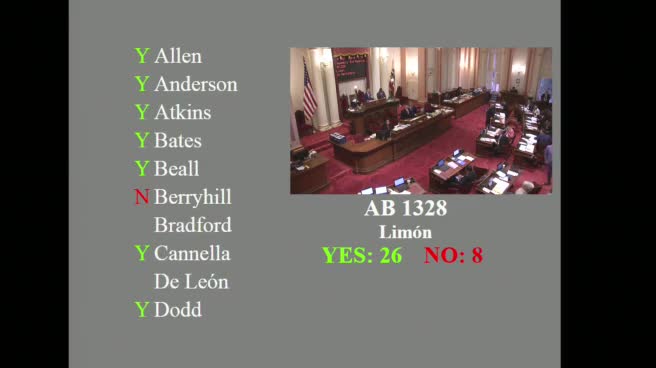 2MIN
Senate Floor
 3MIN
Senate Standing Committee on Business, Professions and Economic Development
 48SEC
Assembly Floor
 1MIN
Assembly Floor
 3MIN
Assembly Standing Committee on Business and Professions
Bill Author

Bill Co-Author(s):