AB 1572: Integrated waste management plans: source reduction and recycling element: review schedule.
- Session Year: 2017-2018
- House: Assembly
- Latest Version Date: 2017-07-31
The California Integrated Waste Management Act of 1989, which is administered by the Department of Resources Recycling and Recovery, requires each city, county, and regional agency, if any, to develop a source reduction and recycling element of an integrated waste management plan containing specified components. Those entities are required to divert 50% of all solid waste subject to the element through source reduction, recycling, and composting, except as specified. A city, county, or regional agency is required to submit an annual report to the department summarizing its progress in reducing solid waste. Existing law requires the department, until January 1, 2018, to review a jurisdictions compliance with those diversion requirements every 2 or 4 years, with the frequency conditioned upon the department finding in the prior review that the jurisdiction was or was not in compliance with those diversion requirements, as specified. Existing law repeals this conditional review schedule on January 1, 2018, and, as of that date, requires the department to review each jurisdictions source reduction and recycling element and household hazardous waste element for compliance with those diversion requirements at least once every 2 years.
This bill would postpone the repeal of that conditional review schedule, and postpone the corresponding operation of the departments 2-year review schedule, to January 1, 2022.
Existing law requires the department to adopt regulations to achieve landfill disposal reductions of organic waste from 2014 levels of 50% by 2020 and 75% by 2025,
This bill would authorize the department, in consultation with stakeholders, to make recommendations to the Legislature, by January 1, 2022, on necessary revisions to the review process described above to ensure consistency with the regulations adopted to achieve those organic waste disposal reduction goals.
The California Integrated Waste Management Act of 1989, which is administered by the Department of Resources Recycling and Recovery, requires each city, county, and regional agency, if any, to develop a source reduction and recycling element of an integrated waste management plan containing specified components. Those entities are required to divert 50% of all solid waste subject to the element through source reduction, recycling, and composting, except as specified. A city, county, or regional agency is required to submit an annual report to the department summarizing its progress in reducing solid waste. Existing law requires the department, until January 1, 2018, to review a jurisdictions compliance with those diversion requirements every 2 or 4 years, with the frequency conditioned upon the department finding in the prior review that the jurisdiction was or was not in compliance with those diversion requirements, as specified. Existing law repeals this conditional review schedule on January 1, 2018, and, as of that date, requires the department to review each jurisdictions source reduction and recycling element and household hazardous waste element for compliance with those diversion requirements at least once every 2 years.
This bill would postpone the repeal of that conditional review schedule, and postpone the corresponding operation of the departments 2-year review schedule, to January 1, 2020. 2022.
Existing law requires the department to adopt regulations to achieve landfill disposal reductions of organic waste from 2014 levels of 50% by 2020 and 75% by 2025,
This bill would authorize the department, in consultation with stakeholders, to make recommendations to the Legislature, by January 1, 2022, on necessary revisions to the review process described above to ensure consistency with the regulations adopted to achieve those organic waste disposal reduction goals.
The California Integrated Waste Management Act of 1989, which is administered by the Department of Resources Recycling and Recovery, requires each city, county, and regional agency, if any, to develop a source reduction and recycling element of an integrated waste management plan containing specified components. Those entities are required to divert 50% of all solid waste subject to the element through source reduction, recycling, and composting, except as specified. A city, county, or regional agency is required to submit an annual report to the department summarizing its progress in reducing solid waste. Existing law requires the department, until January 1, 2018, to review a jurisdictions compliance with those diversion requirements every 2 or 4 years, with the frequency conditioned upon the department finding in the prior review that the jurisdiction was or was not in compliance with those diversion requirements, as specified. Existing law repeals this conditional review schedule on January 1, 2018, and, as of that date, requires the department to review each jurisdictions source reduction and recycling element and household hazardous waste element for compliance with those diversion requirements at least once every 2 years.
This bill would postpone the repeal of that conditional review schedule, and postpone the corresponding operation of the departments 2-year review schedule, to January 1, 2020.
(a)Using the information in the report submitted to the department by the jurisdiction pursuant to Section 41821 and any other relevant information, the department shall make a finding whether each jurisdiction was in compliance with Section 41780 for calendar year 2006 and shall review a jurisdictions compliance with Section 41780 in accordance with the following schedule:
(1)If the department makes a finding that the jurisdiction was in compliance with Section 41780 for calendar year 2006, the department shall review, commencing January 1, 2012, and at least once every four years thereafter, whether the jurisdiction has implemented its source reduction and recycling element and household hazardous waste element.
(2)If the department makes a finding that the jurisdiction made a good faith effort to implement its source reduction and recycling element and household hazardous waste element, the department shall review, commencing January 1, 2010, and at least once every two years thereafter, whether the jurisdiction has implemented its source reduction and recycling element and household hazardous waste element.
(3)If the department makes a finding that the jurisdiction was not in compliance with Section 41780 for calendar year 2006 or for any subsequent calendar year, the department shall review, commencing January 1, 2010, and at least once every two years thereafter, whether the jurisdiction has implemented its source reduction and recycling element and household hazardous waste element.
(4)If, after determining that a jurisdiction is subject to paragraph (2), or, if, after determining that a jurisdiction is not in compliance with Section 41780 and is subject to paragraph (3), the department subsequently determines that the jurisdiction has come into compliance with Section 41780, the department shall review, at least once every four years, whether the jurisdiction has implemented its source reduction and recycling element and household hazardous waste element in the same manner as a jurisdiction that is subject to paragraph (1).
(5)If, after determining that a jurisdiction is in compliance with Section 41780 and is subject to paragraph (1), the department subsequently determines that the jurisdiction is not in compliance with Section 41780, the department shall review, at least once every two years, whether the jurisdiction has implemented its source reduction and recycling element and household hazardous waste element in the same manner as a jurisdiction that is subject to paragraph (2) or (3).
(b)In addition to the requirements of subdivision (a), the department may review whether a jurisdiction is in compliance with Section 41780 in accordance with the requirements of this section at any time that the department receives information that indicates the jurisdiction may not be making a good faith effort to implement its source reduction and recycling element and household hazardous waste element.
(c)(1)Before issuing a compliance order pursuant to subdivision (d), the department shall confer with the jurisdiction regarding conditions relating to the proposed order of compliance, with a first meeting occurring not less than 60 days before issuing a notice of intent to issue an order of compliance.
(2)The department shall issue a notice of intent to issue an order of compliance not less than 30 days before the department holds a hearing to issue the notice of compliance. The notice of intent shall specify all of the following:
(A)The proposed basis for issuing an order of compliance.
(B)The proposed actions the department recommends are necessary for the jurisdiction to complete to implement its source reduction and recycling element or household hazardous waste element.
(C)The proposed recommendations to the department.
(3)The department shall consider any information provided pursuant to subdivision (c) of Section 41821 if the proposed issuance of an order of compliance involves changes to a jurisdictions calculation of annual disposal.
(d)(1)If, after holding a public hearing, which, to the extent possible, shall be held in the local or regional agencys jurisdiction, the department finds that a jurisdiction has failed to make a good faith effort to implement its source reduction and recycling element or its household hazardous waste element, the department shall issue an order of compliance with a specific schedule for achieving compliance.
(2)The compliance order shall include those conditions that the department determines to be necessary for the jurisdiction to implement its diversion programs.
(3)In addition to considering the good faith efforts of a jurisdiction, as specified in subdivision (e), to implement a diversion program, the department shall consider both of the following factors in determining whether or not to issue a compliance order:
(A)Whether an exceptional growth rate may have affected compliance.
(B)Other information that the jurisdiction may provide that indicates the effectiveness of the jurisdictions programs, such as disposal characterization studies or other jurisdiction specific information.
(e)For purposes of making a determination pursuant to this section whether a jurisdiction has failed to make a good faith effort to implement its source reduction and recycling element or its household hazardous waste element, the department shall consider all of the following criteria:
(1)For the purposes of this section, good faith effort means all reasonable and feasible efforts by a jurisdiction to implement those programs or activities identified in its source reduction and recycling element or household hazardous waste element, or alternative programs or activities that achieve the same or similar results.
(2)For purposes of this section, good faith effort may also include the evaluation by a jurisdiction of improved technology for the handling and management of solid waste that would reduce costs, improve efficiency in the collection, processing, or marketing of recyclable materials or yard waste, and enhance the ability of the jurisdiction to adequately address all sources of significant disposal, the submission by the jurisdiction of a compliance schedule, and the undertaking of all other reasonable and feasible efforts to implement the programs identified in the jurisdictions source reduction and recycling element or household hazardous waste element.
(3)In determining whether a jurisdiction has made a good faith effort, the department shall consider the enforcement criteria included in its enforcement policy, as adopted on April 25, 1995, or as subsequently amended.
(4)The department shall consider all of the following when considering whether a jurisdiction has made a good faith effort to implement its source reduction and recycling element or its household hazardous waste element:
(A)Natural disasters.
(B)Budgetary conditions within a jurisdiction that could not be remedied by the imposition or adjustment of solid waste fees.
(C)Work stoppages that directly prevent a jurisdiction from implementing its source reduction and recycling element or household hazardous waste element.
(D)The impact of the failure of federal, state, and other local agencies located within the jurisdiction to implement source reduction and recycling programs in the jurisdiction.
(E)The extent to which the jurisdiction has implemented additional source reduction, recycling, and composting activities.
(F)The extent to which the jurisdiction has made program implementation choices driven by considerations related to other environmental issues, including climate change.
(G)Whether the jurisdiction has provided information to the department concerning whether construction and demolition waste material is at least a moderately significant portion of the waste stream, and, if so, whether the local jurisdiction has adopted an ordinance for diversion of construction and demolition waste materials from solid waste disposal facilities, has adopted a model ordinance pursuant to subdivision (a) of Section 42912 for diversion of construction and demolition waste materials from solid waste disposal facilities, or has implemented another program to encourage or require diversion of construction and demolition waste materials from solid waste disposal facilities.
(H)The extent to which the jurisdiction has implemented programs to comply with Section 41780 and to maintain its per capita disposal rate.
(5)In making a determination whether a jurisdiction has made a good faith effort, pursuant to this section, the department may consider a jurisdictions per capita disposal rate as a factor in determining whether the jurisdiction adequately implemented its diversion programs. The department shall not consider a jurisdictions per capita disposal rate to be determinative as to whether the jurisdiction has made a good faith effort to implement its source reduction and recycling element or its household hazardous waste element.
(f)This section shall remain in effect only until January 1, 2022, and as of that date is repealed, unless a later enacted statute, that is enacted before January 1, 2022, deletes or extends that date.
SEC. 2.Section 41825 of the Public Resources Code, as added by Section 14 of Chapter 343 of the Statutes of 2008, is amended to read:41825.(a)At least once every two years, the department shall review each jurisdictions source reduction and recycling element and household hazardous waste element for compliance with Section 41780.
(b)In addition to the requirements of subdivision (a), the department may review whether a jurisdiction is in compliance with Section 41780 in accordance with the requirements of this section at any time that the department receives information that indicates the jurisdiction may not be making a good faith effort to implement its source reduction and recycling element and household hazardous waste element.
(c)(1)Before issuing a compliance order pursuant to subdivision (d), the department shall confer with the jurisdiction regarding conditions relating to the proposed order of compliance, with a first meeting occurring not less than 60 days before issuing a notice of intent to issue an order of compliance.
(2)The department shall issue a notice of intent to issue an order of compliance not less than 30 days before the department holds a hearing to issue the notice of compliance. The notice of intent shall specify all of the following:
(A)The proposed basis for issuing an order of compliance.
(B)The proposed actions the department recommends are necessary for the jurisdiction to complete the implementation of its source reduction and recycling element or household hazardous waste element.
(C)The proposed recommendations to the department.
(3)The department shall consider any information provided pursuant to subdivision (c) of Section 41821, if the proposed issuance of an order of compliance involves changes to a jurisdictions calculation of annual disposal.
(d)(1)If, after holding a public hearing, which, to the extent possible, shall be held in the local or regional agencys jurisdiction, the department finds that a jurisdiction has failed to make a good faith effort to implement its source reduction and recycling element or its household hazardous waste element, the department shall issue an order of compliance with a specific schedule for achieving compliance.
(2)The compliance order shall include those conditions that the department determines to be necessary for the jurisdiction to implement its diversion programs.
(3)In addition to considering the good faith efforts of a jurisdiction, as specified in subdivision (e), to implement a diversion program, the department shall consider all of the following factors in determining whether or not to issue a compliance order:
(A)Whether an exceptional growth rate may have affected compliance.
(B)Other information that the jurisdiction may provide that indicates the effectiveness of the jurisdictions programs, such as disposal characterization studies or other jurisdiction specific information.
(e)For purposes of making a determination pursuant to this section as to whether a jurisdiction has failed to make a good faith effort to implement its source reduction and recycling element or its household hazardous waste element, the department shall consider all of the following criteria:
(1)For the purposes of this section, good faith effort means all reasonable and feasible efforts by a jurisdiction to implement those programs or activities identified in its source reduction and recycling element or household hazardous waste element, or alternative programs or activities that achieve the same or similar results.
(2)For purposes of this section, good faith effort may also include the evaluation by a jurisdiction of improved technology for the handling and management of solid waste that would reduce costs, improve efficiency in the collection, processing, or marketing of recyclable materials or yard waste, and enhance the ability of the jurisdiction to adequately address all sources of significant disposal, the submission by the jurisdiction of a compliance schedule, and the undertaking of all other reasonable and feasible efforts to implement the programs identified in the jurisdictions source reduction and recycling element or household hazardous waste element.
(3)In determining whether a jurisdiction has made a good faith effort, the department shall also consider the enforcement criteria included in its enforcement policy, as adopted on April 25, 1995, or as subsequently amended.
(4)The department shall consider all of the following when considering whether a jurisdiction has made a good faith effort to implement its source reduction and recycling element or its household hazardous waste element:
(A)Natural disasters.
(B)Budgetary conditions within a jurisdiction that could not be remedied by the imposition or adjustment of solid waste fees.
(C)Work stoppages that directly prevent a jurisdiction from implementing its source reduction and recycling element or household hazardous waste element.
(D)The impact of the failure of federal, state, and other local agencies located within the jurisdiction to implement source reduction and recycling programs in the jurisdiction.
(E)The extent to which the jurisdiction has implemented additional source reduction, recycling, and composting activities.
(F)The extent to which the jurisdiction has made program implementation choices driven by considerations related to other environmental issues, including climate change.
(G)Whether the jurisdiction has provided information to the department concerning whether construction and demolition waste material is at least a moderately significant portion of the waste stream, and, if so, whether the local jurisdiction has adopted an ordinance for diversion of construction and demolition waste materials from solid waste disposal facilities, has adopted a model ordinance pursuant to subdivision (a) of Section 42912 for diversion of construction and demolition waste materials from solid waste disposal facilities, or has implemented another program to encourage or require diversion of construction and demolition waste materials from solid waste disposal facilities.
(H)The extent to which the jurisdiction has implemented programs to comply with Section 41780 and to maintain its per capita disposal rate.
(5)In making a determination whether a jurisdiction has made a good faith effort, pursuant to this section, the department may consider a jurisdictions per capita disposal rate as a factor in determining whether the jurisdiction adequately implemented its diversion programs. The department shall not consider a jurisdictions per capita disposal rate to be determinative as to whether the jurisdiction has made a good faith effort to implement its source reduction and recycling element or its household hazardous waste element.
(f)This section shall become operative on January 1, 2022.
SEC. 3.On or before January 1, 2022, the Department of Resources Recycling and Recovery, in consultation with stakeholders, including, but not limited to, local governments, may make recommendations to the Legislature on necessary revisions to the local government review process required pursuant to Section 41825 of the Public Resources Code to ensure consistency with the regulations adopted pursuant to Section 42652.5 of the Public Resources Code.
(a)Using the information in the report submitted to the department by the jurisdiction pursuant to Section 41821 and any other relevant information, the department shall make a finding whether each jurisdiction was in compliance with Section 41780 for calendar year 2006 and shall review a jurisdictions compliance with Section 41780 in accordance with the following schedule:
(1)If the department makes a finding that the jurisdiction was in compliance with Section 41780 for calendar year 2006, the department shall review, commencing January 1, 2012, and at least once every four years thereafter, whether the jurisdiction has implemented its source reduction and recycling element and household hazardous waste element.
(2)If the department makes a finding that the jurisdiction made a good faith effort to implement its source reduction and recycling element and household hazardous waste element, the department shall review, commencing January 1, 2010, and at least once every two years thereafter, whether the jurisdiction has implemented its source reduction and recycling element and household hazardous waste element.
(3)If the department makes a finding that the jurisdiction was not in compliance with Section 41780 for calendar year 2006 or for any subsequent calendar year, the department shall review, commencing January 1, 2010, and at least once every two years thereafter, whether the jurisdiction has implemented its source reduction and recycling element and household hazardous waste element.
(4)If, after determining that a jurisdiction is subject to paragraph (2), or, if, after determining that a jurisdiction is not in compliance with Section 41780 and is subject to paragraph (3), the department subsequently determines that the jurisdiction has come into compliance with Section 41780, the department shall review, at least once every four years, whether the jurisdiction has implemented its source reduction and recycling element and household hazardous waste element in the same manner as a jurisdiction that is subject to paragraph (1).
(5)If, after determining that a jurisdiction is in compliance with Section 41780 and is subject to paragraph (1), the department subsequently determines that the jurisdiction is not in compliance with Section 41780, the department shall review, at least once every two years, whether the jurisdiction has implemented its source reduction and recycling element and household hazardous waste element in the same manner as a jurisdiction that is subject to paragraph (2) or (3).
(b)In addition to the requirements of subdivision (a), the department may review whether a jurisdiction is in compliance with Section 41780 in accordance with the requirements of this section at any time that the department receives information that indicates the jurisdiction may not be making a good faith effort to implement its source reduction and recycling element and household hazardous waste element.
(c)(1)Before issuing a compliance order pursuant to subdivision (d), the department shall confer with the jurisdiction regarding conditions relating to the proposed order of compliance, with a first meeting occurring not less than 60 days before issuing a notice of intent to issue an order of compliance.
(2)The department shall issue a notice of intent to issue an order of compliance not less than 30 days before the department holds a hearing to issue the notice of compliance. The notice of intent shall specify all of the following:
(A)The proposed basis for issuing an order of compliance.
(B)The proposed actions the department recommends are necessary for the jurisdiction to complete to implement its source reduction and recycling element or household hazardous waste element.
(C)The proposed recommendations to the department.
(3)The department shall consider any information provided pursuant to subdivision (c) of Section 41821 if the proposed issuance of an order of compliance involves changes to a jurisdictions calculation of annual disposal.
(d)(1)If, after holding a public hearing, which, to the extent possible, shall be held in the local or regional agencys jurisdiction, the department finds that a jurisdiction has failed to make a good faith effort to implement its source reduction and recycling element or its household hazardous waste element, the department shall issue an order of compliance with a specific schedule for achieving compliance.
(2)The compliance order shall include those conditions that the department determines to be necessary for the jurisdiction to implement its diversion programs.
(3)In addition to considering the good faith efforts of a jurisdiction, as specified in subdivision (e), to implement a diversion program, the department shall consider both of the following factors in determining whether or not to issue a compliance order:
(A)Whether an exceptional growth rate may have affected compliance.
(B)Other information that the jurisdiction may provide that indicates the effectiveness of the jurisdictions programs, such as disposal characterization studies or other jurisdiction specific information.
(e)For purposes of making a determination pursuant to this section whether a jurisdiction has failed to make a good faith effort to implement its source reduction and recycling element or its household hazardous waste element, the department shall consider all of the following criteria:
(1)For the purposes of this section, good faith effort means all reasonable and feasible efforts by a jurisdiction to implement those programs or activities identified in its source reduction and recycling element or household hazardous waste element, or alternative programs or activities that achieve the same or similar results.
(2)For purposes of this section, good faith effort may also include the evaluation by a jurisdiction of improved technology for the handling and management of solid waste that would reduce costs, improve efficiency in the collection, processing, or marketing of recyclable materials or yard waste, and enhance the ability of the jurisdiction to adequately address all sources of significant disposal, the submission by the jurisdiction of a compliance schedule, and the undertaking of all other reasonable and feasible efforts to implement the programs identified in the jurisdictions source reduction and recycling element or household hazardous waste element.
(3)In determining whether a jurisdiction has made a good faith effort, the department shall consider the enforcement criteria included in its enforcement policy, as adopted on April 25, 1995, or as subsequently amended.
(4)The department shall consider all of the following when considering whether a jurisdiction has made a good faith effort to implement its source reduction and recycling element or its household hazardous waste element:
(A)Natural disasters.
(B)Budgetary conditions within a jurisdiction that could not be remedied by the imposition or adjustment of solid waste fees.
(C)Work stoppages that directly prevent a jurisdiction from implementing its source reduction and recycling element or household hazardous waste element.
(D)The impact of the failure of federal, state, and other local agencies located within the jurisdiction to implement source reduction and recycling programs in the jurisdiction.
(E)The extent to which the jurisdiction has implemented additional source reduction, recycling, and composting activities.
(F)The extent to which the jurisdiction has made program implementation choices driven by considerations related to other environmental issues, including climate change.
(G)Whether the jurisdiction has provided information to the department concerning whether construction and demolition waste material is at least a moderately significant portion of the waste stream, and, if so, whether the local jurisdiction has adopted an ordinance for diversion of construction and demolition waste materials from solid waste disposal facilities, has adopted a model ordinance pursuant to subdivision (a) of Section 42912 for diversion of construction and demolition waste materials from solid waste disposal facilities, or has implemented another program to encourage or require diversion of construction and demolition waste materials from solid waste disposal facilities.
(H)The extent to which the jurisdiction has implemented programs to comply with Section 41780 and to maintain its per capita disposal rate.
(5)In making a determination whether a jurisdiction has made a good faith effort, pursuant to this section, the department may consider a jurisdictions per capita disposal rate as a factor in determining whether the jurisdiction adequately implemented its diversion programs. The department shall not consider a jurisdictions per capita disposal rate to be determinative as to whether the jurisdiction has made a good faith effort to implement its source reduction and recycling element or its household hazardous waste element.
(f)This section shall remain in effect only until January 1, 2020, 2022, and as of that date is repealed, unless a later enacted statute, that is enacted before January 1, 2020, 2022, deletes or extends that date.
SEC. 2.Section 41825 of the Public Resources Code, as added by Section 14 of Chapter 343 of the Statutes of 2008, is amended to read:41825.(a)At least once every two years, the department shall review each jurisdictions source reduction and recycling element and household hazardous waste element for compliance with Section 41780.
(b)In addition to the requirements of subdivision (a), the department may review whether a jurisdiction is in compliance with Section 41780 in accordance with the requirements of this section at any time that the department receives information that indicates the jurisdiction may not be making a good faith effort to implement its source reduction and recycling element and household hazardous waste element.
(c)(1)Before issuing a compliance order pursuant to subdivision (d), the department shall confer with the jurisdiction regarding conditions relating to the proposed order of compliance, with a first meeting occurring not less than 60 days before issuing a notice of intent to issue an order of compliance.
(2)The department shall issue a notice of intent to issue an order of compliance not less than 30 days before the department holds a hearing to issue the notice of compliance. The notice of intent shall specify all of the following:
(A)The proposed basis for issuing an order of compliance.
(B)The proposed actions the department recommends are necessary for the jurisdiction to complete the implementation of its source reduction and recycling element or household hazardous waste element.
(C)The proposed recommendations to the department.
(3)The department shall consider any information provided pursuant to subdivision (c) of Section 41821, if the proposed issuance of an order of compliance involves changes to a jurisdictions calculation of annual disposal.
(d)(1)If, after holding a public hearing, which, to the extent possible, shall be held in the local or regional agencys jurisdiction, the department finds that a jurisdiction has failed to make a good faith effort to implement its source reduction and recycling element or its household hazardous waste element, the department shall issue an order of compliance with a specific schedule for achieving compliance.
(2)The compliance order shall include those conditions that the department determines to be necessary for the jurisdiction to implement its diversion programs.
(3)In addition to considering the good faith efforts of a jurisdiction, as specified in subdivision (e), to implement a diversion program, the department shall consider all of the following factors in determining whether or not to issue a compliance order:
(A)Whether an exceptional growth rate may have affected compliance.
(B)Other information that the jurisdiction may provide that indicates the effectiveness of the jurisdictions programs, such as disposal characterization studies or other jurisdiction specific information.
(e)For purposes of making a determination pursuant to this section as to whether a jurisdiction has failed to make a good faith effort to implement its source reduction and recycling element or its household hazardous waste element, the department shall consider all of the following criteria:
(1)For the purposes of this section, good faith effort means all reasonable and feasible efforts by a jurisdiction to implement those programs or activities identified in its source reduction and recycling element or household hazardous waste element, or alternative programs or activities that achieve the same or similar results.
(2)For purposes of this section, good faith effort may also include the evaluation by a jurisdiction of improved technology for the handling and management of solid waste that would reduce costs, improve efficiency in the collection, processing, or marketing of recyclable materials or yard waste, and enhance the ability of the jurisdiction to adequately address all sources of significant disposal, the submission by the jurisdiction of a compliance schedule, and the undertaking of all other reasonable and feasible efforts to implement the programs identified in the jurisdictions source reduction and recycling element or household hazardous waste element.
(3)In determining whether a jurisdiction has made a good faith effort, the department shall also consider the enforcement criteria included in its enforcement policy, as adopted on April 25, 1995, or as subsequently amended.
(4)The department shall consider all of the following when considering whether a jurisdiction has made a good faith effort to implement its source reduction and recycling element or its household hazardous waste element:
(A)Natural disasters.
(B)Budgetary conditions within a jurisdiction that could not be remedied by the imposition or adjustment of solid waste fees.
(C)Work stoppages that directly prevent a jurisdiction from implementing its source reduction and recycling element or household hazardous waste element.
(D)The impact of the failure of federal, state, and other local agencies located within the jurisdiction to implement source reduction and recycling programs in the jurisdiction.
(E)The extent to which the jurisdiction has implemented additional source reduction, recycling, and composting activities.
(F)The extent to which the jurisdiction has made program implementation choices driven by considerations related to other environmental issues, including climate change.
(G)Whether the jurisdiction has provided information to the department concerning whether construction and demolition waste material is at least a moderately significant portion of the waste stream, and, if so, whether the local jurisdiction has adopted an ordinance for diversion of construction and demolition waste materials from solid waste disposal facilities, has adopted a model ordinance pursuant to subdivision (a) of Section 42912 for diversion of construction and demolition waste materials from solid waste disposal facilities, or has implemented another program to encourage or require diversion of construction and demolition waste materials from solid waste disposal facilities.
(H)The extent to which the jurisdiction has implemented programs to comply with Section 41780 and to maintain its per capita disposal rate.
(5)In making a determination whether a jurisdiction has made a good faith effort, pursuant to this section, the department may consider a jurisdictions per capita disposal rate as a factor in determining whether the jurisdiction adequately implemented its diversion programs. The department shall not consider a jurisdictions per capita disposal rate to be determinative as to whether the jurisdiction has made a good faith effort to implement its source reduction and recycling element or its household hazardous waste element.
(f)This section shall become operative on January 1, 2020. 2022.
SEC. 3.On or before January 1, 2022, the Department of Resources Recycling and Recovery, in consultation with stakeholders, including, but not limited to, local governments, may make recommendations to the Legislature on necessary revisions to the local government review process required pursuant to Section 41825 of the Public Resources Code to ensure consistency with the regulations adopted pursuant to Section 42652.5 of the Public Resources Code.
(a)Using the information in the report submitted to the board department by the jurisdiction pursuant to Section 41821 and any other relevant information, the board department shall make a finding whether each jurisdiction was in compliance with Section 41780 for calendar year 2006 and shall review a jurisdictions compliance with Section 41780 in accordance with the following schedule:
(1)If the board department makes a finding that the jurisdiction was in compliance with Section 41780 for calendar year 2006, the board department shall review, commencing January 1, 2012, and at least once every four years thereafter, whether the jurisdiction has implemented its source reduction and recycling element and household hazardous waste element.
(2)If the board department makes a finding that the jurisdiction made a good faith effort to implement its source reduction and recycling element and household hazardous waste element, the board department shall review, commencing January 1, 2010, and at least once every two years thereafter, whether the jurisdiction has implemented its source reduction and recycling element and household hazardous waste element.
(3)If the board department makes a finding that the jurisdiction was not in compliance with Section 41780 for calendar year 2006 or for any subsequent calendar year, the board department shall review, commencing January 1, 2010, and at least once every two years thereafter, whether the jurisdiction has implemented its source reduction and recycling element and household hazardous waste element.
(4)If, after determining that a jurisdiction is subject to paragraph (2), or, if, after determining that a jurisdiction is not in compliance with Section 41780 and is subject to paragraph (3), the board department subsequently determines that the jurisdiction has come into compliance with Section 41780, the board department shall review, at least once every four years, whether the jurisdiction has implemented its source reduction and recycling element and household hazardous waste element in the same manner as a jurisdiction that is subject to paragraph (1).
(5)If, after determining that a jurisdiction is in compliance with Section 41780 and is subject to paragraph (1), the board department subsequently determines that the jurisdiction is not in compliance with Section 41780, the board department shall review, at least once every two years, whether the jurisdiction has implemented its source reduction and recycling element and household hazardous waste element in the same manner as a jurisdiction that is subject to paragraph (2) or (3).
(b)In addition to the requirements of subdivision (a), the board department may review whether a jurisdiction is in compliance with Section 41780 in accordance with the requirements of this section at any time that the board department receives information that indicates the jurisdiction may not be making a good faith effort to implement its source reduction and recycling element and household hazardous waste element.
(c)(1)Before issuing a compliance order pursuant to subdivision (d), the board department shall confer with the jurisdiction regarding conditions relating to the proposed order of compliance, with a first meeting occurring not less than 60 days before issuing a notice of intent to issue an order of compliance.
(2)The board department shall issue a notice of intent to issue an order of compliance not less than 30 days before the board department holds a hearing to issue the notice of compliance. The notice of intent shall specify all of the following:
(A)The proposed basis for issuing an order of compliance.
(B)The proposed actions the board department recommends are necessary for the jurisdiction to complete to implement its source reduction and recycling element or household hazardous waste element.
(C)The proposed recommendations to the board. department.
(3)The board department shall consider any information provided pursuant to subdivision (c) of Section 41821 if the proposed issuance of an order of compliance involves changes to a jurisdictions calculation of annual disposal.
(d)(1)If, after holding a public hearing, which, to the extent possible, shall be held in the local or regional agencys jurisdiction, the board department finds that a jurisdiction has failed to make a good faith effort to implement its source reduction and recycling element or its household hazardous waste element, the board department shall issue an order of compliance with a specific schedule for achieving compliance.
(2)The compliance order shall include those conditions that the board department determines to be necessary for the jurisdiction to implement its diversion programs.
(3)In addition to considering the good faith efforts of a jurisdiction, as specified in subdivision (e), to implement a diversion program, the board department shall consider both of the following factors in determining whether or not to issue a compliance order:
(A)Whether an exceptional growth rate may have affected compliance.
(B)Other information that the jurisdiction may provide that indicates the effectiveness of the jurisdictions programs, such as disposal characterization studies or other jurisdiction specific information.
(e)For purposes of making a determination pursuant to this section whether a jurisdiction has failed to make a good faith effort to implement its source reduction and recycling element or its household hazardous waste element, the board department shall consider all of the following criteria:
(1)For the purposes of this section, good faith effort means all reasonable and feasible efforts by a jurisdiction to implement those programs or activities identified in its source reduction and recycling element or household hazardous waste element, or alternative programs or activities that achieve the same or similar results.
(2)For purposes of this section, good faith effort may also include the evaluation by a jurisdiction of improved technology for the handling and management of solid waste that would reduce costs, improve efficiency in the collection, processing, or marketing of recyclable materials or yard waste, and enhance the ability of the jurisdiction to adequately address all sources of significant disposal, the submission by the jurisdiction of a compliance schedule, and the undertaking of all other reasonable and feasible efforts to implement the programs identified in the jurisdictions source reduction and recycling element or household hazardous waste element.
(3)In determining whether a jurisdiction has made a good faith effort, the board department shall consider the enforcement criteria included in its enforcement policy, as adopted on April 25, 1995, or as subsequently amended.
(4)The board department shall consider all of the following when considering whether a jurisdiction has made a good faith effort to implement its source reduction and recycling element or its household hazardous waste element:
(A)Natural disasters.
(B)Budgetary conditions within a jurisdiction that could not be remedied by the imposition or adjustment of solid waste fees.
(C)Work stoppages that directly prevent a jurisdiction from implementing its source reduction and recycling element or household hazardous waste element.
(D)The impact of the failure of federal, state, and other local agencies located within the jurisdiction to implement source reduction and recycling programs in the jurisdiction.
(E)The extent to which the jurisdiction has implemented additional source reduction, recycling, and composting activities.
(F)The extent to which the jurisdiction has made program implementation choices driven by considerations related to other environmental issues, including climate change.
(G)Whether the jurisdiction has provided information to the board department concerning whether construction and demolition waste material is at least a moderately significant portion of the waste stream, and, if so, whether the local jurisdiction has adopted an ordinance for diversion of construction and demolition waste materials from solid waste disposal facilities, has adopted a model ordinance pursuant to subdivision (a) of Section 42912 for diversion of construction and demolition waste materials from solid waste disposal facilities, or has implemented another program to encourage or require diversion of construction and demolition waste materials from solid waste disposal facilities.
(H)The extent to which the jurisdiction has implemented programs to comply with Section 41780 and to maintain its per capita disposal rate.
(5)In making a determination whether a jurisdiction has made a good faith effort, pursuant to this section, the board department may consider a jurisdictions per capita disposal rate as a factor in determining whether the jurisdiction adequately implemented its diversion programs. The board department shall not consider a jurisdictions per capita disposal rate to be determinative as to whether the jurisdiction has made a good faith effort to implement its source reduction and recycling element or its household hazardous waste element.
(f)This section shall remain in effect only until January 1, 2018, 2020, and as of that date is repealed, unless a later enacted statute, that is enacted before January 1, 2018, 2020, deletes or extends that date.
SEC. 2.Section 41825 of the Public Resources Code, as added by Section 14 of Chapter 343 of the Statutes of 2008, is amended to read:41825.(a)At least once every two years, the board department shall review each jurisdictions source reduction and recycling element and household hazardous waste element for compliance with Section 41780.
(b)In addition to the requirements of subdivision (a), the board department may review whether a jurisdiction is in compliance with Section 41780 in accordance with the requirements of this section at any time that the board department receives information that indicates the jurisdiction may not be making a good faith effort to implement its source reduction and recycling element and household hazardous waste element.
(c)(1)Before issuing a compliance order pursuant to subdivision (d), the board department shall confer with the jurisdiction regarding conditions relating to the proposed order of compliance, with a first meeting occurring not less than 60 days before issuing a notice of intent to issue an order of compliance.
(2)The board department shall issue a notice of intent to issue an order of compliance not less than 30 days before the board department holds a hearing to issue the notice of compliance. The notice of intent shall specify all of the following:
(A)The proposed basis for issuing an order of compliance.
(B)The proposed actions the board department recommends are necessary for the jurisdiction to complete the implementation of its source reduction and recycling element or household hazardous waste element.
(C)The proposed recommendations to the board. department.
(3)The board department shall consider any information provided pursuant to subdivision (c) of Section 41821, if the proposed issuance of an order of compliance involves changes to a jurisdictions calculation of annual disposal.
(d)(1)If, after holding a public hearing, which, to the extent possible, shall be held in the local or regional agencys jurisdiction, the board department finds that a jurisdiction has failed to make a good faith effort to implement its source reduction and recycling element or its household hazardous waste element, the board department shall issue an order of compliance with a specific schedule for achieving compliance.
(2)The compliance order shall include those conditions that the board department determines to be necessary for the jurisdiction to implement its diversion programs.
(3)In addition to considering the good faith efforts of a jurisdiction, as specified in subdivision (e), to implement a diversion program, the board department shall consider all of the following factors in determining whether or not to issue a compliance order:
(A)Whether an exceptional growth rate may have affected compliance.
(B)Other information that the jurisdiction may provide that indicates the effectiveness of the jurisdictions programs, such as disposal characterization studies or other jurisdiction specific information.
(e)For purposes of making a determination pursuant to this section as to whether a jurisdiction has failed to make a good faith effort to implement its source reduction and recycling element or its household hazardous waste element, the board department shall consider all of the following criteria:
(1)For the purposes of this section, good faith effort means all reasonable and feasible efforts by a jurisdiction to implement those programs or activities identified in its source reduction and recycling element or household hazardous waste element, or alternative programs or activities that achieve the same or similar results.
(2)For purposes of this section, good faith effort may also include the evaluation by a jurisdiction of improved technology for the handling and management of solid waste that would reduce costs, improve efficiency in the collection, processing, or marketing of recyclable materials or yard waste, and enhance the ability of the jurisdiction to adequately address all sources of significant disposal, the submission by the jurisdiction of a compliance schedule, and the undertaking of all other reasonable and feasible efforts to implement the programs identified in the jurisdictions source reduction and recycling element or household hazardous waste element.
(3)In determining whether a jurisdiction has made a good faith effort, the board department shall also consider the enforcement criteria included in its enforcement policy, as adopted on April 25, 1995, or as subsequently amended.
(4)The board department shall consider all of the following when considering whether a jurisdiction has made a good faith effort to implement its source reduction and recycling element or its household hazardous waste element:
(A)Natural disasters.
(B)Budgetary conditions within a jurisdiction that could not be remedied by the imposition or adjustment of solid waste fees.
(C)Work stoppages that directly prevent a jurisdiction from implementing its source reduction and recycling element or household hazardous waste element.
(D)The impact of the failure of federal, state, and other local agencies located within the jurisdiction to implement source reduction and recycling programs in the jurisdiction.
(E)The extent to which the jurisdiction has implemented additional source reduction, recycling, and composting activities.
(F)The extent to which the jurisdiction has made program implementation choices driven by considerations related to other environmental issues, including climate change.
(G)Whether the jurisdiction has provided information to the board department concerning whether construction and demolition waste material is at least a moderately significant portion of the waste stream, and, if so, whether the local jurisdiction has adopted an ordinance for diversion of construction and demolition waste materials from solid waste disposal facilities, has adopted a model ordinance pursuant to subdivision (a) of Section 42912 for diversion of construction and demolition waste materials from solid waste disposal facilities, or has implemented another program to encourage or require diversion of construction and demolition waste materials from solid waste disposal facilities.
(H)The extent to which the jurisdiction has implemented programs to comply with Section 41780 and to maintain its per capita disposal rate.
(5)In making a determination whether a jurisdiction has made a good faith effort, pursuant to this section, the board department may consider a jurisdictions per capita disposal rate as a factor in determining whether the jurisdiction adequately implemented its diversion programs. The board department shall not consider a jurisdictions per capita disposal rate to be determinative as to whether the jurisdiction has made a good faith effort to implement its source reduction and recycling element or its household hazardous waste element.
(f)This section shall become operative on January 1, 2018. 2020.
|
Date
|
Status
|
|---|---|
| Jul 31, 2017 | Chaptered by Secretary of State - Chapter 155, Statutes of 2017. |
| Jul 31, 2017 | Approved by the Governor. |
| Jul 18, 2017 | Enrolled and presented to the Governor at 12:45 p.m. |
| Jul 13, 2017 | In Assembly. Ordered to Engrossing and Enrolling. |
| Jul 13, 2017 | Read third time. Passed. Ordered to the Assembly. (Ayes 39. Noes 0. Page 2025.). |
| Jul 11, 2017 | Read second time. Ordered to Consent Calendar. |
| Jul 10, 2017 | From committee: Be placed on second reading file pursuant to Senate Rule 28.8 and ordered to consent calendar. |
| Jun 21, 2017 | From committee: Do pass and re-refer to Com. on APPR. with recommendation: To Consent Calendar. (Ayes 6. Noes 0.) (June 21). Re-referred to Com. on APPR. |
| Jun 8, 2017 | Referred to Com. on EQ. |
| May 30, 2017 | In Senate. Read first time. To Com. on RLS. for assignment. |
| May 30, 2017 | Read third time. Passed. Ordered to the Senate. (Ayes 77. Noes 0. Page 1859.) |
| May 25, 2017 | Read second time. Ordered to Consent Calendar. |
| May 24, 2017 | From committee: Do pass. To Consent Calendar. (Ayes 17. Noes 0.) (May 24). |
| Apr 26, 2017 | Re-referred to Com. on APPR. |
| Apr 25, 2017 | Read second time and amended. |
| Apr 24, 2017 | From committee: Amend, and do pass as amended and re-refer to Com. on APPR. (Ayes 10. Noes 0.) (April 17). |
| Mar 16, 2017 | Referred to Com. on NAT. RES. |
| Feb 19, 2017 | From printer. May be heard in committee March 21. |
| Feb 17, 2017 | Read first time. To print. |
|
Date
|
Description
|
Location
|
Votes
|
|
|---|---|---|---|---|
| Jul 13, 2017 | Consent Calendar 2nd AB1572 | Senate Floor |
Passed |
|
| Jun 21, 2017 | Do pass, but first be re-referred to the Committee on [Appropriations] with the recommendation: To Consent Calendar | Senate Standing Committee on Environmental Quality |
Passed |
|
| May 30, 2017 | AB 1572 AGUIAR-CURRY Consent Calendar Second Day Regular Session | Assembly Floor |
Passed |
|
| May 24, 2017 | Do pass. To Consent Calendar. | Assembly Standing Committee on Appropriations |
Passed |
|
| Apr 17, 2017 | Do pass as amended and be re-referred to the Committee on [Appropriations] | Assembly Standing Committee on Natural Resources |
Passed |
This list shows positions taken on this bill by organizations on the date displayed, which is linked to the original source.
Positions by individuals are not included.
|
Organization
|
Position
|
Date
|
|---|---|---|
| california chapters | ** Support | Jun 19, 2017 |
| California State Association Of Counties | ** Support | Jul 12, 2017 |
| Californians Against Waste | ** Support | Jul 12, 2017 |
| Rural County Representatives of California | ** Support | Jul 12, 2017 |
Office of Senate Floor Analyses (916) 651-1520 Fax: (916) 327-4478 | AB |
CONSENT
Bill No: AB 1572
:
SENATE ENVIRONMENTAL QUALITY COMMITTEE: 6-0, 6/21/17
AYES: Wieckowski, Stone, Hill, Lara, Skinner, Stern
NO VOTE RECORDED: Gaines
SENATE APPROPRIATIONS COMMITTEE: Senate Rule 28.8
ASSEMBLY FLOOR: 77-0, 5/30/17 (Consent) - See last page for vote
DIGEST:
This bill extends, from January 1, 2018 to January 1, 2022, the sunset on a provision of law that authorizes the Department of Resources Recycling and Recovery (CalRecycle) to review local jurisdictions’ implementation of specified solid waste plans every four years, instead of every two years, for those jurisdictions that are meeting the state’s solid waste diversion requirements.
ANALYSIS: Existing law, pursuant to the California Integrated Waste Management Act (IWMA) (Public Resources Code (PRC) §40000 et seq.):
- Establishes a state policy goal that not less than 75% of solid waste generated be source reduced, recycled, or composted by 2020, and annually thereafter.
- Requires each local jurisdiction to divert at least 50% of solid waste from landfill disposal.
- Establishes methane emission reduction goals and requires CalRecycle to adopt regulations to achieve landfill disposal reductions of organic waste from 2014 levels of 50% by 2020 and 75% by 2025. Requires CalRecycle, in consultation with the Air Resources Board, to adopt regulations to achieve the organics reduction targets, which go into effect in 2022.
- Requires each local jurisdiction to develop a source reduction and recycling element of an integrated waste management plan containing specified information.
- Requires cities and counties to report specified information to CalRecycle using the Disposal Reporting System (DRS), which tracks the amount and origin of waste disposed in California and sent from California to out-of-state landfills.
- Authorizes CalRecycle to adopt practices and procedures related to waste tracking in the state, as long as the regulations do not impose an “unreasonable burden” on waste handling, processing, or disposal operations.
- Requires each jurisdiction to submit a countywide siting element to CalRecycle that includes an estimate of the total transformation or disposal capacity necessary for a 15-year period, the remaining capacity of existing solid waste facilities, and the identification of areas for the location of new solid waste facilities that are consistent with the general plan.
- Requires each jurisdiction to prepare, adopt, and submit a “source reduction and recycling element” (SRRE) to CalRecycle that demonstrates how the jurisdiction will meet IWMA’s mandated diversion requirements.
- Requires each jurisdiction to prepare, adopt, and submit to CalRecycle a “household hazardous waste element” (HHWE) that identifies a program for the safe collection, recycling, treatment, and disposal of hazardous wastes that are generated by households.
- Requires, until January 1, 2018, CalRecycle to review each jurisdiction’s implementation of SRRE and HHWE as follows:
- For jurisdictions meeting the 50% diversion requirement or making a good faith effort to reach that requirement, complete a review of the jurisdiction not less than every four years; and,
- For jurisdictions failing to meet the 50% diversion requirement or failing to make a good faith effort to do so, complete a review of the jurisdiction not less than every two years.
- For jurisdictions meeting the 50% diversion requirement or making a good faith effort to reach that requirement, complete a review of the jurisdiction not less than every four years; and,
- Sunsets on January 1, 2018, the every four years review in #10a) above; and commencing on that date, requires CalRecycle to review all jurisdictions’ implementation of its SRRE and HHWE every two years instead.
This bill:
- Extends, from January 1, 2018, to January 1, 2022, the sunset on a provision of law that authorizes CalRecycle to review local jurisdictions’ implementation of specified solid waste plans every four years, instead of every two years, for those jurisdictions that are meeting the state’s solid waste diversion requirements.
- Authorizes, but does not require, CalRecycle to make recommendations to the Legislature by January 1, 2022, on any necessary revisions to the local government solid waste plan review process.
Background
- IWMA of 1989. According to CalRecycle, AB 939 (Sher, Chapter 1095, Statutes of 1989) created the California Integrated Waste Management Board, which has subsequently turned into CalRecycle. IWMA requires each jurisdiction in the state to submit detailed solid waste planning documents for CalRecycle approval, set diversion requirements of 25% in 1995 and 50% in 2000, established a comprehensive statewide system of permitting, inspections, enforcement, and maintenance for solid waste facilities, and authorized local jurisdictions to impose fees based on the types or amounts of solid waste generated.
- Statewide diversion goals. According to CalRecycle, the department is tasked with diverting at least 75% of solid waste from landfills statewide by 2020. To reach the goal, an additional 23 million tons will need to be recycled, reduced, or composted in 2020. That is based on an estimated 80 million tons of solid waste generated in 2020. CalRecycle assumes current recycling and composting efforts will account for at least the same recycling volume as 2013 – about 37 million tons, and that 20 million tons would still go to disposal and disposal-related activities (alternative daily cover, alternative intermediate cover, beneficial reuse, transformation, etc.).
CalRecycle uses the term, “recycling,” for a range of activities related to source reduction, recycling and composting (including anaerobic digestion). Waste-to-energy processes, alternative daily/intermediate cover, and other beneficial reuse at landfills is not included as “recycling” to measure progress toward 75%. However, activities that do not count as recycling for reaching the statewide goal may still have value as the highest and best use of a material compared to landfilling.
In addition, CalRecycle is charged with implementing Strategic Directive 6.1, which calls for reducing organic waste disposal by 50% by 2020. Organic materials make up one-third of the waste stream and food continues to be the greatest single item disposed, making up over 15% of materials landfilled. According to CalRecycle, significant gains in organic waste diversion are necessary to meet the 75% goal and to implement Strategic Directive 6.1. Recycling technologies for organic waste include energy, soil amendments, and mulch. - CalRecycle Jurisdiction Review. According to CalRecycle, per requirements of PRC §41825, every city, county, and board-approved regional agency that files an annual report must undergo a CalRecycle Jurisdiction Review. (The annual report includes information regarding the year’s progress toward implementing waste diversion programs and/or facilities described in a jurisdiction’s waste management planning documents.)
The department has historically reviewed local jurisdictions’ program implementation every two years. SB 1016 (Wiggins, Chapter 343, Statutes of 2008) provided that for jurisdictions meeting the 50% equivalent per capita disposal rate and implementation of waste reduction programs, CalRecycle (then the California Integrated Waste Management Board) would be allowed to complete a review of that jurisdiction not less than every four years beginning January 1, 2012, rather than every two years. CalRecycle uses each jurisdiction’s per capita disposal rate to determine which cycle, either four-year or two-year cycle, to do a jurisdiction review. Currently, 15 jurisdictions out of approximately 500 are on a two-year review cycle.
The process of jurisdiction review includes CalRecycle’s Local Assistance and Market Development staff conducting the review and presenting their recommendations to CalRecycle management regarding whether each jurisdiction is meeting its requirements pursuant to IWMA. Sources of information available to CalRecycle for a Jurisdiction Review include annual reports, site visits, SRRE and HHWE, agenda items from previous years, disposal reporting information and information from haulers’ reports, petitions for time extensions or reduced diversion requirements, and CalRecycle correspondence. As a result of this review, if Local Assistance and Market Development staff finds that a jurisdiction is not implementing its programs or not meeting the 50% equivalent per capita disposal target, then CalRecycle’s Jurisdiction and Product Compliance unit conducts an independent review. If the review finds that the jurisdiction is not implementing its programs, then the jurisdiction is recommended for a compliance order.
Possible outcomes of Jurisdiction Review include:- Approval: CalRecycle approves the jurisdiction’s implementation of its solid waste planning documents, and its per capita disposal numbers as reported.
- “Good faith” approval: Even though the jurisdiction has not reached its 50% equivalent per capita disposal rate target, it has demonstrated commitment toward that end. Accordingly, CalRecycle approves the jurisdiction’s “good faith effort” to implement its solid waste planning documents, and its per capita disposal rate as reported.
- Compliance order and schedule: If CalRecycle finds that, based on past performance, a jurisdiction is not committed to reducing its waste, implementing its solid waste planning documents, or complying with IWMA, then CalRecycle may order a specific schedule for achieving compliance with IWMA. The order must include specific steps for the local agency or regional agency to complete, including program changes and new programs. The Jurisdiction and Product Compliance unit and Local Assistance and Market Development staff work with the jurisdiction to develop a Local Implementation Plan, which identifies the specific programs and timelines for implementing specified programs. Jurisdictions under a compliance order have subsequent reviews as dictated by a compliance schedule.
- Fine: A jurisdiction which fails to comply with a CalRecycle compliance order may be fined up to $10,000 per day until it implements its SRRE and HHWE and complies with IWMA. The amount of a fine, the timing of a fine, and conditions for avoiding a fine, are set at CalRecycle’s discretion.
- Approval: CalRecycle approves the jurisdiction’s implementation of its solid waste planning documents, and its per capita disposal numbers as reported.
Comments
Purpose of Bill. According to the author, “AB 1572 will allow good-actor local governments to avoid unnecessary compliance review by CalRecycle. It preserves CalRecycle’s flexibility to focus compliance review resources on jurisdictions requiring additional oversight and support. In light of new mandates, including 50% organic waste diversion goal, AB 1572 also directs CalRecycle to make recommendations to the Legislature by 2022 to holistically revise and consolidate compliance review for all of California’s waste diversion and recycling goals.”
FISCAL EFFECT: Appropriation: Fiscal Com.: Local:
California State Association of Counties
Californians Against Waste
Rural County Representatives of California
Solid Waste Association of North America Legislative Task Force, California Chapters
OPPOSITION: (Verified 7/10/17)
None received
ASSEMBLY FLOOR: 77-0, 5/30/17
AYES: Acosta, Aguiar-Curry, Travis Allen, Arambula, Baker, Berman, Bigelow, Bloom, Bocanegra, Bonta, Brough, Burke, Caballero, Calderon, Cervantes, Chávez, Chen, Chiu, Chu, Cooley, Cooper, Cunningham, Dababneh, Dahle, Daly, Flora, Fong, Frazier, Friedman, Gallagher, Cristina Garcia, Eduardo Garcia, Gipson, Gloria, Gomez, Gonzalez Fletcher, Gray, Grayson, Harper, Holden, Irwin, Jones-Sawyer, Kalra, Kiley, Lackey, Levine, Limón, Low, Maienschein, Mathis, Mayes, McCarty, Medina, Melendez, Mullin, Muratsuchi, Nazarian, Obernolte, O'Donnell, Patterson, Quirk, Quirk-Silva, Reyes, Ridley-Thomas, Rodriguez, Rubio, Salas, Santiago, Steinorth, Mark Stone, Thurmond, Ting, Voepel, Waldron, Weber, Wood, Rendon
NO VOTE RECORDED: Chau, Choi, Eggman
7/12/17 9:03:08
**** END ****
SENATE COMMITTEE ON ENVIRONMENTAL QUALITY
Senator Wieckowski, Chair
2017 - 2018 Regular
Bill No: AB 1572
Author: | Aguiar-Curry | ||
Version: | 4/25/2017 | Hearing Date: | 6/21/2017 |
Urgency: | No | Fiscal: | Yes |
Consultant: | Joanne Roy | ||
SUBJECT: Integrated waste management plans: source reduction and recycling element: review schedule.
ANALYSIS:
Existing law, pursuant to the California Integrated Waste Management Act (IWMA) (Public Resources Code (PRC) §40000 et seq.):
- Establishes a state policy goal that not less than 75% of solid waste generated be source reduced, recycled, or composted by 2020, and annually thereafter.
- Requires each local jurisdiction to divert at least 50% of solid waste from landfill disposal.
- Establishes methane emission reduction goals and requires the Department of Resources Recycling and Recovery (CalRecycle) to adopt regulations to achieve landfill disposal reductions of organic waste from 2014 levels of 50% by 2020 and 75% by 2025. Requires CalRecycle, in consultation with the Air Resources Board, to adopt regulations to achieve the organics reduction targets, which go into effect in 2022.
- Requires each local jurisdiction to develop a source reduction and recycling element of an integrated waste management plan containing specified information.
- Requires cities and counties to report specified information to CalRecycle using the Disposal Reporting System (DRS), which tracks the amount and origin of waste disposed in California and sent from California to out-of-state landfills.
- Authorizes CalRecycle to adopt practices and procedures related to waste tracking in the state, as long as the regulations do not impose an “unreasonable burden” on waste handling, processing, or disposal operations.
- Requires each jurisdiction to submit a countywide siting element to CalRecycle that includes an estimate of the total transformation or disposal capacity necessary for a 15-year period, the remaining capacity of existing solid waste facilities, and the identification of areas for the location of new solid waste facilities that are consistent with the general plan.
- Requires each jurisdiction to prepare, adopt, and submit a “source reduction and recycling element” (SRRE) to CalRecycle that demonstrates how the jurisdiction will meet IWMA’s mandated diversion requirements.
- Requires each jurisdiction to prepare, adopt, and submit to CalRecycle a “household hazardous waste element” (HHWE) that identifies a program for the safe collection, recycling, treatment, and disposal of hazardous wastes that are generated by households.
- Until January 1, 2018, requires CalRecycle to review each jurisdiction’s implementation of SRRE and HHWE as follows:
- For jurisdictions meeting the 50% diversion requirement or making a good faith effort to reach that requirement, complete a review of the jurisdiction not less than every four years; and,
- For jurisdictions failing to meet the 50% diversion requirement or failing to make a good faith effort to do so, complete a review of the jurisdiction not less than every two years.
- For jurisdictions meeting the 50% diversion requirement or making a good faith effort to reach that requirement, complete a review of the jurisdiction not less than every four years; and,
- Sunsets on January 1, 2018, the every four years review in #11(a); and commencing on that date, requires CalRecycle to review all jurisdictions’ implementation of its SRRE and HHWE every two years instead.
This bill:
- Extends, from January 1, 2018 to January 1, 2022, the sunset on a provision of law that authorizes CalRecycle to review local jurisdictions’ implementation of specified solid waste plans every four years, instead of every two years, for those jurisdictions that are meeting the state’s solid waste diversion requirements.
- Authorizes, but does not require, CalRecycle to make recommendations to the Legislature by January 1, 2022, on any necessary revisions to the local government solid waste plan review process.
Background
- California Integrated Waste Management Act of 1989 (IWMA). According to CalRecycle, AB 939 (Sher, Chapter 1095, Statutes of 1989) created the California Integrated Waste Management Board, which has subsequently turned into CalRecycle. IWMA requires each jurisdiction in the state to submit detailed solid waste planning documents for CalRecycle approval, set diversion requirements of 25% in 1995 and 50% in 2000, established a comprehensive statewide system of permitting, inspections, enforcement, and maintenance for solid waste facilities, and authorized local jurisdictions to impose fees based on the types or amounts of solid waste generated.
- Statewide diversion goals. According to CalRecycle, the department is tasked with diverting at least 75% of solid waste from landfills statewide by 2020. To reach the goal, an additional 23 million tons will need to be recycled, reduced, or composted in 2020. That is based on an estimated 80 million tons of solid waste generated in 2020. CalRecycle assumes current recycling and composting efforts will account for at least the same recycling volume as 2013 – about 37 million tons, and that 20 million tons would still go to disposal and disposal-related activities (alternative daily cover, alternative intermediate cover, beneficial reuse, transformation, etc.).
CalRecycle uses the term, “recycling,” for a range of activities related to source reduction, recycling and composting (including anaerobic digestion). Waste-to-energy processes, alternative daily/intermediate cover, and other beneficial reuse at landfills is not included as “recycling” to measure progress toward 75%. However, activities that do not count as recycling for reaching the statewide goal may still have value as the highest and best use of a material compared to landfilling.
In addition, CalRecycle is charged with implementing Strategic Directive 6.1, which calls for reducing organic waste disposal by 50% by 2020. Organic materials make up one-third of the waste stream and food continues to be the greatest single item disposed, making up over 15% of materials landfilled. According to CalRecycle, significant gains in organic waste diversion are necessary to meet the 75% goal and to implement Strategic Directive 6.1. Recycling technologies for organic waste include energy, soil amendments, and mulch. - CalRecycle Jurisdiction Review. According to CalRecycle, per requirements of PRC §41825, every city, county, and board-approved regional agency that files an annual report must undergo a CalRecycle Jurisdiction Review. (The annual report includes information regarding the year’s progress toward implementing waste diversion programs and/or facilities described in a jurisdiction’s waste management planning documents.)
The department has historically reviewed local jurisdictions’ program implementation every two years. SB 1016 (Wiggins, Chapter 343, Statutes of 2008) provided that for jurisdictions meeting the 50% equivalent per capita disposal rate and implementation of waste reduction programs, CalRecycle (then the California Integrated Waste Management Board) would be allowed to complete a review of that jurisdiction not less than every four years beginning January 1, 2012, rather than every two years. CalRecycle uses each jurisdiction’s per capita disposal rate to determine which cycle, either four-year or two-year cycle, to do a jurisdiction review. Currently, 15 jurisdictions out of approximately 500 are on a 2-year review cycle.
The process of jurisdiction review includes CalRecycle’s Local Assistance and Market Development staff conducting the review and presenting their recommendations to CalRecycle management regarding whether each jurisdiction is meeting its requirements pursuant to IWMA. Sources of information available to CalRecycle for a Jurisdiction Review include annual reports, site visits, SRRE and HHWE, agenda items from previous years, disposal reporting information and information from haulers’ reports, petitions for time extensions or reduced diversion requirements, and CalRecycle correspondence. As a result of this review, if Local Assistance and Market Development staff finds that a jurisdiction is not implementing its programs or not meeting the 50% equivalent per capita disposal target, then CalRecycle’s Jurisdiction and Product Compliance unit conducts an independent review. If the review finds that the jurisdiction is not implementing its programs, then the jurisdiction is recommended for a compliance order.
Possible outcomes of Jurisdiction Review include:- Approval: CalRecycle approves the jurisdiction’s implementation of its solid waste planning documents, and its per capita disposal numbers as reported.
- “Good faith” approval: Even though the jurisdiction has not reached its 50% equivalent per capita disposal rate target, it has demonstrated commitment toward that end. Accordingly, CalRecycle approves the jurisdiction’s “good faith effort” to implement its solid waste planning documents, and its per capita disposal rate as reported.
- Compliance order and schedule: If CalRecycle finds that, based on past performance, a jurisdiction is not committed to reducing its waste, implementing its solid waste planning documents, or complying with IWMA, then CalRecycle may order a specific schedule for achieving compliance with IWMA. The order must include specific steps for the local agency or regional agency to complete, including program changes and new programs. The Jurisdiction and Product Compliance unit and Local Assistance and Market Development staff work with the jurisdiction to develop a Local Implementation Plan, which identifies the specific programs and timelines for implementing specified programs. Jurisdictions under a compliance order have subsequent reviews as dictated by a compliance schedule.
- Fine: A jurisdiction which fails to comply with a CalRecycle compliance order may be fined up to $10,000 per day until it implements its SRRE and HHWE and complies with IWMA. The amount of a fine, the timing of a fine, and conditions for avoiding a fine, are set at CalRecycle’s discretion.
- Approval: CalRecycle approves the jurisdiction’s implementation of its solid waste planning documents, and its per capita disposal numbers as reported.
Comments
Purpose of Bill. According to the author, “AB 1572 will allow good-actor local governments to avoid unnecessary compliance review by CalRecycle. It preserves CalRecycle’s flexibility to focus compliance review resources on jurisdictions requiring additional oversight and support. In light of new mandates, including 50% organic waste diversion goal, AB 1572 also directs CalRecycle to make recommendations to the Legislature by 2022 to holistically revise and consolidate compliance review for all of California’s waste diversion and recycling goals.”
SOURCE:
Author
SUPPORT:
California State Association of Counties
Californians Against Waste
Solid Waste Association of North America Legislative Task Force,
California Chapters
OPPOSITION:
None received
-- END --
Date of Hearing: May 24, 2017
ASSEMBLY COMMITTEE ON APPROPRIATIONS
Lorena Gonzalez Fletcher, Chair
ABPCA Bill Id:AB 1572
Author:(Aguiar-Curry) – As Amended Ver:April 25, 2017
Policy Committee: | Natural Resources | Vote: | 10 - 0 |
|
| ||
|
|
Urgency: No State Mandated Local Program: No Reimbursable: No
SUMMARY:
This bill extends the sunset the provision of law that allows CalRecycle to review local jurisdictions' implementation of specified solid waste plans every four years, instead of every two years, for those jurisdictions that are meeting the state's solid waste diversion requirements from January 1, 2018 to January 1, 2022. This bill also authorizes, but does not require, CalRecycle to make recommendations to the Legislature by January 1, 2022, on any necessary revisions to the local government solid waste plan review process.
FISCAL EFFECT:
CalRecycle costs are absorbable.
COMMENTS:
- Purpose. According to the author, "Some jurisdictions far exceed the solid waste diversion and program requirements, making frequent compliance review unnecessary and wasteful. A conditional review schedule helps reduce burdens associated with compliance review on jurisdictions that consistently exceed state requirements. Further, it allows CalRecycle to focus resources on jurisdictions requiring greater oversight and support."
- Background. CalRecycle is tasked with diverting at least 75% of solid waste statewide by 2020. Organic materials make up one-third of the waste stream and food continues to be the greatest single item disposed, making up over 15% of materials landfilled. CalRecycle is also charged with implementing its Strategic Directive 6.1, which calls for reducing organic waste disposal by 50% by 2020. According to CalRecycle, significant gains in organic waste diversion are necessary to meet the 75% goal and the implementation of Strategic Directive 6.1. Recycling technologies for organic waste include composting, anaerobic digestion, and other types of processing that generate renewable fuels, energy, soil amendments, and mulch. California's state agencies play an essential role in meeting the state's waste reduction requirements.
Local governments are required to submit an array of documentation to CalRecycle to identify the programs and plans to ensure they meet the state's diversion requirements.
Prior to 2008, CalRecycle was tasked with reviewing each jurisdiction's implementation plan every two years. SB 1016 (Wiggins), Chapter 343, Statutes of 2008, revised the measurement system used by CalRecycle to determine jurisdictions' compliance with the state's 50% diversion requirement. It also revised the two year review schedule to only require review of jurisdictions that are meeting the state's recycling goals every four years, until 2018. This change allowed CalRecycle to devote additional staff time to working with jurisdictions that need assistance to meet the state's requirements. Currently 15 jurisdictions out of approximately 500 are on the 2-year review cycle.
This bill extends the sunset on the extended review schedule for two years, until January 1, 2022, when new organic waste regulations will take effect.
Analysis Prepared by: Jennifer Galehouse / APPR. / (916) 319-2081
Date of Hearing: April 17, 2017
ASSEMBLY COMMITTEE ON NATURAL RESOURCES
Cristina Garcia, Chair
ABPCA Bill Id:AB 1572 (
Author:Aguiar-Curry) – As Introduced Ver:February 17, 2017
SUBJECT: Integrated waste management plans: source reduction and recycling element: review schedule
SUMMARY: Extends, from January 1, 2018 to January 1, 2020, the sunset on a provision of law that allows the Department of Resources Recycling and Recovery (CalRecycle) to review local jurisdictions' implementation of specified solid waste plans every four years, instead of every two years, for those jurisdictions that are meeting the state's solid waste diversion requirements.
EXISTING LAW, pursuant to the California Integrated Waste Management Act (Act):
- Establishes a state recycling goal of 75% by 2020 and requires each local jurisdiction to divert 50% of solid waste from landfill disposal.
- Requires commercial waste generators, including multi-family dwellings, to arrange for recycling services and requires local governments to implement commercial solid waste recycling programs designed to divert solid waste from businesses.
- Requires generators of specified amounts of organic waste (i.e., food waste and yard waste) to arrange for recycling services for that material.
- Establishes methane emission reduction goals that include targets to reduce the landfill disposal of organic waste 50% by 2020 and 75% by 2025 from the 2014 level. Requires CalRecycle, in consultation with the Air Resources Board, to adopt regulations to achieve the organics reduction targets, which go into effect in 2022.
- Requires cities and counties to report specified information to CalRecycle using the Disposal Reporting System, which tracks the amount and origin of waste disposed in California and sent from California to out-of-state landfills.
- Grants CalRecycle regulatory authority to adopt practices and procedures related to waste tracking in the state, as long as the regulations do not impose an "unreasonable burden" on waste handling, processing, or disposal operations.
- Requires each jurisdiction to submit a countywide siting element to CalRecycle that includes an estimate of the total transformation or disposal capacity necessary for a 15-year period, the remaining capacity of existing solid waste facilities, and the identification of areas for the location of new solid waste facilities that are consistent with the general plan.
- Requires each jurisdiction to prepare, adopt, and submit a "source reduction and recycling element" (SRRE) to CalRecycle that demonstrates how the jurisdiction will meet the Act's mandated diversion requirements.
- Requires each jurisdiction to prepare, adopt and submit to CalRecycle a "household hazardous waste element" (HHWE) that identifies a program for the safe collection, recycling, treatment, and disposal of hazardous wastes that are generated by households.
- Until January 1, 2018, requires CalRecycle to review each jurisdiction's implementation of its SRRE and HHWE as follows:
- For jurisdictions meeting the 50% diversion requirement or making a "good faith effort" to reach that requirement, complete a review of the jurisdiction not less than every four years; and,
- For jurisdictions failing to meet the 50% diversion requirement or failing to make a "good faith effort" to do so, complete a review of the jurisdiction not less than every two years.
- For jurisdictions meeting the 50% diversion requirement or making a "good faith effort" to reach that requirement, complete a review of the jurisdiction not less than every four years; and,
- Beginning January 1, 2018, requires CalRecycle to review all jurisdictions' implementation of its SRRE and HWE every two years.
FISCAL EFFECT: Unknown
COMMENTS:
- Author's statement:
Some jurisdictions far exceed the solid waste diversion and program requirements, making frequent compliance review unnecessary and wasteful. A conditional review schedule helps reduce burdens associated with compliance review on jurisdictions that consistently exceed state requirements. Further, it allows CalRecycle to focus resources on jurisdictions requiring greater oversight and support.
AB 1572 will postpone the repeal of the conditional review schedule to January 1, 2020. This statutory change achieves three goals. First, this will allow good-actor jurisdictions to avoid unnecessary review by CalRecycle. Second, it preserves CalRecycle's flexibility to focus compliance review resources on jurisdictions requiring additional oversight and support. Third, AB 1572 will allow the Legislature to reevaluate solid waste diversion and program compliance procedures in light of new recycling mandates.
- Meeting the state’s recycling goals. CalRecycle is tasked with diverting at least 75% of solid waste statewide by 2020. Organic materials make up one-third of the waste stream and food continues to be the greatest single item disposed, making up over 15% of materials landfilled. CalRecycle is also charged with implementing its Strategic Directive 6.1, which calls for reducing organic waste disposal by 50% by 2020. According to CalRecycle, significant gains in organic waste diversion are necessary to meet the 75% goal and implementing Strategic Directive 6.1. Recycling technologies for organic waste include composting, anaerobic digestion, and other types of processing that generate renewable fuels, energy, soil amendments, and mulch. California's state agencies play an essential role in meeting the state's waste reduction requirements.
Local governments are required to submit an array of documentation to CalRecycle to identify the programs and plans that ensure they meet the state's diversion requirements. Prior to 2008, CalRecycle was tasked with reviewing each jurisdiction's implementation every two years. SB 1016 (Wiggins), Chapter 343, Statutes of 2008, revised the measurement system used by CalRecycle to determine jurisdictions' compliance with the state's 50% diversion requirement. It also revised the two year review schedule to only require review of jurisdictions that are meeting the state's recycling goals every four years until 2018. This change allowed CalRecycle to devote additional staff time to working with jurisdictions that need assistance meeting the state's requirements. Currently 15 jurisdictions out of approximately 500 are on a 2-year review cycle.
This bill extends the sunset on the extended review schedule for two years, until January 1, 2020. - Suggested amendments. This bill extends the sunset on CalRecycle's conditional two- or four-year review schedule for only two years. While preserving the sunset on this provision is appropriate as the state implements new, broad recycling requirements, the committee may wish to amend the bill to extend the sunset until 2022, when new organic waste regulations take effect. CalRecycle indicates that the new regulations will require revisions to the review process for local jurisdictions. The committee may wish to amend the bill to require CalRecycle to make recommendations, developed in consultation with stakeholders, including local governments, to the Legislature in 2022 regarding necessary revisions and updates to the local review process.
REGISTERED SUPPORT / OPPOSITION:
Support
Californians Against Waste
Opposition
None on file
Analysis Prepared by: Elizabeth MacMillan / NAT. RES. /
Discussed in Hearing
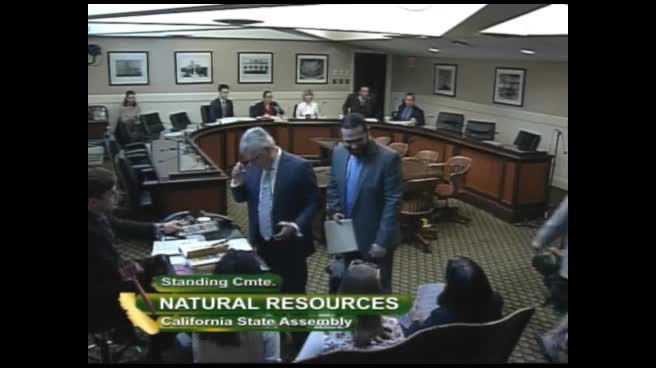 3MIN
Assembly Standing Committee on Natural Resources
Bill Author

Bill Co-Author(s):