AB 1641: Surplus line brokers: surplus line advisory organization.
- Session Year: 2017-2018
- House: Assembly
- Latest Version Date: 2017-10-04
Existing law authorizes a surplus line broker to solicit and place insurance for a home state insured, as defined, with a nonadmitted insurer only if that insurance cannot be procured from an insurer admitted for the particular class or classes of insurance and that actually writes the particular type of insurance in this state, as long as certain requirements are met. Existing law authorizes the Insurance Commissioner, by order, to declare permissible for placement for a home state insured with a nonadmitted insurer, exempt from specified requirements except the filing of a confidential written report, any type of insurance coverage or risk for which the commissioner finds, after a public hearing, that there is not a reasonable or adequate market among admitted insurers. The commissioner or his or her designee are required to maintain an export list showing all those exempt coverages and risks.
This bill, among other things, would authorize the commissioner to also declare exempt from the requirements for placement of insurance with a nonadmitted insurer the type of coverage that is for new, innovative products for which a reasonable or adequate market among admitted insurers has not had time to develop. The bill would authorize additions to the export list to be made after a hearing, as prescribed.
Existing law authorizes a qualified surplus line advisory organization to perform specified duties delegated by the commissioner related to the surplus line market and nonadmitted insurers. All surplus line brokers licensed under the surplus line law are deemed to be members of the advisory organization.
This bill would also include any member of the National Association of Registered Agents and Brokers licensed as a surplus line broker in his, her, or its home state of residence or business and paying the applicable state license fee as members of the surplus line advisory organization if certain conditions are met.
Existing law authorizes a surplus line broker to solicit and place insurance for a home state insured, as defined, with a nonadmitted insurer only if that insurance cannot be procured from an insurer admitted for the particular class or classes of insurance and that actually writes the particular type of insurance in this state, as long as certain requirements are met. Existing law authorizes the Insurance Commissioner, by order, to declare permissible for placement for a home state insured with a nonadmitted insurer, exempt from specified requirements except the filing of a confidential written report, any type of insurance coverage or risk for which the commissioner finds, after a public hearing, that there is not a reasonable or adequate market among admitted insurers. The commissioner or his or her designee are required to maintain an export list showing all those exempt coverages and risks.
This bill, among other things, would authorize the commissioner to also declare exempt from the requirements for placement of insurance with a nonadmitted insurer the type of coverage that is for new, innovative products for which a reasonable or adequate market among admitted insurers has not had time to develop. The bill would authorize additions to the export list to be made after a hearing, as prescribed.
Existing law authorizes a qualified surplus line advisory organization to perform specified duties delegated by the commissioner related to the surplus line market and nonadmitted insurers. All surplus line brokers licensed under the surplus line law are deemed to be members of the advisory organization.
This bill would also include any member of the National Association of Registered Agents and Brokers licensed as a surplus line broker in his, her, or its home state of residence or business and paying the applicable state license fee as members of the surplus line advisory organization if certain conditions are met.
Existing law authorizes a surplus line broker to solicit and place insurance for a home state insured, as defined, with a nonadmitted insurer only if that insurance cannot be procured from an insurer admitted for the particular class or classes of insurance and that actually writes the particular type of insurance in this state, as long as certain requirements are met. Existing law authorizes the Insurance Commissioner, by order, to declare permissible for placement for a home state insured with a nonadmitted insurer, exempt from specified requirements except the filing of a confidential written report, any type of insurance coverage or risk for which the commissioner finds, after a public hearing, that there is not a reasonable or adequate market among admitted insurers. The commissioner or his or her designee are required to maintain an export list showing all those exempt coverages and risks.
This bill, among other things, would authorize the commissioner to also declare exempt from the requirements for placement of insurance with a nonadmitted insurer the type of coverage that is for new, innovative products for which a reasonable or adequate market among admitted insurers has not had time to develop. The bill would authorize additions to the export list to be made after a hearing, as prescribed.
Existing law authorizes a qualified surplus line advisory organization to perform specified duties delegated by the commissioner related to the surplus line market and nonadmitted insurers. All surplus line brokers licensed under the surplus line law are deemed to be members of the advisory organization.
This bill would also include all members any member of the National Association of Registered Agents and Brokers qualifying for surplus lines licensed as a surplus line broker in his, her, or its home state of residence or business and paying the applicable state license fee as members of the surplus line advisory organization. organization if certain conditions are met.
Existing law authorizes a surplus line broker to solicit and place insurance for a home state insured, as defined, with a nonadmitted insurer only if that insurance cannot be procured from an insurer admitted for the particular class or classes of insurance and that actually writes the particular type of insurance in this state, as long as certain requirements are met. Existing law authorizes the Insurance Commissioner, by order, to declare permissible for placement for a home state insured with a nonadmitted insurer, exempt from specified requirements except the filing of a confidential written report, any type of insurance coverage or risk for which the commissioner finds, after a public hearing, that there is not a reasonable or adequate market among admitted insurers. The commissioner or his or her designee are required to maintain an export list showing all those exempt coverages and risks.
This bill would authorize the commissioner to also declare exempt from the requirements for placement of insurance with a nonadmitted insurer the type of coverage that is for new, innovative products for which a reasonable or adequate market among admitted insurers has not had time to develop. The bill would authorize additions to the export list to be made after a hearing, as prescribed.
Existing law authorizes a qualified surplus line advisory organization to perform specified duties delegated by the commissioner related to the surplus line market and nonadmitted insurers. All surplus line brokers licensed under the surplus line law are deemed to be members of the advisory organization.
This bill would also include all members of the National Association of Registered Agents and Brokers qualifying for surplus lines and paying the applicable state license fee as members of the surplus line advisory organization.
Existing law, the Insurance Adjuster Act, sets forth various requirements with respect to operation as an insurance adjuster in this state, including, but not limited to, that the person be licensed, licensing qualifications and application requirements, continuing education and reporting requirements, codes of conduct, disciplinary actions, and nonresident and emergency licenses. Any person who knowingly falsifies the fingerprints or photographs submitted as part of the application process is guilty of a felony, and any person who violates any other provision governing insurance adjusters is guilty of a misdemeanor punishable by a fine not to exceed $500, or by imprisonment in the county jail not to exceed one year, or by both that fine and imprisonment.This bill would increase the misdemeanor fine to $750.Existing law, the Insurance Adjuster Act, sets forth various requirements with respect to operation as an insurance adjuster in this state, including, but not limited to, that the person be licensed, licensing qualifications and application requirements, continuing education and reporting requirements, codes of conduct, disciplinary actions, and nonresident and emergency licenses. Any person who knowingly falsifies the fingerprints or photographs submitted as part of the application process is guilty of a felony, and any person who violates any other provision governing insurance adjusters is guilty of a misdemeanor punishable by a fine not to exceed $500, or by imprisonment in the county jail not to exceed one year, or by both that fine and imprisonment.
This bill would increase the misdemeanor fine to $750.
(a)The commissioner may by order declare permissible for placement for a home state insured with a nonadmitted insurer and exempt from all requirements of Section 1763 except the filing of a confidential written report, any type of insurance coverage or risk for which he or she finds, after a public hearing, that there is not a reasonable or adequate market among admitted insurers or that the type of coverage is for new, innovative products for which a reasonable or adequate market among admitted insurers has not had time to develop. The commissioner or his or her designee shall maintain an export list showing all those exempt coverages and risks. Additions to the export list may be made after a hearing, which may take place one or more times each year as deemed necessary by the commissioner. A public hearing shall be held annually or more often at the commissioners discretion and reasonable notice of a hearing shall be given to all interested parties including surplus line brokers, admitted insurers, trade associations representing admitted insurers, agents and brokers, and consumer groups. The hearing and findings shall not be required to be conducted in accordance with Chapter 3.5 (commencing with Section 11340) and Chapter 5 (commencing with Section 11500) of Part 1 of Division 3 of Title 2 of the Government Code. An order by the commissioner shall continue in effect until terminated by the commissioner. Where the commissioner receives written comments or testimony or otherwise determines, prior to a hearing, that a type of insurance on the export list is more available, in the admitted market, the commissioner may remove the type of insurance from the list. The permissibility of any type of insurance to remain on the list is subject to an annual affirmative finding by the commissioner, however, when written comment or testimony is received prior to a hearing, the permissibility of that type of insurance to remain on the export list shall be reviewed at the next hearing and that type of insurance may not remain on the export list without an affirmative decision by the commissioner or his or her designee that there is not a reasonable or adequate market among admitted insurers. The commissioner or his or her designee shall notify all surplus line brokers of any removal. For purposes of this section, the commissioner shall not be authorized to include on the export list as permissible for placement with a nonadmitted insurer, automobile or motor vehicle liability insurance, insurance on residential property, as defined under Section 10087, or any insurance written by the California FAIR plan.
(b)The surplus line advisory organization authorized by Chapter 6.1 (commencing with Section 1780.50) shall pay the costs for a maximum of two public hearings per year held by the commissioner or his or her designee pursuant to this section.
(c)Except for the removal of a type of insurance from the export list pursuant to subdivision (a), nothing in this section shall authorize the commissioner to declare any type of insurance impermissible for exportation.
SEC. 2.Section 1780.52 of the Insurance Code is amended to read:1780.52.(a)The surplus line advisory organization shall be deemed a joint arrangement established by statute to assure the availability of insurance on a sound basis under paragraph (2) of subdivision (b) of Section 1861.03.
(b)All surplus line brokers licensed under the surplus line law shall be deemed to be members of the advisory organization.
(c)Any member of the National Association of Registered Agents and Brokers, licensed as a surplus line broker in his, her, or its home state of residence or business and paying the applicable California license fee, shall be deemed to be members of the advisory organization. This subdivision shall not be effective unless and until the advisory organization recognizes in writing the National Association of Registered Agents and Brokers is incorporated and operating under its board-adopted bylaws.
(a)The commissioner may by order declare permissible for placement for a home state insured with a nonadmitted insurer and exempt from all requirements of Section 1763 except the filing of a confidential written report, any type of insurance coverage or risk for which he or she finds, after a public hearing, that there is not a reasonable or adequate market among admitted insurers or that the type of coverage is for new, innovative products for which a reasonable or adequate market among admitted insurers has not had time to develop. The commissioner or his or her designee shall maintain an export list showing all those exempt coverages and risks. Additions to the export list may be made after a hearing, which may take place one or more times each year as deemed necessary by the commissioner. A public hearing shall be held annually or more often at the commissioners discretion and reasonable notice of a hearing shall be given to all interested parties including surplus line brokers, admitted insurers, trade associations representing admitted insurers, agents and brokers, and consumer groups. The hearing and findings shall not be required to be conducted in accordance with Chapter 3.5 (commencing with Section 11340) and Chapter 5 (commencing with Section 11500) of Part 1 of Division 3 of Title 2 of the Government Code. An order by the commissioner shall continue in effect until terminated by the commissioner. Where the commissioner receives written comments or testimony or otherwise determines, prior to a hearing, that a type of insurance on the export list is more available, in the admitted market, the commissioner may remove the type of insurance from the list. The permissibility of any type of insurance to remain on the list is subject to an annual affirmative finding by the commissioner, however, when written comment or testimony is received prior to a hearing, the permissibility of that type of insurance to remain on the export list shall be reviewed at the next hearing and that type of insurance may not remain on the export list without an affirmative decision by the commissioner or his or her designee that there is not a reasonable or adequate market among admitted insurers. The commissioner or his or her designee shall notify all surplus line brokers of any removal. For purposes of this section, the commissioner shall not be authorized to include on the export list as permissible for placement with a nonadmitted insurer, automobile or motor vehicle liability insurance, insurance on residential property, as defined under Section 10087, or any insurance written by the California FAIR plan.
(b)The surplus line advisory organization authorized by Chapter 6.1 (commencing with Section 1780.50) shall pay the costs for a maximum of two public hearings per year held by the commissioner or his or her designee pursuant to this section.
(c)Except for the removal of a type of insurance from the export list pursuant to subdivision (a), nothing in this section shall authorize the commissioner to declare any type of insurance impermissible for exportation.
SEC. 2.Section 1780.52 of the Insurance Code is amended to read:1780.52.(a)The surplus line advisory organization shall be deemed a joint arrangement established by statute to assure the availability of insurance on a sound basis under paragraph (2) of subdivision (b) of Section 1861.03.
(b)All surplus line brokers licensed under the surplus line law shall be deemed to be members of the advisory organization.
(c)Any member of the National Association of Registered Agents and Brokers, licensed as a surplus line broker in his, her, or its home state of residence or business and paying the applicable California license fee, shall be deemed to be members of the advisory organization. This subdivision shall not be effective unless and until the advisory organization recognizes in writing the National Association of Registered Agents and Brokers is incorporated and operating under its board-adopted bylaws.
(a)The commissioner may by order declare permissible for placement for a home state insured with a nonadmitted insurer and exempt from all requirements of Section 1763 except the filing of a confidential written report, any type of insurance coverage or risk for which he or she finds, after a public hearing, that there is not a reasonable or adequate market among admitted insurers or that the type of coverage is for new, innovative products for which a reasonable or adequate market among admitted insurers has not had time to develop. The commissioner or his or her designee shall maintain an export list showing all those exempt coverages and risks. Additions to the export list may be made after a hearing, which may take place one or more times each year as deemed necessary by the commissioner. A public hearing shall be held annually or more often at the commissioners discretion and reasonable notice of a hearing shall be given to all interested parties including surplus line brokers, admitted insurers, trade associations representing admitted insurers, agents and brokers, and consumer groups. The hearing and findings shall not be required to be conducted in accordance with Chapter 3.5 (commencing with Section 11340) and Chapter 5 (commencing with Section 11500) of Part 1 of Division 3 of Title 2 of the Government Code. An order by the commissioner shall continue in effect until terminated by the commissioner. Where the commissioner receives written comments or testimony or otherwise determines, prior to a hearing, that a type of insurance on the export list is more available, in the admitted market, the commissioner may remove the type of insurance from the list. The permissibility of any type of insurance to remain on the list is subject to an annual affirmative finding by the commissioner, however, when written comment or testimony is received prior to a hearing, the permissibility of that type of insurance to remain on the export list shall be reviewed at the next hearing and that type of insurance may not remain on the export list without an affirmative decision by the commissioner or his or her designee that there is not a reasonable or adequate market among admitted insurers. The commissioner or his or her designee shall notify all surplus line brokers of any removal. For purposes of this section, the commissioner shall not be authorized to include on the export list as permissible for placement with a nonadmitted insurer, automobile or motor vehicle liability insurance, insurance on residential property, as defined under Section 10087, or any insurance written by the California FAIR plan.
(b)The surplus line advisory organization authorized by Chapter 6.1 (commencing with Section 1780.50) shall pay the costs for a maximum of two public hearings per year held by the commissioner or his or her designee pursuant to this section.
(c)Except for the removal of a type of insurance from the export list pursuant to subdivision (a), nothing in this section shall authorize the commissioner to declare any type of insurance impermissible for exportation.
SEC. 2.Section 1780.52 of the Insurance Code is amended to read:1780.52.(a)The surplus line advisory organization shall be deemed a joint arrangement established by statute to assure the availability of insurance on a sound basis under paragraph (2) of subdivision (b) of Section 1861.03.
(b)All surplus line brokers licensed under the surplus line law and all members of the National Association of Registered Agents and Brokers qualifying for surplus lines and paying the applicable California license fee shall be deemed to be members of the advisory organization.
(c)Any member of the National Association of Registered Agents and Brokers, licensed as a surplus line broker in his, her, or its home state of residence or business and paying the applicable California license fee, shall be deemed to be members of the advisory organization. This subdivision shall not be effective unless and until the advisory organization recognizes in writing the National Association of Registered Agents and Brokers is incorporated and operating under its board-adopted bylaws.
(a)The commissioner may by order declare permissible for placement for a home state insured with a nonadmitted insurer and exempt from all requirements of Section 1763 except the filing of a confidential written report, any type of insurance coverage or risk for which he or she finds, after a public hearing, that there is not a reasonable or adequate market among admitted insurers. insurers or that the type of coverage is for new, innovative products for which a reasonable or adequate market among admitted insurers has not had time to develop. The commissioner or his or her designee shall maintain an export list showing all those exempt coverages and risks. Additions to the export list may be made after a hearing, which may take place one or more times each year as deemed necessary by the commissioner. A public hearing shall be held annually or more often at the commissioners discretion and reasonable notice of a hearing shall be given to all interested parties including surplus line brokers, admitted insurers, trade associations representing admitted insurers, agents and brokers, and consumer groups. The hearing shall not be required to be conducted in accordance with Chapter 5 (commencing with Section 11500) of Part 1 of Division 3 of Title 2 of the Government Code. Any such An order by the commissioner shall continue in effect until terminated by the commissioner. Where the commissioner receives written comments or testimony or otherwise determines, prior to a hearing, that a type of insurance on the export list is more available, in the admitted market, the commissioner may remove the type of insurance from the list. The permissibility of any type of insurance to remain on the list is subject to an annual affirmative finding by the commissioner, however, when written comment or testimony is received prior to a hearing, the permissibility of that type of insurance to remain on the export list shall be reviewed at the next hearing and that type of insurance may not remain on the export list without an affirmative decision by the commissioner or his or her designee that there is not a reasonable or adequate market among admitted insurers. The commissioner or his or her designee shall notify all surplus line brokers of any removal. For purposes of this section, the commissioner shall not be authorized to include on the export list as permissible for placement with a nonadmitted insurer, automobile or motor vehicle liability insurance, insurance on residential property, as defined under Section 10087, or any insurance written by the California FAIR plan.
(b)The surplus line advisory organization authorized by Chapter 6.1 (commencing with Section 1780.50) shall pay the costs for a maximum of two public hearings per year held by the commissioner or his or her designee pursuant to this section.
(c)Except for the removal of a type of insurance from the export list pursuant to subdivision (a), nothing in this section shall authorize the commissioner to declare any type of insurance impermissible for exportation.
SEC. 2.Section 1780.52 of the Insurance Code is amended to read:1780.52.(a)The surplus line advisory organization shall be deemed a joint arrangement established by statute to assure the availability of insurance on a sound basis under paragraph (2) of subdivision (b) of Section 1861.03.
(b)All surplus line brokers licensed under the surplus line law and all members of the National Association of Registered Agents and Brokers qualifying for surplus lines and paying the applicable California license fee shall be deemed to be members of the advisory organization.
SECTION 1.Section 14080 of the Insurance Code is amended to read:14080.Any person who knowingly falsifies the fingerprints or photographs submitted under subdivision (f) of Section 14024 is guilty of a felony. Any person who violates any of the other provisions of this chapter is guilty of a misdemeanor punishable by fine not to exceed seven hundred fifty dollars ($750), or by imprisonment in the county jail not to exceed one year, or by both such fine and imprisonment.Any person who knowingly falsifies the fingerprints or photographs submitted under subdivision (f) of Section 14024 is guilty of a felony. Any person who violates any of the other provisions of this chapter is guilty of a misdemeanor punishable by fine not to exceed five hundred dollars ($500), seven hundred fifty dollars ($750), or by imprisonment in the county jail not to exceed one year, or by both such fine and imprisonment.
|
Date
|
Status
|
|---|---|
| Oct 4, 2017 | Chaptered by Secretary of State - Chapter 477, Statutes of 2017. |
| Oct 4, 2017 | Approved by the Governor. |
| Sep 25, 2017 | Enrolled and presented to the Governor at 12 p.m. |
| Sep 14, 2017 | Senate amendments concurred in. To Engrossing and Enrolling. |
| Sep 14, 2017 | In Assembly. Concurrence in Senate amendments pending. |
| Sep 14, 2017 | Read third time. Passed. Ordered to the Assembly. |
| Sep 12, 2017 | Ordered to special consent calendar. |
| Sep 5, 2017 | Read second time. Ordered to third reading. |
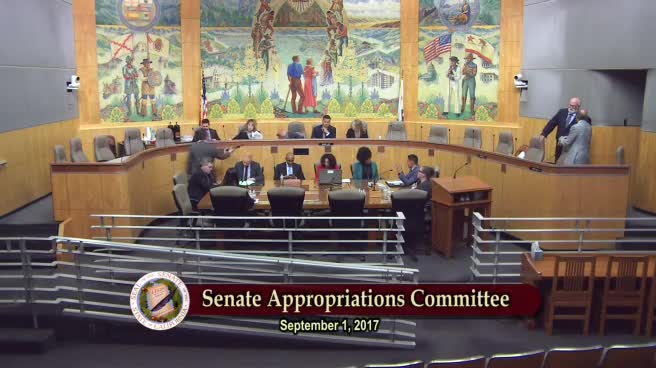
| Sep 1, 2017 | From committee: Do pass. (Ayes 7. Noes 0.) (September 1). |
| Aug 21, 2017 | In committee: Referred to APPR. suspense file. |
| Jul 13, 2017 | From committee: Do pass and re-refer to Com. on APPR. with recommendation: To Consent Calendar. (Ayes 10. Noes 0.) (July 12). Re-referred to Com. on APPR. |
| Jul 3, 2017 | From committee chair, with author's amendments: Amend, and re-refer to committee. Read second time, amended, and re-referred to Com. on I., B. & F.I. |
| Jun 14, 2017 | Referred to Com. on I., B. & F.I. |
| Jun 1, 2017 | In Senate. Read first time. To Com. on RLS. for assignment. |
| May 31, 2017 | Read third time. Passed. Ordered to the Senate. (Ayes 76. Noes 0. Page 1899.) |
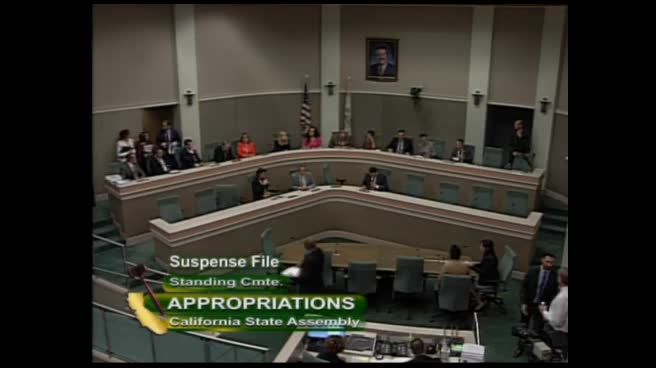
| May 26, 2017 | From committee: Do pass. (Ayes 17. Noes 0.) (May 26). |
| May 10, 2017 | In committee: Set, first hearing. Referred to APPR. suspense file. |
| Apr 20, 2017 | From committee: Do pass and re-refer to Com. on APPR. with recommendation: To Consent Calendar. (Ayes 13. Noes 0.) (April 19). Re-referred to Com. on APPR. |
| Apr 17, 2017 | Re-referred to Com. on INS. |
| Apr 6, 2017 | From committee chair, with author's amendments: Amend, and re-refer to Com. on INS. Read second time and amended. |
| Mar 16, 2017 | Referred to Com. on INS. |
| Feb 19, 2017 | From printer. May be heard in committee March 21. |
| Feb 17, 2017 | Read first time. To print. |
|
Date
|
Description
|
Location
|
Votes
|
|
|---|---|---|---|---|
| Sep 14, 2017 | AB 1641 Daly Special Consent Calendar 1st Day Regular Session | Assembly Floor |
Passed |
|
| Sep 14, 2017 | Special Consent Calendar # AB1641 | Senate Floor |
Passed |
|
| Sep 1, 2017 | Do pass | Senate Standing Committee on Appropriations |
Passed |
|
| Aug 21, 2017 | Placed on suspense file | Senate Standing Committee on Appropriations |
Passed |
|
| Jul 12, 2017 | Do pass, but first be re-referred to the Committee on [Appropriations] with the recommendation: To Consent Calendar | Senate Standing Committee on Insurance, Banking and Financial Institutions |
Passed |
|
| May 31, 2017 | AB 1641 DALY Assembly Third Reading | Assembly Floor |
Passed |
|
| May 26, 2017 | Do pass. | Assembly Standing Committee on Appropriations |
Passed |
|
| Apr 19, 2017 | Do pass and be re-referred to the Committee on [Appropriations] with recommendation: To Consent Calendar | Assembly Standing Committee on Insurance |
Passed |
This list shows positions taken on this bill by organizations on the date displayed, which is linked to the original source.
Positions by individuals are not included.
|
Organization
|
Position
|
Date
|
|---|---|---|
| American Insurance Association | ** Support | Sep 4, 2017 |
| National Association of Professional Surplus Lines Offices | ** Support | Sep 4, 2017 |
| opposition none received. | ** Support | Jul 10, 2017 |
| POSITIONS | ** Support | Jul 10, 2017 |
| surplus line association of california | ** Support | Sep 4, 2017 |
| Surplus Lines Association | ** Support | Apr 18, 2017 |
CONCURRENCE IN SENATE AMENDMENTS
CSA1 Bill Id:AB 1641
Author:(Daly)
As Amended Ver:July 3, 2017
Majority vote
ASSEMBLY: | 76-0 | (May 31, 2017) | SENATE: | 40-0 | (September 14, 2017) |
Original Committee Reference: INS.
SUMMARY: Authorizes the Insurance Commissioner (commissioner) to allow non-admitted insurers to sell innovative insurance products in California, and allows surplus line brokers located outside California to become members of the Surplus Line Association of California (SLA). Specifically, this bill:
- Permits the commissioner to add new, innovative products to the "export list" allowing surplus line brokers to sell policies from a non-admitted insurer without fulfilling the diligent search requirement.
- Deems members of the National Association of Registered Agents and Brokers (NARAB) that has paid the California license fee to be a member of SLA.
The Senate amendments require the SLA to certify that the NARAB is in operation before NARAB members become SLA members.
EXISTING LAW:
- Permits non-admitted insurers to sell insurance in California if:
- A diligent search finds no admitted insurer that will cover the risk.
- No admitted insurer offers coverage for the risk.
- The coverage is included in the "export list" established and updated by the commissioner.
- Requires surplus line brokers to be licensed by the Department of Insurance (DOI) to broker insurance for non-admitted insurers who meet minimum requirements and are registered in California.
- Establishes the SLA as an advisory agency to the commissioner that carries out functions in the non-admitted insurance market as provided by California law.
- Deems a licensed surplus line broker to be a member of the SLA.
FISCAL EFFECT: According to the Senate Appropriations Committee, significant costs of approximately $104,000 in Fiscal Year (FY) 2017-18, $196,000 in FY 2018-19, and ongoing costs of $189,000 per year to DOI for research for potential insurance products not in the admitted market which the commissioner may add to the export list and for increased export list hearings.
COMMENTS:
- Purpose. The provisions of this bill originated from the SLA. According to the SLA, the rapid growth of innovative insurance products (most notably coverage for cyber and sharing economy risks) in the market has created the desire for adding some new types of coverage to the list that may be sold by surplus line brokers. These new coverages have not been fully developed by admitted insurers, and allowing the commissioner to add these coverages to the surplus line market will fill an important need. It is important to note that if a coverage is placed on the Export List, that does not necessarily mean it will remain on that list permanently. The commissioner reviews the list of coverages offered in the surplus line market each year and can remove a coverage from the list if admitted insurers ask for it to be removed because they now offer a product that will cover that risk.
On January 12, 2015, President Barack Obama signed into law the National Association of Registered Agents and Brokers (NARAB) Reform Act that establishes the legal framework for surplus line brokers to become licensed for surplus lines through NARAB in addition to the existing licensing procedure under California law. As of this writing, the NARAB board of directors have not been appointed, and NARAB is not a functioning entity. Once NARAB becomes operational, the bill deems brokers who receive surplus lines licenses through NARAB to be members of SLA as well.
- Surplus Line Insurance. Before a risk is placed in the surplus line market, the surplus line broker must ensure that insurance is not generally available from admitted insurers qualified to write that type of insurance (generally requires three admitted insurers to refuse to issue the coverage or that there are fewer than three admitted insurers who write the type of coverage sought). The broker must not place insurance with a non-admitted insurer solely for obtaining a premium less than the lowest premium offered by an admitted carrier. A premium tax is levied on all surplus line transactions to the insured with payment remitted to the DOI by the broker. The broker must submit the policy and required documents to the SLA stamping office for review to verify that the placement was handled correctly by the broker.
Data on transactions from 2008 through 2012 show that the majority of consumers purchasing insurance with non-admitted carriers were commercial entities. In that period, only 4% of all policies processed by the SLA (only 1% of premium processed by the SLA) were in personal lines. In the same time period, the top five coverages based on premium processed were in commercial lines: commercial general liability, commercial difference in condition and stand-alone earthquake, commercial property all risk, errors and omissions, and special multi-peril coverage.
- Surplus Line Association of California. In 1937, the legislature revised surplus line law enabling the Insurance Commissioner to oversee the regulation of the surplus line industry. To assist with the oversight, surplus line brokers formed the SLA to keep their members aware of regulations and guidelines relating to surplus line insurance. The SLA is a private, non-profit entity that serves as the statutory surplus line advisory organization to the DOI. As the advisory organization, the SLA is assigned responsibilities by the commissioner. The commissioner utilizes the expertise, knowledge, and statistical data of the SLA in implementing the surplus line laws and regulations of California. The SLA membership is comprised of over 4,000 surplus line brokers.
Analysis Prepared by: Paul Riches / INS. / (916) 319-2086 FN: 0001918
Office of Senate Floor Analyses (916) 651-1520 Fax: (916) 327-4478 | AB |
THIRD READING
Bill No: AB 1641
:
SENATE INS., BANK. & FIN. COMMITTEE: 10-0, 7/12/17
AYES: Mendoza, Gaines, Galgiani, Glazer, Hernandez, Lara, Mitchell, Morrell, Newman, Roth
NO VOTE RECORDED: Berryhill, Hueso, Portantino
SENATE APPROPRIATIONS COMMITTEE: 7-0, 9/1/17
AYES: Lara, Bates, Beall, Bradford, Hill, Nielsen, Wiener
ASSEMBLY FLOOR: 76-0, 5/31/17 - See last page for vote
SOURCE: Surplus Line Association of California
DIGEST:
This bill authorizes the Insurance Commissioner (IC) to add coverage for new, innovative products for which a reasonable or adequate market among admitted insurers has not had time to develop to the export list allowing surplus line brokers to sell policies from a non-admitted insurer without fulfilling a diligent search requirement among admitted insurers; and deems any member of the National Association of Registered Agents and Brokers (NARAB) licensed as a surplus line broker in his or her home state and paying the applicable California license fee to be a member of the California’s surplus line advisory organization, the Surplus Line Association (SLA).
Existing law:
- Requires insurers wishing to “transact insurance” in California to be “admitted” (or licensed) by the California Department of Insurance (CDI) for that purpose.
- Prohibits, for most purposes, a nonadmitted insurer from selling insurance in California except though a surplus lines broker, who reaches out and places the California insurance with the nonadmitted insurer outside of the state.
- Authorizes licensed "surplus line brokers", when a risk cannot be placed with an admitted insurer, to place the risk with an insurer that is not fully licensed in California, subject to specific rules and financial requirements.
- Requires surplus line brokers to be licensed by the CDI.
- Requires surplus line brokers to conduct a “diligent search” among admitted insurers prior to procuring insurance from a nonadmitted insurer.
- Gives the IC authority to allow placement of any type of insurance coverage or risk with a surplus line broker that he or she finds, after a public hearing, that there is not a reasonable or adequate market among admitted insurers.
- Requires the IC or a designee to maintain an export list showing all those exempt coverages and risks.
- Requires the IC to hold a public hearing annually on coverages and risks to be placed on the export list, or more often at the IC’s discretion, and requires notice of the hearing be provided to all interested parties including surplus line brokers, admitted insurers, trade associations and consumer groups.
- Exempts those hearings from the California Administrative Procedure Act.
- Requires the IC to notify surplus line brokers if a type of insurance is removed from the list.
- Establishes a “surplus line advisory organization” as a private nonprofit organization with duties delegated by the IC to assure the availability of insurance, and deems all licensed surplus line brokers to be members of the SLA.
This bill:
- Authorizes the IC to add coverage for new, innovative products for which a reasonable or adequate market among admitted insurers has not had time to develop to the export list allowing surplus line brokers to sell policies from a non-admitted insurer without fulfilling a diligent search requirement among admitted insurers.
- Requires the IC to hold a public hearing prior to making such a determination.
- Exempts the hearing and findings from review by the Office of Administrative Law.
- Deems any member of NARAB licensed as a surplus line broker in his or her home state and paying the applicable California license fee to be a member of the SLA after the SLA recognizes in writing that NARAB is incorporated and operating under its board-adopted bylaws.
Background
Surplus lines carriers are relatively free from state insurance regulation. Policy forms and rates are unregulated, and capitalization requirements are far different from those imposed on admitted carriers. This lack of regulation is the essence of what a surplus carrier is, a “free agent” able to respond to the changing market conditions and coverage needs of certain insureds. That said, there are still a few significant regulatory issues confronting surplus insurers, largely concerning the licensing of surplus brokers and state oversight of surplus lines carriers to see that they do not write business that could go to the admitted market. This is required because, as surplus carriers are free of assigned risk pools and guaranty fund assessments, a non-admitted carrier could potentially offer placement at a significant price advantage.
Although they are primarily regulated by their home state, the CDI monitors the financial condition of surplus line insurers because if the insurer were to fail (go bankrupt), there is no guaranty fund protection for the insured. A policyholder’s claim on a regular insurance policy can be paid out of a state guarantee fund that all the state’s admitted insurers contribute to in case one insurer goes bankrupt. Admitted carriers must follow state regulations about how much they can charge and what risks they can and cannot cover. Surplus line carriers don’t have to follow these regulations, allowing them to take on higher or more unusual risks. Surplus line insurance is often more expensive than regular insurance because it protects against risks that other insurers won’t cover.
Admitted insurers may not accept a risk because it does not meet their internally established guidelines, or the risk may be too big, too unusual or substandard. Each surplus line broker is responsible to ensure that a diligent search is made among insurers that are admitted to transact and are actually writing the particular type of insurance in this state before procuring the insurance from a nonadmitted insurer. Generally speaking this means the broker must first attempt to place the insurance with three admitted insurers who decline to issue a policy. The surplus line broker must file with the IC, within 60 days of placing any insurance with a nonadmitted insurer, a written report regarding the insurance, including the name and address of the insured, verification that the insured is a home state insured, the identity of the insurer or insurers, a description of the subject and location of the risk, the amount of premium charged for the insurance, a copy of the declarations page of the policy or a copy of the surplus line broker’s certificate or binder evidencing the placement of insurance, and other pertinent information that the commissioner may reasonably require.
The IC, by statute, may allow placement of any type of insurance coverage or risk with a surplus line broker when he or she finds, after a public hearing, that there is not a reasonable or adequate market among admitted insurers, and is required to maintain an “export list” of coverages so designated. Surplus line brokers can sell policies for coverages included on the export list without having to perform their due diligence in trying to identify admitted insurers willing to write such coverage.
Most consumers purchasing insurance with non-admitted carriers are commercial entities. From 2008-2012, the top five coverages based on premium processed were commercial general liability, commercial difference in condition and stand-alone earthquake, commercial property all risk, errors and omissions, and special multi-peril coverage. Surplus line brokers have also taken on a slightly larger role in procuring insurance for properties in high fire risk areas, particularly for million dollar plus homes.
Rapidly changing technology has proven a challenge for the insurance industry which relies on long term actuarial data to assess risk and set rates. This is particularly true in California where insurers must submit all rates to the CDI for approval before selling a policy. Coverages that have proved challenging to accurately assess include the growing demand for cyber insurance, and issues presented by transportation network companies. Self-driving car technology will present another such challenge. If the particular coverage develops a track record and admitted carriers enter the market, the IC may remove that coverage from the export list.
NARAB. For more than 15 years, state insurance regulators worked to streamline the producer-licensing process. On January 12, 2015, the National Association of Registered Agents and Brokers Reform Act of 2015 was enacted and required the establishment of a national clearinghouse to streamline market access for nonresident insurance producers. When fully operational, NARAB will act as a central clearinghouse allowing an insurance producer licensed in his/her home state to sell, solicit or negotiate in every other state in which the producer intends to do business, provided the producer is licensed for those lines of business in his/ her home state and pays the state’s licensing fee. The NARAB is to be governed by a 13-member governing board comprised of eight current or former state insurance commissioners and five insurance industry representatives (subject to Presidential appointment and Senate confirmation). Its board will establish membership criteria through which producers can obtain nonresident authority to sell, solicit or negotiate insurance. State regulators will continue to regulate marketplace conduct, oversee the actions of producers, investigate complaints, protect consumers, and take action against those who violate the law. This bill will declare members of NARAB, once it is fully operational, to be members of California’s SLA.
FISCAL EFFECT: Appropriation: Fiscal Com.: Local:
According to the Senate Appropriations Committee:
- Significant costs of approximately $104,000 in FY 2017-18, $196,000 in FY 2018-19, and ongoing costs of $189,000 per year to CDI for research for potential insurance products not in the admitted market which the IC may add to the export list and for increased export list hearings.
Surplus Line Association of California (source)
American Insurance Association
National Association of Professional Surplus Lines Offices
None received
ARGUMENTS IN SUPPORT: According to the Surplus Line Association of California, the rapid growth of innovative insurance products (most notably coverage for cyber and sharing economy risks) in the market has created the desire for adding some new types of coverage to the list that may be sold by surplus line brokers. These new coverages have not been fully developed by admitted insurers, and allowing the IC to add these coverages to the surplus lines market will fill an important need. It is important to note that if a coverage is placed on the Export List, that does not necessarily mean it will remain on that list permanently. The American Insurance Association supports AB 1641 because it enhances California’s access and speed to new products that have not developed in the California admitted market.
ASSEMBLY FLOOR: 76-0, 5/31/17
AYES: Acosta, Aguiar-Curry, Travis Allen, Arambula, Baker, Berman, Bigelow, Bloom, Bocanegra, Bonta, Brough, Burke, Caballero, Calderon, Cervantes, Chau, Chávez, Chiu, Chu, Cooley, Cooper, Cunningham, Dababneh, Dahle, Daly, Flora, Fong, Frazier, Friedman, Gallagher, Cristina Garcia, Eduardo Garcia, Gipson, Gloria, Gomez, Gonzalez Fletcher, Gray, Grayson, Harper, Holden, Irwin, Jones-Sawyer, Kalra, Kiley, Lackey, Levine, Limón, Low, Maienschein, Mathis, Mayes, McCarty, Medina, Mullin, Muratsuchi, Nazarian, Obernolte, O'Donnell, Patterson, Quirk, Quirk-Silva, Reyes, Ridley-Thomas, Rodriguez, Rubio, Salas, Santiago, Steinorth, Mark Stone, Thurmond, Ting, Voepel, Waldron, Weber, Wood, Rendon
NO VOTE RECORDED: Chen, Choi, Eggman, Melendez
9/4/17 12:24:08
**** END ****
SENATE COMMITTEE ON
Senator Ricardo Lara, Chair
2017 - 2018 Regular Session
AB 1641 (Daly) - Surplus line brokers: surplus line advisory organization
Version: | Policy Vote: |
Urgency: | Mandate: |
Hearing Date: | Consultant: |
This bill meets the criteria for referral to the Suspense File.
Bill Summary:
AB 1641 would authorize the Insurance Commissioner (IC) to declare exempt from the requirements for placement of insurance with a nonadmitted insurer the type of coverage that is for new, innovative products for which a reasonable or adequate market among admitted insurers has not had time to develop. This bill would also include any member of the National Association of Registered Agents and Brokers (NARAB) licensed as a surplus line broker in his/her home state of residence or business and paying the applicable state license fee as members of the surplus line advisory organization if certain conditions are met.
Fiscal Impact:
- Significant costs of approximately $104,000 in FY 2017-18, $196,000 in FY 2018-19, and ongoing costs of $189,000 per year to CDI for research for potential insurance products not in the admitted market which the IC may add to the export list and for increased export list hearings.
Background:
Surplus line carriers are relatively free from state insurance regulation, and are able to respond to the changing market conditions and coverage needs of certain insureds. CDI monitors the financial condition of surplus line insurers because if the insurer were to go bankrupt, there is no guaranty fund protection for the insured. Surplus line carriers don’t have to follow the regulations about how much they can charge and what risks they can and cannot cover, thereby allowing them to take higher and more unusual risks that most other insurers won’t cover.
Surplus line brokers must attempt to place insurance with three admitted insurers who decline to issue a policy before procuring the insurance from a nonadmitted insurer. Within 60 days of placing any insurance with a nonadmitted insurer, the surplus line broker must file a written report regarding the insurance with the IC, including the name and address of the insured, verification that the insured is a home state insured, the identity of the insurer(s), a description of the subject and location of the risk, the amount of premium charged for the insurance, a copy of the declarations page of the policy, or a copy of the surplus line broker’s certificate or binder evidencing the placement of insurance, and other pertinent information that the IC may reasonably require.
The IC may allow placement of any type of insurance coverage or risk with a surplus line broker when he/she finds, after a public hearing, that there is not a reasonable or adequate market among admitted insurers, and is required to maintain an “export list” of coverages included on the export list without having to perform their due diligence in trying to identify admitted insurers will to write such coverage.
NARAB: In January 2015, the NARAB Reform Act of 2015 was enacted and required the establishment of a national clearinghouse to streamline market access for nonresident insurance producers. NARAB will act as a central clearinghouse allowing an insurance producer licensed in his/her home state to sell, solicit, or negotiate in every other state in which the producer intends to do business, provided the producer is licensed for those lines of business in his/her home state and pays the state’s licensing fee. This bill would declare members of NARAB once it is fully operational, to be members of California’s Surplus Line Association.
Proposed Law:
This bill would:
- Authorizes the IC to add coverage for new, innovative products for which a reasonable or adequate market among admitted insurers has not had time to develop to the export list allowing surplus line brokers to sell policies from a non-admitted insurer without fulfilling a diligent search requirement among admitted insurers;
- Requires the IC to hold a public hearing prior to making such a determination;
- Exempts the hearing and findings from review by the Office of Administrative Law;
- Deems any member of NARAB licensed as a surplus line broker in his or her home state and paying the applicable California license fee to be a member of the SLA after the SLA recognizes in writing that NARAB is incorporated and operating under its board-adopted bylaws.
-- END --
SENATE COMMITTEE ON
Senator Tony Mendoza, Chair
2017 - 2018 Regular
Bill No: Hearing Date: July 12, 2017
Author: | |||
Version: | July 3, 2017 Amended | ||
Urgency: | Fiscal: | ||
Consultant: | |||
Subject:
SUMMARY
Authorizes the Insurance Commissioner (IC) to add coverage for new, innovative products for which a reasonable or adequate market among admitted insurers has not had time to develop to the export list allowing surplus line brokers to sell policies from a non-admitted insurer without fulfilling a diligent search requirement among admitted insurers; and deems any member of the National Association of Registered Agents and Brokers (NARAB) licensed as a surplus line broker in his or her home state and paying the applicable California license fee to be a member of the California’s surplus line advisory organization, the Surplus Line Association (SLA).
DIGEST
Existing law
- Requires insurers wishing to “transact insurance” in California to be “admitted” (or licensed) by the California Department of Insurance (CDI) for that purpose.
- Prohibits, for most purposes, a nonadmitted insurer from selling insurance in California except though a surplus lines broker, who reaches out and places the California insurance with the nonadmitted insurer outside of the state.
- Authorizes licensed "surplus line brokers", when a risk cannot be placed with an admitted insurer, to place the risk with an insurer that is not fully licensed in California, subject to specific rules and financial requirements.
- Requires surplus line brokers to be licensed by the CDI.
- Requires surplus line brokers to conduct a “diligent search” among admitted insurers prior to procuring insurance from a nonadmitted insurer.
- Gives the IC authority to allow placement of any type of insurance coverage or risk with a surplus line broker that he or she finds, after a public hearing, that there is not a reasonable or adequate market among admitted insurers.
- Requires the IC or a designee to maintain an export list showing all those exempt coverages and risks.
- Requires the IC to hold a public hearing annually on coverages and risks to be placed on the export list, or more often at the IC’s discretion, and requires notice of the hearing be provided to all interested parties including surplus line brokers, admitted insurers, trade associations and consumer groups.
- Exempts those hearings from the California Administrative Procedure Act.
- Requires the IC to notify surplus line brokers if a type of insurance is removed from the list.
- Establishes a “surplus line advisory organization” as a private nonprofit organization with duties delegated by the IC to assure the availability of insurance, and deems all licensed surplus line brokers to be members of the SLA.
This bill
- Authorizes the IC to add coverage for new, innovative products for which a reasonable or adequate market among admitted insurers has not had time to develop to the export list allowing surplus line brokers to sell policies from a non-admitted insurer without fulfilling a diligent search requirement among admitted insurers.
- Requires the IC to hold a public hearing prior to making such a determination.
- Exempts the hearing and findings from review by the Office of Administrative Law.
- Deems any member of NARAB licensed as a surplus line broker in his or her home state and paying the applicable California license fee to be a member of the SLA after the SLA recognizes in writing that NARAB is incorporated and operating under its board-adopted bylaws.
COMMENTS
- Purpose of the bill To authorize the IC to respond to rapid developments in insurance coverage for new and innovative insurance products covering risks for which an admitted market has not had time to develop, such as cyber insurance, by including them after public hearings on the export list of coverages eligible for placement by a surplus line broker with a nonadmitted insurer, and to conform California law to the National Association of Registered Agents and Brokers Reform Act of 2015.
- Background Surplus lines carriers are relatively free from state insurance regulation. Policy forms and rates are unregulated, and capitalization requirements are far different from those imposed on admitted carriers. This lack of regulation is the essence of what a surplus carrier is, a “free agent” able to respond to the changing market conditions and coverage needs of certain insureds. That said, there are still a few significant regulatory issues confronting surplus insurers, largely concerning the licensing of surplus brokers and state oversight of surplus lines carriers to see that they do not write business that could go to the admitted market. This is required because, as surplus carriers are free of assigned risk pools and guaranty fund assessments, a non-admitted carrier could potentially offer placement at a significant price advantage.
Although they are primarily regulated by their home state, the CDI monitors the financial condition of surplus line insurers because if the insurer were to fail (go bankrupt), there is no guaranty fund protection for the insured. A policyholder’s claim on a regular insurance policy can be paid out of a state guarantee fund that all the state’s admitted insurers contribute to in case one insurer goes bankrupt. Admitted carriers must follow state regulations about how much they can charge and what risks they can and cannot cover. Surplus line carriers don’t have to follow these regulations, allowing them to take on higher or more unusual risks. Surplus line insurance is often more expensive than regular insurance because it protects against risks that other insurers won’t cover.
Admitted insurers may not accept a risk because it does not meet their internally established guidelines, or the risk may be too big, too unusual or substandard. Each surplus line broker is responsible to ensure that a diligent search is made among insurers that are admitted to transact and are actually writing the particular type of insurance in this state before procuring the insurance from a nonadmitted insurer. Generally speaking this means the broker must first attempt to place the insurance with three admitted insurers who decline to issue a policy. The surplus line broker must file with the IC, within 60 days of placing any insurance with a nonadmitted insurer, a written report regarding the insurance, including the name and address of the insured, verification that the insured is a home state insured, the identity of the insurer or insurers, a description of the subject and location of the risk, the amount of premium charged for the insurance, a copy of the declarations page of the policy or a copy of the surplus line broker’s certificate or binder evidencing the placement of insurance, and other pertinent information that the commissioner may reasonably require.
The IC, by statute, may allow placement of any type of insurance coverage or risk with a surplus line broker when he or she finds, after a public hearing, that there is not a reasonable or adequate market among admitted insurers, and is required to maintain an “export list” of coverages so designated. Surplus line brokers can sell policies for coverages included on the export list without having to perform their due diligence in trying to identify admitted insurers willing to write such coverage.
Most consumers purchasing insurance with non-admitted carriers are commercial entities. From 2008-2012, the top five coverages based on premium processed were commercial general liability, commercial difference in condition and stand-alone earthquake, commercial property all risk, errors and omissions, and special multi-peril coverage. Surplus line brokers have also taken on a slightly larger role in procuring insurance for properties in high fire risk areas, particularly for million dollar plus homes.
Rapidly changing technology has proven a challenge for the insurance industry which relies on long term actuarial data to assess risk and set rates. This is particularly true in California where insurers must submit all rates to the CDI for approval before selling a policy. Coverages that have proved challenging to accurately assess include the growing demand for cyber insurance, and issues presented by transportation network companies. Self-driving car technology will present another such challenge. If the particular coverage develops a track record and admitted carriers enter the market, the IC may remove that coverage from the export list.
NARAB: For more than 15 years, state insurance regulators worked to streamline the producer-licensing process. On Jan. 12, 2015, the National Association of Registered Agents and Brokers Reform Act of 2015 was enacted and required the establishment of a national clearinghouse to streamline market access for nonresident insurance producers. When fully operational, NARAB will act as a central clearinghouse allowing an insurance producer licensed in his/her home state to sell, solicit or negotiate in every other state in which the producer intends to do business, provided the producer is licensed for those lines of business in his/ her home state and pays the state’s licensing fee. The NARAB is to be governed by a 13-member governing board comprised of eight current or former state insurance commissioners and five insurance industry representatives (subject to Presidential appointment and Senate confirmation). Its board will establish membership criteria through which producers can obtain nonresident authority to sell, solicit or negotiate insurance. State regulators will continue to regulate marketplace conduct, oversee the actions of producers, investigate complaints, protect consumers, and take action against those who violate the law. This bill will declare members of NARAB, once it is fully operational, to be members of California’s SLA.
- Support According to the Surplus Lines Association, the rapid growth of innovative insurance products (most notably coverage for cyber and sharing economy risks) in the market has created the desire for adding some new types of coverage to the list that may be sold by surplus line brokers. These new coverages have not been fully developed by admitted insurers, and allowing the IC to add these coverages to the surplus lines market will fill an important need. It is important to note that if a coverage is placed on the Export List, that does not necessarily mean it will remain on that list permanently. The American Insurance Association supports AB 1641 because it enhances California’s access and speed to new products that have not developed in the California admitted market.
- Opposition None received.
POSITIONS
Support
American Insurance Association
National Association of Professional Surplus Lines Offices
Surplus Line Association of California (sponsor)
Oppose
None received
-- END --
ASSEMBLY THIRD READING
ATR Bill Id:AB 1641
Author:(Daly)
As Amended Ver:April 6, 2017
Majority vote
Committee | Votes | Ayes | Noes |
Insurance | 13-0 | Daly, Melendez, Bigelow, Caballero, Calderon, Chu, Cooley, Cooper, Dababneh, Dahle, Frazier, Gipson, Voepel | |
Appropriations | 17-0 | Gonzalez Fletcher, Bigelow, Bloom, Bocanegra, Bonta, Brough, Calderon, McCarty, Quirk, Fong, Friedman, Gallagher, Eduardo Garcia, Gray, Muratsuchi, Obernolte, Reyes |
|
SUMMARY: Authorizes the Insurance Commissioner (commissioner) to allow non-admitted insurers to sell innovative insurance products in California, and allows surplus line brokers located outside California to become members of the Surplus Line Association of California (SLA). Specifically, this bill:
- Permits the commissioner to add new, innovative products to the "export list" allowing surplus line brokers to sell policies from a non-admitted insurer without fulfilling the diligent search requirement.
- Deems any member of the National Association of Registered Agents and Brokers (NARAB) that has paid the California license fee to be a member of SLA.
EXISTING LAW:
- Permits non-admitted insurers to sell insurance in California if:
- A diligent search finds no admitted insurer that will cover the risk.
- No admitted insurer offers coverage for the risk.
- The coverage is included in the "export list" established and updated by the commissioner.
- Requires surplus line brokers to be licensed by the Department of Insurance (DOI) to broker insurance for non-admitted insurers who meet minimum requirements and are registered in California.
- Establishes the SLA as an advisory agency to the commissioner that carries out functions in the non-admitted insurance market as provided by California law.
- Deems a licensed surplus line broker to be a member of the SLA.
FISCAL EFFECT: According to the Assembly Appropriations Committee, staff costs to the California Department of Insurance (CDI) of approximately $190,000 per year (Insurance Fund).
COMMENTS:
- Purpose. The provisions of this bill originated from the SLA. According to the SLA, the rapid growth of innovative insurance products (most notably coverage for cyber and sharing economy risks) in the market has created the desire for adding some new types of coverage to the list that may be sold by surplus line brokers. These new coverages have not been fully developed by admitted insurers, and allowing the commissioner to add these coverages to the surplus line market will fill an important need. It is important to note that if a coverage is placed on the Export List, that does not necessarily mean it will remain on that list permanently. The commissioner reviews the list of coverages offered in the surplus line market each year and can remove a coverage from the list if admitted insurers ask for it to be removed because they now offer a product that will cover that risk.
On January 12, 2015, President Barack Obama signed into law the National Association of Registered Agents and Brokers (NARAB) Reform Act which, at some point, will allow surplus line brokers to become licensed for surplus lines through NARAB in addition to the existing licensing procedure under California law. The SLA's proposed modification would deem brokers who receive surplus lines licenses through NARAB to be members of SLA as well.
- Surplus Line Insurance. Before a risk is placed in the surplus line market, the surplus line broker must ensure that insurance is not generally available from admitted insurers qualified to write that type of insurance (generally requires three admitted insurers to refuse to issue the coverage or that there are fewer than three admitted insurers who write the type of coverage sought). The broker must not place insurance with a non-admitted insurer solely for obtaining a premium less than the lowest premium offered by an admitted carrier. A premium tax is levied on all surplus line transactions to the insured with payment remitted to the DOI by the broker. The broker must submit the policy and required documents to the SLA stamping office for review to verify that the placement was handled correctly by the broker.
Data on transactions from 2008 through 2012 show that the majority of consumers purchasing insurance with non-admitted carriers were commercial entities. In that period, only 4% of all policies processed by the SLA (only 1% of premium processed by the SLA) were in personal lines. In the same time period, the top five coverages based on premium processed were in commercial lines: commercial general liability, commercial difference in condition and stand-alone earthquake, commercial property all risk, errors and omissions, and special multi-peril coverage.
- Surplus Line Association of California. In 1937, the legislature revised surplus line law enabling the Insurance Commissioner to oversee the regulation of the surplus line industry. To assist with the oversight, surplus line brokers formed the SLA to keep their members aware of regulations and guidelines relating to surplus line insurance. The SLA is a private, non-profit entity that serves as the statutory surplus line advisory organization to the DOI. As the advisory organization, the SLA is assigned responsibilities by the commissioner. The commissioner utilizes the expertise, knowledge, and statistical data of the SLA in implementing the surplus line laws and regulations of California. The SLA membership is comprised of over 4,000 surplus line brokers.
Analysis Prepared by: Paul Riches / INS. / (916) 319-2086 FN: 0000647
Date of Hearing: May 10, 2017
ASSEMBLY COMMITTEE ON APPROPRIATIONS
Lorena Gonzalez Fletcher, Chair
ABPCA Bill Id:AB 1641
Author:(Daly) – As Amended Ver:April 6, 2017
Policy Committee: | Insurance | Vote: | 13 - 0 |
|
| ||
|
|
Urgency: No State Mandated Local Program: No Reimbursable: No
SUMMARY:
This bill authorizes the Insurance Commissioner (commissioner) to allow non-admitted insurers to sell innovative insurance products in California, and allows surplus line brokers located outside California to become members of the Surplus Line Association of California (SLA).
FISCAL EFFECT:
Staff costs to the California Department of Insurance (CDI) of approximately $190,000 per year (Insurance Fund).
COMMENTS:
- Purpose. The author notes the rapid growth of innovative insurance products (most notably coverage for cyber and sharing economy risks) in the market has created the desire to add new types of coverage to the list that may be sold by surplus line brokers. These new coverages have not been fully developed by admitted insurers, and allowing the commissioner to add these coverages to the surplus line market will fill an important need. The SLA supports this bill and it has no opposition.
- Surplus line insurance. Surplus line insurance consists of specialized policies that are not available to purchase from an admitted insurer (an insurer licensed in the state). Surplus line brokers (middlemen between a purchaser and the surplus line insurer) must ensure the insurance is not generally available from an admitted insurer, prior to writing a policy. The availability of surplus line insurance fills a market gap for purchasers, the majority of which are commercial entities. Surplus line insurance can provide, for instance, coverage for liability, earthquake, and errors and omissions, among other risks. The Surplus Line Association of California is a statutory advisory body to CDI, comprised of over 4,000 surplus line brokers.
Analysis Prepared by: Lisa Murawski / APPR. / (916) 319-2081
Date of Hearing: April 19, 2017
ASSEMBLY COMMITTEE ON INSURANCE
Tom Daly, Chair
ABPCA Bill Id:AB 1641 (
Author:Daly) – As Amended Ver:April 6, 2017
SUBJECT: Surplus line brokers: surplus line advisory organization
SUMMARY: Authorizes the Insurance Commissioner (commissioner) to allow non-admitted insurers to sell innovative insurance products in California, and allows surplus line brokers located outside California to become members of the Surplus Line Association of California (SLA). Specifically, this bill:
- Permits the commissioner to add new, innovative products to the "export list" allowing surplus line brokers to sell policies from a non-admitted insurer without fulfilling the diligent search requirement.
- Deems any member of the National Association of Registered Agents and Brokers (NARAB) that has paid the California license fee to be a member of SLA.
EXISTING LAW:
- Permits non-admitted insurers to sell insurance in California if:
- A diligent search finds no admitted insurer that will cover the risk.
- No admitted insurer offers coverage for the risk.
- The coverage is included in the "export list" established and updated by the commissioner.
- Requires surplus line brokers to be licensed by the Department of Insurance (DOI) to broker insurance for non-admitted insurers who meet minimum requirements and are registered in California.
- Establishes the SLA as an advisory agency to the commissioner that carries out functions in the non-admitted insurance market as provided by California law.
- Deems a licensed surplus line broker to be a member of the SLA.
FISCAL EFFECT: Undetermined
COMMENTS:
- Purpose. The provisions of the bill originated from the SLA. According to the SLA, the rapid growth of innovative insurance products (most notably coverage for cyber and sharing economy risks) in the market has created the desire for adding some new types of coverage to the list that may be sold by surplus line brokers. These new coverages have not been fully developed by admitted insurers, and allowing the commissioner to add these coverages to the surplus line market will fill an important need. It is important to note that if a coverage is placed on the Export List, that does not necessarily mean it will remain on that list permanently. The commissioner reviews the list of coverages offered in the surplus line market each year and can remove a coverage from the list if admitted insurers ask for it to be removed because they now offer a product that will cover that risk.
On January 12, 2015, President Obama signed into law the National Association of Registered Agents and Brokers (NARAB) Reform Act which, at some point, will allow surplus line brokers to become licensed for surplus lines through NARAB in addition to the existing licensing procedure under California law. The SLA’s proposed modification would deem brokers who receive surplus lines licenses through NARAB to be members of SLA as well.
- Surplus Line Insurance. Before a risk is placed in the surplus line market, the surplus line broker must ensure that insurance is not generally available from admitted insurers qualified to write that type of insurance (generally requires three admitted insurers to refuse to issue the coverage or that there are fewer than three admitted insurers who write the type of coverage sought). The broker must not place insurance with a non-admitted insurer solely for obtaining a premium less than the lowest premium offered by an admitted carrier. A premium tax is levied on all surplus line transactions to the insured with payment remitted to the DOI by the broker. The broker must submit the policy and required documents to the SLA stamping office for review to verify that the placement was handled correctly by the broker.
Data on transactions from 2008 through 2012 show that the majority of consumers purchasing insurance with non-admitted carriers were commercial entities. In that period, only 4% of all policies processed by the SLA (only 1% of premium processed by the SLA) were in personal lines. In the same time period, the top five coverages based on premium processed were in commercial lines: commercial general liability, commercial difference in condition and stand-alone earthquake, commercial property all risk, errors and omissions, and special multi-peril coverage.
- Surplus Line Association of California. In 1937, the legislature revised surplus line law enabling the Insurance Commissioner to oversee the regulation of the surplus line industry. To assist with the oversight, surplus line brokers formed the SLA to keep their members aware of regulations and guidelines relating to surplus line insurance. The SLA is a private, non-profit entity that serves as the statutory surplus line advisory organization to the DOI. As the advisory organization, the SLA is assigned responsibilities by the commissioner. The commissioner utilizes the expertise, knowledge, and statistical data of the SLA in implementing the surplus line laws and regulations of California. The SLA membership is comprised of over 4,000 surplus line brokers.
REGISTERED SUPPORT / OPPOSITION:
Support
Surplus Lines Association (source)
Opposition
None received
Analysis Prepared by: Paul Riches / INS. /
Discussed in Hearing
 1H
Senate Standing Committee on Appropriations
 1MIN
Assembly Floor
 1H
Assembly Standing Committee on Appropriations
Bill Author

Bill Co-Author(s):