AB 1651: Community colleges: academic employees: involuntary administrative leave.
- Session Year: 2017-2018
- House: Assembly
- Latest Version Date: 2017-10-13
Existing law establishes the California Community Colleges, under the administration of the Board of Governors of the California Community Colleges, as one of the segments of public postsecondary education in this state. Existing law establishes community college districts throughout the state that employ faculty and provide instruction at the community college campuses they operate. Existing law, for purposes of provisions relating to community college employees, defines an academic employee as a person employed by a community college district in a type of service, excluding paraprofessional service, for which minimum qualifications have been established, and thus, for this purpose, the term academic employee is synonymous with certificated employee.
This bill, at least 2 business days before an academic employee of a community college is placed on involuntary paid administrative leave related to an allegation or allegations of misconduct, would require the employee to be provided with the general nature of the accusations related to the proposed involuntary paid administrative leave and notification in writing of the general nature of the allegation or allegations upon which the decision to place the employee on involuntary paid administrative leave is based, as specified. The bill would provide that the employer should complete its investigation of the accused misconduct and initiate disciplinary proceedings against, or reinstate, the academic employee within 90 days of placing the employee on involuntary paid administrative leave.
Existing law establishes the California Community Colleges, under the administration of the Board of Governors of the California Community Colleges, as one of the segments of public postsecondary education in this state. Existing law establishes community college districts throughout the state that employ faculty and provide instruction at the community college campuses they operate. Existing law, for purposes of provisions relating to community college employees, defines an academic employee as a person employed by a community college district in a type of service, excluding paraprofessional service, for which minimum qualifications have been established, and thus, for this purpose, the term academic employee is synonymous with certificated employee.
This bill, at least 2 business days before an academic employee of a community college is placed on involuntary paid administrative leave related to an allegation or allegations of misconduct, would require the employee to be provided with a copy of each written complaint the general nature of the accusations related to the proposed involuntary paid administrative leave or the investigation of the allegation or allegations of misconduct, as applicable, or, if there is no written complaint, a notification in writing of the details of leave and notification in writing of the general nature of the allegation or allegations upon which the decision to place the employee on involuntary paid administrative leave is based, as specified. The bill would require at least 5 business days before an investigatory interview or other interrogation, the employee to be provided with this same information if there is no serious risk of physical danger or other documented necessity arising from the specific allegations and with, at minimum, the general nature of the accusations made against him or her, except as provided. The bill would further specify that the parties to an applicable collective bargaining agreement are entitled to negotiate additional policies and procedures relating to the investigation or involuntary paid administrative leave of an academic employee as long as those policies and procedures provide, at minimum, as much notice as required by the bill. The bill would provide that the identity of complainants are required to be disclosed unless otherwise prohibited by state or federal law. The bill would provide that the employer should complete its investigation of the accused misconduct and initiate disciplinary proceedings against, or reinstate, the academic employee within 90 days of placing the employee on involuntary paid administrative leave.
Existing law establishes the California Community Colleges, under the administration of the Board of Governors of the California Community Colleges, as one of the segments of public postsecondary education in this state. Existing law establishes community college districts throughout the state that employ faculty and provide instruction at the community college campuses they operate. Existing law, for purposes of provisions relating to community college employees, defines an academic employee as a person employed by a community college district in a type of service, excluding paraprofessional service, for which minimum qualifications have been established, and thus, for this purpose, the term academic employee is synonymous with certificated employee.
This bill, at least 2 business days before an academic employee of a community college is placed on involuntary paid administrative leave related to an allegation or allegations of misconduct, would require the employee to be provided with a copy of each written complaint related to the proposed involuntary paid administrative leave or the investigation of the allegation or allegations of misconduct, as applicable, or, if there is no written complaint, a notification in writing of the details of the allegation or allegations upon which the decision to place the employee on involuntary paid administrative leave is based, as specified. The bill would require at least 5 business days before an investigatory interview or other interrogation, the employee to be provided with this same information, except as specified. information if there is no serious risk of physical danger or other documented necessity arising from the specific allegations and with, at minimum, the general nature of the accusations made against him or her, except as provided. The bill would further specify that the parties to an applicable collective bargaining agreement are entitled to negotiate additional policies and procedures relating to the investigation or involuntary paid administrative leave of an academic employee as long as those policies and procedures provide, at minimum, as much notice as required by the bill. The bill would provide that the identity of complainants are required to be disclosed unless otherwise prohibited by state or federal law.
Existing law establishes the California Community Colleges, under the administration of the Board of Governors of the California Community Colleges, as one of the segments of public postsecondary education in this state. Existing law establishes community college districts throughout the state that employ faculty and provide instruction at the community college campuses they operate. Existing law, for purposes of provisions relating to community college employees, defines an academic employee as a person employed by a community college district in a type of service, excluding paraprofessional service, for which minimum qualifications have been established, and thus, for this purpose, the term academic employee is synonymous with certificated employee.
This bill, at least 2 business days before an academic employee of a community college is placed on involuntary paid administrative leave or is subject to an investigatory interview or other interrogation related to an allegation or allegations of misconduct, would require the employee to be provided with a copy of each written complaint related to the proposed involuntary paid administrative leave or the investigation of the allegation or allegations of misconduct, as applicable, or, if there is no written complaint, a notification in writing of the details of the allegation or allegations upon which the decision to place the employee on involuntary paid administrative leave or conduct the investigatory interview or other interrogation is based, as specified. The bill would require at least 5 business days before an investigatory interview or other interrogation, the employee to be provided with this same information, except as specified. The bill would further specify that the parties to an applicable collective bargaining agreement are entitled to negotiate additional policies and procedures relating to the investigation or involuntary paid administrative leave of an academic employee as long as those policies and procedures are not in conflict with this bill. provide, at minimum, as much notice as required by the bill. The bill would provide that the identity of complainants are required to be disclosed only to the extent permitted by a collective bargaining agreement and state and federal privacy laws, including the federal Family Educational Rights and Privacy Act. unless otherwise prohibited by state or federal law.Existing law establishes the California Community Colleges, under the administration of the Board of Governors of the California Community Colleges, as one of the segments of public postsecondary education in this state. Existing law establishes community college districts throughout the state that employ faculty and provide instruction at the community college campuses they operate. Existing law, for purposes of provisions relating to community college employees, defines an academic employee as a person employed by a community college district in a type of service, excluding paraprofessional service, for which minimum qualifications have been established, and thus, for this purpose, the term academic employee is synonymous with certificated employee.
This bill bill, at least 2 business days before an academic employee of a community college is placed on involuntary paid administrative leave or is subject to an investigatory interview or other interrogation related to an allegation or allegations of misconduct, would prohibit an academic employee of a community college from being placed on involuntary administrative leave, including involuntary paid administrative leave, or otherwise investigated without first being require the employee to be provided with a copy of each written complaint related to the proposed involuntary paid administrative leave or allegation of misconduct and the details of the allegation or allegations upon which the investigation or the decision to place the employee on involuntary administrative leave leave or the investigation of the allegation or allegations of misconduct, as applicable, or, if there is no written complaint, a notification in writing of the details of the allegation or allegations upon which the decision to place the employee on involuntary paid administrative leave or conduct the investigatory interview or other interrogation is based, as specified, except as provided in the event of a serious risk of physical danger or other necessity arising from the allegations. specified. The bill would further specify that the parties to an applicable collective bargaining agreement are entitled to negotiate additional policies and procedures relating to the investigation or involuntary paid administrative leave, including involuntary paid administrative leave, leave of an academic employee as long as those policies and procedures are not in conflict with this bill. The bill would provide that the identity of complainants are required to be disclosed only to the extent permitted by a collective bargaining agreement and state and federal privacy laws, including the federal Family Educational Rights and Privacy Act.Existing law establishes the California Community Colleges, under the administration of the Board of Governors of the California Community Colleges, as one of the segments of public postsecondary education in this state. Existing law establishes community college districts throughout the state that employ faculty and provide instruction at the community college campuses they operate. Existing law, for purposes of provisions relating to community college employees, defines an academic employee as a person employed by a community college district in a type of service, excluding paraprofessional service, for which minimum qualifications have been established, and thus, for this purpose, the term academic employee is synonymous with certificated employee.
This bill would prohibit an academic employee of a community college from being placed on paid involuntary administrative leave except for specified compelling reasons. This bill would specify procedures to be followed when an academic employee of a community college is placed on paid administrative leave, including the convening of a hearing by the superintendent of the community college district or, in his or her absence, by the next highest-ranking administrator of that district. The bill would specify various procedural rights of the academic employee in this situation.
The bill would specify that the decision to place an academic employee of a community college on paid administrative leave is subject to the grievance provisions of an applicable collective bargaining agreement. leave, including involuntary paid administrative leave, or otherwise investigated without first being provided a copy of each written complaint related to the proposed involuntary administrative leave or allegation of misconduct and the details of the allegation or allegations upon which the investigation or the decision to place the employee on involuntary administrative leave is based, as specified, except as provided in the event of a serious risk of physical danger or other necessity arising from the allegations. The bill would further specify that the parties to an applicable collective bargaining agreement are entitled to negotiate additional policies and procedures relating to the investigation or involuntary administrative leave, including involuntary paid administrative leave leave, of an academic employee as long as those policies and procedures are not in conflict with this bill. The bill would provide that the identity of complainants are required to be disclosed only to the extent permitted by the federal Family Educational Rights and Privacy Act.
Existing law establishes the California Community Colleges, under the administration of the Board of Governors of the California Community Colleges, as one of the segments of public postsecondary education in this state. Existing law establishes community college districts throughout the state that employ faculty and provide instruction at the community college campuses they operate. Existing law, for purposes of provisions relating to community college employees, defines an academic employee as a person employed by a community college district in a type of service, excluding paraprofessional service, for which minimum qualifications have been established, and thus, for this purpose, the term academic employee is synonymous with certificated employee.
This bill would prohibit an academic employee of a community college from being placed on paid administrative leave except for specified compelling reasons. This bill would specify procedures to be followed when an academic employee of a community college is placed on paid administrative leave, including the convening of a hearing by the superintendent of the community college district or, in his or her absence, by the next highest-ranking administrator of that district. The bill would specify various procedural rights of the academic employee in this situation.
The bill would specify that the decision to place an academic employee of a community college on paid administrative leave is subject to the grievance provisions of an applicable collective bargaining agreement. The bill would further specify that the parties to an applicable collective bargaining agreement are entitled to negotiate additional policies and procedures relating to the paid administrative leave of an academic employee as long as those policies and procedures are not in conflict with this bill.
(a)Each academic employee who is subject to accusations of misconduct is entitled to be provided with the general nature of the accusations made against him or her at least two business days before the employee is placed on involuntary paid administrative leave. At least two business days before he or she is placed on involuntary paid administrative leave, the employee shall be notified in writing of the general nature of the allegation or allegations of misconduct upon which the decision to place the employee on involuntary paid administrative leave is based.
(b)The requirements of subdivision (a) do not apply in the event of a serious risk of physical danger or other necessity arising from the specific allegations, and the employee may immediately be placed on involuntary paid administrative leave. The employee shall be provided with, at minimum, the general nature of the accusations made against him or her within five business days of the employee being placed on involuntary paid administrative leave.
(c)Within 90 days of placing an academic employee on involuntary paid administrative leave, the employer should complete its investigation of the accused misconduct and initiate disciplinary proceedings against, or reinstate, the employee. The Board of Governors may, by regulation, establish a required amount of time in which an employer is expected to comply with this subdivision.
(d)For purposes of this section, paid administrative leave means a temporary leave from a job assignment, with pay and benefits intact.
(e)This section shall not supersede the rights of labor organizations or employees pursuant to the Educational Employment Relations Act established in Chapter 10.7 (commencing with Section 3540) of Division 4 of Title 1 of the Government Code.
(a)Each academic employee who is subject to accusations of misconduct is entitled to be provided with the general nature of the accusations made against him or her at least two business days before an academic the employee is placed on involuntary paid administrative leave. At least two business days before he or she is placed on involuntary paid administrative leave, the employee shall be provided a copy of each written complaint related to the proposed involuntary paid administrative leave or, if there is no written complaint, a notification notified in writing of the details general nature of the allegation or allegations of misconduct upon which the decision to place the employee on involuntary paid administrative leave is based. If the information has been provided to the employee pursuant to subdivision (c), it need not be provided again.
(b)The requirements of subdivision (a) do not apply in the event of a serious risk of physical danger or other documented necessity arising from the specific allegations, and the employee may immediately be placed on involuntary paid administrative leave. The employee shall be provided with, at minimum, the general nature of the accusations made against him or her within five business days of the employee being placed on involuntary paid administrative leave.
(c)(1)Except as provided in paragraph (2), to improve the effectiveness of employment investigations, at least five business days before an academic employee is subject to an investigatory interview or other interrogation related to an allegation or allegations of misconduct against him or her, the employee shall be provided with, at minimum, the general nature of the accusations made against him or her. If there is no serious risk of physical danger or other documented necessity arising from the specific allegations, the employee shall also be provided a copy of each written complaint related to that investigation of the employee or, if there is no written complaint, notification in writing of the details of the allegation or allegations upon which the decision to conduct an investigatory interview or other interrogation is based.(2)An employer may withhold a complaint from a respondent employee before his or her interview or other interrogation only when the employer can document in its records the ways in which revealing the complaint to the employee would result in any of the following:(A)Danger of relevant evidence being destroyed or relevant testimony being fabricated.(B)Reasonable danger of violence or retaliation.(C)Disclosure of an on-going, confidential law enforcement investigation of criminal allegations, including where confidentiality has been requested by law enforcement personnel.(D)Violation of law.(3)An employer shall not withhold copies of complaints before an interview or other interrogation because of blanket rules or generalized concerns, including an undocumented or a routine assertion that one or more of the outcomes listed in subparagraphs (A) to (D), inclusive, would occur.(d)The parties to a collective bargaining agreement entered into pursuant to Chapter 10.7 (commencing with Section 3540) of Division 4 of Title 1 of the Government Code shall be entitled to negotiate additional policies and procedures relating to the investigation or involuntary paid administrative leave of an academic employee as long as those policies and procedures provide, at minimum, as much notice as required by this section.(e)For purposes of this section, the identity of complainants shall be disclosed unless otherwise prohibited by state or federal law.(c)Within 90 days of placing an academic employee on involuntary paid administrative leave, the employer should complete its investigation of the accused misconduct and initiate disciplinary proceedings against, or reinstate, the employee. The Board of Governors may, by regulation, establish a required amount of time in which an employer is expected to comply with this subdivision.
(f)(d)For purposes of this section, paid administrative leave means a temporary leave from a job assignment, with pay and benefits intact.
(g)(e)This section shall not supersede the rights of labor organizations or employees pursuant to the Educational Employment Relations Act established in Chapter 10.7 (commencing with Section 3540) of Division 4 of Title 1 of the Government Code.
(a)Each academic employee who is subject to accusations of misconduct is entitled to be provided with the accusations made against him or her at least two business days before an academic employee is placed on involuntary paid administrative leave. At least two business days before he or she is placed on involuntary paid administrative leave, the employee shall be provided a copy of each written complaint related to the proposed involuntary paid administrative leave or, if there is no written complaint, a notification in writing of the details of the allegation or allegations of misconduct upon which the decision to place the employee on involuntary paid administrative leave is based. If the information has been provided to the employee pursuant to subdivision (c), it need not be provided again.
(b)The requirements of subdivision (a) do not apply in the event of a serious risk of physical danger or other documented necessity arising from the specific allegations, and the employee may immediately be placed on involuntary paid administrative leave. The employee shall be provided the information described in subdivision (a) and the evidence and reason for actions taken under this section with, at minimum, the general nature of the accusations made against him or her within five business days of the employee being placed on involuntary paid administrative leave.
(c)(1)Except as provided in paragraph (2), as a matter of due process and to improve the effectiveness of employment investigations, at least five business days before an academic employee is subject to an investigatory interview or other interrogation related to an allegation or allegations of misconduct against him or her, the employee shall be provided with, at minimum, the general nature of the accusations made against him or her. If there is no serious risk of physical danger or other documented necessity arising from the specific allegations, the employee shall also be provided a copy of each written complaint related to that investigation of the employee or, if there is no written complaint, notification in writing of the details of the allegation or allegations upon which the decision to conduct an investigatory interview or other interrogation is based.
(2)An employer may withhold a complaint from a respondent employee before his or her interview or other interrogation only when the employer can demonstrate, on an individualized basis, that document in its records the ways in which revealing the complaint to the employee would result in any of the following:
(A)Danger of relevant evidence being destroyed or relevant testimony being fabricated.
(B)Reasonable danger of violence. violence or retaliation.
(C)Disclosure of an on-going, confidential law enforcement investigation of criminal allegations, including where confidentiality has been requested by law enforcement personnel.
(D)Violation of law.
(3)An employer shall not withhold copies of complaints before an interview or other interrogation because of blanket rules or generalized concerns, including an undocumented or a routine assertion that one or more of the outcomes listed in subparagraphs (A) to (D), inclusive, would occur.
(d)The parties to a collective bargaining agreement entered into pursuant to Chapter 10.7 (commencing with Section 3540) of Division 4 of Title 1 of the Government Code shall be entitled to negotiate additional policies and procedures relating to the investigation or involuntary paid administrative leave of an academic employee as long as those policies and procedures provide, at minimum, as much notice as required by this section.
(e)For purposes of this section, the identity of complainants shall be disclosed unless otherwise prohibited by state or federal law.
(f)For purposes of this section, paid administrative leave means a temporary leave from a job assignment, with pay and benefits intact.
(g)This section shall not supersede the rights of labor organizations or employees pursuant to the Educational Employment Relations Act established in Chapter 10.7 (commencing with Section 3540) of Division 4 of Title 1 of the Government Code.
(a)At Each academic employee who is subject to accusations of misconduct is entitled to be provided with the accusations made against him or her at least two business days before an academic employee is placed on involuntary paid administrative leave, the leave. At least two business days before he or she is placed on involuntary paid administrative leave, the employee shall be provided a copy of each written complaint related to the proposed involuntary paid administrative leave or, if there is no written complaint, a notification in writing of the details of the allegation or allegations of misconduct upon which the decision to place the employee on involuntary paid administrative leave is based. If the information has been provided to the employee pursuant to subdivision (c), it need not be provided again.
(b)The requirements of subdivision (a) do not apply in the event of a serious risk of physical danger or other documented necessity arising from the specific allegations, and the employee may immediately be placed on involuntary paid administrative leave. The employee shall be provided the information described in subdivision (a) and the evidence and reason for actions taken under this section against him or her within five business days of the employee being placed on involuntary paid administrative leave.
(c)At (1)Except as provided in paragraph (2), as a matter of due process and to improve the effectiveness of employment investigations, at least two five business days before an academic employee is subject to an investigatory interview or other interrogation related to an allegation or allegations of misconduct, misconduct against him or her, the employee shall be provided a copy of each written complaint related to that investigation of the employee or, if there is no written complaint, notification in writing of the details of the allegation or allegations upon which the decision to conduct an investigatory interview or other interrogation is based.
(2)An employer may withhold a complaint from a respondent employee before his or her interview or other interrogation only when the employer can demonstrate, on an individualized basis, that revealing the complaint to the employee would result in any of the following:
(A)Danger of relevant evidence being destroyed or relevant testimony being fabricated.
(B)Reasonable danger of violence.
(C)Disclosure of an on-going, confidential law enforcement investigation of criminal allegations, including where confidentiality has been requested by law enforcement personnel.
(D)Violation of law.
(3)An employer shall not withhold copies of complaints before an interview or other interrogation because of blanket rules or generalized concerns, including a routine assertion that one or more of the outcomes listed in subparagraphs (A) to (D), inclusive, would occur.
(d)The parties to a collective bargaining agreement entered into pursuant to Chapter 10.7 (commencing with Section 3540) of Division 4 of Title 1 of the Government Code shall be entitled to negotiate additional policies and procedures relating to the investigation or involuntary paid administrative leave of an academic employee as long as those policies and procedures are not in conflict with this section. provide, at minimum, as much notice as required by this section.
(e)For purposes of this section, the identity of complainants shall be disclosed only to the extent permitted by a collective bargaining agreement and state and federal laws relating to privacy, including the federal Family Educational Rights and Privacy Act (20 U.S.C. Sec. 1232g). unless otherwise prohibited by state or federal law.
(f)For purposes of this section, paid administrative leave means a temporary leave from a job assignment, with pay and benefits intact.
(g)This section shall not supersede the rights of labor organizations or employees pursuant to the Educational Employment Relations Act established in Chapter 10.7 (commencing with Section 3540) of Division 4 of Title 1 of the Government Code.
(a)At least two business days before an academic employee is placed on involuntary paid administrative leave, the employee shall be provided a copy of each written complaint related to the proposed involuntary paid administrative leave or, if there is no written complaint, a notification in writing of the details of the allegation or allegations of misconduct upon which the decision to place the employee on involuntary paid administrative leave is based.
(b)(1)The requirements of subdivision (a) do not apply in the event of a serious risk of physical danger or other necessity arising from the allegations, and the employee may immediately be placed on immediate, involuntary paid administrative leave, including involuntary paid administrative leave, or otherwise investigated. leave. The employee shall be provided the information described in subdivision (a) within five business days of the employee being placed on involuntary paid administrative leave.
(2)An employee placed on involuntary administrative leave or otherwise investigated pursuant to paragraph (1) shall be provided the information described in subdivision (a) within five business days of the employee being placed on involuntary administrative leave or otherwise investigated.(c)At least two business days before an academic employee is subject to an investigatory interview or other interrogation related to an allegation or allegations of misconduct, the employee shall be provided a copy of each written complaint related to that investigation of the employee or, if there is no written complaint, notification in writing of the details of the allegation or allegations upon which the decision to conduct an investigatory interview or other interrogation is based.
(c)(d)The parties to a collective bargaining agreement entered into pursuant to Chapter 10.7 (commencing with Section 3540) of Division 4 of Title 1 of the Government Code shall be entitled to negotiate additional policies and procedures relating to the investigation or involuntary administrative leave, including involuntary paid administrative leave, leave of an academic employee as long as those policies and procedures are not in conflict with this section.
(d)(e)For purposes of this section, the identity of complainants shall be disclosed only to the extent permitted by a collective bargaining agreement and state and federal laws relating to privacy, including the federal Family Educational Rights and Privacy Act (20 U.S.C. Sec. 1232g).
(e)(f)For purposes of this section, paid administrative leave means a temporary leave from a job assignment, with pay and benefits intact.
(a)(1)An academic employee shall not be placed on involuntary administrative leave, including involuntary paid administrative leave, or otherwise investigated for an allegation of misconduct, without first being provided a copy of each written complaint related to the proposed involuntary administrative leave or allegation of misconduct and the details of the allegation or allegations upon which the investigation or the decision to place the employee on involuntary administrative leave is based, which shall be provided to the employee at least two business days before either of the following:
(A)The employee is placed on involuntary administrative leave, including involuntary paid administrative leave.
(B)Any investigatory interview or other interrogation of the employee.
(2)For purposes of paragraph (1), if there is no written complaint against the employee, the employee shall instead be notified in writing of the details of the allegation or allegations upon which the investigation or the decision to place the employee on involuntary administrative leave is based within the timeframe specified in paragraph (1).
(b)(1)The requirements of subdivision (a) do not apply in the event of a serious risk of physical danger or other necessity arising from the allegations, and the employee may be placed on immediate, involuntary administrative leave, including involuntary paid administrative leave, or otherwise investigated.
(2)An employee placed on involuntary administrative leave or otherwise investigated pursuant to paragraph (1) shall be provided the information described in subdivision (a) within five business days of the employee being placed on involuntary administrative leave or otherwise investigated.
(c)The parties to a collective bargaining agreement entered into pursuant to Chapter 10.7 (commencing with Section 3540) of Division 4 of Title 1 of the Government Code shall be entitled to negotiate additional policies and procedures relating to the investigation or involuntary administrative leave, including involuntary paid administrative leave, of an academic employee as long as those policies and procedures are not in conflict with this section.
(d)For purposes of this section, the identity of complainants shall be disclosed only to the extent permitted by the federal Family Educational Rights and Privacy Act (20 U.S.C. Sec. 1232g).
(e)For purposes of this section, paid administrative leave means a temporary leave from a job assignment, with pay and benefits intact.
SECTION 1.Section 87623 is added to the Education Code, to read:87623.(a)An academic employee shall not be automatically placed on paid administrative leave. An academic employee may be placed on paid administrative leave only in accordance with this section, and for compelling reasons, which shall include allegations of any of the following:(1)Misappropriation of an amount of funds or property that is not de minimis.(2)An act that would constitute a felony or misdemeanor involving moral turpitude.(3)True threats of physical violence, as defined by law.(4)Other serious and extreme behavior, or serious misconduct.(b)(1)Paid administrative leave shall be for a duration not to exceed 30 calendar days unless the superintendent of the community college district, after an informal hearing, determines that an extension of the leave is appropriate. The community college superintendent may delegate the holding of the hearing to a subordinate employee who is not involved in the investigation of the allegations, if the superintendent makes the final decision. In the absence of the superintendent, the final decision shall be made by the highest-ranking administrator of the community college district other than the superintendent. The superintendent or other administrator making the decision shall make findings of fact to explain the decision.(2)At least five workdays prior to an informal hearing held pursuant to paragraph (1), the community college district shall set forth in writing the factual basis and rationale for the imposition of the paid administrative leave.(3)The informal hearing shall be conducted in accordance with Skelly hearing procedures, which include, but are not necessarily limited to, all of the following:(A)Reasonable notice of the proposed action given to the academic employee.(B)Reasons for the proposed action given in writing.(C)A copy of the pertinent allegations, along with any supporting materials, given to the academic employee.(D)The academic employee has a right to respond to the proposed action either orally or in writing.(c)An investigation of an academic employee relating to the proposed imposition of paid administrative leave shall be completed expeditiously, and within 90 calendar days, unless there is clear and convincing evidence that additional time is required.(d)The decision to place an academic employee on paid administrative leave shall be subject to the grievance provisions of any applicable collective bargaining agreement entered into pursuant to Chapter 10.7 (commencing with Section 3540) of Division 4 of Title 1 of the Government Code. In the event that an academic employee is on paid administrative leave for more than 90 calendar days, that employee has a right to demand either of the following:(1)To receive a second hearing on the propriety of the extension of the paid administrative leave.(2)To proceed to an expedited arbitration of any grievance contesting the continuation of the paid administrative leave, except the decision to arbitrate under this paragraph, shall be solely the decision of the academic employee, and not subject to the duty of fair representation under Chapter 10.7 (commencing with Section 3540) of Division 4 of Title 1 of the Government Code.(e)The compensation of an academic employee who is on paid administrative leave shall include pay for all work that the academic employee would have performed if he or she had not been placed on leave.(f)The parties to a collective bargaining agreement entered into pursuant to Chapter 10.7 (commencing with Section 3540) of Division 4 of Title 1 of the Government Code shall be entitled to negotiate additional policies and procedures relating to the paid administrative leave of an academic employee as long as those policies and procedures are not in conflict with this section.(a)An academic employee shall not be automatically placed on paid administrative leave. An academic employee may be placed on paid administrative leave only in accordance with this section, and for compelling reasons, which shall include allegations of any of the following:
(1)Misappropriation of an amount of funds or property that is not de minimis.
(2)An act that would constitute a felony or misdemeanor involving moral turpitude.
(3)True threats of physical violence, as defined by law.
(4)Other serious and extreme behavior, or serious misconduct.
(b)(1)Paid administrative leave shall be for a duration not to exceed 30 calendar days unless the superintendent of the community college district, after an informal hearing, determines that an extension of the leave is appropriate. The community college superintendent may delegate the holding of the hearing to a subordinate employee who is not involved in the investigation of the allegations, if the superintendent makes the final decision. In the absence of the superintendent, the final decision shall be made by the highest-ranking administrator of the community college district other than the superintendent. The superintendent or other administrator making the decision shall make findings of fact to explain the decision.
(2)At least five workdays prior to an informal hearing held pursuant to paragraph (1), the community college district shall set forth in writing the factual basis and rationale for the imposition of the paid administrative leave.
(3)The informal hearing shall be conducted in accordance with Skelly hearing procedures, which include, but are not necessarily limited to, all of the following:
(A)Reasonable notice of the proposed action given to the academic employee.
(B)Reasons for the proposed action given in writing.
(C)A copy of the pertinent allegations, along with any supporting materials, given to the academic employee.
(D)The academic employee has a right to respond to the proposed action either orally or in writing.
(c)An investigation of an academic employee relating to the proposed imposition of paid administrative leave shall be completed expeditiously, and within 90 calendar days, unless there is clear and convincing evidence that additional time is required.
(d)The decision to place an academic employee on paid administrative leave shall be subject to the grievance provisions of any applicable collective bargaining agreement entered into pursuant to Chapter 10.7 (commencing with Section 3540) of Division 4 of Title 1 of the Government Code. In the event that an academic employee is on paid administrative leave for more than 90 calendar days, that employee has a right to demand either of the following:
(1)To receive a second hearing on the propriety of the extension of the paid administrative leave.
(2)To proceed to an expedited arbitration of any grievance contesting the continuation of the paid administrative leave, except the decision to arbitrate under this paragraph, shall be solely the decision of the academic employee, and not subject to the duty of fair representation under Chapter 10.7 (commencing with Section 3540) of Division 4 of Title 1 of the Government Code.
(e)The compensation of an academic employee who is on paid administrative leave shall include pay for all work that the academic employee would have performed if he or she had not been placed on leave.
(f)The parties to a collective bargaining agreement entered into pursuant to Chapter 10.7 (commencing with Section 3540) of Division 4 of Title 1 of the Government Code shall be entitled to negotiate additional policies and procedures relating to the paid administrative leave of an academic employee as long as those policies and procedures are not in conflict with this section.
|
Date
|
Status
|
|---|---|
| Oct 13, 2017 | Chaptered by Secretary of State - Chapter 765, Statutes of 2017. |
| Oct 13, 2017 | Approved by the Governor. |
| Sep 21, 2017 | Enrolled and presented to the Governor at 3:30 p.m. |
| Sep 13, 2017 | Assembly Rule 77(a) suspended. |
| Sep 13, 2017 | In Assembly. Concurrence in Senate amendments pending. May be considered on or after September 15 pursuant to Assembly Rule 77. |
| Sep 12, 2017 | Read third time. Passed. Ordered to the Assembly. |
| Sep 11, 2017 | Read second time. Ordered to third reading. |
| Sep 7, 2017 | Read third time and amended. Ordered to second reading. |
| Jun 27, 2017 | Read second time and amended. Ordered to third reading. |
| Jun 26, 2017 | From committee: Amend, and do pass as amended. (Ayes 5. Noes 1.) (June 21). |
| Jun 8, 2017 | Referred to Com. on ED. |
| May 30, 2017 | In Senate. Read first time. To Com. on RLS. for assignment. |
| May 30, 2017 | Read third time. Passed. Ordered to the Senate. (Ayes 50. Noes 25. Page 1786.) |
| May 26, 2017 | Read third time and amended. Ordered to third reading. (Page 1708.) |
| May 1, 2017 | Read second time. Ordered to third reading. |
| Apr 27, 2017 | Read second time and amended. Ordered returned to second reading. |
| Apr 26, 2017 | From committee: Amend, and do pass as amended. (Ayes 8. Noes 2.) (April 25). |
| Apr 19, 2017 | Re-referred to Com. on HIGHER ED. |
| Apr 18, 2017 | From committee chair, with author's amendments: Amend, and re-refer to Com. on HIGHER ED. Read second time and amended. |
| Mar 16, 2017 | Referred to Com. on HIGHER ED. |
| Feb 19, 2017 | From printer. May be heard in committee March 21. |
| Feb 17, 2017 | Read first time. To print. |
|
Date
|
Description
|
Location
|
Votes
|
|
|---|---|---|---|---|
| Sep 13, 2017 | AB 1651 Reyes Concurrence in Senate Amendments | Assembly Floor |
Passed |
|
| Sep 12, 2017 | Assembly 3rd Reading AB1651 Reyes By Pan | Senate Floor |
Passed |
|
| Jun 21, 2017 | Do pass as amended | Senate Standing Committee on Education |
Passed |
|
| May 30, 2017 | AB 1651 REYES Assembly Third Reading | Assembly Floor |
Passed |
|
| Apr 25, 2017 | Do pass as amended. | Assembly Standing Committee on Higher Education |
Passed |
This list shows positions taken on this bill by organizations on the date displayed, which is linked to the original source.
Positions by individuals are not included.
|
Organization
|
Position
|
Date
|
|---|---|---|
| Association Of California Community College Administrators | ** Against | Sep 9, 2017 |
| California Community College Independents | ** Support | Sep 9, 2017 |
| California Federation Of Teachers | ** Support | Sep 9, 2017 |
| California Teachers Association | ** Support | Sep 9, 2017 |
| Community College League of California | ** Against | Jun 28, 2017 |
| De Anza College | * Support | Apr 25, 2017 |
| Faculty Association Of California Community Colleges | ** Support | Sep 9, 2017 |
CONCURRENCE IN SENATE AMENDMENTS
CSA1 Bill Id:AB 1651
Author:(Reyes)
As Amended Ver:September 7, 2017
Majority vote
ASSEMBLY: | 50-25 | (May 30, 2017) | SENATE: | 26-14 | (September 12, 2017) |
Original Committee Reference: HIGHER ED.
SUMMARY: Requires academic employees of the California Community Colleges (CCC) to be provided with information on all relevant complaints or allegations against them before being placed on administrative leave, with specified exceptions.
The Senate amendments:
- Require at least two business days before he or she is placed on involuntary paid administrative leave, the employee to be notified in writing of the general nature of the allegation or allegations of misconduct upon which the decision to place the employee on involuntary paid administrative leave is based.
- Specify that within 90 days of placing an academic employee on involuntary paid administrative leave, the employer should complete its investigation of the accused misconduct and initiate disciplinary proceedings against, or reinstate the employee.
- Authorize the CCC Board of Governors (BOG), by regulation, to establish a required amount of time in which an employer is expected to comply with number two above.
- Make clarifying changes.
EXISTING LAW:
- Defines "academic employee" as a person employed by a community college district in an academic position for which minimum qualifications have been established by the CCC BOG (Education Code (EC) Section 87001).
- EC Article 4 Section 87660, et seq., itemizes the various rules and governance that community college districts must adhere to when evaluating and disciplining faculty.
- In Skelly v. State Personnel Board (1975) 15 Cal. 3d 194, the California Supreme Court ruled that, as part of constitutionally guaranteed due process, public employees are entitled to certain procedural safeguards before discipline which is sufficiently severe to constitute a deprivation of a liberty or property right is imposed on them. The due process rights of Skelly are not required when an employee is placed on involuntary paid administrative leave, which is the subject of this bill.
FISCAL EFFECT: Unknown. This bill is keyed non-fiscal by the Legislative Counsel; however, potential, but probably minor costs to community college districts to comply with the notification provisions of this bill. As this bill addresses conditions of employment, and does not require a higher level of service to the general public, it does not create a new state mandated local program, thus no state reimbursement of any additional district costs would be required.
COMMENTS: Purpose. According to the author, "An increasing number of community college professors are being disciplined by placing them on 'paid administrative leave' and are not being notified of the allegations against them. In addition of not being notified of the allegations against them, district administrators are not required to provide evidence or access to this evidence to the faculty who must wait months before receiving any information and the secretive nature of the disciplinary process places them in a state of limbo."
This bill, which is sponsored by the California Community College Independents, requires that college faculty facing administrative leave be provided two days' prior notice of the allegations against them. This bill provides an exception to the advance notice requirement, and allows for placing someone on administrative leave immediately, in situations when this is determined to be necessary due to a risk of physical danger or related risk as determined by district officials.
Prior legislation. In 2014, AB 2559 (Eggman) proposed that existing statutory procedures and processes in place for a faculty member who is suspended would also apply involuntary leave, whether or not paid. Concern was expressed that this approach could place the employer in a situation of having to go through the full due process before it could gather the evidence that would support or refute the need for disciplining the employee. AB 2559 was never voted on in this committee. Notably, staff of this committee recommended that AB 2559 be amended to instead inform an employee why they are being placed on administrative leave, either at the time or within five days following the start of the leave. This bill is generally consistent with this recommendation.
Analysis Prepared by: Jeanice Warden / HIGHER ED. / (916) 319-3960 FN: 0002193
Office of Senate Floor Analyses (916) 651-1520 Fax: (916) 327-4478 | AB |
THIRD READING
Bill No: AB 1651
Amended: 9/7/17 in Senate
SENATE EDUCATION COMMITTEE: 5-1, 6/21/17
AYES: Allen, Galgiani, Leyva, Mendoza, Pan
NOES: Vidak
NO VOTE RECORDED: Wilk
ASSEMBLY FLOOR: 50-25, 5/30/17 - See last page for vote
SUBJECT: Community colleges: academic employees: involuntary administrative leave
SOURCE: California Community College Independents
Faculty Association of California Community Colleges
DIGEST:
This bill requires a community college academic employee to be provided with information on all relevant complaints or allegations against them before being placed on administrative leave, with specified exceptions.
Senate Floor Amendments of 9/7/17 clarify that: (1) only the general nature of an allegation of misconduct must be provided to a community college academic employee before being placed on involuntary administrative leave; and (2) the college should complete its investigation of alleged misconduct within 90 days of the involuntary administrative leave.
Existing law:
- Defines "academic employee" as a person employed by a community college district in an academic position for which minimum qualifications have been established by the California Community Colleges Board of Governors.
- Itemizes the various rules and governance that community college districts must adhere to when evaluating and disciplining faculty.
Existing case law (Skelly v. State Personnel Board (1975) 15 Cal. 3d 194) entitles public employees to certain procedural safeguards before discipline which is sufficiently severe to constitute a deprivation of a liberty or property right is imposed on them. These due process rights are not required when an employee is placed on involuntary paid administrative leave.
This bill:
- Requires that a community college academic employee, at least two days before being placed on involuntary paid administrative leave, be notified in writing of the general nature of the allegation or allegations of misconduct upon which the decision to place the employee on involuntary paid administrative leave is based.
- Stipulates that the pre-notification requirements in 1) above, do not apply in the event of serious risk of physical danger or other documented necessity arising from the specific allegations, and the employee may immediately be placed on involuntary paid administrative leave, whereby the employee shall instead be provided the general nature of the accusations made within five business days after being placed on involuntary administrative leave.
- Specifies that, within 90 days of placing an academic employee on involuntary paid administrative leave, the college should complete its investigation of the accused misconduct and initiate disciplinary proceedings against, or reinstate, the employee. The Board of Governors may, by regulation, establish a required amount of time in which an employer is expected to comply with this subdivision.
Comments
- Need for the bill. According to the author, "An increasing number of community college professors are being disciplined by placing them on 'paid administrative leave' and are not being notified of the allegations against them. In addition of not being notified of the allegations against them, district administrators are not required to provide evidence or access to this evidence to the faculty who must wait months before receiving any information and the secretive nature of the disciplinary process places them in a state of limbo."
This bill requires that college faculty facing administrative leave be provided two days' prior notice of the allegations against them. This bill provides an exception to the advance notice requirement and allows for placing someone on administrative leave immediately, in situations when this is determined to be necessary due to a risk of physical danger or related risk as determined by district officials.
- Current community college practice. Due process rights, as established in law, apply to suspensions of employees resulting from a finding that a penalty is an appropriate course of action. According to the Community College League of California, currently, colleges place employees on administrative leave when credible allegations that their presence on campuses becomes dangerous to the campus community are made. This protects students, staff, and faculty while also giving the campus time to conduct an investigation. According to the League, while the employee is on administrative leave the college is attempting to determine if the allegations are true and what disciplinary steps should be conducted.
FISCAL EFFECT: Appropriation: Fiscal Com.: Local:
California Community College Independents (co-source)
Faculty Association of California Community Colleges (co-source)
California Federation of Teachers
California Teachers Association
Association of California Community College Administrators
ARGUMENTS IN SUPPORT: According to the Faculty Association of California Community Colleges, current law allows employers to place an individual on administrative leave without any established rights or a timeline for resolution of grievances. This bill ensures fairness and due process in administrative proceedings by requiring that academic employees who are subject to accusations of misconduct are entitled to notification of the general nature of the allegations made against them at least two business days before they are placed on involuntary administrative leave.
ARGUMENTS IN OPPOSITION: According to the Association of California Community College Administrators, “This bill will make community college campuses less safe for students. The bill claims to protect the notification rights of academic faculty placed on administrative leave, but those on leave already have the security of full pay and benefits for the duration of their leave an the investigatory process. This bill protects faculty members who have been accused of serious misconduct and would undermine the ability of community college districts to conduct full and fair investigations into issues such as discriminatory and retaliatory actions, sexual harassment, fraud, and sexual assault. We fear that the bill will have a ‘chilling’ effect on students, faculty and staff to come forward and report any experiences of misconduct out of fear of retaliation and reprisal because their complaints will have been made available to the offending faculty member prior to them being placed on administrative leave. Additionally, the provision requiring community college districts to provide the accused a five day notice of an investigatory interview will result in contrived testimony that would likely involve attorneys, resulting in increased liability for community college campuses.”
ASSEMBLY FLOOR: 50-25, 5/30/17
AYES: Aguiar-Curry, Arambula, Berman, Bocanegra, Bonta, Burke, Caballero, Calderon, Chiu, Chu, Cooley, Cooper, Dababneh, Daly, Friedman, Cristina Garcia, Eduardo Garcia, Gipson, Gloria, Gomez, Gonzalez Fletcher, Gray, Grayson, Holden, Irwin, Jones-Sawyer, Kalra, Levine, Limón, Low, McCarty, Medina, Mullin, Muratsuchi, Nazarian, O'Donnell, Quirk, Quirk-Silva, Reyes, Ridley-Thomas, Rodriguez, Rubio, Salas, Santiago, Mark Stone, Thurmond, Ting, Weber, Wood, Rendon
NOES: Acosta, Travis Allen, Baker, Bigelow, Brough, Cervantes, Chávez, Chen, Cunningham, Dahle, Flora, Fong, Gallagher, Harper, Kiley, Lackey, Maienschein, Mathis, Mayes, Melendez, Obernolte, Patterson, Steinorth, Voepel, Waldron
NO VOTE RECORDED: Bloom, Chau, Choi, Eggman, Frazier
9/9/17 14:30:56
**** END ****
Office of Senate Floor Analyses (916) 651-1520 Fax: (916) 327-4478 | AB |
THIRD READING
Bill No: AB 1651
Amended: 6/27/17 in Senate
SENATE EDUCATION COMMITTEE: 5-1, 6/21/17
AYES: Allen, Galgiani, Leyva, Mendoza, Pan
NOES: Vidak
NO VOTE RECORDED: Wilk
ASSEMBLY FLOOR: 50-25, 5/30/17 - See last page for vote
SOURCE: California Community College Independents
Faculty Association of California Community Colleges
DIGEST:
This bill requires a community college academic employee to be provided with information on all relevant complaints or allegations against them before being placed on administrative leave, with specified exceptions.
Existing law:
- Defines "academic employee" as a person employed by a community college district in an academic position for which minimum qualifications have been established by the California Community Colleges Board of Governors.
- Itemizes the various rules and governance that community college districts must adhere to when evaluating and disciplining faculty.
Existing case law (Skelly v. State Personnel Board (1975) 15 Cal. 3d 194) entitles public employees to certain procedural safeguards before discipline which is sufficiently severe to constitute a deprivation of a liberty or property right is imposed on them. These due process rights are not required when an employee is placed on involuntary paid administrative leave.
This bill:
- Requires that a community college academic employee, at least two days before being placed on involuntary paid administrative leave, be provided a copy of each written complaint related to the proposed involuntary administrative leave or, if there is no written complaint, a notification in writing of the details of the allegation or allegations of misconduct upon which the decision to place the employee on involuntary administrative leave is based.
- Stipulates that the pre-notification requirements in 1) above, do not apply in the event of serious risk of physical danger or other documented necessity arising from the specific allegations, and the employee may immediately be placed on involuntary paid administrative leave, whereby the employee shall instead be provided the general nature of the accusations made within five business days after being placed on involuntary administrative leave.
- Requires that a community college academic employee, at least five business days before being subject to an investigatory interview or other interrogation related to an allegation of misconduct, be provided with at least the general nature of the accusations made against him or her. In the event of no serious risk of physical danger or other documented necessity, a copy of each written complaint being investigated or, if there is no written complaint, notification in writing of the details of the allegation or allegations upon which the decision to conduct an investigatory interview or other interrogation is based, shall also be provided.
- Stipulates that an employer may withhold providing a complaint to an employee pursuant to 3) if the employer demonstrates in its records the ways in which revealing the complaint would result in one of the following:
- Danger of relevant evidence being destroyed or relevant testimony being fabricated.
- Reasonable danger of violence or retaliation.
- Confidentiality has been requested by law enforcement due to a relevant investigation.
- Violation of law.
- Stipulates that parties to a collective bargaining agreement shall be entitled to negotiate additional policies and procedures relating to investigations or involuntary paid administrative leave of an academic employee if as much notice as required in this bill is provided.
- Stipulates that the identity of complainants shall be disclosed unless otherwise prohibited by state or federal law.
Comments
- Need for the bill. According to the author, "An increasing number of community college professors are being disciplined by placing them on 'paid administrative leave' and are not being notified of the allegations against them. In addition of not being notified of the allegations against them, district administrators are not required to provide evidence or access to this evidence to the faculty who must wait months before receiving any information and the secretive nature of the disciplinary process places them in a state of limbo."
This bill requires that college faculty facing administrative leave be provided two days' prior notice of the allegations against them. This bill provides an exception to the advance notice requirement and allows for placing someone on administrative leave immediately, in situations when this is determined to be necessary due to a risk of physical danger or related risk as determined by district officials.
- Current community college practice. Due process rights, as established in law, apply to suspensions of employees resulting from a finding that a penalty is an appropriate course of action. According to the Community College League of California, currently, colleges place employees on administrative leave when credible allegations that their presence on campuses becomes dangerous to the campus community are made. This protects students, staff, and faculty while also giving the campus time to conduct an investigation. According to the League, while the employee is on administrative leave the college is attempting to determine if the allegations are true and what disciplinary steps should be conducted.
FISCAL EFFECT: Appropriation: Fiscal Com.: Local:
California Community College Independents (co-source)
Faculty Association of California Community Colleges (co-source)
California Federation of Teachers
California Teachers Association
OPPOSITION: (Verified 6/27/17)
Community College League of California
ARGUMENTS IN SUPPORT: According to the Faculty Association of California Community Colleges, current law allows employers to place an individual on administrative leave without any established rights or a timeline for resolution of grievances. This bill ensures fairness and due process in administrative proceedings by requiring that academic employees who are subject to accusations of misconduct are entitled to a copy or notification of the complaint or allegations made against them at least two business days before they are placed on involuntary administrative leave.
ARGUMENTS IN OPPOSITION: The Community College League of California, who has an oppose unless amended position on this bill, states that there is not enough flexibility within the bill for a college to either protect the safety of affected students and staff, or to conduct a fair investigation around the allegations leading to the employee’s placement on administrative leave. The League previously indicated that it would drop its opposition if language were added that permitted colleges to withhold information in order to protect the safety of its students and staff, cooperate with local law enforcement, conduct a fair and thorough investigation, and be in full compliance with the Family Educational Rights and Privacy Act.
ASSEMBLY FLOOR: 50-25, 5/30/17
AYES: Aguiar-Curry, Arambula, Berman, Bocanegra, Bonta, Burke, Caballero, Calderon, Chiu, Chu, Cooley, Cooper, Dababneh, Daly, Friedman, Cristina Garcia, Eduardo Garcia, Gipson, Gloria, Gomez, Gonzalez Fletcher, Gray, Grayson, Holden, Irwin, Jones-Sawyer, Kalra, Levine, Limón, Low, McCarty, Medina, Mullin, Muratsuchi, Nazarian, O'Donnell, Quirk, Quirk-Silva, Reyes, Ridley-Thomas, Rodriguez, Rubio, Salas, Santiago, Mark Stone, Thurmond, Ting, Weber, Wood, Rendon
NOES: Acosta, Travis Allen, Baker, Bigelow, Brough, Cervantes, Chávez, Chen, Cunningham, Dahle, Flora, Fong, Gallagher, Harper, Kiley, Lackey, Maienschein, Mathis, Mayes, Melendez, Obernolte, Patterson, Steinorth, Voepel, Waldron
NO VOTE RECORDED: Bloom, Chau, Choi, Eggman, Frazier
6/28/17 15:50:01
**** END ****
SENATE COMMITTEE ON EDUCATION
Senator Benjamin Allen, Chair
2017 - 2018 Regular
Bill No: Hearing Date: June 21, 2017
Author: | Reyes | ||
Version: |
| ||
Urgency: | Fiscal: | ||
Consultant: | |||
Subject:
SUMMARY
This bill requires a community college academic employee to be provided with information on all relevant complaints or allegations against them before being placed on administrative leave, with specified exceptions.
BACKGROUND
Existing law:
- Defines "academic employee" as a person employed by a community college district in an academic position for which minimum qualifications have been established by the California Community Colleges Board of Governors.
- Itemizes the various rules and governance that community college districts must adhere to when evaluating and disciplining faculty.
Existing case law (Skelly v. State Personnel Board (1975) 15 Cal. 3d 194) entitles public employees to certain procedural safeguards before discipline which is sufficiently severe to constitute a deprivation of a liberty or property right is imposed on them. These due process rights are not required when an employee is placed on involuntary paid administrative leave.
ANALYSIS
This bill:
- Requires that a community college academic employee, at least two days before being placed on involuntary paid administrative leave, be provided a copy of each written complaint related to the proposed involuntary administrative leave or, if there is no written complaint, a notification in writing of the details of the allegation or allegations of misconduct upon which the decision to place the employee on involuntary administrative leave is based.
- Stipulates that the pre-notification requirements in 1) above, do not apply in the event of serious risk of physical danger or other documented necessity arising from the specific allegations, and the employee may immediately be placed on involuntary paid administrative leave, whereby the employee shall instead be provided the information per 1) above and the evidence and reason for the actions taken against him or her, within five business days after being placed on involuntary administrative leave.
- Requires that a community college academic employee, at least five business days before being subject to an investigatory interview or other interrogation related to an allegation of misconduct, be provided a copy of each written complaint being investigated or, if there is no written complaint, notification in writing of the details of the allegation or allegations upon which the decision to conduct an investigatory interview or other interrogation is based.
- Stipulates that an employer may withhold providing a complaint to an employee pursuant to 3) if the employer demonstrates, on a case-by-case basis, that revealing the complaint would result in one of the following:
- Danger of relevant evidence being destroyed or relevant testimony being fabricated.
- Reasonable danger of violence.
- Confidentiality has been requested by law enforcement due to a relevant investigation.
- Violation of law.
- Stipulates that parties to a collective bargaining agreement shall be entitled to negotiate additional policies and procedures relating to investigations or involuntary paid administrative leave of an academic employee if as much notice as required in this bill is provided.
- Stipulates that the identity of complainants shall be disclosed unless otherwise prohibited by state or federal law.
STAFF COMMENTS
- Need for the bill. According to the author, "An increasing number of community college professors are being disciplined by placing them on 'paid administrative leave' and are not being notified of the allegations against them. In addition of not being notified of the allegations against them, district administrators are not required to provide evidence or access to this evidence to the faculty who must wait months before receiving any information and the secretive nature of the disciplinary process places them in a state of limbo."
This bill requires that college faculty facing administrative leave be provided two days' prior notice of the allegations against them. This bill provides an exception to the advance notice requirement and allows for placing someone on administrative leave immediately, in situations when this is determined to be necessary due to a risk of physical danger or related risk as determined by district officials.
- Current community college practice. Due process rights, as established in law, apply to suspensions of employees resulting from a finding that a penalty is an appropriate course of action. According to the Community College League of California, currently, colleges place employees on administrative leave when credible allegations that their presence on campuses becomes dangerous to the campus community are made. This protects students, staff, and faculty while also giving the campus time to conduct an investigation. According to the League, while the employee is on administrative leave the college is attempting to determine if the allegations are true and what disciplinary steps should be conducted.
- Arguments in support. According to the Faculty Association of California Community Colleges, current law allows employers to place an individual on administrative leave without any established rights or a timeline for resolution of grievances. This bill ensures fairness and due process in administrative proceedings by requiring that academic employees who are subject to accusations of misconduct are entitled to a copy or notification of the complaint or allegations made against them at least two business days before they are placed on involuntary administrative leave.
- Oppose unless amended. According to the Community College League of California, there is not enough flexibility within the bill for a college to either protect the safety of affected students and staff, or to conduct a fair investigation around the allegations leading to the employee’s placement on administrative leave. The League previously indicated that it would drop its opposition if language were added that permitted colleges to withhold information in order to protect the safety of its students and staff, cooperate with local law enforcement, conduct a fair and thorough investigation, and be in full compliance with the Family Educational Rights and Privacy Act.
- Amendments for the Committee to consider. While the sponsor of this bill has provided anecdotal examples, it is unclear how prevalent instances of community college faculty being disciplined through paid administrative leave without notification are. Further, this bill as currently drafted could place an employer in the position of having to go through the full due process before being able to gather the evidence needed to take disciplinary action. However, the argument that employees being placed on involuntary administrative leave have a right to know the general nature of the accusations against them also has merit.
If it is the desire of the Committee to pass this measure, staff recommends that the bill be amended to:
- Specify that, in the event of a serious risk of physical danger or other documented necessity, the employee shall be provided with the “general nature” of the accusations made, rather than copies of each complaint, within five days of being placed on administrative leave and at least five days before an investigatory interview.
- Specify that, only in the event of no risk of physical danger or other documented necessity, the employee shall provide a copy of each written complaint related to that investigation or, if there is no written complaint, notification in writing of the details of the allegations.
- Clarify that employers refusing to provide copies of each written complaint or the details of the allegation in advance of an investigatory interview be required to document the reason for withholding the information in their records, rather than withholding the information because of a blanket rule or generalized concern.
- Add “retaliation” to the list of instances for which an employer can refuse to provide copies of each written complaint or the details of the allegation in advance of an investigatory interview.
SUPPORT
California Community College Independents (co-sponsor)
Faculty Association of California Community Colleges (co-sponsor)
California Federation of Teachers
California Teachers Association
OPPOSITION
None received
-- END --
ASSEMBLY THIRD READING
ATR Bill Id:AB 1651
Author:(Reyes)
As Amended Ver:May 26, 2017
Majority vote
Committee | Votes | Ayes | Noes |
Higher Education | 8-2 | Medina, Arambula, Irwin, Levine, Low, Quirk-Silva, Santiago, Weber | Baker, Choi |
SUMMARY: Prohibits a community college academic employee from being placed on administrative leave without being provided information on the relevant complaints or allegations, with specified exceptions. Specifically, this bill:
- Requires that a community college academic employee, at least two days before being placed on involuntary paid administrative leave, be provided a copy of each written complaint related to the proposed involuntary administrative leave or, if there is no written complaint, a notification in writing of the details of the allegation or allegations of misconduct upon which the decision to place the employee on involuntary administrative leave is based.
- Stipulates that the pre-notification requirements in 1) above, do not apply in the event of serious risk of physical danger or other documented necessity arising from the specific allegations, and the employee may immediately be placed on involuntary paid administrative leave, whereby the employee shall instead be provided the information per 1) above and the evidence and reason for the actions taken against him or her, within five business days after being placed on involuntary administrative leave.
- Requires that a community college academic employee, at least five business days before being subject to an investigatory interview or other interrogation related to an allegation of misconduct, be provided a copy of each written complaint being investigated or, if there is no written complaint, notification in writing of the details of the allegation or allegations upon which the decision to conduct an investigatory interview or other interrogation is based.
- Stipulates that an employer may withhold providing a complaint to an employee pursuant to 3) if the employer demonstrates, on a case-by-case basis, that revealing the complaint would result in one of the following:
- Danger of relevant evidence being destroyed or relevant testimony being fabricated.
- Reasonable danger of violence.
- Confidentiality has been requested by law enforcement due to a relevant investigation.
- Violation of law.
- Stipulates that parties to a collective bargaining agreement shall be entitled to negotiate additional policies and procedures relating to investigations or involuntary paid administrative leave of an academic employee if as much notice as required in this bill is provided.
- Stipulates that the identity of complainants shall be disclosed unless otherwise prohibited by state or federal law.
EXISTING LAW:
- Defines "academic employee" as a person employed by a community college district in an academic position for which minimum qualifications have been established by the California Community Colleges Board of Governors. (Education Code (EC) Section 87001.)
- EC Article 4 Section 87660, et seq., itemizes the various rules and governance that community college districts must adhere to when evaluating and disciplining faculty.
- In Skelly v. State Personnel Board (1975) 15 Cal. 3d 194, the California Supreme Court ruled that, as part of constitutionally guaranteed due process, public employees are entitled to certain procedural safeguards before discipline which is sufficiently severe to constitute a deprivation of a liberty or property right is imposed on them. The due process rights of Skelly are not required when an employee is placed on involuntary paid administrative leave, which is the subject of this bill.
FISCAL EFFECT: Potential, but probably minor costs to community college districts to comply with the notification provisions of this bill. As this bill addresses conditions of employment, and does not require a higher level of service to the general public, it does not create a new state mandated local program, thus no state reimbursement of any additional district costs would be required.
COMMENTS:
Purpose. According to the author, "An increasing number of community college professors are being disciplined by placing them on 'paid administrative leave' and are not being notified of the allegations against them. In addition of not being notified of the allegations against them, district administrators are not required to provide evidence or access to this evidence to the faculty who must wait months before receiving any information and the secretive nature of the disciplinary process places them in a state of limbo."
This bill, which is sponsored by the California Community College Independents, requires that college faculty facing administrative leave be provided two days' prior notice of the allegations against them. This bill provides an exception to the advance notice requirement, and allows for placing someone on administrative leave immediately, in situations when this is determined to be necessary due to a risk of physical danger or related risk as determined by district officials.
Prior Legislation. In 2014, AB 2559 (Eggman) proposed that existing statutory procedures and processes in place for a faculty member who is suspended would also apply involuntary leave, whether or not paid. Concern was expressed that this approach could place the employer in a situation of having to go through the full due process before it could gather the evidence that would support or refute the need for disciplining the employee. AB 2559 was never voted on in this committee. Notably, staff of this committee recommended that AB 2559 be amended to instead inform an employee why they are being placed on administrative leave, either at the time or within five days following the start of the leave. This bill is generally consistent with this recommendation.
Opposition, Unless Amended. The Community College League of California concurs that, in general, employees should be informed as to why they are being placed on administrative leave. The League argues, however, that this bill, by requiring an employee to be provided with a copy of the written complaint, would be divulging the name of the alleged victim (unless redacted), the exact nature of the complaint, the location in which the incident occurred and other details that could be used to intimidate the victim or destroy evidence prior to the college completing its investigation. The League is also concerned that the information provided could lead to interference with a law enforcement investigation and to unintended violations of FERPA. The most recent amendments seem to address at least some of the League's concerns.
Analysis Prepared by: Chuck Nicol / HIGHER ED. / (916) 319-3960 FN: 0000533
ASSEMBLY THIRD READING
ATR Bill Id:
Author:(Reyes)
As Amended Ver:April 27, 2017
Majority vote
Committee | Votes | Ayes | Noes |
Higher Education | 8-2 | Medina, Arambula, Irwin, Levine, Low, Quirk-Silva, Santiago, Weber | Baker, Choi |
SUMMARY: Prohibits a community college academic employee from being placed on administrative leave without being provided information on the relevant complaints or allegations, with specified exceptions. Specifically, this bill:
- Requires that a community college academic employee, at least two days before being placed on involuntary paid administrative leave, be provided a copy of each written complaint related to the proposed involuntary administrative leave or, if there is no written complaint, a notification in writing of the details of the allegation or allegations of misconduct upon which the decision to place the employee on involuntary administrative leave is based.
- Stipulates that the pre-notification requirements in 1) above, do not apply in the event of serious risk of physical danger or other necessity arising from the allegations, and the employee may immediately be placed on involuntary paid administrative leave, whereby the employee shall instead be provided the information per 1) above, within five business days after being placed on involuntary administrative leave.
- Requires that a community college academic employee, at least two business days before being subject to an investigatory interview or other interrogation related to an allegation of misconduct, be provided a copy of each written complaint being investigated or, if there is no written complaint, notification in writing of the details of the allegation or allegations upon which the decision to conduct an investigatory interview or other interrogation is based.
- Stipulates that parties to a collective bargaining agreement shall be entitled to negotiate additional policies and procedures relating to investigations or involuntary paid administrative leave of an academic employee as long as not in conflict with all of the above.
- Stipulates that the identity of complainants shall be disclosed only to the extent permitted by a collective bargaining agreement or existing law, including the federal Family Educational Rights and Privacy Act (FERPA).
EXISTING LAW:
- Defines "academic employee" as a person employed by a community college district in an academic position for which minimum qualifications have been established by the California Community Colleges Board of Governors. (Education Code (EC) Section 87001.)
- EC Article 4 Section 87660, et seq., itemizes the various rules and governance that community college districts must adhere to when evaluating and disciplining faculty.
- In Skelly v. State Personnel Board (1975) 15 Cal. 3d 194, the California Supreme Court ruled that, as part of constitutionally guaranteed due process, public employees are entitled to certain procedural safeguards before discipline which is sufficiently severe to constitute a deprivation of a liberty or property right is imposed on them. The due process rights of Skelly are not required when an employee is placed on involuntary paid administrative leave, which is the subject of this bill.
FISCAL EFFECT: Potential, but probably minor costs to community college districts to comply with the notification provisions of this bill. As this bill addresses conditions of employment, and does not require a higher level of service to the general public, it does not create a new state mandated local program, thus no state reimbursement of any additional district costs would be required.
COMMENTS:
Purpose. According to the author, "An increasing number of community college professors are being disciplined by placing them on 'paid administrative leave' and are not being notified of the allegations against them. In addition of not being notified of the allegations against them, district administrators are not required to provide evidence or access to this evidence to the faculty who must wait months before receiving any information and the secretive nature of the disciplinary process places them in a state of limbo."
This bill, which is sponsored by the California Community College Independents, requires that college faculty facing administrative leave be provided two days' prior notice of the allegations against them. This bill provides an exception to the advance notice requirement, and allows for placing someone on administrative leave immediately, in situations when this is determined to be necessary due to a risk of physical danger or related risk as determined by district officials.
Prior Legislation. In 2014, AB 2559 (Eggman) proposed that existing statutory procedures and processes in place for a faculty member who is suspended would also apply involuntary leave, whether or not paid. Concern was expressed that this approach could place the employer in a situation of having to go through the full due process before it could gather the evidence that would support or refute the need for disciplining the employee. AB 2559 was never voted on in this committee. Notably, staff of this committee recommended that AB 2559 be amended to instead inform an employee why they are being placed on administrative leave, either at the time or within five days following the start of the leave. AB 1651 is generally consistent with this recommendation.
Opposition, Unless Amended. The Community College League of California concurs that, in general, employees should be informed as to why they are being placed on administrative leave. The League argues, however, that this bill, by requiring an employee to be provided with a copy of the written complaint, would be divulging the name of the alleged victim (unless redacted), the exact nature of the complaint, the location in which the incident occurred and other details that could be used to intimidate the victim or destroy evidence prior to the college completing its investigation. The League is also concerned that the information provided could lead to interference with a law enforcement investigation and to unintended violations of FERPA.
Analysis Prepared by: Chuck Nicol / HIGHER ED. / (916) 319-3960 FN: 0000212
Date of Hearing: April 25, 2017
ASSEMBLY COMMITTEE ON HIGHER EDUCATION
Jose Medina, Chair
ABPCA Bill Id:AB 1651 (
Author:Reyes) – As Amended Ver:April 18, 2017
SUBJECT: Community colleges: academic employees: paid administrative leave
SUMMARY: Prohibits a community college academic employee from being placed on administrative leave without being provided information on the relevant complaints or allegations, with specified exceptions. Specifically, this bill, as proposed to be amended:
- Requires that a community college academic employee, at least two days before being placed on involuntary paid administrative leave, be provided a copy of each written complaint related to the proposed involuntary administrative leave or, if there is no written complaint, a notification in writing of the details of the allegation or allegations of misconduct upon which the decision to place the employee on involuntary administrative leave is based.
- Stipulates that the pre-notification requirements in (1) do not apply in the event of serious risk of physical danger or other necessity arising from the allegations, and the employee may immediately be placed on involuntary paid administrative leave, whereby the employee shall instead be provided the information per (1) within five business days after being placed on involuntary administrative leave.
- Requires that a community college academic employee, at least two business days before being subject to an investigatory interview or other interrogation related to an allegation of misconduct, be provided a copy of each written complaint being investigated or, if there is no written complaint, notification in writing of the details of the allegation or allegations upon which the decision to conduct an investigatory interview or other interrogation is based.
- Stipulates that parties to a collective bargaining agreement shall be entitled to negotiate additional policies and procedures relating to investigations or involuntary paid administrative leave of an academic employee as long as not in conflict with all of the above.
- Stipulates that the identity of complainants shall be disclosed only to the extent permitted by a collective bargaining agreement or existing law, including the federal Family Educational Rights and Privacy Act (FERPA).
EXISTING LAW:
- Defines "academic employee" as a person employed by a community college district in an academic position for which minimum qualifications have been established by the California Community Colleges Board of Governors. (Education Code Section 87001.)
- Article 4 Section 87660, et seq., of the EC, itemizes the various rules and governance that community college districts must adhere to when evaluating and disciplining faculty.
- In Skelly v. State Personnel Board (1975) 15 Cal. 3d 194, the California Supreme Court ruled that, as part of constitutionally guaranteed due process, public employees are entitled to certain procedural safeguards before discipline which is sufficiently severe to constitute a deprivation of a liberty or property right is imposed on them. The due process rights of Skelly are not required when an employee is placed on involuntary paid administrative leave, which is the subject of this bill.
FISCAL EFFECT: Potential, but probably minor costs to community college districts to comply with the notification provisions of this bill. As this bill addresses conditions of employment, and does not require a higher level of service to the general public, it does not create a new state mandated local program, thus no state reimbursement of any additional district costs would be required.
COMMENTS:
Purpose. According to the author, "An increasing number of community college professors are being disciplined by placing them on 'paid administrative leave' and are not being notified of the allegations against them. In addition of not being notified of the allegations against them, district administrators are not required to provide evidence or access to this evidence to the faculty who must wait months before receiving any information and the secretive nature of the disciplinary process places them in a state of limbo."
This measure, which is sponsored by the California Community College Independents, requires that college faculty facing administrative leave be provided two days' prior notice of the allegations against them. The bill provides an exception to the advance notice requirement, and allows for placing someone on administrative leave immediately, in situations when this is determined to be necessary due to a risk of physical danger or related risk as determined by district officials.
Prior Legislation. In 2014, AB 2559 (Eggman) proposed that existing statutory procedures and processes in place for a faculty member who is suspended would also apply involuntary leave, whether or not paid. Concern was expressed that this approach could place the employer in a situation of having to go through the full due process before it could gather the evidence that would support or refute the need for disciplining the employee. AB 2559 was never voted on in this committee. Notably, staff of this committee recommended that AB 2559 be amended to instead inform an employee why they are being placed on administrative leave, either at the time or within five days following the start of the leave. AB 1651 is generally consistent with this recommendation.
Opposition, unless Amended. The Community College League of California concurs that, in general, employees should be informed as to why they are being placed on administrative leave. The League argues, however, that the bill, by requiring an employee to be provided with a copy of the written complaint, would be divulging the name of the alleged victim (unless redacted), the exact nature of the complaint, the location in which the incident occurred and other details that could be used to intimidate the victim or destroy evidence prior to the college completing its investigation. The League is also concerned that the information provided could lead to interference with a law enforcement investigation and to unintended violations of FERPA.
The author and sponsor should work with the League to address the above concerns while still meeting the reasonable expectations for prior notification to employees who are subject to involuntary administrative leave or investigation.
Amendments. The proposed amendments are generally clarifying in nature, and seek to simplify the bill's provisions while maintaining the author's intent.
REGISTERED SUPPORT / OPPOSITION:
Support
California Community College Independents (sponsor)
Faculty Association of California Community Colleges
Opposition
Community College League of California (oppose unless amended)
Analysis Prepared by: Chuck Nicol / HIGHER ED. / (916) 319-3960
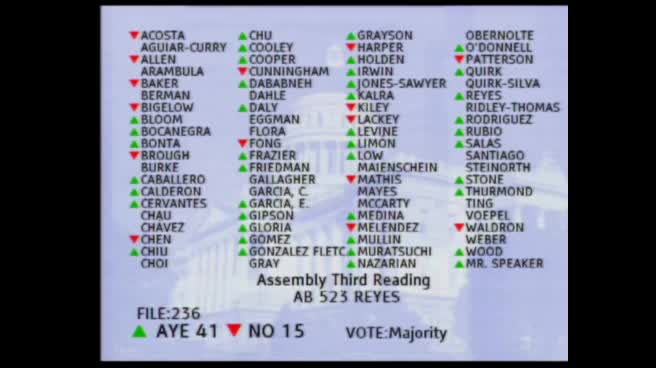
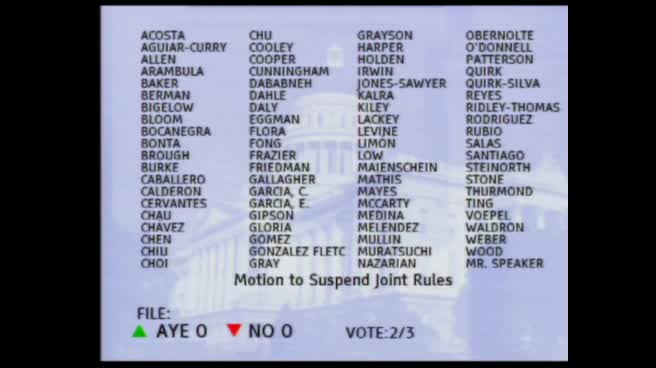
Bill Author

Bill Co-Author(s):